Periodico mensile registrato presso il Tribunale di Firenze al n. 6215 in data 10/03/2025
Iscrizione al ROC n. 42813
Spedizione in Abbonamento Postale Aut. n° CN-NE/00754/04.2025
Art Direction and layout Pilar Roca – pilarroca.com
Printer
Faenza Printing Via Vittime Civili di Guerra, 35 48018 Faenza (RA), Italy
All rights of reproduction and translation of the published articles are reserved. Any reproduction, even partial, is strictly prohibited without the publisher’s prior written authorization. All content is protected under copyright law. The editorial board assumes no responsibility for the opinions expressed by the authors of editorial and advertising texts.
Zootecnica ensures the confidentiality of personal data collected for subscriptions and purposes related to specialized publishing, in compliance with the General Data Protection Regulation (GDPR – EU Regulation 2016/679). Subscribers have the right to access, modify, or delete their personal data by submitting a written request to the publisher. Personal data will not be shared with third parties without explicit consent.
Scan to visit our website
EDITORIAL
➤ Marianna Caterino
This March issue is built around a clear message: health and production efficiency are the outcome of integration. Nutrition, management, prophylaxis and economic performance are no longer separate domains, they are interconnected elements of the same production system.
In the Dossier, we examine the role of bioavailable silicium as a nutritional additive. Supporting skeletal strength, egg quality and hatchability ultimately mean protecting productive potential across the entire supply chain.
Precision takes centre stage again in the Focus, dedicated to an integrated pneumatic vaccination system. Accurate dosing, reduced bird stress and procedural standardisation become critical factors, particularly at a time when skilled labour is increasingly scarce.
This integrated approach is further explored in the Management article, Management of drinking water and vaccination procedures: a strategic pairing for effective immunisation. It highlights how vaccine efficacy depends not only on the product itself, but also on water quality and the consistency of on-farm practices.
In the Veterinary section, Immune system and nutrition – the balance between immunity and growth in modern broiler crosses, we address one of the central challenges of contemporary poultry production: maintaining a proper balance between immune competence and growth performance in highly selected genetic lines.
The issue concludes with the Processing section, dedicated to wing injury prevention. Minimizing wing damage at slaughter is not an isolated processing task, but the result of proper handling practices and well-designed operational procedures throughout the final stages of production.
Today, competitiveness in poultry production is defined precisely here: in the technical coherence of the entire production system.
4 8
NEWS
12
DOSSIER
Bioavailable silicium as feed additive and its beneficial effects throughout poultry production
FOCUS
The evolution of poultry prophylaxis: effectiveness and precision in the service of animal health
16 22 28 34
MARKETING
The dynamics of global meat production. An analysis of the period from 2000 to 2023Part 2: imports
TECH COLUMN
Water quality
MANAGEMENT
Management of drinking water and vaccination procedures: a strategic pairing for effective immunization
38 42 44 47 48 MARCH 2026
VETERINARY
Immune system and nutrition: the balance between immunity and growth in modern broiler crosses
PROCESSING
Shielding wings from injuries
TECHNOLOGY SPOTLIGHT
JBT Marel gives you wings MARKET GUIDE
UPCOMING EVENTS INTERNET GUIDE
INJURIES AND ILLNESSES IN POULTRY PROCESSING
FALL BELOW ALL GENERAL INDUSTRY, MANUFACTURING AND FOOD MANUFACTURING
LEVELS AGAIN
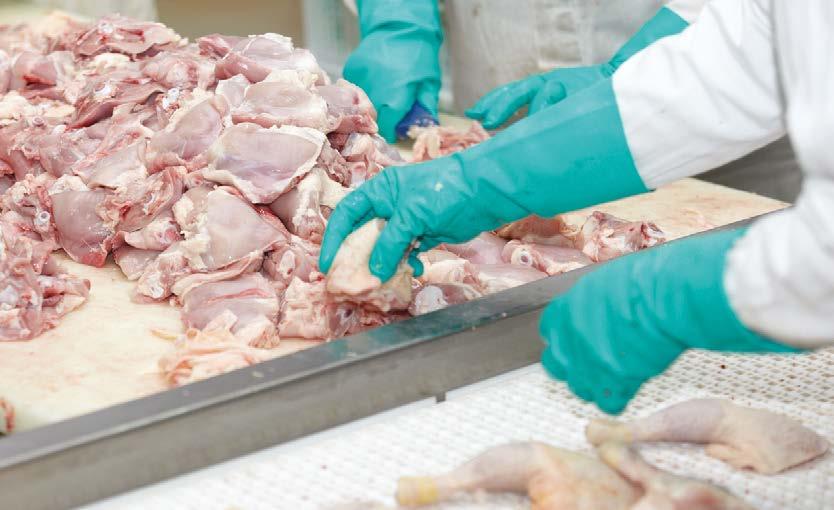
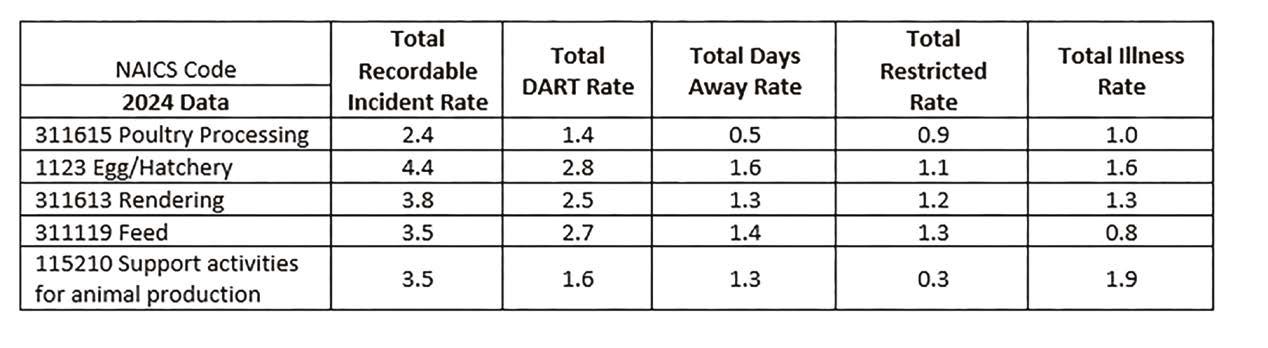
The incidence of occupational injuries and illnesses within the poultry sector’s slaughter and processing workforce has fallen below all general industry, manufacturing and food manufacturing levels again since the Department of Labor’s Bureau of Labor Statistics (BLS) began recording injuries and illnesses information in 1994. The total recordable poultry processing illness and injury rate for2024 is 2.4 cases per 100 full-time workers annually, the lowest rate recorded by the Bureau of Labor Statistics for poultry processing. The poultry industry’s rate of 2.4 was below the rate of 3.2 for similar agricultural industries in terms of injuries per 100 full-time workers and lower than 3.3 for the entire food manufacturing sector, all manufacturing industries at 2.7, and all general industry at 2.6.
Poultry processing’s 2024 rate of 2.4 represents a 90% decrease from 1994 (the oldest data available on the BLS website), when the recorded rate was 22.7. Below are the poultry processing incident rates for 2024.
“Poultry processing has achieved the lowest injury and illness rates ever recorded by BLS, confirming what our industry has worked toward for decades. This milestone reflects sustained investments in ergonomics, automation, training, and early intervention programs that put employee health first. While we are proud of this progress, our commitment to continuous improvement in workplace safety remains unwavering,” said the Joint Poultry Industry Safety & Health Council.
The Joint Poultry Industry Safety & Health Council consists of members from the U.S. Poultry & Egg Association (USPOULTRY), the National Chicken Council (NCC) and the National Turkey Federation (NTF). Collectively, the three organizations represent companies that produce 95% of the nation’s poultry products and directly employ more than 350,000 workers.
“Protecting our workforce is central to everything we do,” said USPOULTRY, NCC and NTF. “The latest Bureau of Labor Statistics data shows that poultry processing continues to outperform general industry, manufacturing, and food manufacturing in incident
rates — an achievement that reflects years of focused investment in safety, training and innovation. While we are pleased with this progress, we remain committed to raising the bar even higher to safeguard the health and well-being of our employees.”
Source: U.S. Poultry press release
VIV EUROPE 2026 MARKS 25TH EDITION AND LAUNCHES NEW TWO-YEAR EVENT CYCLE
VIV Europe will return in 2026 with its 25th edition, marking a milestone for one of the most established international trade platforms serving the agrifood and animal protein industries. Organizers Royal Dutch Jaarbeurs and VNU Europe have confirmed that this anniversary edition will also introduce a strategic change in the event’s schedule, with VIV Europe moving to a biennial cycle starting in 2028. The following edition is already set for June 2028.
The 2026 show reinforces VIV Europe’s role as a central European meeting point for innovation, trade and international business connections across the full feed-tofood value chain. According to the organizers, the new two-year rhythm is designed to provide greater continuity and planning stability for exhibitors, partners and visitors, while maintaining strong international reach.
First launched in the Netherlands nearly five decades ago, VIV Europe has grown into a globally recognized agrifood exhibition. The 25th edition will highlight
this legacy by bringing together industry leaders, researchers, companies, institutions and policymakers who contribute to the development of modern animal production. Around 600 exhibitors are expected to present new technologies, equipment and product developments, confirming the event’s long-standing reputation as a global industry showroom.
Visitor attendance is projected at approximately 20,000 international professionals. The technical and business program will be supported by partners including Rabobank, Wageningen University, the World Poultry Science Association and Common Source. Content sessions will focus on current agrifood challenges and the future of animal farming, alongside VIV Week, a series of sector activities dedicated to the broader industry.
The 2026 edition will take place in Utrecht, the Netherlands, recognized for its strong position in agricultural innovation and digital infrastructure. The host country’s innovation profile aligns with the event’s focus on technology, efficiency and system integration across animal protein production.
Poland has been named Country of Honor for 2026. As the leading poultry producer in the European Union and one of the region’s fastest-growing exporters, Poland will be featured through dedicated sessions, delegations and matchmaking activities, with attention on its modernization and integrator-driven production model.
VIV Europe 2026 will present curated sectors covering poultry, swine, dairy, feed, animal health and processing, supported by an expanded Hosted Buyer Program and an enhanced Industry Leaders Program. Program themes include automation, robotics, precision and digital farming, animal welfare, feed-to-food integration and next-generation processing technologies. Market response has been strong, with more than 97% of exhibition space already sold. Exhibitors from Europe, Asia and the Middle East have confirmed participation, underlining continued global demand for a stable and international agrifood business platform.
Visit the VIV Europe website at europe.viv.net for the latest information on the event.
BIOAVAILABLE SILICIUM AS FEED ADDITIVE AND ITS BENEFICIAL EFFECTS THROUGHOUT POULTRY PRODUCTION
Silicium is a naturally occurring trace element that supports bone formation, collagen synthesis, and structural integrity in tissues and eggshell membranes. In poultry, dietary bioavailable silicium can improve skeletal strength, egg and eggshell quality, laying performance, and hatchability, making it a valuable additive across production systems.
➤ Barbara Brutsaert1, Giuditta Tilli2, Maarten De Gussem2,3
3 Faculty of Veterinary medicine, University of Ghent, Salisburylaan 133, 9820, Merelbeke, Belgium
The role of silicium in bone health, connective tissue integrity and egg quality
Silicium (or silicon) is a naturally occurring trace element widely present in the environment (particularly in soil and plants). Silicium rarely exists in its bioavailable form, as it rapidly binds with oxygen to polymerize and form silica and silicates. Orthosilicic acid (OSA), silicium’s bioavailable form, is nevertheless recognized as an essential nutrient with demonstrated biological value1.
Biological distribution and functions
Silicium is found in all organs and tissues, with the highest concentrations in connective tissues, typically rich in collagen, and mineralized structures such as bone2. Research in both humans and animals shows that dietary bioavailable silicium plays a significant role in collagen formation and supporting overall skeletal health. Its involvement includes:
• stimulating collagen synthesis, essential for the architecture, strength, and elasticity of connective tissues and bones;
• enhancing bone development and mineralization;
• promoting osteoblasts and fibroblasts formation;
• interacting with calcium to support optimal bone metabolism. These combined effects highlight silicium’s importance in maintaining strong, healthy collagen and skeletal structures1-3
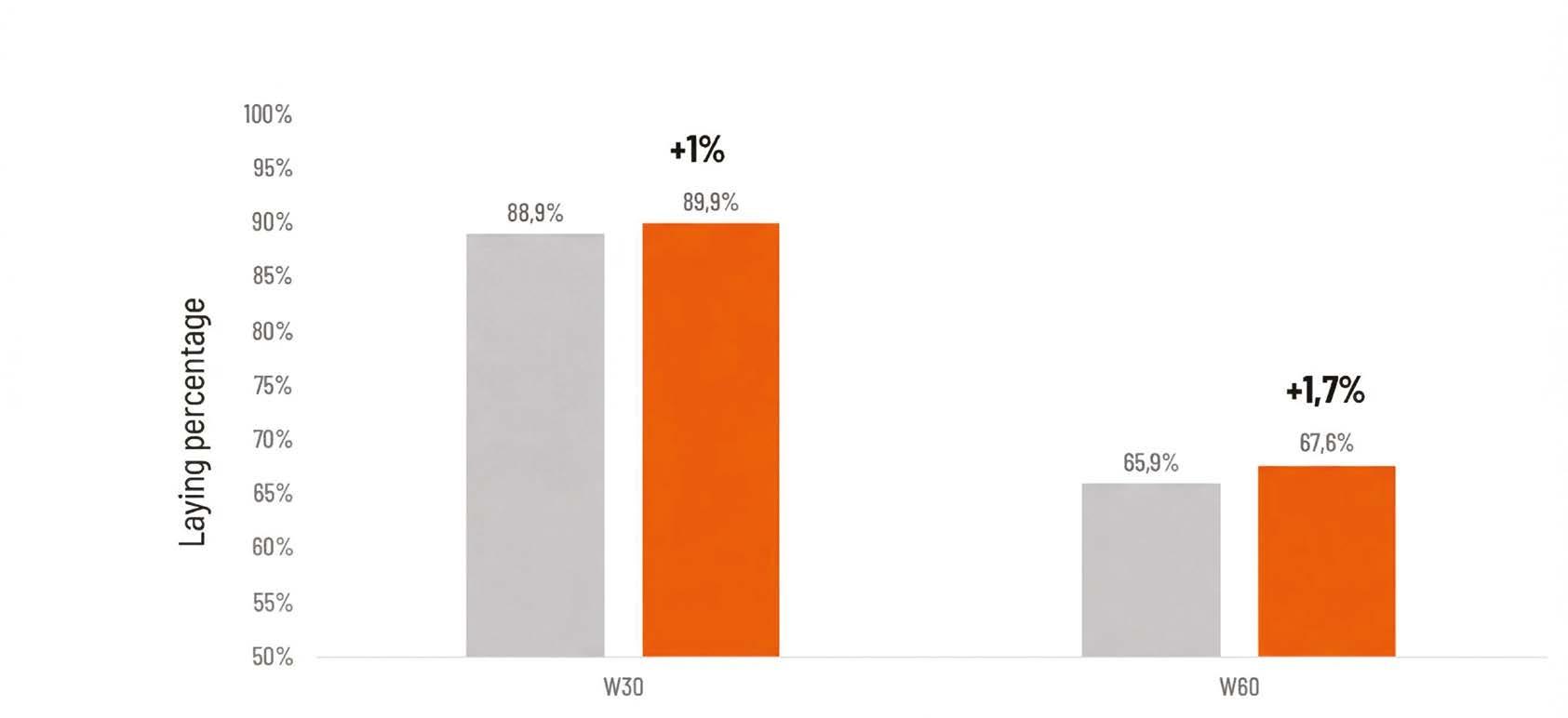
▲ Figure 1 – Comparison between control (grey) and treatment (orange) group on performance parameters of the flocks (laying percentage) in a trial conducted in Belgium. Two flocks of 20,000 Ross 308 breeders were monitored: one control flock and one receiving 150 g/t of the silicium-based product. From week 16 to 61, performance was recorded, with supplementation applied from week 22 onward. Laying rate, total egg output, cumulative production, and hatchability were continuously tracked throughout the trial. Treatment product is a bioavailable silicium-based feed additive commercially on the market.
Silicium and egg and eggshell quality
Beyond its role in bone physiology, silicium contributes to the structural integrity of eggshell membranes. By supporting collagen synthesis, silicium helps reinforce the mechanical properties of these membranes, which are crucial for:
• shell mineralization;
• elasticity and resistance to mechanical stress;
• barrier function against pathogens.
Silicium is also essential for the vitelline membrane, which plays a key role in:
• maintaining yolk centralization;
• regulating nutrient exchange;
• protecting the developing embryo from the alkaline environment of the albumen.
Scientific evidence confirms the presence and functional importance of collagen in both the eggshell and vitelline membranes, underscoring silicium’s relevance in reproductive performance and egg quality4,5.
Bioavailable silicium supplementation as a tool to support collagen, skeletal health and performance in modern poultry production
Selective breeding in commercial poultry has substantially increased skeletal demands across production systems. In broilers, rapid muscle accretion places considerable strain on the developing skeleton, while in layers, continuous egg production requires sustained mineral mobilization and structural resilience. These pressures heighten the
importance of nutritional strategies that support bone integrity and connective tissue strength.
Bioavailable silicium has demonstrated beneficial effects on collagen synthesis, bone mineralization, and overall skeletal robustness. Its inclusion as a dietary additive may therefore offer advantages throughout the poultry production chain. Findings from previous studies in broilers further highlight silicium’s potential to enhance skeletal strength and reduce the incidence of structural disorders6. Although silicium is not classified as an essential nutrient, the use of bioavailable silicium-based products in poultry husbandry may contribute positively to animal welfare, skeletal health, and productive performance.
Considering the background, a series of trials was conducted to assess its efficacy throughout the entire poultry production chain, examining its impact from breeders to commercial flocks.
Performance of broiler breeder flocks supplemented with bioavailable silicium
Across multiple broiler breeder operations, internal trials conducted in Belgium, China, and the Philippines consistently demonstrated the positive impact of supplementing a bioavailable silicium product. Flocks receiving bioavailable silicium showed improved laying performance, with increases of 1% to 2% in key production phases (Belgium, Figure 1) and, in some cases, up to a 3.8% rise in total egg output (China). Enhancements in eggshell quality were also evident, including greater shell stiffness, increased thickness, and a lower incidence of cracked eggs (Belgium). These improvements translated into better
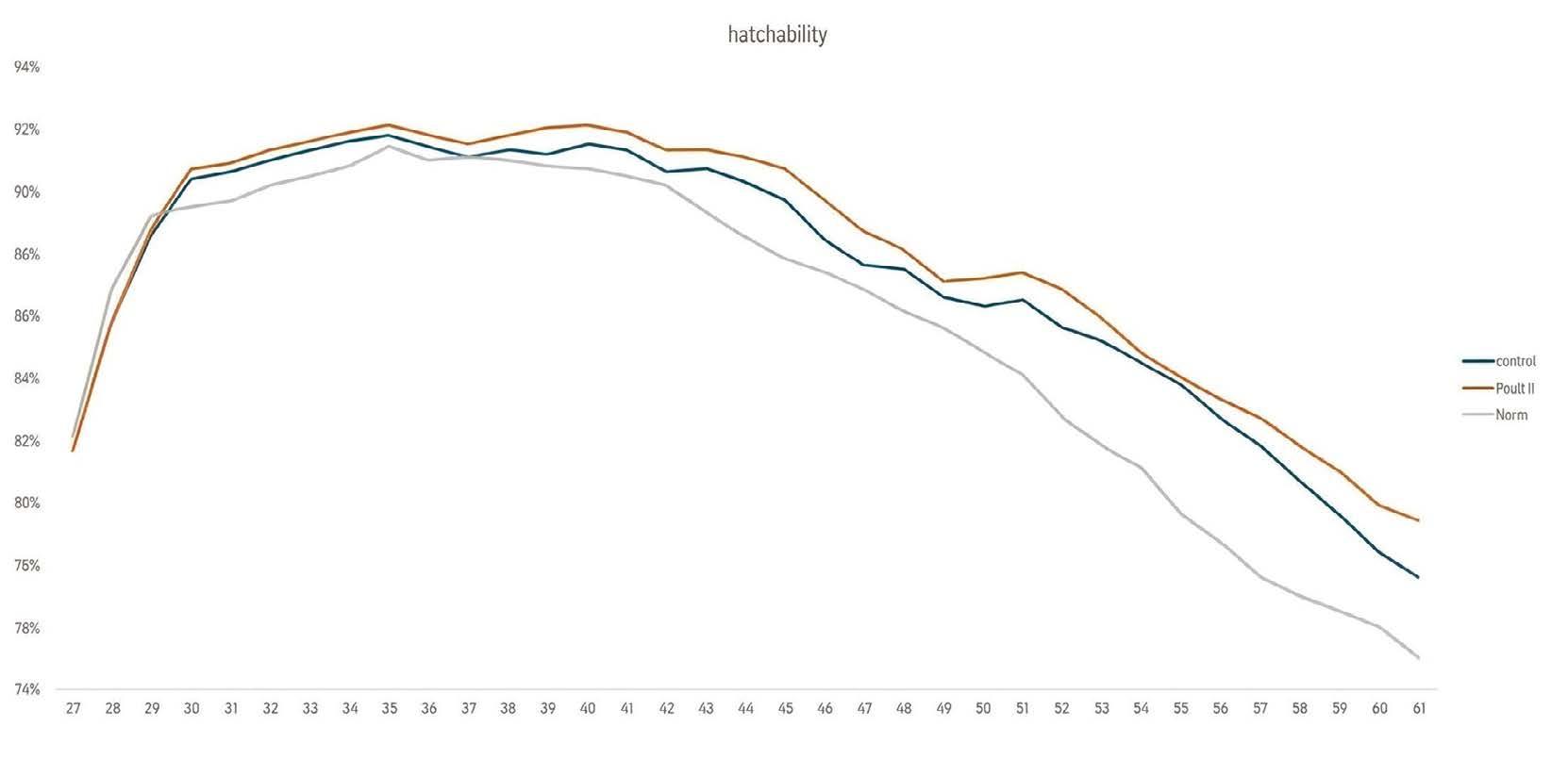
▲ Figure 2 – Comparison between control (blue) and treatment (orange) group on hatchability of eggs from the flocks. Data coming from regular hatches from different flocks at the same period are also reported for comparison (grey) in a trial conducted in Belgium. Two flocks of 20,000 Ross 308 breeders were monitored: one control flock and one receiving 150 g/t of the silicium-based product. From week 16 to 61, performance was recorded, with supplementation applied from week 22 onward. Laying rate, total egg output, cumulative production, and hatchability were continuously tracked throughout the trial. Treatment product is a bioavailable silicium-based feed additive commercially on the market.
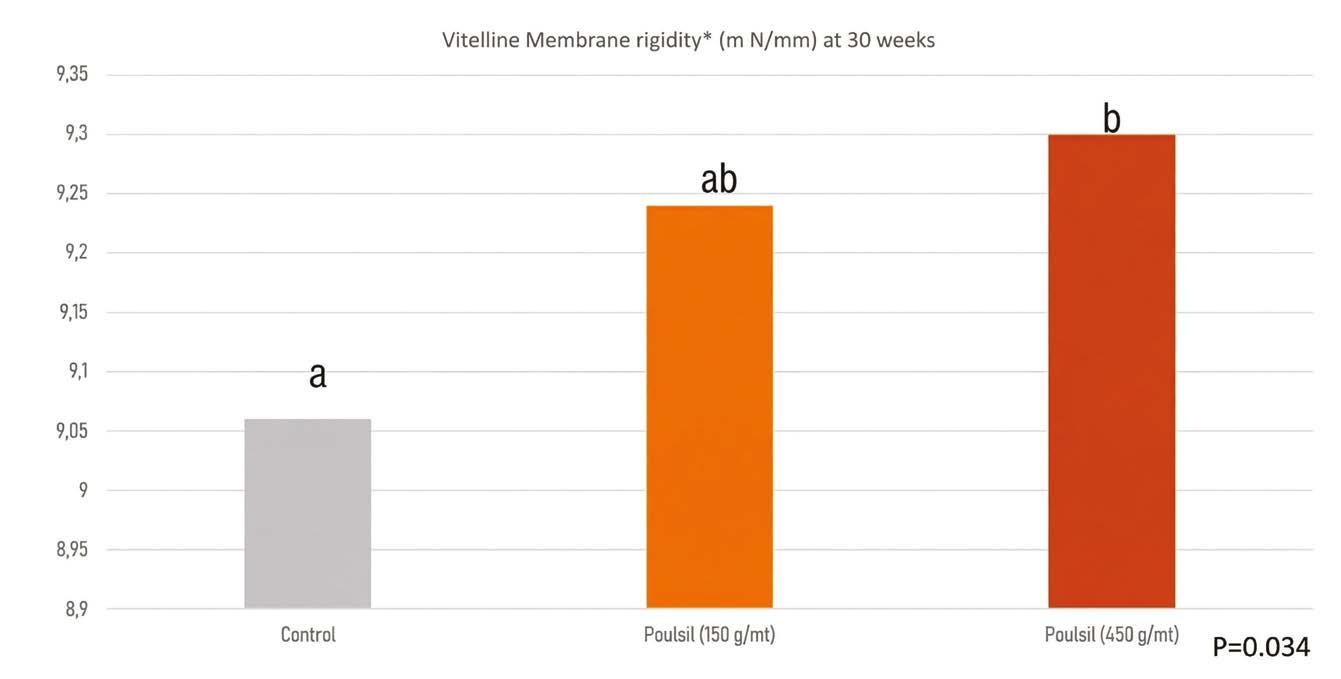
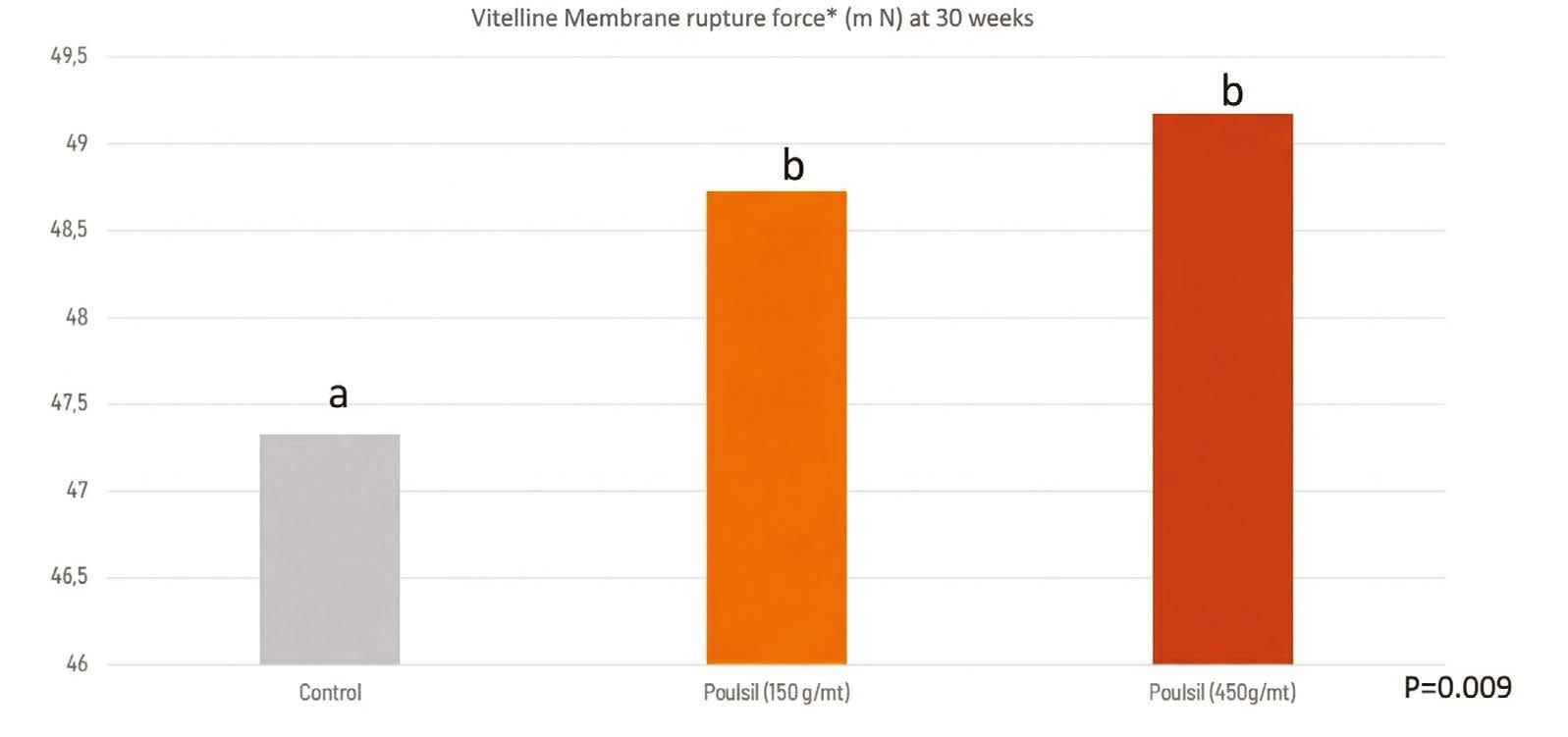
▲ Figure 3 – Comparison between control (grey) and different concentration of product in the treatment (orange) groups on vitelline membrane rigidity (i.e., extent to which vitelline membrane resists to deformation in response to an applied force) of eggs coming from the flocks. Statistically significant improvement in vitelline membrane rigidity indicates a better egg quality from birds after silicium supplementation. Data coming from a trial conducted in Belgium. Around 390 laying hens per treatment were monitored, with supplementation applied from week 26 to week 30. Treatment product is a bioavailable silicium-based feed additive commercially on the market.
hatchery outcomes, with higher hatchability rates and a notable increase in the number of day-old chicks produced (Belgium, Figure 2), exceedingly more than 4 additional chicks per breeder hen (Belgium).
Performance of layer flocks supplemented with bioavailable silicium
Across multiple commercial layer operations, trials conducted in Portugal, the Philippines, and France consistently demonstrated the positive impact of supplementing bioavailable silicium. Supplemented flocks showed improved laying performance, with higher laying percentages and increased average egg weight across production phases. Enhancements in egg quality were also evident, including a marked reduction in cracked and broken eggs, contributing to more first grade sellable eggs. Internal egg quality improved, as eggs from supplemented hens displayed a stronger vitelline membrane (Figures 3 and 4), supporting reduced yolk rupture and improved
▲ Figure 4 – Comparison between control (grey) and different concentration of product in the treatment (orange) groups on vitelline membrane rupture force (i.e., the maximum force applied on the yolk before membrane rupture). A higher rupture force indicates a stronger vitelline membrane, which is associated with fresher eggs. Highly statistically significant improvement in vitelline membrane rupture force indicates a better egg quality from birds after silicium supplementation. Data coming from a trial conducted in Belgium. Around 390 laying hens per treatment were monitored, with supplementation applied from week 26 to week 30. Treatment product is a bioavailable silicium-based feed additive commercially on the market.
suitability for handling, storage, and processing. Additional benefits were observed in feed efficiency improved as well, with treated hens exhibiting a lower feed conversion ratio, indicating more efficient nutrient utilization.
Silicium as a key driver for flock efficiency
Across both breeder and layer operations worldwide, the use of bioavailable silicium consistently delivered measurable benefits throughout the poultry production chain. In broiler breeders, supplementation beginning at week 21 resulted in additional eggs and a higher number of chicks hatched, corresponding to an estimated return on investment (ROI) of 9.6 based on a DOC market price of €0.41. Continuous administration from week 22 to week 61 improved eggshell quality, laying performance, and hatchability, demonstrating clear advantages at both farm and hatchery level. Similar positive outcomes were observed in commercial layers, where silicium supplementation enhanced productivity, egg quality, and feed efficiency across diverse production environments. Taken together, these findings highlight bioavailable silicium as a valuable nutritional strategy to support reproductive efficiency, eggshell integrity, and overall flock performance in modern poultry systems.
Bibliography
1Jugdaohsingh R. Silicon and bone health. J Nutr Health Aging. 2007 Mar-Apr;11(2):99-110. PMID: 17435952; PMCID: PMC2658806 https://pmc.ncbi.nlm.nih.gov/ articles/PMC2658806/ 2Götz W, Tobiasch E, Witzleben S, Schulze M. Effects of Silicon Compounds on Biomineralization, Osteogenesis, and Hard Tissue Formation. Pharmaceutics. 2019 Mar 12;11(3):117. doi: 10.3390/pharmaceutics11030117. PMID: 30871062; PMCID: PMC6471146. https://pmc.ncbi.nlm.nih.gov/articles/PMC6471146/ 3Pritchard A, Nielsen BD, Robison C, Manfredi JM. Low dietary silicon supplementation may not affect bone and cartilage in mature, sedentary horses. J Anim Sci. 2020 Dec 1;98(12):skaa377. doi: 10.1093/jas/skaa377. PMID: 33216909; PMCID: PMC7749713. https://pmc.ncbi.nlm. nih.gov/articles/PMC7749713/
4Pillai, M.M., Saha, R. & Tayalia, P. Avian eggshell membrane as a material for tissue engineering: A review. J Mater Sci 58, 6865–6886 (2023). https://doi.org/10.1007/s10853-023-08434-2
5YH Zhao, YJ Chi. Characterization of collagen from eggshell membrane. Biotechnology (Faisalabad), 2009. https://scialert.net/abstract/?doi=biotech.2009.254.258 6Prentice, Sophie Elizabeth. The effects of silicon on skeletal integrity. Nottingham Trent University (United Kingdom) ProQuest Dissertations & Theses, 2019. 27767110. https://www.proquest.com/ope nview/63985a0bb7b30c9befc9b27da3215992/1?pq-origsi te=gscholar&cbl=51922&diss=y
THE EVOLUTION OF POULTRY PROPHYLAXIS:
EFFECTIVENESS AND PRECISION IN THE SERVICE OF ANIMAL HEALTH
In modern poultry farming, the efficiency of prophylactic operations is no longer assessed solely in terms of speed, but also in terms of dosing accuracy, animal welfare, and biosecurity. These operations, traditionally reliant on manual skill and the experience of vaccination teams, are increasingly becoming a production bottleneck, as the availability of specialized personnel continues to decline.
➤ Luca Bianco Veterinarian
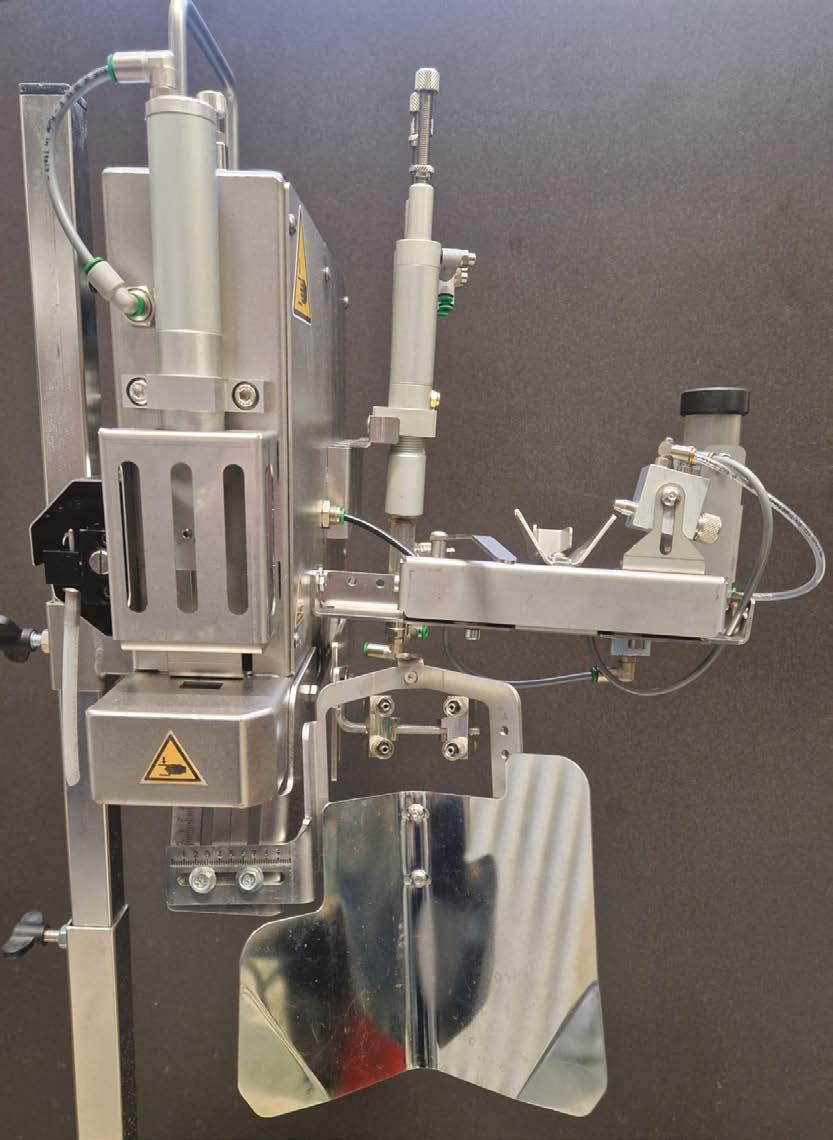
Against this backdrop, the patented device distributed by Giordano and developed by Prof. Dante Lorini, now an integral part of the group’s Vaccination Devices category, represents a significant step forward compared to traditional methods. It is an “all-in-one” pneumatic vaccination station that integrates ocular-conjunctival spray, intramuscular (IM) injection, and wing membrane scarification. The system is designed to standardize the vaccination process, increase its precision, and ensure high operational quality, allowing up to seven vaccinations to be performed during a single handling of the animal.
Design philosophy: ergonomics and adaptability
The core of the innovation lies in the machine’s ability to adapt to the bird’s morphology, rather than requiring the bird to adapt to the equipment. The system is entirely pneumatic, eliminating electrical components and ensuring operability even in challenging environments with high levels of dust and humidity. The stainless-steel construction is easy to sanitize and disinfect at the end of vaccination procedures (any type of disinfectant can be used).
The modular structure allows adjustment along three axes, making it suitable for birds of any age and size, with particular suitability for pullets aged 80-90 days. Moreover, adaptability to the specific operating context is further enhanced, as farmers or operators can modify the rods and/ or trolleys supporting the equipment to meet their needs.
Thanks to standardized measuring scales, once a single machine is calibrated, the same settings can be accurately replicated on all other devices in use simultaneously. Finally, its global distribution ensures easy access to manufacturer support and the availability of spare parts for maintenance.
Anatomical and functional analysis of vaccination methods
The device addresses the limitations of manual vaccination through engineering solutions that respect the anatomy of these animals. The operational procedure involves controlled handling of the animal by gripping the back with the right hand and the left wing with the left hand.
The subsequent vaccination steps include:
A. wing puncture
The wing is inserted horizontally, with the dorsal side facing upward, into the central slot of the device for localized intradermal/subcutaneous inoculation or transfixion. Applying light pressure activates a micro-pneumatic mechanism that moves a special needle vertically and perpendicularly downward; this needle is coated with the vaccine solution contained in the underlying tray, distributing the viral suspension into the wing membrane tissues (epidermal/dermal/interstitial connective tissue layers) as it rises back up.
The entire vaccination cycle is completed in about 250 milliseconds, and the system prevents repetition until the command is released.
The device replaces the traditional double needle (often causing excessive lesions or breaks) with a single special needle (160 micron diameter) featuring:
• needle geometry: shaped with a piercing tip and long taper, including an internal roughened zone to retain the exact vaccine dose for tissue adhesion during needle withdrawal. These features ensure minimal damage to the wing membrane.
• guaranteed dosing: tests confirm perfect accuracy, delivering 1,000 doses to 1,000 birds. This eliminates manual method waste, ensures compliance with pharmaceutical solvent/solute ratios, and the tray’s specific geometry maximizes solution use.
B. intramuscular (IM) injection
At the same time as wing positioning, the bird’s chest is placed against the contoured mask on the right. A moving sled brings the needles into contact with the birds’ pectoral muscles, ensuring inoculation at the correct site (in pullets, ideally 2.5–4 cm from the sternal bone, in the upper third of the chest, with the needle angled downward at 45°).
Manual injections are subject to human error related to fatigue, incorrect angle/depth, often leading to deposits in wrong anatomical sites (too superficial or too deep, risking penetration into the coelomic cavity and damage to underlying organs like liver or heart, causing animal death) and/or granulomas.
The pneumatic system eliminates these variables, ensuring:
• constant intrinsic pressure: the vaccine is delivered under controlled force through muscle fibers, ensuring
uniform diffusion into deep layers, reducing localized pockets and associated granuloma incidence.
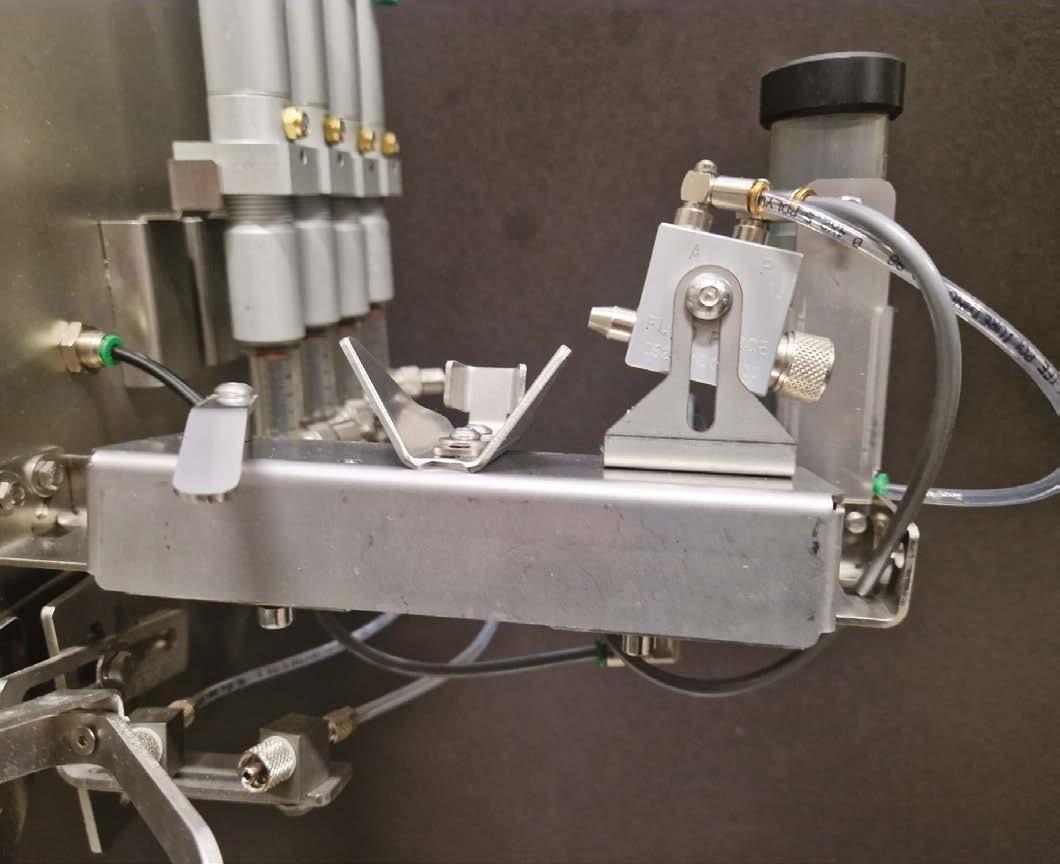
• multiple injections : a sled driven by a pneumatic cylinder enables up to four injections at different points in a single operation, using adjustable parallel/ converging needles.
• needle stability/integrity: the smooth sled movement reduces wear (using standard Luer Lock needles of varying diameters/lengths), drastically lowering risks of trauma/infection.
• syringes: individually adjustable for diverse vaccine dosages. Separate injection circuits (each dispenser has its own volume) prevent vaccine mixing, preserving pharmacological integrity.
• support rods: useful for connecting bags/vials of vaccine solutions to fill syringes.
C. ocular-conjunctival spray
Following injection, the operator moves the bird to the left and positions the head on the appropriate contoured support, so that the eyes align with the vaccine spray dispensers; light pressure with the left hand on a mobile lever activates a second micro-pneumatic mechanism that commands timed spray application. The spray deposits the inoculum directly into the conjunctival sac, between the bulbar surface and the inner eyelid. From this site, the vaccine reaches Harder’s gland (a lymphoid organ essential for mucosal immune stimulation) and is subsequently distributed throughout the respiratory epithelium (superficial and/or deep) through passage via nasal cavities/choana and oral cavity, via the nasolacrimal duct.
Traditionally, ocular vaccination required tilting the bird’s head and drop-by-drop dosing, operations that often induced instinctive eyelid closure or required manual force. Furthermore, a hurried or fatigued operator may release the bird before the drop is fully absorbed, without waiting for the bird to blink before releasing it.
The new system leverages the “Venturi effect,” providing the following advantages:
• natural position: the animal maintains the head in a physiological position without recline, on a specialized contour following its morphology. This also reduces the eyelid closure reflex.
• fluid dynamics: spray pressure is calibrated to slightly lift the eyelid, ensuring vaccine reaches the entire ocular orbit before the bird can close its eye.
• flexibility: option for dual reservoirs, individually connected to their respective dispensers, to administer two vaccines simultaneously. The dispensers are adjustable in position and angle to ensure precise orientation toward animal pupils. Vaccine volume is modifiable via screws on individual sprayers.
• efficiency: immediate confirmation of correct administration is visible by observing any dye used by directly inspecting the animal’s oral cavity. Additionally, positioning the spray on the right (or as otherwise configured) allows this operation as the first phase. While
the operator proceeds with the subsequent steps, the vaccine has time to be properly absorbed.
Animal welfare and biosecurity
The most significant competitive advantage is the reduction of animal handling. While traditional methods required up to four separate handling steps to complete the full vaccination cycle, the new method involves a single collection of the bird, administrating all treatments in rapid sequence (spray → intramuscular injection(s) + wing puncture).
This approach drastically reduces the risk of trauma and stress for animals. As a result, it lowers potential respiratory and/or enteric conditions associated with stress, reduces the need for medication/additives, and limits the formation of culled birds with improved uniformity and reduced mortality.
The use of fewer operators and reducing the number of handling steps represents a significant advantage in terms of biosecurity. Fewer personnel movements in and out of the facility, as well as between different sites on the same day or different days, limits the possibility of introducing or spreading potential pathogens, ensuring greater control over the application of hygiene and preventive measures.
Strategic analysis: the machine as a response to personnel shortage
This is where the system’s true long-term value becomes evident. Labor shortages are not a transient phenomenon, but a structural and increasingly urgent issue. The modern farmer must address:
• high turnover: difficulty finding and training personnel who often leave after just a few months.
• training costs: time lost teaching the “sensitivity” of manual vaccination.
• fatigue: human errors due to repetitive movements (RSI) on thousands of birds.
Parameter
Productivity
Precision
The device acts as a skills equalizer:
• De-skilling of the operation: the operator no longer needs to decide how to vaccinate, but only where to position the animal. The “expert hand” is replaced by machine calibration. Once a “recipe” (pressures, distances, volumes) is set on one machine, it can be replicated at all stations, ensuring that a newly hired operator achieves the same health outcomes as a more experienced one.
• Operator safety and welfare: the risk of self-injection (more common with manual syringes and struggling animals) and reduction of physical strain enable more peaceful and productive work shifts.
• Optimization : with a single operator performing up to four operations simultaneously, the number of personnel needed to complete a vaccination cycle is reduced. In a context where reliable labor is difficult to find, achieving the same results with fewer people becomes a decisive advantage.
Traditional method
Variable, multi-operator
Dependent on operator fatigue
Maintenance Simple but frequent
Operator safety
Logistics
High risk of self-injection
Requires ample space
Pneumatic system
700–750 birds/hour (average) with single operator; approximately 1,000 birds/hour in floor systems (higher unit yield)
Minimal (O-ring replacement, cleaning), millions of vaccination cycles
Minimized risk, improved ergonomics
Compact, ideal for all farm types (floor, cage, aviary)
The modular structure allows adjustment along three axes, making it suitable for birds
of any age and size, with particular suitability
for pullets aged 80-90 days
Cost-benefit analysis and performance
Despite its advanced technology, the system is designed for robustness and operational economy.
Conclusion
The adoption of this equipment should not be read merely as a “technology purchase,” but as an insurance policy on the production process.
By guaranteeing the certainty of the inoculated dose (1,000 doses = 1,000 birds), correct anatomical placement, and optimal management, independent of individual operator skill, it offers farmers a tool to elevate health standards while reducing labor costs and operational risks. Furthermore, given recent prospects for possible introduction of multiple mandatory parenteral vaccinations, the device is already equipped for simultaneous multiple injections (up to four in a single handling).
In a future where skilled labor continues to become scarcer, this system can transform vaccination from a “manual art” to a standardized, scientifically validated, and economically sustainable “industrial process”.
THE DYNAMICS OF GLOBAL MEAT PRODUCTION
An analysis of the period from 2000 to 2023 – Part 2: imports
A preceding article documented the development of global meat1 exports (Windhorst, 2026). This follow-up article analyses the dynamics in meat imports.
➤ Hans-Wilhelm Windhorst
Professor
Emeritus at the University of Vechta, Germany
Between 1970 and 2023, global meat exports rose from 4.0 million mt2 to 43.2 million mt, an increase of almost 980%.
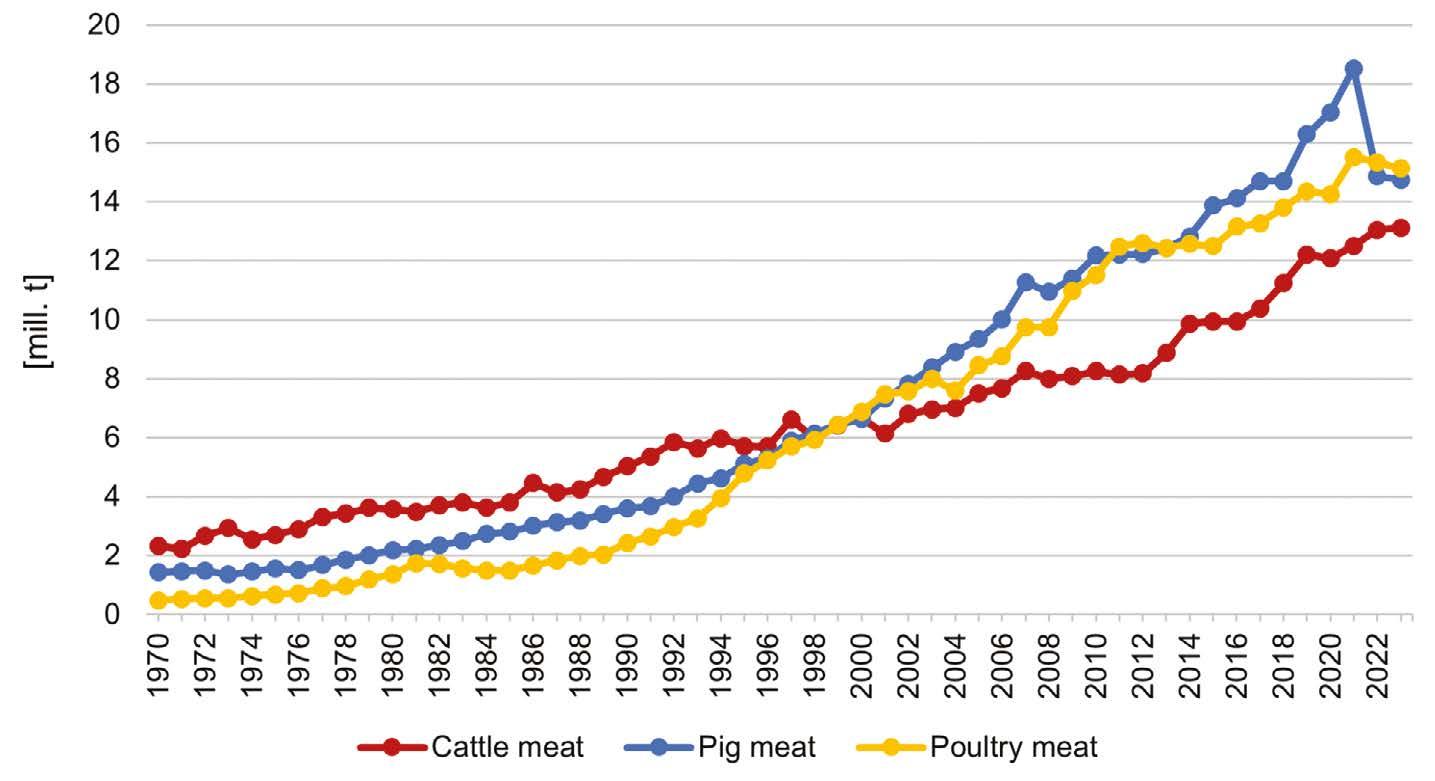
Looking at the development of the import volumes separately by meat type (Figure 1), it can be seen that they grew almost
in parallel. However, it is noteworthy that imports of cattle meat exceeded those of pig meat and poultry meat until the end of the 1990s. In the following two decades, poultry meat and pig meat alternated several times in the top position. The sharp rise in pig meat imports towards the end of the last decade was a result of the outbreaks of African swine fever in Asia. This article will analyse both the longer-term development and the dynamics since 2000 in detail.
1 Only the three most important meat types, beef, pork and poultry, are considered; the data for beef includes buffalo meat.
2 1 mt = 1,000 kg
Long-term development –Parallel dynamics
▲ Figure 1 – The development of global cattle meat, pig meat and poultry meat imports between 1970 and 2023
Design: A. S. Kauer based on FAO data. Fleischart
An analysis of meat import development between 1970 and 2023 shows a remarkable parallelism in the three meat types considered here (Figure 1). However, the absolute and relative growth rates differed considerably. In 1970, the import volume of cattle meat was about twice as high as that of pig meat and almost four times higher than that of poultry meat. Cattle meat accounted for 58.2% of total imports of the three meat types, pig meat for 29.8% and poultry meat for 12.0% (Table 1). Until 2023, poultry meat imports grew by 14.6 million mt, or a thirtyfold increase, pig meat imports by 13.7 million mt, more than tenfold. Although cattle meat showed the lowest absolute growth at 10.7 million mt, it still increased almost fivefold compared with 1970. The different dynamics resulted in considerable changes in the shares of meat types in total meat imports. While the share of poultry meat roughly tripled, that of cattle meat almost halved. It is striking that pig meat recorded a significant increase in market share between 1970 and 2020. This distribution pattern was still largely present in 2023. However, as can be seen from Table 1, it differed in 2020 from that in 2000 and 2023. The reasons for this will be discussed in more detail in a later section of the paper.
■ Table 1 – Change in the share of cattle meat, pig meat and poultry meat in global meat imports between 1970 and 2023; data in %
Source: own calculation based on FAO data.
Medium-term development –Momentum continues
In the next step, it will be analysed how meat imports developed between 2000 and 2023. Table 2 shows that the momentum continued during this period. The import volume increased by a total of 22.5 million mt. Imports of pig meat and poultry meat more than doubled, while cattle meat imports rose by 96.4%. The largest absolute increase, at 8.2 million mt, was in poultry meat, while the highest relative increase, at 122.9%, was in pig meat.
■ Table 2 – The varying development of global imports of cattle meat, pig meat and poultry meat between 1970 and 2023
Source: FAO data.
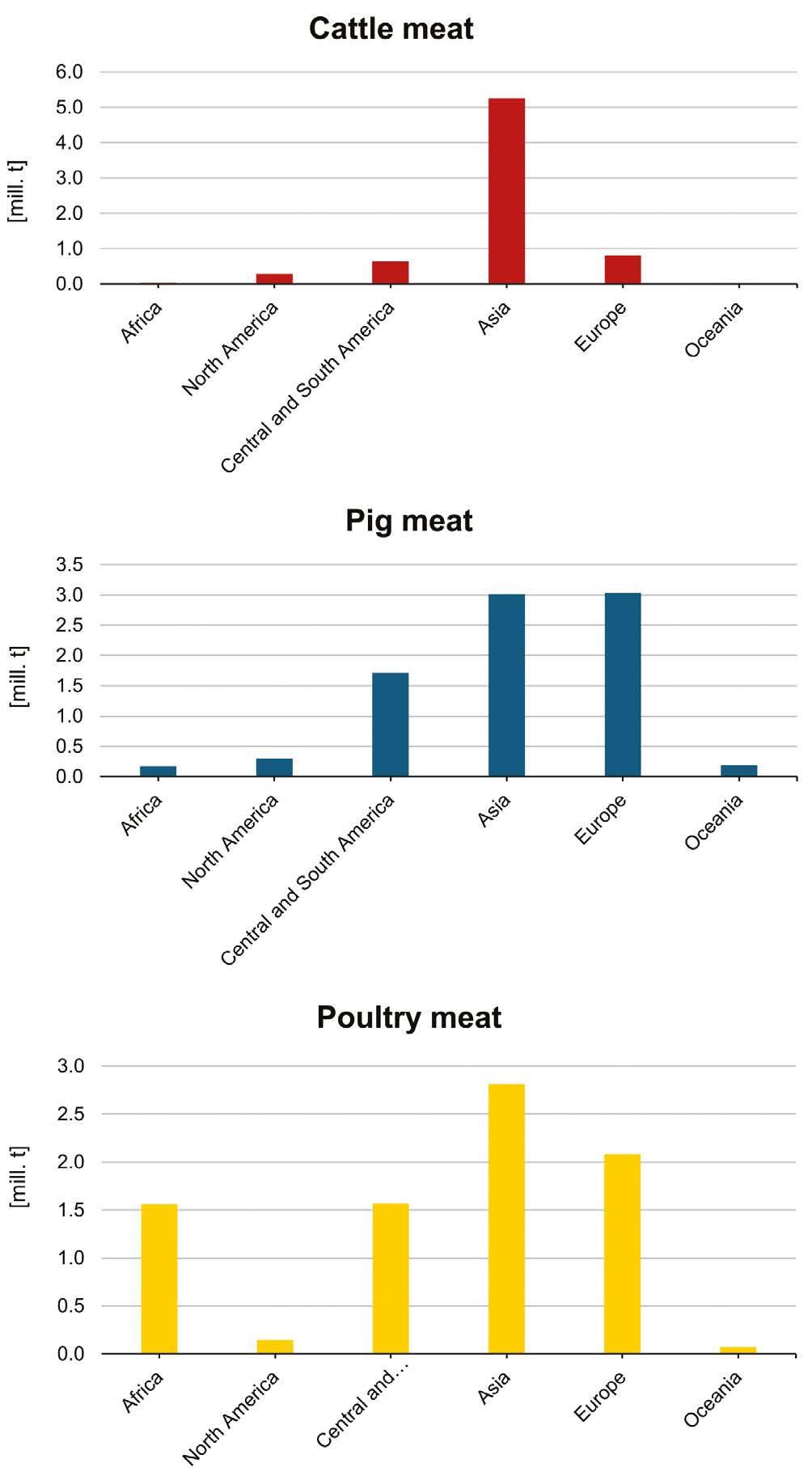
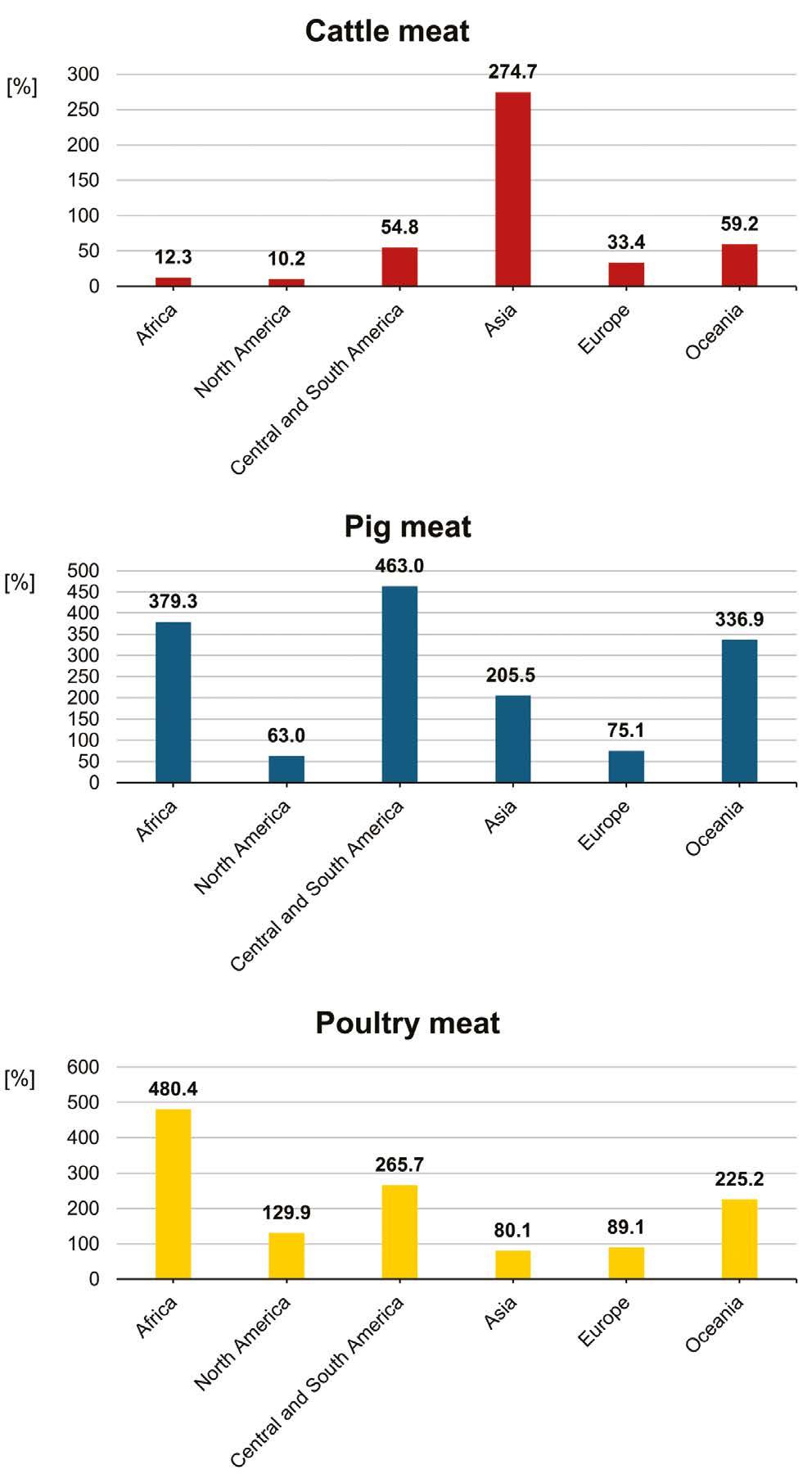
Looking at the continents, there are notable differences (Figure 2). Asia took the unchallenged lead with an increase in meat imports of 11.1 million mt, followed by Europe with 5.9 million mt and Central and South America with 3.9 million mt. Surprisingly, the two North American countries recorded a significantly lower growth of only 727,000 mt. High domestic production and self-sufficiency were the decisive reasons for the low imports. In terms of cattle meat, Asia ranked first with an increase in imports of 5.3 million mt, well ahead of Europe and Central and South America. Imports from the other continents were insignificant in comparison. Regarding pig meat, Europe and Asia had equal imports of 3.0 million mt each, followed by Central and South America with 1.7 million mt. Here, too, the import volumes of the other continents were comparatively small. Asia and Europe also took the leading positions in poultry meat. It is worth noting that Central and South America and Africa imported almost equal quantities of poultry meat, at 1.6 million mt each. The high imports of Central and South America are surprising, as the continent was in the leading position in exports with an increase of 4 million mt in the same time period. A detailed analysis at country level would show that Brazil had a high export surplus, while Mexico and some other countries in Central and South America had to import poultry meat to supply their populations. The dynamics observed during the period under review can best be documented by the relative growth rates. Figure 3 compares developments at continent level and by meat type. The highest relative increase in cattle meat imports showed Asia at 274.7%, followed by Oceania at 59.2% and Central and South America at 54.8%. Significantly lower growth rates were achieved in the other continents.
The highest growth rate for pig meat showed Central and South America at 463.0%. This was followed by Africa at 379.3%, Oceania at 336.9% and Asia at 205.5%. Growth rates were much lower in Europe and North America. Both continents had a high degree of self-sufficiency. A detailed analysis at country level would show that in Africa it was mainly the nonIslamic countries that increased their imports. In Oceania, the rapidly rising per capita consumption led to increased imports, particularly by New Zealand, Australia and Papua New Guinea.
▲ Figure 2 – The absolute change of global meat trade at continent level and by meat type between 2000 and 2023
Design: A. S. Kauer based on FAO data.
At first glance, it is surprising that Africa achieved the highest growth rate of 480.4% for poultry meat. This was mainly due to the increased demand from Islamic countries in North Africa. In Oceania, imports have risen particularly since 2019 as a result of the COVID-19 epidemic. At 255.7%, Central and South America saw the highest relative increase among the continents with a large production
volume. At first glance, the high growth rate in North America is surprising. This can be explained by the massive outbreaks of avian influenza in 2022 and 2023, which made imports necessary to supply the population. Imports by the USA rose by around 160,000 mt or 839% between 2020 and 2023 alone.
▲ Figure 3 – The relative changes in global cattle meat, pig meat and poultry meat imports between 2000 and 2023 by continent Design: A. S. Kauer based on FAO data.
Figure 4 documents the role of each continent in the development of global meat imports between 2000 and 2023. Asia’s dominant position in meat imports is reflected in its 48.8% share. Europe and Asia had almost equal shares in pig meat imports. Both continents occupied the top two positions for all three meat types, with Asia’s exceptional position in cattle meat imports being particularly noteworthy. It is remarkable that Central and South America ranked third overall and for individual meat types, while North America played only a minor role in meat imports. This can be explained by the large domestic production and the resulting high degree of self-sufficiency.
Short-term developments – Animal diseases and the COVID-19 pandemic
The analysis of the development of imports of the three meat types considered here shows that the dynamics of pig meat imports was interrupted between 2020 and 2023. Imports fell by 1.4 million mt, or 8.8%. In contrast, imports of cattle meat and poultry meat continued to rise, with cattle meat imports increasing by 1.1 million mt and poultry meat imports by 1.4 million mt (Table 3). Cattle meat imports grew particularly in Asia, poultry meat imports in Europe.
Table 3 – The development of global meat imports between 2020 and 2023 by continent and meat type
Source: own calculation based on FAO data.
The development of pig meat imports was largely determined by the dynamics in Asia. Here, imports decreased by 2.5 million mt or 35.7%. This sharp decline is attributable to China’s successful efforts to combat African swine fever. While China’s imports fell by 2.6 million mt, they continued to rise in some countries in Southeast Asia (Malaysia, Philippines) due to ongoing new outbreaks of the disease. South America recorded a sharp increase in imports of 731,000 mt, or 54.0%. Of this, 533,000 mt were accounted for by Mexico alone.
Europe shared more than two-thirds in the 1.4 million mt increase in poultry meat imports. Although imports by other continents were significantly lower, they reached 208,000 mt in Central and South America and 110,000 mt in Asia. The highest relative growth rate showed Oceania, at 24.5%. Europe’s high imports reflect the change in consumer behaviour during the COVID-19 epidemic. Because most restaurants and canteens in schools and universities were closed, more meals were prepared in private households.
▲ Figure 4 – The share of the continents in the increase of cattle meat, pig meat and poultry meat meat imports between 2000 and 2023 Design: A. S. Kauer based on FAO data.
Conclusion and outlook
The preceding analysis showed that global meat trade was remarkably dynamic in both the long and medium term. Imports of the three meat types considered here rose almost in parallel between 1970 and 2023, reflecting the growing global demand for meat. Since 2020, however, an interruption occurred in the dynamic development of pig meat imports, while cattle meat and poultry meat imports grew at a considerable level. In addition to the COVID-19 pandemic, which significantly changed consumer consumption and purchasing behaviour, outbreaks of avian influenza in North America and the successful control of African swine fever in China resulted in considerable changes in trade flows.
As demand for meat will continue to rise significantly in the current decade, an increase in meat trade can be expected. Central and South America in particular will be able to expand its share in world trade. Whether Europe will be able to import less meat in the future will depend on the ability of the farmers to prevent major outbreaks of avian influenza and African swine fever. Asia, whose meat production is also threatened by highly infectious diseases, is likely to continue importing large quantities of cattle meat and pig meat. North America’s role in meat trade will depend primarily on whether the spread of avian influenza
in poultry meat herds can be prevented. A new epidemic that has been emerging since September 2025 is expected to cause supply problems not only for eggs but also for poultry meat. Africa will in future play an increasingly important role in meat imports because its rapidly growing population, combined with a middle class with a greater purchasing power, will demand more meat on the world market.
Data sources and additional literature
Food and Agriculture Organization of the United Nations. (n.d.). FAOSTAT https://www.fao.org/faostat
Windhorst, H.-W. (2024). China’s role in meat production and trade. Fleischwirtschaft International, (3), 8–13.
Windhorst, H.-W. (2024). ASEAN – The dynamics of the meat industry in a hardly recognized economic area. Zootecnica International, 46(11), 28–35. Windhorst, H.-W. (2025). Dynamics and structure of meat production and meat trade in the USA between 2019 and 2023: Part 2. Meat trade. Meatingpoint, (60), 6–10. Windhorst, H.-W. (2025). Oceania – Disadvantage of peripheral location. Fleischwirtschaft International, (1), 14–21.
Windhorst, H.-W. (2026). The dynamics of global meat production. An analysis of the period from 2000 to 2023Part 1. Zootecnica Poultry magazine, 1, 20–26. Windhorst, H.-W. (in preparation). The dynamics of the global meat trade. An analysis of the period from 2000 to 2023 - Part 3: exports. Zootecnica Poultry magazine, 4.
WATER QUALITY Aviagen brief
This Aviagen Brief has been written specifically for producers in Asia and the Middle East where typical ambient temperatures can range from below freezing to above 50 °C (122 °F). This advice may be useful in other regions, but this must be discussed with your local Technical Service Manager.
Introduction
Water is an essential biological ingredient of life. Not only is it a vital nutrient, but it is also involved in many essential physiological functions such as:
• digestion and absorption, where it supports enzymatic function and nutrient transportation;
• thermoregulation;
• lubrication of joints and organs and the passage of feed through the gastrointestinal tract;
• elimination of waste;
• essential component of blood and body tissues. Chickens consume about twice as much water as feed, although this ratio can be much higher during hot conditions. About 70% of a chick’s weight is water (this can be as high as 85% at hatch), therefore, any reduction in water intake or increase in water loss will have a significant effect on the lifetime performance of the chick.
Due to the essential role that water plays in the health and performance of biological systems, it is vital to ensure that
an adequate, clean supply of water is provided if optimal bird performance is to be achieved. This Aviagen Brief provides information on the factors that influence water consumption and water quality, highlighting methods to maintain and/or increase water intake, and discussing what constitutes good water quality and how to maintain it.
Water losses
The water intake of the body should remain in balance with water loss if dehydration is to be avoided. The main sources of water loss are respiration, transpiration, and excretion of feces and urine. Fecal water loss is about 20–30% of the total water consumed, but the most important loss of water is via the urine. The characteristics of water loss will change, depending on the environment and the humidity, for example, while evaporative heat loss may represent only 12% of the water loss in birds at 10 °C (50 °F), it can increase to 50% when the environmental temperature reaches 30 °C (86 °F). This is a critical factor
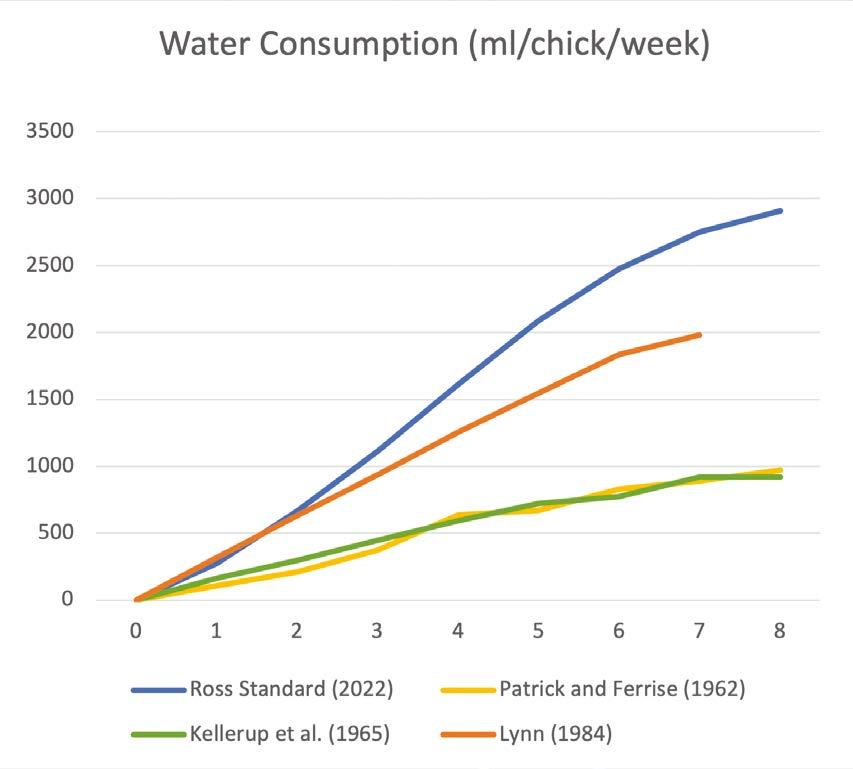
▲ Figure 1 – Water consumption (ml/chick/week).
Adapted from Bailey, 1999 and the current Ross Broiler performance objectives, (based on the assumption that water intake is 1.8 times that of feed intake)
with regard to the chick where water represents a larger proportion of its weight.
What influences water consumption in chicks?
Age
Water intake is closely linked to feed intake and bird age (growth response). As the bird gets older, the demand for water will increase (Figure 1). Water quality and availability, therefore, have the potential to impact heavily on the growth performance of the modern broiler, and any husbandry technique that limits water (such as part house brooding or failing to increase drinker space in the first 10 days) will have a parallel negative effect on growth.
Sex
The sex of the bird will also affect water intake. The water intake of males will be greater than that of females from the first week of life. Water:feed ratio is also higher in males than in females. Adipose tissue differences
Key point
• Immediate water availability when chicks are placed in the house is important if permanent damage to the biological performance of the flock is to be avoided.
Key points
• Increases in water intake will occur with age and environmental temperature.
• Water availability must reflect these changes if performance is not to be restricted.
• Each house should be fitted with a water meter.
between the sexes explain these differences in water intake (females being fatter than males; fat has a lower water content than protein).
Environmental temperature
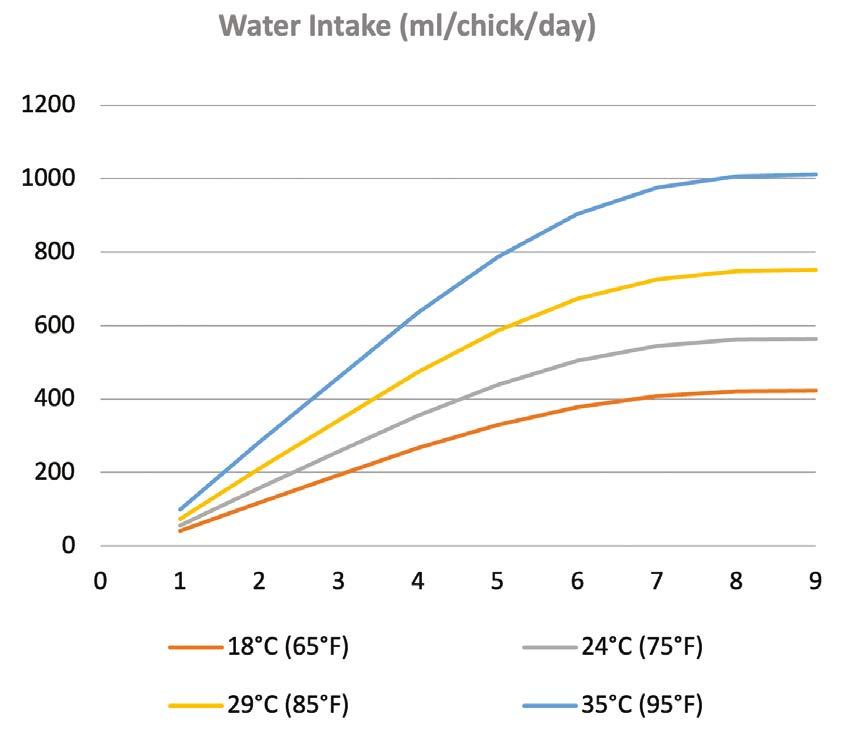
Environmental temperature can impact heavily on water intake (Figure 2). The water intake of chickens is approximately double that of feed intake (1.8:1, at a temperature of 21 °C (70 °F) in bell drinkers). However, in heat-stressed birds this level will be increased. A chicken’s water intake will increase by 6–7% for each degree above 21°C (70°F, NRC, 1994).
It is strongly recommended that each house has a water meter installed and that accurate daily records of water intake are maintained.
Water temperature
With the exception of water used for vaccination, little thought is given to the temperature of the water presented routinely to birds. Stored water tends to be at a similar temperature to that of its environment. This is
▲ Figure 2 – Effect of environmental temperature on water Intake. (based on daily feed consumption defined in the current Ross broiler performance objectives, and the assumption that water intake increases by 3.33% per °F increase in temperature [6% per °C], Singleton, 2004)
not significant in cold climates, but in hot climates water consumption will be reduced as the water temperature increases. Work by Beker and Teeter (1994) found the preferred water temperature of birds to be around 10 °C (50 °F), with water temperatures of 26.7 °C (80 °F) and above leading to significant reductions in water consumption and daily weight gain. It is therefore important to regularly monitor water temperature. If it regularly exceeds 24 °C (75 °F), then thought should be given to developing methods of cooling water temperature in hot weather. This may involve running the drinker supply pipes through a cool pad reservoir or even across the face of the cool pad airflow.
Positioning the water tank and supply pipes underground will also help to protect the water from the ambient air temperature, keeping it cool. Pipes and tanks that are exposed to the sun should be insulated
Key points
• In most broiler units, nipple drinkers are the system of choice. Good management of these systems is critical with water line maintenance, drinker line location, water pressure, and nipple flow rate all affecting water intake.
• Regardless of the water system in place, drinker height and provision of adequate drinking space is critical.
and shaded to prevent heat gain. It is also good practice to flush the drinker lines at regular intervals in hot weather to keep the water as cool as possible. For vaccination the target water temperature should be <20 °C (68 °F). In hot weather this can be achieved through the addition of ice to the storage tank before vaccination commences. It is important to ensure that all the ice is melted before addition of the vaccine to prevent non-uniform mixing.
Drinking systems
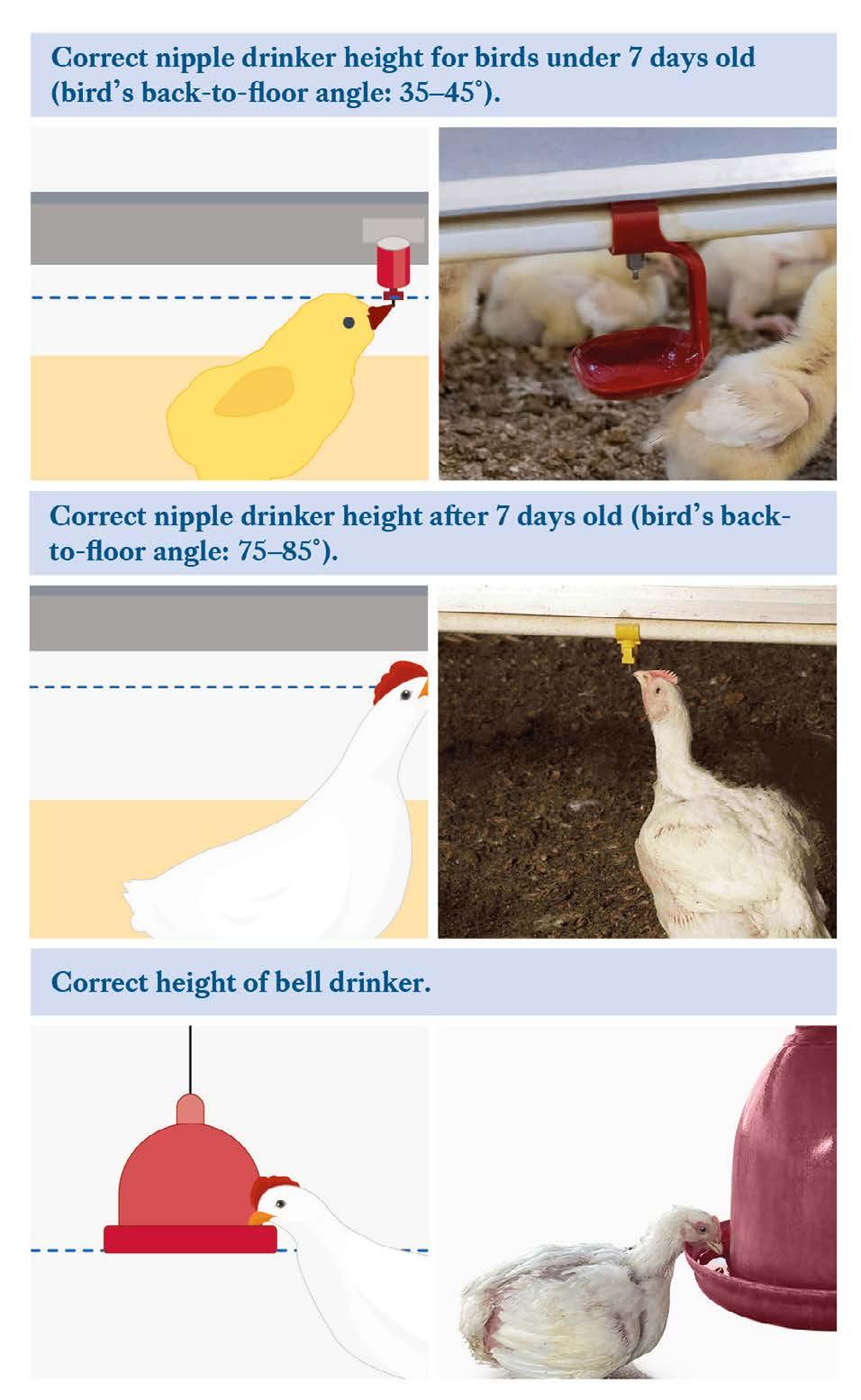
In most modern broiler units, nipple drinkers are the system of choice; these have the advantage of reducing disease spread, providing cleaner water, and reducing the labor requirements for clean out. However, good management is necessary for the proper operation of nipple drinker systems. Management factors that influence water intake in such systems are water line height (birds should lift their heads to reach the nipple drinker which should be higher than the birds’ back to prevent bumping and leakage, see Figure 3), water line maintenance (regular flushing and cleaning), drinker line location, and water pressure.
Nipple flow rate will also influence water consumption and should be checked regularly against the manufacturer’s recommendation. The flow rate should be correct in all drinker lines throughout their entire length. For young chicks, water pressure (and flow rate) should be low.
Pressure should be gradually increased with age and weight so that water flow is increased as birds get older in accordance with demand. As a general rule, water pressure should be adjusted so that there is a flow rate of at least 60 ml/min available from each nipple. To achieve good performance the nipple lines should be controlled to meet the birds’ requirement rather than to simply protect the litter. In general, the systems with higher flow rates produce better growth rates by increasing both feed and water consumption, but water leakage and litter deterioration is more likely.
The negative growth impact of low nipple flow rates is most commonly seen in birds growing to higher weights (>2 kg [4.4 lb]), where the increased water demand cannot be met and feed intake is reduced. The effect
▲ Figure 3 – Drinker height of bell and nipple type drinkers
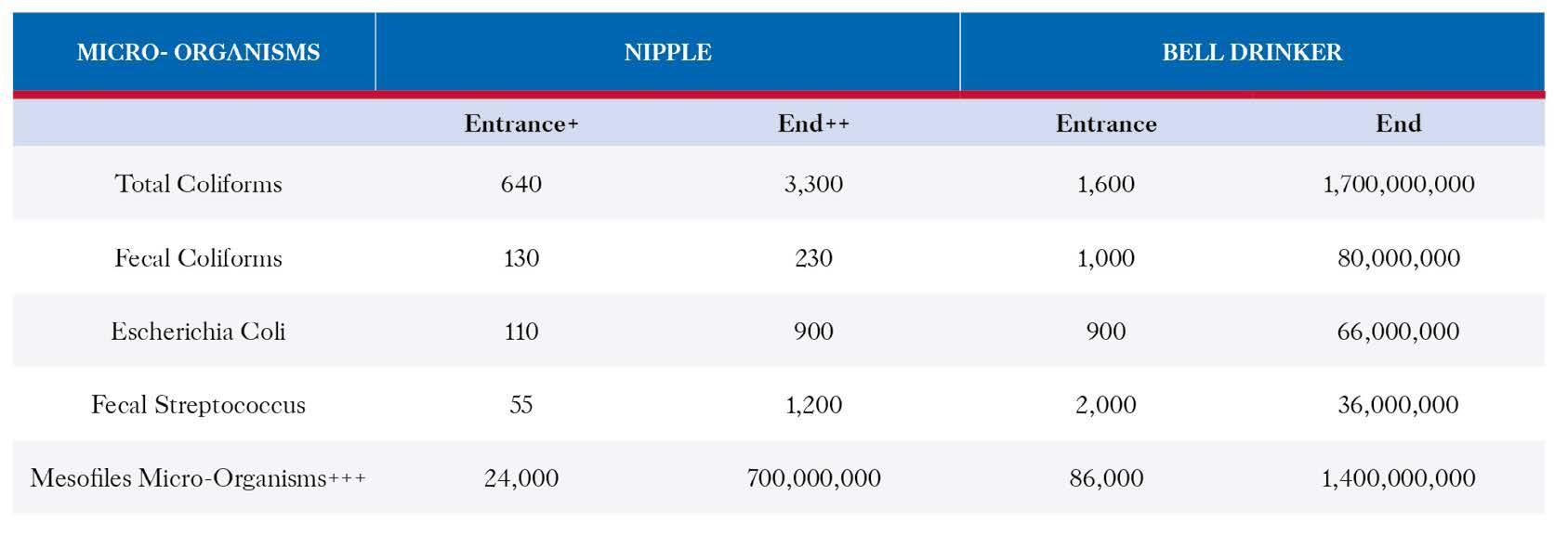
■ Table 2 – Effect of drinker types on water bacteria contamination (micro-organisms/ml of sample) Adapted from Macari and Amaral, 1997.
NOTES
+ Entrance means the first drinker in the chicken house.
++ End means the last drinker in the chicken house.
+++ Mesofiles Micro-Organisms – total count of saprophytes and pathogenic microorganisms. The water was not treated.
of low nipple flow rates is even clearer if the stocking density is increased and the bird:nipple or bird:drinker ratio is high. As a useful guide, use the Lott equation to calculate static weekly flow: (weeks of age)* 7 + 20 ml/ min may be a helpful reference.
Where bell drinkers are the system of choice, drinkers should be cleaned daily to prevent the build up of organic matter. Height should be adjusted so that the base of the drinker is level with the broiler’s back from 18 days onward (Figure 3).
No matter what drinker system is installed, the provision of adequate drinker space is essential if water intake is not to be reduced. As a guide, 83 nipples or 8 bell drinkers per 1000 birds should be provided postbrooding. Where ambient temperatures and/or heavier liveweights (>2 kg [4.4 lb]) are used, drinker space should be increased by up to 50% of these guidelines.
Feed effect on water intake
Any nutrient that promotes mineral excretion through the kidneys also promotes increased water consumption. Therefore, excess minerals in feed or water above nutritional requirements will lead to an increase in water intake. This is also true for high protein diets where any protein not used for protein synthesis is deaminated and excreted in the urine. This energy-demanding process is associated with an increase in water loss.
In particular, the presence of inorganic elements such as sodium (Na), potassium (K), and chloride (Cl) will be associated with increased water consumption and wetter droppings. A moderate increase in dietary sodium is not normally a problem where birds have access to low sodium drinking water; they will increase the water intake if the diet is high in salt and excrete the excess. However, in areas where water sodium levels are elevated, it is
important to factor this added supply into practical diet formulation, otherwise unevenness and poor growth rate will occur.
Recent Ross Nutritional Specifications specify 0.18–0.23% sodium in broiler diets. These reflect total sodium intake and, therefore, any contribution from the water should be included.
The dietary requirement for potassium is low, with 0.6–0.9% being adequate, levels of intake above this may, however, have a thirst-inducing effect, increasing fecal moisture. This is normally seen where soya is used as the single protein source to provide high protein starter diets. The general standard should be to control dietary potassium to a total intake of <0.9%.
Chloride levels should equal sodium levels (0.18–0.23%). The total chloride level is generally constrained by delivering a proportion of the sodium requirement as sodium bicarbonate rather than as salt (sodium chloride). Deficiency states are uncommon.
Water quality
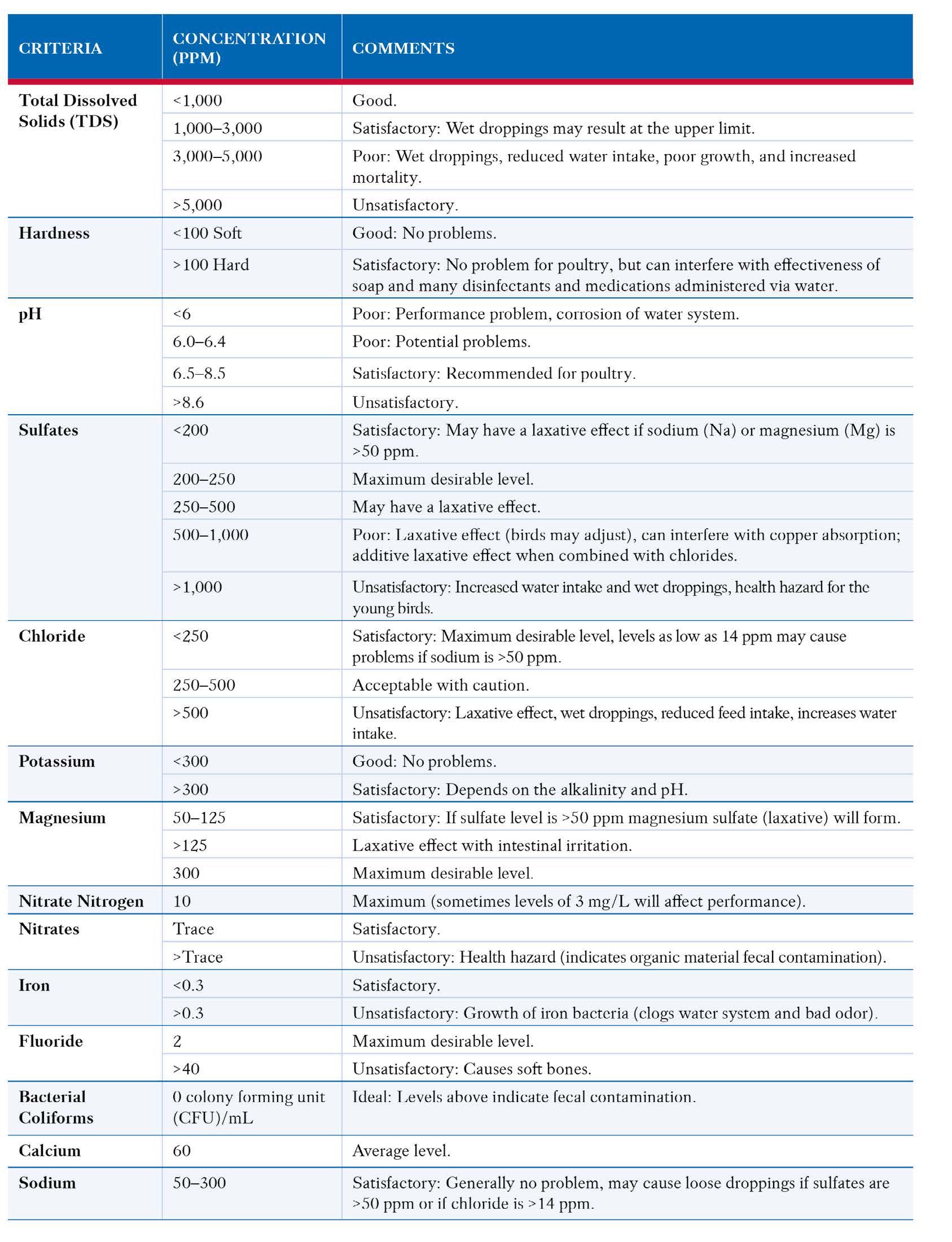
A supply of clean, uncontaminated water should be freely available to the birds at all times. However, depending on the source, the water supplied to the birds may contain excessive amounts of various minerals or be contaminated with bacteria. Acceptable levels of minerals and organic matter in the water supply are given in Table 1
Regular assessments of water quality are necessary for monitoring microbial load and mineral content. The water supply should be checked for the level of calcium salts (hardness), salinity, and nitrates. After cleaning out and prior to chick delivery, water should be sampled for bacterial contamination at source, from storage tanks and from drinkers.
Regular assessments of water quality throughout the production period itself should also be made. Ideally, these should be taken from a tap between the tank and the first drinker. Where the facility of a tap does not exist, the water sample should be taken from the first drinker. The main water connection at the top of the drinker should be removed and drained so that any build-up of bacteria and debris can be flushed through allowing an accurate water sample to be taken. Water should be left running for at least 2 to 3 minutes before the sample is taken. As with all testing, the results should properly reflect the water status and, therefore, care to avoid contamination either during sampling or during transport to the laboratory is necessary. If proper maintenance of the water line does not occur, microbial contamination can build up, affecting bird performance, reducing the effectiveness of medication and vaccination, and reducing nipple flow rate. Implementing a regular water sanitation and line cleaning program will prevent the build-up of microbial contamination. Controlling bacterial load is much more difficult with open drinker systems as they are exposed to contamination by fecal dust and the oral and nasal secretions of birds as they drink (Table 2).
Closed nipple systems have the advantage of reducing disease spread, but even with these, dosing with a sanitizer that is effective in the presence of organic load and biofilms is regularly required. Chlorination to give between 3 and 5 ppm at drinker level (using, for example, chlorine dioxide), or UV radiation are effective means of controlling bacterial contamination. Treatment should occur at the point of water entry into the house. High levels of calcium salts or iron in the water may lead to the valves and pipes of the drinker system becoming blocked. Where this is a problem, it is advisable to filter the supply using a filter which has a mesh of 40–50 microns.
Conclusion
Water is an essential ingredient for life, a clean supply of which should be readily available from placement throughout the production period. Any restriction in water intake or contamination of water will ultimately affect the growth rate and overall performance of the bird. There are many factors that can affect water intake including age, sex, environmental temperature, water temperature and the drinker system type. The bacterial and physical quality of water should be monitored regularly, and where required, corrective action should be taken to ensure that bird performance is not compromised.
In summary
• Unrestricted access to a source of good quality water at an appropriate delivery temperature (10–12 °C/50–54 °F) should be available.
• Provide adequate drinker space and ensure that drinkers are easily accessed by the whole flock.
Key points
• Excess levels of some inorganic elements such as Na, K, and Cl will increase water intake and the occurrence of wetter droppings.
• Dietary levels of these elements should be in line with Aviagen nutritional recommendations.
• Monitor the feed to water ratio daily to check that birds are drinking sufficient water.
Make allowances for increased water intake at higher temperatures (6.5% increase per degree over 21 °C (70 °F)).
• In hot weather, take steps to ensure that water is as cool as possible, e.g. flush drinker lines, use a cool pad, position tankers and drinkers underground or insulate.
• Regular testing of the water supply for temperature, bacterial load, and mineral content should occur and, where necessary, appropriate corrective action should be taken.
Key points
• A supply of clean, uncontaminated water should be freely available at all times.
• Regular assessments of water quality should be made to ensure microbial load and mineral content are within acceptable levels.
References
Bailey, M. (1999). The water requirements of poultry. In J. Wiseman & P. C. Garnsworthy (Eds.), Recent developments in poultry nutrition (Vol. 2, pp. 321–337). Nottingham University Press.
Beker, A., & Teeter, R. G. (1994). Drinking water and potassium chloride supplementation effects on broiler body temperature and performance during heat stress. Journal of Applied Poultry Research, 3(1), 87–92.
Macari, M., & Amaral, L. A. (1997). Importância da qualidade da água na criação de frangos de corte: Tipos, vantagens e desvantagens. In Anais da Apinco (pp. 121–143). Campinas, Brazil.
National Research Council. (1994). Nutrient requirements of poultry (9th rev. ed.). National Academies Press.
Singleton, R. (2004). Hot weather broiler and breeder management. Asian Poultry Magazine, September, 26–29.
MANAGEMENT OF DRINKING WATER AND VACCINATION PROCEDURES: A STRATEGIC PAIRING
FOR EFFECTIVE IMMUNIZATION
Vaccination via drinking water is one of the cornerstones of modern poultry production and accounts for the majority of immunization procedures carried out during the rearing and production cycles of commercial flocks. Although this method may appear straightforward, it actually involves a complex set of variables that can become potential causes of failure within a vaccination program. Water quality, which is often underestimated, and its comprehensive, end-to-end management are decisive factors in determining the effectiveness of live vaccines, directly influencing their viability and their uniform distribution across the farm.
➤
Luca Bianco Veterinarian
Physicochemical parameters
The water used for vaccination must meet specific parameters that often differ from those required for daily drinking water. Among all parameters, pH is the most critical factor: it must be maintained within the range of 6.5–7.8. Values outside this range can compromise the viability of live
vaccines. Acidic pH values (<5) may, in some cases, make the administered water less palatable, discouraging intake, while alkaline pH values (>8.0) lead to the inactivation of these immunizing agents. Chlorine is one of the primary antagonists of live vaccines. Even minimal concentrations (0.1–0.2 ppm) of free chlorine exert bactericidal activity, while virucidal activity becomes evident at higher levels (0.3–0.5 ppm). Moreover, the organoleptic perception of chlorine (taste and odor) appears at levels above 0.5 ppm, serving as a reliable empirical indicator of lethality for most live vaccines. Heavy metals such as copper, iron, and
manganese can form complexes with vaccine components, resulting in their inactivation. Water hardness, defined by the concentration of calcium and magnesium salts, must likewise be monitored to avoid interference with vaccine stability: it may contribute to scale formation within the lines, creating favorable conditions for microorganisms. Among qualitative characteristics, turbidity is one of the most important parameters. When a sample is collected from the bottom of the drinking lines, it is visually assessed. Clear/transparent is the preferred condition, whereas flocculent material indicates poor quality. High degree of turbidity in drinking water negatively affects the animals’ immune response through inflammatory reactions and cell-mediated processes (Mohammed, 2008; Chen et al., 2018). Water temperature is also a relevant factor because bacterial replication increases above 25 °C (optimum 18–20 °C), negatively affecting the efficacy of applied treatments, including vaccinations.
Microbiological parameters and biofilm
Biofilm in drinking water lines represents a major obstacle, frequently underestimated and undervalued to vaccine efficacy and effective immunization. These heterogeneous bacterial aggregates, composed of different microbial species, usually opportunistic like E. coli, Pseudomonas spp., Staphylococcus spp., Campylobacter spp., together with other organic contaminants (fungi, algae), settle on the inner surfaces of the pipelines, protected by a matrix
of extracellular polymeric substances (EPS) as well as inorganic components (calcareous sources), factors that promote their stabilization.
Biofilm has multiple negative effects: it acts as a sink for vaccines on its surface, altering local pH and creating microenvironments unsuitable for the survival of immunizing antigens; it also reduces flow within the water system, increasing internal water pressure. Recent studies have shown that sessile bacteria embedded in biofilms develop resistance mechanisms to protect them from disinfectants and antimicrobials, rendering traditional sanitation protocols ineffective (Hahne et al., 2022).
Drinking systems: pre-vaccination
checks and procedures
The design of drinking water distribution systems should include, upstream of the dosing pump, filters of approximately 80 microns (which can also serve multiple purposes such as absorption, sequestration, or mechanical filtration). These filters are installed to remove any suspended particles that might interfere with the correct distribution of vaccines through the system. During vaccination, however, all filters downstream of the dosing pump must be bypassed to prevent the accumulation of disinfectants and minerals on their surfaces.
The presence of dead spaces in the piping represents a critical risk factor. These areas can retain previously used disinfectant solutions, which — when mixed with the vaccine solution — compromise efficacy. It is also essential
■
pH 5–8
Nitrates/nitrites
Phosphorus
<15/<1 mg/L
0.1 mg/L
Sodium 50–300 mg/L
Potassium <300 mg/L
Chlorides <250 mg/L
Sulfates <200 mg/L
Alkalinity <100 mg/L
Calcium <75 mg/L
Zinc <1.5 mg/L
Fluoride <2 mg/L
Copper
Iron
<0.6 mg/L
<0.3 mg/L
Magnesium <125 mg/L
Manganese
<0.05 mg/L
Water hardness <150 mg/L
Total dissolved solids (TDS)
<1,500 ppm (up to 3 weeks of age); <3,000 ppm (after 3 weeks)
High levels: reduced oxygen absorption, lower fertility, reduced production, and decreased intake
Can promote bacterial growth (enterococci) and eggshell alterations if levels exceed 600 mg/L
Combined with sodium, can cause wet litter and diarrhea
Laxative effects at high levels; combined with chlorides and magnesium, reduces performance
High levels can cause bone weakening
High levels can cause gastric ulcers and erosions
Can cause gastroenteritis and promote bacterial growth
Causes wet litter due to laxative effects
Increases limescale in lines and promotes biofilm
Levels of 4,000–7,000 ppm predispose to diarrhea
to design systems, where possible, with drain or purge valves at the ends of the lines to ensure they can be completely emptied prior vaccination.
Furthermore, the layout of the drinking lines and the water inlets within the system should be carefully assessed. Significant differences exist that may complicate uniform intake of the vaccine solution by the entire flock (for example, systems with central drops in the house versus those with only one inlet at the head, or multi-tier cage/aviary systems with specific animal arrangements). In such setups, depending on their design, the greatest risk is that animals closer to the water inlet may consume a larger volume of vaccine solution, while in some sections, particularly at the end of the line, the solution may not reach at all due to excessive water consumption in the initial stretch, possibly caused by over-settlement conditions.
Any biocides used (such as hydrogen peroxide, acidifiers, etc.) must be discontinued at least 24–48 hours before vaccination to allow complete removal of possible residues
from the lines. Highpressure flushing of the lines can accelerate cleaning and/or emptying; performing this technique regularly (preferably once a week) also improves biofilm control by slowing its development. The effectiveness of these operations can be verified analytically using test strips to measure residual hydrogen peroxide and/or chlorine levels.
Finally, regular mechanical cleaning of nipples and cups (or bells, where used) with hot water and/or detergents (which must be thoroughly rinsed) helps remove organic residues from feces or litter, preventing local pH alterations and physical absorption of the vaccine used.
Quality control: systematic monitoring of drinking water
Analytical testing of drinking water should be performed at least once a year, with increased frequency during critical seasonal periods (summer and winter). Key parameters to assess include pH, chlorine, total hardness, heavy metals, total microbial load, and coliforms.
pH can be monitored using litmus paper and/or digital pH meters. Digital instruments are generally more sensitive and reliable if properly calibrated with the appropriate buffer solutions. In addition, commercially available digital probes allow continuous monitoring, providing real-time control of this parameter.
The uniform distribution of the vaccine solution throughout the drinking system lines can be verified using commercially available dyes or tracers (for example, methylene blue). Performing this test before vaccination helps identify areas where the solution might stagnate or fail to be evenly distributed, factors that could compromise the effectiveness of the vaccination procedure.
Moreover, drinking system pressure (approximately 1.5–2 bar) as well as flow rate (within the range of 50–80 ml/min)
must ensure a constant supply throughout the entire system. Significant variations can result in over- or under-dosage, leading to uneven immunization within the flock and, in severe cases, possible reversion to virulence with adverse post-vaccination reactions (e.g., laryngotracheitis).
Optimization of vaccination procedures
Calculating the volume of water to be used requires specific knowledge of the farm’s drinking system as well as the flock’s water consumption. Based on these data, it is possible to determine water intake during the two hours following the morning feeding, which is the best time of day for vaccination (as a general empirical rule, this usually corresponds to 15–20% of the daily water intake). The volumes used must be adjusted according to several factors, primarily age, genetics, and ambient temperature.
The system’s dead space (any piping without usable bypasses/valves, recirculation tanks, length of pipeline from the dosing pump to the actual entry point into the drinking system, etc.) must be included in the total calculation to avoid unforeseen dilutions. Generally estimated at 10–15% (depending on the system), this volume can retain non-vaccine
Total count of aerobic mesophiles
Total count of total coliforms
Total count of fecal coliforms
Total count of Escherichia coli
Total count of Pseudomonas
Optimal = zero
Optimal = zero
Optimal = zero
Optimal = zero
Optimal = zero
water and thus act as a dilution factor. Compensation for this residual volume can be achieved by proportionally increasing vaccine concentration or reducing the total dilution volume, ensuring a consistent dose-per-bird ratio. The use of stabilizers is an essential component of vaccination via drinking water. These products contain active substances such as sodium thiosulfate, neutralize any residual chlorine, chelate heavy metals, and act as pH buffers, maintaining it within the optimal range. Skimmed milk powder (at a recommended rate of 2–3 grams per liter of water) is the traditional alternative to commercial stabilizers; milk proteins effectively bind chlorine and metal cations, protecting vaccines from inactivation. The stabilizing solution should be prepared at least 15–20 minutes before adding the vaccine to allow complete neutralization. Stabilizers may also be added during the predilution step (demineralized water without stabilizer can be used as an alternative), in a smaller container together with the vaccine, as well as directly into the dosing pump tank. Vaccine reconstitution must take place in a controlled environment using disposable gloves and containers designated exclusively for this purpose (not previously used for disinfectant solutions or other products) in a suitable material (plastic). During preparation, exposure to UV light must be avoided, as UV radiation inactivates vaccines. Vials must be opened below the water level in the container used (containing at least 5–6 liters) to prevent airborne contamination and avoid potential loss of vaccine that could adhere to the container walls. Multiple rinsing of the vial (at least 2–3 times) with stabilized water ensures complete recovery of the vaccine content, which is particularly important for high-viscosity or adjuvanted vaccines. The optimal time of administration is early morning, starting at lights-on. In poultry, this corresponds to a peak in feeding activity and water consumption and takes advantage of natural behaviour to ensure rapid and uniform vaccine intake. Pre-vaccination water restriction of one to two hours stimulates thirst and concentrates intake of the vaccine solution into a short time frame. This restriction may be unnecessary if administration begins at lights-on, as the flock will already have undergone a minimum of eight hours of feed and water restriction. This restriction must be carefully evaluated in summer, under heat-stress conditions, to prevent potential adverse effects, particularly in laying birds (e.g. hyperthermia).
Maximum limit <1000
Maximum limit <50
Maximum limit 0
Maximum limit 0
Maximum limit 0
■ Table 2 –
Optimal and maximum levels of different bacterial populations in drinking water
The recommended administration time window is generally an hour and a half to two hours, especially for more sensitive live viral vaccines. Shorter durations may result in incomplete vaccine coverage within the flock, whereas longer periods expose the vaccine to progressive inactivation. From a practical standpoint, it is advisable to divide the total vaccine dose into two equal phases of administration, each lasting an hour and a half to two hours; in the first phase, approximately 60% of the total dose is used, followed by a second phase delivering the remaining 40%. This helps less competitive birds also receive an adequate dose for immunization, a situation commonly observed in very long and/or multi-tier systems (e.g. aviary systems for laying hens).
Regular physical stimulation of the flock by the operator (at least every 30 minutes) plays an important role, as it encourages birds to move towards the drinking lines and supports uniform intake. Furthermore, if a dye is used, examining the oral cavity of birds sampled from different areas of the house becomes extremely useful. If at least 90% of birds show visible coloration of the tongue, the flock can be considered uniformly vaccinated.
Conclusion
Vaccination via drinking water in the poultry sector is a complex process that requires a multidisciplinary approach to ensure the effectiveness of immunizing agents. It is not merely a technical procedure, but the result of wellmanaged procedures in which every detail matters, from the chemical-physical and microbiological quality of the water to line cleaning and the proper preparation and administration of vaccines.
Only careful management based on rigorous protocols allows full exploitation of the advantages of drinking water prophylaxis. Systematic control of the parameters and procedures described not only guarantees vaccination effectiveness but also contributes to the farm’s economic sustainability.
Modern poultry farming therefore demands a rigorous scientific approach that integrates veterinary, engineering, and technical-management expertise to optimize this essential tool of preventive medicine.
IMMUNE SYSTEM AND NUTRITION: THE BALANCE BETWEEN IMMUNITY AND GROWTH IN MODERN BROILER CROSSES
Immune activation is the first stage of the immune response necessary to protect the body. It is accompanied by significant metabolic costs and inflammation. When immune cells are activated, their metabolism is reprogrammed — a large-scale shift in energy and nutrient use to meet increased demands for protein, lipid, and nucleic acid synthesis. This metabolic shift reduces growth performance and feed conversion efficiency.
➤ Anatolii Terman PhD in Veterinary Sciences
Field observations
Comparison of production data shows major differences in broiler performance even under the same genetics, feed, and housing conditions. These differences are directly related to the level of immune load.
When vaccination programs are intensified or infection pressure is high, growth rate and feed conversion ratio (FCR) decline. In contrast, in New Zealand, where broilers are raised under minimal infectious pressure, results are outstanding: at 34 days of age, body weight reaches 2,600 g, FCR is 1.29, and livability is 98%.
The difference is not due to genetics or feed formulation, but to the level of immune load. When the immune system is at rest, all nutrients can be directed toward growth rather than defense.
The dual nature of immunity
The immune response consists of two interconnected arms: innate and adaptive immunity.
Innate immunity is the first line of defense, based on phagocytosis, cytokine release, complement activation, and inflammation. It develops within hours but is very energydemanding: energy consumption rises by 5–10%, protein catabolism increases, and body temperature rises. Adaptive immunity develops more slowly: a full T- and B-cell response may take up to two weeks. It is more specific and less energy-intensive. Once immune memory is established, secondary responses require minimal energy. Live vaccines trigger the same immune-metabolic cascades as field viruses, but the response is milder and causes less loss of productivity. This allows adaptive immunity to form with minimal reduction in growth and energy efficiency.
Phases of the immune response in broilers
Recognition and innate response (0–24 h)
Macrophages and heterophils recognize pathogens through TLR receptors and release pro-inflammatory cytokines (IL1β, IL-6, TNF-α). Feed intake decreases, body temperature rises, and the liver increases synthesis of acute-phase proteins. NF-κB and JAK-STAT signaling pathways are activated, increasing energy use for inflammation.
Adaptive response (2–7 days)
Lymphocyte proliferation, antibody production, and memory cell formation begin. The demand for arginine, glutamine, threonine, and nucleotides rises — they serve both as building blocks and energy sources for immune cells. The liver remains active in producing acute-phase proteins, reducing the nutrients available for growth.
Resolution and recovery (7–14 days)
Anti-inflammatory cytokines IL-10 and TGF-β are activated, reactive oxygen species decrease, antioxidant balance is restored, and anabolic pathways (mTOR, IGF-1) are reactivated. Under repeated vaccinations or concurrent field infections, this phase may be prolonged, leading to chronic catabolic states and oxidative stress.
Each phase has specific metabolic priorities:
• Innate: glucose and antioxidants
• Adaptive: amino acids and nucleotides
• Recovery: lipids and sulfur-containing amino acids
Managing chronic inflammation and supporting the immune system
The avian immune system consists of physical barriers and cellular mechanisms that protect against pathogens. Inflammation is a vital part of innate immunity, but chronic
activation is costly and reduces productivity. Effective immune regulation helps limit inflammation and preserve nutrients for growth.
Role of epithelial health
The health of epithelial tissues is key to balanced immune function. The gastrointestinal and respiratory epithelia act as the first barrier against infections. Stress factors such as heat, mycotoxins, or electrolyte imbalance can disrupt tight junctions, causing chronic inflammation and increased intestinal permeability.
The cost of immune activation
Activation of innate immunity requires large amounts of amino acids, energy, and trace minerals. During chronic inflammation, nutrients are diverted from growth toward immune processes, worsening FCR and body weight gain. Cytokines IL-1β, IL-6, and TNF-α activate NF-κB and STAT3 pathways, shifting metabolism from growth to defense. Experimental immune stimulation (LPS challenge or vaccination) increases maintenance energy needs by 5–10% and reduces protein synthesis. Liver metabolism shifts toward catabolism of branched-chain amino acids, mTOR activity decreases, corticosterone levels rise, and tissue insulin sensitivity declines. Body weight can drop by 10–30%, and FCR worsens as nutrients are redirected to cytokine, antibody, and acutephase protein synthesis. Even after inflammation resolves, the effects can persist for several days, explaining temporary “growth dips” after vaccinations.
The demand for arginine and threonine increases by 10–15%, and for methionine and cystine by about 5%. Maintaining optimal ratios of these amino acids to lysine is critical for sustaining performance under immune load.
■ Table 1 – Amino acids and immune function
Amino acid Immunological function
Arginine
Threonine
Methionine and cystine
Substrate for nitric oxide synthesis; activates macrophages and T-cells
Required for the synthesis of mucins and immunoglobulins; maintains intestinal barrier integrity
Source of glutathione — the main intracellular antioxidant
Antioxidants and immune homeostasis
Immune activation increases oxidative stress, especially in the intestinal mucosa. Adequate antioxidant supply shortens the inflammatory phase and speeds up recovery.
• Vitamin E and selenium increase glutathione peroxidase activity and antibody levels.
• Vitamin C lowers corticosterone concentration and supports phagocytosis.
• Postbiotics and paraprobiotics reduce pro-inflammatory cytokines and raise IL-10, improving nutrient absorption.
• Early microbiota modulation enhances intestinal immune development and NK-cell activity.
Nutritional strategies during immune activation
When the immune system is activated, requirements for nutrients, energy, and antioxidants increase, requiring diet adjustments:
• Add antioxidants to neutralize free radicals and reduce oxidative stress.
• Increase levels of key amino acids (arginine, threonine, methionine, and cystine) to support immune protein synthesis and tissue repair.
• Raise metabolizable energy (ME) levels. Field observations conducted by the author in commercial broiler operations demonstrated the effectiveness of compensating immune costs through nutrition. In one experiment, chicks from the same breeder flock were placed in identical houses. The site was known to have circulating IBD, IBV, NDV, Reovirus, and low-pathogenic avian influenza. The control group received a standard diet according to breed recommendations. The test group received higher ME levels and increased threonine and methionine.
At the end of the trial, the experimental group showed:
• +4.3 g/day higher average daily gain;
• 6.2% higher livability;
• 0.08 kg lower FCR per kg of body weight compared to the control.
Conclusion
Immune activation is an unavoidable response of the immune system to pathogens or vaccines. However, its intensity determines how deeply it affects energy and amino acid metabolism.
Under mild or moderate immune activation, productivity losses can be compensated through proper feeding strategies, by increasing dietary energy, enhancing antioxidant protection, and optimizing amino acid profiles (arginine, threonine, methionine, cystine). However, under heavy immune load (frequent vaccinations, field virus exposure, or poor biosecurity) the effectiveness of nutritional compensation drops sharply. Even with higher dietary energy and amino acid levels, growth rate and FCR cannot return to normal, as much of the nutrients are diverted to chronic inflammation and immune protein synthesis suppression.
Therefore, maintaining strict biosecurity is essential for economic efficiency. Key measures include:
• controlling farm access and maintaining sanitary barrier
• thorough cleaning and disinfection
• optimizing vaccination programs based on maternal immunity, local disease pressure, and vaccine compatibility In the future, accounting for the nutritional requirements of the immune system should become a standard component of precision poultry nutrition.
Bibliography
1. Aguzey, H. A., Gao, Z., Haohao, W., Guilan, C., Zhengmin, W., Junhong, C., & Zhi Li, N. (2020). The role of arginine in disease prevention, gut microbiota modulation, growth performance and the immune system of broiler chicken –a review. Annals of Animal Science, 20(2), 325–341.
2. Ahiwe, E. U., Omede, A. A., Abdallh, M. B., & Iji, P. A. (2016). Managing dietary energy intake by broiler chickens to reduce production costs and improve product quality. In InTechOpen Book Chapter.
■ Table 2 – Production performance of Ross 308 broilers under different feeding programs
3. Dadfar, M.-J., Vaez Torshizi, R., Maghsoudi, A., Ehsani, A., & Masoudi, A. A. (2023). Trade-off between feed efficiency and immunity in specialized high-performing chickens. Poultry Science.
4. Hollemans, M. S., de Vries Reilingh, G., de Vries, S., Parmentier, H. K., & Lammers, A. (2020). Effects of early nutrition and sanitary conditions on oral tolerance and antibody responses in broiler chickens. Veterinary Sciences, 7(4), 1–12.
5. Hu, W., Du, L., Shao, J., Qu, Y., Zhang, L., Zhang, D., Cao, L., Chen, H., & Bi, S. (2024). Molecular and metabolic responses to immune stress in the jejunum of broiler chickens: transcriptomic and metabolomic analysis. Poultry Science.
6. Li, R. F., Liu, S. P., Yuan, Z. H., Yi, J. E., Tian, Y. N., Wu, J., & Wen, L. X. (2023). Effects of induced stress from the live LaSota Newcastle disease vaccination on the growth performance and immune function in broiler chickens. Poultry Science.
7. Liu, K., Zhen, W., Bai, D., Tan, H., He, X., Li, Y., Liu, Y., Zhang, Y., Ito, K., Zhang, B., & Ma, Y. (2023). Lipopolysaccharide-induced immune stress negatively regulates broiler chicken growth via the COX-2–PGE2–EP4 signaling pathway. Frontiers in Immunology.
8. Liu, L., Qin, D., Wang, X., Feng, Y., Yang, X., & Yao, J. (2015). Effect of immune stress on growth performance and
energy metabolism in broiler chickens. Food and Agricultural Immunology, 26(2), 194–203.
9. Maroufyan, E., Kasim, A., Hashemi, S. R., Loh, T. C., Bejo, M. H., & Davoodi, H. (2010). The effect of methionine and threonine supplementations on immune responses of broiler chickens challenged with infectious bursal disease. American Journal of Applied Sciences, 7(1), 44–50.
10. Sheikh, I. S., Bajwa, M. A., Rashid, N., Mustafa, M. Z., Tariq, M. M., Rafeeq, M., Samad, A., Asmat, T. M., & Ullah, A. (2020). Effects of immune modulators on the immune status of broiler chickens. Pakistan Journal of Zoology, 52(3), 1095–1100.
11. Yang, J., Liu, L., Sheikhahmadi, A., Wang, Y., Li, C., Jiao, H., Lin, H., & Song, Z. (2015). Effects of corticosterone and dietary energy on immune function of broiler chickens. PLOS ONE, 10(3), e0122004.
12. Ye, J., Yang, H., Hu, W., Tang, K., Liu, A., & Bi, S. (2023). Changed cecal microbiota involved in growth depression of broiler chickens induced by immune stress. Poultry Science.
13. Zheng, A., Zhang, A., Zheng, Z., et al. (2021). Molecular mechanisms of growth depression in broiler chickens (Gallus gallus domesticus) mediated by immune stress: A hepatic proteome study. Journal of Animal Science and Biotechnology, 12(90).
SHIELDING WINGS FROM INJURIES
Once considered a low-value byproduct of the cutup process, chicken wings have become a premium cut, making their protection from injuries economically critical. Modern broilers, though fast-growing, are physiologically fragile and highly susceptible to wing bruises and fractures along the production chain. This article analyzes the main causes of wing damage from farm to processing plant and highlights key risk points. A holistic, integrated management approach is proposed to minimize injuries, improve carcass quality, and protect profitability.
➤ Eng. Fabio G Nunes
Poultry processing consultant, Brazil fabio.g.nunes@hotmail.com
The wings are the least physically prominent part of broiler carcasses, representing some 12% of their dry, dressed weight, and their least meaty portion, as well. Additionally, at the dawn of the modern broiler industry era, because they did not share the same anatomical and organoleptic attributes of the breast and legs, the wings had been seen as a byproduct of the cutup process with an unnoticed commercial value. Therefore, they were used for broth and other unappetizing culinary preparations.
However, wings’ fate underwent a meaningful overturn late in 1964, when Teressa Bellissimo, the co-owner of Anchor Bar, Buffalo, in upstate New York, served deep-fried leftover wings tossed in hot cayenne pepper sauce as a late-night meal for her son and his friends, thus reportedly creating the famous Buffalo wings. Teressa couldn’t ever imagine that her improvised meal would change, dramatically and forever, the commercial image enjoyed by the wings, which moved in the following years from the backstage to under the spotlight of the modern broiler industry scenario. Added to the menus of other countless food joints across the US, including fast-food giants’ stores, over the following decades, the spicy fried wings gained ground and became a very
■ Table 1 – Description of carcass defects in chickens in terms of thinning with the levels of significance
Source: transcript from Villarroel et.al., 2018.
(1) T1 = Birds transported after thinning, T2 = birds remaining after thinning, NT= non-thinned flocks
popular staple among consumers in the country and around the world, as well. The steady increase in the consumption of wings has finally opened the broiler industry’s eyes, that recognizing their commercial potential, raised the cut from low-profile category all the way up to the premium category!
Today’s broiler reaches market weight much younger than its ancestors a few decades ago did, but, in contraposition, is physically fragile due to lacking maturity. Therefore, they require careful handling alongside the processing chain to prevent the intrinsic threats entrenched in each step they go through, from day one through processing,ending up injuring their sensitive anatomy. Carcass damages are very unwelcome for increasing the percentage of salvaging and downgrades and lowering the saleable weight and processing yield, as well, what weakens the plant’s economic performance and the business’ profitability.
Although the entire carcass is susceptible to bruises, experience shows the wings are more vulnerable to injuries than breast and legs. Wings bruises, fractures and pop-ups,
▲ Graph 1 – Relationship between stocking density and wings hematomas
Villarroel et.al., 2018.
Catching the birds individually, yet slower and more costly compared to other methods, is most protective of the carcasses, as the hands placed on both wings while moving the broilers from the floor to the container prevent the birds from fluttering
defects that plague the global poultry industry, originate from several operations (farm, catching, transportation, and processing plant) and causes. Therefore, to shield the wings from injuries it is essential to deploy a holistic approach of the processing chain.
At farm, securing the flocks’ calmness, especially at older age, to avoid birds’ unrest, fluttering, and pileups lead to injured carcasses and wings, is a crucial management practice. However, in frontal opposition to it, flock thinning is still widely adopted by the poultry industry, although being a proven cause of wing bruises among other drawbacks (Table 1)
It is critical to secure the drinkers and feeders to birds’ ratio allows for ad libitum, hassle-free access to water and feed, thus guaranteeing the daily intake of nutrients while preventing birds from fighting for slots to eat and drink, a proven cause of bruises, particularly in unsexed flocks. Concomitantly, securing a high flock’s health status boosts the absorption and utilization of those nutrients towards growth and skeletal strength of the birds. The house stocking density must be managed aiming at an optimal balance between profitability and carcass physical wholesomeness. Privileging profitability is detrimental to the flock’s performance and carcass quality, alike, as the incidence of damages to wing, besides other downsides, keeps an almost linear cause-effect relationship with the stocking density (Graph 1). Whatever the stocking density set for the farm, it is greatly recommendable using partitions to prevent the free migration of birds across the house disrupts it. Dependent variables
■ Table 2 – Influence of stocking density during transport on mortality, live weight loss, and prevalence of carcasses defects
Transcript from Petracci et. al, 2005.
ns = not significant.
a, b means within a row followed by different superscripts letters differ significantly (P <0.05).
The live loads from the farms to plant must be scheduled having not just the killing line speed in mind, but the catching work timing, as well, to guarantee a gentle, hasslefree handling of the birds.
The catching crew must be accurately staffed and properly trained to guarantee the protective and well-timed handling of the birds. Close crew supervision prevents the gentle birds’ handling derails while work progresses, and crew tiredness escalates. Catching the birds individually, yet slower and more costly compared to other methods, is most protective of the carcasses, as the hands placed on both wings, while moving the broilers from the floor to the container, prevent the birds from fluttering. Never catch the birds by wings or feet!
Keeping the transport units in good condition reduces the risk of injuries during crating and transportation. The stocking density of the transportation units must be set having its correlation with the occurrence of carcass and wing damages in mind (Table 2). Training the drivers and
monitoring the trips contributes to the gentle and timely delivery of the live loads to the plant, thus minimizing carcass and wing damages.
At plant, manage the live loads lairage time to reduce the likelihood of wing damages ( Graph 2 ). If birds are transported in crates or drawer containers, hoist them by their legs, only, for shackling. If transported in shelves containers, the bruises, notably on the wings, resulting from the unavoidable dumping of the birds, are regrettably unmanageable.
At the hanging station the interaction among workers and equipment must be fully ergonomic to allow for smooth handling and comfortable shackling of the birds. It is strongly advisable that the overhead conveyor from hanging to stunner be the straightest possible to prevent birds’ unrest and flapping, secures obstacle-free flowing of birds, and pairs with a breast comforter to calm birds down, preventing them from fluttering while heading to stunner.
1995.
▲ Graph 2 – Incidence of wing damages x stopped and in motion live loads
Transcript from Bilgilli & Hess,
To optimize the electrical stunning and minimize the likelihood of wings injuries, birds must approach the tub and sink only the heads vertically into water, which requires the continuous adjustment of the apparatus to the flock’s size. The tub must be built to match birds’ live weight and prevent their pre-stunning, a recognized cause of wings bruises, and the voltage delivered across the water must be stable and consistent. If CAS (Controlled Atmosphere Stunning) is in place, adhere to manufacturer’s operational instructions for optimal results. Whatever the stunning method used, secure the birds are properly stunned and do not regain consciousness before killing, to prevent the violent flapping, and severe damages to wings, in response to the killing pain.
The bleeding time varies across countries and plants. Set whatever time is best for the plant, having in mind the shortest, the best, to retard the onset of rigor mortis, therefore minimizing its impact on smoothness of scalding and defeathering, and secure it enhances the exsanguination and renders all birds dead.
The scalder and pluckers must operate in symbiotic partnership, with the scalder transferring to the follicles, in a timely manner, the suitable amount of heat required to soften the feathers, and the pluckers securing the thorough defeathering with minimal to no damages to the carcasses and wings.
For an optimal scalding, set the immersion time x temperature binomial in response to the role the killing line speed, bleeding time, birds’ weight, and the scalder technology and physical characteristics play in the plant. For an optimal defeathering, minimize scalder-to-pluckers distance, fine-tune pluckers-birds interaction constantly, use rubber fingers of appropriate hardness and maintain them always in great physical condition, and use lukewarm water in the pluckers.
As seen above, wings became a sought-after chicken cut, whose demand and market value play an important economic role in the business. Therefore, the wing bruises, because they reduce product availability and profitability, are unwelcome and must be tackled to the source. As bruises are of multi-factorial origins, their mitigation requires a holistic and integrated approach to broiler handling, from the farm to the plant, by a multidisciplinary work team focused on finding and working on their root causes.
Literature available from the author upon request.
JBT MAREL GIVES YOU WINGS
Separate processing for damaged and undamaged chicken wings
Around the world, demand for wing products is strong and growing. In China, the mid-wing is the most popular chicken piece, with five times the price per kilogram of breast fillet. In the USA, chicken wings are a popular snack for decades, eaten both at home and in fast-food restaurants. After breast meat, wings are the second most favorite portion for US consumers. Chicken wings are also a feature of major sporting events. Over 1.4 billion wings were eaten during this year’s Super Bowl, enough to go round the world three times.
Automation saves labor
Wings are the smallest chicken portion. When done manually, wing cutting is very labor-intensive. Today, lack of staffing in their plants is, however, the biggest threat for poultry processors. Around the globe, many of them have difficulties finding staff. Processors are therefore looking for automated solutions: equipment that will cut wings efficiently and consistently and accurately. Automatic cutting in JBT Marel’s ACM-NT wing cutting modules is the perfect laborsaving answer.
Maximized yield
Poultry processors are also looking for equipment, thatmaximizes yield. Some companies supplying QSR fast food chains need to cut wing portions with a medallion of breast meat attached. Others want to leave all breast meat on the breast with the added option of being able to harvest some back meat with the wing portion. Whatever type of cut is needed, retail, bulk or fast food, JBT Marel can offer all options.
Special QSR needs
Some QSR chains insist that any cutting line for their products be exclusive to them. The line can handle no cuts for other customers.
JBT Marel offers an approved ACM-NT line to do a special nine-piece cut for a major international QSR chain. What is important for the chain is that all pieces take the same amount of time to fry, resulting in unique wing, breast, thigh and drumstick cuts. To ensure this is achieved, carcasses for cutting into the nine pieces are taken from a very narrow weight band.
Stretching, guiding and anatomical cutting
Accurate wing processing demands that wings are presented precisely to automatic cutting equipment. This means stretching them. An automatic wing stretcher always precedes a JBT Marel wing cutting operation.
Accurate cutting is essential for a successful automatic wing operation. This requires the correct guiding for correct presentation to the cutting blades and the correct cutting technique. These will be different for different situations. At JBT Marel, separation of the inner wing joint from the carcass is anatomical, except where this joint must be cut with a medallion of breast meat. Separation of inner and middle joints is also anatomical.
Growing demand
Given growing demand worldwide, automatic equipment must be capable of cutting ever more wings, ever more accurately into an expanding range of wing products. There is also scope for improving product flows and for saving labor for inspection and packaging.
Three examples of innovative ACM-NT wing processing solutions are the Wingstick module, the HY second-joint wing cutter and Q-Wing.
Wingstick
The ACM-NT Wingstick module cuts a wing snack product that is very popular in markets such as France, Poland and Turkey. Volume processors in all these markets are now using the module. A Wingstick is an inner wing joint where the bone is bared to form a handle, making it easier to pick up and eat. Wingstick does all these operations automatically.
WingMaster
The WingMaster module perfectly cuts the second joint, producing a mid-wing, aka wingette. WingMaster offers
Q-Wing is the perfect solution to deal with damaged and undamaged wings
adjustable skin coverage for ideal presentation of both midwing and drumette. This is ideal for the Chinese market, which demands a carefully cut mid-wing presented with a flap of skin from the inner joint. Independent left and right wing cutting ensures optimal yield and the best destination for each piece, especially when integrated into JBT Marel’s Q-Wing setup.
Q-Wing
Q-Wing is an innovative combination of its IRIS vision system and ACM-NT wing processing modules. It is the perfect solution to deal with damaged and undamaged wings. An IRIS vision system scans the wings or their individual joints of the incoming products. Each wing cutting module is doubled, so that A-grade wings are cut by one module, while damaged wings are cut by the other. This results in two separate product streams, which is a logistical advantage as A-grade wing components will usually be packed differently to downgrades. With this completely automated wing grading and cutting system, manual inspection becomes redundant. Q-Wing will handle wings with or without tips at capacities of up to 14,400 wings per hour.
www.jbtmarel.com/en/poultry
Scan the QR code for additional information on the Q-Wing system
Sponsored article
Hatcheries
Breeders
JUNE, 2 to 4
VIV Europe 2026
◗ Upcoming Events 2026
Jaarbeurs Exhibition Centre
APRIL, 14 to 16
PEAK 2026
Minneapolis Convention Center Minneapolis, MN, USA