FOR MEMBERS AND WILDLIFE LOVERS
SUMMER 2026
FOR MEMBERS AND WILDLIFE LOVERS
SUMMER 2026
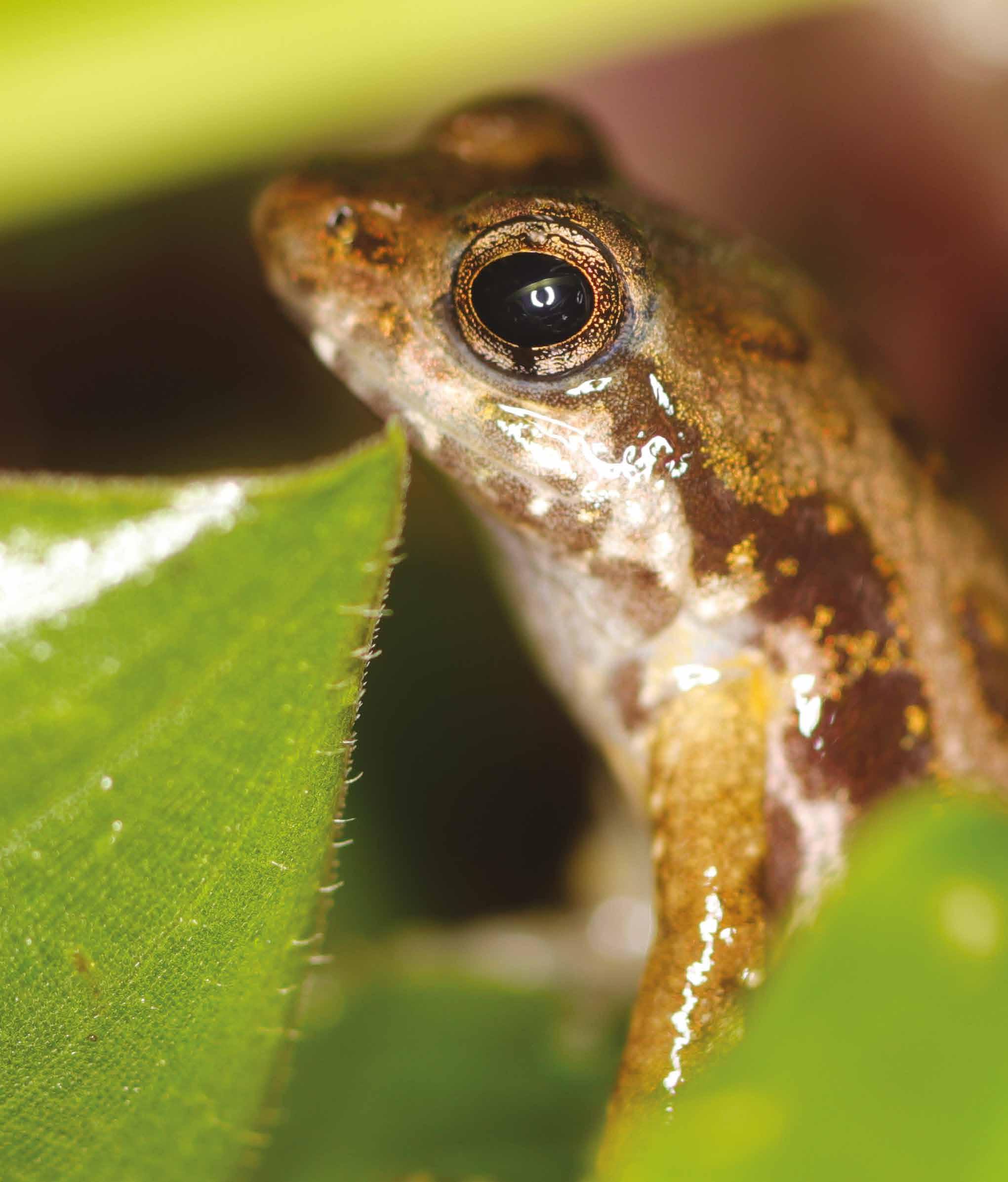
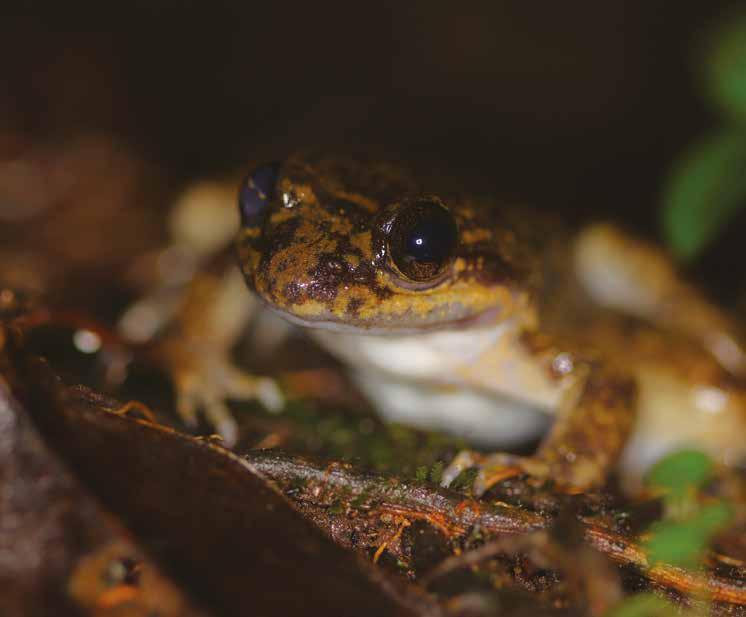
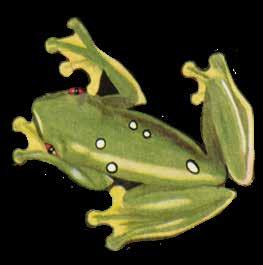
Two new species of rare West African frog have moved into London Zoo’s Secret Life of Reptiles and Amphibians. The Afia Birago’s puddle frog (pictured) and the Atewa slippery frog (inset) are found in just one area of Ghana, the Atewa Hills Forest Reserve. However, we received word that mining in the region could drive both species to extinction, destroying the pools and streams they need to survive. Working alongside partners in Ghana, we transported populations of both species to London so our amphibian experts can learn about them and their care needs. We’re also helping partners in Ghana set up a dedicated breeding facility, to safeguard both species.
Wild About is the magazine for Gold Members, Fellows and Patrons of London and Whipsnade Zoos
London Zoo, Regent’s Park, London NW1 4RY
Tel: 020 7722 3333 zsl.org
Registered Charity No. 208728
For more information about Membership, please contact our supporter contact team on 0344 225 1826.
Editor: Jonathan Kemeys
Design: Suzie Black and Emma Atkinson, Alliance Creative wildabout@zsl.org
With thanks this issue to:
Chai Apale, Rebecca Blanchard, Billy Brooks, Kim Carter, Alex Cliffe David Curnick, The Daldry Family, Gemma Dipple, Hannah Eaton, Emma Edwards, Hannah Fisk, Jess Fryer, Edwina Garchitorena, Charlotte Gurden, Amanda Guthrie, Mark Howes, Charlotte James, Dominic Lipinski, Anna McConachie, Kate McDonough, Sarah McGregor, Emma Milnes, Jamie Mitchell, Luke Pharoah, Kate Rowland, Vicki Sage, Yiu Tang, Ben Tapley, The Thomas Family, Alastair Wilkinson.

Wild About is printed on material from well-managed, Forest Stewardship Council® (FSC®)-certified forests and other controlled sources. Your copy of the magazine is sent to you in a recyclable envelope. Wild About is published three times a year and distributed to Gold Members and supporters. No part of Wild About may be reproduced or used in any form or by any means, either wholly or in part, without prior written permission from ZSL. ZSL cannot guarantee the return of unsolicited articles, photographs, etc. ZSL reserves the right to refuse an advertisement without explanation. ZSL does not necessarily endorse any of the products or services advertised. When you have finished with this issue please recycle it or share it!
Summer is a special time at our Zoos. It’s a chance to meet many of the animal babies who arrive in spring (like our adorable elephant calf on page 4), it’s a time for families to come together and embrace the outdoors, and an opportunity to visit old favourites. It’s hard to think of many things more glorious than a fresh summer morning watching Whipsnade’s herd of white rhinos against the backdrop of the Chilterns.
In this edition of Wild About, to mark our 200th birthday, we’re celebrating some of the longest-lived species at our Zoos – animals who have met and fascinated thousands of us over generations. It’s incredible to think about the legacy of those animals, the people they’ve set on the journey of animal lover.
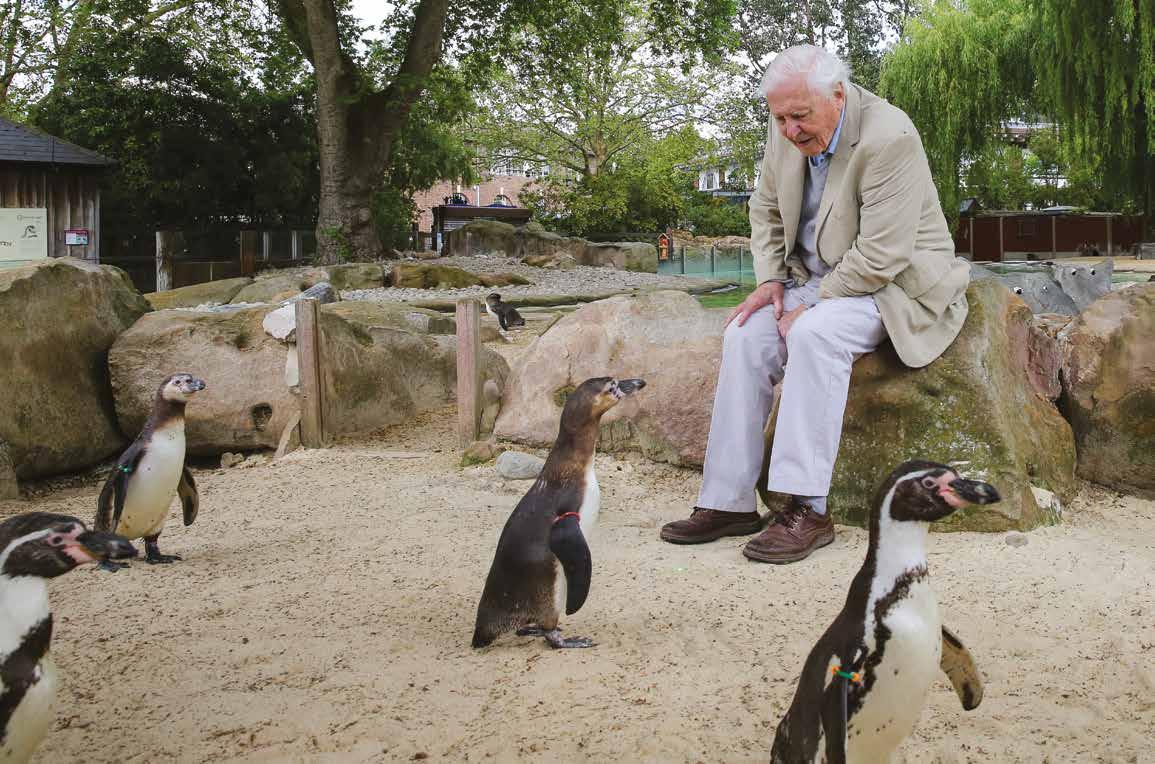
I’ve been thinking a lot about legacy this year. Earlier this summer, there was a moment that united the country. No, not glory at the World Cup (though, at the time of writing, it’s still all to play for)! The celebration of another very special milestone for a very special human being: the 100th birthday of Sir David Attenborough. Few individuals have impacted humanity’s relationship with nature as profoundly as he has.

For generations, Sir David’s voice has been a guide to the planet’s most remarkable places, revealing the incredible species that call them home. Through decades of broadcasting, he has brought the living world into people’s homes and helped to inspire a sense of connection that is fundamental to conservation.
Sir David understood something very important: “No one will protect what they don’t care about; and no one will care about what they have never experienced.” London Zoo is where Sir David got his first taste of wildlife broadcasting, filming the famous 1950s BBC series Zoo Quest, and I like to think that we had a small hand in his ethos – because it is central to what we do at ZSL too. Our two Zoos are places for children and grownups to experience the wonder of nature, to meet incredible creatures and connect with them.
Beware, of course, that once you’ve caught the animal bug, it’s hard to shake. In fact, it can last a lifetime – just ask Sir David. For 200 years, we’ve proudly been a home for wildlife lovers, animal addicts and fauna fanatics. From Francois le Comte in the 1860s (page 14) to Luke Pharoah at Whipsnade today (page 16), to members like Holden (page 22). I say, embrace it!
Kathryn England CEO ZSL
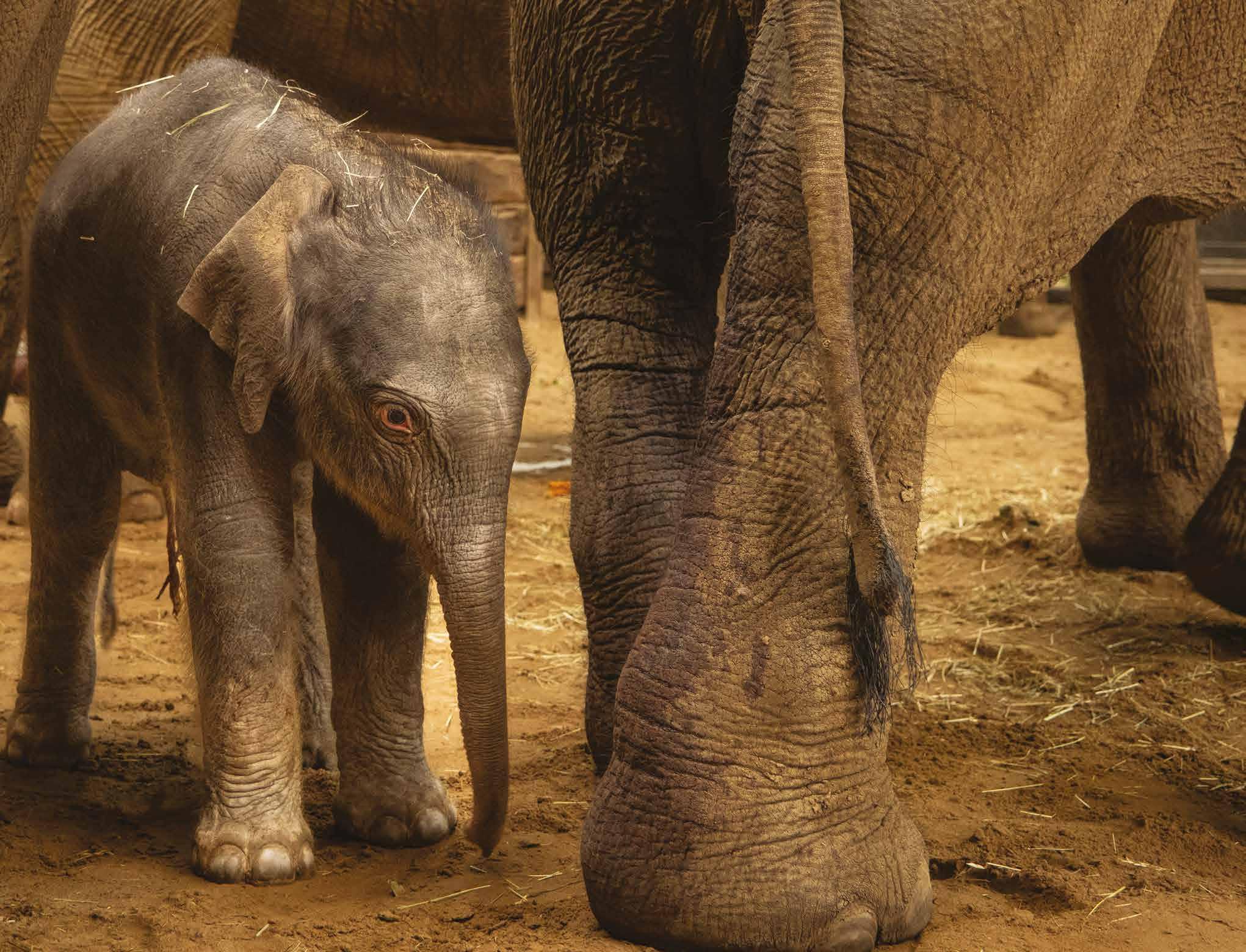
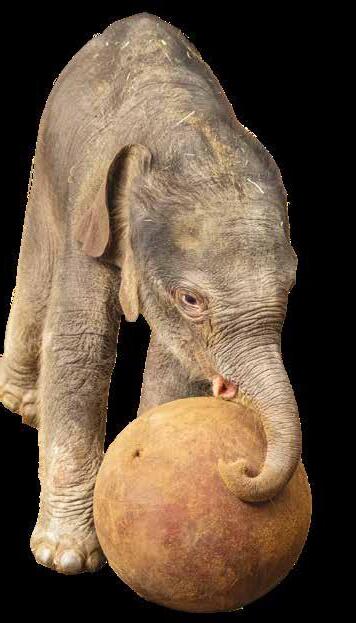
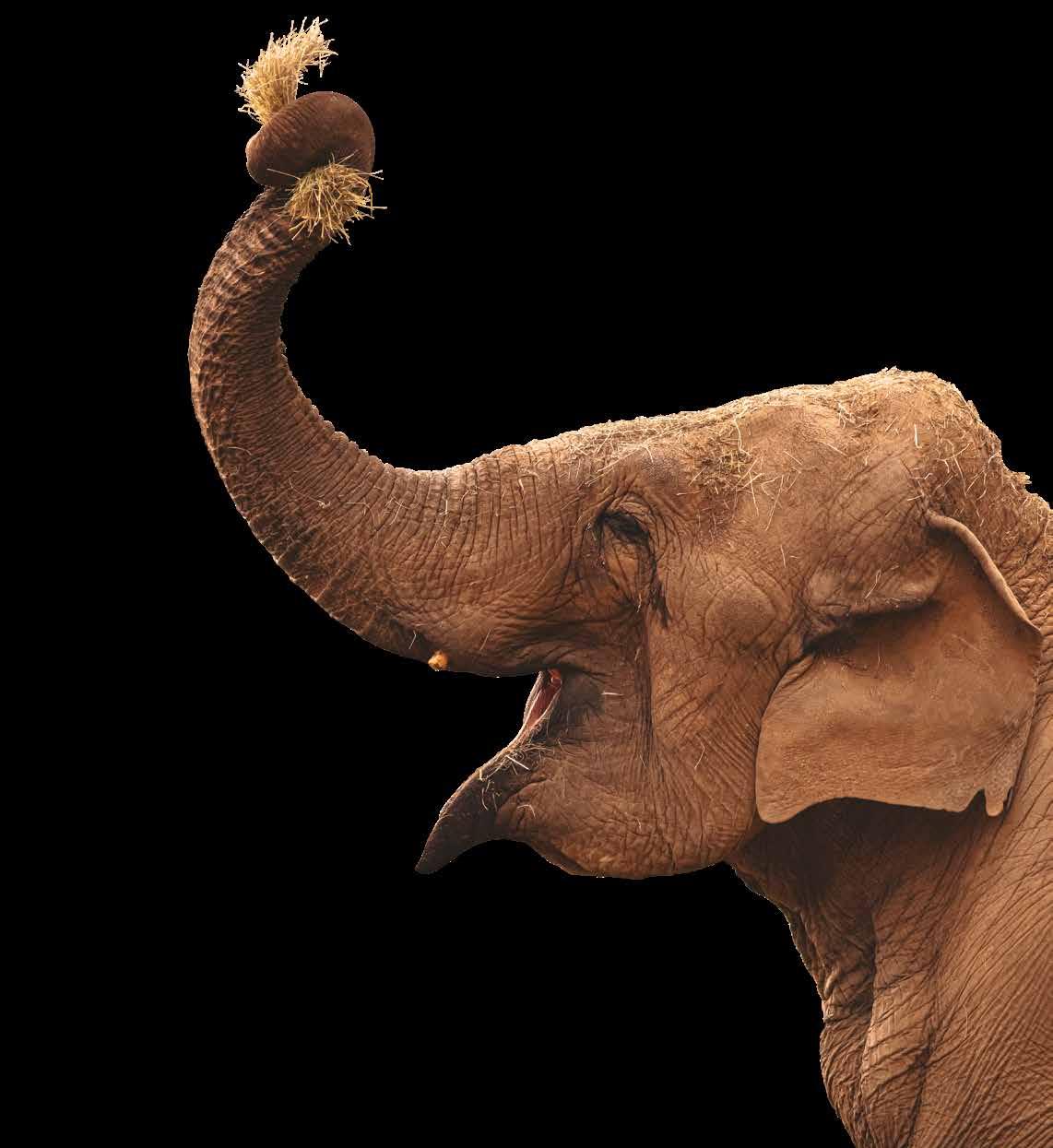
Earlier this summer, Whipsnade Zoo celebrated the birth of a male elephant calf. After a whopping 22-month gestation, the calf was born to mum Donna late at night on 8 June, surrounded by the other females in the herd for support. Standing at less than a metre tall and weighing 110kg, the baby boy (who will be named by our supporters) is a boost to the European breeding programme for the Endangered species – which in the wild are threatened by illegal wildlife trade, habitat fragmentation and climate change. “Donna has been an exceptional mother from the moment he arrived,” says Stefan Groeneveld, who leads Whipsnade’s elephant team. “His older sister Phaya is eagerly watching everything, learning and preparing to be a mum herself one day.”
1826-2026
We’re marking 200 years of remarkable stories with our own Zoo Plaque Trail, launching this summer at London Zoo. As you explore the Zoo look out for a series of plaques (just like London’s iconic blue plaques) that celebrate our iconic animals, pioneering scientists, cultural figures and the lesser-known names that have shaped us. Designed to be enjoyed at your own pace, the trail offers a new way to experience the Zoo, revealing the people, discoveries and stories behind the spaces you see today.
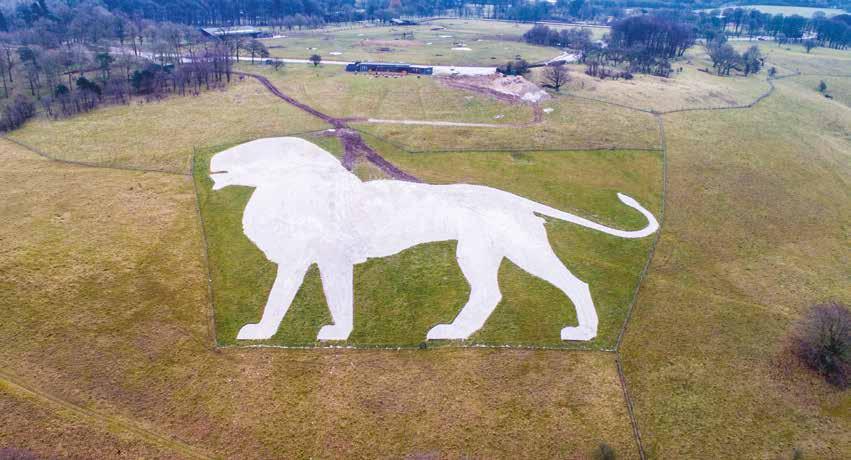
On 23 September, Whipsnade Zoo’s iconic White Lion will take on a new glow as it is illuminated to mark ZSL’s anniversary year. The illumination will act as a powerful beacon for wildlife, with further moments planned throughout the year. Beginning on National Wildlife Day, the illumination will act as a powerful beacon for wildlife, with further moments planned throughout the year. Made possible thanks to the dedication of our volunteers who preserve the site, this striking display will be visible from far afield, including the iconic local viewpoint Ivinghoe Beacon. First created in the 1930s to celebrate the opening of the Zoo, the 147m long and 37m high chalk lion has become a much-loved landmark on the Dunstable Downs.
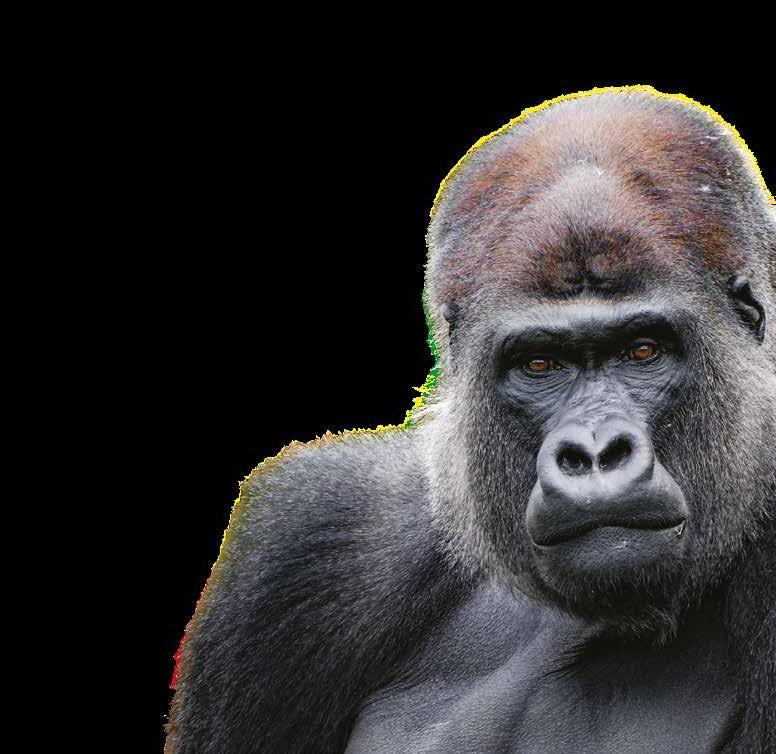
We’re excited to announce that Gorilla Kingdom will be reopening for the summer holidays after being partially closed for a year of renovations. Our family of Critically Endangered western lowland gorillas swelled to seven with the birth of Venus and Juno in 2024, and our growing gorilla troop’s new home includes a second indoor day gym (especially handy on drizzly or chilly days) and a second outdoor space to give our family plenty of room to flourish. Visitors will have even more opportunities to enjoy watching Juno and Venus as they grow up, learning the ropes about how to be gorillas from dad Kiburi and
The new Gorilla Kingdom incorporates adapted bricks, designed to give home for bees, birds and bats. Look out for them on your way
ZSL launches new project to understand little-known river residents
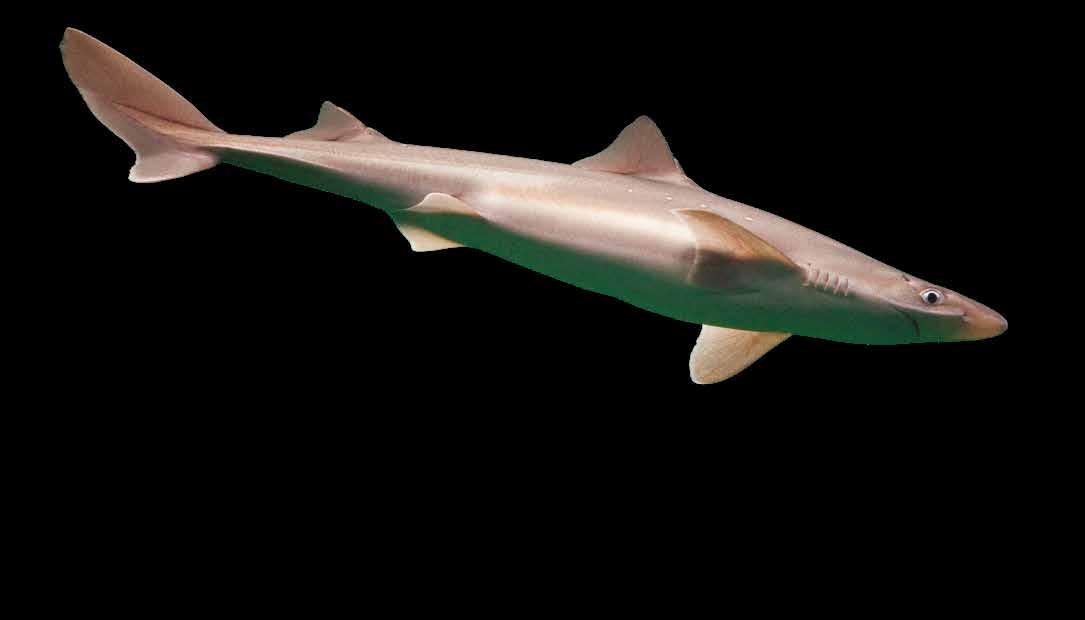
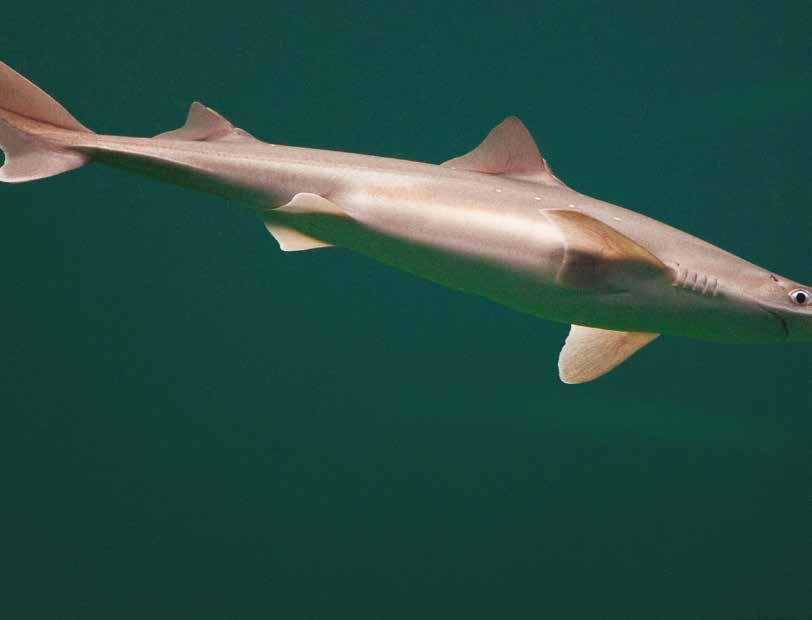
Did you know that there are sharks and rays in the River Thames? We might think of sharks as oceangoing predators and rays gliding through tropical waters, but that only scratches the surface. The UK is home to many species of shark and ray, including some that migrate to our coastal waters and estuaries during spring and summer to mate and lay eggs. Little is known about exactly how sharks and rays use the Thames and its variety of habitats and features. ZSL’s conservationists have launched a new project to better understand how these animals use our capital’s waterway, focussing on four species –tope, spurdog, thornback ray and the wonderfully named starry smoothhound.
We’ll be using baited cameras, egg surveys and tagging to understand where these species are most frequently found in the Thames, so that conservationists can prioritise protecting and restoring the habitats most important for their survival. Sharks and rays are integral in the marine food chain – by feeding on smaller fish and crustaceans and keeping their populations in check, they ensure that the plant and invertebrate species that fish and crustaceans feed on can also thrive.
We are also going to be working alongside a youth-led organisation, Youngwilders, the University of Essex, local schools, colleges and the local community to connect people to local shark and ray conservation, as well as having them plan and lead activities. We’re also working with teachers to boost expertise and confidence in teaching outside the classroom, as part of our mission to get more young people learning in and about nature. To find out more about how young people and schools in the Thames region can get involved, please contact learning@zsl.org.


With ZSL celebrating the big two-double-0 this year, we’re one of the world’s longestlived wildlife organisations. What better time to honour some of our Zoos’ longestlived residents!
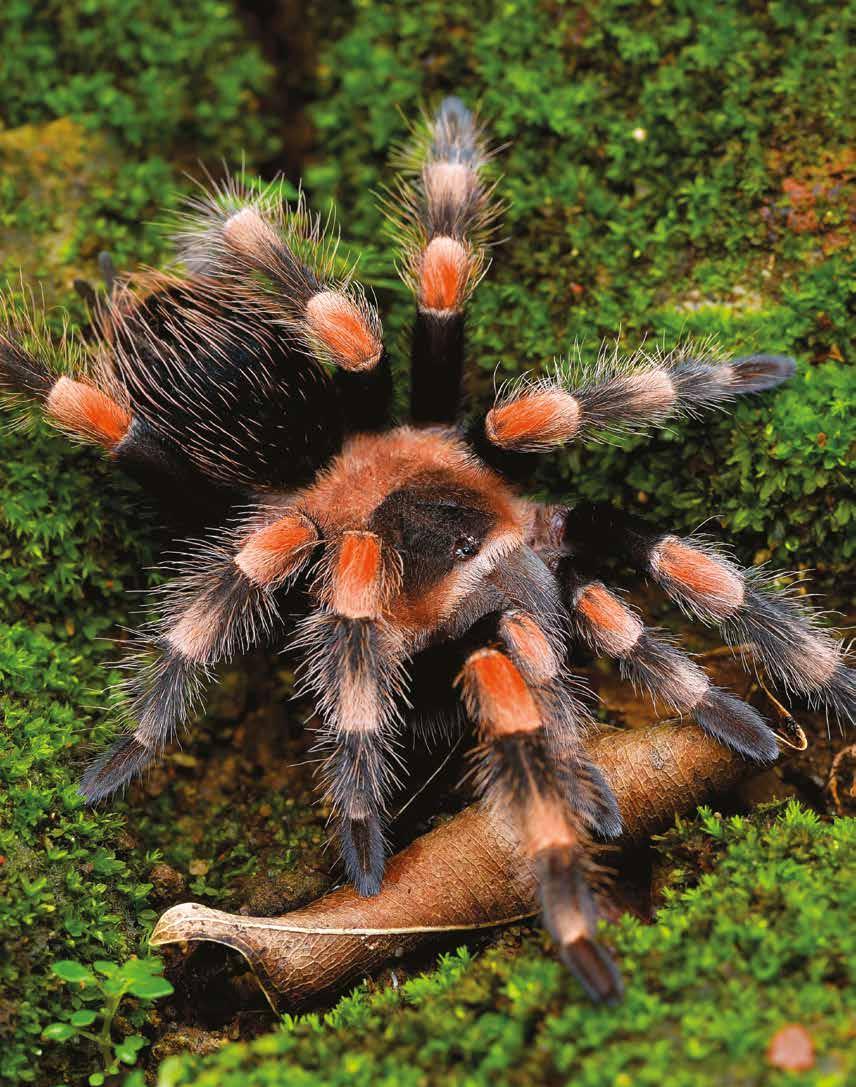
Go on, admit it, you’re surprised we’re starting here. You might think invertebrates are all short-lived, but they also boast some surprisingly senior species – meet Jess, the Mexican red-kneed spider! “Jess is our oldest spider, at 21 years and six months old,” says zookeeper Jamie Mitchell, who has worked with her for 14 of those years, “and we also care for her sister Rosy – who is one day younger!”
The secret to Jess’ and Rosy’s long life is, well, not doing very much. “They have a very low metabolic rate – which means their body burns very little energy to stay alive,” explains Jamie. “They’re ambush predators, meaning they spend most of their lives waiting in a burrow for either their dinner to walk past, or a male spider to come by and try to mate with.” (Spoiler alert: those males also sometimes become dinner.)
Female spiders can take up to seven years to reach adulthood, which is a risky strategy when there are so many animals in the Mexican deserts that would like to eat a young spider. To compensate, females lay huge nests of up to 800 eggs. Over a possible 30-year-lifespan, that’s 18,000 children (and several million grandchildren).
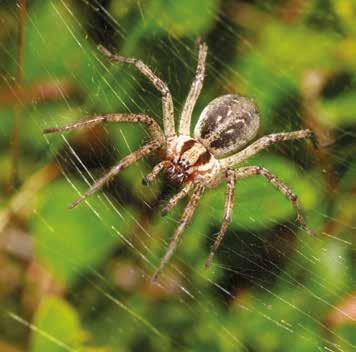
The oldest spider ever recorded was a 43-year-old funnel web
30+ years Tarantula

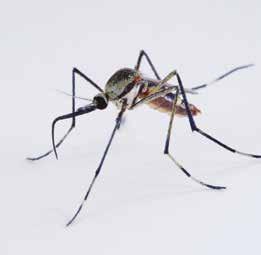
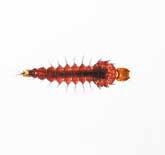
One of the shortest-lived species at London Zoo is the elephant mosquito. In the wild, they spend a few weeks as larvae, feeding on other mosquitoes (making them a great natural pest control), and as adults they live for up to three months. And the only liquid they drink is nectar!
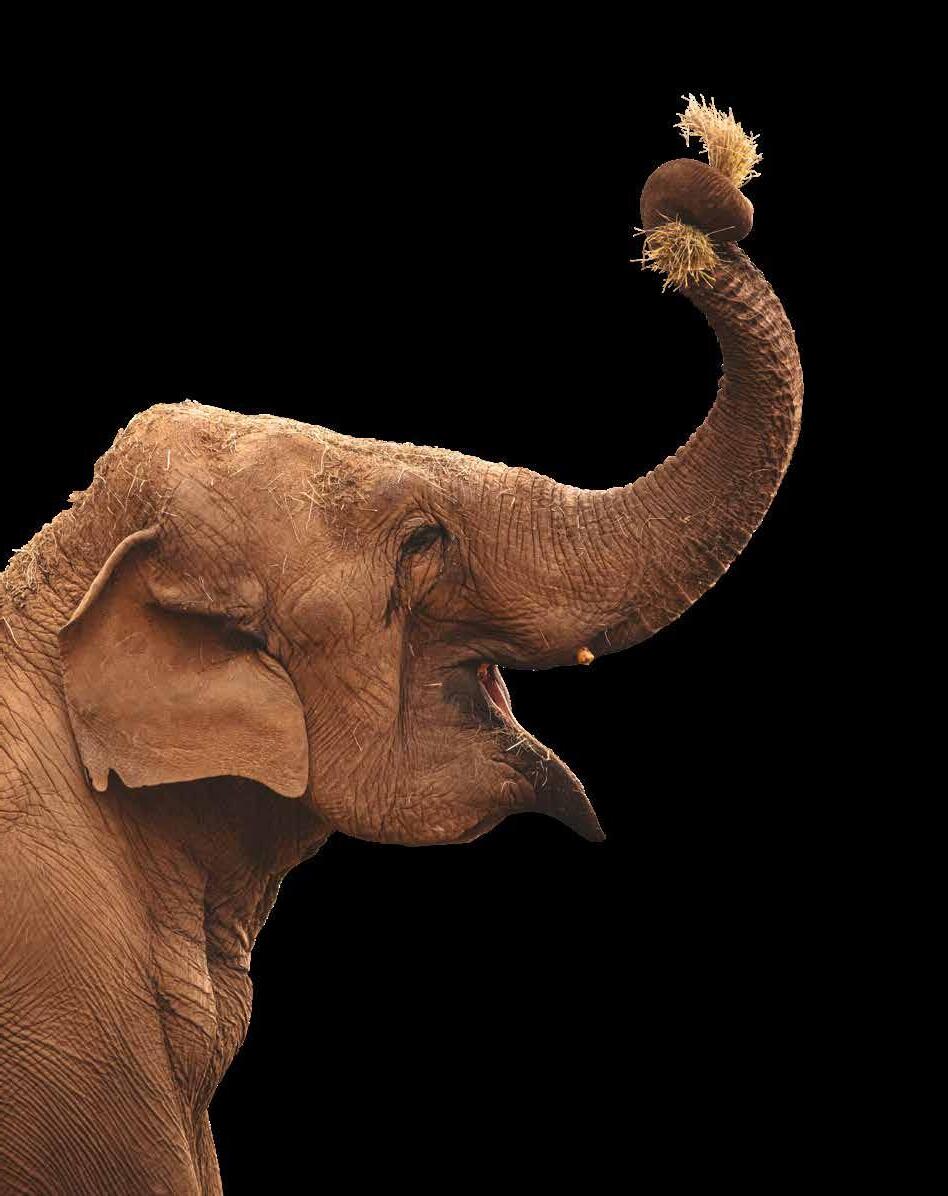
Growing into the world’s largest animal takes time, says zookeeper Mark Howes, especially if you’re doing it on a diet of tough grasses, plants and bark! “Elephants use their long lifetimes and huge brains to develop an intimate knowledge of their landscape –where they can find water, or things to eat – and they pass it down the generations. This kind of knowledge sharing is particularly important for surviving dry seasons, because they need lots of food and water to sustain themselves!”
Whipsnade Zoo’s matriarch, Kaylee, is 44 years old and arrived in Europe in 1989, after growing up in a logging camp in Myanmar. As head of the family, it’s her job to teach the youngsters in her herd how to be

Elephant brains are a bit like ours – they are born at just 35% of their eventual size, and grow throughout adolescence.
(Humans are born with just 25% brain mass.)
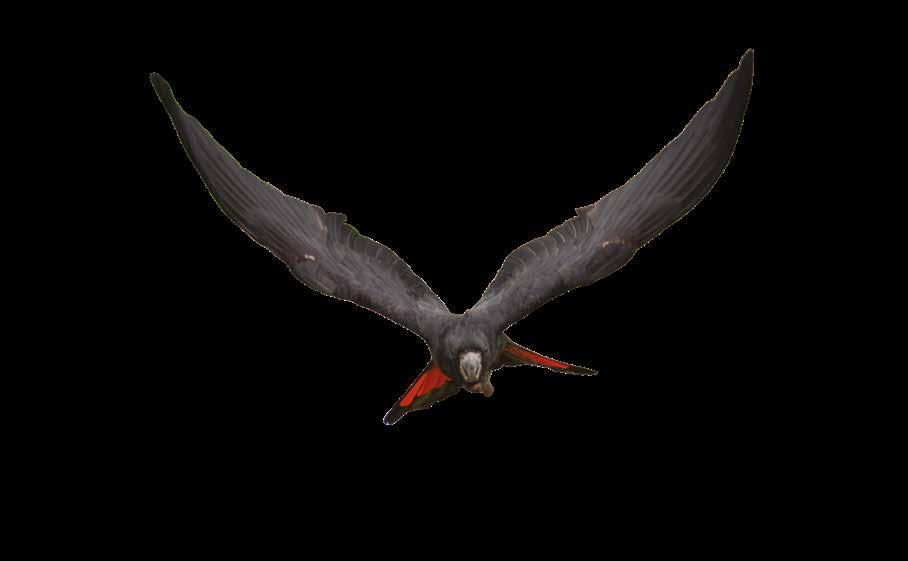
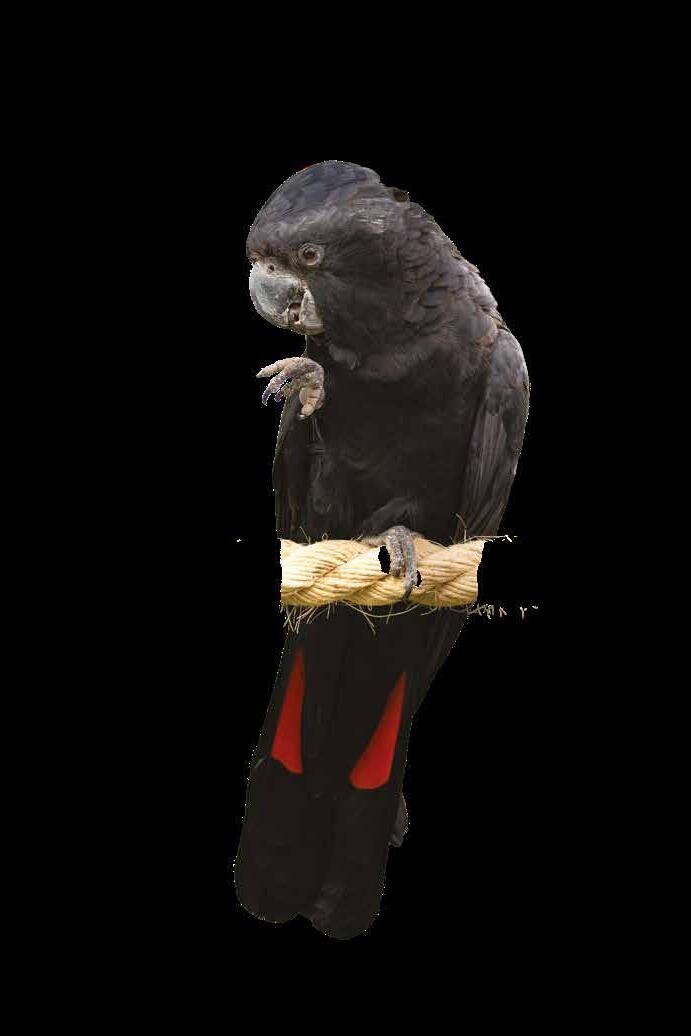
It’s lucky cockatoos live so long, says zookeeper Jess Fryer, because they can be fussy when it comes to finding a mate! Just like humans, it can take cockatoos decades to find ‘the one’ – but when they do, cockatoos pair for life.
“When a cockatoo pair raise young, mum stays in the nest for several weeks, raising the chicks while dad finds food for everyone and defends the family from predators – so it’s important to find a partner you can rely on. And because they’re such intelligent birds, they’re also looking for that special something in a lifelong companion.
“Frankie, our red-tailed black cockatoo, is 30 years old and although he spent most of his life
The oldest known elephant in the world was Lin Wang, an Asian elephant who reached a remarkable 86 years old.
elephants, like her daughter Donna, her granddaughter Phaya and our latest male calf.
And it’s not just elephants Kaylee teaches, says Mark. “When a new member of staff joins, Kaylee is the first elephant they work with – she’s so calm and steady, she’s taught so many of us to be good elephant keepers over the years!”
Each elephant is taught a series of words by their keeper, says Mark, which helps the team look after them. “They learn words like ‘foot’, which means we want to check the underside of their foot is healthy, or ‘mouth’ if we want to check their teeth. When Ming Jung arrived from Zoo Antwerpen in Belgium he only understood Flemish, but he learned English much quicker than I could learn Flemish!”

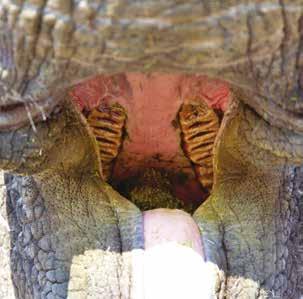
Elephants have six sets of teeth during their lifetime, which they use to grind down tough plants.
living with another female, Freckles, they never bred – despite all the nest boxes and encouragement we offered them! They were both happy to stay in the friend zone.”
Frankie had a dramatic start to life, says Jess. “He arrived with us as an egg, after being confiscated at Heathrow Airport. He was smuggled to the UK from Australia, where he was going to be sold as a pet,” says Jess. “It’s a stroke of luck that he ended up here and, by meeting visitors and flying in our demonstrations, he’s a great ambassador for his species and teaches our visitors about the illegal wildlife trade.”
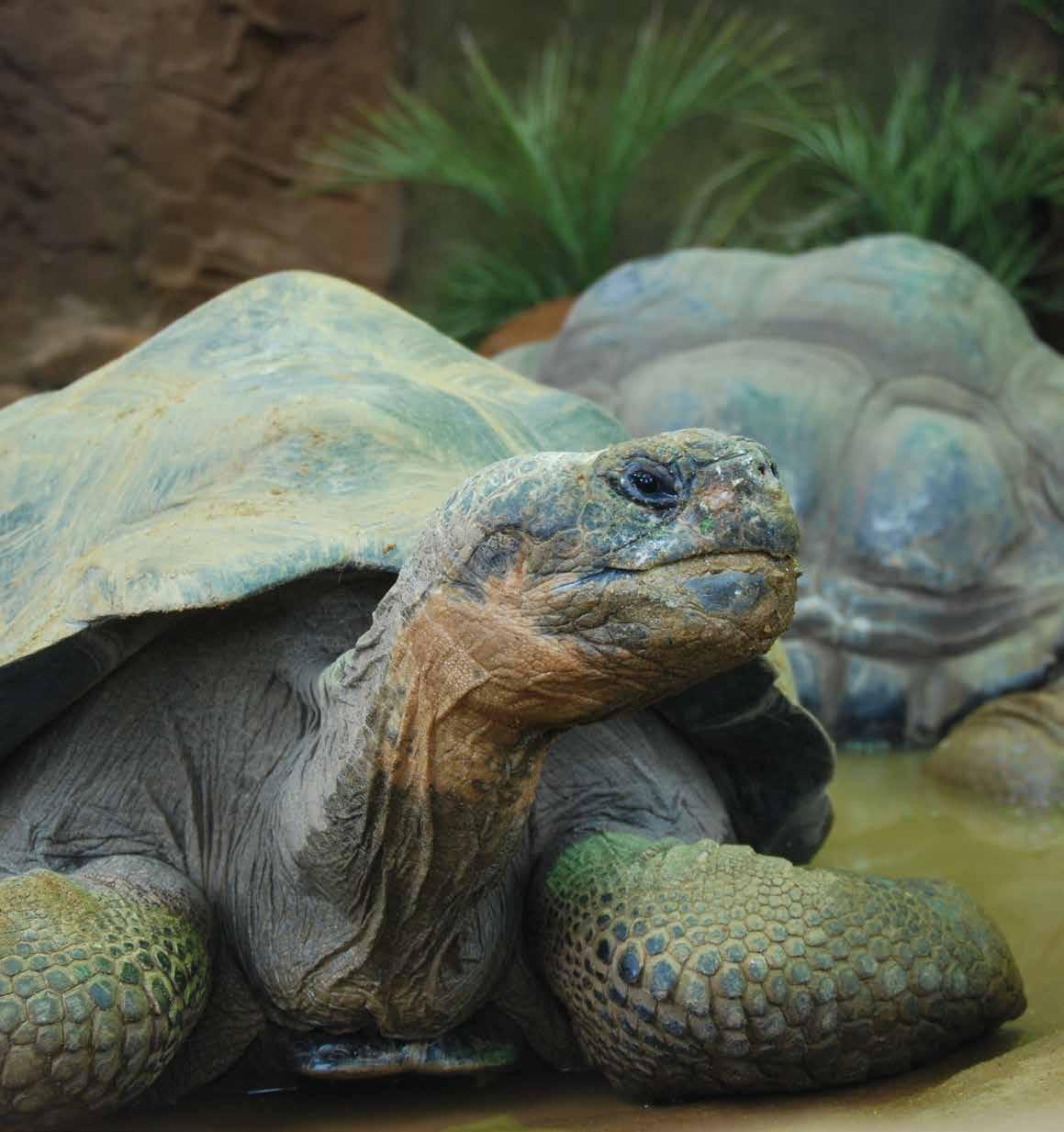


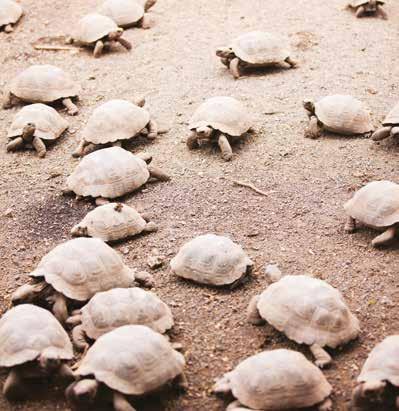
London Zoo’s Dolly, Polly and Priscilla are just 31 years old, but they are barely the equivalent of teenagers for their species (these giant tortoises can live for well over 150 years). In fact, the oldest known Galapagos tortoise, Harriet, was 175 years old, but its thought they could live even longer (we just don’t know, because records don’t go back that far).
“Unlike humans, giant tortoises never stop growing,” explains zookeeper Kim Carter, “and their slow metabolism means they age a lot slower than warm-blooded animals (like us humans).
“Knowing they’ll outlive me, that I’m just a blip in their life, is an unusual experience for a reptile zookeeper – but I enjoy it,” says Kim. “The idea that there are keepers in the past, and keepers in the future, who will care for them – and that I’m part of that line – is a really nice one to me.
“It’s incredible to think that there are tortoises alive today who might have met Charles Darwin on his travels in the 1800s, and lived through all of the changes our planet has experienced in two centuries. One day someone might say wow, Dolly, Polly and Priscilla were around the same time as HM Queen Elizabeth! They might even be around for ZSL’s 300th birthday.”
At up to 25 eggs a clutch, and up to five clutches a year, one female might lay over 16,000 eggs in her lifetime!
If it’s possible to keep cloning yourself hundreds, thousands and even millions of times, do you ever truly die?
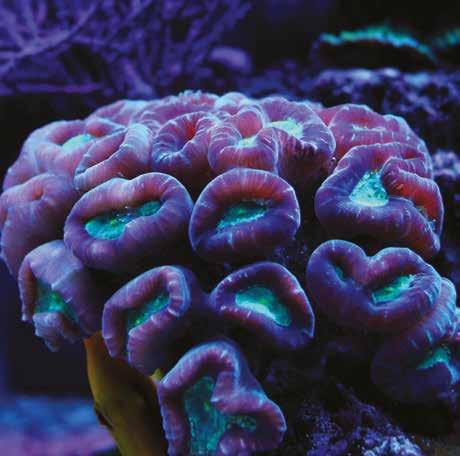
Corals may look like a type of underwater plant, but they’re actually a colony of thousands of tiny animals called coral polyps (related to sea anemones and jellyfish). Each polyp is a clone of the very first polyp that settled and grew, and every polyp in the colony contains the same DNA.
Individual polyps live for eight to 10 years, but the colony itself can live on for thousands of years, growing and growing as more polyps are created. In fact, they have the potential to be immortal, if conditions underwater remain the same.
The oldest corals in our reef zone at London Zoo are a mere 27 years old, but they are fragments of much larger, older corals. Many of them were cut from wild corals and brought to the UK illegally by smugglers, before being intercepted by border police and handed over to London Zoo to care for. Which means we might have the clones of thousands-ofyears-old corals in our care!
Turn to page 21 to read about another long-lived species in our Coral Reef zone.
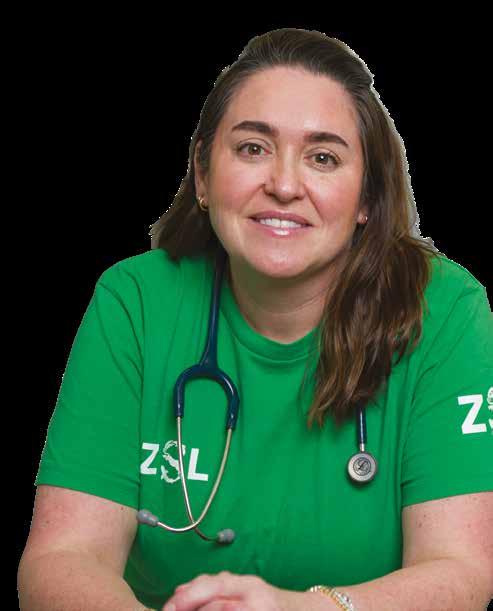
On ZSL’s 200th birthday, we announced plans to build a major new wildlife health centre. But what is wildlife health, and why does it matter? Head Vet Amanda Guthrie joins Wild About to lift the lid
What does the health of a small animal halfway round the world mean to us? In spring 2020, we all found out in a big way. The virus that caused many people to become seriously ill, and sent most of us home from work and school, began in a tiny bat in a remote Chinese cave. The lesson was clear – we must understand wildlife health better, because it has a huge impact on human health.
But how? For a chest infection or a broken ankle, we turn to our GP. For our pets, or for farmers with unwell livestock, they call the local vet. But for most wildlife, they have to go it alone. And with human lifestyles changing the game for nature – from pollution, to livestock disease, to habitat destruction –they need our help. They need a new generation of wildlife vets.
...CONTINUED ON PAGE 10
“We’re planning to include stateof-the-art sound and recording equipment, so that we can anaesthetise and operate on a tiger, and beam it live to veterinary students working with wild tigers in Nepal.
Wildlife vets: Nature’s first responder
“The vast majority of vets are focussed on dogs, cats and farm animals,” says Amanda. “At ZSL, we’re one of only a handful of Zoos in the UK with a dedicated team of wildlife vets, trained to deal with all kinds of health problems for species ranging from fish to big cats.”
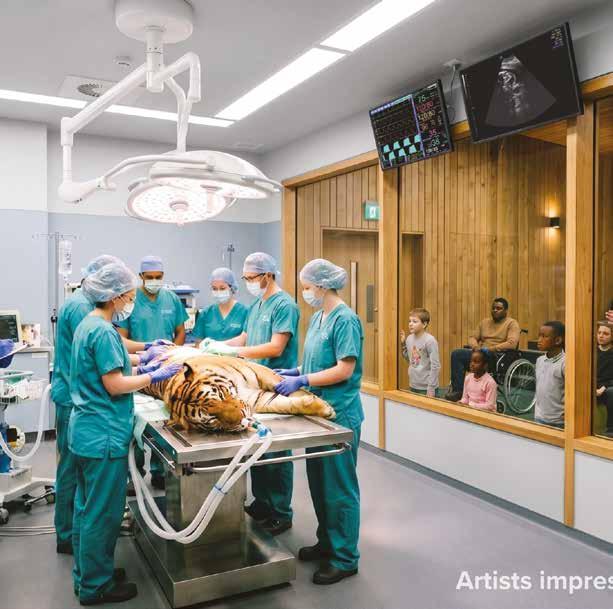
Many zoos and national parks around the world aren’t as lucky, but our new wildlife health centre – which will also include a new vet hospital for the team – will be a game changer, says Amanda. “We’re planning to include state-of-the-art sound and recording equipment, so that we can anaesthetise and operate on a tiger, and beam it live to veterinary students working with wild tigers in Nepal.
“This centre won’t just have an impact on animal care here in the UK,” adds Amanda, “it’ll change the way animals are cared for across the world.”
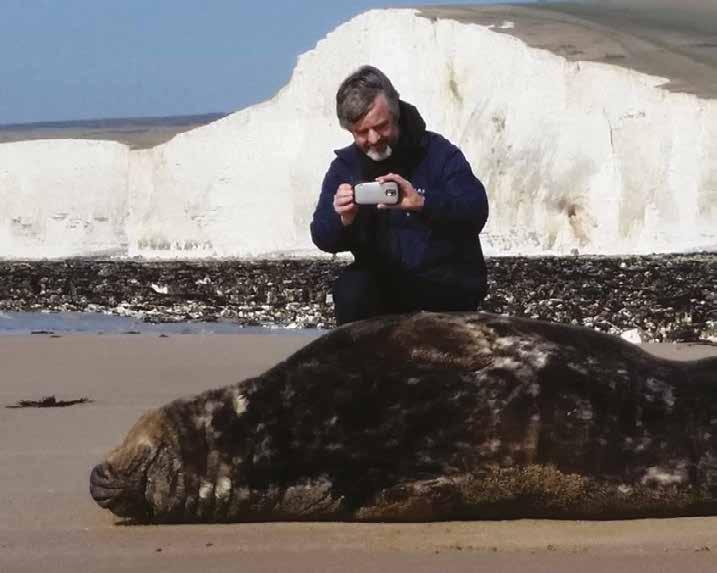
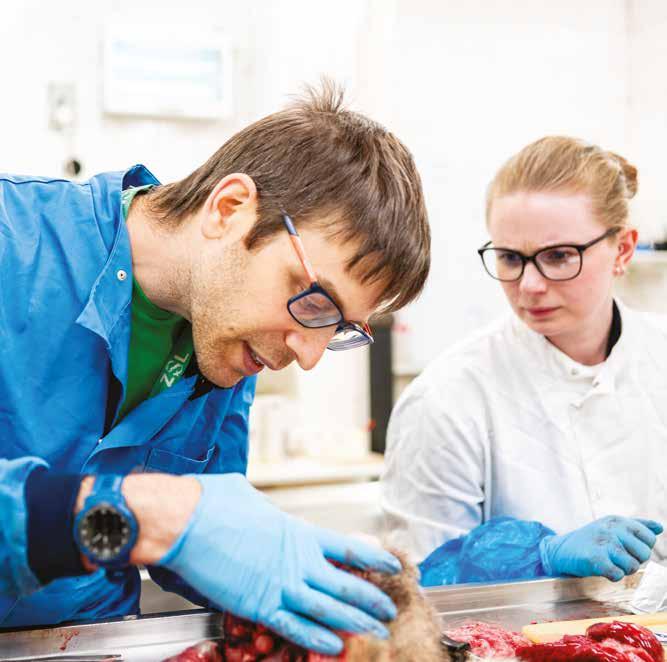
Our vets and scientists are tasked with understanding the health of Britain’s marine wildlife. They do it by examining every whale, dolphin and porpoise (an animal group known as cetaceans) that washes up on the English and Welsh coastline, as well as turtles and sharks.
“By doing post-mortems and taking tissue samples we can learn all kinds of things,” explains Amanda, “from how much food is available, to what kind of diseases they carry and which pollutants might be a problem.”
Got someone in your life desperate to become a vet one day? Then London Zoo will be the place to be. It’s not just wildlife vets around the world who’ll get to see behind the scenes at our new veterinary hospital – visitors will be able to watch and learn about how we care for our animals at our new public operating theatre.
“I’m so excited to show what we do,” says Amanda. “From the school groups who’ll finally be able to see what we do, to the teenagers considering veterinary school on their university applications. We’re going to inspire a whole new generation of vets, vet nurses, as well as pathologists and microbiologists. I can’t wait!”
The new centre will be home to a CT scanner, a significant investment in wildlife health that will make ZSL the first zoo vet hospital in the country to
have one. “It’s like a 3D x-ray machine – it’ll be able to scan our animals and tell us exactly what’s going on inside them,” explains Amanda. “They’re much better at identifying early signs of disease, such as infections or tumours, than a traditional x-ray machine, so we’ll be able to spot problems in our animals and treat them much earlier. It’ll make a huge impact on the care of our animals, and wild animals around the world.”
It’s a big job that takes the CSIP team (Cetacean Stranding Investigation Programme) to beaches all over England and Wales, investigating around 500 strandings and conducting over 100 full postmortems a year.
“With the CT scanner, we’ll be able to scan smaller animals like porpoises in a matter of minutes and get a fuller picture of their internal health. For example,
being able to spot a tiny lesion on the spine, that could otherwise have been missed, will tell us so much about the life and health of that animal.”
ZSL works with several universities to run wildlife courses designed to teach researchers and practicing vets from around the world. The new centre will allow us to take on even more trainee vets!
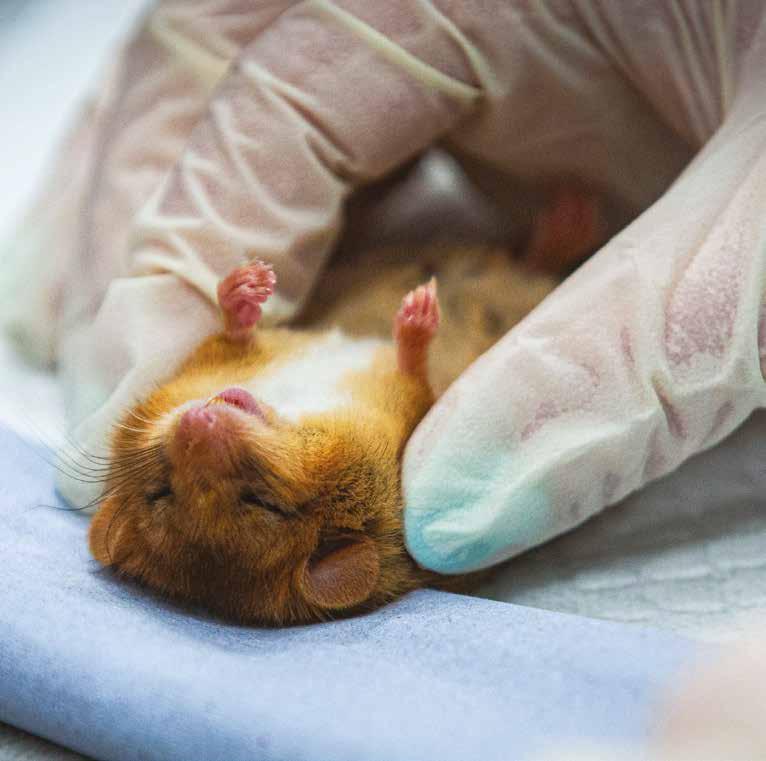
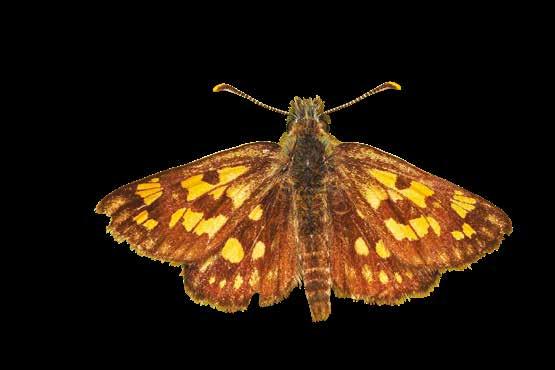
If we can understand these mechanisms, we could unlock cancer treatments for humans too.
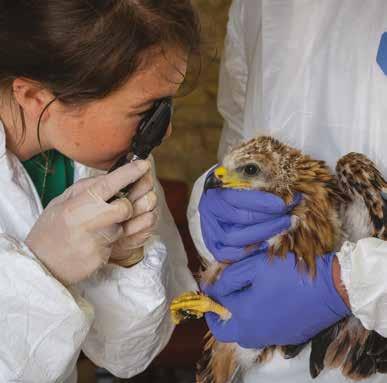
In the 1990s, our vets discovered why red squirrels were in decline – because of squirrelpox, a disease carried by grey squirrels from North America.
It isn’t just marine species we investigate. Our vets work closely with Natural England to make sure that every reintroduction project goes smoothly. We’re involved in the restoration of 17 UK species, from headline grabbers like beavers and dormice to less well-known species like the pool frog and chequered skipper butterfly.
“Checking animals are healthy before releasing them into the wild is essential for the success of every reintroduction project,” explains Amanda. “It’s our job to make sure that every animal we release can thrive, and to make sure they’re not carrying any diseases that could infect other wild animals. In our new wildlife health centre, I hope we’ll be able to help even more species make a return to Britain.”
Last year, our vets were crucial to the UK government’s decision to allow beaver reintroductions to England’s waterways, by performing health checks on existing beavers and proving that it would be safe for them to return.
London Zoo’s head vet, Oliver Graham-Jones, invented the first hand-held dart gun for injecting animals with medicine and anaesthesia.
Collecting blood, tissue and other samples from wild animals to understand their health can be incredibly difficult, particularly for hard-to-find animals, so researchers keen to understand the biology of animals can turn to ZSL.
“We have decades of samples from the animals who have called our Zoos home over the years,” says Amanda. “It’s a huge scientific resource, and it’s unique for a zoo to have such rich archives.”
One of the areas we’re trying to understand is how cancer works in animals, says Amanda. “Large animals, like elephants, have more cells. So logically we could expect them to develop more cancers –but they don’t.”
In fact, elephants appear to have evolved special cells that help to limit cancers. Researchers at Cambridge University are now studying ZSL’s animal samples, from zoo animals to cetaceans, to understand why elephants and other animals appear to be able to hold off cancer. “The results of the research could be huge,” says Amanda, “and not just for animals. If we can understand these mechanisms, we could unlock cancer treatments for humans too.”
LONDON ZOO
18 JULY – 2 SEPTEMBER
Celebrate 200 years of ZSL with a time-travelling Horrible Science trail, bursting with brilliant discoveries, bold ideas and seriously smart scientists. Race through evolution, track down pioneering scientists from the past and uncover the clever, curious and courageous work behind two centuries of groundbreaking science. Plus, come face-to-face with iconic scientists from ZSL’s past as they attempt to bring an animal back from extinction in a fun, familyfriendly interactive sketch show.
WHIPSNADE ZOO
18 JULY – 2 SEPTEMBER
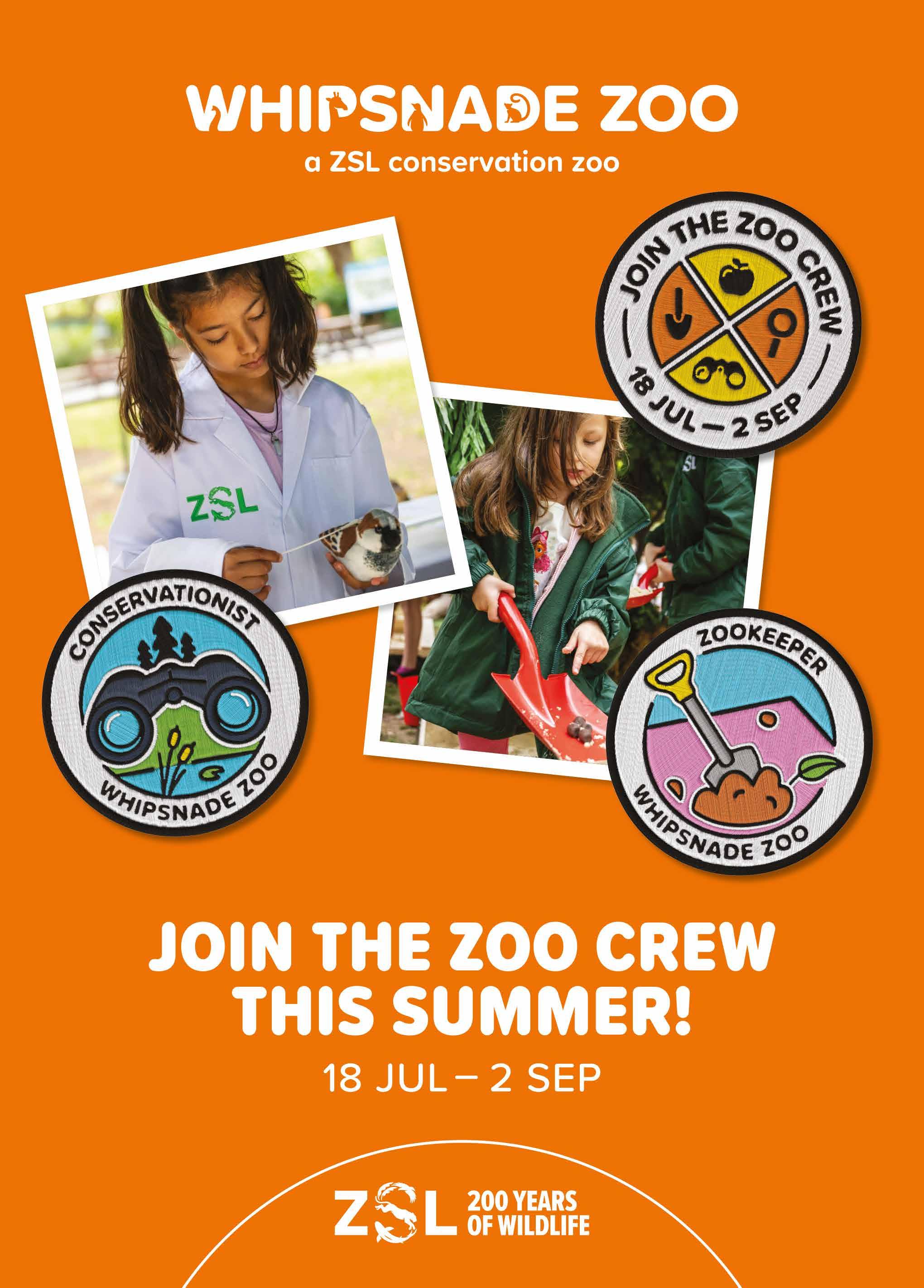
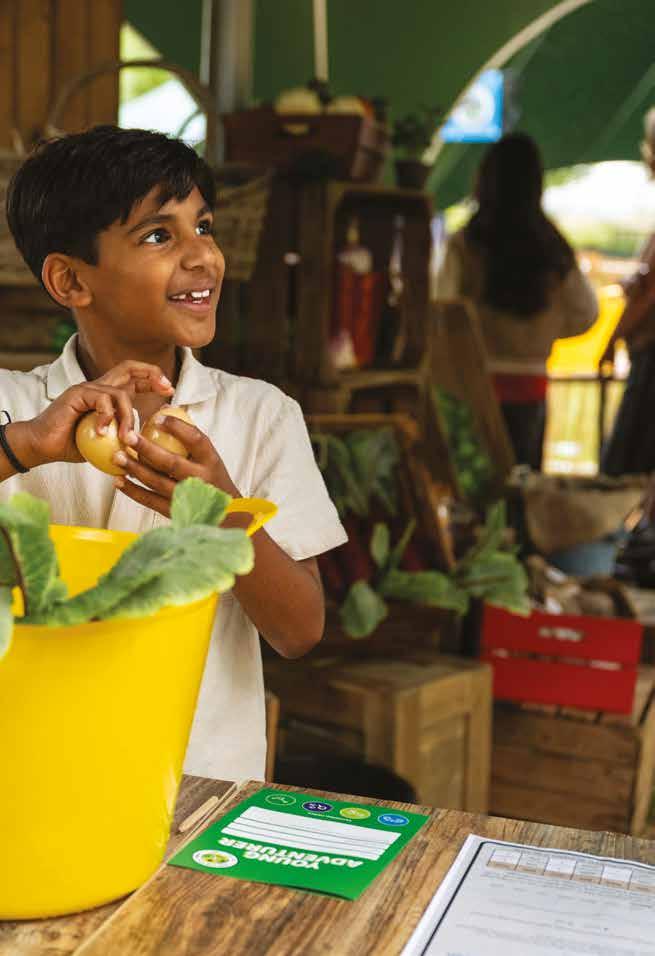
This summer, all young explorers are invited to become part of Whipsnade’s Zoo Crew. We’re packing summer with fun roleplay and costume dress-up activities, so your little animal lovers can learn what it’s like to work at ZSL. Care for our animals like a zookeeper, wade through rivers like a conservationist, and do vital research like our scientists. Gold members, Fellows and Patrons will receive an exclusive Zoo Crew ID badge at the end of the session.
3 2 1
LONDON ZOO 6 JUNE – 31 AUGUST
Horrible Science® is a registered trademark of Scholastic Inc and is used under authorization.
All rights reserved. Illustrations © Tony De Saulles
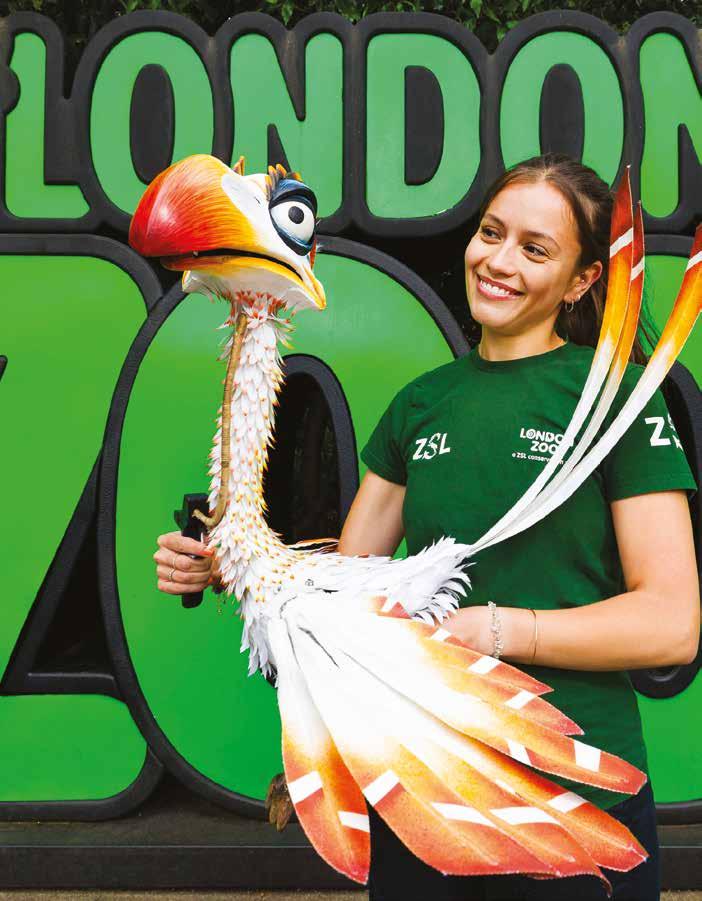
The iconic West End musical is roaring into London Zoo with a showcase of masks, puppets and costumes in a special exhibition. Included in your Zoo entry, the exhibition allows fans to immerse themselves in the magic that has captivated audiences worldwide for over two decades. Marvel at the intricate designs of beloved characters like Rafiki and Zazu, as well as the awe-inspiring masks of Mufasa, Simba and Nala. It’s a rare opportunity to see these masterpiece costumes and props away from the West End stage.
Celebrate summer and ZSL’s 200th birthday in style with a host of events at our Zoos. Pop our dates in the diary so you don’t miss out and keep an eye on member emails for updates and timings
LONDON ZOO 20 SEPTEMBER
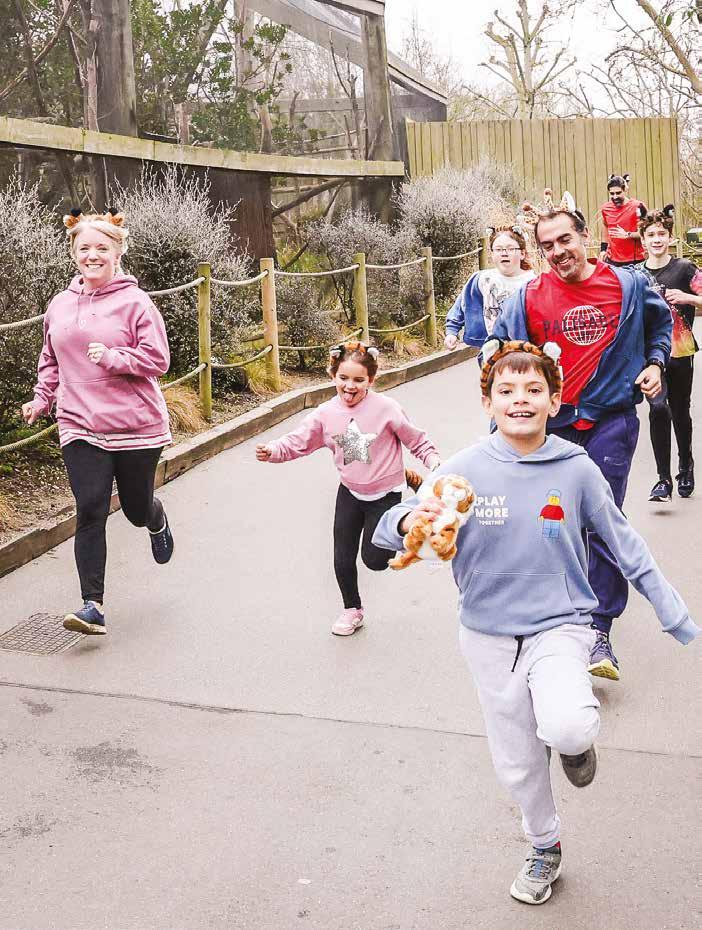
Join us before the Zoo opens on Sunday 20 September for a morning of fun-running and fundraising for tigers. We have two distances – a one-mile route through the Zoo and a fivekilometre route that takes in the beautiful Regent’s Park too. Pick up your Run Wild medal at the finish line before enjoying a day at the Zoo, and we even have prizes for our top fundraisers. Run, jog or wheel your way around – every step and every pound raised helps wildlife. Find out more at londonzoo.org/runwild
4
LONDON ZOO 2 OCTOBER – 1 NOVEMBER
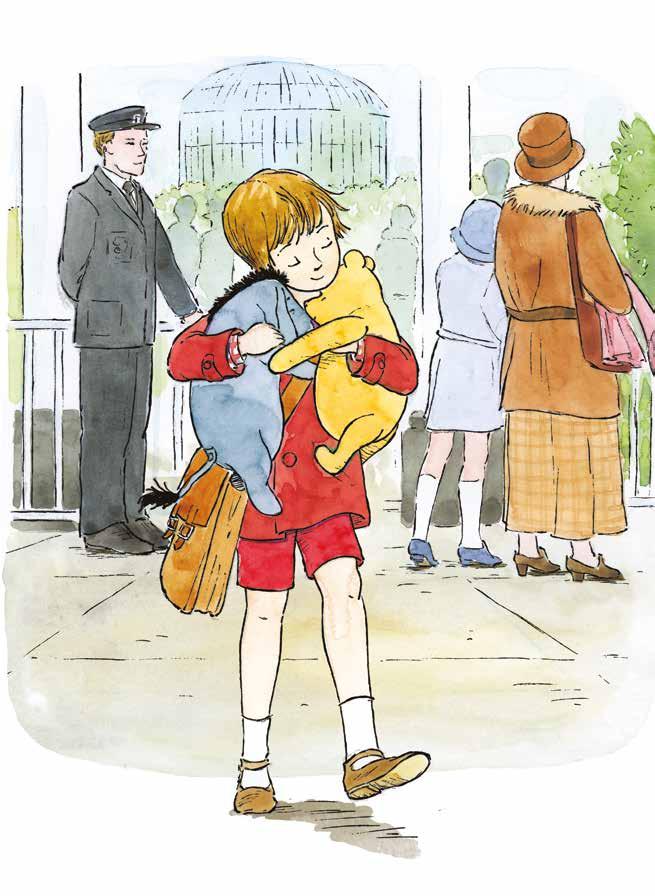
The world’s most famous bear is heading to London Zoo for a brand-new adventure! Celebrating 100 years of Winniethe-Pooh alongside ZSL’s 200th birthday, this special trail, based on the A Little Boy and His Bear book, follows Pooh and Eeyore around London Zoo after they are accidentally left behind by Christopher Robin. Families and Winnie fans are invited to retrace Pooh and Eeyore’s journey, discover beautifully illustrated pages and learn about the history of London Zoo resident Winnipeg the bear, the inspiration behind Winnie-the-Pooh’s name.
Illustrations by Andrew Grey copyright © 2026 The Trustees of The Pooh Properties and The Trustees of The Shepard Trust
Tear me out and stick me next to your calendar or on the fridge
WHIPSNADE ZOO 24 OCTOBER – 1 NOVEMBER
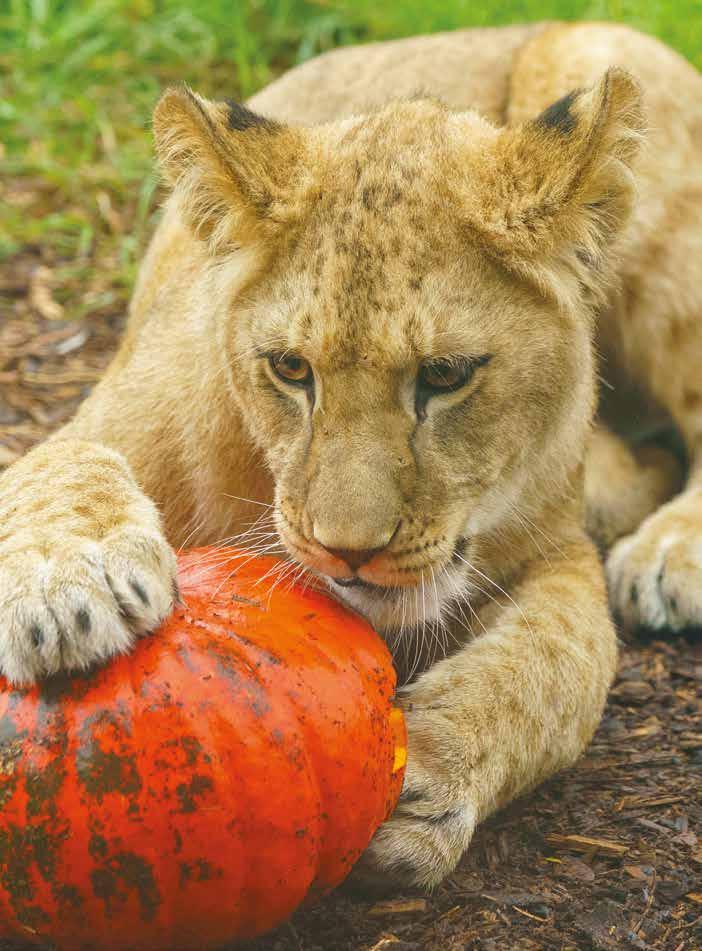
Head to Whipsnade during autumn half term for Halloween thrills and chills, including creepy animal crafts and frightfully interesting talks. We’ll have daily spooky science shows about spooktacular animal adaptations, a costume competition for the best dressed little monster and spine-tingling storytelling sessions. Plus, for Gold Members, Fellows and Patrons, we’re running a Halloween-themed animal quiz – participants will receive a special Boo at the Zoo sticker.
6
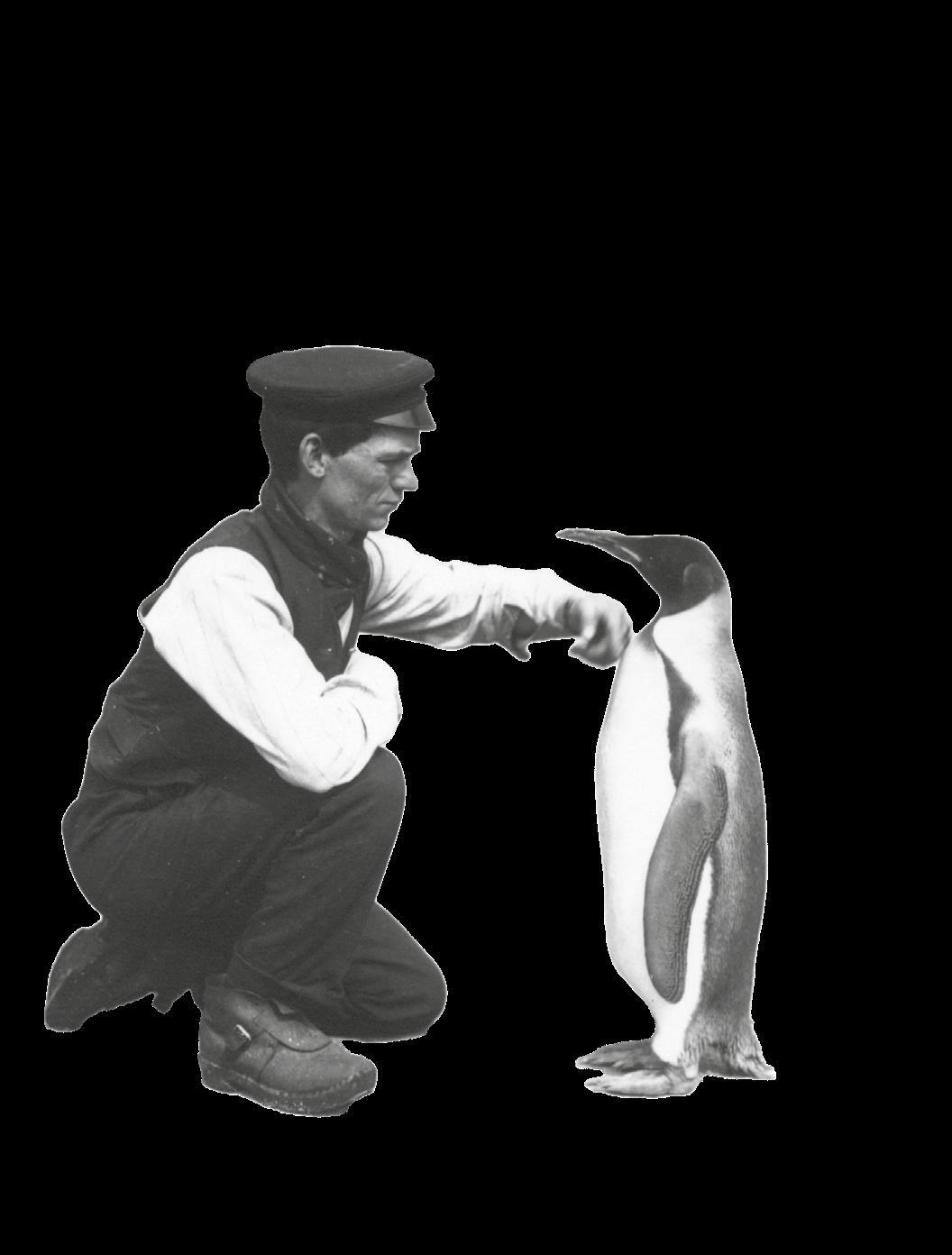
This year, we’re celebrating the people who have made us – like these iconic zookeepers from London Zoo’s past
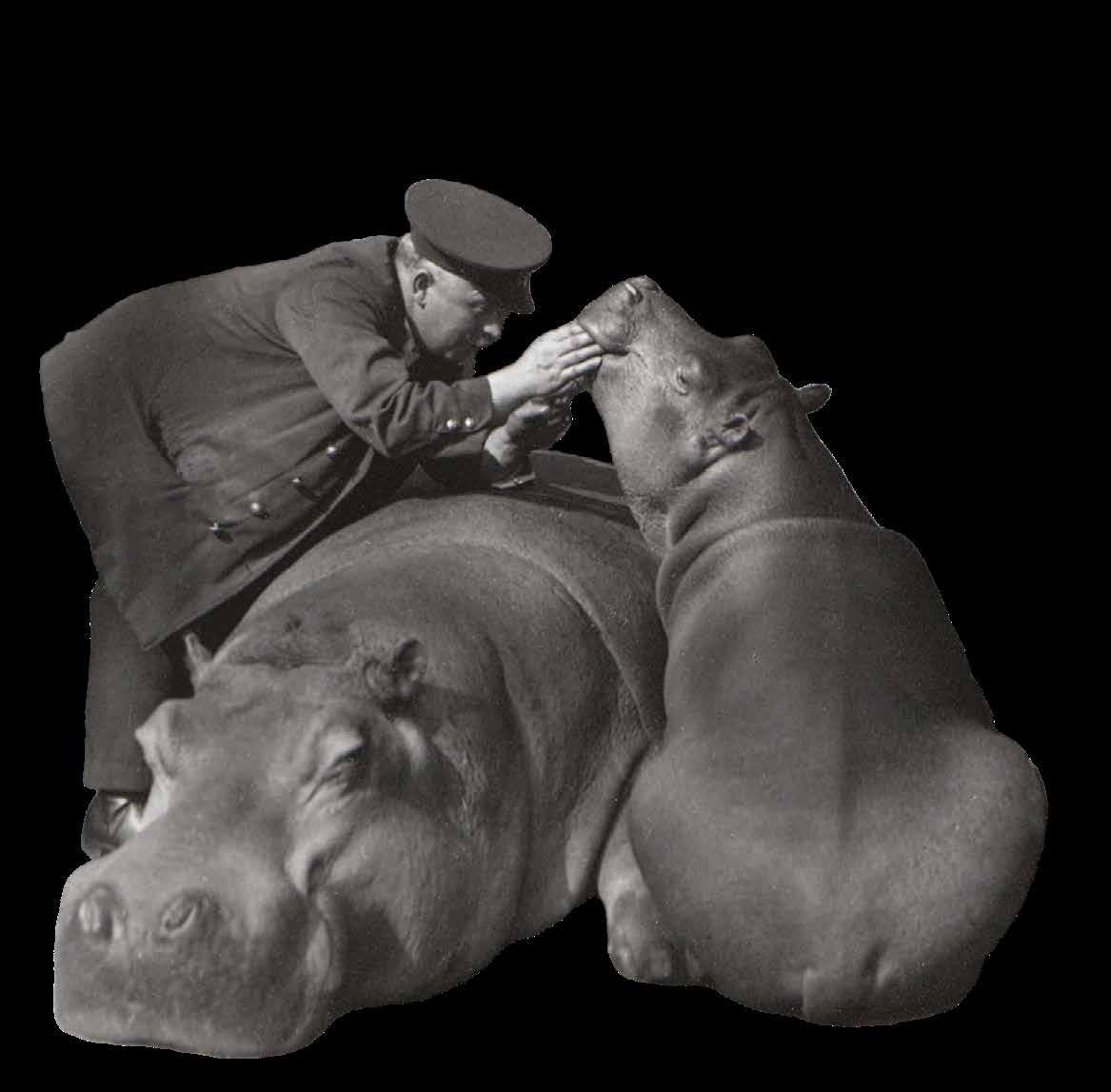
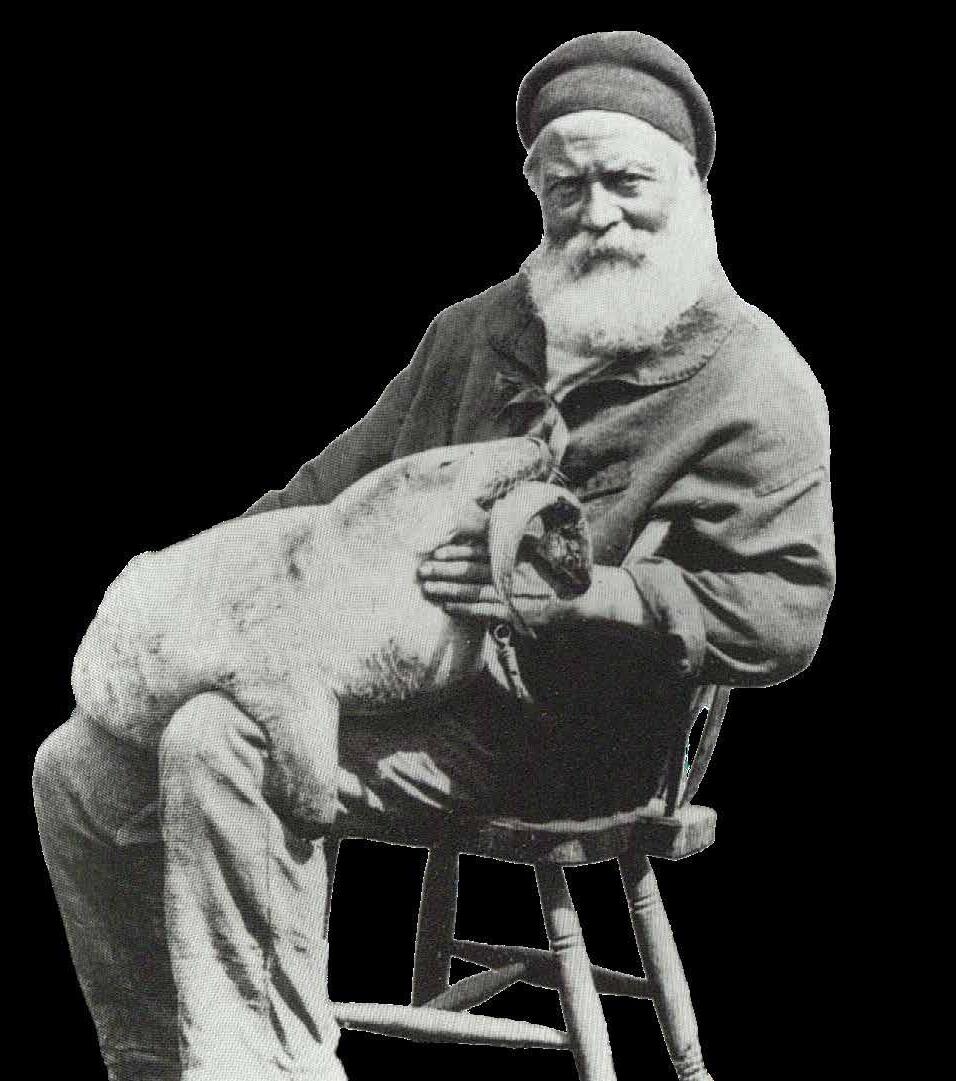
French-born Francois started life as a sailor, before developing a love of working with animals – specifically seals and sea lions, animals he encountered regularly as a sailor. He joined London Zoo in the 1860s, and wowed visitors with his close relationship with his marine mates. The Zoo’s management were so impressed with his skills that they sent him on an expedition to the Falkland Islands to study seals, and investigate the possibility of bringing more species of seal back to London Zoo.
During his voyage, he observed that seals swallow pebbles – likely to help with the digestion of bony fish and shellfish.
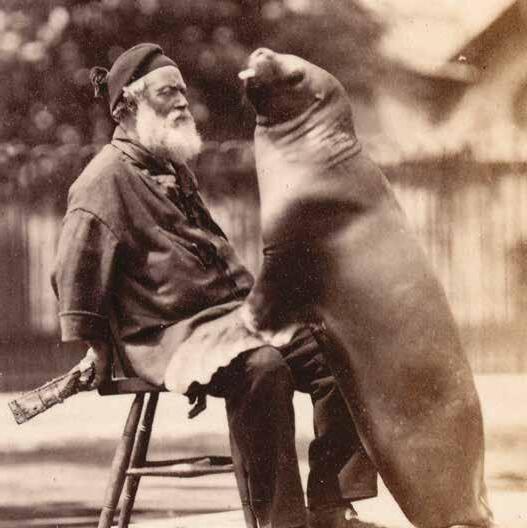
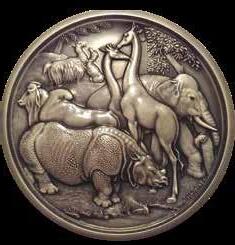
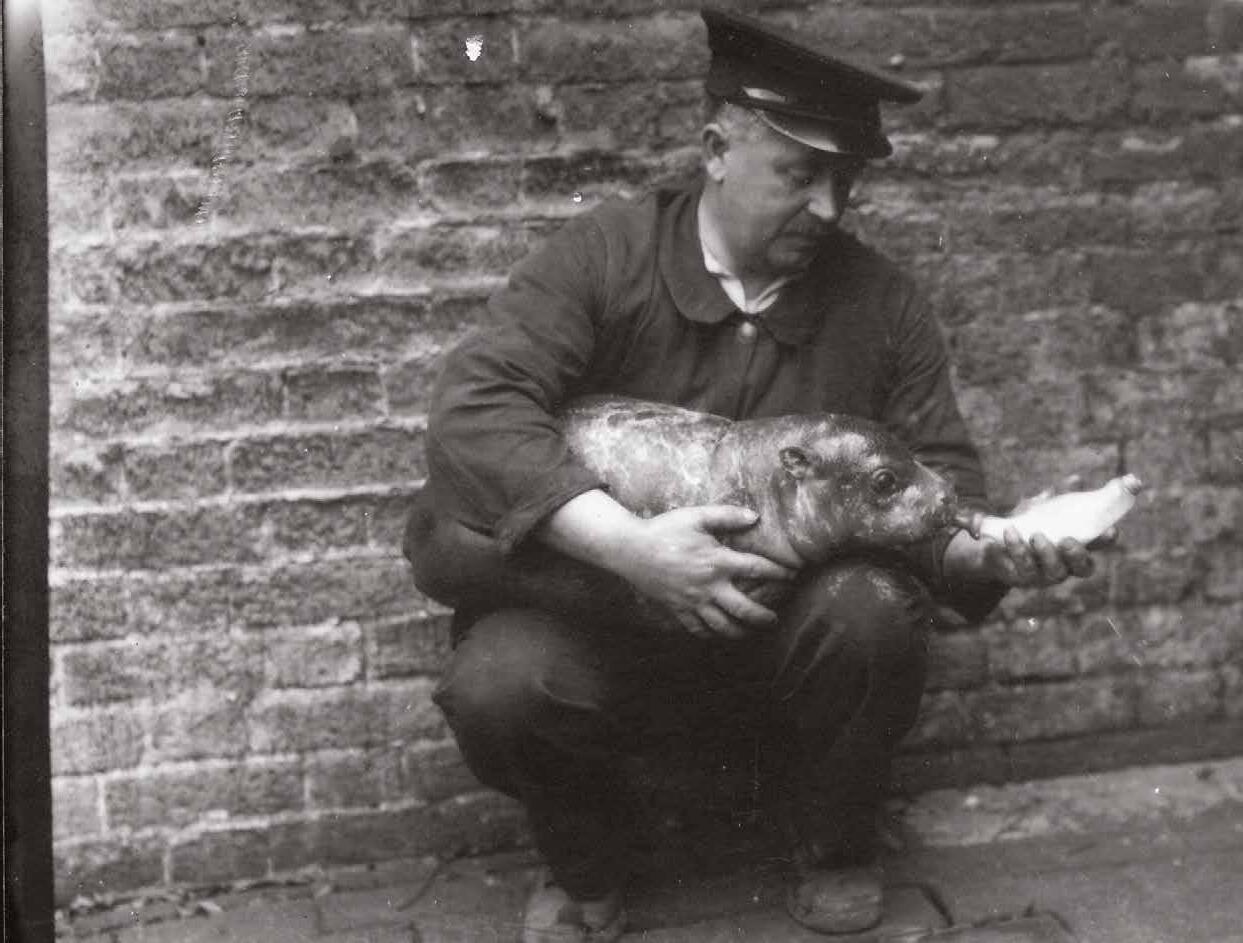
Ernie was nicknamed ‘the Professor’ for his studious approach to animal care and even won ZSL’s Bronze Medal in 1927 for successfully hand rearing a baby hippo, Jimmy (pictured here).
Known for their long teeth, huge size and territorial temperament, hippos are often considered savage and terrifying, but Ernie was able to bring out the hippos’ softer side.


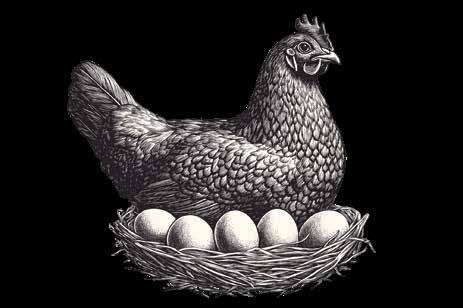
Marion became our first female keeper in the 1910s, at a time when many men (including the Zoo’s staff) were leaving to fight in World Marion ran a poultry exhibit with more than 200 chickens, ducks and other fowl. She encouraged the public to keep hens for egg production (as food supplies were limited during the war).
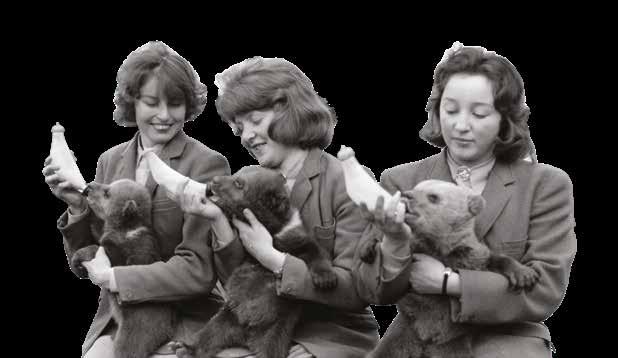
During the 1800s, zookeeping was one of many professions dominated by men, viewed as unsuitable for women. Pioneers like Marion and Joan Procter (featured in spring’s Wild About), and fewer men in the workforce as a result of two world wars, helped to drive a societal shift. Today, over 60% of our zookeepers are women!
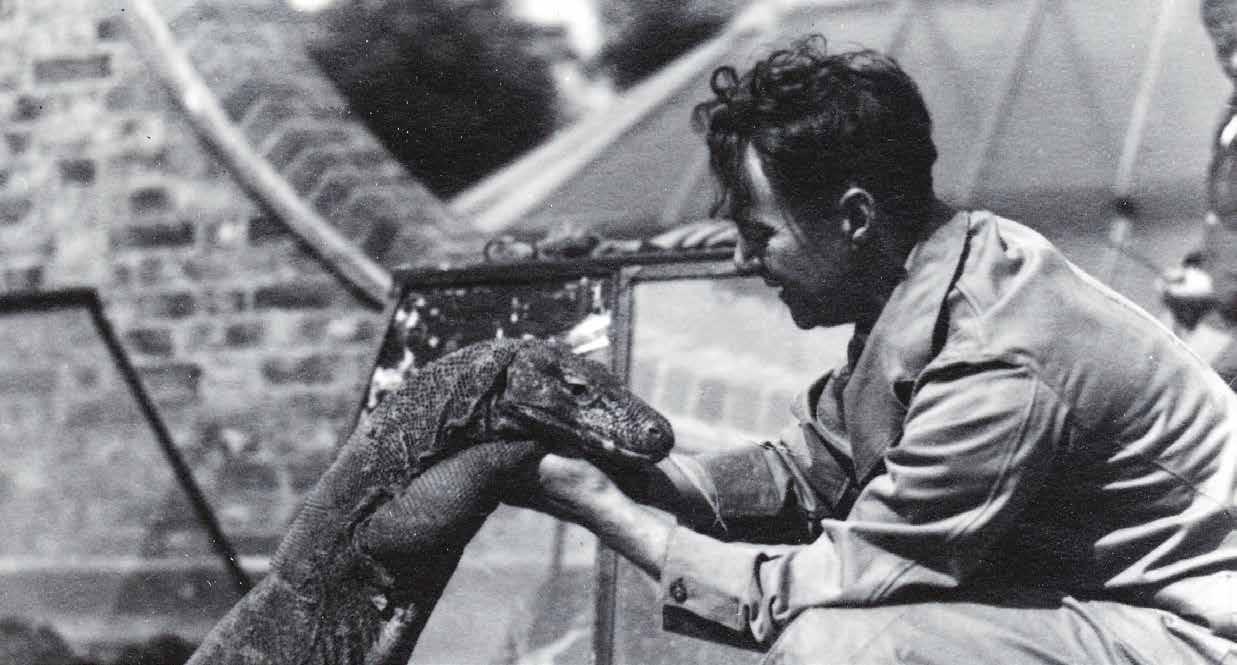
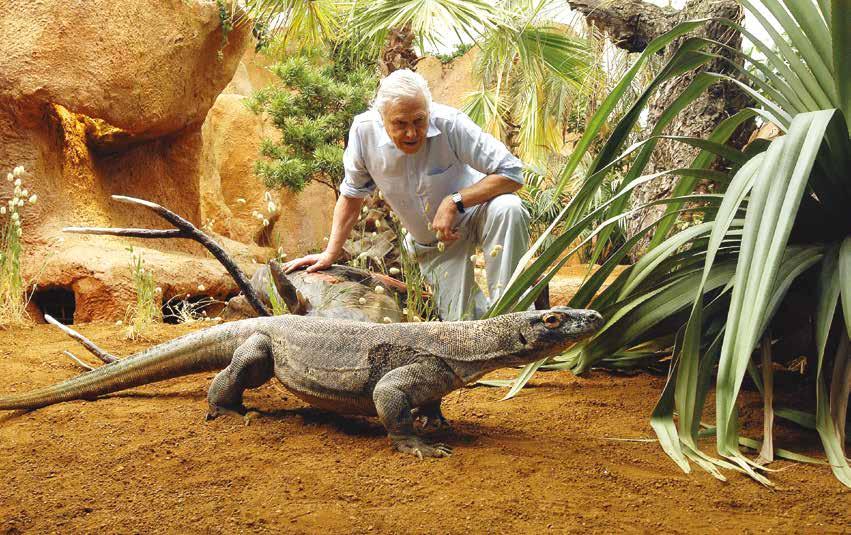
Herbert Alexander Budd, known as Alec, joined as a ‘Helper’ with the reptile team, and would go on to climb the rank to ‘Overseer’ (the Zoo’s head zookeeper). Here he is pictured with Komodo dragon Sumbawa, who arrived at London Zoo in 1928 – the first in Europe. Famously, Sumbawa was befriended by Curator of Reptiles Dr Joan Procter (pictured right), and would take walks with her around the Zoo.

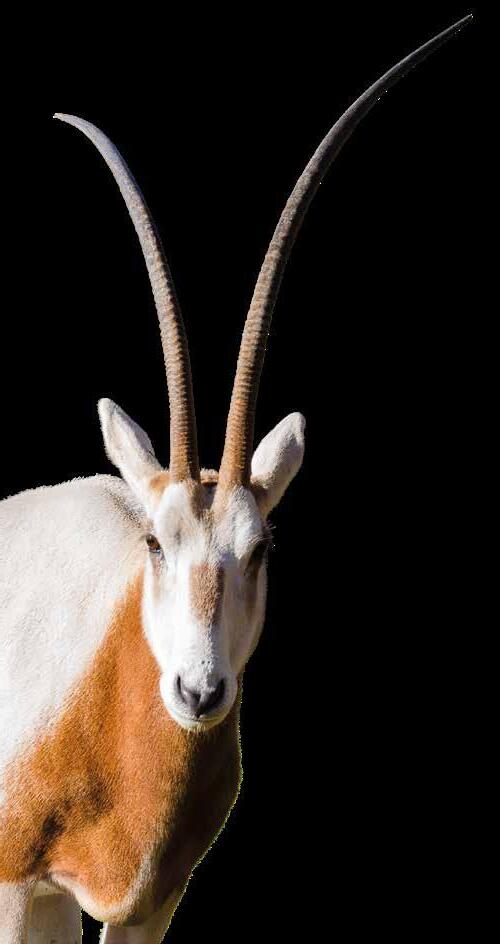
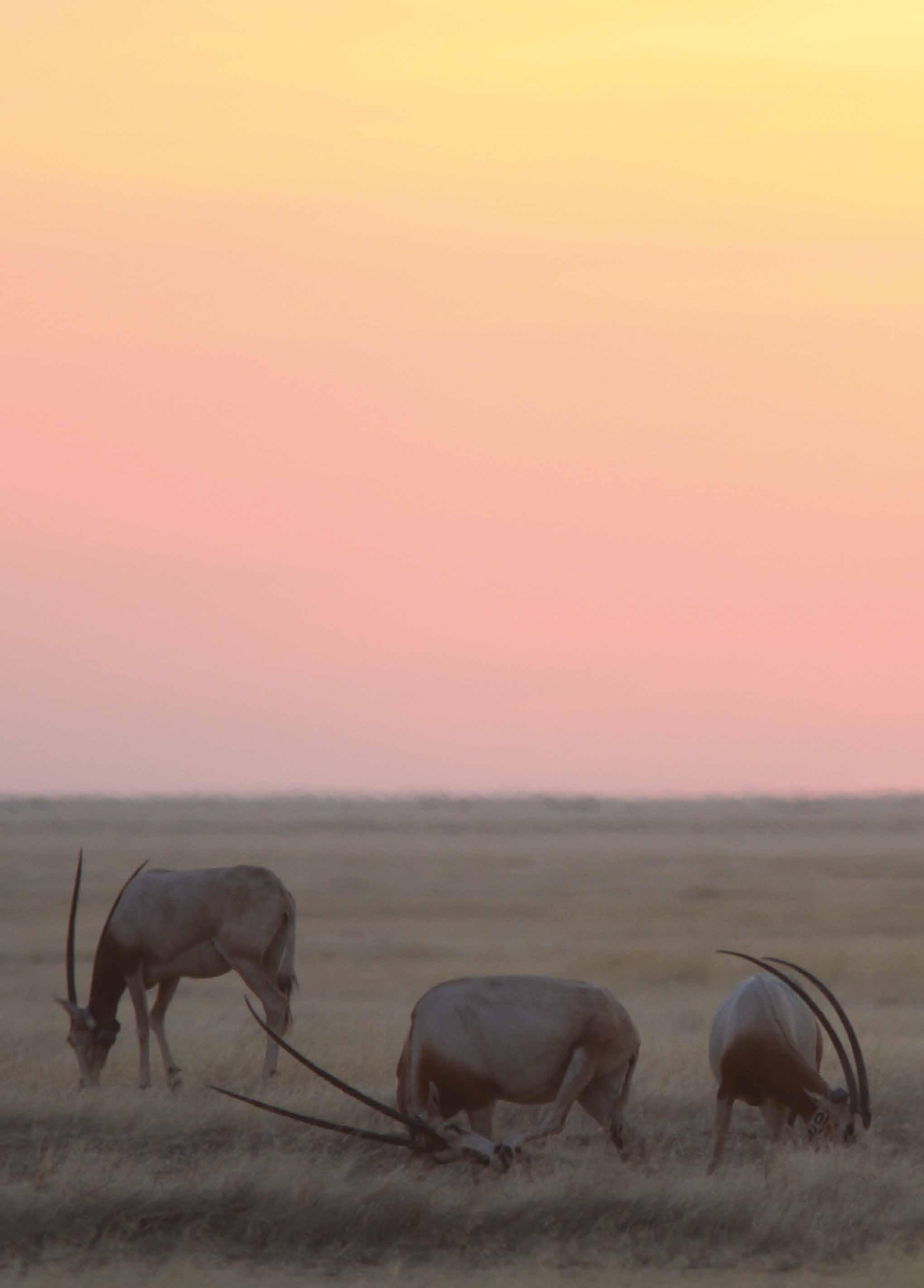
At 4am every day, when most of us are still in bed, conservationists in Chad are stirring. That’s because they’re part of a reintroduction programme to restore scimitar-horned oryx, addax and dama gazelle to the country –and working during the middle of the day is just too hot.
“We’d get up at 4am each day, start work by 5:30am, have a break at around 9:30am and start again around 3pm,” explains Luke, who visited the reintroduction programme in Chad’s Ouadi Rimé-Ouadi Achim Faunal Reserve at the end of 2025 to help with a vitally important release of oryx, addax and dama gazelle. “It’s nothing like our schedules at Whipsnade Zoo, and it was so hot –but you quickly get used to it!”
Animal handling expert and Whipsnade Zookeeper Luke
Pharoah reports from his visit to Chad to help release several species of rare antelope
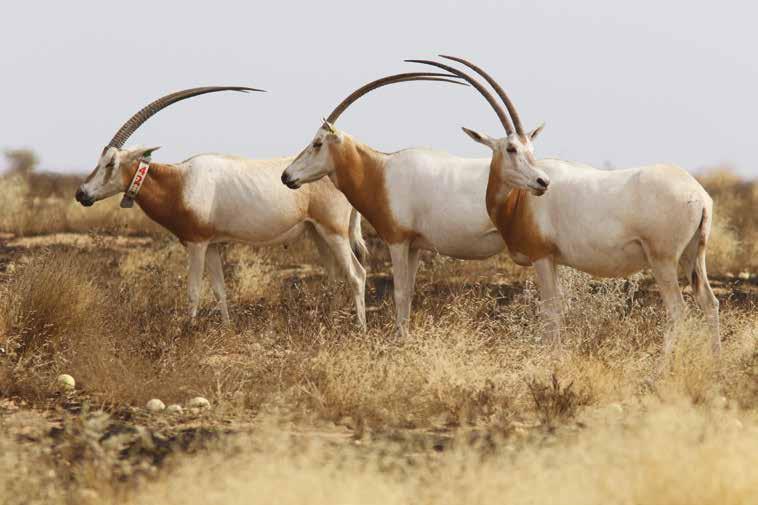
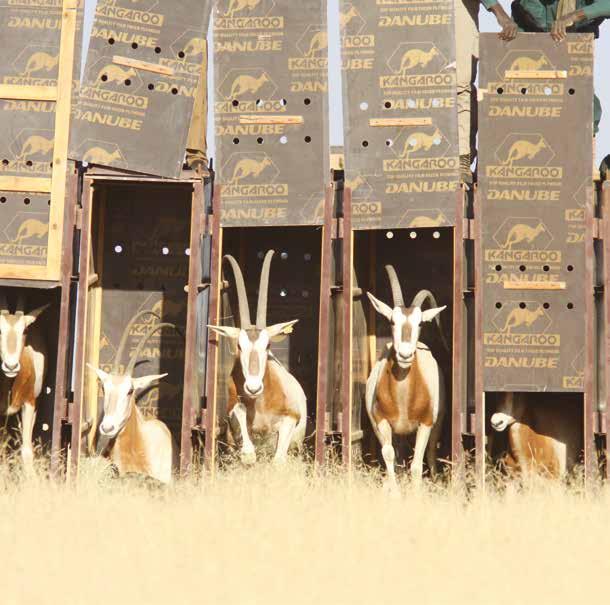
Chad sits on the southern edge of the Sahara Desert, and temperatures in the country regularly exceed 40°C. Luke was there, with fellow Whipsnade keepers Gracie Gee and Connor Corrigan, to fit each of the precious antelope with a tracking collar and assist with health checks by vets before they were released into the wider reserve.
“Our job was to minimise stress for the antelopes by working smoothly and quickly, using techniques we employ at Whipsnade,” explains Luke. “It’s such a special moment, preparing the animals to enter the wild for the first time, knowing we’re helping to repopulate their species – and getting it right was crucial. If the antelopes got too agitated, they could injure themselves or us.”
It’s such a special moment, preparing the animals to enter the wild for the first time, knowing we’re helping to repopulate their species – and getting it right was crucial.
Thanks to Luke and his fellow keepers’ experience gleaned at Whipsnade, it worked like clockwork. Luke and the team fitted radio collars and helped administer vaccines to approximately 40 oryx, addax and dama gazelle before their release, giving them the best possible start to their life in the wild.
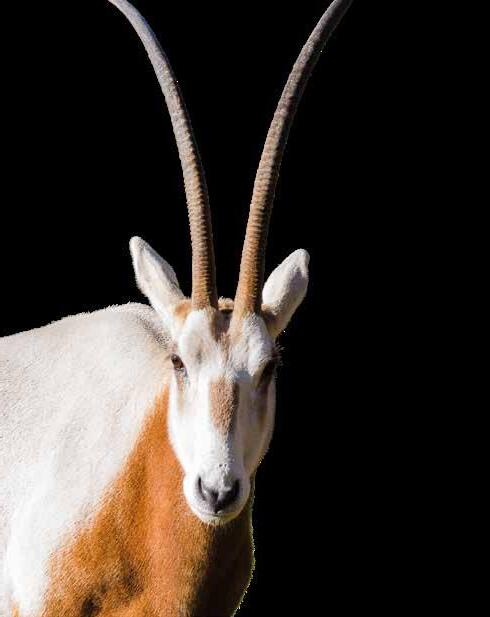
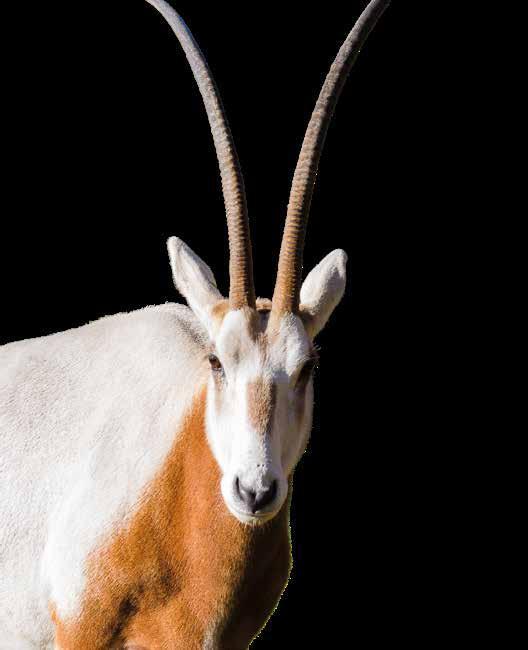
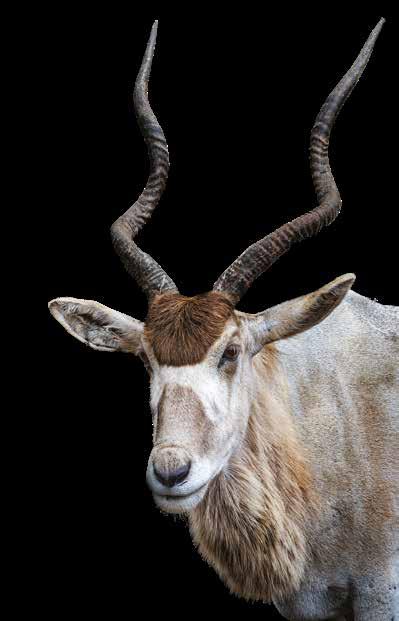
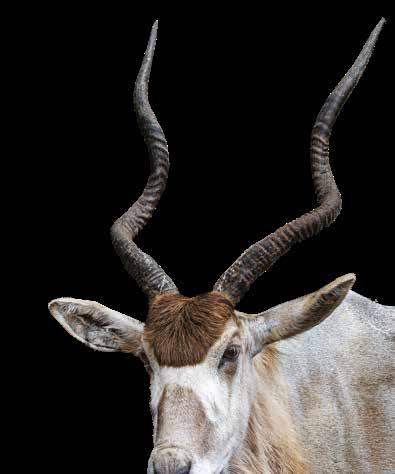
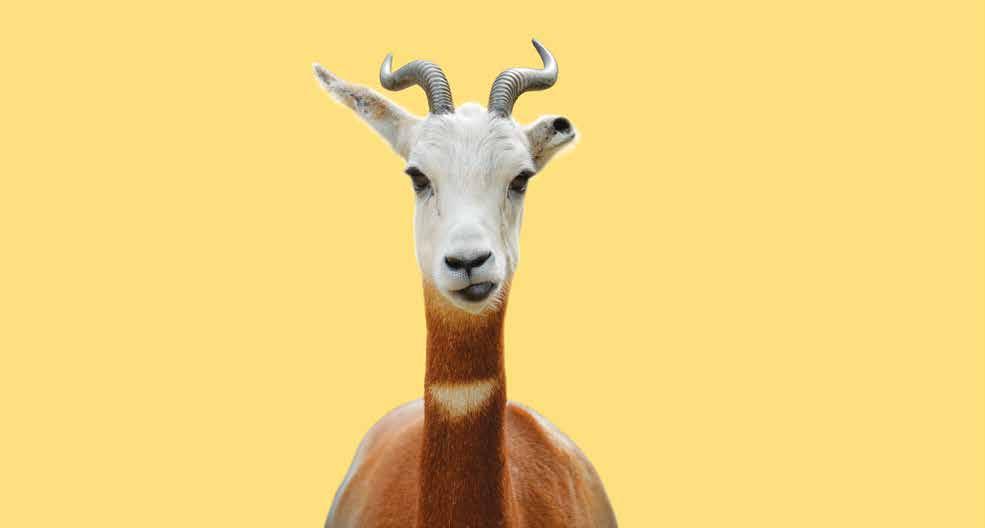
Their reintroduction is a major international effort, spearheaded by the Chadian Government, Environment Agency of Abu Dhabi and Sahara Conservation. The animals were largely bred in Abu Dhabi, at a purpose-built breeding centre, before being flown to Chad. After a short period in a temporary habitat, giving them time to get used to their new home, the antelopes are released into the wider reserve.
The reserve is twice the size of Scotland, so the tracking collars give the Chadian conservationists who are monitoring the antelopes vital intelligence about how the antelopes are doing, where they’re going each day and what kinds of habitats they prefer.
Don’t be fooled into thinking that deserts are devoid of animal life, says Luke. Despite being extremely hot, the edge of the Sahara Desert was bursting with life adapted to this harsh environment.
“We arrived during the wet season, which was very hot and humid for us but perfect for all the insects who explode into life and breed. The insects attract insect-eating birds from all over Africa and even further afield – we saw lots of European birds on their annual migration south, like Eurasian hoopoes, white storks and European rollers.”
At night, Luke would sleep on the roof of his temporary home (a converted shipping container) and
ZSL and its partners have been involved in reintroducing scimitar-horned oryx since 2016, after the species disappeared from the wild in the 1990s. Today, approximately 600 oryx call Chad home again, and the project has expanded to include two more rare species: the addax and dama gazelle.
would enjoy a nocturnal display of life in the cooler air. “Golden wolves would come to the camp on the lookout for food, barn owls spent the night hunting, and we saw jerboas and gerbils scurrying around.”
They shed as little water as possible, avoiding sweating and producing very little urine. Their nasal passages are even shaped to trap and recycle drops of water in their breath.
They can go for weeks without drinking, extracting water from plants and even licking rocks to collect morning dew.
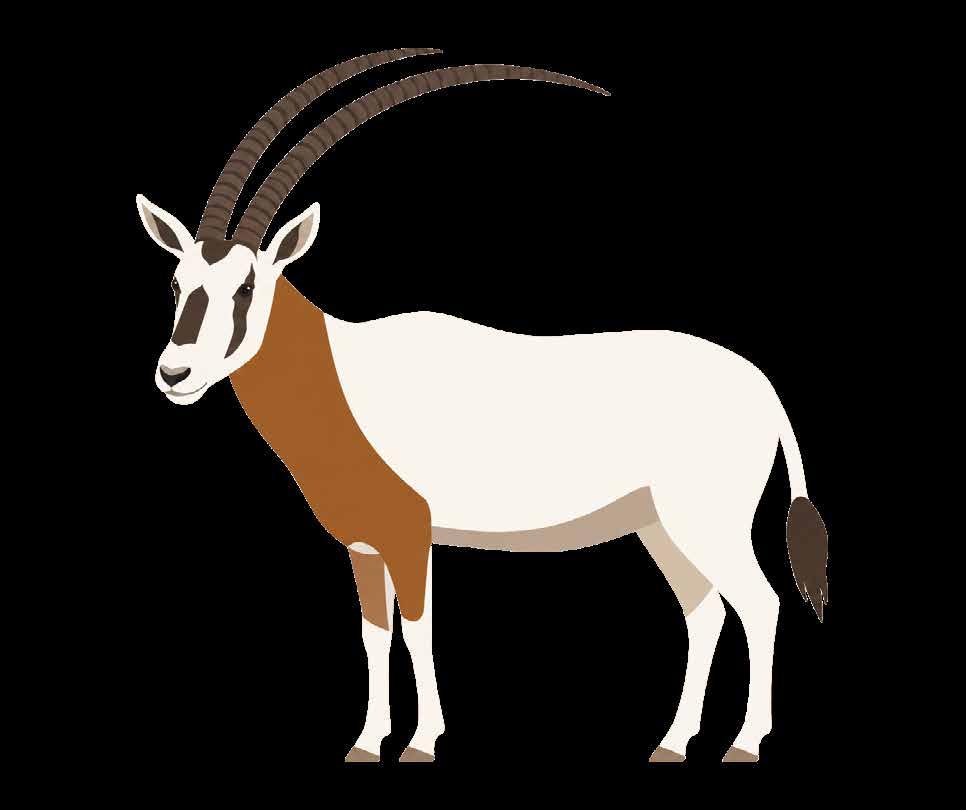
There are four species of oryx across Africa and the Arabian Peninsula, and they are uniquely adapted to life in deserts.
Special blood vessels cool their blood before reaching the brain, letting them safely reach a body temperature of 47°C (most mammals need to maintain an internal body temperature of 36-40°C).
Splayed hooves help them traverse sandy and rocky terrain
The ocean’s most familiar face is in trouble – ZSL is on a mission to save it, reports Chai Apale, who leads the Philippine Seahorse Programme.
The seahorse isn’t just one of the world’s most iconic animals, it’s also one of the world’s most illegally traded. ZSL is working to combat the illegal trade in the Philippines by taking a bold step – working with the country’s government to explore whether the trade could be made legal. Seahorses are used in traditional medicine, in the belief that they can treat everything from asthma and arthritis to infertility, and an estimated 20 million are traded globally, per year.
The Philippines banned seahorse collection and trade in 2004 and, up until that point, the country had been one of the world’s chief exporters of seahorses. Today, research suggests that seahorses caught in the Philippines’ waters still make up a large proportion of seahorses bought and sold across Asia, despite it being illegal.
The ban has pushed the trade underground, where it continues unregulated and wholly unsustainable. Our conservationists want it to be out into the open, and ensure standards are set for how many seahorses are caught, in a way that doesn’t harm their populations.
Today, we’re working with our partners, including the University of British Colombia, to build up seahorse protection and help the government transition to the careful management of sustainable fishing.
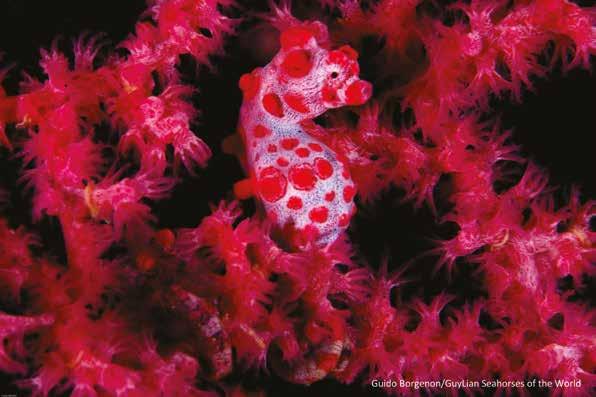
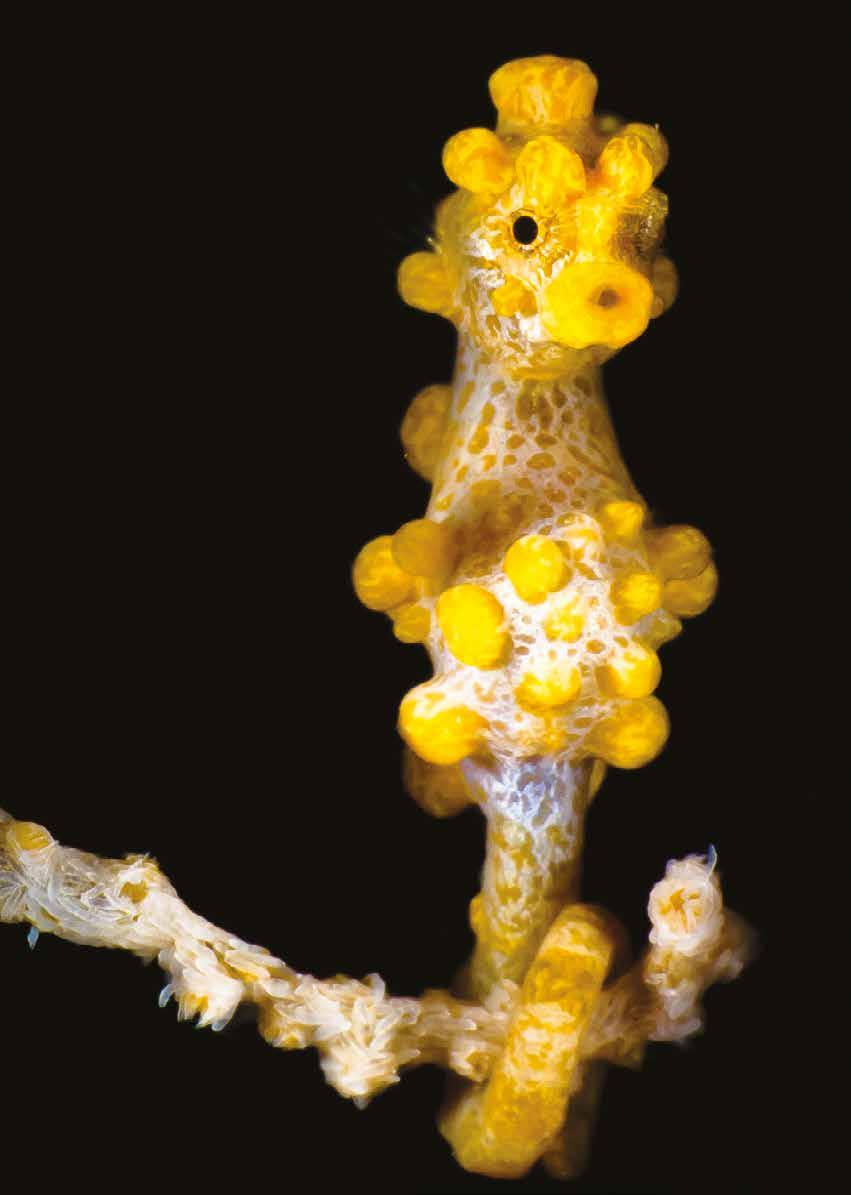
Seahorse icons might bedeck bathrooms and health spas across the planet, but do we really know them as well as we think we do?
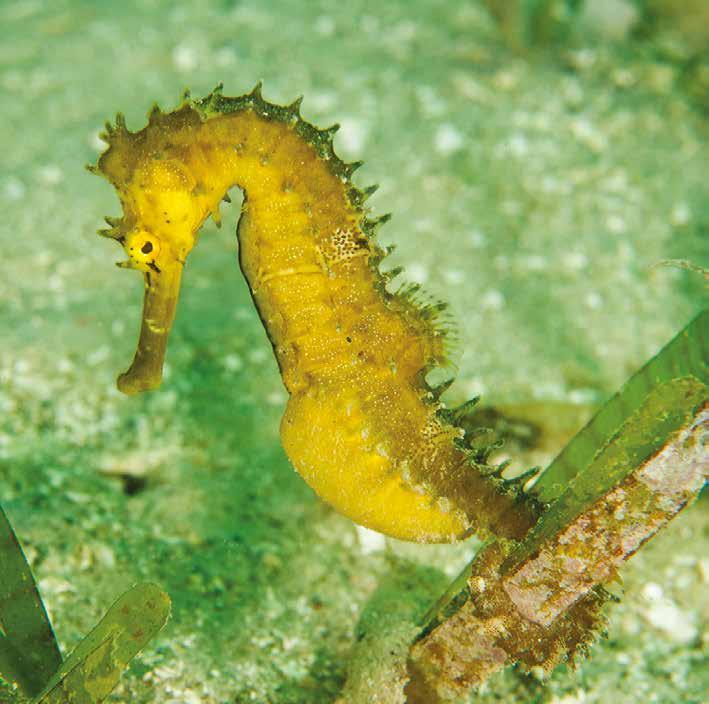
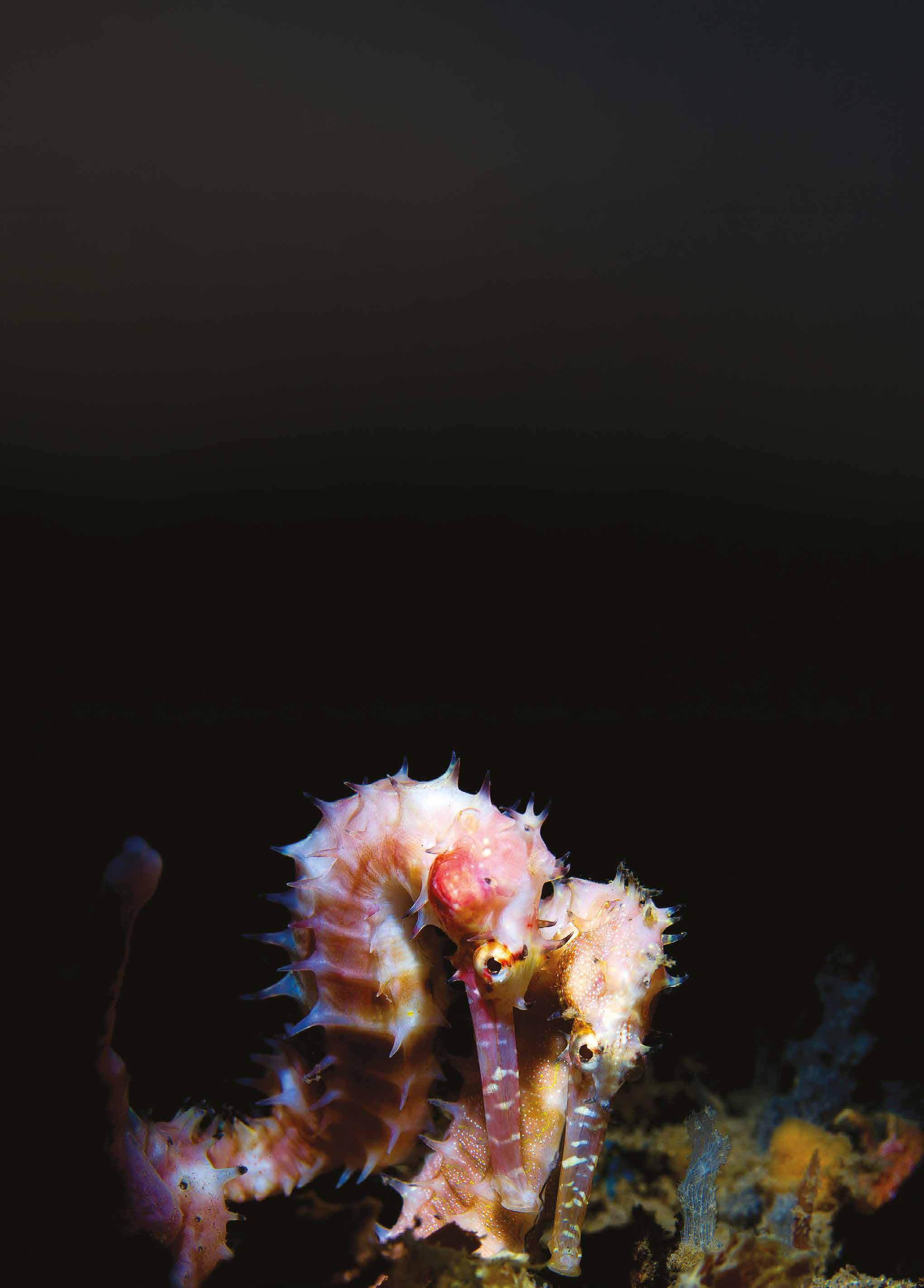
Seahorses are named for their horse-like snout and, most famously, are one of a handful of species in which the males experience pregnancy. Females lay their eggs (sometimes thousands) into the male’s pouch, and he carries them until the baby seahorses (known as fry) are ready to emerge.
But their uniqueness doesn’t end there. Like a chameleon, seahorses have eyes that they can rotate independently. They also have skin that can change colour to help them blend into whatever they’re holding onto with monkey-like, prehensile tails that they use like hands to grip onto plants or coral on the seabed.
Unusually for a fish, they swim in an upright position (imagine a tuna trying to do the same, and you’ll realise how odd this is). And perhaps even more unusually for a fish, which typically have little time for romance, seahorses form strong bonds with their partners. Each morning, pairs perform courtship dances by circling each other in the water and entwining their tails.


The Philippines is home to 10 species of seahorses, and they are found in almost all healthy coastal habitats around the world – from coral reefs and mangrove forests to river estuaries. They’re what’s known as a fagship species because, by protecting them and their homes, we protect all the species that share their habitat.
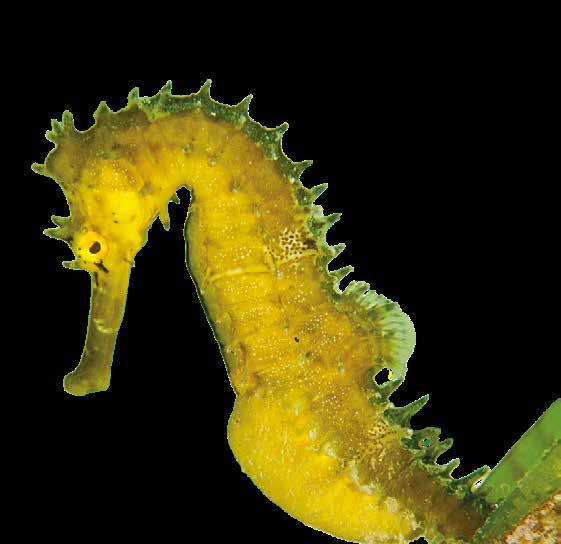
Marine protected areas (MPAs) don’t just benefit wildlife. Once an MPA is set up, fishers benefit from the ‘spillover effect’ – their catches tend to get bigger, because fish have a sanctuary where they can grow and breed before exploring outside the protected area. We’re pushing for greater seahorse habitat protection and have helped set up 35 MPAs already.
The Philippines has more than 7,000 islands, and monitoring all their coastal waters for seahorses would take a lifetime. That’s why we’re starting to work with a network of diving operators, and developed iSeahorse, to understand what species of seahorse are found in their areas. Building a better picture of where seahorses live will help us understand which areas are the healthiest marine habitats.
When I was young, we visited the beach every Sunday, and I remember seeing seahorses in the ocean. It was how my love for marine life started, and it led me where I am today – a marine biologist! Seahorses have captured people’s imaginations for centuries, and we hope raising awareness will drive attention for marine conservation.
Seahorses spend most of their lives anchored to the seabed with their tails. They regularly fall victim to illegal bottom trawl nets, which drag along the seabed catching everything in their path. What’s more, the nets often have gaps which are too small to let young fish and seahorses pass through. We’re working with local governments to understand the use of illegal nets and encourage sustainable fishing practices.

They say that with great age comes great wisdom (we should know, we’re 200 years old!) so we’re celebrating the wisest of all, the longest-lived species at London and Whipsnade Zoos.
When it comes to golden oldies, we tend to think of nature’s giants, like elephants and giant tortoises. Can you find these surprisingly long-lived species in the crossword
DID YOU KNOW?
Bowhead whales are the longest-lived mammal. They can live for 200 years, which means a whale alive today could have met Darwin on his travels.
Which are the oldest animals? inthey’reZebras,still black white!and
Every year, two million visitors come through the doors of our Zoos to meet our wonderful animals. For our longest-lived species, that’s gazillions of wildlife lovers during their lifetime. That makes them some of the most popular individuals on the planet! Can you match the animal to their average lifespan? (Read more on page 6 if you need help!)
Can you guess one of the shortest-lived species at the Zoo? You’ll find them in Tiny Giants, and they have a reputation for drinking blood (though our species only drinks nectar).
The giant clam cared for in London Zoo’s Tiny Giants is just a whippersnapper at 20 years old, but giant clams can live well into their 100s and grow to the size of a brown bear. In fact, the longest-lived animal on record is a clam – a type known as an ocean quahog, found in the North Atlantic (including off the coast of the UK). Discovered in Iceland in 2006, an individual clam was found to be 507 years old – meaning it was born around 1499, eight years after King Henry VIII was born! He was nicknamed ‘Ming’, after the Chinese dynasty in power at the time.
Send us a picture of your own colourful creation to be in with the chance of winning a one of our sea turtles from the ZSL shop! Ask a grown up to take a picture of your entry and email it to us at wildabout@zsl.org with your name, age and postal address by 1 October.
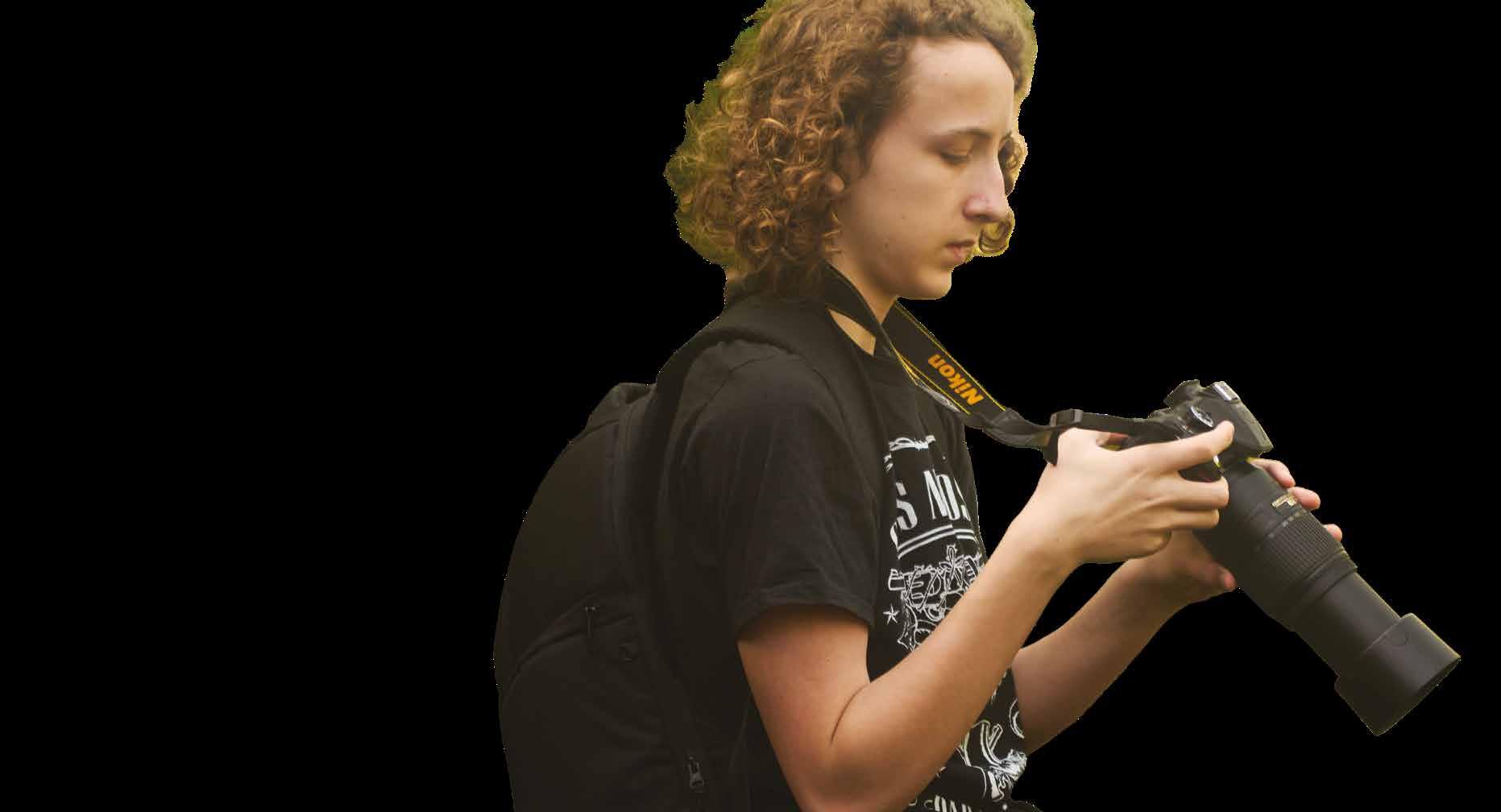
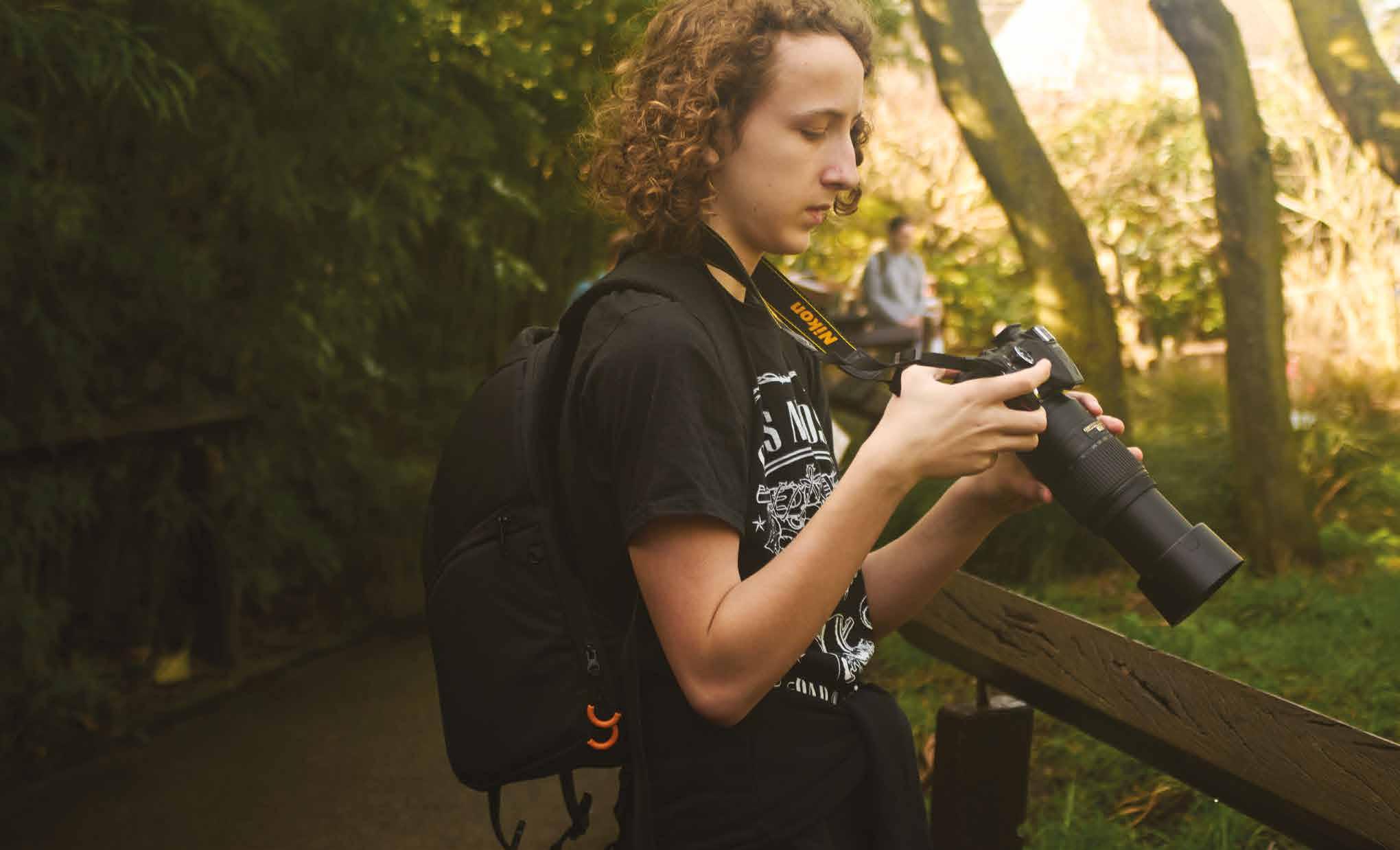
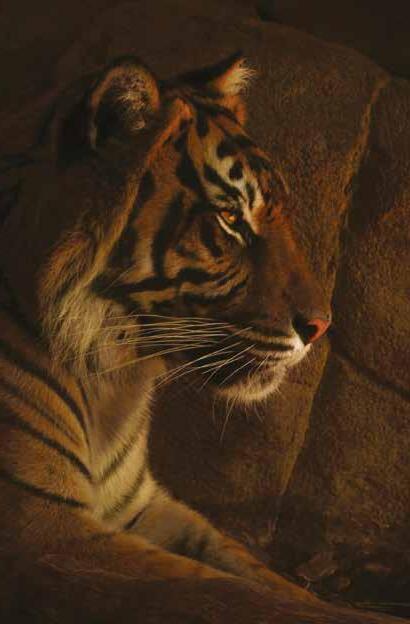
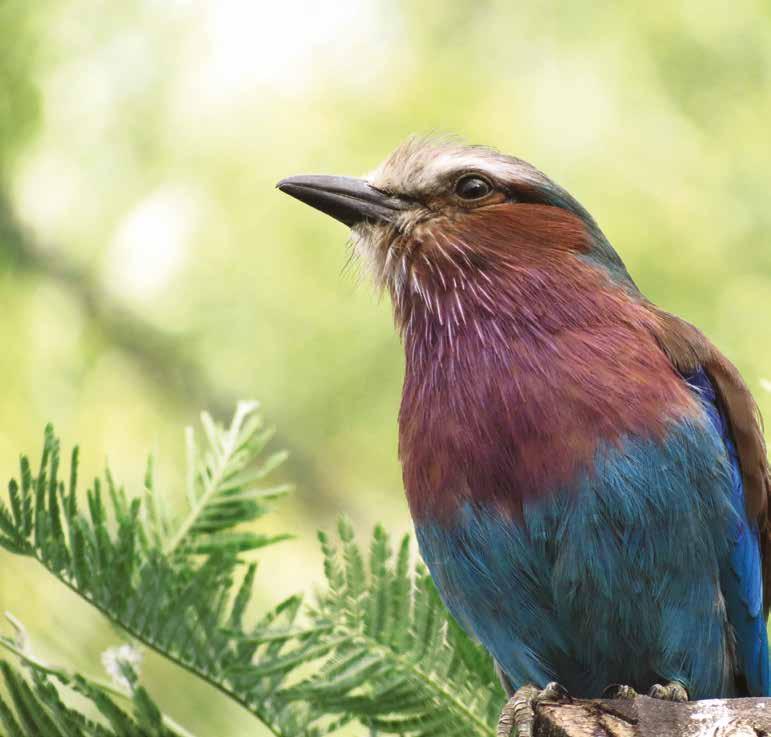
For north-Londoner Holden, 13, London Zoo is the place where his love of photography and wildlife come together – somewhere he can be himself, explore his creativity and find an inner calm away from the outside world.
“Seeing how relaxed the animals are, and their beautiful colours, helps me. When I’m there, I feel calm, and getting to photograph the animals makes me smile,” he says. “I could just watch them for hours and hours.”
Holden is autistic and is educated outside of school through a local council programme, and each week he visits London Zoo with one of his tutors to practice his photography and listen to the Zoo’s talks.
“I love talking to the zookeepers and volunteers. They often give me new facts about the animals, and advice on how to become a zookeeper. I’m here so much some of them have begun to recognise me and say hello!”
Photography runs in the family – Holden’s grandfather was a photographer, and
his elder sister is studying it at GCSE – so it came naturally to Holden, says his mum, Debbie.
“Holden has always noticed small details, especially in animals –patterns, behaviour and movement. He started visiting the Zoo very regularly, initially taking pictures on his phone –and they were so impressive.”
Eventually Holden saved his pocket money to buy a second-hand camera, and hasn’t looked back since. “London Zoo has so many great places to capture a moment with an animal,” says Holden. “They are all so different and have such different personalities – I love trying to capture that in my pictures.”
And the key to taking good photos? Know your subject, says Holden, and a little patience goes a long way.
“Really take your time to just look at the animals. Don’t take a photo until you’ve watched them.”
“Because of his neurodiversity, traditional school didn’t work for Holden,” explains dad Jeremy. “The Zoo gives him a space where he feels calm, focused and engaged. He has developed a deeper understanding of conservation and the natural world, and it has become
The Zoo [has] been a sanctuary for Holden, helping him find a sense of self-worth that many neurodiverse children can struggle to find.
a springboard into many subject areas, such as science.”
The biggest change in Holden, says Jeremy, is his wellbeing. “Since spending more time at the Zoo, he’s grow in confidence. It has given him something positive to talk about with other people, and photography gives him a way to communicate without having to rely on words.”
“The Zoo, and its staff, have been a sanctuary for Holden, helping him find a sense of self-worth and a window of possibility that many neurodiverse children struggle to find,” adds Debbie. “Seeing him develop a real passion, something that truly belongs to him, has meant a lot to us as parents and given us so much hope for the future.”
Find Holden on Instagram @wildnaturephotosbean
Want to share your story about what
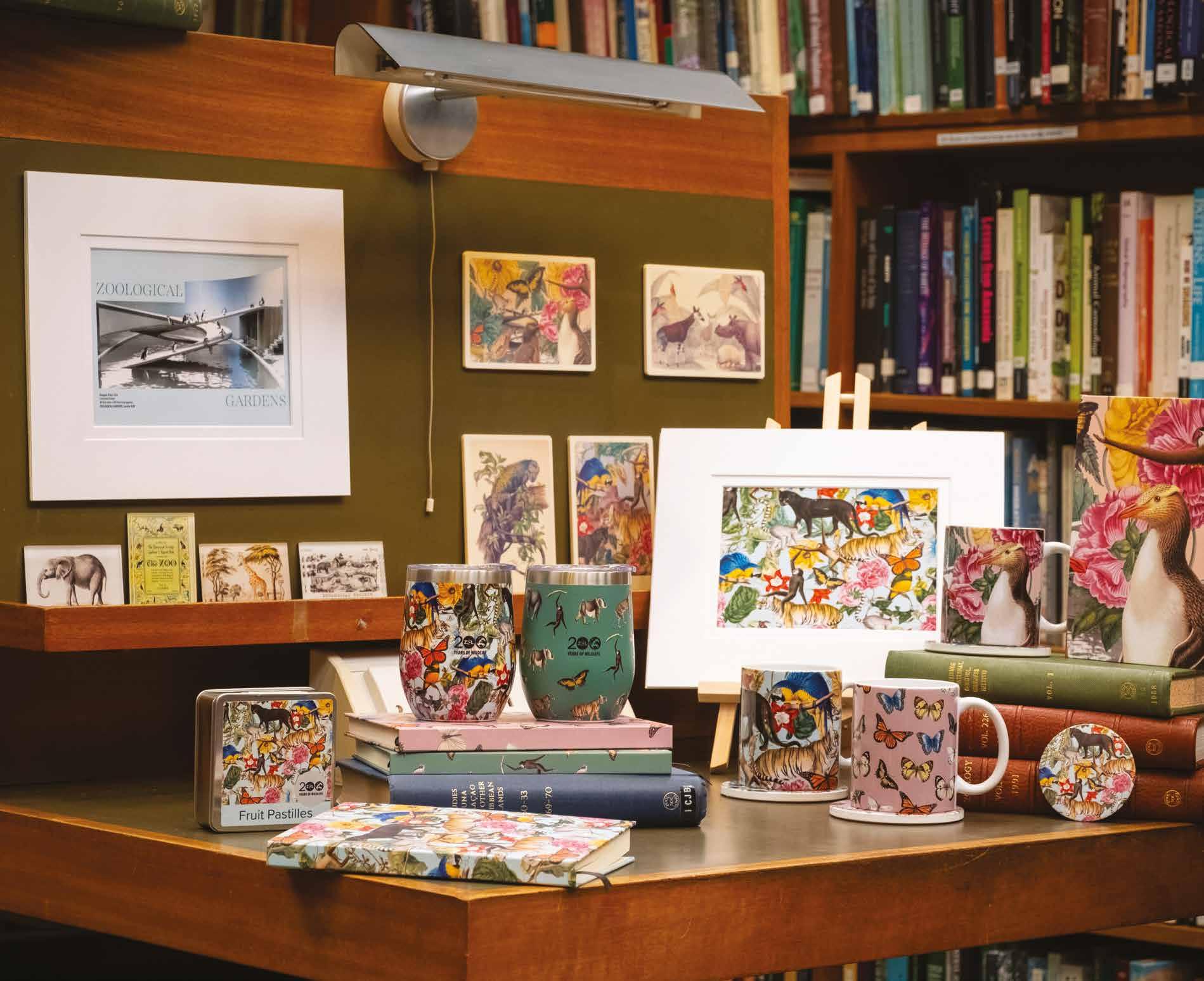
Gold Members, Patrons and Fellows get 10% discount in our shops and using code WILDLIFE10
Bring home a unique part of ZSL’s history and introduce a zoological masterpiece into your life! Every purchase helps us care for our animals and conserve wildlife around the world. shop.zsl.org
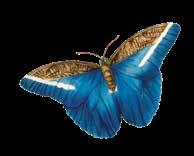

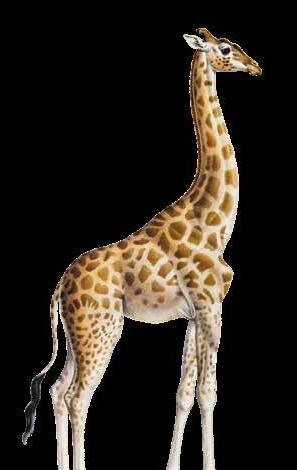
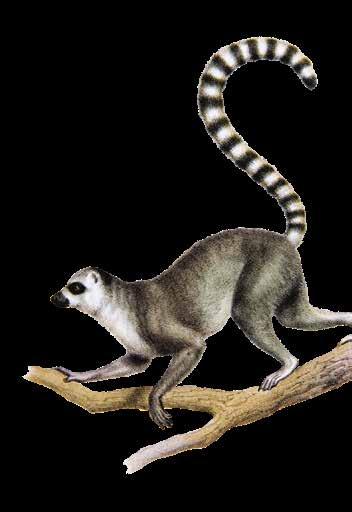
To celebrate ZSL’s 200th birthday, we have launched a new collection celebrating our rich heritage, inspired by and designed using artwork from our Library and Archives. Add a touch of Victorian glamour and Edwardian elegance with prints, fridge magnets, mugs, stationary and more. Each piece in the collection draws on two
centuries of scientific discovery, exploration and art, featuring intricately detailed illustrations of rare species that bring our history to life in a way that’s both timeless and contemporary. Shop the full collection at our online store shop.zsl.org
ZSL boasts one of the largest zoological libraries in the world, the Prince Philip Zoological Library and Archives, which scientists and historians from around the world use to research wildlife. It’s just across the road from London Zoo and has over 200,000 volumes from as far back as the 1500s –including two first editions of Darwin’s Origin of the Species! Find out more at zsl.org/library