Did you know that you can meet, feed and even help to train our curious capybaras?
The 20-minute experience is suitable for adults and children aged eight and over (children under 15 must be accompanied by a paying adult) and costs £56 per person. Tickets are only available on the day, on a first-come, first-served basis, so ask a member of our entrance staff about availability when you arrive! Gold Members, Fellows and Patrons get 10% off animal experiences.
A-WEIGH WE GO!
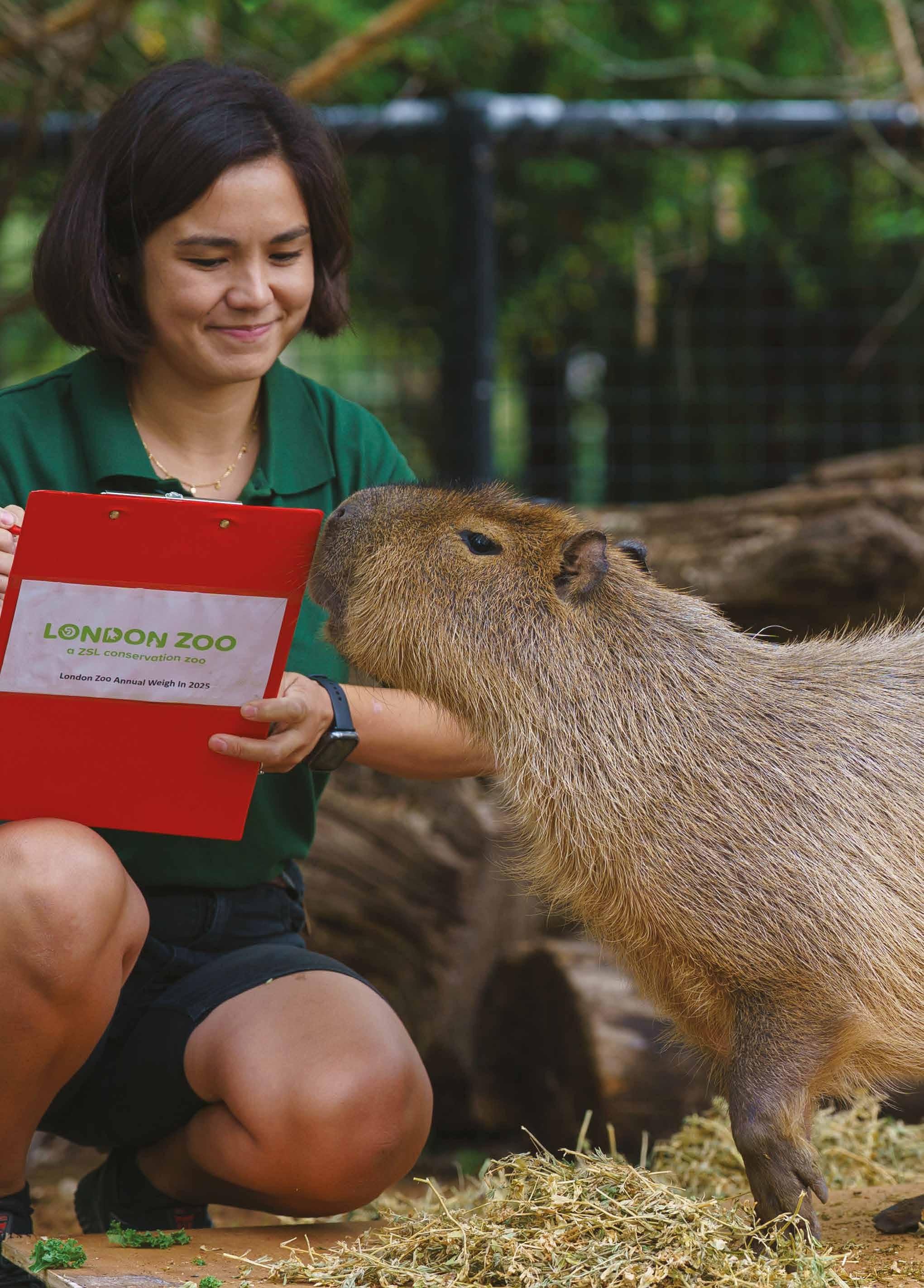
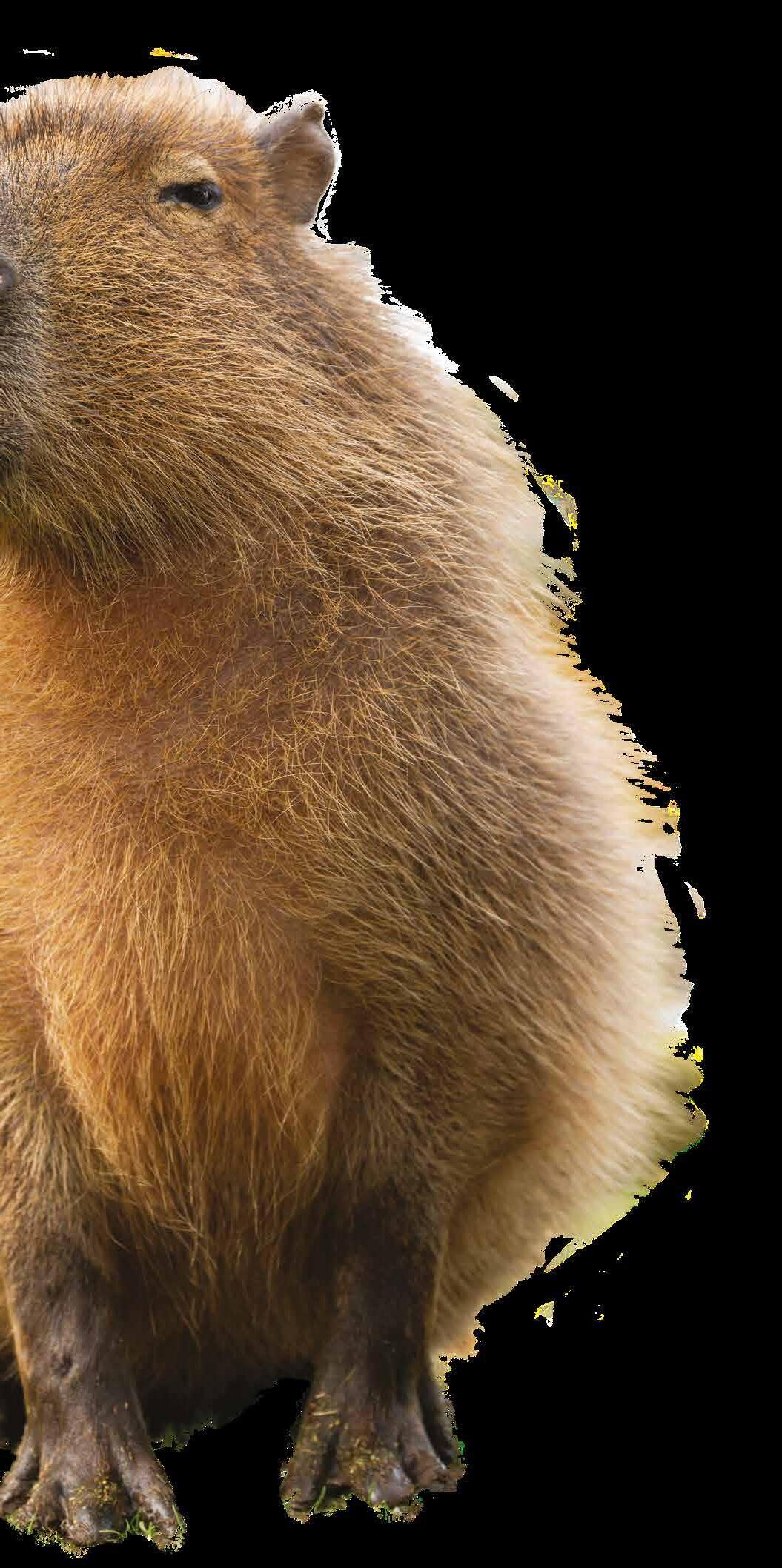
Did you spot our animals in the news this summer? Every year, news cameras arrive at London and Whipsnade Zoos to observe our annual weigh in, when we record the vital statistics of all of our animals (including London’s Gizmo the capybara, pictured).
Our animals are weighed and measured on a regular basis to monitor their health, and we share our animal data with zoos around the world so we can collectively better understand animal health.
Wild About is the magazine for Gold Members, Fellows and Patrons of London and Whipsnade Zoos
London Zoo, Regent’s Park, London NW1 4RY
Tel: 020 7722 3333 zsl.org
Registered Charity No. 208728
For more information about Membership, please contact our supporter contact team on 0344 225 1826.
Editor: Jonathan Kemeys
Copywriter: Claire Sargent
Design: Suzie Black and Emma Atkinson/ Alliance Creative wildabout@zsl.org
With thanks this issue to:
Rebecca Blanchard, Joe Bostock-Jones, Lucy Colomb, Connor Corrigan, David Curnick, Gemma Dipple, Cat Dixon, Lee Duffy, Hannah Eaton, Emma Edwards, Hannah Fisk, Sarah Forsyth, Charlotte Gurden, Eva Johnson, Dominic Lipinski, London Transport Museum, Kate McDonough, Theo McLaurin, Carolin Pockrandt, Chelsea ReidJohnson, Natasha Roche, Ben Tapley, Claudia Winkleman.
THE WORLD NEEDS MORE CONSERVATIONISTS
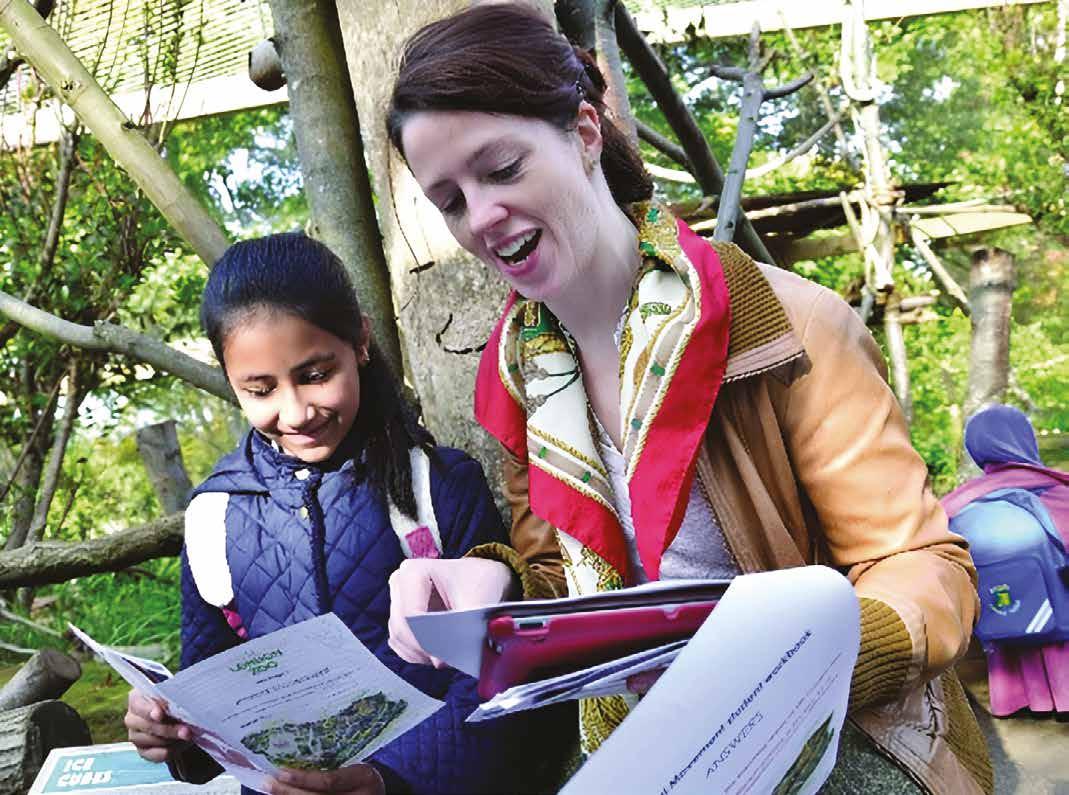
On 18 October, the doors open to London Zoo’s newest experience: ZooTown. Instead of providing a home for rare and exciting creatures, our zoo within a zoo is designed to nurture and inspire young conservationists.
Wild About is printed on material from well-managed, Forest Stewardship Council® (FSC®)-certified forests and other controlled sources. Your copy of the magazine is sent to you in a recyclable envelope. Wild About is published three times a year and distributed to Gold Members and supporters. No part of Wild About may be reproduced or used in any form or by any means, either wholly or in part, without prior written permission from ZSL. ZSL cannot guarantee the return of unsolicited articles, photographs, etc. ZSL reserves the right to refuse an advertisement without explanation. ZSL does not necessarily endorse any of the products or services advertised. When you have finished with this issue please recycle it or share it!
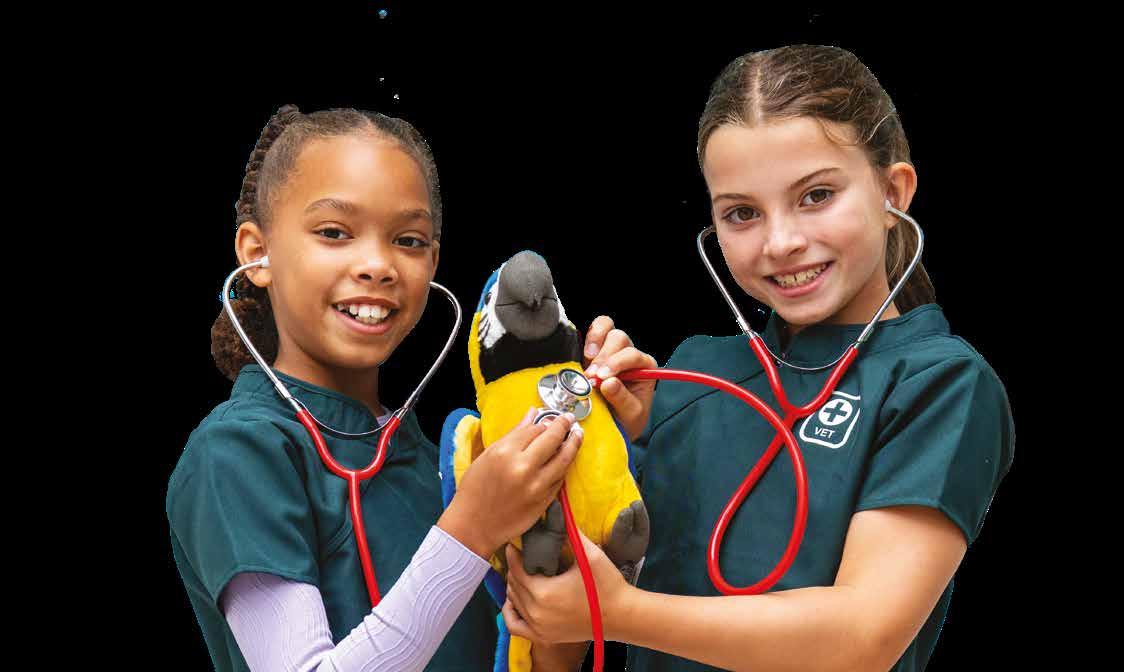
Once inside, your children will play their way around ZooTown’s vet hospital, field camp, wildlife garden and more, taking on activities and games rooted in real-life equivalents at ZSL. Each zone has been designed with the help of our zookeepers, vets, scientists and other staff, and will give your children the opportunity to explore and connect with the different activities and jobs involved in conservation. Read more on page 6.
The world desperately needs more conservationists, and helping children to see a role for themselves conservation is fundamental to our mission at London and Whipsnade Zoos. We see more wild animals more than ever before on our phones, computers and television screens, but it masks the real story: our world and the animals who share it with us are in peril and need our help.
In this magazine, you’ll read about some of the incredible people that are already working for wildlife at ZSL.
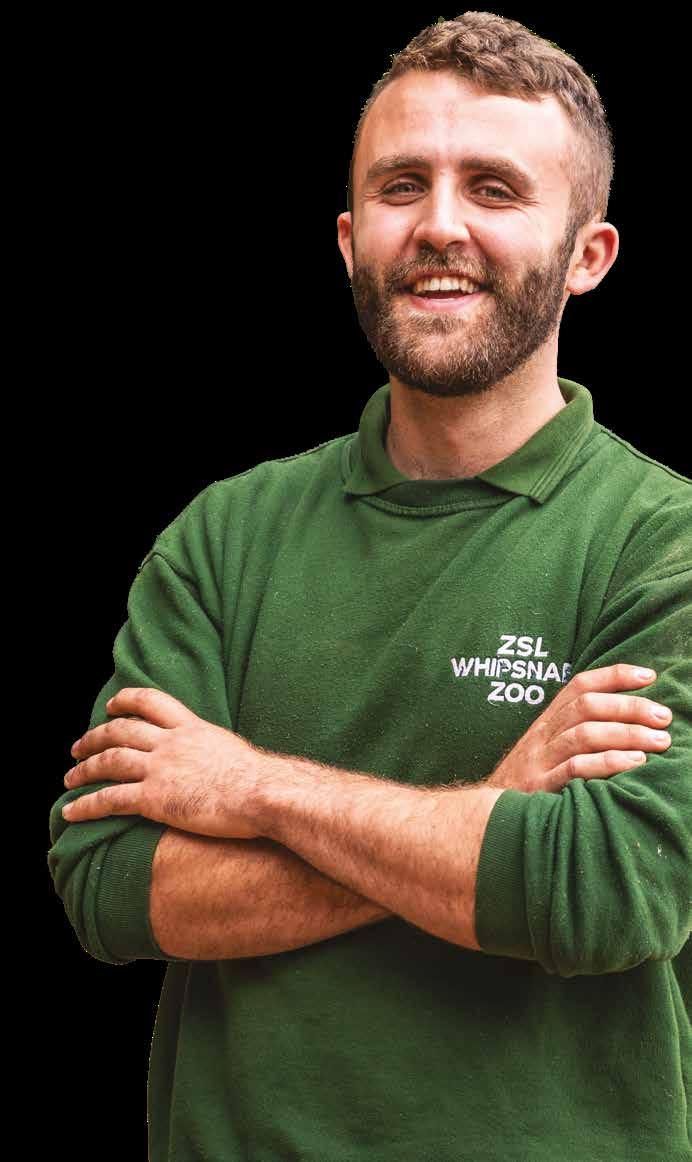
Connor Corrigan, zookeeper at Whipsnade Zoo, has dedicated his career to the care of rare species like the mountain bongo (page 16). As few as 100 bongos are thought to survive in the wild but, by caring for them in zoos, we can safeguard the species for future generations.
Committed to protecting a tiny species of chameleon, conservationist Eva Johnson has taken on everything that the mountain jungles of Tanzania can throw at her. And, closer to home in Wales, scientist David Curnick is using the latest technology to understand the movements of a rare shark, so that we can better protect their habitat.
Could your children follow in their footsteps? I hope so, and perhaps ZooTown might be the first step towards their career in conservation.
Matthew Gould CEO, ZSL
NEWS FROM THE ZOOS AND BEYOND
SPOT THE DIFFERENCE AT CHEETAH ROCK
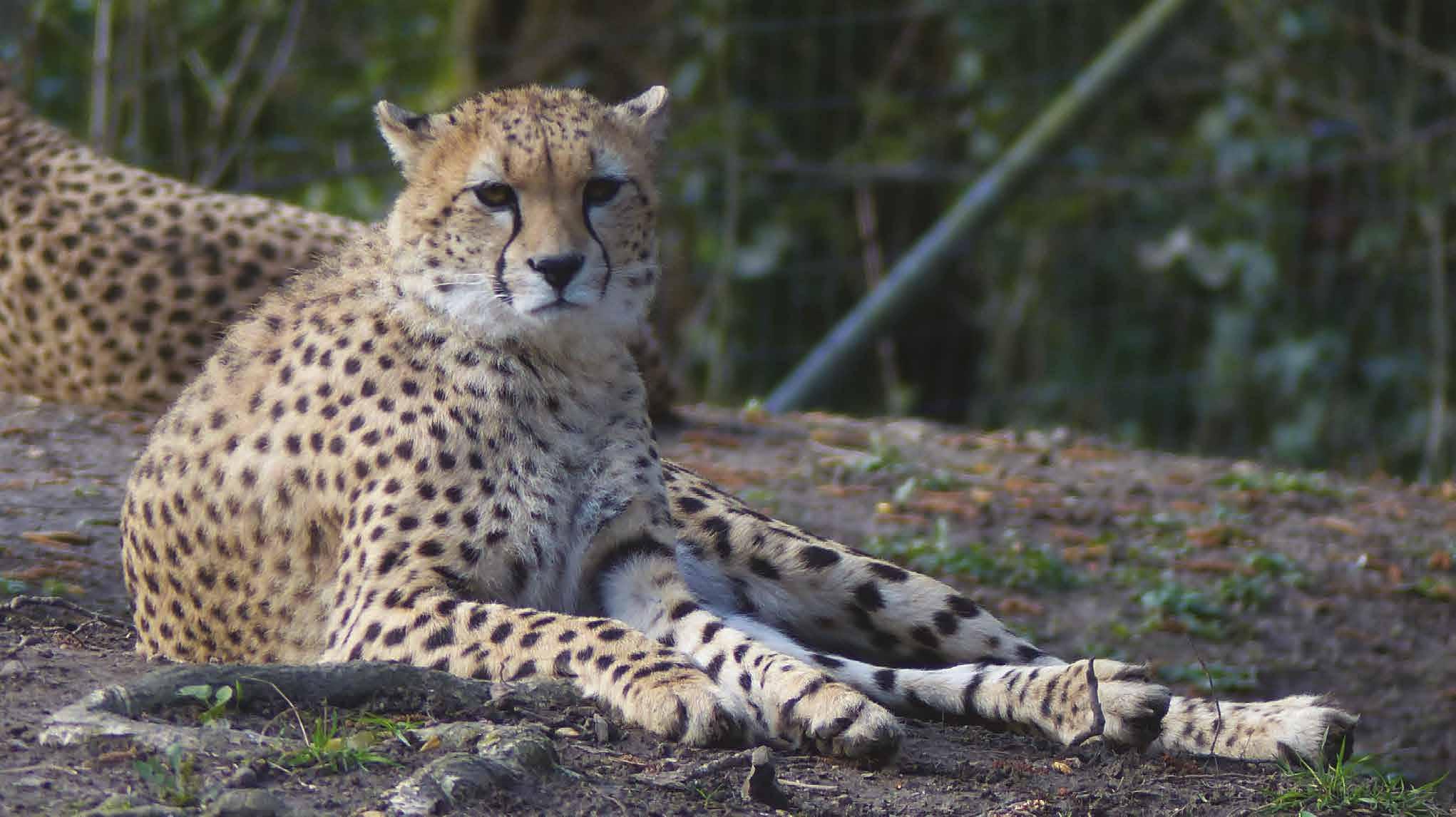
Cheetah Rock at Whipsnade Zoo has been a bachelor pad for a while – but that’s all changing this year! Over the summer, we bid a fond farewell to brothers Robyn and Fred, who have moved to a new home at Bristol Zoo, and welcomed males Jake and Oscar. They’ll soon be joined by two females from Cerza Zoo in France. Whipsnade was the first zoo in the world to successfully breed cheetahs in human care, and our purpose-built 4,000m2 cheetah habitat offers plenty of space to raise cubs. Our new arrivals are
part of the European-wide conservation breeding programme, so once they’ve settled into their new home, we hope to do some feline matchmaking! Sadly, cheetah numbers are declining fast in the wild due to habitat loss and illegal wildlife trafficking, so keeping a healthy back-up population in zoos is a vital step towards safeguarding the future of these magnificent cats. Meanwhile, our conservation scientists are leading an exciting initiative to protect and restore wild cheetahs across Africa.
TONY HAWK MEETS TONY THE HAWK
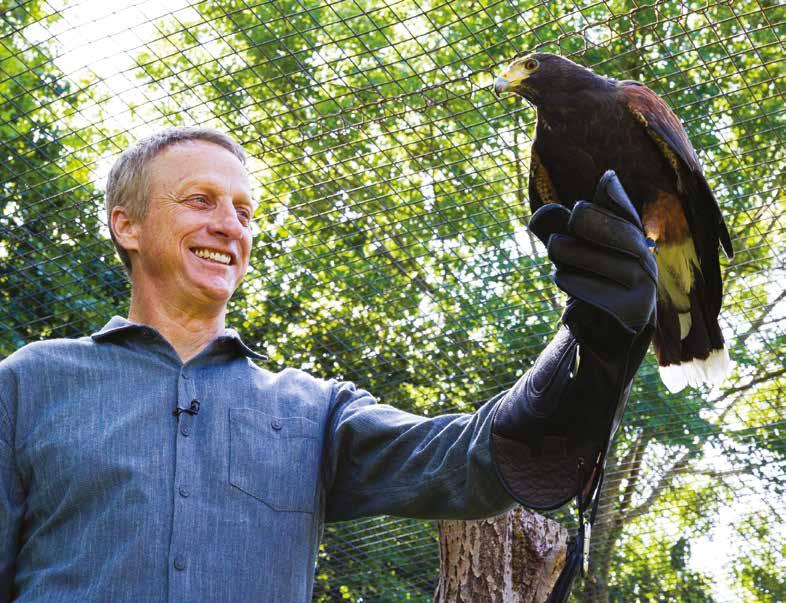
If you know anything about skateboarding or gaming, then Tony Hawk needs no introduction. The world-famous US skateboarding pro visited London Zoo for the launch of his video game Tony Hawk’s Pro Skater 3+4 Remastered, which features the Zoo as one of its playable locations. During his trip, Tony met his new namesake – our stunning Harris hawk, Tony!
Native to the southern US and South America, Harris hawks are highly unusual among birds of prey as they team up to hunt in packs, improving their chances of success. Both Tonys are legends in our book!
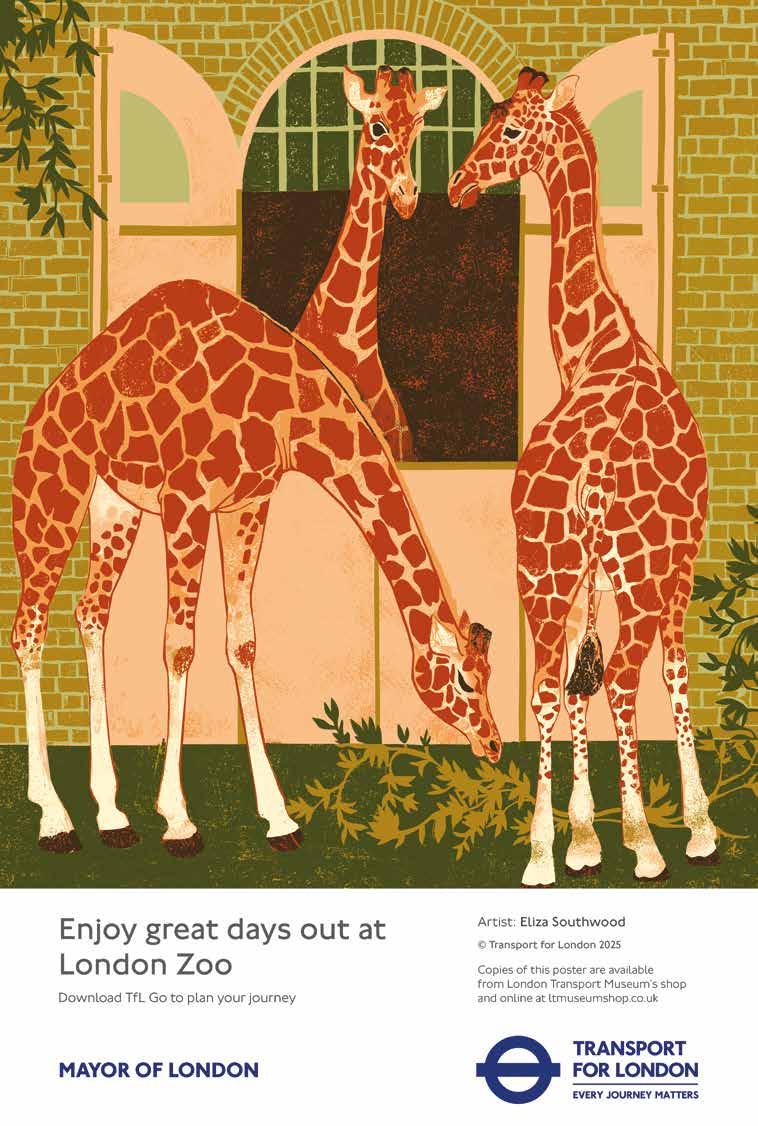
Look out for our giraffes popping up on London Underground early next year! London Zoo’s iconic Giraffe House is the latest cultural venue in the capital to feature on a poster series by artist Eliza Southwood, commissioned by the London Transport Museum. The poster is being released in January 2026, kicking off ZSL’s 200th anniversary year. We’ve got an exciting calendar of events planned to mark this milestone – keep an eye on your member emails for more details!
PENGUINS ON CAMERA
SIGN OUR PETITION AT ZSL. ORG/NATUREACCESS OR FOLLOW THE QR CODE BELOW
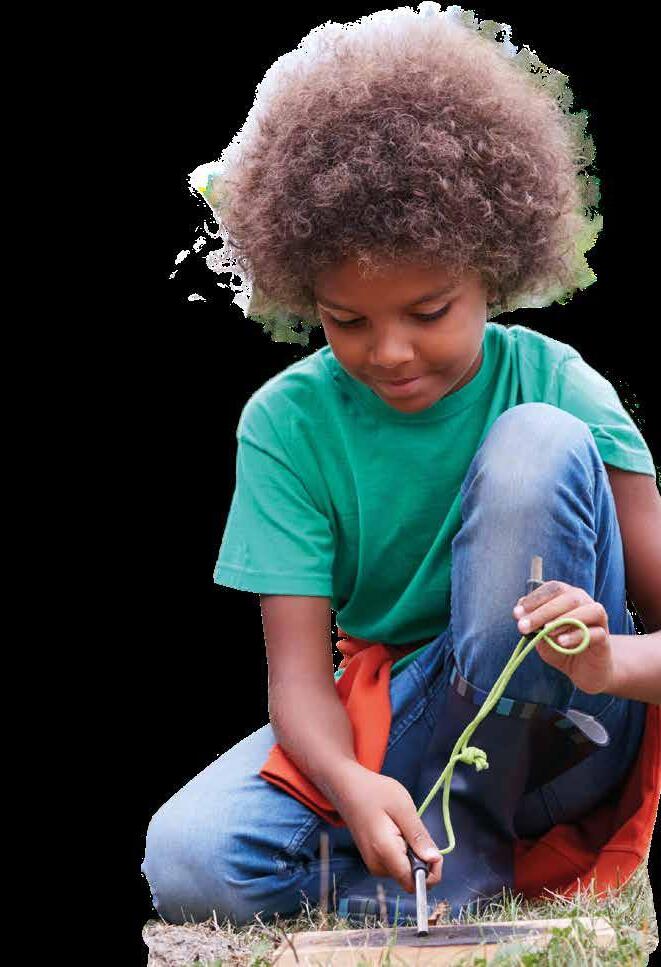
HELP US MAKE NATURE A BASIC RIGHT FOR CHILDREN
This year, we’re calling on the UK Government to make nature part of every child’s education.
The science is clear – connecting with the natural world benefits young people’s mental health, concentration, immunity and emotional resilience.
Yet time spent outdoors has halved within a generation, and only 50% of children report spending regular time in a garden or other green space when not in school. Youngsters from low-income and ethnic minority backgrounds are the least likely to have access to outdoor space.
At our Zoos, we see what happens when children connect with wildlife, and the lifelong benefits that can bring. But through our science and conservation work around the world, we understand the dire consequences of neglecting nature. We simply can’t expect young people to protect the planet if they don’t grow up caring about it.
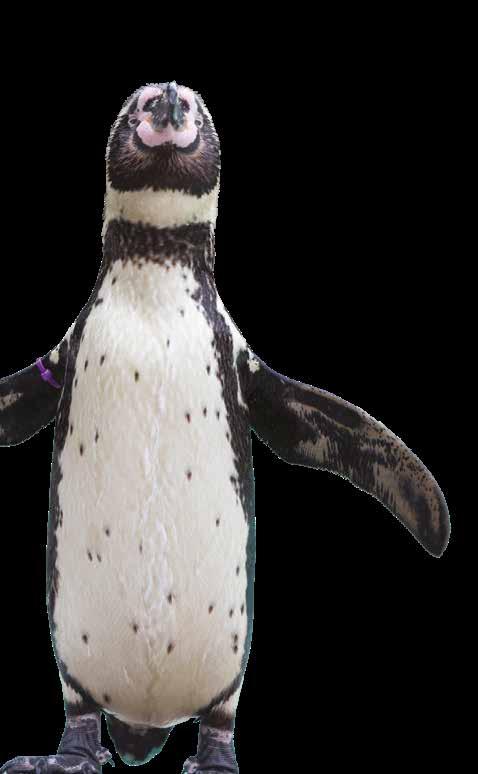
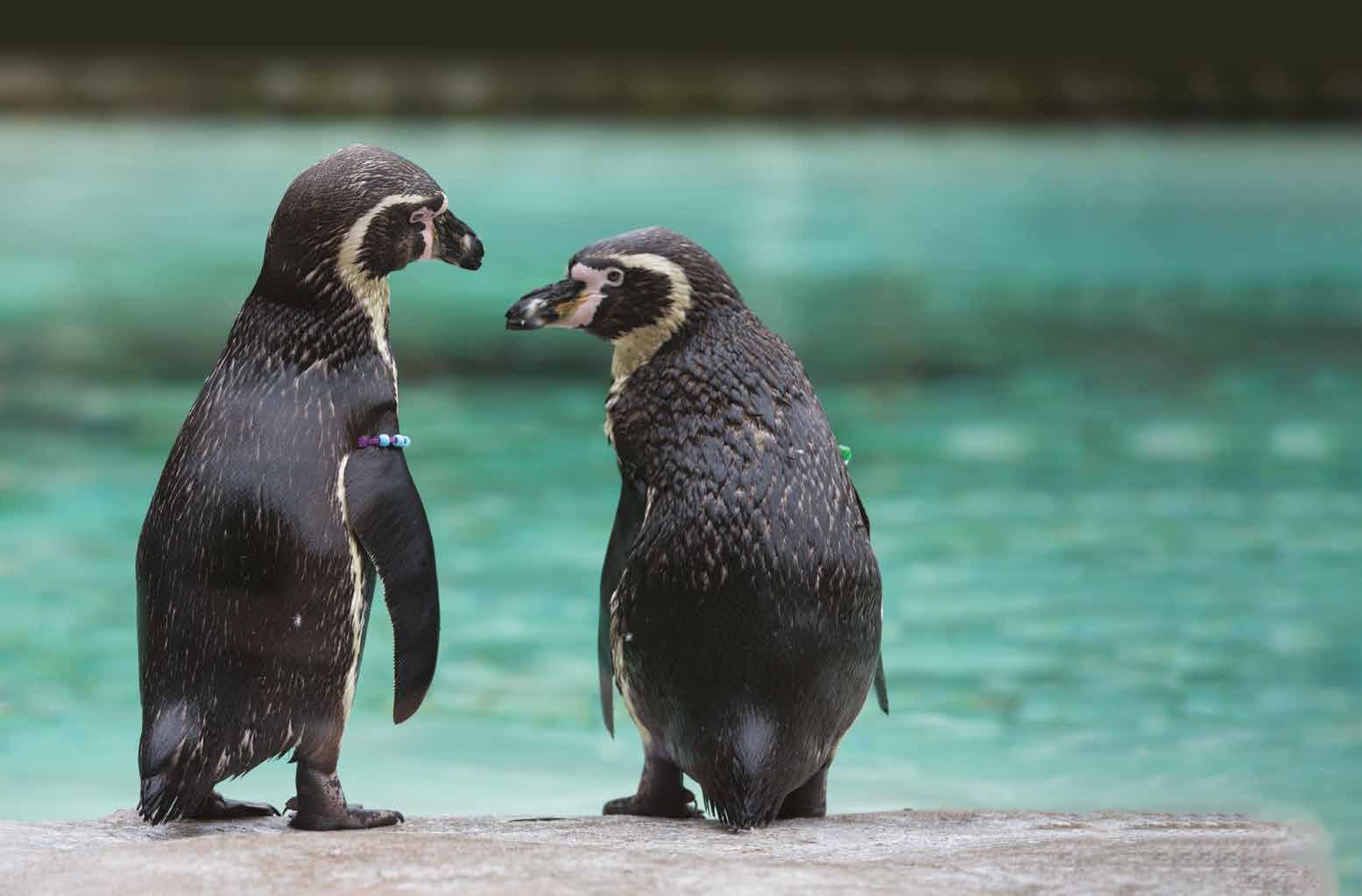
If you’re as sharp-eyed as our penguins, you might have spotted some camera boxes next to their pools at London and Whipsnade this year. These have been busy snapping photos of our flocks for a pioneering AI penguin-recognition project. “We’re teaching a computer model to identify individual penguins, using images of the unique pattern of spots on their front,” explains Master’s student Theo McLaurin. “The technology is still at an early stage but, if successful, could provide valuable data on wild penguin populations, or even be used to support penguin care in zoos – for example, by alerting keepers if a sick penguin is moving more slowly than usual.”
Thanks to all those of you who have already signed our petition and added your voice to our campaign. If you’d like to share why access to nature is so important to you and your family, do get in touch with us at wildabout@zsl.org – we’d love to hear your stories!
MUCKING OUT
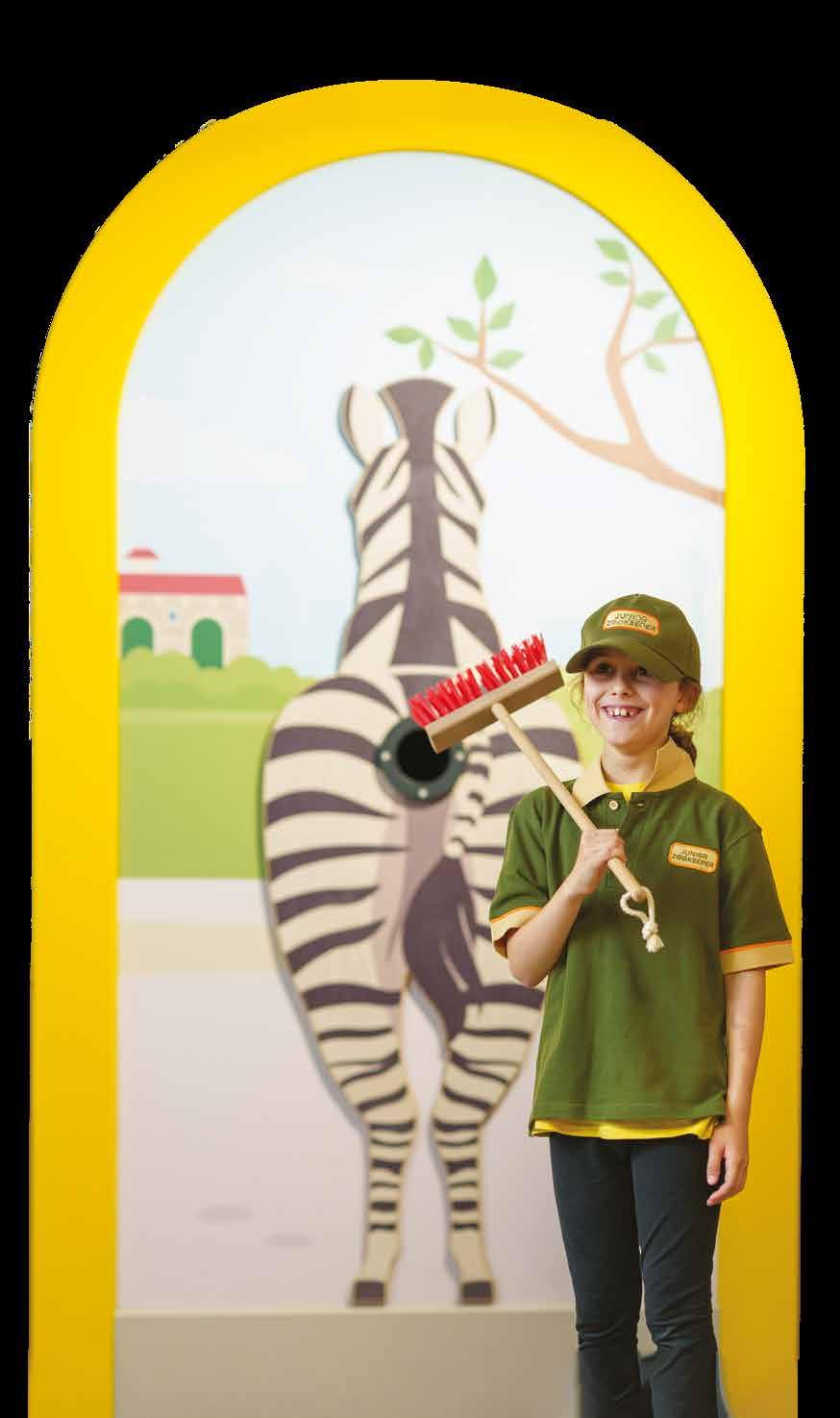
Get stuck in at our zebra paddock, where our playful zebras have left you some delightful droppings that need clearing up and putting into our poo bin lorry.
Discover what it takes to run your very own conservation Zoo, in London Zoo’s new experience for three to eight-year-olds!
SUPER SCIENCE
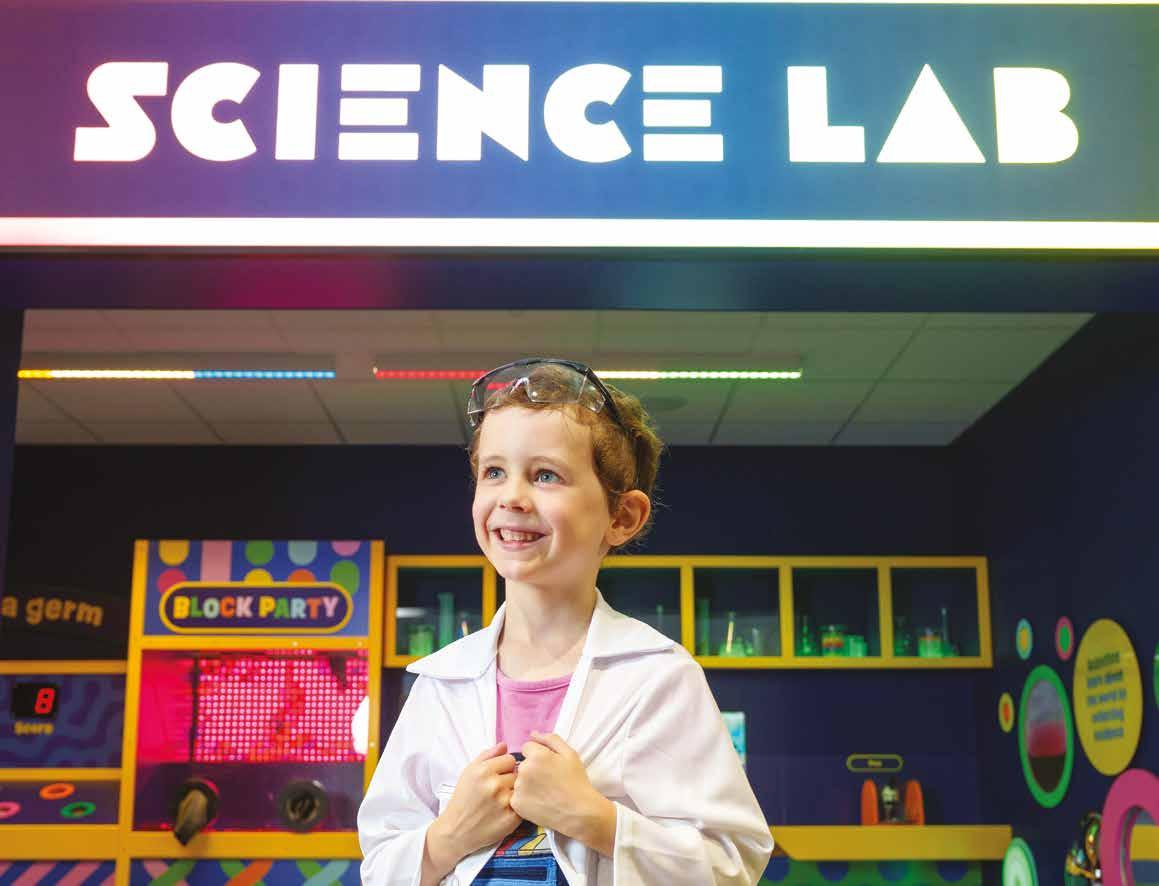
Pull on your lab coat, slip on protective goggles and step into the shoes of one of our scientists.
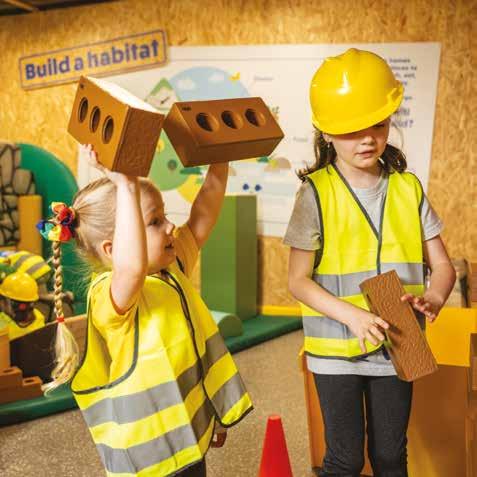
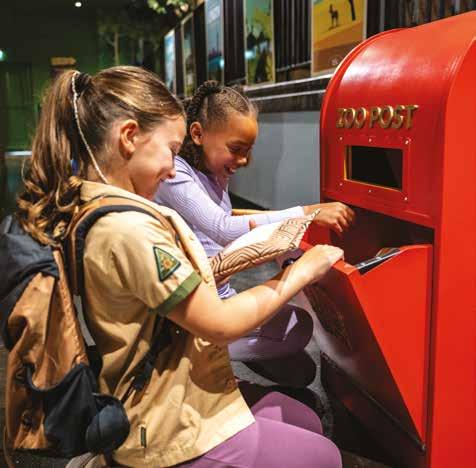
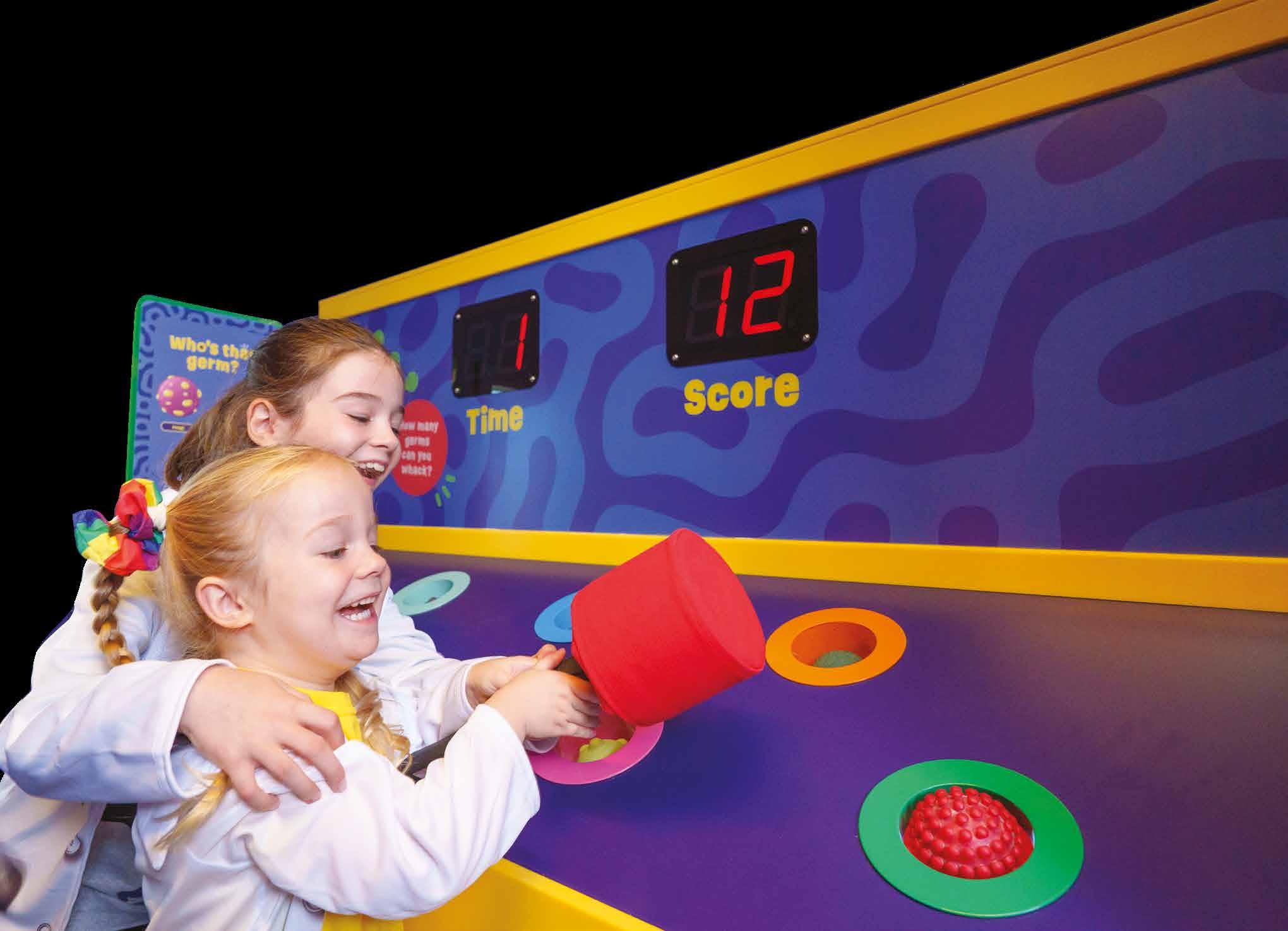
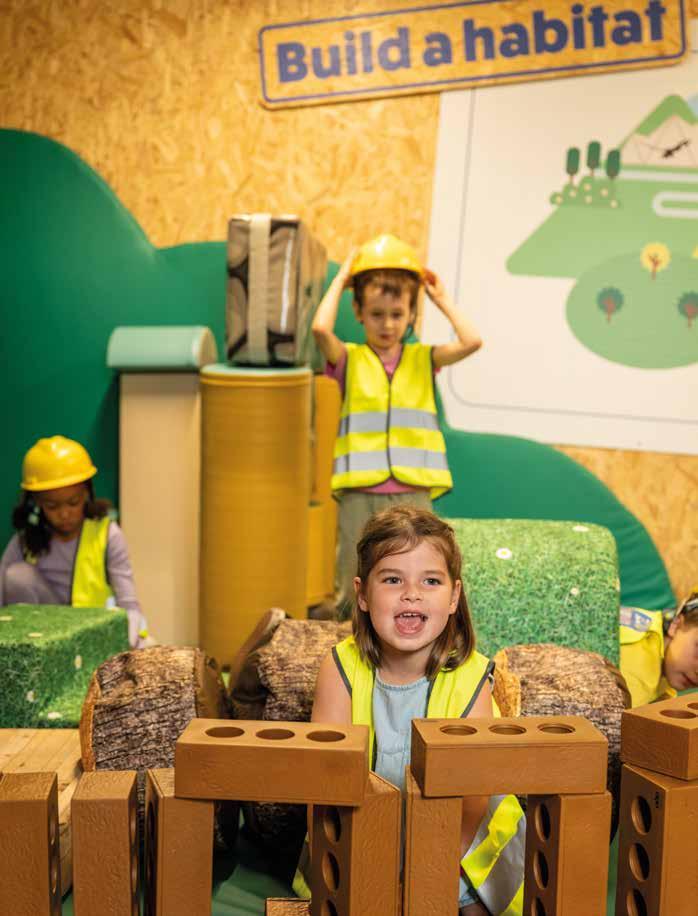
In our science lab, you’ll play whack-a-germ (inspired by the diseases our scientists are studying), get up close with microscopes and learn about coral bleaching. And when you need a break from the lab? Head to our building site and construct your own animal habitat, or deliver some Zoo post around ZooTown (pictured above left).
ZooTown has over 30 uniforms and costumes to choose from, so let your imagination run wild!
ZooTown is free for ZSL Gold Members, Patrons and Fellows, just head to LondonZoo.org/ZooTown to book your 45-minute slot
COFFEE FOR CONSERVATION
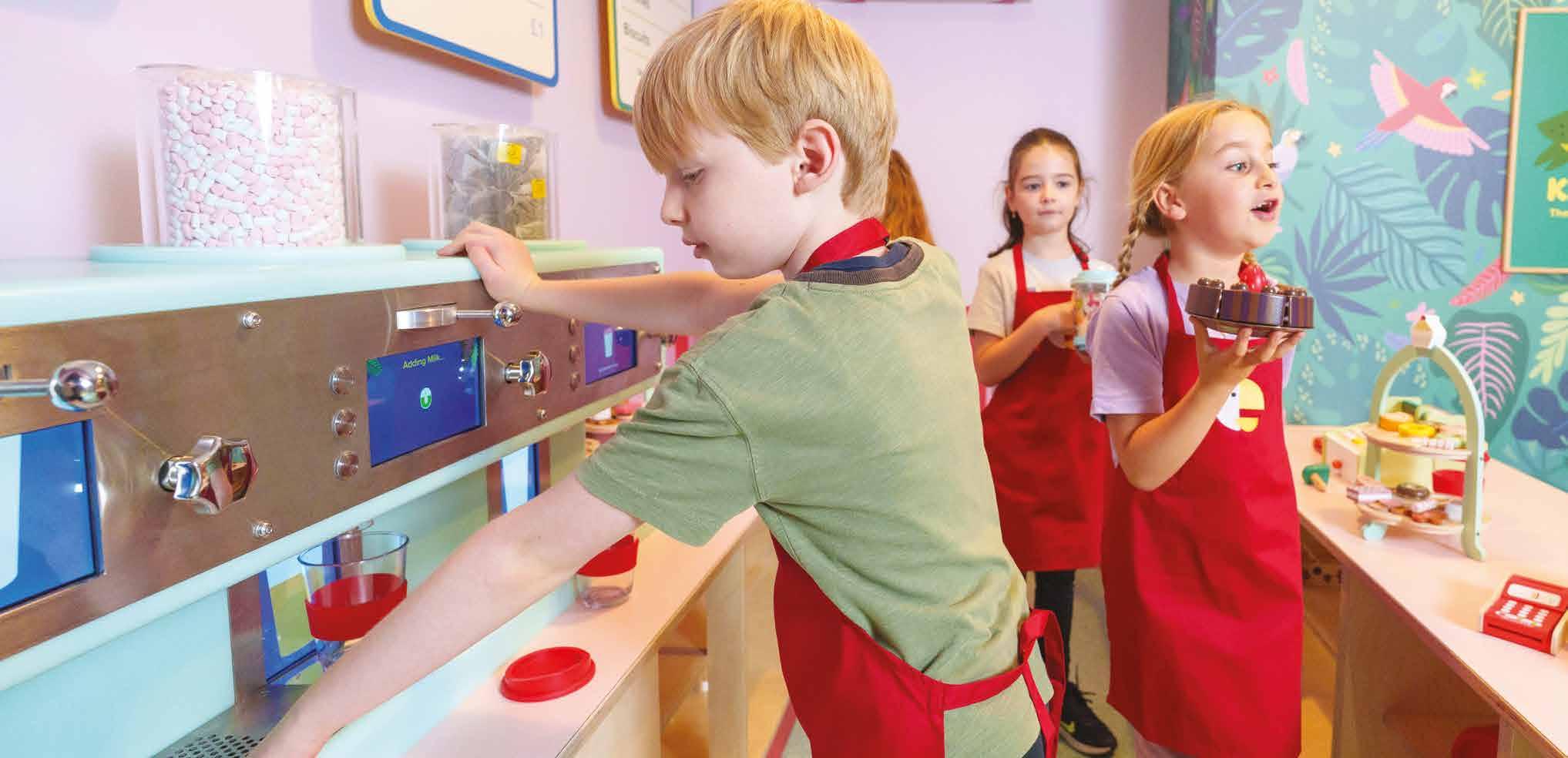
It isn’t just zookeepers, vets and scientists are working for wildlife, lots of people at the Zoo – like baristas and ice cream vendors –are supporting conservation too. Pull on your apron and count up your orders as you prepare delicious drinks and snacks for your hungry customers and playmates. And once your human customers are happy, head next door to our keeper kitchen and serve up a feast for our Zoo animals!
VETS ARE A DOG’S BEST FRIEND
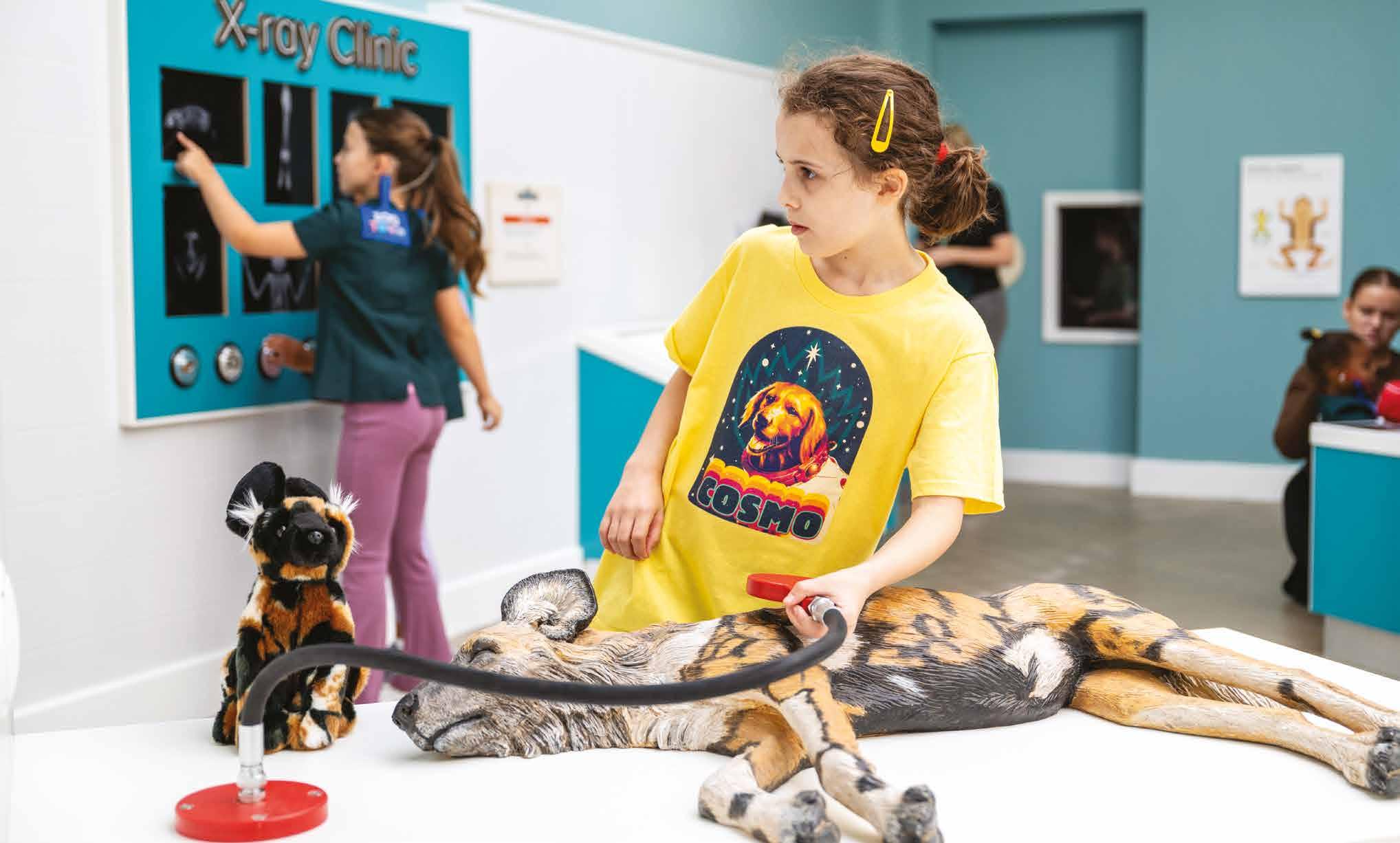
In our vet hospital, perform an ultrasound on a life-size African wild dog (above) and check real ultrasound footage for signs of a healthy heart. You can also match x-ray images to different animal species, scan the soft toy animals to check their microchip details and perform health checks on them all too.
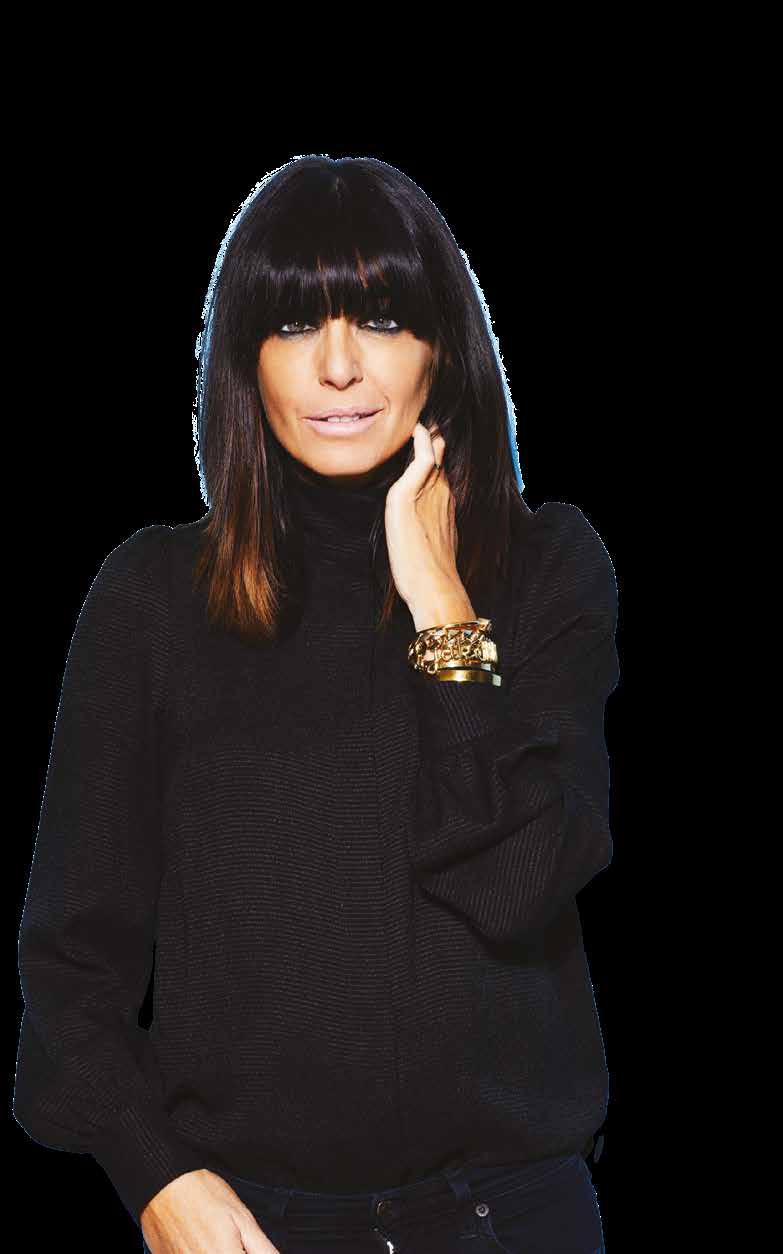
For Claudia, a zoo day out is something of a family tradition. “My dad used to take me to London Zoo all the time when I was little,” she says. “His favourite story about me is the time when I was about five, it might have been my first visit, and as we were walking in, he asked what I wanted to see. I said, ‘Fingers crossed for a pigeon!’ I really fell in love with the Zoo back then.”
When Claudia started her own family with film producer husband Kris Thykier, they wanted to make similar memories with their three children.
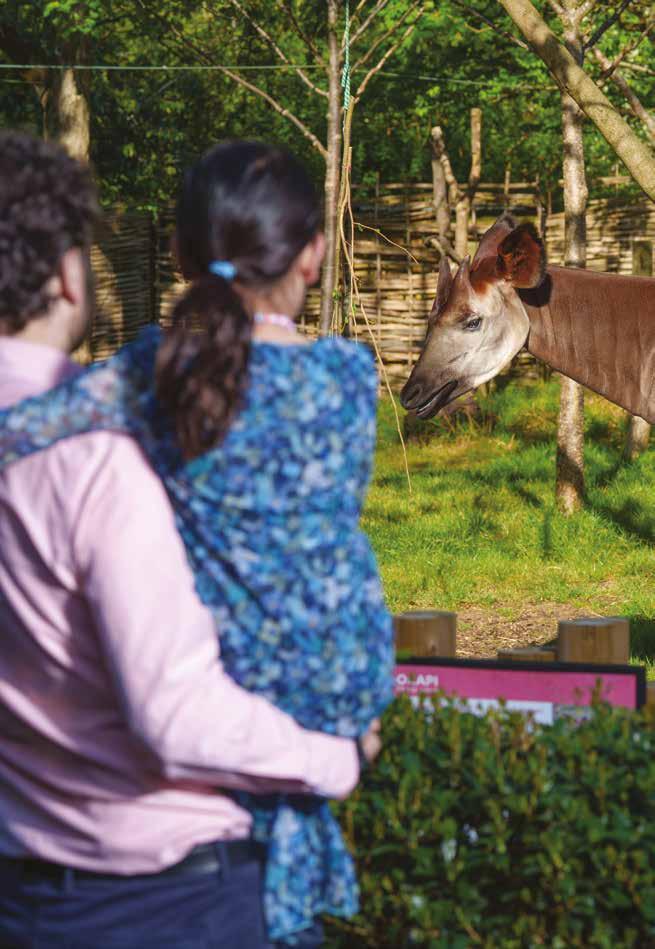
“When my first son was born 22 years ago, we didn’t live that far away, so we became ZSL members,” she says. “We were all obsessed; my husband, as well as the children! We always liked to get there early, while the Zoo was relatively quiet, and do the same route. We started off at Night Life, which the kids loved, and then we’d go to see the tamarins, otters, meerkats and owls, before going over to wave at the giraffes,” she continues. “My youngest son was obsessed with the okapi!”
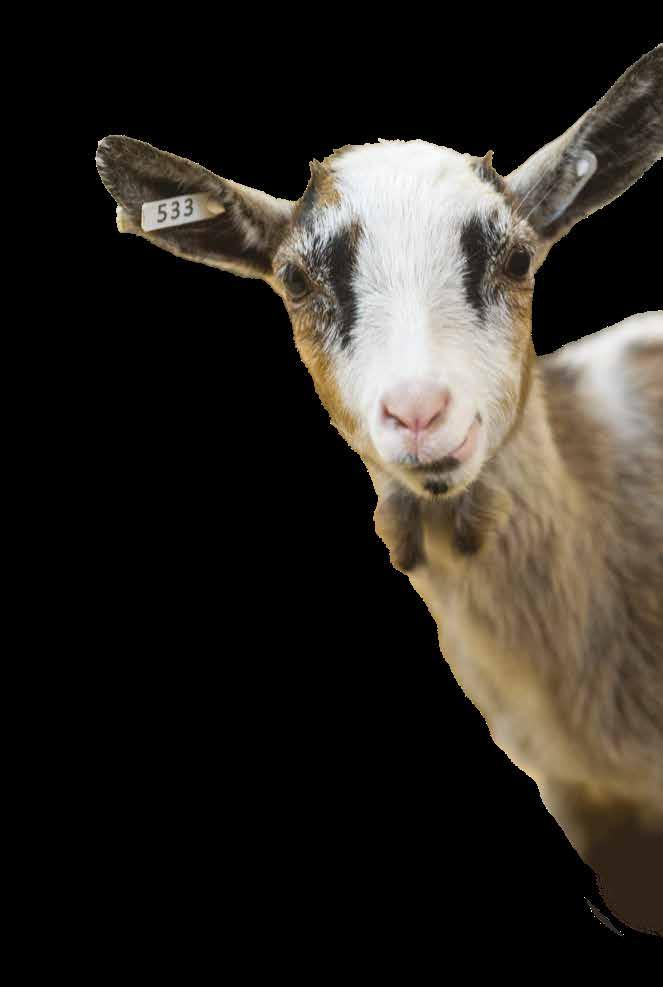
As a family, they particularly enjoyed getting up close to some of the Zoo’s less exotic, but more approachable, residents: “Our main love was the pygmy goats
TV presenter Claudia Winkleman has been a lifelong visitor to London Zoo – here, she shares her memories of penguins, pygmy goats and a friendly red-kneed tarantula.
“The penguins would be very good at Traitors”
in the children’s area,” Claudia says. “They have so much personality!”
Penguin Beach was another favourite destination. “I love the penguins,” says Claudia. “They would be very good at Traitors; they’re so changeable. You think they’re one thing, but then sometimes they’re completely different!”
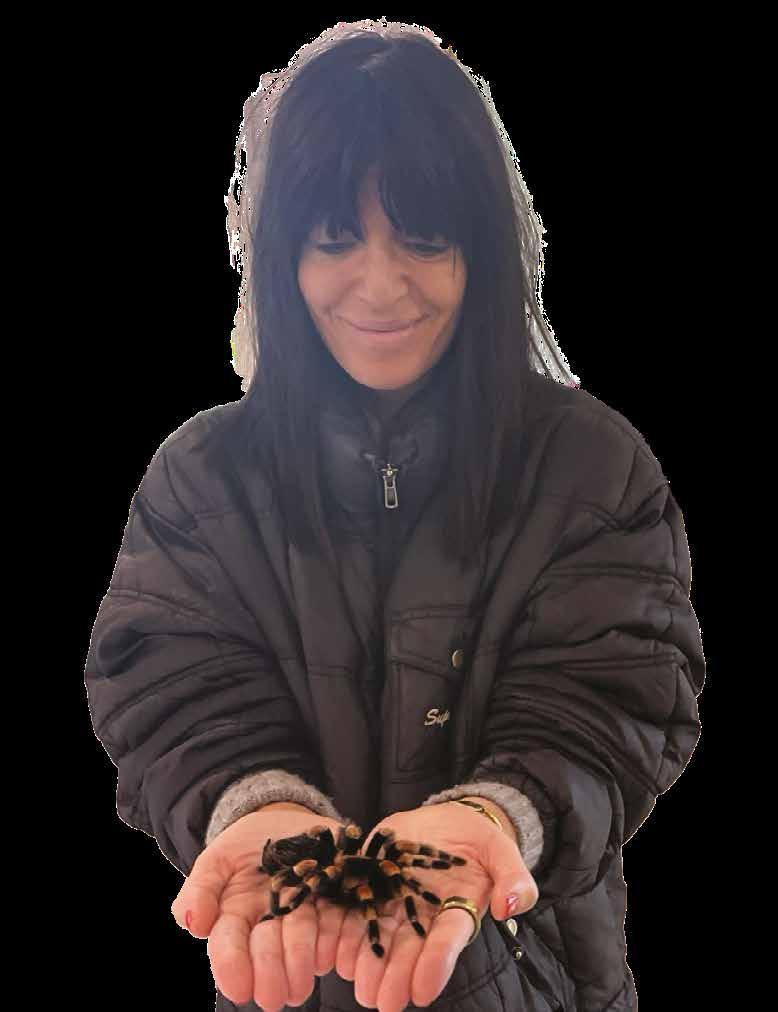
Claudia isn’t so keen on a particular group of Zoo animals, though: “I’ve always been super-scared of spiders,”
she says. “Then somebody told me about the Zoo’s Friendly Spider Programme. It was life-changing. After doing the course, I held Milly, a Mexican red-kneed tarantula, and she was very sweet. The idea that I can even say those words is incredible! But you get to work with the most brilliant people, who really love spiders, so their enthusiasm is catching. I’m forever grateful to them.”
Now that Claudia’s children are nearly all grown up, she’s not quite such a regular visitor, but having access to so much nature in the heart of the city has meant a lot to them. “We don’t have a garden, so we’ve always loved the parks of London, and the Zoo. It’s a proper day out – and an extraordinary treat, because you’d never get to see all these animals in the wild. For young children, who are always reading about animals in books or have fluffy animal toys, getting to see them in real life can be mesmerising! We have such strong memories of the Zoo, and I hope my children will make similar memories themselves one day with their own kids.”
We love hearing your membership stories! Get in touch at wildabout@zsl.org to share your experiences at our Zoos.
This Halloween, forget bats, cats and rats, and prepare to meet the animals with unexpectedly horrifying habits. From a beautiful yet deadly wasp to a species that snacks on its own poo, look out for these creepy creatures at London Zoo this autumn!
FLUFFY YET FEARSOME
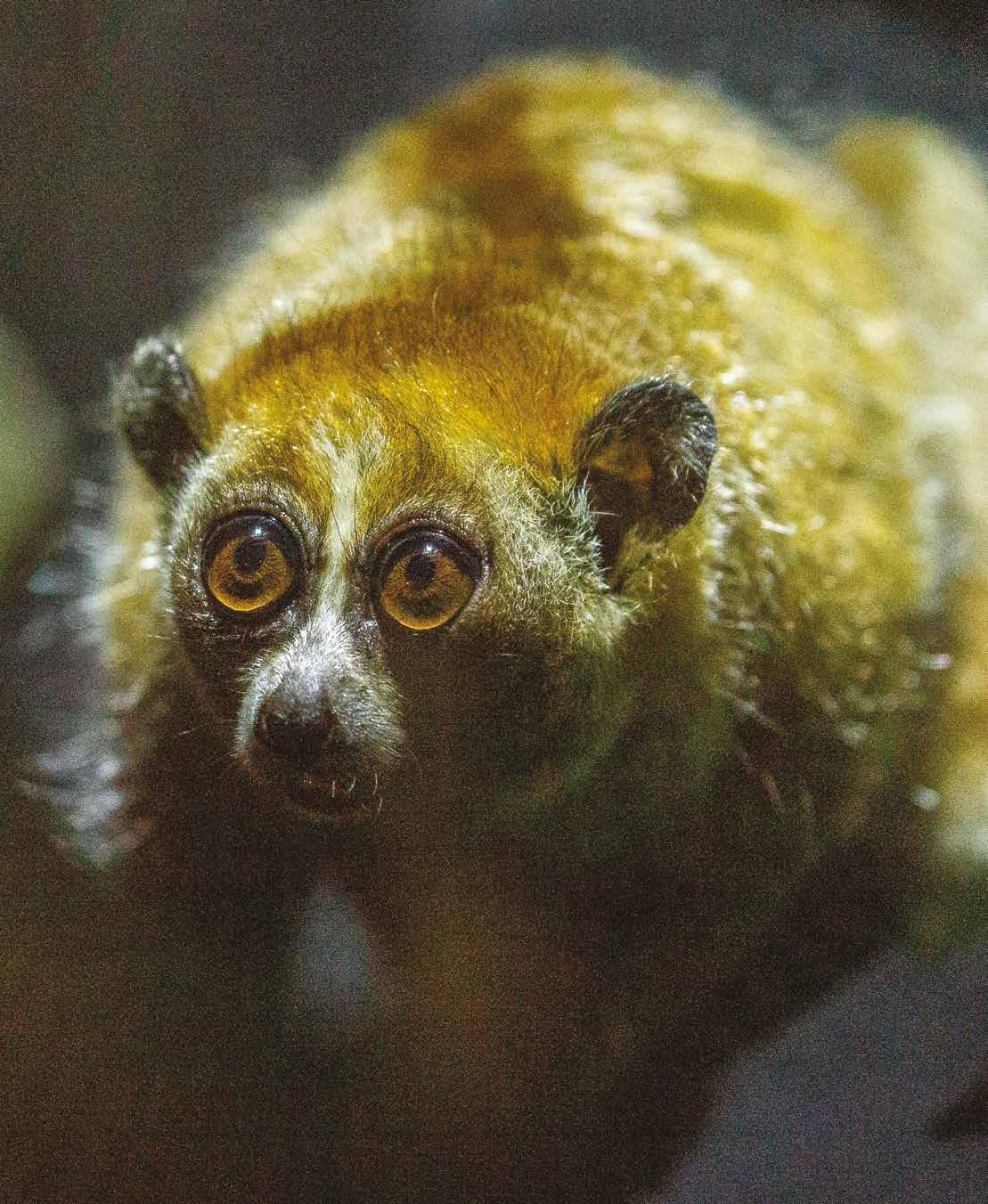
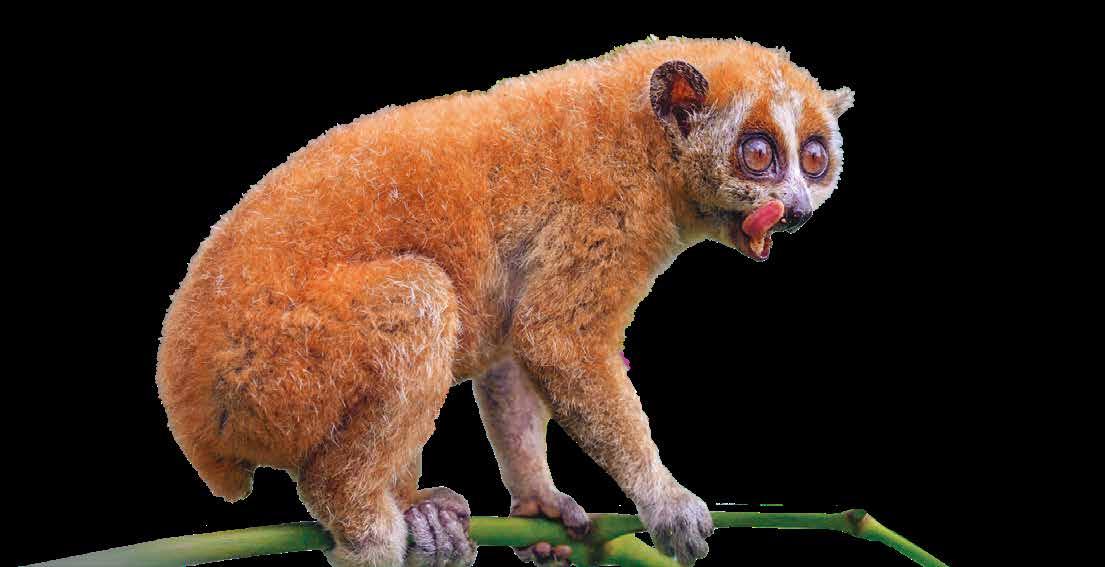
Creatures of the night don’t come much cuter than the pygmy slow loris, but this big-eyed, furry tree-dweller has an unexpected defence up its sleeve (more or less literally): a venomous bite!
“It’s highly unusual for mammals to be venomous, and slow lorises are the only known group of venomous primates,” says zookeeper Chelsea ReidJohnson. “They have a gland on their forearm which produces a toxic oil. If threatened, they lick the gland to mix the oil with their saliva. Then they’re ready to deliver a very nasty bite!”
That bite is powerful enough to kill a small mammal, and can result in severe, flesh-rotting infections or anaphylactic shock. Yikes!
NATURE
Pygmy slow loris mothers also use the venom to protect their young from predators. “They’ll lick their babies to cover their fur with the toxins,” says Chelsea. “We’ve not got any loris babies at Night Life at the moment, but we’ll be introducing our female, Holly, to a new male, Ernie, this winter, so that could change in future if they hit it off.” Watch this space!
Lorises move slowly and almost silently, so let your eyes adjust to the dark, look high up among the branches, and watch for movement in the afternoons, when they’ve shaken off their morning sleepiness and are more likely to be active.
KEEPER TOP TIP
The wasp lays an egg on the roach before exiting the burrow and sealing up the entrance...
BEAUTY VS THE BEAST
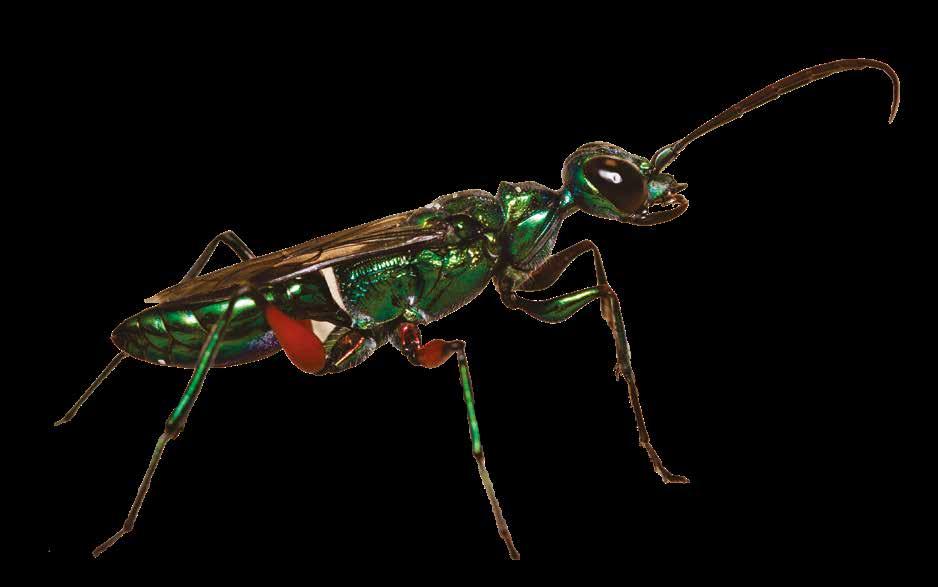
Don’t be fooled by the jewel wasp’s glittering good looks: its life-cycle is truly the stuff of horror films.
POO ON THE MENU
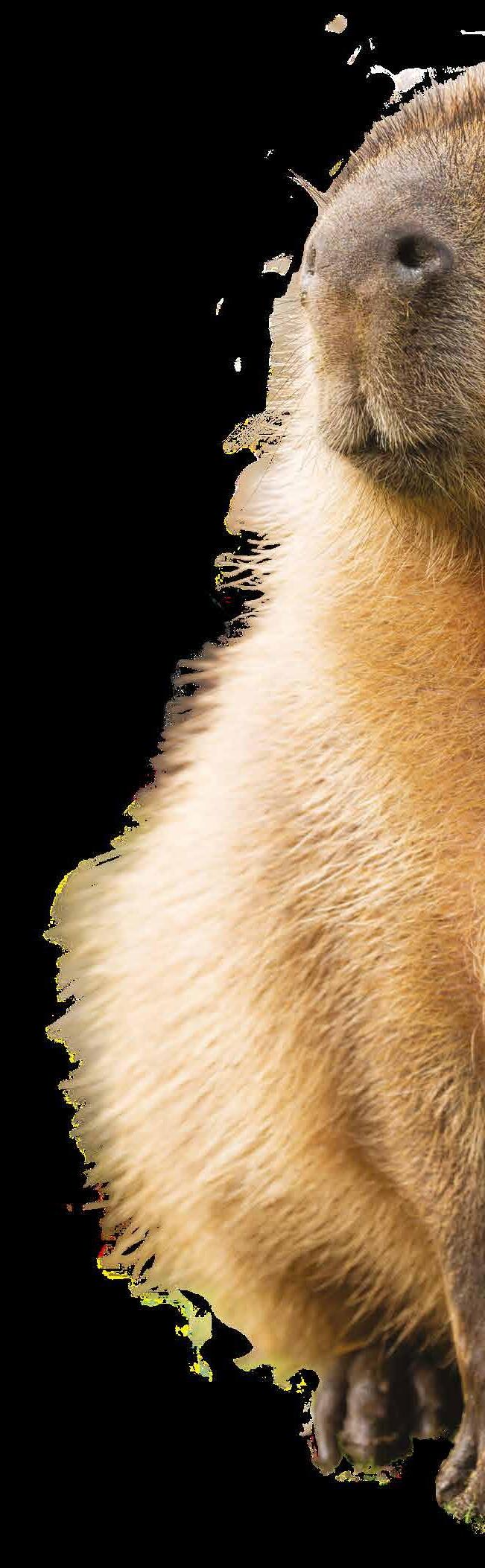
The world’s largest rodents, capybaras, have bags of charm, but their dining habits can be rather disgusting (by human standards). “In their natural habitat in South America, capybaras eat a lot of grasses and pondweed,” says zookeeper Joe Bostock-Jones. “Their diet isn’t that nutritious, and they’re known to recycle their food by eating their own poo!” In the wild, capybaras have been spotted gobbling up their poo as soon as it emerges, and chewing it for up to 10 minutes. Gross as this may sound, poo-eating is far from unusual in the animal kingdom, and many rodents produce a particular kind of poo that’s ideal for re-ingesting. “Rabbits and guinea pigs will poop out soft, partially digested pellets of poo and then eat them again, and capybaras are believed to do the same,” says Joe. “The nutrients are easier to absorb second time around.”
“I’ve not spotted our capybaras, brother and sister Gizmo and Kiwi, doing this,” he adds. “But they’re already getting a pretty varied diet, so maybe they’re not tempted to snack!”
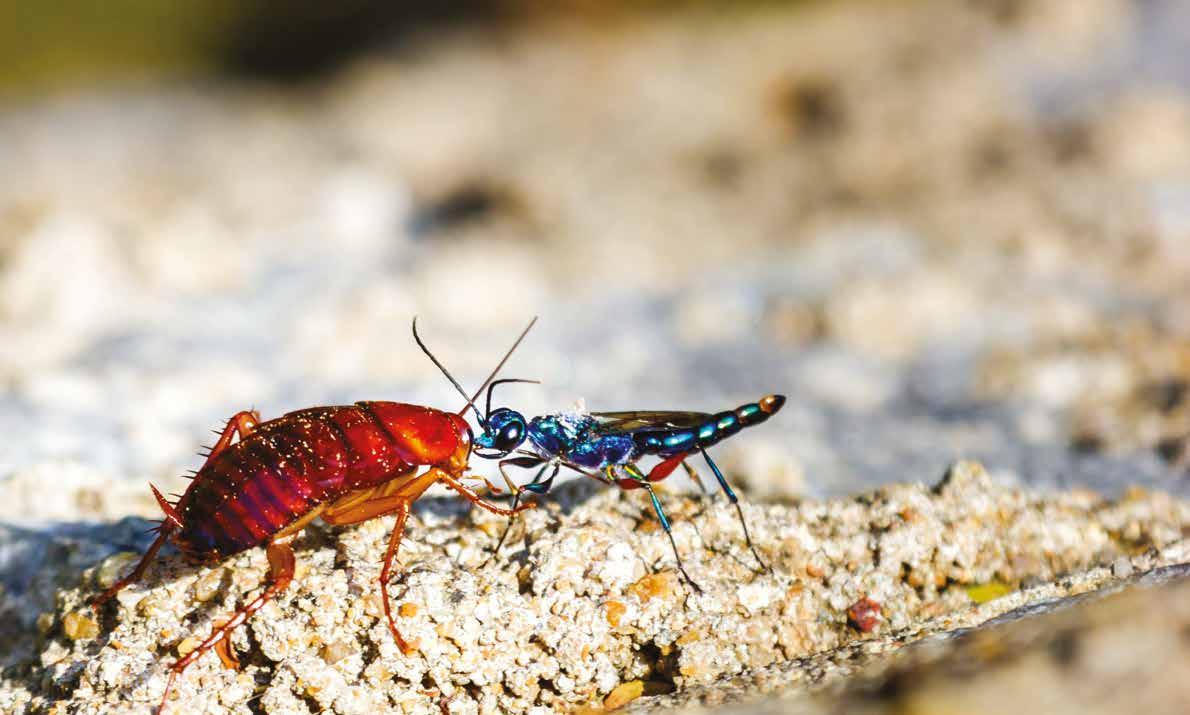
“The female wasp will find a cockroach and sting it twice,” says zookeeper Cat Dixon. “The cockroach is much bigger than she is, and will put up a fight, but if the wasp succeeds, her first sting temporarily paralyses the roach’s front legs. That allows the wasp to deliver a second, very precise sting directly into its brain.”
Incredibly, this sting disables the cockroach’s escape reflex, leaving it in a totally submissive, docile state. The wasp then leads the compliant cockroach back to her burrow, guiding it by its antennae.
“These wasps are often said to turn cockroaches into zombies,” says Cat. “That’s not quite true, because the cockroach is still conscious and in control of its own movements. It just loses the will to escape!”
The wasp lays an egg on the roach before exiting the burrow and sealing up the entrance, her work as a parent completed by providing a living larder for her offspring. “A few days later, the egg hatches and the emerging larva proceeds to eat the roach, starting on the outside before burrowing into its body,” says Cat. Finally, the larva pupates inside the cockroach before bursting out of its host’s remains as an adult wasp.
Their diet isn’t that nutritious, and they’re known to recycle their food by eating their own poo!
Tasty, succulent and freshly produced, our ever popular Capybara Poop just flies off the menu - order it while you can!
The tail can move for long enough for the lizard to escape a predator
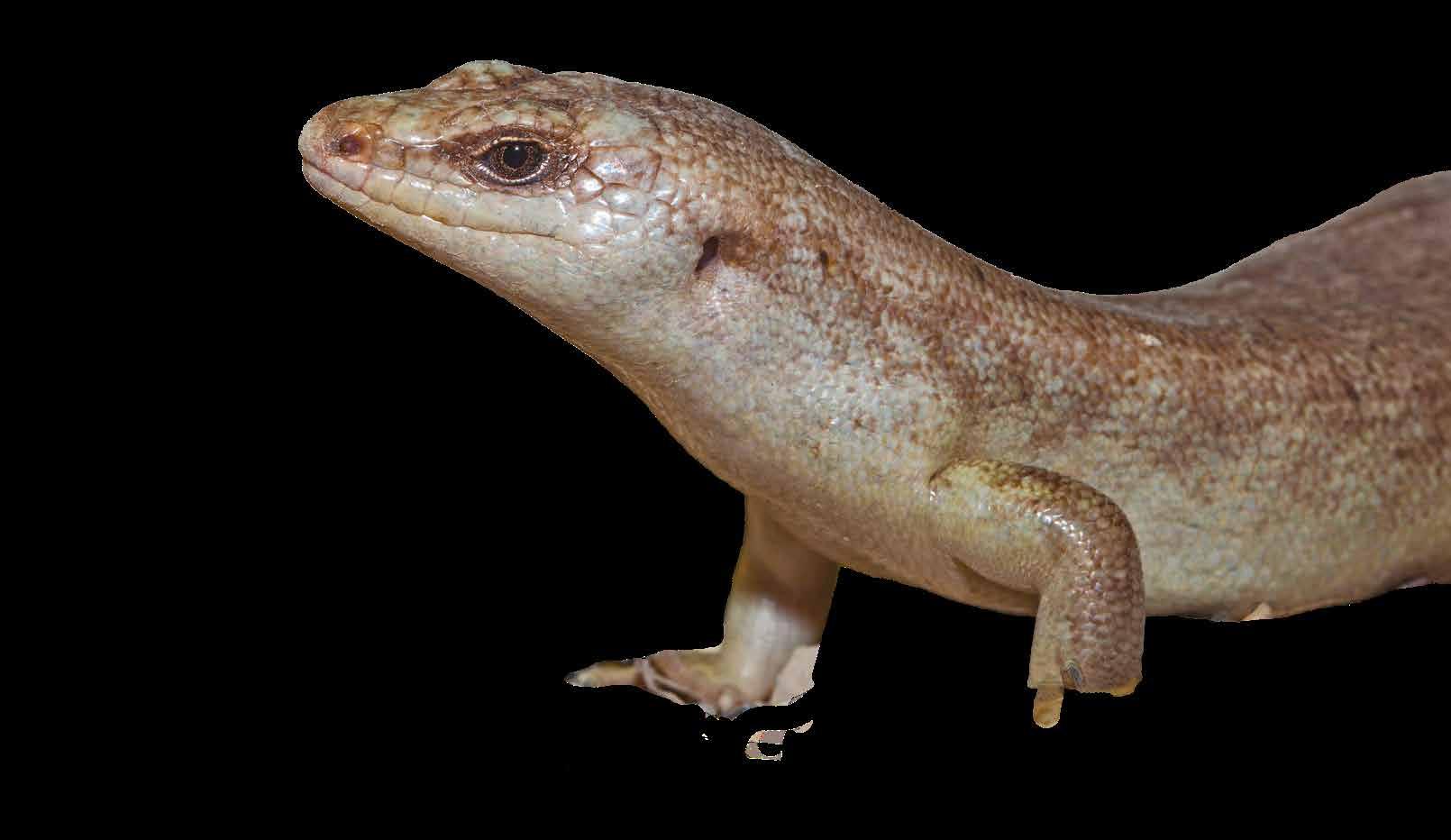
Telfair’s skink is a rare reptile (unique to Mauritius), but it shares a bizarre defence tactic with many other lizard species: it can detach its tail to help it get out of trouble! The lost tail can even keep wiggling, lunging and jumping on its own afterwards, thanks to continued nerve activity and muscle contractions. This can provide a useful distraction: “The tail can move for long enough for the lizard to escape a predator,” says Ben Tapley, Curator of Reptiles and Amphibians.
Gruesome as this sounds, losing a tail isn’t quite as bad news for a reptile as it would be for a mammal. For one thing, the tail has evolved to detach relatively easily, at certain natural break points within or between the bones in its spine.
Also, many lizards have extraordinary powers of regeneration. “In most species with this adaptation, the tail can grow back,” says Ben. “However, this requires quite a lot of energy. The lizard might not be able to move as quickly, its balance may be impeded, and even its position in the social hierarchy may be impacted by losing a tail.”
Still, it beats getting eaten by a predator!
BOO AT THE ZOO
For more gruesome goings-on, don’t miss our annual Halloween celebrations at London and Whipsnade this month! From pumpkin hunts to craft activities, you’ll find frightful fun for the whole family – see page 13 for details.
THINGS TO DO THIS SEASON
HEAD TO ZOOTOWN
LONDON ZOO FROM 18 OCTOBER
Calling all wannabe zookeepers, vets, scientists, conservationists and ice cream sellers! Our hands-on, interactive play experience aimed at three-to eight-year-olds opens this month, giving little ones the chance to role-play their way around a variety of zoo-related jobs. From examining a lifelike African wild dog to playing ‘whack-a-germ’ in the science lab, it’s sure to fire their imaginations – and great fun on those cold or rainy days! ZooTown tickets cost £1 but are free to Gold Members, Fellows and Patrons.
EARLY OPENINGS
LONDON AND WHIPSNADE ZOOS 19 OCTOBER
Don’t miss the last of this year’s early opening sessions at our Zoos for Gold members, Fellows and Patrons. On Sunday 19 October, we’re inviting you to join us an hour before we open our gates to the general public. You’ll see the animals slowly waking up and going about their morning routines, while our zookeepers, staff and volunteers get the Zoos ready to welcome visitors. Simply arrive from 9am with your membership card to enjoy this exclusive sneak peek.
2
3
WORLD SLOTH DAY
LONDON ZOO 20 OCTOBER
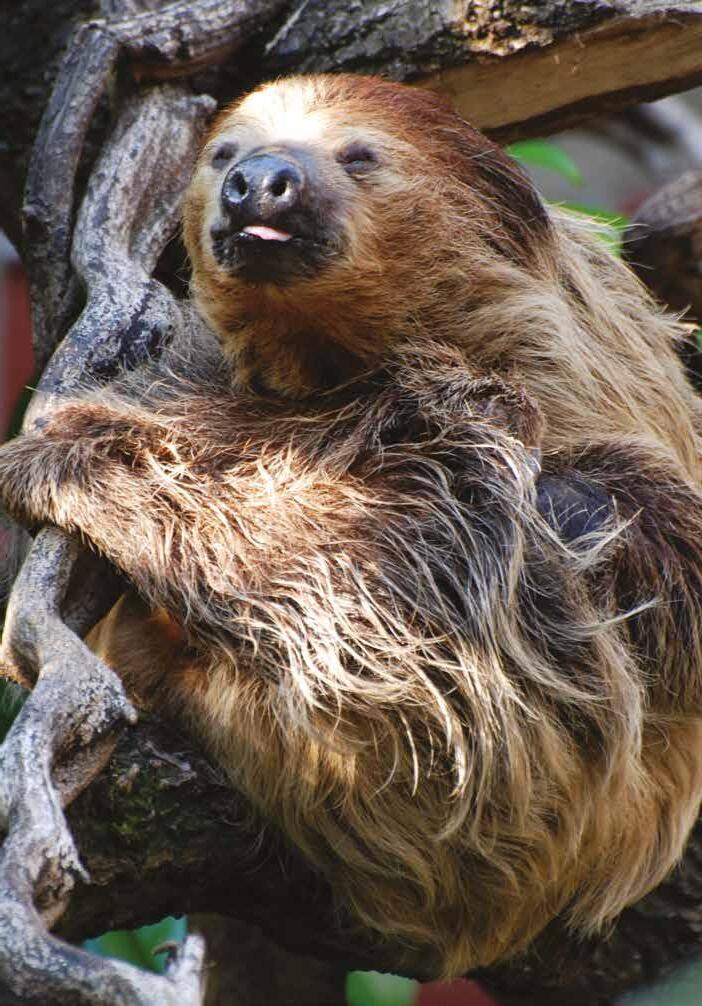
Make a date to hang out with the world’s slowest-moving mammal! We’ll be marking World Sloth Day on 20 October – and sharing the secrets of our two-toed sloths at Rainforest Life – with special talks, zookeeper Q&As and competitions. Members, Fellows and Patrons will also have the chance to pick up a free sloth pin badge – the last of this year’s collectable animal pins. (But try to be quicker than our sloths, as they’re available on a first-come, first-served basis!)
FIND OUT WHAT’S ON AT OUR ZOOS
Halloween’s on the way, and Christmas is only around the corner. Brighten up the autumn and winter months with our events and experiences for the whole family! Pop these dates in your diary so you don’t miss all the fun, and keep an eye on member emails for the latest updates.
BOO AT THE ZOO
LONDON AND WHIPSNADE ZOOS 25 OCTOBER – 2 NOVEMBER
You’ll find plenty of Halloween thrills and chills at both our Zoos this half-term, including creepy animal crafts and frightfully interesting talks. At Whipsnade, we’ll have daily spooky science shows, while over at London, look out for our special UV entertainment. Plus, for Gold Members, Fellows and Patrons, we’re running a hunt-thepumpkin competition at both Zoos. The first person to locate the hidden golden pumpkin each day will win a special prize!
4
5
CHRISTMAS AT LONDON ZOO
LONDON ZOO 22 NOVEMBER – 4 JANUARY
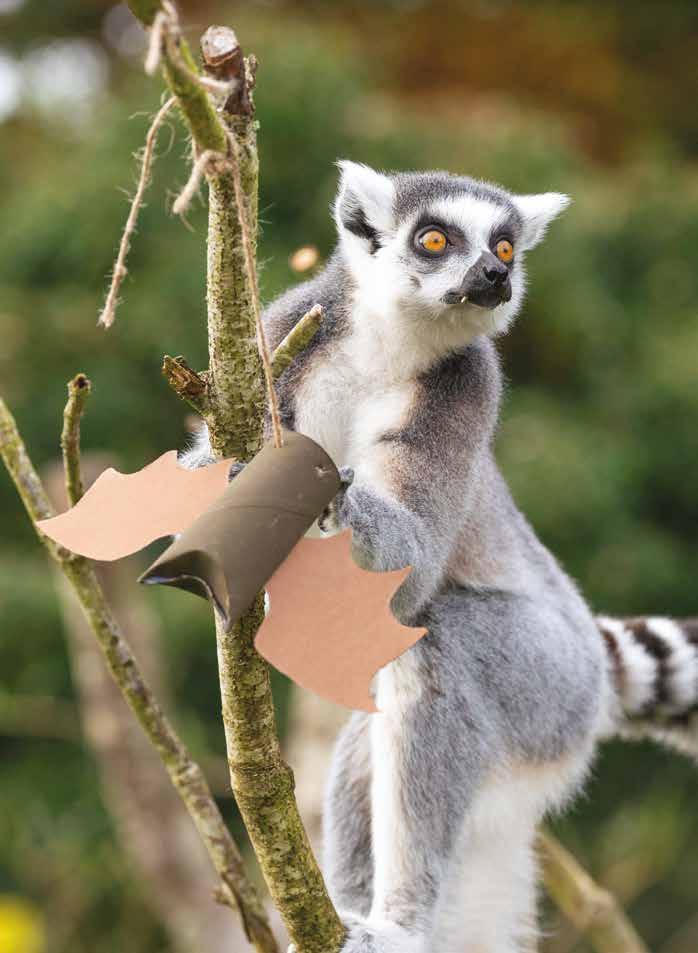
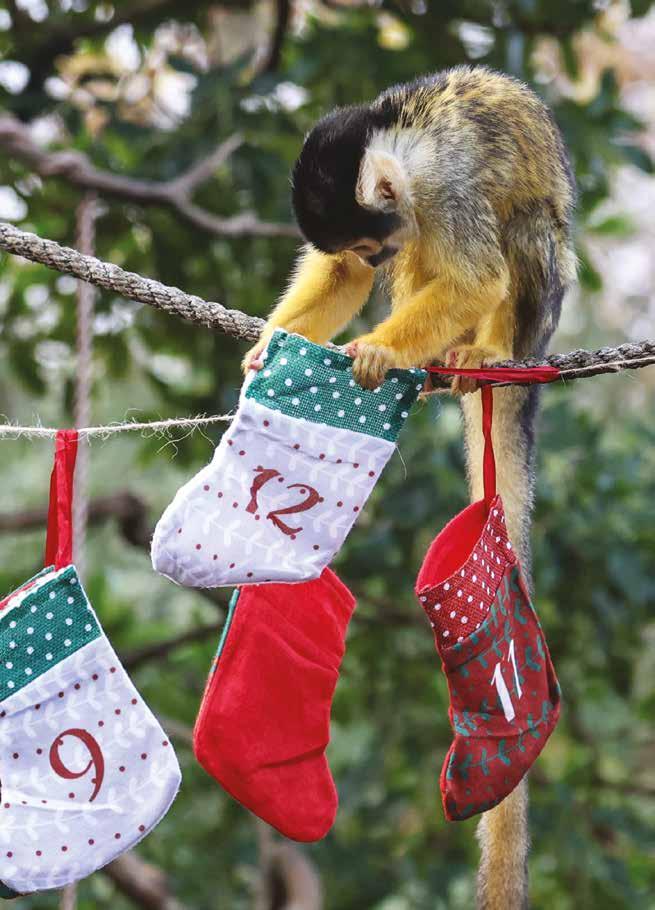
Make your Christmas extramagical this year at London Zoo. We’ve got letter writing to Santa, seasonal crafts, animal talks and plenty of elf entertainment! And, until 24 December, Santa will be returning to his grotto at the heart of the Zoo, where lucky little ones can meet the man in red and take home an early present. For the ultimate winter treat, book a special, festive overnight stay at our London Zoo lodges. Extra charges apply for Meet Santa and lodge experiences.
SAVE THE DATES
Tear me out and stick me next to your calendar or on the fridge
FESTIVE FUN AT WHIPSNADE
WHIPSNADE ZOO WEEKENDS FROM 22 NOVEMBER; DAILY FROM 20-24 DECEMBER
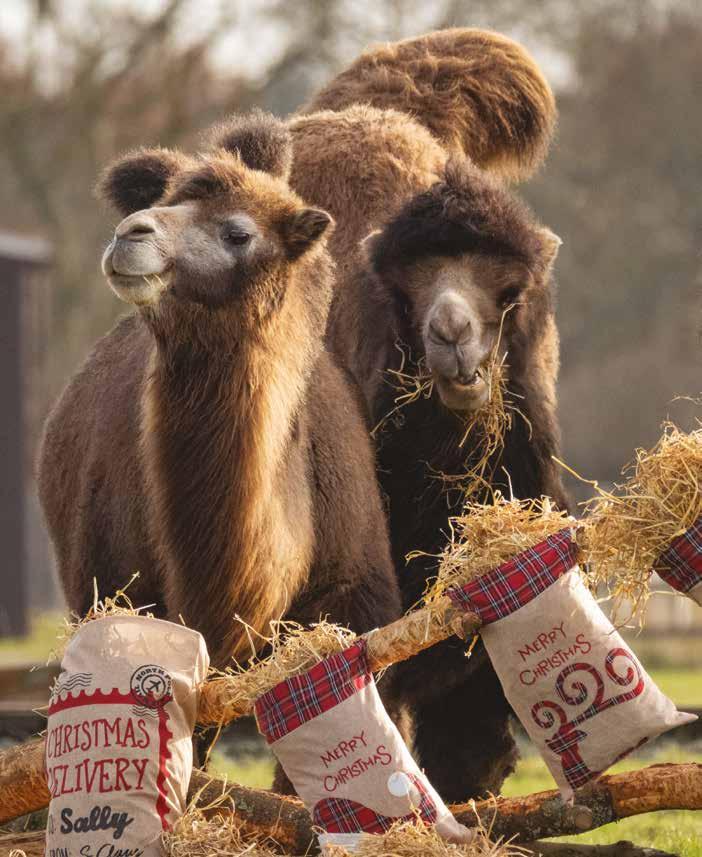
We’re getting into the Christmas spirit at Whipsnade, where Santa will be donning his cloak and meeting little ones This year’s festivities include talks about our remarkable reindeer and playful penguins, seasonal storytelling, writing letters to Santa and competitions about our coldweather-loving creatures. Plus, we’ll be challenging Gold Members, Fellows and Patrons to find our lost Christmas pudding, hidden somewhere in the Zoo, and win a prize. Extra charges apply for Meet Santa.
6
STICKING UP FOR THE LITTLE GUY
ZSL conservationist Eva Johnson has always loved an underdog – the small, overlooked species. She explains how she’s working to save one of the world’s smallest chameleons
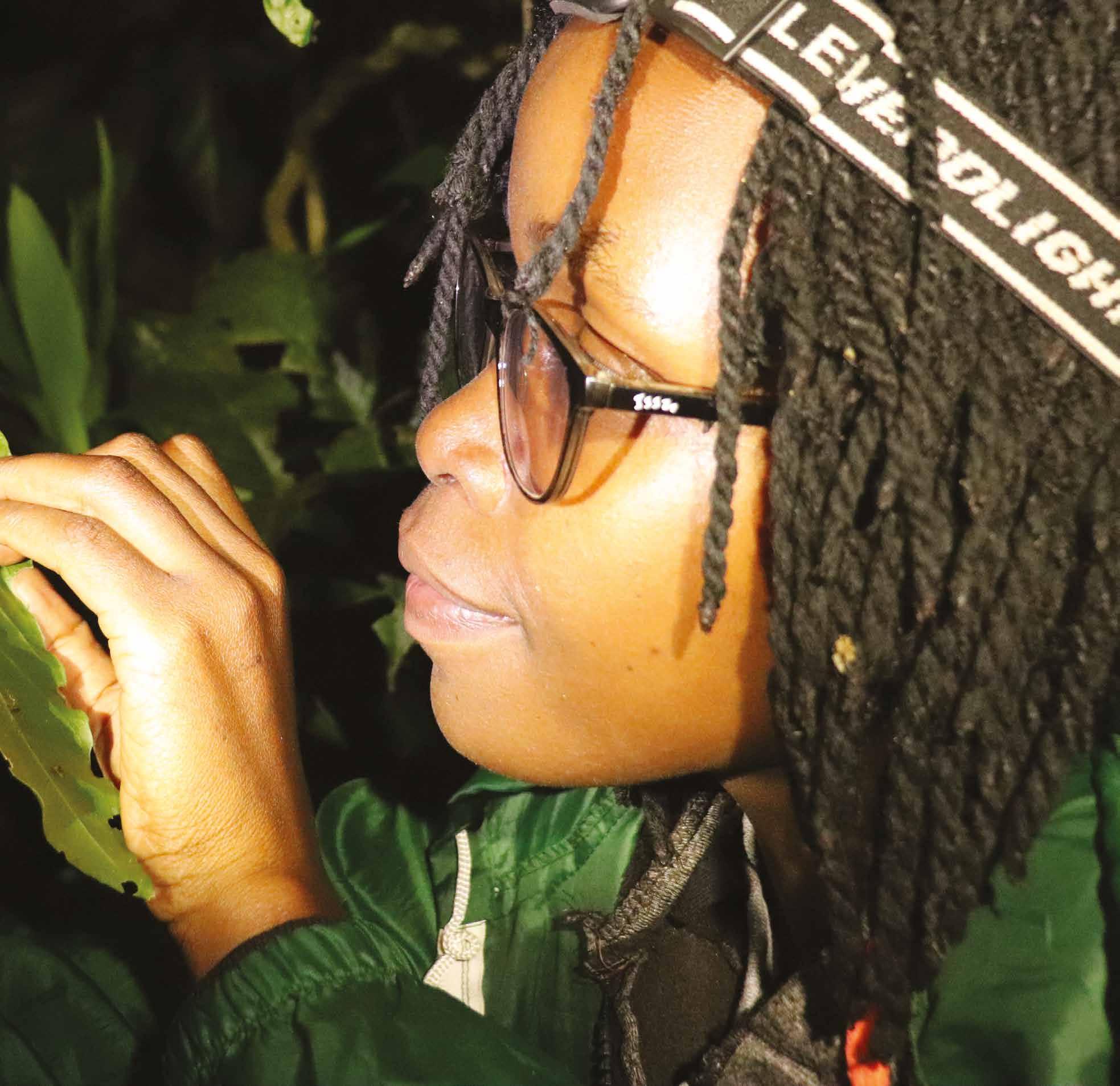
“When I was a child, and frogs used to enter our house or neighbouring homes, people would call me, jokingly saying, ‘Eva, come and get your friend!’ I have always had a deep love for wild animals that are small and often overlooked – like frogs, lizards and snakes,” says Eva Johnson, a ZSL conservationist from Tanzania.
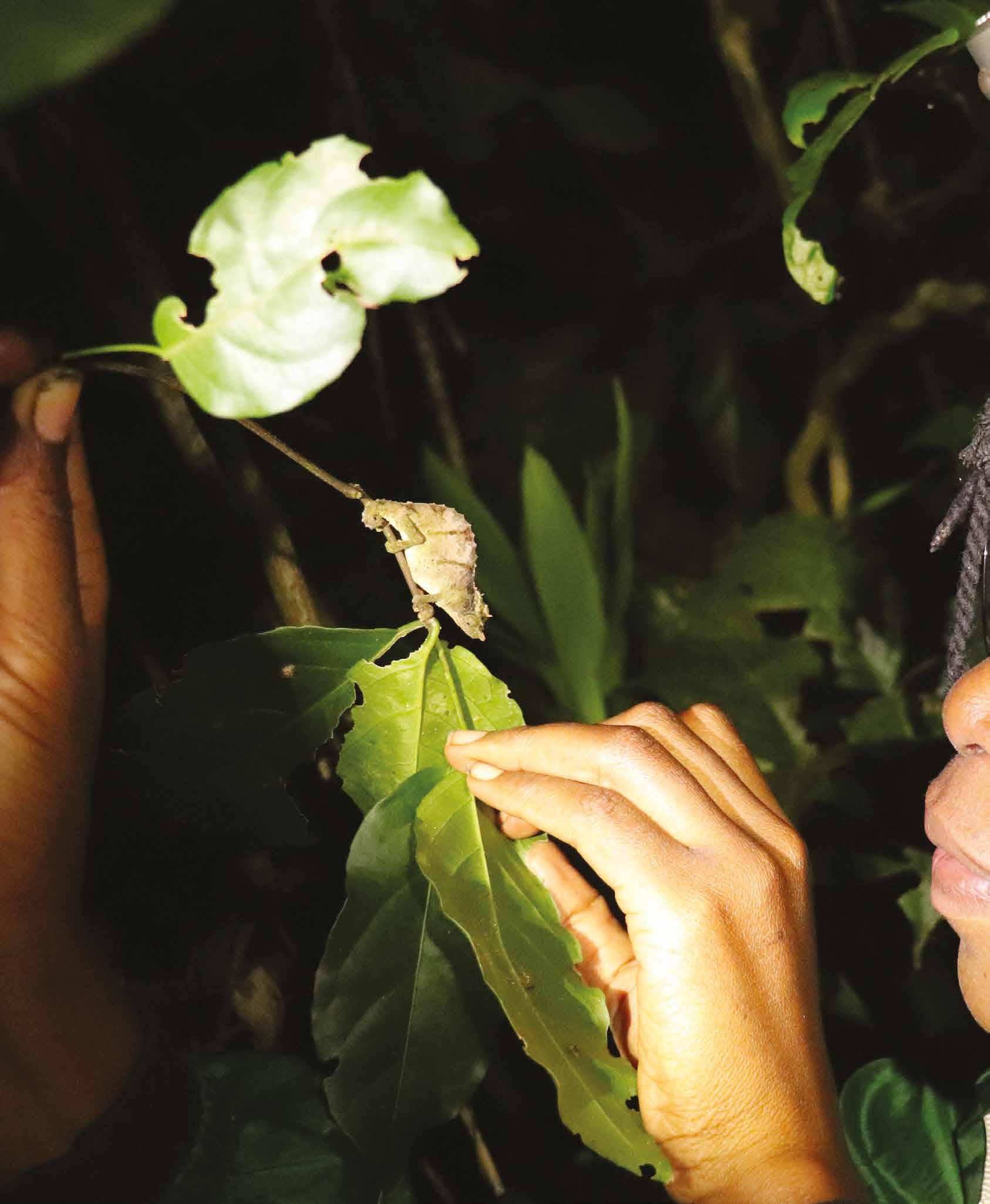
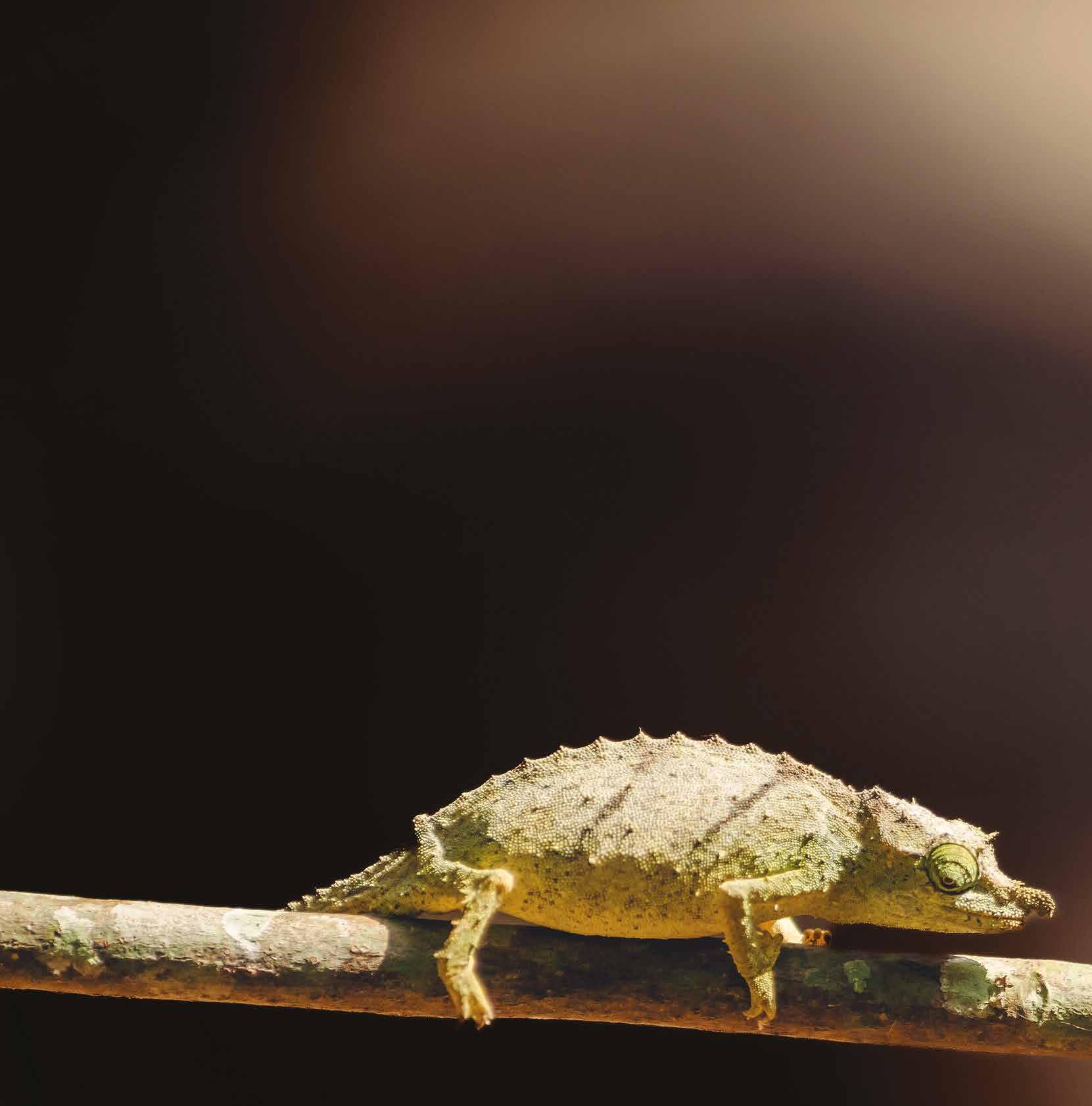
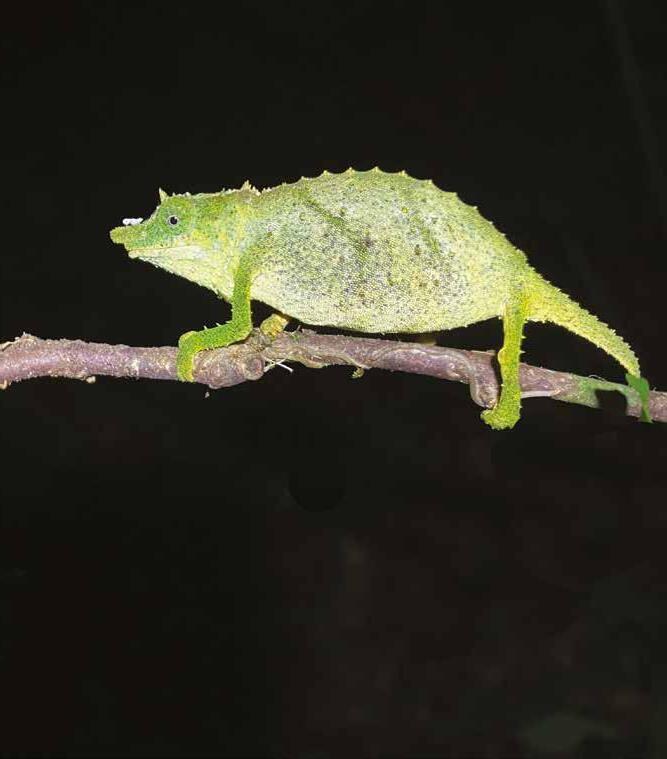
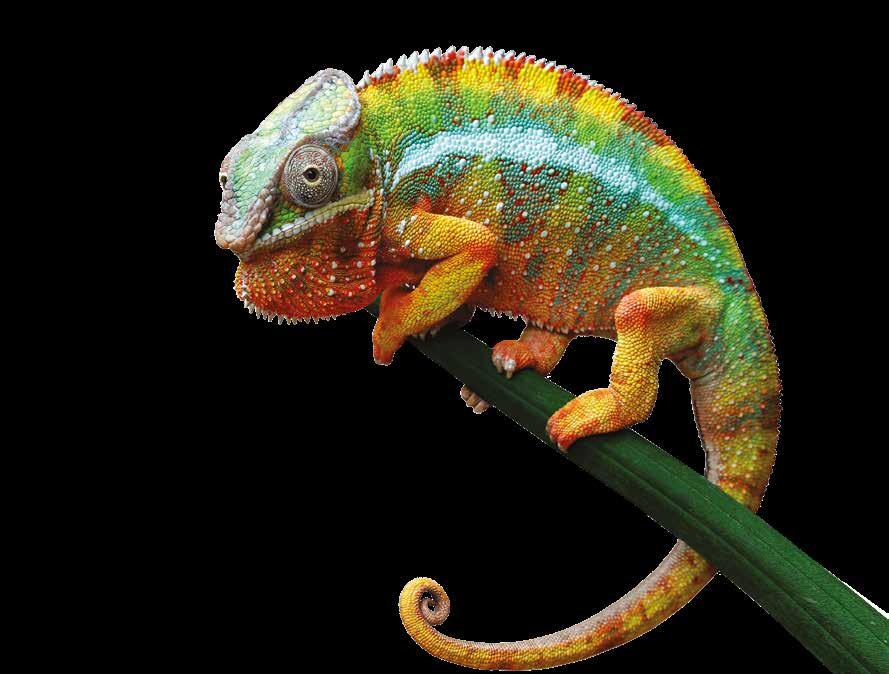
It’s fitting then, that Eva is now working to conserve one of the world’s smallest chameleons – the Nguru spiny pygmy chameleon. At just over five and a half centimetres long, the chameleon is about the same length as two paperclips, and camouflaged to blend in with fallen leaves. Quite literally small and overlooked!
“They are only found in Tanzania’s Nguru Mountains, and spend most of their day in the cool, moist leaf litter of the mountains’ forests,” explains Eva. “They blend in so well that they are almost invisible – like a hidden jewel of the forest.”
Finding them takes practice, says Eva, but they are a little easier to spot at night, with a headtorch, when the chameleons climb up into the trees to sleep.
“Their small size might seem like a disadvantage, but it is one of their greatest strengths. It allows them to move easily through dense leaf litter, hide in small crevices and cling to narrow twigs – escaping the attention of predators and allowing them to ambush the small insects they feed on.”
Their small size might seem like a disadvantage, but it is one of their greatest strengths. It allows them to escape the attention of predators and ambush small insects
As well as walking up and down the forest looking for chameleons, Eva is working with local schools and villages to teach them about the rare species they have in their local forest, sometimes taking them on field trips to see them first hand.
The area is a haven for all sorts of creatures, from colobus monkeys and bush babies to other rare reptiles and amphibians. “It’s a sanctuary for wildlife –but it’s hard work for humans,” jokes Eva. “The forest is cool and humid, the plants are thick, and the trails are steep and slippery!”
Many of the local communities haven’t seen the chameleons before but, since learning about
ON CHAMELEON PATROL
Field notesfrom Tanzania
Nguru spiny pygmy chameleons are considered Critically Endangered – which means that the species is very fragile and could go extinct without help. Eva wants to understand how many are left, and which bits of the forest are most important for the chameleons.
“To learn how many chameleons are left, we walk carefully along routes in the forest – called ‘transects’ –with our eyes peeled, and record when and where we see chameleons,” says Eva. “We can use this information to estimate how many there might be in the whole forest.
“At the same time, we’re also studying what types of habitat the chameleons prefer. Things like the thickness of the forest canopy, the types of plants they live on, and even what kind of microclimate they like. We also record any signs of humans, such as chopped-down trees, to understand how serious the threats are to the tiny chameleons.
“What we know so far is that pygmy chameleons love a damp and humid home, and like a thick carpet of dead leaves to hide in.” They aren’t our biggest fan’s though – the chameleons stay well away from people and buildings.
them, have become proud protectors of their tiny reptile neighbours.
“It’s all worth it when we spot a Nguru chameleon. Every time I see one, they remind me how fragile and beautiful our natural world is, and how important it is to fight for the survival of even the smallest creatures.”
and red.
COLOSSAL COUSIN
Actual size 5cm
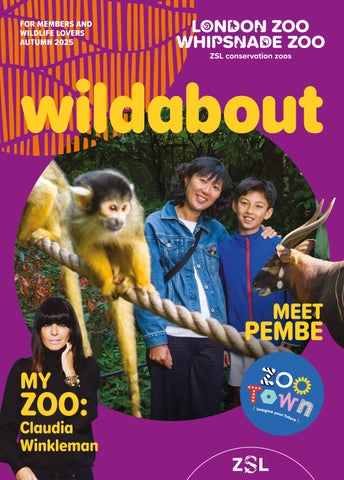
MEET PEMBE
Wild About chats to zookeeper Connor Corrigan about Whipsnade social media sensation, Pembe the bongo.
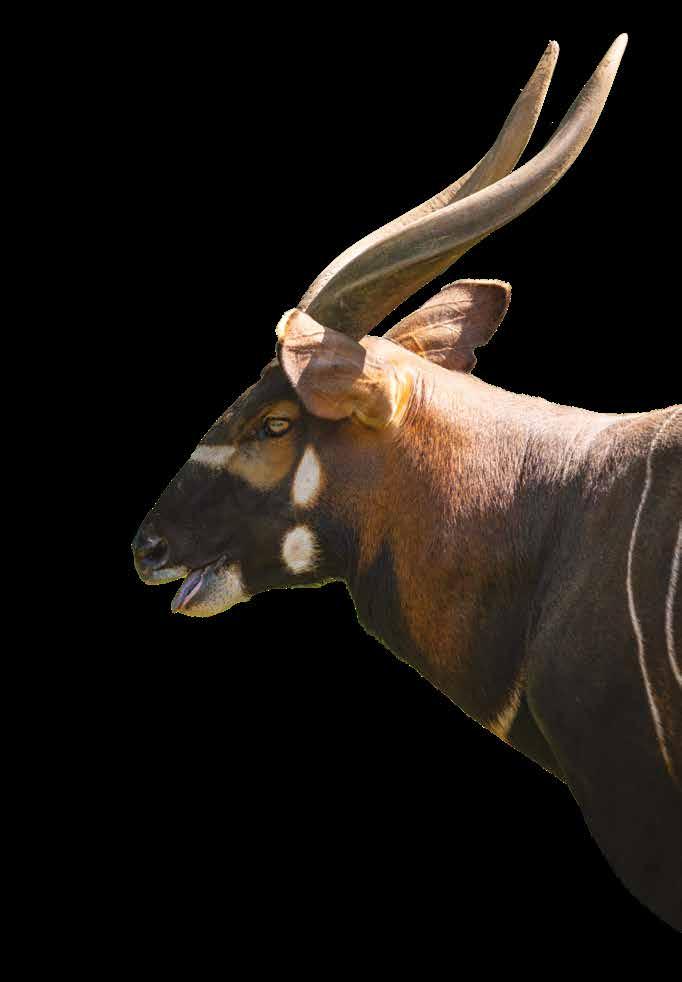
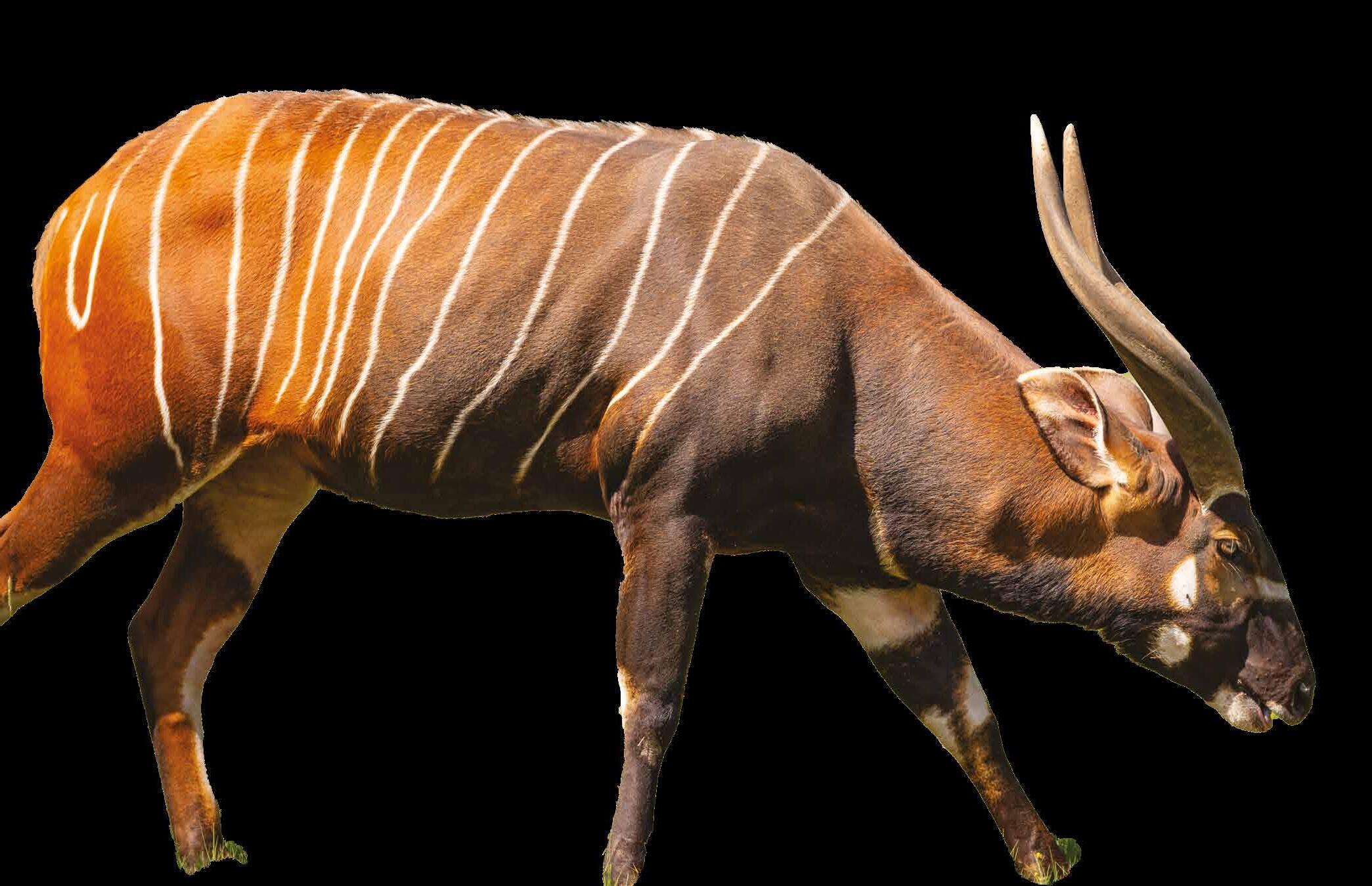
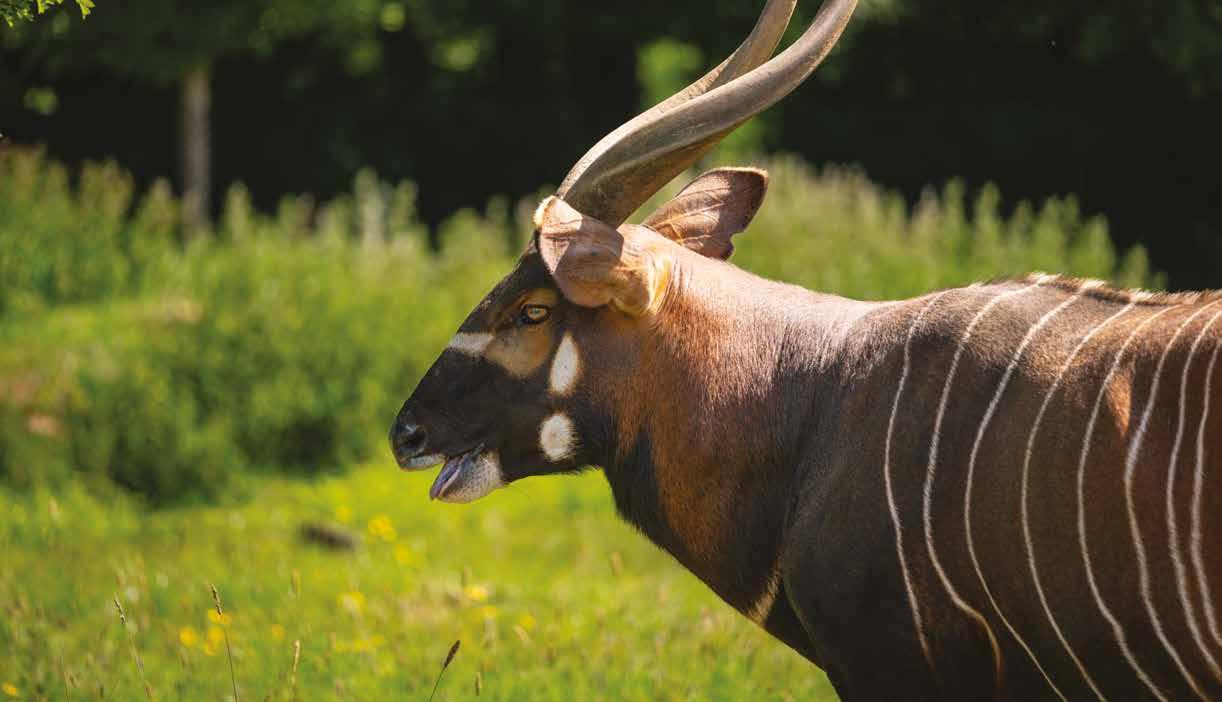
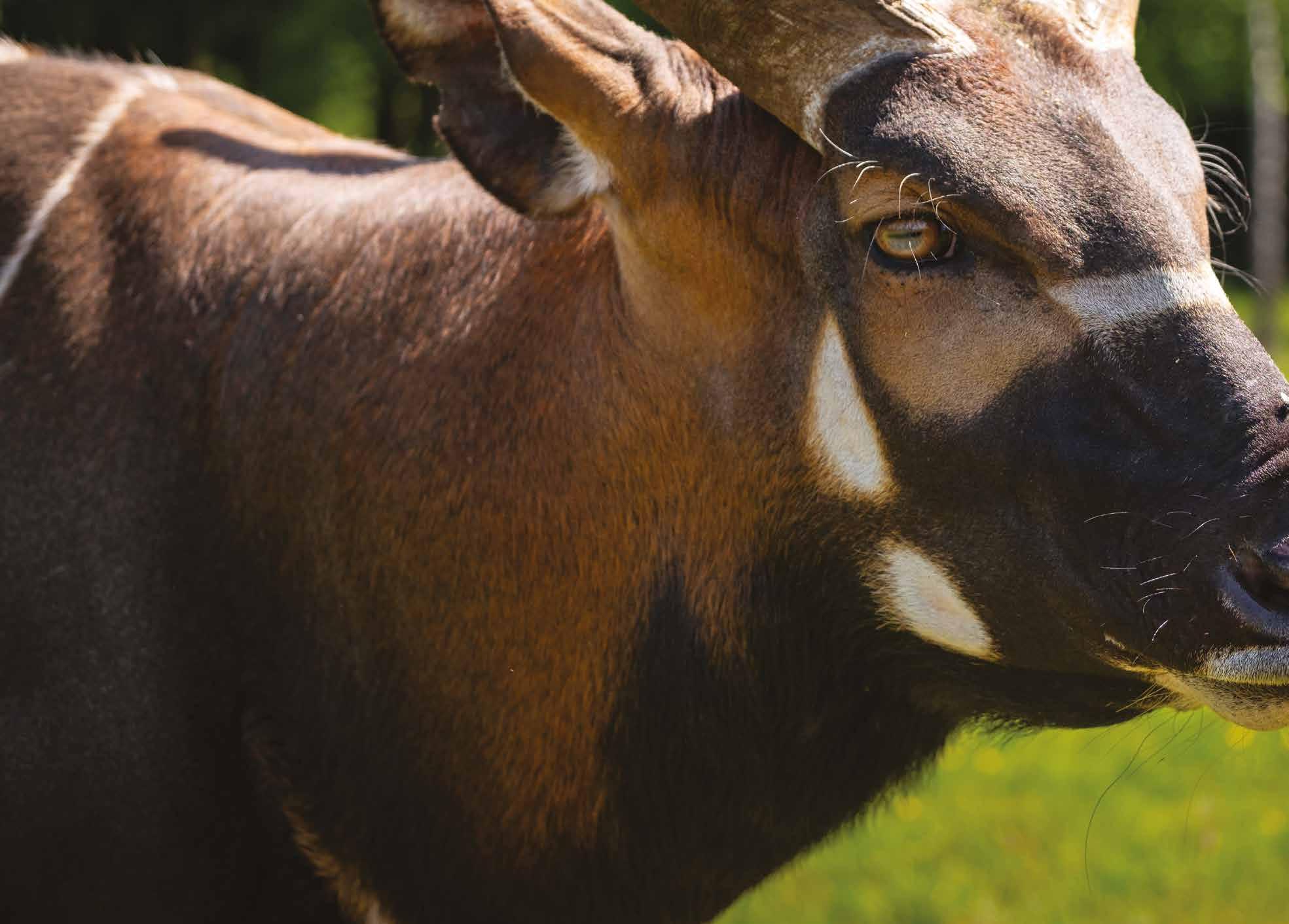
Whipsnade Zoo’s Pembe the mountain bongo shot to fame on TikTok and Instagram recently – but he’s no diva, says Connor Corrigan, Team Leader on Whipsnade’s Large Hoofstock team.
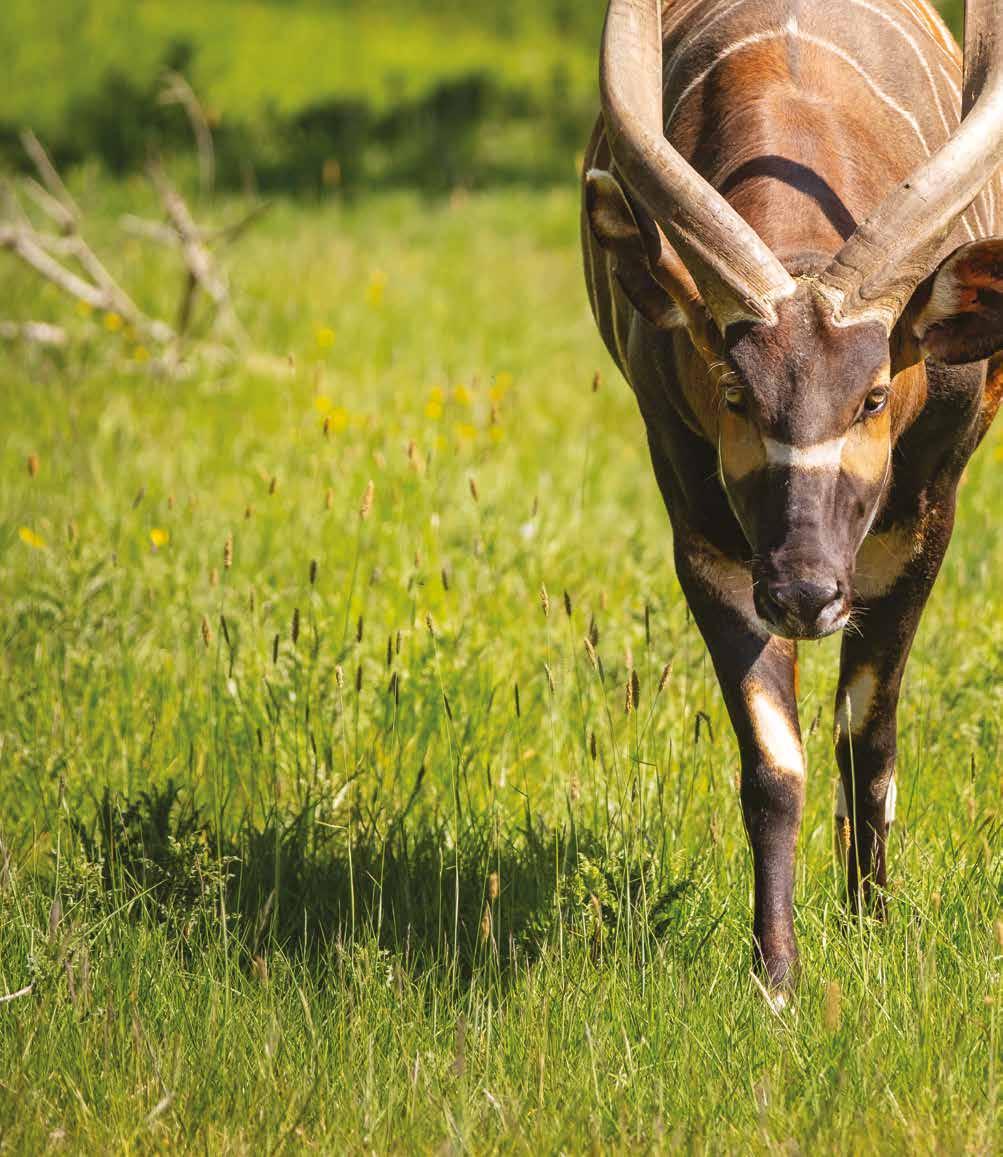
“Pembe is a gentle giant,” says Connor. “He’s extremely calm and inquisitive, which is probably why he’s so well loved by the Whipsnade keeper team.
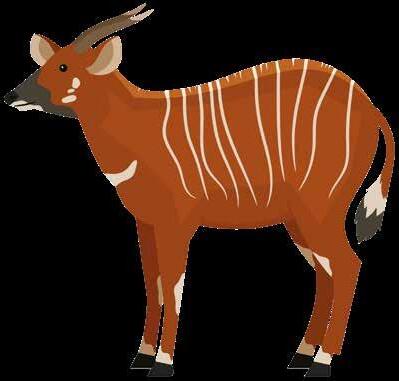
“It doesn’t hurt that he’s beautiful, either,” says Connor. Bongos have
a very good-looking boy, even for a mountain bongo. I’ve always loved them as a species – in fact, the opportunity to work with them was one of the reasons why I wanted to be a zookeeper at Whipsnade Zoo.” Pembe also has one big interest that helps to make him a dream to work with for a zookeeper, says Connor – food! “Pembe absolutely loves his vegetables. Cabbage is one of his favourites, and we save carrots as an extra-special reward when we’re working
Critically Endangered
happy to learn new skills in exchange for tasty rewards. The team have trained him to give blood samples or take medicine injections by hand, without batting an eyelid. “It means our vets can make sure he’s happy and healthy without Pembe being bothered by it at all.”
FUN FACTS
FAMILY MAN
Thankfully, a conservation programme is already underway to reintroduce more bongos into the wild to boost the population.
“Several bongos from US zoos have already been sent to Kenya to help boost the population of bongos for wild release,” says Connor. “You never know – one day it might even be Pembe’s descendants travelling to Kenya to help save his species.
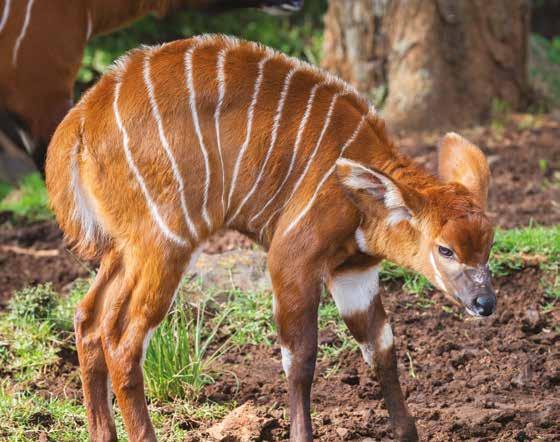
Pembe is six years old now and is preparing to start a family. Earlier this year a female bongo arrived at Whipsnade Zoo, and Connor hopes that they will eventually have calves together.
“He’s not lived with a female for a long time, and this will be his first time since he’s reached an age for breeding, so we hope he’ll be very excited,” says Connor, with a smile. “As with any animal introduction, we always do it bit by bit. We’ll give her time to get to know her new home, and we’ll introduce the pair through a fence so they can see and smell each other.”
And once it’s time to become a dad? “I think Pembe will be a very relaxed dad,” says Connor. “Bongos are herd animals, so he will naturally spend time caring for calves, but he’ll also be able to take himself off to other areas of his home when he needs a quick break!”
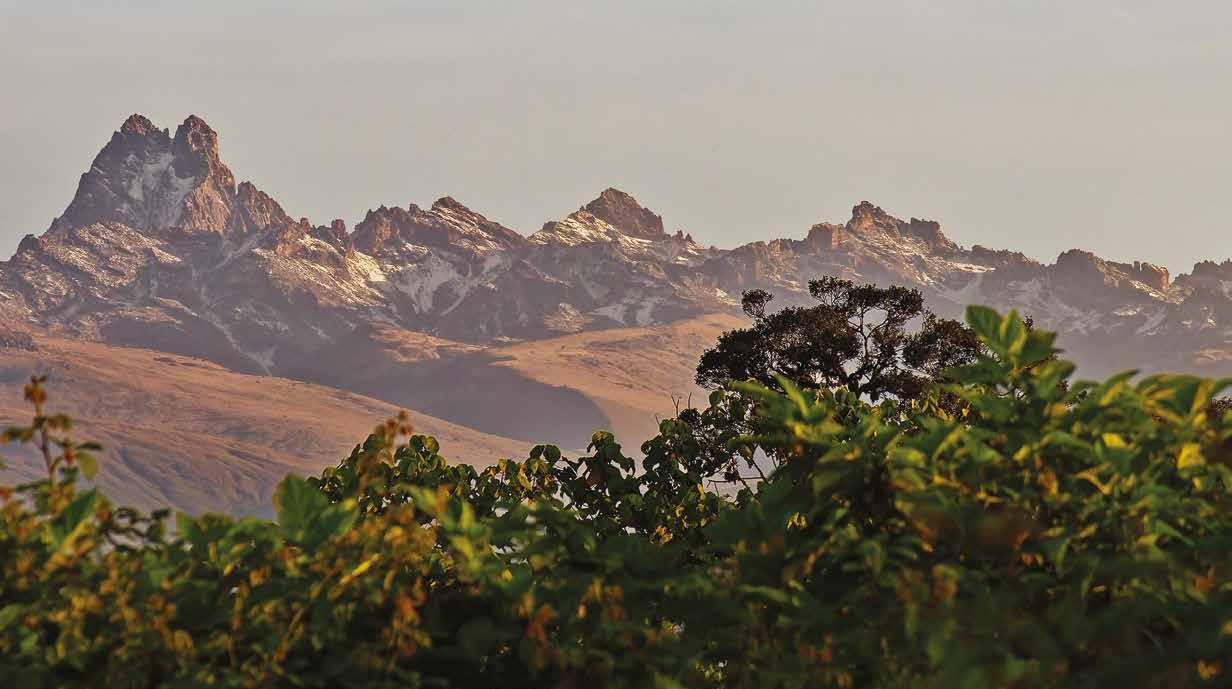
where they come from, habitat loss and hunting has driven the species to the edge of extinction. There are thought to be just 100 to 150 wild mountain bongos left – that’s less than the capacity of the Great Whipsnade Railway.
“To me, that just makes him, and any calves he has, extra special –and another reason why I love caring for him.”
You
never know – one day it might even be Pembe’s descendants travelling to Kenya to help save his species.
ZOOKEEPER, CONNOR CORRIGAN
SHARK TAILS
Scientist David Curnick explains what it’s like tailing sharks in Welsh waters, and what we can learn by following their movements
To protect any animal, first you need to know where they live. For land animals it’s usually a straightforward task of watching where they go, or putting up camera traps to watch them in secret. In the ocean, we have to get a little more creative.
Even with the best scuba equipment in the world, humans don’t have a hope of keeping up with sharks or whales underwater. Instead, we use tags – small transmitters that can be fitted to an animal. These act like a smart watch, telling us where they go.
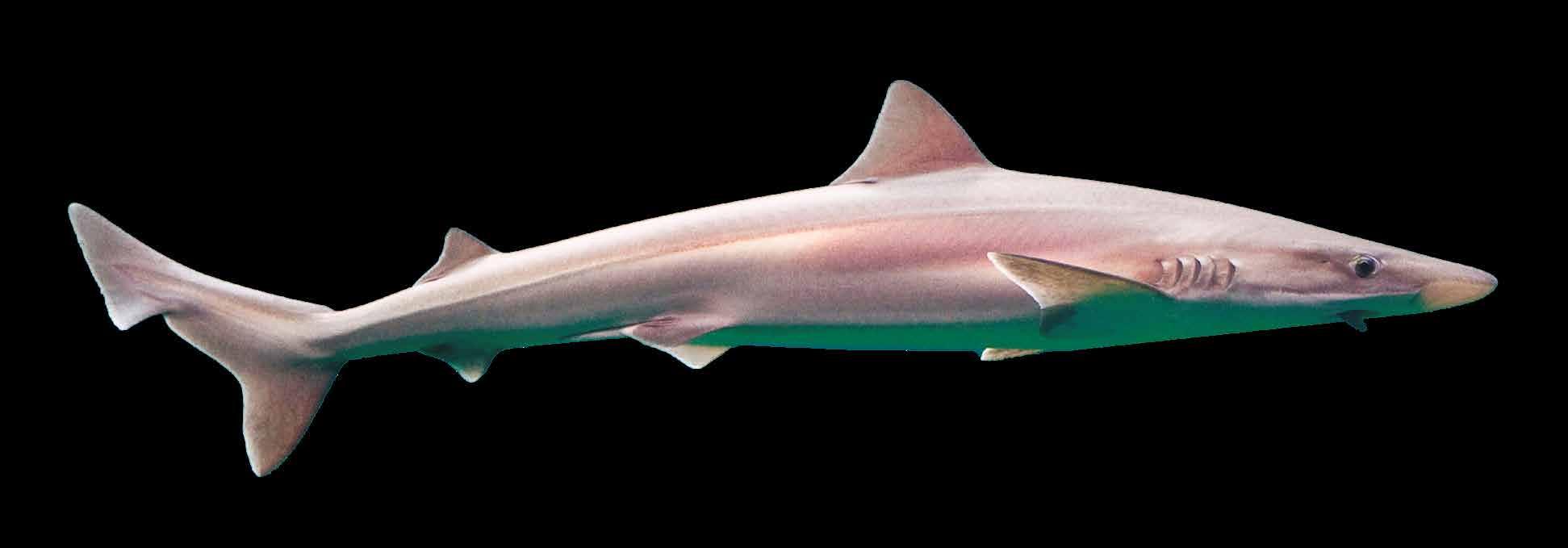
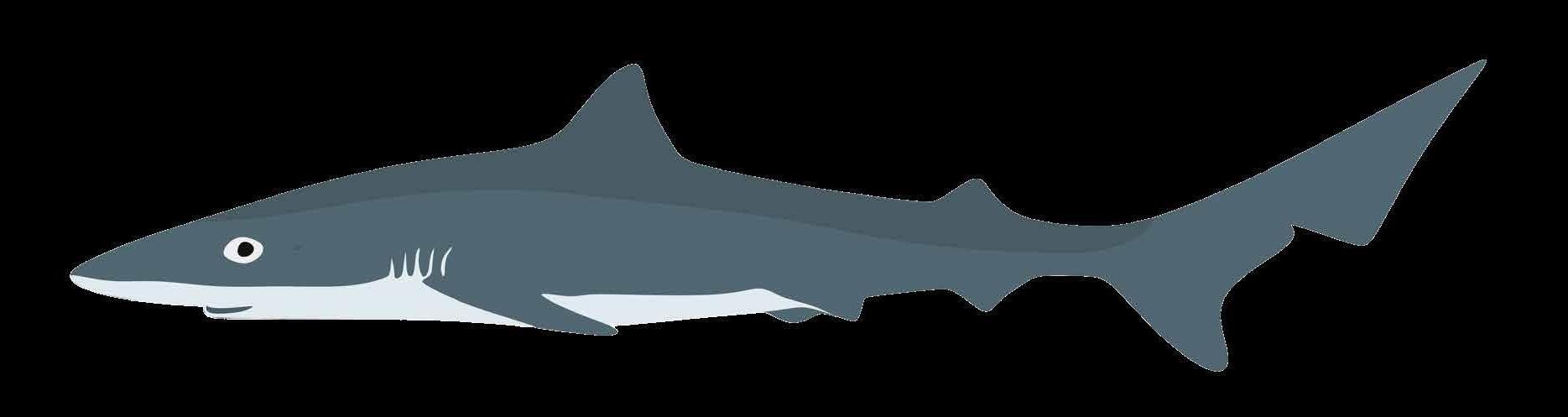
Cardigan Bay, on the Welsh coast, is home to a Critically Endangered species of shark called tope. Tope can grow up to two metres long and tend to migrate between northern Europe and the Mediterranean. But every three years, female tope sharks return to specific sites to give birth to their pups. We believe that Cardigan Bay may be one of this special sites.
The bay itself is fairly shallow, which protects it from severe ocean storms and makes the water slightly warmer than the open ocean. It’s also rich in fish and other marine life. These factors make it perfect for young sharks – and if we can prove it, we can share it with local communities and emphasise the importance of the area for wildlife.
This year, I went to Wales with a team of scientists to catch and tag up to 40 sharks. We also dropped acoustic receivers into the sea at strategic points around the bay, which pick up a coded message every time a shark wearing a tag passes by. Eventually, this will show us which areas of the bay the sharks prefer.
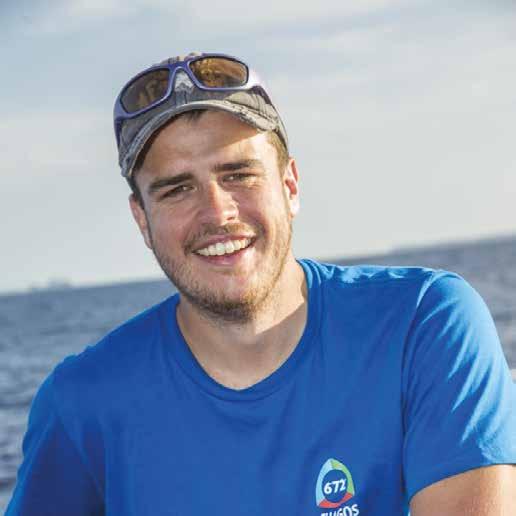
David Curnick
Rope-a-tope
Catching a tope shark takes skill, and that’s why we work with local fishers, who know when and where the tope are likely to be. The fishers then use a rod and line, baited with mackerel.
Tonic immobility has been compared to hypnosis because it causes a shark’s muscles to relax and their breathing to become deep, but we don’t actually understand why they do it!
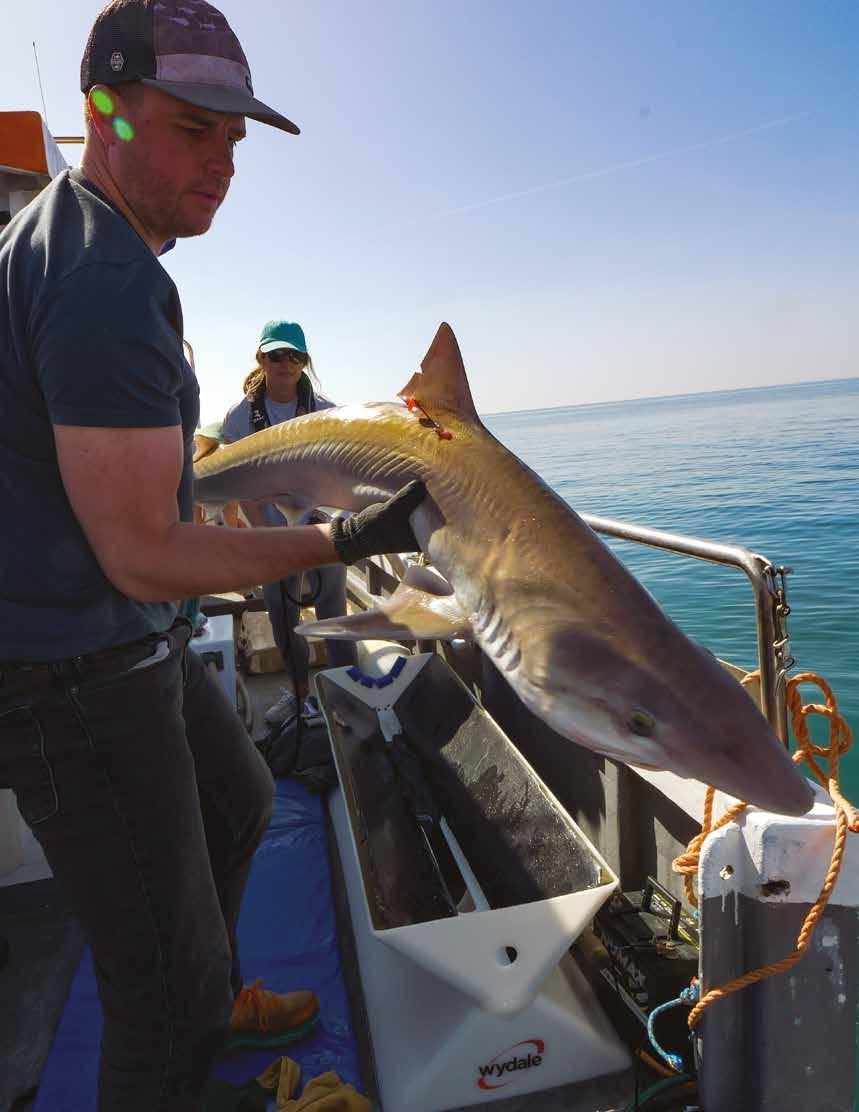
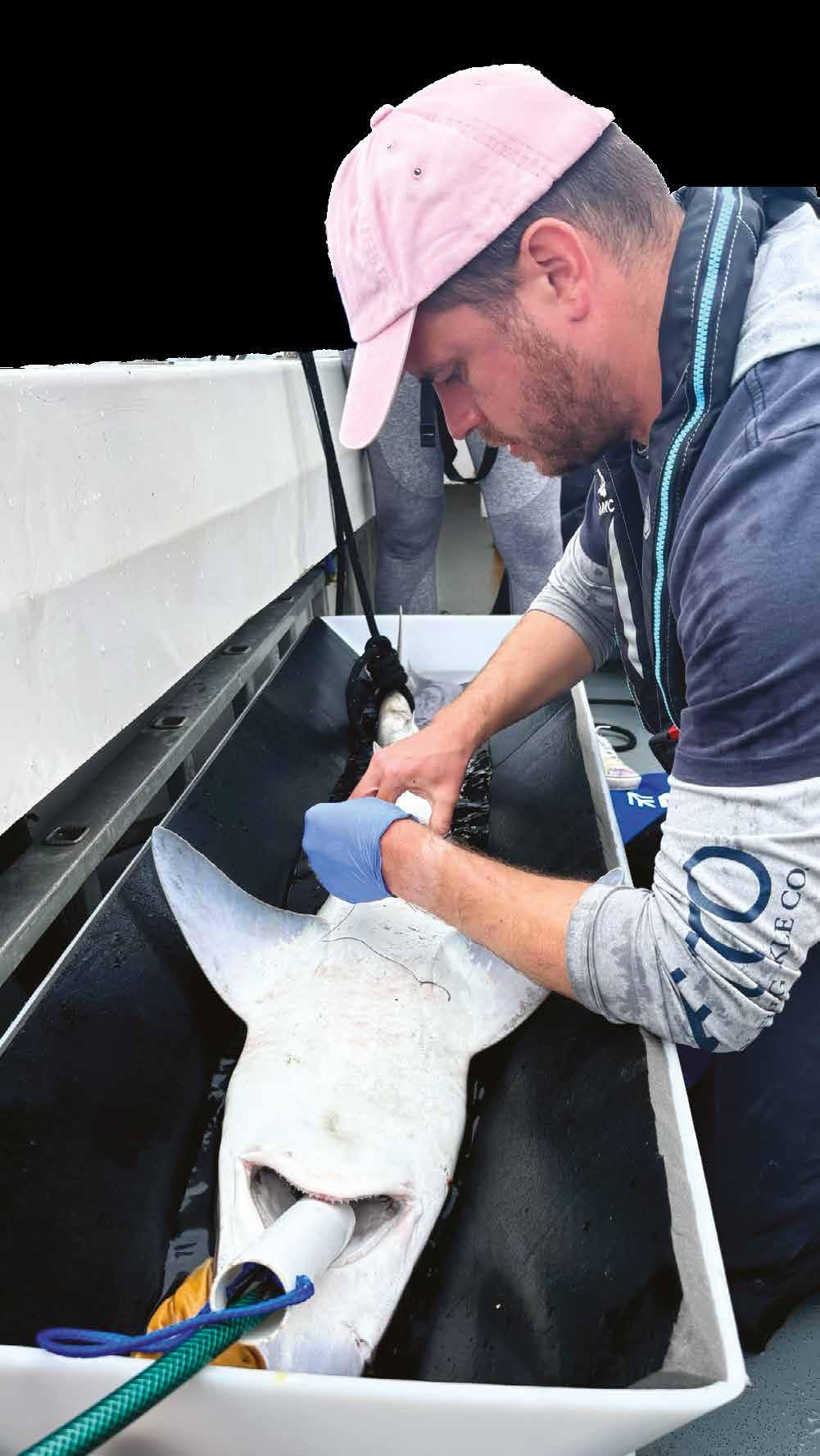
Once the tope is reeled in, we bring it onto the boat and turn it upside down. This sends the shark into a trance-like state called ‘tonic immobility’ and allows us to safely fit the tag. If the shark is female we also ultrasound her to check if she’s carrying pups. This will help us prove that females are indeed coming to Cardigan Bay to give birth.
During the whole procedure a hose pumps seawater over the shark’s gills, so that they can breathe, and we aim to have it completed in just seven minutes to minimise stress for the shark. Once it’s over, we lower the shark back over the side and, with a flick of the tail, they’re away.
Working with sharks is serious business and tagging them without a license is illegal – our research was approved by the UK Government. Getting to work with these animals is a privilege – there’s part of me that can’t believe I get paid to do it!
Cardigan Bay
Critically Endangered
CHRISTMAS CREATURES
Autumn is here, which means Christmas is getting closer! Around Europe, a variety of animals are celebrated during the festive season, from reindeer and robins to more unexpected species. Get into the seasonal spirit with our puzzles.
REINDEER GAMES
It’s not surprising that Santa sought out reindeer to pull his sleigh. These hardy travellers are known to migrate as far as 4,800km between their summer and winter stomping grounds. That’s more than three times the length of Britain!
Can you help this reindeer find her way through the snow to Santa?
SEASONAL SPINNERS
In Ukraine, spiders are associated with Christmas, and thought to be lucky! According to legend, one very poor family woke up to find their bare tree decorated by kindly spiders with gold and silver webs. Can you join the numbered dots in order to complete this spider’s web?
DID YOU KNOW?
Both male and female reindeer have antlers, but only females keep their antlers all through winter. So, as Santa’s reindeer have antlers, they must be girls!
GOODWILL TO ALL GOATS
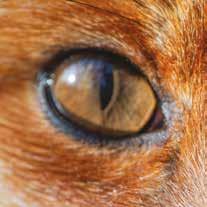
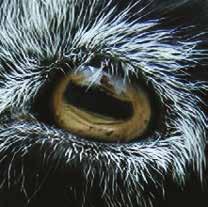
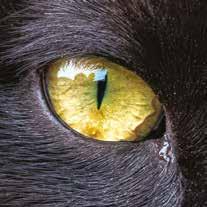
In Scandinavia, the Yule goat is part of the festive holiday tradition! Some folk tales say that goats helped elves to deliver presents. Goats have unusual eyes, with rectangular pupils! Can you spot the goat’s eye in these pictures?
Answer below!
PENGUIN POST
Penguins often pop up on Christmas cards because they’re associated with cold weather. However, they don’t live anywhere near Santa at the North Pole! They’re found mostly in the southern hemisphere, including Antarctica, South America, South Africa and Australia.
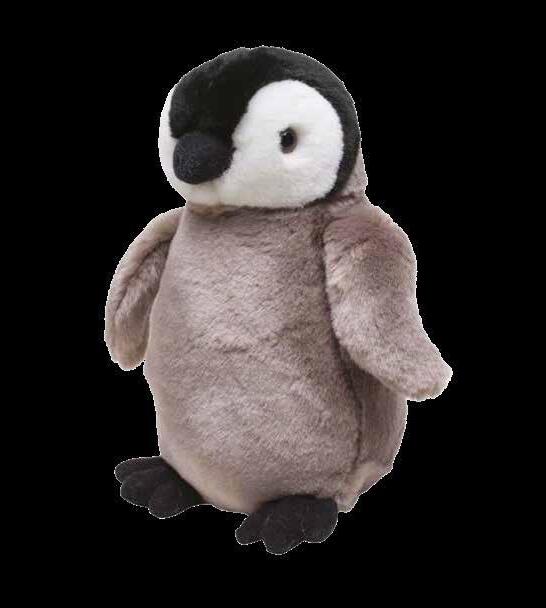
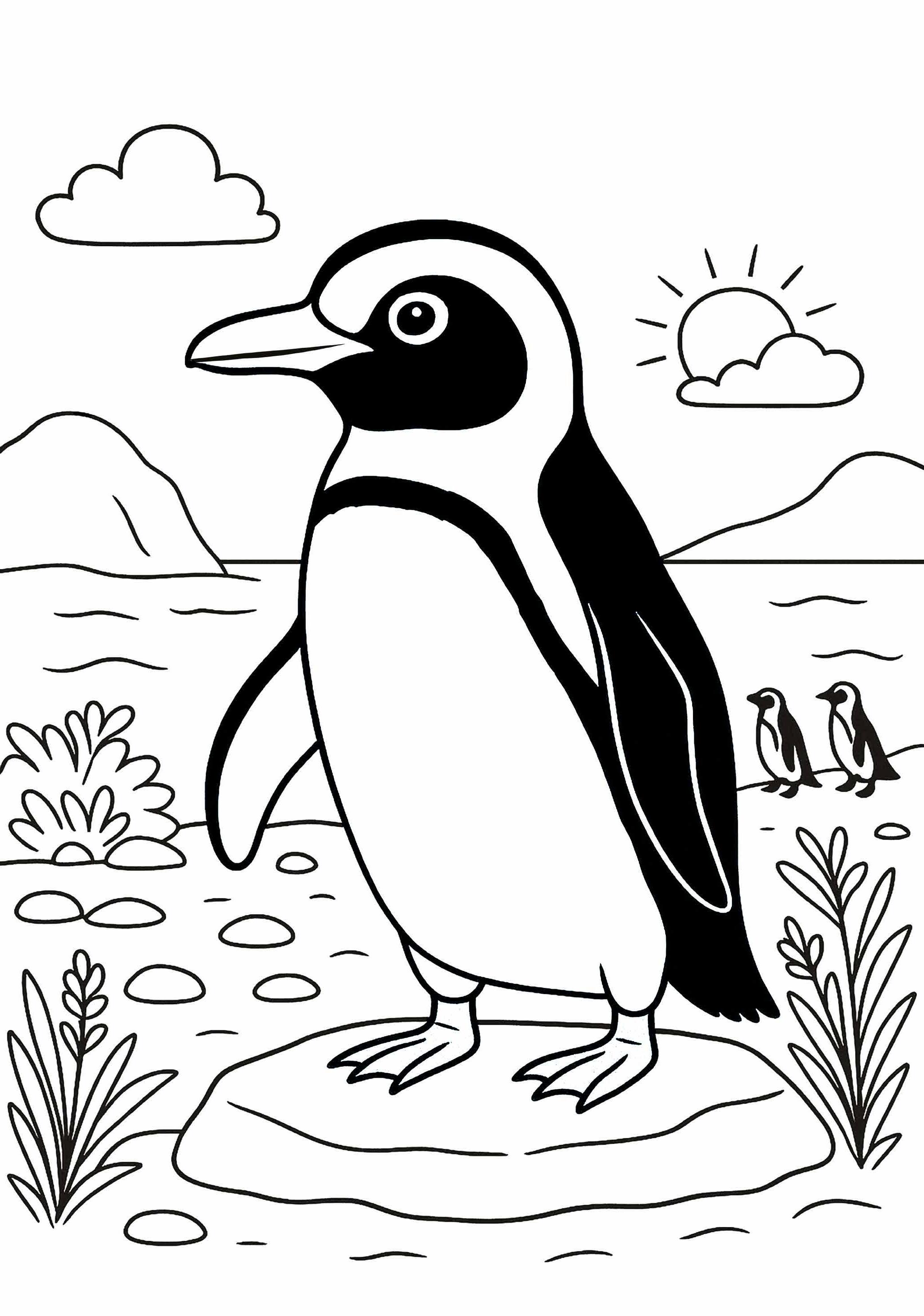
Send us a picture of your colourful creation to be in with the chance of winning this super-cuddly penguin from our online shop – shop.zsl.org! Ask a grown up to take a picture of your entry and email it to us at wildabout@zsl.org with your name, age and postal address by 1 January 2026.
HOW YOUR ZOO MEMBERSHIP HELPS
We couldn’t run our conservation Zoos and protect species around the world without your support. Every day, your membership helps to fund our vital work at home and abroad – and every penny really does count! powers a camera watching wildlife
We use motion-activated camera traps to capture images of wildlife in the UK and beyond – providing crucial data on the movements of species ranging from badgers in Britain to pangolins in Thailand.
Together with our partners and volunteer citizen scientists, we’re surveying seals, seahorses and other native wildlife in the River Thames – and your support helps provide our teams with essential measuring and monitoring kit. covers equipment to monitor Thames wildlife £20
£370
feeds our penguin flock for a day buys a blood test for a big cat keeps a ranger security vehicle on patrol for a week £10
£54 £131
Our lively penguins at London Zoo get through bucketloads of fish: around 40kg of tasty sprats a day, to be exact. Find out more about what’s on the menu at their regular feeding sessions!
Our 20,000+ animals receive expert clinical care from our veterinary team, including blood monitoring to detect possible diseases and provide important insights into their health.
We’re working alongside the Kenya Wildlife Service to protect Critically Endangered black rhinos and other species. Providing security vehicles allows their teams to carry out vital patrols and respond quickly to poaching threats.
DON’T FORGET
Gold Members, Patrons and Fellows get 10% discount in our shops and on experiences using
A WILD CHRISTMAS
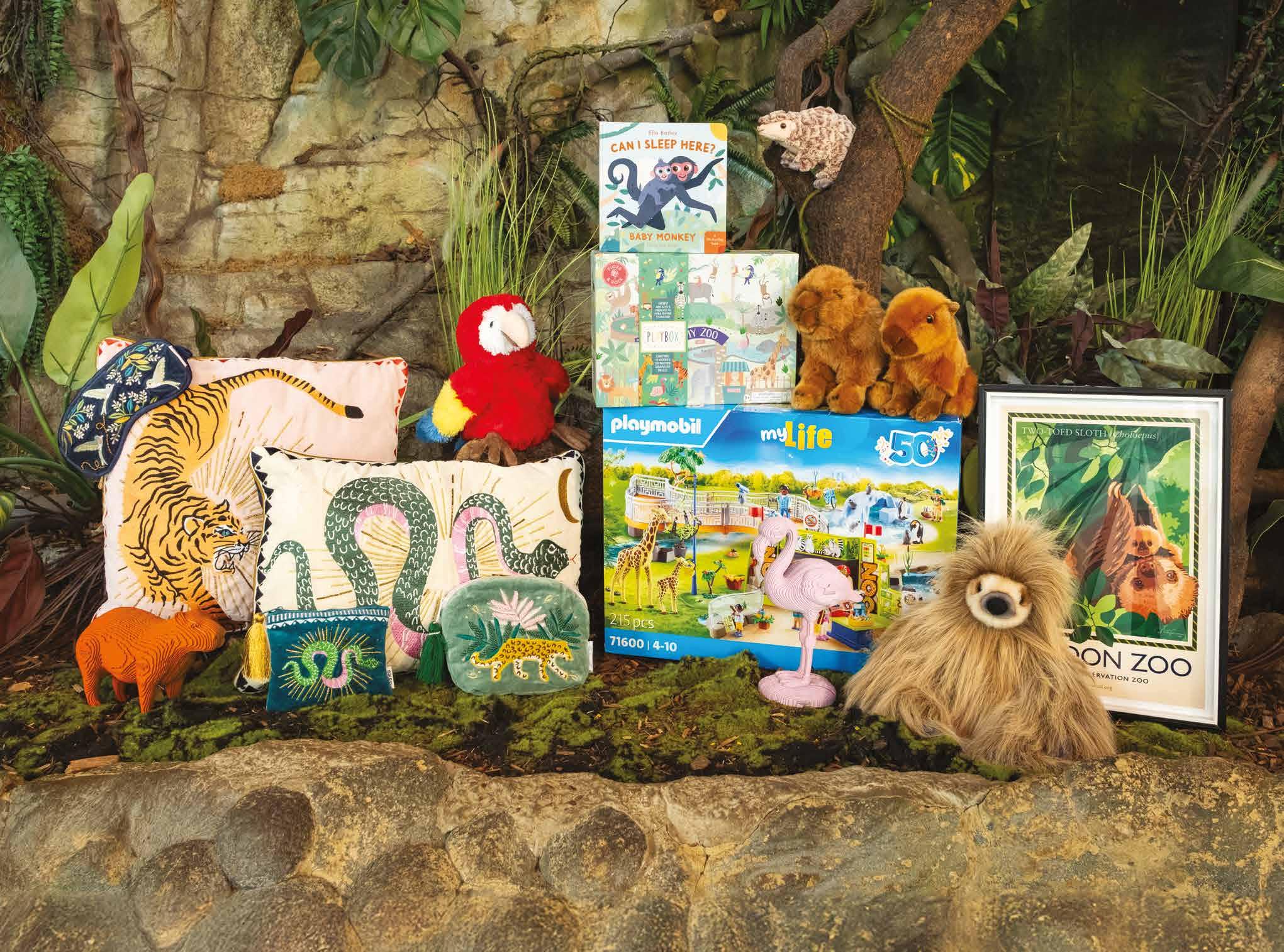
Spoil that special someone this Christmas with gifts from the ZSL shop, from stocking fillers to under-the-tree treats. Every purchase helps us care for our animals and supports our conservation projects around the world. shop.zsl.org
FIERCE AND FABULOUS
Bring a touch of glam to your home with this new range from design creatives, House of Disaster, including embroidered cushions, cosmetic bags and eye mask (from £14). With contemporary, stylish designs, velvety fabrics and luxurious embroidery, they’re perfect for adding a pop of colour to your home this winter season.
CUDDLE UP THIS CHRISTMAS
A soft toy companion, like our new capybara, sloth and pangolin toys, makes the perfect gift for your little ones (and big kids too). Bring the wonder of nature to bedtime, storytime, parties, car journeys and family photoshoots (from £15). We have more than 100 species available, so you’re sure to find their favourite animal.
WINTER WARMERS
Snuggle up with one of our adorable winter warmies (£20 each), like our bright red macaw (pictured). Simply heat up in the microwave and enjoy warmth and the relaxing aroma of French lavender for hours – perfect for unwinding or getting toasty this season. Also available in other animals, including sea turtle, elephant and penguin!
BIG TALES FOR LITTLE READERS
Inspire a love of reading and nature with our range of amazing books for young children. From Baby Monkey (pictured, £7.99), with bright colours and an engaging tale designed to capture the imagination of 0-3-year-olds, to our range of sound and activity books for older children.
RAINY DAY WINNERS
When the weather calls for a day indoors, create your own animal kingdom with one of our play sets. Playmobil’s City Zoo playset (£50) or Floss and Rock’s wooden animal playbox (£24) will keep young ones busy for hours building their favourite animals and habitats. Or, for a touch of elegance, try building your own 3D capybara or flamingo sculpture (£32) – you can even paint or spray it in your favourite colour!
WILDLIFE FOR YOUR WALLS
Add some vintage-inspired art to your home with our exclusive series of London Zoo posters by artist Nicky Thompson (£14 each, frame not included). Featuring stunning scenes of animals and iconic habitats from the Zoo, they’re perfect for brightening up bedrooms, home offices and hallways!