CELEBRATING A PIONEER IN REPTILE CARE
Curator Ben Tapley reflects on the work of his predecessor Joan Procter, 100 years ago, in changing reptile perceptions and care
In 1928, ZSL’s Curator of Reptiles Dr Joan Procter published On a living Komodo Dragon, a short paper outlining her observations of two Komodo dragons cared for in London Zoo’s new Reptile House.
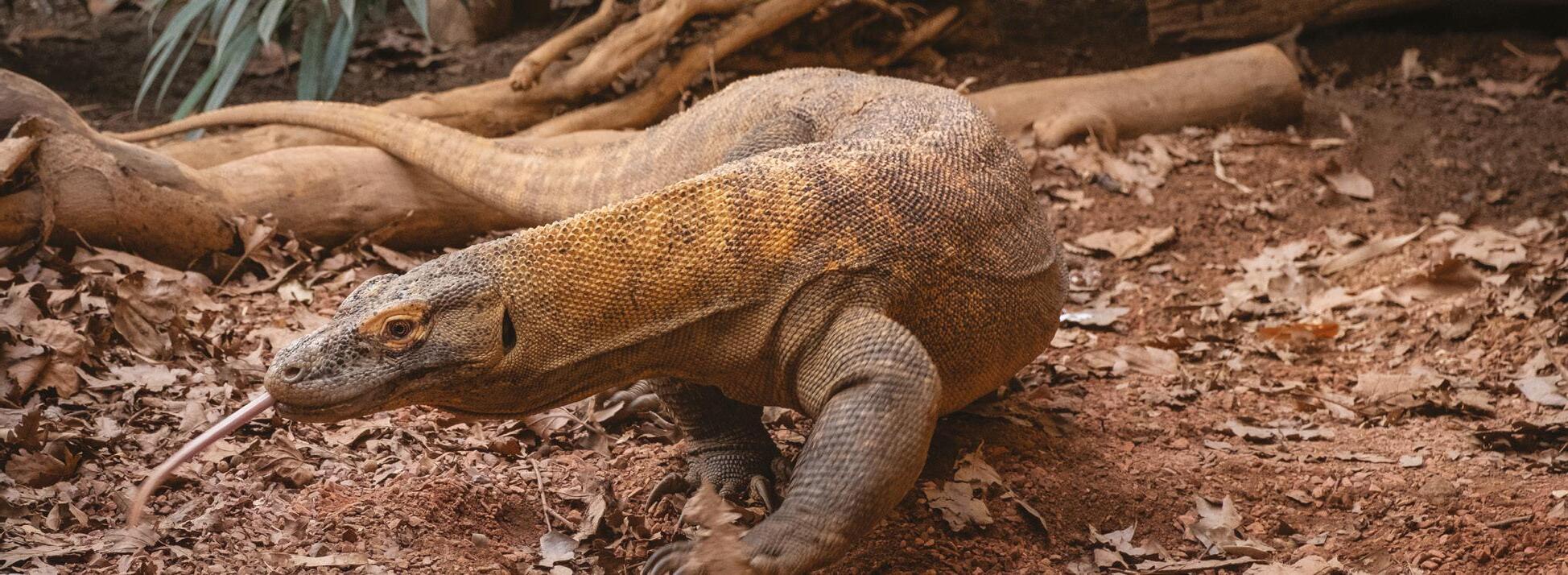
The species had only been described as new to science in 1912, and just 16 years later two Komodo dragons arrived at London Zoo – the first in Europe. Joan describes their new home, built to her design: “a large enclosure of natural shingle and soil, planted with living palm-trees... a cave, rocks and a swimmingpool. A great deal of care has been exercised to provide proper climatic conditions [and] the roof is of Vita-glass, transparent to ultraviolet (UV) light.”
“This was revolutionary in reptile care,” says Ben Tapley, ZSL’s Curator of Reptiles and Amphibians. “UV radiation is essential for reptile health. Without it, many reptiles are unable to synthesise sufficient amounts of vitamin D3 and develop metabolic bone disease.”
However, while it was a big step in the right direction, the vita-glass was still reliant on the British climate, and the UV levels would have been too low for many tropical species. “Today, we supplement natural UV with UV-emitting lamps, and we employ shortwave infrared heaters, because we now know that heat is important in the synthesis of vitamin D3,” says Ben.
The importance of Joan’s innovations are clear when compared with the poor health of other Komodo dragons in zoos at the time. Joan quotes a
dismayed zoologist, W Burden, visiting a New York zoo: “The broken-spirited beasts barely had strength to drag themselves from one end to the other.”
The giant monitor lizards from the near-mythical Komodo Islands were considered ferocious by the public, and Joan quickly set out to address this misconception – highlighting their intelligence, ability to be trained and calmness around people. She went as far to take her favourite dragon, Sumbawa, for walks and let him be photographed with young children. “I still find it shocking that she took such risks with an apex predator,” says Ben. “All I can say is that it must have been very well fed at the time!”
While this would never happen today, and there is now far greater emphasis on safety in zoos, Joan’s bold approach got to the heart of a misconception about reptiles, says Ben. “Their cognitive abilities had been massively underestimated – Joan was a real pioneer in recognising their intelligence.
“Nowadays, enrichment is a big part of caring for our reptiles and amphibians, because it promotes their natural behaviours. For our Komodo dragons, this might be burying smelly foods for them to find and dig up, like they might with a carcass in the wild, or something as simple as turning on the sprinkler system to simulate a forest downpour.”
Importantly, says Ben, zookeepers at London Zoo utilise the Komodo dragon’s intelligence for the benefit of their care. “We have trained Komodo

dragons to sit on weighing scales, to walk into a box so they can be x-rayed and to let our vets take blood samples by hand. This takes away the stress for the dragon and reduces the risk for us as their carers.”
Reflecting on his predecessor, one of the most inspiring things about Joan was that she challenged stereotypes of both reptiles and women, says Ben. In 1923 she became ZSL’s second ever female curator, in a period when women were excluded from many male-dominated professions. “It’s astounding, what she achieved in the context of 1920’s British society. Even today, I have peers in parts of the world facing barriers in their career because of their gender.”
Today, ZSL champions the importance of human diversity in the conservation of a biodiverse world, and the Zoos’ animal care teams reflect that ethos. “With many female herpetology experts now following in Joan’s footsteps, caring for reptiles is no longer considered a macho pursuit,” says Ben. “We’re also working to break down gender barriers around the world through initiatives like the EDGE Fellowship programme, which champions many early-stage, female conservationists working to protect overlooked species of reptiles and amphibians.” Joan’s legacy lives on at ZSL.
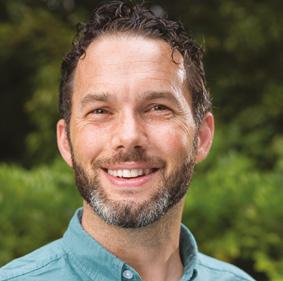
Ben Tapley
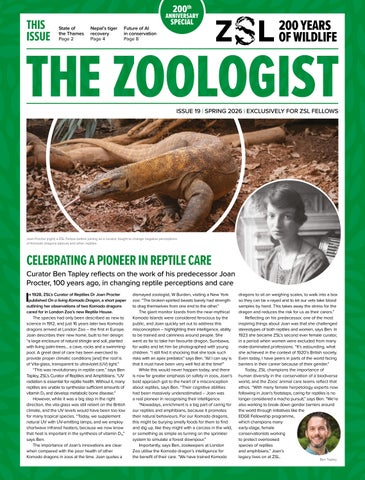
Joan Procter (right) a ZSL Fellow before joining as a curator, fought to change negative perceptions of Komodo dragons (above) and other reptiles

A SPECIAL YEAR FOR ZSL
I
’m delighted to introduce this edition of The Zoologist. It’s my first one as ZSL’s CEO, and it’s an honour to be leading an organisation that I’ve been part of for over a decade – and one I so passionately believe in.
This year is a very special year. Throughout 2026 we’re celebrating 200 years of ZSL and this edition commemorates some of our most important and exciting achievements: the discovery of chytrid by Professor Andrew Cunningham, our role in the return of the Przewalski’s horses, pioneering reptile care in our Zoos, and the restoration of Nepal’s tigers.
We were founded by our Fellows in 1826 as a scientific society dedicated to learning about wildlife. As our collective knowledge about wildlife has grown over the intervening centuries, so too has our understanding of the fragility of the natural world and the numerous threats it faces. That’s why we continue to evolve as a world-leading conservation organisation, working in critical biodiversity hotspots around the world to apply this knowledge into solutions that we hope ultimately will enable wildlife to thrive. Central to this is our unwavering commitment to science; we know conservation works best when it’s grounded in science, and so we work with people around the world to apply the scientific research developed in our Institute of Zoology.
This year is not only an opportunity to celebrate our successes. With global biodiversity loss at a tipping point, we must use this moment to look ahead and ensure we’re best placed to match the conservation needs of the future. On page 5 we celebrate the creation of the Philippine Rise protected area, which will safeguard a vital coral refuge in the face of climate change and an uncertain future, while Dr Robin Freeman and ZSL Fellow Dr Sally Keith highlight the ways artificial intelligence could accelerate our ability to work faster at greater scale. I hope everyone reading this issue shares in the pride I feel when looking at what we’ve achieved so far and what we’re going on to do in the future. Without your support as Fellows we wouldn’t be able to make it happen – thank you for being a part of ZSL.
THAMES HEALTH IMPROVES BUT CLIMATE CHANGE LOOMS
Milestone report highlights improving water quality amid growing threat of climate change
Earlier this year, ZSL published its second State of the Thames, the follow-up to the 2021 landmark report. The report determines the health of the Tidal Thames (stretching from Teddington in the west to Shoeburyness and the Isle of Sheppey in the east) using a series of 21 indicators, including water quality and wildlife populations.
The report highlights improvements in sewage works, such as the Lee Tunnel (opened in 2016) and the completion of the Thames Tideway Tunnel in 2025 – London’s ‘super sewer’ – in helping to drive improving water quality. The tunnels are designed to capture the overflow of raw sewage and litter – particularly during storm events, when London’s existing sewage system struggled to deal with the influx of water and regularly had to pump some of its contents directly into the river.
“The reduction of untreated sewage reaching the river has contributed to high levels of dissolved oxygen, which is crucial to all forms of aquatic life,” explains Alison Debney, ZSL’s Conservation Lead for UK Nature Recovery. “We’ve also recorded a reduction in phosphorus and other chemical contaminants like copper and zinc, and the stabilisation of nitrate levels.”
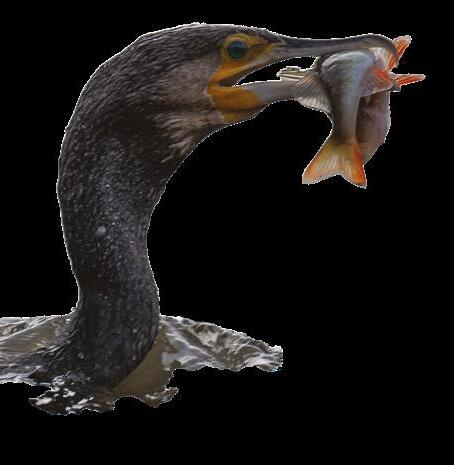
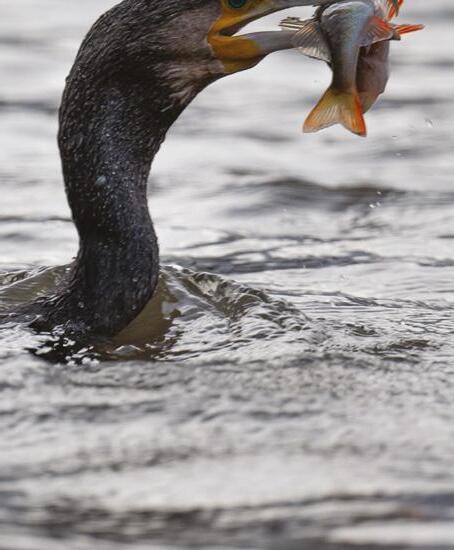
Growing attention on the health of the Thames has also helped to drive ecosystem recovery and improved connectivity with its tributary rivers. The introduction of eel and multispecies fish passes by ZSL and its partners has opened up areas of the Thames basin that were otherwise unreachable to migratory fish, thanks to the construction of dams and other barriers. Meanwhile, initiatives like Estuary Edges have helped to reclaim lost riverbanks – there are now 34 Estuary Edges sites along the Thames.
DIARY DATES
19 March
ZSL’s Wildest Moments
Podcast series presented by Ben Fogle, sponsored by Mountain Warehouse Episodes available monthly on all major platforms
5 May, 6pm
Wild health: People, nature and One Health
With writer and comedian Dr Adam Kay Huxley Lecture Theatre
16 May, 9:30am - 6pm
Fellowship Conference: 200 years of protecting wildlife London Zoo
23 June, 6pm
From Zoo Time to Springwatch: Wildlife on screen
With wildlife presenter and filmmaker Billy Heaney Huxley Lecture Theatre
Online talks are streamed via zsl.org/IoZYouTube. For more info, visit zsl.org/zsl-fellows-events
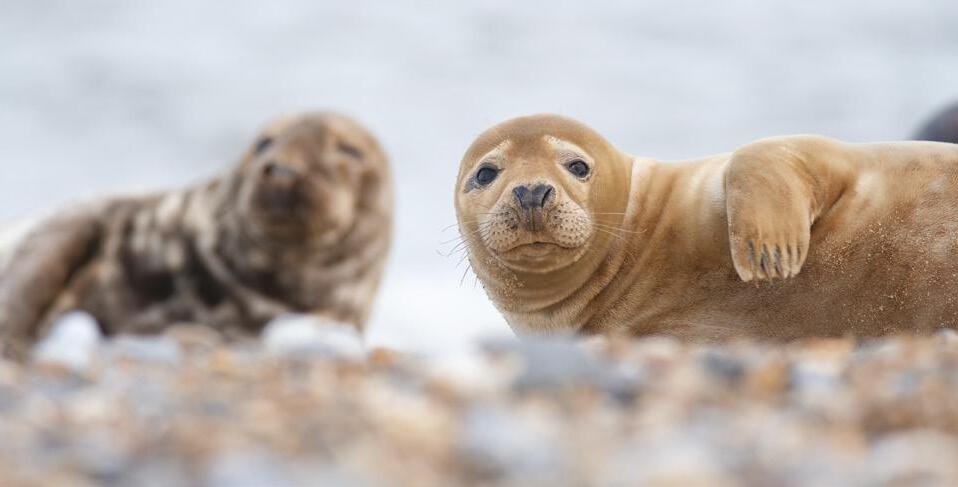
However, the benefits being felt by the Thames’ wildlife are less clear. The number of grey seals has grown significantly in the last decade, while harbour seal numbers are deteriorating and the diversity of invertebrates – though stable – remains poor in some areas. Moreover, the long-term trend of fish species richness continues to deteriorate, while the abundance of wildfowl, such as avocet and black-tailed godwit, is also falling. And though the report does highlight an increase in wading birds, this is thought to be a climate-driven shift from other, cooler parts of the UK (where numbers of wading birds are declining).
“While we have seen significant wildlife recovery in the Thames, linked to improvements in water quality and reduction in persecution, there continues to be significant stresses on the plants and animals that call the Thames home –including limited quality habitat available and chronic pollution,” says Alison.
The report also draws attention to the growing, global threat of climate change. “Rising water temperatures, particularly at the upper Thames, could see winners and losers for plant and animal species,” says Alison. “Meanwhile, rising sea levels will likely lead to increased salinity further upstream, leading to the loss of rare freshwater tidal habitat along the Thames.
“The Thames has made a remarkable recovery since the 1950s, when much of it was declared biologically dead, and major strides have been made in water quality. However, our recovering wildlife populations remain fragile in the face of climate change.” Read the full report at zsl.org/state-thames
Kathryn England CEO, ZSL
DEAR FELLOWS
Grey seal numbers have grown, as have wading birds, while fish species richness has fallen
“CHYTRID CHANGED OUR UNDERSTANDING OF CONSERVATION – DISEASE DOESN’T RESPECT THE BORDERS OF A NATIONAL PARK”

I
Professor Andrew Cunningham, who led the discovery of chytrid fungus’ role in global amphibian declines, reflects on the landmark event, the fundamental role of collaboration and our understanding of chytrid today
n 1989, herpetologists gathered in Kent, UK in the first World Congress of Herpetology. The landmark event was the world’s largest international gathering of herpetologists.
“During the conference, it became apparent many researchers from around the world were seeing the same phenomenon: frogs disappearing or declining from their study sites, with no indication as to why,” says Andrew Cunningham, Professor of Wildlife Epidemiology and Deputy Director of Science at ZSL’s Institute of Zoology.
“From studies of museum samples, we now know that these declines had in fact been happening since the mid-20th century – often without us knowing about it or attributed to other causes, such as acid rain or invasive species.”
The Congress led to the creation of the Declining Amphibian Populations Task Force (DAPTF), charged with understanding the phenomenon. In 1992, Andrew became chair of its Disease and Pathology Working Group – while working as ZSL’s veterinary pathologist.
One of the challenges of identifying what we now know as Batrachochytrium dendrobatidis, or Bd for short, is that it leaves very few fingerprints, says Andrew. “Bd infects the skin, but it causes no damage that can be seen by the naked eye and it doesn’t elicit much of an inflammatory response –so it was initially overlooked. Instead, it disrupts the host frog’s ability to regulate sodium and potassium ions through its skin. These are important for healthy muscle function, and the disease normally ends in the failure of the frog’s most important muscle – a heart attack.”
It wasn’t until 1994, when Andrew examined the pathology reports from froglets rescued from the last population of the sharp-snouted day frog (Taudactylus acutirostris), collected as tadpoles by Melbourne Zoo, that the fungus theory began to develop. “The pathology reports identified unknown organisms in the skin, but the lack of inflammation had led to the conclusion that invasion had happened after the frogs’ deaths,” says Andrew.
On returning to Australia in 1996, Andrew identified the same organism as he had seen in Melbourne in dead frogs in Queensland, submitted by veterinary student Lee Berger as part of her
Masters project. Around the same time, Andrew was contacted by Karen Lips, a researcher in Panama, alerting the DAPTF to yet another decline of frogs.
With the help of US-based pathologist David Green, protozoan taxonomist Peter Daszak and fungal specialist Gordon Beakes, Andrew identified the organism – the same found in the skin of the Panamanian frogs as the Australian frogs – as a chytrid fungus. The results would go on to be written up by Lee as a PhD thesis.
A paradigm shift for conservation
“The discovery of chytrid changed our understanding of conservation,” says Andrew. “That a disease could have caused all these declines and extinctions was a real shock. Up to that point, conservation had focused on habitat restoration, but disease doesn’t respect the borders of a national park.”
Today, wildlife disease is considered an important conservation threat. However, it would take around 10 years for chytrid to become accepted within the scientific community. “‘How many people have died of athlete’s foot?’ was the famous response from one eminent, disbelieving scientist at the time,” recalls Andrew.
We now know that Bd is responsible for the extinction of an estimated 90 amphibian species and the decline of over 500, and has existed for approximately 100 years. However, other strains of chytrid fungus have been around for hundreds of thousands of years.
That the fungus emerged at the same time that mass transportation came into being isn’t considered a coincidence. “It looks like Bd emerged through chytrid hybridisation, brought together by international trade.” Even scarier, warns Andrew, is that Bd has the ability to keep hybridising – which increases the risk of a new, even more deadly strain emerging.
The search for a solution
The race is now on to explore different ways to mitigate the disease and help amphibians live alongside it successfully.
ZSL’s scientists are working to understand how the microbiome on amphibian skin might play a role
in protecting some frogs from Bd, and whether this can be replicated.
Others are looking at amphibian DNA for answers. “Some frog species thought extinct, such as the yellow-spotted bell frog (Litoria castanea), have started to reappear in very low numbers. It’s possible that genetic adaptations have allowed these individuals to survive while the majority of the species died out,” says Andrew.
There is still so much to learn about the fungus, says Andrew. “We don’t yet fully understand how long Bd can remain viable in the environment and still infect amphibians. We’re also trying to understand why it affects some species of amphibian but not others, and we don’t know yet why some species seem to be able to survive alongside it for years, before a sudden population collapse.”
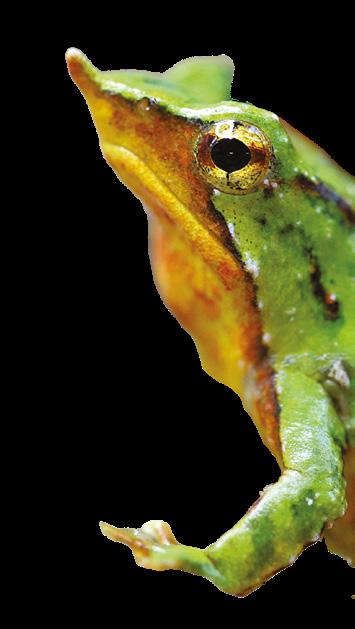
This was the situation with southern Darwin’s frogs. Previous research had shown that chytrid would take 15 to 20 years to kill a population of Darwin’s frogs but, in 2023 a chytrid outbreak decimated the last known healthy population, killing an estimated 1,300 frogs. This prompted ZSL to launch a rescue mission in 2024 that brought over 50 healthy frogs from Chile to London Zoo as a safeguard population. (Learn more about the Darwin’s frog rescue at: ZSL.org/DarwinRescue)
The deadly potential of fungi
The important thing for the future is that we take fungi seriously, says Andrew. “While Bd is wiping out thousands of frogs, we also have a white-nose fungal epidemic killing hundreds of thousands of bats in the Americas, and fungi are a huge problem for our crops and food supply.
“As a species, we’re very well equipped to deal with virus pandemics – we were able to develop a vaccine for Covid-19 within a year – and we have a good understanding of bacteria,” says Andrew. “If there was a fungal pandemic we would be completely at sea.
“We must focus more resources on understanding how we stop the fungal extinction of frogs and bats, not just for their survival, but for ours.”
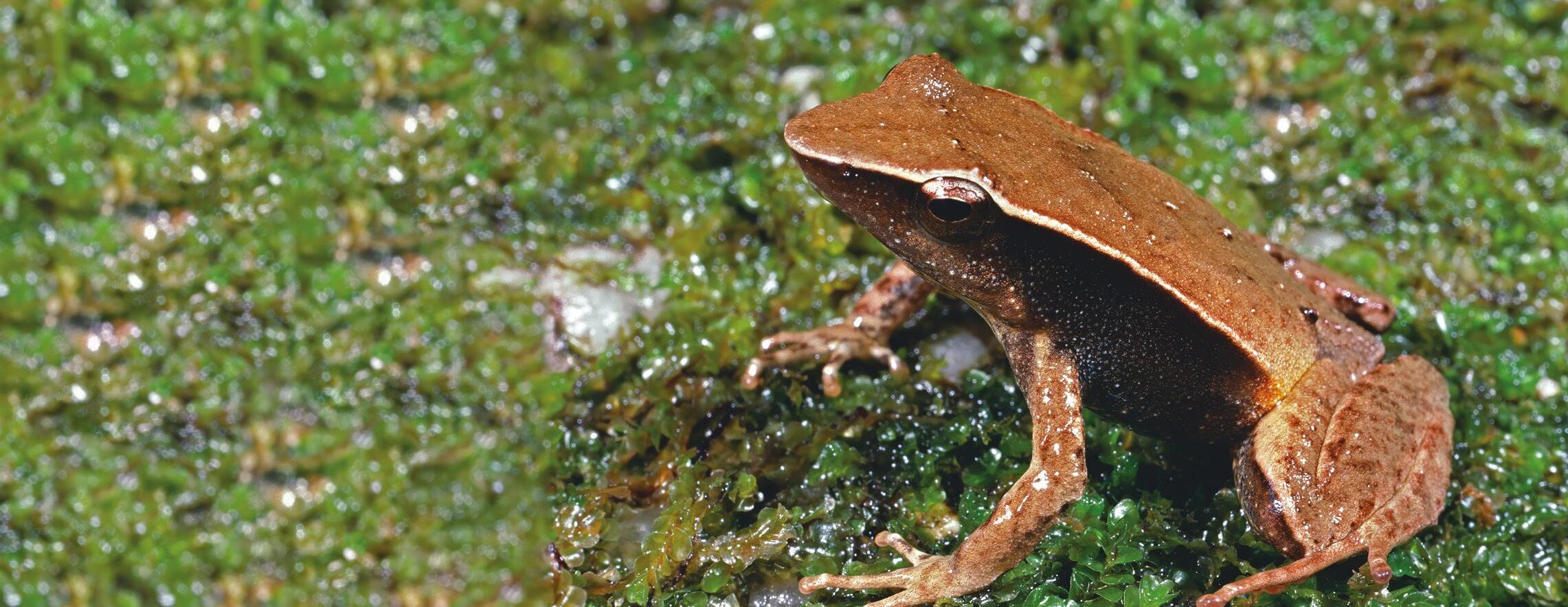
Above: Infected samples of the sharp-snouted day frog, a species now thought extinct, were fundamental in the discovery of chytrid. Image © Dr Martin Cohen.
Below: ZSL launched a rescue mission to save a small population of Darwin’s frogs, in response to a disease outbreak.
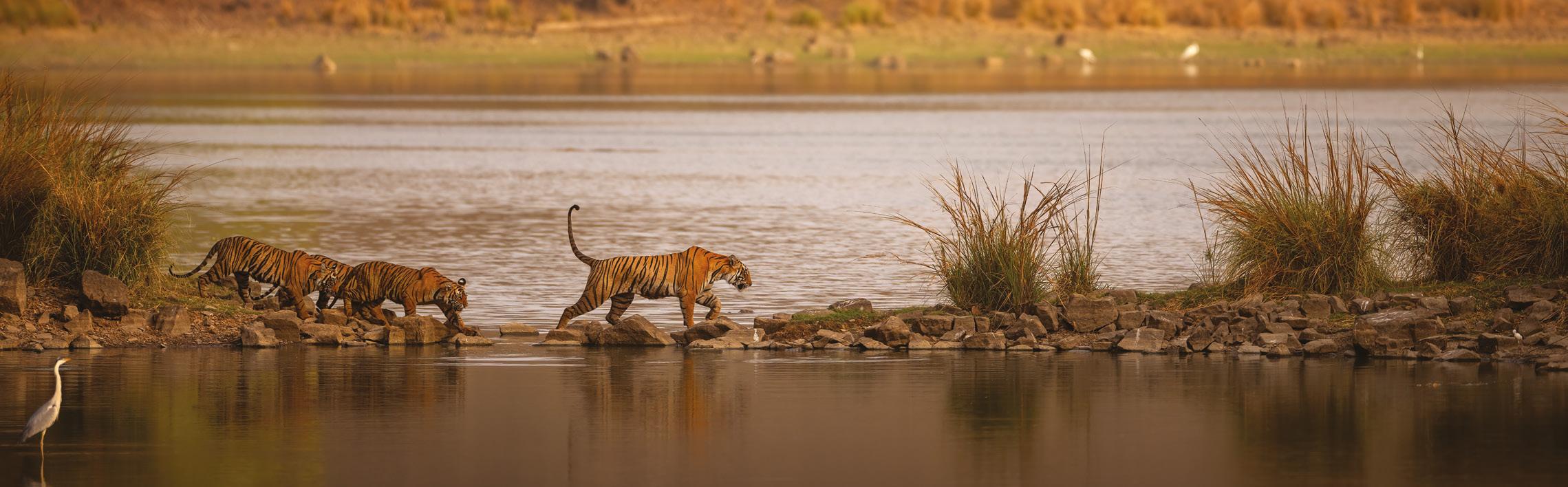
A SHORT HISTORY OF NEPAL’S TIGER RECOVERY
Nepal’s tiger population tripled in just over a decade, and the country stands as a symbol for big cat recovery. Bhagawan Raj Dahal, ZSL’s Country Manager, reflects on ZSL’s role in the success and the future of Nepal’s tigers
Research published last autumn ranked Nepal as the most nature-connected country on earth – a country where “the perceived overlap between self and nature… or a sense of oneness with nature” is at its greatest. Its perhaps no surprise then that, when a national survey in 2009 of the country’s tiger population found that just 121 tigers left, the government decided to act.
“It was really alarming,” says Bhagawan Raj Dahal, ZSL’s Country Manager for Nepal. “The message couldn’t have been clearer: if we don’t invest in their conservation, our tigers are in serious trouble.”
The following year, Nepal was one of 13 tiger range countries that committed to doubling its wild tiger population by 2022. In the event, Nepal would go one further – almost tripling its tiger population to 355. Today, estimates suggest the country could support around 400.
Parsa: A model for tiger recovery
ZSL first began working in Nepal in 1992, supporting the Nepal Government and the National Trust for Nature Conservation. ZSL provided training to Nepalese vets working in protected areas and zoos, and technical support for wildlife monitoring. Then, in 2014, ZSL took on a partnership role in Parsa National Park, supporting Nepal’s Department of National Parks and Wildlife Conservation, and became a permanent presence in the country.

would act as the ideal dispersal site for tigers leaving Chitwan in search of new territory, and its location close to Valmiki Tiger Reserve in India meant it could also provide a refuge for tigers moving north.
ZSL took a three-pronged approach to bringing up tiger numbers in Parsa. “The number one threat facing tigers in the 2000s was poaching and the international trade in their body parts,” explains Bhagawan. “Our first step was to work with law enforcement to increase patrols, train rangers in tiger monitoring and data analysis, and support the construction of three new guard posts designed to deter poaching and the illegal extraction of natural resources in the protected area.
“Secondly, deforestation, infrastructure projects and cattle grazing had degraded the available habitat for tigers and their prey species, such as deer and wild pigs – so we worked with our partners to restore the grasslands, remove invasive plants and construct watering holes.”
“Finally, we sought to mobilise the local community in tiger conservation,” explains Bhagawan. “Their collaboration would be crucial to the long-term success of tigers. And between 30-50% of the revenue collected in Nepal’s lowland national parks goes back into local communities – so we knew that, if we could improve the national park as an ecosystem and bring more tourism, local people would feel the benefits too.”
ZSL established close ties with local communities living on the edge of Parsa, helping them to set up community forests, quick-relief funds for wildlife victims, community banks and providing training in alternative livelihoods such as agroforestry, nature guiding and other eco-tourism. These reduced pressure on the core protected area and helped families to generate greater income.
The project has had profound results. In 2013, the year before ZSL became involved, Parsa’s tiger population was just seven; as of 2022 (the time of the last census), it stood at 41 – a six-fold increase. Moreover, the attitude of local communities living around the national park towards their big cat neighbours is hugely positive, says Bhagawan.
In 2016, ZSL received funding from the IUCN and KfW Development Bank to expand its work and build on this three-pronged approach, and ZSL now works across six of Nepal’s lowland protected areas: Parsa, Chitwan, Banke, Bardia, Koshi Tappu and Shuklaphanta.
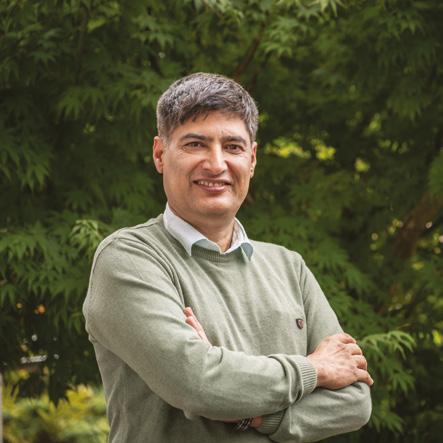
“The message couldn’t have been clearer: if we don’t invest in their conservation, our tigers are in serious trouble.”
Adapting to new challenges
Today, Nepal’s official tiger population stands at 355, though the population may have grown even further since the last census, with new data expected to be published this summer. The turnaround is thanks in part to ZSL’s work to bolster protection, restore habitats and champion local people. It’s a major turnaround that doesn’t just benefit tigers and people, says Bhagawan. “Tigers are an umbrella species. They require highly intact habitats – by conserving them, we ensure habitats for a huge number of other species in the same ecosystem.”
Research suggests that Nepal’s protected areas could comfortably support still more tigers, and the population density is lower than some protected areas in neighbouring India. Nonetheless, a growing tiger population presents new challenges.
“As tigers spread outwards and seek new territories, it increases the risk of human-wildlife conflict,” says Bhagawan. “Climate change is also affecting tiger behaviour. Drying water sources and higher temperatures appear to be driving some tigers north, to cooler temperatures at higher elevations.”
Consequently, ZSL’s work has shifted to focus much more on human-wildlife coexistence – helping people to live alongside tigers – and establishing biological corridors to connect the existing network of tiger habitats.
Despite the challenges, Bhagawan feels that Nepal will be up to the job and is confident about the future of Nepal’s tigers. “In the face of major challenges, like the 2015 earthquake and poverty in areas of our country, Nepal has already achieved an incredible turnaround in its tiger numbers,” he says. “It shows our strength as a country.”
“Nepal is the most nature-connected country in the world. We can’t live without nature – its as simple as that,” he adds. “Nature will always be a priority for us, it’s a way of life for us, and the recovery of our tigers is an important symbol of that connection.”
Above: Nepal’s tiger recovery is a symbol of the country’s connectedness with nature, says Bhagawan
ZSL LAUNCHES MISSION TO SAVE OFFSHORE CORAL REFUGE
Major protected area to secure coral ecosystem’s future as ZSL enters its third century of safeguarding wildlife
In April 2025, Coral Reef Watch confirmed that the world was in the midst of a global coral bleaching event – the worst on record, exposing 85% of coral reefs to lethal temperatures. In September 2025, the Global Tipping Points report, led by University of Exeter, declared that ocean temperatures have crossed a tipping point: warm water corals will be lost if temperature rise isn’t dramatically curtailed.
Coral reefs are in urgent need of help, and ZSL is working alongside the Philippine Government to protect one of its last major refuges – the Philippine Rise. As ZSL celebrates two centuries of safeguarding wildlife, the new project will help to ensure the survival of coral ecosystems into the Society’s third century.
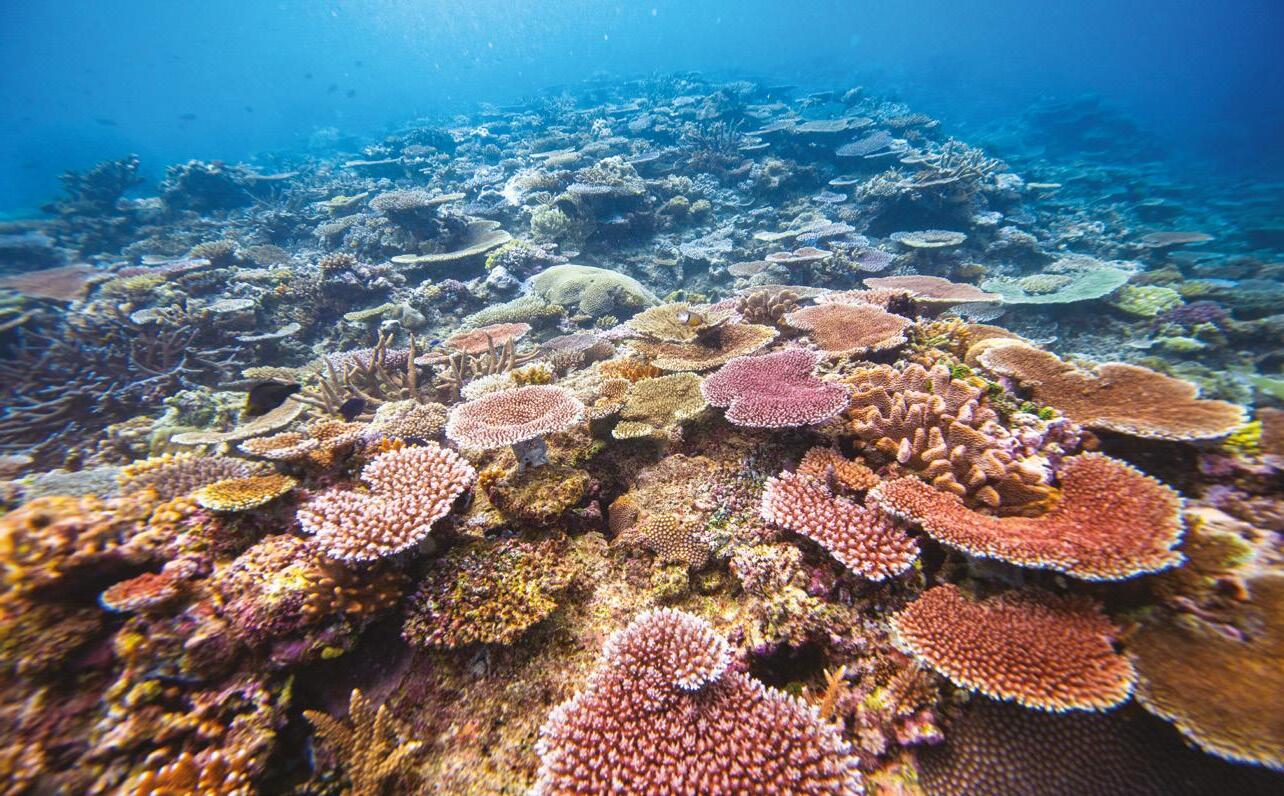
The Philippine Rise is an underwater volcanic ridgeline in the western Pacific Ocean, east of Luzon in the Philippines. This underwater plateau is rich in marine life. Crucially, its highest point sits 50 metres from the water’s surface, meaning that it is able to support coral reefs but is less affected by seasurface temperature rises.
“It’s the ideal habitat for mesophotic corals,” explains Mary Rose Lopez, ZSL’s Project Coordinator in the Philippines. “And this also makes it a last refuge for tropical fish, who are no longer able to breed in coastal coral reefs destroyed by climate change.”
Mesophotic coral reefs are made up of lightdependent species suited to the ocean’s ‘twilight zone’, at depths of approximately 30 to 150 metres. They are adapted to lower light and cooler conditions, and their distance from the ocean’s surface helps to insulate them from climate change.
Pacific bluefin superhighway
Relatively little is known about the Philippine Rise, as its remoteness – 250km from the country’s nearest shoreline – and depth makes it difficult for researchers to access. “Research is very limited, but we know that bluefin, yellowfin and skipjack tuna are all found in the region,” says Rose.
The Philippine Rise sits on the bluefin tuna superhighway, a migration route from Southeast Asia to the west coast of the Americas, and its thought that the Philippine Rise is a valuable feeding area and nursery ground for several tuna species and other commercially important fish. The
bluefin tuna, in particular, is also hugely valuable, and protecting the area will help to ensure a sustainable catch for local communities who rely on them for income.
“Importantly, and unusually, the Philippine Rise is not over-exploited,” says Rose. “The region is coming under increasing pressure from commercial and illegal fishing, particularly as coastal fisheries are depleted, but its remote location has helped to shield it from overfishing. It’s crucial that we protect it now, before it’s too late.”
Preparing for launch
Rose and the ZSL Philippines team are now working with the Philippine Government to develop legal designation for a 150,000km2 protected area – the country’s first major offshore marine reserve. It is expected to launch by autumn 2027, and will involve over 100 government stakeholders from national, provincial and local levels. Overseeing it will be a new team within the government’s Bureau of Fisheries, trained by ZSL.
“This would futureproof the area, ensuring that any future fishing, or drilling for natural resources, happens responsibly and sustainably, in a way that protects habitats for wildlife,” says Rose.
Granting the Philippine Rise legal protection will also pave the way for government funding, management and monitoring of the area, says Rose. “Protecting the area is just the beginning – we urgently need to know more about the plateau.”
Rose and the team are already undertaking social economic surveys to understand how the region’s fish benefit local communities, she says. “We’re also partnering with the Philippine space agency to try to understand what large-bodied marine species are in the area, such as sharks and whales.”
“Ultimately, we hope that the successful protection of the Philippine Rise will encourage other countries in Southeast Asia, like Indonesia, Thailand and Sri Lanka, to protect their offshore coral reefs.” she adds. “Climate change is having a devastating effect on coastal reefs – it’s urgent that we protect refuges like the Philippine Rise to ensure corals and tropical fish have a future.”
UNPICKING THE SECRETS OF PLACENTAS
New partnership launches investigation into mammalian placenta evolution
In a new collaboration, ZSL has partnered with scientists at the Francis Crick Institute to investigate the evolution of different mammalian placentas – and how they might inform approaches to biology and medicine.
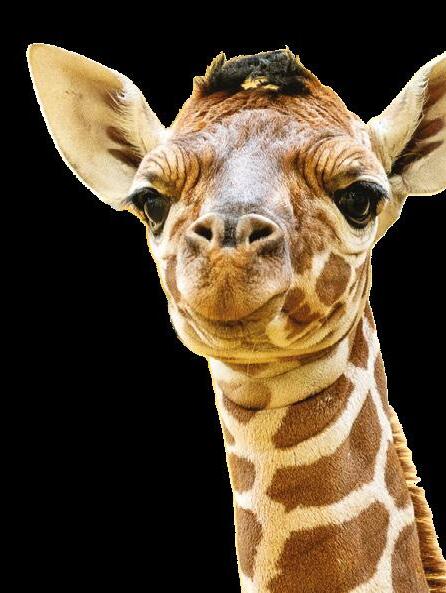
While many organs across mammalian species – such as the liver or heart – are broadly similar between mammalian taxa, placentas are highly diverse. Human placentas are disc shaped, with a single area of attachment; in dogs and cats, the placenta forms a band around the embryo and attaches continuously; while giraffe placentas have more than a hundred attachments.
“The great variety of form and function in placentas provides an opportunity to understand species diversity and evolution,” says Dr Simon Spiro, ZSL’s Wildlife Veterinary Pathologist. “Successful breeding is central to the preservation of threatened species, so we hope that greater understanding of this vital organ will directly help our conservation efforts.
“However, they’re hard to study in animals – they are often eaten by the mother, and the immediate postnatal period is a dangerous time for most species. Animal welfare is our highest priority, and our zookeepers have developed protocols for successfully securing these valuable organs at the earliest opportunity.”
ZSL has provided samples from several rhinos, elephants and, most recently, from the five-kilogram placenta formed alongside Leoni, Whipsnade Zoo’s giraffe calf, born in December last year. These placentas will form the basis of a research project led by evolutionary biologist Margarida Cardoso Moreira.
“Partnering with ZSL opens doors to species we could never study otherwise – we can access a much broader range of natural biodiversity,” says Margarida. “These animals may hold the key to unlocking some of biology’s greatest mysteries.”
Margarida is particularly interested in analysing ribonucleic acid (RNA) in placental cells, which help to regulate gene expression. “Unlike DNA, which can survive for thousands of years, RNA starts to degrade as soon as the tissue is separated from mother and baby,” explains Margarida, so collecting samples quickly is imperative for the study – something that would be impossible in the wild.
Importantly, understanding how certain placental cells interact with the mother’s immune system inside the uterus could unlock major advances in medical care, says Margarida.
“It’s the only time when our immune system doesn’t kill non-self cells it encounters.
Understanding how this happens could ultimately help us develop ways of helping the body accept, rather than reject, organ transplants.”
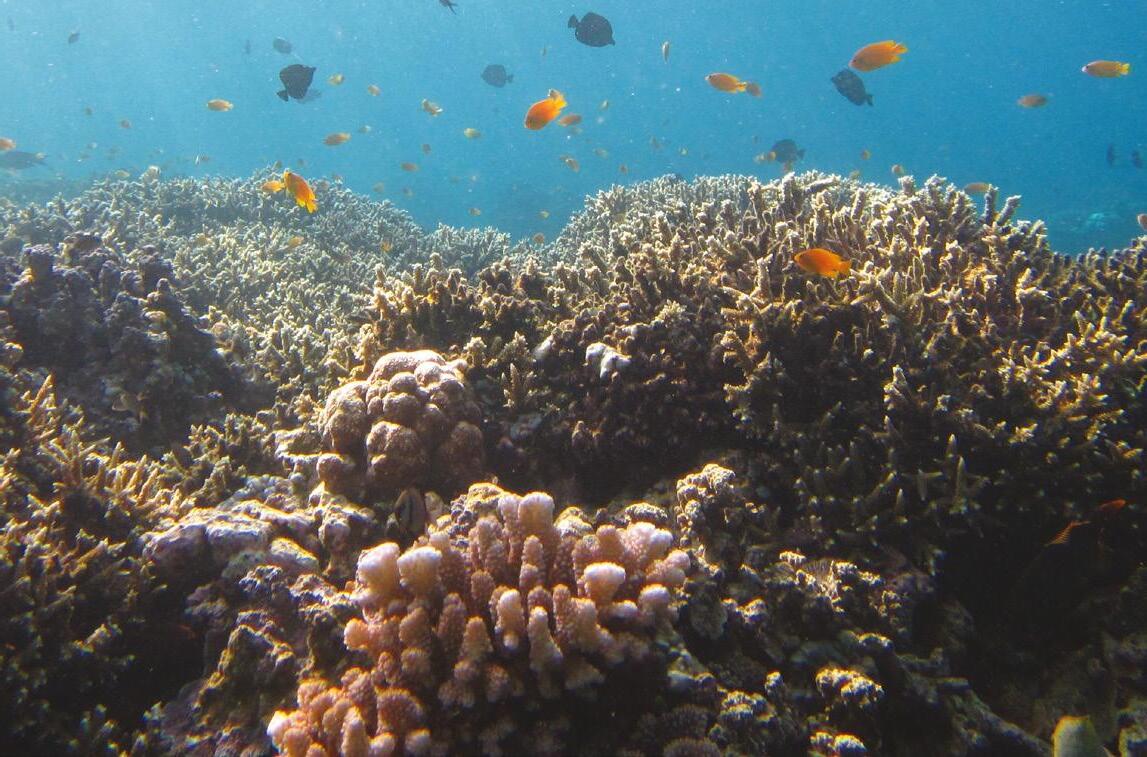
Above: The Philippine Rise will be a vital refuge for coral as climate change impacts coastal reefs
Interested in sharing your work in TheZoologist? Please contact fellowship@zsl.org
“EMBRACING
NEW TECHNOLOGY WILL ALLOW US TO SCALE UP BEHAVIOURAL STUDIES AND ACT
Lessons from butterflyfish on a bleached coral reef, by
ZSL Fellow Sally Keith
I
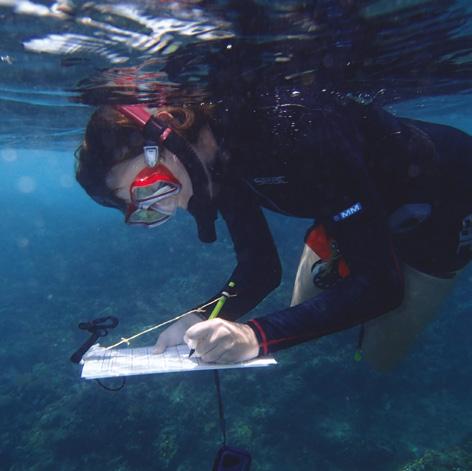
n 2015, I began a project to understand whether animal behaviour can shape how life is distributed across the Earth. Using butterflyfishes on coral reefs, I wanted to find out whether sister species that share a range border fight the most over access to their coral food. The project didn’t pan out – I couldn’t find enough pairs of sister species to answer my question – but, in the process of trying, we amassed an unprecedented dataset on aggression between 38 species of butterflyfish across multiple reefs around the central Indo-Pacific.
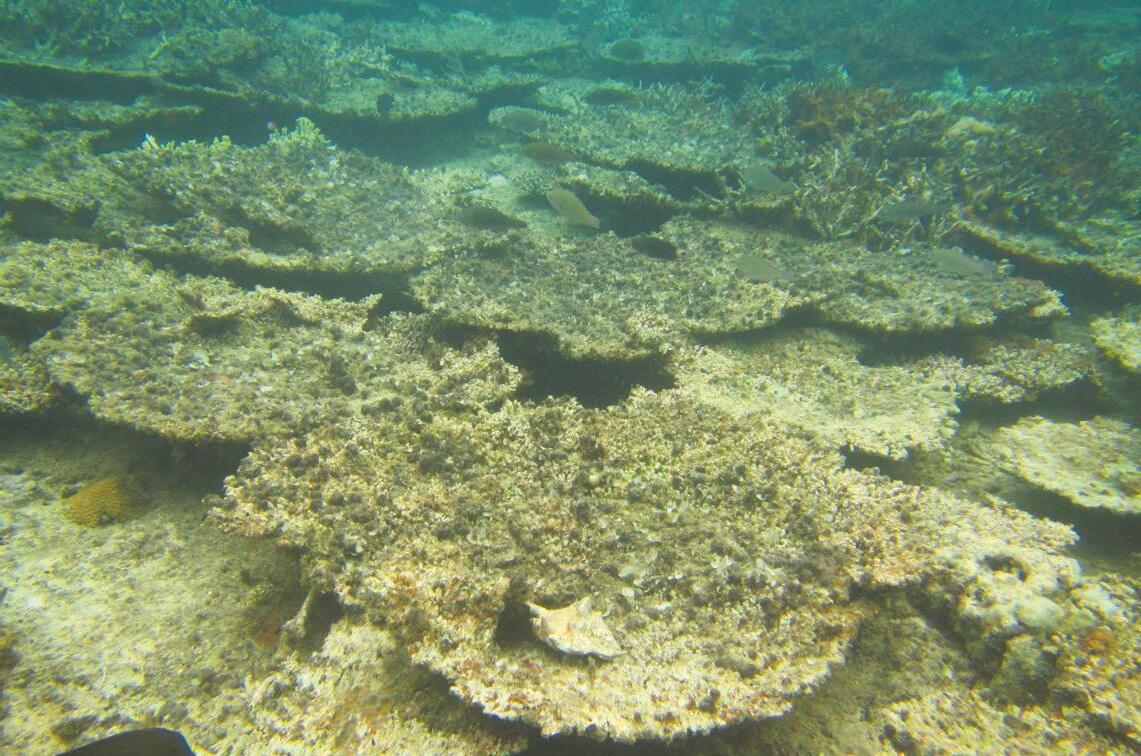
While the project was underway, the most severe mass coral bleaching event on record unfolded, leading to severe coral mortality on reefs across the world. The catastrophic bleaching, coupled with our new dataset, offered a unique opportunity for a natural experiment. Swimming back onto those reefs was profoundly unsettling. These were places we knew intimately, where we had spent hours following individual fish that are highly site-attached and, in many cases, likely to be the same individuals we had observed years earlier. The reef was a shadow of itself just a few months earlier, with vibrantly coloured corals now dead and dusted with furry brown algae. And yet, the butterflyfish were still there, bright symbols of life against a background of death.
Linking habitat loss and behaviour change
That experience forced a reframing of not only the project but my entire career. My research had to move towards finding solutions for the biodiversity crisis. I became focused on how animals respond when their environment changes rapidly, and how those responses might scale up to affect wider ecosystem processes. With data from multiple reefs in different countries, we were able to ask whether the changes we were seeing were unique to particular locations or part of a broader pattern. What emerged was strikingly consistent. Wherever coral was lost, territorial behaviour collapsed.
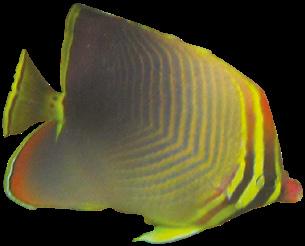
Butterflyfishes largely stopped defending the remaining coral patches, not because those resources no longer mattered, but

BEFORE POPULATION COLLAPSE”
Dr Sally Keith is Senior Lecturer in Marine Biology at Lancaster University. Sally is a pioneer of the field of macrobehaviour, which combines macroecology and behavioural ecology. In December 2025 she was awarded the ZSL Scientific Medal.
because the energetic cost of doing so had become too high. Where they did fight, they often made poor decisions – suggesting they no longer recognised friend from foe. Behaviour, in this case, was tightly coupled to ecological stress.
To support my new direction, I devoured the substantial body of evidence for behavioural change as the first response to environmental disturbance. Across taxa and ecosystems, researchers have demonstrated how altered movement, foraging and social interactions can signal stress long before populations decline. Much of this work has necessarily focused on few species, or relatively small spatial scales, because collecting and interpreting behaviour is labour intensive. Observing these patterns at the scale relevant for conservation, encompassing whole species assemblages or the entire range of a species, has remained a persistent challenge.
Scaling up behavioural studies is far from straightforward. Behaviour can be studied in detail for a few species on a single reef, but conservation decisions and policy must consider entire regions, multiple species and ecosystems across vast distances. Even if standardised video data could be collected globally, the human effort required to extract and interpret behavioural information would be overwhelming.
Developing an AI early
warning system
One way forward is to harness advances in artificial intelligence (AI). The latest technology can now track individual animals, quantify their movement and begin to infer behaviour as a result. If we could combine these models with anomaly detection algorithms, designed to flag departures from baseline behaviour, this creates the possibility of identifying stress responses as they emerge, rather than only once animals start to die. Deployed through devices in the field, which detect anomalies in real time, and cloud platforms that make models widely accessible, these tools could allow behavioural monitoring to operate continuously and at scale.
Crucially, this is not about replacing ecological expertise, but about amplifying it. Data-driven evidence, generated in near real time, can
“Wherever coral was lost, territorial behaviour collapsed. Butterflyfishes largely stopped defending coral patches… Where they did fight, they often made poor decisions. [Their] behaviour was tightly coupled to ecological stress”
provide conservation practitioners with actionable information when it matters most. Subtle reductions in territorial defence or changes in movement patterns could trigger targeted interventions, such as temporary fishing restrictions. These actions may not prevent marine heatwaves or bleaching events, but they can increase the capacity of reefs to cope with them by diluting other pressures.
Scaling this work requires interdisciplinary collaboration. Ecologists, data scientists and conservation practitioners must work together as integrated, creative teams. Cloud-based platforms also offer the opportunity to democratise access, ensuring that the ability to detect and respond to ecosystem change is not limited to a few wellresourced institutions.
My journey that began as a curiosity-driven project has evolved into a research direction enabled by advances in data science, with conservation embedded at its core. As the biodiversity crisis accelerates, advancing fundamental ecology remains essential. Yet for me, it is time to focus on attaining actionable insight. This ambition can only be achieved by exploiting emerging technologies, embracing collaborative approaches and breaking down silos across ecological scales. The butterflyfish – bright symbols of life on an otherwise dying reef – inspired me to act. Now I aim to develop a new generation of concepts and tools that can be applied across the animal world to help deliver rapid conservation action.
Above: Behavioural change is closely linked to ecological stress, says Sally, and could be used to monitor ecosystem health
RESTORING THE WORLD’S LAST WILD HORSE
Przewalski’s horses disappeared from Central Asia’s steppes for over two decades – their return at the turn of the century is a major success story for zoos
T

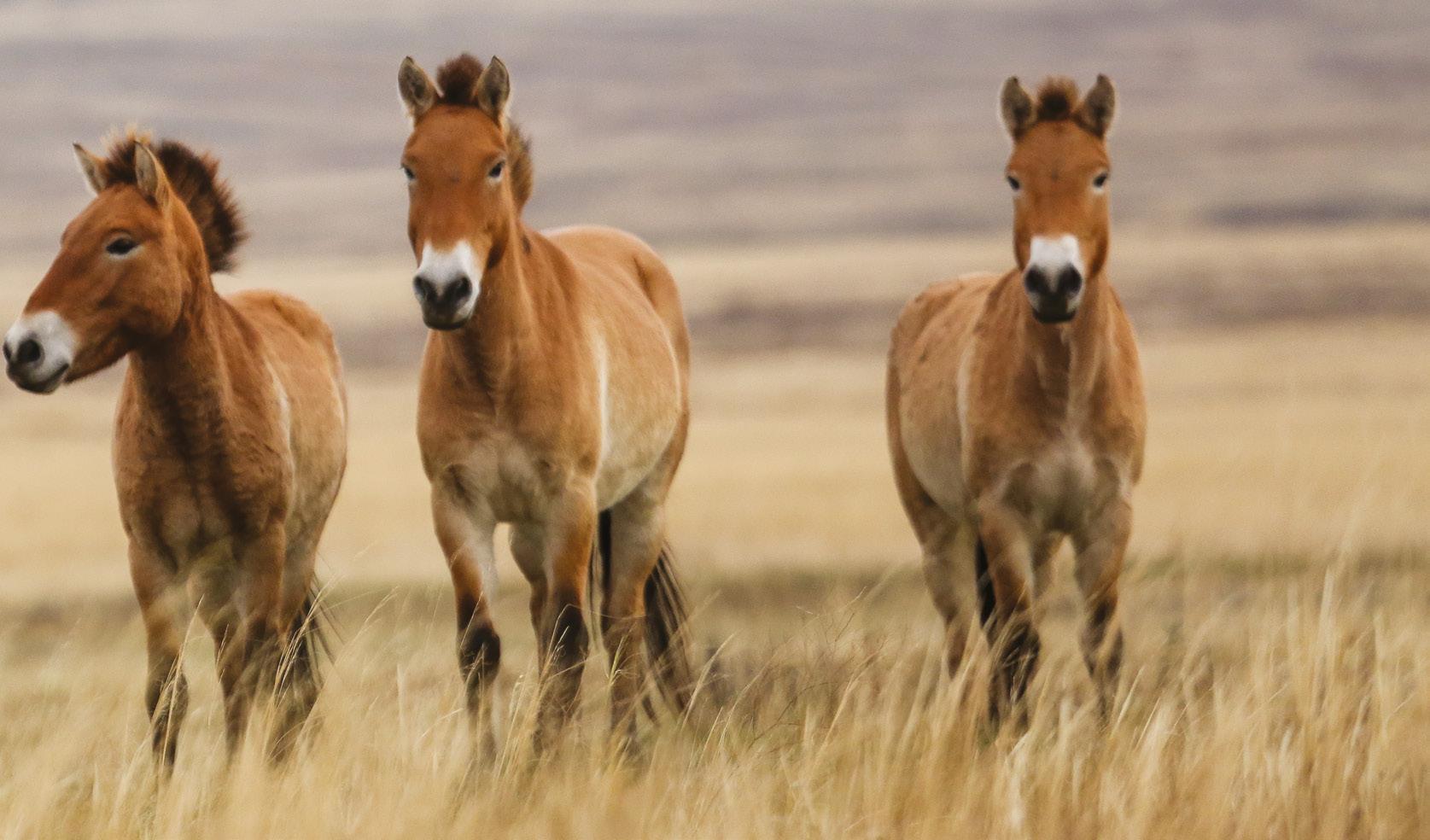
he Przewalski’s horse, also known as the takhi in Mongolian, is the world’s only wild horse species – but it very nearly wasn’t.
Wild Przewalski’s horses took a dramatic decline in the mid-twentieth century. Survival is on a knife’s edge in the harsh Central Asian steppes, and competition with growing numbers of domestic cattle for grazing, overhunting and a series of harsh winters pushed the species towards extinction.
A species-saving breeding programme
The last wild horse was seen in 1969, in the Gobi Desert and, for over two decades, the Przewalski’s horse survived only in zoos. Today, their comeback is one of conservation’s greatest success stories.
The holy horse
Short, stocky, with a stiff mane and a rich, earthy coat, takhi’s were first described to science in 1878 by Russian Army officer Nikolai Przewalski – though they were well known to Central Asian culture for centuries.
The species is distinct from domestic horses, considered holy by Mongolian culture (their name ‘takhi’ translates as ‘worthy of worship’ ), and revered in folklore and art for their resilience and strength – a symbol of the Mongolian steppes.
Their discovery in the late 19th century prompted a rush to bring the new species into zoos. A total of 53 horses were brought to Europe and North America, though many more died during the process of capture and transportation.
The species did poorly in zoos at first. Remarkably, the zoo population fell to a low of just 13 breeding horses in the 1940s – meaning that all horses alive today descend from those 13 ancestors.
“Zoos provide a final and tangible barrier to extinction for species which have been lost from nature.”
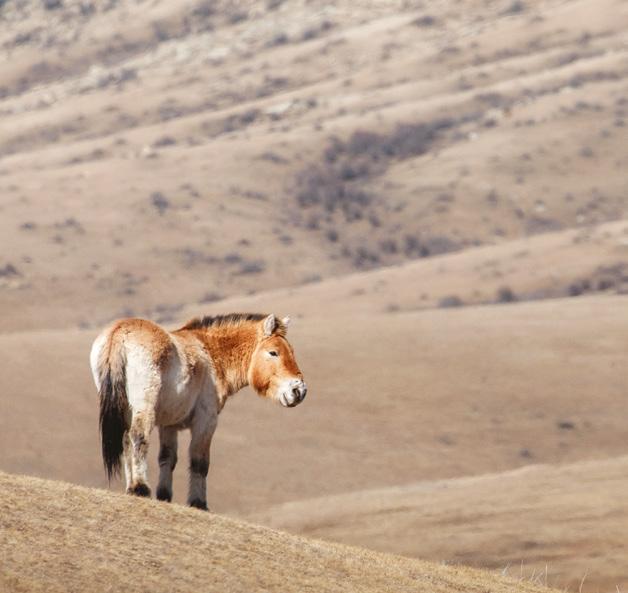
It wasn’t until the creation of a studbook by a zoologist at Prague Zoo in 1960, which drove coordinated breeding between zoos, did the numbers in human care begin to recover. The studbook chronicled the lineages of each horse and set out strategies to improve genetic diversity, vital for such a small population.
Whipsnade Zoo would go on to successfully breed and raise 90 horses as part of that European breeding programme and, by the 1990s, the collective zoo population had reached almost 1,500 (today, there are around 2,500 Przewalski’s horses in zoos and breeding centres around the world, including the herd of four at Whipsnade).
With a huge population of Przewalski’s horses to draw from, the reintroduction programme could begin. Three locations in Mongolia were identified and prepared for the species’ return: Takhin Tal, on the edge of the Great Gobi B Strictly Protected Area (the place of their last sighting in 1969), Khomyn Tal in western Mongolia, and Hustai National Park in the centre of the country.
Between 1992 and 2004, European and North American zoos, conservation organisations and the Mongolian Government coordinated the transportation of 200 zoo-bred Przewalski’s horses to the three protected areas.
Harsh realities in a brutal environment
In 2002, Whipsnade Zoo sent a mare, Priscilla, to join the herd in Takhin Tal. Her reintroduction, a major accomplishment for the Zoo after years of breeding, was initially successful. Sadly, it would ultimately highlight the challenges of such an unforgiving landscape, explains Tungalag Ulambayar, former Country Director of ZSL’s conservation work in Mongolia (a multi-decade programme that culminated in the establishment of the independent, Mongolian conservation charity Luujin, which Tungalag now leads).
“Priscilla successfully raised a male foal, but unfortunately passed away from disease,” says Tungalag. “Sadly, the foal’s life was also cut short. He grew into a beautiful stallion but, during a particularly harsh winter (known as a dzud) he went missing while roaming alone. His remains were never found, though it is likely he perished in the Gobi.”
The sombre end for Priscilla and her son illustrates the harsh realities of a reintroduction programme in one of the world’s most brutal habitats, where temperatures can vary between
-35°C in winter and 40°C in summer, and disease transmission from domestic horses is common. Przewalski’s horses in the wild have a naturally high mortality rate in winter, and herds have to be large and robust enough to withstand natural pressures, as well as human-driven ones.
After several generations in human care, conservationists also feared that the horses would find it difficult to readapt to life in the wild. “The longer a species has been lost from nature, the more they and their wild landscapes may have changed; a large enough mismatch and recovery attempts can fail,” says John Ewen, Professor of Species Recovery at ZSL’s Institute of Zoology. “There’s also a chance that the behaviours needed for a species’ success in the wild could diminish over generations in human care.”
Overcoming all odds
However, despite these challenges and hardships, the horses flourished. Their natural instincts proved strong, and the herds successfully bred and grew in their native habitat.
In 2008, scientists at ZSL’s Institute of Zoology convened a workshop of 60 conservationists, experts in Mongolian wildlife. The workshop recommended that the Przewalki’s horse should be downgraded from Extinct in the Wild, and the species was downlisted to Critically Endangered – a formal recognition of their return to the wild.
Following further success, the species has been downgraded to Endangered, and an estimated 1,200 takhis survive today in the wild across Mongolia and China. The population is still fragile, and competition with herders for grazing – as well as the increasingly harsh winters and longer droughts caused by climate change – present continuing challenges for the takhi. Nevertheless, their return from the brink of extinction to the steppes of Central Asia is a major success for zoos and conservation.
“Zoos provide a final and tangible barrier to extinction for species which have been lost from nature. These ‘lost species’ are the rarest on the planet and the flagship of zoos’ undisputable role in nature recovery,” adds John.
“London and Whipsnade Zoos currently provide care to about half of the world’s Extinct in the Wild animal species and we have a proud history of successfully returning species, like takhi, once lost from nature to thriving wild populations,” he adds. “I hope stories like the takhi inspire more people to get involved in species recovery and in supporting the critical work of our Zoos.”
“UNTIL NOW, CONSERVATION HAS FOCUSSED ON UNDERSTANDING THINGS THAT HAVE ALREADY HAPPENED. AI GIVES US THE TOOLS TO PREDICT THE FUTURE. ”
By Robin Freeman
Artificial intelligence (AI) is, in its broadest sense, about enabling machines to simulate processes that we would consider intelligent.
Complex tasks that were once reliant on the expertise of a human, taking weeks or months to analyse manually, can be handed over to computers and processed in days, hours or even seconds.
AI isn’t new – we’ve been using machine learning to process monitoring data for years at ZSL – but the exploding public interest has shifted the dial.
Governments and conservation funders across the world now recognise the importance of AI, and awareness of its role in conservation is attracting more people with an interest in data science –bringing with them valuable skill sets.
For conservation, the ability to process data quicker means we can work at greater scale.
Previously you might have put 20 or 30 camera traps in a single habitat and manually sifted through those images in search for a single species. Today we can take a million camera trap images
from a huge geographical area and very quickly understand what species are in them and how those species are responding to a changing environment. The output from those models could then feed into our largest datasets, like the Living Planet Index – informing our understanding of how wildlife is faring globally.
Our ability to do things more rapidly also changes the kind of questions we can ask.
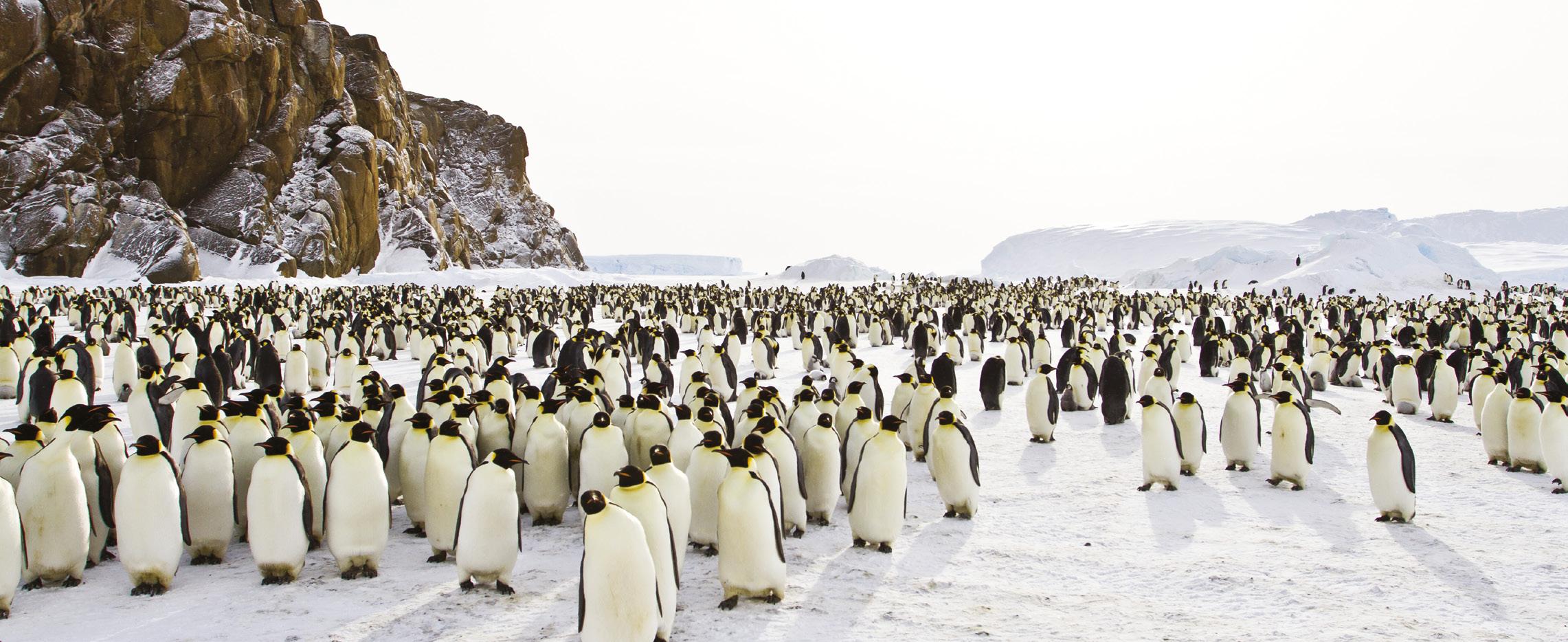
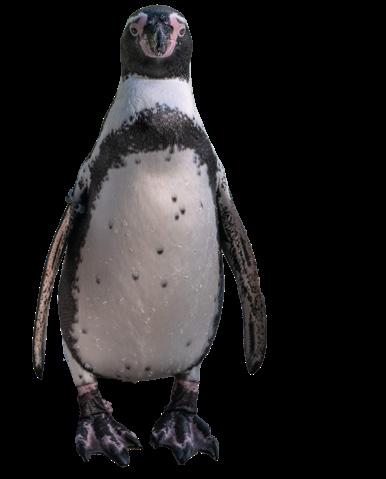
For example, we’re currently working with zookeepers and Humboldt penguins at London Zoo to develop an AI system to identify individual penguins. Once deployed in the field, the technology will be able to count huge colonies – a task that would have taken months for a researcher to process. Suddenly, rather than having a single annual sample, we can do it remotely on a daily or weekly basis. Which means we can start to ask questions about seasonal variation in penguin populations and responses to specific environmental changes.
Importantly, AI also improves our ability to predict what might happen under environmental change in the future. Until now, conservation has largely focussed on understanding how biodiversity has changed in response to things that have already happened –particularly over the last 50 or 60 years. AI gives us the tools to predict how biodiversity might
ZSL’s impact on the future of wildlife is transformative. Help us continue our vital work at zsl.org/donate
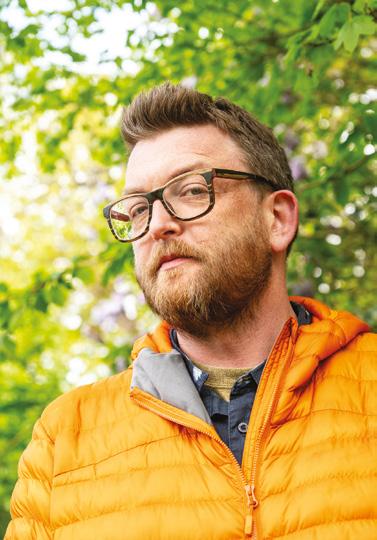
Dr Robin Freeman is part of the Indicators and Assessments Unit at ZSL’s Institute of Zoology, which focuses on understanding the patterns and processes of global biodiversity change. The Unit maintains and produces the Living Planet Index, which is reported biannually with WWF in the Living Planet Report.
respond to environmental and anthropogenic changes in the future. As we build better models, we’ll be able to more accurately simulate future ecosystems and environmental policies, and take a much more front-footed approach to conservation. Looking ahead, one of the most exciting areas for exploration is how we can use large language models (LLMs) to help us improve how we do conservation.
To help us understand and interrogate how the decisions we make might impact the future of nature, and find a future that allows humans and wildlife to live side by side.
Despite the opportunities, the technology isn’t perfect – we must proceed with caution.
AI processing is energy intensive, so we have to be responsible about how and when we use it. Another of the challenges we face is developing AI models that run on lower power, so that the communities we work with in developing countries can also benefit from AI resources. We also have to be mindful that AI will reflect any underlying biases in the data. This is particularly relevant to LLMs like ChatGPT, which skew towards the views of people already well represented on the internet – with the risk of excluding voices from developing countries and indigenous communities.


ZSL’s scientists are working with London Zoo’s Humboldt penguins (pictured below, left) to develop AI technology that will be able to count huge penguin colonies, alerting researchers to any changes.