THE ZOOLOGIST
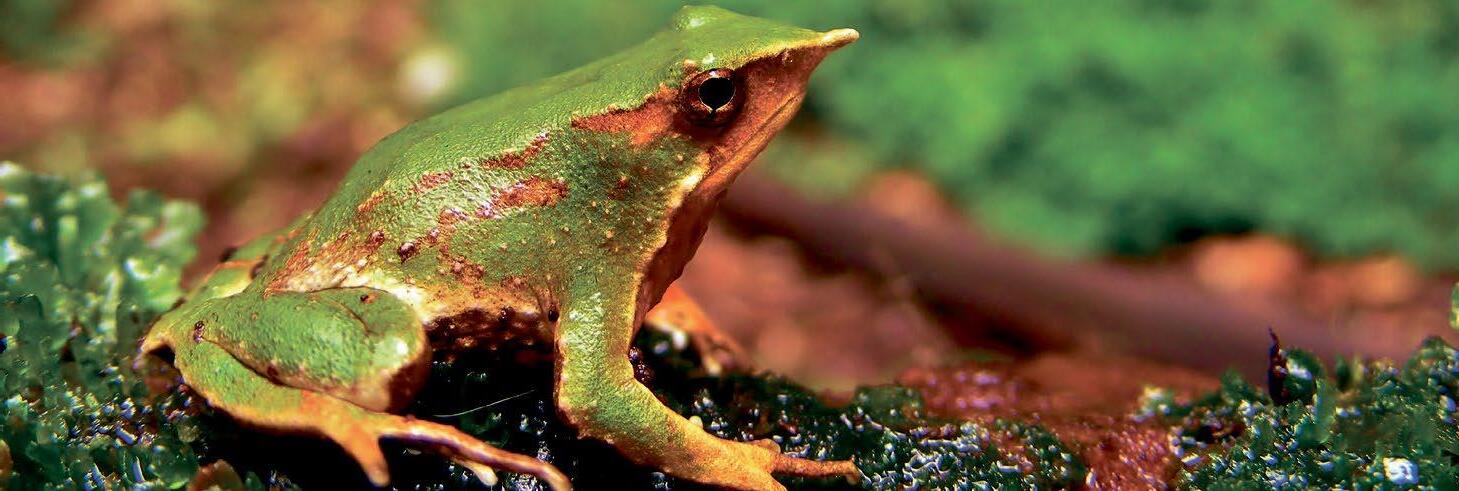
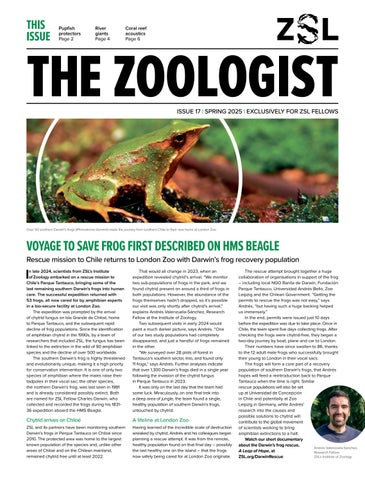
In late 2024, scientists from ZSL’s Institute of Zoology embarked on a rescue mission to Chile’s Parque Tantauco, bringing some of the last remaining southern Darwin’s frogs into human care. The successful expedition returned with 53 frogs, all now cared for by amphibian experts in a bio-secure facility at London Zoo.
The expedition was prompted by the arrival of chytrid fungus on Isla Grande de Chiloé, home to Parque Tantauco, and the subsequent rapid decline of frog populations. Since the identification of amphibian chytrid in the 1990s, by a team of researchers that included ZSL, the fungus has been linked to the extinction in the wild of 90 amphibian species and the decline of over 500 worldwide.
The southern Darwin’s frog is highly threatened and evolutionarily unique, making it a high priority for conservation intervention. It is one of only two species of amphibian where the males raise their tadpoles in their vocal sac; the other species, the northern Darwin’s frog, was last seen in 1981 and is already considered possibly extinct. Both are named for ZSL Fellow Charles Darwin, who collected and recorded the frogs during his 183136 expedition aboard the HMS Beagle.
Chytrid arrives on Chiloé ZSL and its partners have been monitoring southern Darwin’s frogs in Parque Tantauco on Chiloé since 2010. The protected area was home to the largest known population of the species and, unlike other areas of Chiloé and on the Chilean mainland, remained chytrid free until at least 2022.
That would all change in 2023, when an expedition revealed chytrid’s arrival. “We monitor two sub-populations of frogs in the park, and we found chytrid present on around a third of frogs in both populations. However, the abundance of the frogs themselves hadn’t dropped, so it’s possible our visit was only shortly after chytrid’s arrival,” explains Andrés Valenzuela-Sánchez, Research Fellow at the Institute of Zoology.
Two subsequent visits in early 2024 would paint a much darker picture, says Andrés. “One of our two study populations had completely disappeared, and just a handful of frogs remained in the other.
“We surveyed over 28 plots of forest in Tantauco’s southern sector, Inio, and found only 11 frogs,” says Andrés. Further analyses indicate that over 1,300 Darwin’s frogs died in a single year following the invasion of the chytrid fungus in Parque Tantauco in 2023.
It was only on the last day that the team had some luck. Miraculously, on one final trek into a deep area of jungle, the team found a single, healthy population of southern Darwin’s frogs, untouched by chytrid.
lifeline at London Zoo
Having learned of the incredible scale of destruction wreaked by chytrid, Andrés and his colleagues began planning a rescue attempt. It was from the remote, healthy population found on that final day – possibly the last healthy one on the island – that the frogs now safely being cared for at London Zoo originate.
The rescue attempt brought together a huge collaboration of organisations in support of the frog – including local NGO Ranita de Darwin, Fundación Parque Tantauco, Universidad Andrés Bello, Zoo Leipzig and the Chilean Government. “Getting the permits to rescue the frogs was not easy,” says Andrés, “but having such a huge backing helped us immensely.”
In the end, permits were issued just 10 days before the expedition was due to take place. Once in Chile, the team spent five days collecting frogs. After checking the frogs were chytrid-free, they began a two-day journey by boat, plane and car to London. Their numbers have since swollen to 86, thanks to the 12 adult male frogs who successfully brought their young to London in their vocal sacs.
The frogs will form a core part of a recovery population of southern Darwin’s frogs, that Andrés hopes will feed a reintroduction back to Parque Tantauco when the time is right. Similar rescue populations will also be set up at Universidad de Concepción in Chile and potentially at Zoo Leipzig in Germany, while Andrés’ research into the causes and possible solutions to chytrid will contribute to the global movement of scientists working to bring amphibian extinctions to a halt.
Watch our short documentary about the Darwin's frog rescue, A Leap of Hope, at ZSL.org/DarwinRescue
T his issue brings you a sample of our evidencebased conservation work, applied to a diversity of species around the world – from Darwin’s frogs in Chile, to armadillos in Brazil, to elephants in Thailand.
As a ZSL Fellow who is concerned for the natural world, you may also be worried about the global pace of technological development and its impact on our environment. The rapid emergence of artificial intelligence (AI) is the latest example of humans’ unique ability to develop technology that appears to extend beyond the laws of nature, and its ultimate consequences are still to be understood. However, we must find ways of working responsibly with this fundamentally
important development to enhance the speed, accuracy and capability of our science. Here at ZSL we are doing just that.
Early last year, the scientific potential of ZSL was recognised by the UK Government’s Department for Science, Innovation and Technology through a major grant to purchase hardware for highperformance computing involving AI. The Institute of Zoology is now home to two NVIDIA DGX H100 units, optimised for deep learning applications, that will enable us to perform computationally intensive research on a whole new level.
The supercomputer will allow us to process very large data sets – ones that would have previously taken months for a scientist to process by hand – using machine learning software. The significance of our recent acquisition was highlighted in a recent issue of Nature (December 2024) that included a global survey of computer facilities available for research employing AI. It turns out that most university scientists simply do not have adequate access to the technology needed for AI research, and only a small percentage have ready access to the computing power that we now have. The challenge for us, very clearly, is to put this new facility to full and responsible use for advancing evidencebased conservation.
We are already meeting the challenge with a dynamic user group finding new ways of processing existing data, monitoring nature in novel ways and speeding up the process of discovery. As one worthy example, you will read in this issue about SurfPerch, an AI tool for performing rapid health checks on coral reefs using underwater acoustic monitoring. But this is just the beginning – the possibilities are endless!
Pupfish feared gone from the wild saved from total extinction by population at Whipsnade Zoo
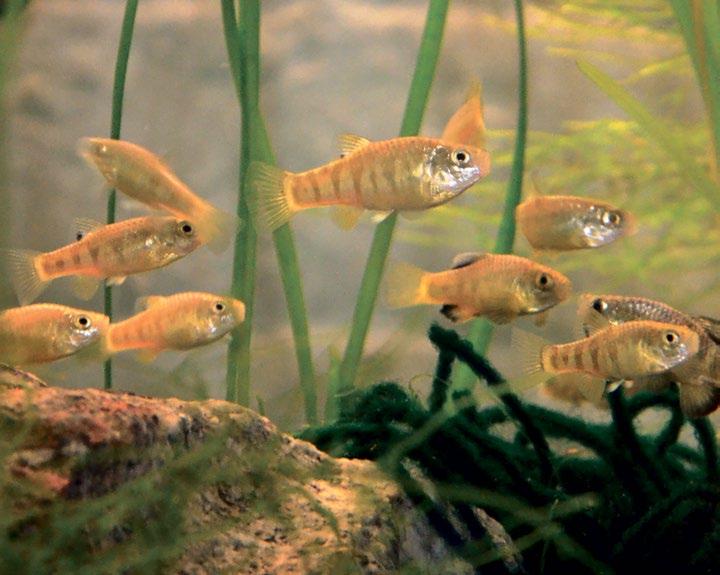
In November 2024, ZSL’s Assistant Curator of Fish, Alex Cliffe, received some troubling news from partners in Mexico: a species of Mexican pupfish, cared for at Whipsnade Zoo – the boxer pupfish – appeared to have vanished from the wild. The news of their disappearance from their native habitat meant that the world's only viable population of boxer pupfish was thousands of miles away, in the care of aquarists at Whipsnade Zoo.
Boxer pupfish are plankton-eating fish, unique to Lake Chichancanab in southeastern Mexico. The species reaches two inches long, is an important food source for the ecosystem and is one of seven pupfish species only found in Lake Chichancanab. Comprehensive, annual surveys of the lake, conducted by conservation partners in Mexico, have recorded a steady decline of the boxer pupfish; the latest found none at all.
Within days of the bad news, aquarists at Whipsnade Zoo began the delicate process of collecting and moving 50 boxer pupfish eggs to the Bristol Zoo Project. “Even the small risk of a freak accident at Whipsnade could endanger the species’ last remaining individuals, so it was urgent that we work with fellow conservationists at Bristol to set up a second breeding population,” explains Alex.
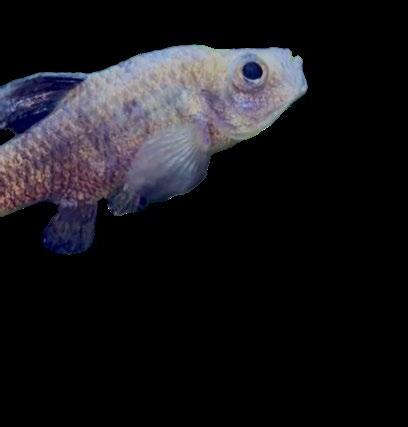
“A second shipment of eggs has since gone west to Bristol and both sets of eggs have now hatched – meaning we now have a second population of these incredible fish.”
The next step will be to conduct a second survey this spring to confirm their disappearance from the Lake, explains Alex. “We are also working with EAZA [the European Association of Zoos and Aquaria] and other zoos to set up more breeding populations in Europe, and we also want to support the establishment of boxer pupfish populations in Mexico. The outcome of the survey will inform our longer term steps, including a review of the boxer pupfish’s IUCN status and the development of a conservation
10 May, 8:30-10am
Women in wildlife: Leading the charge for conservation Fellows event London Zoo
13 May, 6-7:30pm
Learning to adapt: Animal behaviour as a tool for conservation Huxley Lecture Theatre
4-5 June, 9am-5:30pm
Seascape symposium II: Reconnecting the seascape Huxley Lecture Theatre and online
7 June, 9am-6pm
2025 Fellows Conference Fellows exclusive event Huxley Lecture Theatre
10 June, 6-7:30pm
Symbiotic wonders across the Tree of Life Huxley Lecture Theatre
Online talks are streamed via zsl.org/IoZYouTube. For more info, visit zsl.org/zsl-fellows-events
action plan for the species – which will consider options for reintroduction.”
Boxer pupfish were last assessed by the IUCN Red List in 2018, when they were considered Near Threatened. The rapid deterioration of their habitat, and their swift disappearance, is thought to have been driven by invasive Mayan cichlids, likely introduced to the lake to provide a food source for local fishers and their families.
“This is an example of just how important conservation zoos like Whipsnade and London are. Species that have a very small range and are found nowhere else on earth are particularly at risk when it comes to the introduction of invasive species, pollution and even catastrophic weather events – and the changes can be extremely rapid. It’s vital that we conserve animals in human care, to guard against unforeseen events like these.”
ZSL brings work in Mongolia to a close, launching new charity Luujin to continue legacy
L
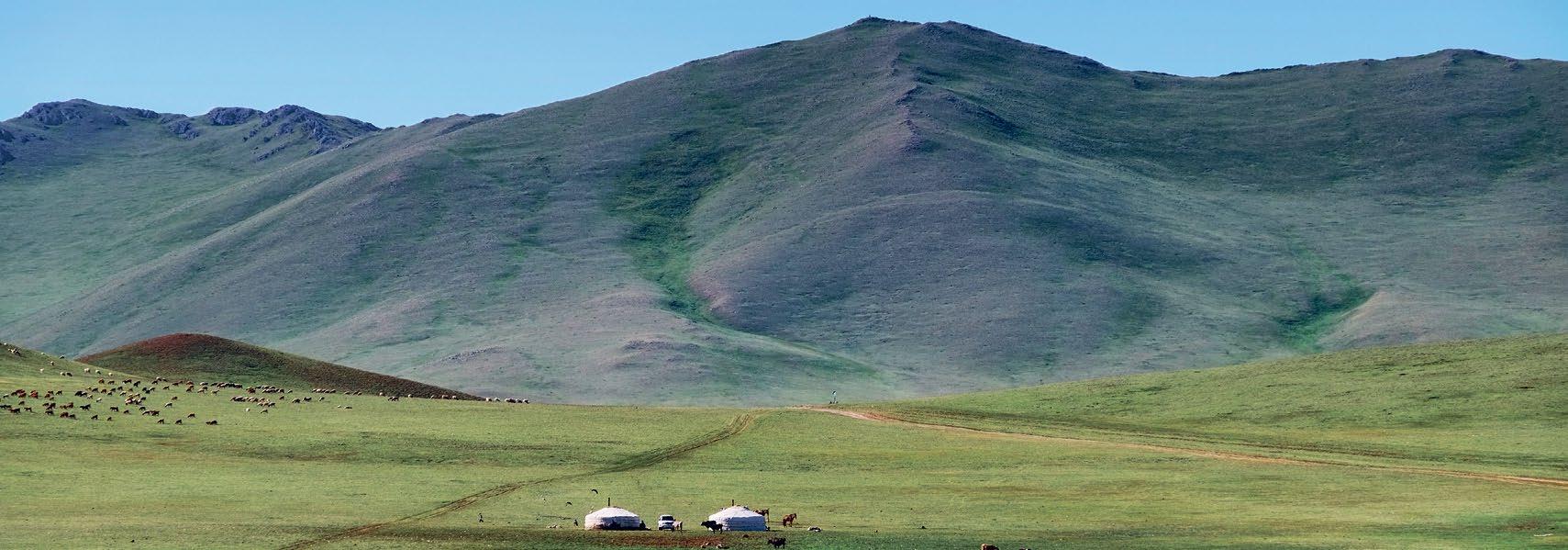
ast year marked a transition for ZSL’s conservation in Mongolia. After a 20-year presence in the country, ZSL has closed its field office and supported the launch of an independent, Mongolian conservation charity, Luujin. The charity will continue many of the projects that ZSL helped set up.
“A major part of ZSL’s new strategy is a partnership development programme,” explains Andrew Terry, ZSL Director of Conservation and Policy. “We want to empower and support national conservation, by building capacity and skills, with the ultimate goal that communities take leadership in the conservation of their species and habitats.
“As a charity with limited resources, this is how ZSL will have the greatest global impact, and I’m delighted that we’ve been able to support our Mongolian colleagues with this new chapter.”
A country in transition
ZSL first began working in Mongolia in 2003, with the launch of the Steppe Forward Programme alongside the National University of Mongolia. Steppe Forward aimed to provide Mongolian conservationists with the resources and training needed to monitor the country’s wildlife, and notably produced the first National Red Lists for vertebrate species in the country.
ZSL quickly found a role in the country, explains Dr Tungaa Ulambayar, former Country Director of ZSL’s Mongolia Office.
“We identified the illegal wildlife trade as a key issue facing the country,” explains Tungaa, now Executive Director of the newly formed Luujin. “Mongolia’s move to a market economy following the collapse of the Soviet Union wasn’t an easy one, and many had turned to hunting and selling wildlife products to support themselves.”
ZSL would go on to publish the landmark study Silent Steppe II, the most comprehensive study to date of Mongolia’s illegal wildlife trade crisis. It found that demand from neighbouring countries was driving trade in a range of species; two of the most soughtafter being gray wolves and Siberian marmots.
“The report had a major impact on illegal wildlife trade in the country,” says Tungaa. “It contributed towards the tightening of rules around the hunting and selling of wildlife products, and the Mongolian Government launched a new ecological police department to tackle the issue.”
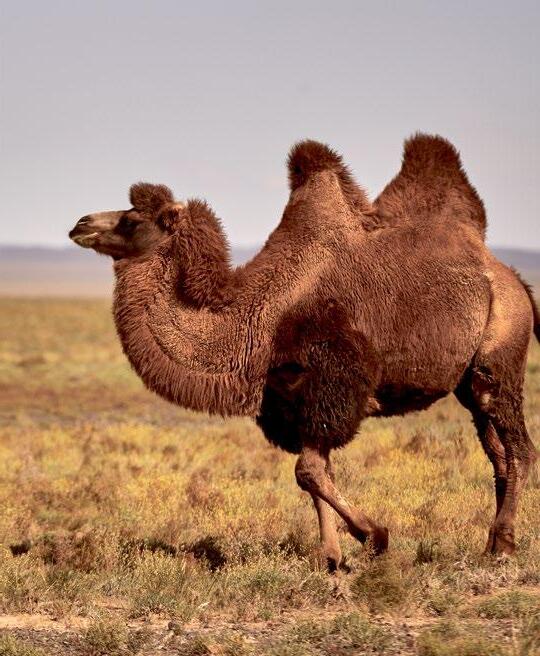
Since then, ZSL has fostered a close relationship with Mongolian law enforcement, helping to pioneer the use of sniffer dogs in the country and working with government agencies to develop training schemes and even an app to help police, border staff, customs officials and rangers combat the illegal trade. Relief for a desert specialist Of Mongolia’s animal species, there is perhaps none more recognisable than the wild camel (Camelus ferus) – or more vulnerable.
“We identified the wild camel as desperately in need of our support and made it a major focus of our work,” explains Tungaa. “Just 660 are thought to survive in Mongolia, out of a global population of less than a thousand.
“In 2019 we undertook an assessment of the population, and identified climate change as a major threat to their existence. As water sources shrink and disappear, so has the camel population.”
Mongolia is highly vulnerable to climate change, explains Tungaa. “Average temperatures have risen by 2.1°C since the 1940s – three times above the global average – and extreme weather events, including droughts, have increased in frequency.”
To tackle the problem, ZSL and its partners built a series of solar-powered wells and reservoirs in the Mongolia’s Great Gobi Desert, buying the species some valuable time. Without man-made water sources, climate change would have made an already challenging environment impossible, even for wild camels – one of the planet’s hardiest species.
A model for community conservation
Another major success has been the creation of the Khoid Mogoin Gol-Teel Local Protected Area – a 243,000-hectare area in central Mongolia, almost twice the size of Greater London.
Developing a local protected area in the country, where most previous attempts by NGOs had been unsuccessful, was a major win for ZSL – and required a huge amount of collaboration, explains Tungaa.
“The model we developed alongside the herder communities and local government created a clear and transparent structure for successfully using local protection to safeguard the landscape and support sustainable livelihoods for its herder communities –a model that has since been implemented in other parts of the country.
“A major part of ZSL’s new strategy is a partnership development programme. We want to empower and support national conservation, by building capacity and skills”
“It was a major effort, taking six years to set up, but the results are promising and nature is beginning to recover. Where Siberian marmots had entirely disappeared, we now have a population of over 700. The musk deer population is also stable, and poaching and illegal timber logging have all but disappeared.”
Continuing ZSL’s legacy
The new charity will still receive strategic support from ZSL in the short term, and continue key activities in tackling the illegal wildlife trade, community conservation and wild camels – building on ZSL’s strong reputation for science-based conservation and existing relationships with government organisations.
“One of our next steps will be to tackle the risks of zoonotic and water-borne disease facing wild camels,” says Tungaa. The spread of diseases from domestic camels to wild herds, and the pollution of existing water sources in the Gobi Desert, is a major concern for remaining wild camels and Luujin has embarked on a disease risk assessment to identify possible solutions.
Luujin will also have a voice in shaping Mongolia’s future direction in tackling the illegal wildlife trade. The charity has been invited to sit on a newly formed sub-committee that are advising the Crime Prevention and Coordination Council, set up by the Mongolian Ministry of Justice and Domestic Affairs to oversee the prevention of environmental crimes.
Luujin means ‘compass’ in Mongolian, and is a powerful symbol in Mongolia, says Tungaa. “It signals to our partners and the communities our intention to lead Mongolian conservation is in the right direction.”
For more on ZSL’s new strategy, turn to page 5. Learn more about Luujin at zs-compass.org

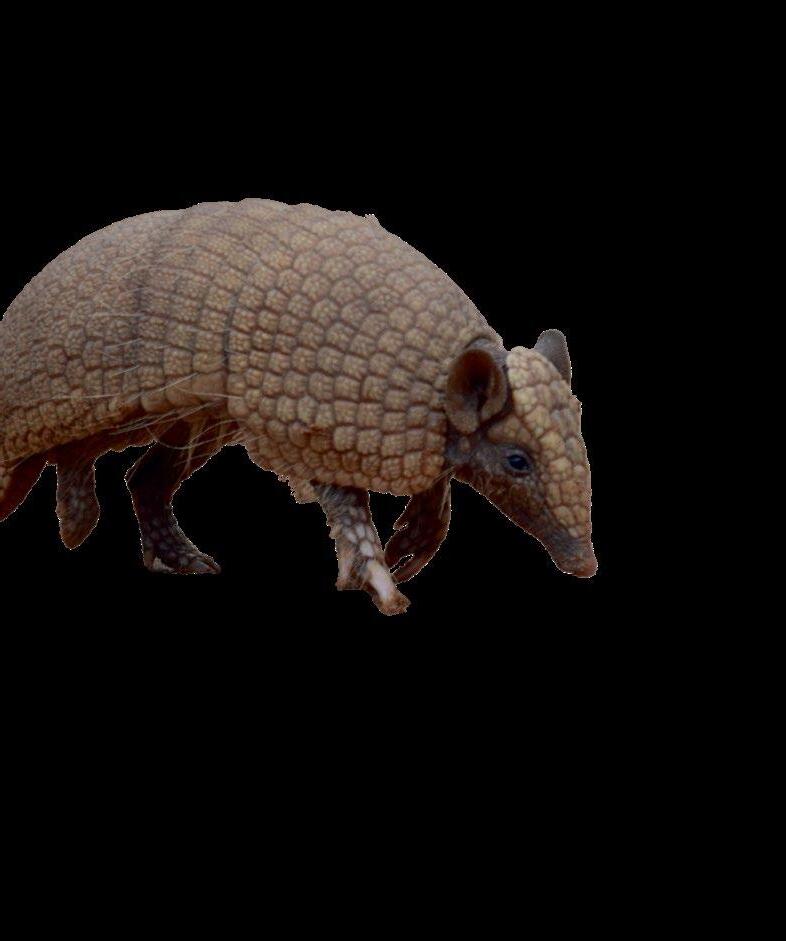
When PhD Researcher Rodolfo Assis Magalhães first observed Brazil’s rarest armadillo in the remote community of Sumidouro, he recognised a unique opportunity to study the species.
The Brazilian three-banded armadillo, or tatu-bola in Portuguese, is endemic to Brazil’s Caatinga and Cerrado regions but rarely seen. Believed to be extinct for almost 20 years, until its rediscovery in the 1980s, the species has been teetering on the edge of extinction as a result of habitat loss and overhunting ever since.
When Rodolfo came across the threatened armadillo (Tolypeutes tricinctus) living in abundance in Brazil’s Chapada Diamantina mountains, he was stunned. “I couldn’t believe it,” he says. “This is a species so rare I had never seen it before, but for the local people they were commonplace.”
Historically, overhunting is the most significant threat to the species.
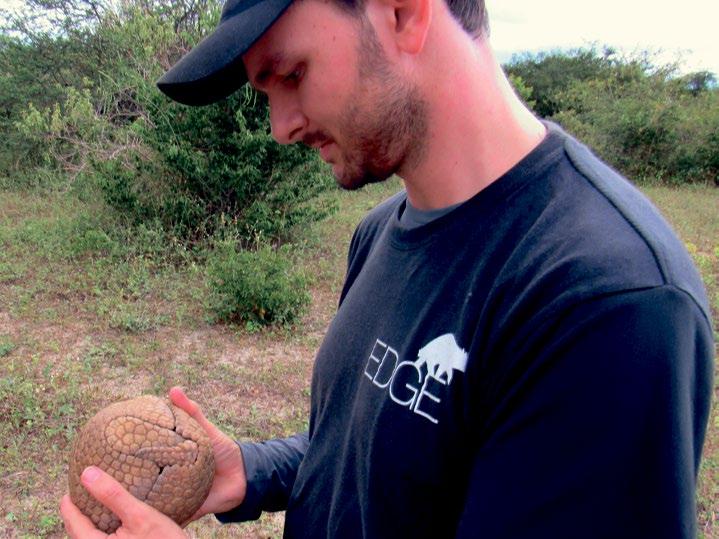
curling into a ball inadvertently aids collection by human hunters. The species had not been intensively hunted in Sumidouro, however, as eating its meat
Recognising the potential of the intact population to be used as a model programme, which supports the conservation of evolutionary studies, working alongside the community to better
Tapping into the community has been key, explains Rodolfo. “By conducting interviews we learnt about the armadillo’s preferred habitats, dietary preferences and reproductive rates – things previously unknown to the scientific community.
“We also evaluated different methodologies and found that searches led by local people were more efficient at locating armadillos than using camera traps.”
Following his EDGE Fellowship, Rodolfo is now undertaking a PhD with ZSL’s Institute of Zoology and UCL. His work will expand beyond the armadillo to analyse how Latin America’s mammals respond to human activity by altering their distribution and behaviours.
“It all started by looking to answer these questions for the three-banded armadillo,” he says. “But I realised it could be possible to join Latin American researchers together and get those answers for other species as well, supporting effective conservation for a broader range of wildlife.”
“This is a species so rare I had never seen it before, but for the local people they were commonplace.”
Analysis of over 5,000 historical records and museum specimens by ZSL conservationists has revealed the European sturgeon very likely once spawned in UK rivers.
The armour-plated, Critically Endangered European sturgeon is capable of growing to lengths of up to five metres. Once so popular it was deemed a ‘royal fish’ by King Edward II, it has now disappeared from UK rivers following extensive construction of dams, blocking migration routes, as well as overfishing and persecution.
Finding evidence of spawning is an essential step in the case for the fish’s reintroduction to the UK, as championed by ZSL and the partners that form the UK Sturgeon Alliance.
“Although we know the European sturgeon has long inhabited our coastal and marine waters, their native status remained uncertain due to lack of evidence demonstrating successful spawning,” explains ZSL’s Hannah McCormick, Conservation Project Manager for Estuaries and Wetlands.
His work includes running spatial and behavioural analysis for armadillos and anteaters in Sumidouro, where three years of data will allow them to better understand the population dynamics of the species throughout the seasons and years.
“At the same time, we are now receiving data from Latin American researchers. The aim is to create a huge dataset, with studies from different biomes and countries across Latin America.
“My hope is that the Brazilian three-banded armadillo can act as a flagship species for mammal conservation in the region,” Rodolfo explains, “with the lessons learned in Sumidouro at the heart of our actions.”
However, extracting this evidence from thousands of newspaper clippings and local reports of sturgeon sightings from the last 400 years proved challenging. “The database, compiled by the Institute of Fisheries Management, is skewed to reports of bigger fish,” says Hannah.
“This is in part because catching an adult sturgeon was a newsworthy event, whereas sightings of smaller fish would have been less noteworthy.”
With a dearth of reported juvenile sightings, the team instead looked for evidence of ‘intentions to spawn’, including descriptions of sturgeon being pulled out of the water dripping with eggs, groups of adults spotted in the river, and descriptions of rubbed noses and scarring – all signs of mating. Recent findings of juvenile specimens in museum archives, indicated to be from UK freshwaters, have further added to the evidence available.
The hope is this research, due to be published this year, bolsters the argument for these aquatic giants to be reintroduced to UK waters and captures the public imagination.
“By demonstrating that these magnificent, dinosaur-like fish were once common in our rivers, we want to show that they’re an important part of our UK wildlife and another piece of the puzzle that we're currently missing.”
“This charismatic fish has the potential to be a flagship species that could inspire greater conservation of our rivers,” adds Hannah. “They
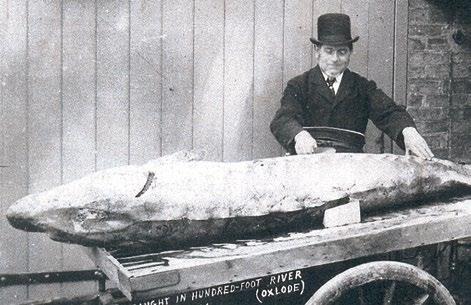
need clear river access to spawn and, as the biggest fish that once roamed our waters, we know that if a sturgeon can pass through a river barrier then anything smaller can follow.”
As part of this public outreach, ZSL and Natural England have created an interactive map using the data. It allows anyone to explore historic sturgeon hotspots and the stories they tell at uksturgeonsightings.org
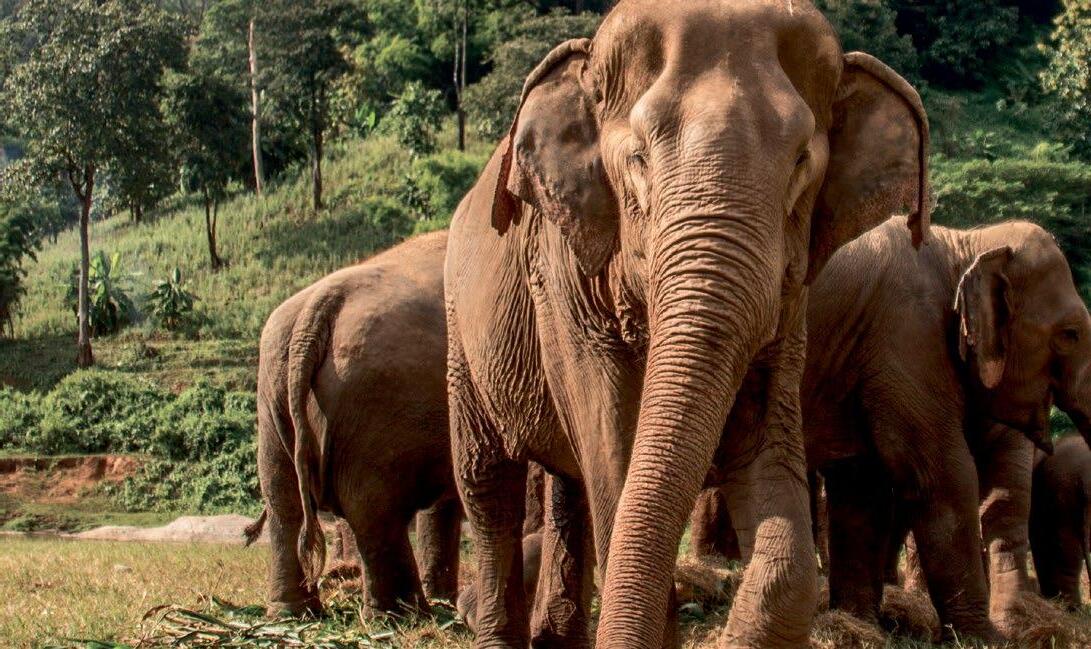
First test of camera trap designed to mitigate human-elephant conflict at night
Anew camera trap system, developed by ZSL conservationists, zookeepers and tech partner Arribada, is being tested in the field for the first time by ZSL Thailand.
HEAT, which stands for Human Elephant Alert Technologies, uses AI software to identify thermal images of elephants travelling at night. The AI software was trained using 20,000 thermal images of Asian elephants (Elephas maximus) taken at Whipsnade Zoo.
Once tested and refined in the field, the system will be able to alert communities and local authorities about elephants that have left protected areas and are likely to come into contact with humans.
A new way of seeing
HEAT aims to help mitigate human-elephant conflict, a major challenge for the communities living alongside elephants, and ZSL hopes to deploy the system to help those that live and farm along the border of Thailand’s southeastern Western Forest Complex (WEFCOM).
“This is the first time that thermal camera traps have been tested as a way of monitoring and detecting elephants in Thailand, so we’re very excited to begin the trial,” says Juliana Masseloux, Project Manager at ZSL Thailand.
“By combining thermal imaging with real-time AI identification, HEAT will provide an early warning system for local labourers, farmers and community members, helping them to get to safety.
“Ultimately, the system will also alert groups of volunteers, trained to deal with errant elephants – known as elephant rapid response units (ERRUs). They will be able to move quickly to the area and guide the elephants away from villages and crops before damage occurs –saving both lives and livelihoods.”
Thai farmers living on the edges of WEFCOM face regular incursions from elephants, drawn by artificial water sources and cash crops such as pineapple, banana and cassava. The resulting conflict can be devastating, with loss of life for both people and elephants.
And the problem is only going to become greater, says Juliana, so the new technology is
urgently needed. “With global temperatures rising and availability of water diminishing, these elephants are increasingly incentivised to leave Salakpra National Park and enter farming communities.”
From Whipsnade to the wild
“We've tested HEAT many times at Whipsnade and other UK zoos,” says Fiona Sach, ZSL Conservation Impact Manager and co-developer of HEAT. “So we know it can recognise an elephant within that setting. But now we need to test it in the field – because a wild elephant might look different in different temperatures, humidity and general weather conditions.”
Training AI to recognise the thermal image of a species isn’t as simple as it may sound; at one point the model continuously confused the shape of an elephant’s trunk with a human arm.
“Thousands of images of our elephants were taken from every possible angle and every composition to help the AI create a comprehensive picture of what constitutes an elephant,” says Jamie Gray, Whipsnade Zoo’s Lead Elephant Keeper.
“It’s been a lot of work manually training the tool – clicking thousands of times to confirm what is and isn’t an elephant – but it’s worth it. We’re really proud to be able to support our team in Thailand.”
With the cameras now deployed, they will be left in situ for six months to collect images of wild elephants and other wildlife. Later this summer Juliana will travel to the UK with the camera and the collected data, so ZSL’s tech specialists can investigate how well the AI system performed in recognising wild elephants and distinguishing them from other animals and humans.
“This is a really good example of how our Zoos can support conservation on the ground, and how our conservation Zoos and field projects can work together to achieve change for wildlife and people,” adds Juliana. “There are certain studies which are more feasible with zoo elephants, and our Whipsnade herd has given us a strong head start. We now have to keep our fingers crossed that the AI performs as we all hope!”
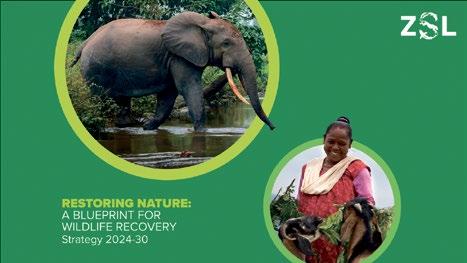
This year, ZSL has launched its new strategy, Restoring Nature: A Blueprint for Wildlife Recovery. The strategy articulates a path for the coming years, aligning the charity with global nature recovery goals for 2030.
“ZSL’s work has never been more urgent,” says Matthew Gould, ZSL’s CEO. “If the world continues on its current trajectory, it will lead to wildlife population collapse and wider ecological failure.
“In setting out our Blueprint for Wildlife Recovery, we have committed ourselves to help prevent further declines and undo the damage humanity has caused. Alongside our partners in government, business and conservation, and with our millions of supporters, we will build a world where wildlife thrives.”
The Blueprint outlines ZSL’s focus on four key commitments, where the organisation has proven success and can have the most impact: Protecting Species; Restoring Habitats, Training Conservationists; and Creating Change.
Each impact area is underpinned by an overall goal – such as ‘to support and protect at least 200 threatened species and move 60 of those at greatest risk of extinction to global recovery’, for Protecting Species – and a series of specific milestones that will keep the charity on course towards the overall goals.
Combined, the four impact areas will help ZSL deliver its overall vision – a world where wildlife can thrive. The goals and milestones are also designed to feed into international targets for nature recovery, including the Global Biodiversity Framework, and support 10 of the 17 UN Sustainable Development Goals.
Alongside the impact areas, the Blueprint also sets out three foundational beliefs that will inform all of ZSL’s work. Firstly, that nature can recover. Secondly, that conservation works best when it is powered by science – when evidence drives the solutions. And finally, that people and wildlife can thrive together.
“This strategy is not a change of direction –it’s about building upon 200 years of heritage to maximise our opportunities for the future,” says Kathryn England, ZSL’s Chief Operating Officer.
“What makes ZSL unique is the combination of scientific rigor that informs our work, and our ability to collaborate with people – from school children, to governments, to local communities around the world. I’m delighted that we’ve been able to articulate what makes us special in this strategy and make it our guiding light.”
To read Restoring Nature: A Blueprint for Wildlife Recovery, visit ZSL.org/Strategy
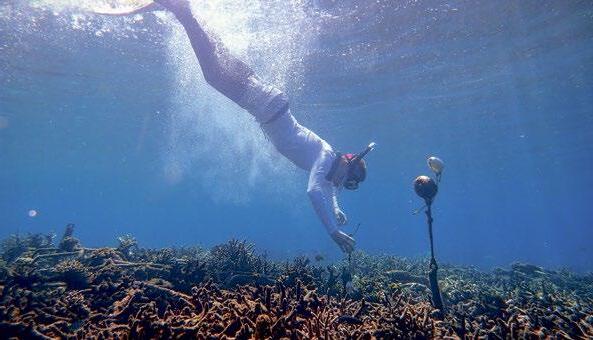
Newly developed SurfPerch, created by PhD Researcher Ben Williams at ZSL’s Institute of Zoology, could help marine biologists around the world better understand the health of coral reefs.
Using a database of over three million recordings, and developed alongside Google DeepMind and UCL, SurfPerch is an open-source, AI model trained to rapidly analyse coral reef soundscapes.
The tool will help conservationists to identify which species are using the habitat, which species might be missing, and listen for important behaviours that indicate a healthy ecosystem.
With global coral reefs in steep decline – over half have been lost in the last 70 years – and formidable challenges on the near horizon, including ocean acidification, rising sea temperatures and increasingly adverse weather events, understanding reefs and how to restore them has never been more urgent.
“Acoustics is a really promising tool for monitoring coral reefs that can lead to broader conservation and restoration impacts, but previously we had no good way to analyse all the data we collected,” says Ben.
When Ben found human-powered audio analysis to be a painstakingly slow approach to monitor a habitat rapidly running out of time, he applied his experience of bioinformatics to streamline the process.
“I had studied Python and bioinformatics in my undergrad. I realised no one was applying machine learning to the problem, so I felt it was something I could bring to the field.”
Now SurfPerch has launched, it’s able to save reef conservationists months of time. “Manually analysing an hour of audio could take an entire day but, with SurfPerch, I can identify all of the fish sounds from six months of audio in less than 10 hours,” Ben says.
Although its usage will emerge through published research over time, SurfPerch is already in use on reefs around the world.
“We know of several projects using it already: to compare the soundscape of protected and unprotected areas in the Philippines; to measure the impact of motorboats on manta ray cleaning stations in the Maldives; and in the Seychelles to track coral reef restoration.”
And its uses aren’t strictly limited to the marine environment. “I have a colleague who’s trialling it on soil soundscapes to monitor invertebrate communities. They're calling their version DirtPerch.”
As an open-source tool this is just the start for SurfPerch, which will be taken and adapted and reformed by others. “AI is a rapidly progressing field and we expect SurfPerch to integrate into other tools and become increasingly accessible as new models are released,” Ben explains.
“I'm excited to see how people will use it over the next few years and what impact it makes for conservation and restoration.”
toad
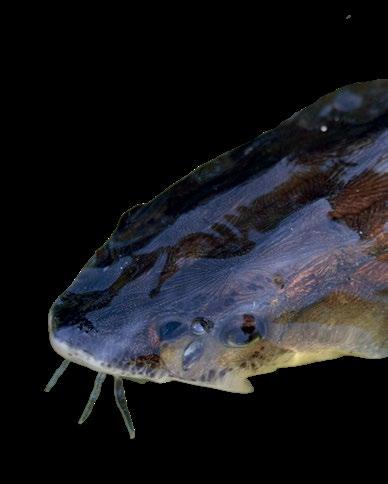
Anew species of toothed toad has been described by ZSL’s EDGE Fellow Luan Thanh Nguyen, found at the apex of the Hoàng Liên Mountain Range
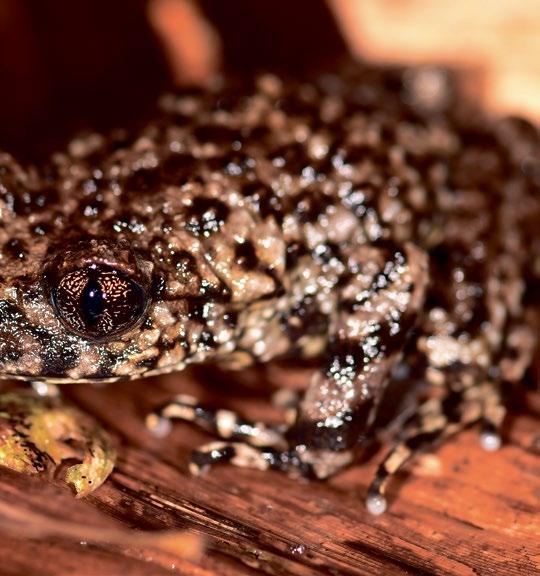
The newly described species, named the Mount Po Ma Lung toothed toad, is only the second of the Oreolalax genus, commonly known as toothed toads, discovered outside of China.
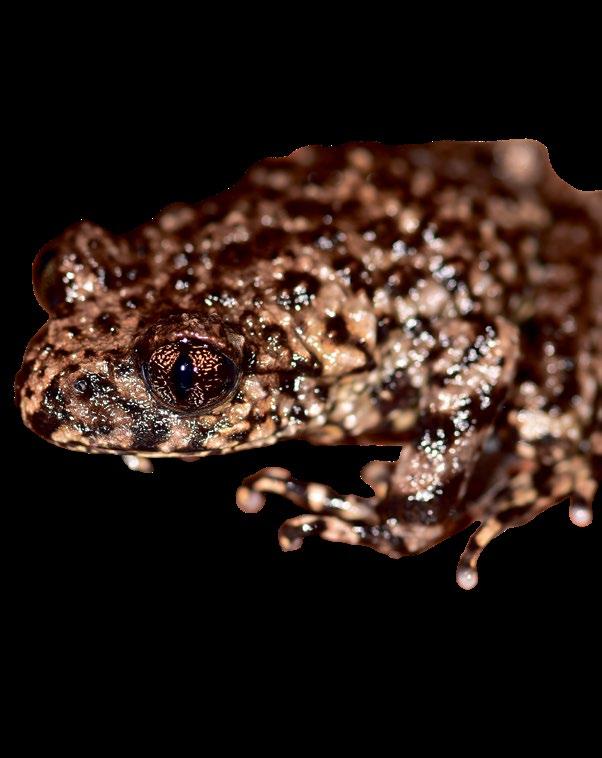
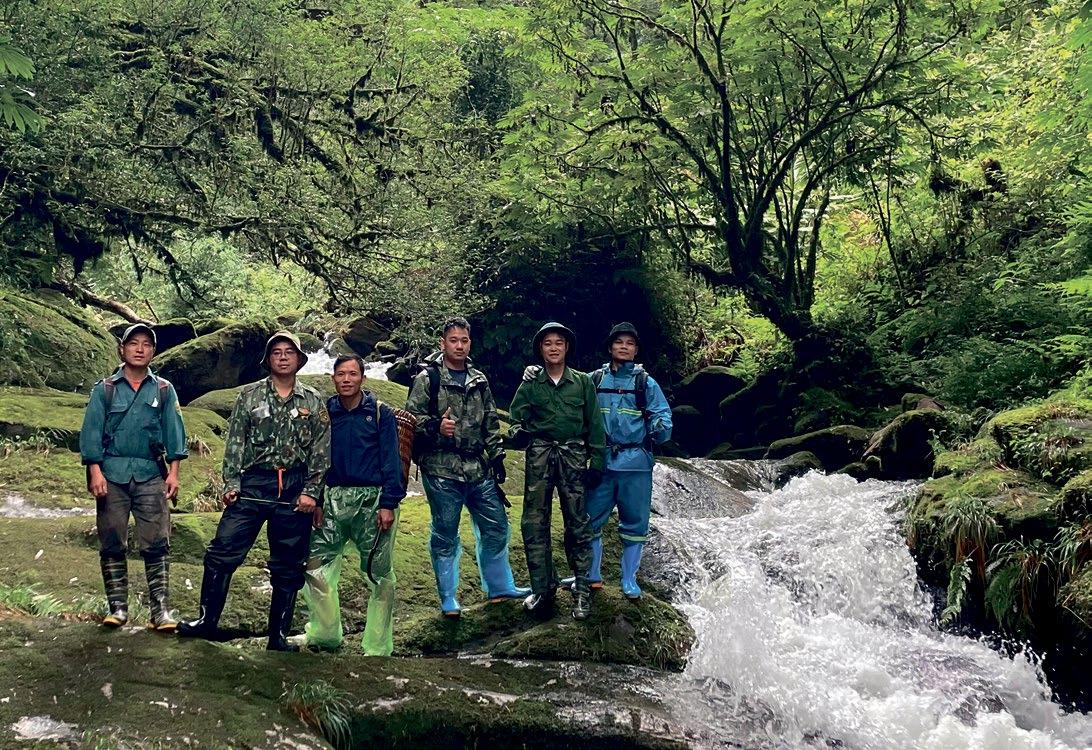
The Hoàng Liên Mountain Range, the tallest in mainland Southeast Asia, is a hot spot for amphibian biodiversity. Luan and a team of herpetologists had just completed a 12-hour hike to the summit of the most northern part of the mountain range when they came across the creamand-black mottled toad in the bamboo forest.
“Working to conserve these species and raise local awareness is a far more important step to me than the prestige of describing them”
“We were looking for the Sterling’s toothed toad, another recently described species,” explains Luan, who found three of the unidentified frogs on a local hiking trail.
“The frog’s colouration looked unusual but, because it was a toothed toad, found in the same place as the Sterling’s toad, we couldn't be 100% sure it was a new species.”
While the mountain expedition took eight days, the journey to describing the new toad took a further year – with the team sequencing the frog’s DNA and comparing it with specimens in museums in China to confirm its status as an undescribed species.
Hoàng Liên Mountain Range – and has another research paper currently awaiting publication.
But, despite the thrill of finding new species, Luan’s real passion is for the conservation of Vietnam’s wildlife. “Working to conserve these species and raise local awareness is a far more important step to me than the prestige of describing them,” he says.
“These frogs are special animals, living in the extremes at the peak of Vietnam’s highest mountain range, and are really sensitive to climate change.”
As a global stronghold for amphibian biodiversity, the conservation of the Hoàng Liên range becomes ever more essential in the face of global habitat loss and climate change.
With work now beginning on the creation of tourist developments on the mountain range, Luan is working with partners, stakeholders and the local authorities to make agreements to conserve the frogs’ precious habitat.
“We’re trying to make an agreement to protect the streams and surrounding sand where the frogs lay their eggs. Often this sand would be taken for building work, but it’s imperative for these species that it’s left alone.”
His team is also working with local guides to ensure tourists use established trails, avoid littering and leave amphibian habitat clean and undisturbed.
“We can’t stop the development from happening,” he says, “but we can help create a future for people and wildlife to live harmoniously on the range.”
fruits
I
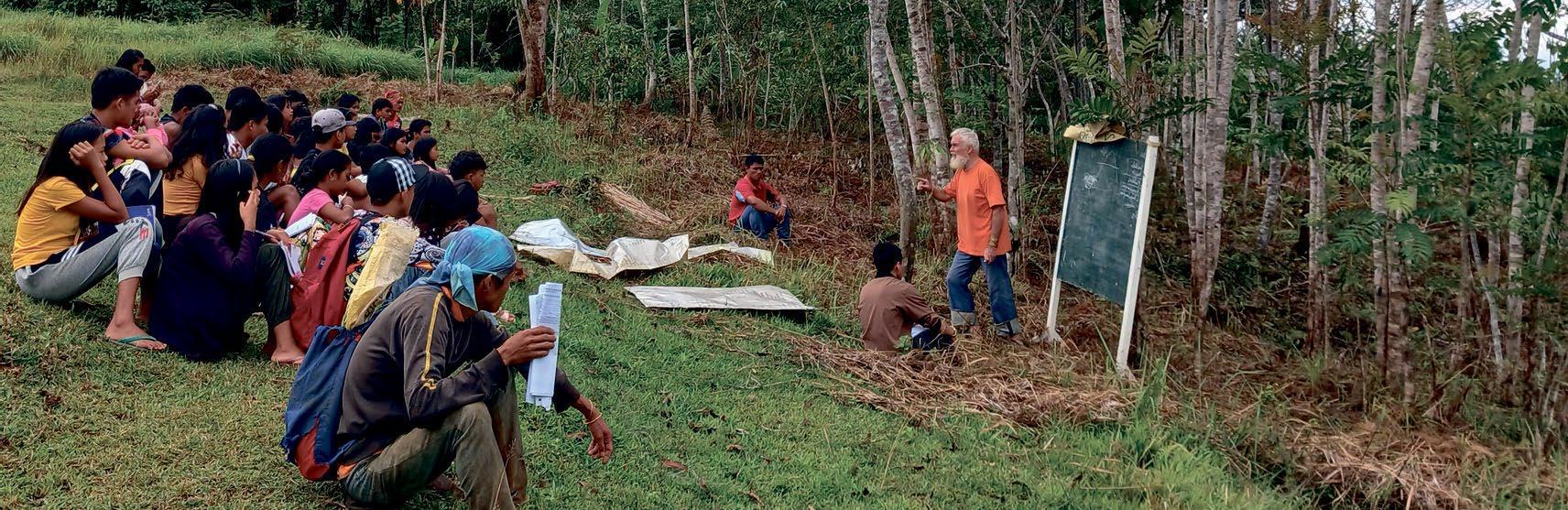
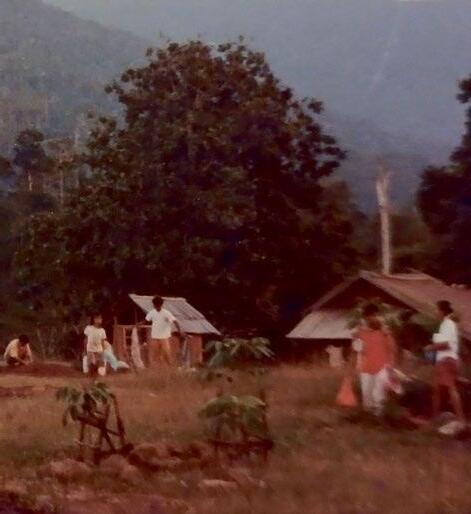
t is not often we get the chance to revisit a project 30 years after its inception and witness the fruits of a project that began so long ago. This was my recent experience when, a few months ago, I was lucky enough to return to the village of Bendum in the Philippines. I had last been there in 1998, having completed a four-year project alongside the community.
Bendum is a small village of about 70 households, located in the northern section of the Pantaron Range within the Upper Pulangi River catchment. This mountain range, often called the backbone of Mindanao Island, is one of the world’s most biodiverse regions but remains severely understudied and overlooked.
For centuries, the Pulangihēn people (and the broader Bukid-non-Higaonon-Manobo tribes) have safeguarded this area. Logging, plantations and migrant agriculture were degrading the landscape and displacing indigenous communities. Despite limited government presence and depleted resources, Bendum’s people showed resilience, beginning efforts to preserve their culture and environment.
Working with Pedro Walpole, a Jesuit stationed in the area, I helped secure funding for a four-year cultural biodiversity conservation project. Supported by USAID’s Biodiversity Conservation Network, our goal was to demonstrate how sustainable
Written
by Dr Karen Lawrence, ZSL Fellow and Trustee. Karen is an impact advisor in conservation and natural land management. She holds a PhD in political ecology, examining the relationships between communities and protected areas, and has experience at a number of conservation NGOs, including WWF and Flora and Fauna International. Karen was elected to ZSL's Council in November 2024.
livelihoods could protect forest resources while strengthening cultural identity. The work we began in Bendum has since been continued through smaller-scale initiatives.
An interconnected approach to biodiversity, culture and economy
The project focused on three pillars: protecting biodiversity, empowering tribal institutions and increasing economic incomes through sustainable forest-based enterprises. A keystone of the project was helping the community apply for an ancestral domain claim, which was pivotal in securing their rights under the Indigenous Peoples' Rights Act. Although it took over a decade to gain formal recognition, this effort laid the groundwork for protecting tribal lands against external pressures.
Rattan was initially considered for sustainable enterprise but economic analysis revealed it was only viable through exploitative licensing practices. Instead, the project shifted focus to abaca, a traditional crop used for weaving and fiber production. By replacing low-quality stock and improving supply chains, families gained better incomes while maintaining forest canopy cover. This livelihood system, though modest, endures as a vital component of cultural agroforestry.
When we began working in Bendum, water access was a major challenge. Women and children walked up steep slopes to fetch water from a source shared with livestock, and seasonal water scarcity would often lead to illness. With funding from a complementary initiative, a spring box and distribution system were installed, ensuring clean water year-round. Over time the forest above the water source has regenerated, increasing the water supply, and the system is now maintained by members of the community.
The project also revitalised the community’s cultural identity, blending traditional knowledge with conservation practices. Six books in the tribal language, developed during the project, are still used in schools to teach children about their culture and environment. Rituals once forgotten, such as ceremonies honoring natural spirits, have been revived and the annual Kaamulan gathering continues to celebrate tribal heritage. The small school, set up during the project, has expanded
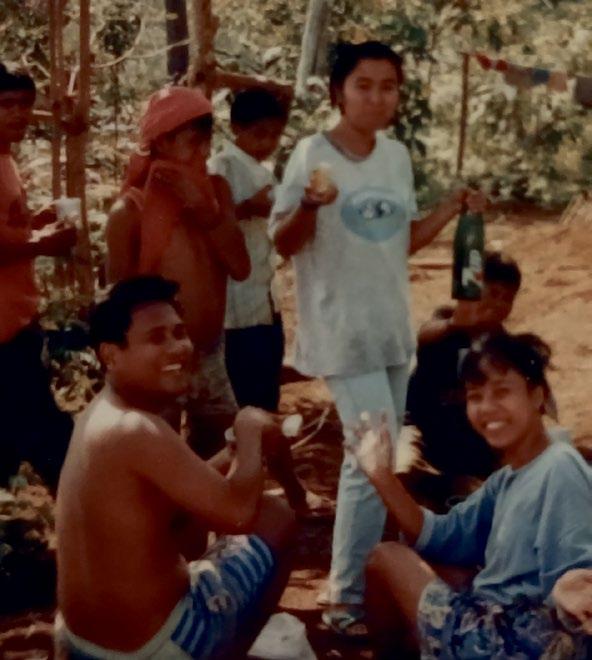

from teaching 10 children to over 400 children from various villages across the uplands – fostering intergenerational connections between people and the land.
Bendum: A keystone community for conservation
Despite ongoing pressures over the years, Bendum has maintained much of its forest cover – highlighting the community’s role as indigenous guardians. Assisted natural regeneration, supported by the community and local school, has improved forest health. Hornbills, an indicator species, have returned – signalling better ecosystem conditions. And analysis by the Institute of Environmental Science for Social Change (published in 2018) revealed that deforestation rates in Bendum were lower than in neighbouring areas.
Food security in the area remains a complex issue. While traditional farming practices have improved, some families have adopted cash crops like high-yield yellow corn, which depletes soil fertility and increases vulnerability to debt. Others are returning to resilient traditional grains, but challenges persist.
However, visiting Bendum after 30 years highlighted the resilience of its people and their landscape. The community’s efforts have safeguarded forest and cultural integrity despite external pressures like agri-business, deforestation and conflict. Considering the ‘without-project’ scenario – what might have occurred without these initiatives – underscores the importance of longterm, community-led conservation and indigenous youth leadership.
Bendum can be seen as a keystone community, holding the forest against the tide of external forces. While challenges remain, the gains to livelihoods, cultural identity and biodiversity provide hope for the future.
Driving through degraded upland areas to reach Bendum underscored the urgency of these efforts. While the village continues to stand as a guardian of the uplands, the surrounding landscape tells a story of lost opportunities and environmental devastation. Yet Bendum’s enduring forest cover and community cohesion offer a testament to the potential of integrated conservation and development.
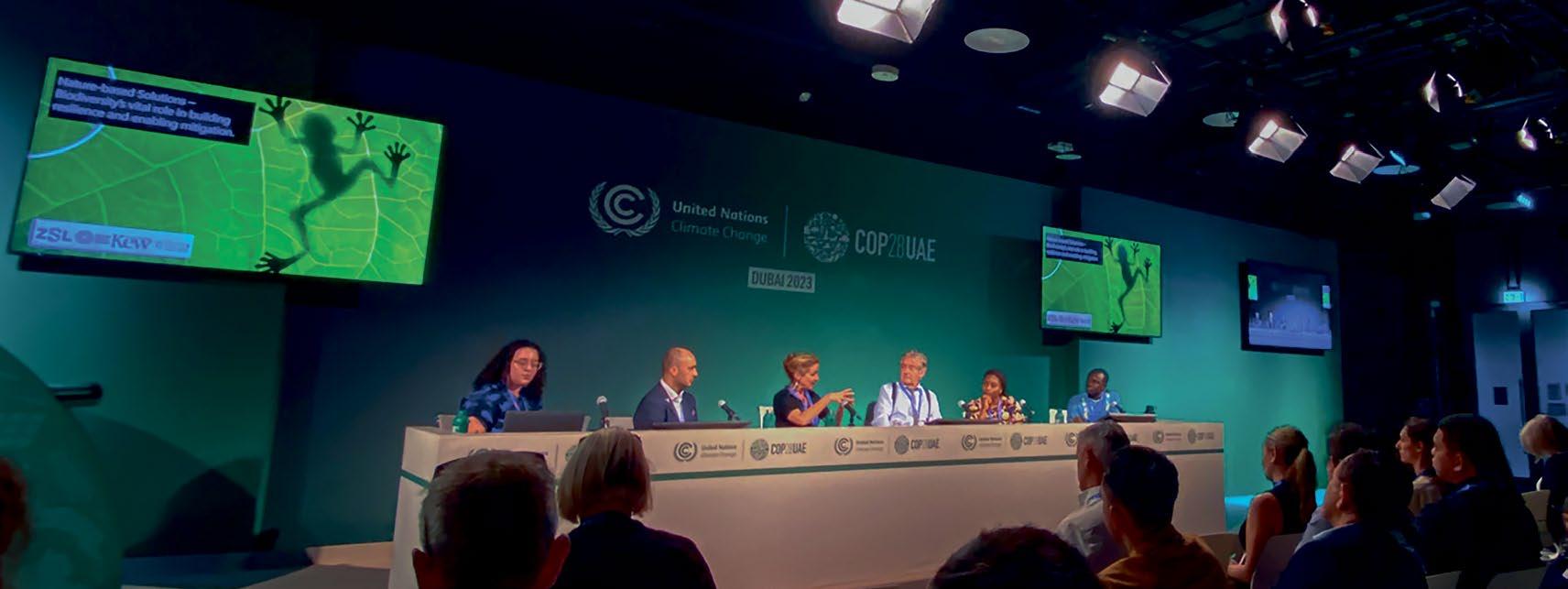
“THE UK GOVERNMENT SHOULD BE A GLOBAL LEADER IN ENVIRONMENTAL POLICY; ZSL WILL BE AN IMPORTANT PARTNER ”
By Georgina Chandler
Policy is the agreed framework of guidelines that we all live within, and it affects everything we do in conservation.
It’s the difference between a positive and receptive operating environment, that facilitates ZSL’s work and goals, and a detrimental one that creates barriers. My team work with governments and policymakers to ensure the former.
ZSL is able to affect policy change at several points in the process – that’s unusual, and a major advantage.

Our science helps us identify problems and provide the evidence to inform policy decisions. Our field conservation programmes can identify and trial solutions on the ground. Meanwhile, our Zoos and our communications inspire hearts and minds; they allow us to foster a receptive audience and bring champions to our side. It’s my team’s job to bring all this together in a coherent strategy, so we can create the change we want to see in the world.
“We see every day how access to nature is critical for learning and wellbeing, and it is urgent that we grow the pipeline of emerging conservationists”
Georgina Chandler is ZSL’s Head of Policy and Campaigns. She joined in 2023, following seven years in RSPB’s global policy department. Her goal is to put nature at the heart of policymaking and harness ZSL’s work to influence the pressing issues facing biodiversity and the climate.
The UK Government has an opportunity to assert its leadership for the environment – it should commit to hosting a major summit in the next few years.
Summits are more than a show piece – they can trigger significant changes within government. The second the UK commits to hosting one, the whole of government falls behind delivering it. It would raise nature on the agenda, free up capacity within government to work on the issue and put pressure on departments to deliver on commitments.
The current government has put a huge emphasis on the energy transition.
This is incredibly positive, but the impact on nature must be considered. The transition to new energy will require lots of new infrastructure – much of it just off-shore – which could cut across many of the coastal habitats ZSL has been working hard to restore. We can play a major role in informing how this work could be done with minimal impact to important species and habitats, from marine mammals and seabirds to eels.
We must embed nature and green skills within our education system. ZSL is training future conservationists, from school children, to postgraduate researchers, to wildlife vets. We see every day how access to and education about nature is critical for learning and wellbeing, and it is urgent that we grow the pipeline of emerging conservationists to meet the magnitude of challenges our environment is facing.

Introducing a statutory requirement to provide access to and regular engagement with nature for children will set us on the right path to embed these opportunities in our education system.
There’s no doubt about it – the UN’s Biodiversity Conference in 2024 was very disappointing.
There were some good things that came out of the summit, such as steps towards more joined-up nature and climate action, but they were overshadowed by the failure to complete important discussions on finance. However, we can take hope knowing that governments sometimes respond much faster to negative news and pressure points, and sometimes you need those moments of failure for the world to sit up and recognise that they need to do more. The success of the Paris Agreement was driven, in part, by the disappointment of the previous summit in Copenhagen.
International policy processes can feel very slow and frustrating.
But they play an important role and are one piece of a wider puzzle. When I look around in those negotiations, I see people from over 190 countries in one room – all working together and trying to find agreement on how to act for biodiversity and climate change. Where else on the planet do you have that? You can bet that, if we didn’t have these processes, I would spend my whole career advocating for them to exist.
ZSL’s impact on the future of wildlife is transformative. Help us continue our vital work at zsl.org/donate