THE ZOOLOGIST
ISSUE 15 | SPRING 2024 | EXCLUSIVELY FOR ZSL FELLOWS


The end of 2023 marked a new beginning for one species of desert antelope. In December, the scimitar-horned oryx (Oryx dammah) was officially recognised as having returned to the wild, downgrading the species from Extinct in the Wild to Endangered on the IUCN Red List. It was a return two decades in the making, explains Tim Wacher.
The reintroduction of scimitar-horned oryx to Chad’s Ouadi Rimé-Ouadi Achim Faunal Reserve began in 2016 – 16 years after their official extinction in the wild. The 77,950km2 area on the edge of the Sahara Desert had formed the heartland of the oryx’s range 60 years ago. The programme started with an initial release of 21 oryx; today, over 250 oryx have been released into the Reserve and the wild population is estimated to exceed 600 individuals.
ZSL is one of several implementing partners, part of a project led by the Government of Chad and the Environment Agency of Abu Dhabi (EAD), with Sahara Conservation. “Our role has been to train the Chadian ranger team and support an intensive post-release monitoring programme,” says Tim Wacher, ZSL’s Senior Conservation Biologist on the project.
The monitoring programme, and the incredible success it has illustrated, was crucial to the oryx’s reassessment by the IUCN. “We were able to show that the released oryx have around 85% annual survival rate, and wild-born calves are equalling or even exceeding it.” Birth rates have also been high, with females giving birth every nine months, on average. Over 500 wild calves have been born and there are already a handful of mothers in the Reserve who have had nine calves in just seven years.
Tim puts the success of the project down to the ambition and clear direction of its partners and funding. “The EAD have ensured the project operates to the highest standards, from creating state-of-the-art facilities to reintroduction logistics and post-release follow up. The attention paid to recommendations from the international stud books to assemble fully representative genetic lines and high-quality veterinary care, including preparation with appropriate vaccines, are all indicators of the significant commitment behind the project.”
In 2014, ahead of the planned reintroduction, the breeding facility in Abu Dhabi was established with oryx from zoos around the world, including two females flown from Whipsnade Zoo. The descendants of that herd of oryx assembled in Abu Dhabi, known as the ‘world herd’, now roam the grasslands in central Chad.
“The oryx are proof that, if you allocate resources and follow the science, success is possible.”
However, further commitment is needed to ensure the oryx's continued success in Chad, says Tim. “They have shown that they can flourish under current conditions, but keeping it that way will be a challenge.”
The drilling of freshwater wells to meet the needs of the growing human population and livestock is a key issue in Chad, where water sources are limited. Presence of wells has been shown to impact desert antelope behaviour, and unregulated drilling of new wells in the Reserve poses one significant challenge for the future of the oryx.
“The oryx comfortably share the Reserve with traditional herders and their livestock, who live in step with the seasons and have minimal impact on the land. However, development of large-scale commercial livestock management, coupled with unplanned increase in artificial water points, can easily stress the naturally arid environment.”
Long term, the project doesn’t stop at the oryx –the ambition is to restore the wider ecosystem by reintroducing other locally extinct species. Since reintroductions of the oryx began, the project has expanded to reintroduce addax (Addax nasomaculatus) and North African ostrich (Struthio camelus camelus). Work is also underway to protect and reinforce the remaining population of 50-60 dama gazelles (Nanger dama) in the Ouadi Rimé-Ouadi Achim Faunal Reserve, representing perhaps 25-30% of the remaining wild population.
“It’s a spectacular sight, large herds of oryx back in their natural habitat, living free in their original landscape and entirely independently once more,” says Tim. “The basis is there for oryx and other desert species to flourish again in Chad. Their future is down to the management of both the landscape and the inevitable pressures they will face.”
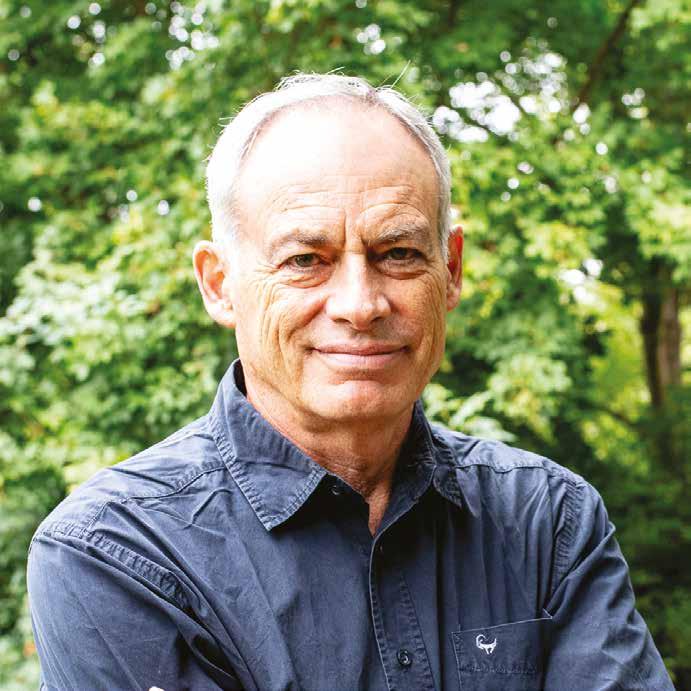
It is a pleasure and honour for me to introduce this issue – the first for me – of The Zoologist. One of the reasons I took up my position at ZSL is that, throughout my professional career, I have consistently been impressed by the breadth and quality of wildlife research and conservation conducted by ZSL. This issue is testimony to that, covering taxa from charismatic large mammals to seabirds and frogs, habitat regeneration, disease monitoring and investigations into dangerous marine pollutants. The bioaccumulation of man-made toxins in marine mammals is a clear example
of how economic progress through industrialisation comes at a cost to our environment, and shows that the indirect effects of humans on wildlife, like pollution, can be just as devastating as direct effects like over-hunting. In this issue is just some of the innovative research underway in our Institute of Zoology, dovetailed with on-the-ground work by our conservation practitioners around the world.
The subject matter is endlessly stimulating and the results are important for the future of biodiversity, which is what keeps our scientists and practitioners striving for more insights, successes and sustainable solutions. Often underestimated though, is the stress and sheer slog involved in winning the grants and then building the programmes that enable these fascinating stories to be told. We have a world-leading team here at ZSL, working with dedication within an increasingly competitive funding environment, having to triage and strategise among potentially worthy projects that vary in their chances of attracting funding. In the pages of The Zoologist you will find inspiring stories from the A-reel of our work, although the results are often chilling – mountain chicken frogs might soon disappear from existence, marine mammals off UK shores are chronically poisoned – and for each published project there are others that never happened because funding proposals were rejected. So, while enjoying the content in this issue, please spare a thought for the challenges faced by our outstanding conservation scientists and practitioners; they deserve all the support and recognition they can get.
Turn to page 8 to read an interview with Johan, ZSL’s new Director of Science.
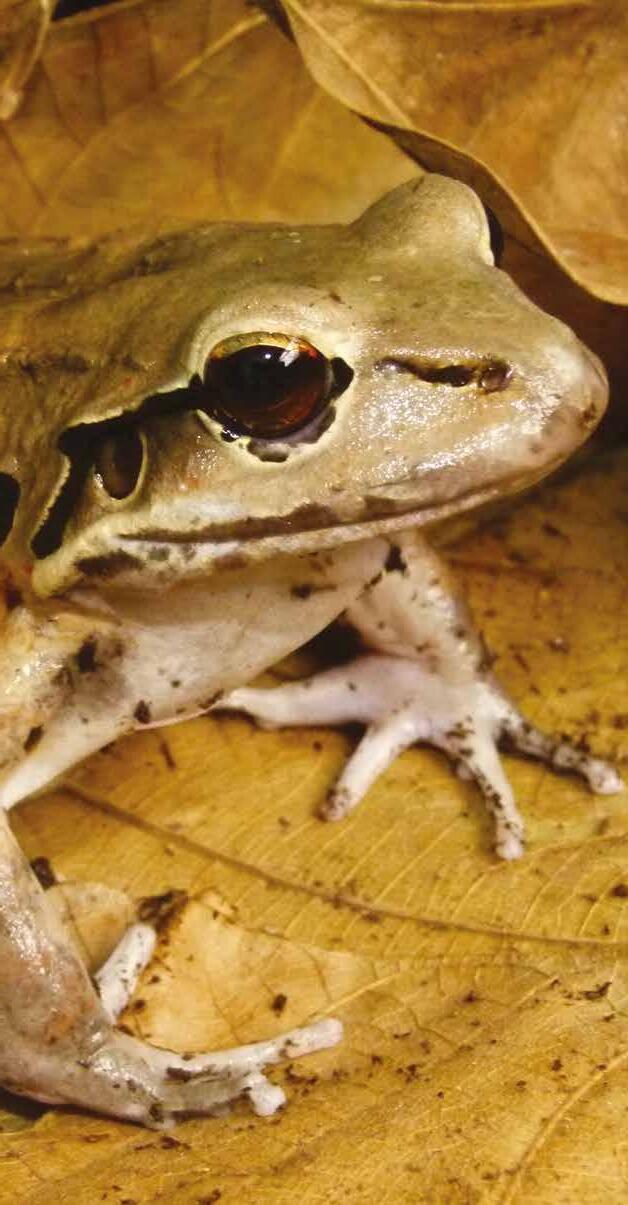
The Critically Endangered mountain chicken frog (Leptodactylus fallax) is on the brink of extinction, according to a survey of the species on the Caribbean island Dominica. Just 21 individuals were found during extensive surveys of the island, and statistical modelling revealed the total in the surveyed area to be around 30. This is down on the previous estimate of 100, made in 2017.
The survey took place in 2023, led by the Mountain Chicken Recovery Programme (MCRP) – of which ZSL is a founding member – and involved 28 conservationists from 11 organisations. “This collaborative effort allowed us to thoroughly survey 40 plots randomly distributed across two regions in Dominica. Despite this massive effort, which involved 46 fieldwork days inside wild tropical rainforests and some agricultural landscapes, we were able to find just a few mountain chickens,” says Andrés Valenzuela-Sánchez, Research Fellow in Wildlife Health at ZSL’s Institute of Zoology.
The arrival of the deadly disease amphibian chytridiomycosis on Dominica in 2002 caused the population to plummet by over 99%. However, the survey also highlighted how the threats of habitat loss, invasive species and roads place additional pressure on the tiny population. Two mountain chicken frogs
16 April, 9:15am
Land-use summit (with BES) Science and Conservation Event Huxley Lecture Theatre
20 April, 9:30am
Fellowship Conference
Exclusive Fellows' Event Huxley Lecture Theatre
23 April, 6pm
The science of saving species
Science and Conservation Event Huxley Lecture Theatre
14 May, 6pm
Managing threats to migratory fish Science and Conservation Event Online
16 May, 8:30am
Fantastic women and where to find them
Exclusive Fellows' Event Penguin Beach, London Zoo
Online talks are streamed via zsl.org/IoZYouTube. For more info, visit zsl.org/zsl-fellows-events
were found dead on the road during the survey.
Since 2002, the MCRP – which includes the governments of Dominica and Montserrat and several UK zoos – has sought to halt the decline of wild mountain chicken frogs, established a biosecure breeding programme in zoos and conducted significant research into how to help mountain chicken frogs survive chytrid fungus in the wild.
A trial is currently underway on Montserrat, another Caribbean island where mountain chicken frogs survived until around 2018, to understand how heated pools could help frogs fight off infection. The technique, previously trialled at London Zoo, offers the frogs access to man-made water pools that are heated to 32°C. The warmth of the water is harmless to the frogs but deadly to the fungus, which is sensitive to high temperatures.
There is one further ray of hope for the embattled species, says Andrew Cunningham, ZSL’s Professor of Wildlife Epidemiology. “Despite all the threats these frogs are facing, the team identified one particular frog. He was tagged as a mature individual in a survey eight years ago, so we know he is at least 11 years old. Not only is he the oldest known mountain chicken frog in the wild, he gives us hope that the species can persist despite the continued presence of chytrid on Dominica and multiple other challenges.”
During the survey, the ZSL team took swabs from the surviving frogs to determine their genetic makeup and whether they carry the fungus. “We hope to find out if any of the last remaining frogs has any evidence of developing resistance to the fungus – which would be a game changer for the species,” adds Andrew.
See mountain chicken frogs for the first time in London Zoo's Secret Life of Reptiles and Amphibians, opening Friday 29 March.
oyster
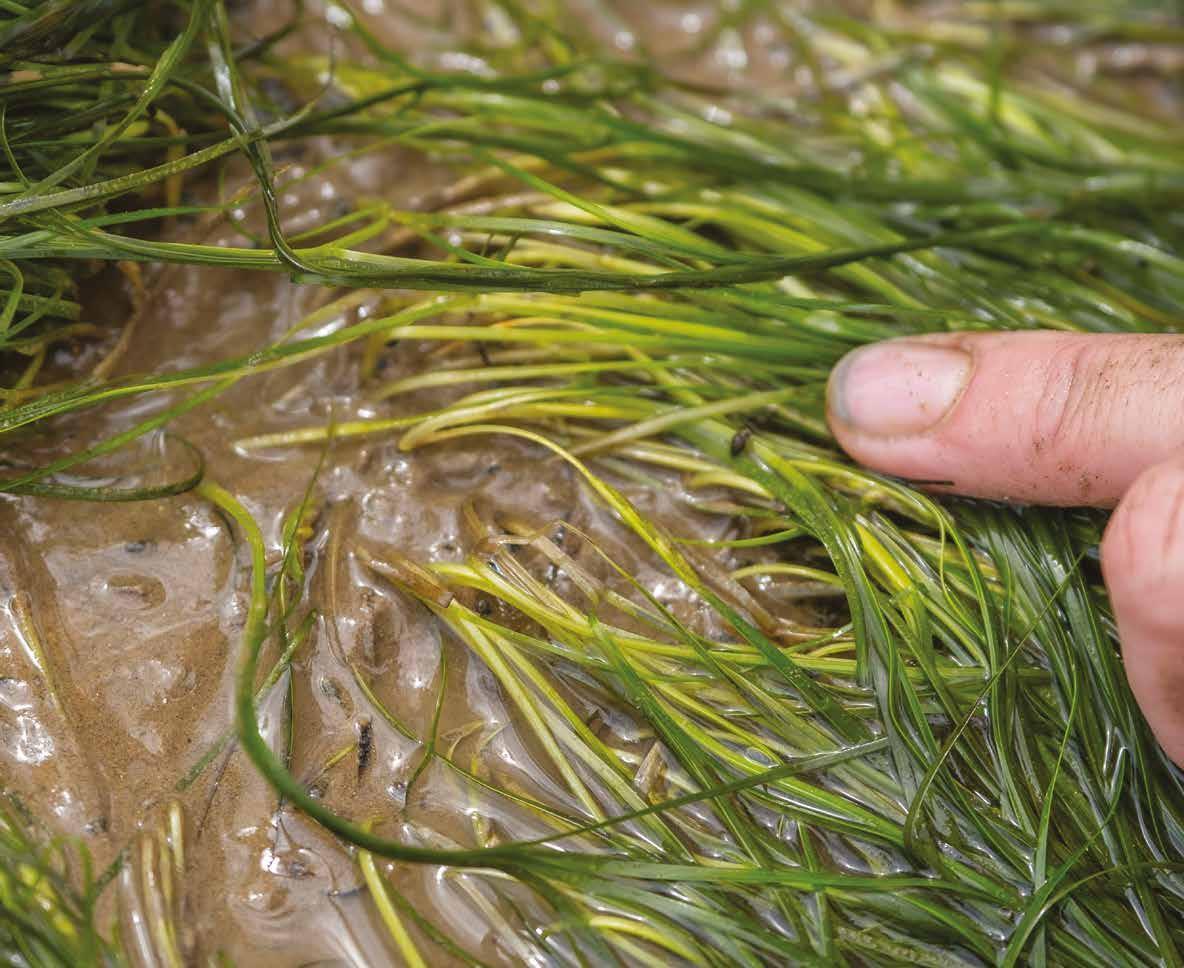
and saltmarshes
ZSL’s latest project in the Thames Estuary, Restoring the Thamescape, seeks to transform the once neglected river into a thriving ecosystem –supporting species from seahorses to sharks. The 10-year project aims to create cleaner water, sequester and store blue carbon, increase biodiversity and reconnect communities with their local blue spaces.
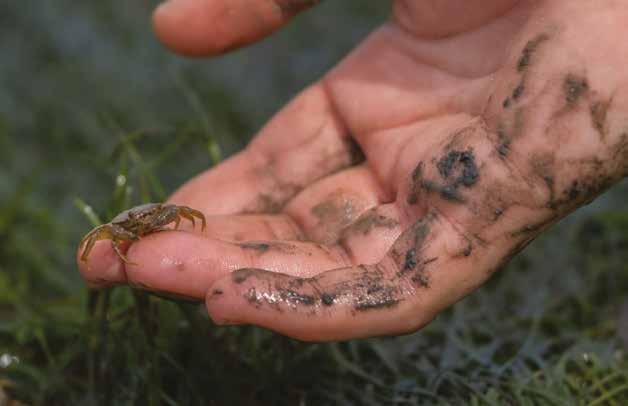
Facing the increasingly urgent pressures of climate change, overfishing and pollution, few things could be as important in a conservationist’s toolkit as seagrass, oysters and saltmarsh. Providing a home for marine creatures, flood defence for coastlines, capturing carbon and filtering seawater, the three coastal habitats will be key to alleviating many of the pressures our planet is facing today.
with partners and community groups across the Estuary, including the Medway Swale Estuary Partnership and Elmley National Nature Reserve.
Piloting Thames restoration
To begin this 10-year programme of work, the ZSL team have launched a pilot in the Medway Swale Estuary, the portion of the Thames Estuary located in North Kent.
“Seagrass meadows, oyster beds and saltmarshes provide complex structures for fish and invertebrates to shelter in.”
The UK is estimated to have lost up to 92% of its seagrass meadows since 1936, and 95% of its native oyster beds and 85% of its saltmarsh since the 1800s – reducing the level of biodiversity UK coasts can sustain. Restoring the Thamescape, a major new endeavour championed by ZSL, aims to rehabilitate those key habitats in the Thames Estuary.
“Seagrass meadows, oyster beds and saltmarshes provide complex structures for fish and invertebrates to shelter in,” explains Thea Cox, Project Manager of Restoring the Thamescape. “Seagrass meadows are a place for fish to have their young, and the growth of fish and invertebrate populations will have a positive impact for species up the food chain, like wading birds and small sharks.
“From a climate change perspective, seagrasses and saltmarshes trap carbon in the sediment beneath their roots, and the latter provides vital defence against flooding and erosion. Oysters are important for a healthy ocean too – each oyster can filter 200 litres of water per day, helping to reduce the build-up of harmful pollutants.”
The project aims to restore four intertidal seagrass meadows, two native oyster beds and three saltmarshes. To do this, ZSL will be working
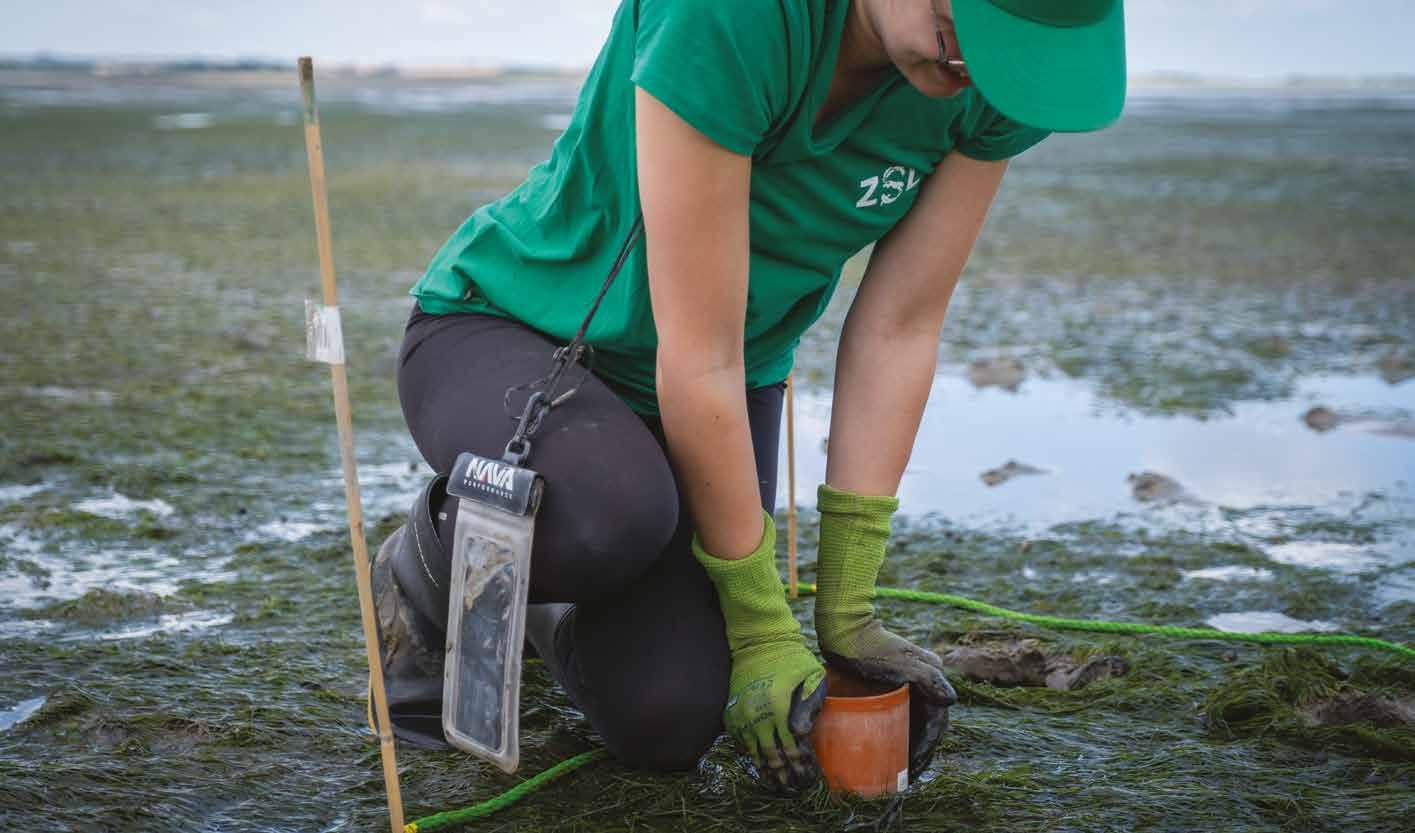
“We’ve mapped the existing seagrass and oyster beds, and we’ve been testing techniques for planting seagrass,” says Thea. “One of the questions we would like to answer is how much donor seagrass is needed to kickstart a self-sustaining meadow. The next phase is to identify a suitable site in the Medway Swale Estuary, guided by a seagrass habitat suitability model, where we can apply the knowledge learnt so far and trial the planting of a hectare of seagrass in a new location. Once a site has been identified we’ll gather baseline data on the carbon content of the mud and the level of biodiversity, including fish diversity and abundance, so we can record the impact of restored seagrass.”
The oyster element of Restoring the Thamescape builds on several existing ZSL oyster restoration projects around the UK, including Wild Oysters. Having mapped surviving oyster beds in the pilot area, the next stage is to work out how best to increase oyster numbers and habitat.
“Recording how big or small our oysters are will tell us if oysters have reproduced in the area recently,” explains Thea. “Experts at HR Wallingford are working on a model of where oyster larvae are likely depositing on the river bed, considering currents and larval behaviour. We can then investigate the estuary bed at these locations to understand if the larvae are settling successfully. If not, we can take action to restore the habitat.
“We’ve also started scoping areas of saltmarsh for protection,” adds Thea. “By staking out coir rolls we can sure up eroding saltmarsh. When the tide comes in it brings in mud, which settles on
the coir rolls and creates a space for saltmarsh plants to take hold.”
The Thames is a far cry from the river of 1957, when a survey found no fish present and declared the river biologically dead. The Thames has been transformed, environmentally and recreationally, in large part by significant investment in sewage treatment works. Today, 115 species of fish call the tidal area of the Thames home. The number of wading birds has doubled in two decades. Almost 40 million recreational visits are made to the Thames riverside every year.
However, we’re still far from reaching the Thames’ potential, says Thea. New York’s Hudson River, for example, supports almost twice the number of fish species. The estuary’s recovery also remains finely balanced, as emerging factors like climate change could play a greater role.
According to ZSL’s State of the Thames Report (2021), water levels in the Tidal Thames have risen by an average of almost half a centimetre a year for the last 30 years. Average summer water temperature has risen by two degrees since 2007, which lowers the amount of dissolved oxygen the water can hold.
“Seagrasses, oysters and saltmarsh have the potential to fight both the causes and results of climate change on our doorstep,” says Thea. “When you read about the impact these habitats can deliver for both wildlife and humans, it’s a no-brainer to protect and restore them. We need more of these habitats, in better condition, and better connected. It’s time to build on the Thames’ recent success and restore it to a fully thriving ecosystem.”
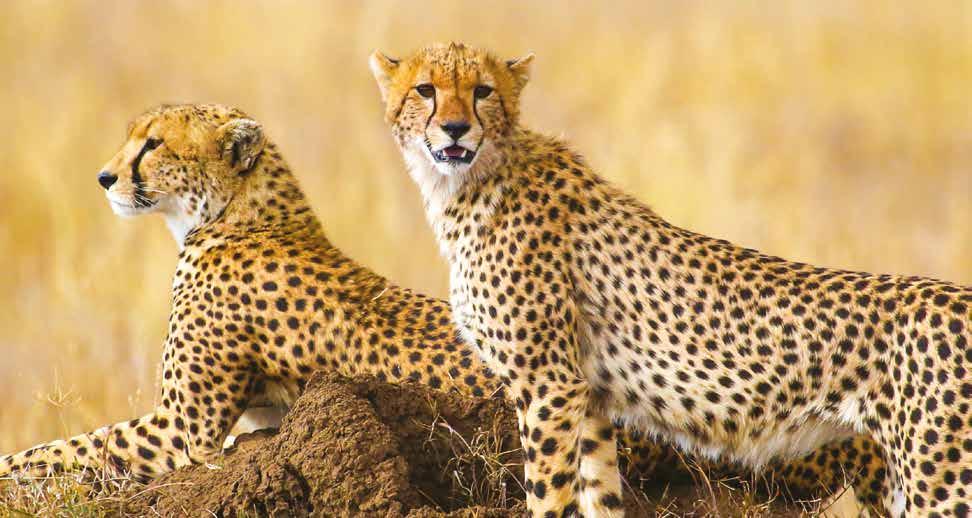
An assessment of the northeastern African cheetah (Acinonyx jubatus soemmeringii), the subspecies found in the Horn of Africa, has shown it faces a high risk of extinction.
The ZSL-led assessment of northeastern African cheetahs for the IUCN Red List is the first ever conducted and classified the subspecies as Endangered. Under 600 mature individuals are thought to survive across Uganda, Ethiopia, South Sudan, Djibouti and Somalia in several fragmented populations.
The smallest populations, such as the 10 cheetahs thought to live in Afar and the seven cheetahs in Yangudi Rassa – both regions of Ethiopia – may be almost functionally extinct, says Prof Sarah Durant, lead author of the study and Senior Research Fellow at ZSL’s Institute of Zoology. “We are on the edge of population collapse," says Sarah.
The illegal trade in live cheetahs as pets –considered a status symbol in the Middle East – is a major concern says Sarah, despite cheetahs being afforded the highest level of protection in international law. The trade has placed a particular pressure on the Horn of Africa’s cheetahs because of their proximity to the Persian Gulf. Research published in 2021 by Patricia Tricorache, Colorado State University, estimates that more than 4,000 cheetahs were traded between 2010-19, and that two thirds of the live cheetah trade went through Somalia, Kenya and Ethiopia.
“Cheetahs in areas close to ports are seeing the biggest impact. We must understand the methods of cheetah capture and the drivers of the trade better,” says Sarah. The recommendations made in the assessment include active engagement with social media companies to remove posts and images that promote the cheetah trade, and the establishment of an international database of illegal cheetah trade incidents to support counter-trafficking efforts.
The recommendations also include setting up a breeding programme, using cheetahs confiscated from the trade, as a potential source population for reintroductions. “There are many confiscated cheetahs who, having been seized from traffickers, are now unsuitable for release because of health issues but could be extremely valuable to the genetic health of their species.” Northeastern African cheetahs are rare in zoos – just 46 exist in European Zoos, including the three males cared for at Whipsnade Zoo – making any cheetahs confiscated from the pet trade extremely important to the wider breeding programme and eventual restoration of cheetahs in the region.
“We also need more data on the cheetah themselves,” says Sarah. “There are no cheetah density estimates in this region, and there remain extensive areas where we lack information even on cheetah presence or absence. We’re now working with Colorado State University, using funding from the US Fish and Wildlife Service and The Howard G. Buffett Foundation, to survey the whole Horn of Africa for undocumented cheetah sub-populations and available prey species. Our approach engages with local wildlife biologists, to put in place monitoring and survey expertise to increase capacity in the region.”
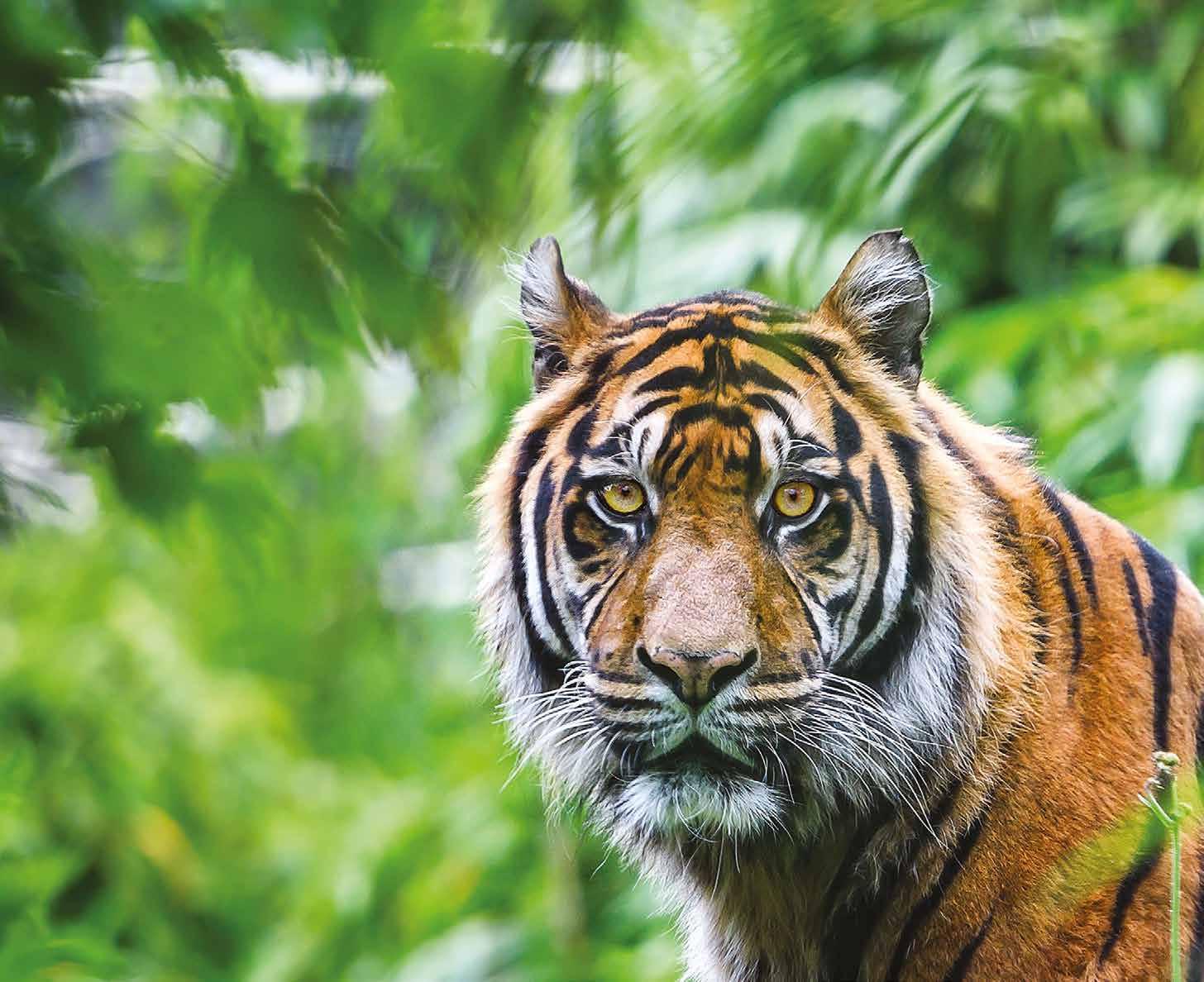
London and Whipsnade Conservation Zoos have joined a partnership of more than 50 zoos and conservation organisations to support the global breeding programmes for the Sumatran tiger, anoa, banteng and babirusa.
The partnership, named Action Indonesia, saw London Zoo’s Team Leader of Predators and Primates, Kathryn Sanders, journey to Indonesia in autumn 2023 to support tiger husbandry efforts in Indonesia’s zoos.
“The number of Sumatran tigers in the global species management programme is just 330, and over a quarter of those tigers [87] are cared for in Indonesia itself,” explains Kathryn. “With only around 500 wild Sumatran tigers left, and their natural habitat on the Indonesian island shrinking, the global zoo population is vital for ensuring the species’ long-term survival.
“Indonesia’s zoo tigers are particularly important because they include several wild tigers who have been rescued due to injuries and taken into zoo care. Ensuring they breed successfully and share their genetics with the wider zoo tiger community is of critical importance,” says Kathryn.
“Unfortunately, tigers in Indonesia’s zoos are struggling to breed, and the population is predicted to decline by more than half over the next decade unless the situation improves.”
In the autumn, alongside tiger experts from Indonesia and the US, Kathryn delivered a workshop designed to support successfully breeding tigers in Indonesian zoos and share ideas to enhance tiger husbandry and enrichment. The workshop was attended by 26 participants from 16 Indonesian zoos.
“We were able to share with our Indonesian counterparts how we track oestrus to help predict when a female is going to be sexually receptive. Tigers have a very short breeding window, so knowing beforehand when to mix the tigers together for the greatest chance of success is a gamechanger.”
Kathryn also offered her expertise on effective habitat, enrichment and diet for Indonesia’s zoo tigers – all aspects that could add to their comfort and the opportunities for keepers to work with them. “Since the training we’ve already received videos from the workshop attendees, showing us the positive changes in their tigers’ behaviour,” adds Kathryn.
"The number of Sumatran tigers in the global species management programme is just 330."
ZSL is also supporting Action Indonesia’s aims to raise capacity for conservation practitioners working with the species and awareness for the lesser-known babirusa, anoa and banteng. Whipsnade Zoo’s Learning Programme Manager Samantha Viner helped lead a workshop designed to raise capacity in the region.
“Our workshop was a ‘train the trainer’ format, where we worked with representatives from Indonesian zoos to identify their own training needs, understand the barriers different people experience to learning, and how to effectively plan and evaluate training,” explains Samantha.
Samantha’s remit also includes supporting the partnership’s digital communication on the website and through social media. “This year, our education campaign has focussed on genetic diversity, and how important it is for zoos and their communities to support the transfer and breeding of animals to ensure zoo populations stays genetically healthy.”
To learn more about Action Indonesia, visit www.actionindonesiagsmp.org
Mosquito-borne viruses long considered to be restricted to tropical and sub-tropical regions have begun appearing in Europe. It is thought to be one of the unintended consequences of climate change and globalisation, giving viruses the opportunity to spread into previously unsuitable and inaccessible areas of the planet. Outbreaks of two flaviviruses that can be fatal to humans – West Nile virus (WNV) and dengue – on mainland Europe in the 2000s are thought to have been made possible by Europe’s rising temperatures and increased international travel.
The spread of diseases into new areas also included Usutu virus, first discovered in South Africa but now found across much of mainland Europe. Another flavivirus, though of low risk to humans, Usutu virus is primarily spread by mosquitos and birds. Having arrived in Europe as early as 1996, the virus was first detected in the UK in 2020, in Greater London, and has been detected in southern England in each subsequent year.
The spread of Usutu to the UK, and the risk of zoonotic viruses like WNV also spreading, has prompted the establishment of the RADAR (Real-time Arbovirus Detection and Response) project. It is funded by the UK Government and led by the Animal and Plant Health Agency.
“Our objective is to enhance surveillance of mosquito-borne viruses in the UK by screening and sampling wild birds and mosquitos,” explains David Lewis, Wildlife Veterinarian at ZSL. “We want to develop an early warning system for the detection of potentially zoonotic viral disease outbreaks in our wild birds and improve our understanding of the
In the most damning evidence yet of the health of the UK’s marine waters, a new study led by ZSL has shown that half of the marine mammals stranded on UK coasts between 2014 and 2018 carried unsafe levels of chemical contaminants.
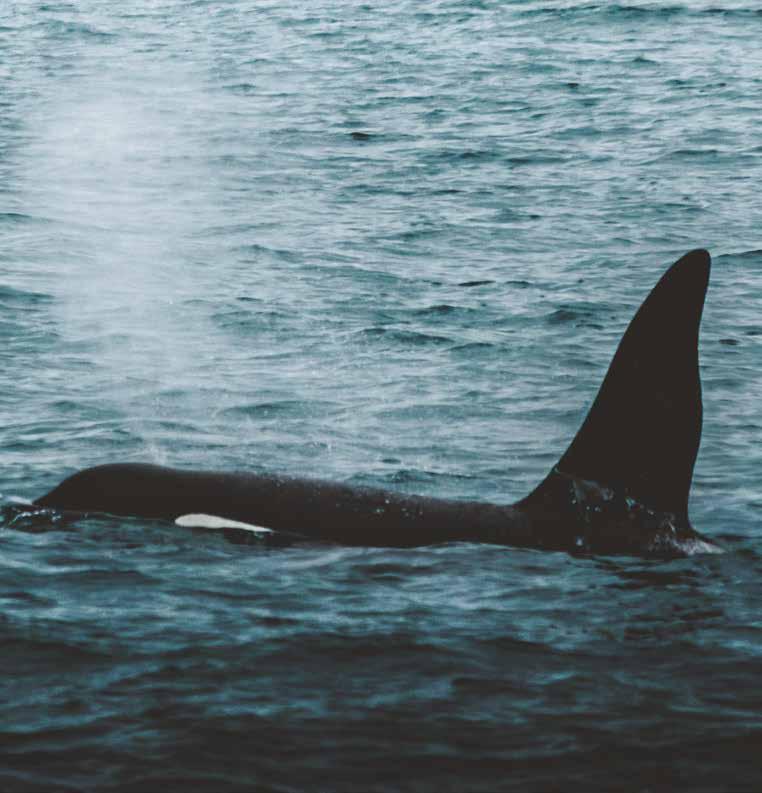
The study – one of the most extensive to date –looked at the presence of six chemical pollutants in 11 species, using three decades of stranding data. Concentrations of pollutants were highest in long-lived species at the very top of the food chain, such as killer whales and bottlenose dolphins. Stranded killer whales were found to be carrying, on average, 30 times the safe threshold of polychlorinated biphenyls (PCBs), one of the pollutants examined in the study.
PCBs were widely used in industrial materials, such as lubricants and flame retardants, in the 1970s and 80s. They were restricted across Europe in 1985 and finally banned by 152 countries in 2004, following the adoption of the Stockholm Convention on Persistent Organic Pollutants. They have been linked to cancer, miscarriages, infertility and immunosuppression in humans. Other chemicals in the study include
pathways by which these viruses could reach the UK.
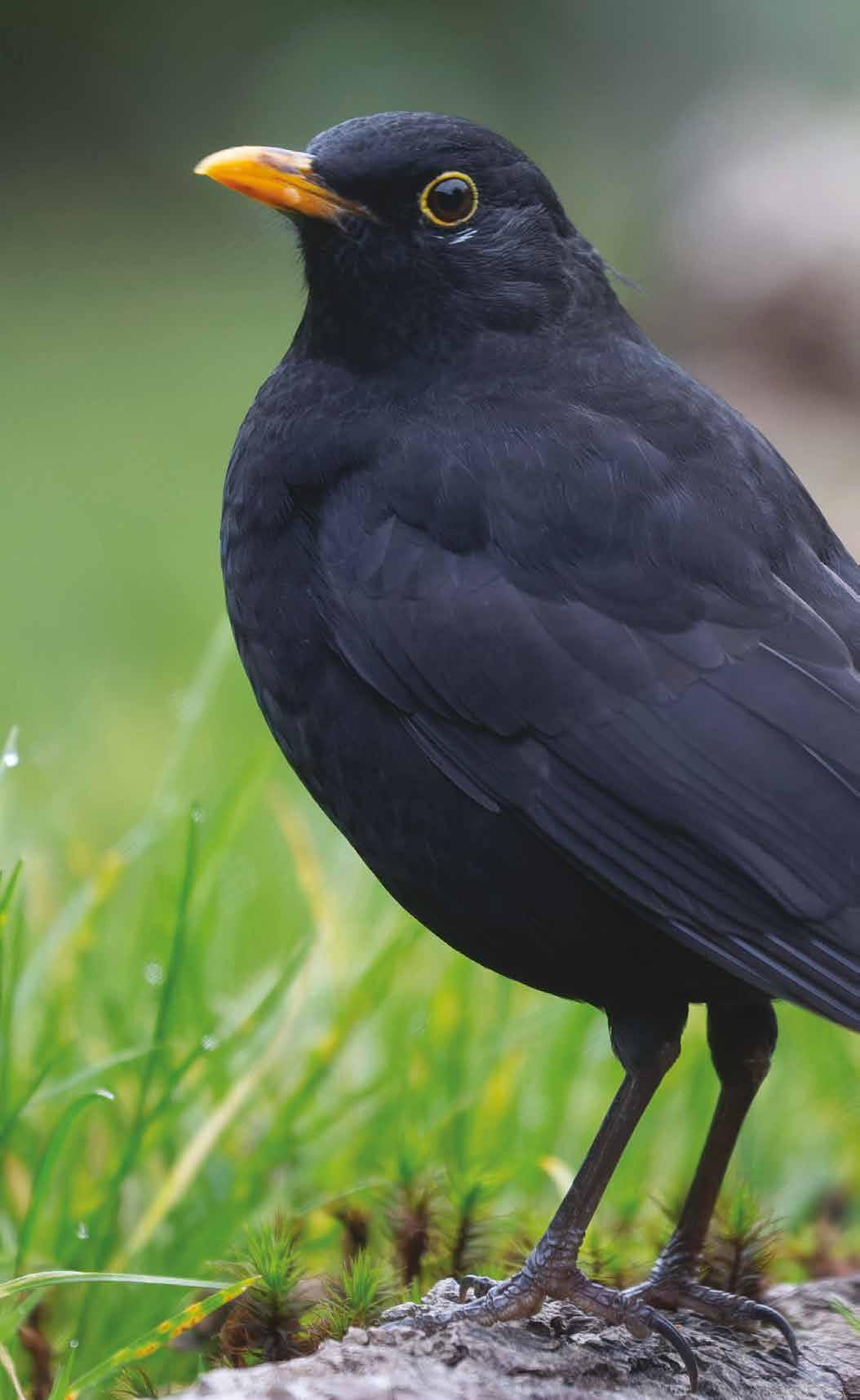
“Of the many birds Usutu is known to affect, blackbirds seem to be the most commonly affected. There have already been reports of large-scale mortality and local population declines in mainland Europe, and we will be keeping a careful watch for similar events in the UK,” explains David.
The project will make use of the existing Garden Wildlife Health (GWH) project, which encourages the public to report sightings of sick or dead garden birds for vets at ZSL to conduct postmortem examination. GWH has already been vital in the discovery of finch trichomonosis, a disease that led to around 70% decline of the UK’s green finches.
David will also be sampling wild birds in observatories and ringing stations across southern England during the bird migration and mosquito-active seasons. RADAR will be the first project dedicated to flavivirus surveillance in the UK’s wild birds and could be vital to detecting the spread of not just Usutu, but WNV too.
To find out more about Usutu virus, and how to report a sighting of a sick or dead garden bird, visit gardenwildlifehealth.org
pesticides, fungicides and flame retardants, also linked to negative impacts on human health.
“Marine mammals are at particular risk of being exposed to high levels of pollutants because of a process called ‘biomagnification’,” explains the study’s lead author, Rosie Williams, Post Doctoral Researcher at ZSL’s Institute of Zoology. “These toxins are taken up by plankton and, once bound to organic tissue, are unable to be excreted or broken down. The toxins increase in concentration the further up the food chain they travel, meaning that apex predators are the most contaminated wildlife species. The toxins are even passed by mothers to their young, continuing the cycle, and can have drastic impacts on infant development.”
While the poor health of marine mammals is worthy of alarm in itself, their plight also has implications for humans, says Rosie. Research by Harvard University has estimated that the costs of environmental chemical exposure (such as medical bills, lost wages and loss of productivity) may exceed 10% of global GDP, and pollutant exposure is estimated to lead to nine million premature deaths in humans every year.
“Despite the NHS advising pregnant and breastfeeding mothers to limit their intake of oily fish for risk of PCBs, there is very little attention given to the wider threat chemical pollutants pose,” says Rosie. “It is unthinkable that mothers have to consider the possible harm to their child when making such fundamental choices as eating
fish, because of industrial mistakes made decades ago.”
The study points to persistent levels of chemicals in our waters that, in the case of PCBs, were banned decades ago as an indication there are ongoing sources of pollution. It also highlights the risk of coastal landfills across Europe that, in the face of rising sea-levels, could leech into the ocean. “It’s incumbent on governments to take urgent action now, to protect not just our marine mammals but people from the lethal impacts of chemical pollution,” adds Rosie.
Killer whales (Orcinus orca) have been found to be 30 times over the safe threshold of PCBs
The Indian Ocean’s migratory seabirds confound existing protected areas, study finds
The tropical Indian Ocean’s seabirds are unlike any in the world – that’s according to new research from ZSL’s Institute of Zoology, funded by the Bertarelli Foundation’s Marine Science Program
Unlike seabirds in the polar seas, the temperate Atlantic and the Pacific, the tropical Indian Ocean’s seabirds are not drawn to any discernible hotspots outside of their breeding season.
The study, which is the first of its kind in the Indian Ocean and involved multiple organisations across the region, studied nine species across 10 colonies. It used tracking data from almost 350 birds to estimate the movements and habitat preferences of each species in the western Indian Ocean outside of their breeding seasons.
“What we found was surprising,” says Malcolm Nicoll, Senior Research Fellow at the Institute and co-author of the paper. “There are no hotspots –no resource-rich areas where the birds naturally concentrate when they are not breeding. The birds don’t spend a lot of time in one place either, and they don’t gather by species.”
This is in stark contrast to other major oceans, where cold-water currents lead to nutrient concentrations and fish gatherings in predictable areas. While huge groupings of prey fish, known as bait balls, do happen in the Indian Ocean they
are much more ephemeral and harder to predict, explains Malcolm.
The study showed that all nine species are highly mobile, with some of the petrels covering 42,000km in the non-breeding season. While all nine species did pass through the Chagos Marine Protected Area, the largest protected area in the region, individuals spent less than four days during the non-breeding season in a protected area, on average.
“Protected areas work well for static breeding grounds, or year-round residents like the red-footed booby. They are also potentially a haven for juvenile fish before they move out into the wider ocean. However, it’s clear from this research that they are not the only answer for the conservation of migratory seabirds in the Indian Ocean,” says Malcolm.
“If we want to improve conditions at sea for these species, we have to think in terms of the activities that might affect them, like fishing, and work at a scale that takes in their full migration –rather than conserving portions of the ocean or individual colonies in isolation.”
Conservationists from ZSL have joined a collaborative effort to bring the tamaraw, a highly threatened species of wild cattle, back from the brink of extinction.
Joining a project spearheaded by the Philippine Government, D’Aboville Foundation and Demo Farm Inc and other partners, scientists from ZSL are supporting a feasibility assessment of conservation options for the tamaraw – thought to have dropped to around 300 individuals and fragmented into at least three populations.
These options could include translocation –moving some tamaraw from more densely populated areas to other suitable habitat –maintaining or increasing current tamaraw protection and bringing some animals under human care for conservation breeding.
“With numbers so low, there’s concern about the genetic viability of the species,” explains Fiona Sach, Zoo Conservation Impact Manager at ZSL. “Without the opportunity to mix and breed, the species could be heading down a genetic bottleneck. It’s urgent that we step in before it’s too late.”
Tamaraw are only found on the Philippine Island of Mindoro and they are the largest land animal found on the archipelago, making them an integral part of the ecosystem. They live in the interior of the island, which remains largely undeveloped and only inhabited by indigenous peoples. It’s thought that hunting, and habitat encroachment for agriculture, is driving the tamaraw’s decline.
It is hoped that the High Seas Treaty, signed on 20 September 2023, will allow for greater marine protection on a global scale and set a framework for the sharing and conservation of marine resources in the high seas. However, despite achieving 84 signatory countries, many that border the Indian Ocean – including India, Pakistan and all mainland African countries on the Indian Ocean’s western edge – are yet to sign.
The next stage of Malcolm’s research seeks to understand connectivity between seabird colonies. Seabird numbers in the western Indian Ocean have declined substantially since the 18th century, with many former colonies going extinct, leading to fragmented populations for most species in the region. Using genetic sampling from five species across their existing colonies in the Western Indian Ocean, the new study will track the gene flow between colonies – a marker of connectivity – to identify those that are isolated and hence most at risk of disappearing.
As part of the assessment, ZSL will also advise on disease risks to the tamaraw. Our Disease Risk Analysis and Health Surveillance team – veterinarians who specialise in monitoring wildlife diseases and supporting translocations – are investigating what diseases tamaraw could face were they to be moved to alternative habitat on the island.
“We're also investigating whether it is feasible and beneficial for the long term survival of the species to bring them into human care,” says Fiona. Mark Holden, Whipsnade Zoo’s Team Leader of Large Hoofstock, and Lewis Rowden, ZSL’s Evidence-based Animal Care Manager, are working with partners in Philippines and across Asia to understand the historic management of tamaraw under human care, and
how other cattle species have been successfully bred for reintroduction.
“The decline of the tamaraw is a stark one, and their survival is perilous,” adds Fiona. “However, using decision-science to lay out the options available and bringing together the expertise of our scientists, veterinarians and zookeepers from across ZSL, as well as our partners, offers hope.” A community of local and international experts have heard the tamaraw’s call; with their support, the species can be averted from the brink of extinction.
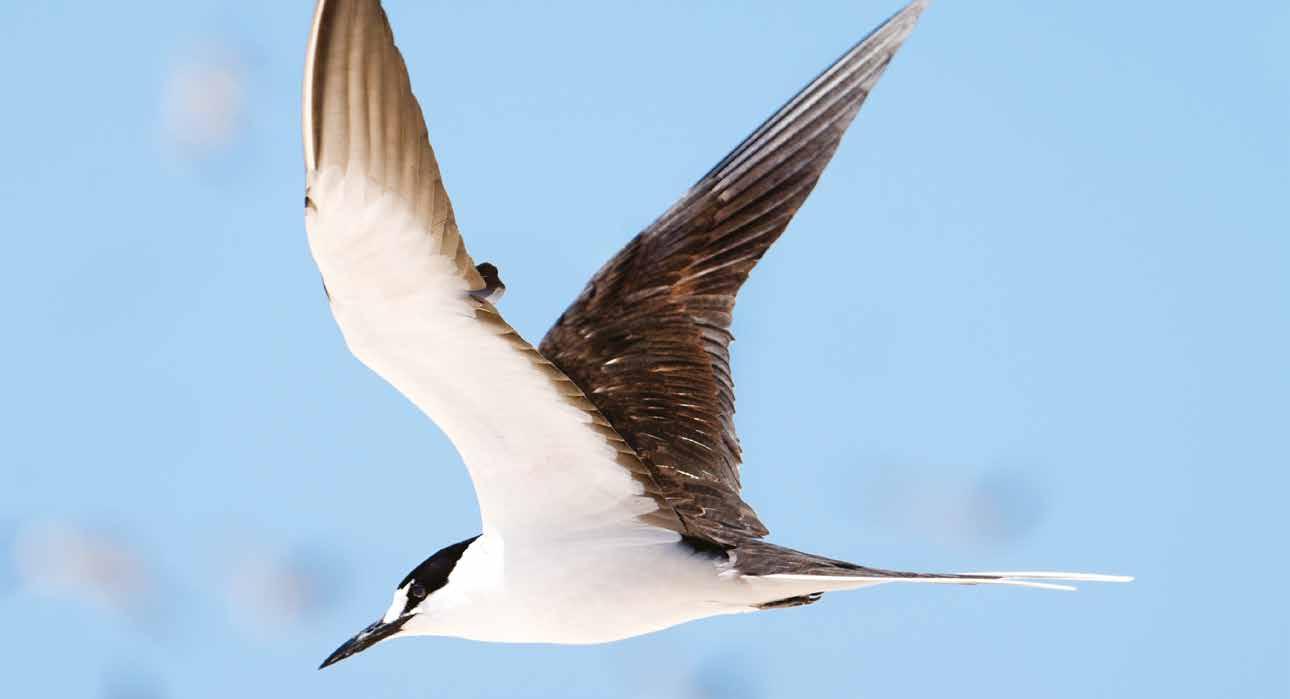
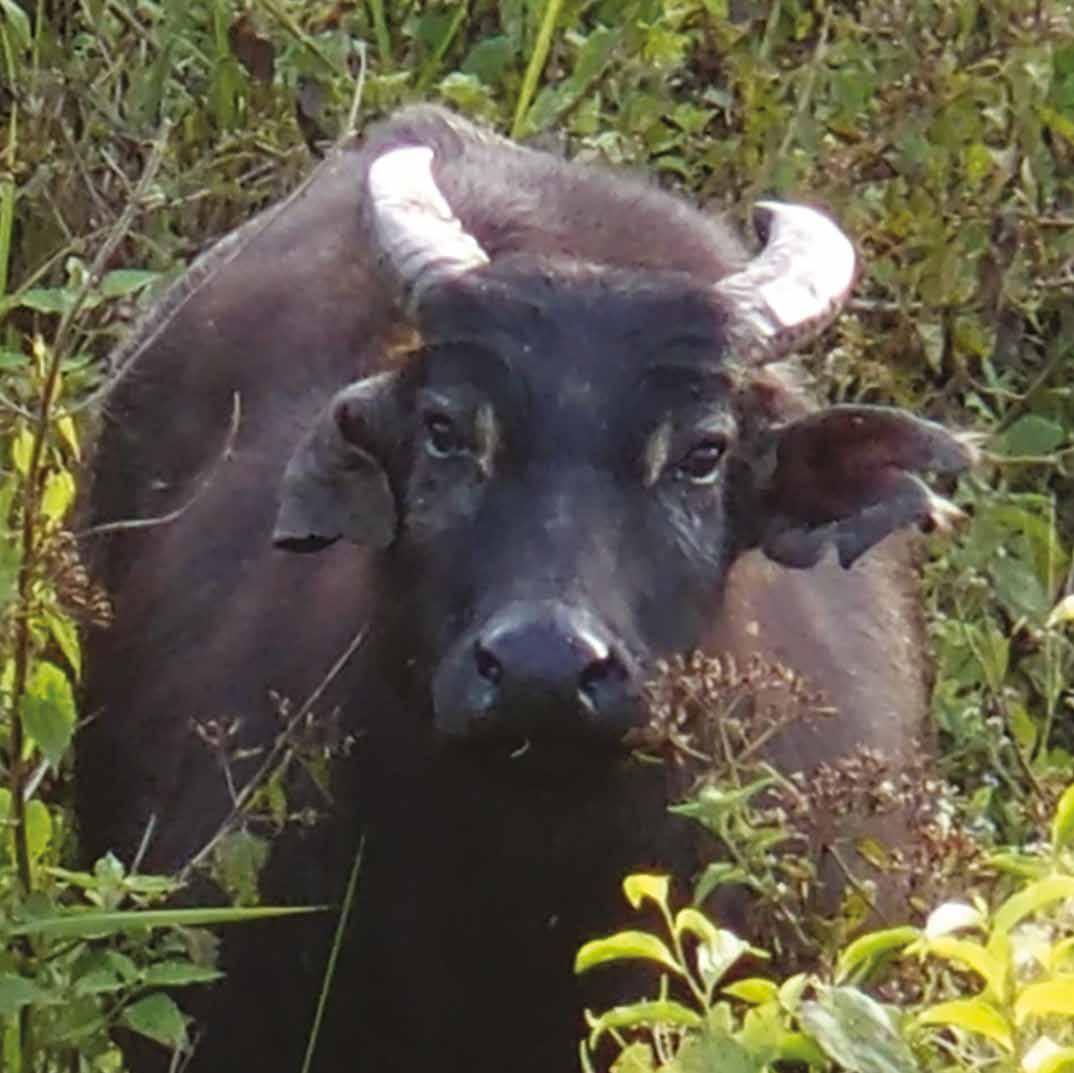
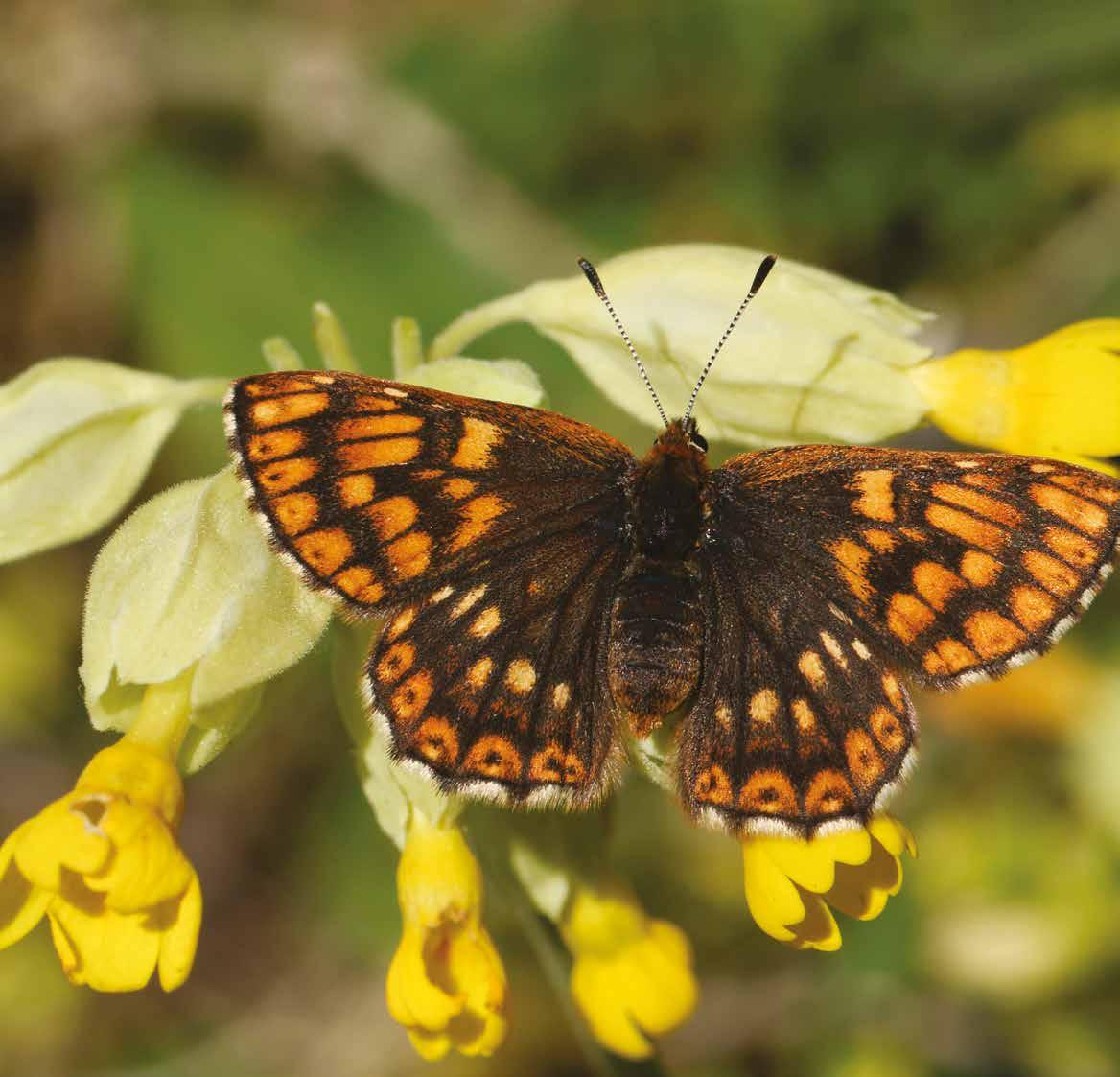
Oceanic seabirds like the sooty tern (Onychoprion fuscatus) can reach up to 60kmph, meaning they are able to travel vast distances ZSL is working with partners to assess the best conservation options for the tamaraw (Bubalus mindorensis)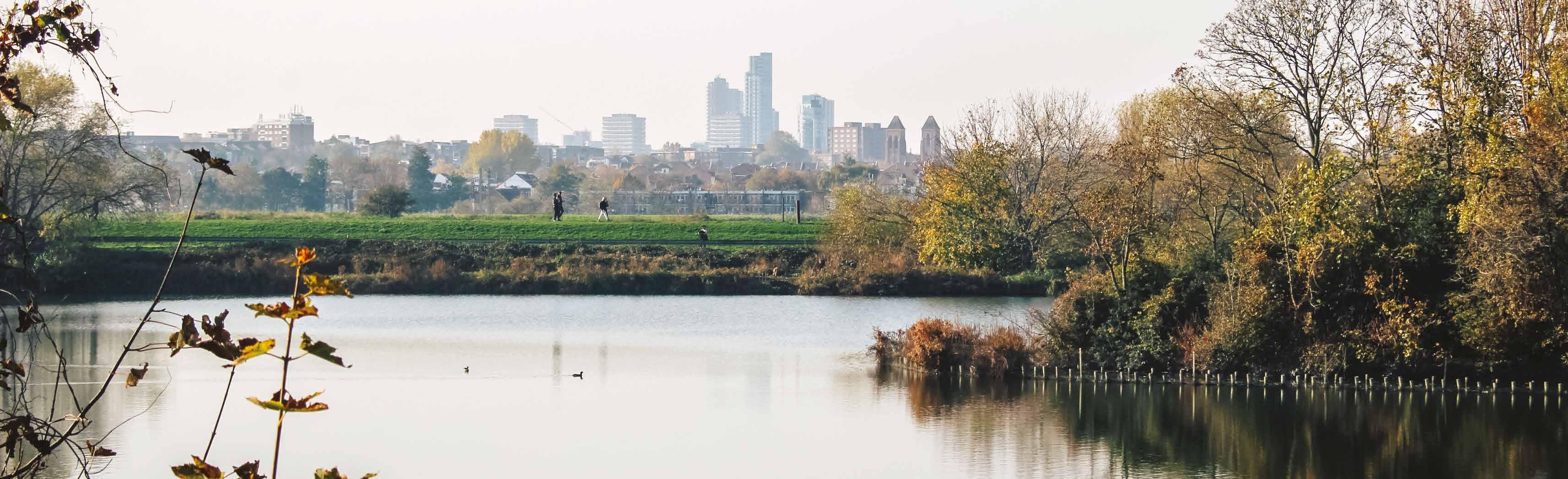
Fellow. Kabir is an award-winning young conservationist. He campaigns for urban wildlife through writing, broadcasting, public speaking and social media, and served on the Mayor of London's Rewilding Taskforce between 2022 and 2023.
London is already a very wild city. Over a fifth of its land area comprises designated nature conservation sites. Even so, much more work is needed to restore biodiversity to favourable levels, mitigate climate change and connect Londoners with their environment. Rewilding is a key tool in achieving benefits for both urban wildlife and people.
Over the past six years I have campaigned for wildlife in cities – not only shining a light on the incredible diversity of species and habitats found in London, but the imperative for young people to safeguard its future.
London has long been a champion of urban conservation. The city has firmly established a network of Sites of Importance for Nature Conservation (SINCs) since the 1980s, numbering more than 1,600 today. They cover habitats from reservoirs to public parks, and gives them some protection from development. However, despite collectively covering a vast area, many are under-managed for biodiversity, isolated from each other and, partly as a result, are not always given great weight in local planning decisions.
Both rewilding and traditional conservation methods will be needed to join up and restore this network of SINCs. London is a dense city and there are few opportunities available for the kind of large-scale rewilding that eventually requires little human intervention and leads to the creation of habitat mosaics. In London we must employ a rewilding ‘spectrum’. It embraces traditional rewilding at one end, down to smaller, regularly managed
‘stepping stone’ sites and urban greening at the other. For London’s SINCs to support biodiversity recovery effectively, the Greater London Authority (GLA) has recently begun to coordinate new rewilding initiatives across this spectrum
Since 2018, I have been involved in several campaigns that have sought to connect young Londoners with the wildlife around them. One of the first was the declaration of London as the world’s first National Park City in 2019, which the city received in recognition of its promotion of nature and urban greening. This was endorsed by the GLA, and I was delighted that the Mayor of London, Sadiq Khan, continued the GLA’s advocacy of the natural environment by establishing the London Rewilding Taskforce to help support nature recovery in the capital. In March 2022, I was appointed to the Taskforce to share my views on how best to engage young people in rewilding.
The Taskforce was chaired by Shirley Rodrigues, Deputy Mayor for Environment and Energy, and other members included politicians and senior figures in rewilding and London conservation. We were tasked with writing a framework for nature restoration in London, which would feed into a new Local Nature Recovery Strategy (LNRS).
The aim of LNRSs, which were made a legal requirement for every local authority in England under the Environment Act 2021, is to enhance and expand our existing habitats to form resilient wildlife corridors. To that end, we recommended that the Mayor coordinate efforts to join up medium-sized SINCs. We also identified 11 areas that could be suitable for large-scale rewilding. Work has begun on assessing the feasibility and opportunities of these sites.
Engaging the public, especially young people, is key to the longevity of the city’s network of ecosystems. City dwellers may view habitats as untidy, animals as pests or rewilding as a process that excludes people. Educating young people, both in the classroom and in the field, is the first step to dispelling these perceptions. Not only will they

be able to notice and appreciate the biodiversity around them but have the skills and knowledge to protect their urban ecosystems for the future. The benefits of rewilding the capital
Current rewilding projects are already delivering environmental benefits. Alongside the creation of the Taskforce, the Mayor’s Rewild London Fund has granted over £2m to councils, communities and wildlife organisations to manage SINCs, in addition to funding proposed to reduce climate risks and support tree planting. Among the most notable recipients is the Ealing Beaver Project, where five beavers were reintroduced to a wetland in Greenford in October 2023. They have already built several dams, thereby reducing flood risk, trapping pollutants in the water and encouraging carbon sequestration. Their tree felling has also allowed sunlight to reach the forest floor adjacent to the wetlands, increasing plant diversity on riverbanks.
Many of the benefits of rewilding will be particularly felt by young people. The creation of wildlife corridors will enhance access to nature for many children, bringing green spaces closer to them. Besides functioning as outdoor classrooms, more children’s mental health will be boosted by the sight of wildflowers or the taste of wild blackberries.
Making London greener and wilder is about rewilding both places and people. Learning from other Taskforce members and contributing myself has been a very valuable experience. I hope that through the implementation of our work and the new LNRS, we can join up conservation work across London, enhancing biodiversity, increasing resilience and ensuring everyone can play their part.

TZ: What first drew you to ecology?
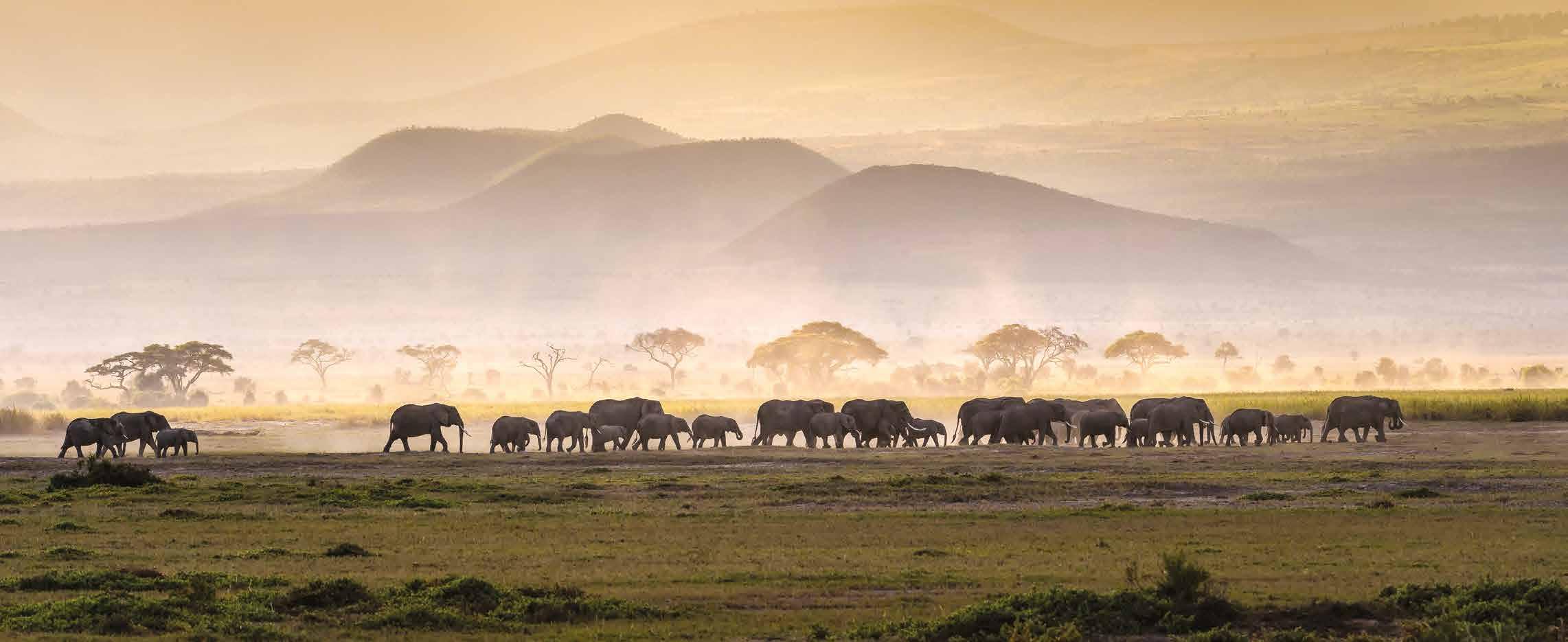
JT: I grew up in rural Zimbabwe, in a savannah ecosystem. There was so much going on, so much life, that I was fascinated by the interactions between species. As my career developed, I began to focus on the ecology of large mammals, partly because I find them so stimulating to study and partly because they are comparatively easy to observe! Today, I am studying the ecological impacts of elephants after they’ve died. When you lose elephants from an ecosystem, you lose not just the living animals but the legacy of five tonnes of nutrients accumulated during the life of each individual. Our hypothesis is that elephant carcasses form the basis for a meta-ecosystem of interlinked patches – islands of fertility that support a distinct assemblage of flora and fauna in the savannah. Similar research has already been done with whales, showing the importance of their bodies to biodiversity on the seabed, and it’s important we understand the full cost of losing large mammals from terrestrial ecosystems too.
TZ: Why did you want to become a part of ZSL?
JT: ZSL is truly at the forefront of conservation science. It presents an extraordinary opportunity to collaborate with others passionate about protecting and restoring biodiversity – such as Professors Nathalie Pettorelli and Sarah Durant, who I recently co-authored a book on rewilding with. Overall, the charity has a very high reputation internationally, and the Institute of Zoology is held in particularly high regard for its science –deservedly so. It’s remarkable how much relevant science is generated by the Institute and far-reaching the ZSL’s conservation work is. So, I feel very honoured to be here, and recognise my responsibility to maintain those standards.
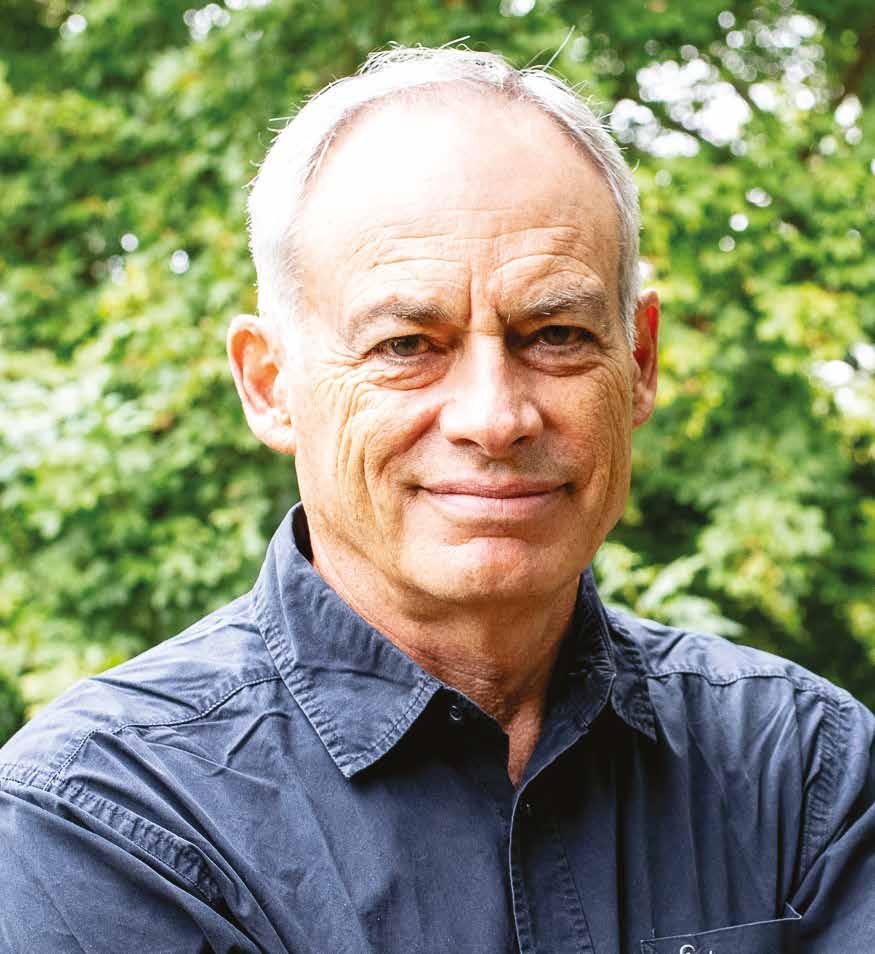
PROFESSOR Johan du Toit, ZSL’s recently appointed Director of Science, joins the Society with 40 years’ experience as an ecologist. He was formerly Director of the Mammal Research Institute at the University of Pretoria, and most recently led the Department of Wildland Resources at Utah State University.
"Globally, the natural environment is in serious trouble... Yet, for [ZSL], the crisis is something we believe we can tackle; only science and technology can help us escape the worst impacts of human-driven change, and we are poised to make a much bigger contribution."
TZ: What do you hope to achieve as leader of ZSL’s Institute of Zoology?
JT: My role is to facilitate the healthiest environment possible for successful science. I look at that in two ways. Firstly, financial. Much of our science is funded by the UK Government, and by multiple granting agencies and philanthropists, enabling us to conduct world-leading research to support conservation. However, we still have to pay for our buildings and support services. Those overhead costs are tough to recover from research grants, and so it is important to increase our streams of unrestricted revenue. Secondly, academic excellence. The Institute is unusual, being an academic institute embedded within a conservation organisation. We have academic staff – professors and research fellows involved in research, teaching and supervising postgraduate students, like a university department – but we don’t have a university around us. So, one of my jobs is to further foster that enabling environment in which our academic staff can thrive. The Institute is already doing world-leading research; my strategy is to enhance the efficiency of any tasks that take time away from that research.
TZ: What do you see as the biggest challenges facing ZSL?
JT: Globally, the natural environment is in serious trouble. The world is transitioning very rapidly, and we still don’t fully understand the consequences of climate change and biodiversity loss on the ecological functions of the planet. Losing the ecosystem-level effects of elephants is just one example. Yet, for organisations like ours, the crisis is something we believe we can tackle; only science and technology can help us escape the worst impacts of humandriven change, and we are poised to make a much bigger contribution. We have several world-leading research groups focussed on issues at the centre of the challenges we now face: rescuing species on the brink of extinction, understanding how wildlife health and human health are linked as one health, providing a scientific basis for rewilding, and predicting the effects of climate change. And the science at the Institute, informed by close collaboration with field conservation, is especially geared towards making real-world impact. By publishing our research in scientific journals and then translating it into a language that governments and big business can understand, we can turn the dial.
ZSL’s impact on the future of wildlife is transformative. Help us continue our vital work at zsl.org/donate