THE ZOOLOGIST
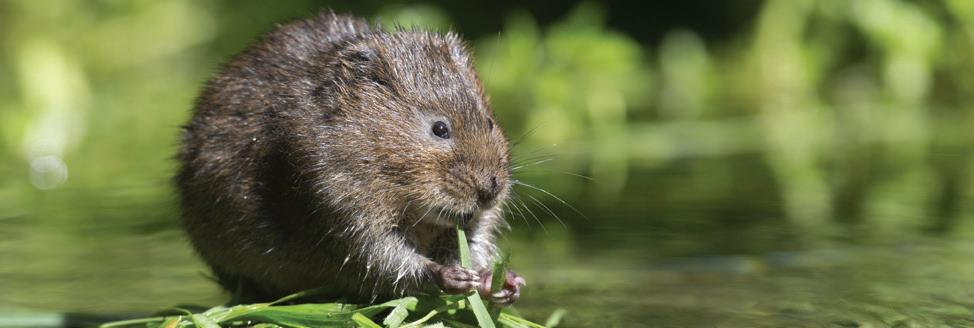
Once a common sight across the UK, water voles are now considered Endangered in the UK. Declared the country’s fastest declining mammal in 2004, they have continued to decline since then. These charismatic rodents were once abundant across London and have been identified as a priority for recovery. In 2022, ZSL launched a new collaboration with a number of organisations across the capital to coordinate their recovery.
“Water voles, as well as being a much-loved British species, are mini-ecosystem engineers, which means they are vital for a healthy freshwater ecosystem,” says Sam Facey, ZSL’s coordinator of the London Water Vole Recovery Programme.
Industrious builders, water voles dig extensive burrows in riverbanks, which creates habitat for other species and has been shown to improve soil health. As herbivores, their habit of feeding on bankside plants helps to prevent the domination of any one species of plant – encouraging a diverse variety of plants and flowers that, in turn, benefits a range of insect species and the animals who feed on them. And, as prolific breeders, water voles themselves are an important food source for species higher in the food chain, such as pike, heron, otters and owls.
Work is now underway in preparation for the first ZSL-led reintroduction of water voles to Richmond’s River Crane, building on an initial reintroduction carried out by another organisation in 2024. “We are monitoring the success of the previous reintroduction, with the help of local volunteers, and are seeing some field signs that some water voles have survived the first winter,” says Sam.
“It is natural for water vole populations to have high winter mortality and high predation rates. Additional reintroductions are important to ensure that there is a large enough founder population and help increase the genetic variability in the voles that do survive and reproduce.”
One of the ways the team are monitoring the previously released water voles is using miniature floating rafts, which are attached to the banks. “The water voles regularly climb on to the rafts, using them to feed and defecate, giving us useful intel on where the voles have occupied habitat along the riverbanks. Camera trap footage has also shown us that some voles have successfully reared young.”
One of the biggest threats to water voles in the UK is the American mink, an invasive species introduced in the 1950s for fur farming. “Female mink are small enough to enter water vole burrows, circumventing the water vole’s main protection from native predators,” says Sam. “They can easily wipe out whole colonies of water voles.
“Through the London Water Vole Recovery Programme, we’re working with Waterlife Recovery Trust to remove American mink from London. This will make our waterways safer for not only water voles, but a number of other iconic species, like the kingfisher, that mink also prey on.”
Other steps the programme is taking include restoring areas of river, to make them more suitable for water voles, says Sam. “A lot of London’s rivers have been straightened, narrowed and confined
to concrete channels. This not only prevents water voles living there, but it also stops populations meeting each other by acting as barriers to water vole movement.
“In the River Crane, we’ve been working with local partners to restore sections of the river. The hope is to improve the condition of the river and facilitate the spread of water vole so that they can re-occupy all their historic sites. We are also working with other partners across London to explore how we can bring water vole back to other London catchments.”
Exciting plans are also underway at Whipsnade Zoo on the creation of a new conservation breeding centre for British species, intended to support a number of UK species restorations that ZSL is involved with. The centre will care for UK species on the brink of extinction, and breed animals for release back into the British Isles.
“The hope is that we can start breeding water voles for reintroduction, and leverage the expertise of our zookeepers and veterinary team in the care and release of water voles,” explains Sam.
Other species expected to be cared for in the breeding centre include the dormouse, another threatened species that ZSL is involved in the restoration of. The centre will also include a new education and convening space where ZSL can engage with conservationists of the future and partner organisations across the country.
I
t’s a pleasure to welcome you to the autumn edition of The Zoologist. In reading this latest edition there are three themes that immediately struck me. The first is that our work starts with highlighting the species most at risk, for example with the recent surveys of pupfish in Mexico, and then moves to how we restore populations. We have great examples of restoration at different scales, from the water voles of London’s rivers to the reintroduction of cheetah to Zambia’s Luangwa Valley.
Second, we have an incredible breadth of expertise and innovation to apply to the biodiversity crisis. This issue highlights the use of novel
I
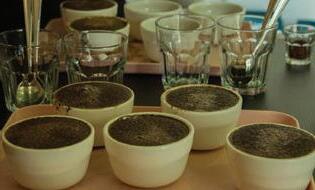
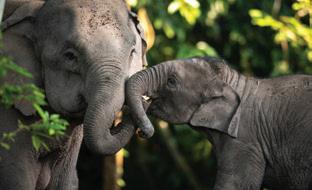
n western Thailand, coffee is providing more than just a morning caffeine boost; it’s becoming a surprising solution to the tension between local farmers and wild Asian elephants.
With support from ZSL’s Thailand team, growers have launched a new agroforestry initiative focussed on cultivating coffee – a crop that thrives in the region and, crucially, doesn’t tempt elephants in the way that other staple crops such as sugarcane and cassava do.
Led by ZSL and local partner EcoExist Society, the initiative is already proving successful in tackling a longstanding conservation challenge in Thailand: human-elephant conflict. It is helping farmers in the municipality of Kanchanaburi, in the southern Western Forest Complex (sWEFCOM), to grow coffee as an alternative crop. Known as Chaing Yîm, or ‘Smiling Elephant’, the project has already seen a reduction in conflict, improved livelihoods, and increased elephant-friendly farming practices – such as the replacement of agrochemicals with organic alternatives – that are also helping to increase biodiversity.
Wild Asian elephants (Elephas maximus) are increasingly restricted to smaller areas due to habitat loss and the conversion of land to farmland. This forces people and elephants into closer proximity,
techniques to gather data from the field, such as the use of eDNA in sharks, or research into the microbiome needed for effective growth of seagrass. In building large and long-term datasets we can then understand the complex interactions between pressures driving biodiversity decline. This is well highlighted by the work on combining large datasets on insects and the work on the interactions between marine pollutants and climate change on wildlife disease in marine mammals.
Third, in having developed these deep insights, it is only through the interaction with, and leadership from, people who impact wildlife will we change the current trajectory of wildlife loss. In a fascinating piece from Brazil, PhD Researcher Juliana Martins highlights how community leadership is both essential and highly impactful. The Waimiri-Atroari people have long exercised their hard-won rights to protect their local environment. Her research, developed alongside community members, is highlighting the benefits to wildlife of the commitment and leadership shown by the Waimiri-Atroari.
Later in November, the world’s attention will be focussed on Brazil for the COP30 climate change negotiations. This is going to be the ‘forest COP’ and we want to ensure that biodiversity remains central to this process. At COP30, ZSL will push to see practical actions taken to unite the biodiversity and climate conventions. We will highlight examples, such as the development of community-led agroforestry products to help reduce conflict with wildlife, and the work led by our SPOTT team on pushing ambition within the private sector to end deforestation. Thank you for being a Fellow, and helping to make everything we do possible.
19 October, 9-10am
Early Zoo openings for Fellows, Patrons and Gold Members
London and Whipsnade Zoos
4 November, 6pm
Nature’s code: Evolutionary genomics for conservation
Science and conservation event
Huxley Lecture Theatre
13 November
Annual General Meeting
Huxley Lecture Theatre
22 November, 10am-2pm
The world of conservation: What it takes to work in the sector Student and Graduate Fellow event London Zoo
9 December, 6:30pm
ZSL science and conservation awards celebration Huxley Lecture Theatre
Online talks are streamed via zsl.org/IoZYouTube. For more info, visit zsl.org/zsl-fellows-events
often creating conflict. Around 20 elephants are killed each year, while elephant-related crop and property damages are estimated to cost Thai communities roughly US$10 million annually.
Trials showed that elephants have little interest in robusta coffee. This grows well in the region, is drought-resistant and has strong market potential, making it an ideal candidate for agroforestry.
Agroforestry is a nature-based farming solution that grows crops alongside native trees, reduces chemical use, supports soil restoration and aligns with biodiversity-friendly practices.
Through training and knowledge sharing, Chaing Yîm is now helping communities transition from growing crops that elephants do eat to sustainable, elephant-resilient coffee production. Its training sessions are tailored to different needs, with project teams visiting farms in person to support farmers where internet and phone access are limited.
“Coffee gives me a reliable harvest, and I feel more secure farming without as many elephant visits,” said Mr Suntorn Kluewan, a local farmer taking part in the project.
“This project is about building sustainable livelihoods that keep farms productive and landscapes healthy, while fostering positive attitudes and safer coexistence between communities and elephants,” said Juliana Masseloux, Project Coordinator for ZSL Thailand.
This year, the team are collecting baseline data to measure changes in farmer capacity and wellbeing. “Real change takes time,” says Juliana. “By designing this project with local communities, we’re laying a foundation for long-term success.
“Change here in Thailand is very cultural: when other farmers can see results, they are more likely
to adopt new practices,” she adds. “We want this knowledge to be passed from generation to generation, and we want it to be community-led, as that is the only way to achieve long and lasting success here.”
The long-term goal is to expand the model into other regions where human-elephant conflict remains high. While building a market presence will take time, Chaing Yîm could become a flagship example of what sustainable, wildlife-friendly agriculture can achieve in the industry.
Preparations underway for the return of cheetah to east-Zambian wilderness
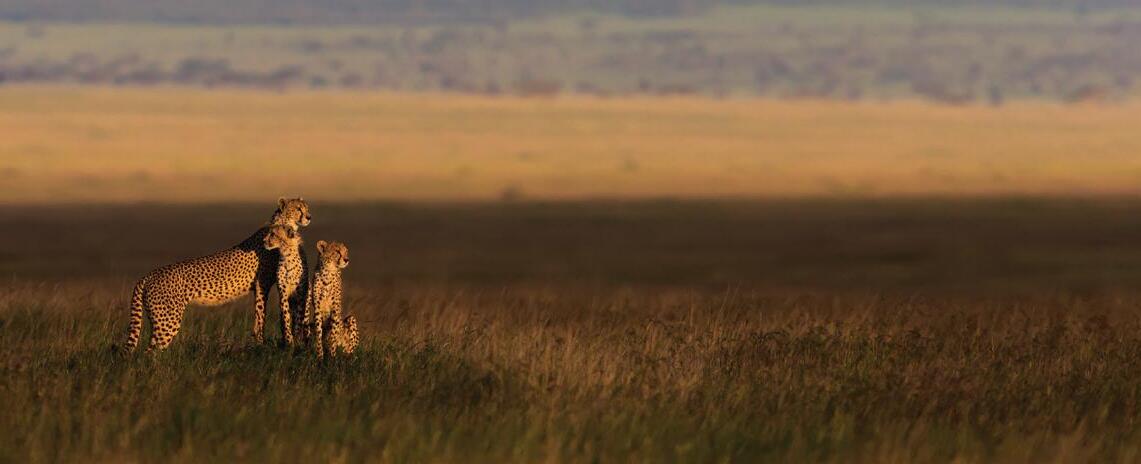
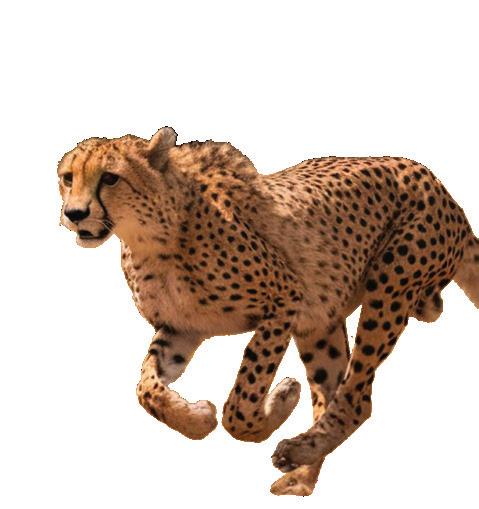
The Luangwa Valley, a 70,000km2 wilderness in east Zambia, was once home to cheetahs until their disappearance in the 1990s. In 2018, ZSL’s scientists, together with the Zambian government and national experts, identified the area as Africa’s most promising region for the recovery of cheetah.
Plans are now underway, coordinated by ZSL alongside the Zambian Government and several partner organisations, for the return of cheetah to the Valley. The reintroduction is anticipated to begin in spring 2026, with the initial release of up to 12 cheetahs. It is hoped that, following additional releases of cheetahs to maintain genetic diversity, the population will become self-sustaining.
“The Luangwa Valley could ultimately support between 300 and 700 cheetah – against a global population of less than 7,000 remaining wild cheetahs.” says Rosemary Groom, ZSL’s Southern Africa Cheetah Coordinator. “Many of Africa’s remaining cheetah populations are very small and may not be viable in the long term. If we can reclaim the Luangwa Valley for cheetah, it will set a positive precedent for projects of this scale and the future of the species will look a lot brighter.”
“Cheetahs are known to roam for hundreds of miles, but it is important that they return to the parks of the Luangwa Valley where they will be released if we are to establish a sustainable population”
The cheetahs are expected to come from small reserves in South Africa, where cheetah populations are relatively abundant and intensively monitored. Following health checks, and a short flight in a specially adapted plane, the cheetahs will spend the first month in soft release enclosures, before being
released into a 2,000-hectare sanctuary for around six months. Shortly before the wet season, the fences of the sanctuary will be rolled down and the cheetahs will be able access the wider Valley.
“We hope this period in the sanctuary, free from the pressures of other large predators, will afford the cheetahs the opportunity to breed and encourage site fidelity,” says Rosemary. “Cheetahs are known to roam for hundreds of miles, but it is important that they return to the Luangwa Valley if we are to establish a sustainable population. There, we can monitor and protect them – and they can meet other cheetah to breed.”
Another major test for the released cheetahs will be their interactions with Nile crocodiles, a common species in the region. “Crocodiles are a major source of conflict for local people in the Valley and will likewise be a significant risk to the released cheetah,” explains Rosemary. “Coming from small reserves in South Africa, most will be unlikely to have encountered crocodiles, so we will be exploring ways to sensitise the cheetahs to the risk that crocodiles pose around water sources.”
Support and development of local communities is a core component of the reintroduction project, and the majority of the funding from the Howard G. Buffett Foundation will be used to provide training, employment and livelihood development opportunities to local people, explains Rosemary.
“Though the region is sparsely populated, the community of the Nabwalya Chiefdom sits in a key location known as the Munyamadzi corridor, which connects the North and South Luangwa National Parks. As custodians of the landscape, it’s crucial they reap the benefits of the reintroduction programme and support connectivity across the Valley.”
Key to this is creating jobs in the region – in the management of the protected area and, in the long term, encouraging more sustainable tourism. Teams of rangers, cheetah monitoring specialists and community engagement officers from the

local community and wider Zambia are already in training ahead of the reintroduction. Meanwhile, the construction and maintenance of roads, airstrips, fire breaks and a base camp needed to service the landscape and the monitoring of the cheetah are also creating a wealth of additional jobs.
Partner organisation Frankfurt Zoological Society are working closely with the Nabwalya community to improve food security, through training in sustainable agriculture techniques, such as improved tillage practices for managing the soil and effective poultry rearing. This is hoped to benefit the community’s food security and reduce the reliance on bushmeat hunting and the use of snares, which can accidentally catch cheetahs.
“This reintroduction is incredibly ambitious and exciting, but it’s going to be several years until we’ll be able to determine whether it has been successful for the cheetahs,” adds Rosemary.
“Key signs of success will be breeding cheetahs, indications that the cheetahs have started to
Surveys fail to find six of seven unique pupfish in Mexico’s Lake Chichancanab
S
urveys conducted by ZSL and our partners earlier this year have confirmed that the boxer pupfish (Cyprinodon simus) has likely disappeared from its home of Lake Chichancanab, Mexico.
The boxer pupfish was, until recently, found in only two places in the world: their wild habitat, in Lake Chichancanab, and at Whipsnade Zoo under the care of the Zoo’s aquarists. Following news in 2024 from Mexican partners that the boxer pupfish had likely disappeared from the wild, ZSL launched a two-pronged approach: working with partners at Bristol Zoological Society to set up a second insurance population and leading an expedition to comprehensively survey the lake.
“It was worse than we feared,” explains Alex Cliffe, Assistant Curator of Fish, who led the survey in April this year. “Not only could we not detect any boxer pupfish, but five other species unique to the lake appear to have been lost too.” Only one species of pupfish, the black lip pupfish (Cyprinodon beltrani) remained. The main cause of the five species’ disappearance is the introduction of three invasive species of fish – tilapia, Mayan cichlid and the Bacalar tetra.
Lake Chichancanab is a unique habitat, supporting seven endemic species of pupfish. Stretching 20km long but just 1km at its widest point, it sits on a bedrock of gypsum, giving it a high
The Welsh coastline is known to be a home to several species of elasmobranchs – sharks, skates and rays – including the Critically Endangered angelshark (Squatina squatina). However, studying secretive predators in the murky waters of the Welsh coastline, where disturbed sediment often makes underwater visibility poor, presents a challenge to researchers.
“The opacity of the water renders common techniques, like using baited underwater cameras or physical surveys by divers, less effective,” explains Dr David Curnick, Research Fellow at ZSL’s Institute of Zoology. “Instead, we can use environmental DNA (eDNA) to detect which species are using areas of the coastline, and at which times of year.”
Environmental DNA refers to any genetic material – from blood and tissue to mucus and other excretions – shed into the environment by an animal. By passing seawater through special filters, these tiny bits of DNA can be extracted and identified.
Eleven species of elasmobranch were detected in two protected areas – Pen Llŷn a’r Sarnau in northwest Wales and Carmarthen Bay and Estuaries in south Wales – over 12 months of eDNA sampling. Species included the Critically Endangered tope (Galeorhinus galeus), as well as the angelshark. The most detections were made during spring, while the
fewest were made in autumn, suggesting the sharks use the habitats within these protected areas seasonally.
“While eDNA monitoring of sharks has been done before, we have been developing a new model of ‘backtracking’, where we aim to predict where the shark that shed the DNA could have been, based upon currents, tides and the estimated decay rates of eDNA in UK waters,” explains David. “From this, we could build a probability map to identify where the sharks were likely residing when they shed the eDNA.”
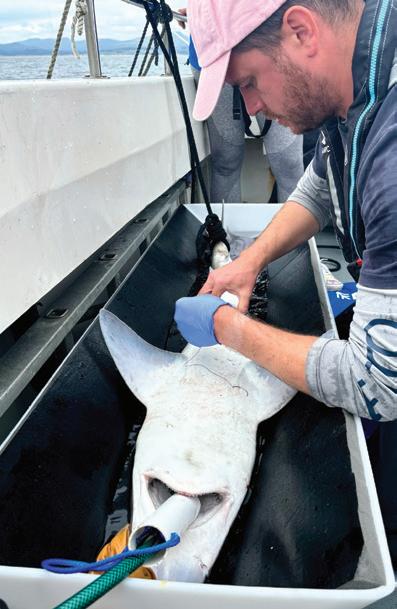
Having confirmed the presence of highly threatened species, David and his team have moved into a new phase of research – working with local fishers to catch sharks and fit them with telemetry tags, to better understand how they use the environment and the relative importance of Welsh waters to each species.
“The eDNA findings have corroborated the observations of local fishers and enabled us to focus our efforts during specific times of the year, when we know the sharks are most active in the region,” says David. “For this phase, we’ve chosen to focus on the tope. They’re a type of houndshark, a culturally important species for local communities because of their popularity as a target for recreational anglers.” Once caught, the tope are fitted with a tracking tag and, if they’re female, inspected by ultrasound to check for pups.
“We believe that tope are using the Pen Llŷn a’r Sarnau protected area as a breeding and nursery ground. By tracking individuals over the year and assessing the reproductive status of the sharks we catch, we hope to test this hypothesis and, ultimately, understand how best to protect the species and other sharks in the area.”
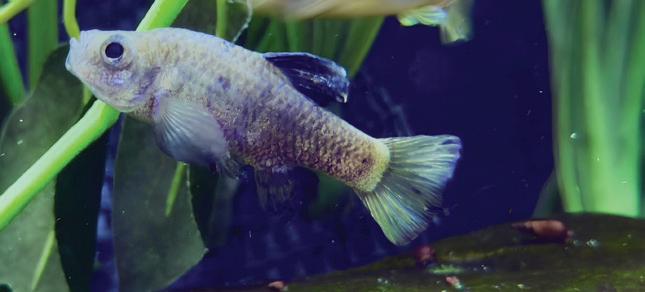
Learn more about the boxer pupfish and see
mineral and salt content. Unusually, for an inland lake, it even supports mangrove forests, thanks to the water’s salinity. These qualities make it particularly suitable to pupfish, who thrive in mineral-rich environments.
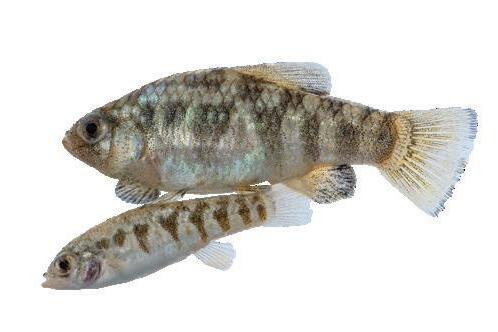
“We used a number of techniques, including underwater video cameras, snorkelling, seine netting and aerial drones to scan inaccessible areas,” explains Alex. “We’re now waiting for the water samples we took to be analysed for environmental DNA, to confirm their disappearance.”
Work is now underway to rescue the black lip pupfish and bring it into human care. “The species is cared for at just one institution in the US, so it’s imperative we establish more safeguard populations,” explains Alex. “Our short-term goal is to rescue a number from the wild and establish a
survey. Long term, we hope to bring some eggs to Whipsnade Zoo, so we can establish a European breeding programme alongside the boxer pupfish.”
For the other five species of pupfish not detected during the survey, the outlook is dire. “None are cared for in official aquariums. There is a slim chance they could be in private collections, but it’s likely that all five have been lost forever,” says Alex. “It’s devastating news, but our focus is now on the two remaining species – the boxer and black lip pupfish – and the actions we can take to ensure their survival.”
Look out for the boxer pupfish on your next visit to Whipsnade Zoo.
Seed microbiome could hold the key to effective seagrass habitat restoration
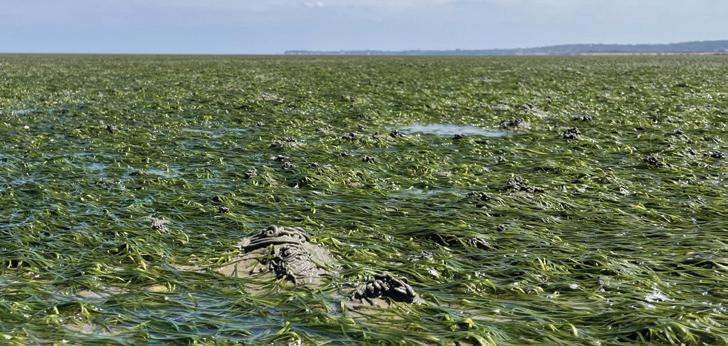
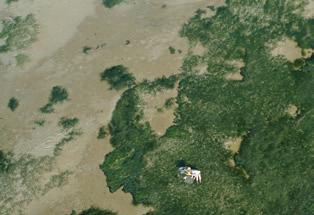
Seagrass is a highly valuable coastal habitat for both wildlife and people. It protects our coastlines from erosion, helps to capture carbon in its root systems and provides shelter for a huge number of species, including many commercially important fish, molluscs and crustaceans.
The UK has lost at least 45% of its seagrass beds since the 1930s, and modelling of suitable seagrass sites suggests that we may have lost over 90%. ZSL is working to restore seagrass meadows in the Thames Estuary, and a number of seagrass restoration projects are underway across the UK. However, there is a lot we don’t know about the processes governing successful germination of seagrass seeds.
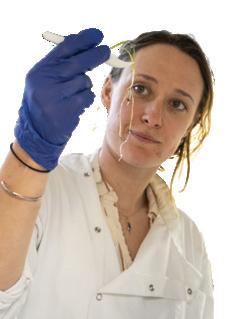
“Seagrass restoration can be very slow –naturally, less than 10% of seagrass seeds survive to germinate,” explains Amelia Newman, PhD Researcher (pictured above). “And then you have to factor in that restoration projects are working in areas where seagrass doesn’t already exist for a variety of factors – all of which introduce extra challenges to seed germination.”
Amelia is working to understand how the microbiome – microscopic bacteria and fungi –could be the key to improving seagrass germination,
“Seagrass restoration can be very slow – naturally, less than 10% of seagrass seeds survive to germinate”
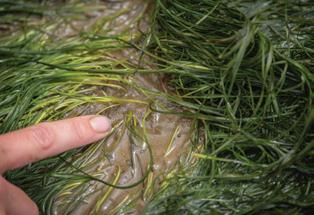
in the hope that it will improve the effectiveness of restoration projects.
“We know that microbiomes are important for terrestrial seeds,” says Amelia. “They are produced by the parent plant and contain bacteria that can help the seed to survive toxins and pathogens, such as sulphites. We suspect the microbiome has similar importance for seagrass seeds, and understanding the optimum microbiome for seagrass seeds could be key to restoration efforts.”
This year, Amelia has begun collecting seeds from seagrass meadows in the Thames Estuary, Scotland, Wales and Cornwall to understand the makeup of their microbiomes. Microbiome DNA is being extracted at Imperial College London, while germination trials are underway at London Zoo’s seagrass lab to identify the attributes of successfully germinating seeds.
“Our initial trials suggest that seed traits – such as colour, length or density – don’t indicate whether a seed is likely to germinate,” says Amelia. This points to the microbiome and the environment as the crucial factors.
The microbiome could have further significance for seagrass restoration. Amelia is working to understand whether seagrass seed microbiomes depend on location and different environmental conditions. “We expect that seagrass seed microbiomes vary, based on the types of stresses they have to cope with,” adds Amelia. “If that is the case, it could mean that we need to be selective about where we take seeds from and where we plant them, to ensure the highest rate of germination.”
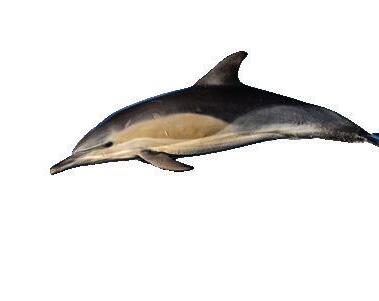
Our oceans are facing a triple planetary crisis: climate change, pollution and biodiversity loss, says Postdoctoral Researcher Rosie Williams of the Cetacean Strandings Investigation Programme (CSIP). “Yet all too often, we look at threats to wildlife in isolation, and make decisions about what conservation action is needed to tackle threat A, without thinking about threat B,” she notes. “Recently, we investigated how two of those crises – warming oceans and pollutants – might contribute to deaths from infectious disease in the short-beaked common dolphin (Delphinus delphis), driving the third crisis, biodiversity loss.”
Using CSIP data on 836 dead dolphins stranded in the UK from 1990-2020, the research found that rising sea temperatures and chemical pollution both increase the risk of death by infectious disease in common dolphins.
The specific pollutants the team tested for were PCBs (polychlorinated biphenyls) – highly toxic industrial chemicals that were banned back in the 1980s, but have persisted in our seas. CSIP has long warned of the continuing threat that these ‘forever chemicals’ pose to marine life.
“While we can’t prove that a particular dolphin died as a result of chemical pollution, ultimately, we know there are a greater number of animal deaths in the wild because of it,” says Rosie. “Unlike plastic pollution in the ocean, which is very tangible, chemical pollution is a hidden threat and its presence can only be determined in the laboratory through complex analytical chemistry. But as this study shows, although PCB levels are slowly decreasing over time, they are still impacting dolphin populations today. We need to take chemical pollution more seriously and treat it as more of a priority.”
To investigate the link between climate change and disease mortality rates, the team looked at mean monthly sea surface temperatures. They found that each 1°C rise in surface temperature corresponded to a 14% increase in mortality risk.
Rising ocean temperatures have been linked to higher disease rates in a number of marine species, but the factors at play are not entirely clear. “Its a direct, physiological impact, or are warming seas changing the distribution and behaviour of these animals, leading to increased exposure to pathogens? We just don’t know yet,” Rosie says. “We’re now keen to look more broadly at how climate change is impacting UK marine mammal populations, and identify climatedriven distribution shifts in these species, to help us understand how best to protect them.”
As Rosie points out, dolphins are often referred to as sentinel species for our oceans: “They’re apex predators and give us a good indication of what overall ecosystem health is like. If they’re not doing well, the rest of the ecosystem isn’t likely to be, either,” she says.
“To understand the complex, interwoven nature of the local and global threats facing marine mammals, we need detailed, long-term monitoring data – and CSIP is one of the few projects in the world gathering that.”

Written by Matthew Gould, ZSL CEO
For more than 60 years, Lord Paul was a steadfast and devoted supporter of London Zoo.
Lord Paul’s love for the Zoo and wildlife was entwined with his love for his family. In the 1960s, his youngest daughter Ambika was being treated for leukaemia in London and they brought Ambika to visit the Zoo between treatments, to spend time together surrounded by nature.
Ambika died aged four in 1968; Lord Paul often said London Zoo held a special place in his family’s hearts, describing how in her final days Ambika “got much happiness from visiting this zoo and sharing its ambience.” After Ambika’s tragic death, Lord Paul commissioned the Ambika Paul Fountain, which immortalised his daughter’s love of the Zoo and remains a place of reflection for our visitors to this day.
In the mid-1990s, his generosity helped save London Zoo from the prospect of closure; it was Lord Paul who stepped in to donate a £1 million lifeline. His support was recognised in the Ambika Paul Children’s Zoo, connecting children and their families to wildlife.
In 2022 Lord Paul and the Aruna and Ambika Paul Foundation generously donated £1 million to help restore the Grade II* listed Snowdon Aviary, helping to transform it into Monkey Valley – a new home for colobus monkeys – and revitalising the surrounding area. In 2019, in recognition of his extraordinary commitment to ZSL, we were proud to award Lord Paul an Honorary Fellowship – the highest honour ZSL can bestow. It was an accolade he accepted with pride, reflecting the depth of his long and devoted association with ZSL.
For Lord Paul, London Zoo was a place of joy and connection. He delighted in the memories it held for his family and believed it to be a place where people could come together through their shared love of nature. Speaking at his annual summer party in 2019, he told guests “In my view, the Zoo is the best place for parents and children to enjoy being with each other.”
Thanks to his generosity, millions of families have been able to share those same moments of wonder, creating memories that will last a lifetime. Lord Paul’s legacy lives on in the countless connections with wildlife he made possible, and he will be remembered with deep gratitude and admiration by all of us at ZSL.
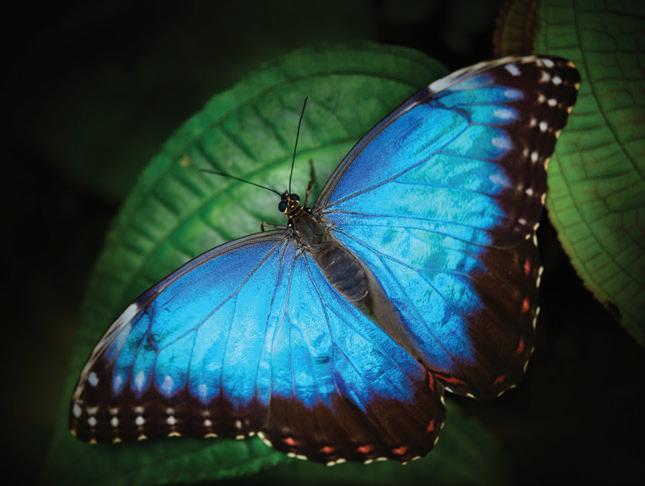
ZSL is part of a collaboration of scientists developing a framework to understand the drivers of global insect declines – the Global Insect Threat-Response Synthesis (GLiTRS).
“The aim is to bring together different sources of evidence, including expert knowledge, results from experiments, spatial comparisons from field samples, and data on trends over time, to shine a light on these often-neglected animals,” explains Charlie Outhwaite, Research Fellow at ZSL’s Institute of Zoology.
As well as bringing together available datasets, the team are working with entomologists to quantify their insights on the impact of activities like agriculture and other pressures on insect populations, to help fill the gaps for insect groups where other forms of data are not available. By bringing the data together into one model, Charlie and the team hope to identify the biggest threats and challenges for insects and give scientists a better understanding of how insects are responding to those threats around the world.
The total number of pressures facing insects is huge, says Charlie. The team have identified a spectrum of 42 different threats. “From pesticides to light pollution, there are so many ways that we are impacting life on our planet – and insects are highly sensitive to our activities,” says Charlie. “What we hope to learn is how different insect groups are responding to these threats, and where the greatest risks are.”
Early indications are that butterflies and moths are being particularly affected by the interacting effects of agriculture and climate change, with 85% fewer species numbers and 90% fewer individuals than in places unaffected by agriculture and climate change.
“Climate change is a particular concern for insects. Due to their high surface area to volume ratio, they can dry out in high temperatures a lot more easily than vertebrates. With extreme weather events, such as droughts, occurring more frequently climate change is climbing its way to the top of the threat list.”
Though Charlie hopes this research will help to direct action on a national and local level, this is just
“There are lots of challenges with monitoring insects – their size, the fact they have multiple life stages, and the sheer number of them”
the beginning she says. “Monitoring data for insects is often very patchy. We have lots of information about butterflies and bees, for example, but less on beetles and flies. So this research will help us understand the knowledge gaps at a global scale and drive more research into the less understood species.
“There are lots of challenges with monitoring insects – their size, the fact they have multiple life stages, and the sheer number of them. Science has described about one million species of insect, but there are estimated to be 10 million. How do we monitor and protect species that we haven’t even named yet?
“However, insects are vital to life on our planet – from their role in breaking down matter into soil, to the pollination of our crops. Life wouldn’t just be sadder without them – it would also be very expensive trying to find new ways to perform the jobs that insects do for free.”

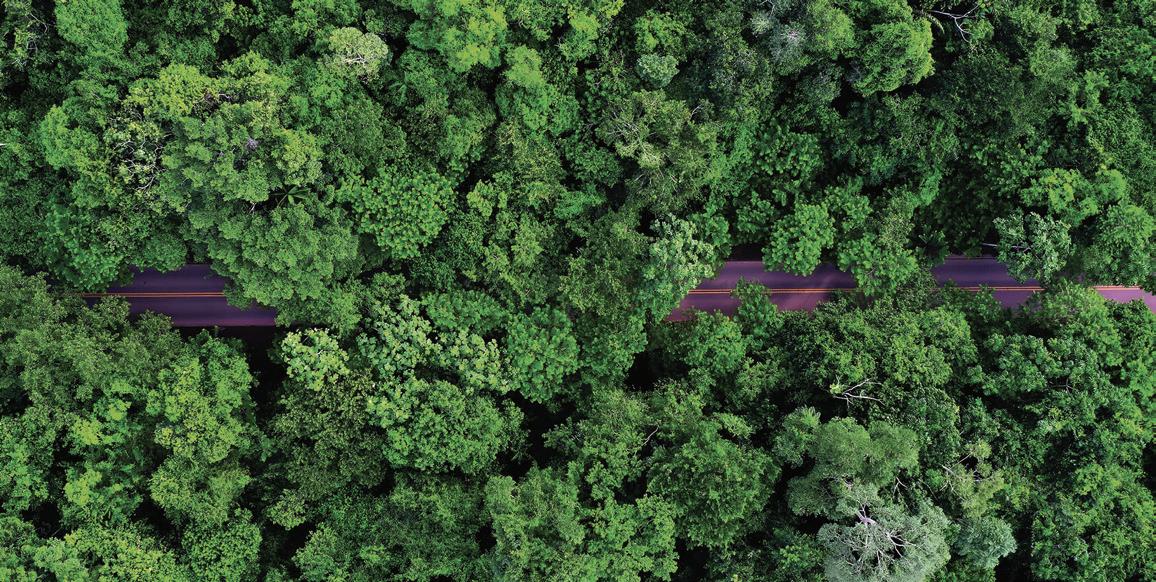
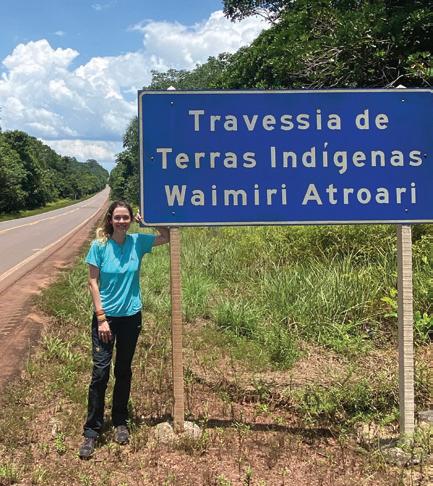
In the heart of Brazil’s Central Amazon, a quiet but powerful conservation effort is unfolding; led not by scientists or governments, but by the Waimiri-Atroari indigenous people. They’re using a simple tool to protect their land and the wildlife within it: closing a highway at night. With support from ZSL PhD Researcher Juliana Martins (pictured right), they are trying to retain their right to close the road and protect the forest – and with it, its wildlife and their culture.
“The impact of roads on tropical forests is the subject of heated debate in Brazil. There is huge political pressure to open new roads, crossing protected areas and Indigenous lands”
The BR-174 highway slices through the WaimiriAtroari territory, a legacy of road-building under Brazil’s former military dictatorship. Since the 1980s, the community has exercised its right to close the road from 6pm to 6am daily.
“The impact of roads on tropical forests is the subject of heated debate in Brazil. There is huge political pressure to open new roads, crossing protected areas and Indigenous lands, and to pave existing roads,” explains Juliana.
Turning local knowledge and observations into a formal research paper brings hope that the community’s action could become permanent policy, inform wider decision making and drive further improvements to the local environment. Juliana’s research, designed with the community, is assessing the effectiveness of the night-time traffic restriction in conserving wildlife.
“The Waimiri-Atroari protecting nature along the highway is an incredible example of an indigenous-led conservation intervention,” says Juliana. “Our aim is for this project to be replicated, or inspire similar initiatives, across Brazil and beyond.”
As a Brazilian, Juliana spent her youth marvelling at the wonders of the Amazon, and is passionate about protecting the forest and its people. Using camera traps, audio recorders and community interviews, she’s gathering evidence to show how this small and simple intervention is having a significant impact.
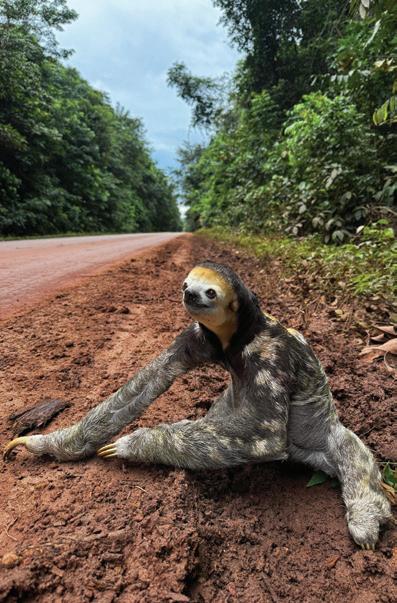
The early signs are promising. Areas inside the reserve, where traffic is restricted, show higher species diversity and fewer instances of roadkill. One camera trap even captured an image of a tayra (Eira barbara) with leucism – an unusual, whitecoated variant of this carnivorous mammal, which had never been recorded in the region.
But the project is about more than data; it’s also about trust. Juliana spent months building relationships, learning the community’s language (Kinjá iara), and listening to what they have to say.
“The Waimiri-Atroari don’t have a word for nature, because for them, it’s not something separate,” says Juliana. “It’s who they are.”
That connection to the forest is what drives the community to protect it; even as politicians push to expand the highway and blame them for slowing development. “They just want peace,” Juliana says. “But since the highway came, they haven’t had it.”
The work is not without risk – some people are angry about the road closure. Bullet holes have been found in road signs, and the community has faced threats of violence. But Juliana says the resilience of the Waimiri-Atroari is inspiring. “Being with them has been life-changing.” she says. “There’s still so much to fight for. And while there’s one tree standing, one species surviving, or one person protecting the forest, it’s worth it.”
“IF WE WANT TO END DEFORESTATION, WE CAN’T AFFORD TO IGNORE THE PRIVATE SECTOR ”
By Annabelle Dodson
For 10 years now, our SPOTT assessments have been driving sustainability in industries that directly impact the planet’s forests.
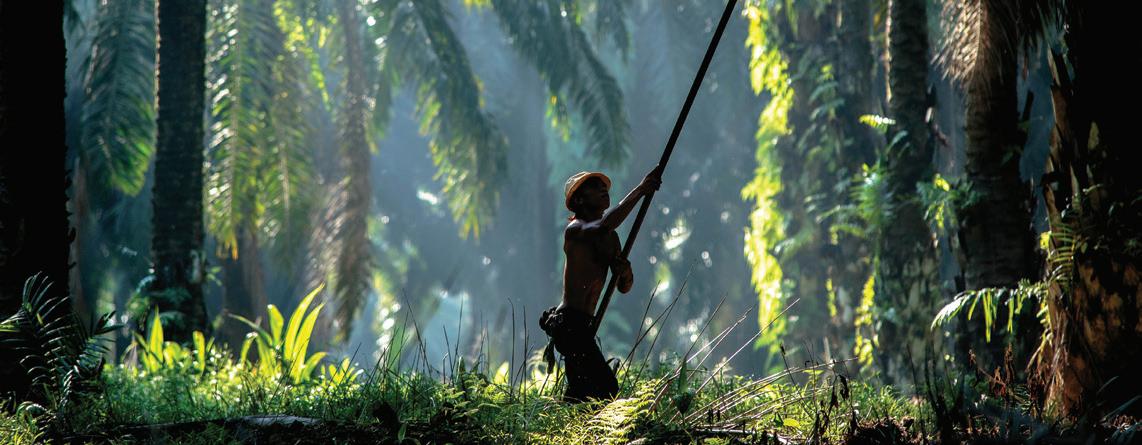
The inspiration for the project was sparked by ZSL’s conservation work with Sumatran tigers. A palm oil company in Indonesia approached us for help because it had tigers within its concession of land, and wanted advice on how to conserve them. It was a time when the massive impacts of the palm oil industry on biodiversity and habitat loss were becoming widely recognised by consumers and the corporate world. There was a lot of talk about boycotting palm oil. We don’t believe in a boycott, because that would only create a market for an alternative, and potentially less efficient, vegetable oil. We believe that the palm oil sector can operate sustainably – and we engage constructively with companies to support that.
Transparency is really the first step on the sustainability journey.
When companies put policies in place, such as zero-deforestation commitments, and share those publicly, it gives them something to work towards, and be held accountable for. The financial institutions that invest in these companies often have no idea what these companies are actually doing on the ground, but SPOTT helps guide their decisions. In 2014, ZSL carried out its first SPOTT assessment, scoring 24 palm oil companies on how transparent they were being about their
Annabelle Dodson is Project Manager on ZSL’s Sustainable Business team. She oversees the coordination of our pioneering SPOTT (Sustainable Policy Transparency Toolkit) assessments of companies in the palm oil, timber, wood pulp and natural rubber industries, driving businesses to do better by scoring them on their transparency about environmental, social and governance (ESG) commitments. She joined ZSL in 2016, after working in Malaysia as a sustainability consultant.
environmental policies. Since those early days, the SPOTT platform has grown to assess several sectors and hundreds of companies. This year, SPOTT has assessed a total of 230 producers, processors and manufacturers across the palm oil, timber, pulp and rubber sectors; businesses that, between them, are responsible for managing over 54 million hectares of tropical forest.
We’ve seen businesses put a biodiversity policy in place for the first time because of our SPOTT assessments, and we’ve seen increased reporting, and higherquality commitments.
Some companies have expanded their commitments to include things like responsible tracing or chemical use, and others have used SPOTT data as KPIs (key performance indicators), tied to sustainability-linked loans. Meanwhile, financial institutions, are using the assessments
“With sustainability high on the agenda, SPOTT supports organisations – from financial institutions to retailers – by providing company scores they can use to inform their own investment or business decisions”
ZSL’s impact on the future of wildlife is transformative. Help us continue our vital work at zsl.org/donate

to do their due diligence on companies. With sustainability high on the agenda, SPOTT supports organisations – from financial institutions to retailers – by providing company scores they can use to inform their own investment or business decisions.
Over time, we’ve seen the business world become more engaged with sustainability and ESG commitments being talked about more – but there’s still a long way to go.
The palm oil industry is probably the most advanced, and generally scoring more highly in the SPOTT assessments than sectors like natural rubber, which is more of an emerging commodity in the sustainability arena. The palm oil sector is really leading the way and we’ve seen a lot of progress in that sector – deforestation has dropped, transparency has increased and talking about sustainability is becoming the norm. Things aren’t perfect, but there’s definitely cause for optimism.
Businesses can have a negative impact on biodiversity – but they also have the power to be a hugely positive influence on the natural world.
If we want to end deforestation and habitat degradation, we can’t afford to ignore the private sector.
SPOTT needs funding to keep shining a light on company performance and driving urgent action. Support at donate.zsl.org/spott or get in touch with the team at sbf@zsl.org