How the war against Ukrain e is impacting water quality
Conflict and Environment Observatory and Zoï Environment Network
About this brief
This thematic brief is based on research undertaken within the framework of the project “Assessment of the Environmental Impacts of the War Against Ukraine and Options for Remediation”. The project donors include France, Germany, Ireland, Luxembourg, Poland, the United Kingdom and the United States of America.
Contributors: Dmytro Averin, Iryna Babanina, Eoghan Darbyshire, Nickolai Denisov, Jay Lindle, Anna McKean, Linas Svolkinas, Simon Watkins, Jonathan Walsh, Rob Watson and Doug Weir.
Cartography, illustrations and layout: Dina Adylova, Matthias Beilstein, Carolyne Daniel, Geoff Hughes (Zoï Environment Network).
The contents of this publication reflect the opinions, findings, interpretations, and conclusions of the authors and do not necessarily reflect the views or any official position of the Organization for Security and Co-operation in Europe, its donors, or its participating States. The OSCE does not accept any liability for the accuracy or completeness of any information, recommendations, or for misprints.
Sources: The case studies in this report are based on the expert analysis of a range of sources. For the sake of brevity these have not been listed in full but comprise: Ukrainian government data, including the State Water Agency’s monitoring map for pollutants in water bodies, its regional environmental reports for 2021 and 2022, and its national reports on drinking water quality for 2021 and 2022; data from official requests for information to the State Environmental Inspectorate, the Kharkiv Public Health Centre, and the Ukrainian Scientific Research Institute of Environmental Problems; imagery, data and products derived from satellite remote sensing; peer-reviewed scientific literature; print and broadcast media; expertly investigated social media; ship automatic identification system data; open online mapping services, including Google Earth, Wikimapia and Open Street Map; official emergency water and soil monitoring data from the Kharkiv oil spill accident; and the draft Dniester River Basin Management Plan for 2025–2030.
© Conflict and Environment Observatory, Zoï Environment Network 2024
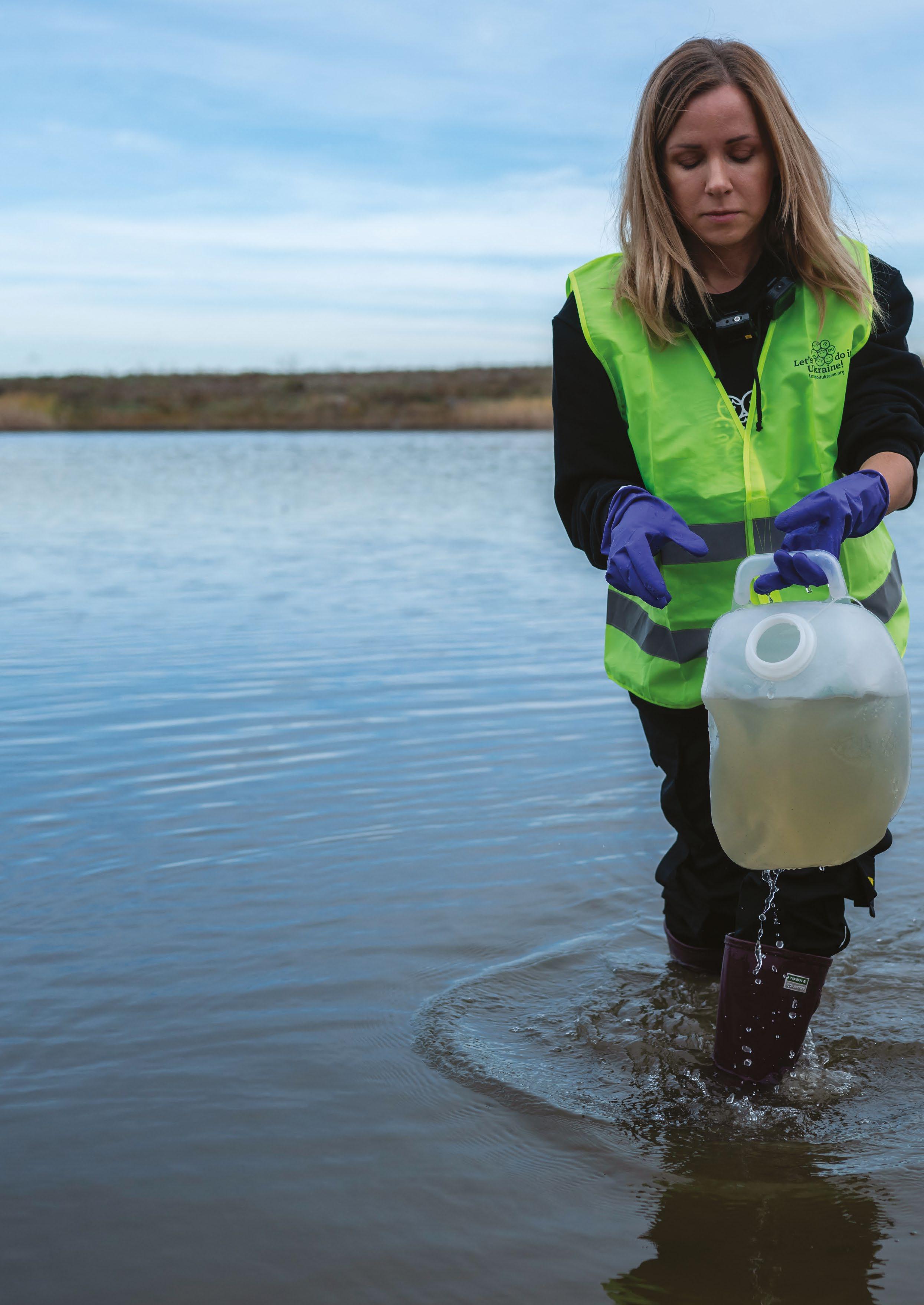
Cover photo: Snihurivka, Mykolaivska Oblast, November 2023
Researcher takes samples from the Inhulets River affected by the Kakhovka Dam destruction © Viacheslav Ratynski / ANADOLU / Anadolu via AFP
Introduction
Water is indispensable to people’s survival and livelihoods and to the healthy functioning of the ecosystems that support and protect communities. Armed conflicts can have serious consequences for all components of the environment, including water resources, and the means through which they can be degraded are diverse and often context specific. Harm may come from biological or chemical pollution as a result of damage to water infrastructure or as the indirect consequence of changes in water use or demand. Whatever the cause, wartime damage
to water resources such as rivers, lakes, reservoirs or aquifers should be monitored and assessed and, where feasible, addressed.
This brief uses open source and remote sensing data to develop eight case studies across four of Ukraine’s river basins. It aims to communicate the ways through which the war is impacting water quality in the country, and provides case-specific and country-level recommendations for how Ukraine can be supported in addressing conflict-linked pollution threats.
How the war is creating and exacerbating pollution risks
This brief uses four of Ukraine’s nine river basins to illustrate how the war is directly and indirectly influencing water quality. The heavily modified Dnipro River runs north to south and provides much of country’s drinking and irrigation water. In the east, the Siverskyi Donets River drains the highly industrialized Donbas region and its waters have long borne the chemical fingerprint of that region. The transboundary Dniester River rises in western Ukraine before crossing into the Republic of Moldova, while further west, Ukraine’s border with Romania runs along the lower Danube.
Ukraine is highly dependent on its surface water resources and, since February 2022, both its surface waters and groundwater have been placed at risk by pollution sources associated with the war. Water pollution can cause acute and chronic health risks for people, devastate aquatic life and ecosystems and undermine ecosystem services. Many rural communities use groundwater accessed through boreholes. Where aquifers are shallow, as they are in front-line areas of Kherson and Mykolaiv oblasts, they can be particularly at risk from pollution from surface sources.
Direct pollution threats from the war include discharges from damaged industrial, mining, energy
and agricultural facilities, as well as run-off from heavily damaged towns and cities. They also include the consequences of de-energization for the functioning of wastewater treatment plants, drinking water supply and coal mine water pumps. Finally, the war has become synonymous with damage to water infrastructure, including major facilities such as the Kakhovka Dam. This too can release pollutants, including oil for hydroelectric equipment and contaminated reservoir bed sediments, and as a consequence of downstream flooding.
Indirect pollution of water resources is typically associated with socio-economic, demographic and regulatory changes and this brief explores how relocating people, businesses and transport can also lead to reverberating consequences for water quality.
While it has created or exacerbated pollution threats, the war has at the same time reduced Ukraine’s capacity to monitor and regulate water quality. Monitoring stations and facilities have been damaged or rendered inaccessible, expertise has been lost and resources overwhelmed. Some civic water initiatives have emerged, but reduced capacity, disrupted monitoring regimes and fragmented data mean that much of Ukraine’s water-borne conflict pollution is going undetected.
Russia’s war against Ukraine is creating a range of pollution threats to freshwater resources and is reducing the government’s capacity to monitor and respond to them.
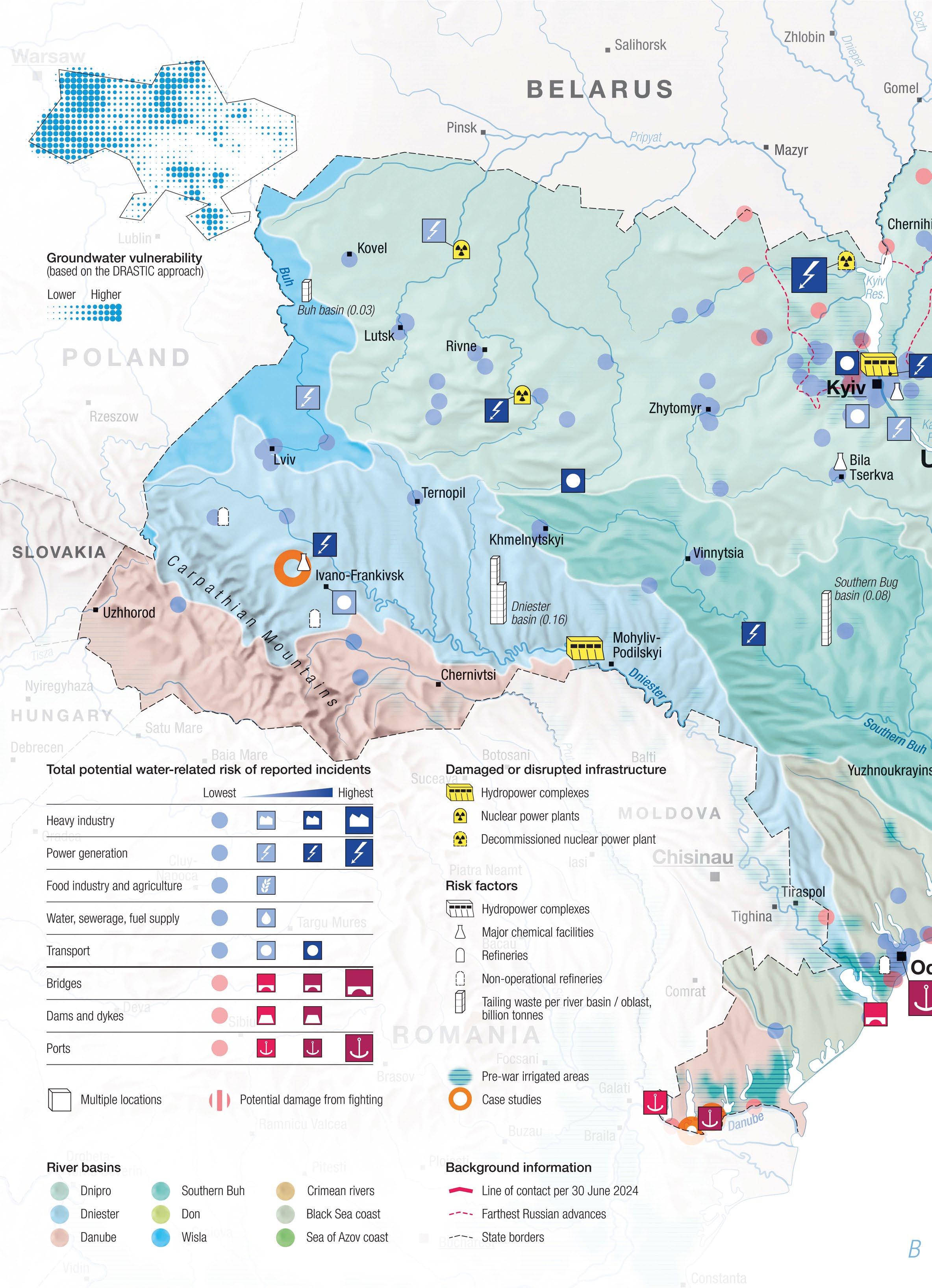
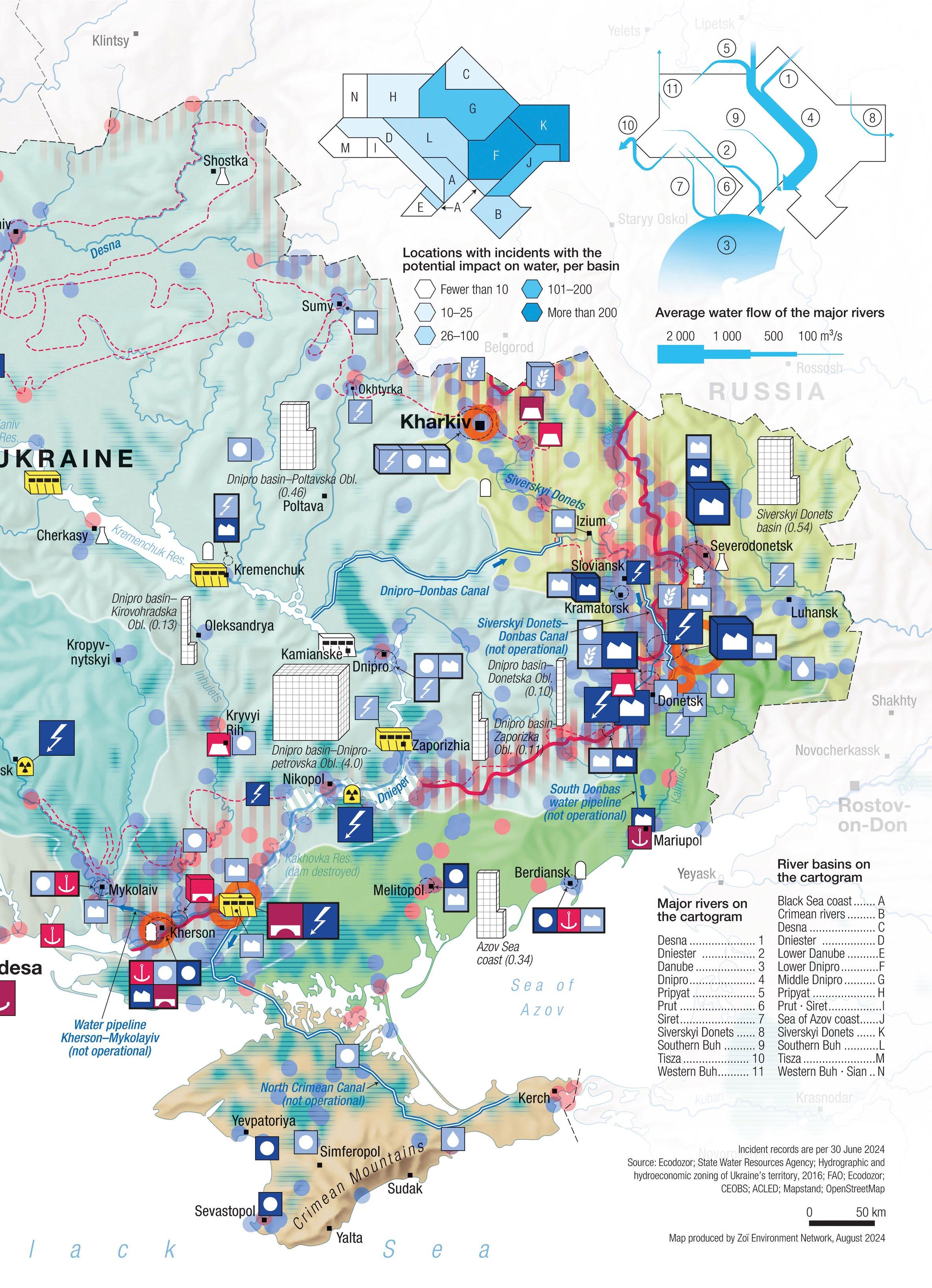
Ukraine’s river basins and groundwater vulnerability
Siverskyi Donets basin
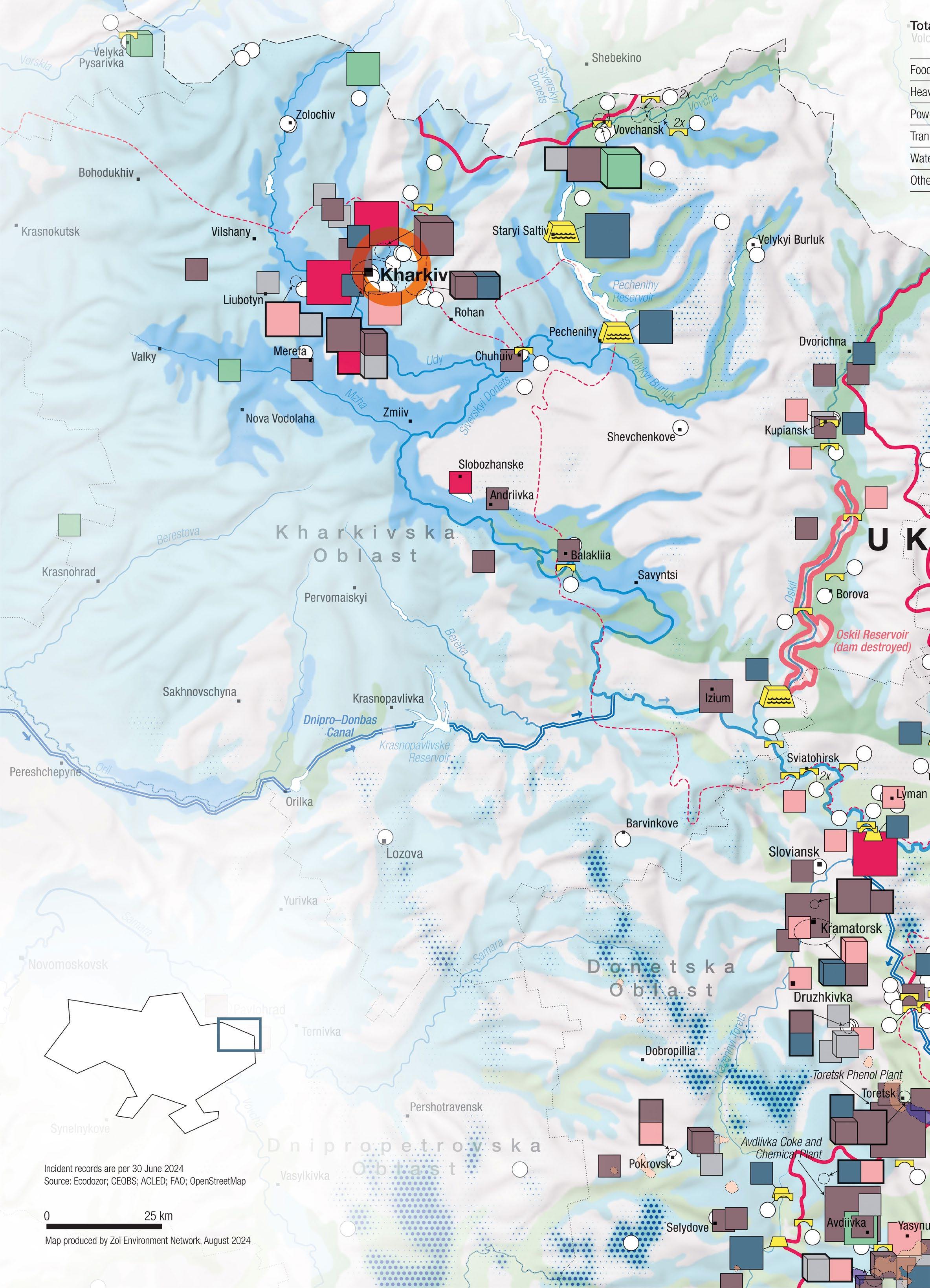
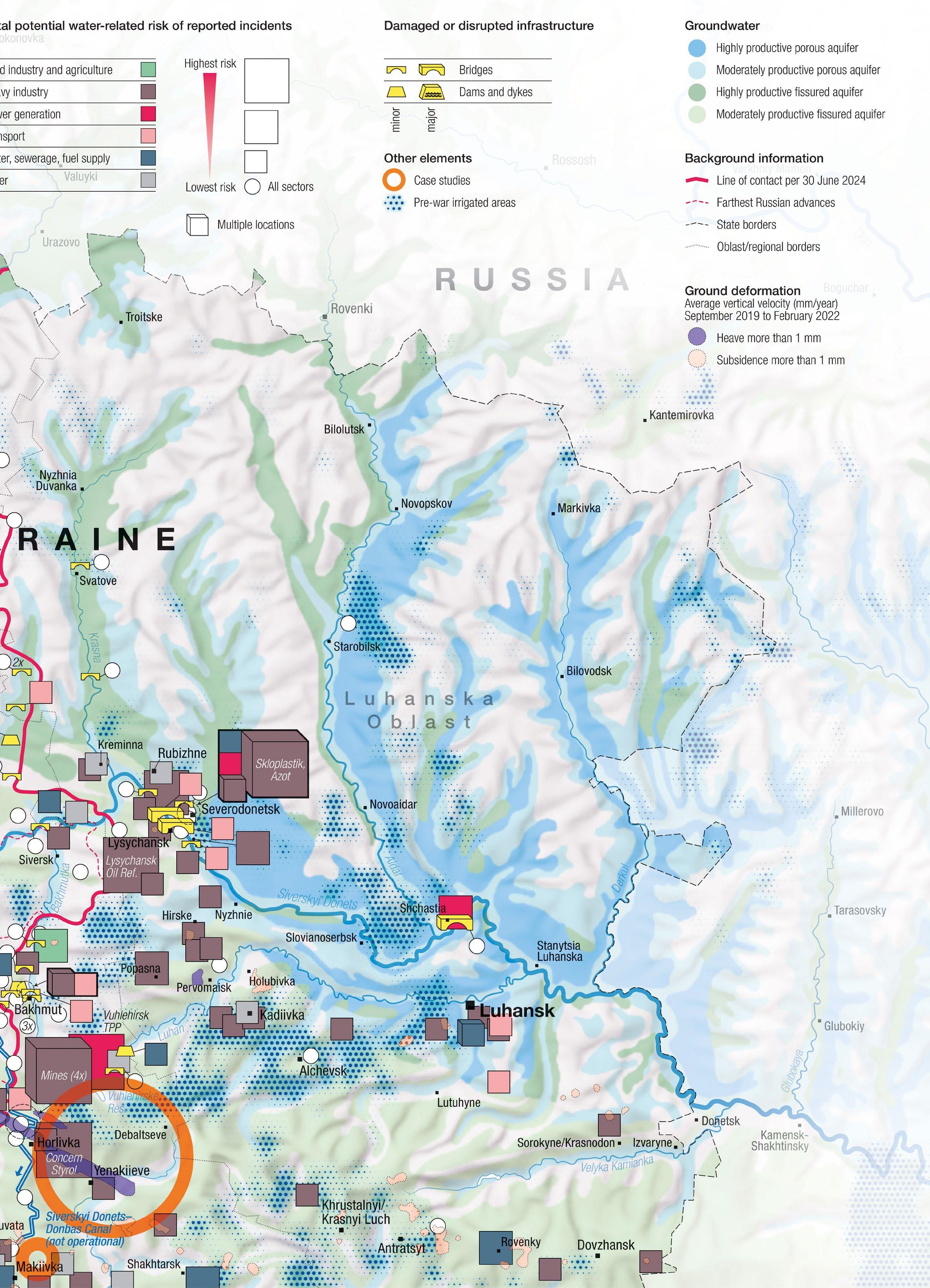
Acid mine drainage
Since 2014, fighting and interruptions to energy supplies have constrained flood water pumping at many of the Donbas region’s 227 coal mines. By 2020, 39 mines were actively flooding, although continued pumping in government-held areas was reducing flooding rates in coal mines that were connected under the front line to mines in areas outside government control. Around 10 per cent of coal production came from unregulated mines before 2014 and the flood risk at these sites is less clear.
Since February 2022, more mines have been affected by the fighting. Information on their status is patchy but remote assessments and social media reports suggest that at least ten have been newly flooded, although this is likely an underestimate. Remote monitoring has verified flooding and contamination from acid mine drainage (AMD) around the towns of Toretsk and Zolote.
Water must be continuously pumped from mines: they flood if power is lost and this can bring toxic AMD to the surface, contaminating rivers, lakes and aquifers. AMD contains salts, heavy metals and sometimes high levels of radioactivity. Exposure can cause a range of health risks for people and cause lasting damage to aquatic ecosystems. Residential water supplies in the Donbas were typically sourced from surface waters but supply interruptions have forced people to use unprotected wells and boreholes, which may also be contaminated.
AMD is a serious long-term threat to a large area of the Donbas. Re-establishing mine maintenance and monitoring, data sharing and technical cooperation could help reduce its risks.
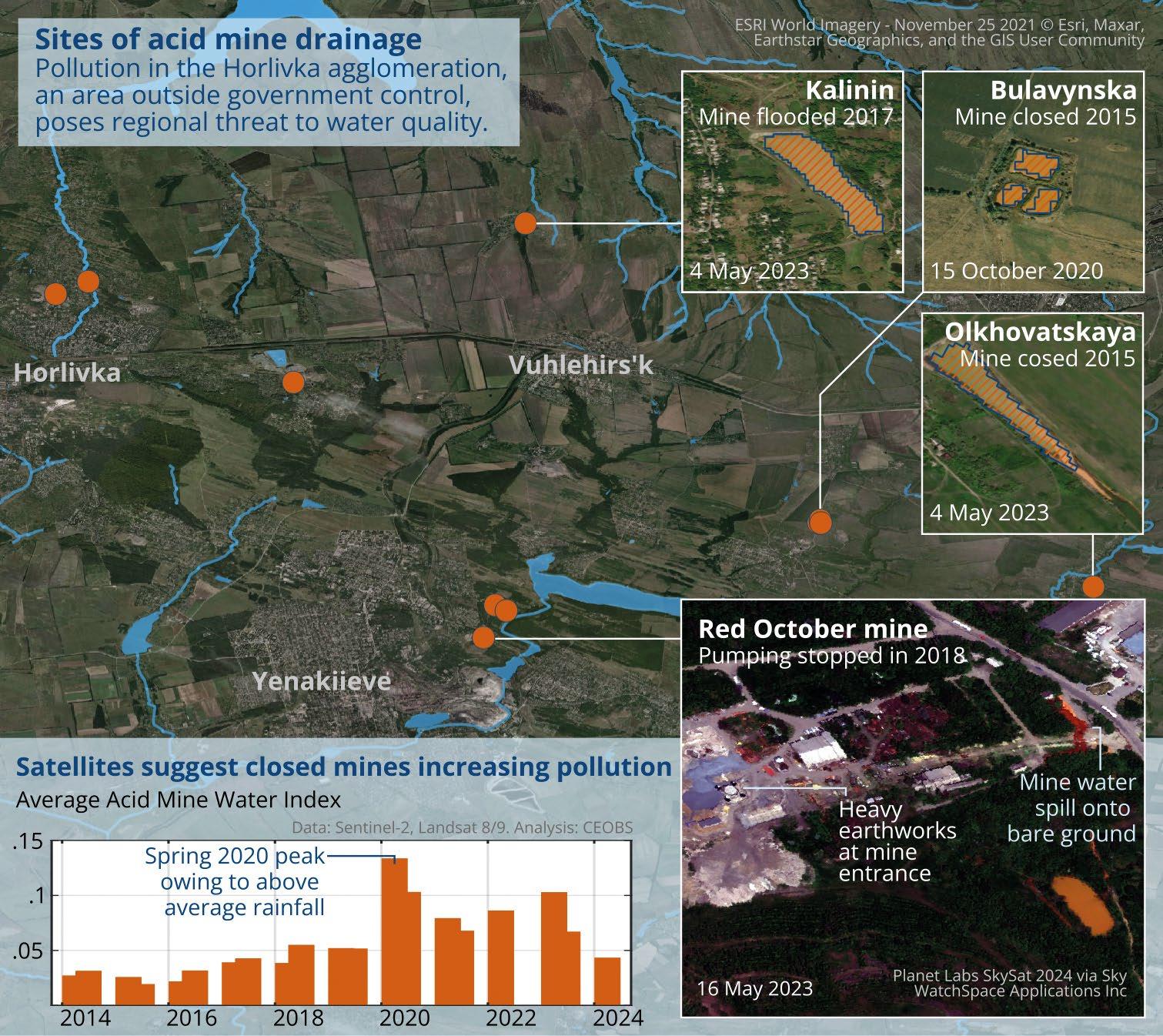
Graphics prepared by CEOBS, August 2024
Spill from Kharkiv oil depot
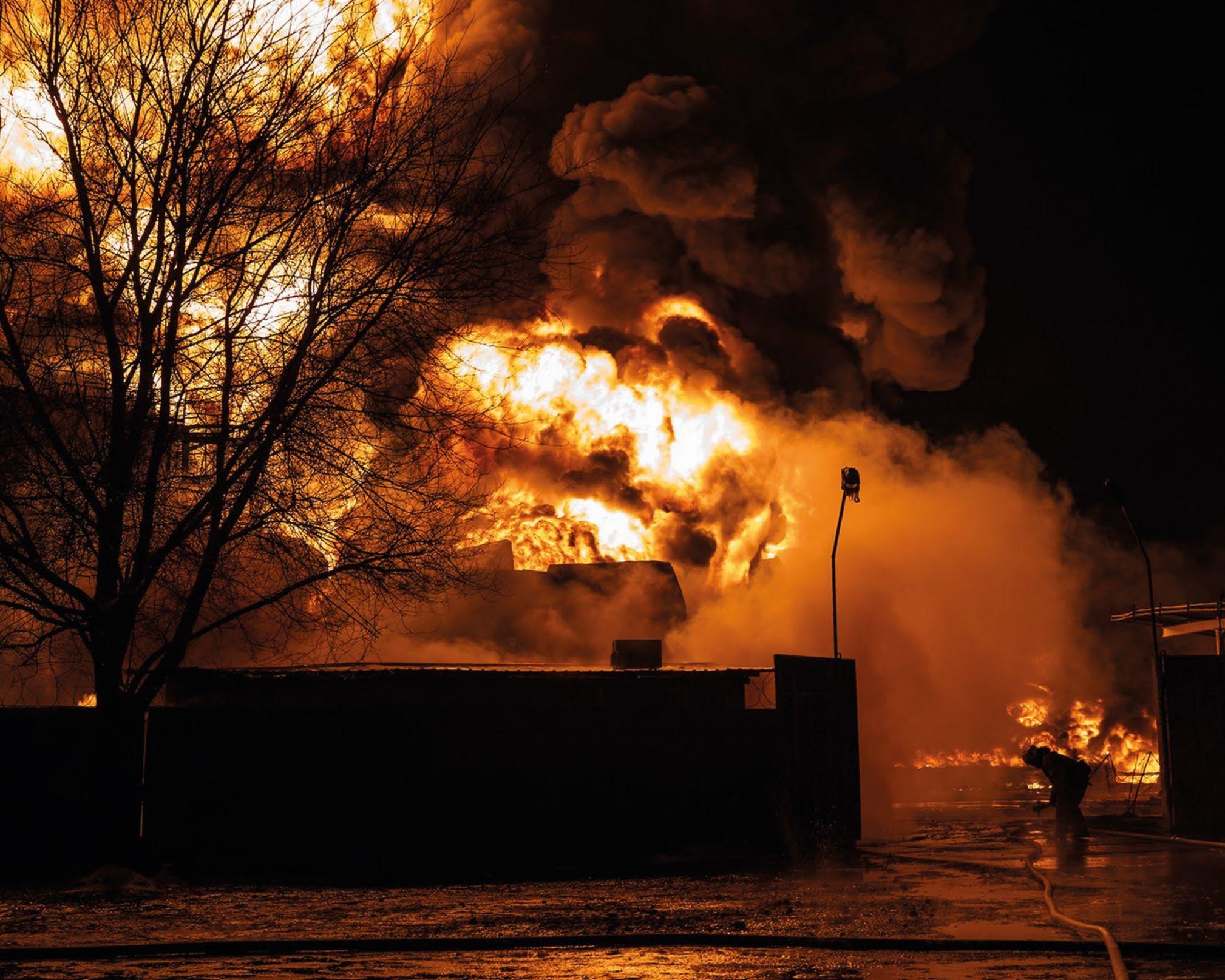
The KhNB-Rezerv LLC oil depot near Kharkiv is adjacent to a residential area and held oil products in nine surface tanks and underground structures. Around 3,700 tonnes were being stored when it was struck by drones on 9 February 2024.
The attacks caused a fire that burned for three days, with about 3,000 tonnes of diesel fuel leaking into the Nemyshlya River, spreading into the Kharkiv, Lopan and Udy Rivers and almost reaching the Siverskyi Donets. Around the depot, 14.8 km2 of soil in industrial, public and household plots was contaminated, while oil slicks covered 780 km2 of the rivers. Pollutants released by the spill and fire included diesel, petrol, polycyclic aromatic hydrocarbons (PAHs),
dioxins, volatile organic compounds (VOCs), heavy metals, black carbon and sulphur dioxide. Samples show that the maximum permissible levels of pollutants in water were exceeded by hundreds of times soon after the incident, and remained above normal months later. Reports of waterfowl deaths were widespread and concerns over groundwater pollution that may affect drinking water aquifers remain.
Recommended interventions include the appropriate remediation and disposal of polluted topsoil and ongoing monitoring. This should include groundwater monitoring for at least a year, with community involvement in monitoring hotspots or remobilization suggested.
Night-time fire and smoke plumes at Kharkiv oil depot, 10 February 2024
Vyacheslav Mavrychev, Suspilne Kharkiv
Lower Dnipro basin
Damaged and abandoned river transport infrastructure
Many of the ports on the lower Dnipro are under the temporary military control of the Russian Federation, and many have been damaged or abandoned. Prior to February 2022, grain terminals handled millions of tonnes of grain annually and were being modernized and expanded. Other important cargo included oil products, fertilizer, ores, steel and construction materials.
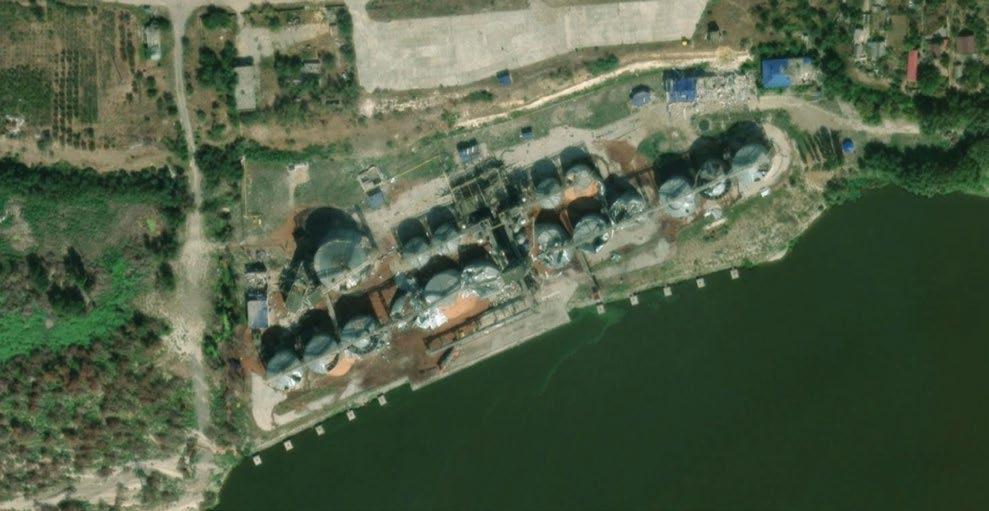
Most of the grain terminals and port facilities along the river have been damaged, and those at Beryslav, Kozatske and Tiahynka appear to have been targeted. Because of their proximity to active front lines, the facilities are not operational and no remedial activities have taken place. Oil products, fertilizer, grain and other materials at the sites are expected
Satellite imagery of the Kozatske terminal with destroyed silos and fermenting grain, August 2023
ESRI World Imagery © Esri, Maxar, Earthstar Geographics, and the GIS User Community
to pose pollution risks. Some facilities were also inundated following the destruction of the Khakovka Dam, potentially exacerbating these risks and complicating assessment and future remedial activities. Damaged oil storage depots pose particular environmental concerns.
The Dnipro valley and delta are of international ecological importance,1 and the damaged and abandoned facilities are pollution hotspots and potential sources of uncontrolled discharges. The area remains an active front line, with ongoing risks of further damage from blasts and fires. The hazards from facilities should be mapped and remediation plans developed, comprising waste management plans, soil sampling and groundwater vulnerability assessments.
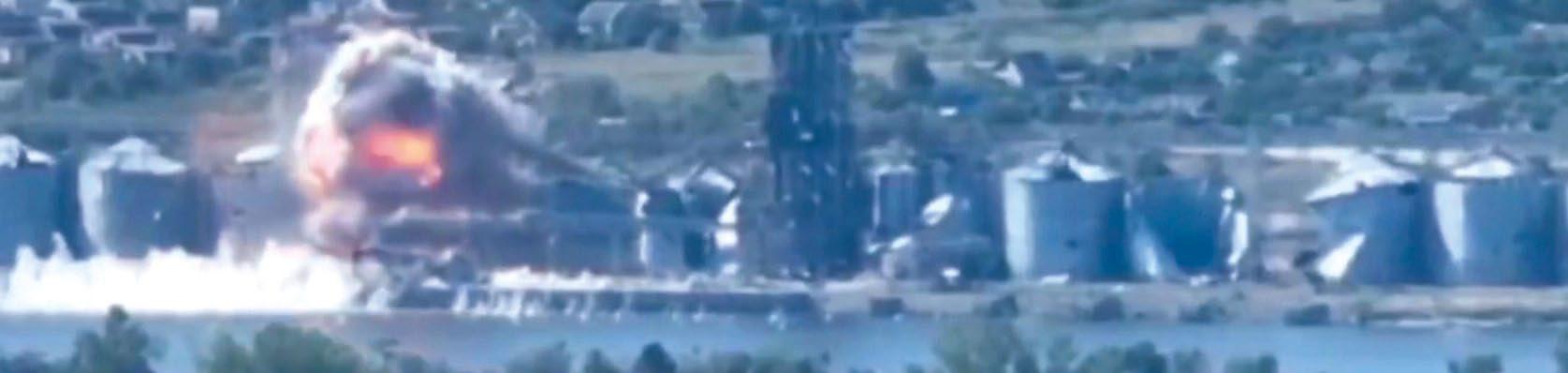
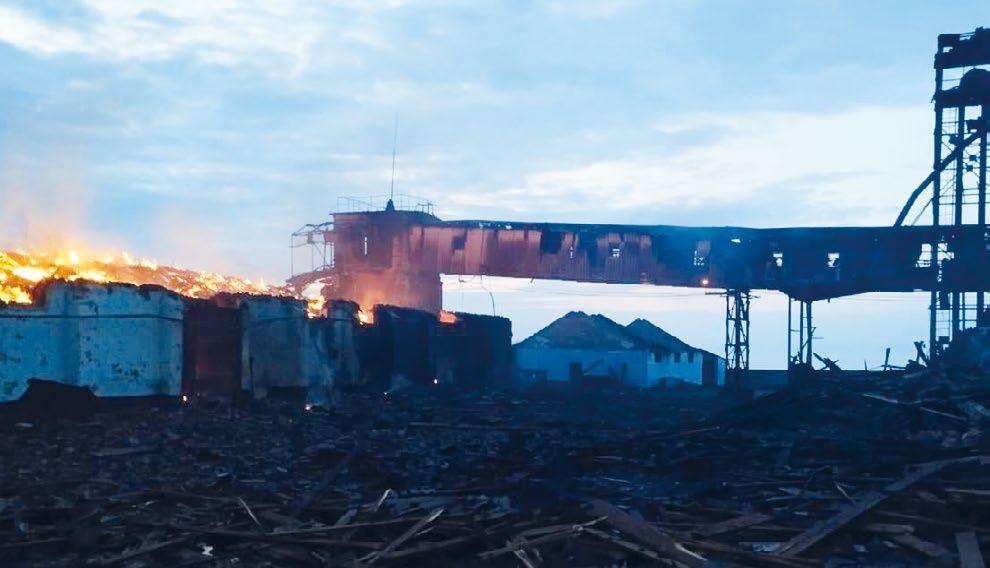
Footage of explosions at Kozatske terminal, 27 September 2023
Andrii Tsaplienko, Telegram
Air strike on Beryslav grain storage, 8 April 2023
Kherson Regional Military Administration, Telegram
¹ Ukraine has UNESCO Biosphere Reserves and 50 wetlands of international importance under the Ramsar Convention. Legal protection for nature covers just 6.8% of its land area, a low figure by EU standards. The Dnipro River valley should be protected by its designations as a Ramsa site and a part of the Emerald Network, a designation under the Bern Convention. See: CEOBS (2023) Mapping Ukraine’s ecologically important areas: https://ceobs.org/mapping-ukraines-ecologically-important-areas
Legacy from multiple oil pollution events near Kherson
In the settlements of Komyshany and Zymivnyk, downstream of Kherson, field sampling by CEOBS and the humanitarian organisation Norwegian People’s Aid has confirmed the presence of elevated levels of oil products and heavy metals. Borehole water samples exceeded permissible levels by between 844 and 1,144 times, indicating catastrophic contamination of the aquifer and a risk to human health.
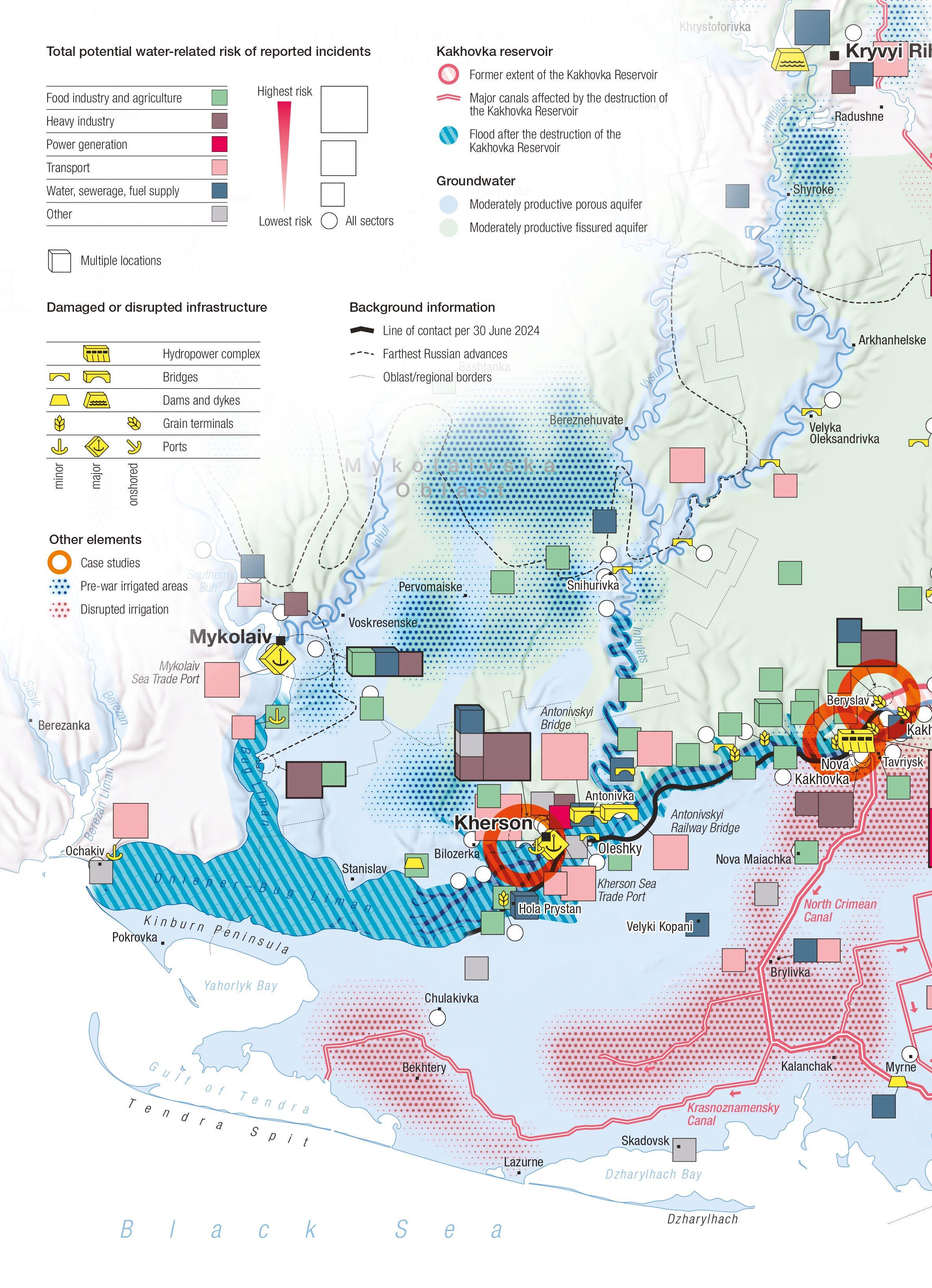
There are numerous known potential sources of this oil contamination, including as a result of the frequent shelling of nearby Kherson oil terminal, which sits on the banks of the Dnipro. By the end of 2022, one of the terminal’s reservoirs had been damaged, as had the pipeline that connects it to
Satellite image of slicks of coal or fuel (black areas) in Kakhovka floodwaters Planet Labs Inc. (2024)
the mothballed Kherson oil refinery. In June 2023, the terminal and nearby industrial areas were submerged by floodwaters following the destruction of the Kakhovka Dam. A large black slick is visible in satellite imagery of the floods, emanating from an industrial area with tanks that may have been storing oil and from areas that were known to store coal.
These and similar incidents highlight the critical need for detailed field sampling in areas with complex and compounding pollution histories. It is equally important that sampling campaigns access and make use of the situated knowledge of local communities, facility workers and experts. While some initial clean-up work has been undertaken, further remediation is likely required.
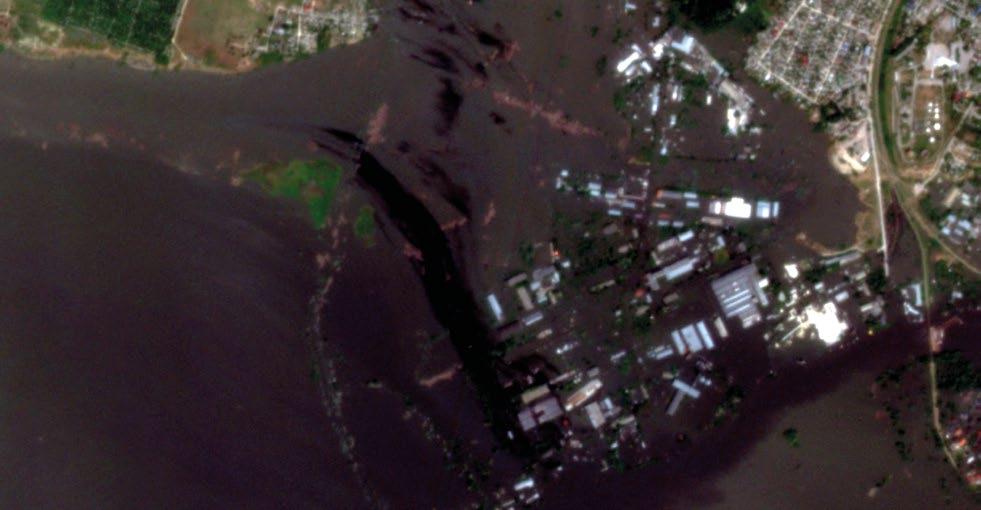
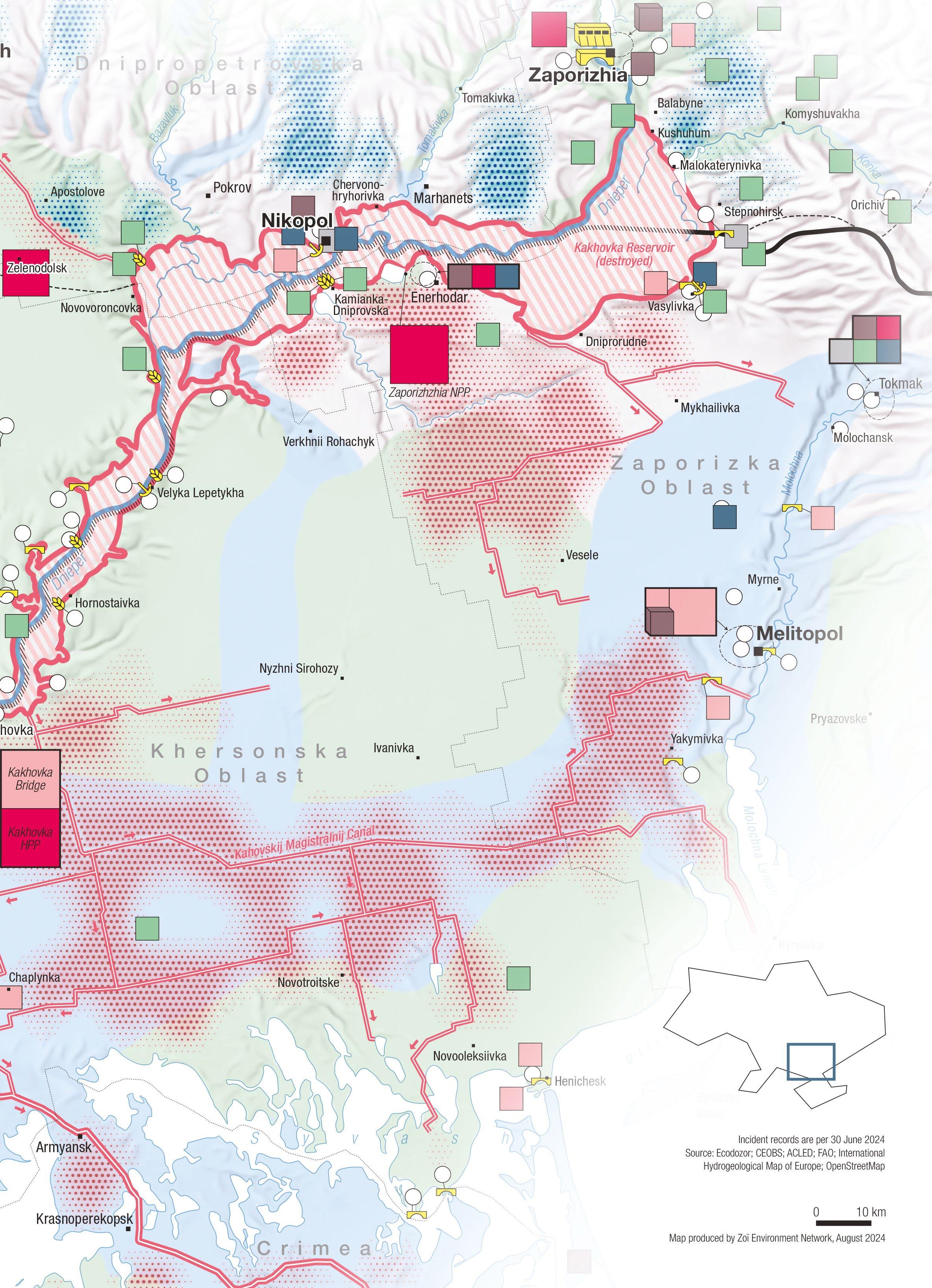
The disastrous destruction of the Kakhovka Dam on 6 June 2023 had significant implications for southern Ukraine, the lower Dnipro and the adjacent Black Sea coast. Around 18 km3 of water was released from the reservoir over just a few days, flooding more than 600 km2 downstream. Numerous energy, industrial and agricultural facilities, along with settlements and ecologically important areas were inundated by floodwaters up to six metres deep. The floodwaters contained a complex mixture of pollutants — machine oil from the dam’s hydropower plant, a range of chemical and biological materials mobilized from dozens of environmentally hazardous sites that were flooded, and huge volumes of debris.
Much of this pollutant load was discharged into the Black Sea or deposited in the Dnipro-Buh estuary and flooded areas. Along the Black Sea coast, the freshwater temporarily lowered the salinity of marine waters, thus impacting sea life, while freshwater and terrestrial plants and animals carried towards the sea died en masse in its saline environment.
The draining and desiccation of the 2,000 km2 Kakhovka Reservoir upstream killed most of its aquatic life and cut the water supply to more than a million people, as well as to hundreds of thousands of hectares of irrigated farmland. Fears that the reservoir bed sediments may have accumulated more than half a century’s worth of industrial pollutants are yet to be confirmed; the area remains a front line, constraining access for sampling.
To date, it is the most environmentally significant single incident of the war and numerous stakeholders have sought to document its consequences and nature’s response to it. The loss of the dam and reservoir have also generated debate over the post-war future of the area, its people, economy and nature, calling for a thorough study of restoration options.
Kakhovka Dam disaster
Upper Dniester and Western Buh basins
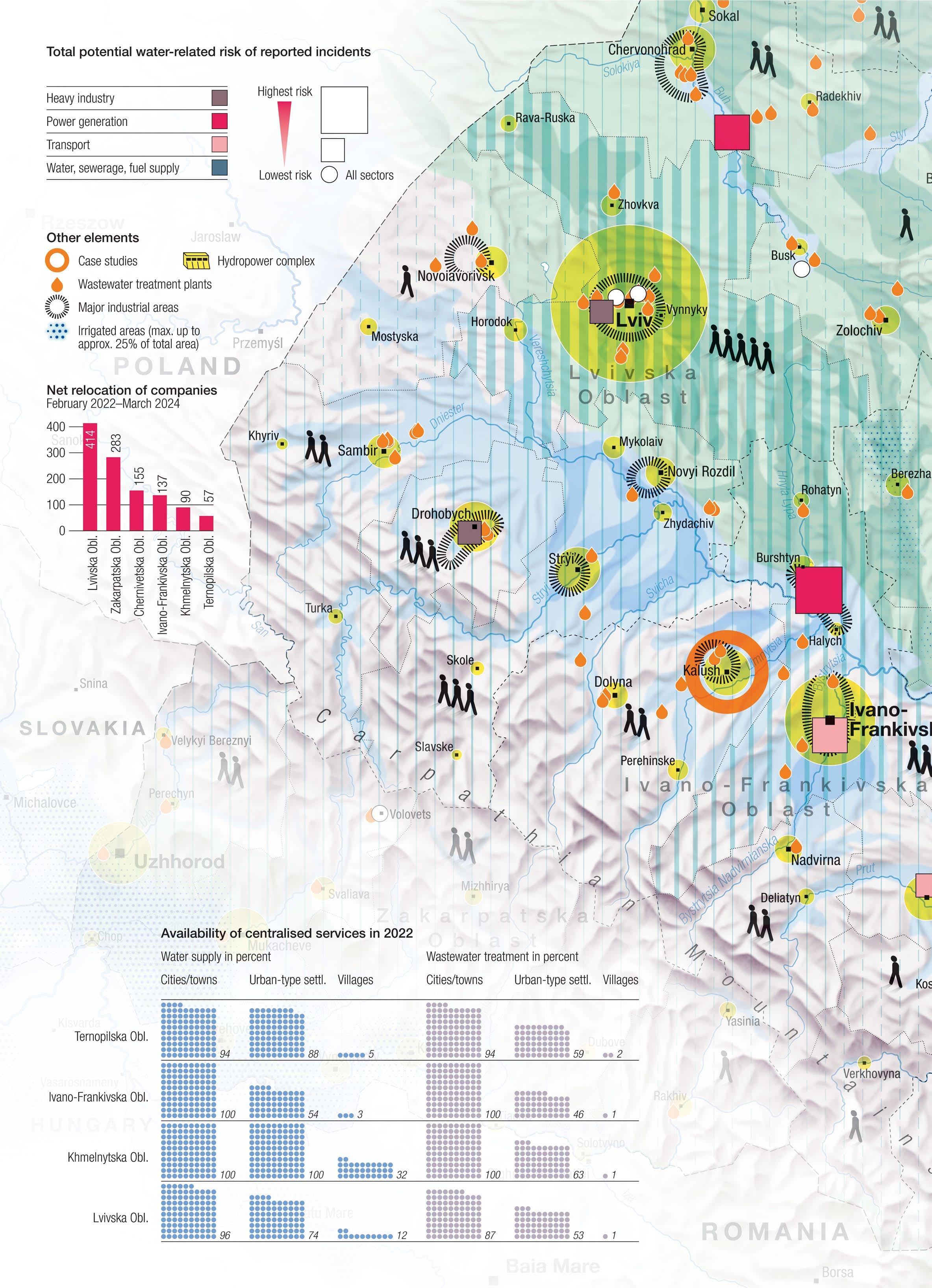
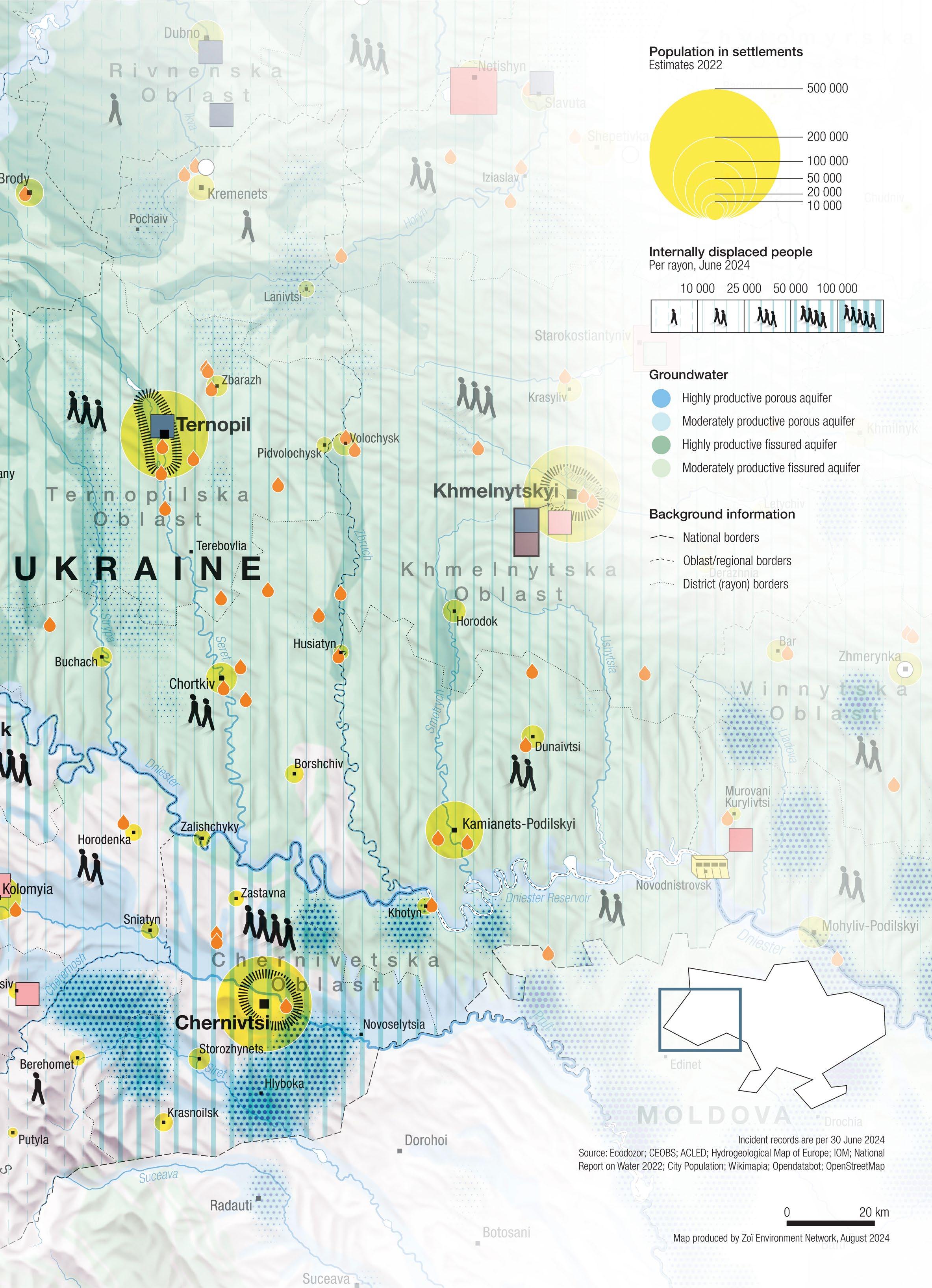
Pressure on wastewater treatment plants
Since February 2022, areas of the upper Dniester basin have accepted more than 450,000 internally displaced persons (IDPs) and dozens of relocated businesses.
Prior to February 2022, the condition of the region’s water infrastructure resulted in large volumes of wastewater receiving only limited treatment before discharge. Full cycle wastewater treatment plants operated only in regional centres and large cities: four cities with a population of more than 100,000 caused up to 70 per cent of chemical and organic pollution in the Dniester.
IDPs have relocated to the area’s cities, while businesses gravitated towards old industrial centres. Many towns, including Dolyna, Drohobych and Kalush, had pre-existing industrial pollution issues linked to the mining and petrochemical industries.
Data on wastewater discharge rates for 2021 and 2022 reveals wide variation across the region —
a result of reduced wartime economic activity as well as incomplete reporting. Power outages can seriously disrupt wastewater treatment plants, increasing discharges of untreated water. Water managers prioritize supply over treatment at such times. In Lviv, for example, where wastewater is discharged to the Wisla River basin, emergency generators backed up 80 per cent of the power needed for supply, but only 20 per cent of the power needed for treatment.
Nutrients in untreated wastewater encourage eutrophication,2 killing aquatic life. Urban wastewater can also contain a range of chemical pollutants, including phosphates, phenols, formaldehydes, pesticides, antibiotics and surfactants. Efforts to improve the chemical and biological treatment of wastewater should be informed by enhanced data collection and sharing. Improvement to treatment also requires more stable power supplies and the modernization of facilities.
Pollution visible in the Zimna Voda river, Lvivska Oblast, August 2022
State environmental inspectorate of Ukraine, Lviv region
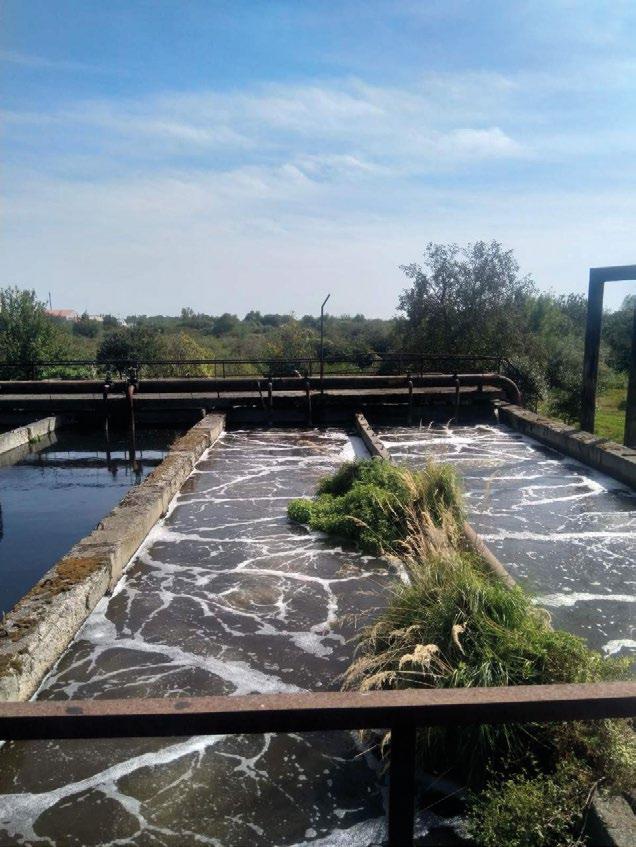
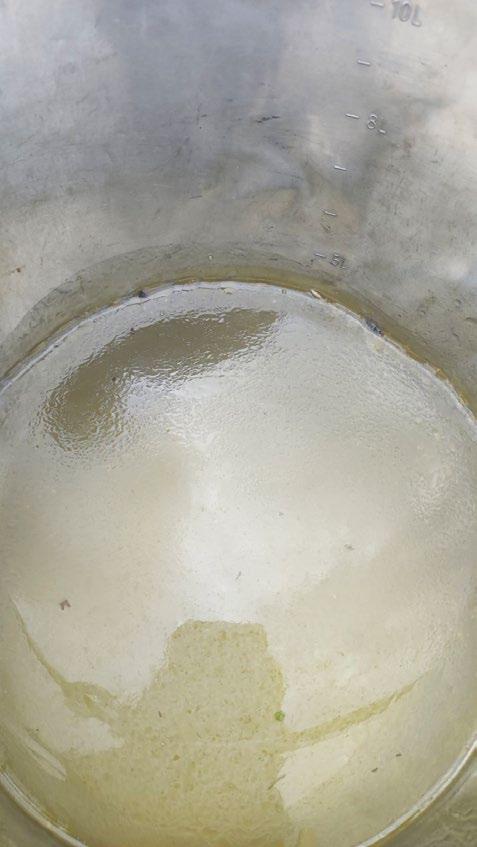
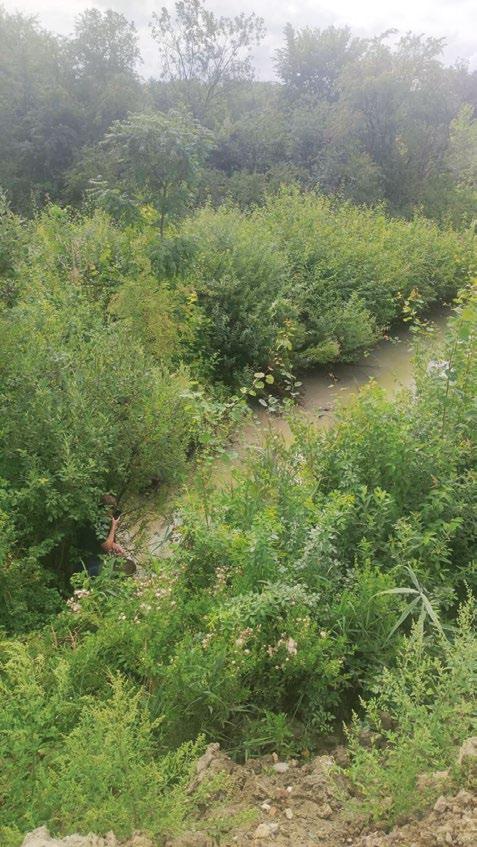
Waste water treatment plant, Lvivska Oblast, September 2024
Ihor Hryb, Horodokvodocanal
2 Eutrophication is the process through which excessive nutrients such as phosphorus and nitrogen, often in run-off from land or malfunctioning wastewater plants, trigger blooms of algae and microscopic organisms. These lower the light and oxygen levels, killing underwater life.
Growth of Kalush industrial area
The war has encouraged many companies to relocate to Kalush in western Ukraine, a trend likely to compound the risks arising from severe legacy pollution.
Kalush was first industrialized to exploit potash magnesium deposits. Mining activities created tailings ponds and caused widespread contamination of groundwater and surface waters due to salinization and the release of heavy metals. In 2010, by-products from the fertilizer production process at the Kalush chemical plant complex leaked from the adjacent landfill site, and the region was declared “a zone of ecological emergency”.
In 2022, at least 30 companies relocated to the Kalush area. In 2023, the state property fund and
local council proposed that fertilizer production should restart at the Oriana chemical plant, after 18 years of inactivity. Doing so could increase the likelihood that persistent organic pollutants such as hexachlorobenzene could enter local watercourses.
A higher concentration of businesses means greater pressure on local wastewater treatment systems — Kalush’s municipal wastewater treatment plant is in a critical state. Where effluents go untreated this will pose hazards to local aquifers and the Limnytsya River, an Emerald Network site and a tributary of the Dniester, which is shared with Moldova. To reduce these risks, industries in the Kalush area should improve their waste management systems.
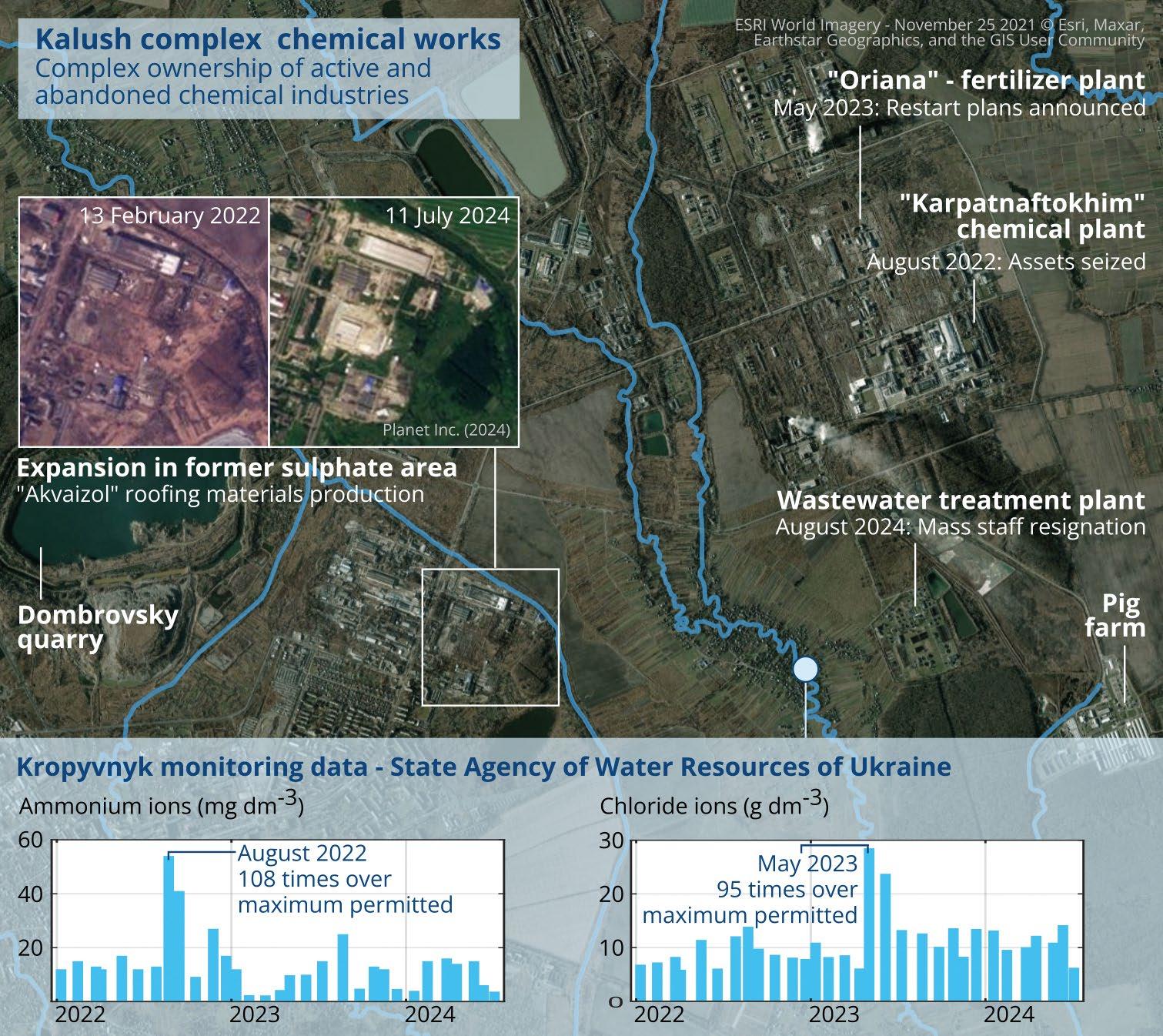
Graphics prepared by CEOBS, August 2024
Danube Delta
Rapid expansion of Izmail port
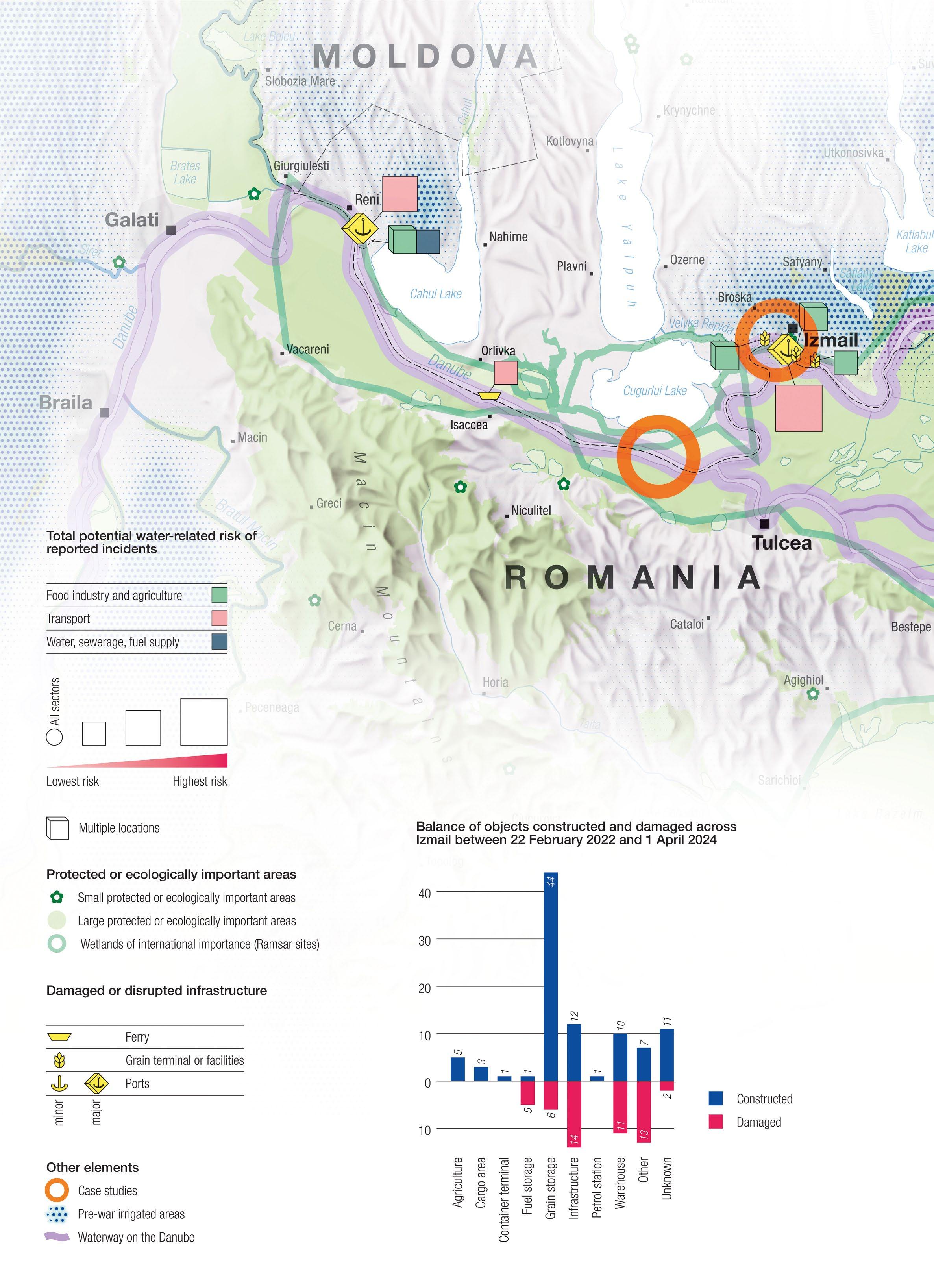
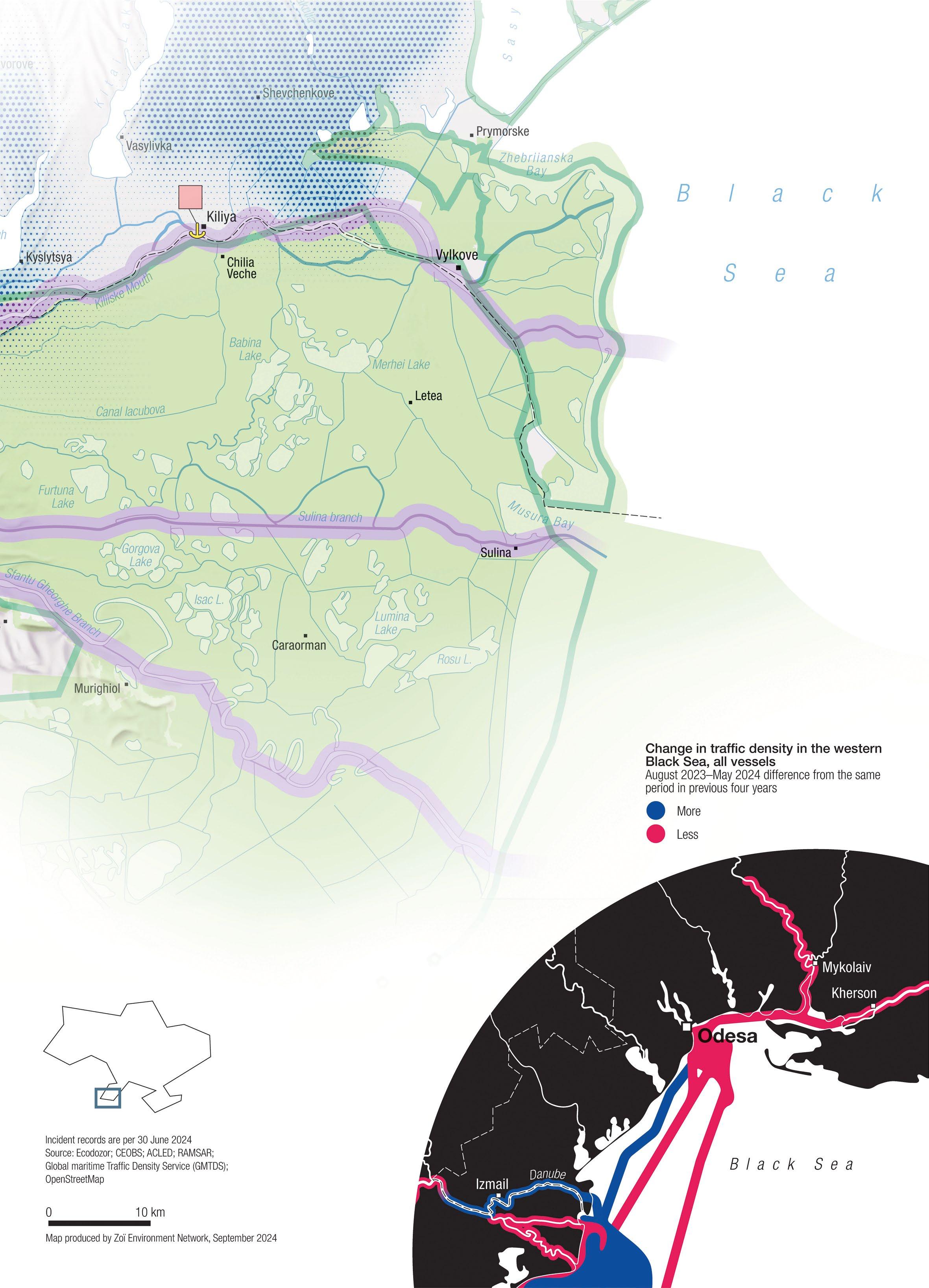
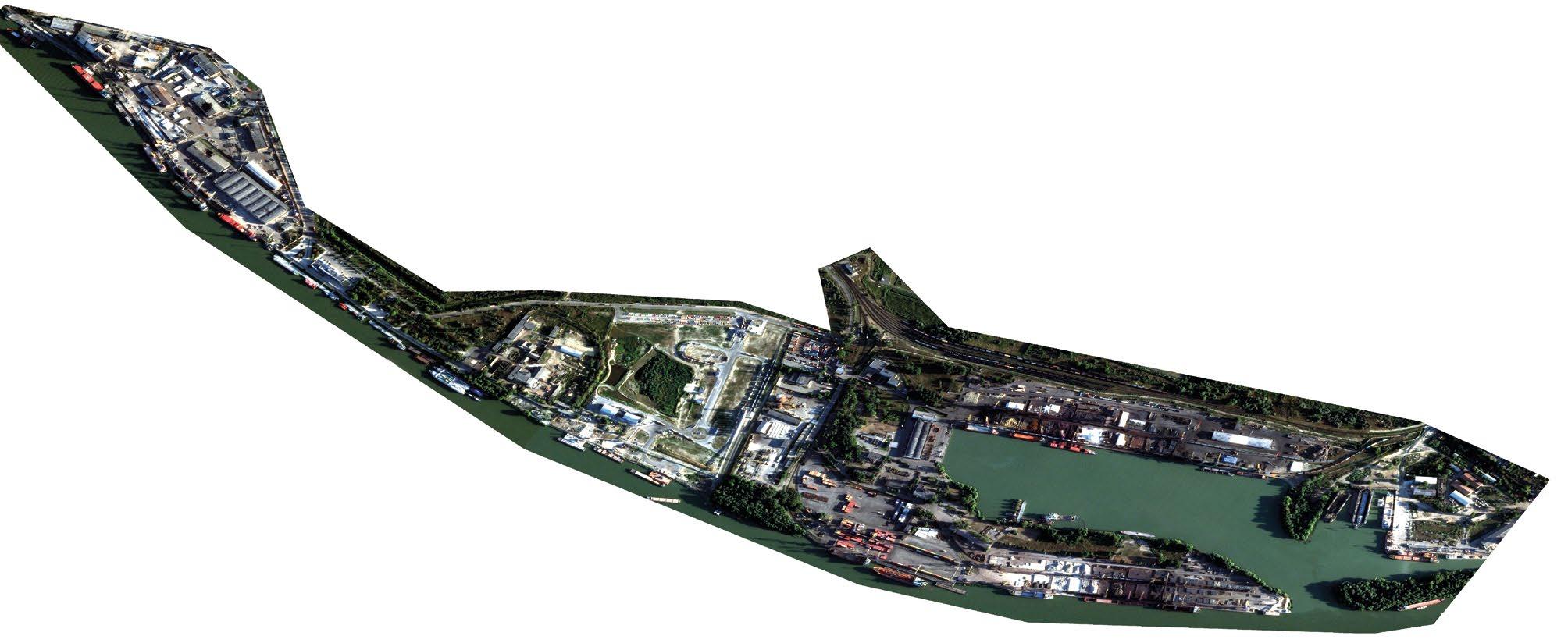
The war has closed many of Ukraine’s Black Sea ports, diverting shipping to the Izmail, Kiliya and Reni ports in the sensitive Danube delta ecosystem, a transboundary World Heritage Site. Izmail port now handles about a third of Ukraine’s agricultural exports, in addition to fertilizer, coke and coal, and there are concerns that its rapid growth may have come at a cost to the environment.
Prior to February 2022, large swathes of the Danube delta were affected by high nutrient inputs, organic pollution and urban run-off, all of which contributed to eutrophication in the Black Sea. The expansion of Izmail port has increased pressure on the delta environment. Infrastructure growth has been rapid — research for this brief identified 95 new structures and
a one per cent increase in the urban area of the port since February 2022. The extent to which this development has taken environmental considerations into account is unclear. This growth has consequences for pollutant discharges, surface run-off and natural drainage systems. Izmail has also been the focus of military strikes against the Danube ports: monitoring for this brief has identified 51 damaged buildings in 22 incidents. Many of these have created environmental risks, including leakage from fuel storage tanks, with pollutants likely discharging into the river.
There is a need for enhanced environmental monitoring and greater scrutiny of the ports’ environmental footprint to help minimize harm to the delta’s ecosystem.
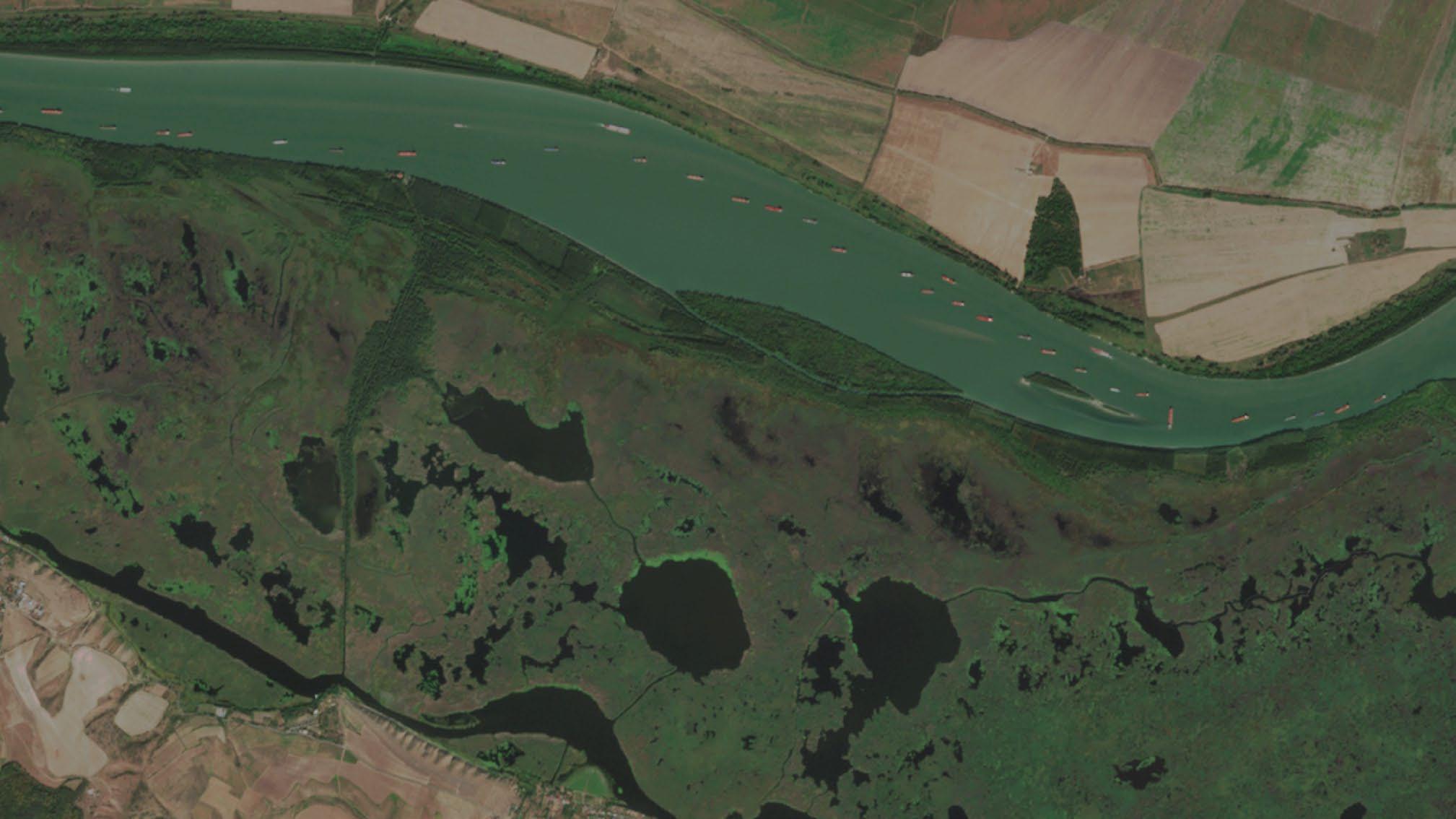
Traffic in Danube near Scunda Island, 4 October 2023
Copernicus Sentinel data (2024)
Increased ship traffic in the Danube delta
Ukraine established its Black Sea corridor in August 2023 after losing safe access to several major ports. It revived neglected Ukrainian ports in the Danube delta — a transboundary wetland and biodiversity hotspot listed by UNESCO and Ramsar. Investments in the corridor have led to bigger ships and a 600 per cent increase in maritime traffic. The environmental consequences of dredging the Bystroye Canal — an important route into the wetland — rekindled pre-existing challenges with Romania, which is home to the majority of the delta but whose northern edge is shared with Ukraine. These were resolved with a pledge to enhance environmental monitoring.
Ecologists remain concerned about the natural functioning of the delta ecosystem. Increased maritime traffic carries with it a range of environmental risks.
These include acoustic disturbance and impacts on air quality, chemical pollution from discharges or spills — or from incidents involving naval mines — as well as ecological threats from the presence of invasive species in ballast water. Larger vessels and more frequent traffic also increase the rate of channel erosion, a problem exacerbated where ships breach speed limits, while dredging harms benthic invertebrates and can resuspend legacy pollutants in sediments.
Given the global importance of the delta ecosystem, there is a pressing need to understand the cumulative consequences of the changed marine traffic, particularly as it is expected to increase further. Increased monitoring is also vital to informing the existing efforts to restore species and habitats in the delta.
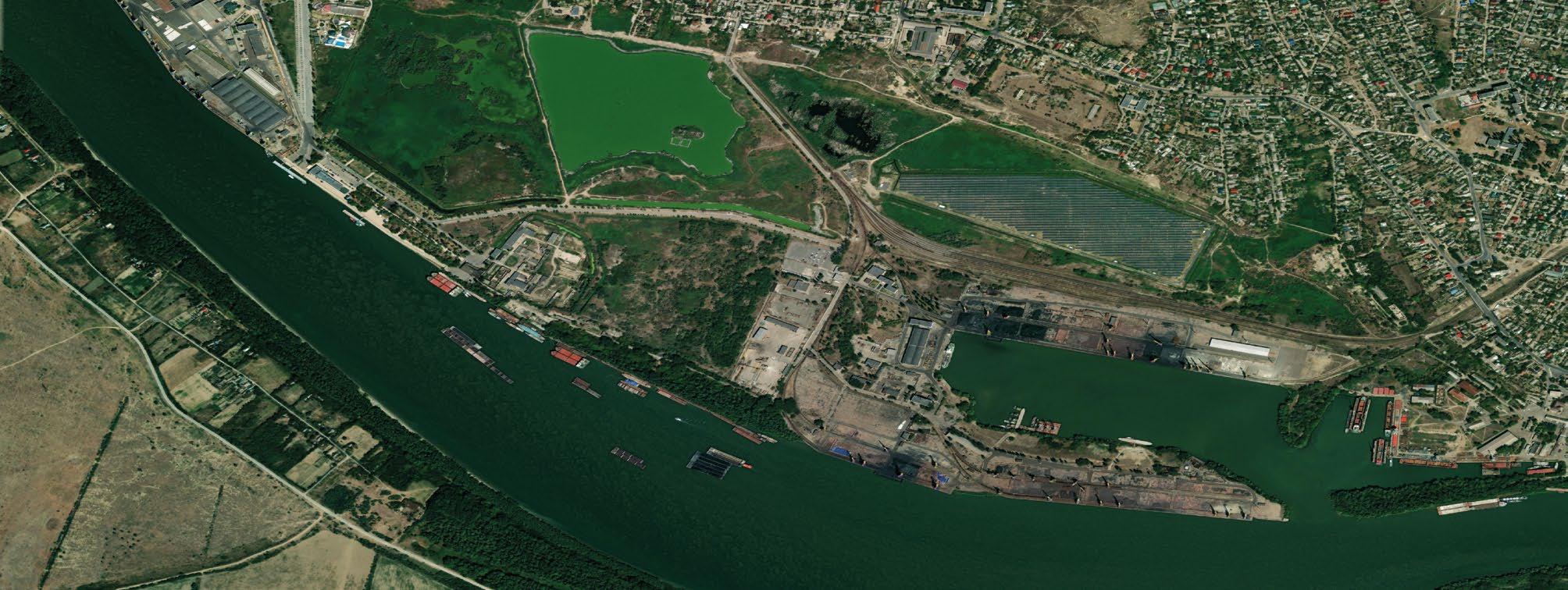
Copernicus Sentinel data (2024) before after
Expansion of the infrastructures of the seaport of Izmail
Responding to conflict-related water pollution
The war’s direct and indirect impacts on water quality are complicating Ukraine’s implementation of the EU Water Framework Directive — a process that was ongoing prior to February 2022 and which is of increasing importance in the context of Ukraine’s recovery and sustainable development. EU accession is placing increasing demands on Ukraine’s water management frameworks and practices, and international support is vital to ensuring they are met. This requires actions at all levels of engagement.
At the national level, there is a need to maintain and strengthen the human and technical capacities of responsible agencies, including the Ministry of Environmental Protection and Natural Resources, the State Agency for Water Resources, the Hydrometeorological Center, State Emergency Service of Ukraine and the State Environmental Inspectorate. Important areas to sustain and strengthen include data collection and sharing, for example through reinstating national groundwater monitoring, or by improving data sharing with relevant health authorities. Ensuring policy coherence between the provisions of the Water Framework Directive and other linked directives such as the Urban Wastewater Directive is also important.
At the basin level, there is a need to think strategically and align river basin management plans with regional and community recovery programmes. Key basin-specific threats such as tailings dams or areas of groundwater overexploitation should be identified and assessed using local and remote methods. Enhancing and diversifying stakeholder co-operation could help in developing more granular data on risks. There is also a need to prioritize the functioning and reconstruction of wastewater infrastructure nationwide. This should include consideration of
how existing resources can be reallocated — from dredging in non-navigable rivers to restoring wastewater treatment plants, for example.
Alongside the ongoing mapping of pollution hotspots linked to the conflict, there is a need for more investigative assessments and monitoring of highrisk incidents associated with long-term risks to human and ecological health. In some areas this will require sampling for a broader range of pollutants than is typical.
At the community level, there are significant needs linked to the restoration and improvement of wastewater management and treatment systems. Public safety would also be enhanced by the drafting or updating of emergency preparedness and containment plans for hazardous facilities.
Community engagement and participation will be vital to Ukraine’s green recovery. Strengthening local controls and monitoring for polluting enterprises would help empower local people, as would expanding models of low-cost participatory water quality monitoring. Citizen science could contribute to restoring some of Ukraine’s degraded water monitoring capacity while simultaneously building longer-term public support for stronger environmental protection.
The international community is already playing a substantial role in supporting the protection of water in Ukraine, and in restoring and enhancing water governance. Ongoing support will be needed and should encompass support for water monitoring and analysis, academic co-operation, technical assistance and financial support for infrastructure development and renewal.
Next steps for data collection
The international community can assist Ukraine with its recovery efforts by providing support in:
• Enhancing national capacities for automated, mobile and citizen monitoring of water quality and ensuring the necessary training of staff and volunteers.
• Monitoring the extent of damage and disruption to water supply and wastewater networks and prioritizing resources and actions for their restoration.
• Continuing to integrate assessments of the impact of the armed conflict and of reconstruction in river basin management plans.
• Restoring and strengthening the monitoring and supervision of all economic activities that may affect water quality.
• Keeping the long-term impacts of major incidents potentially affecting surface waters and groundwater quality under review.
