South-East European Pollution Platform

Towards a pollution-free West Balkan region
What is the SEEPP?
The South East European Sub-Regional Platform to Beat Pollution (SEEPP) is a regional initiative led by the United Nations Environment Programme (UNEP), that works to reduce pollution, strengthen environmental protection, and improve human health across the Western Balkans.
SEEPP provides a strategic platform for cooperation, knowledge exchange, and joint action to tackle pollution through innovative solutions and evidence-based policies.
SEEPP was established in January 2019 following a landmark Ministerial Conference on “Innovative Solutions to Pollution
in South East and Southern Europe”, held in Belgrade, Serbia. The conference brought together ministers and stakeholders from 16 countries and led to the adoption of a Joint Ministerial Vision emphasizing the importance of regional collaboration in addressing pollution challenges.
Supported by the Italian Ministry of Environment and Energy Security, SEEPP plays a key role in supporting countries in the region to implement the 2030 Agenda for Sustainable Development, related Multilateral Environmental Agreements, and the UNEA Implementation Plan “Towards a Pollution-Free Planet”.
Main
objectives
of the SEEPP
• Facilitate the creation of innovative multi-stakeholder partnerships dealing with pollution
• Foster sub-regional cooperation and project/programme development in the fields of environmental protection and sustainable development, with a specific focus on prevention, reduction and monitoring of pollution
• Support the exchange of information on initiatives and best practices and to catalyse action
Main environmental challenges in the region
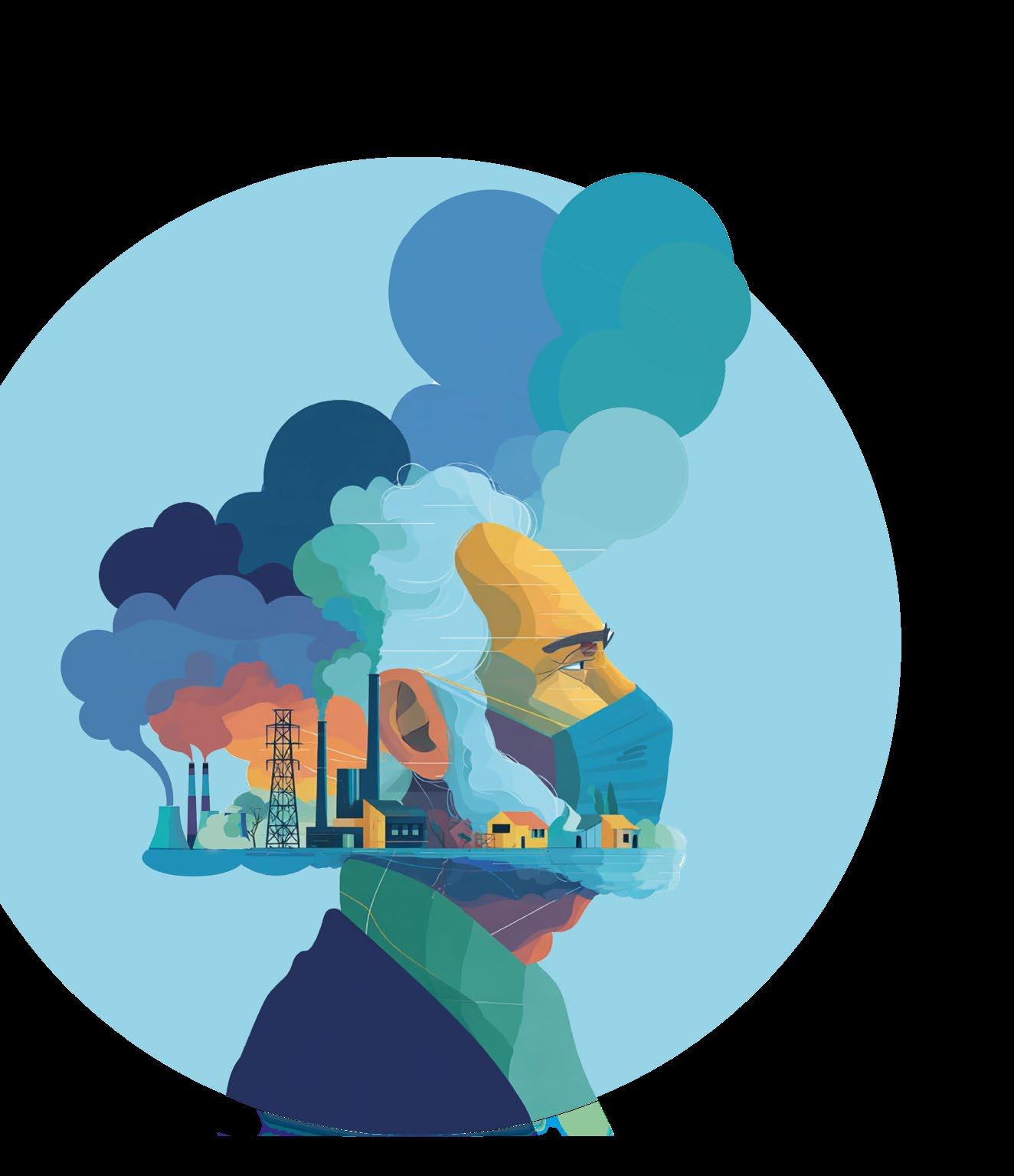
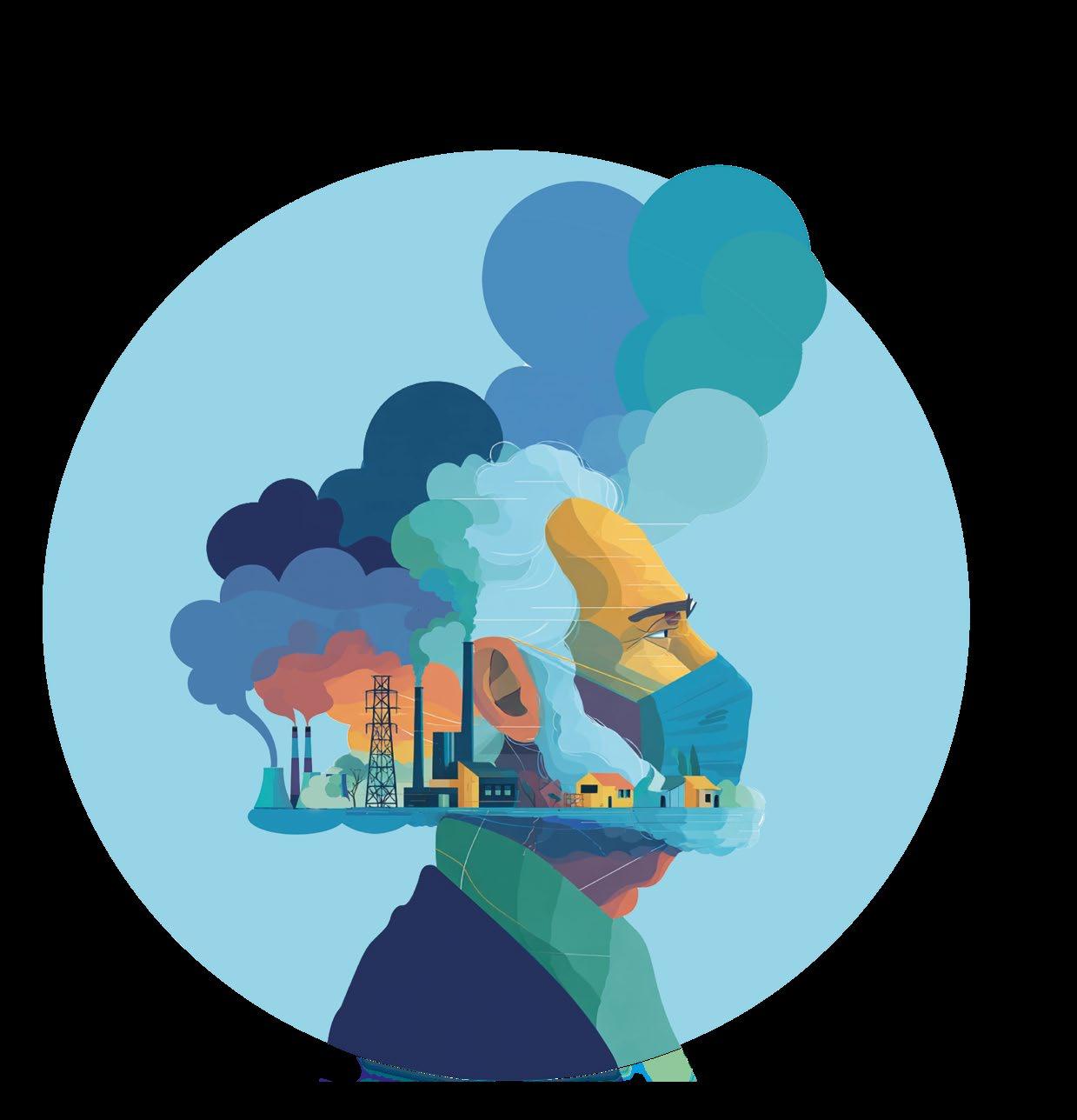
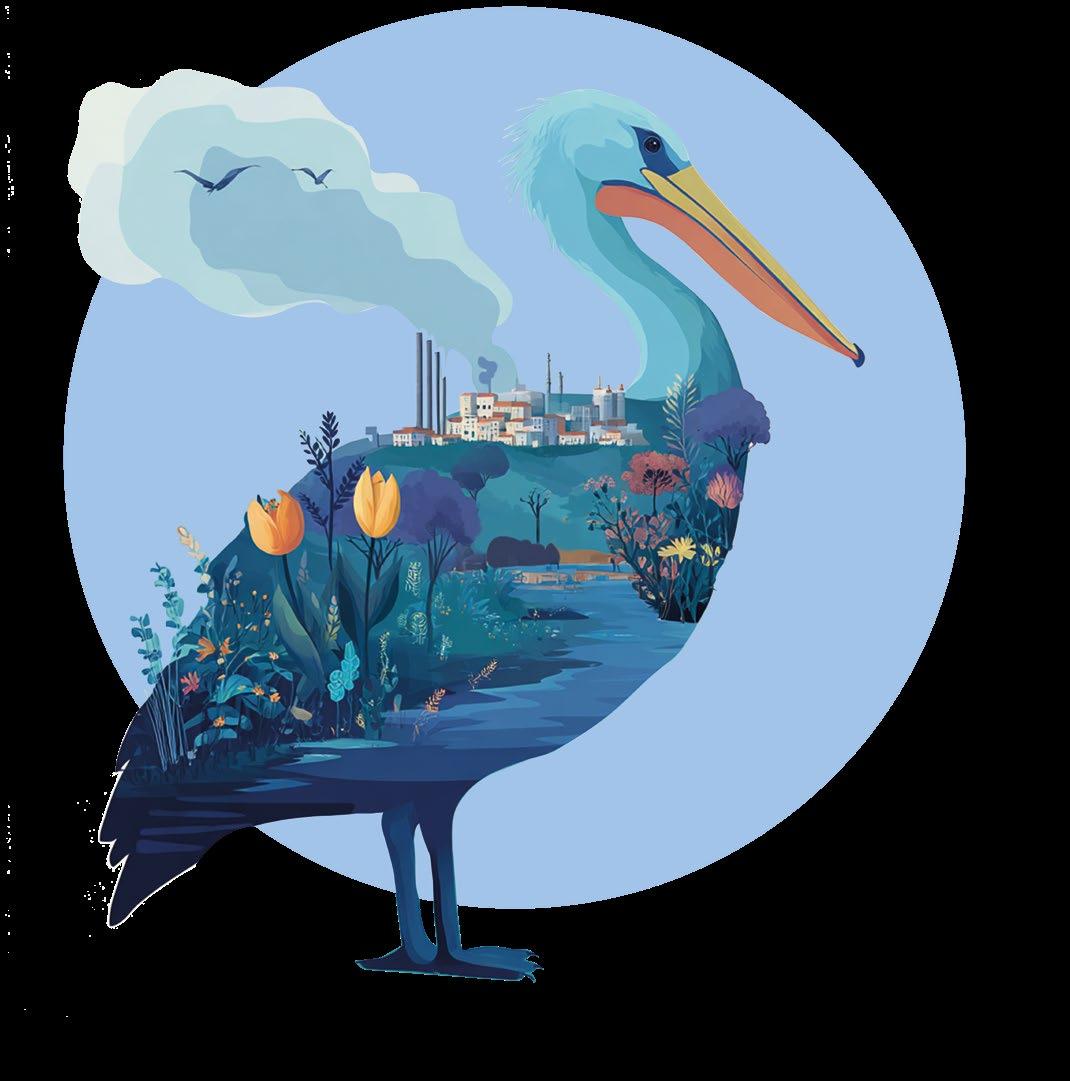
Air Pollution



Air pollution is a significant health concern in the Western Balkans. The European Environment Agency estimates that air pollution in the region leads to approximately 30,000 premature deaths annually, with urban residents losing roughly 13-16 months of their lives. The major sources of air pollution include coal-fired power plants, outdated industrial facilities, vehicular emissions from aging fleets, and residential heating systems, which release particulate matter (PM2.5), ozone (O2), and nitrogen dioxide (NO3).
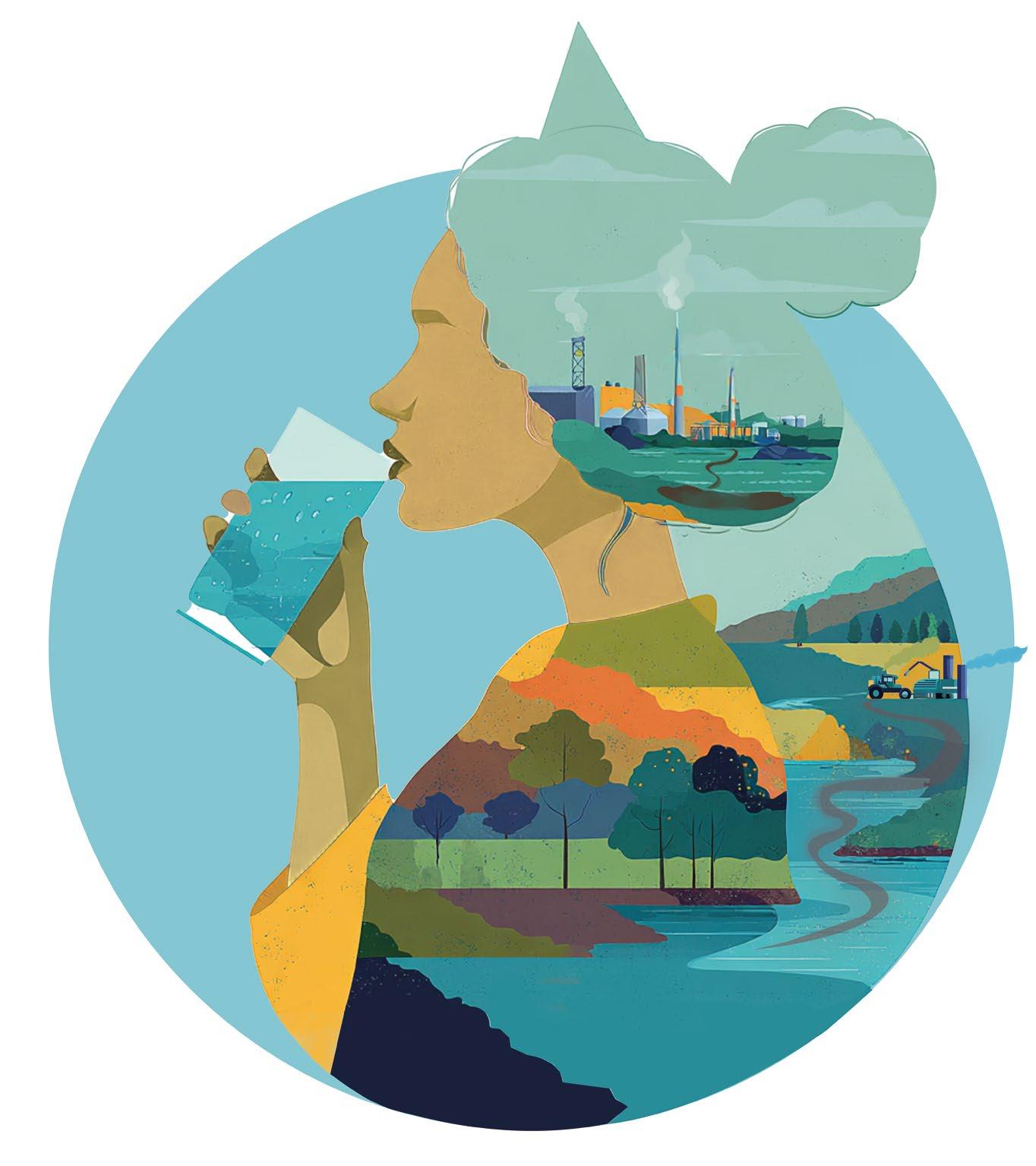
Water pollution



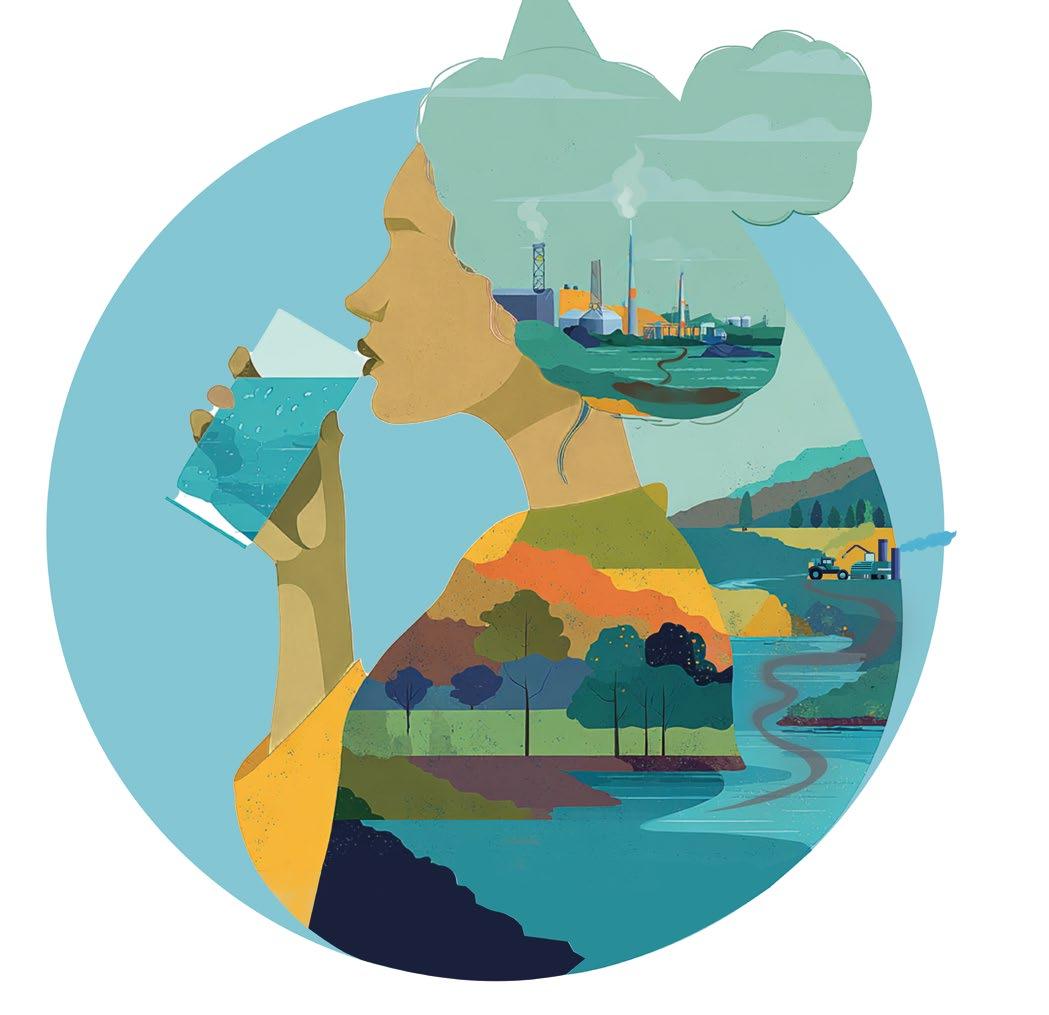
About 45% of water bodies in the Western Balkans fail to achieve good chemical status, while 54% fail to reach good ecological status. Studies have also detected antibiotic-resistant bacteria in aquatic environments, indicating pollution from untreated wastewater and posing risks to human health. While these levels vary between countries, they still indicate that there are significant health and environmental concerns around water in the region.
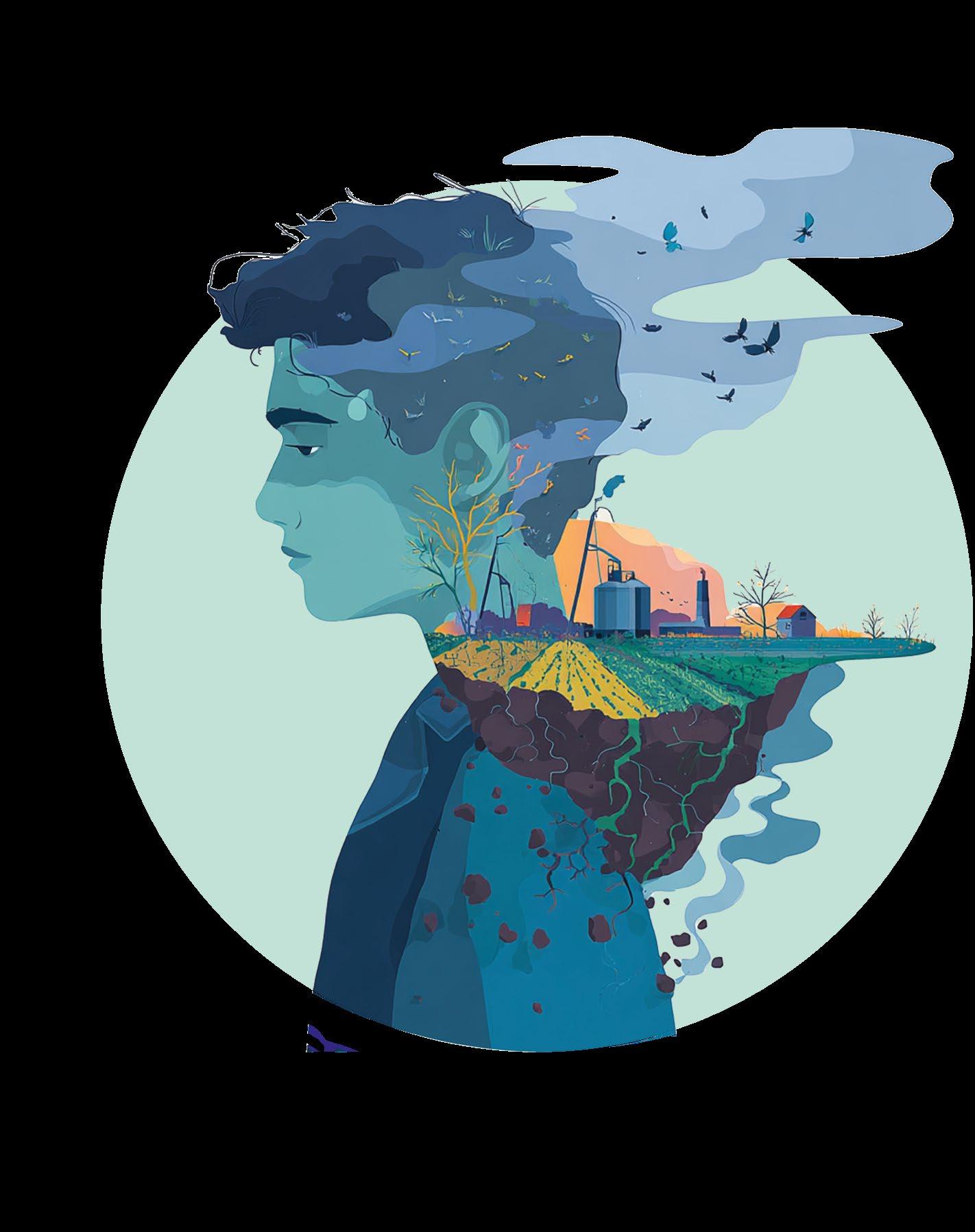
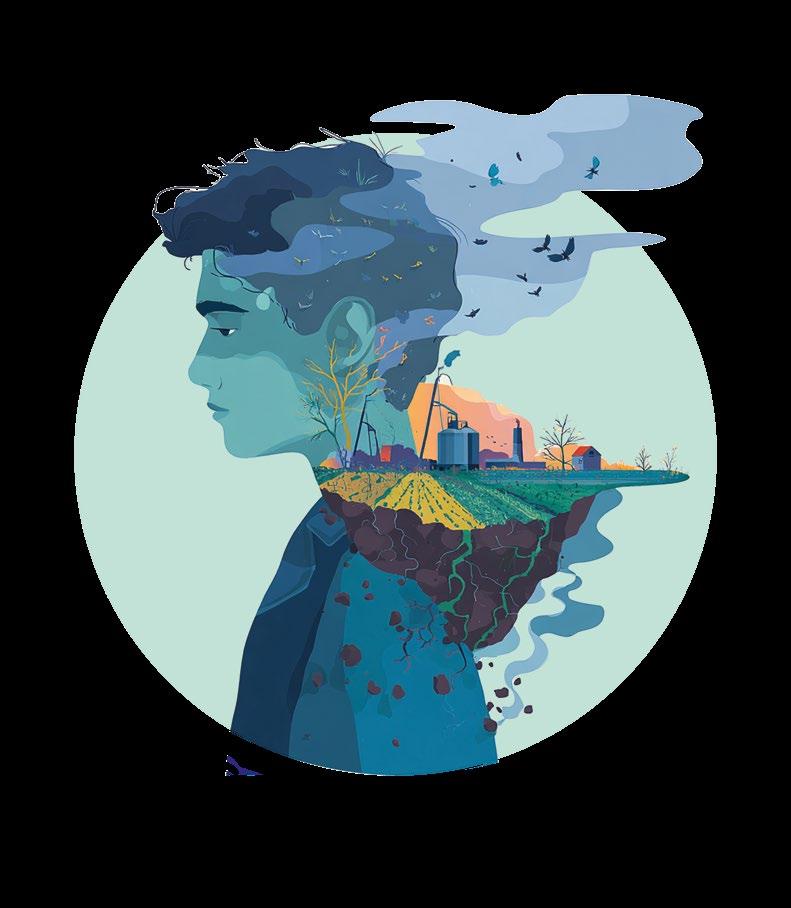
Soil degradation



Soil degradation is widespread across the Western Balkan region, with erosion being the most significant process, followed by pollution from both diffuse and point sources. Unsustainable land management practices and natural factors are closely interlinked drivers of this degradation. The region has also reported over 100 contaminated or potentially contaminated sites resulting from industrial and mining activities, while the lack of comprehensive contamination data continues to hinder effective policy development.

Waste management



Recycling rates in the Western Balkans are notably low, with some countries reporting rates below 3%, compared to the EU average of 44%. The region also faces challenges with illegal dumping and inadequate waste management infrastructure.
Biodiversity loss



Pollution, habitat degradation, resource overexploitation, unsustainable land and water use, and climate change contribute to the decline of biodiversity in one of Europe’s most ecologically rich regions.

Key functions of the SEEPP
SEEPP aims to find solutions for these key environmental challenges in the Western Balkans through its main functions:
• Strengthening national institutions and technical capacities to identify, assess, and address pollution-related priorities
• Fostering regional dialogue and policy coherence on environmental issues
• Promoting evidence-based decision-making, through the exchange of knowledge, data, and best practices
• Supporting alignment with international and EU environmental standards, including the EU environmental acquis and relevant Multilateral Environmental Agreements
• Facilitating innovative partnerships and cross-border cooperation to tackle shared environmental challenges
High-level and technical events
Since its establishment in 2019, SEEPP has organized and supported:
• The 2018 Regional Ministerial Conference (Belgrade) – Convened ministers and over 300 stakeholders from 16 countries, resulting in the adoption of the Joint Ministerial Vision on Innovative Solutions to Pollution
• Annual Regional Coordination Meetings – Bringing together national focal points, ministries and institutions to review progress and plan future actions
• Thematic Workshops and Technical Roundtables – Focused on key topics such as air quality, waste management, water pollution, environmental monitoring, and circular economy practices
• Side Events at UNEA and Global Platforms – Amplifying the voice and priorities of the region in global environmental discussions
Main achievements of the SEEPP
• Operationalization of the Platform: SEEPP has established itself as a strategic, sub-regional mechanism recognized by governments and regional partners
• Capacity Building and Technical Assistance: Delivery of targeted support to national institutions in areas such as waste governance, monitoring frameworks, air quality management, and sustainable chemicals use
• Enhanced Regional Cooperation: Improved policy dialogue and exchange between countries, contributing to a more harmonized regional response to pollution
• Knowledge Sharing: Development and dissemination of regional assessments, technical reports, and guidance materials
• Support to the European Integration Agenda: Assisting countries in progressing toward EU Chapter 27 (Environment and Climate Change) through enhanced data, governance, and institutional capacity
The SEEPP has not only involved environmental ministries, but also public health, energy, and transport sectors, reflecting the cross-cutting nature of pollution. This has promoted the implementation of SDGs 3, 6, 11, 12, 13, 14, and 15, contributing to health, clean water, sustainable cities, responsible production, climate action, and protection of ecosystems. National focal points from each participating country help ensure that platform activities are tailored to country-specific needs and aligned with regional goals as well as UNEA mandates to ensure a healthier, cleaner, and safer environment for all.
Find out more: https://www.unep.org/regions/europe/our-projects/equippingsoutheastern-europe-join-forces-and-beat-pollution Contact: Elena.stefanoni@un.org
The SEEPP is supported by the Italian Ministry of Environment and Energy Security