

GLOBAL

Essential Guide for a Lisbon Adventure

By Wendy Palmer
Lisbon, Portugal’s coastal capital, is a treasure trove of cultural history and vibrant city life, often overlooked in the European city break scene.
Yet, those who venture to this enchanting city are rewarded with a blend of traditional charm and modern vibrancy. A threeday itinerary in Lisbon is the perfect duration to immerse oneself in the city’s most captivating attractions, from historic castles to picturesque neighborhoods. With the right planning, visitors can experience the essence of Lisbon’s past and present, all under the typically sunny skies of early autumn, which offer ideal weather for exploration.
Lisbon’s Weather and Best Time to Visit
Lisbon boasts a Mediterranean climate, with mild winters and warm summers. The best time to visit is typically from March to May or September to October when the weather is pleasant, and the tourist crowds are thinner. According to the Portuguese Institute for Sea and Atmosphere (IPMA), Lisbon enjoys more than 2,800 hours of sunshine a year, making it one of Europe’s sunniest capitals. For those seeking the perfect balance of good weather and fewer tourists, early October is often recommended.
The 25 de Abril Bridge in Lisbon, Portugal from a boat on the Tagus River.
Day One: Exploring Alfama and St. George’s Castle
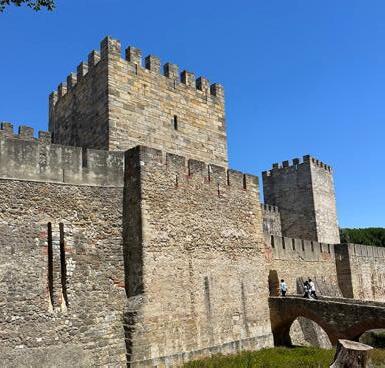
The Heart of Historic Lisbon Begin your Lisbon journey in the Alfama district, the city’s oldest quarter, known for its labyrinthine streets and traditional Fado music. At the center of Alfama rises the imposing Castle of St. George (Castelo de São Jorge), a Moorish fortress conquered by Christian forces in 1147. The castle’s well-preserved ramparts and eleven towers offer panoramic views of the city’s terracotta rooftops and the Tagus River.
Entrance into St. George’s Castle via bridge
Castle of St. George: A Historical Overview
Origin: Moorish fortress
Conquest: 1147 by Christian forces
Features: Strong outer walls, defensive structures, eleven towers Royal Residence: Home to Portuguese Kings from the 14th to 16th centuries
Visitors can spend a leisurely afternoon wandering the castle’s gardens, enjoying live guitar performances, and soaking in the atmosphere of bygone eras. As you descend from the castle, the Alfama district’s charm continues with its narrow alleys and the iconic sound of tram 28 rattling by, a reminder of Lisbon’s blend of history and modernity.
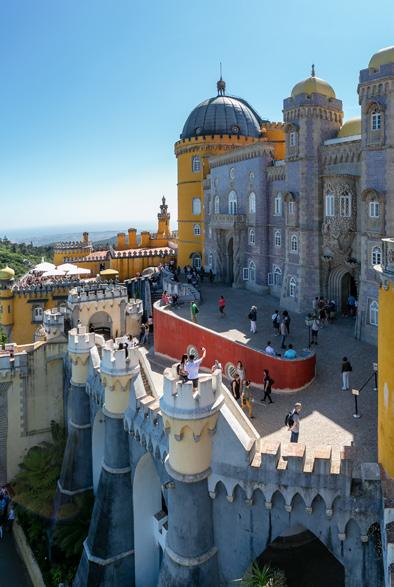


Photo courtesy of Wikimedia Commons user Diego Delson via a Creative Commons license.
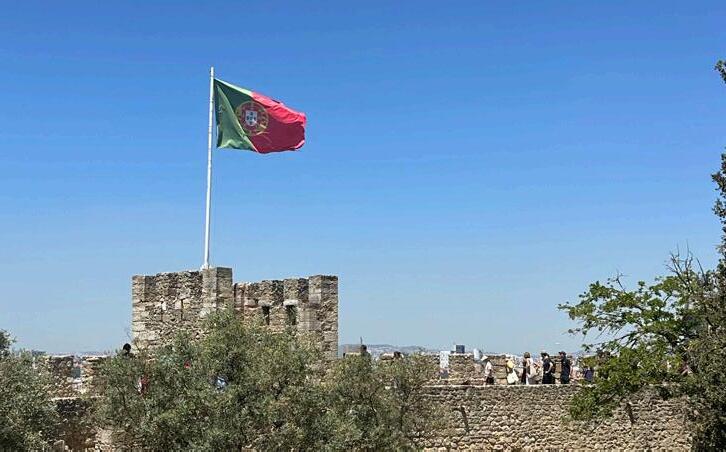
The flag of Portugal waving high above St. George’s Castle
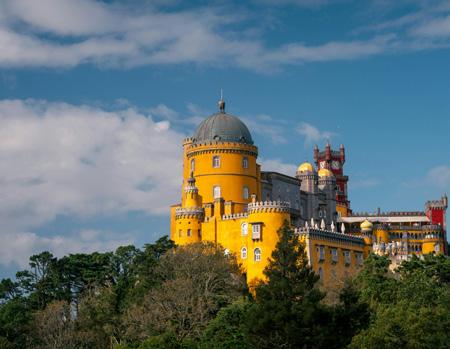
National Palace of Sintra de Pena in Portugal
Pena Palace
“Withplanning,careful visitors can capture the essence of this captivating city in just three days.”
Day Two: The Wonders of Sintra A UNESCO World Heritage Site
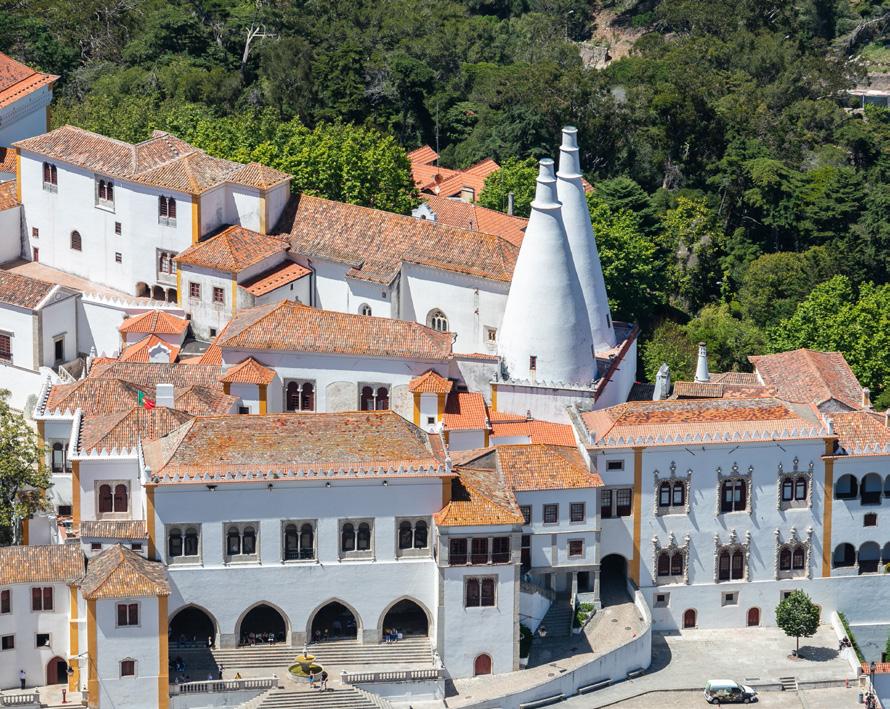
A short train ride from Lisbon, Sintra is a must-visit destination, boasting a UNESCO World Heritage status for its romantic architecture and stunning landscapes. The town is home to the National Palace of Sintra, a 14th-century royal summer retreat that showcases the luxury of Portugal’s golden age.
Sintra’s Architectural Marvels
National Palace of Sintra: 14th-century royal palace with opulent rooms Pena Palace: 19th-century Romanticist castle at 1,500 meters altitude Moorish Castle: 8th-century fortress with breathtaking views While the National Palace impresses with its historical grandeur, the colorful Pena Palace is a fairy-tale vision set high in the hills. Visitors can hike or take a taxi to this dreamlike castle, adorned with pink and yellow towers, domes, and drawbridges. Nearby, the ancient Moorish Castle offers a less strenuous visit with equally impressive vistas, including views of the Atlantic coast and its beautiful beaches.
Before departing Sintra, take time to meander through its medieval streets, visit quaint shops, and enjoy local cafes for a taste of Portuguese pastries like the famous “travesseiros.”
Photo courtesy of Wikipedia user Diego Delson via a Creative Commons license
Photo courtesy of Pexels user Dmitry Voronov via a Creative Commons license.
Palace in Sintra under a clear blue sky
Palacio de Nacional from birds-eye view
Day Three: Baixa District and Relaxing in Lisbon
The Vibrant Lower City
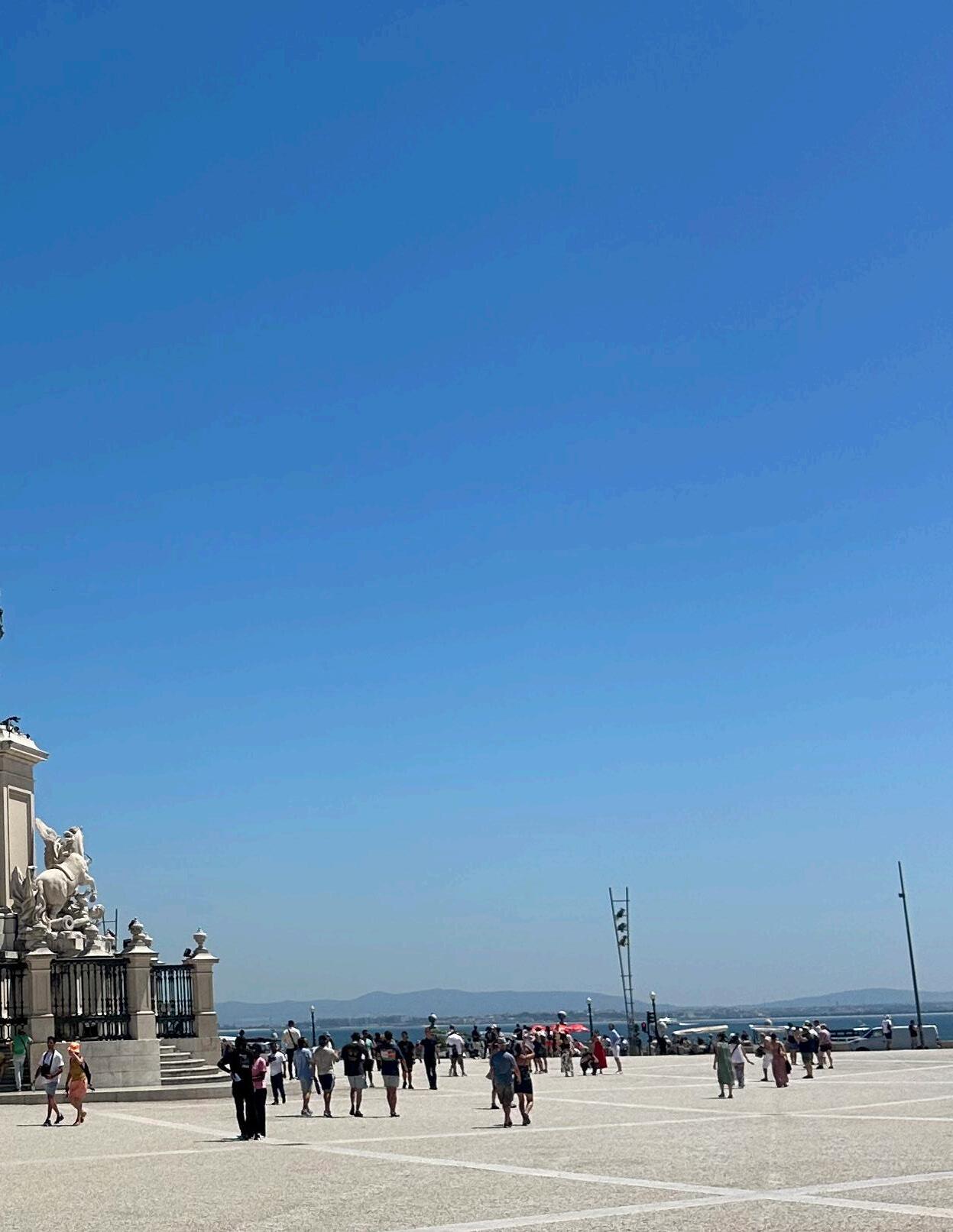
The final day in Lisbon is an opportunity to unwind and explore at a leisurely pace. The Baixa district, Lisbon’s downtown area, is characterized by its grand plazas, neoclassical architecture, and bustling atmosphere. Key sites include the ruins of the Carmo Convent and the nearby Portuguese Parliament buildings, surrounded by serene botanical gardens.

Baixa Highlights
Carmo Convent: Gothic ruins with a rich history
Portuguese Parliament: Impressive 16th-century palace
Botanical Gardens: A peaceful retreat in the city
Returning to Alfama, visitors can uncover the nooks and crannies missed on the first day, ensuring a comprehensive experience of Lisbon’s most storied neighborhood.
Conclusion:
The Ideal Duration for Lisbon
Athree-day visit to Lisbon strikes the perfect balance between sightseeing and soaking in the local culture. While it’s impossible to see everything, this timeframe allows travelers to experience the highlights and leave with a sense of the city’s soul. For those planning a trip, the Lisbon Tourism Association provides up-to-date information on attractions and events, ensuring a well-informed and memorable stay.
In summary, Lisbon’s blend of history, culture, and natural beauty makes it an ideal destination for a short but fulfilling city break. With careful planning, visitors can capture the essence of this captivating city in just three days.
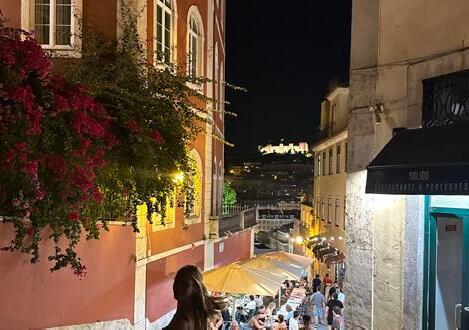
Baixa District at night
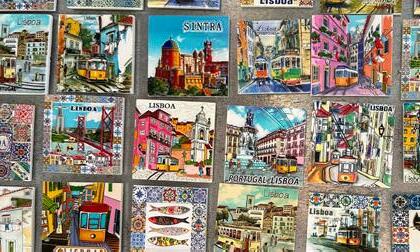
Souvenirs in the Baixa District featuring Lisbon’s famous tiles
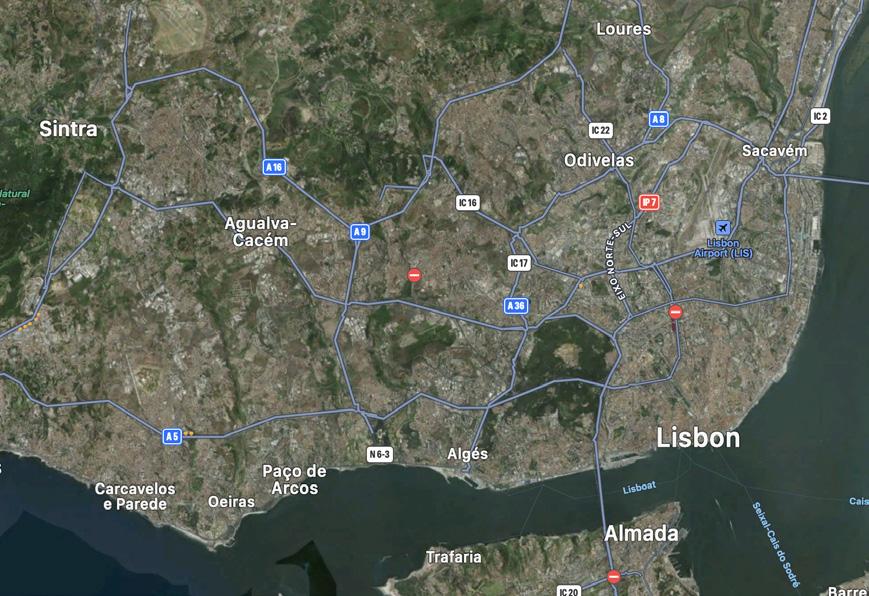

DAY 2
DAY 1
DAY 3
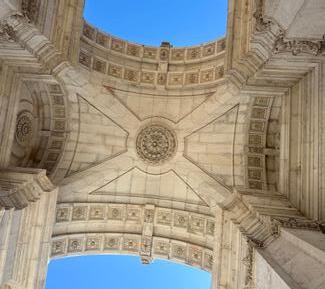
Details on the underneath of the Rua August Arch
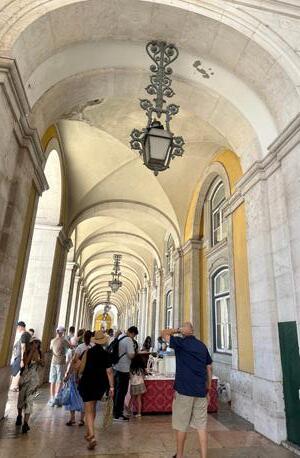
Archways in the
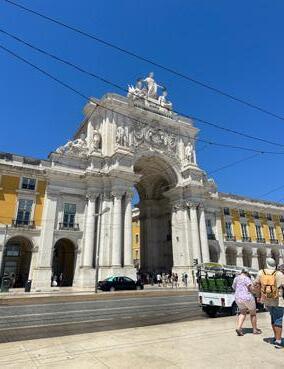
Rua August Arch in the Baixa District
Commerce Plaza in the Baixa District