

Portfolio
Zixuan Tang
Contents
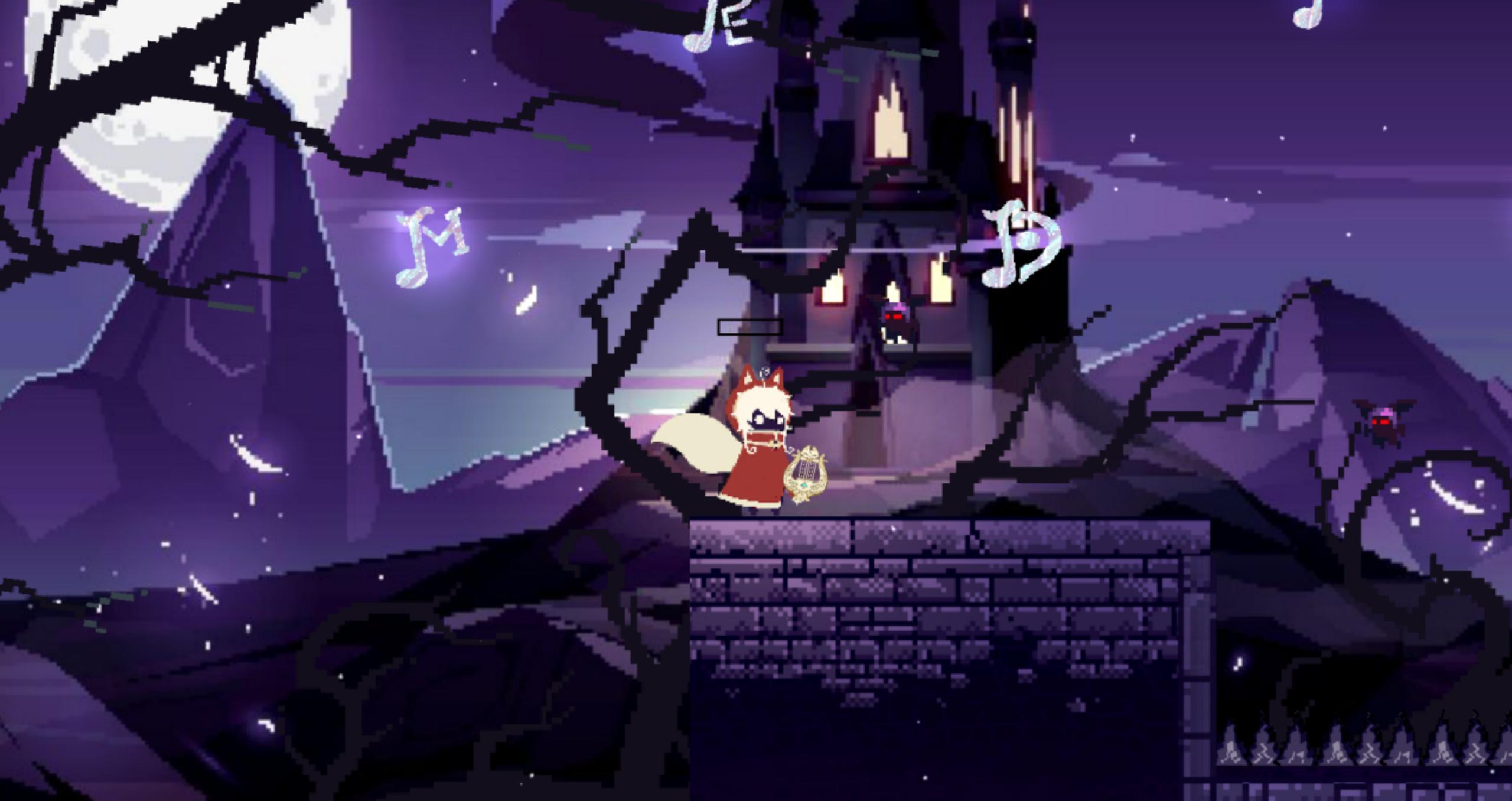
Few Second to See
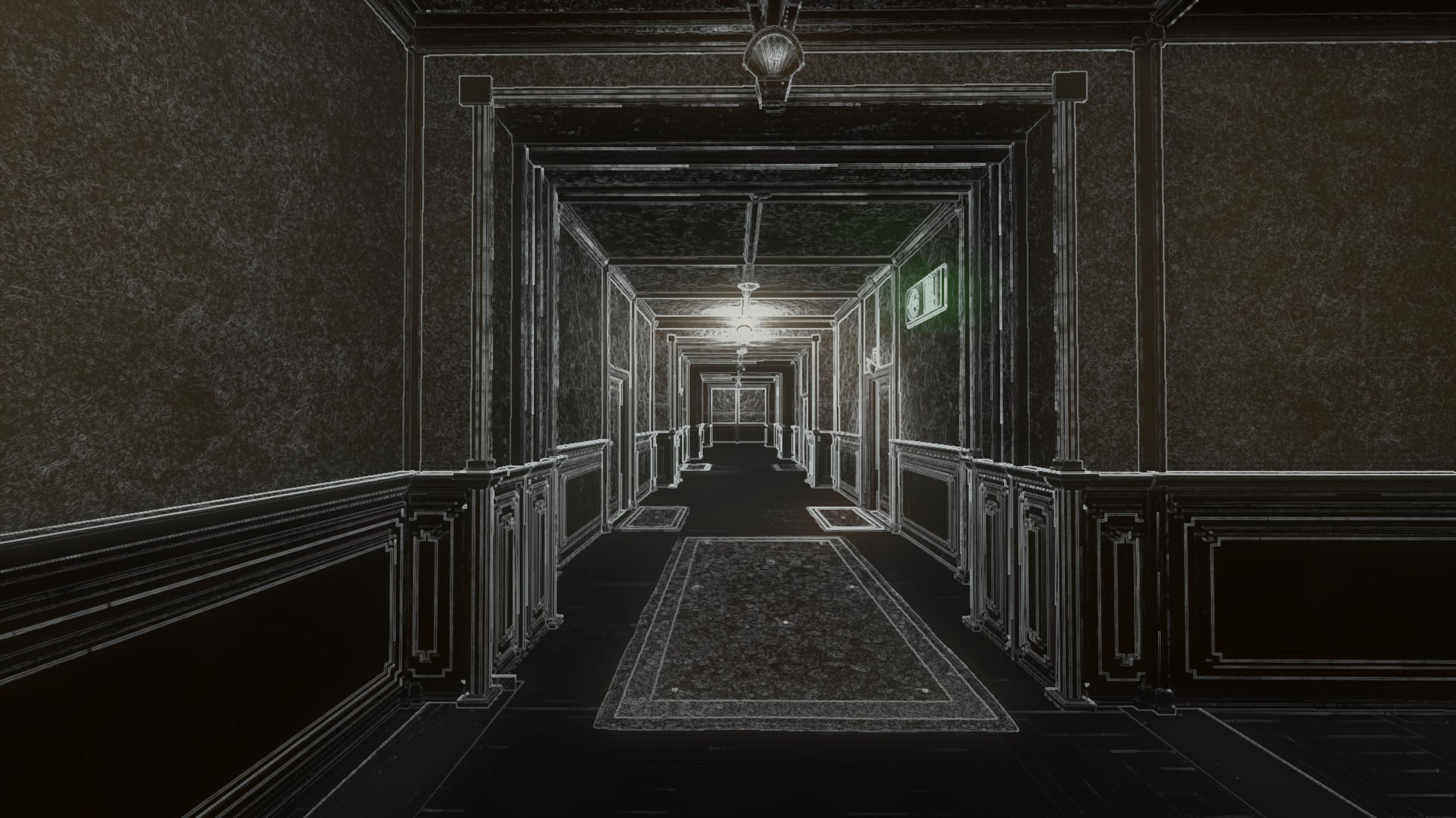
Soundless Land Fantasies
Crafted
Other Works
Soundless Land Soundless Land
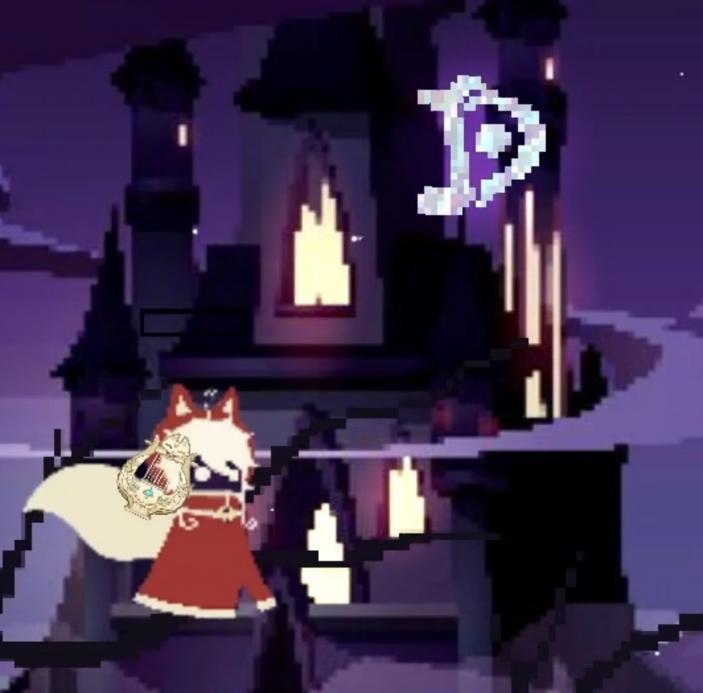
Soundless Land is a 2D platformer game project. The player plays as a warrior chosen by a Music Kingdom that has lost all its sounds, embarking on a journey through forbidden lands to retrieve the kingdom's lost musical notes and bring sound back to their homeland. Players need to use a bow to defeat enemies and employ character skills like double jumps to overcome traps and various obstacles. This project aims to deliver an immersive gaming experience while also drawing attention to the deaf and hard-of-hearing community.
My Role:
Game Design, Level Design, Programming, Game Testing, Balancing, Shaders
Special Thanks to:
Yijun Zhou: Animation, Programming, Shaders
Minghao Guo: Game Art, Animation
1 Link to Playable Version: https://zixuan-tang.itch.io/soundless-land
Gameplay Demo Link(Youtube): https://youtu.be/wqT5XVTAQE0
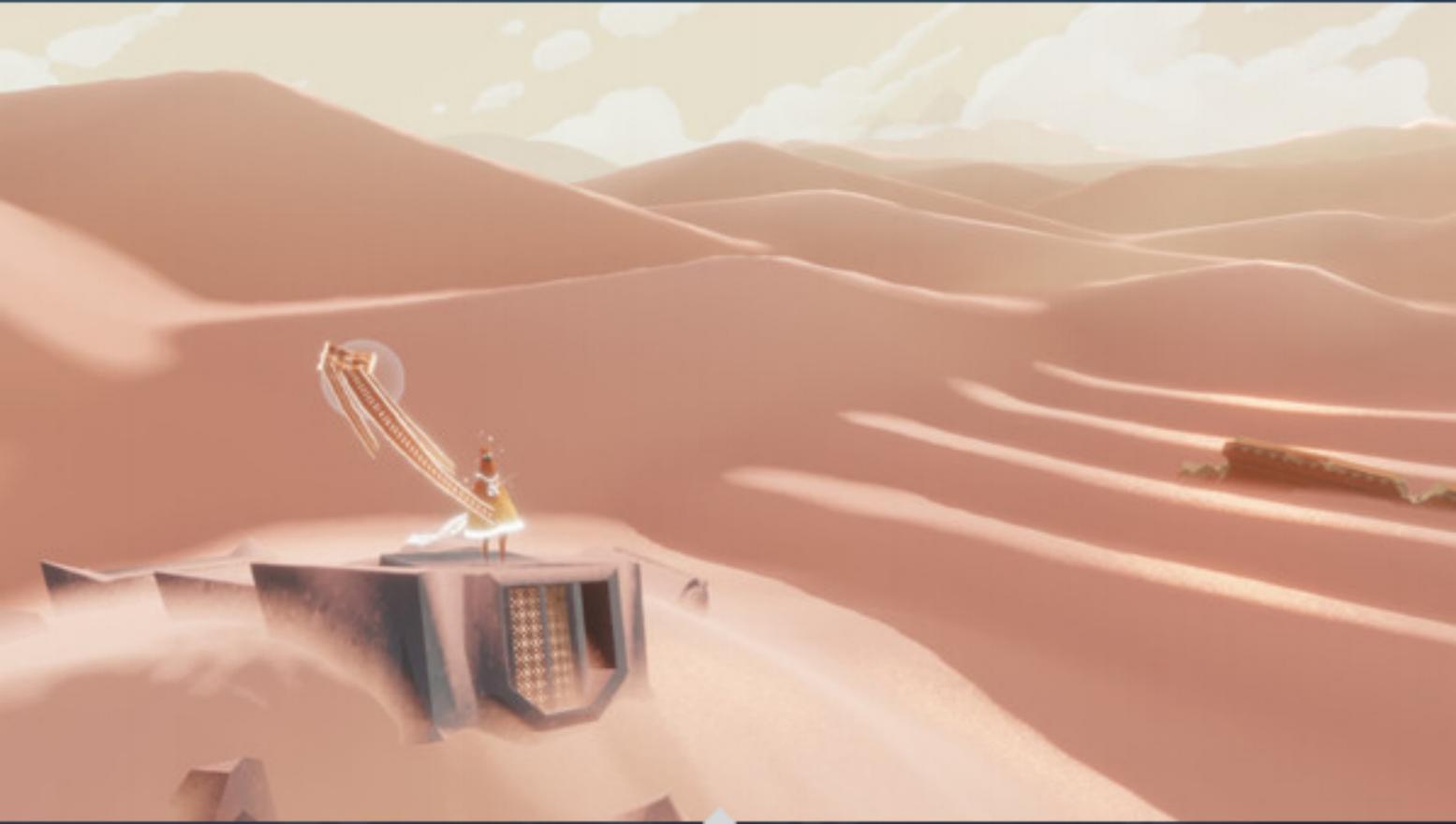
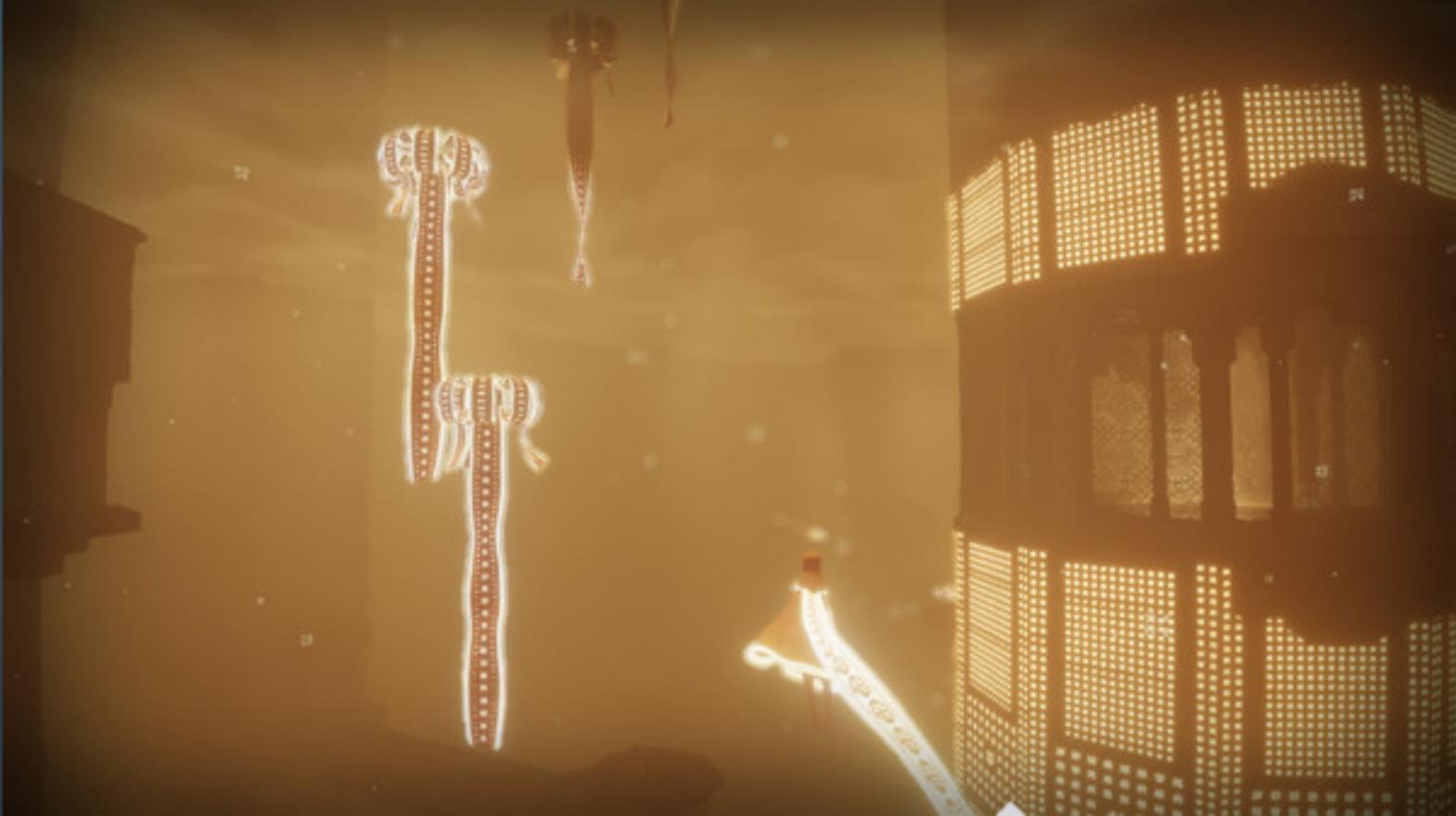
“Journey”
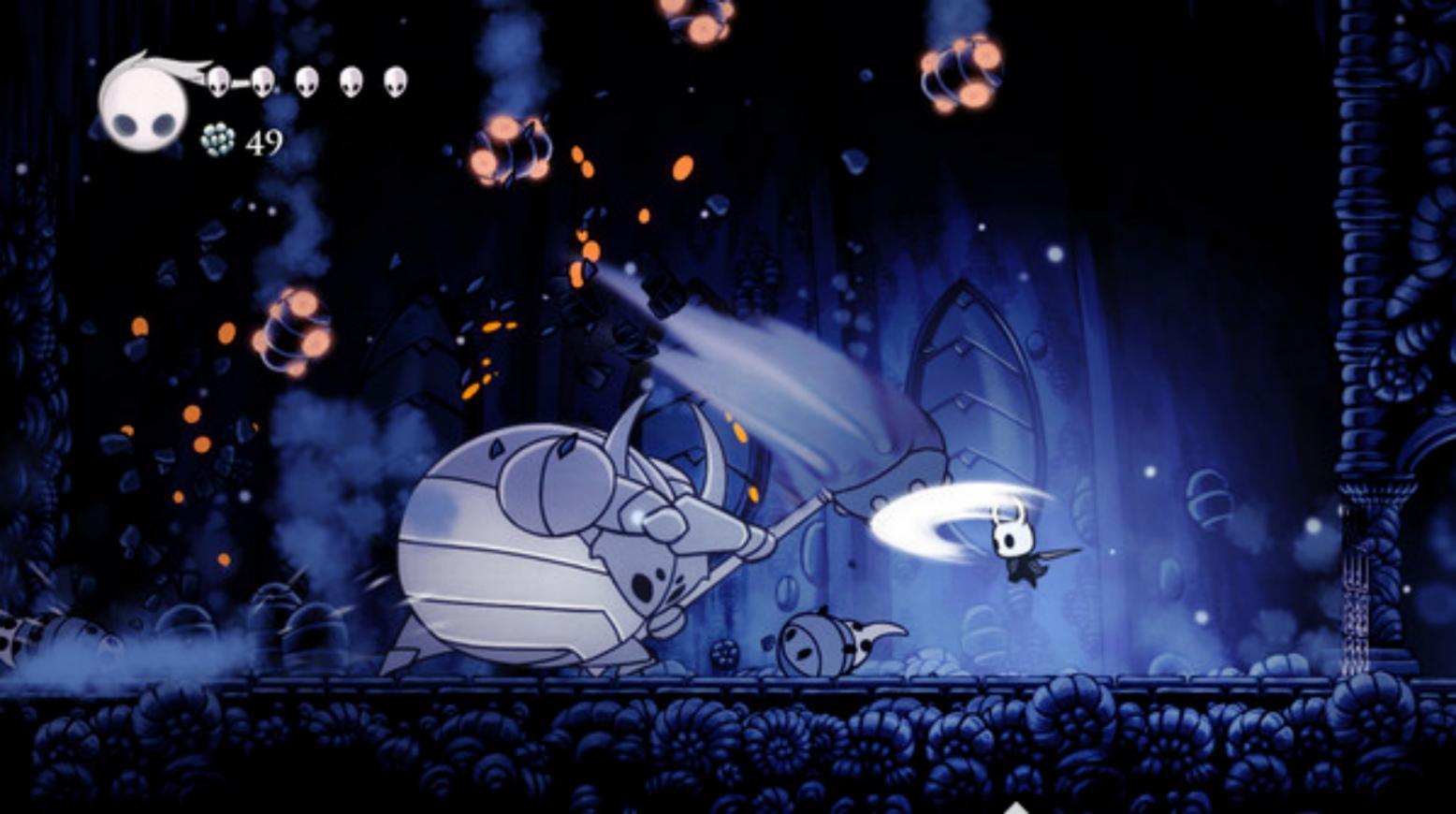
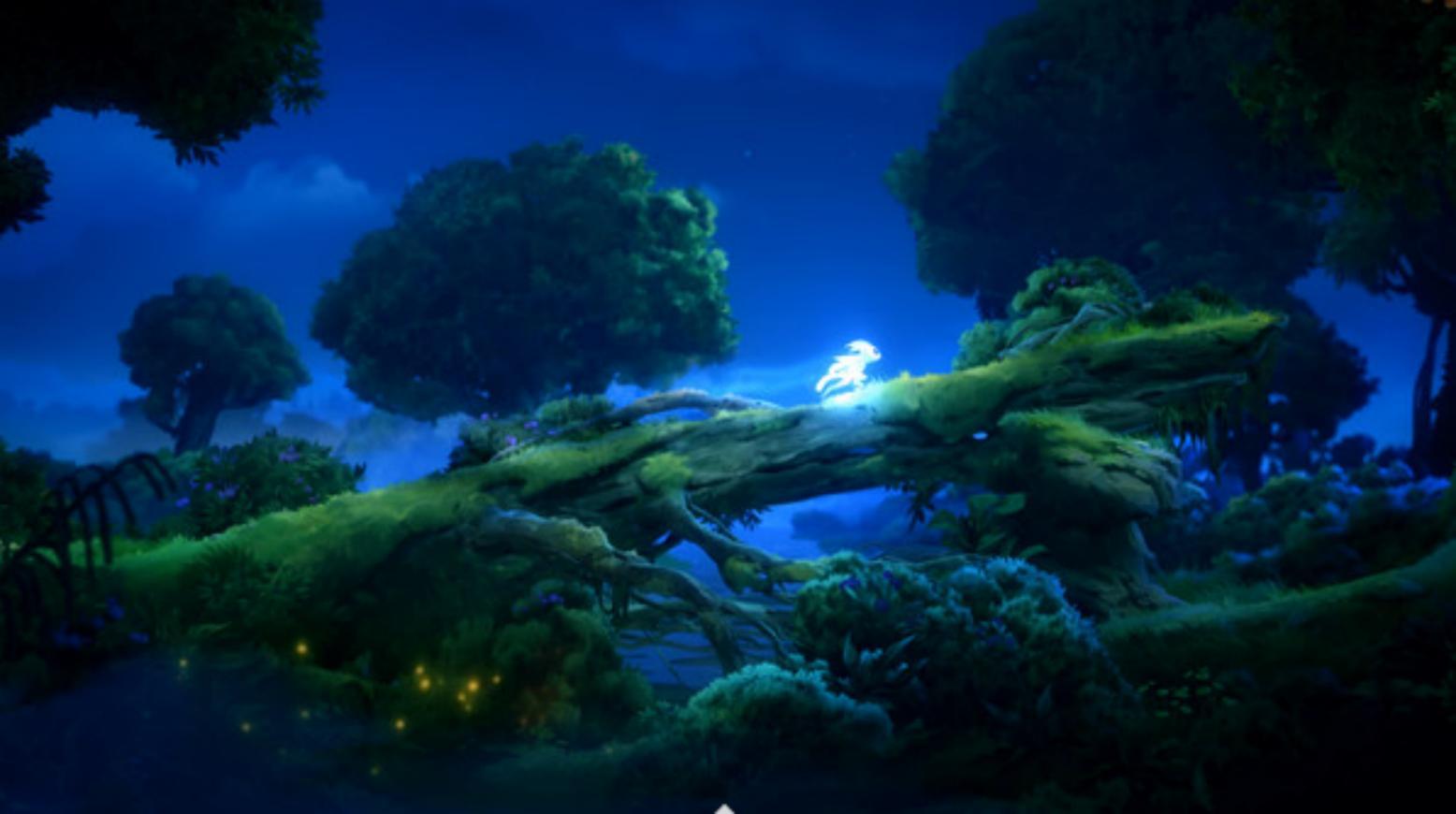
● Inspirations from “Ori” & “Hollow Knight”
○ Artistic Style and Visual Aesthetics:

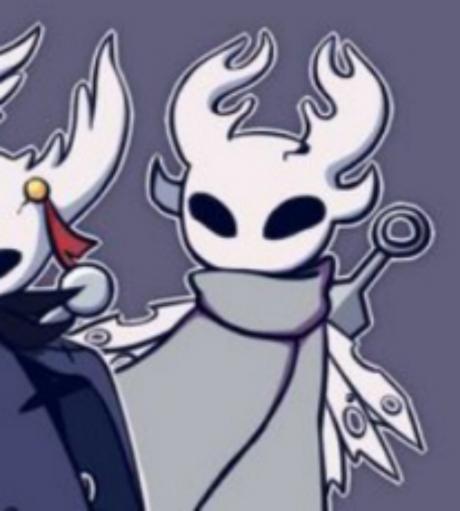
Our game features similar hand-drawn backgrounds and intricate character designs. We hope to create a world that is both dark and beautifully ethereal in this way.
○ Platforming and Exploration Elements:
In our project, players need to collect musical notes to gain new abilities adn then overcome obstacles and traps by using them.
○ Narrative and Emotion Building:
“Ori”series are renowned for the rich narrative and emotional depth. Our project also attempts to resonate with players through the journey of “retrieving what’s lost.”
○ Combat and Enemy Design:
“Hollow Knight” is famous for its challenging combat system and enemy design. Our game also aims to provide a satisfying combat experienceby designing weapons and combat systems, and increasing the difficulty gradually.
● Game Concept
Game producer Xinghan Chen believes that attracting players with the shining points of human nature is better than exploiting their weaknesses. Many games profit by exploiting people's jealousy, competitive spirit, and fear of failure.
I believe such games are necessary, but we also need more games with artistic and cultural depth. In my opinion, the emotions that truly make me fall in love with a game are often curiosity, growth, nurturing, companion, and empathy.
● Disability issues
More than 5% of the world's population, or 430 million people, need rehabilitation to address their disabling hearing loss (432 million adults, 34 million children). This is not an uncommon issue, and people who are completely deaf, as they appear no different on the outside, seem to be invisible. Therefore, I wanted to create a game with a theme of finding and healing.
2
Gameplay
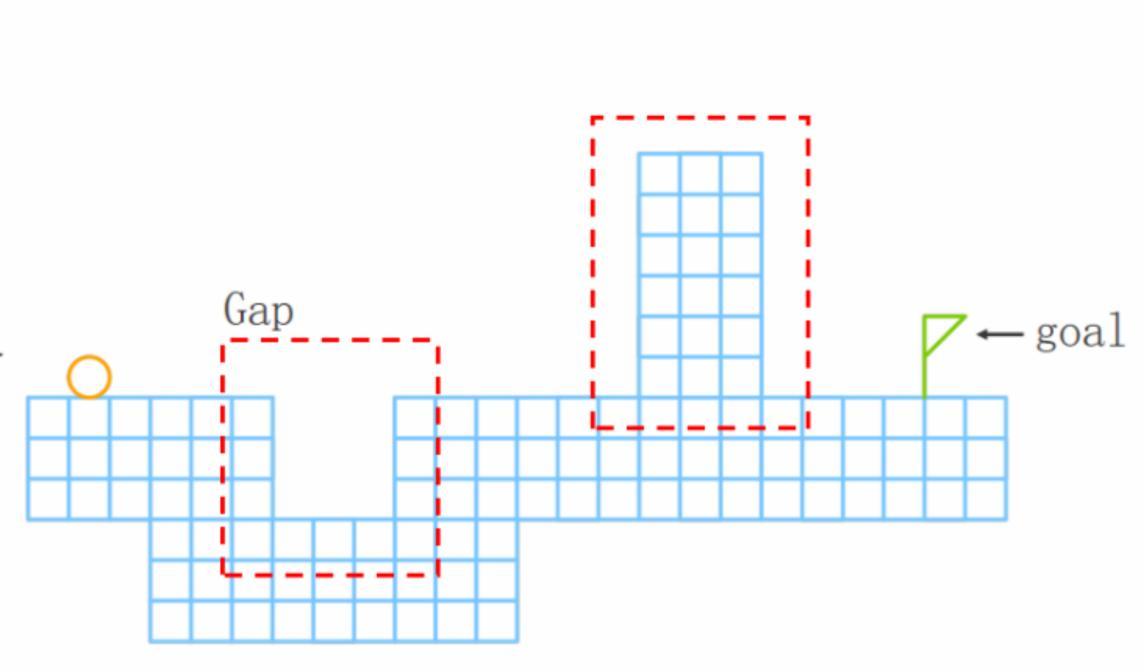
○ Level 1
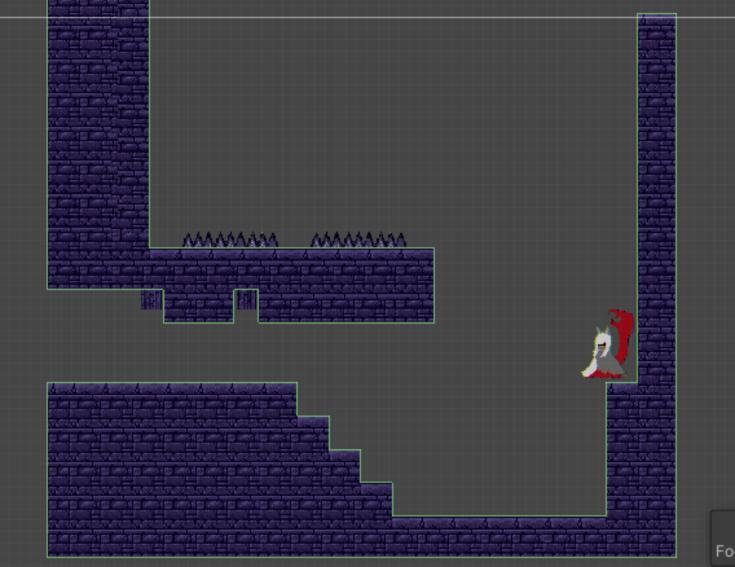
The first level is primarily designed to familiarize players with the basic controls of the game: moving, jumping, and shooting. It also introduces some game mechanics, such as shooting notes and methods to remove the obstacle.
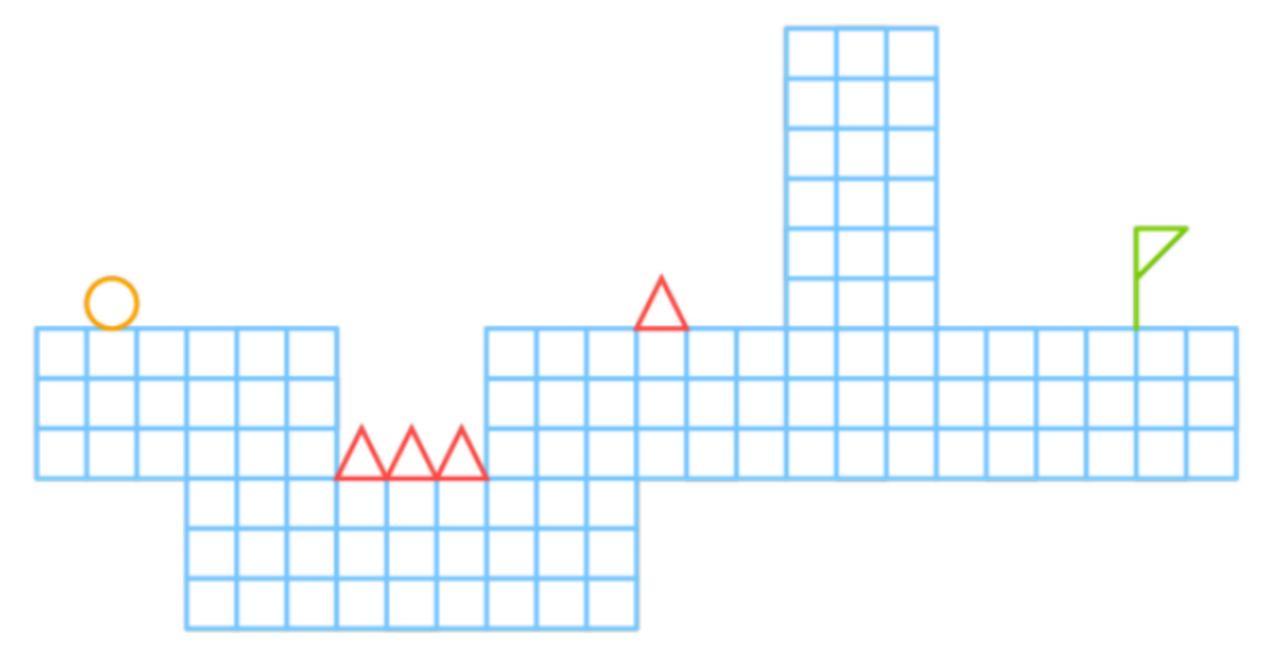
○ Level 2
The second level continues with the map design of the first level but introduces enemies. Players need to understand the use of weapons and familiarize themselves with the trajectory of projectiles, preparing for the challenges of the third level.
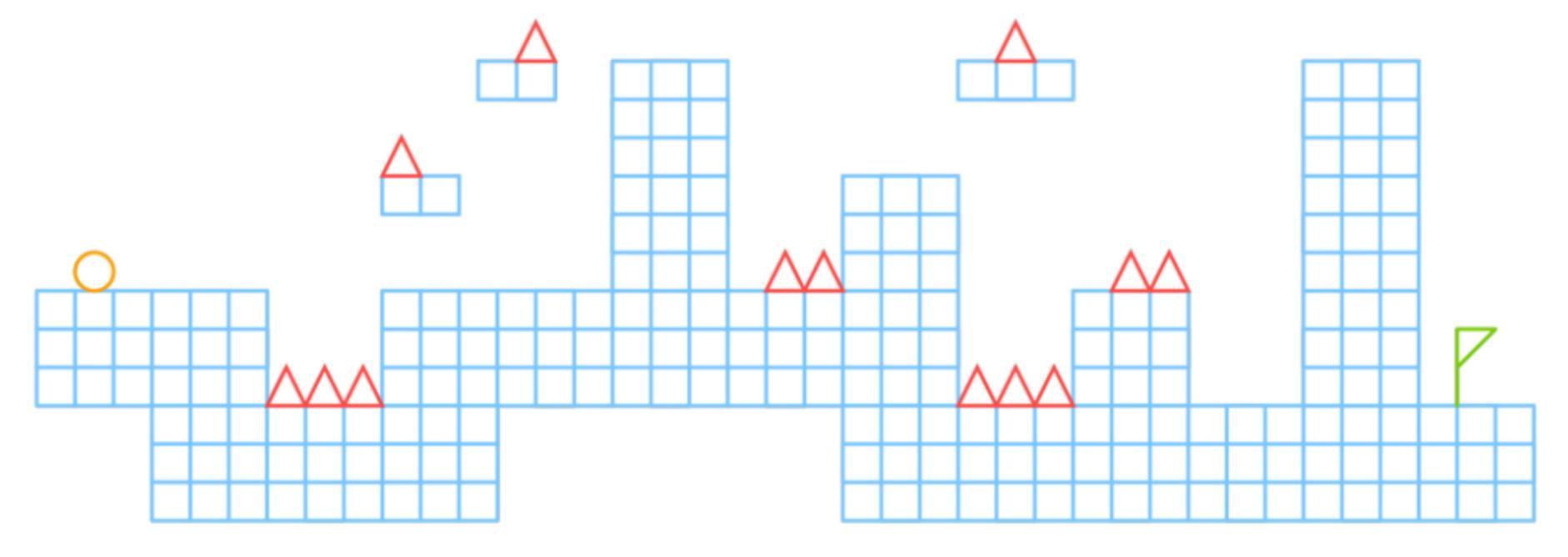
○ Level 3
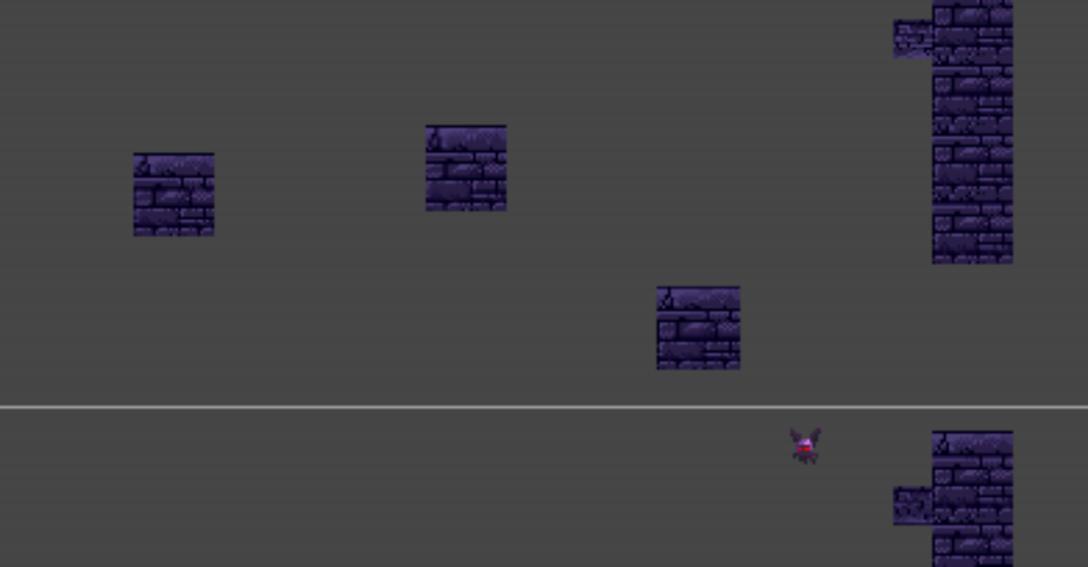
The third level is a culmination of all the game's mechanics and features. More powerful monsters appear, along with an increased number of platforms and traps. Save points are integrated into the game, and functionalities such as elevators and moving platforms are introduced, along with design elements reminiscent of a Metroidvania-style game.
Features
○ Collecting Musical Notes
Grants players the ability to double jump.
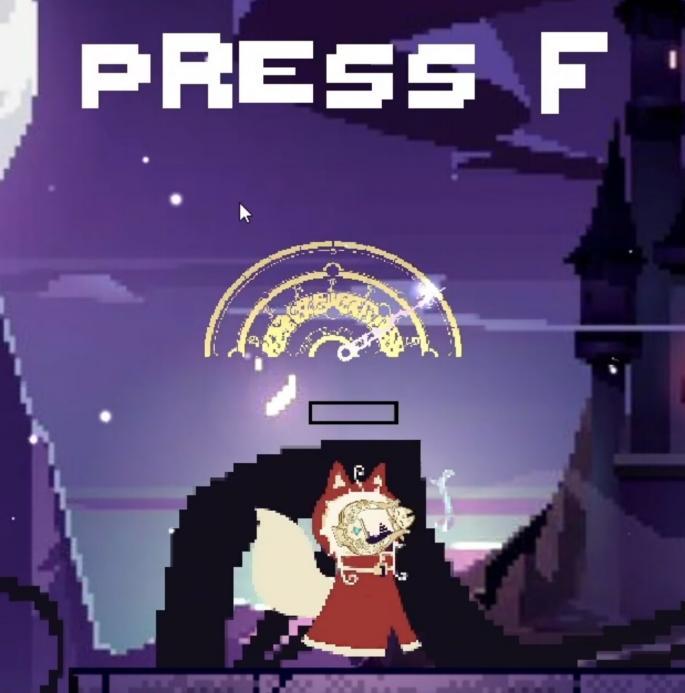
○ Lock-Picking Mini-Game
Adds variety and challenge to the gameplay.
○ Save Point
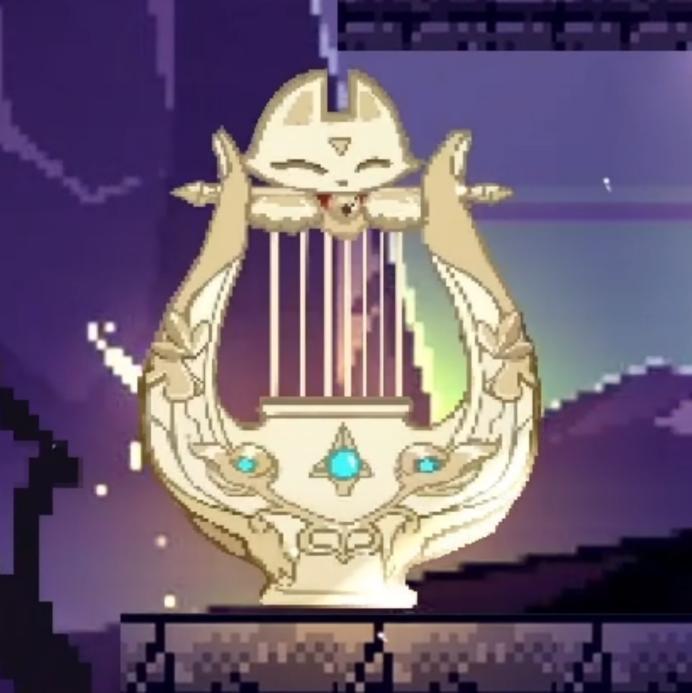
Prevent players from having to repeat challenges.
○ Moving Platforms /Elevators
Transport players to different areas.

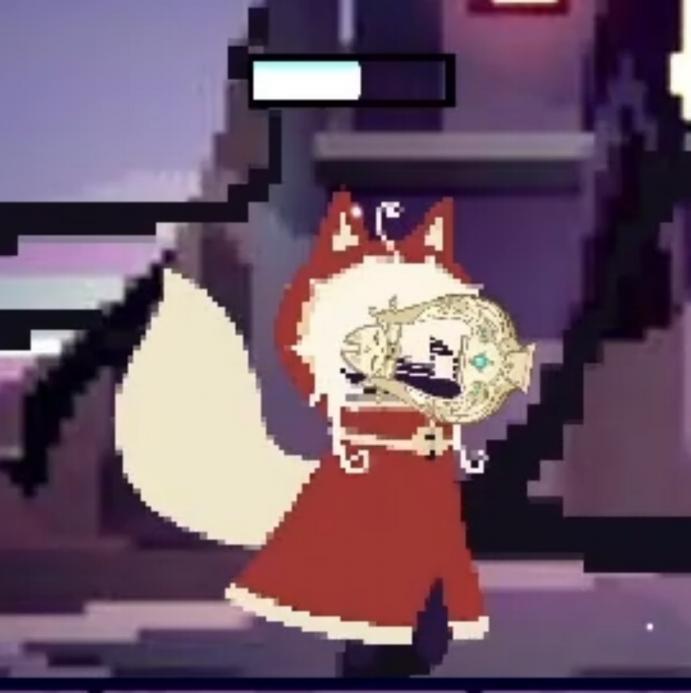
○ Shooting Mechanism
Holding down the shoot button makes the arrow fly faster and farther.
3
Development/Iterations
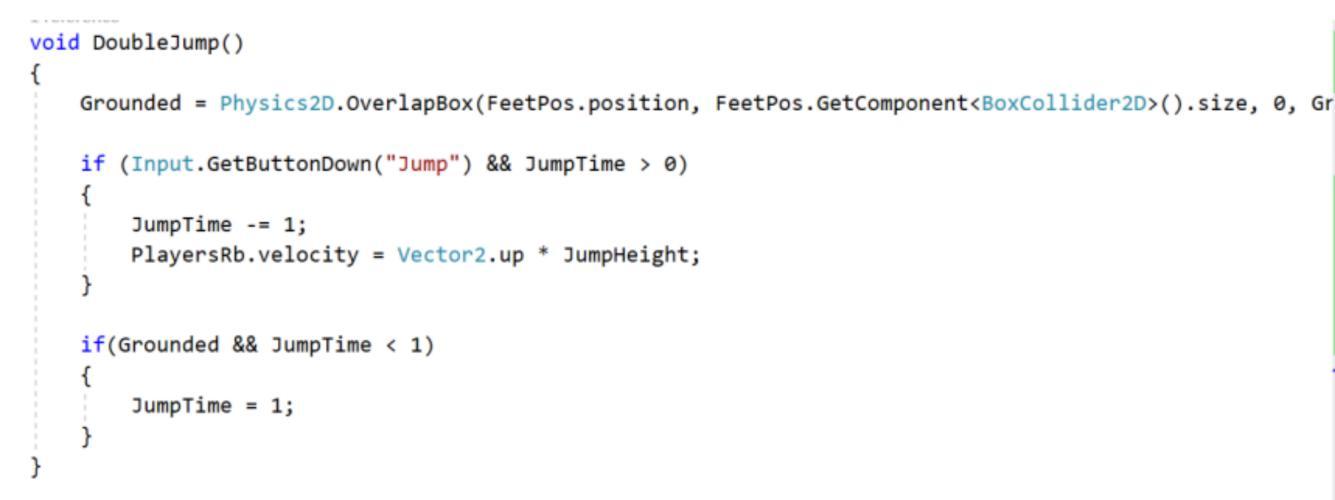
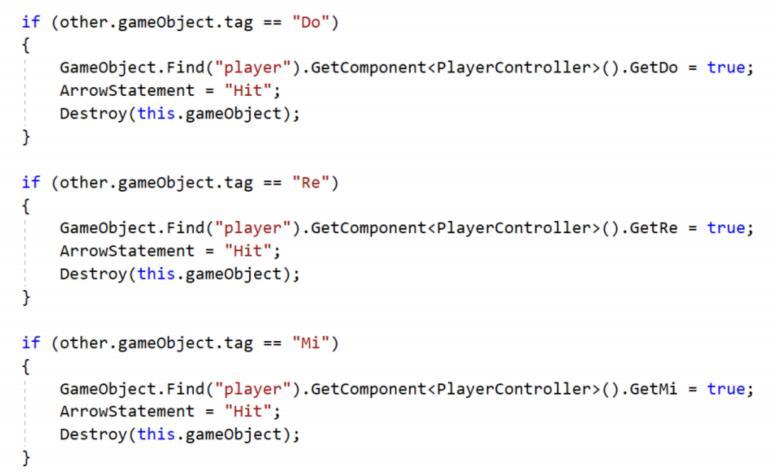
Double Jump function. Then implement collecting notes mechanic and combine these two mechanics together.
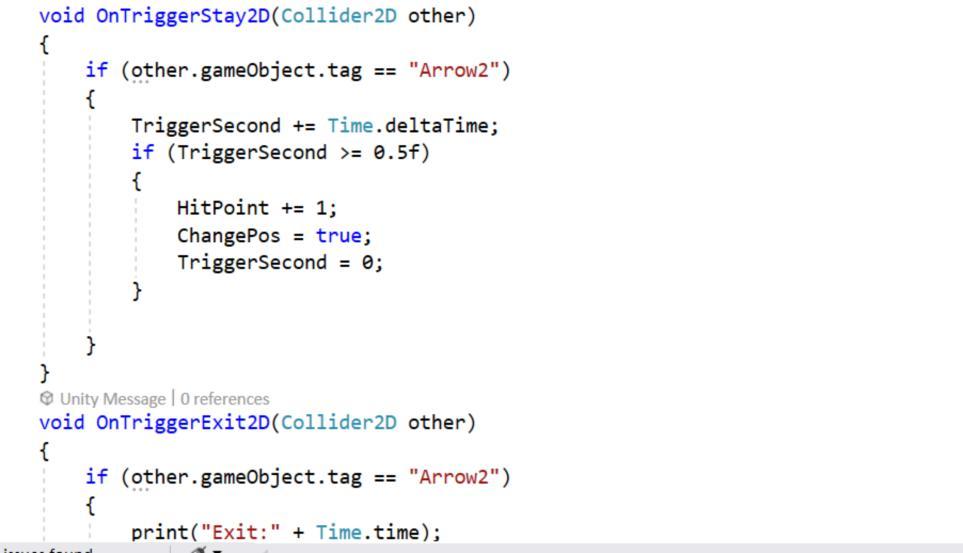
For lock picking mini game, allowing the arrow to do the swinging animation , then determining whether it has stopped in the right position or not.
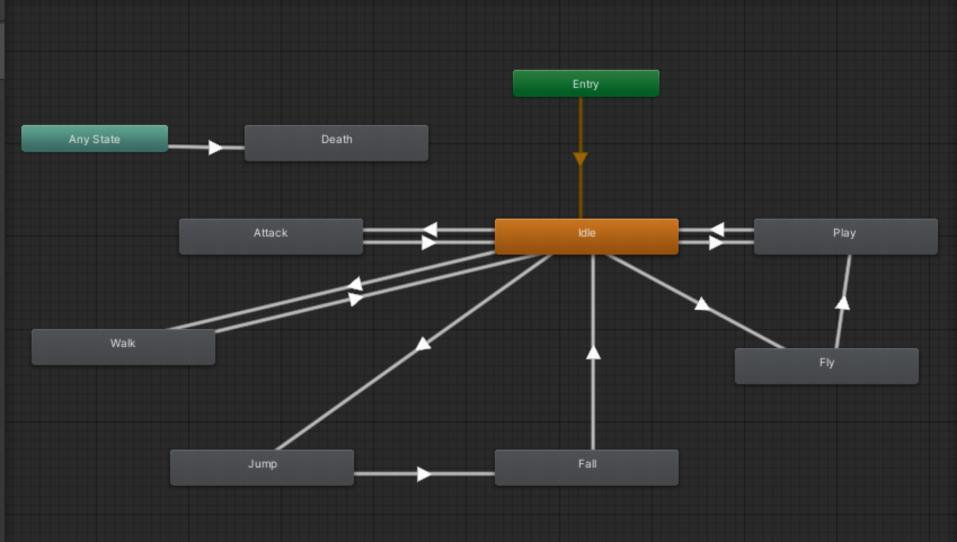
Making the animations for main character.
Adding several visual effects : particle effect of shooting, new shader effects on walls, notes, branches.
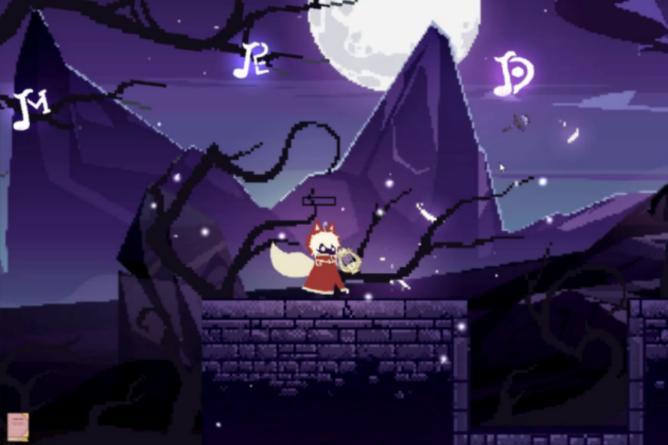

To implement a new way of switching levels: teleport, instead of simply switch to new scene with no effect.
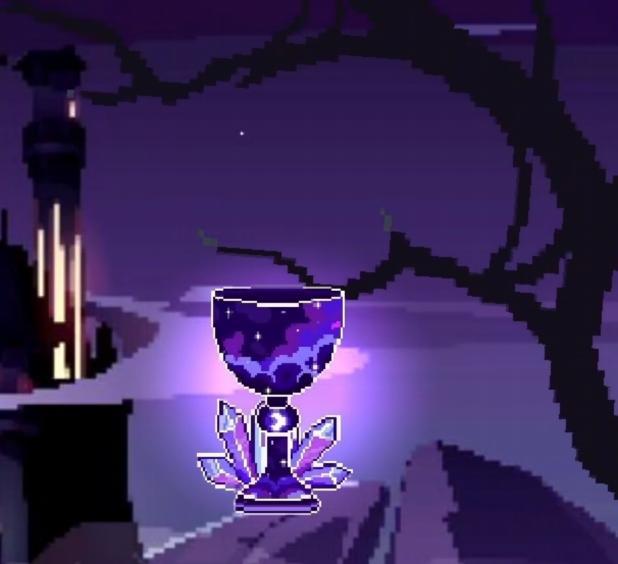
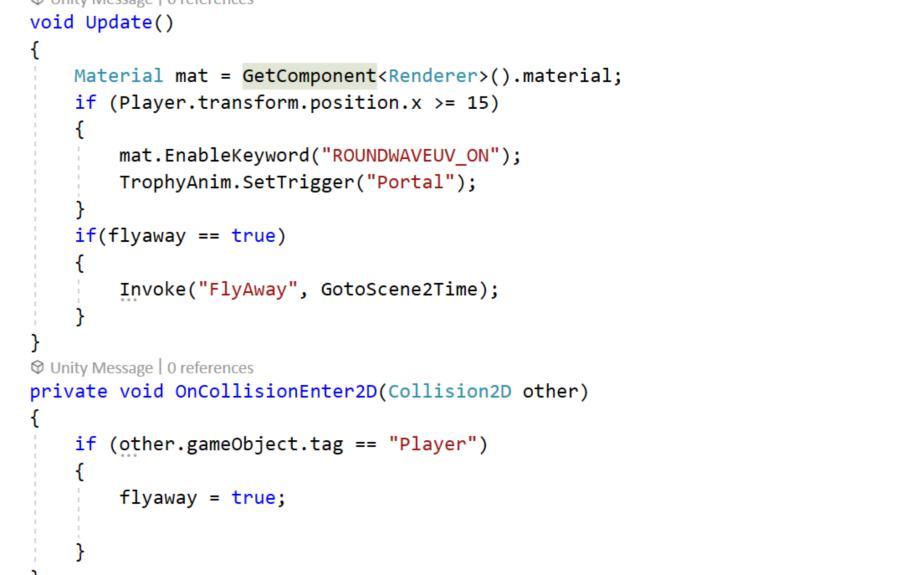
(From Roy Caseley & Thom Kaczmarek)
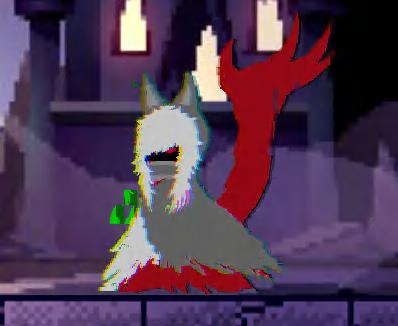
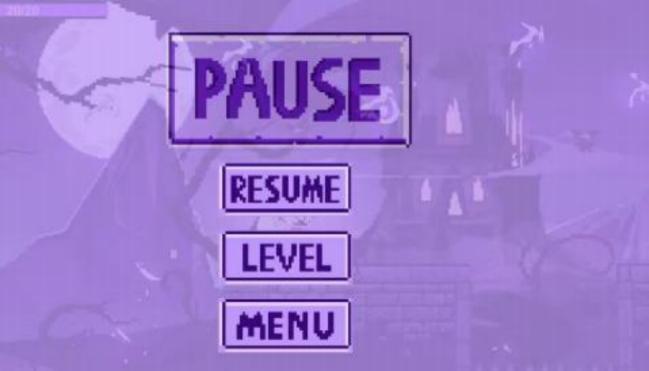
Screen flash + character blink when the player gets damage. Adjust the background to follow camera movement, and the camera moves with the player. The new enemy feature failed a few times. Final codes that works is a patrol to attack cycle, with a detection range. Multiple attempts to the level design for Level 3, using tile map function to construct the level, adding Metroidvania-style design. Adding new main menus, pause menus; redesign UI, adjust health bar and rebuild Dialog system.
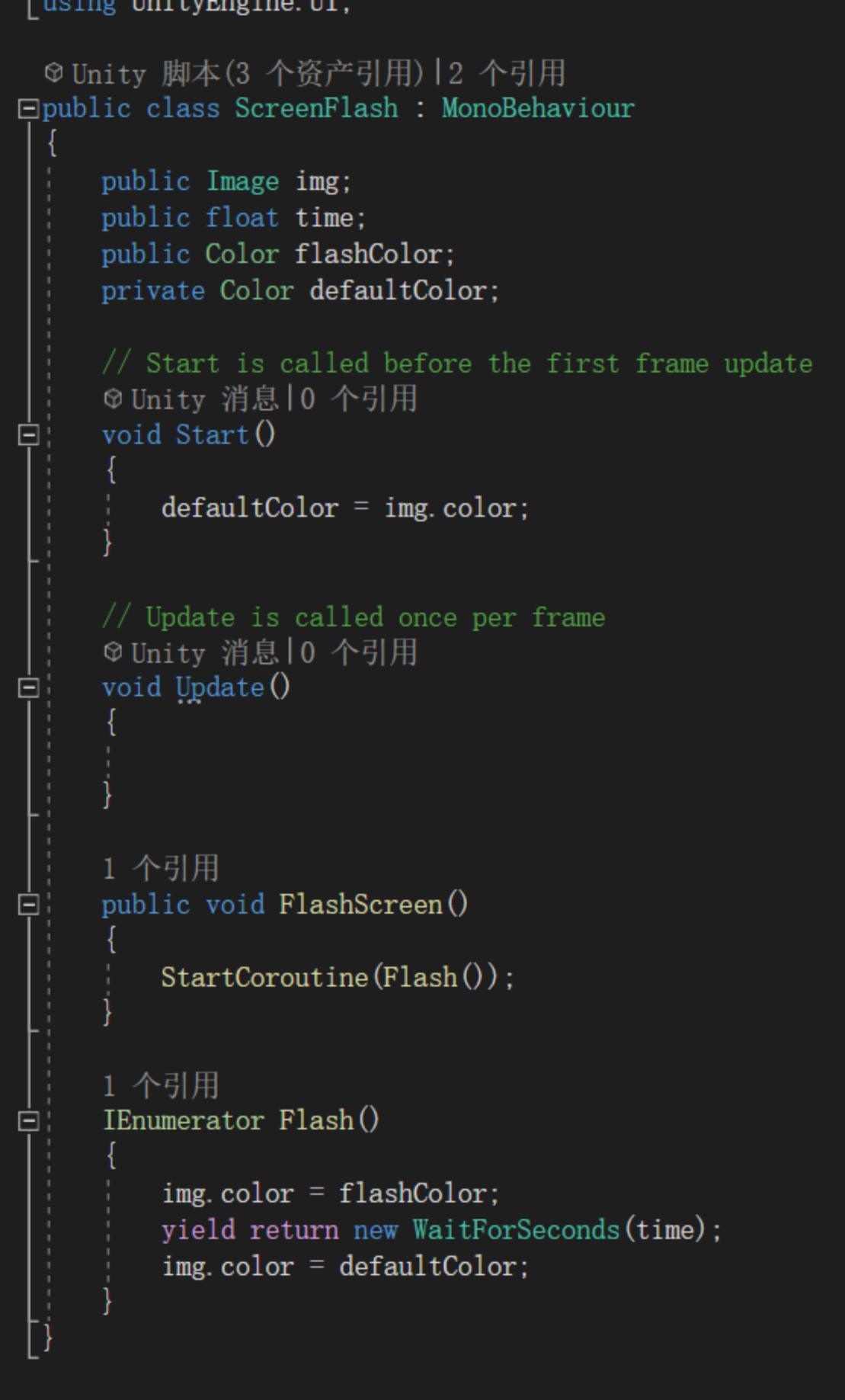
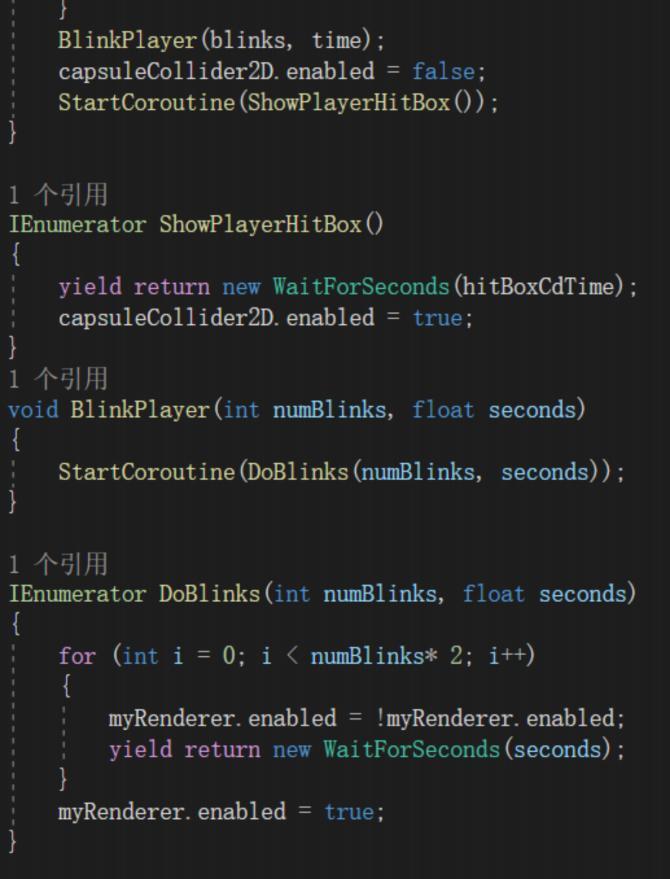
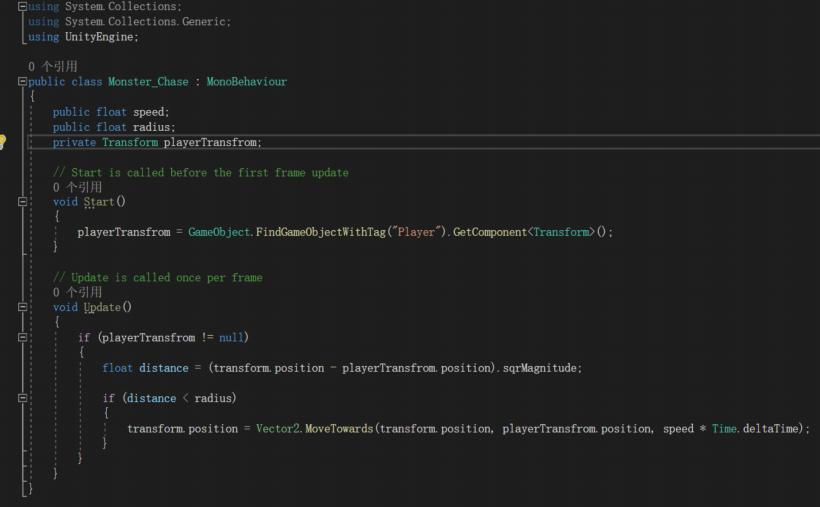
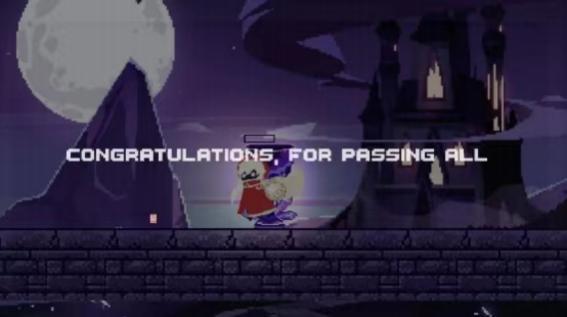
The project is complete to a good standard, the mechanics work well with chosen gameplay. The art assets and animations are implemented to a good level, there are a few glitches but they don't take away from the main experience. Based on the final build and well documented dev log the team worked together effectively. The game world is designed to a good level, some object are a little bit hard to distinguish for example in "chant mode" the indicator is too faint and can be hard to see. The game challenge of the game is great and it tests players' skill with a variety of gameplay and obstacles. And it demonstrates good understanding of the game development process.
4
My Partial work Display Feedback


Few Second to See Few Second to See
Imagine you are a blind person, trapped in unknown chambers surrounded by terrifying growls. How will you escape? This is an independently developed first-person micro-horror adventure puzzle game with a unique aesthetic design. Your vision is limited and blurry, but fortunately, using the given special ability grants a few seconds of special enhanced vision temporarily. You have to solve puzzles while evading the monsters' patrols, attempting to escape and seeking to reclaim your own light.
20
Inspired by the experimental game “Seeing,” I attempted to create this game with a blind protagonist. I aim to let players experience the despair and helplessness of blindness, as well as the amazement and joy of regaining sight, in an effort to draw attention to and foster understanding for the visually impaired community.
Care for Visual
Impaired Community
Puzzle Solving
Stealth Game Elements
Horror/ Thriller Elements
Special Visual Effects /Aesthetic Style
Map Exploration
5 Personal Project made with 2023
Non-commercial Use
min Demo(Youtube): https://youtu.be/me7mUNCDNcY
Link to Playable Version Assets (Google Drive): https://zixuan-tang.itch.io/few-seconds-to-see
5 min Demo(Youtube): https://youtu.be/ZUs9LGCiHLw
Reference
According to the WHO(2020), there are approximately 1.2 billion people with some form of visual impairment worldwide, at least 43 million are blind and at least 238 million have low vision problems.
[Screenshots of “Seeing”]
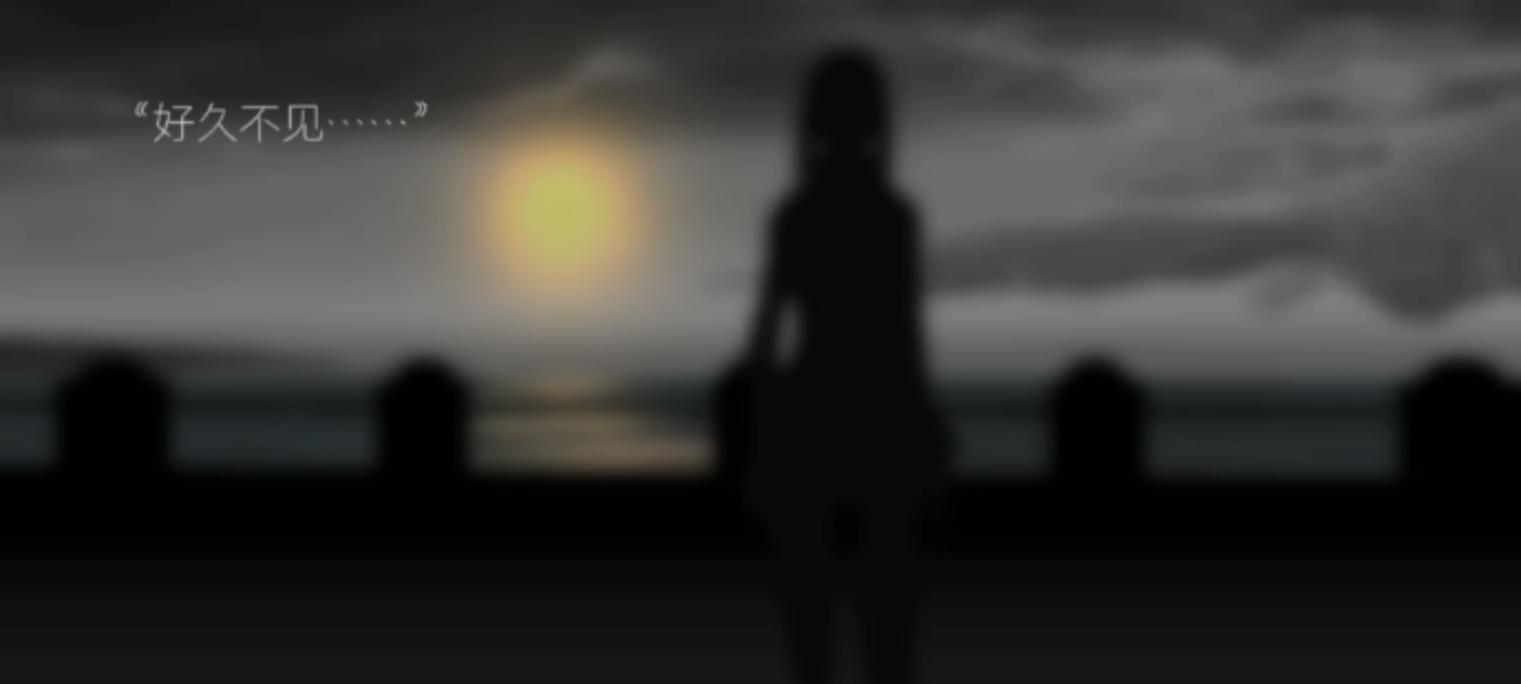
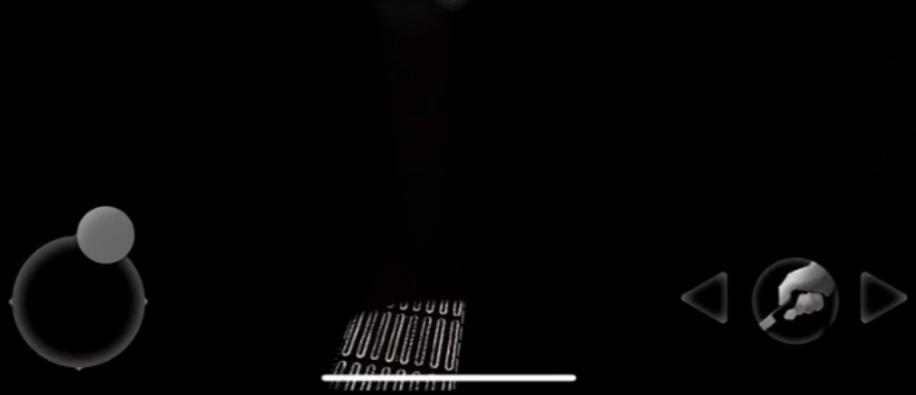
I was deeply impressed by a public welfare game called "Seeing, "developed by Tencent's TiMi Studios. The core gameplay of this game is "experiencing the life of visually impaired individuals." The development team hoped to foster empathy in players through role-reversal experiences, immersing them in the challenges faced by the visually impaired community.
[Screenshots of “Seeing”]
I was profoundly moved by the theme of this game. However, to be honest, I don't think the gaming experience of "Seeing" was enjoyable (as experiencing the life of visually impaired individuals is unlikely to yield a positive experience).
Concept
I aim to create a game that not only advocates for the visually impaired community but also possesses engaging gameplay.
"Few Seconds to See" is my attempt to realize this idea.
○ In terms of gameplay:
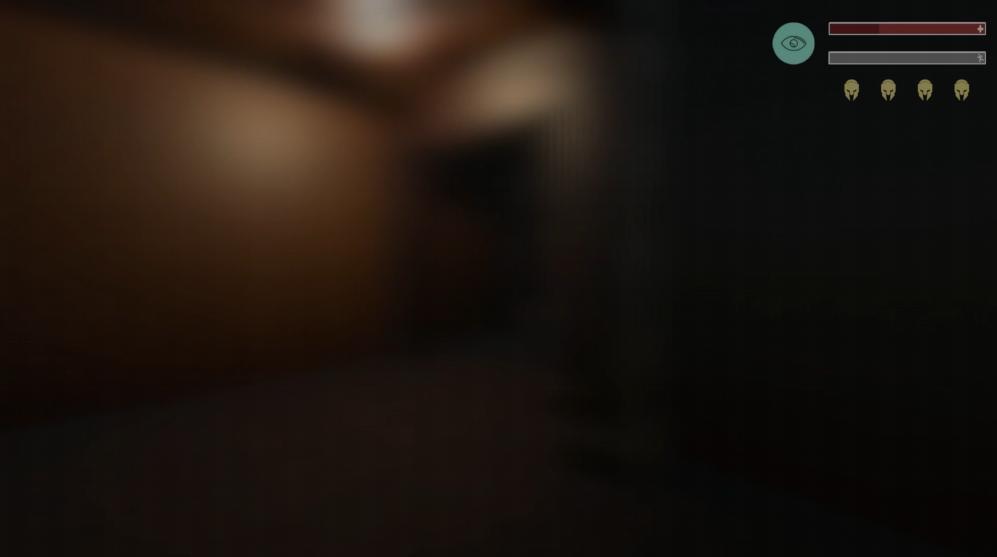
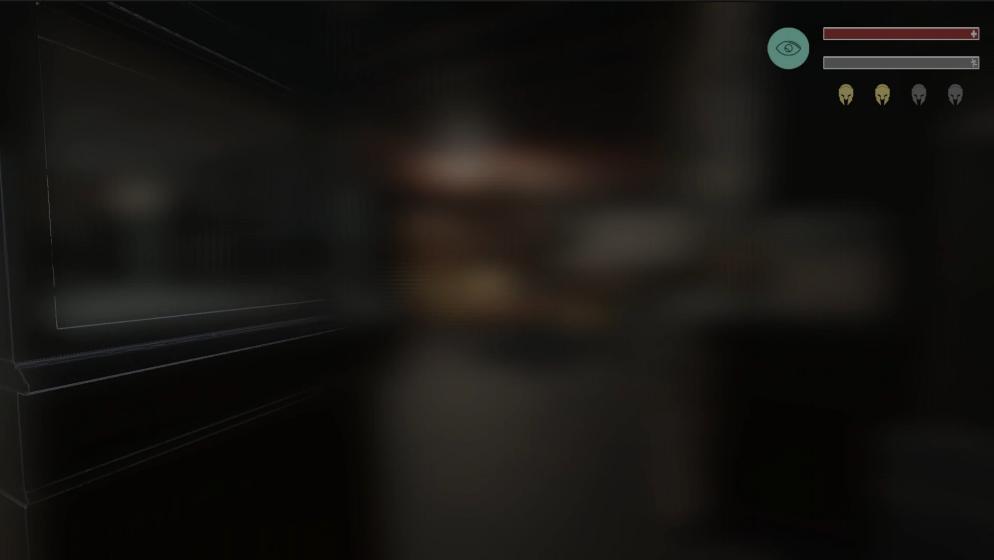
To enhance the sense of powerlessness due to the deprivation of vision, I decided to set the game's tone in the horror genre. This choice heightens the players' tension and helplessness, leading to a deeper understanding of the issues brought about by "the loss of normal vision."
[Blurred vision state]
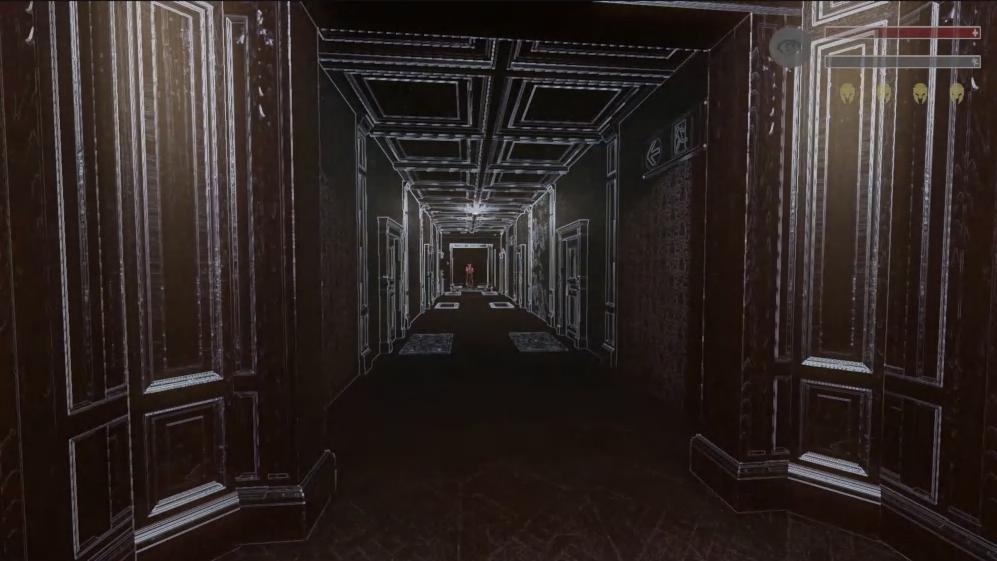
The introduction of the scanning system compensates for the gameplay and provides a unique visual experience in the game. (The design concept of the scanning system is to reduce the players' ability to gather information about the environment in the game, thereby aligning with the game's theme.)
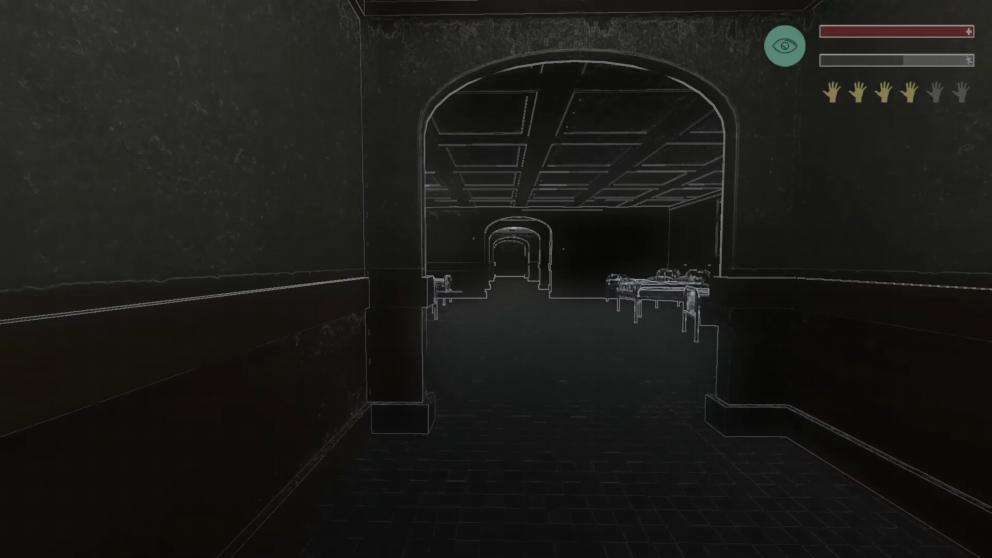
[Scanning vision state]
The inclusion of puzzle-solving and exploration elements adds depth to the gameplay, making it more enjoyable and engaging. Minimal background introduction, along with restrained UI design, are employed to enhance the immersive experience of playing.
6
Game Design
●Scene Design
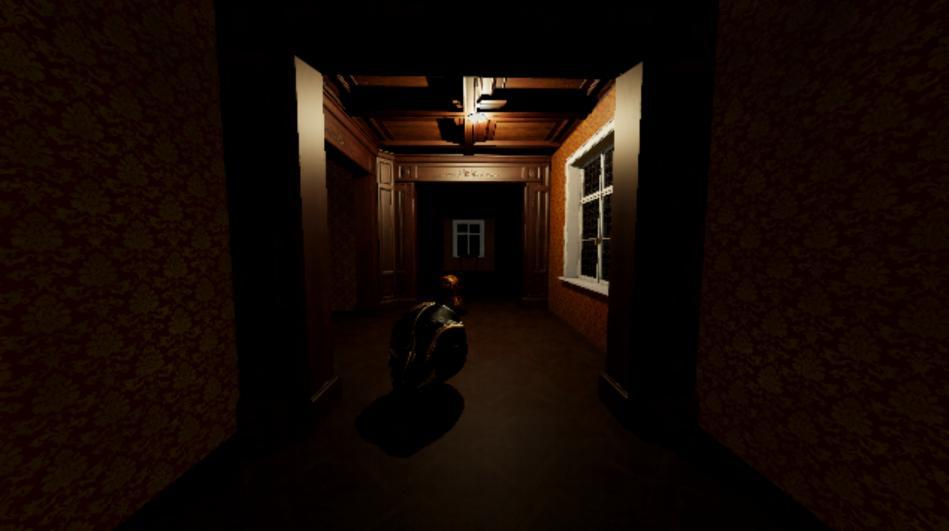
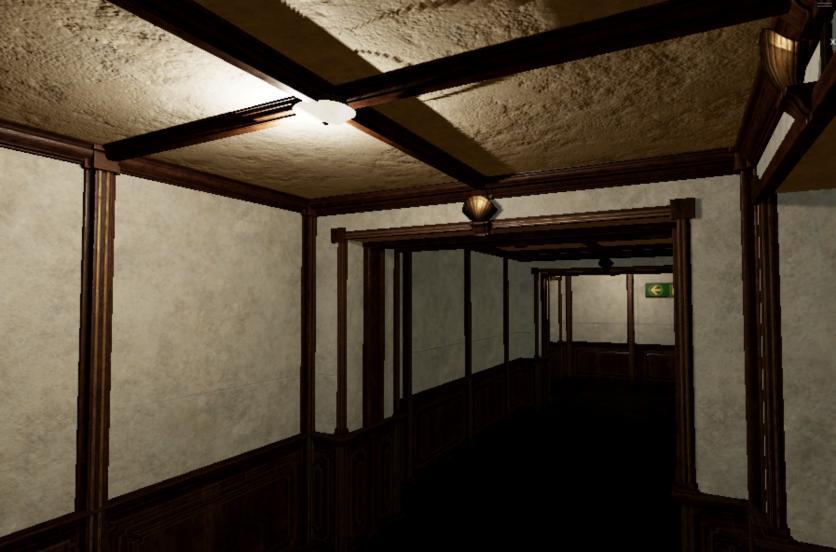
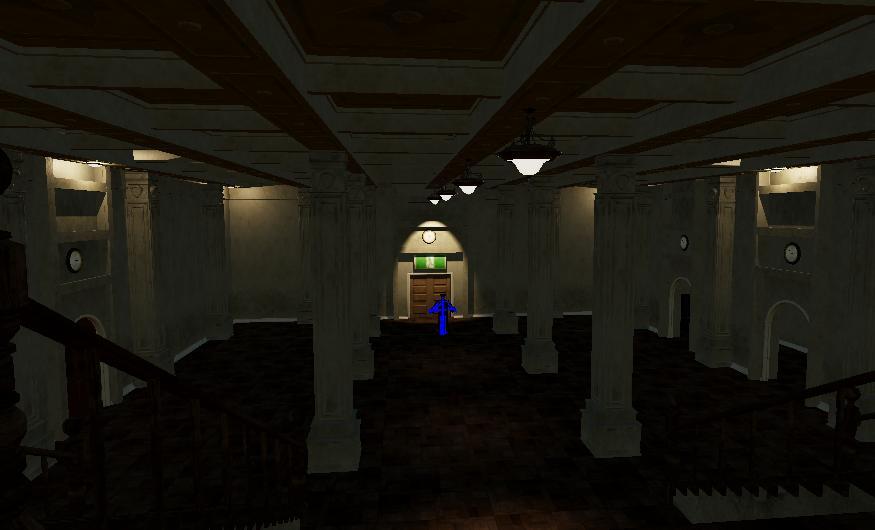
The game's scenes are coherent and connected, consisting of many rooms and corridors. Players have numerous possible exploration routes. The lighting in the scenes is generally dim to enhance the feeling of horror, but certain areas are intentionally made brighter for gameplay considerations.
●Collectible Elements
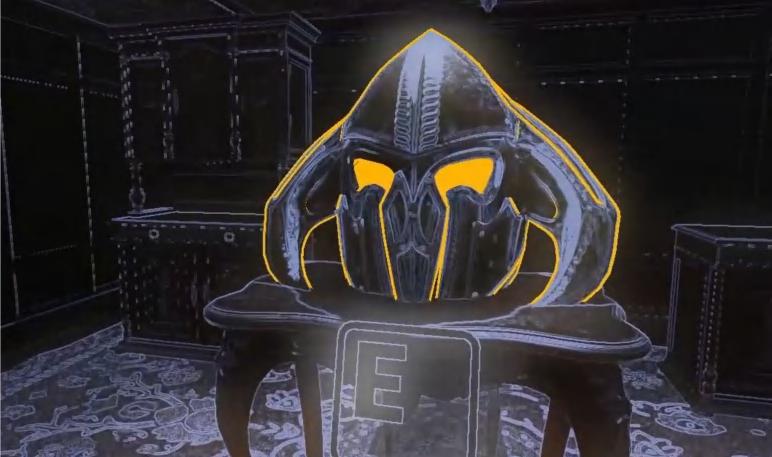
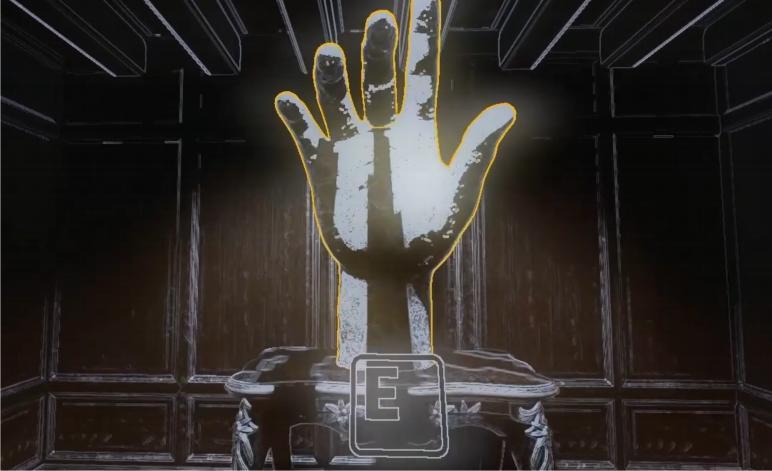
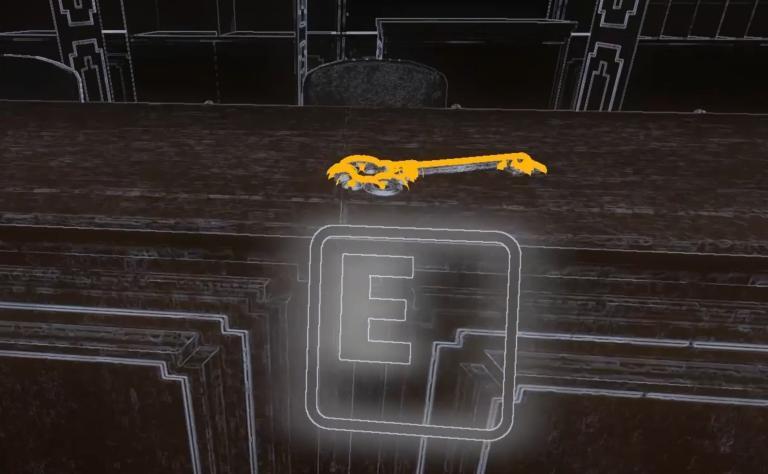
Players need to find certain collectibles to progress in the game, and these items are highlighted. (Models are from Sketchfab. Modification in Houdini to meet the requirements for use.)
●Puzzle Elements
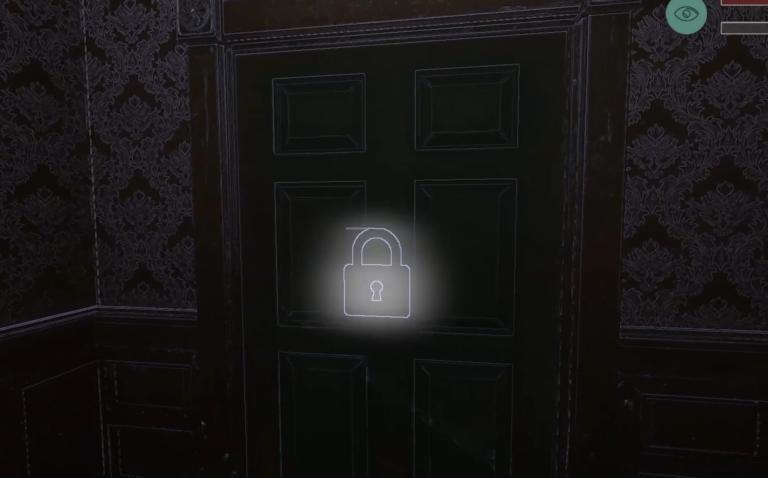
Locked doors and hidden keys are classic puzzle mechanisms in this game. Moreover, the escape method in level 2 and the solution to the levers and statues puzzle in level 3 require thoughtful consideration by the players.
●Level Design
The game's three levels progressively increase in difficulty, with maps becoming larger and more complex, featuring more collectibles and puzzle elements, as well as more enemies. After few revisions and attempts, it creates an ideal player progression curve. In each level, players learn something new and experience new mechanics.

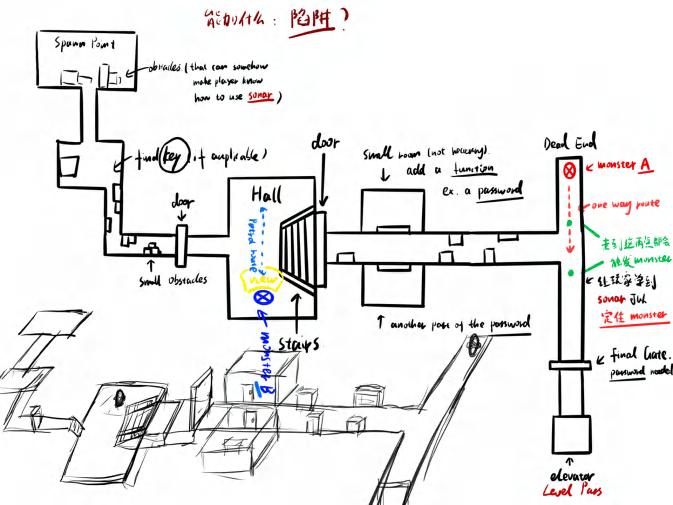
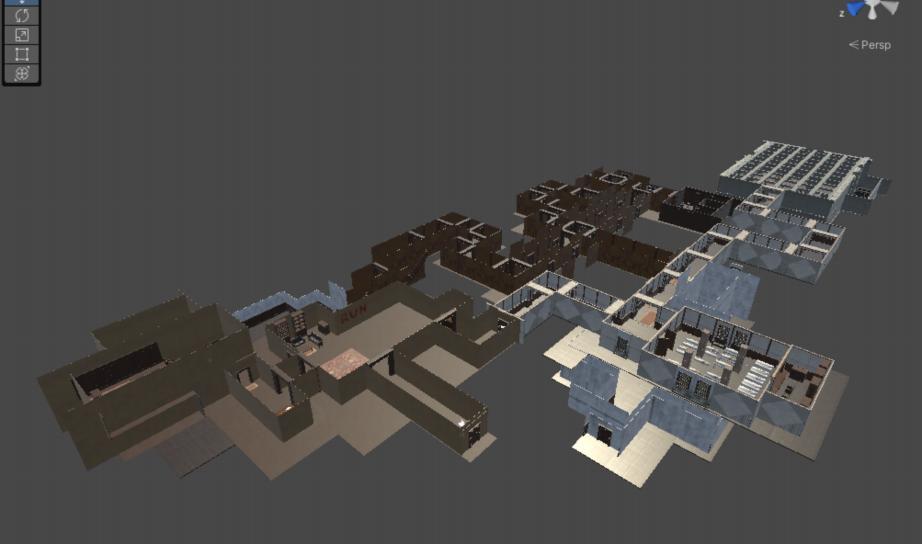
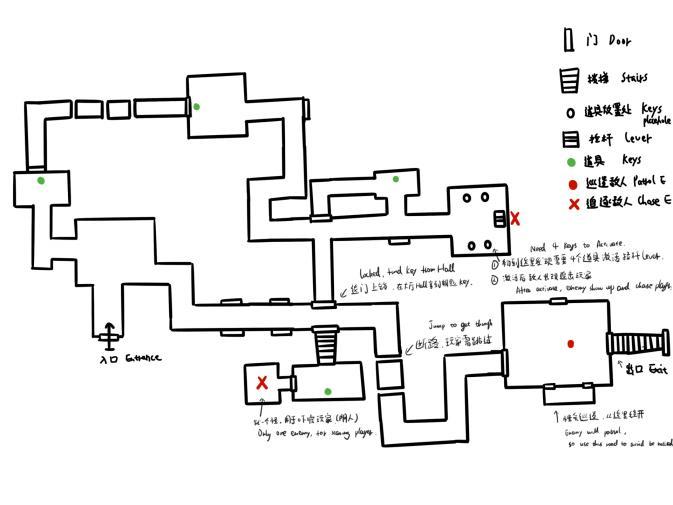
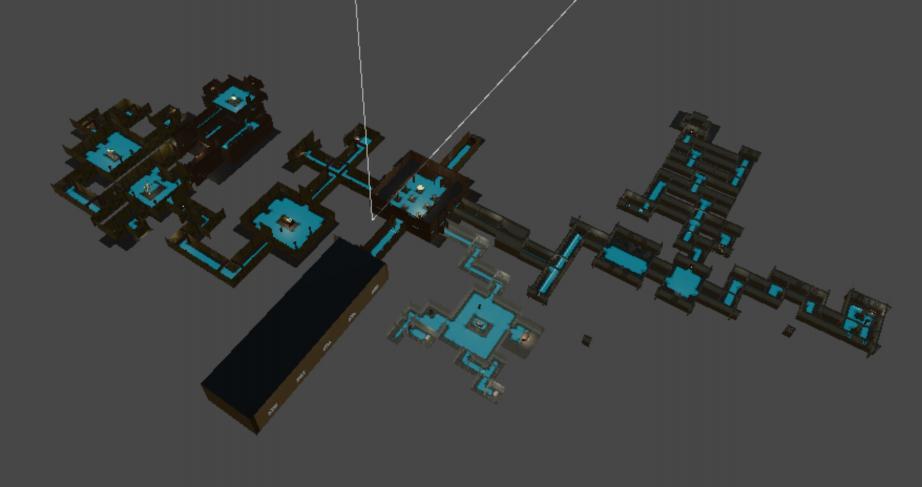
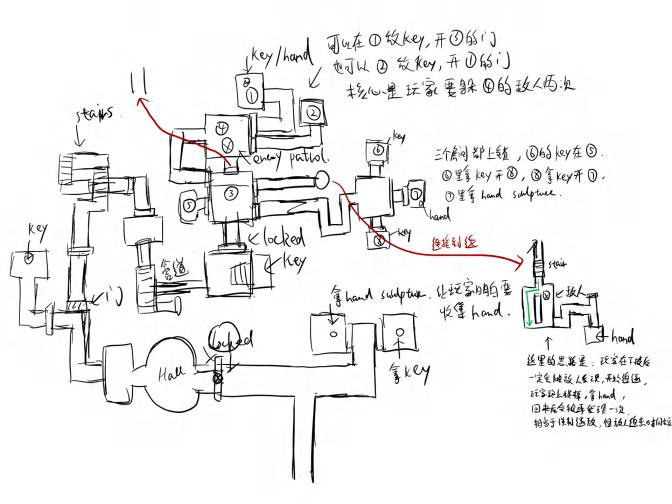
●Enemy Design
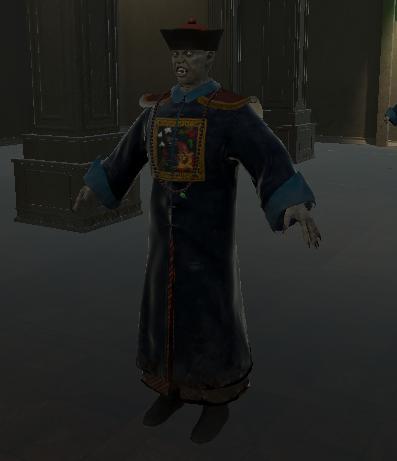
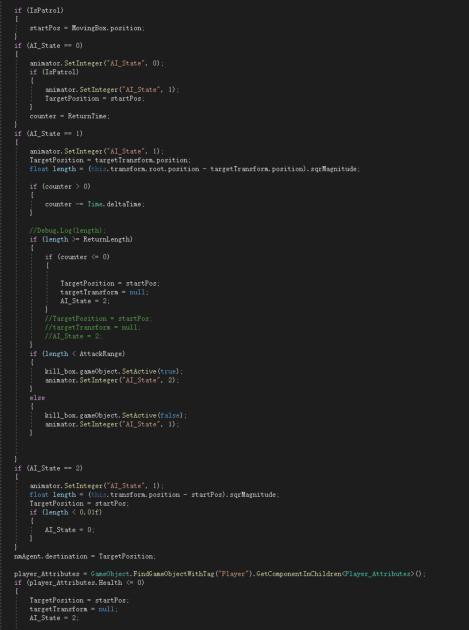
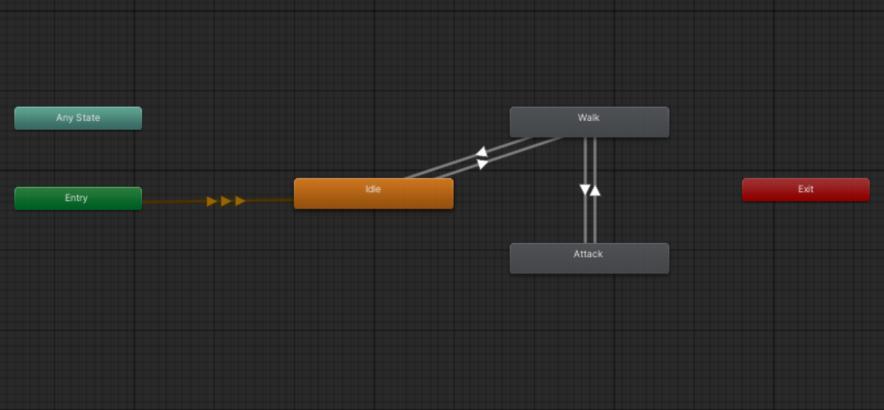
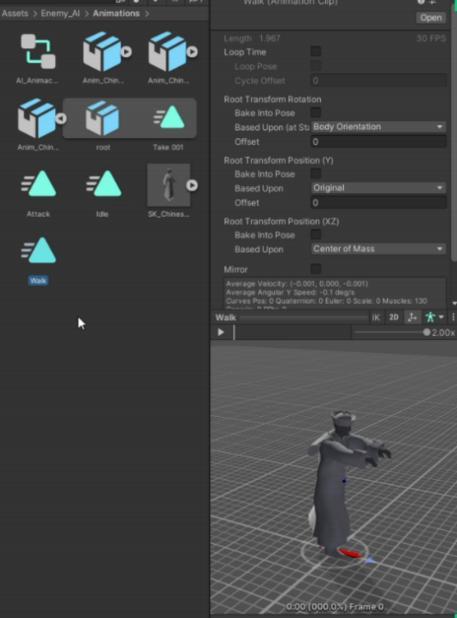
The enemies have customized animations and AI system capable of patrolling, detecting players, attacking, chasing, and pathfinding. The enemies' attributes (speed, damage values), attack desire, distribution locations, and numbers have been adjusted and improved multiple times, resulting in a reasonably challenging difficulty.
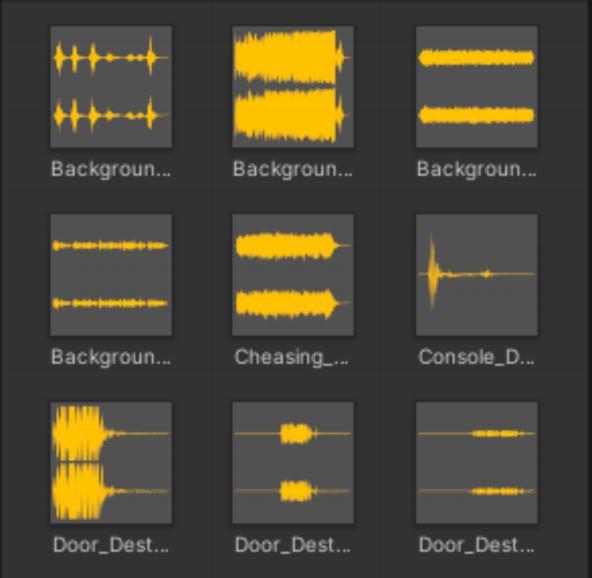
●Sound Effects
The game is fully covered with various sound effects (from Aigei sounds site), for enhancing positive play feedback and immersion.
7
[Level 1]
[Level 2]
[Level 3]
[Level 1 draft]
[Level 2 draft]
[Level 3 draft]
Visual Design
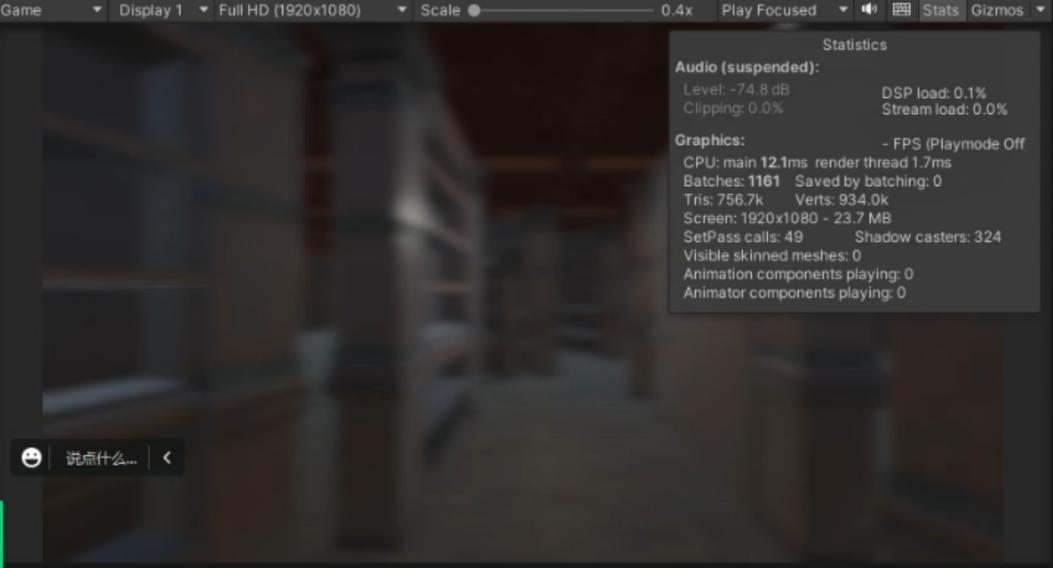
●Visual Impairment Effect
(Blur Effect + Low Brightness)
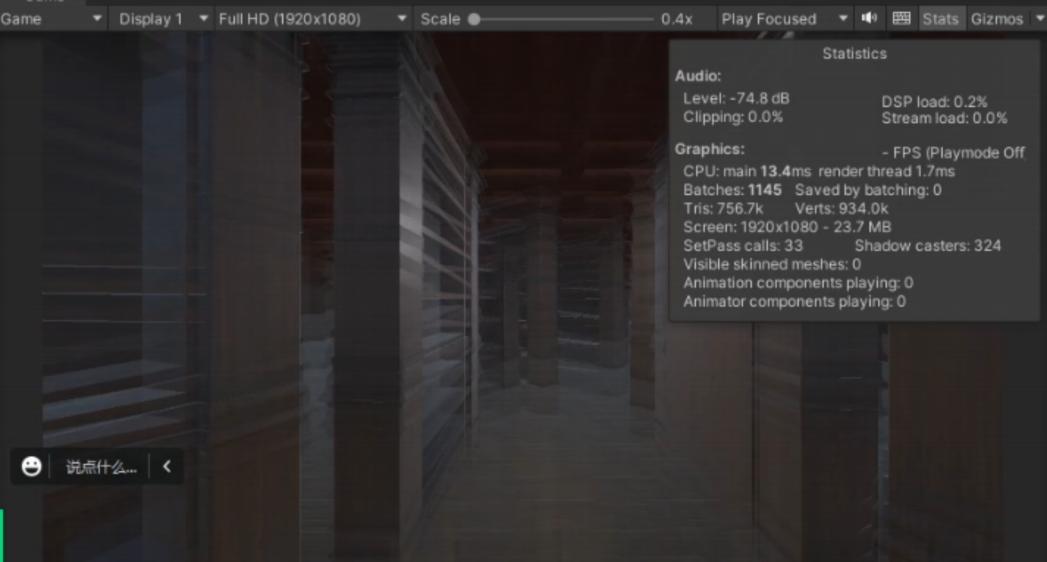
Using a shader based on the principle of Gaussian blur effect to do real-time rendering to achieve it.
Using a command buffer to centrally control the effects in the camera view.
Reducing resolution with downsampling function to reduce performance consumption
Adding Iteration →
●
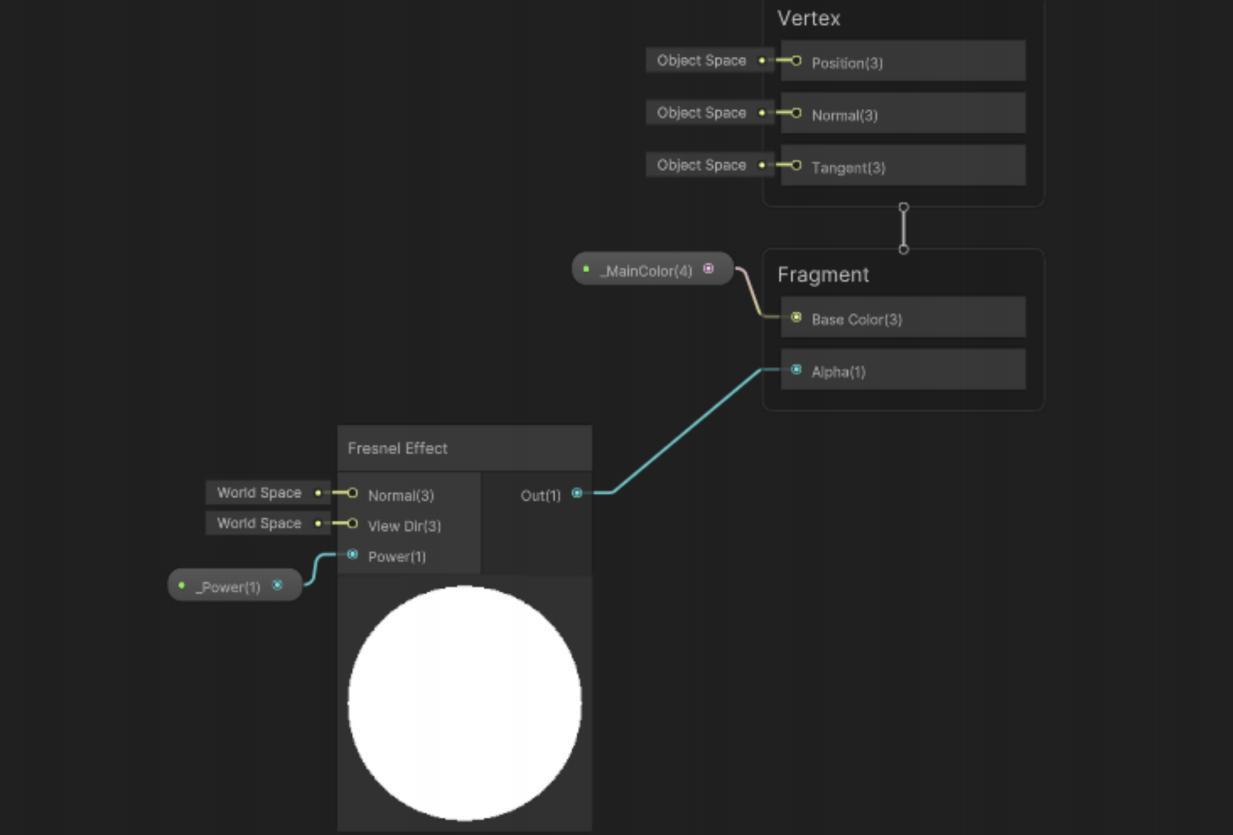
Helmet Hologram Effect
This is used to hint players to the presence of key game items and to understand the main objectives of the levels. It is created using Unity Shader Graph, it is based on the Fresnel effect.

●Scanning Effect
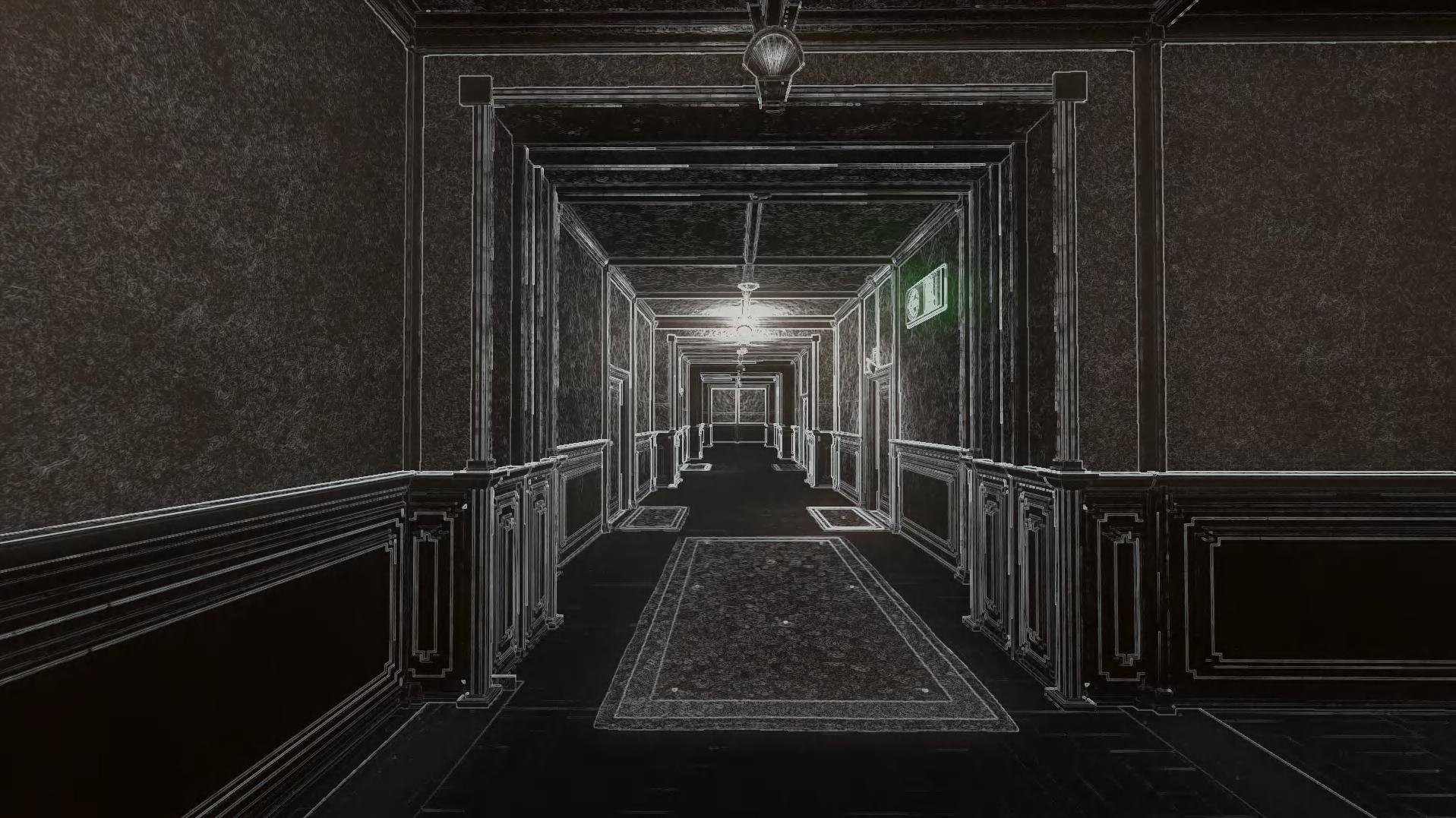
The principle is: integrate the effect of the shader on a ball, and give the ball an animation that keeps expanding outward. When the player presses the button, the animated ball will be generated, the player will see the processed effect. Since the ball is constantly expanding, it will looks like a scanning effect from the player's perspective.
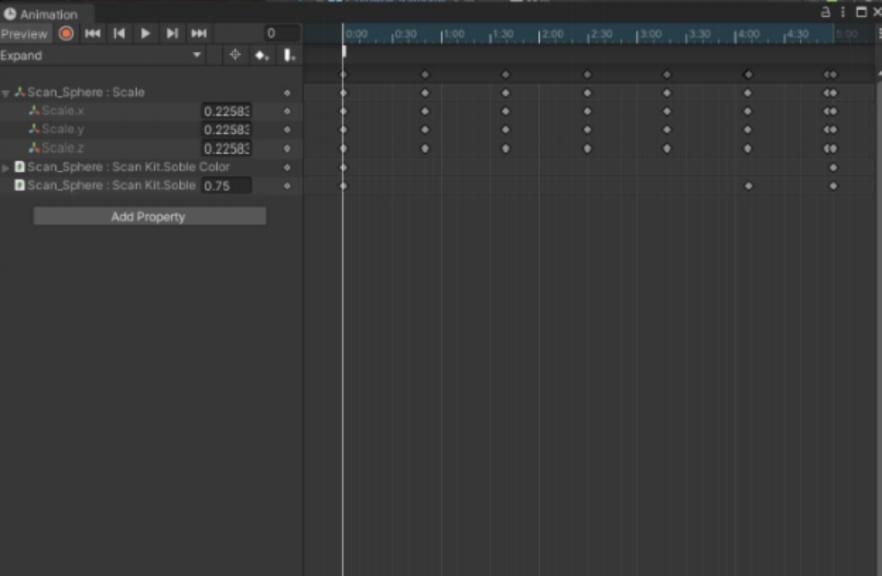
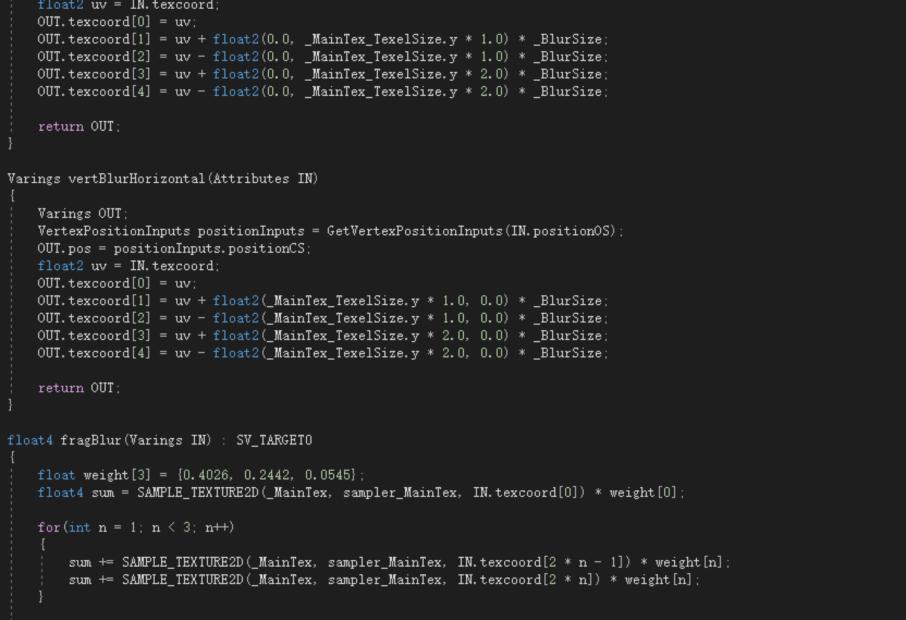
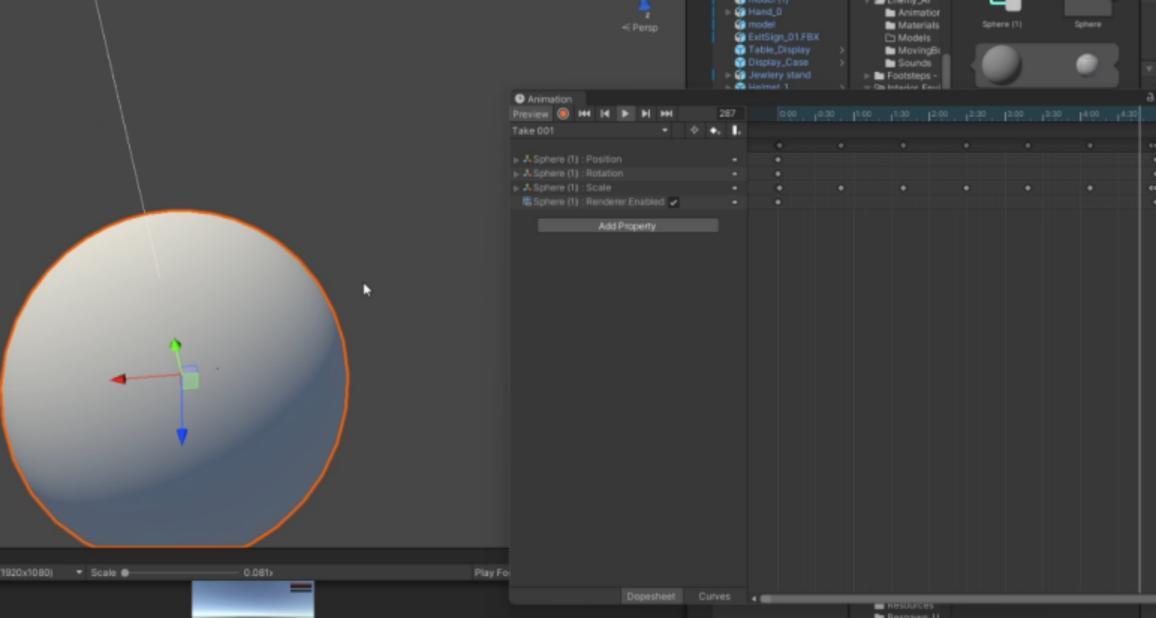
Using edge stroke/detection algorithm with multiple adjustments to make the scanning shader. Adding a color shift effect to the animation to achieve a smoother visual experience.
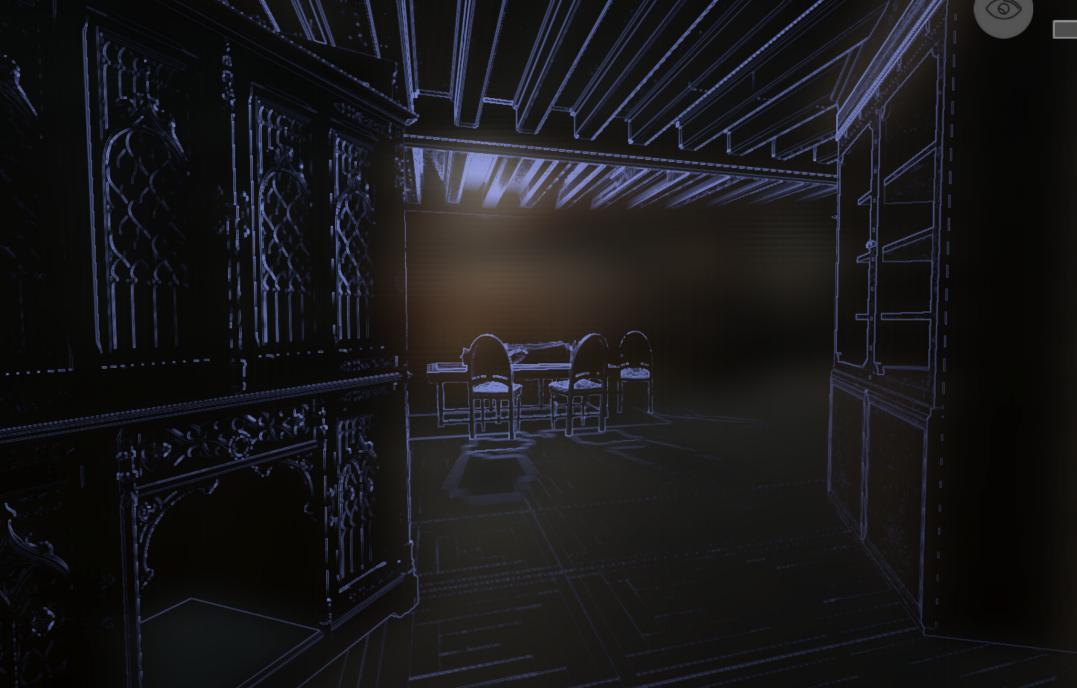
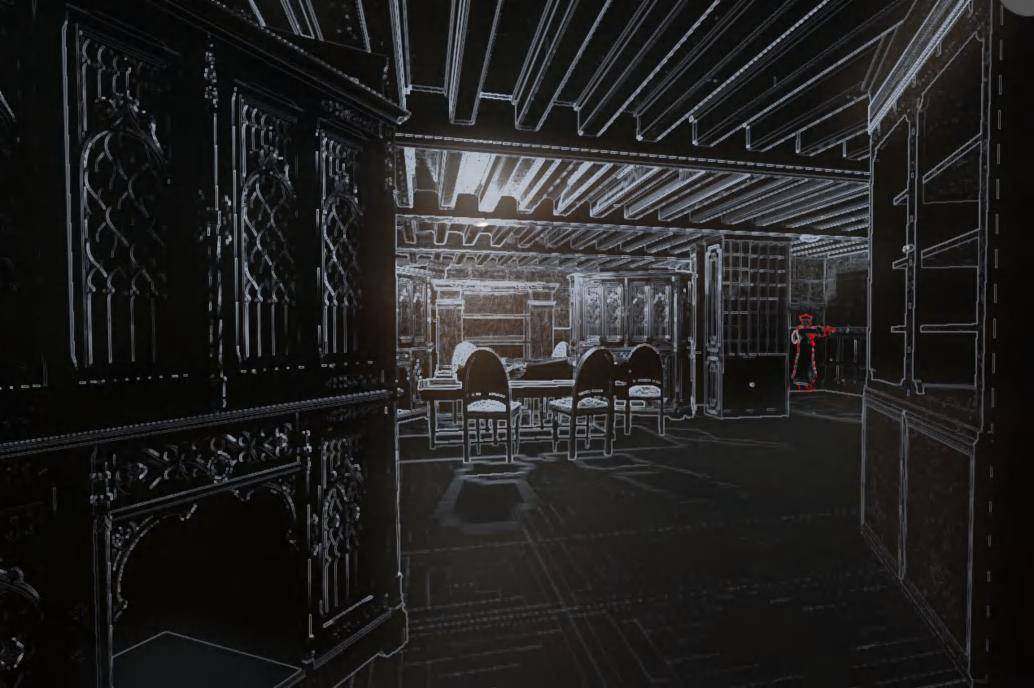
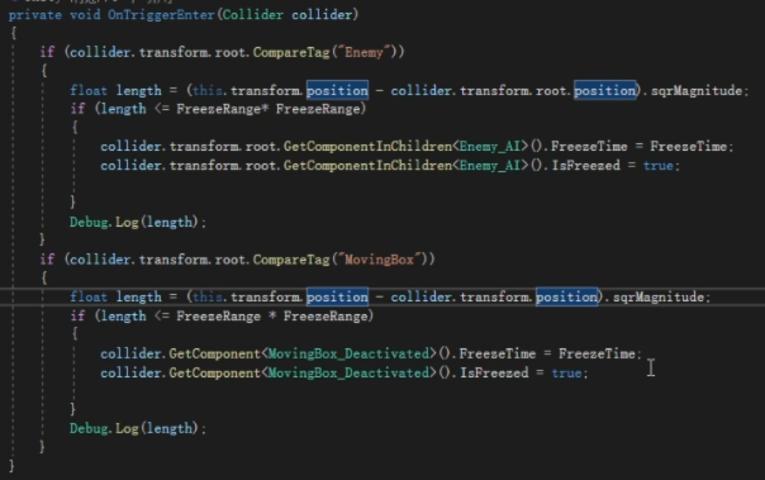
The scanning feature also has the ability to freeze enemies, so when an enemy collides the sphere, its Navigation agent and animation will pause.
●Model Resources
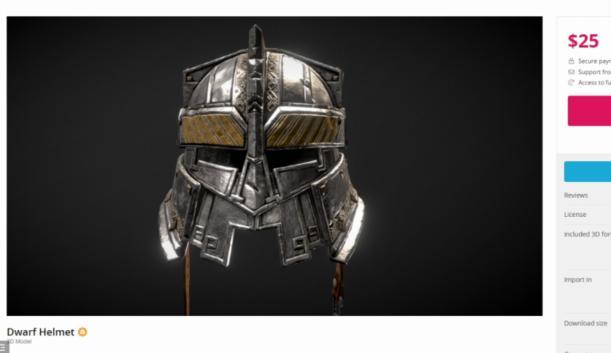
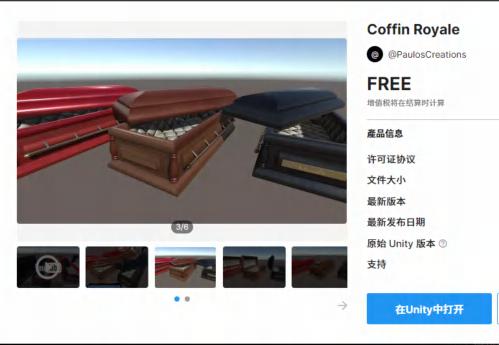
All models used in the game come from licensed sources, including Sketchfab and Unity Assets Store.
8
Iterations ●Limited Field of View Distances
-an enhancement to the visual impairment effect.
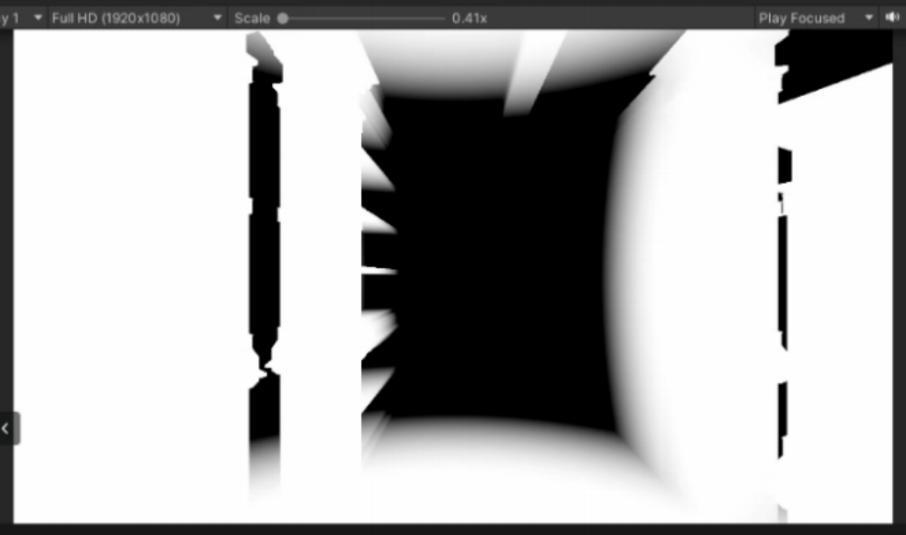
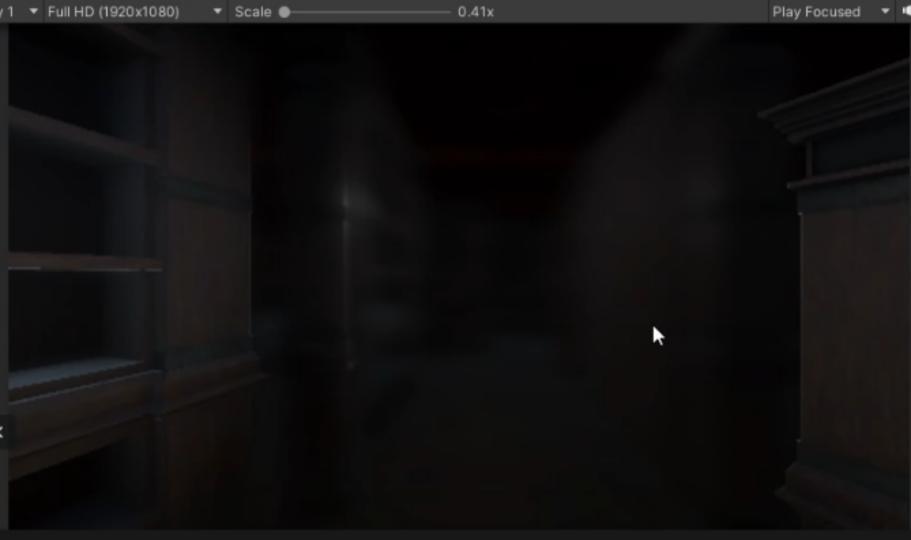
First I wanted to try to allow the player to be able to see just a little bit of distance in front of them. Using a new shader to mixing/blend both pre-render(souce image) and post-render(blur) images.
Using depth mapping + smoothstep(hlsl function), add this function into shader to control the visible distance of the player.
However, this feature conflicted with the scanning effect, so I ended up abandoning it in favor of just simply adjusting the brightness.
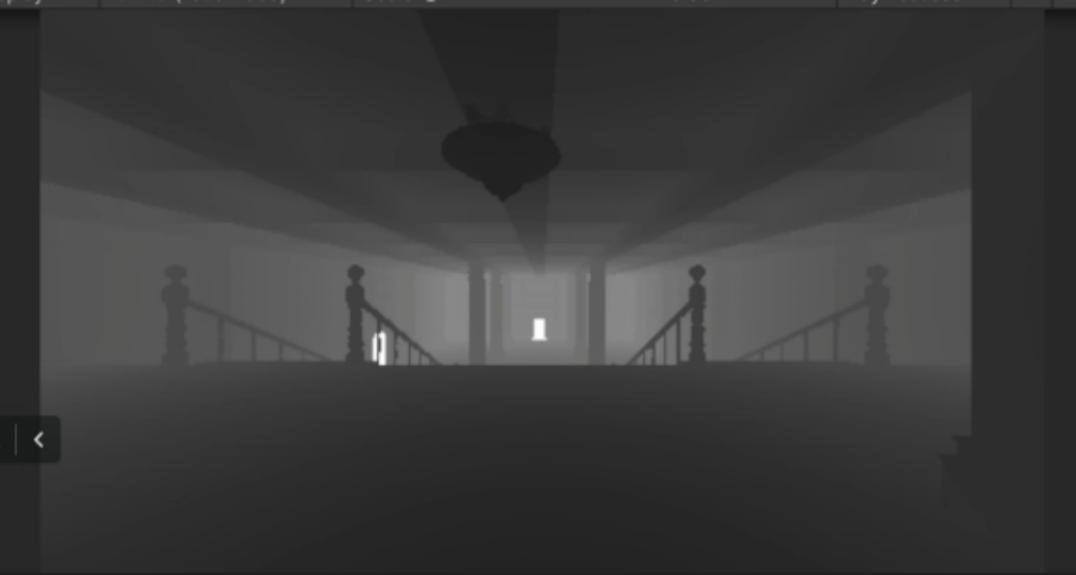

[Some other effects I tried with this function]
●Abandon Volumetric Light Effect
I tried to add reflection probe to the scene, add spot light and open volume Light shader to test the light effect.
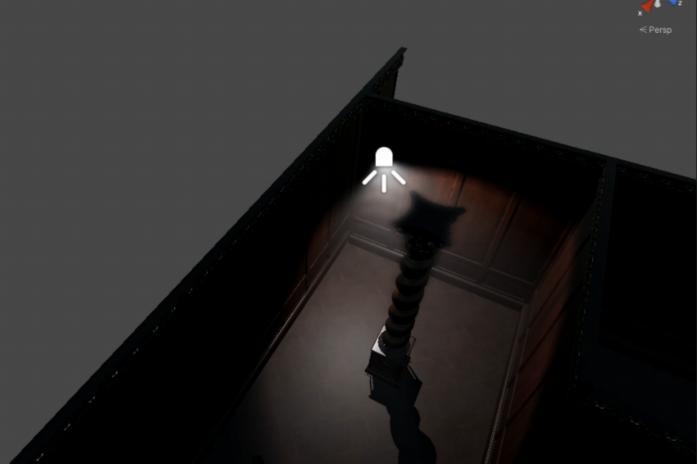
●Attempts at Scanning Effect
I tried this with edge stroke/detection algorithm(a common method), and it did work. However, the default setting requires a large number of light sources and high brightness in the scenes to achieve satisfactory visual effects, which is something unacceptable to this game.
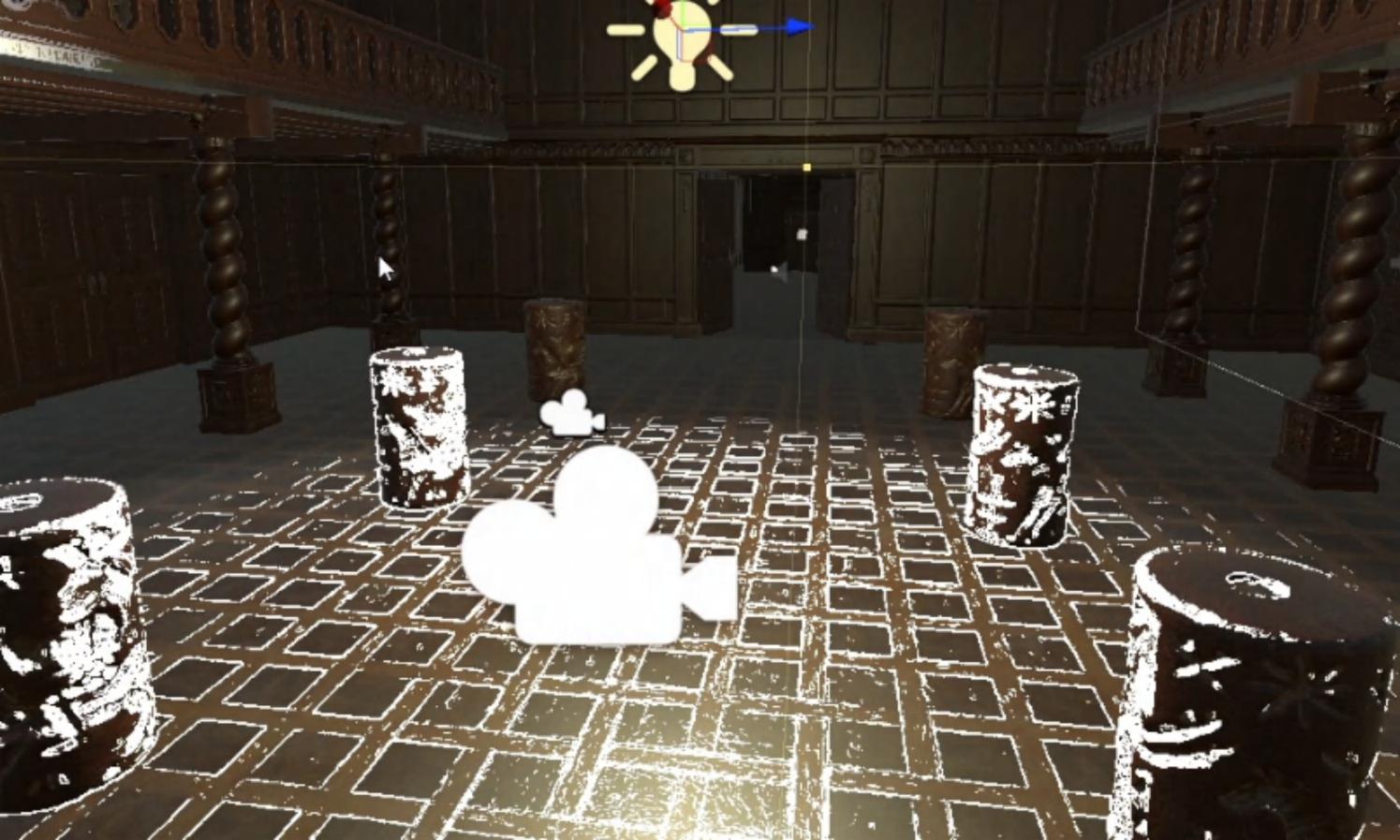
[This effect only occurs with a light source]
I tried to make it calculate based on depth, colors or model's surface, but that didn't work either.
The viable method is to calculate both luminance and edge simultaneously, and increase the weighting of the edge.
(This approach allows the shader not to depend on the light sources too much but to render the edges of objects more prominently)
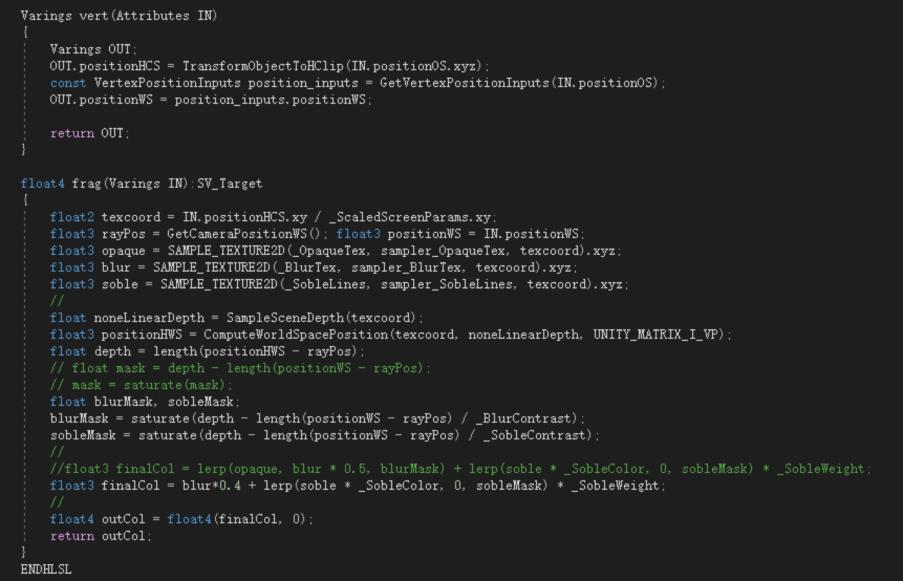
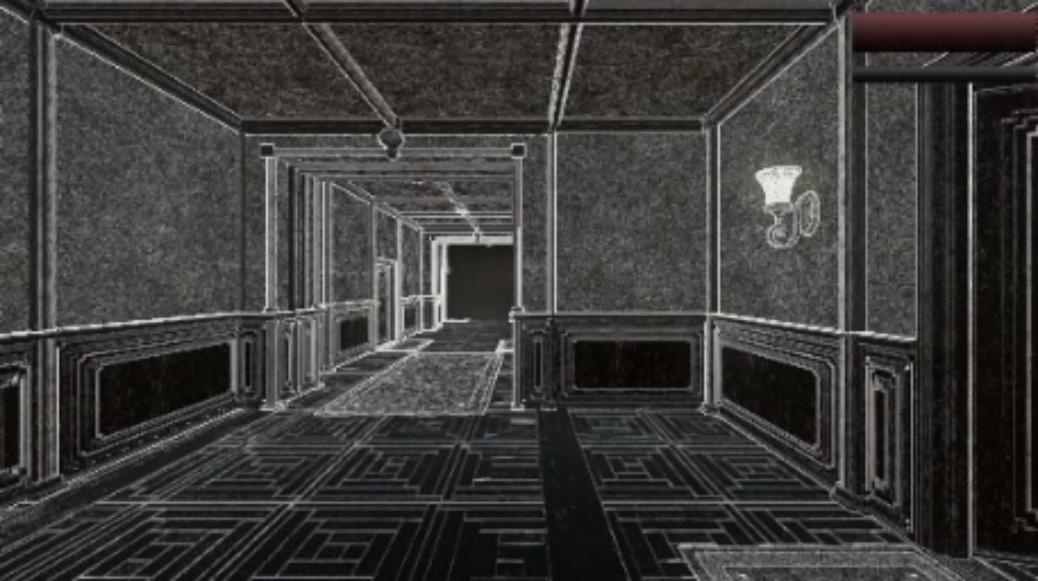
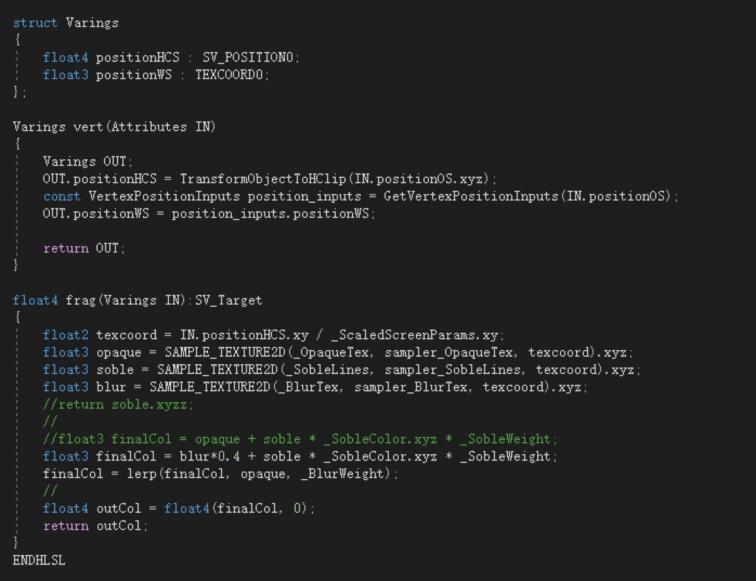
The result is stunning. The realism and lighting effects of the game's visuals have been greatly enhanced.
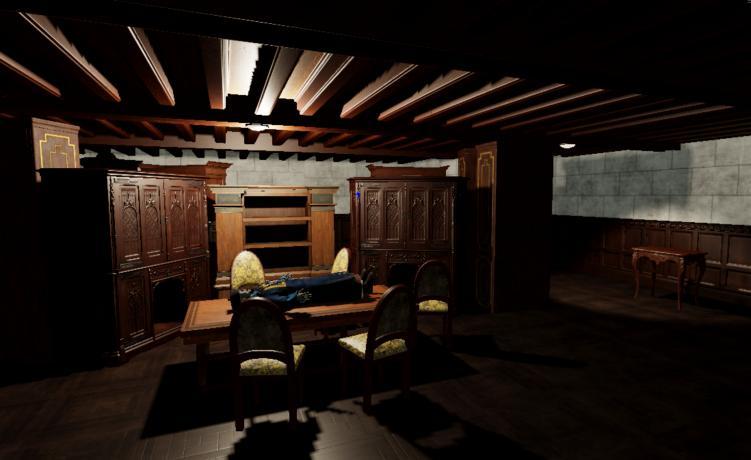
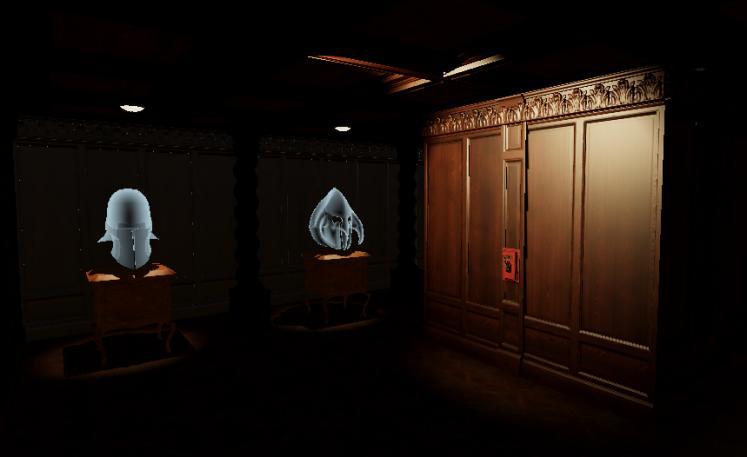
[The effect of adding volumetric light]
However, this feature made the dark areas in the game scenes even darker, necessitating the addition of more light sources.
Also, this feature affected the performance of my scanning shader, resulting in poorer scanning effects in the dark areas of the scenes. And this feature is a bit incompatible with other shaders and causing bugs.
I finally decided to quit using it.
9
Player Guidance Improvements
○ Phase 1:
The entire game had no guidance system.
Outcome: After testing, this gameplay experience was not satisfactory, and two players even took a while to realize the existence of the scanning function.
Feedback
Alex
○ Phase 2:
○ Phase 3:
Added some papers that can be found in the game to serve as hints.
Outcome: The usage of these items was lower than I expected.
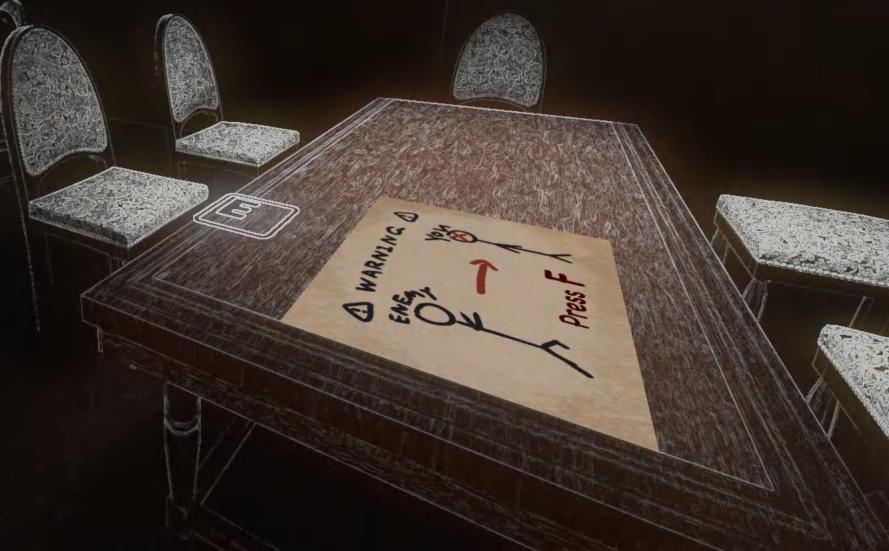
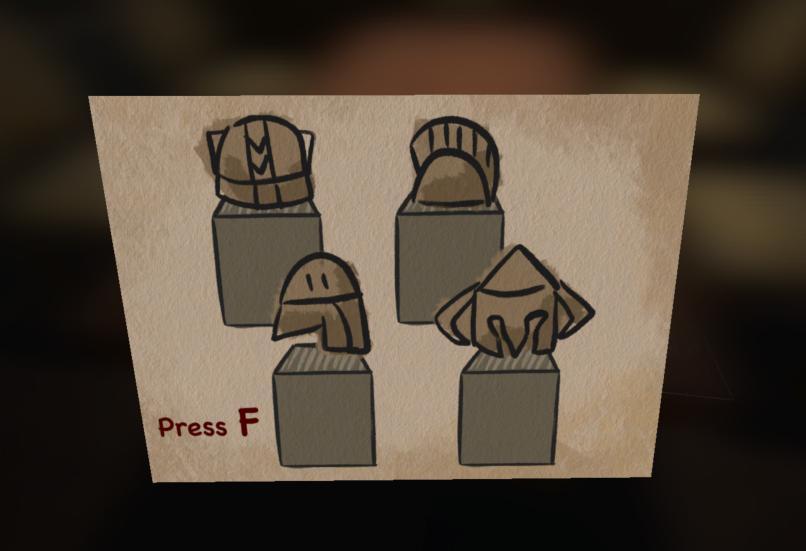
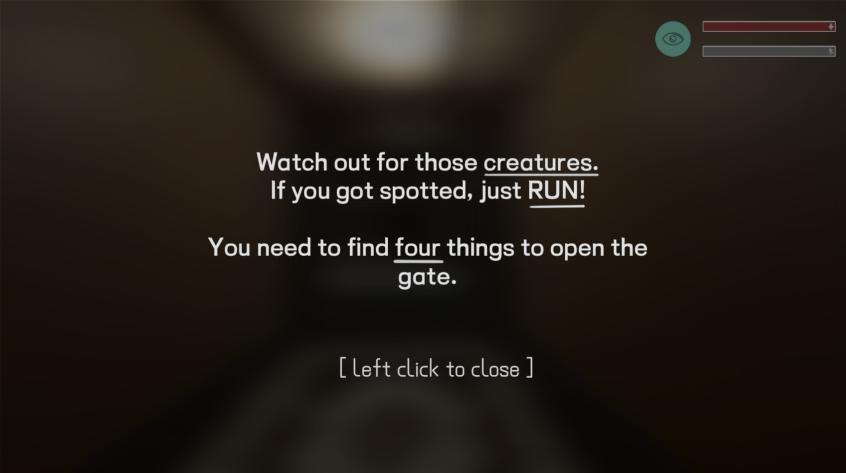
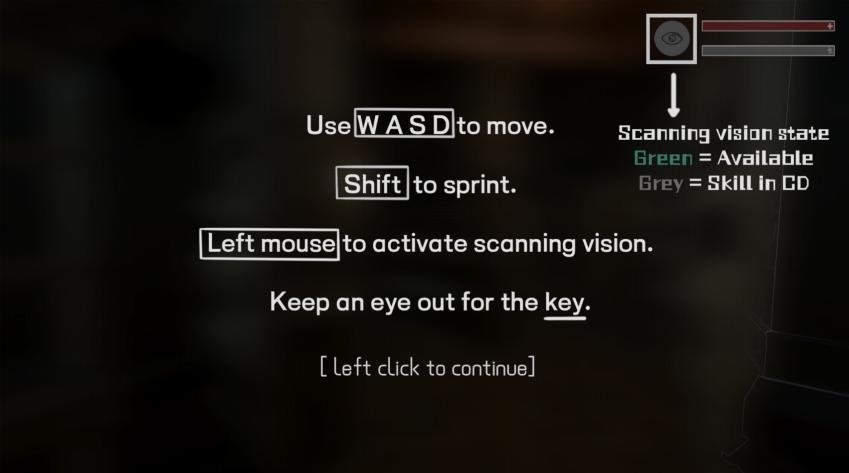
Added a guidance system implemented through UI, which intuitively informs players of the game controls, mechanics, and objectives in a textual manner.
Outcome: After testing, the difficulty and learning curve for new players are more reasonable.
●UI Design Improvements
1.The old UI system was very basic, offering only simple displays for the player's health and stamina, and it did not quite fit with the game's artistic style.

2.After redesigning, the new UI adopts a flat design and has reduced transparency, allowing it to better integrate into the game visuals and not distract the player's attention.
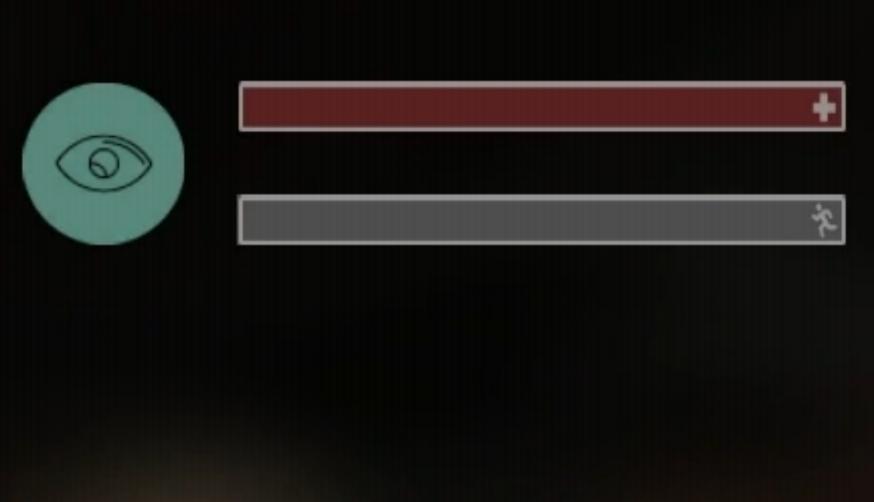

David
I appreciate how you made each enemy have a unique freezing effect when scanned, adding strategic depth to combat. However, I also noticed that once you get used to the enemies' behavior patterns, the game becomes relatively easy. I suggest introducing some randomness in enemy behavior or new types of enemies to maintain the game's challenge. I really enjoy the creativity you've implemented in level design and map routes. Each level has its unique challenges, which keeps the game feeling fresh.
Diversity: Perhaps introducing moving platforms or temporary shelters in the environment could offer more strategic options to players.
Exploratory: Perhaps introducing more hidden routes or secret areas could encourage players to explore more.
Guidance: Maybe designing more distinct landmarks or providing visual cues at key junctions could help players navigate better.
Elsa Utilizing the scanning mechanism to solve puzzles is a very unique concept.

3.A new UI components have been added to alert players to the status of the scanning function.

However, I feel the game has the potential to delve deeper into its puzzles. I believe integrating multi-stage puzzles that require players to complete a series of tasks to unlock the final puzzle could greatly enrich the game's depth and complexity.
Ely Overall, this is a visually impressive game. The scanning effect and object outlining give the game world a very distinct feel.
But I've noticed that in some particularly bright or dark areas, the effects can sometimes become distorted. I suggest optimizing the lighting effects to ensure consistent visual quality across all environments.
Additionally, perhaps consider adding some customization settings to allow players to adjust their own visual experience.
●
10



Fantasies Crafted Fantasies Crafted

This is a tabletop game designed for everyone to collaboratively create a fantasy story. Players take turns to create and share story plots, enjoying brainstorming and intense discussions. The game experience is enriched with elements of team cooperation, player confrontation, and identity recognition.
The objective of the game is for players to narrate the story's ending according to the Ending Cards dealt to them.
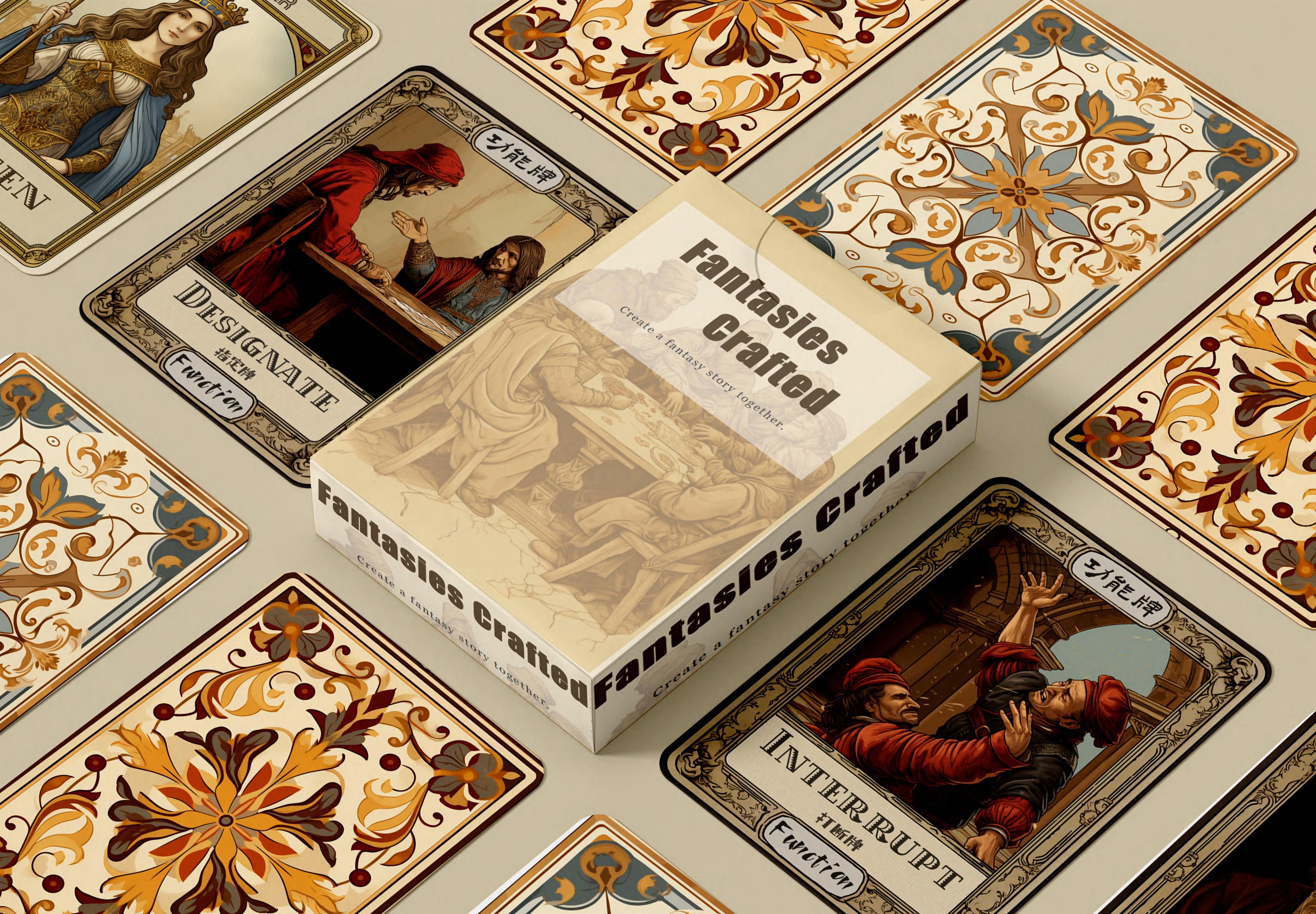
Identity Recognition/ Concealment
Social Deduction Elements
Interaction/ Communication
Cooperation/ Confrontation
Storytelling/ Party game
Creativity/ Imagination
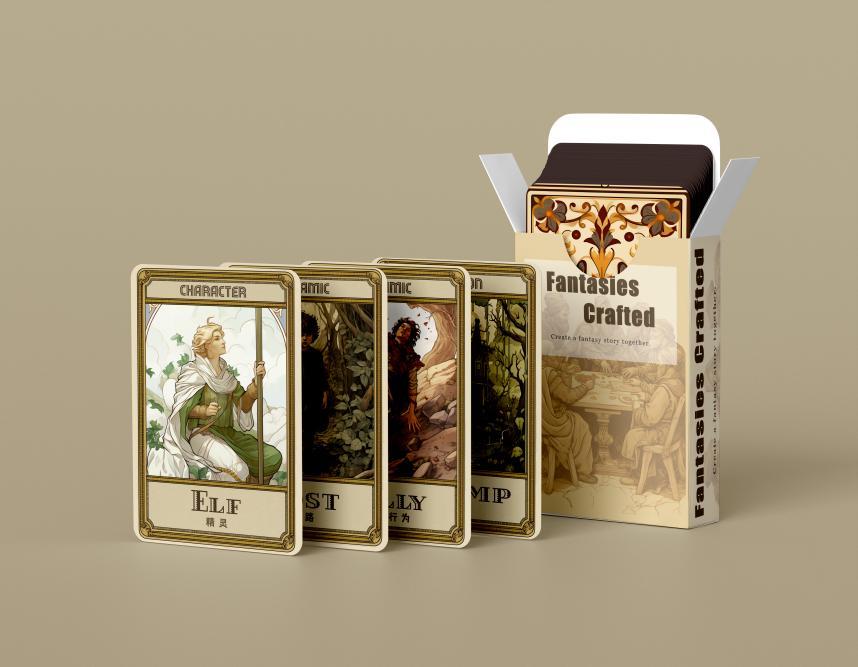
Personal Project made with 2023
Non-commercial Use 11
Reference Concept
●”Once Upon a Time”
-- Creating Stories
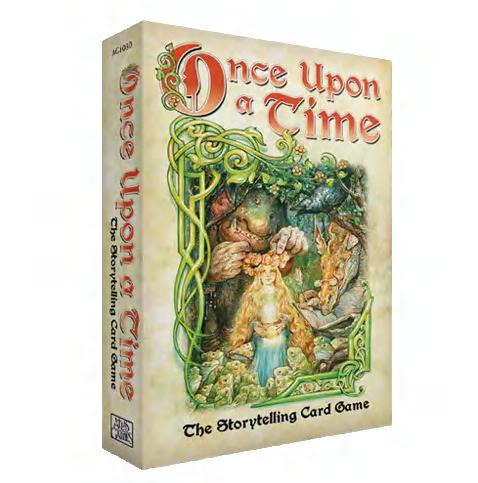
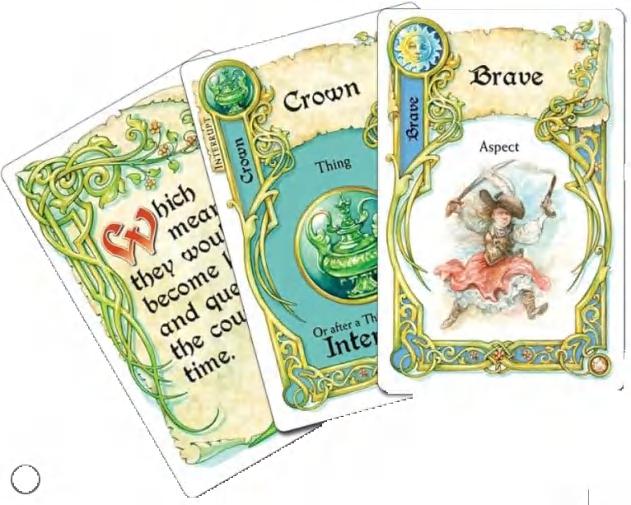
It is a stroytelling card game that encourages creativity and collaborative play. Players create a story together using cards showing typical elements from fairytales.
The objective of the game is to be the first to use up all the cards in hand and narrate one's own ending to conclude the story, thus winning the game. Players take turns to tell the story, using the cards in their hands to guide its progression. This game encourages creativity and spontaneous storytelling.
●“The Resistance: Avalon”
-- Teamwork/Confrontation, Secret Identity
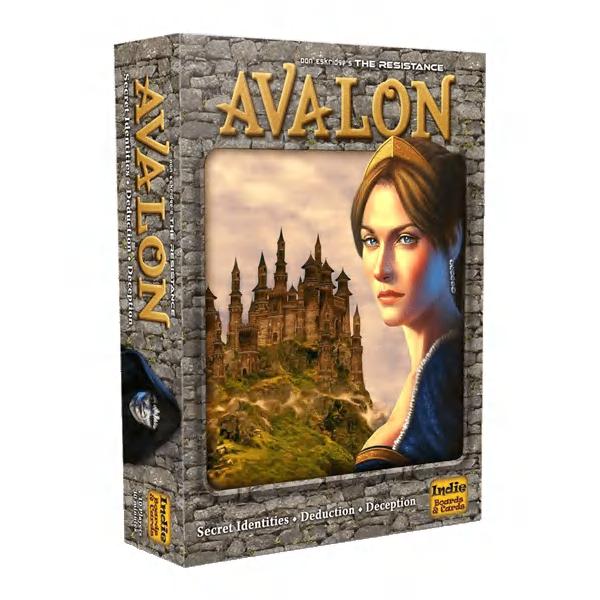

It is a social deduction game. Players must use reasoning and interaction to conceal identities, recognize others' roles, and unveil opponents to decide who will board King Arthur's train. Avalon focuses on player interaction and psychological warfare, making it a board game that combines elements of deception, strategy, secret identity, and team collaboration.
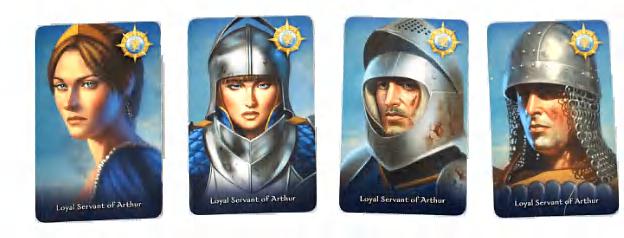
I mainly drew inspiration from these two games. (as well as others like "Werewolf" and "Dixit") Apart from the central gameplay of storytelling, my board game incorporates new elements to enrich the gameplay, mainly enhancing player interaction, making it more suitable as a party game.
●Game Features:
○ Team Confrontation/Cooperation:
With only two possible story endings on the field, the direction of the story becomes more biased. Players need to try to cooperate with teammates, which is helpful in steering the story towards their own ending.

○ Player Identity Concealment and Recognition:
Adds a layer of deception and suspicion among players, making the game more interesting. Players can choose to focus on deduction during the game, or have more interactions with other players beyond discussing the story, enhancing the fun and social aspects.

○ Free and spontaneous story creation: Player s are not limited in the direction of their storytelling. Providing both positive and negative words and endings allows the story to take various turns, and not all endings have to be happy. This encourages more active thinking, imagination, and creativity among players.
○ Increased Interactivity and Social Attributes:
Player s have more skills and techniques based on these, offering more options for actions and gameplay. Interactions among players are more diverse and enjoyable. This makes the game have more social attributes, suitable for playing as a party game.
12
Gameplay
○The game accommodates 4 - 8 players, with each session lasting about 30 minutes.
○Even number of players -- 2 Factions (one with Good Ending Cards, one with Bad Ending Cards)
○Odd number of players -- 3 Factions (wth a new faction “Outsider”)
● Game Process
●Ending Cards are distributed to each player through a mobile app.
Players from the same faction have same Ending Cards. One side will have Good Ending Cards, the other will have Bad Ending Cards. When the number of players is odd, one player will become an Outsider(Third Faction).
●All players sequentially draw 10 cards from the deck. Since Function Cards and Plot Cards are mixed in the same deck at the start of the game, players may or may not draw any Function Cards.
●The first player to draw an Ending Card begins the first turn of the game.
After playing a Plot Card, players place it at the bottom of the deck, where it can be redrawn.
After playing a Function Card, players place it in the discard pile, where it cannot be redrawn.
●This player's turn ends, and the next player clockwise begins their turn.
A player can choose to end their turn actively, or their turn may be ended by "interruption," "stop," or "challenge" actions.
At the end of each player's turn, they must draw one new card. And they may choose to discard any one card from their hand (except for Ending Cards) and then draw another card.
●When a player has used all their hand cards, they can use their Ending Card to conclude the story.
The player needs to narrate their ending that corresponds to the content of the Ending Card. If so, this player and their faction win the game.
No Function Card can be played as the last card in a player's hand.
The victory condition for “outsider” is to discern the specific factions of each player and may publicly reveal their guesses. If all guesses are correct, this player wins.
●Action Functions
(The description is incomplete. Please consult the guidebook for more information)

○ "Interruption" Action:
Players can use Interruption Card, Designation Card or Plot Card to initiate this action.
Players can use this action to interrupt the player who is currently telling the story and forcibly take the turn or give this turn to anohter, or even to render certain cards played by other players invalid.

○ "Stop" Action:
If a player hesitates and can't continue to narrate during their turn for more than 10 seconds, they will be stopped by “stop” action, meaning their turn is forcibly ended.

○ "Replacement" Action:
If a player plays a Plot Card of the same type as one in your hand, you may initiate "replacement" by using your matching card to replace theirs.

○ "Challenge" Action:
When a player is narrating a story and plays a Plot Card, any other player can initiate a "challenge," questioning the consistency between the narrated story and the content of the card; or the coherence of the story after a “replacement” action is initiated.
13
●Card Types
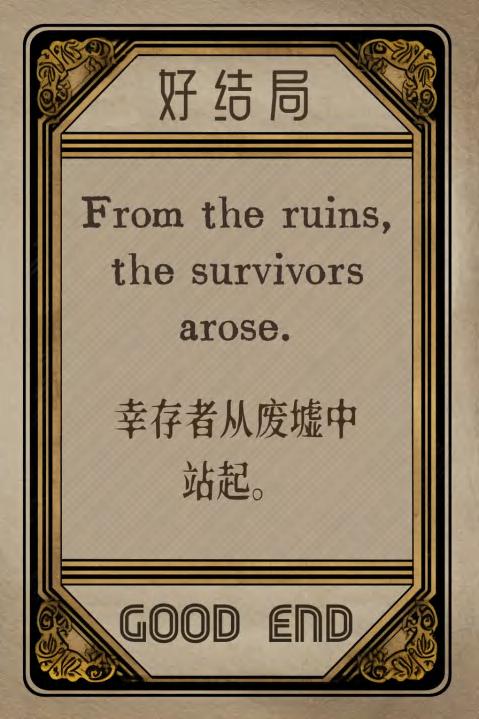
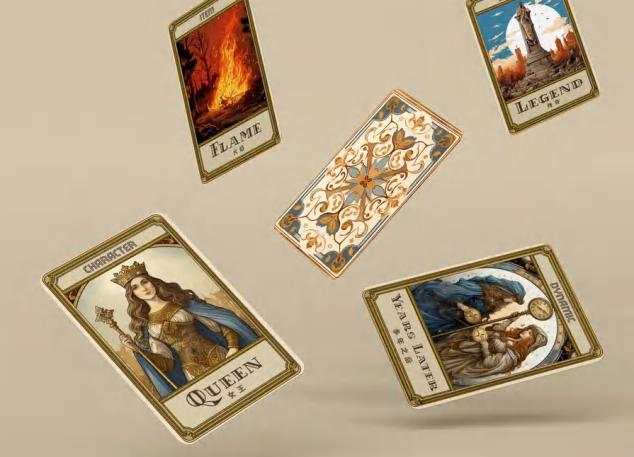
○ Ending Cards:
There are 41 different Ending Cards, including 20 Good Ending Cards, 20 Bad Ending Cards and 1 Outsider card.
Cards Display
Notice:
The artwork on the cards was completed with the assistance of MidJourney(AI) The cards are intended for learning and practicing purposes only.
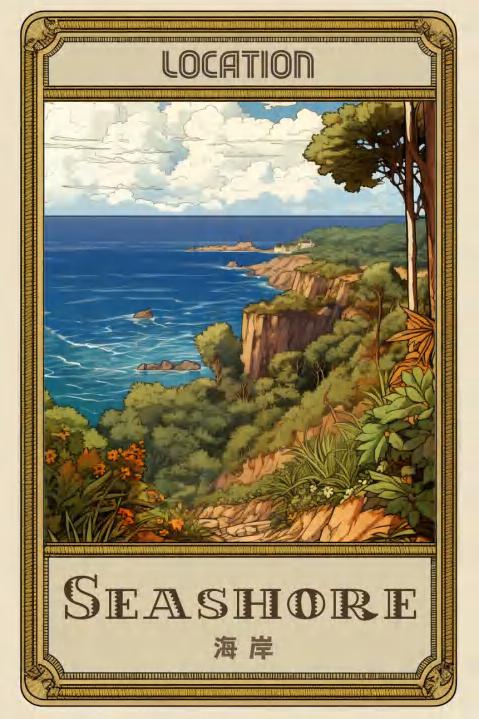
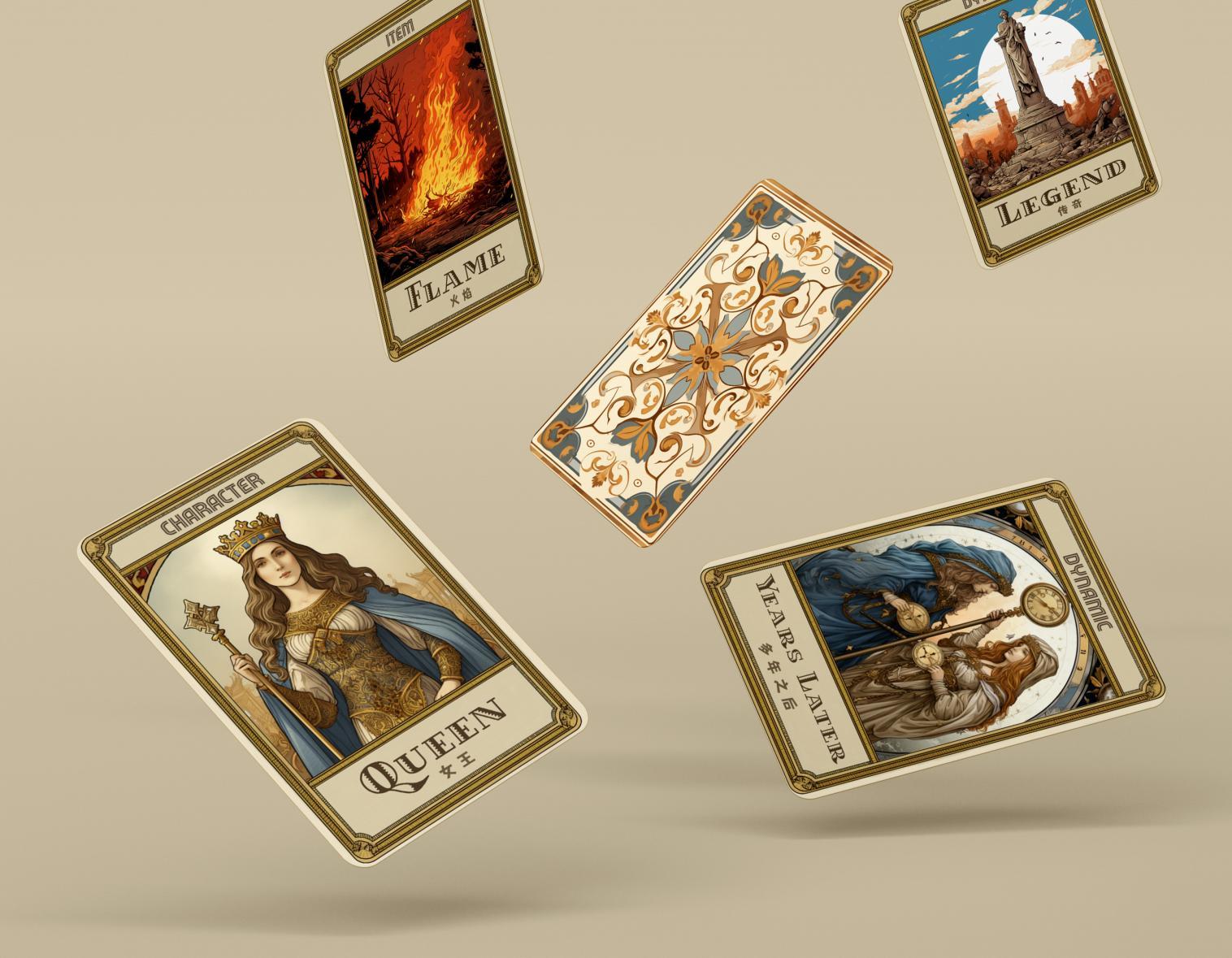
○ Plot Cards:
There are 100 different Plot Cards. Each Plot Card has a word that may appear in your story, divided into four categories:
Items: (20 total): Objects that appear in the story .
Locations: (20 total): Specific places that appear in the story .
Characters: (20 total): People, animals, or monsters that appear in the story .
Dynamics: (40 total): Descriptive words for things in the story, or possible events .
Card Function:
Each Plot Card features a word. Players should prioritize creating stories based on the Plot Cards in their hand and playing those cards. When a player plays a Plot Card, they must start to narrate the story based on the word on the card.
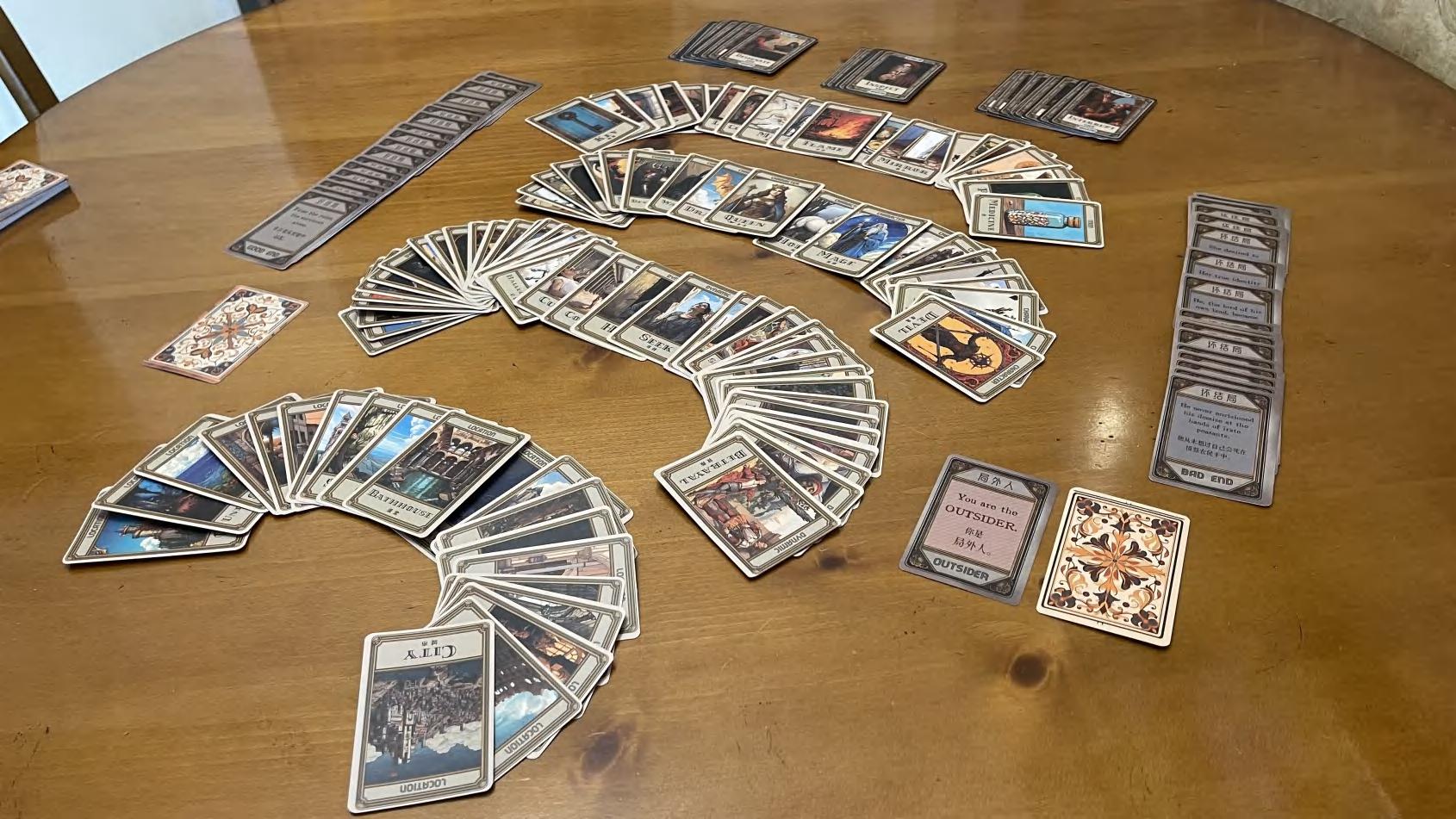
[All physical cards, 166 in total]
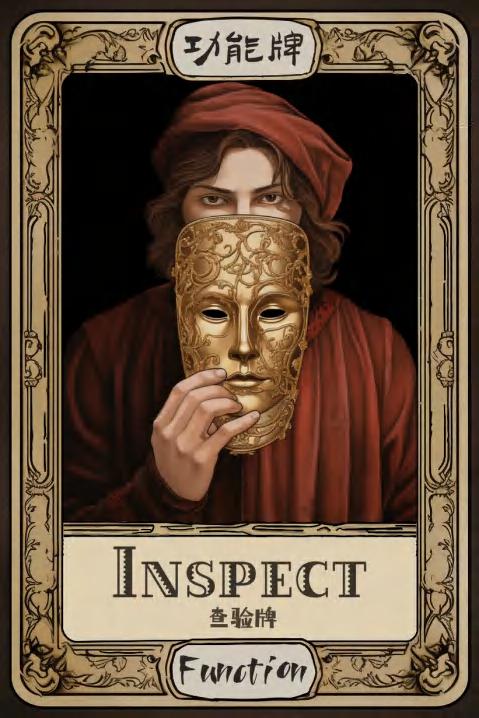
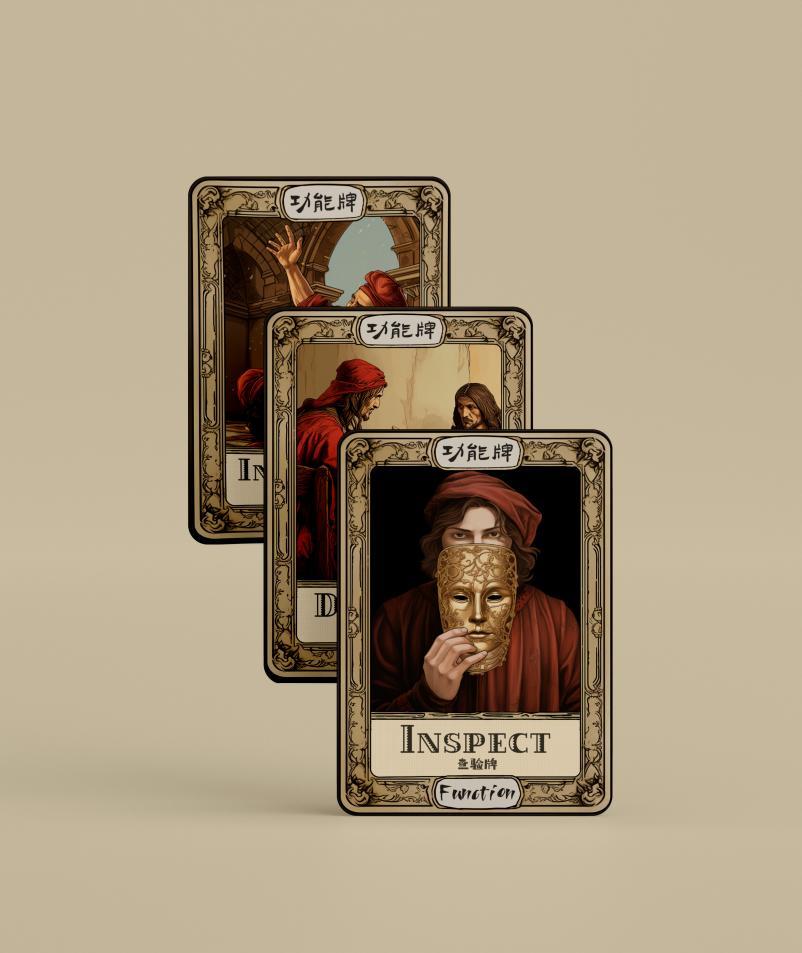
○ Function Cards:
There are 3 types of Function Cards:
Interruption Cards (10 total): interrupt the player who is currently telling the story and forcibly take the turn.
Designation Cards (10 total): Players can choose any player in the game to use this card on, and the chosen player must reveal their faction to (and only to) the player who is using the Inspection Card.
Inspection Cards (5 total): Players can choose any player in the game to use this card on, and the chosen player must reveal their faction to (and only to) the player who is using the Inspection Card.
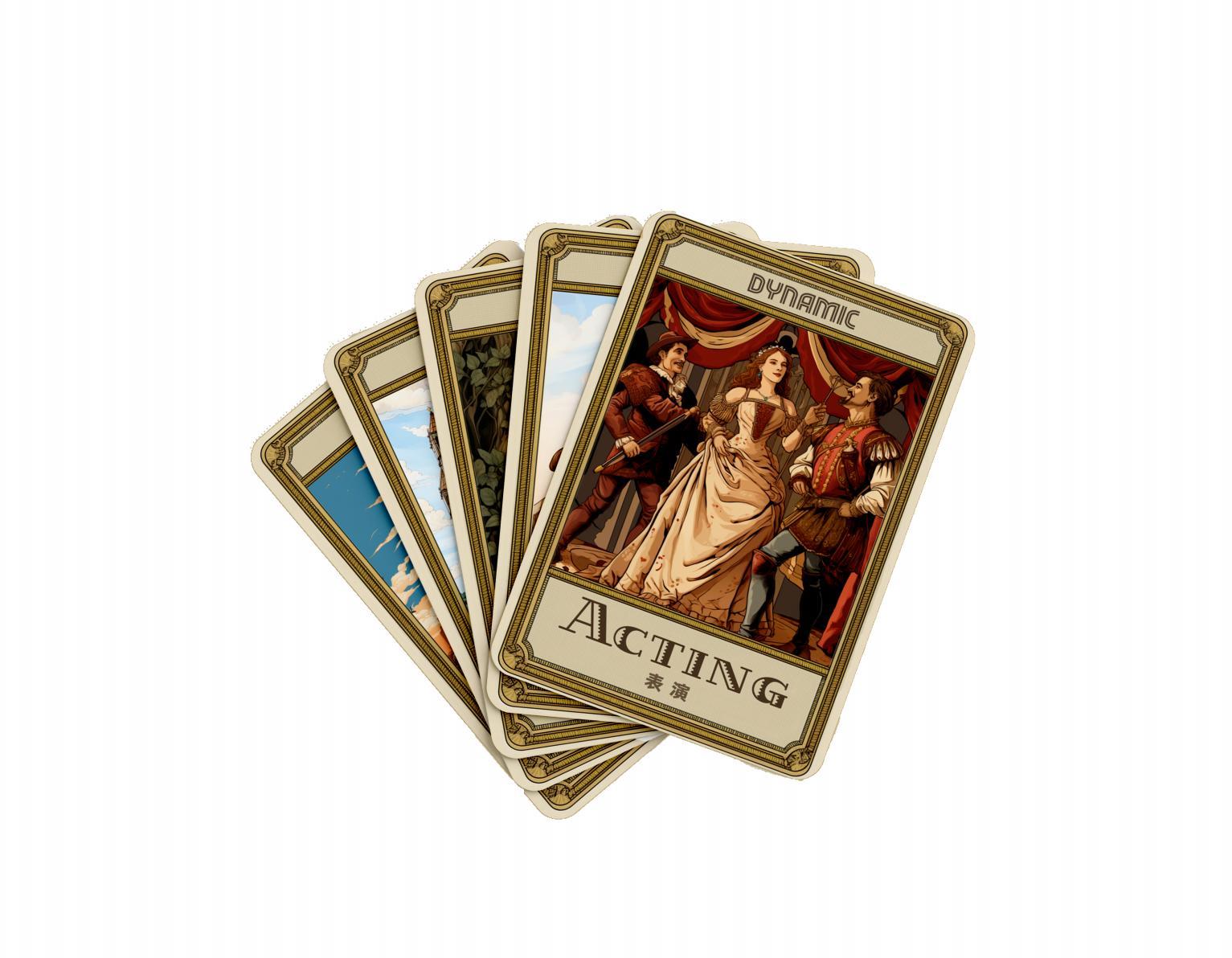
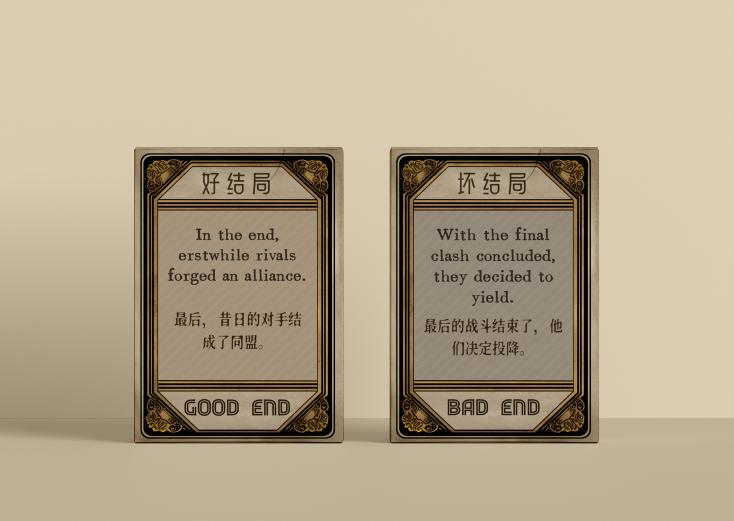
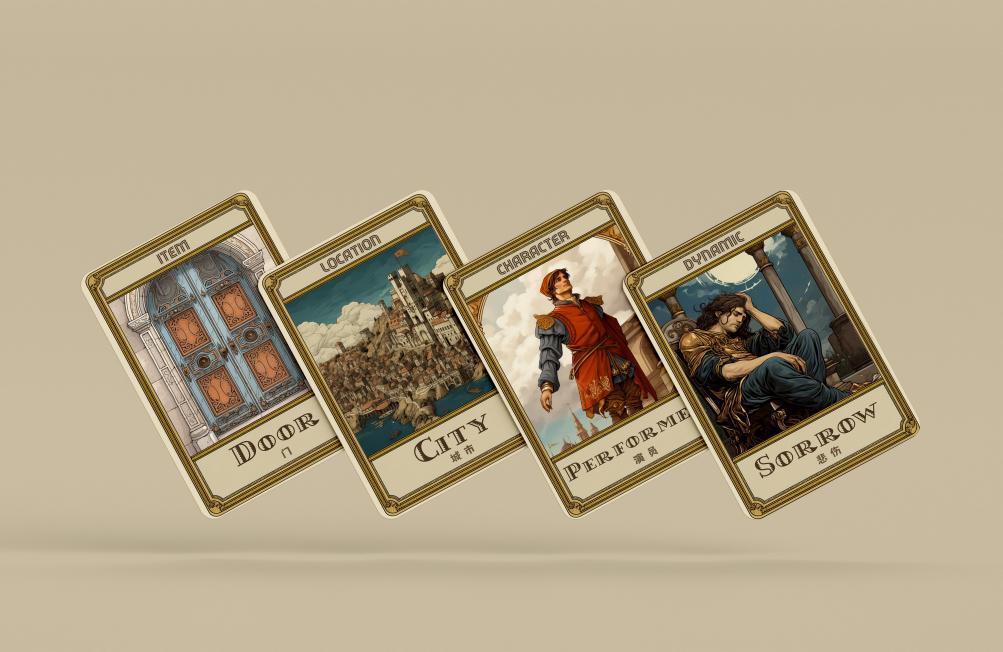
game rules cannot be fully introduced here. ase click the link to view the complete game guidebook(Google Drive):
https://drive.google.com/file/ d/1NSjlaPhOv2Es2ITWYscmPVglMTBxZQQ2/view? usp=drive_link
14
Drawing Method
Due to the game rules and mechanics, the traditional method of dealing cards requires a dedicated person to deal the cards without participating in the game.
Therefore, using a mobile app for dealing cards is more suitable than the traditional method.
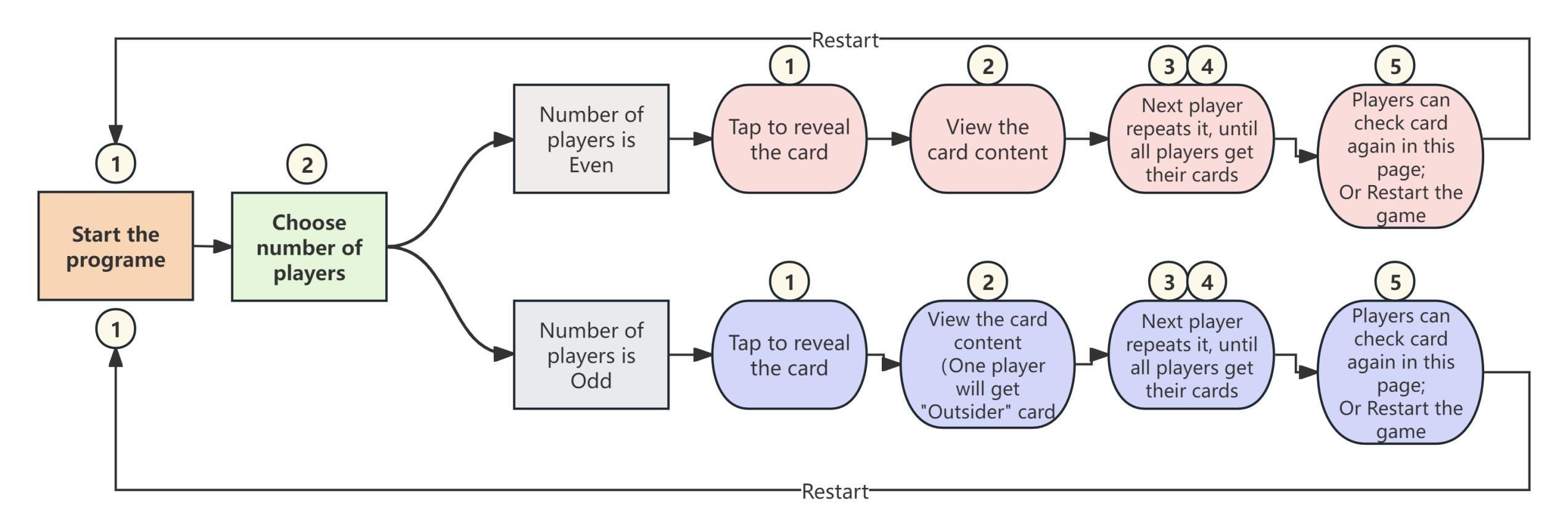
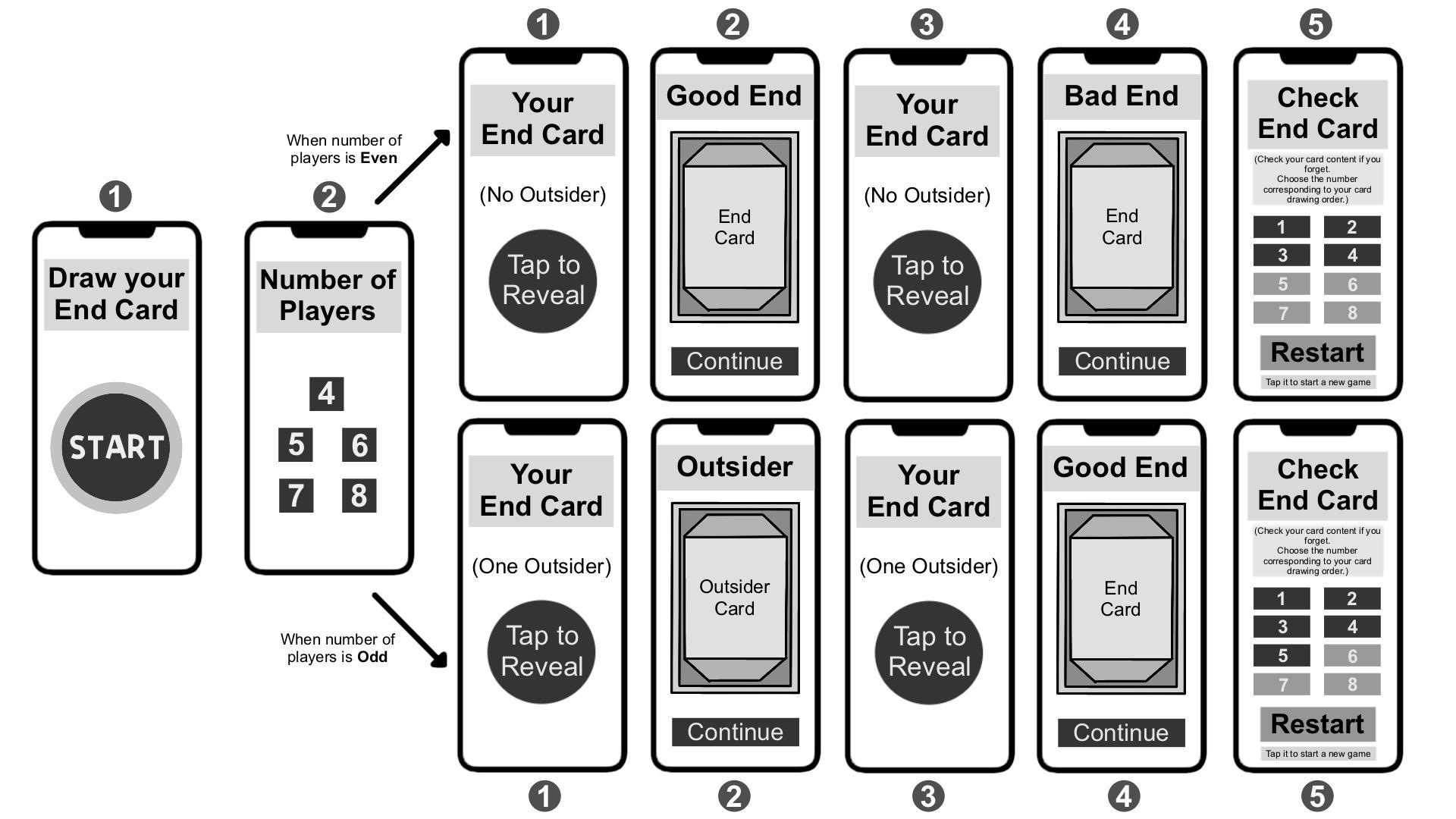
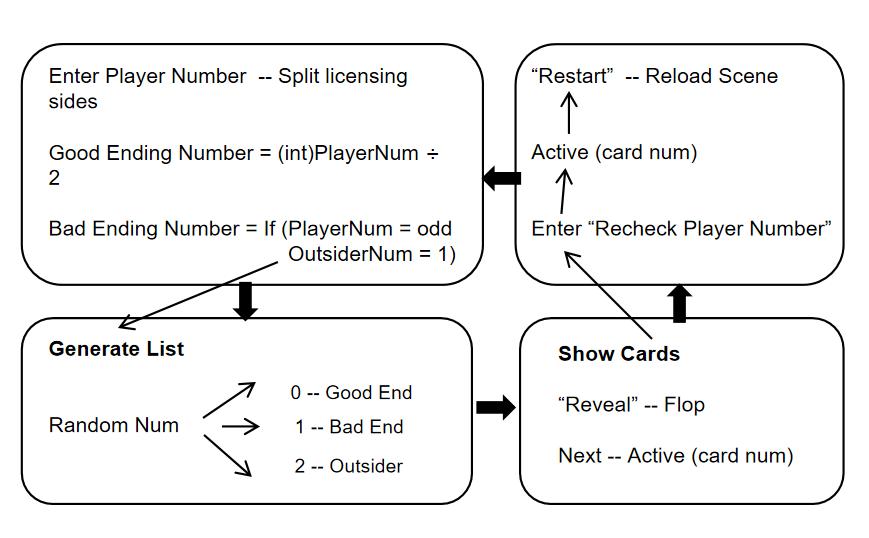
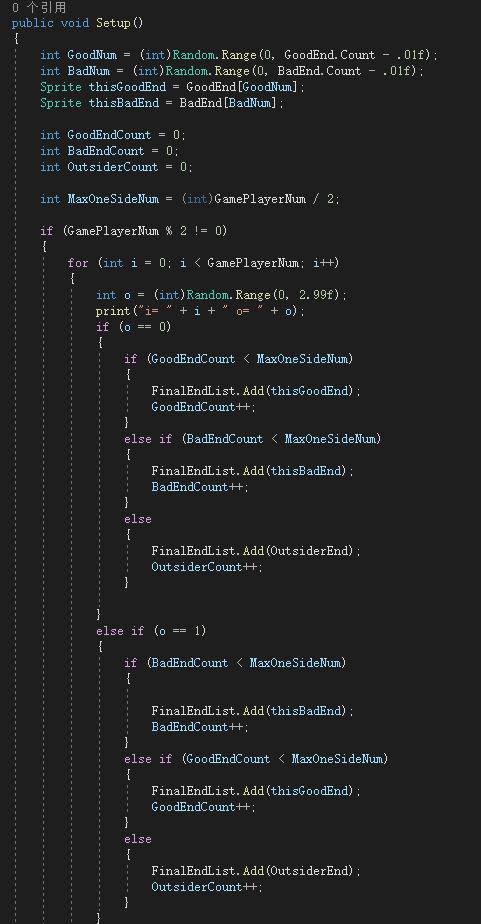
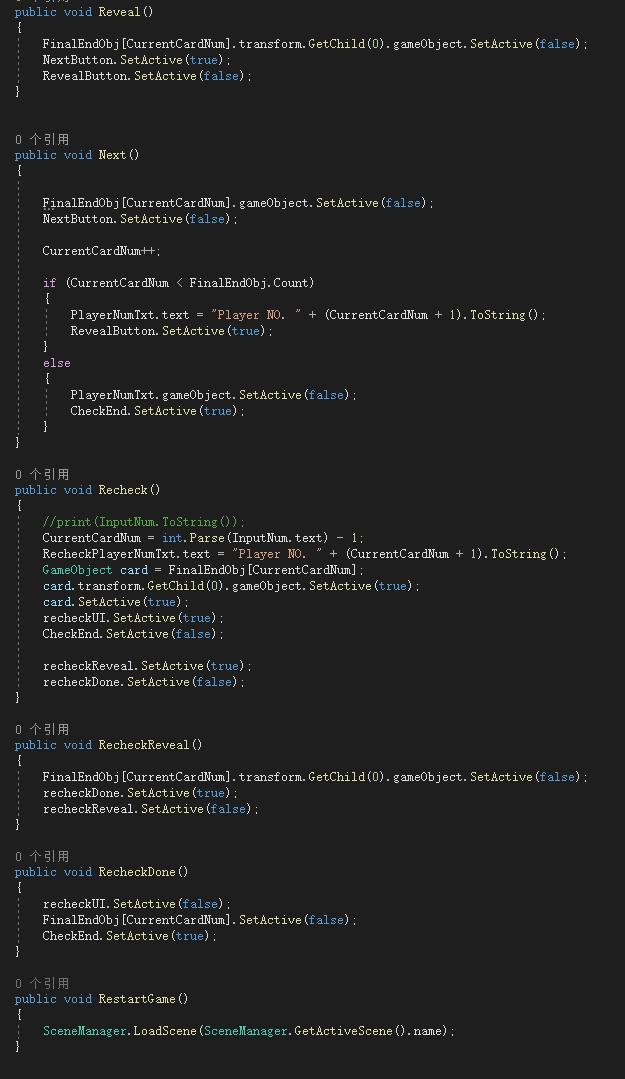
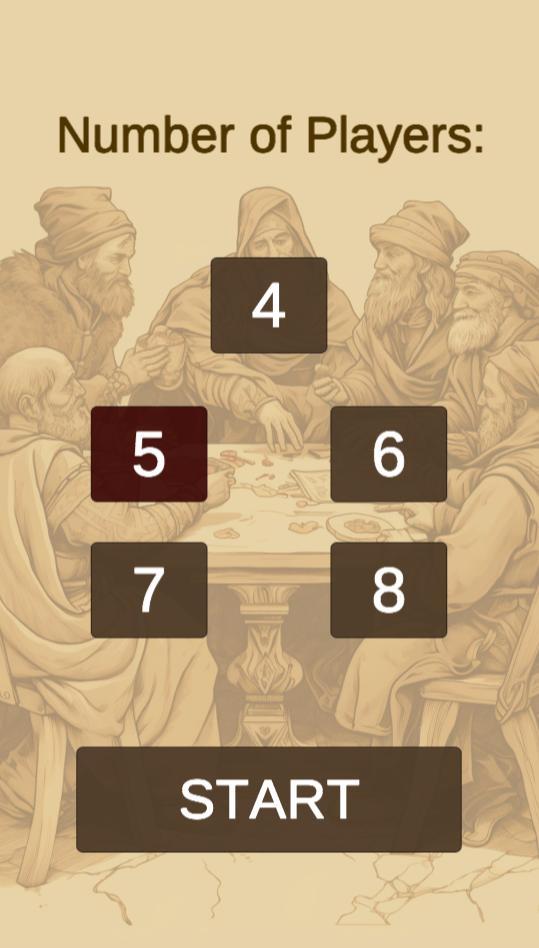
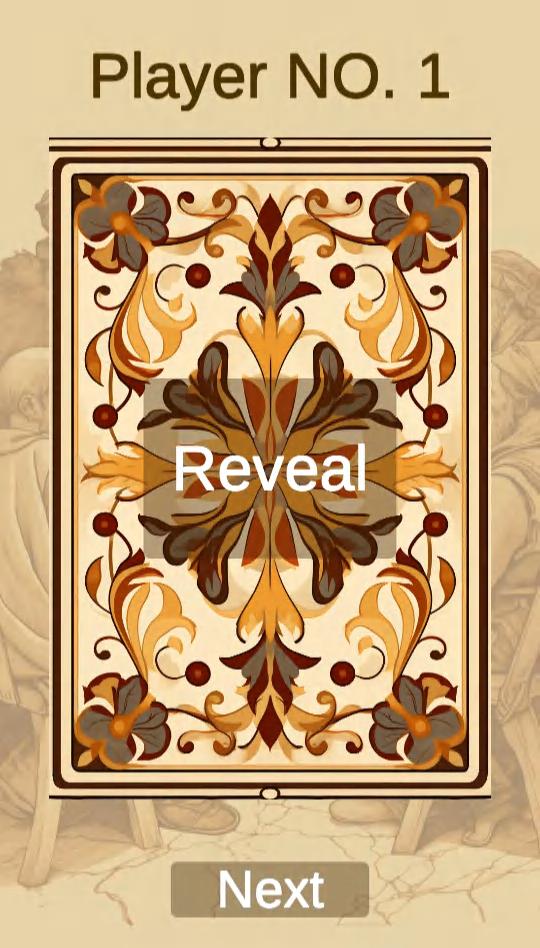
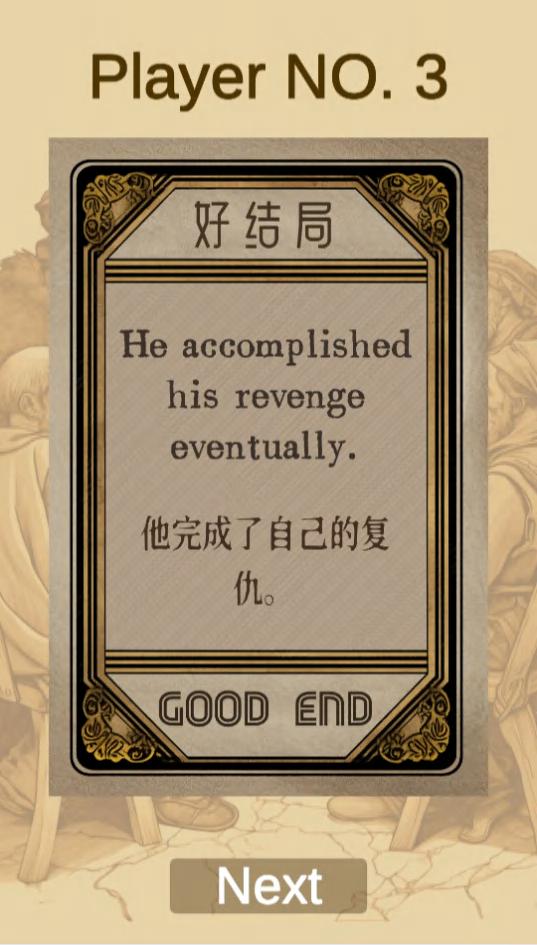
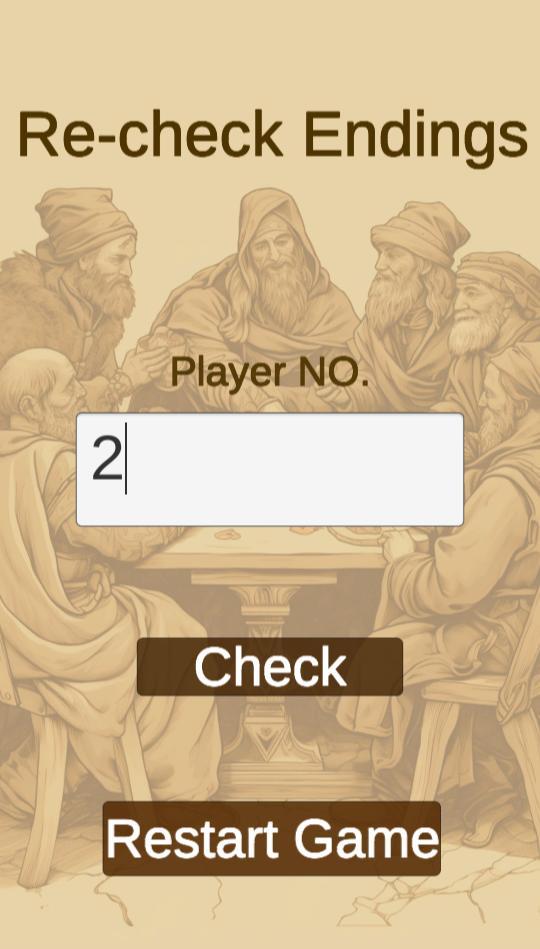
Link to experience this Card Drawing Application on Itch: https://zixuan-tang.itch.io/fantasies-crafted-card-drawing-app Develop this application in Unity so that it can be used on both PC and mobile devices.
Flowchart of the logic of app coding] Screenshots of the application: ▲Enter number of players. ▲Tap to reveal the card. ▲Check the card. ▲If you forget your card, type in to recheck.
[
[Partial code display]
15
Flowchart of the process for players to draw cards using this program:
Playtests/Iterations
●Test 1
Conducted online through "Tabletop Simulator".
Number of testers: 4/5.
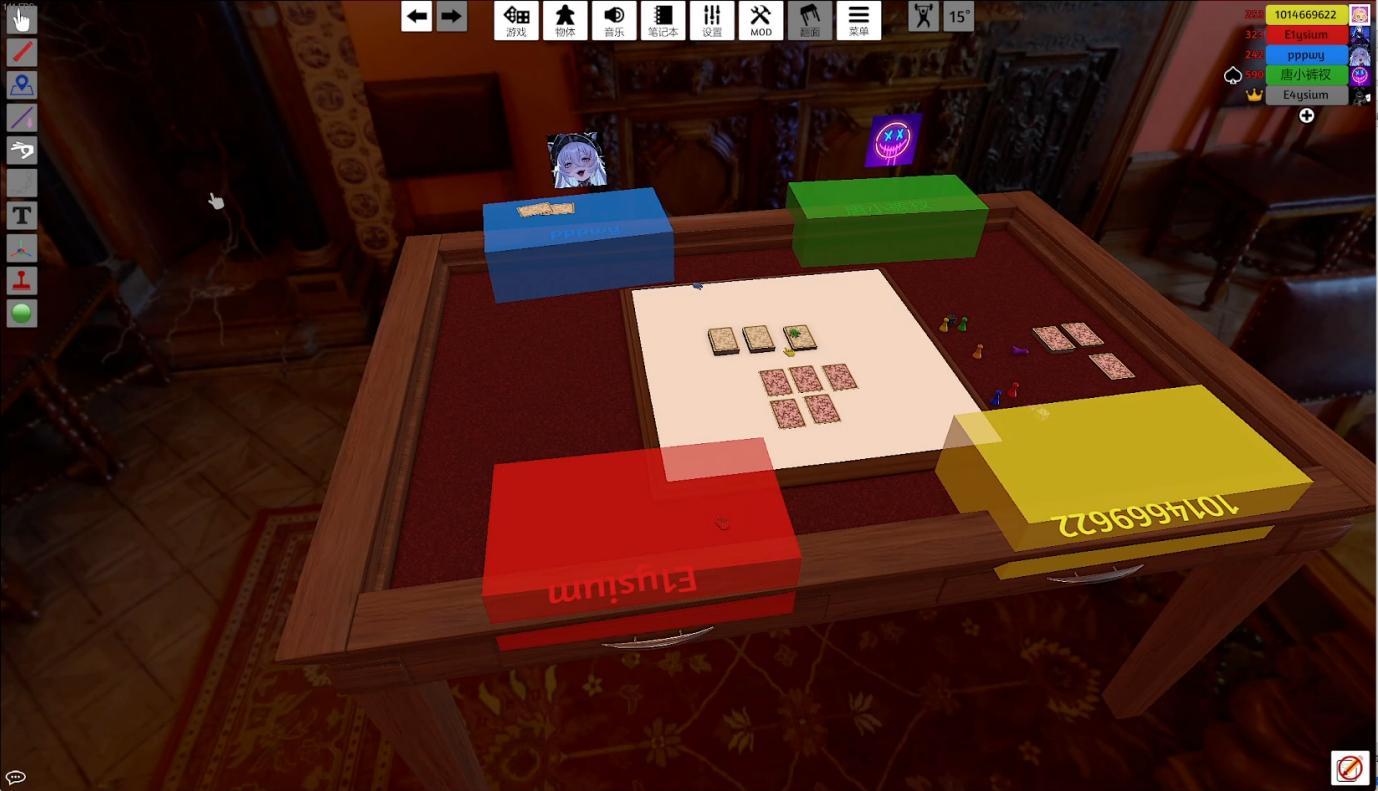
Due to a lack of restrictions, the pace of the game was hard to control. Some players took excessively long turns, spending too much time narrating stories without playing cards. This made the duration of the game exceed expectations.
-- Modification: Introduced a requirement to play a card within 30 seconds, and the hesitation time limit was changed to 10 seconds. Limited each player's speaking time to 2 minutes per turn.
Removed some Plot Cards that were difficult to incorporate into the story. Selected some new words to create new cards.
Added 20 Action Cards, bringing the total number of Plot Cards to 100.
Identified flaws in the card dealing method.
-- Modification: Decided to develop a card dealing application.
Modified rules to allow players to freely discuss while others are narrating their story.
●Test 2
Conducted online through "Tabletop Simulator".
Number of testers: 5/6.
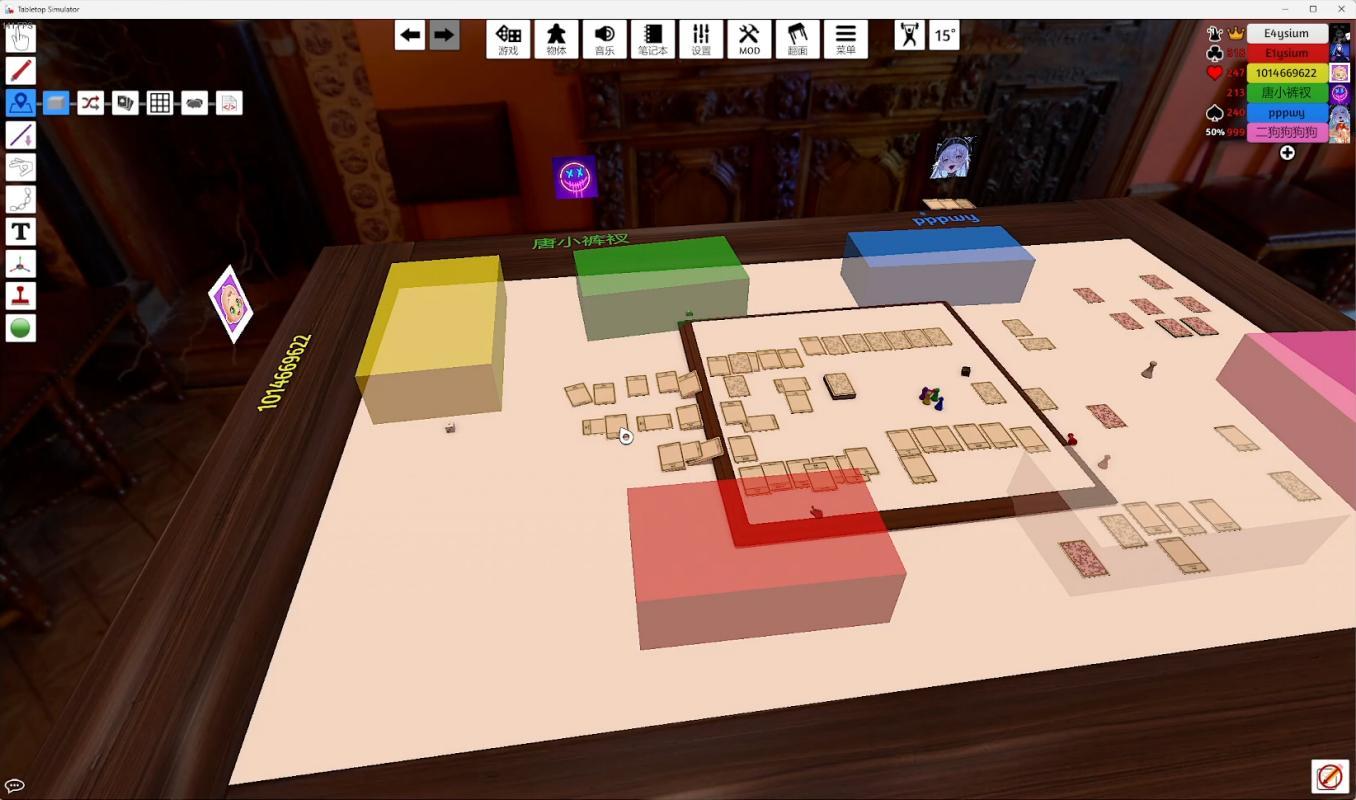
Too many Inspection Cards made the victory condition for the third faction relatively easy.
-- Modification: Reduced the number of Inspection Cards and stipulated that each Function Card can only be used once.
Removed the "Follow" action.
Changed the number of each Plot Card to one.
Some Ending Cards had too many content restrictions, making it difficult for players to quickly steer the story towards the content of the Ending Cards.
-- Modification: Removed many specific words from Ending Cards, making the endings more vague and giving players more imaginative space for storytelling.
Removed the fixed 2-minute speaking time limit per turn.
In both tests, some Plot Cards were found to be difficult to play.
-- Modification: Added a mechanism for players to discard cards at the end of their turn.
●Test 3
Conducted online through "Tabletop Simulator".
Number of testers: 4/5.

The means to interrupt other players' turns were still insufficient.
-- Modification: Added a mechanism to use Plot Cards for the "Interruption" action.
Changed the Outsider's victory trigger mechanism: The Outsider can now interrupt the game at any time after a certain period (10 minutes after the game starts) to announce the inspection results.
The Designation Card's functionality was relatively weak and abundant, becoming a burden for many players.
-- Modification: Added a new way to use it: using this card can interrupt someone else's turn, but must designate another player to start their turn instead of oneself.
Cancelled the rule that endings can be "challenged".
●Test 4
Offline test, simulating playing this game at a party. Number of testers: 6/7.
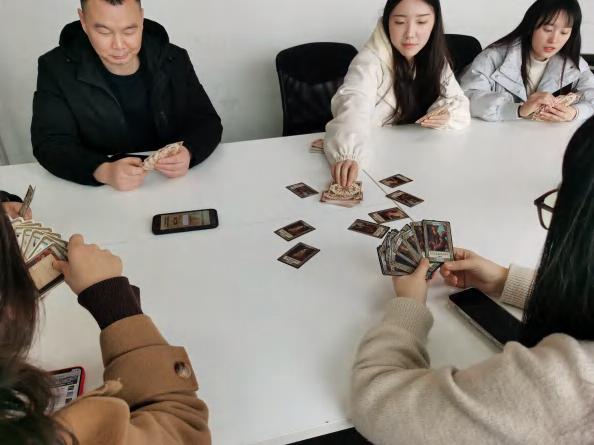

The gameplay experience during the test was relatively smooth, with no apparent mechanical issues or design flaws impacting the overall game experience.
16
Other Works
Other Works
Cat Life
It is a game jam work featuring the topic “accompany.”
For the project, I worked as a game designer and came out with the idea of using platform to simulate different relationships in our common lives: parents, friends, lovers and children. The player needs to try to take care of these four important relationships in a limited time.
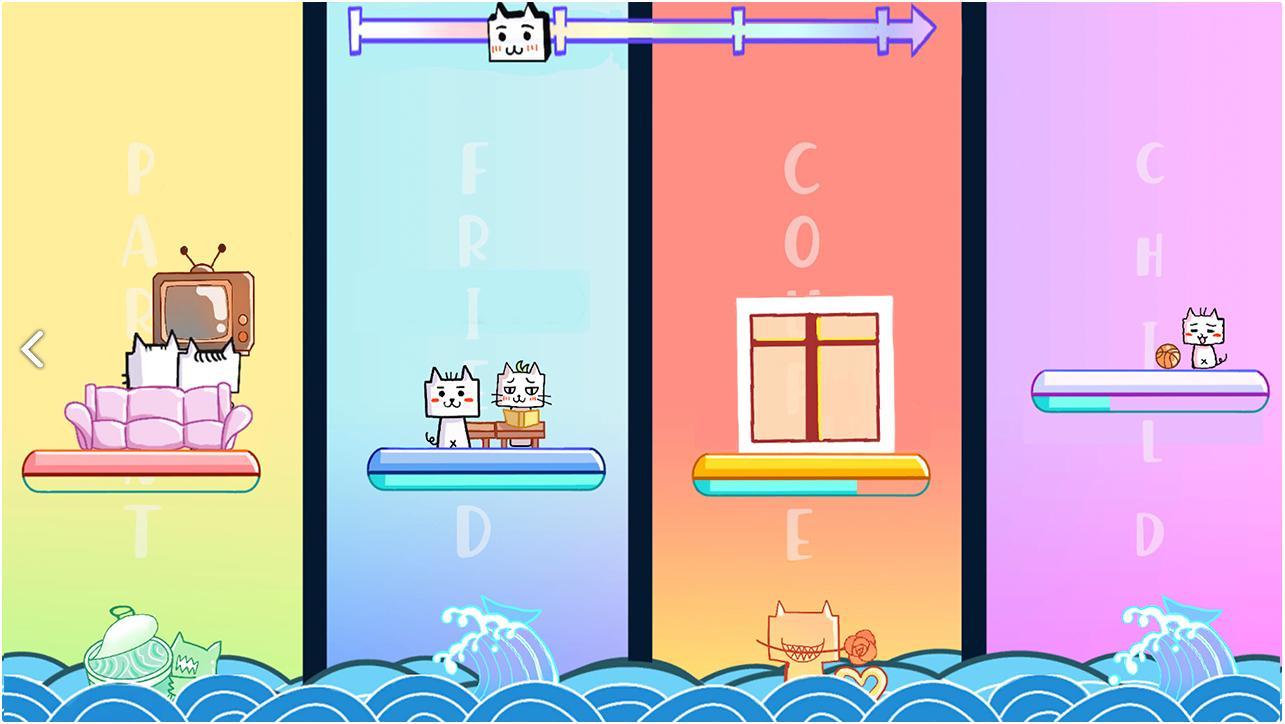
The game does not have a game-orientd objective. It is more like a life journey that we all will experience during our lifes.
Demo(Youtube):
https://youtu.be/PZKhrf2tufk?si=IKIEqe3cWNImr3lj
I teamed up with four other developers to join the jam.
Special thanks to:
ShaohuaYan (Game Designer)
Da Mao (Game Designer)
Tomo (Game Artist)
Xiao Hao (Game Programmer)
Mending the Sky
This is a 2D game inspired by the Chinese myth "Nüwa Mends the Sky." Players take on the role of Nüwa and must place all the colored stones in their corresponding positions within a limited time to prevent a catastrophe. The game features a unique timer in the form of two slowly collapsing stone pillars, which creatively convey the urgency of time to the player in different and interesting ways.
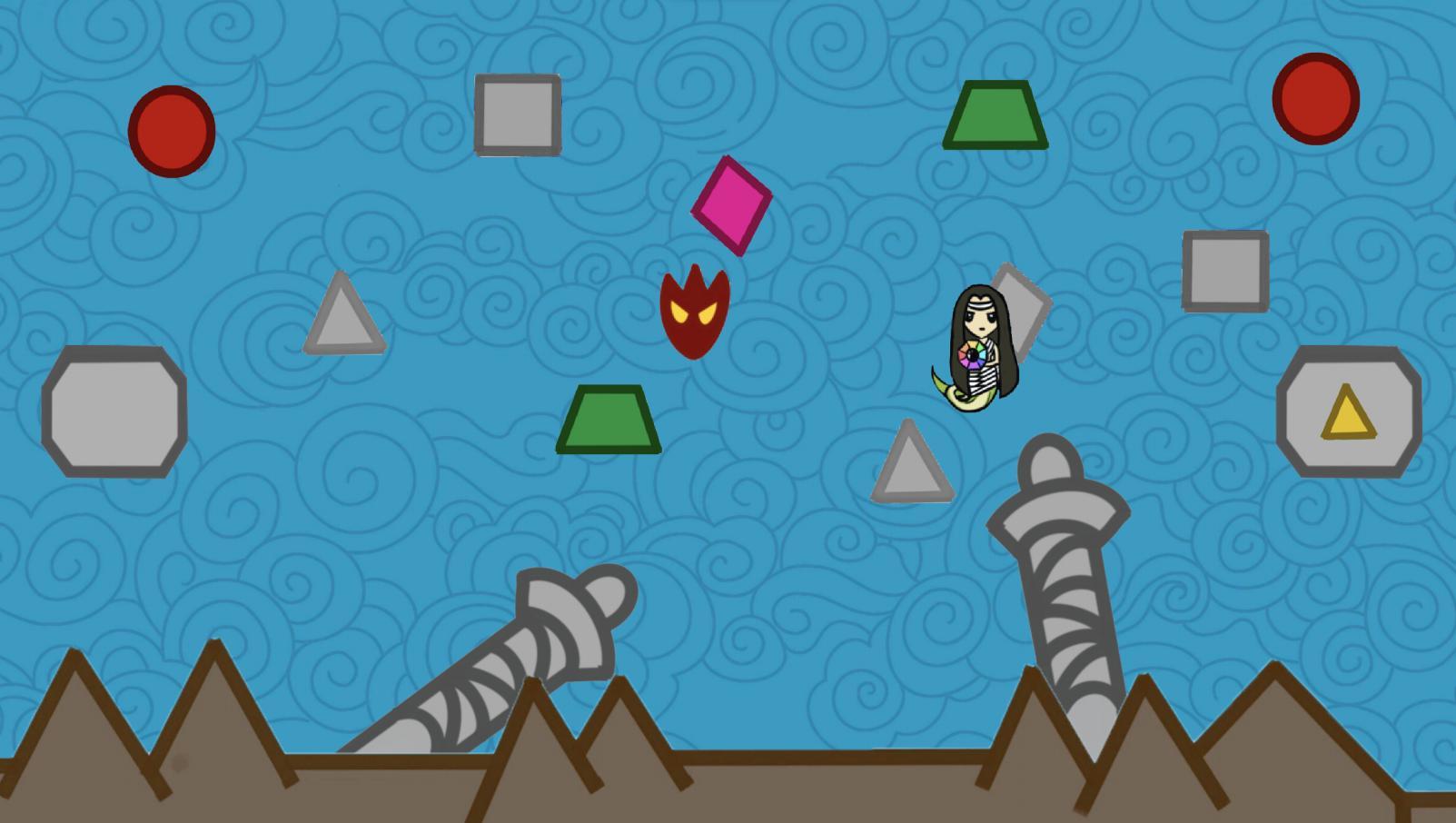
Playable Version(Itch):
https://zixuan-tang.itch.io/mending-the-sky
Spot the Difference
Find out what's different in the two images and get enough points in a limited time to win.
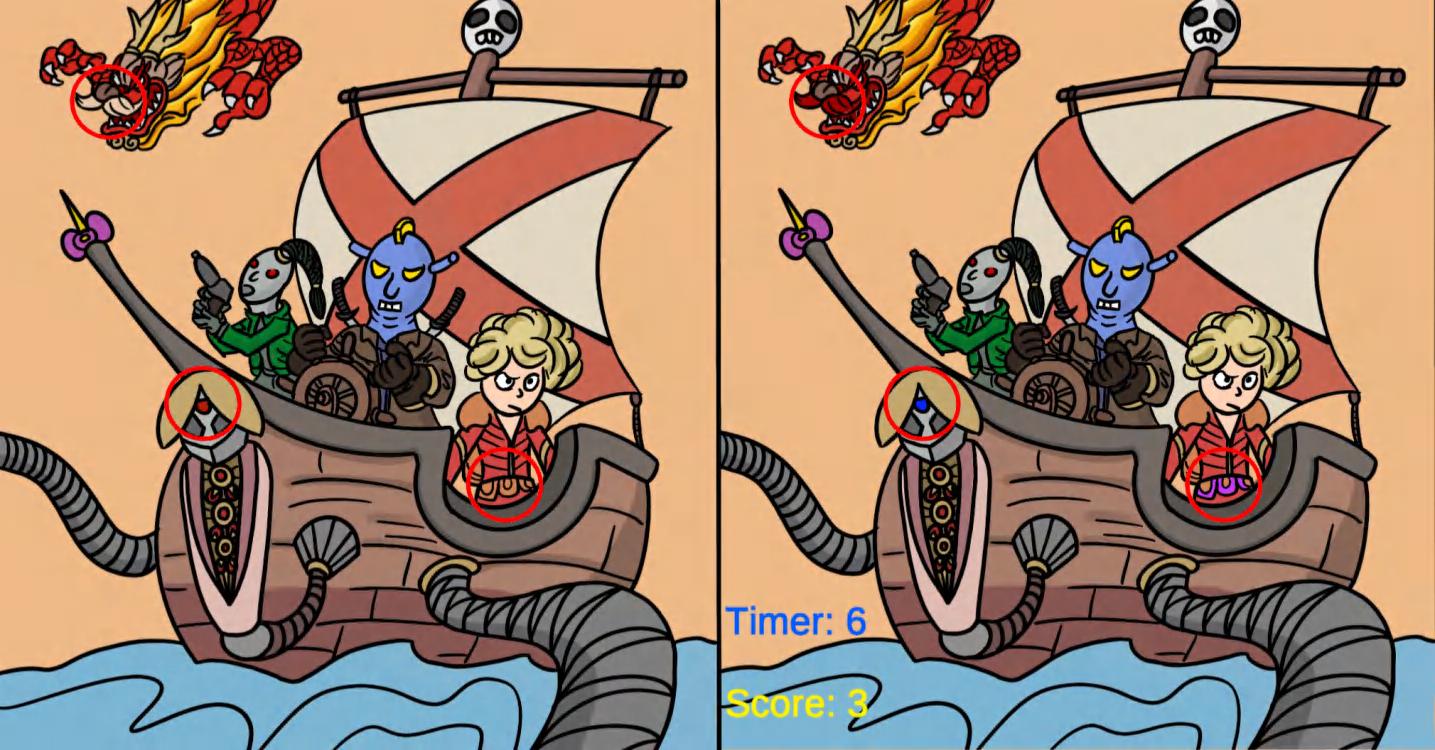
Playable Version:
https://zixuan-tang.itch.io/12-secondschal-lenge-mental
Grow in the Fall
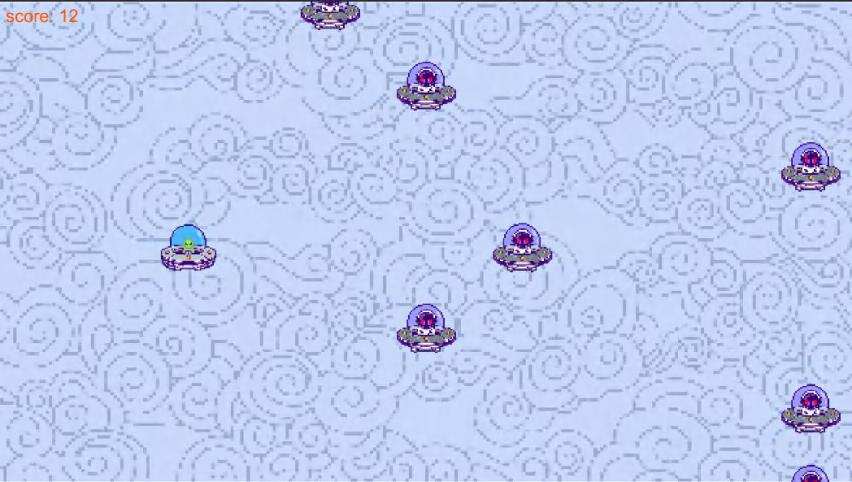
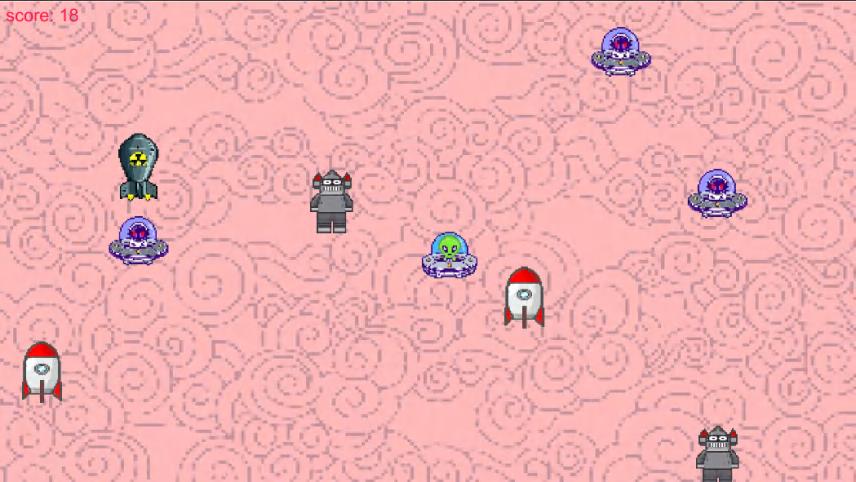
This is a 2D endless runner game fea turing a dynamic challenge mechanism.
The player controls an AI on an aircraft which its task is to protect the cub on the aircraft by dodging all upcoming obstacles.
Playable Version(Itch):
https://zixuan-tang.itch.io/grow-in-thefall
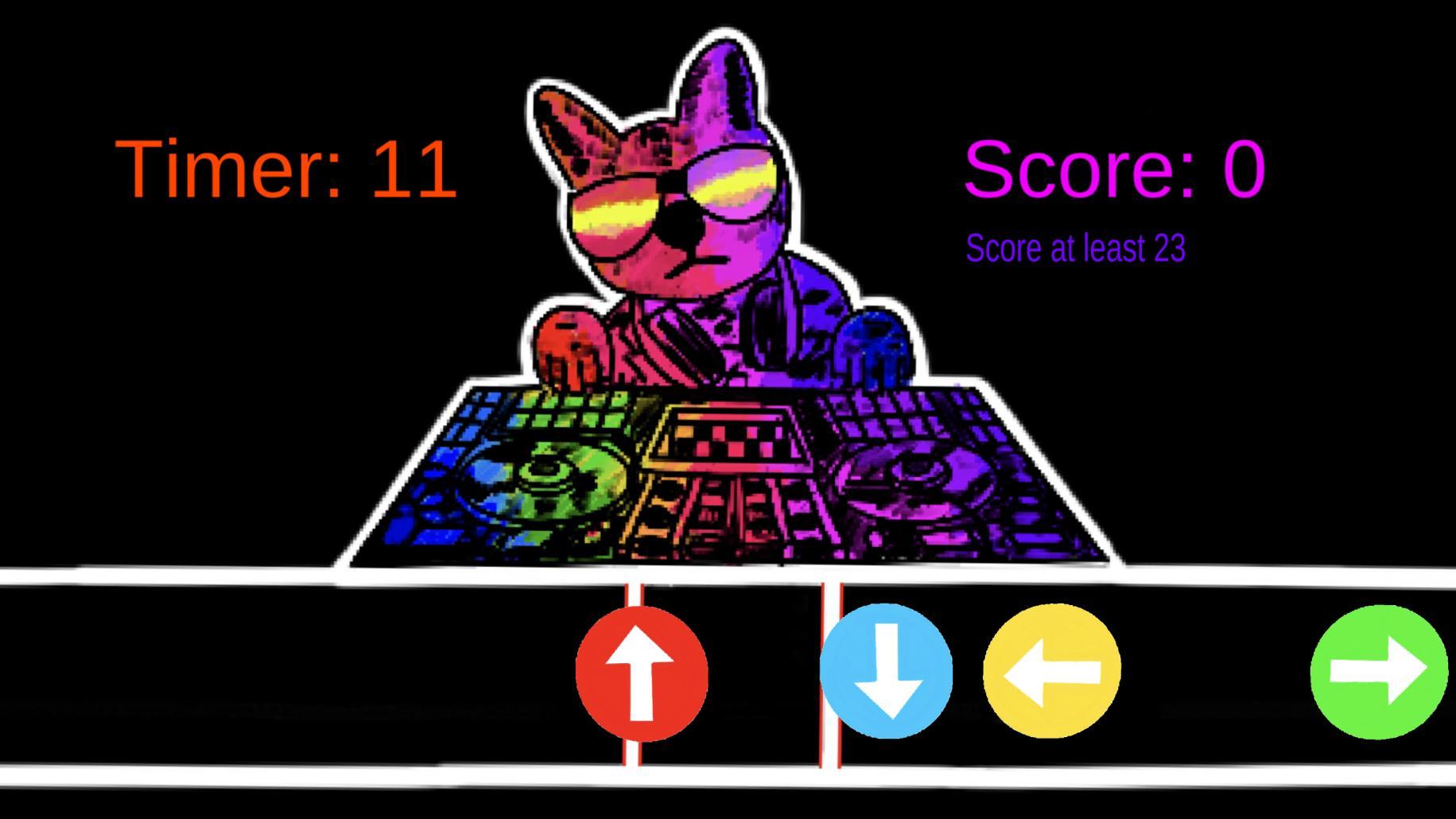
DJ Drop the Beat!
Can you keep up with DJ Cat?
Players need to press the corresponding arrow keys within the time the arrow enters the box to score points. Simple but exciting little game.
Playable Version(Itch):
https://zixuan-tang.itch.io/12-seconds-challengephysical
17
3D Models
Made by Unity3D & 3dsMax.
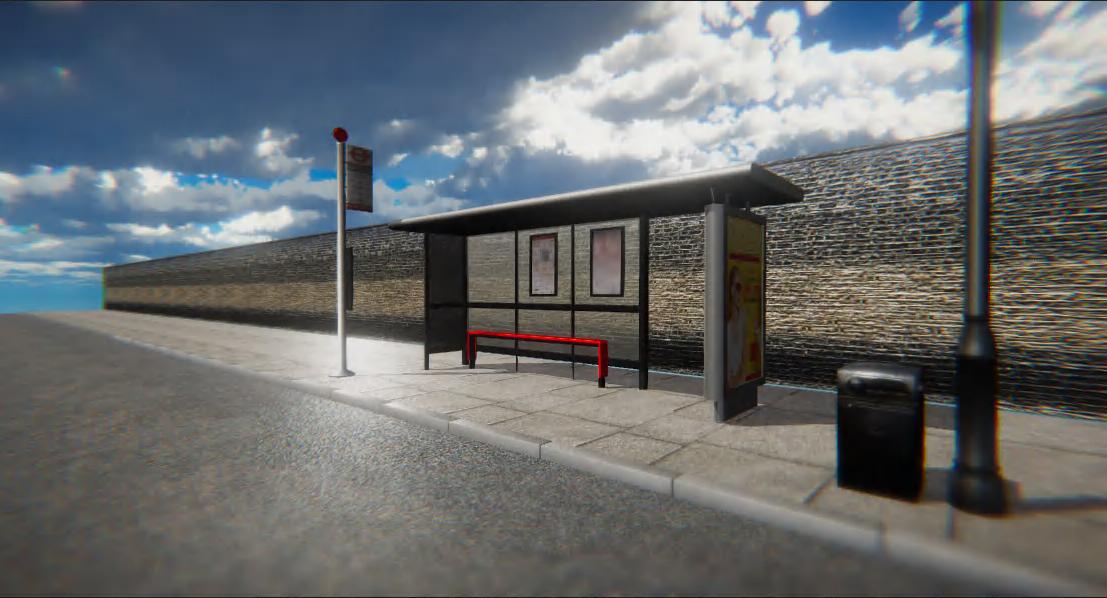
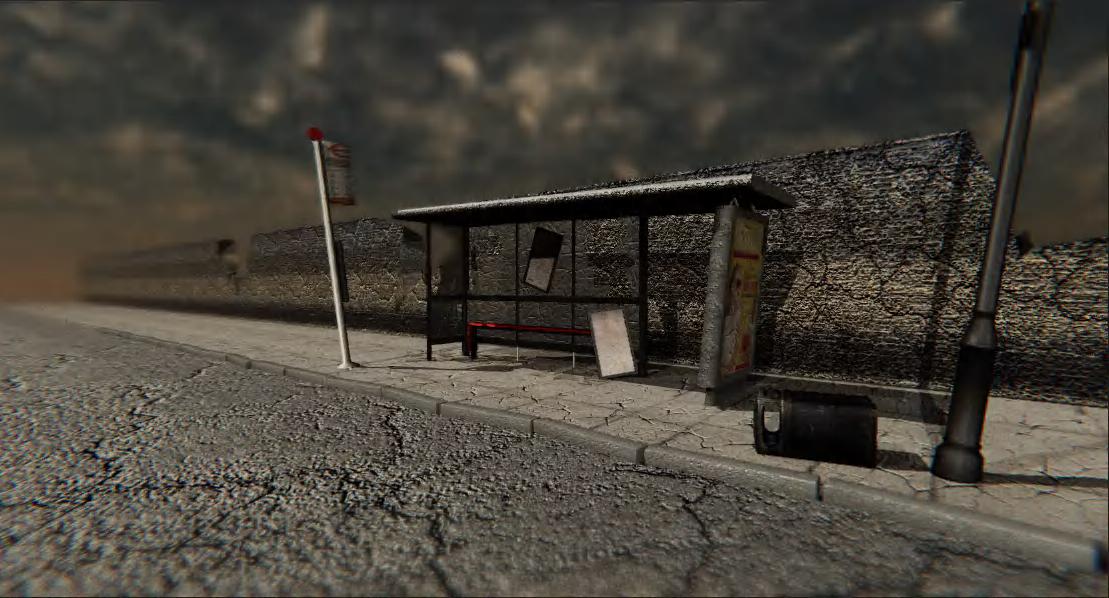
“Same Wine, Different Bottle“ Series
Work Process(Google Drive): https://docs.google.com/presentation/d/1F_LkbYw5N5ySeE6WCy6Km2BjwMIGposl/edit?usp=drive_lin k&ouid=111049358455438991290&rtpof=true&sd=true
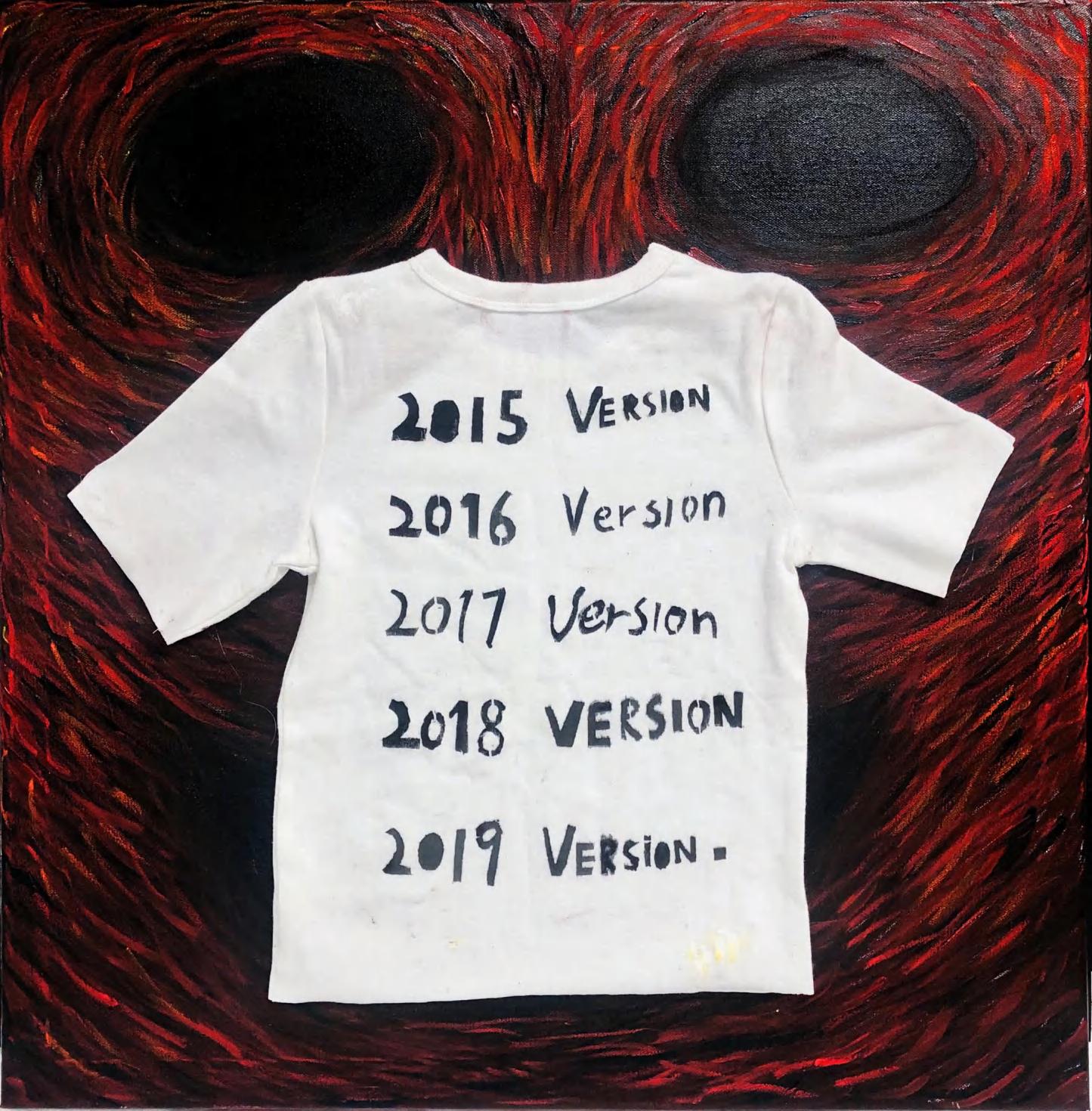
“Cyberbully” Series
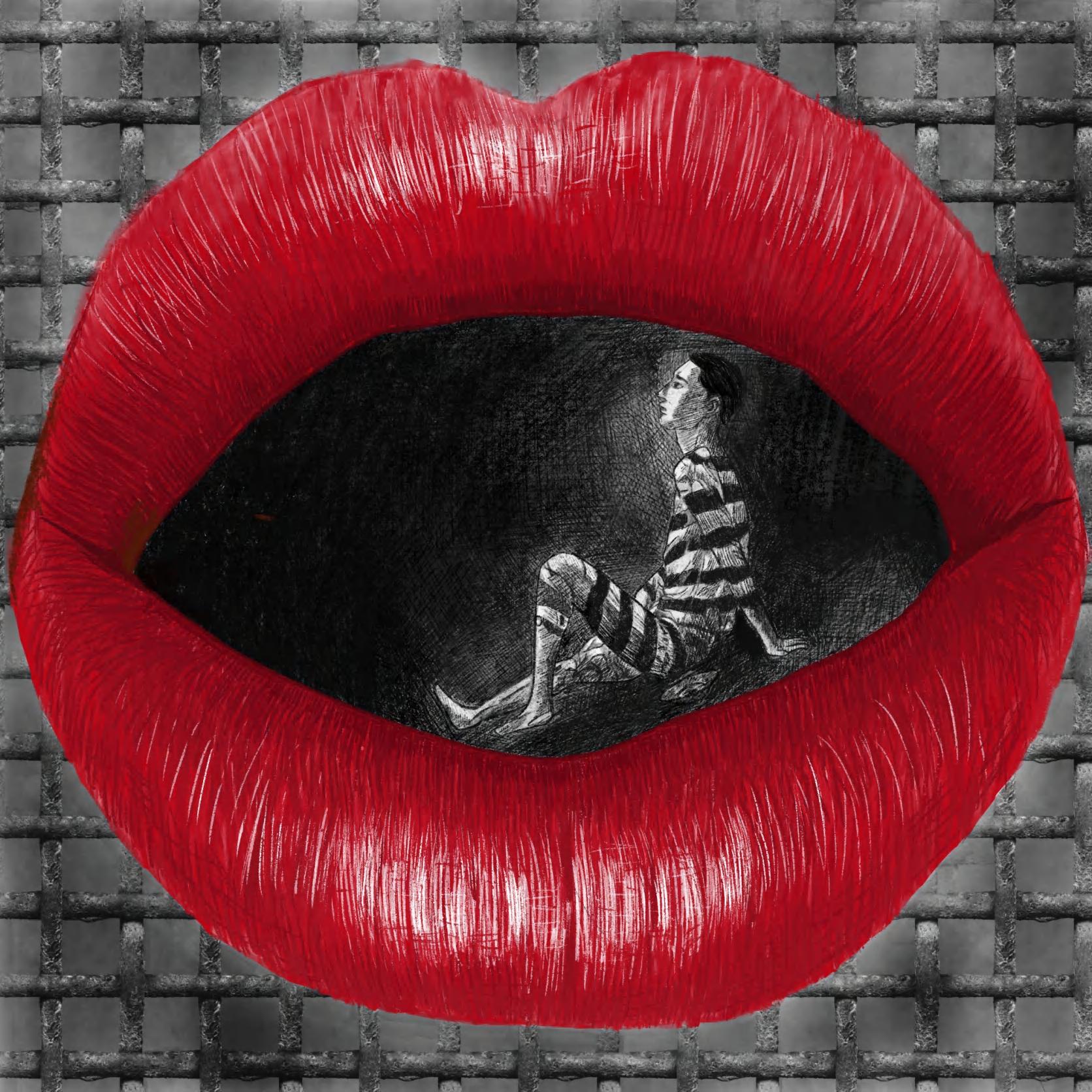

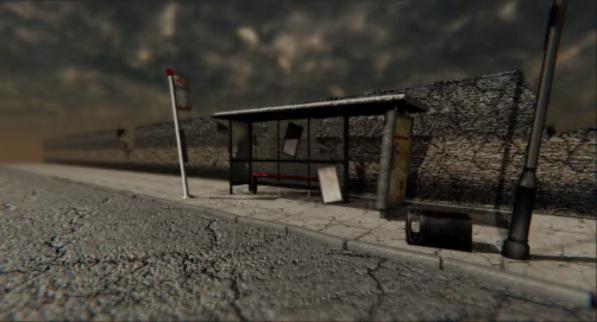
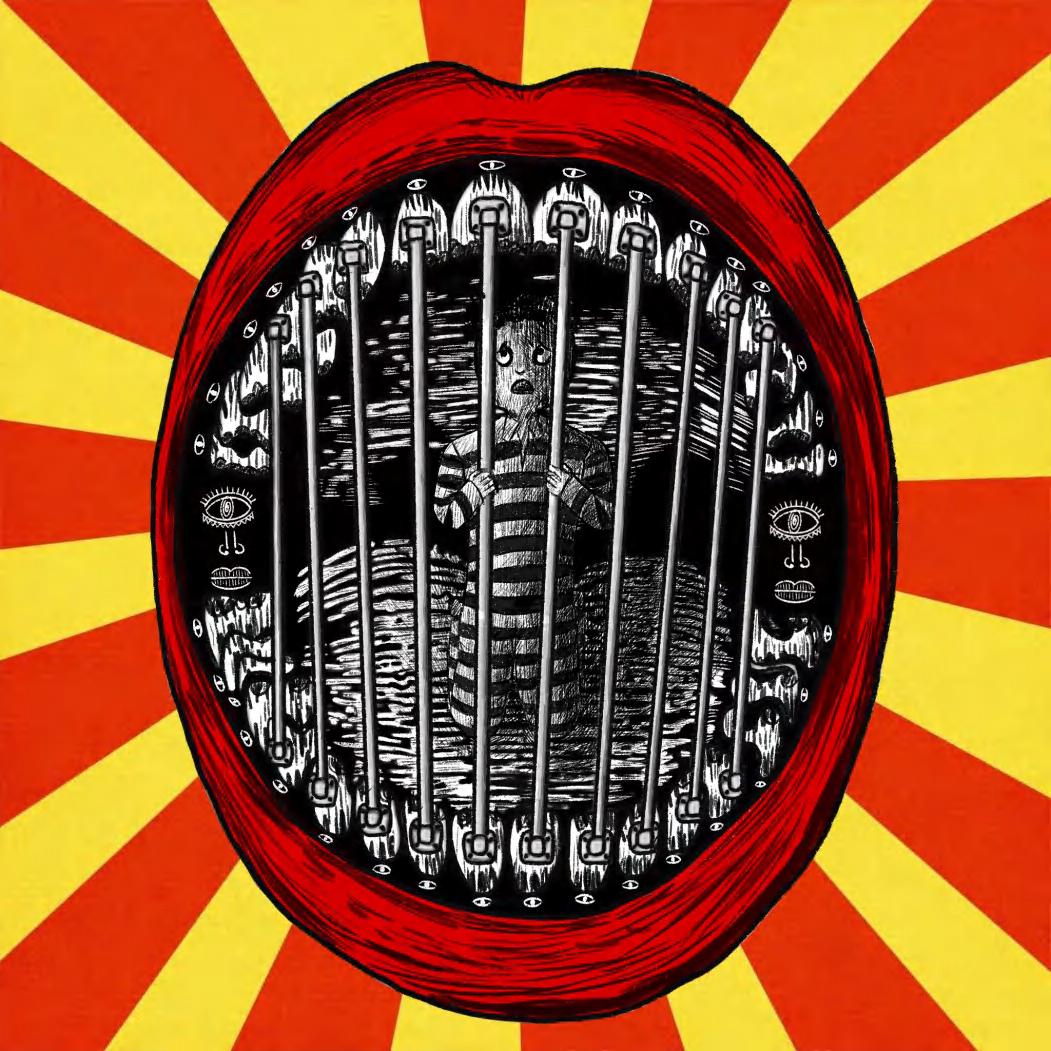 3D model of a London bus station.
3D model of the same bus station damaged by an earthquake disaster.
3D model of a London bus station.
3D model of the same bus station damaged by an earthquake disaster.
18 Lauch Event
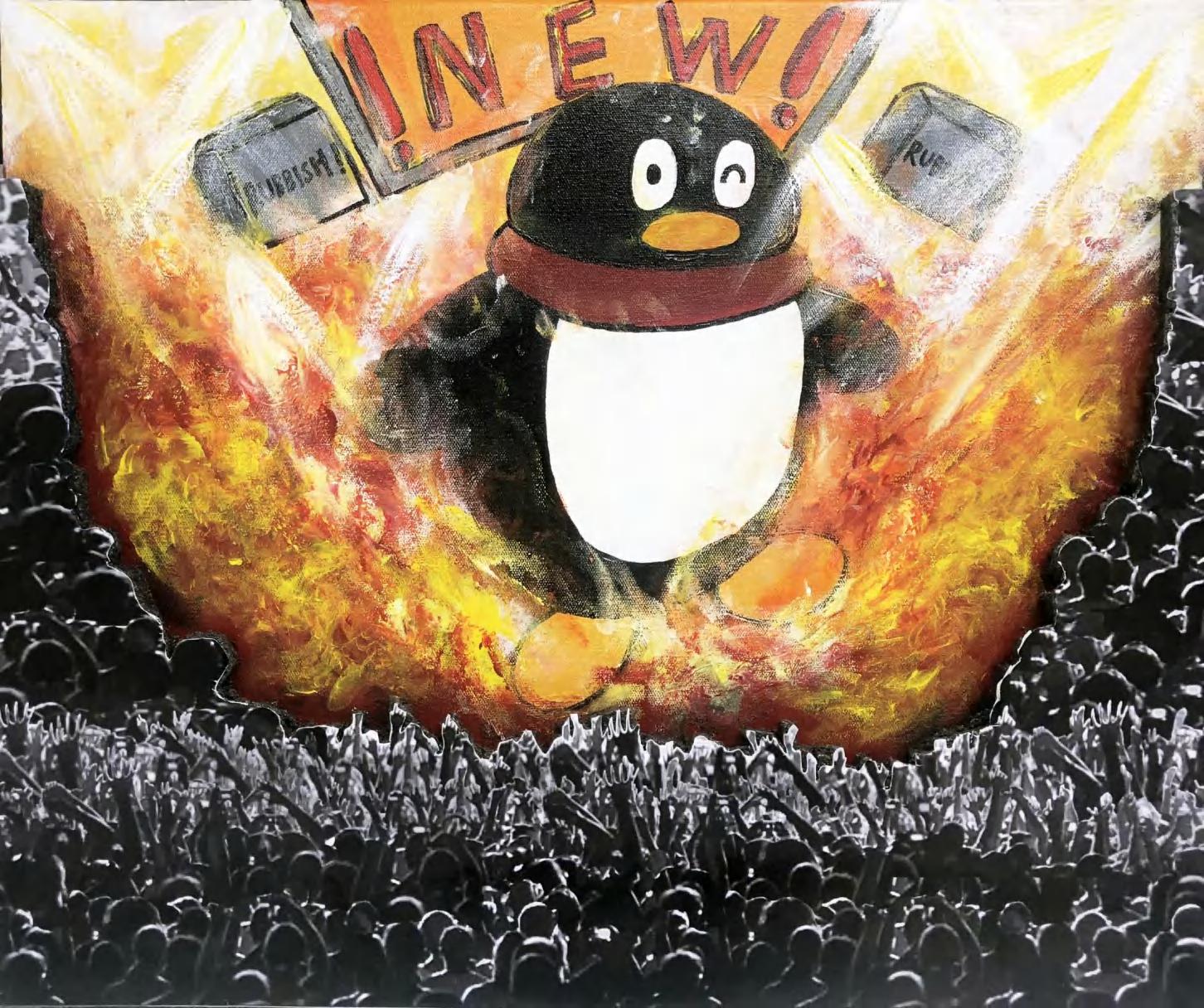
Mix Media
Name of God
Mix Media
Sacrifice DIgital Art Mouth Jail Digital Art No Escape Digital Art
2D
50cm*60cm
2D
50cm*50cm