





CURIOSITY is the quiet urge to ask why. It is the moment before discovery--the space between not knowing and wanting to understand.


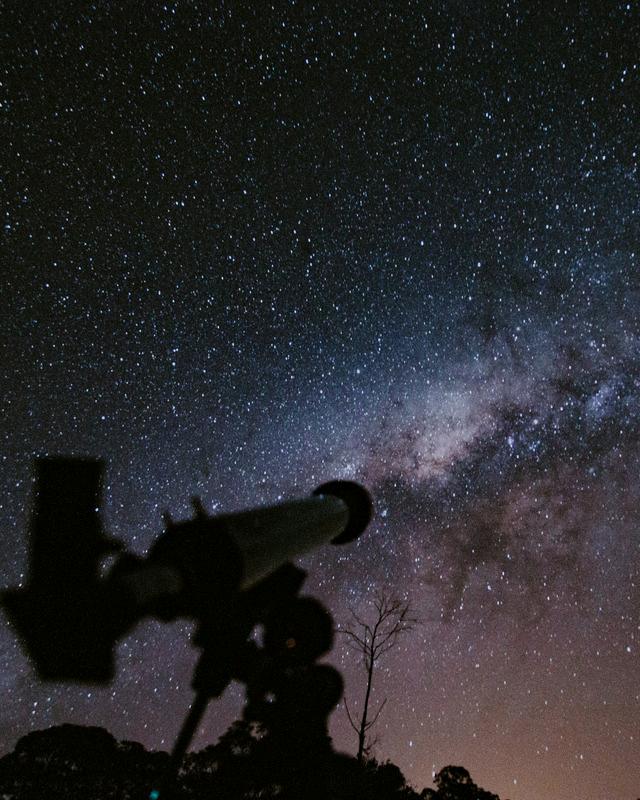

What are the stars made of? How far does the universe go?
Curiosity begins not with answers but with wonder.It transforms observation into science, doubt into theory and imagination into exploration. Every scientific breakthrough began as a simple human question. Before equations, before telescopes,before rockets, there was a question. Why does the sky move?

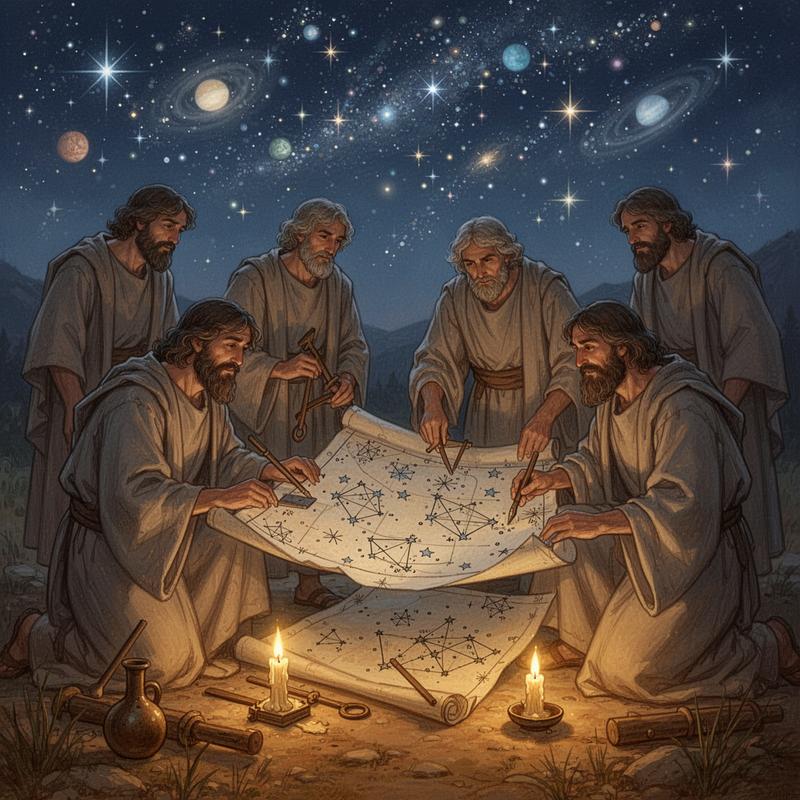
As human societies settled, curiosity turned upward. The sky was no longer just beautiful,it became meaningful
People noticed patterns. The moon changed shape. Seasons returned in cycles. Stars shifted position over time.

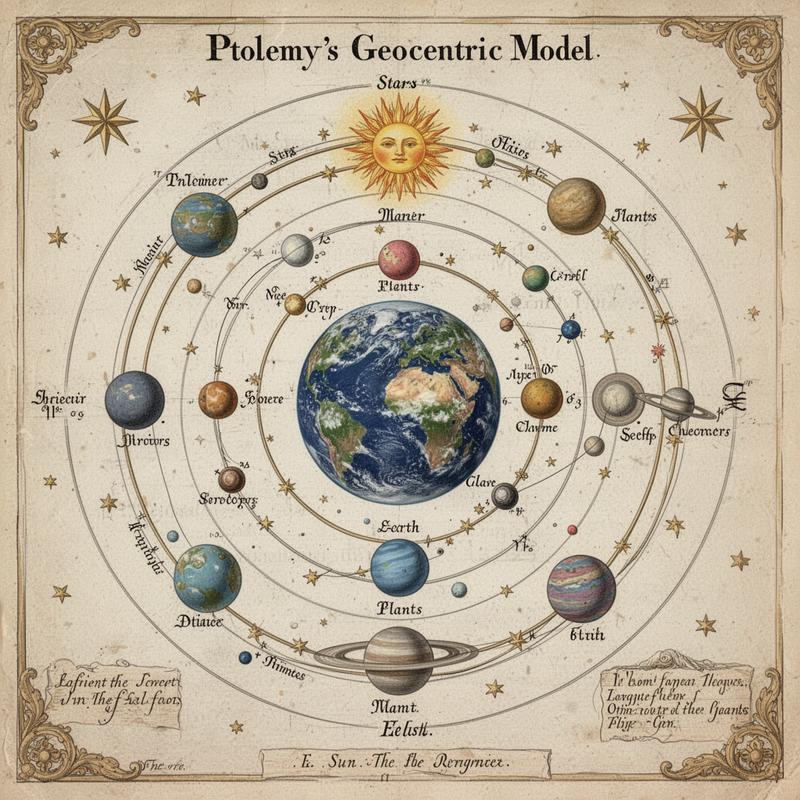
For the first time humans were not only wondering about the stars-- they were trying to organize them. CURIOSITY WAS Becoming SYSTEMATIC.

Curiosity eventually found its strongest voice in individuals who refused to accept tradition as final truth.
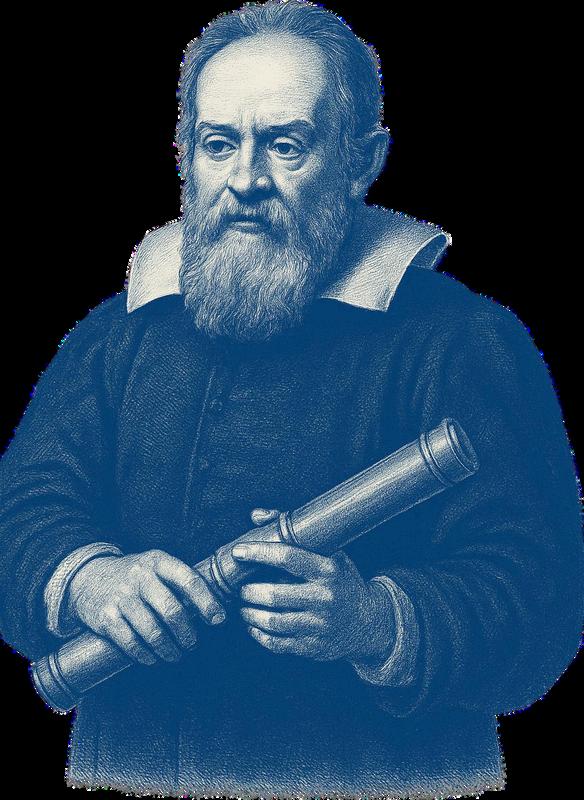
Galileo Galilei turned his telescope toward the sky and saw what others had not dared to see. His observations challenged the belief that Earth stood at the center of the universe.
Isaac Newton transformed motion and gravity into equations, connecting falling apples to the movement of planets.
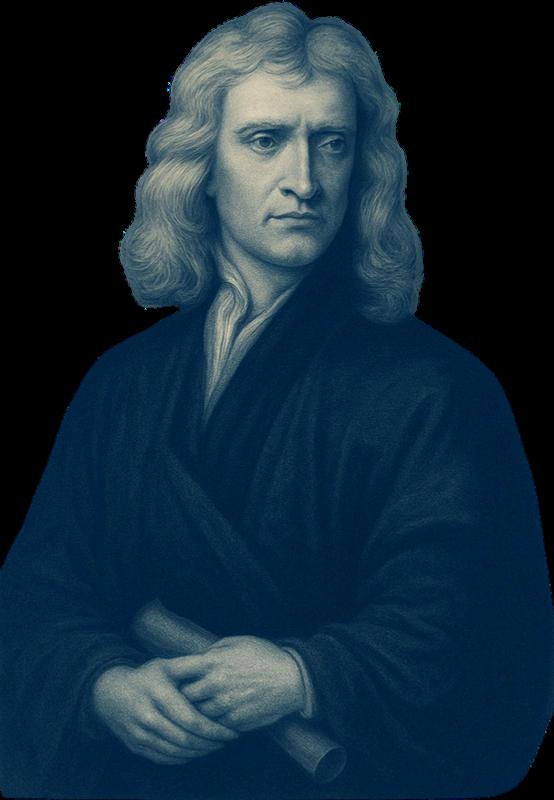

Curiosity had become predictive. It could measure. It could calculate. It could explain.
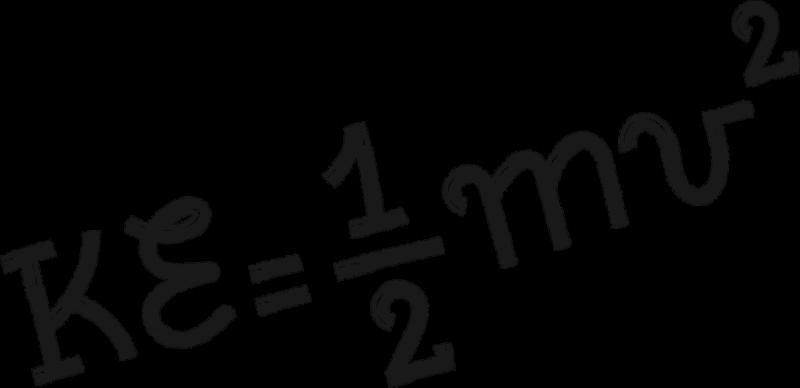

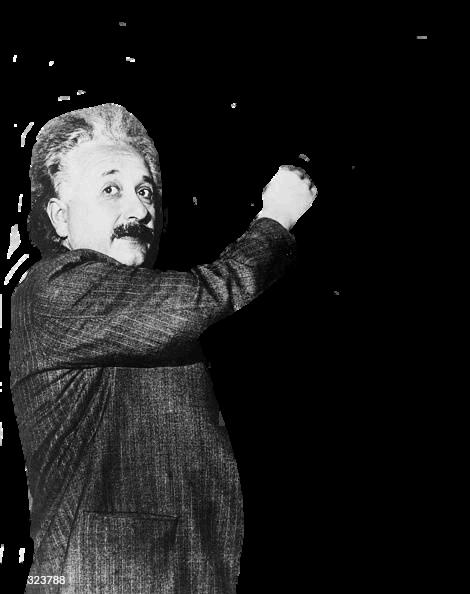
Albert Einsteinproposed a radical idea: space and time were not fixed. They could bend and stretch.

Einstein’stheoryofrelativity showedthatgravityisnot simplyaforcepullingobjects together.Instead,massive objectscurvethefabricof space-timeitself.

With this idea, the universe was no longer a rigid system. It was dynamic, flexible, and far more mysterious than anyone had imagined.



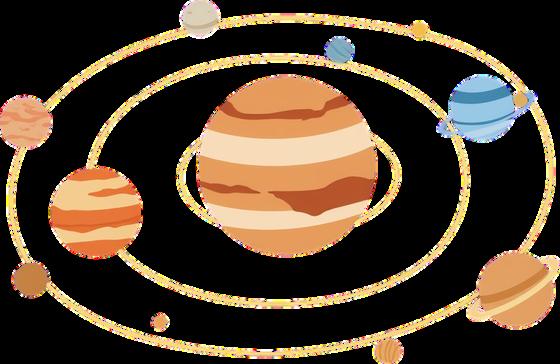
Soon after Einstein shaped our understanding of the space and time, another discovery changed our view of the cosmos.
Astronomer Edwin Hubble observed that distant galaxies were moving away from one another. The universe was not static-- it was expanding.
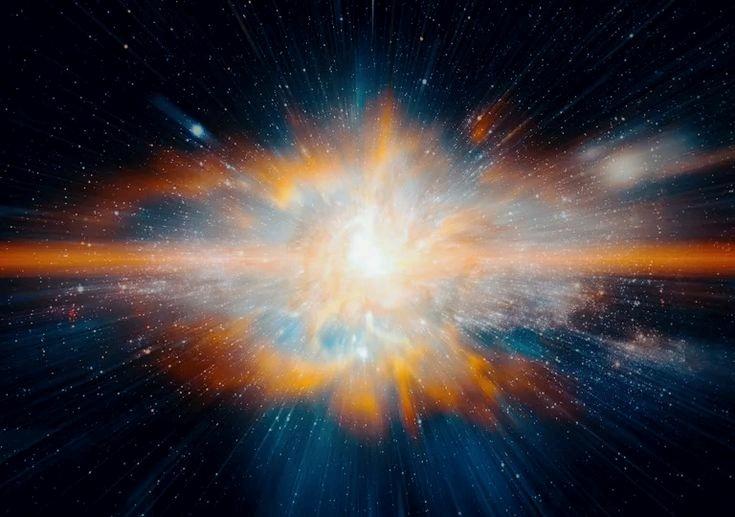
This discovery led to the idea of the Big Bang, the moment when the universe first began to expand. What once appeared as scattered points of light were now understood as part of a vast, evolving universe.
CURIOSITY REVEALED THAT THE COSMOS ITSELF HAS A HISTORY.
. Today, curiosity reaches farther than ever before. Powerful instruments allow scientists to observe galaxies billions of years old and detect signals from the earliest moments of the universe.
Telescopes such as the Hubble and James Webb Space telescopes reveal details that were once impossible to see

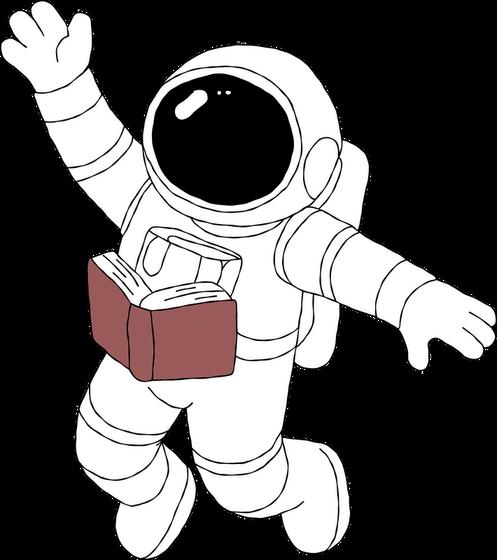
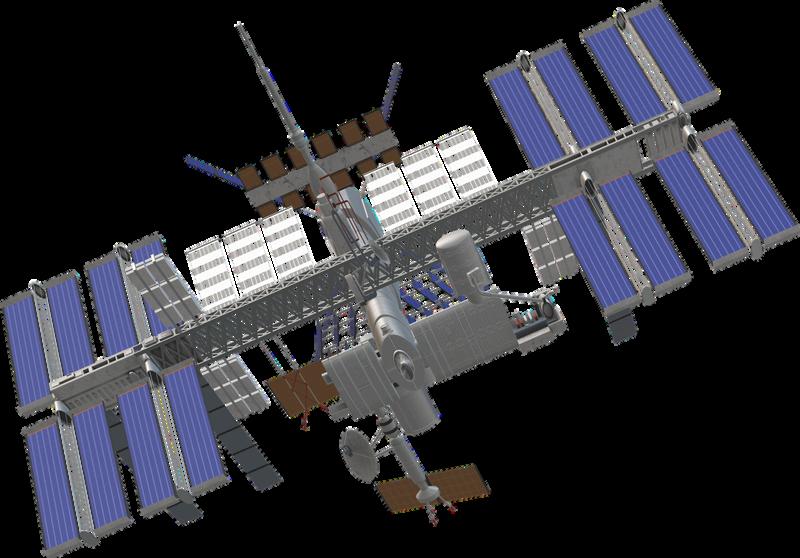
CURIOSITY CONTINUES TO PUSH HUMANITY TOWARDS THE UNKNOWN.