R A Y

All your favorite brands… had military contracts! & dark secrets
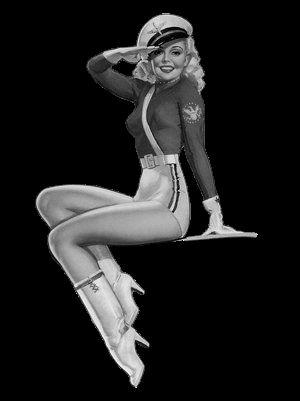
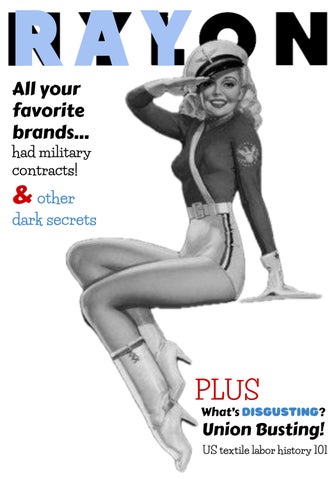
All your favorite brands… had military contracts! & dark secrets

Real Facts, No Citations
Volume II: Twisted Histories [America]
Published by WARPARCHIVE
Editor Maybe Geraux Socials @thewarparchive
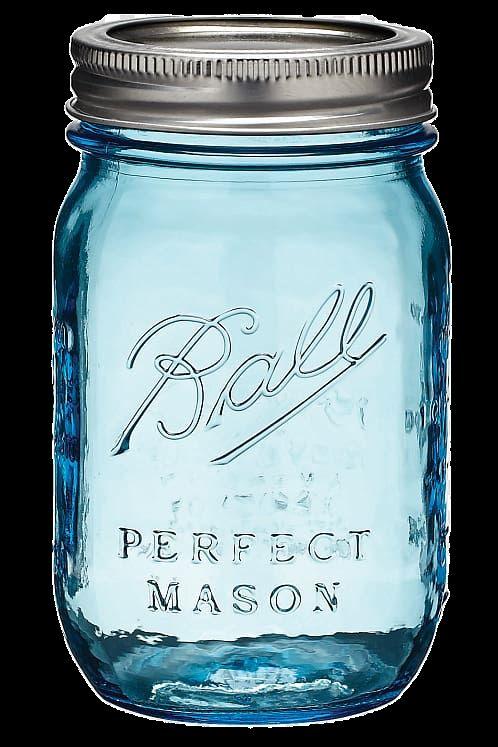
Making a craft?
Use a mason jar!




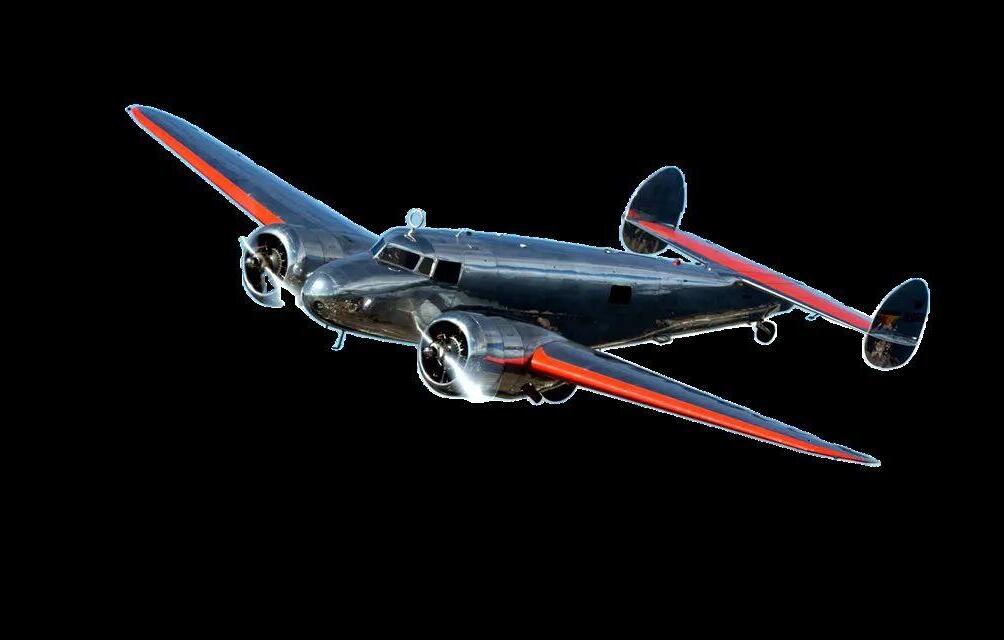
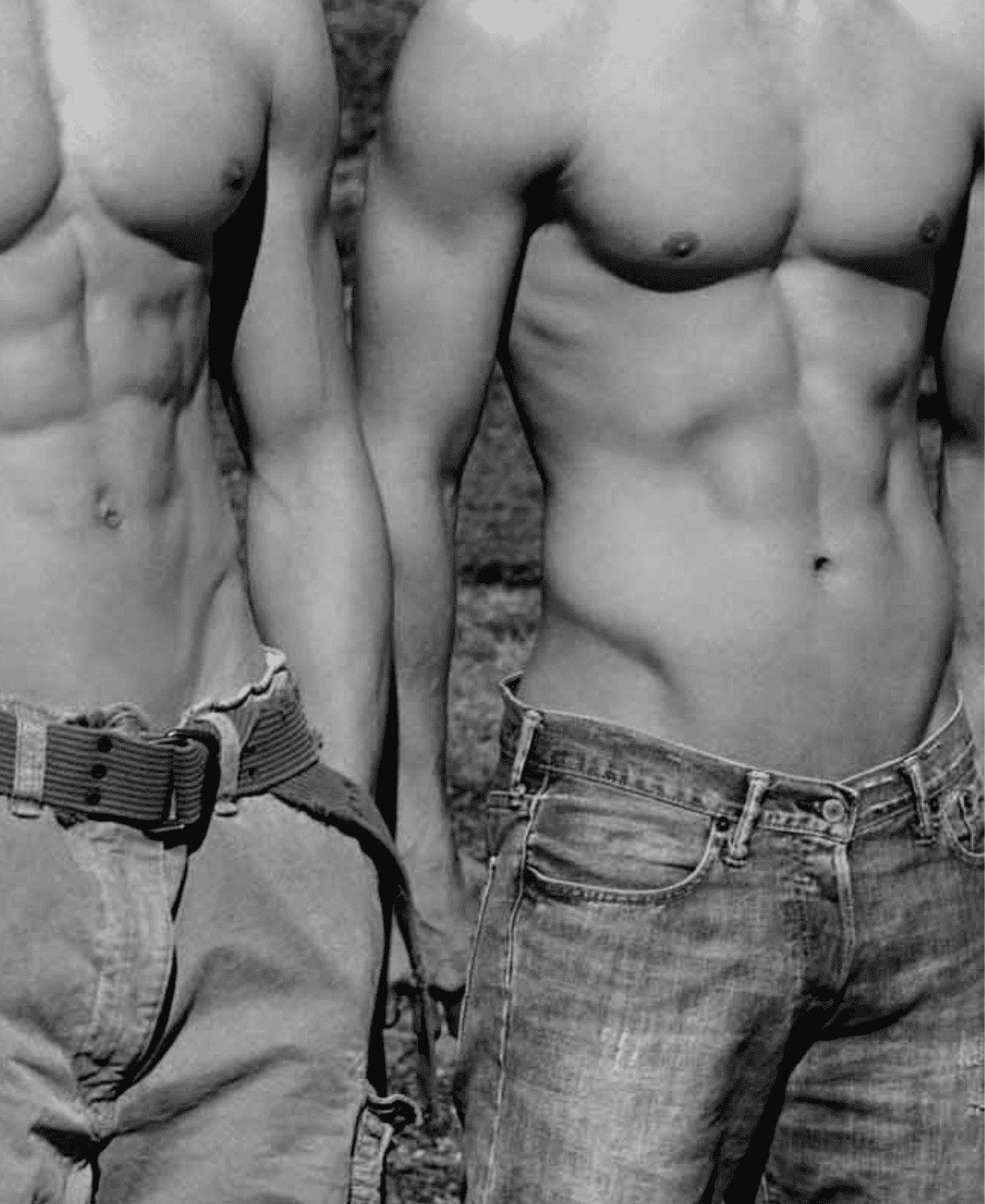
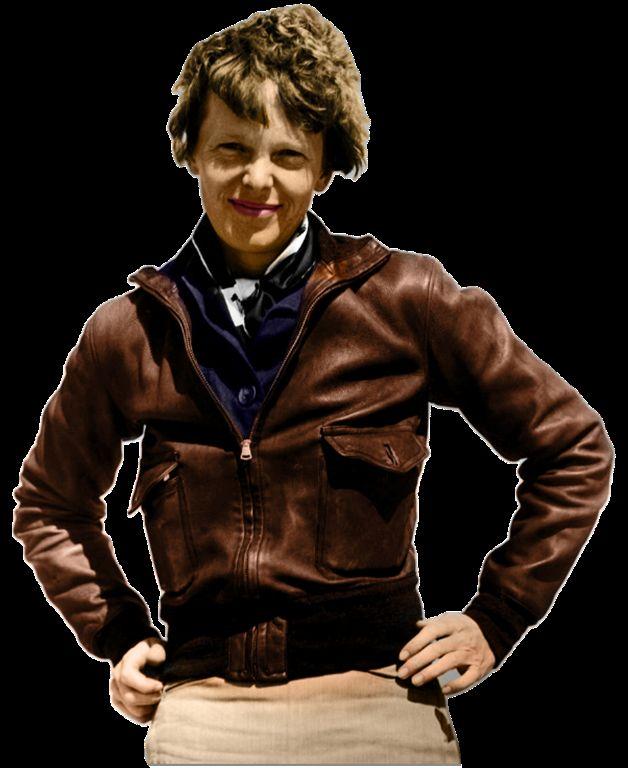
Abercrombie and Fitch created flight suits for Charles Lindbergh and Amelia Earhart throughout their careers.
It’s incredibly likely that she was wearing the outfitter when she disappeared…
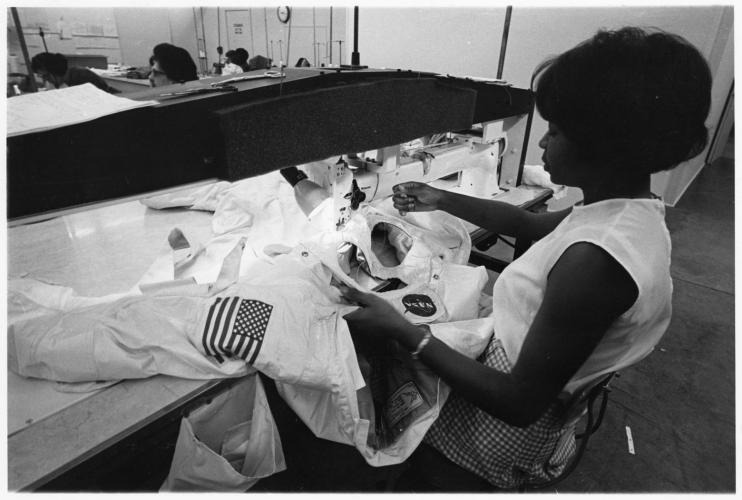
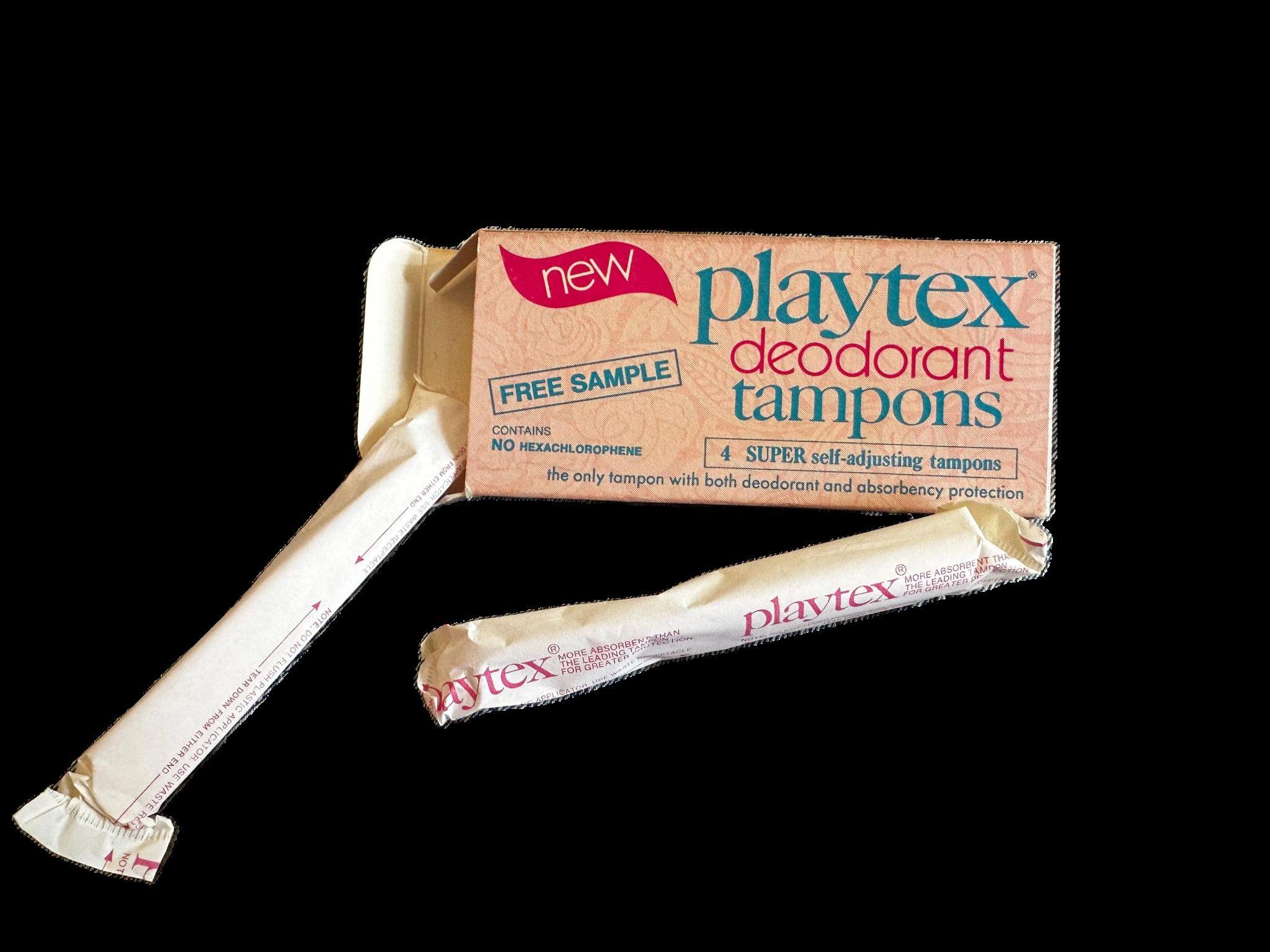
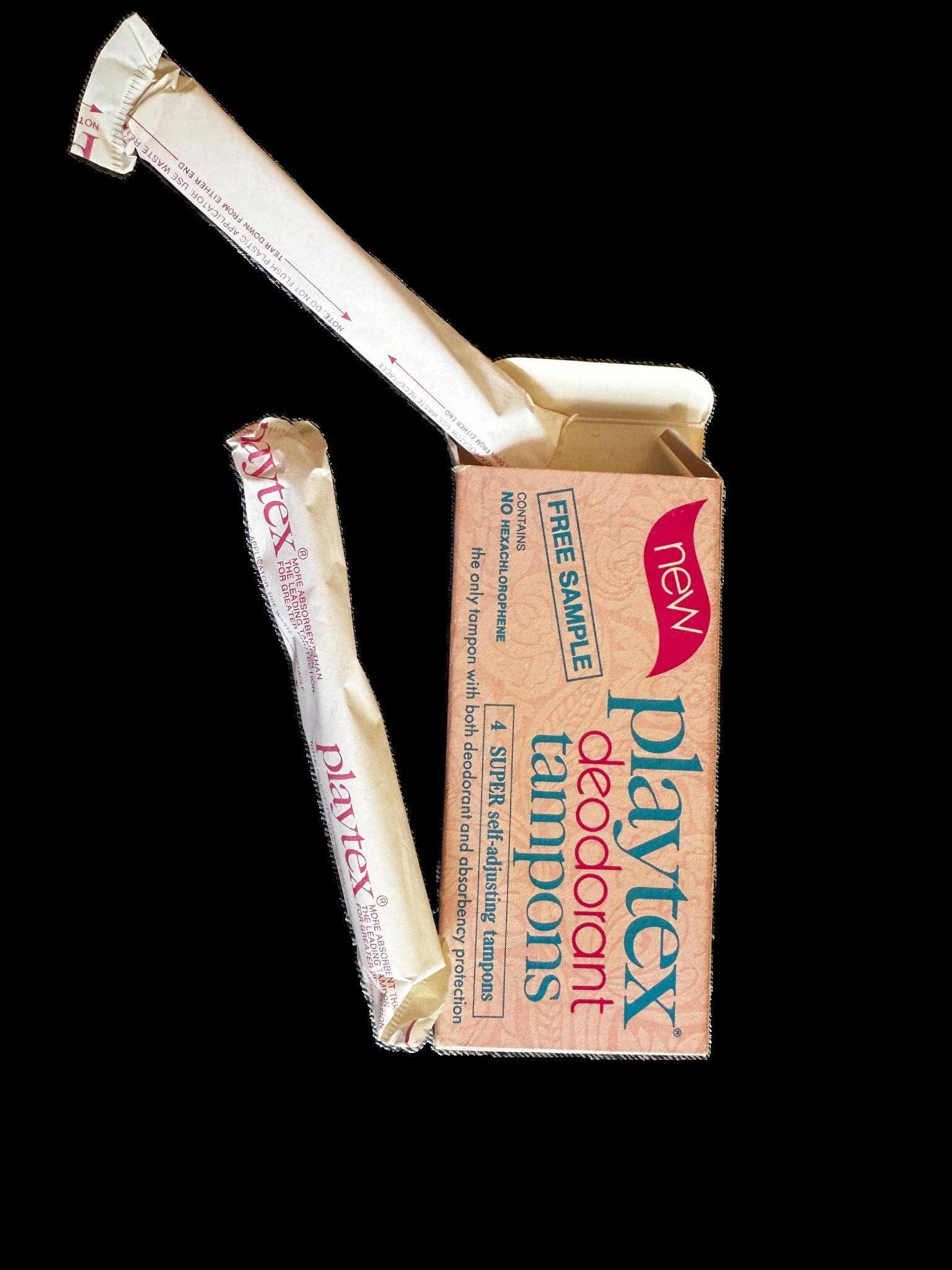

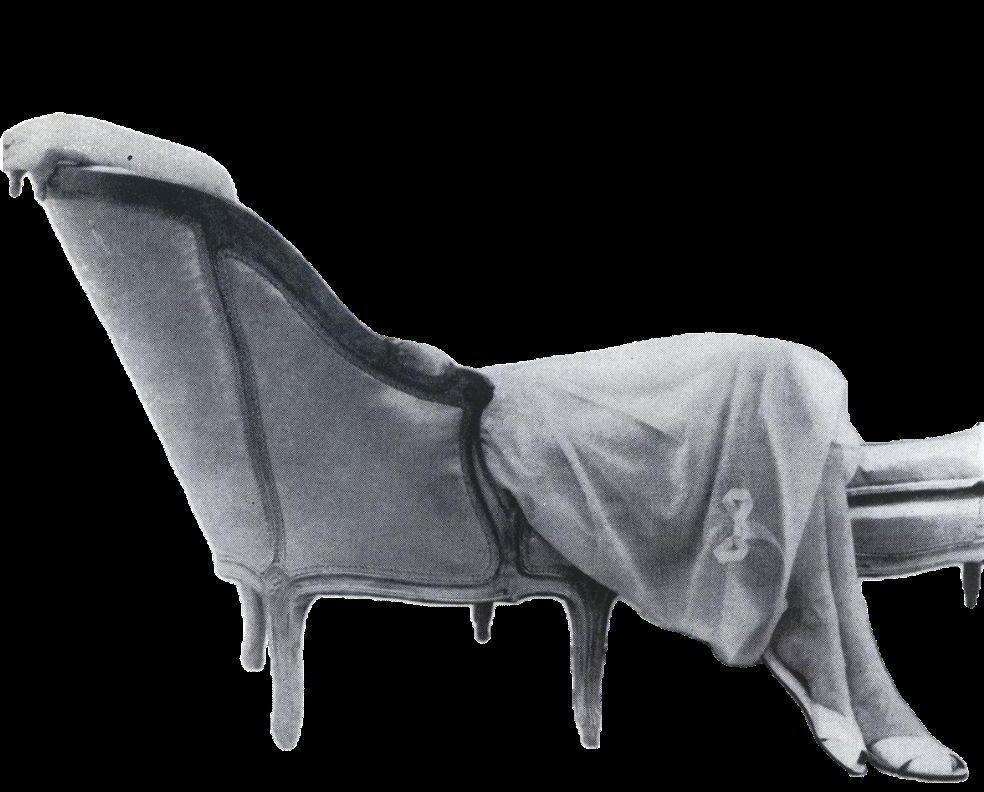
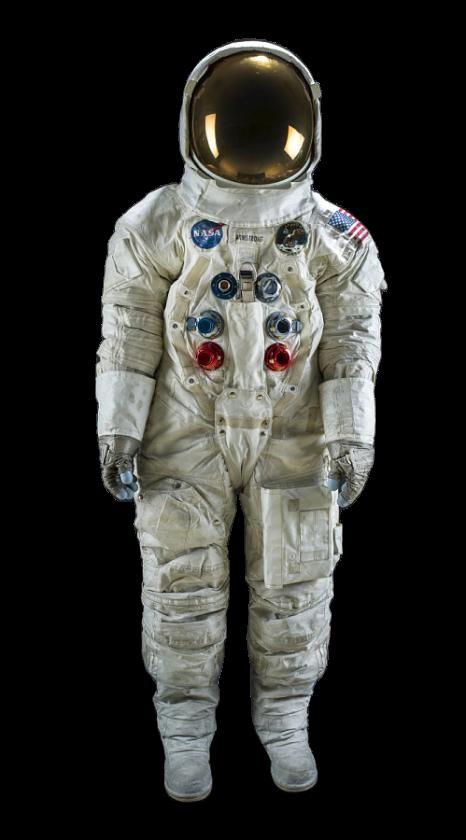
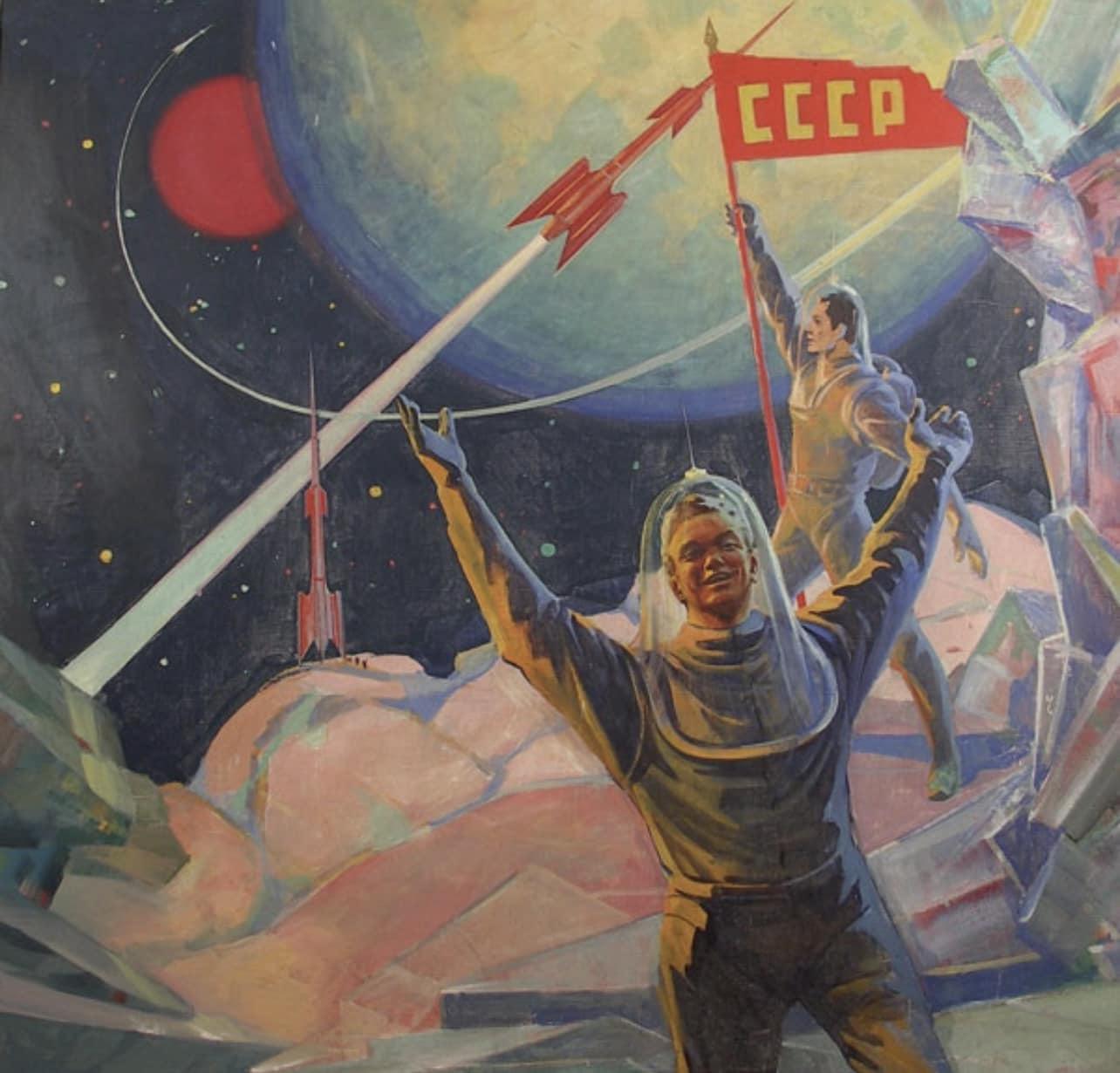
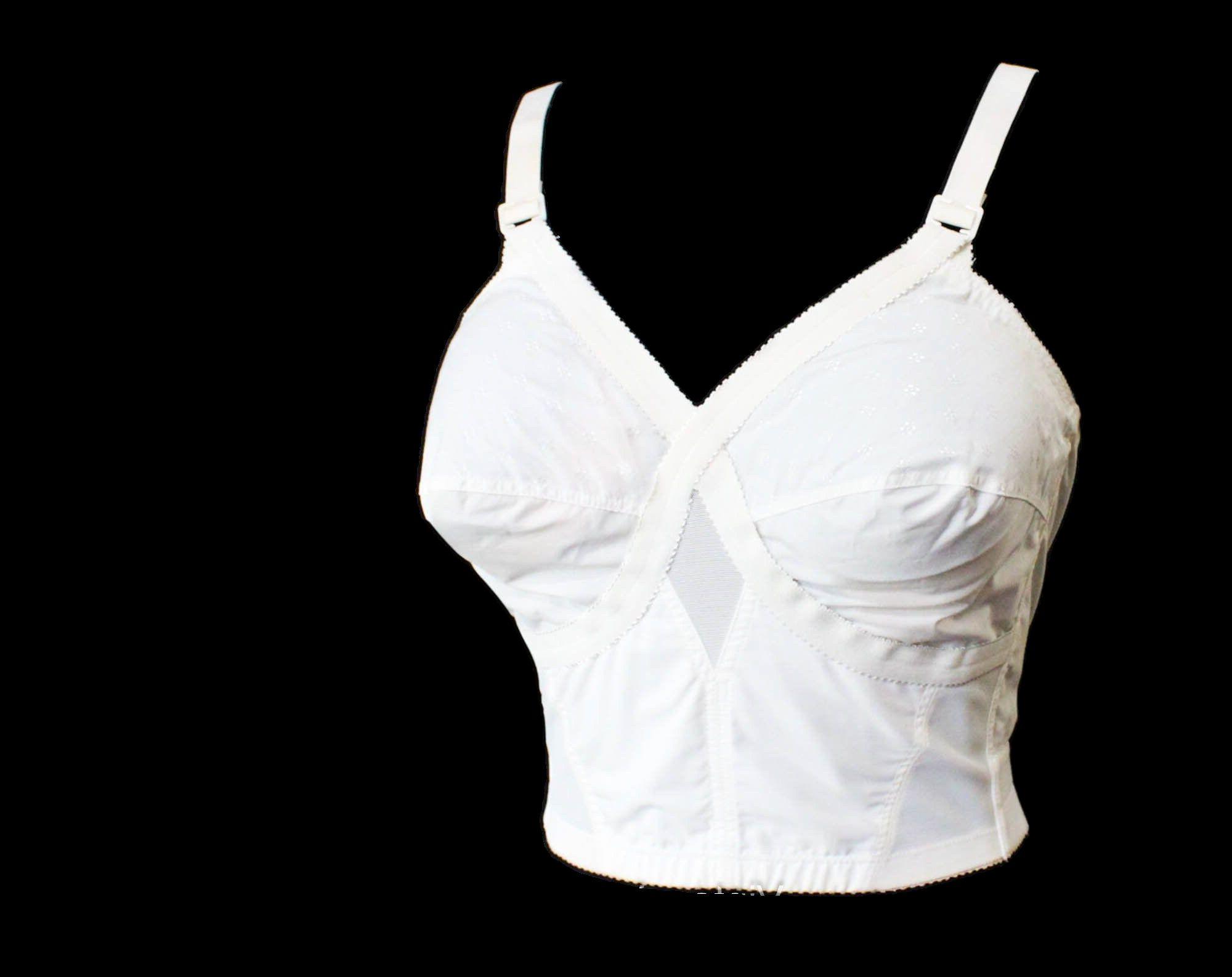
The International Latex Corporation (Playtex) tested and produced the spacesuits for the Apollo program from 1962-1974 via a team of female cutters and seamstresses trained in bras
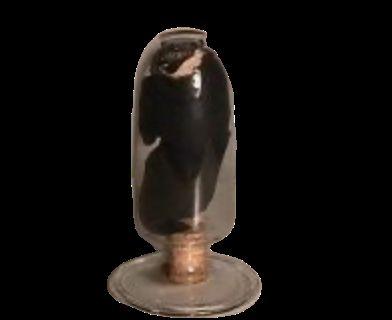
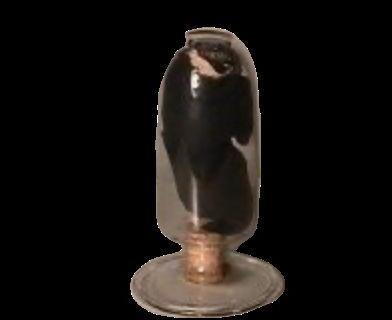
It’s in the coat worn by Abraham Lincoln on the night he was assassinated - the blood soaked fabric was cut into scraps and sold for relics.

It’s in their early fortune built upon livery uniforms commissioned for enslaved persons
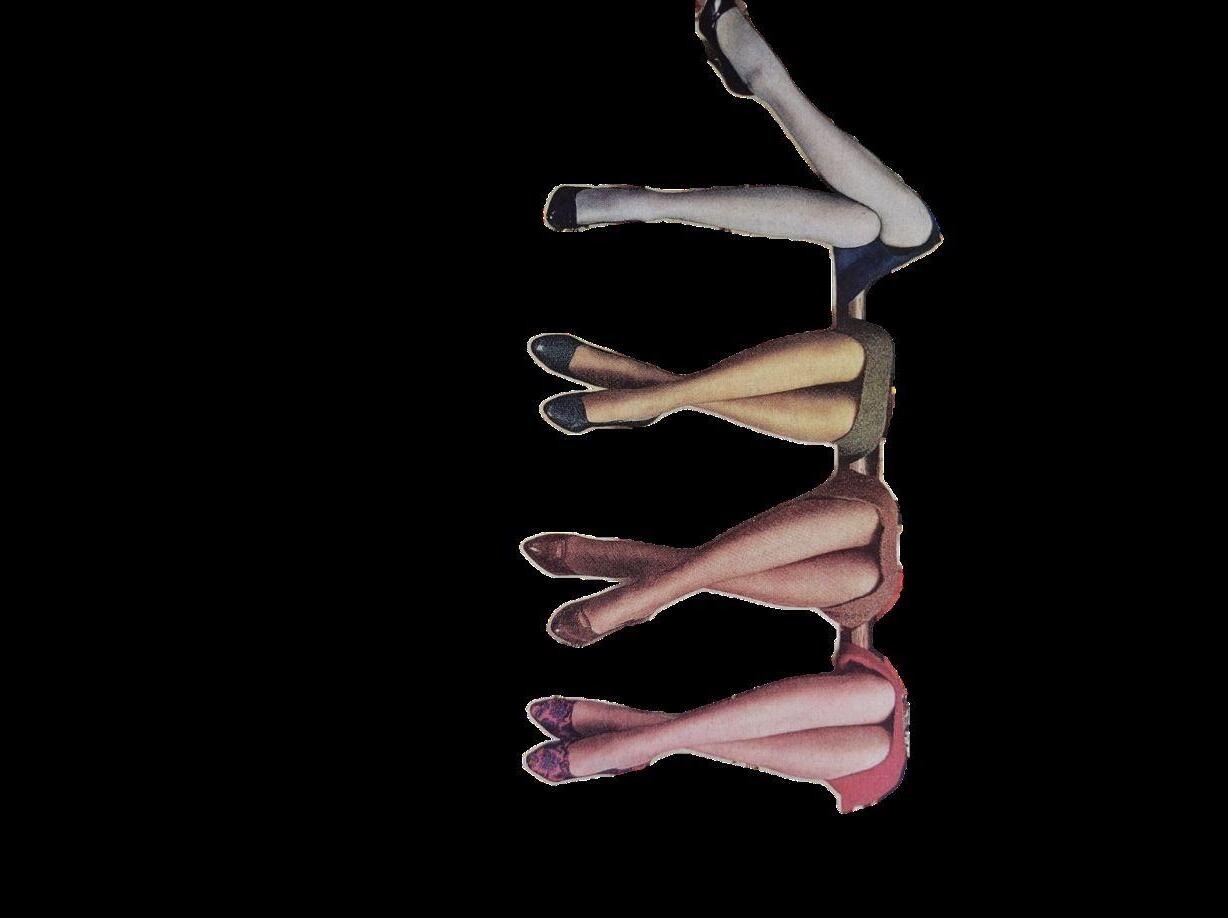
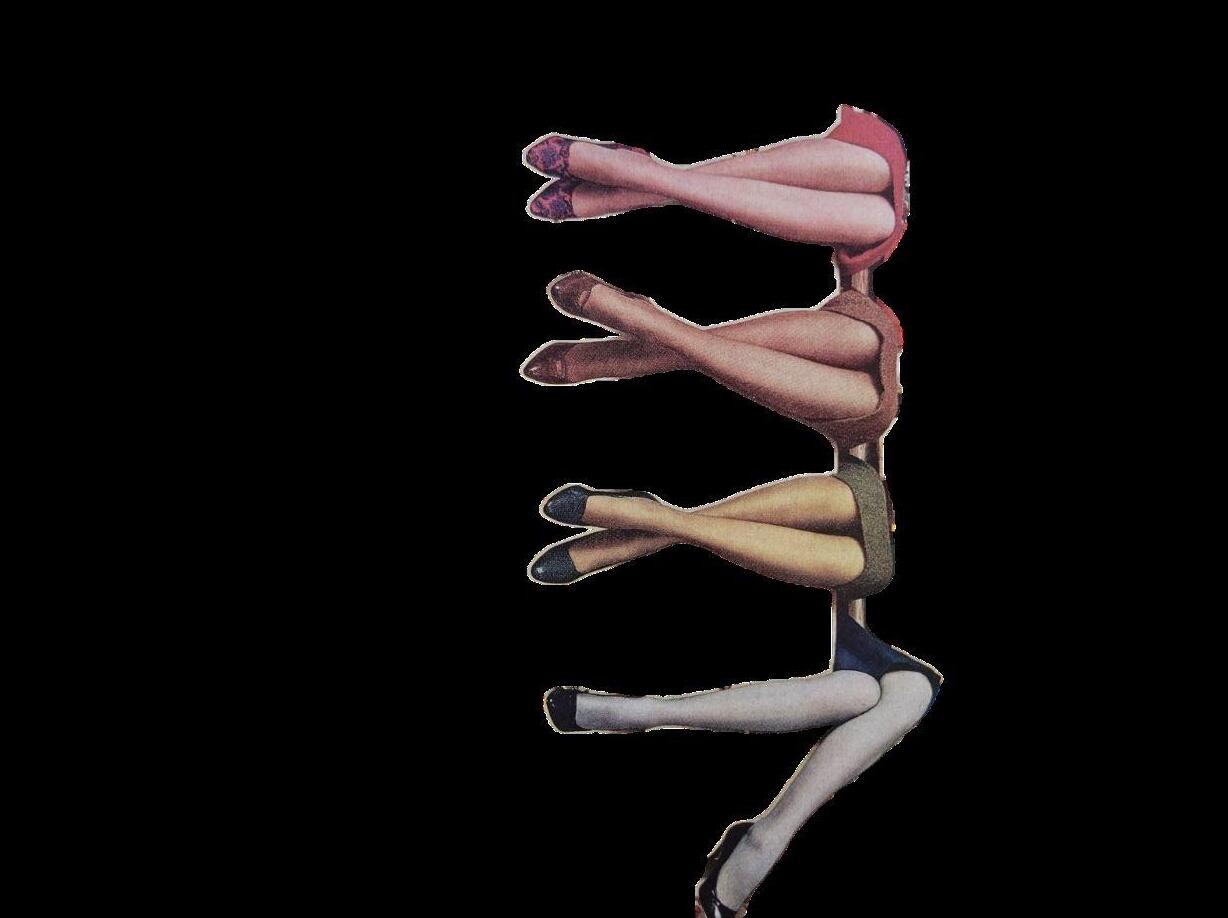
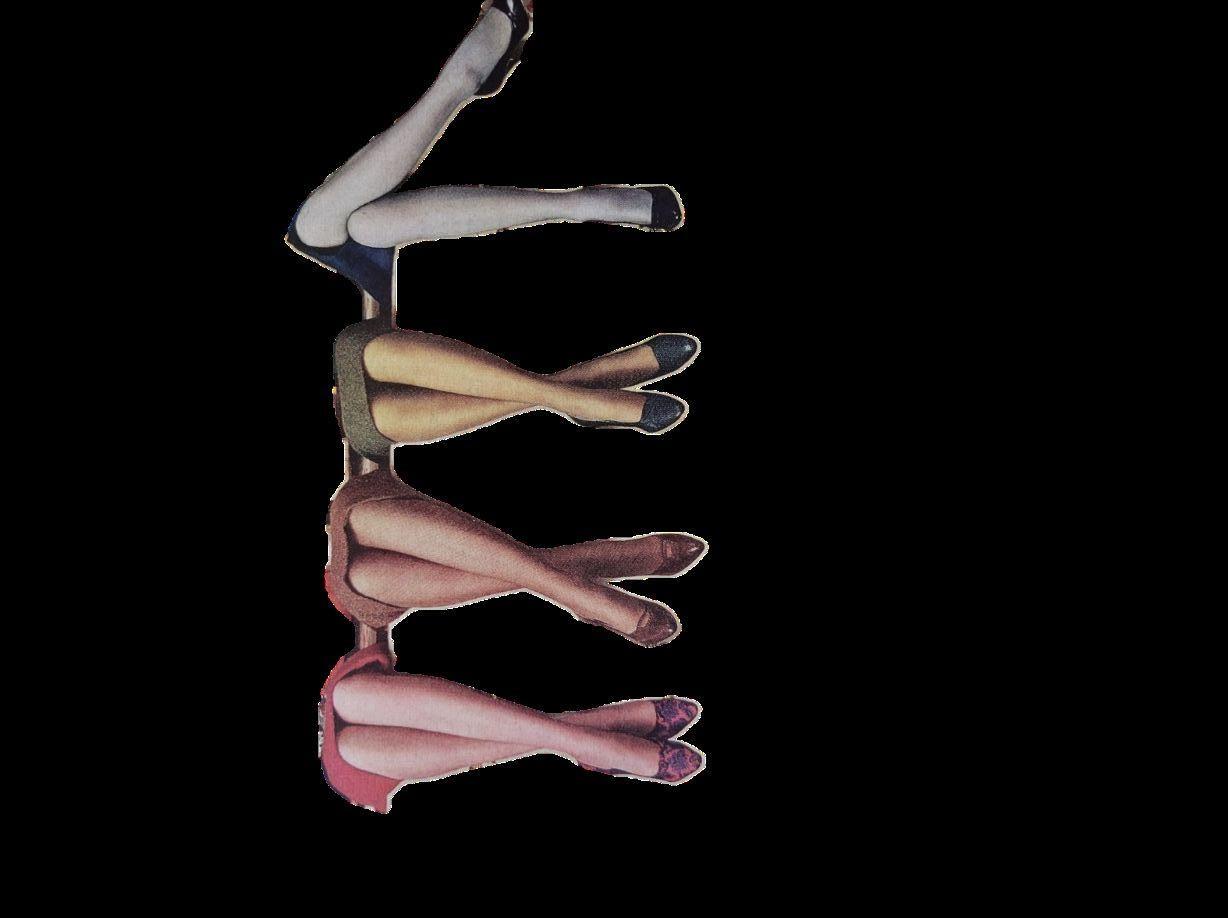
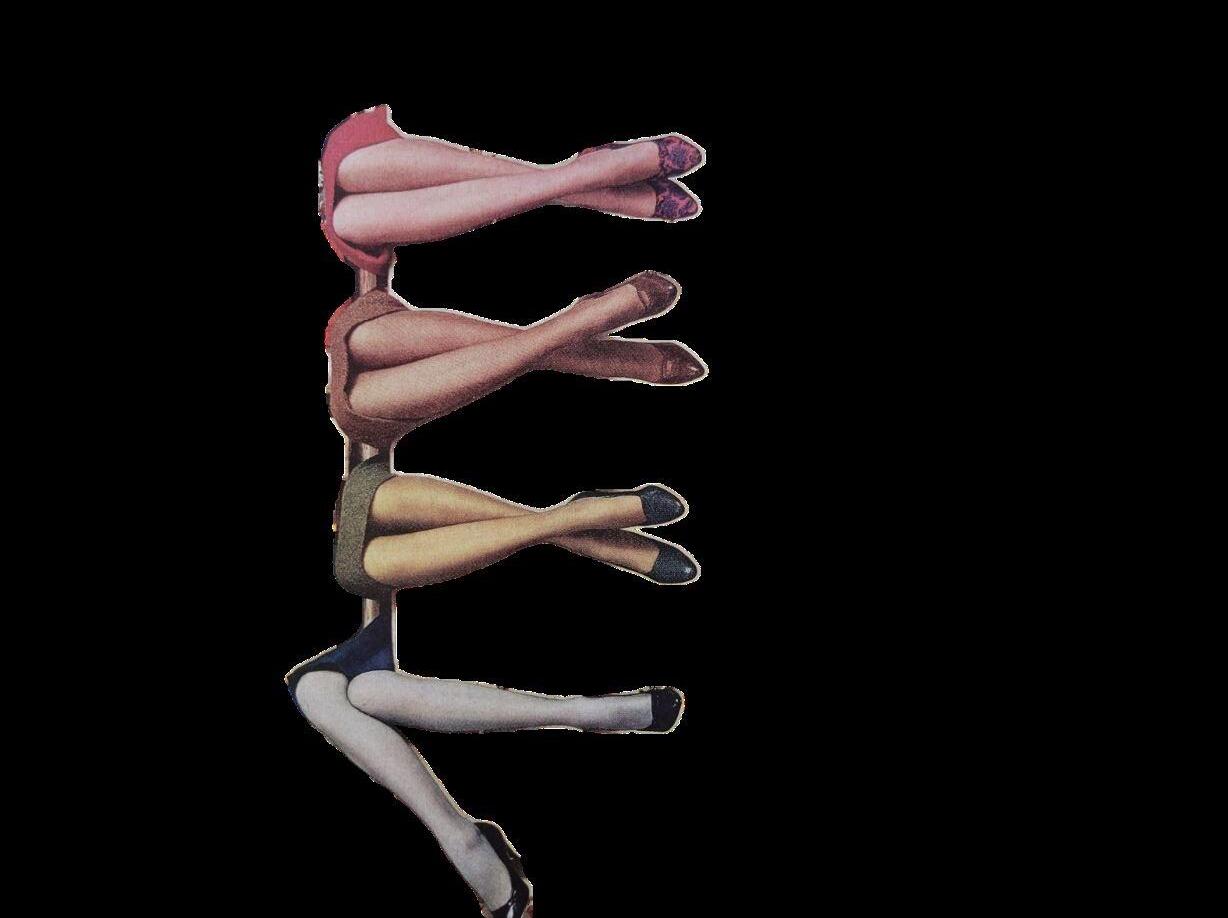
…from the world’s largest stocking factory goes to the German Nazi Party! Part of
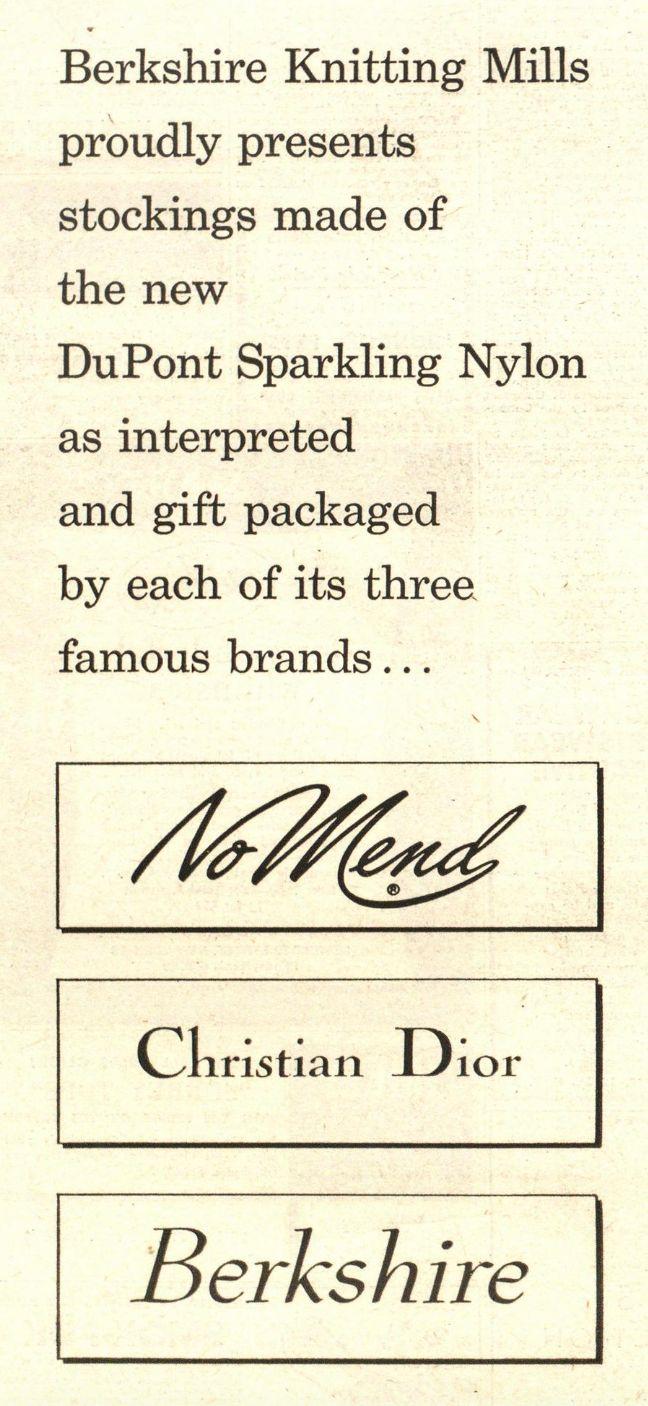
The land and facilities known as the Berkshire Knitting Mills would transition in 1965 to become the cornerstone of Warren Bufett's Berkshire-Hathaway
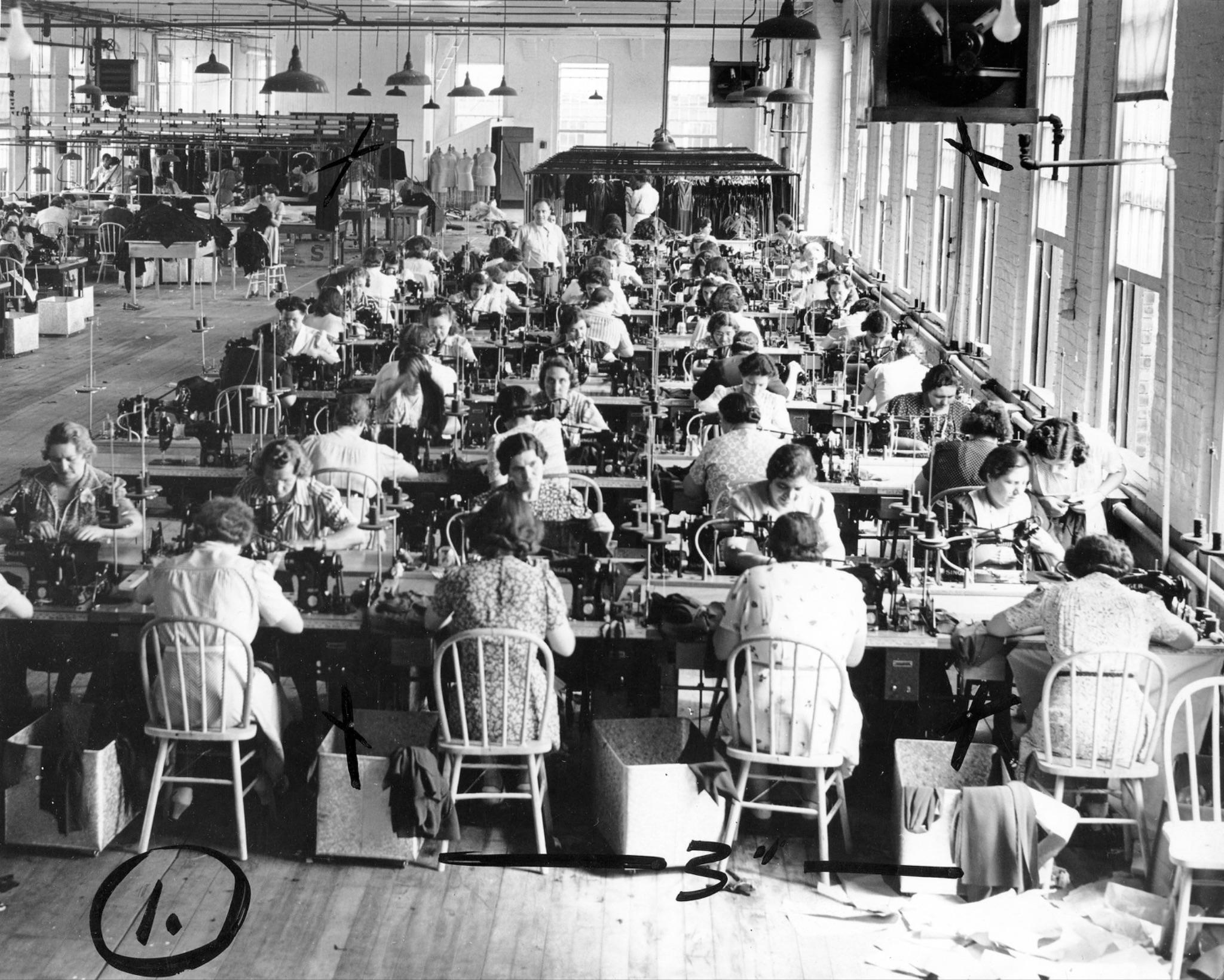
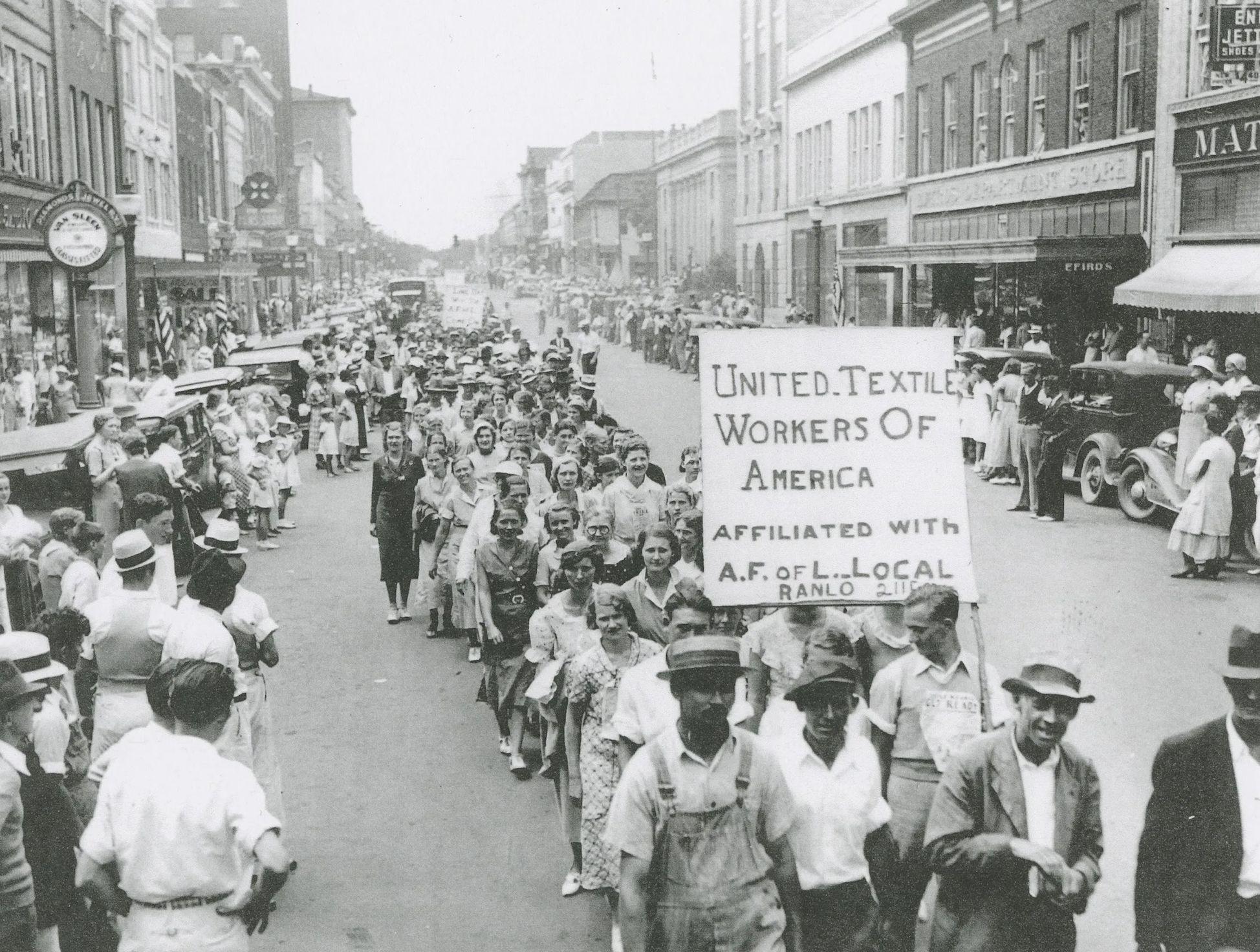
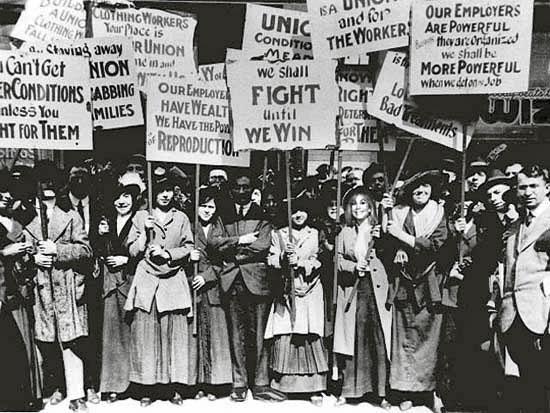
A slogan originating from the 1912 Lawrence Textile Strike, “Bread and Roses” refers to a desire for both dignified working conditions and fair wages. Garment and textile workers, a population made up of largely women, immigrants, and persons of color, are responsible for some of the largest and most effective strikes in US Labor History. This is a partial list of strike movements prior to World War Two. After the war, the most common strikes involved the desegregation of factories.
- Lowell Mill Girls Strike - 1,500 workers
- Paterson Textile Strike - 2,000 workers
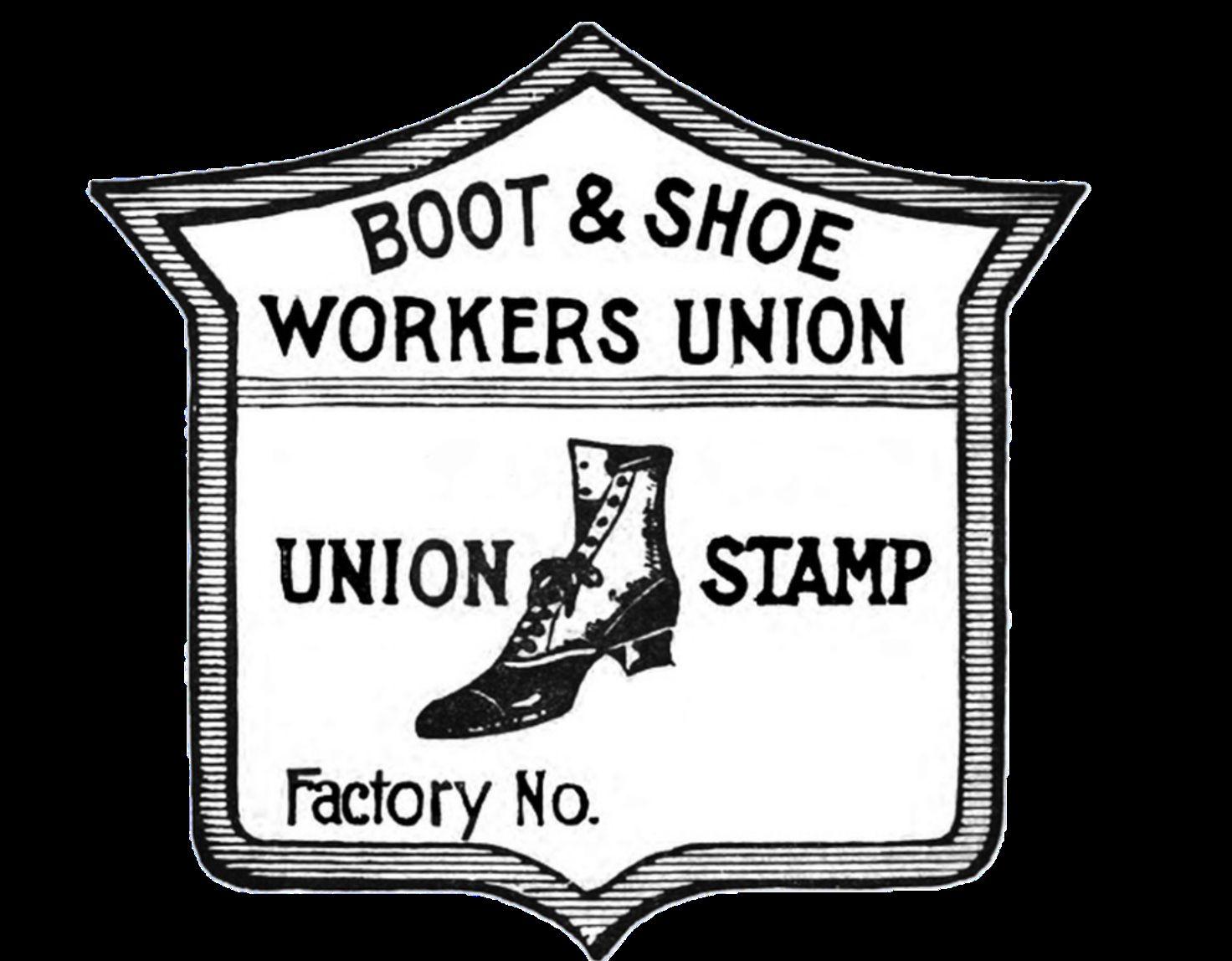
- New England Shoemakers Strike - 20,000 workers
- Atlanta Washerwomen Strike - 3,000 workers
1909 - New York Shirtwaist Strike - 20,000 workers
1910 - Chicago Garment Workers Strike - 41,000 workers
1912 - Lawrence Textile Strike - 30,000 workers
1913 - Paterson Silk Strike - 50,000 workers
1916 - Everett Laundry Workers Strike - 1,500 workers
1922 - New England Textile Strike - 85,000 workers
1926 - Passaic Textile Strike - 15,000 workers
1928 - New Bedford Textile Strike - 30,000 workers

1929 - Gastonia Loray Mill Strike - 1,800 workers
- Los Angeles Garment Workers Strike - 3,000 workers
- US Textile Workers Strike - 400,000 workers
- Lewiston Auburn Shoemakers Strike - 5,000 workers
- New York Laundry Workers Strike - 1,000 workers
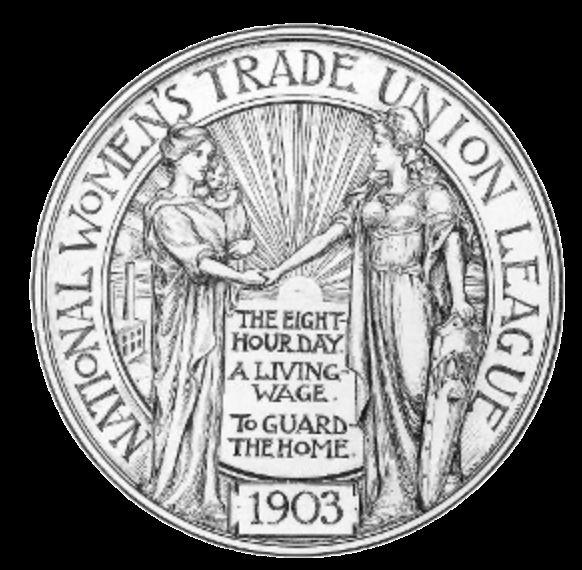

Labor is entitled to all that it creates
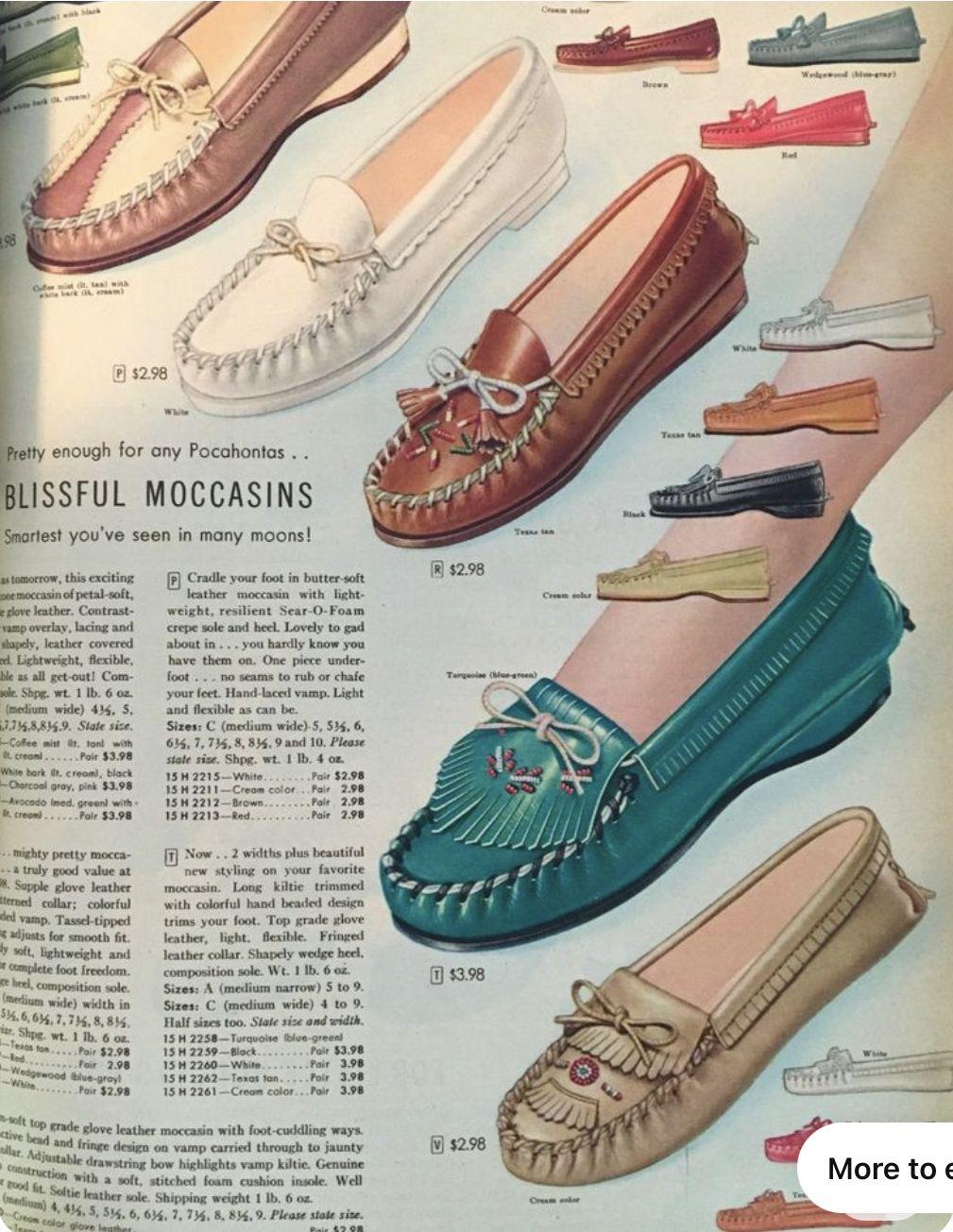
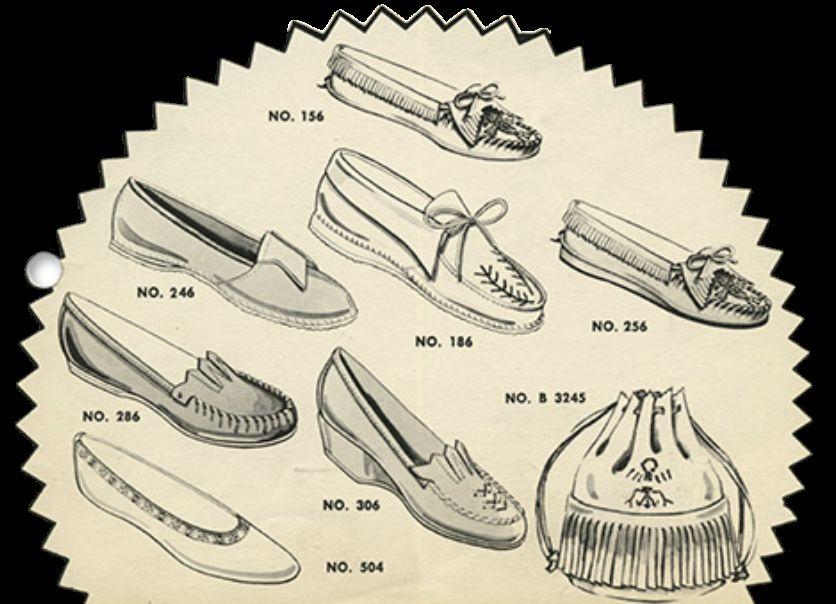
From 1814-1827, the US government issued ten patents for Indian-style moccasins, almost all of which were applied for by white men with companies based in New York.