Source: https://petir.sg/2024/07/18/in-pictures-from-kampong-to-new-town-a-look-at-how-the-pap-has-transformed-nee-soon/
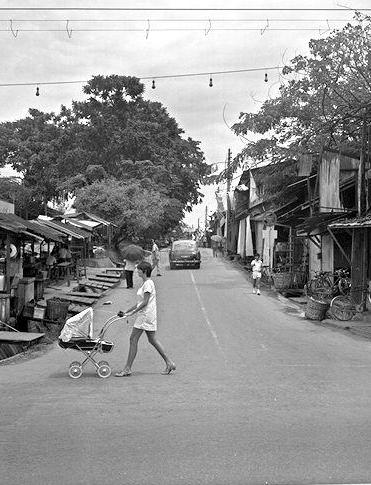
Source: https://petir.sg/2024/07/18/in-pictures-from-kampong-to-new-town-a-look-at-how-the-pap-has-transformed-nee-soon/
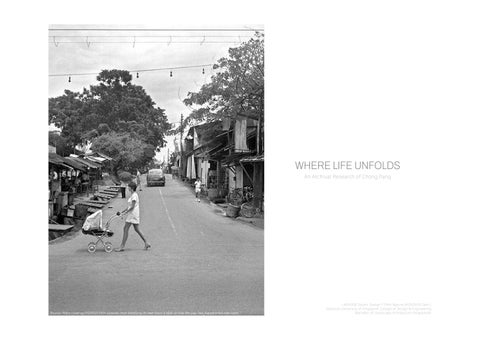
An Archival Research of Chong Pang
LAD4008 Studio: Design 7 Fifth Nature AY2025/26 Sem 1 National University of Singapore, College of Design & Engineering Bachelor of Landscape Architecture Programme
This publication illustrates a archival of secondary research on Chong Pang, tracing layers of its histories and evolving natures over time. Drawing from government records, planning documents such as masterplans, to photo collections curated by street photographers, the study reveals Chong Pang has transformed from a rural kampung and agricultural plantations to a bustling modern neighbourhood estates with diverse communal identities. The archival publication emphasis the pardigm shift in land use, infrstructure typologies, community activities, while secondary sources contextualize these changes within broader narratives of nation-building and urbanization. Collated, these materials provide us a deeper understanding of Chong Pang’s cultural, social and environmental transformations.
AUTHOR
Khoo Zhi Luo
Year 4 Student
B. Landscape Architecture
STUDIO TUTOR
Lehana Guo
Part-time Tutor, Landscape Architect



INTRODUCTION:
1.1
Yishun, also known as Nee Soon, is located at the northern region of Singapore. It is currently a vibrant residential town with a rich history and a dynamic contemporary identity.It was originally named after the prominent business tycoon, Lim Nee Soon, who have played a vital role in managing plantations and estates with the region during the early 1900s. The land was once defined by plantations such as rubber, pineapples, gambier, etc. , farms, swamps, ponds, and kampungs, that sustain livelihood and economy as a form of survival for the villagers who lived here.
Over time, strong agricultural events have shaped the current community culture with a stronger knitted relationship with cultivation and growing your own produce. Through the 1970s to 1980s, rapid urbanisation took place, with a higher demand for modern residential spaces, Yishun went a dramatic transformation, now featuring a mix of public housing, private estates, and community amenities, including schools, parks, healthcare facilities, and commercial centres.
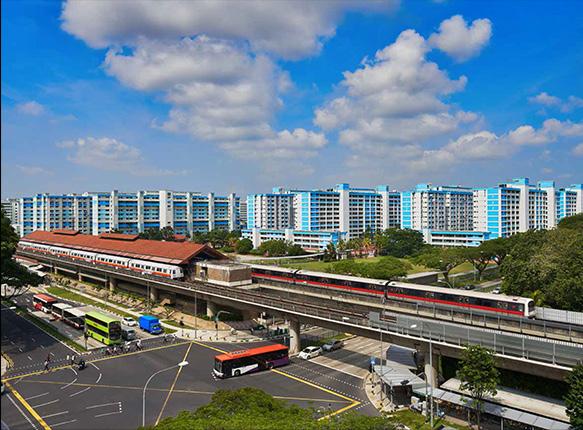
Chong Pang is a part of bustling neighbourhood hub in northern Singapore, reflecting the evolution of Chong Pang from its rural kampong roots into a modern urban precinct.It was established as part of the broader development of Yishun New Town, it is served as a cenrtal commercial and social node, providing a vibrant variety and mix of markets, retail and community services.
Its history is deeply intertwined with the legacy of Chong Pang Village, which was once a cluster of plantations, small-scale farms, and traditional kampong homes. As Singapore urbanised in the 1970s and 1980s, the area was redeveloped to accommodate public housing, and the commercial centre was established to meet the daily needs of a growing population. Today, Chong Pang City retains a distinctive character, blending heritage and modernity: traditional wet markets and hawker centres coexist alongside contemporary shops, cafés, and community facilities, creating a dynamic streetscape that continues to draw people from surrounding estates. In addition, Chong Pang is also one of the precinct where residential, commercial and recreational spaces are closely integrated with each other.
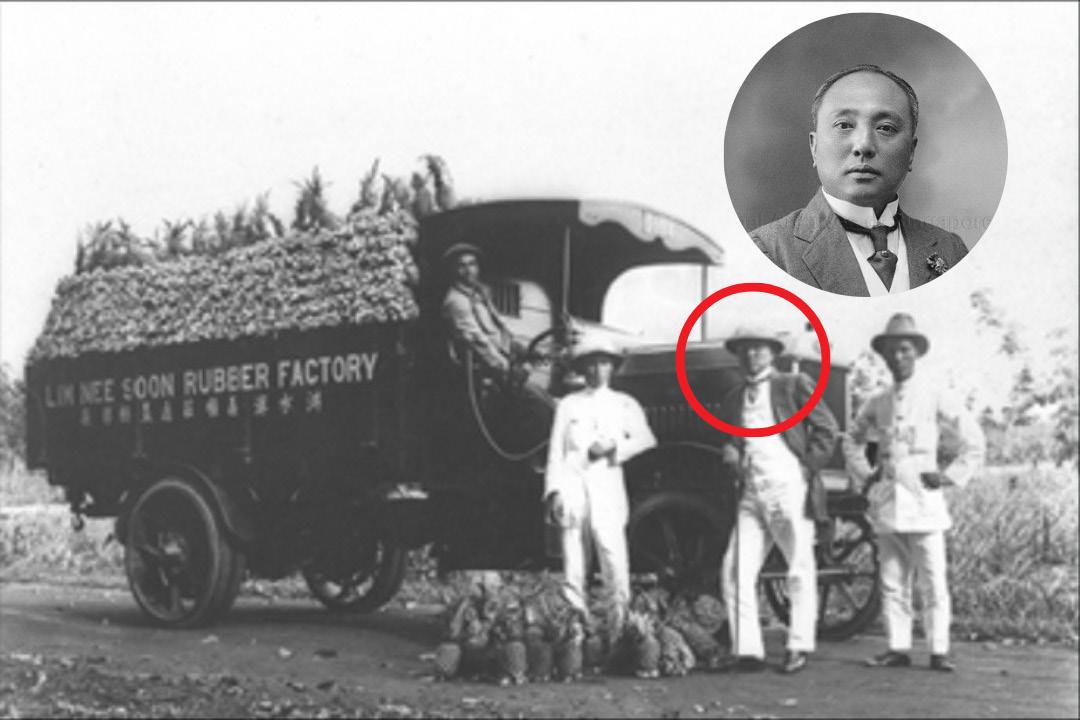
(b. 12 November 1879, Singapore–d. 20 March 1936, Shanghai, China)
Lim Nee Soon was a planter and general merchant. Upon the completion of his studies in Singapore, Lim Nee Soon worked for various firms until 1911 when he founded his own company, Lim Nee Soon & Co. A rubber and pineapple planter and rubber-factory owner, Lim Nee Soon’s businesses were a booming success. He was one of the pioneers of rubber planting, along with Lim Boon Keng (1869–1957) and Tan Chay Yan (1871–1916).
During his early days in his career in the rubber industry, he started off working at his uncle’s textile shop and then he moved on to work for timber merchants, Messrs Tan Tye & Co. He took great interest in rubber planting, and in 1905 became a manager at Tan Chor Nam’s rubber estate.Followed by, attaining an acting manager position of United Singapore Rubber Estates Ltd.
In 1910, the government opened more than 2,000 ac of reserved land in Nee Soon to encourage rubber-planting, due to the rise of automobile industry, which then Sembawang Rubber Estates was formed, Lim Nee Soon became its first general manager, and later its consultant. He subsequently resigned to start his own business as a rubber and pineapple planter, and became a rubber-factory owner. Lim Nee Soon also served as a consultant to other rubber estate owners; by then, he had been engaged in business as a merchant, contractor and general commission agent.
In mid-1930s, due to a decline in demand for the rubber industry, Lim Nee Soon decided to diverse his business into pineapple cultivations. He made big investments in the pineapple industry won him the nickname “Pineapple King”. A respected community leader and one of the most influential businessmen of the day, he was made a member of the Welfare Board in 1917 and a justice of the peace in 1918. Since 1905, he had been acquiring land around the Seletar River area (within the present-day Yishun) and leasing freehold land from the colonial government for rubber cultivation. He also went into a joint venture with some friends to set up the Thong Aik shop at Jia Chui Kang (later renamed Nee Soon Village), which sold food and daily necessities to plantation workers and also served as an office for the management of his plantations nearby.
In 1911, Nee Soon set up his own rubber and pineapple trading company, Lim Nee Soon & Co., chop “Thong Bee”, with an office at 5 Beach Road. Around 1911 or 1912, he also established Thong Aik Rubber Factory near Jalan Ulu Seletar. In 1913, together with Lim Boon Keng, Lee Choon Guan, Yap Geok Song and others, he formed Bulim Plantations Ltd and purchased 880 ac of land at Choa Chu Kang. The following year, he teamed up with Lim Boon Keng and others to set up the 1,085-acre Han Yang Plantation in Johor.
At the peak of his career, Lim Nee Soon owned a number of rubber estates in Singapore and Malaysia, including Yunnan Plantation in Jurong, Bulim Plantation in Choa Chu Kang, West Hill Plantation in Sembawang (Chong Pang area), Marsiling Plantation in Mandai, Hua San Plantation in Thomson and a few other plantations around the Seletar River.
By the 1920s, a large area along the Seletar River had become part of his rubber plantations, and he also built shophouses and dwellings at Seletar Village, which was later named Nee Soon Village after him.
Today, In line with the use of Mandarin as the official Chinese language, many Chinese dialect names in Singapore were translated to Pinyin. Thus, “Nee Soon” place names became “Yishun”. A statue of Lim Nee Soon can be found in Yishun Town Park.
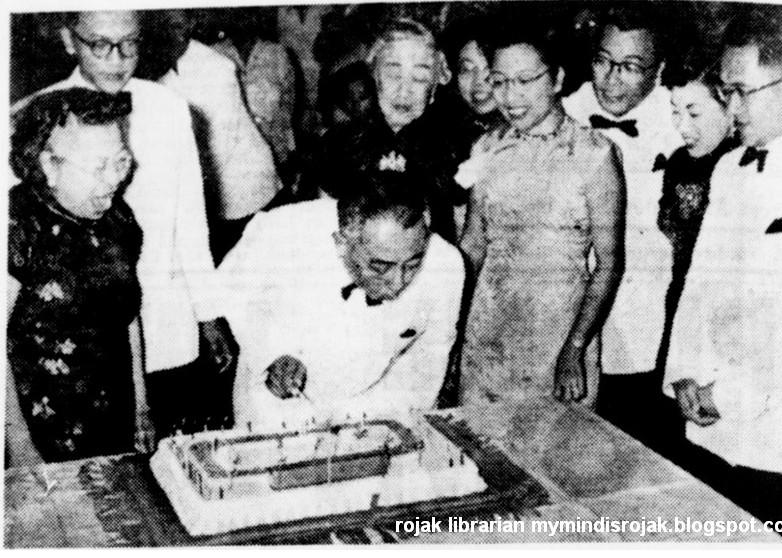
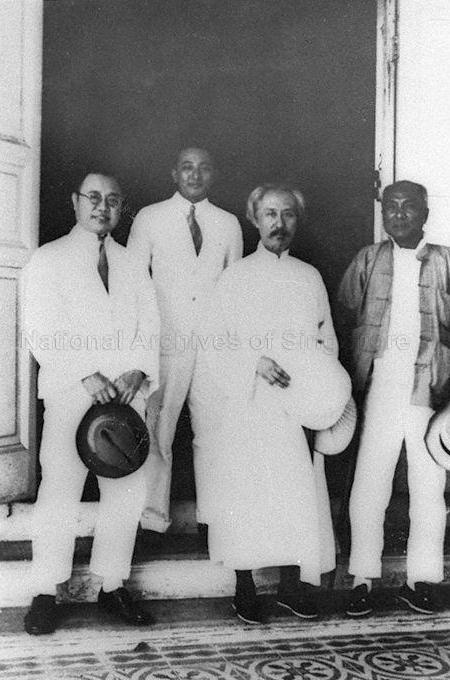
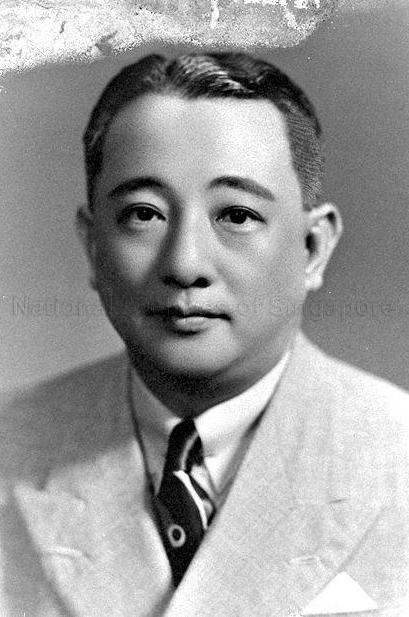
(b. 6 June 1904, Singapore–d. 21 July 1956, Singapore)
Lim Chong Pang is a prominent businessman and a racehorse owner, who is also the son of the famous rubber and pineapale tycoon, Lim Nee Soon. He was also a long-time member of the Singapore Rural Board, which Chong Pang Village, Chong Pang Road and current Chong Pang City were named after him.
In mid-1930s, he expanded his busineses to real estate management by providing residential spaces for the incoming laborers who were employed at the Seletar area. He was also involve in infrastructure projects such as the constructuion of the bridge over Seletar River and the construction of the Sultan Theatre. On the other hand, he took over his father’s film businesses such as Thong Aik Company, and futher expand its business by setting up South East Asia Film Company and opening and managing few other more theatres. He was a multiple-term president of the Indian Motion Picture Distributors Association of Singapore, and board member of the Cinematograph Exhibitors Association of Singapore and the Federation of Malaya. In addition, he was also a director of the Overseas Assurance Corporation.
In 1929, Lim was appointed to the Singapore Rural Board, a governmental body dealing with municipal issues such as water and electricity supplies, construction of maternity clinics, repair of main roads and the building of public standpipes. Entering the service when he was 25, he was the youngest-ever member of the Board, and went on to serve from 1929 to 1938.
On top of that, he also sat on the committee of the Chinese Chamber of Commerce, and was involved in efforts to support the cause of China in its war against Japan. He was honorary treasurer of a special committee of the Oleh Oleh Party, formed to assist the War Fund, and supported local Chinese volunteers receiving military training for the war effort.
Besides that, Lim held a great interest in horse racing. From 1946 to the time of his death in 1956, his horses won more than 100 races in Singapore and Malaya. He was also vice-president of the Owners and Trainers Association of Malaya.
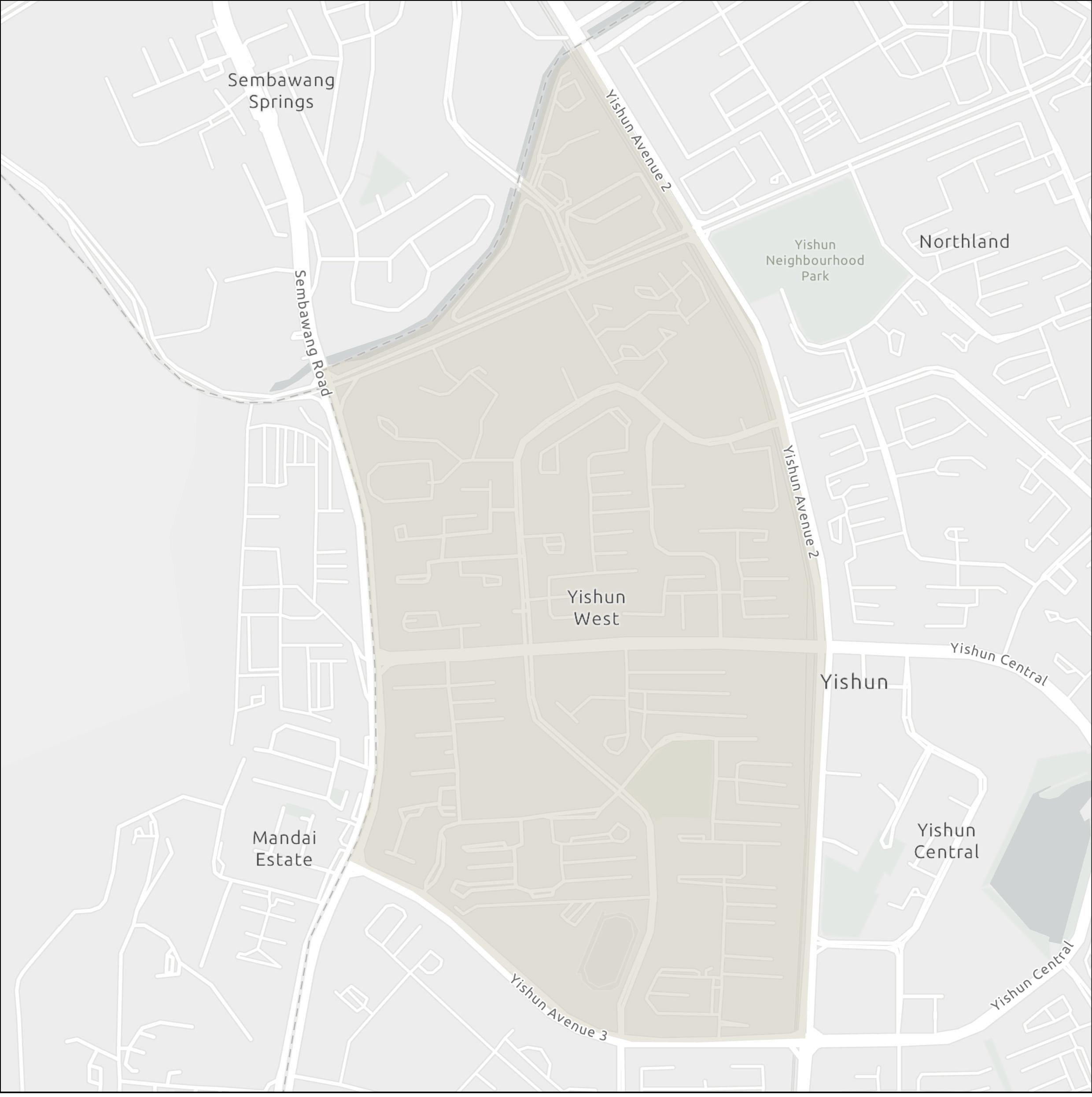




Population & Demographics History
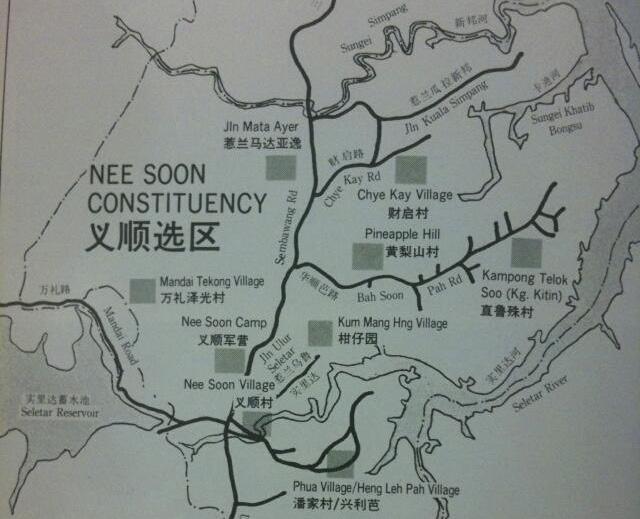
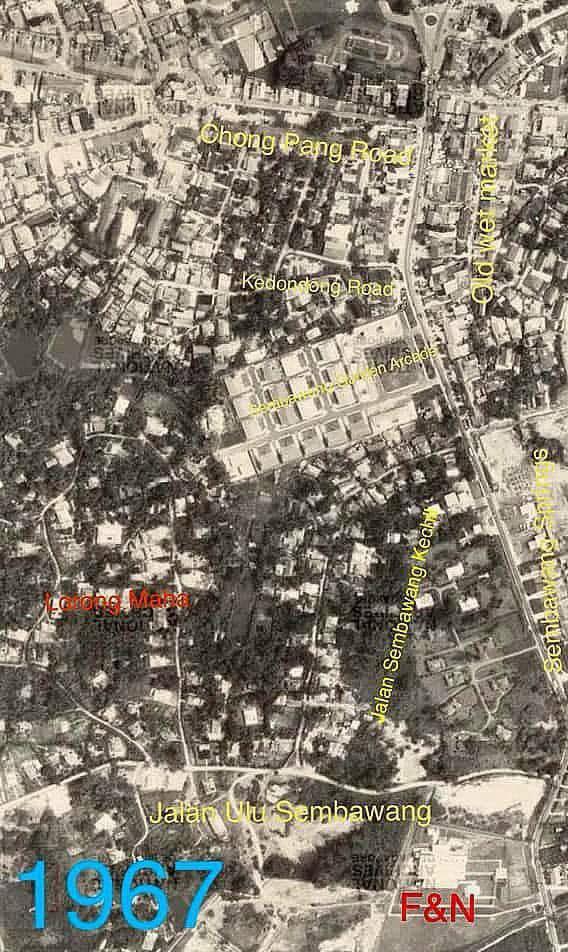
In the late 1930s to early 1940s, the former Chong Pang Village, was named as Westhill Village previously. As the majority population living in Westhill Village was made up of Indians, with a minority population of Chinese rubber tappers and Malay fishermen. The total number of households living in Westhill Village was not more than 100 families.
After the Japanese Occupation, during the mid 1950s, Westhill Village was then renamed to Chong Pang Village, as there was an influx of Chinese residents resettled from Paya Lebar, due to the acquired land that was plan for a construction of a new airport (Paya Lebar Airport / Paya Lebar Air Base). The Chinese became the majority population within Chong Pang Village until its land was acquired by the Government by the 1980s.
The Malay population of old Nee Soon Estate was not particularly large but most of them live at Kampong Jalan Mata Ayer along Sembawang Road.
Part of Nee Soon estate, Chong Pang Village was originally called the Westhill Village or Westhill estate. Westhill Village was located at the twelfth milestone at Seletar opposite the Sembawang Aerodrome. It was named by the government as Chong Pang Village in 1956 as a tribute to Lim Chong Pang (b. 6 June, 1904 Singapore - d. 1956 Singapore), the son of Lim Nee Soon. Lim Chong Pang was a businessman who served as a member of the Rural Board from 1929 to 1938.
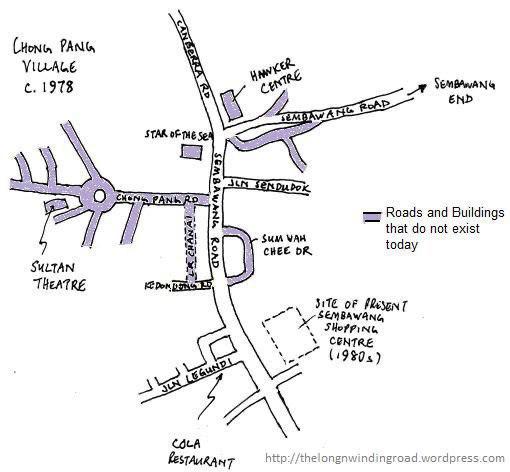
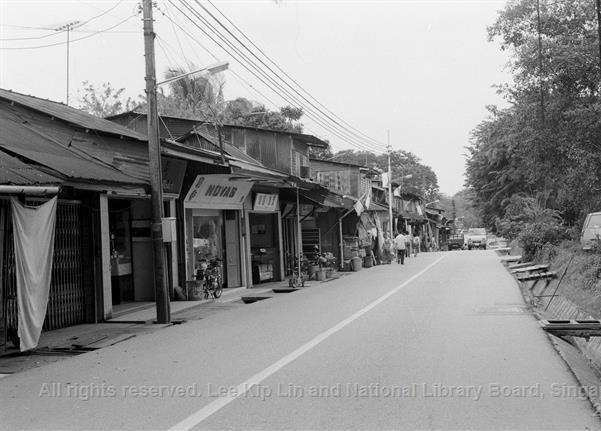
Chong Pang Village centred around a row of shophouse units which made up the village’s business, commercial and residential core. The western and south-western boundaries of the village were next to the extensive Ulu Sembawang vegetable and fruit farming regions. To the north of the village was the former British Naval Base constructed in 1938. Heavily dependent on the rubber plantations for their living, the villagers were adversely affected by the collapse of the rubber in 1935. Thankfully, the British Naval Base came into the picture and provided plenty of employment. The construction of the Paya Lebar Airport in 1953-1954 led to an exodus of households from Paya Lebar into Chong Pang, leading to a swelling of Chinese households in the village, even outnumbering the Indians who were until then the majority of the village’s population.
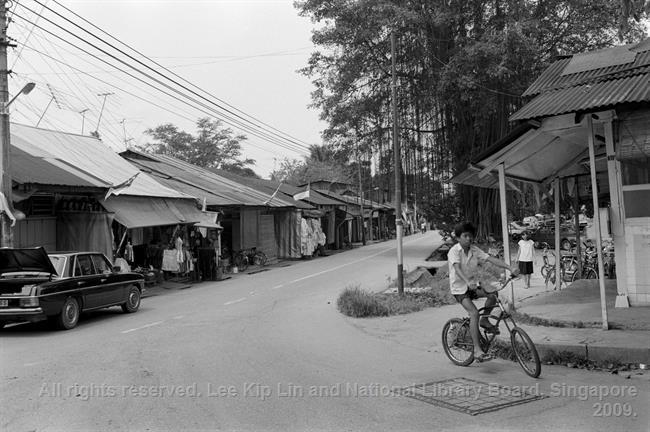
During the Japanese invasion, many inhabitants fled the village for fear of being killed by the Japanese soldiers. The area around Sultan Theatre, which was built by Lim Chong Pang, was converted into a red-light district and the theatre itself was used to store ammunition.
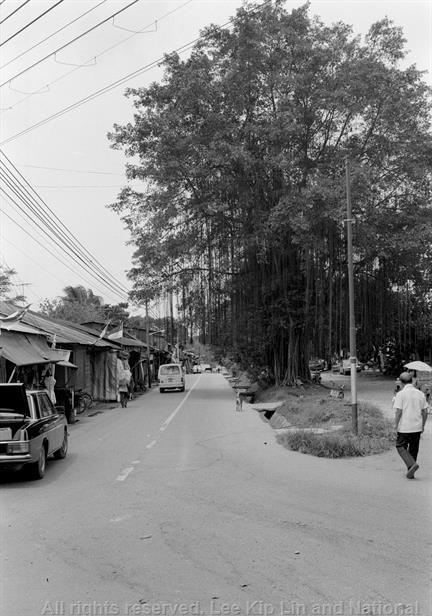
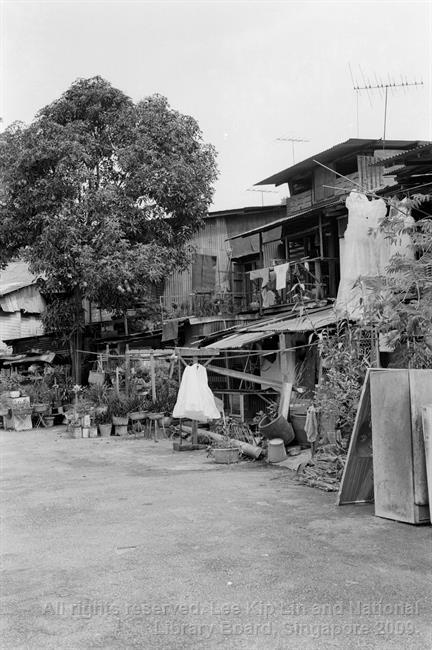
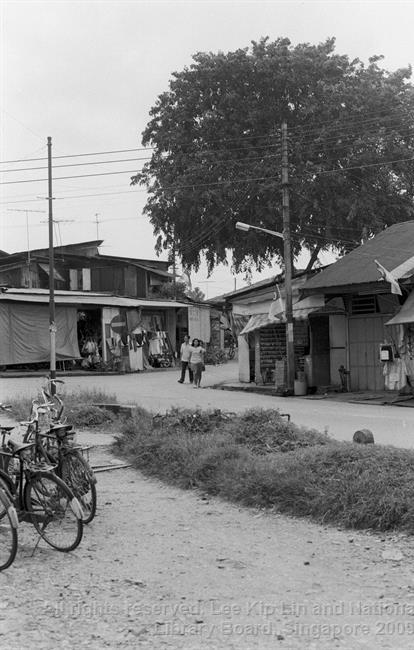
In March 1989, the village was razed to the ground and in its place today stands the Sembawang New Town. The present day Chong Pang housing estate, known as Chong Pang Garden, is in the Yishun New Town. Built in 1981, Chong Pang Garden is made up of 923 housing units and is flanked by Sembawang Road, Yishun Ave 5, Yishun Ave 2 and Yishun Ring Road on its four sides.
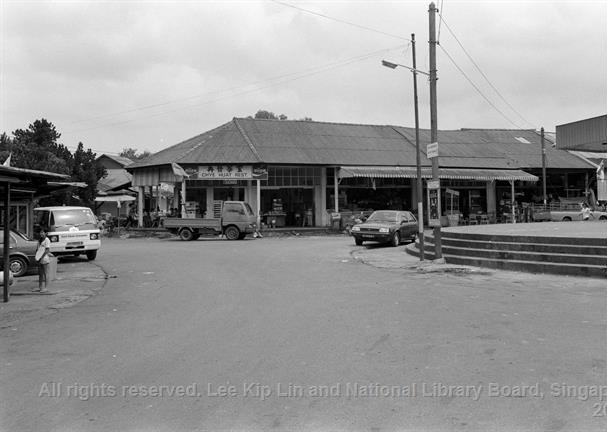
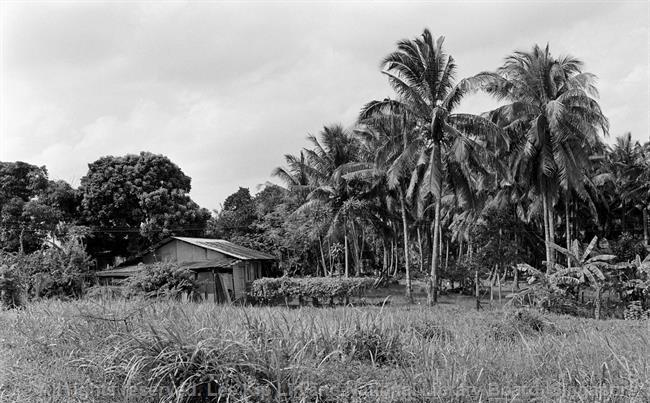
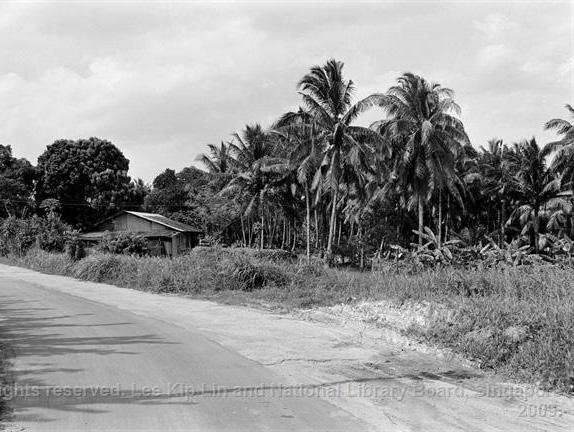
Most of the occupancies were belong to the Malays. It was named as Mata Ayer, which translates to ‘Water Spring’, as it was located near the current Sembawang Hot Spring area.
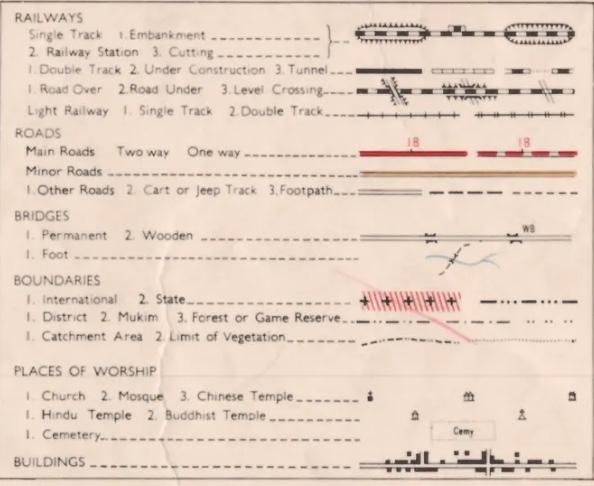
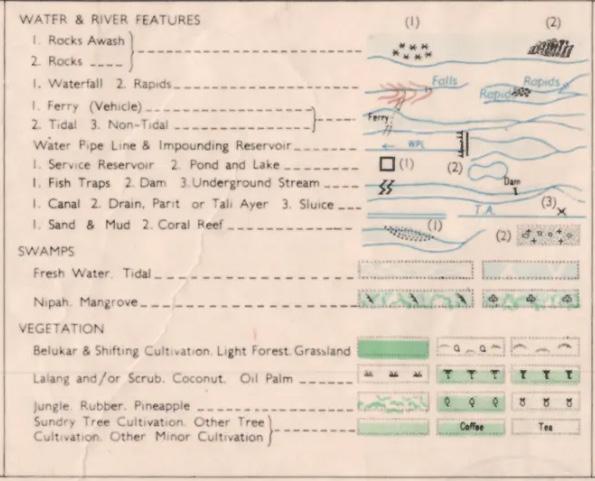
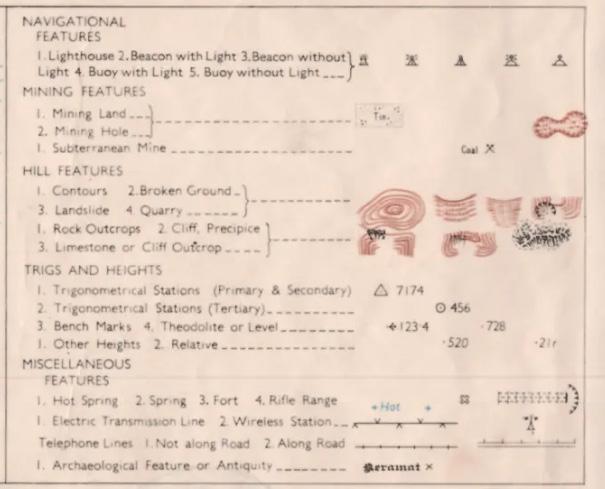
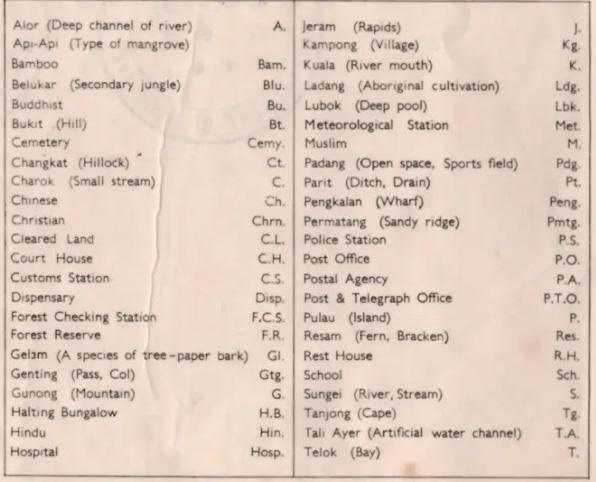
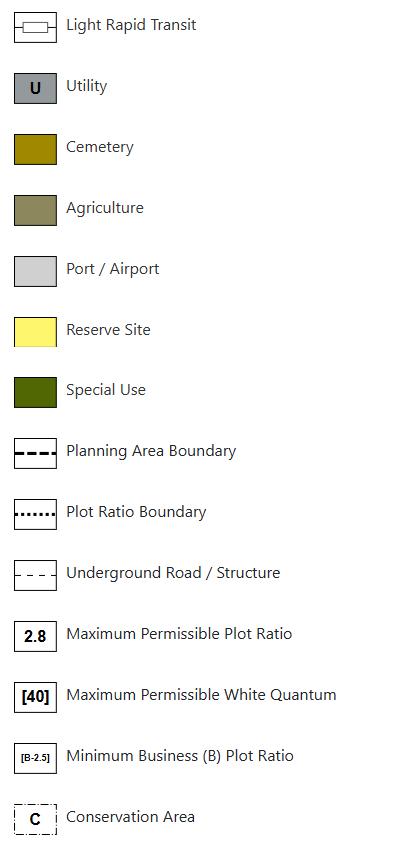
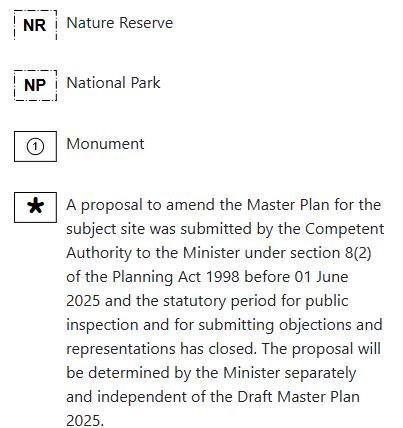
Masterplan: 1911
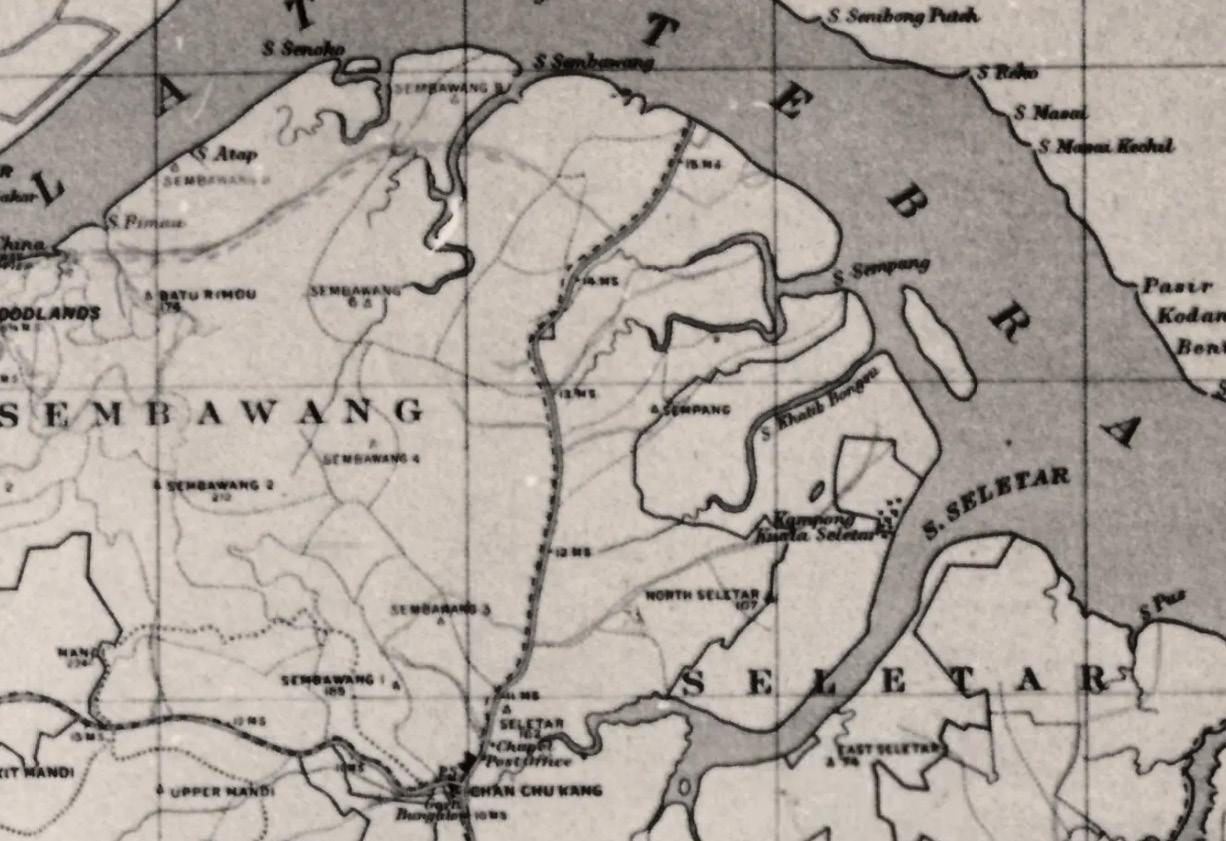
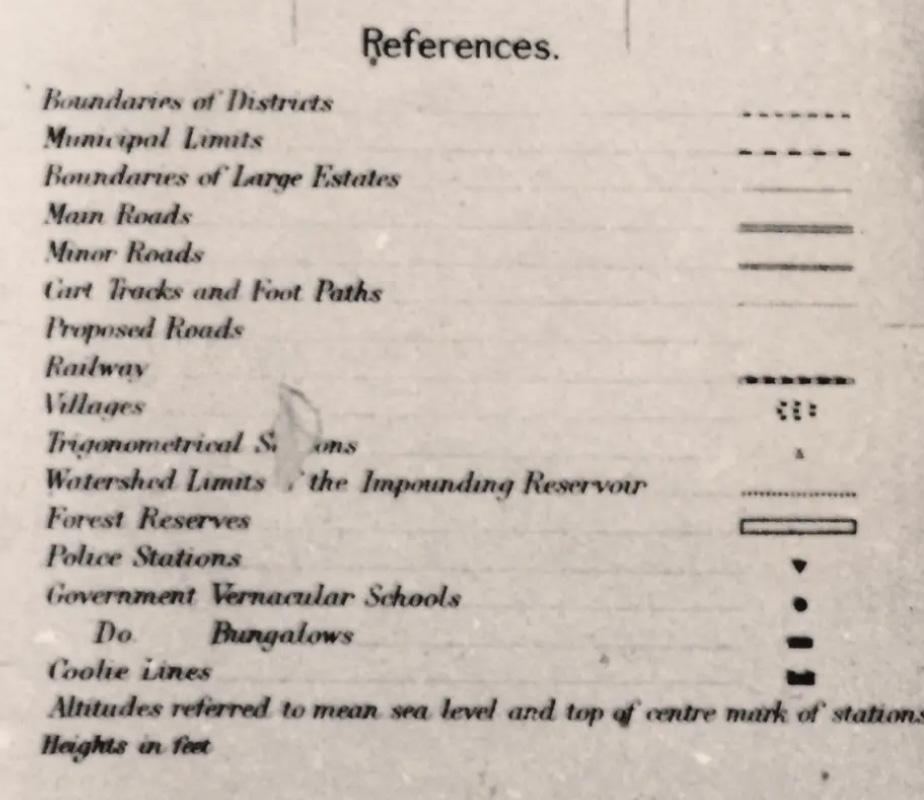
Masterplan: 1943
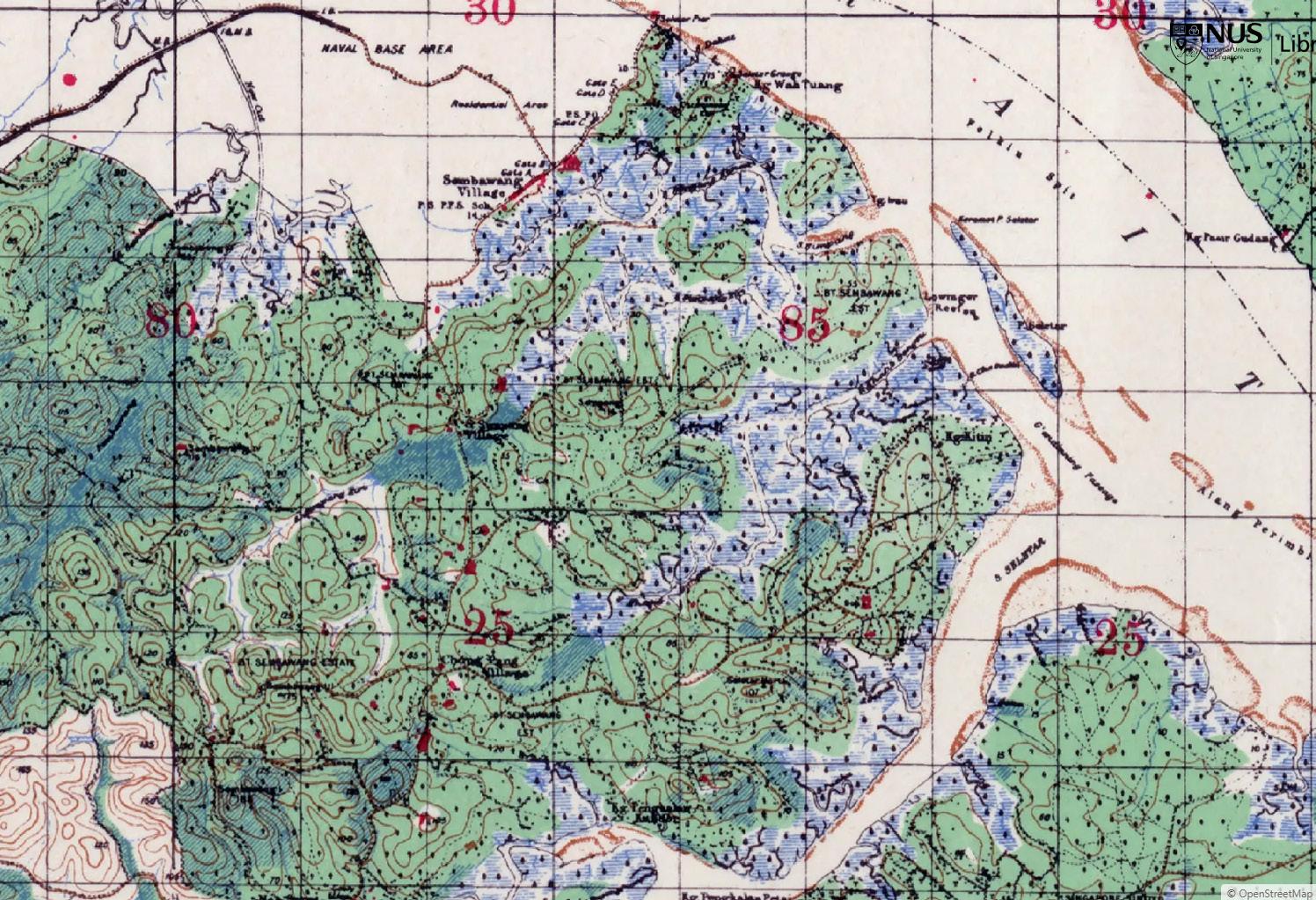
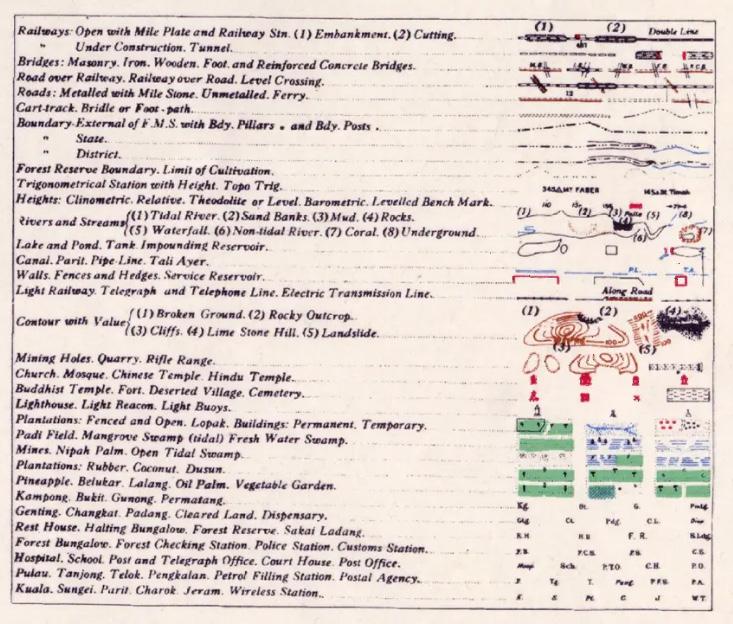
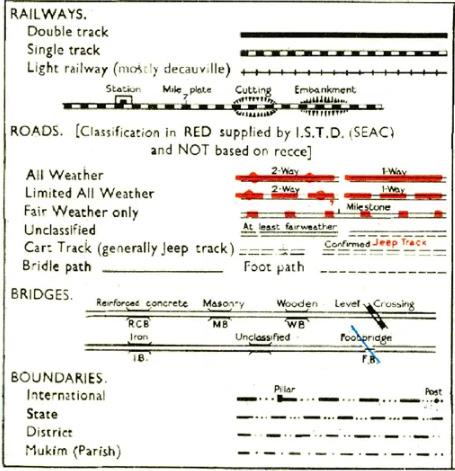
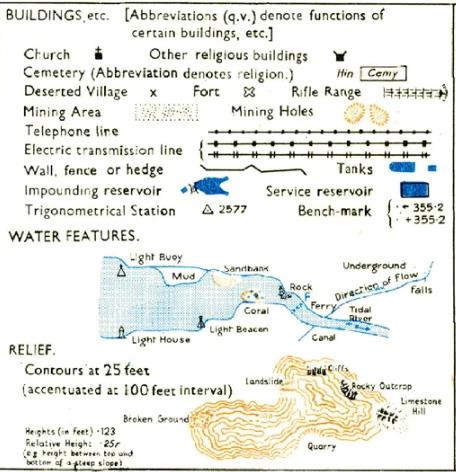
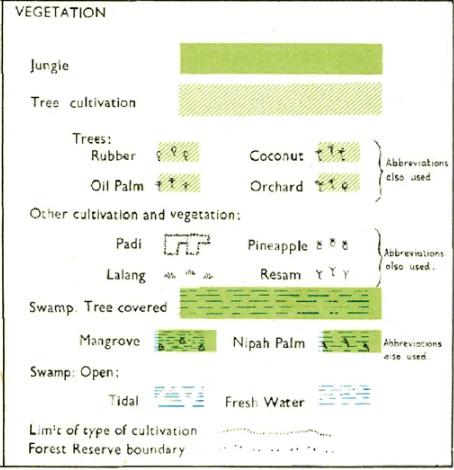
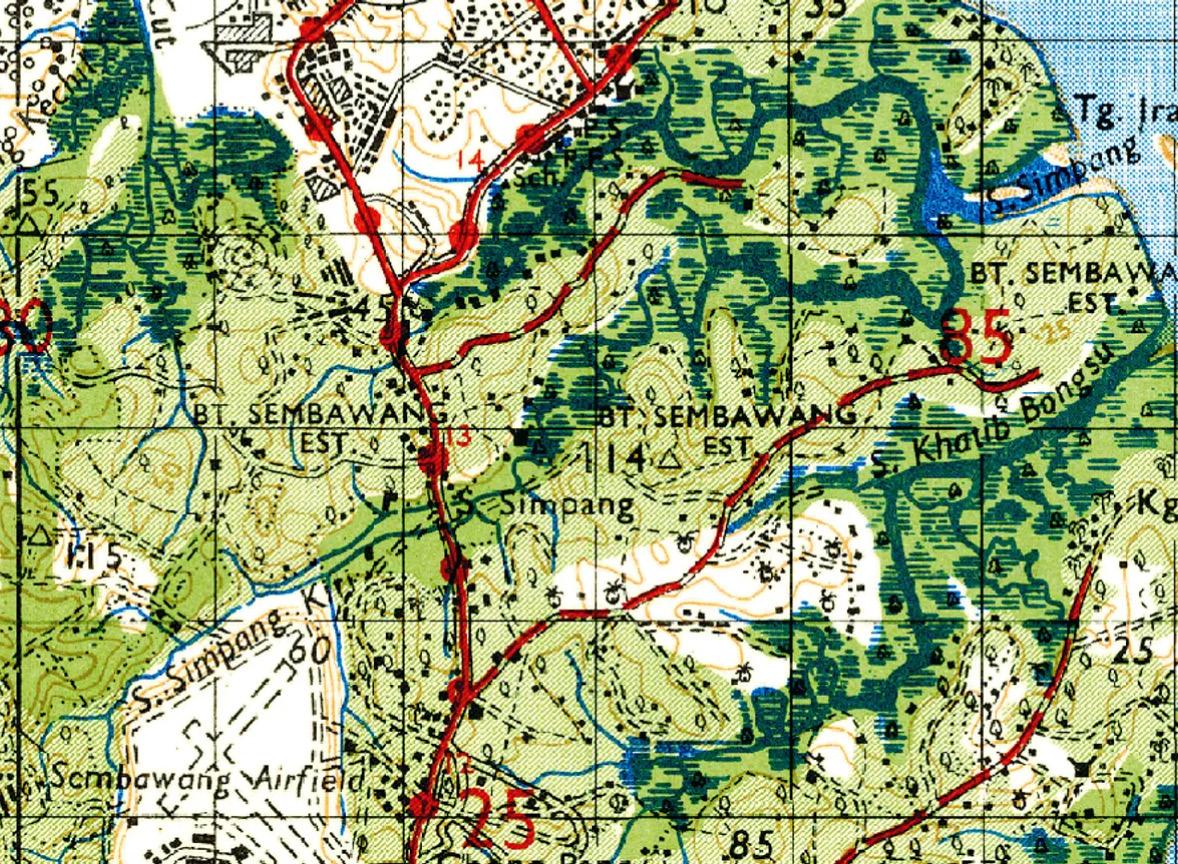
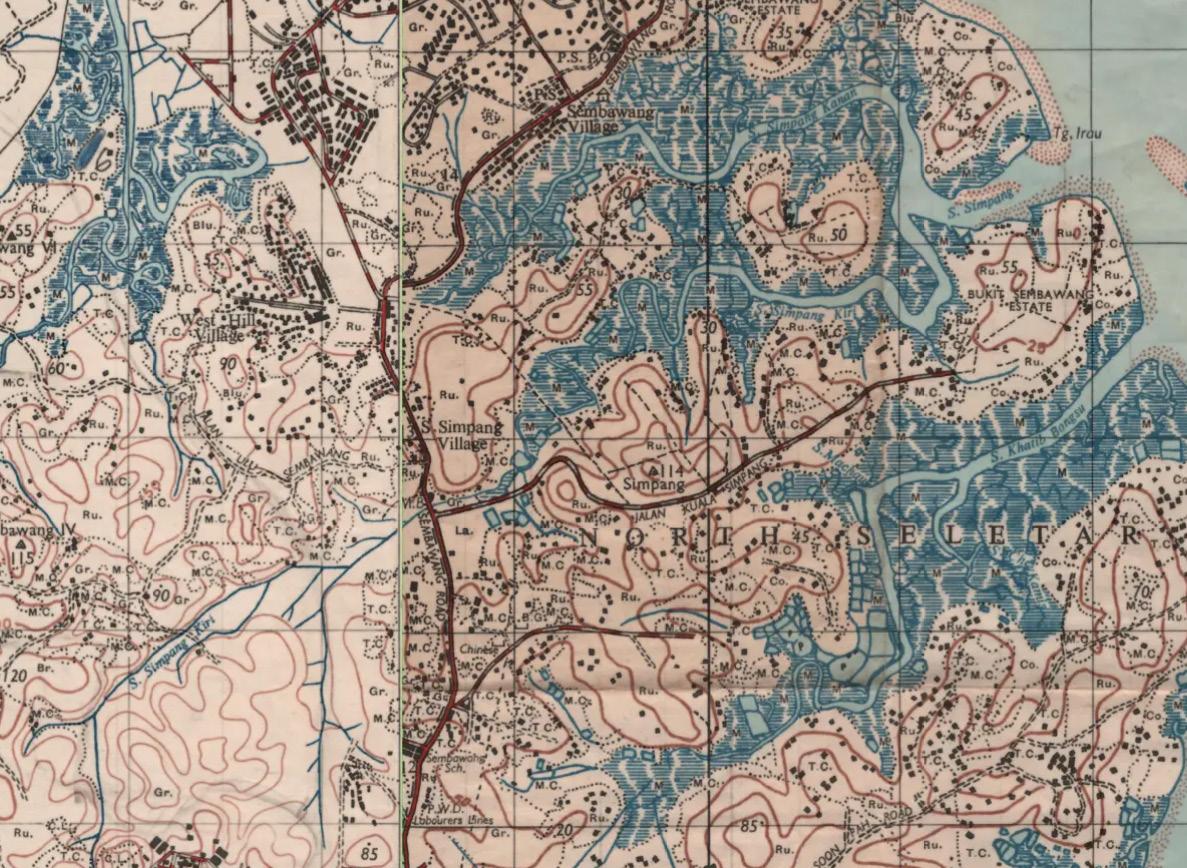
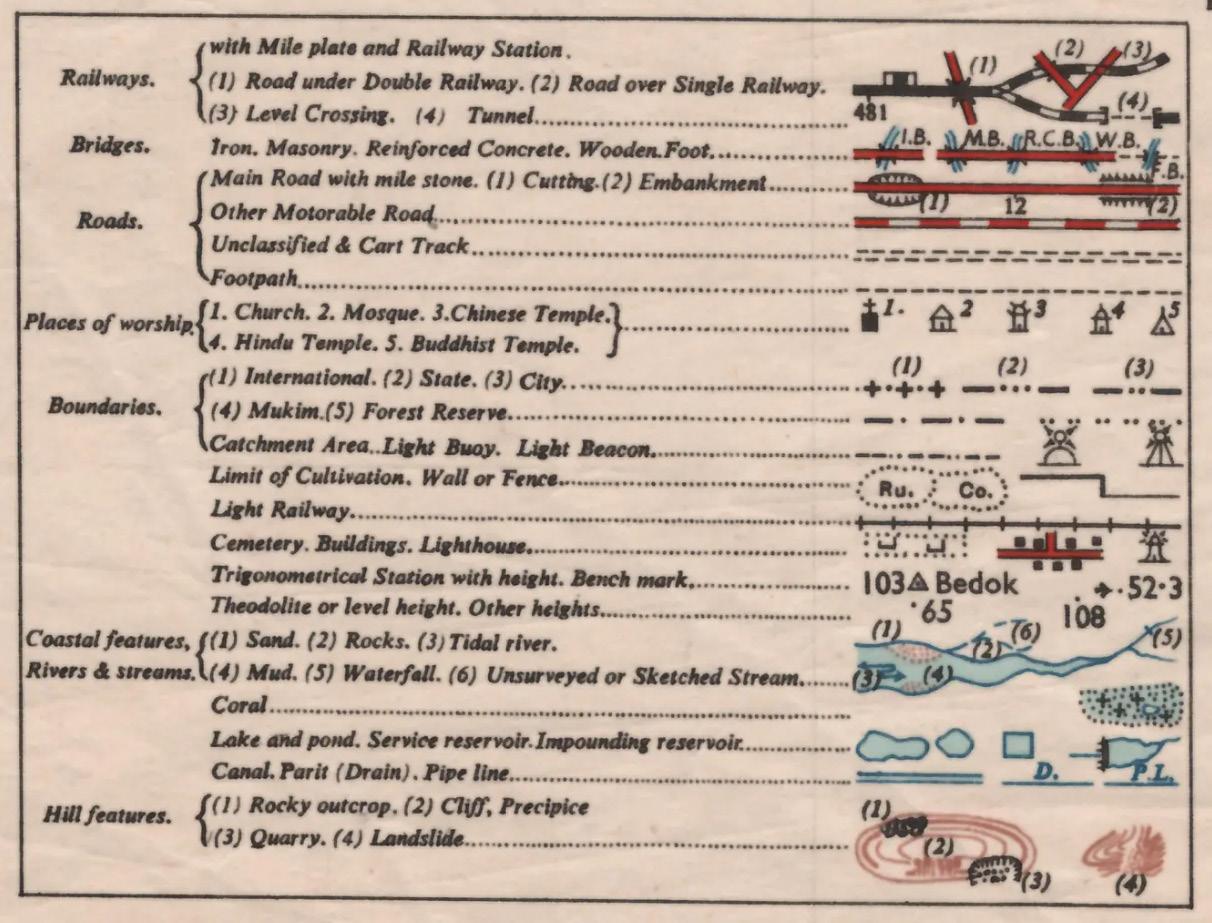
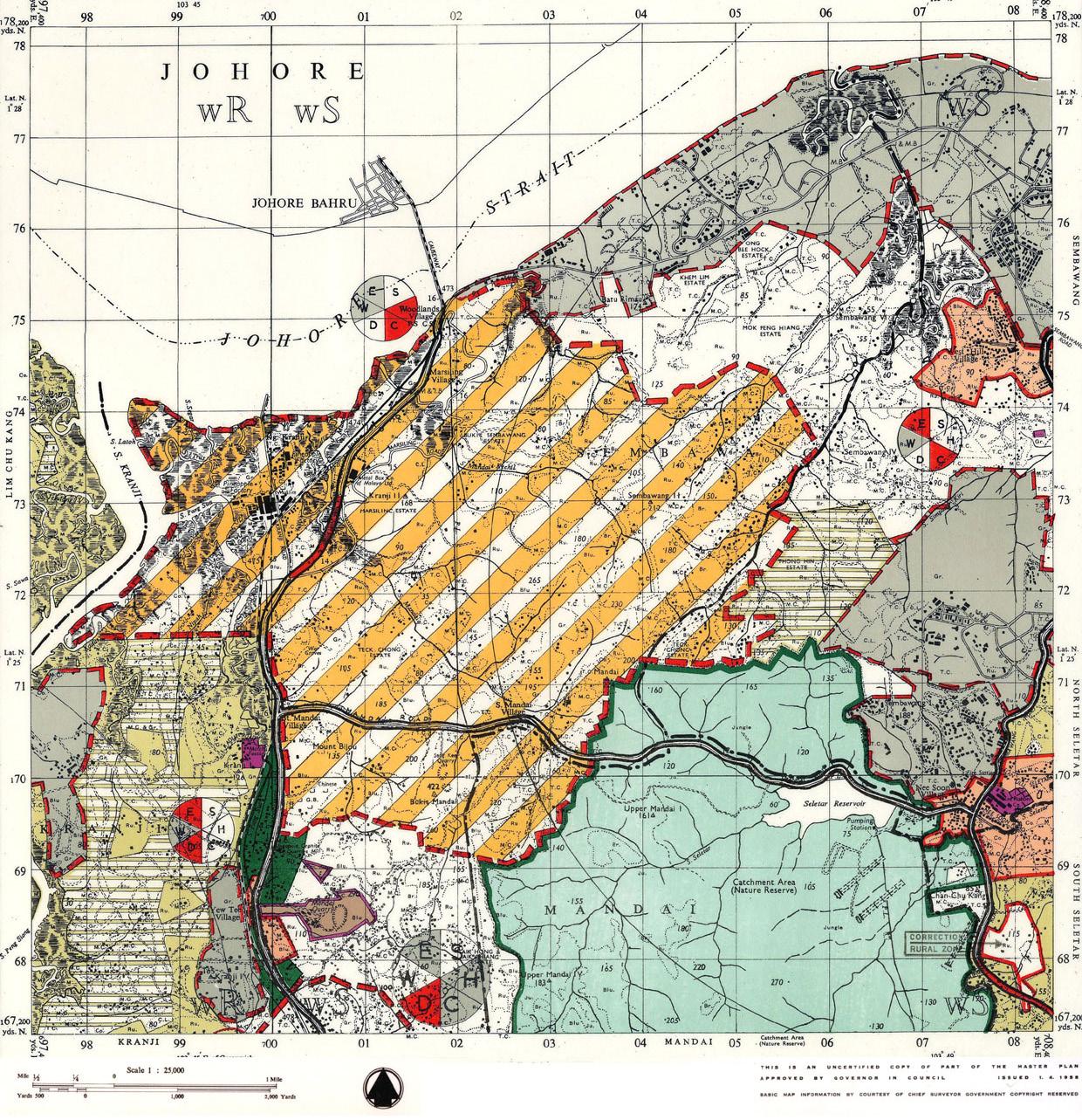
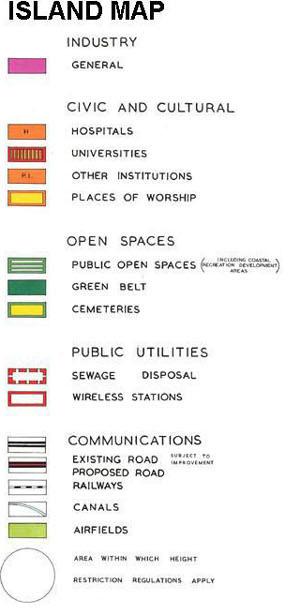
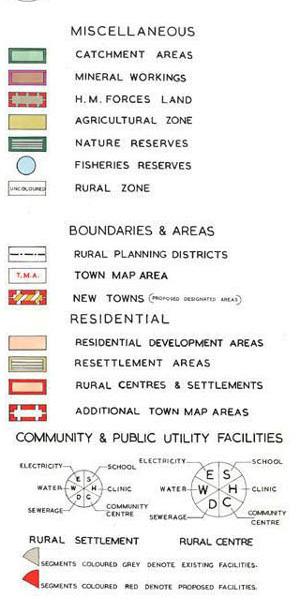
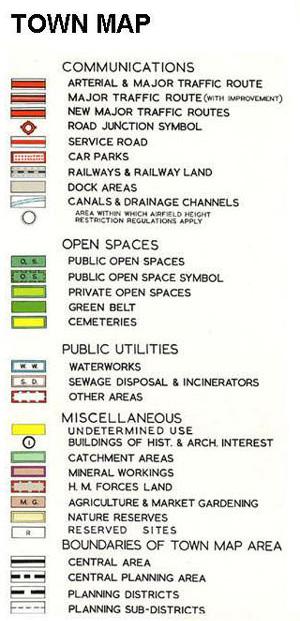
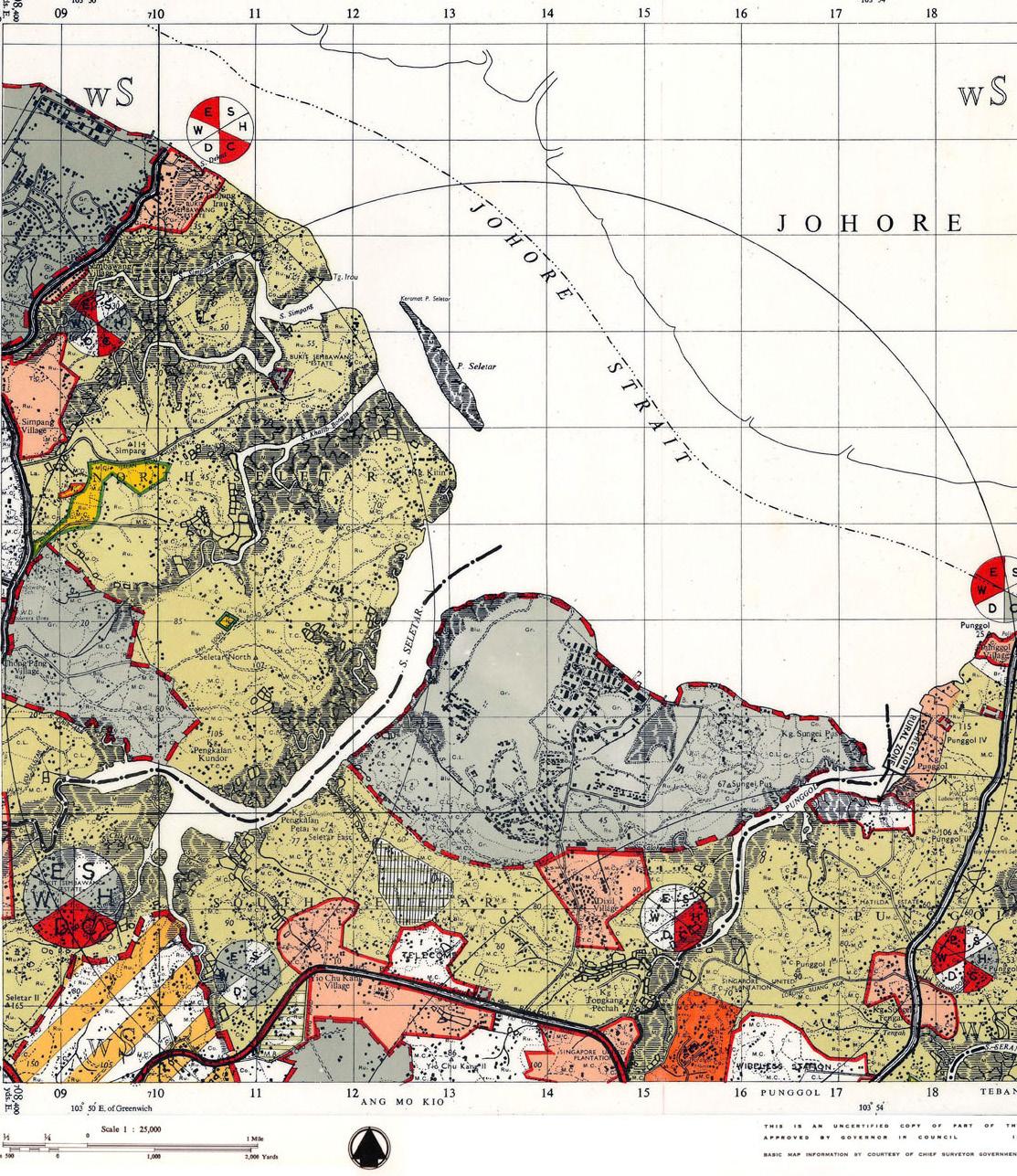
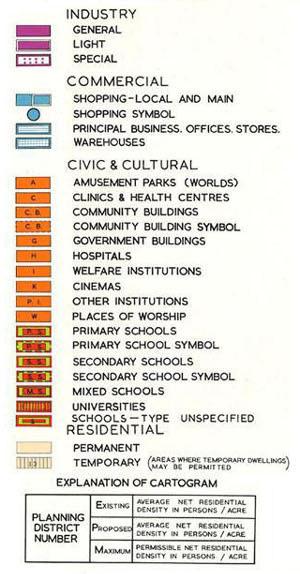
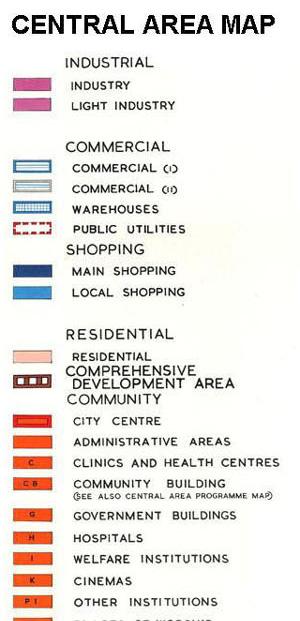
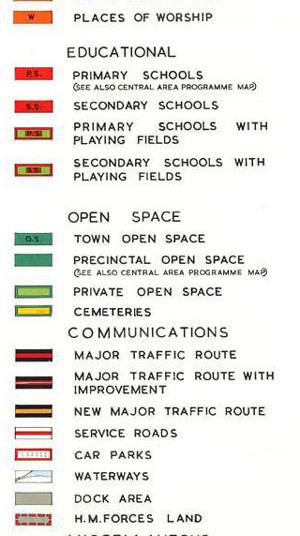
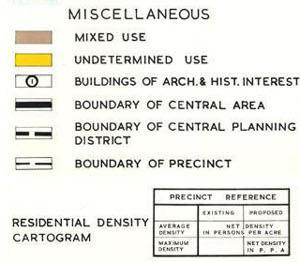
Masterplan: 1958
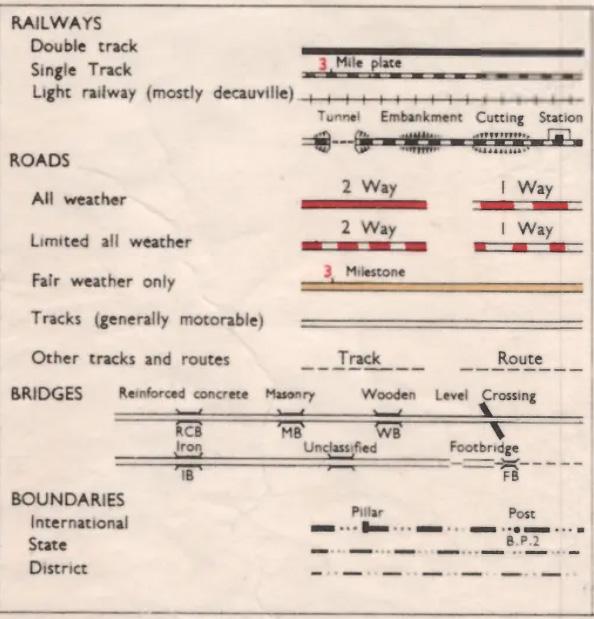
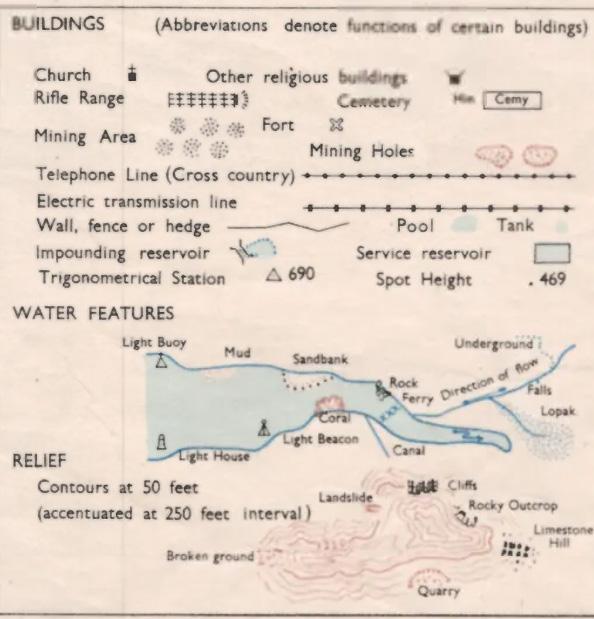
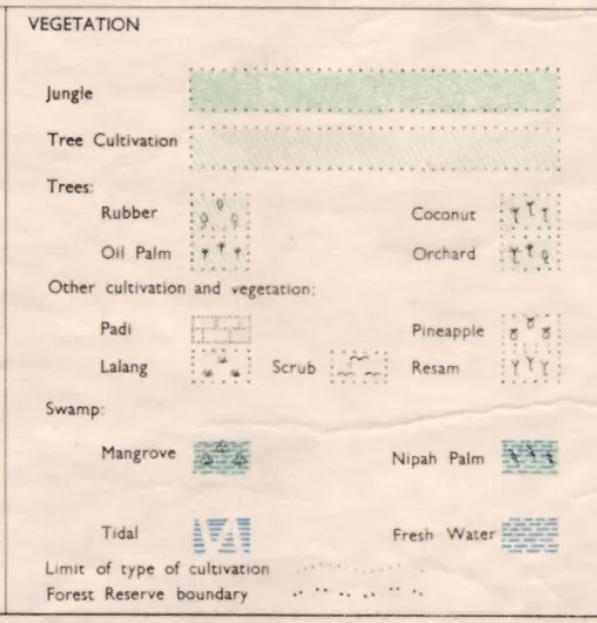
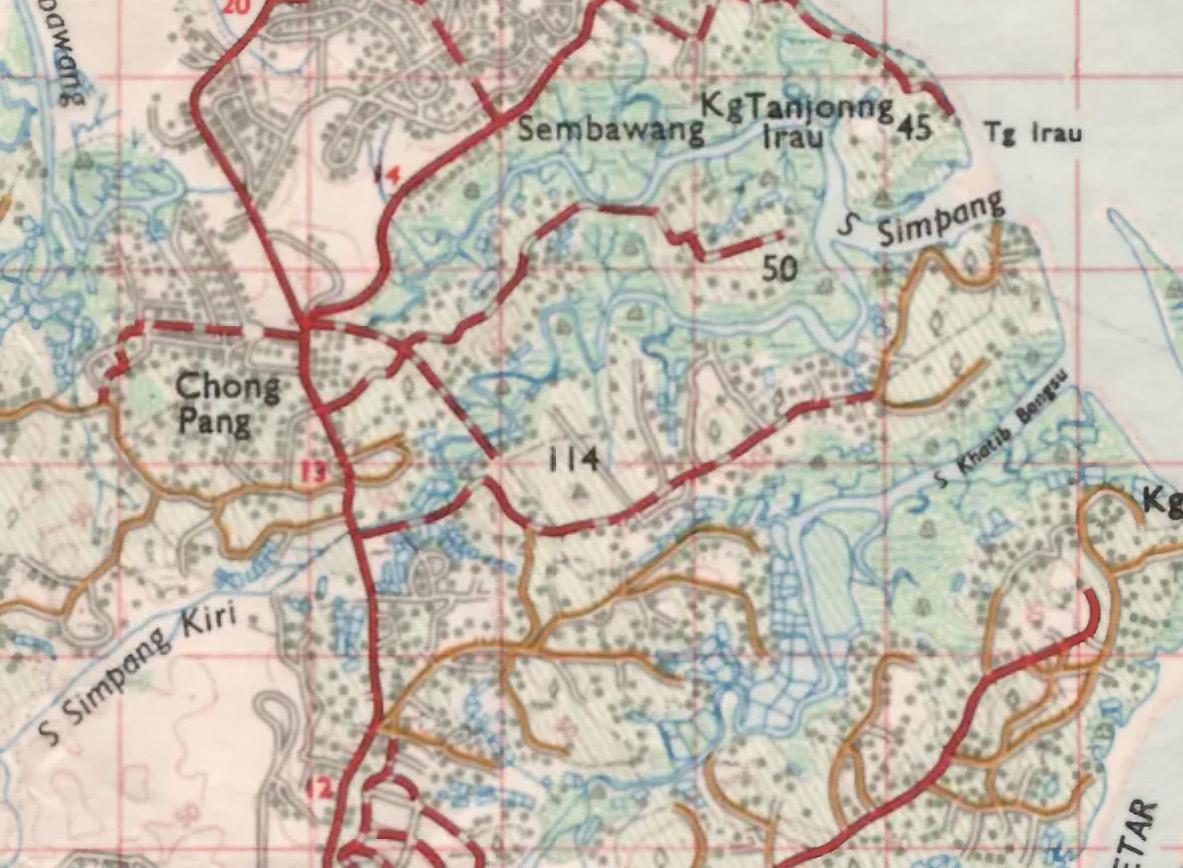
Masterplan: 1963
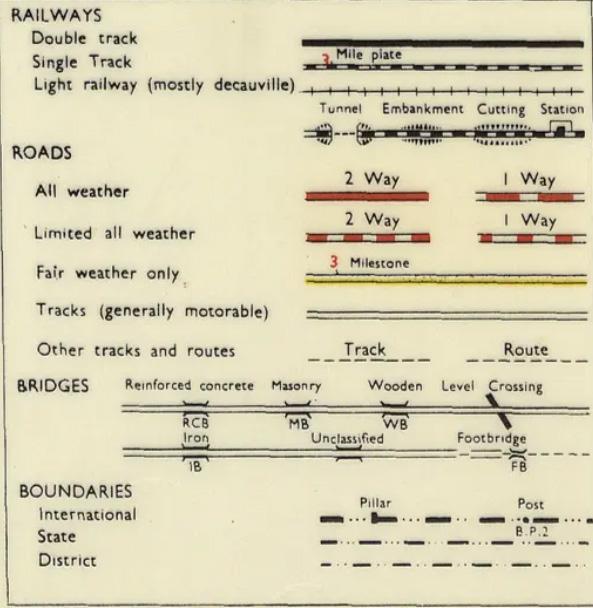
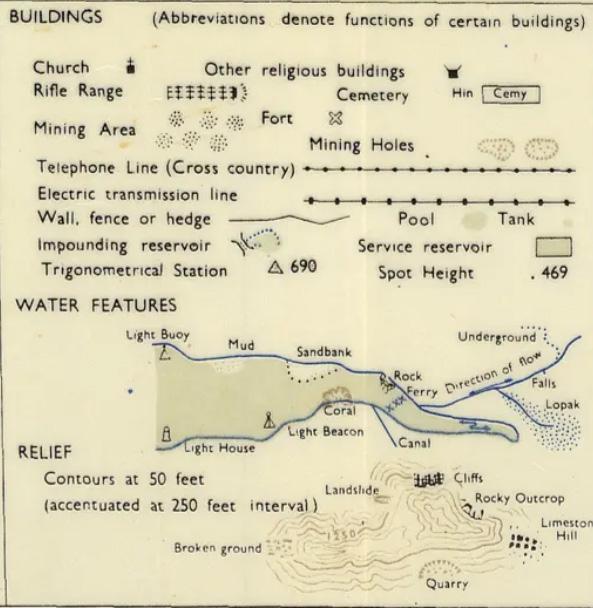
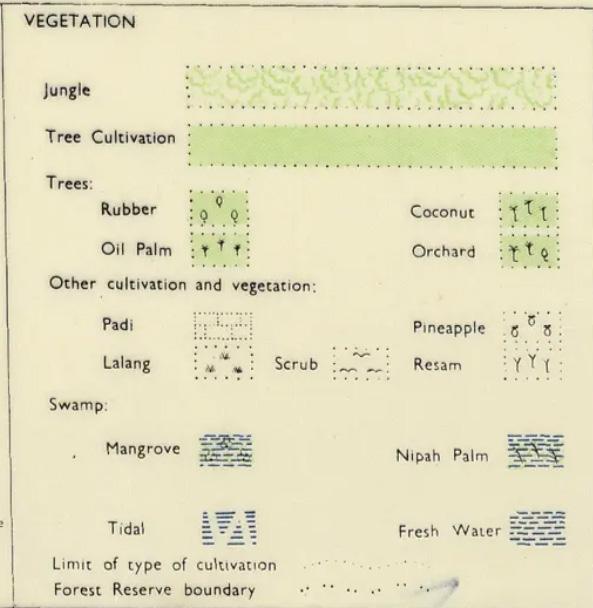
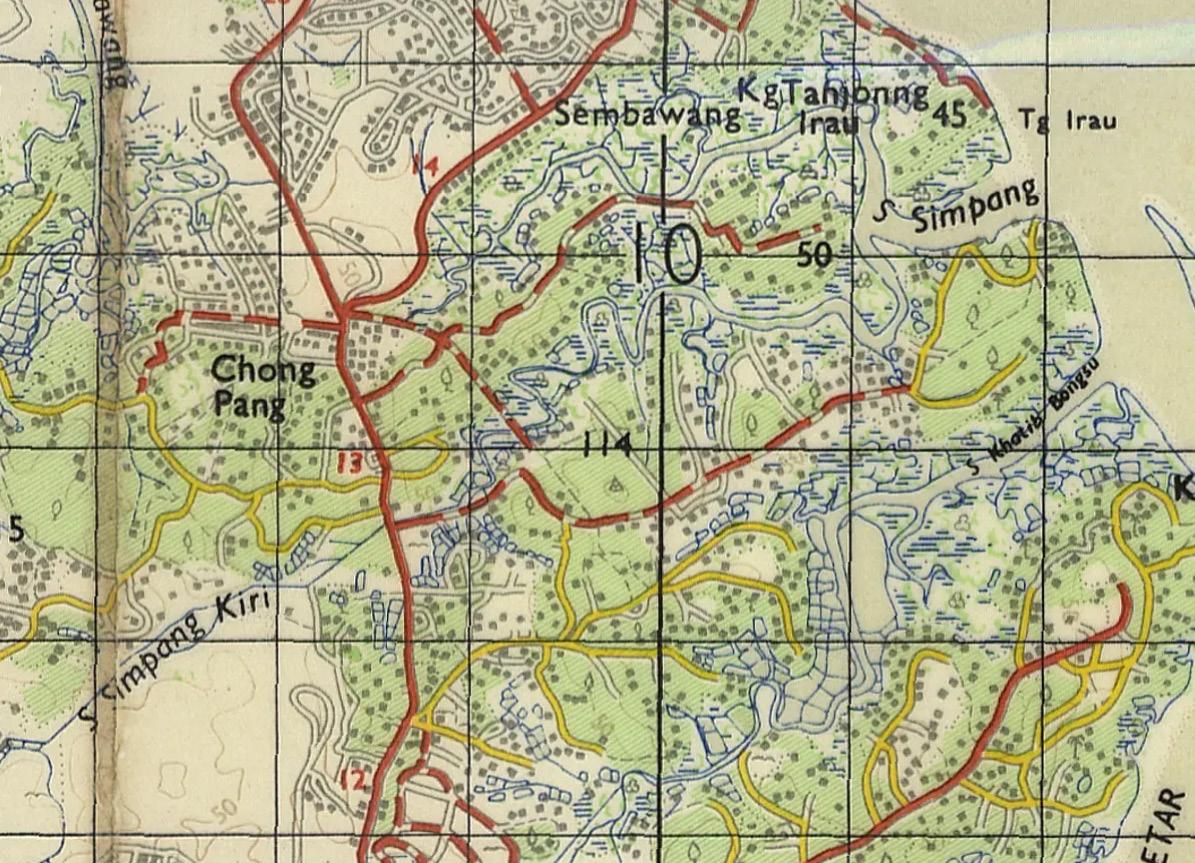
Masterplan: 1966
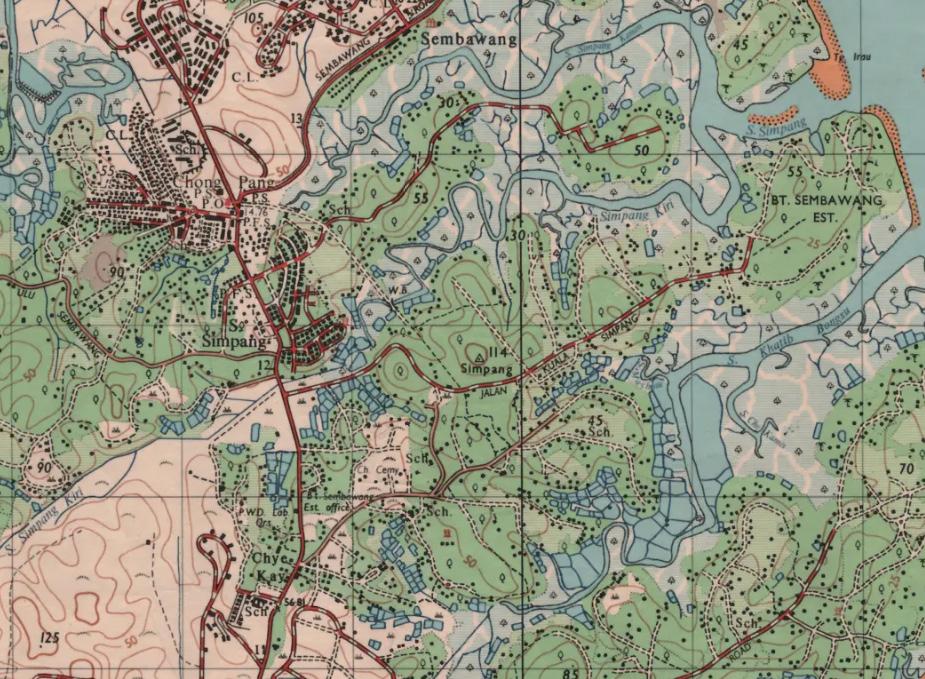
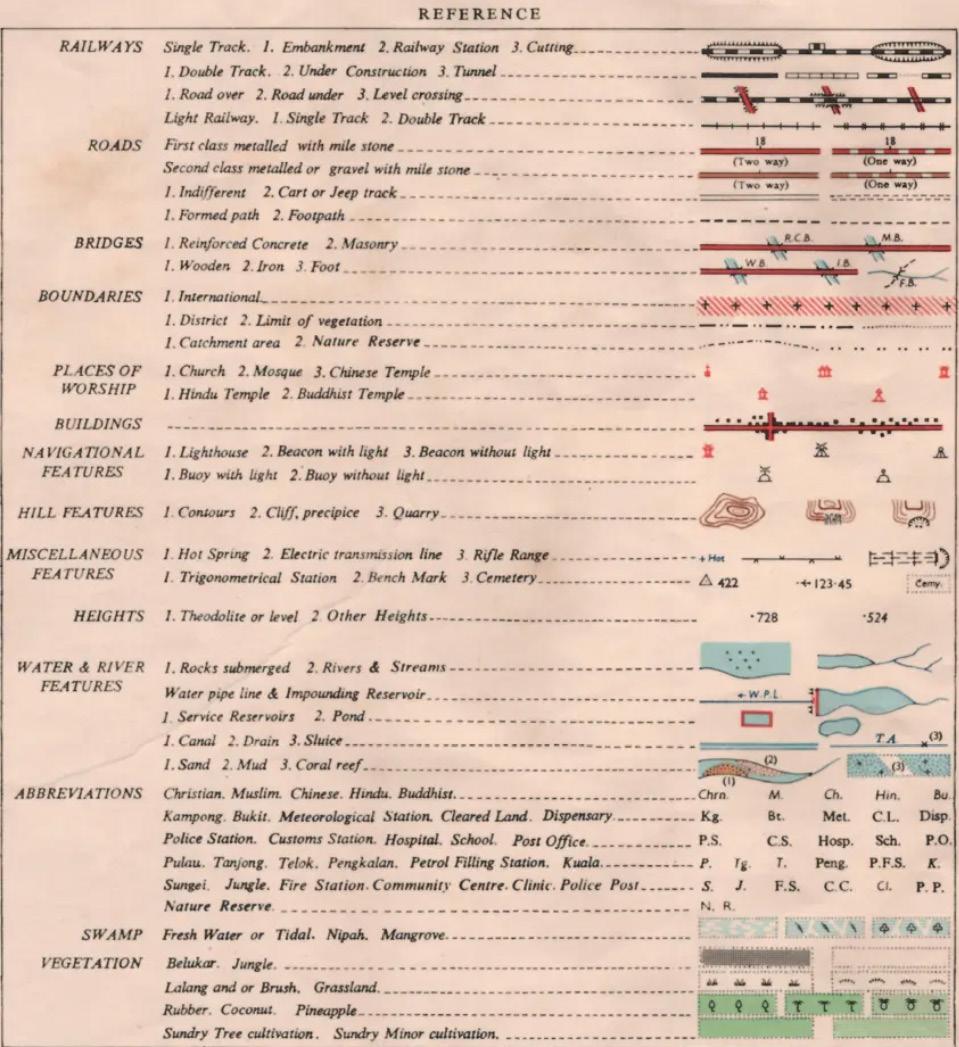
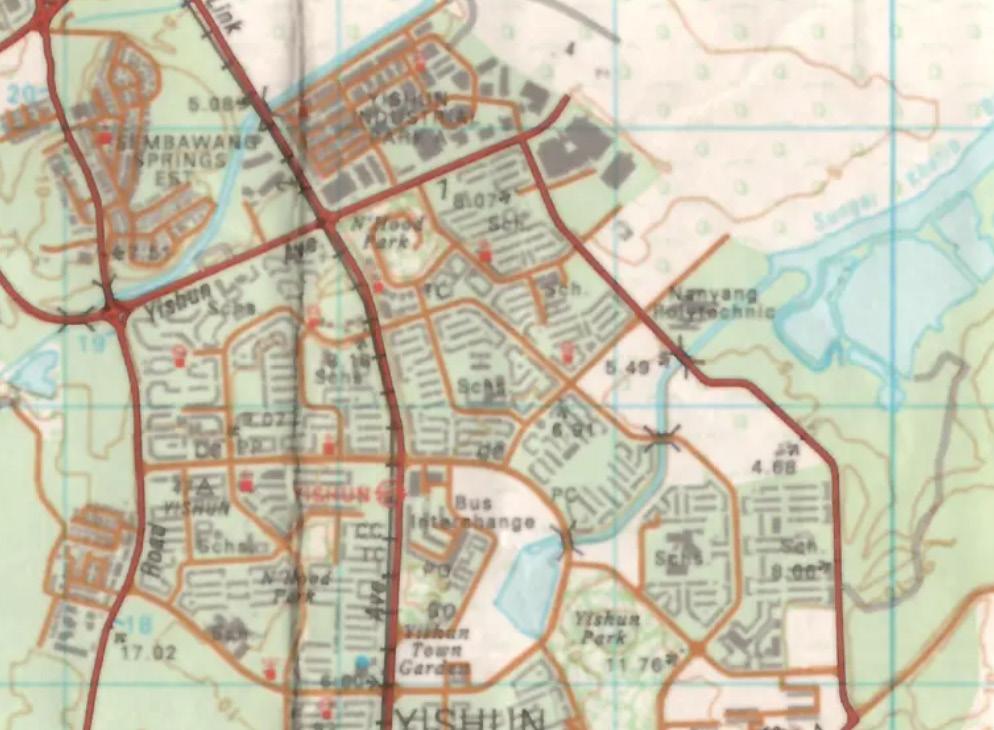
Masterplan: 1969 - 1971
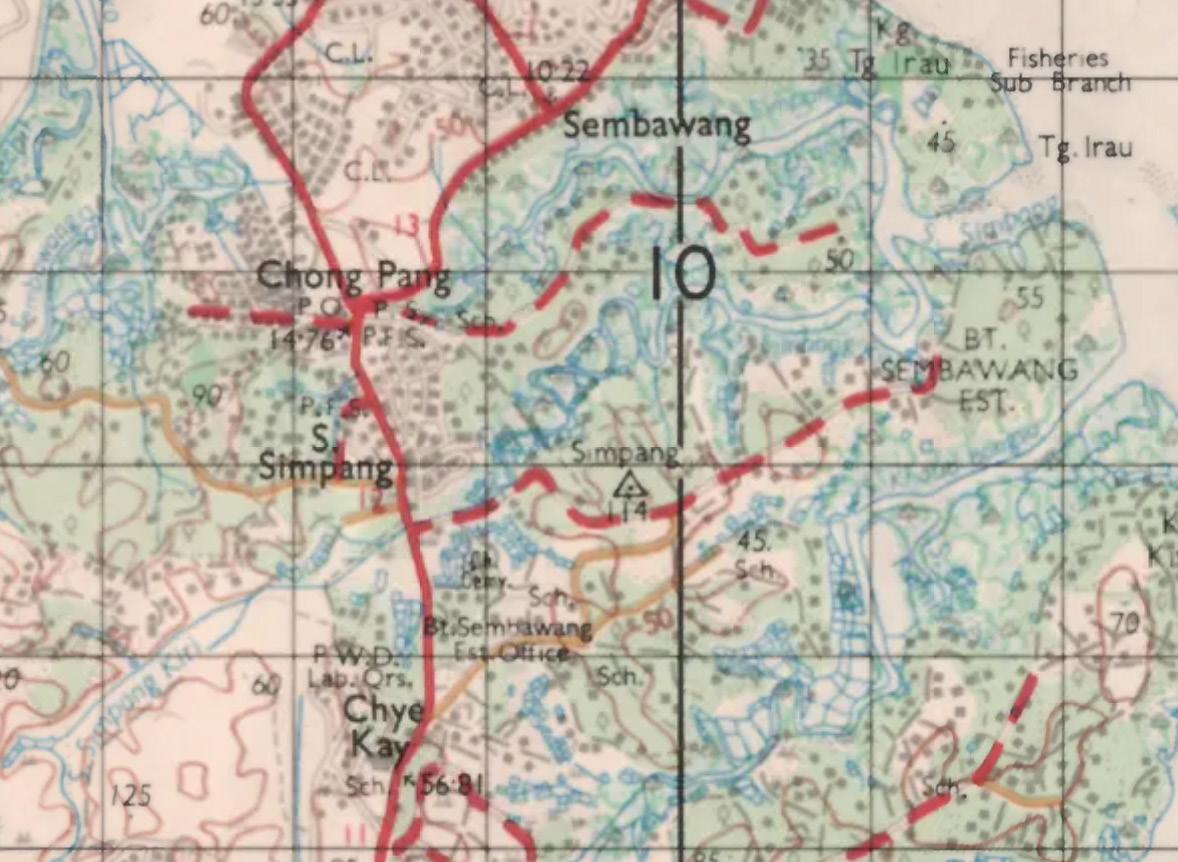
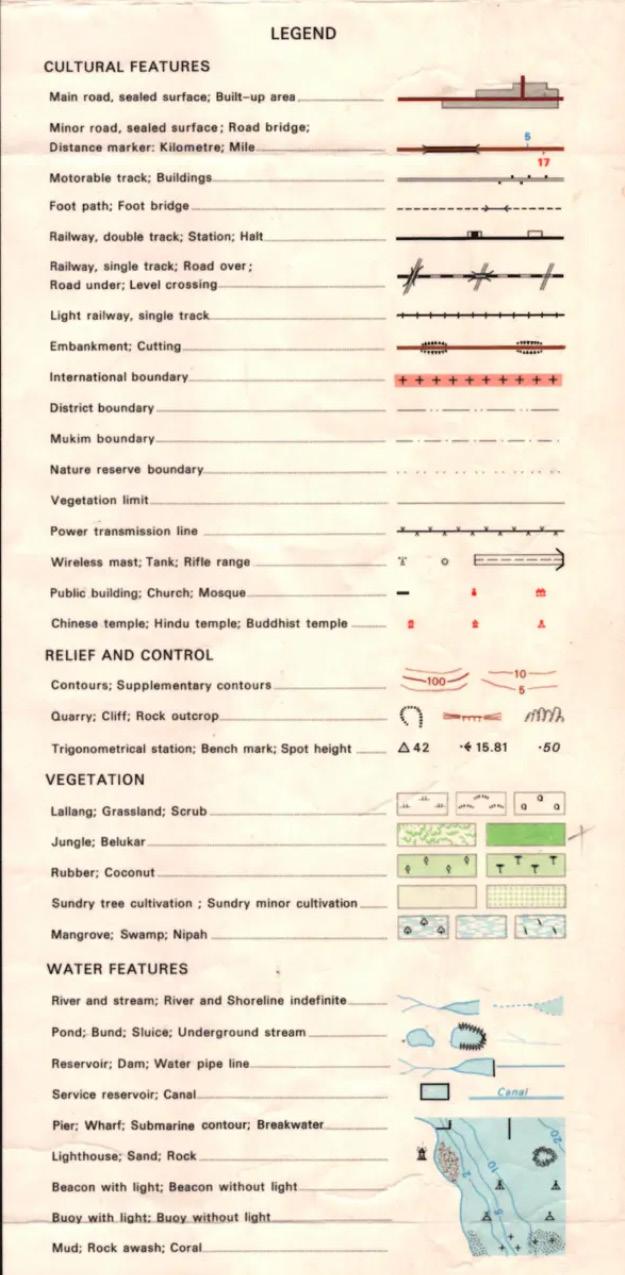
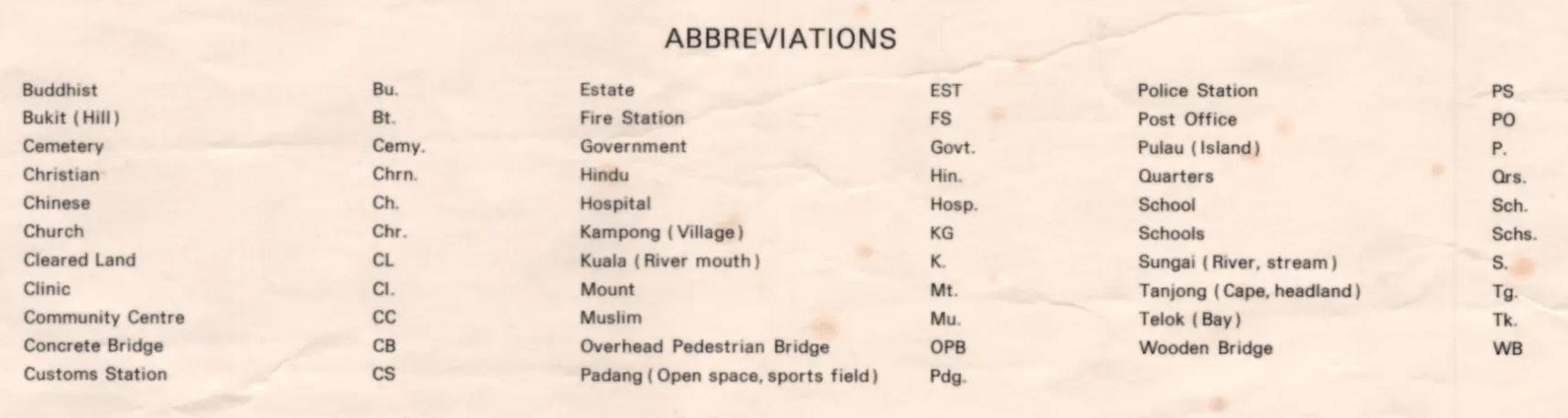
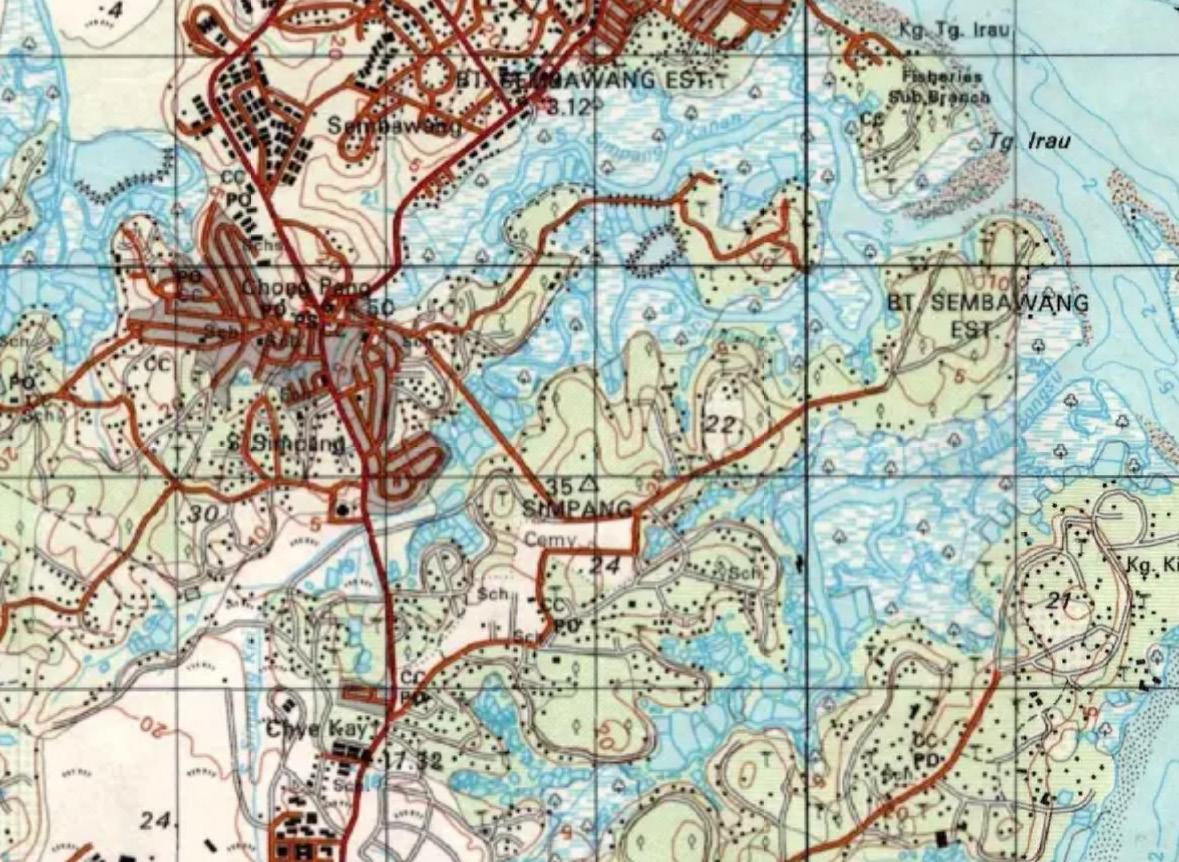
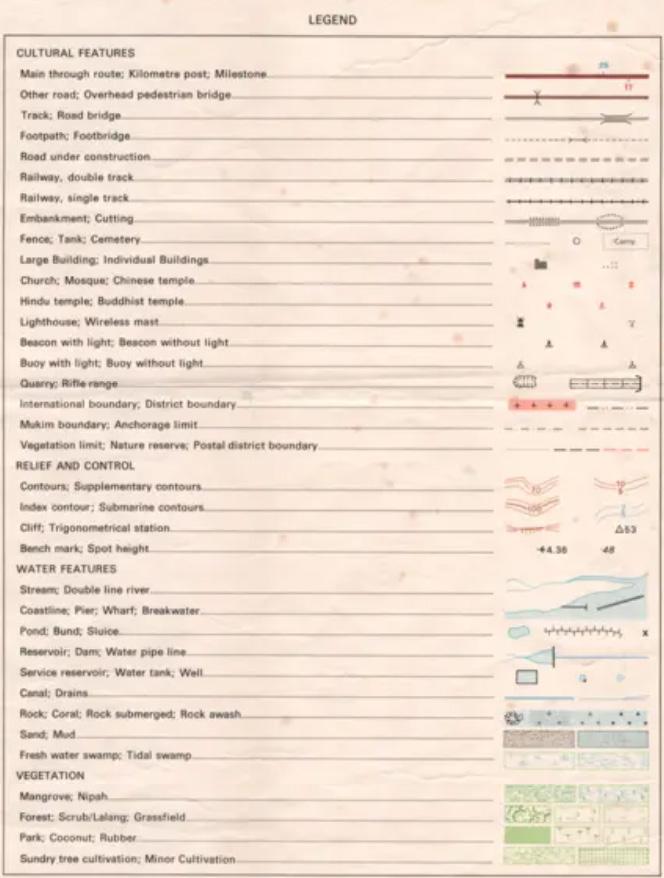
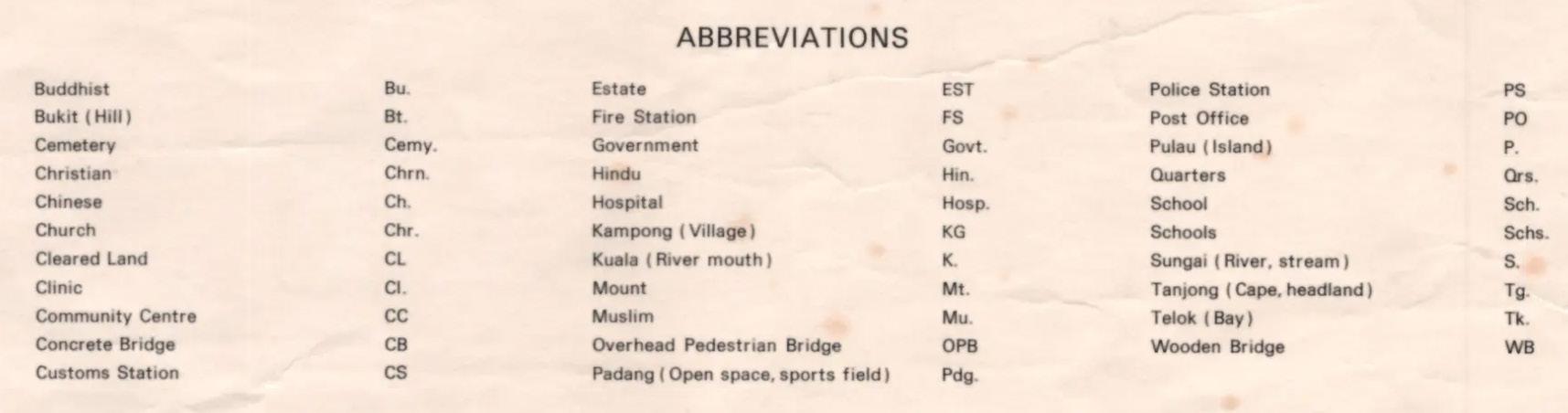
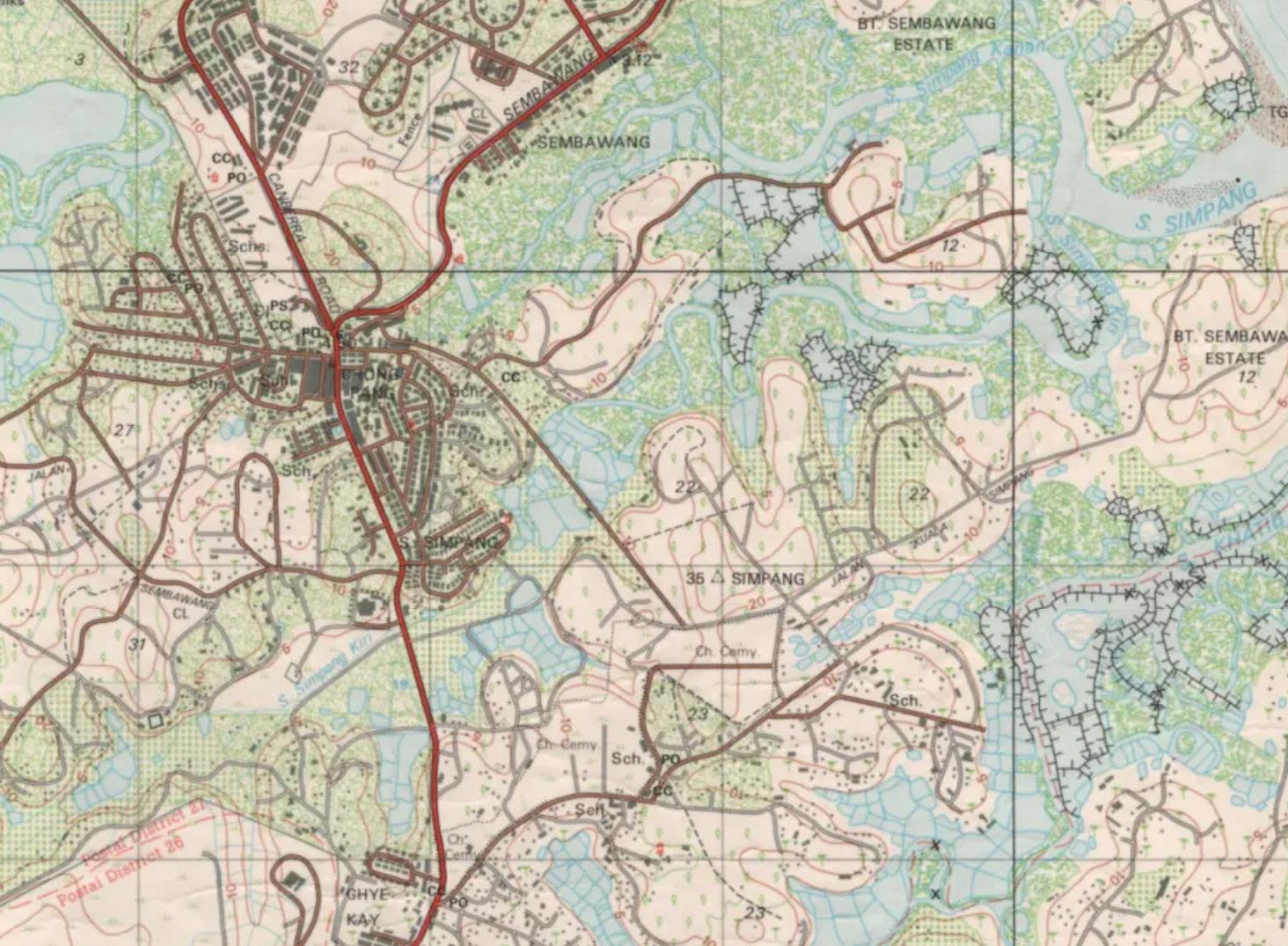
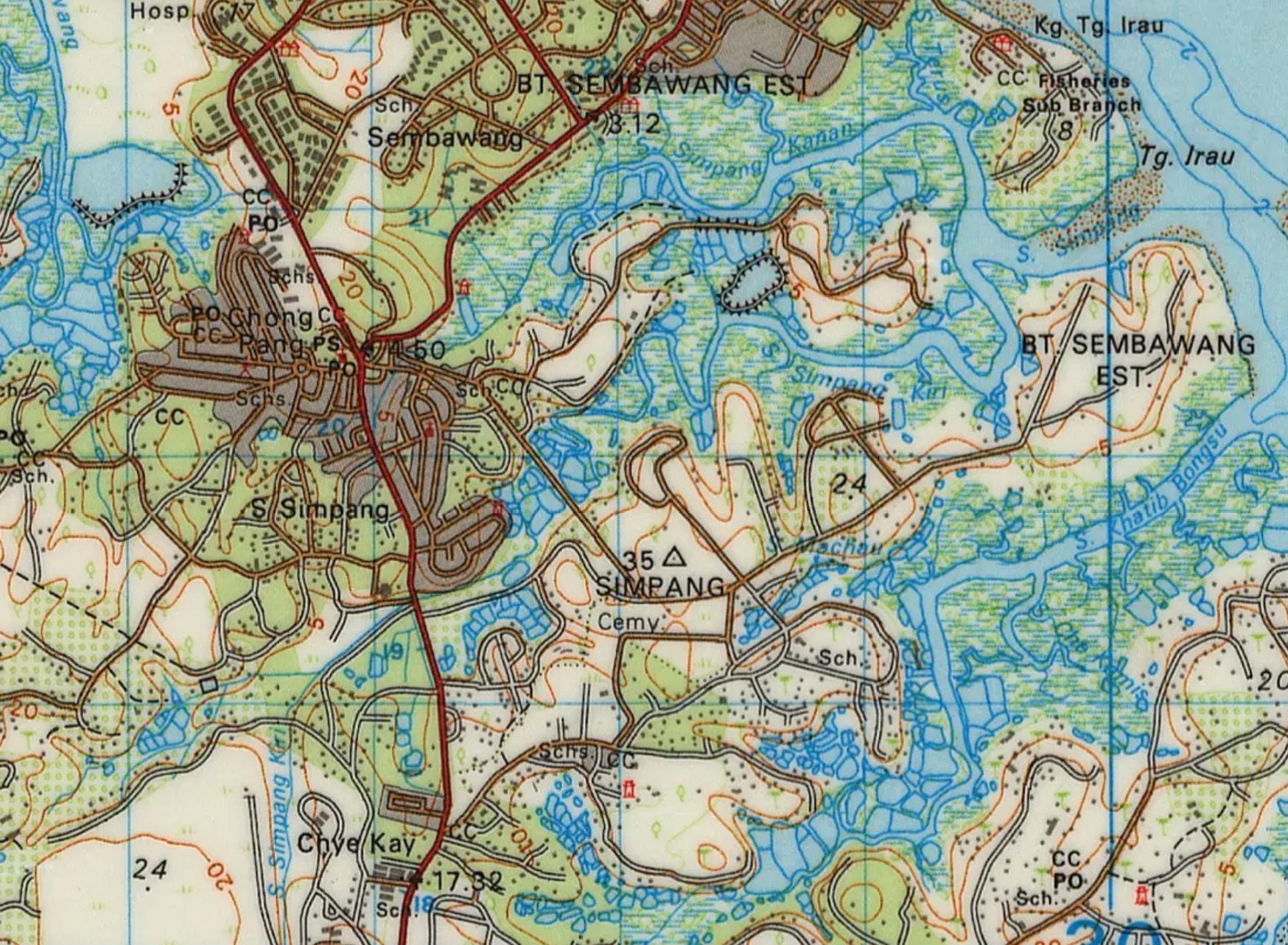
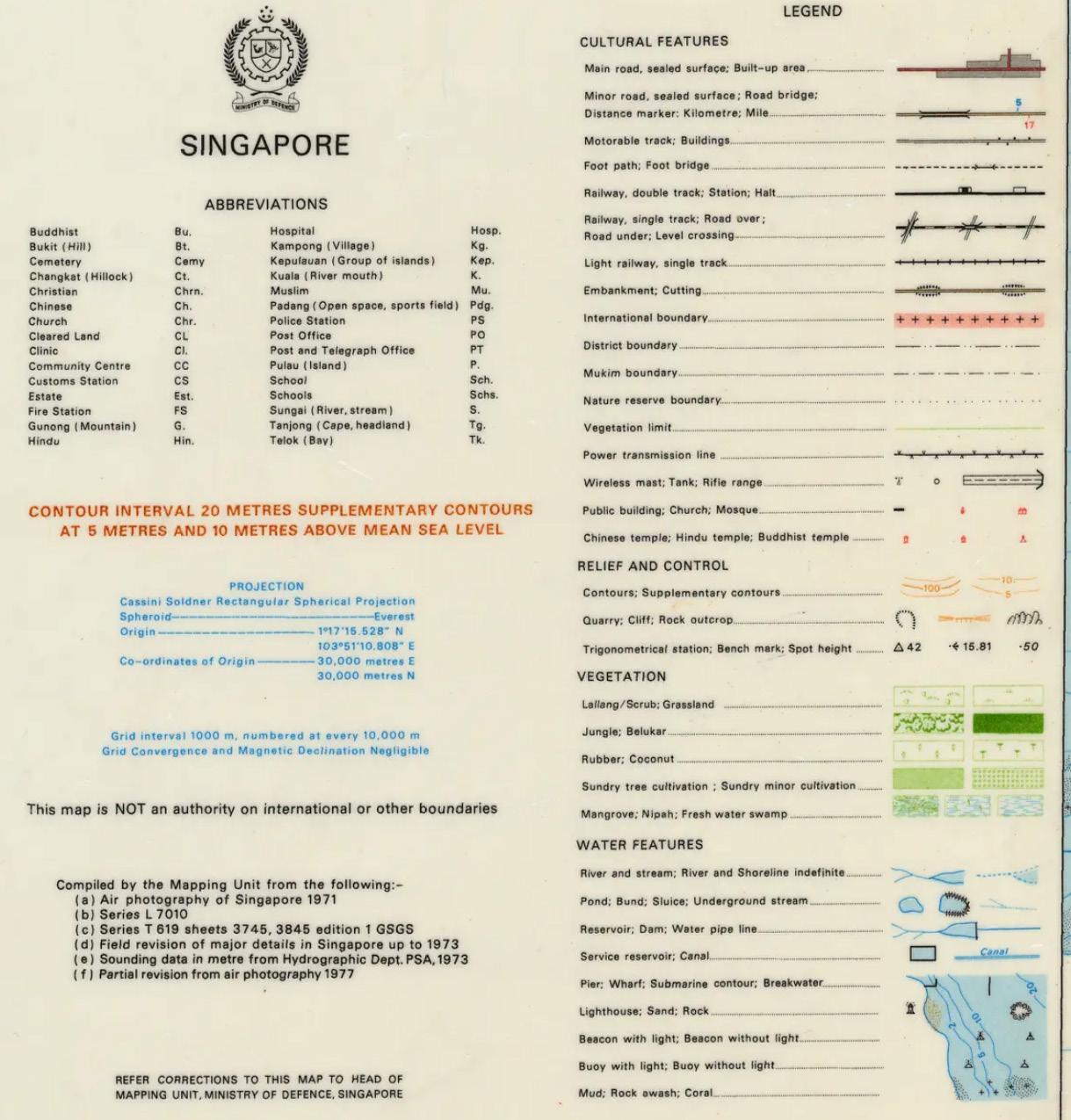
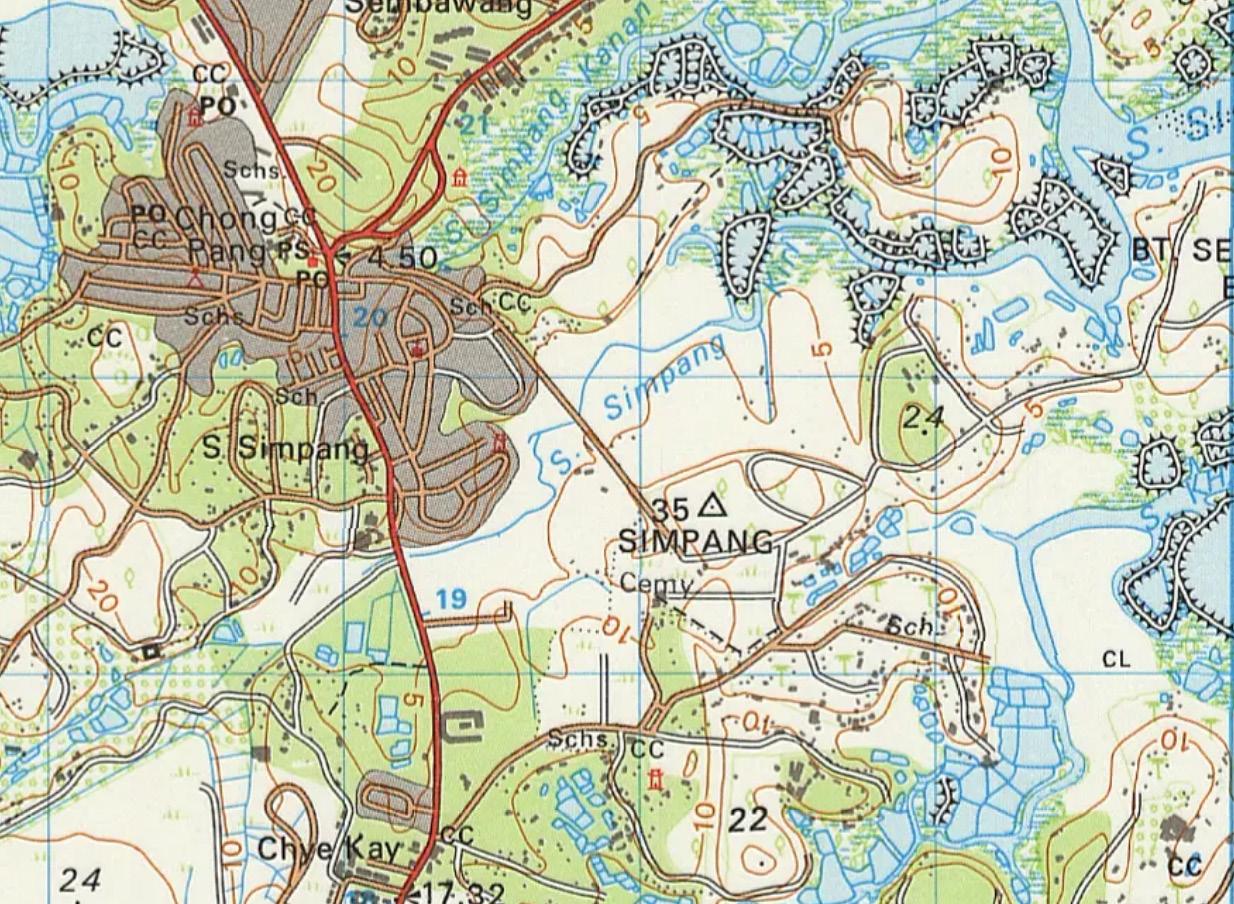
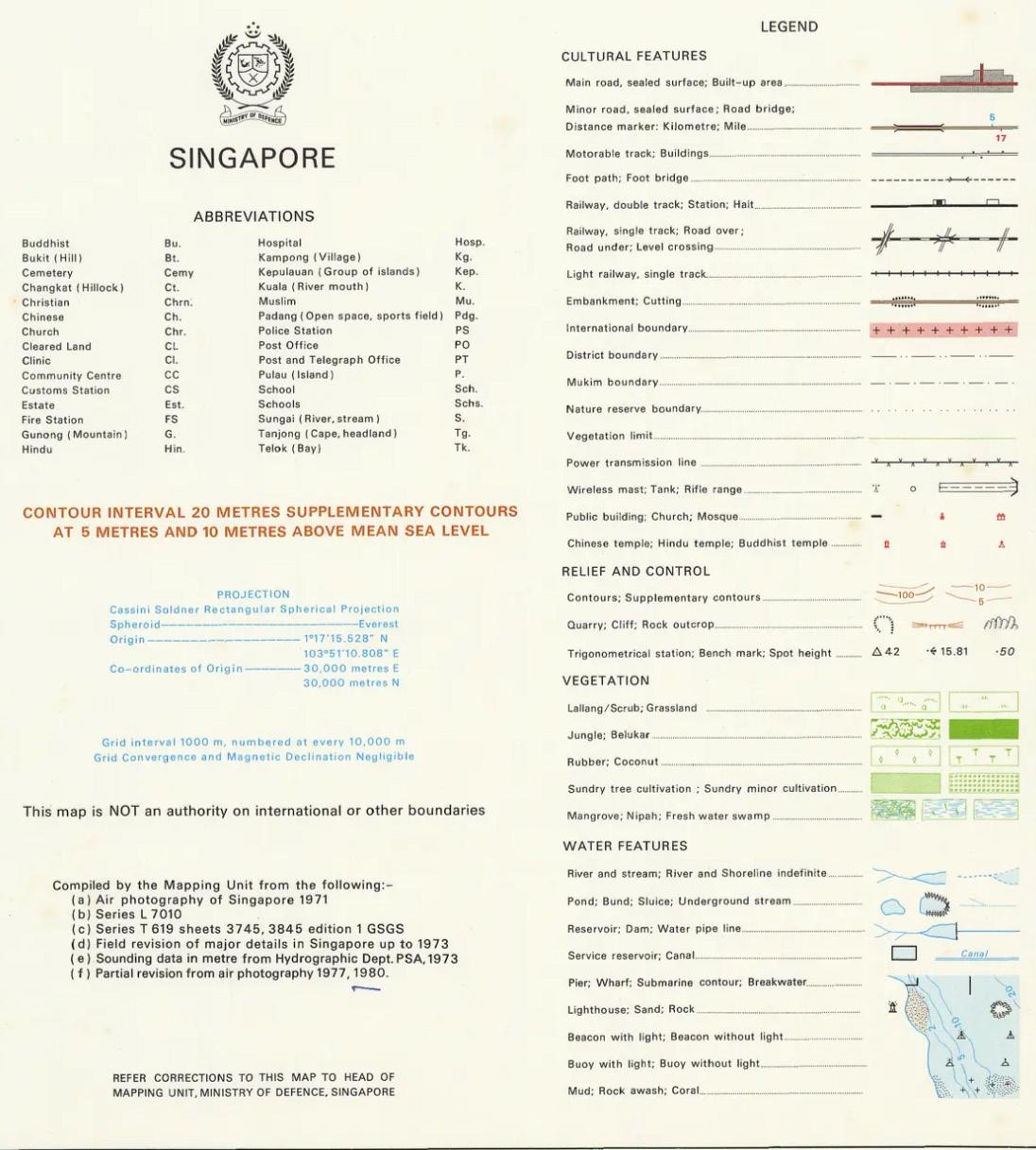
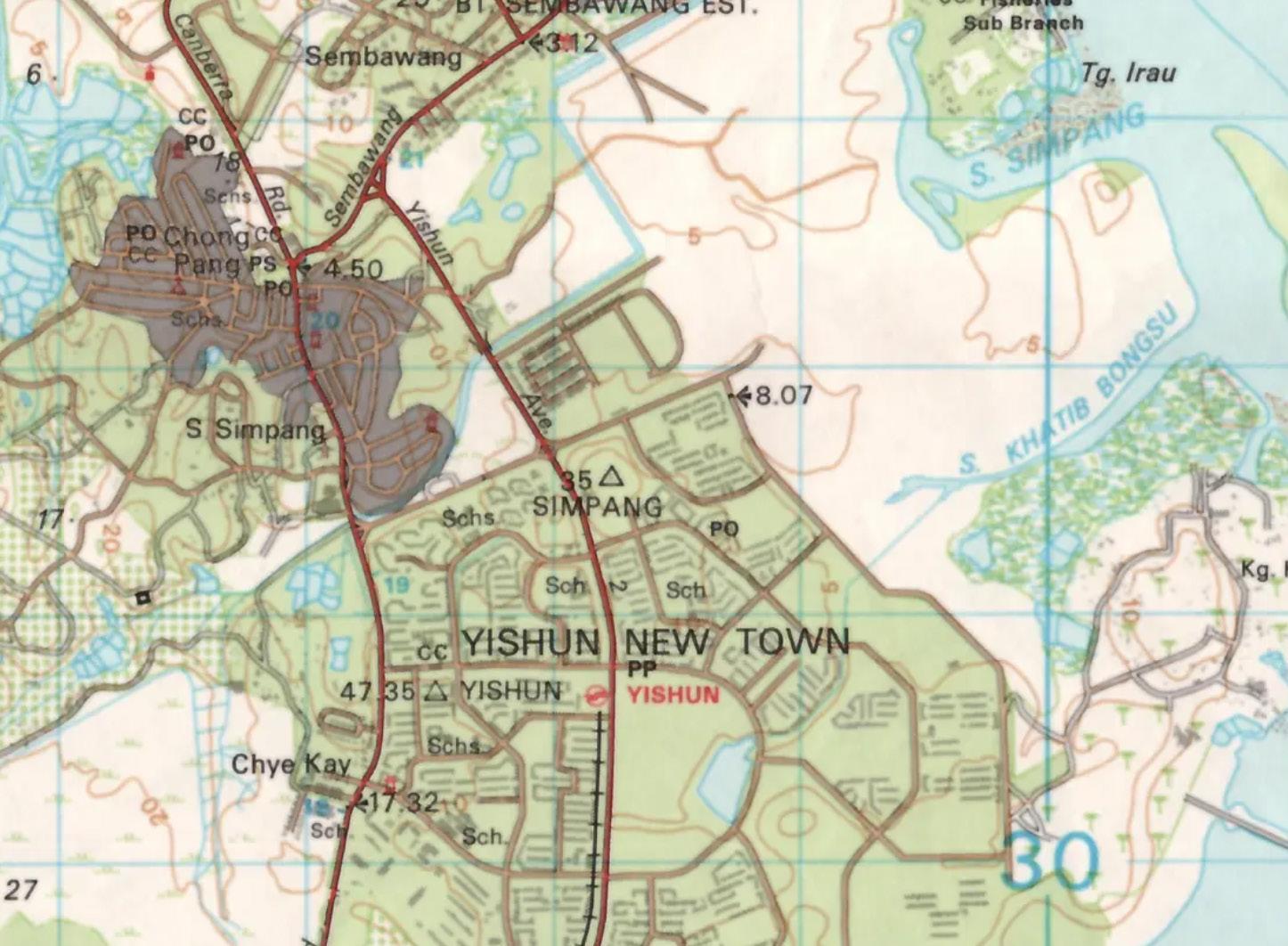
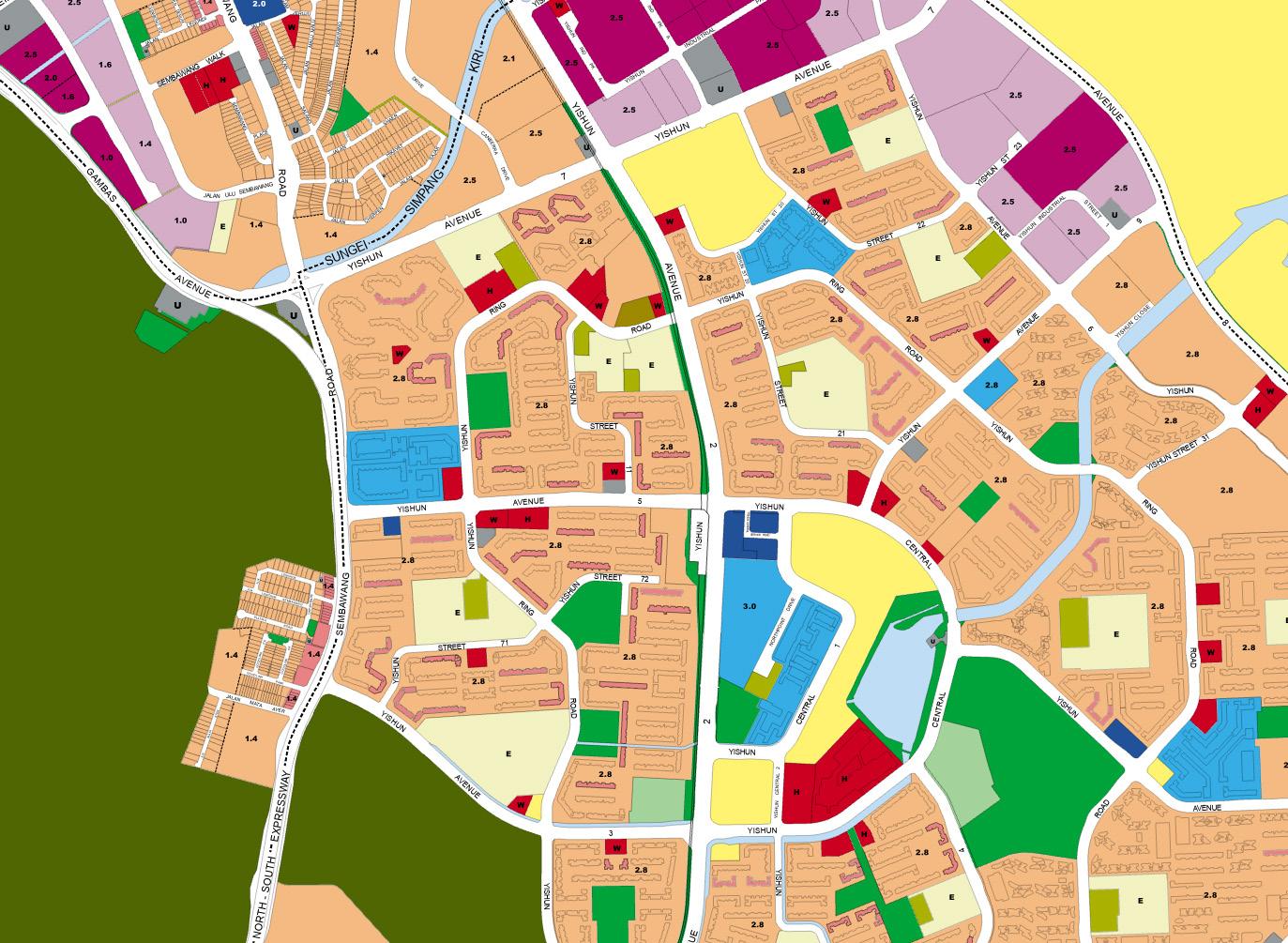
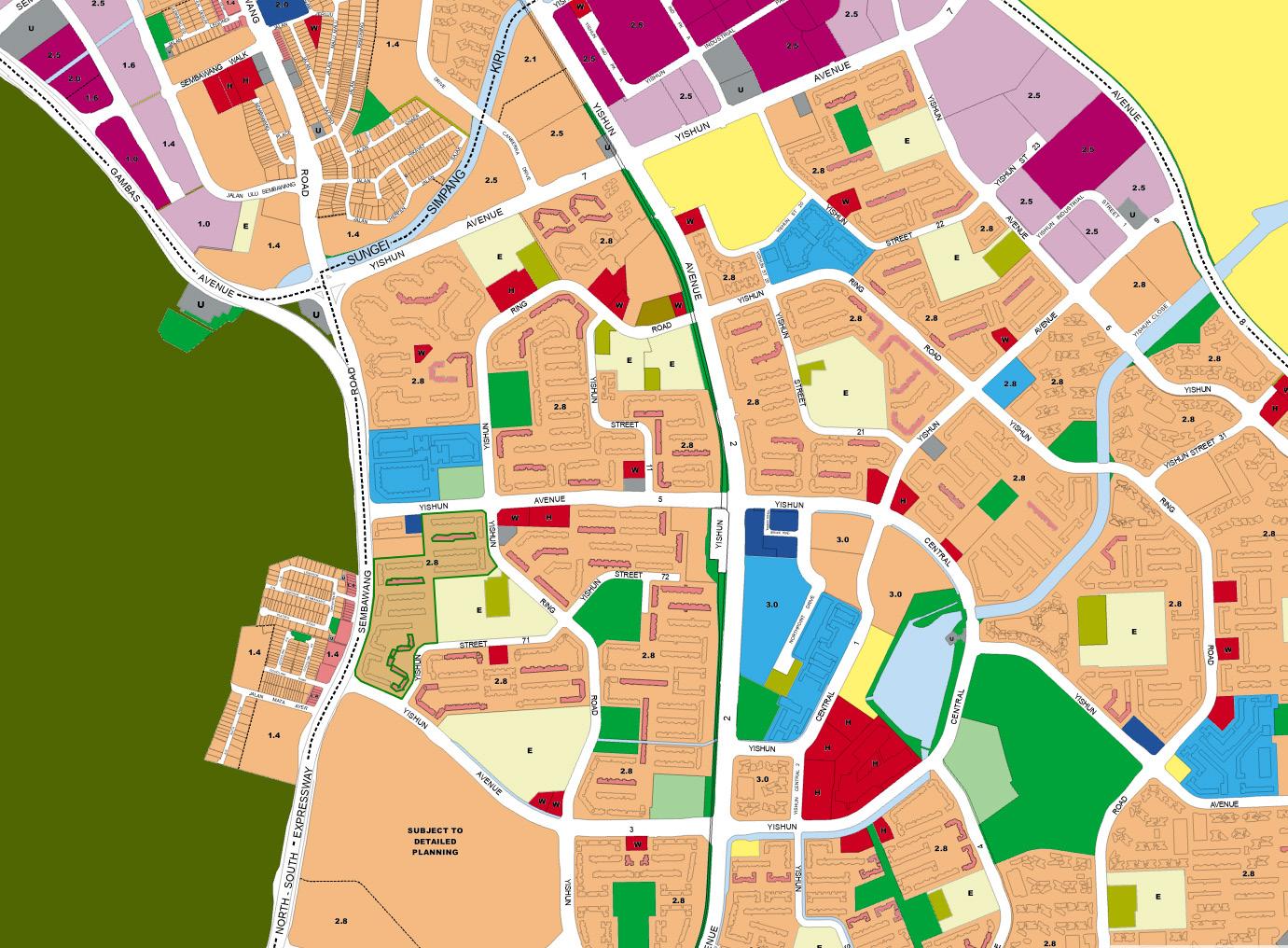
Location: Near current Sembawang Mrt Station & Old Chong Pang Village Years In Operation: 1930s to 1980s
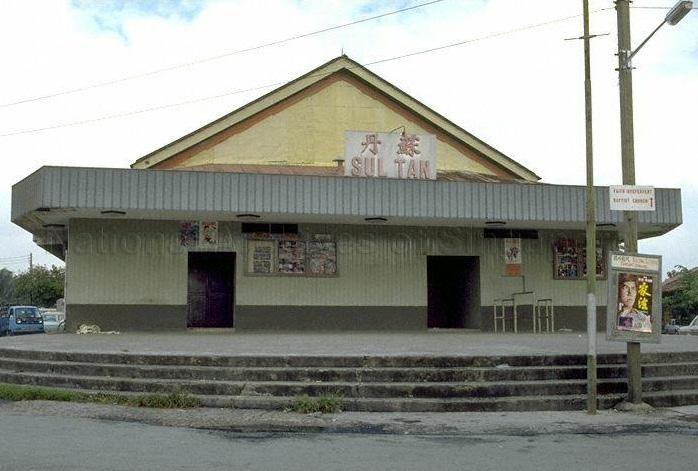
In 1939, Lim Chong Pang built the Sultan Theatre as a source of entertainment for Westhill Estate’s residents, and also to continue his father Lim Nee Soon’s involvement in the development and municipal works of the present-day Yishun and Sembawang areas. It was the first roofed theatre at Singapore’s rural districts – the others had their films screened in open-air. Hindu and Tamil movies were showed on weekdays, while the theatre screened Chinese films during the weekends.
Due to he increasing population in the villages scattered around Nee Soon, Lim Chong Pang felt that there was a need to construct an entertainment center for the residents. Sultan Theatre survived until the eighties, maintaining its high popularity with its imported Chinese movies.
During the Second World War, Westhill Estate became deserted as its residents fled from the invading Japanese. Sultan Theatre was taken over and used as a storage place for minerals and raw materials for war production, while Westhill Estate’s shophouses were converted into a red light district serving the Japanese army.
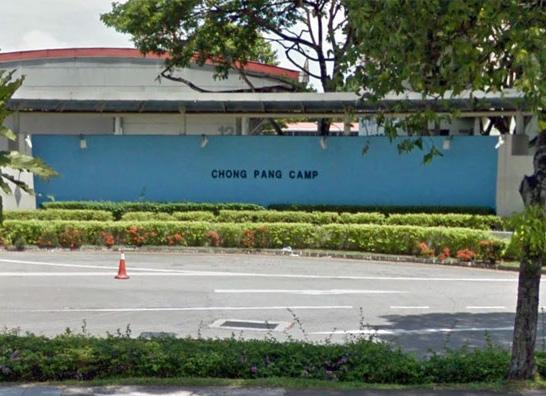
Chong Pang Camp is located in the northern side of Singapore, within Sembawang Air Base and opposite Chong Pang City in Yishun. Established in 2002, the camp is operated by the Republic of Singapore Air Force (RSAF).
The camp houses elements from Air Defence Operations Command (HQ ADOC, 165 Squadron, 809 and 819 Squadrons and 9 Air Engineering and Logistics Group) and Participation Command (HQ PC, 3DA, 6/9 DA and 18 DA Battalions, 105 Squadron and 1 Medical Squadron).
The camp was originally known as the Air Defence Systems Division (ADSD) complex. There still exists a road sign along Sembawang Road with this name. The elements were then transferred to Air Defence Operations Command (ADOC) in early 2007, and later, 3 Battalions were transferred to Participation Command (PC) in August that year.
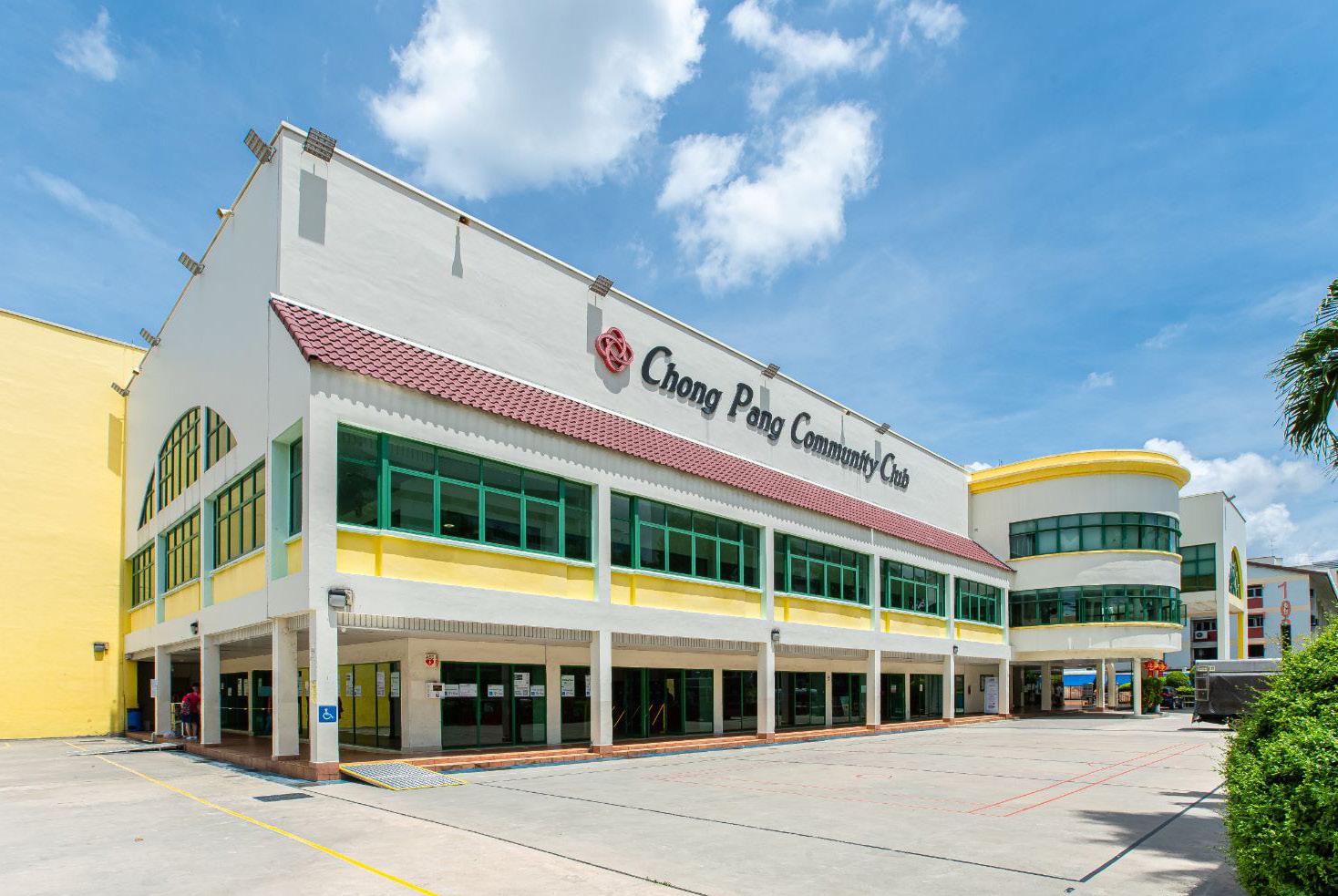
Chong Pang Community Club has been a central part of neighbourhood life since the early days of Singapore’s nation-building. It was built in 1988, symbolised the shift from a village-based way of life into a more urban, HDB-based community, while still carrying forward the kampong spirit of togetherness.
As part of the Singapore’s community club movement, Its establishment was part of a broader national effort during the 1980s to strengthen social cohesion, provide residents with skills training, and serve as platforms for grassroots organisations. Community clubs were also meant to give each estate a “common heart” for recreation, cultural exchange, and civic participation. Chong Pang CC became a hub where diverse communities in the north gathered — Malays, Chinese, Indians, and others — reflecting the area’s rich multicultural fabric. It often hosted festivals, cultural nights, and inter-racial harmony events, which contributed to building stronger social bonds.
Today, the club has been tied closely to Chong Pang’s grassroots leadership and political representation, particularly as part of Nee Soon constituency. Events at the CC often marked key national initiatives — from health campaigns to IT literacy drives — reflecting broader shifts in Singapore’s social policies.
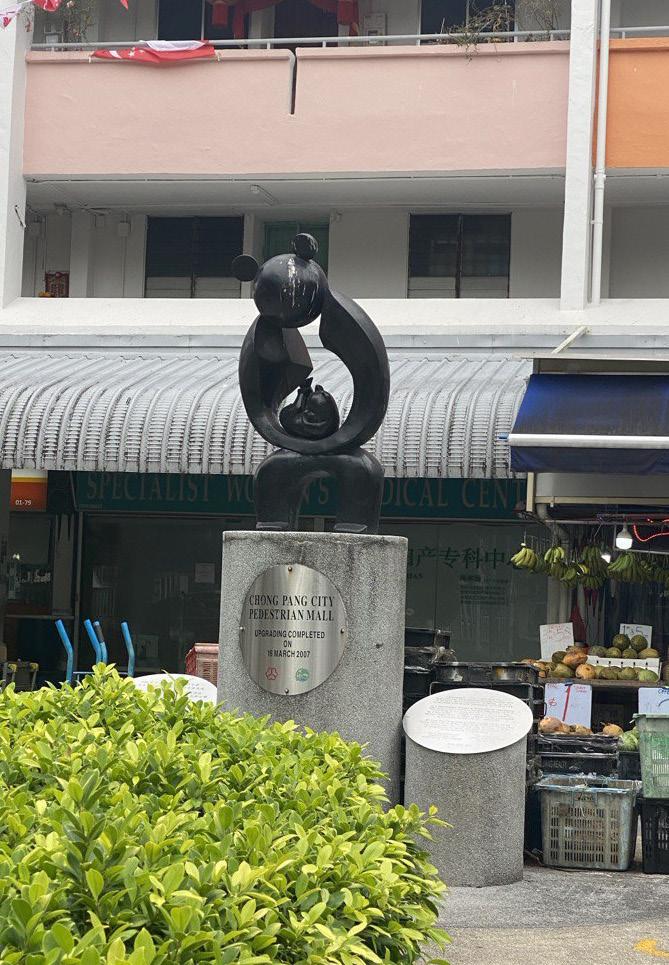
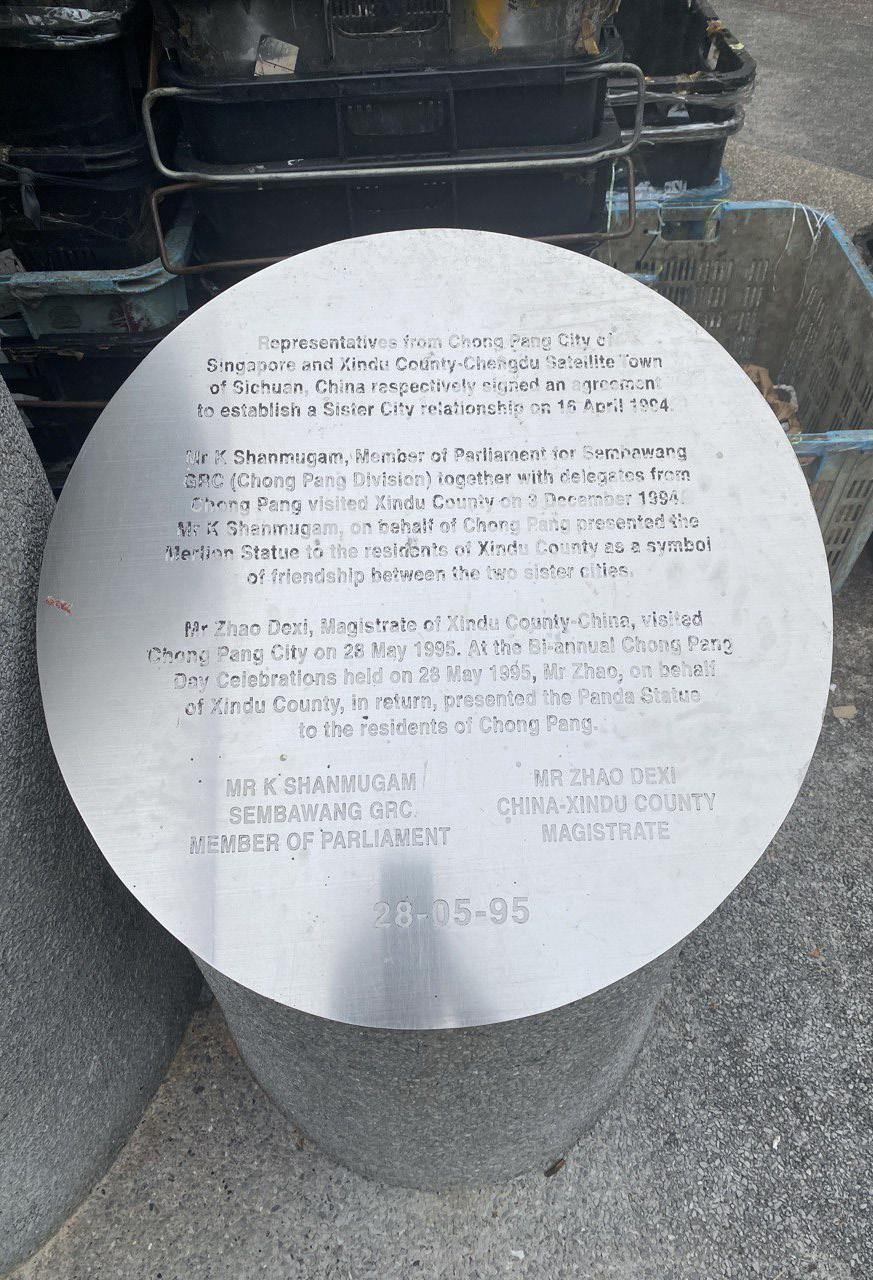
This statue features a mother and baby panda. It is displayed prominently outside Block 101, at the junction between Yishun Ave 5 and Sembawang Rd.
The history of this statue is dated back to 1994, Minister K Shanmugam, then-MP for Sembawang GRC, visited Xindu County and presented the county’s residents with a Merlion statue as a gesture of friendship. In return, Zao Dexi, Magistrate of Xindu County, visited Singapore for the bi-annual Chong Pang Day Celebrations in 1995, and presented local residents with this statue of a mother and baby panda.
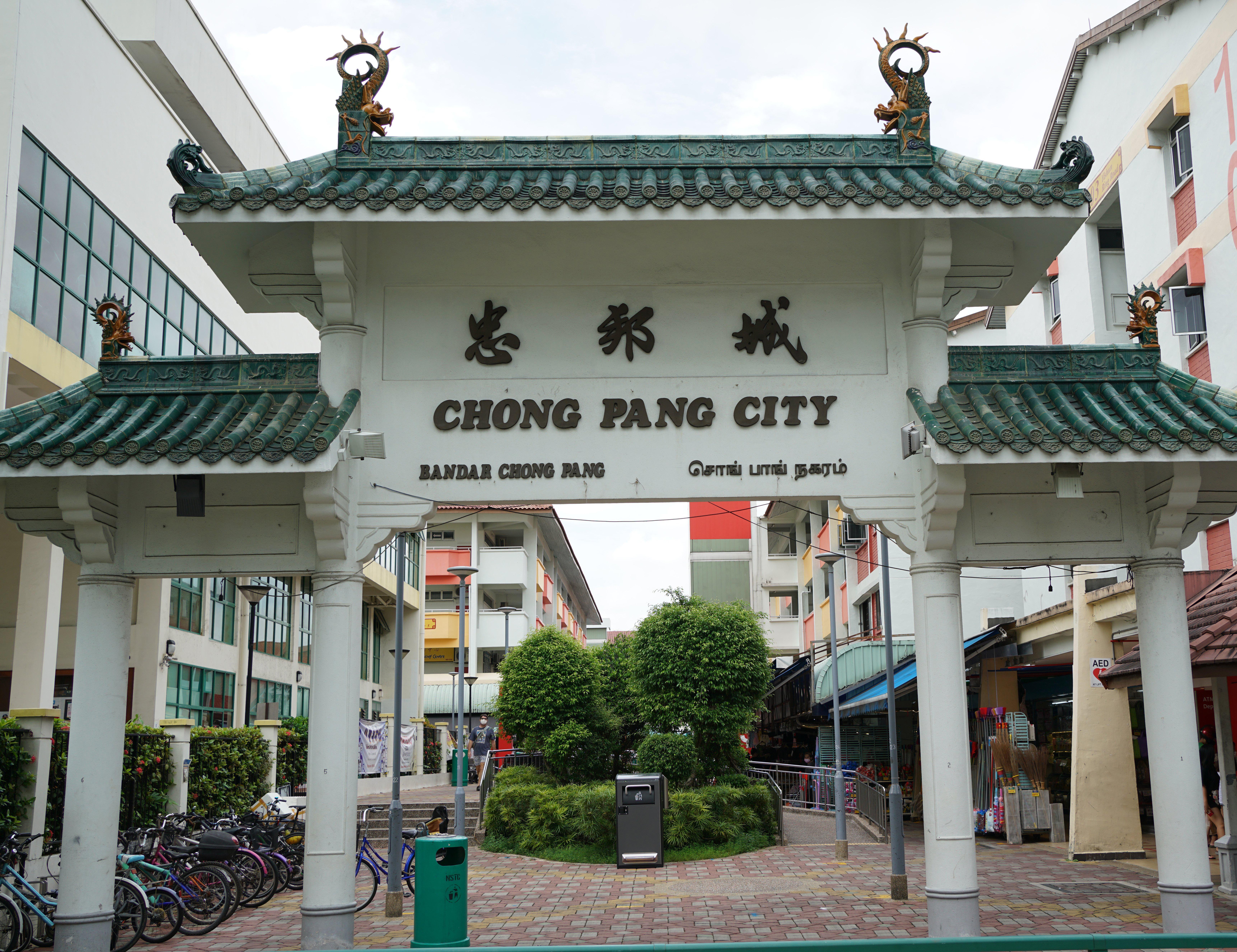
Chong Pang City Centre was launched in 1984, most of the shopkeepers here were former residents from nearby villages. They formed the Chong Pang Merchants’ Association later to meet mutual interests and provide support for each other.
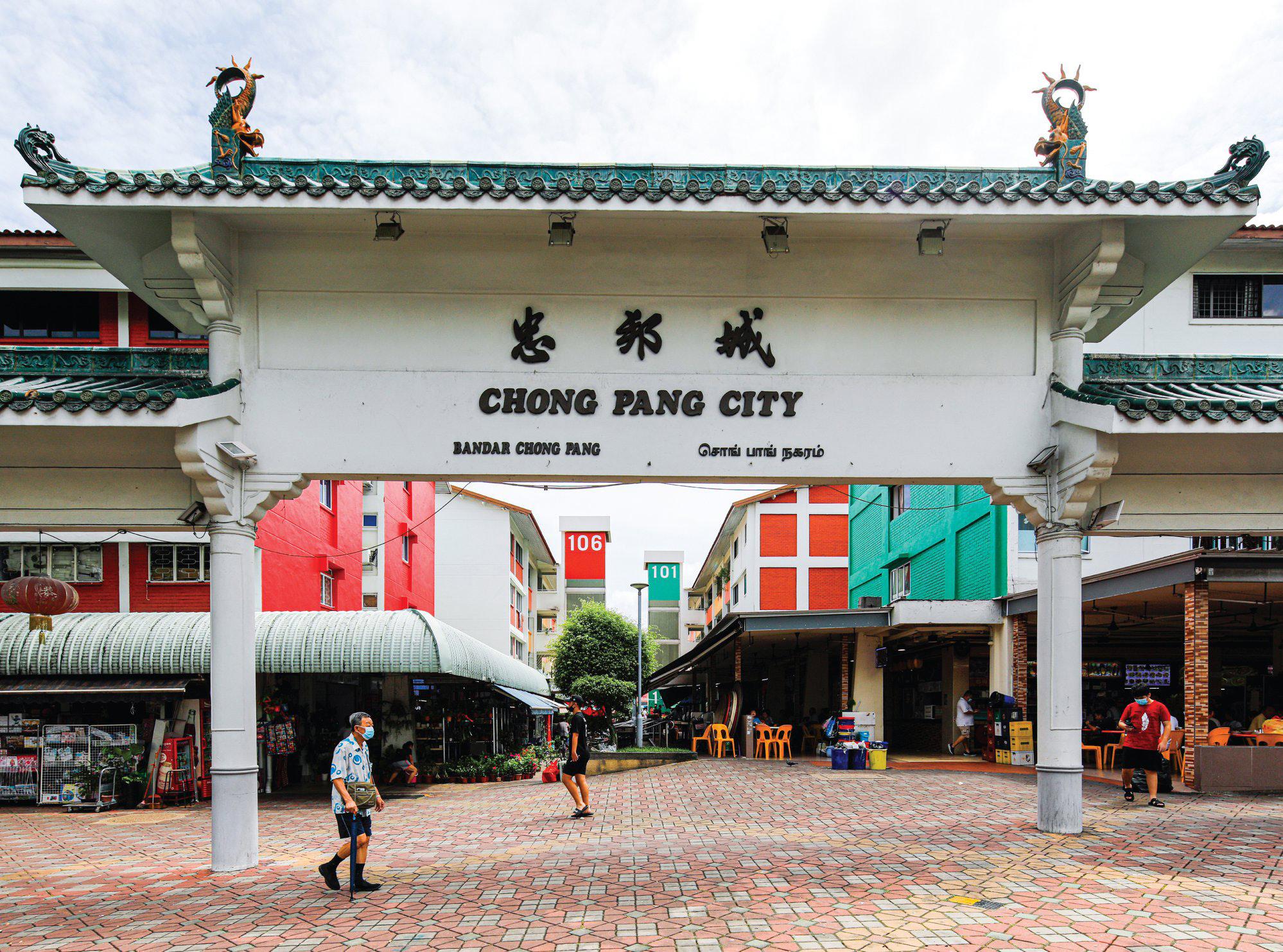
In 1992, when Northpoint was opened, business at the neighbourhood centre declined by 20% or more. To meet the competition, the entrepreneurial shopkeepers decided to spruce up the centre, using their earnings combined with funds from the Town Council. Metal awnings were installed, concrete pavements were constructed, shop fronts were beautified and the two Chinese-style gateways were erected. These measures resulted in a more attractive shopping area and improved the business of the neighbourhood centre by almost 30%.
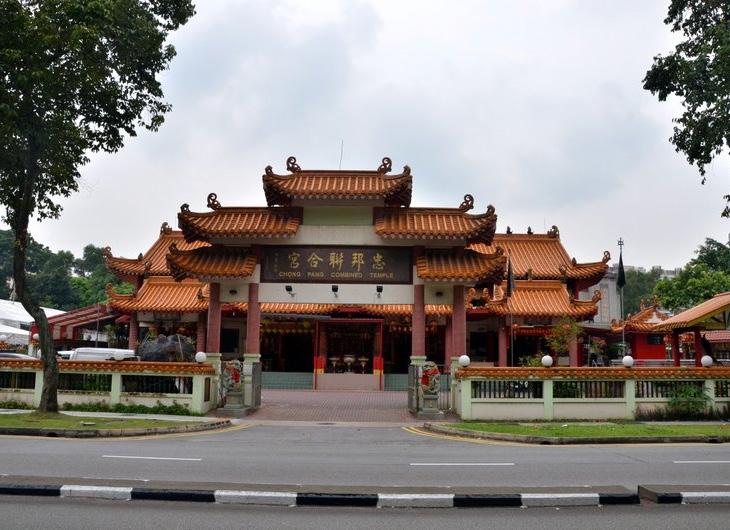
Designed in the traditional “paifang (牌坊)” style - a traditional style of Chinese architecture archway or gateway structure. Today, these grand entrance gateways have become an iconic landmark, a symbolic marker of Chong Pang estate’s identity and heritage, welcoming residents and visitors into the heart of the neighbourhood.
Keng
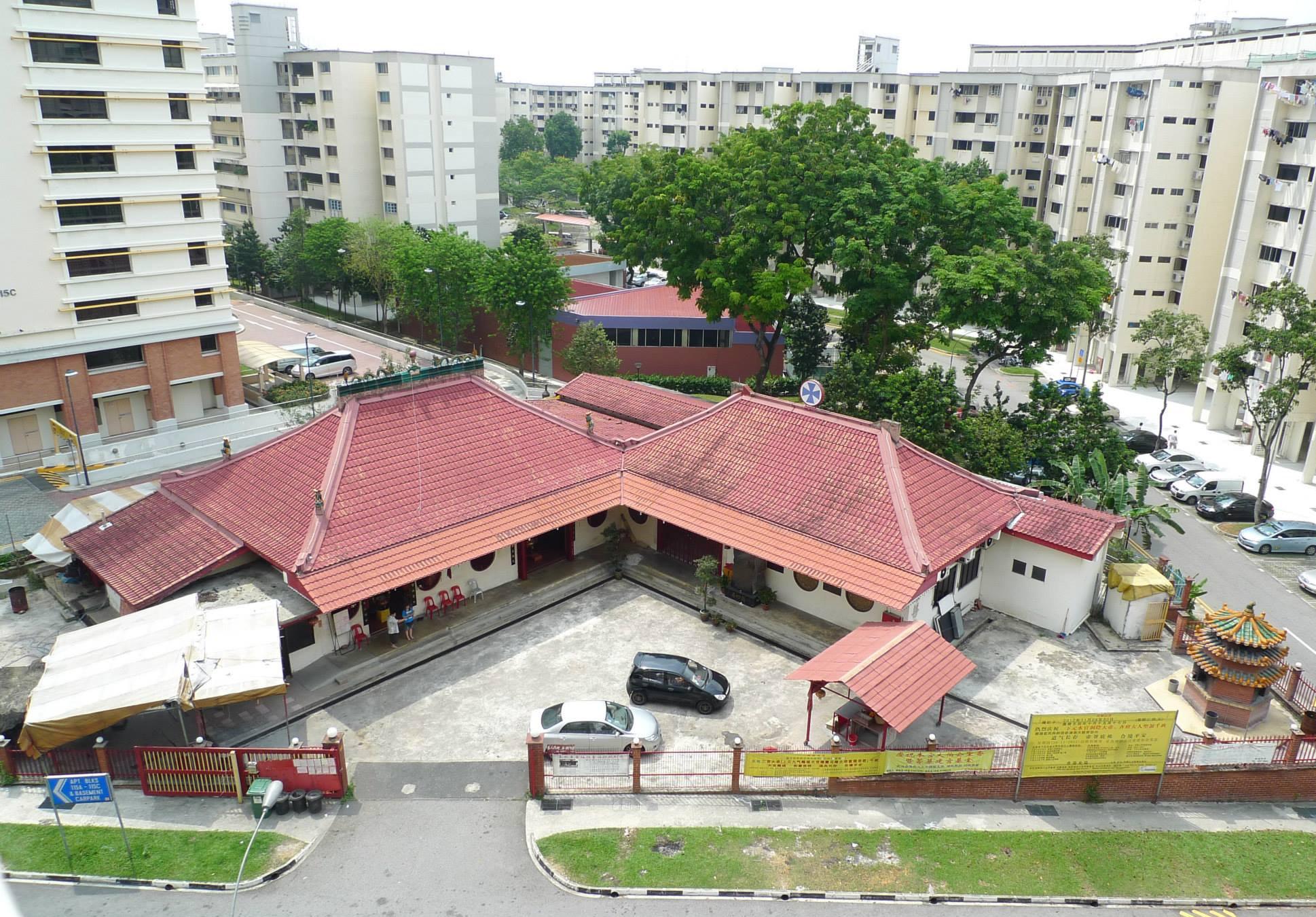
Nam Hong Siang Theon Temple, a temple which was established in the 1950s along Jalan Hikayat in Sembawang. ‘Siang theon’, literarily ‘charitable centres’ in Teochew, originated in Swatow, China. These organisations, are peculiar to the Teochews and are institutions that merge cultural and religious beliefs with a mission of charity. Nam Hong Siang Theon Temple was started by the Teochew community in Sembawang. In those days, many migrants here were poor and could not afford funeral rites for their deceased. The temple helped their devotees out by providing free funeral services.
While Ho Peck San Temple was established in the early 1900s in Chye Kay Village in Sembawang by Chinese immigrants from Fujian province. The temple was first enshrined in an attap hut, which was later replaced by a new temple building in 1950. A permanent opera stage was constructed at around the same time and doubled up as a classroom for village children.
Due to urbanisation, Nam Hong Siang Theon Temple moved to Yishun in 1984, sharing the site with two other temples, Seng Pang Tua Pek Kong Keng and Ho Peck San Temple. It was the first combined temple to be built in Yishun. A columbarium and ancestral hall was built in Nam Hong Siang Theon Temple and the sale of the niches helped to raise funds for the temple to do charitable acts to help the community.
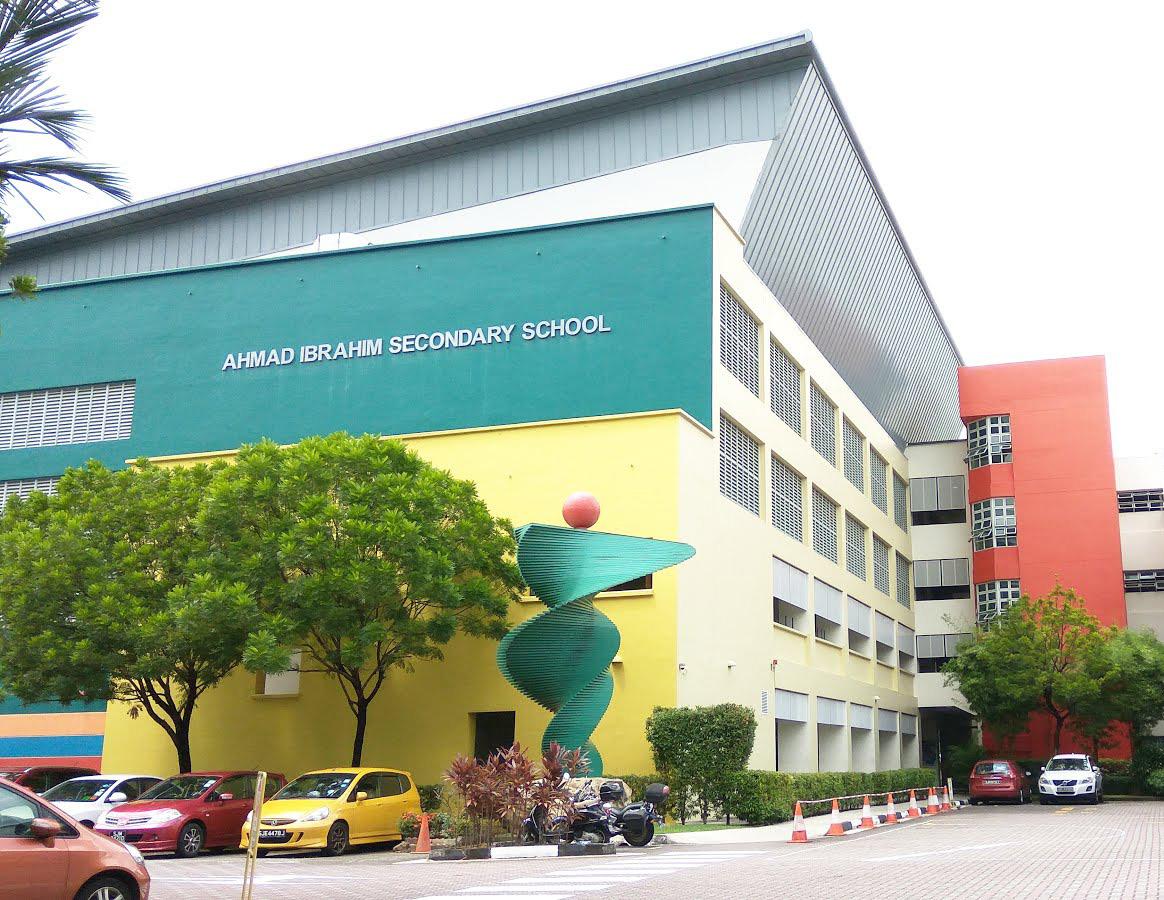
As you walk along Yishun Ring Road, you would pass by this school, named after Ahmad bin Ibrahim,(1927-1962) one of Singapore’s early political leaders. Established in Sembawang Hills Estate in 1963, it was then known as Ahmad Ibrahim Integrated Secondary School, and was the second integrated government secondary school in Singapore where both Chinese and English streams were adopted. The first was Bukit Panjang Government High School, established in 1960.
The school later moved to Upper Thomson Road in the same year before moving to its current location in 1985. Today, the school is well-known as Singapore’s pilot school for the ‘Open Education Programme’ launched in 1967, where visually handicapped students study alongside mainstream students.
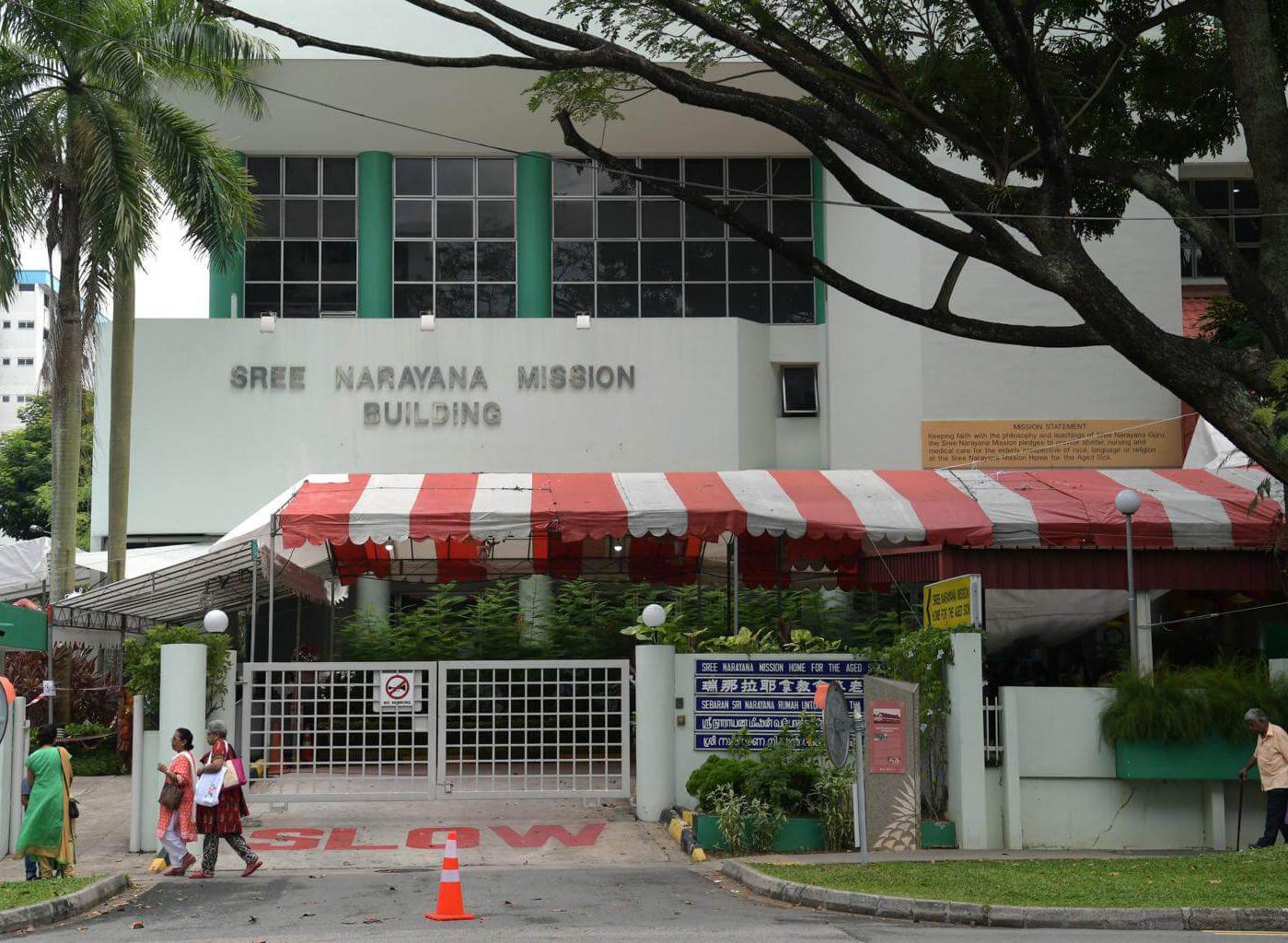
Registered in 1948, Sree Narayana Mission is one of the most important legacies of the Malayalee community in Singapore. Its founders were mostly Malayalee workers who migrated from Kerala, South India, between the 1920s and 1960s, to work at the Naval Base in Sembawang.
The founders gathered funds from their community to start the mission in Sembawang in the 1940s. As it became more established, it began to undertake social and charitable work, such as giving education bursaries to residents from all races in Sembawang. A mission building was constructed in 1952 along West Hill Road (formerly located where Sembawang New Town is today).
In 1979, the mission converted a military hospital in the former Naval Base into a home for the destitute elderly and sick. As the facilities were limited, the home moved to the former Sembawang Hospital along Canberra Road in 1983. Due to redevelopment of Sembawang, the home later moved to Yishun. The current home along Yishun Avenue 5 was officially opened in 1994.
Today, Sree Narayana Mission continues to be active in serving the community by offering counselling services, financial aid, food relief and scholarships. It also runs a home for the aged here in Yishun and the Sree Narayana Mission Meranti Home @ Meranti Village at Buangkok Green for mentally burnt-out patients.
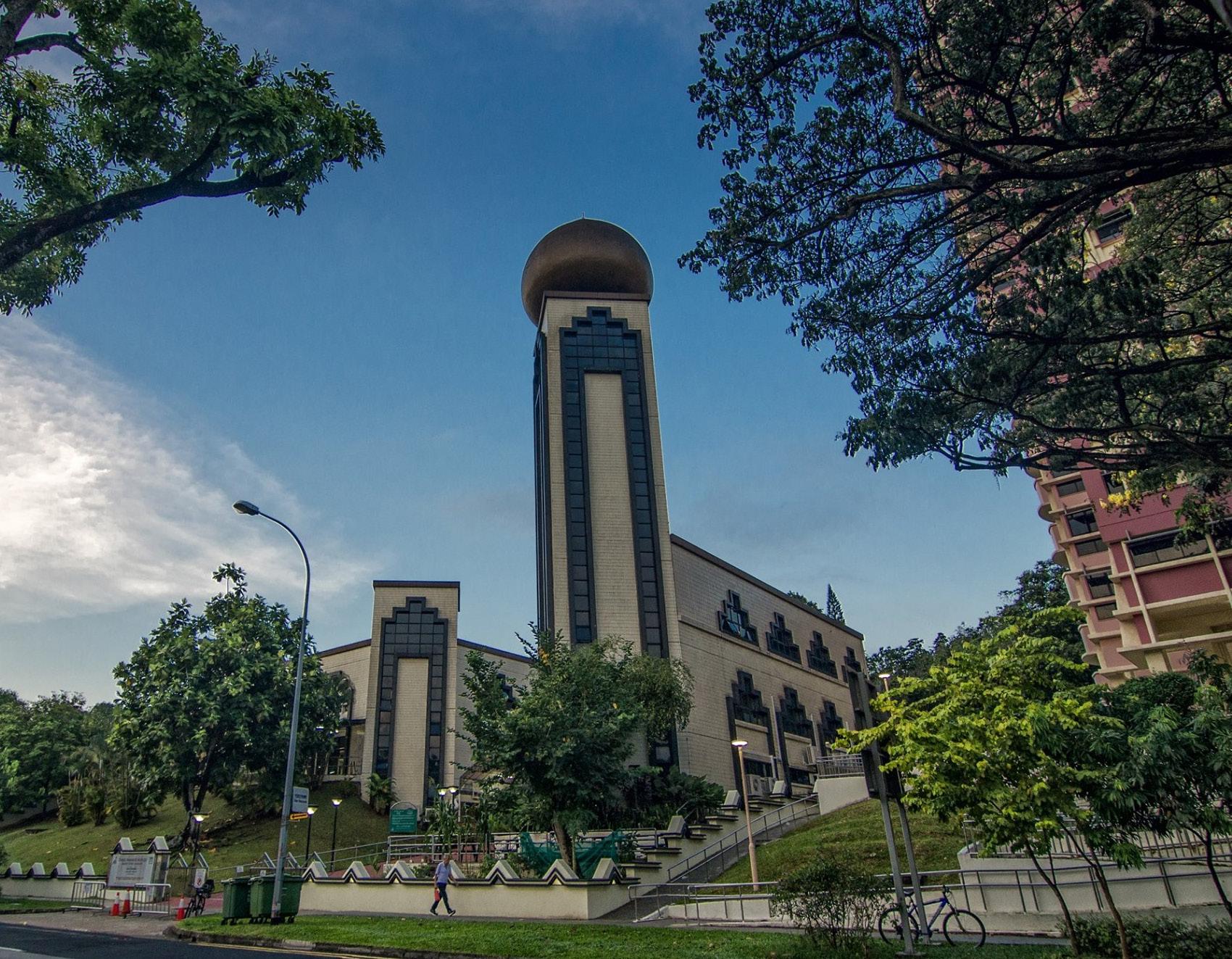
From afar, you can see the mosque standing out against Yishun Neighbourhood Park behind. Completed in 1987, this mosque was built at the initiative of the Muslim community in Yishun New Town.
When the new town started in the late 1970s, there were no mosques within the town itself. The nearest mosques were in Sembawang or along Upper Thomson Road. Prayers were therefore conducted at the void decks of housing estates or at home.
In 1983, the Muslim residents formed a committee to build a mosque and started a fund raising campaign. Muslims who were staying in kampungs nearby, such as Kampung Tanjong Irau, also chipped in to help. After four years, the mosque was finally completed.
Today, the mosque is a religious and communal centre for Yishun’s Muslim residents. Apart from its religious functions, it also plays a social role by providing educational and welfare programmes.
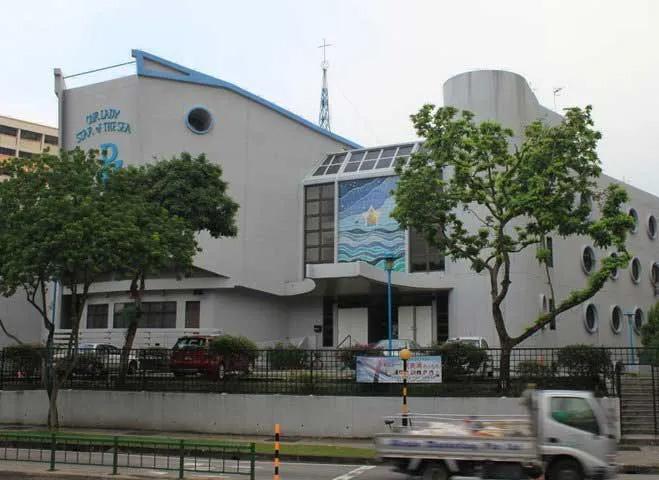
The beginnings of this Catholic Church can be traced back to the first Catholic community in Yishun and Sembawangthe Catholic families who came to work and live in the Singapore Naval Base. Religious services were held in a makeshift building in the early days. After the end of World War II in 1945, the Catholic community was granted the use of a building located at Jalan Kedai, off Canberra Road. The building was formerly used as a school during the Japanese Occupation.
As the Catholic community grew in numbers, the need for a bigger church arose. In 1952, the school was declared unsafe by the British authorities, who advised the community to build a new church. A suitable plot of land at Jalan Sendudok, which was then part of the Naval Base, was secured for the purpose. A fund-raising campaign was carried out for the project and the new church building came to fruition in 1953 at a cost of $53,000.
In 1987 the church was informed that it had to be reclocated to make way for the development of Yishun and Sembawang. The present site at Yishun Street 22 was purchased in 1989 after a two-year search. The new church building, the design of which was inspired by a boat to signify the proximity to the sea in Sembawang and the close links the early church had with the British Naval Base, was completed in 1992 at a cost of $4.7 million. Today, the church remains a vibrant centre for Catholics in this area.
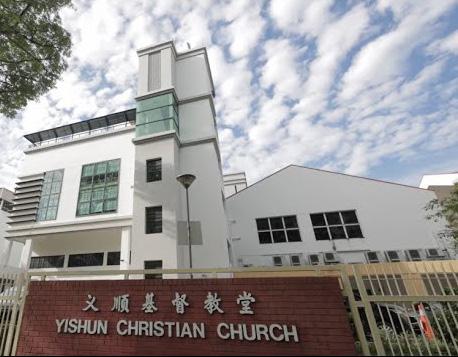
Started as a congregation in St Peter’s Church Sembawang in 1977, Built during a period when Yishun New Town was rapidly developing, Yishun Christian Church Anglican (YCCA) eventually grew and relocated to her current site in 1987. The church provided not only a space for Anglican worship but also a hub for fellowship, education, and outreach.
Over the years, the church has become a centre for community care, running programmes for youth, families, and the elderly, while fostering interfaith understanding within Yishun’s multicultural environment. It continues to play an important role in grounding residents through faith, service, and community life. Today, she has services in English, Mandarin and Tamil to cater to the diverse community in Yishun.
This temple is made up of a few temples which were formerly located in Nee Soon, including Chan Chu Kang Tua Pek Kong Temple, Hong San See Temple and Kew Ong Yah Temple. These temples are believed to be established sometime in the mid-19th century.
Chin Kong Religion Fook Poon Tong - Formerly located in Chong Pang Village, Chin Kong Religion Temple’s worshippers used to be mostly Hakkas. At its peak, there were 34 Chin Kong Religion temples in Singapore. This temple was started in 1955, by a Chin Kong Religion missionary who came to Singapore in 1918. It moved here in 1993 and is one of the seven such temples remaining in Singapore.
Hua Poh Siang Thg - began as a shrine in an attap house, is one such sect. Though it can probably trace its history to the mid-1800s, the temple was only registered in 1947. The temple played an important role in the religious and social life of the village then, providing funeral services for the needy and acting as a place for villagers to socialise.
Kwang Tee Temple - Started in 1975, this temple used to be located in a kampong known as Or Kio (Hokkien: Black Bridge) at Thomson Road, near where Singapore Island Country Club is today.
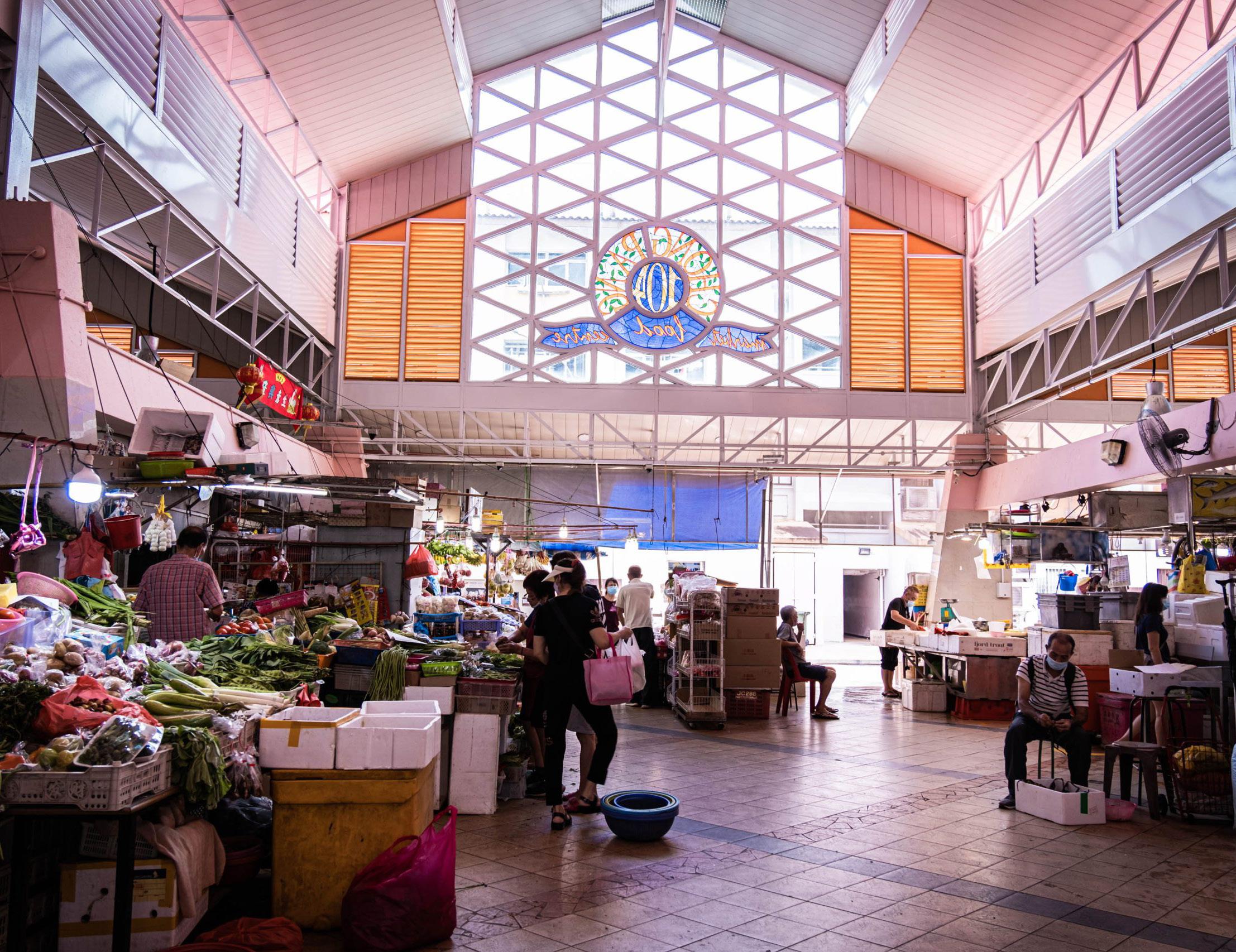
A hidden gem in the heart of the Chong Pang neighbourhood, Chong Pang Market and Food Centre has a rich history dating back to its early beginnings. The area was named after local entrepreneur, Pang Lim, who played a significant role in developing this vibrant market. In the 1950s, Pang saw the potential of this bustling enclave and decided to establish a market to cater to the needs of the growing community.
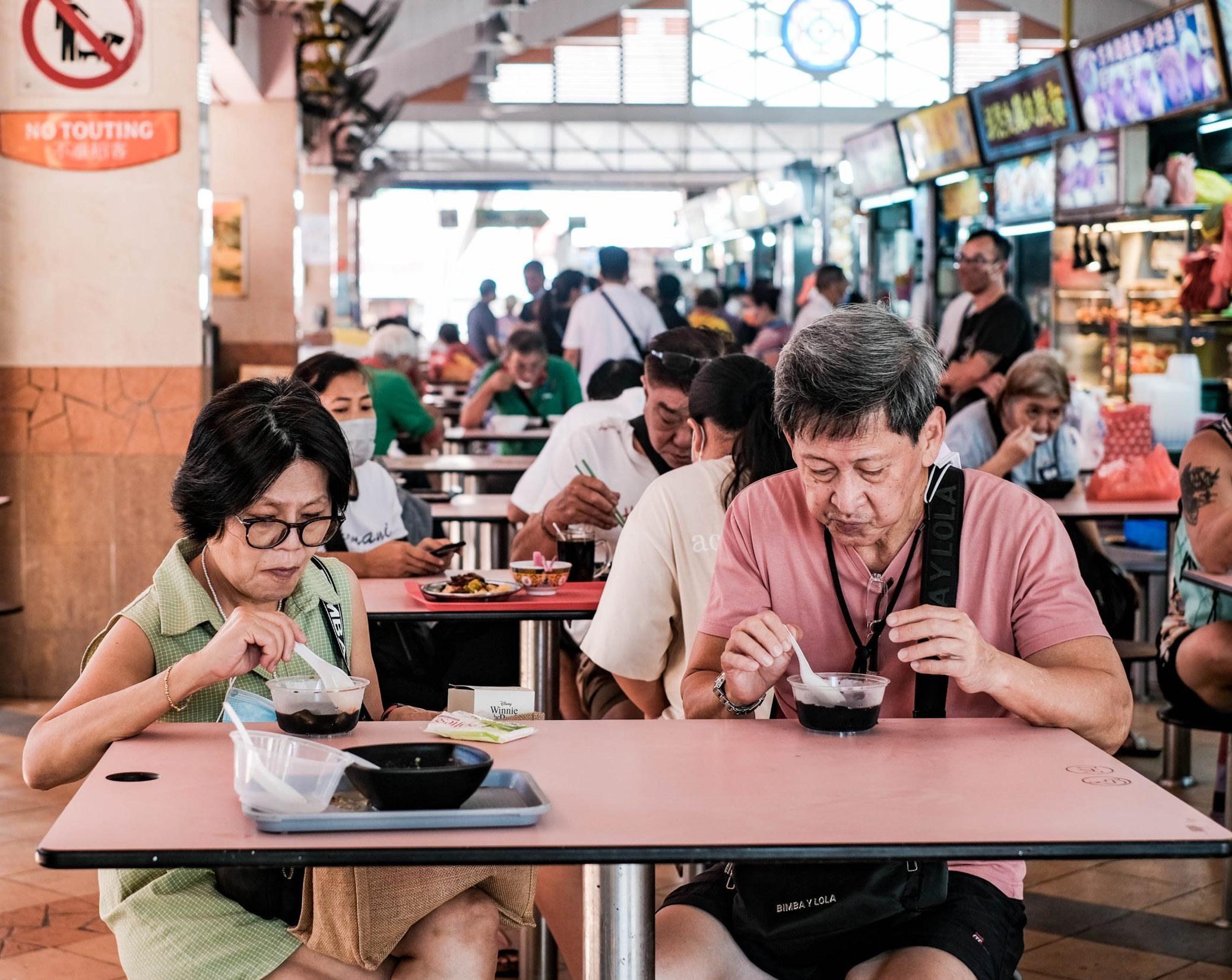
Over the years, Chong Pang Market became not only a place to shop for fresh produce and necessary items but also a social hub where residents gathered to catch up on the latest news and gossip. The market soon gained a reputation for its diverse array of food stalls offering delicious local dishes at affordable prices. It became a beloved spot for both locals and food enthusiasts alike.
As Chong Pang Market continued to thrive, it underwent several renovations and expansions, evolved to meet the changing needs of the community. Despite the changes, the market has managed to retain its old-world charm and authentic local flavour, even offering a wider selection of culinary delights to tantalise your taste buds. This makes it a timeless destination for those seeking a taste of Singapore’s culinary heritage.
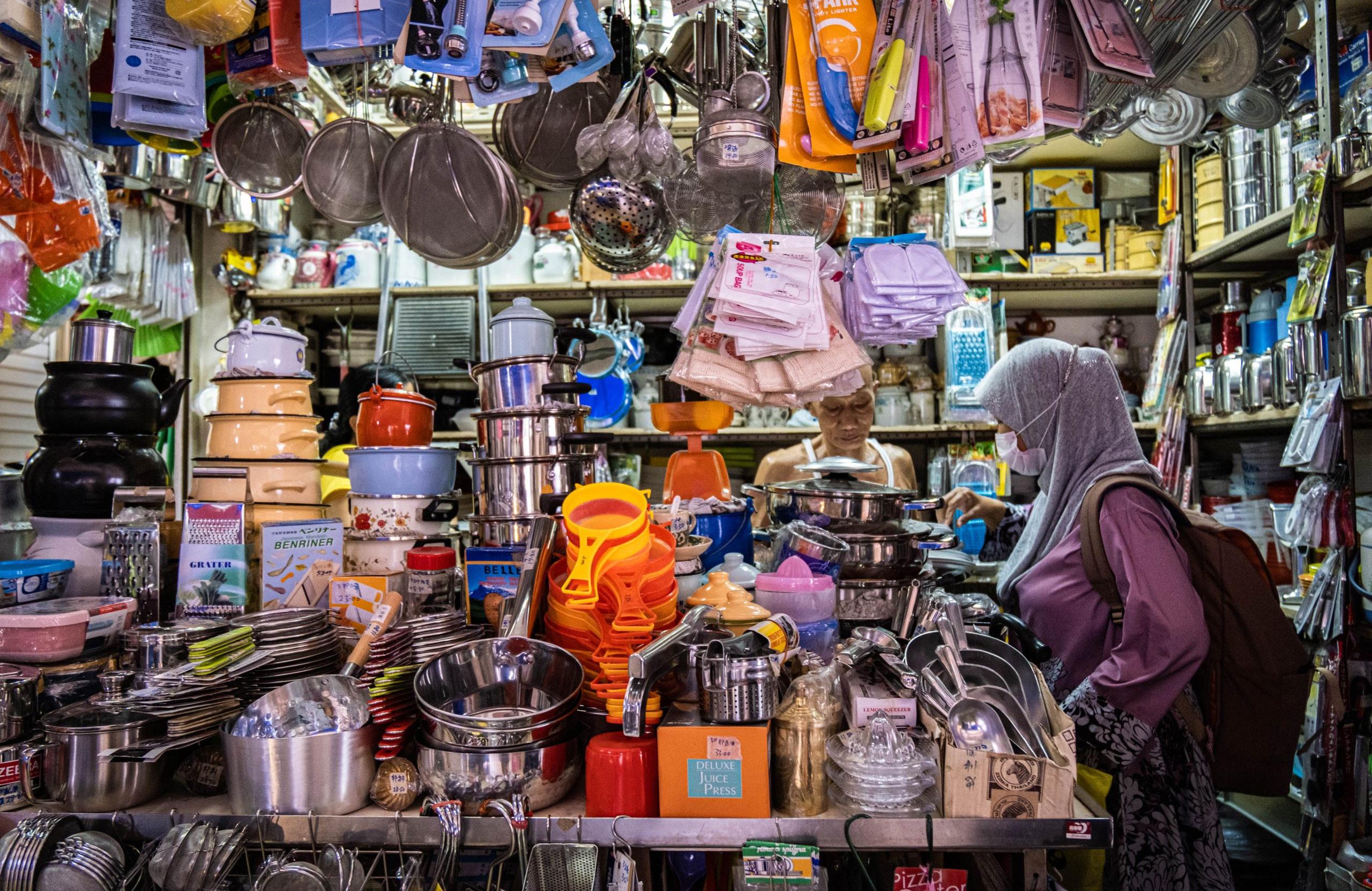
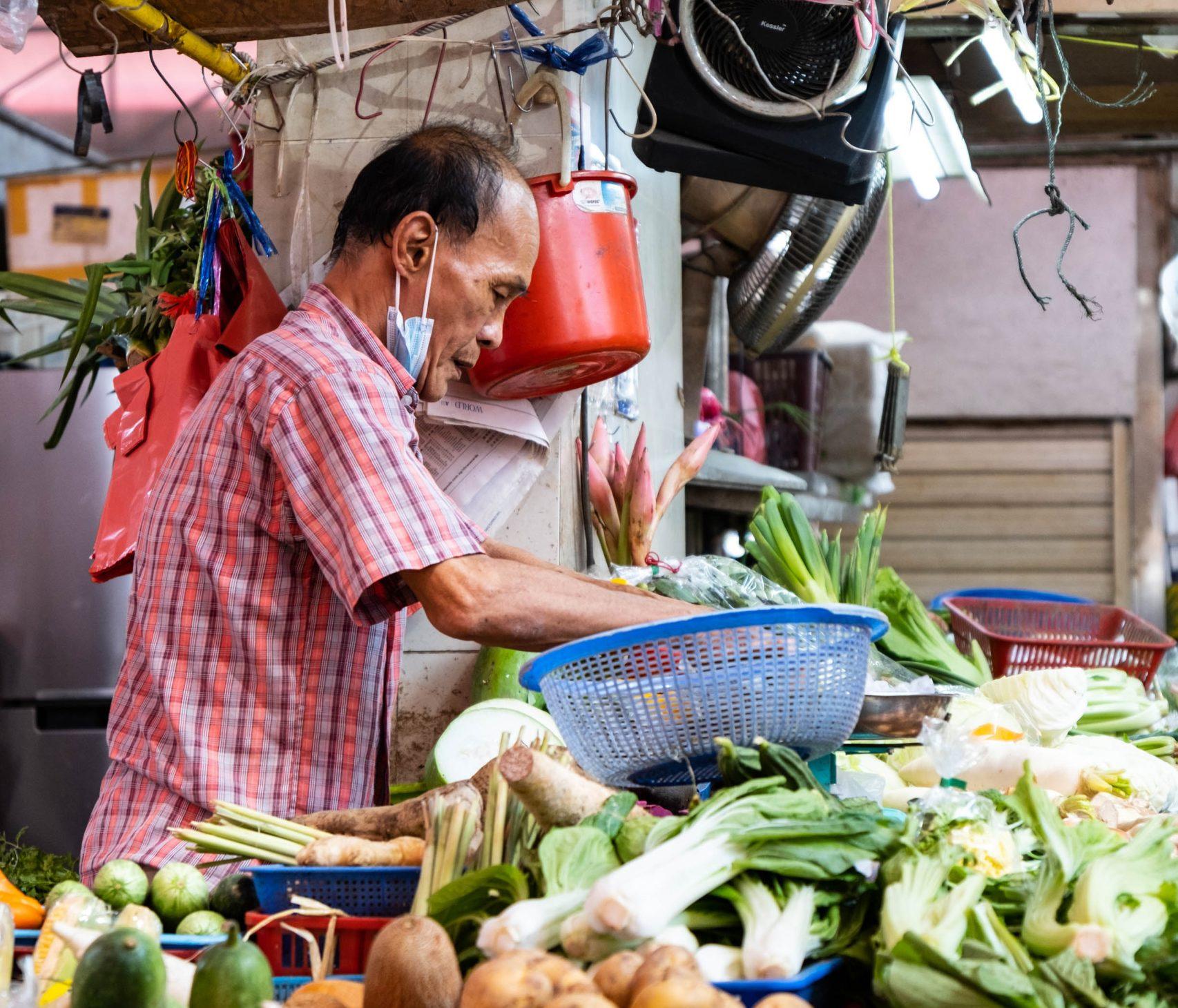
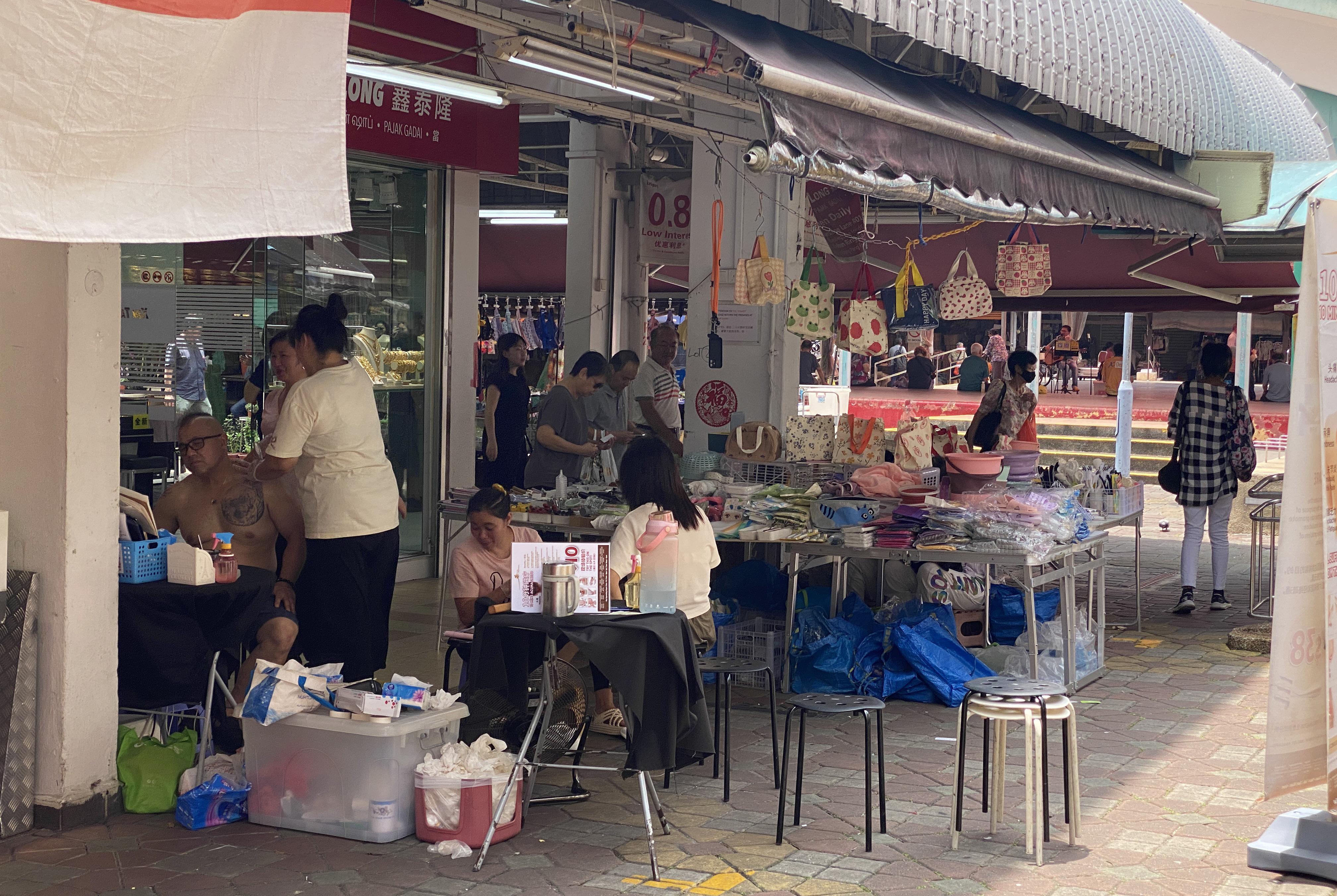
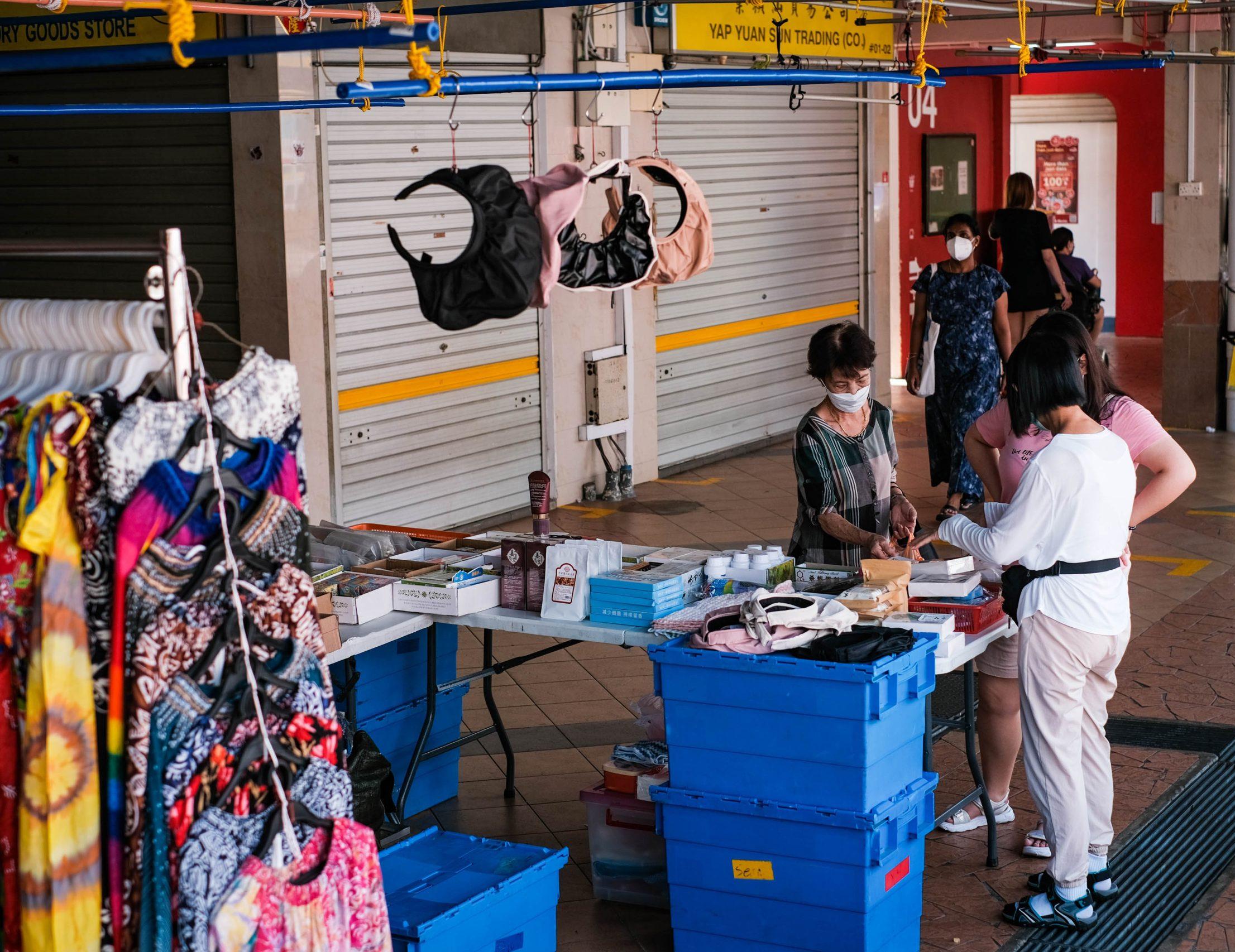
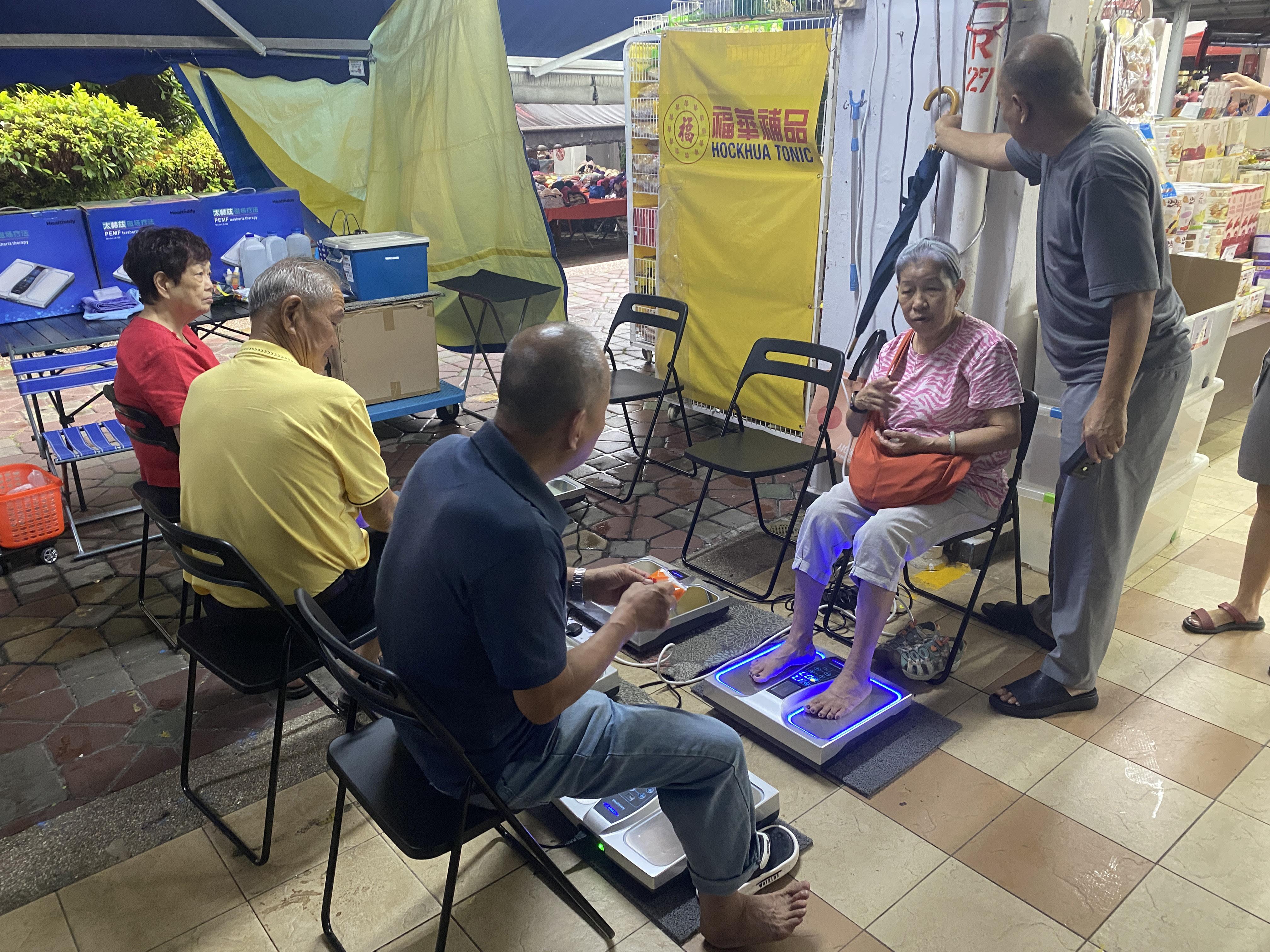
These pop-up vendors are one of the key highlights that brought much vibrancy and variety to Chong Pang Market. These pop-up vendors are non-permanently stationed, so everyday there would be different tenants coming by to set-up these pop-up stores and they would sell ranging of products and services such as health & wellness, beauty & cosmetics, home living products, food produce and dry goods, etc.
The rental costing for one pop-up store ranges from minimum S$30 - S$120 (depending on the pop-up store location), and would only operate as early as 7am in the morning till around 2-3pm in the afternoon. These tenants would usually rent from the permanent shophouse or store owners nearby its location. In some cases, some of these pop-up rental businesses are not approved by the authorities but yet are done discreetly. By doing so, both shop owners and tenant can get extra profits and business, which is a win-win situation from a business point of view.
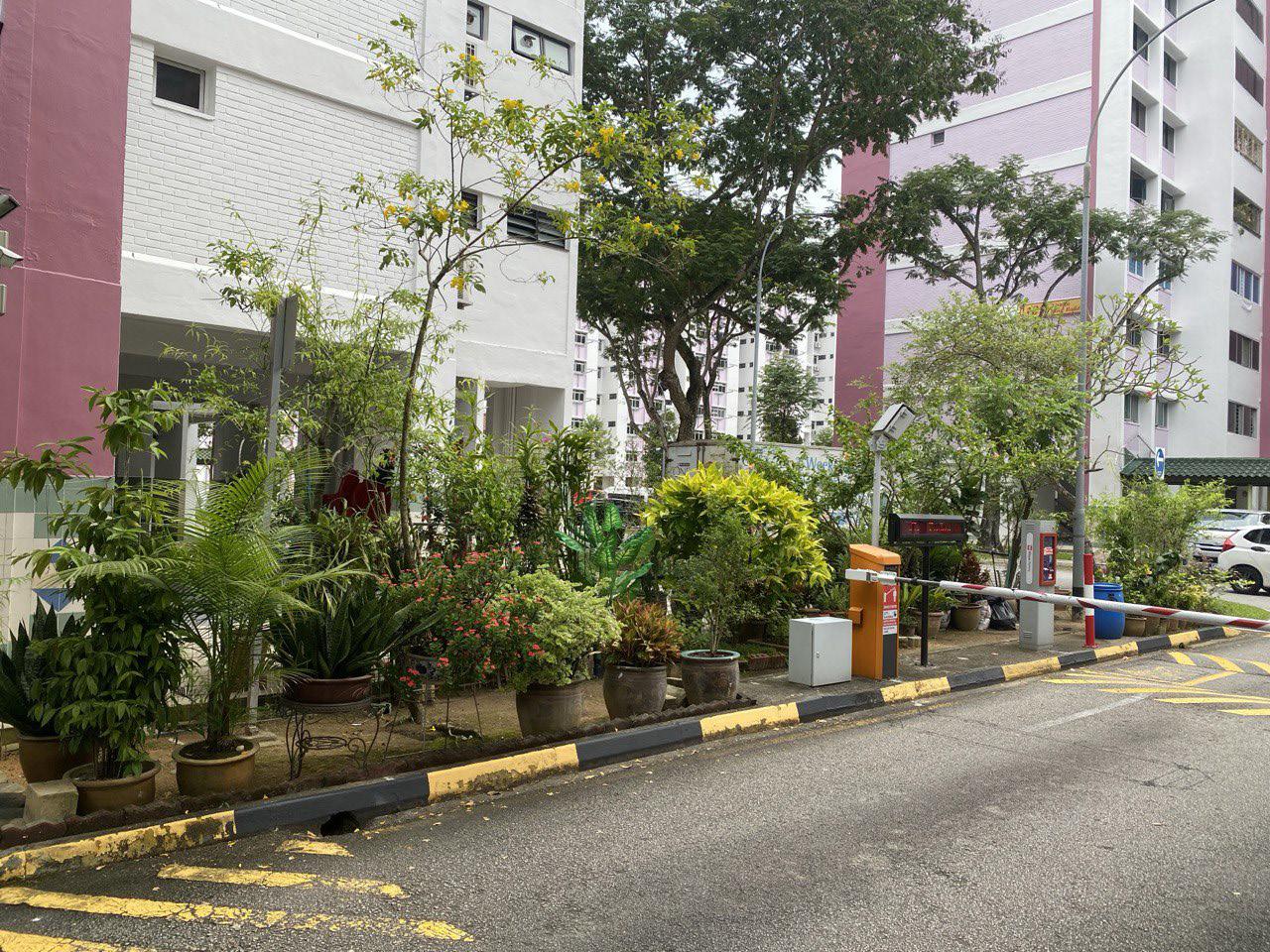
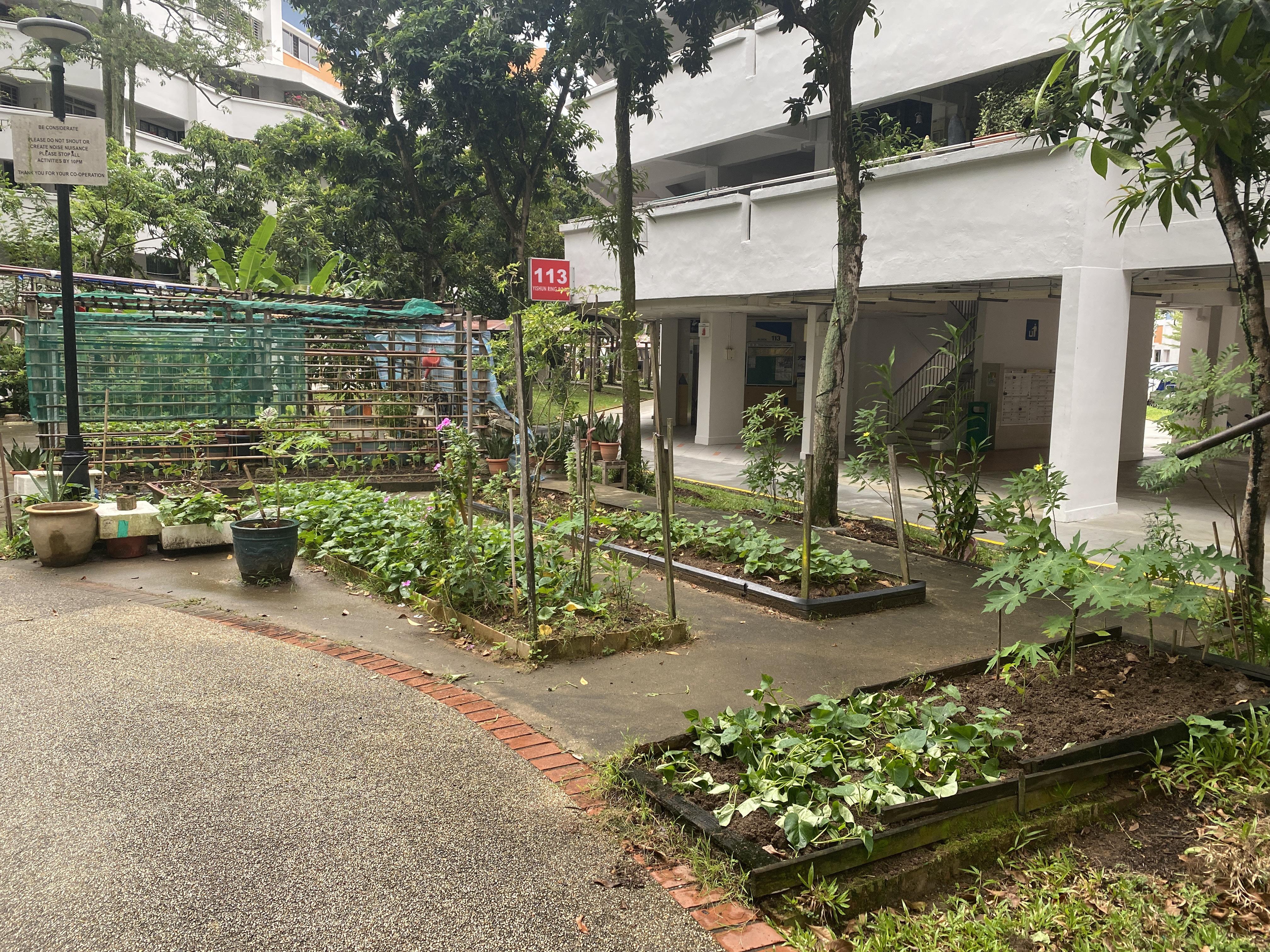
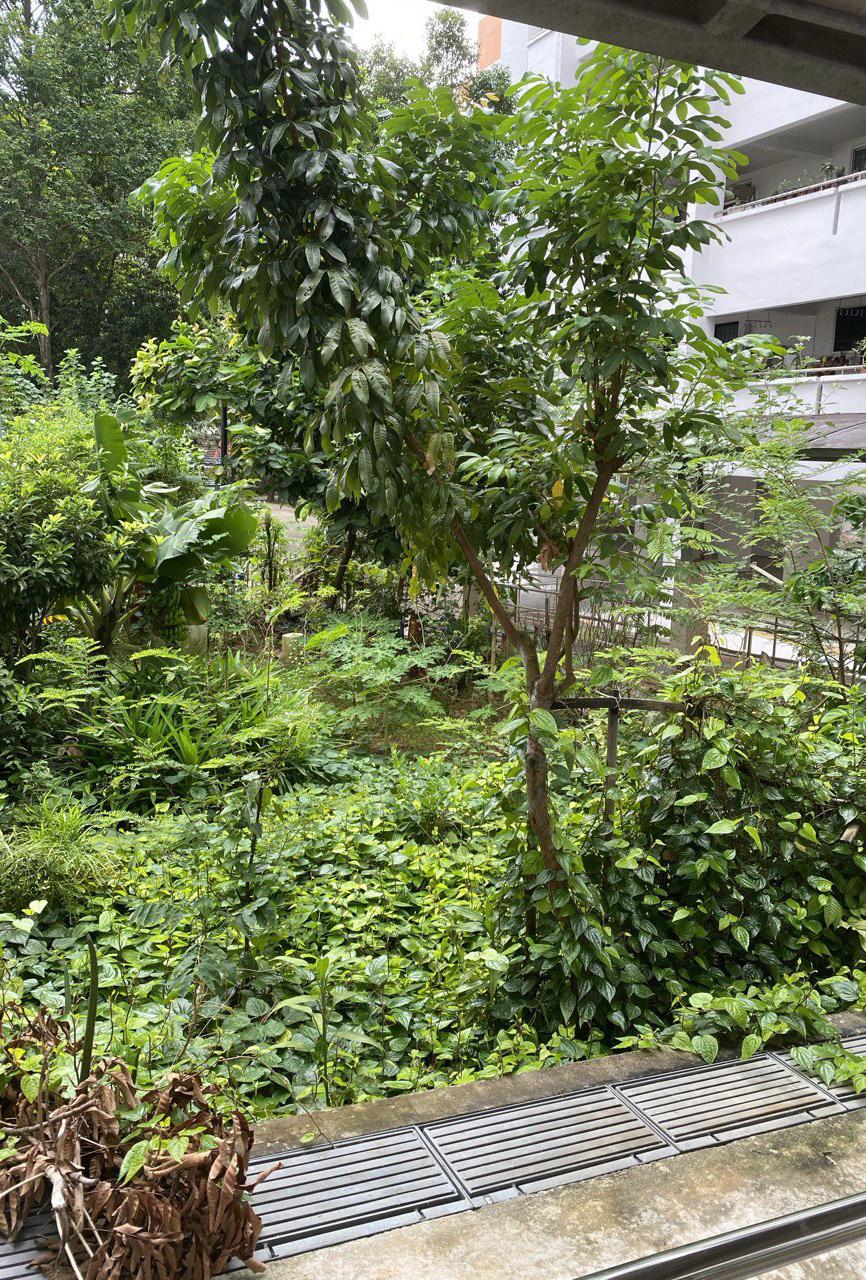
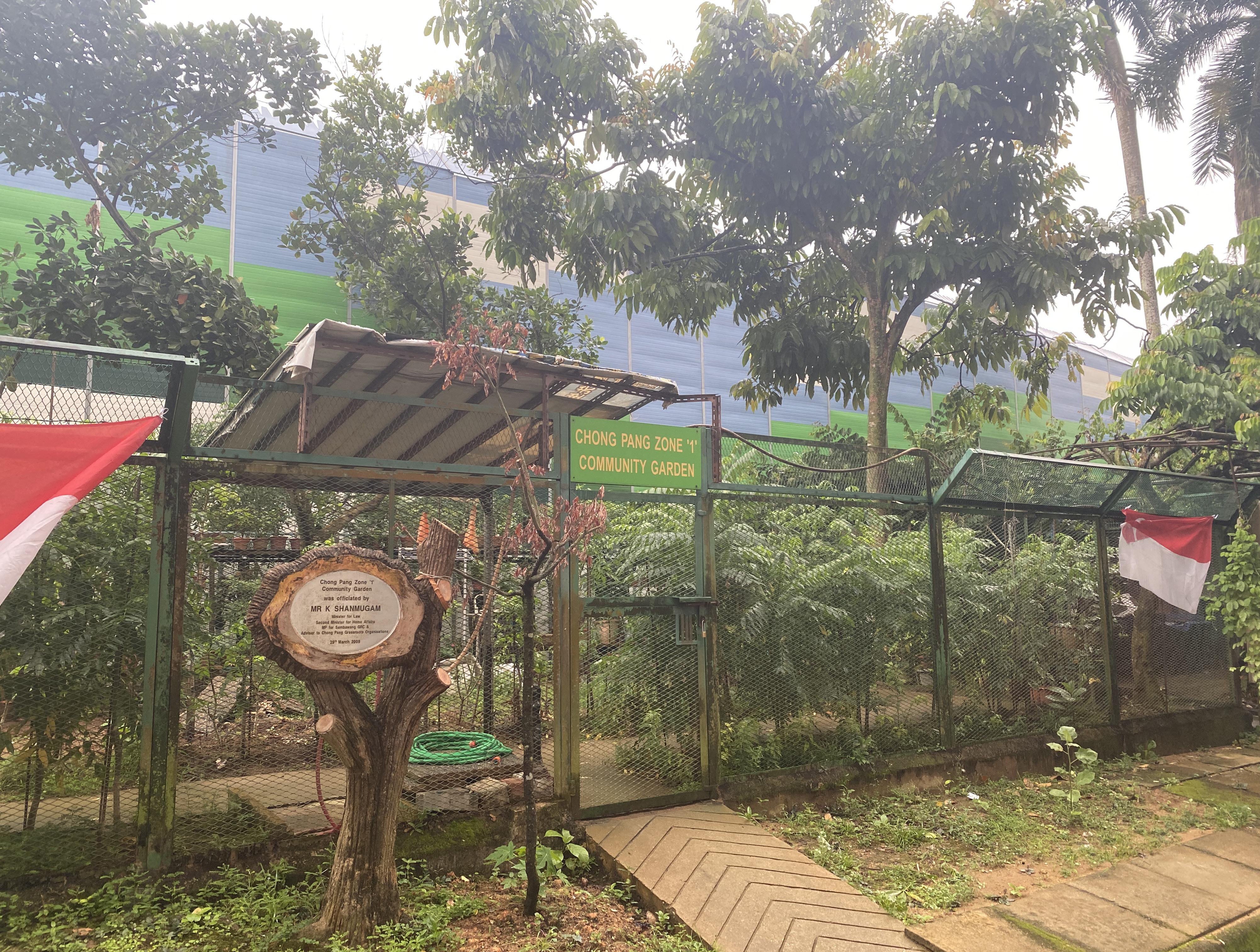
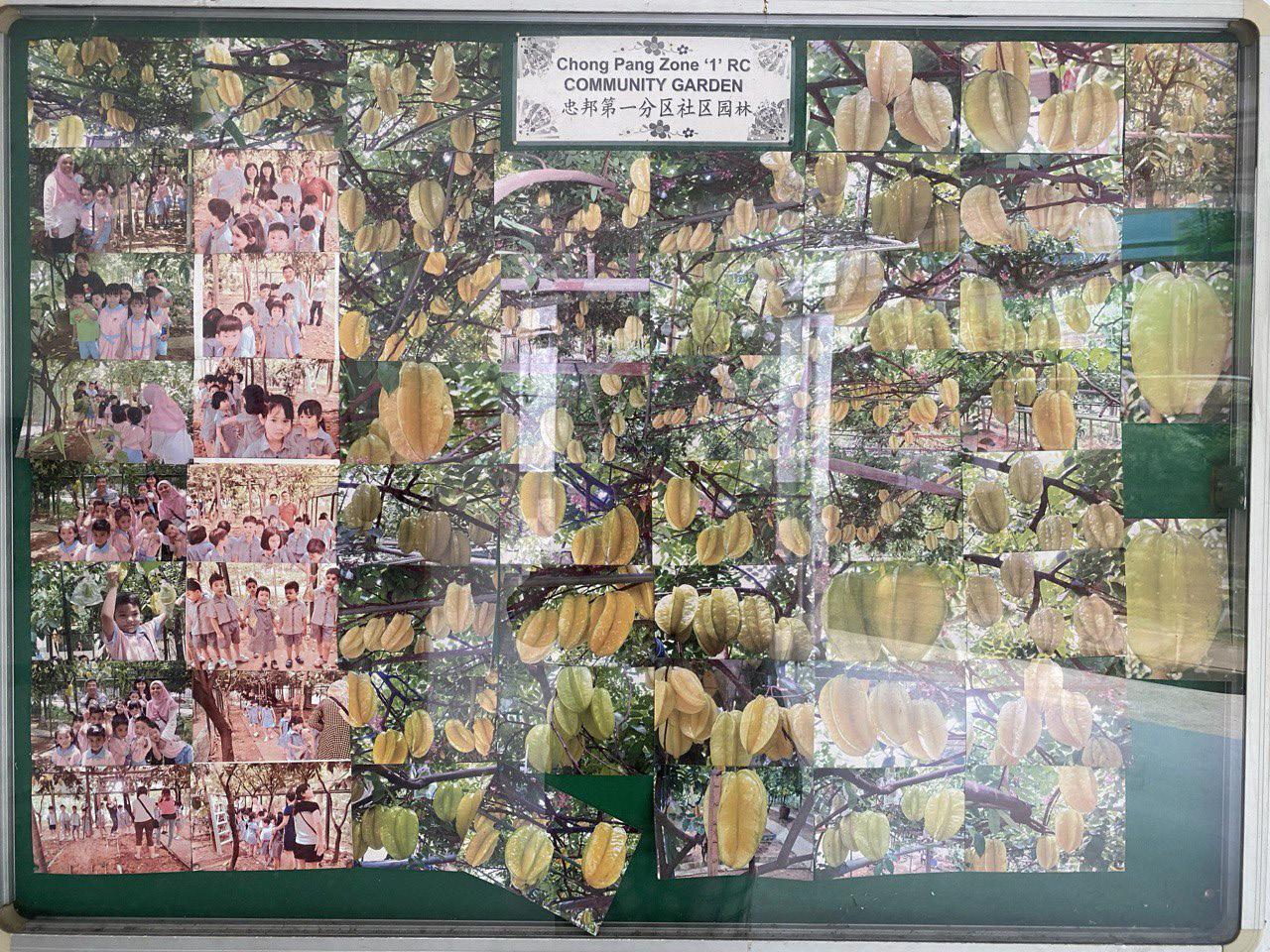
Chong Pang’s community gardens are a contemporary expression of Singapore’s broader “City in a Garden” vision and the neighbourhood’s own rich cultural memory of productive landscapes. Conceived as part of a nationwide greening effort to weave nature into urban life, these gardens provide more than green pockets amidst high-rise estates—they are community-building platforms where residents cultivate vegetables, herbs, and ornamentals while fostering bonds across generations.
However, these roots run deeper than just the greening policies. The culture of gardening in Chong Pang is reflected back to its early history when it was once dominated by rubber plantations, coconut groves, and other agricultural cultivations that sustained livelihoods through the early 1940s to 1980s. As the kampongs gave way to modern housing estates during Singapore’s rapid urbanisation, the large plantations have also eventually disappeared.
Today, the community gardens in Chong Pang serve a dual role. They align with national greening policies that emphasise sustainability, resilience, and community engagement, while also preserving an inherited culture of cultivation that resonates with long-time residents.
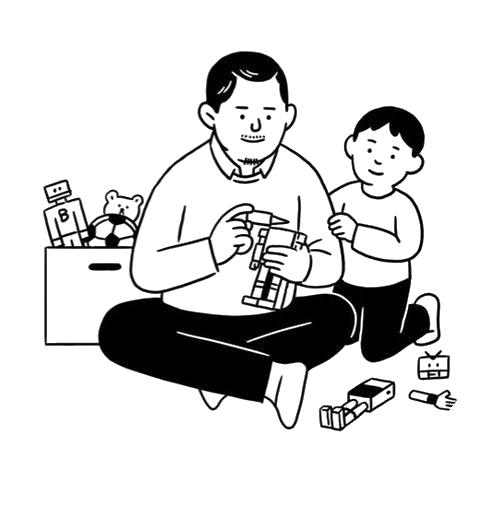
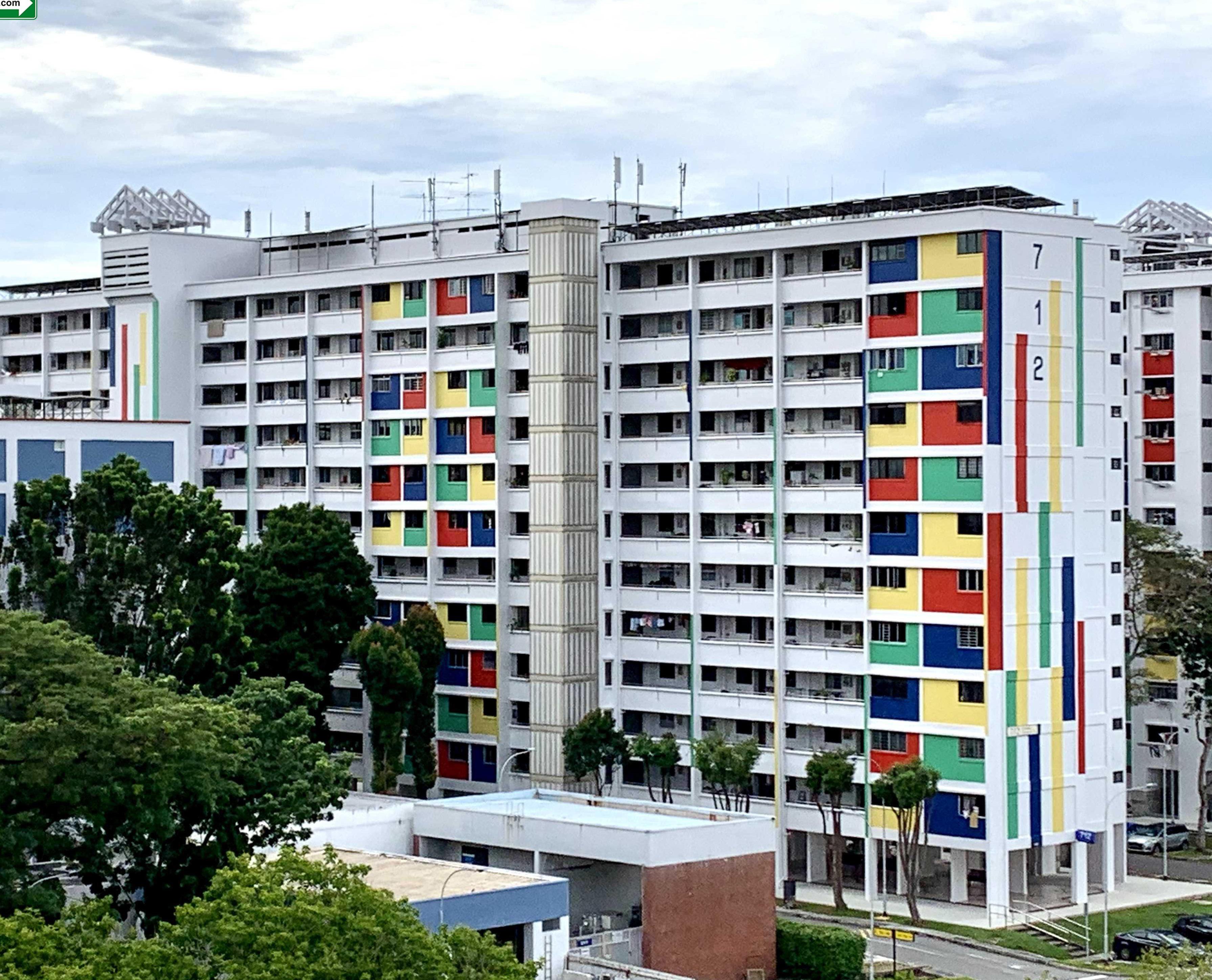
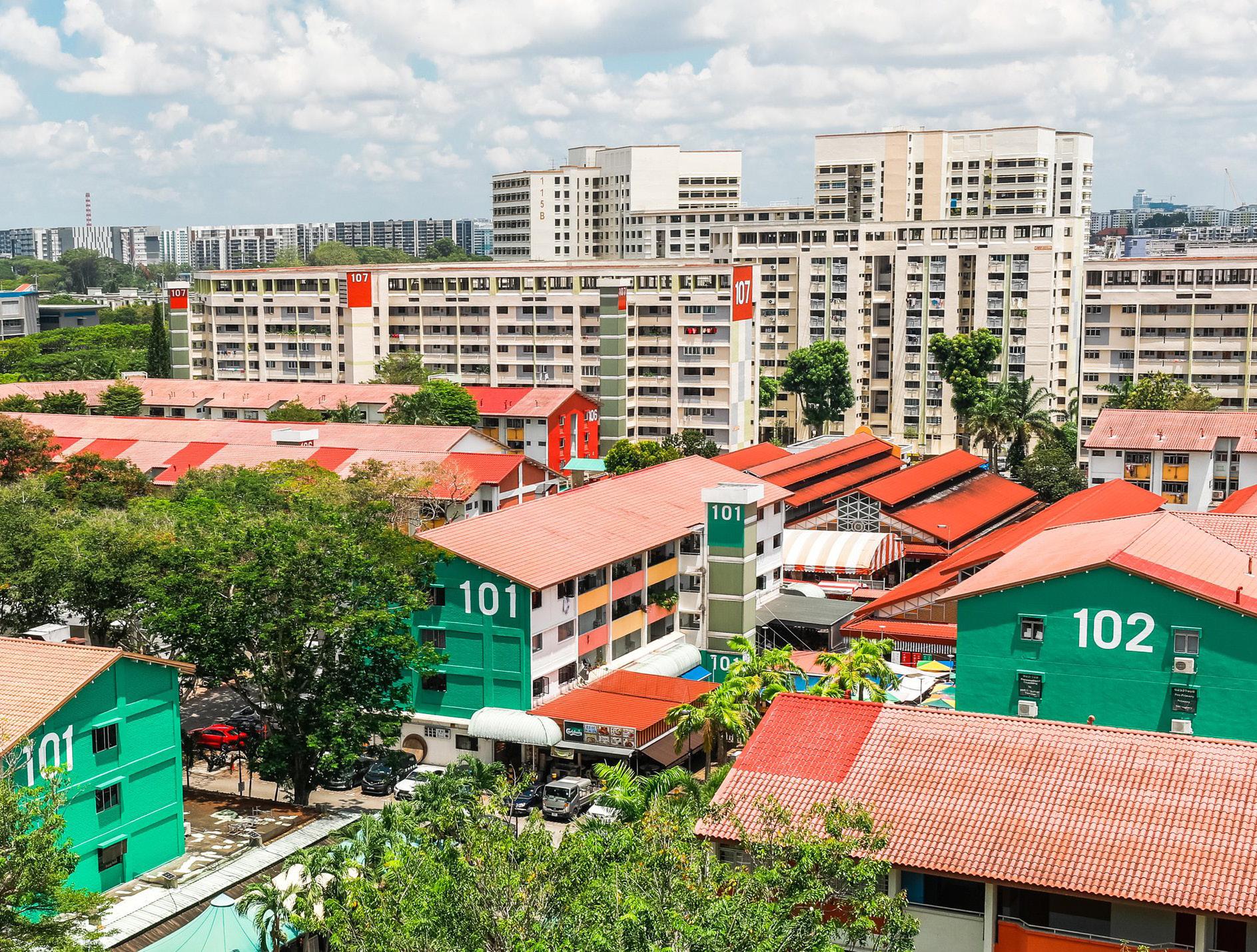
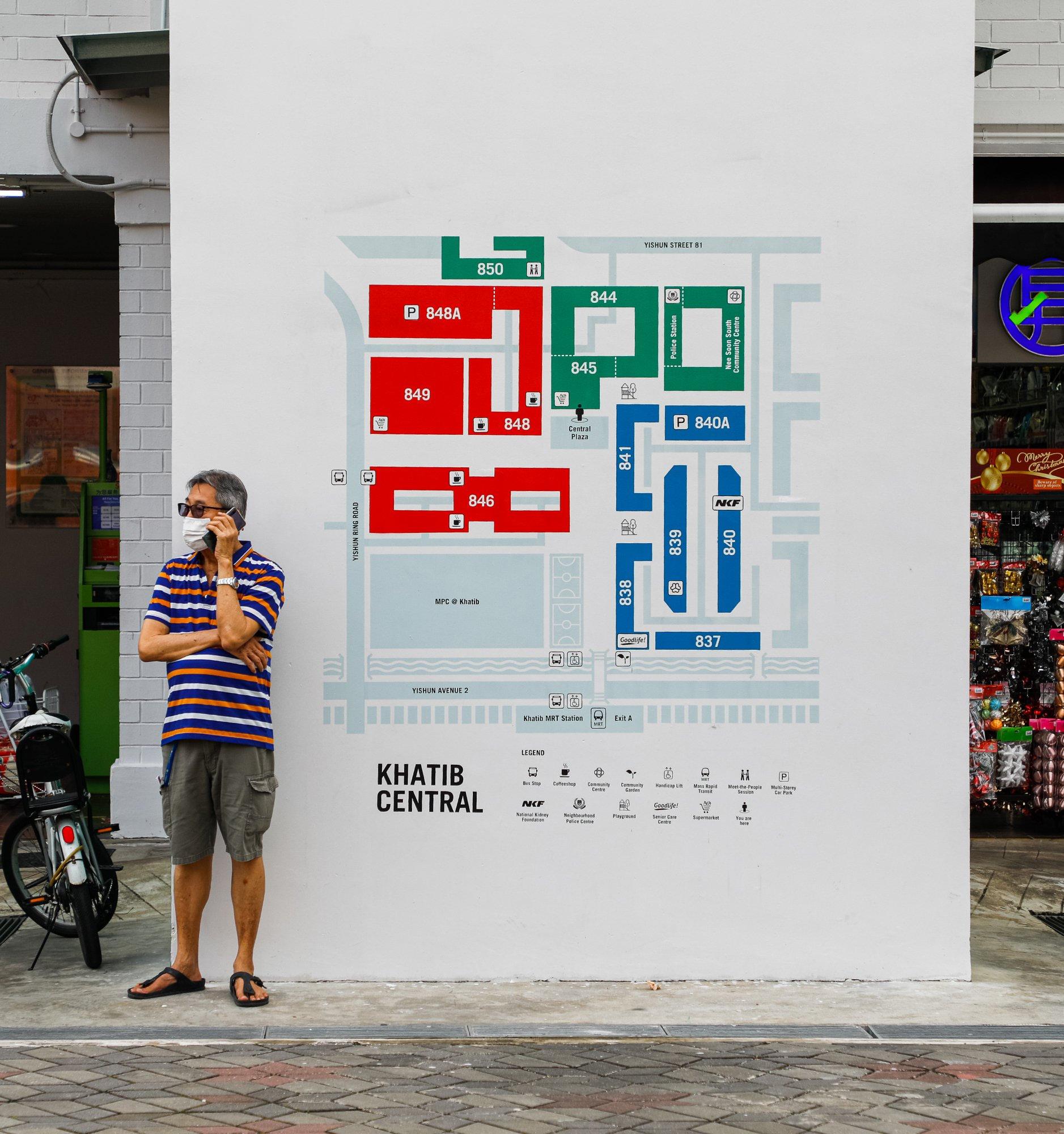
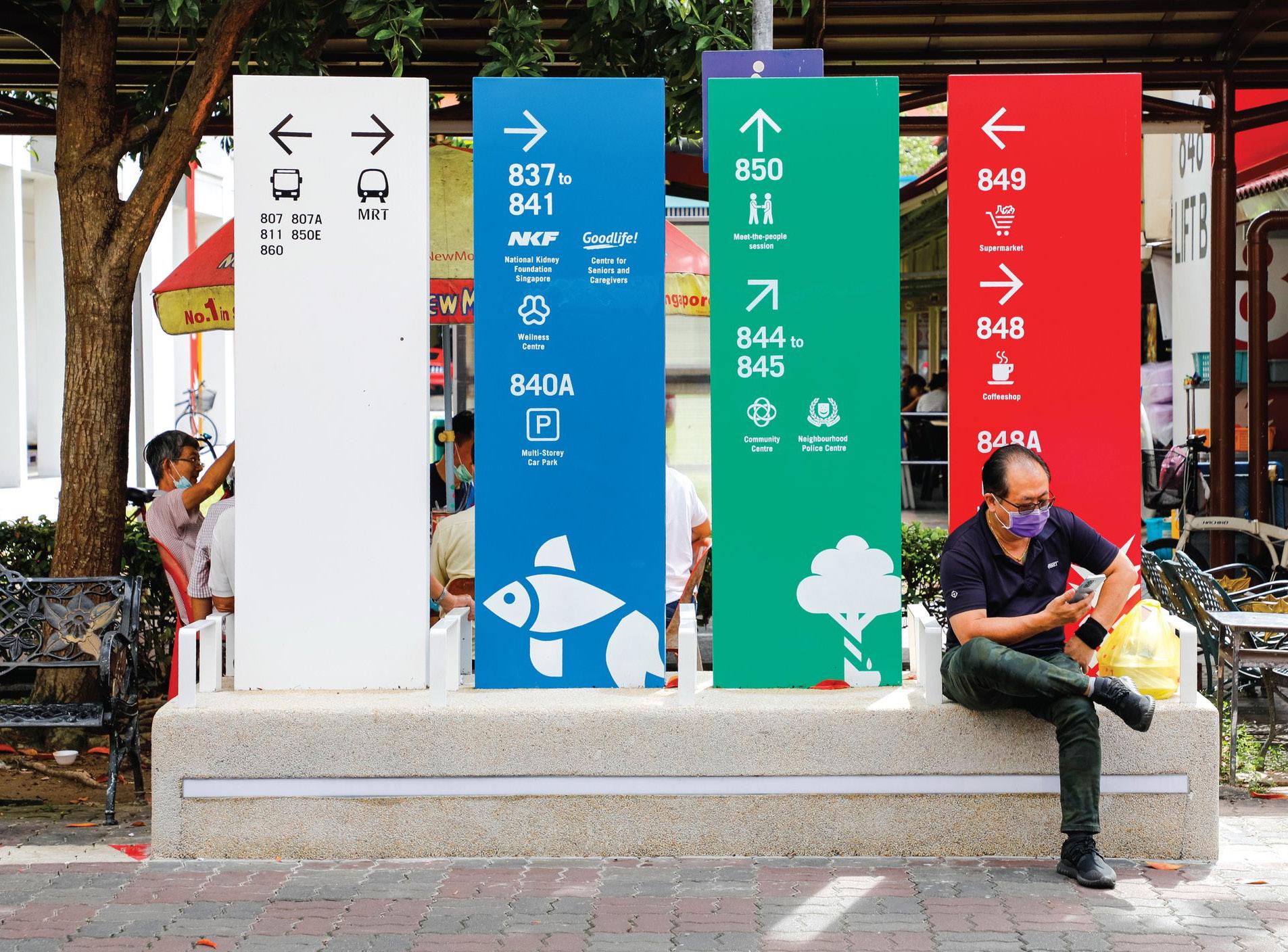
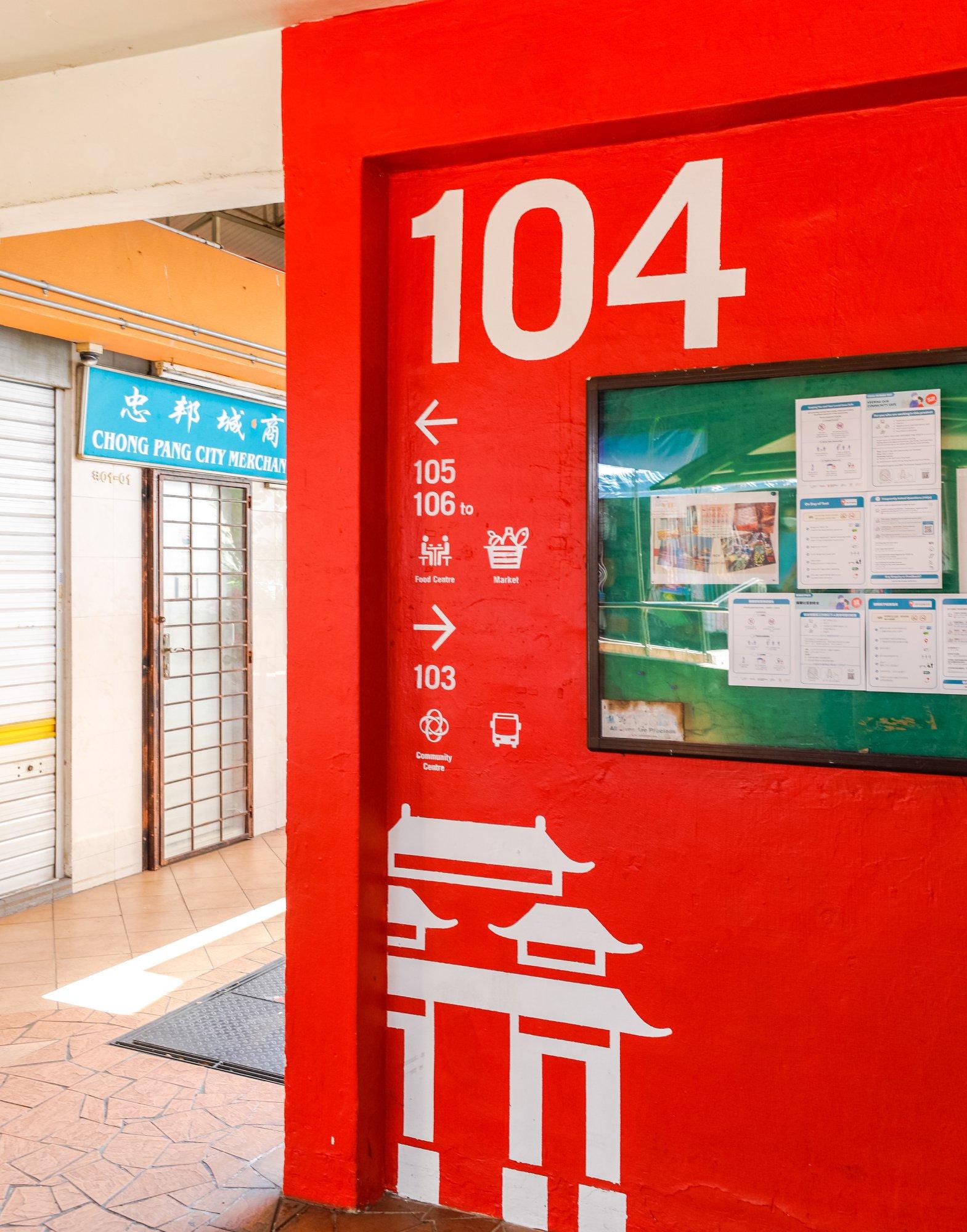
Innovative wayfinding and infrastructure designs and upgrades initiative can be seen within the 21 public housing blocks in Nee Soon, specifically at Chong Pang, and Khatib Central. This is Singapore’s first Dementia-Friendly Estate. Under this dementia-friendly initiative, blocks were painted with colourful directional markers. The project was supported by AIC, Khoo Teck Puat Hospital, Centre for Liveable Cities, Nee Soon South Grassroots Organisations, Nee Soon Town Council, and Montfort Care GoodLife@ Yishun (Lu, 2021).
The main aim of these designs and upgrades is to encourage persons living with dementia to continue living at home and go about their usual routines in their community.
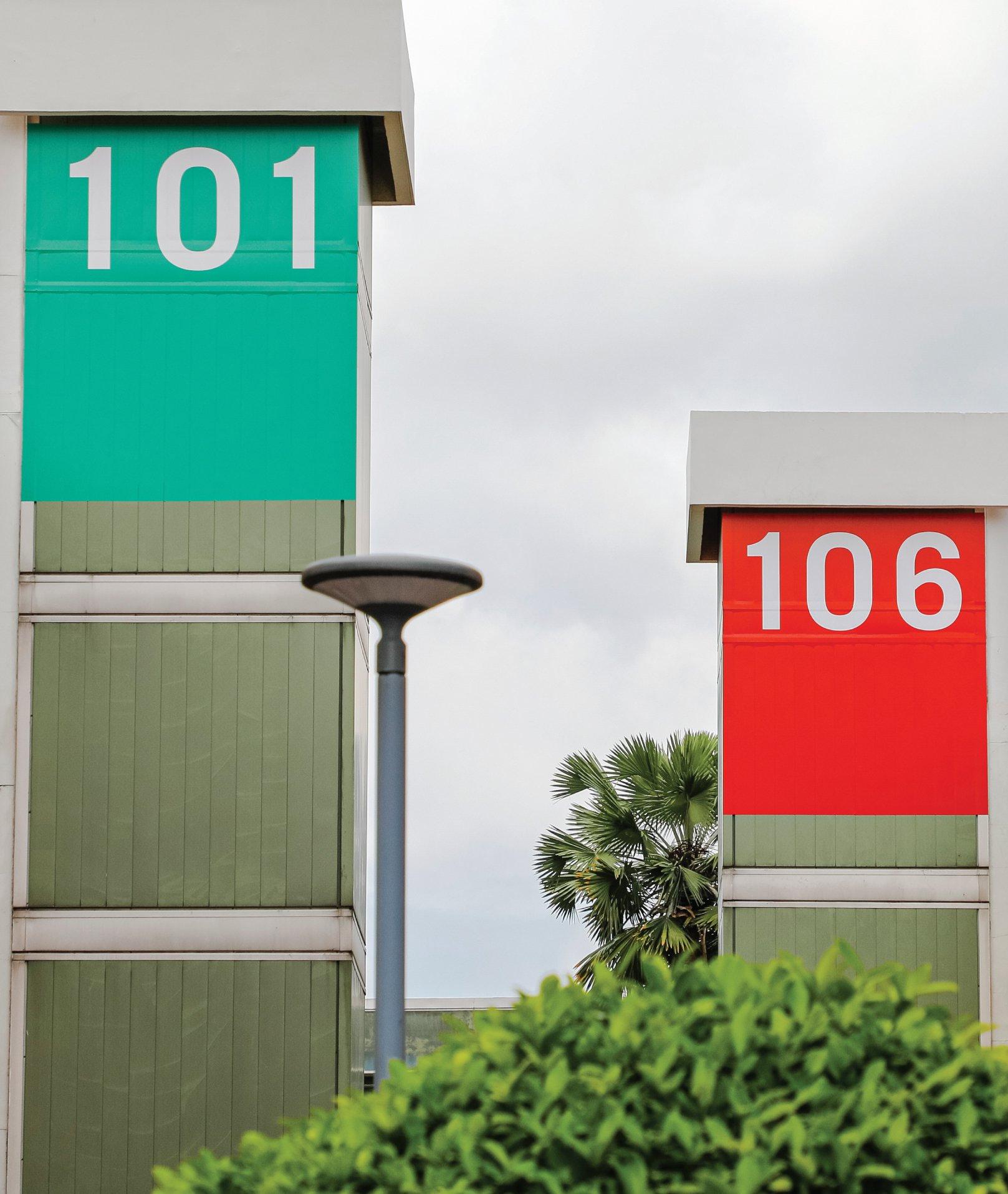
The public housing blocks were painted in red, green, and blue, to distinguish the different zones within the neighbourhood. Icons such as pineapples, tropical fish, rubber trees, were added as distinct visual anchors in common areas such as lift lobbies and stairwells. These icons were chosen based on their association with the history of Nee Soon, Chong Pang, and Khatib. The wayfinding initiative also included colour-coded signage to nearby supermarkets, coffeeshop and Khatib train station. These visual signages were designed to help the person living with dementia safely navigate within the neighbourhood and adjoining areas.
Other than bold colours, the block numbers are also displayed prominently in large fonts, making them easily seen and identified from a distance.
Before Chong Pang was hit with rapid urbanisation for urban housing, the land was once defined by produtive cultivations that have shaped its economy and culture. Since the post-war decades, the land was characterised with plantations such as rubber, cocnuts, sundry and minor cultivations, etc. These plantations were just meant for economic value but a form of survival and livelihood for the villagers.
The land were first owned by Lim Nee Soon, and then passed down to his son, Lim Chong Pang. It was filled with farms, rubber and pineapple plantations.
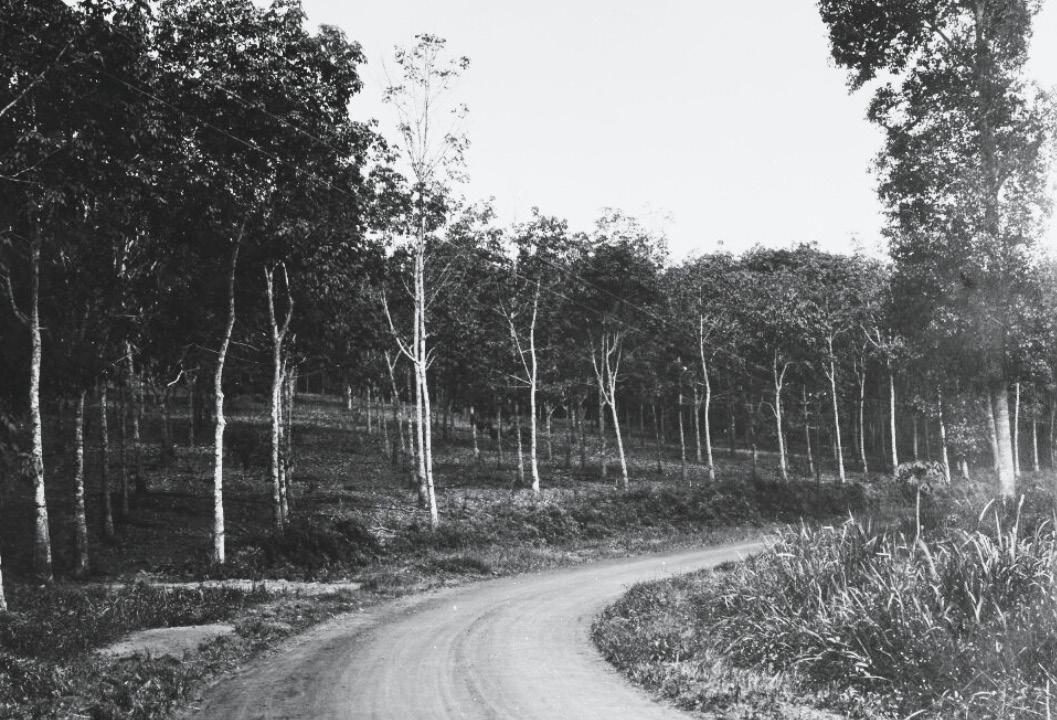
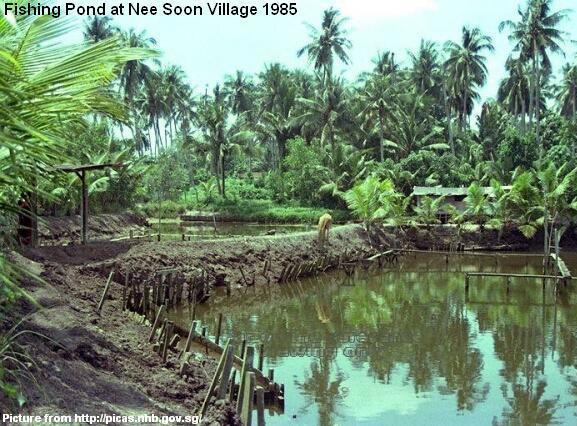
Initially, Chong Pang Village was once located in a relatively isolated area of mangrove swamps and forest with rubber plantations and farms. Fishing ponds were built due to a significant demographic of Malay fishermens who lives there back then.
These reflects the villagers’ lifestyle and culture where providing to the economy and a livelihood to sustain their families as a form of survival.
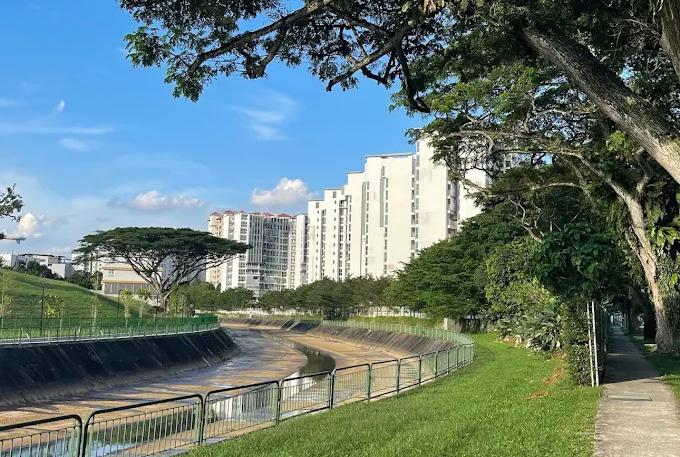
A Park Connector, located along Canberra canal, a part of green corridor network of the northern Singapore, acting as a both recreational and ecological spine. This route connects users to other green assets of ther northern side of Singapore, including Sembawang Park, Simpang Kiri, etc.
The Canberra canal is constructed in ealry 1990s, while the Park Connector is introduced through the 2000s as a core part of Singapore’s City in a Garden vision.
Missing Voice: -
Biodiversity in Chong Pang is one of the missing voice in the area’s story, overshadowed by decades of rapid urbanisation and a developmental vision introduced by the Government that focused more on housing and infrastructure than ecological conservation. During the early phases of the precinct’s growth, there was minimal emphasis on documenting or protecting local natural ecosystems such as the swamps, jungle, etc. , leaving behind scarce data and fragmented records of its natural heritage. As a result, the ecological dimension of Chong Pang remains underrepresented in both history and planning. Today, based on my archival research, believe this absence invites renewed attention, an urge to rediscover, restore, and integrate biodiversity as a vital part of the neighbourhood’s evolving identity.
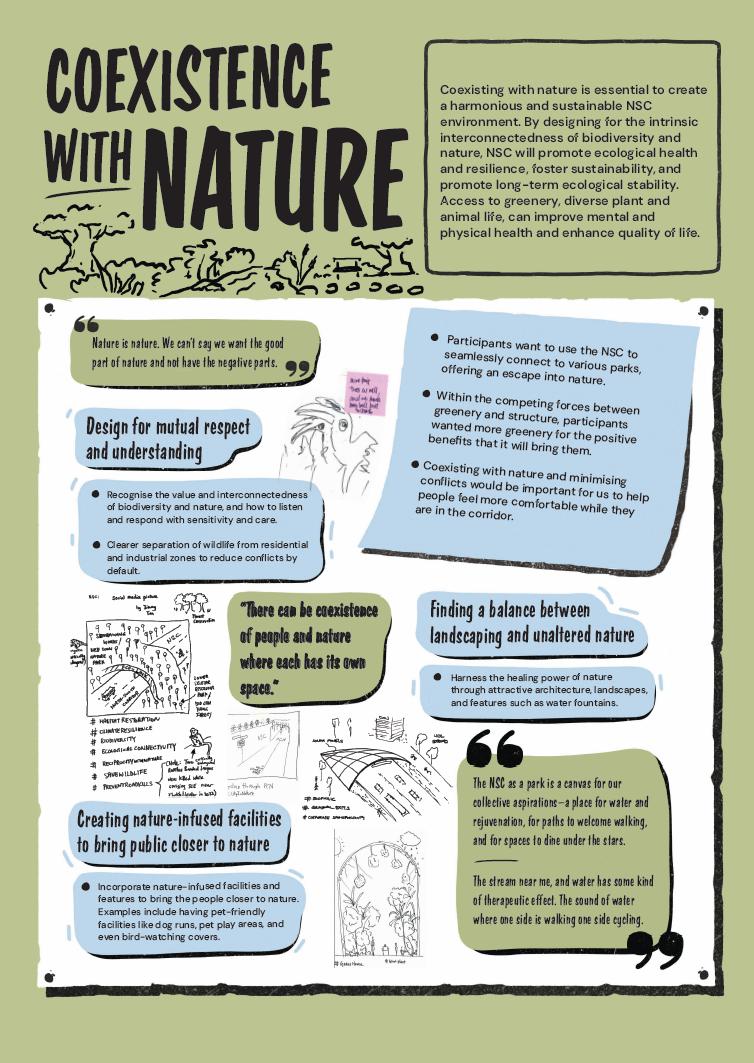
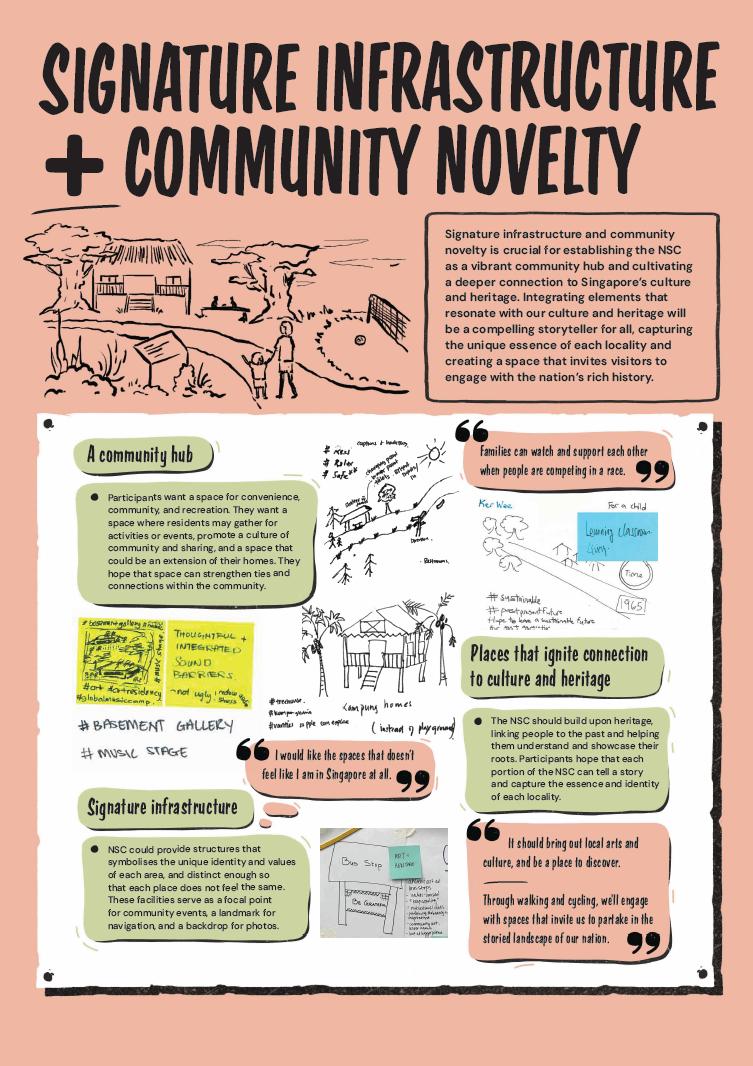
The North-South Corridor (NSC) is Singapore’s first and longest “integrated transport corridor”, a upcoming urban development that accomodates multi-modal transportation to enhance connectivity from the northern region to the southern region of Singapore, with a whopping total length of 21.5km. It will connect precincts and districts such as Sembawang, YIshun, Ang Mo Kio, Toa Payoh, Novena and Rochor.
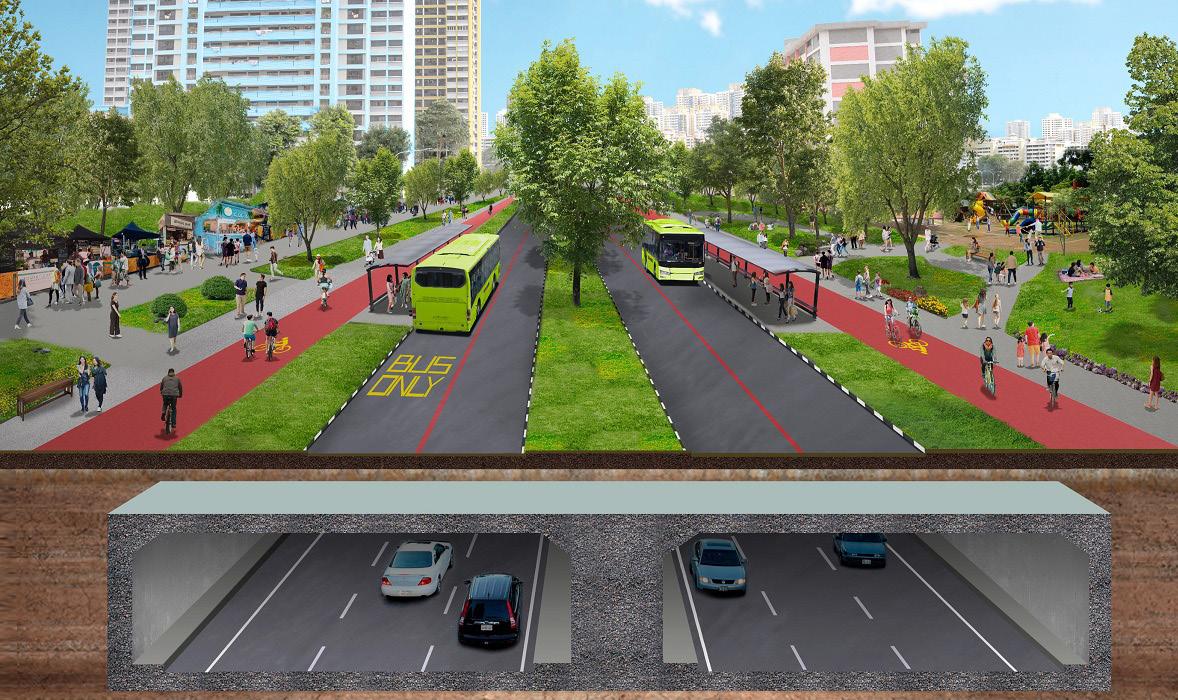
With the project envisioning to be a “life reserve”, it will be a paradigm shift for Singapore’s urban infrastructure development, encompassing two identities - 1. subterranean feat of engineering that conceals vehicular traffic from sight and sound, 2. a vibrant, green public realm on the surface that gives the city back to its people. In addition, the whole NSC will be divided into 4 theme segments - Cultural-Heritage, People’s Wellness, Ecological Loop and Community-Industrial. These thematic zones are uniquely tailored to express precincts’ and districts’ unique identities and its demands.
It is expected to be completed in phases from 2027, starting with the viaduct portion of NSC - from Admiralty Road West to Lentor Avenue, to be in completion by 2027. The rest of NSC will be progressively in completion by 2029.
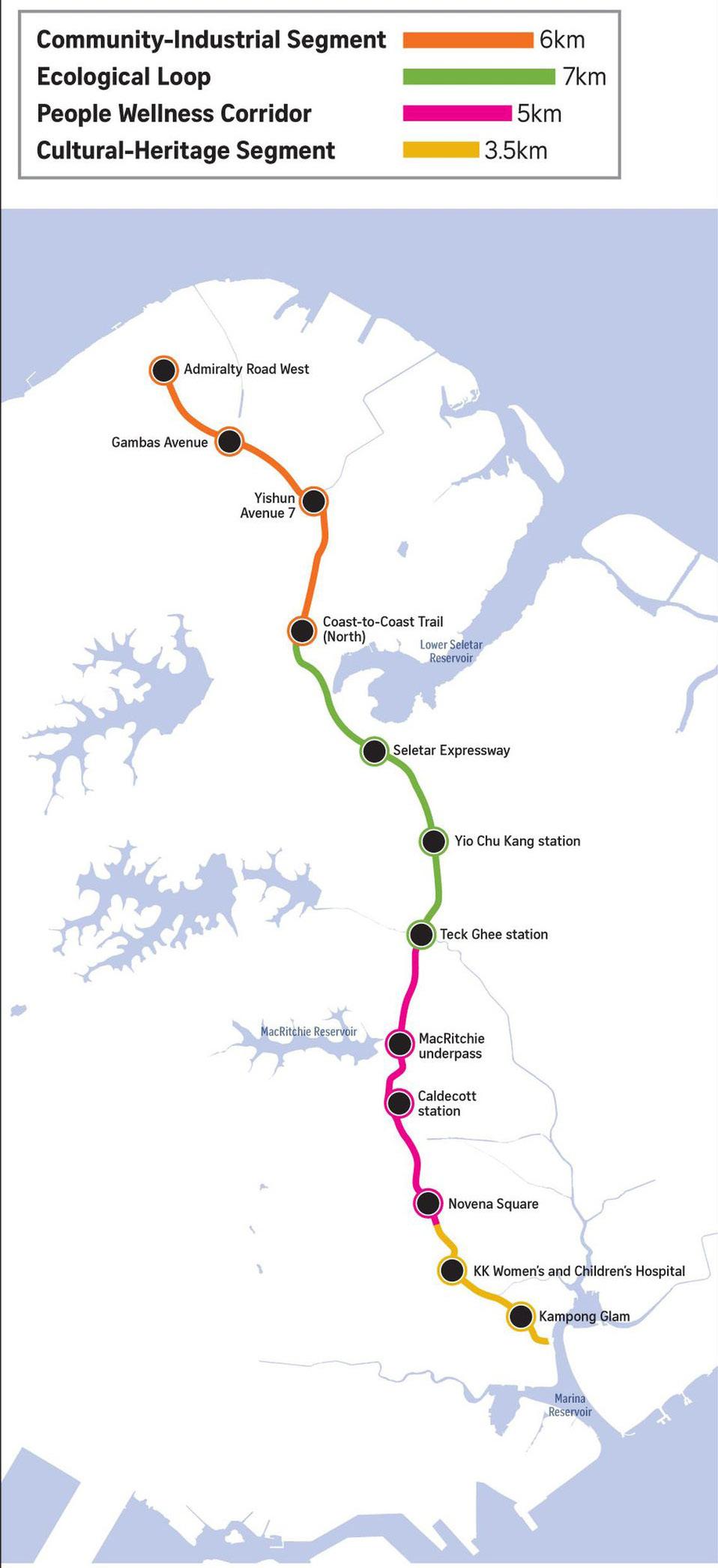
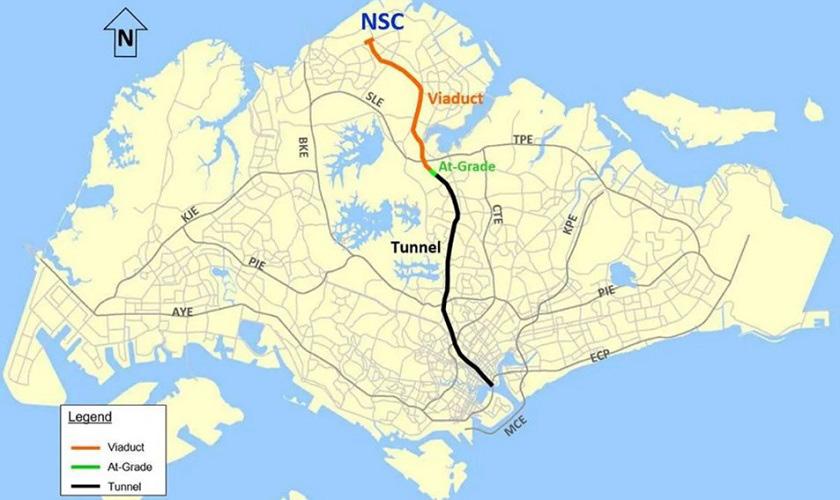
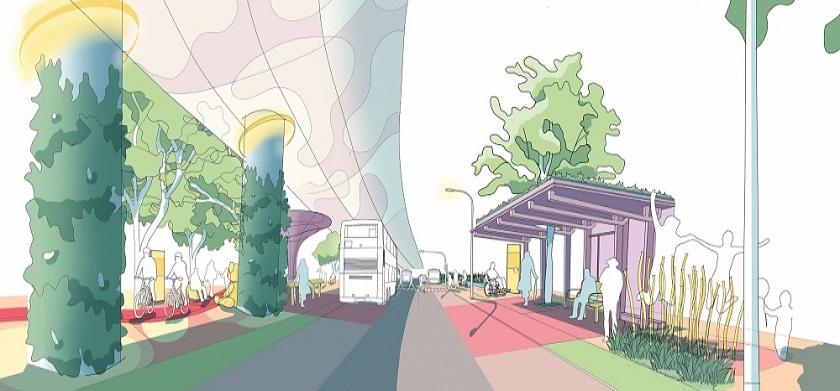
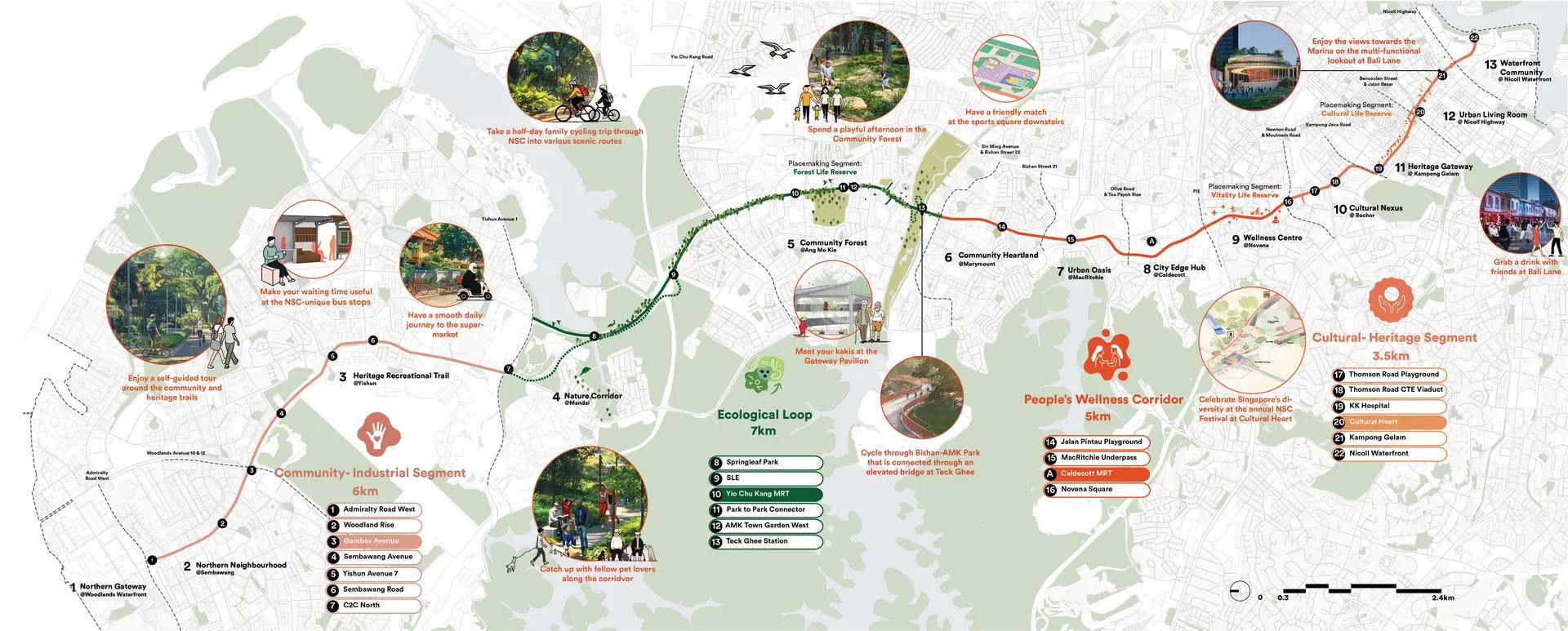
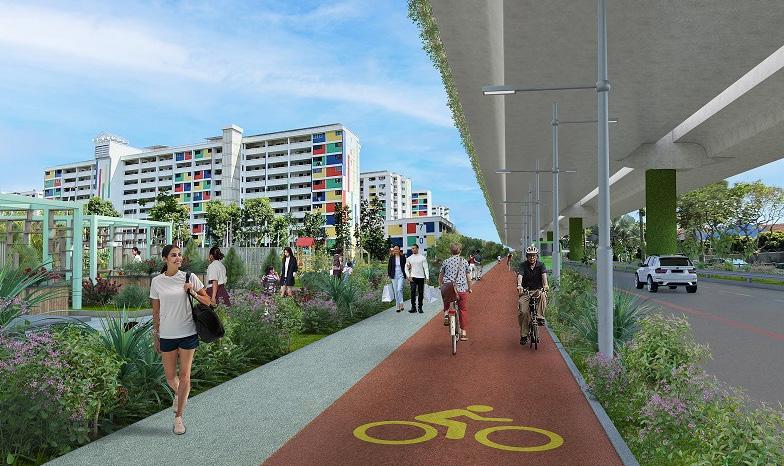
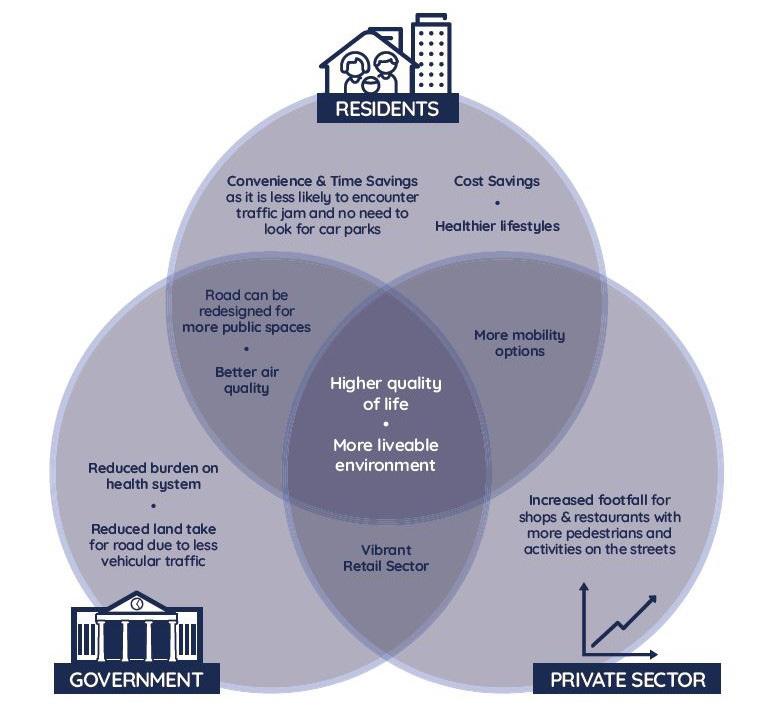
Besides that, NSC will be a key spine connector that links users to other recreational and green spaces such as the Round Island Route, Coast-to Coast Trails and other Park Connector Network (PCN) and public parks. This enhance walkability, users’ cycling experiences and to improve connectivity to the surrounding districts, aligning with Land Transport Authority (LTA) ‘s vision for a “Walk-Cycle-Ride” (WCR) concept.
By diverting vehiculars into underground tunnels and viaducts, it has reclaimed about 30 football fields of surface-level spaces that can be redevelop for recreational and commercial uses.
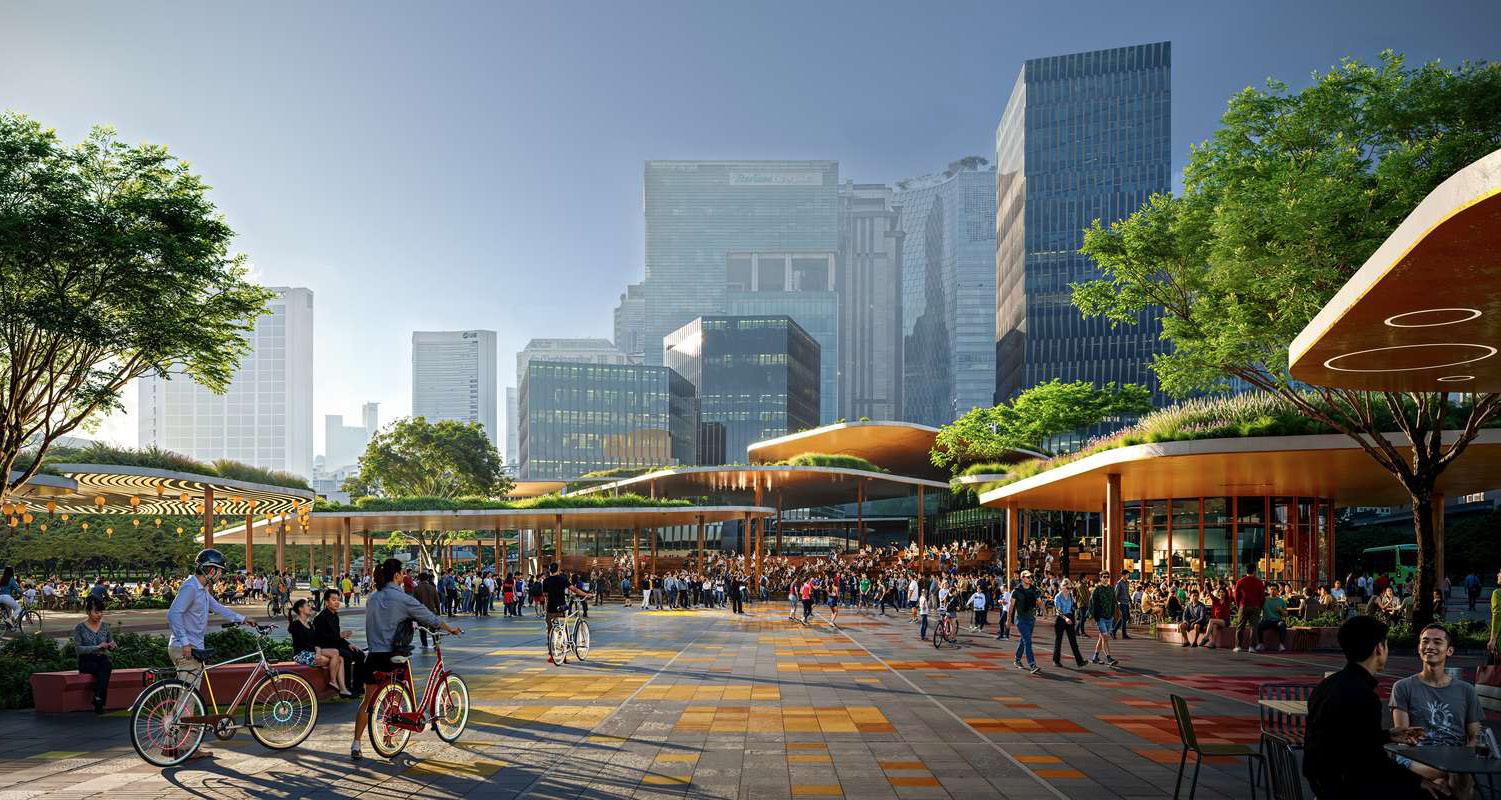
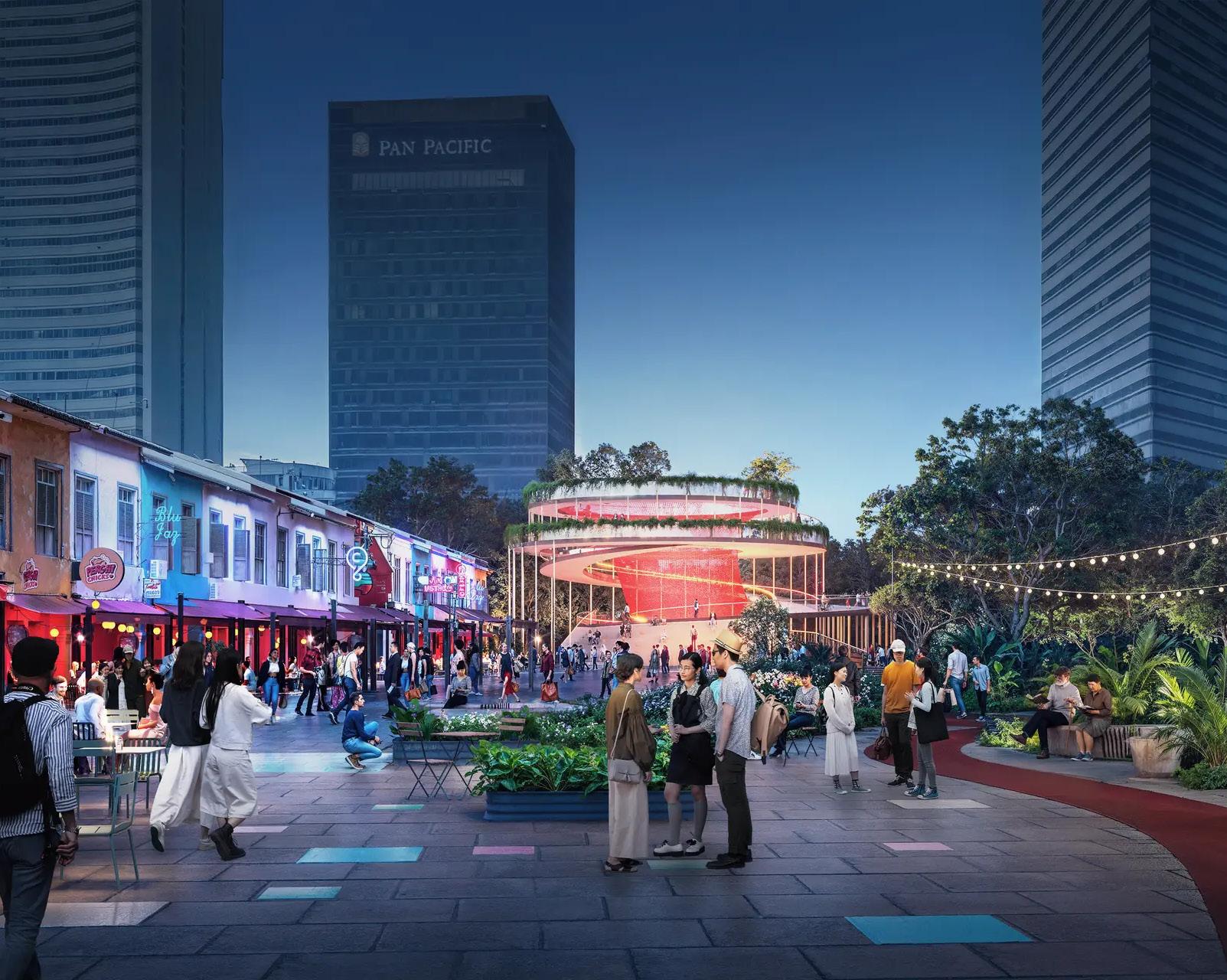
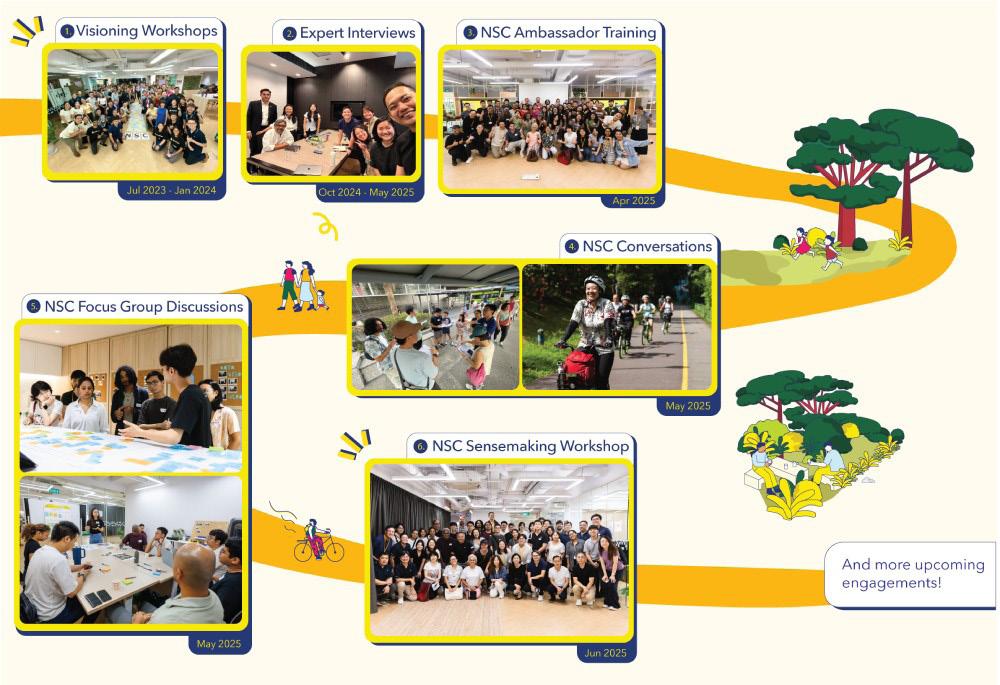
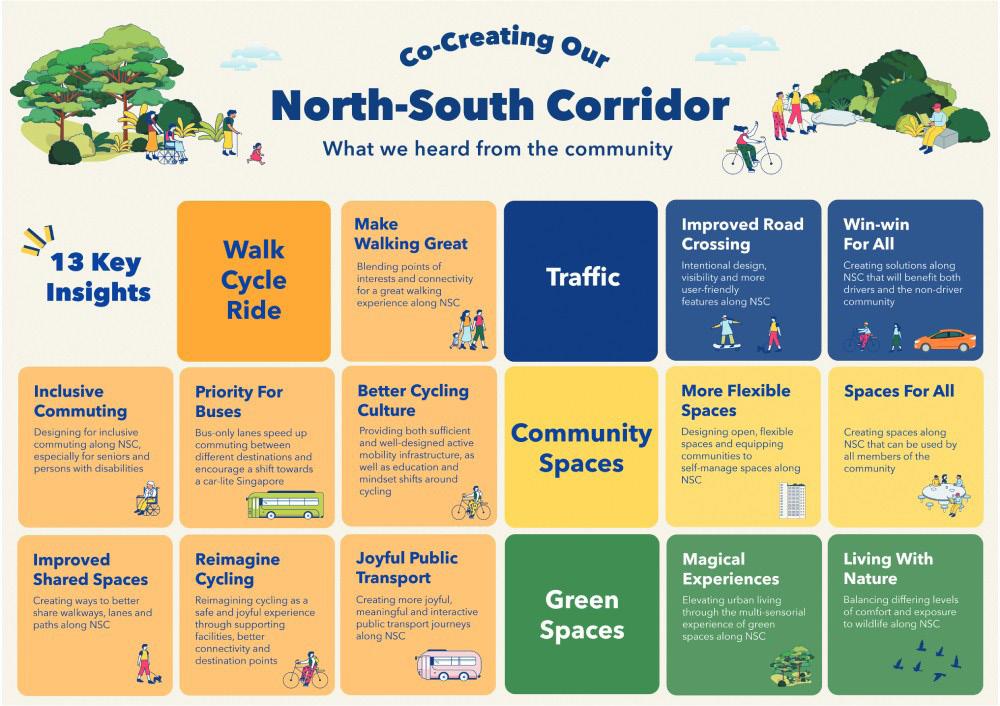
This project is not just designed by the professionals (Henning Larsen), but more importantly was co-created with the communities. Many engagement workshops was held and still on-going to further refine the design intent and uses, making sure these NSC nodes are reflected based on communal needs and wants.
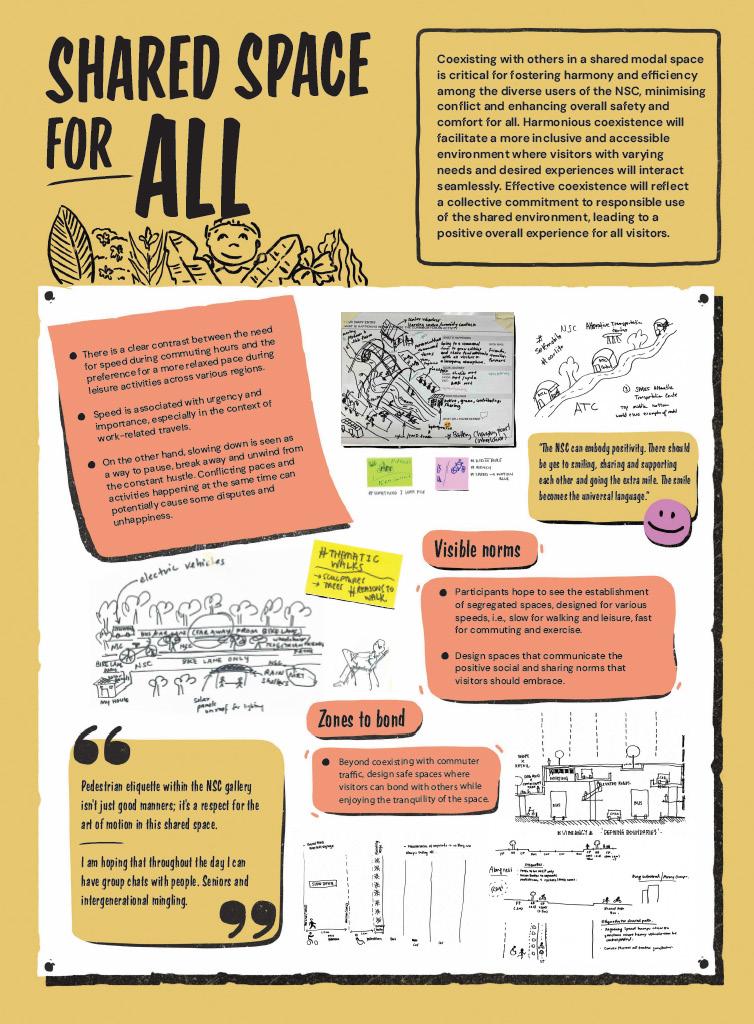
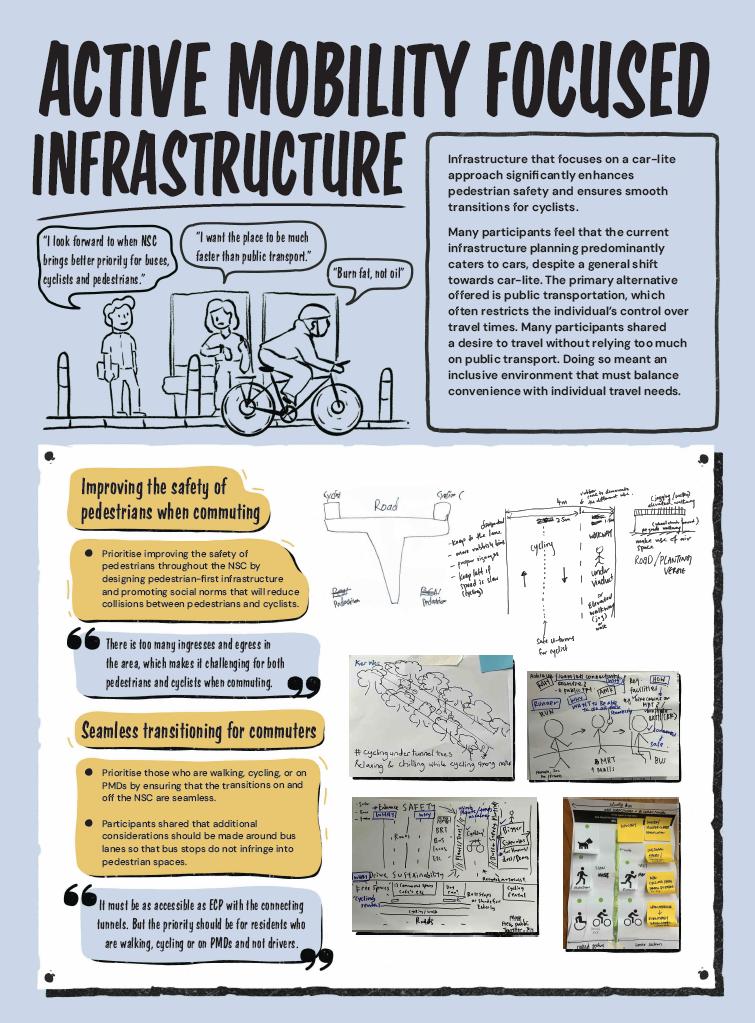
Through these sessions, community aspirations and preliminary ideas are proposed such as to have more conducive and convenient public spaces to enhance walkability and cycling experience, more shaded areas, greenery and landscape features for social, rest and relaxation.
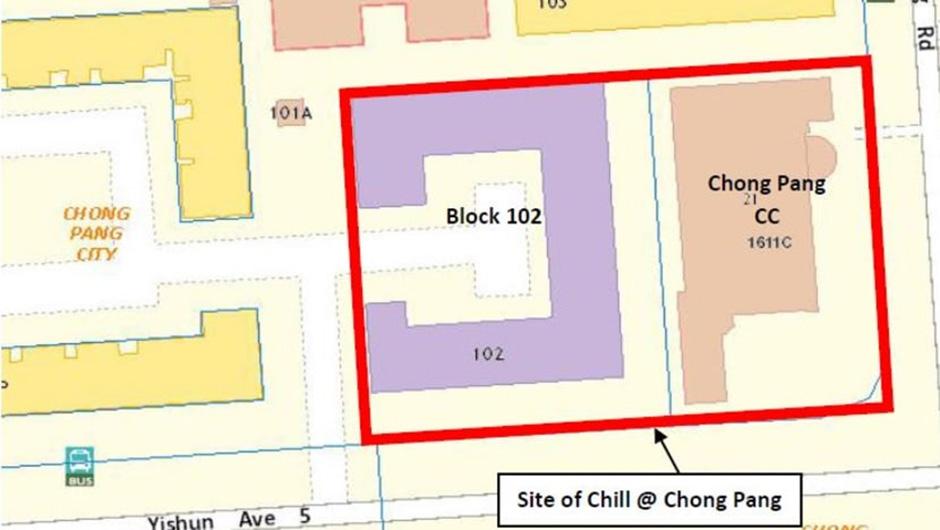
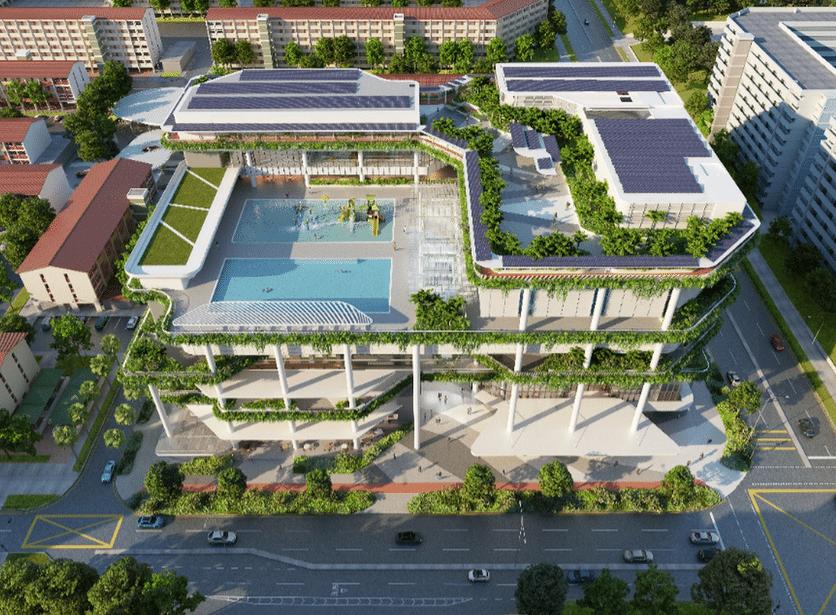
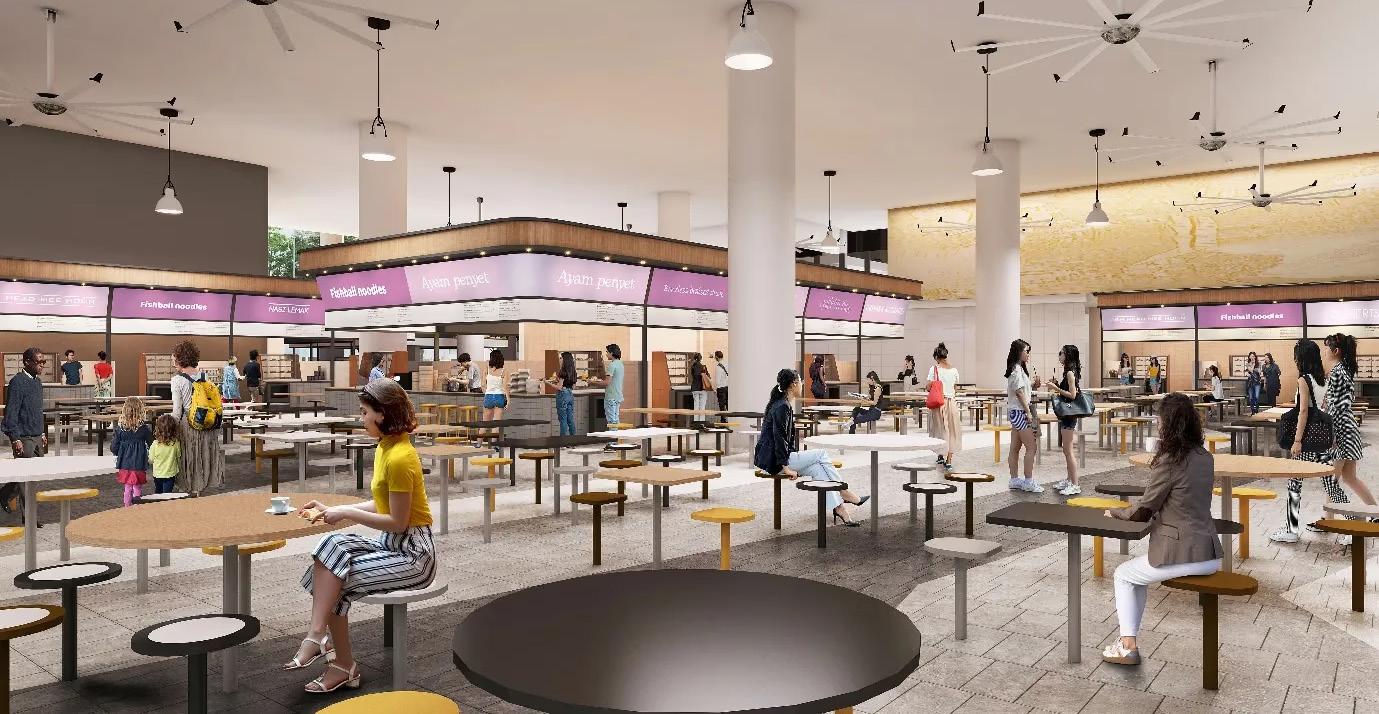
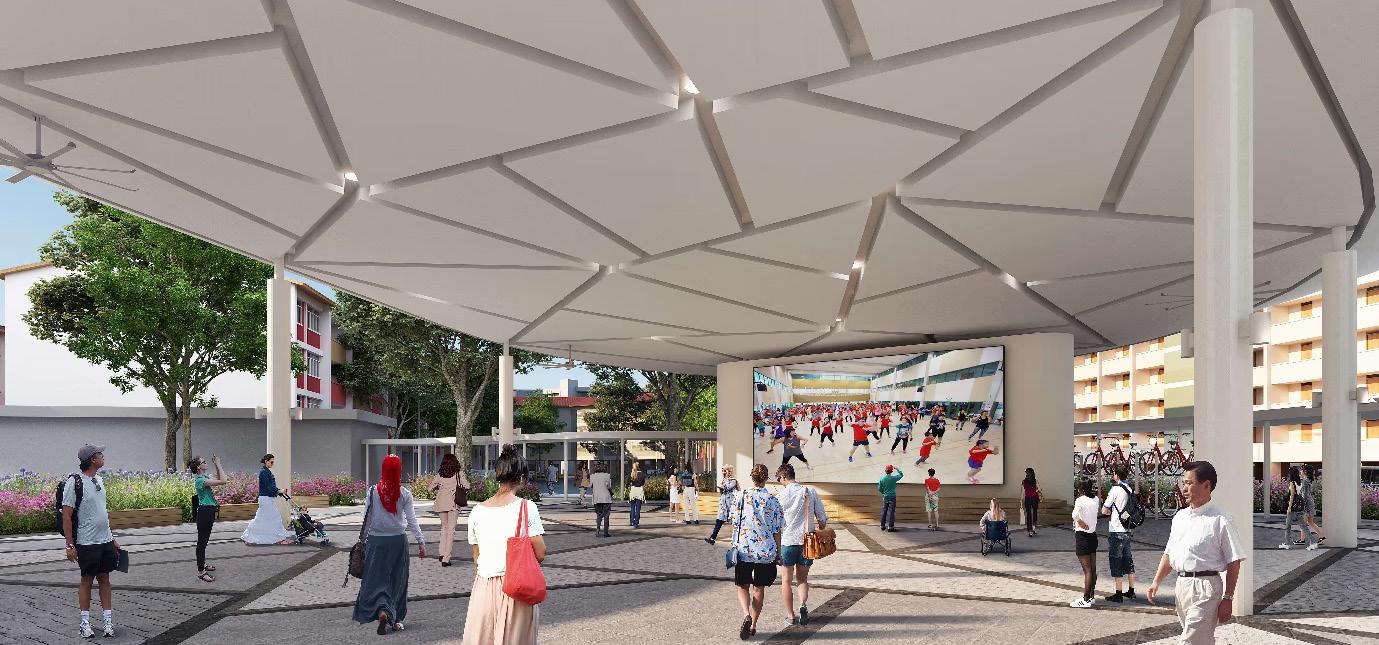
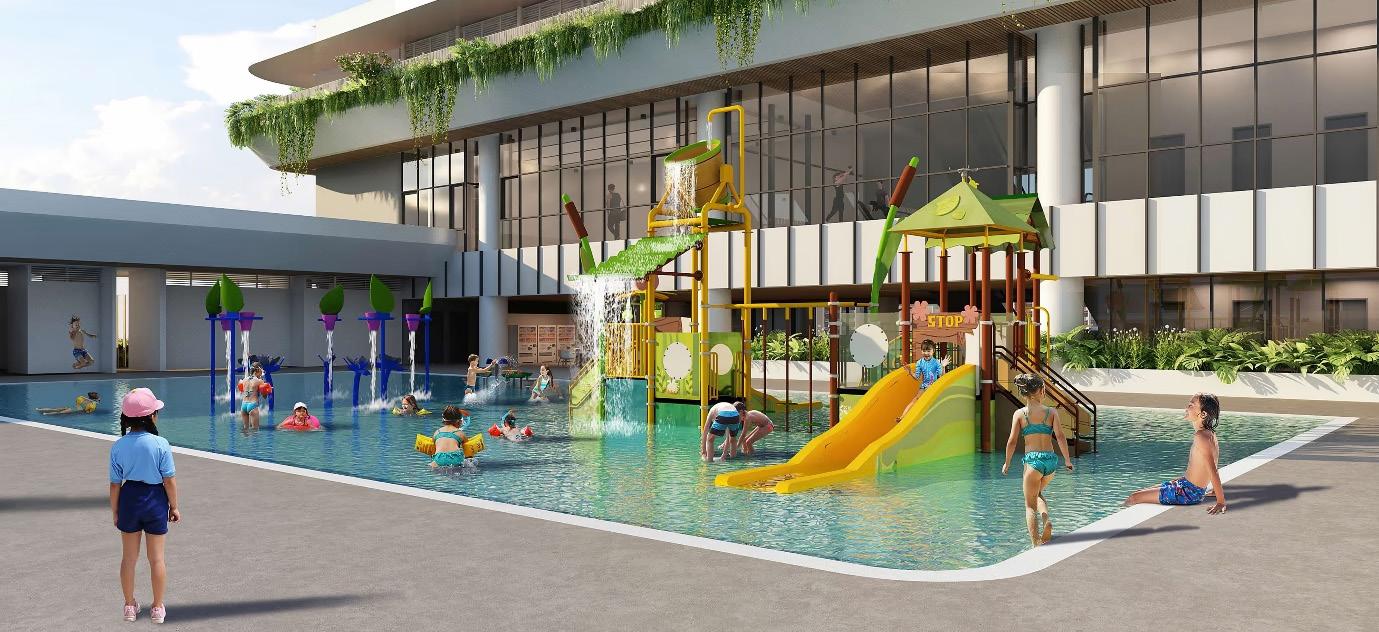
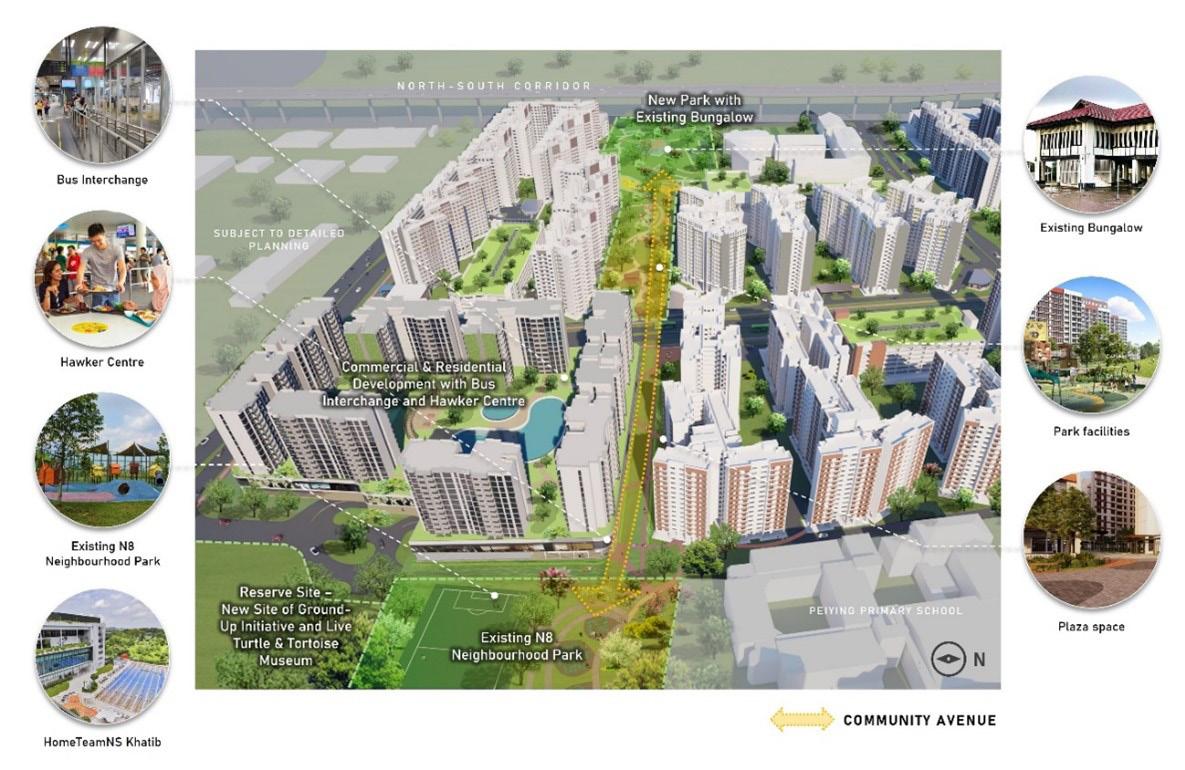
Chill @Chong Pang is a 0.9 hectares seven-storey integrated development. It is slated to be in completion by the 4th quarters of 2026. The new development will be situated at the former Chong Pang Community Centre and Block 102, aiming to rejuvenate the neighbourhood of Chong Pang City and enhancing the diverse needs of its residents, with wide variety of new amenities in this inclusive multi-generational hub. This new integrated development will accomodate the Chong Pang Community Club, Chong Pang Hawker Centre and Market, swimming pools, joggng track, fitness studios, a gym and a variety of shops including a supermarket. There will also be ample parking for cars and bicycles.
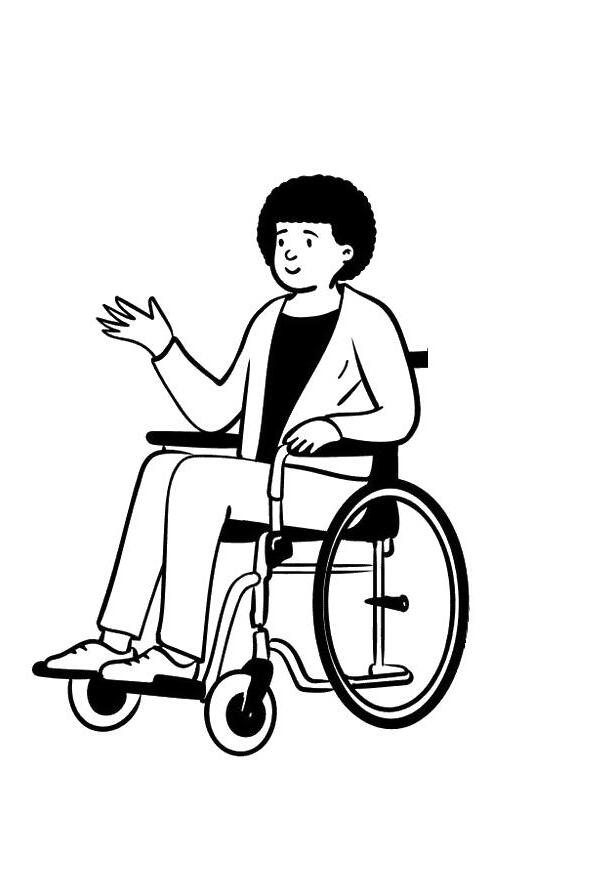
With this new development, Singapore Land Authority (SLA) envision Chong Pang City to be an inclusive, green and smart hub for Chong Pang and Yishun. As a inclusive community node, residents are welcomed to co-create and contribute ideas for various programmes. It will also feature universal design principles that are senior and wheelchair-friendly.
In addition, the development will integrate smart features to reduce energy consumption and enhance its sustainability value. SLA will be introducing a Digital Twin for the management and maintenance of Chong Pang City to achieve its smart facilities management objectives. Introducing remote and real-time monitoring sensor systems, integrated with Artificial Intelligence, this will better monitor the building and equipment performance and better prediction and preventive maintenance and management for the facilities. Thus, this contribute to lesser usage of manpower as well. SLA will continue to work with co-locating partners of the development such as People’s Association, Sports Singapore and the National Environment Agency to engage the public and its residents in possible community engagement programmes and workshops to enhance public awareness towards green initiatives and foster sustainability stewardship for the future generations.
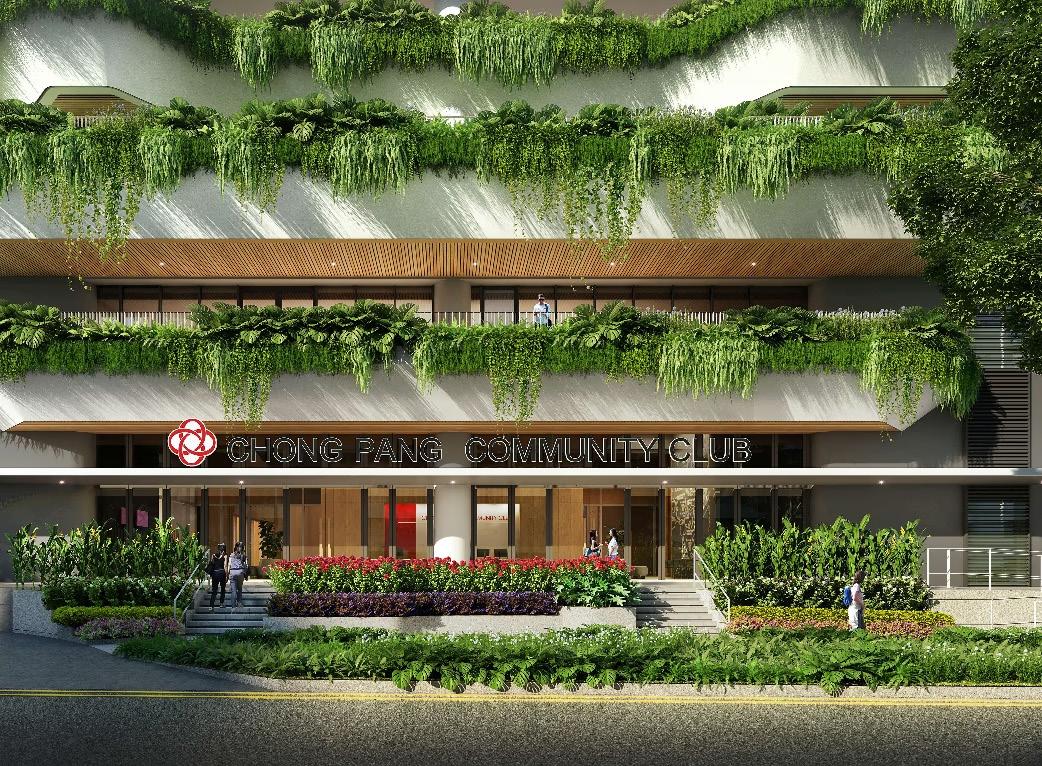
“ This development is going to be, I think, very welcomed by the residents of Nee Soon, because it doesn’t just serve Chong Pang ... Nee Soon South is one side, Nee Soon Central is on other side, all within a short walk away.
- Minister of Home Affairs K. Shanmugam ”

SIZE (SQM) FOOD
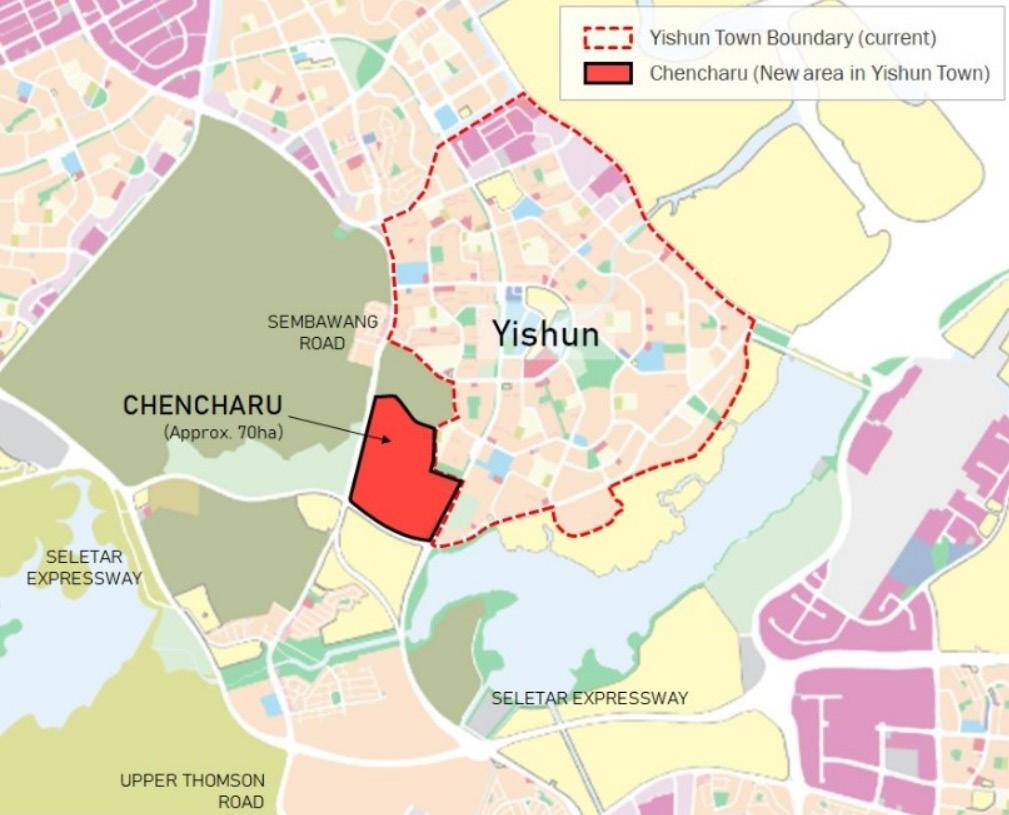
Chencharu is a precinct that is part of Yishun new town, that is currently under planning and to be develop in the upcoming years to a new neighbourhood precinct that will comprise residential, recreational and commercial uses. According to Housing Development Board (HDB), Chencharu was originally made up of plantations and farms in the 1900s and was later redeveloped into recreational and commercial uses. The land was previously housed with plant nurseries and the former Bottle Tree Park, which was then redeveloped into Orto leisure park. Chencharu was once again identified to be a future residential precinct in the Urban Redevelopment Authority (URA) 2019 Masterplan. In March 2024, during the Committee of Supply debate, Minister Mr Desmond Lee shared plans to develop a new housing area within YIshun town, as part of the efforts to meet housing demand. Chencharu will accomodate 10,000 new homes by 2040, with at least 80% will be set aside for public housing.
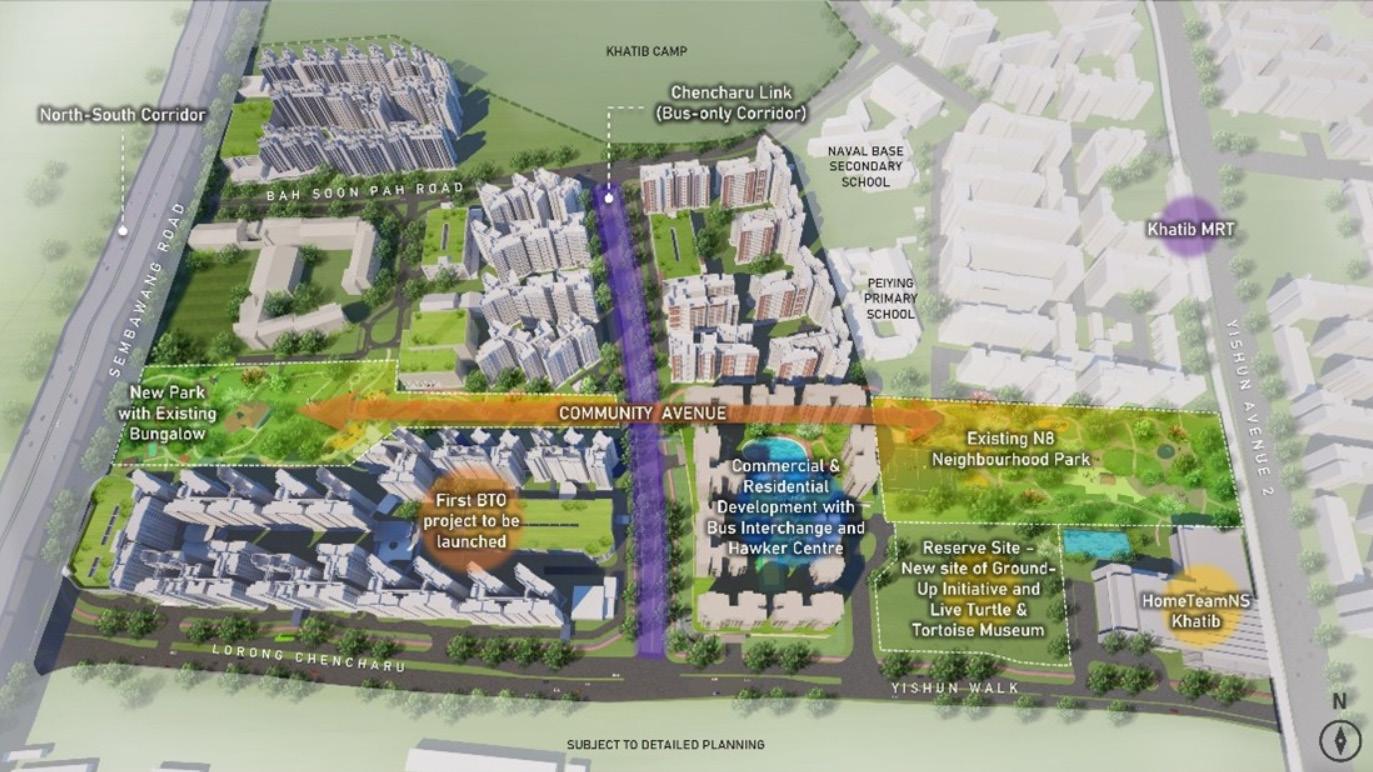
The current planning of Chencharu is foreseen as ‘A Vibrant Village, Connecting Communities and Heritage’. The envision will capitalise on its history and heritage, social memories, and convenient transportation nodes, while integrating smart and sustainable features in these future developments. Existing facilities and amenities will be complemented by new facilities to be developed. This will provide a one of a kind living experience for the residents. Furthermore, there will be future plans for integrated development to accomodate for more inclusive multi-generation demands. Other new amenities such as an educational institute and nursing home will be introduced to the precinct to accomodate different age groups’ demands. Linking neighbouring towns to recreation nodes such as Khatib Bongsu Nature Park, Lower Seletar Resevoir and the upcoming North-South Corridor via public transport links, cycling routes and footpaths, encouraging more healthier and active living and lifestyle among residents of Chencharu.
Overall, according to HDB, residents can look forward to: a. Distinctive homes and park spaces that celebrate Chencharu’s history and heritage, b. A wide array of amenities to enliven the estate, for residents’ convenience, c. Well-connected precincts that encourage green commuting and healthy living, d. Smart and sustainable features for a more comfortable living environment.
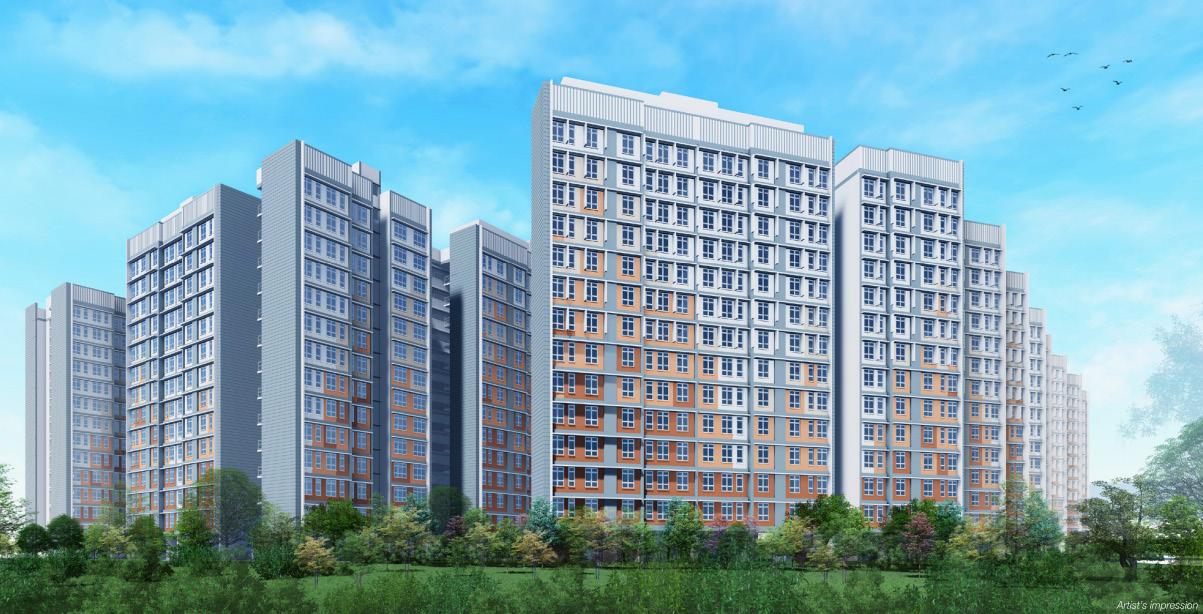
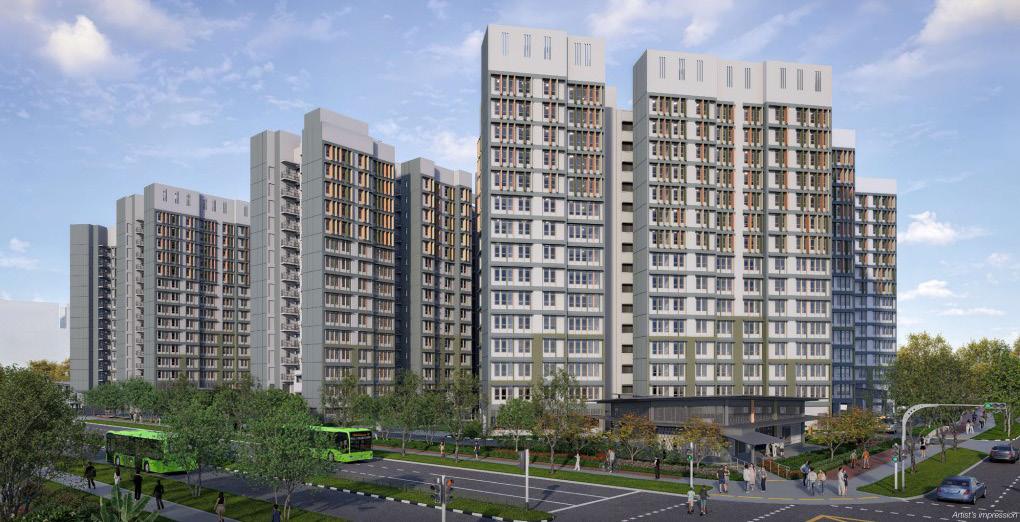
The first BTO project in Chencharu - Chencharu Hills, will include a combination of tworoom Flexi to five-room flats, about 1,270 units. It was launched in June 2024, and more BTO projects will progresively launch in the coming years by HDB.
The project was inspired by a historical fragment of the site - the 100 years old colonialera bungalow along 50 Bah Soon Pah Road, constructed in the early 1910s and was owned by the Bukit Sembawang Rubber Company. Capitalising the existing site’s history and heritage, the BTO project drew inspirations by incorporating elements such as red, black and white, as part of the building’s identity colours which mirrors the colours of the bungalow. Unique elements of the bungalow will also be reflected and integrated in the other amenities within the estate such as shelter pavillions, car porch, etc.
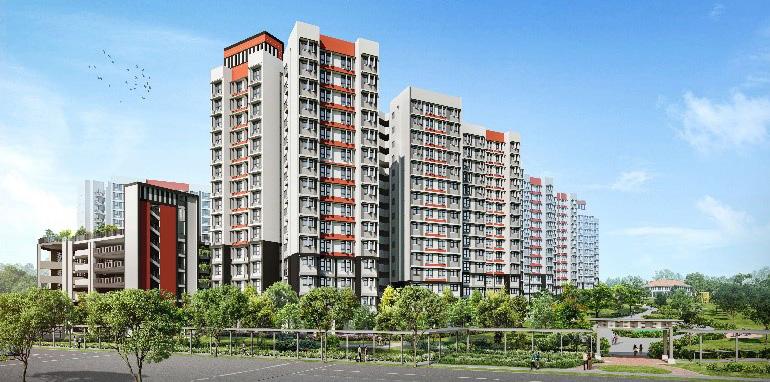
In addition, the bungalow is being retained and to be converted for community use within a new park. This new green space includes various open spaces such as playgrounds, fitness corners, open lawns, hard courts and a therapeutic garden, catering different activities to all residents to enjoy. In addition, a heritage trail will be integrated to allow residents to learn more about Chencharu’s history.
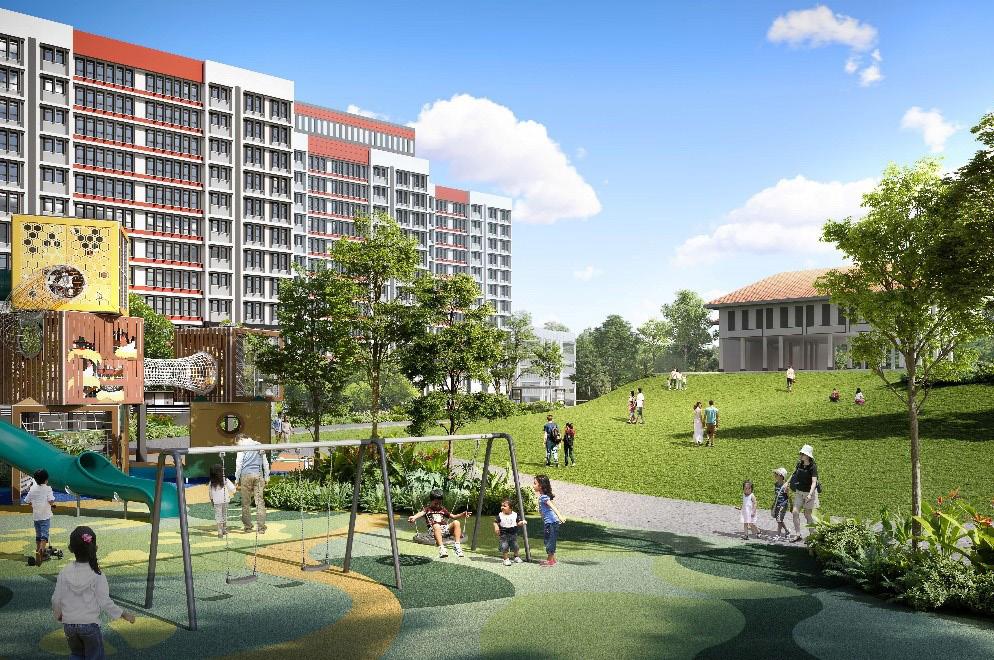
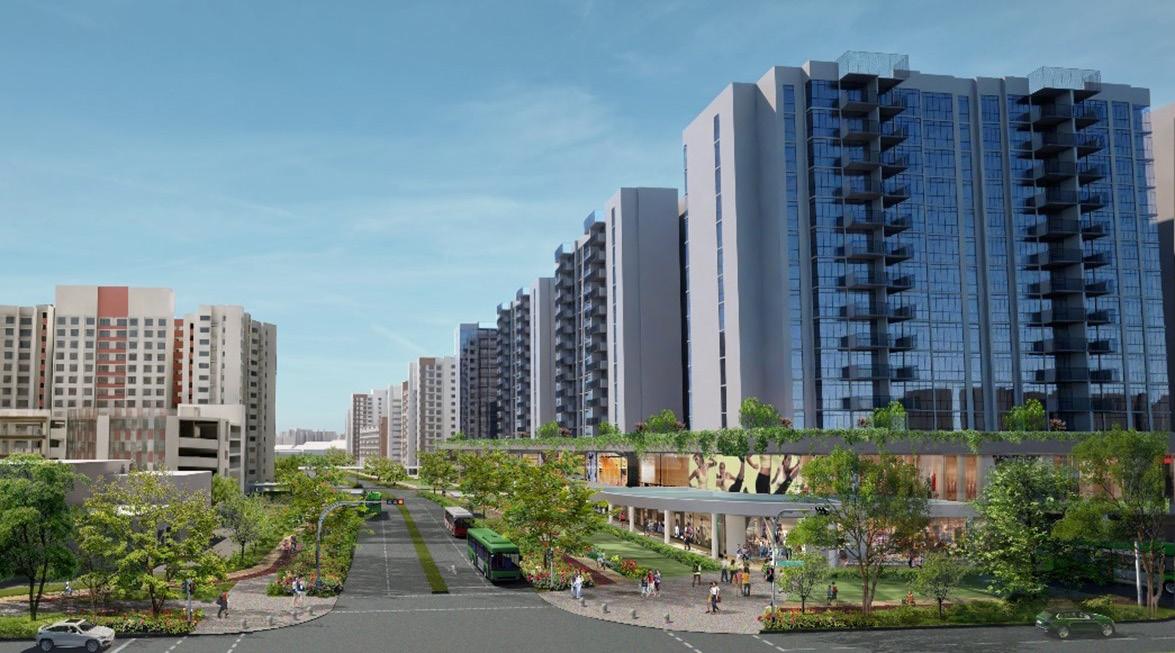
The first BTO project in Chencharu - Chencharu Hills, will include a combination of tworoom Flexi to five-room flats, about 1,270 units. It was launched in March 2024, and more BTO projects will progresively launch in the coming years by HDB.
The project was inspired by a piece of the site’s history - the 100 years old colonialera bungalow along 50 Bah Soon Pah Road, constructed in the early 1910s and was owned by the Bukit Sembawang Rubber Company. Capitalising the existing site’s history and heritage, the BTO project drew inspirations by incorporating elements such as red, black and white, as part of the building’s identity colours which mirrors the colours of the bungalow. Unique elements of the bungalow will also be reflected and integrated in the other amenities within the estate such as shelter pavillions, car porch, etc.
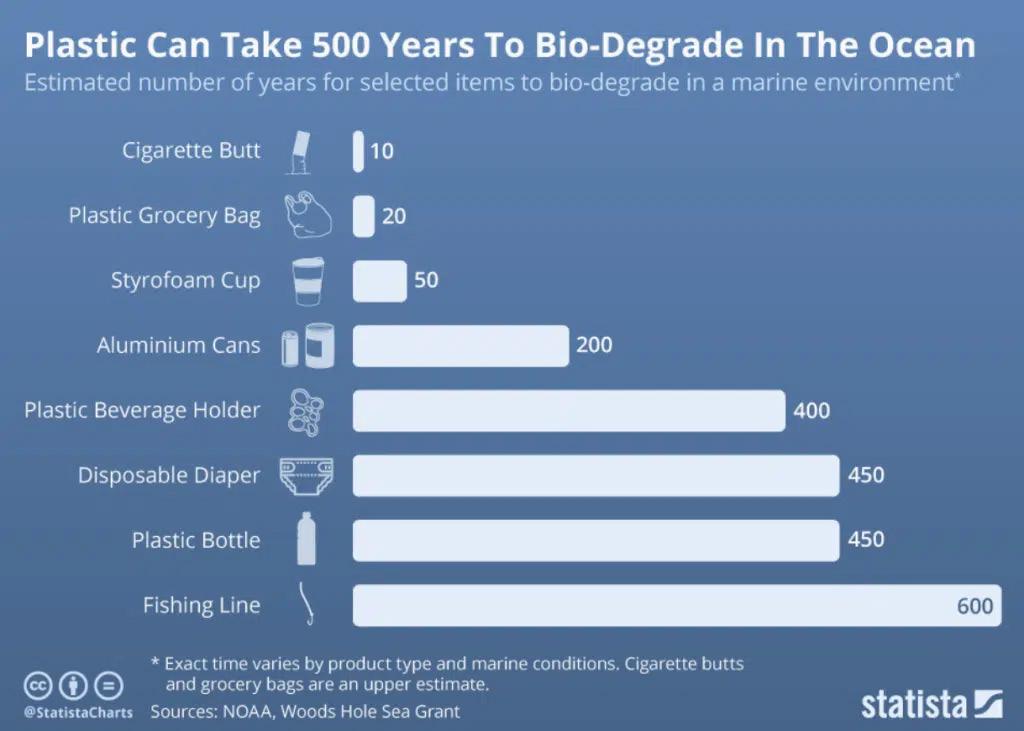
Several factors can affect the duration of decomposition for plastics. The type of plastics, environmental conditions, and exposure to sunlight are among the primary influencers.
Different types of plastics have distinct chemical compositions, leading to varying decomposition rates. polyethylene, commonly found in plastic bags, can take hundreds of years to break down, while PET (polyethylene terephthalate) used in water bottles may persist for even longer.
The environment in which plastic is disposed greatly affects its decomposition rate. Plastics in landfills experience slower decomposition due to limited exposure to sunlight and oxygen. In contrast, plastic debris in marine environments may undergo photodegradation, where exposure to sunlight weakens its structure over time.
Ultraviolet (UV) light from the sun can accelerate the breakdown of certain types of plastic through a process called photodegradation. This occurs when sunlight breaks down the molecular bonds in the plastic, causing it to become brittle and eventually fragment into smaller pieces known as microplastics.
In the short term, visible changes may occur as a result of exposure to sunlight and weathering. Cracks, discoloration, and fragmentation are common, especially in plastics left outdoors.
Despite these initial changes, the bulk of plastic items can persist for decades to centuries. Plastics buried in landfills may experience anaerobic conditions, slowing down the decomposition process even further.
Some plastics, particularly those with complex chemical structures, can take centuries to millennia to fully decompose. This extended timeline poses a significant threat to ecosystems and wildlife as plastic waste accumulates in various environments.
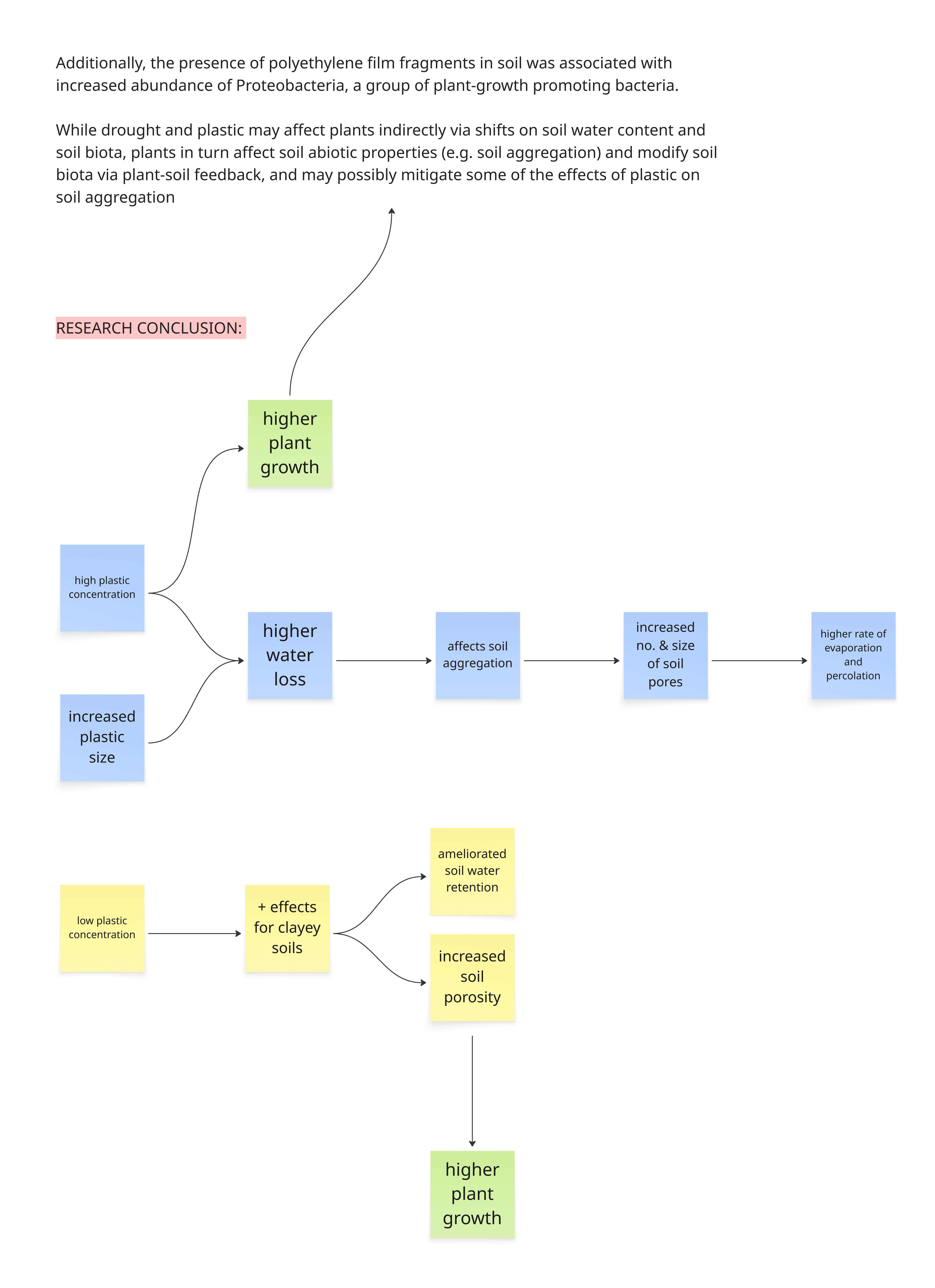
When incorporated into soil aggregates, plastic fragments favor the formation of fracture lines and reduce soil aggregate stability, thus promoting the formation of soil pores along which water can move vertically. Therefore, plastic can either augment water loss when facilitating the formation of larger soil pores through which water flows faster, or reduce water loss, when promoting the formation of small pores through which water moves slowly due to capillarity.
On the one hand, plastic-mediated shifts in soil water content can either mitigate or amplify the effects of drought on plants. On the other hand, plastic fragments may facilitate plant growth by increasing the size and number of soil pores through which roots can grow, thus attenuating the negative effects of soil water content decline.
Additionally, the presence of polyethylene film fragments in soil was associated with increased abundance of Proteobacteria, a group of plant-growth promoting bacteria. While drought and plastic may affect plants indirectly via shifts on soil water content and soil biota, plants in turn affect soil abiotic properties (e.g. soil aggregation) and modify soil biota via plant-soil feedback, and may possibly mitigate some of the effects of plastic on soil aggregation
Based on the swelling and consolidation test results of the two highly plastic soils mixed with the plastic waste–cement blend, the following conclusion remarks can be drawn:
• The incorporation of the plastic waste–cement blend effectively reduces both the swelling pressure and swell potential of highly expansive soils, indicating improvement in the highly expansive soils.
• An optimal blend of 8% of plastic waste–cement significantly minimizes the expansive behavior of clay soils, offering a practical solution for the clay soils.
• The inclusion of shredded plastic waste in the soil mix leads to lower consolidation index values and a higher maximum past pressure, contributing to a more stable and less compressible soil structure.
• Increasing the aspect ratio of the plastic strips results in further reductions in swelling pressure, swell potential, and consolidation index, while simultaneously increasing the maximum past pressure, thereby enhancing the mechanical behavior of the soil.
• A curing time of 7 days is identified as the most effective duration for the plastic–cement blend to stabilize the soil.
• The results of the CBR tests reveal that adding shredded plastic waste significantly improves the soil’s bearing capacity, particularly under unsoaked conditions and at higher aspect ratios. An aspect ratio of 15 yields the most substantial improvements, with the CBR values increasing up to approximately 21% for soil 2 and 18% for soil 1 under unsoaked conditions with a 2% shredded plastic content.
• These findings suggest that plastic waste can serve as a viable material for soil stabilization, offering both engineering benefits and an environmentally friendly approach to reducing plastic waste disposal challenges.
A mindmap diagram to illustrate what I have interpreted from the research papers
Phytoextraction
Reduction of soil metal concentrations can be done by growing plants with a high capacity for metal accumulation in shoots. Ideally they should show high metal accumulation in shoots and high biomass production. However, hyperaccumulator species usually do not produce big biomass.
Examples of plant species:
Axonopus compressus, Centella asiatica, Tradescantia zebrina, Melastoma malabathricum, Alternanthera sessilis, Clitoria ternatea, Jatropha gossypiifolia, Leucaena leucocephala, Wedelia trilobata
Rhizofiltration
Metals in contaminated surface waters or wastewaters may be absorbed or precipitated on roots or other submerged organs of aquatic plants.
Examples of plant species:
Nephrolepis biserrata, Pandanus amaryllifolius, Centella asiatica, Duranta erecta
Phytostabilisation
Metals in soils or sediments are immobilized by adsorption onto roots or precipitation in the rhizosphere. By decreasing mobility, they prevent leaching and groundwater pollution, and reduce the metals’ bioavailability.
Examples of plant species:
Ixora coccinea, Plumbago auriculata, Hamelia patens, Tarenna fragrans, Clerodendrum inerme, Vitex negundo, Wedelia trilobata, Arachis pintoi, Tradescantia zebrina, Crotalaria mucronata
Phytodegradation
Organic pollutants are decomposed through plant enzymes or products.
Examples of plant species:
Vetiveria zizanioides, Typha angustifolia, Colocasia esculenta, Heliconia psittacorum, Melastoma malabathricum, Curcuma longa, Cymbopogon citratus, Zingiber officinale, Pandanus amaryllifolius
Organic pollutants are decomposed by rhizosphere microorganisms
Examples of plant species: Leucaena leucocephala, Ixora javanica, Calliandra surinamensis, Hamelia patens, Ruellia simplex, Plumbago auriculata, Wrightia religiosa, Aloe vera, Ocimum tenuiflorum, Hedychium coronarium, Plectranthus scutellarioides, Costus speciosus, Clerodendrum inerme
Phytovolatilization
Pollutants are taken up by plants and released into the air by transpiration, in the original form or after metabolic modification.
Phytorestoration
Pollutants are taken up by plants and released into the air by transpiration, in the original form or after metabolic modification.
Examples of plant species: Psychotria daphnoides, Calophyllum inophyllum, Barringtonia asiatica, Melastoma malabathricum, Nephrolepis biserrata, Wedelia trilobata, Pteris vittata
Group photograph of lim nee soon (Right), his son chong pang …. (n.d.). Retrieved August 30, 2025, from https://www.nas.gov.sg/archivesonline/photographs/recorddetails/ae6f5f54-1161-11e3-83d5-0050568939ad
Lim nee soon (Standing second from left) and wife madam wee …. (n.d.). Retrieved August 30, 2025, from https://www.nas.gov.sg/archivesonline/photographs/recorddetails/d2ea2b59-1161-11e3-83d5-0050568939ad
Hdb chong pang green image singapore. (n.d.). Retrieved August 30, 2025, from https:// www.streetdirectory.com/stock_images/travel/preview/16037234690342/329056/ hdb_chong_pang_green/
Heritage SG Memories (n.d.). Facebook. Retrieved September 12, 2025, from https:// www.facebook.com/groups/2961522894103609/posts/3724344214488136/
Chong pang camp. (2025). In Wikipedia. https://en.wikipedia.org/w/index. php?title=Chong_Pang_Camp&oldid=1306638526
Chong pang camp. (n.d.). Military Wiki. Retrieved September 12, 2025, from https:// military-history.fandom.com/wiki/Chong_Pang_Camp
Onepa | chong pang cc. (n.d.). Retrieved September 12, 2025, from https://www.onepa. gov.sg/cc/chong-pang-cc
School, M. (2017, May 22). Ukulele, ipad garageband, songwriting and other music workshops for moe schools and companies: Chinese pop music workshop at ahmad ibrahim secondary school. Ukulele, iPad Garageband, Songwriting and Other Music Workshops for MOE Schools and Companies. https://intunemusicworkshop.blogspot. com/2017/05/chinese-pop-music-workshop-at-ahmad.html
Ho Peck San Temple (n.d.). Facebook. Retrieved September12, 2025, from https:// www.facebook.com/HoPeckSan/
Chinese unique architectures. (n.d.). Retrieved September 12, 2025, from https://www. idcpc.org.cn/english2023/chinadelights/arts/architecture/202307/t20230727_157782. html
SAF regular serviceman dies after being found at foot of building in Chong Pang Camp (2016). Mothership SG. Retrieved September 12, 2025, from https://mothership. sg/2016/12/saf-regular-serviceman-dies-after-being-found-at-foot-of-building-in-chongpang-camp/
First 24-hour dementia go-to point launched in Yishun. (2017, September 10). The Straits Times. https://www.straitstimes.com/singapore/first-24-hour-dementia-go-to-pointlaunched-in-yishun
Darul Makmur Mosque (n.d.). Facebook. Retrieved September 12, 2025, from https:// www.facebook.com/photo/?fbid=879901267515782&set=a.634197992086112
Yishun Sembawang A Heritage Trail (n.d.). National Heritage Board. Retrieved September 12, 2025, from https://www.nhb.gov.sg/~/media/nhb/files/places/trails/yishun%20 sembawang/yishun%20sembawang.pdf
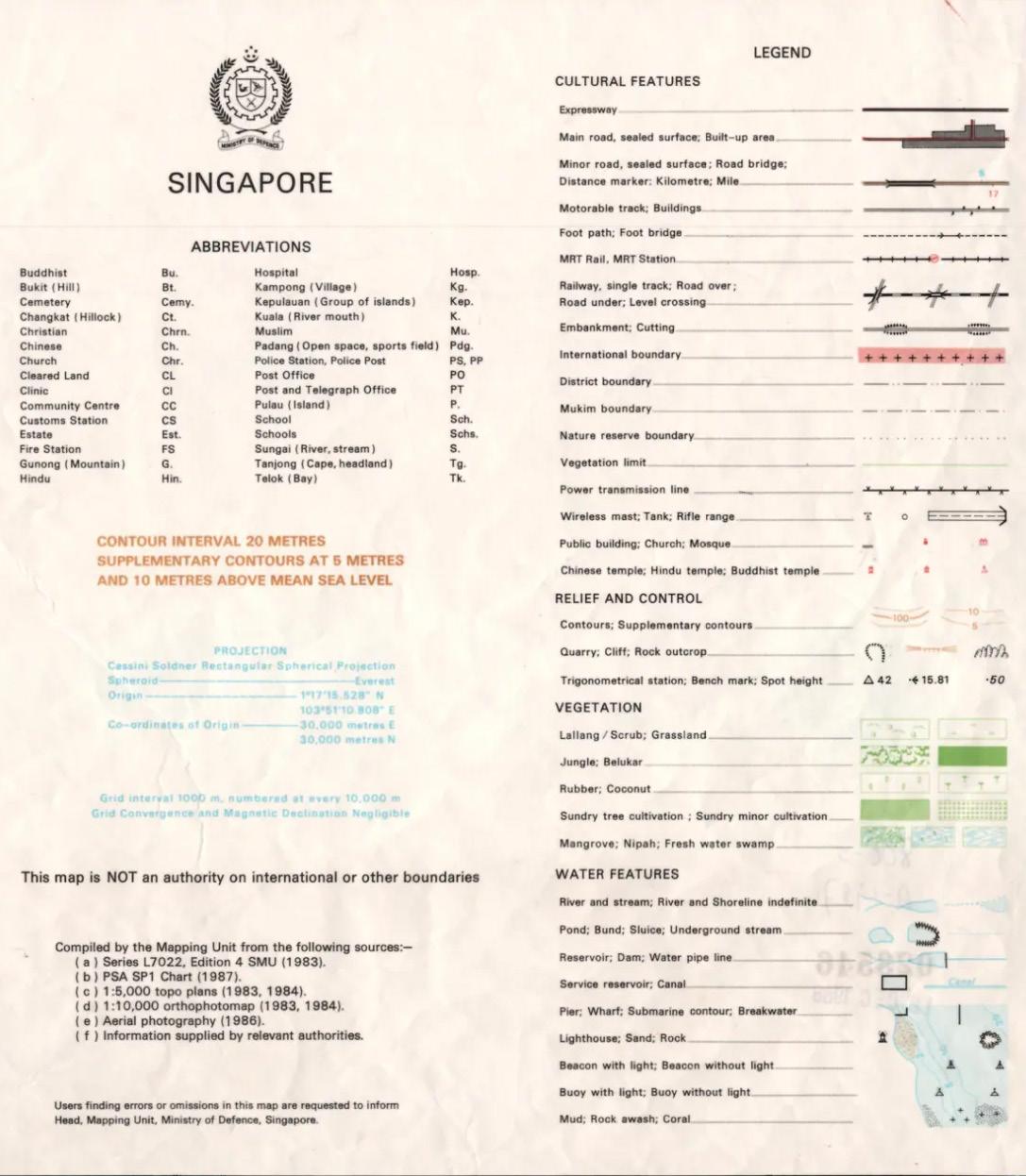
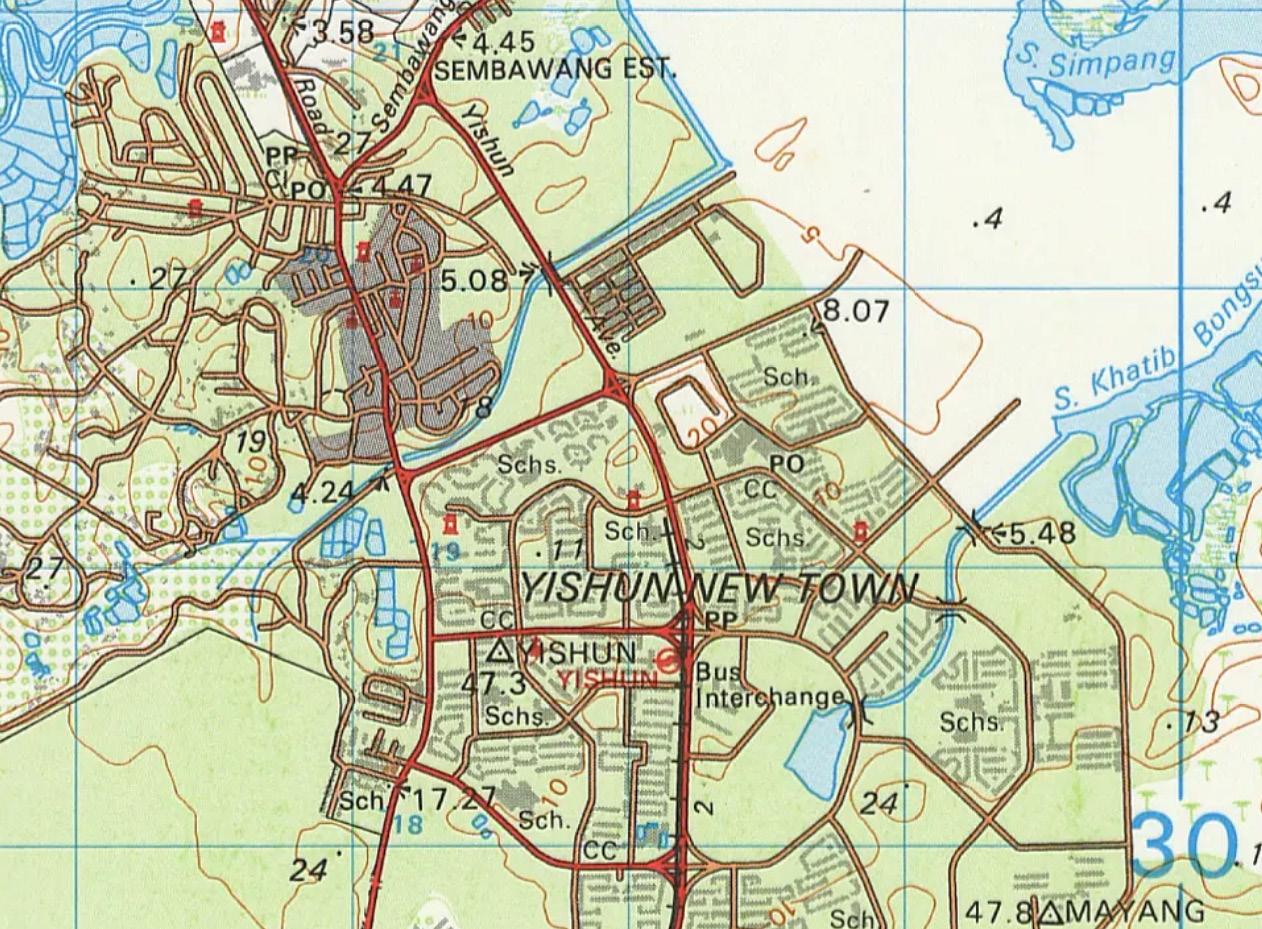
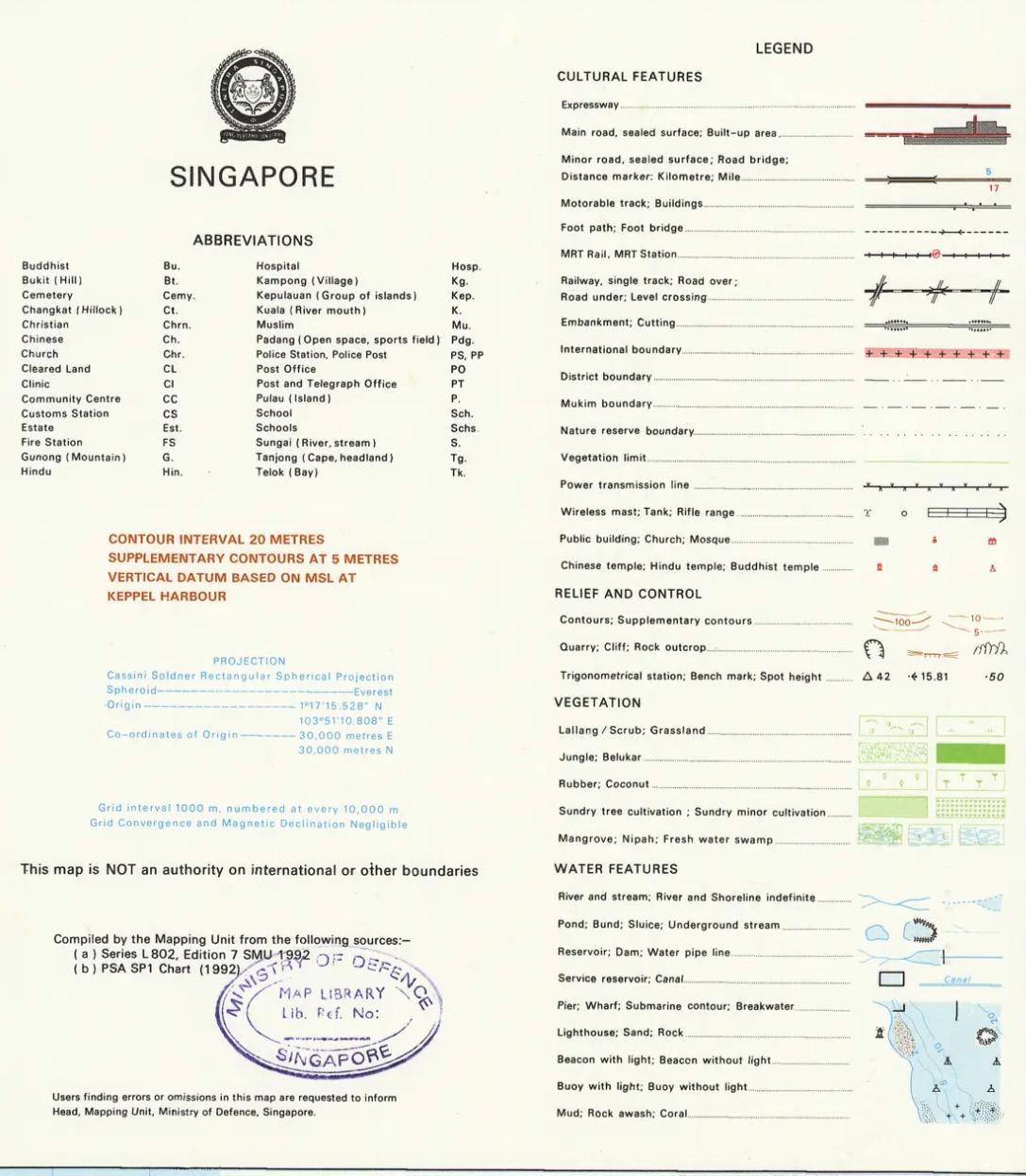
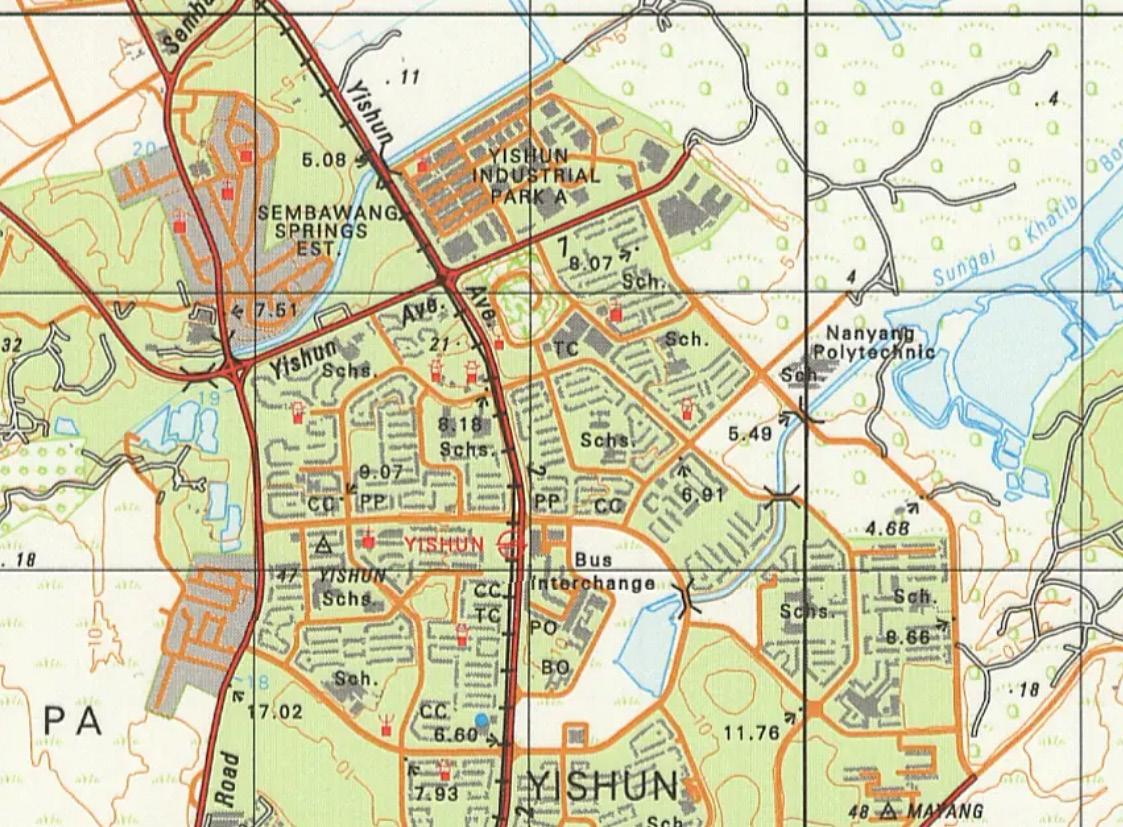
Historical maps of singapore. (n.d.). Historical Maps of Singapore. Retrieved September 12, 2025, from https://libmaps.nus.edu.sg
Yishun christian church anglican tickets [2025]—Promos, prices, reviews & opening hours. (n.d.). TRIP.COM. Retrieved September 12, 2025, from https://www.trip.com/travelguide/attraction/singapore/yishun-christian-church-anglican-146744816/?locale=enXX&curr=USD
Chinese Temples in Singapore (n.d.). Facebook. Retrieved September 12, 2025, from https://www.facebook.com/photo. php?fbid=487859134565650&id=471403616211202&set=a.471414946210069
Let’s go jalan jalan: Rediscovering chong pang. (n.d.). Wonderwall. Retrieved September 12, 2025, from https://wonderwall.sg/places/lets-go-jalan-jalan-rediscovering-chongpang
Chong pang village—Sultan cinema. (n.d.). Retrieved September 12, 2025, from https:// www.nas.gov.sg/archivesonline/photographs/record-details/d41a8aee-1161-11e383d5-0050568939ad
View of chong pang road taken from sembawang road. (n.d.). Retrieved August 21, 2025, from https://www.nas.gov.sg/archivesonline/photographs/record-details/a22f961c1162-11e3-83d5-0050568939ad
Yishun west (Subzone, singapore)—Population statistics, charts, map and location. (n.d.). Retrieved August 21, 2025, from https://www.citypopulation.de/en/singapore/ admin/yishun/40809__yishun_west/
Weiqi, Y. (2024, July 18). In pictures – from kampong to new town, a look at how the pap has transformed nee soon. Petir SG. https://petir.sg/2024/07/18/in-pictures-fromkampong-to-new-town-a-look-at-how-the-pap-has-transformed-nee-soon/
Khatib central / chong pang city dementia-friendly wayfinding system, singapore | wayfinding, residential. (n.d.). IMMORTAL. Retrieved August 29, 2025, from https://www. immortal.com.sg/works/khatib-central-chong-pang-city-dementia-friendly-w/
love ‘chong pang city’ groundbreaking ceremony. (n.d.). Singapore Land Authority. Retrieved August 29, 2025, from https://www.sla.gov.sg/news/press-release/i-love-chong-pang-city--groundbreaking-ceremony/
Chong Pang City to get new integrated development with shops, swimming pools, market and hawker centre. (n.d.). Nee Soon Town Council. Retrieved August 29, 2025, from https://www.nstc.org.sg/latest_news/chong-pang-city-to-get-new-integrateddevelopment-with-shops-swimming-pools-market-and-hawker-centre/
Chong Pang Integrated Development. (n.d.). Chong Pang Division. Retrieved August 29, 2025, from https://www.chongpangcity.sg/
Hdb | hdb unveils masterplan for chencharu. (n.d.). Retrieved August 29, 2025, from https://www.hdb.gov.sg/about-us/news-and-publications/press-releases/HDB-UnveilsMasterplan-for-Chencharu
Chencharu area in Yishun to get new park, integrated development with hawker centre, bus interchange. (2024, June 12). The Straits Times. https://www.straitstimes.com/ singapore/housing/chencharu-area-to-get-new-park-integrated-development-withhawker-centre-bus-interchange
Jin (Jin), T. L. (2022, September 8). Before it’s gone: Chong pang market & food centre. Depths Magazine. https://depthsmag.com/chong-pang-market-food-centre/
Heritage elements, bus-only corridor: First look at plans for Chencharu, Yishun’s new housing area. (n.d.). CNA. Retrieved August 30, 2025, from https://www.channelnewsasia. com/singapore/chencharu-yishun-new-housing-estate-plans-hdb-bto-launch-4399696
North-south corridor | henning larsen. (n.d.). Retrieved August 30, 2025, from https:// henninglarsen.com/projects/north-south-corridor
Lta | north-south corridor. (n.d.). Retrieved August 30, 2025, from https://www.lta.gov.sg/ content/ltagov/en/upcoming_projects/road_commuter_facilities/north_south_corridor. html
North-South Corridor could include iconic public space in Rochor linking 3 cultural districts. (2024, August 27). The Straits Times. https://www.straitstimes.com/singapore/ north-south-corridor-could-include-iconic-public-space-in-rochor-linking-3-culturaldistricts
A vibrant northern gateway with opportunities for everyone. (n.d.). Retrieved August 30, 2025, from https://www.ura.gov.sg/Corporate/Planning/Master-Plan/Draft-MasterPlan-2025/recreation-master-plan/Discovering-Rustic-Gems-of-the-North
North-South integrated transport corridor expected to be completed around 2026: LTA. (2016, April 28). The Straits Times. https://www.straitstimes.com/singapore/transport/ north-south-integrated-transport-corridor-expected-to-be-completed-around-2026
Better connectivity for all. (n.d.). Retrieved August 30, 2025, from https://www.ura. gov.sg/Corporate/Planning/Master-Plan/Master-Plan-2019/Themes/Convenient-andSustainable-Mobility/Better-Connectivity-for-All
Convenient & people-centric journeys. (n.d.). URA Draft Master Plan. Retrieved August 30, 2025, from https://www.uradraftmasterplan.gov.sg/themes/shaping-a-happyhealthy-city/convenient-and-people-centric-journeys/
Singapore’s north-south corridor(Nsc). (2025, June 27). https://structures.com.sg/northsouth-corridor-nsc-singapore-transport/
Public space linking little india, kampong gelam and waterloo street among proposed plans along north-south corridor. (n.d.). CNA. Retrieved August 30, 2025, from https:// www.channelnewsasia.com/singapore/north-south-corridor-proposed-plans-publicspaces-surface-streets-4570471
Lin, L., Kip, & Singapore, N. L. B. (n.d.). Jalan Mata Ayer: General view [2]. Retrieved September 12, 2025, from https://www.nlb.gov.sg/main/imagedetail?cmsuuid=0a4c120e-c78d-4015-9e76-ad8323b65923
Lin, L., Kip, & Singapore, N. L. B. (n.d.). Jalan Mata Ayer: General view [1]. Retrieved September 13, 2025, from https://www.nlb.gov.sg/main/imagedetail?cmsuuid=069b1230-a872-4284-b361-460181d6cd75
admin. (2024, June 15). Chong pang market and food centre – a gastronomic paradise | official. https://armymarket.sg/chong-pang-market-food-centre
Republic of singapore—Master plan 1958. (n.d.). Retrieved September 13, 2025, from https://eservice.ura.gov.sg/dc/mp58/mp58map_index.htm
Ura space. (n.d.). Retrieved September 13, 2025, from https://eservice.ura.gov.sg/ maps/?service=MP
Lin, L., Kip, & Singapore, N. L. B. (n.d.). Chong Pang Village: General view [13]. Retrieved September 13, 2025, from https://www.nlb.gov.sg/main/imagedetail?cmsuuid=c0018540-b22e-443e-95be-2c30ed8ad097
Lin, L., Kip, & Singapore, N. L. B. (n.d.). Chong Pang Village: General view [28]. Retrieved September 13, 2025, from https://www.nlb.gov.sg/main/imagedetail?cmsuuid=2fa558cf-8eb5-4728-be10-e8eea42339ac
Lin, L., Kip, & Singapore, N. L. B. (n.d.). Chong Pang Village: General view [9]. Retrieved September 13, 2025, from https://www.nlb.gov.sg/main/imagedetail?cmsuuid=0fc59242-5142-4c3e-8387-7a937ca611ec
Lin, L., Kip, & Singapore, N. L. B. (n.d.). Chong Pang Village: General view [26]. Retrieved September 13, 2025, from https://www.nlb.gov.sg/main/imagedetail?cmsuuid=a8354c57-1dcb-491e-b989-1c86cca330d6
In pictures – from kampong to new town, a look at how the pap has transformed nee soon. (n.d.). Nee Soon Town Council. Retrieved September 13, 2025, from https://www. nstc.org.sg/latest_news/yishunite-of-the-year-2023-copy/
Pcn at canberra canal · singapore 752106. (n.d.). PCN at Canberra Canal · Singapore 752106. Retrieved September 13, 2025, from https://www.google.com/ maps/place/PCN+at+Canberra+Canal/@1.4378333,103.8288333,3a,75y,90t/ data=!3m8!1e2!3m6!1sCIHM0ogKEICAgIDL97ma7wE!2e10!3e12!6shttps:%2F%2Flh3.googleusercontent.com%2Fgps-cs-s%2FAC9h4np1lWhDbTB5CUt5Ey02g1Om3pSE5yxPZ_l0n1tTUfntibDRaL_uxWKiGcOismsRfGxj8FnEAmzce7PVeAi-WHXFKUgBWF7OIRQPEtGTjvJRtF6tH_Q-GrT9FWw5NgJYcQZOeA3mVw%3Dw203-h148-k -no!7i1290!8i946!4m7!3m6!1s0x31da151f0815f359:0xc4c94436141d3830!8m2!3d1 .4378333!4d103.8288333!10e5!16s%2Fg%2F11sbf504pm?entry=ttu&g_ep=EgoyMDI1MDkwOS4wIKXMDSoASAFQAw%3D%3D
Jalan mata ayer. (n.d.). The Long and Winding Road. Retrieved September 13, 2025, from https://thelongnwindingroad.wordpress.com/tag/jalan-mata-ayer/
From villages to flats (Part 1) – the kampong days. (2012, April 4). Remember Singapore. https://remembersingapore.org/2012/04/04/from-villages-to-flats-part-1/
Putting a chill into chong pang city. (2022, May 13). The Long and Winding Road. https:// thelongnwindingroad.wordpress.com/2022/05/13/putting-a-chill-into-chong-pang-city/
Both sides, now | 两面之间: Chong pang. (n.d.). Retrieved September 13, 2025, from https://bothsidesnow.sg/2017-2019/locations-chong-pang.html
Portrait of lim chong pang. (n.d.). Retrieved September 13, 2025, from https://www. nas.gov.sg/archivesonline/photographs/record-details/d3b6e5c9-1161-11e3-83d50050568939ad
Article detail. (n.d.). Retrieved September 13, 2025, from https://www.nlb.gov.sg/main/ article-detail?cmsuuid=e4d6a742-0740-4052-9bc0-3dc58ef7f37d
Article detail. (n.d.). Retrieved September 13, 2025, from https://www.nlb.gov.sg/main/ article-detail?cmsuuid=be69b0dd-c114-45cd-af32-e27e8f6a0050
Jalan ulu sembawang. (n.d.). The Long and Winding Road. Retrieved September 13, 2025, from https://thelongnwindingroad.wordpress.com/tag/jalan-ulu-sembawang/
Jalan Sembawang Kechil Singapore (n.d.). Facebook. Retrieved September 13, 2025, from https://www.facebook.com/photo. php?fbid=581551359917412&id=115894469816439&set=a.117626879643198
Lin, L., Kip, & Singapore, N. L. B. (n.d.). Chong Pang Village: General view [15]. Retrieved September 13, 2025, from https://www.nlb.gov.sg/main/imagedetail?cmsuuid=d9e94336-1ecb-43ce-835d-525b07b1a13d
Lin, L., Kip, & Singapore, N. L. B. (n.d.). Chong Pang Village: General view [16]. Retrieved September 13, 2025, from https://www.nlb.gov.sg/main/imagedetail?cmsuuid=1fbe46a2-5667-4a59-a8b6-c2e941aeea36
Nurhazimah Binte Naharudin (n.d.). Building Dementia-Friendly Neighbourhoods in Singapore through Infrastructure Designs and Upgrades. Retrieved September 13, 2025, from https://www.dementiahub.sg/wp-content/uploads/2023/06/SUTD-WebnoteBuilding-DFN-in-SG.pdf
SOUTH EYEWEAR (n.d.). Unveiling the Timeline of Plastic Decomposition. Retrieved November 17, 2025, from https://30south.co/unveiling-the-timeline-ofplastic-decomposition/?v=0de83a216149#:~:text=Factors%20Influencing%20 Decomposition,smaller%20pieces%20known%20as%20microplastics.
Mousa Attom, Sameer Al-Asheh, Mohammad Yamin, Ramesh Vandanapu, Naser Al-Lozi, Ahmed Khalil, Ahmed Eltayeb (April 21, 2025). Soil Improvement Using Plastic Waste–Cement Mixture to Control Swelling and Compressibility of Clay Soils. Retrieved November 17, 2025, from https://www.mdpi.com/2075-5309/15/8/1387#:~:text=The%20 inclusion%20of%20shredded%20plastic,reducing%20plastic%20waste%20 disposal%20challenges.
Chavan Swapnil Anil, Batwal Siddhesh Sandeep, Pawar Jivan Balu, Auti Shravan Vilas, Prof. Shinde O. P., Prof. Vighe S. T (March, 2025). Application of Waste Plastic Material Used in Soil Stabilization. Retrieved November 17, 2025, from https://ijrpr.com/uploads/ V6ISSUE3/IJRPR39564.pdf
Hugh T. W. Tan, C. K. Yeo (2009). THE POTENTIAL OF NATIVE WOODY PLANTS FOR ENCHANCING THE URBAN WATERWAYS AND WATER BODIES ENVIRONMENT IN SINGAPORE. Retrieved November 17, 2025, from https://lkcnhm.nus.edu.sg/wpcontent/uploads/sites/11/app/uploads/2017/04/native_woody_plants.pdf