For editorial enquiries please email: mark@zest-media.com
For advertising enquiries please call 07977 195732 or email: abi@zest-media.com 124 City Road, London, EC1V 2NX, London N1 7EU; 020 7704 0588
Zest Media Publications Ltd. cannot accept responsibility for unsolicited submissions, manuscripts and photographs. While every care is taken, prices and details are subject to change and Zest Media Publications Ltd. take no responsibility for omissions or errors. We reserve the right to publish and edit any letters. All rights reserved.
Website absolutelymagazines.com
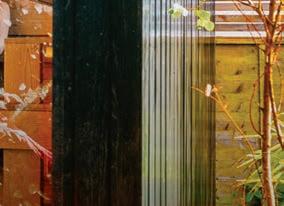
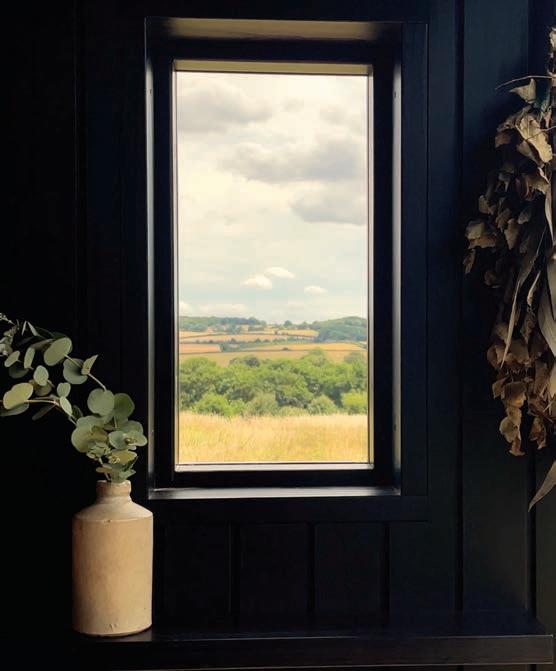
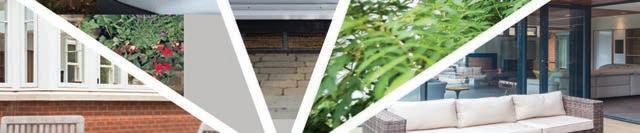
Operating from the heart of East Sussex, Round Wood has designed and manufactured oak buildings for over thirty years.
Set among ancient woodland, our timber mill and oak-framed office form an ideal setting for craftsmanship inspired by nature.
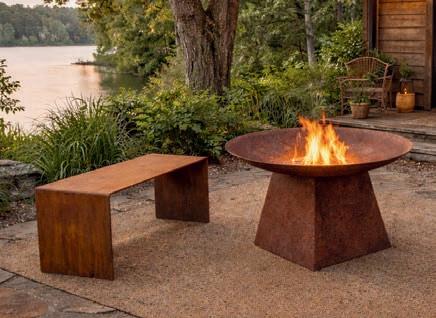
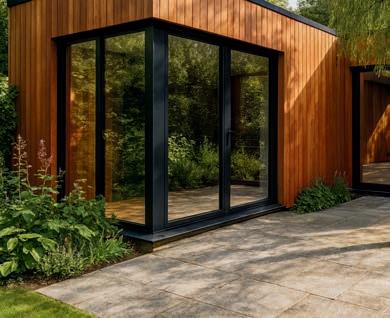
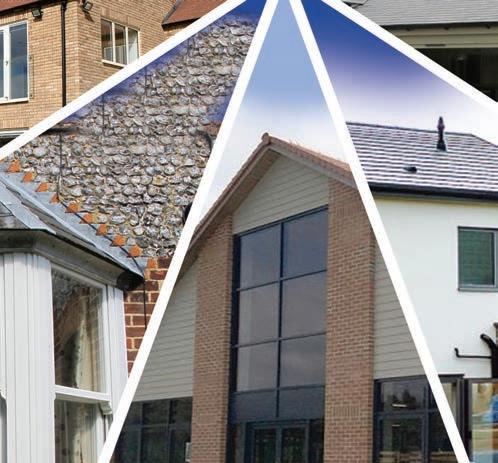
We specialise in traditional oak-framed buildings and can assist with everything from design, through to completion and nationwide assembly. In addition, we offer a wide range of products incl uding: cladding, decking, flooring, pots, planters and garden features. A carefully curated selection to deliver lasting quality and character, while bringing your home and landscape together seamlessl y.
LETTER Editor’s
ABSOLUTELY’S March issue highlights
Brighton never ceases to amaze me. Whenever I visit for a new feature for this magazine, something else catches my eye and I find myself constantly drawn to the East Sussex coast.
This month was a case in point. I was already familiar with the work of the artist Endless, but I saw in the flesh what he was capable of with a stunning mural in Brighton inspired by the actor Luke Evans (you can see it below left). It was enough to make me want to sit down with the man and find out more about that and his impressive bank of work to date. I came across that mural when heading to the Brighton branch of the Performers College, who are doing wonderful things to inspire the creatives of the future. The support they give students wanting to break into the arts is second to none, and their countless number of success stories is a testament to their approach. It was fascinating to uncover more. March is always a favourite issue of mine as not only does our Absolutely Home special return, but finally winter is cast aside and we can look forward to longer, brighter days – and Sussex truly is made for spring. We take a tour of the best places to welcome in the new season and, yes, Brighton makes an unsurprising appearance.
Endless
Why Brighton is an inspiration to the artist (p16)
The Vawdrey House Finding perfect harmony between in and out (p50)
MARK KEBBLE EDITOR
Pfeiffer
Design Why bespoke is truly beautiful (p46)
Products
The best armchairs to settle into (p73)
Wish LIST
DARK HABITS
Rouge Noir is back – if it ever went away – and the new incarnation is a collection of shades that combine red and black. chanel.com
LUCKY DUCK
BUCKLE UP
Penelope Chilvers might be known for her boots, but her brogues and loafers are lovely too. We are loving the tan and white Morrell, from the Bloomsbury collection, £289. penelopechilvers.com
focuses of Daisy Duck, and her
Danish fashion brand Ganni has teamed up with American giant Disney in a slightly unlikely but auspicious collaboration that focuses mostly on the lesser-known character of Daisy Duck, and her adventures in Copenhagen. ganni.com
I SHOULD COCO
Every hot chocolate at Cocomelt is made using premium Belgian milk, white, and dark chocolate sourced from the Ivory Coast, melted straight from the fountain and blended with warm milk. cocomelt.uk
SEE IT
EDITOR’S PICK
NEW FRAME
Iolla's stylish Bonnie frame channels the 1970s with its oversized, square shape and chocolate brown lenses. Add your prescription if you need to. iolla.com
HOME LIFE
Geeky wire specs are having a moment, and we love Bloobloom's Guardian frame in gold. Think Geography teacher, or style icon. bloobloom.com
Ferm Living's SS26 collection launches on 5th March, with a focus on creating homes that feel composed, relaxed, and shaped by everyday life. fermliving.co.uk
GLOW UP
SOUTH BEACH
Bella Freud's theme for SS26 is Miami Vice, featuring sleek lines and slick tailored trousers, alongside the iconic slogan knits. bellafreud.com
Addison Ross' new Scallop Lamp collection adds a small, portable light to the range of stylish and useful rechargeable lamps. We love the chocolate one, £125. addisonross.com
POOL PARTY
Some of the best selection of swimwear in all colours, shapes and sizes can be found at Amelie's Follies. And now's the time to be shopping for the beach. ameliesfollies.co.uk
CULTURE
Aisling Bea
12 MARCH, BRIGHTON DOME
BAFTA and British Comedy Award-winning Irish stand-up Aisling Bea is finally hitting the road with Older Than Jesus. Expect tales of travel, home, immigration, history, sex, babies, music, lovers and enemies – she will even answer your big life questions. brightondome.org
The Agenda
Tim Key
12-14 March
BRIGHTON DOME
Tim Key (Alan Partridge, The Ballad of Wallis Island, Tim Key’s Late Night Poetry Programme) again pops his suit on and plods about in a brand new show. He’s a bit gutted that he’s old. Guzzling continental lager. Had decent reviews for previous shows. Played a pigeon in Bong Joon Ho’s latest movie. Been on Richard Herring’s podcast. There’s plenty to cover. brightondome.org
5 March THE HAWTH
This comprehensive exhibition of Piers Ottey’s work will feature recent paintings as well as pieces created over past years. The remarkable Champs Hill Music Room will be the ideal space to show these paintings by Piers, several of which are on a large scale.
thebct.org.uk
You may know her as Bake-O Sue, Taskmaster Sue, Just A Minute Sue, or the Sue that gives you travel envy –but stand-up Sue is full of surprises. In this brand-new show, she shares the unlikely happenings from a career in the spotlight. What’s the fallout when your pituitary gland goes haywire on live TV? And when intimate photos get splashed all over the internet, how do you switch the shame to dignity and joy?
parkwoodtheatres.co.uk/the-hawth
ART
PHOTO: JONATHAN BIRCH
PHOTO: STEVE ULLATHORNE
MUSIC BOYZLIFE
12 MARCH
CONGRESS THEATRE
THEATRE
The BFG
16 March-12 April
CHICHESTER FESTIVAL THEATRE
One extraordinary night, a young orphan named Sophie is snatched by a giant and taken far away to Giant Country. There she learns that human-eating giants are guzzling ‘norphans’ the world over. But she soon discovers that her new friend, the BFG, is di erent – he’s a dream-catching, snozzcumbermunching gentle soul who refuses to eat humans. The smallest human bean and the gentlest giant prove that a dream can change the world. cft.org.uk
The build up to a landmark exhibition in Worthing starts here
WPerforming all the biggest hits, boyband supergroup Boyzlife comprises Boyzone’s Keith Duffy and Westlife’s Brian McFadden. During the show the duo nostalgically revisit their boyband legacies as they perform a mixture of hits from both of their individual supergroups. With decades of chart-toppers, this is an unmissable night of nostalgia and hit pop perfection. trafalgartickets.com
THE SNUTS
18 MARCH, CHALK BRIGHTON
This
he Snuts are back with anthemic new single Summer Rain, marking the Scottish band’s first new music since 2024. Written after a period spent reconnecting with their hometown roots in West Lothian, Summer Rain draws on an experience that a ects many but is rarely addressed in music and o ers a glimpse of the band’s forthcoming album. chalkvenue.com
orthing Theatres and Museum (WTM) is delighted to announce a new partnership with GWCA Solicitors, who will serve as Headline Sponsor for the highly anticipated reopening of Worthing Museum and the landmark OPEN26 exhibition. The year-long sponsorship will see GWCA Solicitors support the museum's long-awaited reopening in late March 2026, following an extensive refurbishment project made possible through major funding from Arts Council England, The National Lottery Heritage Fund, Garfield Weston Foundation and Museum Development South East. As Headline Sponsor, GWCA will be prominently featured throughout the reopening celebrations as well as the OPEN26 exhibition running from March to September. The partnership reflects a shared commitment to supporting arts, heritage and community engagement in Worthing and the wider West Sussex region.
Yemisi Mokuolu, Chair of Worthing Theatres and Museum, says: "We are thrilled to welcome GWCA Solicitors as Headline Sponsor for this momentous occasion in Worthing Museum's history. Their support demonstrates a genuine commitment to enriching cultural life in Worthing. This partnership will help us create an unforgettable reopening experience for our community."
PHOTO: MARC BRENNER
PHOTO: JACOB CAMPBELL
just the START
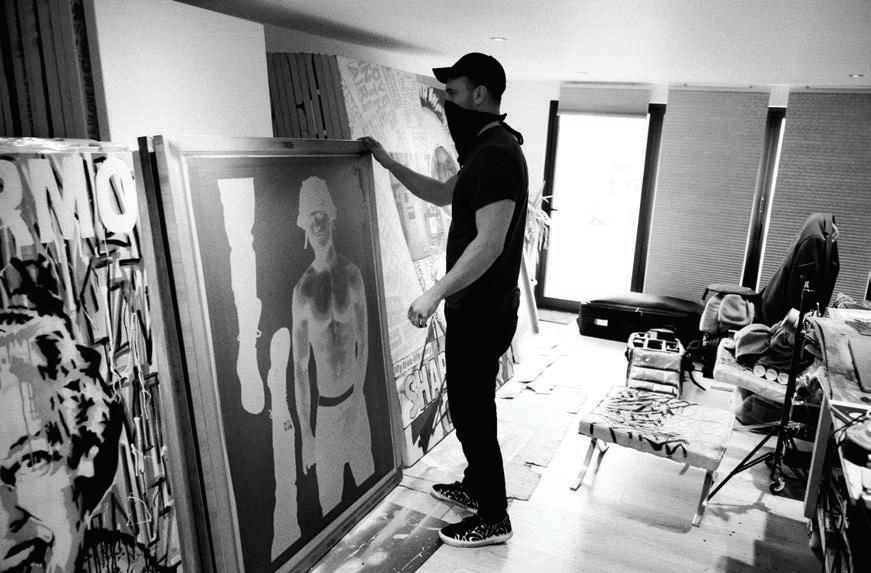
The artist Endless is causing a stir everywhere from Brighton to the Venice Biennale –and he’s fully prepared to continue challenging our perspectives
Brighton has never been short on bold visuals, but even by the city’s standards, the recent unveiling of Endless’s mural of Luke Evans stopped people in their tracks. Towering, fractured and unapologetically graphic, it’s less a conventional celebrity portrait than a collision of pop culture, art history and visual provocation – a fitting new landmark for a city that thrives on creative friction.
For Endless, Brighton isn’t just another backdrop. It’s a place where his work feels particularly alive. “I’ve always been interested in how images speak to people in their everyday environment,” he says. “Street art, advertising, shop fronts, billboards – they’re all telling stories, selling ideas. Once you start looking at them di erently, branding itself becomes a language you can
play with, disrupt and reframe.”
That instinct – to blur lines rather than respect them – has defined his career from the beginning. Emerging from the streets of London, Endless found freedom in placing work directly into public spaces, free from curatorial rules or institutional expectation. Working illegally or semi-legally wasn’t just about rebellion; it was about authorship and visibility. “Putting work where people will actually see it, with no restrictions, is pure freedom for an artist,” he says. “You are also creating a story and history of your own work, it takes time but eventually the right people might see it and this ends up crossing over into gallery exhibitions.”
Over time, that history has increasingly intersected with Brighton. Through Indelible Fine Art – the gallery that represents his work in the city –Endless has created several murals that sit comfortably within Brighton’s bohemian rhythm. “Creativity thrives
here,” he says simply. “People are open to art on the streets, in galleries, in museums. It’s part of the city’s DNA.”
There’s also something about seaside cities that suits his approach. The mix of locals and tourists creates a constantly shifting audience, one that reads work di erently depending on familiarity or discovery. “Street art has become a visual language most people understand now,” he says. “The locals live with it. The tourists get a glimpse of it. Both are important.”
That idea of shared ownership – and tension – runs through much of Endless’s imagery. Few motifs demonstrate this better than his now-iconic Crotch Grab, a reworking of classical Venus Pudica poses filtered through 1990s Calvin Klein advertising. Equal parts confrontational and playful, it draws together sex, power, media and art history in a single gesture. Endless resists pinning it down to a single meaning. “It’s whatever you want to take
KATE MOSS CROTCH GRAB
from it,” he says. “For me, it represents humanity – and the moment we’re living in.”
The same philosophy underpins his approach to celebrity collaborations. Whether working with Luke Evans, Rita Ora or Hector Bellerín, Endless is less interested in flattery than disruption. “I’m not trying to make you like the image,” he insists. “I want it to feel unique. Interesting. Something that might change how you look at the visual world around you – even while recognising the power celebrity still holds.”
That tension between mass appeal and critique has allowed Endless to move fluidly between worlds many artists struggle to reconcile. Collaborations with figures such as Karl Lagerfeld, Fiorucci, and Gilbert & George sit alongside street works and institutional recognition – including a self-portrait with the latter duo entering
the U zi’s permanent collection. “That felt like a full-circle moment,” he reflects. “Street-born imagery entering one of the most historic institutions in the world – that was always the vision.”
Representing San Marino at the Venice Biennale only reinforced that trajectory. As the first street-originated artist accepted into the o cial Biennale, Endless saw it less as a personal milestone and more as proof that the boundaries between genres are increasingly irrelevant. “It showed that street art and contemporary art don’t have to sit apart,” he says. “They can coexist – and challenge each other.”
Considering his work moves between walls, galleries, fashion, and institutions, where do he feel the work is most “alive”? “It is always alive when the viewer interacts with it,” he says. “I try to create work that gives me the most creative energy, I have to be excited to make the work and to see it finished. If I don’t have that feeling at the start then I move on to the next idea.”
In Brighton, that challenge often plays
out at scale. Large-format murals allow Endless to see his work breathe, weather and eventually fade. Permanence doesn’t interest him. “I like the idea that these works don’t last forever,” he says. “The elements change them. Art reflects life – everything fades in the end.”
As for what comes next, the balance remains the same: studio work, street work, and an upcoming exhibition of canvases years in the making. But Brighton will continue to be part of the story – a testing ground, a canvas, and a city that understands the power of visual conversation.
Standing beneath the Luke Evans mural, watching passers-by pause, photograph, question or simply stare, it’s clear why. This is art doing what Endless believes it should do best: interrupting the everyday, and asking us to look again.
Stay up to date with Endless’s latest work and up and coming shows on instagram @endlessartist
PHOTO BY JAMES HOLE
PHOTO BY NOEL SHELLEY
CROTCH GRAB
LIZZY VUITTON
You’re
River Cruises
invited to attend our complimentary Information Session
Chichester | Wednesday 18 March 2026 Harbour Hotel Chichester, 57 North Street,
Redefining luxury river and yacht cruises
Discover ultra-luxury river cruises and ocean voyages
At Emerald Cruises, we’ve reimagined river and yacht cruising for the modern traveller who understands that the journey is just as important as the destination. Our fleet of awardwinning river cruise ships and luxury yachts are owned and operated by us, custom-built to uncover the culture, cuisine and authentic character of captivating destinations in comfort; and with everything you need included, so you can enjoy more of what matters.
Emerald Cruises: 10am – 11am
Scan the QR Code or visit emeraldcruises.co.uk/info to reserve your space
Scenic has four decades of experience creating truly all-inclusive 5-star river and 6-star ocean cruises that take our guests to over 60 countries across all seven continents, bringing each one to life through carefully curated moments and exclusive experiences. More than luxury travel, it’s unrestricted global navigation, setting the benchmark for award-winning, ultra-luxury cruising, where everything you’d expect to pay extra for is included in the price.
Scenic: 2pm – 3pm
Scan the QR Code or visit scenic.co.uk/info to reserve your space
Plus, enjoy exclusive attendee offers – New bookings only
Spring in the STEP
Where to eat, explore and experience the new season in Sussex
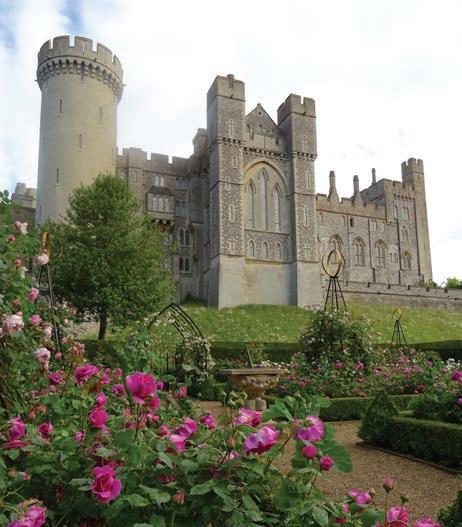
ARUNDEL CASTLE, PHOTO BY MARTIN DUNCAN
Spring arrives in Sussex with a sense of quiet drama. One day the South Downs are still winterbrown and windswept; the next, they are washed with new green, scattered with wildflowers and alive with skylarks. Coastal towns shake o their o -season hush, village greens brighten with blossom, and café terraces begin to fill once more. It is the season when Sussex feels renewed, rediscovering its colour, its energy and its charm.
This is not just a county for walkers, although spring is certainly one of the best times to lace up your boots. Sussex in spring is also about food grown in rich soil, seafood landed just along the coast, family days out in gardens and farm parks, and a calendar of fairs and festivals that celebrates the changing season. From chalk hills to shingle beaches, market towns to quiet hamlets, spring shows Sussex at its most alive. Whether you live in the county or are planning a break or day trip, here are some of the best ways to make the most of spring in Sussex.
THE BEST OUTDOOR SPOTS
There is no better place to start than the South Downs National Park. Stretching across much of Sussex, it transforms dramatically in spring, as the chalk hills soften with new grass and early wildflowers begin to appear. One of the most rewarding places to explore is Devil’s Dyke, just outside Brighton. The sweeping valley
views feel particularly striking when the landscape is freshly green, and the walking routes that criss-cross the area o er everything from gentle strolls to longer hikes that take you deep into the Downs.
Further west, Cuckmere Haven near Seaford provides one of Sussex’s most iconic spring landscapes. The winding river, open meadows and dramatic chalk cli s look almost painterly at this time of year, and the area becomes a magnet for walkers, photographers and wildlife lovers. Spring brings nesting birds and a sense of gentle activity, making it a peaceful but endlessly fascinating place to spend a day.
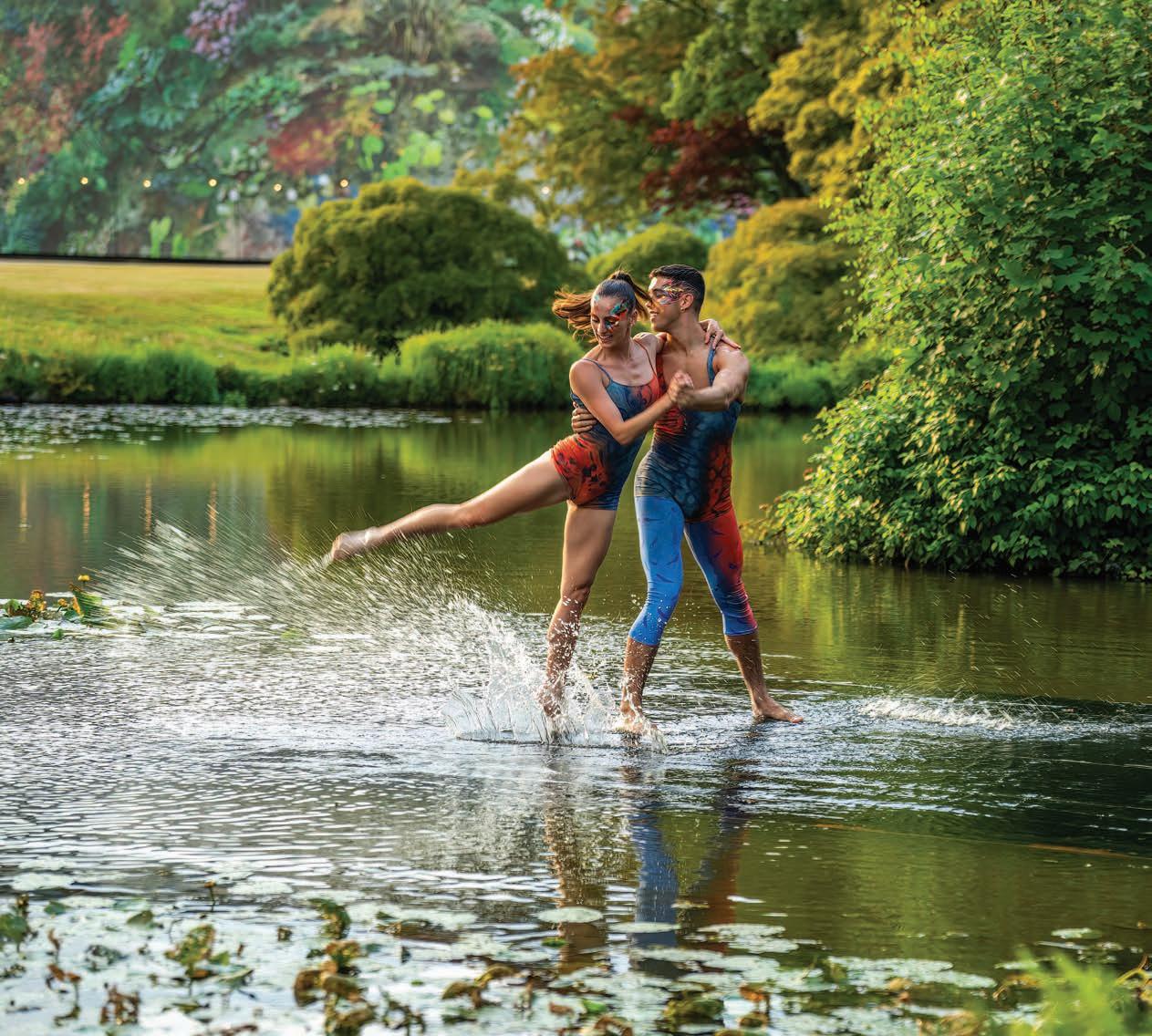
For something more intimate, She eld Park and Garden in East Sussex is one of the county’s true spring treasures. Famous for its lakes and landscaped gardens, it is at its most magical when cherry blossom,
magnolias and early rhododendrons are in bloom. Wandering through its winding paths as reflections of pink and white flowers shimmer on the water feels like stepping into another world. Ashdown Forest, the inspiration for A.A. Milne’s Winnie-the-Pooh stories, also comes alive in spring. Heather and gorse begin to flower, birdsong fills the air and the forest’s wide, open heathland feels full of promise. It is a place that invites you to slow down, breathe deeply and enjoy the simple pleasure of being outdoors.
FOOD AND DRINK THAT CELEBRATES THE SEASON
Sussex’s food scene feels particularly vibrant in spring, when local farms, vineyards and fishing boats begin to supply kitchens with the best of the season.
WANDERWILD AT
LAMBS IN BURWASH
THE CRABTREE
One of the county’s most celebrated rural pubs, The Crabtree in Lower Beeding, is a perfect place to experience Sussex in spring. Surrounded by countryside and known for its carefully sourced ingredients, it o ers dishes that reflect the changing seasons, from tender spring lamb to fresh vegetables and herbs. In warmer weather, its garden becomes a peaceful spot to enjoy a leisurely lunch.
On the coast, places like The Salt Room in Brighton (soon to re-open after a refresh) highlight the region’s superb seafood, which feels particularly appropriate as the weather improves and people turn their thoughts back to the sea. Lighter, fresher dishes dominate menus, celebrating the flavours of the coast.
Sussex’s vineyards also begin to stir in spring. Estates such as Ridgeview, Nyetimber and Bolney Wine Estate o er tastings and tours that become especially popular as the vines come back to life. Sitting in the sunshine with a glass of Sussex sparkling wine, overlooking neat rows of vines, is one of the county’s most quietly luxurious spring pleasures.
For something more relaxed, cafés and pubs in villages like Alfriston, Ditchling and Arundel spill out onto pavements and gardens as soon as the weather allows. This is the season of long lunches, co ee in the sun and menus that celebrate asparagus, lamb and fresh local produce.
FAMILY ATTRACTIONS THAT SHINE IN SPRING
Spring is a magical time for families in Sussex, as many of the county’s best attractions revolve around gardens, animals and the outdoors. Drusillas Park near Alfriston is one of
the most popular family destinations in the county, and spring is one of the best times to visit. Baby animals, outdoor rides and events give the park a lively, joyful atmosphere, and the mild weather makes it far more comfortable to explore than in the height of summer. Middle Farm, also near Lewes, is another spring favourite. Known for its focus on traditional farming and local produce, it becomes especially appealing during lambing season.
Wakehurst, Kew’s wild botanic garden in Sussex, is at its most impressive in spring, when thousands of plants begin to bloom across its 500 acres. Families can explore woodland trails, water gardens and open lawns, making it feel more like a giant natural playground than a formal garden.
Even places like Arundel Castle and its gardens take on a special charm in spring, with flowers blooming beneath ancient walls and seasonal events adding extra interest for younger visitors.
SPRING EVENTS
ACROSS SUSSEX
Spring also brings a calendar of events that reflect Sussex’s rich cultural and rural heritage. The Brighton Festival, which normally begins in late April and runs into May, is one of the largest arts festivals in England, filling the city with performances, exhibitions and outdoor events that attract visitors from far beyond the county.
Celebrate the arrival of a new season at Petworth House and Park with their annual Spring Festival from 4th-19th April, featuring talks, demonstrations, tours, a makers market, craft workshops, family activities and more. Browse the stalls of the Makers Market to find a
range of artisan gifts on Saturday 11th and Sunday 12th April, held in partnership with Petworth Pop-Up. There will be free demonstrations and tours, and bookable craft workshops suitable for beginners. A highlight of the festival will be a series of talks from Thursday 16th-Sunday 19th April. Join a variety of horticultural experts for talks in the Garden Theatre Marquee. These talks are free to attend, no booking required, and the full schedule can be found at nationaltrust.org.uk/petworth.
Also take part in a fun-filled Easter adventure at She eld Park and Garden on their duck themed Easter trail, from 21st March-12th April. From having a go on the balance beams to testing your aim on the duck hoopla, there is fantastic range of family-friendly games and activities around the garden to enjoy.
The Easter adventure trail is £3.50 per person, with normal admission, and includes bunny ears, a trail map and chocolate egg. To find out more visit: nationaltrust.org.uk/she eldpark.
Celebrate the arrival of a new season at our annual Spring Festival. With creative workshops, makers market, free gardening talks, garden tours, a community art display, family activities and more. Check our website for the full programme.
nationaltrust.org.uk/petworth
& DRINK
THE FISH FACTORY
The Fish Factory is now one of Worthing’s most celebrated independent restaurants, thanks to its commitment to fresh seafood, sustainable sourcing, and warm, local hospitality. This is a restaurant that showcases the very best of British coastal dining. thefishfactoryworthing.co.uk
LIFE DAY IN THE
Day Radley is one of the UK’s most in demand chefs, with her plant-based approach being devoured by all comers. Absolutely heads to Horsham to fi nd out more
Day Radley is an experienced private vegan chef and plantbased food consultant with over a decade of professional cooking experience. She has cooked for celebrities, entrepreneurs, professional athletes, and members of the British Royal Family, specialising in healthy, plant-focused cuisine tailored to a wide range of dietary needs. Considering her wide ranging career journey to date, Absolutely just had to meet up with her at her home in Horsham to discuss veganism and VIPs.
Q Can you remember the moment you decided to pursue cooking professionally, and what your early career path looked like?
A I fell into being a chef! I was exhibiting
my fine art photography in a cafe in Brighton during the photo biennial. The owner of the cafe chatted with me about me being vegan and he said that I knew more about vegan cooking than him, so could I create vegan food to sell in his cafe. So I did just that. I would bake all day most days and I absolutely fell in love with it.
Q You went on to cook for celebrities, athletes, entrepreneurs and members of the British Royal Family – what skills are essential when cooking at that level of discretion and trust?
A For me organisation is the key skill. By being organised you can make sure that you have a calm kitchen where everything is cooked on time and to perfection. You have to realise that for most people the kitchen is the heart of the home, so they don’t want a stressful atmosphere in their kitchen. You need to be adaptable, for those last-minute requests or changes. You can’t get flustered if two extra
people are coming to dinner. And of course you need to know how to cook good food! Much of my work now is as a private chef, cooking discreetly in clients’ homes across Sussex, Surrey and London… and often building long-term relationships with families and individuals who value trust and love my cooking.
Q Plant-based food has evolved rapidly over the last decade – how have you seen attitudes to vegan cuisine change since you started your career?
A In those very early days people asked me who I would cook for. Just five years later veganism became fashionable with celebs becoming vegan and launching vegan restaurants. However, I am still quite disappointed with the quality of vegan food in High Street restaurants. The chains are o ering full vegan menus, which is fabulous, but often the quality of the recipes is still quite poor. I think we still have so far to go with vegan food, and there are some really exciting chefs in this country and abroad who are pushing the boundaries of what we thought we could do with plant food. I am excited to see how it will continue to develop in the next decade.
Q Your cooking draws on global influences like Italian, Middle Eastern, Japanese and South Indian cuisine – how do you weave those flavours into a cohesive, personal style?
A I think it’s natural to have global influences when you are making vegan food for many di erent clients. You have to really understand who your client is and their culinary history; which country they grew up in, which countries they have travelled to and what is their heritage. You have to respect the culinary traditions they have been brought up with. So there are many cases where you don’t want to mess around with the classics. Yes you can veganise them, but we shouldn’t go too creative with dishes that a client’s mother used to make them. I do however mix influences from around the world in fusion cooking with other dishes. As a private chef a personal style is slightly elusive. You have to be able to adapt your style to whichever client you are working with at that time.
Q What misconceptions do clients often have about plant-based or allergen-free cooking, and how do you challenge them?
A Clients, just like most people, assume that plant-based cooking and allergen-free cooking will be lacking in flavour, variety and excitement. They’ll often tell me of dishes that they used to eat, but assume they can never have them again. I show them that’s not the case. Even dishes that you really didn’t think could be veganized they actually can be, with a little ingenuity and expertise.
Q You’re based in Horsham, so how has living and working in Sussex
CLAFOUTIS
shaped your identity as a chef?
A Life is definitely much calmer now, I was living in London before I moved to Sussex. The slower pace of life definitely gives me more headspace to be able to be creative. I love starting the day with a walk in Horsham park with my little dog Bo, that really sets me up for the day.
Q Are there any Sussex food spots, markets or hidden gems that you return to for inspiration?
A I love Cafe Vegu in Lewes, their food is amazing. It’s a Korean vegan cafe that is unsurprisingly very popular. When I’m in Lewes I make sure it’s on a Friday so I can visit the Daizys Cakes at the food market. She makes the most delicious raw cakes and cookies. I will also make time there to visit Seasons and Lansdown Health food shops. They both have a great selection of health foods including spices and store cupboard staples you can buy by weight.
Q What does a typical week look like for you as a private chef and plant-based food consultant based in West Sussex?
A It really varies week to week, which is one of the many reasons why I love it! Clients often come to me looking for a private chef they can rely on regularly –whether that is weekly cooking, bespoke meal preparation or intimate dinner parties at home so my work is very varied. It is usually a combination of recipe development, either for myself or for a client that has hired me as a consultant. I usually cook for clients a couple of days a week, usually at their houses, although it might be from my own home. I have more clients who want me to cook in my own home and then deliver the meals for them to reheat. This type of service is really increasing as people want the ease of meal delivery, but they want healthy food. Some weeks I will get to cater an event, it’s usually an intimate meal, either for a couple or 4-6 people. I love
it when it’s a birthday or Valentine’s surprise gift. If it is, I make it even more special for the clients, leaving them with hand made rose chocolates after the meal or incorporating a taste from a special memory into the menu.
Q What are your ambitions for the future?
A I especially love working with clients who see food as part of their lifestyle and wellbeing – and who want a private chef they can trust to look after them and their guests perfectly. So I want to continue being innovative in this space, to be able to show people how much we can achieve with vegan cuisine. It has come so far, so quickly over the last 10 years, but that really is just the start. I believe we can push the boundaries much more. I want to connect with more plant-based clients in Surrey, Sussex and London so that I can help them to have a vibrant life through healthy vegan cuisine.
chefdayradley.com
BISCOFF CHEESECAKE
CHERRY BOMB
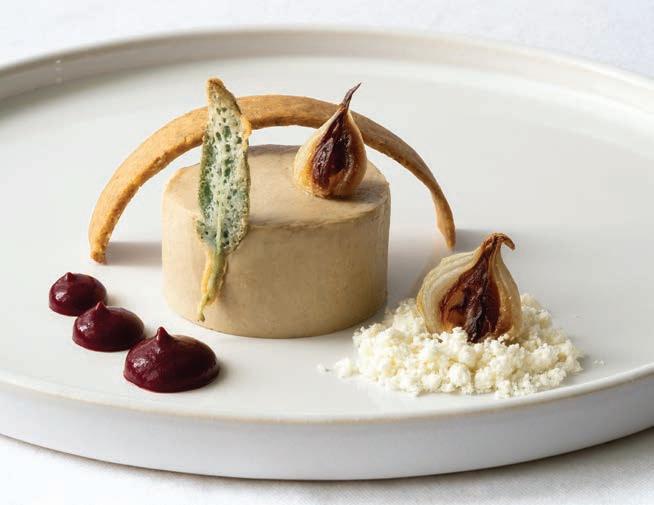
FAUX GRAS
SOFT BLOOM
M&S Fleur de Lise Rosé o ers a delicate balance of freshness and flavour, with floral notes, redberry fruit, and a bright finish. Understated and elegant, it’s rosé for easing into the season, £9. marksandspencer.com
Spring
Red-Y
Light on its feet and full of charm, Elephant in the Room’s Palatial Pinot Noir is silky, juicy, and gently spiced. Best served lightly chilled, it’s a spring red that feels perfectly in tune with the season, £11. waitrose.com
BREEZE PLEASE
Shaped by the Atlantic and infused with coastal energy, Mar de Frades Brut Nature o ers saline freshness, bright citrus, and restrained bubbles. Made for spring aperitifs, seafood lunches, and those first evenings spent lingering outdoors, £28.50. vinvm.co.uk
Spring Awakening
Emma Marris’s Sauvignon Blanc captures Marlborough at its freshest, with zippy citrus, tropical lift, and a clean, mouthwatering finish. Bright, breezy, and full of energy, it’s the kind of white that signals winter is o cially over, £12. majestic.co.uk
of the best 5
Fresh bottles made for lighter days
By NATALIA SUTA
Citrus
Season
Picpoul, but with polish. Ormarine’s Cuvée Estela Élevée takes this southern French favourite into more refined territory, layering citrus freshness with gentle texture and poise. An elegant pick for lighter spring cooking and long lunches, £14.25. majestic.co.uk
Natalia Suta is a WSET-certified wine writer and educator with a knack for making wine accessible and fun. When she is not writing, she’s busy curating wine experiences and offering consultancy to help others discover the joy of wine. Follow Natalia on Instagram @_winerocks_
ray of LIGHT
KEEPING TIME ALIVE
Exploring the specialist work of Brufords in Eastbourne
At Brufords, they believe your watch is more than just an instrument for telling the time; it’s a cherished companion, a piece of art, and often, a family heirloom.
Their commitment to excellence extends beyond your initial purchase, and for 140 years they’ve been the trusted name to ensure your watch can continue to perform for generations to come.
WATCH SERVICING YOU CAN TRUST
Much like a car engine, the internal mechanics of a watch need regular servicing to maintain accuracy and longevity, as over time, the lubricants can degrade, tiny particles can accumulate, and seals can weaken.
As part of the servicing process, Brufords’ expert watchmakers meticulously dismantle your watch, clean every component, inspect for wear (replacing worn parts with genuine replacements where necessary),
re-lubricate the movement, and carefully reassemble each piece. Finally, your watch undergoes rigorous testing to ensure its accuracy, water resistance (where applicable), and power reserve are all within manufacturer specifications.
Typically undertaken every 3-5 years, regular servicing is the key to preserving your watch’s accuracy, extending its lifespan, and maintaining its value.
IN-HOUSE REPAIRS
Beyond full servicing, Brufords also o er a complete range of general watch repair services. Has your watch stopped unexpectedly? Perhaps the crown is loose, or the crystal is cracked?
They handle everything from battery replacements and strap adjustments, to more complex movement repairs and water damage remediation, alongside professional case and bracelet polishing to restore their original luster.
With a state-of-the-art service centre on-site, they hold a host of accreditation statuses from many luxury Swiss watch brands, giving them access to genuine
parts, tools, and materials, so you can be confident that your cherished timepiece is in expert hands. And if they can’t complete the work on-site, their relationships with the brands they stock means they can return your watch to the o cial manufacturer.
A PERSONAL SERVICE
What sets Brufords apart is their dedication to personal service, and they warmly invite you to visit them in-store at The Beacon, Eastbourne. Here, you can speak directly with their experienced team of aftersales specialists, allowing them to assess your watch in person, o ering tailored advice and providing a precise quotation (note that an estimate may be required). This interaction ensures a comprehensive understanding of the work needed and allows you to experience first-hand the dedication they bring to every repair. They aim to build lasting relationships with clients, ensuring your valuable timepieces receive the exceptional care they deserve.
For more information, contact Brufords by email at aftersales@brufords.com or call 01323 725452
Goodwood’s Wellness Retreats are designed to help you regain your energy, restore balance and take control of your health—whether you’re looking to reset your gut, build resilience, or future-proof your wellbeing. Hosted on our 11,000-acre estate, each retreat blends
HEAVY or LIGHT?
it preserves lean muscle mass, which helps maintain a higher metabolic rate. That said, lighter resistance training has its place too. Using lighter weights with higher repetitions (around 12–20 reps) can improve muscular endurance, coordination, and movement confidence – particularly for beginners or those returning after injury. Light-to-moderate loads are also valuable for accessory exercises, rehabilitation work, and days when the nervous system needs a break from maximal e ort.
So where does this leave women trying to decide between heavy or light? The short answer: they shouldn’t have to choose. The most e ective training programs include a mix of both.
Rethinking resistance training for women
Walk into almost any gym and you’ll still see men clustered around the squat racks lifting heavy, while women gravitate toward lighter dumbbells and higher reps. The idea that women should train “light to tone” has lingered for decades –but is it actually true? Modern exercise science suggests the answer is far more nuanced, and far more empowering. First, let’s address the biggest myth: lifting heavy will make women “bulky”. Muscle growth is largely driven by testosterone, of which women have
significantly less than men. Even with heavy resistance training, most women will not develop large, bodybuilder-style muscles without years of highly specific training and nutrition. Instead, what heavy lifting will build is strength, bone density, and a firmer, more defined physique. Heavy resistance training – generally defined as lifting weights that allow for about 3–6 repetitions per set – has several proven benefits for women. It improves maximal strength, supports joint health, and is especially important for bone density, reducing the risk of osteoporosis later in life. Research also shows that heavier lifting can be highly e ective for fat loss because
Periodized resistance training – cycling between heavier and lighter loads over time – delivers the best results for strength, muscle tone, and overall health. A woman might deadlift or squat heavy once or twice a week, while also incorporating lighter, higher-rep movements for shoulders, glutes, or core. This approach builds strength without neglecting endurance, mobility, or recovery.
Goals matter, too. A woman training for powerlifting will prioritize heavy loads. Someone focused on general fitness or stress relief may prefer lighter weights and faster-paced sessions. Neither approach is “more feminine” or “more correct” – they’re simply tools.
Perhaps the most important factor is psychological. Many women discover that lifting heavier than they thought possible is profoundly empowering. It challenges outdated narratives about fragility and replaces them with a sense of capability and control. Confidence, after all, is one of the most underrated benefits of strength training.
In the end, the question isn’t whether women should go heavy or light – it’s whether they’re being given the freedom, education, and encouragement to do both. Strength, in all its forms, is not gendered. And the strongest programs are the ones that let women lift for their bodies, not against outdated rules.
adanola.com
HARLEY STREET ON YOUR DOORSTEP
The team at London Women’s Clinic share their experience of renovating and opening a new fertility clinic in Brighton’s Preston Park
For the past few years, we have been caring for patients in Brighton from a small suite in busy Kemptown.
As our Sussex community grew, we knew it was time to find a larger, more accessible space that truly reflected our brand and the atmosphere we strive to create, combining exceptional healthcare with warmth and comfort.
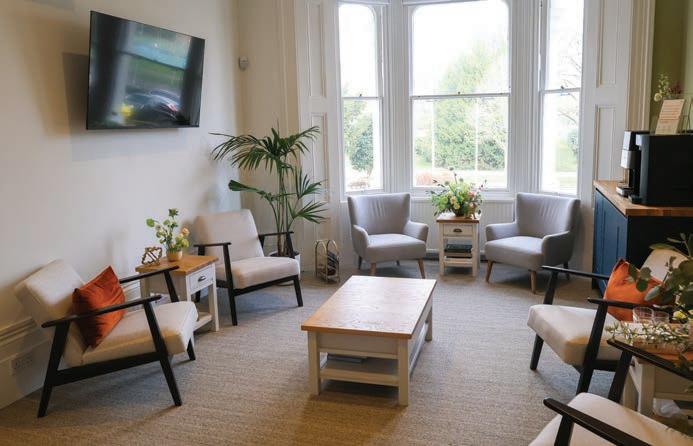
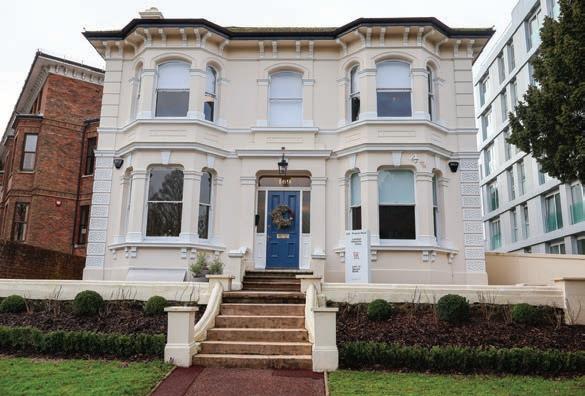
After a short search, we discovered a beautiful Victorian house on Preston Road, overlooking Preston Park. From the moment we walked in, we could see its potential. The garden in particular captured our imagination – we pictured our LWC IVF babies and their families returning one day for a picnic in the summer sunshine. It felt like the perfect home for our new clinic.
The Victorian architecture carries the same character and elegance as our flagship Harley Street clinic, allowing us to bring that same standard of care to Brighton. With both Preston Park and Brighton train stations within walking distance, as well as direct bus routes, the location o ers excellent accessibility for our patients across Sussex.
Of course, once the contract was signed, the real work began. Renovating an older building comes with its challenges and, well, quite a few surprises. One of our greatest rewards was preserving original features, including a set of Victorian tiles discovered beneath the hallway carpet. It was a gamble to lift it, but almost all of the tiles were beautifully intact.
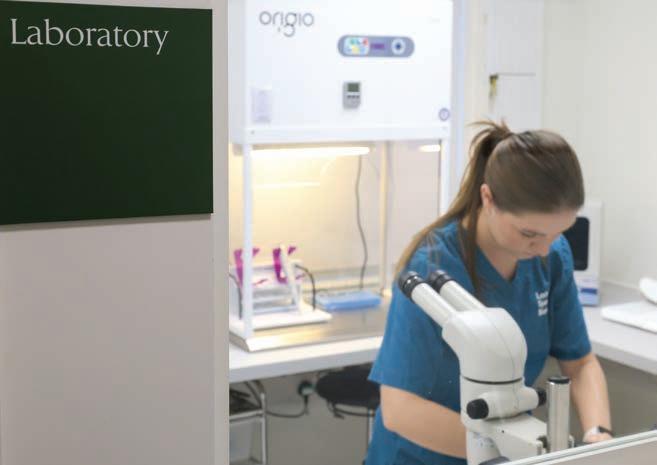
In many ways, the building feels like a metaphor for what we do. At London Women’s Clinic, we use cutting-edge
technology and modern scientific advances, yet the fundamental principles of IVF remain rooted in decades of research and expertise. This restored Victorian home – traditional at its core, thoughtfully adapted for a modern purpose – reflects that balance perfectly.
When it came to the interior design, we were mindful that this was once someone’s home. We wanted our patients to feel that same sense of comfort as soon as they step through the door. Fertility may be part of our everyday language as professionals, but for our patients it often brings understandable anxiety and significant stress. The emotional pressure of struggling to conceive, alongside the financial and social implications of treatment, can feel overwhelming.
No one embarks on fertility treatment lightly. Our aim is to make every step
of the journey as seamless, supportive and reassuring as possible. We chose warm, soft tones and calming textures to create a mindful atmosphere –somewhere that feels welcoming and safe, rather than clinical or sterile. A space grounded in heritage but designed for hope and reassurance.
On 2nd February 2026, we opened the doors to our brand-new Brighton clinic. Walking in each morning and feeling that sense of home we envisioned at the start of this project is incredibly rewarding. The challenges of renovation are now behind us, and our focus is firmly on what matters most: delivering Harley Streetlevel expertise with a truly local presence. We are proud to bring this level of care to Brighton and Sussex. Our ambition is not only to provide outstanding clinical outcomes, but to become a valued part of the community – listening, adapting and ensuring our service works for the people we support.
londonwomensclinic.com
JUST FOR YOU
PFEIFFER DESIGN
Pfeiffer Design offers truly bespoke design solutions tailored to your vision and space. With award-winning expertise in residential and commercial interiors across London and the South East, their team manages everything from initial concept through technical planning to final installation, crafting personalised, functional and beautiful environments that exceed expectations. pfeifferdesign.co.uk
BESPOKE STORAGE THE VAWDREY HOUSE BIID AWARDS BATHROOM TECH KITCHEN DINING inside this section
p46 p50 p54 p62 p68
BESPOKE
Jenna Forsdyke, Senior Interior Designer at Sussex-based Pfeiffer Design, writes about the ability to maximise on space
BEAUTIFUL
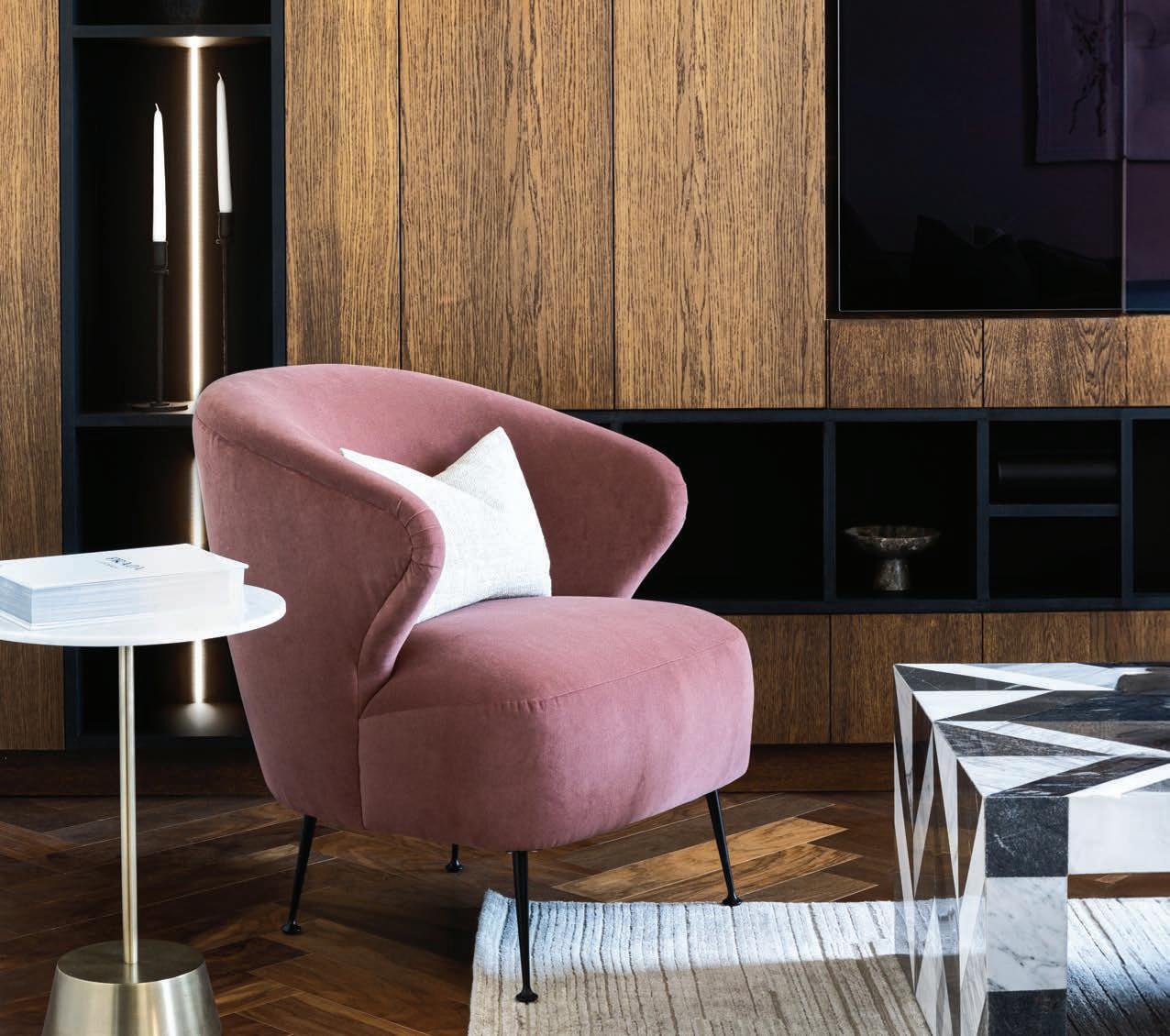
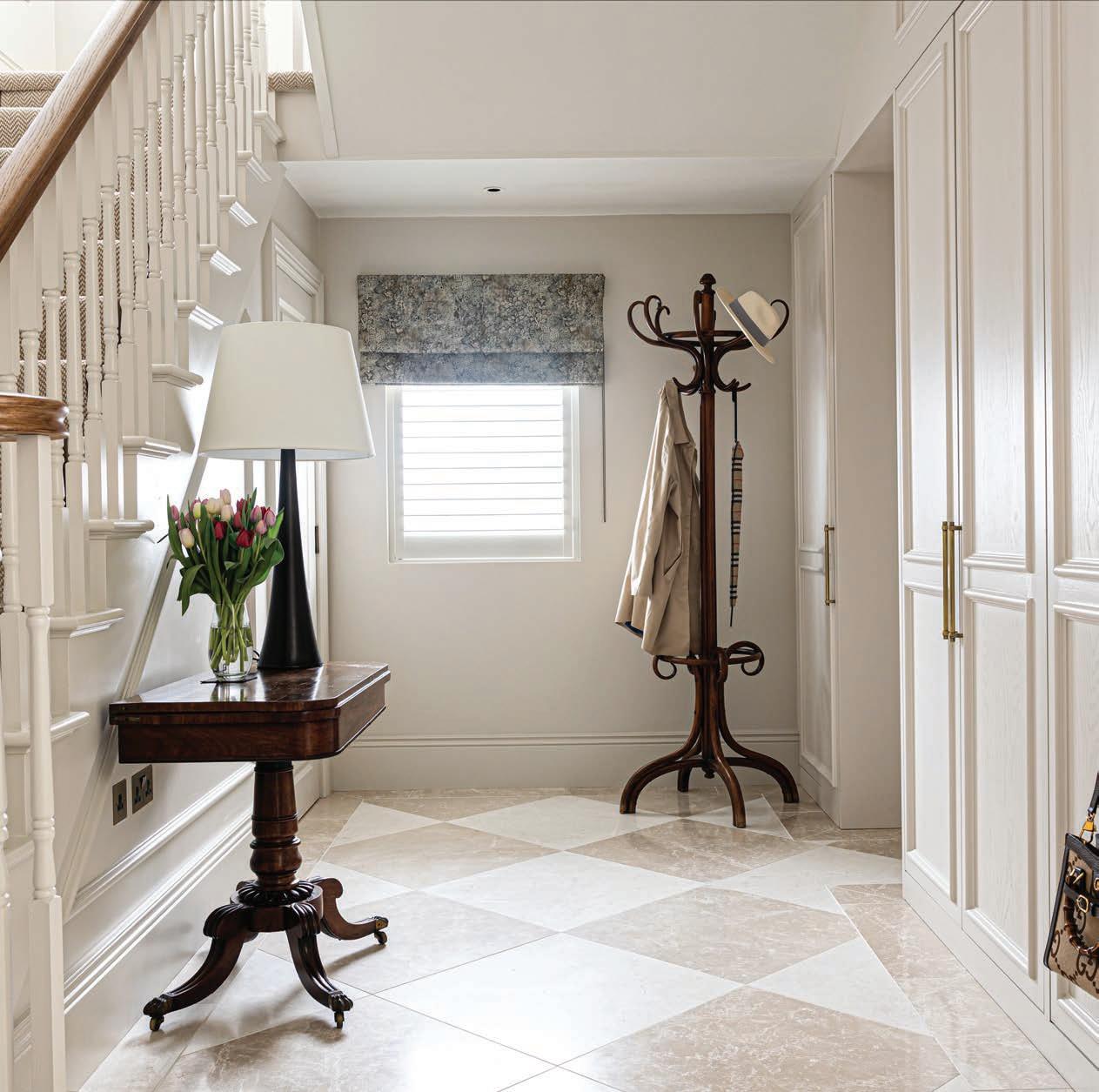
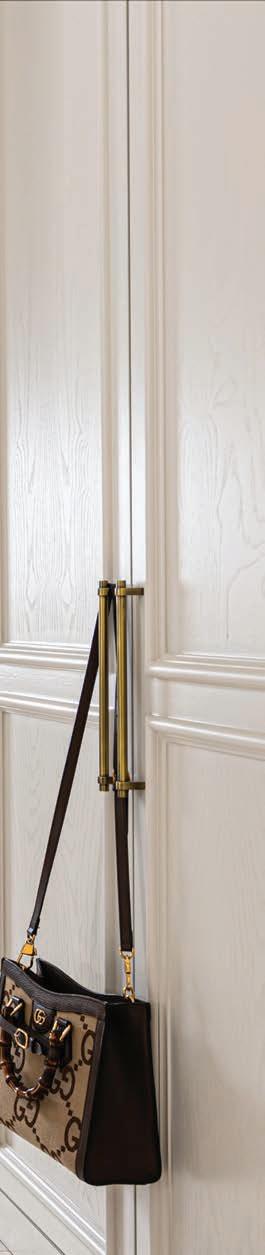
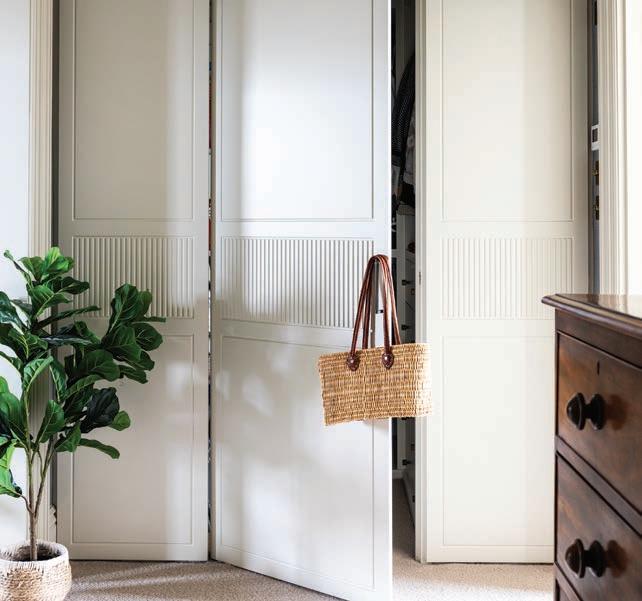
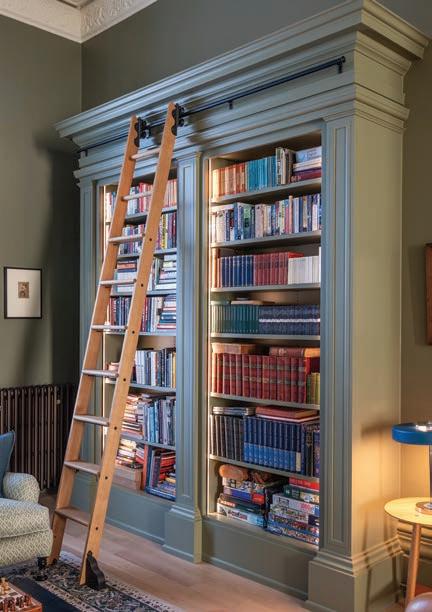
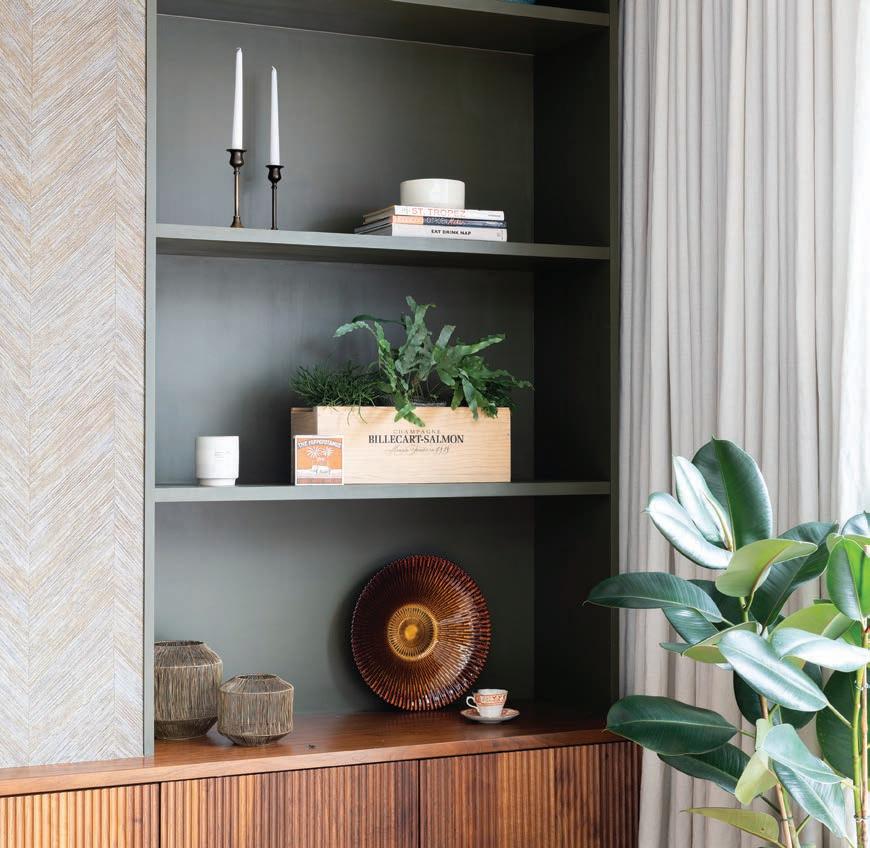
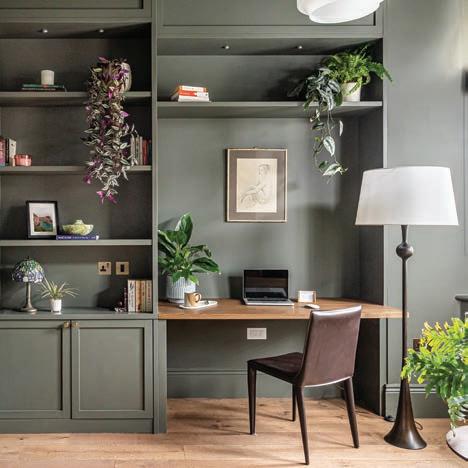
Bespoke storage is the most effective way to ensure every centimetre of a home is utilised with purpose. Unlike ready-made furniture, tailored joinery responds precisely to the architecture of the space, allowing potentially redundant areas like awkward corners, alcoves and tall spaces to become highly functional. It transforms every part of unused space in your home into beautifully considered and functional zones that are practical and elegant.
Homes with bespoke solutions feel larger and lighter because each element is carefully proportioned to its surroundings, avoiding the awkward gaps and visual clutter that often accompany off-the-shelf pieces. Even the most challenging layouts, such as sloping ceilings or irregular walls, can be transformed into
functional, attractive storage spaces. Bespoke joinery encourages a considered approach to organisation, elevating the everyday by giving every item a logical and stylish place. This precision transforms how a space is used and experienced, allowing homeowners to enjoy both comfort and efficiency. Ultimately, well-designed bespoke storage is a subtle yet powerful way of combining practicality with a sense of calm, order and elegance in your home.
AN EFFORTLESS AESTHETIC
Custom joinery offers a level of cohesion that cannot be achieved with ready-made furniture. When designed to complement the home’s architecture, it creates a seamless visual flow that is both refined and transcends trends – allowing it to fit thoughtfully into any design scheme. Bespoke pieces blend into the architecture so naturally that they feel as though they have always belonged to the space. This is particularly useful to help create a calm and balanced space where mismatched or modular furniture, no matter how stylish, can interrupt this flow. Alongside this, bespoke joinery can also incorporate integrated lighting, panelling and decorative features to create a coherent aesthetic from room to room. Furthermore, the attention to detail elevates the finish from simply functional to luxurious.
MAKE A STATEMENT
Incorporating bespoke joinery into your home is a great way to express your identity through your design choices. Whether you select a richly
JENNA FORSDYKE
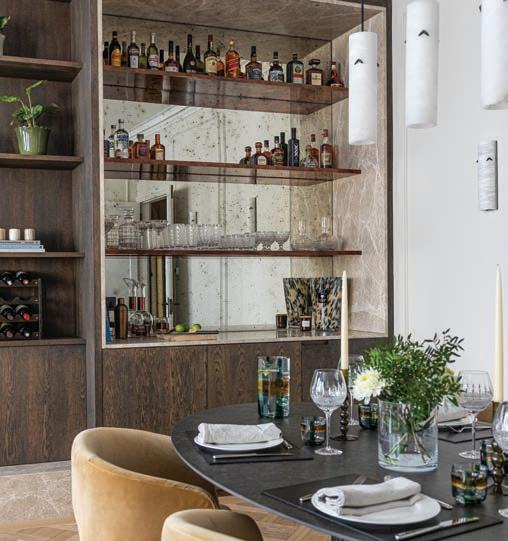
stained timber, an interesting sculptural detail, or a bold use of colour, custom storage can become a standalone feature. Storage is no longer purely functional – it becomes a backdrop for personality. Consider a dining room with a striking home bar in walnut or a study with floor-to-ceiling shelving that doubles as an art installation; these elements not only serve practical purposes, but also elevate the visual interest and character of the space. Bespoke joinery highlights craftsmanship and creativity, making even a small or hidden nook an opportunity to surprise. It allows homeowners to leave a personal mark on their environment while maintaining an overall sense of cohesion.
WORK WITH AN EXPERIENCED JOINER
If you are looking for a high level of craftsmanship, it is worth using experienced joiners to achieve that polished finish. They understand both the technical and aesthetic demands of bespoke work, ensuring precision and structural integrity that will last for decades.
Experienced joiners have an intimate knowledge of materials, finishes, and techniques, allowing them to anticipate challenges and deliver solutions that are both practical and visually beautiful. For example, a seasoned joiner can create perfectly aligned panels across uneven walls, integrate mechanisms such as soft-close drawers or hidden compartments, and maintain consistency in grain, colour and detailing. While bespoke joinery is considered an investment, the long-term benefits far outweigh
the initial cost. Pieces crafted by experts do not require replacement or modification, avoiding the potential expense and disruption of lowerquality alternatives. Additionally, the subtlety of a meticulously crafted joinery often elevates the perception of the entire home, demonstrating attention to detail and quality. Collaborating with a skilled joiner ensures that your home’s storage is not only functional and beautiful, but also a testament to lasting craftsmanship and design intelligence.
Discover more at pfeifferdesign.co.uk
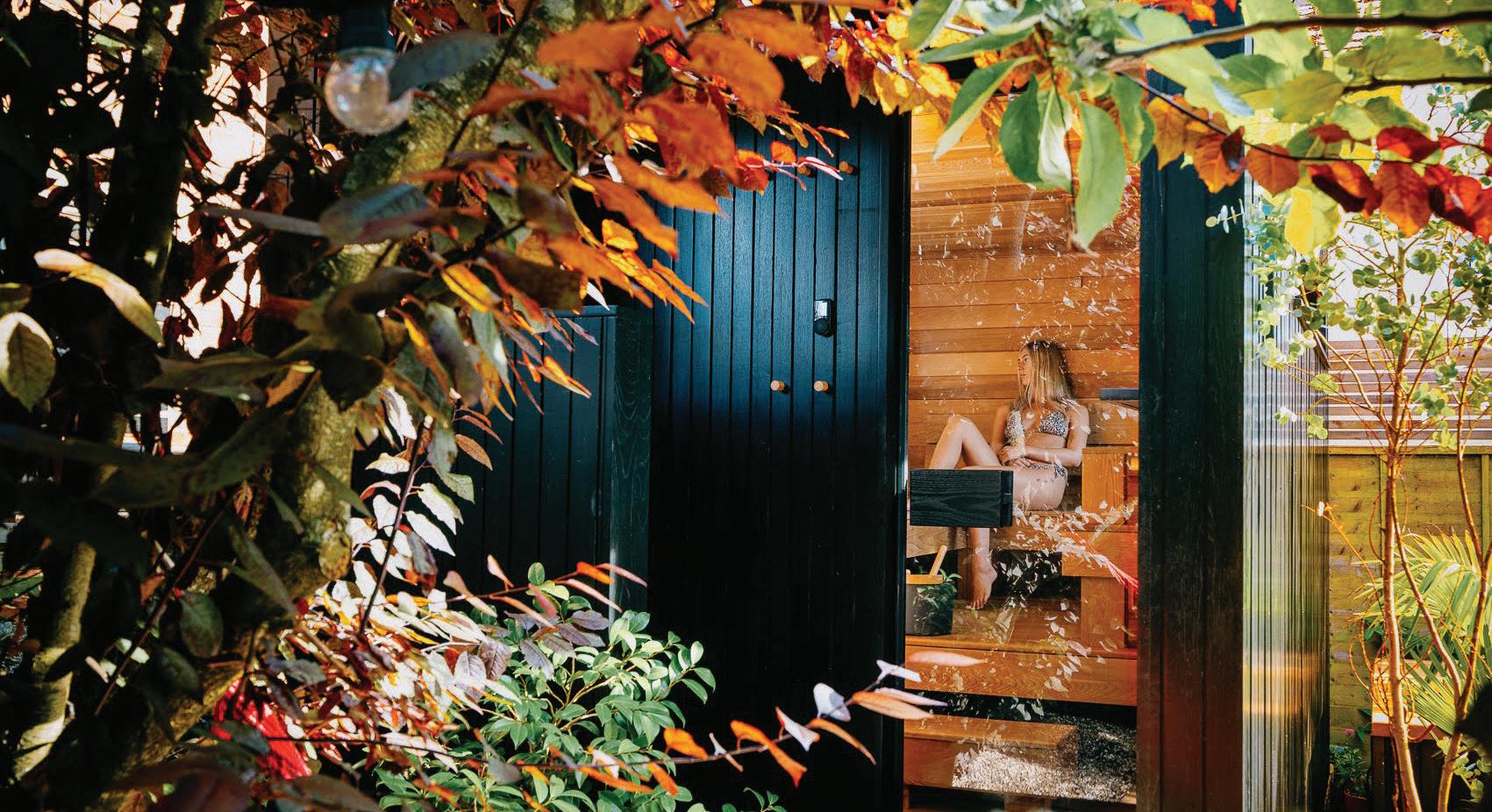
CLEVERLY COMPACT FOR THE CITY the traditional sauna experience, upgraded
LUXURIOUSLY LARGE IN THE WILD classic design, best in class, built to last
KEEPING UP appearances
How The Vawdrey House approach projects to ensure the inside and out work together in perfect harmony
PHOTO: SIOBHAN
PHOTO:
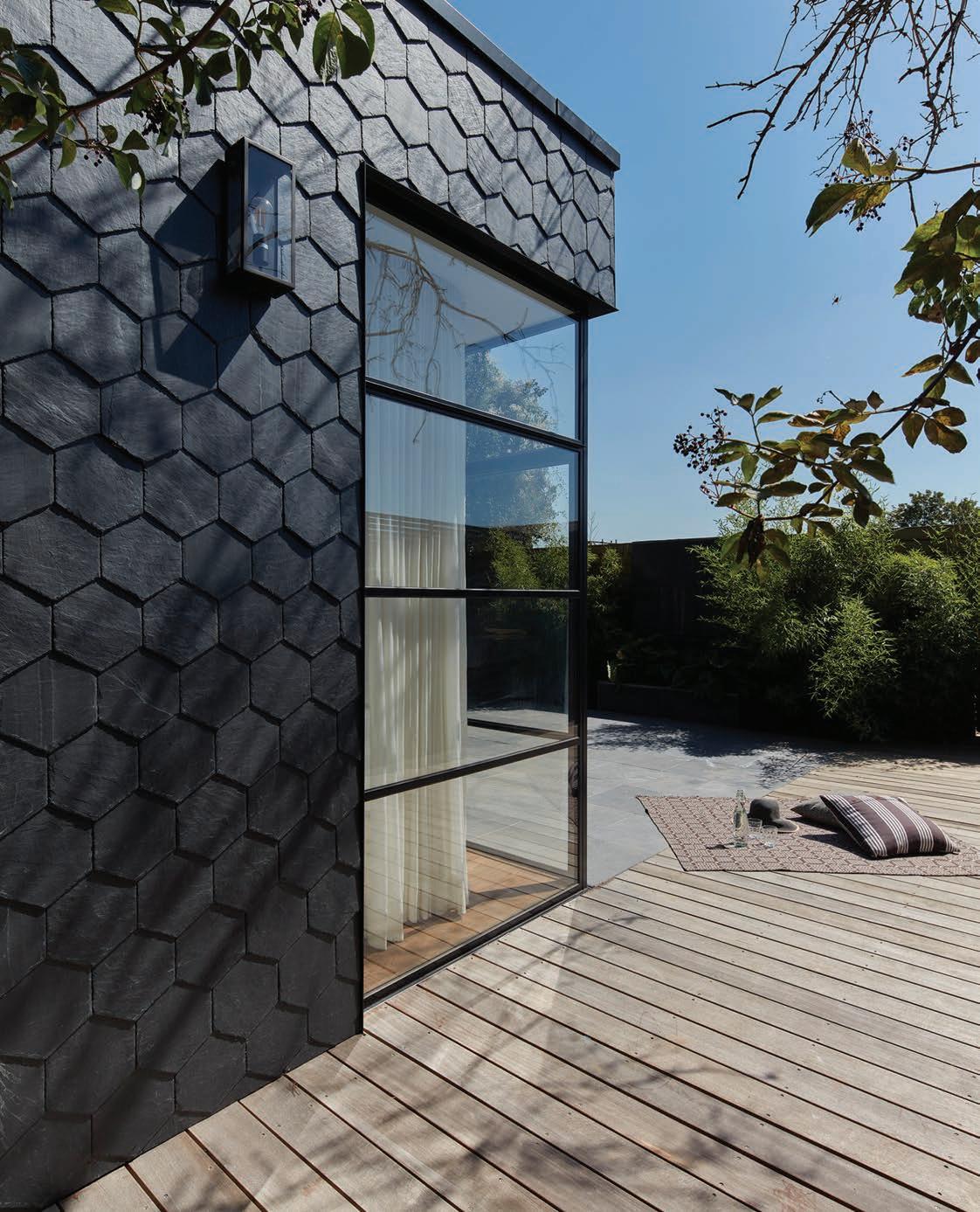
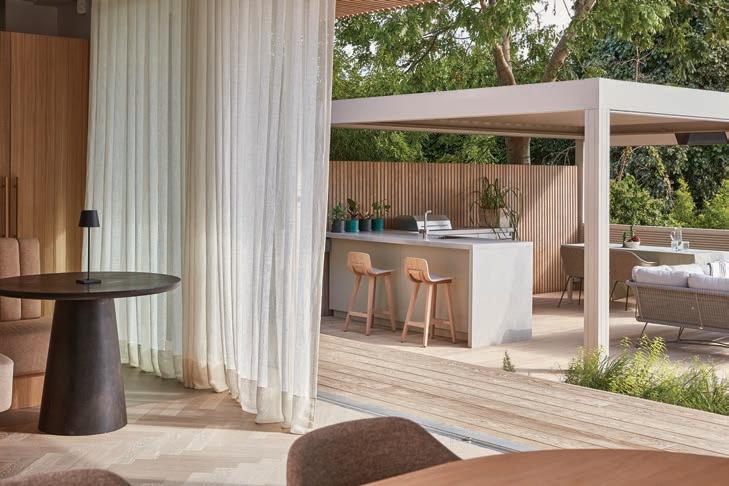
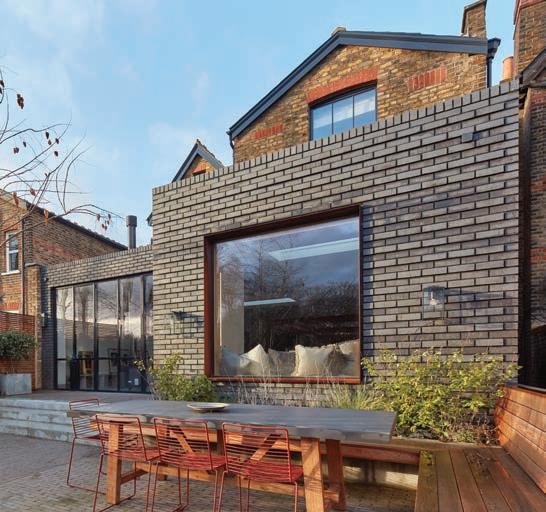
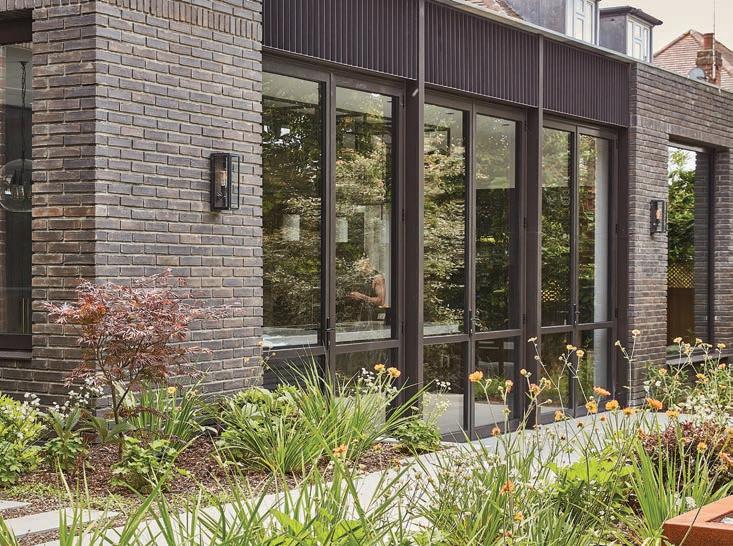
For The Vawdrey House the exterior of a home is never simply about appearance. It is about experience and how architecture, interiors and landscapes work together to shape the way a house feels to live in. Extensions and gardens are designed as part of a single, considered composition, with careful attention paid to flow, proportion and materiality.
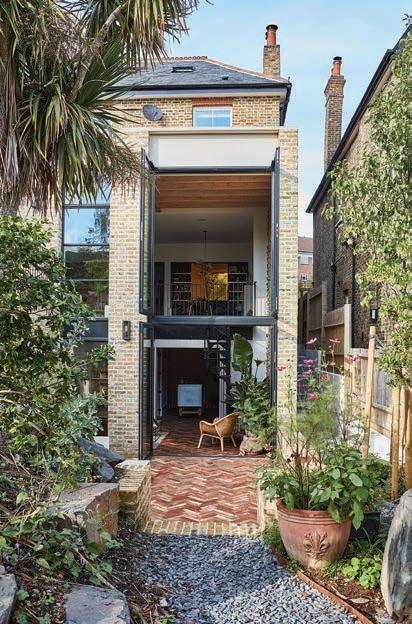
Street-facing façades are often treated with restraint, respecting local vernacular and strengthening kerb appeal, while more expressive architectural moments are revealed beyond the front door. At the rear, new extensions are used to radically improve the flow of houses, opening interiors to light, air and landscape through generous glazing, subtle level changes and carefully framed views.
Throughout every project, Sussexbased The Vawdrey House designs the exterior architecture in tandem with
the interior scheme. Details, materials and proportions are echoed across boundaries, creating continuity and calm. The result is architecture that feels intuitive and generous, extensions that transform how homes function, exteriors that sit confidently within their setting and landscapes that complete the story. Sophie Chapman, Associate and Interior Designer at The Vawdrey House, tells Absolutely more.
Q You describe the exterior of a home as an experience rather than an appearance. How do you begin designing for how a house should feel to live in?
A We always begin by understanding context and lifestyle – the setting of the house, the rhythm of the household and how our clients want to feel day to day. A home should unfold as a journey, where nothing jars, but there is always something to engage the eye and reward movement through the space. Flow and use are fundamental. Often clients haven’t questioned how they really enter or move through their home, whether the front door is ever used, how pets, children or muddy boots are managed, or where the threshold between formal and everyday life should sit. Challenging those assumptions is often where the most meaningful improvements are found.
Q How do you ensure architecture, interiors and landscape work as a single, cohesive composition rather than separate elements?
A We take a holistic view from the outset.
The brief isn’t just about rooms, but about how people live, from arriving home and parking the car, to cooking, entertaining, gardening and leaving the house in the morning. Architecture, interiors and landscape are always designed in unison; one cannot meaningfully exist without the other. It’s impossible to design an extension properly without knowing exactly how it will be used, furnished and experienced from within and how it will relate to what sits beyond it.
Q Why is it important for extensions and gardens to be designed together from the outset, and how does this affect flow and proportion?
A When architecture and landscape are treated separately, one inevitably feels like an afterthought. We see them as intrinsically linked, each decision inside has an impact outside and vice versa. Designing both together allows proportions to feel resolved, transitions to feel natural and spaces to work intuitively. We consider how rooms feel from the inside and how that experience translates into the wider environment, ensuring a sense of continuity rather than interruption.
Q At the rear of houses, extensions are used to radically improve flow. What design strategies do you use to open interiors to light, air and landscape?
A We focus on aligning internal floor levels with the garden wherever possible, carefully studying sun paths
PHOTO: SIOBHAN
DORAN PHOTOGRAPHY
PHOTO: MALCOLM MENZIES 82MM PHOTOGRAPHY
and understanding how clients prefer to interact with glazing, whether through large openings, operable windows or controlled ventilation. Rooflights are invaluable where views are limited and introducing structure such as crossing rafters adds depth and interest overhead. Privacy is equally important; creating courtyards or partially enclosed outdoor spaces often allows clients to feel sheltered and relaxed, rather than exposed.
Q Material choice is central to the dialogue between old and new. How do you approach combining traditional materials with modern construction?
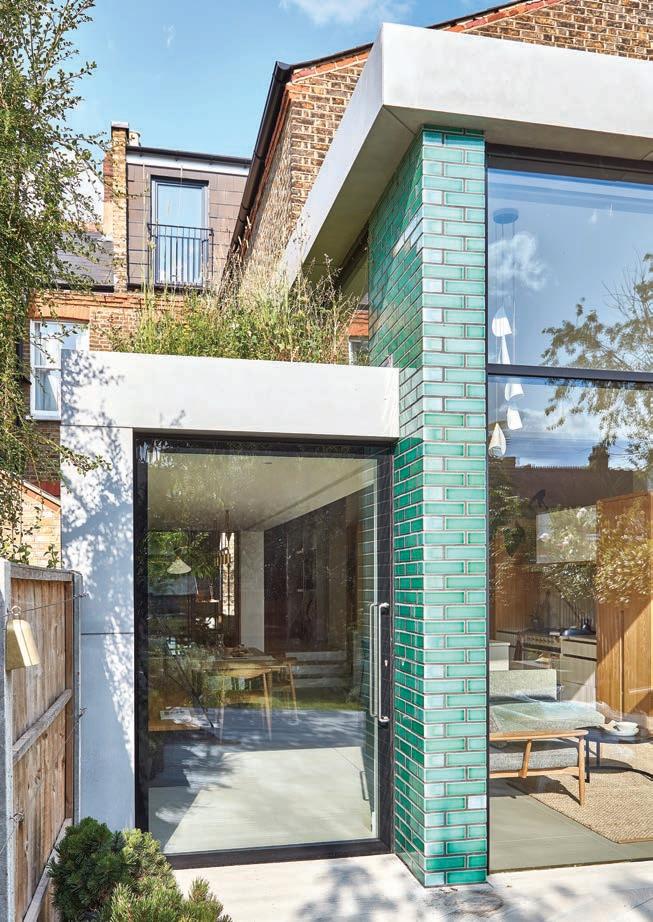
A Traditional materials carry a sense of craft, memory and permanence, they age beautifully and bring tactile weight to a building. Contemporary
construction, meanwhile, allows for openness, long spans and expressive structural moments. We enjoy pairing the two, allowing modern interventions to age quietly alongside older materials through the use of neutral finishes, durable metals and untreated timber. Over time, the relationship between old and new becomes richer rather than more pronounced.
Q You often soften darker materials through planting brought right up to the building. What does this integration of landscape and architecture achieve?
A Planting is a powerful counterpoint to hard materials. Greenery reflects into interiors and across façades, subtly changing how colours and textures are perceived throughout the day. Bringing planting close to the building
helps soften darker finishes, enrich views and anchor architecture within its setting. Considering how planting will sit against brick, concrete or metal is just as important as selecting the materials themselves.
Q Light and movement appear carefully choreographed in your work. How do courtyards, glazing and level changes influence daily life within the home?
A Understanding how light moves and plotting the sun path across a site is one of the first steps in our design process. Courtyards, rooflights and carefully positioned glazing draw daylight deep into the plan and create moments of pause and connection to the outdoors. Subtle level changes add interest and help define zones without relying on walls, shaping how people move through and inhabit the space throughout the day.
Q In what ways do dropped floor levels and stepped rooflines help strengthen the relationship between interior spaces and the garden?
A They allow us to accentuate views, play with perspective and create a sense of progression through the house. These shifts in level help align interior spaces more naturally with the garden, enhancing visual connections and making glazing feel more immersive rather than simply functional.
Q You describe gardens as a series of interconnected spaces rather than a single zone. How does this approach change how people use and move through outdoor areas?
A Outdoor spaces benefit from the same thinking as interiors. By creating distinct ‘rooms’ for dining, relaxing, playing, or gardening, the garden becomes more usable throughout the day and across seasons. This approach supports different activities while maintaining a clear sense of flow and cohesion.
Q By designing exterior architecture and interior schemes together, what qualities emerge that wouldn’t be possible through a more conventional, sequential process?
A A strong sense of orientation and coherence. Spaces feel intentional, calm and resolved because every decision is made with the whole in mind. Environmental strategies such as thermal performance, acoustics and daylighting are more successful and often we find that better planning can remove the need for additional space altogether. Rather than simply adding volume, it’s about making what you have work beautifully.
thevawdreyhouse.com
PHOTO: MALCOLM MENZIES
Doyens of design
The best in interior design will be recognised once again by BIID at their annual awards. Here’s what to expect and a behind the scenes look at the South East 2025 winner
Entries for the 2026 BIID Interior Design Awards are now open, with an exciting new format for Residential and Commercial entries. Returning for its fifth consecutive year, the British Institute of Interior Design (BIID) has announced that for the first time entrants will have the opportunity to submit to a dedicated residential or commercial subcategory within their regional project category.
BIID President Liz Bell says: “We are delighted to announce the introduction of a new residential and commercial focus for this year. The addition of these subcategories will enable projects to be evaluated according to their specific specialisms and will acknowledge the wide range of creativity present across various regions. This initiative underscores our ongoing commitment to representing diverse perspectives within our industry and uniting interior designers from all disciplines.”
The BIID Interior Design Awards is open to all UK based interior designers and interior architects and, for the first year, the awards is also open to BIID international members. The International Award category will also return to honour exceptional projects completed outside the UK, celebrating the very best in design and the exceptional scope of commercial and residential projects around the world.
This year’s entry process requires interior designers and architectural studios to submit projects according to the residential or commercial subcategory, as well as the location of the project itself. Winners will be awarded across subcategories within eight regional categories, including the South East.
Each shortlisted UK-based regional project will be evaluated in person by a BIID registered interior designer expert site assessor, whose insights and feedback will be presented to the BIID Judging Panel. International projects will be assessed via video. The panel will then assess each project against this year’s criteria, which
includes successfully fulfilling the design brief, offering creative design solutions, demonstrating sustainability and highlighting technical expertise.
Alongside the regional awards, two highly respected special prizes will be presented for best overall interior and achievements in sustainability. Chosen from amongst the winning regional projects, the Interior of the Year Prize will be awarded to the best overall interior design project. For the best achievement in sustainable interior design, the Anna Whitehead Prize will be awarded, commemorating the late BIID member and sustainability advocate, interior designer, Anna Whitehead.
The 2026 winners will be announced at the BIID Interior Design Awards ceremony, taking place for the first time as a spectacular evening event, on Thursday 15th October 2026 at the beautiful Drapers’ Hall, London. Set against the impressive backdrop of the venue’s interiors, the awards continue to unite the design community yearly, championing creativity, innovation and excellence together for a formal evening of celebration.
The South East winner in 2025 was Studio 9 Design, for a private residence in West Sussex. Studio 9 Design worked with the clients to sensitively reimagine this mansion as a warm and contemporary family home. The judges praised the ‘sensitive and thoughtful design approach’ and how ‘the use of natural, earthy colours and careful interventions were highlighted as enhancing the property’s historic character while improving functionality and reducing environmental impact. Overall, the project was considered award-worthy for successfully balancing restoration with contemporary living needs, demonstrating a clear respect for both the building and its natural surroundings’. Here, Studio 9 Design offers a little insight into the project.
Q What was the client’s brief for this project?
A The client sought to transform Poynings Mansion into a comfortable, contemporary family home that didn’t feel like a mansion. A key challenge was addressing the disconnect between the original house and the darker, less cohesive rear areas, which lacked flow and natural light. The design aimed to soften proportions, introduce a calm, neutral palette, and prioritise comfort over formality, and enhancing
fl
ow, particularly between the kitchen, dining area, and garden which led to the addition of an orangery.
Q How does the design solution you came up with meet the needs of the users of the space?
A The design brings clarity and intention to every space, eliminating functional overlap and ensuring each area serves a distinct purpose. Living spaces are thoughtfully arranged to support both daily family life and entertaining, with a layout that fosters social connection while preserving privacy. The new orangery creates a seamless link between the house and garden, enriching the indoor-outdoor experience. Circulation has been completely reimagined, allowing for smooth transitions between public and private zones. This reconfiguration has strengthened family connections and transformed formal areas into inviting, practical spaces that reflect and support the family’s lifestyle and evolving needs.
Q What do you consider the most successful creative, innovative or problem-
solving design solution you delivered on this project?
A One of the most impactful design moves was rethinking the home’s interior architecture to create a cohesive, functional, and uplifting living environment. Over time, disjointed extensions left the layout fragmented and lacking coherence. We took a holistic approach, improving flow, proportions, and natural light. By reimagining the building’s shell, we enhanced ceiling heights, light quality, and circulation. A key transformation was turning a former corridor into a functional, light-filled office with glazed doors. We also encouraged the use of colour in the bathrooms, guest rooms, and cinema room, creating a journey where each space tells its own story.
Q What was the biggest challenge you faced in the design or implementation of your design?
A One of the biggest challenges was managing the scale and complexity of a project where we led both the architecture and interior design. Architecturally, we coordinated every detail, from planning to
We have created a journey where each space tells its own story
structure, ensuring contractors had clear, issued drawings to proceed. With many trades on site, logistics were demanding and we remained fully accountable. On the interiors side, the challenge was maintaining a consistent design language across joinery, furniture, and accessories. The goal was to create a home with emotional depth, not a show apartment, using antiques, bespoke pieces, and personal details. Building trust with the client over three years was essential.
Entries are now open to BIID members and non-members, closing on Wednesday 16th April. For more information about the BIID Interior Design Awards, visit biid.org.uk/awards
By PENDLE HARTE
SLEEP
MATTERS
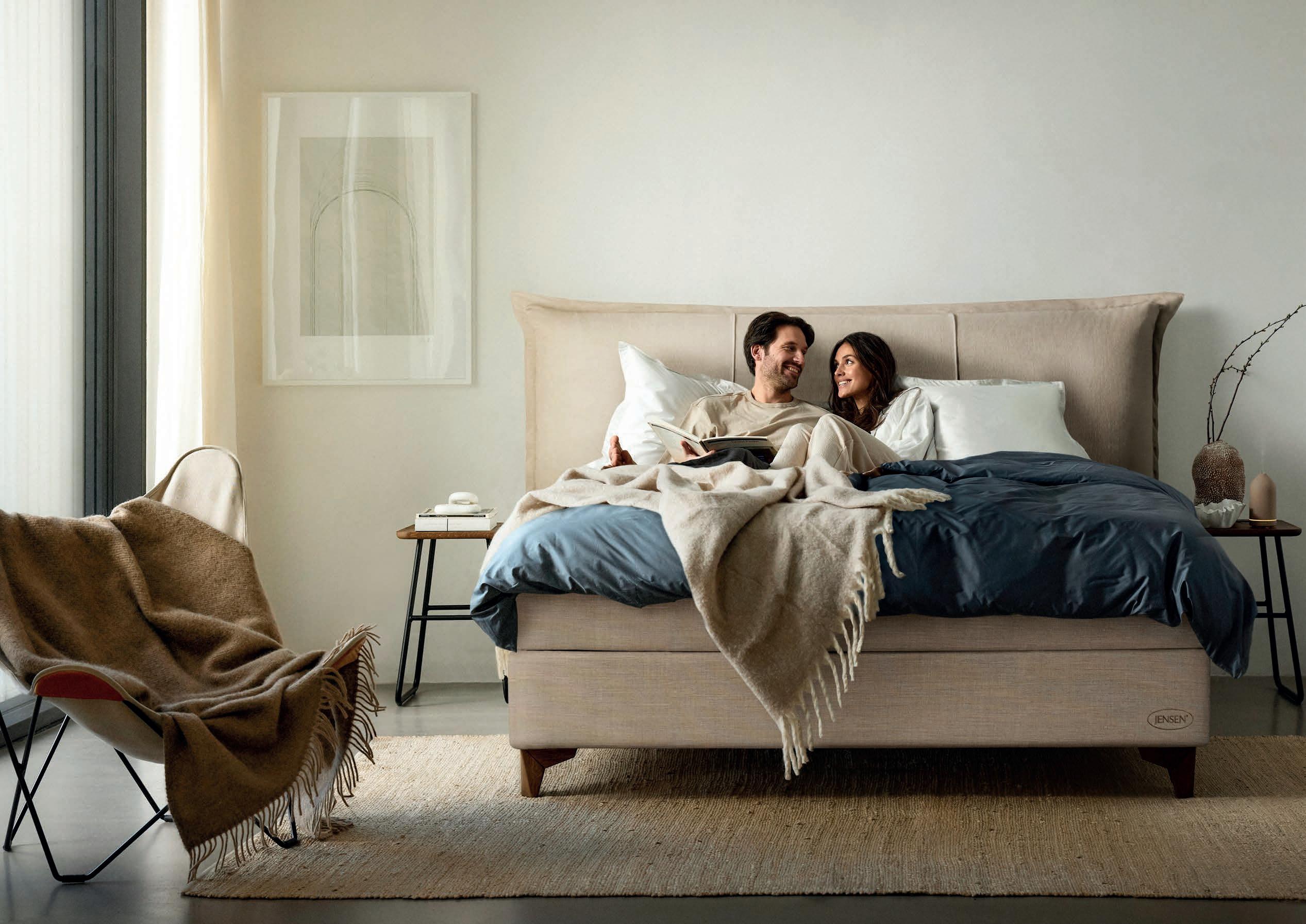
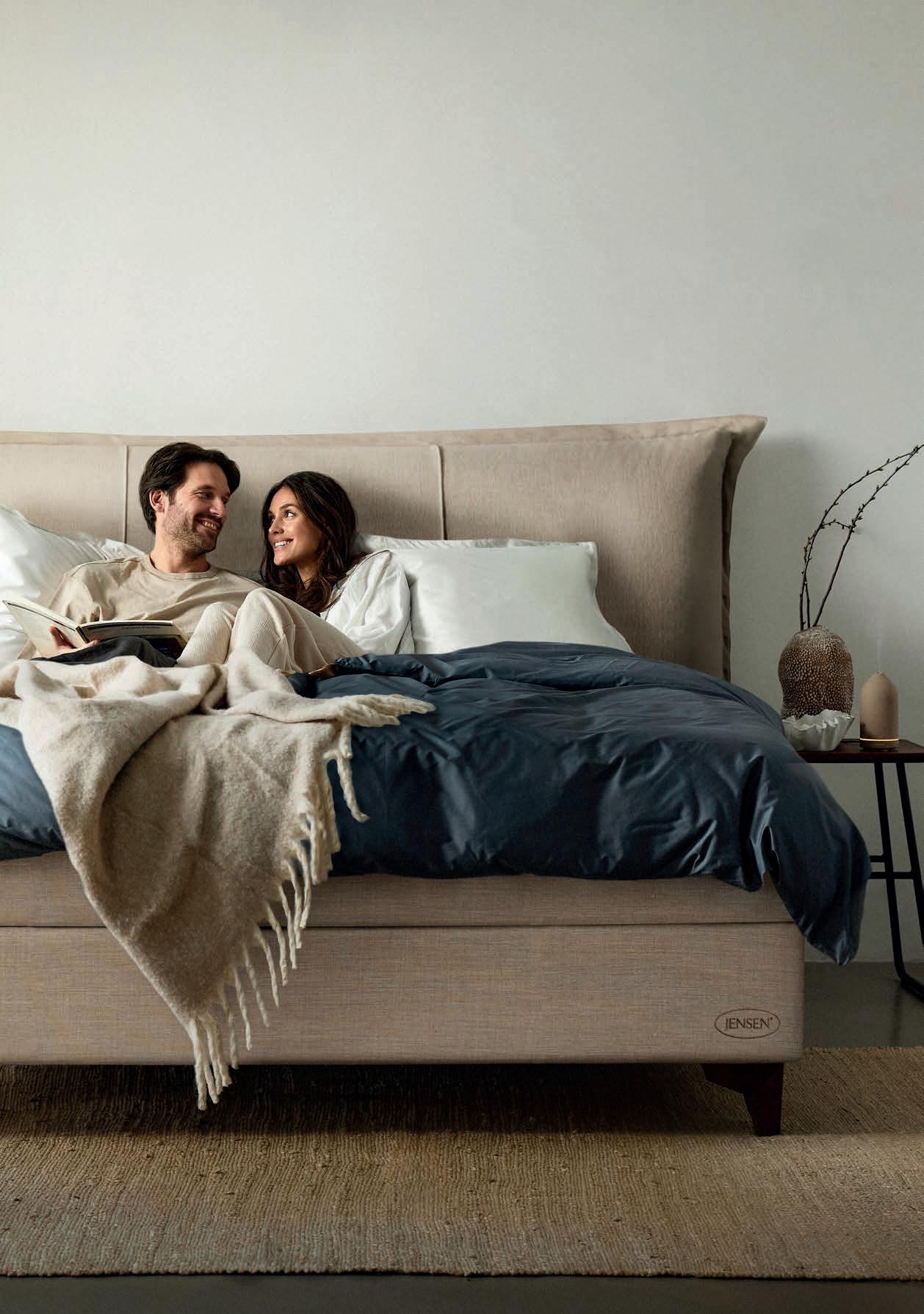
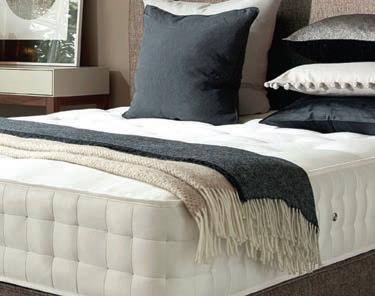
Jensen Beds on the importance of a good night’s rest –throughout life
Sleep is not a pause from life – it is a vital process during which the body repairs itself
No matter who you are, sleep plays a crucial role in your health. Our needs change throughout life, but one thing remains constant: quality sleep is the foundation for development, performance, recovery and overall quality of life. In fact, we spend around one third of our lives in bed. That means a 75-year-old has spent roughly 25 years asleep. Sleep is not a pause from life – it is an active and vital process during which the body repairs itself, the brain processes impressions, and energy is restored.
In connection with World Sleep Day 2026, the global theme “Sleep Well, Live Better” highlights how essential quality sleep is for both physical and mental health. Initiated by the World Sleep Society, the day serves as a reminder that sleep is not a luxury – it is a biological necessity.
CHILDHOOD
THE FOUNDATION IS LAID EARLY
Sleep plays a decisive role in a child’s development from the very first day. The brain grows rapidly, and during deep sleep growth hormones are released that are essential for both physical and cognitive development. Children who get enough sleep have better concentration, find it easier to regulate emotions and have stronger conditions for learning. Good routines start early. Putting away digital devices well before bedtime and reading a book together instead can help establish healthy sleep habits that last a lifetime.
ADOLESCENCE
A VULNERABLE PHASE
The teenage years bring major physical and mental changes. The body clock naturally shifts, and many adolescents become more evening-oriented. At the same time,
demands from school and social life increase. Lack of sleep during this period can reduce cognitive performance, impair learning and increase the risk of mental health challenges. In fact, sleep deprivation affects reaction time almost as much as alcohol. After around 18 hours without sleep, reaction time can resemble that of someone over the drink-drive limit.
ADULTHOOD
WHEN BALANCE IS CHALLENGED
As work, family and responsibilities fill everyday life, sleep is often the first thing to be sacrificed. Yet this is precisely when the body needs recovery the most. Too little sleep over time can increase stress levels, reduce productivity and raise the risk of lifestyle-related illnesses such as obesity, diabetes and cardiovascular disease. At the same time, research shows that people who sleep well make better decisions, have stronger concentration and experience a higher quality of life.
LATER LIFE
SLEEP CHANGES
As we grow older, our sleep patterns change. Many people experience lighter sleep and more frequent awakenings. Nevertheless, the need for good sleep remains just as important. Quality sleep supports memory and cognitive function, strengthens the immune system and contributes to emotional balance. Investing in good sleep is an investment in quality of life – even in later years.
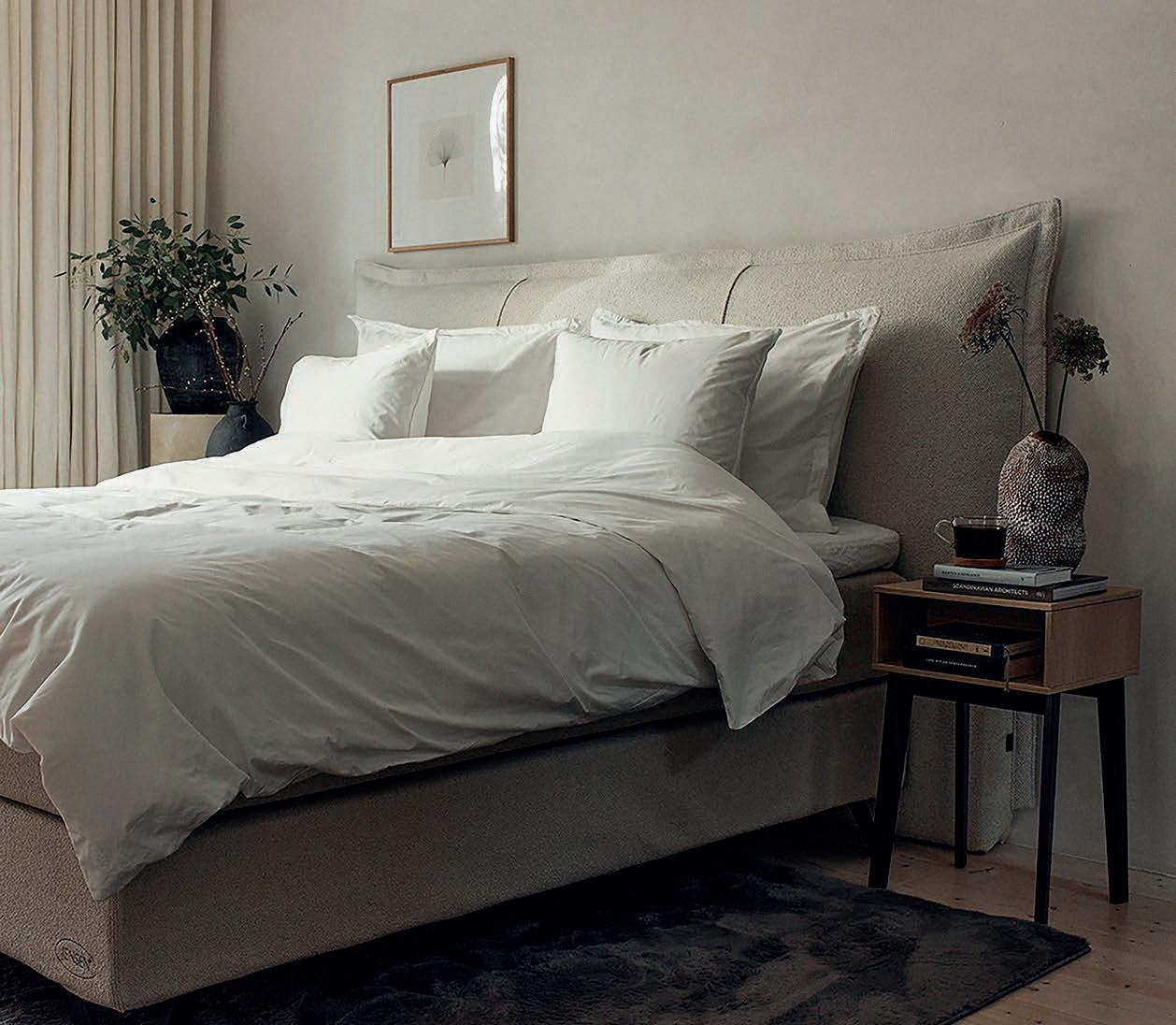
THE RIGHT BED, BETTER SLEEP
For many, good sleep has become a symbol of control. We measure sleep scores, optimise routines and adjust lighting, temperature and screen habits. Yet many overlook the most fundamental factor.
When we sleep, the body is meant to recover. Muscles relax, the spine should rest in a natural position, and pressure points must be relieved. If the bed does not provide proper support, the body may work throughout the night instead of recovering. Body temperature also drops as we fall asleep, and materials that breathe and regulate heat can make a greater difference than many realise.
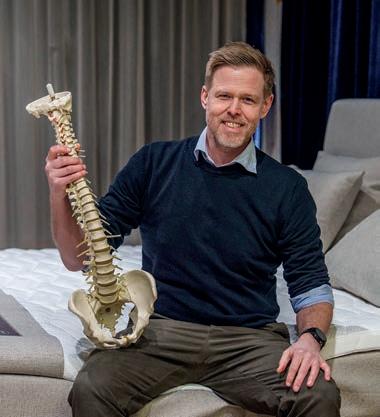
Naprapath Truls Hotvedt at Jensen explains that the bed and mattress you sleep on largely determine the position your body chooses – and therefore how well you are set up for a good night’s sleep. “If you change position constantly throughout the night, it may be a sign that the pillow, bed or mattress is not providing the right support.”
When the body cannot fully relax, it cannot recover properly. Over time, this can lead to stiffness, pain and reduced sleep quality – and ultimately less energy in everyday life.
NORWEGIAN-MADE JENSEN BEDS
For nearly 80 years, Jensen has had one clear goal: to develop beds that provide
optimal support and create the best possible conditions for a truly restorative night’s sleep.
Proudly designed and manufactured in Norway, every Jensen bed reflects decades of craftsmanship, innovation and expertise in sleep comfort. From the internal spring systems to the finest finishing details, each component is carefully engineered to deliver lasting quality and personalised support – night after night.
JENSEN BEDS CHELSEA HARBOUR
Visit the official Jensen Beds showroom located in Chelsea Harbour Design Centre on Lots Road in London. Here you can see a wide range of Norwegian-made Jensen beds, try different models for comfort and support, and get professional advice on choosing the right bed for your sleep needs.
This is the main physical Jensen presence in the UK and a great place to experience first-hand how their beds are designed to improve your sleep.
Discover more at jensen-beds.com/uk
Today’s highend mod-cons
don’t merely improve function, they
choreograph comfort
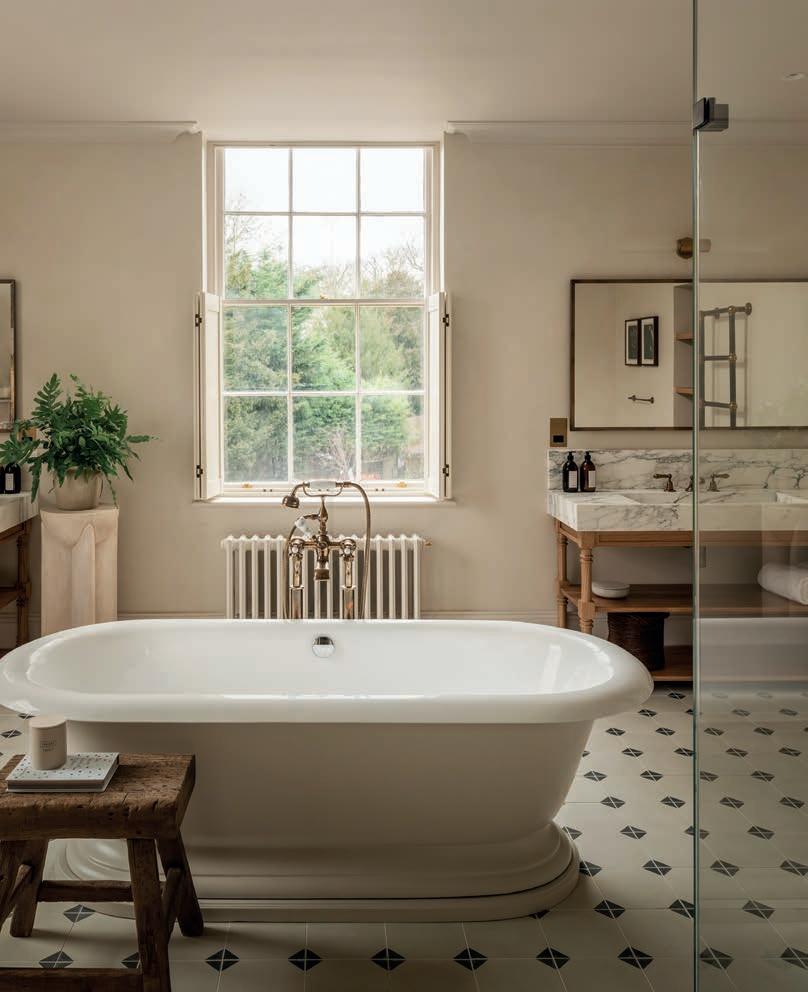
BSoak
Exploring how advancements in technology has made the bathroom a truly luxurious escape IT IN
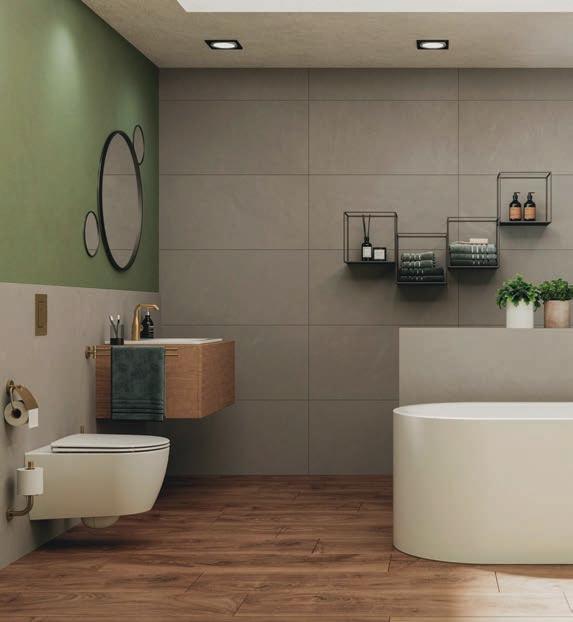
athrooms have always been quietly technological spaces, even when they didn’t look it. Long before “smart” anything, the room where we wash and flush was shaped by engineering, materials science, and public health. What’s changed over the years isn’t just the kit we can buy, but what we expect a bathroom to do: from basic sanitation, to comfort, to wellness, to something bordering on a private spa. The Victorian era (and its equivalents elsewhere) turned sanitation into a domestic norm. The toilet evolved from an oddity to a standard fixture, and the trap became a crucial piece of everyday engineering: a simple water seal that blocks sewer gases. Indoor bathrooms spread slowly at first –
because they required infrastructure, cost, and often a cultural shift – but by the early 20th century they were a clear marker of modern living.
Mid-century bathrooms then benefited from mass production and new materials. Ceramic tiles became cheaper and more varied, making bathrooms easier to clean and more visually consistent. Hot water systems also improved: better boilers, more stable temperatures, and the growing availability of showers meant daily washing became faster. Bathrooms started to reflect convenience.
From the 1970s onwards, comfort and efficiency began to matter more. Thermostatic mixing valves reduced the risk of scalding by keeping shower temperatures steady. Ventilation fans became common, tackling condensation and mould. Accessibility standards also influenced design: safer surfaces, grab rails, and layouts that accommodated different bodies and needs. By the 1990s and 2000s, the bathroom had become a place where design and engineering met –minimalist fixtures, concealed cisterns, and frameless glass showers weren’t just style choices, but products of better manufacturing and installation techniques.
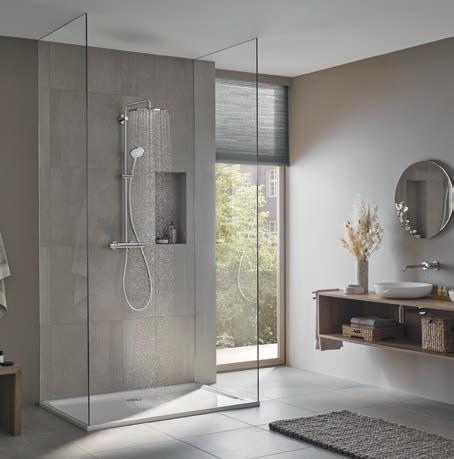
Today’s high-end “mod-cons” don’t merely improve function; they choreograph comfort, reduce friction, and blur the line between bathroom and wellness studio. The headline act in many luxury spaces is the advanced shower system. Digital and app-controlled showers let you set exact temperatures, flow rates, and even profiles for different people in the household. You can preheat the shower, pause it without losing your settings, or create routines –“morning energise” might mean a hotter start followed by a cooler finish. Rainfall heads, body jets, and hand showers can be combined with precision valves so the experience feels consistent rather than fiddly.
Baths have also become more than big tubs. Luxury models integrate air-jet or whirlpool systems with quieter pumps, improved filtration, and ergonomic shaping that actually supports the body. Some even include chromotherapy – coloured lighting designed to change the mood – and built-in speakers for a fully immersive soak.
Toilets in top-end bathrooms are where the most dramatic leap has happened. In many luxury homes (and especially in Japan-inspired designs), the “smart toilet”
or integrated bidet is now a centrepiece: heated seats, warm-water washing with adjustable pressure and position, air drying, automatic lids, deodorising filters, and self-cleaning nozzles.
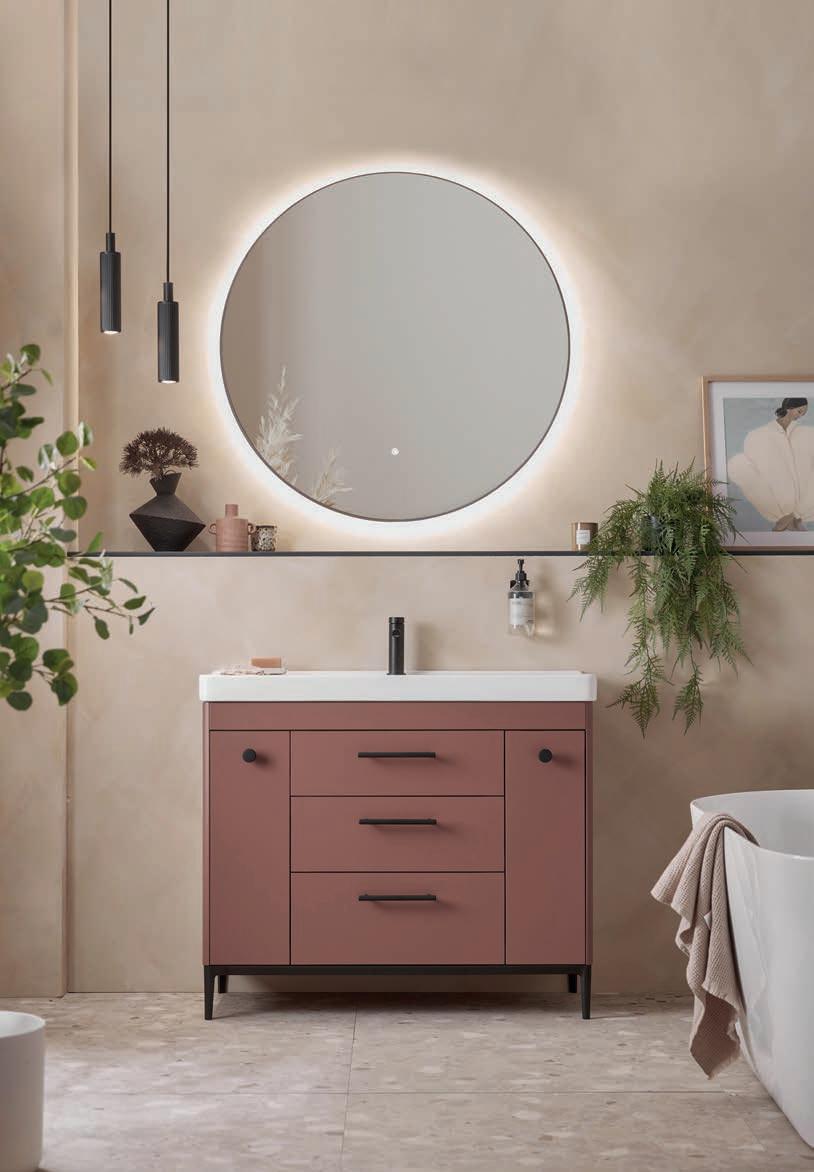
Then there’s the sink area, which has become a small control centre. Touchless taps are now common in luxury settings, not just for hygiene but for sleekness and reduced cleaning. Temperature memory and precise flow control make daily routines smoother. Under-sink water filtration systems can provide cleaner water for brushing teeth or skincare routines. Mirrors have quietly become one of the most “techy” fixtures. Demisting pads keep them clear after a hot shower. Integrated LED lighting provides even illumination for shaving or makeup, with adjustable brightness and colour temperature so you can match daylight, evening light, or a softer spa ambience. In more futuristic setups, smart mirrors can display time, weather, calendars, or music controls.
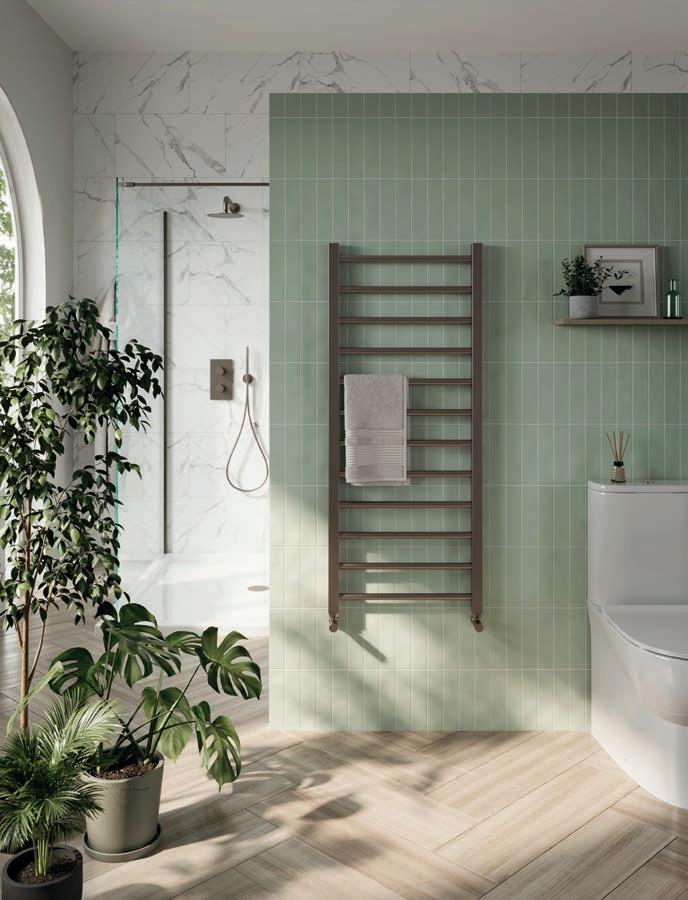
Heating and comfort tech has also levelled up. Underfloor heating is a modern classic in luxury bathrooms, offering gentle, even warmth and quicker drying. Heated towel rails have become smarter too, with timers and thermostats that reduce energy waste. Some bathrooms add discreet, quiet space heating and humidity sensors that automatically ramp ventilation to prevent mould without blasting cold air through the room. Lighting, finally, is where luxury bathrooms often feel most theatrical. Layered lighting plans – task lighting at the mirror, ambient perimeter lighting, and low-level night lights – can be controlled via scenes. Motion sensors can bring on a dim pathway light at 2am without shocking you awake. What’s striking about all this is that bathroom technology has evolved from infrastructure to intimacy. The early breakthroughs were about survival and public health; today’s innovations are about ease, comfort, and the quiet pleasure of a room that anticipates what you want.
Illuminatingimpact
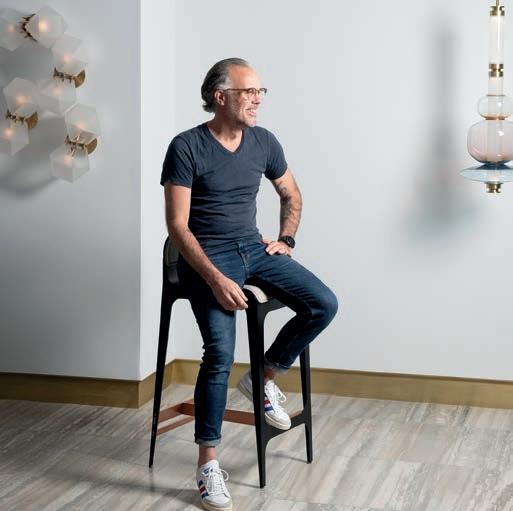
Statement lighting is being used to transform design in our homes, as the founder of Gabriel Scott, Scott Richler, writes
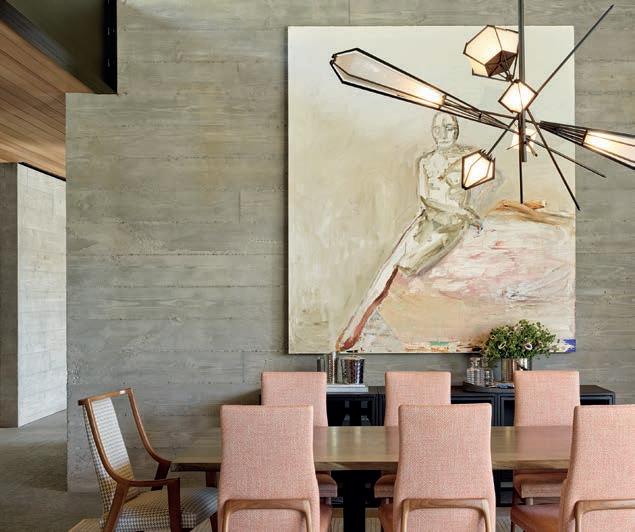
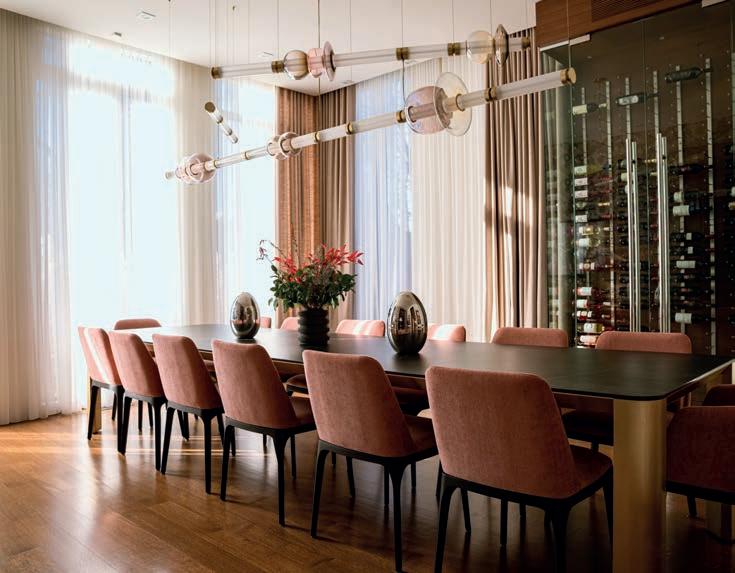
Homes are increasingly treated as long-term sanctuaries rather than trend-led showcases, and that shift naturally elevates lighting to a more central role. Statement ceiling lights bring clarity and confidence to a space; lighting defines a room instantly, rather than quietly receding into the background. There’s also a renewed appetite for craftsmanship and architectural presence; people want to see how something is made and to feel its material weight. The ‘big light’ answers that desire by offering both function and identity, acting as an anchor that brings cohesion to the entire interior.
When we design large statement fixtures, scale is always our starting point. A light should respond to the architecture around it, the volume of the room, ceiling height, sightlines and how the space is actually lived in. Quite simply, the larger the room, the more confidently a light can occupy it. That said, scale isn’t just about size; it’s about proportion and balance. We often remind clients that small rooms can look extraordinary with oversized pieces too, as long as the design has refinement and clarity. A bold light in a compact space can create tension and drama, rather than overwhelm, when it’s thoughtfully placed.
Lighting creates emotional resonance because it directly influences how we feel in a space, not just how we see it. A subtle shift from bright, task-focused light to something dimmed and warmer can instantly signal calm, comfort or intimacy. Much like changing pace at the end of the day, lighting helps us transition emotionally between moments, from focus to relaxation, from energy to rest. When lighting is layered and adjustable, it allows a home to support different moods throughout the day.
Mood plays a fundamental role in our design philosophy. We believe lighting should respond to how people actually live, not just how a room looks in photographs. Dimmable systems and thoughtful combinations of ambient, task and accent lighting give homeowners control over their environment, allowing them to tune a space to how they want to feel in that moment. Ultimately, the most successful lighting doesn’t announce itself, it quietly enhances wellbeing, making a home feel intuitive, personal and emotionally supportive.
At Gabriel Scott, materials are never an afterthought, they are central to both the
visual language and the longevity of every piece. Our approach is rooted in the belief that lighting should feel substantial, tactile and enduring, with materials chosen not just for how they look on day one, but for how they age over time. Glass is one of our defining materials. Many of our collections use hand-blown or double-blown glass, which gives each piece a subtle individuality. The layered construction softens the light, creating a warm, atmospheric glow rather than a harsh source. This quality of light is crucial to emotional comfort, it’s what makes a sculptural fixture feel inviting and lived-in, rather than purely architectural.
Equally important are our metals. We work with finishes such as satin brass, satin bronze, satin nickel, satin copper and blackened steel, chosen for their depth and quiet refinement. These finishes are deliberately understated; they catch the light without dominating it, allowing the form and the glass to take centre stage. Over time, they develop character rather than wear, reinforcing the idea of lighting as a long-term investment rather than a seasonal purchase. Statement lighting has increasingly replaced traditional focal points because it offers both visual impact and flexibility. Feature walls, wallpapers or built-in joinery are fixed to a specific home; lighting, by contrast, is something you can take with you. That sense of portability has become incredibly important to homeowners who move more frequently or see their interiors as evolving rather than permanent.
We also see lighting being treated as a true investment. When clients fall in love with a piece, it becomes part of their personal design language. That light will move homes with them, adapting to new spaces and contexts, rather than being left behind. In that sense, statement lighting has become a modern heirloom, an object that holds meaning, delivers impact, and offers longevity in a way that many traditional focal points simply can’t.
Lighting has moved far beyond simply complementing architecture, it now actively shapes how a space is experienced. Rather than being applied at the end of a project, lighting is increasingly considered at the same moment as the architecture itself. It defines volume, guides movement and influences how we perceive scale, proportion and flow within a room.
As homes become more fluid and multifunctional, lighting is also taking on a greater role in shaping how spaces are used throughout the day. Architecture may remain fixed, but lighting allows the same room to shift in character, from energetic and open to calm and cocooning. Ultimately, the relationship has become collaborative. Architecture provides the framework, but lighting brings it to life. When designed together, lighting doesn’t just support a space – it defines its atmosphere, identity and emotional impact.
gabriel-scott.com
SCOTT RICHLER
Bespoke
Contemporary
Tailored
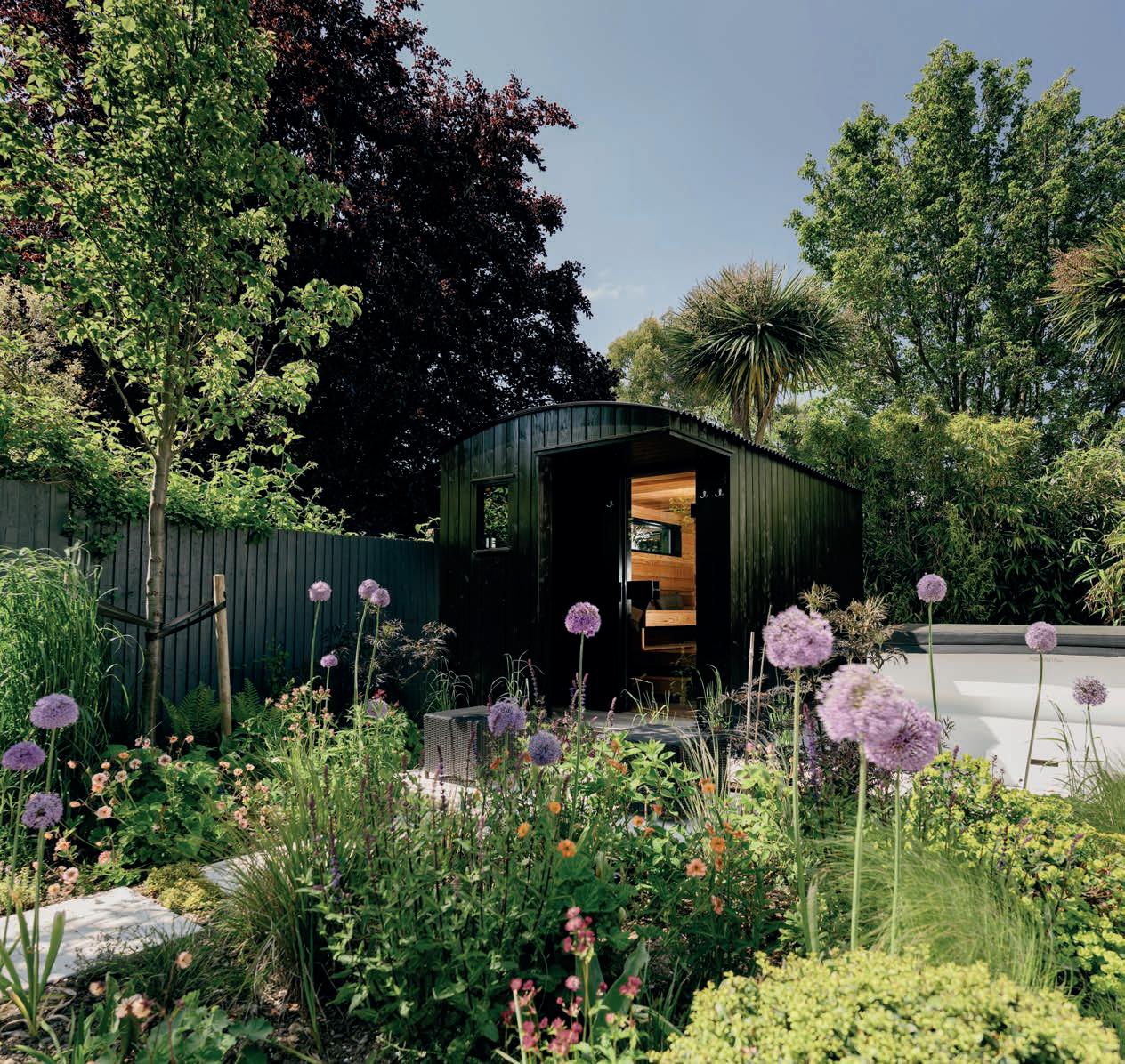
Garden inspiration
Even the smallest of gardens can be a wellbeing sanctuary
As we emerge from winter and yearn for spring sunshine, our thoughts turn to our gardens and how we can make better use of them. Landscape and garden designer
Melissa Morton is creating a feature garden for the Association of Professional Landscapers at the Harrogate Spring Show in April, featuring a small sauna from luxury sauna company Wildhut.
“I’m increasingly asked about garden saunas,” she says. “It’s a fabulous way to add value to gardens particularly in the colder, darker months, when gardens are underused. People are wanting to create places to nurture wellbeing and connect with nature, year-round. This small show garden at just 4m x 5m is centred around a small, beautifully crafted garden sauna for two – a place of warmth, ritual and quiet restoration.”
The sauna on show is Wildhut’s two-person OHK. Melissa was drawn to Wildhut for its timeless design and high-quality finish, with an outdoor shower that she felt added another dimension to the garden. It’s based on the traditional Nordic sauna, but designed and built to the highest standards using cutting-edge construction techniques.
PLANNING YOUR OWN SAUNA HAVEN AT HOME
There’s a plethora of saunas available, ranging from £4,000 for a DIY kit to over £100,000 for a premium sauna. So how do you decide what’s right for you? Founder and co-director of Wildhut, Lisa Deller, sets out the key considerations:
SET YOUR BUDGET ALONGSIDE YOUR LONG-TERM GOALS
“A sauna is an investment that can add value to your property and, in all honesty, you get what you pay for. Cheap saunas use low-cost materials that just won’t stand the test of time in our climate. We set out to create premium saunas that meet the highest standards in every aspect, from slow-grown thermotreated timber, using cross-laminated timber construction, to marine-grade fittings. We also created specialist supports for perfect installation and excellent stability, meaning you can relocate your sauna if you move.”
WILDHUT’S SAUNAS ARE ARCHITECT AND STRUCTURAL ENGINEER APPROVED
“But it’s not just about the build quality. It’s about how you feel in your sauna, so the ambience is really important. I’d recommend aromatic cedar for the best sauna experience and specialist sauna lighting to set the right mood.
“Another aspect of our saunas that our clients love is the optional shower porch, where you can hang robes and shower in private, but if space is tight, the integrated external shower on the OHK (used in Melissa’s show garden) is perfect.”
TRADITIONAL OR INFRARED?
Infrared saunas offer a cost-effective route to the home sauna, but the heat method and experience is very different to the traditional Nordic sauna, as Lisa explains:
“Infrared saunas heat the body directly through infrared rays, resulting in a more targeted heat exposure, regardless of how close you sit to the heat lamps. This leads to a less intense sweat and a different sensation on the skin.
“A traditional Nordic sauna uses an electric or wood-fired heater with sauna stones to heat the room. Traditional saunas are known for their high temperatures and humidity, created by steam when water is poured over the stones. This steam helps bathers sweat profusely, which cleanses, comforts and releases a range of health benefits, like boosting your cardiovascular health, lowering your blood pressure and improving your blood circulation.
“At Wildhut we only build authentic outdoor saunas in the traditional Nordic style, because the experience is incomparable and the health benefits long-established.”
PLANNING PRACTICALITIES
A large, purpose-built garden sauna may need planning permission, but most saunas fall within an ‘outbuilding’ category and are generally considered to be ‘permitted development’ subject to certain height restrictions.
“Groundworks for a Wildhut include a level and pre-prepared concrete surface alongside a power source, if you want an electric heater. For off grid locations, a wood-fired heater is ideal. Pipework for water too if you want a shower,” Lisa explains.
“Ventilation is vital: you need a flow of fresh air in and exhaust air out to ensure a relaxing, healthy sauna experience. Installation depends on the location. Vehicle access close to the sauna location is ideal, as our saunas are usually delivered fully assembled and lifted into position. Where access is an issue, we can deliver the sauna in modular form and assemble on site.
“In terms of timing, that very much depends on whether or not you are designing a new garden, redesigning an existing one, or simply slotting your sauna into an existing space. We work closely with garden designers and homeowners to plan the sauna installation alongside other works. I’d recommend a four-to-sixmonth lead time for planning a high-end sauna in your garden.”
SLOW DOWN, TUNE IN AND RELAX
In a fast-moving world, time in a garden sauna is hugely beneficial. Just being situated in nature will lower stress and hormone levels, reduce blood pressure and calm our nervous systems. Add a traditional outdoor sauna and the outcomes can be even more powerful: enhanced stress reduction, relaxed muscles, improved skin health and sleep, reduced risk of cardiovascular disease, depression and dementia… the scientific evidence is building.
But above all, it offers quality downtime. A place to relax, recover and connect with friends and family.
LISA DELLER
MELISSA MORTON
GRAND
reveal
The Cotswold Company’s new Chichester store is now open, so Absolutely visits to find out what we can expect
Following the opening of The Cotswold Company’s new Chichester store, we chatted to Chief Creative Officer Lisa Coppin about what customers can look forward to as the season changes and spring begins to arrive.
Q What can you tell us about The Cotswold Company’s new Chichester store, and what visitors can expect to discover?
A We are very excited to have opened a new store in Sussex, which also marks the brand’s first-ever retail park location. The space spans over 10,000 sq. ft., transforming what was previously an outlet into a fully immersive retail experience. The generous footprint has allowed us to showcase our most extensive range of interior collections, including the muchloved and bestselling shaker-style Chester range, now available in a beautiful new limestone colourway, as well as the
Inglesham Whitewash Oak collection, which highlights the natural grain of the wood, and Camille Limewash Oak, whose contemporary antique French design suits both period and modern homes.
The showroom also features our largestever selection of upholstery, supported by a fully integrated Upholstery Hub. This includes full-length fabric options, a dedicated consultation space, and a take home swatch and sample service that allows customers to see fabrics and furniture paint finishes in their own homes before committing to a purchase. Customers can explore a wide variety of upholstery styles and materials, experiencing fabrics
LISA COPPIN
and cushion fillings first-hand to create a bespoke piece with guidance from our highly trained in-store experts.
Q The Cotswold Company is renowned for crafting well-made, long-lasting furniture that truly makes a house a home. How does this commitment to quality and durability reflect your approach, and why is it such a vital part of your brand identity?
A It’s at the heart of everything we do when designing and developing our products. We are passionate about creating timeless homewares and furniture that last – pieces that stand the test of time not only in quality, supported by our 15-year structural guarantee, but also in style. We want our customers to love and cherish our products for a lifetime. Great care goes into every detail, from our furniture paint finishes and the quality of our handles, which often come with options to suit everyone and piece, to the raw materials used across all our collections.
Q Now, as we turn our focus to a new season, what should customers be considering for their homes as we move into spring? Are there any particular rooms they should be focusing on?
A Spring is the ideal time to get everything in order for the year ahead, particularly when it comes to organisation and refreshing decorative elements as the season changes. Good organisation at home is always worthwhile, and it applies to every room. That’s why we’ve curated a wide variety of practical storage solutions, from wardrobes, media units, and hallway or utility cupboards to simple baskets, shelving, and hooks. This year, we’ll be
introducing our new Berkeley Nordic Oak and Chester bathroom furniture collections, meaning The Cotswold Company will offer timeless storage options for every room in the house, including offices and nurseries.
Q The Cotswold Company is well known for its furniture collections, but what else does the brand offer for customers who may be new to it?
A You’re absolutely right – we are best known for our furniture collections. However, we also offer an award-winning mattress collection, all made in the UK, as well as a four-step upholstery service that provides customers with even more bespoke options when ordering sofas and armchairs. Last year, we introduced the option to select from two cushion fillings, allowing customers to tailor both their sofa look and feel to their individual needs and tastes.
The Chichester showroom is also the first location where customers can preview our recently launched ready-made curtain range, featuring eight carefully curated and affordable styles designed to complement a wide range of interiors. Expanding the brand’s soft furnishings offering, the collection combines timeless fabrics, considered colourways, and a variety of lengths to suit both classic and contemporary schemes. Alongside luxurious cushions and throws, the new store also showcases a wide range of decorative accessories, bed linen, lighting, mirrors, and rugs.
THE COTSWOLD COMPANY Unit 2, Portfield Retail Park, Portfield Way, Chichester, PO19 7YH cotswoldco.com
SWOON
Chorley armchair, £1,019 swooneditions.com
OAK & MORE
Ferm green fabric armchair, £629 oakandmore.co.uk
CONRAN SHOP
Tamilla armchair, £1,595 theconranshop.com
SWOON
Linton armchair, £689 swooneditions.com
DARLINGS OF CHELSEA
Notting Hill armchair, from £1,619 darlingsofchelsea.co.uk
HOT SEATS
OKA
Coleridge Areca linen armchair, £1,495 oka.com
JOHN LEWIS
Suffolk Windemer chair, £1,199 johnlewis.com
By PENDLE HARTE
SOFA.COM
Hockney armchair, £1,050 sofa.com
FERM LIVING Rico armchair, £1,835 fermliving.co.uk
Neo Electrical on why spring is the season to rethink your outdoor lighting
As the evenings stretch out and the first spring bulbs begin to poke through, most of us are already eyeing up the garden for the months ahead. It’s the time of year for jet-washing the patio and planning the borders, but at Neo Electrical, we see it as the vital window to look at what’s happening behind the scenes –specifically, your outdoor power and lighting. Winter can be brutal on external electrics. Months of relentless rain, frost and wind can take a toll and that’s why spring is the perfect time for a quick “health check”. Before you start entertaining or spending the evenings in your garden, it’s worth ensuring your fittings are up to scratch and that moisture hasn’t found its way into your junction boxes. Once the safety side is sorted, we can look at how the latest technology is completely changing the way we experience our gardens. We’re moving away from static, “one-size-fits-all” installations; 2026 is about three core pillars:
GOING GREEN
From energy efficiency and keeping running costs down to reducing our carbon footprint through the products and manufacturers we choose, there is plenty we can all do to help the planet (and your pocket). We have partnered with Hudson Lighting who are a UK based manufacturer leading the way in sustainable illumination. By prioritising high-output, low-wattage LED technology, we can achieve incredible visual results while significantly lowering your energy bills. Furthermore, Hudson’s commitment to “circular” design means their Britishmade fittings are built to be maintained and repaired rather than thrown away, reducing landfill waste and supporting a more sustainable, local supply chain.
INTEGRATED & INVISIBLE LIGHTING
The art of making the light source itself invisible has become a huge trend. Instead of bulky fixtures cluttering your flower beds, we are now embedding lighting directly into the fabric of the garden, hidden under the
lips of stone walls, recessed into decking, or tucked into the underside of pergolas. The result is a stunning “glow” that highlights your garden’s architecture without any visible hardware getting in the way.
SMART SYSTEMS
Finally, everything is becoming more connected. By prescheduling or using app control, you can dim specific zones, set “scenes” (like ‘Dinner Party’ or ‘Late Night Security’), and even automate your lights to follow the sunset.
Spring is the ideal time to review your system before the foliage gets too thick. Whether you need a safety sign-off or want to explore how smart, energy-efficient lighting could transform your home, here at Neo Electrical we’d be happy to help. Get in touch if you’d like a copy of our latest brochure to see these concepts in action.
For more, email info@neoelectrical.co.uk, call the office on 01273 956795 or visit neoelectrical.co.uk
Where true confidence takes flight
World-class education that empowers girls to thrive
We deliver outstanding academic results without the pressure. Set in stunning countryside with daily minibus services across Sussex and Kent, Mayfield School offers an extended day, flexible boarding and more than 80 extracurricular activities. Here, girls thrive intellectually and personally, leaving with unshakeable confidence to navigate an ever-changing world.
EDUCATION
LEADING THE WAY
OXFORD INTERNATIONAL COLLEGE BRIGHTON
In a time of global uncertainty, Principal Tess St Clair-Ford reflects on ambition as a core educational value at OIC Brighton. She argues that international education, cultural diversity, and engagement with complex global challenges equip students to think critically, act responsibly, and contribute meaningfully to shaping a hopeful, sustainable future. Read more on page 81.
Standing ovation
For over 35 years, Performers College has o ered students from all backgrounds the opportunity to pursue their dreams in musical theatre, acting, and dance. Absolutely visited their Brighton campus to find out more
Performers College Brighton is a specialist performing arts institution dedicated to nurturing the next generation of professional performers through exceptional, industryfocused training. As part of Performers College – a school with over 35 years’ experience and campuses across the UK – the Brighton campus combines rigorous artistic development with the vibrant cultural backdrop of one of England’s most creative cities. Brighton itself is renowned for its rich arts scene, diverse performance opportunities, and dynamic community, making it an inspiring place for emerging artists to live, learn and grow.
At the heart of Performers College Brighton is a commitment to high-quality performing arts education that prepares students for real-world careers. The
college o ers a range of courses in acting, musical theatre, dance, and performing arts, including BA (Hons) degrees such as Acting for Stage, Screen & Digital Media and Musical Theatre, all validated through BIMM University. These programmes are designed to develop technical skill, creative expression, and professional versatility – equipping students to thrive on stage, screen and beyond.
Training at Brighton includes personalised guidance from industry-active lecturers who bring first-hand professional insight into the classroom, o ering mentorship and support tailored to each student’s artistic journey. Students benefit from access to purpose-built facilities including theatre spaces, dance studios, rehearsal areas and digital media resources, ensuring they train in environments that reflect the demands of the creative industries. Beyond technical training, Performers College Brighton emphasises personal growth and career readiness. Through masterclasses, performance projects, collaborations, and entrepreneurial skillbuilding embedded within the curriculum, students gain the confidence, resilience and practical knowledge required to navigate a competitive industry.
To find out more, Absolutely visited Sarah Mullan, Head of School, to find out what makes Performers College so unique.
Q What drove the decision to create a dedicated campus in Brighton, and how does its location influence the student experience?
A Brighton (originally ICTheatre Brighton, opened in 2016, rebranded to Performers College in 2024) was chosen for its vibrant, inclusive creative culture that’s all about self-expression and activism – the city hosts the largest Pride celebration in the UK and Performers College has had its own float in the parade. The seafront location in Portslade o ers students an abundance of local theatres, event spaces and festivals, whilst being just over an hour by train from London’s West End, giving students access to both a thriving local arts scene and major national opportunities.
Q How do the purpose-built facilities at the Brighton campus di er from those at other campuses, and what
advantages does this o er for students?
A Brighton’s main campus, The Circle, is notable for having one of the few university-based motion capture suites in the UK, allowing students to translate movement into digital performance for film, video games and movement study. The campus features a 150-seat main theatre with full professional sound and lighting rig, two smaller 'black box' theatre spaces (60-capacity each), four spacious dance studios with sprung floors, mirrors and ballet barres, plus four additional rehearsal spaces and a Mac suite with 15 high-specification computers equipped with audio and visual software for creative professionals.
Q What role do industry-active lecturers play at Brighton, and could you share an example of a recent project or masterclass they've run?
A Industry-active lecturers like B Terry (who has performed in Cabaret in the West End, RENT at Hope Mill, and West Side Story at the Royal Exchange) and Lee
Payne (Lead Tap Dancer with Riverdance and founder of Bruckfeet Productions, who also tutors for London Tap Dance Intensive) bring current professional experience directly into teaching.
Q Are there any campus-specific partnerships or local industry links in Brighton that benefit students (for example venues, theatres, or regional performance networks)?
A Yes – Brighton has established partnerships with Chichester Festival Theatre, Komedia, Candoco (inclusive dance company), Cinecity Film Festival and Frantic Assembly (physical theatre company). The campus’s motion capture suite also creates unique collaboration opportunities with film and video game students on industry-standard projects. The campus’s proximity to London (just over an hour by train) also provides access to West End opportunities and London-based industry contacts.
performerscollege.co.uk
Ambition is one of our core values at OIC Brighton. I’m well aware that ambition is sometimes a dirty word, but we mean it in its rawest sense: to strive for more; to be focused on the future. Our stated aim, as a relatively young educational institution, is to be “recognised as pioneering for the ways in which we prepare our students for an uncertain world”.
The world has rarely felt so uncertain. So as a leader in education, I find myself asking: what does ambition mean, when we cannot know what the future holds? It’s not a new problem, even if global instability feels particularly acute at present. For as long as any of us can remember, questions have been asked about schools’ ability to prepare young people adequately for the world ahead.
Just in these first few weeks of the new year, we have had to face and discuss such a breadth of global issues: colleagues and students bereaved by the civil violence in Iran; the challenge of families transferring fees from unstable or increasingly closed economies; developing a research programme to test the use of AI augmentation in maths lessons; leadership
AMBITIOUS OUTLOOK
Tess St Clair-Ford, Principal of OIC Brighton , on learning opportunities in a time of global instability
decisions around use of mobile phones in the face of international pressure on schools to limit young people’s access; how to embed and develop our sustainability action plan, and respond with courage in the face of anxiety about the future of our climate. These are huge, thorny issues –and amazing opportunities for learning.
In an international context such as ours, with students representing over 30 nationalities, including those who were born and raised very close to our College in East Sussex, we have an unrivalled opportunity to foster a broad and inclusive approach, cognisant of diverse cultural contexts and perspectives. It’s something we practice in our debating competitions, some of which are online against school teams from as far afield as the Philippines and Mexico. It’s something we celebrate in assemblies, when fun trivia questions are drawn from colleagues from Greece, China, Turkey and Wales to celebrate our community’s multiculturalism.
I was chatting to a year 13 student ahead of her university interview at Imperial recently, and she described her motivation for studying her chosen course because she felt that, without full knowledge and understanding of the subject, she couldn’t contribute meaningfully to the debate which
the world needs to have. If only our world leaders thought like that. If only more of us spent more time learning and understanding, so that we could make a real and positive impact on our world, and our future.
An international education in our beautiful corner of the UK is a privilege; we are educating young people whose breadth of cultural understanding and exposure to di erent ways of thinking will contribute to the debate and direction of the future.
That’s ambitious, and it’s also a source of great hope.
oicbrighton.com
why everyone is talking about…
The Open: ODYSSEY
A host of big names are joining a unique collaboration between Hastings Contemporary and Sussex Contemporary
Hastings Contemporary and Sussex Contemporary have announced a distinguished judging panel for The Open: Odyssey, a major new biennial open exhibition launching in March. The panel brings together leading voices from the worlds of art, culture, broadcasting and environmental advocacy: Chris Packham, Elena Crippa, Eva Langret, Fiona Banner, Isabel Rock, Kathleen Soriano and Zoe Lyons.
This milestone collaboration will result in a gallery-wide exhibition at Hastings Contemporary opening on 28th March, celebrating the creative force of Sussex. Welcoming submissions from both emerging and established artists, the Open aims to showcase the breadth, diversity and innovation of contemporary art being made across the region.
Hastings Contemporary Director, Kathleen Soriano, says: “As a gallery on the beach, we are witnesses to the changes going on around us and are committed to delivering an artistic programme that is anchored in ocean futures and sustainability. Artists have always been able to communicate in ways that allow us to ‘see’ things di erently and I am confident that our Open exhibitors will honour local stories and connect to global conversations.”
Sussex Contemporary Director, Jo Myles, adds: “At Sussex Contemporary, we are driven by a belief in the power of ambitious, boundary-pushing art.
The panel of judges brings a depth of experience and insight that will help ensure Odyssey becomes a platform where innovative ideas and emerging talent can truly thrive. We’re delighted to be working with Hastings Contemporary and this exceptional group of thinkers.”
Wildlife broadcaster and conservationist Chris Packham says: “Sussex’s coastlines and wild spaces are under immense pressure, yet they remain places of astonishing beauty and inspiration. I can’t wait to see how artists respond to the challenge posed by the Open.”
Comedian Zoe Lyons says: “I adore living in Sussex, not least because this part of the world is full of the most gloriously talented people. Then there is our wonderfully iconic coastline, so I am so excited to be part of the jury for the first
Hastings Contemporary Open Exhibition. I can’t wait to dive in and see what this exciting odyssey of creation will produce.”
Elena Crippa, Senior Curator of Contemporary Art at the Courtauld Gallery, concludes: “This open exhibition is a truly exciting opportunity to explore and give greater visibility to Sussex’s distinctive art scene. The theme of ‘Odyssey’ and its fantastical sea journey o er ample avenues for delving into issues of ecology, hospitality, resilience, and transformation.”
Featuring work by over 100 Sussex artists, in a wide variety of media, The Open: Odyssey is also an opportunity for visitors to support and collect the work of artists from the region, with all works available to purchase.
hastingscontemporary.org
1. CHRIS PACKHAM 2. ELENA CRIPPA 3. EVE LANGRET (PHOTO PHILIP WHITE STUDIO) 4. FIONA BANNER (PHOTO MISCHA HALLER) 5. ISABEL ROCK (PHOTO NICOLA TREE) 6. KATHLEEN SORIANO (PHOTO DAVID EMERY) 7. ZOE LYONS