Marking 25 years of the Millennium Seed Bank
Spending a day on the coast
POWER
The dazzling displays at Arundel Castle



















News and views from the county's best schools


Marking 25 years of the Millennium Seed Bank
Spending a day on the coast
POWER
The dazzling displays at Arundel Castle
News and views from the county's best schools



































EDITOR
MARK KEBBLE
ART DIRECTOR
PAWEL KUBA
MAGAZINE DESIGNER
PAMELLA MORENO
PRODUCTION MANAGER
DANICA BRODIE
GROUP SALES MANAGER - SOUTH
ABIGAIL GARDNER
MEDIA CONSULTANTS
LOUISE PEARSON, SARAH BAKER
FINANCIAL DIRECTOR
JERRIE KOLECI













CREDIT CONTROL MANAGER
ALEXANDRA HVID
DIRECTORS
CRAIG DAVIES
JAMES FUSCHILLO
NON-EXECUTIVE DIRECTOR
ALEXANDRA HUNTER
MANAGING DIRECTOR
SHERIF SHALTOUT
For editorial enquiries please email: mark@zest-media.com
For advertising enquiries please call 07977 195732 or email: abi@zest-media.com
Zest Media Publications Ltd. cannot accept responsibility for unsolicited submissions, manuscripts and photographs. While every care is taken, prices and details are subject to change and Zest Media Publications Ltd. take no responsibility for omissions or errors. We reserve the right to publish and edit any letters. All rights reserved.



ABSOLUTELY’S February issue highlights
TEducation
he Royal Botanic Gardens, Kew, and its partner site Wakehurst in Sussex are globally influential centres for plant science, conservation and biodiversity research. Their overarching mission is to understand and protect plants and fungi for the wellbeing of people and the future of all life on Earth, addressing the accelerating global biodiversity crisis through research, education and practical conservation action.
Wakehurst is Kew’s wild botanic garden and the home of the Millennium Seed Bank, the largest wild plant seed conservation project on Earth. Here, scientists bank billions of seeds from tens of thousands of species as an “insurance policy” against extinction and to support ecological restoration worldwide. Wakehurst’s living landscapes also function as a living laboratory, where research explores nature-based solutions to biodiversity loss and climate resilience.

It's all fascinating stuff and, as the Millennium Seed Bank has just celebrated 25 years in existence, I took a visit to discover how important their work is – and why a Hollywood star is a big supporter of what they do. In this month of love, it shows why we need to continue devoting attention to our planet.
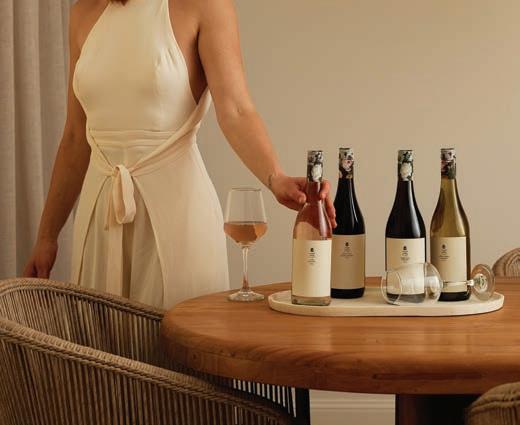

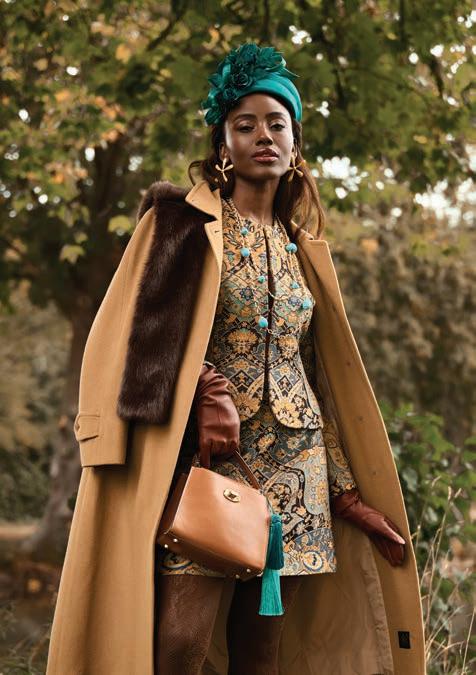
Celia B's Resort 26 collection is titled Stardust and Moonbeam –and it delivers the joyful, maximalist blend of colours, ruffles, embroidery and fun that we expect from the Spanish designer. celiab.com

A new formula for NARS' A erglow Lip Balm features a nourishing blend of ingredients to hydrate while helping to smooth and so en lips. This sheer tint can be worn alone or layered with other lip formulas, £28.50. narscosmetics.co.uk

EDITOR’S PICK
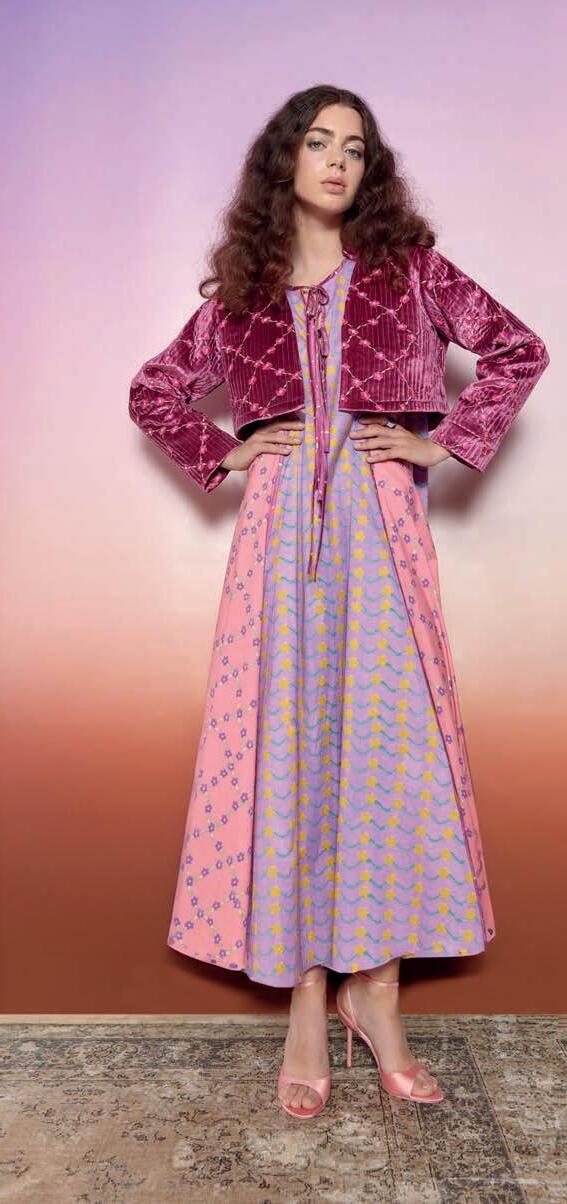
Après Youth is introducing a new gold-focused collection, expanding its jewellery offering with a warmer, elevated edge. The new pieces explore gold tones through bold forms and sculptural detailing, designed to feel expressive, modern and versatile. apresyouth.com
Kulfi is a make-up brand with a dual focus: fun and performance, plus a commitment to ethical practice. We love the Zari Eyes eyeshadow in Disco Dreams, £30. spacenk.com
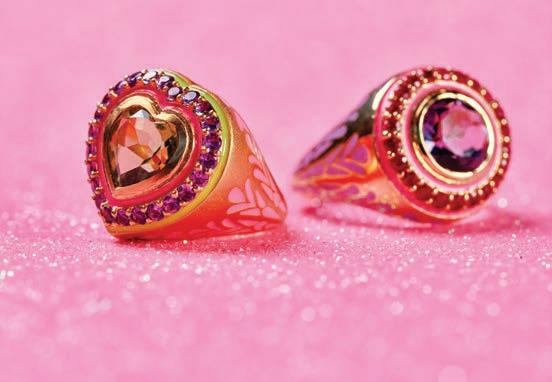

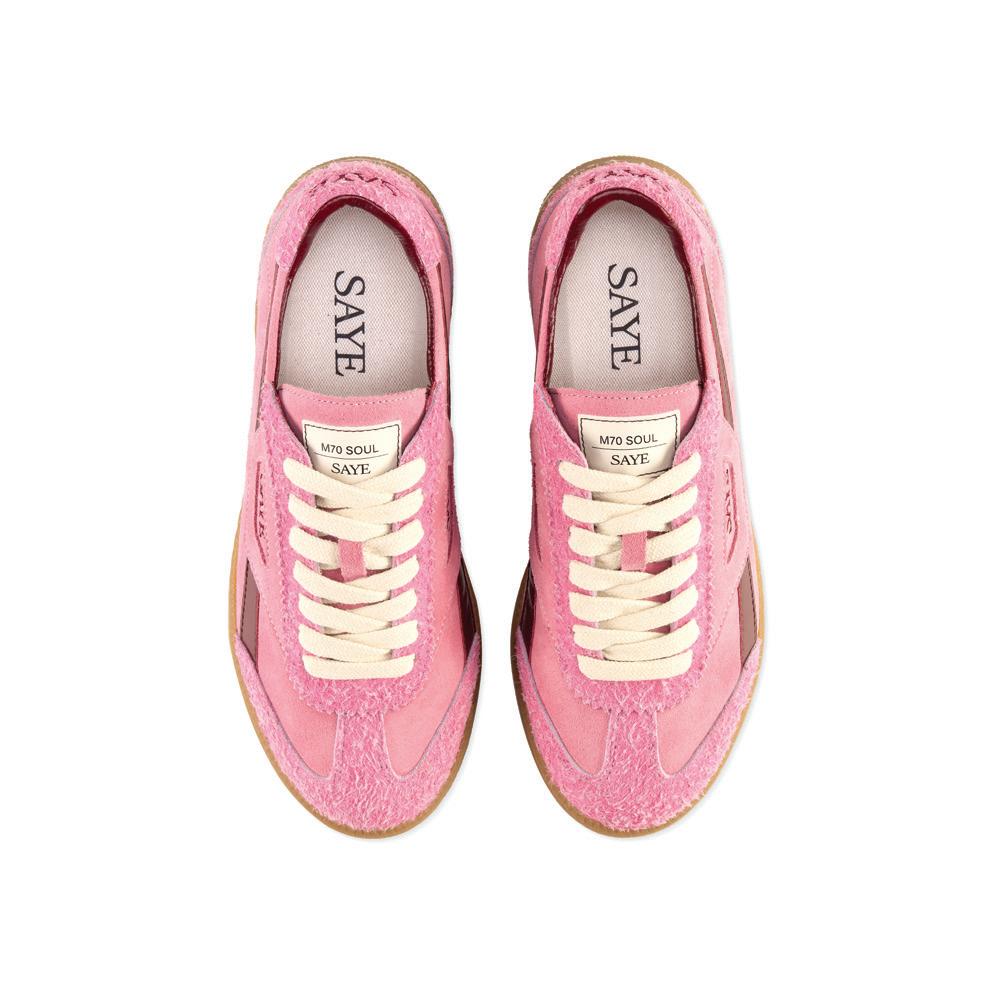
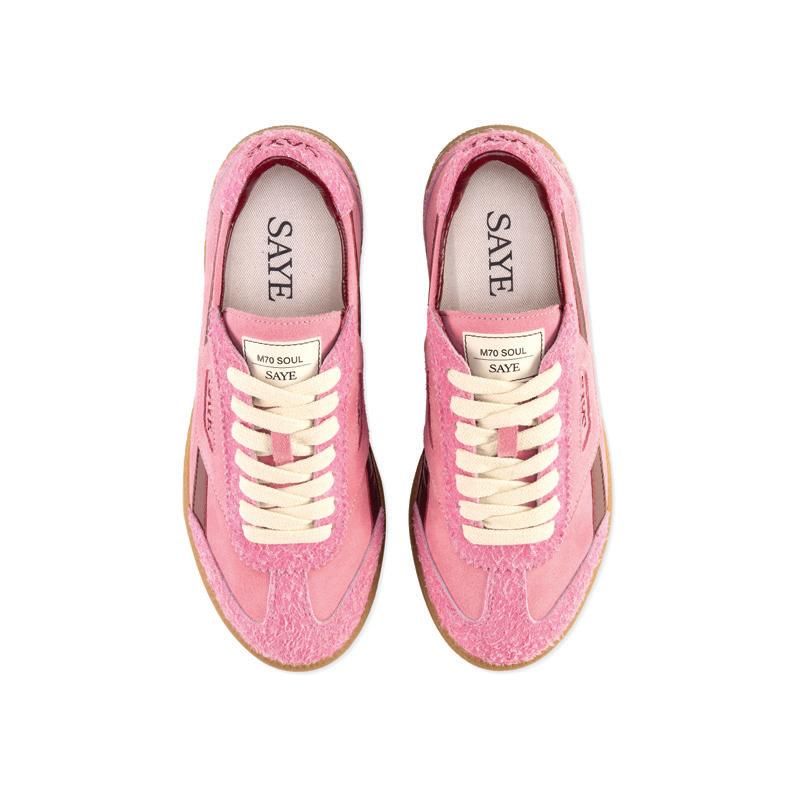
The new M70 Soul Collection from SAYE marks a renewed version of an iconic silhouette, now cra ed in premium certifi ed long-hair suede. We're cheering up these grey days with the Garnet and Gum colourway. sayebrand.com

Ski socks might not be a huge part of the look, but we do want them to be pretty as well as warm –which Sealskinz's Northwold socks defi nitely are. Especially in this pink colourway, £35. sealskinz.com



Feeling peachy? Amelie's Follies will have the perfect shade. Get in touch and you'll come away with the best fitting underwear you've ever owned. ameliesfollies.co.uk



The best scrunchies come courtesy of Good Squish, whose vast range of hair accesssories made from deadstock fabric are designed to suit all tastes and whims. goodsquish.com




Pioneers of exceptional English sparkling wines, Nyetimber offers a great range to celebrate with this year including Nyetimber Rosé Multi-Vintage. nyetimber.com




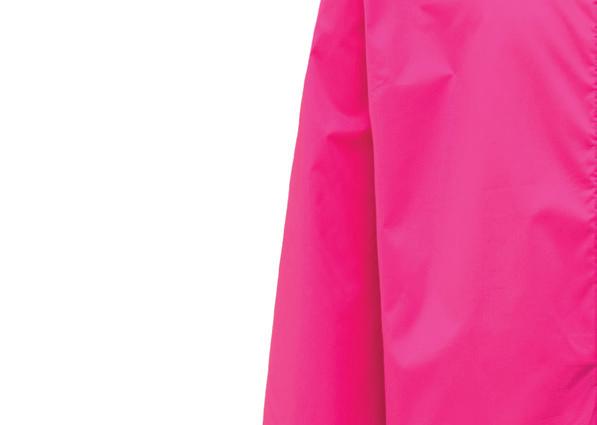



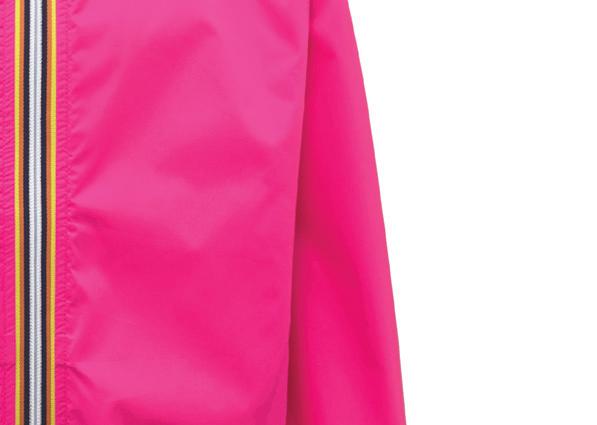
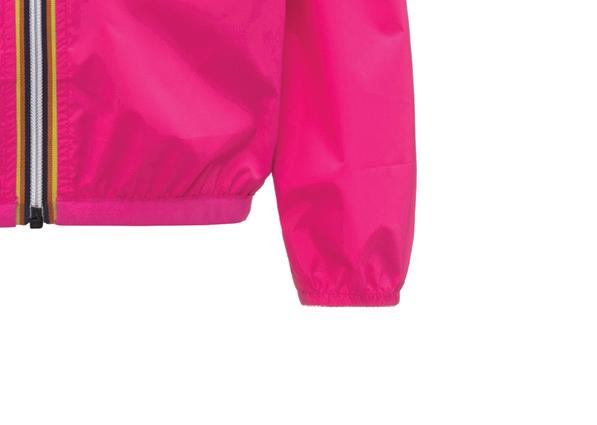
K-Way®, known for its colourful, practical, and playful designs, has teamed up with Disney for a collection of rainwear. We love this pink Mickey Mouse windbreaker. k-way.co.uk





5-7 FEBRUARY, DEVONSHIRE PARK
Hollywood star Mischa Barton (The O.C.) makes her long-awaited UK stage debut as the ultimate femme fatale in Double Indemnity. Set in Los Angeles during the 1930s, Double Indemnity follows Walter Huff, an insurance salesman who has built his career spotting scams. But when he meets the seductive Phyllis Nirdlinger (Barton) to discuss her husband’s life insurance policy, he is drawn into a web of lust, greed, and betrayal. trafalgartickets.com

7-28 FEBRUARY, BN9 STUDIO
Sussex Contemporary returns to the BN9 Studio in Newhaven with E orescence, a national democratic exhibition of works celebrating the visual aspect of flowers, flora, and plants as they emerge and display their beauty. Sussex Contemporary curates inspiring art exhibitions in Newhaven and across Sussex.
thesussexcontemporary.co.uk


27 February
CHARLESTON
Charleston has revealed the first names for a new series of in-person conversations with leading figures from the worlds of literature, art, design, gardening and performance. This inspiring year-round programme will bring together bold voices and brilliant minds. Culinary icon, broadcaster, and bestselling author, Dame Prue Leith, takes centre stage in February. charleston.org.uk
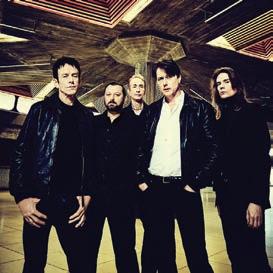
21 February
BRIGHTON CENTRE
Suede have announced a UK tour for 2026 that will see the band take their highly-anticipated tenth studio album, Antidepressants, on the road for the first time. Antidepressants has already received widespread acclaim, awarded five stars in MOJO who describe "a defiant, death-defying record – as much a joy ride as memento mori", whereas Uncut heard "their most intoxicating, unhinged album since Coming Up". brightoncentre.co.uk

25 February
BRIGHTON DOME
Where is Ivo Graham from? And where exactly is he going?
And will he please just slow down? The Taskmaster promisesquanderer, published author and gig pig welcomes you to the latest chaotic chapter of his career. This is a show about hats, haters and hometown heroes - and promises to be a laugh a minute. brightondome.org
JOY
Exploring why now is the perfect time to visit Sheffield Park and Garden in the heart of Sussex



16 FEBRUARY
BRIGHTON CENTRE



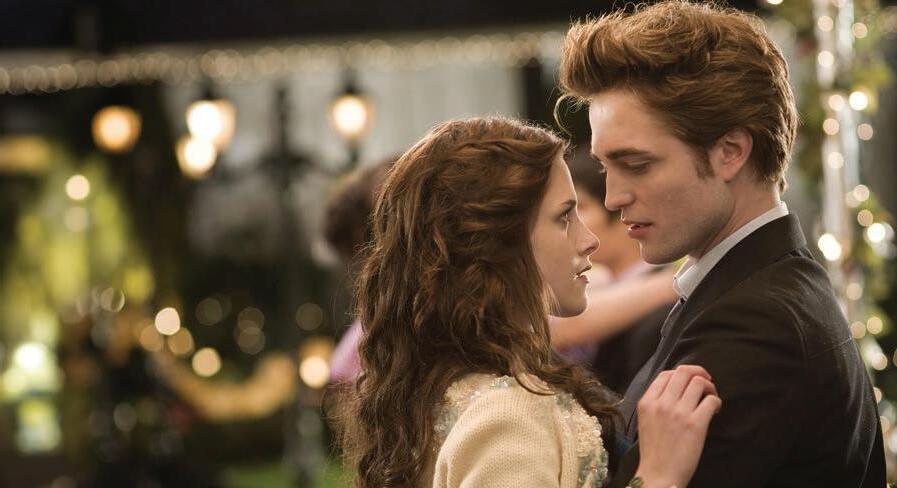
Step into the world of Twilight (2008) like never before with Twilight in Concert, a cinematic live-to-film event that brings the beloved saga to life through live music. Featuring a breathtaking performance by a 12-piece ensemble of rock and orchestral musicians, this extraordinary experience allows fans to relive Bella and Edward’s epic love story in a way that is both intimate and mesmerising. brightoncentre.co.uk



dinburgh Comedy Award nominee Jessica Fostekew has announced she will be heading out on a brand-new live tour in 2026. Jessica can feel herself becoming an emotional wildebeest right when her world demands cool, collected, saint-like kindness and understanding. The show finds Jessica digging around in her DNA for answers. brightondome.org

Visit Sheffield Park and Garden this season for snowdrop walks and breathtaking views over the magnificent lakes. Beautiful in every season, winter reveals the sculptural beauty of this living museum formed by thousands of historic trees and plants.
This year an additional 20,000 snowdrop bulbs have been planted around the grounds ready to create spectacular carpets of white sweeping around the paths and glades of this 120-acre garden. Something not to be missed! There is a wonderful range of events running this season to suit all ages, including a winter foraging workshop, a Gardener Walk and Talk, a stargazing evening and free nature inspired cra activities during February half term.
Sheffield Park and Garden is a horticultural work of art, in East Sussex, formed through centuries of landscape design, with influences of ‘Capability’ Brown and Humphry Repton. Four lakes form its heart, with paths circulating through the glades and wooded areas surrounding them. The historic parkland forms a larger footprint for the Sheffield Park estate. Dating back several centuries, it is now grazed with livestock and home to a natural woodland play trail in Ringwood Toll. The River Ouse runs across the bottom of the parkland and the original meanders are still visible winding across the meadow. This area has been transformed into a wildlife haven and is home to a diverse range of species including kingfishers, birds of prey, butterflies, and dragonflies.
nationaltrust.org.uk/ she eldpark
For 25 years, Kew Wakehurst has been at the forefront of preserving plant species, a story that has involved ambitious proposals and Hollywood patronage. Absolutely takes a closer look
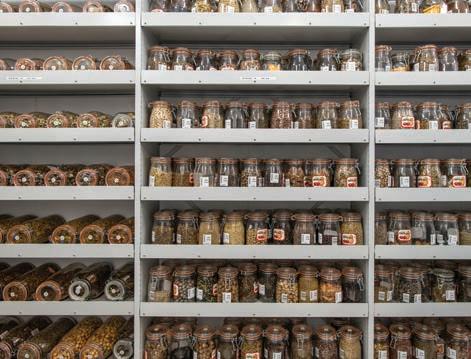
The Millennium Seed Bank at Kew Wakehurst is the world’s largest ex situ plant conservation project, dedicated to safeguarding the future of global biodiversity. Working with an international network of scientists, conservationists and local communities, the Seed Bank collects, dries, and stores seeds from wild plant species, particularly those most vulnerable to climate change, habitat loss, and human pressure. Each seed is carefully cleaned, tested, and preserved in state-of-the-art underground vaults kept at sub-zero temperatures, enabling them to remain viable for decades, and in many cases centuries. Beyond storage, the Millennium Seed Bank plays a vital role in research, ecological restoration, and sustainable land management. Its collections support projects to reintroduce threatened species, restore damaged ecosystems, and provide essential resources for scientific study into plant genetics, resilience, and adaptation. With more than two billion seeds representing tens of thousands of species already secured, the Millennium Seed Bank stands as a living insurance
policy for the world’s flora. It is both a remarkable scientific endeavour and a powerful symbol of hope – demonstrating how collaboration, innovation, and longterm vision can help protect the natural heritage on which all life depends.
Ted Chapman, UK Conservation Partnerships Co-ordinator at Kew Wakehurst, invited Absolutely along during special anniversary celebrations to tell us more about the ambitious project – and how royalty of di erent kinds came together to celebrate the work of the Millennium Seed Bank.
Q What originally inspired the creation of the Millennium Seed Bank (MSB), and how has that mission evolved over the last 25 years?
A Kew employed its first seed researcher in 1964, and the collections soon grew, and Kew needed somewhere to expand its research. In 1974 Kew transferred its seed collections to Wakehurst in Sussex, and the first seed bank freezer was installed in the Mansion Chapel in 1976. Collections and research continued to grow, and the National Lottery funding was announced in 1994, with some funding dedicated to marketing the Millennium ‘to celebrate the past Millennium and to
look forward to the next’. Kew submitted an ambitious proposal, transforming the seed collecting rate in the UK and internationally, and moving the expanding seed collection into a flagship new seed bank. A grant was awarded, and construction began in the late 1990s, with the building opening in 2000, with more sta recruited to help out.
Q Can you describe a typical day working behind the scenes at the Seed Bank?
A There is no typical day! In the UK team this could include planning or undertaking a seed collecting trip, providing training or advice to a partner, conducting germination experiments in the laboratory, making sure our data records are up to date or taking seed out of the bank ready to be used. Our colleagues in the Collections Team are busy cleaning, X-raying, viability testing and banking seed, and we have many researchers and technicians investigating di erent aspects of seed storage and use.
Q What is one of the most surprising or challenging aspects of preserving seeds that people might not expect?
A Not all species can be dried and frozen in a conventional seed bank.


Recalcitrant species like Oak and Chestnut cannot survive this process, while others can only be stored for a short length of time. In some cases, we are able to store seed, seed embryos or pollen at very low temperatures in our cryogenic facility, and we are researching how to expand this technology to conserve more species in the future.
Q How do you decide which species to prioritise for collection and storage?
A In the UK, we prioritise threatened and endemic species (those only found in the UK), trees and shrubs and the species most needed by scientists for their research or by our partners for their conservation and restoration activities. We also want to capture genetic diversity, collecting from multiple populations across the country, as di erent populations may contain di erent traits that help them adapt and thrive.
Q What scientific breakthroughs or technological advances have had the biggest impact on your work since the Seed Bank opened?
A The MSB itself has been at the forefront of seed conservation, with many of the facilities and techniques we have developed here being used at seed banks around the world. Sometimes this is quite practical but important information – the best way to measure the moisture in a seed without killing it, for example – but can also be very technical. It has become much quicker and easier to study the genetics of a species
– how this varies between di erent populations, and how this might be linked to useful adaptations like resistance to disease, higher temperature and drought. We are keen to use this sort of information to help us prioritise and target seed collecting in the future.
Q Are there any seeds or species in the collection that hold a special meaning for you?
A For me, the collections we hold from the South Downs are particularly special, including common but characteristic species like Quaking Grass and Salad Burnet along with precious rarities like the Early Spider Orchid. Chalk grasslands are one of the most beautiful, biodiverse but sadly threatened habitats we have in the UK, so it has been fantastic to use so many of these collections to support research and restoration projects in recent years.
Q How do you ensure seeds remain viable for decades – or even centuries – once they’re frozen?
A We train our sta and partners to collect seed just before the point at which they would naturally disperse, when they have the greatest potential longevity, and to begin drying and storing seed carefully from the moment they are collected. In the bank, seeds are dried to 15% eRH, placed in hermetically sealed containers and stored at -20C. Under these conditions, the seeds are alive but processes within them are slowed right down, allowing them to survive far longer than they would in nature.

Q Can you share a moment when stored seeds were successfully used for restoration or conservation in the wild?
A My favourite example is the Pheasant’s Eye, an endangered bright red relative of the buttercup and surely one of our most beautiful wildflowers. Working with the charity Plantlife, we were able to use a small wild collection to work out exactly what this species needs to germinate. This enabled us to grow a crop of thousands of seeds at Wakehurst, which we then pre-treated in our laboratory and





















supplied to Plantlife ready to germinate and grow at new sites in England.
Q How is climate change a ecting the way you collect, conserve, or research seeds?
A In the UK we are researching how climate change will impact the ability of di erent species, or di erent populations within species, to germinate and grow in the future. Some species are resilient, but others will be at risk as the climate warms and extreme weather becomes more common. Understanding these impacts will help us take action to conserve biodiversity, for example by sourcing seed from species or populations that are well-adapted to future conditions.
Q How do you engage the public or communicate the importance of seed conservation to people who may never see the vaults?
A Visitors can discover the Millennium Seed Bank at Wakehurst throughout the year. They can see the scientists at work through windows to the labs and explore the new interactive atrium exhibition where children can learn to become a seed banking scientist. Also, learn more about the MSB and its work by listening to the new podcast series with Cate Blanchett, Unearthed: The need for seeds. To listen, visit any podcast platform and search for the title.
Q What does the next 25 years look like for the Millennium Seed Bank? Are there new goals or frontiers you’re especially excited about?
A Professor Alexandre Antonelli, Executive Director of Science at RBG Kew, says: “The Millennium Seed Bank has a huge role to play in saving our planet. Over the past 25 years, the MSB partnership has created one of the world’s greatest biological safety nets – a vast and invaluable collection of wild plant seeds. This extraordinary global collaboration has laid the foundation for cutting-edge research, innovative conservation, and the sustainable use of plants across the planet. But this is only the beginning.
“As we look ahead, the next 25 years will be defined by how we rise to the urgent challenges of biodiversity loss, climate change, and food insecurity. Together, we aim to unlock the full potential of seed collections. From future-proofing restoration and agriculture, to preserving the world’s most exceptional and threatened plant species, to decoding the genetic foundations of climate resilience and adaptation, our work will be ambitious, innovative and driven by the needs of both people and planet. We are proud of what has been achieved, but even more inspired by what lies ahead.”
kew.org/wakehurst


Cate Blanchett is Kew's Ambassador for Wakehurst, and recently sat down with HM The King to discuss the remarkable work of MSB
His Majesty The King, Patron of the Royal Botanic Gardens, Kew, joined Cate Blanchett, Kew’s Ambassador for Wakehurst, for a special podcast episode launching Kew’s fourth Unearthed series.
Unearthed: The need for seeds podcast marks 25 years of Kew’s Millennium Seed Bank (MSB). In The King’s second ever podcast recording, the MSB's origins were discussed, some of the most exciting achievements in the past 25 years as well as ongoing work around the world today, including in Australia and South Africa. King Charles opened the Millennium Seed Bank, located at Kew’s wild botanic garden in Wakehurst, Sussex, in 2000 and has taken an active interest in its progress since, returning to visit in 2019.
On the episode, King Charles III says:
“I think it’s wonderful what the seed bank is doing, but we’ve got to speed up the process. I’m very proud to be a patron of Kew. That’s the great thing. It does wonderful work.”
Cate added: “There is an urgency to the work that the seed bank does here in this country. I was shocked to learn that 97% of the wildflower meadows have been decimated. I don't think it's something that we quite understand here because we look around us and in the immediate term, we see so much natural beauty, but we don't think about how fragile it is.”
On talking to His Majesty, Cate says:
“Recording the podcast was an absolute joy. It was also revelatory. I witnessed the invaluable science that is undertaken around the clock by the dedicated team at Wakehurst and their partners across the world. The real and ever-growing threats to our precious planet must be addressed and the work of the MSB is a linchpin for our collective ‘Thrival’. Seeds may be tiny, but they are of monumental importance to us all.”


Exploring how to spend the ideal day in the East
Sussex town
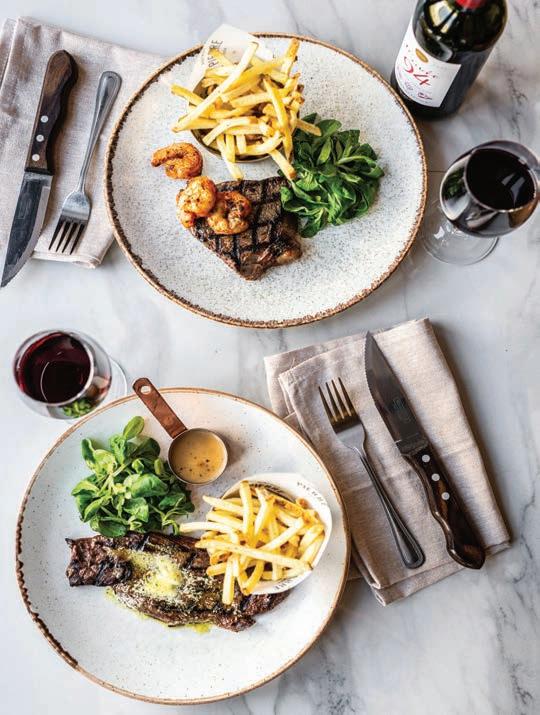
Framed by its grand Victorian seafront, sweeping coastal views and refined cultural charm, Eastbourne o ers a sophisticated seaside escape that goes well beyond the stereotype of a traditional English resort town. With its elegant promenade, curated boutiques, galleries, manicured gardens and burgeoning food scene, this is a place to slow down, savour and indulge. Whether you’re drawn by the dramatic contours of Beachy Head or the town’s quietly confident blend of heritage and modernity, Eastbourne has a way of making every visitor feel just a touch more refined. Spend a day here and you’ll find that luxury expresses itself not through flashiness, but through quality, craftsmanship and a sense of calm coastal indulgence.
Shopping in Eastbourne rewards those who enjoy a more curated, high-quality retail experience, with independent boutiques, artisan studios and elegant interior stores o ering items far removed from massproduced beach-town souvenirs.
Begin your morning around The Enterprise Centre and Cornfield Terrace, where charming independent retailers provide a refined selection of fashion, accessories and lifestyle goods. Here, stylish womenswear boutiques spotlight premium brands with a coastal-chic aesthetic, alongside jewellers showcasing handcrafted pieces from local and regional designers. Wander towards the Little Chelsea quarter and you’ll discover a set of independent homeware and interior design stores that specialise in craftsmanship,



sustainability and timeless elegance – think fine ceramics, bespoke scented candles and artisanal tableware ideal for the modern coastal home. Book lovers can linger in beautifully curated bookshops, where shelves combine contemporary literature, art and design titles with local history and nature writing perfect for exploring Sussex. Alongside this, a cluster of boutique art galleries provides the chance to take home original works, limited edition prints or sculptural pieces that reflect Eastbourne’s creative energy. Finally, pause for a wellmade co ee in one of the area’s smarter cafés, where the emphasis is on single-origin beans, patisserie-level baking and calm, elegant interiors that make the shopping experience feel like a leisurely, luxurious pastime rather than a rushed errand.
Families visiting Eastbourne will find the town perfectly attuned to a day of refined, relaxed enjoyment that still keeps younger visitors enthralled. Begin with a gentle stroll along the immaculate promenade, where children can delight in spotting the colourful beach
huts and breathing in the fresh sea air before making their way to one of Eastbourne’s more polished family attractions. The lovingly restored Eastbourne Pier o ers classic seaside fun with a touch of style, where parents can appreciate the Victorian architecture while children enjoy traditional amusements.
For a more cultured family experience, the Towner Eastbourne art gallery provides an inspiring indoor interlude; its vibrant exhibitions, creative workshops and familyfriendly events encourage younger minds to explore art in an interactive manner.
Outdoorsy families can venture slightly beyond the town centre to explore the rolling beauty of the South Downs, where scenic walks cater to all ages and the views across the chalk cli s make for unforgettable family photographs. If the weather favours relaxation, the pristine beaches invite sandcastle building and paddling, while parents unwind with a well-packed picnic full of quality produce from local delis. Throughout the day, families will find Eastbourne’s approach to hospitality warm but refined, with many cafés and restaurants o ering children’s menus crafted with as much care and fresh local ingredients as the adult dishes.
Those with an interest in heritage may also enjoy the atmospheric Redoubt Fortress, a circular Napoleonic-era fort on the seafront that vividly evokes centuries of coastal defence. For a more serene experience, the Italian Gardens tucked into the cli side o er a sheltered oasis of greenery and Mediterranean-style planting, ideal for a quiet moment of reflection.
Eastbourne’s food and drink scene has developed a distinctively upmarket character, with a focus on high-quality local produce, elegant dining rooms and a sense of indulgence framed by stunning coastal surroundings. Begin the day with a refined breakfast or brunch at a chic café known for artisanal pastries, expertly brewed co ee and an elevated approach to morning dining – think flaky croissants, beautifully plated eggs and local seasonal ingredients.
Afternoon tea is an Eastbourne highlight, best enjoyed in the opulent surroundings of one of the town’s iconic seafront hotels, where tiered stands of delicate finger sandwiches, warm scones and patisserielevel cakes are served with the grace and ceremony that this timeless ritual deserves. As the sun dips, aperitif hour calls for a visit to a sophisticated wine bar or hotel lounge, where curated wine lists, premium spirits and expertly mixed cocktails can be enjoyed in elegant surroundings.
Dinner is a chance to embrace Eastbourne’s fine dining credentials. Mirabelle Restaurant is the flagship fine dining option in Eastbourne: located within the Grand Hotel, the Mirabelle has earned consistent praise and recognition from UK food guides. The cuisine is modern European with a refined hook: seasonal British ingredients, elegant presentation, and an excellent wine list. The setting is formal by seaside standards, making it ideal for a special occasion or elegant evening out.
Journeys is a more intimate, boutique option. This is a small independent restaurant and wine bar that emphasises

They also o er an afternoon tea with a glass of English sparkling wine option, which gives it a flexible appeal for both lunch or dinner. It’s slightly less formal than Mirabelle, but still very much in the ‘elevated dining’ category –great if you want high quality with a bit more relaxed seaside feel.
modern European cuisine, seasonal produce, and a carefully curated wine list. Because of its size and atmosphere, this is ideal for a sophisticated but relaxed dinner, perhaps after a day of exploring, where the emphasis is on dining as an experience.
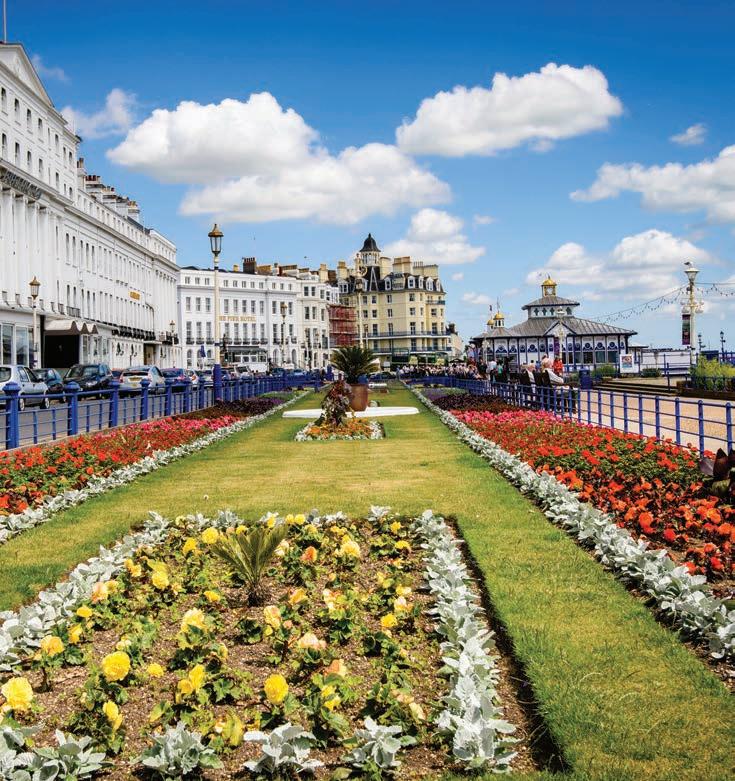
The 1912 Seafood & Steak restaurant at The Lansdowne Hotel is positioned right on the seafront (King Edward’s Parade) with sea views, and blends premium steaks and seafood in a smart-casual but upscale atmosphere.
For something slightly less formal, but still elevated and stylish with a premium feel, Bistrot Pierre on the seafront is a strong choice. Located near the pier and boasting panoramic sea views (including towards the cli s) it o ers French-inspired cuisine in a refined bistro setting. It works well for brunch, lunch or dinner with a view, and gives you a high-end seaside bistro experience – perfect for a less formal but still quality dining moment.
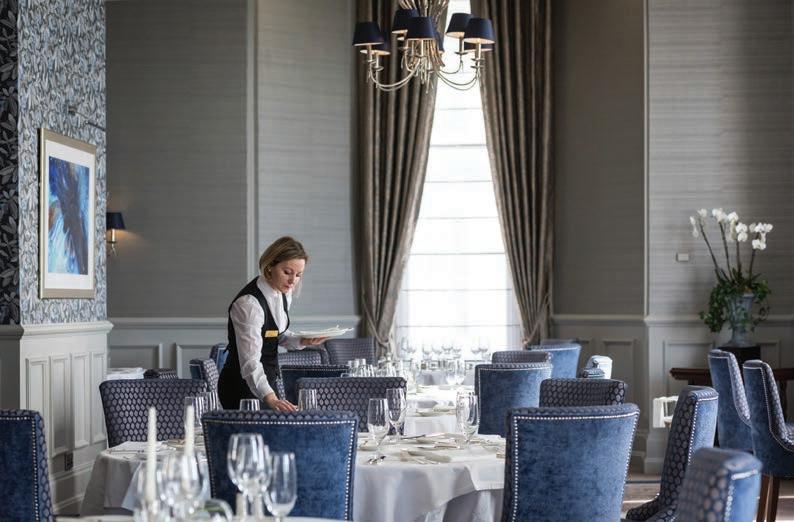






A NEW YEAR DESERVES A FRESH




Enjoy lighter Italian dishes this January - o ering perfect balance without compromising on luxury. From fresh salads and comforting soups to seasonal vegetables and lean proteins, every dish highlights clean, elegant flavours, bringing wellness and indulgence together in every bite
















Located on Ship Street, near Brighton's bustling Lanes neighbourhood, the two-floor Flat Iron restaurant is now bringing great steak to the area. Brighton will continue Flat Iron’s commitment to serving remarkable meat, led by the ‘Flat Iron’ steak, a cut sourced from the feather blade and renowned for its flavour, tenderness and juiciness. flatironsteak.co.uk


Q What inspired your decision to leave London after 25 years in the restaurant industry and open The Boathouse?
The Boathouse in Amberley has become one of West Sussex’s hottest dining destinations. Founder Jasper Gorst tells Absolutely how he achieved success
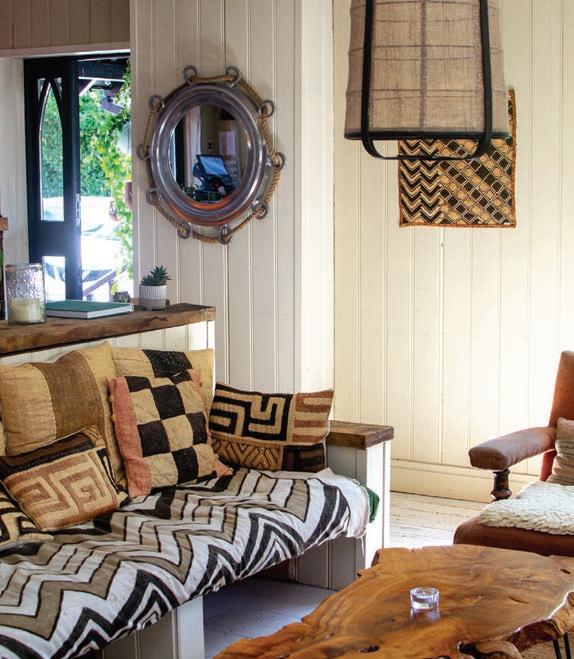
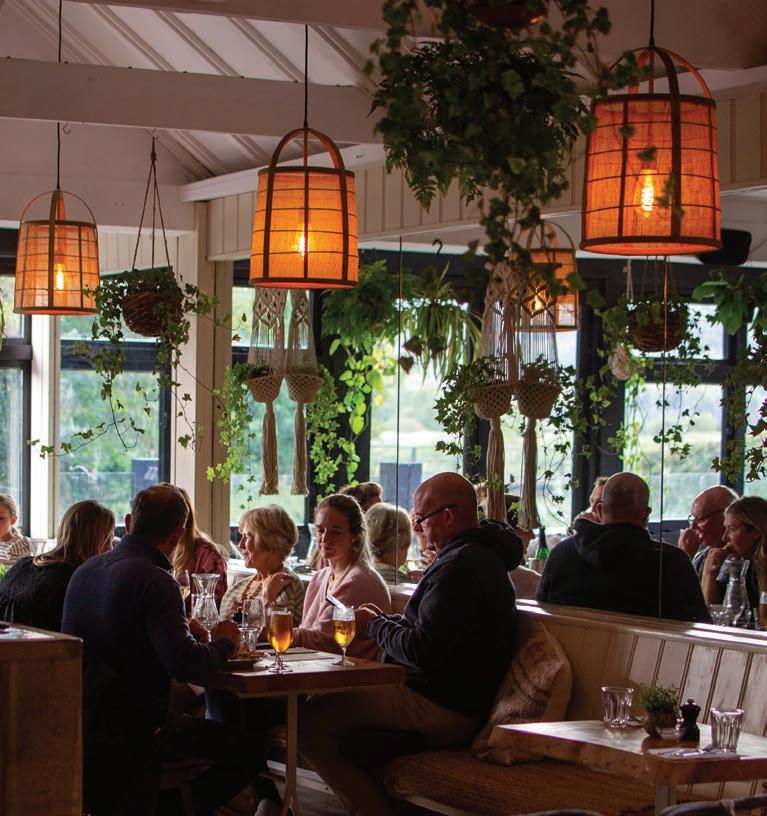
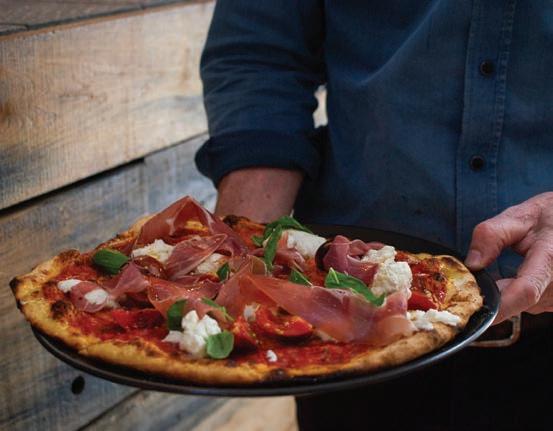
The Boathouse in Amberley is a charming riverside restaurant and social hub that has quickly become a local favourite for Mediterraneaninspired dining in a relaxed, stylish setting. Perched beside the River Arun near Amberley train station, it blends scenic countryside views with a carefully curated menu of freshly made pasta, chargrilled meat and fish dishes, and wood-fired pizzas sourced from artisan produce.
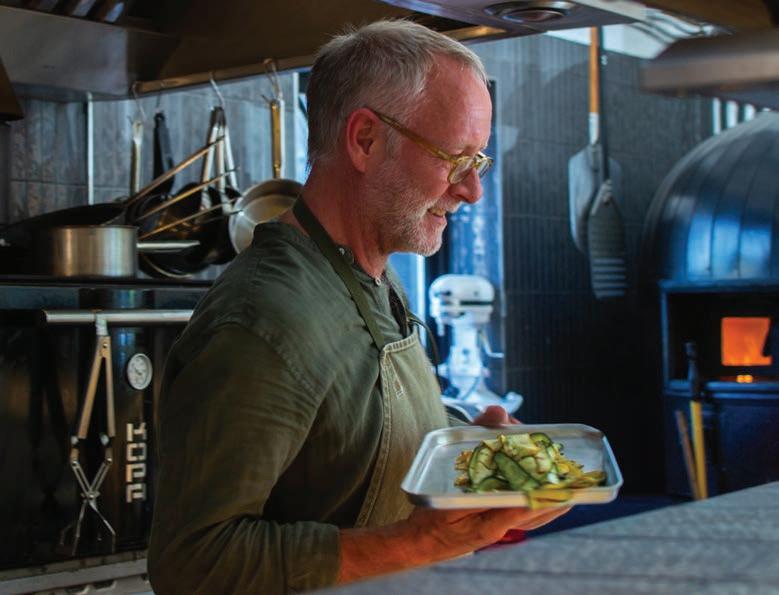
At the heart of The Boathouse is Jasper Gorst, the visionary founder whose extensive experience as a restaurateur in London over 25 years now informs every aspect of the venue. His leadership and creativity has helped shape the restaurant’s character, so Absolutely went to meet him to find out more.
JASPER GORST AT WORK
A After 25 years in London, I reached a point where I wanted to reconnect with why I fell in love with hospitality in the first place, creating food and experiences that feel personal, not just operational. Life in London was fast, exciting, and relentless. When the opportunity arose to take on this beautiful spot by the river, it felt like the perfect moment to slow down just enough to focus on craft, on warmth, and on community.
Q How did your experiences running restaurants in London shape the vision you had for The Boathouse?
A London gave me an incredible education; it’s one of the world’s most competitive and creative food scenes. I learned the importance of consistency, attention to detail, and hospitality that is both relaxed and excellent. That balance, high standards without pretension, sits at the heart of The Boathouse.
Q What experiences in London left a lasting impression on you?
A Working with chefs and restaurateurs
who genuinely push boundaries was hugely influential. I also met guests who cared deeply about provenance, seasonality, and sustainability long before they became buzzwords. And of course, being part of London’s hospitality family taught me that great restaurants are built on relationships: producers, regulars, and the teams who pour their hearts into service every day.
Q What was it about the riverside setting in Amberley that convinced you it was the right location for your next chapter?
A Amberley has a magic that’s hard to describe; the landscape is breathtaking, and the river brings a peaceful rhythm to the place. The Boathouse itself almost tells you what it wants to be: a destination where people can feel transported, without needing to travel far. I knew immediately this was a place where guests could switch o , exhale, and enjoy food in harmony with its surroundings.
Q How would you describe the atmosphere you want guests to experience?
A Welcoming, unhurried, and a little escapist. I want people to walk in and feel looked after, like they’ve been invited to a friend’s beautiful home by the river. The food is elevated, but the atmosphere is relaxed and fun. Good hospitality is about warmth, not ego.
Q What drew you to Mediterraneaninspired cuisine for your menu?
A I’ve always been drawn to Mediterranean cooking because it’s soulful, generous,
Q What were the biggest challenges in transitioning from running restaurants in a major city to building a destination dining spot in a village?
and ingredient-focused. It celebrates simple things done well – chargrilled fish, perfect tomatoes, hand-made pasta – and it’s built on the idea of sharing, which aligns beautifully with the spirit of The Boathouse.
Q Can you walk us through your approach to sourcing artisan produce?
A We champion local producers first; Sussex is full of incredible growers, cheesemakers, fishermen, and farmers. But when a Mediterranean ingredient is essential to a dish, we source directly from trusted small suppliers in Italy, Spain, or Greece. The mix allows us to be authentic while still celebrating the best of our region.
Q What role does seasonality play in shaping your menu?
A Seasonality is everything. The menu evolves constantly, driven by what’s at its peak. When the local fishermen bring in something beautiful, or a grower says their figs are suddenly perfect, the menu responds.
Q Can you give us an idea of some of the dishes you are loving right now on the winter menu?
A A rich, slow-braised lamb shoulder with wild rosemary has been a favourite; it’s the essence of comfort. We’ve also been loving our roasted squash with whipped ricotta and toasted hazelnuts, and a stunning chargrilled octopus with smoked paprika and preserved lemon. Those dishes really showcase the warmth of the season.
A In London, footfall is reliable; people are already out and about. Here, you have to give guests a compelling reason to make the journey. We’re not just serving a meal; we’re creating a whole experience. Building a team in a rural setting also takes time, but the payo is huge because once they join, they become truly invested.
Q Has the Amberley community influenced the evolution of The Boathouse in any unexpected ways?
A Absolutely. The community has embraced us so warmly, and their feedback has shaped the personality of the restaurant. We’ve added more local touches and refined things to reflect the pace and charm of village life.
Q What elements of London hospitality have you intentionally brought with you – and which did you leave behind?
A I brought the standards, attention to detail, polished service, and a strong sense of identity. What I left behind is the needless rush. We have high expectations of ourselves, but we deliver them with lightness. Guests should never feel pressured or hurried.
Q What are your hopes for the future of The Boathouse?
A I hope it becomes a place people feel proud of, somewhere they bring friends and celebrate milestones, but also somewhere they can drop in just to enjoy a glass of wine by the river. We want to grow thoughtfully, always keeping that sense of place at the heart of what we do. Ultimately, I’d love The Boathouse to become a real pillar of the village both welcoming visitors and giving locals a place that feels like theirs.
theboathouseamberley.co.uk





Irresistible bottles for Valentine’s Day sipping
By NATALIA SUTA
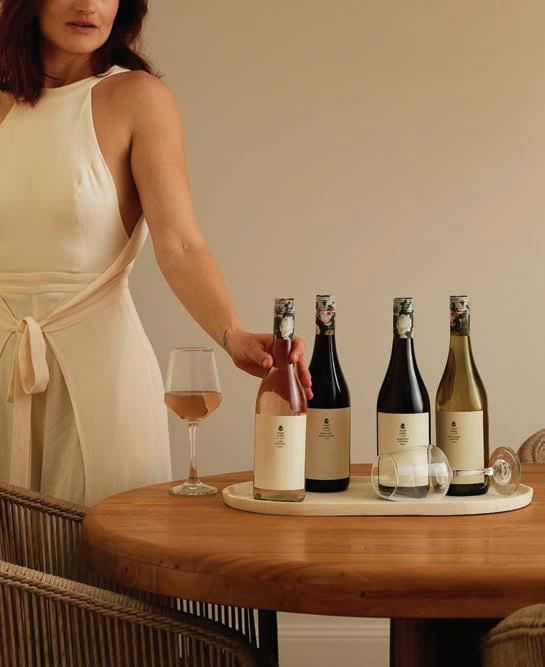
Smooth, stylish, and sustainably made, Tread Softly’s range combines freshness, finesse and eco-cred, wrapped in beautifully eye-catching labels. Light on alcohol and gentle in feel, they’re spot-on for slow, romantic dinners without the heavy head, £10. waitrosecellar.com
If you want a wine that does some flirting for you, De Krans’ Pink Moscato is your best move. This South African rosé is lightly fizzy, delicately sweet, and bursting with strawberry, tropical fruit, and candy-floss charm, £15. acrmwineukltd. myshopify.com


Newly launched and proudly wild-fermented, Vyn Dene’s low-intervention wines bring natural charm and a delicious hint of unpredictability. Fresh, textural, and full of character, they are guaranteed to spark curiosity, and possibly a second date, £24-£28. vyndene.com


Bold, dark and rebellious, Orin Swift’s Advice From John is Merlot with attitude, packed with blackberry, espresso and plush texture. A perfect Valentine’s pick for rulebreakers, late nights, and dates that don’t play it safe, £35. vinvm.co.uk


Tiny Wine’s miniature bottles of premium wine are tailor-made for intimate evenings – no commitment, no leftovers, just perfectly sized fine wine for two. Cute, classy, and ideal for bathtub bubbles or fireside flirting. From £18. tinywine.co.uk
Natalia Suta is a WSET-certified wine writer and educator with a knack for making wine accessible and fun. When she is not writing, she’s busy curating wine experiences and offering consultancy to help others discover the joy of wine. Follow Natalia on Instagram @_winerocks_


DIOR
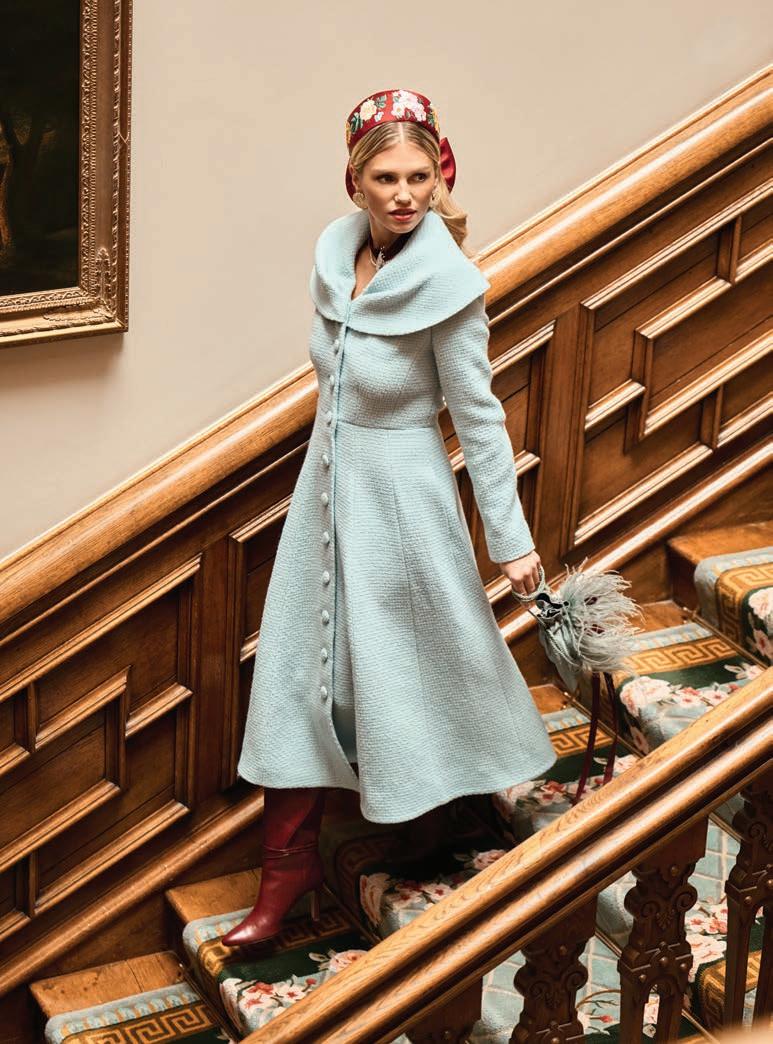
Part of the DiorAlps capsule, the turtleneck sweater is a laid-back creation with a couture look. Crafted in a navy blue and white alpaca, cotton and wool knit, it features a Fair Isle motif inspired by the winter sports universe, embellished with the CD signature on the back. dior.com



By EVE HERBERT
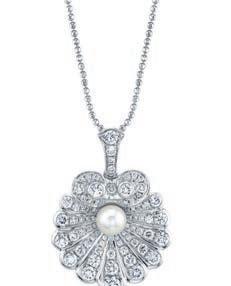
ANITA KO
Diamond oyster and pearl necklace, £7,263 anitako.com







REIS



Strawberry hoop earrings, £850 reisjewellery.co.uk

YVONNE LEON
Coeur Pailletee 9-karat gold diamond ring, £1,930 net-a-porter.com
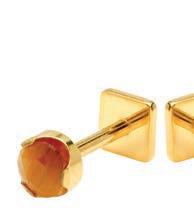

TISH LYON

Kira gold titanium tiger's eye flat back stud earrings, £30 tishlyon.com
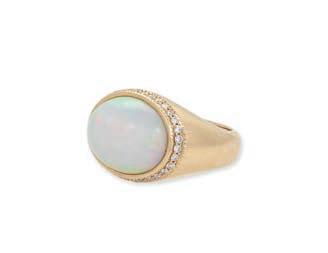
JACQUIE AICHE
Pave horizontal oval opal ring, £10,800 jacquieaiche.com




Swirly 24ct yellow gold-plated bronze hoop earrings, £215 selfridges.com
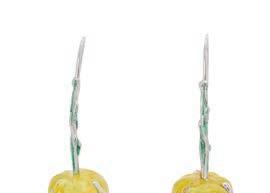

MARNI
Tulip enamelled drop earrings, £450 selfridges.com









ANITA KO



Pearl and diamond Lola huggies, £5,658 anitako.com








ASHLEY ZHANG JEWELRY
Double bezel diamond baroque pearl pendant and small belcher chain, £1,400 ashleyzhangjewelry.com

























CLEVERLY COMPACT FOR THE CITY the traditional sauna experience, upgraded
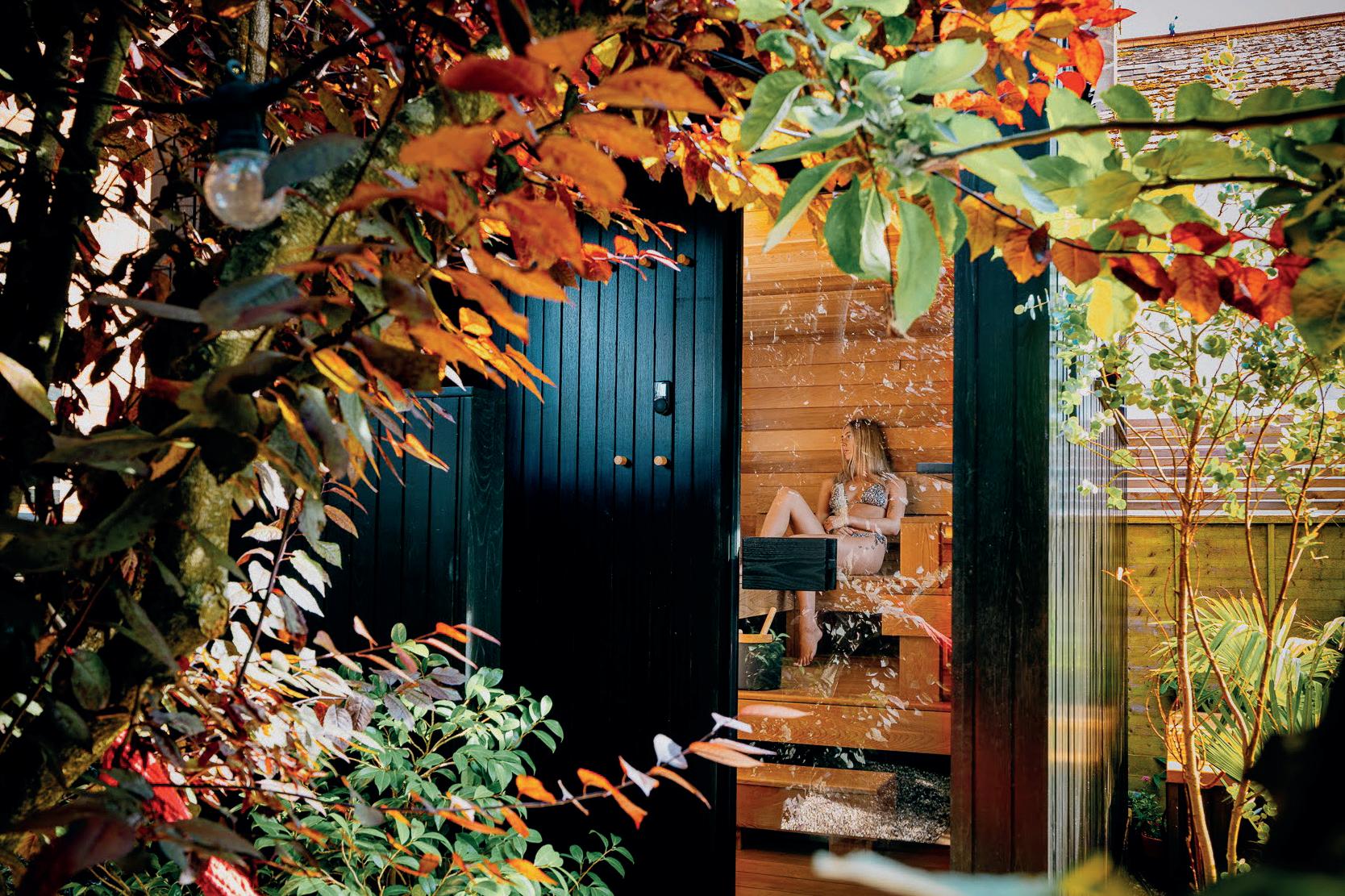

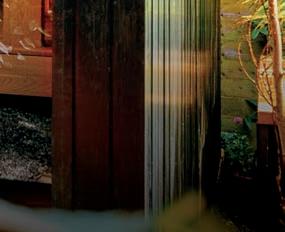

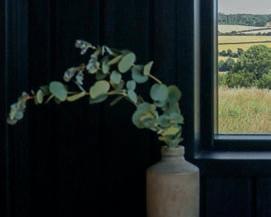

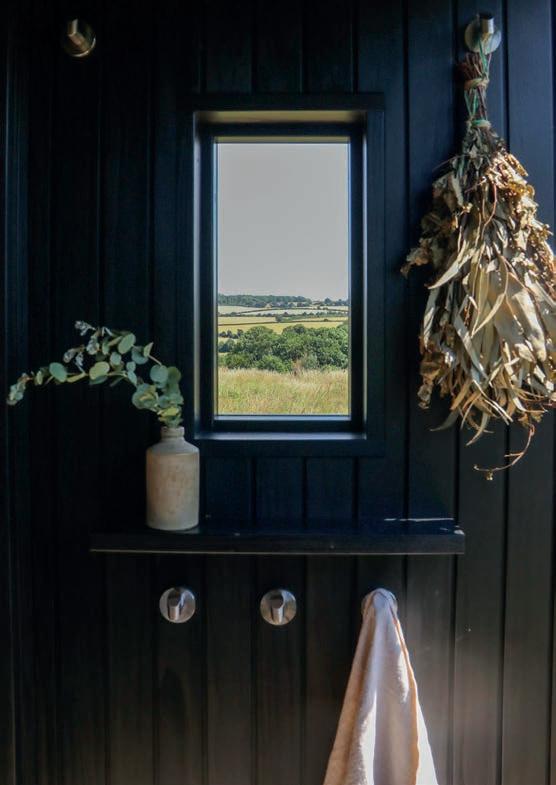
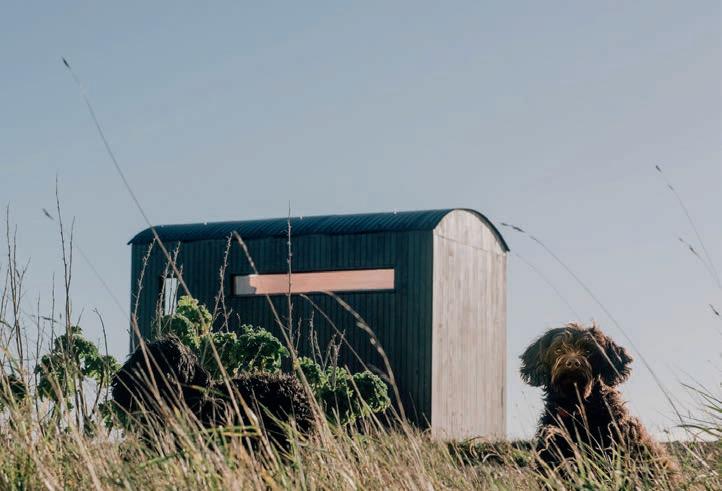




LUXURIOUSLY LARGE IN THE WILD classic design, best in class, built to last


LET’S TALK

































By PENDLE HARTE













































Mr Michael Rimington, Clinical Director of London Women’s Clinic Kent and Sussex, reflects on his time in the
fertility industry, what has changed and what the future may hold
Istarted o planning to be a General Practitioner (GP) and moved to Tunbridge Wells in 1986, the year after I qualified, as it looked like a nice town to live in. One of the training jobs was Obstetrics and Gynaecology and within weeks I was hooked. Pregnancy and childbirth was a fascinating process and getting to follow women throughout that journey felt like an immense privilege.
I became fascinated by the human drive to create a family and the lengths people would go to in order to achieve that goal. This led to my interest in reproductive medicine, and I started my IVF career in 1992.
One of my favourite memories from this time was carrying out research at the University of Wales College of Medicine for five years, commuting once a week from Kent. I also remember in 1989 having eight women, all with triplets, on the same antenatal ward at the same time waiting to deliver, all conceived through IVF.
Being the British delegate for a meeting in Jamaica as an “up and coming name” in IVF was another memorable milestone, as was when I first met Professor Nick Macklon, Group Medical Director of London Women’s Clinic. Of course, joining London Women’s
Clinic in 1998 for my first consultancy and setting up my own clinic and laboratory in Kent in 2004 will always stay with me.
IVF pregnancy rates have trebled in the past 30 years. This is due to the improvement in laboratory conditions leading to safer and higher quality embryo culture.
ICSI (intracytoplasmic sperm injection), introduced in the 1990s, transformed treatment for couples a ected by male-

factor infertility. By injecting a single sperm directly into an egg, embryologists were able to achieve fertilisation even when sperm count or motility was extremely low, making fatherhood possible for many men who previously had no options.
Advances in Preimplantation Genetic Testing (PGT) over the years has allowed embryos to be screened for chromosome abnormalities and genetic diseases. This means couples and individuals with hereditary diseases can now increase their chance of having a healthy baby.
As Clinical Director of the London Women’s Clinic, I’m proud that we can o er a full range of high-quality fertility treatments –from IVF and ICSI to PGT and egg freezing – in our clinics across Kent and Sussex all supported by our flagship state-of-the-art laboratory in London’s Harley Street. After more than three decades in reproductive medicine, I remain as inspired as ever by the families we help create and excited about the innovations yet to come.
londonwomensclinic.com


















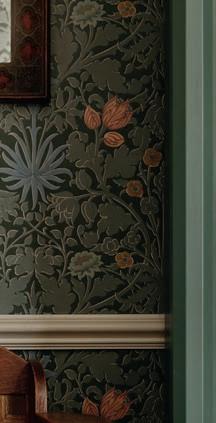

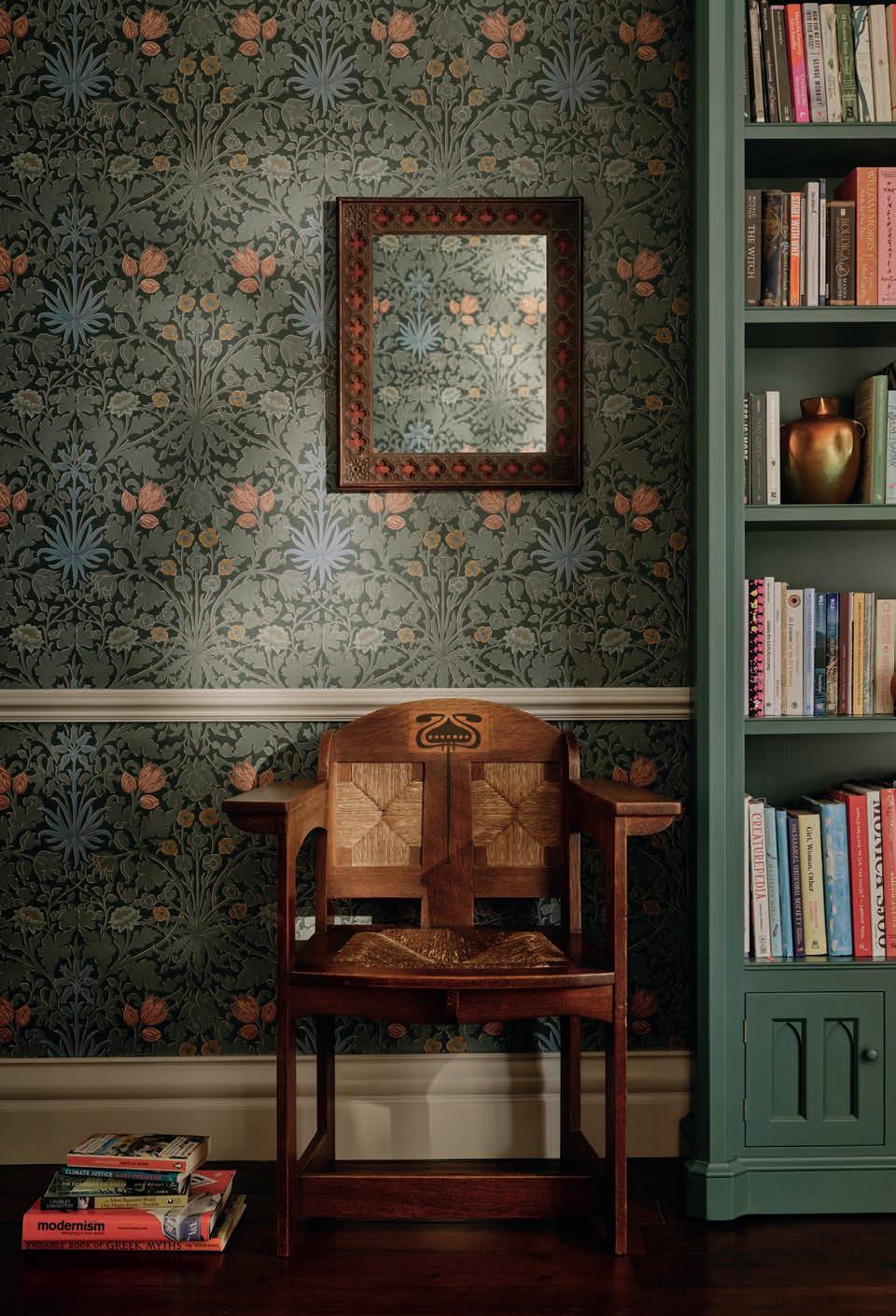
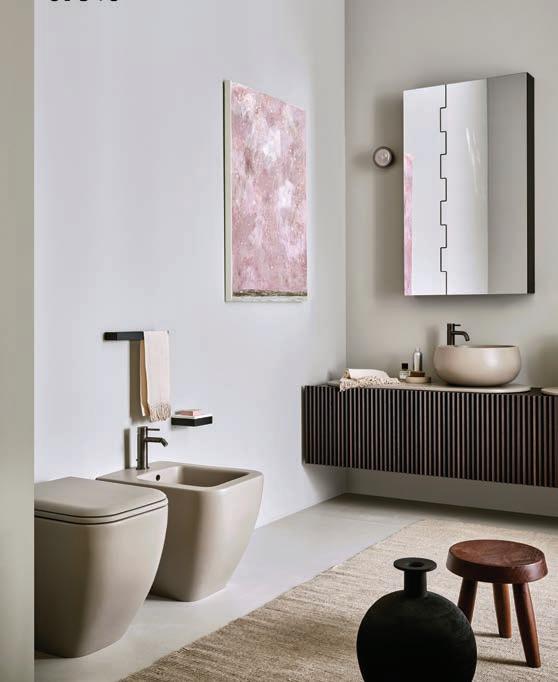
From rhythmic blues to wellness-inspired design, five trends shaping bathrooms in 2026
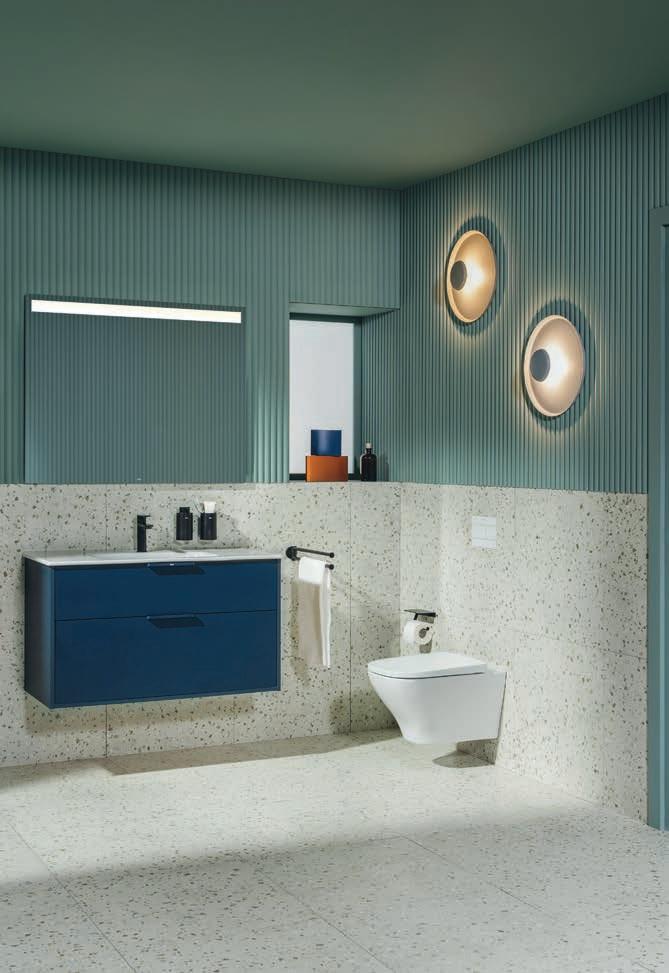
As we settle into 2026, bathroom design is moving firmly into the era of comfort, character and conscious living. This latest trends forecast highlights key movements shaping how we design and experience the most personal space in our homes, all reflecting the broader mood in interiors for calm and connection.
Blue is back in a big way – not as a single statement shade, but as a whole emotional spectrum. Dulux has broken with tradition on its Colour of the Year by unveiling a trio of hues for 2026 under the banner Rhythm of Blues, a palette that captures the ebb and flow of modern life. Why blue? It’s the colour of water, wellness and balance – the perfect fit for a room where we begin and end each day. Whether it’s a soft morning sky tone or a deep, enveloping navy, blue brings a natural sense of calm and clarity to a space.
Designers are leaning into this versatility. Gentle, misty blues are being used to open up smaller rooms, paired with light
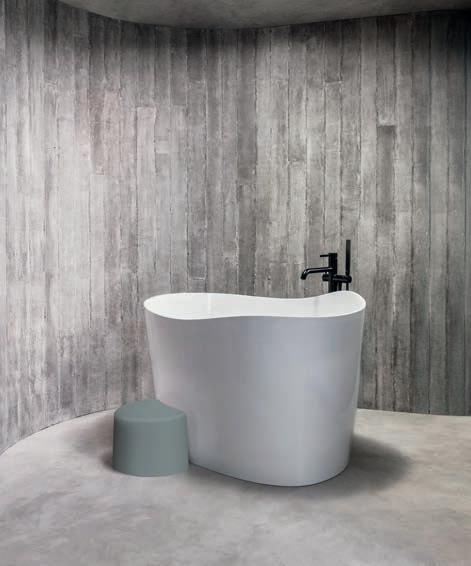
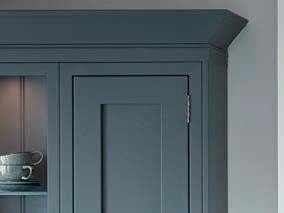
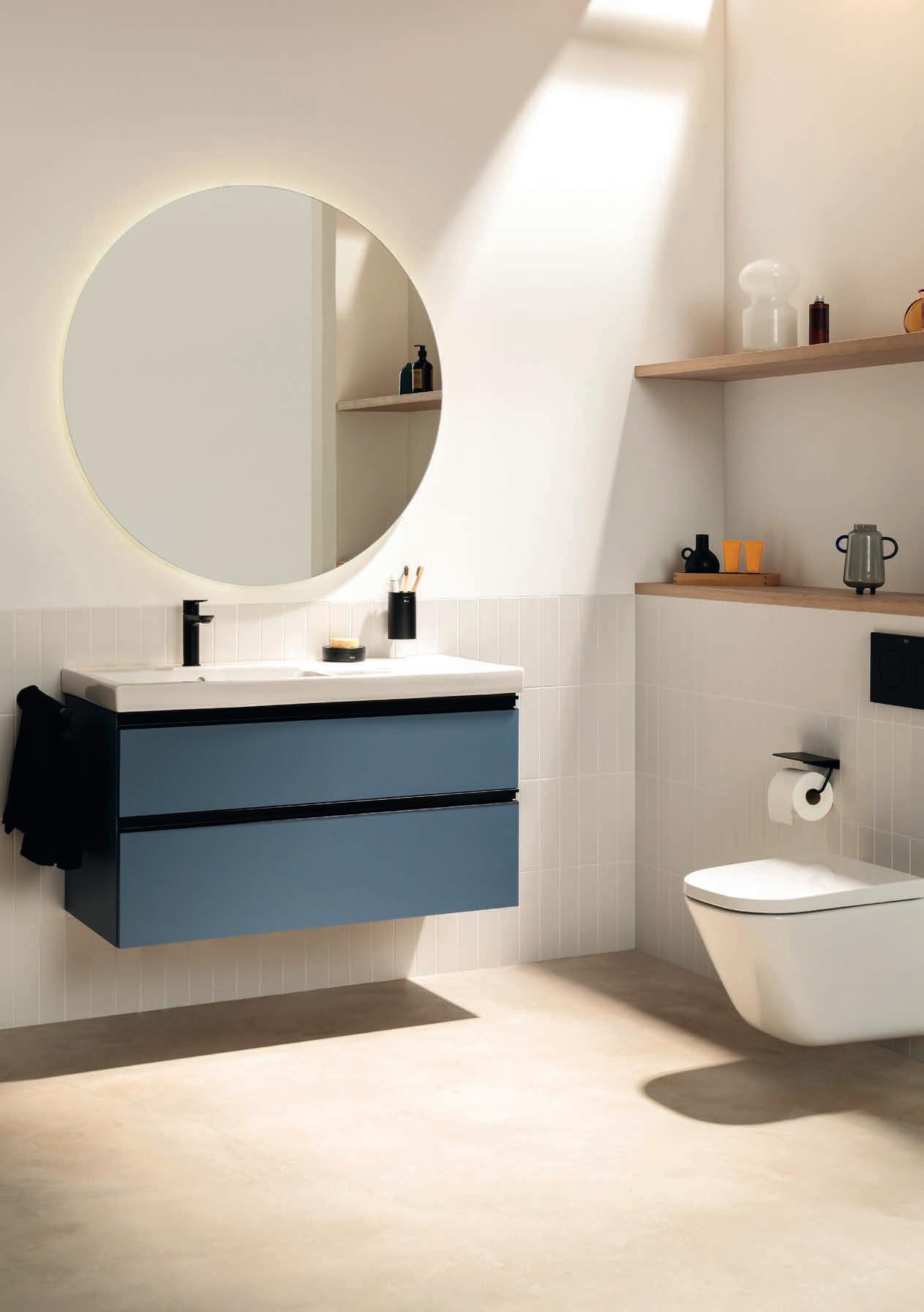
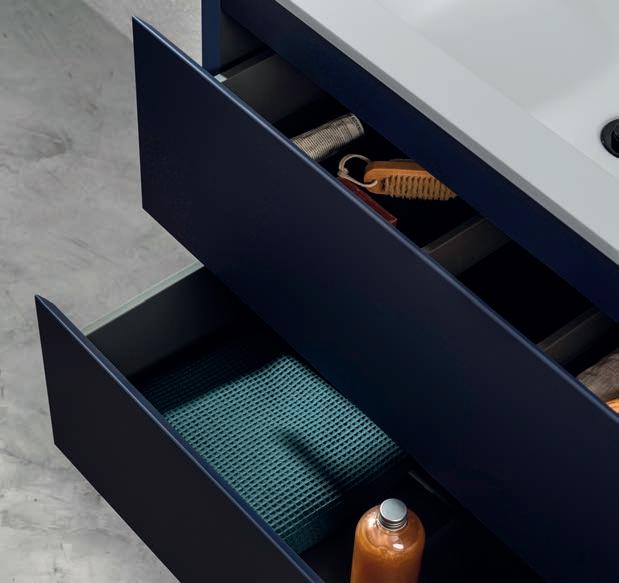
woods and brushed metal finishes. More expressive shades such as the Steel Blue of the Optica vanity by Roca inject creativity and energy, perfect for those treating their bathroom as an extension of their personality. Meanwhile, moody inky tones like the Night Blue shade on Tenue furniture o er intimacy and stillness, turning bathrooms into true retreats.
Metallic finishes have long been part of bathroom design, but 2026 is the year stainless steel takes centre stage. Its appeal goes beyond its clean, contemporary look – it is durable, low-maintenance and fully recyclable, making it a perfect choice for the eco-conscious homeowner.
This renewed love for stainless steel mirrors a broader trend across interiors: investing in materials that combine longevity with quiet sophistication. Its soft sheen adds a sense of refinement, pairing e ortlessly with marble, timber or even bold colour.
Roca’s refreshed Targa and Ona brassware collections both illustrate the look – slim silhouettes, modern forms and a choice of finishes including Brushed Brass and Matt Black alongside Stainless Steel. Natalie Bird, Brand Marketing Manager at Roca UK & Ireland, says: “This direction reflects a shift towards sustainable luxury – design that looks beautiful, performs brilliantly and lasts for decades.” With more people seeking high-quality materials that age gracefully rather than fast fashion for the home, stainless steel is emerging as a timeless classic: polished, practical and planet-friendly.
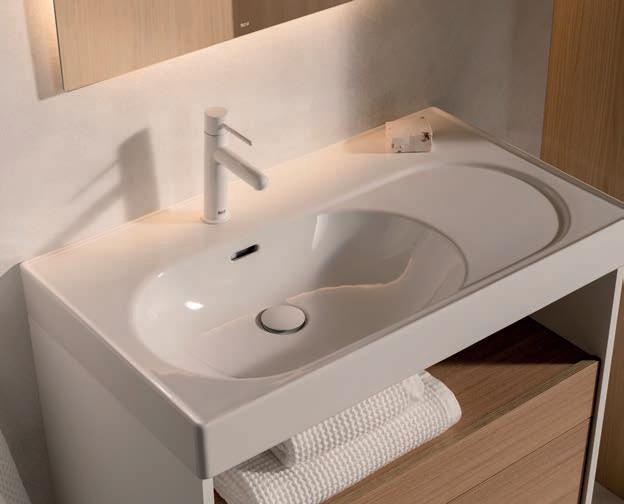
After years of geometric minimalism, curves are making their comeback. Rounded edges and sculptural forms are softening the modern bathroom, creating spaces that feel welcoming and serene rather than severe. Designers are moving away from sharp corners in favour of gentle silhouettes – oval mirrors, pill-shaped basins and softly contoured brassware. “People want bathrooms that feel tactile and approachable,” says Natalie. “It’s about harmony – elegant but never austere.”
Upcoming Roca collections such as Kay brassware (launching summer 2026) and Meridian basins and furniture (launching spring 2026) explore this balance beautifully: ovals meeting rectangles, curves o setting clean lines. The e ect is subtly luxurious, adding flow and fluidity without compromising on structure. And this softer geometry ties into a wider wellbeing trend, an instinctive move towards spaces that soothe, not stimulate.
Another big shift for 2026 is towards quiet sophistication – luxury that whispers rather than shouts. The focus is on thoughtful detailing, fine materials and cohesive design rather than overt
opulence. This understated approach celebrates restraint. Fittings and accessories are being reimagined as design features in their own right, chosen as carefully as tiles or taps. For example, Roca’s T-Multi built-in thermostatic shower mixer keeps all the working concealed so only the stylish Brushed Brass controls are on display. Small details, like a beautifully engineered handle or a perfectly matched finish, make a world of di erence.
Roca’s Duplo S flush plate collection exemplifies this ‘less but better’ ethos, showing how even the most functional elements can elevate a space. The Dupo S plates feature compact proportions, a wide choice of finishes and coordinated tones, from brushed Stainless Steel to Honey Yellow and even tactile finishes like Concrete. Plus, the Duplo PS3 and PS4 models can be customised to create a unique look.
The experts at Sussex’s Cuckfield Bathrooms close out this piece with their own round up of what to expect this year. Bathroom design in 2026 is moving confidently away from stark minimalism and embracing warmth, texture and personal expression. One of the most notable shifts is the rise of warm brassware finishes, with aged brass and bronze tones taking centre stage. These richer metals add depth and a sense of timeless luxury, pairing beautifully with the return of travertine tiles and textured tile finishes that celebrate natural variation and tactility.
Colour is playing a far more expressive role. Warm, rich hues are replacing cool neutrals with earthy reds, soft terracottas and deep greens. This confidence extends to the fixtures themselves, with bolder choices seen in vanity units and ceramics. Colourcast concrete basins and toilets are becoming statement pieces, transforming practical elements into sculptural features.
Material selection continues to evolve. Beyond traditional oak and walnut, vanity units now feature an expanded palette of wood finishes alongside glass, metal and fluted designs, bringing added texture, depth and individuality. Completing the picture is a growing desire for spa-like bathrooms, including saunas and steam rooms, creating calming wellness retreats that elevate everyday routines into moments of indulgence. Design now balances beauty, comfort, wellbeing and value.
Discover more at cuckfieldbathrooms.co.uk





















































































Jensen: Norwegian sleep pioneers since 1947

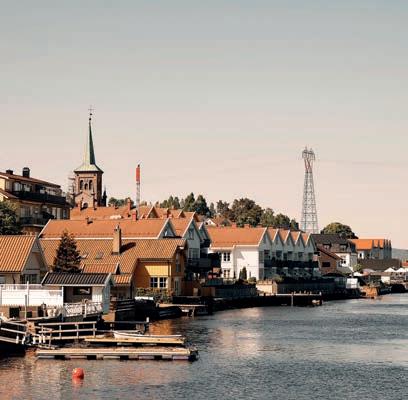
Every Jensen bed that leaves their factory today has a story that begins almost 80 years ago. A story of craftsmanship and innovation, but also responsibility. They still build their beds in Norway, with materials and methods that stand the test of time. To underline that, your new Jensen bed comes with a 25-year guarantee against frame or spring breakages.
What started as a small family business is today a premium brand with beds and accessories of the highest quality. And while they are proud of their heritage, they never let it stand in the way of new ideas. For example, they always apply the latest findings in sleep science and physiology to the development of new beds. They use all their expertise and curiosity to improve people’s rest – and thereby their performance. It’s a story of craftsmanship and innovation,
but also responsibility. They still build their beds in Norway, with materials and methods that stand the test of time.
While technology and the automation of their production have made it more e cient, it’s the people that make their beds what they are. Some of their employees are now the third generation of passionate bed-builders at their factory in Svelvik, just outside of Oslo. Together, they are dedicated to making a long-lasting contribution to sleep comfort.
At Jensen, they have made it their purpose to help you wake up fully rested. From design to choice of materials, every detail in their beds is carefully chosen to improve your sleep quality – and thereby your performance.
It’s not always easy to know what to look for in a product that is meant to be a longterm investment in your sleep and well-being.
A mattress should help the body relax, reduce pressure points, and provide the right level of support. Your sleeping position can give a useful indication of what type of bed may suit you best, but it should never be the only factor when making your final choice. Jensen understand how easy it is to feel overwhelmed when choosing a bed – there are many options to consider, from bed types and firmness levels to zoning systems. That’s exactly why they encourage you to ask for help in store. They recommend visiting their London showroom at Chelsea Harbour when you’re buying a bed. Their team consists of trained sleep specialists with in-depth knowledge of the di erent models. They will guide you in the right direction from the very beginning, so you don’t end up trying too many beds and leaving more confused than when you arrived.
Find out more by calling 020 3914 1262, emailing jensenbeds.chelseaharbour@ hildinganders.com, or visit jensen-beds.com









By PENDLE HARTE



































EDITOR’S PICK
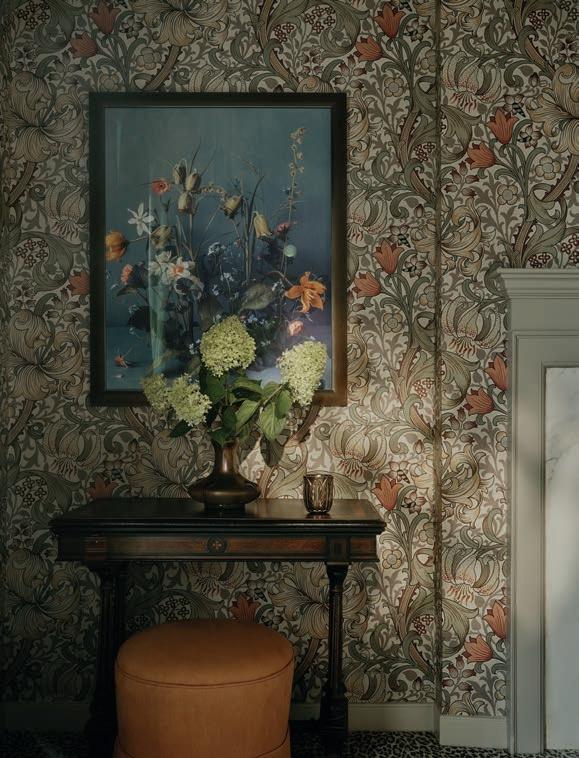
HOUSE OF HACKNEY
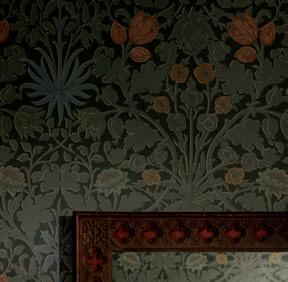
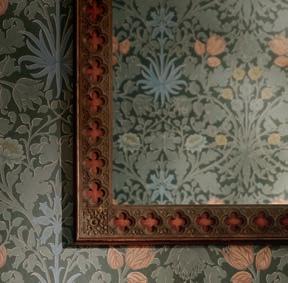
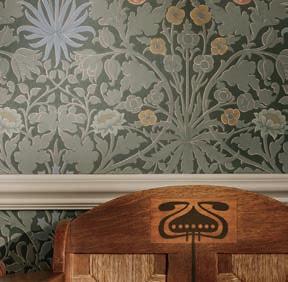
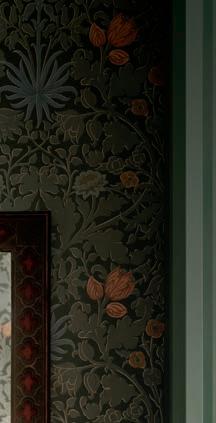
Golden Lily Circus wallpaper, £195 per roll houseo ackney.com
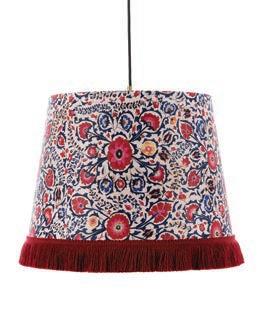
MINDTHEGAP
Suzani floral lampshade, £160 mindtheg.uk

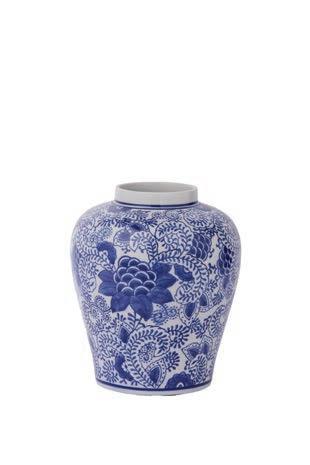
COX & COX
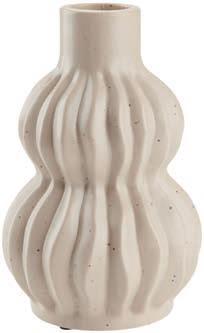
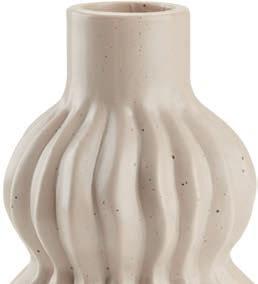
Floral ceramic vase, £45 coxandcox.co.uk
LITTLE GREENE
PRETTY TIFFIN
Mess plate set of four, £52.99 prettytiffin.co.uk
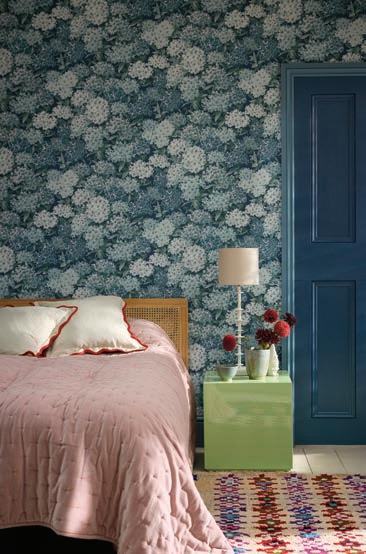
Rhododendron wallpaper in Hicks Blue, £POA littlegreene.com
Florals are set to be huge in 2026: here's why
SANDERSON
Silver Lime Nymph wallpaper, £112 sanderson.design
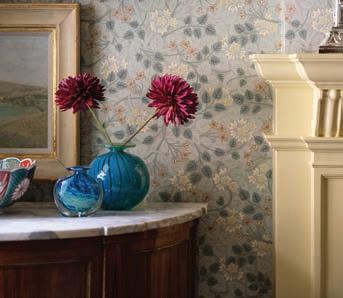
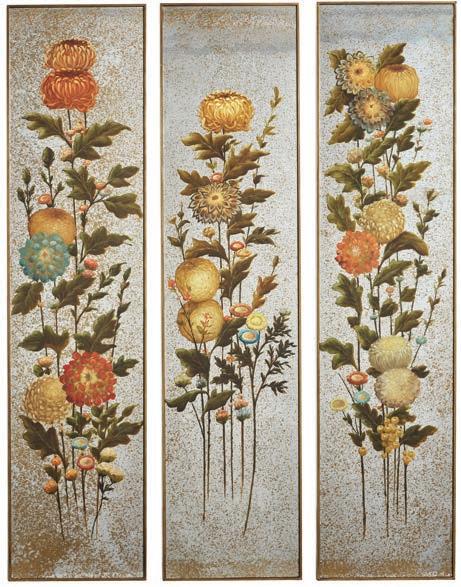
OKA
Zhenhua wall panels, £POA oka.com
By PENDLE HARTE
CASA BY JJ
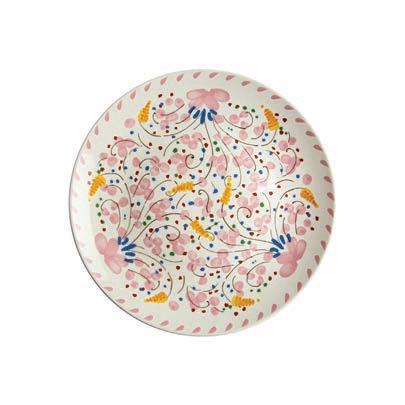
Beatrice dinner plates, set of six, £80 casabyjj.com
DIVINE SAVAGES
Drunken Monkey wallpaper, £159 divinesavages.com

LOUIS DE POORTERE
Suzani rug, £399-£1,555 heugahinteriors.com























Broadwater Road, Worthing West Sussex BN14 8HU
T 01903 201 123
E worthing@lancing.org.uk









The Manor, Bury, Pulborough West Sussex RH20 1PE T 01798 831 456


E info@dorsethouseschool.com

























six months
By SUSANNAH BIRKWOOD

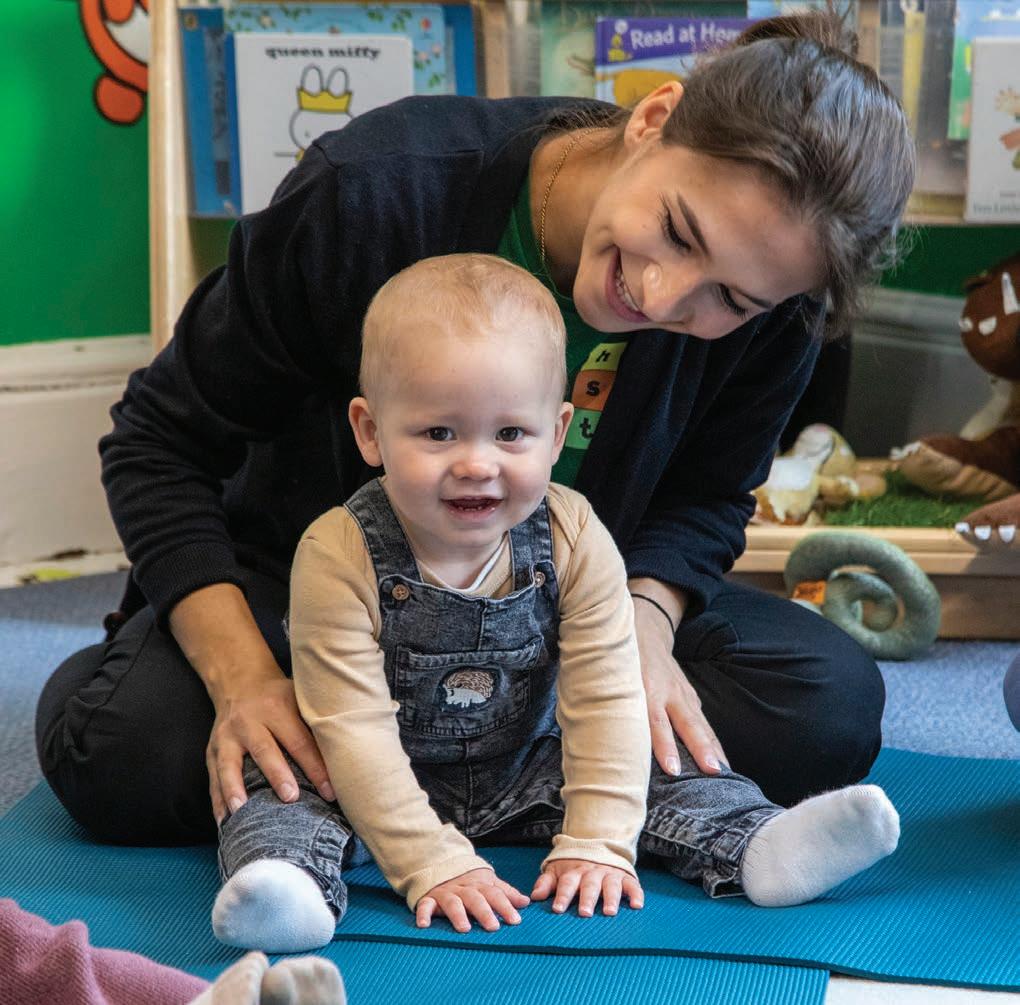
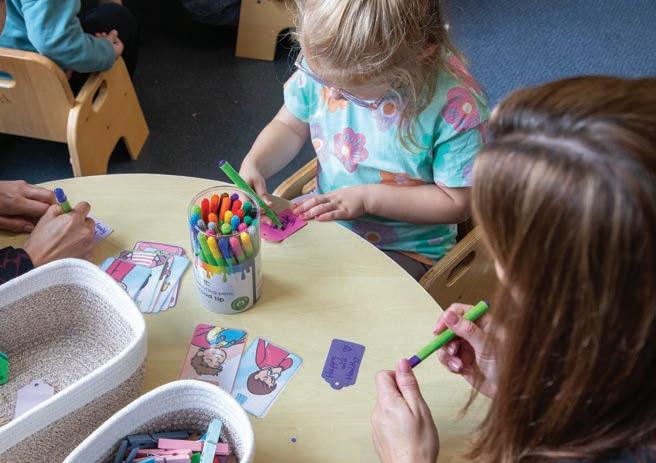
Hopscotch Children’s Nurseries is one of the first early years providers in the UK to introduce a dedicated Infant Mental Health Policy. Six months on, Sussex families and sta are already noticing the di erence.
When Rory started at Hopscotch’s Hove Station nursery at 11 months old, his parents felt fairly relaxed. His older brother Leo was already thriving there, and they knew the team well. But even they were surprised by how quickly the baby settled.
“His settling sessions were really tailored to what he loves and enjoys,” his mum Emma says. “He’s got so much energy, but we’ve noticed he’s becoming a bit calmer and starting to learn patience.”
For the family, the approach at Hopscotch feels deliberate, thoughtful and deeply personal. “We always get the sense that sta really understand Rory’s personality and love his cuddly, bubbly, loud persona,” she adds.
That understanding is no accident. Six months ago, Hopscotch introduced a pioneering Infant Mental Health Policy –one of the first of its kind in a UK nursery group. Developed in partnership with Brighton-based charity BrightPIP (Brighton Parent Infant Psychological Therapy) and clinical psychologist Dr Laura Williams, the policy aims to strengthen babies’ emotional wellbeing in their first 1,001 days – the period known to shape brain architecture, stress responses and the foundations of lifelong relationships.
“Infant mental health begins before a child
is born,” says Dr Williams. “The experiences babies have in their early years shape their capacity for relationships. Nursery sta are doing such important work. I hope this policy raises awareness of infant mental health in early years settings and helps guide Hopscotch’s practice going forward.”
Across Hopscotch’s Sussex nurseries, sta describe the policy not as a new set of tasks, but as a shift in mindset. “The biggest change for me was realising how much day-to-day care can be enhanced by
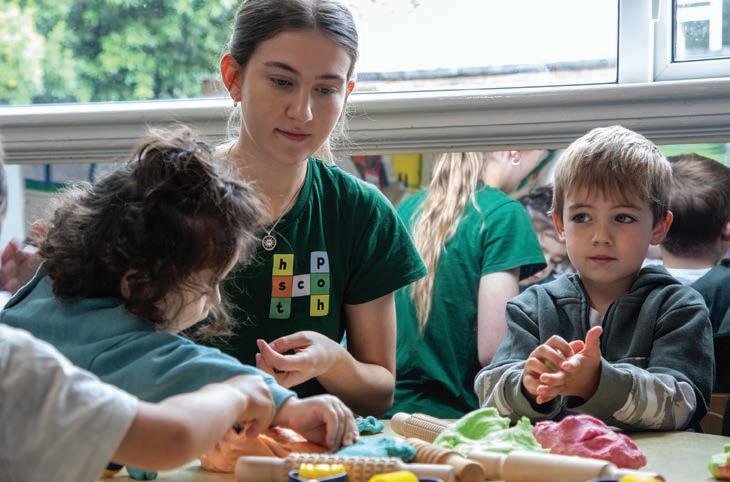
tuning in more closely to babies’ cues,” says CEO Phil Ford. “It’s not about doing more, but about changing the lens through which we see those early interactions.”
The policy itself is written from the baby’s perspective – a series of “I need…”
statements highlighting what helps infants feel loved, safe and understood. To embed the approach across multiple settings, Hopscotch worked with BrightPIP to train key babyroom practitioners from each nursery, involving sta who were also parents themselves to bring dual perspective.
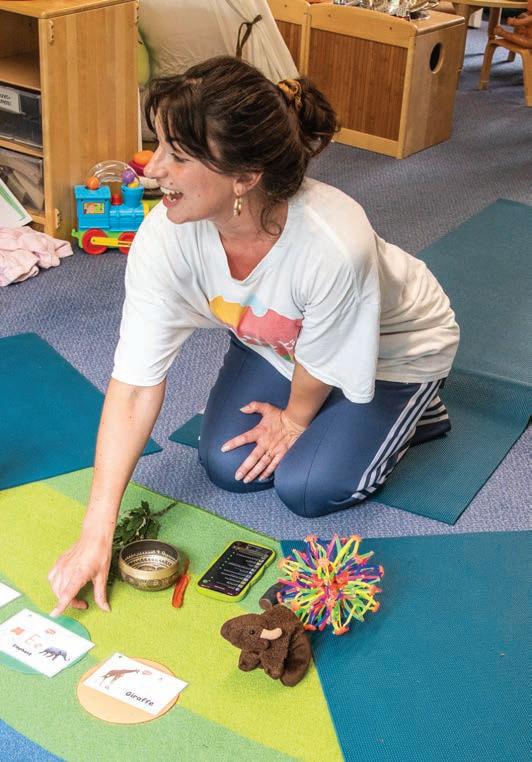
Six months on, the di erence is visible the moment you step into a baby room. “The biggest shift has been the consistency in co-regulation,” says Chloe Wilcox, Lead Practitioner at Hopscotch Seaford. “We now instinctively use calm voices, gentle touch, staying physically close to babies during moments of distress. We name and validate feelings out loud – simple phrases like ‘You’re feeling sad’ – so babies begin connecting words with emotions.”
This approach helps prevent distress escalating. “Just last week, a baby became upset during a transition,” Chloe recalls. “The key person sat close, spoke softly, and o ered gentle reassurance. Within minutes, he settled without becoming overwhelmed. His parents later told us how supported they felt seeing that approach.”
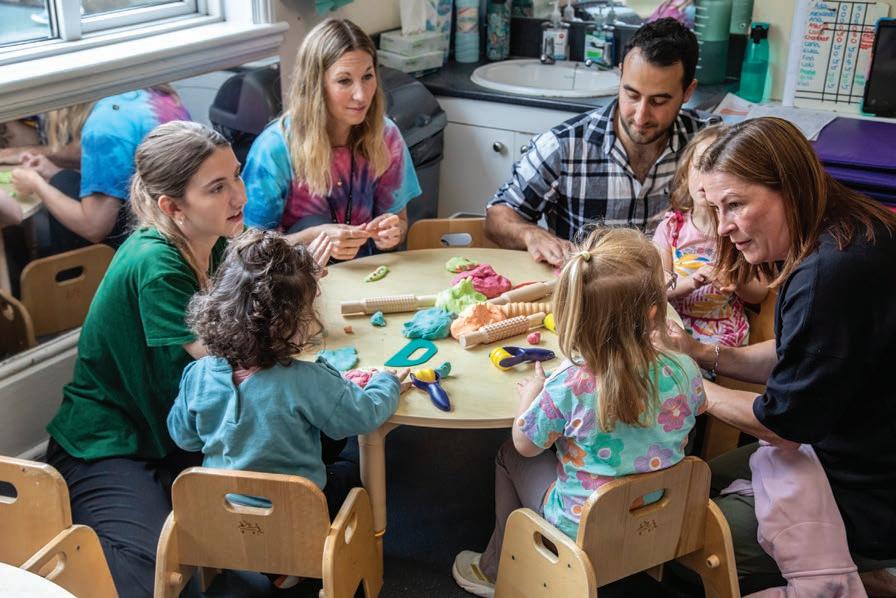
The IMH policy also emphasises a gentle, connected start to nursery life. At one setting, a baby who struggled with dropo s began to settle after sta learnt what soothed him at home and ensured the same familiar person greeted him each morning.
“It was such a simple shift, but it made a huge di erence,” says Jordan Stanley, Hopscotch’s Curriculum Lead. “He calmed much more quickly and eventually started waving goodbye to his dad every day.”
Jordan says that although settling is individual, babies now tend to feel comfortable enough to explore within a few days rather than weeks. “The focus is on building emotional connection right from the start. They gain trust so much faster.”
For Leo, Rory’s older brother, the move to Hopscotch at 15 months was, in his mother’s words, “game changing”. “We thought his last nursery was nice, but as soon as he moved here, we knew this was the place that would help him thrive,” she says. “He bonded with every single sta member. He’s naturally quite shy, but nursery has massively helped his confidence.” The family says their boys now run into nursery every day.
While the policy focuses on babies’ wellbeing, the benefits for sta have also been significant. “It’s taken away uncertainty,” says Chloe. “We all know how to respond and why it matters. Before, responses could vary from person to person, which sometimes created confusion. Now everyone is aligned. It’s strengthened teamwork and reduced stress.”

Phil Ford agrees. “Candidates often ask about our approach to wellbeing and infant mental health, and sta tell us they value working somewhere that supports those relationships.”
Hopscotch is now exploring how to extend emotional support beyond the nursery walls, o ering opportunities for families to connect with practitioners even before babies begin their settling visits. The team is also considering a parent feedback questionnaire to continue refining their approach. For the families already experiencing it, the di erence is clear. “We’re so pleased the boys are making such great memories here,” Rory and Leo’s mum says. “It really does feel like the place where they are understood.”
For more information on Hopscotch Children's Nurseries and their Infant Mental Health policy, visit hopscotch.uk.com
































































With a new book and hit stage show, Danny Robins believes today's children are every bit as keen on ghostly detective stories as he was
by LIBBY NORMAN
He’s been compared to Hitchcock and Van Helsing and called the UK’s ‘go-to spook guy’. But Danny Robins wears his o cial badge lightly and there’s not a hint of mystic aura about him. He never expected The Battersea Poltergeist and Uncanny to cause such a stir. “It happened in that strange, alien landscape of lockdown. I think it was a point where a lot of people were cooped up in their houses feeling slightly haunted by their houses,” he says. “I sometimes think I was the paranormal Joe Wicks. I was the beneficiary of that era, in that there were a lot of people who wanted to be entertained.”
The ripple spread way wider than he could have conceived. “I couldn’t in a million years have anticipated The Battersea Poltergeist being talked about on Australian breakfast television and fielding calls from Hollywood producers asking about film rights.” Looking back now, Danny wonders if he had stumbled across a collective desire to explore the out-ofbody world. “Those strange, chaotic, uncertain times spawned an interest in the paranormal.”
The Battersea Poltergeist – a podcast first aired in 2021 – retold the tale of the 1956 alleged haunting of 63 Wycli e Road in an utterly riveting way, while Uncanny, beginning later that year, delivered a rich brew of paranormal and haunting true-life tales examined in forensic depth through a believer’s and a sceptic’s lens. Uncanny passed to the other side, with a BBC Two series beginning in 2023 (we’re now two series in) and has also become a hit touring show. Somewhere in there, Danny also found time to write 2:22 A Ghost Story, which was one of the first plays to open on the London stage after lockdown. It picked up three Olivier nominations and won three WhatsOnStage Awards, including Best New Play.

It’s worth noting that Danny’s interest in the paranormal is not recent – among his many writing credits is Young Dracula, the comedy that ran for five seasons on CBBC from 2006. “This is the subject that keeps on giving. You can go anywhere in the world and ask that question, ‘do you think ghosts exist?’ and come up with a really exciting, colourful debate.” This, then, is the backdrop for Do You Believe in Ghosts?, his new book aimed squarely at curious young minds keen to find out more about the supernatural. In designing the book, Danny has drawn on his own childhood passion. He was, he says, that kid in the school library reading everything he could find on a subject that gripped him. He still recalls the Usborne World of the Unknown,
the Collins Gem Ghosts and even a Hamlyn guide. “There was an era of real fascination with this subject that spawned quite a lot of lurid books full of pictures of ghosts and monsters and demon dogs,” he says.
“Combined with the fact I was brought up as an atheist, and I didn’t have belief in my life, I think I was just really interested in the idea of what made people believe.” Or not, for in the introduction to Do You Believe in Ghosts? Danny nails his colours to the mast as ‘a sceptic who really wants to believe’. In similar vein, he invites readers to align themselves with either #TeamBeliever or #TeamSceptic, also voting on each of the accounts they read in the book to see if they’ve been swayed one way or the other.
“IT IS ALL ABOUT US TESTING THE PARAMETERS OF OUR WORLD AND BEING SCARED WITHIN SAFE
It’s an approach that gives children agency and also encourages them to get thinking behind the stories and listening to di erent theories. “If you are from #TeamSceptic you can look at it from a psychological, environmental, scientific perspective, and if you are #TeamBeliever you are digging into the history of the house, who might have lived there and who might be the ghost,” he says. “All the kids I meet, they are little detectives. They love exploring stu . They love trying to make sense of science and history – this is a subject that allows you to do that.”
Of course, ghost stories give children a thrill, a frisson, but this is as old as storytelling itself. “There’s something important for a kid – which is when you first come across this idea of ghosts – about being scared within very safe boundaries. It’s why we watch Dr Who or enjoy doing something like Go Ape. It’s us testing our world, testing the parameters of our world.”
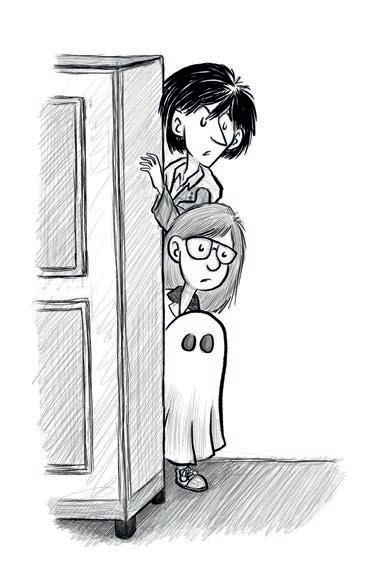
Do You Believe in Ghosts? tests parameters but sits firmly on the side of spooky, rather than scary, with jokes and asides and plenty of comic illustrations. In fact, illustrator Ellen Walker wrote to him first as an Uncanny fan and plays a key role here as a part of the ghost hunting team. The tales cover familiar spooky ground to many adults. We read about the disturbances at 284 Green Street (aka The Enfield Poltergeist), the thrilling haunting of RAF Lossiemouth, a cellar in York where Roman Legionnaires were spotted by a hapless boiler fitter, and even head back to 19th-century New York State to meet the famous spiritualist Fox sisters. There’s plenty of history in the mix, but also clear and age-appropriate explanations of concepts such as Stone Tape Theory, telekinesis and cognitive bias – also, impressively, an evolutionary psychology explanation for why we humans are pre-programmed to be scared of the dark. “Explaining them in a kid-friendly way opens up this amazing debate they can have,” says Danny. He hopes that these explanations serve a useful purpose in helping children rationalise other fears. “Once you understand that you can start to feel, ‘well maybe some of

the other things I feel scared about I don’t need to feel scared about’. I think there's quite an empowering message behind all of this – that the world isn’t quite as scary a place as it might sometimes seem.”
Adults reading along with their children may expect more questions than they can answer. “I definitely think any sort of fear within a ghost story has in equal measures that dose of optimism. It suddenly opens up the possibility that people that we’ve loved and lost still might be out there,” he says. “That potential optimism is a really powerful thing in terms of processing those moments – whether it’s a pet that you’ve lost or a grandparent.”
One of the things that has struck Danny is that the audience for ghosts spans all ages. “What I’ve noticed a lot on my tour and just generally meeting people who listen to the show or watch the show is that there are loads of kids who are Uncanny fans,” he says. “It feels like a family-safe subject. You can approach it in di erent ways. You

have the adult level where you’re consuming stu that might make you feel a bit scared, or you can have the kids’ stu where you’re loving the fact that it’s a detective hunt and that you’re learning a bit about science and history and having a bit of fun.”
With the book, plus a season of Uncanny stage shows, Danny is looking forward to hearing from many more fans who share his enthusiasm for considering mysteries beyond our rational world. “Detective stories normally stop when you find out whodunnit, but ghost stories just keep on unfolding,” he says. “I really like the idea that we haven’t discovered everything there is to discover about our world. What’s not to love about the idea of hunting for that?”
Do You Believe in Ghosts? by Danny Robins, illustrated by Ellen Walker, is published by Pu n Books (£8.99). The 'Uncanny: Fear of the Dark' stage show is on tour now. For dates and venues, visit uncannylive.com










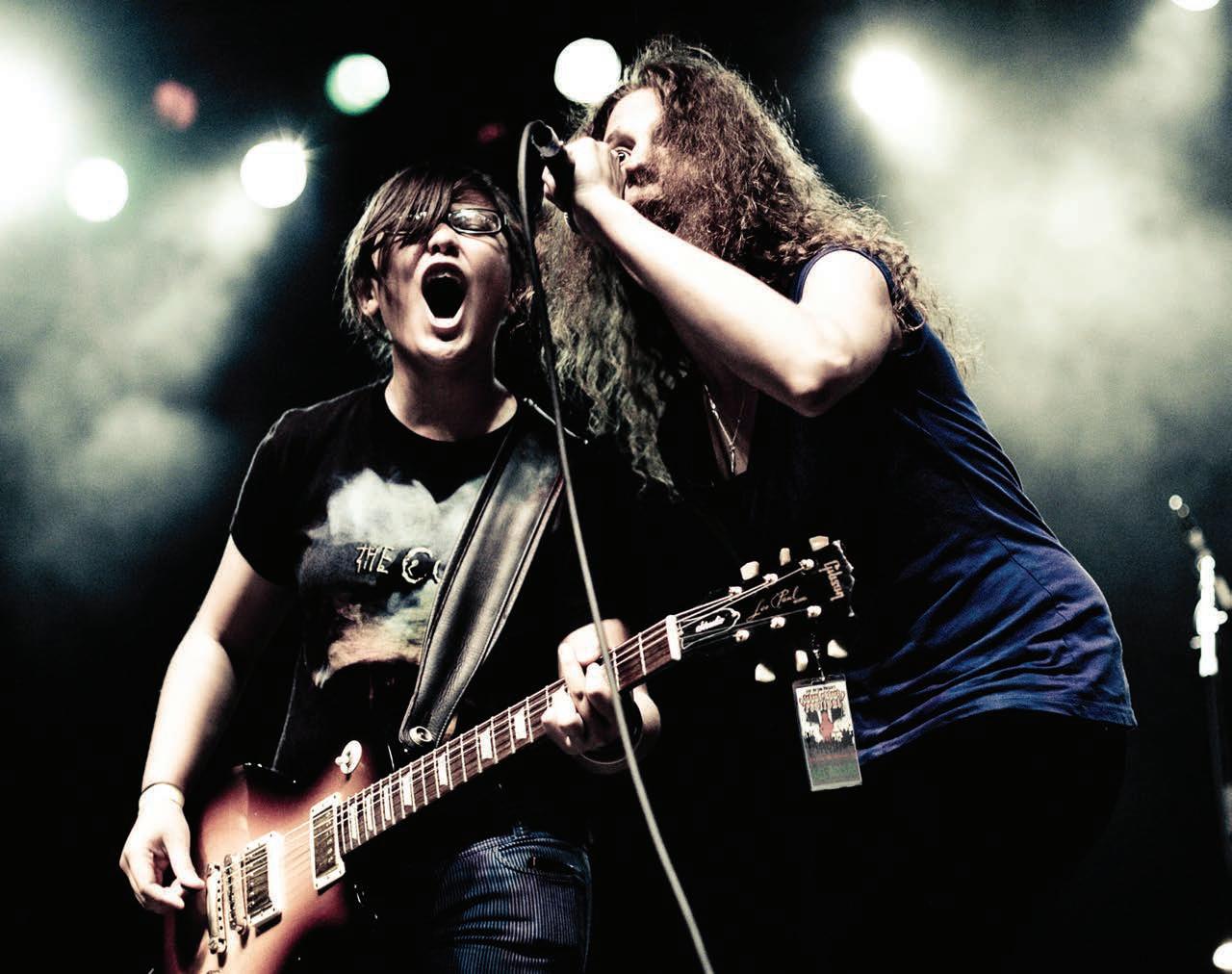
The School of Rock has opened in the UK and Absolutely joins the band to find out more
School of Rock London is a dynamic and immersive music school that empowers students of all ages and abilities to learn, play, and perform music in a band setting. Unlike traditional music tuition, the School of Rock philosophy blends private lessons with weekly group rehearsals so learners don’t just practise – they play rock songs together from early on, building both skill and confidence through real-world performance experiences. At its core is the globally recognised School of Rock Method™, a performance-based curriculum that uses popular rock music to teach technique, theory, and musicianship in
a way that’s exciting and engaging. Students at the new London location can take lessons on guitar, drums, bass, keyboard, or vocals, progressing from beginner to advanced levels and regularly playing live at local venues. With programmes tailored for young children, teens, and adults, School of Rock London nurtures creativity, teamwork, and stage presence. Whether you’re picking up an instrument for the first time or honing your performance chops, this school turns learning into an unforgettable rock-androll journey. Matias Puga-Hamilton, an entrepreneur and drummer enthusiast who has already launched 24 School of Rock franchises across Latin America, is leading the UK charge. Absolutely went to meet him.
Q Why was Twickenham chosen as the location for the first School of Rock in the UK?
A We chose Twickenham because of its rock background. It genuinely feels like the home of British rock. Being right next to Eel Pie Island, where The Rolling Stones, The Who, The Yardbirds and so many others started their careers, gives this place a special energy. When we decided to bring School of Rock to the UK, we knew we had to start where the story of British rock began. Twickenham also has a strong creative spirit and a community that values music, families and culture. We wanted to open a place that means something for the community and around music. Starting here

“WHETHER SOMEONE IS A BEGINNER OR ALREADY PLAYS, THEY CAN FEEL PART OF SOMETHING”
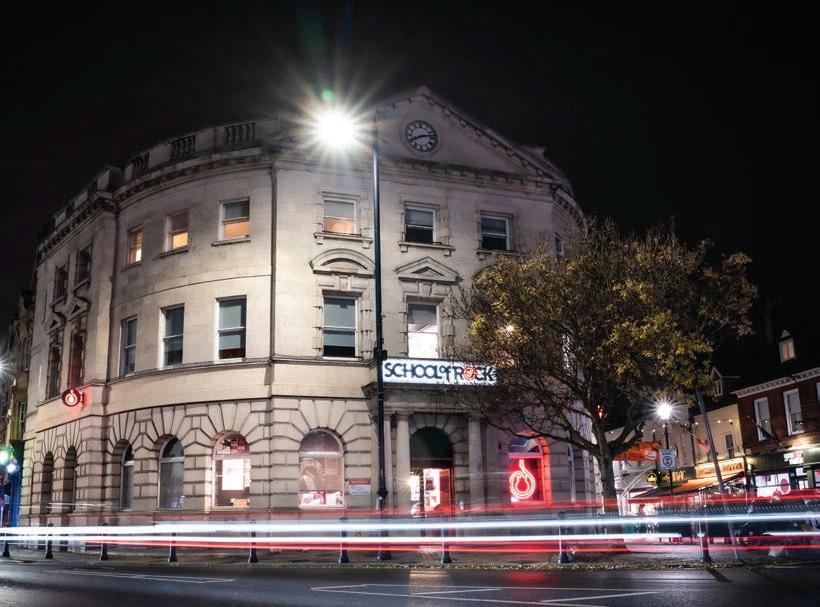
allows us to connect our students to a real musical legacy, “back to rock” where it all began.
Q What would we find at this School of Rock?
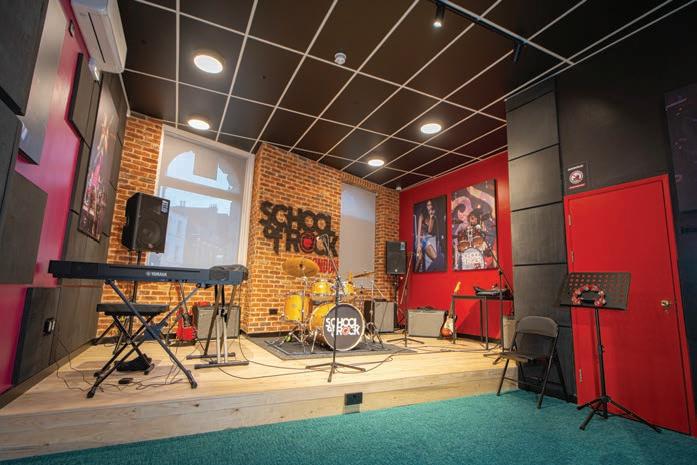
A You’ll find a proper music school built around real performance. We’ve transformed a beautiful Grade II listed former bank from 1904 into 14 studios designed for lessons, rehearsals and live playing. Every room is equipped like a real venue or rehearsal space. But more than the rooms, you’ll find a space to connect around music, to build a community. Students of all ages, instructors who are working musicians, and an environment that feels welcoming and fun. Whether someone is a complete beginner or already plays, they can walk in and feel part of something.
Q You’ve mentioned ambitions to open 50 schools nationwide – what milestones will determine the pace of expansion across the UK?
A For me, the most important thing is doing this well, not fast. First we wanted to make the first school a reality, and we wanted to do it properly, so it can set the basis for the ones to come. The pace will depend on a few key things, including how the market reacts, and so on.
Once we feel confident that everything is solid and replicable, we’ll move on to the next stage of growth. The number is achievable, but only if we stay focused on quality first, which is what we do at School of Rock.
Q How will School of Rock involve behindthe-scenes professionals such as tech crews, sound engineers, or venue partners?
A I’ve always believed that live music is a team e ort. We work with local sound engineers, technicians and venue teams
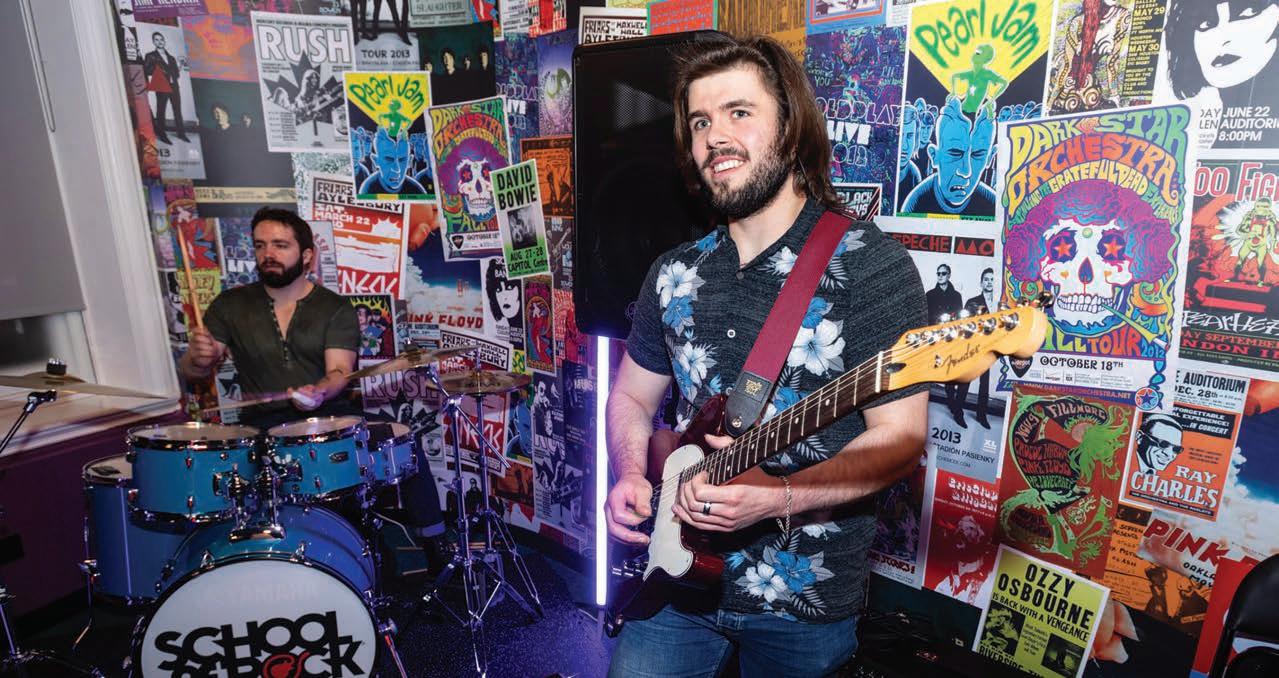
“TRADITIONAL LESSONS START WITH TECHNIQUE AND THEORY. WE DO THE OPPOSITE: WE START WITH SONGS AND PERFORMANCE”
for our live shows. Their support helps us create a real performance environment for the students, with proper sound and stage setup. It also allows us to build strong relationships with local venues, which is an important part of our model. Our focus is on the performance side, but having these professionals involved makes the overall experience much more authentic.
Q How do you plan to build partnerships with local venues and arts organisations to give students real performance opportunities?
A We want our students on real stages, in front of real audiences. It builds confidence, creates memories, and connects us to the local arts community in a genuine way. That’s

why performing in real venues is essential to our method. We’ve already started building relationships with venues in di erent parts of London, and we’ll continue to grow that network as we expand.
Q You’ve successfully opened 24 School of Rock franchises across Latin America. What insights or lessons from that experience are shaping your approach in the UK?
A The biggest lesson is that you can’t copypaste culture. Each place is di erent and takes its own time to develop and grow. You need to listen to the community, understand it, and adapt the model to fit.
What stays the same everywhere is the heart, and the essence of School of Rock: great instructors, strong student support, and a school that truly feels like a second home where students can learn music but can also develop very important soft skills. That’s what we’re bringing to the UK.
Q You’ve spoken about the impact School of Rock had on your own daughters. How does that personal experience influence the way you lead and expand the brand?
A It had a huge impact on me. When we were living in the US, my wife enrolled our daughters in School of Rock, and as soon as I saw them growing in confidence, making friends and discovering music in such a joyful way, I thought, “I need to try this myself”. So I joined the adult programme as well.
That experience helped me understand how powerful this method is and the real value it brings to families and individuals
of any age. Fast forward to today, and I now have a band with my daughters. I play the drums, and they sing and play keys. It’s an amazing experience. That personal journey guides me in every decision. I want other families to feel what we felt.
Q School of Rock emphasises learning through performing. How does this method di er from traditional music education, and why do you believe it resonates so strongly with young people?
A Traditional lessons usually start with technique and theory. We do the opposite. We start with songs and performance. Students play music they love from day one, and technique and theory come naturally as part of that journey. It feels fun, fast and social, and that’s why young people connect with it so strongly.
Q What opportunities will adult learners have within the UK schools, and how important is intergenerational creativity to the School of Rock model?
A For adults, it’s the opportunity to accomplish something many people have always wanted to do: be in a band. Our adult programme gives them the chance to learn an instrument, rehearse with others and perform live. We’ve seen how meaningful that is in our schools around the world, and we’re excited to o er the same here.
And I really enjoy seeing di erent generations sharing the same love for music. It naturally connects people, and that spirit is a really important part of who we are.
Q School of Rock is known for its ensemble-based approach. How do you support students who may be shy, neurodivergent, or completely new to performing in group settings?
A We meet each student where they are. Our instructors understand di erent learning styles, and the group format helps many students feel more comfortable and confident over time. It takes time, but we’ve had many success stories in other countries, and we’ve seen the impact the school can have on children and how it boosts their confidence.
Some of our most inspiring performances come from students who walked in nervous and unsure. Watching them grow is one of the best parts of this job.
schoolofrock.com
We deliver outstanding academic results without the pressure. Set in stunning countryside with daily minibus services across Sussex and Kent, Mayfield School offers an extended day, flexible boarding and more than 80 extracurricular activities. Here, girls thrive intellectually and personally, leaving with unshakeable confidence to navigate an ever-changing world.




















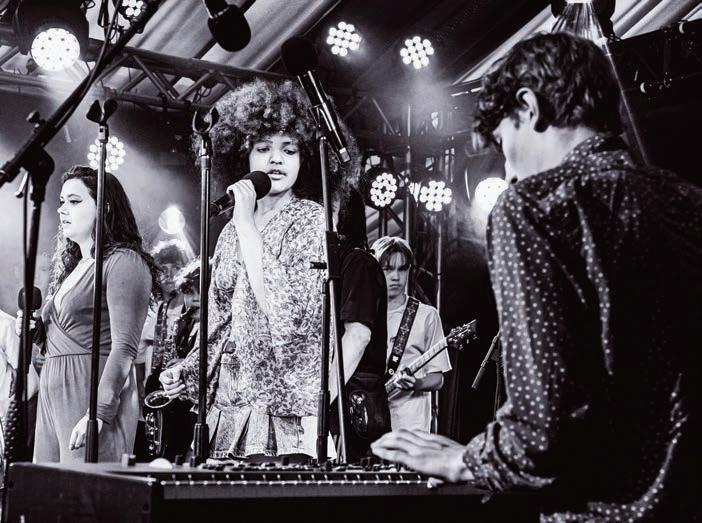
Brighton's newest cultural hub joins forces with a youth music charity to create opportunities for the next generation of music industry talent
uarters Brighton, the newest venue from Amaad Venues, has announced a pioneering partnership with AudioActive, the South East's leading nonprofit music organisation dedicated to empowering young people and emerging artists through music. This collaboration brings together Quarters’ commitment to world-class live music experiences with AudioActive’s expertise in youth development, mentoring, and creative opportunity.
Together, Quarters and AudioActive will curate events led by AudioActive members, with both talent and crew coming from the organisation and supported by Quarters, giving young people hands-on experience in planning, sta ng, and delivering live music showcases. The partnership will provide paid internships o ering realworld experience across all aspects of running and managing a professional venue, while creative opportunities, including rehearsal and recording spaces, content creation for personal platforms, and guest list access, ensure music remains accessible to those who need it most.
This partnership will create concrete, actionable opportunities that give young people genuine ownership of the Quarters space and the chance to shape its cultural impact. From the outset, Quarters has aimed to be more than just a club, actively contributing to its local community and providing a platform where the South Coast music scene can flourish.

AMAAD co-founders, Paul Jack and Will Harold, say: “When we started building Quarters, the aim was never just to open another club. We wanted a space that really belongs to the community. AudioActive’s mission and the young people they support align perfectly with what we’re trying to create in Brighton. Together, we’re building real opportunities, real pathways, and a place where new talent can grow, perform, and genuinely shape the city’s music culture.”
Michelle Hunter, Director of Programmes, Communications and Marketing at AudioActive, adds: “Quarters


share our belief that young people deserve genuine access to the spaces shaping our music culture. This partnership creates real, paid opportunities across performance, production and venue operations not just for artists, but for the next wave of industry talent. It’s the kind of collaboration that strengthens a city’s cultural ecosystem and makes the south coast a place where young creatives can grow and be seen.”
Every guest list allocation at Quarters will include a £5 donation to AudioActive, with all contributions tracked and shared to highlight the partnership’s tangible impact. Industry mentoring and classes will see AMAAD sta and music professionals hosting sessions and talks, connecting young members directly with artists and leaders shaping the future of electronic and live music.
Since opening in September 2025, Quarters has already made its mark with an innovative programme of live and electronic events, featuring artists such as Shy FX, Laurent Garnier, Swimming Pool, Everything Everything, The Sherlocks and The Callous Daoboys.
AudioActive works with 12–25-yearolds to build better futures through music, o ering free community projects, mental health-focused programmes,
“It's the kind of collaboration that makes the south coast a place where young creatives can grow and be seen”

one-to-one mentoring, and professional development. With hubs in Brighton, Crawley, and Worthing, the Arts Council England National Portfolio Organisation and PRS Foundation Talent Development Partner, AudioActive, boasts a number of transformative sessions including Equaliser (music production for women and non-binary participants), Room to Rant (supporting young men’s mental health through rap and lyric writing),
SHIFT (one-to-one mentoring), EMERGE (professional artist development), and Beats and Bars (its signature lyric writing and beat-making sessions).
For more information about Quarters Brighton, visit quartersbrighton.co.uk
To support this initiative, sign up to the mailing list to keep up to date with next steps, support the venue, and donate to AudioActive at audioactive.org.uk




Sarah Bakhtiari, Principal of Shoreham College, on pupil-centred development

Q What are the key academic, pastoral, and co-curricular opportunities that you feel most define the experience students receive at Shoreham College today?
A At its heart, Shoreham College is a school that takes young people seriously. Our ethos is grounded in the belief that pupils thrive when they are known well, challenged appropriately, and supported with care. We are academically ambitious without being pressurised, nurturing without being indulgent, and deliberately human in how we approach education. What sets us apart in the independent landscape is the balance we strike: high expectations alongside warmth, structure alongside flexibility, and tradition alongside a willingness to adapt.
Q How does the college support individual student growth –whether that’s academic excellence, wellbeing, character development, or preparation for life beyond school?
A The experience pupils receive today is shaped by that balance. Academically, we focus on strong subject knowledge, clear thinking, and purposeful learning rather than narrow performance measures alone. Small class sizes allow teachers to respond to individuals, while consistent curriculum planning ensures coherence and rigour

across year groups. Pastoral care is not an add-on but a foundation. Pupils are supported by sta who know them well, notice changes early, and take wellbeing seriously as a prerequisite for learning. Alongside this, our co-curricular programme is broad and meaningful, encompassing sport, creative arts, outdoor learning, and leadership opportunities that allow pupils to discover strengths beyond the classroom.
Q Looking ahead to 2026, what strategic priorities or developments are you most excited about – whether in curriculum innovation, facilities, technology, or community partnerships?
A Supporting individual growth is central to our work. For some pupils, that means stretching them towards academic excellence; for others, it means building confidence, resilience, or a renewed sense of self-belief. We invest heavily in guidance and mentoring, ensuring pupils understand not just what they are learning, but why it matters and how it connects to life beyond school. Character education is woven into daily school life, with a clear emphasis on integrity, curiosity, and courage. By the time pupils leave us, they should be capable learners, thoughtful citizens, and young people who are comfortable taking responsibility for their choices.
Q What is your broader vision for Shoreham College over the next few years?
A Looking ahead, 2026 represents an important milestone. We are focused on refining our curriculum, strengthening consistency across departments, and making thoughtful use of technology to enhance learning rather than distract from it. We are equally committed to developing our sta , deepening community partnerships, and ensuring our facilities continue to support both academic and pastoral excellence. Our broader vision is simple but demanding: to remain a school where pupils feel challenged, supported, and genuinely prepared for the world they are stepping into, and where families can trust that education is being approached with care, clarity, and purpose.
shorehamcollege.co.uk


Independent School Day and Boarding Boys aged 8-18
Specialist Learning Environment




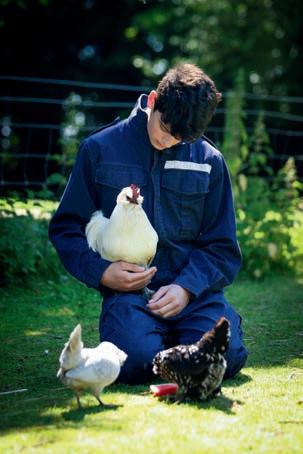
Maximum class size of 10 Individualised curriculum pathways In-house therapies and specialist dyslexia teachers Broad range of enrichment activities Flexi, PartTime, Weekly boarding Award winning pastoral provision
www.slindoncollege.co.uk



By BEN EVANS
Watching Back to the Future recently with my children, it was fascinating to see things that were just ideas when the film was made but are reality now – ok, not time travel, but video calls, voice commands, VR glasses and much more. So what will the future hold for our children? Who knows, but we need to make sure they are prepared, ready to embrace new technologies, not frightened of the impact that science and technology may have on their lives but excited by it, and part of conversation.
At Windlesham House School that’s exactly what we are doing, by inspiring a profound enjoyment of all aspects of science, technology, engineering and, yes, maths! The classrooms and teaching methods encourage problem solving and use real world scenarios. In maths, for example, the children design and map out a theme park, while others create board games, learning probability, shape, area calculations, budgeting and planning as they do.
Children can explore a realm of possibilities through DT in which they are exposed to rapid prototyping as they create 3D designs in a range of materials and the latest 3D printing technologies. They learn about the importance of recycling and sustainable materials, innovation, product design and electronics. All skills that they might need in a world where desires, expectations and thus products are evolving, but where resources are finite. Perseverance and adaptation are all vital skills that all our children will need. Individual and group projects in science investigating real-world ‘problems’ allow Windlesham pupils to gain far more science knowledge and transferable skills than any taught experiment can. Pupils choose their own aspect to investigate, whether that’s what a ects the melting point of di erent chocolates or which packing tape is the strongest. They outline their hypothesis, set out their experimental design and write their results and conclusions. I don’t remember doing this before A-level, but these children lap it up and have fun doing it.
Of course we can’t forget tech! Computers, programming, robotics, content creation, video, animation, AI and more are all part of the world that our children inhabit and will continue to do so throughout their lives. Windlesham prepares them through a range of curriculum and cocurricular opportunities that include understanding safe use of technology as well as all technical elements that go on behind the scenes. Programming starts with Scratch and progresses to Python, while Lego robotics and Vex robotics are o ered in cocurricular time.
We can never prepare our children for every possible future, but Windlesham House does about as good a job as is possible, equipping pupils for high-demand jobs in STEM as well as ensuring every child has the knowledge and competence to e ectively employ technology in any career path they pursue
Ben Evans is the Head of Windlesham House School – see more at windlesham.com
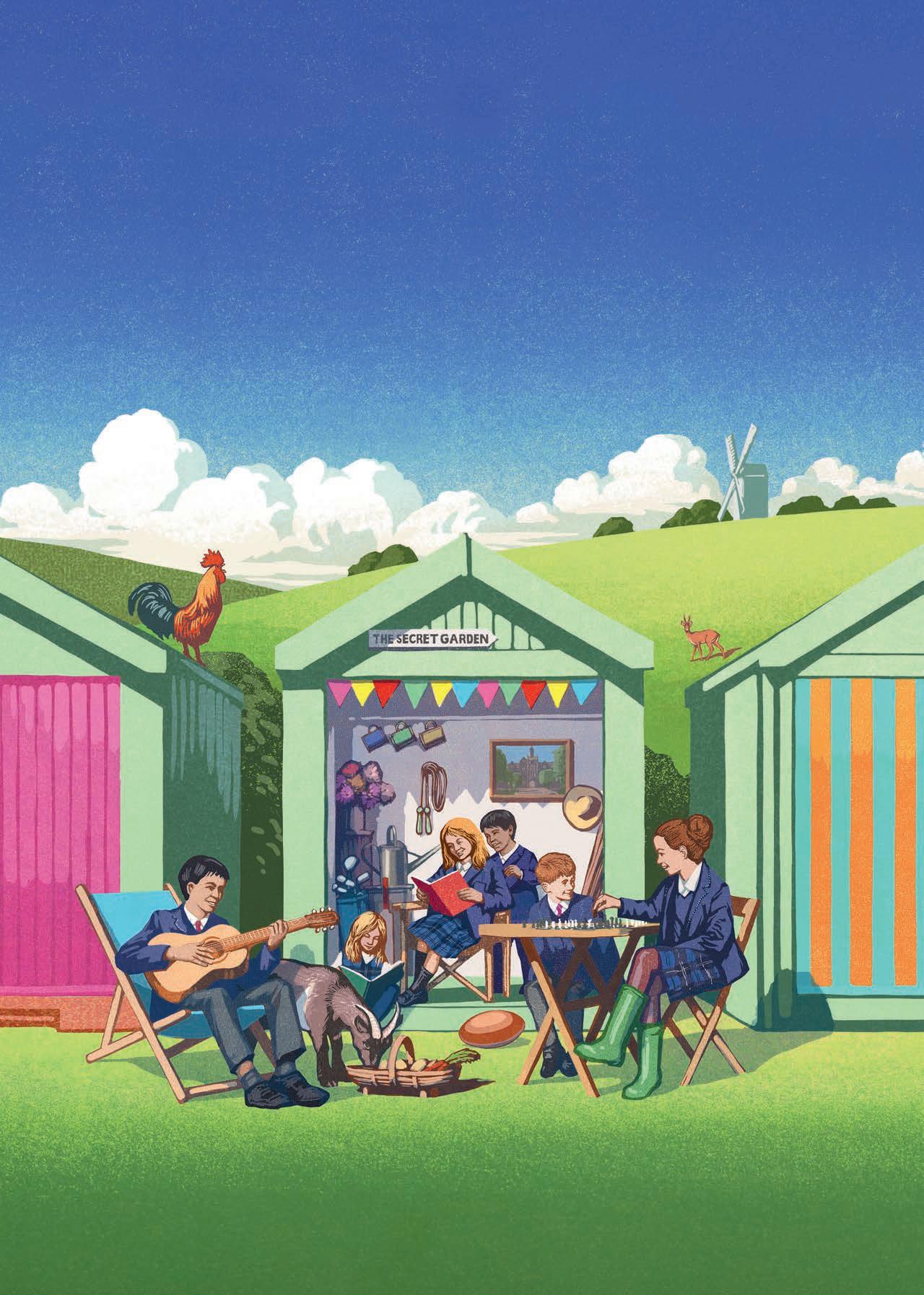
o cially opens The Sir Michael Snyder Building, celebrating a new era of boarding excellence

Brentwood School has o cially opened its new, purpose-built, state-of-theart boarding house, which was formally named The Sir Michael Snyder Building.
As one of the UK’s leading independent day and boarding schools for boys and girls aged 3 to 18, Brentwood School boasts a rich history of nearly 500 years. The special opening ceremony, held on the Essex campus, was attended by governors and special guests.
The facility was named in recognition of the outstanding service to the school of Sir Michael Snyder (OB), who served the school in various capacities, including as Governor from 1992 to 2007, Vice Chairman from 2007 to 2018, and most recently as Chairman
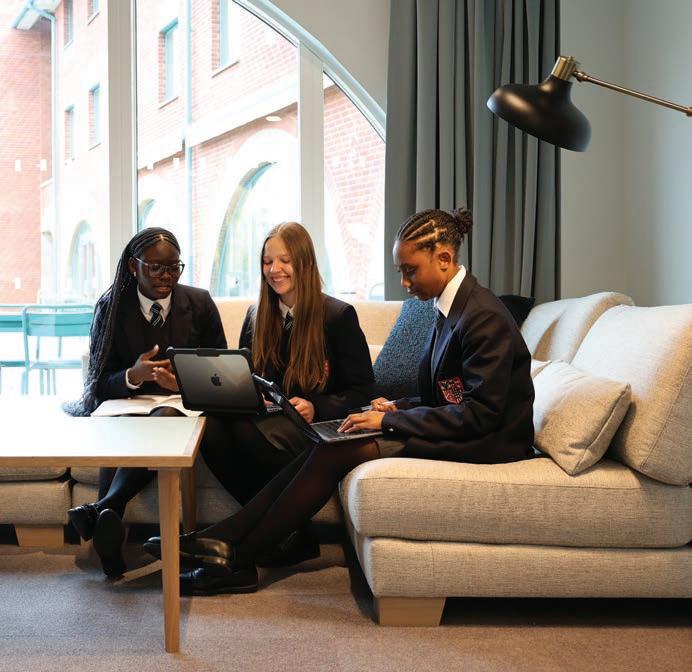
boys, and a central shared hub. This shared hub includes new dining, communal, and recreation areas, along with an outdoor courtyard and a dedicated landscaped social space. A Sixth Form Café, operated by award-winning UK café chain Benugo sits at the heart of the new development, strengthening the school community.
of Governors from 2018 until 2024. The new boarding house, which has been years in the planning, is sectorleading and o ers the highest standard of accommodation and facilities. The 122 single en-suite bedrooms located on the upper floors feature cutting-edge universitystyle accommodation. While Brentwood enjoys a rich history spanning nearly 500 years, the school has consistently embraced innovation. Boarding remains an essential part of this tradition, fostering cross-cultural friendships and contributing to the diversity and international outlook of the community. The fully-accessible building is designed to function as a true home away from home. It is subdivided into three main sections: separate houses for girls and
Chairman of Governors, Lord Guy Black of Brentwood, says: “This is a tremendous moment for our school as we o cially open this state-of-the-art boarding house. This facility is more than just a building; it represents our commitment to providing students with a safe, inspiring, and modern environment where they can thrive both academically and personally. I am grateful to everyone who has contributed to turning this vision into reality, and I know it will serve our community for generations to come.”
Headmaster Michael Bond adds: “We believe that our new boarding facilities, combined with the flexibility of our boarding options, will greatly enhance the school experience for all our students. It also strengthens the international dimension of our school, as we welcome talented young people from countries near and far which fosters a vibrant, diverse community that enables our students to make connections that often turn out to be life-long, with people from around the world.”
Find out more about boarding at Brentwood at brentwoodschool.co.uk/ boarding/boarding-at-brentwood
why everyone is talking about…
Arundel Castle, the home of the Duke and Duchess of Norfolk, has won the 2025 Historic Houses Garden of the Year Award. This prestigious national award, presented annually since 1984, is designed to recognise the importance of some of the country’s most spectacular gardens with outstanding horticultural and public appeal. This year’s public vote featured eight shortlisted gardens from across the country and garnered a record number of votes. Across the four-month voting period, Arundel beat fierce competition from gardens such as Iford Manor, Penshurst Place, and Hestercombe.
Arundel Castle has been home to the Earls of Arundel & Dukes of Norfolk since 1067 and is found within the South Downs National Park, West Sussex. Set within 38 acres of gardens and landscapes, each year visitors are treated to beautiful floral displays throughout the seasons with wonderful collections of plants, specimen trees and wildflowers.
Work on the gardens has been ongoing for the past 25 years, beginning with the restoration of the 1852 Clarke & Hope Vine House in 2000, through a range of di erent projects throughout the years, including this year’s new Dipping Pond, designed by Head Gardener, Martin Duncan, to showcase the biodiversity of pond life, as well as a new woodland stumpery within the landscape.
The garden’s annual tulip festival in April is regarded as one of the best tulip displays in Britain. Over the past 12 years, the team have planted 1.5 million bulbs, including narcissus, tulips, fritillaries, alliums, and camassias.
Martin Duncan says: “We are delighted to

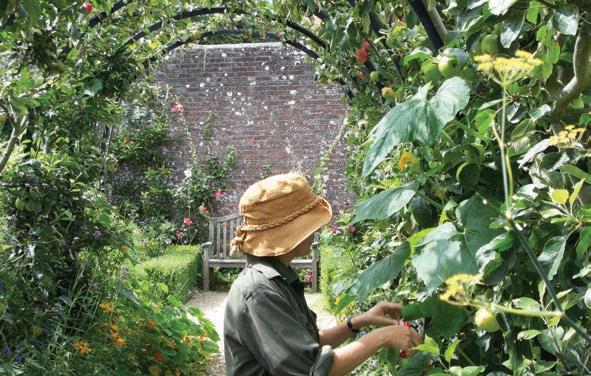
have won this award. We would like to thank Historic Houses, Christie’s, and everyone who voted for us. This achievement would not have been possible without the support and foresight of The Duke and Duchess of Norfolk, the Castle Trustees, and the dedication and passion of our castle garden team and wonderful volunteers.”
Orlando Rock, Chairman of Christie’s UK (the awards sponsor), adds: “I am delighted to congratulate Arundel Castle on receiving this year’s Historic Houses Garden of the Year Award. Framed by one of England’s most historic and magnificent castles, the gardens at Arundel are a triumph of imagination, craftsmanship, and care. They reflect centuries of dedication by the Dukes of Norfolk and their team, who continue to nurture a place of extraordinary character and beauty. Christie’s is proud to support an award that celebrates such remarkable expressions of heritage and creativity.”
arundelcastle.org