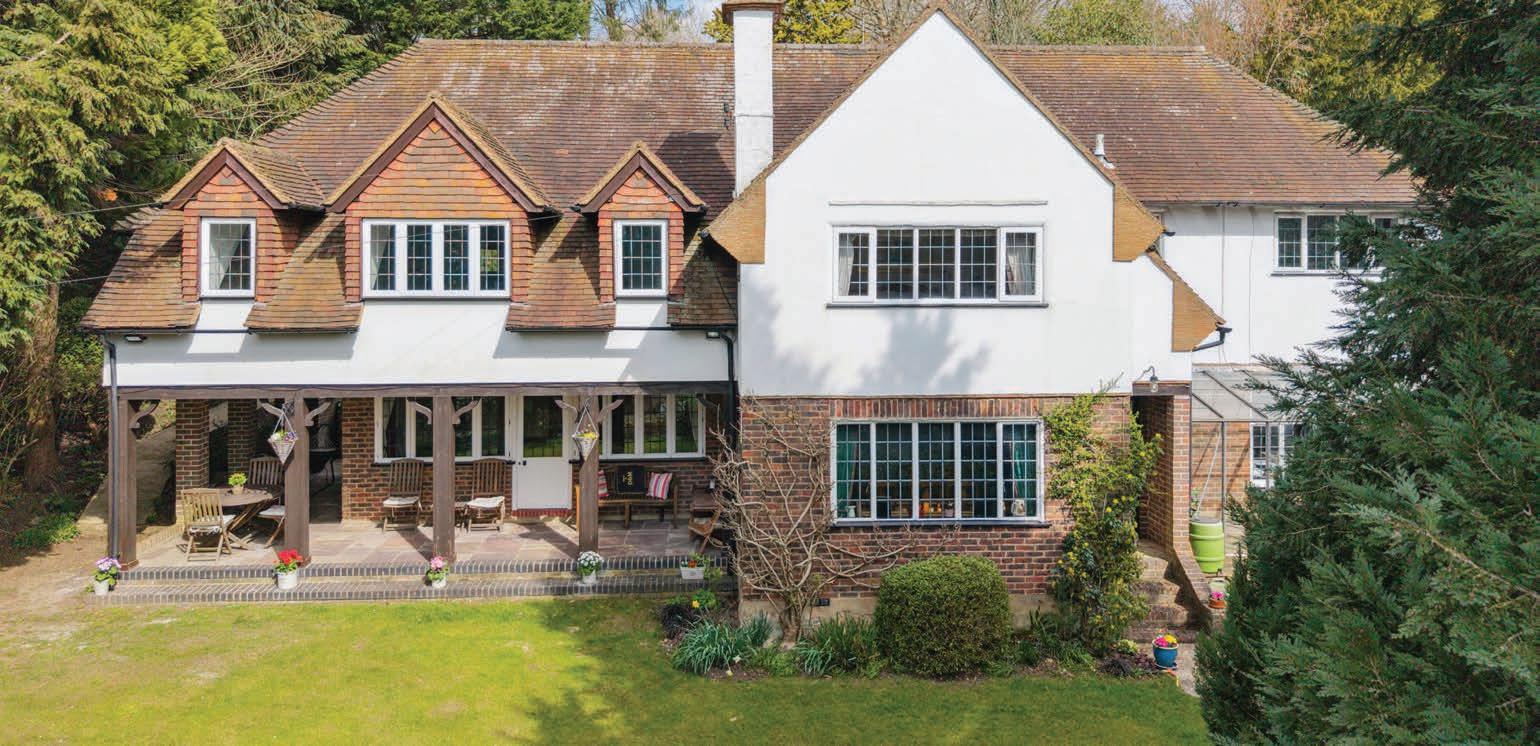
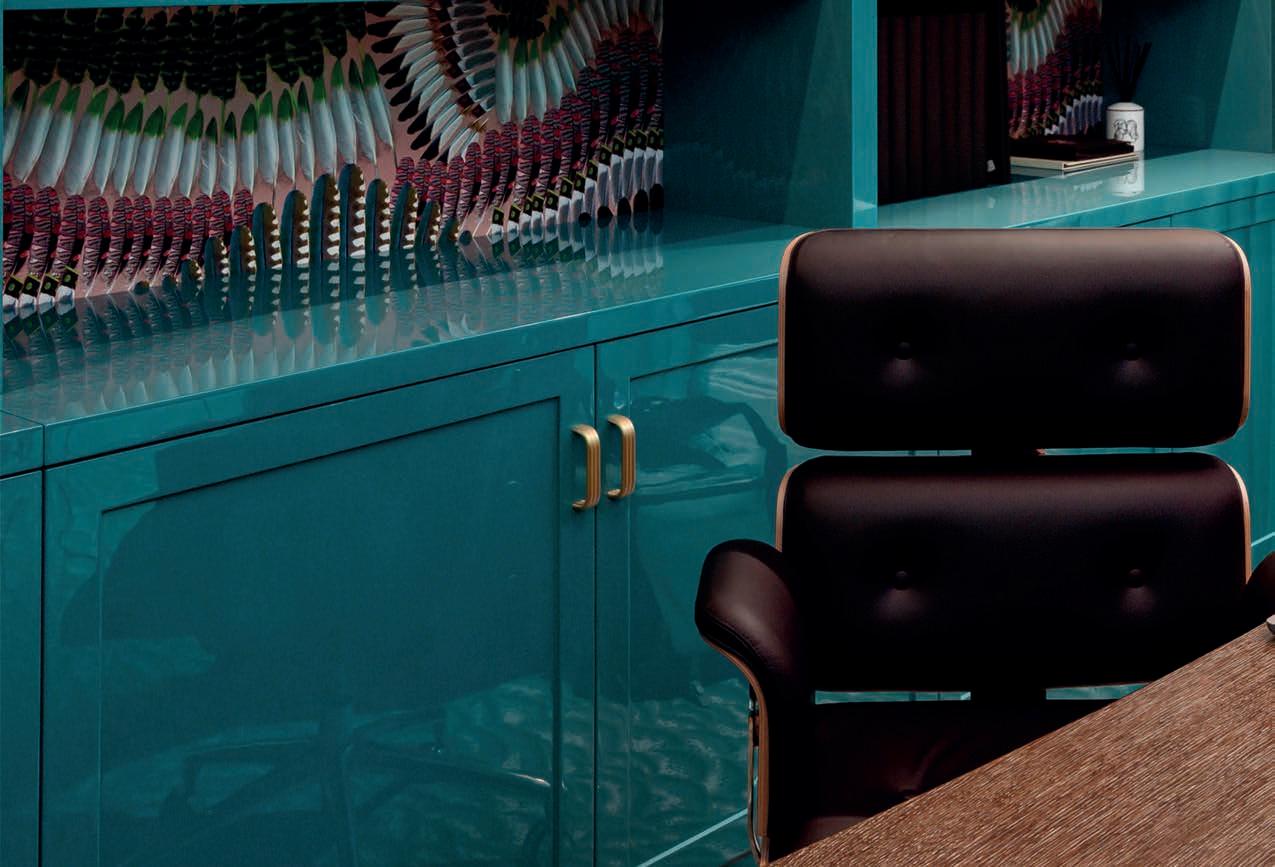
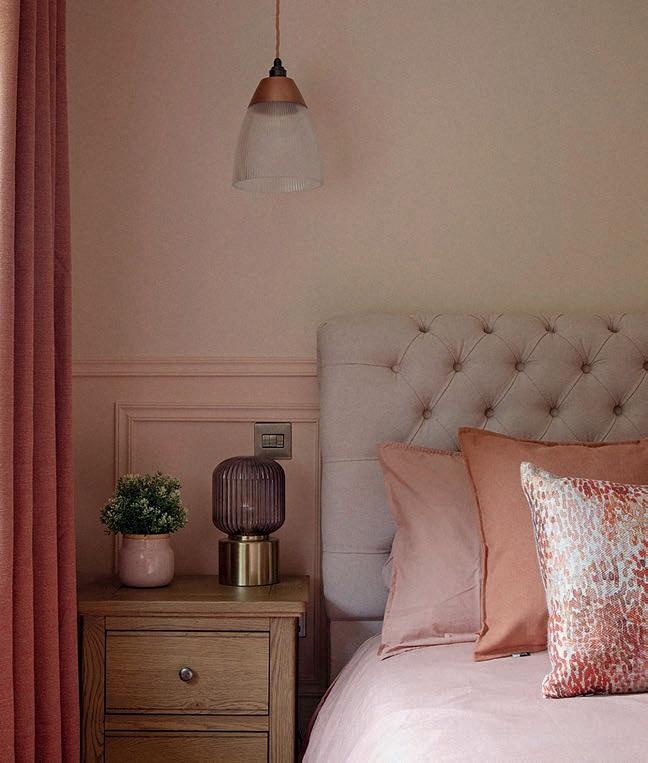
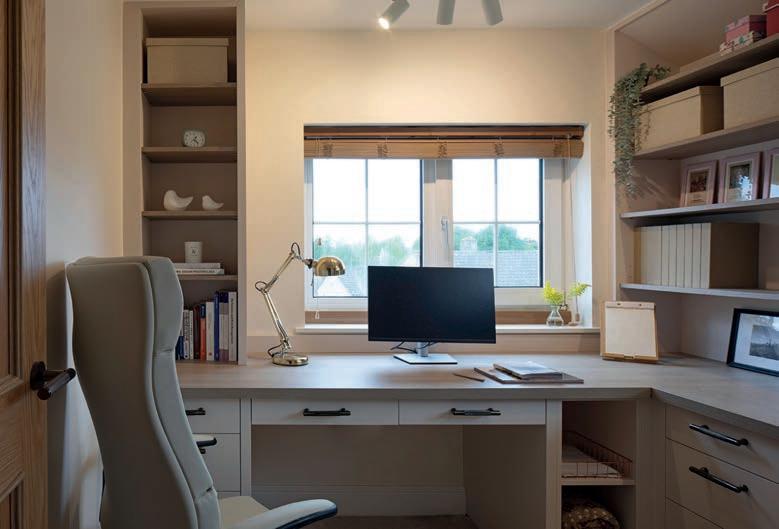
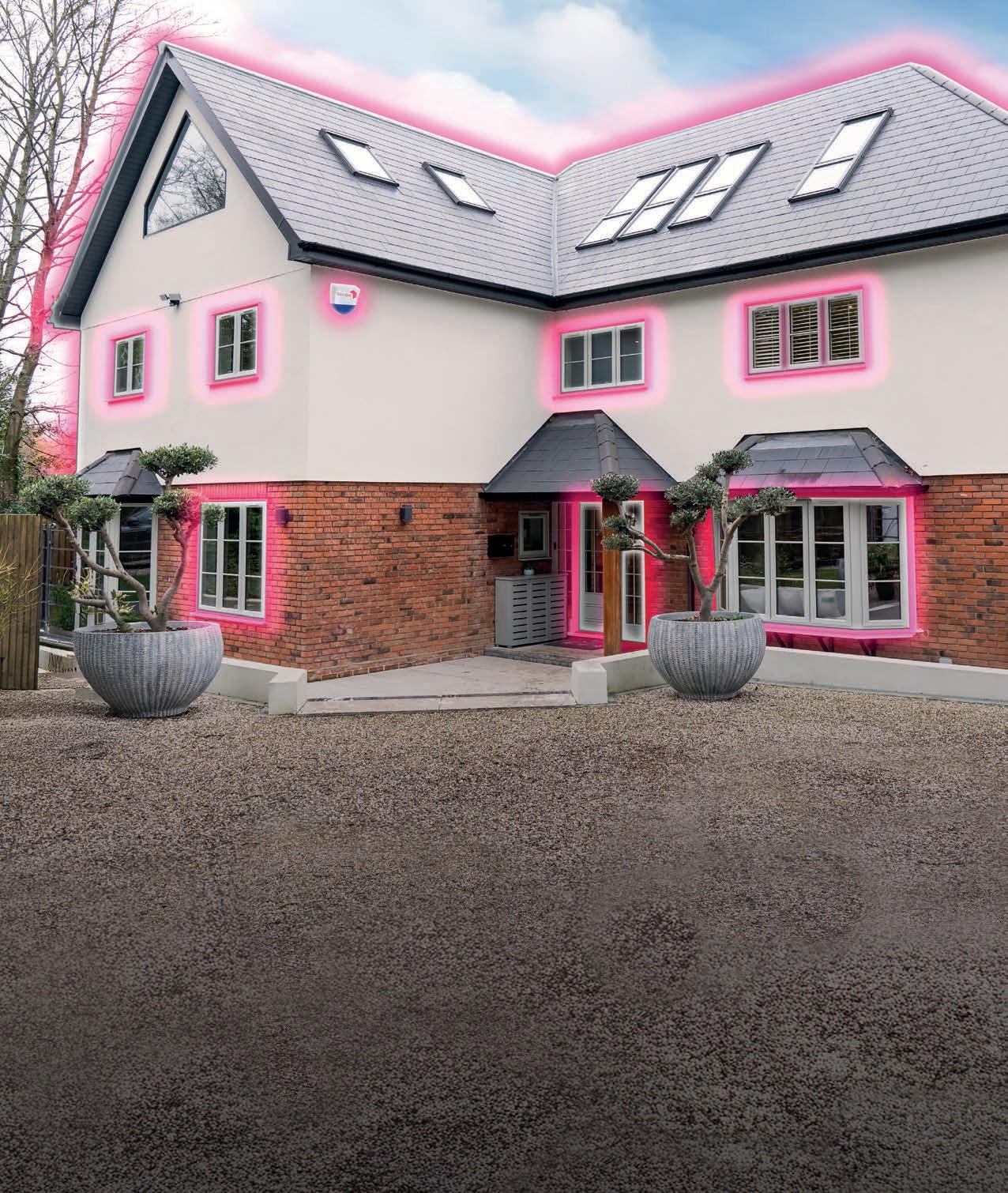
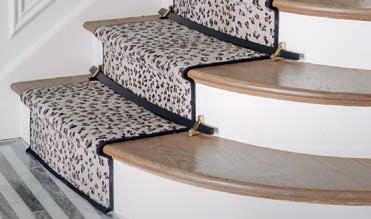
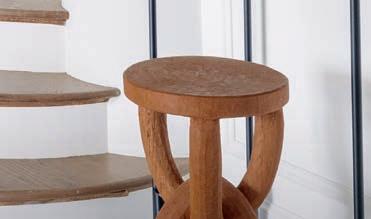
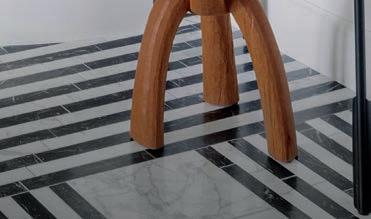
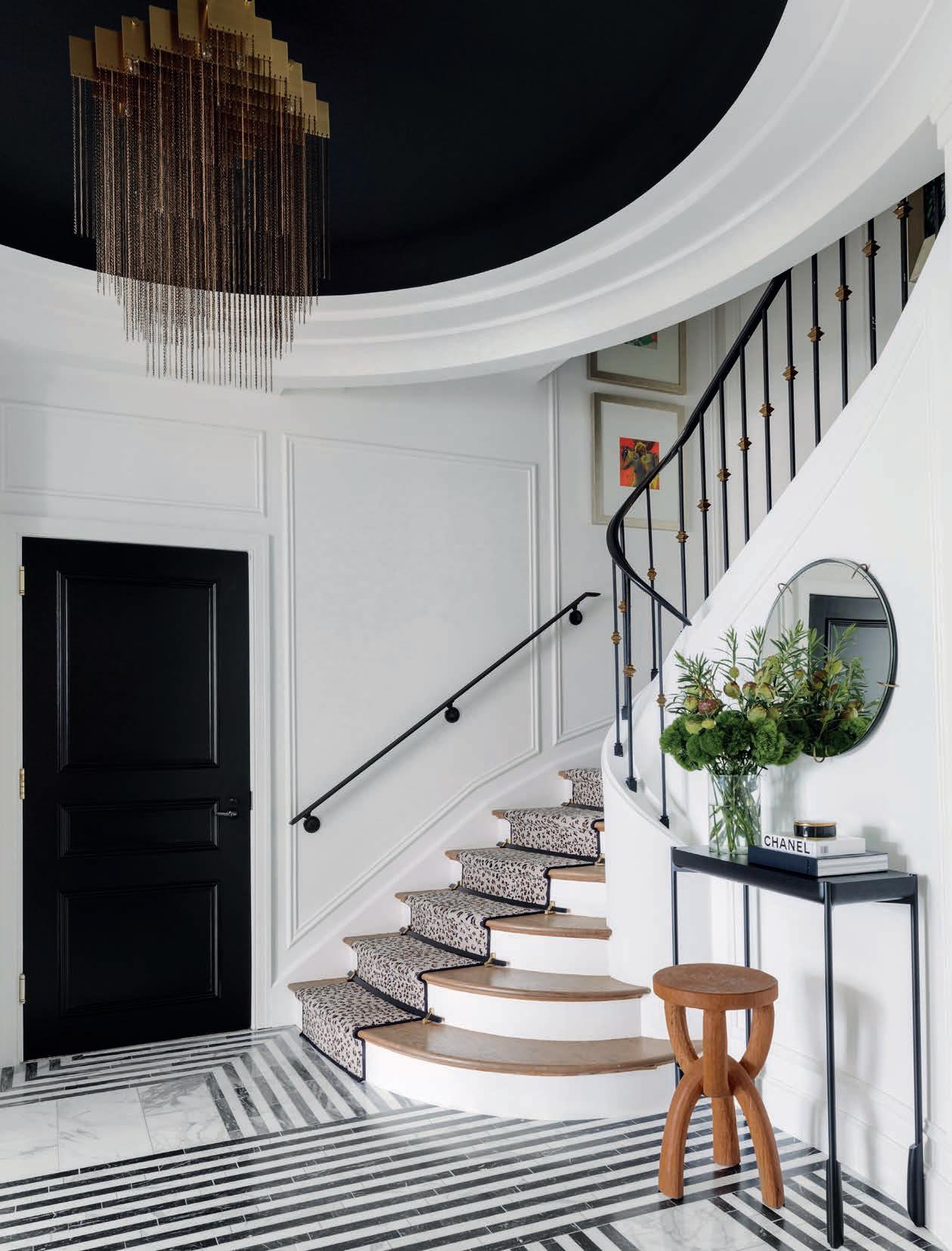
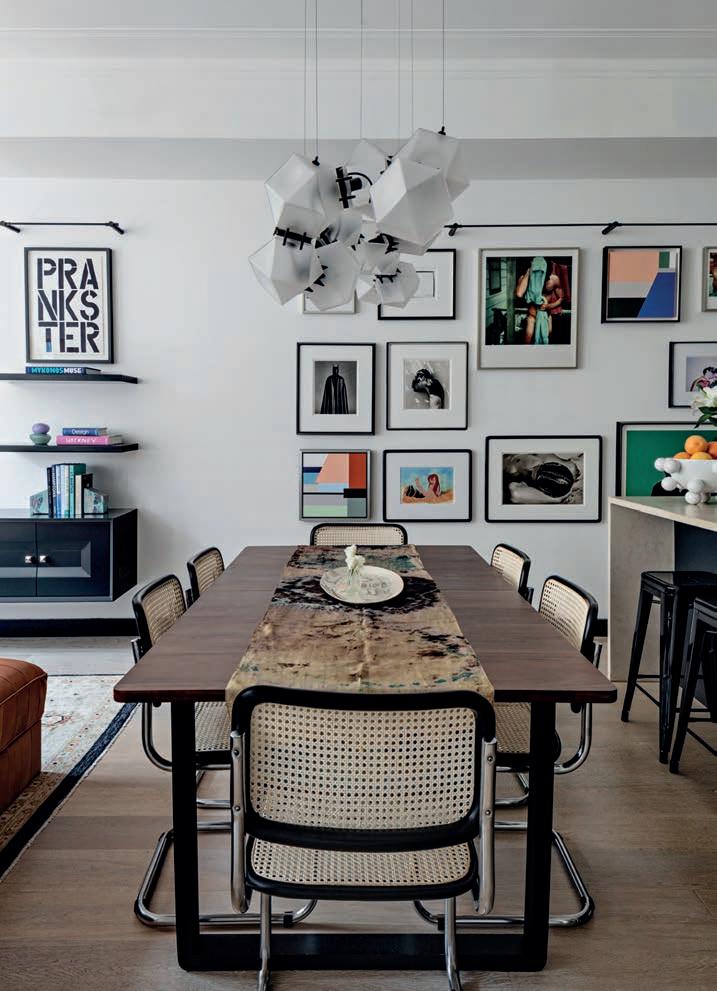
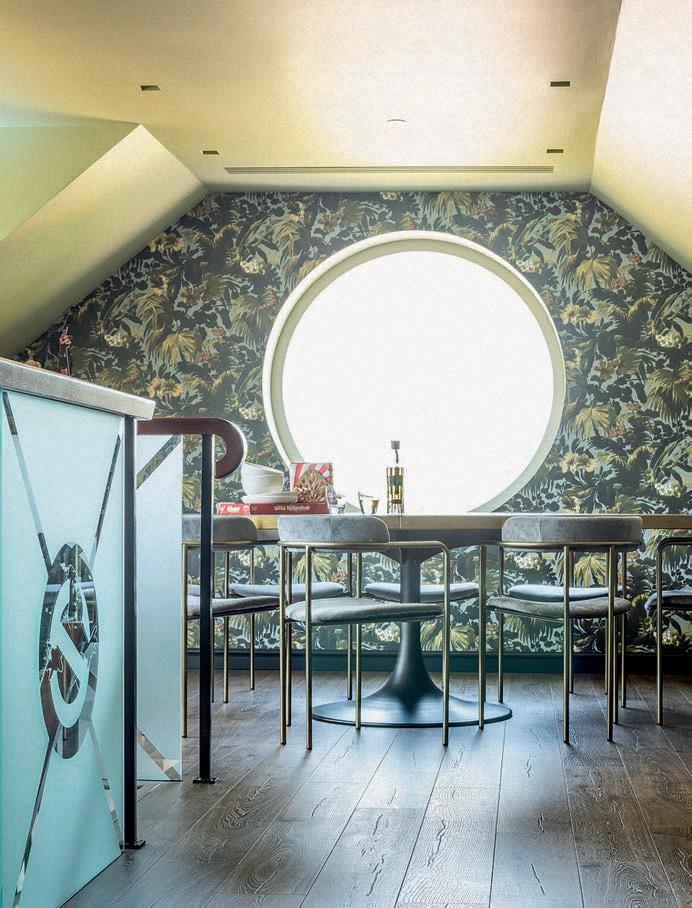
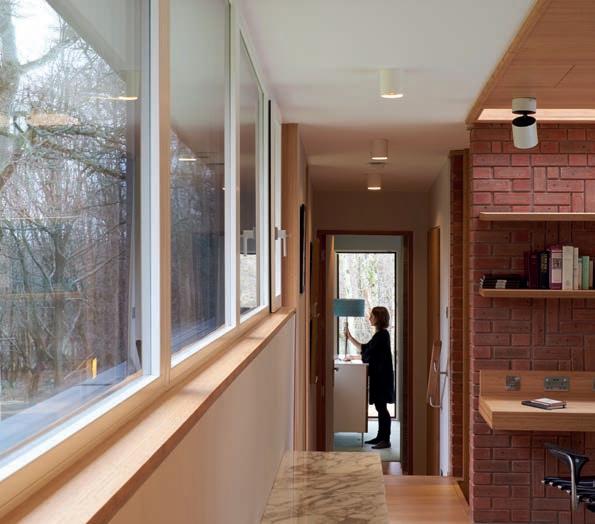
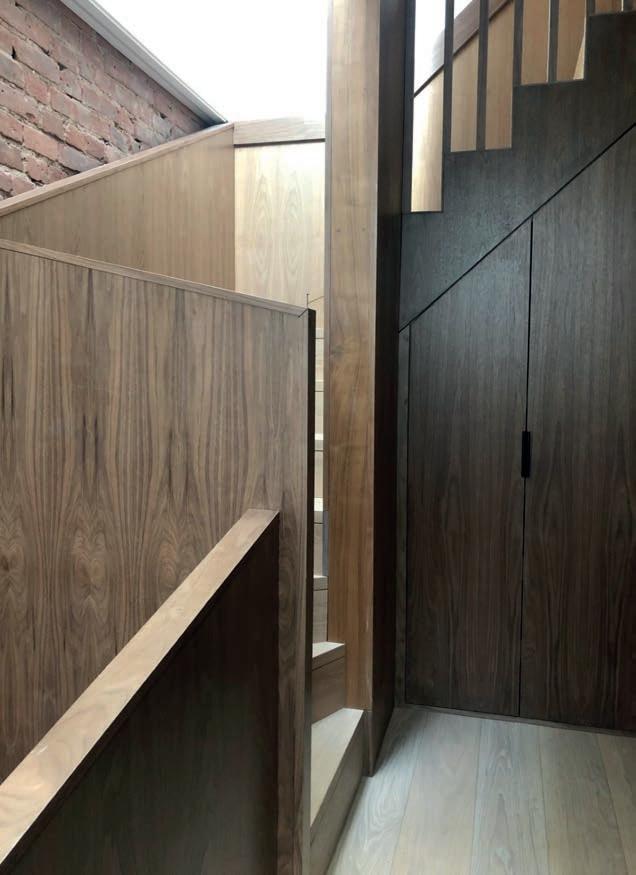
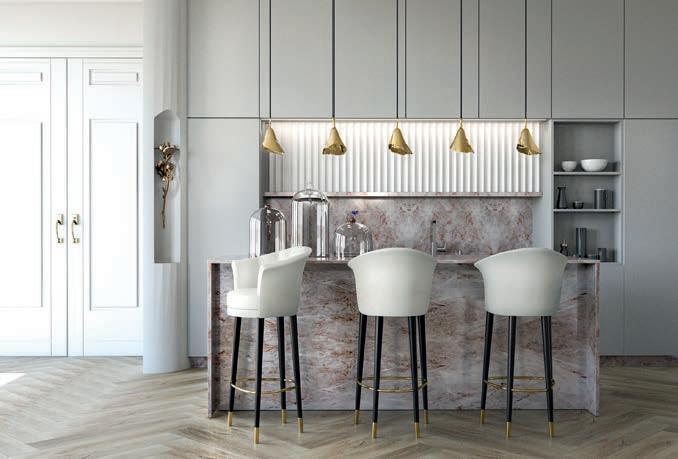
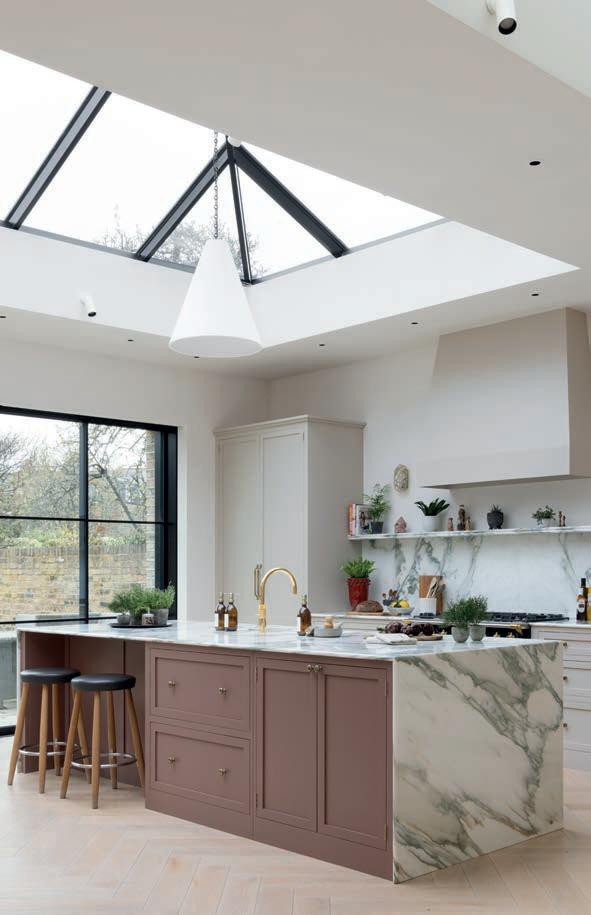
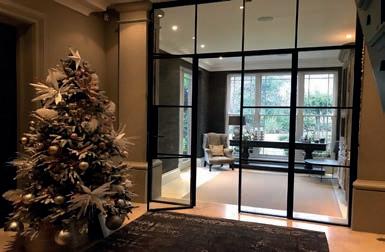
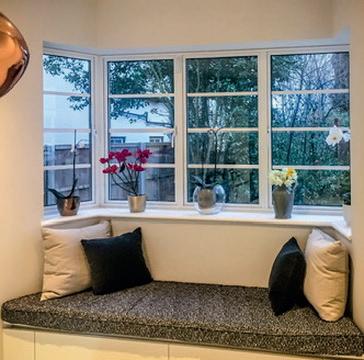
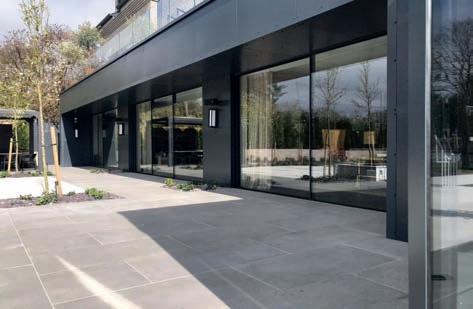
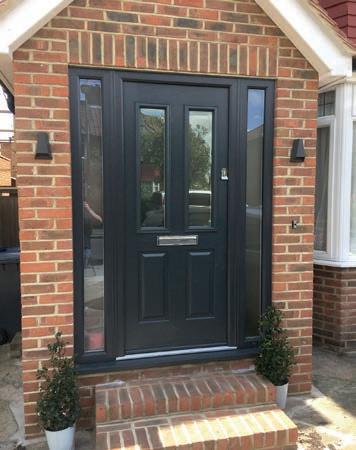
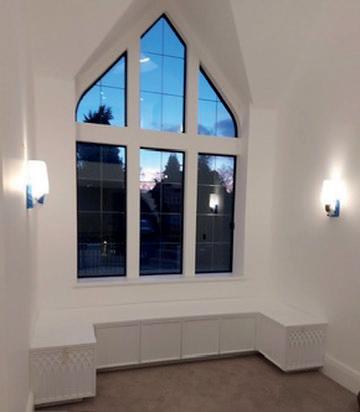
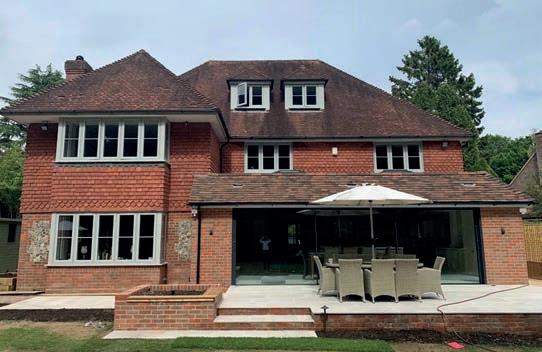
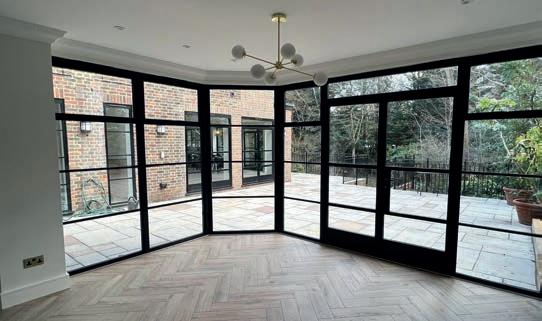
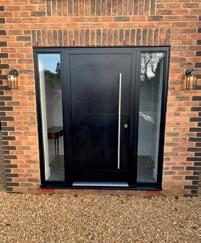
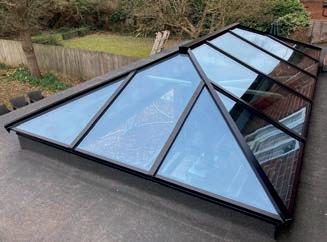
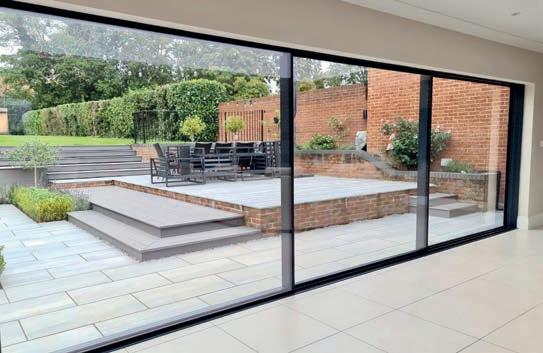
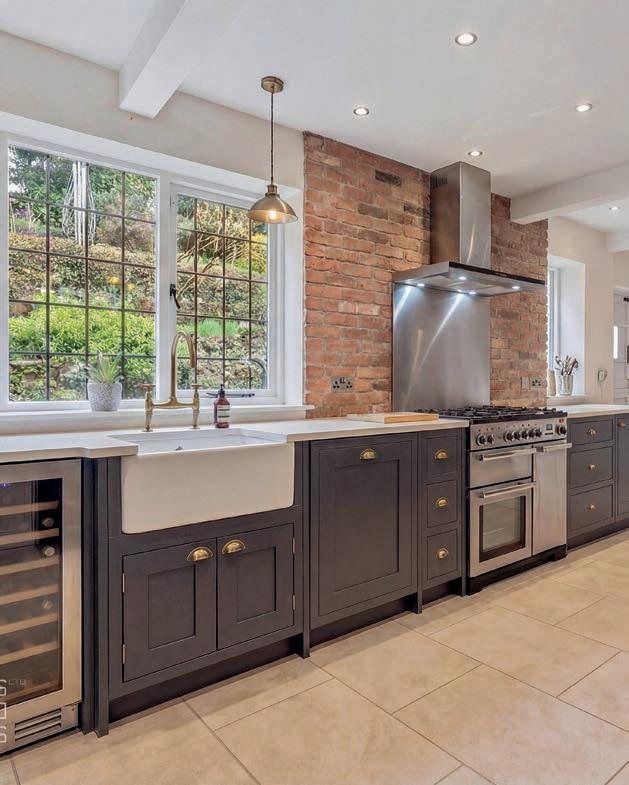
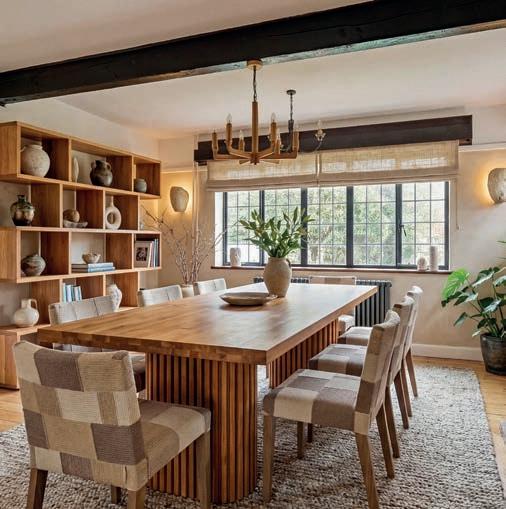
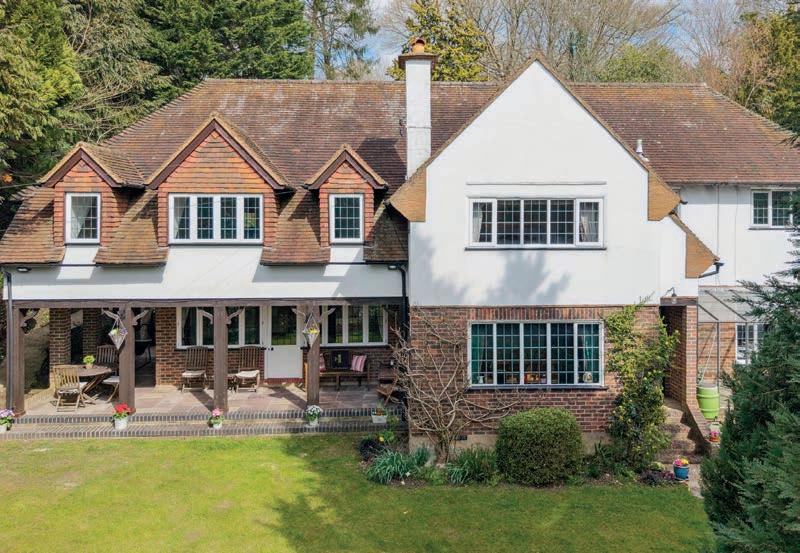
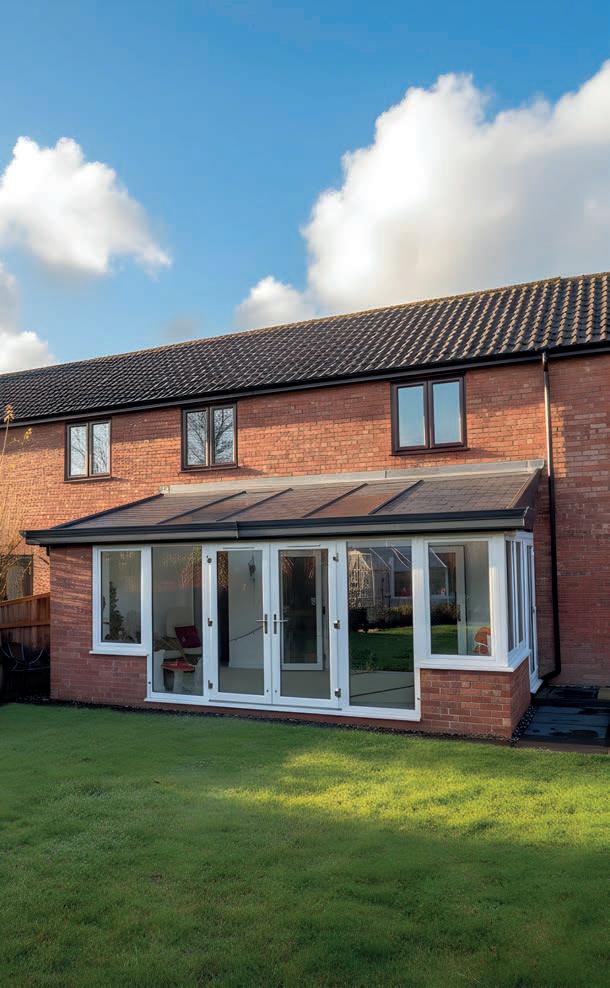
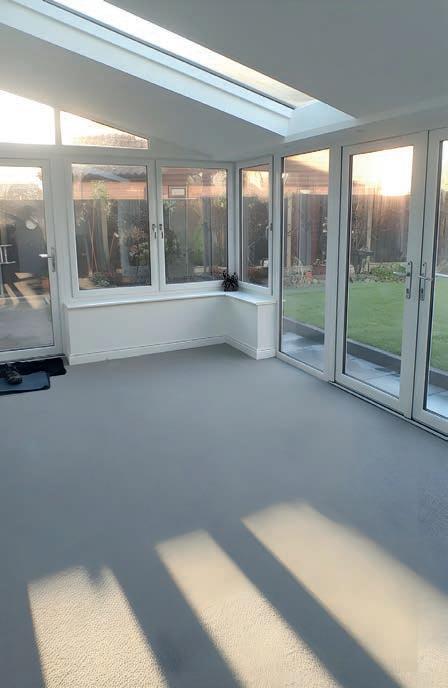
A magnificent Grade 2 listed 1907 family home of rare grandeur, set within approximately half an acre across two title deeds, offering exceptional scope. Rich in period character and proportions, this elegant home occupies a highly desirable setting. Established, private grounds — once home to a grass tennis court — create remarkable space and seclusion.
A magnificent Grade 2 listed 1907 family home of rare grandeur, set within approximately half an acre across two title deeds, offering exceptional scope. Rich in period character and proportions, this elegant home occupies a highly desirable setting. Established, private grounds — once home to a grass tennis court — create remarkable space and seclusion.
BeaconWay,Rickmansworth
BeaconWay,Rickmansworth
£ 1,379,950
£ 1,379,950
A distinguished four bedroom
A distinguished four bedroom
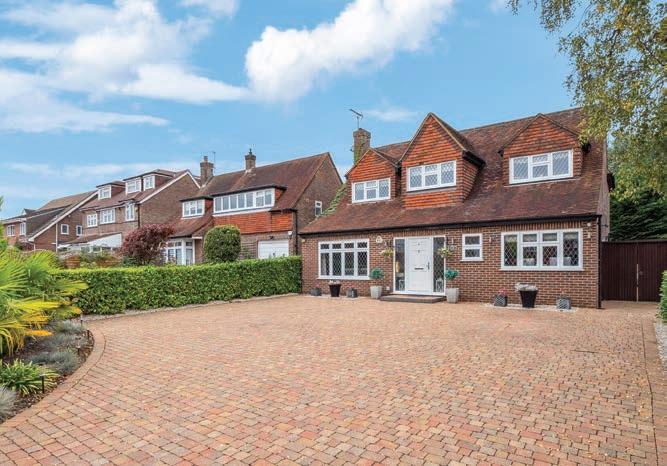
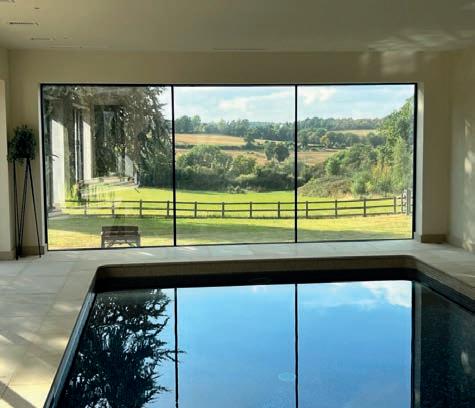
detached family home in the soughtafter Cedars Estate. Elegant living includes a stunning 24' sitting room, contemporary L-shaped kitchen, dining room and versatile family spaces. Four generous bedrooms feature two en-suites and dressing area. Enjoy a large rear garden with 24' swimming pool and private driveway. A superb lifestyle opportunity. 434
detached family home in the soughtafter Cedars Estate. Elegant living includes a stunning 24' sitting room, contemporary L-shaped kitchen, dining room and versatile family spaces. Four generous bedrooms feature two en-suites and dressing area. Enjoy a large rear garden with 24' swimming pool and private driveway. A superb lifestyle opportunity.
434
EDITOR
MARK KEBBLE
ART DIRECTOR
PAWEL KUBA
MAGAZINE DESIGNER
MARIANA SUZUKI
DESIGNERS
BRUNA FACCIN
PAMELLA MORENO
PRODUCTION MANAGER
DANICA BRODIE
GROUP SALES MANAGER - SOUTH
ABIGAIL GARDNER
MAGAZINE MANAGER
LOUISE PEARSON
SENIOR MEDIA CONSULTANT
STELLA ADAMS
SARAH BAKER
FINANCIAL DIRECTOR
JERRIE KOLECI
CREDIT CONTROL MANAGER
ALEXANDRA HVID
DIRECTORS
CRAIG DAVIES
JAMES FUSCHILLO
NON-EXECUTIVE DIRECTOR
ALEXANDRA HUNTER
MANAGING DIRECTOR
SHERIF SHALTOUT
For editorial enquiries please email: mark@zest-media.com
For advertising enquiries please call 07977 195732 or email: abi@zest-media.com
124 City Road, London, EC1V 2NX, London N1 7EU; 020 7704 0588
Zest Media Publications Ltd. cannot accept responsibility for unsolicited submissions, manuscripts and photographs. While every care is taken, prices and details are subject to change and Zest Media Publications Ltd. take no responsibility for omissions or errors. We reserve the right to publish and edit any letters. All rights reserved.
Follow Us On Facebook @ABSOLUTELYHERTFORDSHIRE Twitter @ABSOLUTELYHERTS
Iwas obsessed with magic as a kid. One Christmas I remember getting a set where I could pull my own tricks out of a hat and proceeded to bore my relatives to bits every time they came round for the next 12 months. I always loved a magic show on TV, but rarely got to see it on stage – but that will all change this month. Rufus Hound is something of a career chameleon. He first came to my attention as a comedian, but he has gone on to build a really diverse body of work over the years – yet maybe even he could not have predicted that magician would be added to the list. This month he takes to the Watford Palace Theatre stage with The Mesmerist, a show that is an homage to his grandfather who went by the same stage name. It's a show where Rufus explores why the original Mesmerist didn't become big, while wowing us all with plenty of illusions and tricks. I can't wait to see him in action.
a as not only does our Absolutely Home special
take a tour of the best places to welcome in
March is always a favourite issue of mine as not only does our Absolutely Home special return, but finally winter is cast aside and we can look forward to longer, brighter days – and Hertfordshire truly is made for spring. We take a tour of the best places to welcome in the new season and, yes, it’s truly magical.
MARK KEBBLE EDITOR
2Drinks
5
3
Agenda
Bridget Christie is just one highlight on March's calendar (p14)
Talking Head On the importance
(p78)
The tipples perfect for spring (p31)
Absolutely Home The top trends and stunning local projects (p45)
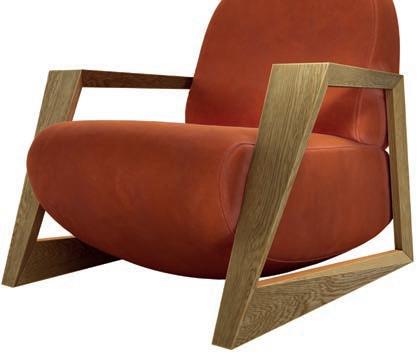
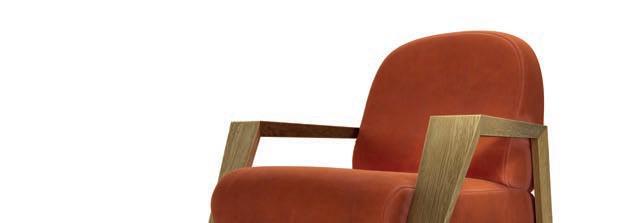
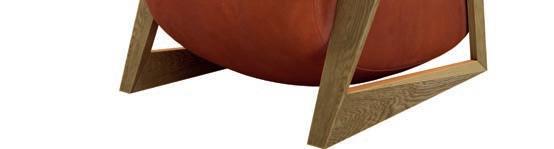
4 Products Top armchairs to settle into (p69)
Wish LIST
DARK HABITS
Rouge Noir is back – if it ever went away – and the new incarnation is a collection of shades that combine red and black. chanel.com
LUCKY DUCK
BUCKLE UP
Penelope Chilvers might be known for her boots, but her brogues and loafers are lovely too. We are loving the tan and white Morrell, from the Bloomsbury collection, £289. penelopechilvers.com
focuses of Daisy Duck, and her
Danish fashion brand Ganni has teamed up with American giant Disney in a slightly unlikely but auspicious collaboration that focuses mostly on the lesser-known character of Daisy Duck, and her adventures in Copenhagen. ganni.com
I SHOULD COCO
Every hot chocolate at Cocomelt is made using premium Belgian milk, white, and dark chocolate sourced from the Ivory Coast, melted straight from the fountain and blended with warm milk. cocomelt.uk
SEE IT
EDITOR’S PICK
NEW FRAME
Iolla's stylish Bonnie frame channels the 1970s with its oversized, square shape and chocolate brown lenses. Add your prescription if you need to. iolla.com
HOME LIFE
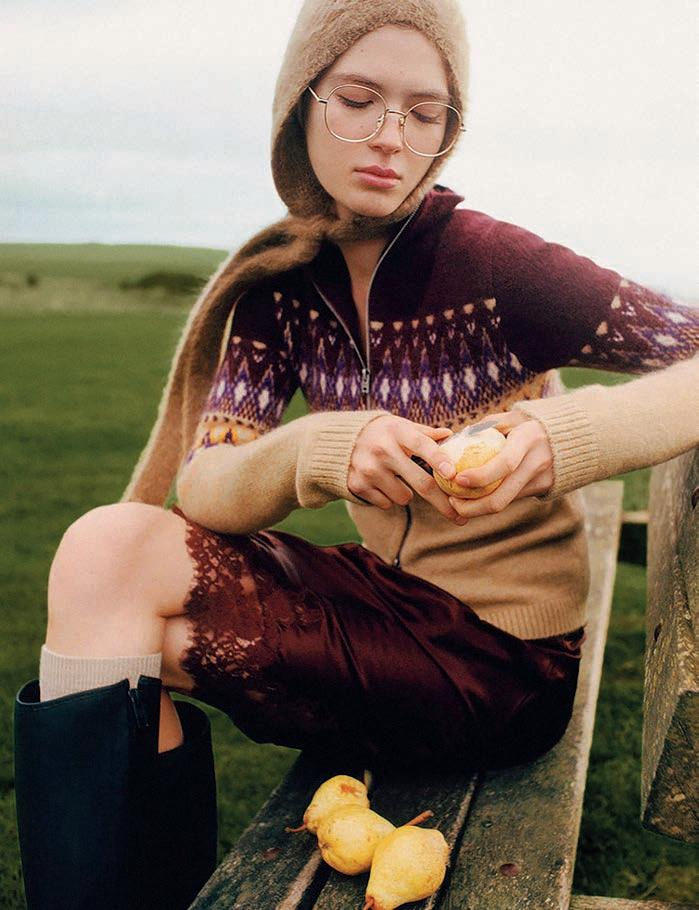
Geeky wire specs are having a moment, and we love Bloobloom's Guardian frame in gold. Think Geography teacher, or style icon. bloobloom.com
Ferm Living's SS26 collection launches on 5th March, with a focus on creating homes that feel composed, relaxed, and shaped by everyday life. fermliving.co.uk
GLOW UP
SOUTH BEACH
Bella Freud's theme for SS26 is Miami Vice, featuring sleek lines and slick tailored trousers, alongside the iconic slogan knits. bellafreud.com
Addison Ross' new Scallop Lamp collection adds a small, portable light to the range of stylish and useful rechargeable lamps. We love the chocolate one, £125. addisonross.com
POOL PARTY
Some of the best selection of swimwear in all colours, shapes and sizes can be found at Amelie's Follies. And now's the time to be shopping for the beach. ameliesfollies.co.uk
The Agenda
MARCH'S HOTTEST HAPPENINGS
Murder Mystery
25 MARCH, THE ERIC MORECAMBE CENTRE
Don your deerstalker and get your ‘finger of suspicion’ at the ready because Edinburgh Fringe favourites, Degrees of Error, are bringing back their multiple sell-out show Murder, She Didn't Write for your sleuthing pleasure. They will create a classic murder mystery on-the-spot in this ingenious improvised comedy. You, the audience, become the author as the cast act out your very own Agatha Christie-inspired masterpiece live on stage.
everyonetheatres.com
Celebrating the 250th anniversary of their births, this unmissable new documentary explores Turner and Constable’s intertwined lives and legacies alongside the groundbreaking Tate exhibition. Exhibition on Screen has exclusive and privileged access to bring their extraordinary art and remarkable stories to the big screen. beamhertford.co.uk ART
Turner & Constable
15 March
HERTFORD BEAM
4 March
THE ALBAN ARENA
Nigel Kennedy has announced his first large-scale UK tour in over ten years. The UK’s greatest living violinist has promised an evening that reflects his interest across genres, including classical, jazz, and contemporary music. Audiences can expect breathtaking Bach alongside the most delicate rendition of ‘A Nightingale Sang In Berkeley Square’. everyonetheatres.com
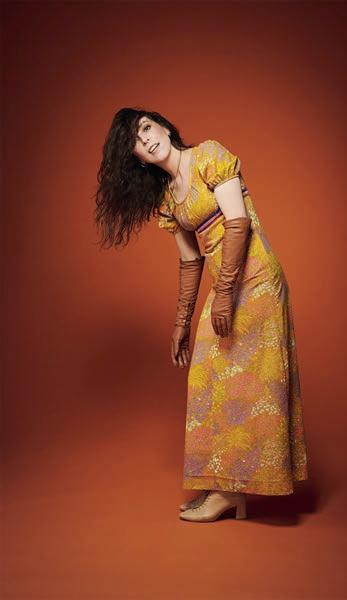
PHOTO: PAMELA RAITH PHOTOGRAPHY.
PHOTO: MONICA JAKUBOWSKA
JMW TURNER, THE BURNING OF THE HOUSES OF LORDS AND COMMONS, 16 OCTOBER 1834, THE CLEVELAND MUSEUM OF ART
FILM
Banff Mountain Film Festival
6 March
THE ALBAN ARENA
The Banff Mountain Film Festival features a brand-new collection of short films filled with extreme journeys, untamed characters and captivating cinematography. Join the world’s top adventure filmmakers and thrill-seekers as they climb, ski, paddle and ride into the wildest corners of the planet. everyonetheatres.com
COMEDY BRIDGET CHRISTIE
8 March
WATFORD
PALACE THEATRE
A kidney stone. A stray cat. An eye-themed fetish. Bridget Christie hits the road again with a brand new show covering all manner of important things. Bridget is the creator and star of Channel 4’s The Change, Taskmaster S13 legend, and Annie in BBC’s Ghosts - and stand-up superstar.
watfordpalacetheatre.co.uk
Knew
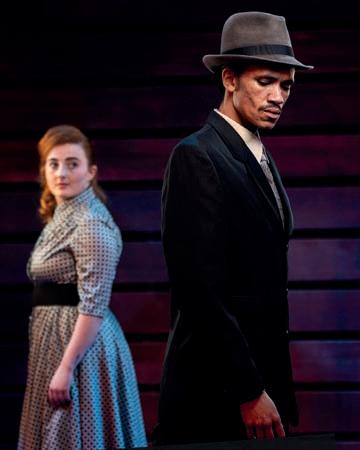
he Wrong They Knew explores justice, racial prejudice, and community in a divided society. Set in mid20th-century London, Forest Hills erupts as Teddy Boy gangs and police clash with Black and mixed-race families. Defiant and moving, it is a story of solidarity, finding a voice, and the power of community to challenge injustice together. chickenshed.org.uk
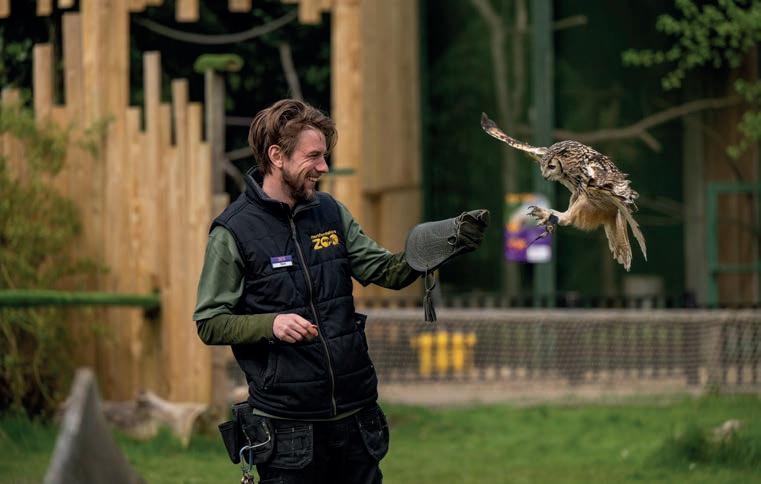
As spring arrives, it’s an exciting time to be visiting Hertfordshire Zoo
It has been a busy time at Hertfordshire Zoo. They recently announced the arrival of Fifi (pictured), a 20-year-old female lowland tapir, who has joined the zoo as part of the essential European ex-situ breeding programme (EEP). Weighing approximately 200kg, Fifi is already making a big impression on her keepers. Her arrival marks a significant new chapter for the zoo’s conservation efforts. While existing tapirs, Temoko and Tamara, will be leaving shortly to support other programmes, their departure paves the way for the zoo to welcome a male tapir to pair with Fifi, establishing a new breeding pair. Hertfordshire Zoo also recently announced its most ambitious development this year: 'Lemurs of Madagascar', a brandnew, immersive walk-through habitat set to open in summer 2026. This landmark exhibit will bring visitors closer than ever to some of the world’s most threatened primates in a state-of-the-art environment. The new habitat will be home to three species of lemur, including the iconic ring-tailed lemur, alongside a variety of freeflying Madagascan bird species. Designed to replicate the lush, damp canopies of their native island, the space will allow these inquisitive animals to thrive in a multi-level environment that mirrors their natural home.
hertfordshirezoo.com
A kind of
magic
By MARK KEBBLE
Rufus
Hound graces the sparkling new stage at the Watford Palace Theatre this month with a show that honours his granddad. Prepare to be amazed…
Rufus Hound and I are the same age, but that’s where the similarities end. I decided pretty early on that I wanted to be a writer, studied it, then went into a career in it some 25 odd years ago – and here I am. Rufus, on the other hand, has built a varied career across British comedy, television, radio, theatre and musical performance, marked by enthusiasm, versatility and a fondness for popular culture. You can now add magic to the list. In 2020, Rufus learnt of the death of his estranged grandfather. The last five years have been a dizzying journey of discovery for him, which culminates in the headline production of Watford Palace Theatre’s spring season, The Mesmerist, opening on 2nd March (also directed by Steve Marmion for his first production as CEO/Director of Programming of the theatre). “It’s been really interesting, going through his old notes and scripts,” Rufus says. “Some of it’s so dated, that I’ll definitely have to change things up a bit. Other than that, I’ve been getting a bit of tuition on mesmerism and psychological illusion, which is vastly more complicated than I thought it would be at first. A lot more sitting in a room blindfolded than I thought there would be!”
The Mesmerist was his granddad’s stage name. Old boxes Rufus inherited were filled with illusions, journals and props from his granddad’s final magic show, previously performed in its entirety only once at Watford Palace Theatre in 1983. Intrigued, fascinated, out of work during lockdown and looking for a new project, Rufus learnt the show – and now The Mesmerist is born from a legacy, resurrected from a forgotten past. “I just want to show people the tricks my granddad used to do – and possibly uncover why he never really had any professional success doing them,” Rufus says. “He was trying to be Derren Brown before Derren Brown was Derren Brown. I’m more interested in making people laugh and entertaining them.”
Intriguingly, it’s not the first time Rufus has dabbled in the world of conjuring. “I worked with a hypnotist on a pilot for ITV about eight years ago and I genuinely think it was the best show I ever made. Sadly, the powers that be were worried that people weren’t ready for a game show that relied on people having their memory wiped – they may well have been right!” he laughs. “It was pretty jaw dropping what people would do once hypnotised, however. In talking to the team that took care of that side of things, I was left pretty shaken by how impressionable some folks actually are.” If that show did materialise, it would have fitted in with the career Rufus has built –
PHOTOS: ROSS KERNAHAN, DMLK VIDEO
that is, not fitted in at all when considering a trajectory that has peeled o in all manner of directions. He first came to prominence in the early 2000s through stand-up comedy, winning the So You Think You’re Funny? new comedian award in 2000. “It was an insanely talented year which opened a lot of doors for me in stand-up,” he recalls. That success quickly translated into television work, most notably as the excitable host of BBC Three’s Most Annoying People and later as a regular presence on comedy panel shows and entertainment programmes. His energetic, slightly anarchic screen persona made him a familiar face on British TV throughout the decade.
Alongside presenting, Rufus developed a strong acting career. He appeared in sitcoms such as Cuckoo and Horrible Histories, while also becoming a popular performer on radio, including hosting shows on BBC Radio 4 and Radio X. His love of music and pop history led to documentaries and panel appearances focused on rock, Britpop and Eurovision, where his encyclopaedic knowledge became part of his appeal. “Being the field reporter at Glastonbury led to Top of the Pops, which both gave me enough momentum to start appearing on things like Never Mind the Buzzcocks and Celebrity Juice,” he adds. “Those gave me the profile to be o ered
the lead in The Wedding Video movie, which led to o ers of theatre work. All of these have felt like pretty major turning points and I’m particularly proud of the work I did for the RSC.” Is there anyone he’d be keen to work with? “I was asked to self-tape for two Taika Waititi projects a couple of years ago, but the roles I auditioned for ended up going to Lisa Kudrow and Taika Waititi, so I’m not sure why they ever thought of me! Jeremy Herrin seems to be
HE WAS TRYING TO BE DERREN BROWN BEFORE DERREN BROWN WAS DERREN BROWN
the man making all the theatre I’d want to be in at the moment, so him, I think.”
Now, though, the Watford Palace Theatre stage calls. “It’s all utterly gorgeous, isn’t it?” he says on the renovated space.
“I’m lucky enough to know a few of the folk that have been overseeing the renovations, hence doing The Mesmerist here, and their enthusiasm and excitement has been utterly contagious.”
So what comes next for Rufus Hound and his magical career? How does he look to choose projects now? “Ten years ago, pre-pandemic and pre-Brexit, there was a lot more fluidity and vastly more opportunity in the creative industry,” he says. “There are people I know who used to run multi-million-pound production companies who now work in supermarkets. In my game, one has to try to build and maintain momentum, which is in part why it seemed like it might be time to do something with granddad’s old magic gear.
“I am doing a theatrical version of Jack and Sarah (the Richard E Grant movie from the 90s) at The Mill in Sonning,” he adds about what else 2026 holds in store. “I’m also doing some blacksmith training and may well be getting married if Sally [Hodgkiss] and I can ever decide how we actually most want to do it. Hopefully The Mesmerist will give me the skills to convince her to say ‘I do’ before the end of the summer!”
The Mesmerist runs from 2nd-21st March at the Watford Palace Theatre. See more at watfordpalacetheatre.co.uk
K-POP POWER
10th & 11th April 2026 | 1pm & 5:30pm
Tickets: £21.50
THE ROD STEWART SONGBOOK
25th April 2026 | 7:30pm
Tickets £27.50
THE FUREYS
27th April 2026 | 7:30pm
Tickets: £31.50
OH WHAT A NIGHT
15th May 2026 | 7:30pm
Tickets: £28.50
THE ELO ENCOUNTER
22nd May 2026 | 7:30pm
Tickets: £27.50
LEVEL UP LIVE - WITH THE LEWIS SISTERS
23rd May 2026 | 4:30pm
Tickets: £15
FEARLESSLY TAYLOR
31st May 2026 | 4pm
Tickets: £16.50
AN EVENING OF CLASSIC REGGAE
12th June 2026
GIVE ME THE NIGHT
20th June 26 | 7:30pm
Tickets: £28.50
CELEBRATING CELINE
26th June 2026 | 7.30pm
Tickets: £31.50
JIVE TALKIN (BEE GEES)
12th September 2026 | 7:30pm
Tickets: £29.50
SUGAR PIE HONEY BUNCH - THE MUSIC OF THE FOUR TOPS
27th September 2026 | 7:30pm
Tickets: £29.50
TALON - THE BEST OF EAGLES
7th November 2026
BEAUTY AND THE INCREDIBLE BEAST
4th-30th December 2026
Tickets from £19.50
Don't miss out! Book your tickets now for the best entertainment in North London at Millfield Theatre!
The new season in Hertfordshire: where to eat, explore and experience the county at its best
There is something about spring in Hertfordshire that feels quietly transformative. After months of grey skies and muddy footpaths, the county begins to stretch itself awake. Blossom appears on village streets almost overnight, café tables spill back out onto pavements, and the patchwork of fields that surround our towns and cities starts to glow with fresh green. It’s the season when Hertfordshire feels at its most hopeful and, perhaps, at its most beautiful. For many people, spring is synonymous with walking boots and bluebell woods – and Hertfordshire has plenty of those – but the county o ers much more than the countryside alone. This is also the time when seasonal food arrives on menus, family attractions come alive
with new life, and a calendar of fairs, festivals and outdoor events begins to fill. Whether you’re a lifelong local or someone planning a day trip, spring is when Hertfordshire truly comes into its own. From sweeping estates and secret heathland to pub gardens, farm parks and bustling market towns, here are some of the best ways to make the most of the season across the county.
GET OUTDOORS
If there is one place that defines spring in Hertfordshire, it is the Ashridge Estate near Tring. Covering more than 5,000 acres of rolling Chiltern countryside, it feels vast enough to lose yourself in, yet close enough to reach easily for a spontaneous afternoon out. In April and early May, its ancient woodland becomes one of the finest bluebell displays in the country, carpeting the forest floor in soft purple and filling the air with that unmistakable, slightly sweet scent. Beyond the woods,
wide open meadows stretch away towards distant hills, making Ashridge the perfect place for long, unhurried walks that feel like a proper escape from everyday life.
Closer to St Albans, Heartwood Forest o ers a di erent but equally special spring experience. One of the largest new native forests in England, it combines young woodland with wildflower meadows and gentle trails that are ideal for families, dog walkers and anyone who wants to enjoy nature without tackling steep hills. In spring, the meadows burst into colour with cowslips and other early blooms, and there is a sense of renewal everywhere you look. It is also a reminder of how Hertfordshire is constantly evolving, blending its agricultural past with modern conservation. Along the eastern edge of the county, Lee Valley Regional Park provides a more urban-meets-wild take on spring. Following the River Lea through Broxbourne, Cheshunt and beyond, the park o ers cycling routes, riverside walks and wide
SPRING IS WHEN THE COUNTY BECOMES A PLAYGROUND
green spaces that come alive as the weather warms. Swans and ducks return to the water, runners and cyclists reappear on the paths, and picnic blankets start to dot the grass. It is one of the best places in Hertfordshire to enjoy the outdoors.
For those who prefer something a little quieter, Waterford Heath and Hertford Heath are perfect spring destinations. With their open heathland, scattered trees and far-reaching skies, they feel wonderfully peaceful in the early months of the year. This is the kind of place where you can watch the seasons changing in real time: new leaves unfurling, blossom appearing on lone trees, and the first wildflowers pushing through the grass. Together, these landscapes show just how varied Hertfordshire is – from grand estates to wild meadows and riverside paths – and how spring is the season that brings them all to life.
SEASONAL FOOD AND DRINK
Spring isn’t just something you see in Hertfordshire; it’s something you taste. As the countryside reawakens, so do the menus of the county’s pubs, cafés and restaurants, with lighter dishes, fresh greens and local produce taking centre stage.
One of the best places to experience this is The Alford Arms in the tiny village of Frithsden, just outside Berkhamsted. Surrounded by walking routes and rolling countryside, it is a classic spring pub: the sort of place you arrive muddy-booted after
a long walk and leave feeling restored. In the warmer months, its garden fills with walkers, cyclists and families enjoying plates of locally sourced food, from seasonal vegetables to beautifully cooked meat, all washed down with a pint in the sunshine.
The Waggoners in Ayot Green o ers a di erent but equally charming spring atmosphere. Experience the authentic flavours of French cuisine and locally sourced ingredients here. The menu reflects the rich culinary heritage of France, o ering a delightful selection of appetisers, main courses, and delectable desserts. Whether you savour a classic boeuf bourguignon or indulge in a refreshing creme au citron or the signature Crêpes Suzette, each dish is crafted with passion and finesse by their renowned head chef Bruno Pinon. For something a little more contemporary, Lussmanns, with branches in St Albans, Hertford and Hitchin, is a go-to for those who care about where their food comes from. Known for its commitment
to local and sustainable ingredients, its spring menus often celebrate the best of the season, from British asparagus and fresh greens to lighter fish and meat dishes that feel perfectly suited to warmer days. Meanwhile, places like Vanstone Park Garden Centre café near Ware come into their own in spring. Surrounded by flowers, plants and the gentle buzz of gardeners preparing for the year ahead, it’s the ideal place for a relaxed lunch or co ee after browsing the nursery. In spring, even a simple cup of tea tastes better when you’re sitting among blooming beds and fresh air.
FAMILY ATTRACTIONS PERFECT FOR SPRING
For families, spring is when Hertfordshire becomes a playground. As the days grow longer and the weather kinder, attractions across the county open their gates and welcome visitors back outside. Hertfordshire Zoo in Broxbourne is particularly special at this time of year.
HERTFORDSHIRE ZOO
KNEBWORTH HOUSE
Spring often means baby animals, new exhibits and outdoor shows returning after the winter, making it one of the most exciting times to visit. There is something undeniably joyful about seeing young animals taking their first steps, and it gives the whole park an extra sense of life and energy.
Willows Farm, just outside St Albans, is another spring favourite, especially for families with younger children. Lambing season transforms the farm into a living classroom, with opportunities to see – and sometimes even feed – newborn lambs and other animals. Easter events and trails add to the atmosphere, turning a simple farm visit into a full day of seasonal fun.
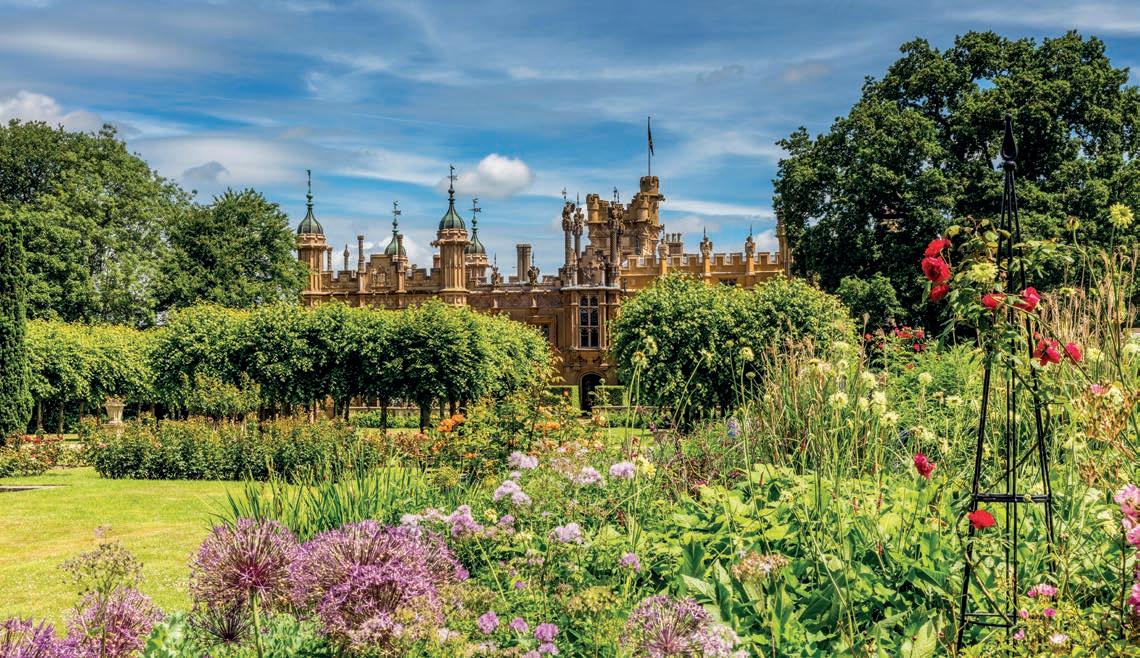
Knebworth House and Gardens also shines in spring. As its gardens come back into bloom and outdoor events begin again, the estate becomes a place where history, nature and family entertainment blend beautifully. Children can run free on the lawns, explore the grounds and take part in seasonal activities, while adults enjoy the stunning surroundings. Even garden centres become destinations in their own right. Woods Garden Centre welcomes spring as it marks the true start
ADVENTURES ARE RIGHT ON OUR DOORSTEP
of the growing season. As temperatures rise, this lively and colourful centre is full of flowering bulbs, young shrubs, packets of seeds and fruit trees ready for planting. Vibrant pansies, primroses, and early perennials form beautiful displays, and are perfect for refreshing the winter’s borders and containers too!
Early crops such as peas, spinach, lettuce, radishes, and carrots can now be sown directly outdoors. Tender vegetables such as tomatoes and peppers can be started o indoors or in a greenhouse. March is also the time to divide summer flowering perennials, prune roses, and to add organic matter to improve your soil structure. Their knowledgeable sta will o er guidance on plant choices and soil preparation, too.
SPRING EVENTS IN HERTFORDSHIRE
Spring in Hertfordshire is also marked by a packed calendar of events that bring towns and villages together.
The St Albans Foodies Festival is one of the highlights of the season, with a spring edition that turns the city centre into a celebration of local producers, street food and outdoor eating. It’s the perfect way to sample the county’s culinary scene while
enjoying the buzz of a lively market town. Hitchin’s Spring Market o ers a more traditional but no less charming experience, with stalls, live music, family activities and plenty of food and drink filling the town centre. It’s a reminder of how strong Hertfordshire’s market-town culture remains, especially when the weather allows events to spill out onto the streets.
April also brings visual spectacles like the Tulip Festival at Willows Farm, where thousands of colourful blooms create an almost storybook setting. Combined with the farm’s usual attractions, it makes for a uniquely spring-themed day out.
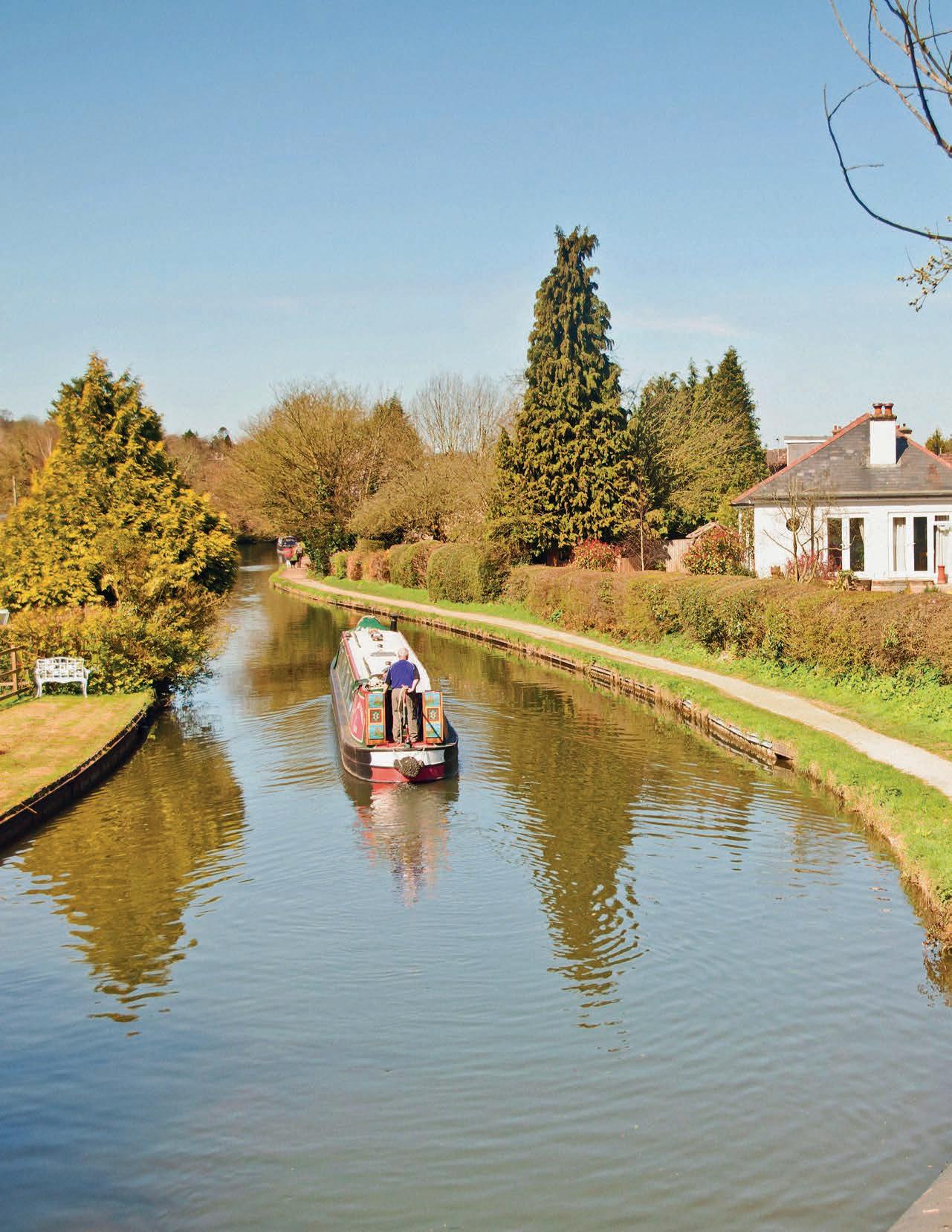
What makes spring in Hertfordshire so special is not just one thing, but the way everything seems to come together at once. The countryside brightens, menus become fresher, children’s attractions burst back into life and communities gather for festivals and fairs. For a few precious weeks, the county feels lighter, greener and more optimistic. Whether you spend your spring wandering through bluebell woods, lingering over lunch in a pub garden, or watching lambs take their first steps, it is a reminder the best adventures are right on our doorstep.
WOODS GARDEN CENTRE
LUSSMANNS
LEE VALLEY
THREE VIEW
Jules Gallop
Founder, JAM Design Works @jam_design_works
Marking International Women’s Day this month, we talk to a trio of local business leaders
Q What is your working background?
A Before JAM Design Works, I cofounded and ran a marketing, branding and live events agency. I worked closely with high-profile brands and personalities, helping them define who they were and how they wanted to show up in the world. Whether transforming a warehouse into a rainforest for a film premiere or a family home into something truly personal, the skill is the same – translating challenges and wish-lists into joyful, beautifully functioning spaces that reflect the people who live there.
Q What inspired you to launch your business?
A The short answer is having three children. During their early years, I bought a ‘project’ and transformed it into our family home. Along the way, several contractors commented on how di erent my designs were and began recommending me to their clients. Interior projects quickly became my main focus – a natural shift that o ered creative fulfilment, genuine impact and a way of working that complemented family life.
Q What do you think makes you di erent?
A It should go without saying that if you’re working with a good designer the end result will be beautiful, but for me design is about creating a feeling rather than chasing a look. I tend to ignore trends and start with people, which allows me to design truly bespoke ‘hero’ pieces that clients are proud to have as unique features in their home. My branding background means I instinctively look for personality, story and emotional connection and a JAM home should feel e ortless, personal and full of thoughtful details and surprises.
Q How was 2025 for you?
A 2025 was very busy. We delivered some wonderful projects and strengthened relationships with trusted craftspeople and suppliers. My business partner also retired in the summer so I spent 2025 updating our processes, exploring new service o erings and revamping our client service experience.
Q Are you introducing anything new for 2026?
A Yes absolutely. For interior design clients we’re constantly exploring AI programs that can improve the visuals we create for client presentations and thereby improve the delivery time on projects. We’re also noticing an increase in the number of staging and styling projects we are being asked to deliver for developers, which can be great fun for the team. Lastly we’re working on our new website which should be available in the next couple of months and OS another platform to showcase our latest work.
Q What are your hopes for 2026?
A My hope for 2026 is to enlarge our enthusiastic, helpful team and continue attracting clients who value quality, creativity and our excellent client service. Creating beautiful homes is important, but so is making the process enjoyable. That balance is something I care deeply about, and it’s where JAM really comes into its own.
Q Outside of work, what are you looking forward to this year?
A This job means you never really switch o – inspiration turns up everywhere. When I do slow down, it’s about time with my kids, my busy extended family and great friends. Usually around food, often in the kitchen, always with plenty of laughter.
Jules Gallop
Director, Trend & Thomas
trendandthomas.co.uk
Q What inspired you to work at Trend & Thomas?
A Marriage! I was running my own events company in London when I met Neil, but after moving to Hertfordshire and embracing village life, the late nights and relentless London pace quickly lost their shine. Property had always fascinated me, it’s never just bricks and mortar, but the stories and lives unfolding inside each home. I started helping out at Trend & Thomas during busy periods and very quickly realised I’d found my place. We’re now selling homes we first sold in the 80s, sometimes for the second or even third time, which speaks volumes about the trust and heritage behind the brand. I’m proud to be part of a company that truly represents its clients.
Q Are you introducing anything new for 2026?
A We’re always refining what we do. In 2026, we’ll be further enhancing our marketing,
particularly our digital reach and targeted buyer strategies so we ensure our properties are seen by exactly the right audience. We’re also investing more in client communication systems to make the sales process even smoother and more transparent. Buying, selling and letting can feel stressful; our goal is to remove as much uncertainty as possible. So our targets are sharper marketing, smarter systems but the same handholding service.
Q What are you looking forward to in 2026?
A Some sunshine at last, it feels like we’ve earned it after such a wet spell! I’m really looking forward to spending more time outdoors with my family and our ever-energetic springer spaniel, Otis. It’s a big year for us as our daughter, at Rickmansworth School, prepares for her GCSEs, so the months ahead will be focused and full, especially with both our children heavily involved in sport. We’re hoping to celebrate all that hard work with a well-deserved family escape afterwards. And ideally, one holiday where I promise not to check Rightmove…
Josephine Parkhill
Founder, Josephine Scott London josephinescott.co.uk
Q What inspired you to launch your business?
A I was driven by a desire to create something meaningful and enduring. Bridal is one of the most emotional purchases a woman will ever make, and I believed there was space for a brand that combined modern refinement, emotional intelligence and uncompromising craftsmanship. My vision was to design gowns that empower women – quietly confident, elegant and timeless – supported by an experience that feels personal, elevated and deeply considered. The business was built on intention, and that intention still guides us.
Q What do you think makes you di erent?
A Our distinction lies in the balance between artistry and strategic clarity. We are unapologetically design-led, yet equally disciplined in how we build and protect the brand. Every decision – from craftsmanship to partnerships – is made with long-term value in mind. We
operate within the luxury space with authenticity, emotional awareness and precision. We are not driven by noise, but by purpose, integrity and longevity. As a female-led business, leadership is deeply human. I feel a strong responsibility to build not only a successful company, but a supportive, intelligent and empowered team environment where women can grow, lead and contribute meaningfully.
Q How was 2025 for you?
A It was a year of strengthening and refinement. We focused on clarity – creatively, structurally and strategically – ensuring the business is built on strong, intelligent foundations.
Q What does 2026 hold in store?
A 2026 represents evolution. We are refining our design language –quieter, more confident, and even more intentional – while continuing to elevate craftsmanship and quality. Alongside this, we are expanding our global presence and strengthening relationships with our international partners. Every development is thoughtful and aligned with the long-term integrity of the brand. Growth for us is measured, purposeful and enduring.
Belinda-Jane Guilfoyle
Josephine Parkhill
Belinda-Jane Guilfoyle
MOTHER’S DAY
SUNDAY 15TH MARCH
AFTERNOON TEA
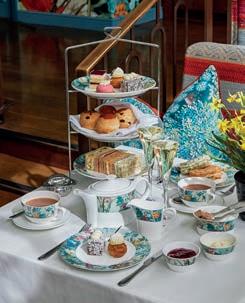
Our popular Afternoon Tea features delicious delicacies and pastries, traditional nger sandwiches and homemade scones with clotted cream and preserve. Includes champagne for all adults.
£68.00 per person | Under-12s £34.00
SUNDAY ROAST
Get together with the whole family and celebrate Mother’s Day in style. The Brasserie three-course Sunday lunch menu provides plenty of choice for all ages, along with the traditional Sunday Roast favourites.
£63.00 per person | Under-12s £31.50
ELTON JOHN TRIBUTE
Treat the Mum in your life to a beautiful Afternoon Tea experience with live Elton John tribute. All adults also enjoy a glass of champagne whilst listening to Elton performing his classic set list.
£84.00 per person | Under-12s £42.00
FOOD & DRINK
Global cuisine
THE COCK
Hitchin gastropub, The Cock, is kicking off 2026 with a series of monthly wine supper clubs, each dedicated to a different wine-producing country. Held on the first Thursday of every month, the series invites guests to travel the world through thoughtfully paired food and wine without leaving the pub. thecockhitchin.co.uk
Cherry on top
Harpenden chef Sophie Wright discusses her new role that encourages us all to cook from scratch
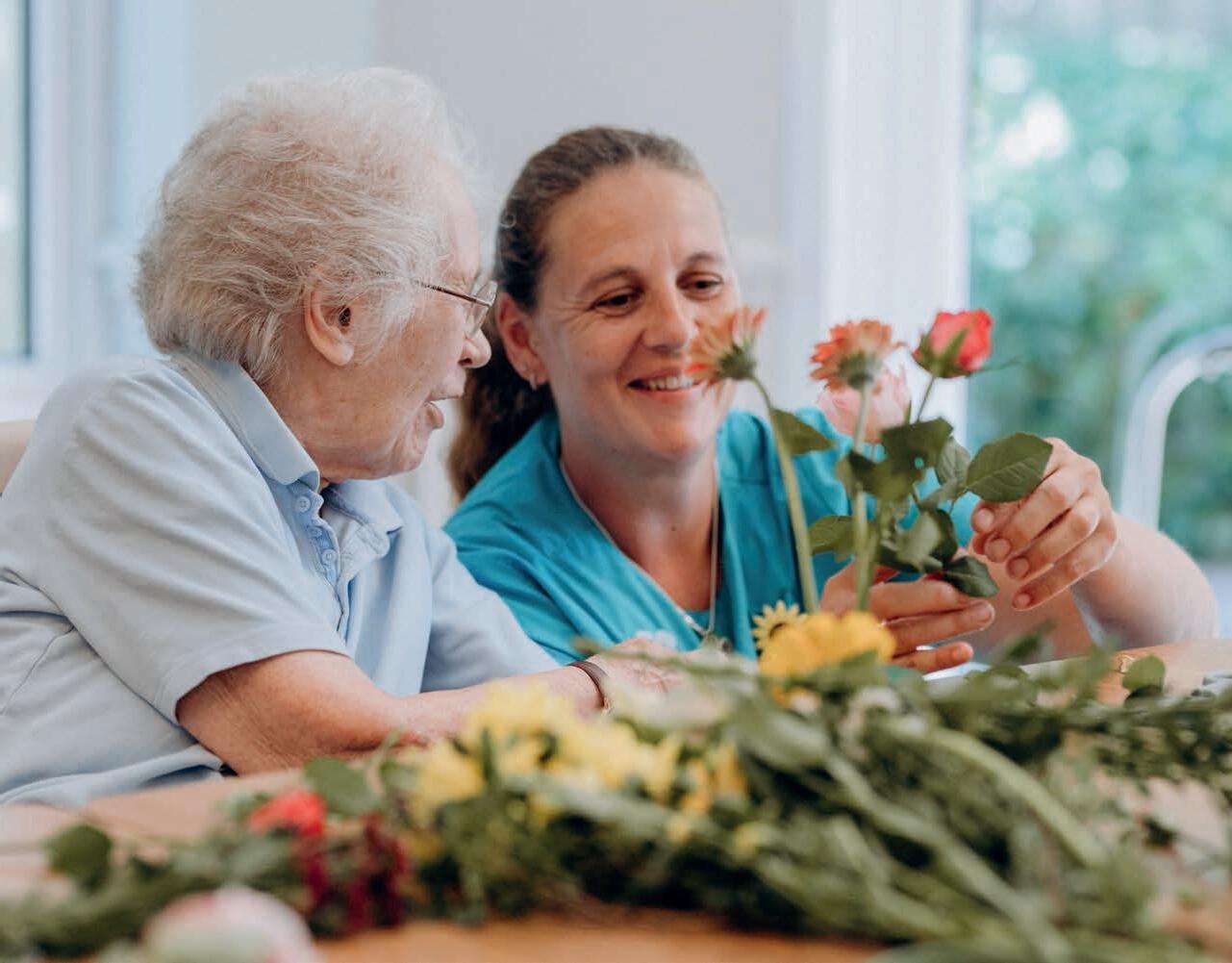
Sophie Wright has had a prestigious career in the food industry. You may be familiar with her as a panel member for BBC Radio 4’s Kitchen Cabinet, and she was previously private chef to prestigious clients like Leonardo DiCaprio, Tom Ford, Avril Lavigne, and David Blaine. Her latest role is as Head of Food for AI grocery service Cherrypick, which finds recipes, plans meals and orders groceries from
your favourite supermarket. Absolutely headed to meet her in Harpenden to find out why she was attracted to the role and to look back at her eclectic career too.
Q You left school at 15 with undiagnosed dyslexia – how did that experience shape your resilience and approach to learning in the kitchen and beyond?
A Leaving school early and struggling with undiagnosed dyslexia forced me to find my own ways of learning and problem-solving. The kitchen became my ideal classroom
and learning environment. Mistakes weren’t failures; they were lessons that you could fix with learned, practised skill and a good palate. I learned resilience, patience, and the value of persistence, skills that have stayed with me both in life and in leadership roles.
Q You became the youngest female head chef in the UK at just 21 – what challenges did you face stepping into leadership so early?
A Stepping into leadership so young came with scepticism, from sta and even
myself at times. I had to earn respect quickly, prove I could make tough decisions, and balance confidence with humility. It was a crash course in resilience, communication, and trust-building.
Q Your debut cookbook Easy Peasy achieved international success – why do you think simple, accessible food resonates so powerfully with people?
A People crave food that’s approachable and doesn’t intimidate them. Easy Peasy proved that simple, flavourful dishes can fit into busy lives, and that confidence in the kitchen comes from achievable steps and joy, not complexity.
Q You’ve written several cookbooks focused on real-life cooking – how has your philosophy around food evolved over the years?
A My philosophy has shifted from perfection to practicality. Food should nourish, inspire, and bring people together. It’s about balancing taste, nutrition, and accessibility, without making it stressful.
Q What did travelling the world as a private chef and cooking for high-profile clients teach you that restaurant kitchens couldn’t?
A It taught me adaptability, discretion, and the importance of anticipating needs. Private cooking requires flexibility and creativity under very di erent pressures than a restaurant, which expanded my perspective enormously.
Q You’ve been a panellist on BBC Radio 4’s The Kitchen Cabinet for over a decade – how has that platform shaped your role as a food educator?
A It’s allowed me to engage directly with real questions from the public, understand their struggles, and share practical, evidence-based advice. It reinforces the idea that good food education is about accessibility and demystifying cooking and keeping it real.
Q How did becoming a mum influence the way you think about nutrition?
A Becoming a mum (now of three) made me think much more practically about
FOOD SHOULD NOURISH, INSPIRE AND BRING PEOPLE TOGETHER
nutrition, time, and budgeting. I focus on meals that are healthy, quick to prepare, and a ordable, so families can eat well without stress. It’s about balancing flavour, nutrients, and cost, while making sure cooking fits into busy daily routines.
E ciency, creativity, and accessibility became key, showing that nutritious, tasty food can be achievable even with time pressures and tight budgets.
Q What attracted you to Cherrypick?
A Cherrypick’s combination of smart technology and practical, healthy recipes resonated immediately. The platform makes good nutrition achievable and fun, which aligns perfectly with my mission. I could also see the tides turning on the move, conventional style of recipe writing and wanted to be at the forefront of technology, embracing that.
Q As Head of Food at Cherrypick, what excites you most about its potential to change how people eat?
A What excites me most is the ability to see, in real time, how people interact with recipes and meal plans. Instant feedback from users is invaluable – it’s something you just don’t get as a recipe writer for a cookbook or magazine. It allows us to understand what works, what inspires, and what people struggle with, so we can continually improve and create food that fits into busy lives. The chance to influence daily habits, make meal planning less stressful, and show that nutritious, delicious food can be practical and fun is incredibly motivating.
Q What do you see your role at Cherrypick involving?
A My role involves developing recipes, securing brand partnerships, working with publishers and authors to showcase recipes and ensuring nutritional balance, and creating meal plans that are practical and enjoyable. The technology in our app allows us to help users on a health journey almost without them realising it – tracking choices without needing to count calories, modifying recipes e ortlessly without overthinking, and changing the way we cook to reduce waste. It’s about making healthy, sustainable eating intuitive, achievable, and fun, while still delivering flavourful, family-friendly meals.
cherrypick.co
SOFT BLOOM
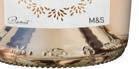
M&S Fleur de Lise Rosé o ers a delicate balance of freshness and flavour, with floral notes, redberry fruit, and a bright finish. Understated and elegant, it’s rosé for easing into the season, £9. marksandspencer.com
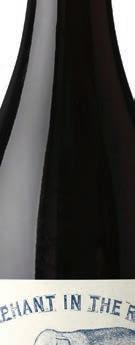
Light on its feet and full of charm, Elephant in the Room’s Palatial Pinot Noir is silky, juicy, and gently spiced. Best served lightly chilled, it’s a spring red that feels perfectly in tune with the season, £11. waitrose.com
BREEZE PLEASE
Shaped by the Atlantic and infused with coastal energy, Mar de Frades Brut Nature o ers saline freshness, bright citrus, and restrained bubbles. Made for spring aperitifs, seafood lunches, and those first evenings spent lingering outdoors, £28.50. vinvm.co.uk
Spring Awakening
Emma Marris’s Sauvignon Blanc captures Marlborough at its freshest, with zippy citrus, tropical lift, and a clean, mouthwatering finish. Bright, breezy, and full of energy, it’s the kind of white that signals winter is o cially over, £12. majestic.co.uk
of the best 5
Citrus Season Spring Red-Y
Fresh bottles made for lighter days
By NATALIA SUTA
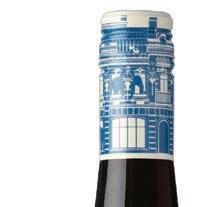
Picpoul, but with polish. Ormarine’s Cuvée Estela Élevée takes this southern French favourite into more refined territory, layering citrus freshness with gentle texture and poise. An elegant pick for lighter spring cooking and long lunches, £14.25. majestic.co.uk
Natalia Suta is a WSET-certified wine writer and educator with a knack for making wine accessible and fun. When she is not writing, she’s busy curating wine experiences and offering consultancy to help others discover the joy of wine. Follow Natalia on Instagram @_winerocks_
FASHION
RAY OF LIGHT
EBERJEY
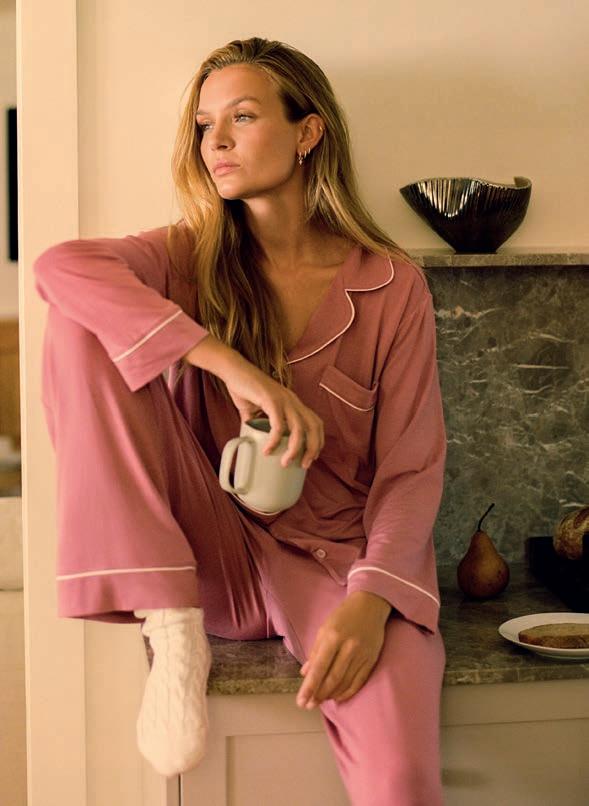
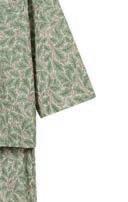
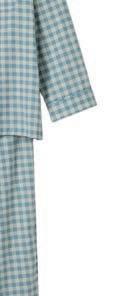
Tencel pyjama set, £170 eberjey.com
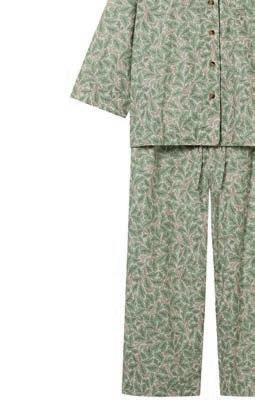
PIGLET IN BED M&Co Oak Cotton pyjamas, £90 pigletinbed.com
EBERJEY
Tencel Ski Chalet pyjama set, £170 eberjey.com
DEREK ROSE
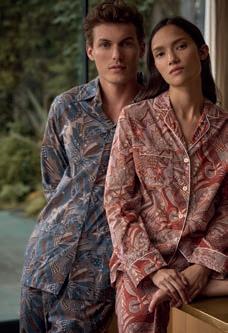
Cotton Batiste pyjamas, £245 derek-rose.com
THE ETHICAL SILK COMPANY
Mulberry silk pyjamas, £280 theethicalsilkco.com
ASPIGA Organic cotton pyjama set, £90 aspiga.com
SLEEP
Cosy up in the best pyjamas right now
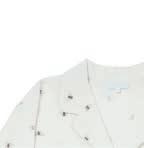
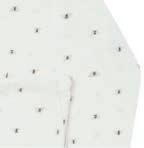
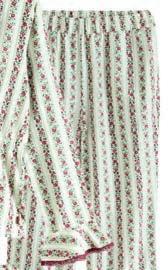
SOPHIE ALLPORT Bees pyjama set, £77 sophieallport.com
By PENDLE HARTE
LAURA ASHLEY Kelbrook stripe pyjamas, £52 next.co.uk
PIGLET IN BED Warm blue gingham pyjamas, £125 pigletinbed.com
WIGGY KIT Pyjama sets, £155 wiggykit.com
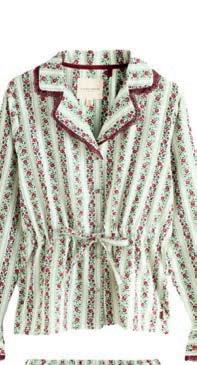
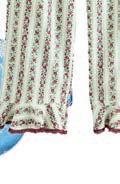
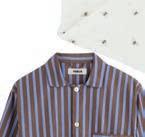
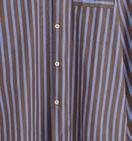
TEKLA Chestnut Stripe pyjama shirt, £180 and pants, £150
BEAUTY
NOTES
The latest in luxury makeup and skincare
By CARLY GLENDINNING
CHANEL
The new Rouge Noir collection is dark on the eyes and nude on the lips, featuring vibrant magentas, so pinks and grey, in a subtle nod to rock icons. chanel.com
HAIR CARE DARK ARTS
EDITOR’S PICK
COLOR WOW
Color Wow’s products are designed to deliver instant volume, squeaky-clean strands, and frizz-free perfection in just a few steps. The 100% clean, sulphate-free shampoo and weightless hydrating conditioner deliver silkiest, glossiest, healthiest results, even for fine, thin hair. colorwowhair.com
PLANT POWER
EMMA LEWISHAM
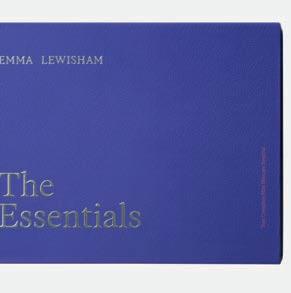
The Emma Lewisham Essentials set contains seven luxury minis designed to deliver transformative results. Each formulation harnesses up to 25 actives that work in intelligent synergy to offer a complete ritual that hydrates, brightens, and renews. emmalewisham.co.uk
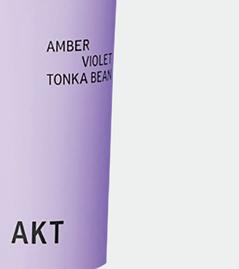
AKT’s aluminium-salts free formula transforms from a luxurious, skinnourishing balm into a dry, invisible powder, actively protecting and deodorising, £25. aktlondon.com
MAKE WAVES
Make Waves’ refi llable applicators contain a natural antiperspirant to keep you fresh and dry – and they smell great too. From £12. wearemakewaves.com
SALT AND STONE
This natural deodorant is aluminiumfree with probiotics, seaweed extracts and shea butter in a lovely Bergamot & Hinoki scent, £20. amazon.co.uk
it preserves lean muscle mass, which helps maintain a higher metabolic rate.
That said, lighter resistance training has its place too. Using lighter weights with higher repetitions (around 12–20 reps) can improve muscular endurance, coordination, and movement confidence – particularly for beginners or those returning after injury. Light-to-moderate loads are also valuable for accessory exercises, rehabilitation work, and days when the nervous system needs a break from maximal e ort.
HEAVY or LIGHT?
Rethinking resistance training for women
Walk into almost any gym and you’ll still see men clustered around the squat racks lifting heavy, while women gravitate toward lighter dumbbells and higher reps. The idea that women should train “light to tone” has lingered for decades –but is it actually true? Modern exercise science suggests the answer is far more nuanced, and far more empowering. First, let’s address the biggest myth: lifting heavy will make women “bulky”. Muscle growth is largely driven by testosterone, of which women have
significantly less than men. Even with heavy resistance training, most women will not develop large, bodybuilder-style muscles without years of highly specific training and nutrition. Instead, what heavy lifting will build is strength, bone density, and a firmer, more defined physique.
Heavy resistance training – generally defined as lifting weights that allow for about 3–6 repetitions per set – has several proven benefits for women. It improves maximal strength, supports joint health, and is especially important for bone density, reducing the risk of osteoporosis later in life. Research also shows that heavier lifting can be highly e ective for fat loss because
So where does this leave women trying to decide between heavy or light? The short answer: they shouldn’t have to choose. The most e ective training programs include a mix of both.
Periodized resistance training – cycling between heavier and lighter loads over time – delivers the best results for strength, muscle tone, and overall health. A woman might deadlift or squat heavy once or twice a week, while also incorporating lighter, higher-rep movements for shoulders, glutes, or core. This approach builds strength without neglecting endurance, mobility, or recovery.
Goals matter, too. A woman training for powerlifting will prioritize heavy loads. Someone focused on general fitness or stress relief may prefer lighter weights and faster-paced sessions. Neither approach is “more feminine” or “more correct” – they’re simply tools. Perhaps the most important factor is psychological. Many women discover that lifting heavier than they thought possible is profoundly empowering. It challenges outdated narratives about fragility and replaces them with a sense of capability and control. Confidence, after all, is one of the most underrated benefits of strength training.
In the end, the question isn’t whether women should go heavy or light – it’s whether they’re being given the freedom, education, and encouragement to do both. Strength, in all its forms, is not gendered. And the strongest programs are the ones that let women lift for their bodies, not against outdated rules.
adanola.com
Feeling RIGHT
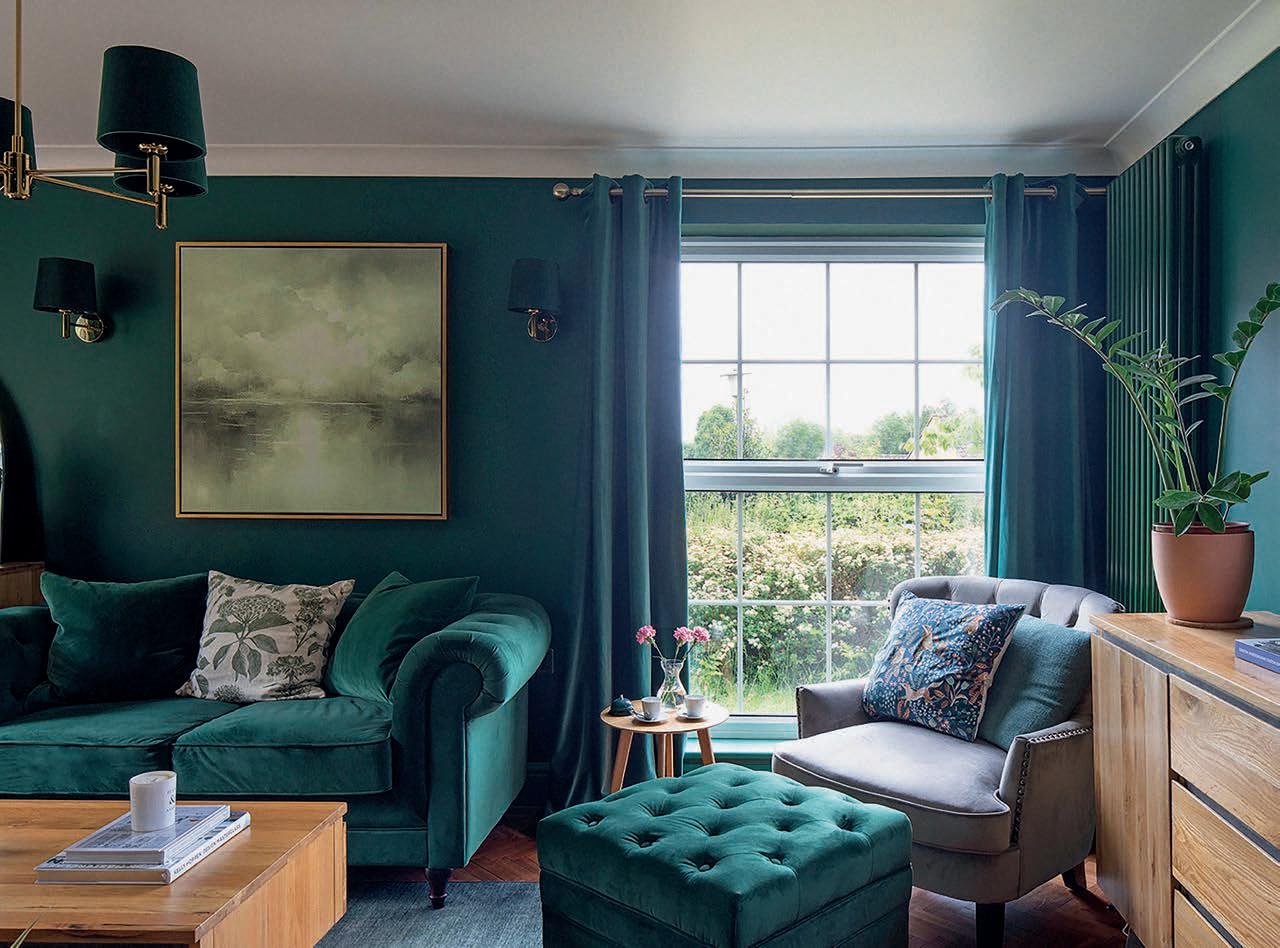
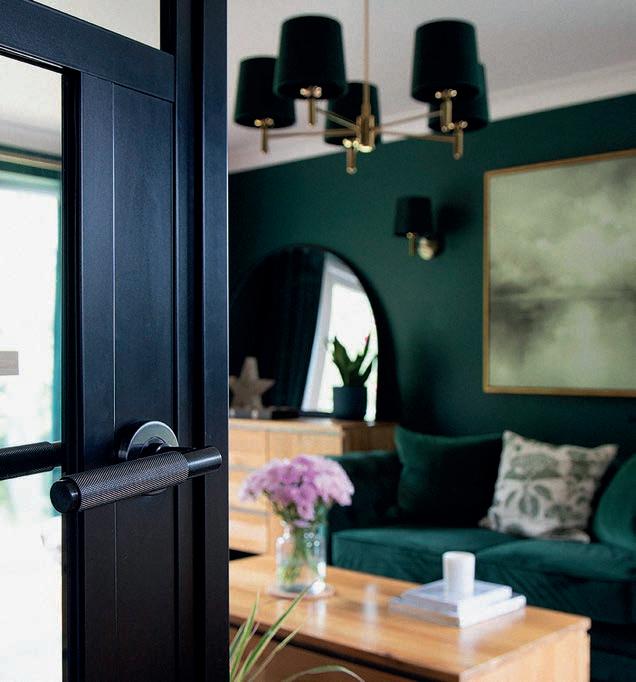
JAM Design Works is a Londonbased Interior Design Studio creating beautiful homes with personality. They focus on how a space feels as much as how it looks, layering colour, texture, functionality, layout and bespoke details to every unique project. Read more on page 58
inside this section
DANISH LIVING
ELISA DESIGN
STATEMENT LIGHTING
TREND: ARMCHAIRS
BATHROOM TECHNOLOGY
THE ART OF LIVING
Danishly
BoConcept celebrates light, longevity and the quiet confidence of considered design – expressed through the art of living Danishly
Since 1952, BoConcept has honoured the principles that made Danish design globally admired –simplicity, craftsmanship, elegant functionality and quality materials.
From a small workshop founded by Jens Ærthøj and Tage Mølholm to a global presence in more than 65 countries, the brand has evolved without abandoning its core belief that good design should stand the test of time.
Materials are chosen with uncompromising attention to quality: oak veneers reveal natural depth, ceramics are selected for durability, and fabrics are crafted for tactile pleasure as well as longevity. Traditional techniques meet modern precision in the hands of skilled craftsmen, ensuring that every piece is as enduring as it is beautiful.
At the heart of this philosophy lies balance –between minimalism and warmth, structure and softness, individuality and cohesion. It is this equilibrium that defines the art of living Danishly: interiors shaped not by excess, but by intention.
BoConcept’s new collection continues this legacy for Spring/Summer, exploring pale woods, sculptural silhouettes and tactile materials that soften contemporary spaces while preserving architectural clarity. This season feels lighter. Warmer. More open. An invitation to curate rather than accumulate –and to design rooms that feel considered, calm and quietly confident.
LIGHT AS LUXURY
In Scandinavian interiors, light is the ultimate material. It shapes mood, enhances proportion and reveals texture – particularly in natural oak.
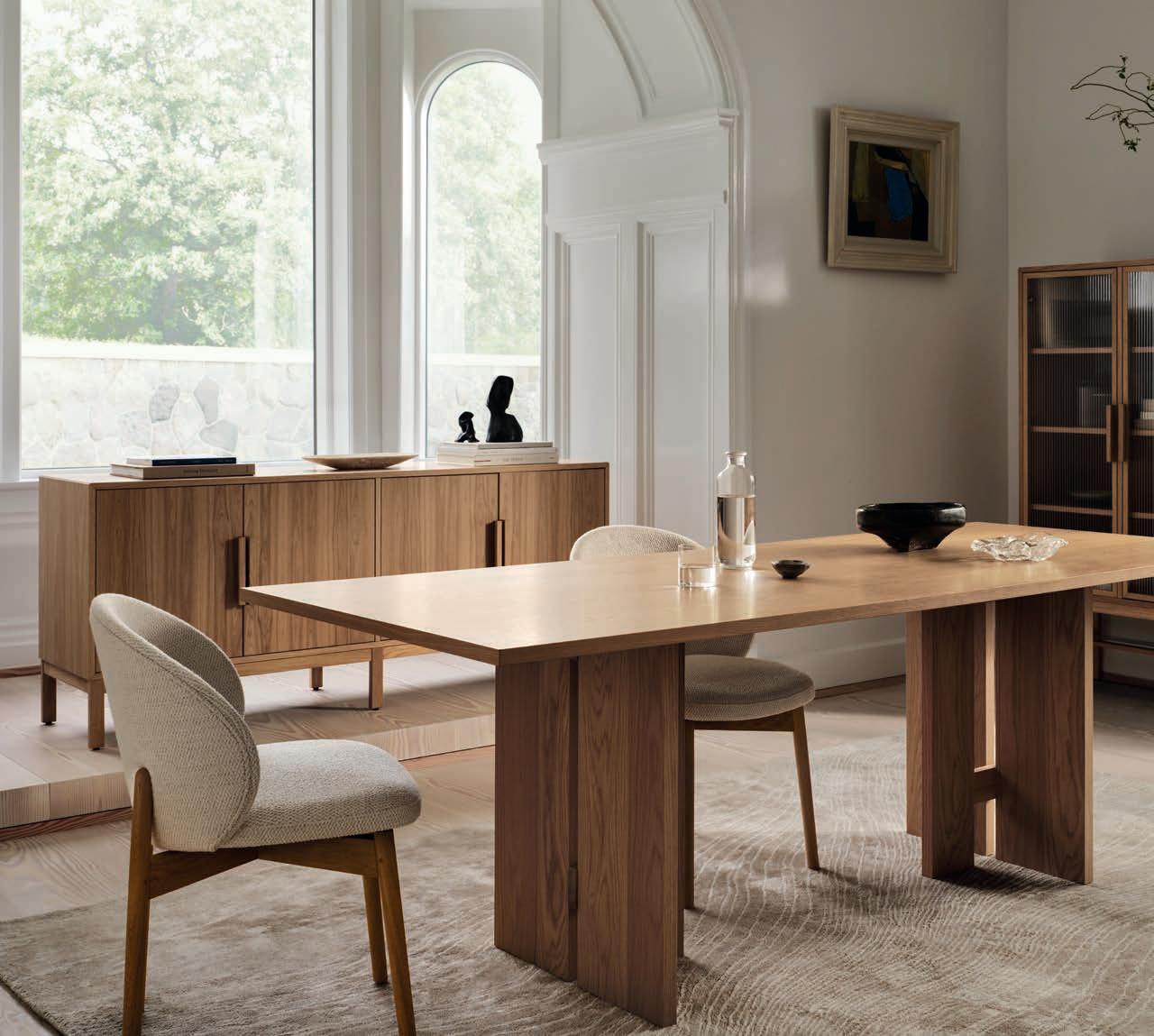
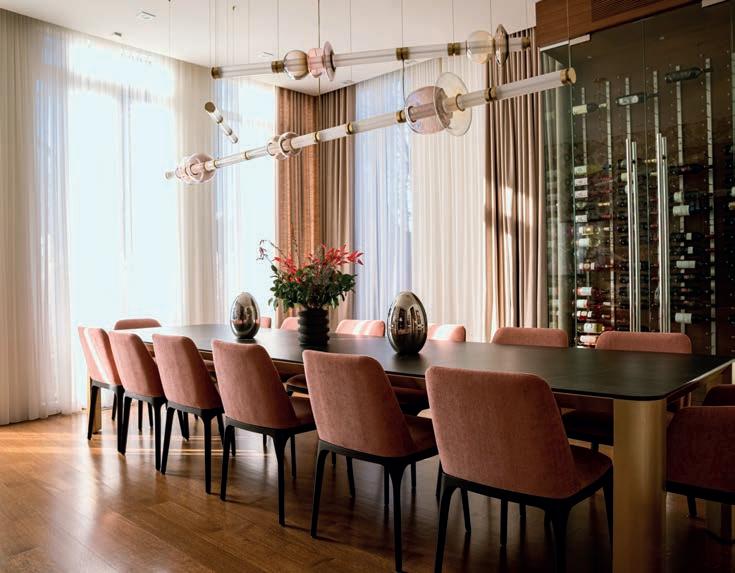
At the centre of this expression sits the Axo dining collection, created in collaboration with Copenhagen-based atelier axo. Architectural in proportion yet human in presence, Axo is a study in balance. The table’s tapered legs and expansive veneer surface celebrate oak as a living material –textured, tactile and quietly expressive.
In Natural Oak, the defining tone of Spring/Summer, Axo feels almost illuminated from within. The grain catches daylight softly, lending warmth without heaviness. It is a finish that speaks to optimism – to homes that feel open, airy and intentional. For evening moods or more dramatic interiors, the Dark Oak variation introduces depth and contrast, grounding a space with understated authority.
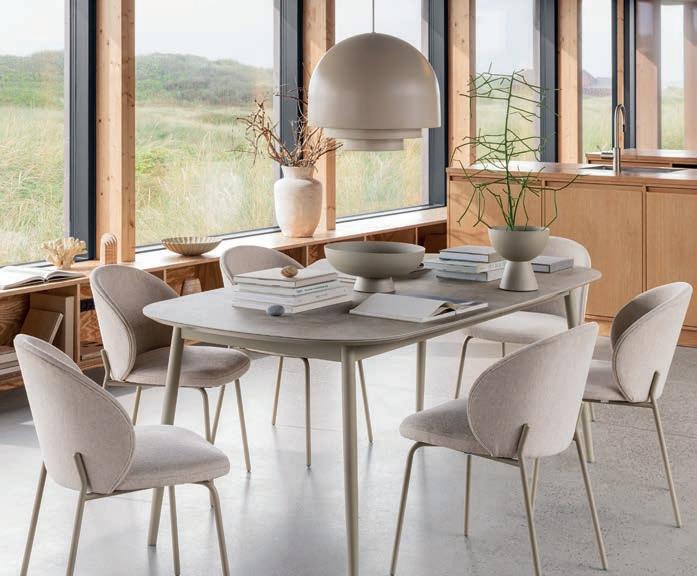
Surrounding Axo, seating becomes an extension of the architectural narrative. The Hamilton dining chair, with its organic curves and refined waist, offers cocooning comfort in either minimalist plastic or fully upholstered finishes. Princeton dining chairs soften the silhouette further – a gentle, feminine embrace shaped to follow the body’s contours. Together, they demonstrate how Danish design approaches comfort: sculptural, supportive, effortless.
Elsewhere, lightness takes on a different rhythm in the bestselling Santiago dining table. Designed by Morten Georgsen, its pillar-shaped legs and curved edges bring visual softness to contemporary interiors. In lighter finishes, it echoes the season’s tonal direction, while its ceramic surface introduces durability suited to everyday life – proof that beauty and resilience need not compete.
More compact expressions, such as the Kingston dining table with its discreet extension leaf, honour the same principle of invisible adaptability. Scandinavian design has always valued adaptability; here, flexibility is integrated so seamlessly it feels almost invisible.
Light, in Danish interiors, is never accidental. It is curated – through proportion, material and space.
KINGSTON EXTENDABLE DINING TABLE
HELENA CHRISTENSEN ON THE BERGAMO ARMCHAIR
Discover the Axo collection
Danish design has long blurred the line between art and function
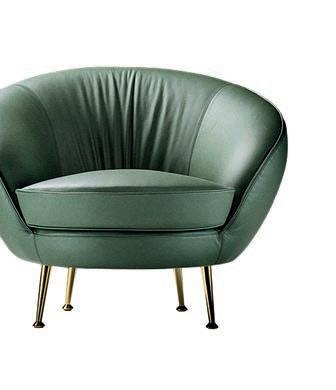
For those drawn to quieter statements, the Bolzano armchair offers rounded simplicity with architectural clarity. Designed to stand alone or alongside its matching sofa, its cocooning silhouette is timeless – contemporary yet never trend-led.
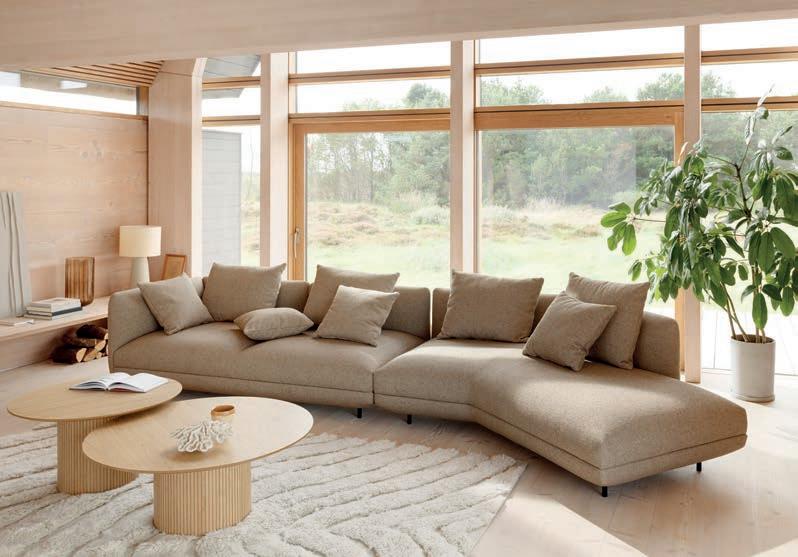
And then there is Salamanca – perhaps the most relaxed expression of the season’s mood. Low, generous and subtly bohemian in spirit, the Salamanca sofa introduces a relaxed counterpoint to the season’s architectural precision. With oversized proportions and moveable back cushions, it embraces a slower rhythm of living – one that values lounging as much as hosting. Its modularity allows it to expand or contract according to space, while its ‘floating’ base maintains visual lightness.
Bergamo, by contrast, refines organic luxury through restraint. Adjustable seating depth and discreet legs create a sofa that appears to hover gently above the floor – elegant, composed, endlessly comfortable.
Across these pieces, form is never decorative for its own sake. It is shaped by use, by comfort, by the desire to create rooms that feel balanced and alive.
SCULPTURAL LIVING
If light defines the mood, form defines the emotion. Danish design has long blurred the line between art and function – furniture conceived not merely as utility, but as presence.
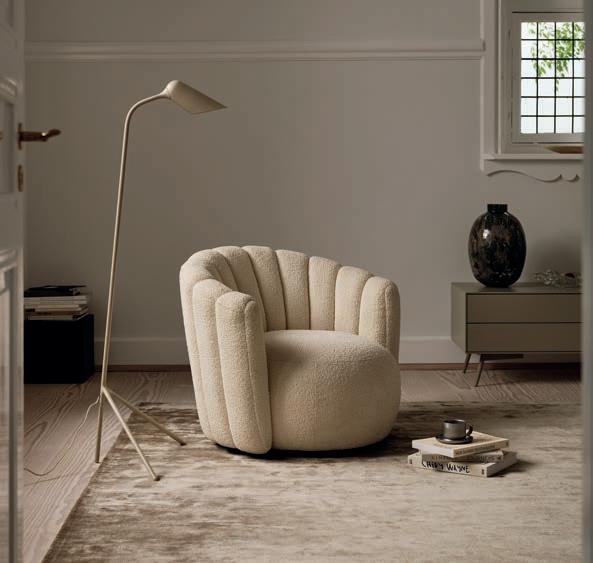
The Sweet Art armchair, designed by Charlotte Høncke and introduced through Helena Christensen’s curated collaborations, channels playful sensuality. Its scalloped detailing and pastry-inspired curves reference Danish heritage in a way that feels light-hearted rather than literal. Set against neutral surroundings, it becomes a moment of character – an object that invites both conversation and touch.
COMPACT LIVING, CLEVER DESIGN
The art of living Danishly is not an aesthetic performance – it is practical, particularly in smaller or multifunctional homes. The Modena sofa carries this sculptural language in softened form. Rounded edges and precise stitching deliver timeless Danish design within a smaller footprint – a reminder that proportion, not scale, defines presence.
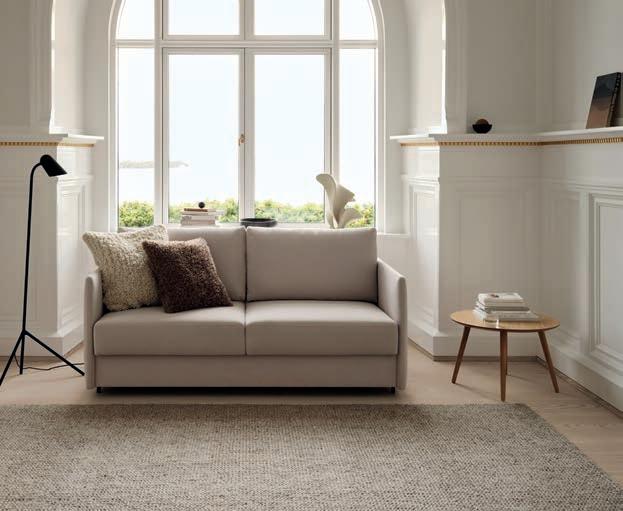
The Lucerne sleeper sofa exemplifies this philosophy. By day, it offers clean-lined elegance; by night, it transforms seamlessly into a restful bed. Its mechanism is integrated so discreetly that the transition feels natural rather than mechanical – a continuation of design rather than an interruption.
SALAMANCA SOFA
SWEET ART ARMCHAIR
Explore the story behind the Sweet Art collection
Discover how this sofa transforms into a bed
The Southampton sofa bed balances quilted softness with concealed storage, ensuring duvets and pillows remain hidden yet accessible – an ideal solution for guest rooms that double as everyday living spaces.
Even smaller gestures can make a significant impact. The Xtra footstool appears as a minimalist accent piece, yet unfolds effortlessly into an additional single bed –Danish ingenuity distilled into compact form.
Dining, too, adapts intelligently. The Billund dining table embodies Scandinavian efficiency: its adaptable tabletop folds down for an intimate meal for two or flips up to seat four or five comfortably. Its modest footprint makes it a refined solution for even the smallest dining areas – design and function working in quiet harmony.
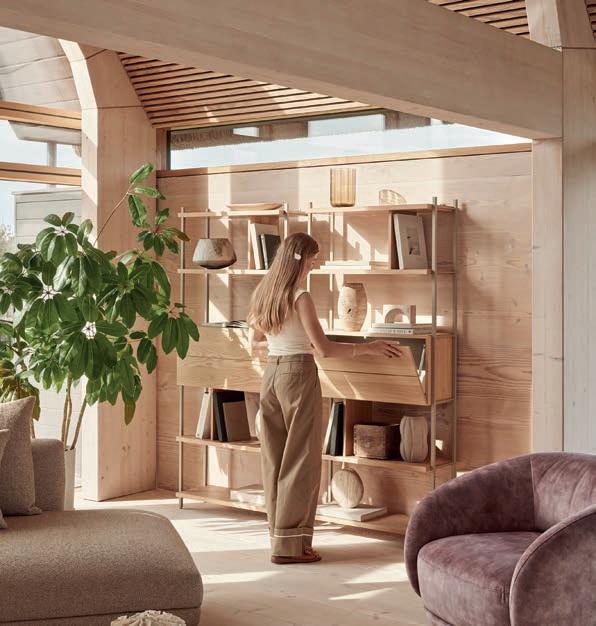
Storage pieces follow the same philosophy. The Santiago sideboard transforms practicality into theatre with its curved form and optional illuminated bar section, while Calgary shelving offers modular flexibility – serving as display, workspace or even a desk configuration depending on need.
Compact living, here, is not a compromise. It is an opportunity for thoughtful design.
The art of living Danishly is not an aesthetic performance. It is practical.
DESIGNING WITH INTENTION
Living Danishly is ultimately about cohesion – and this is where BoConcept’s complimentary Interior Design Service becomes essential.
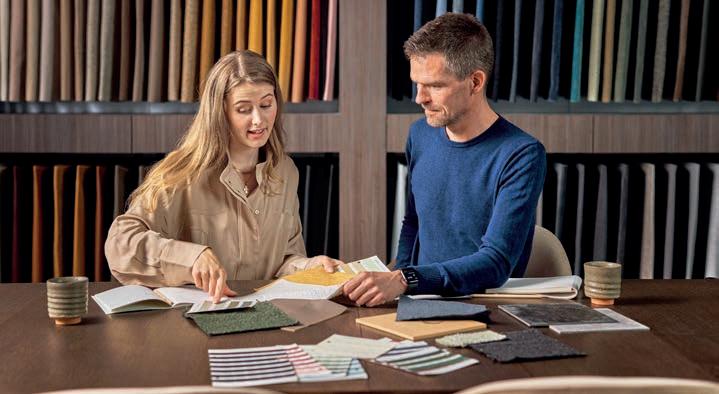
Rather than selecting individual pieces in isolation, clients are guided through a complete spatial journey. From initial consultation to installation, in-store designers assist with layout planning, material selection and 3D visualisation. Entire rooms can be recreated digitally, allowing proportions, finishes and configurations to be explored before decisions are finalised.
Mood boards and physical material samples translate ideas into tangible direction, ensuring that oak tones, upholstery textures and ceramic surfaces sit in harmony.
Almost every design can be tailored – from dimensions and modular combinations to finishes and fabrics – with more than 120 materials available, including Helena Christensen’s new Bologna Velvet in tones such as Sky Blue and Mouse Belly.
The result is not simply a furnished room, but a considered interior – one that balances architecture and atmosphere, practicality and personality.
Explore more about BoConcept’s comprehensive design service
To live Danishly is not to follow a formula, but to design with intention: to value materials that age gracefully, to create rooms that feel calm yet expressive, and to recognise that beauty and function are not opposing forces, but partners in shaping a life well lived. In that quiet partnership between purpose and poetry lies the true art of living Danishly.
Discover more at boconcept.com
CALGARY SHELVING
LUCERNE SLEEPER SOFA
BOCONCEPT’S INTERIOR DESIGN SERVICE
Built to last
The founder of Elisa Design, Hertfordshire-based Audrey Wiggs, talks to Absolutely about changing careers, timeless interiors and growing gains
Q What inspired you to start your own studio?
A Elisa Design was born from a combination of personal experience and a desire for more meaningful work. After renovating my own home, friends and family began asking for help with their spaces, and it became clear that what came naturally to me was something others genuinely valued. At the same time, I was coming to the end of a long corporate career and craving work that felt more creative, human and impact-
ful. Founding Elisa Design allowed me to combine creativity with structure, and to deliver work that genuinely improves how people live in their homes.
Q What was your path into interior design, and were there any pivotal moments that shaped your career?
A My route into design wasn’t traditional. I spent over two decades in senior roles within financial services, managing complex, highpressure projects. A pivotal moment came
when my children asked me to talk at school about what I did for a living, which prompted a period of reflection. I realised I wanted to build something that felt more aligned with my values – creative, tangible and peoplefocused – and that gave me the confidence to take the leap into interior design.
Q How has your background influenced the way you approach design today?
A My corporate background has had a significant influence on how I run projects. I’m highly organised, detail-driven and calm under pressure, which clients really appreciate during renovations. Design is creative, but successful projects rely on planning, communication and foresight – skills I honed over many years and now apply to every scheme we deliver.
I’m also very conscious that clients are often making significant financial decisions, sometimes while feeling overwhelmed. I believe that being clear, honest and proportionate in recommendations builds far more trust than over-selling, and that trust is the foundation of every successful project.
Q Being based in Hertfordshire, how does the local architecture, landscape or lifestyle influence your work?
A Hertfordshire offers a wonderful mix of period homes, character properties and contemporary new builds. The lifestyle here often centres around family, entertaining and a connection to the outdoors, which naturally influences how we design spaces. We frequently create homes that feel elegant yet relaxed – practical enough for everyday life but beautifully considered.
Q Do you find that clients in Hertfordshire have a particular style, taste or set of priorities compared with those elsewhere?
A Many Hertfordshire clients value longevity and quality. They are often investing in homes they plan to stay in long-term, so their focus is less on fleeting trends and more on layouts, materials and finishes that will continue to work for them over time.
We create homes that feel elegant, yet relaxed
Q How would you describe the Elisa Design aesthetic?
A Our aesthetic is timeless, layered and quietly luxurious. We favour balanced proportions, thoughtful colour palettes and tactile materials, creating interiors that feel refined yet welcoming rather than overly styled.
Q What are the key elements you always try to bring into a space, no matter the project?
A Functionality, flow and a sense of calm are always at the forefront. A well-designed space should support how people live, not dictate it, so comfort and usability are just as important as visual impact.
Q How do you work with clients to translate their personalities and lifestyles into a finished design?
A We spend a lot of time listening. Understanding how clients live day-to-day, what they love, and what frustrates them about their current space is key. From there, we translate those insights into layouts, materials and finishes that feel personal rather than prescriptive.
I approach every project as if it were my own home – recommending only what genuinely adds value, and helping clients prioritise where to invest and where to hold back. That sense of trust allows clients to feel confident in their decisions and enjoy the process.
AUDREY WIGGS
Q Can you walk us through one of your recent projects and what made it especially rewarding or challenging?
A One recent full-house renovation project in Whitstable has been particularly rewarding – and challenging – even at the design stage. The scheme involves extensive reconfiguration, and a key challenge has been designing a top-floor suite beneath a complex roof structure, with sloping ceilings on all sides.
While the initial layouts appeared workable on paper, developing the space properly through detailed design and 3D visuals revealed that the room wouldn’t function as intended. As a result, the client made the decision to reconsider how that level should be used, meaning some of the design work had to be revisited entirely.
Although moments like this can feel frustrating, they are often where the real value of good design lies – questioning assumptions early, responding to spatial realities, and prioritising long-term liveability over forcing a scheme to fit. Catching these issues at the design stage ultimately protects the client and the project as a whole.
Q Are there any recent projects that you feel particularly proud of, and why?
A One project I’m particularly proud of is the Pentley Park residence – a full renovation of a 1920s property for a client based in South London. The house required extensive work, much of which only became apparent once demolition began, including major rewiring, replumbing and roof repairs. We delivered the full planning application, design and
implementation while the client was still living elsewhere, coordinating all sourcing, procurement and trades to ensure the project ran smoothly despite the challenges. Completing the renovation in just over three months, and handing the home over ready for the client to move straight in, was incredibly rewarding. Projects like this are demanding, but they’re also where thoughtful planning, strong relationships and clear decision-making really come into their own – and seeing the client finally settle
into a home that works beautifully for them makes it all worthwhile.
Q How has Elisa Design evolved since you first started?
A When I first started Elisa Design, I was a one-woman studio focused on individual room designs. Over time, the practice has naturally evolved alongside the scale and complexity of the projects we take on. Today, we offer a far more comprehensive service – from early-stage planning coordination through to full build, styling and completion.
I work alongside a small, trusted network of exceptional women who support the studio across operations, technical drawing and photorealistic 3D visuals, as well as a consistent team of skilled trades and long-standing suppliers, which allows us to deliver projects with a high level of care and continuity. While much of our work still comes from returning clients and personal recommendations, the scale has grown to include full house renovations, both within Hertfordshire and beyond, following clients elsewhere in the UK and abroad.
Looking ahead, my focus is on continuing to refine and elevate our service – delivering a more personalised, concierge-style experience for clients – while also developing thoughtful resources to help homeowners who want expert guidance but are managing projects independently. This, to allow us to support more people, without ever compromising on quality or care.
elisadesign.co.uk
Illuminatingimpact
Statement lighting is being used to transform design in our homes, as the founder of Gabriel Scott, Scott Richler, writes
Homes are increasingly treated as long-term sanctuaries rather than trend-led showcases, and that shift naturally elevates lighting to a more central role. Statement ceiling lights bring clarity and confidence to a space; lighting defines a room instantly, rather than quietly receding into the background. There’s also a renewed appetite for craftsmanship and architectural presence; people want to see how something is made and to feel its material weight. The ‘big light’ answers that desire by offering both function and identity, acting as an anchor that brings cohesion to the entire interior.
When we design large statement fixtures, scale is always our starting point. A light should respond to the architecture around it, the volume of the room, ceiling height, sightlines and how the space is actually lived in. Quite simply, the larger the room, the more confidently a light can occupy it. That said, scale isn’t just about size; it’s about proportion and balance. We often remind clients that small rooms can look extraordinary with oversized pieces too, as long as the design has refinement and clarity. A bold light in a compact space can create tension and drama, rather than overwhelm, when it’s thoughtfully placed.
Lighting creates emotional resonance because it directly influences how we feel in a space, not just how we see it. A subtle shift from bright, task-focused light to something dimmed and warmer can instantly signal calm, comfort or intimacy. Much like changing pace at the end of the day, lighting helps us transition emotionally between moments, from focus to relaxation, from energy to rest. When lighting is layered and adjustable, it allows a home to support different moods throughout the day.
Mood plays a fundamental role in our design philosophy. We believe lighting should respond to how people actually live, not just how a room looks in photographs. Dimmable systems and thoughtful combinations of ambient, task and accent lighting give homeowners control over their environment, allowing them to tune a space to how they want to feel in that moment. Ultimately, the most successful lighting doesn’t announce itself, it quietly enhances wellbeing, making a home feel intuitive, personal and emotionally supportive.
At Gabriel Scott, materials are never an afterthought, they are central to both the
visual language and the longevity of every piece. Our approach is rooted in the belief that lighting should feel substantial, tactile and enduring, with materials chosen not just for how they look on day one, but for how they age over time. Glass is one of our defining materials. Many of our collections use hand-blown or double-blown glass, which gives each piece a subtle individuality. The layered construction softens the light, creating a warm, atmospheric glow rather than a harsh source. This quality of light is crucial to emotional comfort, it’s what makes a sculptural fixture feel inviting and lived-in, rather than purely architectural.
Equally important are our metals. We work with finishes such as satin brass, satin bronze, satin nickel, satin copper and blackened steel, chosen for their depth and quiet refinement. These finishes are deliberately understated; they catch the light without dominating it, allowing the form and the glass to take centre stage. Over time, they develop character rather than wear, reinforcing the idea of lighting as a long-term investment rather than a seasonal purchase. Statement lighting has increasingly replaced traditional focal points because it offers both visual impact and flexibility. Feature walls, wallpapers or built-in joinery are fixed to a specific home; lighting, by contrast, is something you can take with you. That sense of portability has become incredibly important to homeowners who move more frequently or see their interiors as evolving rather than permanent.
We also see lighting being treated as a true investment. When clients fall in love with a piece, it becomes part of their personal design language. That light will move homes with them, adapting to new spaces and contexts, rather than being left behind. In that sense, statement lighting has become a modern heirloom, an object that holds meaning, delivers impact, and offers longevity in a way that many traditional focal points simply can’t.
Lighting has moved far beyond simply complementing architecture, it now actively shapes how a space is experienced. Rather than being applied at the end of a project, lighting is increasingly considered at the same moment as the architecture itself. It defines volume, guides movement and influences how we perceive scale, proportion and flow within a room.
As homes become more fluid and multifunctional, lighting is also taking on a greater role in shaping how spaces are used throughout the day. Architecture may remain fixed, but lighting allows the same room to shift in character, from energetic and open to calm and cocooning. Ultimately, the relationship has become collaborative. Architecture provides the framework, but lighting brings it to life. When designed together, lighting doesn’t just support a space – it defines its atmosphere, identity and emotional impact.
gabriel-scott.com
SCOTT RICHLER
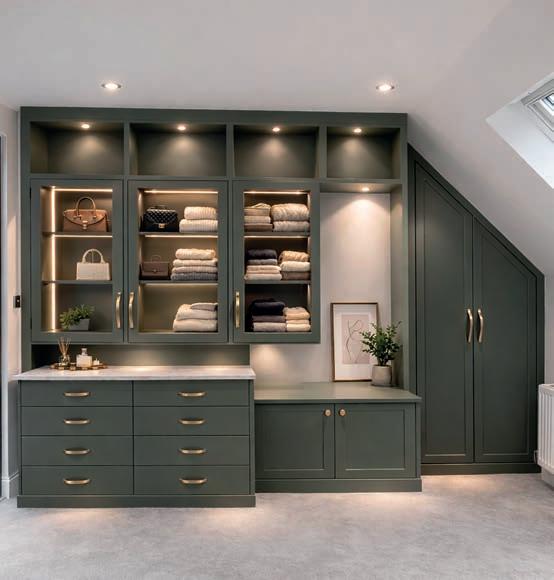
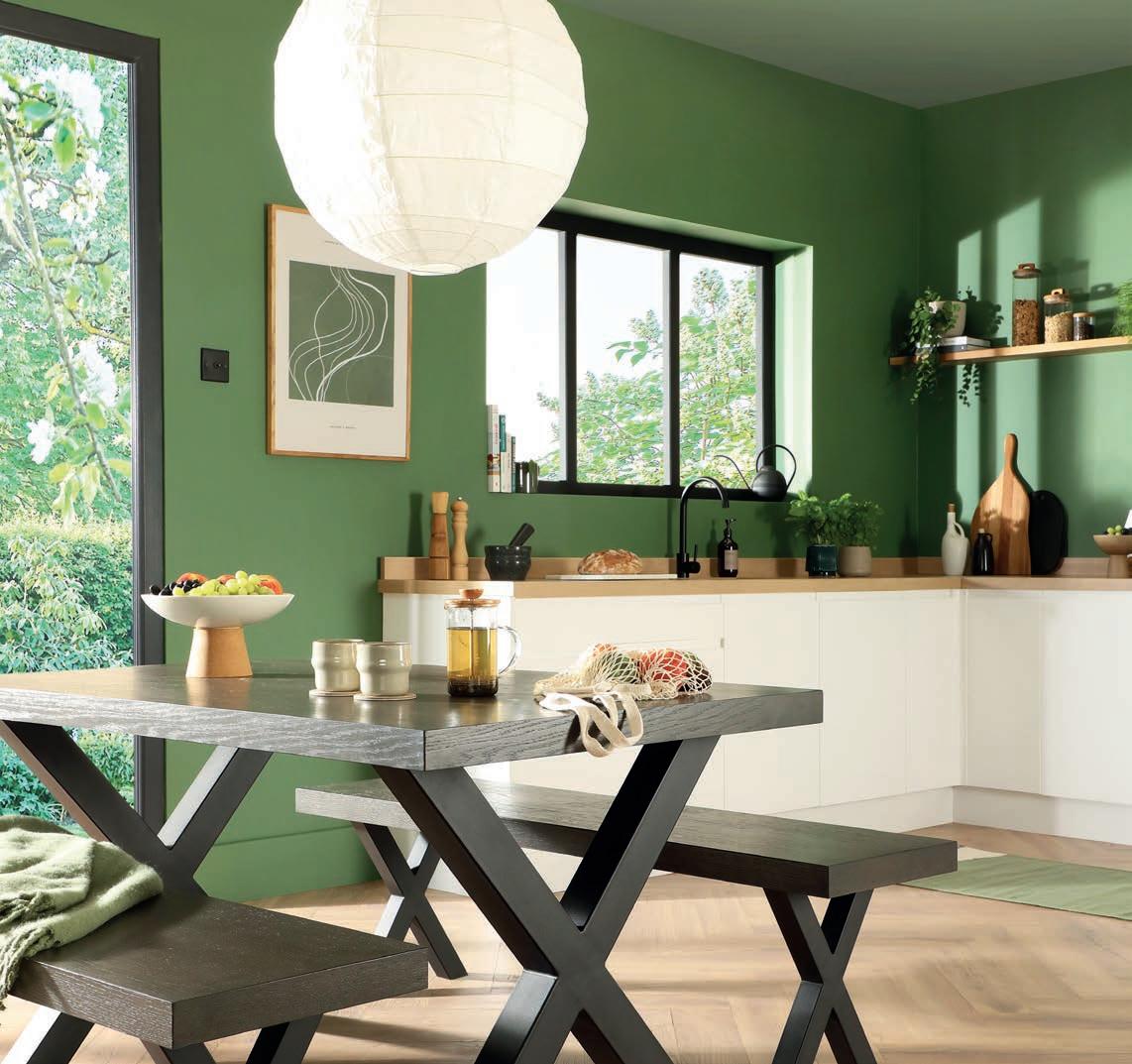
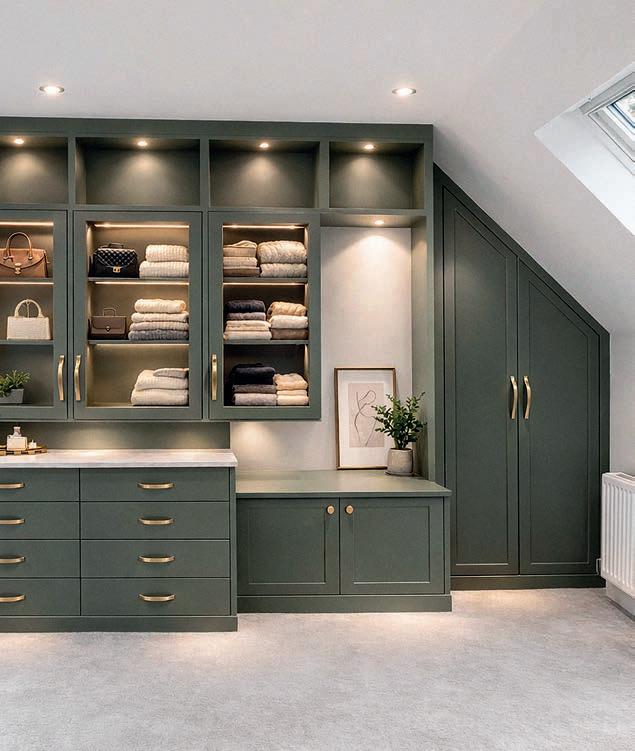
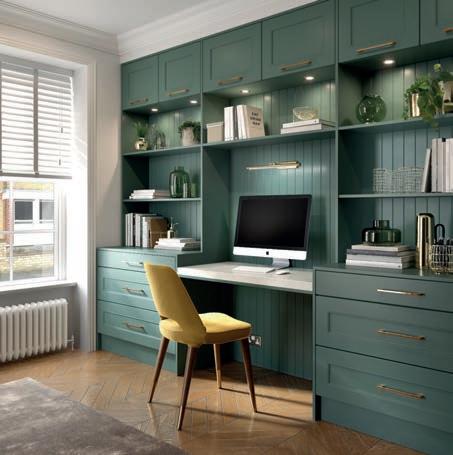
A stunning Shaker unit in our popular Heritage Green, designed to make perfect use of an awkward corner. The colour draws inspiration from the greenery just outside the patio, creating a seamless indoor–outdoor feel.
A stunning home style featuring our Reed Green stockhome doors, perfectly complemented by a dark graphite desk. The ideal blend of warmth, depth and modern detail.
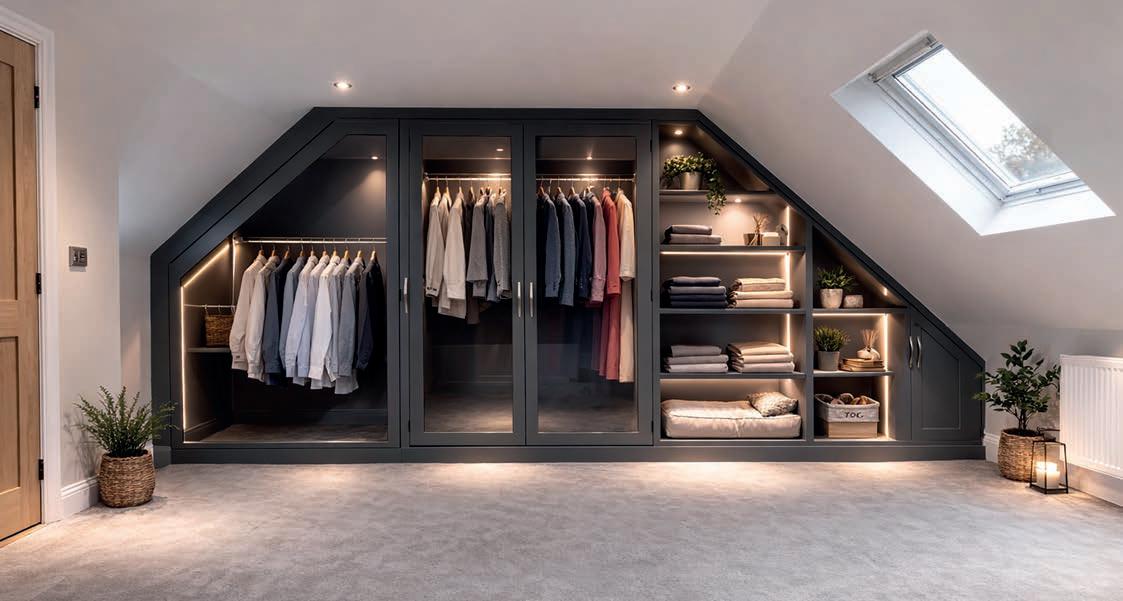
A great example of how we tailor our designs to sloped bedrooms. We’ve completed the look with matt black glass doors and a matching carcass, while soft LED lighting adds a warm, inviting glow.
Beautifully bespoke
Jules Gallop on what makes her interior design studio, JAM Design Works, stand out
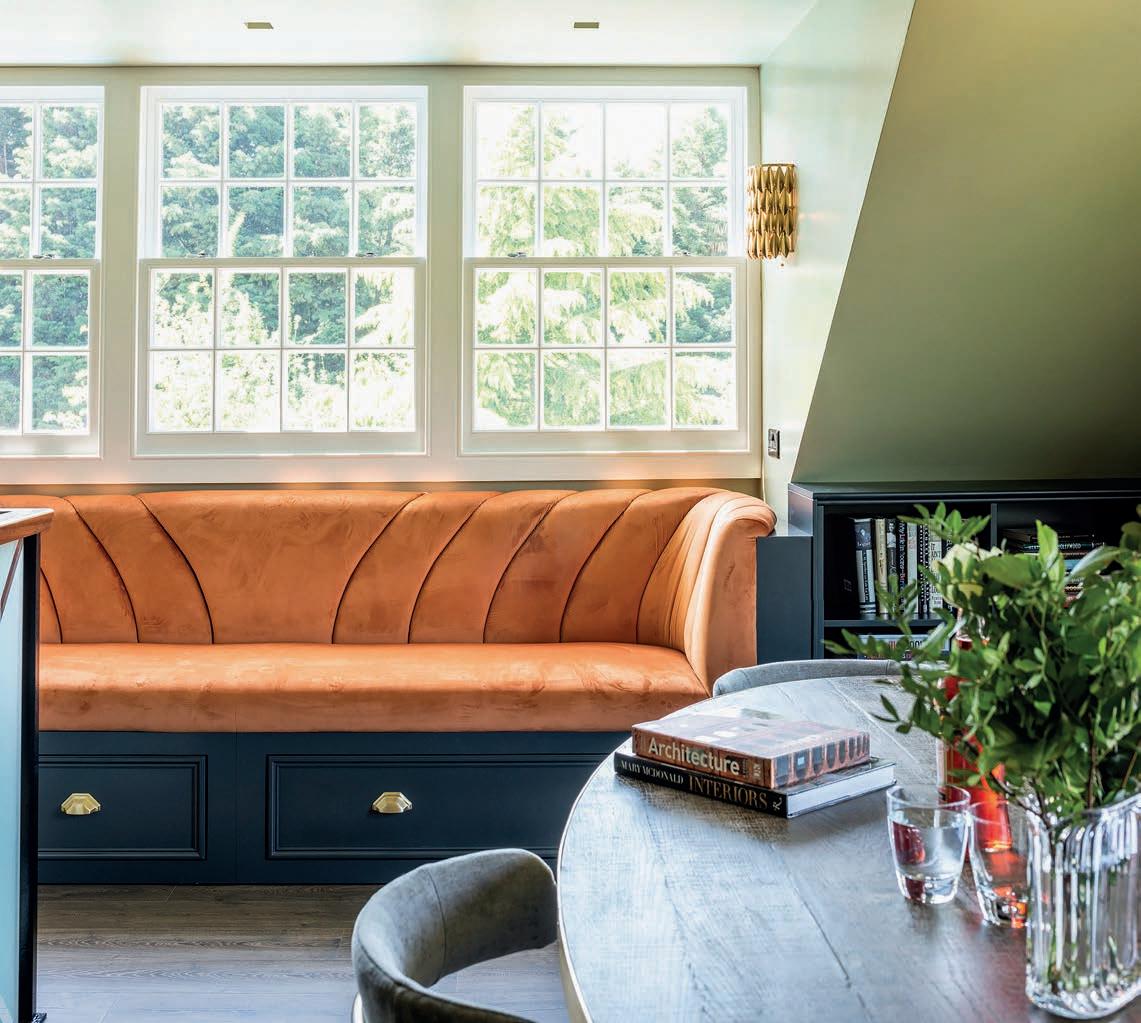
JAM Design Works is a London-based interior design studio creating beautifully considered homes filled with personality, style and flair. Every project begins with the understanding that no two clients – and no two homes – are ever the same. We don’t believe in a house style or a one-size-fits-all approach; instead, each space we design is shaped around the people who live there, reflecting their lifestyle, tastes and the way they want to feel in their home.
Our work is defined by a thoughtful and intelligent approach to design, with
problem-solving at its heart. We take the time to listen, to ask the right questions and to truly understand how you live. How does your home function day to day? Where does it work well, and where does it fall short? What do you love, what inspires you, and what simply isn’t serving you anymore? These conversations form the foundation of every project, allowing us to create interiors that are not only visually striking but deeply personal and practical. From this understanding, we develop designs that feel cohesive, considered and beautifully tailored. Every decision is intentional – from the flow of a space to the way rooms connect, from the balance of colour to the tactile quality
of materials. We carefully layer elements to create homes that feel curated rather than decorated, spaces that tell a story and evolve naturally over time.
At JAM Design Works, we believe that great interiors are about far more than aesthetics alone. While a space should of course be beautiful, its true success lies in how it feels to live in. We focus on creating homes that feel effortless and comfortable, supporting everyday life while elevating it. Flow is carefully planned so that rooms feel intuitive and easy to move through. Comfort is never compromised, whether through generous seating, thoughtful layouts or the softening effect of textiles and finishes.
Colour plays a central role in our designs, used not just to create impact but to influence mood and atmosphere. Lighting is equally considered, layered to adapt to different times of day and moments within the home. Storage is seamlessly integrated, ensuring that spaces feel calm, uncluttered and functional without sacrificing style. It is often the smallest details – a beautifully crafted joinery detail, a well-chosen handle, a subtle contrast of textures – that bring a scheme to life and give it depth.
Whether we are working on a full renovation, a reconfiguration of existing spaces or reimagining a single room, our approach remains the same: entirely bespoke. We manage projects holistically, considering the
“Our designs are grounded in practicality but elevated through creativity and craftsmanship”
architectural framework as well as the finer decorative elements, ensuring every part of the home works together as a whole. Our designs are grounded in practicality but elevated through creativity, craftsmanship and a strong sense of proportion.
We understand that undertaking a design project can feel daunting, which is why we place great importance on collaboration and clear communication. Our role is to guide you through the process with confidence and ease, translating ideas into wellresolved solutions and taking care of the details so you don’t have to. The result is a home that feels considered
and complete, without ever feeling overworked or contrived.
Ultimately, our goal is to create homes that feel right the moment you walk through the door – spaces that welcome you in, reflect who you are and support the way you live. We design interiors that are timeless rather than trendled, functional yet elegant, and quietly confident in their execution. Long after the project is complete, our homes continue to feel relevant, comfortable and beautifully lived in – spaces that truly stand the test of time.
Discover more on Instagram @jam_design_works
SLEEP
MATTERS
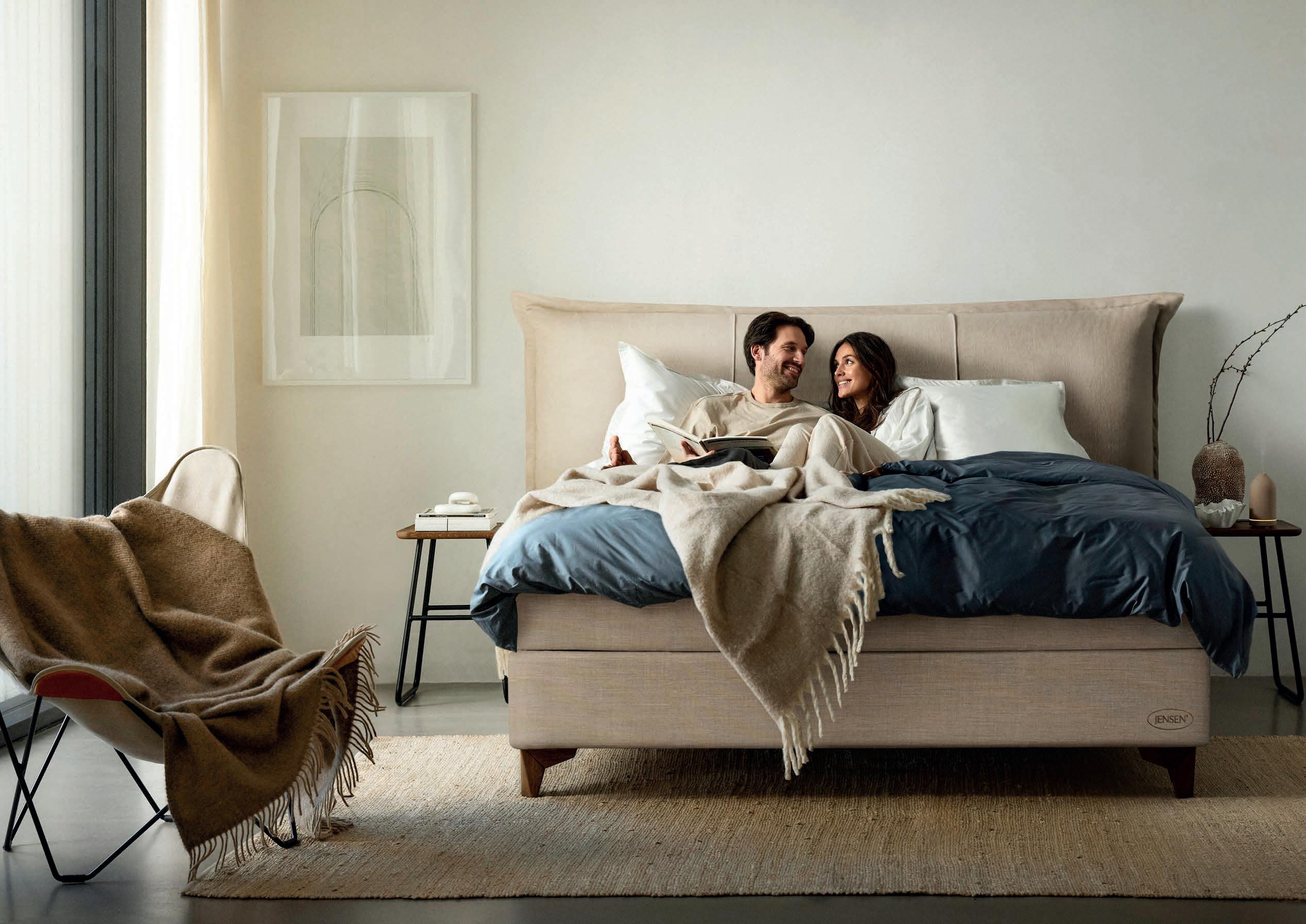
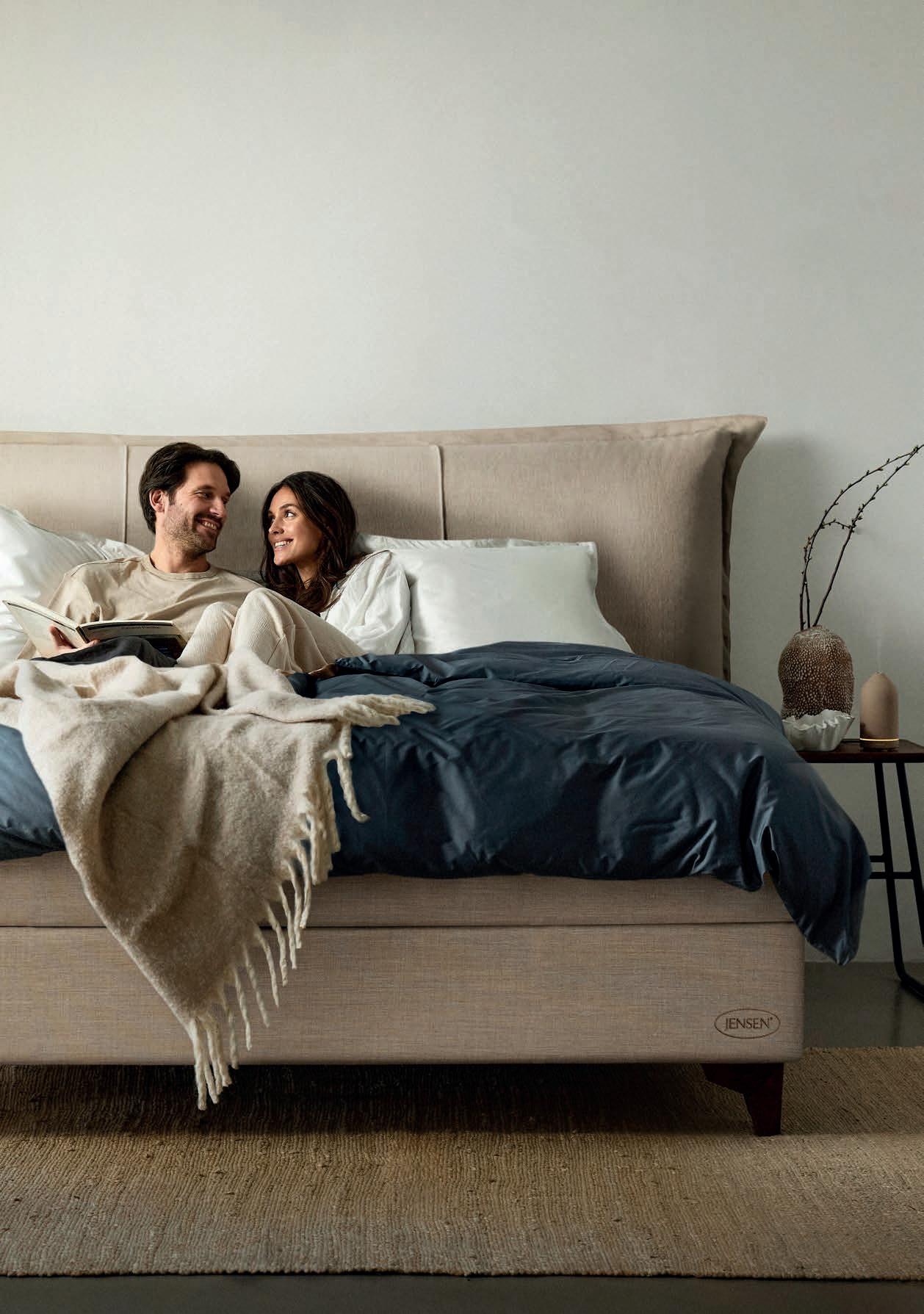
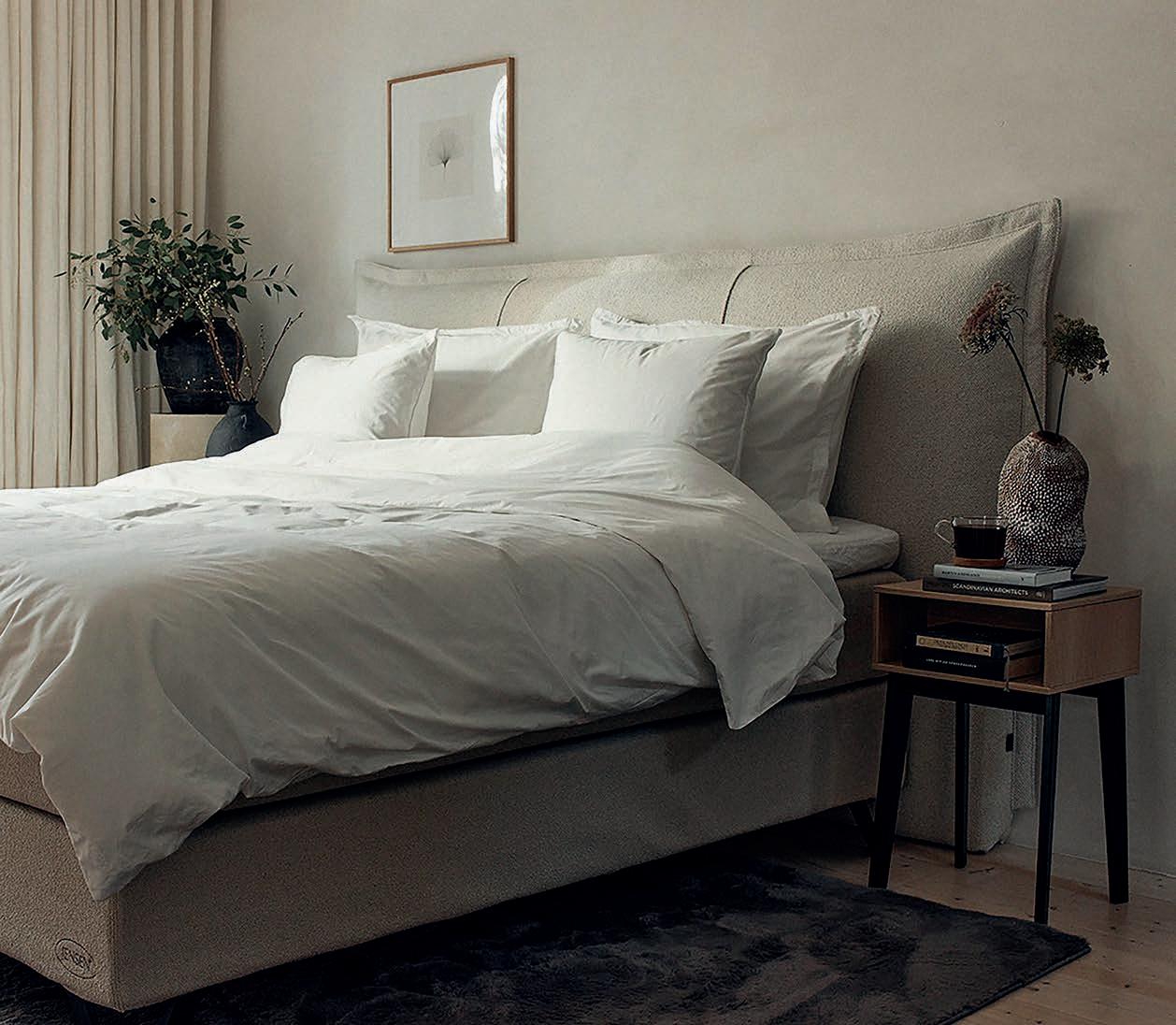
Jensen Beds on the importance of a good night’s rest –throughout life
Sleep is not a pause from life – it is a vital process during which the body repairs itself
No matter who you are, sleep plays a crucial role in your health. Our needs change throughout life, but one thing remains constant: quality sleep is the foundation for development, performance, recovery and overall quality of life. In fact, we spend around one third of our lives in bed. That means a 75-year-old has spent roughly 25 years asleep. Sleep is not a pause from life – it is an active and vital process during which the body repairs itself, the brain processes impressions, and energy is restored.
In connection with World Sleep Day 2026, the global theme “Sleep Well, Live Better” highlights how essential quality sleep is for both physical and mental health. Initiated by the World Sleep Society, the day serves as a reminder that sleep is not a luxury – it is a biological necessity.
CHILDHOOD
THE FOUNDATION IS LAID EARLY
Sleep plays a decisive role in a child’s development from the very first day. The brain grows rapidly, and during deep sleep growth hormones are released that are essential for both physical and cognitive development. Children who get enough sleep have better concentration, find it easier to regulate emotions and have stronger conditions for learning. Good routines start early. Putting away digital devices well before bedtime and reading a book together instead can help establish healthy sleep habits that last a lifetime.
ADOLESCENCE
A VULNERABLE PHASE
The teenage years bring major physical and mental changes. The body clock naturally shifts, and many adolescents become more evening-oriented. At the same time,
demands from school and social life increase. Lack of sleep during this period can reduce cognitive performance, impair learning and increase the risk of mental health challenges. In fact, sleep deprivation affects reaction time almost as much as alcohol. After around 18 hours without sleep, reaction time can resemble that of someone over the drink-drive limit.
ADULTHOOD
WHEN BALANCE IS CHALLENGED
As work, family and responsibilities fill everyday life, sleep is often the first thing to be sacrificed. Yet this is precisely when the body needs recovery the most. Too little sleep over time can increase stress levels, reduce productivity and raise the risk of lifestyle-related illnesses such as obesity, diabetes and cardiovascular disease. At the same time, research shows that people who sleep well make better decisions, have stronger concentration and experience a higher quality of life.
LATER LIFE
SLEEP CHANGES
As we grow older, our sleep patterns change. Many people experience lighter sleep and more frequent awakenings. Nevertheless, the need for good sleep remains just as important. Quality sleep supports memory and cognitive function, strengthens the immune system and contributes to emotional balance. Investing in good sleep is an investment in quality of life – even in later years.
THE RIGHT BED, BETTER SLEEP
For many, good sleep has become a symbol of control. We measure sleep scores, optimise routines and adjust lighting, temperature and screen habits. Yet many overlook the most fundamental factor.
When we sleep, the body is meant to recover. Muscles relax, the spine should rest in a natural position, and pressure points must be relieved. If the bed does not provide proper support, the body may work throughout the night instead of recovering. Body temperature also drops as we fall asleep, and materials that breathe and regulate heat can make a greater difference than many realise.
Naprapath Truls Hotvedt at Jensen explains that the bed and mattress you sleep on largely determine the position your body chooses – and therefore how well you are set up for a good night’s sleep. “If you change position constantly throughout the night, it may be a sign that the pillow, bed or mattress is not providing the right support.”
When the body cannot fully relax, it cannot recover properly. Over time, this can lead to stiffness, pain and reduced sleep quality – and ultimately less energy in everyday life.
NORWEGIAN-MADE JENSEN BEDS
For nearly 80 years, Jensen has had one clear goal: to develop beds that provide
optimal support and create the best possible conditions for a truly restorative night’s sleep.
Proudly designed and manufactured in Norway, every Jensen bed reflects decades of craftsmanship, innovation and expertise in sleep comfort. From the internal spring systems to the finest finishing details, each component is carefully engineered to deliver lasting quality and personalised support – night after night.
JENSEN BEDS CHELSEA HARBOUR
Visit the official Jensen Beds showroom located in Chelsea Harbour Design Centre on Lots Road in London. Here you can see a wide range of Norwegian-made Jensen beds, try different models for comfort and support, and get professional advice on choosing the right bed for your sleep needs.
This is the main physical Jensen presence in the UK and a great place to experience first-hand how their beds are designed to improve your sleep.
Discover more at jensen-beds.com/uk
Today’s highend mod-cons
don’t merely improve function, they
choreograph comfort
BSoak
Exploring how advancements in technology has made the bathroom a truly luxurious escape IT IN
athrooms have always been quietly technological spaces, even when they didn’t look it. Long before “smart” anything, the room where we wash and flush was shaped by engineering, materials science, and public health. What’s changed over the years isn’t just the kit we can buy, but what we expect a bathroom to do: from basic sanitation, to comfort, to wellness, to something bordering on a private spa. The Victorian era (and its equivalents elsewhere) turned sanitation into a domestic norm. The toilet evolved from an oddity to a standard fixture, and the trap became a crucial piece of everyday engineering: a simple water seal that blocks sewer gases. Indoor bathrooms spread slowly at first –
because they required infrastructure, cost, and often a cultural shift – but by the early 20th century they were a clear marker of modern living.
Mid-century bathrooms then benefited from mass production and new materials. Ceramic tiles became cheaper and more varied, making bathrooms easier to clean and more visually consistent. Hot water systems also improved: better boilers, more stable temperatures, and the growing availability of showers meant daily washing became faster. Bathrooms started to reflect convenience.
From the 1970s onwards, comfort and efficiency began to matter more. Thermostatic mixing valves reduced the risk of scalding by keeping shower temperatures steady. Ventilation fans became common, tackling condensation and mould. Accessibility standards also influenced design: safer surfaces, grab rails, and layouts that accommodated different bodies and needs. By the 1990s and 2000s, the bathroom had become a place where design and engineering met –minimalist fixtures, concealed cisterns, and frameless glass showers weren’t just style choices, but products of better manufacturing and installation techniques.
Today’s high-end “mod-cons” don’t merely improve function; they choreograph comfort, reduce friction, and blur the line between bathroom and wellness studio. The headline act in many luxury spaces is the advanced shower system. Digital and app-controlled showers let you set exact temperatures, flow rates, and even profiles for different people in the household. You can preheat the shower, pause it without losing your settings, or create routines –“morning energise” might mean a hotter start followed by a cooler finish. Rainfall heads, body jets, and hand showers can be combined with precision valves so the experience feels consistent rather than fiddly.
Baths have also become more than big tubs. Luxury models integrate air-jet or whirlpool systems with quieter pumps, improved filtration, and ergonomic shaping that actually supports the body. Some even include chromotherapy – coloured lighting designed to change the mood – and built-in speakers for a fully immersive soak.
Toilets in top-end bathrooms are where the most dramatic leap has happened. In many luxury homes (and especially in Japan-inspired designs), the “smart toilet”
or integrated bidet is now a centrepiece: heated seats, warm-water washing with adjustable pressure and position, air drying, automatic lids, deodorising filters, and self-cleaning nozzles.
Then there’s the sink area, which has become a small control centre. Touchless taps are now common in luxury settings, not just for hygiene but for sleekness and reduced cleaning. Temperature memory and precise flow control make daily routines smoother. Under-sink water filtration systems can provide cleaner water for brushing teeth or skincare routines. Mirrors have quietly become one of the most “techy” fixtures. Demisting pads keep them clear after a hot shower. Integrated LED lighting provides even illumination for shaving or makeup, with adjustable brightness and colour temperature so you can match daylight, evening light, or a softer spa ambience. In more futuristic setups, smart mirrors can display time, weather, calendars, or music controls.
Heating and comfort tech has also levelled up. Underfloor heating is a modern classic in luxury bathrooms, offering gentle, even warmth and quicker drying. Heated towel rails have become smarter too, with timers and thermostats that reduce energy waste. Some bathrooms add discreet, quiet space heating and humidity sensors that automatically ramp ventilation to prevent mould without blasting cold air through the room. Lighting, finally, is where luxury bathrooms often feel most theatrical. Layered lighting plans – task lighting at the mirror, ambient perimeter lighting, and low-level night lights – can be controlled via scenes. Motion sensors can bring on a dim pathway light at 2am without shocking you awake. What’s striking about all this is that bathroom technology has evolved from infrastructure to intimacy. The early breakthroughs were about survival and public health; today’s innovations are about ease, comfort, and the quiet pleasure of a room that anticipates what you want.
MEET THE EXPERT
ABSOLUTELY TALKS TO THE EPONYMOUS FOUNDER OF NICK WILLSON ARCHITECTS
Nick Willson Architects is an architecture and design practice based in Chorleywood and London. The studio is led by Nick Willson, who has over 20 years experience in architectural practice working on a wide range and size of projects. He has worked on residential, cultural, sports and commercial projects, working at all stages of the design process.
“As a studio we are experienced in creating special low energy beautiful houses, homes and community based projects,” Nick explains. “We believe that architecture and design should have meaning and a narrative that is rooted in its site, the local context, craft and materiality. We take pleasure and delight working with crafts
people such as joiners, our projects having a blend of modern construction methods and crafted elements.”
On the subject of how they approach projects, Nick says: “We work closely with each client, and develop a brief, concept and approach to the project. This forms a rich mix of ingredients that are used to distil into a piece of architecture and a series of spaces, landscapes and forms. Each project is developed through a series of models, sketches and images with the owners to create spaces and homes that
are healthy and uplifting to maximise natural light, and the brief.
“We have experience working with existing buildings of different periods and with listed buildings, where we have introduced sensitive and modern extensions and full refurbishments,” Nick adds. “We also have experience of designing one off low energy houses in a wide range of sites such as urban infi ll and areas of outstanding natural beauty.”
nickwillsonarchitects.com
Dinner
Exploring how the kitchen has evolved to become a space to eat and entertain TIME
For most of human history, “the kitchen” wasn’t a place you ate so much as a place you worked. Cooking happened near heat, smoke, and storage – often in a separate room, a lean-to, or outdoors – while eating took place where it was clean, communal, and warm. In medieval Europe, for example, large households gathered in halls where food arrived from a distant hearth; the separation was practical as much as social. Even in smaller homes, the boundary between cooking and eating was often drawn by the simplest of technologies: a table that could be moved, a bench near daylight, or a corner away from soot.
As homes industrialised and urbanised, kitchens moved inside and became more specialised. Cast-iron ranges, chimneys, gas lines, and later electricity made heat controllable, and with control came design.
The kitchen gradually shifted from a hidden service area to a domestic machine: efficient, wipeable, and organised. Eating still belonged elsewhere, even if it was only a small dining room or the best table in the main room. When breakfast nooks appeared, they were a compromise: a tidy corner that acknowledged everyday meals without fully collapsing the distinction between preparation and dining.
Smaller homes and new family routines made casual eating more common, and the kitchen became the stage for it. Built-in cabinetry and laminate surfaces suggested permanence and ease; refrigerators and freezers changed shopping patterns, which changed the rhythms of meals. The kitchen table – once the informal cousin of the dining room table – grew in importance as a place for homework, paperwork, conversation, and snacking as much as for meals. As more households embraced convenience foods
and quicker cooking, the kitchen became less a workshop and more a hub: a spot you passed through repeatedly, not just when it was time to cook.
Late 20th century open-plan living accelerated the transformation. When walls came down, the kitchen gained an audience. Cooking became performative – something you could do while talking to guests, keeping an eye on children, or watching TV. The “kitchen-diner” became an aspiration, a signal of modernity and togetherness, and eating in the kitchen shifted from necessity to preference.
That change sets up the latest looks today, where the question is no longer whether people eat in the kitchen, but how that eating space expresses style and supports real life. The dominant design move is zoning: kitchens are planned like mini landscapes with distinct areas for prep, cooking, serving, and dining.
The kitchen island is the emblem of the modern era, but its role has expanded
The kitchen island is the emblem of this era, but its role has expanded. It’s no longer just extra counter space; it’s a dining surface, a homework desk, a buffet line, and a conversation magnet. Many islands now have “waterfall” edges, furniture-like legs, or contrasting materials that signal they belong to the living space as much as the kitchen. Seating has become more considered too: rather than a row of identical stools, you’ll see mixed silhouettes,
softer upholstery, and heights chosen for comfort over bar-like perching.
Alongside islands, the return of the dining table inside or adjacent to the kitchen has taken on a distinctly contemporary feel. Instead of a tucked-away breakfast nook, today’s kitchen dining often uses a fullsize table – sometimes vintage, sometimes built-in as a banquette, sometimes a sleek rectangle that aligns with cabinetry lines. The table is treated as a piece of furniture with its own identity, not just an accessory. That might mean warmer woods against pale stone counters, or a bold, chunky pedestal base that makes the dining zone feel grounded. Banquettes, in particular, are having a moment because they solve modern constraints: they maximise seating, reduce chair clutter, and create a cozy “room within a room” even in open-plan layouts. Another defining look is the “invisible kitchen” approach: storage walls, integrated
appliances, and concealed pantries keep the mess out of sight so the eating area feels calmer. When the dining table and island share a line of sight, visual quiet matters. You’ll see fewer items left on counters, more dedicated zones for coffee stations and small appliances, and more emphasis on cabinetry that reads like furniture.
Finally, today’s kitchen eating spaces are designed for flexibility. Islands are sized for both prep and serving; tables are chosen with extension leaves or easy circulation; stools slide under overhangs; banquettes incorporate hidden storage. The overall aesthetic – warm, integrated, and social – reflects how eating has evolved: from a separate ritual performed away from the work of cooking, to a daily practice embedded in the home’s busiest, most connected room. The modern kitchen doesn’t just feed people; it hosts the whole life around the meal.
SWOON
Chorley armchair, £1,019 swooneditions.com
OAK & MORE
Ferm green fabric armchair, £629 oakandmore.co.uk
CONRAN SHOP
Tamilla armchair, £1,595 theconranshop.com
SWOON
Linton armchair, £689 swooneditions.com
DARLINGS OF CHELSEA
Notting Hill armchair, from £1,619 darlingsofchelsea.co.uk
HOT SEATS
OKA
Coleridge Areca linen armchair, £1,495 oka.com
JOHN LEWIS
Suffolk Windemer chair, £1,199 johnlewis.com
By PENDLE HARTE
SOFA.COM
Hockney armchair, £1,050 sofa.com
FERM LIVING Rico armchair, £1,835 fermliving.co.uk
Q What was the original vision behind Complete Fitted Bedrooms?
A Complete Fitted Bedrooms began as a genuine family story. It goes back to my dad, Richard, who stepped into the world of bedroom design in his early 20s. He loved the idea of helping people create spaces that felt calm, personal and truly their own. In 1978, he and my mum, Julie, took a leap of faith and opened their first showroom in Watford. Their vision was simple but meaningful: to design bedrooms with care, honesty and a real understanding of how people live. That’s the foundation the whole business is built on – and the heart of what we still do today.
Q How has the company evolved from its first showroom to today?
A From that first little showroom, the business has grown in the most natural way – through family. Today, my four siblings and I all work in the company, each of us bringing different strengths across design, customer service, installations and showroom support. We now have warm, welcoming showrooms in Amersham and Berkhamsted, and we’re proud to serve homes across Hertfordshire and Buckinghamshire. The business has grown, but the feeling behind it hasn’t changed.
FAMILY VALUES
JESSICA
PHILLIPS ON THE CLOSEKNIT TIES THAT HAVE MADE COMPLETE FITTED BEDROOMS SUCH A SUCCESS STORY
Q What role does being a family-run business play in shaping the company’s culture and values?
A Being a family-run business shapes absolutely everything. We were raised in a home where making people feel comfortable and cared for mattered – and that comes through in the way we work. We don’t rush anyone, and we don’t treat people like numbers. We take time to listen, to understand how they live, and to create a space that feels right for them. That sense of warmth and sincerity is part of our culture because it’s part of our family.
Q What sets the business apart?
A What sets us apart is that our customers don’t just walk into a show -
room – they walk into a family. There’s a genuine, homely atmosphere that you simply can’t manufacture. We love what we do, and we love doing it together. People can feel that from the moment they meet us. It’s personal, it’s heartfelt, and it’s honest – and that makes all the difference.
Q What does “turning houses into homes” mean to you?
A For us, “turning houses into homes” is really about creating spaces that feel lived-in, loved and completely personal to the people who use them. Because we’re a family business, everything we do comes from a place of care – we take the time to listen, to understand how someone truly lives, and to make sure the room reflects that. It’s not just about fitted furniture. It’s about warmth, comfort, and the feeling you get when you walk into a space that fits you perfectly. That’s the part we love most: helping people create a bedroom that doesn’t just look beautiful, but genuinely feels like home.
354 High Street, Berkhamsted, HP4 1HU 01442 777111
completefittedfurniture.com
ASeeing Potential
And securing results… a smarter way to sell in Rickmansworth
Words BELINDA-JANE GUILFOYLE
“ We generate stronger emotional engagement and more confident offers”
t Trend & Thomas, we believe that exceptional results come from intelligent buyer targeting and presentation. Selling a family home in Rickmansworth is not simply about listing a property – it’s about ensuring the right buyers truly understand its value and potential.
Research shows that only around 10% of people can easily visualise how a home could look with different décor, layouts or renovations. The vast majority experience what is known as the “imagination gap” – the difficulty of translating an empty, cluttered or dated room, or even a 2D floorplan, into a fully realised living space. That hesitation can delay decisions or even prevent offers.
To address this, we are working in collaboration with Jonathan Dreyfus of Dreyfus Designs to create carefully considered visuals for selected properties. These images demonstrate how rooms could look with alternative
layouts, updated interiors or sympathetic renovations, helping buyers move from uncertainty to clarity.
For family homes in Rickmansworth –where space, longevity and lifestyle matter – this approach is particularly powerful. By enabling buyers to see not just what a property is, but what it could become, we generate stronger emotional engagement and more confident offers.
It is part of our commitment to combining strategic marketing with deep local expertise – ensuring your home reaches the right audience and achieves its full market potential.
Belinda-Jane & Neil Guilfoyle are the Directors of Trend & Thomas, Rickmansworth. Find out more by calling 01923 773 616 or emailing sales@trendandthomas.co.uk
FVision comes to
LIFE
Design and build are equally important, and contractors that excel in both are a real find
or the Dakins, who planned a garden room extension to use year-round, it was important that design and construction worked together to create a long-term solution. The timber framework supporting the patio was rotten, and re-engineering it in a more durable material would have been too expensive. More importantly, they felt they would get more use from an extra room than outside space in a north facing garden.
“We wanted somewhere for the grandchildren to play when they come over, with more natural light and access to the garden,” they say. SEH BAC’s consultant arrived with a laptop and CAD software, ready to translate these requirements into a workable design. “It’s very different from someone roughing it out on a scrap of paper. The room took shape before our eyes.”
For retired engineer and IT worker Anthony Dakin, this approach was reassuring. “It gives you confidence you’ll get what you discussed,” he reflects, “and you know it’s feasible because you’re looking at a scale drawing that reflects the realities of the site.”
The design process also considers building regulations, allowing a close estimate of construction costs, including permissions, materials and labour. Budget mattered, but perspective was key. “You don’t want to be saying, I wish we’d spent ten per cent more to get what we wanted.”
A visit to the showroom helped finalise the specification. Staff were knowledgeable, clear on scheduling, and punctual.
Completed in six weeks, the project has transformed the home, providing a comfortable, well-insulated space to enjoy year-round, with improved light and a stronger connection to the garden.
For more details on how SEHBAC can help with laminated double glazing for your home, head to sehbac.com or visit your local showroom. Call 0800 666 444 for more information
The room took shape before our eyes. It gives you confidence you'll get what you discussed
Arrange a personal tour by calling 01283 559200 or email admissions@repton.org.uk A perfectly balanced education in the heart of England
repton.org.uk
EDUCATION
PLACE TO BLOSSOM
HABERDASHERS' ELSTREE SCHOOLS
Habs Boys and Girls are two leading independent schools on a fabulous co-educational campus in Hertfordshire, where their students are given every opportunity to succeed. Inside, we find out why starting early when it comes to the written word pays off handsomely. habselstree.org.uk
ESCAPE INTO STORIES
Clare Zinkin, Head of Prep Reading and Librarian at Haberdashers’ Elstree Schools in Hertfordshire, on the power of the written word
In a world often dominated by screens and technology, the joy of reading can easily be overshadowed. Yet building a genuine love for reading is vital for children’s development and imagination. One of the most e ective ways to encourage children to pick up a book is through shared reading experiences. Research indicates that children who are read to by their parents are significantly more likely to develop an interest in reading independently. Beyond the tangible educational benefits, this shared time encourages escape into stories, creating lasting memories and deepening the parent-child bond.
To make reading more interactive and enjoyable, parents can also turn reading sessions into a fun joint activity. For instance, taking turns reading or assigning di erent characters to each other can enhance engagement. Children may relish the opportunity to create the voices of their favourite characters, adding personal touches to the storytelling experience. This not only boosts their confidence in reading aloud, but also allows them to immerse themselves more deeply in the narrative, laying the foundations for their childhood imagination to flourish.
One of the most important aspects of encouraging a love of reading is to follow children’s interests when choosing what to read. Understanding what excites your child paves the way for a more meaningful reading journey. Whether that is a novel based on a film they love, the autobiography of their favourite footballer, or even subscribing to a comic, identifying and acknowledging what kinds of stories children enjoy tends to spark their curiosity. For example, if a child is fascinated by dinosaurs, providing books that beautifully illustrate these magnificent creatures can turn
their reading into an adventure. Creating a fun, relaxed ‘book club’ atmosphere at home can also deepen a child’s relationship with reading. Gather some snacks, drinks and treats together, and create a warm space where family members discuss what they are reading. This can lead to conversations about dialogue, characters, plot twists, and predictions about endings, encouraging children to think critically and express their opinions.
Showcasing reading as a viable leisure activity is essential. Children are more likely to engage with books when they see their parents enjoying reading for pleasure. Incorporating reading into daily routines without presenting it as a chore can help to normalise it as an enjoyable pastime. It is also important to avoid associating reading with punishments – such as banning screens or devices in favour of reading a book. Keeping various age-appropriate books and magazines around the house encourages spontaneous reading. Visiting local libraries to borrow new books can also provide a fresh influx of stories and children will enjoy choosing and discovering new materials.
BOOK RECOMMENDATIONS
For the youngest audiences, ages 3-5, Danny McGee Drinks the Sea by Andy Stanton and Neal Layton is a whimsical, rhyming wonder. The story’s playful premise – of a boy betting his sister that he can drink the entire sea – captures young children’s imaginations and
invites lots of giggles. Stanton’s clever storytelling is designed to engage and amuse, making it an excellent choice for shared reading experiences.
For younger readers aged 5-7, Wigglesbottom Primary: The Popcorn Puppy by Pamela Butchart and Becka Moor o ers relatable characters in a laughout-loud narrative. When Lauren brings her new puppy to school, the resulting chaos is both entertaining and accessible for newly independent readers. It is a delightful option for both read-aloud sessions and independent exploration.
For children aged 8-12, I Survived the Destruction of Pompeii AD 79, by Lauren Tarshis and David Shephard, provides an engaging blend of history and fiction. This brilliant graphic novel captures the dramatic eruption of Mount Vesuvius through the eyes of Marcus, who tries to escape when Vesuvius erupts – there is tension, jeopardy, emotion and fantastic detail. Additionally, for reluctant or dyslexic readers aged 8 and above, Blitzers by Alastair Chisholm explores themes relevant to contemporary children: peer pressure, gaming addiction, and the influence of technology. The narrative revolves around a tech company and their battling toys, cleverly weaving in elements that resonate with children’s daily lives. This accessibility and relevance make it a brilliant choice for engaging young minds who may struggle with traditional texts.
habselstree.org.uk
LEADING THE WAY
Noeleen Corrigan, Deputy Head of Lockers Park School, on the importance of International Women’s Day
Schools are communities built on relationships and leadership within them is rooted in people. As Deputy Head at Lockers Park School, I am constantly reminded that the most meaningful part of education is not simply what pupils learn, but who they become. It is about the opportunities they are given and the growth along the way.
International Women’s Day provides an opportunity to reflect on leadership as service, supporting colleagues, guiding our boys, and helping families feel connected to school life. In a prep school environment, leadership is wonderfully visible in everyday moments: greeting pupils in the morning, celebrating e ort in assembly, supporting a child through a challenge, or watching confidence grow over time. Lockers Park is a place where character education sits alongside academic ambition.
Our boys are encouraged to try everything, whether on the sports field, in the classroom, through music and drama, or in the boarding community. It is through these experiences that resilience and self-belief are built, and being part of that journey is a privilege. Being a female leader in such an outstanding boys’ school is not something I take for granted. I strongly believe in the importance of children witnessing women in leadership, working alongside their male counterparts, and leading the way. It is a privilege to hold this role and to demonstrate the strength and empathy needed in leadership.
Working in school leadership has also shown me the importance of modelling balance, empathy, and decisiveness.
Our pupils notice far more than we sometimes realise. They learn from how adults collaborate, solve problems, and support one another. In a nurturing school community like Lockers Park, this example matters enormously.
One of the most rewarding aspects of my role is supporting both pupils and sta to flourish. Great schools depend on strong teams, and I feel fortunate to work alongside colleagues who care deeply about the boys and about each other. Leadership is rarely about individual achievement; it is about creating an environment where others feel confident to contribute, lead, and grow. Having a sporting background in martial arts and understanding just how important the team behind every fighter is, really helps me to understand just how much goes into raising each future leader as an individual. International Women’s Day reminds us how important representation and encouragement remain. Many of the opportunities available to young
people today exist because previous generations challenged expectations and opened doors. In education, we have the responsibility and the opportunity to continue that work by nurturing confidence and aspiration in every child.
At Lockers Park, we often talk about preparing boys not just for their next school, but for life beyond education. Kindness, integrity, curiosity, and courage are qualities we value deeply. Leadership, ultimately, grows from these foundations. Being that future leader and speaking up for what is right is so important in today’s world.
For me, leadership is about presence, consistency, and optimism; helping young people believe in themselves and ensuring they know they belong to a community that supports them. That is what makes school leadership such a meaningful role, and why International Women’s Day is a moment worth celebrating.
lockerspark.co.uk
NOELEEN WITH HER FAMILY
why everyone is talking about…
Peter Pan Drone
LIGHT SHOW
Neverland comes to life in Hertfordshire this month
In partnership with Great Ormond Street Hospital, sky-theatre specialists Lumina Drones will bring the classic Neverland tale to life in March, with donations from every ticket sold gifted to the children’s charity.
The timeless magic of J.M. Barrie’s Peter Pan will soar to dazzling new heights as Lumina Drones unveil the world’s first Peter Pan drone light show, being staged at Herts Showground in St Albans on 21st March. In support of the Great Ormond Street Hospital, this groundbreaking production will bring the beloved story of Neverland to life using over 600 LED drones, transforming the night sky into an illuminated stage. Tickets are on sale now, with £1+VAT from every ticket sold donated to the children’s charity.
Through breathtaking drone artistry, audiences will witness some of the most iconic moments from the legendary tale of ‘the boy who wouldn’t grow up’. From Peter, Wendy and Tinker Bell soaring across the Hertfordshire skyline, to the dramatic showdown between the notorious Captain Hook and Peter Pan, the show is meticulously choreographed, together with cinematic sound and lighting design to create an unforgettable sky-bound experience. Before the main event, guests can enjoy a lively family-friendly atmosphere with fairground rides, face painting, and food stalls serving street eats and refreshments from local traders.
The production is presented in partnership with Great Ormond Street Hospital. In 1929, J.M. Barrie gifted all rights to Peter Pan to the children’s hospital, and it continues to receive royalties for public performances of the play.
“Peter Pan has captured imaginations for over a century. To bring it to life in the
skies, using the magic of drone technology, is both a creative milestone and a deeply meaningful project. We’re proud to support Great Ormond Street Hospital as part of this journey,” says Shah Kibria, founder and executive producer at Lumina Drones.
Based in Hertfordshire, the visionary team at Lumina Drones retells legendary tales through its creative arm, Lumina Sky Theatre. Pioneers of drone-theatre, they created the hit shows Space Safari (with Michaela Strachan) and Rudolph: The Red-Nosed Reindeer. Using cuttingedge technology, Lumina is redefining live entertainment by combining sustainability and innovation to create a revolutionary form of aerial storytelling.
luminadrones.com/sky-theatre
AUCTIONEERSVALUERS
HansonsHertfordshire auctioneers and valuers are pleased to invite you to our regional valuation days. We are currently consigning jewellery, watches, antiques and collectibles for our monthly auctions. Our experienced valuers would be delighted to meet and advise you on auction estimates. We also offer FREE home visits if you are unable to attend our valuation days.
EVERY Wednesday at Burston Garden Centre, North Orbital Road, St Albans AL22DS
10am – 1pm
EVERY Thursday at The Kings Arms, 147 High Street, Berkhamsted HP43HL 10am – 1pm