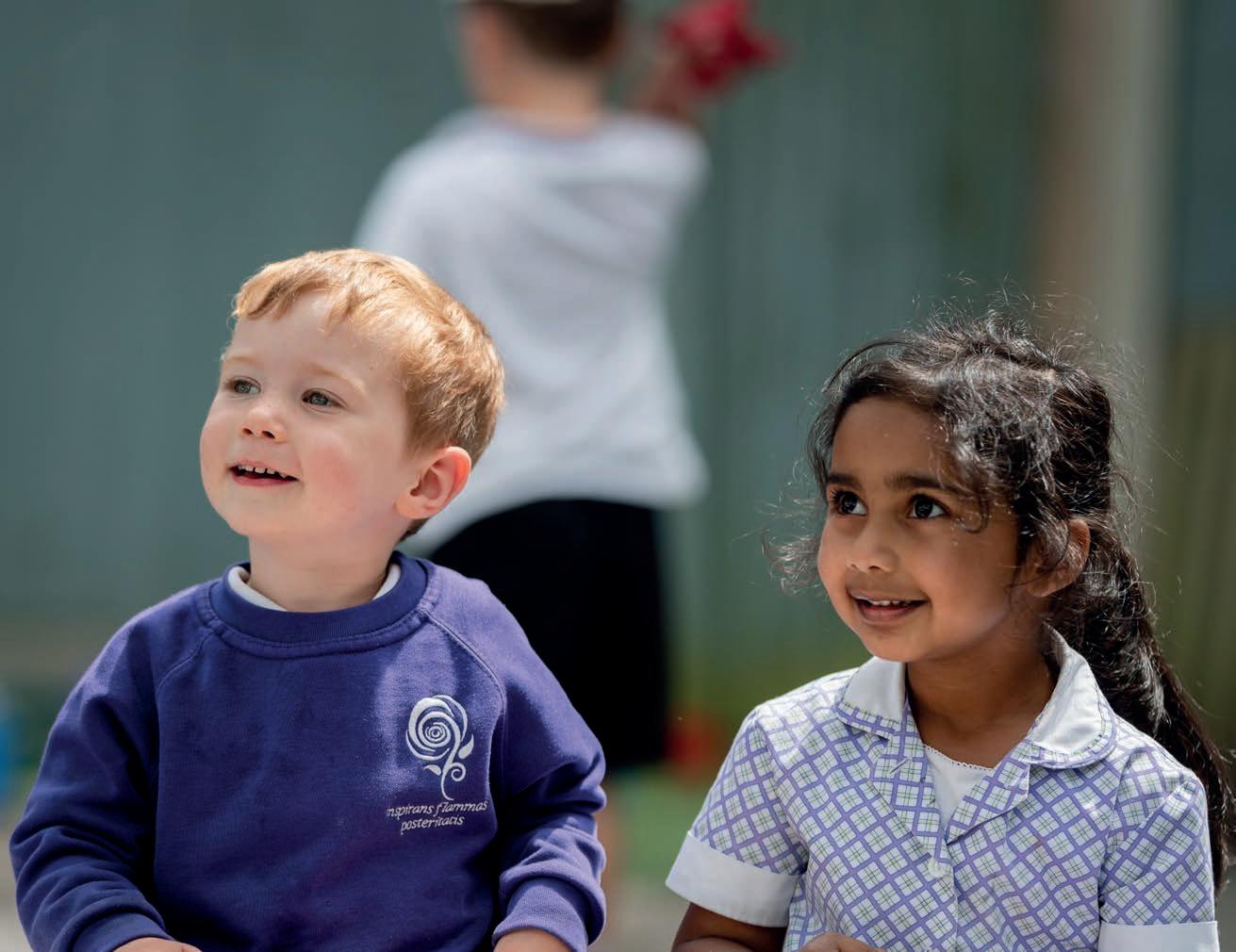










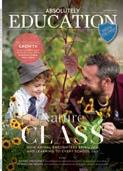
Ensuring confidence and success for every child at St Dunstan’s College Junior School NURTURING GROWTH






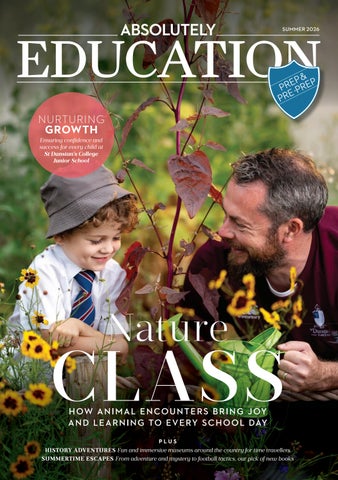
Ensuring confidence and success for every child at St Dunstan’s College Junior School NURTURING GROWTH
HOW ANIMAL ENCOUNTERS BRING JOY AND LEARNING TO EVERY SCHOOL DAY



SUMMERTIME ESCAPES From adventure and mystery to football tactics, our pick of new books PLUS
HISTORY ADVENTURES Fun and immersive museums around the country for time travellers



Shortlisted for PREP SCHOOL OF THE YEAR Tes Awards 2026
HEAD OF THE YEAR Tes Awards 2026
Saturday 10 October Open Mornings
Saturday 10 October Open Mornings
Mornings
Wednesday 11 November Wednesday 2 December
11 November
2 December

Wednesday 11 November Wednesday 2 December
A co-educational independent school for ages 3-11
A co-educational independent school for ages 3-11
49 Bromley Rd, Beckenham BR3 5PA OPEN DAY
49 Bromley Rd, Beckenham BR3 5PA OPEN DAY Saturday 10 October
A co-educational independent school for ages 3-11
020 8650 2200 admissions@stchristophersthehall.org.uk www.stchristophersthehall.org.uk
020 8650 2200 admissions@stchristophersthehall.org.uk www.stchristophersthehall.org.uk
020 8650 2200 admissions@stchristophersthehall.org.uk www.stchristophersthehall.org.uk
49 Bromley Rd, Beckenham BR3 5PA OPEN DAY


Author, educationalist and consultant
An educationalist and early years specialist, Laura Henry Allain MBE is the creator of the CBeebies animation JoJo & Gran Gran . She has acted as a consultant to organisations, including Paramount, John Lewis and Ba a. She's a board member of the Children's Media Foundation and vice president of The British Association of Early Childhood Education. A proud dyslexic, she is an ambassador for the British Dyslexia Association. She discusses her new book in the 'Maya & Marley' series – and why every child has unique talents.

Headmaster, Aberdour School
Born and raised in the northern Highlands, Phillip Makhouli studied electrical engineering and originally worked in the nuclear power industry. A er retraining as a teacher, he taught Years 5 and 6 in Elgin and London before moving to Holmewood House Prep as Head of Maths and then Director of Teaching and Learning. This led on to his Headship, at Skippers Hill Manor, and he became Headmaster of Aberdour in 2025. In this issue, he discusses the importance of self-knowledge as the platform for success.

Author, playwright and poet
Clare Pollard studied English at Cambridge and published her fi rst poetry collection at age 19. Her work spans genres and age groups and includes a play, The Weather, that premiered at the Royal Court Theatre. She's fascinated by children's literature and her non-fi ction work Fierce Bad Rabits explored characters and themes of well-loved picture books. And she's always loved the Greek legends –in this issue she discusses her gripping new take on Jason and the Argonauts for middle graders.





































































Cihildren learn in di erent ways, absorb things at a di erent pace and always delight us when they master a previously impossible task. It’s wonderful to watch both the tricky problems overcome and the glow of pride and self-belief that follows – spurring them on to bigger challenges. That feels like one of the themes of this
are added-value elements designed to do just that. Read more on page 18. Animals teach us a lot – and there’s no doubt they also provide points of joy and calm in a hectic world. In Animal magic (page 40), we talk to schools about what fur and feather (and scales and shells) bring to school life. No one can fail to be impressed by the impact of Queen Ethelburga’s Reading Dog Carson – a great listener achieving miraculous results.
“IT’S WONDERFUL TO WATCH BOTH THE TRICKY PROBLEMS OVERCOME AND THE GLOW OF PRIDE AND SELF-BELIEF THAT FOLLOWS – SPURRING CHILDREN ON TO BIGGER CHALLENGES”
issue – how we help children believe in their own capabilities. It is certainly a subject close to St Dunstan’s College Junior School’s heart – the subject of our cover and Focus feature. Acting Head Alex Murphy says that while academics remain vital, we must also prepare children to move into the real world with inner confidence. St Dunstan’s Junior’s rich co-curricular mix, strong pastoral programme and additional Albam Exorna Curriculum – teaching vital skills for life –
Books are, of course, the perfect way to fill a balmy or rainy day, so do check out our pick of new titles and our interviews with four brilliant authors. From a truly epic Greek adventure to a resolute mole with grand designs, there’s a great escape here to satisfy every young reader.
Libby Norman EDITOR


Teddies Select XI played Chelsea FC Soccer Schools in a landmark match
St Dunstan's College Junior School's wholechild philosophy delivers what today's parents want from prep education 22
Author Frances Stickley on why we need books that help young children make sense of di cult emotions
25
Eltham College on the real and lasting value of residential trips





















Dr Lin Day has useful pointers for staying connected and avoiding the social isolation common among parents of preschoolers
Rosemead's big plans signal its commitment to children and community
Laura Henry-Allain's book about navigating new situations – and being a friend to those in need
DUCKS, Dulwich College's kindergarten and infant school, on what good early education looks like
We talk to three schools about how fur and feather encounters add magic – and help to bring learning to life
Aberdour School on why self-knowledge is the foundation for confidence, ambition and success
St Christopher's The Hall on letting children learn to do things for themselves 48
Value-added elements and specialist teaching can make independent preps the smart investment, says Nathaniel McCullagh
53 ASK THE EXPERTS
Our experts answer your education questions












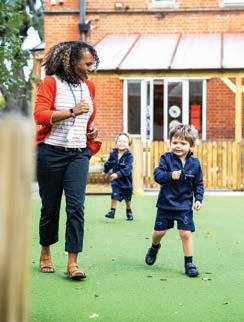
Broomwood, Clapham, is expanding with the opening of a third Pre-School (Nursery) classroom from September to meet demand at Little Broomwood. “This new space will allow us to expand while preserving the highly personalised, purposeful education that underpins everything we do,” says Head of Pre-Prep Carol Mackay.
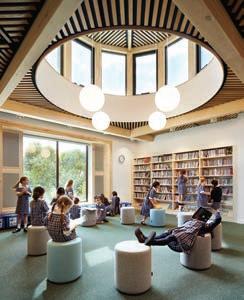
The Girls’ Day School Trust (GDST) has announced that all 25 of its schools – including Notting Hill & Ealing High (pictured) will be mobile phone-free from September for pupils up to Year 11. This builds on current guidance and practices, with many GDST schools creating mobile phone-free environments with lockers or secure pouches.
The Leys and St Faith’s will become The Leys School, Cambridge from September 2028, offering an all-through education. They have been part of the same foundation since 1938. Early Years to Year 8 will be educated at the current St Faith’s site, while Years 9 to 13 will be based at The Leys’ site.
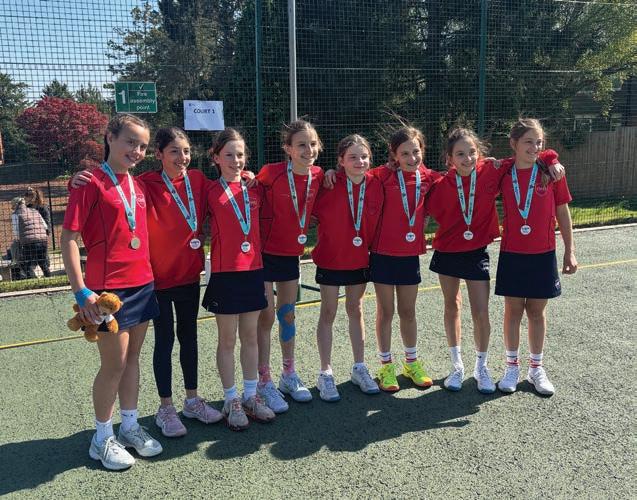
Orchard House School in Chiswick, West London is celebrating a year of achievement. The school’s 2026 U11 Girls’ Netball Team were crowned IAPS National RunnersUp. In addition, Year 6 leavers secured 150 senior school offers and 42 scholarships and Orchard House staff received multiple Pearson National Teaching Awards honours.
The Children’s Laureate Frank Cottrell-Boyce has called for urgent action to reverse the decline in parents reading to children. A BookTrust survey found that children aged up to 8 who reported liking or loving reading rose from 66 to 80% between 2021 and 2025, while daily shared reading among families dropped from 60 to 49%.
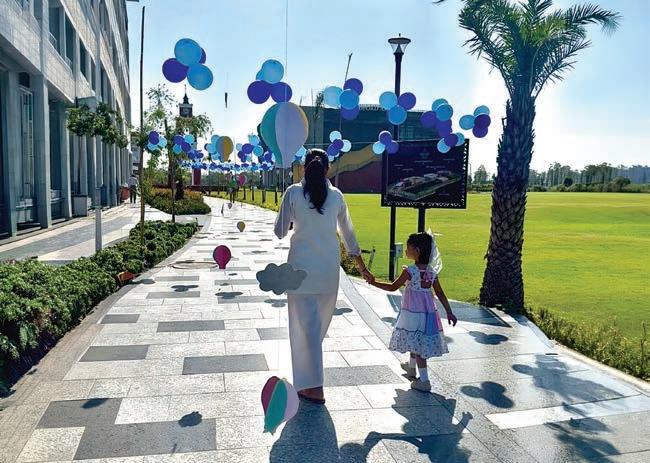
Bedford School Mohali, the first British International girls’ school in Northern India, opened in April. Located on the outskirts of Chandigarh and developed in partnership with Doon International Education Society, it offers day and boarding options. The campus has extensive science, sports and creative arts facilities and a 1,000-seater auditorium.

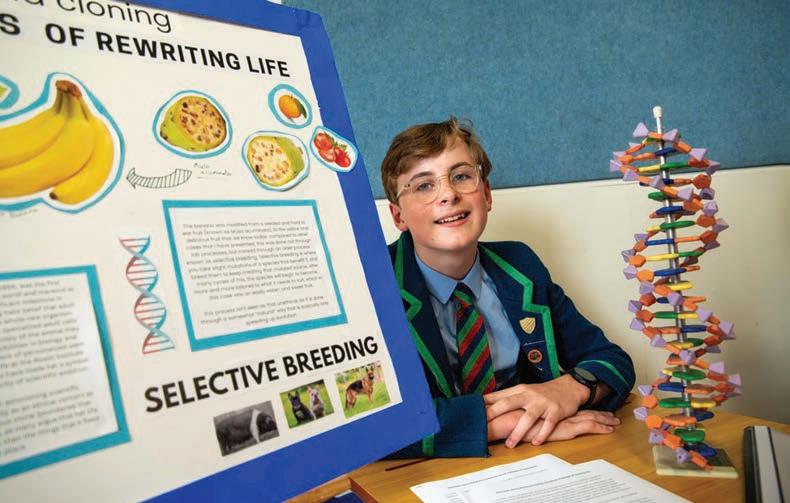
The Sherborne Project Qualification (SPQ) exhibition took place in early June, with Year 8 Sherborne pupils showcasing their work to parents, staff, governors and senior schools. The SPQ is an extended independent project, with each pupil choosing a topic of personal interest. This year’s themes included gene editing and the science behind earworms.
Ludgrove School in Berkshire has ‘done the double’, with pupils Adrian and Kai being awarded King’s Scholarships from Eton College. With a maximum of 14 KS awarded each year, it is a remarkable feat. The boys will join last year’s leaver Jacky, and Jaey who joined KS ranks in 2022.
Laura Rodgers will become Head of Francis Holland Prep School in Chelsea from next January. She is currently Senior Deputy Head at Glendower Prep and has also held leadership roles at Fulham Prep. She studied Law at Newcastle University before gaining teaching qualifications from Oxford Brookes and University of Buckingham.

St Catherine’s Prep, Bramley’s Maren Kelly has received the prestigious Primary Science Teaching Award. She joins a network of some 200 Primary Science Teacher College Fellows across the UK and has been selected to represent the UK in a two-year international project led by Science on Stage Germany and supported by the GEA Foundation.
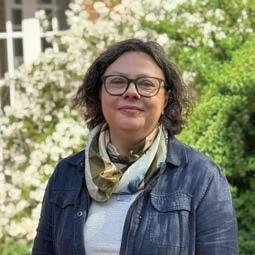
Wycliffe Prep pupils in Years 6-8 have been honing entrepreneurial thinking and teamwork through an employer-led challenge in partnership with Marshfield Farm. One tough challenge has been creating a new ice cream flavour, exploring every stage of product development. The project is part of the Gloucestershire throughschool’s innovative Discovery Programme.
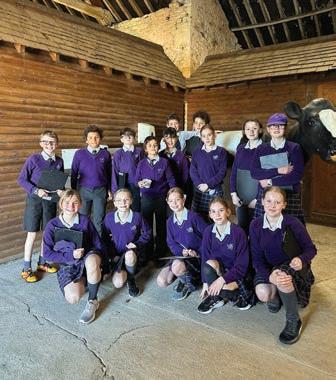
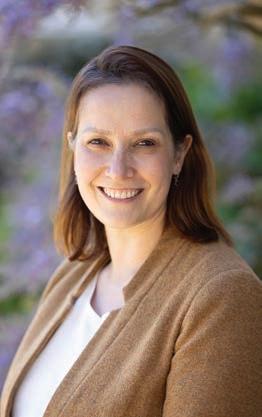
Sophie Blewitt has been appointed Head of Hanford Prep. She was previously Director of Studies at Sherborne Girls as well as Head of Languages and Assistant Head of Professional Development. Currently the school’s Interim Head, she says: “Hanford is an amazing school where a magical childhood and academic excellence go hand in hand”.
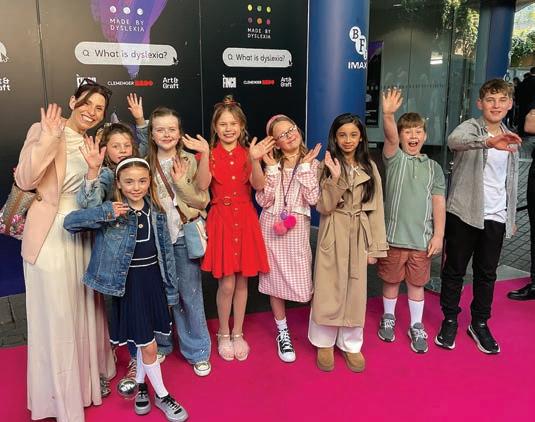
Wrekin Prep pupils attended a film premiere at BFI IMAX, London following a personal invitation from Henrietta Grainger, a former student working with the charity Made By Dyslexia. What is Dyslexia? is an animation featuring voices from stars such as Jeremy Irons and Liv Tyler and aims to reshape how dyslexia is perceived.
Reddam House Berkshire has been awarded a Platinum grade by OPAL (Outdoor Play and Learning), meaning it is within the top 1% of primary schools nationally for play provision. Head Rick Cross says the award: “reflects our belief that children learn just as much beyond the classroom walls as they do within them”.
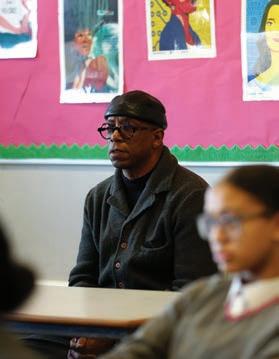
Barclays Football Ambassador Ian Wright went back to school, visiting Elizabeth Garrett Anderson School in Islington to listen to what pupils and teachers had to say about sport, in particular barriers to girls’ participation in PE at school and beyond. The visit was part of the FA and Barclays ‘Made for the Game: Breaking Barriers’ campaign.


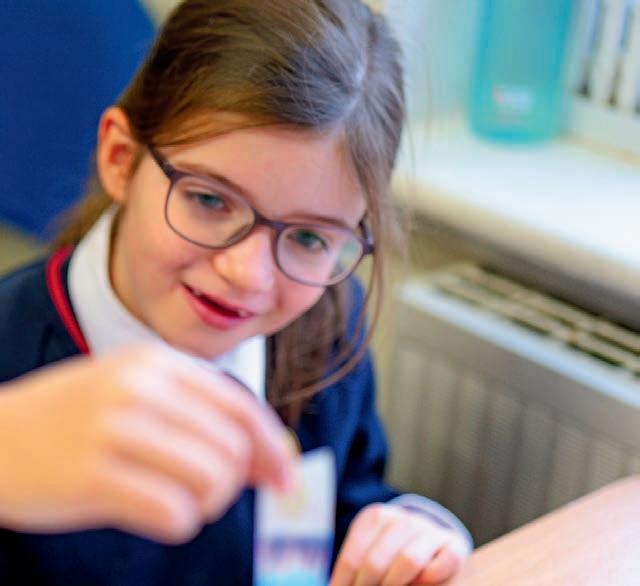
Join The Orchard House School
Friday 9th October 2026
Discover our Early Years, Pre-Prep and Prep sites, tour our STEM Centre and Art Studio, and experience our bespoke Learning Orchard curriculum.

WHY ORCHARD HOUSE:
Small class sizes
Clubs & wraparound care - 7:30am–6pm
Specialist teachers from Nursery to Year 6




Enriched education - STEM, Art, Sport, Music & Drama


Book your place now:

Outstanding 11+ results: 42 scholarships & 150 school offers in 2026







BOARDING FROM AGE 7 TO 18
FLEXI, WEEKLY OR FULL OPTIONS AVAILABLE
A WELCOMING HOME-FROMHOME FOR PUPILS TO GROW, ASPIRE AND ACHIEVE
A SPRINGBOARD FOR INDEPENDENCE, FRIENDSHIP AND OPPORTUNITY
Boarding at Framlingham offers stability and continuity in a welcoming home-away-from-home environment. Our Flexi, Weekly and Full boarding options are tailored to suit the needs of the modern family. From age 7 (Year 3) at our Prep School to 18 (Year 13) at our Senior School, our boarding provision provides a vibrant, supportive environment where every pupil can grow, thrive, aspire and achieve.
START YOUR CHILD’S JOURNEY TODAY
Discover Framlingham College on one of our Open Days or book a private visit today. Open Morning bookings now available for Autumn 2026. Visit framlinghamcollege.co.uk/openmornings, contact admissions@framlinghamcollege.co.uk or call +44 (0) 1728 685331.
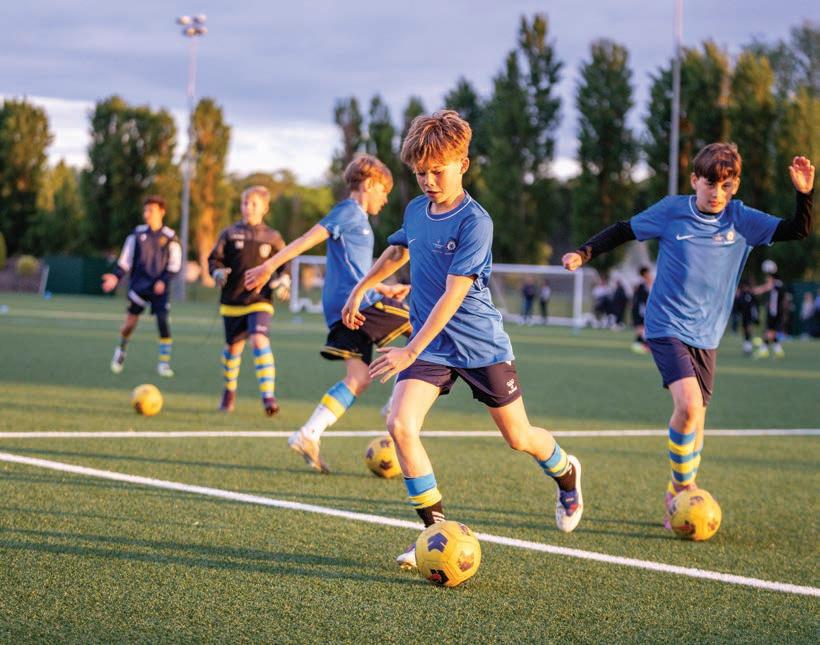
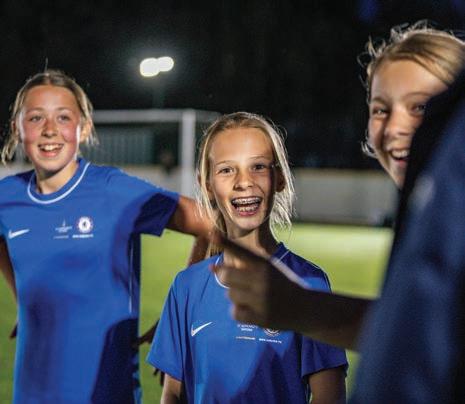
Ateam of talented young footballers from across the Oxford community – the Teddies Select XI – took on Chelsea FC Soccer Schools players at the Premier League club’s Surrey training ground in May. The landmark fixture was the first community match in the partnership between St Edward’s School, Oxford and Chelsea FC.
St Edward’s School announced its collaboration with Chelsea FC earlier this year. It is designed to bring world-class sporting expertise into the daily experience of pupils and extend training and play opportunities across the wider Oxfordshire community.
The school has significantly expanded boys’ and girls’ football programmes in recent years, reflecting increased
interest in the game. At the heart of the partnership is a shared commitment to community-wide engagement.
Teddies Select XI brings together keen 11- and 12-year-old players from state and independent schools and clubs in the local area. There are three teams in this Teddies Select cohort –U11 Boys, U11 Girls and U12 Boys.
The teams had already played practice matches at St Edward’s and at Chelsea FC’s Cobham training ground, where they received coaching from Chelsea FC and St Edward’s coaches. The May fixture was an exciting opportunity to play a competitive match on professionalgrade pitches against a strong side from the Soccer Schools department’s Player Development Programme.
It is hoped this will be the first of many, establishing a regular fixture that connects young players in
Oxfordshire with the Premiership club.
“We are very excited about this first match between the Teddies Select XI and Chelsea FC Soccer Schools players,” says Chelsea FC Football Projects Manager at Chelsea FC Steve Shipp. “Who knows, maybe in a couple of years, the Teddies Select XI will be playing Soccer Schools Performance Centre players from the local Oxfordshire community.”
“We’ve seen the popularity of football at Teddies increase at pace in recent years, to become a core sport available to girls and boys across all year groups,” adds St Edward’s School Director of Sport Jen Law. “With Chelsea coaches working alongside our own Football Professional, pupils gain access to professional coaching of the highest standard, tailored programmes designed to improve skill development, and pathways that build resilience, leadership and teamwork on and o the field.”
BLUE NOTES P 22 INDEPENDENCE DAYS P 25 INCLUSIVE CLASSROOMS P 27

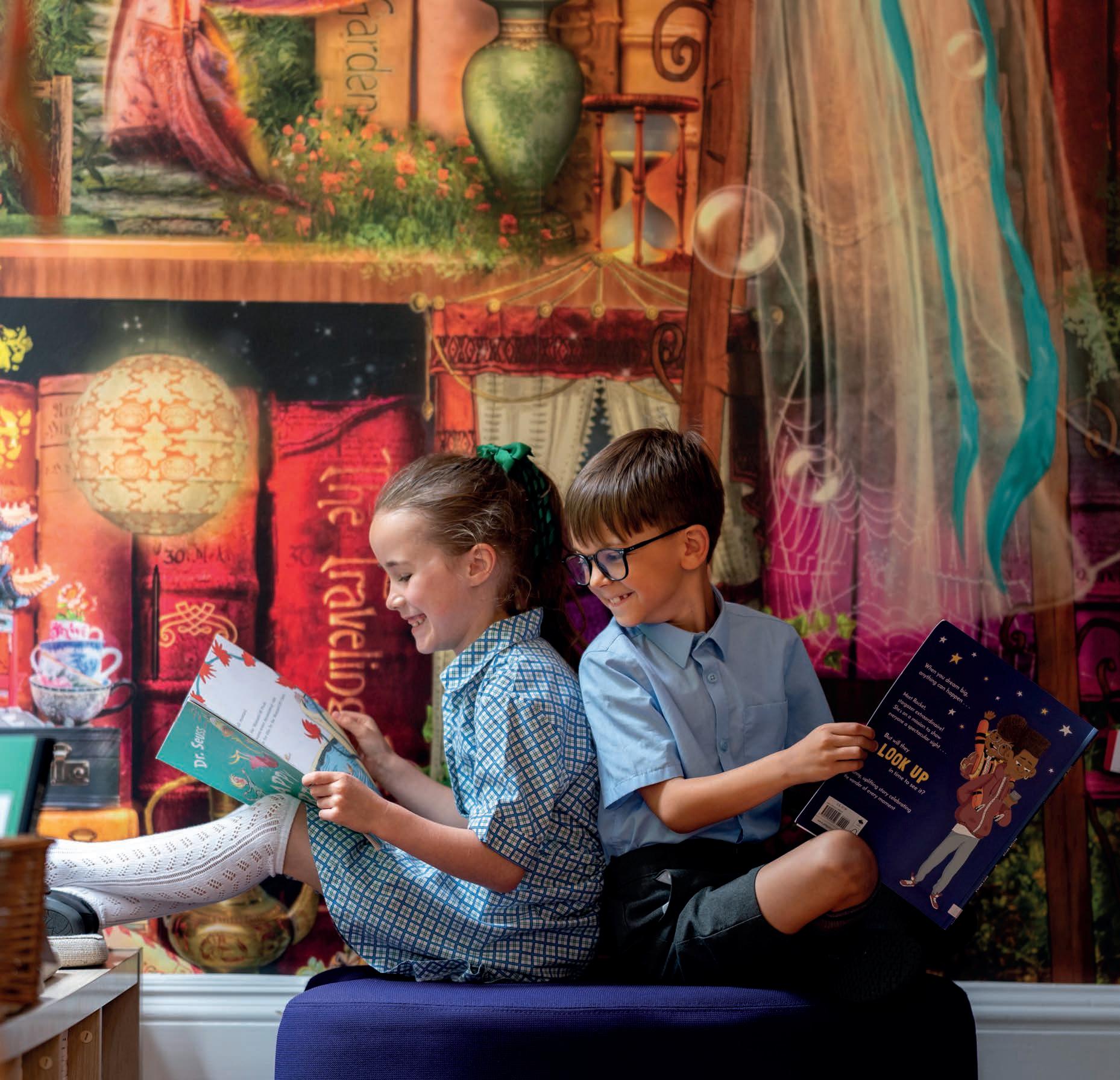
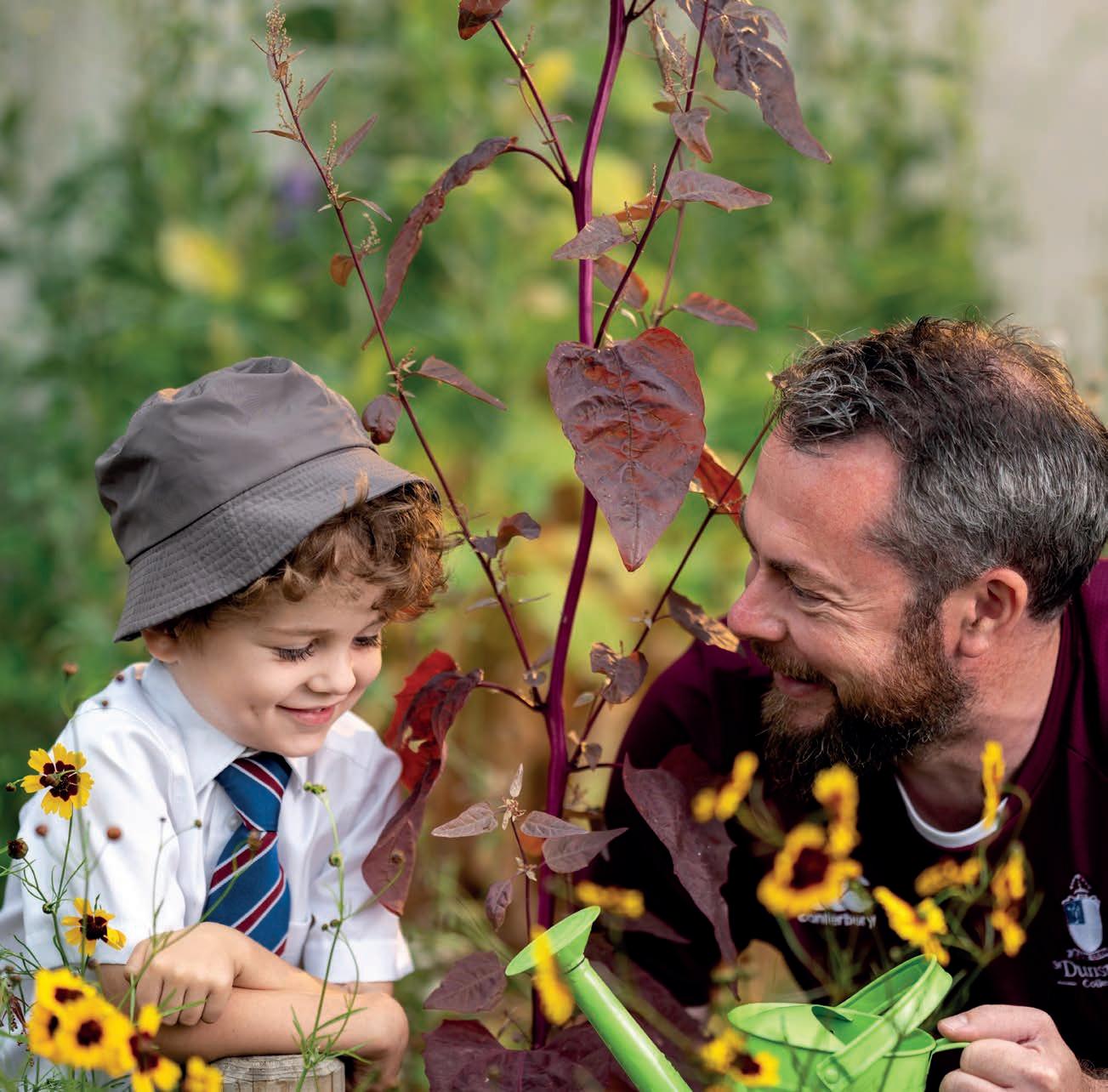
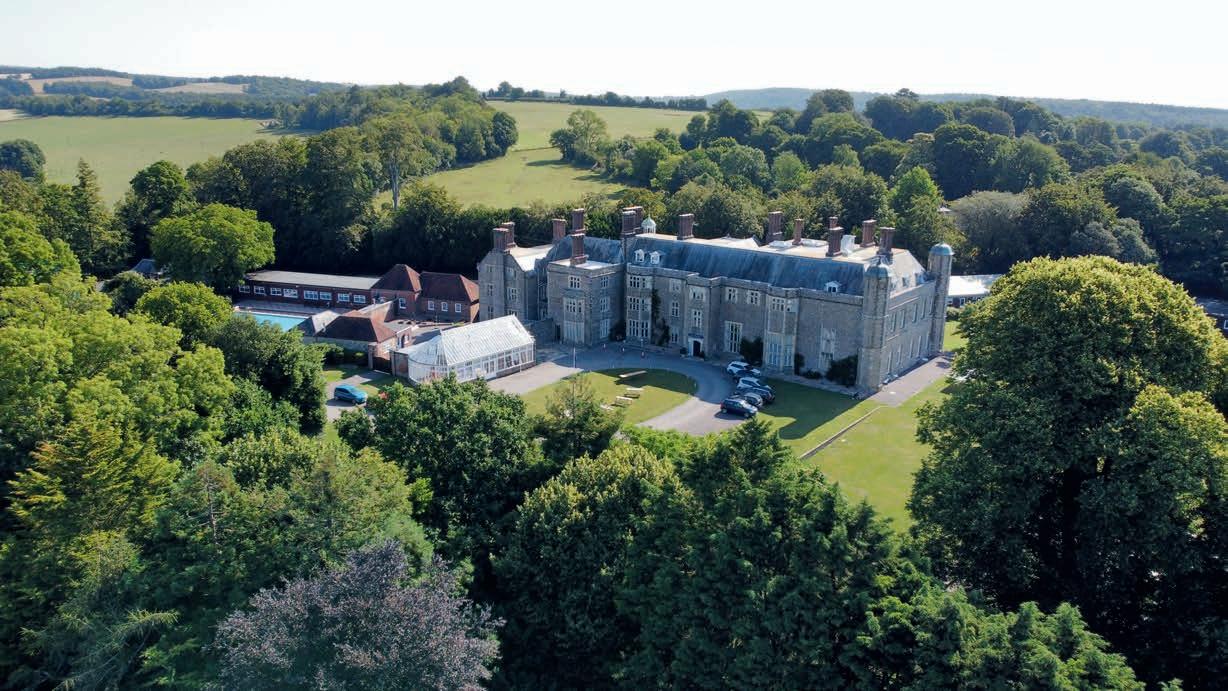
Exciting journeys of discovery at St Dunstan's College Junior School. See page 18
With parents increasingly looking for added value, not just strong academic results, St Dunstan’s College Junior School Acting Head Alex Murphy discusses how its whole-child philosophy aligns with new measures of success in the critical prep years
What do you think parents are looking for in today’s independent prep education and how is the landscape evolving?
Parents today are looking for something fundamentally di erent from even a decade ago, when I first joined the school. Now, it’s not simply academic success – which is a given – but an education that develops the whole child. At St Dunstan’s College Junior School, we see families prioritising individuality, breadth of opportunity and the development of character alongside those strong and rigorous academic foundations.
There has been a clear shift away from the idea of producing a particular ‘type’ of pupil. Instead, parents value schools where children are encouraged to explore widely and define themselves. Our school badge and motto, Albam Exorna (‘Adorn the white’) resonates strongly here. Families want their children to write their own story, not conform to a predetermined path.
How important are elements such as pastoral care and breadth of opportunity?
Wellbeing and pastoral care have moved decisively to the forefront. Parents are increasingly informed about the importance of emotional intelligence, resilience and confidence, and seek schools where these elements are explicitly taught and embedded. At the same time, they want reassurance that academic standards
remain ambitious and outcomes strong.
Breadth is another defining feature. Families expect opportunities in sport, the arts, technology and leadership to sit alongside academic learning – not as extras but as integral to the curriculum and part of the fabric of the school.
Finally, there is a growing emphasis on global awareness and inclusivity. Parents value diverse, outward-looking communities where children develop empathy and cultural understanding, to prepare them for a rapidly changing world.
In essence, expectations have evolved from outcomes alone to experience, identity and future readiness. The most compelling schools are those that balance academic ambition with authenticity, ensuring pupils leave not only successful, but selfaware, confident and ready to contribute meaningfully beyond the classroom.
Do league table rankings still factor highly in parents’ decision-making?
Yes, but their influence has become more measured and contextual. For some families, particularly those focused on selective senior school pathways, academic outcomes remain an important benchmark, o ering reassurance about standards and progress.
However, parents now interpret league tables with far greater sophistication. There is a growing understanding that
rankings present only a narrow snapshot – often focused on attainment rather than progress, wellbeing or the breadth of a child’s experience. As a result, while the league table is a significant contributing factor, it is rarely the deciding factor.
At St Dunstan’s College Junior School, we see parents using data as a starting point, rather than an endpoint. Other evidence is now seen as more meaningful, as it reflects the journey each child makes. For example, our rising academic outcomes, strong value-added scores and high retention demonstrate both academic strength and pupil satisfaction.
Increasingly, qualitative factors carry greater weight. Parents want to understand a school’s ethos, the quality of relationships, and how children feel day-today at school. They look for environments where pupils are engaged, confident and supported, not just performing well. Word-of-mouth, school visits and pupil voice are often more influential than published rankings. Families want to see a thriving community – pupils who participate fully, embrace opportunity and develop beyond the classroom. Ultimately, strong academic outcomes are just one part of a broader picture. The strongest schools are those where success is defined not solely by results, but by the character, confidence and capability of the pupils themselves.
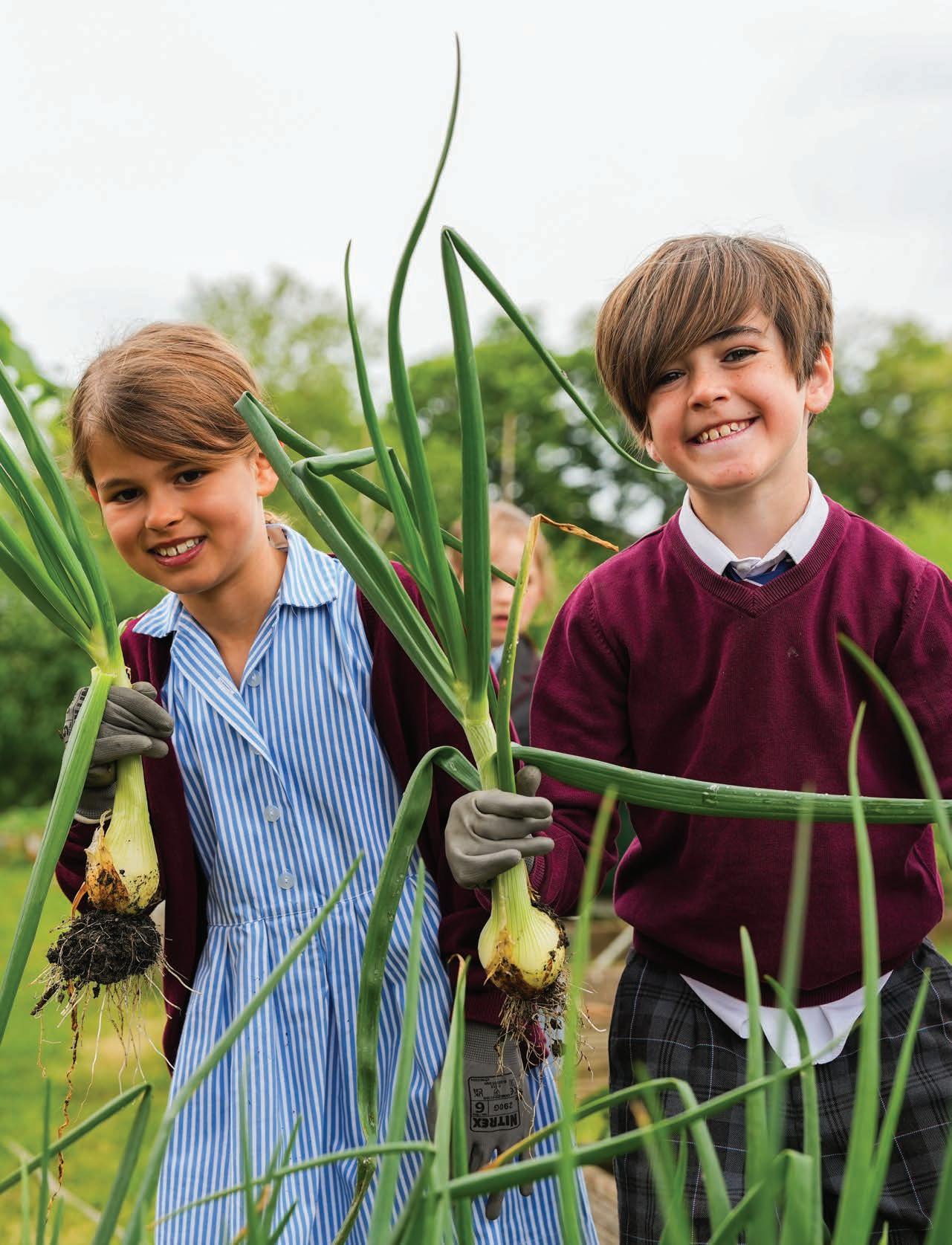
Our mission to offer ‘Excellence. Differently’ is applied to everything that we do, from academic progress and outcomes to co-curricular provision
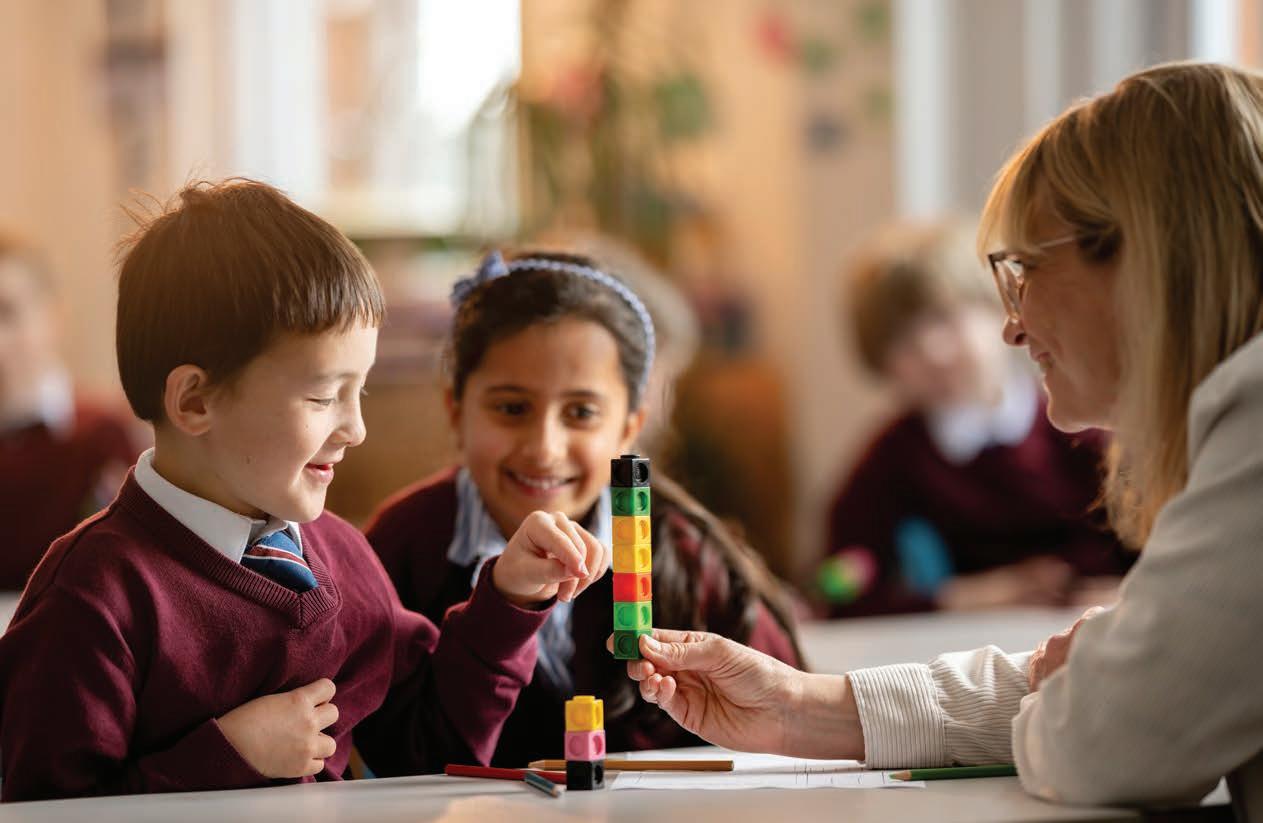
With rising costs and VAT on school fees, how important is ‘added value’ as a factor in school selection?
In the current economic climate, ‘added value’ must be both tangible and clearly articulated. Our mission to o er ‘Excellence. Di erently’ is applied to everything that we do – from academic progress and outcomes to co-curricular provision and opportunities. Pupil wellbeing is the foundation for adding value, and we deliver that by ensuring strong relationships with teachers and a nurturing ethos. Through the Stuart Curriculum and our Wellness Centre wellbeing is embedded, supporting resilience, emotional intelligence and children’s confidence.
While we’re proud of our academic outcomes, we consider each individual
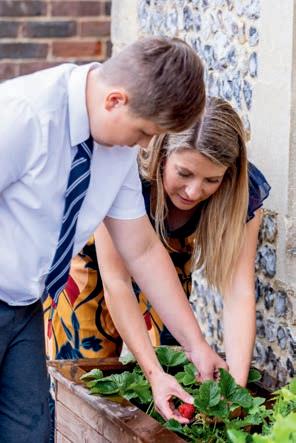
when discussing achievement and attainment. Our use of adaptive teaching ensures that every pupil is both supported and stretched, enabling strong value-added outcomes regardless of starting point. Our co-curricular programme of over 200 clubs annually ensures that every child can explore interests, develop talents and take risks in a supportive environment. This is complemented by the Albam Exorna Curriculum, which explicitly teaches life skills – from financial literacy to innovation and character education.
We believe measuring added value requires a balanced approach. Quantitative indicators include attainment and progress data, scholarship outcomes (over half of our pupils receive scholarships) and strong
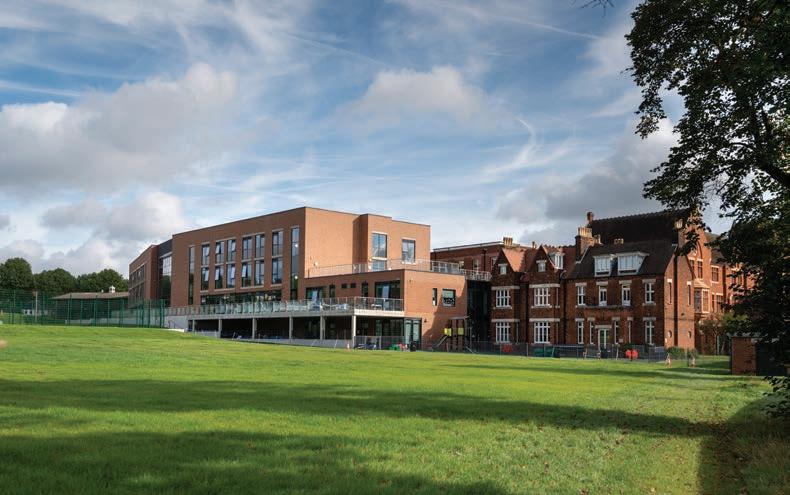
retention rates. Qualitative measures, including pupil voice, parent feedback and levels of engagement, are equally important as they provide insights into how each pupil experiences their education. Ultimately, added value is best demonstrated through outcomes that are both measurable and visible – that means pupils who achieve highly and also show curiosity, independence and a strong sense of identity. It is this combination that defines true value in today’s prep school education.
How do you balance academic rigour and co-curricular opportunities?
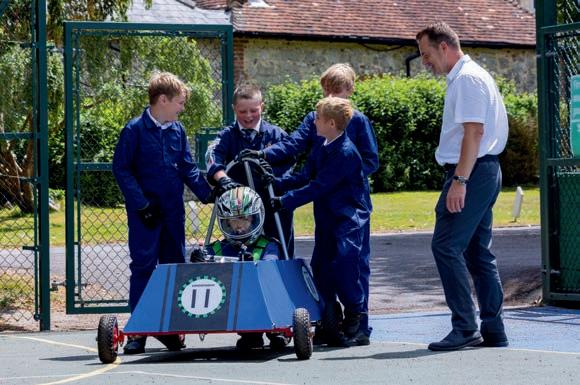
We don’t see academic rigour and cocurricular breadth as competing priorities, but as mutually reinforcing elements of a single, integrated educational approach. Academic excellence is secured through a mastery-driven curriculum in English and mathematics. This sits alongside the International Primary Curriculum, which promotes deep understanding and real-world application. Specialist and adaptive teaching mean that each pupil is appropriately stretched, ensuring high standards and a rewarding learning experience for every individual. Breadth is built into the structure of the school day here. Our co-curricular programme is a fundamental part of the pupil experience. Opportunities in sport, performing arts, technology and leadership develop skills such as resilience, collaboration and discipline – these skills are directly transferable to the classroom and support

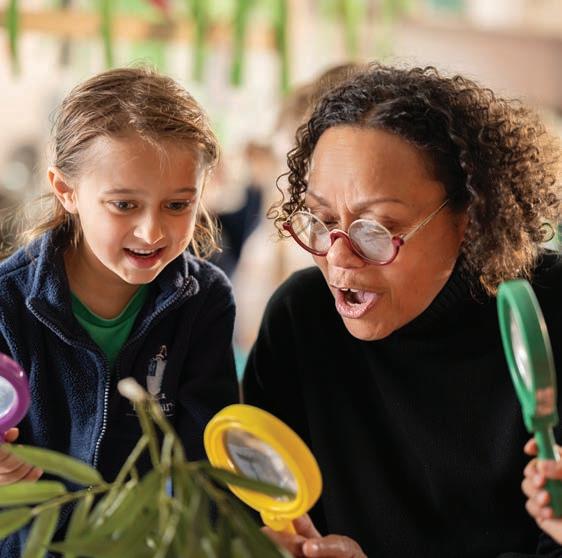
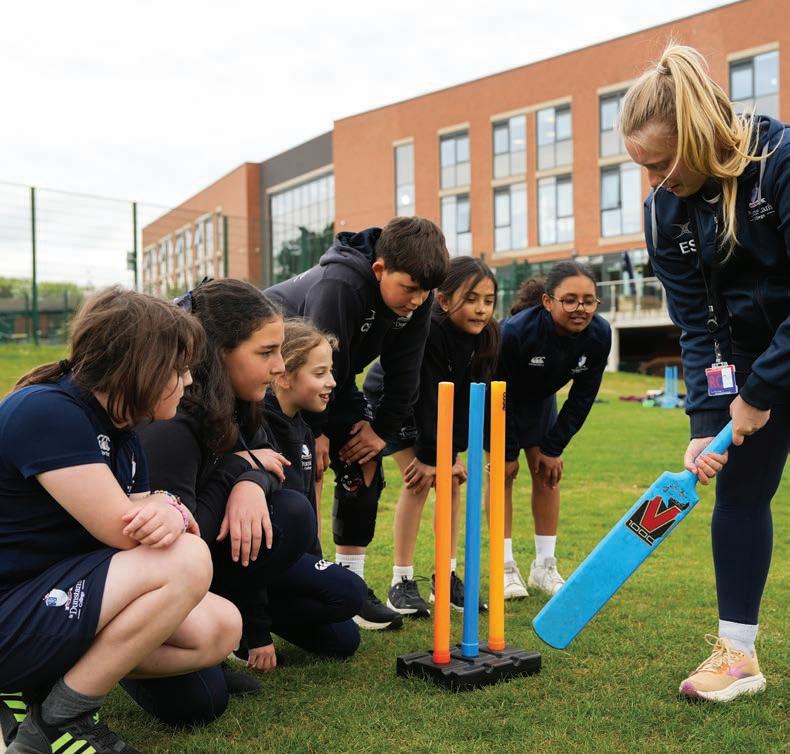
academic success. Our Albam Exorna Curriculum also connects academics with skills in real-world contexts.
St Dunstan’s College Junior School pupils are intellectually challenged but also inspired to approach learning opportunities with curiosity and confidence
Pupil progress is closely tracked, while careful planning ensures everyone can participate in wider opportunities.
The result is a culture where pupils thrive across multiple domains. They approach learning opportunities with curiosity and confidence.
The school has a reputation for producing well-rounded young people. How is this achieved?
The success of St Dunstan’s College Junior School lies in an authentic
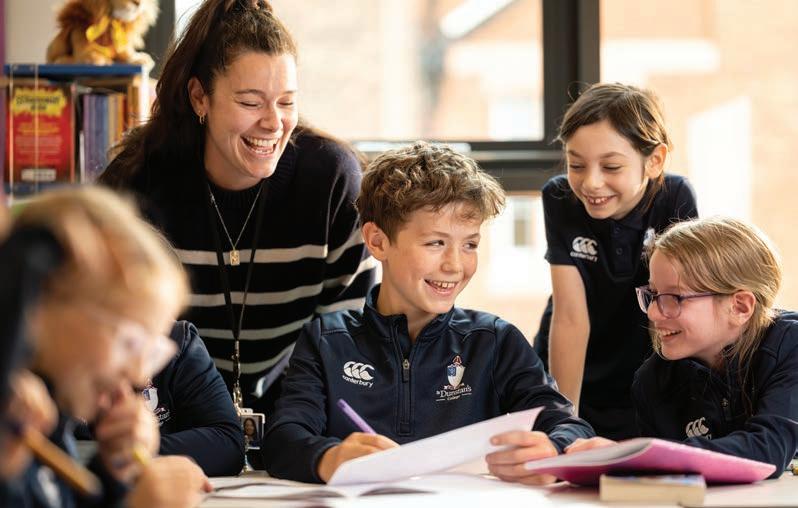
philosophy where academic ambition and a well-rounded education are deliberately and strategically intertwined.
At the heart of this is exceptional pastoral care. Children thrive and take risks when they feel safe, happy and secure. This is only possible where each child feels heard, respected and valued.
Supported by the Stuart Curriculum and dedicated facilities, our pupils feel secure, confident and ready to embrace challenge.
Our ‘Adorn the white’ badge and motto exemplifies our belief that every child should be encouraged to seek their own path, explore widely, take risks and discover their strengths. The Albam Exorna Curriculum encapsulates this philosophy through six strands –including Technology and Innovation and Community and Character Development.
We have other targeted pathways, such as the More Able Pupil Programme, supporting the development of children who demonstrate particular passion or aptitude in specific subject areas.
Finally, success comes down to the strength of our whole community. Our diverse, inclusive environment fosters empathy, global awareness and a genuine sense of belonging that enriches every aspect of school life. We’re proud that the result is a school where pupils achieve highly but, more importantly, grow as confident, curious and authentic individuals, fully prepared for the next stage of their education journey and for life outside school.
St Dunstan’s College Junior School
Stanstead Rd, London SE6 4TY OPEN DAY Saturday 19 September stdunstans.org.uk
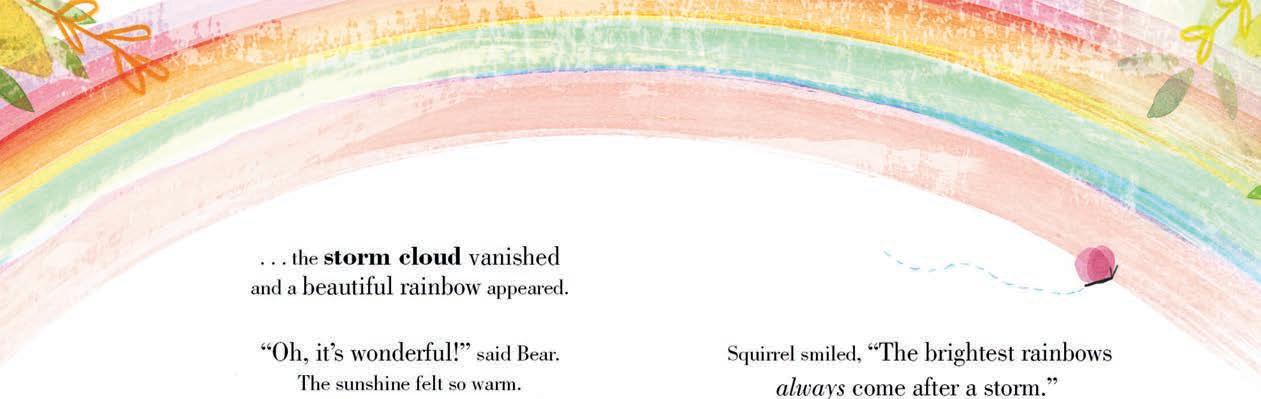
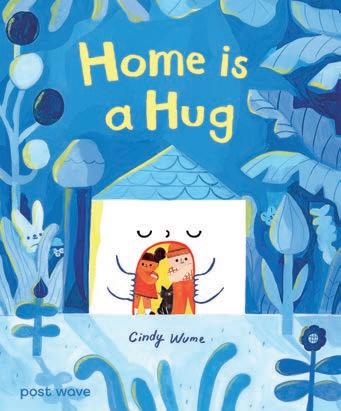
The new picture book from Frances Stickley explores negative emotions frankly, giving both language and positive guidance on navigating the blues
We adults do our level best to protect children and ensure their happiness.
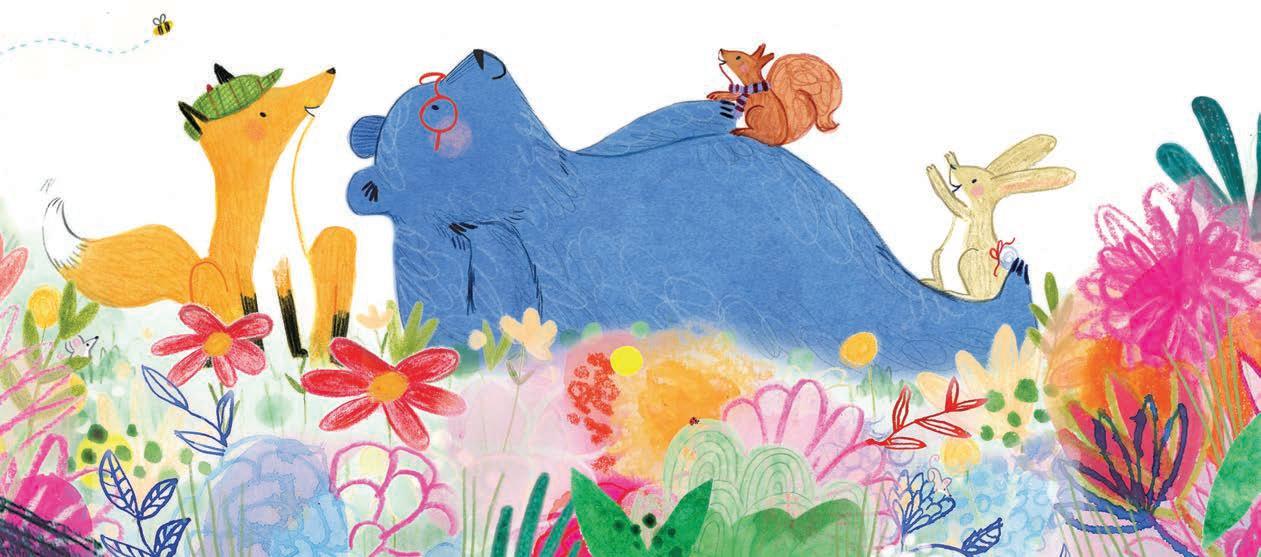
But not every day can be a good one, despite our e orts. So do picture books focused only on positivity do children a disservice? Frances Stickley certainly thinks we need a dose of realism and her new picture book, The Storm Cloud, tackles sadness, anxiety and depression head on. Bear wakes up with a storm cloud above his head. Even though it’s a warm spring day he feels chilly and decides to go back to bed. There’s nothing he can do to
shift that cloud, which keeps on growing. Feeling overwhelmed, he refuses to go out for a picnic with his friends because he doesn’t want to spoil their day.
The emotions described in the book are complex enough for adults, let alone very young children, but with spare and thoughtful text and clever use of colour, The Storm Cloud takes us on a journey through darkness and back to lighter times.
We all like to envisage early childhood as carefree – halcyon days – making it hard to admit that anything can ever interfere with that. We do this even knowing that children are complex beings, just like adults. Frances Stickley thinks it’s vital
for us to acknowledge childhood’s darker moments without apportioning blame or guilt to ourselves. “I actually feel like we wilfully minimise those feelings because, for so many of us, they feel like personal failings – especially as parents,” she says.
“There’s such a culture of toxic positivity. Even the very idea of being sad or anxious is inextricably intertwined with, ‘What’s wrong?’ If our children aren’t happy, something needs fixing. But it doesn’t, does it? Not really. With the best will in the world, we’re never going to shield them from those feelings and surely we’d be doing them a disservice if we did.”
As a former primary school teacher and literacy specialist, she sees books as a
"THERE’S SOMETHING ABOUT SEEING A FEELING PLAYED OUT AT A SLIGHT REMOVE – THROUGH A CHARACTER, THROUGH STORY – THAT MAKES IT FEEL PERMISSIBLE
critical way of helping children understand themselves and their place in the world. “I think books are one of the safest and most e ective ways we have of helping children make sense of their emotions. There’s something about seeing a feeling played out at a slight remove – through a character, through story – that makes it feel both manageable and permissible,” she says. Just as important, books put names, colours and shapes to emotions. This brings clarity and some sense of control. “It gives children the language sca old for something they might have only felt as a sort of internal chaos up until that point.” And seeing feelings played out
in a story also normalises them. “That moment of, ‘Oh, it’s not just me’ is huge, especially when there’s such an underlying expectation that happiness is the default. Books quietly challenge that. They allow space for complexity without demanding resolution or ‘fixing’ things too quickly.” Fixing things – feeling better – is a process that we know can take time and honesty, and this what Bear goes through in The Storm Cloud. Once he has admitted out loud that there is something wrong, his buddy Squirrel sits with him and helps him talk about the cloud above his head (a cloud that only Bear can see), bringing comfort and care without passing
judgement or minimising those feelings. It’s a message to bring comfort to children experiencing dark times, and it also supports the development of empathy – including for readers who know that there’s something up with a friend or family member.
Frances Stickley recently wrote a piece for BookTrust about the value of books which tackle di cult emotions – life’s downs as well as ups – and especially as read-outloud choices for groups of younger children. She sees this as an important way for peer groups to process the complexities and trials of life by making connections together. Such read-out-loud sessions become a public acknowledgement that negative feelings exist for everyone and having them doesn’t make you di erent or weird.
She’s certain that only reading books to children about happy characters doing lovely things is a form of dishonesty, of misplaced overprotectiveness. “We approach all art forms anticipating some reflection of the human experience, and by censoring those emotions that we know children experience in total abundance we’re not only doing them a disservice, but arguably real damage,” she says.
“The cognitive dissonance that comes from, ‘Hang on. I know that I’m feeling angry or frustrated or really sad, but I’m not seeing that reflected anywhere in my cultural surroundings,’ is massive. We’re not just failing to show them what life is really like; we’re teaching them to distrust their own bodies and feelings in response to events. It’s how we end up with all the secondary issues around those feelings – the shame, the guilt, the confusion, the compartmentalisation.”
Frances Stickley is an old hand when it comes to writing books that resonate with children. Her three daughters have acted as both critical readers and influences on themes she’s chosen. “Absolutely, they’re the readers and the reason, not even consciously, just by osmosis really,“ she says.
“My first book, What Will You Dream Of Tonight? was a desperate cry for help to get my now nearly 14-year-old daughter to sleep through the night,” she adds.
“Now I can’t get her out of bed!”
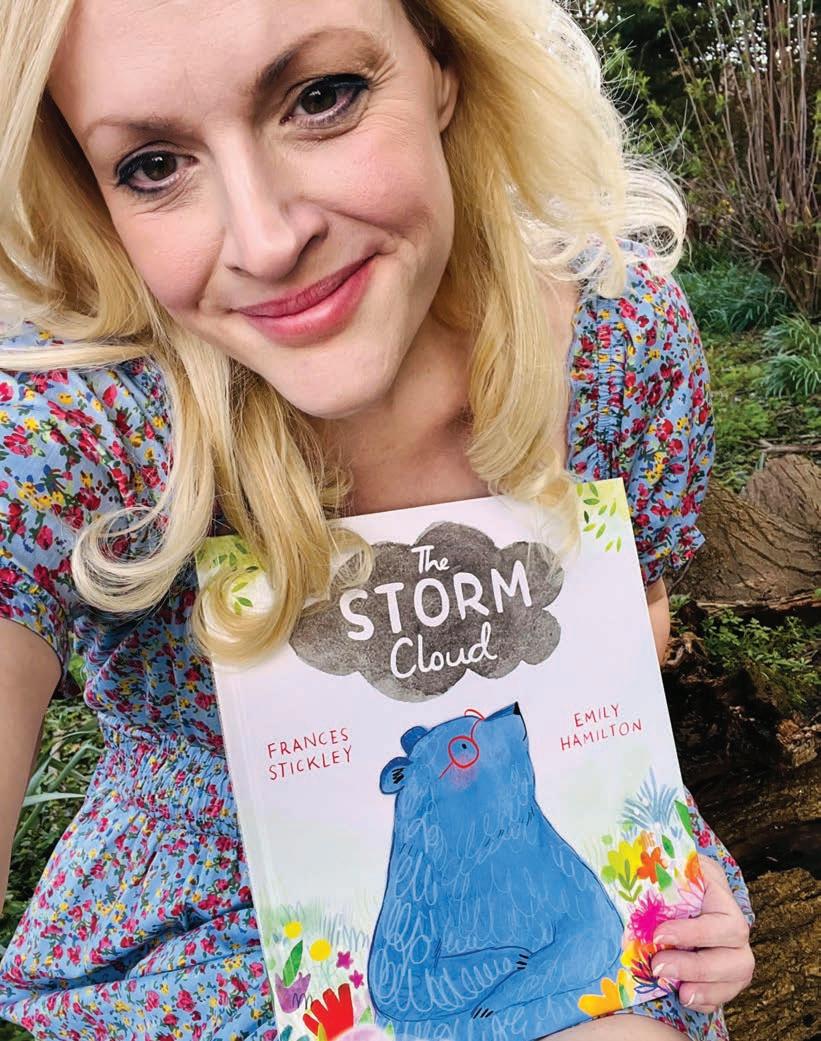
* The Storm Cloud, written by Frances Stickley and illustrated by Emily Hamilton, is out now (Post Wave, £12.99).


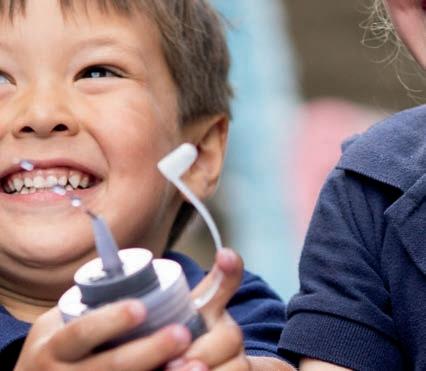





The team at Eltham College discuss the value of residential trips for building academic and life skills –and lifelong memories
Residential trips have long been a cherished part of school life. The very words can evoke in each of us a treasured memory of forays away from home. In an era where academic outcomes often dominate the conversation, their importance can't be overlooked. They are key to the broader purpose of education of nurturing confident, curious and capable young people, ready to engage with the world around them.
At Eltham College, which educates boys and girls aged 7 to 18, such experiences are high on the co-curricular agenda at every stage of the journey through school. For younger pupils, a first residential trip provides an opportunity to practise essential life skills – packing their own bags, managing routines, coping with homesickness – as well, of course, as trying exciting challenges such as abseiling and rafting for the first time.
“Our Windmill Hill adventure centre trip is often a child’s first time away from home,” says the Junior School’s Head of Year 3 and 4, Nicki Chamberlain. “They return that little bit changed – more independent,
“Residential trips are key to the broader purpose of education –of nurturing confident, curious and capable young people”
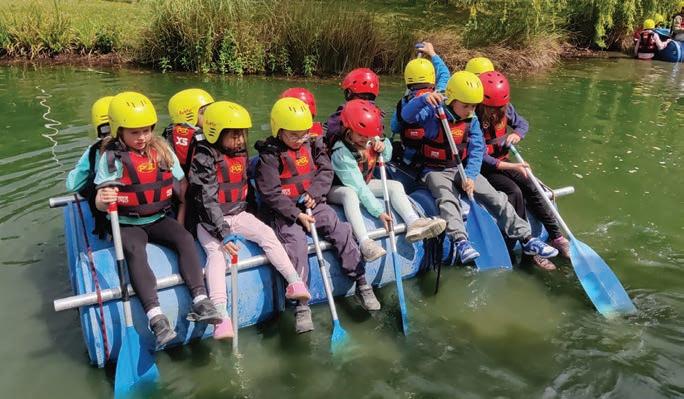
supportive and connected. Food and dorms are highlights. Night one brings excitement and little sleep, night two complete exhaustion. For sta , it is a wonderful opportunity to get to know the children beyond the classroom.”
As students move into teenage years, these shared experiences strengthen friendships and encourage collaboration, says Eltham College. Pupils learn to communicate e ectively, resolve conflicts and appreciate diverse perspectives – perhaps even redefining themselves within their peer group, away from the structures of school.
Eltham aims to o er opportunities for all interests. Recent Lower School visits have included a camping trip plus a STEM residential to Bletchley Park, Bell Heath and Cadbury’s World. Special-interest trips have included an Activity Language trip to France, a conservation trip to Devon, a netball trip to Disneyland, Paris and a rugby trip to Cardi . Overcoming challenges and finding unknown strengths builds selfsu ciency and a sense of achievement –
these trips often become lasting memories.
For older students, residential trips may take on a more academic and aspirational focus. Opportunities such as Eltham’s recent study tour, which took 80 students to NASA’s Houston space centre for a six-day immersion in space science, can be transformative. Whether local or overseas, such trips deepen subject knowledge while connecting learning to real-world applications – and also, potentially, future careers.
“Residential trips remain a vital part of education, fostering independence, resilience and meaningful social connections beyond the classroom,” says James Willatt, Head of Co-curricular and Partnerships at Eltham College. “From a Year 7 camping trip that builds confidence and camaraderie to Sixth Form visits to Uganda combining service with global awareness, these experiences enrich learning and inspire ambition. Together, they help shape well-rounded young people, prepared not only for exams, but for the demands and possibilities of life.”



























Annie Crerar of Burlington House School on the positive impact for student outcomes of creating dyslexia-friendly classrooms

Srainmcblg the ltteers in tihs snetecne mkaes it vrey hrad to raed at frsit. Yuor biran siltl fnids a wya, btu it tkaes a lto of e rot. Nwo iamgine rdenaig lkie tihs eevry day. In our daily lives, we read thousands of words almost automatically. Our brains instantly decode symbols, blend sounds, and comprehend meanings. However, for dyslexic individuals, this automated process can be a challenge.
While many people associate dyslexia purely with reading di culties, the British Dyslexia Association defines it as a complex set of processing challenges, specifically impacting working memory, phonological processing, processing speed and orthographic processing. Despite the challenges dyslexia can create, one key thing to remember is that dyslexia is not connected to intelligence. Many children with dyslexia exhibit a ‘spiky profile’. This means they might score exceptionally high in areas like comprehension, non-verbal reasoning and out -of-the-box problem solving, while scoring much lower in spelling and verbal recall.
Because traditional classroom environments can demand rapid information processing and quick note-taking, dyslexic students frequently experience cognitive fatigue. This constant
exhaustion can lead to a loss of motivation, low self-esteem and school-related anxiety. Dyslexia a ects every individual di erently, so there is no one-size-fits-all approach to creating a dyslexia-friendly learning environment. However, there are ways classrooms can be adapted to support dyslexic students –creating a space where all young people can succeed and celebrate their strengths.
The transformation begins with the physical classroom. A calm, uncluttered environment directly benefits the focus of all students. Teachers can create a more welcoming space by opting for well-spaced information on pastel or neutral display backgrounds, rather than bright, colourful designs that cause visual overstimulation.
Clear daily routines with visual timetables and timers reduce anxiety, allowing students to focus on learning rather than organisation. Integrating subtle resources as a universal – such as cream paper, dualcoded keyword sheets and tiered activities – helps dyslexic learners seamlessly access the curriculum alongside their peers without feeling singled out or ‘di erent’.
Beyond the physical space, e ective instruction relies on multi-sensory engagement. Relying entirely on small-print text quickly exhausts a dyslexic brain. By the time a
“Classrooms can be adapted to support dyslexic students – creating a space where all young people can succeed”
student decodes the words, there may be little energy left to comprehend the concept. By breaking up lessons with practical activities, like mini-whiteboards, physical movement and educational games, teachers provide low-stakes opportunities for students to showcase their understanding. Incorporating dual coding – the practice of pairing written text with explanatory images or icons – further builds the cognitive connections necessary to anchor knowledge into long-term memory.
Structured sca olding is vital to keep the class learning together. Breaking complex tasks into smaller, more manageable steps reduces the heavy demand on working memory. Using universal sca olds like sentence starters, model answers and collaborative discussion groups provides a clear path toward independence. Dyslexic students may need these sca olds in place longer than their peers to build their confidence.
Common use of assistive technologies –such as text -to-speech software, spellcheckers, and coloured overlays – ensures students embrace these tools as standard learning aids.
Teachers and specialist support sta must collaborate to make these adaptations the norm while building strong relationships and deep understanding of individual student needs.
Parents play a vital role, too, in advocating for their child, in reinforcing school learning at home, and in celebrating their unique, creative strengths. It takes a village to build an inclusive classroom.
ANNIE CRERAR
Dyslexia Intervention Lead
Burlington House School Sixth Form
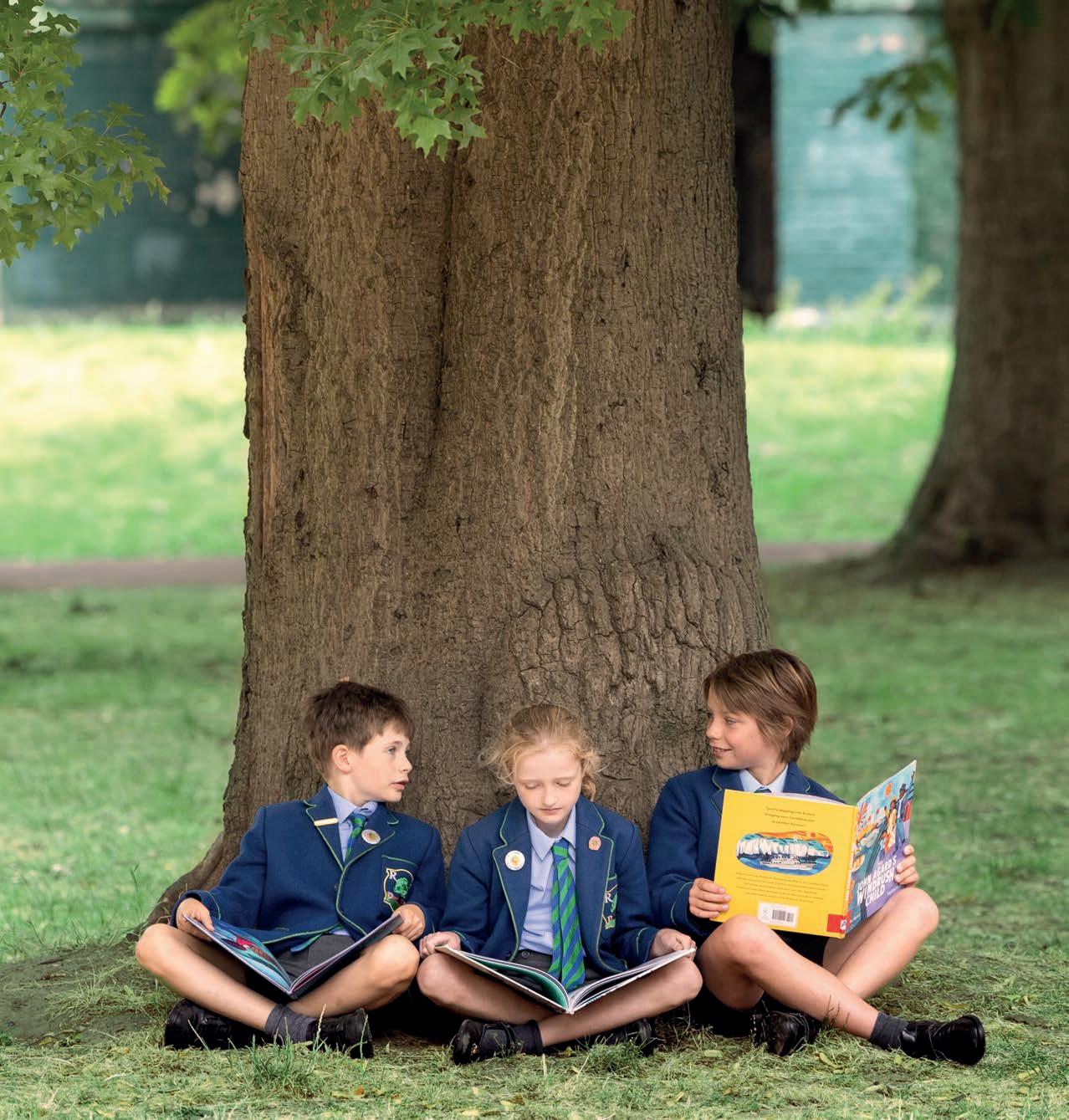
At Ravenscourt Park Preparatory School, we nurture children’s potential in a vibrant, co-educational, inclusive environment for ages 4 to 11. We inspire curiosity, foster creativity, and encourage kindness, collaboration and commitment: core values that guide every aspect of our approach to education.
GOOD CONNECTIONS P 30 INVESTING IN CHILDHOOD P 33 FRIENDS IN DEED P 34
PROPER PLAYTIME
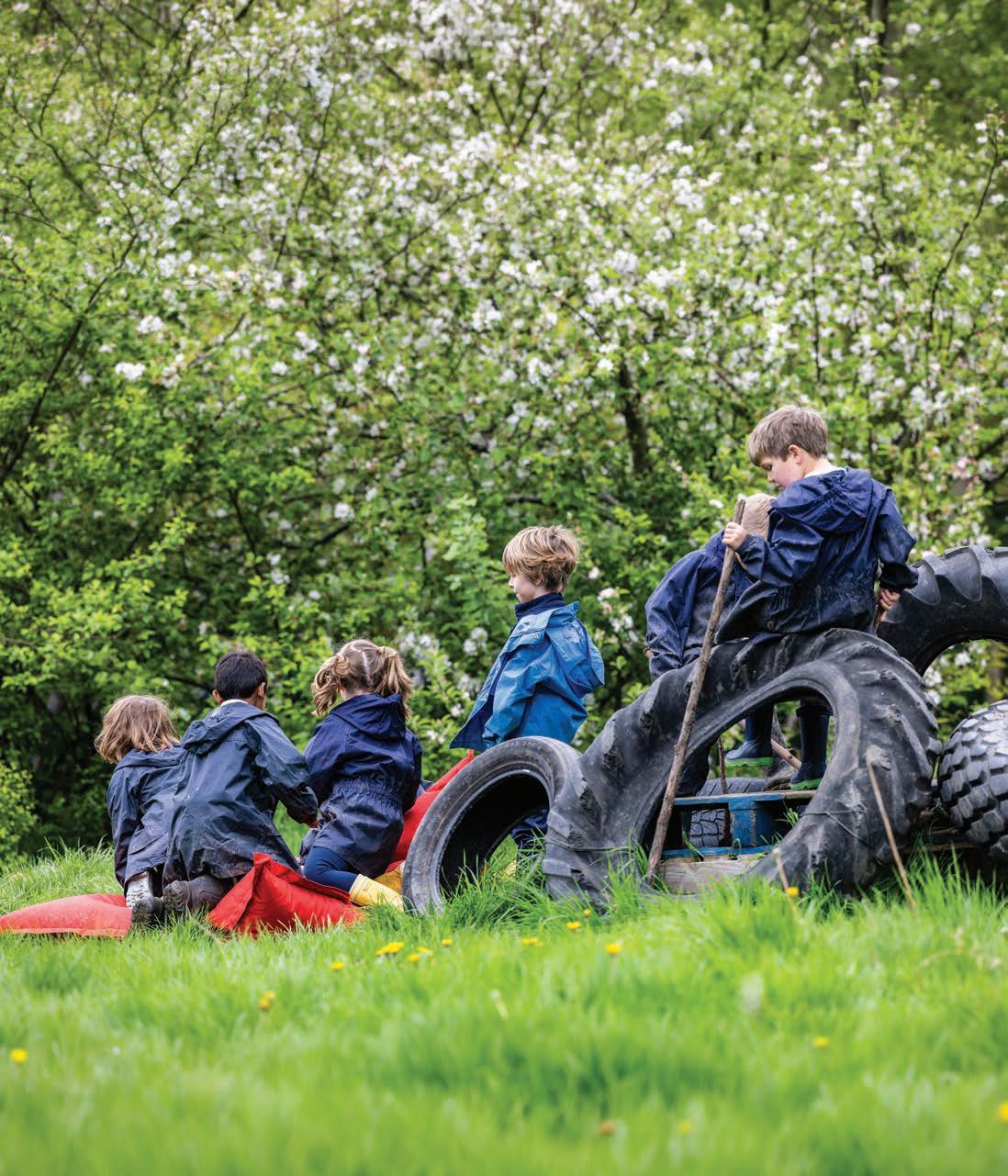
Learning through exploring at DUCKS. See page 37
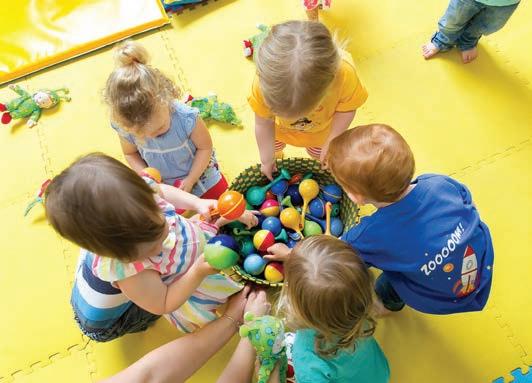
Social isolation is often an issue for parents of preschoolers, says Toddler Sense founder Dr Lin Day, who has useful advice on maintaining positive connections
Looking after a young child and coping with the daily demands of life is not easy and can lead to social isolation. Although this is often associated with the newborn period, many parents continue to feel cut o through the preschool years. Daily routines can be so demanding of time and energy that support networks often reduce and opportunities for adult connections dissipate. Social isolation can have a very real impact on psychological health. For parents, this is not only far more common than many people realise but it also a ects both mothers and fathers. Research has found that many parents experience significant loneliness and isolation during the first four years after giving birth. For younger parents and those facing financial or social disadvantage, this can be an even more challenging period.
Feeling lonely can raise levels of the stress hormone cortisol which can, in turn, weaken
the immune function, disrupt sleep, and pose increased risk of parental depression. The World Health Organisation (WHO) now recognises loneliness and social isolation as important public health concerns. This highlights the importance of supportive relationships and meaningful social connections during the early years of parenting.
Feeling connected does not have to mean large social gatherings or formal arrangements. Even small, regular contact points and ‘check ins’ with another adult can make a di erence to mood, energy levels, and mental health. Phone and video calls, online communities, and social platforms all help parents to stay in touch with others.
Parenting forums can also be a valuable meeting point, o ering a space to build new relationships with others in a similar situation. It’s a way to feel energised, seek reassurance and advice, share ideas and experiences. This can also be a great space to have conversations about daily challenges and successes. That
said, nothing replaces face-to-face interactions and conversations, which give immediate feedback and validation. It is important to recognise the value of human contact.
Loneliness can strike anyone at any time, but one key issue for parents of toddlers and pre-schoolers is the lack of variety, especially as daily routines may become very repetitive. Young children’s behaviour can be another issue. Some parents’ anxiety around coping with toddler tantrums in public makes outings feel more stressful and di cult. This may make them reluctant to put social time with others in the diary.
This absence of relaxed social time can get all parents down, but if it leads to longer lasting feelings (such as exhaustion, lethargy and consistent low mood) it’s vital to get help. Depression is never a sign of weakness or failure – it is a medical condition that responds well to early support and treatment. Fresh air, sunshine, exercise, mindful breathing, listening to calming music, and talking regularly to family and friends are all helpful tools for managing the stresses of
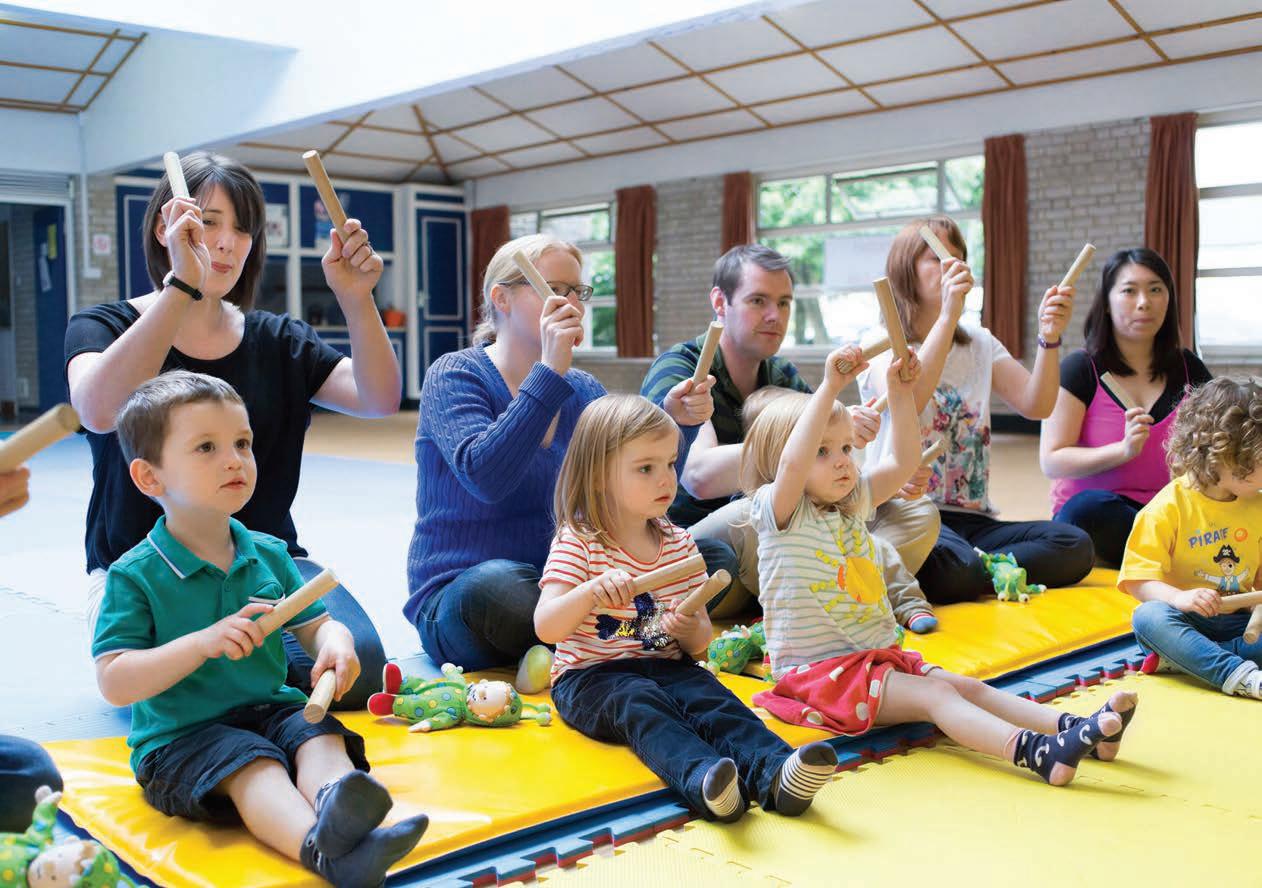
parenting a preschooler. A text message or telephone call from a friend or family member can also make all the di erence to wellbeing. No parent should feel they must cope alone, so here are five tips to help stave o isolation and loneliness.
Connect with other parents Reach out to other parents in your local area. Organised playdates, co ee meetups and virtual gatherings are all helpful in reducing feelings of isolation. Although it may feel daunting initially, reassurance comes from the rapid realisation that there are many other people out there in the same position. Building a support network helps to stop the feeling that you are the only one who finds some days challenging, also
providing invaluable opportunities to spend time in adult company.
Take advantage of community activities Look out for local events, classes, or activities designed for young children and their parents. Participating in these meet-ups creates opportunities for social interaction and a sense of solidarity. Such meeting points are also beneficial for your child, helping to introduce them to the outside world, engage with other children and adults and start to enjoy playing and learning within a group.
Create a routine Establishing a daily routine will provide structure and a sense of normality. Include time for play, learning, and social activities, as well as relaxation.
“RESEARCH HAS FOUND THAT MANY PARENTS EXPERIENCE SIGNIFICANT LONELINESS AND ISOLATION DURING THE FIRST FOUR YEARS AFTER GIVING BIRTH”
Predictability helps both you and your child feel more secure and in control of daily life – and more resilient when challenges occur or plans change.
Use technology with care Although social media and online groups can be a lifeline for many parents, it is important to have balance and avoid getting involved in situations that don’t bring positivity and value to your life. Try and stay connected with your existing friends and family – and arrange face-to-face meetups wherever possible. Having regular video calls with people you know and trust can be a great substitute for in-person diary dates.
Make time for self-care Give yourself time and space to recharge. Whether it’s a short walk, reading a book while your child is having a nap, keeping up a hobby or planning some pampering, self-care is critical to wellbeing. It supports your own sense of identity and helps you to engage positively with your child, your family and those around you.
toddlersense.com
The opening of new Early Years classrooms at Rosemead Prep, plus the arrival of a new Head, reflect its commitment to investing in childhood, community and the future
At a time when many schools focus their messaging on future success, Rosemead Prep has built its reputation on something rather di erent – ensuring children flourish today. At the heart of Rosemead's educational philosophy is a belief that childhood is not simply preparation for adult life, but a valuable and formative stage in its own right. It is an approach that prioritises individual growth over comparison, confidence over pressure and a genuine love of learning over attainment alone. Academic success remains important, but Rosemead sees excellent outcomes as the natural result of children being known, nurtured and inspired.
That philosophy is now being brought to life through a series of exciting developments, led by a significant investment in the school's
Early Years provision. This September, Rosemead will open brand-new Nursery and Reception classrooms as part of a transformative redevelopment programme that will ultimately modernise and enhance the entire school site. The development follows the school's move to a single campus, bringing the whole Rosemead community together and creating a more connected experience for pupils and families from the earliest years onwards.
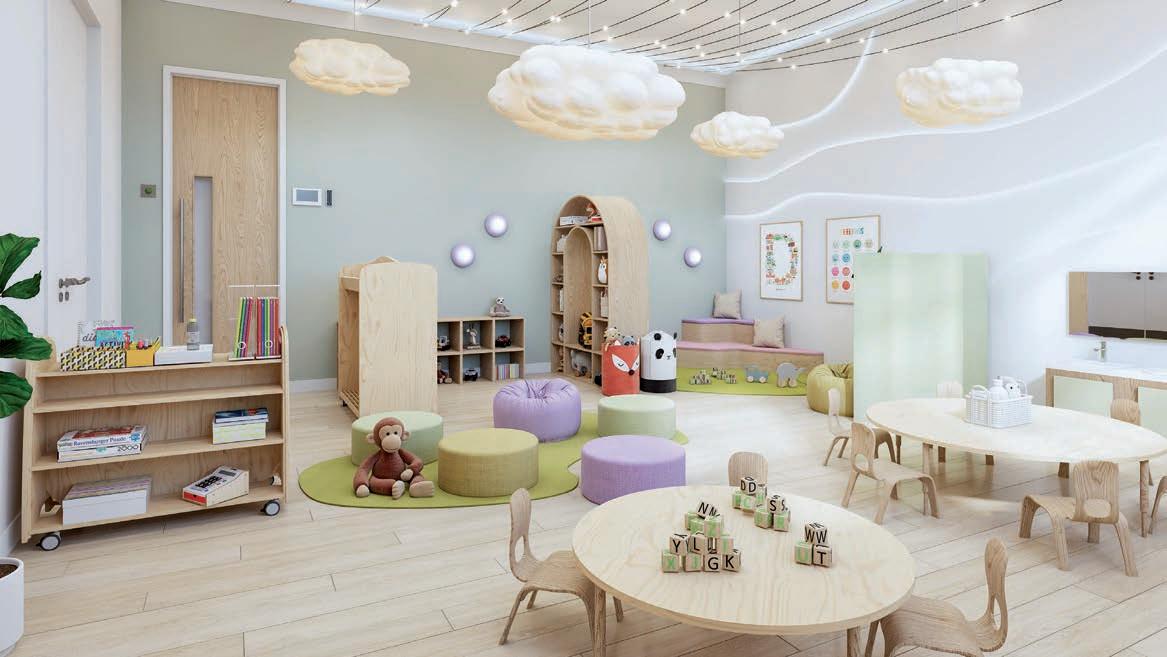
Designed specifically to support children's wellbeing, curiosity and independence, the new learning environments reflect the school's child-centred approach. The Nursery space will feature a calming, organic aesthetic, with soft colours, flexible learning zones and carefully considered areas that encourage exploration and imaginative play.
The Reception classrooms build on this vision, with a nature-inspired environment
that supports collaboration, creativity and the development of early social skills. More than simply new buildings, the project represents an investment in the everyday experiences that shape a child's development. Every aspect of the design has been considered through the lens of how children learn best, creating spaces that feel both inspiring and nurturing.
The redevelopment also signals the beginning of a longer-term vision for Rosemead. Over the coming years, the school will continue to enhance its facilities, ensuring that pupils benefit from contemporary, flexible spaces that support exceptional teaching and learning at every stage of their educational journey.
This period of investment comes against a backdrop of significant recognition. Earlier this year, Rosemead was named Independent Prep School of the Year at the Tes Schools Awards, a reflection of its outstanding pastoral care, innovative approach to learning and strong sense of community.
Adding to the excitement is the appointment of Christopher Woodward as Head, joining from September. Currently Head of Bassett House School in Notting Hill, he brings extensive leadership experience and a strong commitment to nurturing happy, confident and curious young people. His educational philosophy aligns closely with Rosemead's values, making him a natural fit to lead the school into its next chapter.
Together, these developments mark an exciting moment for Rosemead. And, while the school continues to evolve, its focus remains the same – helping every child become the very best version of themselves. By investing in inspiring environments, outstanding teaching and a culture where children are encouraged to thrive as individuals, Rosemead is creating not only successful learners, but happy, confident and well-rounded young people.
OPEN DAY Saturday 10th October rosemeadprep.org.uk
Every aspect has been considered through the lens of how children learn best, creating learning spaces that feel both inspiring and nurturing
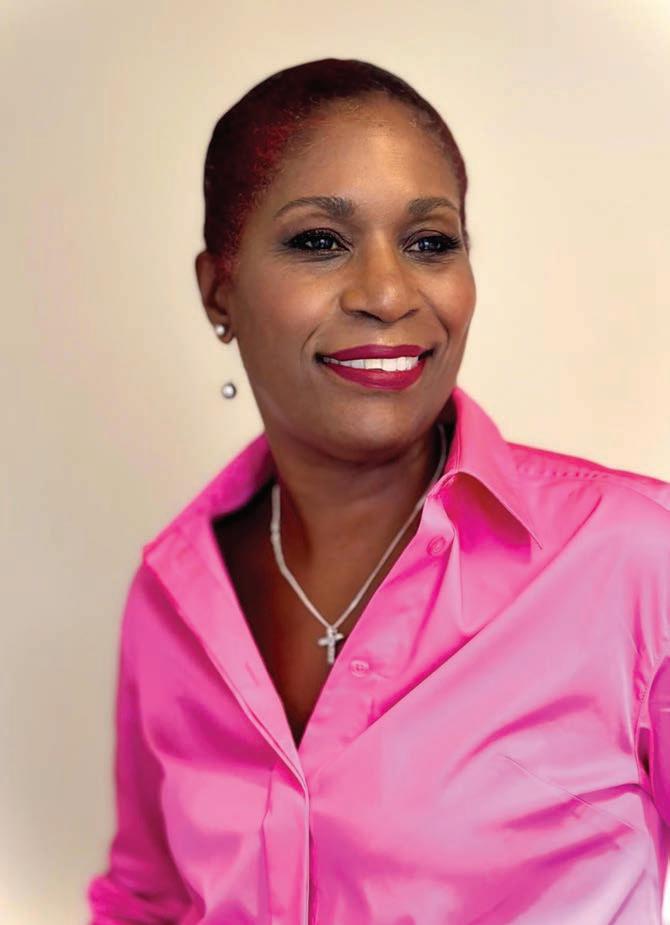
With the second book in the ‘ Maya & Marley’ series, Laura Henry-Allain returns to home turf to explore themes around friendship, empathy and community spirit
Laura Henry-Allain had a perfect vision of where she wanted to set her Maya & Marley series – an adventure playground. And she found inspiration in Hornimans Adventure Playground in North Kensington, a place she knew and loved during her own childhood.
“As a child, it was literally across the road,” she says. “A lot of the illustrations in the books mirror what actually goes on in Hornimans – and Hornimans has been going for over 60 years. They’ve always had a goat – when I was there, they had a goat – and now they have two.”
Our central characters, brother and sister Marley and Maya, have the run of the most exciting place a child can be – it is their home –and this is a great springboard for stories full of play, fun activities and interesting characters. It’s especially relevant to her 4+ readership, embarking on those huge adventures that come with stepping out into the world of school and new friends.
The first book in the series, Maya & Marley and the Great Big Tidy Up launched in September 2024 and, of course, the launch party had to be at Hornimans. The guest list included school children from her old primary across the road, St Thomas’s, former school friends (primary and secondary) and even some former play workers. The mayor stopped by and a local pub did the food – it was a perfect community get-together.
How apt then, that in this this second book in the series, Maya & Marley and the New Friend, there’s a big community lunch happening. The sibling duo are there to meet and greet guests, but when a boy called Kazuki turns up, it soon becomes clear he’s very nervous.
Between them, they help him stop worrying, start to relax and even join in with the fun.
We don’t know if Kazuki is shy, neurodivergent or simply overwhelmed by being without his mum, but this brings plenty of talking points for children – whether they relate more to Maya and Marley or to Kazuki.
A strong storyline and rich and detailed illustrations by Yabaewah Scott help children engage with words and pictures, and there’s no resisting the playground’s naughty goats Lou and Chou.
Simple and reassuring stories can open up the world for children and, with her background in early years teaching, consultancy, literacy, TV and books, Laura Henry-Allain always has a keen eye for the settings and situations that draw children into stories – she says they love to imagine themselves into a story.

She sees play, and the outdoor playground setting, as a really vital aspect of this Ladybird series, because it’s what children aspire to even if it’s happening less than we’d like.
“We know that children are now playing less and less outside,” she says. “We also know that with children now there are issues with physical development, problem solving – all these areas they should take with them into adulthood.”
She certainly doesn’t blame parents for any of this. “There are multiple reasons why children aren’t playing outside as much, so it’s about how we can support parents. How can we be solution driven?” Reading about this wonderful world is surely one way to encourage children to broaden their horizons and see the outdoor environment as something to be explored and enjoyed.
We also know that the 4+ age-group go through seismic transitions – moving on to school, to formal learning, to meeting a whole raft of new people. So the idea of an open-to-all adventure playground supports the concept that new experiences are fun and exciting.
That’s not to say Laura Henry-Allain is immune to the challenges transitions bring. She’s the mother of two adult sons, and her
eldest is autistic, so knows that not every child copes the same way in new situations.
“We know ourselves as adults how intimidating that can be. But then, if we focus on the experience of a child who may be four or five, that can be quite daunting. Imagine that for a child who may not even have language, a child who is just learning verbal skills or a child who may be neurodivergent.”
There are notes at the back to support parents and caregivers and help them to teach children to express big emotions – including the negative ones. “It actually is OK to feel sad sometimes, but it’s what you do with that. A child who is angry or sad may decide to throw a chair, but we want to support them to regulate their emotions,” she says.
“When we’re talking about being school ready, I always say it’s about giving children the skills for life – that they are able to regulate their emotions. Yes, they are feeling sad, but they can verbally share that they are feeling that way with others.”
Kazuki, the new boy in this story, doesn’t say too much, but enough through words and actions for his anxiety to be recognised by Maya and
Marley, who then try to help. It’s a great lesson for young readers in empathy and kindness through actions. Laura Henry-Allain believes stories have to have elements that resonate – and that means they have to have heart.
She has reassurance for parents preparing their child for those big and sometimes scary transitions to nursery, school and beyond. First, while it’s a quite natural parental response, comparison with other children doesn’t help – every child is di erent and socialising comes easier to some than others. “Your child is unique. They may just have one friend and that is OK. And sometimes, even if that child isn’t neurodivergent, some children may be fine playing by themselves,” she says. She thinks we should make sure to remind children of their strengths. “Everybody has something to o er. Some children may be really good at cooking, at football, at cricket. Or sometimes it may just be that you are a really good friend.”
Maya & Marley and the New Friend, written by Laura Henry-Allain and illustrated by Yabaewah Scott, is out now (Ladybird, £7.99).
“YOUR CHILD IS UNIQUE. THEY MAY JUST HAVE ONE FRIEND AND THAT IS OK – SOME CHILDREN MAY BE FINE PLAYING BY THEMSELVES”

The Head of DUCKS, Dulwich College’s kindergarten and infant school, on what excellence in early childhood education looks like
In May 2026, The Duchess of Cambridge, an active campaigner to raise awareness about the importance of early years education, visited Reggio Emilia – the Italian city known worldwide as a centre of excellence in the field.
The visit reflected the importance of innovative approaches to early childhood learning – and particularly ‘Excellence in Education’. That describes a journey where children are exposed to opportunities that instil passion for learning with awe and wonder. This comes in parallel with building resilience and relationships with the environment and those around them. A centre of early excellence is an environment that stimulates and inspires children to learn while ensuring wellbeing.
Children make connections through relationships with the adults around them – from the Early Years practitioners and front o ce team to those who make and serve lunch. Daily connections happen not only within the school community but also children’s surrounding environment – including family and neighbours – and are vital in early years.
Supporting children to explore is critical. Children are capable and competent, and we often do not give them the appropriate space to take safe risks or to express themselves and their ideas. Taking time to listen, o ering opportunities for shared experiences, and time for independent exploration and play all give opportunities for learning with passion and inspiration.
“Children are capable and competent, and we often do not give them the appropriate space to take safe risks or to express themselves”
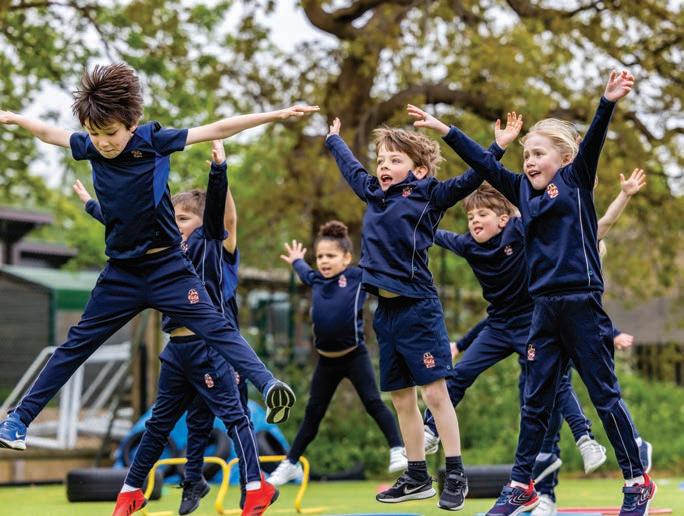
When a child takes on the challenge of climbing a tree, riding a bike or writing their name, we know that at first they may not succeed. With encouragement, they try again, making links with previous knowledge and altering their approach in order to succeed. They learn persistence and perseverance along the way. Here, the power of the word ‘yet’ is vital. It’s a small word that helps children develop a growth mindset – ‘I can’t do it…yet’. When a child is struggling, we can show them an image that contrasts a fixed mindset with a growth mindset and talk it through together. The image becomes a prompt to remember ‘yet’, so they are more likely to keep trying.
Teachers and Early Years practitioners are facilitators of sca olding learning. This includes setting up the indoor and outdoor learning environments to foster curiosity. Children have a natural curiosity, and we need to tap into that with opportunities to inspire learning. A balance


of freedom and routines provides confidence and a feeling of safety in exploration.


In our DUCKS Forest School setting, our children do climb trees and they do take risks – and we need to trust them. This means giving them the guidance and information to stay safe and climb as high as they feel capable. We will be there to verbally help and to facilitate the steps to come down but not carry them out of the tree. This is an example of promoting empowerment. Academic excellence and success in older years are supported by establishing the passion and the enthusiasm for learning in these vital early years. This is coupled with solid relationships and connections to both the adults and environment surrounding the young learner.
As parents and practitioners, we too continue to learn. Reading research, listening to parenting podcasts, and taking the time to observe our children can inspire us to reflect and continue our pursuit of early excellence.










Carson, official Reading Dog at Queen Ethelburga's. See Page 40
From providing comfort and teaching valuable lessons about empathy and care for the world around to supporting shy young readers, animals add magic that brings learning to life. Three schools tell us more about the rich benefits they bring
At Chapter House Prep, part of QE in North Yorkshire, there's no doubt of the value animal encounters add to school life and learning. But the Head of Chapter House Karen Kilkenny says the arrival of reading dog Carson has been one of the most successful and popular initiatives of all time, especially with the younger children (Chapter House educates children from age 3 to 10).
"It has increased the confidence of reluctant readers having a nonjudgemental audience. The children are purely reading for pleasure with no one pointing out mistakes or questioning them on the text," she says. Carson is a terrific listener, never interrupts or looks bored, and is more than happy to be read to. And the e ect is profound. "We have seen their confidence increase and their reading
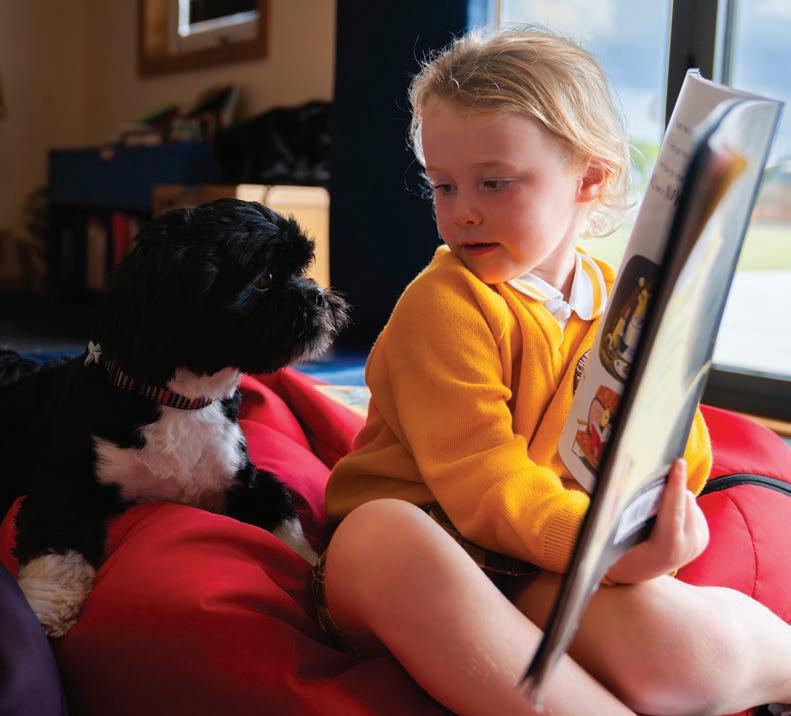
“THANKS TO CARSON, QE PUPILS’ READING HAS BECOME MORE CONFIDENT – AND ONE YEAR 1 CHILD’S READING AGE IMPROVED BY TWO YEARS OVER ONE TERM”
has become more animated, with more expression – one Year 1 child’s reading age has improved by two years over one term, and they are more curious about reading di erent texts."
Carson does more than listen, playing an active part in school life by encouraging throwing practice – he gives his undivided attention if you throw a ball and will come back for more. He also encourages pupils to get outdoors in all weathers and enjoy a bit of exercise. Alongside his reading support, Carson helps to boost wellbeing for everyone. "Being around our calm, friendly Carson helps reduce children’s anxiety, boosts mood and gives the children a chance to talk about any worries in a nurturing, inclusive environment," adds Karen Kilkenny. She believes the friendship without judgement Carson provides helps children regulate their emotions. "His presence also encourages social interaction
and fosters empathy and responsibility among our children."
While Carson is the undoubted star of Chapter House, the children have plenty of other opportunities to learn from animals, with visits to Yorkshire Wildlife Centre for the younger pupils and exciting trips to see the bigger wildlife of Chester Zoo for Year 5. Such visits reinforce classroom learning. KS1 children are learning about animals from Africa and Polar regions, as well as animals through time (including dinosaurs). Visits to see real species in their habitats builds curiosity and reinforces what they are learning about classification, food chains, diets, habitats and the di erences between behaviours. As they move up the school, there is more scientific knowledge about rainforest habitats and animals, prey and predators, nutrition, and the way some animals have skeletons and muscles for support, protection and movement.
At The Downs Malvern, animals play a large and lively role in school life, particularly through the school's smallholding, where pupils are able to experience animal care, food provenance and the natural world at first hand.
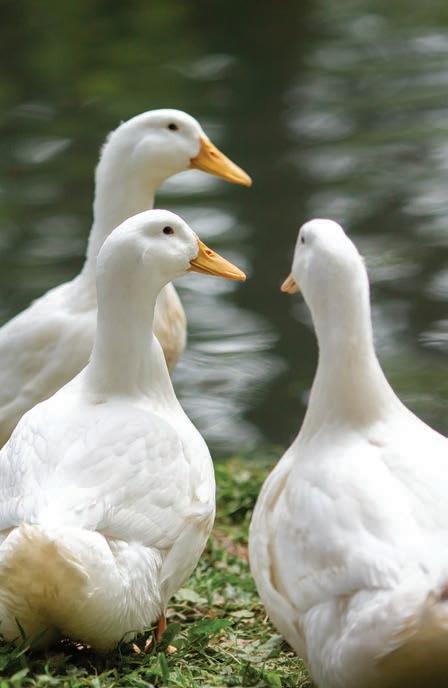
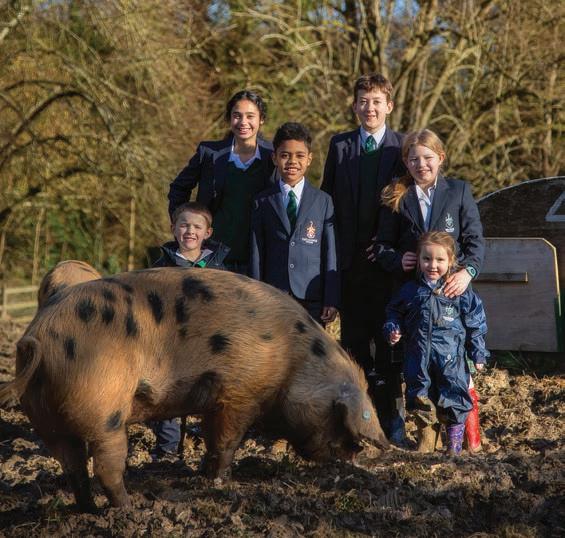
"Our resident animals include pedigree Oxford Sandy and Black pigs, with numbers fluctuating depending on piglets," says Andy Nuttall. There are also around 40 Japanese quail, plus guinea fowl, ducks, chickens – including Cream Legbars and Cuckoo Marans. "And Ayam Cemani chickens from Indonesia," adds Andy Nuttall who, it's worth noting, studied Zoology at Imperial College. "We also have three beehives on site. In addition, sheep graze in our orchard, giving pupils the opportunity to learn from a local farmer, although the sheep are not part of the school’s own animal collection."
This wonderful collection brings multiple learning opportunities. Pupils interact with the animals through regular farming activities, including Pre-Prep sessions on Fridays and Prep School farming activities as part of the school's extensive Saturday Hobbies programme. There's also the value of just having animals around. "Children from Nursery to Year 5 also pass the animals on their way to Forest School, making these encounters a familiar and joyful part of everyday school life."
While all the animals are of interest, The pupils are enchanted by young animals – from the tiny quail chicks and ducklings to new piglets. "Di erent children naturally gravitate towards di erent aspects of animal husbandry. Some love the direct contact, whether that is gently cradling a quail or rubbing a
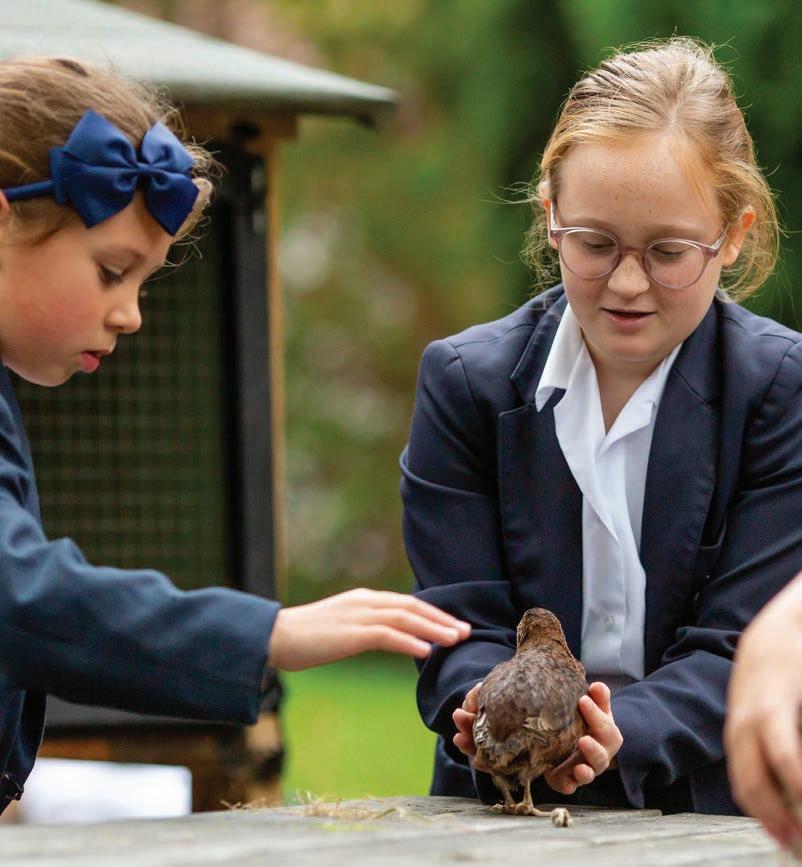
pig’s tummy, while others are drawn to the practical side, such as building shelters and improving animal environments," adds Andy Nuttall.
The team at The Downs Malvern find that its animals will often prompt wider conversations around empathy, responsibility and looking beyond ourselves. And caring for other living creatures helps pupils understand that animals have needs, routines and sensitivities, which encourages pupil patience, kindness and responsibility.
Andy Nuttall can see big educational benefits. Children gain first-hand knowledge of life cycles and the features of di erent vertebrate groups, while also developing an understanding of food provenance and hygiene. They grow supplementary food for the animals, learning more about plant life cycles and the importance of ensuring a
“THE DOWNS MALVERN PUPILS PASS THE ANIMALS ON THEIR WAY TO FOREST SCHOOL, MAKING ENCOUNTERS A FAMILIAR AND JOYFUL PART OF EVERYDAY SCHOOL LIFE”
balanced diet. "These encounters also open up broader conversations about seasonality, sustainability and food miles, particularly when discussing the value of locally produced meat and vegetables."
Across The Downs Malvern, there is huge excitement when the smallholding welcomes a new arrival large or small. The children are also very interested in the life of the school beehives, leading an assembly on the pollinators' vital role in our world.
“They recently enjoyed marking World Bee Day with a honey-tasting experience and honey-themed cuisine."
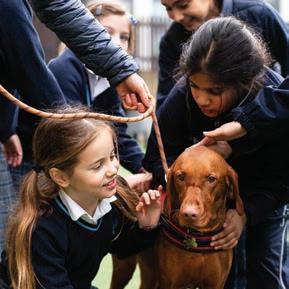
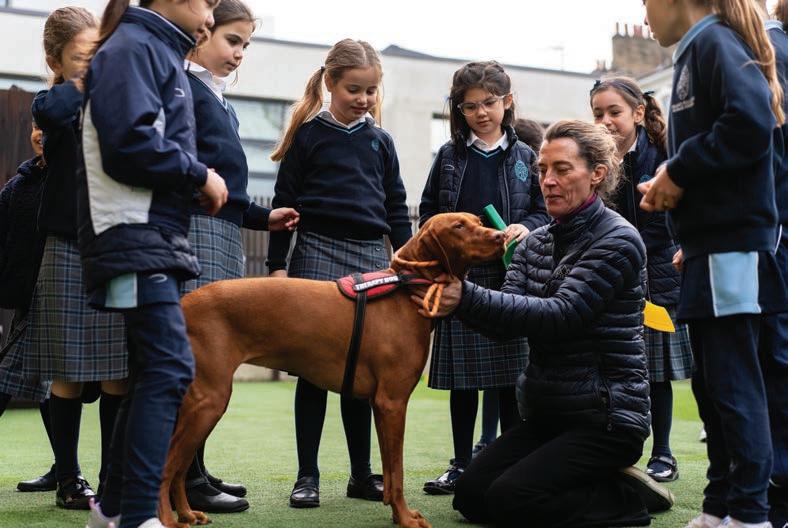
At Francis Holland Prep, school life is made joyful by Kanga, a Hungarian Vizsla Therapy Dog, who belongs to the school's Lead Counsellor and has been a resident for six years – ever since she was a puppy. Kanga is a key member of ContemPlace, the FHP counselling service, and works alongside five specialist human therapists.
Pupils have the opportunity to drop in and visit Kanga whenever she is at the Prep – her time is split between Francis Holland Prep and the Senior School in Sloane Square. She comes into her own at the start of the academic year, especially for any new pupils finding it hard to settle, and she's also a huge support to Year 6 girls who are anxious about the 11+. Often, being with her for a few minutes is enough, say the team, and many friendships have been made between girls gathered in the Wellbeing Suite for a chat with Kanga.
Children have lots of other opportunities to encounter the animal kingdom. Reception and KS1 pupils enjoy incubating, hatching and rearing a number of chicks at school each year as part of their work on life cycles. There have been similar projects with butterflies, which pupils loved. There are regular trips, including the annual Reception trip to Bocketts Farm – a firm Summer Term favourite – where children
“AT FRANCIS HOLLAND PREP, THE ANNUAL CHARITY DOG SHOW IS HOTLY CONTESTED, SHOWCASING ANIMAL WHISPERER SKILLS ALONGSIDE CREATIVITY”
meet chickens, rabbits, horses, goats, cows and even ‘racing pigs’.
The bespoke Francis Holland Foresters programme is tailored for every year group and combines nature identification with shelter building activities, connecting children with both animals and bugs. Girls learn about the importance of mini beasts within an ecosystem. Their creative skills are seen in bug hotels equipped with lifts, swimming pools and even bowling alleys. They also learn 'detective skills' over the course of the school year scouting for di erent tracks left by bigger beasts –including foxes and badgers.
All this fun outdoor learning also embeds knowledge, and FHP immerses pupils in hands-on science and geography from the outset. In the Early Years, pupils explore through play, and their natural capacity for experimentation lays foundations for deeper scientific thinking. As they move through the school, the curriculum becomes increasingly specialised, introducing key concepts in biology, chemistry and physics.
There are enrichment sessions for every year group involving animals to help bring these subjects to life. For example, Zoo Labs recently visited, bringing an array of fascinating creatures to support pupils’
learning about adaptation. From desert lizards that detach their tails to escape predators to giant snails with retractable eyes, the girls were captivated by the unique survival and adaptation strategies animals employ in their natural habitats.
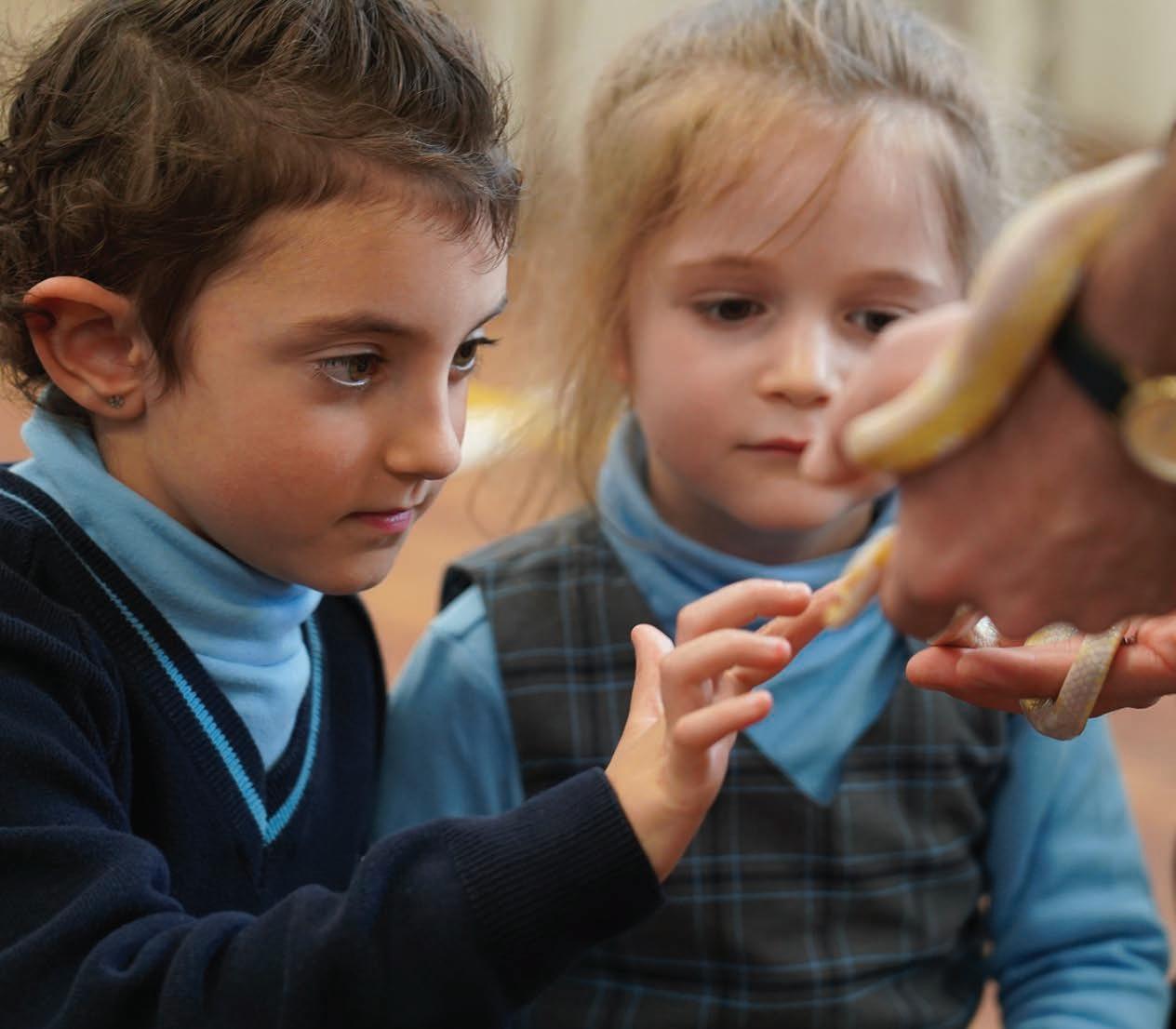
Zoo Labs gave pupils the opportunity to get up close and handle some of the animals. The girls held the white snake, felt the texture of the giant snails and observed the intricate details of the tarantula. This hands-on experience not only deepened their understanding of science and nature but also helped many overcome initial fears of 'creepy crawlies', fostering curiosity and appreciation for the beauty of wild creatures.
Another aspect of animals up close, and a highlight of the school year, the Francis Holland Prep Charity Dog Show is all about fun and community spirit – raising funds for a chosen charity. This year, just under £2,000 was raised for School in a Bag. The competition is hotly contested by parents and pupils across five categories – Obedience, Loveliest Lady, Most Fabulous Fella, Puppy Love and Best Dressed. It o ers pupils the opportunity to showcase their animal whisperer techniques, alongside creative and fashion skills and communication with the animals that bring magic to their life.


Independent School Day and Boarding Boys aged 8-18
Specialist Learning Environment


Maximum class size of 10 Individualised curriculum pathways In-house therapies and specialist dyslexia teachers Broad range of enrichment activities Flexi, PartTime, Weekly boarding Award winning pastoral provision

The Head of Aberdour School Phillip Makhouli on why self-knowledge is a vital foundation for confidence, ambition and future success
What gives a child the confidence to aim high?
The ancient maxim ‘know thyself’ has endured for centuries, and it feels strikingly relevant to education today. Is confidence built through repeated success? Praise from adults? Academic ability? All of these things matter. But I increasingly believe that one of the deepest foundations of genuine confidence lies somewhere quieter: in a child’s ability to understand themselves.
Self-knowledge is not always given the prominence it deserves in education. It is less visible than exam results, harder to quantify than a grade, and perhaps less easily celebrated than a scholarship or prize. Yet when children begin to recognise their strengths, understand how they learn, identify where they need support and reflect honestly on their progress, something powerful starts to happen. They become more secure. More willing to try and more able to respond to challenge without feeling defined by it. Their ambition becomes less about comparison with others and more about a developing sense
of what they themselves might achieve.
Confidence without self-knowledge can be fragile. It may depend on always getting things right, on adult reassurance, or on success arriving quickly. Self-knowledge gives confidence roots. A child who can say, ‘This is di cult for me, but I know how to approach it’, is developing something far more lasting than surface-level self-esteem.
Educational research points in a similar direction. The Education Endowment Foundation highlights the importance of metacognition and self-regulation – helping pupils to think deliberately about how they learn, and to plan, monitor and evaluate their progress. In that sense, self-knowledge is not an abstract ideal, it is a practical educational strength.
This matters deeply in schools. We want children to leave us not simply with knowledge, but with a sense of agency – the belief that they can make progress, shape their future and pursue ambitious goals with purpose. To achieve that, they need adults who know them well, but also adults who help them know themselves.
At Aberdour, this has
“Self-knowledge gives confidence roots – developing something far more lasting than surfacelevel self-esteem”
long been central to our approach. During our recent inspection, our personalised learning programme was identified as a significant strength of the school. Inspectors observed that pupils develop ‘high levels of confidence and self-knowledge’. That connection is important. Success is not presented as something separate from confidence and self-understanding, but as something that flows from them.
At Aberdour, this is given deliberate structure through our Personalised Achievement Learning (P.A.L) programme which sits at the heart of school life. Through regular one-to-one conversations, reflection and purposeful goal setting, pupils are encouraged to articulate what they have found challenging, recognise what has helped them make progress and think more deeply about the learner, teammate, friend and person they are becoming. Personalisation becomes more than di erentiated work in a classroom – it is a way of helping children take increasing ownership of their development.


Of course, academic outcomes matter, but the most meaningful success is not produced by pressure alone. It emerges when children combine knowledge with curiosity, ambition with resilience, and confidence with humility. The world our children are growing into will require them to adapt, collaborate, and navigate uncertainty. Selfknowledge will not be a soft extra but a form of preparation. When children understand who they are, they are more likely to believe in what they might become.
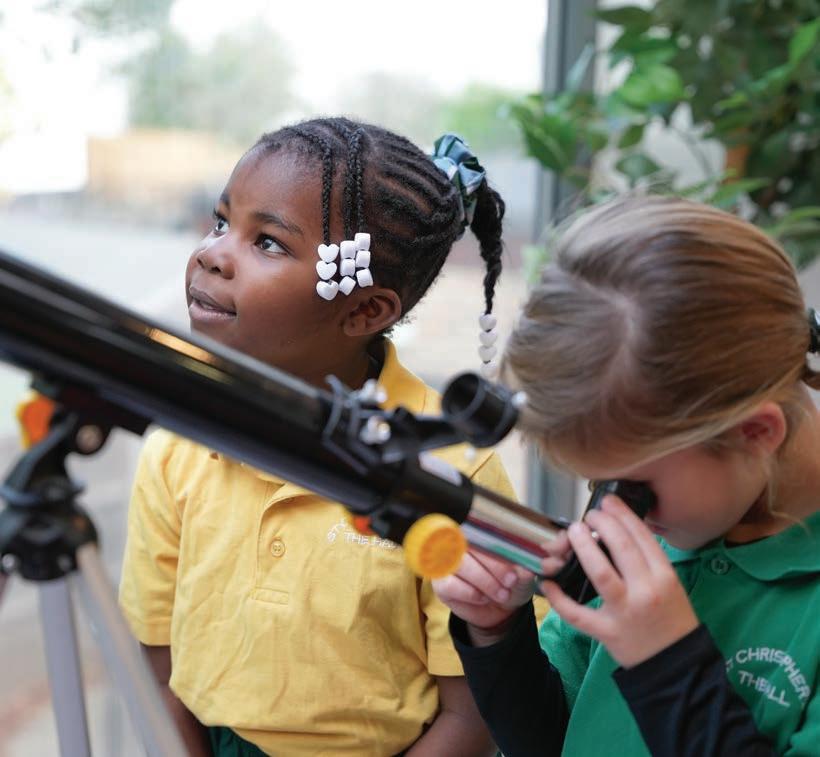
Every challenge overcome and every problem solved helps children build confidence in their own abilities
St Christopher’s The Hall Head Tom Carter on why the school champions the lost art of letting children learn how to do things for themselves
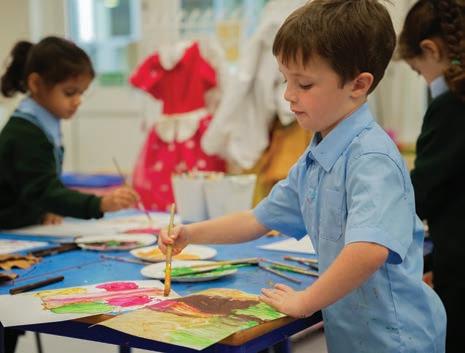
Afew weeks ago, I watched a group of our Year 4 pupils attempting what should have been a relatively straightforward challenge – changing a duvet cover. There was much wrestling with corners. There was confusion about which way round it should go. There were children confidently declaring they knew exactly what they were doing before becoming tangled somewhere inside the duvet itself. What struck me wasn’t that they couldn’t do it perfectly. It was how much they enjoyed being trusted to try.
In education, we spend a great deal of time discussing academic outcomes, technology, assessment and future careers. All of these things matter. Yet I sometimes wonder whether one of the most important
things we can teach children is becoming increasingly rare: independence. Many children today are growing up in a world where adults can solve problems instantly. A forgotten PE kit can be delivered before lunchtime. A disagreement with a friend can be referred to an adult before children have attempted to resolve it themselves. A challenge can be removed before a child has had the chance to overcome it.
Of course, this comes from a place of love. Parents and teachers want the very best for children. However, sometimes our instinct to help can unintentionally deprive children of the experiences that help them grow.
At St Christopher’s The Hall, we believe education is about much more than academic achievement. Excellent grades are important, but so too are confidence, resilience, adaptability and self-belief. We want children to leave us not only knowing things, but knowing they are capable.
Can they organise themselves? Can they solve a problem when an adult is not immediately available? Can they recover when things do not go to plan? Can they communicate confidently and work as part of a team? These are life skills, and life skills are developed through experience.
That is why we place such importance on opportunities beyond the classroom. Through productions, residential trips, leadership opportunities, charity projects and our Horizon Project, children are encouraged to take responsibility, make decisions and step outside their comfort zones. Sometimes they succeed immediately. Sometimes they don’t. Both outcomes are valuable. Every challenge overcome and every problem solved helps children build confidence in their own abilities.
The world our children will inherit is changing rapidly. While knowledge remains essential, qualities such as creativity, resilience, communication and adaptability will become increasingly important. These qualities cannot simply be taught. They must be practised.
Perhaps that is why the sight of a group of children battling a duvet cover felt so significant. It wasn’t really about bedding at all. It was about perseverance. It was about teamwork. It was about problem-solving. Most importantly, it was about confidence. Because confidence grows when children discover they can do something di cult. And often, they discover that ability when adults step back just enough to let them step forward.
Perhaps the greatest gift we can give children is not always making life easier for them. Perhaps it is helping them realise just how capable they already are.
OPEN DAY Saturday 10th October stchristophersthehall.org.uk
As more parents weigh up their options, Nathaniel McCullagh considers the long-term value of a prep education and the areas in which it may be most value added
For many parents, paying for independent school for their child’s entire education is no longer an option. With the inclusion of VAT, average day fees are now around £19,000 a year or £50,000 for boarding, but this is an average. Many top schools charge far more – for example, Brighton College charges more than £19,000 a term for UK sixth-form boarders. In e ect, this would mean spending somewhere between £350,000 and £700,000 on independent schooling through nursery, prep and senior school – for one child.
Unsurprisingly, a significant minority of families are now considering independent school for a set period. For example, applications to sixth forms have remained strong despite fee increases, as parents choose to make financial sacrifices for two years. As more families mix-and-match state and independent, the question then becomes, what age to prioritise?
Many parents might consider it sensible to focus on senior and sixth,
particularly as this covers o public exam years. They may also believe that home environment and family support can have a bigger influence on children when they are younger, but as they become teenagers their peer group matters more.
It would be an oversimplification to assume that independent education in the earlier years (to Year 6 or Year 8) is a luxury, with the greatest value added at senior level. If, say, you live in the catchment area of an academically rigorous senior grammar but a poor-performing primary, then the opposite may well be true.
Local situation plays a key part in such decisions, but there are also general reasons why independent education through the formative prep years delivers long-term value and may be of particular benefit to some children.
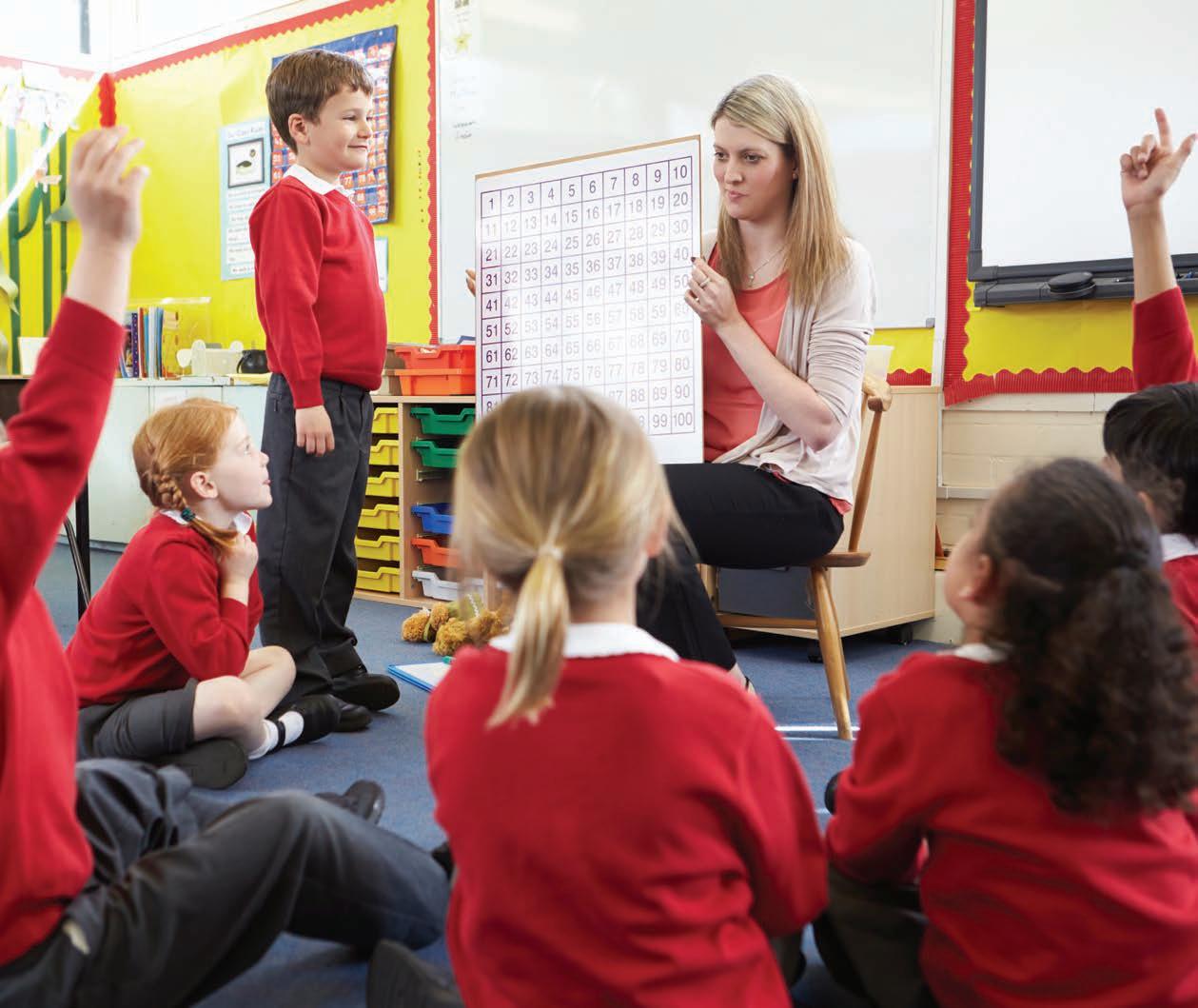
Prep schools typically have smaller class sizes, more specialist teaching, excellent facilities, high expectations for academic achievement and behaviour, varied extracurricular activities and outstanding pastoral care – including
before and after school hours.
Prep settings are often idyllic, too. For example, Sunningdale School, near Ascot is set within 25 acres and boys can go fishing, mountain biking, climbing and camping. More rural still, at Pinewood School in Wiltshire there are 84 acres and pupils can ride and go clay-pigeon shooting.
Preps provide both breadth and depth of experience. Annie Gent, Head of Sherborne Prep in Dorset, notes that senior school Heads, “really value the children who come on to them from us – their willingness to get involved in school life, their excellent education grounding across all subjects, and their quiet confidence, sense of community and maturity”.
At Sherborne Prep, pupils are o ered more than 130 di erent enrichment opportunities each term. Children play sport every day of the week (by contrast, state primary schools may o er as little as one lesson of PE a week), and every day pupils have a co-curricular lesson – whether that be Art, DT, Music, Drama or project work. The children can also experience

“AN INDEPENDENT PREP CAN REALLY COME INTO ITS OWN FOR BOTH ALLROUNDERS AND THOSE WHO SIT IN THE ‘MIDDLE’ OF THE ACADEMIC SPECTRUM”
musical theatre, Dragon TV (their own TV show), podcasts, junk modelling, textiles and a range of other academicchallenge activities – all of which are simply not possible at most state primaries. “Children make remarkable progress here and develop a love of learning that will set them in good stead for the rest of their education, wherever that may be,” adds Annie Gent.
State primary schools can work well for confident independent learners who find the three Rs relatively straightforward. At the other end of the scale, those with severe learning di culties (critically,
children with an Education, Health and Care Plan – EHCP) get one-to-one help, and so can also be well-supported.
However, an independent prep can really come into its own for both all-rounders and the many children who sit in the ‘middle’ of the academic spectrum. In a typical cash-strapped primary, it is easy for ‘middling’ or quieter children to be overlooked. An overstretched primary school teacher, trying to instruct a mixed-ability class of 30 with a range of educational and behavioural needs, may simply not be able to adequately support or stretch those students who are not obvious over- or under-achievers.
By design, an independent prep school can help your child get a place at a top secondary school. Most parents are already aware that prep schools are excellent at readying students for the demanding entrance tests to academically selective independent schools, but they can also give students the best possible chance of moving on to a non-fee-paying selective school. For example, Gayhurst Prep in Buckinghamshire sees about 40% of its leavers head to one of the popular local grammars, while Holmwood House in Essex loses half its pupils after Year 6 to Colchester Royal Grammar and Colchester County High. Preps such as these help to prepare students for the rigours of the 11+ exam and senior life, but in a way that is less pressured than the Standard Assessment Tests (SATS) of state primaries, which are invariably much more about teaching to the test.
“TEACHERS AT INDEPENDENT PREP SCHOOLS ARE SPECIALISTS BOTH IN TERMS OF SUBJECT AND AGE GROUP”
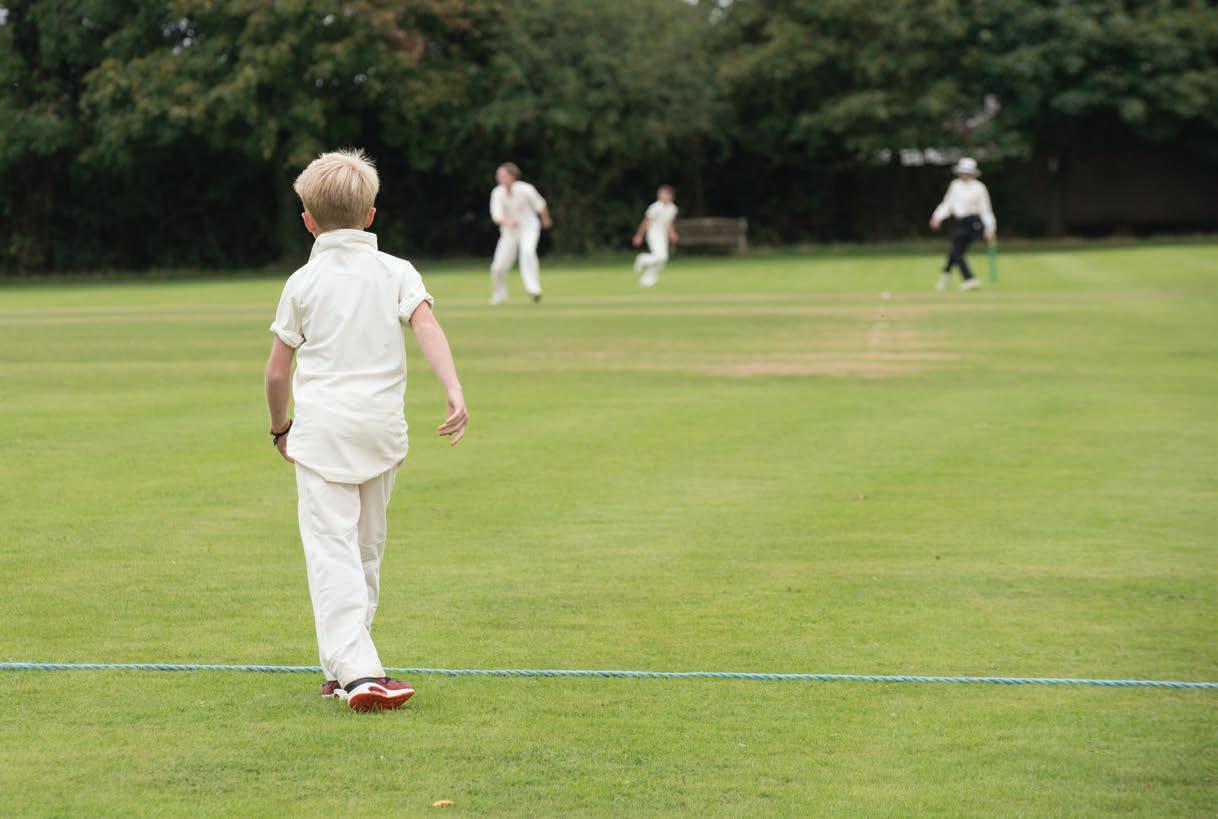
A critical benefit of the classic prep school – educating children from 7 to 13 – is that it gives children an opportunity to stay in primary education, Those extra two years allow time to mature and enjoy a more carefree school existence for longer. Once children are in secondary school, immersed in the world of adolescence and surrounded by much older pupils, some innocence and confidence can be lost.
Christine Cook, Head of Kitebrook
School in the Cotswolds, points out that Years 7 and 8 in a prep school are valuable for o ering plenty of leadership opportunities. “Students here have lots of chances to be role models to the younger pupils – for example, being a prefect – and can also excel in lots of areas, such as being a Scholar in an academic subject,” she says.
“As well as helping to extend their childhood and hold o the pressures of teenage life for a little longer, it can really build up their confidence. For some

students, moving to secondary school at Year 7 can make them feel like a very small fish in a very big pond, and force them to grow up very quickly.”
It’s also worth noting that teachers at independent prep schools are specialists, both in terms of subject and age group. At secondary school, teachers are often incredibly busy prioritising A-level or GCSE classes, or spending time writing references or assisting with university personal statements, and so Year 7 and 8 classes can sometimes be a bit of an afterthought. At prep schools o ering places up to 13, these year groups are the top of the school. In many respects, they are the priority.
Despite prep schools’ many attributes, this may not be the right route for every child. Ultimately, it comes down to family circumstances, local options and your child’s strengths and personality. There are opportunities outside school that help to add breadth and depth. In particular, working with a tutor can be invaluable for parents considering the independent school route for senior years but nervous about the academic leap required. Tutoring represents an accessible investment to help ensure that, wherever your child spends their senior years, they can thrive
* Nathaniel McCullagh is founder and director of Simply Learning Tuition. simplylearningtuition.co.uk
Our experts answer your questions on teenage volunteer roles and finding a tutor for a child who struggles to focus





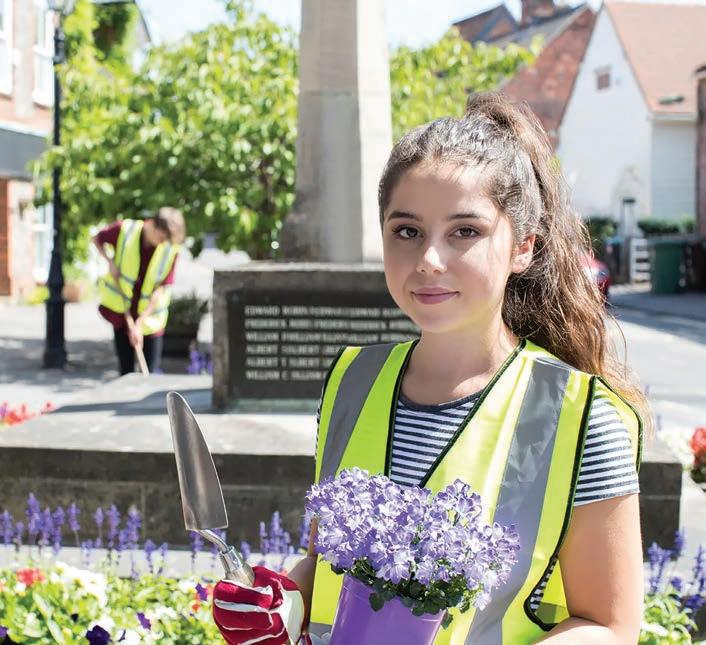
Qscheduled roles associated with more traditional volunteering.
Your daughter can search for roles using a number of filters. There are 14 di erent cause areas, from animal welfare or environment and conservation to community and neighbourhood and sport and physical activity. Or she can simply put in her postcode to see what local opportunities there are within the community.
employment prospects. It can present opportunities to learn and hone both soft and hard skills that can strengthen applications. Volunteering itself demonstrates an ability to dedicate yourself beyond studies, which can also help make a CV stand out.
Director of Volunteering, Royal Voluntary
My teenage daughter is keen to do some volunteering, both to add to her practical and social skills and do something useful. Can you advise on where to start?
ATeenagers and students can benefi t hugely from volunteering, but unfortunately not knowing where to start has been a common barrier to entry for many years now. Last year, Royal Voluntary Service launched a digital volunteering platform, GoVo, to make volunteering more accessible for all.
GoVo can connect young people with bite-sized opportunities that fit in easily with studies and social life, and so is a great place to start. There are currently more than 10,000 opportunities live from over 1,700 charities of all shapes and sizes – so there should be plenty for her to choose from. Roles include everything from remote tasks or flexible local volunteering to longer-term
There is so much to be gained from volunteering our time, especially for the younger generations. At Royal Voluntary Service we believe volunteers should get as much out of volunteering as they put into it. We have done considerable research into the benefits of volunteering, and consistent themes include improved mental health, wellbeing, social connections and – for those who choose a role that gets them out and about – improved movement levels and physical health too.
Many of the wellbeing benefits come from the sense of fulfilment, achievement and purpose volunteers feel. It’s definitely a two-way street and it’s great to know you both recognise that and that your daughter is keen to reap the rewards of volunteering.
For teenagers and students who are looking ahead and preparing for the competitive job market, volunteering can improve social mobility, life chances and
Our research found that 34% of 16 to 19-year-olds reported that volunteering helped them get their first job. And almost 40% reported improved confidence and communication skills, which is unsurprising as volunteering is a brilliant way to meet new people and expand your social horizons.
There are lots of fun, unique and even quirky roles available that I think many people would be surprised to hear of – from social media, vlogging or gaming volunteers to theatre, festival and sports event support, and even crafting, gardening and hairdressing.
GoVo can be used by people aged 14 and above, and you can filter opportunities by age requirements, too. Of course, another great route into volunteering is to visit local volunteering centres to discover a range of opportunities within your area. I’m confident that, especially with your support, your daughter will find a volunteering role that enables her to give back, to develop her skills, and to enjoy.
GoVo.org
“Our research found 34% of 16 to 19-year-olds reported that volunteering helped them get their fi rst job”





Director of Client Engagement, Simply Learning Tuition
QMy son is academically able but has focus issues.
I'm keen to get him extra support via a tutor, but I'm not sure how he'll take to it – especially if it's online. How do I go about finding the right match?
AI must have heard this a thousand times, and indeed, it rings true for one of my own teenagers. As a parent, it is incredibly frustrating when you can see that your child is bright and quick to catch on but can’t stay focused. The great news is that good tutoring will not only help prepare your son for key assessments but also boost his self-confidence and develop key executive functioning skills – the ability for him to maintain focus. Talk to him first, so he feels included – he may be relieved at the o er of external support. Then find a reputable private tutor to work with. I say reputable very purposefully. This means a professional who knows the curriculum, understands what your child needs, and has experience of working with young people who need the right approach to engage their brains. There are now many tutors who are skilled in

teaching children for whom focus and executive functioning skills are an issue. Here is some guidance to help you find the right fit.
Let go of your preconceptions
You might be surprised by what works for your child, so try to start the process of finding a tutor with an open mind. Many people believe inperson tutoring to be ‘superior’. This just isn’t the case.
Look for skills, not just knowledge
Getting started and being overwhelmed by the thought of an assignment are often the main challenges for easily distracted students – it is not necessarily about the lesson content.
Perhaps look for a tutor who has experience working with children who are easily distracted or have ADHD. The key is to break down the work into bite-sized chunks, with regular praise and brain breaks.
your child
A good relationship between child and tutor is vital. If they like them, they will engage far more. Allow your child to be part of the interview process and meet the candidates online – even if just for a few minutes to say hello and then listen in.
Embrace fun and games
With the right tutor, sessions will be active, fun, and perfect for keeping an easily distracted mind engaged. Good online tutors use creative tools such as interactive whiteboards, educational games and quizzes, short videos and pictures. All these elements add fun, embed knowledge in di erent ways and vary the pace.
Consider lesson structure
An hour sitting still can be counterproductive for a child with focus problems. Easily distracted children need shorter bursts with brain or movement breaks in between. Ideally, an hour’s lesson would be split into sections – say, two 20-minute lessons split by brain and movement breaks, then a final five minutes reviewing the lesson and follow-up work for the next one.
It is important to be honest from the start about your child's issues –that way you will be more likely to find a good tutor match. Don't expect miracles – the relationship takes time to build. But by choosing the right tutor, you can turn lessons into something your child looks forward to, as they build self-confidence and make academic progress.







Minibus routes available in your area
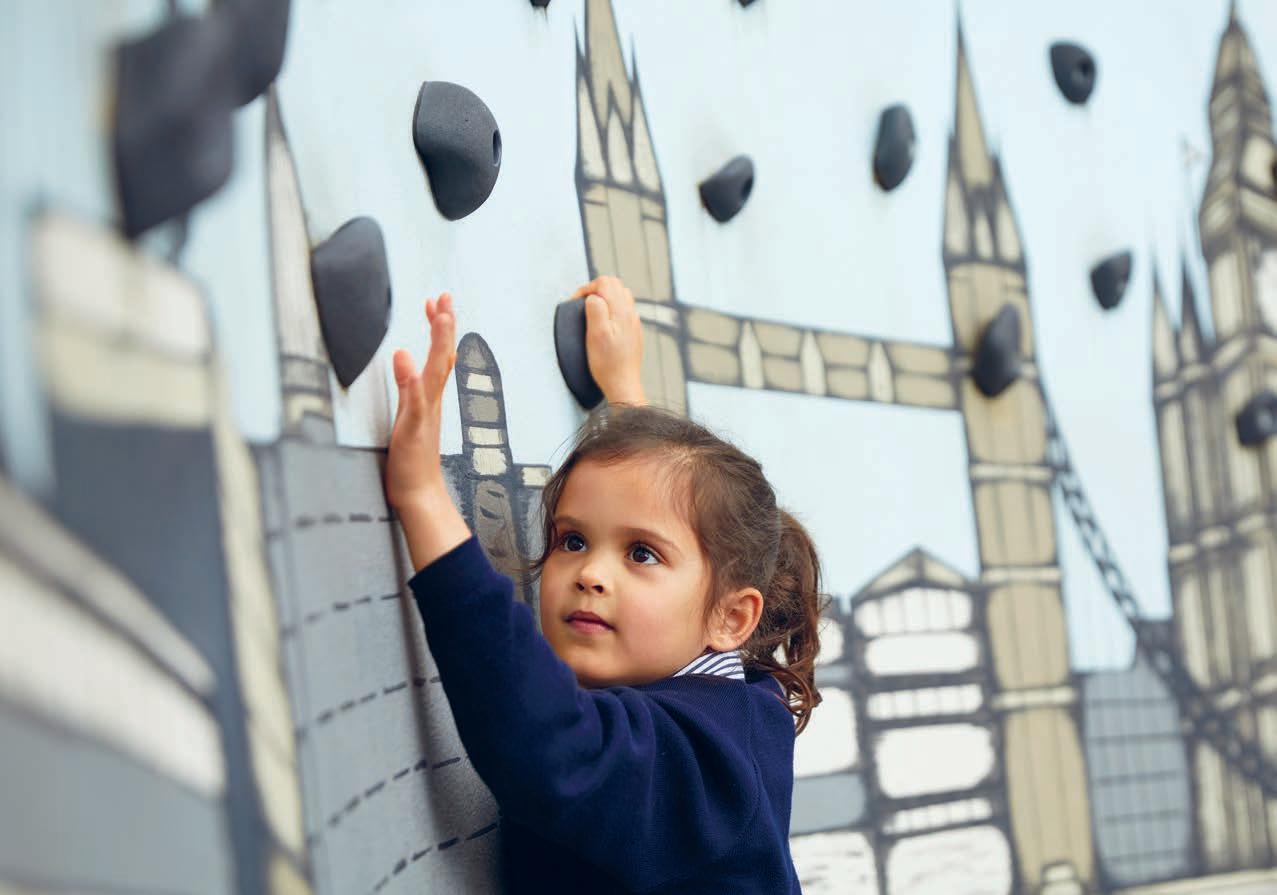
With an outstanding curriculum, specialist teaching in French, Music and Sport, and our own Forest School, our girls can dream big, discover their passions, and learn without limits.
Book a Nursery and Reception Stay & Play session at our Junior School Open Morning: Saturday 26 September 2026 or visit www.blackheathhighschool.gdst.net/admissions/open-mornings
GRAND PLAN P 64 EPIC ADVENTURE P 66 LIVING MUSEUMS P 70 PARENT POWER: TEAM TALK P 82

SETTING SEEDS
Poonam Mistry's enchanting tale about a bear with big ideas. See page 58
READ

by Dr Sheila Kanani illustratedby Ellen Surrey NOSY CROW, £14.99
Created in association with University of Cambridge, and fact-checked by its scientists, this book delivers 25 experiments to try, as devised by inspiring minds through time. Young boffins can measure volume like Archimedes, find the centre of gravity like Sir Issac Newton or create static electricity like Nikola Tesla. Or they may prefer to grow mould, create perfume, make crystals, create a rainbow or mix invisible ink. Clear descriptions of the original experiment and step-by-step instructions for a DIY version are supported by a glossary of terms at the back.
From a magical bear and an exciting science primer to football tactics and a very needy ghost, our pick of great summertime reads
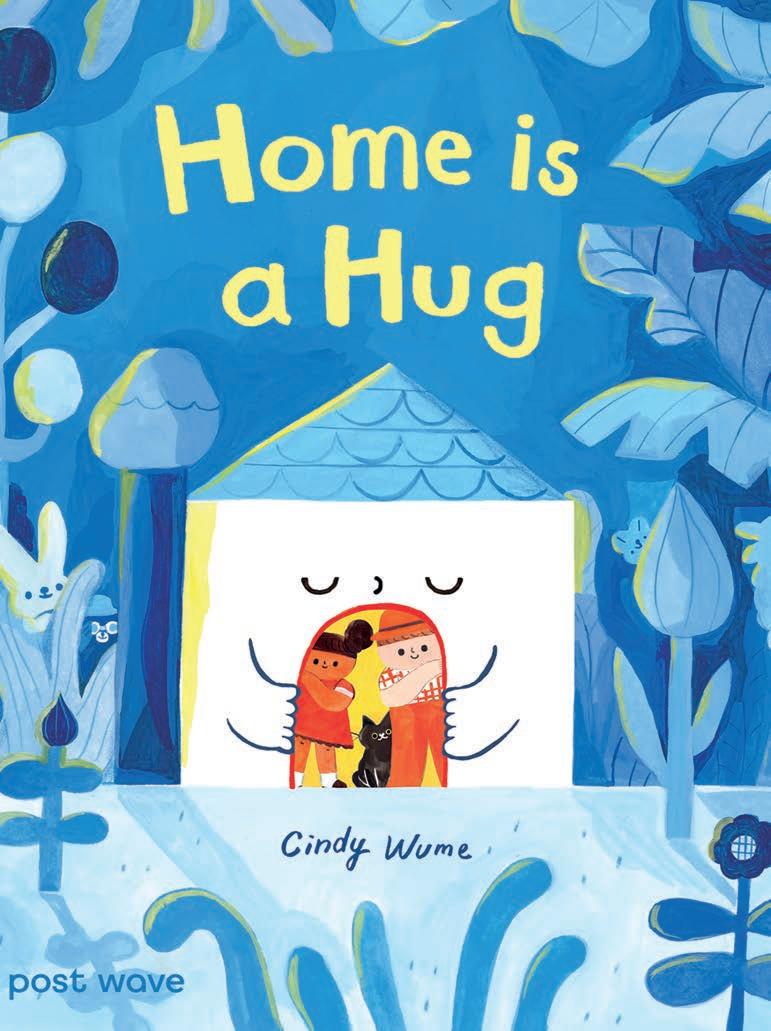
by Cindy Wume POST WAVE, £12.99
This picture book for very young readers is created by Taiwan-based illustrator Cindy Wume and considers the meaning of home. She explores di erent styles of home – humble and grand – and describes all that happens there, from comfort in dark times to arguments and making up –and the place where our own story starts. The illustrations include lovely 'lift the flap' and 'windows' elements to carry readers on through the narrative. And the author's conclusion is that home is something we carry with us, wherever we go, and can return to for love and belonging.
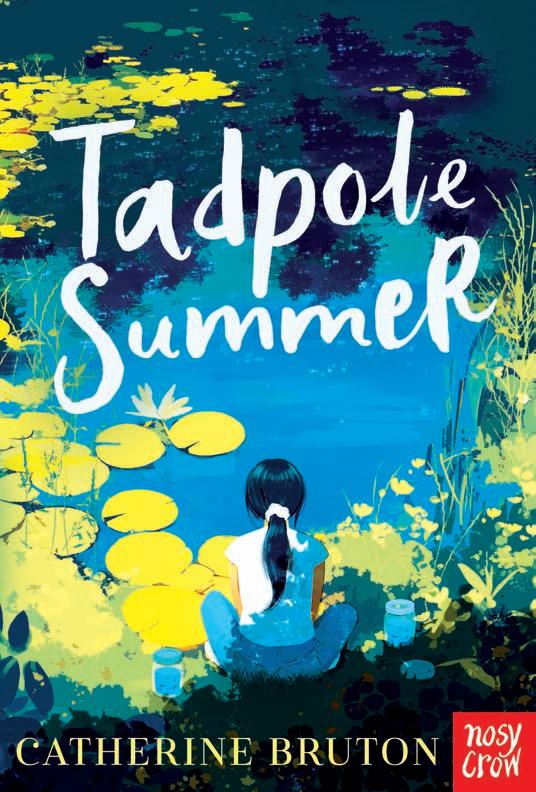
by Rong Rong
NOSY CROW, £7.99
This book centres on monsters who aren't scary at all, although they are rather unusual. Twiggy the Log Monster is planning a sleepover party in her garden and all her friends are coming. She wants it to be perfect, no help required. But when Ralph the Pu erfish Monster comes to help it all starts going very wrong. Fun illustrations and an endearing cast ensure the story romps along. It's a great introduction to chapter books for newly independent readers, with detailed illustrations to take you right into Jolly Monster Town.
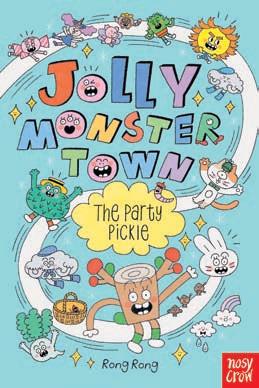
by Catherine Bruton
NOSY CROW, £7.99
The author of Bird Boy returns with a story about love and the healing power of nature. Frog has always known Tad is unwell, but it has never stopped their close relationship. When her brother goes to hospital, she can no longer bear sleeping in their bedroom. She starts camping out in the garden, finding unexpected calm in nature. Tad returns home with a room full of hospital equipment – meaning there's no space for Frog. Knowing that they might be running out of time, she decides she must make this an unforgettable summer.
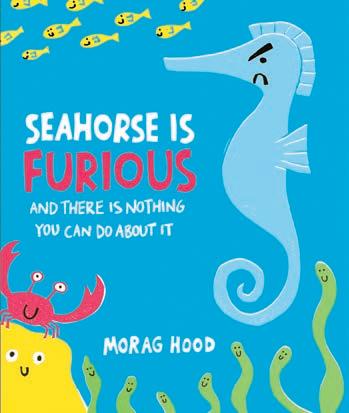
by Morag Hood SIMON & SCHUSTER, £7.99
This book is about waking up on the wrong side of bed, or in this case, ocean. Seahorse wakes up and stubs his tail. He doesn't want to cheer up so nobody can help him – he especially doesn't want a hug. Over the course of the story, he refuses to crack, even faced with his favourite snack, cut into four pieces on his favourite green plate. A happy ending makes this a great reminder that everyone is grumpy sometimes, and we all get over it, with a little nurturing from friends.

by Poona Mistry
Greenaway PrizeShortlisted Poonam Mistry has created a lavishly illustrated folktale about a little bear that lives in a bountiful forest until, one day, the lush trees and greenery are gone and all the animals flee. Bear sets out to recreate this habitat, finding and nurturing a seed to ensure it grows and seeking advice from passing animals. Then it's time for him to hibernate, so will the seed survive? Rich colours and spare text make this a wonderful read-outloud choice – with superb illustrations to enthral very young readers.
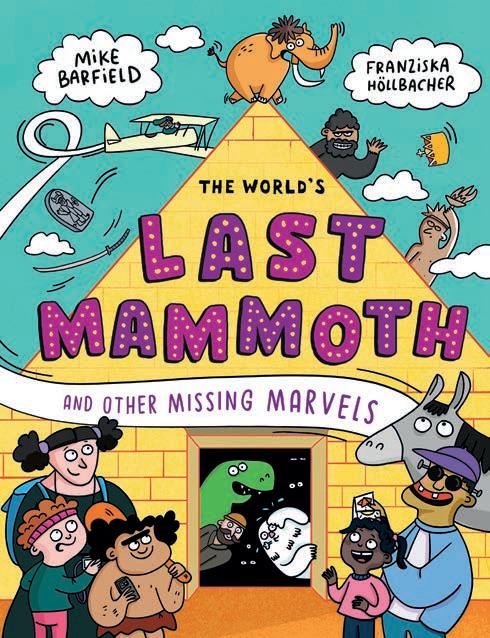
by Anne Montel and Loïc Clément illustrated by Julien Arnal POST WAVE, £12.99
The first of a delightful new series, translated by Charis Ainslie, centres on Mabel – a tortoise who is terrified of the dark. She spends a lot of her time dreading the sun going down and fearing what darkness will bring, but should she do what the rest of her family do and hide in her shell? When a friendly firefly Merryglow comes to tea, he begins to support her, guiding her way and teaching her that she can embrace the darkness, and also stop feeling ashamed of her fears.
by Mike Barfield
illustrated by Franziska Hölbacher TEMPLAR BOOKS, £10.99
Mike Barfield is back, with another round up of wonders of the world. Children can explore the stories behind Big Foot and Nessie, as well as missing people – from Genghis Khan to Amelia Earhart – and the great places and inventions that are no longer around. Packed with information, and plenty of jokes, it's a great choice for children who love fascinating facts, theories and unsolved mysteries. There's even a spread on whatever happened to the Neanderthals. Franziska Hölbacher's illustrations and the graphic style are enticing, even for reluctant readers.
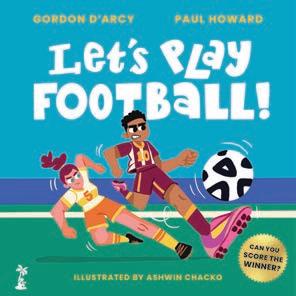
3+
by Gordon D’Arcy and Paul Howard illustrated by Ashwin Chacko LITTLE ISLAND BOOKS, £9.99
Irish rugby star Gordon D'Arcy and author and former sports journalist Paul Howard have teamed up to deliver a book to inspire young footballers on match day. Beginning with warm up exercises they will probably want to try, it moves through the game right down to the final winning goal and post-win victory dance. Vivid illustrations by Ashwin Chacko add to the fun, although footie purists might raise an eyebrow (or two) about the advice to ham it up on the floor to ensure a free kick after you've been fouled!
9+

The author of My Brother is a Superhero is back with a tale about control. fear and courage. Alfie and Margot Hawthorne have grown up under Ministry of Manners rules – always be polite, never answer back, know your place. It's the law, so one wrong word can land you in Manners Retreat where your identity will be erased. Alfie knows how to stay safe, but Margot ends up taken. That's when Alfie joins the Unsilenced, a group that dares to speak out, in order to fight for his sister and to create change. by David Solomons illustrated by Hazem Asif PICCADILLY PRESS, £7.99

by Christie Mihaly
Illustrated
by
Marta Sevilla BAREFOOT BOOKS, £14.99
Subtitled '...And What Really Happened', this book takes a look at some of the great stories the USA was founded on – from Christopher Columbus' discovery to the US Constitution. Worth noting that the author lives in Vermont, so has an insider's perspective on how such stories have been handed down, and alternative narratives. A blend of bold illustrations and infographics –including True or False cards to reveal the answer – make this a useful resource for young historians that also raises questions around bias, source checking and critical thinking.
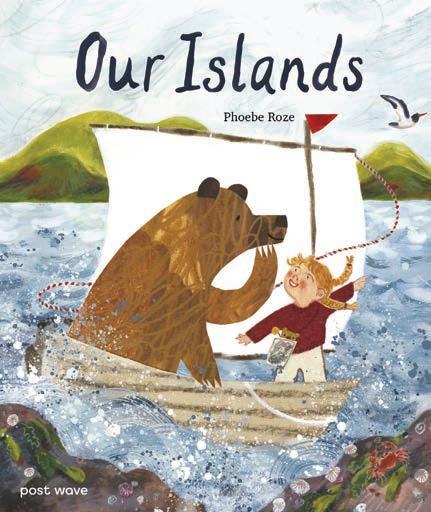
by Phoebe Roze
POST WAVE, £12.99
by Sophy Henn SIMON & SCHUSTER, £7.99
The wonderfully talented author of Bad Nana has come up with a very funny book about Big Ghost, who has decided they want everything. Little Ghost tries to help out, guiding them through all the things that might not be so enjoyable, such as spots, an octopus as a hat, a hungry lion, soggy cereal or infinity mushy peas. Whittling down to wanting nothing at all, Big Ghost eventually realises that what's really important is to have is a friend who can help them out in a pickle and give them a hug. I WANT EVERYTHING
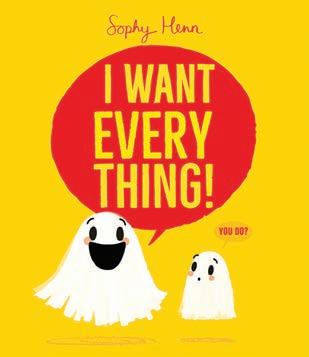
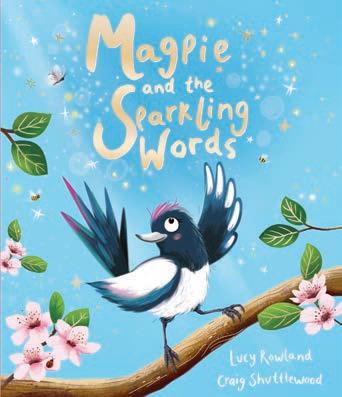
Scottish author-illustrator Phoebe Roze is inspired by landscapes, and in her first book she tells the story of Bear, happy on his little island, the only home he knows. One day he is swept away by a storm while swimming. Washed up on unfamiliar shores, he's discovered by Isla. She decides to help him get home and so they set sail to find his island. The book is beautifully drawn – with evocative island landscapes – and introduces themes around friendship, discovery and finding our way back home. 3+
by Lucy Rowland
Illustrated by Craig Shuttlewood
TEMPLAR BOOKS, £7.99
Speech and language therapist Lucy Rowland has created this rhyming book about Magpie, resident of a magical forest who falls in love with the words of her fellow woodland creatures and starts to steal them. Eventually, the animals stay silent so their words can't be taken. When Magpie's nest is destroyed, sending her word treasures back into the forest, she learns the lesson that it is unity and sharing language that makes it sparkle. Vivid illustrations by Craig Shuttlewood, and a whole host of exciting new words, make this a lovely read-out-loud choice.

Becoming a children’s author in your 20s is no mean feat, but Will Hamilton-Davies honed his ear for writing as a reader of bedtime stories, and kept on going until that grand plan was realised
Any author can tell you that finding your writing voice is the first hill to climb, and the second is finding an agent and a publisher to believe in you. Will HamiltonDavies has achieved all those things, still in his mid 20s. He is modest about it. “I should say, a lot of stars had to align for The Mole And The Mound to get published,” he says. This is actually his second book. His first was self-published – and pretty much selfdistributed – after a crowdfunding round at the grand old age of 22. He recalls standing in a cheese shop trying to persuade them to put a poster about the book in their window, and then being amazed when they actually said yes. After that came what he thinks of as his really lucky moment. “I had already sold several thousands copies of The Shrew With The Flu (more or less by hand), when I entered The Mole And The Mound into my first competition,
and, by some miracle, got shortlisted.” This then led on to o ers from publishers and he found his agent. “By another stroke of fortune, Post Wave Children’s Books was on the hunt,” he adds. “And the rest was history.”
His second book is an endearing tale about a most determined mole constructing a place underground he can call his own. His friends, Bird, Beaver and Bee, can’t see what’s under this muddy mound and show o their superior housebuilding techniques. It’s only when a huge storm breaks, and shatters their nest, lodge and hive that they venture down Mole’s ‘great, grand hole’ to seek shelter – and find a veritable des res, full of sophisticated home comforts.
As with any good picture book, the illustrations share in telling the story. Will Hamilton-Davies worked very closely with illustrator Kasia Fryza to capture both the characters and the amazing home underground – a delightful reveal for young readers. “Mole’s ever-expanding system of tunnels – complete with home-gym, kitchen and bathroom – is quite exquisite, isn’t it!” he says.
The fact that Will Hamilton-Davies gravitated towards writing so early is surprising when you consider he was a reluctant reader as a child. He says this came down to lack of confidence. “My reluctance to read was more of a symptom of a lack of confidence and a fear of competing with other (much more capable) readers. A more confident child would probably have channelled their curiosity towards the one place known for being great at answering questions – books,” he says. It has had a lasting impact. “I’m always thinking about how I can help readers solidify a sense of confidence, as it’s confidence that creates children capable of picking up books and using them to get from A to B.”
Another vital aspect of Will HamiltonDavies’ journey as a writer came from his family. Growing up in a village outside Bristol he was the middle of three boys. Then, just around his teens, the family dynamic shifted. Another brother and two sisters came along – so he was now one of six. “It was reading those three much younger siblings picture books at bedtime that really opened me up
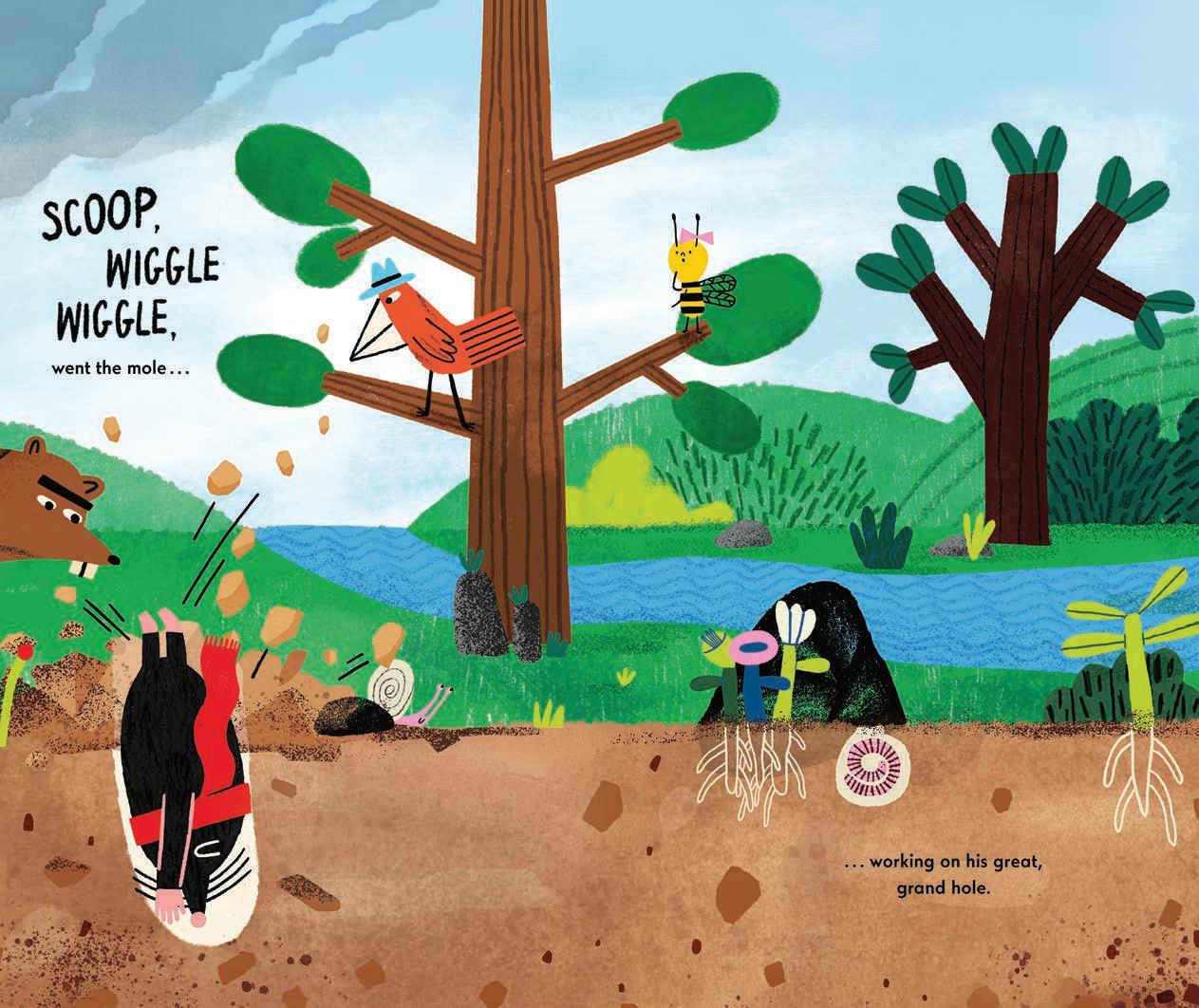
“IT WAS READING THOSE THREE MUCH YOUNGER SIBLINGS PICTURE BOOKS AT BEDTIME THAT REALLY OPENED ME UP TO HOW INCREDIBLE THEY ARE AT PACKAGING UP THE WORLD”
to how incredible they are at packaging up the world and helping you understand quite complicated ideas in really simple ways.”
This fired up an idea of becoming a writer. His stepmother was the first to encourage him to give it a try. Then, while he was studying journalism at Newcastle University, a “formidable” retired primary school teacher – his best friend’s grandmother –told him he had something and gave him further encouragement to keep going.
Will Hamilton-Davies credits his siblings for shaping his journey, too. “It certainly means I’ve read a lot of picture books,” he says. “I can say that I often think about my
siblings when I’m writing stories.” And the whole family have been invaluable supports as ‘critical readers’ – even down to the science behind the story. “My youngest brother spotted an error in the way I referenced the construction of Beaver’s lodge in The Mole And The Mound, which led me to reword a section to make it more scientifically plausible.”
He likes to write in rhyme, and has thought a lot about why this is so e ective for picturebook audiences. “Rhyme is a pattern that we can all get on board with, that kind of tells us what is going to happen next with the words in the story,” he says. “We can start guessing at what words are coming next, and we can
start to be an active participant in the story. The flipside is that, because it is also a little bit more predictable and it has boundaries in a way that a prose picture book might not have, it makes it feel a little bit safer.”
Rather like Mole in this story working on his ‘great, grand hole’, Will Hamilton-Davies has put his head down, honed his skills, and shown how persistence can lead to grand results.
“It does feel like a big achievement but also it feels like that is totally down to having other brothers and sisters and people around me that have been really encouraging since the start.
“What I’ve found is that the more passionate you are about something and the more willing you are to go out into the world and talk to people about those ideas, or those things that you’ve created, the more people are actually willing to support you.”
The Mole And the Mound And The House Underground, written by Will Hamilton-Davies and illustrated by Kasia Fryza, is out now in both paperback and hardback (Post Wave, from £7.99).

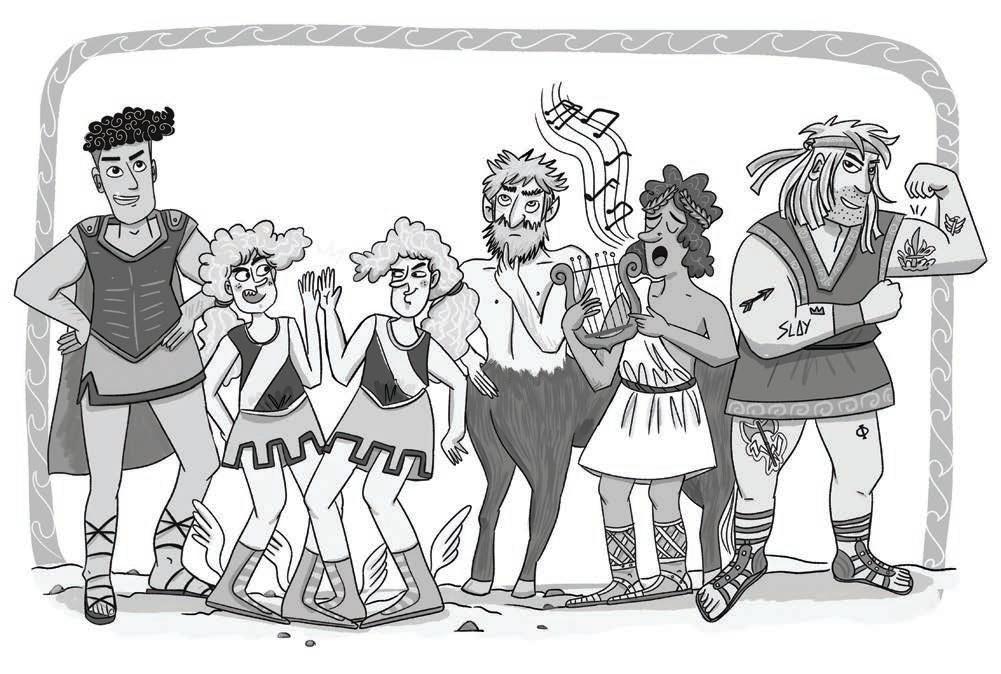

While Jason and the Argonauts is not famous for laughs, Clare Pollard has delivered a funny and gripping take on the myth to delight middle-grade readers
How do you solve a problem like Medea?
It's one of the reasons Clare Pollard believes Jason and the Argonauts is a story that hasn't been retold for a young audience in a while. But it's a challenge she decided to take on, in part because it began her lifelong fascination with the myths and legends of Ancient Greece. "I think for me the starting point was seeing the movie of Jason and the Argonauts when I was a kid, which is why the story means so much to me. I absolutely adored it."
The result is The Othernauts, with adventure, characters to love and – it has to be said – a slew of epic jokes about the weirder aspects of the tale and the lives it describes. The time felt right because Clare Pollard now has her own middle graders as inspiration. "I've got children who are nine and 12, so middle grade is right in the zone." And there is, she admits, a little bit of their sibling dynamic in central characters Phoebe and (plot spoiler) her twin brother Perry.
This is an author who has worked across genres and age groups – from The Weather, a play that premiered at the Royal Court, to poetry, adult fiction and non-fiction, plus
a new translation of Ovid's Heroines that she toured as a one-woman show. "I've always love writing everything, really."
Her book Fierce Bad Rabbits was an exploration of the sometimes dark and sinister elements of children's stories. "I take children's literature very seriously," she says. "I think we should all take children's literature seriously and think about what stories we're telling them. These books completely shape our imagination and often shape our moral code, our sense of what's possible in the world." Now with two children of her own, she's been reading a lot of middle-grade stu and believes the biggest mistake
a writer can make is to underestimate the audience. "Your storytelling needs to be just as good, your descriptions just as evocative, your characters just as rounded, your jokes just as witty."
In The Othernauts, there's no dumbing down in the language, and she shows the same respect for the wit of a child audience as an adult one, albeit with some thought about the grislier bits of Greek myths. "There is dark material in them that you have got to handle quite carefully. But I just love the idea that I'm telling a story to children that is a version of the same story told to children thousands of years ago. I find that just incredible," she says. "I really love reinterpreting these myths and trying to make them relevant now."
Medea, that problem character, is handled rather beautifully. "I had quite good fun making her into a Goth teenage witch," she says. From her first stomping and slamming entrance after she's taken a night o from the shrine (where she spends her time making potions and sundrying shrews' hearts), she's riveting and ghastly in equal measure. As Phoebe puts it: 'I thought she'd be cooler than this'.
The seriously cool character in The Othernauts is Phoebe, who is also incredibly funny. What's not to love about a heroine who starts out telling us how deeply bored she is, with only a wicked stepmother and poisonous flowers for company on the dust-smothered and man-free island of Lemnos. She certainly doesn't want to be a boy – having been educated in man hating since she was small – but she wouldn't mind a change of scene.
"I really wanted Phoebe to be that cynical, sarcastic character," says Clare Pollard.

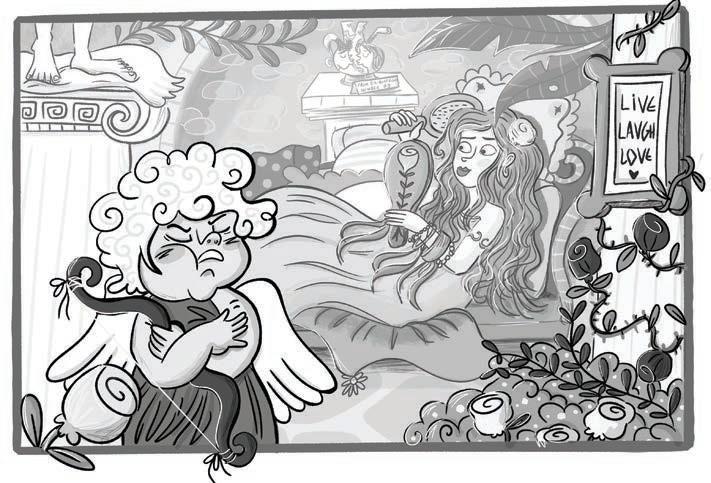
Here, she admits, she was influenced by her own children and the way they crack jokes – part of the shared language of home. "We all really love that deadpan humour." She believes jokes are a hook for this age group, as long as they are actually funny, but she had the perfect judging panel of two. "Children are a particularly good audience to test jokes on. A joke will fall absolutely flat – it's humbling," she says.
There's no doubt that audiences – boys and girls – are going to enjoy the polished humour in a story that treats a dark myth with lightness. Clare Pollard thinks the Greek myths endure because they have a plot that's for everyone. "What's so appealing about Greek myths – and the same is true of fairytales and a lot of these traditional tales – is that they weren't aimed at children. There wasn't such a thing as childhood in those days. It was literature for everybody."
She's looking forward to taking The Othernauts into schools – where she already does a lot of work with The Poetry Society – because she already knows there's a keen audience. "The couple of workshops I've done so far, it's been hard to get a word in edgeways because children start giving me blow-by-blow accounts of The Odyssey – they get geeky about it!"
She'd like the workshops to cover something else the Greek myths gave us. "I think the Greeks invented the shapes of stories – the stories that we still tell now," she says. "One of the things I'm going to be
asking is, how does a story work?"
The good news for readers who get behind Phoebe and Perry is that they ride o into the sunset in search of another adventure. The second book is well into production – no plot spoilers but expect monsters, a fiendish female and other typical hazards of ancient times. Clare Pollard is delighted because these are two characters she isn't ready to let go of quite yet. "I'm fond of Phoebe and Perry. It's really nice to take them forward into another story and see them grow up a bit."
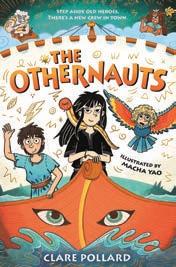
“I JUST LOVE THE IDEA THAT I'M TELLING A STORY TO CHILDREN THAT IS A VERSION OF THE SAME STORY TOLD TO CHILDREN THOUSANDS OF YEARS AGO”
The Team GB sprinter and GB and Jamaica bobsleigh star on challenging schooldays and the supporters who helped him to shine in sport
Where did you go to school and when?
I began my school journey at Lakey Lane School in Birmingham before moving to Coventry, where I attended Woodlands Boys’ School.
What was school like for you?
School was a challenging place for me. I had dyslexia and ADHD at a time when they weren’t widely recognised, and very early on I was labelled as a ‘naughty’ child. That was di cult – especially for my mum, who knew that wasn’t who I was.
Did you love school, or hate it?
I’d say I was somewhere in the middle with school. I enjoyed the social side and got on well with my peers, but in the classroom I was often misunderstood. There wasn’t always the patience or understanding I needed, which made learning more di cult. That said, there were moments – and people – that made a real di erence.
What were your favourite subjects and teachers at school?
In Year 4, Mrs Wright changed everything for me. She allowed me to express myself in ways that worked
– using things like K’NEX and Lego to build and create. Sometimes she would let me stay in during break just to focus on building, and I loved it. I’d make cars, air balloons, really intricate designs. That was where my love of engineering began. More importantly, she helped me get diagnosed with dyslexia, gave me strategies

to read, write and spell – and most of all – she gave me confidence. She took the time to understand me and nurture me and I’ve never forgotten that.
Of course, PE and sports were always my ‘best’ subjects – the ones where I got the most praise. A couple of coaches outside school have been absolutely instrumental in getting me to where I am now – Charlie Kelly at Coventry Godiva Harriers, and MIchael Khmel at Loughborough.
Where was your best school moment?
Funnily enough, a key moment was when I was sitting in detention and picked up a book about Linford Christie – I wasn’t really reading it, I was looking at the pictures. And I remember seeing him standing there, holding the British flag, strong, powerful, proud. And I thought to myself, ‘I want that to be me’. That moment planted a seed.
What was the most trouble you ever got into at school?
As I moved into secondary school, things became harder. There was less time to build relationships with teachers, less understanding, and I fell behind
“I REMEMBER SEEING LINFORD CHRISTIE STANDING THERE, HOLDING THE BRITISH FLAG, STRONG, POWERFUL, PROUD – AND I THOUGHT TO MYSELF, ‘I WANT THAT TO BE ME’ ”














quite quickly. If I’m honest, I struggled throughout most of that period.
I wasn’t expelled but I was ‘managed moved’. Both schools I attended were in Tile Hill, Coventry and I experienced racism. There were things said and behaviours shown that I wasn’t willing to accept. I always tried to handle those situations in the right way but ultimately, instead of addressing the issue, I was the one who got moved. Looking back, it felt like the problem wasn’t being fixed.
What beliefs did your time at school give you?
When I left school, I didn’t have much belief in myself. Deep down, I felt like there was more in me but it had never really been unlocked. It’s sad to say, but I don’t remember many moments where I truly felt proud of myself during that time.
Were you ever ‘too cool for school’?
While I struggled with a lot of aspects of school, I also didn’t take up the opportunities that were there. I didn’t join sports teams – I didn’t step into sport until I was around 16. I didn’t take part in drama or creative activities, even though I would have liked to. Whether I was trying to be too cool or was just shy, I held myself back.
What was your proudest school moment?
One of the first times I remember feeling proud was winning the Coventry 100 metre championships in Year 11. There were a lot of fast athletes there, so to win meant a lot. What made it even more special was that my mum had won that same race when she was younger. It felt like something bigger than just a race – it felt like connection.
When and how did your love sport begin?
PE was always when I got the most ‘well dones’ at school, so in Year 7 I joined Sparkhill Harriers in Birmingham to train outside of school too. When we moved to Coventry in Year 9, I found a new club – Coventry, Godiva Harriers – and continued to work hard, eventually ending up at Loughborough with Michael Khmel. He was my sprint coach first, and also the one that persuaded me to move to bobsleigh, so I have a lot to thank him for.
What other key influences shaped you growing up?
My biggest influence throughout all of this was my dad. I was lucky to have him in my life the whole time. He showed me how to work hard, how to never give up, and how to find solutions when things got tough. He wasn’t involved in sport, but
everything he taught me, I carried into it – and that’s what made the di erence.
What projects and challenges are you involved in now?
Today, I visit over 60 schools each year, sharing these stories with young people. I’ve also recently written a children’s book called Just Be Brave, inspired by my journey. It follows a young boy named Joel as he finds his courage and learns to face the world with confidence.
I’m also really excited to be back at Festival of Sport in Packington this summer. It’s an amazing opportunity for kids from all backgrounds to try out dozens of di erent sports. It’s the kind of thing that could be as inspirational to a child today as that book with Linford Christie in it was to me.
How would you sum up your school days in three words?
Fun, daunting, and shaping.
Festival of Sport 2026 at Packington, Warwickshire is from 24- 27 July, with weekend and day tickets available now. festivalofsportuk.com Just Be Brave by Joel Fearon is available on Amazon.
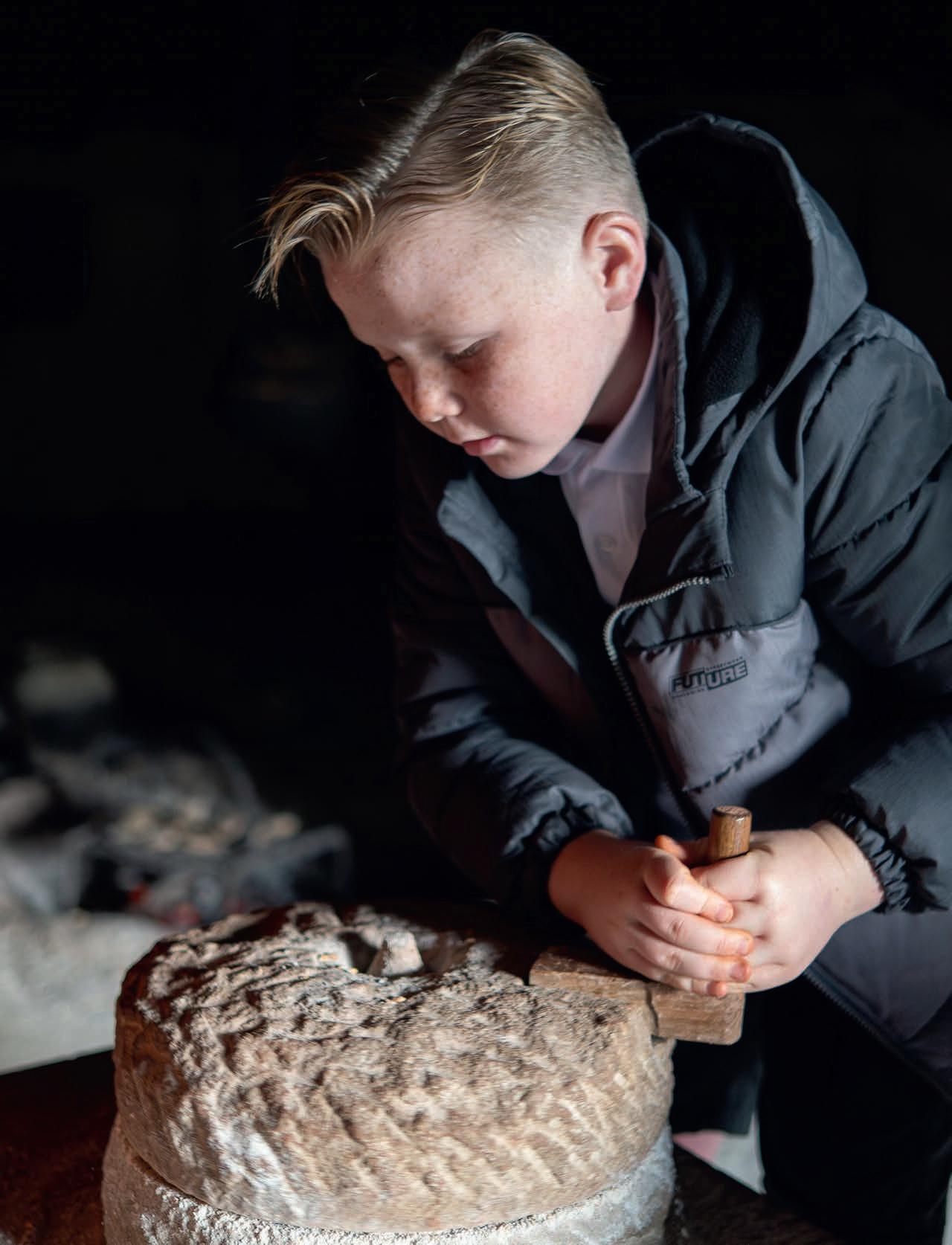
From exploring Iron Age homes to the horrors of the Three Rs or life in a post-war prefab, living history museums are a walk back through time

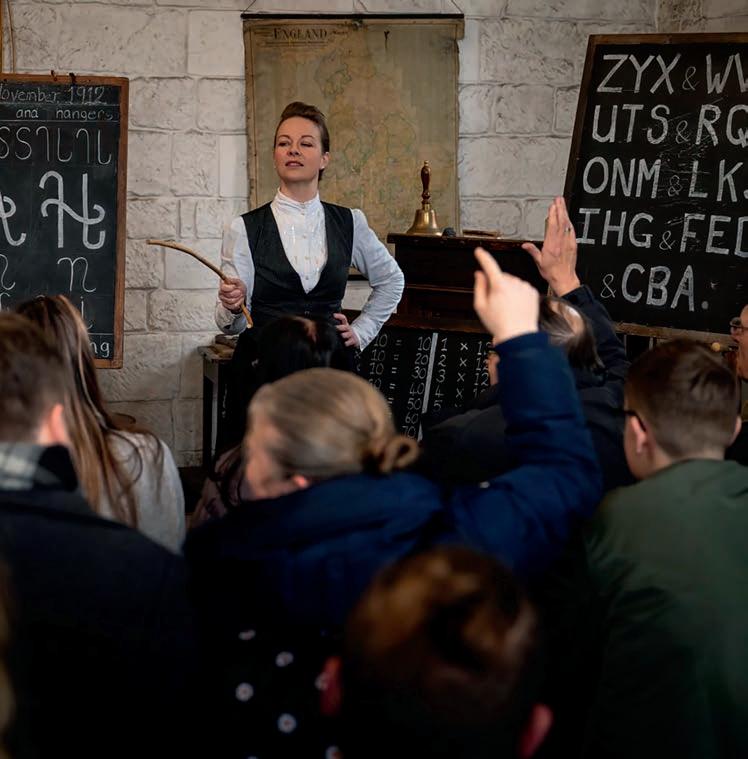
Living history museums bring the past to vivid life, making them a great immersion into the good old (and bad old) days for children and teenagers alike. But they are equally engaging for older visitors, so superb for a multi-generational day out. All our picks are located on large sites, giving space and freedom to break with history to burn o energy. This is also history at its most engaging. From interpretations of ancient rural life to the privations of a Victorian school house, time-honoured craft skills and the hard graft of a mine or factory, it's all designed to fire up ideas and conversations. Here's our pick of living history museums around the country.
Chiltern Open Air Museum has the distinction of featuring in episodes of both Horrible Histories and Downton Abbey, and it exists to tell the story of the Chiltern Hills and a vanished way of life. The 45-acre site is home to a wonderful assortment of humble and ordinary buildings, most of which were at risk of demolition or destruction. As funds are raised, more buildings are added. Current highlights include a reconstructed
Iron Age House, a prefab from Amersham and Henton Mission, a delightful and diminutive chapel rescued from an Oxfordshire village. There's also a traditional working farm with historic barns, stores and other farm buildings – plus child pleasing farm animals. You'll find a wonderful 'Dig for Victory' allotment located close to Nissen Huts from both World Wars, and plenty of other lovingly maintained period-style gardens. Alongside the pastoral is a rescued High Wycombe chair factory, highlighting the town's long tradition of furniture making.
The museum is largely volunteer run and hosts costumed days when interpreters tell stories about the history of the buildings and the people. There's also a programme of rural craft demonstrations, from flint knapping and straw plaiting to spoon carving and blacksmithing. COAM is popular with school groups and it's extremely family friendly, as well as being accessible for people with disabilities and SEN. There's a bonus in the space here – the site includes lovely trails and woodland walks.
• Entry: from £13.50; under 18, £10.50; under 4, free • Good to know: Typically open March-October and during school holidays, plus special festive events. Check ahead for opening times. coam.org.uk
One of the most celebrated of its type, justifiably, and recent recipient of a Visit England award, Black Country Living Museum is so atmospheric it has played a memorable role as a backdrop in Peaky Blinders. It inhabits a 29-acre former industrial site in Dudley and focuses on an area that was once the nation's industrial heartland.
Exhibits span 300 years of the region's past, with a strong focus on the period from 1850-1950. It has been an extraordinary labour of love gathering some of these buildings from the local area and rebuilding or recreating them. Visitors are the beneficiaries, as it provides opportunities to explore a whole host of di erent settings – all enlivened by the characters who bring di erent time periods to life.
Highlights for younger children include the traditional fairground, the chance to hop on and o (for free) the red vintage double decker that travels round the site, try on vintage military clothing at Langer's Army & Navy Stores, play old-fashioned street games (guidance provided) and participate in an Edwardian school lesson to get a dose of the 'three Rs'.
All ages will enjoy the drift mine, which tells the story of life as an 1850s coal miner. There's also an exceptional collection of industrial heritage – from a recreation of the 1712 Newcomen Engine, a colliery and brickworks to an aluminium foundry. The Canalside Village is a grimy step back in time, while the 1950s Industrial Quarter shows traditional trades at work. There are plenty of cafés and snack stops, including a chippie and a traditional sweet shop and bakery. The museum is a whole-day immersion if you choose, so check out the various trails and pick your must-see spots.
• Entry: £27.95; under 16, £15.50; under 3, free
• Good to know: Events throughout the year, including half-term and holidays, plus Diwali, Peaky Blinders and Halloween nights. bclm.com
This West Sussex museum was founded thanks, in large part, to the farsightedness of Dulwich College-educated Roy Armstrong MBE. The idea gained momentum in the late 1960s, at a time when many of the area's historic timberframed buildings were being razed to make way for developments. The original seven buildings on site when it opened included a Tudor Kitchen from Sundridge, Kent, a granary from Littlehampton, a treadwheel house from Hampshire and a toll house from West Sussex.
Today, the 40-acre site is home to an impressive selection of homes down the
ages, as well as craft, trade and farm buildings. Public buildings feature, too, ranging from a West Wittering poor school to Titchfield's handsome red brick market hall. Looking at them today, it's hard to imagine how planning authorities let some of these treasures go.
But Weald & Downland is not set in aspic, and its impressive Downland Gridshell
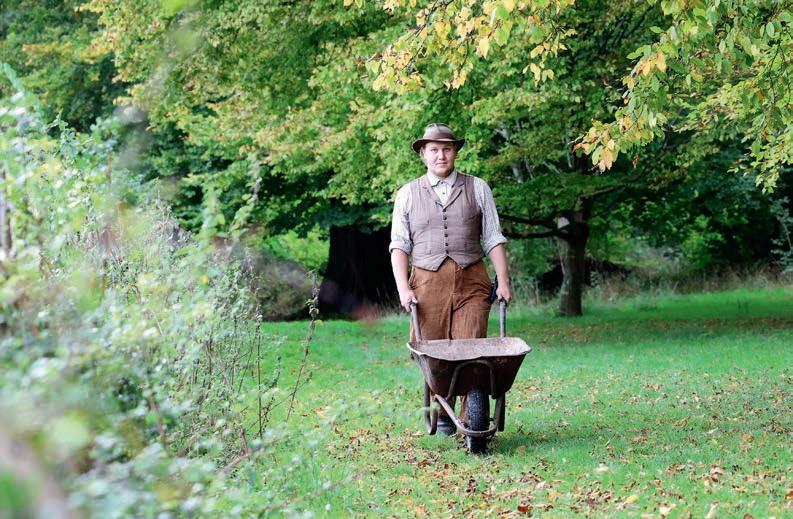
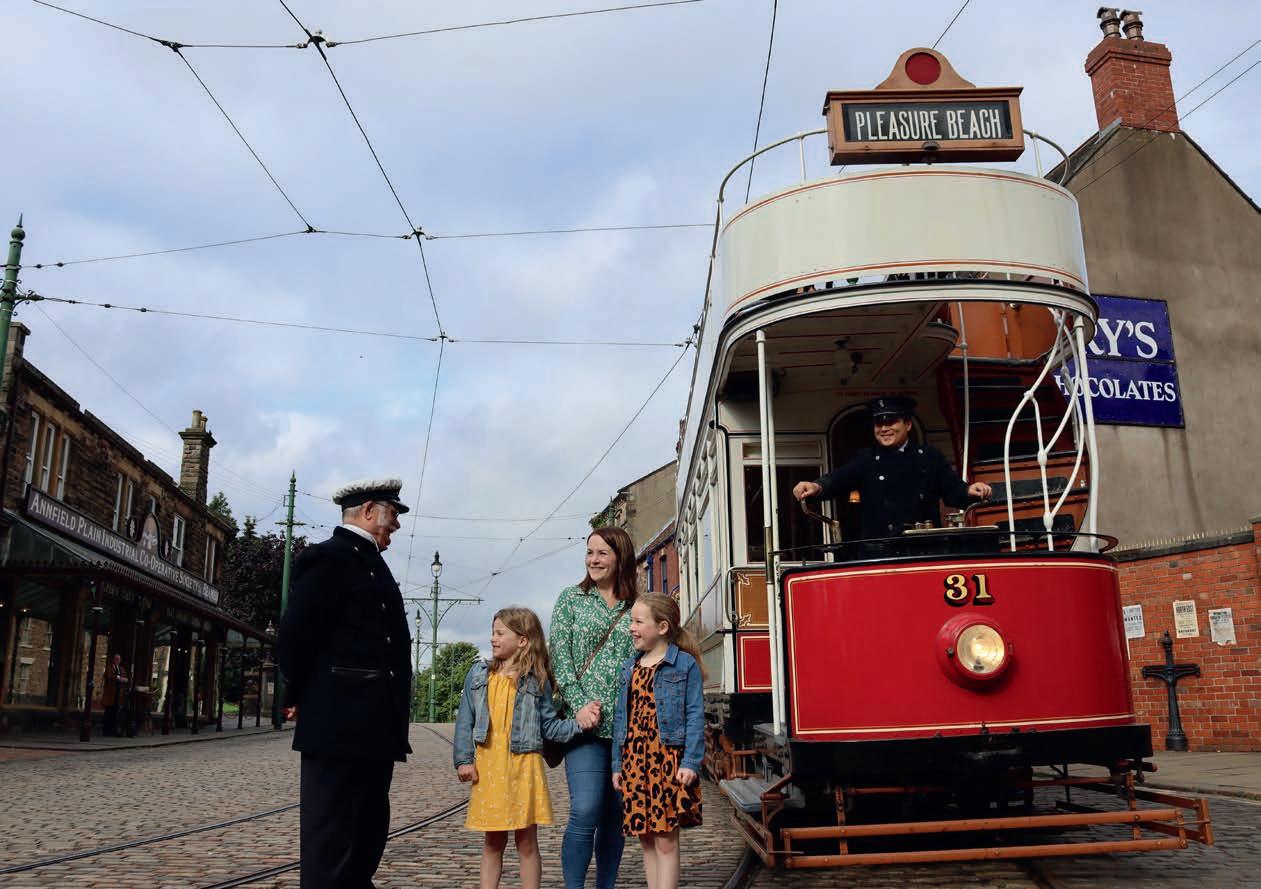
Building (unique in the UK) houses a conservation workshop and artefacts collection, and with free daily tours each afternoon. The Gateway Project, completed in 2017, houses the visitor centre, cafe and community and education spaces.
For children, there are lots of fun activities, including traditional games in Hambrook Barn, cooking demos in the Tudor kitchen and the chance to see a watermill in operation. Costumed volunteer interpreters bring the settings to life, and traditional livestock – including heavy horses – represent pre-mechanised farming. There's a woodland trail and the opportunity to see rural land management practices, such as charcoal burning and a sawpit, in action.
• Entry: summer peak season entry from £16.90; under 18, £8.80; under 4, free
• Good to know: Events throughout the year, including craft markets and open-air theatre. wealddown.co.uk
Billed as The Living Museum of the North, Beamish won the Art Fund Museum of the Year 2025 prize. It has a loyal fan base, welcoming its millionth visitor as far back
as 1978. The museum o ers an immersion into daily life in the North East through di erent time zones, beginning in 1820s Pockerley and ending with a 1950s town. The site is vast, inhabiting a beautiful 350-acre basin-shaped river valley in County Durham.
There's an eclectic mix of things to see, but highlights include the 1900s pit village and colliery, complete with the last surviving example of the winding engines once common in the area. There's the Edwardian Rowley Railway Station and a wonderful set of vintage trams and buses visitors can use to get around the site.
The most recent additions to Beamish include a 1950s cinema (formerly the Sunderland Grand), where you can watch period newsreels, films and adverts and take behind-the-scenes tours of the projection room. Digital natives can have their eyes opened in the 1950s electrical shop, with record shop upstairs, and there's also a recreation of a 1950s toy shop – all three additions are part of the Remaking Beamish project supported by The National Lottery Heritage Fund.
• Entry: £35; under 17, £20.50; under 5, free.
Unlimited pass, valid one year.
• Good to know: Lots of events throughout the year, including regular music hall, folk and ski e music. On-site accommodation available at two bijou selfcatering cottages.
beamish.org.uk
This Cardi gem considers itself an open-air museum as history interpreters are only provided during special events. Nonetheless, it's a wonderful walk back through time to see everyday life in Wales through its vernacular architecture.
There are some 40 buildings gathered in the grounds of the Grade I-listed St Fagans Castle on a 100-acre site that opened in the late 1940s. It was modelled on Scandinavian folk museum Skansen, but while that had transported mostly wooden-framed buildings, Wales had a heftier challenge moving and rebuilding these heirlooms.
Highlights including the imposing Oakdale Workmen's Institute, moved here stone by stone from Caerphilly. You'll also see Cardi 's Vulcan Hotel, brought here and lovingly reconstructed after a long public
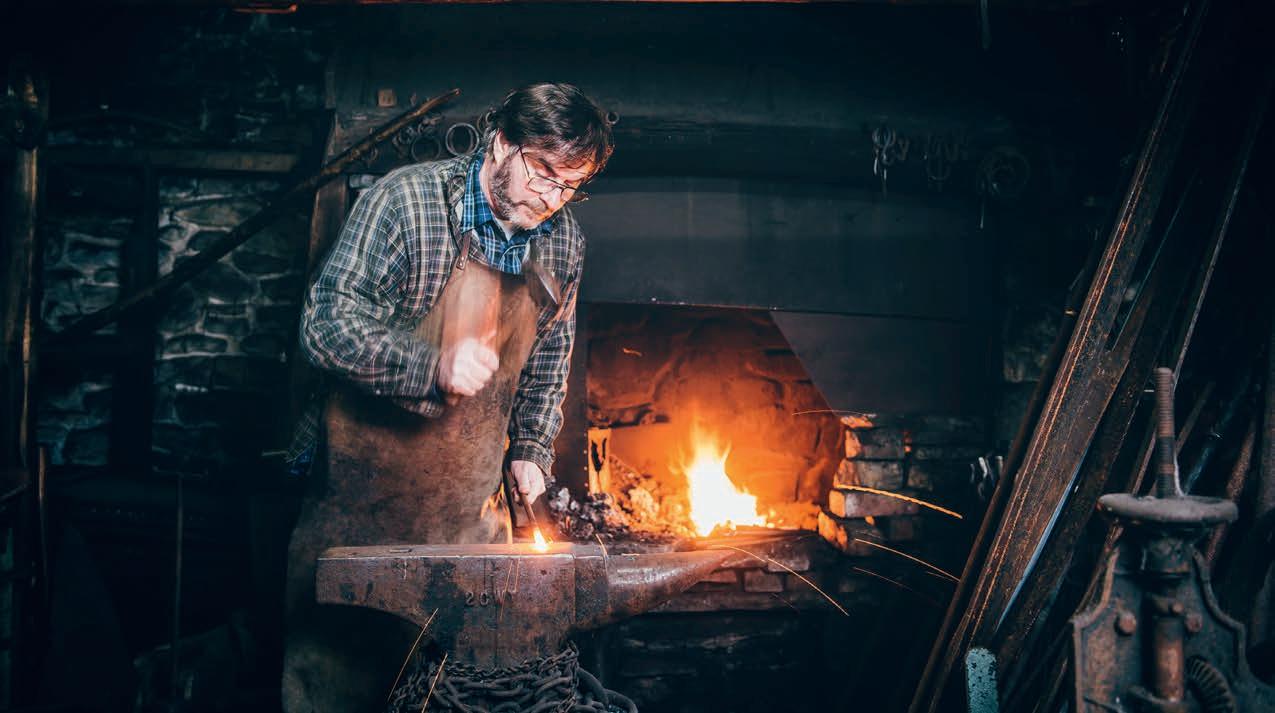
campaign to save it from demolition. At the other end of the scale, there's an ingenious urinal that once stood in Llandrindod Railway Station and a beehive-shaped pigsty from a Glamorgan farm.
There are delightful farmhouses, including a fine 17th-century thatched design from a village near Swansea. Industry is represented in a number of period pieces, including reconstructed woollen and corn mills, a pottery and kiln, blacksmith and saddler's workshop. Children will also enjoy the reconstructed Iron Age roundhouses from Bryn Eryr, Anglesey – especially when they know that local schoolchildren were among the volunteers who helped with the impressive Lottery-funded building project.
• Entry: Free, with separate charge for some exhibitions and for car parking.
• Good to know: A full activities programme for all ages, including regular, and wildly popular, ghost tours. museum.wales/stfagans
Recreating life in a coalfield community in 1900, Blists Hill Victorian Town is part of the Ironbridge complex in Shropshire – recently taken over by the National Trust. One of the joys for children is that it recreates a specific moment in time, telling a story of life in a hardworking community during a high point of industrial Britain. Blists Hill inhabits a site formerly used for workers at the mines, foundries and brickworks. The winding engine and pit wheel are original, and the canal and Hay Inclined Plane are key features of the original site, but many other buildings have been reconstructed here or have authentic
period interiors – some were rehomed here as Telford new town was being developed.
Immersion is the ticket here – children can even change money in the bank branch for tokens representing pre-decimal shillings and pence. They can watch printing presses, candle dipping machinery and steam engines in action, as well as dressing up like a proper Victorian to have a portrait photograph taken.
Traditional shops in Quarry Bank and the newer development on Canal Street (modelled on historic buildings around Telford) include a bakery, chemist and sweetshop, plus there's a fairground with gallopers and lots of wilder and woodland
areas to explore to the north of the site. Interesting period buildings located away from the main town include a squatter cottage and a tin tabernacle (prefabricated church), both relocated from the area. There's also a toll house designed by Thomas Telford himself that used to sit on the Holyhead Road in Shelton, Shrewsbury.
• Entry: £24; under 18, £12; under 5, free. National Trust members free.
• Good to know: Pre book. Family tickets available. Workshops and events take place throughout the year. nationaltrust.org.uk
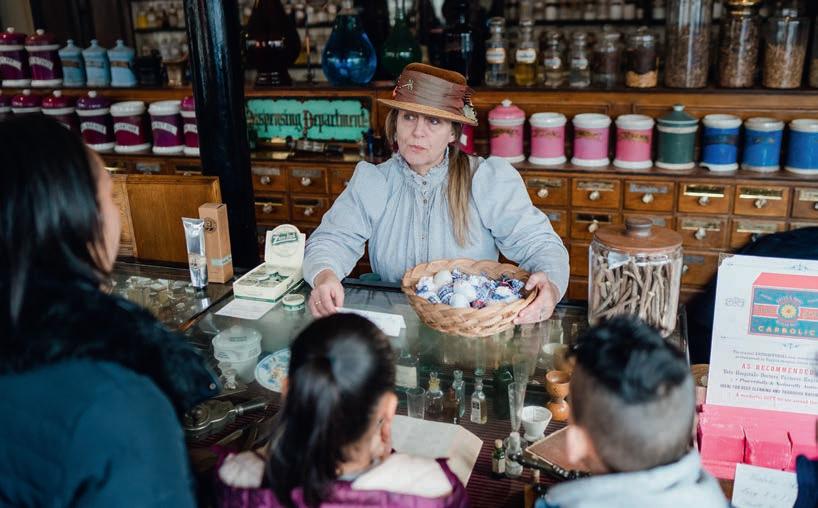
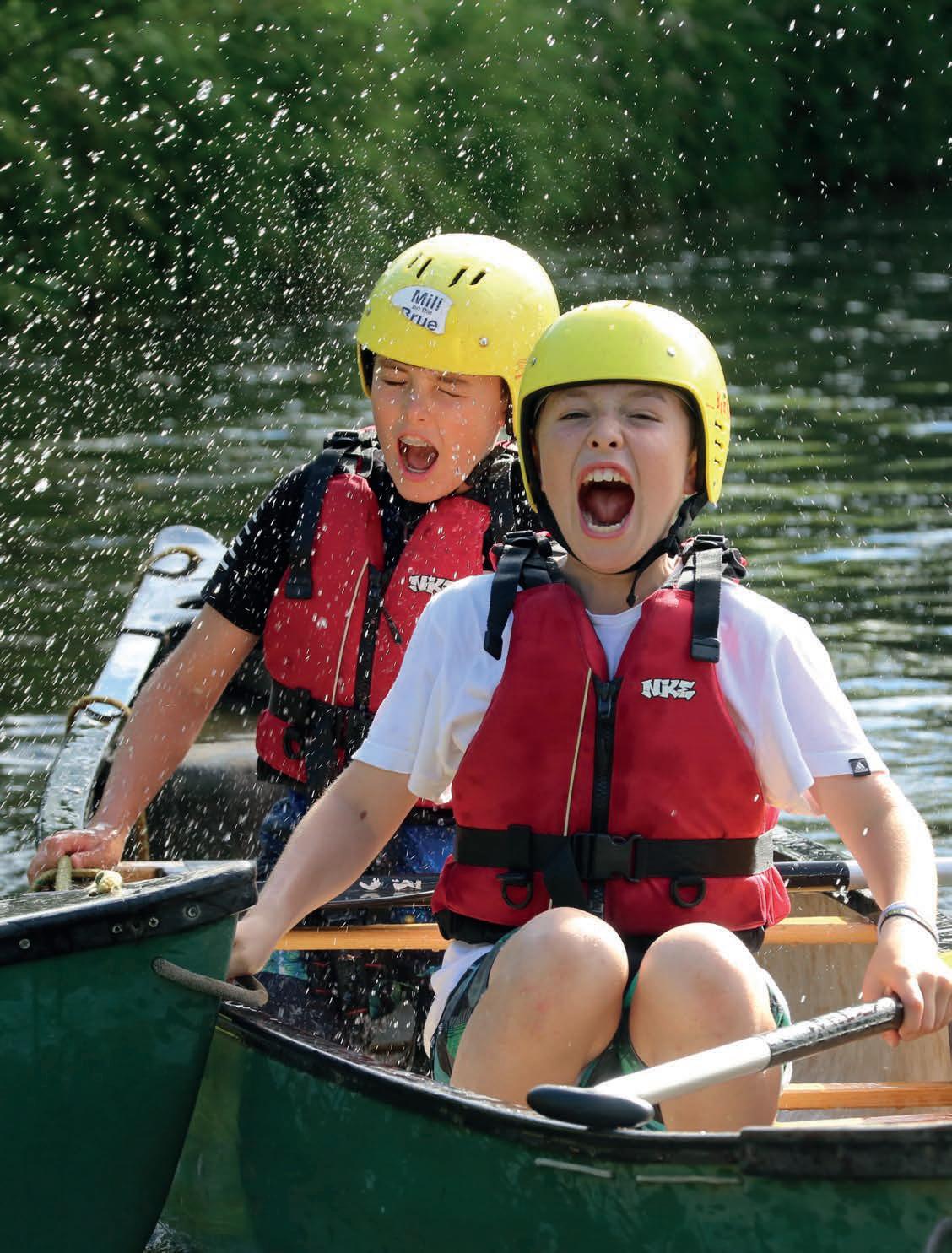

“My daughter has really gained con dence and ourished at Highgate. She has become the child that I always knew she could be.“
Bursary parent
At Highgate, we believe an independent school education should be accessible to academically gifted children from our local community, including key worker families.
We offer fee assisted bursary places for boys and girls applying to our Junior School (7+), Senior School (11+) and Sixth Form (16+). Eligible children could receive 100% funding towards school fees throughout their education at Highgate, as well as additional support.
Find out more from our website, including how to apply for a fee assisted place starting from September 2027 or beyond.






One of the Dominican Republic's jewels, Eden Roc Cape Cana turns out to be worth those rave reviews – a total indulgence under the Caribbean sun

With its year-round summer vibe, gorgeous beaches and balmy cerulean seas, Dominican Republic has earned its stripes as the perfect sun-drenched retreat in the Caribbean. It's certainly an enticing thought, slipping away from London’s murky grey skies on a direct flight to the balmy embrace of the Dominican coast. Our destination is Eden Roc Cap Cana – a secluded, soul-soothing oasis just 15 minutes from the airport. It feels like we’ve landed in another world. From the moment we’re handed chilled drinks and led to dinner under a blanket of Caribbean stars, we know we’re somewhere special.
Eden Roc is the only Relais & Chateaux property on the island and was voted the No 1 Resort in the Caribbean in the 2024 Conde Nast Traveler Readers’ Choice Awards. Impressive accolades – and something to live up to in a competitive field – so we're anticipating a very special time.
After a superb Asian-style dinner, our personal concierge awaits to drive us under moonlit skies to our Pool Junior Suite. It’s dreamy, with soaring ceilings, a plush four-poster bed and a huge bathroom with two showers (one alfresco). There's also a bathtub that makes us want to soak for hours. The grand cedarwood walk-in closet, accessible from two entrances, is large enough to be a whole bedroom.
Outside, our garden awaits. Verdant, secluded and surrounded by sheltering trees with a private pool glistening at its heart, it is flanked by elegant sun loungers made for lingering to enjoy the peace. There's also a vine-draped pergola with table and chairs for shady relaxation. This is a suite so spacious, so fabulous, we’re thinking we would like to move in permanently.
Our concierge lets us know that she and her colleague remain at our disposal around the clock before handing us the keys to a golf cart for our exclusive use – we're overjoyed. We soon get into the swing of being in the driver's seat, and love navigating ourselves
around the resort, which sprawls across acres of palm-studded, verdant land.
Days start early with a dip in our private pool with the sound of birdsong as our swimming soundtrack. We jump into our cart and head down the hill past manicured fairways with glimpses of the sea beyond. Our destination is the Blue Grill & Bar with its fabulous selection of breakfast treats. This is the life, and the best way to set us up for another glorious Dominican day.
Those days feel quite busy in a relaxed sort of way. We explore the beautiful surrounding area in a colourful opentop Moke (lots of photo opportunities there). We enjoy rum and cigar tasting, cocktail making and a Dominican Mofongo cooking lesson. We shake o the last of any tension with an incredibly relaxing sound healing session, followed by rejuvenating massages in the spa.
In between times, we make the very most of the idyllic white beach and balmy ocean –when we can drag ourselves away from our private pool with shady loungers. Lunch is always a leisurely a air. We love La Palapa, positioned at the water’s edge and with the rhythmic murmur of the sea providing a soothing backdrop. There's a lovely poolside vibe at the chic Blue Grill & Bar. On occasion, we venture further afield, winding


“OUR PERSONAL CONCIERGE AWAITS TO DRIVE US UNDER MOONLIT SKIES TO OUR POOL JUNIOR SUITE”
our way through the verdant fairways and greens of the Jack Nicklaus-designed Punta Espada Golf Course to dine at their restaurant. This o ers a panoramic tableau of emerald greens rolling gently toward the sapphire of the Caribbean beyond.
Eden Roc Cap Cana is like stepping into a dream you never want to wake up from. We're not at all surprised it is such a favourite among seasoned travellers, for it is a place where time slows down and every little detail feels just right.
Sun-kissed mornings filled with birdsong, lazy afternoons on the beach or hunkered down by our private pool, and exquisite food in gorgeous restaurants – they all add up to a special holiday. But what makes it extra special goes way beyond. It is the feeling of being completely, deliciously spoiled. That, for us, is the most wonderfully indulgent feeling in the world – also a recipe for a magical and memorable holiday.
edenroccapcana.com

Entry into Reception (4+), Year 1 (5+) and Year 2 (6+)
Entry into Year 3 (7+), Year 4 (8+) and Year 5 (9+)
Entry into Year 7 (11+), Year 9 (13+) and Year 12 (16+)
dulwich.org.uk/admissions
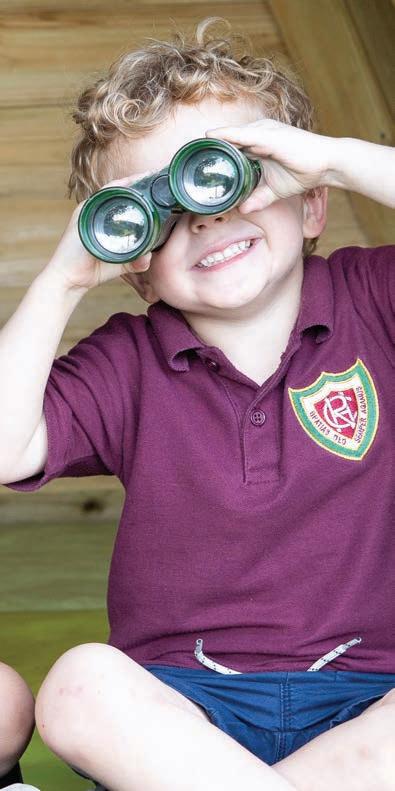



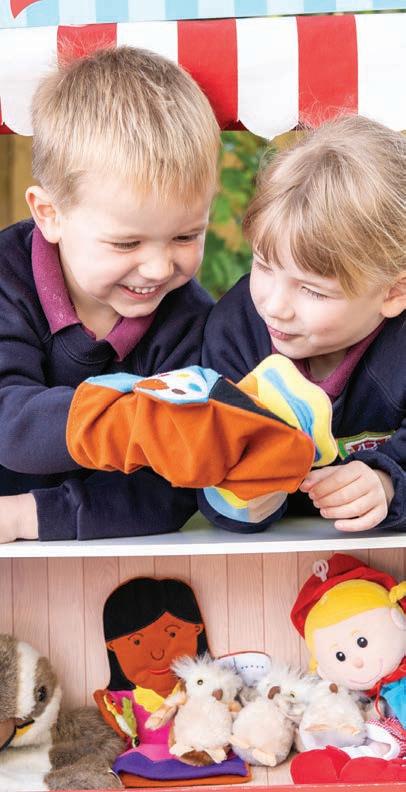


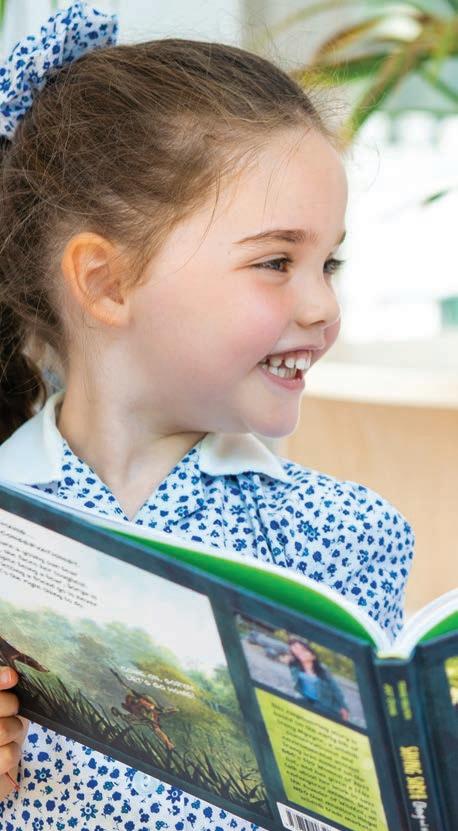



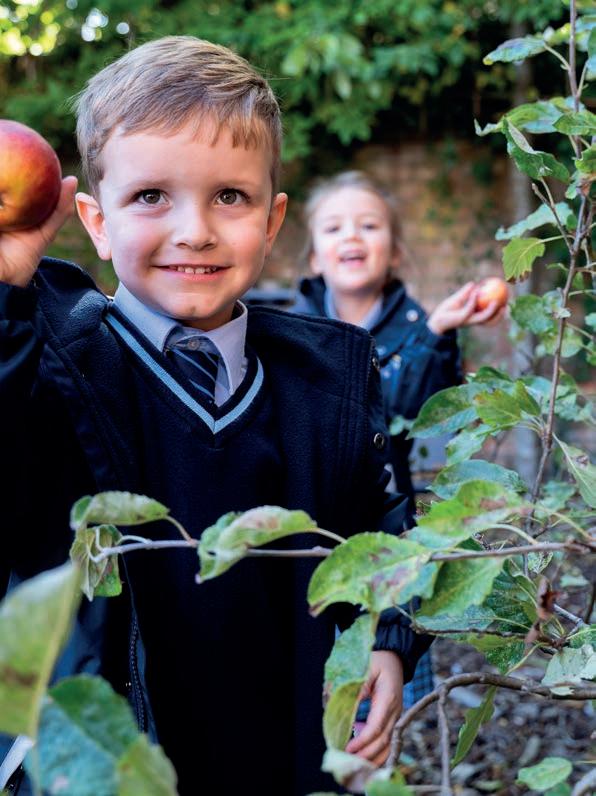
03 OCTOBER 9:30am-12:00pm Whole School Open Morning
06 OCTOBER 6:00pm-8:00pm Sixth Form Options Evening
Great sporting meets are irresistible when things go right, but how do we prepare children for the prospect that defeat is part of any ‘beautiful game’?
By RACHEL WEBB

The highs and lows of this summer’s World Cup bring celebration, national pride and edge-of-the-seat excitement. Children are the most passionate of supporters, which makes letdowns all the more painful when things don’t go to plan. For those who have lived through defeat so many times, it’s a moment to step up to a really big parenting challenge.
Injuries, foolish player fouls, own goals, referee decisions that don’t seem fair – this, of course, is the meat and drink of football punditry. Long before the World Cup gets to its final, we can be certain the reporting will have hit fever pitch and that the chatter of amateur commentators will be deafening.
Children’s heightened sense of fairness is not matched by a fully formed radar for bias, bluster and fighting talk, so it is important to balance out what they might read and hear. It can help to laugh o the most unfair criticisms and then
talk dispassionately about why it might be that a certain outcome happened or how the referee reached their decision.
Acknowledging disappointment is fine, but it’s also important to show respect for the o cials doing a tough job. Similarly, when players and managers don’t achieve the hoped for outcome, it’s good to encourage children to look beyond goals and points by celebrating team e ort and the courage required to represent your country on a world stage.
As every teacher can tell you, lessons in failure are critical to self-belief and resilience – and sport is among the safest ways for children to learn from failures. So, whatever the outcome, this World Cup matters for children as they understand more about the process of winning and losing – and, no doubt, hone their own skills as football pundits.
Of course, for many parents the World Cup brings a library of memories – including terrible ref decisions and agonising penalty shootouts. As you bond over the ‘beautiful
“SPARE A THOUGHT FOR THE IMPACT SUCH RAW DRAMA HAS ON CHILDREN, WHO HAVEN’T NOTCHED UP AS MANY GAMES LOST AS YOU”
game’, enjoy the thrills and the tension, but spare a thought for the impact such raw drama has on children, who haven’t notched up as many games lost as you. Tears of anguish are not unusual in young fans, as a scan of the losing side’s crowd at any televised matches shows. It can be the toughest ask in the heat of a game to model sportsmanlike behaviour and show respect to both winners and losers, but a steady approach goes a long way to supporting your child’s emotional regulation – in sport and in life. It’s a result to aim for, and one that will last long after this summer’s final whistle blows. So do your very best to be the grownup in the room and stay calm under match-day pressure.