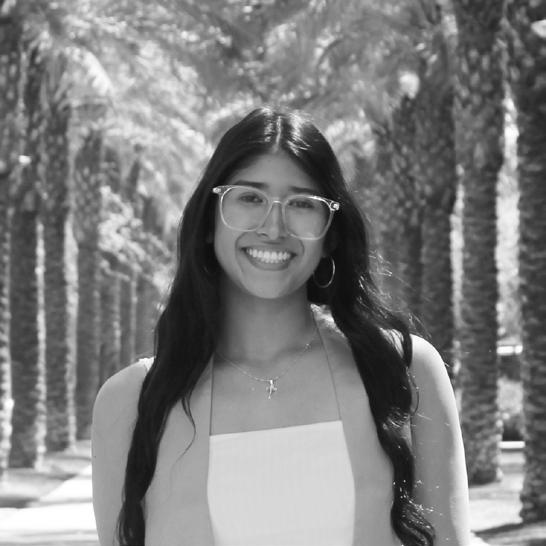
My name is Zenayah Cortez and I am a M.ARCH +2 Candidate at the University of Southern California. My passion for architecture lies in the intersection between architecture and storytelling where spaces are not just functional but act as vessels for narrative and creativity. Outside of architecture, I channel my creativity through photography, painting, and drawing, which has deepened my appreciation for composition, color, and visual storytelling. I also play basketball competitively for the USC women’s club team, an experience that has strengthened my ability to collaborate, adapt, and perform under pressure. Through my work, I am eager to apply this passion where I can contribute creatively while further developing my skills in crafting immersive and meaningful spaces.
Education
University of Southern California | Master of Architecture
August 2024 - May 2026, Los Angeles, CA, 3.5 GPA
Expected Graduate in May 2026
Arizona State University | Bachelor of Science in Design
August 2022 - May 2024, Tempe, AZ, 3.8 GPA
Graduate in May 2024 | Major in Architectural Studies | Magna Cum Laude
Professional Experience
Design Intern
MRT Design LLC | Phoenix, AZ | May 2024 - Present
● Assisted in the development of schematic designs, site planning, site visits, and construction documentation, contributing to the successful progression of multiple projects
● Created detailed 3D printed physical models that refined architectural concepts and facilitated client understanding, leading to more informed design decisions
● Assisted in promotional and marketing materials that supported business development, resulting in increased client engagement and project inquiries
● Managed administrative tasks efficiently, improving team workflow and enhancing project organization in a fast-paced architectural environment
Sun Devil Athletic Facilities Assistant
Arizona State University Sun Devil Athletics | Tempe, AZ | August 2022 - May 2024
● Coordinated logistics to ensure efficient facility operations during NCAA D1 events
● Collaborated with a team to maintain multiple athletic venues, strengthening communication, teamwork, and adaptability in a fast-paced environment
● Managed time-sensitive tasks to meet event deadlines, enhancing organizational skills and ability to work under pressure
Skills
Microsoft Office, AutoCAD, Adobe InDesign, Adobe Photoshop, Adobe Illustrator, Adobe Lightroom, Sketchup, Rhinocerous 3D, BIM Revit, Zbrush, Laser Cutting, 3D Printing, Physical Model Making, Parametric Design, Bilingual (Spanish), Strong Communication, Strong Work Ethic, Time Management, Organization, Adaptability, Collabora tion, Public Speaking, Fast Learner
Involvement
- American Institute of Architecture Students (AIAS)
- National Organization of Minority Architecture Students (NOMAS)
- Themed Entertainment Association @ USC (TEA)
- Theme Park Engineering and Design Club @ ASU (TPEAD)
- Integrated Path to Architectural Licensure Initiative (IPAL)
- Womens Club Basketball @ USC (previously @ASU)
- Keep Tempe Beautiful Volunteer
interLAce
University of Southern California
ARCH 605a Housing Studio
Site: Boyle Heights Sports Center & Park
Teammate: Htet OO Wai Yan
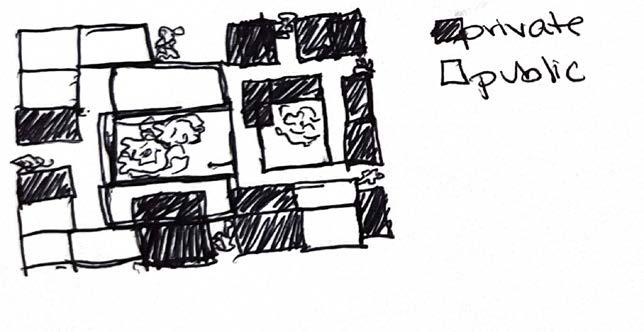
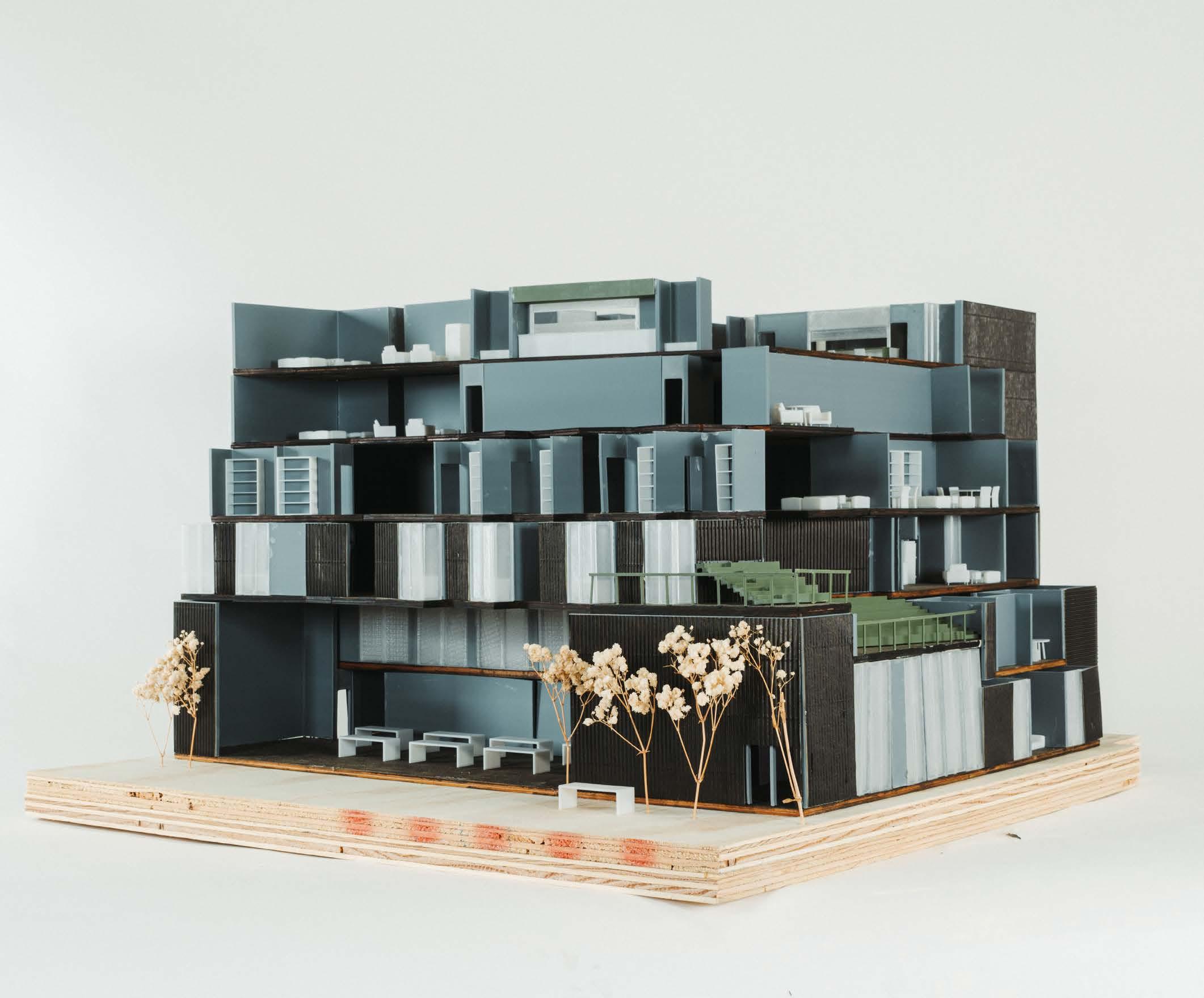
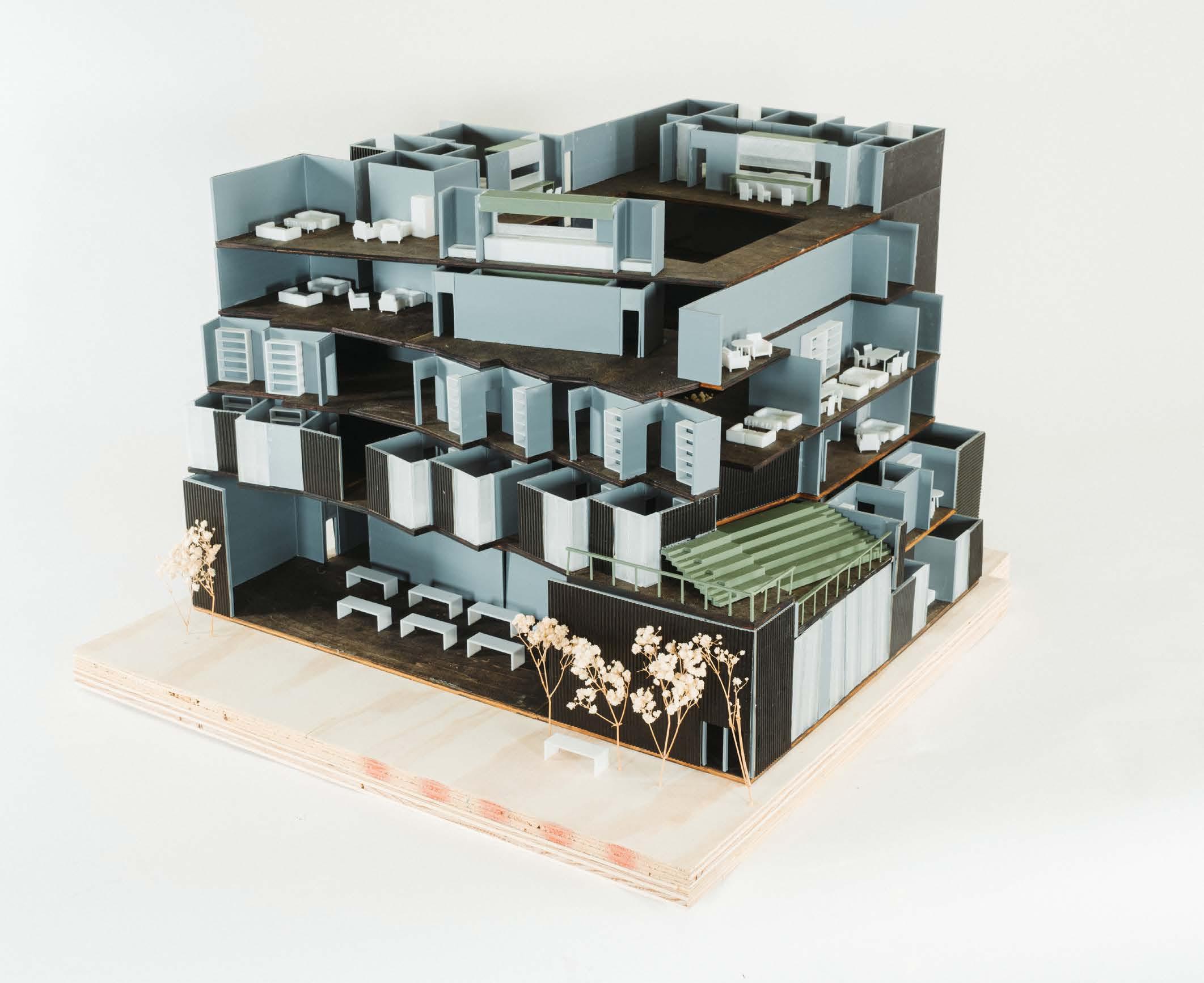
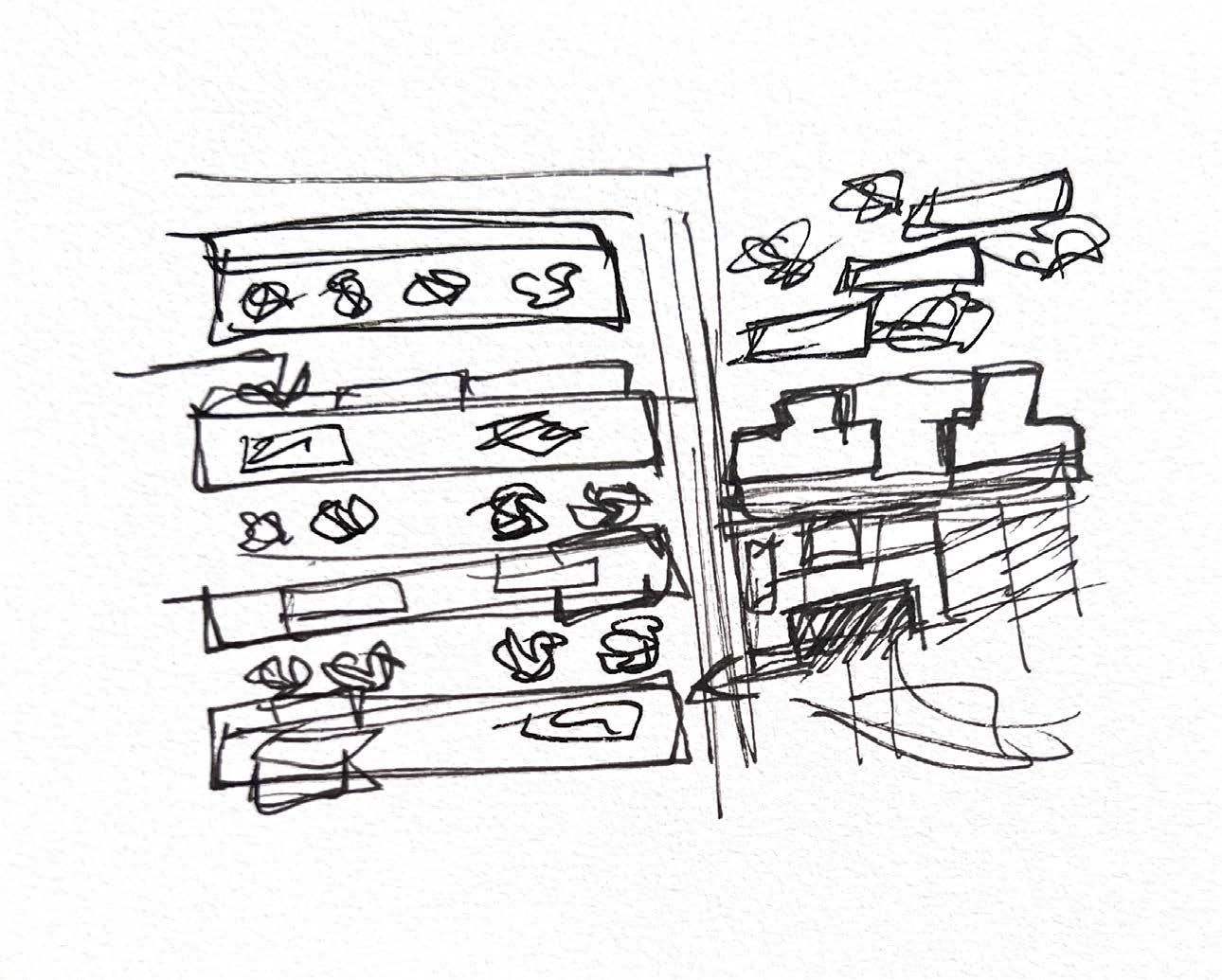
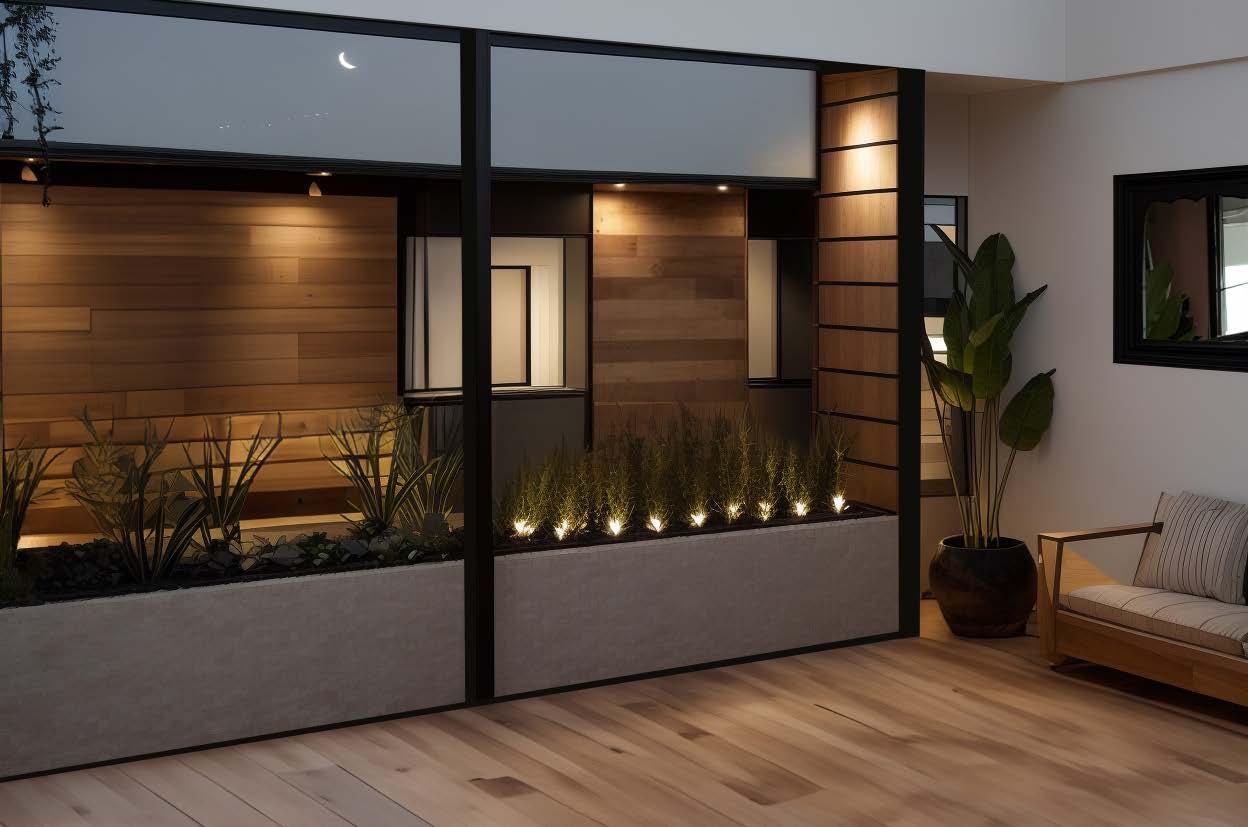
InterLAce is a dynamic co-living and co-housing community designed to combat gentrification by fostering local engagement and supporting small businesses. The ground floor features pop-up studios, providing flexible spaces for residents and entrepreneurs to activate the neighborhood with ever-changing creative and commercial opportunities. InterLAce prioritizes community interaction without sacrificing privacy, incorporating a unique "nosy neighbors" concept—bar-style seating along sliding windows allows residents to engage with neighbors and the courtyard while maintaining a comfortable level of separation. The design revolves around vibrant outdoor spaces, with communal areas like a coffee shop, library, gym, and gardens that serve as gathering points. A key aspect of the design is its site-specific approach to Boyle Heights, utilizing the adjacent sports center and park to reinforce the idea of community. The central units are carefully angled to maximize views, offering residents a direct connection to either the sports field or the city skyline. Additionally, stadium-like seating is integrated into the architecture, allowing residents to gather and watch games. By seamlessly blending private residences with public engagement zones, InterLAce reimagines urban living, ensuring a vibrant, inclusive, and ever-evolving environment that strengthens community bonds.
Scale: 1’ = 1/8”
FIRST FLOOR PLAN
1’ = 1/8”
THIRD FLOOR PLAN
Scale: 1’ = 1/8”
Scale:
Scale: 1’ = 1/8”
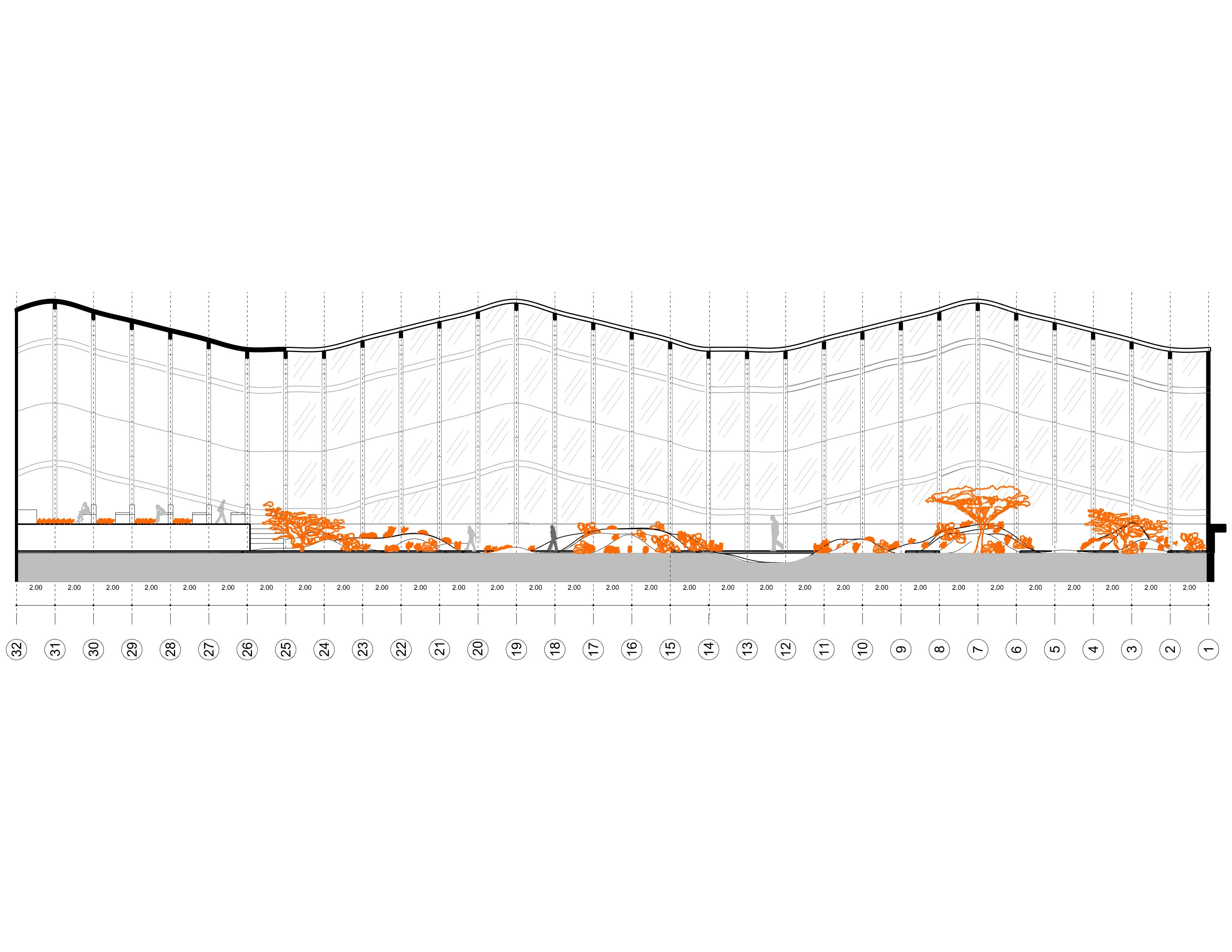
LONGITUDINAL SECTION
02
Arizona State University ARC 301 Professor: Karin Santiago
Partner: Nicholas David & Isabella Cruz
Site: Tempe, Arizona
The Arboretum Apartments embraces sustainable living by seamlessly integrating eco-conscious design with artistic inspiration. Rooted in Ellsworth Kelly’s painting Blue, Green, Red, Black (1996), the project transforms color into architecture where brighter hues represent taller structures, while a unifying first floor embodies the painting’s white space, creating cohesion across the site. The stepped massing responds to its surroundings, with a five-story building facing the main road, gradually transitioning to four and three stories toward the rear. Throughout our site research, we were inspired by the area's affinity for home gardens, yet recognizing the lack of shared green spaces we incorporated private balcony gardens, allowing residents to cultivate their own greenery within an urban environment. This project is presented through renderings, allowing the visuals to communicate the design intent and spatial experience.
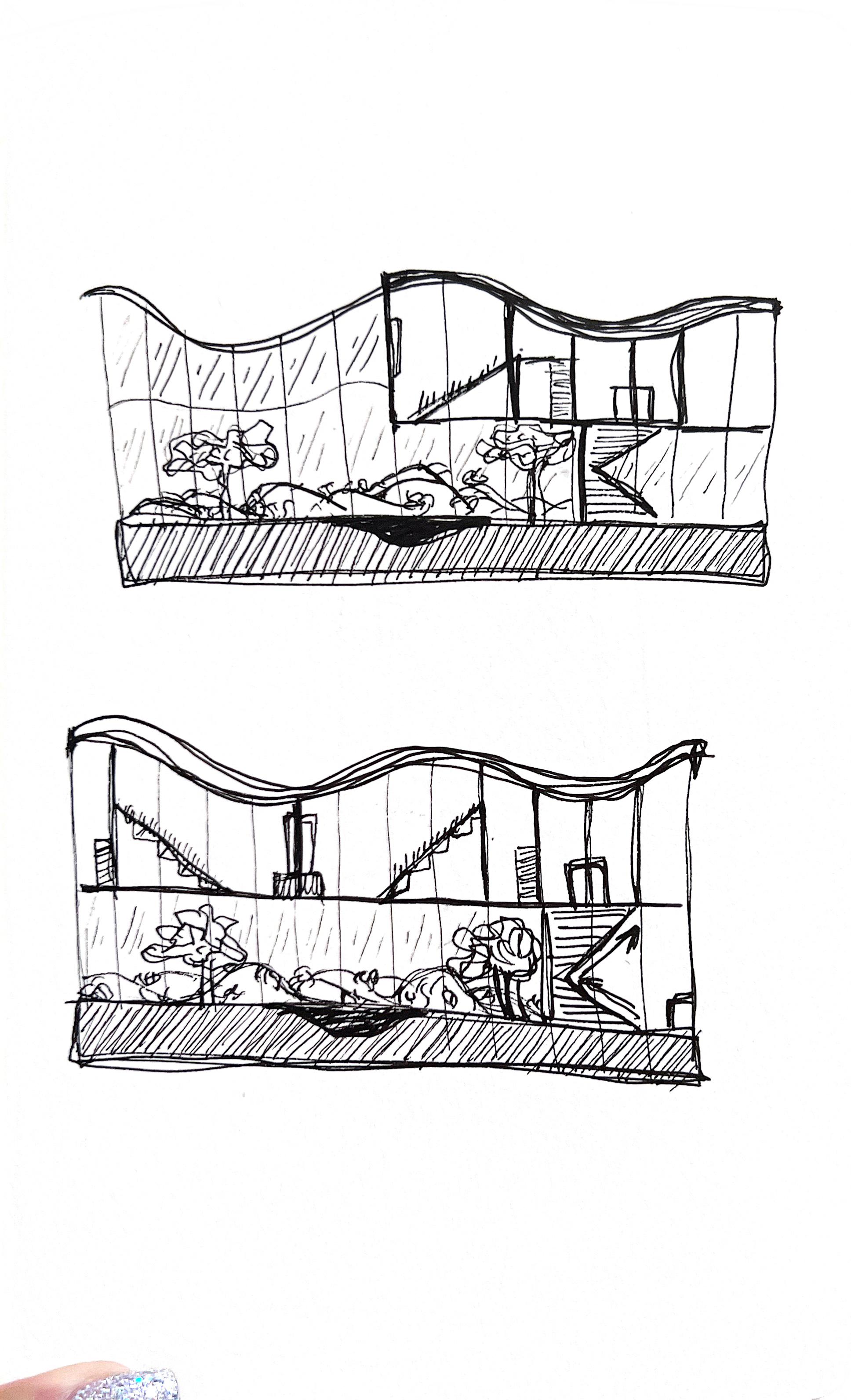
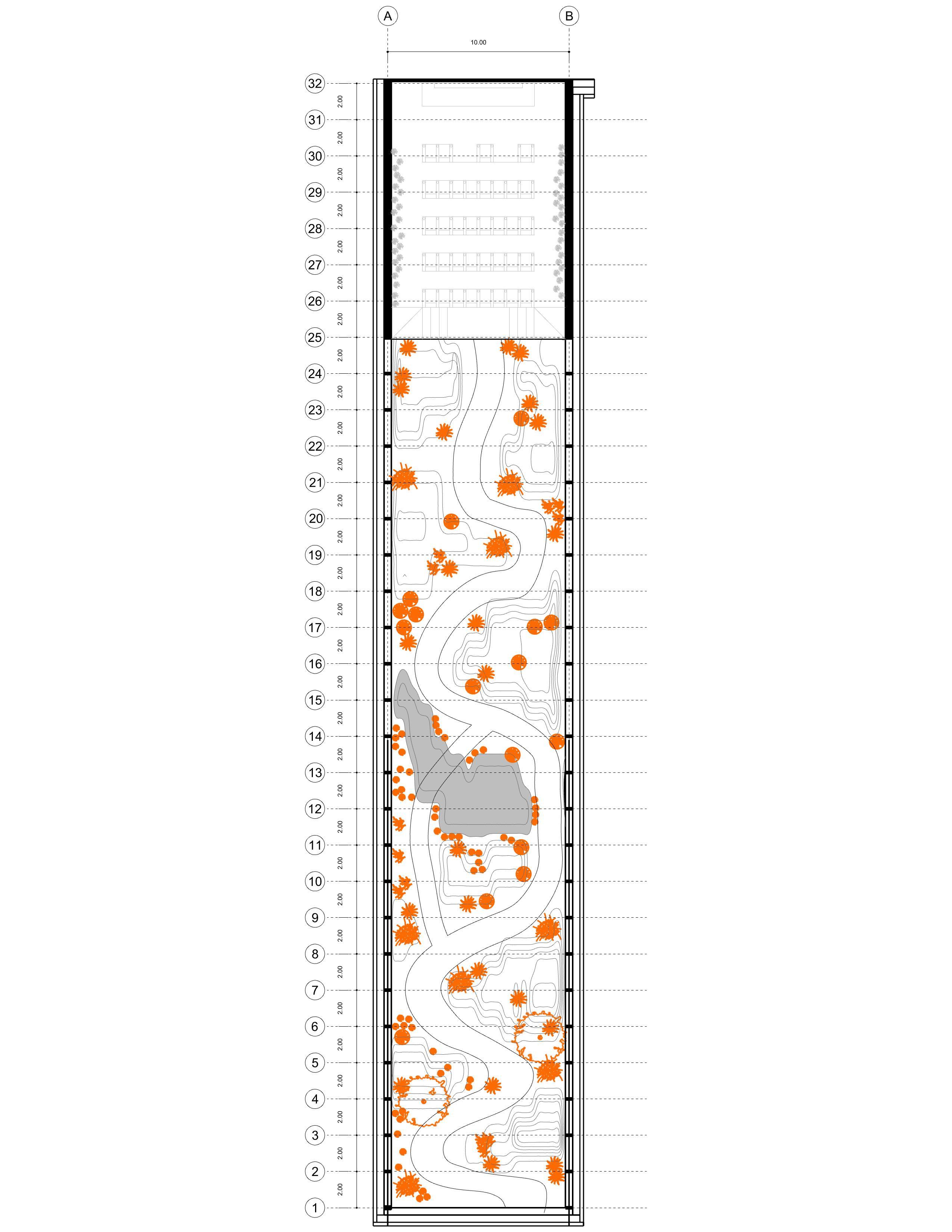
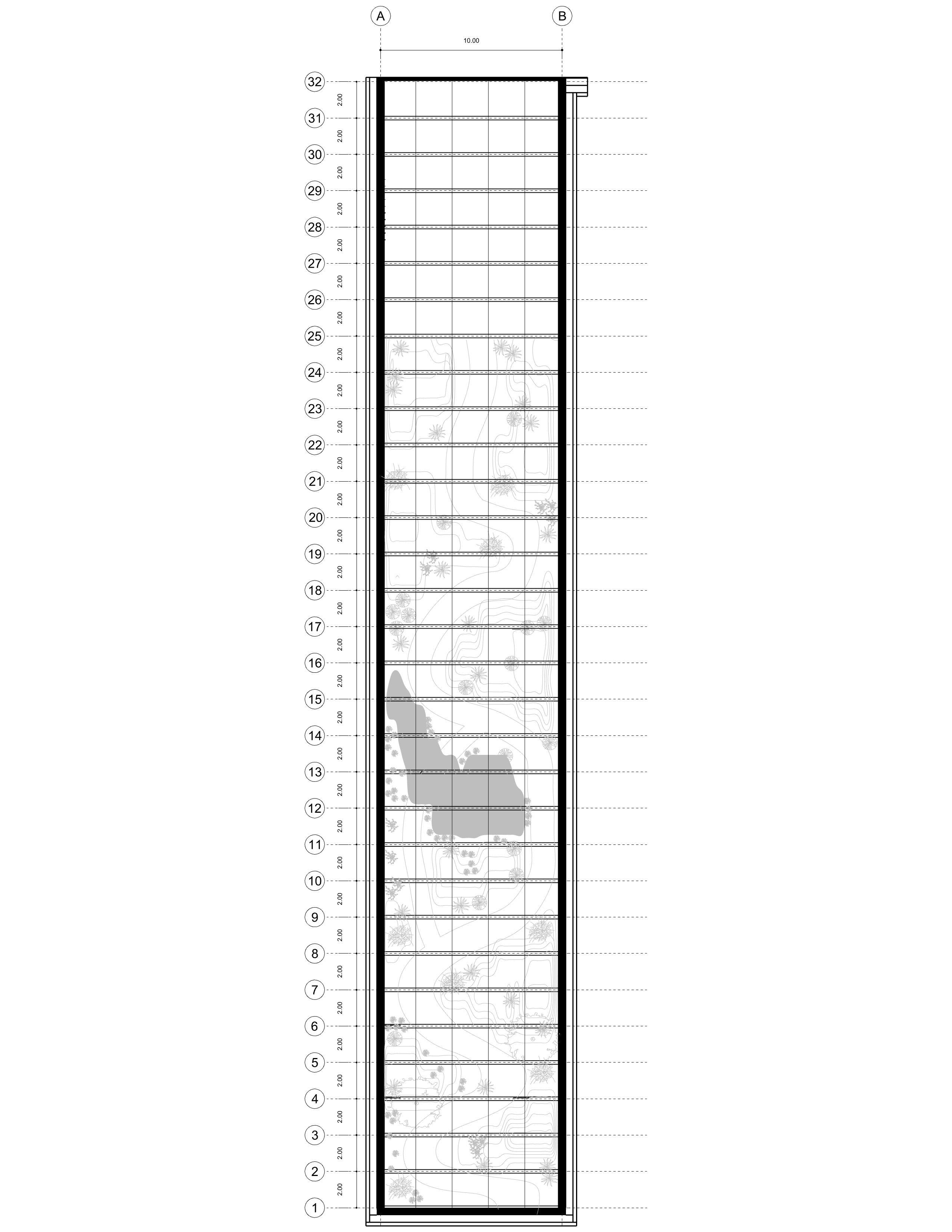
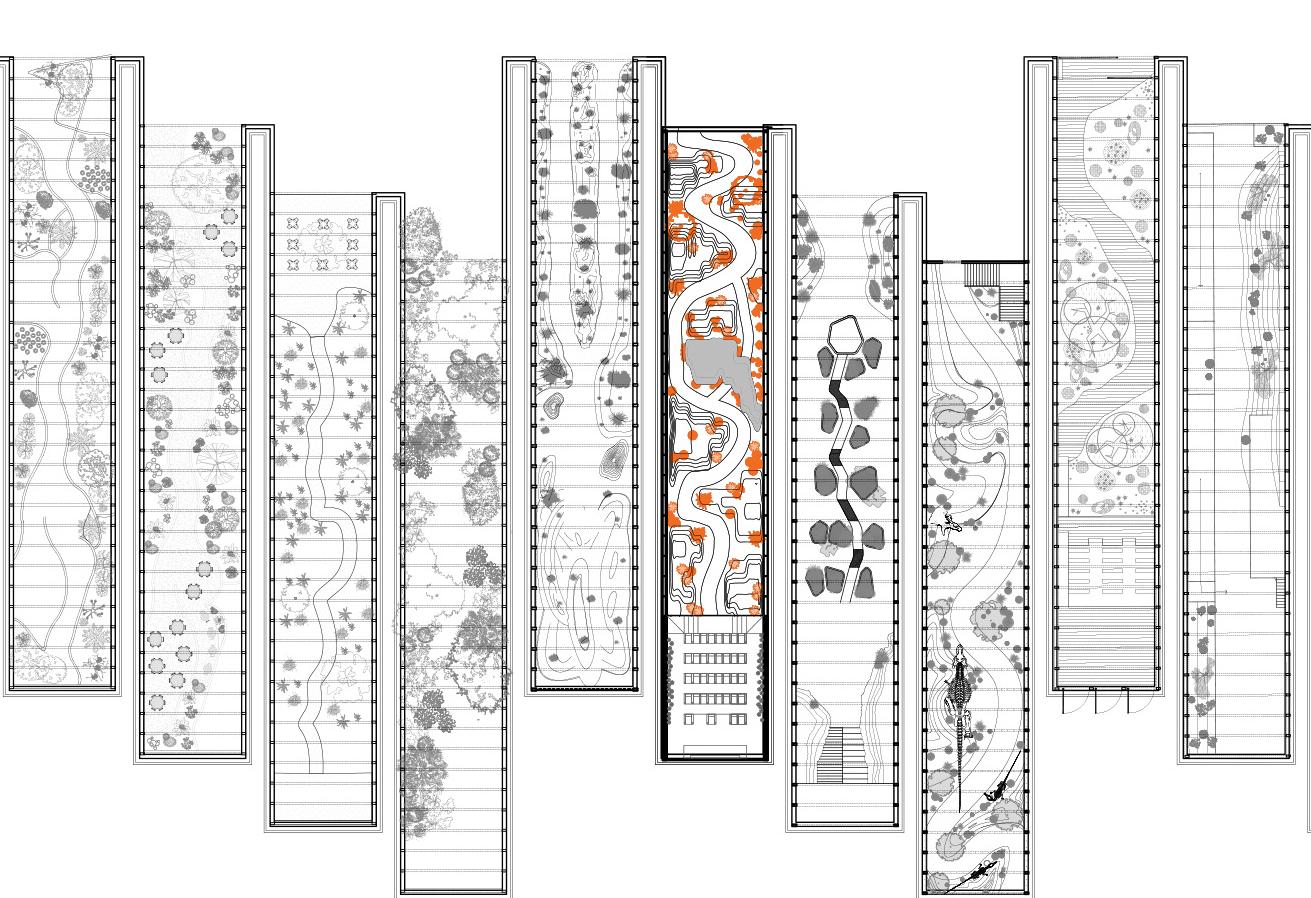
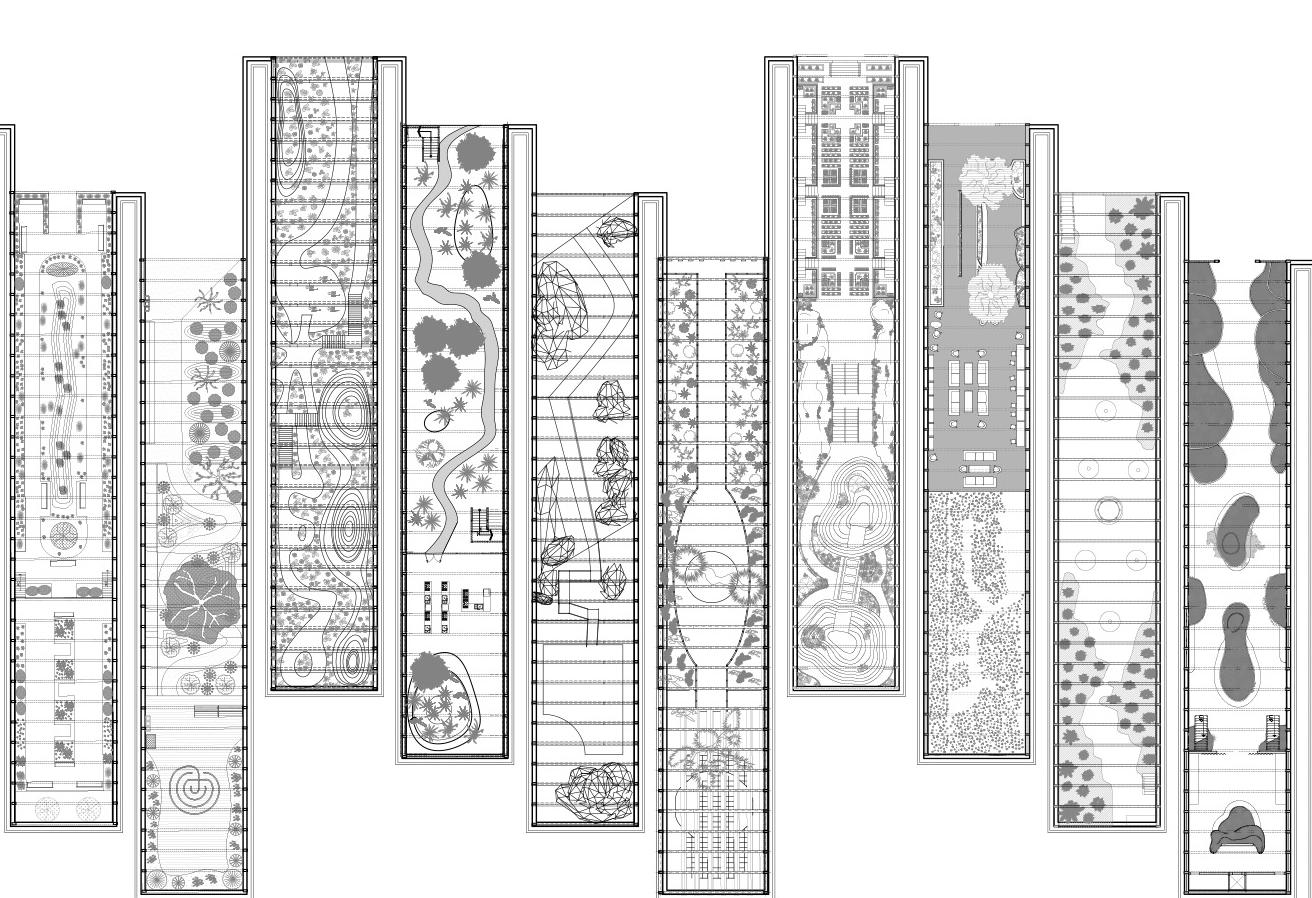
The Karakum Desert, one of Central Asia’s largest deserts, spans parts of Turkmenistan and Uzbekistan, covering approximately 135 square miles (350,000 sq km). It lies south of the Aral Sea and west of the Caspian Sea, with elevations ranging from sea level to a few hundred meters. A botanical garden in Phoenix, Arizona, was designed to showcase native Karakum flora, which are well-adapted to arid environments and saline soils. The design incorporated sand dunes with saline soil to support these plants. Additionally, an outdoor documentary area was included to educate visitors about the desert’s history. A sustainable shading system using algae panels was integrated, leveraging their ability to generate biofuels, improve air quality, and regulate temperatures, reducing energy consumption.
ENVELOPE SUBSTRUCTURE
SYSTEMS
STRUCTURE
PLATFORMS
KARAKUM DESERT & MOVIES
GROUND
STUDIO URBAN PLAN
REINTERPRETING FORM
University of Southern California | ARCH 410 Professor: Sarah Hammond
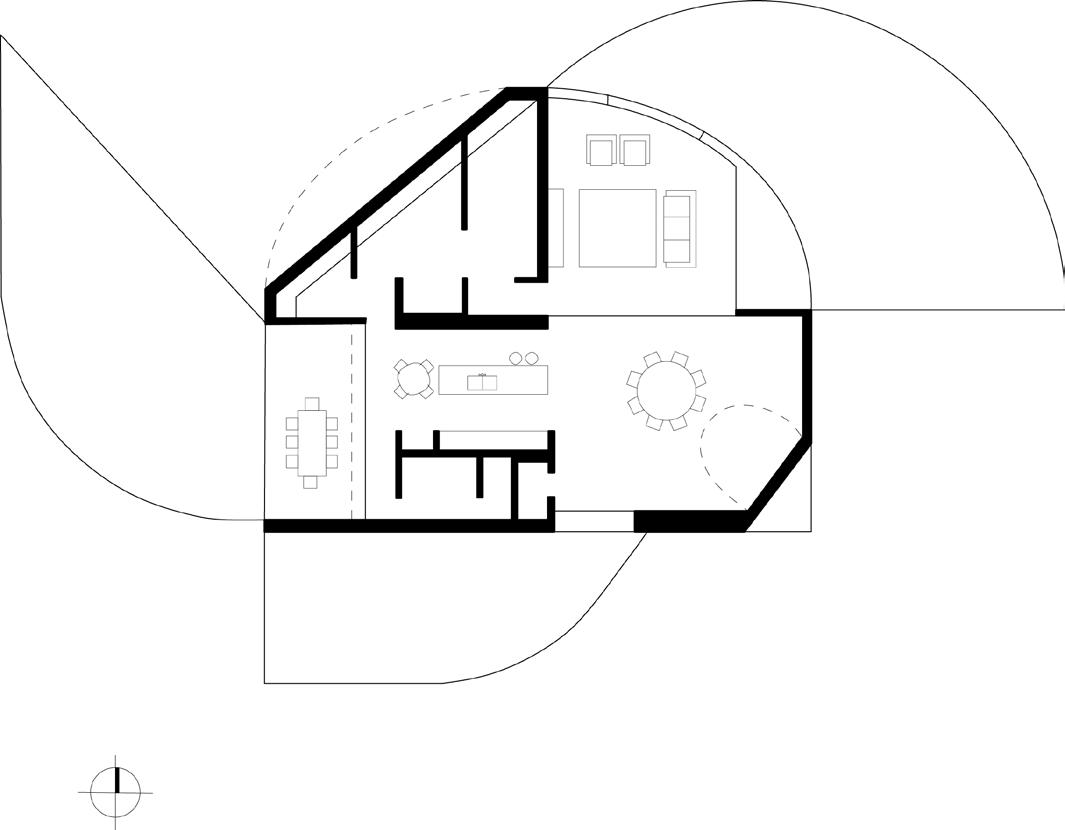
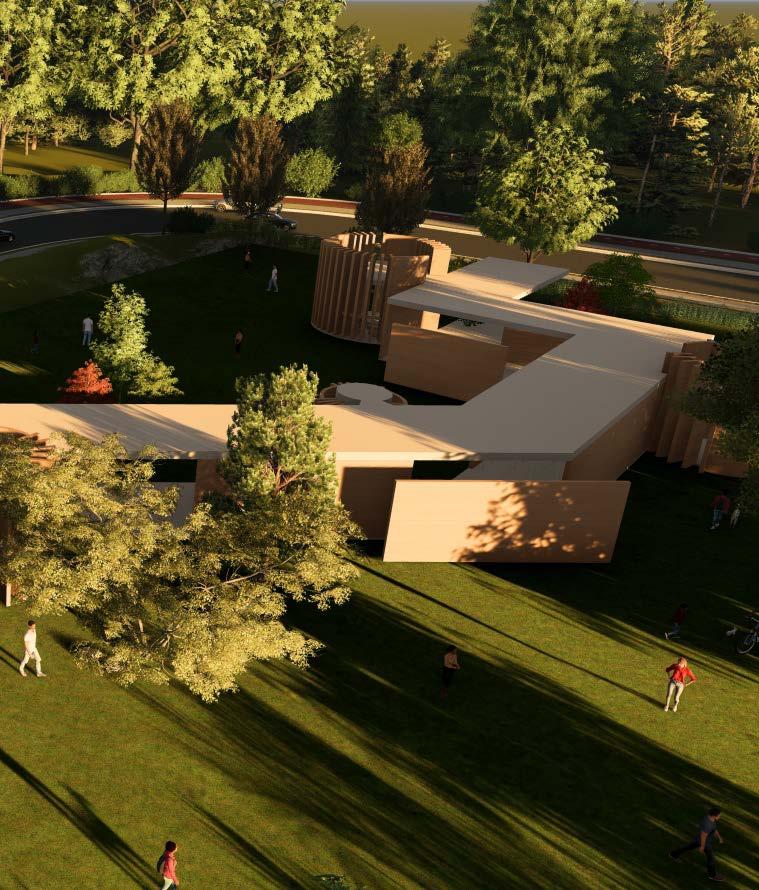
Starting with an original floor plan by Johnston Marklee, I utilized only two specific functions in Rhino3D to manipulate and transform the design while ensuring that its fundamental layout remained recognizable. This method provides a unique way to explore architectural representation, challenging conventional ways of interpreting spatial organization. By limiting the transformation tools, the process encourages a focused study of how subtle geometric alterations can shift perception, circulation, and spatial relationships within a plan. This exercise not only reinforces an understanding of digital modeling techniques but also opens up new ways of visualizing and reinterpreting architectural design, offering fresh perspectives on spatial composition and adaptability.
Arizona State University ARC 401 Professor: Mauricio Underwood
Partner: Gemma Roman
Site: Scottsdale, Arizona
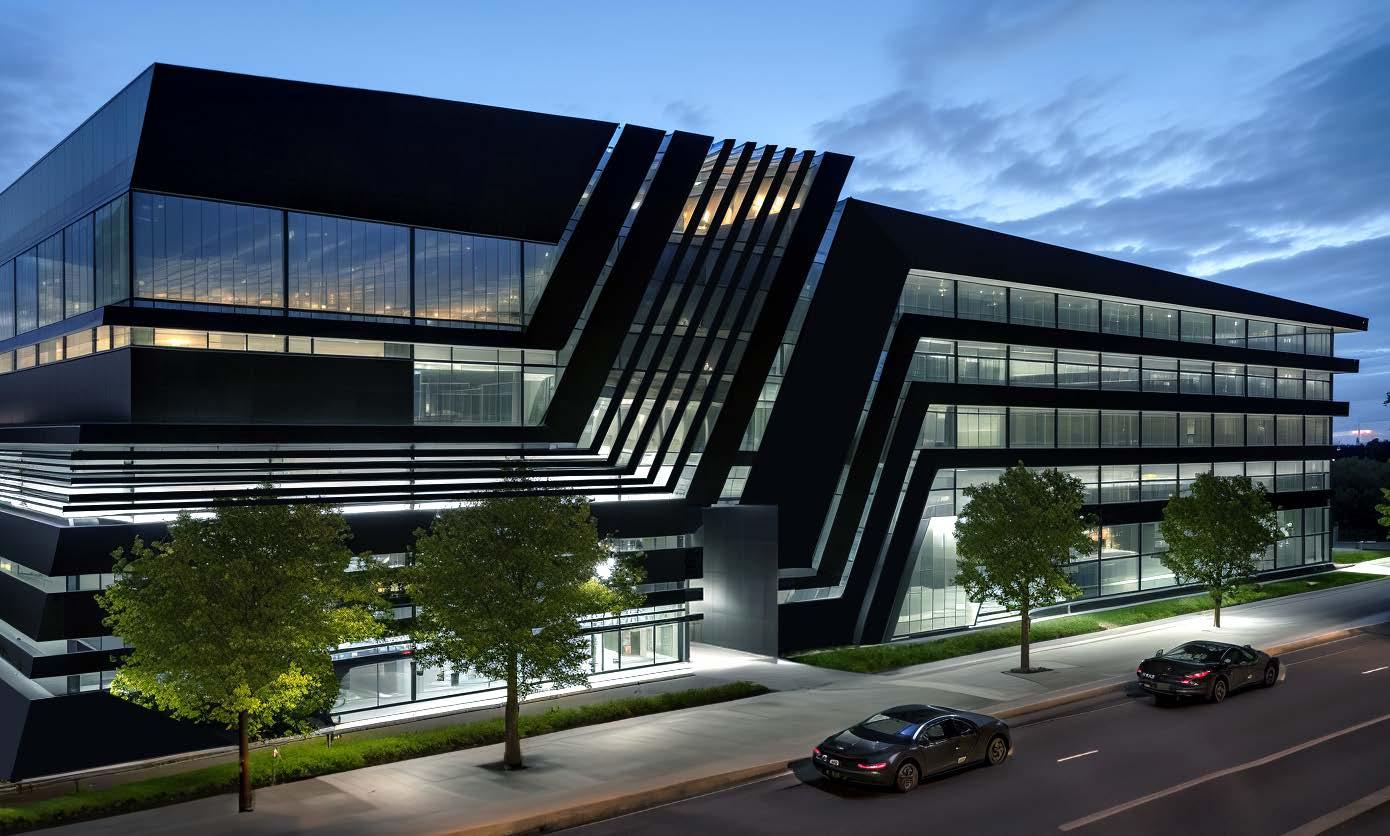
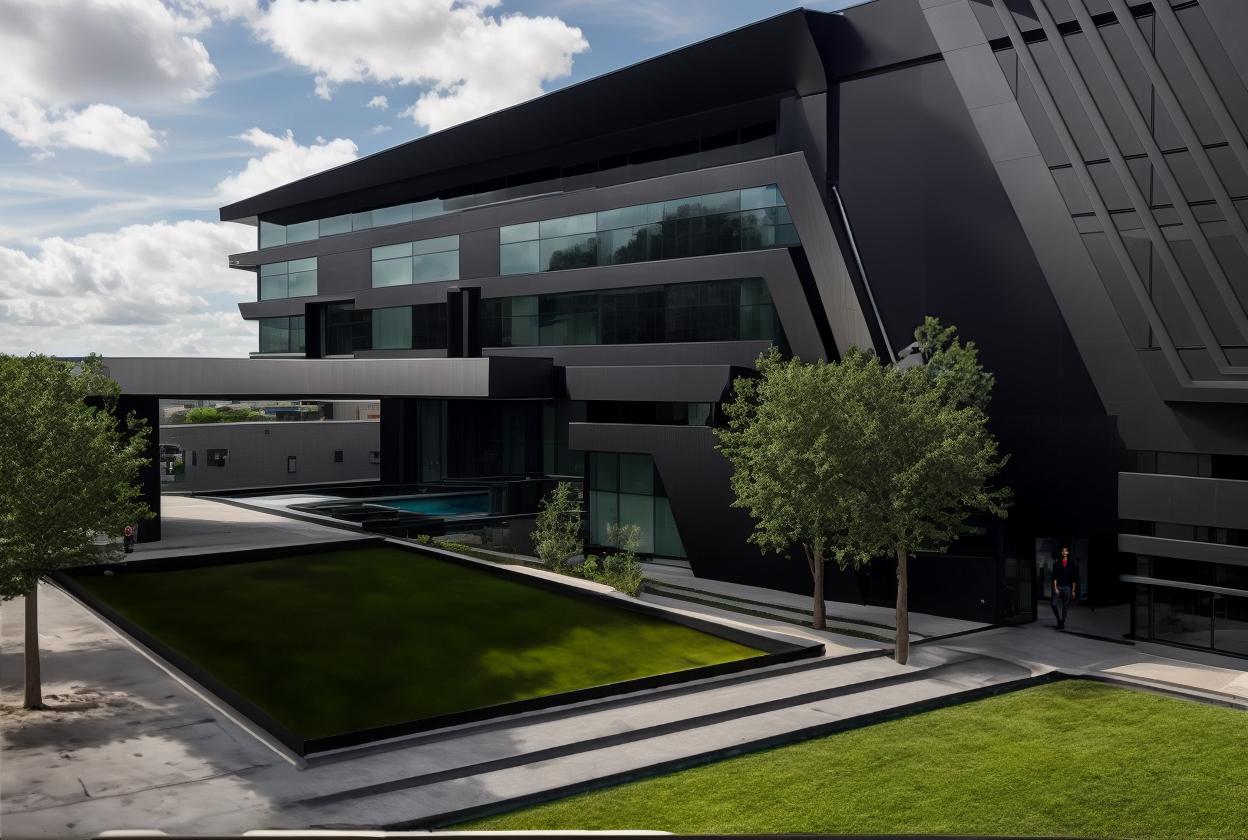
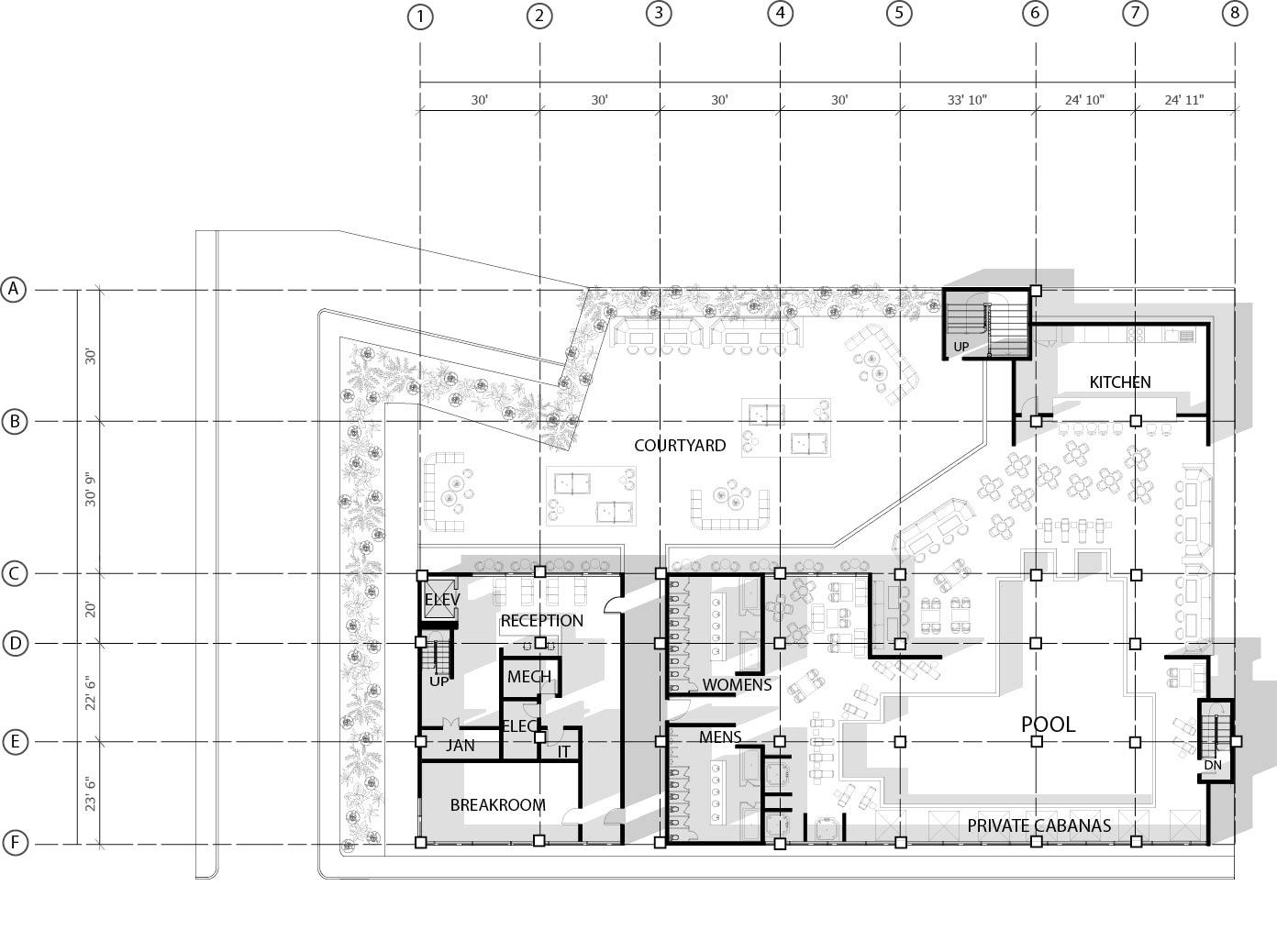
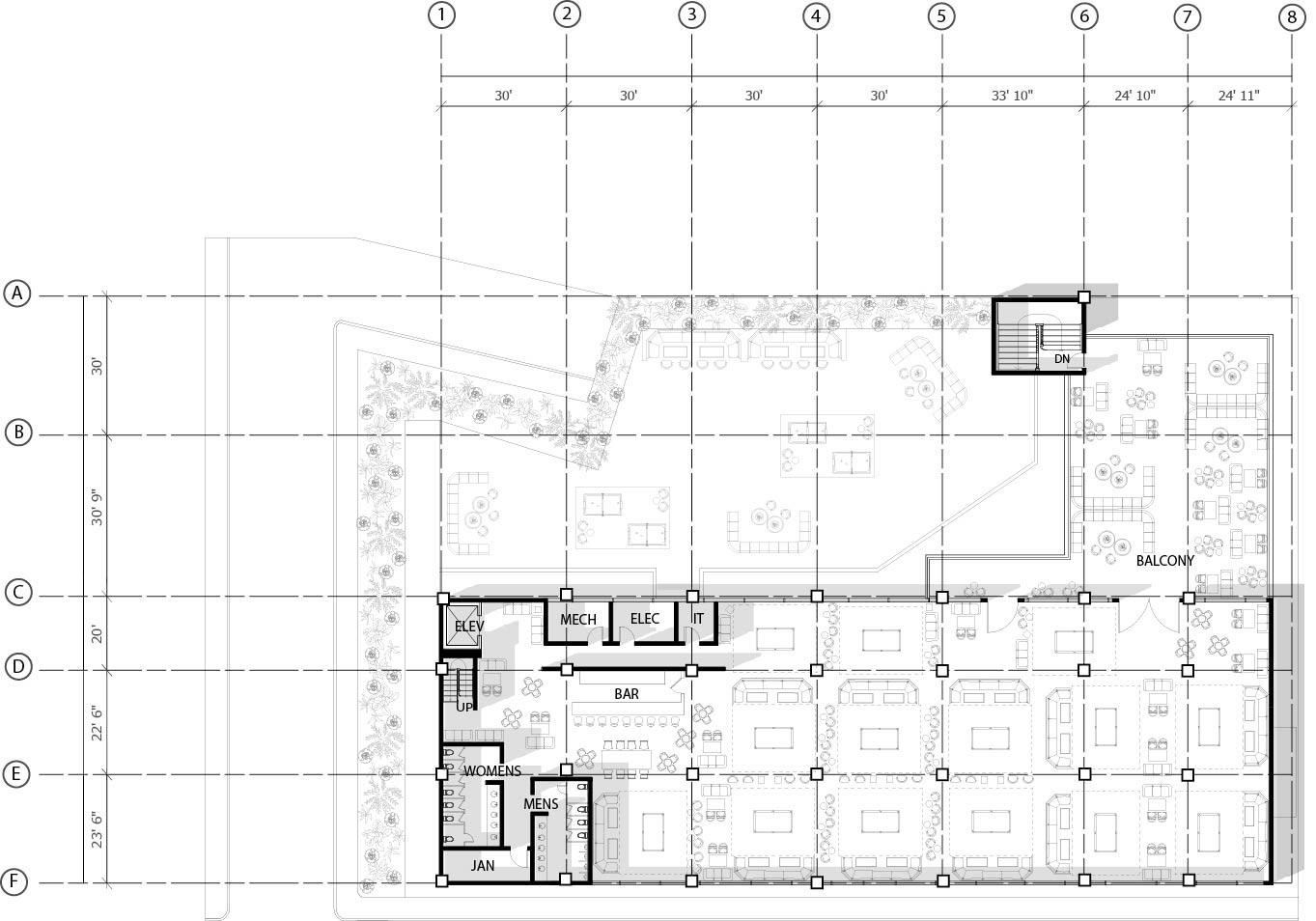
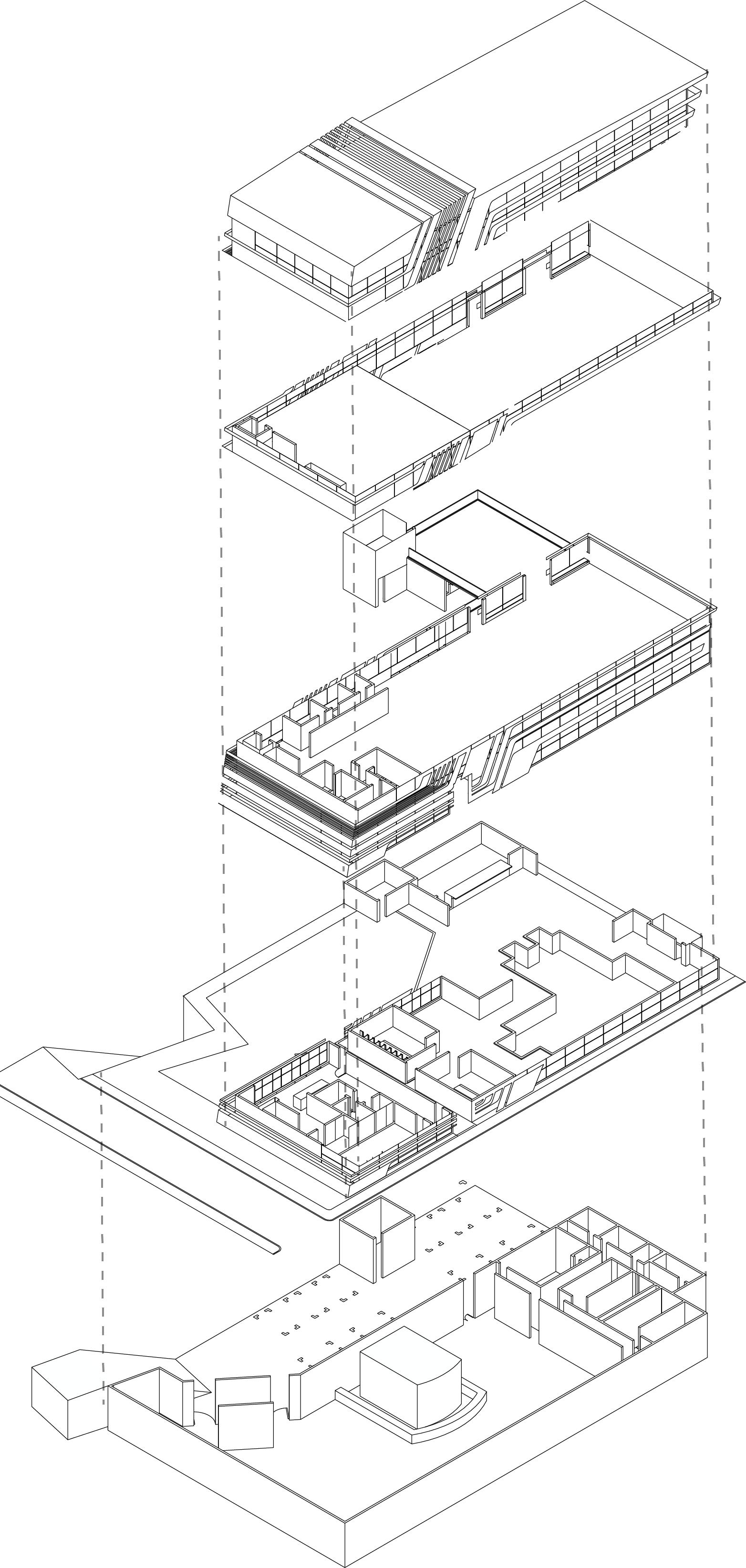
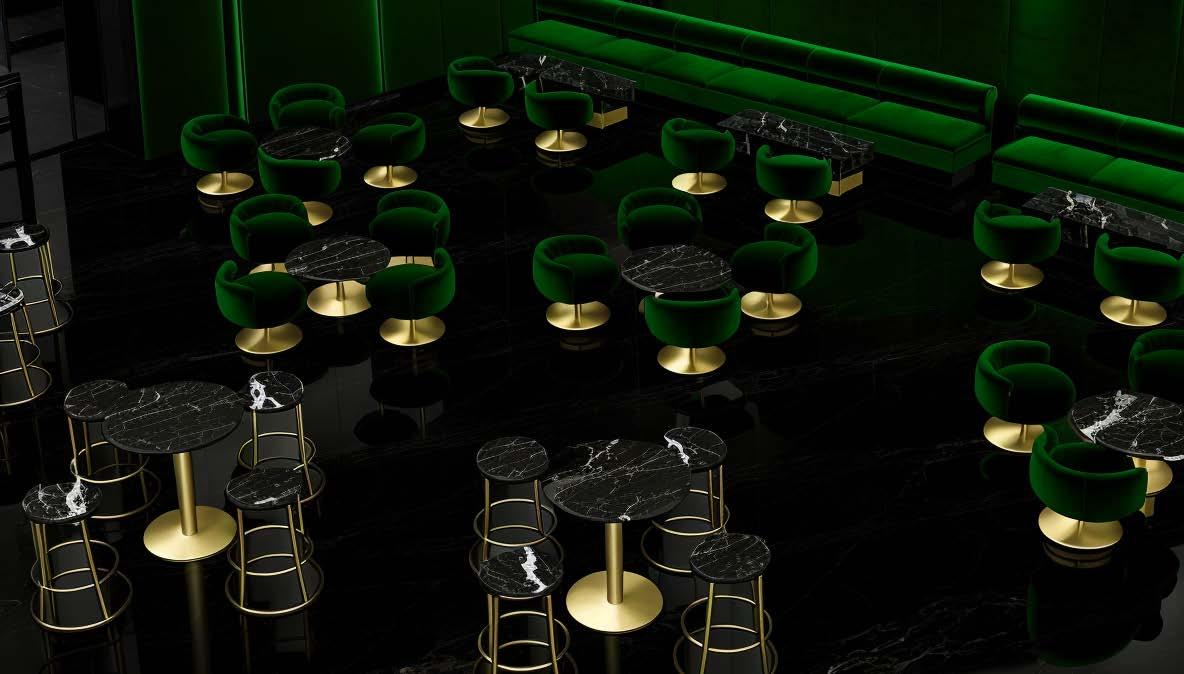
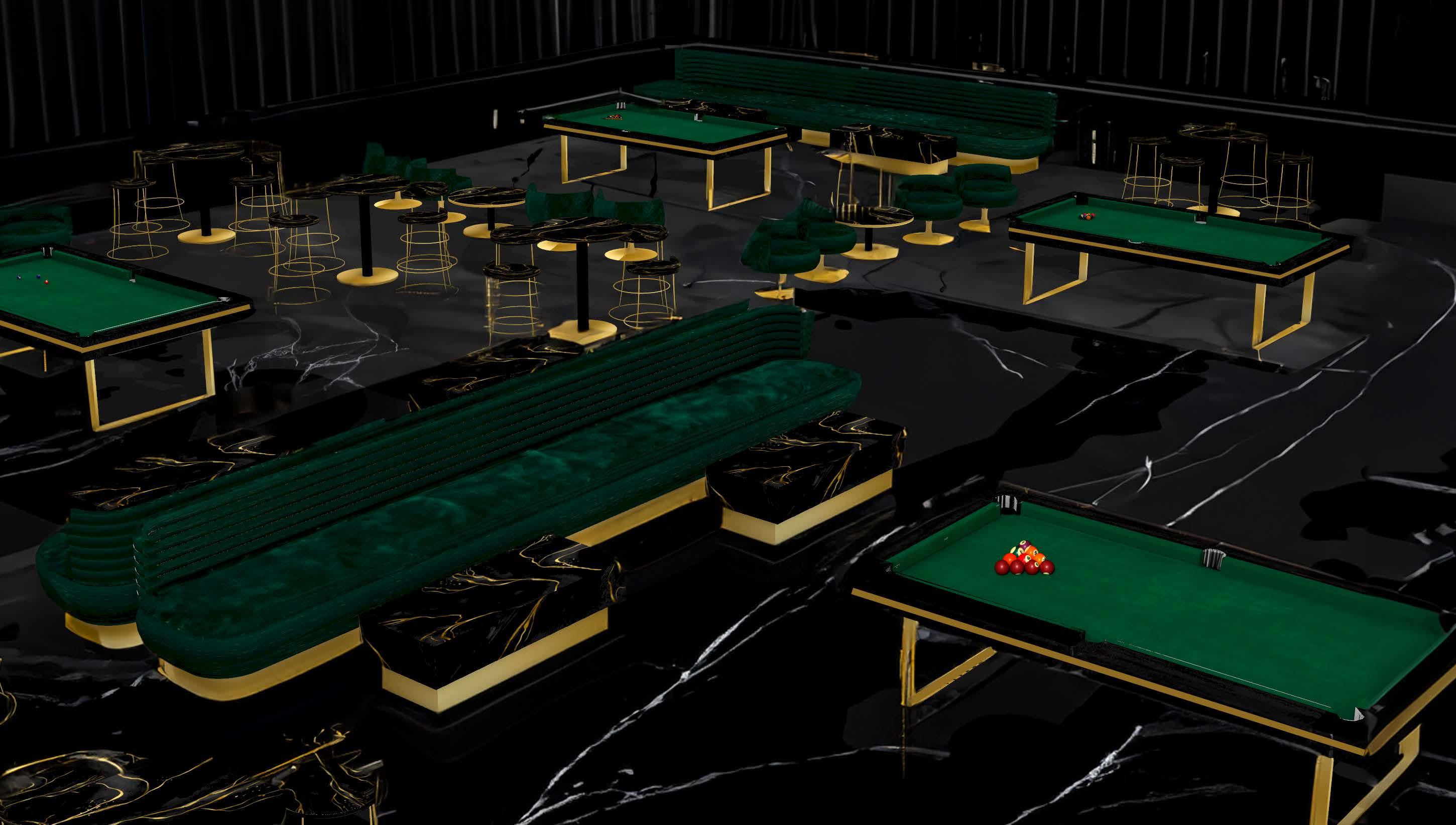
This project encourages students to draw design inspiration from everyday visuals like music videos, movies, and photography. After gathering precedents, a third program was integrated to enhance the luxury restaurant, rooftop bar, and pool hall concept. The selected third program is an underground nightclub featuring jazz and comedy shows, live bands, and a luxury car display with high-end brands like Lamborghini and Ferrari. The underground level includes the nightclub, a wraparound bar, and a glass-walled car showcase. The first floor is divided into a reception area and an indoor/outdoor pool with cabanas, hot tubs, and an outdoor kitchen. The second floor houses a billiards hall with 14 pool tables, a bar, and a balcony overlooking the courtyard and pool. A mezzanine VIP lounge offers an exclusive bar and overlooks the billiards hall. The project was developed using SketchUp, Rhino, Photoshop, Illustrator, and LookXAI, creating a cohesive, high-end experience blending luxury entertainment and design.
Reception & indooR/outdooR pooL
undeRgRound nigHtcLuB & caR sHowcase
Roof
Mezzanine Lounge
BiLLiaRds HaLL
BiLLiaRds HaLL RendeR
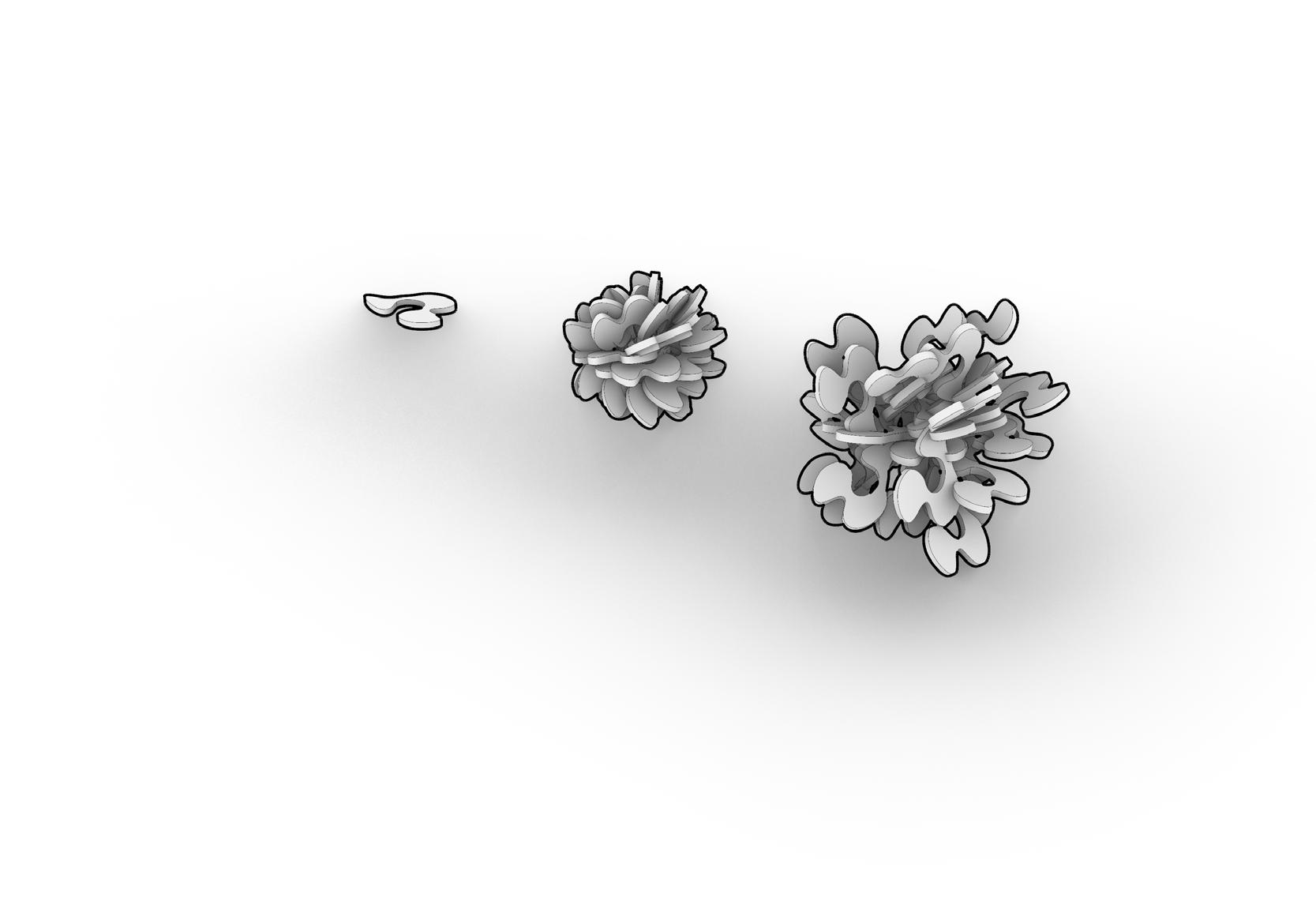
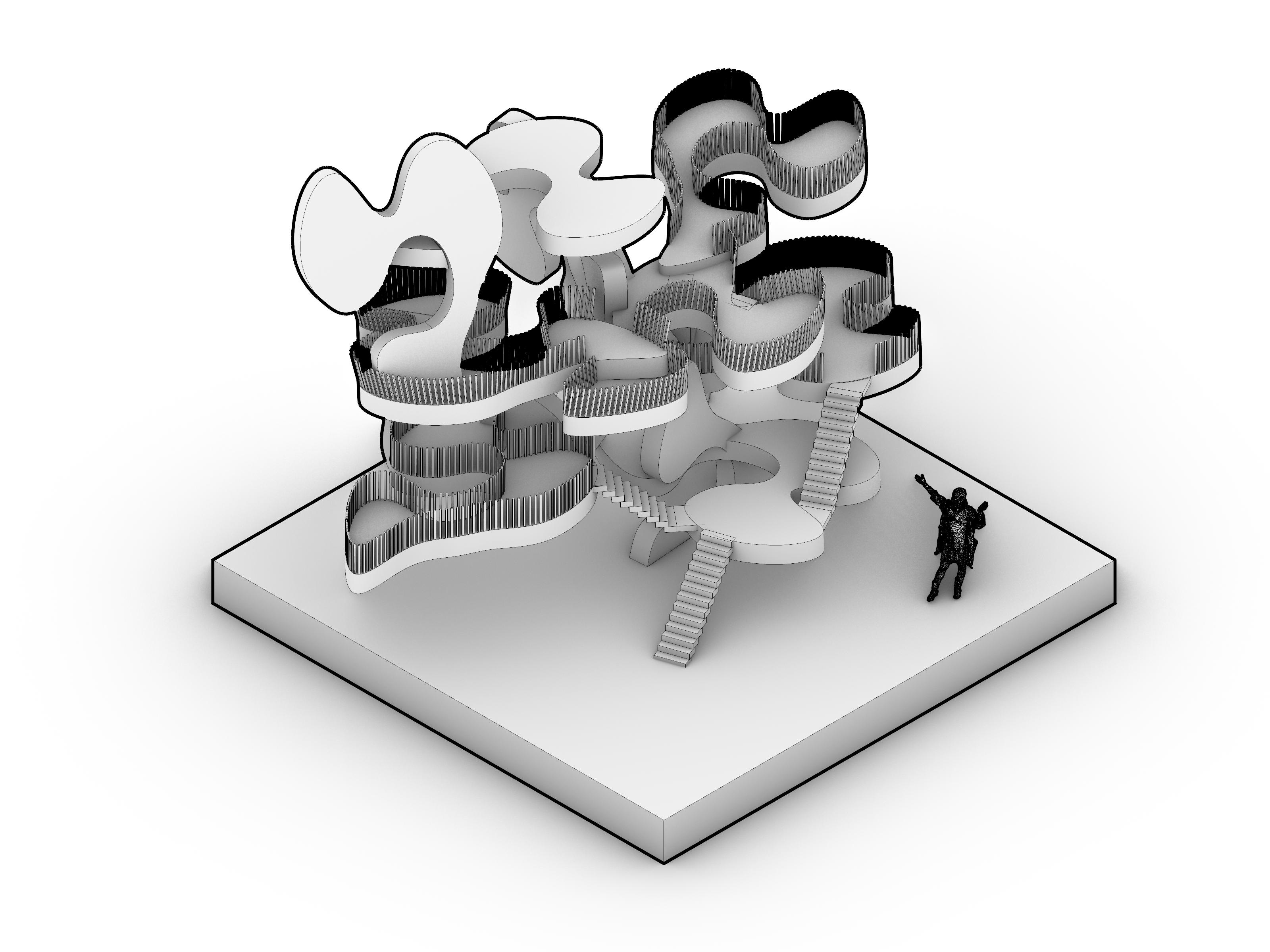
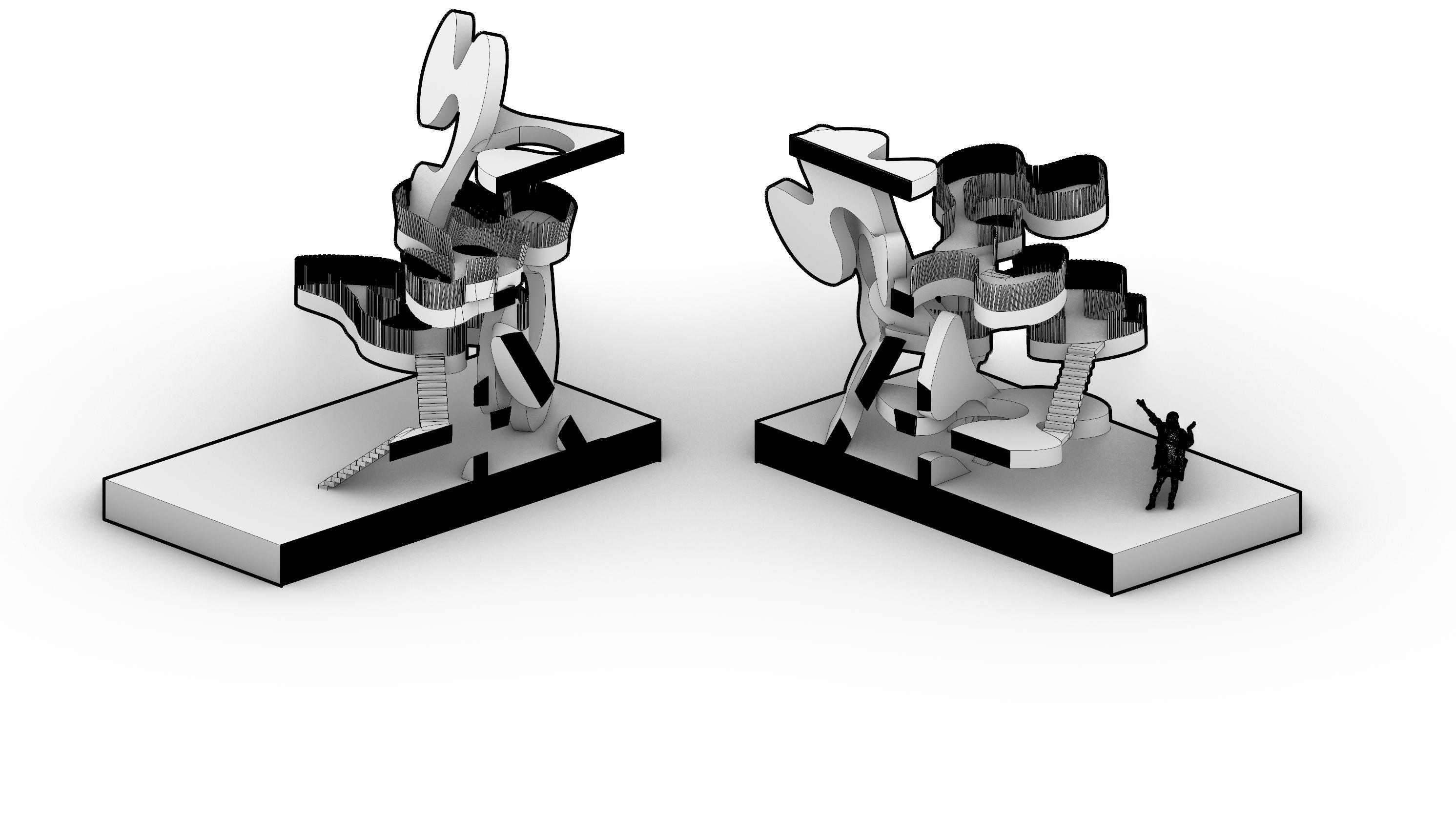
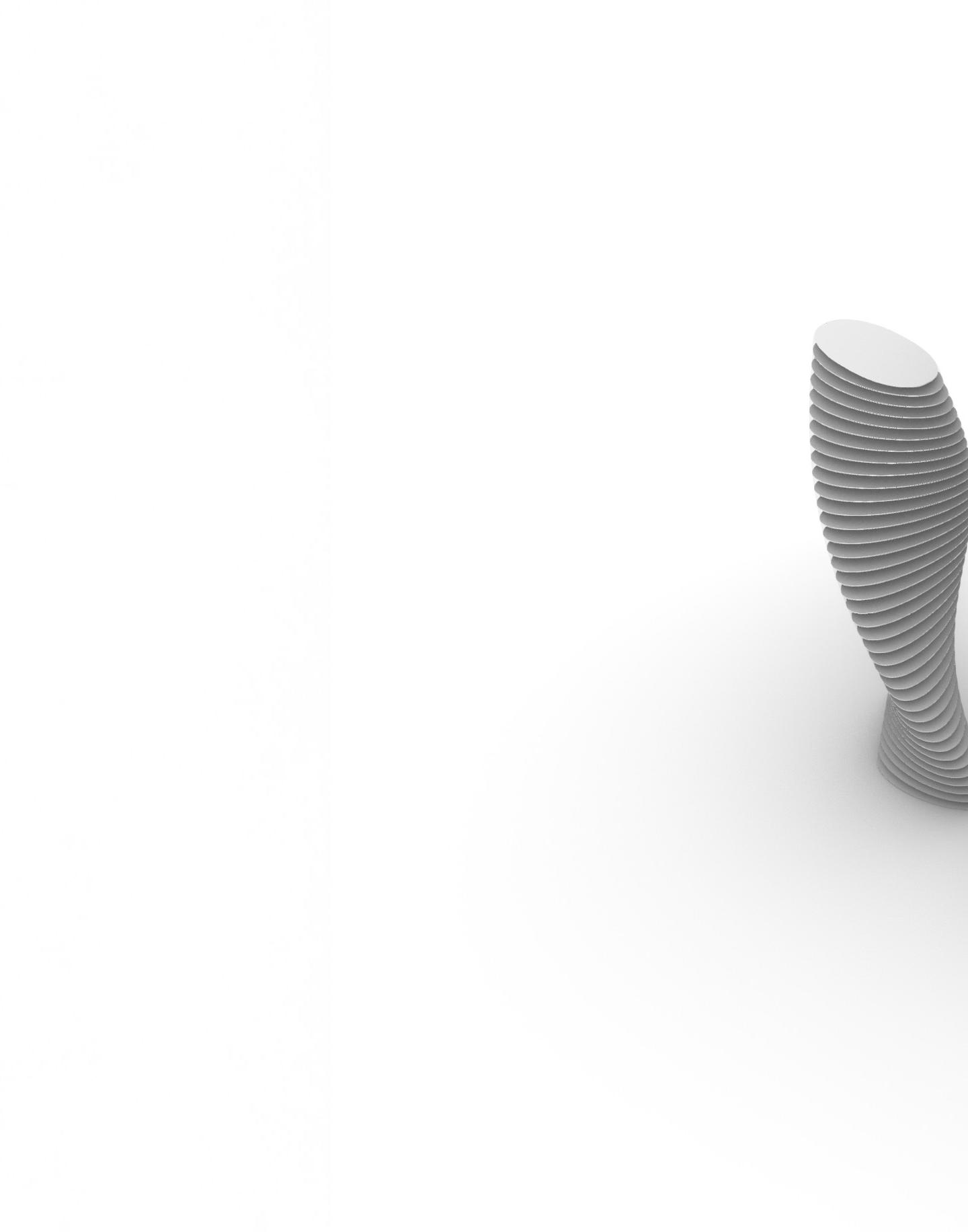
ARCHITECTURAL CHUNK PARAMETRIC MODELING
University of Southern California ARCH 564 | Fall 2024 Professor: Soomeen Hahm
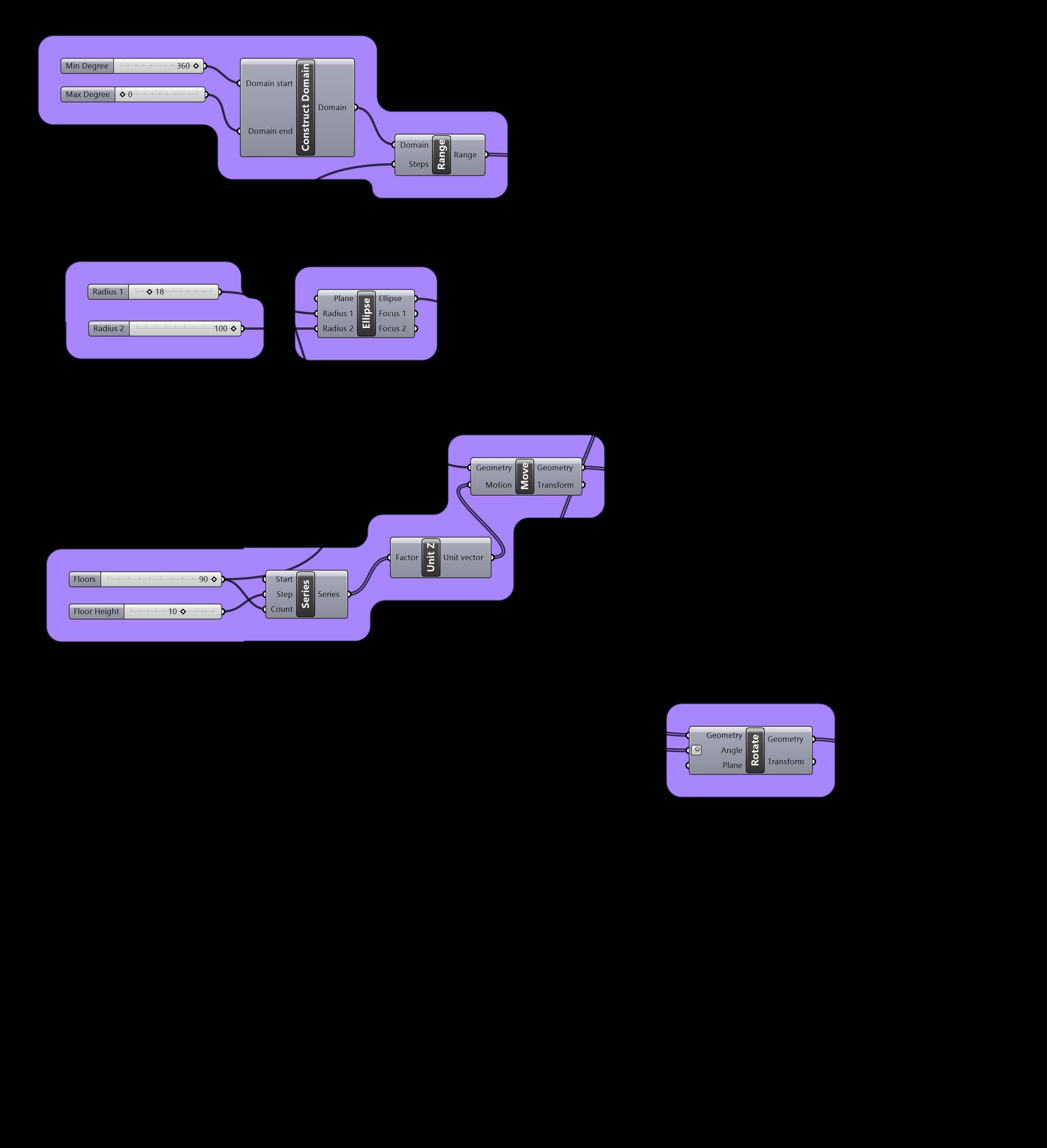
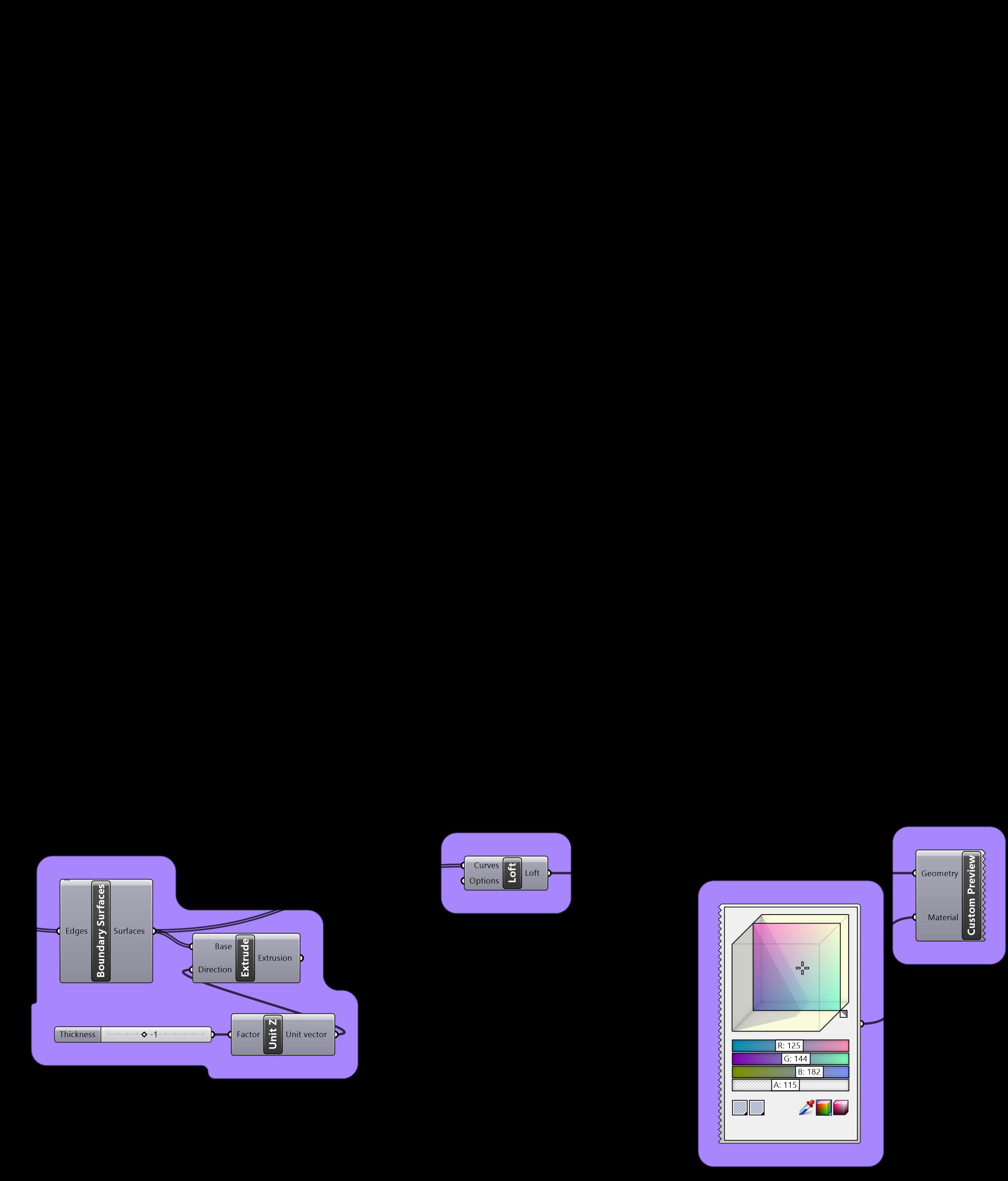
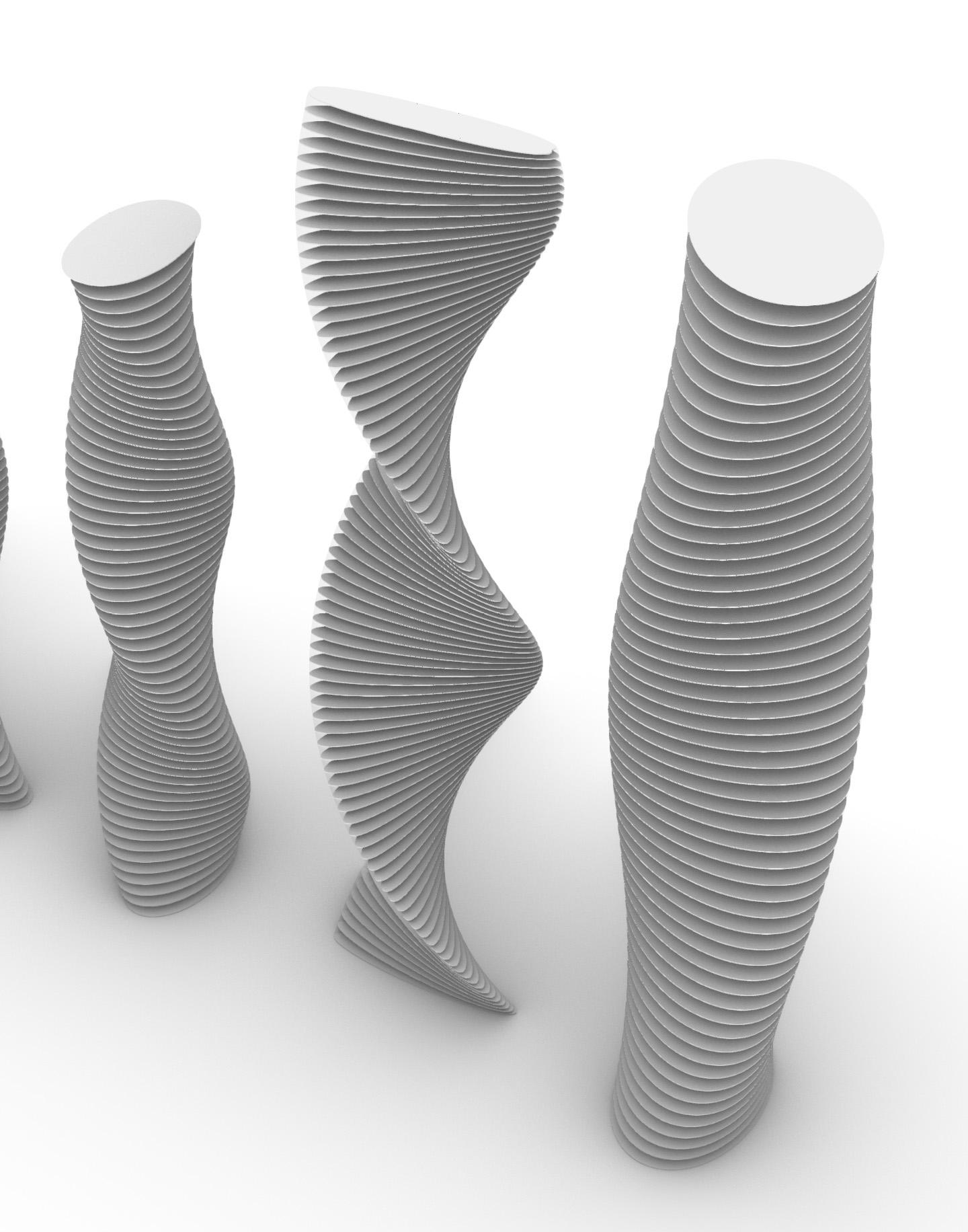
Utilizing Rhino, Grasshopper, and ZBrush, we explored innovative methods to generate architectural forms by manipulating a single original shape. Through parametric modeling, we experimented with unconventional and dynamic aggregations, challenging traditional perceptions of architecture. This process encouraged us to re imagine spatial experiences and engage with new ways of perceiving built environments.
08 PARAMETRIC MODELING
ARC 441 Architecture Representation
Professor: Warren Murff
Parametric Modeling allows us to experiment with the design process. Throughout the design process we are constantly proposing, testing, and evaluating the relationships between the physical elements that influence other objects within the model. Since the design process is not linear, parametric modeling allows the parameters to be easily adjusted to explore a range of design alternatives.
ZBRUSH ANIMATION BASICS
Arizona State University Summer 2023
ART 394 Topic: 3-D Digital Modeling Professor: Brenden Bannon
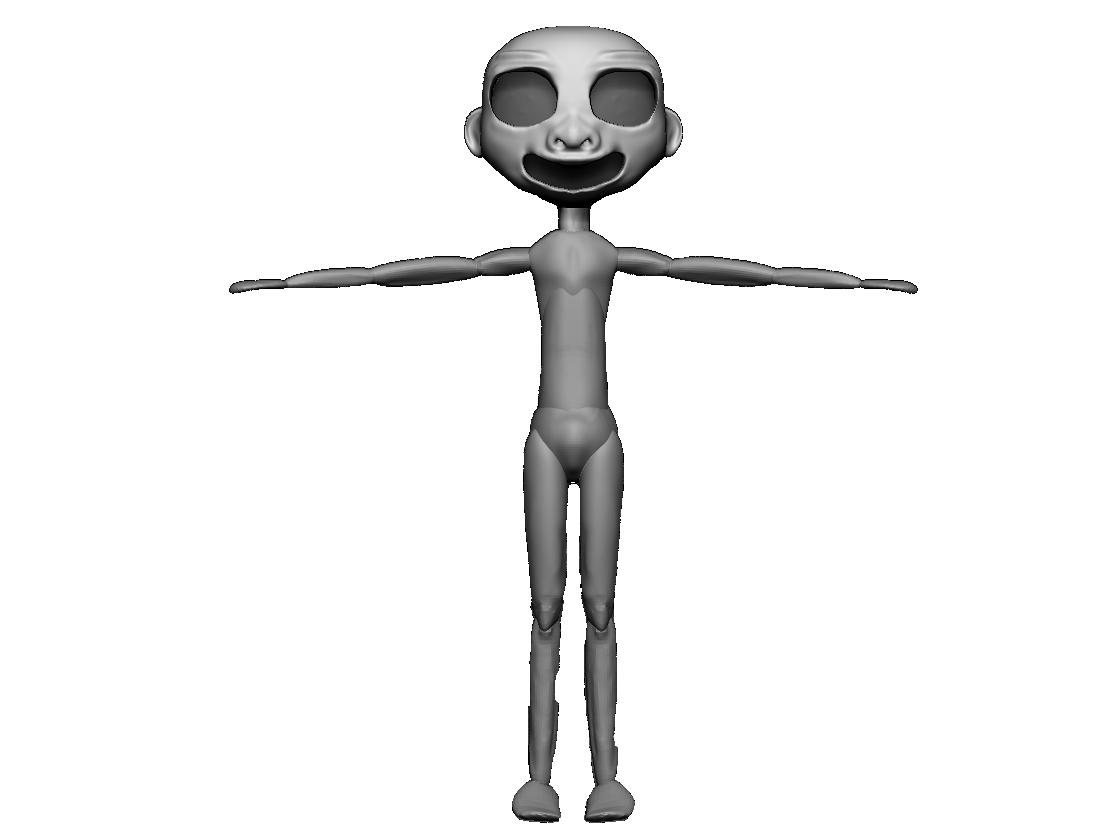
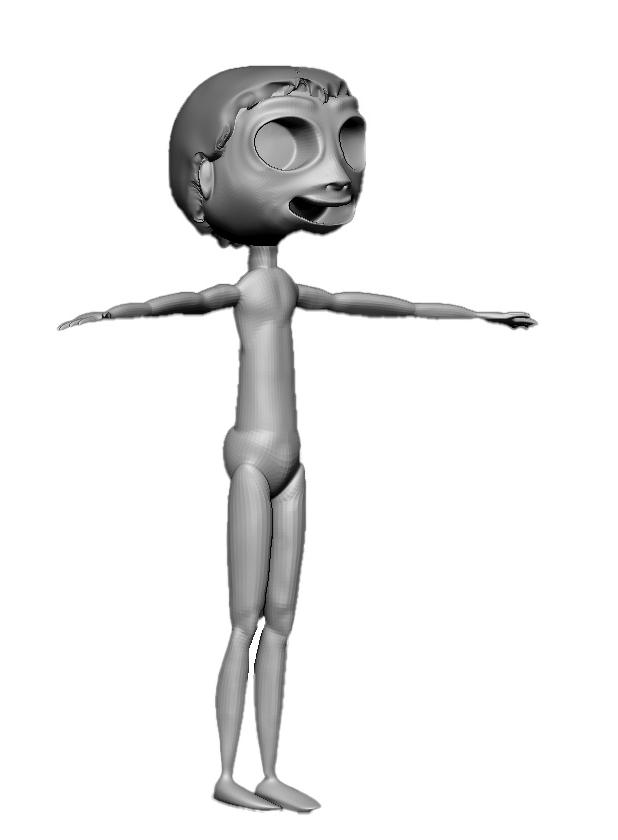
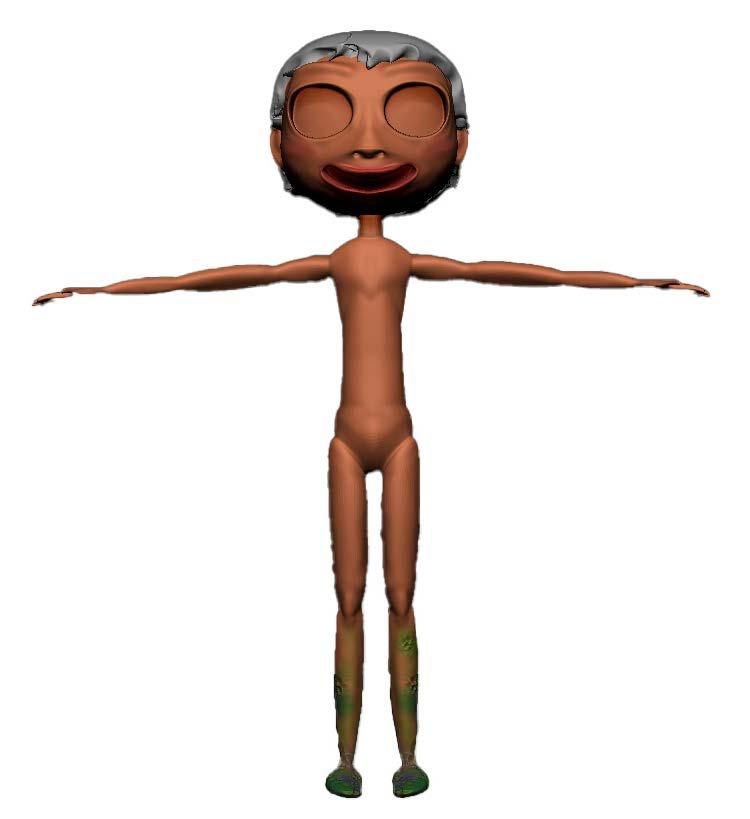
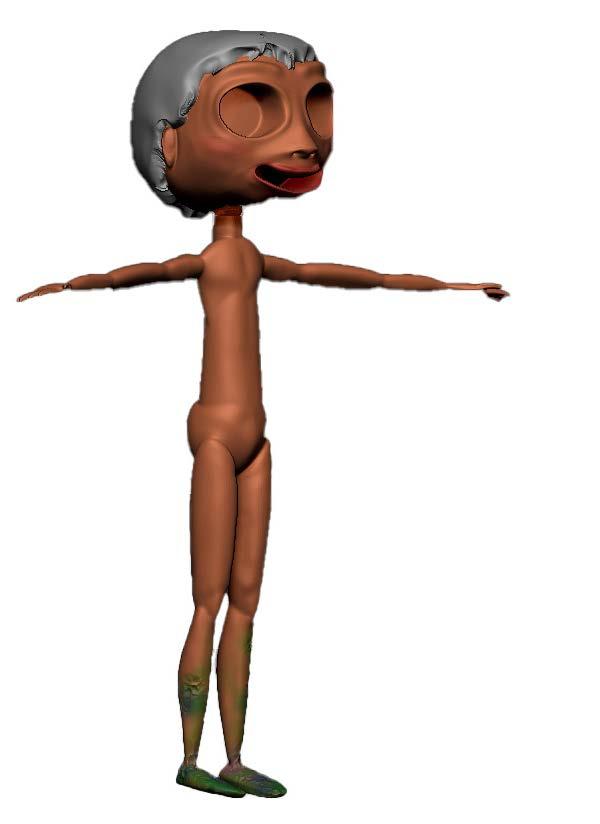
I explored the fundamental techniques animators use to create digital figures, focusing on industry-standard software like ZBrush and Maya. As an introductory course, it provided a foundation in digital sculpting, polygon modeling, and texturing, giving me insight into how animators develop characters and environments for film, gaming, and themed entertainment. Working with ZBrush allowed me to sculpt organic forms with a high level of detail, while Maya provided an introduction to 3D modeling, rigging, and rendering. While this was a beginner-level course, it sparked my interest in digital modeling, and I plan to continue developing my skills in ZBrush and Maya to further explore the intersection of architecture, animation, and storytelling.
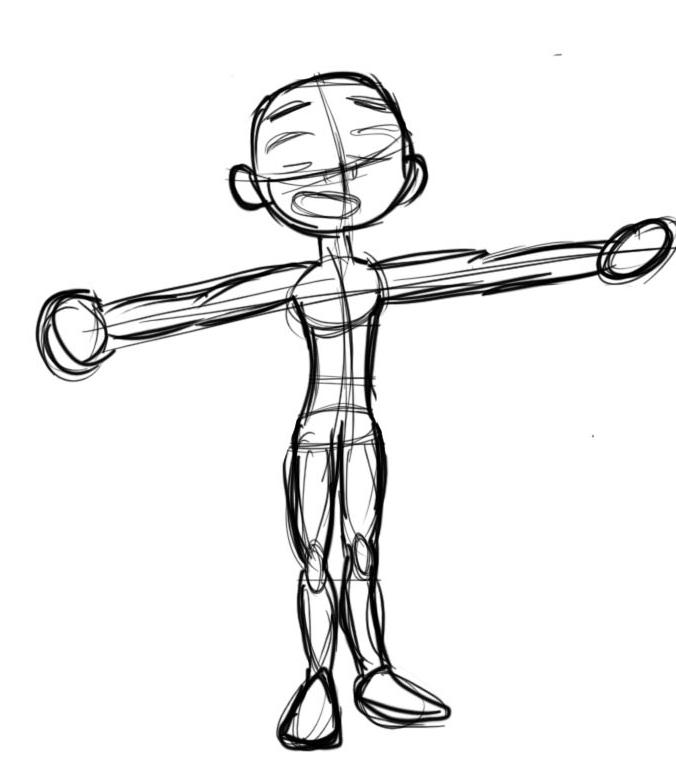
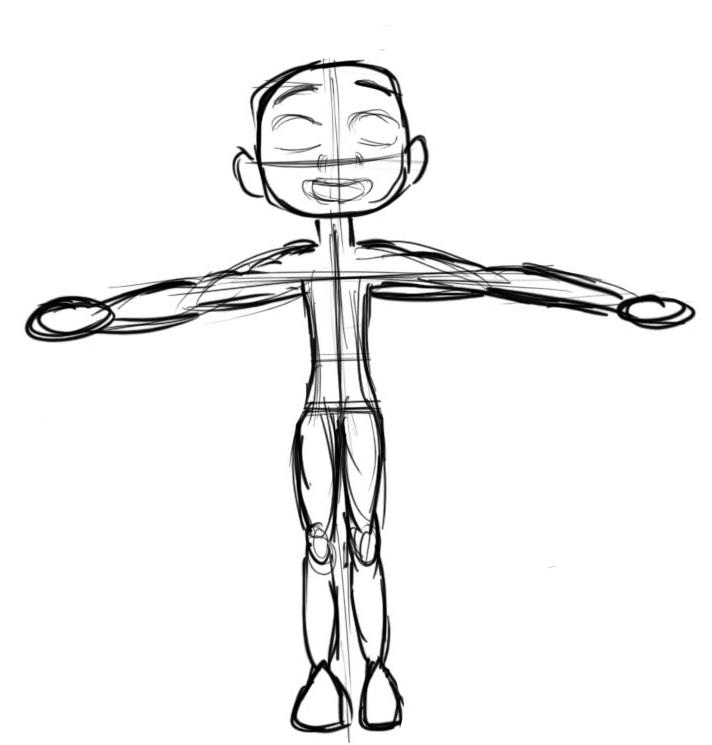
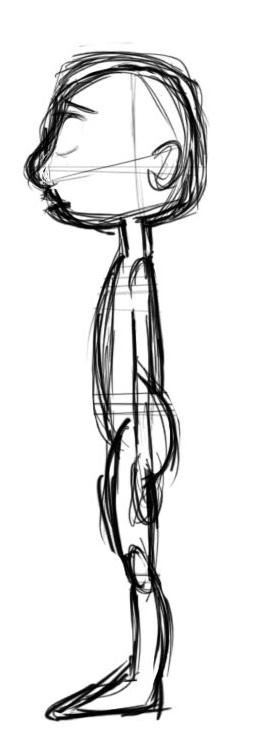
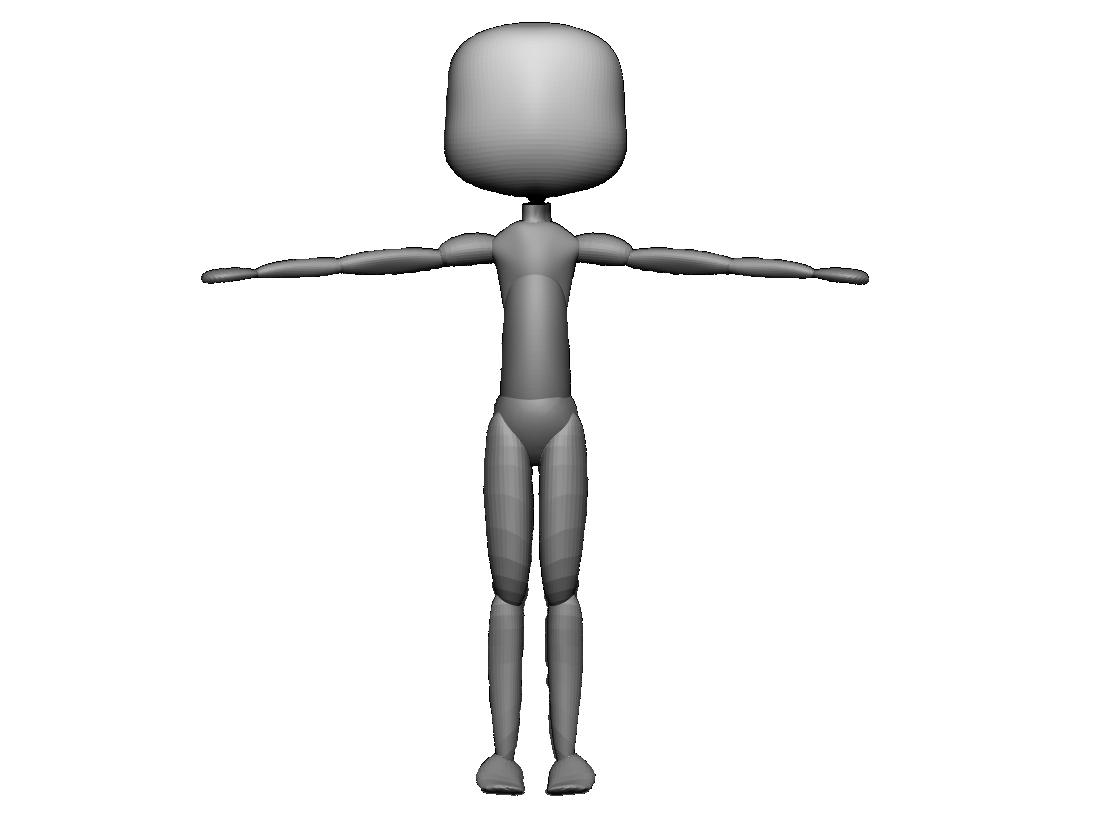
Starting outline sketch was used to help begin the shape of the 3-D model on ZBrush, the character was inspired from Disney’s movie Luca
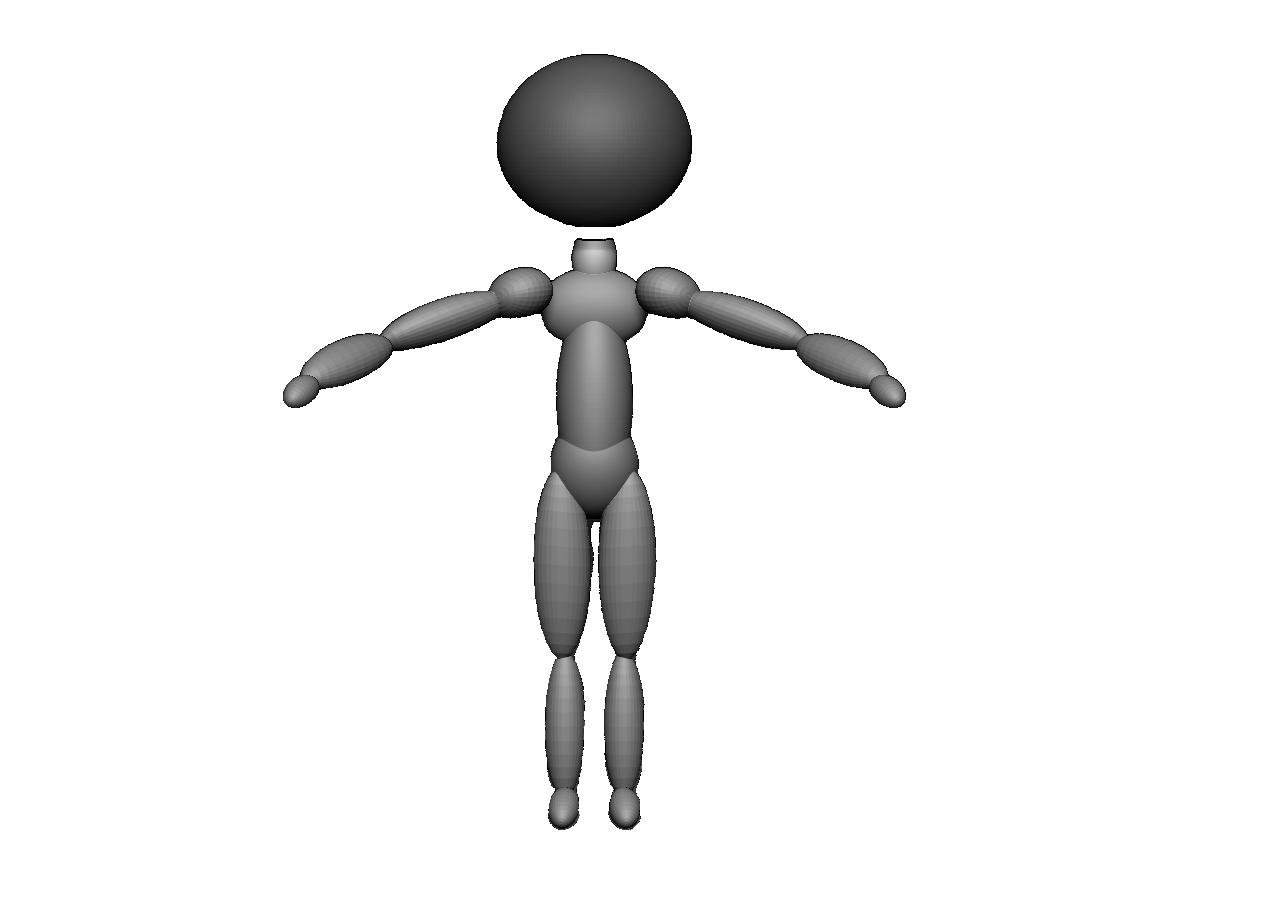
Beginning the basic-body shape using different 3-D geometric shapes, especially spheres
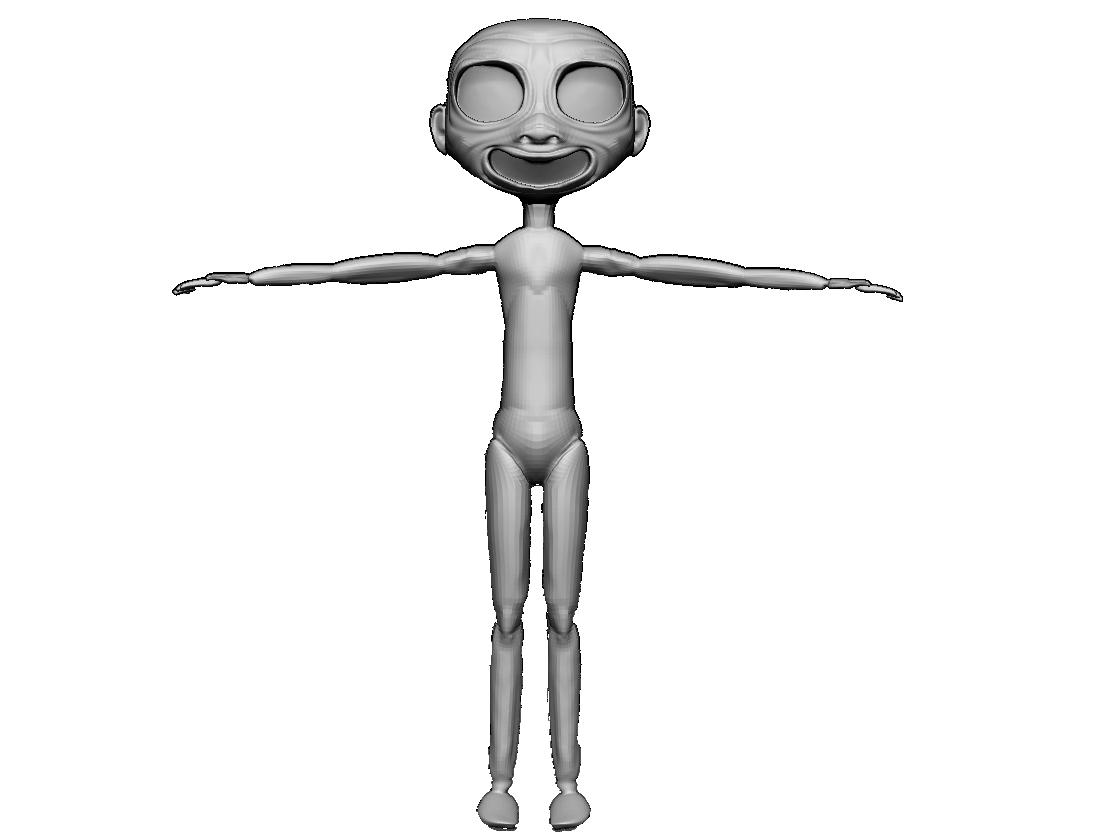
Merging the limbs together, while using Dynamesh to maintain a uniform resolution, polygon distribution and creating the retopology of the model using zremesher
Building a foundational form and proportional foundation of the 3-D model
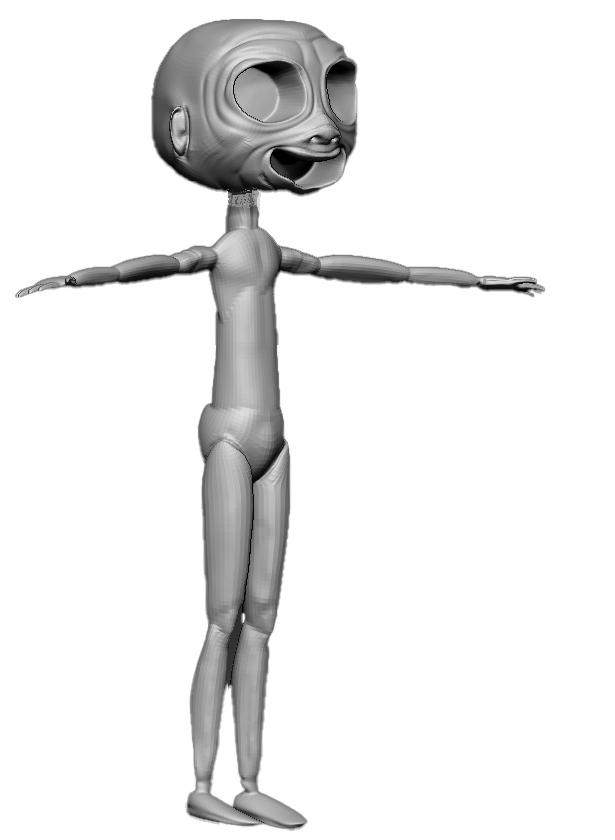
Extruding parts of the body in ZBrush and creating a UV Map using Maya to prepare to add color.
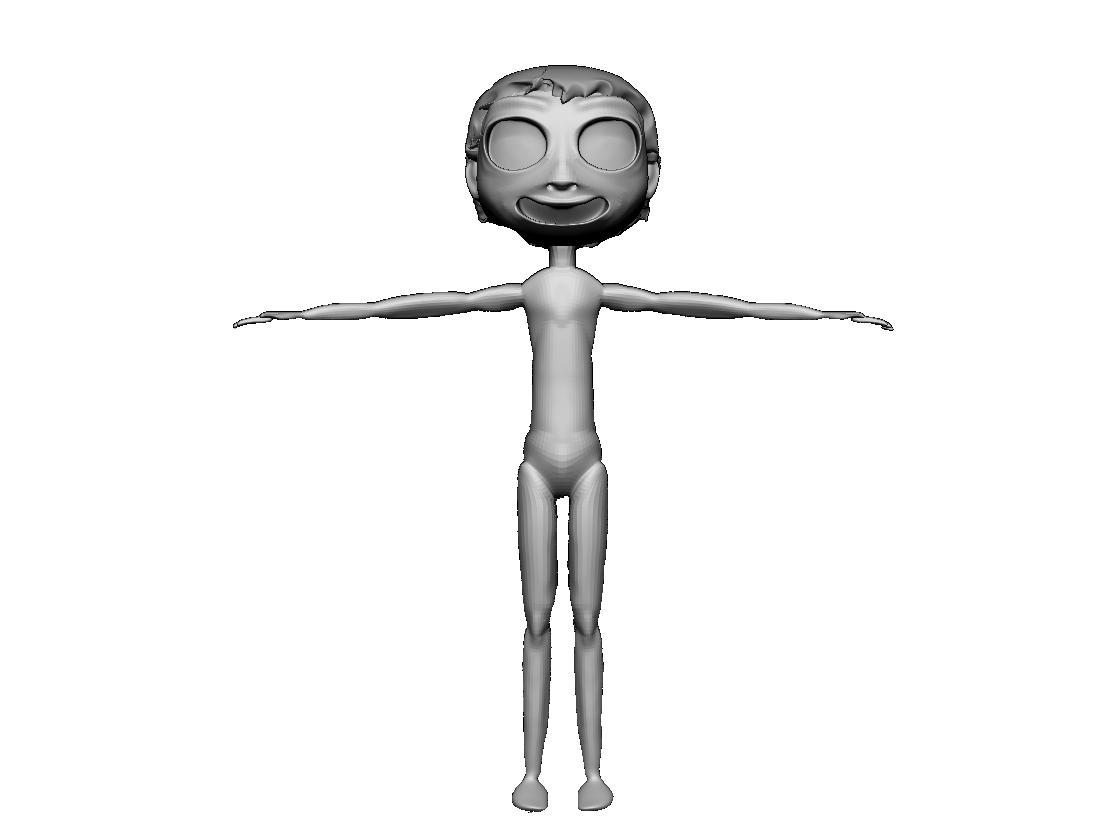
Refining the model by sculpting and adding minor detail while merging parts of the torso
Extracting parts in mesh using masking, using alphas to create texture, and polypaint sculpt to add color.
MASTERCOPY ARTWORK
ART 194: Expanded Arts Studio Professor: Lucas Knowles
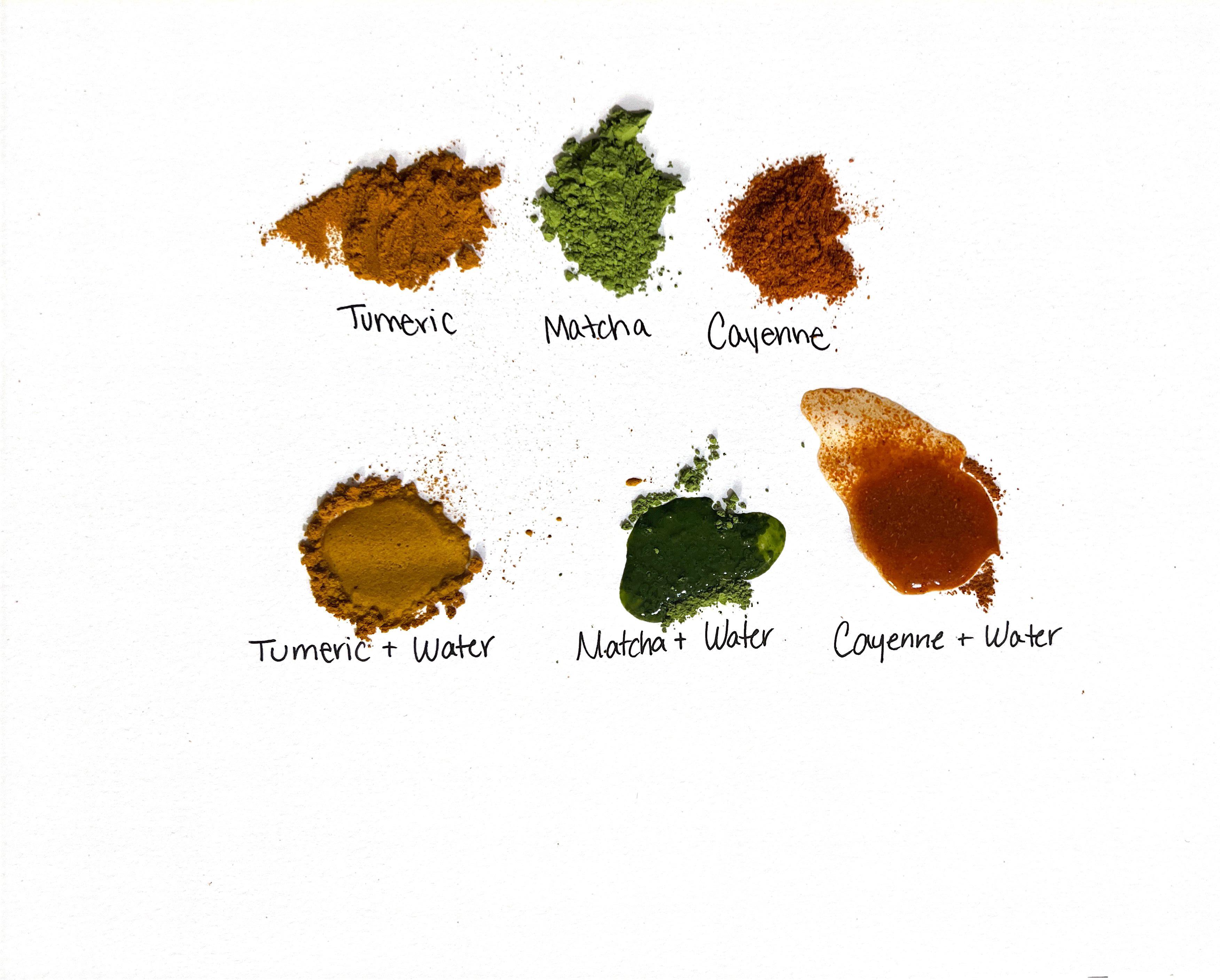
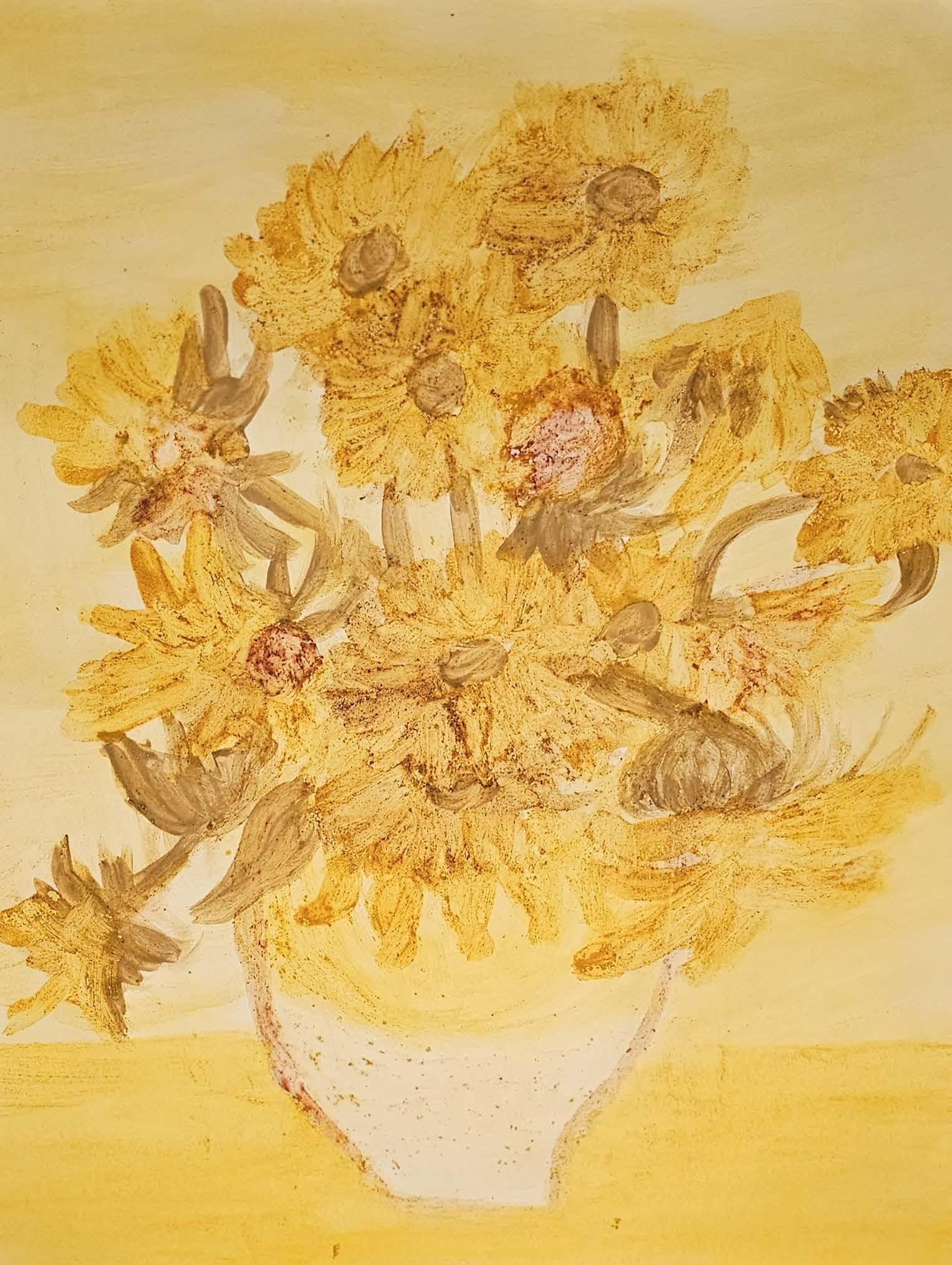
A mastercopy artwork is an exercise in studying and replicating the techniques of an admired artist. Vincent van Gogh’s Sunflowers series is often interpreted as a symbol of gratitude. In my recreation, I explored this theme using non-traditional art materials—turmeric, matcha, and cayenne pepper—selected for both their natural origins and cultural significance. Turmeric, a rhizome native to Southeast Asia and widely cultivated in India, has long been valued for its medicinal and culinary properties. Matcha, derived from the Camellia sinensis plant, is deeply rooted in Japanese tea culture, while cayenne, a fruit from a subtropical shrub, is commonly used in various cuisines and traditional remedies. By incorporating these organic materials, this piece reflects an appreciation for the natural world and its capacity to inspire art. While these elements are typically associated with cooking and healing, this project recontextualizes them as artistic mediums, reinforcing the idea that gratitude can be expressed not only through subject matter but also through materiality itself. 10
downtown eL paso, tX
ARCHITECTURAL PHOTOGRAPHY
University of Southern California
ARCH 421 | Fall 2024
Professor: Stephen Schafer
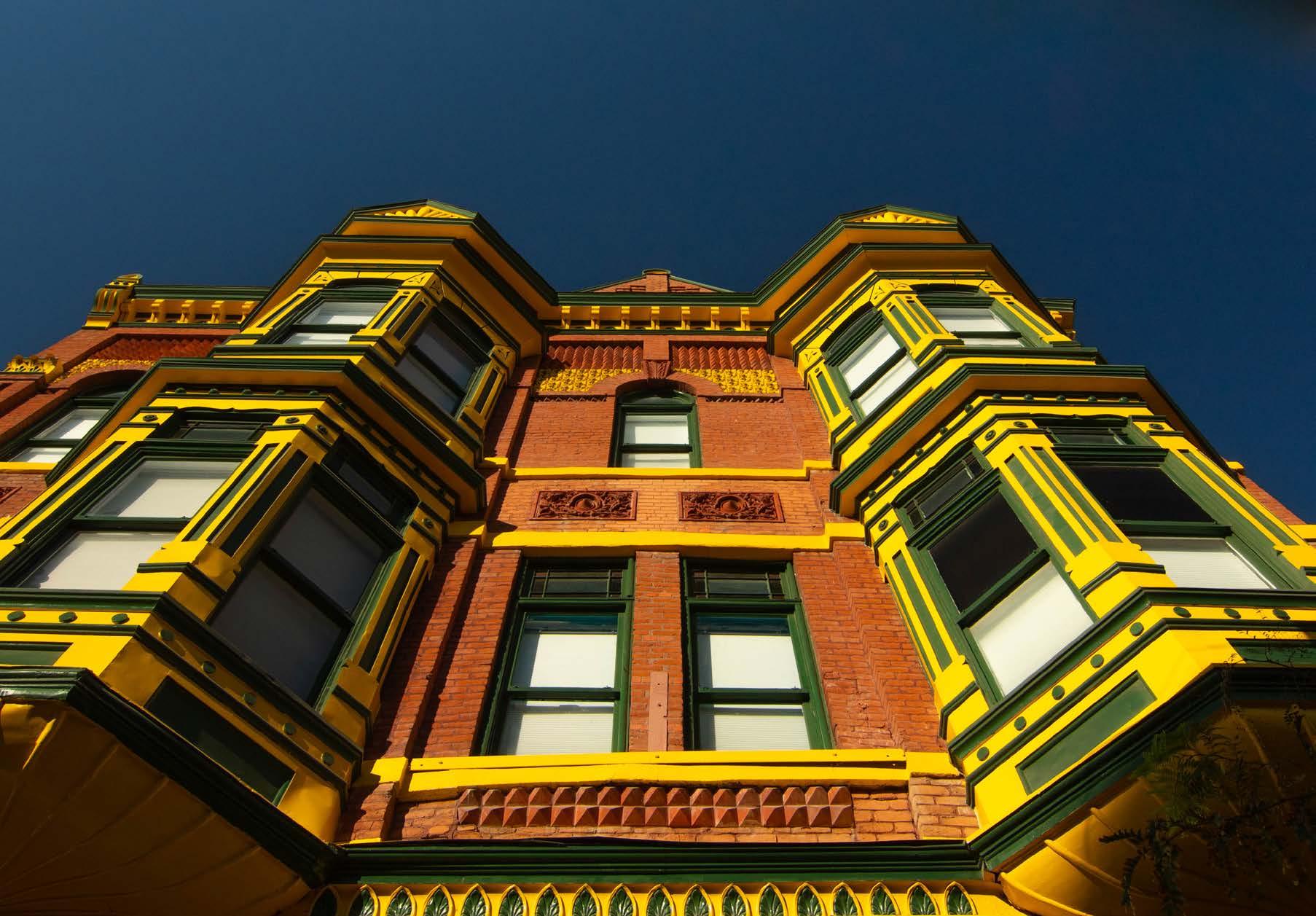
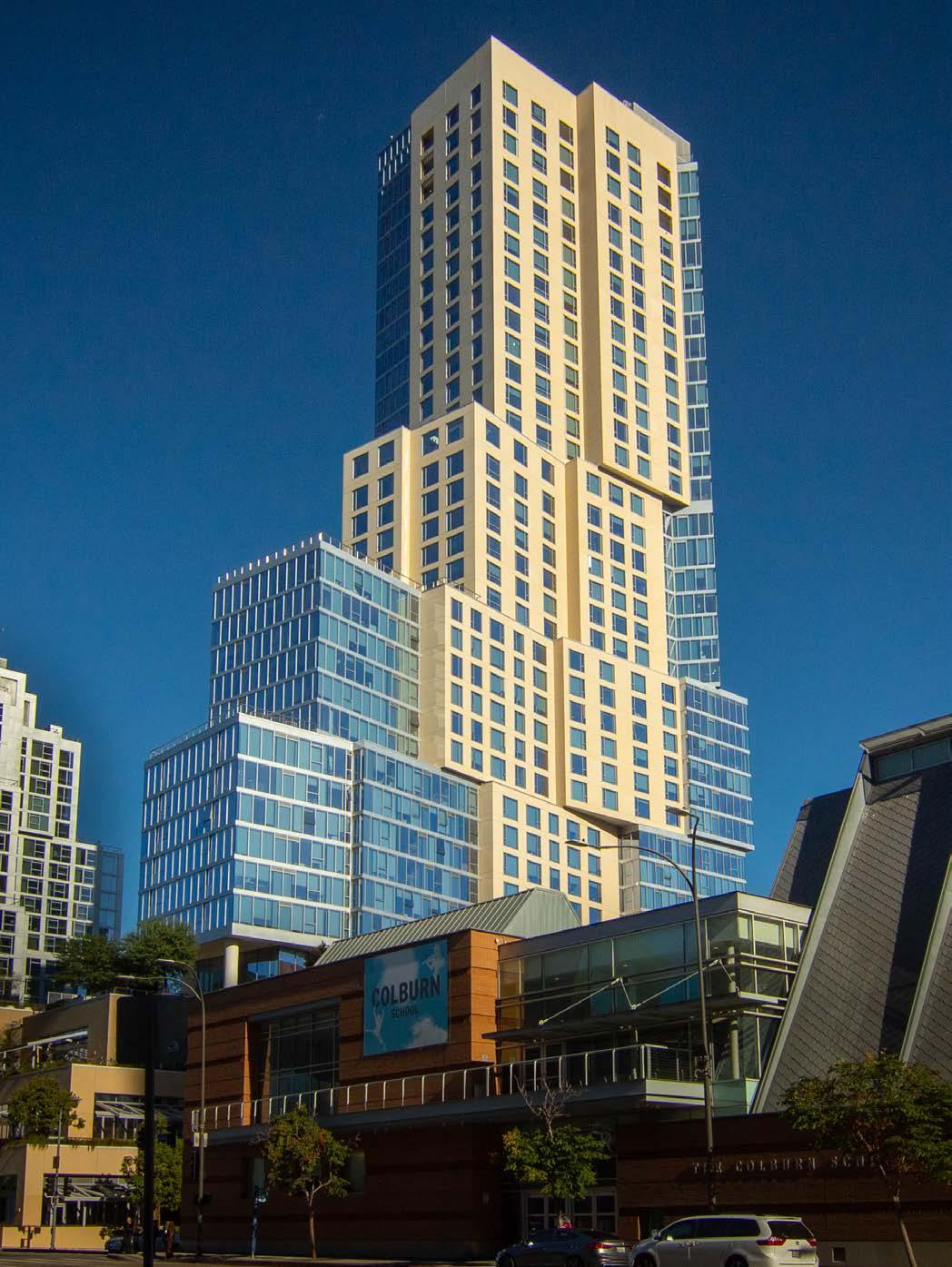
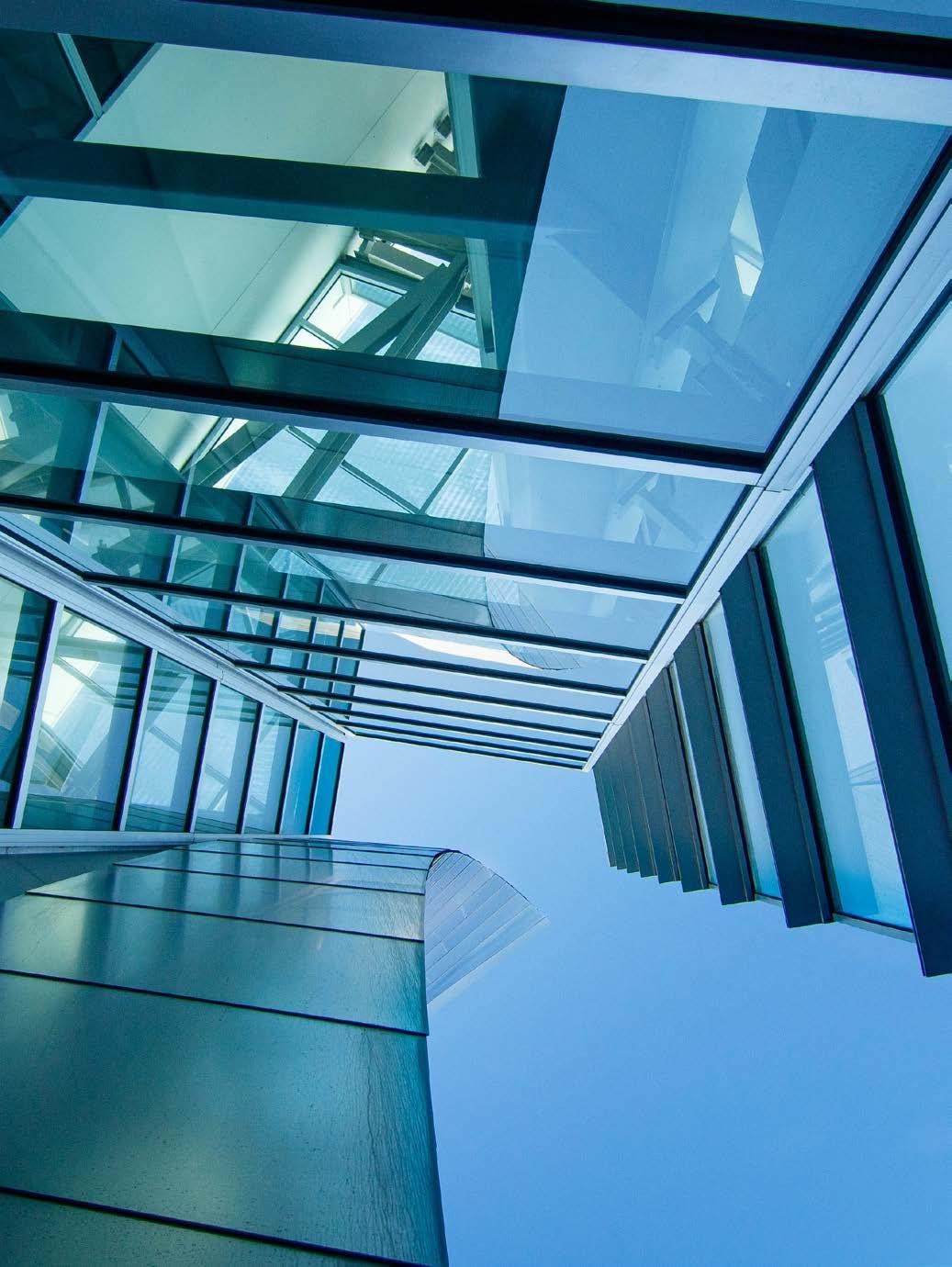
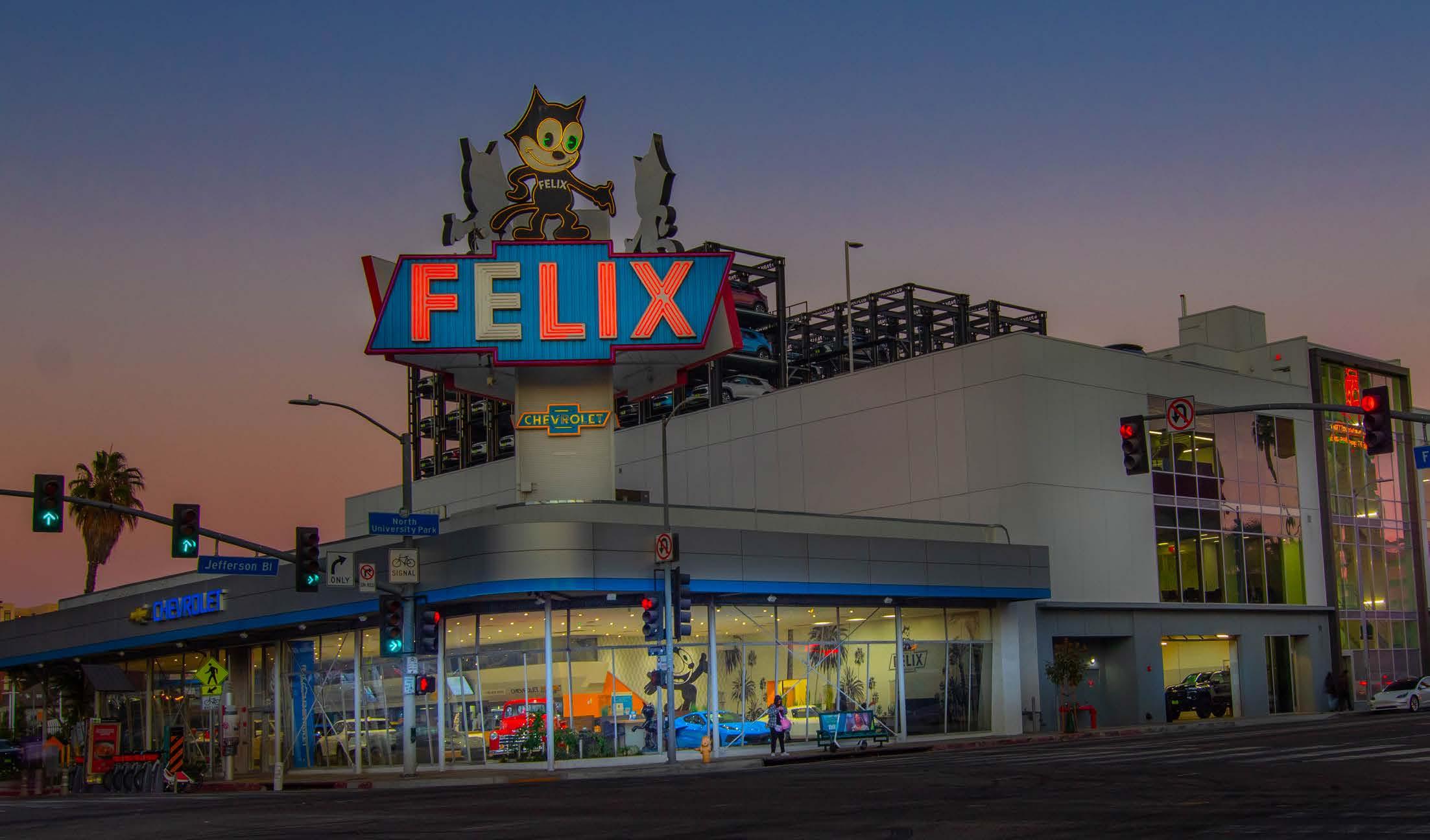
Photography has sharpened my ability to see space, light, and composition in a way that directly influences my approach to architecture. Through the lens, I’ve learned how light transforms materials, how angles change perception, and how spaces can tell a story. This practice helps me design with a stronger sense of atmosphere, ensuring that my design is not just functional but also visually and experientially engaging.