MAGAZINE FOR HYDROPOWER
A Modular Hydropower Concept in Norway
Hydropower Experts Set Milestone in the Philippines
Mountaineering Village Drives Power Station Modernisation
South Tyrolean Hydropower Technology Impresses in the Himalayas zek.at




Hydropower Experts Set Milestone in the Philippines
Mountaineering Village Drives Power Station Modernisation
South Tyrolean Hydropower Technology Impresses in the Himalayas zek.at




www.global-hydro.eu
The most recent climate summit in Brazil could have been a turning point. Instead, it became yet another symbol of political paralysis. What we are witnessing is a series of missed opportunities – a dangerous hesitation that comes at a high price. Because climate change does not negotiate. It follows the laws of physics, and those laws are already presenting us with the first bills.
Even today, extreme weather events—hailstorms, torrential rain, droughts—are causing damage worth billions. With every year that we fail to act decisively, our debt to the future continues to grow. Inaction has long since become the most expensive option. Had we begun investing consistently 40 years ago, today’s costs would be dramatically lower. By now, virtually every study shows the same result: every euro invested in climate protection today will save two or three in the future. Against this backdrop, it becomes clear why the energy transition is not a moral project, but an economic one.
And this is precisely why hydropower retains its key role. It remains the backbone of Europe’s energy supply—reliable, predictable, and low in CO2 emissions. While wind and solar power fluctuate, hydropower stabilizes the system with its storage capacity and flexibility. No other renewable energy source currently offers a comparable level of security of supply.
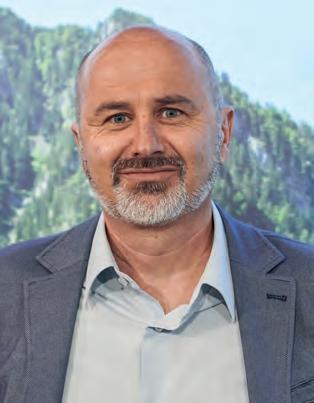
Roland Gruber Editor-in-Chief | rg@zek.at
Yet hydropower itself is facing profound changes. Climate change is altering its very foundation: water flow patterns. Glaciers are melting, snow reserves are shrinking, precipitation is becoming more erratic—and water availability is reacting faster and more unpredictably than ever before. In the short term, this may lead to increased water volumes in some regions, but it also brings heightened risks.
Operators will undoubtedly face significant challenges in the years and decades ahead. Measures such as expanding reservoir capacity to compensate for the loss of natural storage in snow and ice, implementing advanced control and planning systems to better forecast and respond to water flows, using high-precision climate data to identify risks early and safeguard investments strategically, and strengthening cross-border cooperation within the European grid to balance weather-related fluctuations—these will likely become unavoidable. In the Alps in particular, these adaptations will be critical to the survival of hydropower.
Europe needs a resilient energy mix that leverages the strengths of every renewable source: solar energy, benefiting from increasing sunlight; wind power, filling geographical gaps; and hydropower, connecting it all—as storage, regulator, and guarantor of stability.
The message is as clear as it is urgent: the cost of action is high. But the cost of inaction is existential. Those who invest today are not only protecting the climate—they are safeguarding our prosperity, our security of supply, and the energy infrastructure of future generations. Hydropower is not just part of the solution. It is its foundation.
I wish all our valued readers an enjoyable and informative time reading the latest edition of zek HYDRO.
Best regards,
Roland Gruber [Editor-in-Chief]

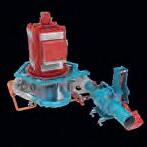
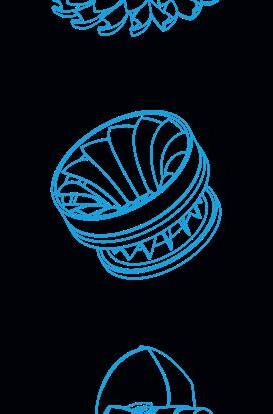
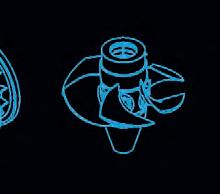
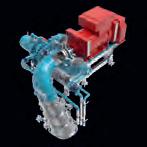
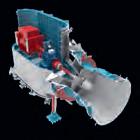
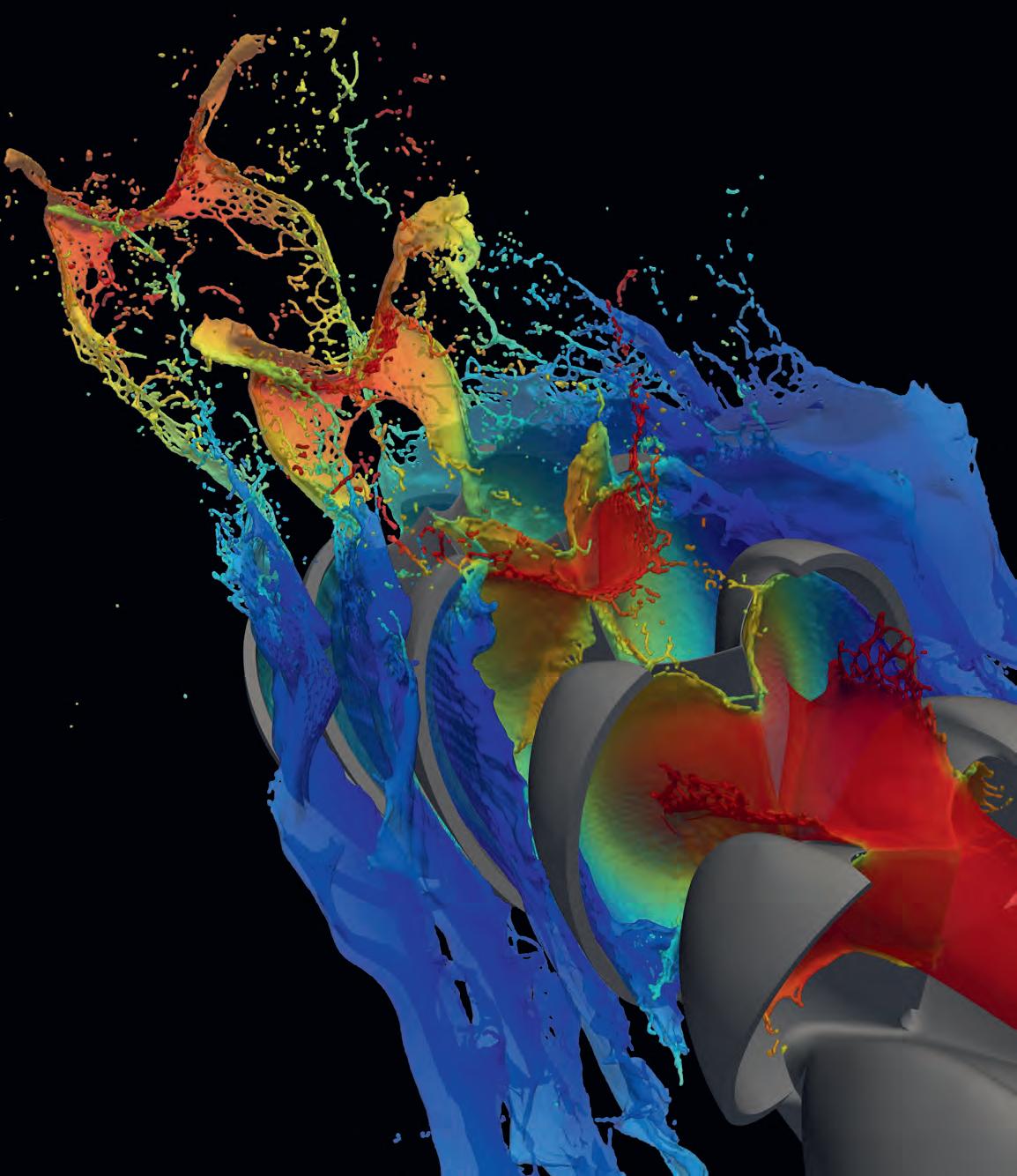
With more than a century of experience, GUGLER Water Turbines is a third-generation family business specializing in high-performance turbines and complete electro-mechanical equipment worldwide.
From custom-designed Francis, Kaplan, Pelton turbines and Pump storage plants to innovative Water-to-Wire solutions for small and medium-sized hydropower plants - up to 40 MW per unit.
A global reputation has been built on long-term partnerships and uncompromising quality, supported by more than 1000 successful references across all continents. Active in over 80 countries, the focus remains on delivering sustainable energy solutions tailored to specific regional needs. This extensive track record reflects a deep commitment to technical excellence and reliable cooperation throughout the entire lifecycle of every project.
Water Turbines GmbH
Gewerbepark 41, 4101 Feldkirchen a.d. Donau, Austria +43 7233 20933 info@gugler.com www.gugler.com
03 Editorial
06 Table of Contents
SHORTCUTS
08 Short news out of the world of hydropower
09 Masthead
PROJECTS
16 Nidelva River: A Modular Hydropower Concept proves its Worth [Norway]
20 Hydropower Specialist Impresses at Himalayan Power Stations [Nepal]
PROJECTS
23 Setting a New Milestone with Hydropower Station Dupinga [Philippines]
POLITICS
26 Key Developments for the Hydropower Sector in 2026 [Comment by EREF]
PROJECTS
28 Power Station Generates Green Electricity for Drinking Water Supply [Germany]
INDUSTRY
31 Braun Maschinenfabrik: Ready to Leap across the Pond [Rake Cleaning Technology]
PROJECTS
34 New Trash Rack Cleaning Technology for Europe’s Largest Reservoir [Balkans]
38 Motor Generator and Soft Starting System for Pumped Storage Project [Norway]
39 Six Power Plants on the Danube in Ten Years [Germany]
TECHNOLOGY
42 Next-generation Service Concept Sets New Standards [Hybrid Service]
PROJECTS
46 Mountaineering Village Drives Power Station Modernisation [Austria]
TECHNOLOGY
52 Hydraulic Optimization for the Refurbishment of a Kaplan Turbine [India]
55 Special Wood Formwork for Salzburg’s Flagship Power Plants [Formwork Technology]
PROJECTS
56 Two Highly Reputable Companies on the Alpine Hydropower Market [Alpine Highlights]
61 Refurbished Großhesseloher Weir Makes a Great Impression All Round [Germany]
EVENT
64 HYDRO 2025 Thessaloniki –Partnering for global solutions [Hydro 25]
INDUSTRY
66 A Reliable Partner for Hydro Mechanical Installations [Italy]
PROJECTS
68 Twin Cross-Flow Turbines Generate Electricity from Wastewater [Switzerland]
INDUSTRY
70 Efficiency & Precision: Grinding Technology for Hydropower [Grinding Technology]
72 Manufacturing Specialist for HighPressure Hydropower Components [Manufacturing Technology]
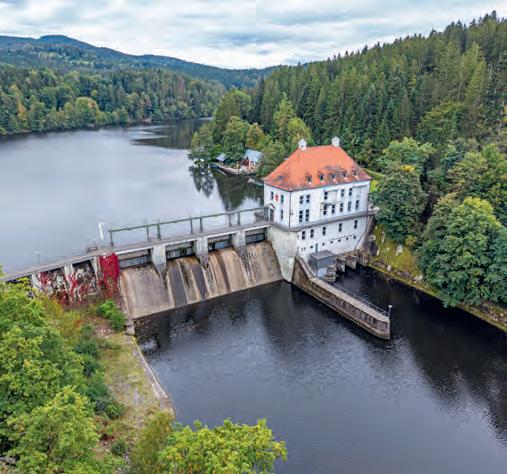
On January 14, 1926, the hydropower plant at Lake Höllenstein commenced operations and made history. To this day, the impressive run-of-river power plant on the Schwarzer Regen river in the Bavarian Forest remains a symbol of engineering excellence and sustainable regional energy generation. In an average year, the historic plant produces around 13.5 million kWh of green electricity. This year, the anniversary will be celebrated by Stadtwerke Straubing, the plant’s principal shareholder, with an open day event.
The facility is a two-part run-of-river hydropower plant. The 19-meter-high dam is bordered on one side by the Höllenstein rock face and on the other by the powerhouse building. This creates a 5.6-kilometer-long reservoir with a storage volume of 1.4 million m3. Three Voith Francis turbines, each rated at 1,225 kW, together with three three-phase synchronous generators, provide a total installed capacity of 3,400 kW. At the time of its commissioning, the Höllenstein dam was Bavaria’s largest reservoir dam, measuring 74 m in length and 19.2 min height. The Höllenstein power plant contributed significantly to the economic development of the relatively poor region through electrification.
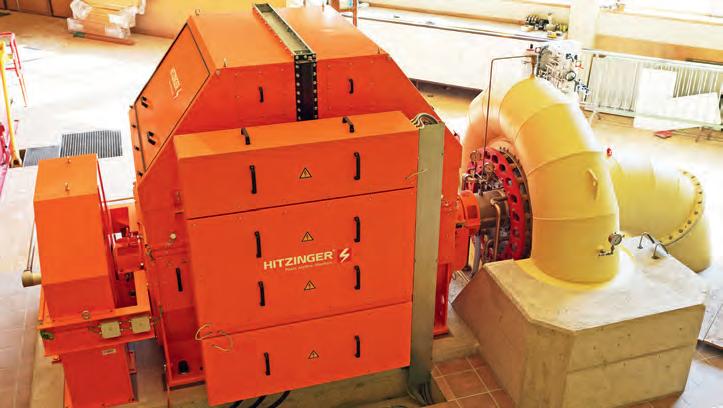
In the second half of 2025, internationally renowned hydropower specialist GUGLER Water Turbines GmbH announced the successful completion of its latest reference project in Peru. As part of its eighth project in the country, the Upper Austrian company supplied a powerful turbine-generator package for the Anashironi hydropower plant, which expands the existing Renovandes H1 facility. At the heart of the high-pressure plant, featuring a head of more than 300 m, is a vertical 5-jet Pelton turbine with an installed capacity of 21,175 kW. The powerhouse is complemented by a synchronous generator with a rated apparent power of 23 MVA. The comprehensive GUGLER package included the entire electrical and control engineering equipment as well as two transformers used to feed the generated green electricity into the grid.
The Anashironi hydropower plant represents a strategic investment in clean and reliable energy for the Junín region. It reduces dependence on fossil fuels and contributes to Peru’s long-term energy security. By utilizing existing infrastructure, environmental impact was minimized while maximizing performance — a key aspect of modern hydropower development.
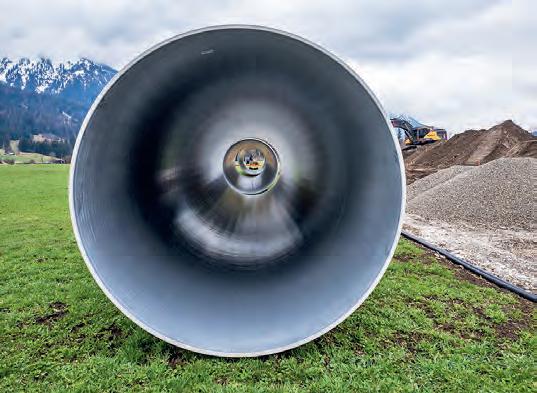
Demand for water infrastructure is high and set to grow further—driven in particular by population growth, the resulting urbanization, and rising temperatures. “The market potential is enormous. More and more irrigation, hydropower, and desalination plants are being built worldwide. Water infrastructure is becoming increasingly important,” says Regina Zorn, the new Chief Financial Officer of Amiblu. The complex and dynamic landscape surrounding water and its importance for national economies was a key factor behind her career move. The Styrian native has taken on the role of CFO at Amiblu, a subsidiary of Wietersdorfer Group, which specializes in plastic pipes for long-lasting water supply and wastewater systems. These are pipes designed for generations—lasting 60 years and often far longer. Amiblu is headquartered in Klagenfurt, Austria. Production, however, does take place in several countries around the world.

Tor Lønnum has been appointed Executive Vice President and Chief Financial Officer (CFO) of Statkraft. Lønnum brings more than 25 years of senior financial leadership experience from large Nordic and international companies, including CFO roles in regulated, capital-intensive and customer-oriented businesses. Tor Lønnum assumes the position effective from 1 February 2026. He succeeds Tone Aastveit Skuterud in the role. Skuterud, EVP People, Organisation and Sustainability, has served as acting CFO since 1 January 2026, following the resignation of Anna Nord Bjerke as CFO of Statkraft. The recruitment process was initiated in December 2025 Lønnum is a Norwegian national, born in 1967. Prior to joining Kverva as CFO in 2022 and then CEO in 2023, he served as CFO and member of the executive committee of Falck AS (2017- 2022), a global provider of health care services based in Copenhagen, Denmark.
Voith has been awarded the contract by Kraftwerke Oberhasli AG (KWO) to equip the new Grimsel 4 pumped storage power plant in Switzerland. The scope includes the supply and installation of two variable-speed pump turbines, each with a capacity of 70 MW, including associated motor generators. The units will increase pumping and generation capacity at the Grimsel site and support the integration of renewable energy by providing flexible storage and gridstabilization services. The project marks the first major newbuild contract awarded to Voith by KWO and represents an important milestone in the collaboration between the two companies. A key factor in securing the order was Voith’s competitive offer, as well as a technical concept based on a tested and qualified hydraulic design, which reduces technical risks and supports reliable project execution.
IMPRINT: Publisher: Mag. Roland Gruber | Publishing House: Mag. Roland Gruber e.U. · zek-VERLAG · Brunnenstraße 1 · A-5450 Werfen · office@zek.at · M +43 664 115 05 70 · www.zek.at | Editor-in-chief: Mag. Roland Gruber · rg@zek.at · M +43 664 115 05 70 | Editor: Mag. Andreas Pointinger · ap@zek.at · M +43 664 228 23 23 | Chief of Advertisment: Mario Kogler, BA · mk@zek.at · M +43 664 240 67 74 | Print: Druckerei Roser · A-5300 Hallwang | Post office: A-5450 Werfen · P.b.b. „03Z035382 M“ | Basic guidelines: zek HYDRO is a non-partisan trade publication focussing on hydropower | Price incl. postage € 16,00 · incl. VAT | zek HYDRO is published annually · Circulation: 4.800 copies · 24 year of publication.
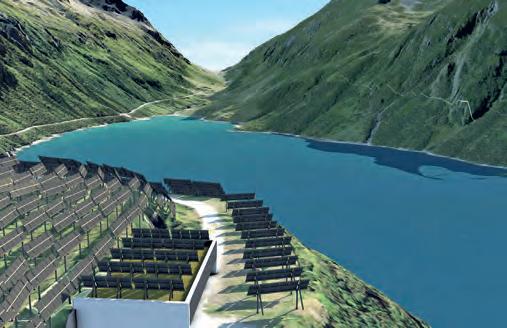
As early as autumn 2025, the alpine solar plant NalpSolar in the municipality of Tujetsch reached an important milestone: the first 10 % of the planned capacity was connected to the grid on schedule. At around 2,000 m above sea level, a new source of climate-friendly electricity is being created to support the sustainable railway power supply of the Swiss Federal Railways (SBB). Located in the high-alpine terrain, in close proximity to the Lai da Nalps reservoir, the project has taken another step toward achieving its total installed capacity of approx. 8 MW with this partial commissioning. Over the past months, more than 150 solar tables have been installed and equipped with ten photovoltaic modules each by CKW, an Axpo subsidiary. Thanks to the pioneering commitment of the municipality of Tujetsch, Axpo is gaining valuable experience in the field of alpine solar energy generation.
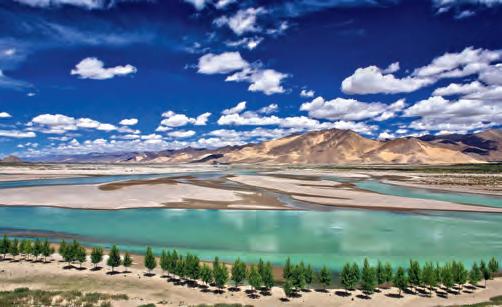
On July 19 last year, Chinese Premier Li Qiang officiated the groundbreaking ceremony for the new Yarlung Tsangpo hydropower project in Nyingchi. This symbolic event marked the official start of construction on a mega dam comprising five cascading hydropower stations, which is set to become the world’s largest hydropower facility with an annual generation capacity of around 300 billion kWh — more than three times the output of the Three Gorges Dam. The project is estimated to cost around € 143.6 billion and is primarily intended to supply electricity to central regions of China, while also covering part of Tibet’s domestic demand. China has described the undertaking as the “project of the century” and has repeatedly emphasized that great importance will be placed on environmental sustainability during implementation.
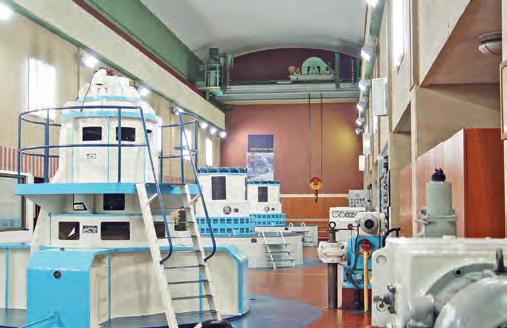
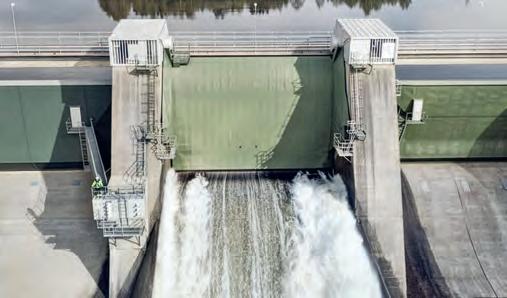
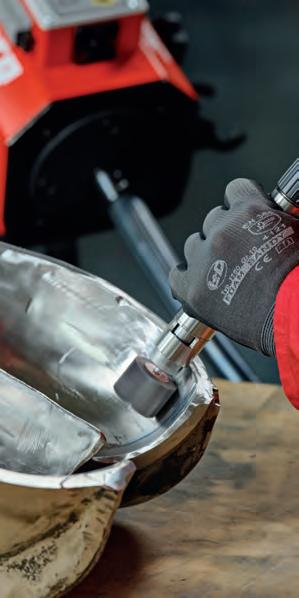
Energotehnika Južna Bačka has selected international technology group ANDRITZ to supply ten new turbines for the modernization of the Vlasinske hydropower plants, a long-standing pillar of Serbia’s electricity system. The Vlasinske cascade on the Vrla River comprises four hydropower plants that have been in operation since 1955 and currently provide a combined installed capacity of about 130 megawatts. The modernization will ensure continued reliable operation and increase the installed capacity by eight megawatts, strengthening renewable electricity generation in southern Serbia. Under the contract, ANDRITZ will design, manufacture, supervise installation, and commission four Pelton and six Francis units and associated equipment. The modernization will be organized such that electricity production can continue during the work to maintain a stable power supply.
At the Stornorrfors Hydropower Plant in Sweden, a globally unique structure is set to be installed from 2028: the largest spillway gate ever made entirely from fossil-free steel. With this project, Vattenfall and steel manufacturer SSAB aim to demonstrate the industrial potential already achievable with climate-neutral materials. The new spillway gate will be 21 m high, 10 m wide, and weigh around 120 tonnes. It will serve to precisely regulate water flow at the plant. Installation is scheduled for 2028, with commissioning planned for 2029. The component is designed for an operational lifetime extending at least until the year 2100. The steel used is produced using the so-called HYBRIT process. In this method, coal in the steelmaking process is replaced by hydrogen generated using fossil-free electricity.
SUHNER-Schleiflösungen decken den gesamten Lebenszyklus einer Wasserkraftturbine ab.
Das Produktangebot von SUHNER umfasst ein breites Spektrum an Schleifwerkzeugen, Schleifmaschinen und abrasiven Materialien – darunter Hochleistungsschleifmaschinen, Schleifbänder, Schleifstifte, Schleifpasten, sowie Logistiklösungen für Verbrauchsmaterial.
SUHNER
AG · Lupfig · www.suhner.com

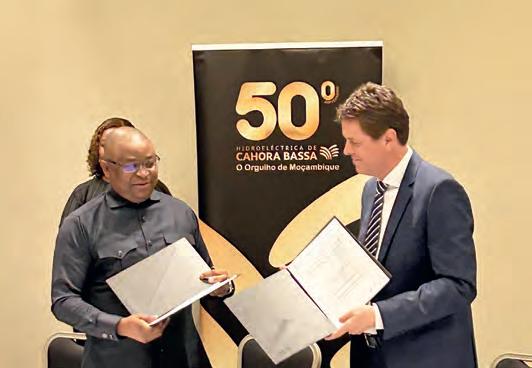
In July 2025 Hidroeléctrica de Cahora Bassa (HCB), Mozambique’s leading hydropower generation company, has awarded ANDRITZ a contract for the rehabilitation of the Cahora Bassa hydropower plant. It is the largest hydropower plant in Mozambique and one of the largest in Africa. The order value for ANDRITZ is in the mid three-digit million-euro range. Commissioned in 1975, the 2,075 MW plant on the Zambezi River supplies more than half of Mozambique‘s electricity and exports significant amounts to neighboring countries. More than an energy asset, Cahora Bassa is a cornerstone of Mozambique‘s economic and social development. HCB’s rehabilitation project, called REABSUL II, aims to enhance the efficiency, reliability, availability, and maintainability of the plant. The capacity of the turbines will be increased by more than 4% to 433 MW per unit. ANDRITZ will supply five new state-of-the-art 480 MVA generators, five new Francis turbine runners, control and protection systems, and hydromechanical structures. The scope of the contract includes the design, engineering, manufacturing, and supply of the high-efficiency equipment, as well as installation, testing, and commissioning at the project site. After three years of preparation work, during which the new equipment will be designed and manufactured and the site infrastructure prepared, Cahora Bassa’s generating units will be replaced one by one, while ensuring the stable and constant operation of the other units. This is a major challenge, especially for the rehabilitation of the common systems, and will also require thorough coordination with the rehabilitation of the Songo Converter Substation, which HCB will carry out in parallel.
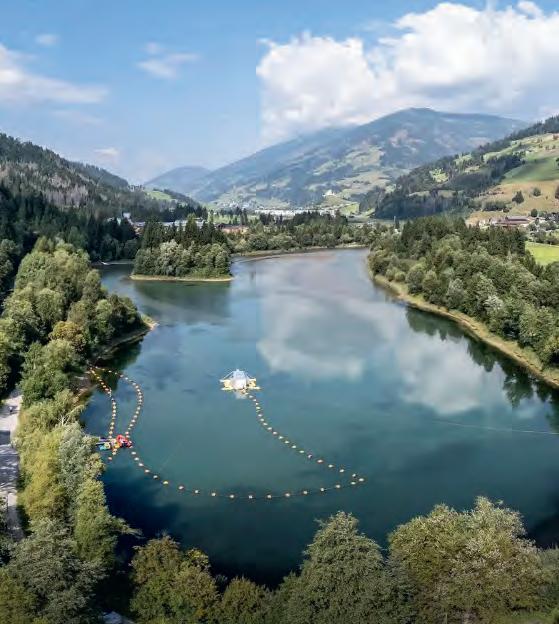
The annual sediment load at the Tassenbach reservoir amounts to around 10,000 to 15,000m³. As part of the two-year pilot project, TIWAG is testing a sustainable and eco-friendly management strategy.
Sediments that accumulate in reservoirs reduce storage capacity and affect the water balance. TIWAG has initiated an initial two-year pilot project in which sediments will be removed using a suction dredger in an environmentally compatible and sustainable manner, and returned to the Drau. How can a hydropower reservoir be managed without disturbing the local ecological balance? This is the question a research project initiated by TIWAG in East Tyrol now aims to answer. The daily storage reservoir in Tassenbach supplies water to the Amlach hydropower plant via a 21.8-kilometer pressure tunnel for electricity generation. Since its commissioning, however, it has also developed into a habitat for a wide variety of aquatic species and birds, as well as a popular local recreation area.“Preserving this added value in the future is essential,” emphasizes TIWAG plant manager Manuel Fuetsch. With this pilot project, TIWAG is breaking new ground and aims to develop a more environmentally friendly approach to reservoir management.
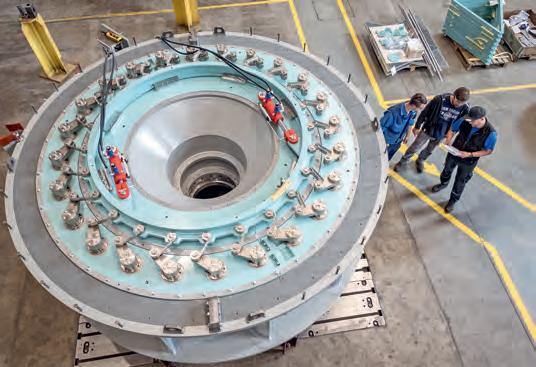
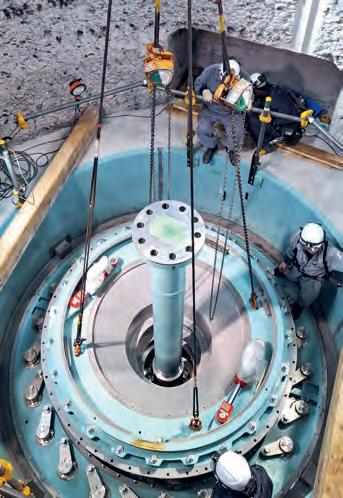
The Shirayama hydropower plant on the Tedori River in western Japan has undergone a comprehensive modernization project designed in harmony with the environment, the existing infrastructure and the local cultural context. The Shirayama project was implemented through an international collaboration between the project teams of Voith Hydro, Fuji Electric and the end customer Hokuriku Electric Power Company. “Precision, clear processes, respect for procedures and a shared understanding of both technical and cross-cultural requirements – Shirayama was not a standard project. The combination of limited construction space, demanding quality standards and intercultural coordination made it a challenging, solutionoriented and ultimately rewarding collaboration throughout,” said Michael Grassmann, Project Manager at Voith Hydro Austria. At the core of the technical upgrade was a vertical Kaplan turbine with a runner diameter of 2.4 meters, precisely adapted to the existing structure. With a net head of 6.3 meters, a rated flow of 30 m³/s and an installed capacity of 1,684 kW, the plant is designed for a high annual operating time of around 8,000 hours. The configuration aims to maximize energy yield under stable water flow conditions while supporting water level regulation along the river.
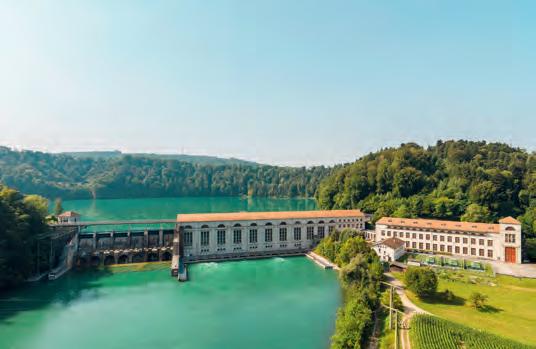
For more than 100 years, the Mühleberg hydropower plant in the Bern Mittelland region has been generating electricity from the hydroelectric potential of the Aare River. The BKW-operated plant reliably supplies around 35,000 households in the Bern region with clean energy. In early September 2025, BKW announced plans to prepare the plant for the future starting in 2028. In total, the operator will invest around CHF 120 million in the comprehensive refurbishment of the facility. The project includes the replacement of the entire electromechanical equipment – from turbines and generators to auxiliary systems, control technology and automation – as well as the restoration of the turbine hall and building envelope in line with heritage preservation requirements. The existing six Francis turbines and one Kaplan turbine will be replaced by four modern, identical Kaplan turbines. The investment will increase average annual generation from the current 157 GWh to around 163 GWh, enough to supply an additional 1,350 households with electricity. At the same time, BKW will implement important ecological measures. To avoid supply interruptions, the modernization will be carried out in two construction phases. According to current planning, the first two new units are scheduled to enter operation in 2030, followed by the remaining two in 2033.
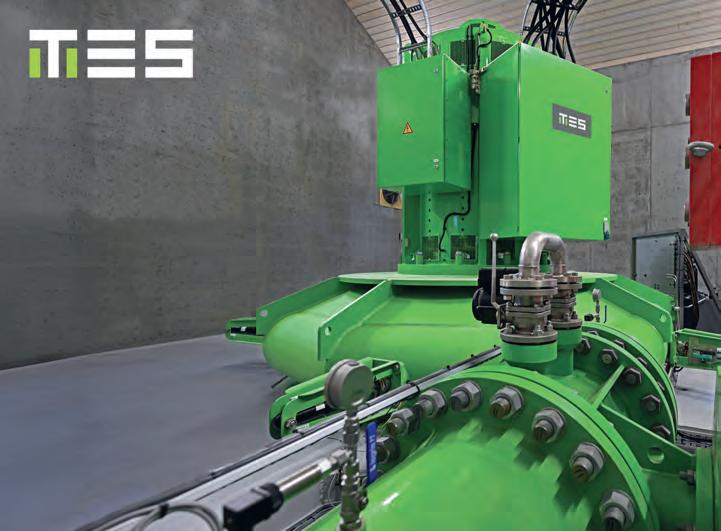
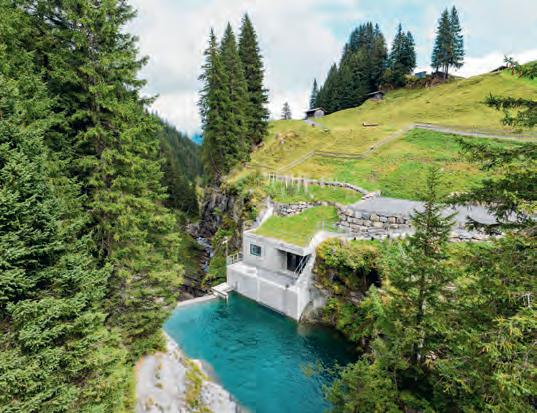
BKW Energie AG and the EWL Genossenschaft officially commissioned the new Sousbach hydropower plant in mid-October 2025 in the Lauterbrunnen Valley. With an installed capacity of 11.4 MW, the facility in the Bernese Oberland can generate around 30.6 GWh of renewable electricity annually—enough to supply approximately 6,700 households. The project partners invested around 69 million CHF in the technically demanding and environmentally compatible project, which makes an important contribution to the regional supply of domestic energy. Kraftwerk Sousbach AG—90 percent owned by BKW Energie AG and 10 percent by EWL Genossenschaft—developed the project from the initial concept through to implementation.
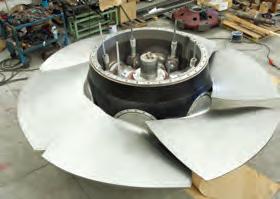
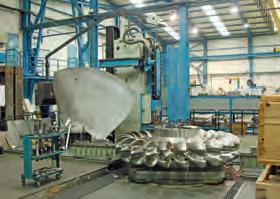
Fabrication of Kaplan runner Complete assembly, ready for erection
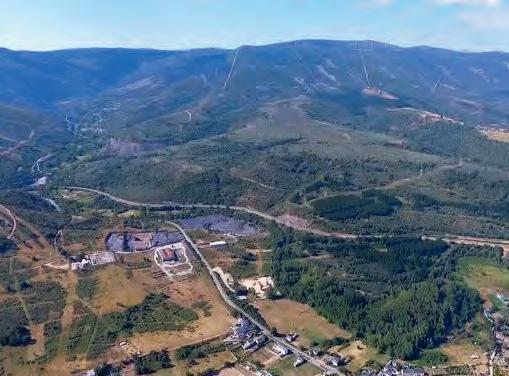
The Navaleo facility will provide 535 MW of flexible capacity to the Spanish grid with a minimum of eight hours of storage.
The swiss energy company Alpiq Holding has acquired the Navaleo pumped hydro storage project in Castilla y León, Spain. Developed by Erbienergía, a leading renewable energy company with deep roots in the region, this advanced-stage project represents a major investment in Spain’s energy transition, with commercial operation planned in the early 2030s. The facility will deliver 535 megawatts of flexible capacity to the Spanish grid, strengthening system stability and enabling greater integration of renewable energy. This marks Alpiq’s first large-scale hydropower project outside Switzerland and positions the company as a significant player in Spain’s flexibility market.
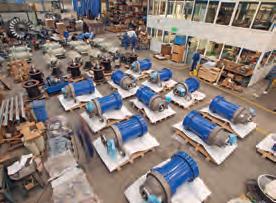
Machining process of Kaplan blade and finish Pelton runner different dimensions till 4,5 diameter
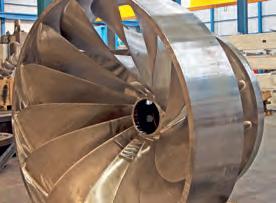
Fabrication and finish assembly injectors ready for erection Francis runners fabricated in forge and welding process in three parts
We are a family company with experience of more than 40 years specialize on precision machining. We have experience on hydro market since 30 years. On this moment we can fabricate more than 40 Pelton runners in forge per year and more than 20 Francis runners. We fabricate and complete assemblies ready for erection of injectors, headcover, bottom ring, regulating ring, shaftseal, guide bearing, Kaplan distributors, etc. Information on the machine list and reference list can be found on our homepage.
ARATZ Group Engineering Fabricated Technology S.L.
c/BARRATXI 37
01013 - VITORIA - SPAIN
PHONE: 0034 94512200 • FAX: 0034 945289046 • Contact person: Karlos Balsategui E-mail: aratz@talleresaratz.com • www.talleresaratz.com

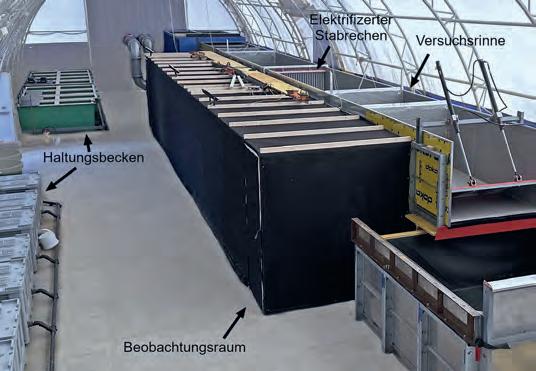
In November 2025, the FishLab was commissioned at the hydraulic engineering laboratory of the Hydraulic Engineering Unit at the University of Innsbruck as a specialized research infrastructure for ethohydraulic investigations. The operation of the FishLab has received both the required approval of the university as an authorized user under the Austrian Animal Experiments Act and the project-specific permits for conducting animal testing. The FishLab includes an experimental facility with a 19-meter-long ethohydraulic test flume integrated into a modernized water circulation system with a water volume of 160 m³, enabling flow rates of up to approximately 750 l/s. Defined hydraulic boundary conditions can be established within the test flume, which is equipped with precise flow and water level control as well as extensive capabilities for visual observation and camera-based monitoring of fish behavior along the experimental section.
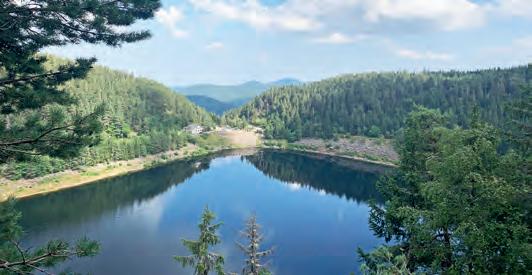
Alpiq and Vialis signed a strategic partnership agreement in December 2025 to develop the decommissioned Lac Blanc / Lac Noir Pumped Storage Power Plant in the Vosges, Alsace. This cooperation is linked to an upcoming tender by the French Government, expected in mid-2026. The project is part of France’s multi-year energy program and is intended to help stimulate new investment in hydropower. It will provide storage capacity that is essential for the energy transition. The plant is planned to have a capacity of 50 to 70 MW and a storage duration of around ten hours. The powerhouse has been out of operation since 2012. As a result, a complete rebuild will be required, along with the rehabilitation of the waterways.
AI-generated image of a hydropower plant
GOOGLE ALSO TURNS TO HYDROPOWER FOR AIR
To meet the enormous electricity demand driven by the growing spread of AI, Google is increasingly relying on hydropower. In mid-July 2025, the German technology news platform heise.de reported on a framework agreement concluded between Google, Brookfield Asset Management, and Brookfield Renewable covering 3,000 MW of hydropower generation capacity. To satisfy the energy requirements of AI applications, additional server facilities with extremely high computing power are needed. As a result, electricity demand in the United States is expected to rise sharply by 2027. This is also reflected in Google’s decision to commission the construction of three new nuclear power plants in the U.S., each with a generating capacity of 600 MW. In contrast, no new generating facilities are being built for environmentally friendly hydropower usage; instead, the required electricity will be supplied by existing power plants. However, due to Google’s long-term purchase guarantees, hydropower operators are considering modernizing and upgrading their facilities.
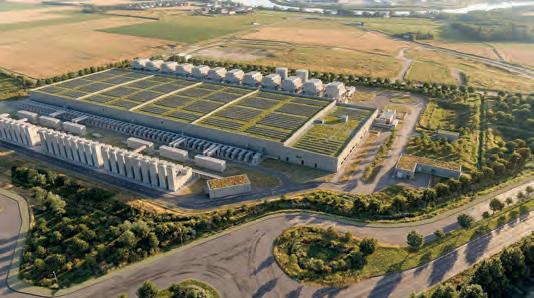
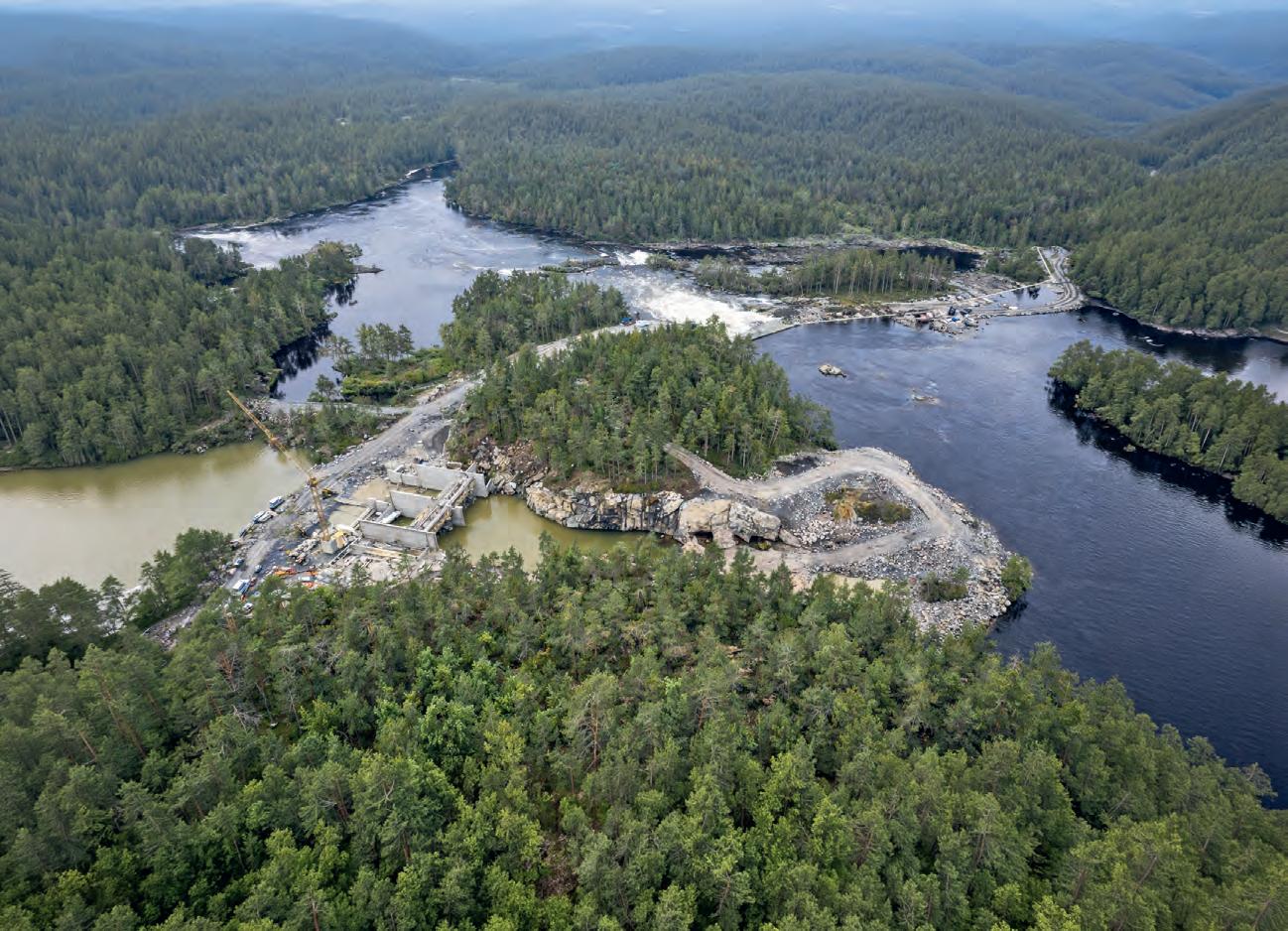
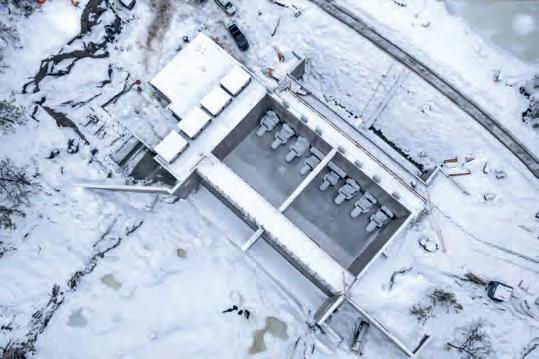
In southern Norway, around 20 kilometers north of Arendal in the Agder region, the newly built Kilandsfoss hydropower plant is nearing commissioning. The plant was designed in harmony with the river landscape of the Nidelva, the technical site conditions, and environmentally compatible use requirements. The commissioning phase started in April 2026, with a wet test run scheduled for June 2026. With a focus on ecological responsibility, regional value creation, and technical precision, Voith, ELIN, and Sintaksa, together with the customer Arendals Fossekompani ASA, are realizing a plant based on a modular StreamDiver concept for low-head, high-flow conditions.
Originating in the inland region of southern Norway, the Nidelva is the main river of the Arendal catchment area, flowing through the Agder region before emptying into the Skagerrak near Arendal. A total of 16 hydropower plants have been built along the more than 200-kilometer-long course, making the river system one of the most intensively used waterways for energy generation in southern Norway today. The low head, high flow rates, and integration into an existing hydropower cascade along the Nidelva place special demands on the technical design of the plant.
With this background, a new hydropower project is being developed at the Kilandsfoss site through the project company Kilandsfoss AS, in which the municipalities of Froland and Åmli are taking part together with Arendals Fossekompani ASA. The project combines energy-sector expertise with regional responsibility, helping to anchor hydropower in the region over the long term.
At the same time, the plant concept deliberately accounts for existing recreational uses at the site. One example is the implementation of a dedicated kayak course: the waterfall,
which had previously not been used for energy generation, was intensively used by local kayakers and was integrated into the plant concept at an early stage as a separate route.
From conventional layout to modular concept
The Kilandsfoss project is being implemented in close collaboration between the operator Arendals Fossekompani ASA and the participating project partners. Contact with Voith was set up through Voith Hydro Oslo, which had already supported the operator in earlier projects in Norway. Project development for Kilandsfoss extended over several years and was shaped by a fundamental conceptual adjustment. A first tender based on a conventional layout with two vertical Kaplan turbines had already been published in 2018 but was later cancelled due to the economic framework conditions. A renewed tender in 2022 also yielded no economically feasible outcome.
Already at this early stage, the StreamDiver concept was introduced into the discussion as an alternative solution and further developed together with the operator. On this basis,
„In Kilandsfoss, we saw very clearly where the economic leverage lies in low-head projects. It is not about reinventing the wheel, but about reducing complexity while keeping flexibility. That is exactly why we rely on standardized units that can be modularly adapted to the hydraulic conditions. From my point of view, that was the decisive step,” said Patrick Hebenstreit, Project Manager at Voith Austria.
the current plant layout with eight modular units was ultimately created, specifically tailored to the site conditions of the Nidelva. The lean modular concept reduces civil construction efforts, adapts flexibly to the discharge characteristics of the Nidelva, and increases operational reliability.
The close collaboration between the operator, planners, and project partners enabled the revised concept to be developed into a permittable project within a comparatively short period of time.
installation, and commissioning
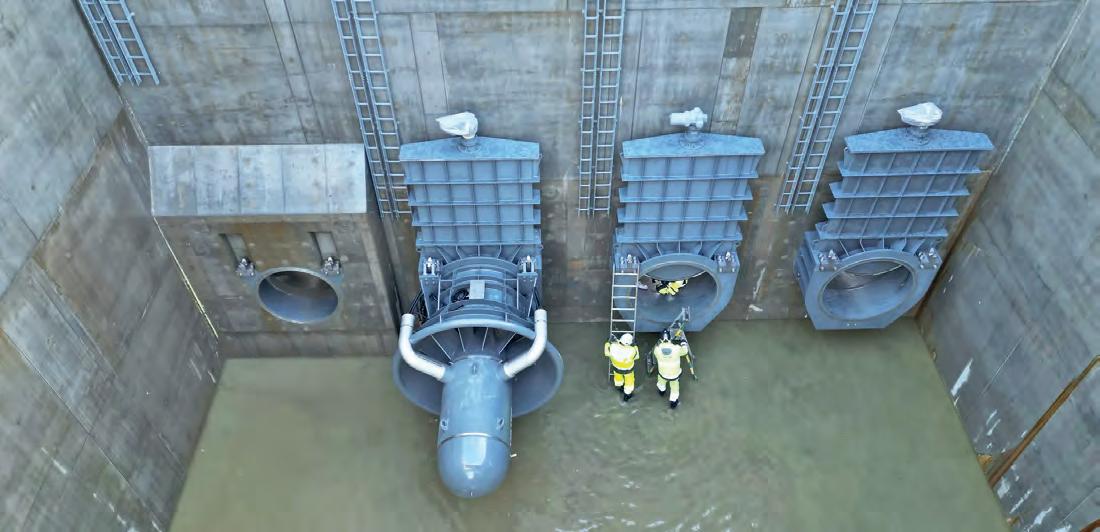
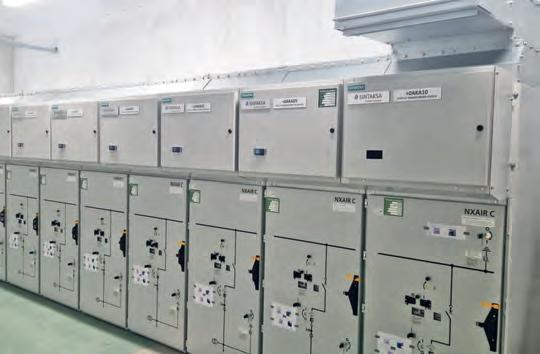
The project is based on the coordinated interaction of three specialized partners. Voith is supplying the turbines and shutoff devices and handling the plant’s mechanical integration. The permanent magnet generators are provided by ELIN, while Sintaksa is delivering the complete electrical package, including the high-voltage connection and frequency converter system.
Delivery of the electromechanical components took place in several construction phases. Initial parts of the electrical installation were delivered in November 2025. The shut-off valves and StreamDiver units followed in December. The turbines
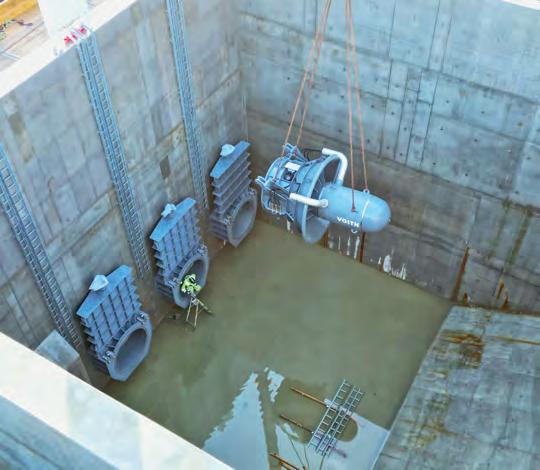
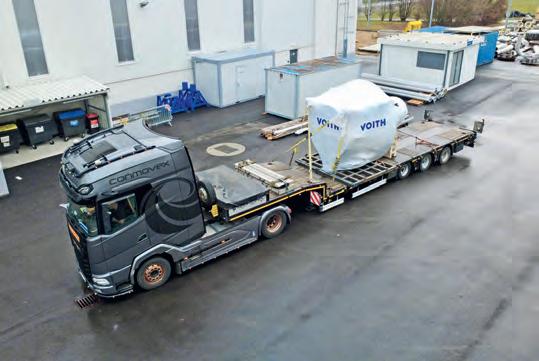
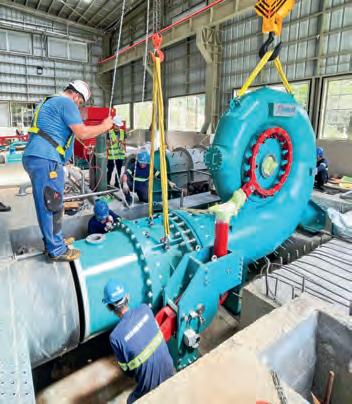
were installed one after another directly from the transport vehicle into the prepared installation positions. With the units fully preassembled and tested, each machine could be installed in less than one day; the components only had to be lifted into place and prepared for commissioning.
Since February 2026, the second phase of the electrical installation has been underway, while the main transformer is expected to be integrated in April. With the start of commissioning, all systems are currently being tested in dry runs. The wet test run is scheduled for June 2026.
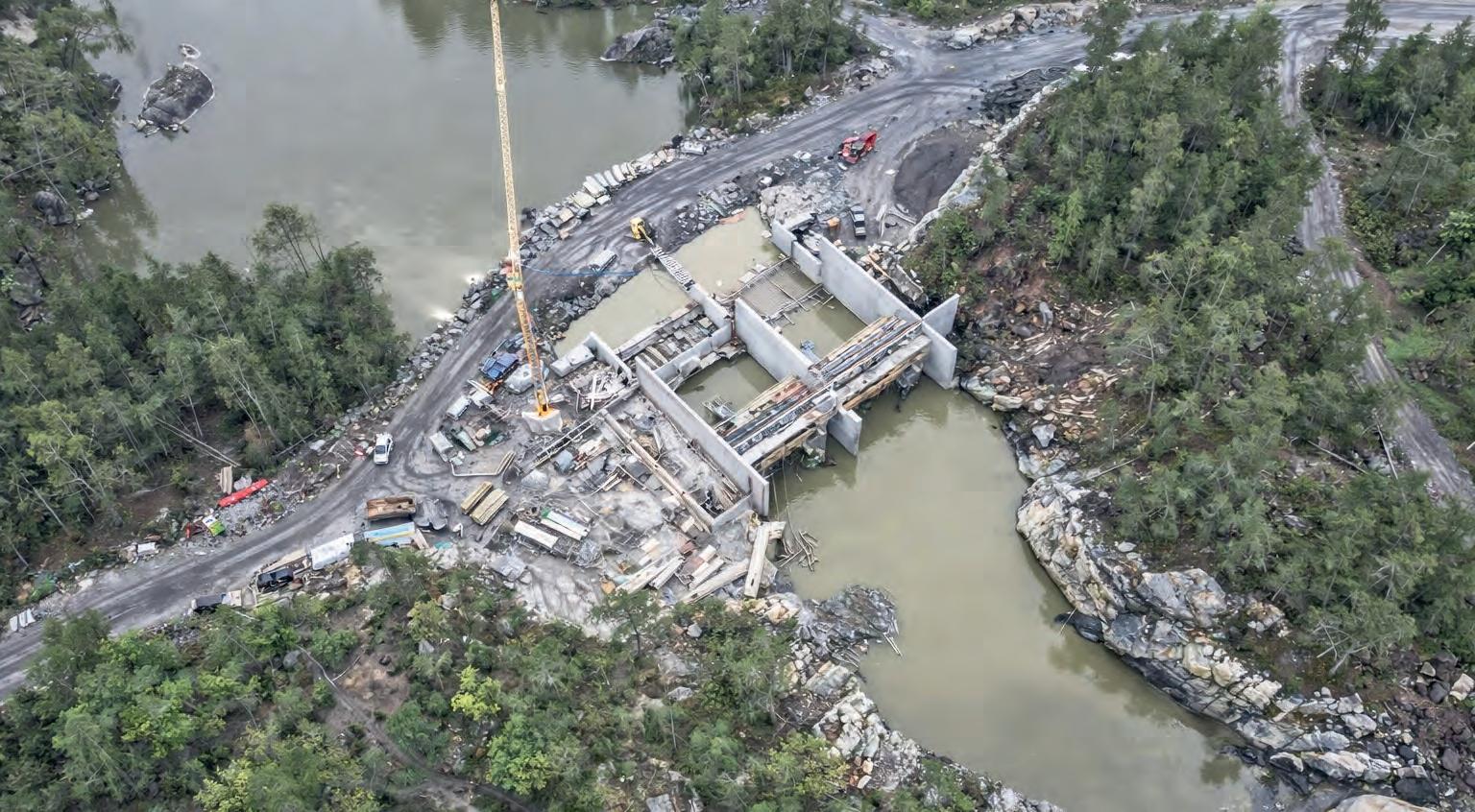
The hydrological characteristics of the Nidelva – high flow combined with low head – make the site ideally suited for the compact and fully submerged turbine units. The power plant is designed for a net head of 6.01 meters. With a total water flow of 135 m³/s, the plant concept is based on a modular multi-machine layout with eight StreamDiver units. The installation comprises six unregulated StreamDiver units of type SD-16.95, each with 17.73 m³/s and a directly coupled 913 kW permanent magnet generator, as well as two regulated StreamDiver units of type SD-14.90, each with 14.25 m³/s and a directly coupled 681 kW permanent magnet generator. While the six larger machines handle most of the flow, the two smal-
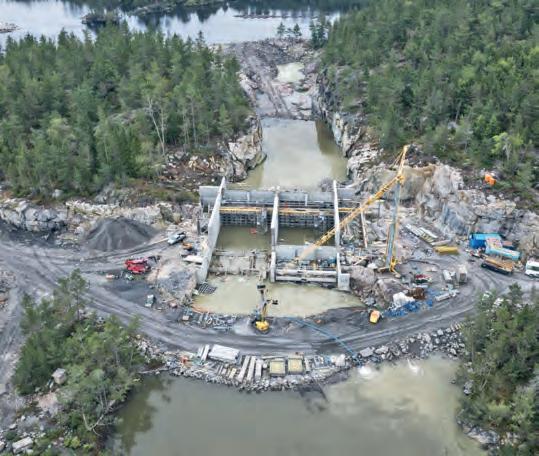
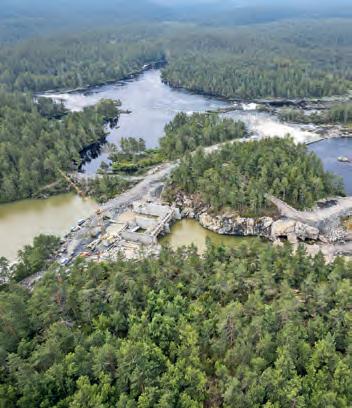
The power plant construction site in Norway from a drone perspective.
ler, regulated units enable more precise adaptation to variable discharge conditions. The plant has an installed capacity of 6,84 MW electrical output.
Unlike conventional run-of-river hydropower plants with vertically installed turbines, Kilandsfoss uses a horizontal arrangement of the machines. This design enabled a significantly more compact civil structure and reduced the required concrete volume by around 40 % in this project. As a result, construction costs and construction time could be substantially reduced without compromising efficiency or operational reliability.
The maintenance-friendly StreamDiver turbines run with water-lubricated bearings and electrically actuated control components and require no oil or grease. This creates a closed system with minimized environmental risk and almost silent electricity generation through the fully submerged turbines. The generated electricity is fed entirely into the public grid of the regional grid operator Agder Energi Nett.
A specially configured converter system was implemented for the two smaller StreamDiver units, enabling power outputs of up to one megawatt at a DC link voltage of 1050 VDC. An integrated medium-voltage circuit breaker ensures safe shutdown if a fault occurs. In combination with the adjustable regulation mechanism, the variable-speed integration enables double-regulated operation. For defined wicket gate positions, the most efficient hydraulic speed can be set, improving efficiency, particularly at partial load. The two smaller machines therefore play a crucial role in the plant concept:
• Turbine Type: StreamDiver
• Installation Type: horizontal Head: 6.01 m
• Number of turbines: 8 Runner diameter: 1.7 m | 1.5 m
• Water Flow: 135 m³/s
• Total capacity: 6.8 MW
they enable finest adaptation to fluctuating discharge conditions and, at the same time, expand the application range of StreamDiver technology in the low-head sector.
At Kilandsfoss, sustainability is reflected not only in CO2-free operation, but also in structural measures to minimize environmental impacts during operation. Electric drives on the gates and regulation mechanism, as well as water-lubricated bearings, reduce the risk of lubricant spill and support water protection, while simultaneously simplifying maintenance and inspection.
The planning also considered the site’s role for the local community: for a local kayak club that had previously used the waterfall, which had not been used for energy generation, a dedicated kayak course was integrated into the overall planning. This ensures that the waterfall is still accessible to locals and visitors when the hydropower plant is commissioned.
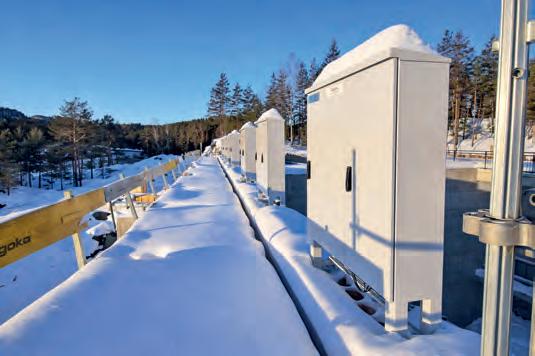
The conceptual realignment of the project required close coordination between planning, permitting, and technical implementation. Nevertheless, the delay at Kilandsfoss remained limited to only a few months. This was made possible by the solution-oriented collaboration between the operator, authorities, and project partners. At the same time, the project showed how important early planning, clearly coordinated interfaces, and open communication with the customer are –especially under winter conditions, where weather and snow loads must be considered.
Kilandsfoss also shows that modular StreamDiver layouts can provide a robust and practical solution for low-head sites, especially under challenging economic framework conditions. After all, low head sites, where civil structure volumes and machine sizes can quickly become major cost drivers, the multi-machine approach opens a new approach for technical design and economic viability.
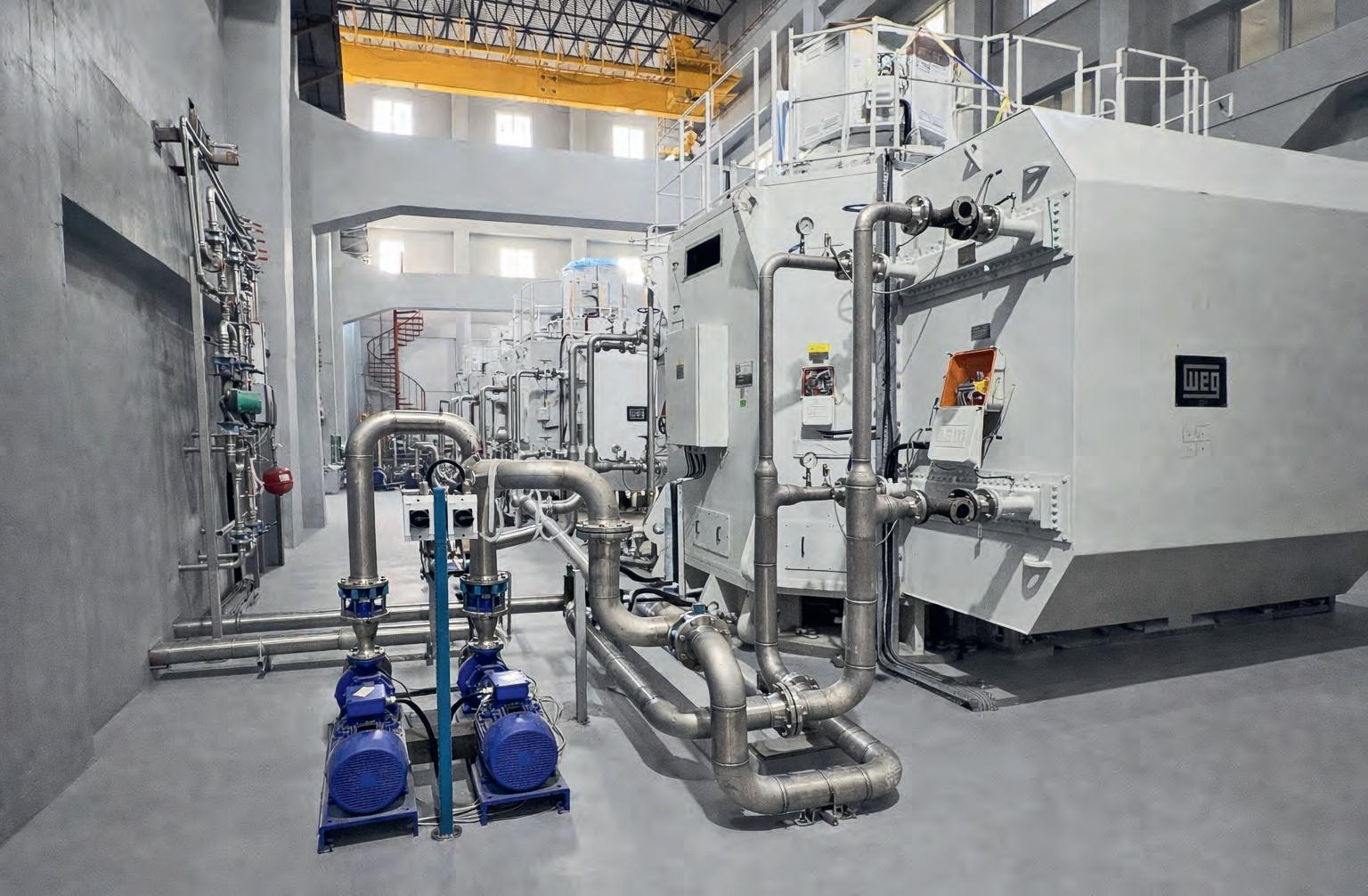
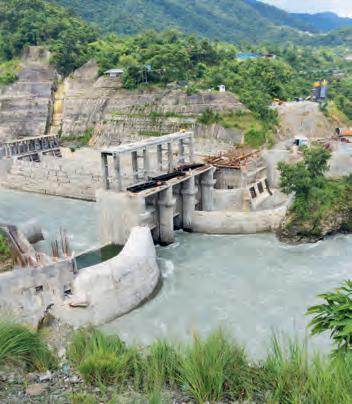
In the past few months, Troyer AG, a hydroelectric company based in Sterzing in South Tyrol, has equipped not one – but two Himalayan hydroelectric power stations with their turbine technology. Troyer supplied the Mewa Khola power station in eastern Nepal with three Francis turbines, the largest of their kind to date; each with a capacity of 18.3 MW. In parallel, the Alpine hydro-industry specialists have also been working towards completion of a power station project at Seti Khola, around 130 km west of Kathmandu, requiring two slightly smaller Francis turbines. Technology produced by these highly experienced South Tyrolean engineers is in great demand in the Himalayan state of Nepal, not least due to their extensive expertise in high-pressure Alpine hydroelectric power stations. Indeed, Troyer’s next power plant project, Upper Madi, is now ready to commence.
Nepal is undergoing a phase of dynamic expansion. There is a sense of optimism in the energy sector in an area that currently offers around 3.9 GW of installed hydropower capacity. This is hardly surprising considering technical and economic viability has been estimated for approximately 42 GW of available hydropower potential. Politically, the hydropower sector is a clear strategic driver of development. The government is consciously pursuing a policy towards an export-oriented hydropower system that builds up surpluses in the rainy season, which can be sold via regional electricity markets – particularly to India – and increasingly to Bangladesh. However, there are significant structural constraints, not least the very seasonal rhythm of river flows, the low availability of storage and regulating power stations up to now, and due to bottlenecks in the national and cross-border transmission grid. All such factors limit economic exploitation of the new capacities. So, in this context, these may seem highly ambitious political goals: By around 2035, the country is targeting installed capacity growth to well over 28 GW, with Nepal gradually carving out a role as a major electricity exporter in the region. A precondition for this will be that grid infrastructure, financing and regulatory stability develop at the same pace as power plant construction.
Ideal conditions for alpine hydropower station technology
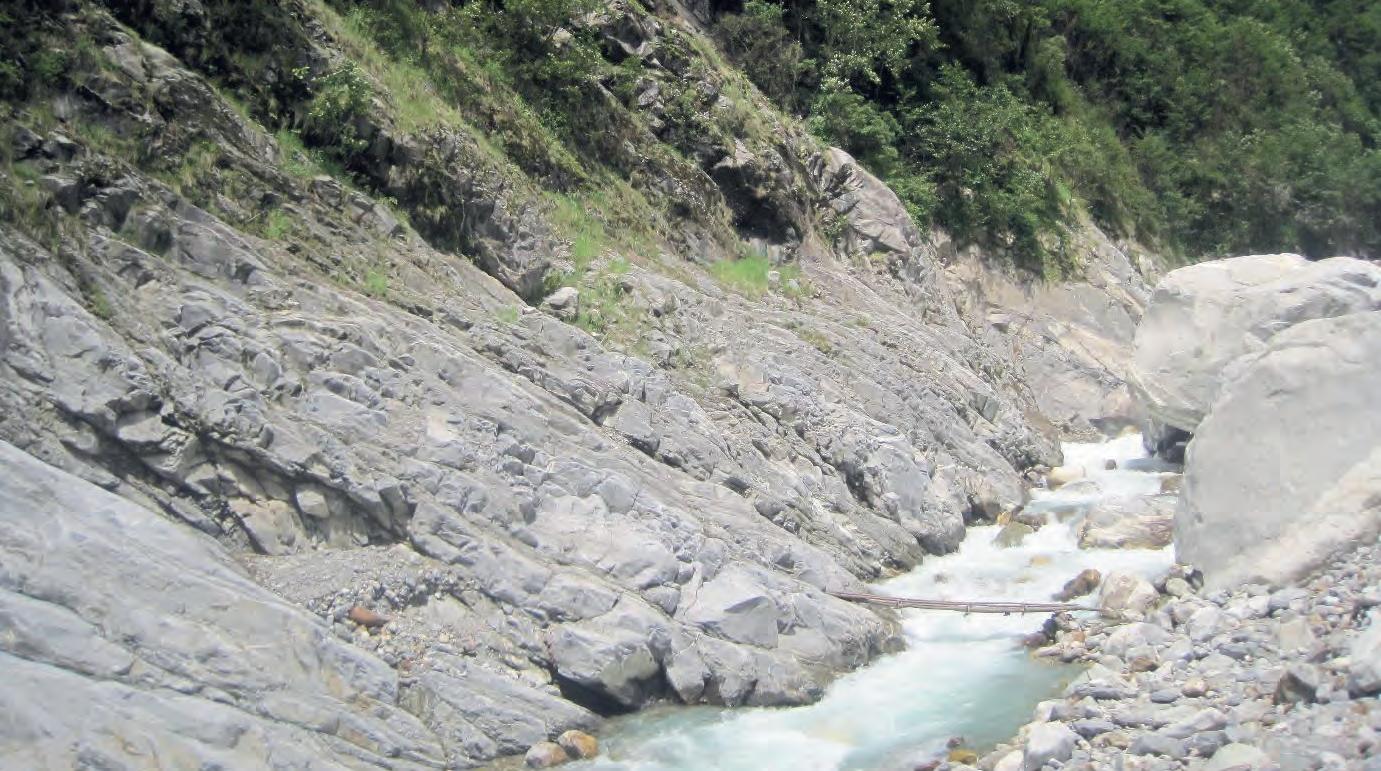
Although Nepal has certain unique features, the specific conditions for hydropower development in the Himalayan nation are quite similar to those of Alpine regions: large heads, steep valley slopes, and several tributaries offering high energy yields. These are all ideal conditions for highpressure plants. Without doubt, the expertise won from the historical development of Alpine high-pressure power stations is paying off. Over several decades, working under extreme load cycles in the Alps, Pelton and Francis impeller technologies have all been developed and perfected – along with expertise in materials and coatings, erosion protection, and control and operating strategies. The aim has always been to ensure each plant operates efficiently and stably over long periods, requiring little maintenance. This matches Nepal’s requirement profile perfectly, where ‘robustness and high-yield performance’ are required – despite, in some areas, high sediment loads, demanding topography, restricted accessibility, and challenging hydrological conditions. As a high-quality manufacturer from South Tyrol, Troyer’s successful involvement in various Nepalese hydropower projects can be explained to a significant degree by the combination of tried-and-tested expertise and
industrial precision they guarantee. Turbines designed for durability and ease of repair maintain high efficiency, even under extreme conditions. Year after year they deliver exactly what operators in Nepal need – a reliable supply of kilowatt-hours.
Mewa Khola HEPP equipped with record-breaking turbines
Having now completed these latest reference projects in Nepal, they clearly represent genuine milestones in Troyer’s history – above all the Mewa Khola power station project. Although the company has 90 years of experience to fall back on, the largest vertical-shaft Francis turbines the company has ever manufactured were installed last year at a site in the east of the country, around 200 kilometres from the Nepalese capital. Three identical Francis turbines, each with a nominal output of 18.3 MW, were supplied for the Mewa Khola power plant to secure a total plant power production capacity of 55 MW. Each of these turbines is designed for a net head of 188 metres and a maximum flow rate of 11 m³/s from headwater channelled from the intake structure to the turbines via a five-kilometre underground penstock. A 12-km 132-kV transmission line feeds electricity generated at the Mewa Khola power station onto the national grid. In the future, the operators expect to achieve an average annual output of approximately 300 GWh to meet the electricity needs of around 90,000 households in the region. Construction at the Mewa Khola project site began in 2020/21. Following a scheduled implementation phase, the power station is now awaiting the start of trial operations.
Sophisticated power plant package for the Seti Khola Troyer AG’s sophisticated Francis turbine technology was also requested for the Seti Khola power station project in Gandaki Province, around 130 km west of the Nepalese capi-
tal, Kathmandu. At the Seti Khola run-of-river power station, the South Tyrolean hydropower specialists were given awarded contracts to provide two 11.5 MW-rated Francis turbines, and for installation of the entire electrical system – from the generator to the high-voltage (132 kV) transfer point. This included the generators, medium-voltage switchgear, transformers, the high-voltage substation and protective devices. Troyer also supplied the power station’s control and automation system. The immensely experienced South Tyrolean hydropower experts faced a major challenge posed by the extremely high lime content in the water, necessitating special technical modifications to the turbines. Indeed, ‘Seti’ actually means ‘lots of lime particles dissolved in water’. Installation work is now nearing completion at the Seti Khola power station. The new power station is expected to supply a total of around 133 GWh of electricity in an average year – around 90 GWh from the rainy season, and the remainder to be produced in the dry season.
Construction at the Kaski district Upper Madi hydropower project on the Madi River, around 20 kilometres north-east of Pokhara and approximately 150 kilometres from Kathmandu, is now well underway. The contract with Troyer AG was signed in April 2025, assigning Troyer responsibility for providing all of the electromechanical infrastructure – from planning through to commissioning. The equipment included three vertical 4-nozzle Pelton turbines and the entire electrical system – the generator, medium-voltage switchgear and transformers, a high-voltage 132 kV GIS substation, and the control and automation technology. The three Pelton turbines are designed for a turbine output of 15 MW, accommodating a nominal head of 407 metres and a maximum flow rate of 4.2 m³/s per turbine. This gives the plant a total capacity of
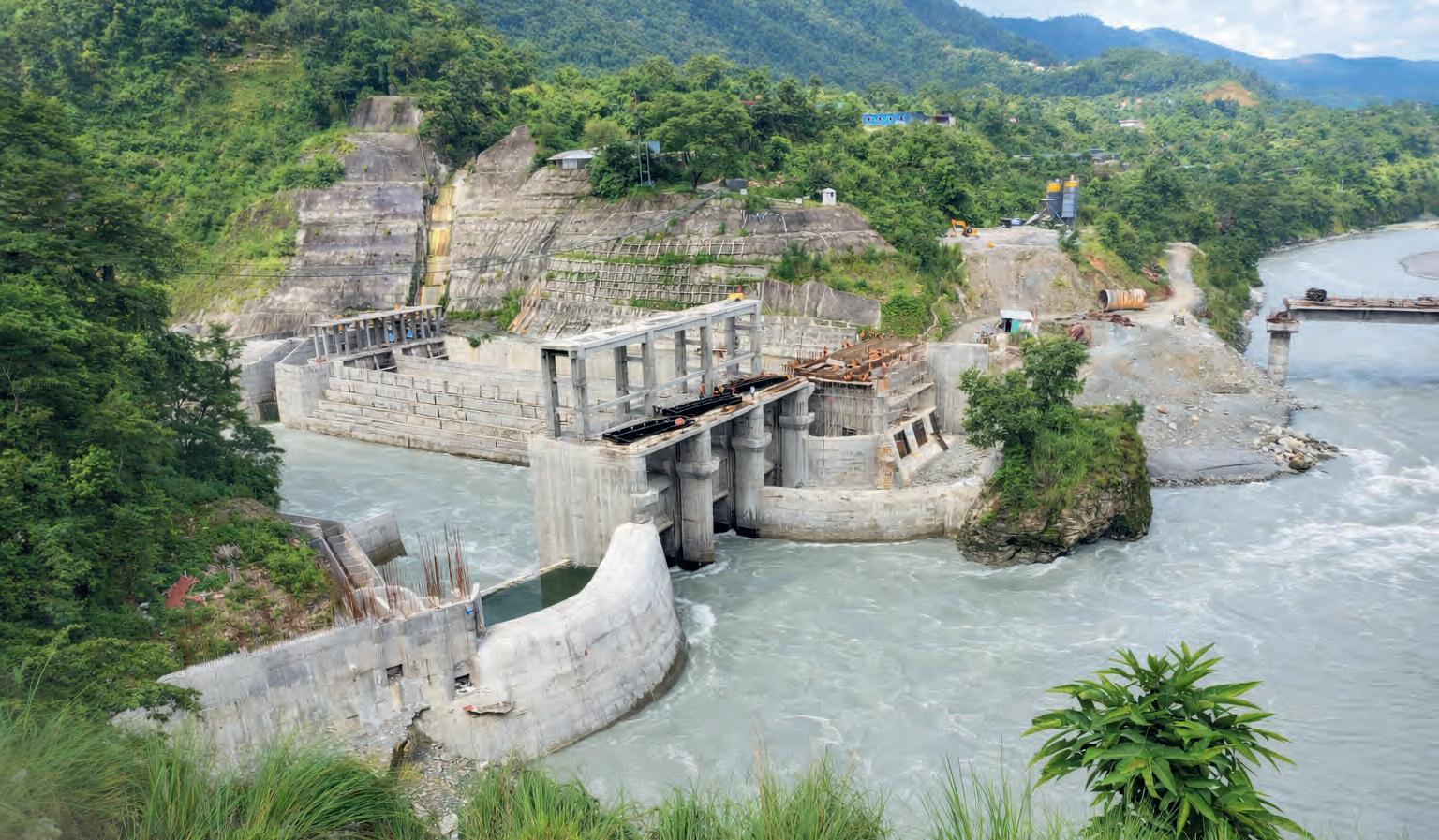
45 MW at a total maximum flow rate of 12.6 m³/s. Generally, in Nepal, it is the demanding logistics and the difficult conditions during site preparation and work supervision that pose the greatest challenges. However, Upper Madi presents an additional layer of technical and organisational complexity: To date it is the first and only Troyer project in the country to be implemented and housed entirely within a cavern – and is considered to be the first high-pressure power station in the Himalayan region in which all structures – including the intake, headworks, power station and substation – are housed underground in a cavern. So it’s obvious how Upper Madi is representing a new and particularly exciting challenge for Troyer.
Troyer strengthens its presence in the region
Troyer AG’s latest power station projects in Nepal have demonstrated both their vast expertise in hydropower technology, and underlined the company’s long-term strategy for the region: “Troyer is now well established in Nepal, having worked on a total of 16 projects in the country. We have earned the complete confidence of power plant operators in this Himalayan nation, and this has strengthened our presence throughout the Himalayan region for the longer term,” emphasises Pawan Dhakal, Managing Director of Troyer’s Indian branch. The company is also continuing to expand its local infrastructure: “We enjoy the overwhelming trust of existing and new customers and are expanding our presence with a local service office, including a spare parts warehouse, to provide customer support from a local base.” The South Tyrolean hydropower specialists believe from a sales perspective, too, that Nepal is a market of the future: “We are proud to be contributing our experience and technology to projects that are ground-breaking – for both Nepal and Troyer,” declares Hanspeter Schölzhorn, Sales Manager at Troyer, noting that the branches in Nepal and India ena-
ble the company to guarantee high-quality, collaborative partnerships with customers. Troyer‘s commitment is helping to enhance Nepal’s energy independence, and is making a significant contribution to sustainable, clean electricity generation, economic development and long-term security of supply. As a country rich in hydropower these are crucial building blocks for climate protection in Nepal.
Mewa Khola Hydro Power Plant
• Net-Head at Qmax: 188.0 m
• Turbines: 3 x Francis-Turbines
• Flow Rate [per turbine]: 11.0 m³/s
Output [per turbine]: 18.3 MW (In total: 55 MW)
Annual capacity: 300 GWh
Status: End of commissioning / Start of trial operation
Seti Khola Hydro Power Plant
Net-Head at Qmax: 64 m
Turbines: 2 x Francis-Turbines
Flow Rate [per turbine]: 20 m³/s
Output [per turbine]: 11.5 MW (In total: 23 MW)
• Annual capacity: 133 GWh
• Status: End of installation works / Start of commissioning
Upper Madi Hydro Power Plant
• Net-Head at Qmax: 407 m
• Turbines: 3 x 4-nozzle Pelton-Turbines
• Flow Rate [per turbine]: 4.2 m³/s
Output [per turbine]: 15 MW (In total: 45 MW)
Annual capacity: 270 GWh
Status: Planning / Start of construction
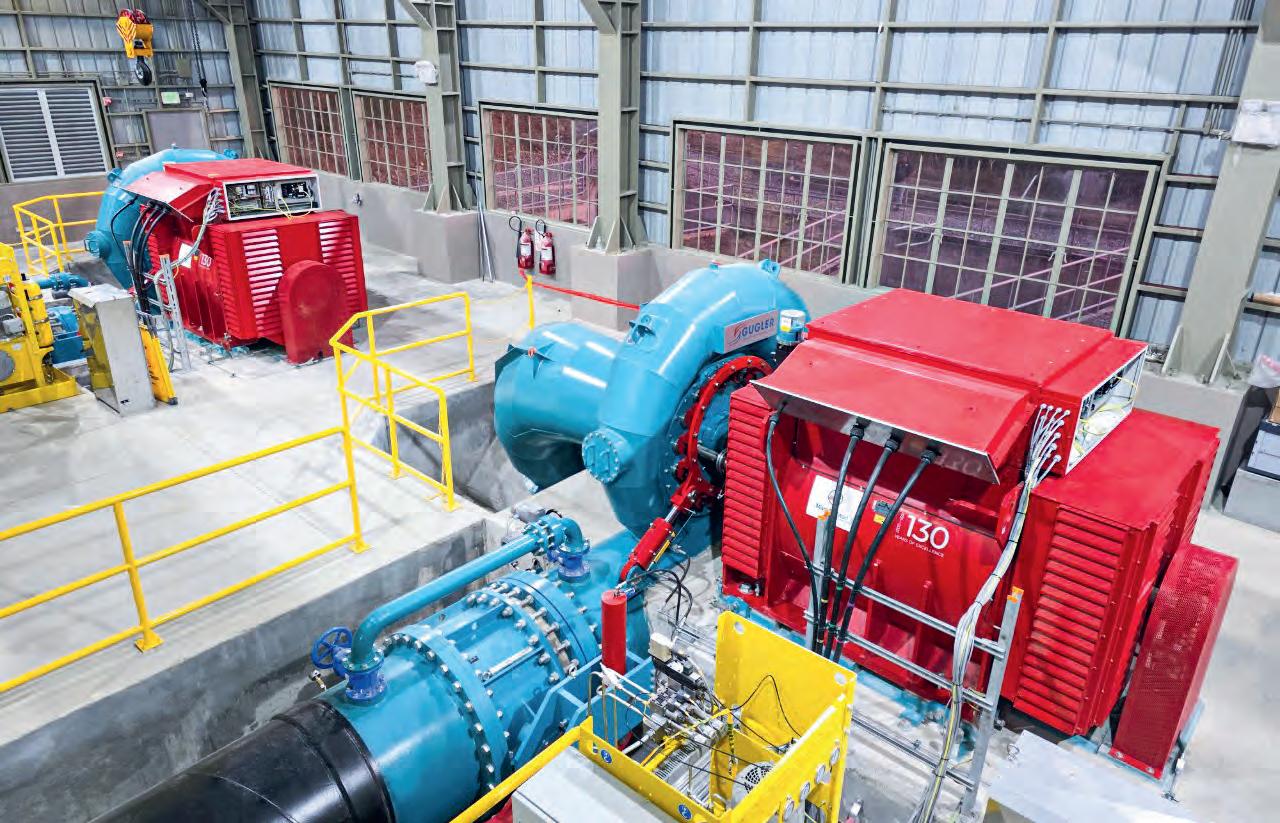
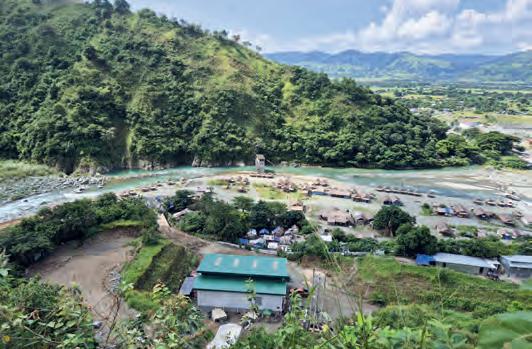
With the startup of power station Dupinga in February 2026, GUGLER Water Turbines GmbH was able to celebrate the successful completion of yet another project in the western Pacific island state. For the Austrian hydropower specialists, who have already implemented more than 15 projects throughout the country, the inauguration of the Dupinga facility represents another important milestone in supporting the Philippine energy sector. With the project site tucked away in the remote parts of the provinces, the construction of the 4 km power descent posed a major challenge, causing multiple delays along the way. GUGLER was contracted to provide an all-inclusive hydro-electrical package for the power house, with two horizontally aligned Francis turbines as the core elements providing a maximum capacity of more than 4.7 MW. In a normal year, the new small-scale hydropower station on the Dupinga River will supply about 22 GWh of clean energy for the region.
As far as meeting the energy requirements of the country’s 110 million inhabitants is concerned, fossil energy sources have been the traditional mainstay. As reported on the online portal “lowcarbonpower.com”, in 2024 around 78 per cent of electrical energy was generated by burning oil and gas. While renewables are lagging far behind in the statistics, the islands hold great potential for the utilisation of renewable energy sources. However, despite the country’s tradition of fossil-dominated energy generation, there is a growing trend towards the utilisation of renewables. As a result, recent years have seen a series of hydropower stations coming on the grid on the Philippine’s main island of Luzon.
Austrian-based industry insider GUGLER Water Turbines GmbH can definitely attest to the ongoing expansion of hydropower in the Philippines. Highly regarded as a hydropower all-rounder in the Asian market, GUGLER has successfully completed
more than 15 hydropower projects throughout the Philippines. The latest hydropower station to be equipped with GUGLER technology is owned and operated by local project developer Alternergy in the central region on the island of Luzon the
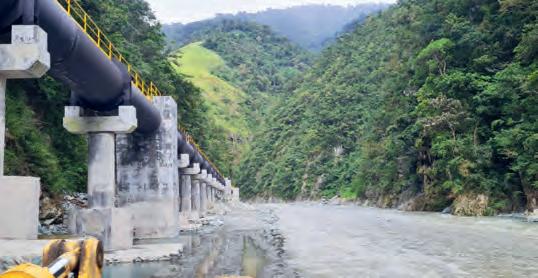
province of Nueva Ecja. The facility utilises the hydroenergetic potential of the Dupinga River, with the motive water reaching the turbines in the power house via a 4 kilometre penstock that runs alongside the waterbody. As Alternergy are careful to point out, their project was planned in close cooperation with local communities and implemented with due consideration for the indigenous population and local ecosystem. Apart from the facility’s energy generating capacity, which covers about 15 per cent of the energy requirements of the surrounding towns and villages, Alternergy also emphasise the project’s economic benefits. For example, the project created a large number of jobs, and a part of the gross income from energy sales will immediately benefit the local communities. During the planning stage, a particular point of attention was the need to make the power station’s infrastructure as unobtrusive as possible, with the conduit routing following the natural hilly topography of the surrounding terrain. Before it reaches the power
• Plant Type: Run-of-river-plant
Flow rate: 4,33 m³/s
Net head: app. 60,7 m
Turbines: Francis-Spiral-Turbines
Turbine axis: Horizontal
• Manufacturer: GUGLER Water Turbines GmbH
Ø Runner: 770 mm
• Max. Output: 2,364 kW
Generators: Synchronous
• Manufacturer: Marelli Motori s.r.l.
Annual average production: app. 22 GWh
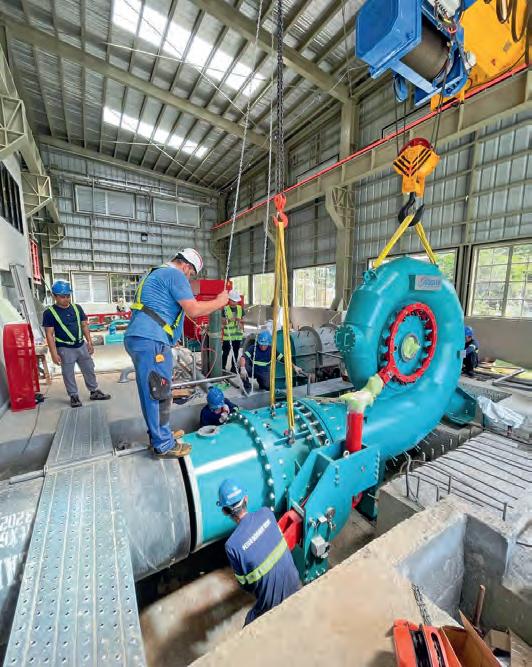
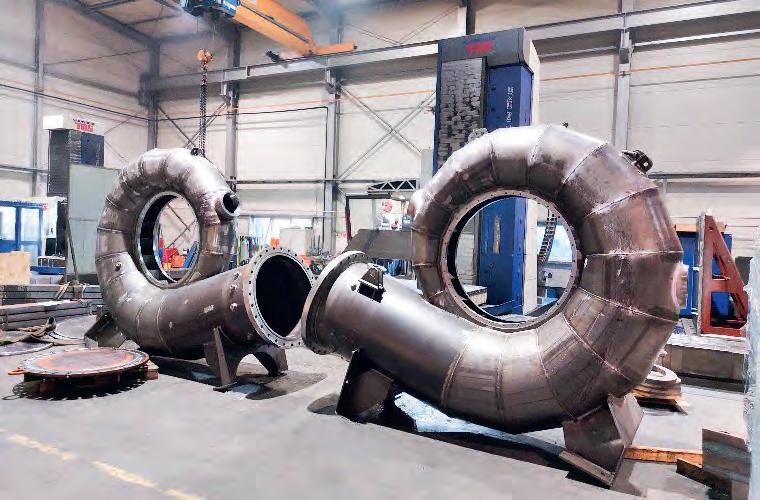
house, the penstock forks into two conduits to supply motive water to the two Francis turbines. The design for the Y-pipe was also provided by GUGLER and manufactured locally based on the Austrian engineers’ blueprints. Overall, the Austrian hydropower experts provided an all-inclusive project package that comprised the entire electro-mechanical and automation equipment. The control and protection systems were provided by the automation experts of GUGLER’s Austrian-based subsidiary, H&W Control GmbH, who were also responsible for programming the instrumentation and control systems. Another contributor to the project, GUGLER’s long-standing Philippine partner Petco Reenergy Corporation, was tasked with managing the connection of the power station to the grid.
As GUGLER’s project leader, Stefan Falkner, points out, the manufacturing process for the penstock was accompanied by a series of challenges that kept delaying the overall project. “Our machine units would have been ready for delivery back in late 2022. But then we ran into on-site construction issues, and we had to keep them in temporary storage in Europe and in the Philippines for quite some time. Then, in the autumn of 2024, we were finally ready to go ahead with the installation, and after that the inauguration in February 2026. We had to take extra measures to prevent pressure bruises on the anti-friction bearings in the machines while they were in storage. We were able to get to the rotors through an opening in the shipping container. That allowed us to rotate them by hand every few months – no need to do anything else,” as Stefan Falkner explains. The pictures of the difficult terrain along the penstock show the reason why the construction work took so much time and effort to complete. Before it reaches the water chamber and the adjoining silt basin, the power descent structure follows a lengthy stretch of concrete conduit, which feeds into a steel pipe supported by solid concrete pillars. Following the fragmented bank line, the route crosses the river at some point and includes multiple high and low points. Complicating things further, the construction process was marked by frequent landslides and logistic challenges, which led to delays in the overall construction and project schedule.
The two horizontally aligned Francis spiral turbines were each designed for a flow rate of 4.33 m³/s and a net head of 60.7 m, which allows them to achieve a rated capacity of 2,364 kW at maximum water supply. The machine units are equipped with
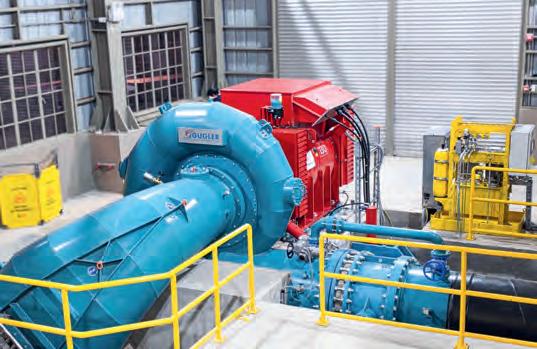
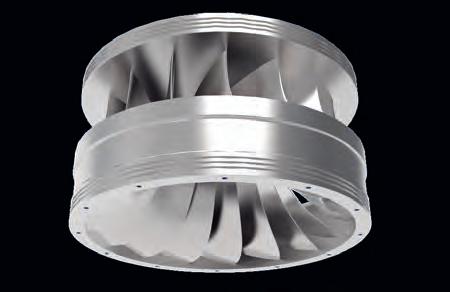
air-cooled synchronous generators that are direct-coupled to the turbine rotors. Thanks to the low sediment content in the motive water, there was no need for any additional protective coating on the Francis rotors, which measure 770 mm in diameter. GUGLER also provided the main isolating valves for the turbines, along with the hydraulic aggregates and the mediumvoltage switchgear. While the construction phase had been marked by numerous challenges, the installation and inauguration of the machine units went ahead without a hitch. After the initial dry runs last December, the full inauguration was celebrated in February 2026. “The long-term storage didn’t do the machines any harm, and we were able to start them up, test them under full load and gain some valuable hands-on experience without any problems.”
Power station provides 22 GWh of green energy
Now, a few months after the inauguration, project leader Stefan Falkner can give an overall positive summary of the completed project, emphasising the excellent collaboration with Alternergy. “Despite all the delays, we were able to complete the project professionally and successfully. The communication and interaction between the project partners and customers was marked by mutual appreciation throughout, and that made for a very comfortable working atmosphere.”
GUGLER’s engineers are similarly pleased to have been able to contribute to the Philippine’s envisioned transition to sustainable energy production. The standard capacity of the new eco-power station that benefits an entire region is rated at more than 22 GWh.
Worldwide active
Upgrading and modernization • Financing and AfterSales-Service
• Water-to-wire solutions • Highest European quality and efficiency • Operator know-how
Long-time experience

Hydropower operators and investors will need to adapt to a revised EU-wide regulatory framework.
2026 is shaping up to be one of the most consequential years for EU water and environmental legislation in over a decade. The formal adoption of the revised Water Framework Directive, a targeted second WFD revision under the RESourceEU Action Plan, the Environmental Omnibus package, and the approaching deadline for National Restoration Plans under the Nature Restoration Regulation are collectively redefining the regulatory framework within which hydropower operators, developers and investors must plan. [by Dirk Hendricks, Secretary General at EREF]
After the political agreement reached between the Council and the European Parliament in September 2025, the revised WFD was endorsed by the Council on 4 February 2026 and formally adopted by the Parliament on 26 March 2026. Member States have until the 21st of December 2027 to transpose the amendments into national law.
Two new exemptions are of direct practical relevance to the hydropower sector. First, short-term temporary deterioration of water quality is now explicitly permitted, subject to an ex-ante assessment and an ex-post verification confirming that the deterioration is no longer detectable after one year, or after three years for biological quality elements. Second, deterioration of chemical status caused by the relocation of polluted water or sediments is permitted under defined safeguards. Both provisions should allow an easier facilitation of permitting for construction, renovation and repowering works at hydropower sites.
The revision also codifies the Weser judgment into statutory law, introducing a formal definition of deterioration consistent with existing Court of Justice case law. Additional elements include an expanded list of monitored pollutants covering pesticides, pharmaceuticals, bisphenols and PFAS, extended Member State compliance deadlines of 2039 with
a strictly conditioned extension to 2045, and a 2033 deadline for achieving new quality standards for specific substances. Member States may now also establish a joint EU-level monitoring facility.
A second revision of the WFD is under way through the RESourceEU Action Plan, with a Commission proposal expected before the political summer break. As this is a targeted revision for the European mining and metal sector, its stated objectives are simplification, promotion of circularity and improved access to critical raw materials, while maintaining environmental and human health protection.
In parallel, the European Commission plans to publish new guidance and clarifications on how EU water law should be applied in environmental permitting, with an explicit focus on addressing the bottlenecks and implementation inconsistencies that Member States have reported. The guidance clarifies how environmental quality standards are assessed at the water-body level and confirms that natural background concentrations may be taken into account when assessing chemical status. For hydropower, this could represent a meaningful step towards faster and more predictable permitting conditions.
The Environmental Omnibus package, proposed in early 2026, introduces coordinated and joint assessment procedures spanning the EIA, SEA, Habitats, Birds and Water Framework Directives. It establishes binding maximum timelines for screening and environmental assessments, mandates full digitalisation of procedures, and provides a toolbox of instruments for strategic sectors, including overriding public interest designations and tacit approval provisions. Particularly relevant for hydropower could be the clarification that occasional harm to protected species is not considered deliberate where proportionate mitigation and best available techniques are applied with monitoring and adaptive measures in place. This would significantly reduce the litigation risk that has complicated project authorisation for renewable energy installations, including hydropower. The European Parliament‘s ENVI Committee takes the lead on the file in the European Parliament.
The Common Implementation Strategy guidance on free-flowing rivers, published in January 2026, provides the technical framework for identifying free-flowing river stretches under both the WFD and the Nature Restoration Regulation. The guidance structures its assessment around four dimensions of river connectivity: longitudinal continuity from upstream to downstream, lateral connections with floodplains and wetlands, vertical interaction between the river and groundwater, and temporal flow variability. Assessment criteria cover anthropogenic pressures including dams and barriers, hydrological functioning, morphology and ecological continuity encompassing species migration and sediment transport. Significant implementation challenges remain acknowledged within the guidance itself. Data across Member States is often incomplete or heterogeneous, harmonising methodologies across heavily modified river networks is difficult, and defining what constitutes acceptable threshold conditions remains contested. The guidance is legally non-binding but will directly inform national barrier inventories and restoration planning from 2026 onwards, making an active engagement of national hydropower stakeholders in its application essential.
National restoration plans: a critical deadline
Under Article 9 of the Nature Restoration Regulation, Member States must submit draft National Restoration Plans to the Commission by 1 September 2026. These plans must include an inventory of barriers to surface-water connectivity with an indication of obsolescence status, a baseline map of freeflowing rivers as of 2020 with projected gains to 2030 and 2050, and a description of measures to maintain connectivity once restored. The Commission will provide feedback by 1 March 2027, with final plans due by 1 September 2027. First progress reporting falls due on 30 June 2028, recurring every three years thereafter.
Engagement by national hydropower stakeholders in the drafting of these plans is highly recommended. Modernised installations equipped with fish passes, sediment bypass systems and improved flow management positively contribute to connectivity and ecological health. Such installations should be framed as part of restoration solutions rather than as obstacles to them, particularly where an upgraded structure demonstrably improves local connectivity relative to the preexisting barrier.
Work is proceeding through the WFD‘s Common Implementation Strategy to develop a living document on environmental flows, consolidating best practices and methodologies for setting minimum flow requirements across EU Member states. The process includes preparation of national case studies, a joint workshop in autumn 2026, and a publication of a draft report by the end of 2026. As the outcomes may be incorporated into future WFD guidance, EREF and its members are monitoring the process closely. Minimum-flow requirements directly affect plant operations and generation capacity, making this a workstream of immediate practical relevance for the sector. EREF continues to engage actively with the European Commission, Member State authorities and environmental organisations across all of these processes, emphasising that modern hydropower is an integral part of a resilient, sustainable European water and energy system. [more on: https://eref-europe.org/]
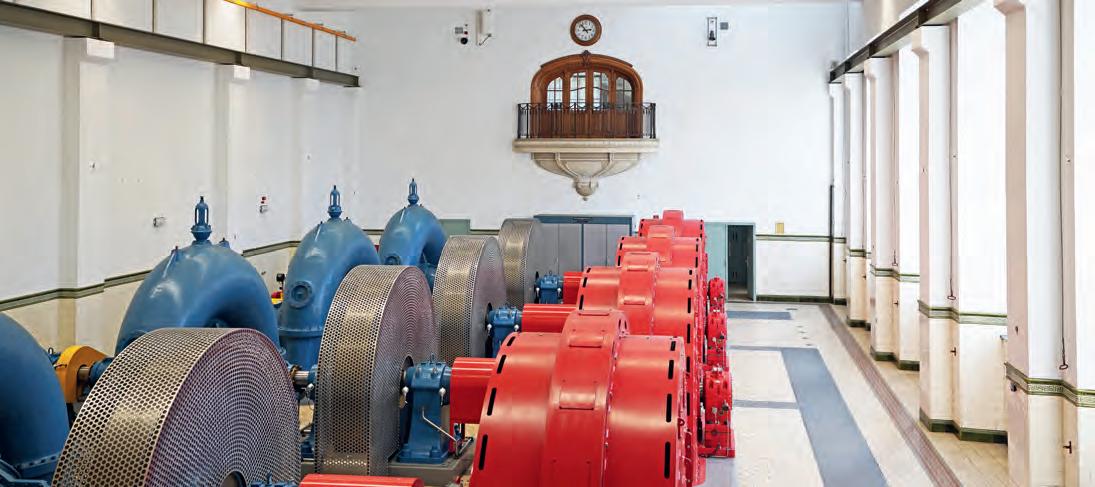
The EU’s small hydropower plants contribute significantly to achieving the EU’s decarbonisation and renewable energy targets.
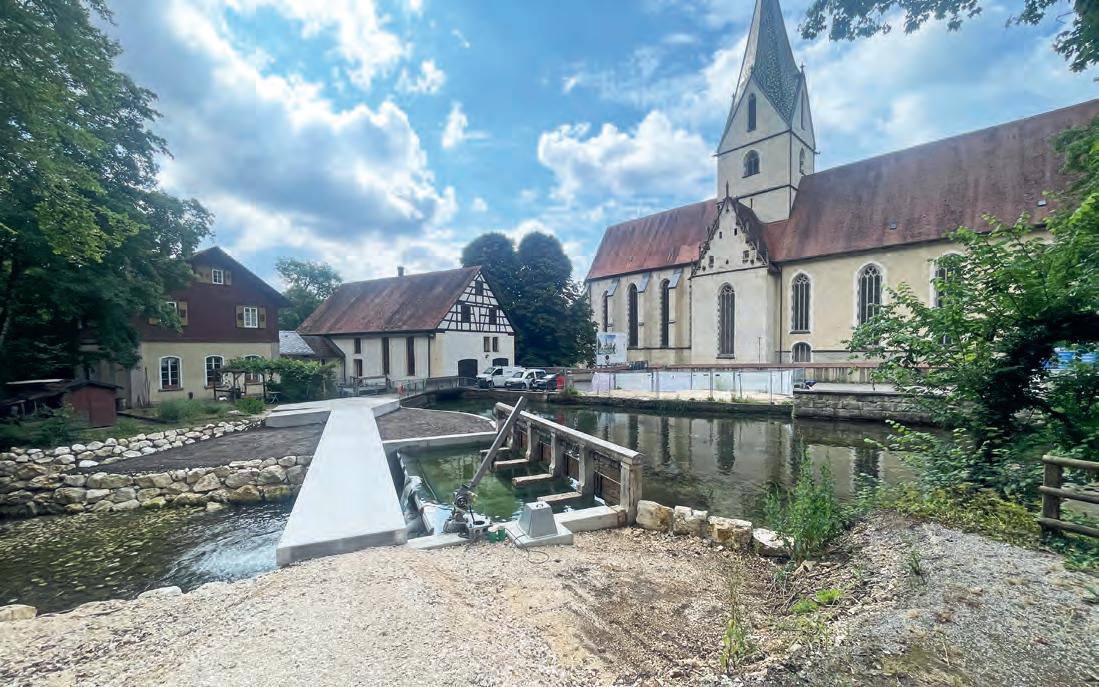
The redevelopment of the Blautopf site also involved the construction of a new weir system and reactivation of the small hydroelectric power station. Steel hydraulic engineering infrastructure and control technology equipment were supplied by the South Tyrolean
specialists Wild Metal and Electro Clara.
In 2024, work began on the redevelopment of the Blautopf site – one of the main attractions in Blaubeuren, a small town in the Alb-Donau district in Germany. The small hydroelectric power station on the site had been out of operation for decades. By the summer of 2025 it had been completely refurbished. Since this time, the modernised power station has been generating clean energy again. The energy is used at the site itself to power the Blautopf drinking water pump station. As a trusted South Tyrolean company specialising in hydro-industry solutions, Wild Metal GmbH was chosen to supply the entirety of the steel hydraulic engineering equipment required to refurbish the power station and weir system. The electrical and control systems were provided by Electro Clara, an automation specialist also based in South Tyrol.
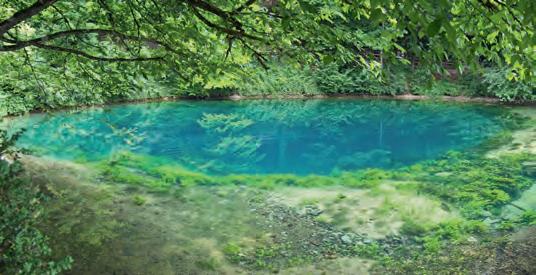
Blautopf weir is a veritable tourist magnet on the edge of the old town of Blaubeuren. A natural karst spring feeds the eponymous blue pot (Blautopf) dam, and the water shimmers in various intense shades of blue depending on the time of day and the angle of the light. Every year up to 500,000 visitors are attracted to a site that also houses the historic hammer mill. A comprehensive revitalisation project was launched in 2024 for the outdated structural and technical infrastructure in the surroundings at the landmark in this small town in BadenWürttemberg. Renovation and modernisation measures aim to preserve existing structures – some of which are listed; and to enhance the area’s appeal. Furthermore, renovation work is also addressing practical aspects, not least accessibility and safety.
Exemplary symbiosis
An important milestone for the Blautopf restoration project was reached in the summer of 2025 as the new weir system
was completed, also facilitating barrier-free access around the site. The weir system forms part of the infrastructure at the reactivated small-scale hydroelectric power station, but had been out of operation for almost 30 years due to technical
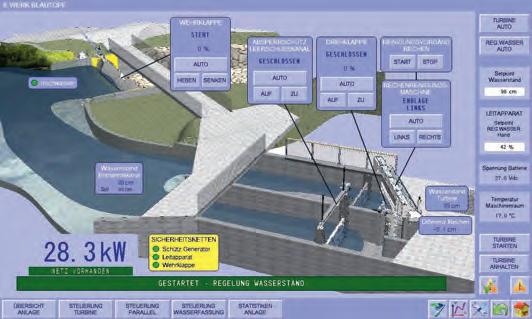
faults. The engineering company Wassermüller in Ulm planned the weir and power station refurbishment, and project manager Andreas Kramer explained the advantages: “An association especially established for the purpose – Albwasserversorgungsgruppe III – has a pumping station at the Blautopf weir and is now benefitting from the recommissioning of this hydroelectric power station. Every day in 2024 the system transported an average of over 1,122 m³ of water to the plateau of the Swabian Alb. The association can now use electricity generated by the power station to meet the pumping station’s own energy requirements.” Wassermüller is continuing redevelopment work at the Blautopf weir in collaboration with eight other engineering firms and specialist planners.
Andreas Kramer tells of several challenges posed by the renovation projects. Classified as a site of the highest ecological importance, the Blautopf enjoys protected status. Consequently, the project was subject to a whole range of environmental protection requirements and the listed site’s preservation was a high priority. Geologically speaking, the nature of the ground conditions necessitated complex drainage measures. These challenges were compounded by protests by restaurant owners and businesses who, for obvious commercial reasons, insisted the site be opened to visitors during renovation. Ultimately, the protestors were assuaged by allowing limited access to the site. Although visitors and business owners were pleased by this partial opening, it hampered the execution of construction work. As project manager Kramer noted, considerable effort was expended on the restoration of the old weir – a listed
• Plant typ: run-of-river plant
Operator: Zweckverband Albwasserversorgung III
Flow rate: 1,820 l/s
Net head: app. 2 m
Turbine: Francis-Turbine
• Manufacturer: Voith
Turbine speed: 64 rpm
• Max. Output: 37 kW
Generator: Asynchronous
• Steel hydraulic engineering: Wild Metal
Electrical and control engineering: Electro Clara
structure. “We worked with a heritage conservation specialist who mapped and documented every stone when we dismantled and reconstructed the historic weir. The old weir blocks were dismantled, stored temporarily, and put back in place piece by piece during reconstruction.”
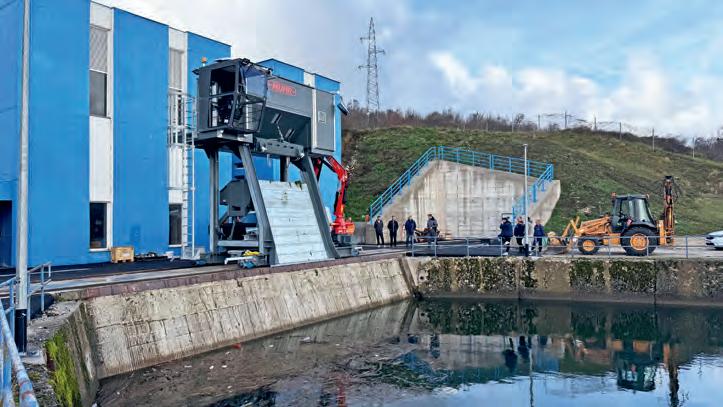
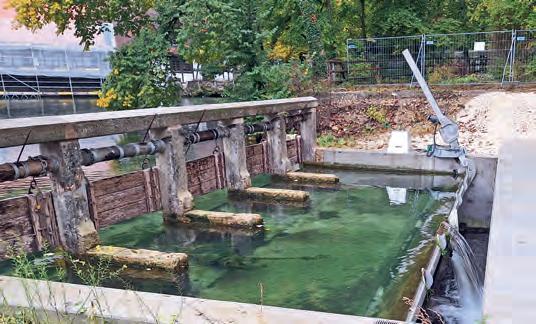
The new Blautopf weir set-up was installed directly in front of the old weir, the listed historic structure being a key feature following its restoration. All steel hydraulic engineering equipment was supplied and installed by Wild Metal GmbH – the renowned South Tyrolean company. “To ensure the Blautopf water was not contaminated in the event of damage, the movable steel hydraulic engineering components were fitted without hydraulic drives, instead relying purely on electromechanical drive systems. “When designing the steel hydraulic engineering components, great importance was attached to unobtrusive and harmonious aesthetics, in line with the customer’s wishes,” stated Wild Metal technician Daniel Polig. The largest component in Wild Metal’s scope of delivery was the 9.5-metre width weir gate, with the opening for residual water discharge being installed in a central position. The gate actuator was mounted on the left-hand side of the weir and fitted with a flood float to trigger emergency weir gate opening at a specific water level. The South Tyroleans supplied a protective trash rack for the power station intake – approximately 4.1 m wide and 1.1 m high with horizontal bars – as well as the accompanying rack cleaning machine, and its housing. The water level-adapted trash rack cleaner guarantees optimal intake flow. Debris removed from the rack is conveyed to a rotary gate by the cleaning rake,
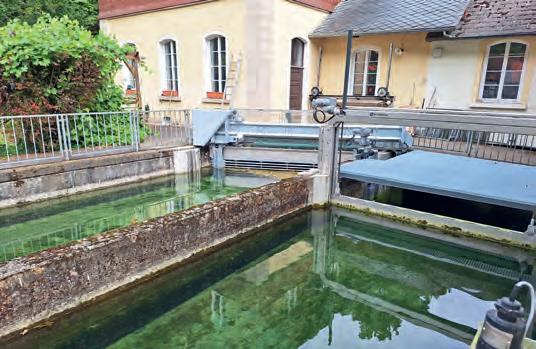
and discharged under the waterline below. Wild Metal’s scope of delivery was rounded off with a dam beam closure and an additional shut-off gate.
Decommissioned turbine recommissioned
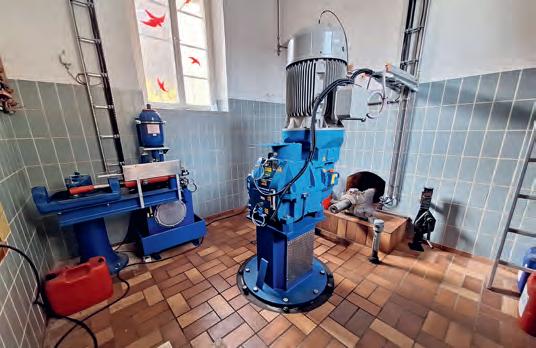
The existing equipment in the machine room at the small power station has been thoroughly modernised and replaced. Having been severely damaged and out of service for almost three decades, the vertical-axis Francis turbine required comprehensive refurbishment. Installed in 1962, the turbine had been designed for a maximum flow of 1,820 l/s and a head of 2 m. Prior to decommissioning, the turbine had served as a mechanical drive for a double-piston drinking water pump. The turbine was fitted with a new gearbox and a new asynchronous generator during electromechanical modernisation work in the powerhouse. The association’s drinking water pumping station is supplied with clean electricity by what is essentially a new machine; one capable of achieving a peak output of 37 kW at full water supply volume. Another South Tyrolean company, Electro Clara, subcontracted to Wild Metal, was responsible for the provision and installation of all electrical and control engineering components. These automation specialists supplied the entire array of control equipment for the hydroelectric power station, and for the steel hydraulic engineering
components. The power station control system, visualised for user-friendliness, was also programmed by Electro Clara, and now facilitates fully automatic plant operation. The control system can be accessed either via a touchscreen display in the machine building, or via online connectivity with a variety of devices such as PCs, tablets or smartphones.
Blautopf restoration continues
Refurbishment of the weir and revitalisation of the small hydroelectric power station were completed in the summer of 2025, so since the beginning of July the energy generated at the plant has been clean, green energy again. Andreas Kramer recounts how the project was both exciting and challenging: “Although implementation wasn’t always straightforward, the professional collaboration of every company involved ensured the various refurbishment and renovation measures were completed successfully. It’s very satisfying to know that, although the power station had remained unused for a long time, the infrastructure has now been restored. The energetic synergy between the hydroelectric power station and pumping station has definitely been a success.” Completion of refurbishment activity for the Blautopf site is scheduled for 2028, and Andreas Kramer is confident it will be a success. “There’s nervous excitement, but working as a team – we’ll get it done.”
•
•
•
• Patented Coanda-system GRIZZLY
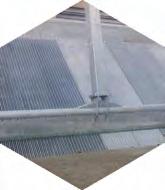
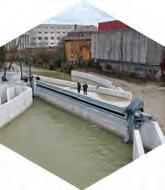
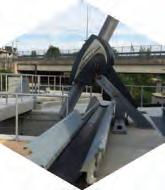
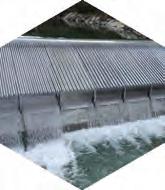
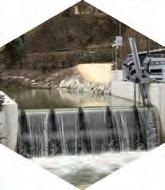
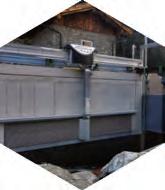
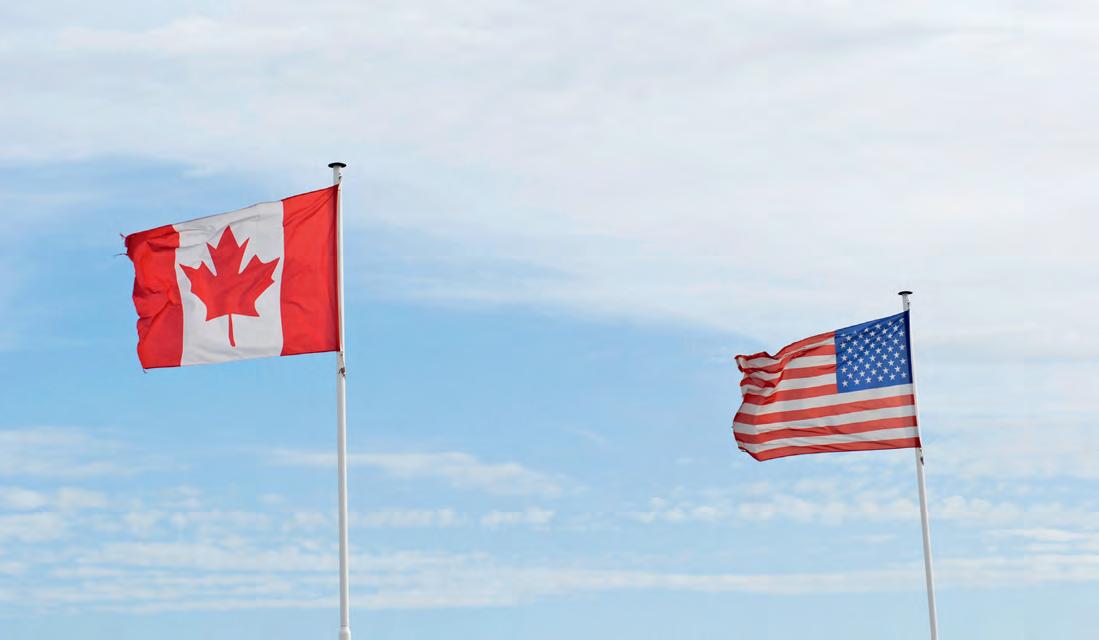
Austrian hydraulic engineering specialist Braun Maschinenfabrik is ready to serve the North American market from their base in eastern Canada.
The destination and route have been agreed since autumn 2025. Braun Maschinenfabrik is aiming to access potential customers in North America on a regional level with a local partner and a new representative office in eastern Canada. The Upper Austrian steel hydraulics and mechanical engineering company boasts a broad service portfolio. The innovative Upper Austrian company hopes to gain a foothold and take a major step into the North American market, initially with their tried-andtested, high-performance rake cleaning solutions. Braun is one of the leading names in steel hydraulic engineering in Europe. Although it has made its mark worldwide, reputation-building work is still necessary in the ‘Great White North’. The supreme quality of Braun technology has proven itself down the years, so the company is confident it can establish a lasting presence in the North American hydropower sector in collaboration with Hydro Turbine Systems – the local industry specialist.
The North American hydropower market is one of the largest and most demanding in the world, being technologically mature, relatively large-scale, investment-heavy and characterised by long-established structures. Establishing a brand within this market is a considerable challenge for any newcomer. Braun Maschinenfabrik shares this view. The Upper Austrian company clearly believes it’s a very exciting challenge they are now ready to face. The engineering heavyweights from Vöcklabruck, have established their reputation in Europe as a leader in steel hydraulic engineering and rake cleaning machinery. They also know what to expect: “The market is extremely large and, compared to Europe, still offers considerable potential for new installations. That goes for Canada in particular, but for the USA, too,” according to Thomas Oberanzmair of Braun – and adds: “There are many existing plants that have no rake cleaning systems at all, and an even greater number of older plants whose rake cleaning systems are no longer state of the art, and which no longer serve their purpose economically.” These are exactly the opportunities the high-quality European supplier company has identified. In Canada in particular, hydropower plays a major role in electricity provision with around 60 % of the electricity supply coming from hydropower.
Great opportunities and large hurdles overseas
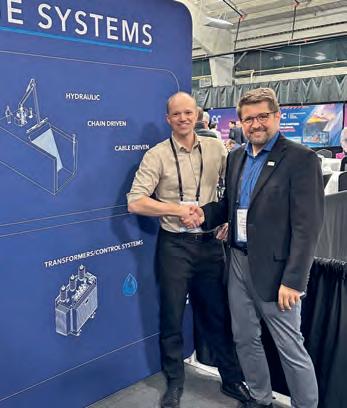
In autumn 2025, the deal was officially signed and sealed, and Braun is now ready to put down roots in Canada. Braun’s machinery division will be represented by Loïc Pétillon (Eng.),
the general project manager at eastern Canada-based Hydro Turbines Systems (HTS). Thomas Oberanzmair states: “We are delighted to have found partners in Loïc Pétillon and HTS to gain us entry to this market. Loïc is a qualified engineer who has worked in the hydropower sector for other European companies on the North American continent for decades – so he’s very familiar with the market, and the opportunities and challenges it presents.”
Braun Maschinenfabrik recognised key differences to the European hydropower market early on. One difference is the size of the market, presenting major challenges – both in terms of sales potential and the sheer geographical scale of country. A second distinctive feature of the North American market is that there are clearly defined rules on the choice of external contractors. These act as intermediaries in a contract for specified construction lots. Another key difference to the European market, one that particularly applies to large energy suppliers, is the requirement for ‘pre-qualifications’ – a formal pre-selection process companies are obliged to undergo before they are even permitted to participate in certain projects or tenders. This gatekeeping is undoubtedly a barrier to market entry, as without pre-qualification there is no project access. However, once a company has pre-qualified it’s a kind of quality seal that boosts the bidder’s chances of securing follow-up contracts.
Favourable technical performance compared with local providers
There are also a number of technical aspects for the industry specialists at Braun Maschinenfabrik to bear in mind, especially the varying – and occasionally very complex – regulations that can differ according to region, industry and area of application. Furthermore, it may also be necessary to switch to American units of measurement for certain applications –as and when these are required. “The specifics of electrical engineering pose yet another fundamental challenge, but fortunately we can draw on the current expertise of one of
our other divisions, one that has been operating successfully on the North American market for decades,” explains Thomas Oberanzmair and adds: “The fact that our name is not wellknown in North America definitely puts us at a disadvantage.” However, there is no need to shy away from comparisons with established North American suppliers. Indeed, in some fields these suppliers demonstrate significantly lower technical standards. There is currently no relevant North American supplier for the large hydraulic excavator segment. All the major suppliers in this field are Europeans, so Braun’s technological expertise and experience gives them an advantageous initial position from which to achieve systematic market share growth.
Machines that are built to last
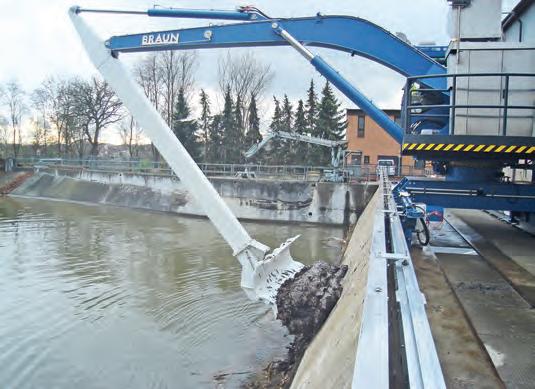
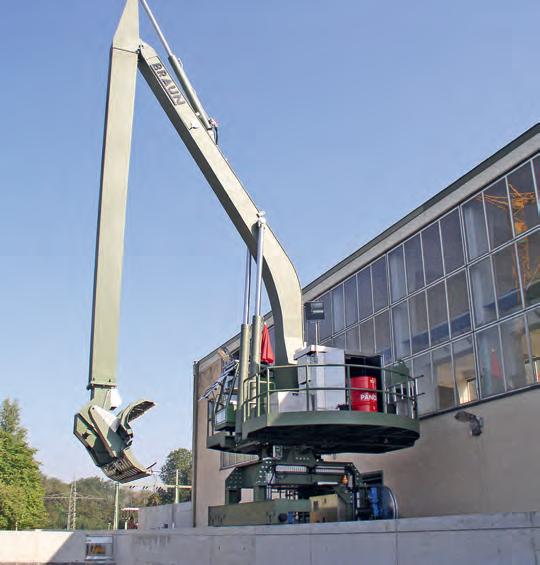
So how exactly does Braun intend make waves in the North American market? The company boasts a well-established range of rake cleaning technology with which to impress this new market. The portfolio includes telescopic rake cleaning machines, stationary excavator-mounted machines, mobile and rotating excavator-mounted devices, cable-operated rake cleaning machines, specified custom builds and debris disposal systems – all of which have earned Braun an excellent reputation in Europe. One of the secrets of these rake cleaners’ success is their reliably robust design. Superior-quality, strong sheet metals and components, proven inhouse welding technology and sophisticated hydraulic solutions form the basis for stability, high operational reliability and exceptionally long service life. Braun offers a complete
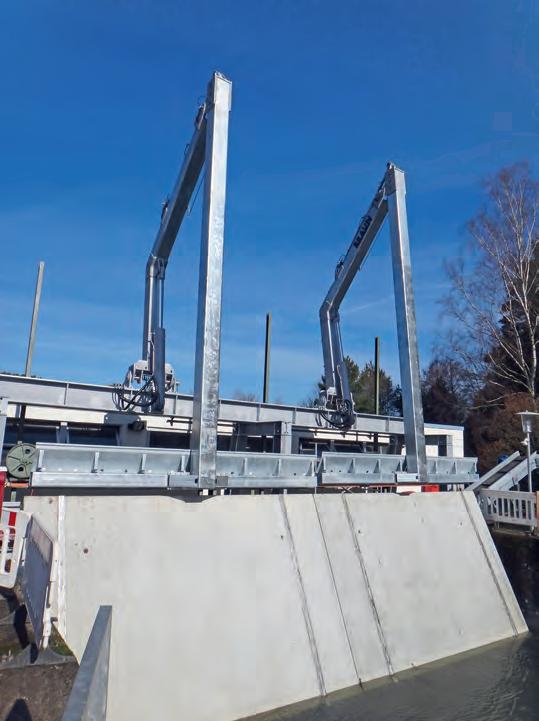
range of fully integrated in-house core competencies – from project planning, design, structural analysis and electrical planning, through to manufacturing and pre-assembly. This guarantees seamless single-source technical solutions. In some cases, Braun Maschinenfabrik installations carry more weight, which is by no means disadvantageous, and reflects the methods employed for their construction. In comparison with lighter-weight alternatives, theses structures impress with proven durability and reliable operation – even under the most demanding conditions. No wonder numerous experienced power plant operators have exclaimed: “This machine simply unbeatable.”
The next logical step towards North American growth
Braun Maschinenfabrik’s rake cleaning machines combine innovative strength with more than six decades of experience to form a coherent whole. Hardly any other supplier in the hydropower market manages to combine tradition and technical advancement so seamlessly. Backed by a well-coordinated team of experienced engineers, the company is now able to offer all standard types of screen cleaning machines in a wide variety of sizes. Furthermore, Braun regularly develops bespoke solutions for particularly demanding operating conditions – even where other suppliers reach their limits. Braun’s guiding principle has always been that the ideal rake cleaning machine should be precisely tailored to the requirements of the site in question, and to the individual needs of the customer. This commitment, and a strong spirit of innovation, enables Braun to offer the extreme flexibility and comprehensive technical expertise that have made this long-established company one of the leading suppliers in its sector. With this in mind, and with Canada and the USA being among the largest
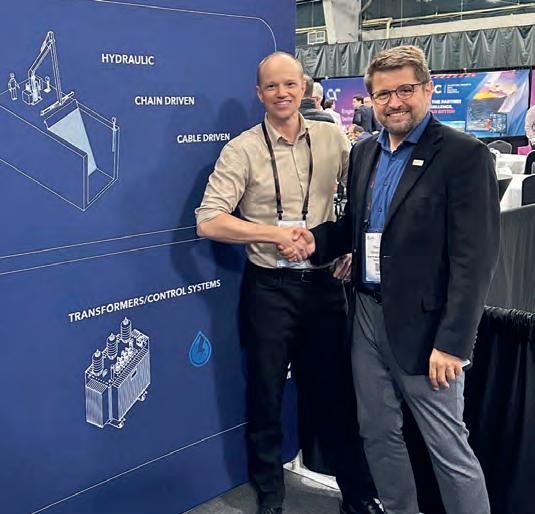
EINSCHALTUNG BRAUN-STWB 120x180 - 2021.qxp_EINSCHALTUNG STWB 122x90 20.10.21 13:26 Seite 2
and most dynamic markets in the world, it is clear that breaking onto the North American hydropower market is a logical next step. The Canadian east coast is particularly attractive in terms of the conditions it offers. Comparatively short transport routes, inconsequential time-zone differences, cultural and mindset similarities with Europe – all of which eases the process of market entry and provides a firm foundation for sustainable success.

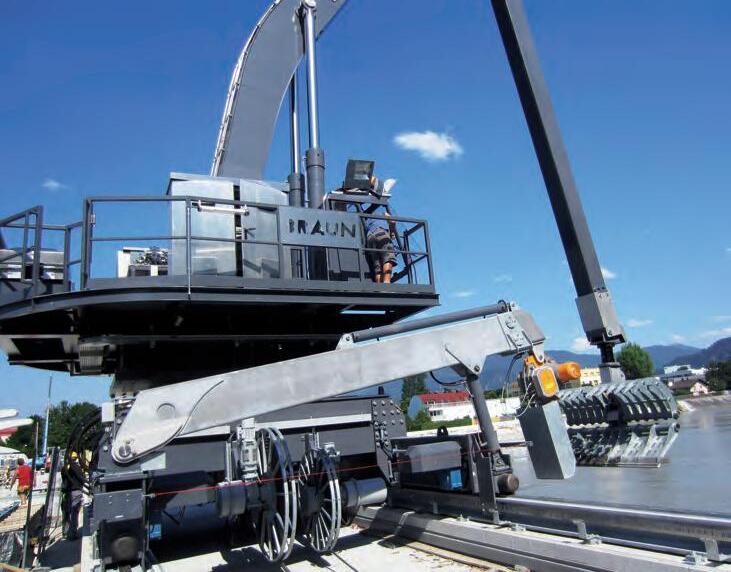

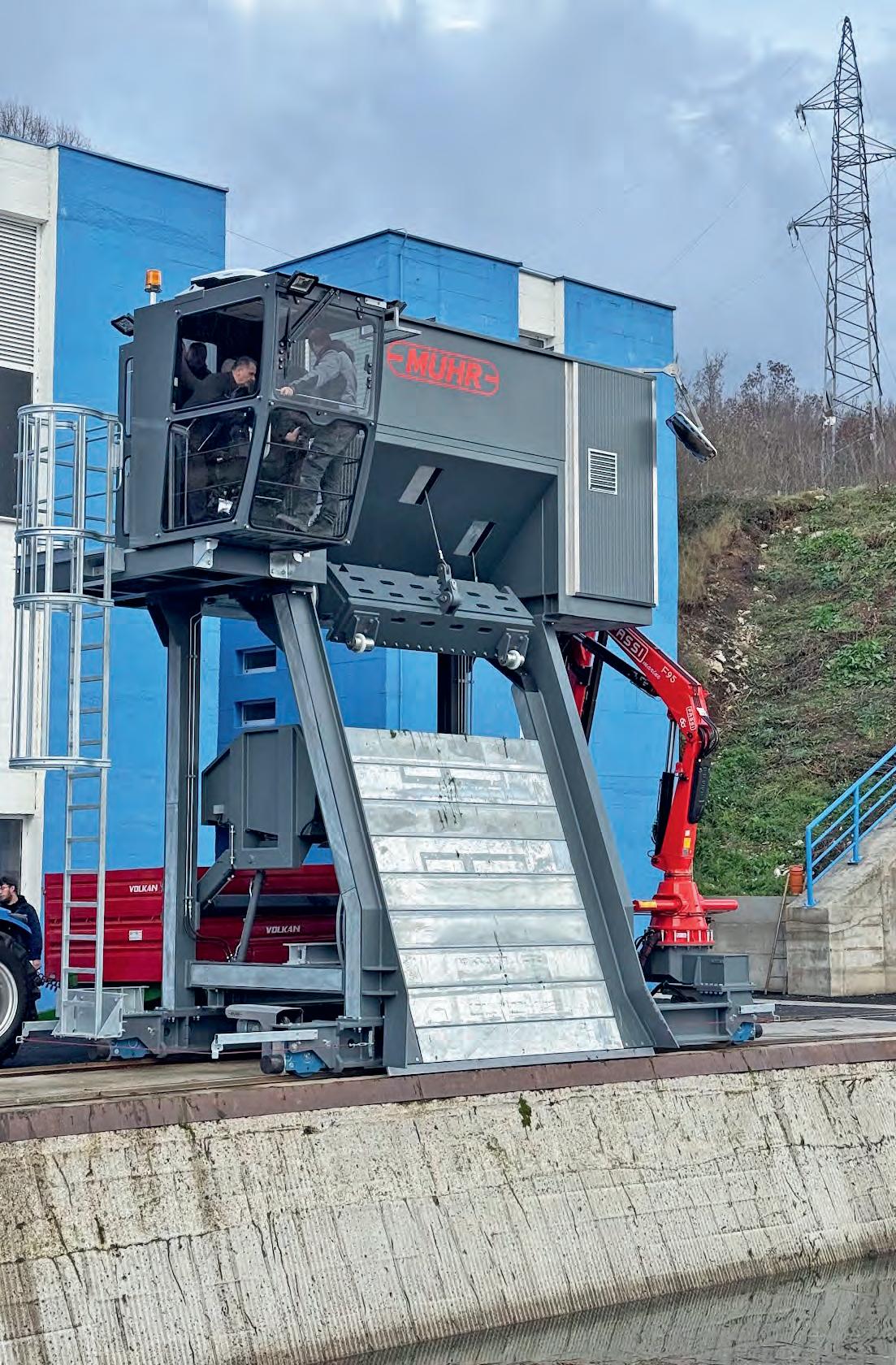
The original trash rack cleaning machine had kept the intake free of debris at Buško Blato (aka Buško Jezero) – one of the largest European man made reservoirs – for around 50 years. Nevertheless, over recent years, it had become increasingly prone to problems, and was struggling to cope with the growing challenges. Hence, a new, significantly more powerful rack cleaning rake machine was required – and was provided by MUHR. Already installed, it heralds a new era in the technical operation of the facility. Cleaning efficiency has been improved with the new system by a staggering 125 %, even though it is currently still in the mandatory trial phase.
In the early 1970s, the Buško Blato reservoir was constructed at great expense as an integral part of a high-capacity hydroelectric power system. Located just a few kilometres away, Orlovac hydroelectric power plant is fed by the Buško Blato reservoir – or Buško Jezero, as it is also known. It is one of the largest man made reservoirs in Europe covering a total area of just under 60 km² with a volume of 782 million cubic metres. The complex infrastructure of canals, dams and pumping stations has enabled Buško Blato to remain an important fixture for water regulation in the area and, above all, for energy production in the region.
A legacy system affected by recurring power outages
The original trash rack rake machine was installed over 50 years ago to ensure the unimpeded flow of headwater from the intake at the reservoir into the power house. Over this period, it kept the trash rack more or less free of any debris. Nevertheless, Marko Knezevic, Managing Director of MUHR Croatia, explained that, “Despite regular maintenance, the system had begun to show signs of age and wear over the years. Occasional malfunctions, particularly in the electromechanical raking unit, ultimately increased the risk of potential machine breakdowns.” Knezevic’s description of the initial situation with the original equipment shows how this necessitated the modernisation project with the Bavarian hydraulic engineering specialists at Erhard Muhr GmbH, headquartered in Brannenburg, who ultimately took of full responsibility for project implementation. Marko Knezevic also pointed out that the high proportion of manual labour it demanded meant it had long since ceased to meet modernday standards: “The machine required manual operation, the screen baskets needed to be emptied by hand and the debris required transportation by trolleys to a place a whole 50 metres away.” Hence, the expert, added: “Basically, modernisation of the system was long overdue.”
A complex logistics management challenge
In recent years, operators had faced an additional environmental problem that had exacerbated the situation. The screen had been becoming increasingly clogged up with organic material from a fast-growing, invasive aquatic plant, and the old machine had no longer been able cope. Ultimately, a host of factors had made replacement of the trash rack cleaner an urgent necessity, and the performance demands and capabilities placed on the new machine were now significantly higher than those for its over 50 year-old predecessor.
In July 2024, the client and the supplier – MUHR, signed the contract for the refurbishment of the trash rack cleaner. The project was devised in multiple phases, covering the entire
production and installation cycle – from planning through to final commissioning. “In particular, it should be noted that the dismantling of the old plant, transport preparations, crossborder transport – including customs clearance to Bosnia and Herzegovina, and on-site assembly using a mobile crane, were all carried out – following factory inspection and approval in Brannenburg – in less than a month. This required close coordination between mechanics, electricians, hydraulics engineers and programmers,” Marko Knezevic told us, as he outlined the scope of the challenges for the logistics management process.
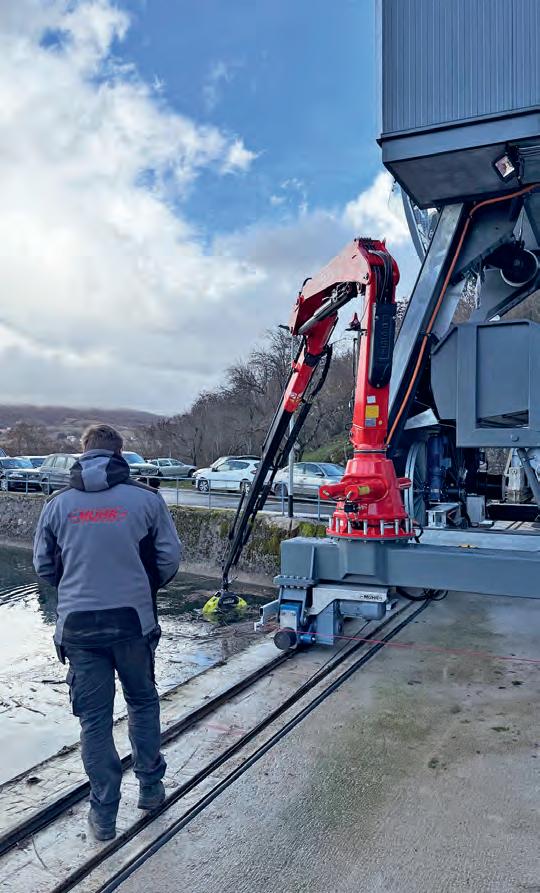
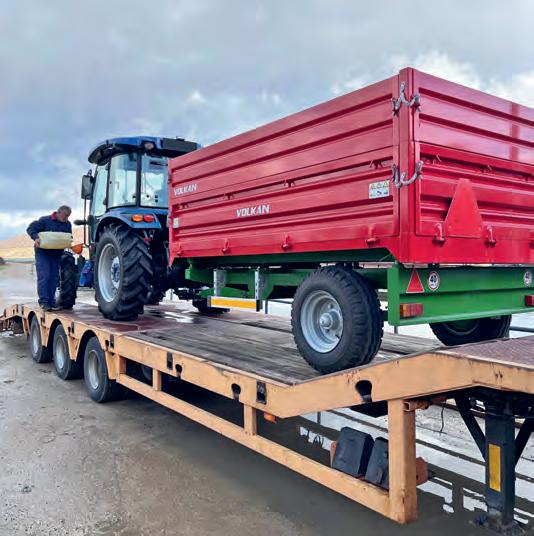
During project implementation, structural adaptation of the existing infrastructure, and the new, even more demanding operating conditions, both presented significant challenges for the MUHR team: “The challenge began with the new machine’s higher dead weight, larger surfaces subject to snow and wind loads, as well as additional forces caused by an integrated hydraulic crane for lifting large pieces of driftwood out of the water. For this reason, extended analyses of
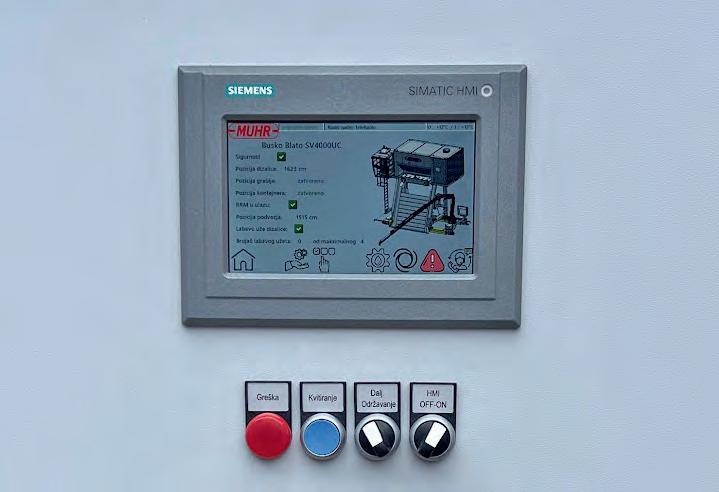
all additional load cases were carried out on top of the usual structural calculations,” Knezevic explains. The structural modifications were made on the basis of the operator’s rack drawings, so for a real imaging during commissioning tests, an underwater drone was used to confirm the perfect fit and correct positioning of the claw unit on the rack. Another critical issue was the on-site space constraint. The lack of space necessitated a carefully coordinated installation plan. Furthermore, particular attention had to be paid to the integration of the new and enhanced workplace safety features, such as multiple emergency stop buttons (ESD), radio remote control infrastructure and presence detection sensors.
The new Buško Blato trash rack cleaner is currently in operational use in a mandatory trial phase to verify its stability, re-
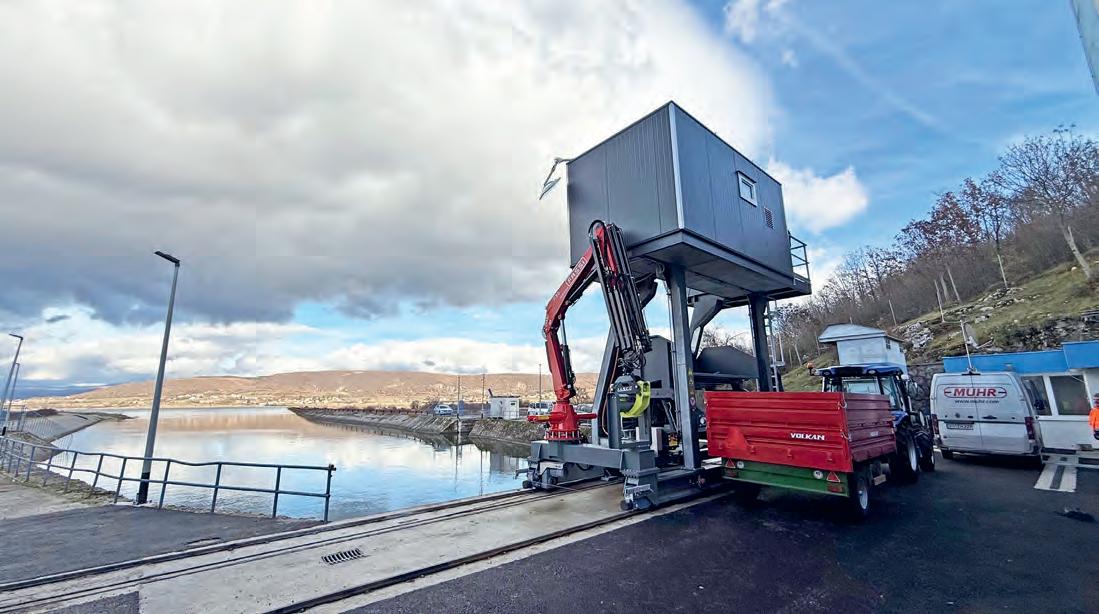
liability and the full integration of all functions. The machine offers significantly improved technical performance in line with current requirements. Marko Knezevic: “The rake width has been increased from 1600 mm to 2500 mm, meaning a significantly larger raking area is covered per stroke. In combination with higher drive speeds, cleaning time per cycle has been reduced by 20 %, so the new machine is both faster, and removes considerably more floating debris in a single rake stroke. This has increased the hourly cleaning volume by around 125 %.” In addition, the new system is fully automated, remotely controlled, requires minimal manual intervention and offers a significantly raised level of safety. The system guarantees the operator more reliable, powerful and higher-quality equipment, and in turn contributes significantly to the operational safety of the entire hydropower set-up.
The fact this long-established Bavarian company bid successfully in the tender process is further proof of its expertise and high quality. MUHR is known to guarantee reliability for demanding hydropower applications, and to be able to provide a fully integrated solution encompassing the mechanical, electrical and control components of any project. MUHR offers equipment and systems that ensure full compliance with technical specifications, a high degree of integration, state-of-the-art safety standards and high-quality manufacturing. Furthermore, the company has experienced, highly specialised technical staff working in every project phase – design and project management, mechanical specialists and fitters, electricians, hydraulics engineers and



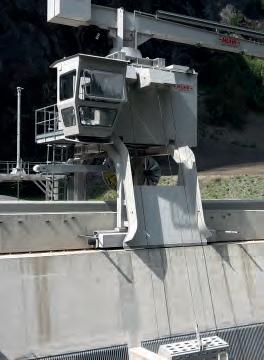
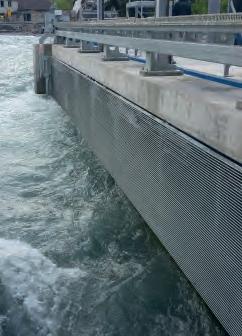
Project: CS Buško Blato
Machine type: SV-4000
Model: CATRONIC - rope-driven
• Manufacturer: MUHR
• Total weight: 23 t
• Cleaning width: 2,500 mm
• Winch power: 4,000 kg
• Grab arm: yes
• Increased cleaning performance: approx. 125 %
• Operating modes: manual, semi-automatic, fully automatic and via remote control
Commissioning: Winter 25/26
programmers for control integration. A key reason for the selection of this supplier was their broad technical expertise. For MUHR, a challenging Balkan project has become yet another successful reference job on the company’s long list of international achievements. As regards the Buško Blato reservoir, the new trash rack cleaning machine heralds the start of a new, modern era in hydropower utilisation.
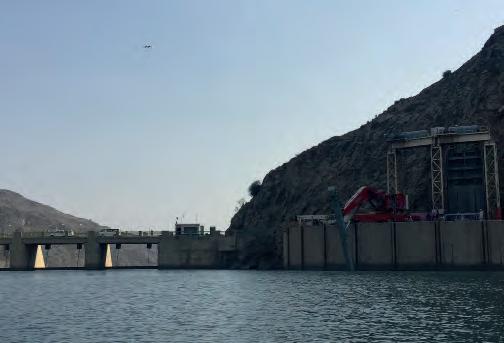
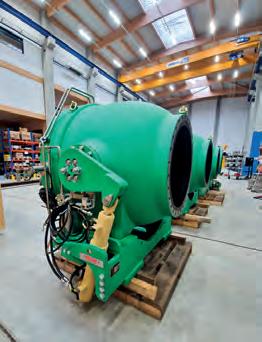






Ingeteam has signed a contract with Norwegian electricity producer Hydro Energi, part of the industrial group Norsk Hydro ASA, to supply a 56 MVA INDAR motor generator and a soft starting system for the Illvatn Pumped Storage Project, located in Luster Municipality, Vestland County, Norway. The new pumped storage plant will pump water from Fivlemyrane to the Illvatn reservoir, increasing storage capacity by 90 million cubic metres and enabling higher winter electricity production, when power demand in Norway is at its peak. The facility is expected to deliver approximately 107 GWh of new renewable energy annually, primarily supporting aluminium production in the country. As part of the contract, Ingeteam will supply one 56 MVA INDAR motor generator (11 kV, 750 rpm) together with a soft starting system, providing a reliable and efficient solution for the plant’s operation.
The project is located in the Breheimen high mountain area, close to Jostedalsbreen, the largest glacier on the European continent. The remote location, limited accessibility and harsh winter conditions represent significant logistical and construction challenges that must be carefully managed during project execution. Once operational, the Illvatn plant will work in coordination with several existing hydropower facilities in the region. The pumped storage scheme will improve the utilisation of local water resources by reducing seasonal energy losses caused by limitations in the current system.
The project represents Hydro Energi’s largest energy investment in the past 20 years and forms part of the company’s strategy to strengthen reliable renewable power supply for
its industrial operations. Hydropower plays a crucial role in ensuring competitive electricity costs for Norsk Hydro, one of the world’s leading aluminium producers. Founded in 1905, Norsk Hydro has been a pioneer in the development of Norway’s hydropower resources. The company was responsible for building one of Europe’s earliest large-scale hydropower plants in Notodden, which enabled the world’s first industrial production of nitrogen fertilizer based on electricity. Preparatory works for the Illvatn project have already begun, with commissioning scheduled for August 2030. Through this project, Ingeteam reinforces its position as a key technology provider for advanced hydropower solutions, contributing to the development of flexible renewable energy infrastructure and supporting the continued optimisation of Norway’s hydropower system.
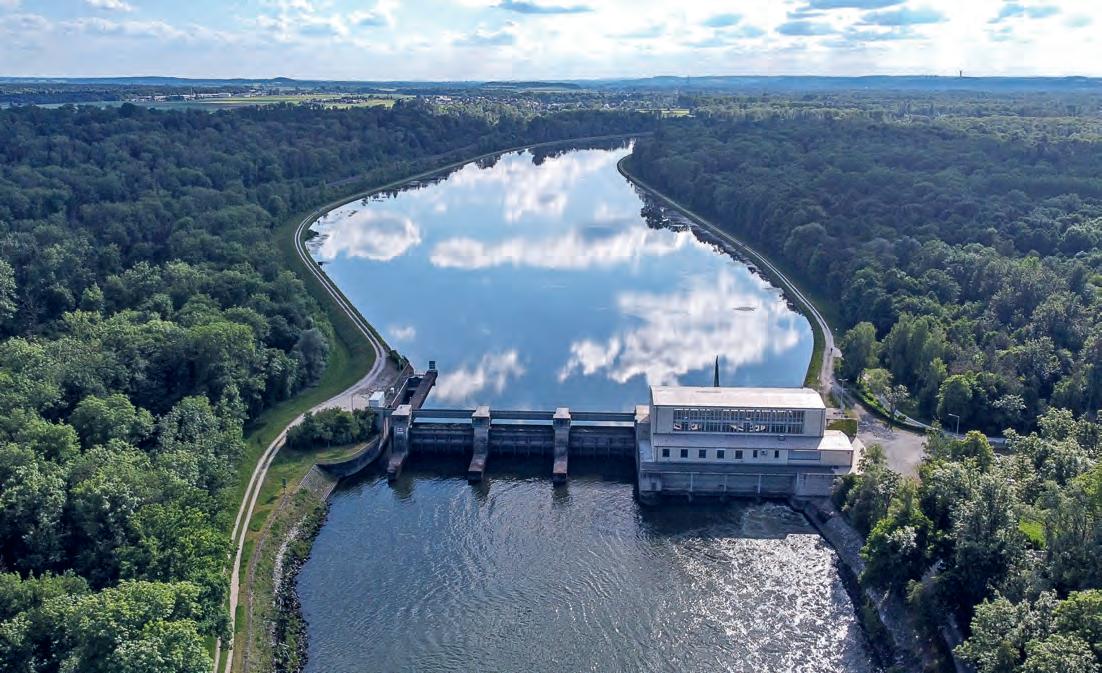
In late 2024, Obere Donau Kraftwerke AG (ODK) celebrated the successful completion of a major power plant revision project. Spanning a full decade, the project involved six hydropower plants – Gundelfingen, Offingen, Faimingen, Leipheim, Günzburg and Oberelchingen – being brought up to current standards by the plants’ managing operator, LEW AG. Focussed mainly on the mechanical revision of the twelve Kaplan turbines, the project also included the modernisation of the corresponding automation equipment. A major optimisation was achieved by implementing fully automated water level control across the six power plants. ODK’s overall investment in this exemplary revision of their long-standing power plants amounted to around 22 million euros.
All of ODK’s six run-of-river power plants were constructed between 1960 and 1965 along a 35 km stretch of the Danube between Ulm and Dillingen in Southern Germany. Whereas the Faimingen facility is built for a design flow rate of 240 m³/s, the Gundelfingen, Offingen, Leipheim, Günzburg and Oberelchingen power stations are each designed for a maximum flow rate of 210 m³/s to ensure the sustained production of clean energy. With gross heads ranging between 5 and 6 metres, the power stations are built on the same functional principle. Each of the weir systems consists of three weir fields equipped with traction segments and fitted fish-belly gates. Each of the power houses right beside the weirs is home to two dual-controlled, vertically aligned Kaplan turbines with direct-coupled synchronous generators, providing a bottleneck capacity of around 4.5 MW. In a normal year, ODK’s power plant cluster generates around 280 GWh of green electricity.
Substantial modernisation package
“The power plants have been revised regularly since they went on the grid more than 60 years ago,” says Dr Jörg Franke, ODK’s
CTO. In 2014 an extensive modernisation project was initiated, which called for the comprehensive overhaul and partial repla-
Dr. Jörg Franke, CTO, ODK and Group Expert at EnBW AG
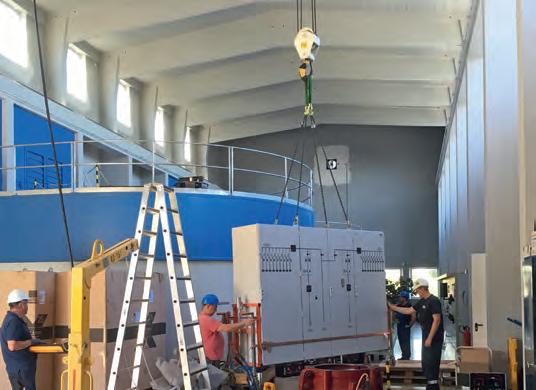
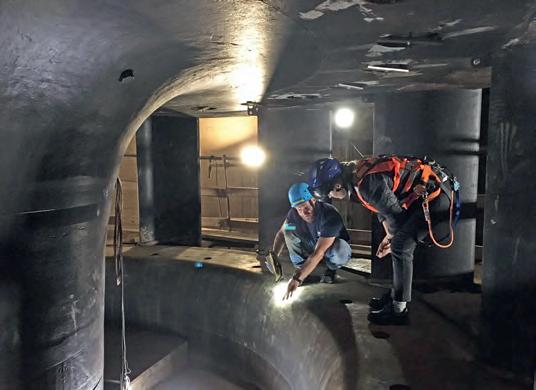
cement of the facilities’ machine equipment. In addition, the power stations’ electrotechnical and secondary equipment was to be brought up to current technical standards. “One essential objective of this revision was to implement fully automated water level control across all the plants and the central integration of the plant controls in LEW’s central control room. We also replaced building equipment, including the fire protection and ventilation systems. The scope of the revision was limited to the modernisation of the existing facilities, as Jörg Franke explains: “The goal of this project was not to repair damage or decay. The facilities were in safe and proper working order to begin with, and the only purpose of the comprehensive measures was to bring them up to current technical standards.”
Based in the German federal state of Baden Württemberg, Wiegert & Bähr Turbinen- und Stahlwasserbau GmbH were hired as prime contractor for the refurbishment of the machinery in all of the six power stations. As expected, they lived up to their excellent reputation as a competent all-round water engineering specialist. The contract included the revision of the guide vanes and shaft bearings, as well as the replacement of the hydraulic turbine controllers, including the modifications required by the altered rotators and new high-pressure servomotors. “The workload varied a little from plant to plant and turbine to turbine,” says Jörg Franke. “What we did was empty
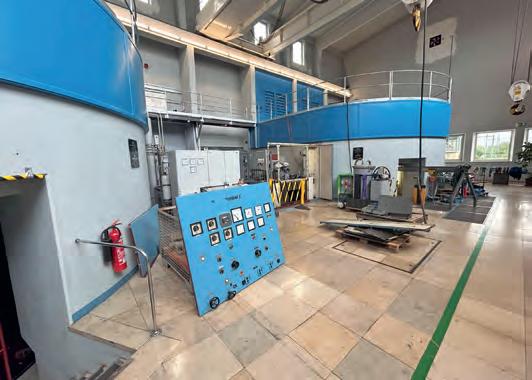
the hydraulic chambers and perform a full individual inspection on each of the machines. Based on the results of the inspection we would then decide on the necessary work in each case.” The work performed by Wiegert & Bähr included refurbishing the rotor and stator blades, inspecting and mending the rotor housings, performing a full adjustment of the rotors’ servomotors, and fitting the stator blades with hydraulic safety guides. Additional work included the replacement of the old mechanical turbine controllers with new electro-hydraulic ones, and overhauling the bearings in the machines. The air-cooled generators were inspected as well and found to be in proper working condition. Since they required no reconditioning they were only given a proper cleaning. Despite the ongoing rehabilitation work, the power stations were able to sustain their energy production almost without interruption. The way this was achieved was by keeping one turbine of each pair working while the other one was being overhauled. It was only during the preparations for the subsequent modification of the electrical equipment that a three-week shutdown was inevitable. The revision project also included a series of innovative field tests on the emergency power supply capabilities. Carried out jointly by multiple partners and research facilities, the test runs demonstrated that in case of a major blackout a single standalone capable power station is sufficient to sustain the power supply to all of the critical infrastructures. The main goal was to automate the emergency power supply as much as possible,
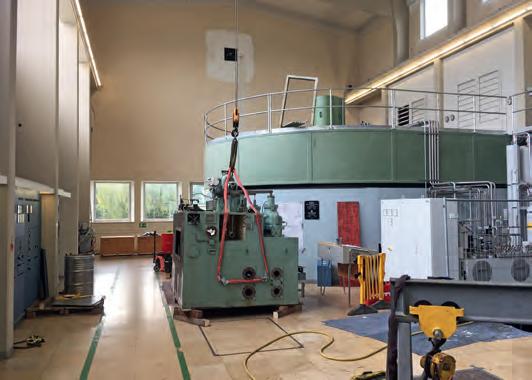
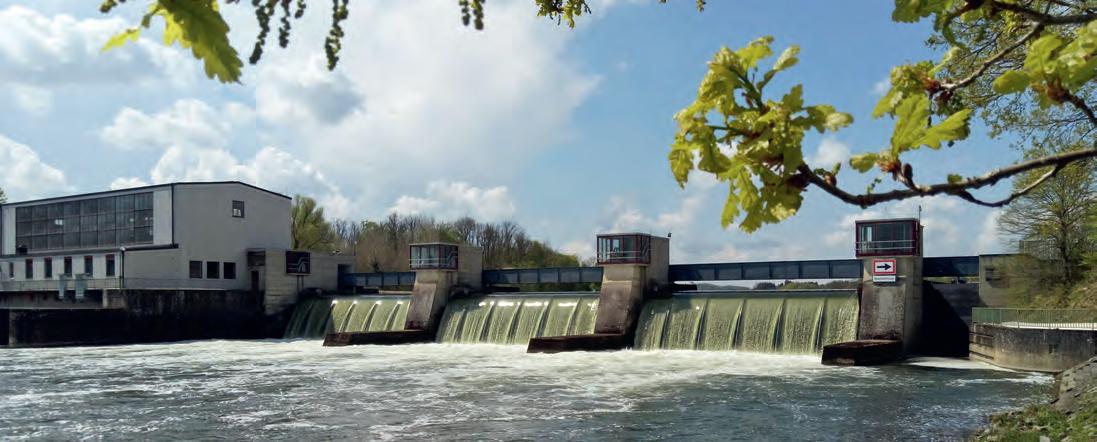
without the need for additional staff intervention. As a further innovation, the emergency power supply can also be enabled via remote control, eliminating the need for staff on-site.
Elaborate project coordination
When asked about the main challenges of the project, Christian Dellmann, Project Leader, LEW Wasserkraft GmbH and manager responsible for electrical equipment, points to the large number of contributing companies and individuals that had to be managed and coordinated. “Flood protection was another major concern, as we had to face high-water conditions more than once during our reconstruction work. In view of all this, keeping everything tightly sealed and protected against hazards was essential, both for the staff themselves and for the electromechanical equipment. To make things worse, the project was overshadowed by the infamous Corona pandemic and the resulting complications. And then the war in the Ukraine broke out, which jacked up the price of the required equipment and materials. But thanks to the tight collaboration of the contributing firms and organisations we were able to keep the project on course and finish it successfully, despite all the adversities along the way.
Revisions pay for themselves
With the project finally complete, Jörg Franke reflects on the benefits of the modern water level control system, explaining
that “implementing the water level control was tricky, but was done in exemplary fashion across all six of the interconnected power stations. The water levels are no longer set manually but fully automatically. As a result, the machines now run at a much more efficient operating point and achieve a somewhat higher electricity yield. Generally speaking, the modernisation has boosted operational convenience, with a lot more remote control options to choose from.” Christian Dellmann gives a similarly positive summary of the project: “Fortunately, we didn’t have a single serious accident during the ten years of project work. Technically speaking, the project has enabled a uniform control and operating workflow. For us as operators that’s absolutely essential, of course. And the digital technology gives us a lot more data points and readings to work with as well. This has allowed us to take new approaches and ready our operations for a possible future integration of AI.” Overall, the investment in the technical modernisation of the power plant cluster amounted to 22 million euros. What is more, ODK is investing heavily in the ecological compatibility of their power facilities. The inauguration of a new fish pass at the Gundelfingen facility in 2023 was followed, in 2025, by a project to improve the passability for fish at the Faimingen power station. All of the other power plants on the Danube are scheduled to be fitted with fish passes in the coming years. ODK will spend about another 23 million euros on these six add-on construction projects.
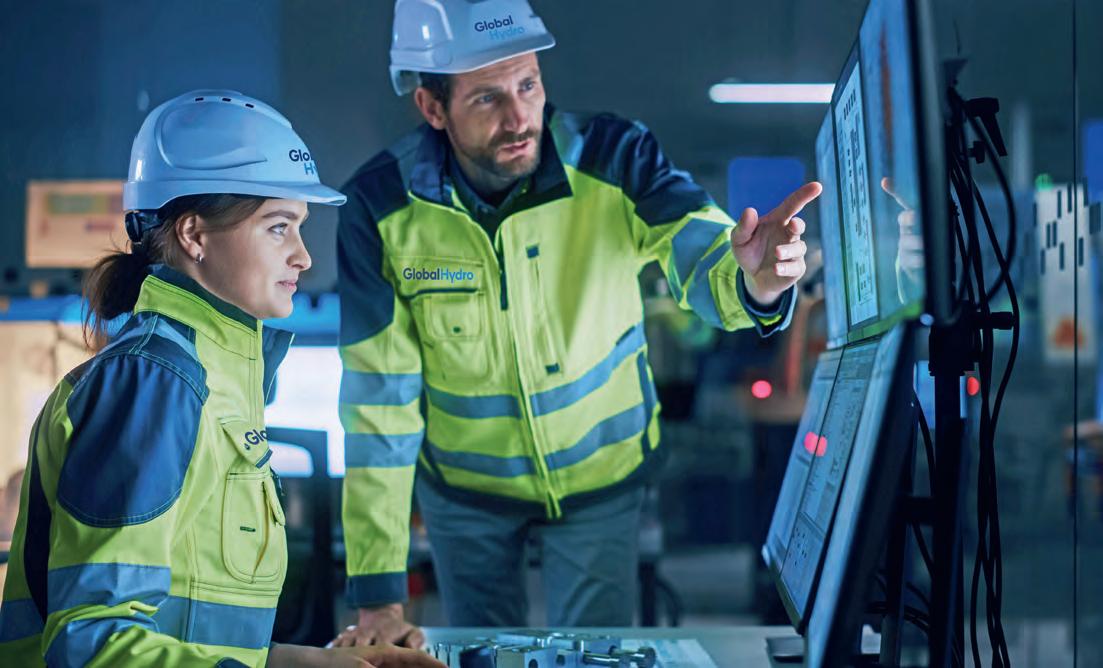
HybridService is a modern maintenance concept based on real conditions to reduce costs for the operator whilst increasing availability.
Global Hydro, the Upper Austrian hydropower specialist is demonstrating why he is regarded as undisputed pioneer in digital solutions for hydropower. In 2025, Global Hydro launched ‘HybridService‘ – an AI-driven maintenance management system in which digital monitoring and data-based analyses interact to guarantee continuous assessment of plant conditions and ensure targeted on-site service visits. This enables for more flexible maintenance planning, enables earlier fault detection, and continuous operational process optimisation. The current-status-based service concept combines digital tools with technical expertise, while creating a transparent foundation for well-informed maintenance decisions, and could soon establish a new universal technical benchmark in hydropower.
Scheduled maintenance alone can no longer meet current requirements in hydropower, nor can it meet the expectations of power plant operators. The key operational requirements are optimum plant availability, predictable cost structures and maximum operational reliability – despite increasing costs and growing technical complexity. Actual maintenance effort is not the key; instead it is the avoidance of downtime, as Thomas Stütz, Head of Digital Solutions at Global Hydro, explains: “Unplanned or unnecessary shutdowns are direct causes of significant losses in revenue, particularly at high-performance plants. Therefore the focus is on shifting towards clear data on plant conditions, proactive intervention planning and sound decision-making. A parallel development has been the increase in the importance of market orientation for power plant operations. Flexible electricity marketing, particularly in the ‘day-ahead’ market, relies on precise predictions of availability. As a result, maintenance is becoming an increasingly strategic issue, both in terms of technical reliability, and the economic performance of a power plant.”
HybridService is a real-life, know-how-based product
Initial impetus for the development of HybridService came from a simple but significant insight. Often, maintenance-linked downtime costs at a power plant significantly exceed
actual service expenditure. Analysing the issue from this perspective enabled engineers at Global Hydro to begin scrutinising existing maintenance processes systematically. Thomas Stütz provides the example of an actual maintenance project at a low-pressure plant at which the alignment of the shaft had previously been re-measured at set intervals: “The effort was enormous, involving the installation of stop logs, pumping out the turbine chamber and included several other tasks – all just to measure shaft alignment. The process led us to realise that shaft imbalance could also be detected on the vibration spectrum. Vibration data also provides insight into cause, allowing conclusions to be drawn about changes in conditions. Fortunately, the customer had already subscribed to our analytical tool for optimisation, HydroxOptimize. The data it recorded enabled us to identify tasks that could be performed digitally – ones previously carried out on-site by the service technician. Having analysed each step, it became clear that a significant amount of downtime could have been avoided – and this is what initiated the development of HybridService.” The findings led to a clear development approach – away from rigid, calendar-based maintenance scheduling, and towards a consistent data-driven service concept based on actual conditions. HybridService determines that maintenance measures can be carried out when
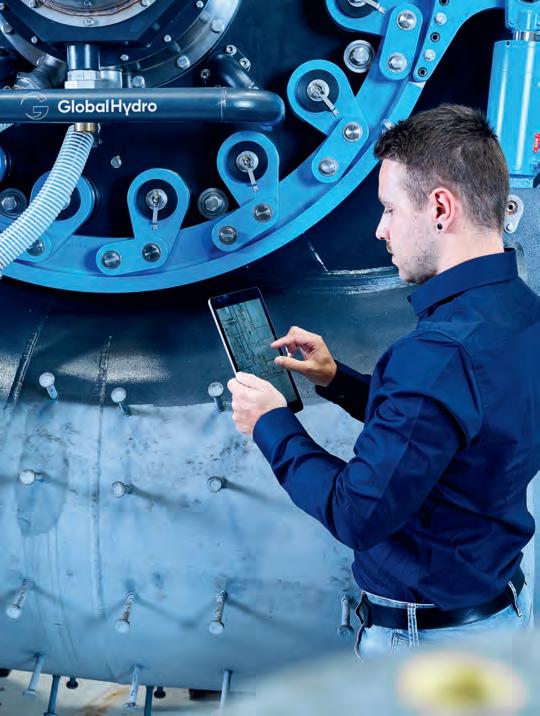
AI analyses help to determine the most effective scheduling of maintenance and inspection work.
they are technically necessary, critical measures prioritised, and unnecessary interventions avoided.
A central CMMS (Computerised Maintenance Management System) lies at the heart of Global Hydro’s HybridService. It documents every aspect of maintenance and inspections, whether conducted by the operators themselves or by Global Hydro. HydroxOptimize is used for digital inspections before any scheduled maintenance measures are implemented. The module evaluates plant operations and conditions continuously, analysing and optimising them using the latest
“Transitioning from preventive to condition-based maintenance increases planning precision significantly and omits unnecessary on-site service calls” – Thomas Stütz, Head of Digital Solutions at Global Hydro
available data. It identifies trends and anomalies to form the basis for informed decision-making. The digital assessment determines whether planned maintenance or inspection work is actually necessary, whether individual tasks can be omitted or postponed, and whether additional measures are required. Only then are specific tasks defined. Thomas Stütz adds: “This avoids unnecessary interventions, while ensuring potentially critical developments are identified and remedied at an early stage. HydroxConnect enables secure data
transmission, transparent visualisation, and combines these to generate a reliable service concept based on real-time data. Although the plant does not operate autonomously, it is supported by intelligent systems that plan specific necessary maintenance steps, reducing downtime and maximising availability in the long term.”
From preventive servicing to condition-based maintenance
Thomas Stütz, Head of Digital Solutions at Global Hydro, cites servicing the oil in a hydraulic power unit as a clear and practical example of the new benefits. Originally, this maintenance was purely preventive and carried out at fixed intervals – typically every three years or after several thousand operating hours – as defined by the CMMS as a digital representation of the maintenance calendar. Accordingly, a maintenance notification, known as a work order, was automatically triggered at fixed intervals. HybridService takes this approach a decisive step further, as the CMMS is linked intelligently to Hydrox-Optimize telemetry data and analytics functions. A model continuously monitors the actual oil quality, based on parameters such as water content and conductivity. Instead of scheduled intervals, maintenance is only triggered if a critical trend emerges and predefined thresholds are exceeded.
“The transition from preventative to condition-based maintenance enables significantly greater precision in planning, and cuts out all interventions that are not required. The entire process is now documented. Once a work order has been issued, the service technician works through the task list stored in the system. Full documentation is generated automatically, including photos, readings and supplementary files,” Thomas Stütz explains.
AI – a valuable tool for
Thomas Stütz explains how HybridService is a self-optimising system, and the role played by artificial intelligence: “The plant itself does not have independent decision-making autonomy, but it is supported by highly intelligent systems that facilitate a continuous comparison of target and actual conditions. The system continuously compares the stored optimal operating state with real-time operational status data.” In this way, trends, deviations and anomalies can be detected at an early stage. Self-optimisation does not take place at the level of a single software component, but within the overarching HybridService process.
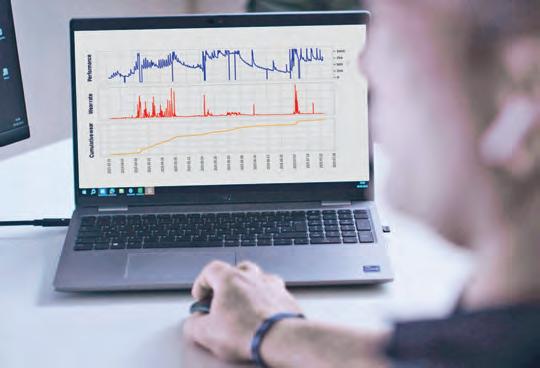
Real-time data and AI-driven analytics in HybridService not only ensure high transparency, but also enhance economic viability.
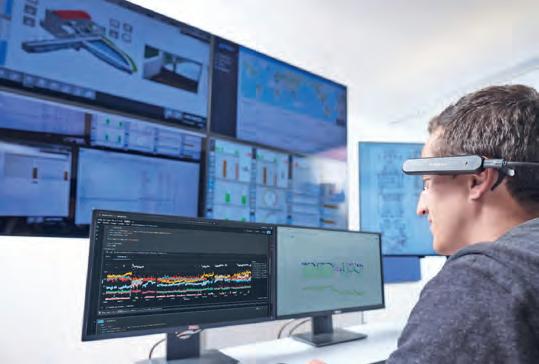
HybridService is a next-generation support model that seamlessly blends digital intelligence with hands-on expertise.
HydroxOptimize runs continuous data analyses, identifying anomalies, while experienced service and operations experts interpret the results to devise the appropriate solutions. This creates a watertight learning process that integrates new insights directly into the optimisation of maintenance and operational decisions. Artificial intelligence is used specifically as a support system, in particular to identify patterns, analyse trends and detect anomalies. Nevertheless, according to Thomas Stütz, there is a conscious decision to leave the final call up to humans: “Every plant has unique characteristics that require technical understanding and experience, so our experts are still indispensable, especially for safety-critical assessments and complex correlations.” This approach enables HybridService to combine data-driven AI assistance with human expertise, creating a system that continually improves without relinquishing control.
Measurement correlation is key
A detailed picture of the plant’s condition forms the basis for decision-making in HybridService. This is derived from a wide range of machine-related measurements, such as temperatures, vibrations, pressures, electrical performance data, water levels, net heads, as well as control variables such as the opening of wicket gates or nozzles. These are supplemented by process data and readings taken in the surrounding machine environment, in turn aiding the correct interpretation of operational correlations. Specific sensor technology is integrated according to the plant and application. Distortion forces are measured to assess smoothness of operation for wicket gates or to gauge necessary runner adjustments. Pressure profiles are analysed in sealing systems to detect wear at an early stage. Oil quality sensors play an important role, especially with larger volumes of oil, as they monitor the actual condition of the oil precisely. Thomas Stütz explains: “In many cases, it is not single readings that decide, it’s the interaction of various data points over time. Reliable trends, deviations and anomalies can only be identified by combining several parameters.”
Here are two real-world examples to illustrate what HybridService can do: In a Pelton hydropower plant, continuous status monitoring enabled early detection of impending bearing damage, earlier than would have would have been detected during a routine on-site inspection, and well before any actual failure occurred. This way, the operator had sufficient time to procure the required spare part and schedule the replacement for a period of low productivity – avoiding unplanned downtime, reducing risks, and ensuring the intervention was an efficient use of time. In another case, a custom-developed model was used for assessing wear on labyrinth sealings, especially in systems with high sediment loads. Pressure
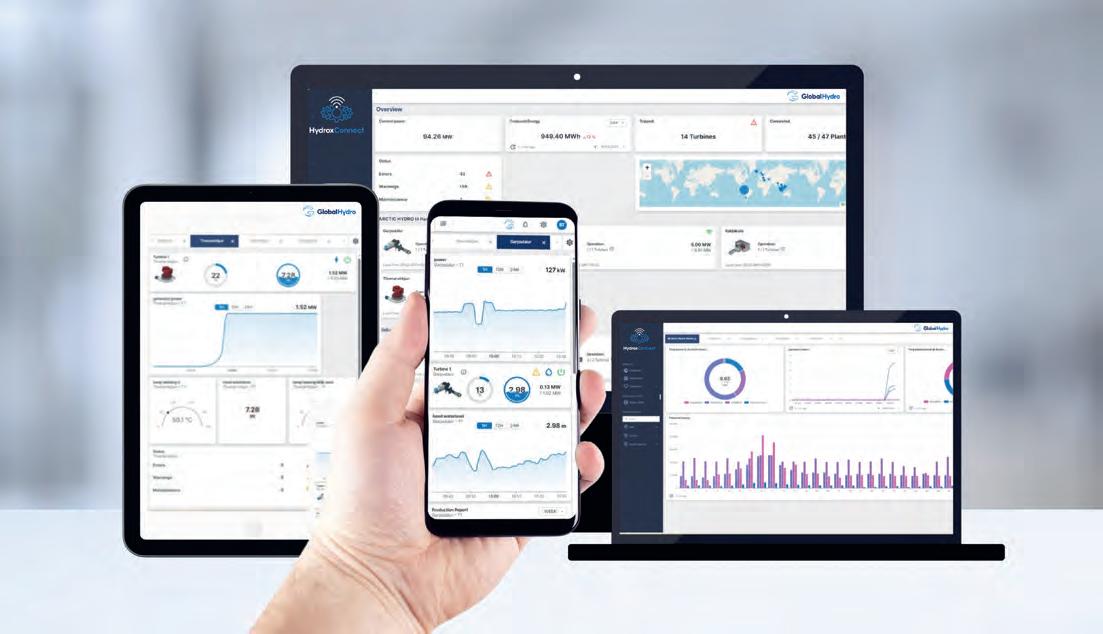
changes within the sealing chambers, increases in axial forces, and elevated axial bearing temperatures can be analysed, and correlated with efficiency losses. This produces a reliable prediction of the best time to replace a sealing, the aim being to utilise components economically for the maximum possible duration without risking damage. Both cases show that data-driven analyses can enhance technical safety and generate economic benefits. Initial operational experience has confirmed the benefits – with the number and duration of on-site inspections, and the associated plant downtime, having been reduced by approximately 25%.
Conventional service approaches usually only provide isolated snapshots, whereas – for the first time – seamless monitoring allows developments to be assessed over time. Trends, patterns and sudden deviations become identifiable and can be interpreted accurately. This is the key benefit offered by HybridService. Anomalies are detected at an early stage, maintenance measures can be planned proactively and interventions scheduled ideally to prevent damage and avoid unplanned outages. There are economic benefits from reduced service costs, but above all from shorter and more predictable downtimes. In general, continuous monitoring, intelligent analysis and targeted measures combine to lower overall costs,
“In recent years, technological advances have demonstrated just how rapidly this highly dynamic field of data-driven models and artificial intelligence is evolving. As a result, the focus has been on the continuous expansion of HybridService.”
– Thomas Stütz, Head of Digital Solutions
while simultaneously increasing availability and operational reliability. Although the potential economic benefits are particularly high for large plants, HybridService is by no means only of benefit to them. Smaller power stations benefit greatly from optimal monitoring and increased operational reliability. Risks are identified early, even without extensive on-site visits or complex maintenance arrangements.
Older power stations can benefit from HybridService, too, as the system can be easily integrated – regardless of the manufacturer or the existing control technology, as Thomas Stütz states: “Relevant data can be integrated using open, standardised industrial protocols, whatever the limitations of existing sensor technology. As a result, in the long term even older plants still in operation can optimise their operations, transitioning gradually to modern, condition-based maintenance systems.”
In terms of future development, those responsible for HybridService at Global Hydro emphasise that the system is by no means static – indeed, it is being continuously developed as a learning system. Thomas Stütz explains: “In the highly dynamic environment of data-driven models and artificial intelligence, long-term forecasts spanning five to ten years are only of limited reliability. The technological advances of recent years have shown just how rapidly this field is developing. Consequently, the focus is on the ongoing expansion of HybridService – adding analytical models to map further maintenance and inspection areas in the digital realm, generating even more accurate forecasting, and strengthening the integration of operations, service and external conditions.” A key development in this regard has been the integration of factors such as electricity price models and inflow forecasts from the energy market. Now, maintenance windows can be planned not merely for technical optimisation, but with an eye on the market, and oriented according to revenue. In parallel, functionality in HydroxConnect is being expanded continually to enhance the transparency and efficiency of planning, documentation and the tracking of measures.
In the broader context, HybridService can serve the requirements of modern power plant operators very precisely. There has been a move away from rigid, calendar-based maintenance plans towards data-driven, predictive and conditionbased approaches. This shift is not restricted to hydropower, and can be observed globally across the entire industrial sector. Seen in this context, HybridService has the potential to establish industry benchmarks in the years to come, rather than remaining a specialised solution. It represents a logical service philosophy evolution that harmonises technical reliability, economic efficiency and high operational availability.
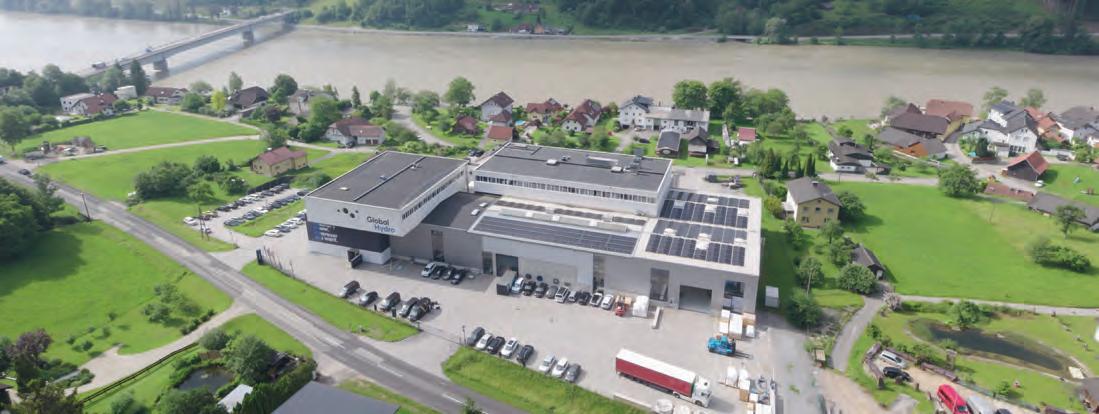
As with various other digital solutions, Global Hydro is an industry pioneer in hydropower service field development.
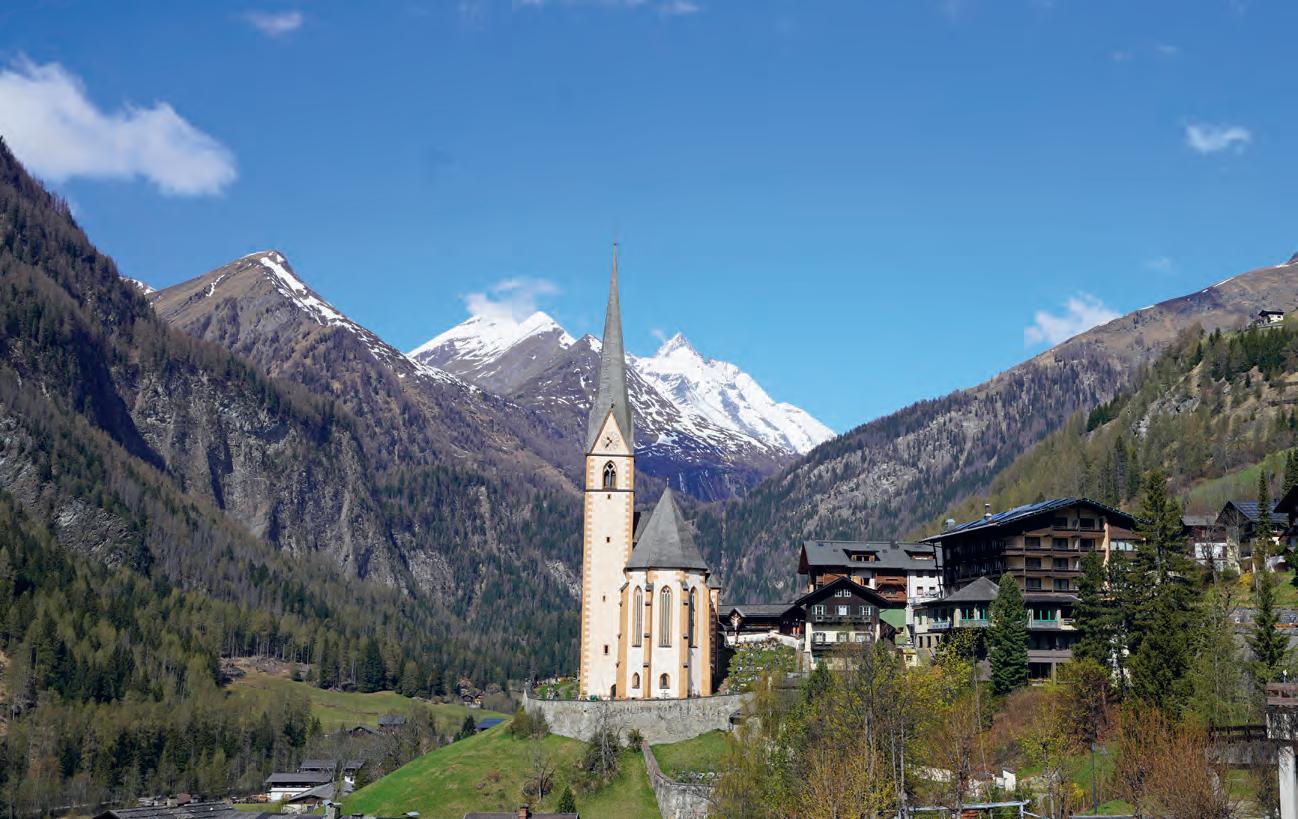
The Möll power station has been supplying Heiligenblut village at the foot of the Großglockner with electricity for around 43 years – powerfully and reliably – furthermore guaranteeing the village famous for alpinism a degree of energy self-sufficiency. However, this time had taken its toll on the Francis turbine. It was now due to be replaced, along with the shutoff valve and the generator. Together with the established industry companies EFG, responsible for turbine technology, and Hitzinger as the generator supplier, an exemplary refurbishment was successfully achieved. The collaborative project was completed successfully mid-March this year after around six months of construction work.
Heiligenblut in Carinthia is a celebrated mountaineering village. History books document it as the birthplace of one of Europe’s best-known nature reserves. In 1971, here, at the foot of the Großglockner mountain, the ground was prepared for the establishment of what later became Hohe Tauern National Park. It is now Austria’s oldest national park. Covering around 1,800 km², it’s also the largest in the entire Alpine region. The decision to emphasise the protection of the unique high-alpine landscape was taken early, and has had a lasting impact on the region’s identity. In fact, it continues to influence local political and economic developments to this day. Over the past decades, conscious management of natural resources has become a guiding principle in Heiligenblut, and has been reflected by a continuous focus on sustainability. So, in the context of this credo, it’s no wonder the use of renewable energy has always been given a high priorityone such example is the Möll power plant. Built between 1982 and 1983, the plant has been supplying the local population with clean electricity for over 40 years. The mayor of Heiligenblut, Martin Lackner, outlines the importance of the plant
for the municipality: “Building our own hydropower plant was undoubtedly a milestone in the history of the town, as it has enabled us to achieve a degree of energy autonomy. We laid cables to all the municipal buildings and facilities – including the primary school, fire station, mountain rescue operation centres, offices, even our indoor swimming pool and several other of the town’s key buildings. This allows key parts of our community to draw on their own source of electricity, completely independently of the national grid. Should a largescale power cut ever occur, Heiligenblut’s infrastructure will be supplied in island mode via our own power station.” On average, the local power station generates around 15 GWh per year, and anything not consumed directly by the town’s local infrastructure is fed into the national grid.
The original power plant was designed to utilise the gorge Möll waterfall between the districts of Zlapp and Pockhorn. A small dam was built at a naturally narrow section at the high end of the Möll Gorge and created a balancing reservoir
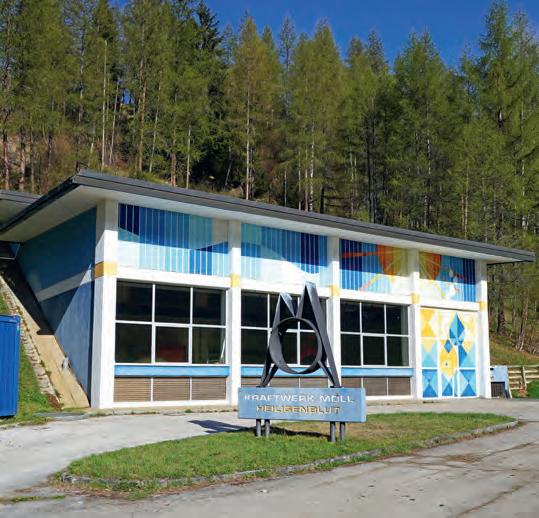
with a holding capacity of around 12,000 m³. The adjacent headrace was fed via a tunnel of approximately 240 metres in length that leads into a water chamber. From here, an approximately 400-metre DN1200 underground penstock, consisting of steel pipes with a cement lining, serves as a conduit to the Pockhorn district powerhouse. Two different turbine configurations were installed in the power plant building to accommodate a total flow volume of 3.6m³/s. The larger turbine, machine 1, is a horizontal-axis Francis spiral turbine with a flow rate capacity of 2,400l/s – and a mechanical output of 2,300 kW. It’s flanked by a two-nozzle Pelton turbine, designed to cope with 1,200l/s and has a rated output of 1,150 kW. Essentially, both turbines had been left unaltered since they were originally commissioned in 1983 and, as Mayor Martin Lackner stated, the plant had always run stably and reliably, so there had been no reason to make any modifications.
Francis turbine operation found to be suboptimal
This assessment was also shared by Gero Pretis (Dipl.-Ing.), the Technical Director of the Carinthian turbine specialists EFG, and who as project manager was largely responsible for machine refurbishment: “In principle, the existing combination of Francis and Pelton turbines made sense and had proven itself for decades. They formed the basis for stable efficiency levels throughout the year.” However, after four decades of operation the Francis turbine had been showing signs of wear and was no longer operating optimally. According to the expert from EFG, this comes as no surprise given the inherent design characteristics of this type of turbine. Ultimately, this finding was the product of a comprehensive survey of the power station’s current condition, carried out by the Carinthian energy provider Kelag on behalf of the town. Kelag’s project manager, Dipl.-Ing. Sebastian Culetto, explained: “As a long-standing partner responsible for the plant’s operation to this day, we were the town’s first point of contact when the idea of plant modernisation arose in 2021. Subsequently, we carried out a comprehensive inspection of all components and issued a recommendation to replace the Francis turbine unit that was no longer working at optimum efficiency
– but also suggested retaining the Pelton turbine unit as it was still in very good condition.” He then added: “We also believed it would make a lot of sense to replace all of the power station’s control and monitoring technology, not least because it would also enable the system to exploit various synergies.”
4-bearing arrangement replaced by modern 2-bearing set-up
Although the expert engineers described the old set-up as robust and well-designed, it had been state of the art for another era. The previous design featured a four-bearing solution: two separate slide bearings for the turbine and flywheel, and two separate roller bearings for the generator. “Today’s designs allow for a modern and significantly more efficient two-bearing arrangement. In this case, with island operation in mind, a well-dimensioned rotation mass has been retained and moved to the rear of the generator. The generator bearing arrangement for the new machine was designed to let its slide bearings absorb rotor and turbine forces, and the forces from the inertia mass,” as turbine specialist Gero Pretis explains, pointing out that the guidelines for the new machine set-up were based on the high power utility standards set out in Kelag’s tenders. The experienced turbine builders at EFG were required to guarantee a high level of engineering expertise when designing the new Francis spiral turbine. EFG was awarded the contract as the general contractor responsible for replacement of the full machine set, the generator and the shut-off valve.
Refurbishment of an existing facility – a technical masterclass
The real challenge replacing machinery in an existing plant poses itself long before actual work commences. As Gero Pretis summarises: “The biggest hurdle in refurbishment projects is the lack of freedom to choose.” Unlike with a new construction, there is no blank sheet of paper. Instead, there is tight bodice of predefined constraints. The power plant floor height determines the installation level of the machine as the conduit supply line is at a fixed elevation, as is the water level. It’s a complex hydraulic environment into which a new turbine
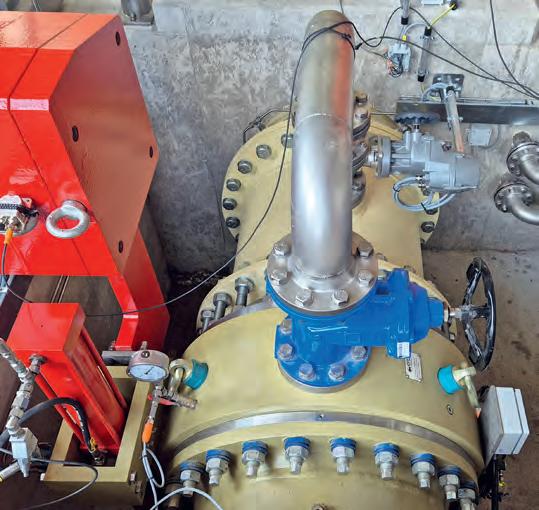
must be fitted. In this specific case there was a suction height of almost 4 metres, which obviously had to be taken into account in the planning as it posed a significant cavitation issue. In such situations a manufacturer doesn’t get to design the very best machine for ideal conditions – it’s simply the best possible solution within tight constraints, as Pretis confirms: “I can’t change everything,” which is why finding a solution is so difficult. Moreover, retrofitting into an existing structure demands extreme creativity and many years of experience right from the very beginning of a project. Performance issues, even the warranty questions, depend on conditions that cannot be altered, so the integration of a modern turbine into an existing structure will always involve compromises – technical, hydraulic and economic.
High efficiency and extreme durability
Obviously, seen in detail it wasn’t just a question of replacing the machinery with identical items. It was also important to incorporate the developmental benefits of the previous 40 years – and robustness was one of the key factors. EFG’s design engineer explains: “We looked very closely at the old machine’s wear patterns and asked ourselves what we could do better.” The response was to coat the heavily stressed slots on the stainless steel runner with an additional layer of tungsten carbide in order to minimise wear. Efficiency was, of course, at the very top of the priority list. Indeed, “High efficiency and durability are not mutually exclusive,” as Gero Pretis confirms. The result of the optimisation process was outstanding peak efficiency combined with stable and long-lasting operation. The installation of a new butterfly valve (DN800 PN16) provided the engineers at EFG with the much-needed scope to optimise the machine. The in-house EFG-designed valve is around 30 % shorter than similar conventional components. The installation space gained enabled the designers to devise a more hydraulically efficient turbine; a major advantage within the tight constraints of the existing plant – and a solution which significantly raised operational reliability. The new shut-off valve facilitates reliable emergency shutdown, even when water flow volume is at the maximum.
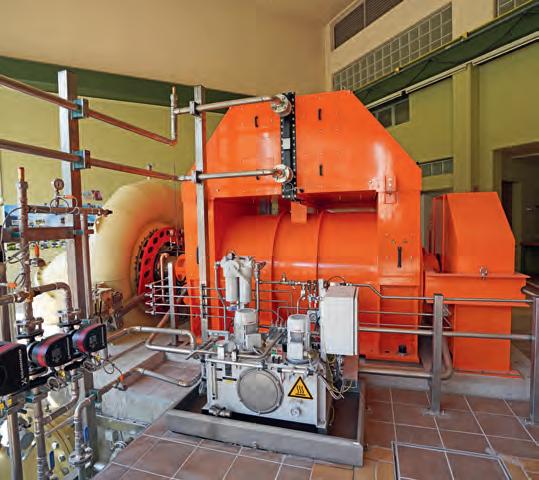
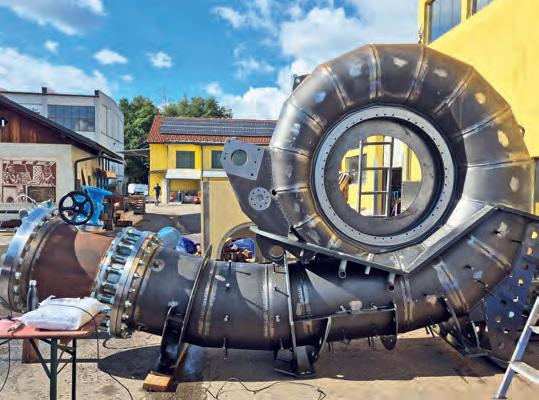
A key component of the overall project was an analysis of the entire headwater penstock system. This was carried out via numerical simulation. “The question was – how does the new turbine, with its operating characteristics, affect the headwater penstock infrastructure?” states Gero Pretis, who pointed out that the water conduit system at the Möll power station was more complex than at many comparable plants. Here it comprises a tunnel, a surge tank and a penstock – and two different types of turbine for a sensitive hydraulic system overall. The new turbine can adjust its output very quickly, and can regulate from 0 to 100 % in 15 seconds. This responsiveness is a prerequisite for island operation – one of the plant’s specific capabilities. In other words, if necessary, the power plant can be operated independently of the public power grid and maintain the frequency autonomously within a range of approximately 48 to 52 hertz – a capacity that is certainly not a given in this power class. Indeed, this is precisely the critical concern the experts raised, as rapid load changes generate pressure fluctuations along the water conduit and manifest themselves all the way to the surge tank. In extreme cases, this can lead to dangerous oscillatory movements. “If a surge tank that overflows is not built to handle the volume, there can be a disaster,” the mechanical engineer from EFG explained. For this reason, calculations were made to ensure in advance that no unstable conditions could arise, even at maximum closing and adjustment speeds. The findings were then incorporated into the actual control parameters.
The mechanical inertia of the machine also played a central role, not least since the conversion from a 4-bearing to a 2-bearing solution, and the mounting of a new generator, altered the possibilities for incorporating flywheel mass. In collaboration with the vastly experienced generator manufacturers at Hitzinger, and in consultation with Kelag, the team explored how much moment of inertia was technically feasible and permissible. This has direct relevance for grid stability in island operation, as greater inertia means more frequency stability – but also places higher loads on the machine. Gero Pretis: “Ultimately, a decision was made to strike a balance to generate slightly less inertia than in the old unit, but guarantee fas-
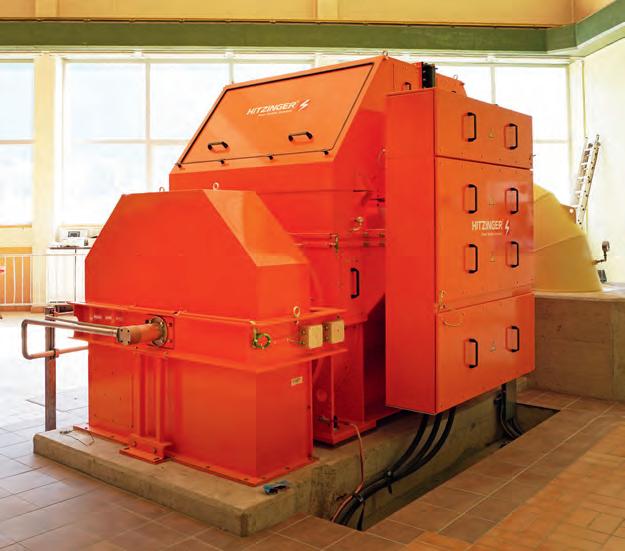
ter controllability with sufficient stability for island operation.”
The experienced generator manufacturers were charged with designing a solution for the essential requirement of island operation, and also required to cover several other demands placed on a machine tailor-made for use at the site. One issue was the need to handle a 10 % overload capacity.
A generally conservative design was required to ensure the thermal load on the machine remained low at all times. Whereas the previous set-up featured a partially open cooling system, the new machine now incorporates a closed stateof-the-art cooling circuit with a heat exchanger situated in the tailwater.
Bespoke generator – excellent performance
A basis for the high adaptability and design flexibility of Hitzinger’s machines is their highly specialised proprietary calculation software, used to calculate every individual mechanical and electrical aspect of each machine. The system processes a multitude of parameters, algorithms and exclusion criteria very rapidly to deliver concrete, technically-sound design specifications. This way, despite tight constraints, it was possible to tailor the generator precisely to the Möll power station’s specific requirements.
Good material selection is essential for guaranteeing superior generator quality. Hitzinger only uses fully temperatureresistant steel grades and coatings to ensure high-level operational reliability. The superior quality of Hitzinger’s electrical steel sheets is well documented, and plays a central role with a significant influence on electrical losses that directly affect the generator’s efficiency. From a technical standpoint the resultant machine is a perfect fit that also performs impressively in operation. The Möll power plant generator achieves excellent efficiency levels, and contributes significantly to the plant’s overall efficiency. Equally remarkable is the fact that the machine runs smoothly and operates almost silently –even under high loads.
Machine 2 continues production during conversion From the very beginning the question of how to keep the second turbine at the plant running reliably during extensive construction work on Machine 1 was discussed with a view to ensuring maximum supply availability and minimal production loss. The solution hinged on two main issues: Firstly, there was the question of potential vibrations caused by heavy construction machinery. Sebastian Culetto, the Kelag project manager, was pleased to report: “A temporary vibration monitoring system was installed to monitor any potential impact on Machine 2. The results clearly showed that the power station foundations were so solid, even the use of an excavator weighing several tons had no measurable effect on the neighbouring machine.” The second major issue was the dust generated by rock cutting and construction work. The Pelton turbine generator is still air-cooled, so the risk of dirt particles entering the machine was very real. As a countermeasure, Machine 2 was fully sealed off. Ensuring continued operation for Machine 2 was comparatively straightforward under these conditions, and this was certainly aided by the plant’s configuration – as machine designer Gero Pretis emphasises: “The two turbines use separate tailraces enabling the Francis turbine’s water conduit to be taken out of service very exactly – while the Pelton turbine continued running largely undisturbed.” Overall, downtime was limited to less than two weeks.
Project completion two weeks ahead of schedule
Technical implementation of the turbine replacement proved to be a scheduling masterclass. Work began with a comprehensive analysis of the condition of the plant as it stood. In 2021, the results were used to draw up a study of variants. As Sebastian Culetto outlines: “Our aim was to implement the project as efficiently as possible, which is why we spent over a year and a half preparing and planning the project down to
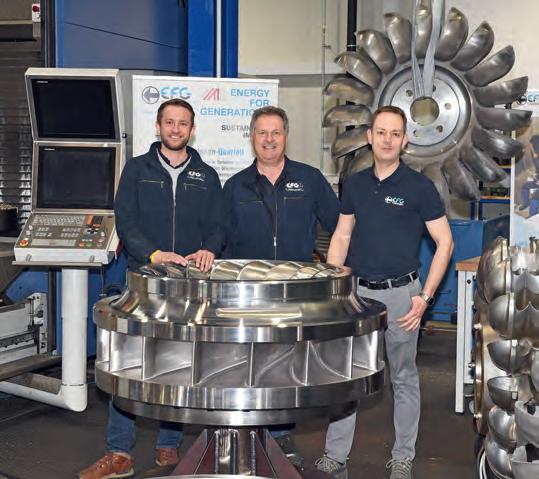
the last detail.” The effort paid off. Following detailed planning and tendering in 2024, the refurbishment works at the power plant commenced. Subsequently, conversion work began at the power station at the end of October 2025, and successful recommissioning of the plant in March 2026 marked the end of the project. For the local authorities, Kelag’s involvement was decisive in ensuring its success. The project deliberately relied on Kelag’s extensive experience in tendering and the refurbishment of hydroelectric power stations. The entire procurement process was conducted in accordance with criteria tried-and-tested by Kelag to ensure activity was structured, transparent and operations ran smoothly.
The mayor, Martin Lackner, was delighted that all deadlines were met with no delays whatsoever: “Actually, the excellent cooperation between all the companies involved and the smooth running of project management enabled the project to be completed around two weeks ahead of schedule.”
Machine 1 (year 2026)
• Net-Head at Qa: 105.54 m
Turbine: Francis-Spiral turbine
• Manufacturer: EFG Turbinenbau
• Flow Rate: 2.4 m³/s
Runner Speed: 750 rpm
• Output: 2.342 MW
Generator: Synchronous Manufacturer: Hitzinger
• Overspeed: 1,650 rpm
Weight: 16.950 t
• Output: 2,800 kVA
Machine 2 (year 1983)
• Net-Head at Qmax: 105.3 m
Turbine: Pelton turbine
Flow Rate: 1.2 m³/s
• Output: 1.150 MW
Generator: Synchronous
Total annual capacity: approx. 15 GWh
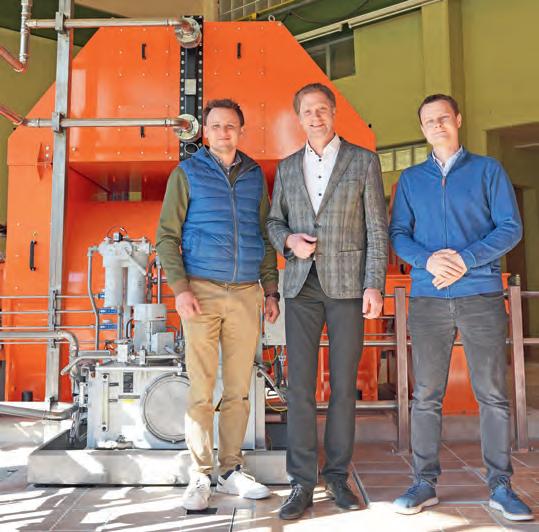
Power station secures the municipality’s financial independence Mayor Lackner expressed his gratitude to the local council and executive members who backed the two-million-euro project with great conviction and resolve: “I am grateful we were able to agree on a consistent approach. The focus was never on finding the cheapest solution. Instead we aimed for the best and most sustainable answer for the future.” He praised the companies contracted to work on the project for their impressive contributions, above all EFG and Hitzinger, whose great commitment and high-quality work were key to the project’s success. Martin Lackner stated: “The plant meets the very latest standards and was built entirely by local firms –something that makes me particularly proud.”
As a village at the foot of the Großglockner, one widely acknowledged in the world of alpinism, the importance of the Möll power station cannot be overstated for Heiligenblut, as Mayor Lackner again confirms: “Apart from the secure electricity supply and resilience to blackouts, we save a lot of money by generating our own electricity and having our own grid. This gives us much-needed breathing space in terms of
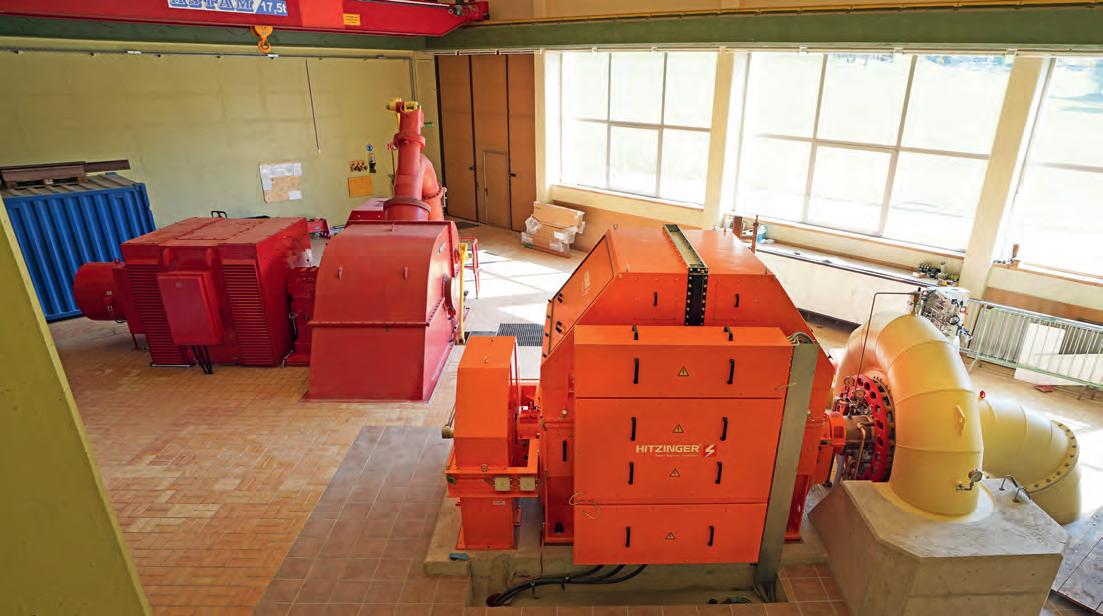
the municipal budget. Having such financial leeway opens up opportunities most other municipalities do not have. For example, funding our indoor swimming pool would not be possible without the revenue from the power plant.” Investment in the hydroelectric power station is a further reflection of the municipality’s constant pursuit of sustainability. Further evidence for this is provided by the town of Heiligenblut which has now been subjecting projects to the ‘e5 municipa-
lities’ certification process – recognised in the whole of Europe – for several years. Work is currently underway to gain the fourth “e” by implementing a variety of energy efficiency measures. The success of the town’s power station modernisation project is also to be showcased on an open day planned for the coming weeks – featuring the companies involved, and welcoming the general public and representatives from the regional government.
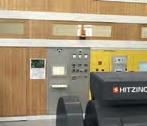
YOU GOT THE POWER.

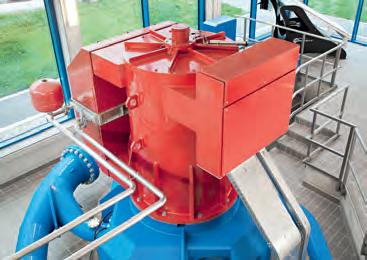
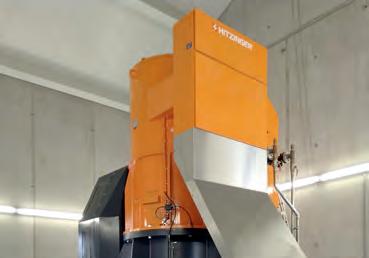
Maximum flexibility in design and high quality products are our top priority. We guarantee sustainable performance for renewable energy supply. Generators - designed and built for generations.
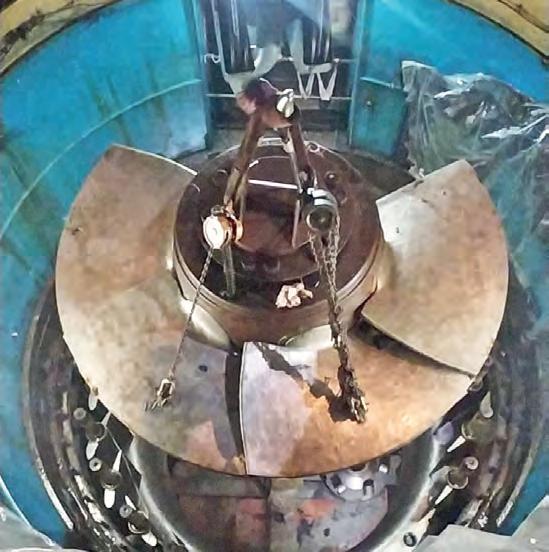
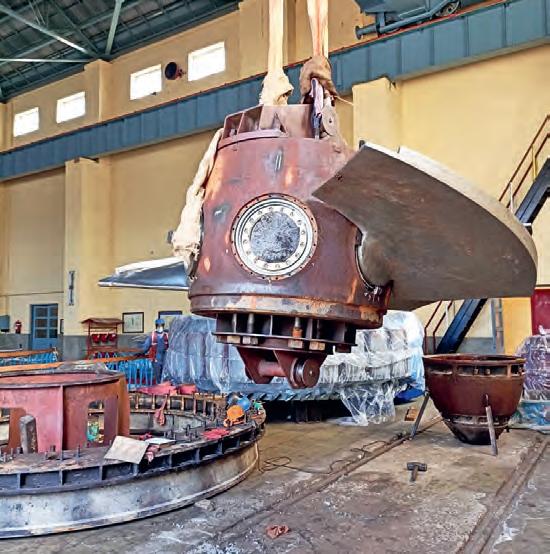
A few years ago, Jaberg & Partner was commissioned by Flovel Energy to develop a new vertical axis Kaplan runner and new guide vanes for the rehabilitation of a run-off-river power plant located in a diversion channel in the state of Uttarakhand in the north of India. After an optimized turbine design was developed based on a comprehensive CFD-study, a model test was performed in order to be able to experimentally verify the excellent performance. In the meantime, the first two units were successfully commissioned and are running to the customer‘s full satisfaction. The field acceptance test was conducted at Unit 1, attesting to the satisfactory performance of the turbine. The third unit is in the final stage of assembly and will be commissioned in the mid of 2026. This publication provides an overview of the successful progress of this refurbishment project.
Overview and procedure
The power plant comprises 3 vertical Kaplan units and was originally commissioned in 1965. After an operating time of around 60 years, the turbines were in relatively poor condition, which is shown with the photographs of the turbine dismantled on site (see Figure 1). Furthermore, the lack of efficiency and the limitation of the maximum flow rate required an optimization of the turbine components.
Corresponding to the submitted project data, the hydraulic recalculation and optimization, model design and a model test according to IEC 60193 were requested. For this purpose, reverse engineering of the existing water passages was carried out using scanning technology of surfaces at site and original drawings as reference only. A 3D drawing of water passages for CFD simulation purpose was prepared and checked to ensure the reproduction of existing passages within the hydraulic tolerances defined in IEC 60193. The runner blade geometry was then optimized by applying Computational Fluid Dynamics (CFD), using ANSYS CFX.
The number of runner blades accounts for zRu = 6, while the number of guide vanes is zGV = 24 – both needed to be retained in course of the optimization process. The runner diameter, which had to be unaltered as well, accounts for D = 3.4 m, and the turbine speed was fixed with n = 187.5 rpm. Furthermore, it’s worth mentioning, that the original turbine has a quite high hub-ratio ν = DHub/DShroud of 0.47, which was reduced in course
of the optimization process. Referring to the rated net head of H = 19.6 m, the target was to achieve a weighted averaged efficiency of ηWAE = 93%.
According to the given specifications, the specific speed nq of the turbine is calculated as:
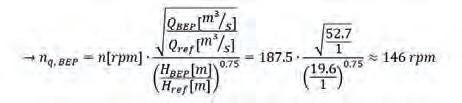
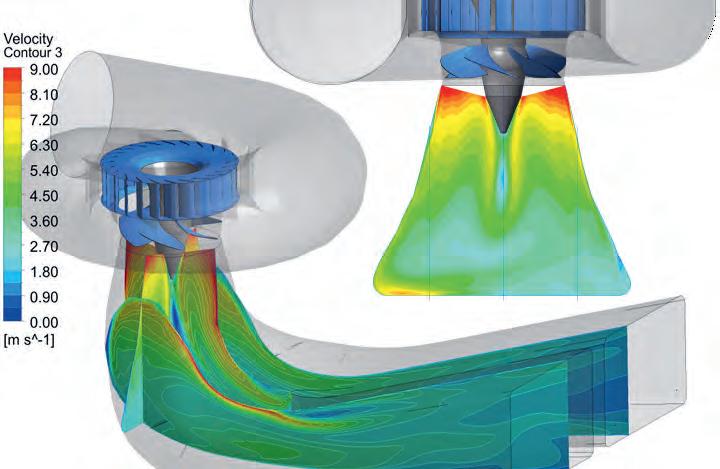
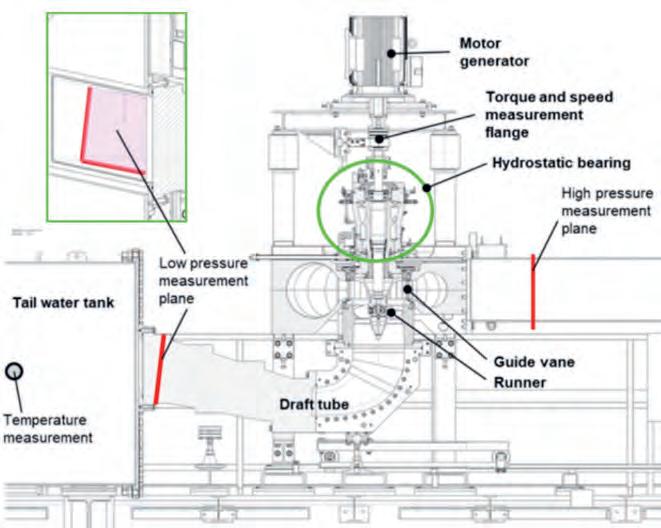
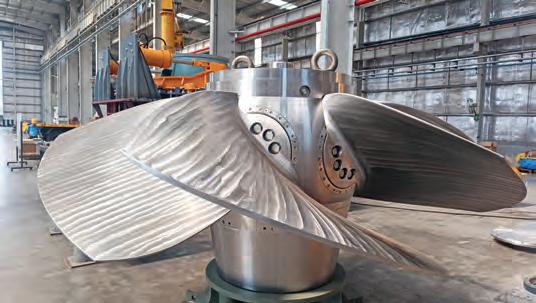
Kaplan-turbines with a specific speed of nq,opt = 146 rpm are typically equipped with 4 or 5 runner blades. The comparatively high number of runner blades was probably chosen because of cavitation reasons. By using the critical suction head HS = -0.65 m (valid for the single unit operation) and the altitude of the power plant, the critical cavitation coefficient (also ThomaNo.) of the plant σ PLANT accounts for only 0.52. At the beginning of a rehabilitation project, verifying the over-
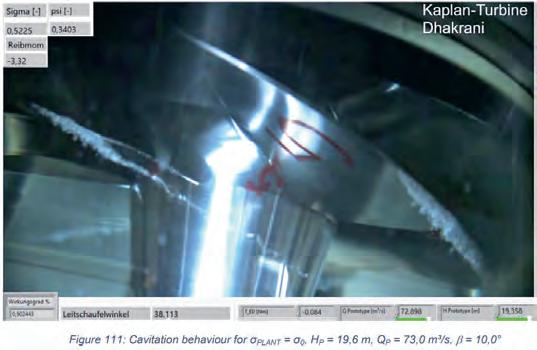
all design parameters of the turbine to be optimized is generally quite helpful. For this purpose, various design guidelines were used to check the main turbine dimensions given for the plant. The analysis showed, that a slightly lower runner diameter of D = 3.25 m (~ 5% smaller than given), a lower hub-ratio of ν = 0.42 (~ 10% smaller than given), but slightly higher guide vanes with b0 = 1.3 m (~ 5% higher than given) would be used, if the turbine would be built from scratch with the same speed of n = 187.5 rpm. Furthermore, to maximize the turbine efficiency, it would obviously have been better to build a slightly smaller unit with a lower number of runner blades (zRu = 5 instead of zRu = 6). Due to these geometric restrictions, the development process presented a number of challenges.
Within a time period of around 3 months, a completely new runner and distributor were developed by applying CFD. Figure 2 present some impressions of the velocity- and pressure-distributions plotted on the runner blades and on cross sections in the draft tube for full load conditions of the optimized turbine. In parallel to the optimization process, the design of the model turbine was created. An overview of the model installed at the test rig is presented with Figure 3. The model test of the optimized turbine was performed at the Institute of Hydraulic Fluidmachinery at Graz University of Technology.
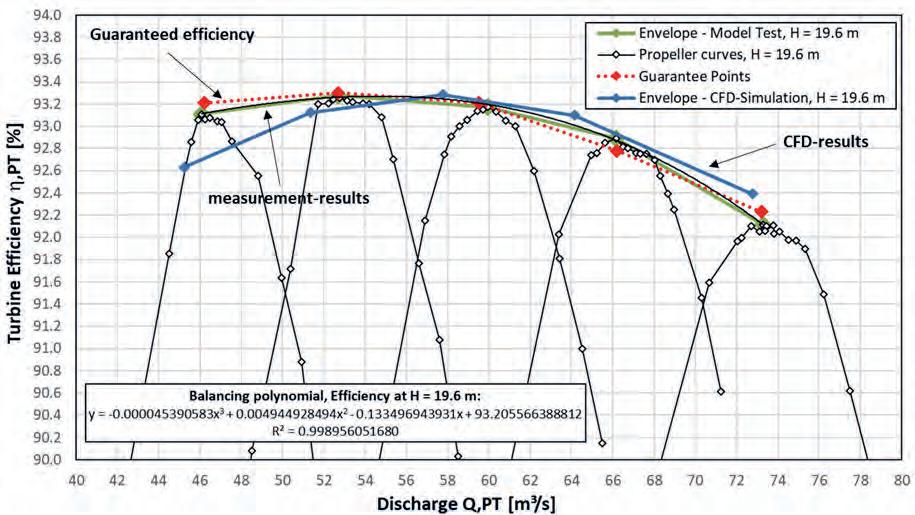
The focus of the measurements was primarily on proving the guaranteed efficiency levels and the cavitation safety. Furthermore, the design-relevant adjustment torques of the guide vanes and runner blades had to be measured, which mainly occur in off-design conditions.
Cavitation tests were primarily performed at operation points relevant for high load operation with 1, 2 and all 3 units. These tests included efficiency-drop-curves and visualizations of the flow patterns – see Figure 4 as an example. It shows the tip clearance cavitation occurring at high load operation conditions at the critical cavitation coefficient of the power plant.
After the completion of the measurement campaign and the evaluation of measurement data, a comparison of the turbine performance calculated by means of CFD
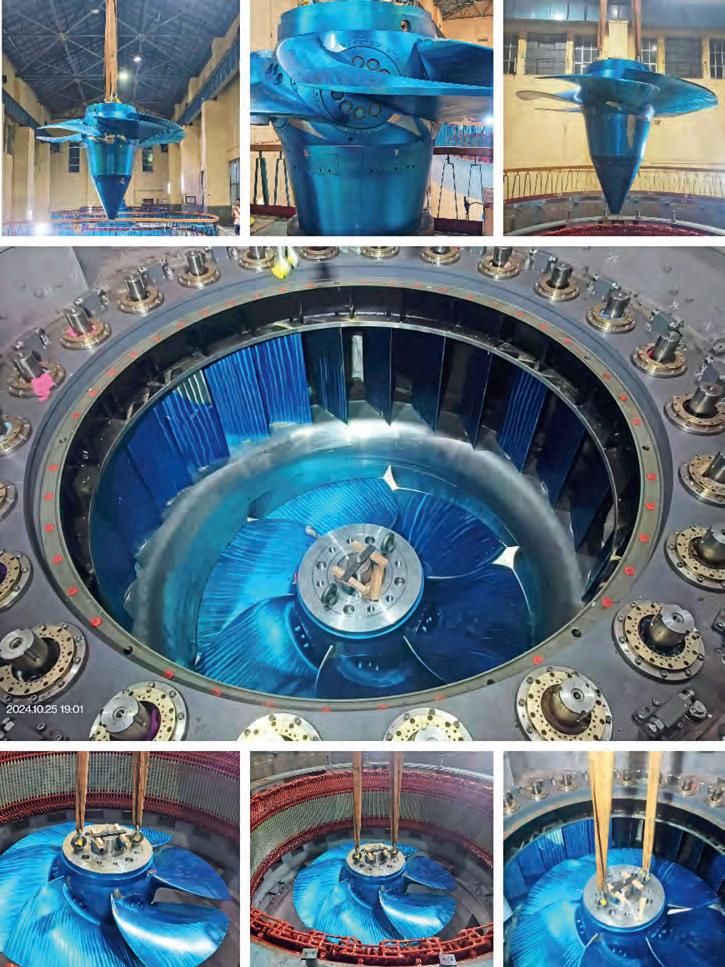
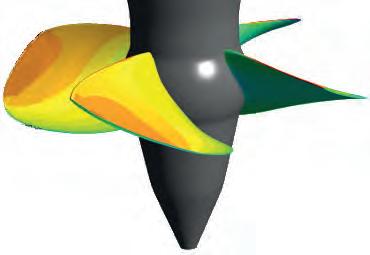
and found in course of the experimental study on the test rig was prepared. Referring to the nominal head of H = 19.6 m, Figure 5 presents a comparison of the simulated and measured turbine efficiency over the entire range of operation. Additionally, the guarantee points are marked with a red curve. Especially at high-load operation conditions, the comparison shows an excellent correlation of CFD- and measurement-results. Compared to the measured and guaranteed values, the efficiency calculated by applying numerical methods is slightly lower at part load conditions and slightly higher at full load conditions. Finally, the model test has proven that the guaranteed weighted efficiency of 93.0% is exactly achieved. Moreover, the promising results were also proven in course of a field acceptance test on the first unit.
Turbine manufacturing and assembly: After the model test results were accepted and approved by the end customer and operator of the power plant, the prototype construction work and manufacturing of the new turbine components started.
The new Kaplan-turbine was entirely manufactured in India and Figure 6 gives an impression of the new customized 6-blade runner design after the preassembly. Moreover, Figure 7 presents a photographic record of the installation of the new turbine in the plant. At the end of 2025 the second unit was successfully commissioned. The third unit is in the final stage of assembly and will be commissioned in the mid of 2026.
Founded in 1996, Mitterfelner Schalungsbau GmbH is regarded as a thoroughgoing expert when it comes to the construction of special shuttering formwork for hydropower and architectural applications. As for hydropower, the Lower German specialists have already implemented well over 200 projects for a variety of facilities around the globe. The formwork constructions are not just spectacular to look at but also technically challenging to build. Made from the environmentally friendly resource of wood, they are used for a variety of applications, such as draft tubes, bulb and open flume turbines, wooden cone formwork or spiral chambers. Recent reference projects include formwork for the new run-of-river power station Stegenwald on the Salzach, and pumped-storage power station Limberg 3 in Salzburg, Austria.
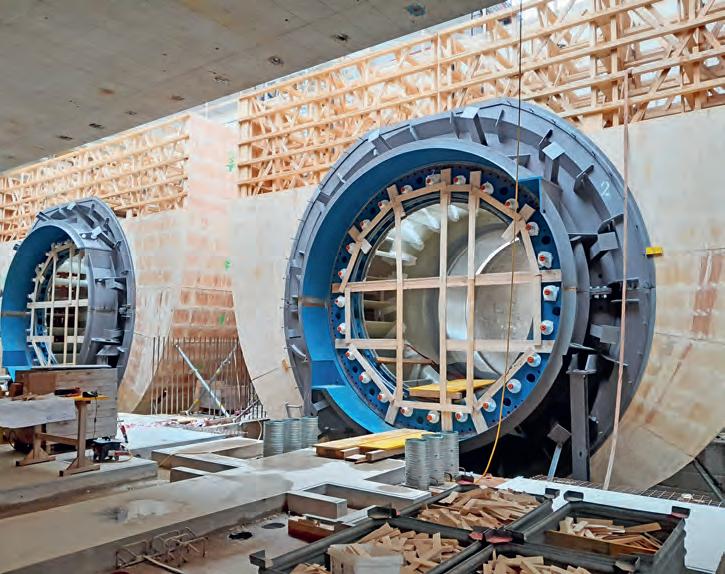
Shaping the concrete for the elbows, draft tubes and spiral lead-ins is one of the most challenging tasks of the construction process. This is because it usually involves rounded, bent and winding shapes with different radii, none of which can be prefabricated as standard parts. There are not many providers like Mitterfelner Schalungsbau GmbH that have the necessary capabilities to meet the varied requirements involved in special formwork for modern hydropower facilities. The constructions provided by the Lower Bavarian woodwork specialists are the result of 30 years’ experience in applying dedicated craftsmanship and engineering skills to create impressive wooden formwork designs.
In 2025 two new hydropower stations went into operation in the Austrian province of Salzburg, with Mitterfelner as a major contributor in both cases. For underground pumped-storage power station Limberg 3 in Kaprun, in the Austrian pro-
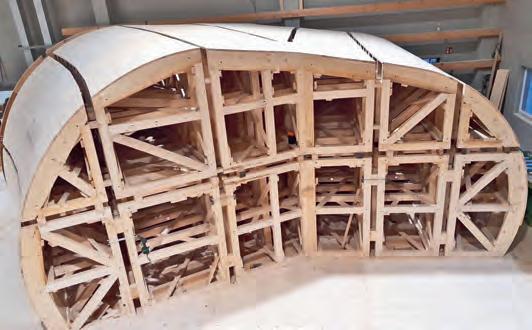
vince of Salzburg, Mitterfelner provided the sheathing, joint and junction formwork in various dimensions. A major challenge for the woodwork engineers was the need to come up with a formwork design that would allow the individual parts to be brought into the cavern for assembly. The other project, hydropower station Stegenwald on the Salzach, allowed the engineers a lot more space to work in. Twelve transporter runs were required to deliver the 48 parts of the formwork structure for the two draft tubes to the construction site. Manufactured to the millimetre, the formwork bodies had an elliptic curvature design, requiring about 90 cubic metres of cut timber for a total formwork surface of 620 square metres.
The Salzburg projects are only two on the long list of references that underscore Mitterfelner Schalungsbau’s engineering skills. Wherever standard systems have reached their limits, these specialists will go further to provide the perfect solution.
The two South Tyrolean sister companies en-co and sora have long since become firmly established players in the European hydropower industry.
Two companies that have been making their mark on the Central European hydropower market for decades are sora –innovative turbine manufacturers from South Tyrol’s Puster Valley, and en-co – the renowned specialists in energy and control technology from Ratschings. Both stand for completely bespoke solutions, almost all of which are developed and manufactured in-house. The close collaboration between en-co and sora ensures they are able to offer ‘water-to-wire’ power plant solutions based on the principle of developing solutions jointly to provide technically coordinated mechanical and electrical engineering from a single source. Several recent exciting reference projects have shown how these two industry specialists in power plant technology are increasingly winning over operators in the hydropower market across Central and Eastern Europe – and now beyond – separately, and in collaboration.
South Tyrol has long been regarded as a hydropower stronghold, as more than 1,000 hydroelectric plants shape the energy supply of Alto Adige, the autonomous region boasts one of the longest-established traditions of hydropower in Europe. Consequently, it’s no surprise that a high-performance, highly specialised technology sector – particularly for small-scale hydropower – has developed in this environment. Two companies that have played a major role in shaping this profile over the past decades are en-co, led by Matthias Steindl, and sora, headed up by Andreas Steindl. Both operate as successful independent market entities and, as partners in very close contact, they present a well-coordinated team that displays an impressive combination of strengths for every project. Both Managing Directors unanimously emphasize that the key to the successful implementation of projects lies in the company’s own employees—their experience and high level of expertise.
One project in which sora and en-co were able to demonstrate their combined capabilities in impressive style was the Zürsbach power station in the town of Lech am Arlberg. The run-of-river power station utilises a natural head of around 137 metres to become another key step forward for the region’s sustainable energy supply. Two modern and extremely compact 5-nozzle sora Pelton turbine sets process up to 2 m³
of water per second, generating an average annual output of around 7.5 GWh of clean electricity – enough to serve around 15 % of local demand. It’s important to mention the exceptional compactness of the turbines, due to the ring conduit integrated into the housing. The concrete-encased construction ensures additional advantages in terms of vibration and noise emission reduction. A system with two identical units facilitates high flexibility in the face of strongly fluctuating water flows, and increased operational reliability is achieved by using identical spare and wear parts.
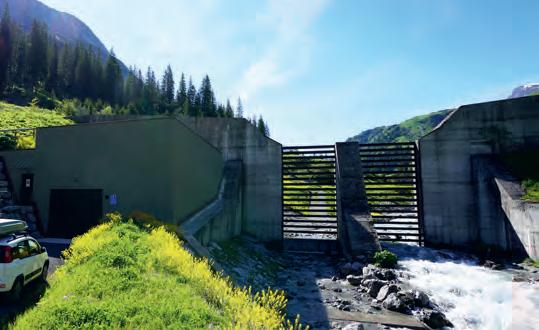
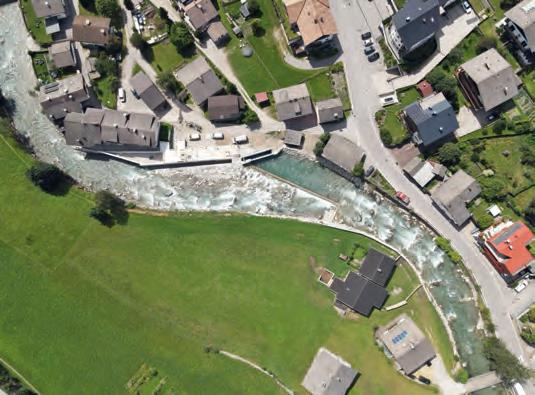
This historic site in the village of Ahrntal is the location of the new Schmied hydro power station.
en-co submitted the successful bid for the requisite electrical engineering contract, and their sophisticated and practical solutions also convinced operators in Lech. The customers highlighted a clearly laid-out control system that enables simple operation and flexible operational data analysis.
Another example of the professional collaborative relationship between these companies can be found in St. Johann in South Tyrol’s Ahrntal Valley. The historic town-centre hydropower infrastructure was recently brought back to operative life using the latest technology, and has now been transformed into a high-performance green energy plant. The beating heart of the plant is a machine set designed, manufactured and supplied by sora, comprising a double-regulated Kaplan pipe turbine and a directly-coupled submersible generator. The shaft is diagonally mounted to ensure the force of the water hits the turbine blades at the minimum deflection angle. Meanwhile, the generator protrudes into the headwater for efficient water-cooling. The design harmonises the needs for efficiency and remarkable compactness. There are no changes in flow direction from inlet to turbine, or turbine to suction pipe, so this boosts efficiency even further. The plant is designed to accommodate a flow of 13m³/s from a head of
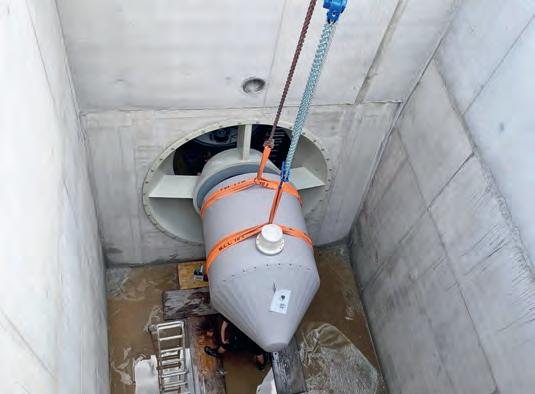
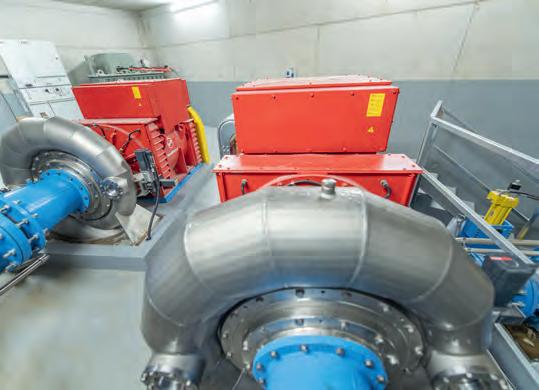
Two Francis spiral turbines supplied by sora – the most powerful turbines to be provided for the Schlanders cascade project.
3.20 metres and achieve a maximum output of 340 kW. This is a significant leap up from the 15 kW produced by the old plant. Today, the power station generates around 1.3 GWh of clean electricity every year, underscoring sora’s expertise in the low-pressure sector.
As with numerous other projects, the sora / en-co partnership proved its worth yet again. en-co supplied all the requisite electrical and control equipment – their modern and practical solutions ensuring this plant can now operate at the cutting edge of technology, too.
The most complex and ambitious power plant project so far has undoubtedly been the one completed last year in the South Tyrolean municipality of Schlanders – after a lead time of over 13 years. A water management system spanning the entire valley was installed to combine the synergies of energy production, drinking water supply and agricultural irrigation. Instead of haphazard water usage across many individual plants, the concept cleverly harnesses the water in stages, and multiple reuses thereof, while also adequately taking into account energy production needs, drinking water requirements and agricultural demands. It’s no surprise the two hydropower specialists, sora and en-co, were involved yet
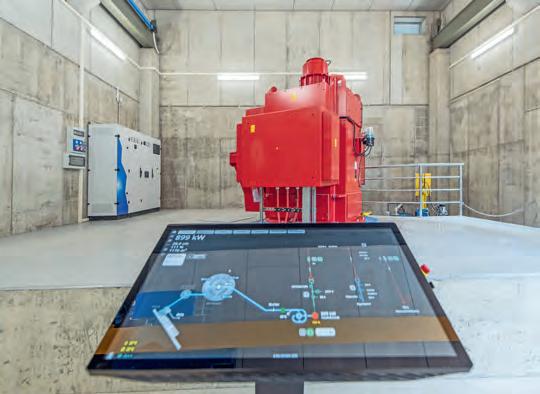
and
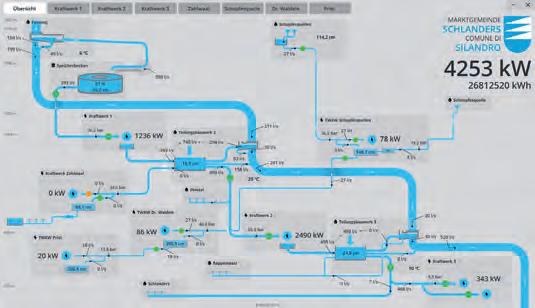
All systems in Schlandraun communicate via a system of digital visualisation – an en-co programming masterpiece.
again. sora, the turbine manufacturer from Kiens, supplied its most powerful machines for the power stations – two modern Pelton and two Francis spiral turbines. en-co was responsible for the overarching system control technology – and Matthias Steindl’s team was able to exploit the system’s full potential in the process of creating a transparent, fair and user-friendly water management system. The system had to guarantee that both water supply and electricity generation ran seamlessly within the framework of the concessions. The en-co-developed visualisation system ensures all operations can be monitored at all times. All seven plants now communicate with one another via the digital visualisation system, an achievement described by those responsible as a “masterpiece of electrical and programming engineering”. The result is a system capable of balancing the needs of energy production and agriculture at the touch of a button, making it an Alpine region lighthouse project for the future of water management.
Starkenbach drinking water power plant in Schönwies
The Starkenbach drinking water power plant in the Tyrolean village of Schönwies again proved that sora and en-co can also leverage their strengths on smaller projects – profitably and at superior standards. sora designed and delivered a Pelton turbine fully suitable for drinking water to make optimum use of the pressure from the Alfutz springs, where a flow rate of 18 l/s is produced from a head of 428 metres. A key feature of these applications is the use of stainless steel throughout all water-carrying components. Plant operation is impressi-
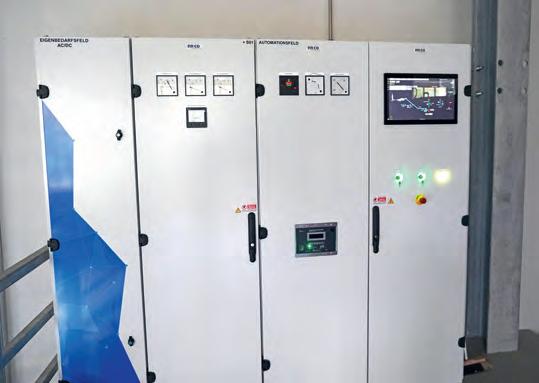
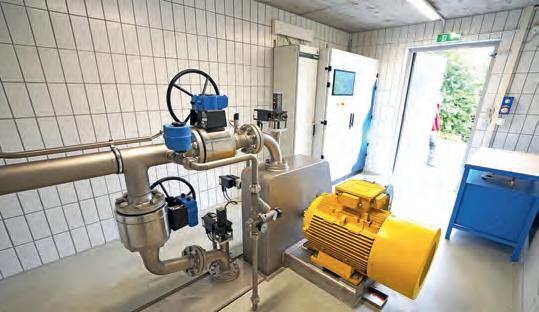
ve, reliable and efficient. A rated output of 41 kW generates around 350,000 kWh of clean energy – enough to power the village’s public buildings and street lights all year.
The control and monitoring systems posed a specific challenge as, in addition to generating energy, it was essential to ensure the security of the drinking water supply infrastructure at all times. Water law regulations stipulate that only the quantities of water actually required may be used, so the plant was designed to discharge surplus water automatically to a downstream power station. en-co solved this complex conundrum with a bespoke solution, implementing a modern control system that enables precise real-time coordination between the participating municipalities of Schönwies and Zams.
Each company a highly valued market player in its own right Recent reference projects in Öxlbach, Wieden and Wiesermühle have provided impressive proof that each company is a reputed manufacturer in its own right. en-co demonstrated its expertise in control and process control technology in style at the Wieden and Öxlbach power plants. The new Öxlbach power plant in Schlitters, Tyrol, is helping the municipality to achieve energy self-sufficiency, mathematically at least, with an annual output of around 5 to 5.5 GWh. en-co also achieved an excellent standard of electrical system implementation with a small-scale hydropower plant in Wieden in Pfitschtal Valley, South Tyrol, producing an annual output of around 1.2 GWh. Both projects benefitted from sophisticated, reliable and practical solutions that ensure efficient and stable plant operation.
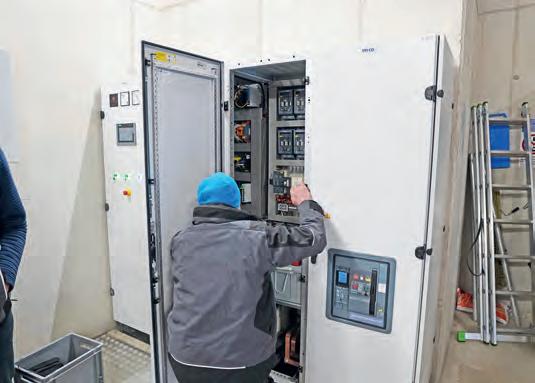
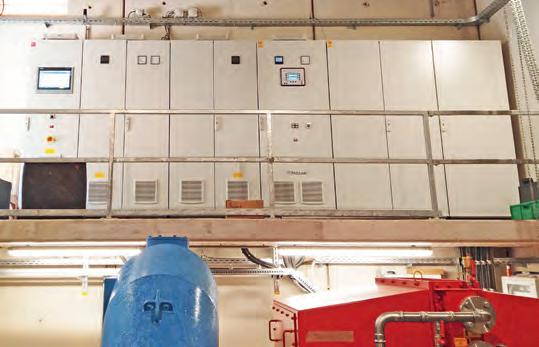
sora has also proven its expertise in the medium-pressure sector – at the Wiesermühle project in the Salzburg winter sports resort of Saalbach-Hinterglemm. A new small-scale hydropower plant was built to replace an outdated plant on the River Saalach. To generate an output of around 460 kW the decision was made to install a diagonal turbine, the design and construction of which required specialist know-how. Precise hydraulic design with regard to efficiency and cavitation behaviour, and the sophisticated kinematics of its adjustable runner blades, were crucial to the project’s success. More than 20 years of experience with this type of turbine enabled sora to deliver a technically impressive and mature solution with excellent part-load efficiency, facilitating efficient energy generation across a wide operating range.
For decades, experts at sora have been designing, manufacturing and installing bespoke small-scale hydropower plants. Core business is comprised of building new plants, revitalising existing power stations, and providing long-term support to operators throughout a plant’s entire lifecycle. The company builds its success around well-coordinated team of approximately 25 highly technically skilled employees – a team that
can contribute the experience of almost four decades to every project. The result is a comprehensive portfolio of services to ensure every plant is a start-to-finish, bespoke implementation with a one-off design. Sora relies on the latest workshops, an up-to-date machine park and a dedicated team to deliver state-of-the-art power plant solutions every time. en-co is short for Energy-Control, and stands for comprehensive expertise in control and process control technology across all electricity-related sectors. The company’s main focus is on power plant and grid control technology, and the provision of complete electromechanical infrastructures, particularly turnkey solutions, for small-scale hydropower plants. Similarly, revitalisation and technical modernisation for existing plants is another integral aspect of the service portfolio. One of the key benefits en-co offers is a high level of vertical integration. Virtually all components for the automation of power plant systems are manufactured in-house – from control cabinets and control systems to distribution systems. The company provides an entire range of electromechanical equipment for small hydropower plants, from high-voltage systems to medium- and low-voltage set-ups, as well as control, automation and visualisation tech.
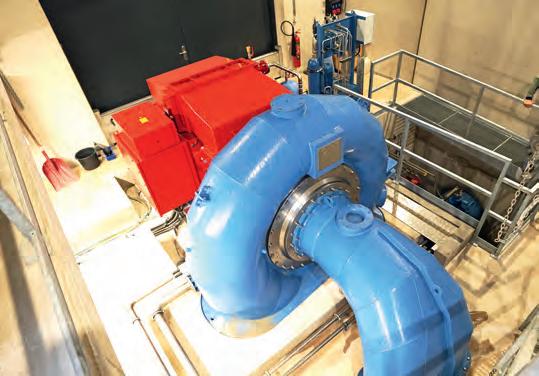
• Hydropower plants
• Off grid systems




• Medium voltage systems


• Automation




• Low voltage systems




• Control systems







• Protection technology




























• Planning / Design of Hydropower units


• In-house manufacturing of:





High-pressure turbines
Low-pressure turbines


Off grid systems


• Revitalization of turbines


• Service & Installation work








organised by in par tnership with suppor ting organisations



It has never been clearer than at present that renewable-led energy systems fundamentally strengthen energy security and independence. No form of renewable energy should be overlooked, and hybridization maximizes the use of these clean, free and inexhaustible resources.
In that context, HYDRO-HYBRIDIZATION 2026 will bring together experts from around the world to share experience on practical aspects of hybrid plants of all types, associated energy storage systems, the operation of grid systems and the latest innovative developments in floating solar hydro.
Energy policy-makers, utilities, researchers and the manufacturers who are driving innovation should not miss the chance to join this forum.
For information visit: w w w.hydropower- dams.com/hydro -hybrid-2026
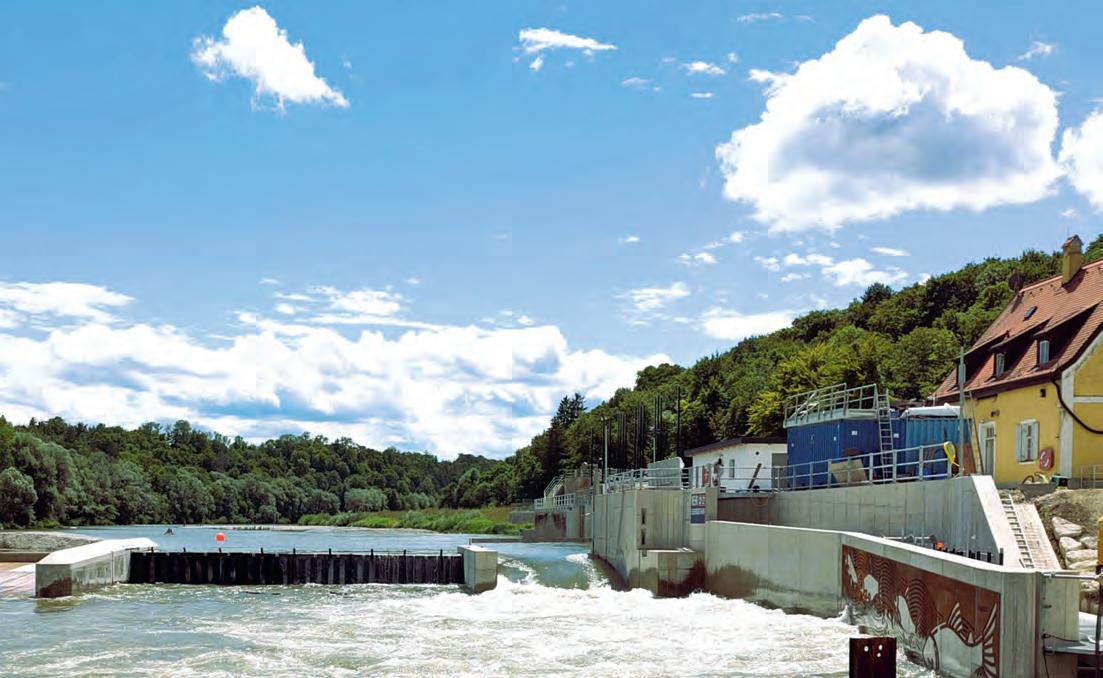
The long-planned renovation of the Großhesseloher weir on the River Isar has improved numerous aspects at the site.
The Großhesseloher weir complex is a listed structure in the south of the Bavarian capital, Munich, and regulates the flow of the River Isar near Pullach. In May, just over two years ago, work began on its refurbishment. Stadtwerke München GmbH (SWM) ensured an optimal refit and update to benefit both the environment and guarantee flood prevention. The facility will soon be 120 years old, and modernisation involved the construction of three new weir sections, a fish ladder and a new weir to separate the River Isar from the service canal. The individual design of the weir sections was of particular technical interest, each being fitted with a conventional weir flap, an air-operated flap gate and a weir sill. However, project implementation proved to be challenging for a number of reasons.
Since the Großhesseloher weir in Pullach began operation in 1908 it has regulated the flow of water between the plant canal and the River Isar, as a key means of flood prevention for Munich and served as a supply source for many of the city’s streams. The weir complex is also significant from an energy perspective, as the Werkkanal accommodates four hydroelectric power plants, and the ‘Energiestandort Süd’ site – which generates electricity, district heating and cooling. The plant has a unique ownership structure that has evolved over time. While the City of Munich is responsible for the eastern section of the weir, SWM – an independent company – is responsible for the western section, including the adjustable weir gates that control water flow along the Isar, in the canal and through the fish ladder.
The advanced age of the original technology meant that refurbishment and renewal of the facility had been on the cards for many years, as SWM project manager – Lukas Mas-Zehetbauer explains: “The original decision to renew the weir was
taken in 2008 by SWM and the City of Munich, a key point in the agreement being that work should restore the fish passage at the site. A fish ladder had been built into the old weir, but fell far short of the requirements of a modern fish passage facility. Another important issue was the optimisation of debris management at the weir. Renaturation projects conducted over the past decades had significantly increased the volume of debris
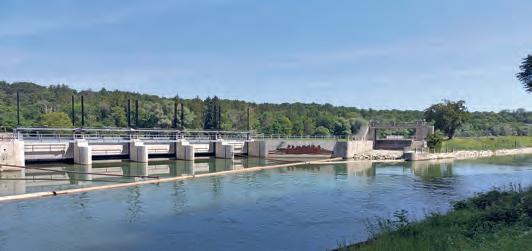
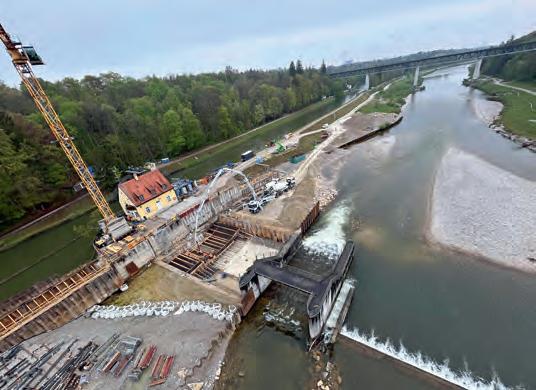
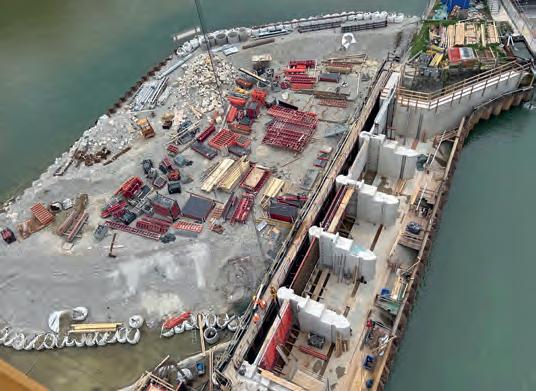
carried by the Isar. Previously, removal of debris at the weir had been from the middle of the river, presenting a constant problem that we aimed to resolve permanently via renewal.”
The initial planning permission application for the replacement structure was finally submitted in 2015. However, the plans as they stood did not comply with the requisite nature conservation specifications, meaning approval could not be provided. Consequently, the project was subjected to a fundamental revision to ensure alignment with official demands – and was ultimately resubmitted for approval in 2021. During the redesigning phase the weir structure was examined and hydraulically optimised with a significantly improved, more compact structure via 3D simulation. The rocky ramp originally envisaged in the plans consisted of coarse riverbed stones that would have been harder for fish to locate – and would also have covered many of the ecologically valuable hydrodynamic scour cavities (flow-induced riverbed erosion holes). Unexpectedly, in 2022 an already sealed-off kayaking and rafting channel was saved from demolition, preserved and renovated. The weir complex had originally been constructed from rammed concrete, and consequently now qualified as a listed historic monument. This necessitated even more changes to the plans. The key fea-
tures in the landscape at the site were preserved, along with the kayaking channel and the adjacent lock keeper’s house. Of course, it was important not to overlook the safety of recreational sports enthusiasts on the Isar who use inflatable boats and kayaks during the summer months. Several warning signs, buoys, a barrier and a warning beam have now been installed to ensure they disembark before they reach weir.
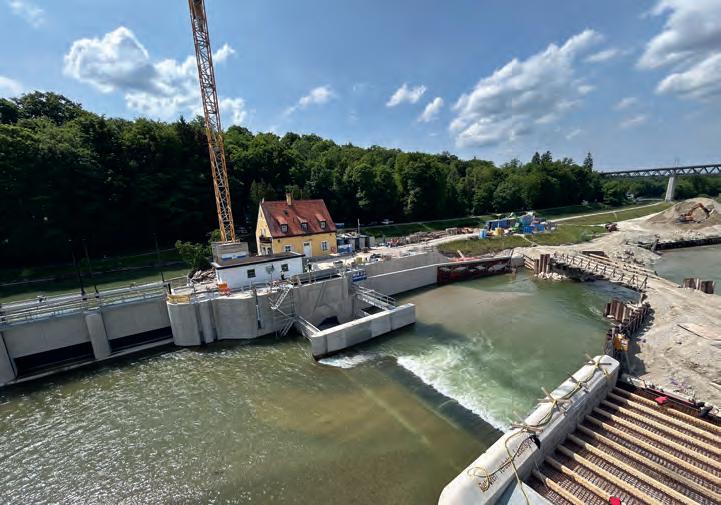
The construction site revealed some surprises.
Three systems have now been combined to regulate the water levels at the weir. Level regulation on the left weir section is controlled via a concealed torsion drive steel weir gate installed within the weir pillar. This section is also used to ensure a continuous supply of water to the downstream section. An airoperated flap gate from the renowned American manufacturer Obermeyer Hydro Inc. has been integrated at the second section of the weir. The patented system has proven its worth around the globe, and was supplied by the British industry specialist Dyrhoff UK Ltd. – Obermeyer Hydro’s European distributor. It consists of a combination of robust steel panels raised or lowered by pneumatically operated air bladders. Unlike hydraulically operated flap gates, the pneumatic flap gate is supported across their entire width by inflatable air bladders. Resultantly, foundation work is kept simple, as is efficient and cost-effective flap design. As no intermediate pillars were needed for the system, construction costs were reduced and the available cross-section for flood discharge was increased. Operation purely via pneumatic forces, and no need for lubricants that could contaminate the water, means the system scores highly from an environmental perspective. The third weir section of the facility consists of a fixed weir sill to achieve absolute simplicity of function. The division weir between the Isar and the canal serving the plant has also been completely rebuilt to consist of five sections of weir – each 5.5m wide. The hydraulic engineering equipment for these five weir sections comprises three double gates and two single gates. These are operated by electromechanical drives.
A construction phase full of surprises
SWM placed its trust in established construction and engineering sector companies for the implementation of refurbishment work. In spring 2021, the hydraulic engineering experts at SWM’s specialist department brought Tractebel Hydroprojekt GmbH on board to carry out the detailed design tasks. Tractebel’s scope of services included structural design production, construction sequencing and phasing, and on-site construction supervision. Following a public tender, the Pfaffinger Group was awarded the contract for all construction work. However, the implementation phase generated a number of challenges and several surprises. According to Pfaffinger, who had between 20 and 25 workers on site during concreting work, one issue had been that storage space was very limited for a construction project of this scale. Around 750 m³ of concrete and approximately 150 tonnes of steel reinforcement were used for concreting for the base slab at the weir. Up to 13 pumps ran simultaneously at a delivery rate of up to 160 m³/h to ensure the construction site remained reasonably dry during concreting procedures. Extreme flexibility was essential throughout the entire construction phase. At the very start of the construction phase it became apparent that the sheet piles required for the dewatering measures could not be driven fully into the ground due to the geological conditions, so it was necessary to include time for approximately 2,000 metres of soil replacement drilling in the construction schedule. Nor was the weather always kind during the approximately 2-year construction phase. Indeed, the excavation pit was flooded on three separate occasions. During demolition work in June 2023, site workers were surprised to discover parts of Munich’s old main synagogue at the bottom of the riverbed. This had been destroyed by the Nazis in 1938. The find attracted international media scrutiny, not least for the many artistically carved stones, and a well-preserved
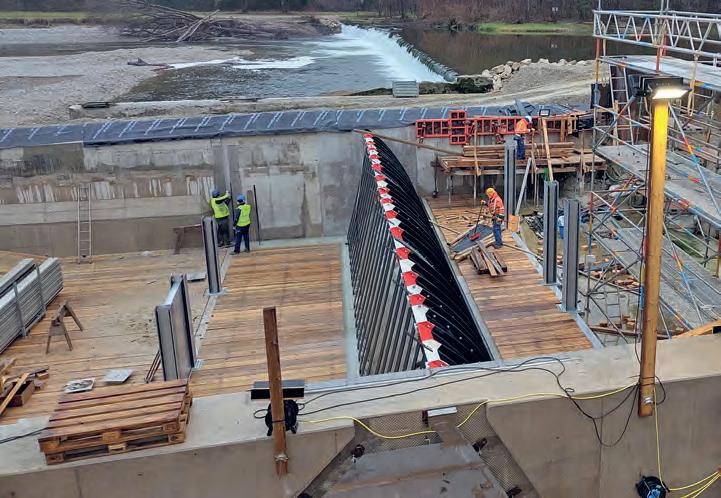
section of the panel shrine. Moreover, there was significant media attention for a series of arson attacks in and around Munich in August 2023, too. The attacks delayed work at the construction site as the perpetrators completely destroyed a crawler crane.
Refurbishment project pays off
Completion of the refurbishment project was scheduled for July 2025, with just a few subsequent loose ends. Although the implementation phase proved to be challenging, the municipal utility providers drew a positive conclusion as regarded the refurbishment project, and emphasised the benefits it now delivers. Functionality has been enhanced for flood situations. The weir structure is designed to be fully passable with a significantly minimised risk of log jams. Ecologically, the fish ladder is the ideal solution considering conditions at the site – optimising passability for aquatic life, and ensuring the ecological connectivity of the Isar and Werkkanal water systems.
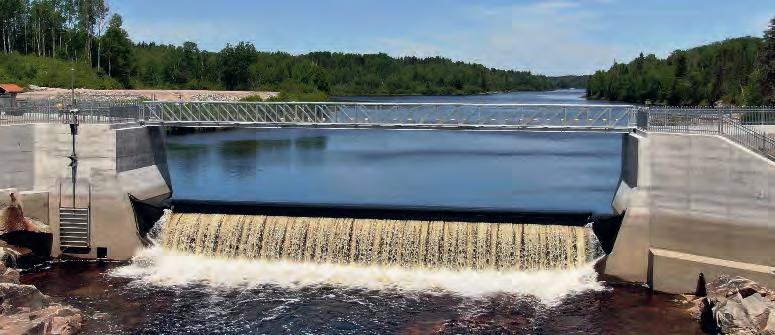
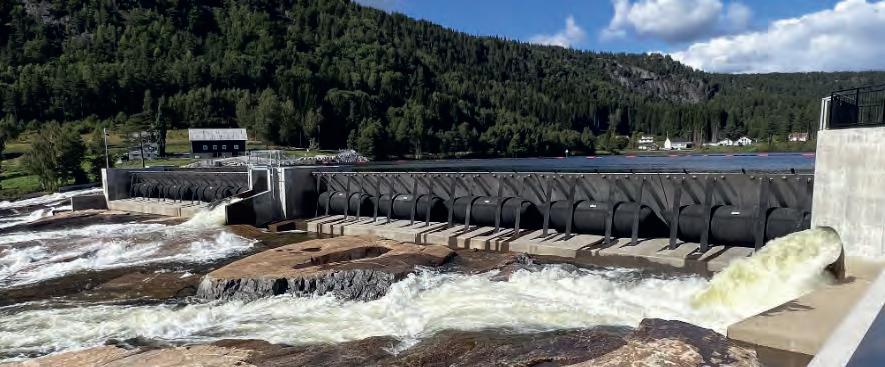
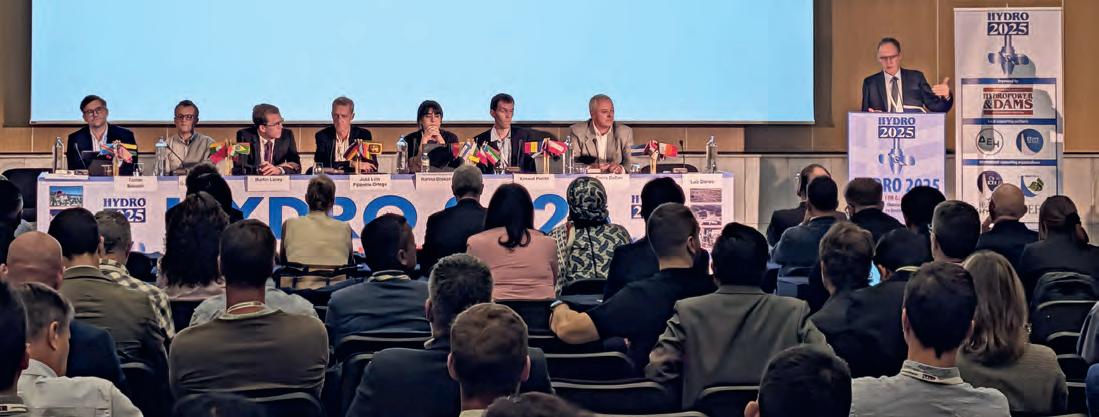
Three days of intense discussions in Thessaloniki, preceded by three training workshops and followed by three technical study tours, provided a forum for more than 1000 delegates from 69 countries to exchange views on the most topical issues for the hydropower profession, and to learn from each other’s experience. The event organized by AQUA-MEDIA once again proved to be a highlight among international hydropower events in 2025. In 2026, HYDRO 2026 will take place in Bologna.
In the opening plenary session of HYDRO 2025, ICOLD President Devendra Sharma drew attention to the need to accelerate the pace of development, outlining some of the hindering factors, calling for clear, consistent regulatory frameworks and administrative reforms to simplify and expedite concessiongranting procedures. Continued momentum will require bold policy actions, he said, including reforms to reward hydropower’s multiple benefits by regulators.
Alex Beckitt, chair of IEA-HYDRO, quoted from the very recent statement issued by the Executive Director of the International Energy Agency, Fatih Birol, (on 17 October): “Hydropower remains the ‘forgotten giant of electricity,’ often overlooked in policy debates”. IEA is urging governments to elevate hydropower on the energy policy agenda to unlock its full potential. A
session dedicated to the work of the IEA Technical Collaboration Programme, demonstrated the practical and topical issues and challenges being addressed.
Bente Brunes, World Bank Group, in her opening remarks, underscored the fundamental point that an affordable, secure and plentiful energy supply is a lifeline for people and economies, and that 700 million people are still living without electricity. She demonstrated how hydropower could be transformational in this respect, noting that 1300 GW of new hydro was needed by 2050 to achieve universal access sustainably. She went on to outline ways in which the World Bank Group was working to remove the various technical, financial, environmental and governance-related barriers to make this happen.
Igor Kolomiyets gave an update on power and water infrastructure in Ukraine, as engineers draw lessons from the constant bombardment, in their future planning. He spoke of the target to bring 3 GW more capacity back on line in the coming year, and later in the day learnt that at the same time as he was giving this talk, a further 3 GW of power had been lost, as a result of the day’s multiple air strikes on large power stations.
A special session on ‘Greek hydropower today’ reflected the enormous current upsurge in hydropower (particularly pumped-storage) development in the HYDRO 2025 host country. Alesandros Soumelidis, the Chief Generation Design and Development Officer of PPC, referred to the use of disused mines for pumped storage as ‘filling the hole that’s left by coal’, and
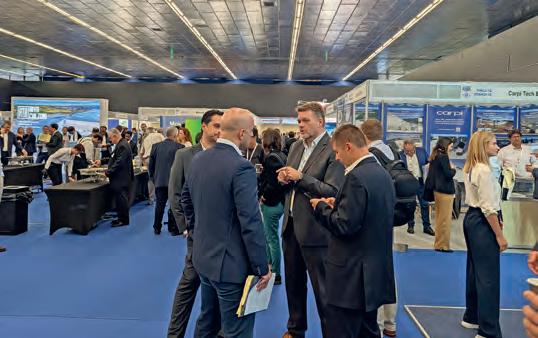
demonstrated the importance of this strategy in the country’s energy transition. Other high-level participants in this session included D. Papachristou from the Regulatory Authority, who told delegates about the current licensing framework for large hydropower, and the future outlook, and D. Gridas of the Independent Power Transmission Operator for Greece, who spoke of hydropower from the perspective of his organization. Alexis Paizis, CEO of Conventional Generation at PPC, discussed hydropower in relation to the climate crisis. He drew attention to issues of water management between multiple users of water resources in reservoirs, in a country prone to drought. Future strategy, he said, would include building new infrastructure, increasing the capacity of existing reservoirs, and where possible converting existing hydro plants to add pumped storage. Regulatory frameworks would be optimized, he said, with centralized strategic planning and fast-track permitting.
The evolving role of hydropower
A session on hybridization, a subject which chairman Luc Deroo described as “adapting hydropower to the new energy landscape”, was especially well attended. Speakers demonstrated that the global energy sector is rapidly evolving with the increase in solar and wind power. In this shifting context, hydropower’s role is transitioning from baseload generation to delivering critical grid services. The session showed how hybridized powerplants are becoming a compelling, if more complex, solution for modern energy systems.
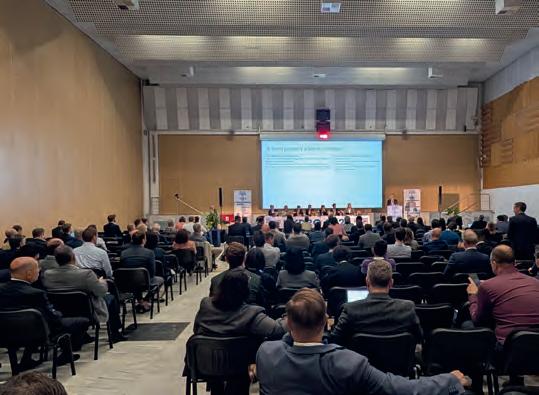
Pumped storage was the subject of four sessions, covering its role, innovative approaches to its development, and case studies from around the world. It was pointed out that the deployment of pumped storage depends on supportive market frameworks, clear revenue streams, and streamlined permitting.
As always safety, monitoring, and natural hazard management were high on the agenda, with related subjects such as floods and gate safety also being covered in dedicated sessions. World experts on topics such as climate science, and sedimentation management, led talks on these topics.
Meanwhile, early comments from organizations in the profession, being shared on social media, describe HYDRO 2025 as: ‘inspirational’, ‘one of the world’s leading gatherings for meaningful discussion on hydropower, dam safety and RE innovation’, and a ‘forum for connections and discussions which will shape future collaboration’. The sub-title of the event: Partnering for global solutions, seems to have been apt, and the organizers are grateful for all who participated, and enriched debates.
The organizers expressed their gratitude to all participants for their contributions and their engaged exchange. Looking ahead, attention now turns to the next edition: HYDRO 2026 will take place from 14 to 16 October in Bologna and will once again bring together experts from around the world to shape joint solutions for the energy future.
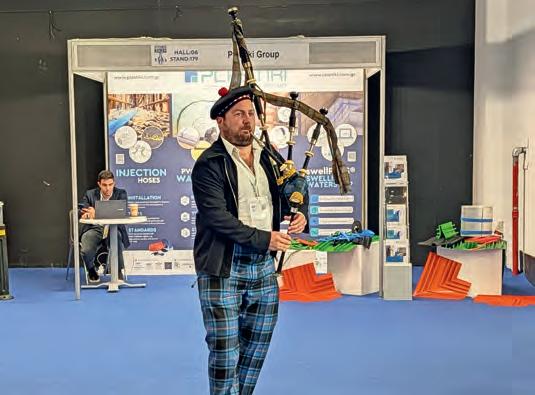
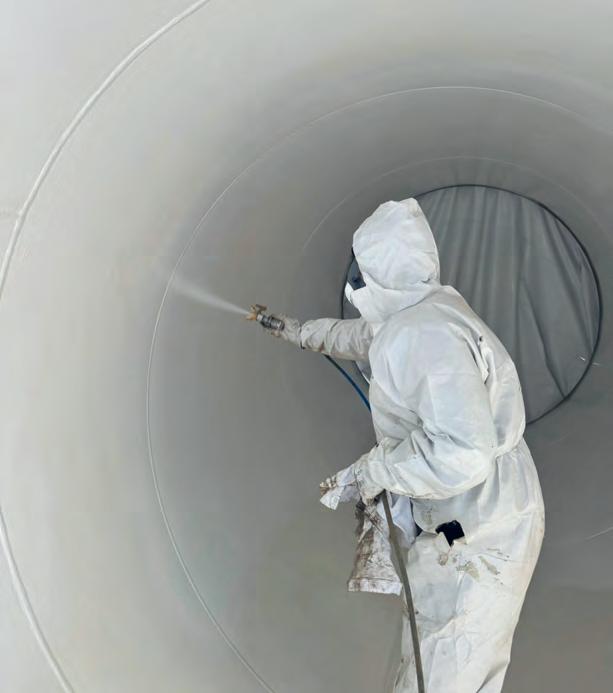
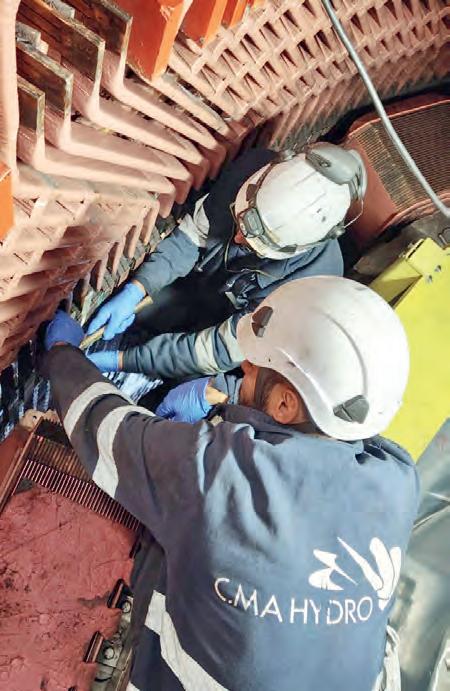
The Italian company CMA HYDRO, active across Europe through its 3 branches in France, Norway and Switzerland, is highly specialized in mechanical installation of hydro equipment such as turbines, generators, valves, gates, penstocks, piping, etc., as well as in the expertise in design and supply of customized hydro valves like butterfly valves, spherical valves, hollow-jet valves, etc. and any kind of gates, penstocks, piping, hydraulic power units and more… (see more details on website: www.cmahydro.com)
In the hydro sector, CMA HYDRO is recognized for its strong field-based expertise, with highly specialized teams who perform complex mechanical operations on site, in hydropower plants and clients’ workshops. In fact, the company has an integrated approach and covers a wide range of activities, including on-site machining, welding, sandblasting, painting and scaffolding assembly which ensure flexibility, reactivity and high-quality support throughout every project phase.
CMA HYDRO is currently active on various sites simultaneously, working either as a main contractor or subcontractor, depending on the project. Among these, a major project is underway in Italy, near Venice, for ENEL, the Italian largest hydro public utility. For this project, the company designed and manufactured a new penstock, dismantled the existing one and is now completing the on-site installation (see pictures).
At the same time, CMA HYDRO is involved in several hydro equipment disassembly and installation projects across Italy, Switzerland, Austria and France (see pictures), in collaboration with leading hydro equipment manufacturers and public utilities.
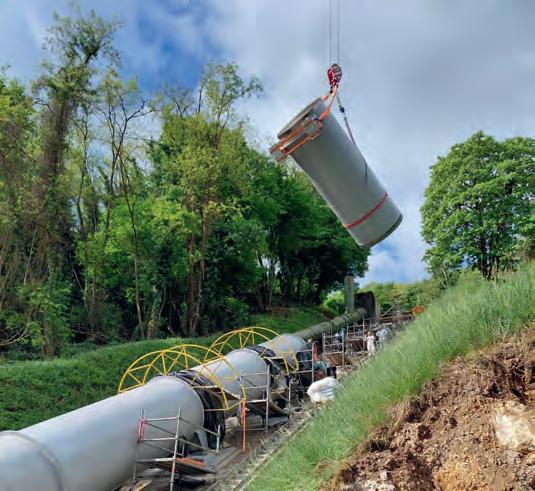
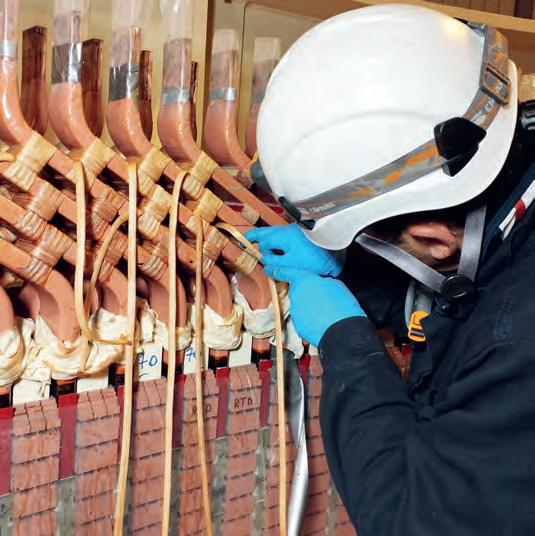
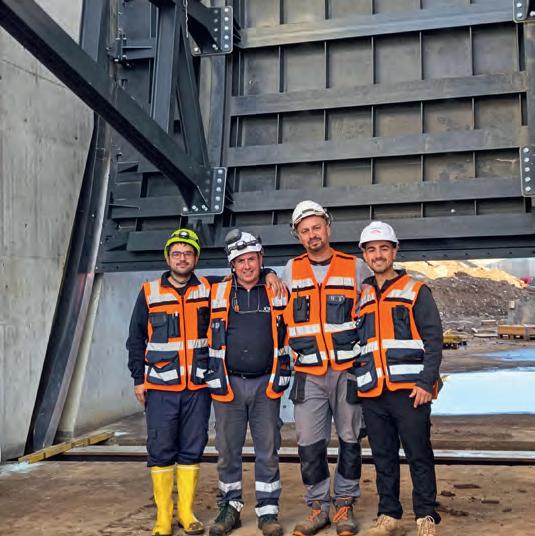
Among the company’s various activities, a key one is the complete assembly of generators — including stacking, winding, and brazing (see picture above) — which offers a fully integrated specialized service appreciated by clients.
The company’s added value lies in its personnel
The greatest strength of CMA HYDRO comes from its workforce: an experienced team of mechanics, welders, pipefitters, painters, and technicians in the hydropower sector. Its wide expertise allows the company to manage complex projects with a flexible and reliable approach. This strength is further
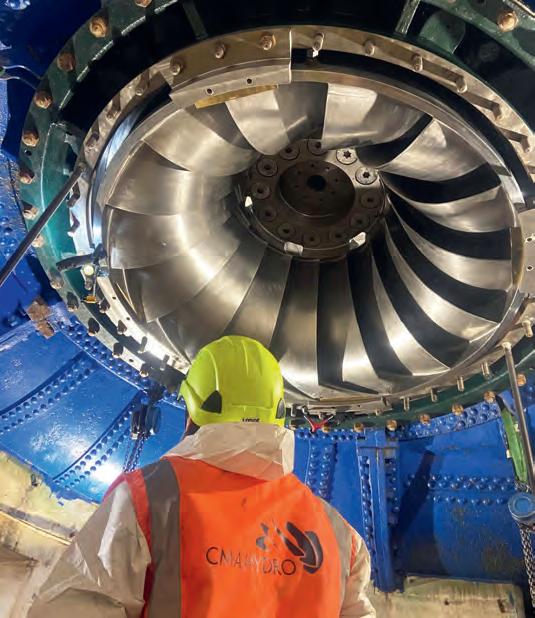
enhanced by a multilingual team, both in its offices and on site, enabling the company to operate effectively across different countries and to adapt to local technical and compliance requirements.
Synergy with MECA Consortium
In order to further strengthen competitiveness and flexibility, CMA HYDRO has been a member of the permanent consortium MECA since 2022, an organization bringing together companies highly specialized in mechanical installations for the hydropower sector. This partnership enables CMA HYDRO to deliver large-scale projects efficiently, with access to highly skilled personnel and a well-structured organization, ultimately reinforcing the competitive advantage offered to its clients.
Thanks to longstanding experience and its flexible operational structure, CMA HYDRO positions itself as a reliable partner in the European market. The combination of technical expertise, international presence and execution capability is a key element in meeting the challenges of an ever-changing market.
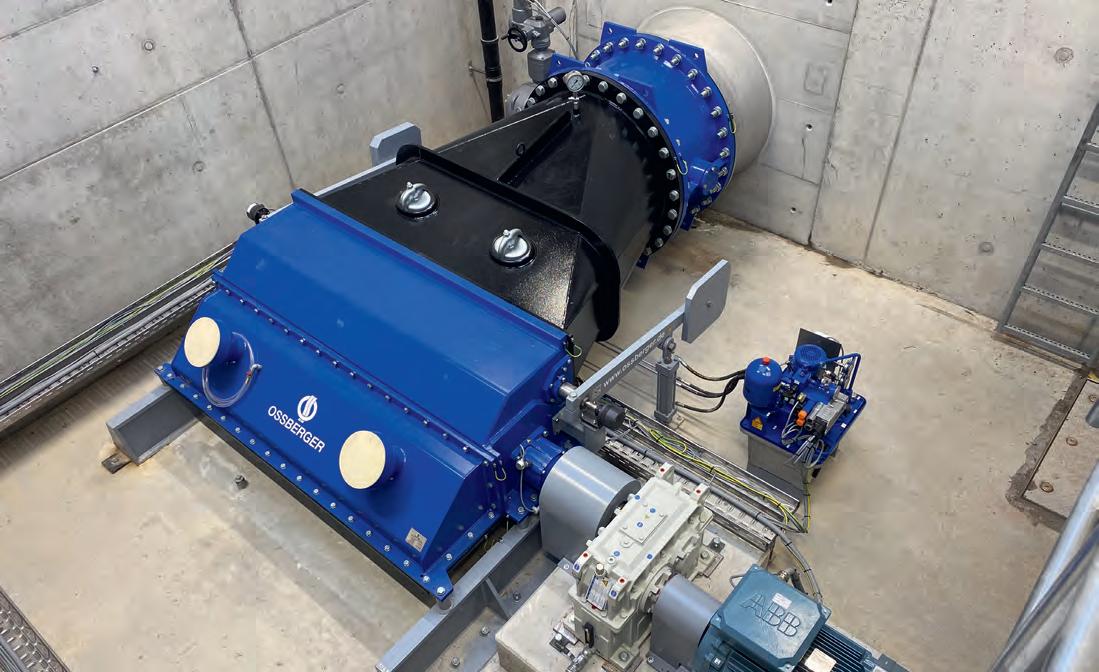
The Buholz wastewater treatment plant in Emmen, Switzerland, has been generating green electricity from the head of its treated wastewater since September 2025. The project involved the installation of two identical 42-kW Ossberger cross-flow turbines, whose robust design and durable technology are now proving their worth in operation on site. Working together at the new treatment stage of the largest wastewater treatment plant in the canton of Lucerne, the two turbines supply enough electricity to serve approximately one quarter of the plant’s total power requirements.
At the start of 2016 an amendment was made to the Swiss Water Protection Act. This required large wastewater treatment plants to install a special system for the removal of trace substances. This is referred to as the fourth stage of treatment in which micro-contaminants – such as residues from medicines, cosmetics or pesticides – are filtered out of the water. The amendment also affected the Buholz wastewater treatment plant (WWTP) in Emmen, owned by REAL (Recycling Entsorgung Abwasser Luzern), the Lucerne municipal association for recycling, waste disposal, and wastewater in the Swiss canton of the same name. Buholz has what is considered to be the largest wastewater treatment plant in Central Switzerland, and hence plays a key role in wastewater treatment within the Lucerne region. The Buholz WWTP treats wastewater for ten towns in the Lucerne conurbation, serving a catchment area of 200,000 residents, plus approximately 50,000 population value equivalents in industry and commerce. The fourth treatment stage expansion project at the Buholz WWTP was implemented between August 2023 and June 2025.
“While the new treatment stage was being built, plans were also being implemented to harness the water for hydroelectric power. After treatment the water descends from a net head of 4 metres to enter the Reuss collection watercourse,” explains Alexander Kleiner of REAL. The potential is harvested via two
identical cross-flow turbines made by Ossberger – the longestablished German hydropower company from Bavaria. These were installed in parallel in the two treatment plant outlet basins. Obviously, the operators opted for Ossberger’s tried-and-tested cross-flow technology, the Bavarian specialists’ solution being known for its robustness, and exceedingly broad scope of applications. An Ossberger cross-flow turbine has only three moving parts – a testament to design simplicity, and ultimately a reason for its superior reliability. Moreover, thanks to the turbine solution’s two-cell interior design, each
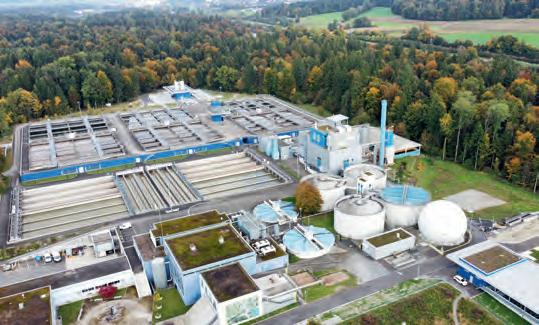
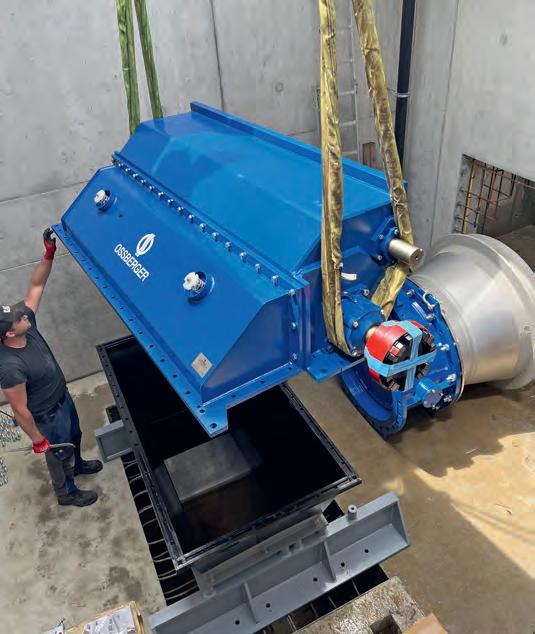
The turbine housing is lifted into place. Another strong argument in favour of the Ossberger cross-flow turbine was its comparatively small amount of space it requires.
tion according to the water level, and thereby regulates the flow rate automatically to ensure the water level is stabilised at a specified point and maintained at a constant level.” Each of Ossberger’s two turbines is designed for a net head of 4m and a flow rate of 1,313 l/s. The 1:6.733-ratio gearbox modulates specific turbine rpm, to harmonise with the generator’s nominal speed of 1,010 rpm. Ultimately, the generator converts this mechanical energy into electrical power. Each of Buholz’s Ossberger cross-flow turbines at the wastewater treatment plant has a nominal output of 42kW. The Bavarian hydropower specialist’s scope of delivery encompassed the complete electromechanical system, the turbine and regulator, the control system and feed-in, gearbox and generator, shut-off valve, installation and commissioning. The turbine control system was integrated into the higher-level control centre, ensuring comprehensive centralised control.
On-site electricity generation serves around a quarter of the plant’s power demands
Commissioning of the turbines was completed in September 2025, immediately following official commissioning of the new treatment stage. Alexander Kleiner, Head of the Wastewater Division at REAL, described the first few weeks of operation very positively: “Our experience so far has been very good. The turbines have been running smoothly, and there have been almost no disruptions. They currently supply about a quarter of the electricity required for the new treatment stage.”
69 cell being able to operate independently of the other, it is also ideally suited to generating electricity – even at the lowest water levels. This is a further compelling argument for the use of cross-flow turbines at a wastewater treatment plant, where water volumes are subject to considerable fluctuations.
Outlining the basic principle Christian Habermann, Technical Manager at Ossberger, explains: “Essentially, the design of the two turbines features an inlet pipe for each unit, integrated into the outlet of each respective tailrace, with a butterfly valve flanged onto the pipe. The drive water is then channelled into the turbine via a conduit pipe.” He then goes into more detail: “There’s a water level sensor in the outlet basin. It’s in continuous operation, and the signal it generates directs the turbine’s guide vane. This opens, closes and adjusts its posi-
Net head: 4 m
• Flow Rate [per machine]: 1‘313 l/s
Type of turbines: crossflow-turbines
Number of turbines: 2
• Manufacturer: OSSBERGER
Output [per machine]: 42 kW
Generator: Rotation speed: 1‘010 rpm
Gearbox: Translation: 1 : 6.733
• Commissioning: September 2025
Now the Buholz wastewater treatment plant project has been completed, it is providing impressive proof that, even at unusual locations such as a wastewater treatment plant, green hydroelectric power can be generated effectively. This requires a certain degree of open-mindedness, but also – obviously – the use of technology suited to the task. The robustness and reliability of Ossberger’s cross-flow turbines make them ideal for the job. This has not only been underlined by success at the Buholz wastewater treatment plant, as Ossberger Regional Sales Manager Markus Sauerbeck emphasises: “Ossberger has been active and successful in energy generation at sewage treatment plants for many years, having equipped numerous such plants and water treatment facilities with our reliable and durable turbine sets. The crossflow turbine has shown itself to be an efficient and robust solution in this field of application.” The Bavarian hydropower specialists are active in this sector around the globe, and plan to work on further projects of this kind.
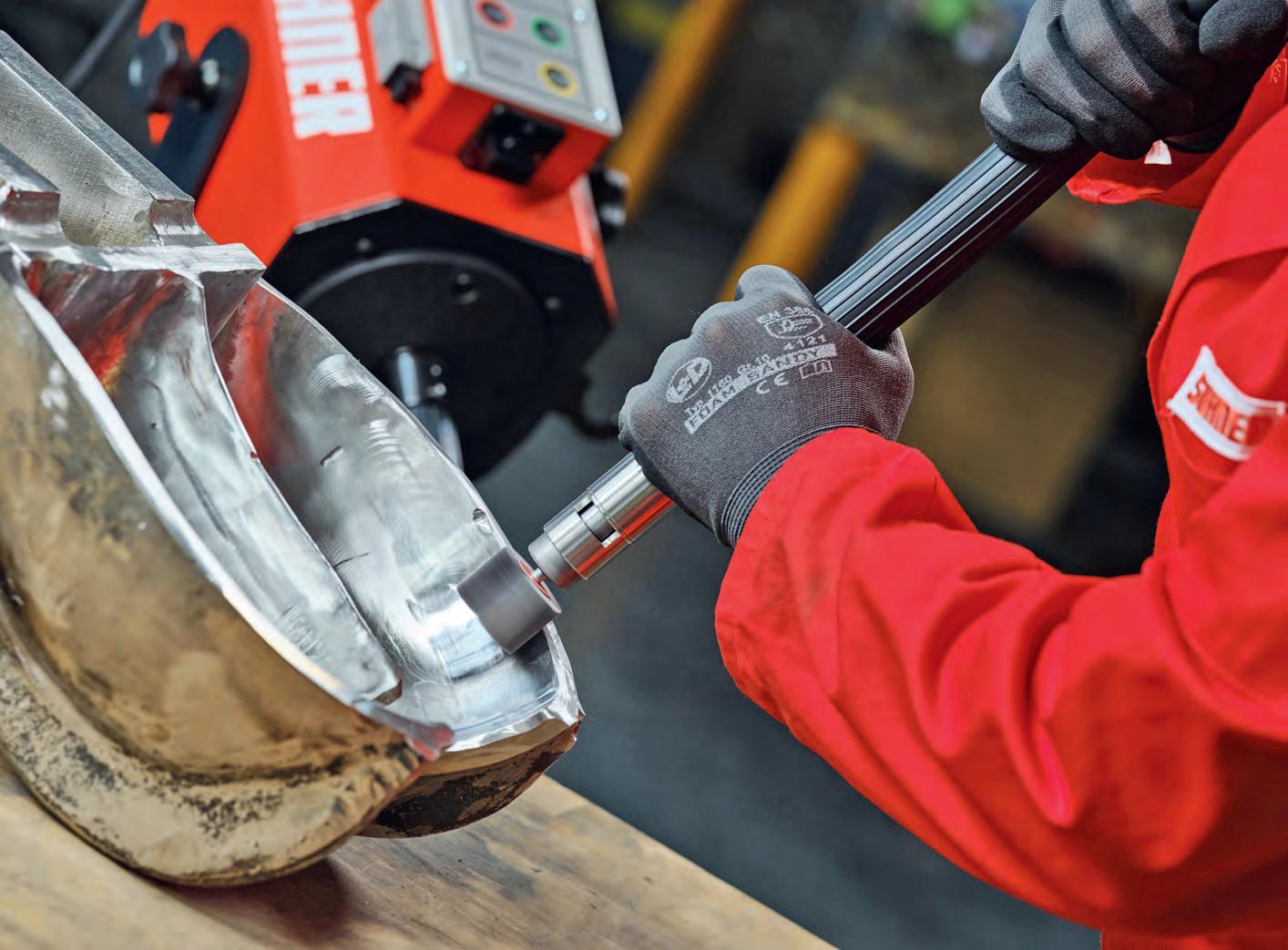
The hydropower industry demands supreme precision, durability and efficiency. SUHNER has established itself as an excellent partner for all grinding processes – from manufacturing and repair to the maintenance of water turbines. SUHNER offers fully customised solutions, a broad product portfolio, practical training and the SUHNER@Work service to guarantee the long-term performance of hydroelectric power plants.
Over time, whether Kaplan, Francis or Pelton, all hydropower turbines are subjected to immense stress factors that take their toll on surfaces and lead to wear during operation – be it water pressure, flow vortices or abrasive sediments in run-of-river water. So regular maintenance is essential to ensuring long-term plant performance, and is the only way to avoid power losses and prevent costly breakdowns. The regular maintenance of turbine components guarantees far more than just operational capability, as it has to ensure the long-term cost-effectiveness and sustainability of an entire plant. A key factor in this is surface treatment – by means of grinding. With its headquarters in Lupfig, in the Aargau region of Switzerland, SUHNER is a technology business that over many years has established itself as a reliable partner on the market, spanning all grinding processes – from grinding and deburring to polishing.
SUHNER’s wide product and service range has also been developed to serve the manufacture and maintenance of hydroelectric turbines. Precision grinding machines and abrasives allow metallic surfaces to be machined to the
highest quality standards. SUHNER delivers customised solutions to optimise processes and minimise machine downtimes in the fields of manufacturing, repair and maintenance. SUHNER technology is utilised at every stage in the lifecycle of a hydroelectric turbine – for regular maintenance, servicing and repairs. SUHNER places special emphasis on the repair and refurbishment of all types of hydro turbines – particularly Pelton, Francis and Kaplan turbines, while also working with small-scale power stations, too.
Key benefits overview
• High-precision machining: SUHNER tools and abrasives deliver the accurate results essential for the precise tolerance demands in hydropower technology.
• Long service life: High quality abrasives ensure aboveaverage durability, even with intensive use.
• Efficient maintenance: SUHNER products aid maintenance work to ensure all components operate at their maximum.
• Adaptable systems: The grinding machines can be freely tuned to a variety of requirements, and are ideal for both manufacturing and maintenance.
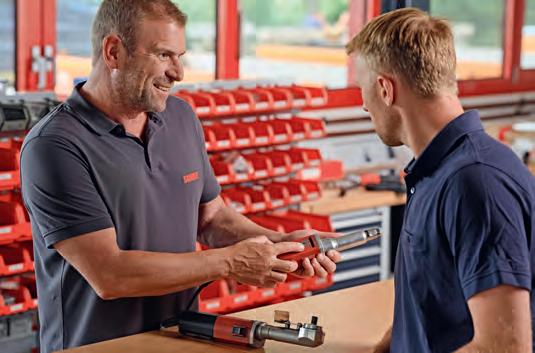
SUHNER further strengthens its market position by organising regular seminars and events featuring external speakers, presenting practical applications and potential solutions. These practical training courses and seminars are designed to help customers expand and refine their knowledge on many topics – be it crack testing, welding, choosing the right abrasive, or the hazards posed by grinding dust and welding fumes. The solutions offered help hydropower operators gain more knowledge and expertise, while at the same time strengthening trust in SUHNER as a reliable partner for the hydropower sector. The company has the opportunity to showcase its service portfolio, and share a wealth of hands-on knowledge. The next seminar is scheduled for 8 September 2026 at the in-house Application Centre in Lupfig. A particular highlight is the SUHNER@ Work service, where grinding machines can be tested on site to demonstrate their quality and practical suitability.
The grinding of turbine components is key to ensuring the efficiency and operational reliability of a hydroelectric power plant. Constant exposure to water and suspended solids causes material damage, particularly abrasion. Skilled grinding smooths surfaces again to restore optimum conditions and ensure the machine’s best performance.
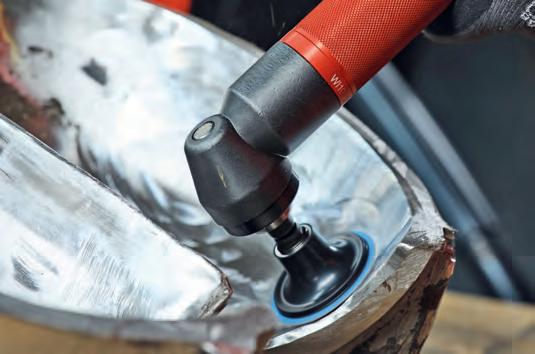
• Improved surface quality reduces friction and minimises turbulence
• Increased and optimised water flow efficiency boosts output and energy yield
Service life of components is extended by timely machining
• Major damage prevention minimises downtime
SUHNER
SUHNER grinding solutions serve the full lifecycle of a hydroelectric turbine. Precise and uniform surface finishing is essential for efficient long-term operation in all power stations with Pelton or Kaplan turbine installations.
The product range comprises a wide spectrum of grinding tools, grinding machines and abrasive materials, and includes high-performance grinders, belts, pins, pastes and logistics solutions for consumables. Careful maintenance, which includes grinding, protects a hydroelectric power plant’s technical infrastructure and enhances the cost-effectiveness and sustainability of every operation.
More at: www.suhner.com
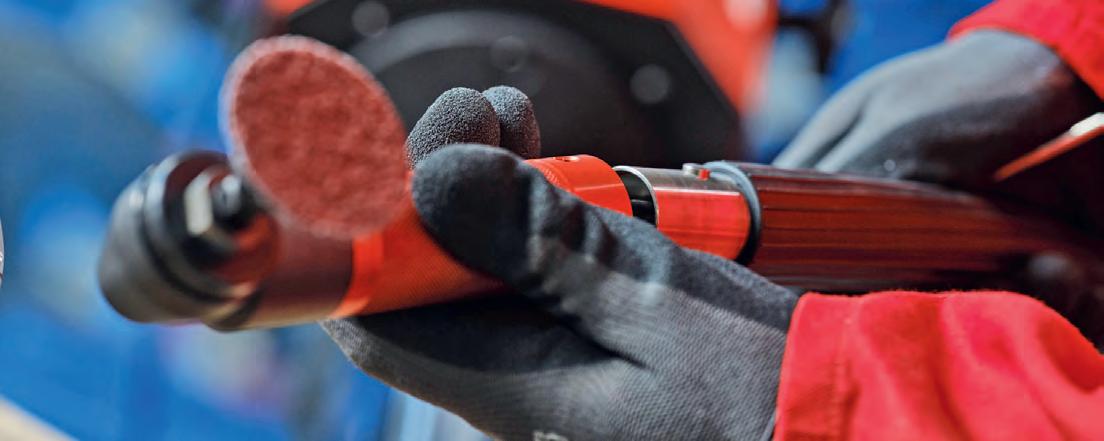
By the very nature of things, hydropower high-pressure components are subject to notoriously high demands in terms of quality and choice of materials. When it comes to high-pressure equipment such as turbines and penstocks are concerned, overall material quality and manufacturing precision are both crucially important. It is in this highly specialised market sector that Italianbased PELFA Group has established itself as a dedicated steel construction expert for hydropower components that are required to withstand extreme load conditions. A number of recent projects - ranging from components for facilities with up to 180 bars of pressure (more than 2600 psi) to parts measuring up to 8 m in diameter - underscore PELFA Group’s competence: wide-ranging skills that are appreciated and relied on by operators and customers around the world.
A© PELFA Group
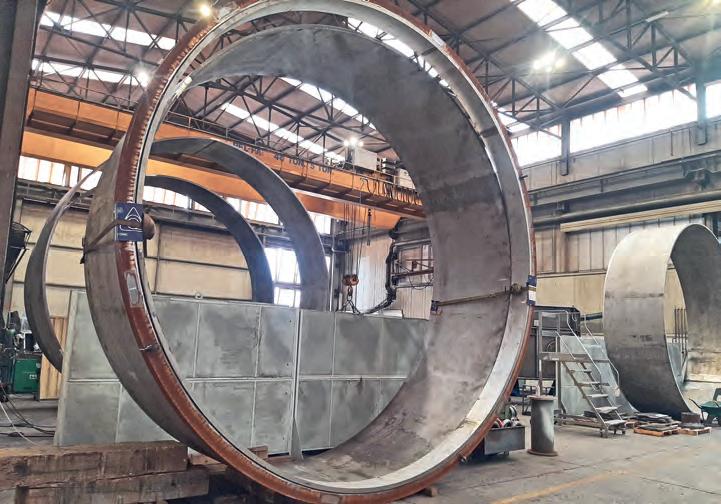
hallmark characteristic of PELFA’s components is the wide range of raw materials used in their manufacture. Among others, these include steel grades S355J2 + N, S355ML, S460 and S690, as well as martensitic and austenitic versions, such as grade 1.4313 and 1.4301 steel. These materials meet a wide spectrum of solidity and corrosion-specific requirements, making them suitable for a variety of different operating conditions. A task requiring special sophistication is the proper combination of material qualities within the same component. Differences in mechanical and thermal properties require highly fine-tuned manufacturing and welding processes. In many cases controlled, temporary pre-heating is necessary to minimise tension and ensure the proper seam quality. Achieving the required quality is a highly demanding task, both in terms of of the engineers’ expert knowledge and the test procedures. When it comes to fabricating the large-sized components, another essential asset, in addition to high-level manufacturing skills, is the appropriate machinery equipment, which has been the focus of much of PELFA’s investment in recent years. By now the Italian experts have
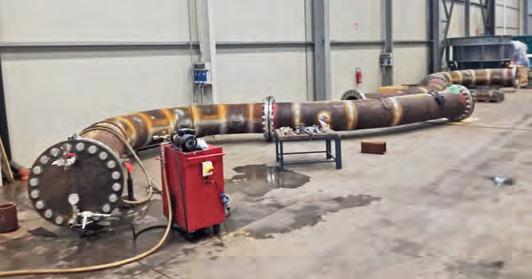
refined their capabilities to a point where they can process components with diameters of up to 8 metres and weights up to 100 tons.
Universal quality requirements
Even when working on smaller-sized machines, PELFA keeps to the notoriously high quality standards required in large-scale hydropower engineering. A case in point are PELFA’s distribution pipelines for horizontally or vertically aligned Pelton turbines, which are designed for extreme design pressures. In 2024, PELFA provided the distribution pipelines for two double-jet Pelton turbines designed for a gross head of 211 m for hydropower plant Obervellach II, which is operated by ÖBB, Austria’s national railway operator. A year later, a vertically aligned Pelton machine for a gross head of more than 300 m was delivered for a hydropower project in Peru. In addition to component manufacturing, PELFA also offers on-site installation services for complete turbine units, including the performance of various test procedures under the supervision of internationally certified inspection bodies.
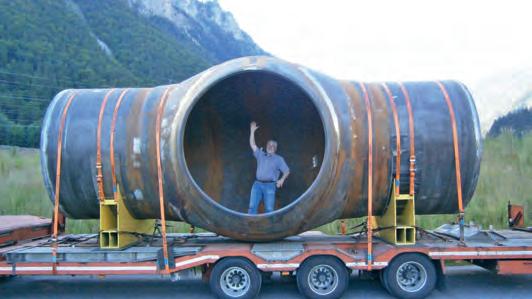
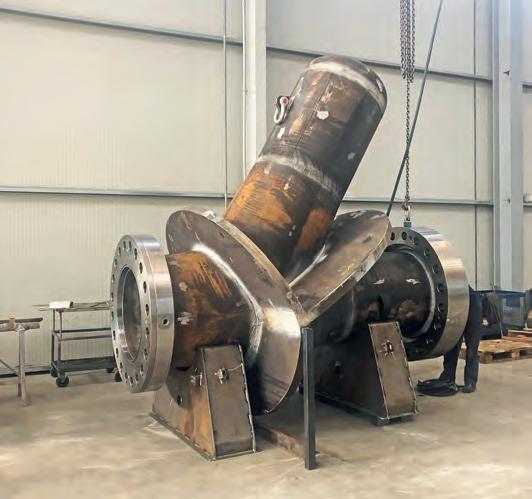
Precision-tailored junction box for pumped-storage plant Reisseck, manufactured to 180 bars of design pressure.
Specialist for high-pressure hydropower projects
The high water pressures that are typical for pumped-storage facilities exert an enormous force, not just on the turbines themselves, but also along the motive water stream. Apart from the need to withstand these extreme conditions, the affected penstock components are also required to comply with stringent safety regulations. Where penstock engineering is concerned, PELFA Group also has the necessary capabilities to perform, certify and document the required manufacturing and test processes. Recent references of note include the manufacture and delivery of pipe manifolds and pipe branches for the Reisseck pump station in Austria. VERBUND, the facility’s operator, imposed requirements for design pressures of up to 180 bars (approx. 2600 psi). For this particular project the engineers used S460 and S690 type high-strength materials, which require extremely accurate processing and special welding techniques. Another example of PELFA’s manufacturing competence is a T-piece for pumped-storage project Innerkirchen 1A in Switzerland. The use of high-strength for this component called for highly specialised welding methods as well as a targeted heat treatment to ensure the required mechanical properties. Another challenge was the fabrication of special expansion joints on the new penstock for pumped-storage power plant Kruonis in Lithuania. With external diameters of about 5.7 m, these components are designed to compensate for expansion and contraction effects caused by variations in operating conditions and temperatures inside the 900 m penstock. The combination of materials, including S355J2 + N, S355ML and 1.4301, and forging stock P460 QH, was a challenging task in terms of manufacturing, welding and testing, demanding the careful attention and full concentration of the production and quality assurance teams.
With this string of impressive reference projects under their belt, the steel construction engineers were pleased to see their universal manufacturing skills, extensive know-how and professional specialisation receive worldwide recognition. Accordingly, PELFA Group has earned a well-deserved reputation as a capable and efficient partner for high-pressure hydropower applications.
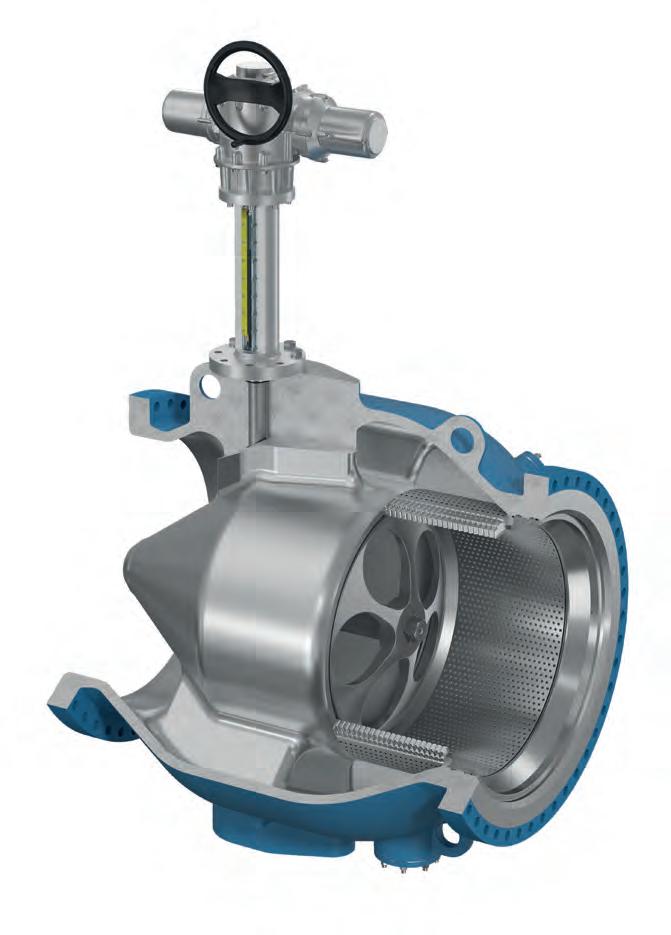
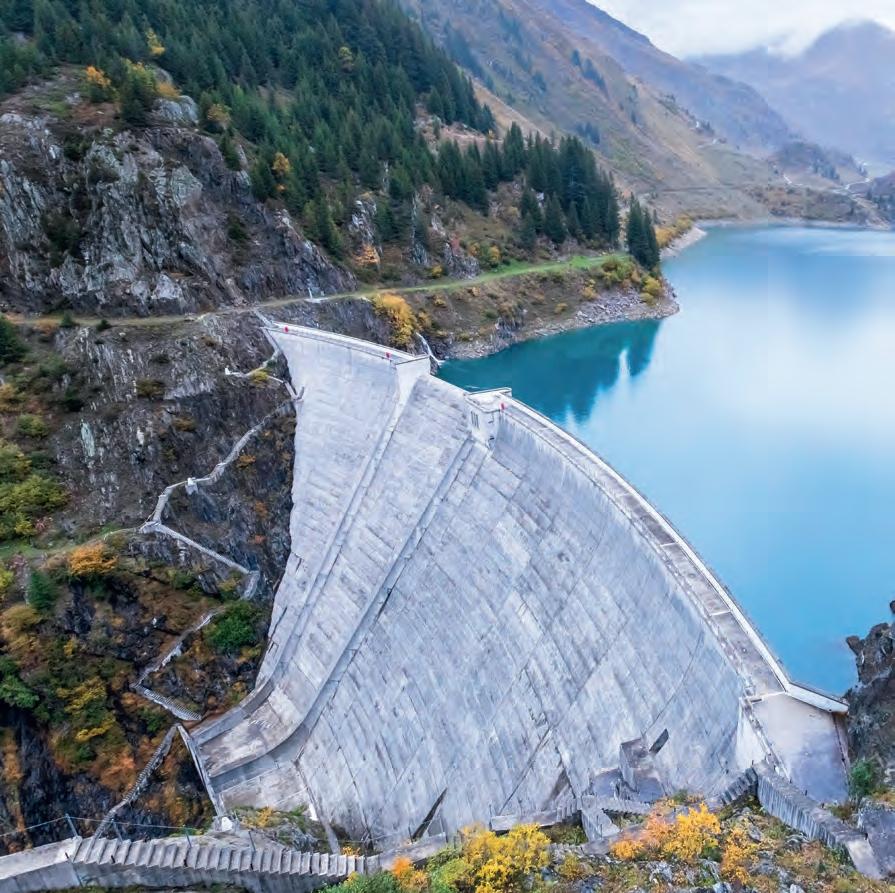
Based on a simplified and robust design, the StreamDiver reduces system complexity and supports efficient, reliable operation. The compact concept enables flexible integration and reduces maintenance requirements.