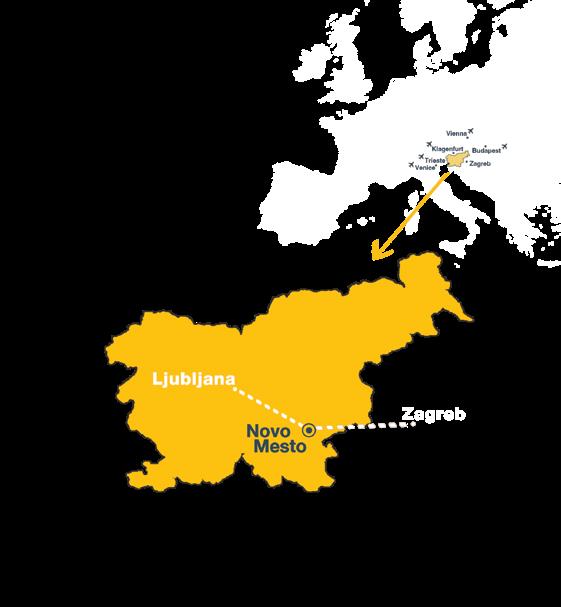

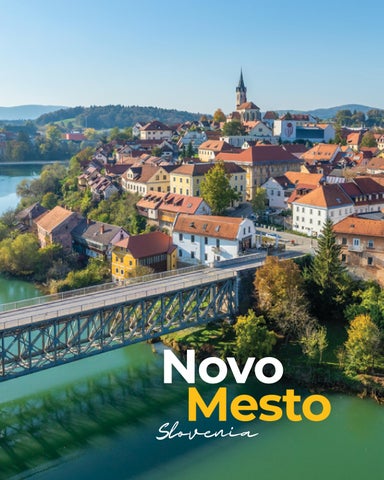
the capital of the Dolenjska region, a city with more than 660 years of history and vibrant traditions.
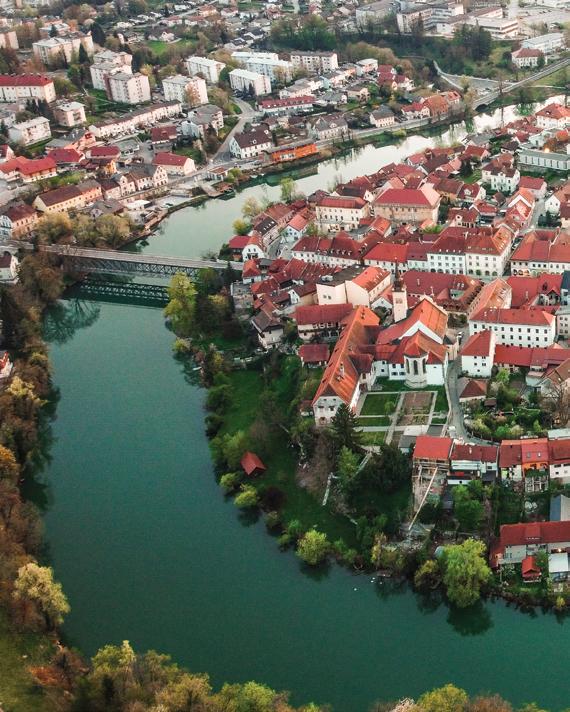
Founded in the year 1365, the city lies on seven hills in the midst of a picturesque, undulating landscape and is an archaeological jewel that has grown up within the most pronounced bend of the river Krka. The seventh biggest city in the country, Novo Mesto is the commercial and administrative centre of south-eastern Slovenia, a regional healthcare and education hub, an important transport node and the cultural heart of Dolenjska.
Area: 236 km2
Population: 38,563
Elevation: 220 m
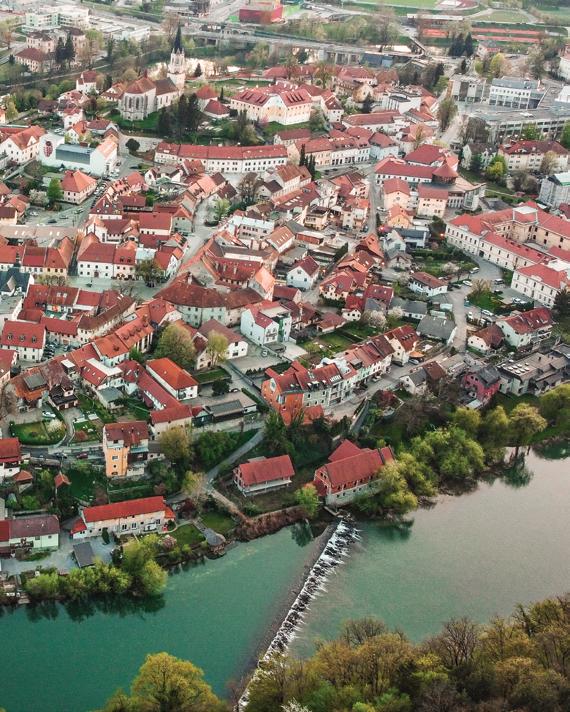
Novo Mesto’s Late Bronze Age archaeological sites (Marof, Šance, Kapiteljska njiva, Mestne njive, Bršljin) are evidence of the intensive settlement of the area in the ninth and eighth centuries BC. The numerous changes that occurred at the end of the Bronze Age were the foundation for the powerful new Iron Age community of Novo Mesto.
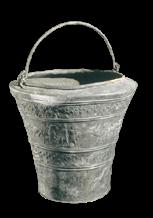
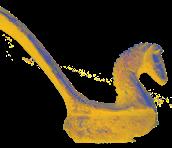
Dolenjska emerged in the Early Iron Age as a highly developed and significant area with a culture that is today referred to as “flourishing Dolenjska Hallstatt”. Novo Mesto was one of the most important prehistoric centres. Valuable finds such as bronze situlae, glass beads of various colours, jewellery and ceramic vessels are evidence of the remarkable skills of the era’s craftsmen.
Noble families and religious institutions begin to establish market towns and urban settlements in newly acquired territories, including Novo Mesto. This period is characterised by the emergence of castles, monasteries, parishes and churches.
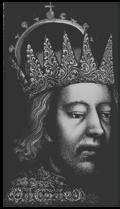
Duke Rudolf IV of Habsburg founds a town on a bend of the river Krka and names it Rudolfswerth after himself, although from the very beginning the inhabitants call it Novo Mesto (Newestat).
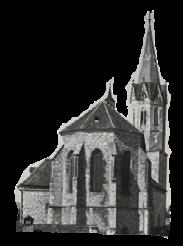
Franciscan friars fleeing the Ottoman Turks settle in the town. They build a church and friary on the site of a chapel dedicated to St Leonard. The learned friars begin to play a significant role in the instruction of youth.
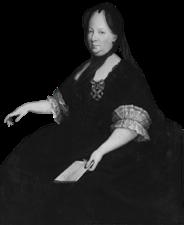
Empress Maria Theresa founds a gimnazija in Novo Mesto and entrusts the guidance and instruction of its young students to the Franciscans. This school is today the second oldest gimnazija (academic secondary school) in Slovenia.
Many pre-war societies and associations renewed their activities in this period. In 1920 a group of young Novo Mesto artists – including the poets Miran Jarc and Anton Podbevšek and the visual artists Božidar Jakac, Marjan Mušič, Ivan Čargo, Zdenko Skalicky, among others –staged, under the patronage of Rihard Jakopič and together with guests, an artistic event that marked a turning point in both art and contemporary life. Consisting of an exhibition of landscape painting, a literary recital and a concert, the event is remembered in the cultural history of Slovenia as the “Novo Mesto Spring”.
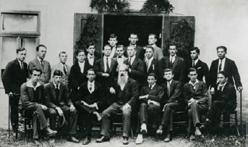
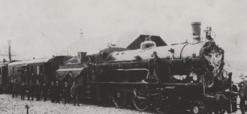

Novo Mesto was briefly under French administration in the early years of the nineteenth century. The second half of the century saw a national awakening and the emergence of various national societies offering moral and financial support to the idea of Sloveneness. It also saw the arrival of the railway, the opening of the hospital and the construction of Kandija Bridge and various important public buildings. The first narodni dom (house of the nation, national home) in Slovenia was built in Novo Mesto in 1873 and quickly became the centre of cultural and social life in the city.
Novo Mesto becomes the economic, administrative, cultural, religious, educational and sporting centre of southeastern Slovenia. It is home to some of the biggest names in Slovenia’s export economy – including Krka, Revoz, Adria Mobil and the TPV Group – and many other dynamic companies.
A key milestone of the modern era is the establishment of the public University of Novo Mesto.
Novo Mesto lies on seven hills, of which Marof and Kapitelj Hill are the most archaeologically important. It is here that archaeologists have unearthed the rich heritage of the Early Iron Age, because of which the Dolenjska Hallstatt is the most prominent representative of Hallstatt culture in central Europe.
Rich deposits of iron ore and advanced ironworking techniques enabled this area to flourish in as early as 1000 BC. It became an important European centre, as is demonstrated by the numerous remarkable archaeological finds from the area.
The archaeological site with the largest number of Iron Age situlae in Europe
A total of 16 bronze pails, known as situlae, have been found in Novo Mesto, including nine decorated examples that would have been used at special ceremonial functions. Situla art, full of mythological scenes, offers us a unique insight into the life of Hallstatt aristocracy.
A site of countless glass beads
As well as situlae, Hallstatt graves in Dolenjska have yielded tens of thousands of glass beads of various colours, used for jewellery – a quantity that is a thousand times greater than anywhere else in Europe.


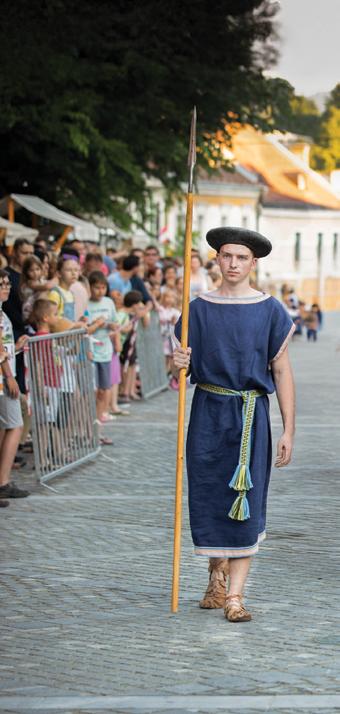
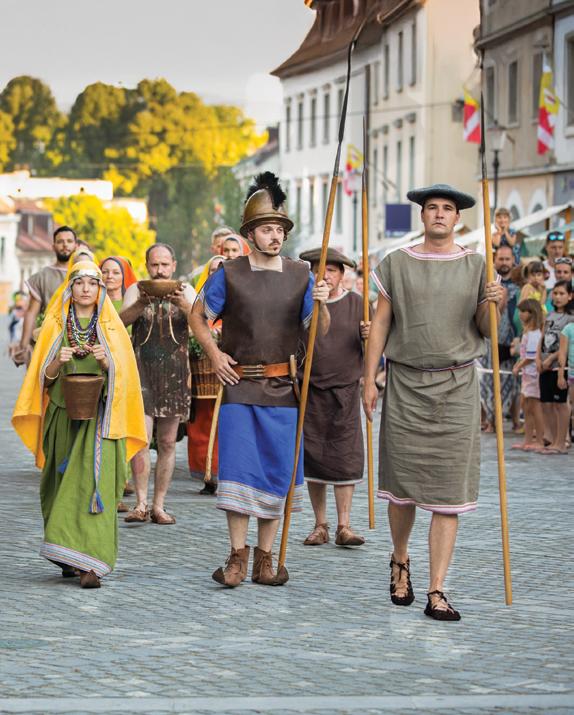
Every year, in June, the Dolenjska Museum organises the Situlae Festival, an event dedicated to archaeological heritage and the life of the region’s inhabitants in the Hallstatt period. The event combines tradition and a contemporary urban outlook and offers a unique opportunity for a journey back into the past. Come and experience the spirit of Iron Age society at craft fairs, archery trials, workshops, performances by singers and dancers and food stalls!

The Archaeological Image of Dolenjska is one of the permanent exhibitions of the Dolenjska Museum, with exhibits including situlae and artefacts made of glass, amber and metal that offer visitors an insight into the region’s rich prehistoric heritage.
Novo Mesto’s old town centre, surrounded by the remains of the medieval town walls, invites visitors to stroll through a rich history stretching back to the fourteenth century. The principal space in the old town is the main square, Glavni Trg, the biggest medieval square in Slovenia, for centuries a meeting place for merchants, artisans and the town’s inhabitants. Its architecture reflects the influences of different historical periods, from Gothic and baroque to art nouveau. The square is still the vibrant centre of the city’s social life today, with festivals, markets, concerts and other events taking place throughout the year and attracting locals and visitors from far and wide.
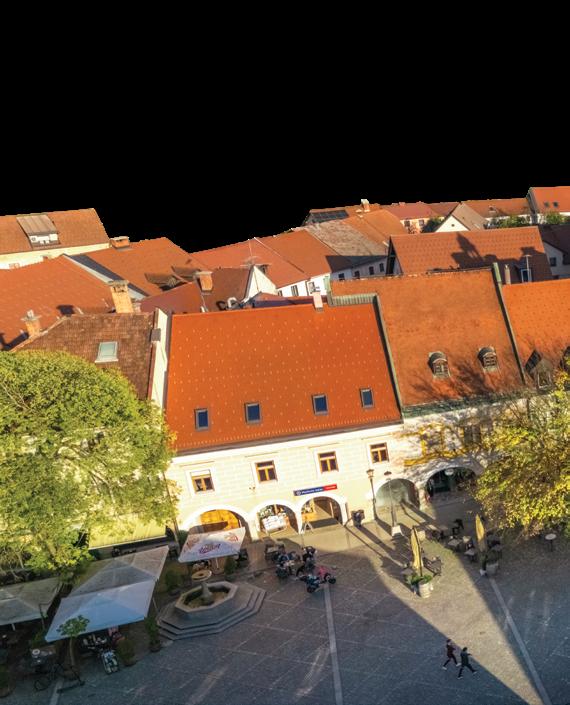
This polygonal marble fountain was designed by the architect Marjan Mušič and erected in 1955. Lines by the Slovene poet Dragotin Kette are carved around the rim of the fountain’s lower basin. Taken from his poem Na trgu (In the Square), they describe a tranquil nocturnal scene.
The arcades of the houses in the upper part of Glavni Trg are the square’s most distinctive architectural feature. These houses, of a distinct type associated with merchants and craftsmen, are proof of the town’s economic strength even in past centuries, when the square was surrounded by the houses of rich merchants, many of them with an inner courtyard or atrium.
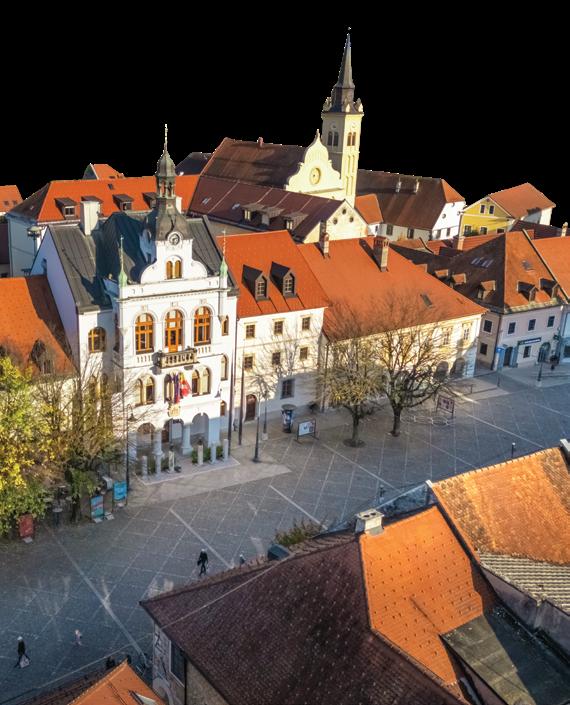
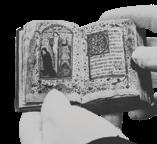
Novo Mesto’s Franciscan friary, colloquially known as Klošter, is home to the city’s oldest library, dating from the late fifteenth century and containing around 22,000 books. Particularly precious items dating from the period of the library’s foundation are its incunabula – early printed books, individual pages or illustrations.
Novo Mesto’s town hall, a cultural monument of national importance, was built in 1905 by the builder Josip Olivo, to plans by the architect Anton Wolf of the Krainische Baugesellschaft (Carniolan Building Company), on the site of the former town hall. The building’s facade combines neo-Romanesque and neo-Gothic elements. Busts of Dragotin Kette and Janez Trdina sit on columns either side of the entrance.
Breg
Dolenjska Museum
Bishop’s Palace
Kapitelj
Šance
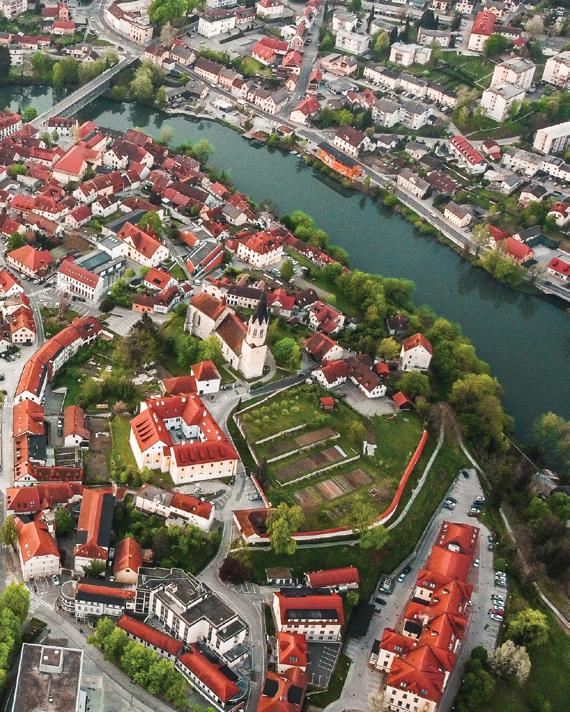
The Cathedral Church of St Nicholas, otherwise known as Kapitelj, has been an important element of Novo Mesto’s skyline for centuries. Its imposing Gothic architecture rises up above the old town centre and helps create the city’s distinctive silhouette. First mentioned in 1428, the church was elevated to a cathedral following the creation of the Diocese of Novo Mesto in 2006. Its interior contains numerous valuable works of art – including a painting of St Nicholas by the Venetian master Jacopo Tintoretto, one of the most important Renaissance painters in Europe, which occupies the central panel of the altarpiece behind the high altar.
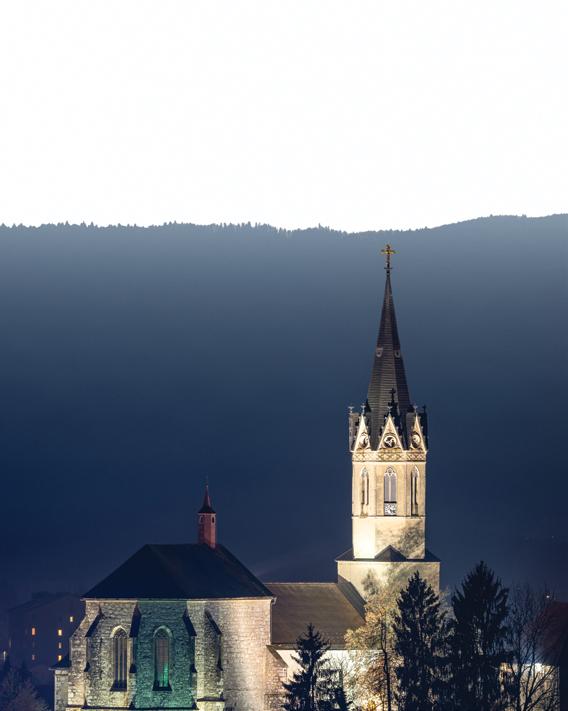
Located at the top of the cathedral bell tower, the Observation deck Kapitelj offers stunning views over the old town centre, Trška Gora, the Gorjanci with Trdinov Vrh, and the river Krka winding through the landscape. Climb the bell tower that offers one of the most beautiful panoramas in the city!
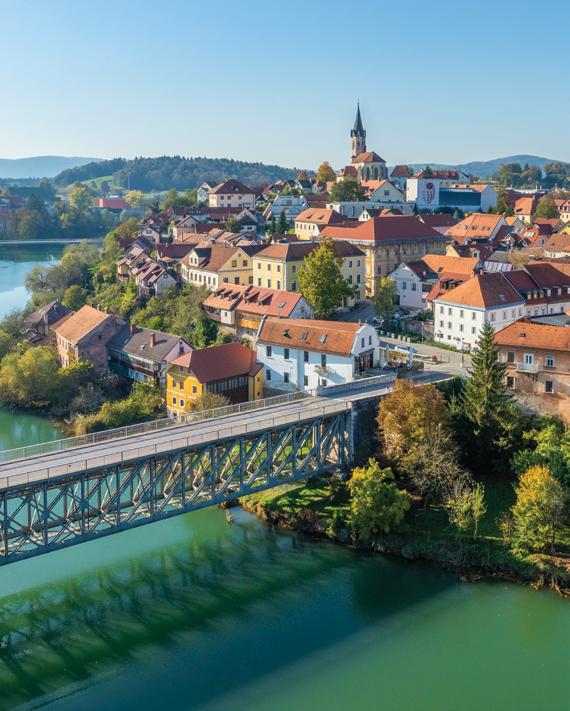
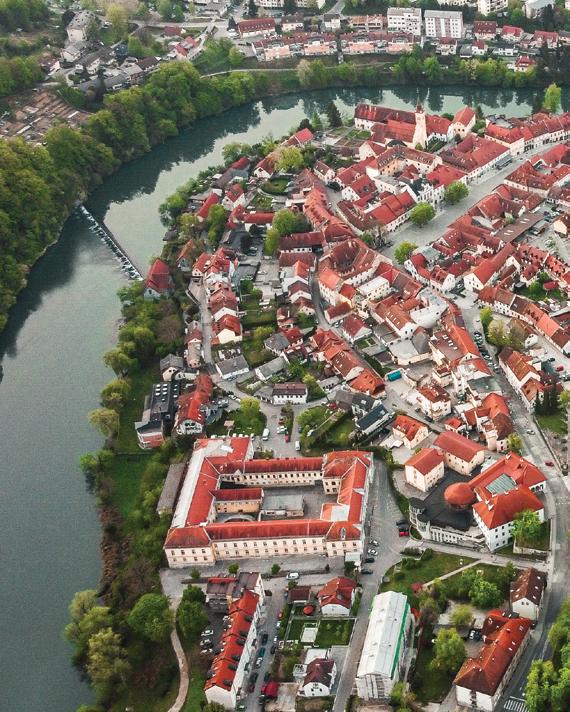
Breg is a picturesque district in Novo Mesto’s old town, famous for its characteristic architecture of closely packed houses that follow the line of the former town walls, incorporating their remains and blending harmoniously with the natural relief of the Krka riverside. Dating from the late eighteenth century, it represents one of the best-known views of the city. Once a mainly working-class area, Breg is today a favourite subject for photographers, painters and visitors.
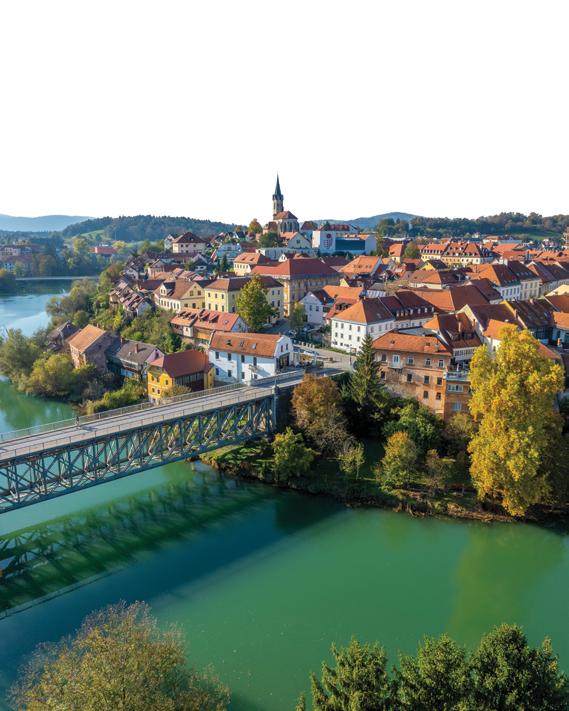
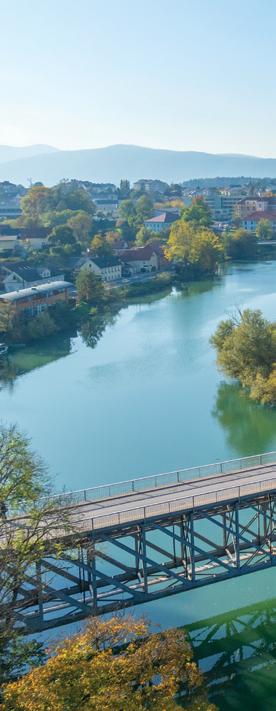
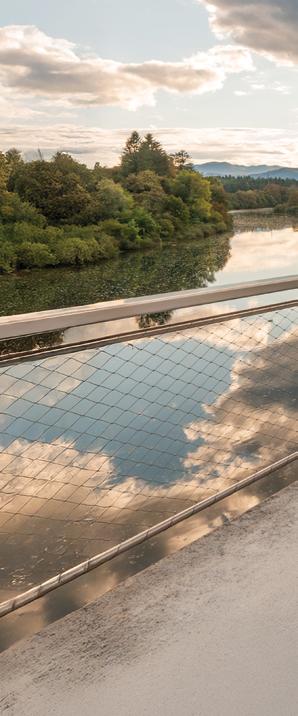
This iron bridge connecting Novo Mesto’s old town centre to the Kandija district on the other side of the river was built in 1898 and replaced a previous wooden bridge. Its riveted structure, which spans the Krka in a single 75-metre arch, is the oldest of its type in Slovenia and one of the few examples of this method of construction in the country. In 1992 the bridge was proclaimed a cultural monument of local importance.
Every summer since 2014, Novo Mesto has hosted the traditional Krka Bridge Jumps, an international event at which competitors jump from Kandija Bridge into the Krka below and score points for the boldest, most difficult and most spectacular jumps.
The Krka is the longest river in the Dolenjska region. Its entire length is included within Natura 2000 protected areas. The valley of the Krka is a remarkable blend of natural and cultural heritage. At the start of the 20th century, more than 40 mills and 24 sawmills were working on the Krka and they were an important part of the life and livelihoods of the local people.
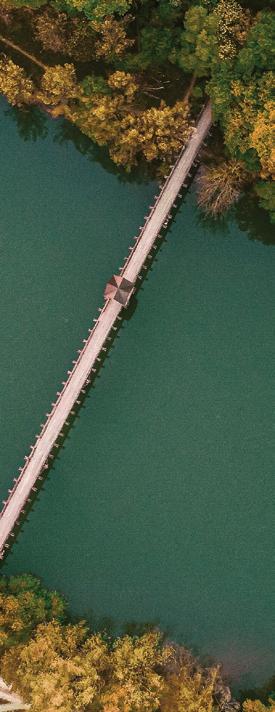
The Krka is crossed by 5 bridges in Novo Mesto: the railway bridge, Šmihel Bridge, Kandija Bridge, Ragovo Bridge and Ločna Bridge. 3 other crossings are available for pedestrians and cyclists: Loka Footbridge, Julija’s Footbridge and Štukelj Footbridge. The latter two are the work of the internationally acclaimed engineer and bridge designer Marjan Pipenbaher.
The Krka is the only river in Slovenia that forms travertine in its bed. With the help of the latter, it creates islands, dams and ledges, over which the water cascades. There are around 100 travertine ledges in the bed of the Krka, giving the river a unique character.
• Take a swim in the refreshing Krka in the hot summer months.
• Hire a paddleboard, rowing boat or canoe at the Town Beach and explore the river.
• Grab a fishing rod and try your luck at catching a brown trout or even a rainbow trout.
• Adventure lovers can set off on a river safari by kayak through unspoilt natural surroundings.
• For a very special experience, book a trip on a pleasure raft and discover the city from the water, as experienced raftsmen steer you down the river.
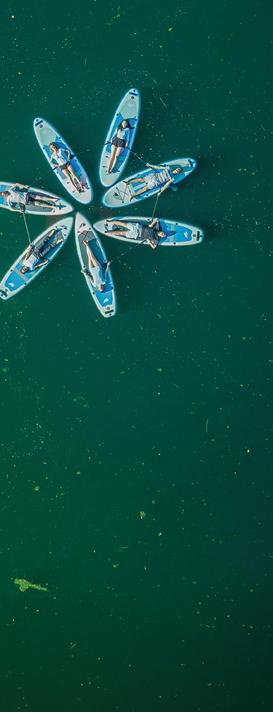
One of the oldest events in Novo Mesto, with origins dating back to the nineteenth century, Night on the Krka is an opportunity to experience the unique riverside atmosphere. The event includes an international gathering of marching bands and dazzling performances by majorette groups.
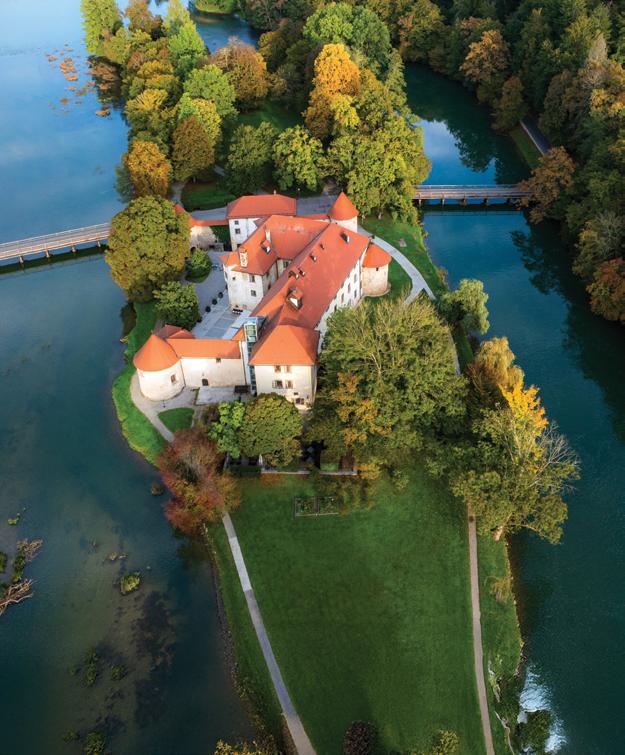
Otočec Castle, the only water castle in Slovenia, first appears in historical records in the thirteenth century. Having undergone numerous changes of ownership and architectural style over the centuries, it is now protected as a cultural monument of national importance. Surrounded by an idyllic castle park and one of the most beautiful golf courses in Slovenia, Otočec offers a unique experience for all tastes. Today the castle is a five-star luxury hotel and a member of the prestigious international hotel and restaurant association Relais & Châteaux.
River Krka, river Temenica, fishing lakes
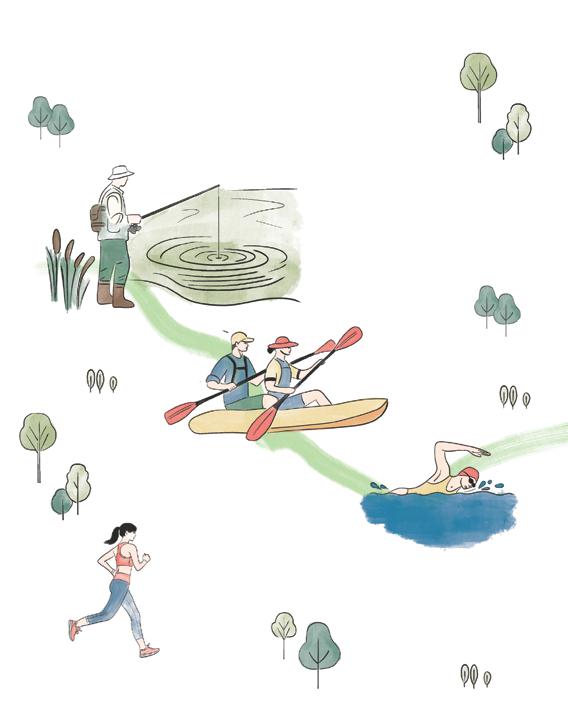
Recreation Park (jogging trail, motor skills activity park, sensory trail), Flypark (outdoor trampoline park), Advent Novo Mesto ice skating rink
River Krka, river Temenica
Mrzla Dolina, Boričevo, Birčna Vas, Brusnice
Portoval Stadium, Novo
Mesto Olympic Centre, Portoval wood, Ragov Log wood
Novo Mesto Pool, river Krka
Novo Mesto Velodrome, Trška
Gora Access Point, Novo Mesto
Pump Track, Zverinice MTB Skill Park, Gorjanci Trails
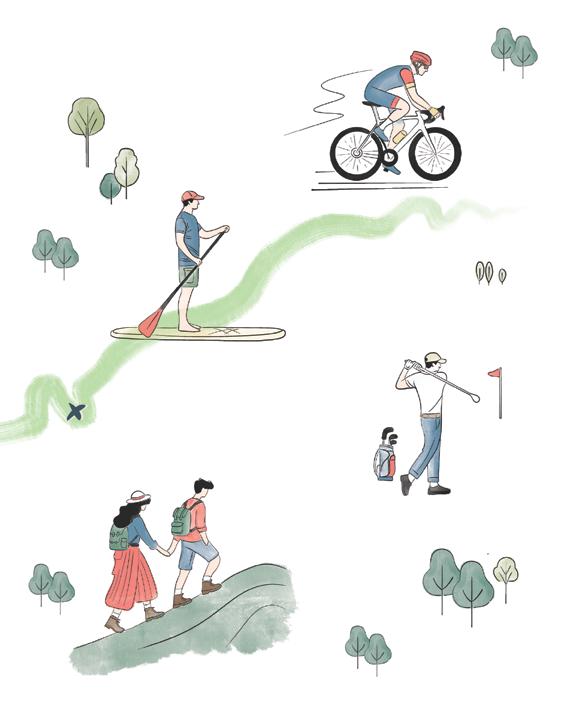
Češča Vas Equestrian Centre, Bajnof Riding School
River Krka, river Temenica
Novo Mesto
Golf
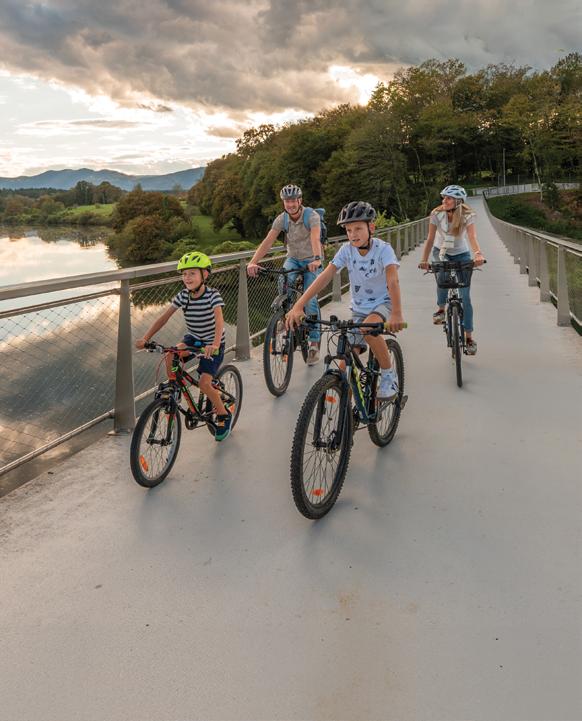
Novo Mesto is proud to be known as the cycling capital of Slovenia. As well as wonderful views, it offers excellent infrastructure, friendly local hosts and numerous cycling events that make it a paradise for all cycling enthusiasts, be they beginners, adrenaline seekers, seasoned cycle tourers or simply loyal cycling fans.
Take advantage of the undulating Dolenjska countryside with its numerous marked cycling routes, suitable for recreational cyclists and families alike. The most popular routes include: Along the Krka by Bike, Trška Gora Route, Dolenjska Circuit, Podgurje Cycling Route, To Trdinov Vrh, Along the Krka to the Velodrome, and 21 Bridges of the Krka.
Adrenaline seekers tired of predictable trails can try out the urban pump track in Loka. Mountain biking enthusiasts can visit an MTB park. Several providers in the surrounding area offer e-bikes for hire. The GoNM bike share scheme offers an easy way to get around the city by bike.
One of the highest profile events is the Tour of Slovenia, organised by Novo Mesto’s own Adria Mobil Cycling Club, Slovenia’s most successful cycling team. Several other cycling events take place in the city every year, including the Krka Valley Cycling Marathon, SloEnduro Gorjanci and the Round Slovenia Charity Ride (aka DOS).

The Tour of Slovenia, an international road cycling stage race followed by almost 10 million spectators all over the world, finishes every year in Glavni Trg, Novo Mesto’s main square, where the race has either started or finished on more than 35 previous occasions – more than anywhere else in the history of the race.
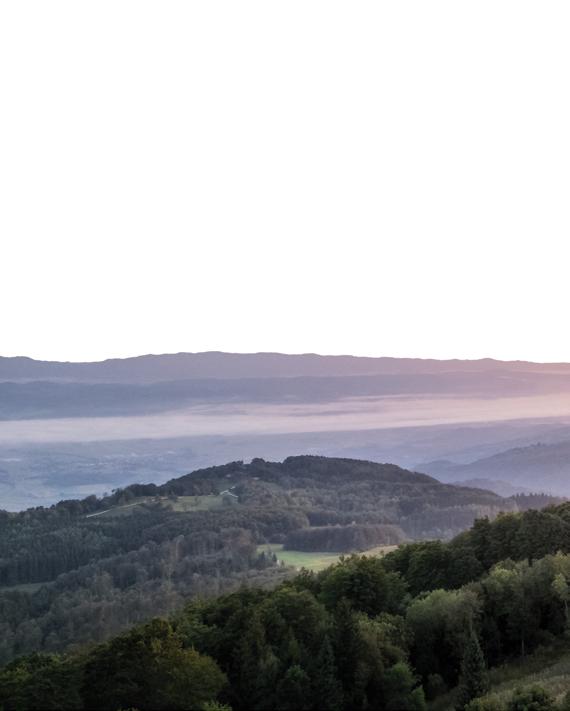
Novo Mesto and its surrounding area offer a diverse range of hiking trails leading through picturesque forest, over hills and past vineyards and offering stunning views of the Dolenjska landscape. There are trails of all difficulty levels – from easy walks in the urban woods of Portoval and Ragov Log, perfect for those who just want a bit of fresh air, to more demanding ascents of the surrounding hills, where you can also enjoy the local specialities served to hungry hikers in mountain huts.
Shorter trails with less elevation gain are ideal for families and less experienced hikers. Popular examples include the Mach Educational Trail, the Seven Hills of Novo Mesto Trail, the Three Castles Trail, the Slak Trail, the Rudolf Trail, the Forgotten Half of Novo Mesto Trail, the Julija’s Footbridge and Štukelj Footbridge Trail, the Kette Educational Trail, a branch of the Way of St James, and many others. More experienced hikers head for the Gorjanci, the Dolenjska region’s most visited range of hills, which together with Trdinov Vrh (Trdina’s Peak) are part of (or the end point of) numerous hiking trails. Longest of all, at around 150 kilometres, is the Trdina Trail, which starts in Novo Mesto and runs through the most beautiful parts of Dolenjska. The Gorjanci are an important area for recreation. With numerous marked hiking trails and mountain paths and two permanently staffed mountain huts – the Gospodična mountain hut and the Miklavž mountain lodge – they are a popular destination for hikers and hillwalkers.
The Gorjanci are the biggest range of hills in Dolenjska, extending along Slovenia’s southern border. The highest point, Trdinov Vrh (Trdina’s Peak) lies at an elevation of 1,178 metres. The area is covered by extensive beech forests with some surviving remnants of old-growth forest and areas of grassland. Numerous springs make the area an important source of drinking water for the Novo Mesto Basin. The two best-known springs are Minutnik and Gospodična. The Gorjanci are not only a natural attraction, they are a treasure trove of folk tales and myths, immortalised by Janez Trdina in his work Tales and Legends of the Gorjanci Hills. According to folk tradition, water from the Gospodična spring possesses miraculous rejuvenating power, preserving the youth and vitality of anyone who drinks it.
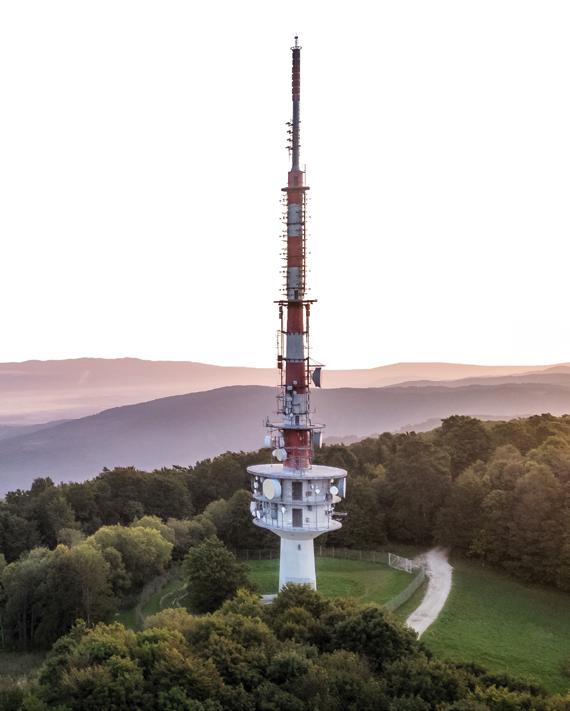
Novo Mesto is the birthplace of Alojz Knafelc, the creator of the well-known red and white blazes or waymarks that are today an unmissable part of hiking trails and mountain paths throughout Slovenia. Knafelc trail blazes enable hikers to orient themselves safely and guide them along tested routes, from easy footpaths to more difficult climbs in the mountains.

Set in the heart of nature, where elite sport and recreation intertwine, stands a modern sports complex that offers excellent conditions for professional athletes and recreational sports enthusiasts of all ages throughout the year. As one of the key national training centres for cycling, athletics, swimming and triathlon, it draws athletes from all over Slovenia and the wider region.
The surroundings of the Olympic Centre offer numerous opportunities for exercise and relaxation outdoors. A sandy one-kilometre jogging trail with multiple exercise stations, a motor skills activity park with playground equipment made from natural materials, and sensory trail adapted for the blind and visually impaired offer a unique way to explore nature.
Horse riding, which combines outdoor exercise and contact with animals, is a blend of relaxation and recreation. Beginners and experienced riders alike can choose from a variety of programmes at the equestrian centre.

The pool complex, consisting of a 25-metre swimming pool and a 20-metre training pool, accommodates organised competitive swimming and recreational swimming for all ages. It also hosts various competitions and makes an important contribution to the development of water sports in the local area. It received the Golden Pencil architectural award for outstanding infrastructure.
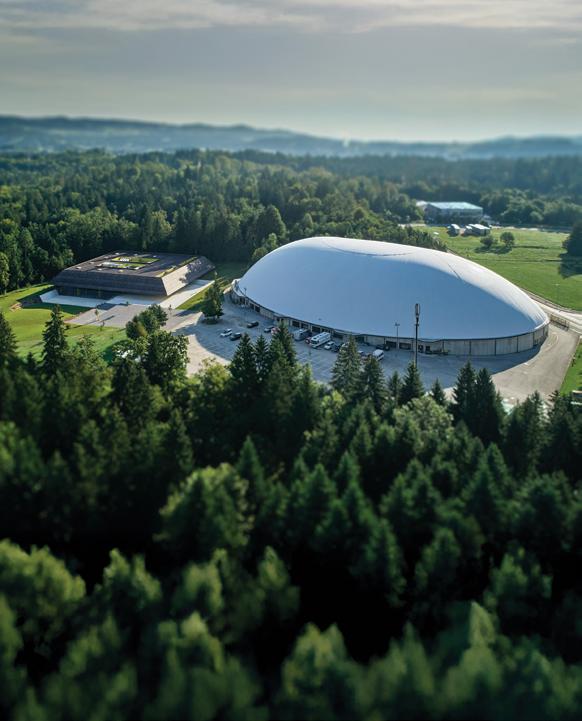
The velodrome, built for the 1996 UCI Junior Track Cycling World Championships, underwent a complete refurbishment in 2018. One of the few covered and heated velodromes in this part of Europe, it incorporates both a cycling track and athletics facilities and can be used all year round.
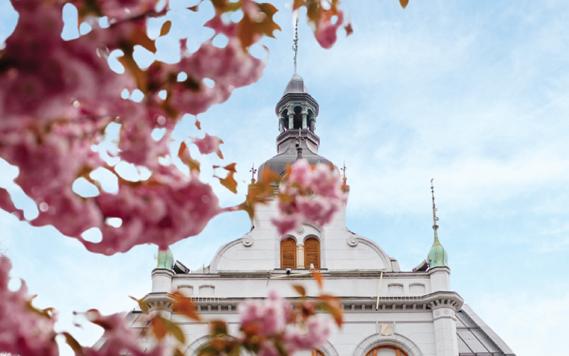
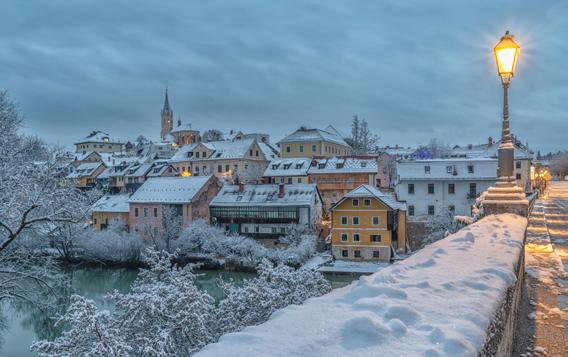
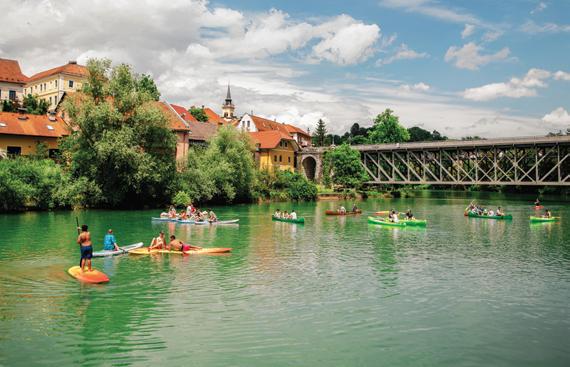
Visit the capital of Dolenjska in spring, when reawakening nature calls you outside for long walks; in summer, when the warmer temperatures offer ideal conditions for activities on the Krka; in autumn, when the vineyards turn golden-yellow; or in winter, when the old town centre glows with festive spirit and magical December events.
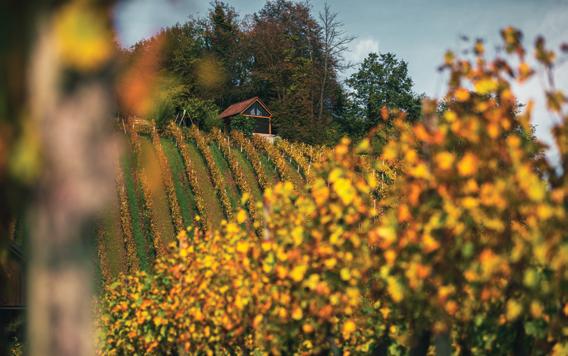
Trška Gora has the highest density of vineyard cottages of any wine-growing hill in the world. Its summit (428 metres above sea level) is crowned by the Church of the Nativity of the Blessed Virgin Mary, a pilgrimage church built in 1621, and the more than 400-year-old lime trees of Trška Gora – the thickest lime trees in Dolenjska. Besides its viticultural significance, the hillside is deeply imbued with a poetic spirit that has inspired numerous musical creators, including the composer Marjan Kozina and the diatonic accordion virtuoso Lojze Slak.
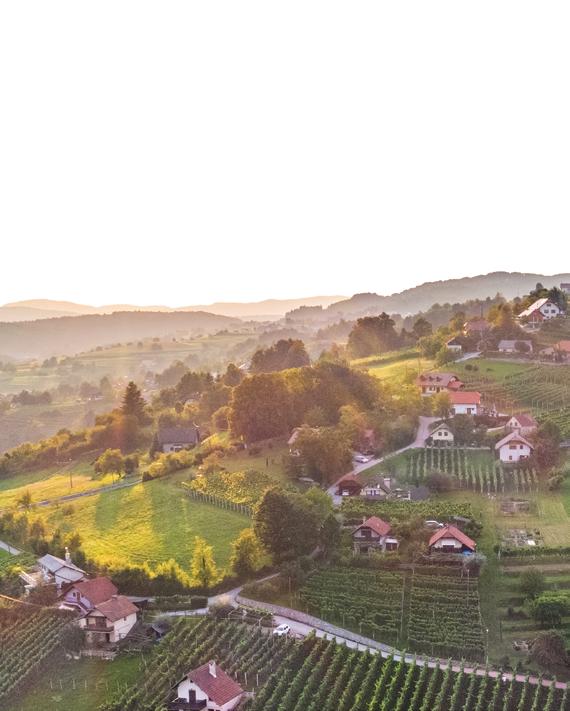
An organised hike along the Slak Trail takes place every May in memory of the Dolenjska virtuoso of the diatonic accordion and legend of folk music, Lojze Slak, who owned a vineyard and vineyard cottage on Trška Gora. You can also explore the eightkilometre circular trail on your own. Besides the Slak Trail, the Three Castles Trail is another popular hiking route, running from Otočec Castle past Stari Grad to Hmeljnik Castle.
Vineyard cottages are small buildings located in vineyards throughout the hilly landscape of Dolenjska. They are used for storing grapes and winemaking and often serve as accommodation for vineyard workers during periods of intense activity. They also function as social gathering places, particularly during the grape harvest.
As part of the tourism initiative Open Vineyard Cottages, the owners of the vineyard cottages on Trška Gora also open their doors to visitors. Every weekend, hospitable winegrowers invite you to wine tastings and a chance to sample local delicacies. Vineyard Cottage Tourism is also becoming increasingly popular: for the most authentic experience, treat yourself to an unforgettable stay in one of Dolenjska’s vineyard cottages.
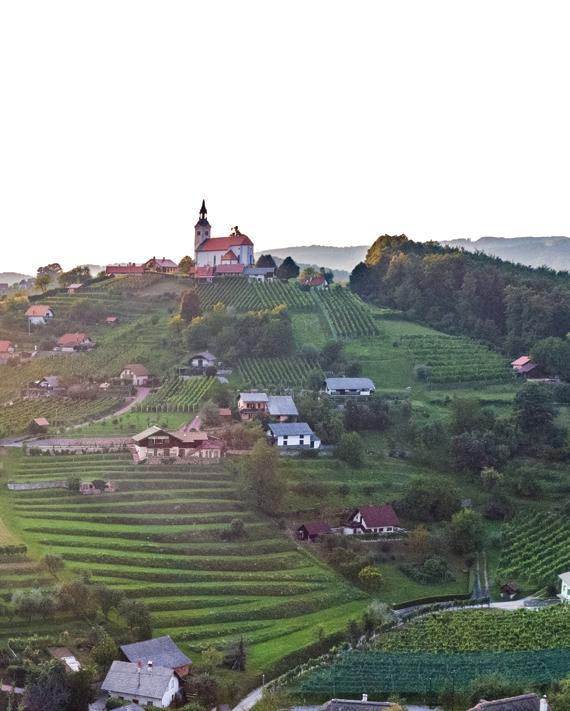

Dolenjska is renowned for its diverse cuisine, which brings together authentic local ingredients, centuries-old customs and modern approaches. For those who appreciate tradition, we recommend sampling typical Dolenjska dishes at one of the region’s many gostilne (traditional local restaurants). Gourmets can indulge their taste buds at Michelin-starred restaurants and select the perfect wine pairing at a local winery, wine cellar or vineyard cottage.
If you would like to sample local produce, be sure to visit the Novo Mesto Market, which comes alive every Saturday morning in Glavni Trg. Take a stroll among the stalls, where local producers await with fresh fruit and vegetables, honey, cheese, cured meat products and other homemade delights.
Cviček White 35%
Cviček is one of the few wines in the world produced from both red and white grape varieties. Since 2001 its composition has been protected by law and it carries the designation of recognised traditional denomination (PTP), which stipulates, among other things, that it may only be produced within the Dolenjska wine district. It is characterised by a low alcohol content (up to 10% vol). Cviček is not just a gastronomic phenomenon, it is also a symbol of Dolenjska tourism.
65%
Kraljevina (10-15%) More info:
varieties (< 15%)
(40-50%) Modra frankinja (Blaufränkisch) (15-20%) Laški rizling (Welschriesling) (< 10%)
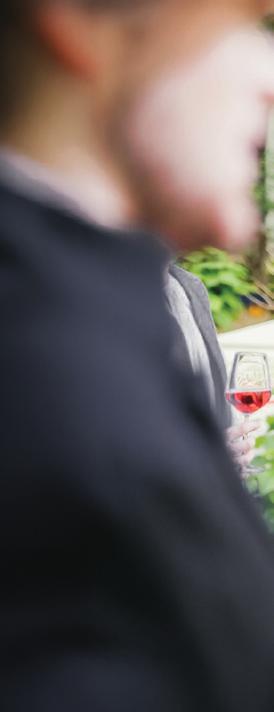

The Cviček Festival is one of the biggest events in Dolenjska, where traditional winemaking meets youthful energy and a modern approach to wine culture. The festival takes place every May and features a rich programme of live music and folk ensembles along with a variety of other events, including the annual Hike along the Slak Trail, the presentation of winemaking societies, a contest to crown and

, which showcases Dolenjska wines
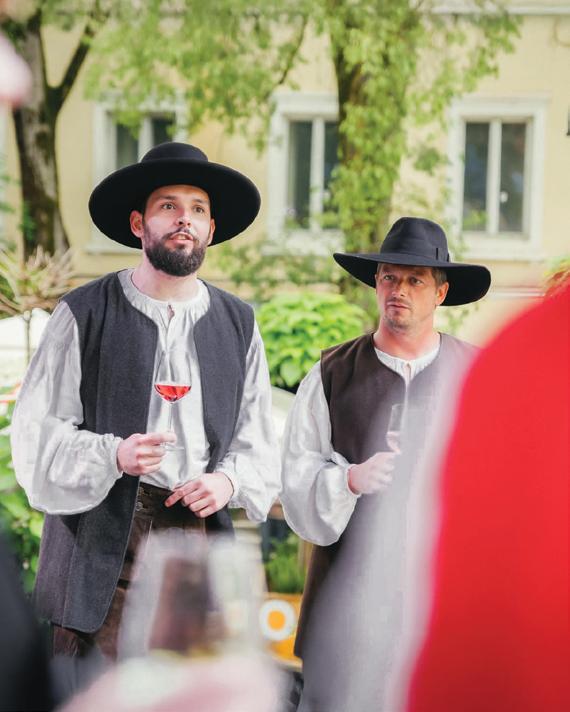
The gastronomy of Dolenjska is closely intertwined with winemaking traditions and celebratory customs. For a taste of local cuisine in a sociable setting, you can attend a martinovanje (St Martin’s Day celebration), but the most authentic experience is to visit Novo Mesto during the grape harvest, which takes place at the end of summer or in early autumn.
A key role in preserving this heritage is played by the collective trademark Dobrote Dolenjske (aka Dolenjska Delights), which brings together more than 400 high-quality gastronomic and craft products from over 70 producers across the region. Visit their shop on Glavni Trg, where many of the products can also be tasted.
What was once a modest peasant cuisine has been preserved through traditions and festive customs. The culinary heritage of Dolenjska is shaped by štruklji, žganci, matevž, millet porridge, flour-based dishes, mlinci, sauerkraut, turnip and beans, the products of the traditional pig slaughter and cured meat products.
A dish made from mashed potatoes and beans, matevž was a frequent presence on the tables of Dolenjska families in the past, thanks to the simplicity and ready availability of its ingredients. At one time it was prepared either as an accompaniment to various meat dishes or as a dish in its own right, garnished with pork rinds or topped with meat. It can also be served with freshly grated or pickled horseradish, although the most common version is with sauerkraut or pickled turnip.
Dolenjska is the home of štruklji. A staple of Slovene cuisine for over 400 years, they were also a common part of everyday life in Dolenjska. Among the best known varieties are the omelette-filled dolenjski štruklji, bean štruklji, tarragon štruklji and štruklji with pork rinds. Štruklji can be made in various ways – boiled, baked, sweet, savoury, using leavened or unleavened dough. Another local speciality is ženof (also žajnof), a special sauce made from grape must, mustard seeds and sugar, which is poured over štruklji and gives them a unique flavour.
Koline – the traditional winter pig slaughter – is part of Slovenia’s gastronomic, cultural and national heritage. In the past, the pig slaughter was a true family celebration in Dolenjska, an event that brought people together to carry out an important task and enjoy traditional favourites such as fried liver, sausages, blood pudding, prosenice (stuffed pig’s trotters), tlačenka (head cheese) and others. These traditional koline dishes, along with cured meat products, are still popular today and continue to play an important role in home food production. On restaurant menus you will often find roast suckling pig, spit-roasted lamb and freshwater fish, while game goulash and roast pork are also regularly served.
Millet porridge was a daily dish in the Slovene lands for at least five centuries from the Middle Ages onwards, and remained a staple of the diet well into the first half of the twentieth century. It can be boiled in milk or water, baked, garnished with pork rinds or enriched with pumpkin, turnip or fruit –usually dried plums (češplje), which were dried in bread ovens or fruit dryers.
Plum porridge or češpljeva kaša remains a favourite to this day. Use the following recipe to prepare this Dolenjska speciality for yourself.
Ingredients Method
• 250 ml millet
• 200 g dried plums 1,500 ml water
• 40 g raw butter salt to taste
• cinnamon (optional) sugar (optional)
• Soak the dried plums for a while, then chop as desired.
• Boil the chopped dried plums in salted water for 15 minutes. Add the rinsed millet and cook for another 30 minutes, stirring occasionally.
• When cooked, drizzle with melted raw butter and, if desired, sprinkle with cinnamon and sugar.
A particular speciality of the region is Cviček, a young, dry, fresh rubyred wine with a low alcohol content. Its pleasant acidity and lightness make it an excellent match for every dish – especially local specialities and cured meats.
This fruit brandy, with protected designation of origin and an intense fruit aroma, is made from a mix of apple and pear varieties, sometimes with the addition of plums.
At the Pleterje Charterhouse, Williams pears are grown inside bottles placed on trees in the orchard. Once they are ripe, the bottles are filled with pear brandy.
The identity of Novo Mesto is interwoven with a rich cultural heritage and contemporary creativity. The city offers a range of historical sights, vibrant cultural institutions and a diverse programme of events.
Whether it is history or art – museums and galleries have something for everyone. The Dolenjska Museum takes you on a journey through the past, the Jakac House invites you into the world of art and interesting exhibitions can also be found at Kocka, ULTI and Krka galleries. Car enthusiasts will be fascinated by the IMV museum collection, which reveals the history of Novo Mesto’s automotive industry.
The Anton Podbevšek Theatre impresses with innovative performances, while the Janez Trdina Cultural Centre offers a varied programme of events. Novo Mesto’s main square, Glavni Trg, comes alive in summer with street theatre, literary evenings and a cinema under the stars.
Novo Mesto is famous for its rich religious heritage, which tells stories spanning centuries. Among the most important religious buildings are St Nicholas’s Cathedral, also known as Kapitelj, and the Franciscan friary with its remarkable library. At the summit of Trška Gora stands the Church of the Nativity of the Blessed Virgin Mary, a popular pilgrimage site with a wonderful view.
The valley of the Krka was once known as the valley of castles. In the seventeenth century there were around 65 castles and country mansions in its basin. Novo Mesto and its surroundings also boast a rich heritage of castles, among the best known of which are Otočec Castle, the only water castle in Slovenia, Hmeljnik Castle, an important example of medieval architecture in Dolenjska, Grm Castle, the largest castle in the Novo Mesto area, the Old Castle above Otočec and Struga Castle.
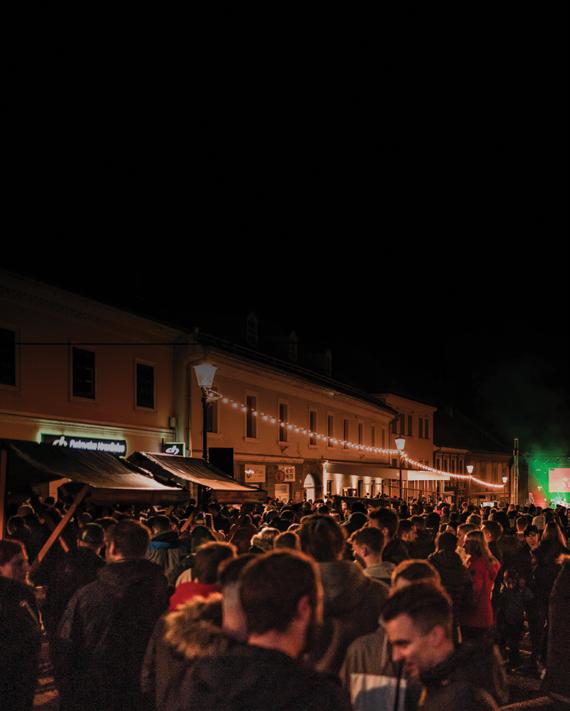
Novo Mesto is the venue for numerous cultural and sports events throughout the year, drawing visitors from near and far. Among the most prominent cultural events are the international jazz workshop and Jazzinty festival, which bring top jazz musicians and young talents to the town, the Rudi Potepuški street theatre festival, the Novo Mesto Summer Festival offering relaxed summer evenings with music and theatre events, the storytelling event Reku Reku, and Novo Mesto Summer Evenings, a series of concerts and cultural events under the stars in various locations around the city. Sports lovers can enjoy the Novo Mesto Half-Marathon, the town’s biggest running event, the finish of the Tour of Slovenia cycling race, Krka Bridge Jumps and many other events.
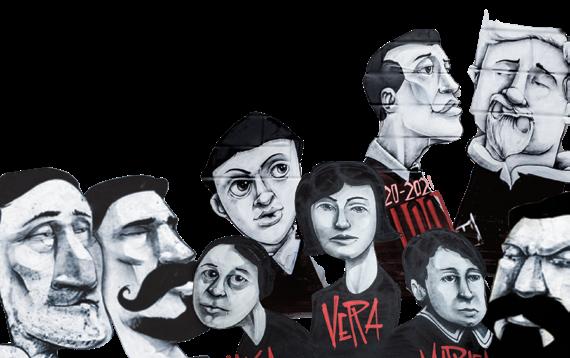
Many notable individuals who have left an indelible mark at home and abroad are associated with Novo Mesto. Among them are Leon Štukelj, gymnast and Olympic champion; Janez Trdina, writer and historian; Dragotin Kette, poet; Božidar Jakac, painter and printmaker; Ilka Vašte, writer; Julija Primic, muse and unrequited love of France Prešeren, Slovenia’s greatest poet; Marjan Kozina, composer; Pia and Pino Mlakar, ballet dancers; Miran Jarc, writer; Tone Pavček, poet; Marica Strnad Cizerlj and Vera Albreht, writers and poets; and Alojz Knafelc, cartographer, mountaineer and inventor of the Slovene trail blaze.
More info:

April
• Rudolf’s Hike and Cycling
• Novo Mesto Run
• Novo Mesto Carnival
• Mojca’s Carnival
• Športno mesto Festival
• I Am the Music, I Am the City Festival
• Situlae Festival
• Cultures Week
• Tour of Slovenia
• Rudi Potepuški Street Festival
• On the Edge of Summer
• With Cviček Among the Vineyards Hike
• St Joseph’s Hike
• Adria Mobil Grand Prix
• Cycling marathon Along the Valley of the Krka
• Hike along the Slak Trail
• Cviček Festival
• Pop-Up Wine Festival
• European Quadrille Dance Festival
More info:

• Novo Mesto Summer Festival
Novo Mesto Summer Evenings
• Jazzinty Festival Cinema in the Square
• Storytelling event Reku Reku
• Summer KCJT Art Cinema
October
• Novo Mesto Half-Marathon
• Novo Mesto Summer Festival
• Novo Mesto Summer Evenings
• Krka Bridge Jumps
• Students’ Hike Back Home to Novo Mesto
• Kids Tour of Slovenia
• On the Edge of Summer
• Night on the Krka
December
• Advent Novo Mesto
November
• Taste Novo Mesto
• St Martin’s Day Celebration
• Trška Gora Foothills Hike
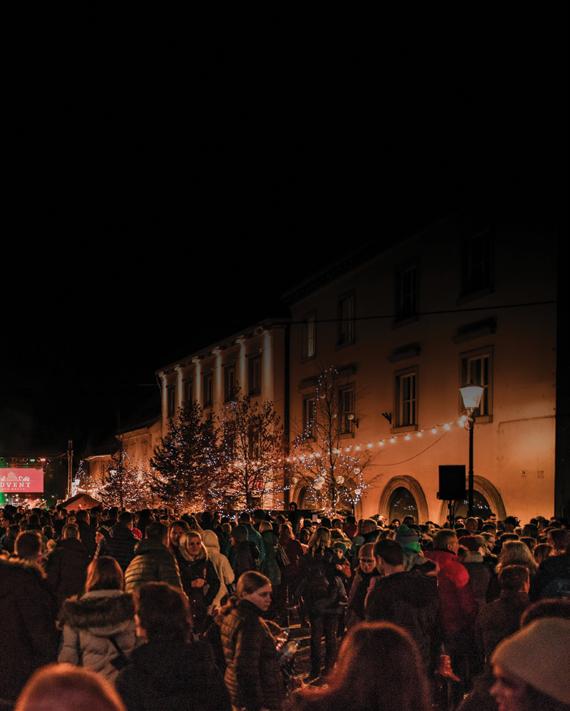
This December event transforms the town centre into a festive fairy tale lasting a whole month, complete with an ice rink, stalls selling seasonal food and drink, and an attractive music programme focusing on Slovene popular and folk music. Along with concerts, the event features children’s performances, gift-giving and performances by cultural associations.
The destination offers a wide range of accommodation options. Whether you are looking for rural tranquillity, urban comfort or outdoor adventure, you will find a suitable option for your stay in Novo Mesto.
If you prefer to be at the heart of the action, the city offers modern hotels and hostels in the town centre and surrounding area, providing all the necessary comforts and easy access to sights and attractions. Those seeking maximum comfort can enjoy a castle stay just a short distance from town in the spacious chambers of a five-star hotel.
If you long for the peaceful rhythms of rural life, farm stays are the perfect choice, offering an authentic experience of participating in farm work and home cooking. For glamping enthusiasts, modern holiday cabins are available.
Those travelling by camper will find several wellequipped areas providing everything needed for comfortable living on wheels and a good base for exploring the region using your own transport.

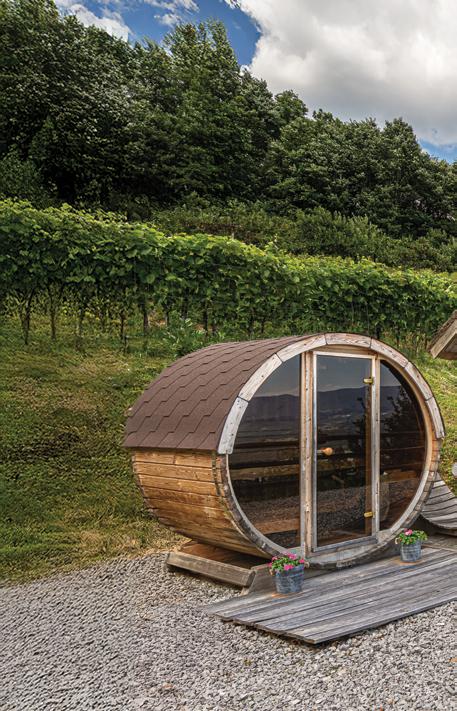
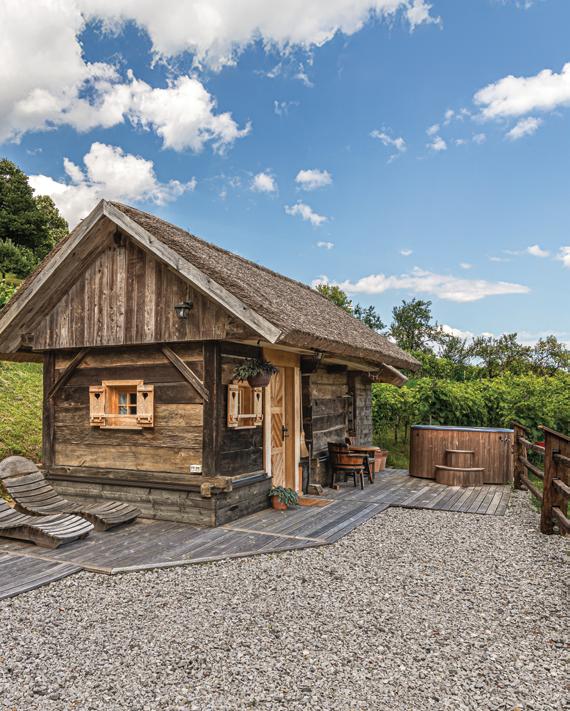
Vineyard cottages or zidanice –small buildings located in vineyards – are a distinctive feature of the Dolenjska region. Today many have been converted into comfortable accommodation where you can sleep among the vines, taste local wines, relax in a hot tub and admire the landscape.
The people of Novo Mesto believe that the best experience is not the one you simply see, but the one you truly feel. The true character of our landscape is revealed when the pedals take you through the vineyards, when you surrender to the peaceful flow of the Krka River, and when you hear a heartfelt "na zdravje" in a small vineyard cottage. An authentic experience is not something you observe from afar – you live it, because it happens here, with us.
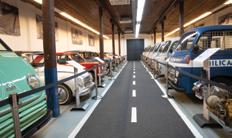
Experience an interesting display of industrial heritage from car company IMV, which along with its successors – Revoz, Adria Mobil and TPV – is one of the most important pillars of Slovenia’s automotive industry. The collection shows the development of vehicles in the second half of the twentieth century.
imvklub.si

Feel the beneficial effects of bees at the edge of the Portoval wood. There you will find a large apiary, a honey garden with over 100 species of melliferous plants, and experiences ranging from apitherapy to honey picnics and honey massages.
zavod-cebela.si
Experience authentic Dolenjska hospitality at the Verček vineyard cottage and enjoy the delights of Trška Gora, as served by Godmother Jožefina from her pušelšank, a sort of temporary wine tavern.
trskogorskosrce.si
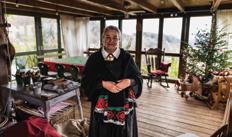
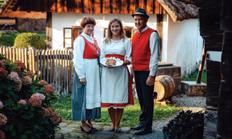
Discover life in the Dolenjska countryside – past and present. In an authentic domestic setting, listen to the story of Cviček and learn how it is made, then fill into your own bottle and take it home with you.
matjazeva-domacija.si
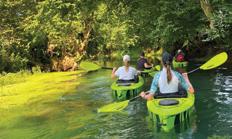
Discover the magical Temenica, a left tributary of the Krka, on a river safari and get to know the unspoilt nature on Novo Mesto’s doorstep, full of the sounds of numerous species of birds and traces of beavers and European pond turtles.
green-adventure.eu
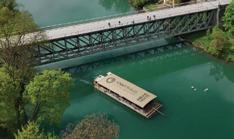
Float along the bend of the Krka on Rudolf’s Raft (Rudolfov splav) and see the picturesque Breg district, the old town centre and the imposing Franciscan friary on the cliffs above the Krka from the water.
knmtravel.si
Take a scenic ride in a vintage car or try your hand at winemaking for a day. Discover the charm and secret behind Dolenjska’s unique wine – Cviček.
bizibi.si
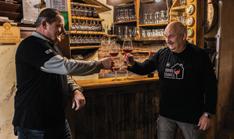
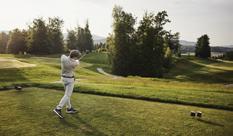
Test your skills on one of Slovenia’s best golf courses, Golf Grad Otočec, or try one of their wellness programmes for an escape from everyday stress. Other nearby spas include Šmarješke Toplice and Dolenjske Toplice.
terme-krka.com
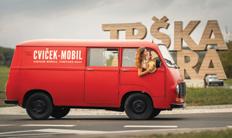
Take a wander across Trška Gora and discover traditional wine cellars offering tastings of local wines and homemade culinary delights every weekend.
trskagora.si
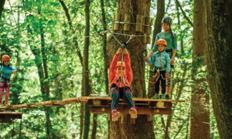
Visit a recreation and tourism centre that offers activities throughout the year, from groomed ski slopes in winter to cycling, hiking, an adventure park and other active experiences in the warmer months.
scgace.si
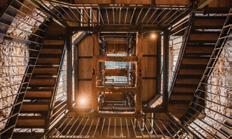
Climb 126 steps up the bell tower of St Nicholas’s Cathedral (height: 53 metres) and enjoy a wonderful view over the town centre, the river Krka and the surrounding hills, including the Gorjanci and Trška Gora.
visitnovomesto.si/dozivi/razglednaploscad-kapitelj
Taste top Dolenjska wines at one of the region’s most modern wineries and sample oil and flour made from grape seeds, a by-product of winemaking and thus a contribution to the sustainable development of agriculture.
colnar.si

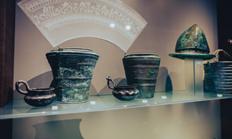
Dive into the region’s past, from prehistory to the present day, and admire archaeological finds, art collections and ethnological exhibitions.
dolenjskimuzej.si
Published by: Zavod Novo Mesto, 2025 • publication supported by: City Municipality of Novo Mesto • texts: Zavod Novo Mesto • text translation and revision: Amidas d.o.o. • design and layout: Lana Klemenčič, Žiga Serini, Miha Hrenk • cover photograph: Janez Kotar • photographs: Boštjan Pucelj, Darko Jakovac, Davorin Pavlenič, Gašper Jakše, Janez Kotar, Joško Šimic, Jošt Gantar, Mitja Kobal, Karata Film, Tomaž Grdin, Tomaž Kos, Tomaž Mikec, Tomo Jeseničnik, courtesy of Dolenjska Museum, Gače, Green Adventure, Klub prijateljev IMV, Konzorcij Turizem v zidanicah, Matjaževa domačija, Terme Krka, Vinska klet Colnar • illustrations: Žiga Serini, Maksim Azarkevič, Miha Hrenk • printed by: Tisk Šepic d.o.o. • edition: 1,200 copies