Zahra Zare Architecture Student at University of Florida, SoA
Born in 1994/26/12
Contact:
Email: zzare@ufl.edu, zahrazare94@gmail.com
Phone nu: +(1) 352 779 5344
Instagram ID: seepid_ar
BLENDFORM
Augmented Reality-Assisted Craft Assembly
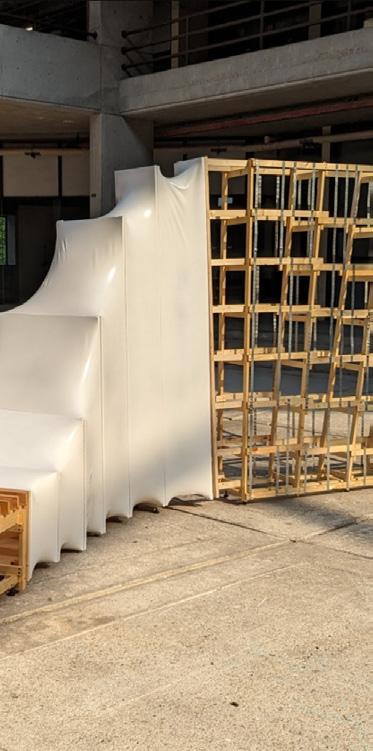
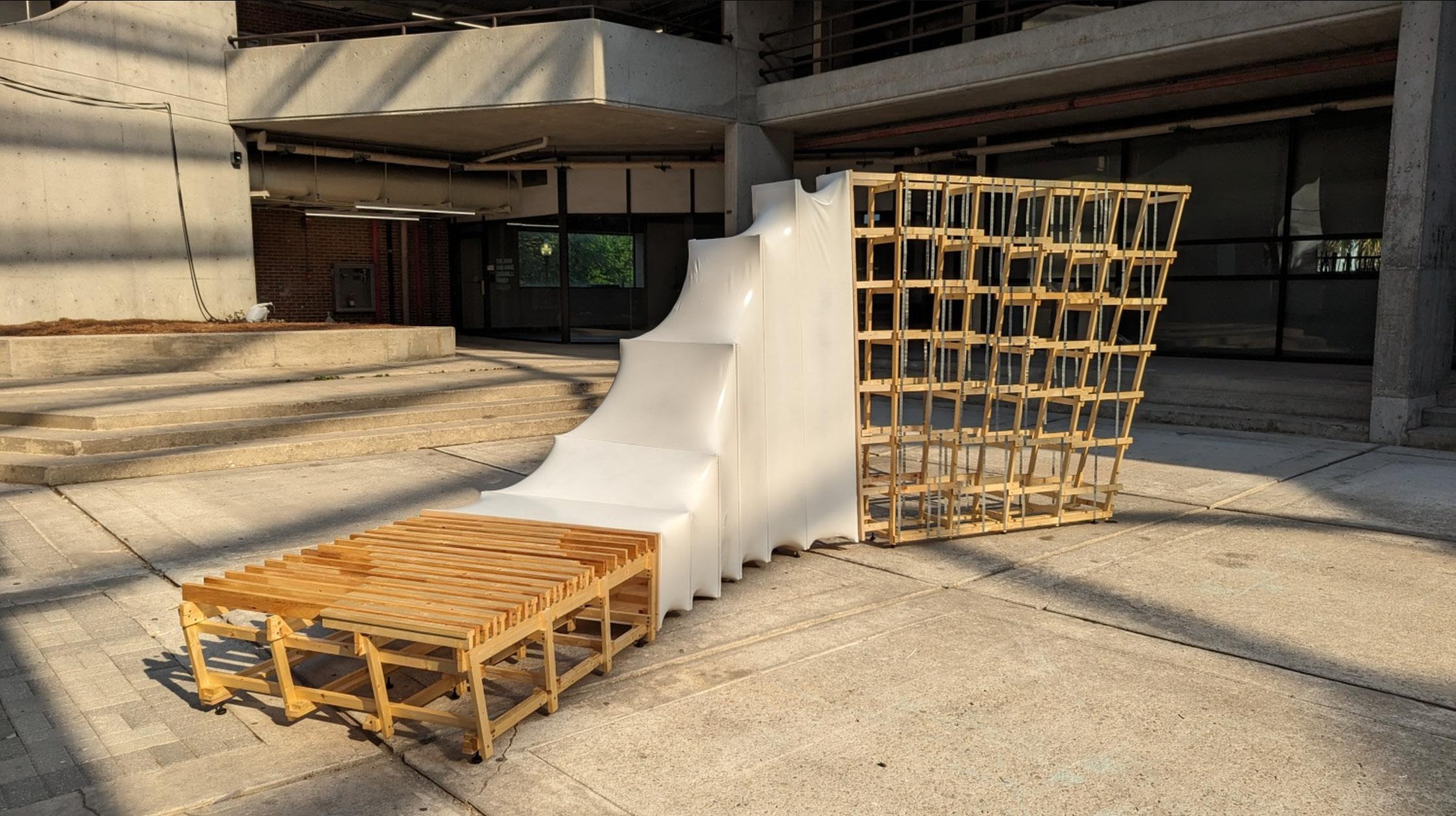
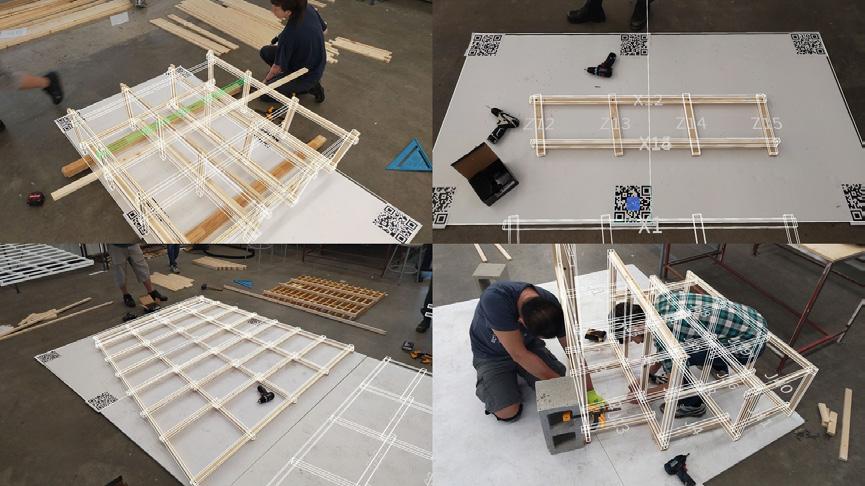
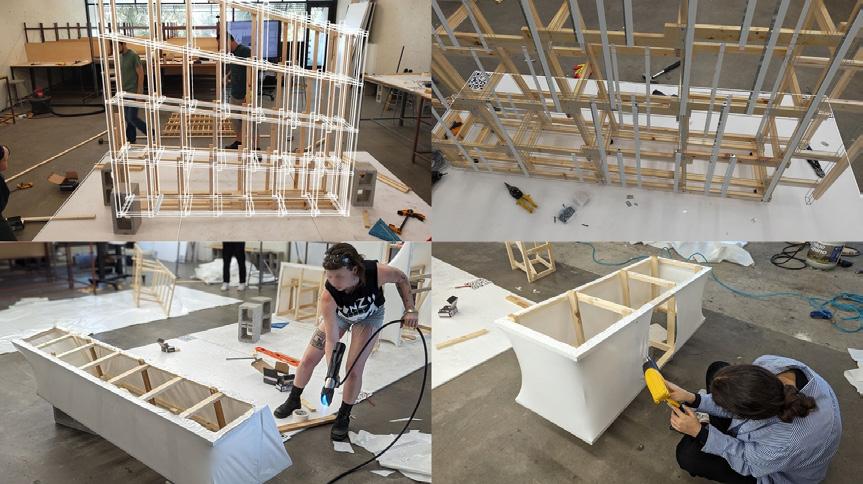
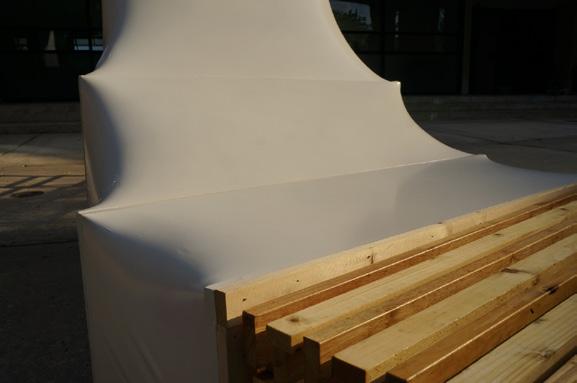
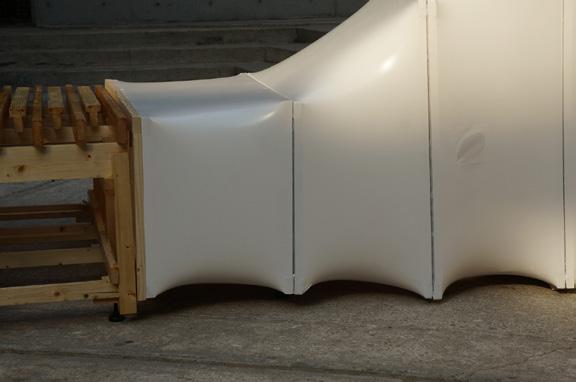
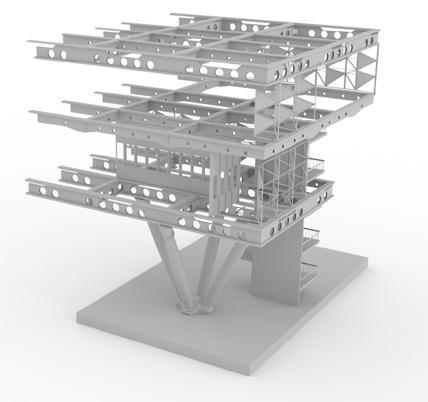
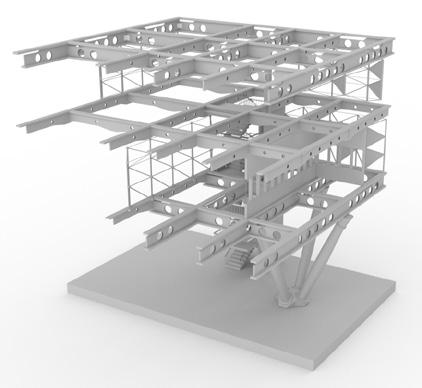
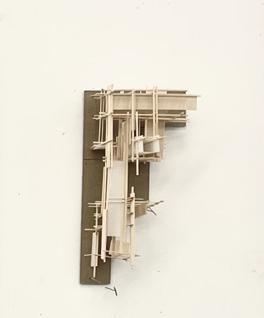
This project is the result of an Independent Study course with the goal of leveraging Augmented Reality (AR) assembly and fabrication techniques combined with simple, off-theshelf materials and hardware found in common hardware stores. Intentionally conceived with low-tech, low-budget materials with no Computer-Numerically-Controlled (CNC) or robotic fabrication involved, the investigation uses purely analog fabrication methods assisted by AR, enabling analog craft assembly with precision overlays. The material choices are sensitive to sustainability, recyclability, reusability, and circular economy by incorporating reclaimed wood(reference). This follows a lineage of projects investigating the democratization of complex geometries and manual craft integration in the absence of high-tech computational machinery.
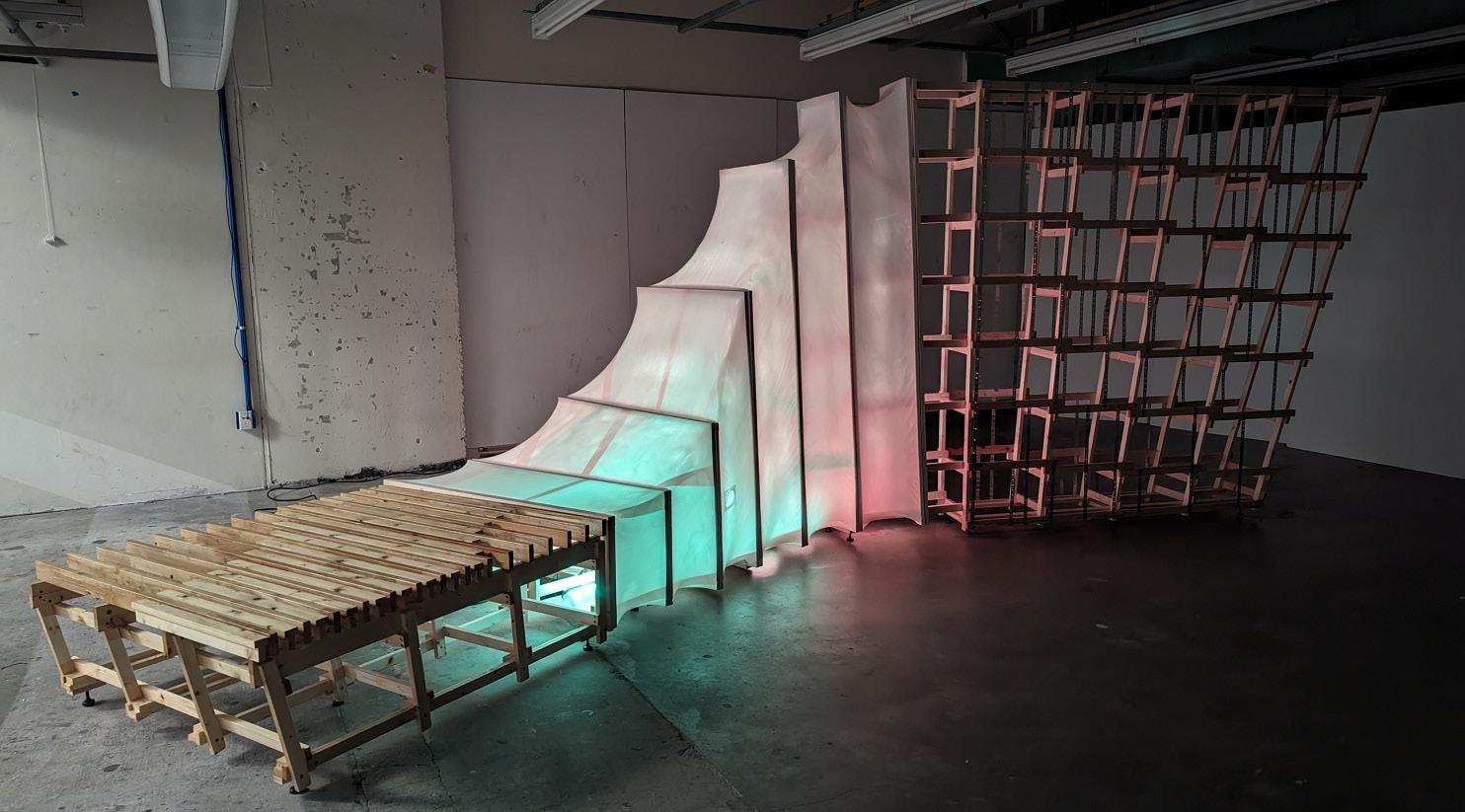
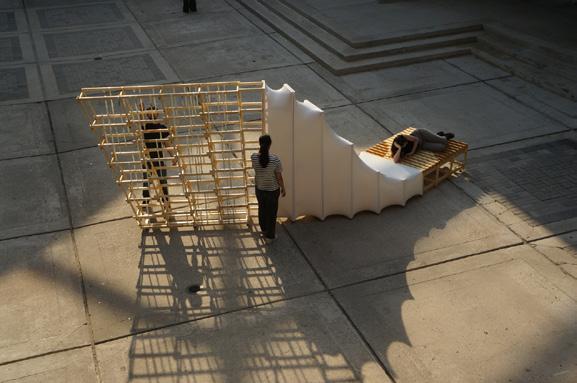
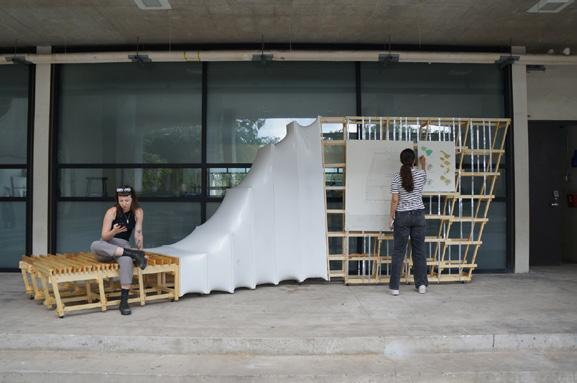
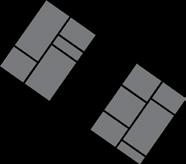
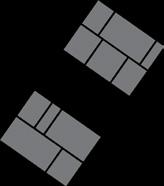
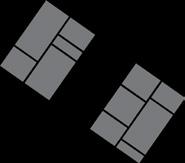
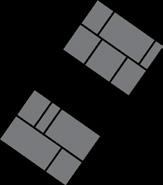
Through a series of precedent studies and design charrettes, the final function and design was developed collectively and agreed upon. The construct is separated into three sections to facilitate easy repositioning and reconfiguring for pinup presentations and other small events. Common materials are used such as 1x2” dimensional lumber, ¾” wide steel plumbing hanger straps, marine grade shrink wrap, and reclaimed mattress slats. The final design is 18 feet long in linear length, 7 feet tall at the highest point, and 4 feet wide, incorporating
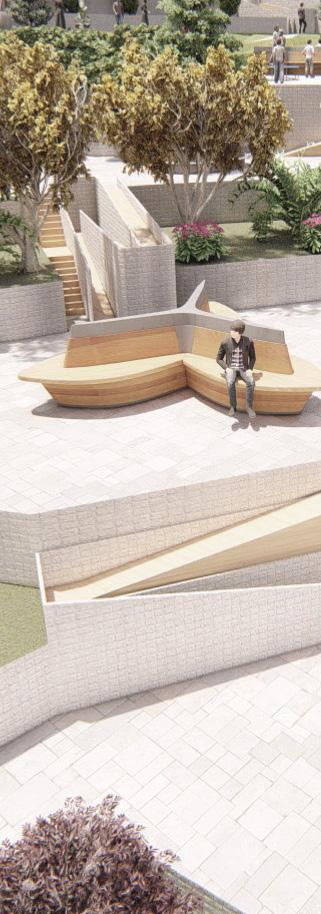
a 4x4’ platform section and a 7x7’ vertical pinup section. As a blended hybridized form, the horizontal platform serves as a bench and model display platform, while the vertical magnetic pinup frame is an open lattice that allows for a variety of flexible usages. Finally, LED strip lights and ambient sensors embedded in the blended section enable atmospheric lighting with low-level interactivity at night.
Project Credits: Prof. Lee-Su Huang, Collin Rohr, Michael Dieffenthaller, Tessa Register, and Zahra Zare.
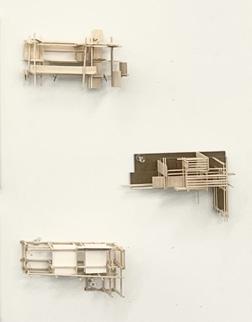
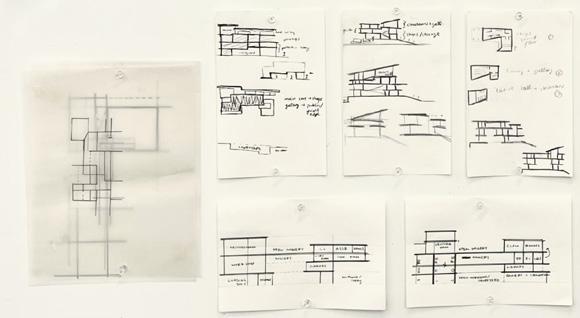
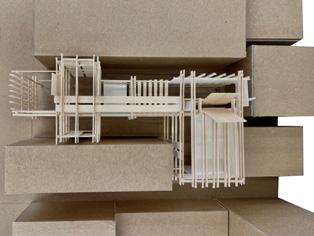
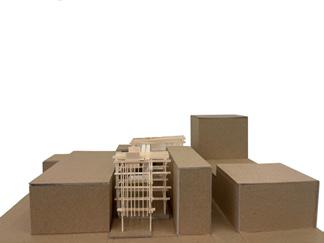
Graduate Studio 1
Prof. Lee-Su Huang & Prof. Sarah Gamble
Location:
4th ST S ST PETERSBURG
BAYBORO BLK 4, LOTS 1 THRU 6 INCLUSIVE
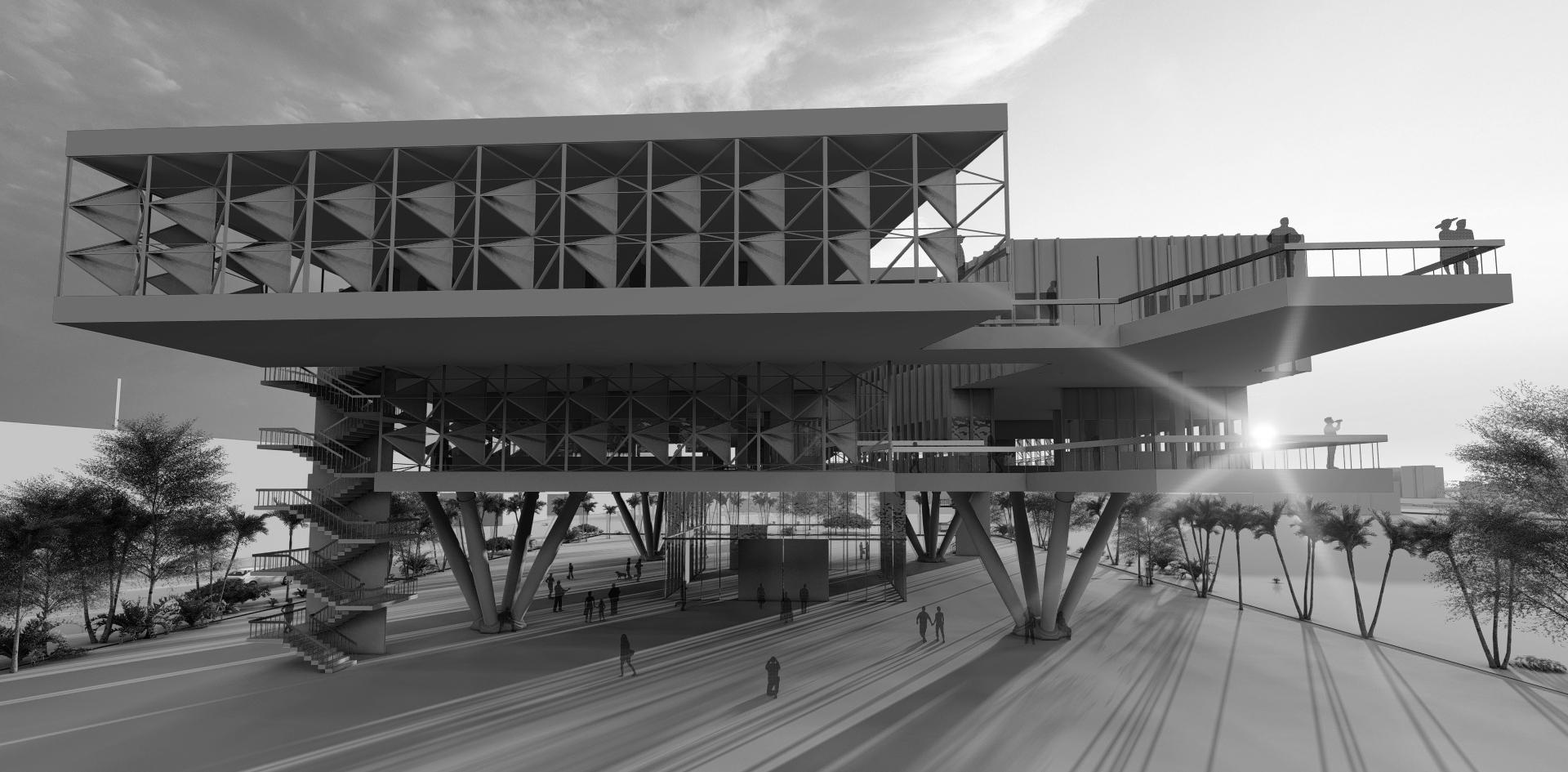
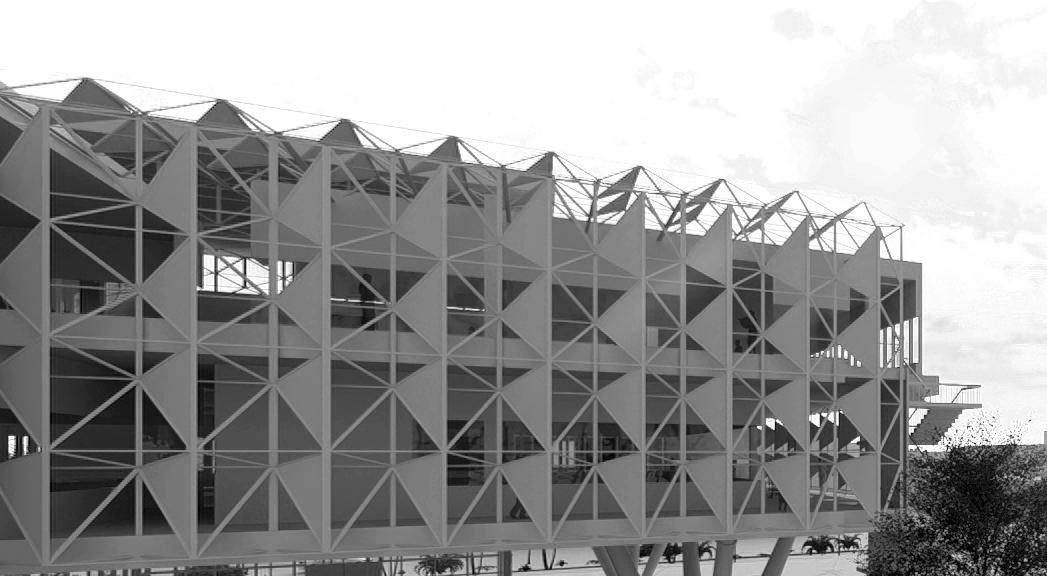
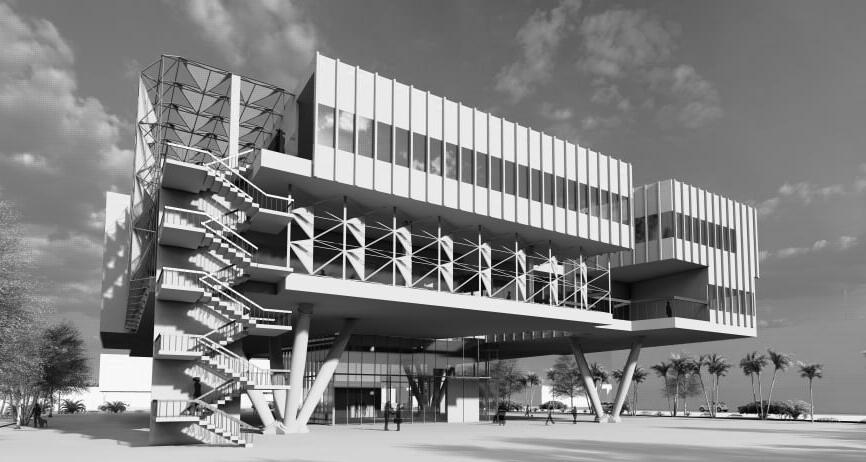
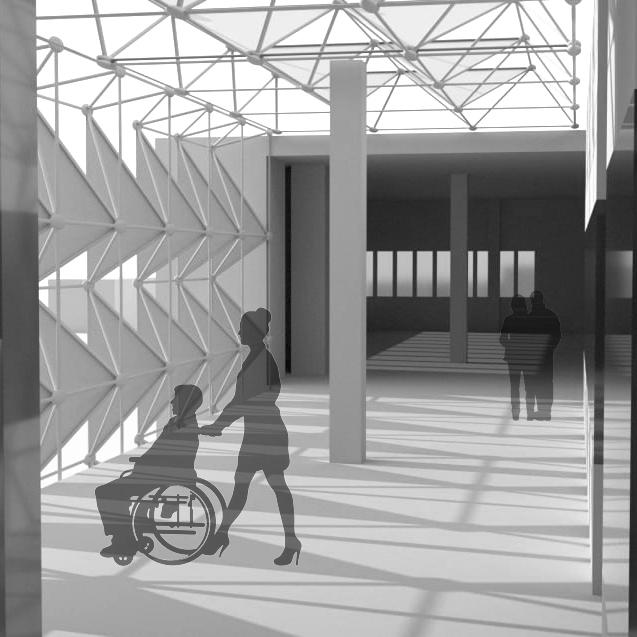
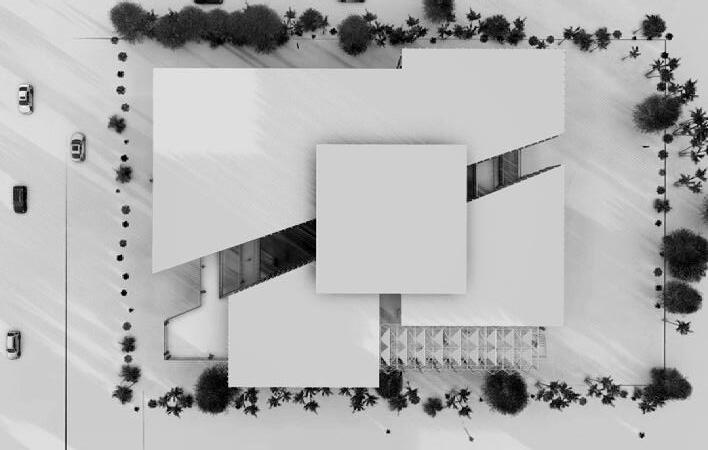
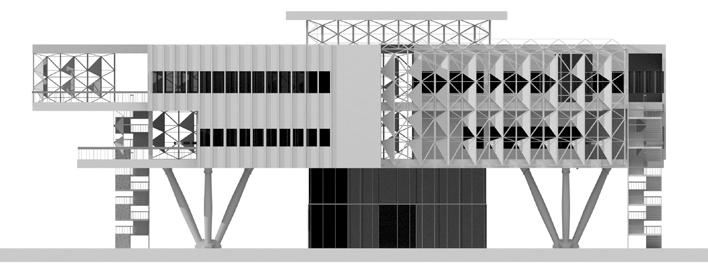
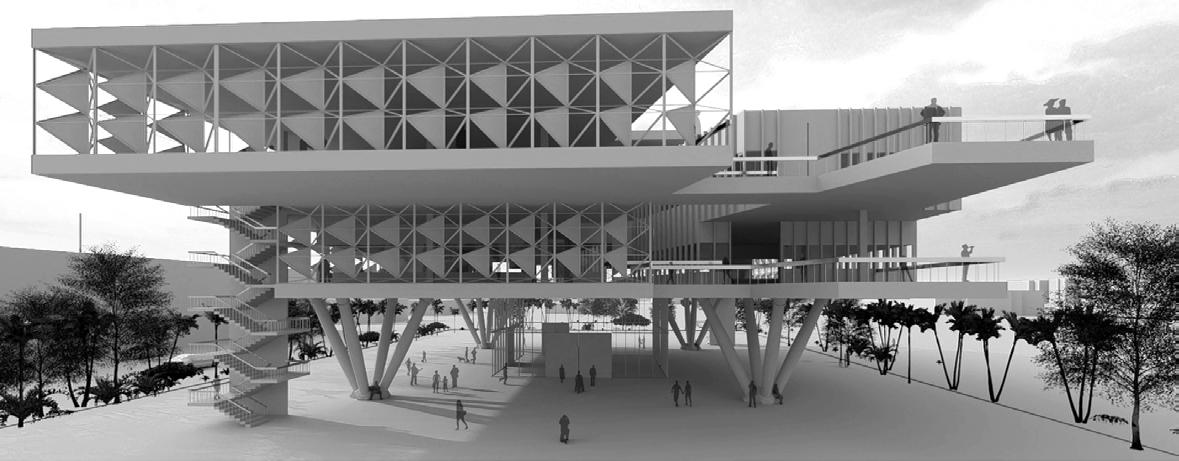
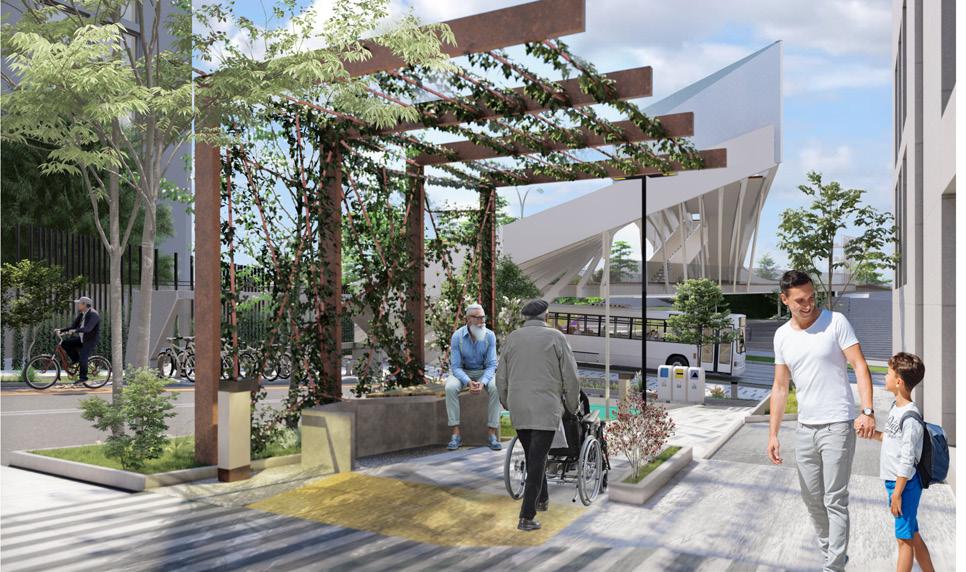
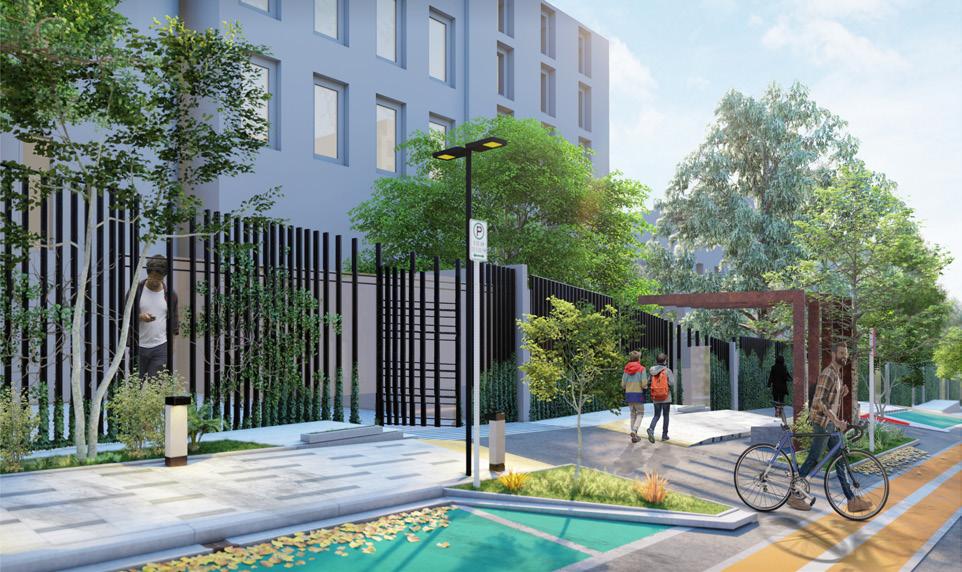
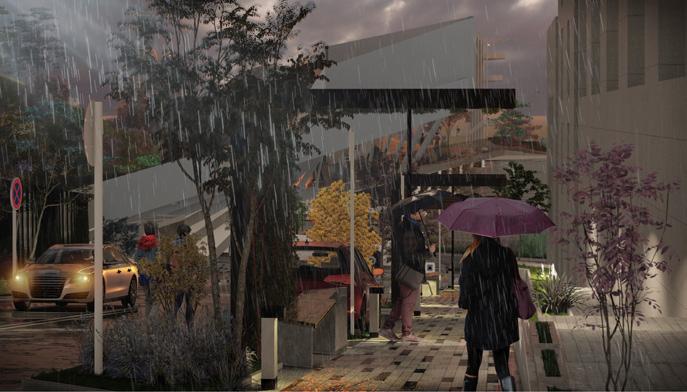
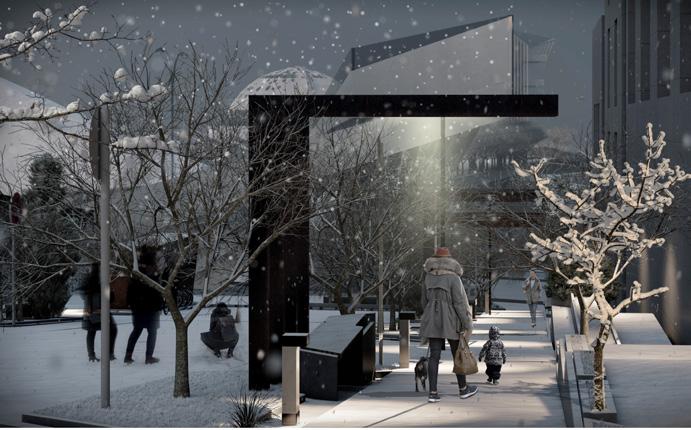
Disability and Library Center Zahra Zare
Il Giardino
The Threshold Between Indoor & Outdoor Spaces
Graduate Studio 2
Prof. Jason Alread & Prof. Elizabeth M. Cronin
Penelope Roca, Jamilah Roman, Zahra Zare
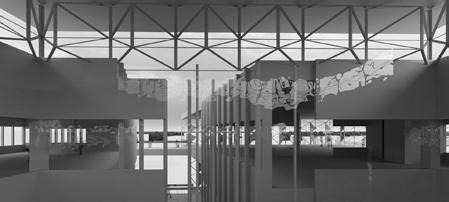
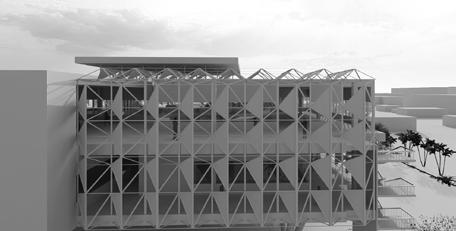
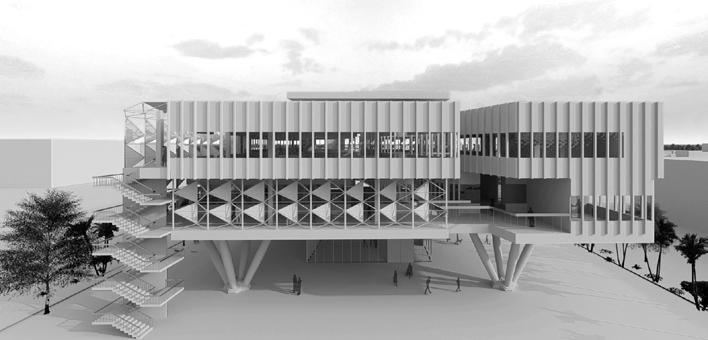
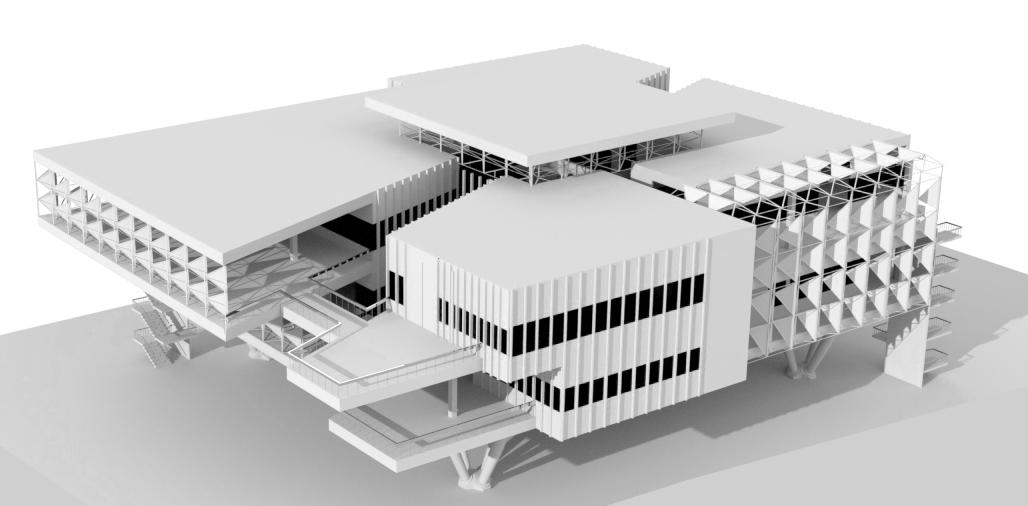
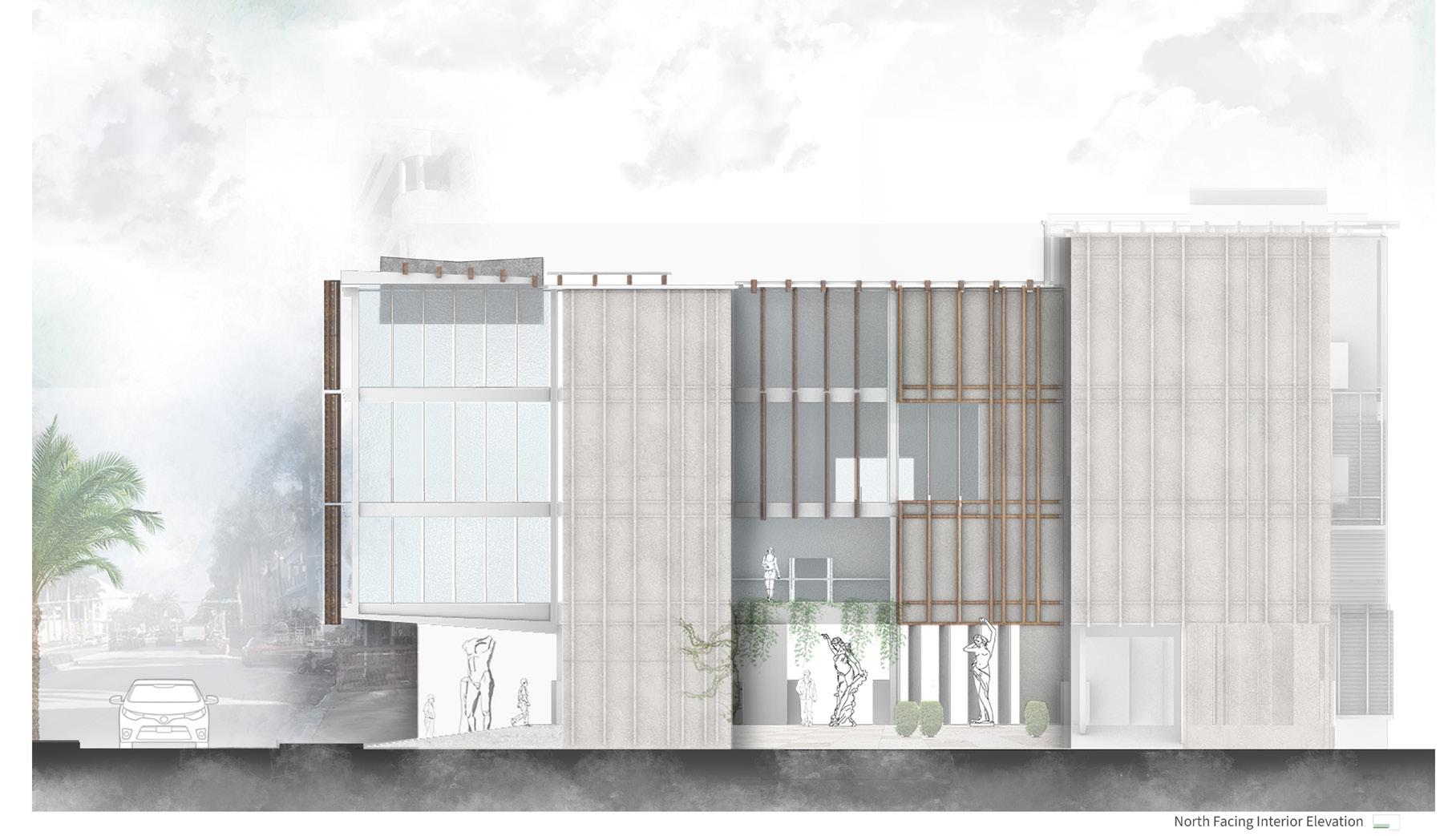
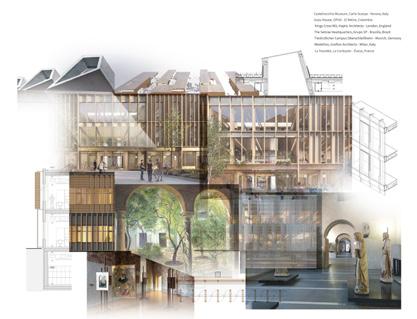
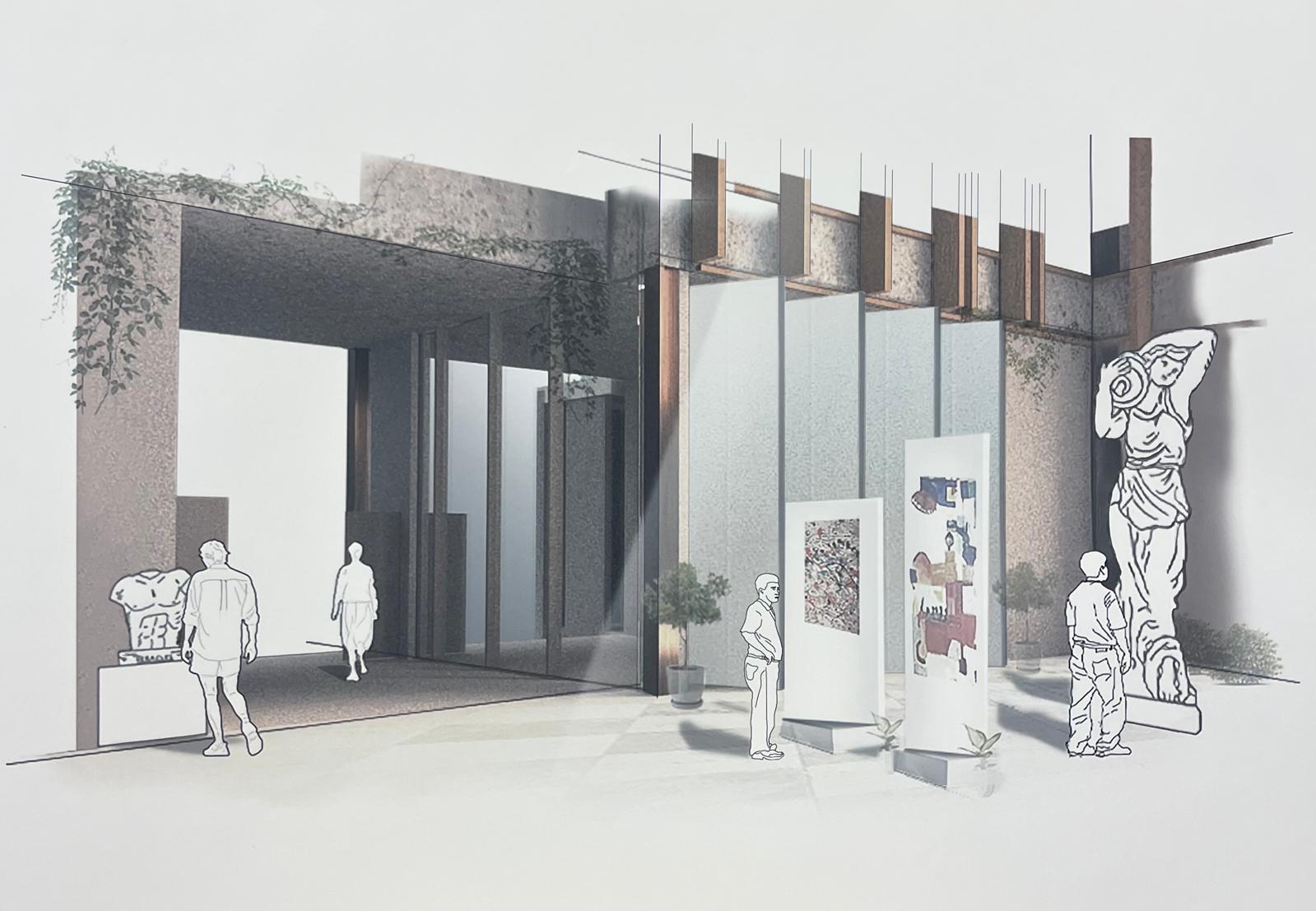
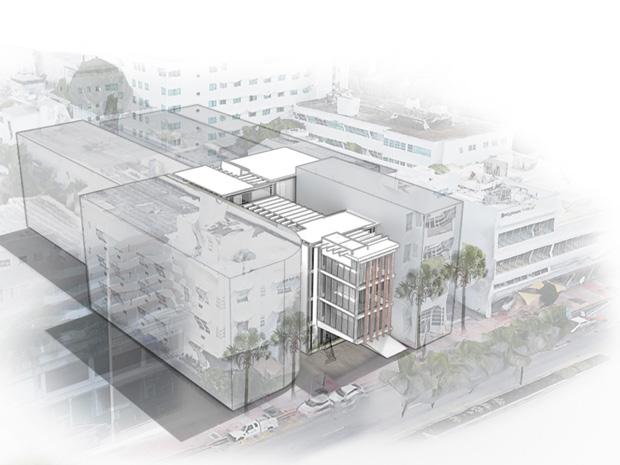
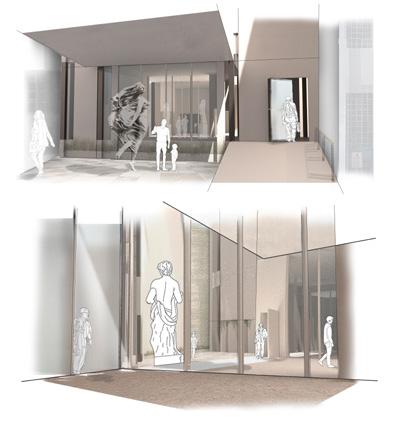
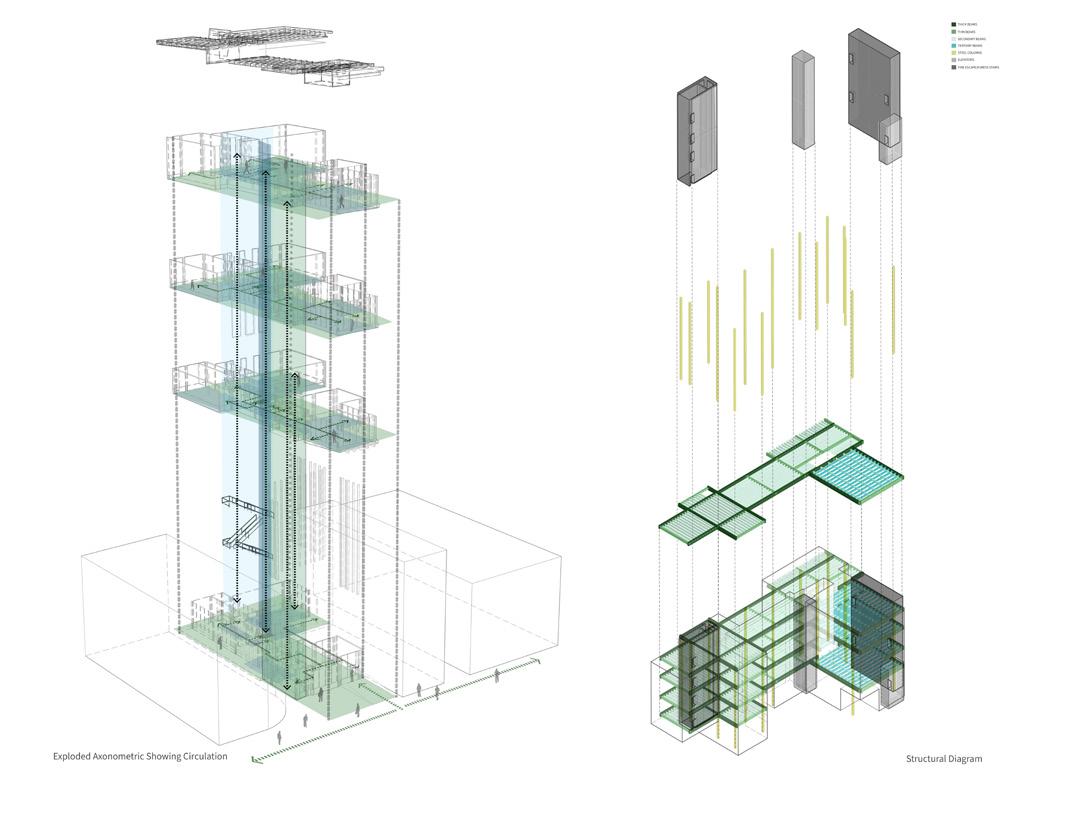
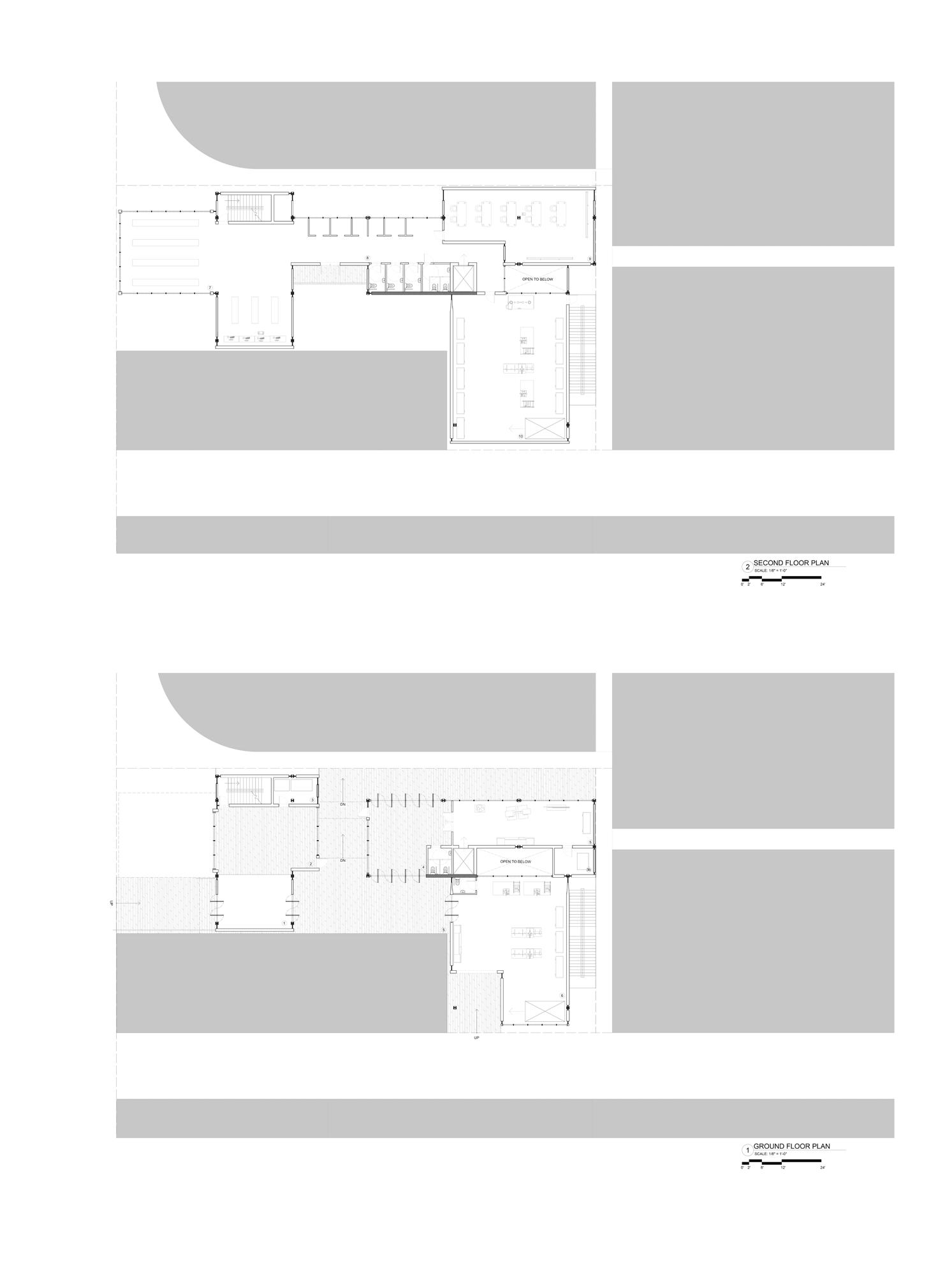
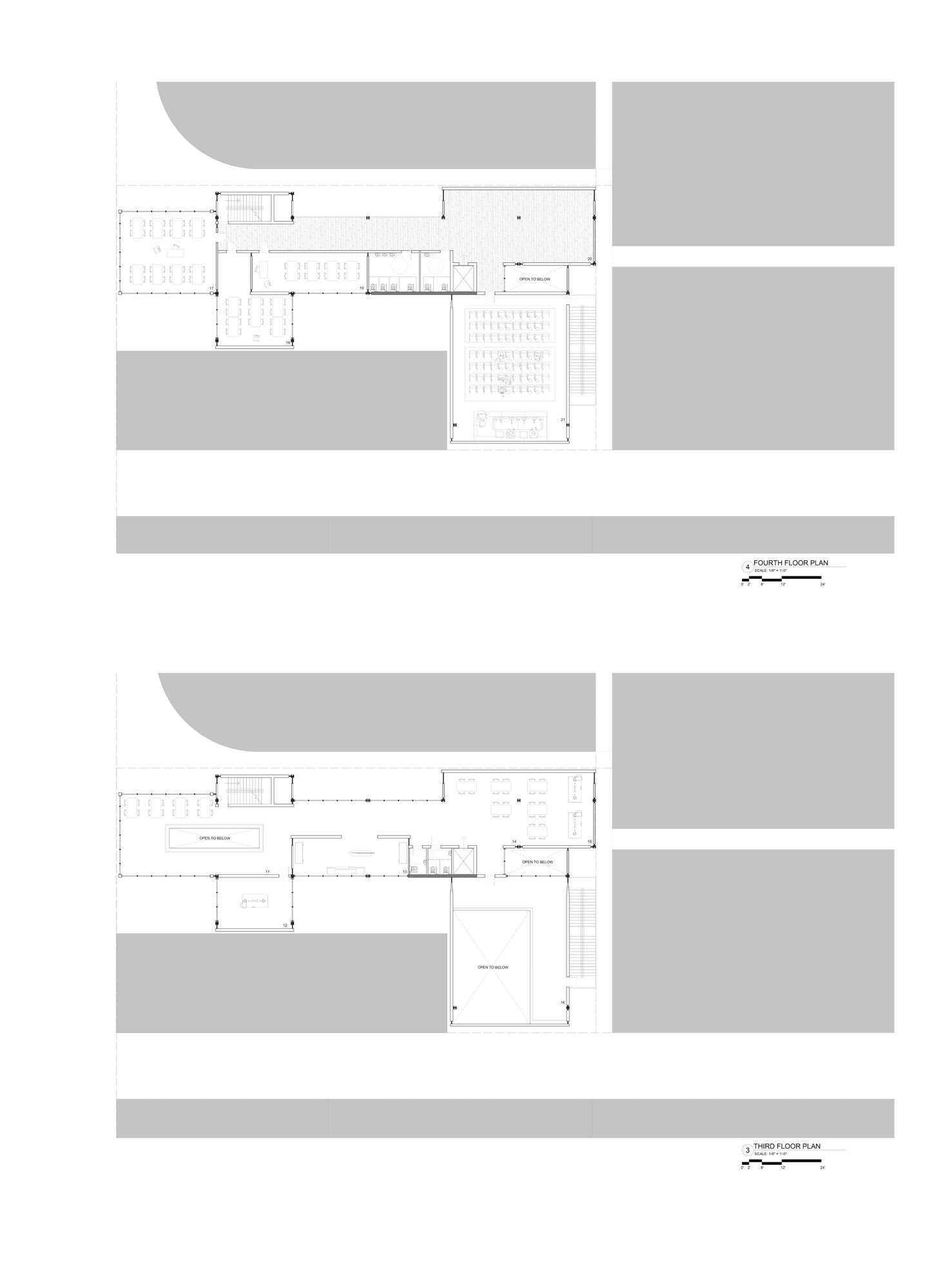
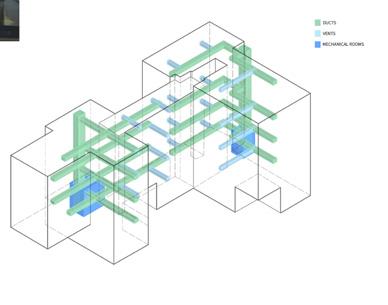
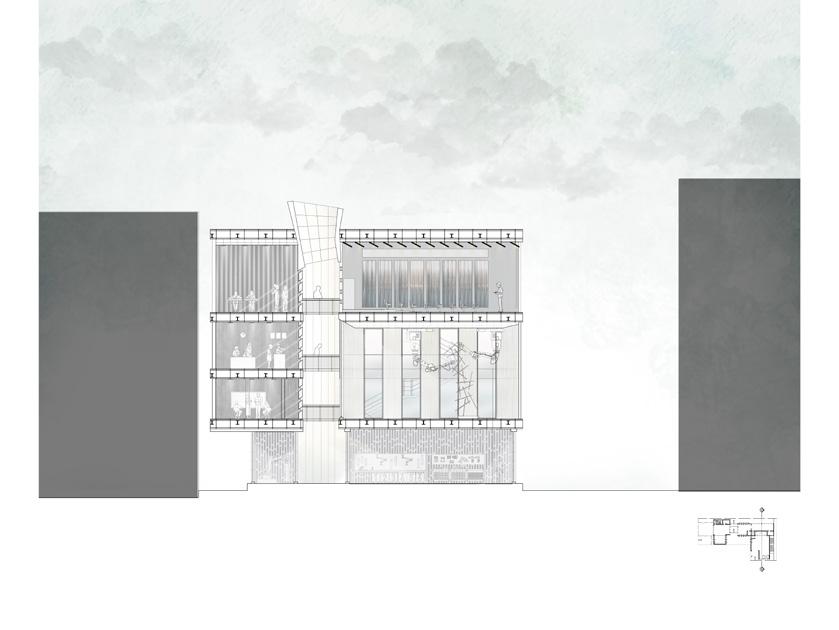
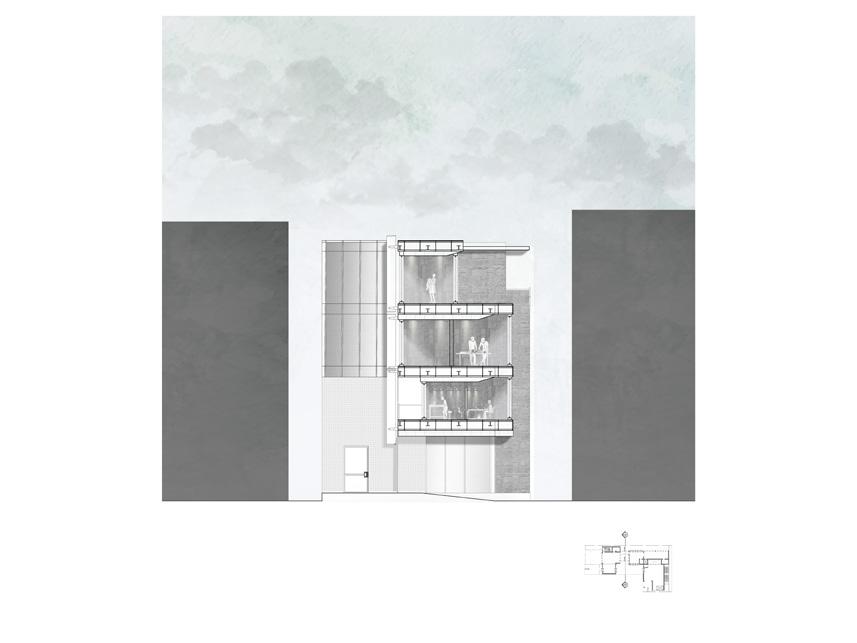
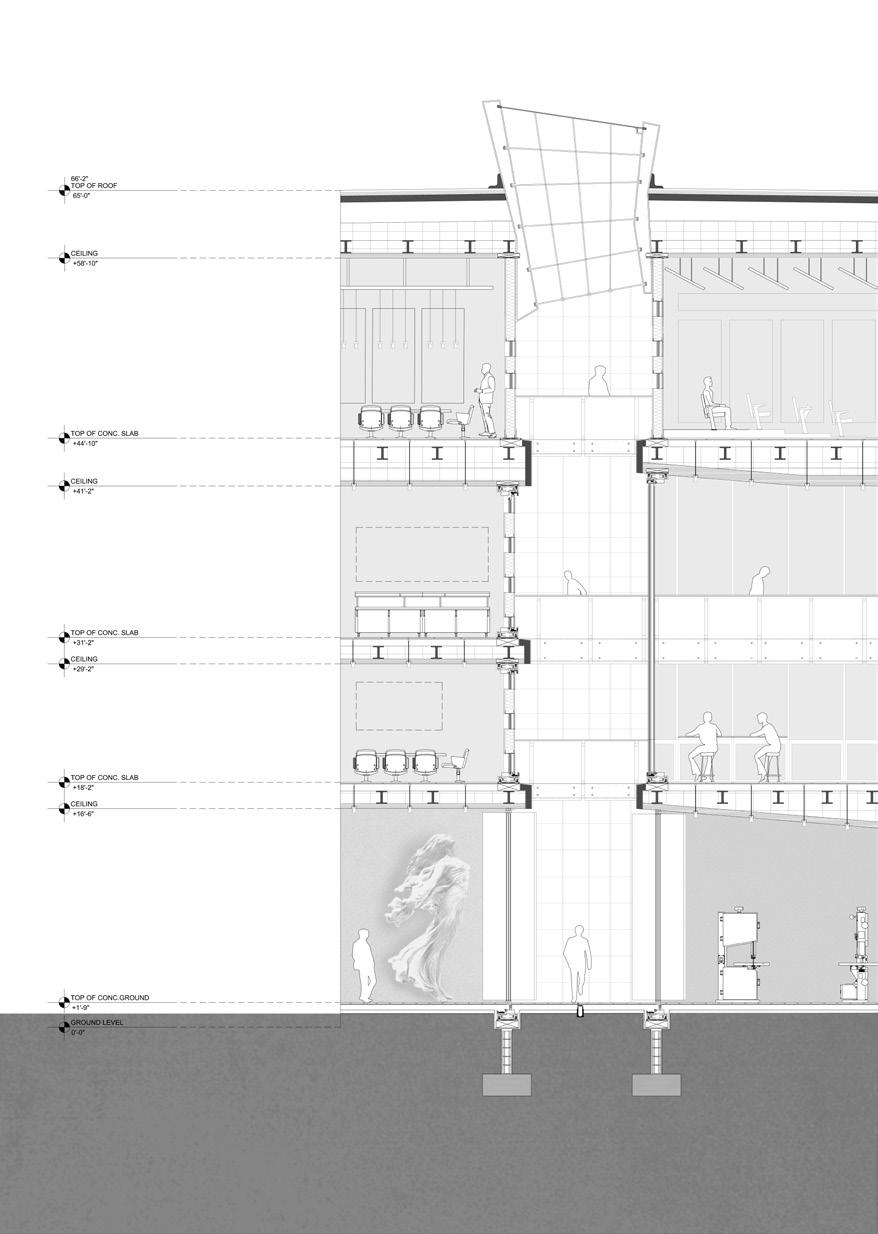
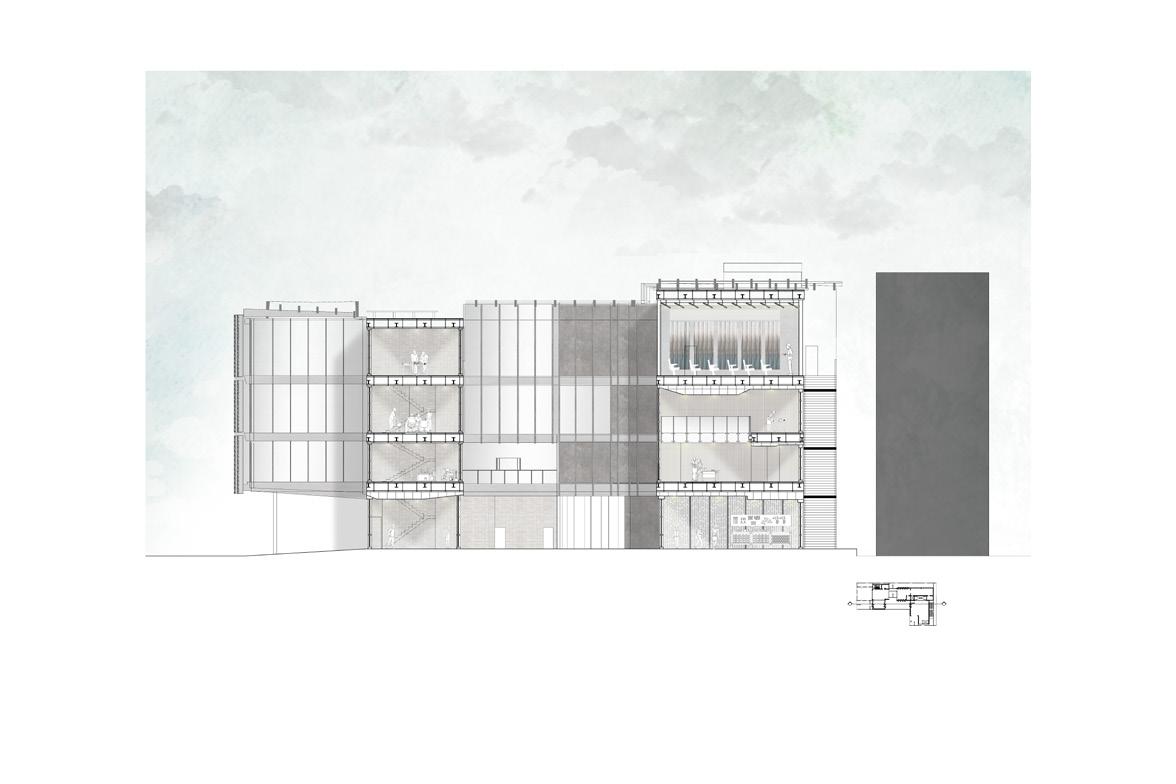
Located in Miami Beach, Florida, just across from Soundscape Park, Nature’s Canvas stands out with its blend of nature and innovation. This design hub explores the connection between public galleries and workspaces, and how such galleries catalyze the main movement and circulation within and outside the structure. The public spaces—library, galleries, and some workshops—are situated along Washington Ave., inviting inhabitants who take a look at the blurred point of the gallery spaces. The privatized spaces, like the offices and some workshops, are situated towards the back of the building, luring people in to see the workings occurring within. Our project aims to both innovate and inspire its young adult audience to explore their creativity through its classrooms and workshops and, at the same time, demonstrate such work through its driving public and open galleries.
Gandi (Gandi Walkaway Design Competition)
Principal architect: Diba group
Chief Architect: Leila Araghian, Alireza Behzadi
Design Team: Zahra Zare
We only had a short time to finish this competition, so we worked together from dawn to dusk. As a result, I am involved in every aspect of the proces June.2021
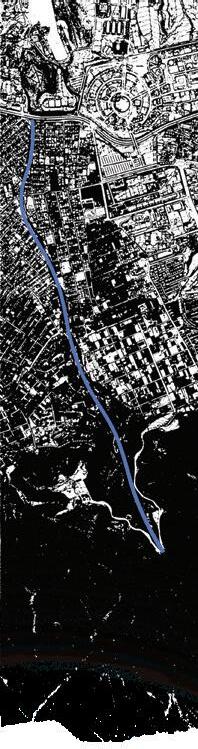
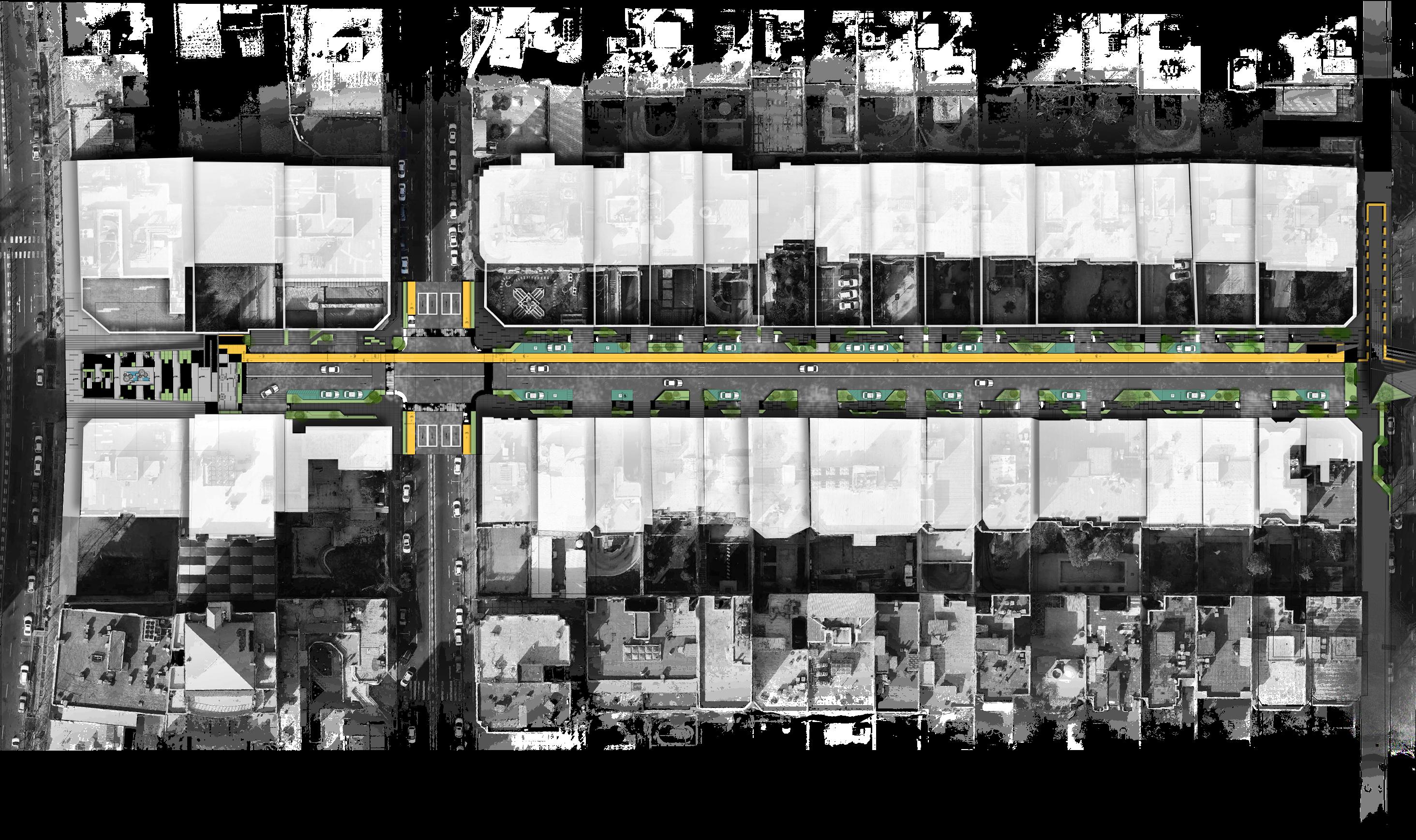
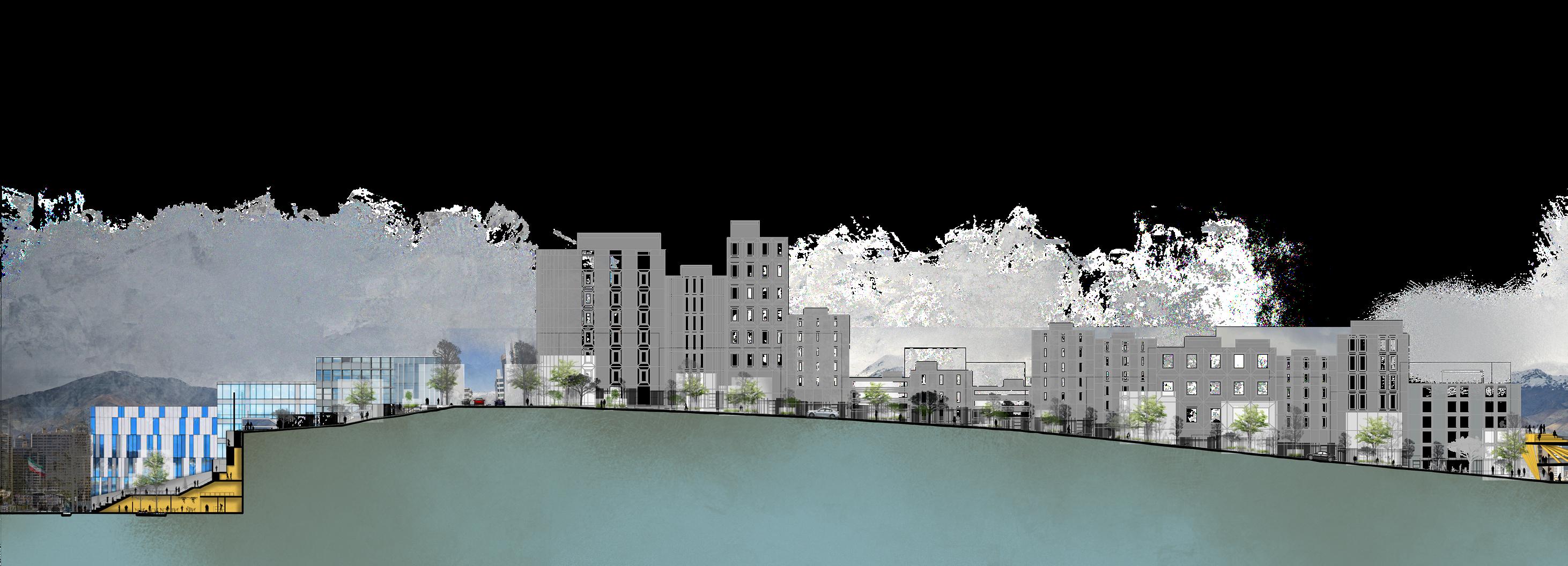
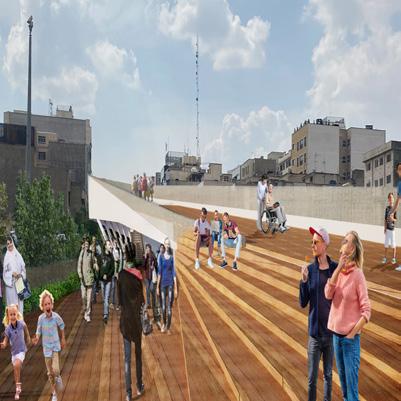
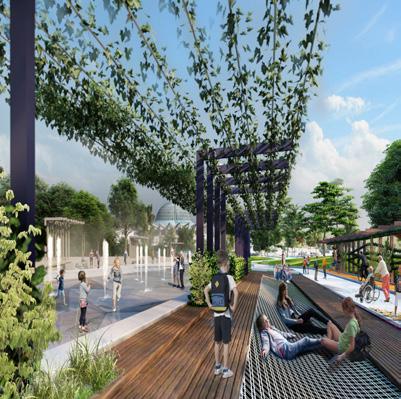
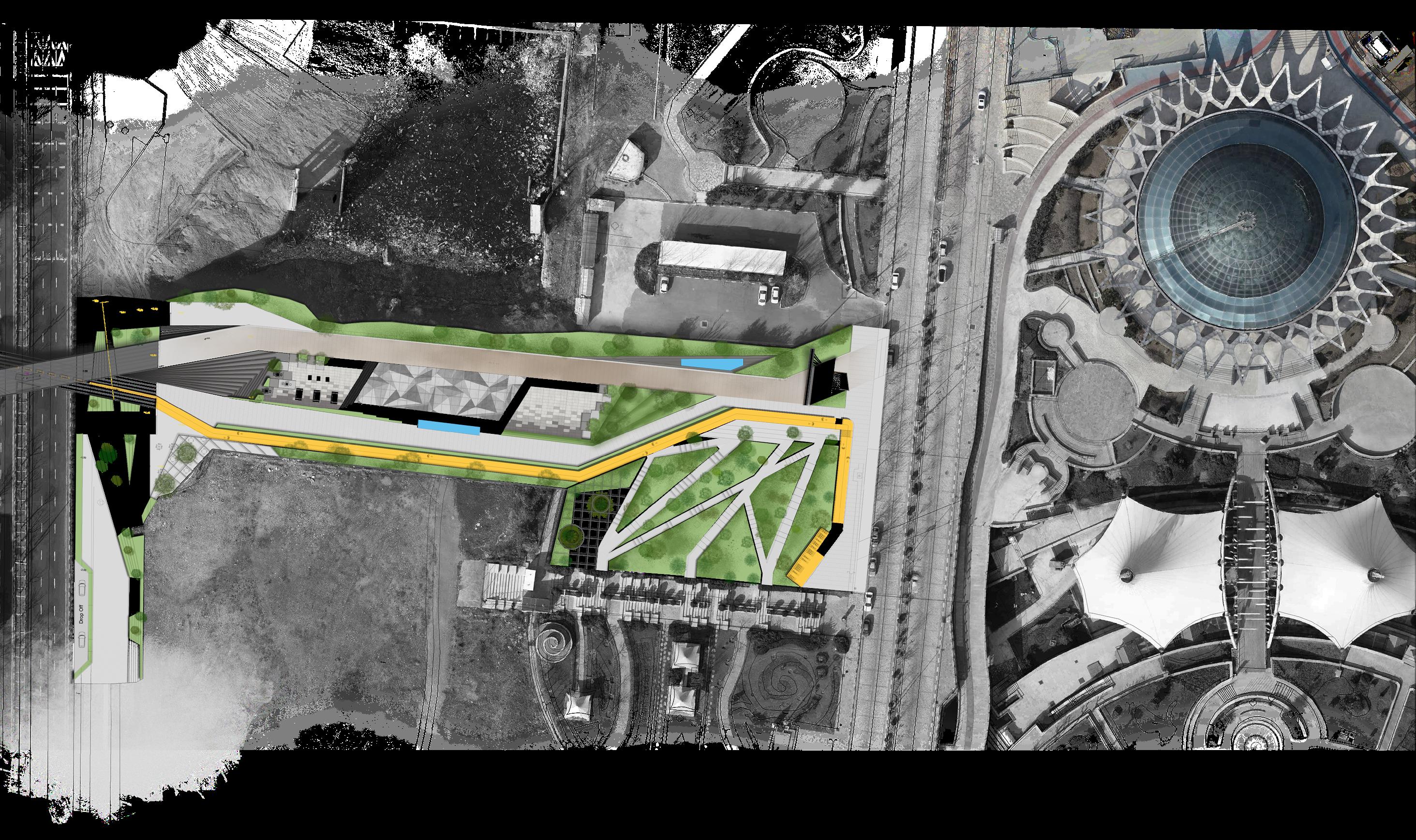
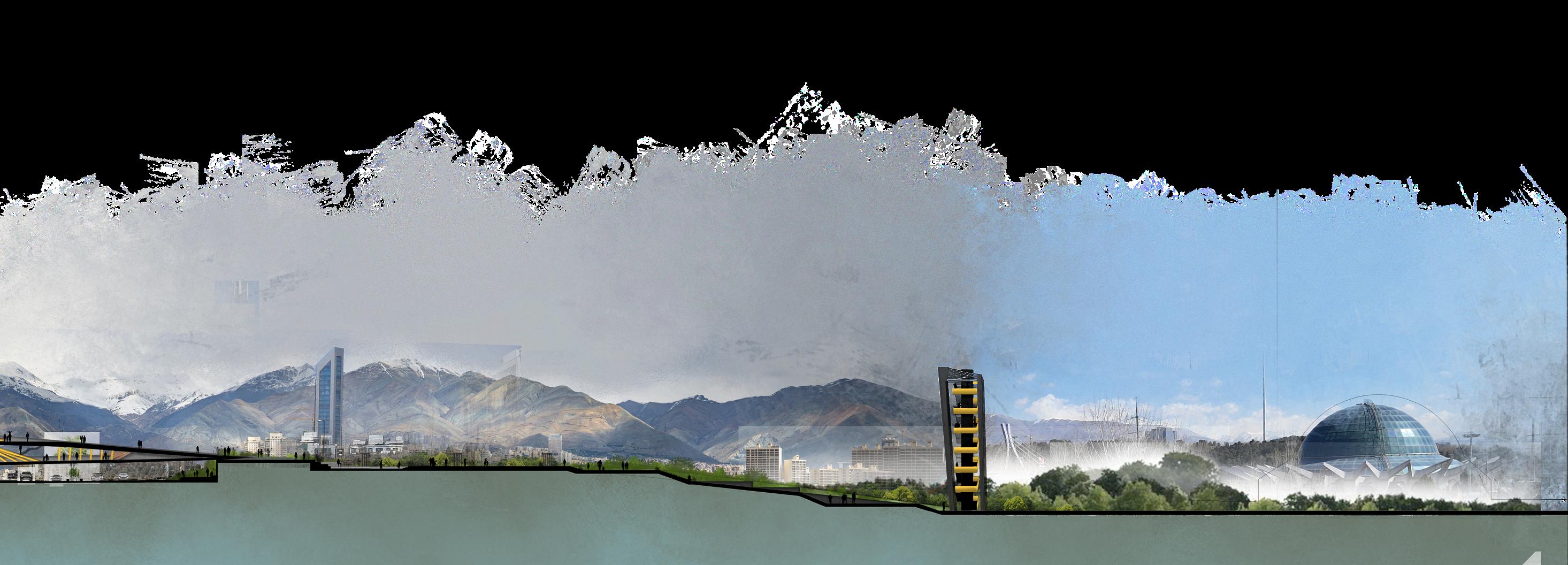
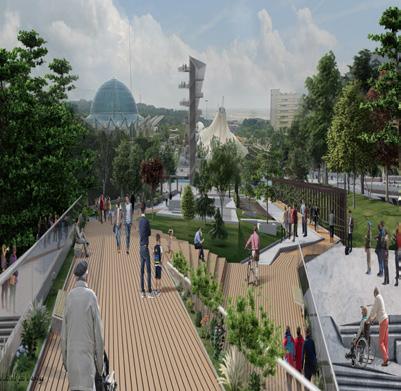
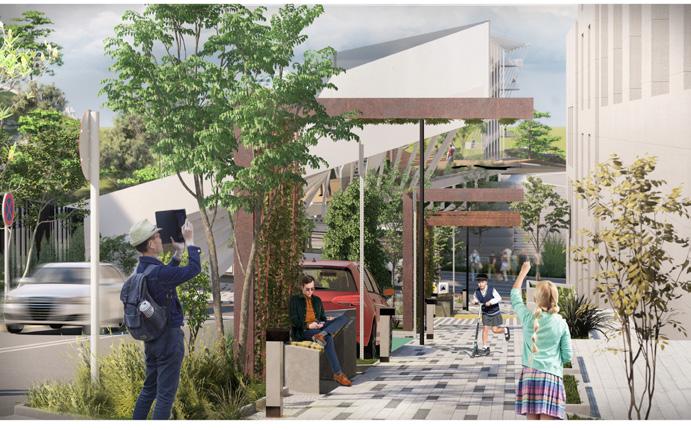
Not only this walkway has to refine the whole path, but also it should contain both Vali'asr St and AbasAbad lands characteristics. The passage improvement must include high quality for pedestrians, cyclists, and disables while narrating a movement story, starting from either side of the walkway.
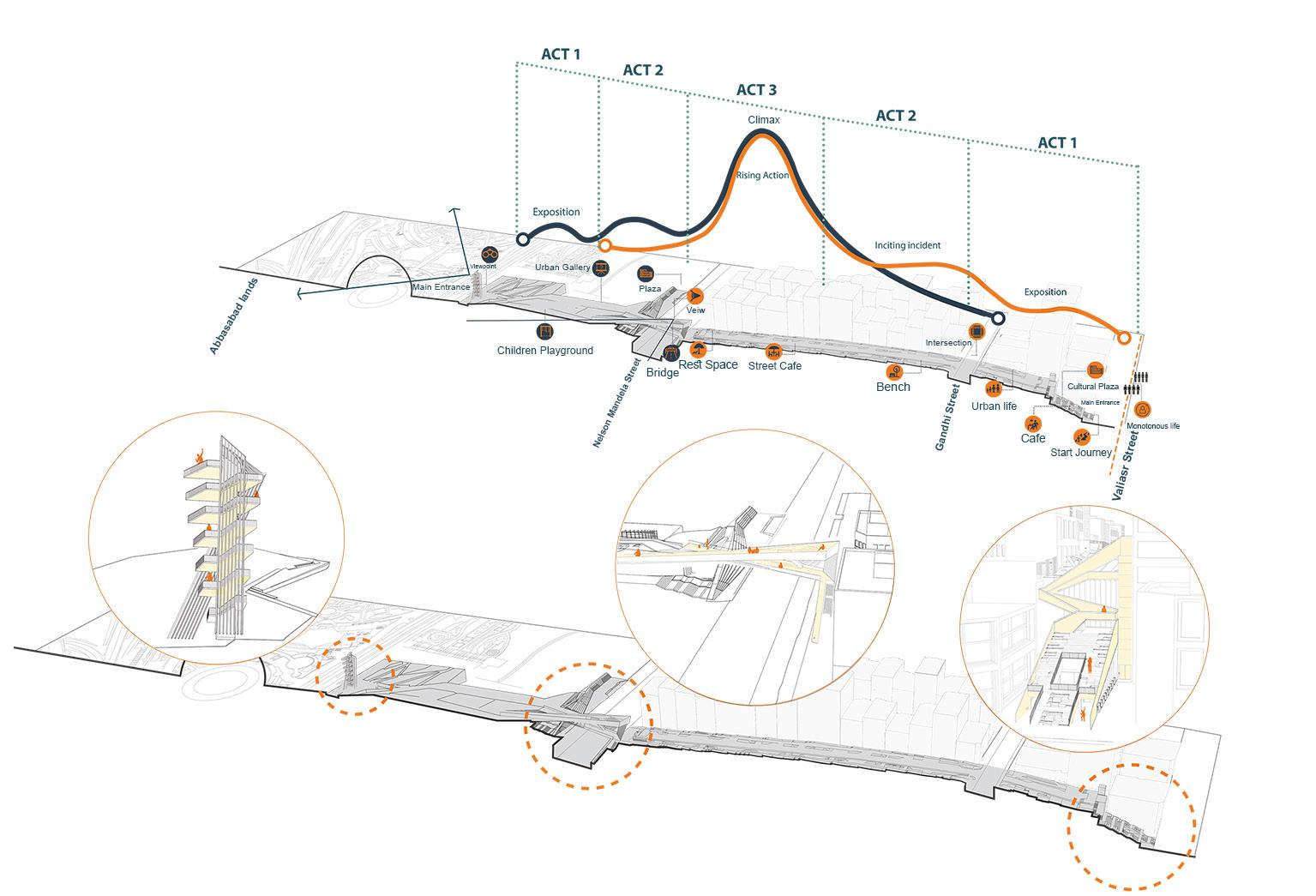
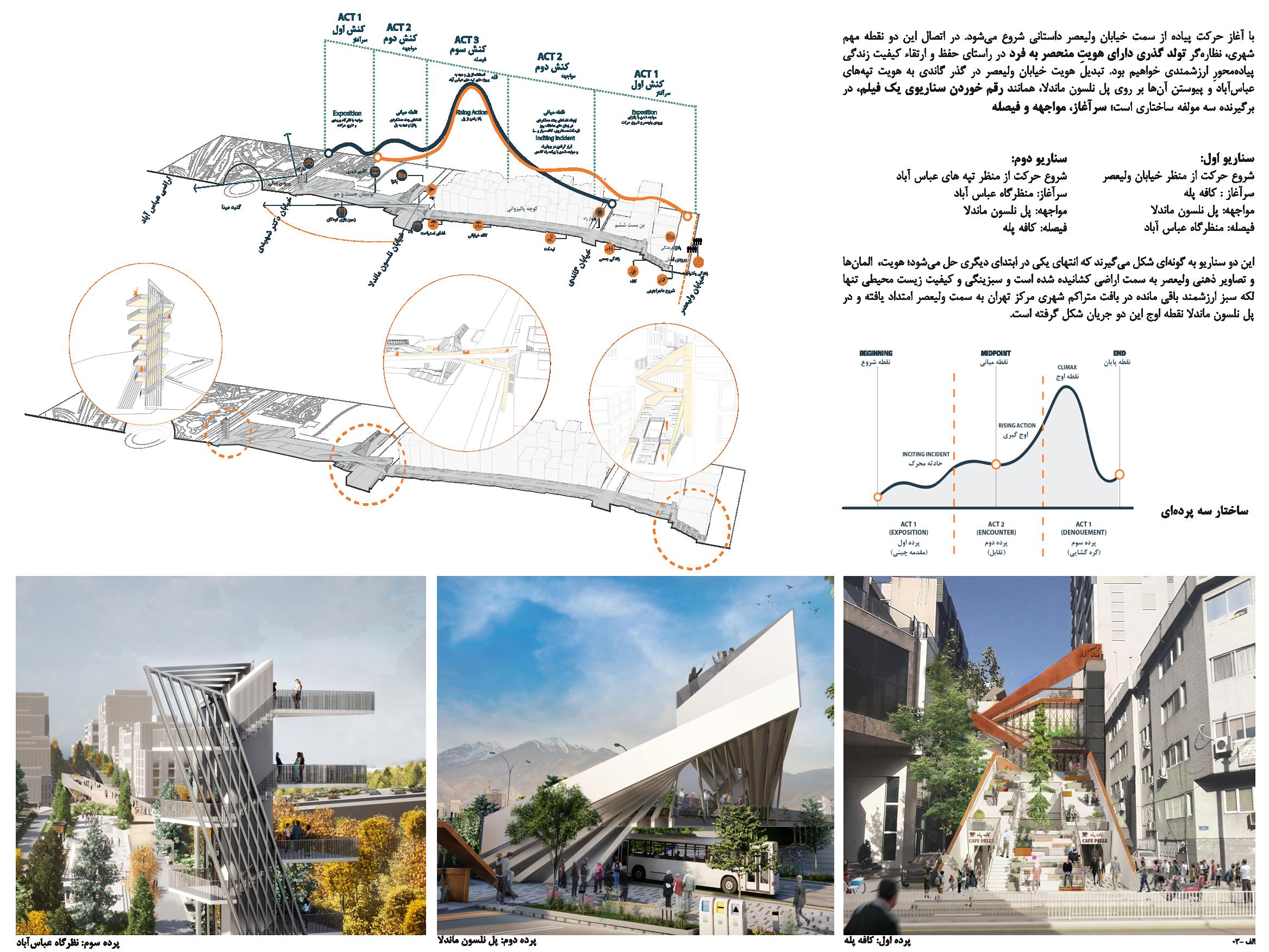
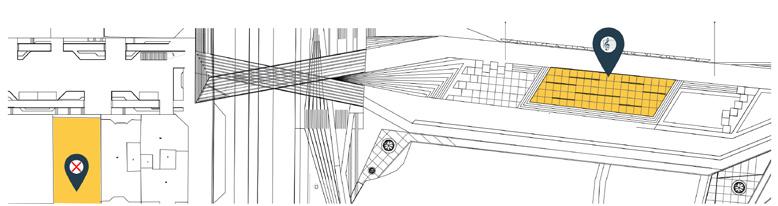
Based on the regular three acts structure of the movie and music, the design concept has focused on three critical points of the site along the walkway. By starting the journey from the Vali'asr side of the walkway, a story begins. Connection of these two significant urban landmarks would be the birth of a unique walkway with especial identities, leading to maintain and develop pedestrian life quality.
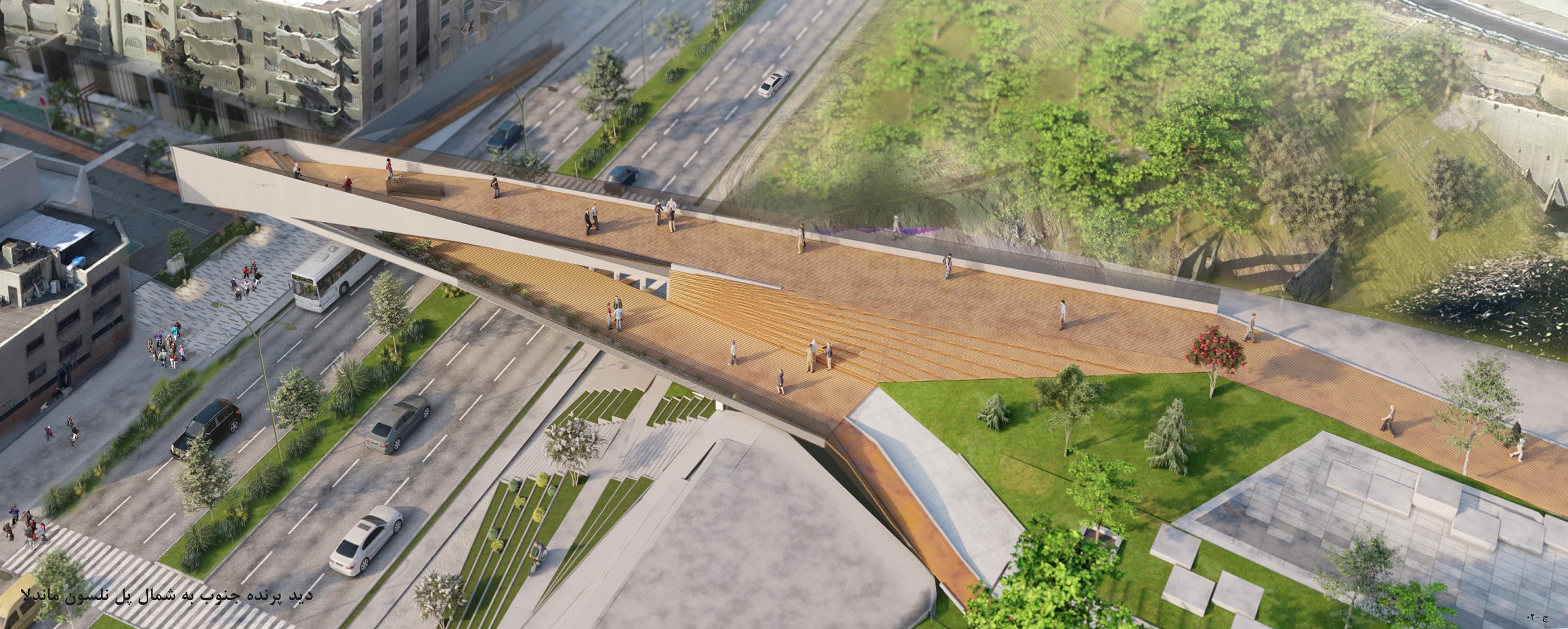
Converting the identity of the Vali'asr St-by Gandhi walkway-to the AbasAbad lands one and joining them in the Nelson Mandela Bridge is like a film scenario, comprising three structural components: Beginning, Encountering, and End.
How can Vali'asr St (the most historic and significant street of Iran) be connected to the AbasAbad lands (the most highlight public green space of Tehran, Iran), creating a recreative walkway?
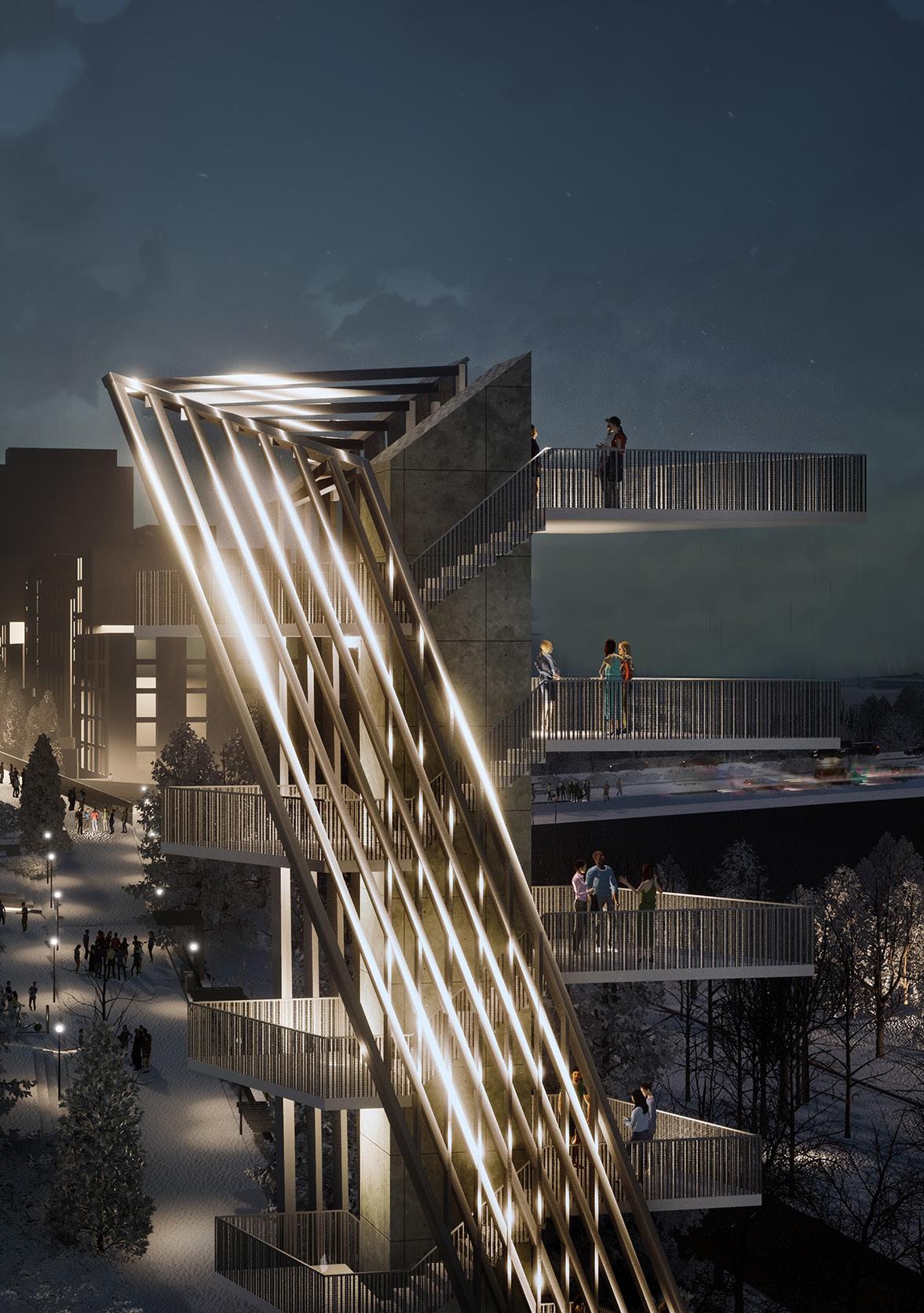
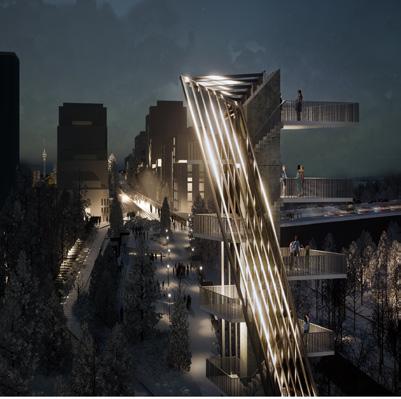
Third Act: Abbasabad Viewpoint
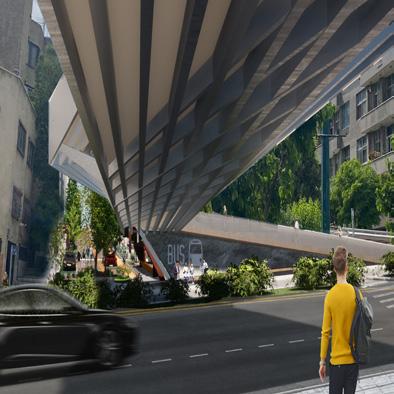
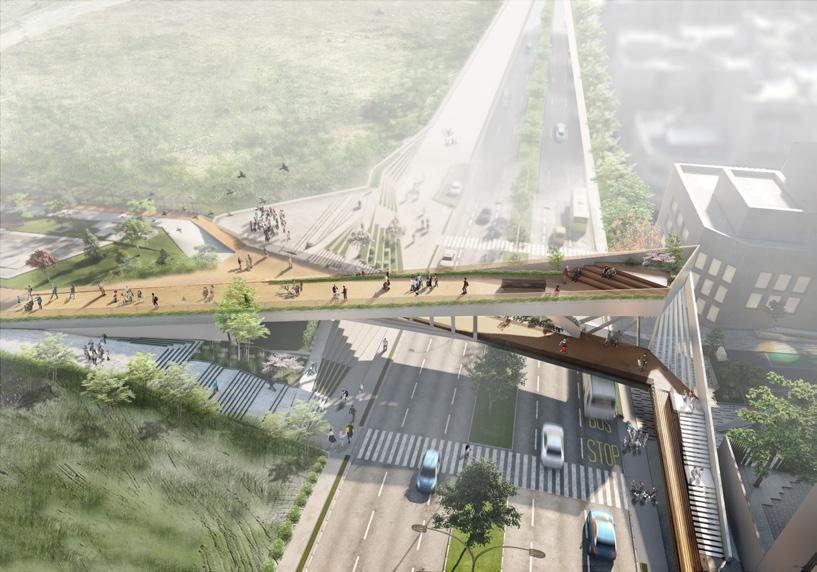
Second Act: Nelson Mandela Bridge
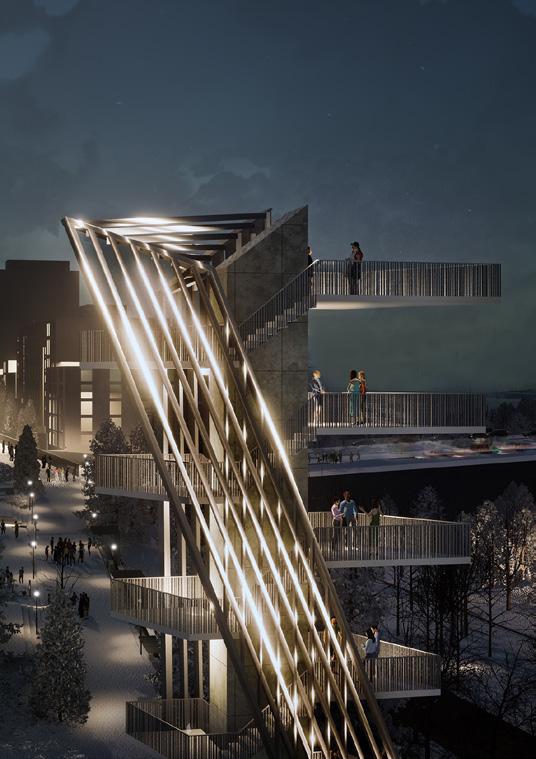
First Act: Stair Cafe
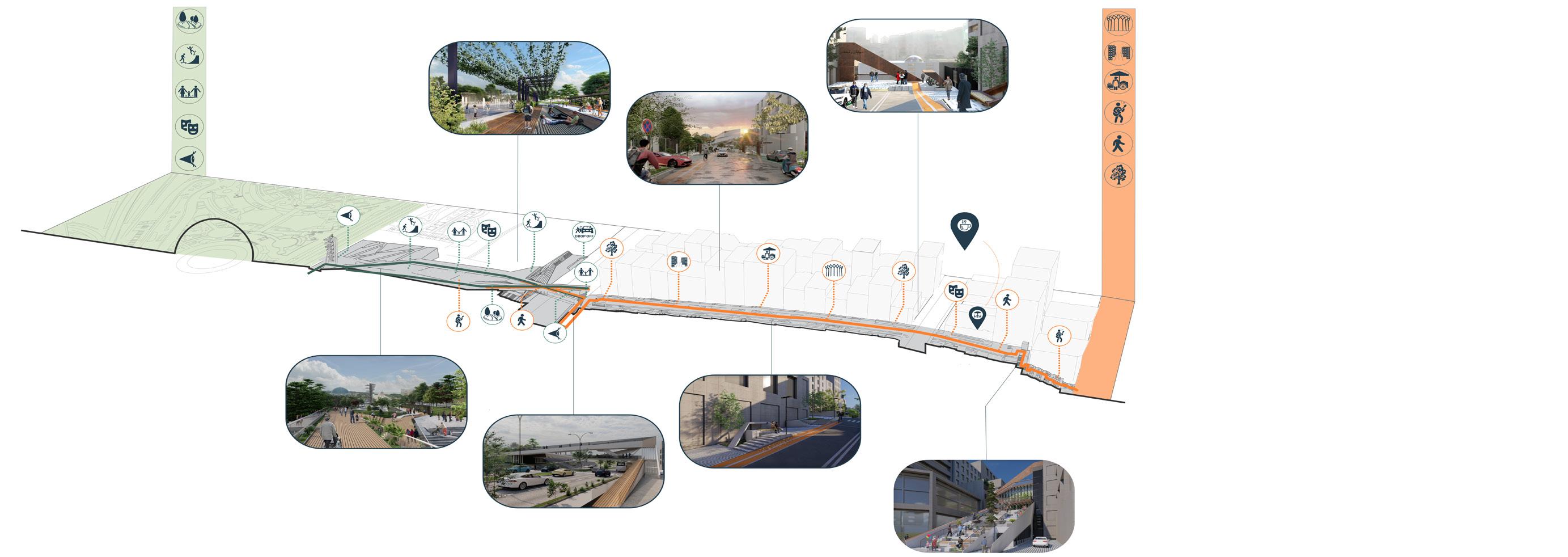
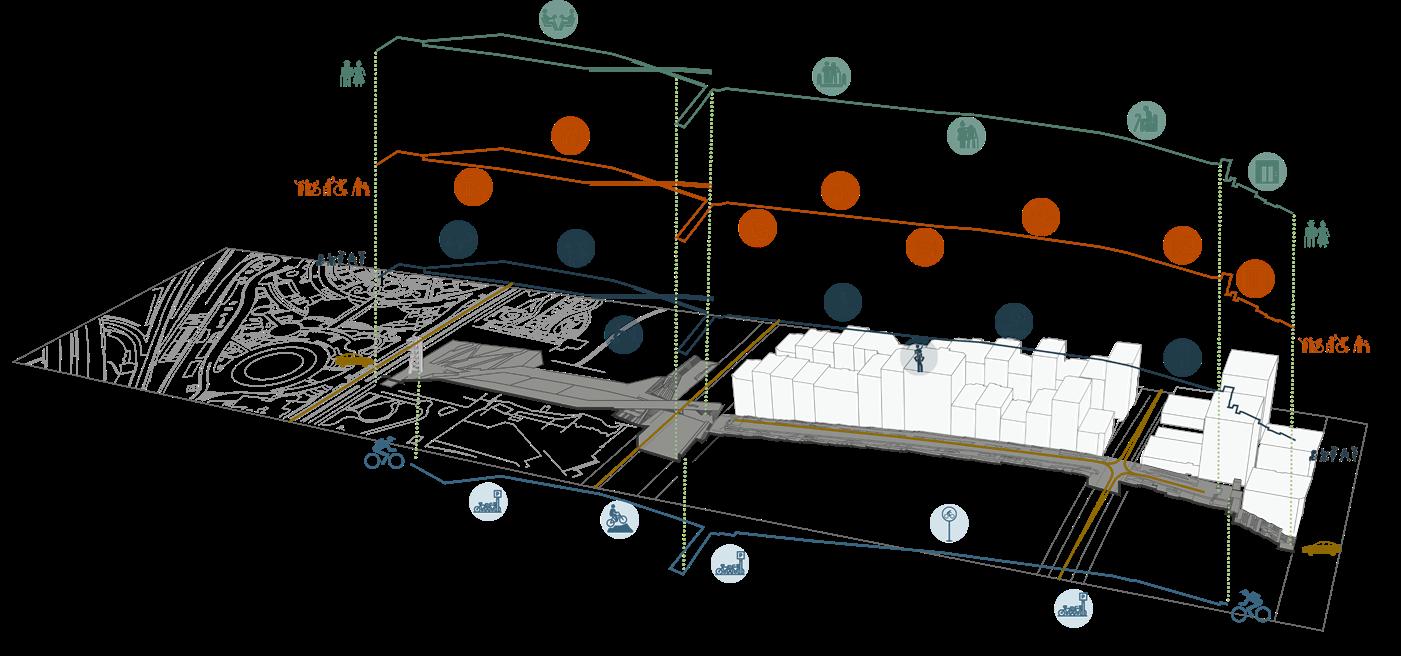
Diagram of the integration of Valiasr Street and Abbasabad lands
Zahra Zare
Green Space
Game and Entertainment
Multipurpose Recreational
Cultural Spaces
Open views of the surroundings and the city
A city is more than the sum of its inhabitants. It has the power to generate a surplus of amenity, which is one reason why people like to live in communities rather than in isolation. (Gordon Cullen)
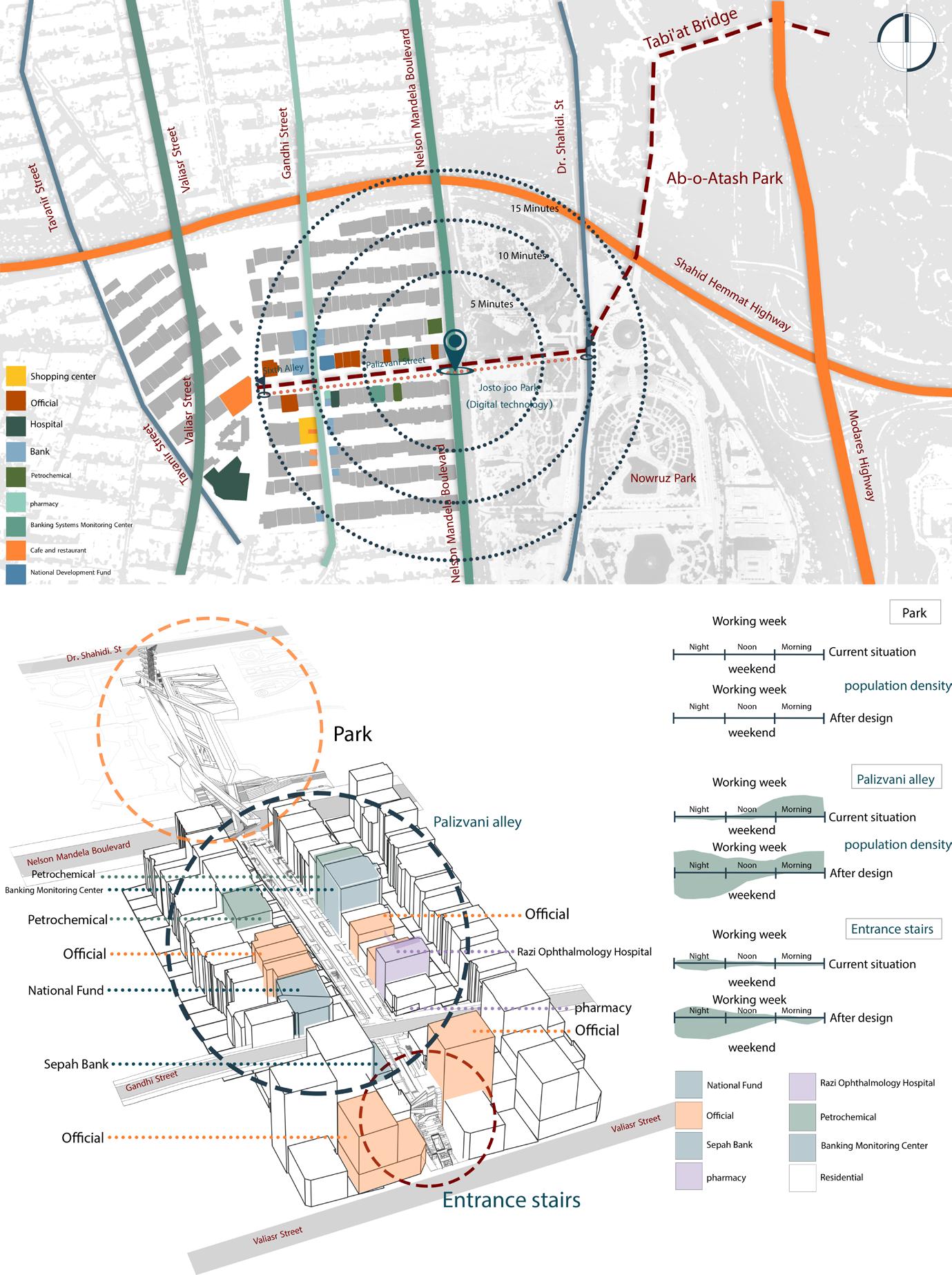
Diagram combining the characteristics of Valiasr Street and Abbasabad lands
Introducing the characteristics of Valiasr Street, including: nightlife, historical urban identity, and pedestrian axis along the route and combining it with the values of Abbasabad lands, including greenery, collective cultural space, and recreation and entertainment space.
Revival of Citizenship rights
Conducting surface water
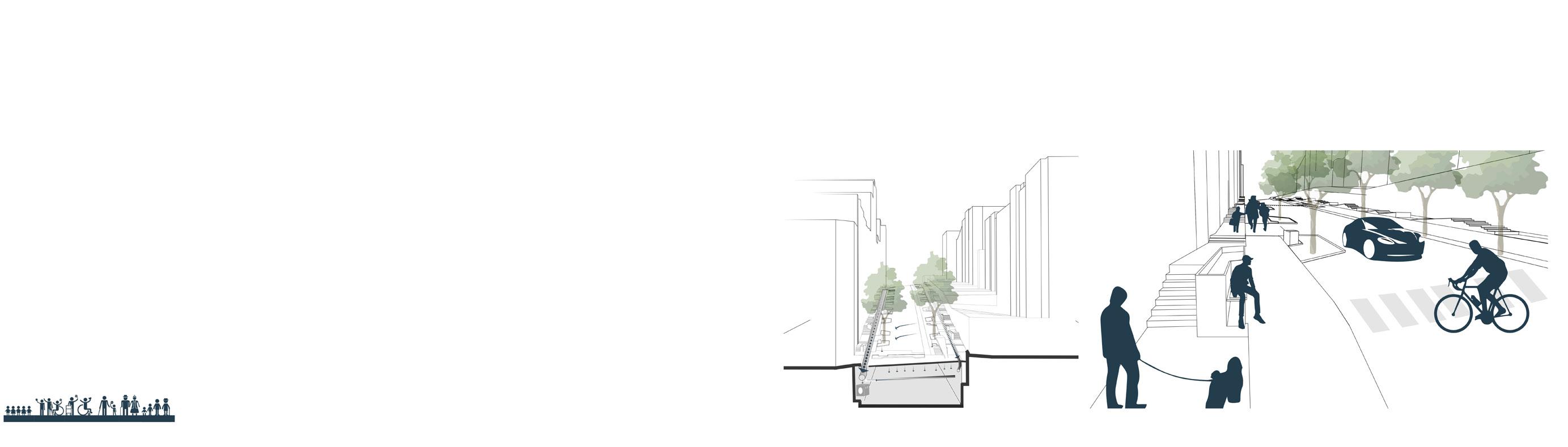
Separation of route functions
Children’s Sidewalk
Pedestrian Walkway
Disabled Sidewalk
The path of the car
Special cycling
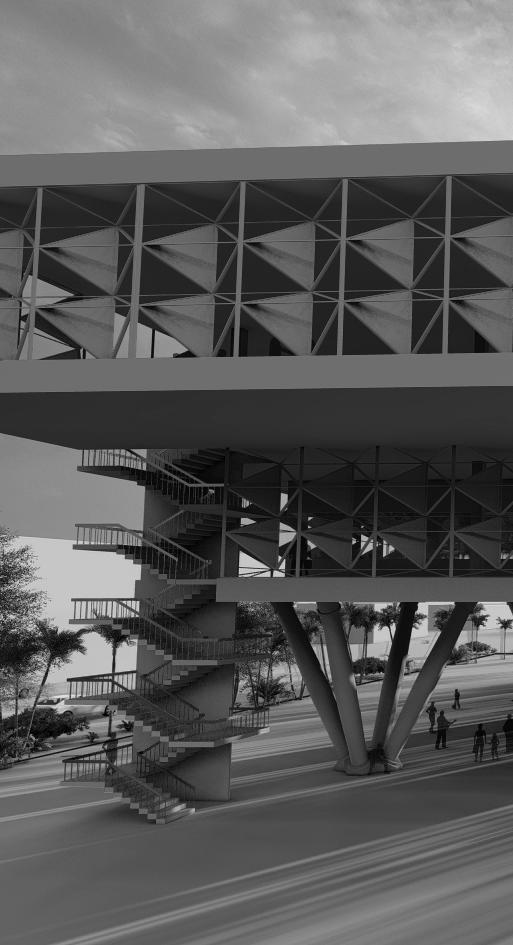
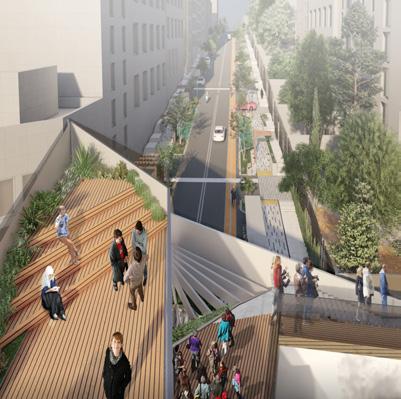
Bird view south to north of Nelson Mandela Bridge
Site analysis
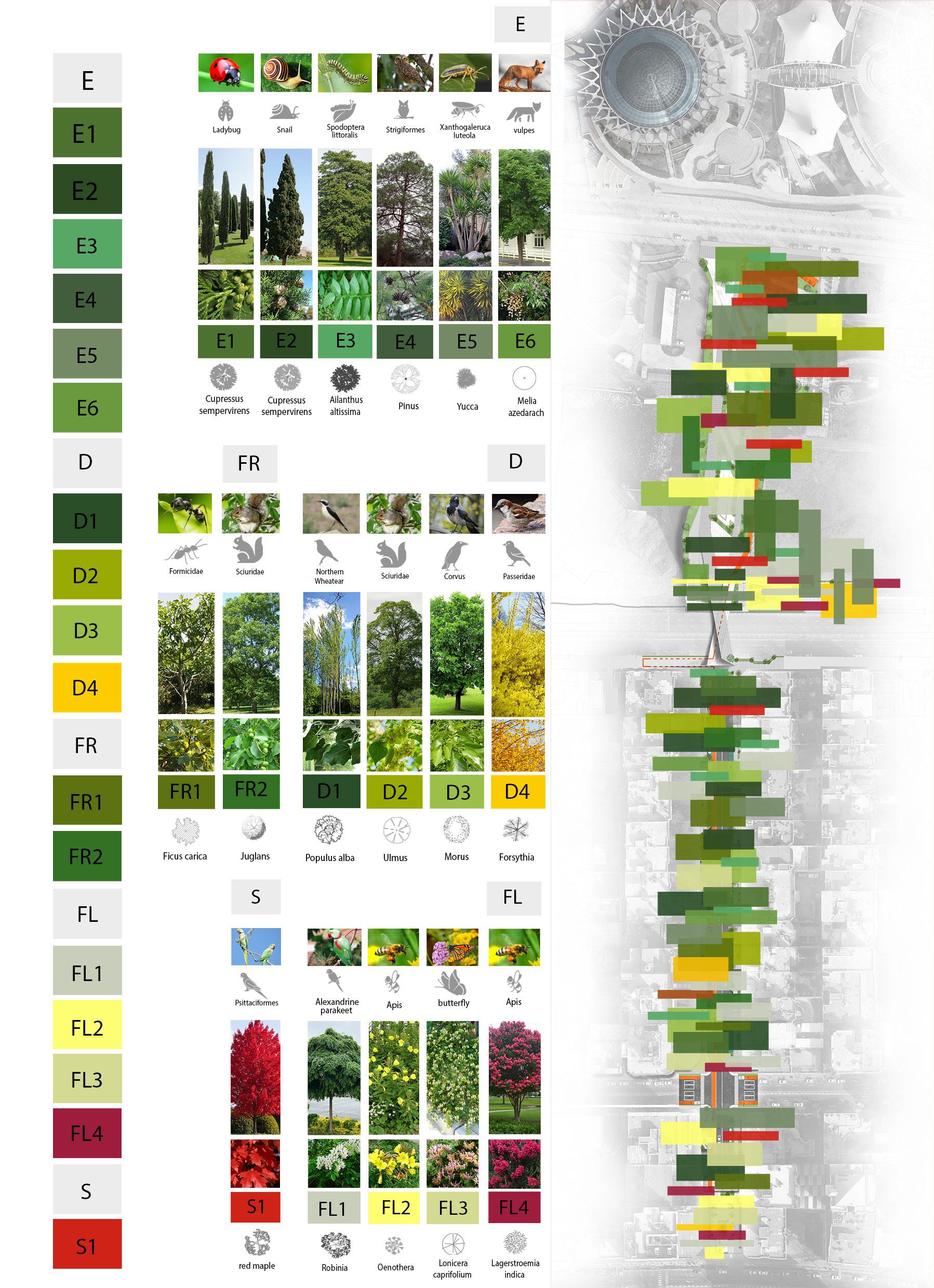
Evergreen Trees
Flowering Trees
Sign Trees
Deciduous Trees
Fruit Trees
Isfahan Chamber of Commerce Competition
Principal architect: Diba group
Principal architect: Diba group
Chief Architect: Leila Araghian, Alireza Behzadi
Design Team: Zahra Zare June.2021
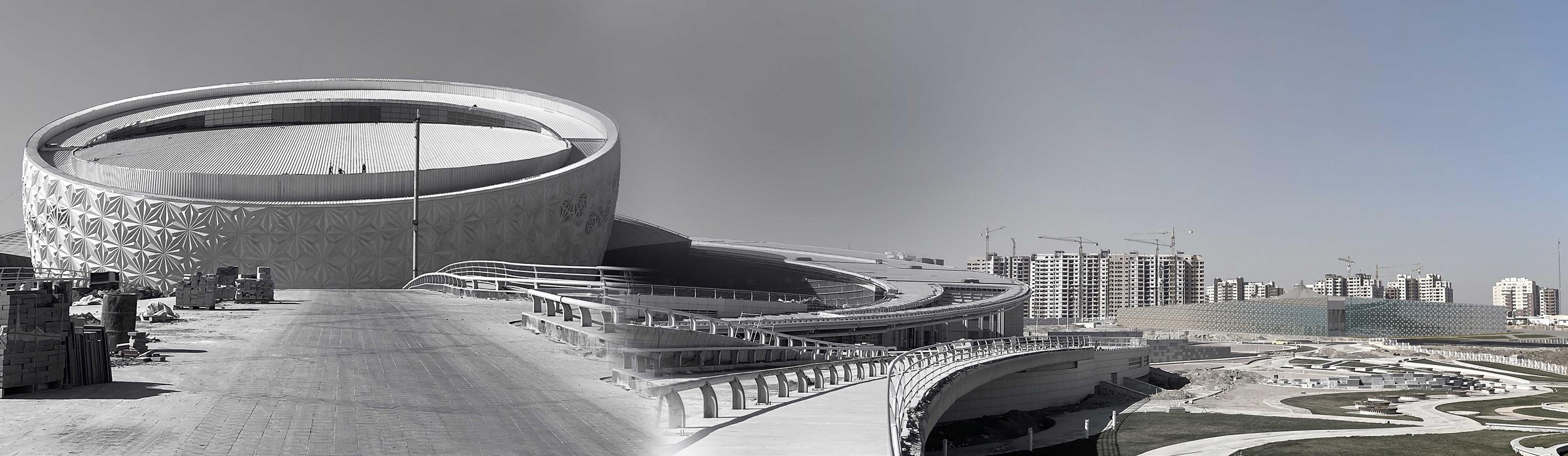
Isfahan, as one of the most historical and original cities of Iran, has a treasure trove of buildings with historical architecture from the golden period of art history and architecture of this border and region, so that every year a large population from around the world, come to see there.
This project is of special importance in the following ways:
-Its location is in a strategic site that is the main point of connection of this city with the world.
-Its location is next to the main meeting hall of Isfahan
In general, the construction of a building in Isfahan with the historical background mentioned above naturally requires special attention to the past architectural identity of the city.
Isfahan Chamber of Commerce
Concept(bazaar)
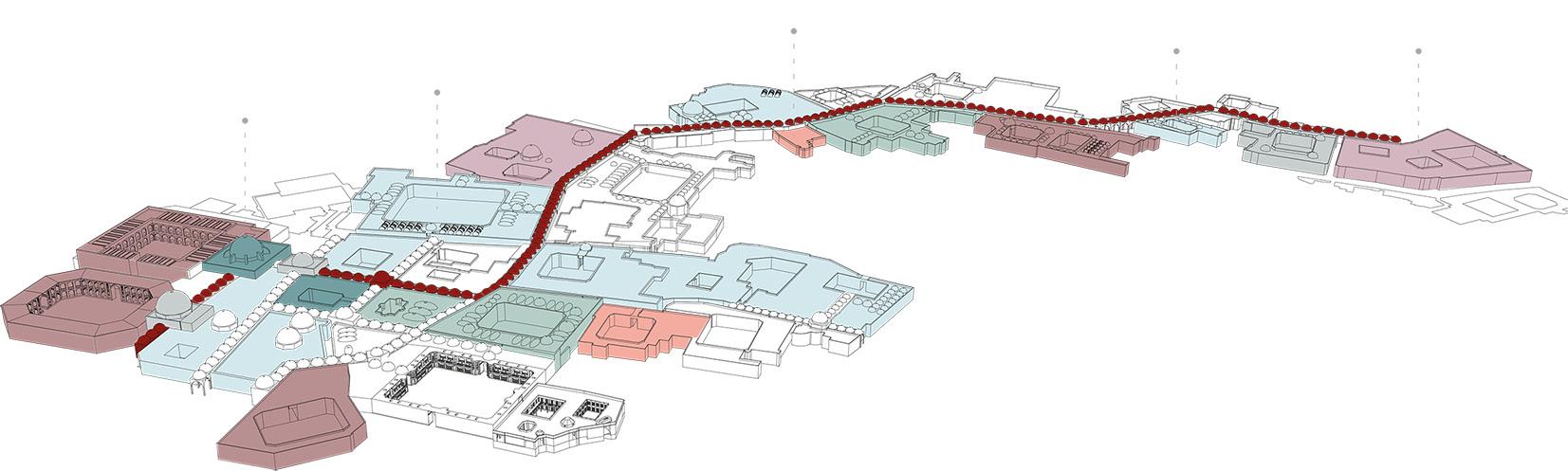
Isfahan Old Bazaar, which is one of the most significant elements of the identity of this city, in terms of architecture and urban planning. Considering the function of the Chamber of Commerce, in this plan, the concept of the bazaar has been considered the main concept of the plan to create a contemporary narrative of the old body and function. The bazaar is a long and winding path that connects different and important functions in its place and includes a movement path that accommodates various spaces. The important point in Isfahan bazaar is that in none of them The exterior did not show itself so that the facade was a simple surface without decorations or was resolved in a way between the urban fabric and the surrounding networks that basically the surface was not seen as the main view of the bazaar. External simplicity and internal complexity have always been prominent features of the past architecture of this area. In this plan, an attempt has been made to use this surprise, which is possible only with external simplicity.
The three-dimensional image of Isfahan Bazaar, which is the main idea of this design
Tim and Timche
Tim and Timche Bathroom Bathroom
School
School
charsoogh
charsoogh Caravanserai courtyard
Porch pattern
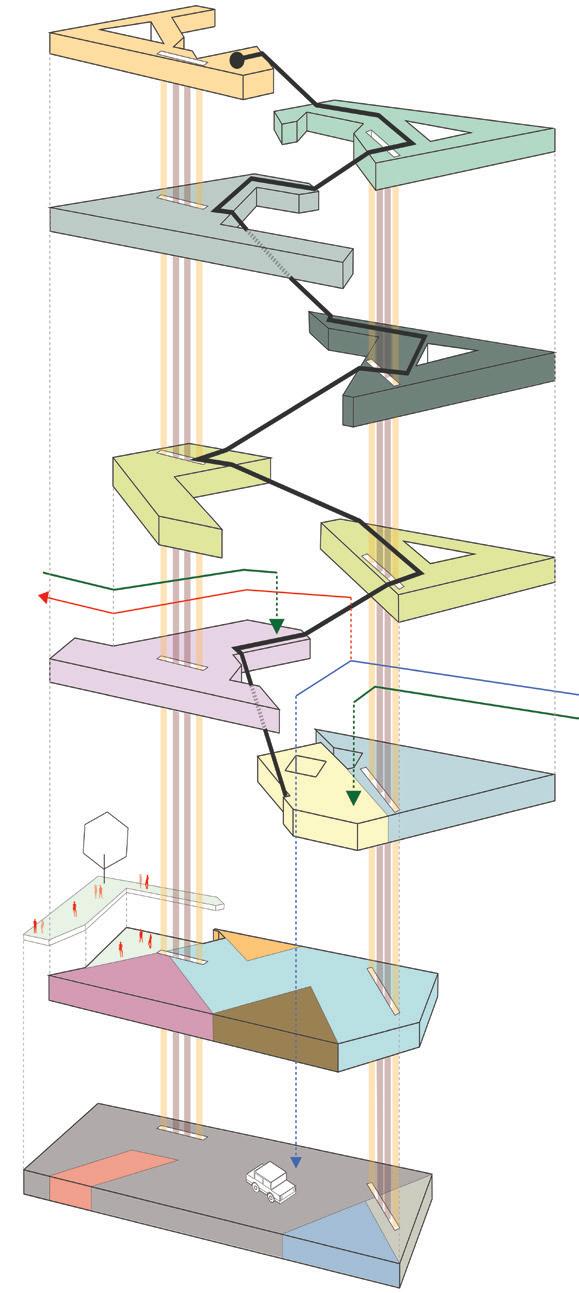
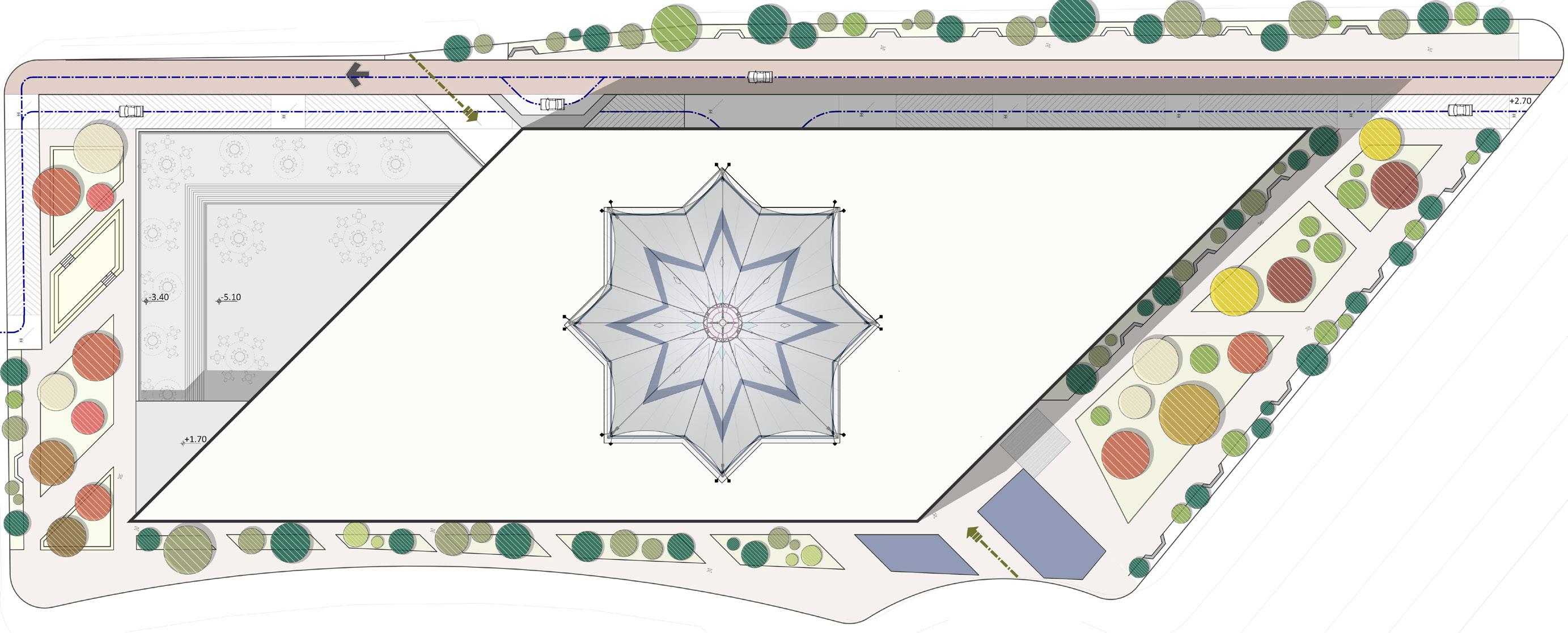
Another point that is important in this design is the eight-pointed star, which is created by placing the ramps connecting the floors in the plan. This geometry consists of two intersecting squares, which create an octagon in the middle and an eight-pointed star in the environment. It is slow and one of the most colorful patterns of traditional Iranian architecture. In other words, this game with geometry allows the user to discover the hidden order in this concept.
Initial idea
Facade
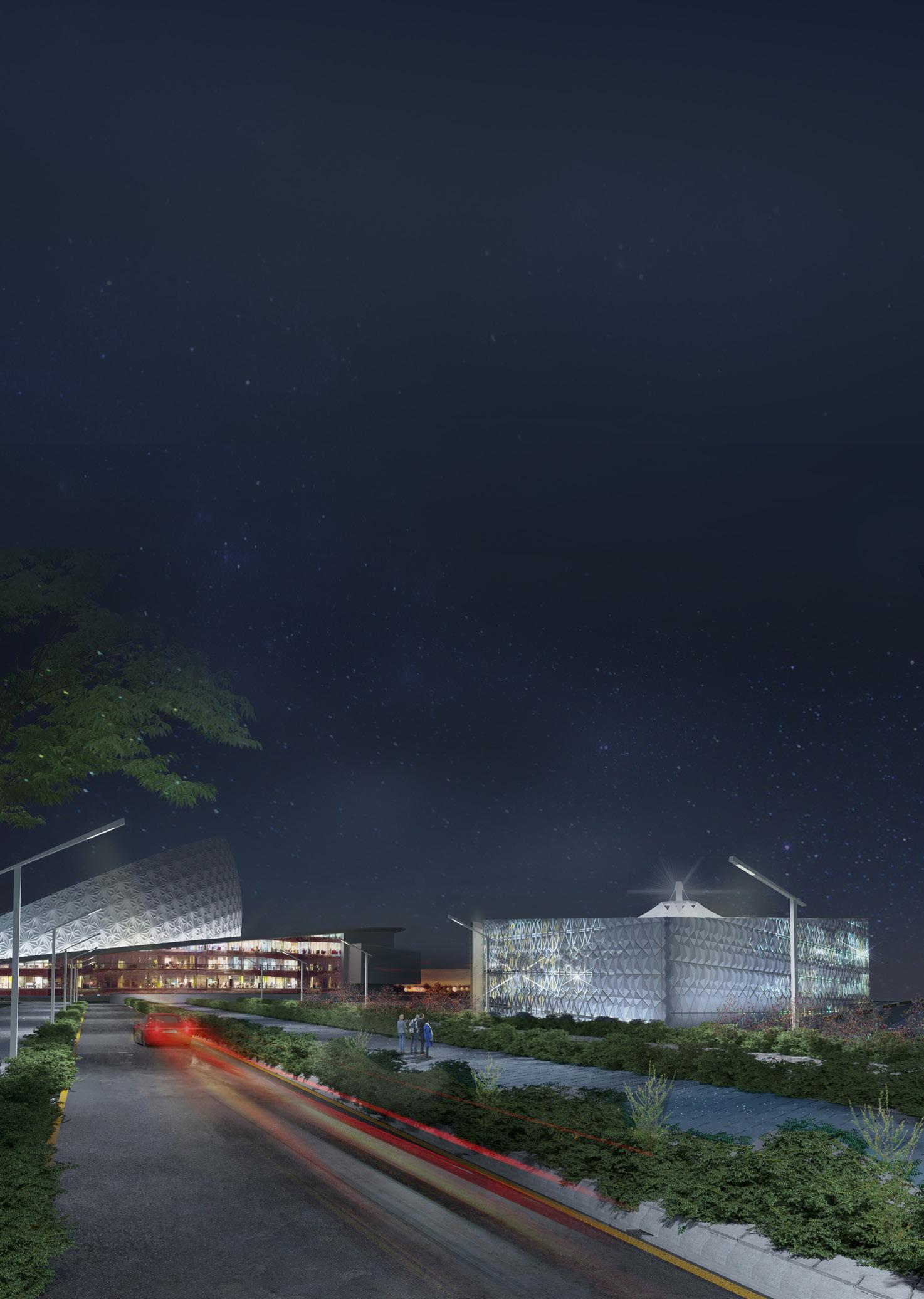
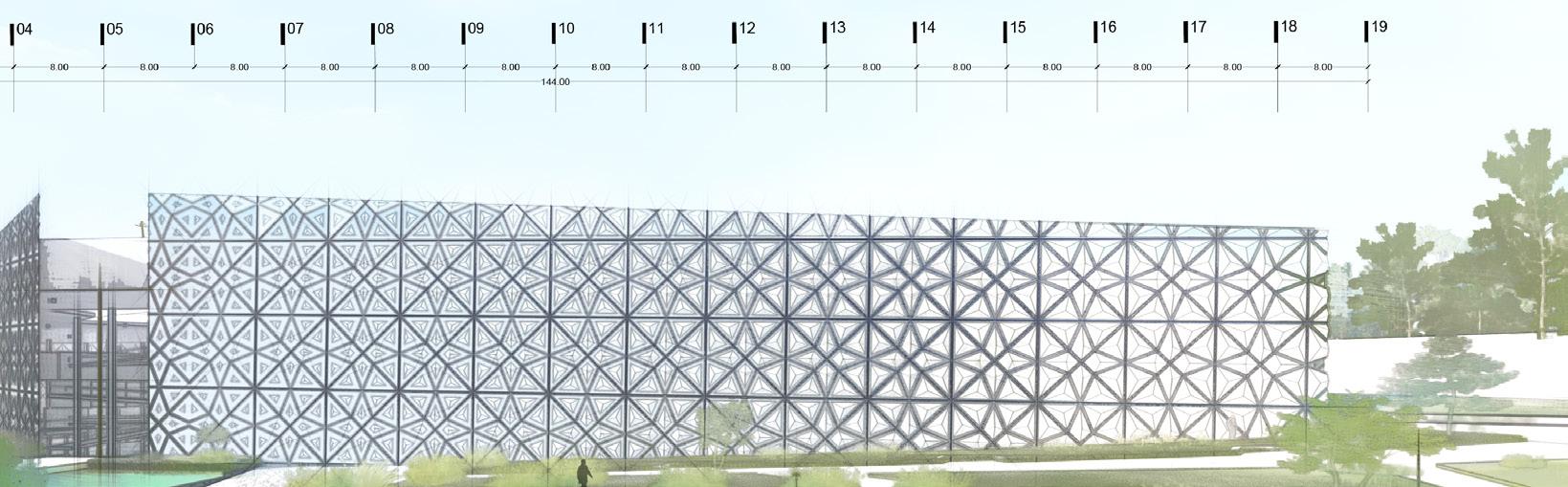
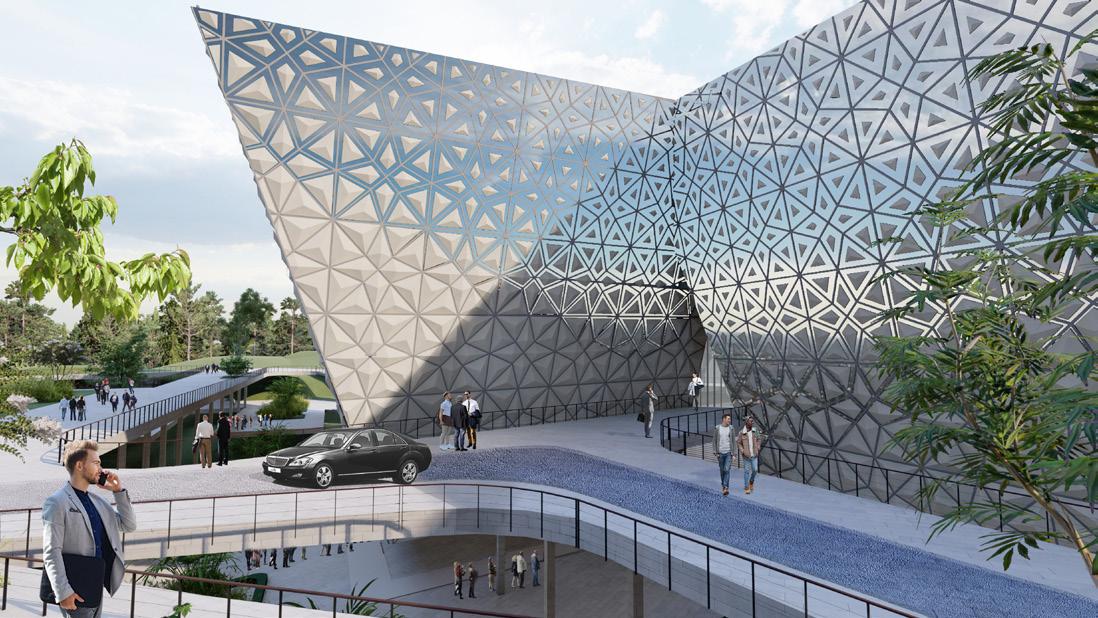
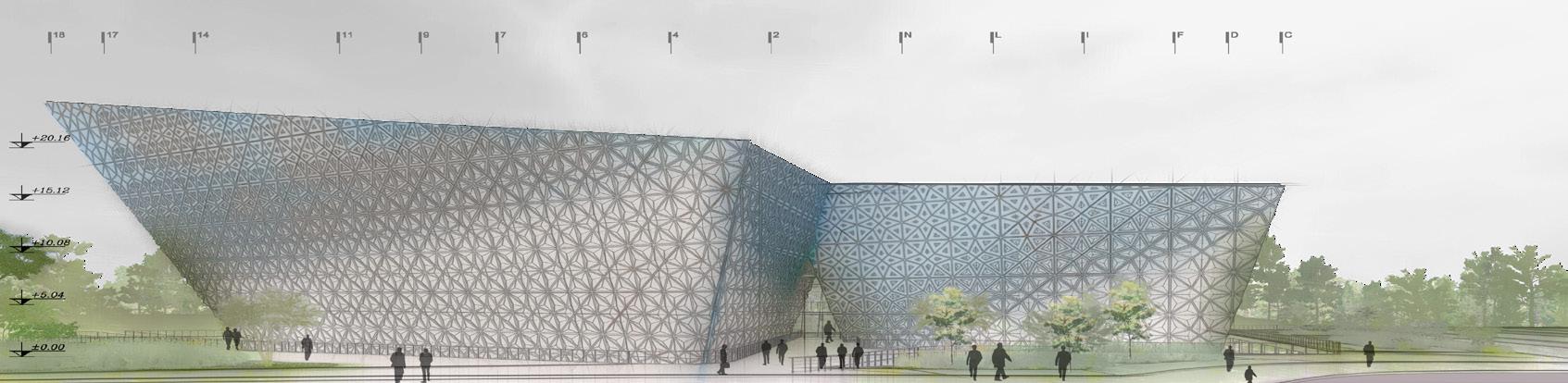
The final coating material is in two shells and on the glass that forms the main surface, concrete tiles are used in a parametric way so that in the north, where the light is desirable, their density is less and in the west, where the sun is intense,With more density, these tiles prevent entering too much daylight.In addition, the design chosen for these levels is largely in harmony with the conference building as well as with the patterns of traditional Iranian architecture.
Existing
Exterior
Entrance elevation
Elevation
Functional design concept
In this plan, the building is functionally divided into two main parts, public and private. This feature makes it possible to create the desired quality for the event during public events on the ground floor by connecting it to the surrounding.
Fabric structure
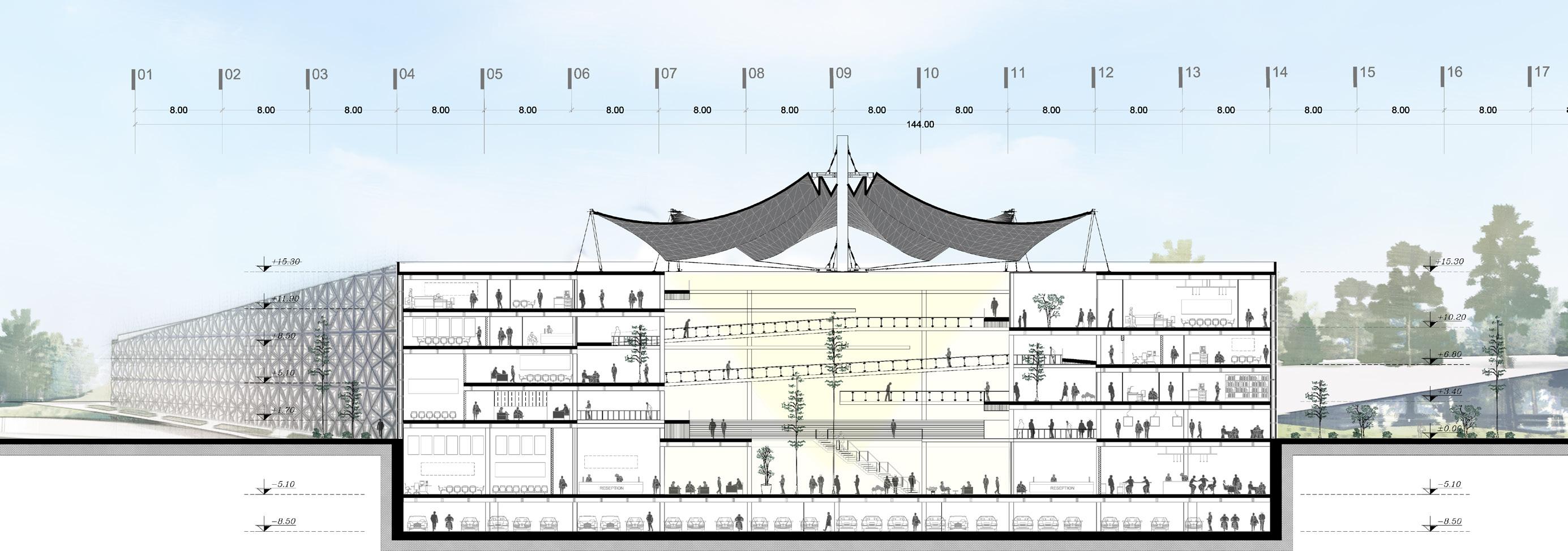
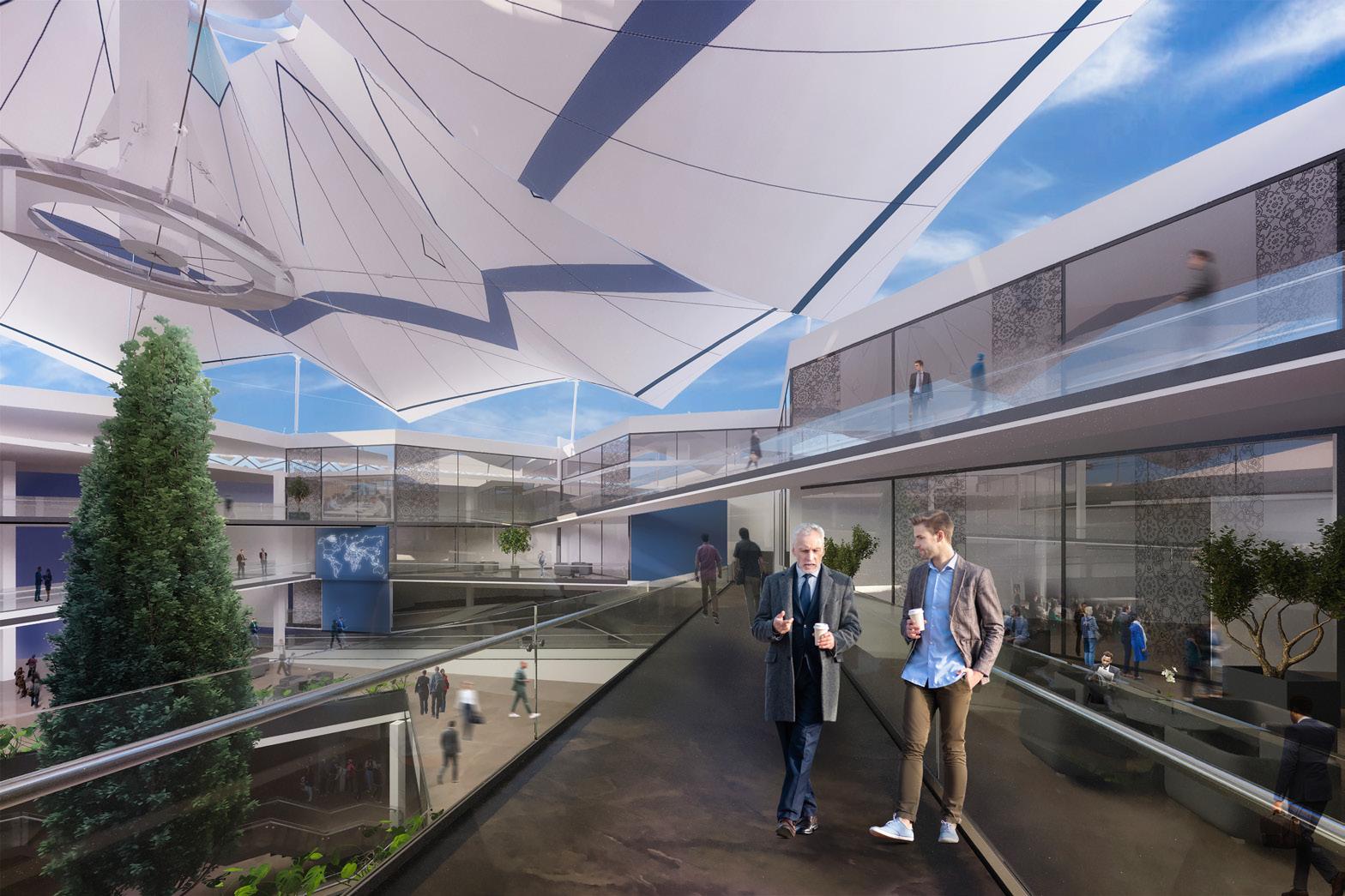
On this central courtyard, a fabric structure with the same pattern of eight-pointed stars with designs of Iranian patterns has been designed, which casts a shadow on the this space, in different seasons. This fabric structure reminds the patterns, which used to be temporarily installed during ceremonies in iran, also has a similar shape to the current logo of the Chamber of Commerce.
Dedicated function of the Chamber of Commerce
Plant selection and landscape design
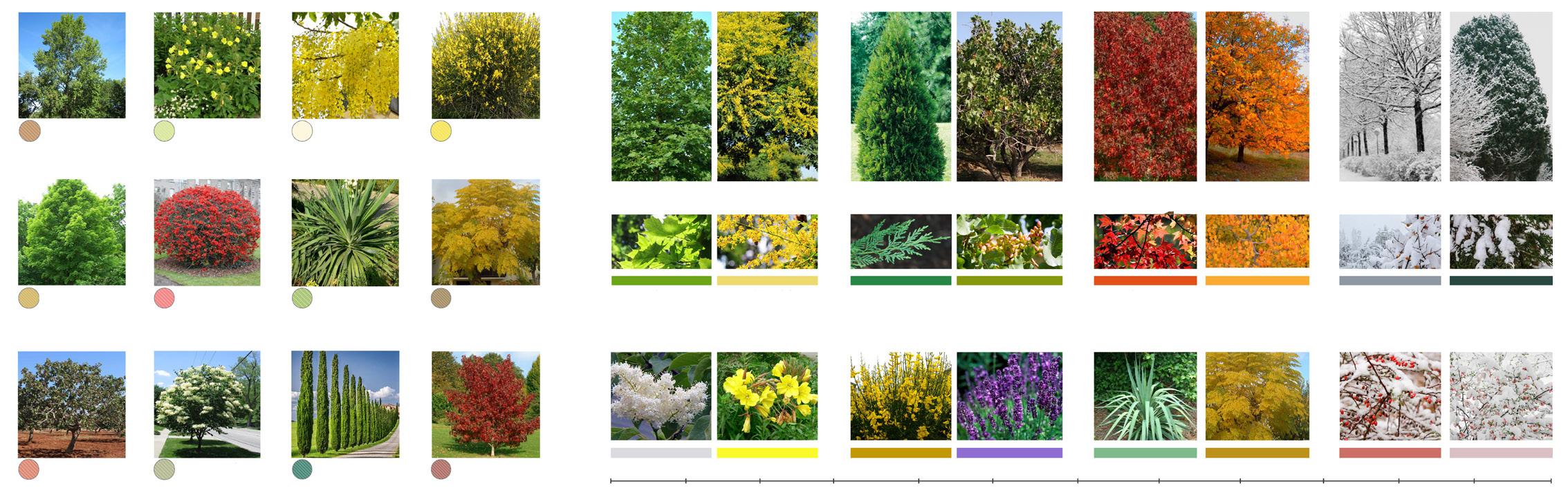
Regarding the landscape design, native plants have been selected in accordance with the climate of Isfahan. Also, these were chosen with a combination, which will have a great variety in different seasons by changing the color of the leaves and the growth of flowers.
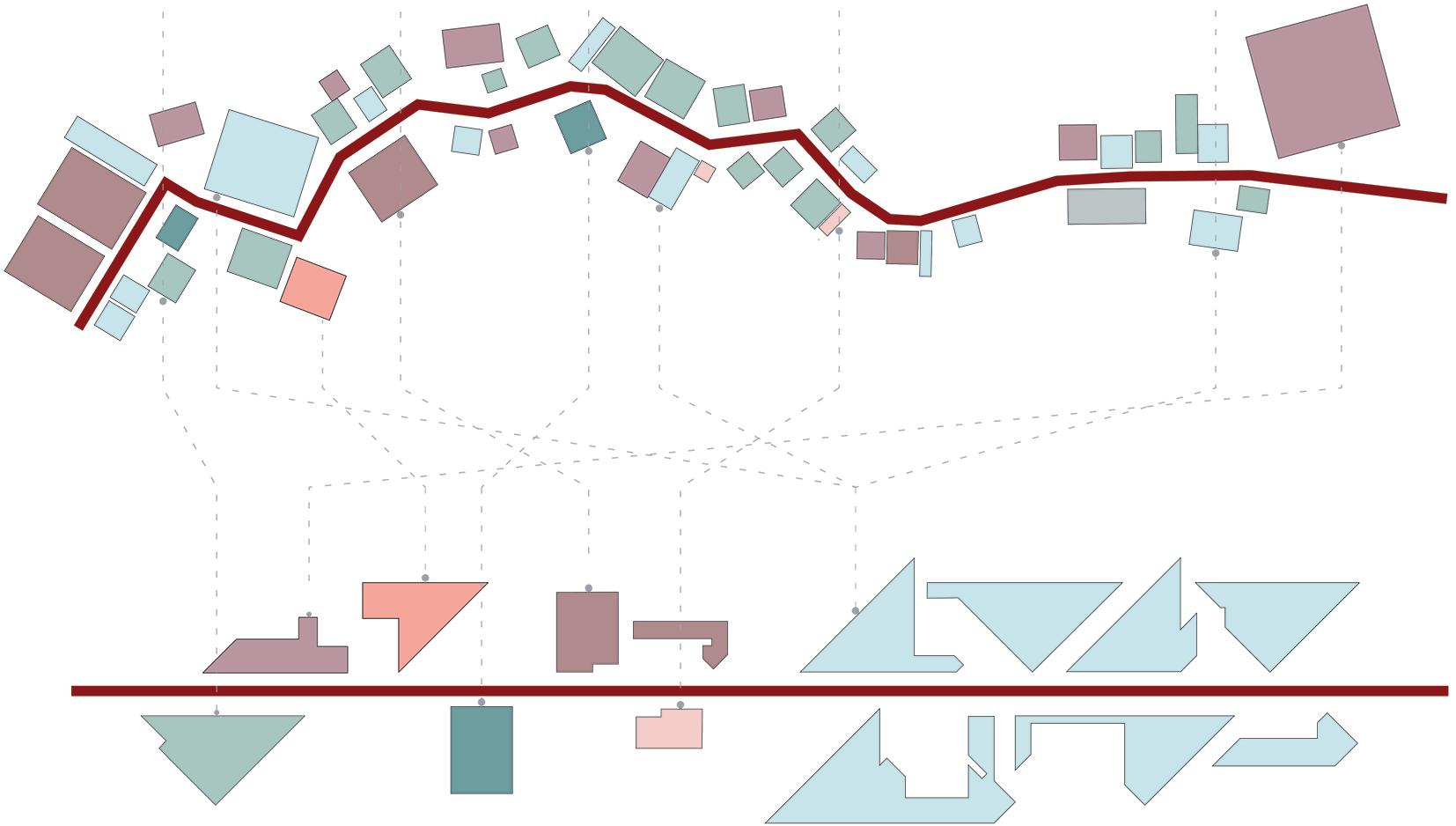
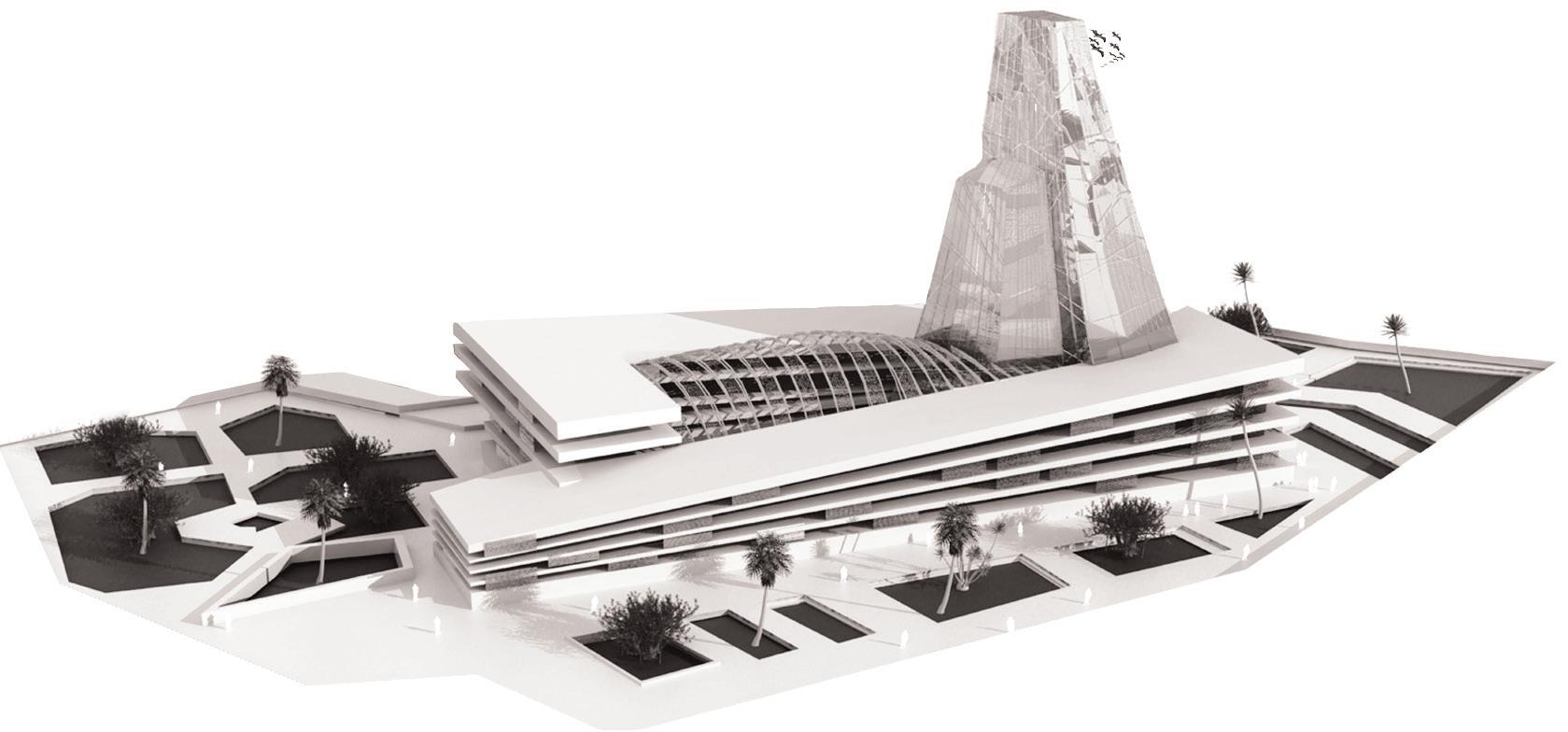
Isfahan is one of the main cities of Iran with many mines of valuable and beautiful building stones. In this concept, an attempt has been made to take the main concept of the design from large pieces of stone.
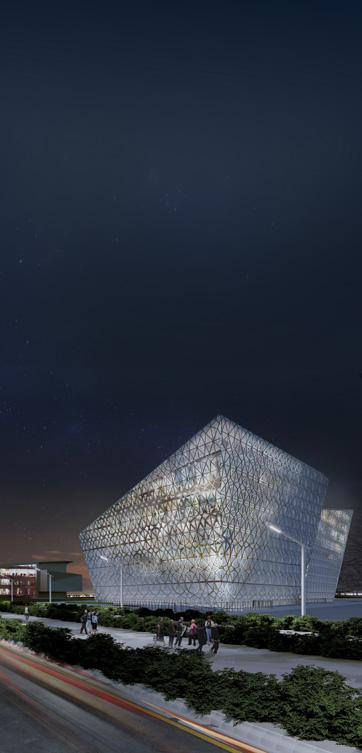
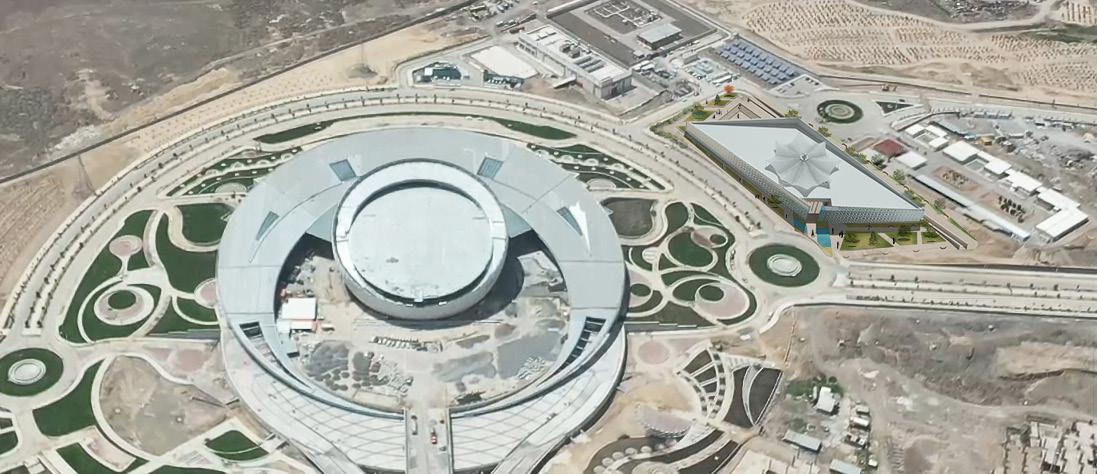
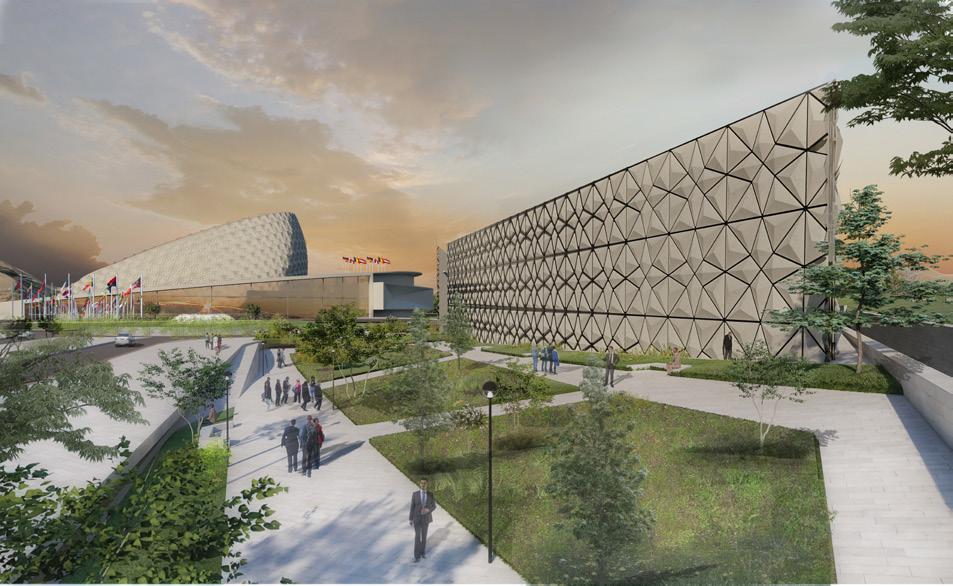
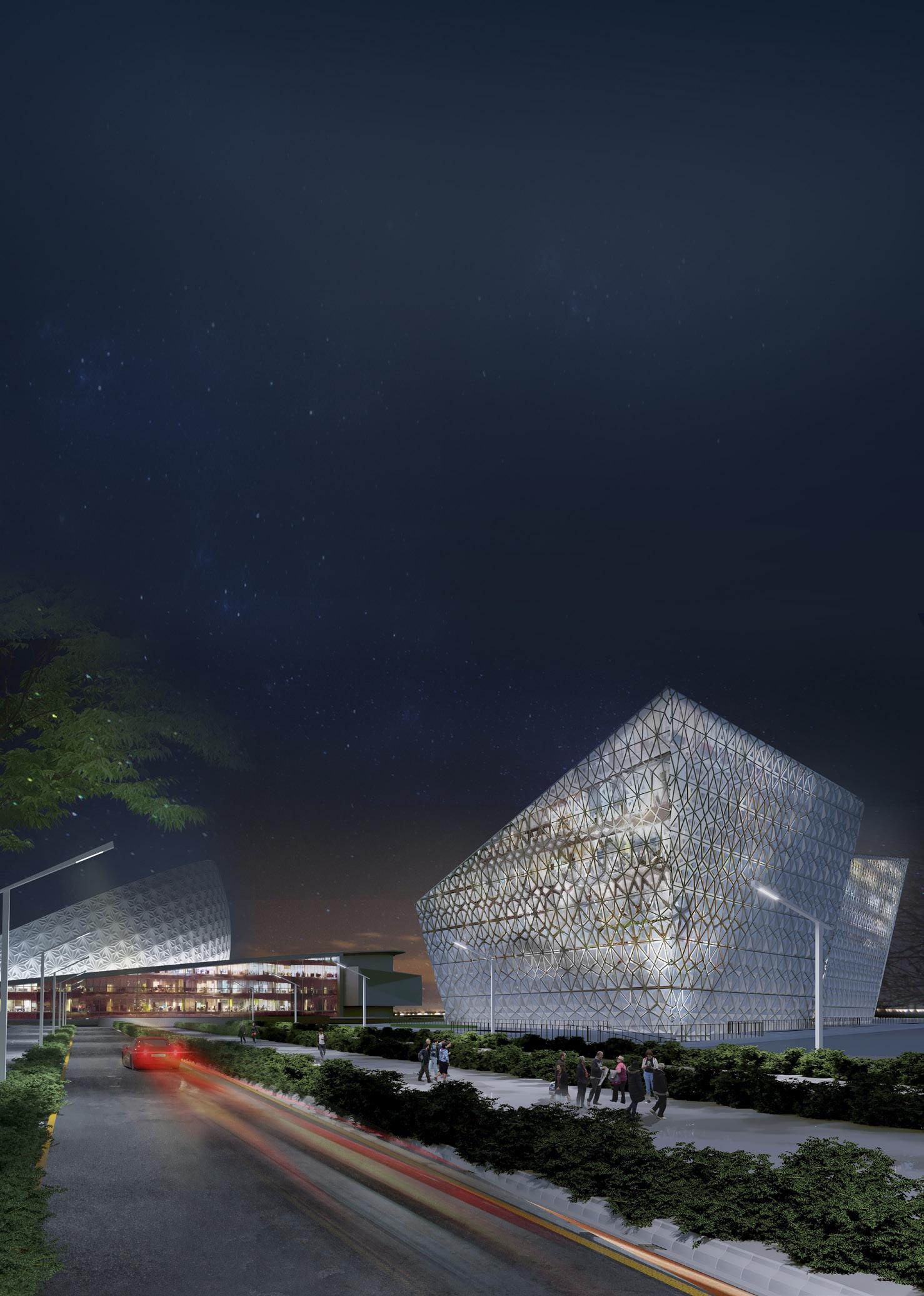
In this project, the height restrictions defined by the municipality are less considered and efforts are made to design the building of the Chamber of Commerce in such a way that it can be seen in level and with the literature of the International Conference Center.Although the existence of sharp-angled lines seems to contradict the circular lines of the Conference Center, but this contradiction presents the independent identity of the Chamber of Commerce as a landmark and independent structure. In addition, the selected angles and openings in the design have made it possible to create different cones of view to the building of the Conference Center in different directions, so that by creating frames of vision and revealing the view of the Conference building after hiding it not only does not diminish its value, but adds to its importance.
Existing situation
Initial idea
Stone
Extrude Cut
Green-Blue Views
Visual communication with the conference hall
Regarding the external volume of the Chamber of Commerce building, despite the selection of relatively smooth and ingot-like surfaces, the final coating materials are in two shells and on the glass that forms the main surface, concrete tiles which are parametrically designed, similar to the shell of the main building of the meeting hall. In such a way that in the north, where the light and brightness are desirable and soft, their density is less, and in the west and southwest, where the sun is more intense, with more density, these tiles prevent excessive sunlight from entering.
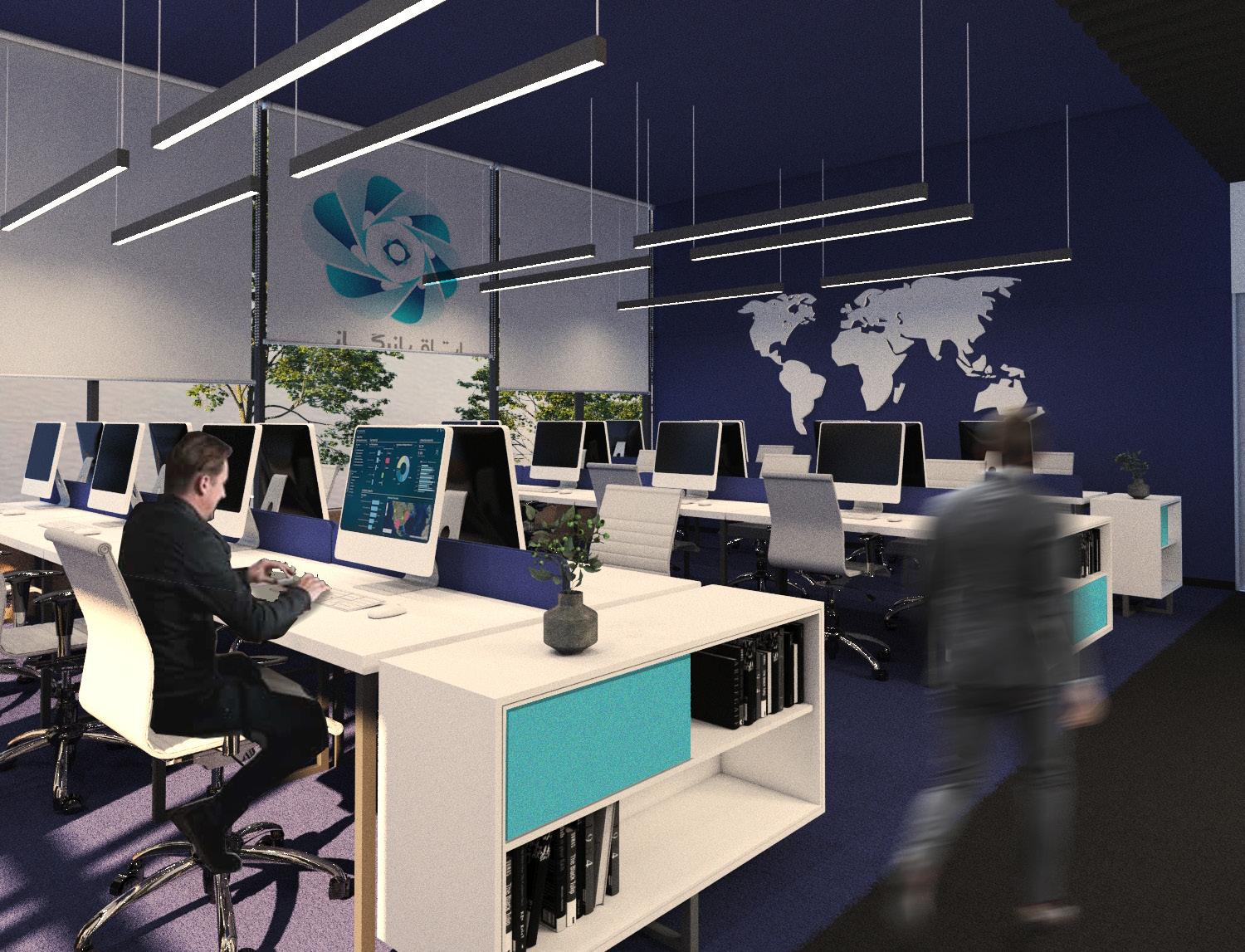
Office interior design
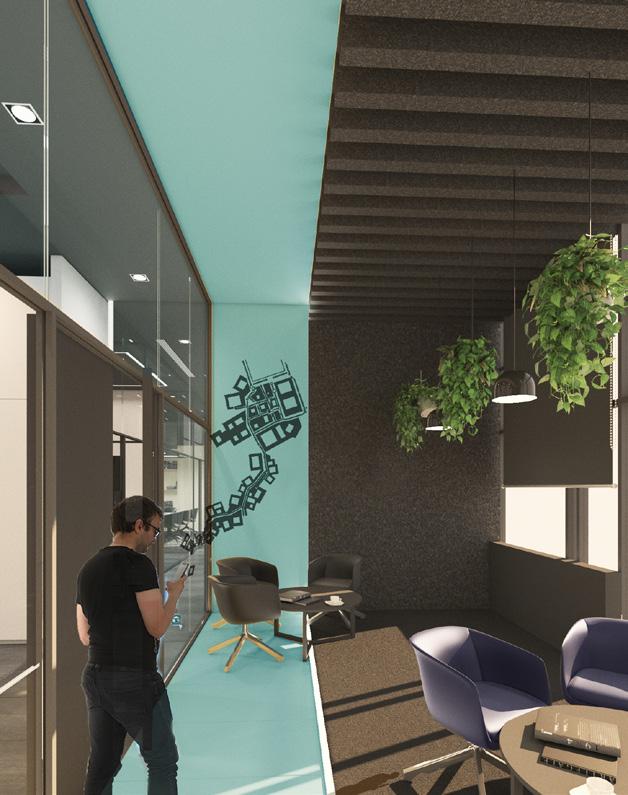
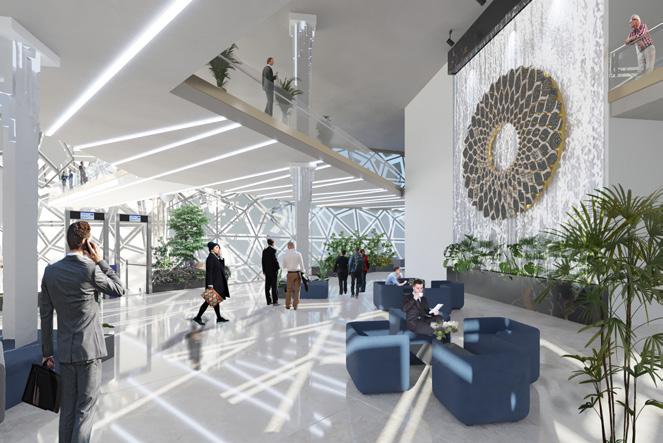
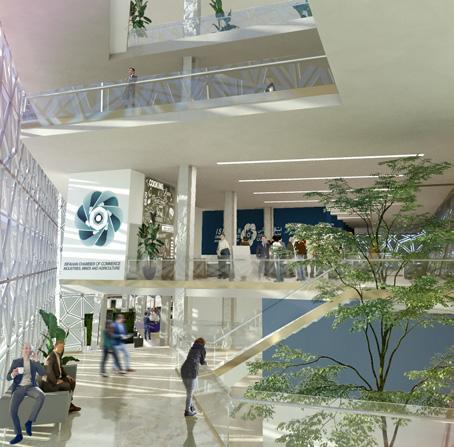
In the entrances and public parts of the building, an attempt has been made to create open spaces with greater grandeur and the use of more decorative elements, which is a contemporary narrative of Isfahan’s past architectural decorations. Also, with the use of voids in these spaces, with the arrival of daylight, the spaces become more desirable.
Regarding offices, since the Employees spend many hours during the day in these spaces, organizational colors of the Chamber of Commerce and acoustic materials to absorb sound and maintain silence have been used. At the same time, we can use decorations that are somewhat abstract but still reminiscent of the architecture and art of Isfahan.
Spatial architecture
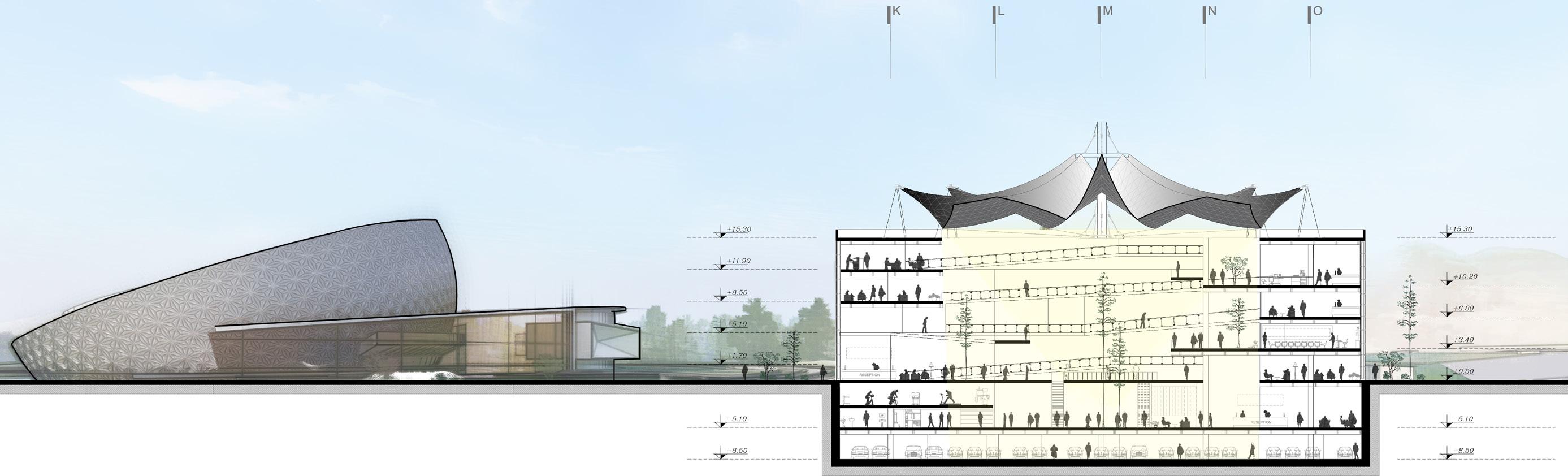
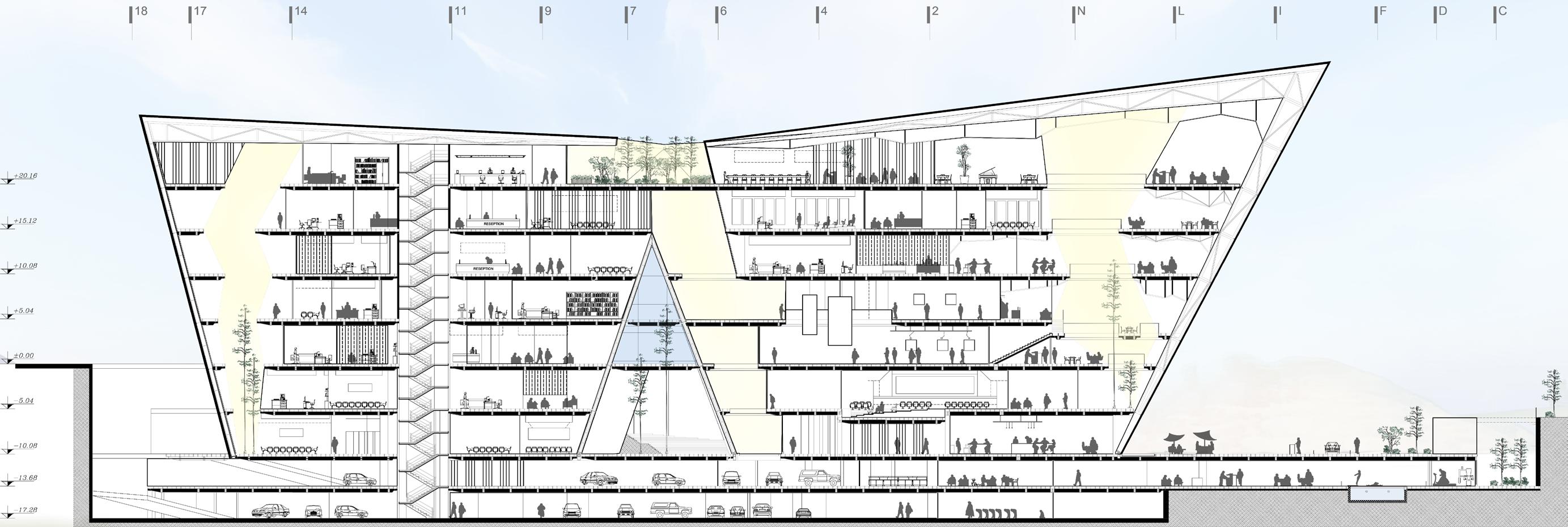
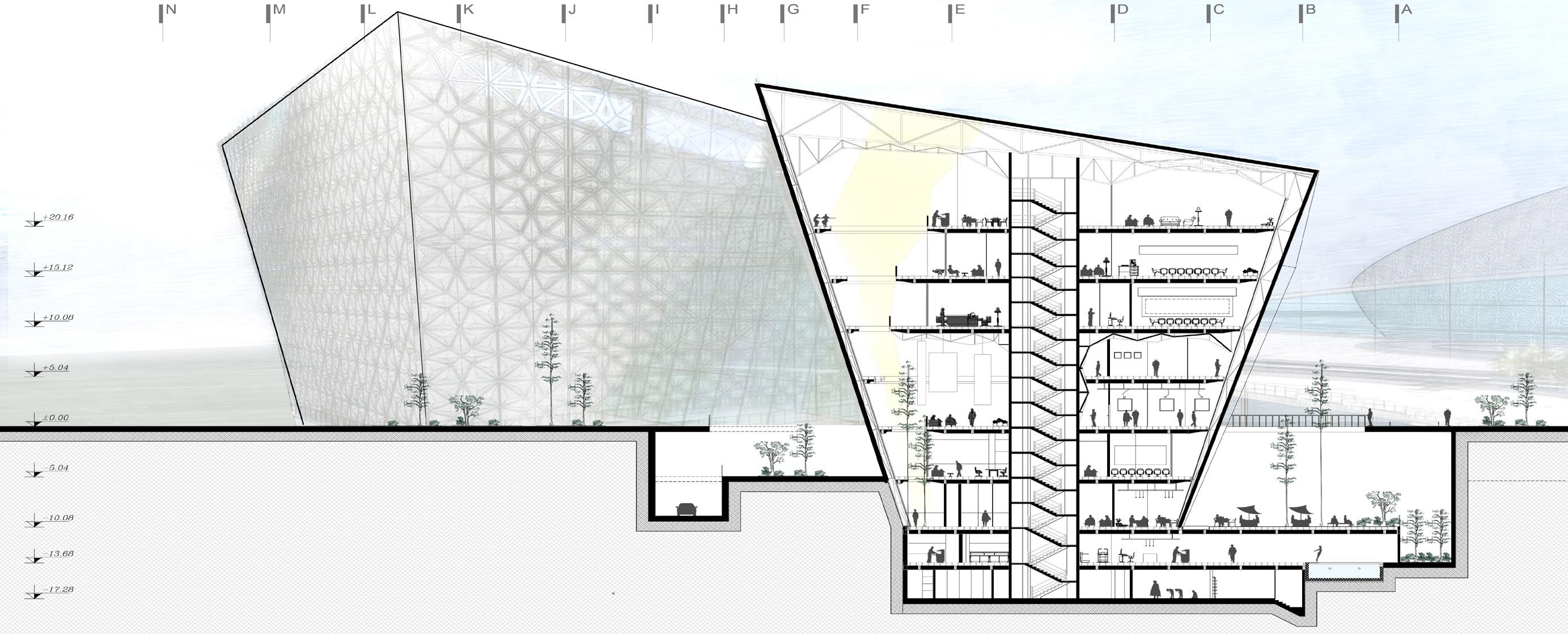
The main architectural feature of this project, which can be distinguished from other buildings to some extent in an intangible way, is the contradiction between inside and outside, And when people enter it,they are faced with a world of spatial complexity, visual connections between floors and spaces,which makes the building misterious and invite the user to explore spaces.
Functional design concept
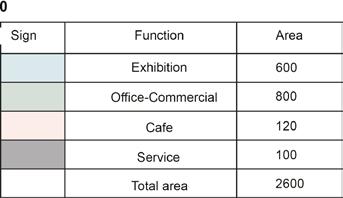
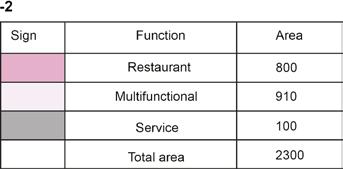
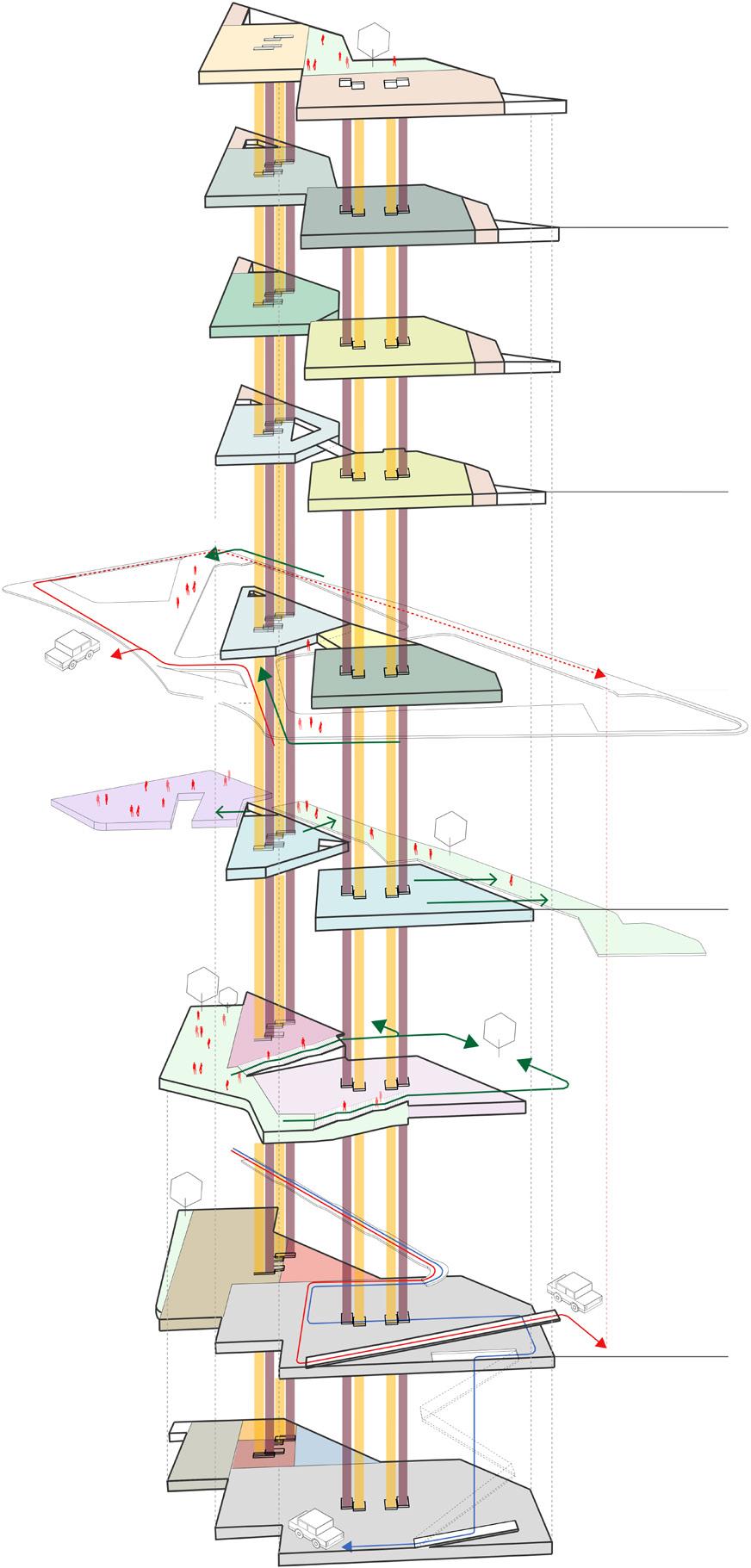
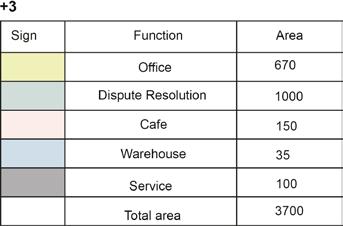
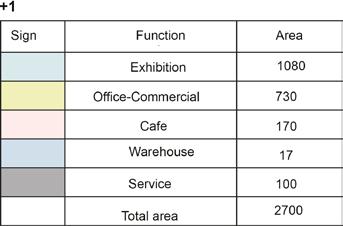
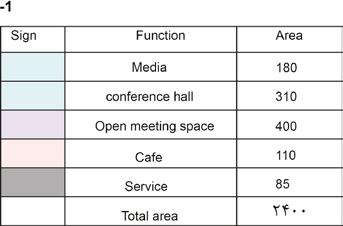
In this plan, an attempt has been made to divide the building into two main parts, which one part functionally accommodate public uses such as meeting halls, exhibitions, meeting spaces and etc.While the other part go for private uses such as office spaces, dispute resolution councils and etc. This feature allows both sections to have separate access and security, in this way control and separate two group of people during different public and international events in the public part of the building will be easy.
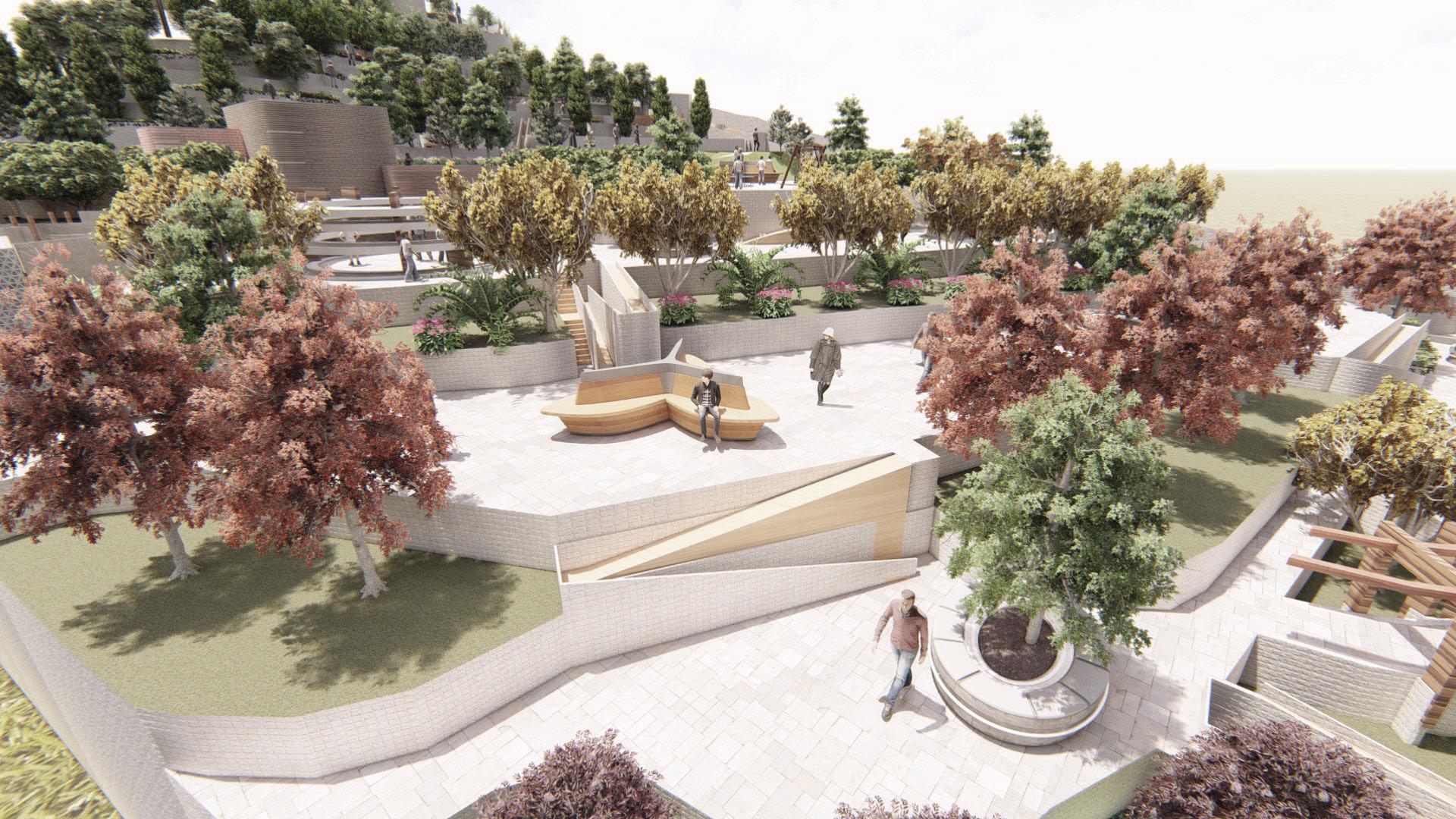
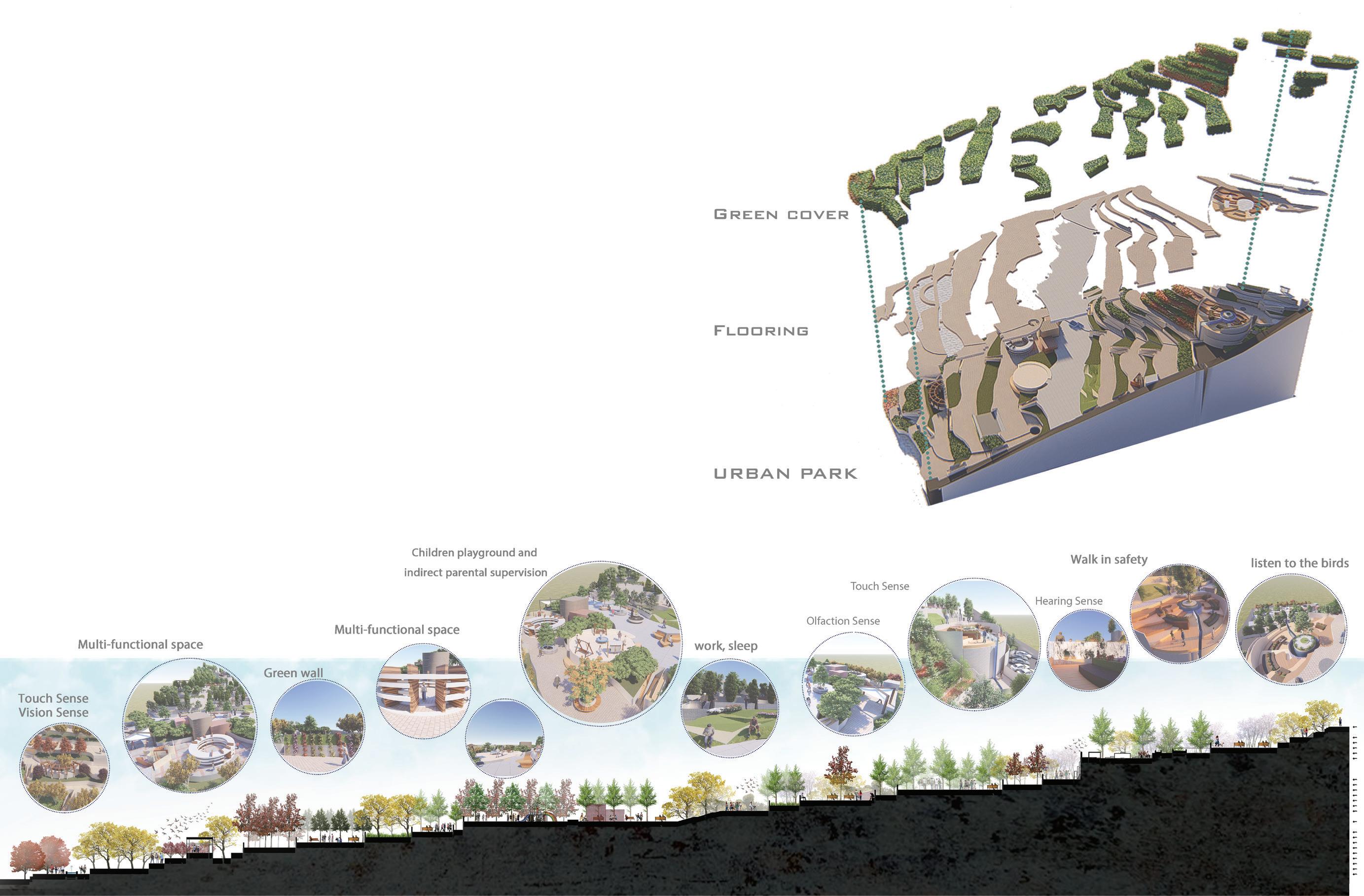
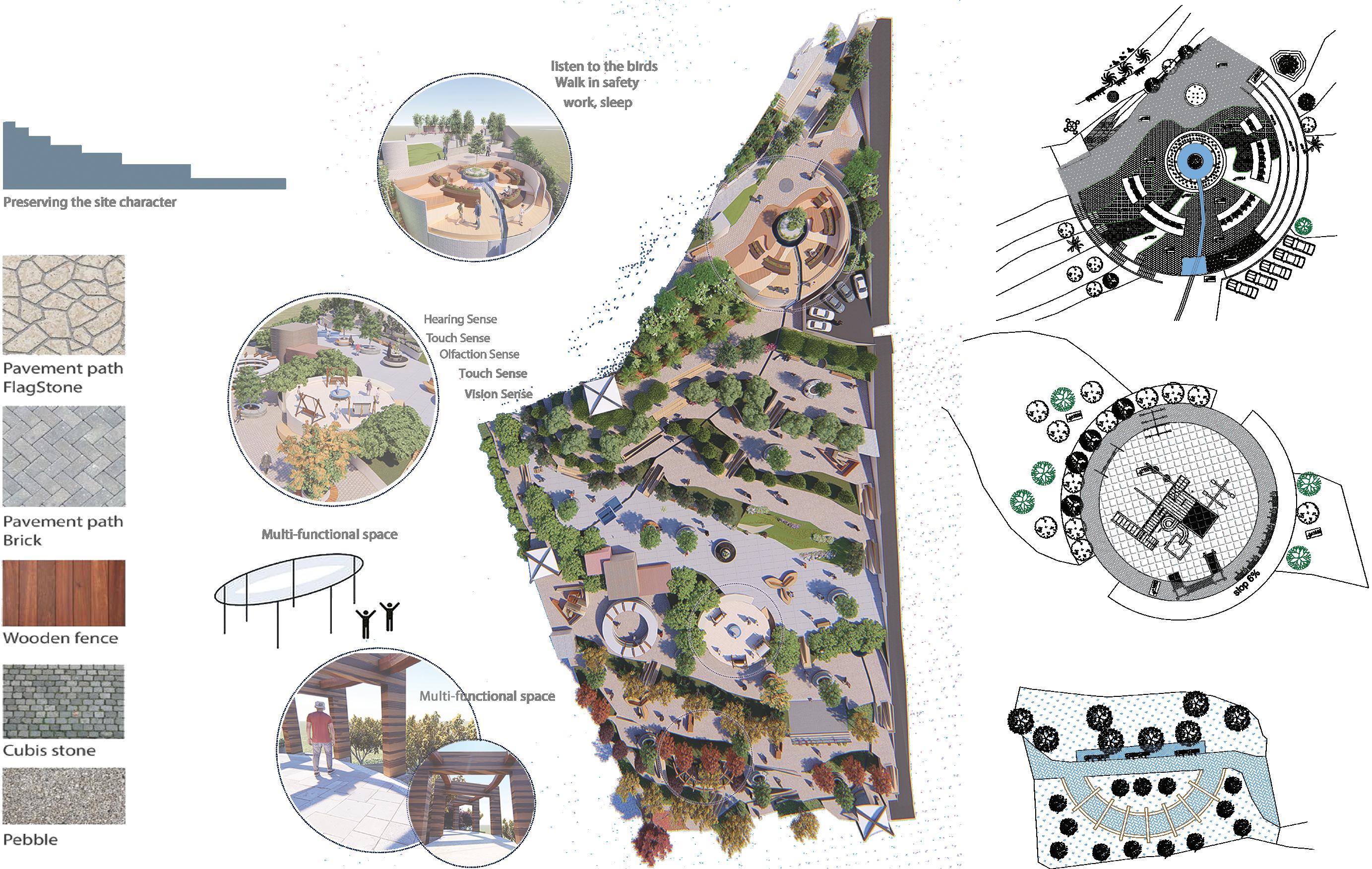
A solitude place near the water far from the main path to sit and listen to water running voices encounter with cliffs and edges. Also, by planting peculiar trees which have ability to attract birds, listenting to their voices are fulfilled.
2. Taste Sense
To create this place, different plants with fruits are designed
3. Vision Sense
To create this place, different colorful plants are planted in teraces designed based on topography lines.
4. Olfaction Sense
Fragrant trees around the path and Lilies on the water are scheduled to make a scented area.
5. Touch Sense
A proper space consists of many stones and cliffs are embellished with pebbles for flooring and tree’s stem for sitting.
Wooden path with trees around them
Stone path with pebble flooring
Sitting area with stones as furnitures
The project aims to address regional identity and environmental sustainability by integrating cultural, historical, and natural elements into urban design. It critiques modernist globalization and emphasizes the importance of regionalism, particularly in landscapes like Iran, where cultural and environmental factors are crucial. The research combines descriptive-analytic methods to explore physical-biological indicators of regionalism and postmodernism.
a connection to the environment. This contrasts with traditional urban landscapes that prioritize cars, which often lead to traffic congestion and pollution.
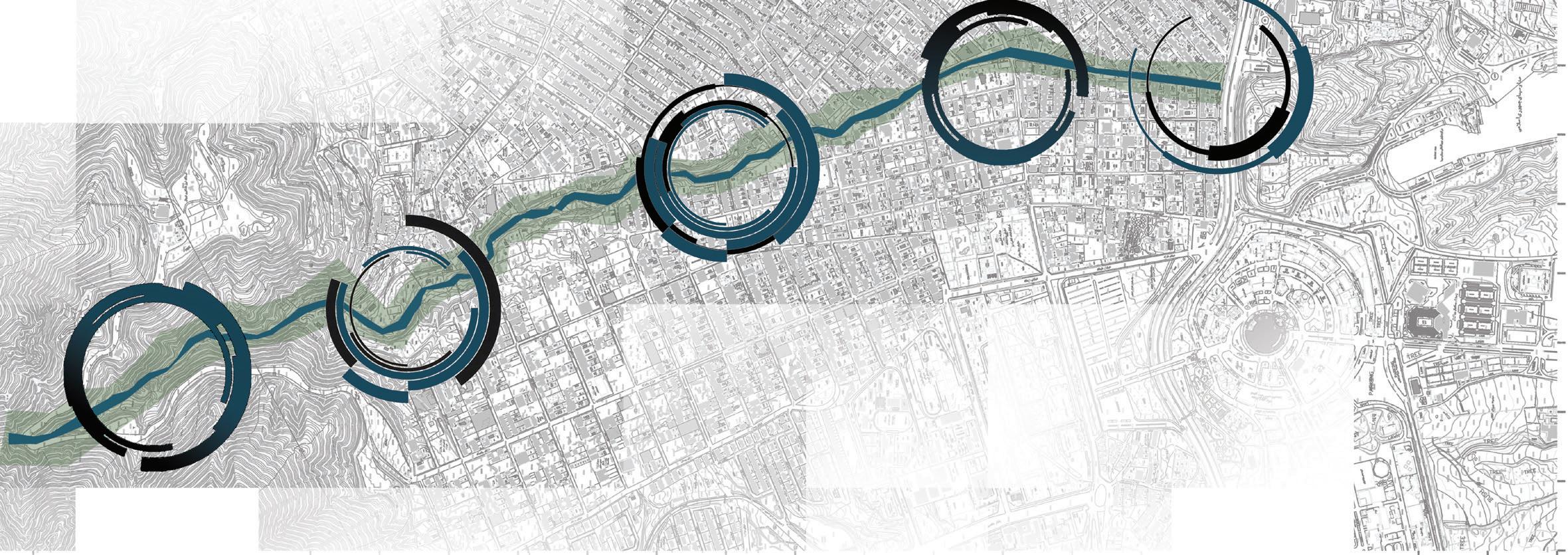
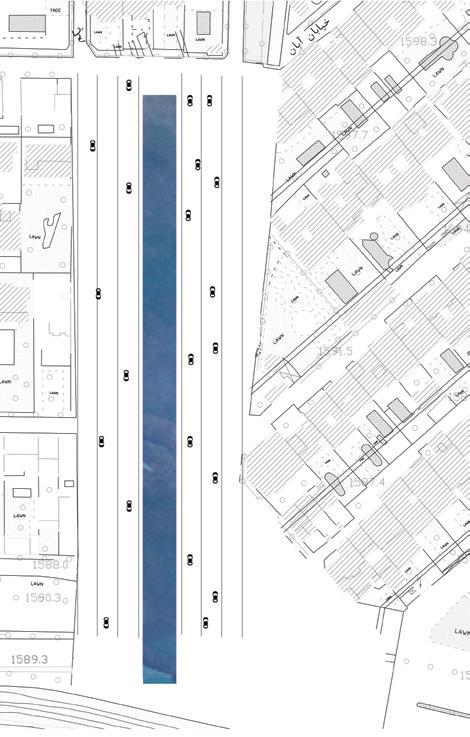
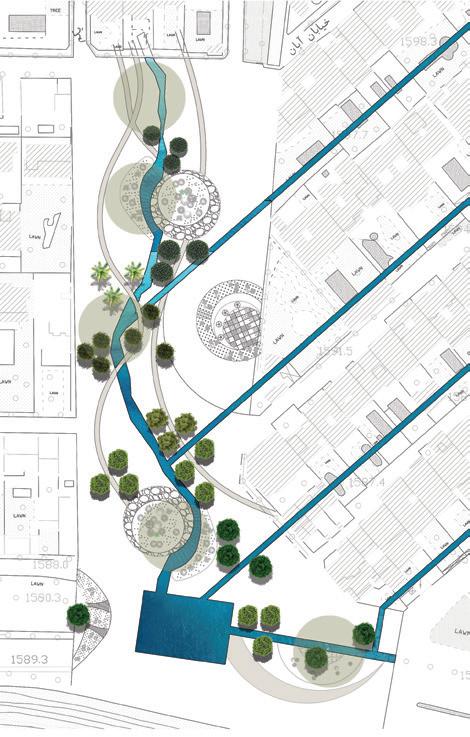
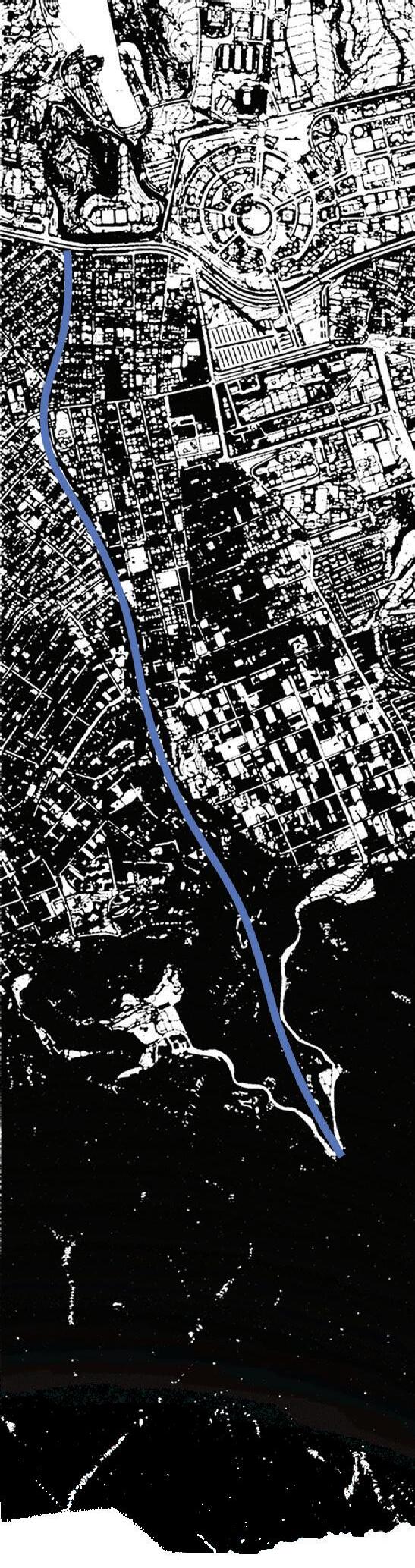
The project is located along the Velenjak riverside in northern Tehran, near Palladium Shopping Center and Alef Book City. It proposes transforming the area into a social gathering space with a focus on community involvement. A key strategy is allowing ordinary people to plant and utilize the land, fostering
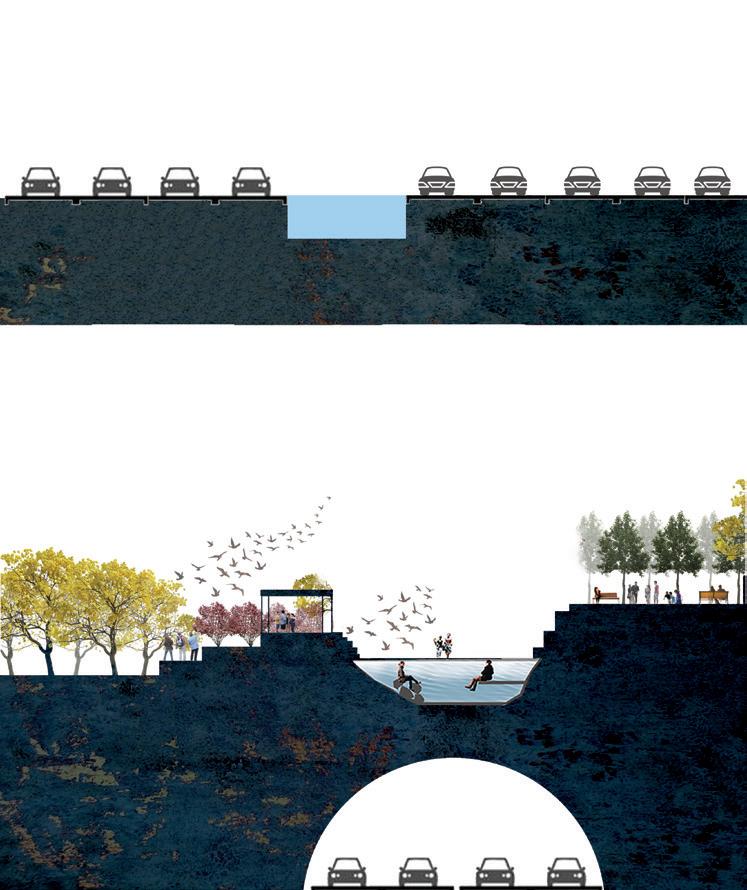
The design emphasizes pedestrian-friendly infrastructure, using underpasses to organize pathways for various activities like work, arts, and retail. These underpasses are envisioned as functional and inviting gateways for pedestrians, cyclists, and motorists, moving away from car-centric designs that marginalize walkers. The goal is to create a balanced, sustainable urban space that reflects the site’s cultural and environmental identity.
Location: Velenjak,Tehran,Iran
Bemanian
Shopping enter
B.Arch-Studio 4
Location: Bushehr,Iran
Instructor:Dr.Mehdi sheibani June.2017
Concept
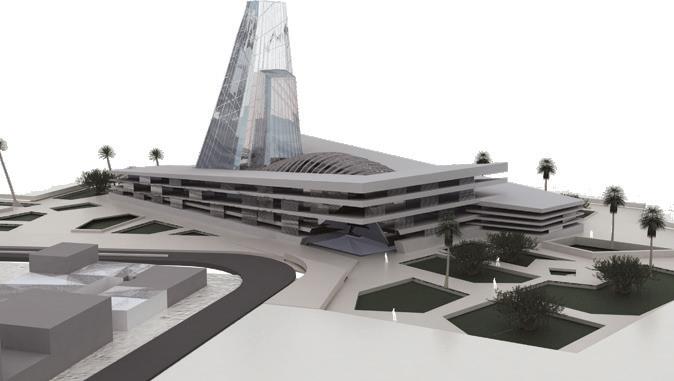
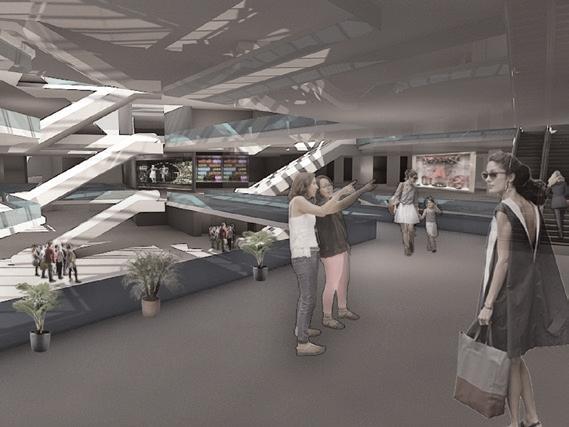
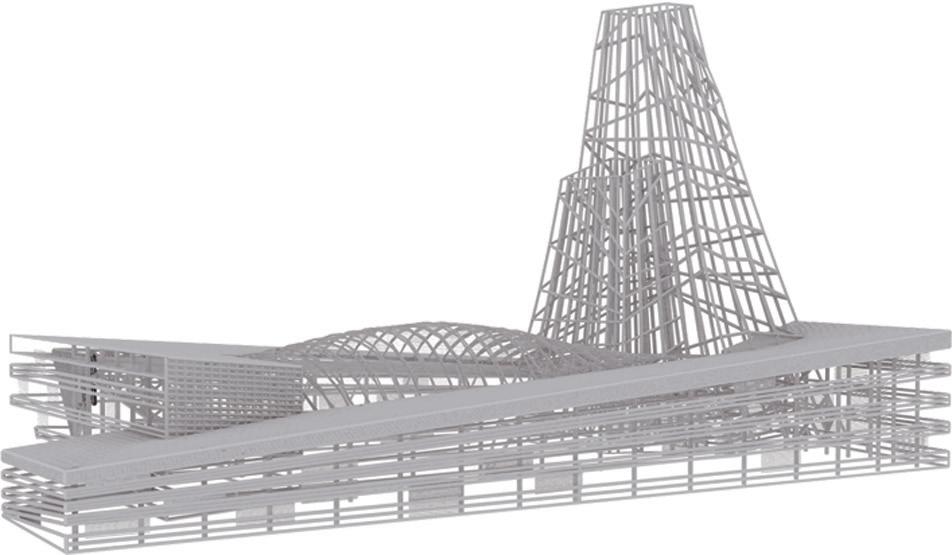
Shopping Centers, or malls, are the typical destination for the usual hangouts. More than being merely shopping centers, as they started out to be, now they have become complete entertainment centers with restaurants, cafés, movie theaters, arcade games, bowling alleys, skating rinks, and many other enjoyment venues. Shopping malls have become very common nowadays and to stand out, they need to present something different, which could be unprecedented facilities and services or unique architecture. The most remarkable part of the shopping mall is the atrium which usually doubles as a vast meeting point. A well-designed atrium adds to the grandiose of the experience and to the enjoyment of the mall visitors.