
HINMAN RESEARCH BUILDING P11-12 06
GEOLOGIES OF MAKINIG P13
HEXAWELL CENTER P7-9 04 REIMAGINING SCHRODER HOUSE P10

07 CARVED VOID P14

08 BANWAN VILLAGE VOLUNTEER WORK P15
HINMAN RESEARCH BUILDING P11-12 06
GEOLOGIES OF MAKINIG P13
HEXAWELL CENTER P7-9 04 REIMAGINING SCHRODER HOUSE P10
07 CARVED VOID P14
08 BANWAN VILLAGE VOLUNTEER WORK P15
2025 SPRING_Core Studio_Instructed by Manuel
Bouzas
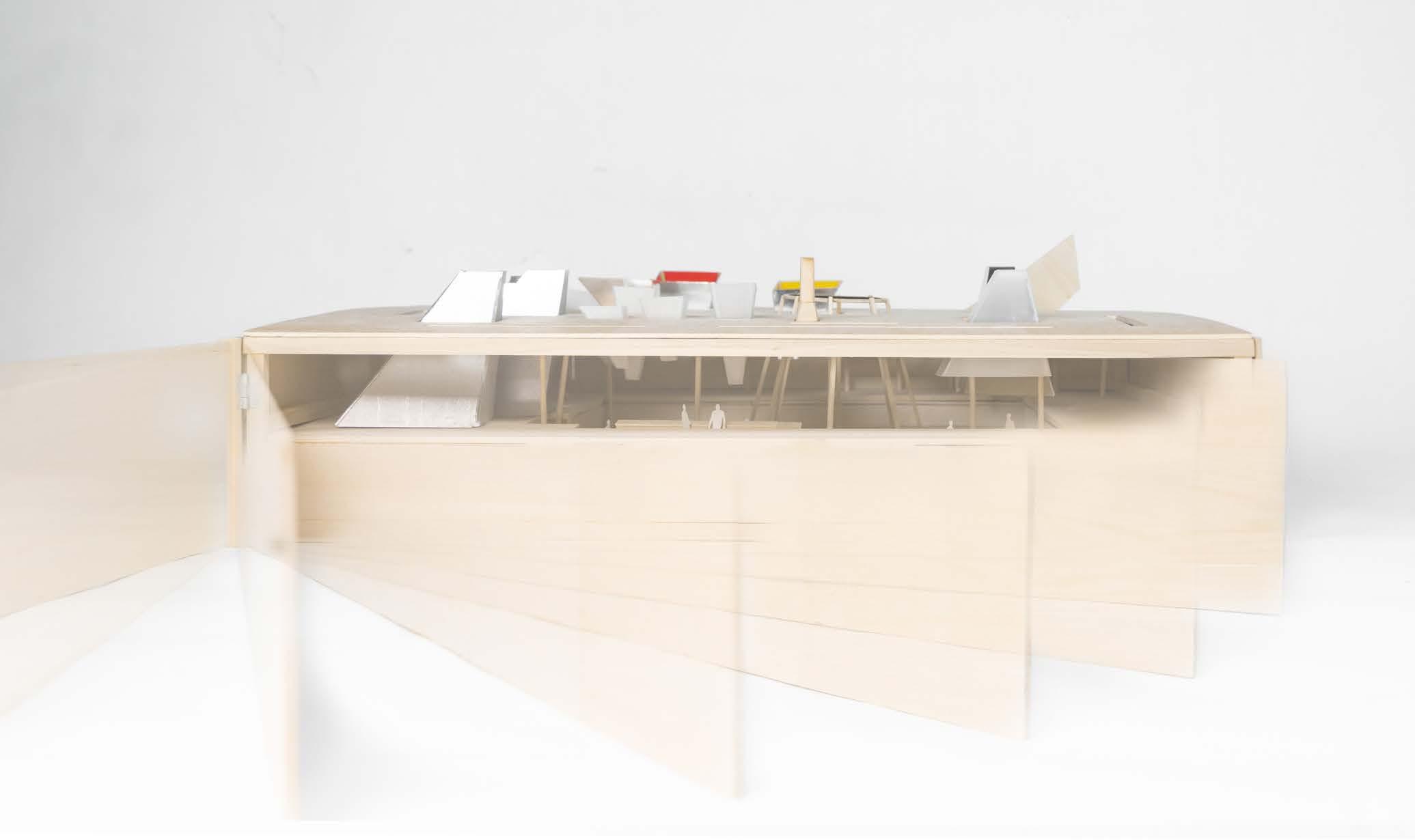
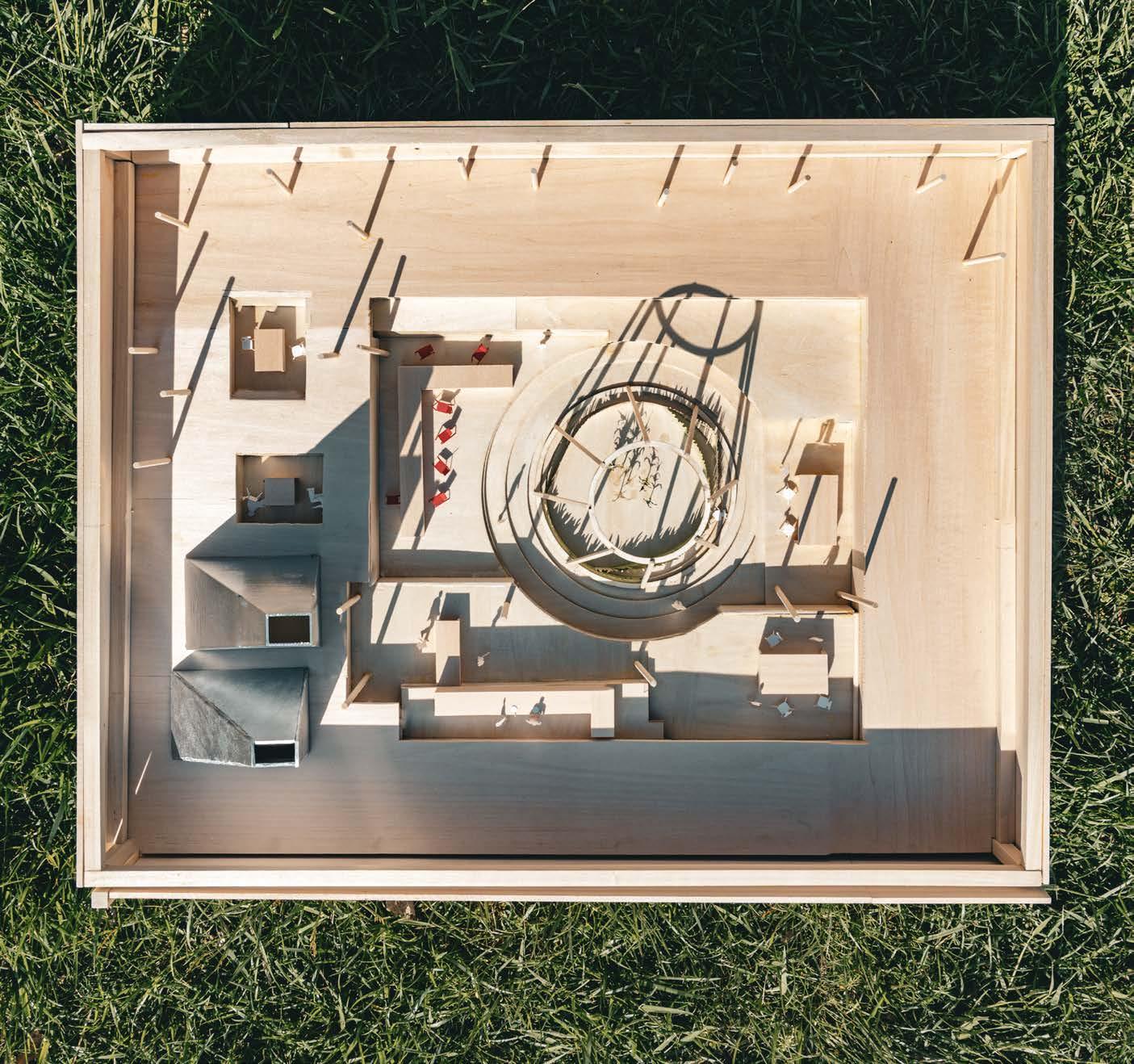
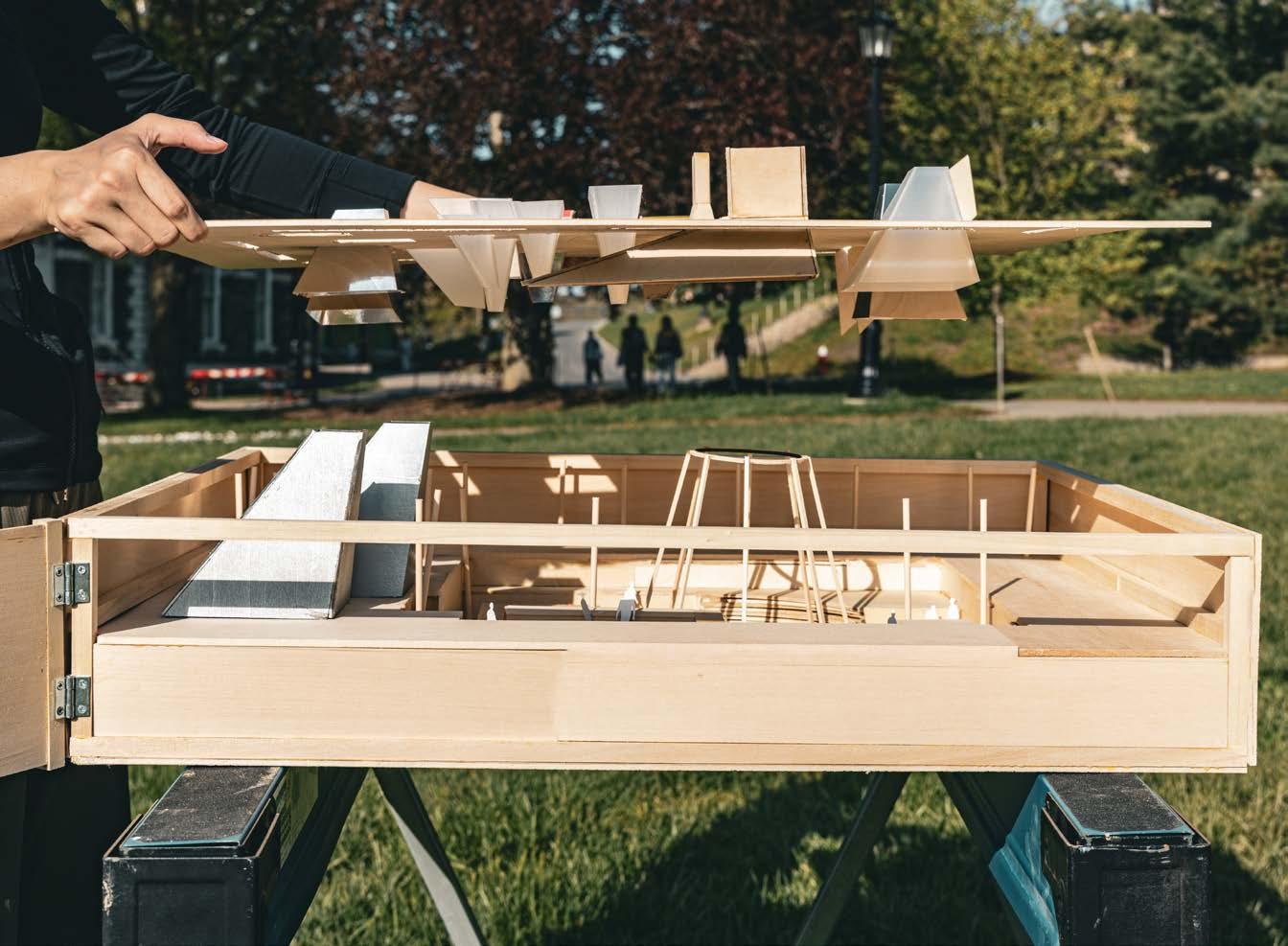
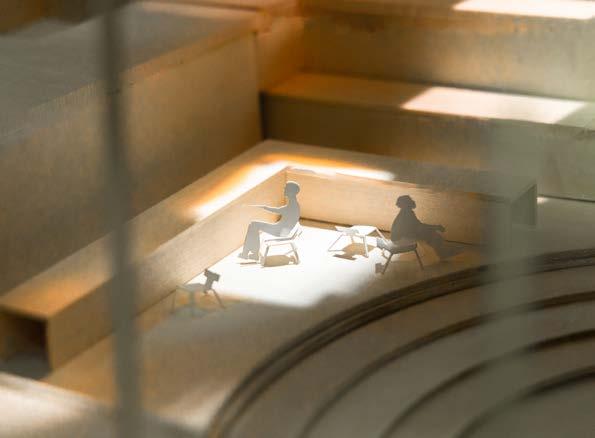
Sunken Atmosphere is a communal cookhouse located in Quebec, Canada. It is devoted to the making of a Chinese bun—dough folded around a filling of mashed pork and vegetables—an act that is both ritual and gathering.
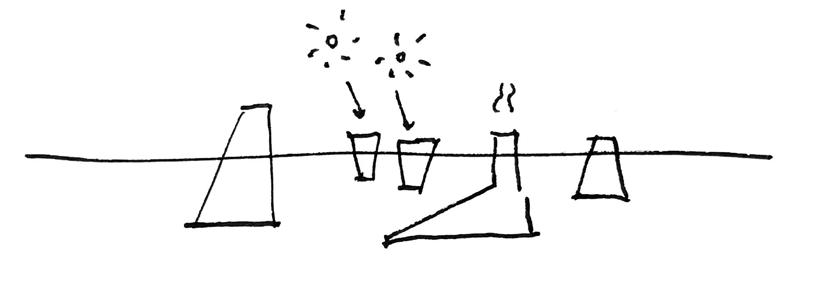
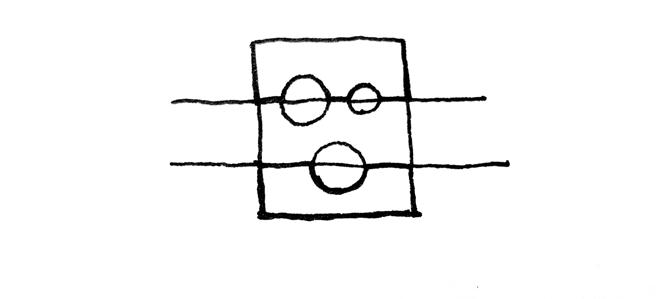
Horizontal: A single horizontal plane cuts across the sunken terrain, settling into the earth.
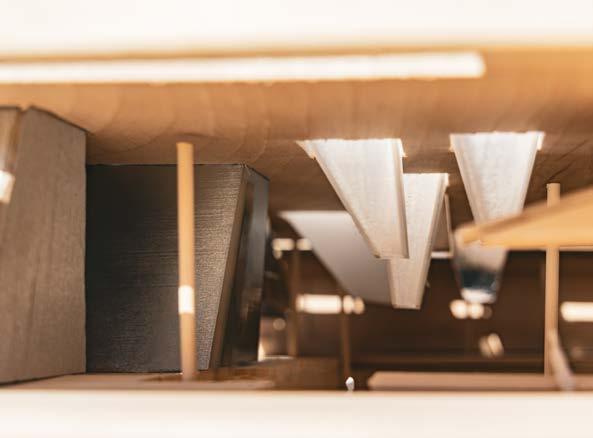
Vertical: The roof is pierced by cones that shape the interior atmosphere. Smoke from the fireplace rises through chimneys; daylight falls through sky wells; colored cones filter light and warmth, immersing the space in shifting tones.
People gather. They cook and dine together. Within the crossing of horizontal ground and vertical light, they experience a space shaped by warmth, labor, and shared presence.
Model Size: 30”x24”x12”




2026 SPRING_Core Studio_Instructed by Sean Anderson
Project Partners: Sophia Petmecky, Alejandra Castro Garcia
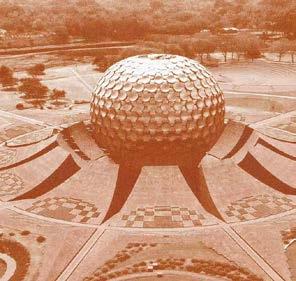
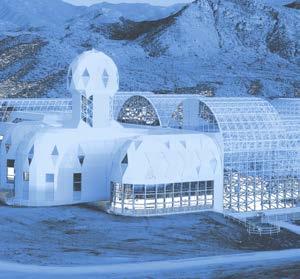
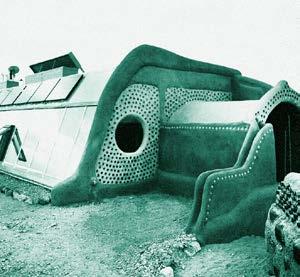
This project is a precedent study developed in preparation for a summer camp design for 4-H Camp Owahta, in partnership with Cornell Cooperative Extension of Cortland County. The research aimed to expand conventional ideas of what a “camp” can be by exploring it as more than a recreational site— imagining it instead as a model for community, learning, and sustainable living. Guided by the theme of Utopia, my team analyzed three precedents—Auroville, Biosphere 2, and Earthship—through the lenses of self-sufficiency, ecology, and sustainability. Our investigation examined the concept of “camp” across multiple scales, from urban systems to individual buildings, informing a broader, more visionary approach to the design process.
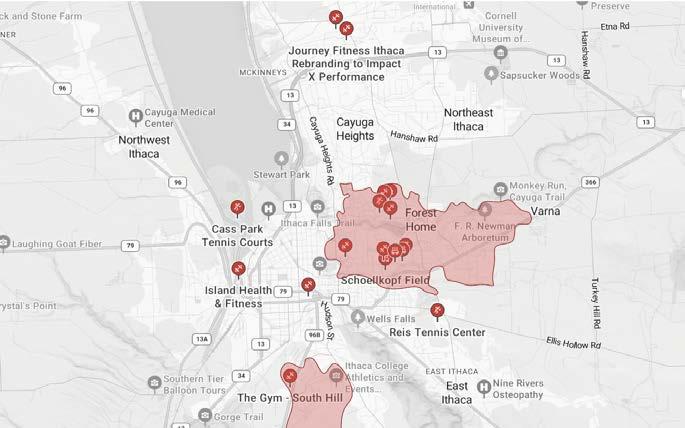
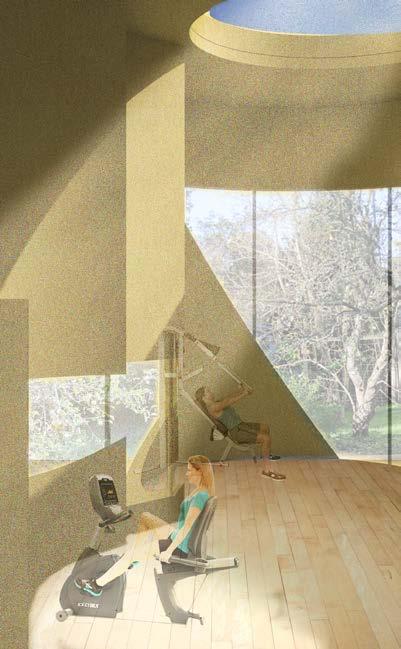
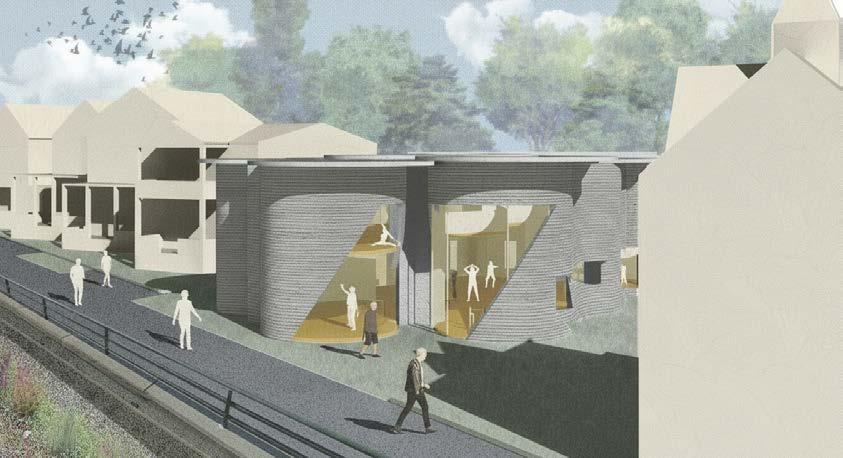
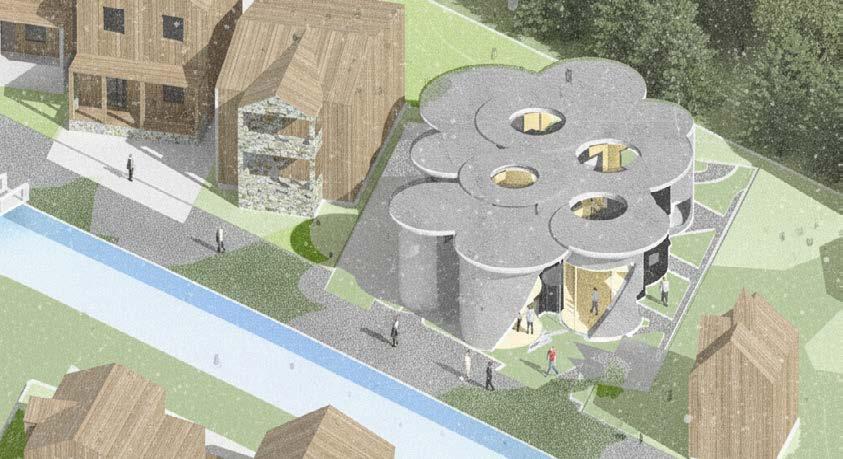
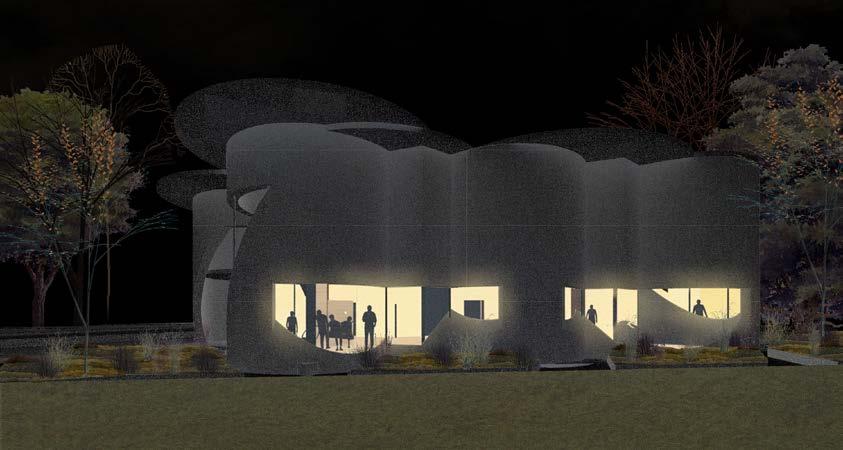
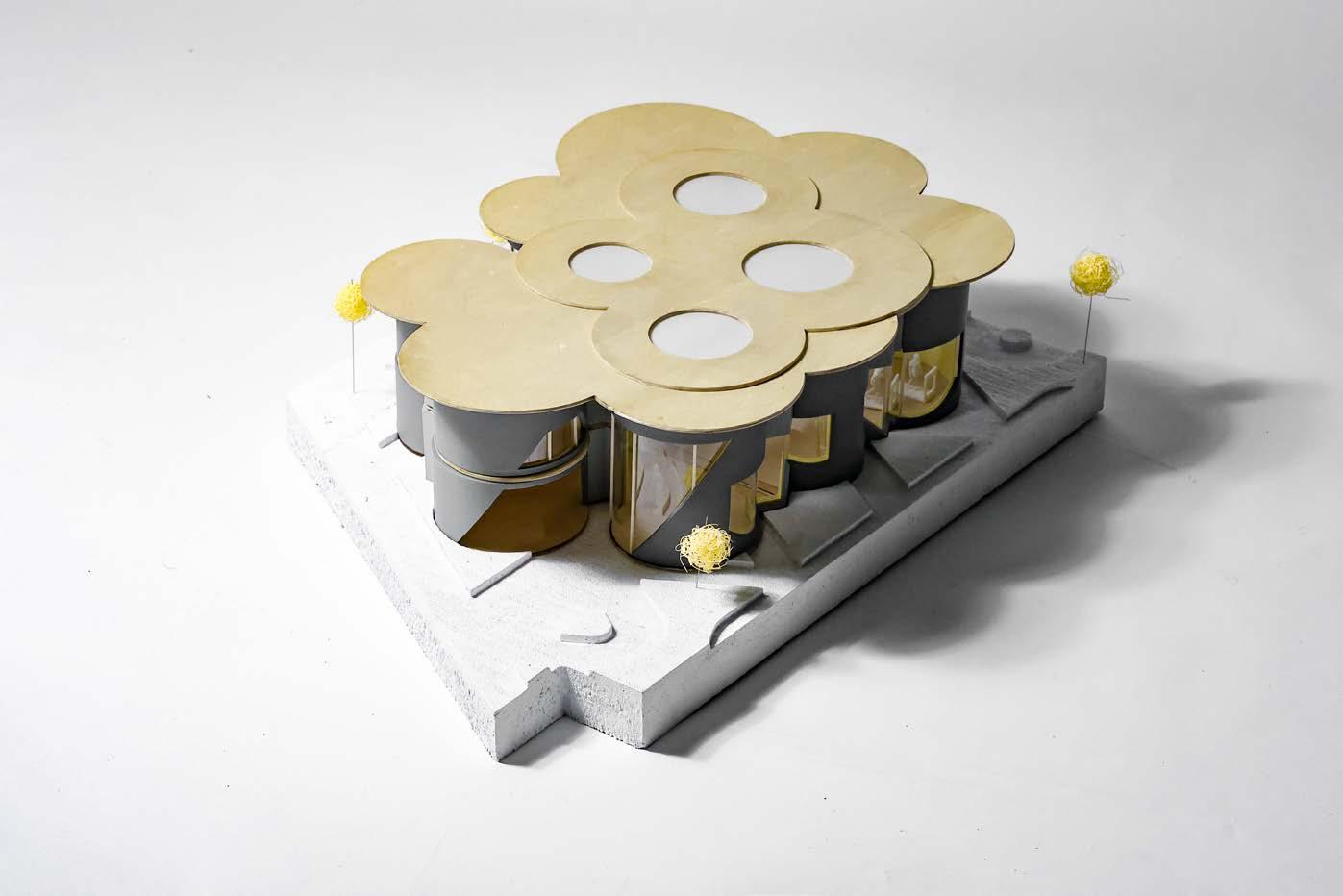
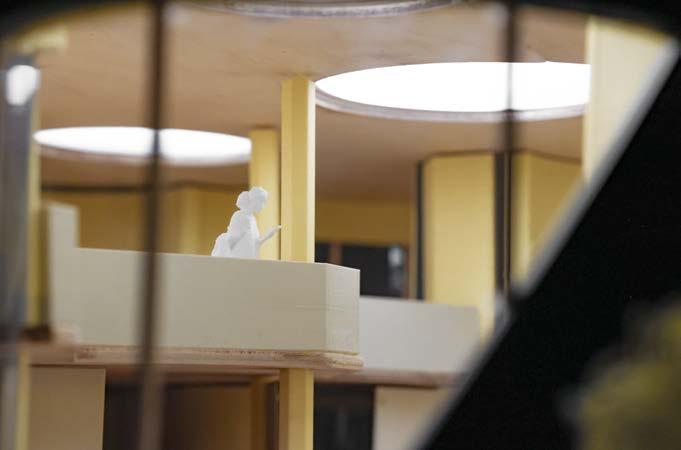
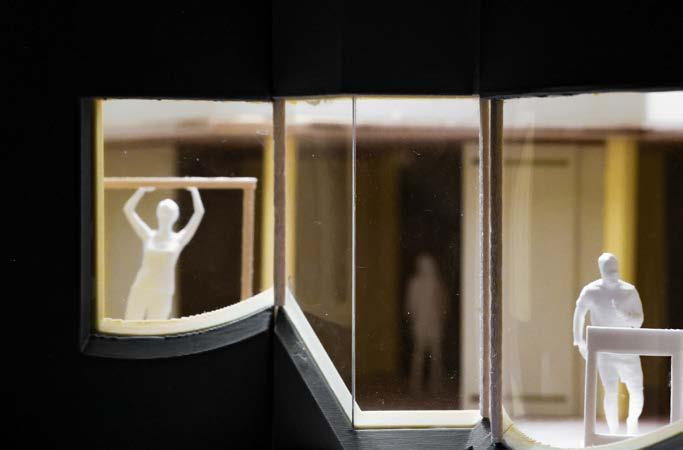
Located on Cascadilla Avenue, HexaWell Center is a community exercise center designed for Ithaca’s elderly residents. In response to the city’s aging population, and the lack of exercise facilities in Ithaca, the center aims to promote a healthier lifestyle while strengthening neighborhood and community connections. It provides spaces for both social interaction and physical activity, featuring facilities such as air walkers, pull-up bars, and double cross trainers. The center has a health consulting room to assist the elderly people to exercise in a more healthy way. To ensure comfort and convenience, the center also includes amenities like a restroom, shower room, and a kitchen that offers light snacks for visitors. It is a civic landmark--visible, welcoming and optimistic; a place where growing older does not mean growing isolated.

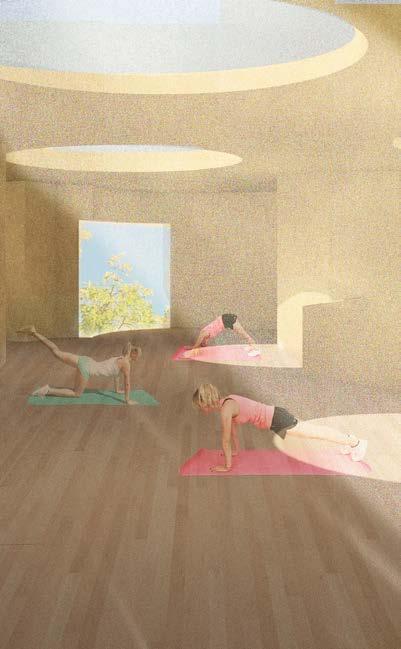
INTERIOR RENDERS: PHOTOSHOP
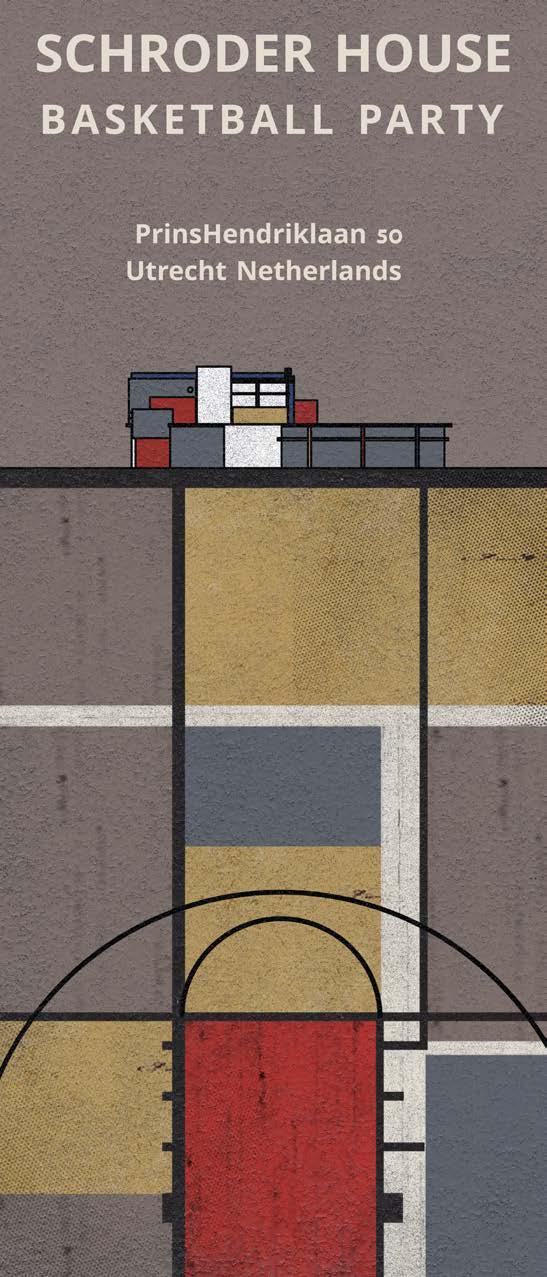
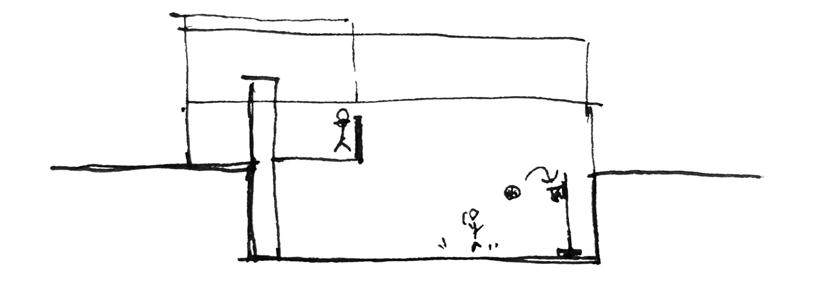
It is 1933 in the Netherlands. Truus Schröder has just attended the first showcase women’s basketball game in Amsterdam with her three children. Basketball, introduced only a decade earlier in the 1920s, is still a new sport in the country. The game fascinated Mrs. Schröder and her children, who wished to take part in it themselves. Yet facilities for playing were still scarce.
True to her innovative spirit and sense of modern trends, Mrs. Schröder decided, the very next day, to build a basketball court in her own house. The Rietveld Schröder House already embodied qualities of movement, flexibility, and openness; she imagined that incorporating a court would extend and reinforce its modern character. Her vision went beyond family use. She wanted the house to become a lively space for house parties, where friends and neighbors could gather not only to socialize but also to experience the excitement of the new sport. To achieve this, she renovated the building with an added ground floor dedicated to the court, which also helped retain heat during the cold Dutch winters. Designed in the colorful palette of the De Stijl movement, the new space preserved the house’s essence of natural light through windows placed at the upper level.
The first floor was reconfigured with a balcony overlooking the court, while outside, Rietveld’s iconic chairs invited visitors to pause and watch. In this way, Mrs. Schröder transformed her home into both a family dwelling and a modern community arena.
NADAAA | Atlanta, USA | 2011
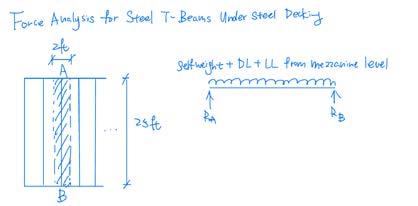
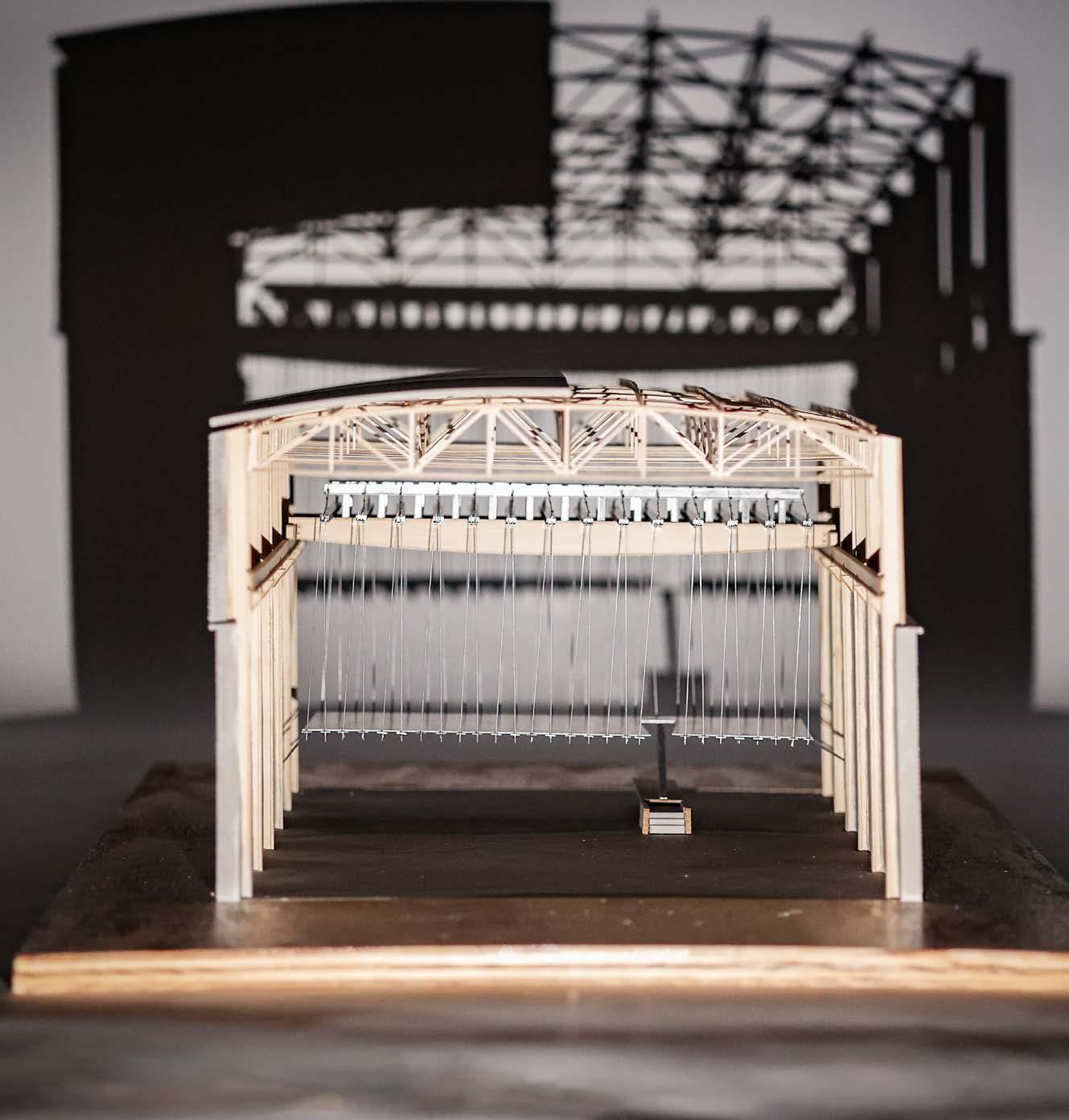
2025 FALL_Structural Systems Model_Instructed by Mark Cruvellier Project Partners: Lisa Yao, Andy Lu
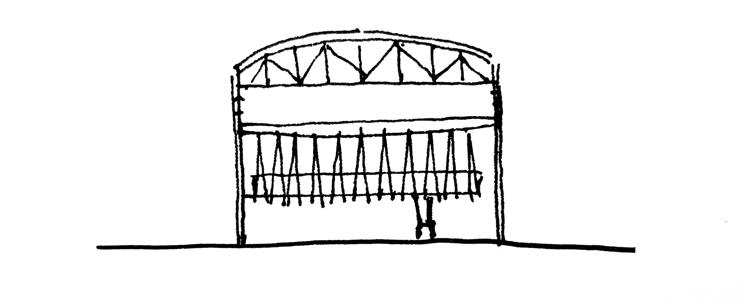
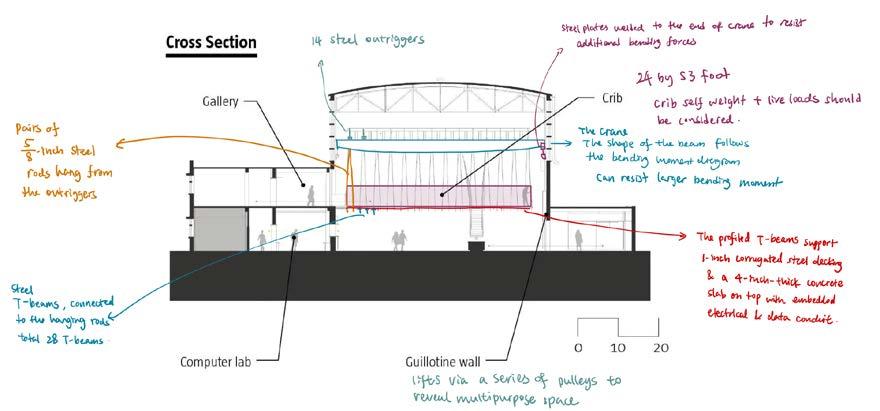
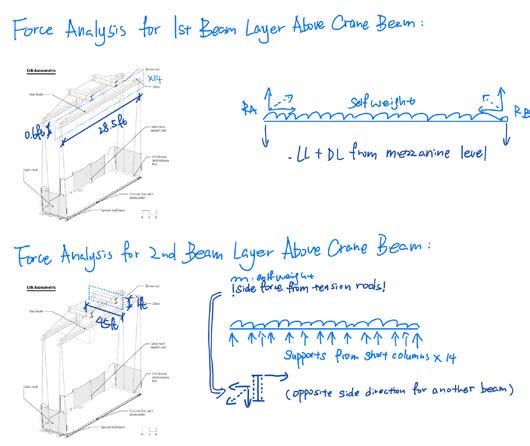
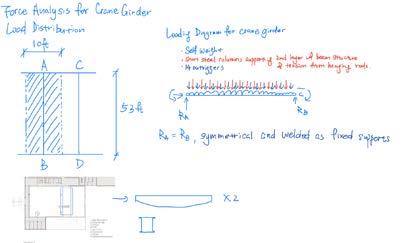
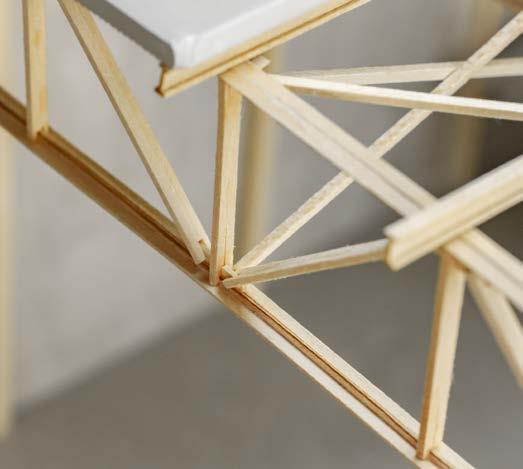
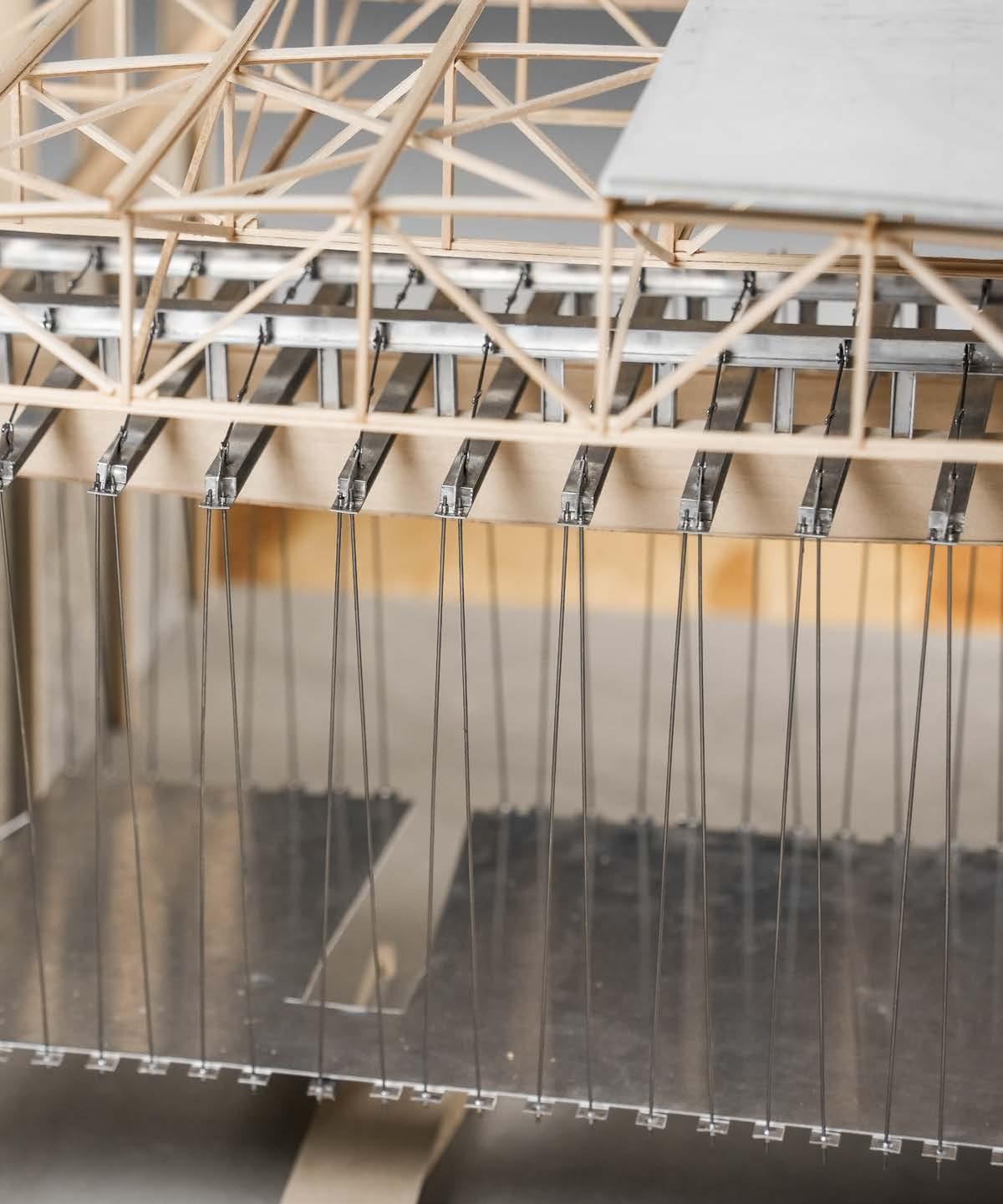
Originally an industrial high-bay shed, the annex to the Hinman Research Building demonstrates a structural innovation characteristic of NADAAA’s design approach. Led by Nader Tehrani, the project transforms the space into an architectural studio at the Georgia Institute of Technology through a careful renovation strategy.
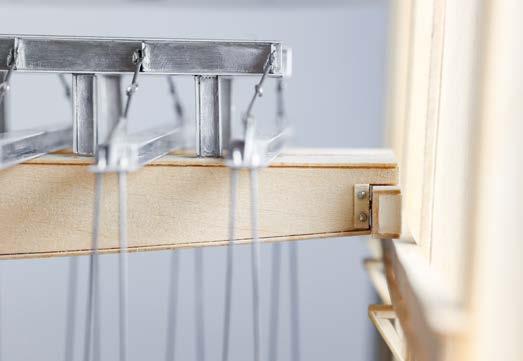
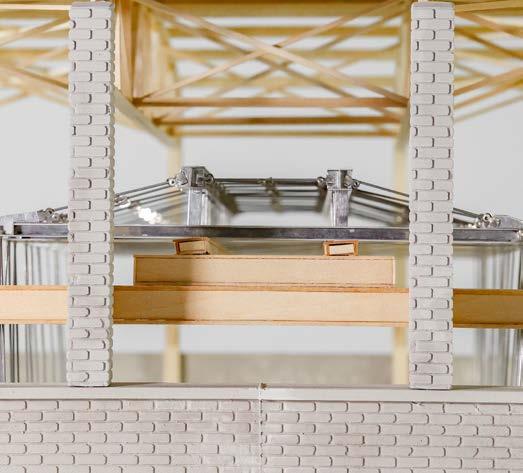
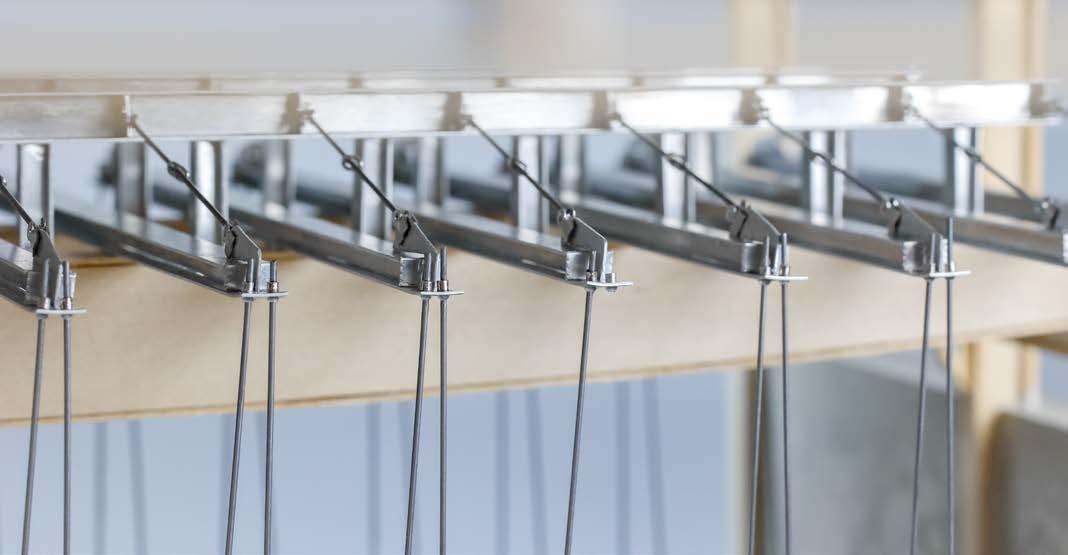
The intervention introduces a suspended “hanging crib” system attached to the building’s existing gantry crane. By combining a subtle tension-rod system with an open studio space below, the design preserves the expansive, high-bay character of the original structure. The hanging elements—particularly the mezzanine—liberate the ground floor from new columns, allowing it to function as a flexible design studio while giving the mezzanine a distinct floating quality.
Model scale: 1/4’ = 1’-0”
Model Size: 35”x25”x13”
Materials:
L-flanged trusses: basswood sticks
Wall: rockite casting
Hangers & I-Beams: Aluminium plate
Gantry Crane: Basswood
2024 FALL_Core Studio_Instructed by Ryan Whitby
Pavilion dedicated to view Pancake Rocks, New Zealand
Layer upon layer
Sliced, eroded, revealed
Wood shaped by hand and tool
Each sanding mark a trace of making Rhythms of process echoing geological time
Layers of rock, layers of wood
Human touch meeting slow erosion
A space to inhabit, observe, and feel
2025 SPRING_York Prize_Individual Work
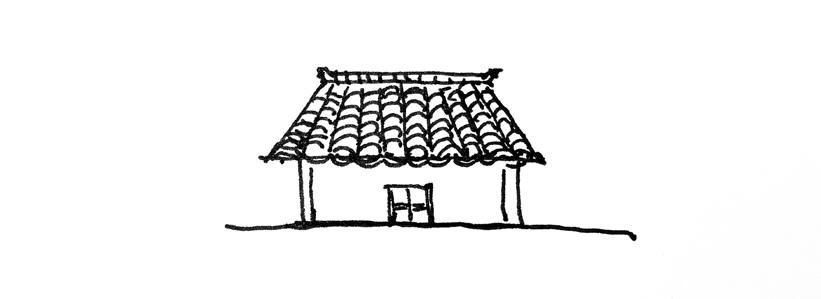
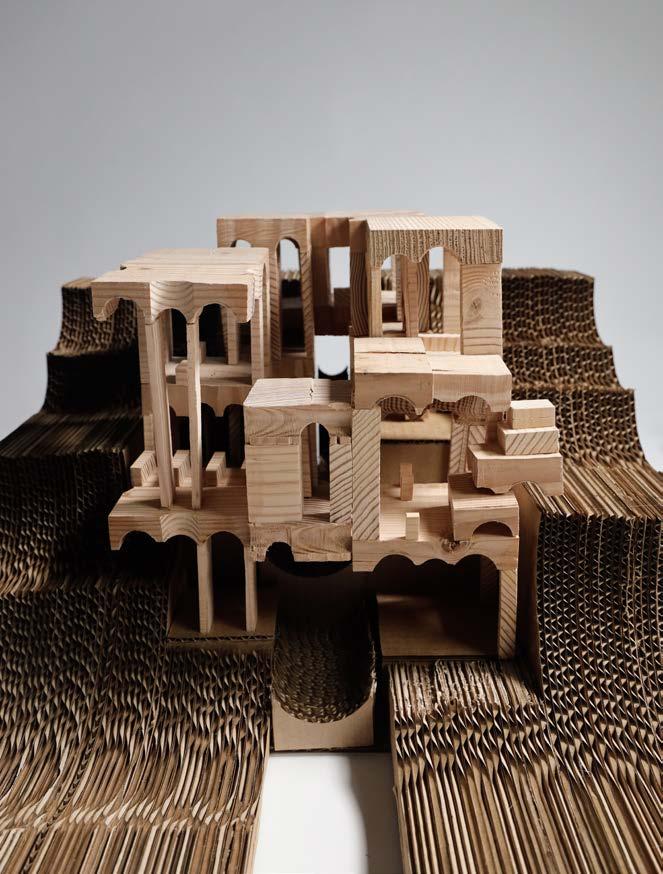
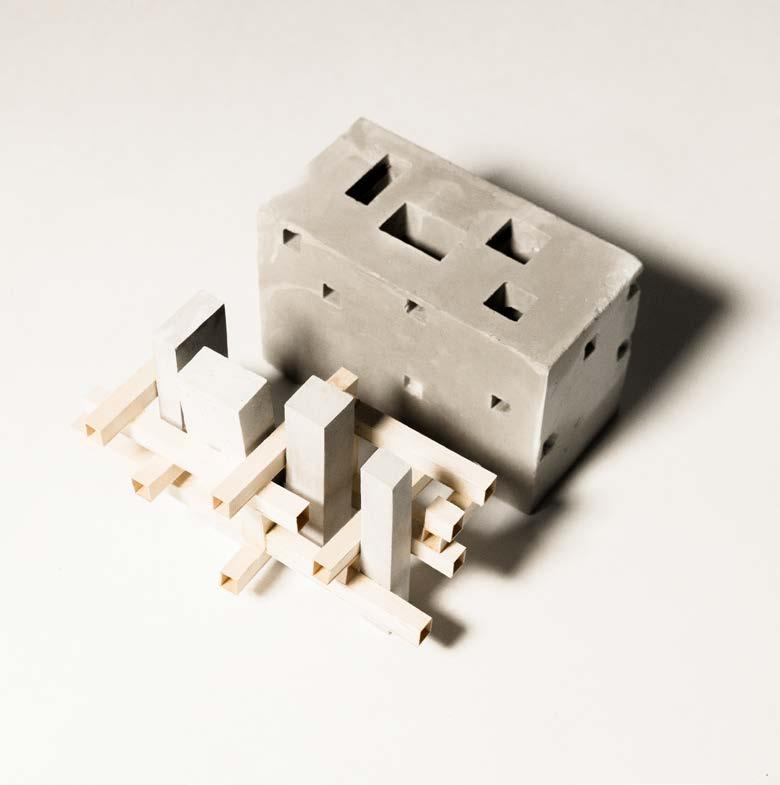
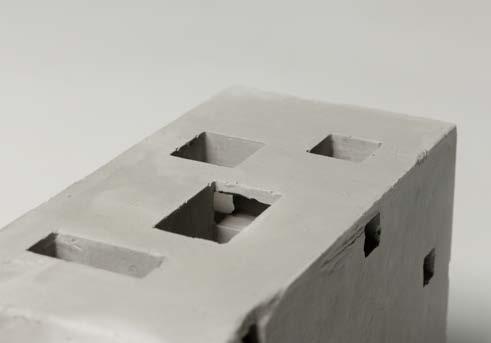
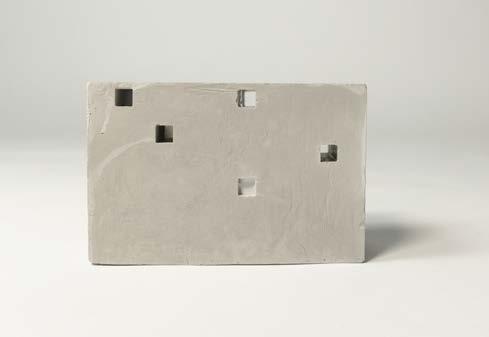
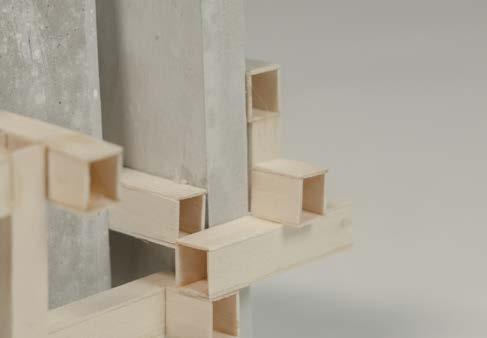
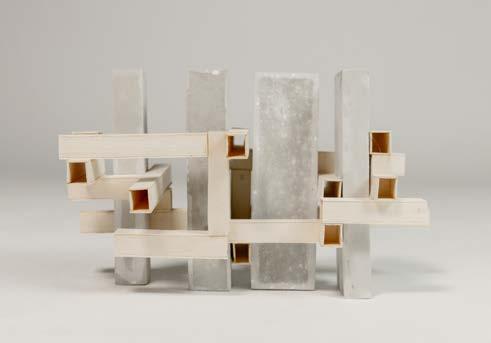
Carved Void is a conceptual sculptural model developed through an analysis of the Sunken Courtyard House (Yaodong) in China. Constructed from Rockite and wood, the project investigates the relationship between positive and negative space through mass and void. A dense, monolithic volume is carved by an intricate network of interwoven pathways that connect a series of openings, revealing moments of compression and release. These internal passages transform the seemingly heavy block into a spatial system defined by circulation, light, and threshold conditions.
Design Assistant_2022_Banwan Village, Guizhou, China_ Instructed by Qing Cao
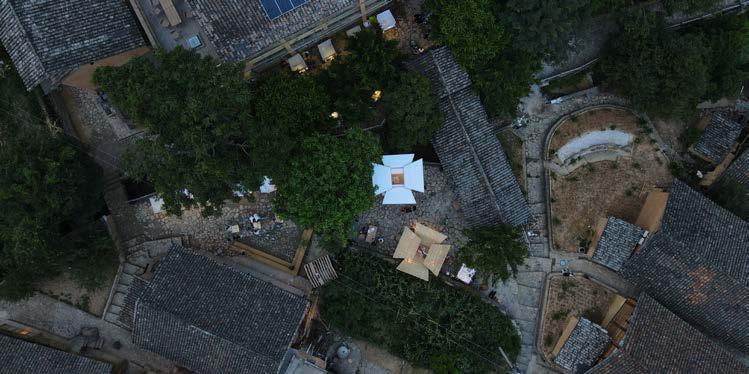
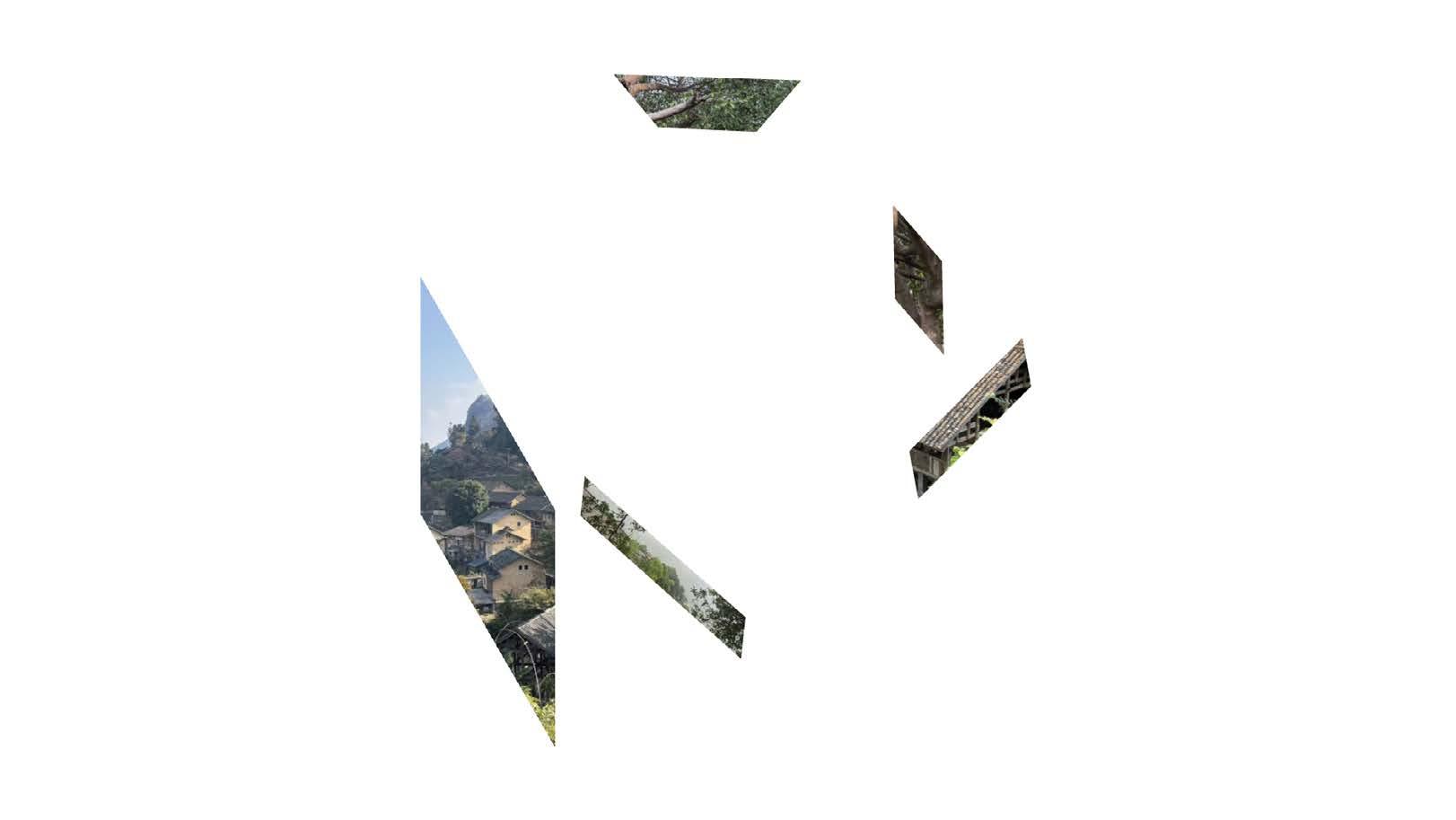
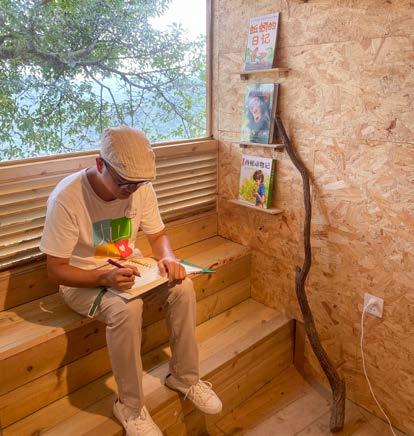
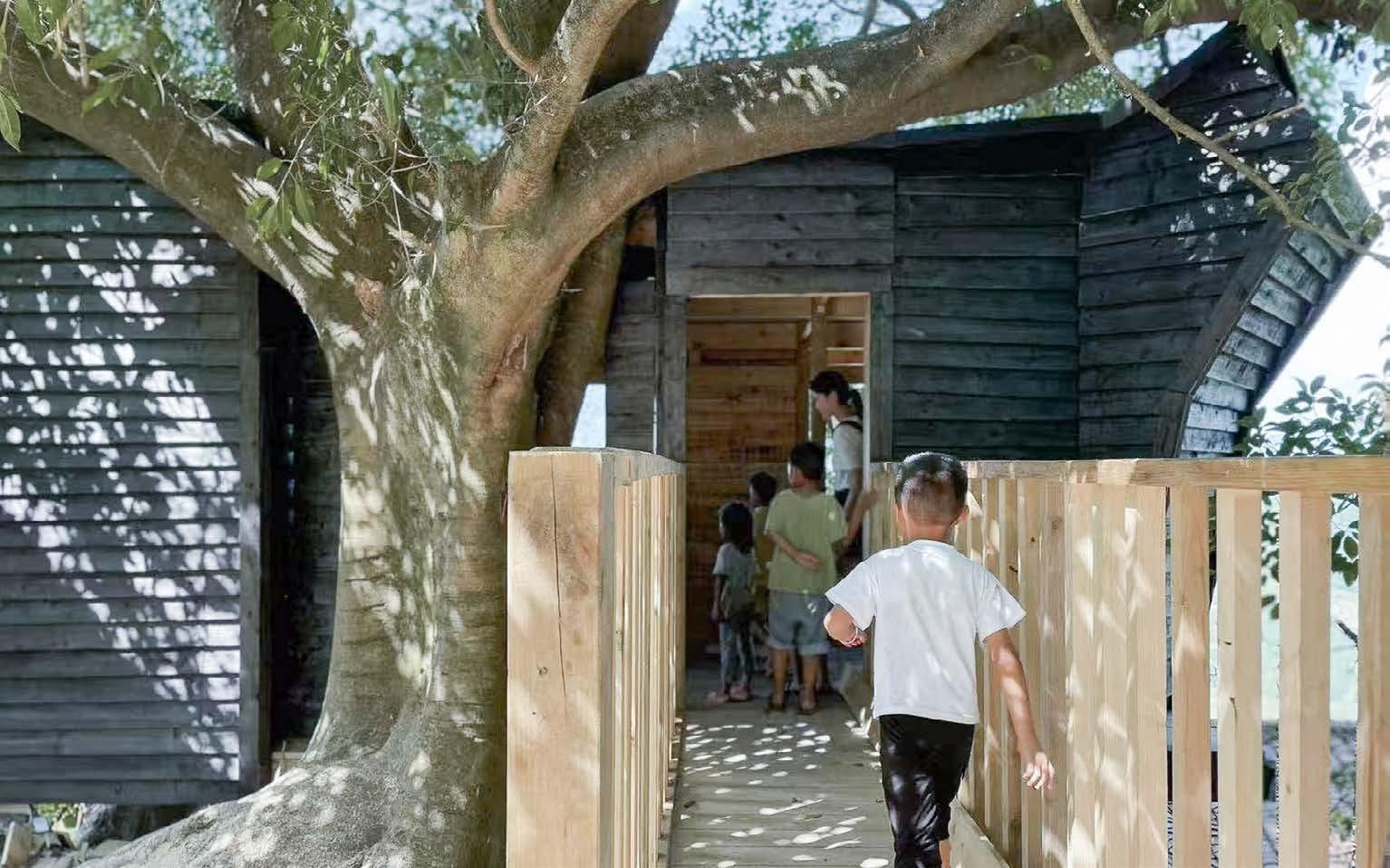
Banwan Village is a rural, mountainous community in Guizhou, China. Through a volunteer organization called Little Love, I joined a design team in 2022 working to support village revitalization—creating spaces that encourage residents to remain in the village while also attracting visitors.
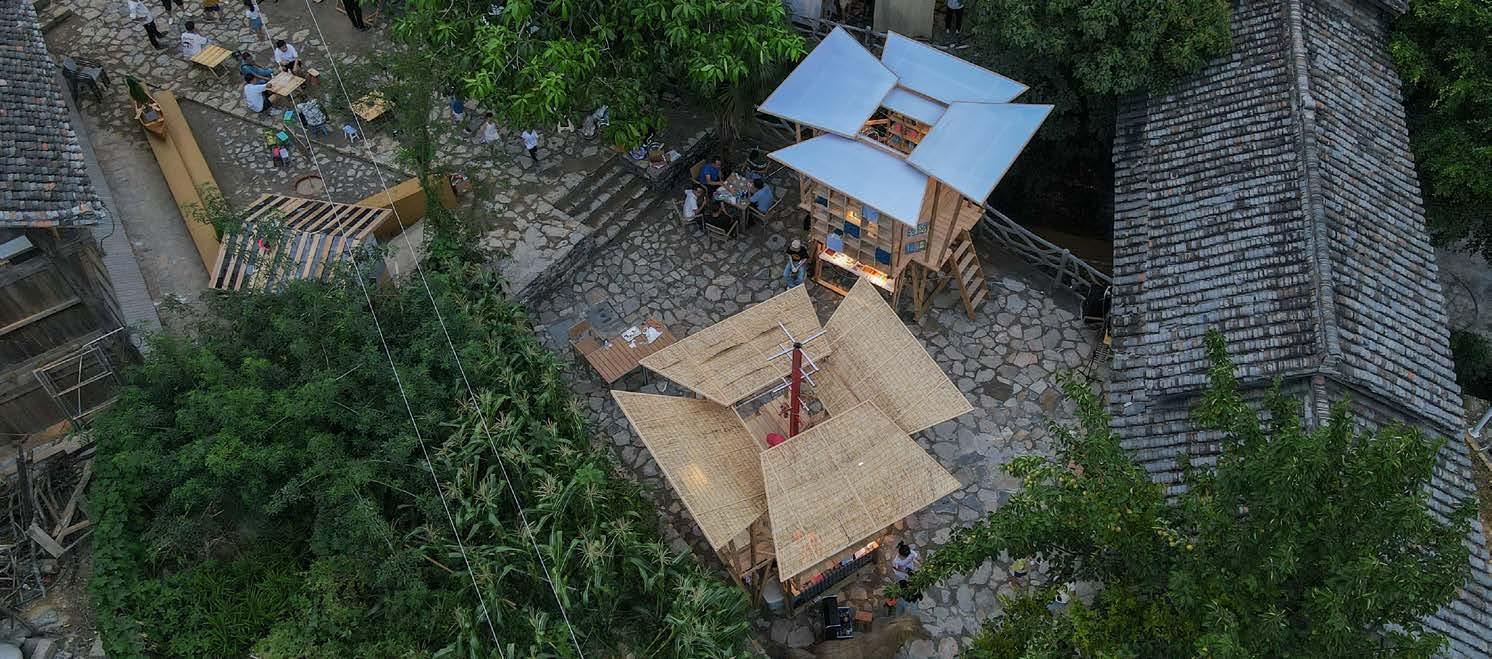
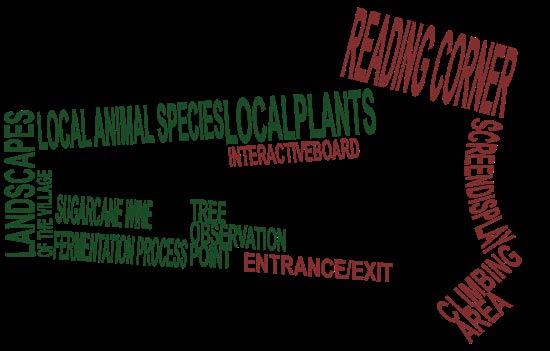
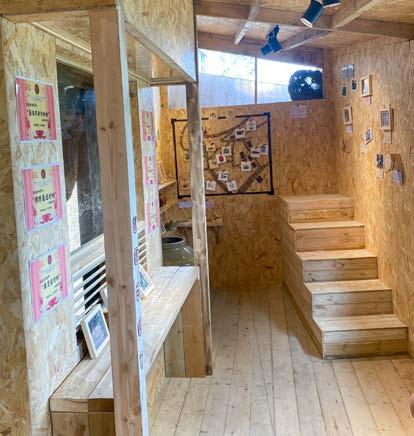
As part of this effort, I contributed to the design of a Treehouse Museum, a small-scale educational space embedded in the natural landscape. The museum integrates local plant and animal species into its spatial and exhibition design, emphasizing the village’s unique ecological character. Conceived as both a learning environment and a point of introduction to the village, the project serves local children as a place to explore nature, while offering tourists a comprehensive understanding of Banwan Village within a compact 200-square-foot footprint.
Design Assistant_2023_Banwan Village, Guizhou, China_ Instructed by Qing Cao
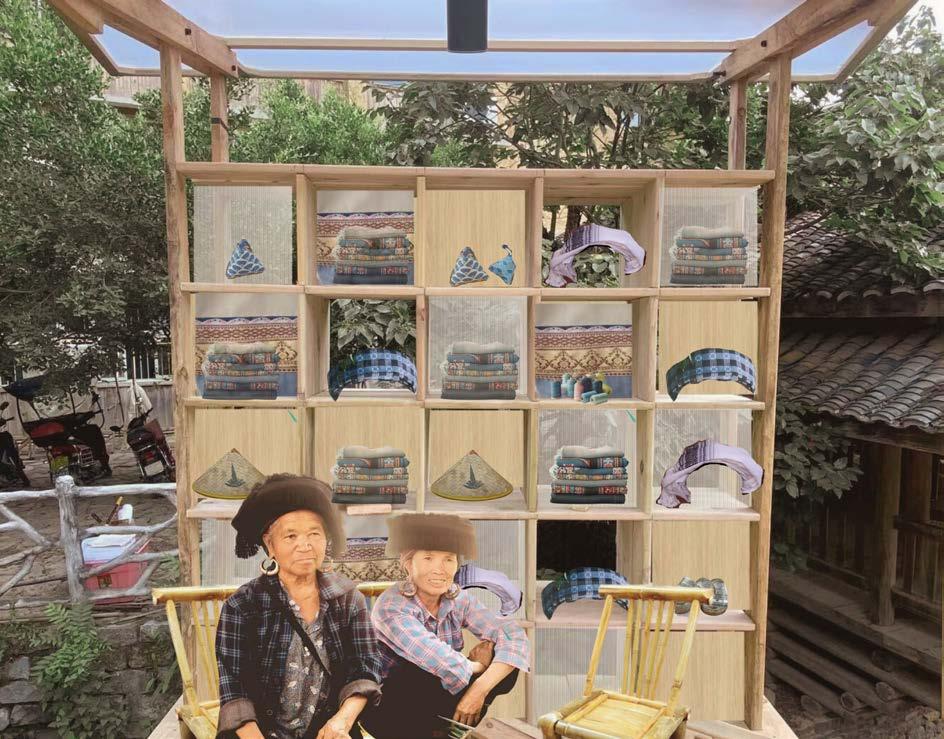
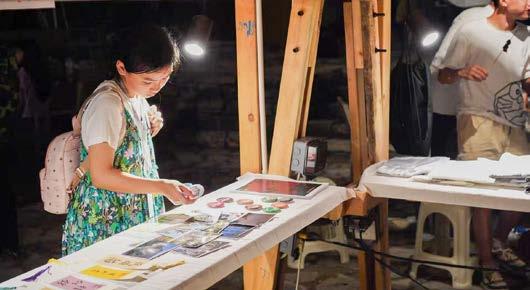
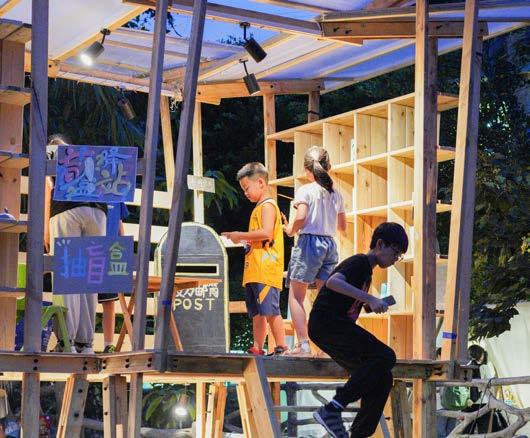
The Farmers’ pavilion is designed as a market trading stand for the biweekly farmers’ market in Banwan Village. Organized as a two-level structure, the pavilion supports flexible use and adapts to the village’s evolving needs.
The ground level accommodates tables for displaying and selling local products, while the upper level provides shelving for additional display and storage. Beyond market days, the pavilion transforms into a space for temporary exhibitions and an informal playground for local children, reinforcing its role as a multifunctional community structure that supports both economic activity and everyday village life.