Youth Villages | North Carolina Newsletter | Spring 2026
SPRING 2026
FAMILY VICTORIES FROM YOUTH VILLAGES
SOARING HIGHER
INTO THE NEXT PHASE OF HELPING FAMILIES
ALSO IN THIS ISSUE:
• ALEXIS FINDS HOPE WITH THE SUPPORT OF LIFESET™
• JOIN THE “GRADS FOR GOOD” CAMPAIGN AND HELP EMPOWER YOUNG ADULTS
• YOUTH VILLAGES CELEBRATES 40 YEARS OF IMPACT
UPDATE
FROM YOUTH VILLAGES EXECUTIVE DIRECTOR
As we look ahead from celebrating 20 years of service in North Carolina, I am reminded daily of the strength, determination and promise of the young people and families we serve. Their resilience continues to inspire our future. When Youth Villages first came to North Carolina, we set out to partner with counties and health care organizations to create systems that empower families and agencies to identify the right service at the right time. That vision has shaped the progress we’ve made together.
From those early partnerships, we brought intensive in‑home services to communities across the state through Multisystemic Therapy (MST®) and Intercept®. These programs meet families where they are, providing comprehensive support, resources and advocacy to strengthen families.
We also recognized the need for stronger pathways to adulthood for young people who experienced foster care or needed mental or behavioral health support. Our LifeSet program helped fill that gap. We are equally proud of the Youth Villages Scholars initiative, an extension of LifeSet, which provides educational and vocational resources young adults need to complete degrees and build their careers.
As we enter our third decade, we’re excited to launch the Soaring Higher campaign. This bold initiative will allow us to expand access to effective services, invest in innovative support for young adults, and reach even more families across North Carolina.
Your partnership makes this work possible. We look forward to collaborating with you as we expand our impact and help even more young people in the years ahead.
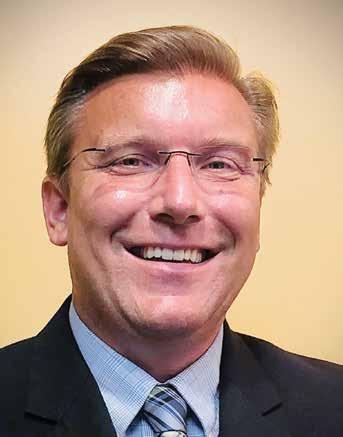
Paul Enderson EXECUTIVE DIRECTOR NORTH CAROLINA paul.enderson@youthvillages.org
NORTH CAROLINA ADVISORY BOARD
Erika Carney, Chair
Ross Pope, Co-Chair
Heather Bradshaw
Rachel Daigle
Barrett Deacon
Cheddi Johnson
Christine Kahm Silver
Kristy Kent
Kevin Kiernan
Lee Robertson
Steve Rook
Taylor Vaughn
NORTH CAROLINA OFFICE LOCATIONS
Asheville
Boone
Charlotte
Fayetteville
Greensboro
Greenville
Louisburg
Raleigh Durham
Waynesville
Wilmington
Youth Villages is a national leader in mental and behavioral health committed to finding the most effective solutions to help children, families and young adults overcome obstacles and live successfully. Working through direct services, partnerships, with innovative public agencies and advocacy, we collaborate to bring positive change to child welfare, children’s mental health and justice systems. Last fiscal year, our 5,000 employees served more than 47,000 children and young adults in more than 120 locations in 29 states and the District of Columbia. Youth Villages has been recognized by the Harvard Business School and U.S. News & World Report and was identified by The White House as one of the nation’s most promising results-oriented nonprofit organizations.
How are we doing?
We’d love to hear feedback from you, so we can continue to improve and give you content you enjoy.
SMALL START BECOMES BIG IMPACT
Youth
Villages celebrates 40 years of service
In the 1980s, Ronald Reagan was elected president, the first 24 hour news network (CNN) launched, and the Winter Olympics featured an upstart hockey team that became “The Miracle on Ice.”
In Memphis, Tennessee, another miracle was beginning.
A juvenile court judge sent 24 year old Patrick Lawler to a struggling residential campus near Memphis with these marching orders: “Fix it or shut it down.”
At the campus, Lawler found a handful of dedicated staff helping about 20 young people. It soon became apparent the children had nowhere else to go if the campus closed.
Donors and volunteers stepped up in support, and in 1986, that small campus grew to become Youth Villages in a merger of two small residential campuses.
Now, 40 years later, Lawler is still at the helm as CEO and Youth Villages is one of the leading children’s mental and behavioral health nonprofits in the United States, lifted by the passion and commitment of staff, volunteers and donors.
Setting the highest standard for residential services needed by children with the most severe needs will
always be a part of Youth Villages’ mission. However, most of the organization’s 5,000 staff members work in community‑based programs: Intercept®, intensive in home services, and in LifeSet, supporting former foster youth as they move to adulthood.
Implementing services that are proven help us achieve high success rates, children who complete their programs at Youth Villages are living successfully at home with their families, enrolled in school or working and not having trouble with the law.
The organization is planning for bolder impact in the future.
“We’re making an incredible impact on the communities we serve through the committed support of our staff, local and national boards, donors and volunteers,” Lawler said. “We’re taking what we learned over the past 40 years and focusing on deepening our services. I’ve never been more excited about what we can do together to heal families and give children and young adults their best chance at long term success.”
To our donors, volunteers, mentors, foundations and everyone who has supported Youth Villages, we say thank you! As we celebrate this 40th anniversary, we are excited to continue our work to enhance child welfare across the country.
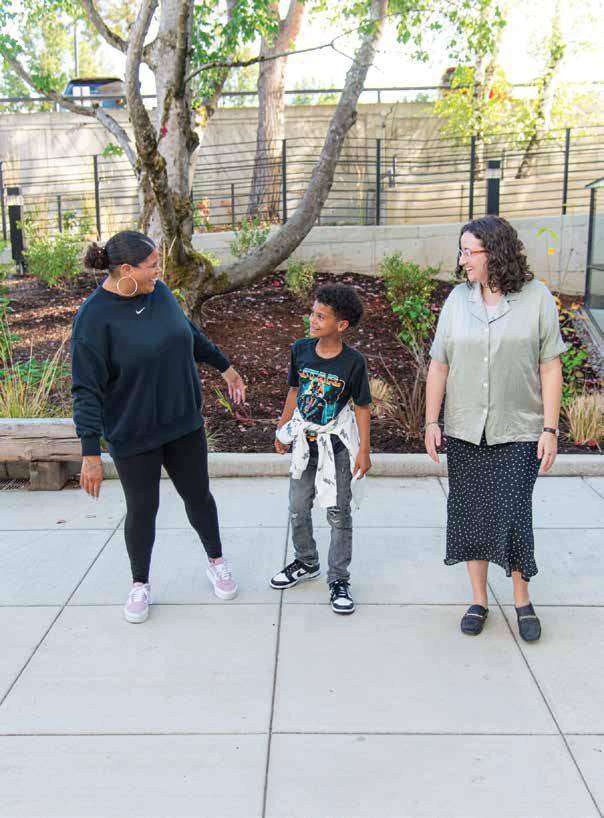
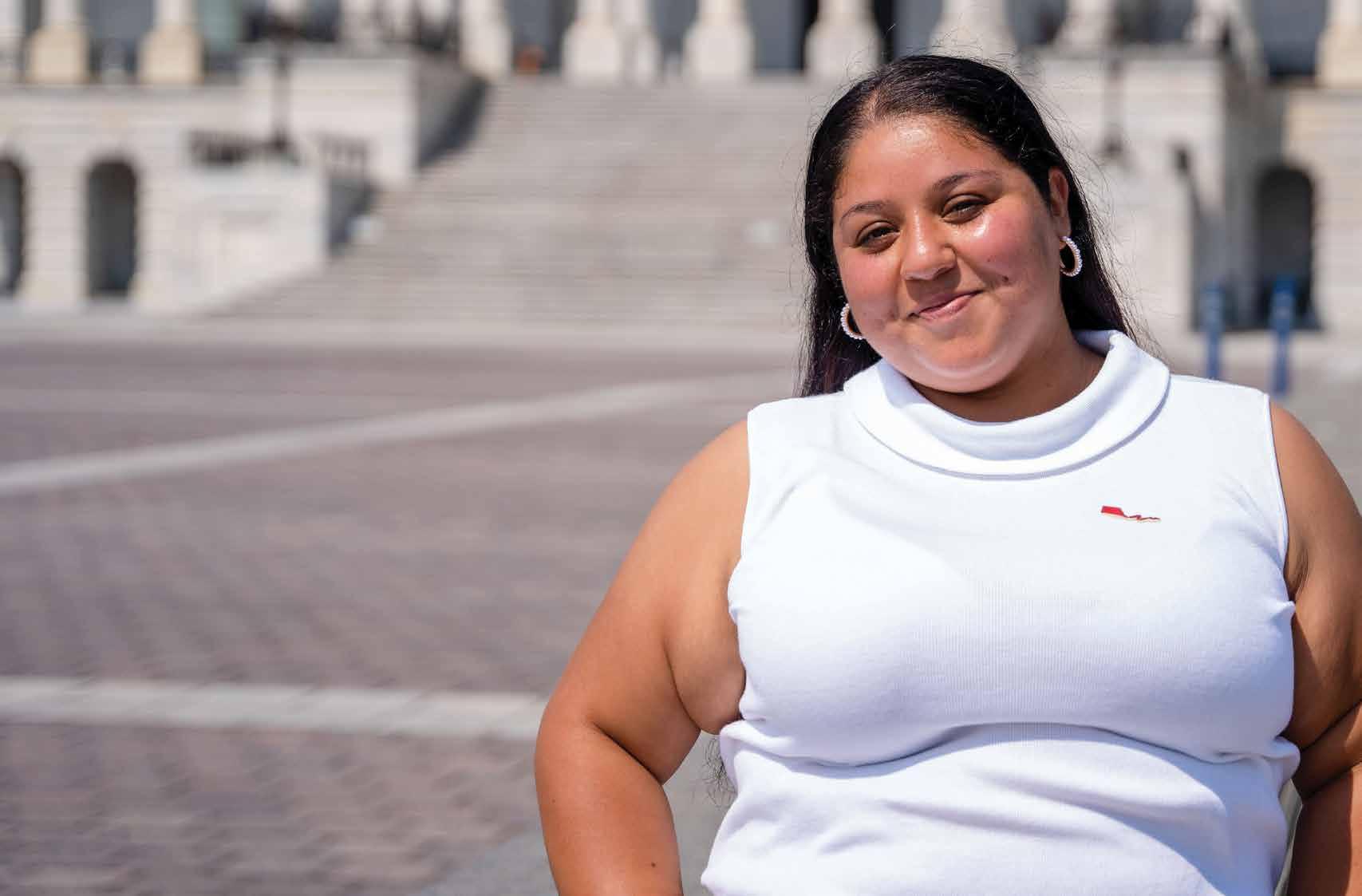
Gracie on Capitol Hill in Washington, D.C., to advocate for community-based services at a Senate hearing. Support changed everything for Gracie’s family when they needed it.
EMPOWERING NORTH CAROLINA’S YOUTH TO HEAL, THRIVE AND BUILD BRIGHTER FUTURES THROUGH EXPANDED SERVICES AND TRANSFORMATIONAL COMMUNITY INVESTMENT.
SOARING HIGHER
Gracie, a mom in Asheville, remembers hearing painful comments about her son when he was young.
“He’s bad.”
“Where’s he going to end up if he doesn’t change?”
“It was something a parent never wants to hear,” she said.
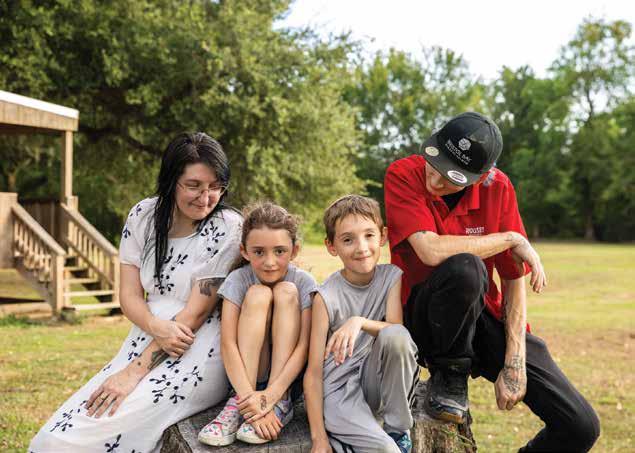
When things finally reached a breaking point at school and home, Gracie picked up her phone and called Youth Villages. While it’s unusual for a parent to reach out directly, it is not unusual for us to be asked to step in during the hardest moments for a family.
Gracie and her son are just two out of thousands of families and young people across North Carolina who have received mental and behavioral health services from us. Our support is designed to keep families together and help children heal.
Lately, there’s been a lot of attention on improvements needed in children’s care systems in North Carolina. Last fall, we celebrated 20 years of service in the state, and in those 20 years, we’ve seen systems evolve, with a focus on finding solutions, empowering families and supporting young people leaving foster care at 18.
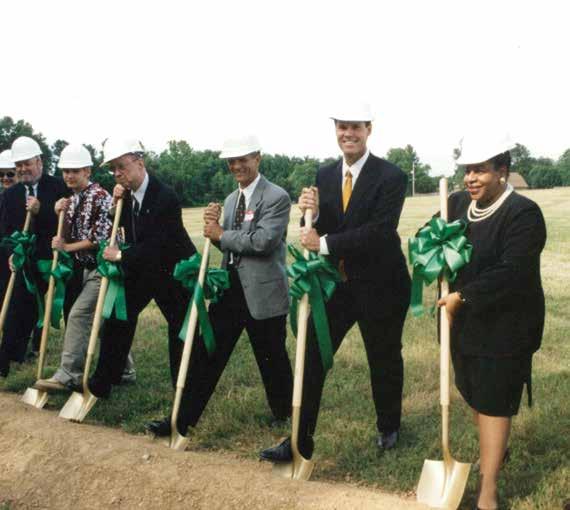
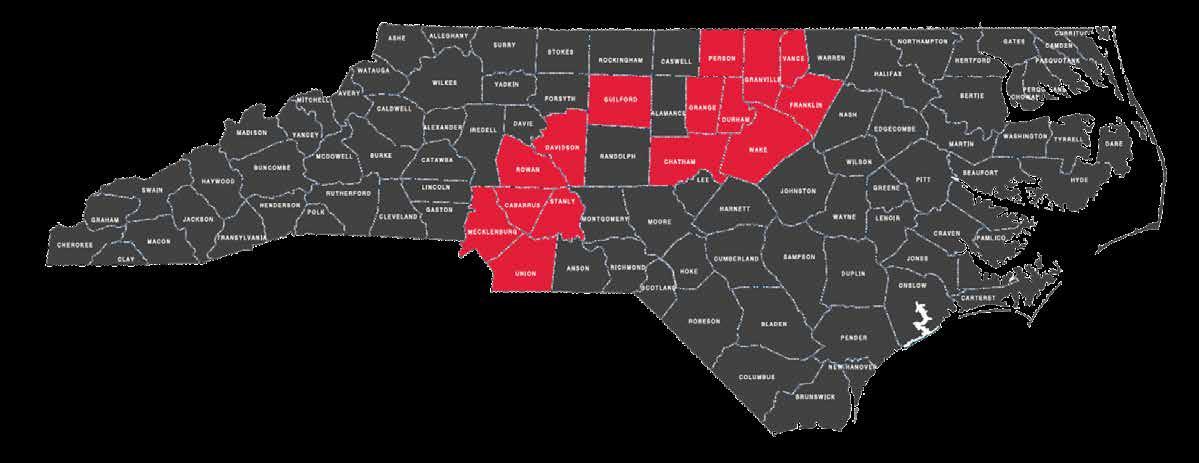
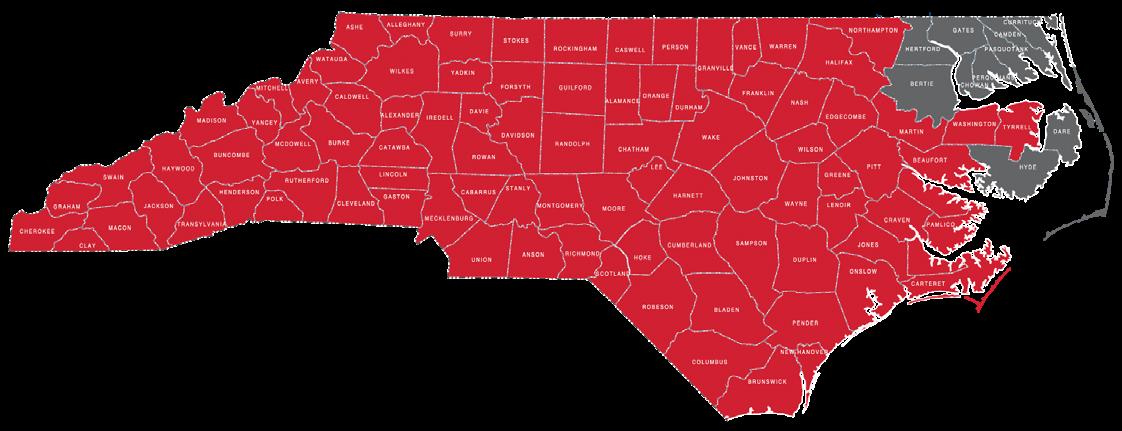
Our first office was in Hillsborough, where we worked directly with families, even before we had desks. Today, Youth Villages has approximately 270 staff working from 10 offices, with a statewide service area touching 90 counties.
We’re helping more than 1,000 children, families and young people every day; more than 2,500 in our core services in the last year.
We remain steadfast in our commitment to radically improve systems and services that support children, families and young adults facing the greatest challenges in North Carolina. That is why we are launching a new three year campaign called Soaring Higher: a Vision for North Carolina’s Youth.
This bold vision focuses on helping young people heal and thrive, strengthening families and promoting safer communities by raising $10 million in philanthropic support. The goal is to increase the number of youth and families we serve on any given day from 1,000 to 1,500. To do that, we must:
• Continue to scale and strengthen our direct services by increasing our ability to CONNECT communities to the right services.
• Help former foster youth THRIVE in our communities by positively influencing their
WHERE WE WERE
WHERE WE ARE NOW
outcomes toward education, employment, financial stability, housing and other future goals by partnering with the state and other community partners to find innovative ways to serve these youth. We also want to double our Youth Villages Scholars initiative participants from 40 to 80.
• SUSTAIN our general operating support to continue our 4:1 private/public match with the state and allow us to be nimble in pursuing new opportunities to safeguard our long term impact in North Carolina.
It takes a village to advance this transformative work. That’s why Youth Villages is honored to share that the Soaring Higher campaign is launching with remarkable early momentum: an anonymous donor has generously committed $200,000, with $100,000 matching any new gifts of $10,000 or more. This leadership gift provides a powerful foundation for the campaign, signaling strong confidence in the vision and inspiring others to join in expanding critical services for North Carolina’s youth.
IF YOU WOULD LIKE TO LEARN MORE ABOUT HOW YOU CAN INVEST IN OUR SOARING HIGHER CAMPAIGN, PLEASE REACH OUT TO NORTH CAROLINA DEVELOPMENT DIRECTOR ERICA ELLIS AT ERICA.ELLIS@YOUTHVILLAGES.ORG.
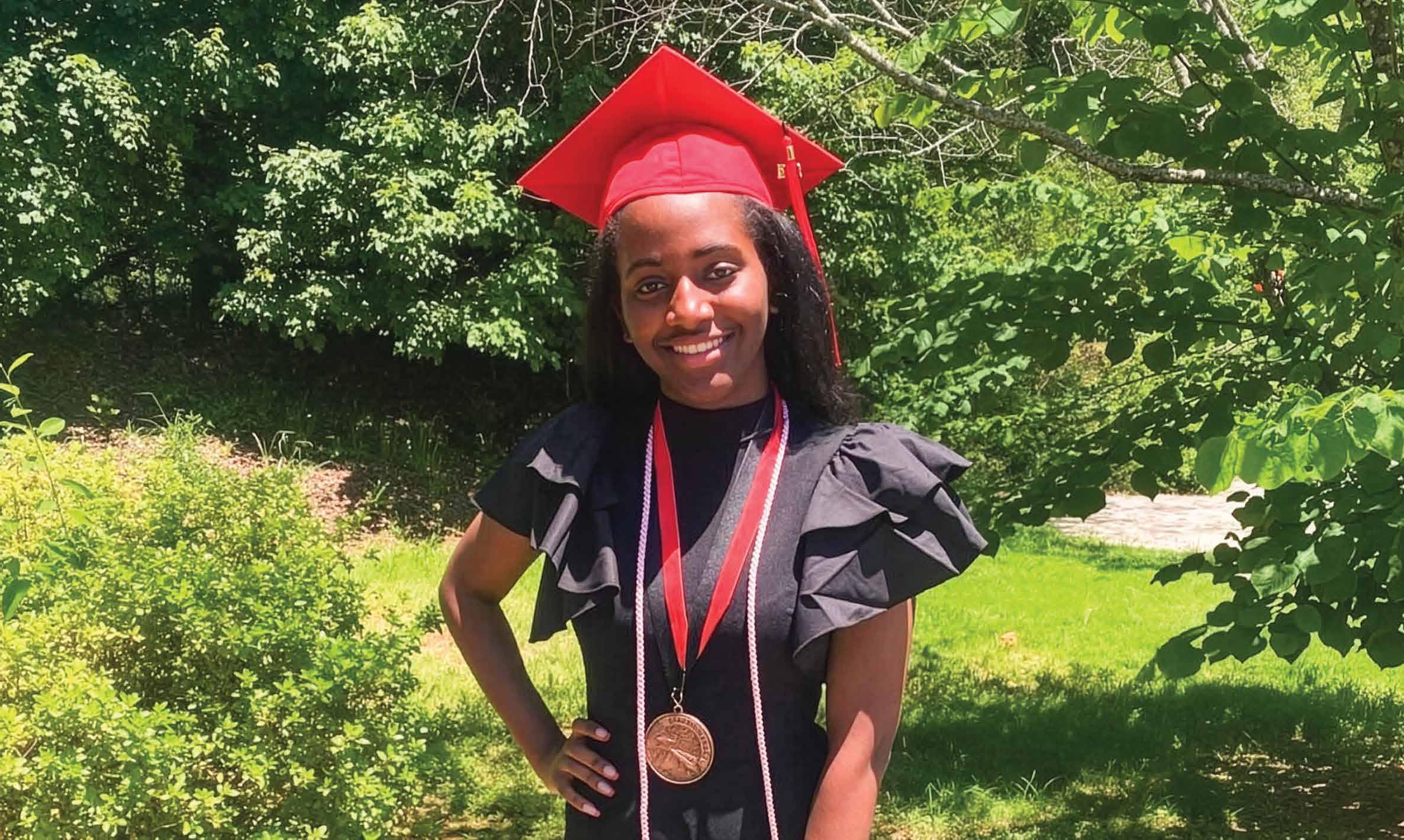
ALEXIS FINDS HER VOICE WITH LIFESET AND SCHOLARS
For most of her life, Alexis has navigated challenges far beyond what many young people face. Entering foster care at just 12 years old, she moved through multiple homes, three different high schools and a constant cycle of change. Stability was rare.
Life began to settle as Alexis approached adulthood, but not for long. After aging out of foster care, she returned to her mother’s home and started college. Then, just one week before her birthday, her mother passed away unexpectedly. Overnight, Alexis was facing grief, school, work and adulthood.
Recognizing how much she was carrying, her social worker encouraged her to connect with Youth Villages’ LifeSet program.
At first, Alexis wasn’t sure what to expect.
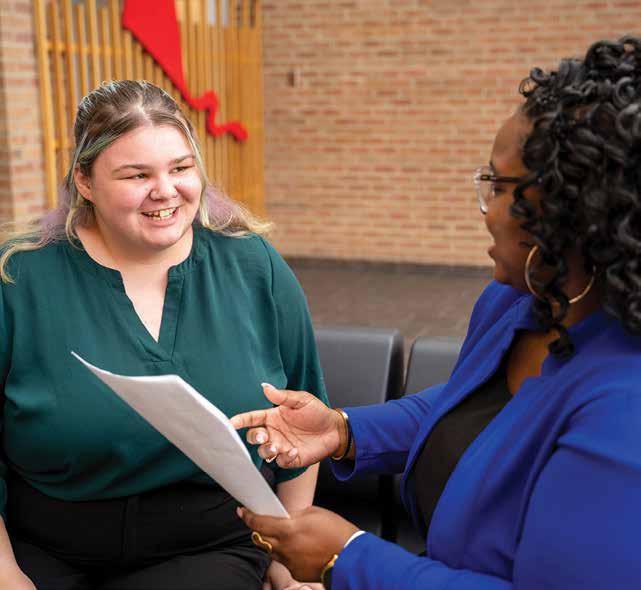
That changed quickly once she met Ariyah, her specialist.
While trust isn’t something that comes easily for Alexis, Ariyah’s consistent support helped break down those walls. Together, they worked on practical skills: building a resume, preparing for job interviews and managing anxiety.
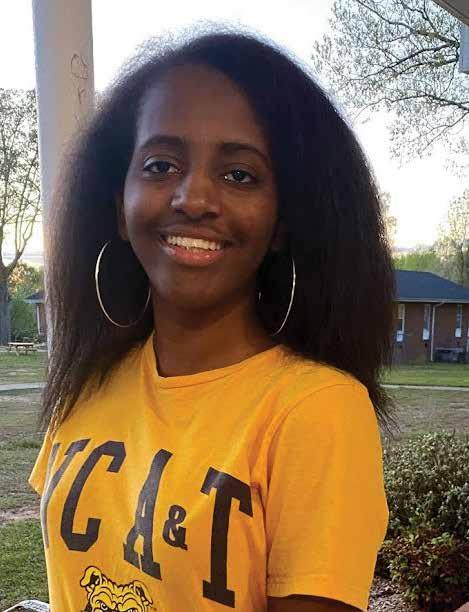
Today, Alexis is a student at North Carolina A&T State University, studying criminal justice and working toward a second major in social work. She hopes to combine both fields perhaps, as a forensic social worker, and is focused on building a future rooted in purpose and healing. She is also working a part time job while juggling classes.
One of the most transformative parts of Alexis’ journey has been discovering her own voice. Despite years of shyness and social anxiety, she has become a passionate advocate for youth in foster care.
LifeSet opened doors for her to speak on panels, participate in SAYSO (Strong Able Youth Speaking Out) and share her lived experience to
“I would have never pictured myself doing panels or public speaking,” Alexis said. “Now, I can’t wait for the next discussion. I feel free, and I found my voice.”
A NEW CHAPTER AS A SCHOLAR
Just recently, Alexis was accepted into the Youth Villages Scholars initiative, which provides extra support for young adults focused on higher education or vocational goals.
“Being a Scholar means more opportunities,” she said. “More ways to grow, improve academically and keep advocating for foster youth. Maybe my story can motivate someone else.”
For Alexis, the Scholars initiative represents not only financial and academic support, but a community cheering her on as she writes the next chapter of her life.
Thanks to her determination and the guidance through LifeSet, Ariyah and now Scholars, Alexis is building that future day by day. Her journey is a powerful reminder that with the right support, young people can rise above their past and step boldly into the life they imagine.
Young adults like Alexis don’t have to navigate adulthood alone thanks to donors like you. Your support opens doors to healing, confidence and a brighter future.
Youth Villages Scholars
Nationally, only 13% of youth who age out of foster care will obtain a secondary degree, and only 50% will have any type of gainful employment by age 24. We aim to change these national statistics with the Youth Villages Scholars initiative, which helps young people impacted by childhood trauma achieve their educational goals.
Through Scholars, Youth Villages provides every participant with 24/7 access to a specialist, educational resources, a $350 monthly stipend and a mentor for the full duration of their secondary education. Scholars pursue technical, vocational, two‑year, four‑year and master‑level programs across the country.
$5,000
$10,000
$15,000
DONOR SPOTLIGHT
STRENGTHENING PATHWAYS TO ADULTHOOD
With a strategic investment in Youth Villages, the Weaver Foundation supports proven, community-aligned services that help foster youth achieve stability, education and independence.
How did the foundation first engage with Youth Villages and identify it as a potential partner?
The Weaver Foundation’s interest began during a 2024 strategic shift toward larger, high‑impact investments, including improving outcomes for youth aging out of foster care. Early conversations revealed that Youth Villages had a strong presence in Greensboro and a proven program (LifeSet), but services were underutilized in the city due to referral and engagement barriers. The Weaver Foundation recognized that a philanthropic investment could significantly deepen the impact for youth in the Triad metro area.
What factors led the foundation to invest in Youth Villages as part of its philanthropic portfolio?
Several factors drove the foundation’s decision to invest. First, Youth Villages’ mission and population focus aligned directly with the foundation’s donor intent: helping those in need, supporting education and enhancing community life within greater Greensboro. Former foster youth represents one of the most vulnerable populations in the community, often facing homelessness, unemployment and poor educational outcomes without sustained support.
Second, the foundation was persuaded by Youth Villages’ recognition that having a physical presence in Greensboro was not enough. Their proposal acknowledged that urban systems require deliberate relationship building, streamlined assessment processes and stronger coordination with local agencies to ensure youth are identified and connected to services in a timely way. Youth Villages’ proposed strategy demonstrated both humility and rigor, an understanding of where services were falling short, and a realistic plan to strengthen access and impact within the city itself. Early results reinforced this approach, with significant growth in the number of Guilford County youth served once these outreach and assessment investments were put in place.
From the foundation’s perspective, what distinguishes Youth Villages’ approach and impact in serving children and families?
Youth Villages stands apart for its combination of intensive, individualized services and its commitment to meeting youth and families in their own communities. Programs such as LifeSet are designed to address the full range of challenges former foster youth face – housing stability, education, employment, mental health and basic life skills, rather than treating these needs in isolation.
Equally important is Youth Villages’ emphasis on systems level access. Youth Villages recognizes impact is not only about delivering services well, but also about ensuring the right youth are identified, assessed and referred at the right time. By strengthening community engagement, assessment capacity and referral partnerships in Greensboro, Youth Villages is positioning itself to serve urban youth more equitably and effectively, an approach the foundation views as both practical and forward looking.
Why does the foundation believe Youth Villages is a strong partner for making meaningful, evidencebased investments in child and family services?
From the foundation’s perspective, Youth Villages is a strong partner because it pairs rigorous evidence‑ based programming with a clear understanding of local context. LifeSet is a transition to adulthood program nationally supported by randomized controlled trial data, demonstrating positive outcomes across housing, education, employment and justice involvement.
At the same time, Youth Villages does not apply its model rigidly. Their expansion into Greensboro’s urban areas reflects an ability to adapt evidence based practices to the realities of a different environment, an urban setting where systems are often fragmented, multiple nonprofits are providing slightly different services and youth can easily fall through the cracks. For funders seeking investments that are both data driven and responsive to community specific needs, Youth Villages offers a model of disciplined execution combined with strategic flexibility.
Is there a particular example that epitomizes the impact of Youth Villages’ work?
The foundation is particularly encouraged by LifeSet’s long term outcomes: one year after program completion, 92% of participants are living independently or with family; 92% are employed or enrolled in school; and 95% report no involvement with the justice system. These outcomes stand in stark contrast to national statistics for youth aging out of foster care and help explain why the foundation believed it was important to expand access to this model for more young people in Greensboro.
How would the foundation encourage other funders to consider supporting Youth Villages and its mission?
The Weaver Foundation would encourage other funders to view Youth Villages as an opportunity to invest in both individual lives and stronger community systems. Supporting Youth Villages as they expanded into the city of Greensboro was not simply about increasing program capacity. By strengthening referral pathways, assessments and community relationships, Youth Villages is helping ensure public systems work better for young people at a critical moment in their lives.
For funders seeking investments that combine compassion, accountability and lasting community impact, Youth Villages represents a thoughtful and highly effective partner.
CELEBRATE GRADS.
CHANGE FUTURES.
BECOME A GRAD FOR GOOD.
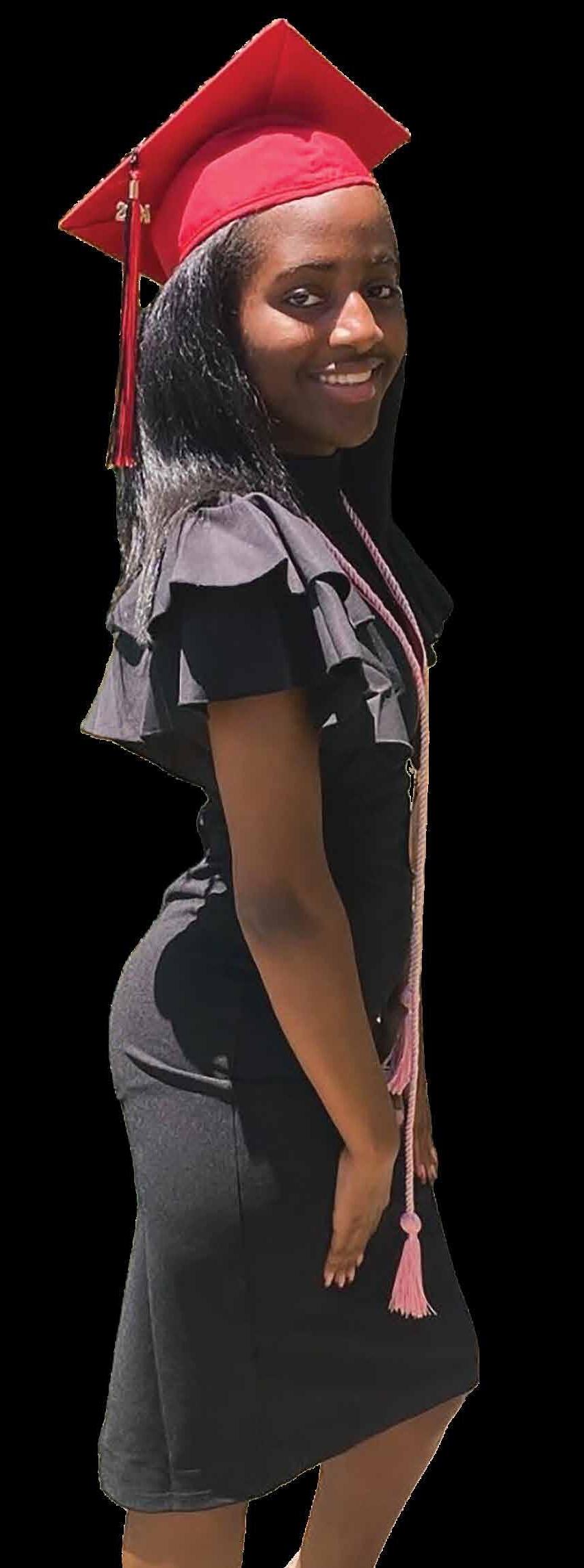
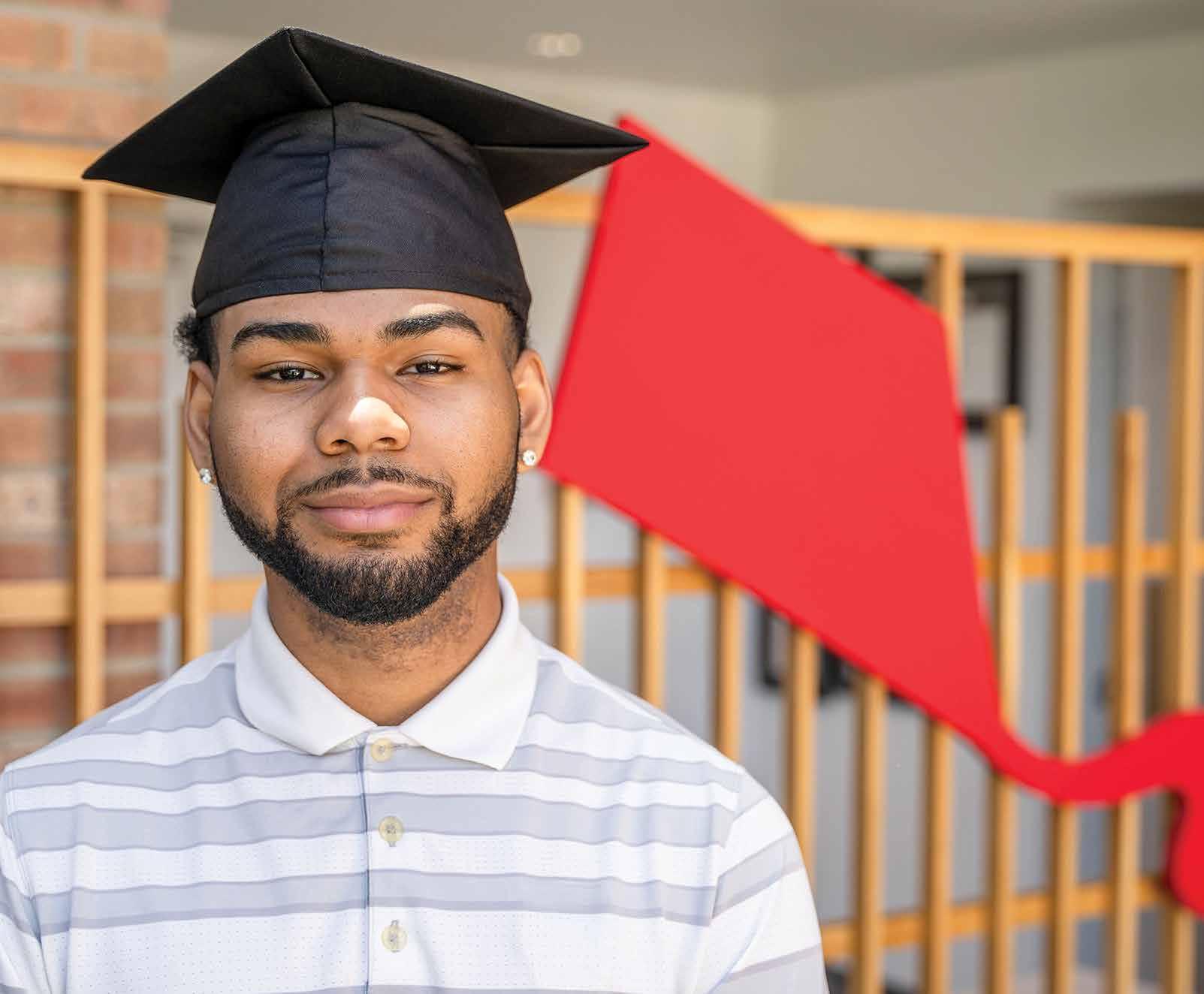
Youth Villages invites you to celebrate graduation season by joining GRADS FOR GOOD, a year‑long, peer‑to‑peer campaign supporting Youth Villages Scholars. The effort engages students and alumni to rally classmates, families and networks in support of North Carolina youth working toward college degrees, trade credentials and stable careers. With online fundraising tools and a customizable digital toolkit, supporters can show school pride while helping young people overcome barriers to post‑secondary success.
During National Foster Care Month, we’re reminded that far fewer young people with
foster care experience earn college credentials compared to their peers — highlighting the need for initiatives like Youth Villages Scholars, which provides coaching, financial assistance and stability.
Help us reach our $20,000 goal by pledging your graduation gift, joining an alumni relay or hosting a student‑led fundraiser. Let’s turn celebration into opportunity.
If you’d like to learn more or get involved, reach out to Justin Franklin at justin.franklin @youthvillages.org.
NORTH CAROLINA CHAMPIONS FOR CHILDREN
JULY 1 – DEC. 31, 2025
INNOVATOR
$ 100,000+
Anonymous
Dogwood Health Trust
Joey Logano Foundation
The Leon Levine Foundation
Weaver Foundation, Inc.
VISIONARY
$ 50,000 to $ 99,999
Blue Cross and Blue Shield of North Carolina
New Hanover Community Endowment
WHH Foundation
PILLAR
$ 25,000 to $ 49,999
Heather and Daniel Bradshaw
LEADER
$ 10,000 to $ 24,999
Debbie and Allen Campbell
DNA Property Management LLC
Giving With Grace Foundation
Highlands Cashier Health Foundation
Kevin Kiernan
Speedway Children’s Charities
*If you made a contribution during this time (above $1,000) but it is not listed, please call 781-937-7900.
Donors who are bold have committed to a three-year pledge as part of our Growing Stronger campaign and became part of the Champions for Children Circle as of December 2025. Thank you for making a sustainable impact on our community!
PROTECTOR
$ 5,000 to $ 9,999
BDI Partners
Bertsch Family
Charitable Foundation
Mary and Steven Boehm
Sara and Brian Boehm
Chris Carlino
Carrie and Michael Dombeck
Mike Kavanagh
Cheryl McManus
Tracy and Doug Miskew
Bet and Carter Pope
Caroline and Ross Pope
Public Sector Group, LLC
Lindsey and Steve Rook
Phil Rotella
Robin and Jack Salzman
Sarah and Taylor Vaughn
BUILDER
$ 1,000 to $ 4,999
Keith Akers
Dixon Albritton
Altar’d State Biltmore Park
Town Square
Leslie Apple
Jesica Averhart
Dema Badr
Joanne Badr
Megan Bailey and Todd Rowe
Whitney Balzer
Karl Beckstein
Susan Britt
Zach Britt
Kelly Brooks
Robert Brooks
Elizabeth Buffkin
Ashley and David Burke
Jackie Burke
Lori Bush
Erika and Robby Carney
Sue and Scott Carpenter
Nadine Cheek
Pia and Wyatt Chocklett
Columbia Forest Products
Frances Cronlund
C. Square Development Co.
Lydia and Russell Cummings
Stacey and Bradley Curelop
Rachel and Adam Daigle
Chris Daum
José Diaz
Makenzie and Jake Dunaway
Betsy and Jim Edmonds
Erica and Steve Ellis
Sandi and Len Eskew
Leeann and Mark Garms
Jarrod Gibson
Monica Gilreath
Brian Hadley
Catherine Hamlin
Tricia and Donny Harrison
Ross Hartney
James Heilbron
Natalie and David Homesley
John Horton
Julianne Howard
Elliot Howell
Nan Jackson
Amy and Dave Jacobs
Suzanne Jeska
Theresa Jurgensen and Chris Jackson
Kristy Kent
Jennifer King
Kathryn Kissam
Hannah Kitt
Max Krumdieck
Pamela Lane
Rich Lavner
Sonya Leonard
Deborah Majewski
Erik Martensen
Christopher Marshall
Deborah McManus
Lee McNeer
Posey and Mark Mealy
Tovah Mitchell
Morrisette Packaging Company
Mosaic Realty
Vivian Munson
Eleanor and Charlie Owen
John Parker
Spencer Pierce
Ashley Pizzo
Ashton and Stephen Powell
Zach Prager
Sean Preston
Andy Price
William Quinn
George Rahal
Reese and Ian Rahilly
Todd Reider
Dexter Richardson
Lee Robertson, Jr.
Ryan Shenoha
Megan and Rob Shook
Christine and Perry Silver
Dawn and Marc Sinacori
Moira Smulien and Chris Marshall
Russ Tedder
Sarah Thomas-Moore
Rich Tucker
April and Brian Vahey
Justin Van Tassel
Pamela and Darryl Wade
Rebecca and Quentin Watkins
Gary Wolfe
Annie and Thomas Wolfe
Sara Wright
Leigh and David Young
Kimberly Zeitvogel
THERE ARE NUMEROUS WAYS YOU CAN MAKE A DIFFERENCE FOR CHILDREN AND FAMILIES IN YOUTH VILLAGES PROGRAMS.
BECOME A CHAMPION FOR CHILDREN!
Your generous contribution will support the families and young adults we serve and help us grow our impact! There are many ways you can make a monetary donation.
1. GIVE A ONE-TIME OR MONTHLY GIFT ONLINE AT YOUTHVILLAGES.ORG/DONATE
Select North Carolina from the drop down. Become a Champion for Children with a gift of $1,000 or more.
2. SEND A CHECK IN THE ENVELOPE INCLUDED OR MAIL TO: Youth Villages North Carolina
Attn: Erica Ellis, Director of Development 8604 Cliff Cameron Dr., Suite 152 Charlotte, NC 28269
3. RECOMMEND A GRANT FROM YOUR DONOR ADVISED FUND THROUGH YOUR FUND ADMINISTRATOR!
When granting through your DAF, use this information: Tax ID: 62 1652079
Please advise Erica Ellis if you make a DAF gift to ensure it directly supports youth in our state.
4. GIVE A GIFT OF STOCK
Youth Villages Fidelity DTC Number: 0226 Account Number: Z7388858 Attn: For North Carolina
Have your stock advisor notify Erica Ellis about your gift at erica.ellis@youthvillages.org to ensure it gets properly designated to North Carolina.
5. FROM YOUR IRA
If you are 70½ or over, you can give any amount (maximum up to $100,000) per year from your IRA directly to a qualified charity such as Youth Villages North Carolina without having to pay income taxes on the money. Gifts of any value of $100,000 or less are eligible for this benefit and you can feel good knowing you are making a difference. This popular gift option is commonly called the “IRA charitable rollover,” but you may also see it referred to as a “qualified charitable distribution” or QCD.
Need instructions?
Designating a gift?
Erica Ellis, Director of Development erica.ellis@youthvillages.org or 704 510 5601
IF YOU ARE LOOKING TO GET INVOLVED through volunteering individually or with a group, contact Justin Franklin at justin.franklin@youthvillages.org.