Lessons from Twenty Years of Patient Care
by Yousuf A. Gaffar, M.D.
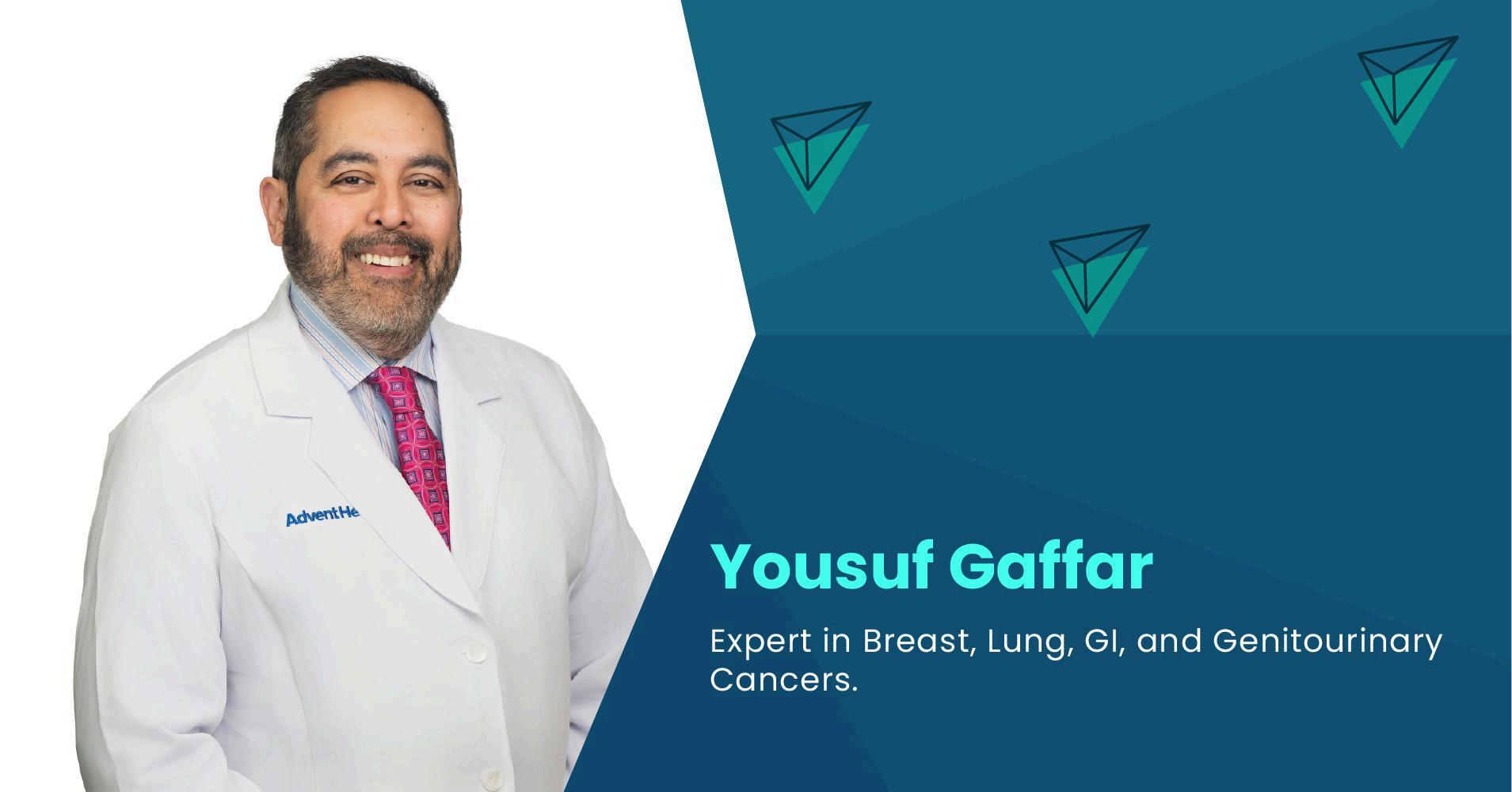
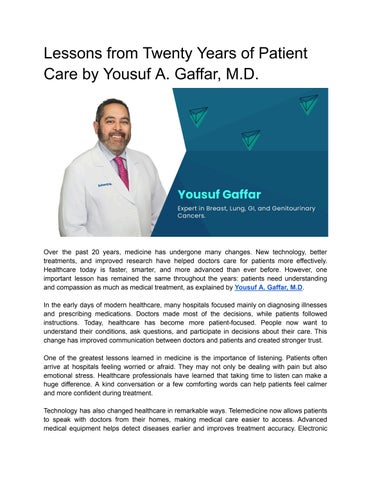
Over the past 20 years, medicine has undergone many changes New technology, better treatments, and improved research have helped doctors care for patients more effectively. Healthcare today is faster, smarter, and more advanced than ever before However, one important lesson has remained the same throughout the years: patients need understanding and compassion as much as medical treatment, as explained by Yousuf A. Gaffar, M.D.
In the early days of modern healthcare, many hospitals focused mainly on diagnosing illnesses and prescribing medications. Doctors made most of the decisions, while patients followed instructions Today, healthcare has become more patient-focused People now want to understand their conditions, ask questions, and participate in decisions about their care. This change has improved communication between doctors and patients and created stronger trust
One of the greatest lessons learned in medicine is the importance of listening. Patients often arrive at hospitals feeling worried or afraid They may not only be dealing with pain but also emotional stress Healthcare professionals have learned that taking time to listen can make a huge difference. A kind conversation or a few comforting words can help patients feel calmer and more confident during treatment
Technology has also changed healthcare in remarkable ways Telemedicine now allows patients to speak with doctors from their homes, making medical care easier to access Advanced medical equipment helps detect diseases earlier and improves treatment accuracy. Electronic
health records make it easier for healthcare teams to share important information quickly and safely. These improvements have helped save lives and improve patient experiences.
Even with all these advancements, healthcare workers understand that technology cannot replace human connection. Patients still want personal attention and emotional support. A computer may provide information, but it cannot show empathy or compassion The future of medicine should continue to balance technology with genuine care for people.
Another lesson learned over the years is the value of teamwork in healthcare Doctors, nurses, pharmacists, therapists, and support staff all work together to care for patients. Good teamwork improves communication and helps create better treatment plans When healthcare professionals collaborate and support one another, patients receive safer, more complete care
Preventive healthcare has also become more important in recent years Doctors now encourage regular checkups, healthy eating, exercise, and early screenings to help people avoid serious illnesses This approach focuses on keeping people healthy rather than treating diseases only after they develop
Looking ahead, the future of patient care appears promising Artificial intelligence, medical research, and personalized treatments may continue to improve healthcare outcomes At the same time, mental health awareness is becoming an increasingly important part of overall wellness
After two decades in medicine, one lesson stands above all others: healing is not only about treating illnesses It is also about making patients feel respected, supported, and cared for every step of the way.