































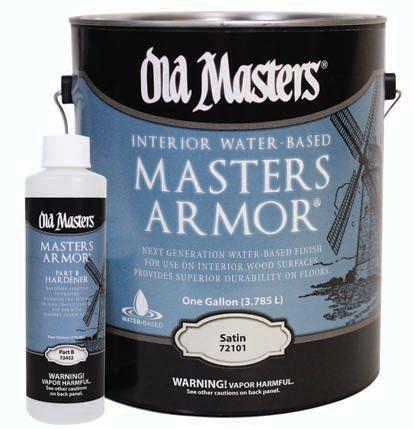
Masters Armor® Interior
Water-Based Clear Finish
Use on floors, cabinets, furniture, or almost any type of woodwork
• Applies easily and dries quickly
• Superior durability on floor
• Hardener additive provides maximum protection on high traffic surfaces


On the Cover
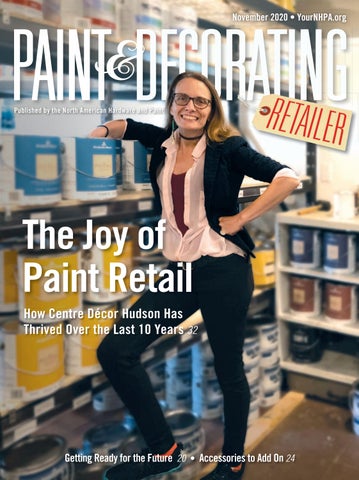
Lea Durocher and her husband bought Centre Decor Hudson in 2010. The pair come from an art and professional painting background, and they have spent the last 10 years focused on exceptional customer service. Learn about the roots of the business and what the future holds.

Discover the tools that make paint projects faster and easier and produce better results with this roundup of the painting accessories. Bonus: You’ll also boost your transaction size.

Discover the opportunities that await you as a member of the North American Hardware and Paint Association and get a sneak peek of what’s to come next year in the pages of the Paint & Decorating Retailer magazine.
Using color-matching technology gives your operation a boost against the competition. Find out how to use these tools in your business and what a difference the right match makes to your customers.
PAINT & DECORATING RETAILER
(ISSN 1096-6927): Published monthly except December by the North American Hardware and Paint Association, 136 N. Delaware St. #200, Indianapolis, IN 46204. Phone: 800-737-0107. Subscription rates: January through November issues, $50 in U.S., payable in advance. Canada $75 per year. All other countries $100 per year. Single copy $7, except July issue, $25. Periodicals postage paid at St. Peters, Missouri, and additional mailing offices. Postmaster: Send address changes to Paint & Decorating Retailer, P.O. Box 16709, St. Louis, MO 63105-1209. Returns (Canada): Return undeliverable magazines to P.O. Box 2600, Mississauga, Ontario L4T 0A8. PM# 41450540. Copyright © North American Hardware and Paint Association, 2020.
One of my favorite business quotes comes from a rather unlikely source… Mike Tyson.
Some of you have likely heard the quote before, but I believe it is particularly apt at this point in time. When he was being asked about whether he was concerned about an upcoming opponent’s fight plan, Mr. Tyson responded, “Everyone has a plan until they get punched in the mouth.”
I think this quote is salient right now for two reasons.
One, think back to the beginning of 2020. What plan did you have for your business on January 1? How’s that plan going now?
That’s right. Somewhere around mid-March, we all got punched in the mouth, and a lot of plans changed.
If you are going to manage your business and plan for growth and execute the steps that lead you to growth, you must have a plan in place.
The other reason I think it is important to remember this sage bit of pugilistic wisdom is because you are likely sitting down right now to craft your plan for 2021. What is this plan going to look like? How has it been altered by the sock to the jaw we took this year?
Listen, I am all for planning. If you are going to manage your business and plan for growth and execute the steps that lead you to growth, you must have a plan in place.
So sit down, dot your i’s, cross your t’s and draft out a plan for where you’d like to see your business go in 2021. In fact, I think you should have a one-year plan and a three-year plan.
But here’s the problem. All too often, managers and owners invest time and energy developing plans and then do not put the systems in place to be able to adapt those plans when there’s a shiny red glove flying at their jaws.
Everyone needs to have a roadmap, but what may be more important is that you point your team in the direction you set for your business, and then you empower and train them to find the right paths to get there. This way, when an obstacle occurs along that path, you have a group of well-equipped and supported individuals all looking for new routes to that final destination.
While I doubt 2021 will be dealing the types of Tyson-esque blows to our business that we weathered this year, it’s always good to know you have a whole bunch of folks in your corner, helping you change that plan when the going gets tough.


Dan
M.
Tratensek Executive Vice President & Executive Editor dant@nrha.org




800-772-4424 | nrha@nrha.org
LeAnn Day lday@nrha.org
Executive Director, Paint & Decorating Programs
Jesse Carleton jcarleton@nrha.org
Training Manager & Editor
Renee Changnon rchangnon@nrha.org
Retail Outreach Coordinator
Katie McHone-Jones kmchone-jones@nrha.org
Event Manager & Retail Support
Bob Cutter President & CEO
David Gowan Vice President of Finance & Business Services
Dan Tratensek Executive Vice President & Executive Editor dant@nrha.org
Melanie Moul Managing Editor mmoul@nrha.org
Kate Klein Profiles Editor kklein@nrha.org
Todd Taber Trends Editor ttaber@nrha.org
Hans Cummings Production Editor hcummings@nrha.org
Aubrey Smith Senior Designer
Autumn Ricketts Graphic Designer
Nancy Vondersaar Production Manager
Freda Creech Sales & Production Assistant
Kevin Trehan Digital Media Specialist
Natalie Harris Editorial & Research Production Coordinator
Hilary Daninhirsch, Diane Franklin, Graeme Haase, Heather Kauffman-Peters, Jerry Rabushka, Karon Warren Issue Contributors
Whitney Daulton Director of Marketing & Communications
Julie Leinwand Corporate Communications Manager & Editor
LeAnn Day Publisher
Dan Simon Magazine Sales 800-737-0107 | dan@pdra.org
Scott Wright swright@nrha.org Executive Director






dding sample dots of paint to freshly mixed cans is common practice in paint departments. What retailers do next isn’t always the same. Some wipe their fingers on paper towels while others wipe them on aprons. But Shanna West, co-owner of H & H Home and Hardware in Marion, Kentucky, wiped her paint-smudged finger across an old box behind the counter that was bound for the dumpster.
“I joked about how that box had accidentally become a work of art,” says West. “Beginning in 2020, I got us a canvas and planned to actually make it a work of art that would properly display all the colors mixed at our paint counter for the entire year of 2020.”


The canvas quickly gained the attention of customers.
“The biggest benefit has been the interaction that the project has encouraged between us and many of our customers,” says West. “It sparks all kinds of conversation about color and technique which has actually proven to help us have conversations with customers which resulted in further sales.”
West says the special project has also sparked a unique form of customer loyalty.
“In a year like this year, something different, positive and just-for-fun is exactly what our community needed,” she says.


The project won’t be considered finished until the end of the year when it will be auctioned off and the funds donated to a local charity.


New restrictions under which people must live during the COVID-19 pandemic have greatly increased the number of home improvement project homeowners are undertaking. With less time spent commuting and at the office and more time spent at home or in a home office, people have been looking for ways to spruce up their spaces.
The most popular room to upgrade, according to Google search data is the bathroom. Searches for bathroom updates beat out every other room and even backyards. This is likely due to the bathroom’s relatively small size; a smaller project is easier to tackle without involving contractors.
Colors of the year come and go and replacing fixtures, showers or tubs might be too large of a project for the typical homeowner to tackle. However, there are several other updates retailers can prepare for which can add a much-needed new look to an older bathroom.
An all-white palette in the bathroom can be augmented with window treatments, trim and towels. Having color samples available, rather than just paint cards in various shades of white, can help homeowners better visualize how their ideas will look under their bathroom’s lighting. These can be coupled with tile and countertop samples to ensure they all complement each other.
White tile ages better than bold colors. Colored grout can add a bit of contrast. In addition, larger floor tiles can make a room feel larger since the grout lines are less visible. By the same token, smaller tiles are good for powder rooms to create a full look and in showers because more grout lines prevent slipping.
Helping a customer pick out paint for a bathroom remodel doesn’t have to mean they go home with just a couple of gallons of paint and some rollers and brushes. Bathroom accessories, hardware, even curtains and rugs can all add value to the transaction and the interaction.
Bio-Glass products are made of 100 percent upcycled glass bottles and is 100 percent recyclable. The Urban Fossil collection contains no colorants or additives; the color is determined by the materials used during the manufacturing process. Bio-Glass can be used on counters, vanities, back splashes, shower walls, exterior facades, floors and more. It is resistant to stains, frost, chemicals and fire.
Coverings Etc coveringsetc.com or 305-757-6000


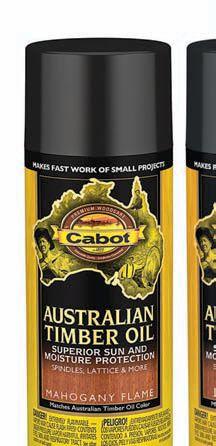


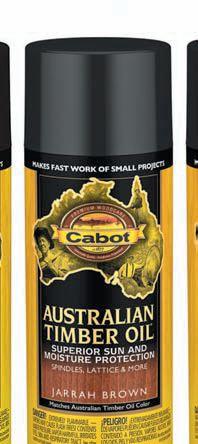







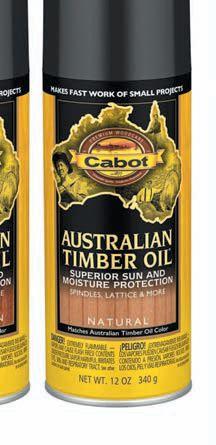

protection as stains. Its rain and exotic hardwoods.
mahogany
Australian Timber Oil—now available in an aerosol—provide up to four times the amount of UV as the synthetic pigments in many traditional Its unique blend of oils are formulated to protect rain and sun and penetrates even dense hardwoods. It is available in natural, honey teak, flame and Jarrah brown colors.
Cabot
cabotstain.com or 800-877-8246
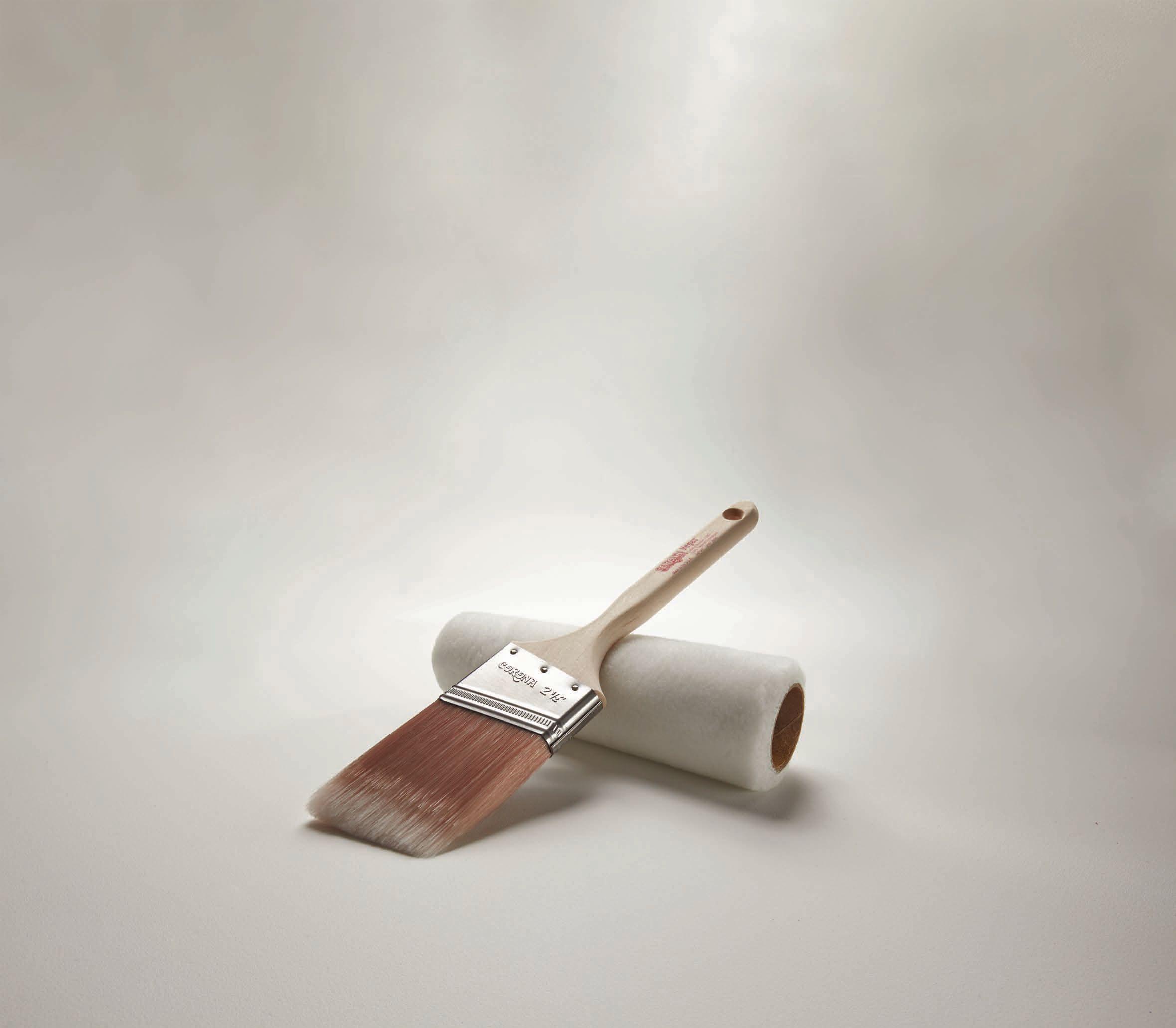
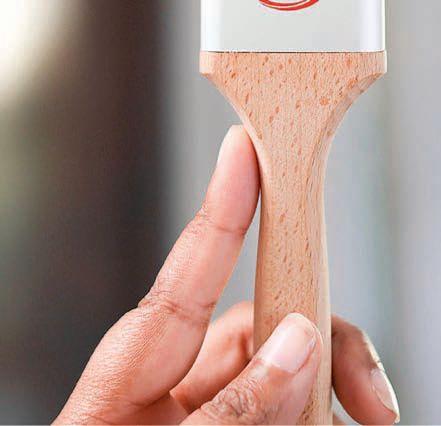
Stinger Brush Co.’s Stinger Brush features their Stinger Tip® with Fill-A-Blend Technology® designed for easy, precise edging. It is suitable for interior surfaces and general painting, especially corners, edges and details. It is easy to clean and available in 2-inch, 2 ½-inch and 3-inch sizes. Stinger Brush Co. stingerbrush.com or 888-497-8464

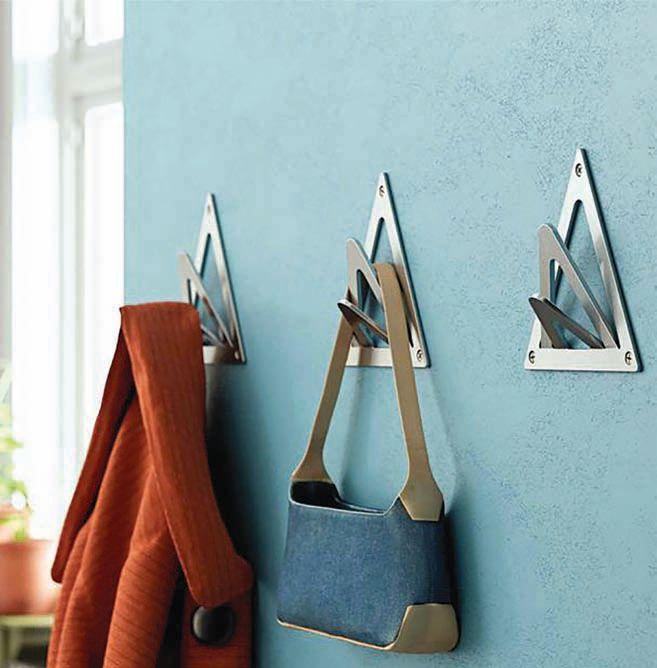

Mockett’s Impression Coat Hooks are laser cut for a unique multilayer, multilevel design. The interior cuts are bent outwards for hanging garments on the top and bottom hooks. Each piece has a 40 pound weight capacity when installed into a stud or with a drywall anchor. Impression Coat Hooks are available in matte black, metallic silver, matte white and satin stainless steel finishes.
Doug Mockett & Co. mockett.com or 800-523-1269
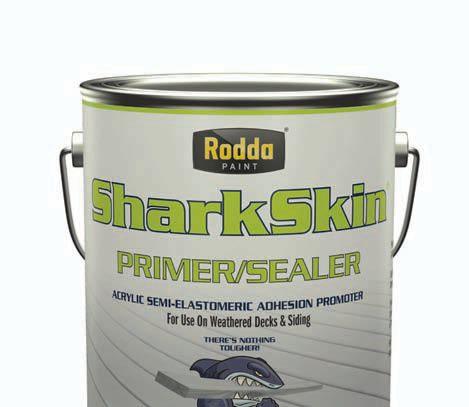
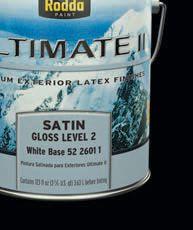
SharkSkin Primer/Sealer is a flexible, semi-elastic, acrylic water-based coating designed to stabilize surfaces and increase the adhesion of solid top coats. It penetrates and seals porous surfaces and locks down deteriorating surfaces in order to extend the performance and service life of top coats. Rodda Paint Co. roddapaint.com and service life of top coats. Co.
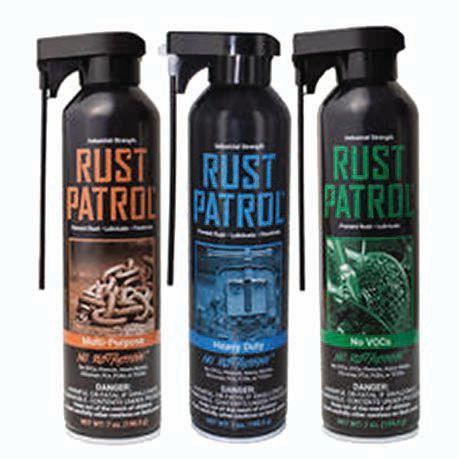
Rust Patrol® is a rust preventative, lubricant, penetrant and moisture displacer. Active at the molecular level, Rust Patrol works quicker, lasts longer and uses less product than similar products. Rust Patrol rust-patrol.com or 803-396-8400
FEATURES:
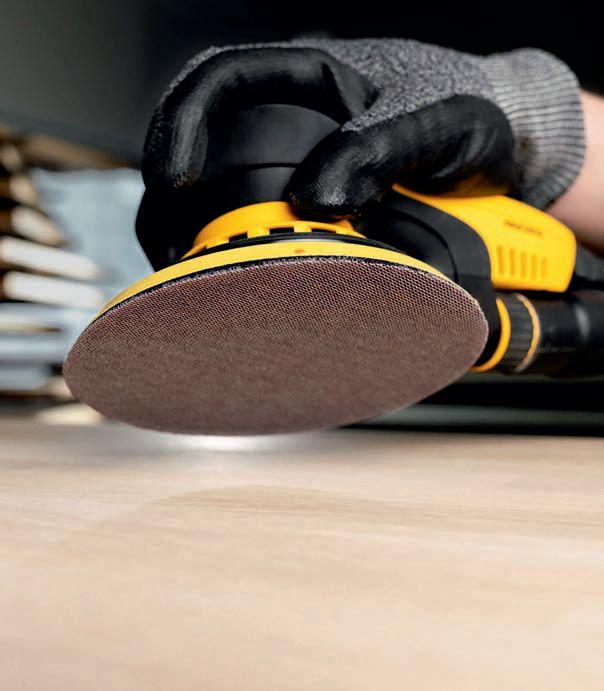
• High performance and longer lifespan than traditional abrasives



• Thousands of holes provide phenomenal dust extraction
• Innovative Net reduces dust pills and clogging
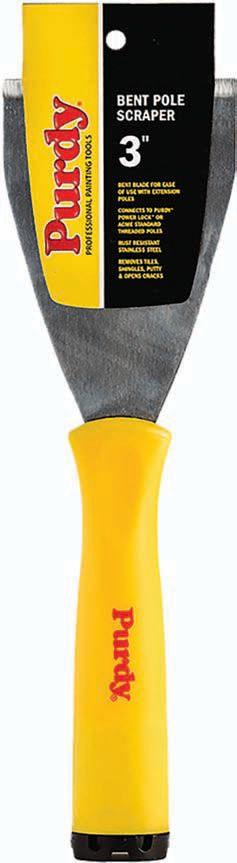
Purdy’s Premium Bent Pole Scraper features a stainless steel blade and a Quick Connect feature when used with the PowerLock Pole. The full-length blade is rust resistant.
Purdy purdy.com or 800-547-0780
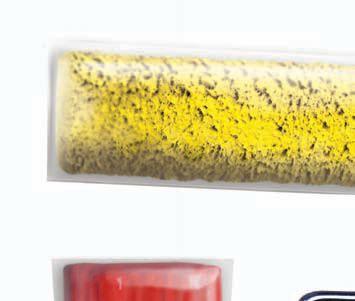
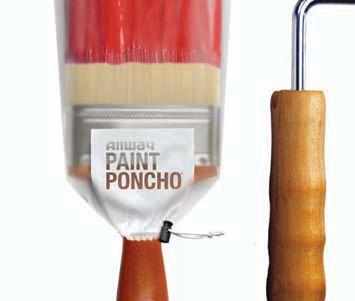
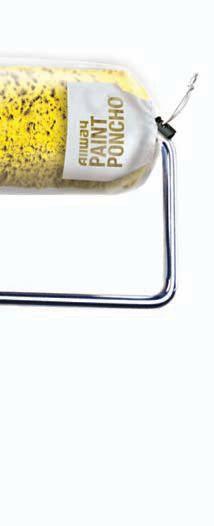
Allway Paint Ponchos fit over brushes and rollers to keep them protected for weeks. They are available in sizes to fit 1-inch to 4-inch brushes, mini rollers and rollers up to 9 ½ inches. Paint Ponchos are made from EVA plastic and feature an elastic pull cord and spring-lock closure system.
Allway Tools allwaytools.com or 718-792-3636


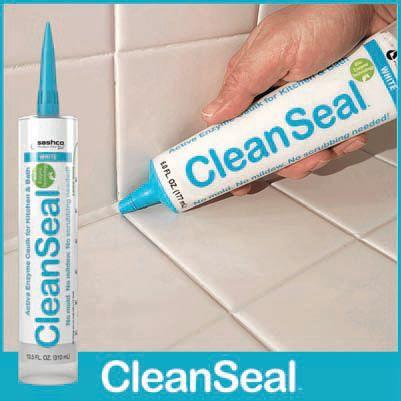
CleanSeal is an active enzyme caulk formulated to stop mold before it grows. The active enzymes in CleanSeal break down mold-feeding oils, keeping your caulk cleaning without scrubbing or harsh chemicals. It is suitable for use in bathrooms and kitchens, is low-odor and cleans up with water.
Sashco sashco.com or 800-767-5656
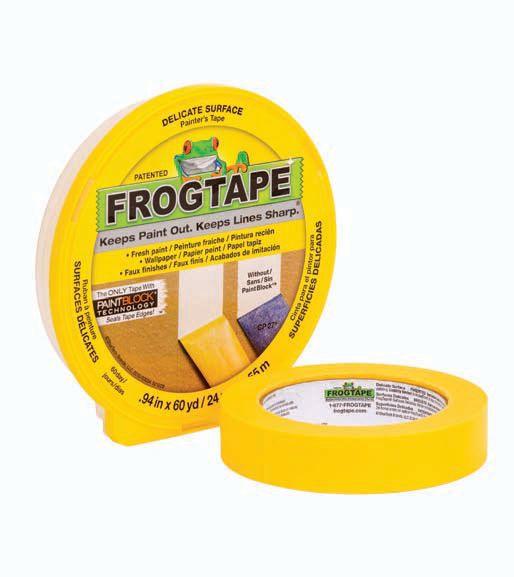
FrogTape® Delicate Surface Painter’s Tape is made with PaintBlock® Technology, a super-absorbent polymer that reacts with the water in latex paint and instantly gels to form a microbarrier that seals the edges of the tape to prevent tape bleed. It is specifically designed to work on delicate surfaces such as fresh paint, wallpaper and decorative projects.
Shurtape Technologies LLC frogtape.com or 800-321-0253
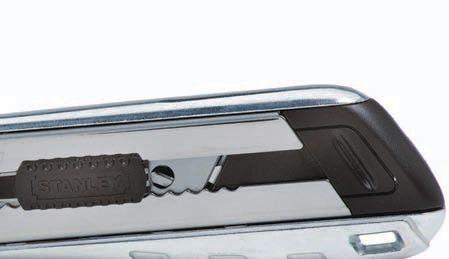
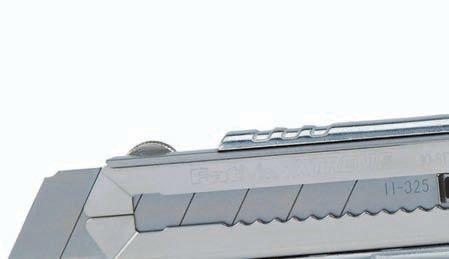
Stanley’s Fatmax® Snap-Off Knife features die cast, all-metal construction that stands up to extreme job site conditions. It has diamond shaped texturing to provide a sure grip, a textured die cast finish for a slip-resistant grip and a blade knob to lock the blade in place. It includes a stainless steel four-blade cartridge.
Stanley stanleytools.com or 800-262-2161

New data from the National Federation of Independent Business (NFIB) shows the small business labor market continued to improve in September amid the COVID-19 pandemic.
According to NFIB’s monthly jobs data, 10 percent of small business owners reported increasing employment an average of 3.2 workers per business. Conversely, 16 percent of business owners reported reducing employment by an average of 2 workers per firm.
“Small employers are taking every step they can to keep their businesses open and employees on staff,” says NIFB chief economist Bill Dunkelberg. “COVID-19 restrictions and
regulations put on small businesses vary by state, but we are starting to see a jobs recovery as small businesses continue to increase business operations.”
As home improvement retail sales remain strong, other business owners report similar optimism. More than 20 percent of small business owners surveyed plan to create new jobs in the next three months, up two points from August levels, NFIB reports. However, more than one-third of all owners say they have job openings they cannot currently fill, which is up three points from August.
In addition, 23 percent of respondents report raising compensation in September, up five points from August.
Paint manufacturer PPG has reported its third-quarter 2020 financial results, recording $3.7 billion in net sales, which is a 4 percent drop from the same period in 2019.
Net income from continuing operations for PPG hit $442 million. Selling prices rose by 1.3 percent, while sales volumes fell about 5 percent from 2019, PPG confirms.
“As reported earlier this month, we delivered record operating results in the third quarter, with both of our reportable business segments delivering higher segment income than the prior year, despite continued, negative pandemic-related economic effects,” says Michael H. McGarry, PPG chairman and chief executive officer.
McGarry says the company delivered roughly $125 million in cost savings. In total, PPG generated more than $800 million of cash from operations in the third quarter.
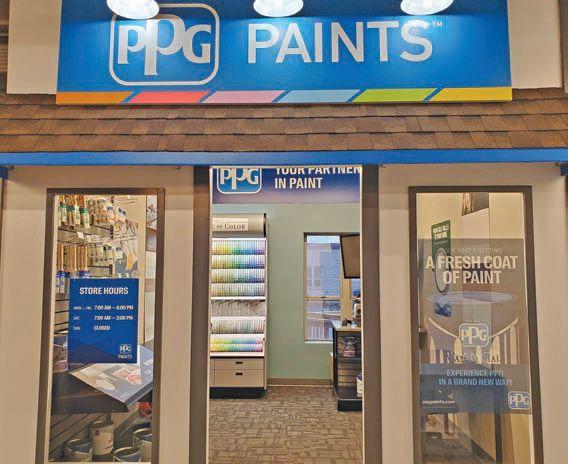
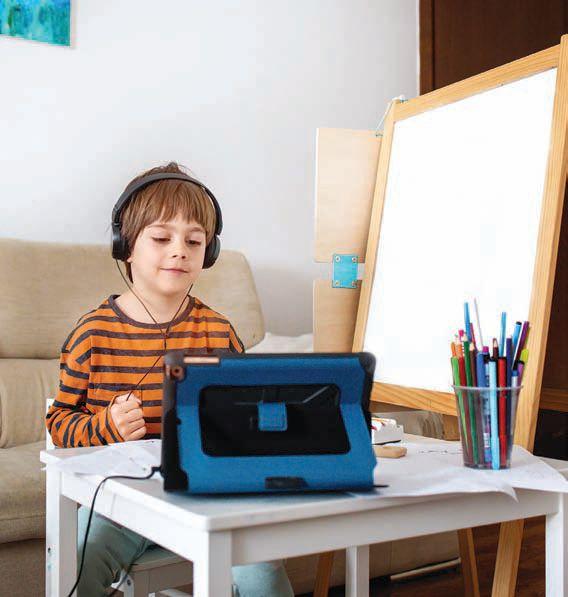
As more people find themselves transforming their living spaces into offices, classrooms, home gyms and more, analyzing paint retail sales can help your business strategize for long-term success.
Using NAICS 44412 data compiled by the U.S. Census Bureau, paint and wallpaper stores in the U.S. have achieved $7.1 billion in sales in the first seven months of 2020. That’s 2.7 percent lower than at the same time in 2019.
Though sales have not been as high as in 2019, the channel could be seeing forward momentum. July 2020 represented the most lucrative month for paint and decorating stores, with sales ringing in at $1.2 billion.
In 2019, sales for paint and decorating stores amounted to roughly $12.5 billion, according to U.S. Census Bureau data.
Two renowned home improvement events have already penciled in virtual meetings for 2021.
The National Association of Home Builders and the National Kitchen & Bath Association have announced that the eighth annual Design & Construction Week, which features the International Builders’ Show and the Kitchen & Bath Industry Show (KBIS), will no longer take place in person.
Instead, event organizers are planning virtual events to help the industry connect. Design & Construction week was scheduled to take place Feb. 9-11, but will instead take place the week of Feb. 8 with all virtual programming.
The new virtual format will allow participants to see the latest product launches and cutting-edge housing and design innovations, hear from the top leaders in the industry and take part in online education courses, from wherever they are in the world.
For more information on the two events and how to register, visit kbis.com

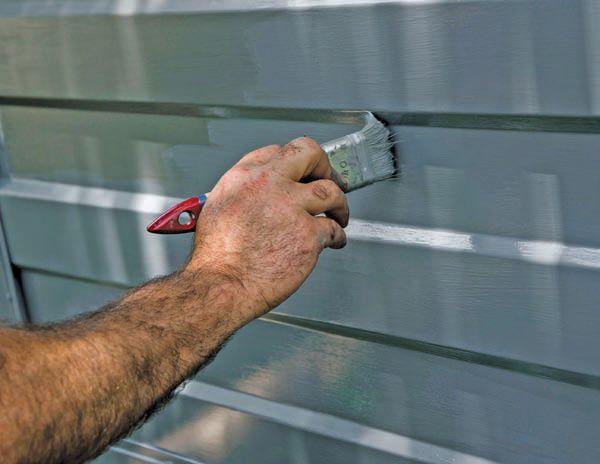
New data from the U.S. Census Bureau’s Survey of Construction shows the materials that are most popular for home exteriors.
In total, stucco was the most common exterior material on new single-family homes started in 2019 and was used on about 27 percent of those homes. Vinyl siding, including vinyl-covered aluminum, was used on about one-quarter of new single-family homes in 2019. Brick or brick veneers were seen on about 20 percent of homes, and wood or wood products were used for exteriors on five percent of homes.
Vinyl siding was extremely popular in certain sections of the U.S., being used in the west north central portion of the country 45 percent of the time. In the south Atlantic region, vinyl was used on exteriors of about 27 percent of homes.


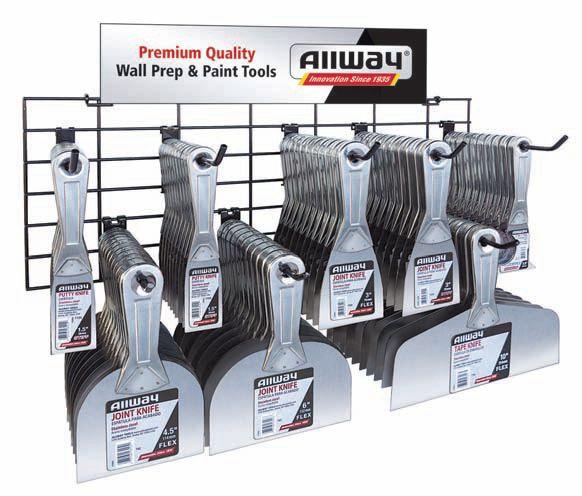








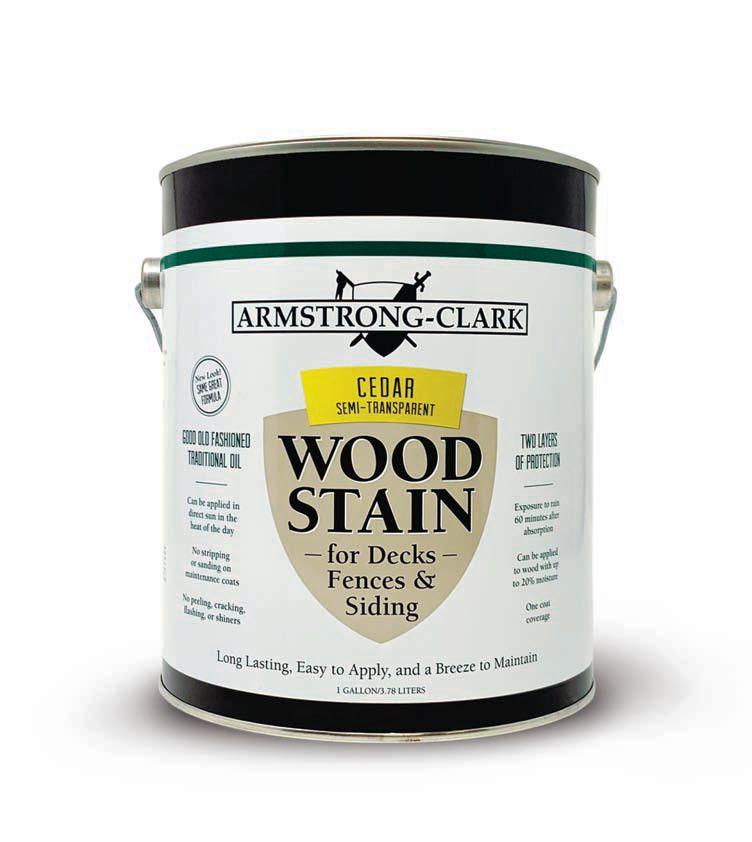
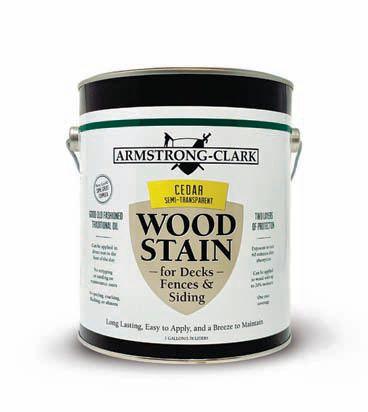
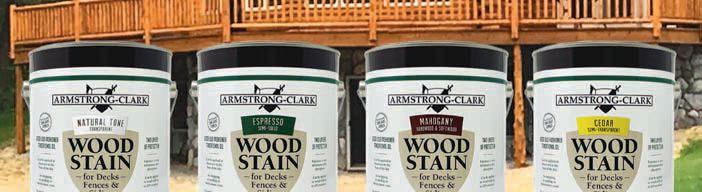
There is a lot of talk that oil-based stains are no longer available in many states. Consumers still want a good old-fashioned, high-quality, traditional oil. Not only are Armstrong-Clark oil-based stains legal in every city and in every state, but they bridge the gap between high-quality and easy-to-use exterior stains.
Furthermore, Armstrong-Clark has not had a formula change since 2011, nor do they anticipate ever having to reformulate. Their easy-to-use high-quality oil provides two layers of protection with a single brush stroke. Nondrying oils condition and rejuvenate interior wood fiber, while drying oils remain at the surface to protect against Mother Nature. There are no shiners or peeling, it can be applied in direct sun in the heat of the day (even when it is over 100 degrees outside), and it can be applied to wood with 20 percent moisture content.
Armstrong-Clark works directly with independent retailers to close the relationship gap between manufacturing and the end customer. Retailers, contractors and homeowners are encouraged to pick up the phone and call with questions. Company president Brian Carter is often heard ending a phone call saying, “Please call us back if you have any more questions. We are here to help.” Armstrong-Clark is a family-owned business and recognizes the importance of having a personal relationship with all customers.
Jake Clark will tell you anyone can put stain in a can, but what makes a company successful is “Service! Service! Service!” He understands stores want to focus their energy on making money, and Armstrong-Clark is there to support them. In 2020, Armstrong-Clark never missed a shipment due to their direct relationships with suppliers and stores. Additionally, Armstrong-Clark is one of the few companies still providing free sample cans to stocking dealers. Free sample cans sell more stain than any other program they can offer.
Today, Armstrong-Clark is bridging the gap between how business was done in the past with how it is evolving into the future, blending traditional print with social media and podcasts. How consumers interact with retailers has changed with the increase in online lifestyle. Customers no longer ask a store if they carry a product because customers only contact stores that an online store locator tells them to contact. Armstrong-Clark is working on closing this gap by investing heavily in strategic and targeted social media advertising to grow relationships with customers all across the country to drive them back into a local brick-and-mortar store.
Harry Adler with Adler Brother’s Inc. is a perfect example of the surprise stores can have when bringing in Armstrong-Clark. Watch a video of Harry’s testimonial at armclark.com/testimonials .







The North American Hardware and Paint Association (NHPA) is committed to helping independent home improvement businesses, lumberyards and paint and decor outlets become better, more profitable operations.
As members of this brand new association, you have new opportunities awaiting you right now and even more coming up in 2021.
In addition to continuing to serve retailers in the pages of Paint & Decorating Retailer magazine, NHPA has many other programs and services to help you grow and improve your business. From various training programs—from associate to executive-level training—and business services that make your job easier and save you money, NHPA has something for every size and type of operation. You can visit YourNHPA.org to learn more or call the NHPA member services team at 800-772-4424 to find out what makes sense for your business.



In 2021, NHPA is launching new content options that go beyond the magazine. On the following pages, learn more about what’s coming and what opportunities await.

In 2021, NHPA is launching a webinar series to address specific topics of interest in the industry. From developing a project management system and addressing diversity in your operation to inventory management and building your bench of employees, the webinars will feature industry experts, retailer perspectives and action items to help you improve your business from top to bottom, corner to corner.

To complement the webinar series, throughout 2021, Paint & Decorating Retailer will include feature articles that correspond to the webinar topics. These articles will offer retailer stories, operations best practices and additional resources to help you make improvements and investments in your business. If you’re interested in finding out how your business could be featured in the magazine next year, fill out the form at PDRmag.com/profile
NHPA has three podcast series with multiple episodes launching every month.
• On “Taking Care of Business,” NHPA executive vice president Dan Tratensek talks to industry experts, high-performing retailers and industry executives for big picture insights.
• On “Tell Me More...” member outreach coordinator Renee Changnon gets retailer stories straight from the source.
• On “Editorially Speaking,” managing editor Melanie Moul gives behind-the-scenes scoops of what’s coming up in the magazine and features guests who are also in the magazine.
Stay tuned to YourNHPA.org for more details on webinar registration and dates. your to to

Be sure you follow Paint & Decorating Retailer on social media and also connect with NHPA for association news and industry updates.
@PaintandDecoratingRetailer
@PDRMagazine
@NorthAmericanHardwareandPaintAssociation
@NorthAmericanHardwareandPaintAssociation


• Social Media 360
• Partnering With Local Service Providers
• Finding New Suppliers
• Adding Your Next Location
• Store Technology
• Branding Basics
• Reinvesting in Your Business
• Managing New Managers
• Selling Skills
• Category Features
• Retailer Profiles Turning Pages

By Jerry Rabushka
What’s a painting project without an accessory? Some might call it finger painting. For those who want a tool to help with their painting projects, Paint & Decorating Retailer magazine talked to manufacturers that make it easier. By strategically merchandising these products in your store, both your professional and DIY customers might fill their baskets a little fuller and equally as important, complete their projects more easily and with better results.
• Specially designed ridges for better paint distribution better distribution
• Drip Guard feature contains paint splatters
• Easy-to-remove liner for quick color changes or cleanup


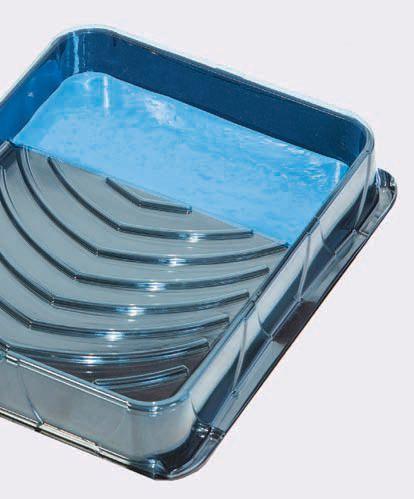
While paint trays make sense to merchandise next to applicators, be sure you also make space for them near the checkout and by the dropcloths.
Spray paint fatigue is a real condition, and luckily, there’s a real solution. CanGun1 from Safeworld International pops over the top of an aerosol can and allows spray paint users to spray in comfort by squeezing a trigger rather than pressing a button. Customers with arthritis, contractors with a lot of spraying on their to-do list or even those who just don’t want to turn their index finger purple can work quickly and comfortably.
Made in the U.S., it provides 22 times the surface area than your standard spray can valve. And while it may look simple, the company continues to improve it.
“The FutureLock attachment ring makes attaching and removing CanGun1 twice as easy and fits 100 percent of all standard spray cans,” says company president Katie Becker.
Becker says in addition to merchandising the product alongside your spray paint, setting up a test area can help show potential customers the benefits.
Paint trays are very simple products, but it’s important for painters to invest in a quality one to avoid spills. One misstep on a thin wobbly tray, and you’ve very quickly painted all the wrong parts of the house. Lindar Paint Trays help both professionals and DIYers work clean and easy and save time on cleanup, too.
While your first instinct is to display these alongside applicators, Lindar’s director of marketing Dave Fosse says retailers have also seen success with add-on sales through displays at the register or near the dropcloths. You can freshen up your current display by adding Lindar’s new 9-inch and 18-inch Paintwell trays and liners.
“We have a number of stories from customers talking about how quick and easy it is to remove the liner from the tray without having to clean up the paint,” Fosse says.
Display options include the Project Pak, which is a tray and liner packaged together without any brushes or rollers.
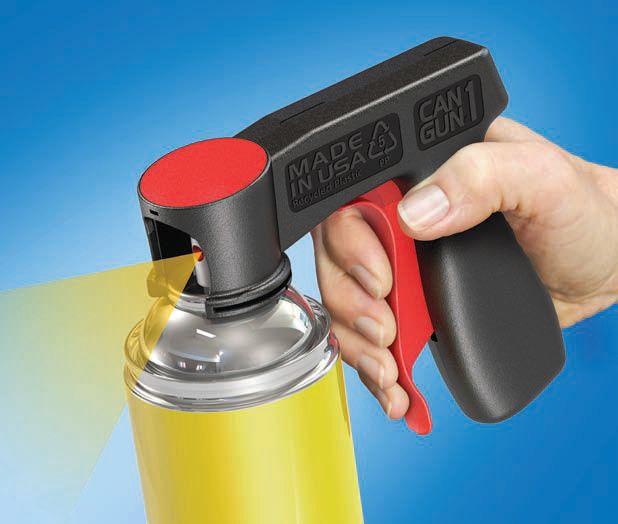
Allowing potential customers to test out the CanGun1 in a demo area of your store can help boost sales.
For as long as people have been painting, they’ve been trying to find the perfect cut bucket. One man even tried duct tape and a Folgers can as a way to carry paint from place to place.
Even though that idea didn’t pan out, it led inventor Mark Bergman to develop the Handy Paint Pail, a popular accessory that many painters can’t do without.
Built for the professional and DIYer, but with a 60-40 DIY edge in purchasing, merchandising them by the applicators will show customers there’s an easier way to carry their paint.
You can get a preloaded display from the company or from your distributor; the 2000FD display holds 12 Handy Paint Pails and 24 liners to go with it. If you have a metal display, you can contact them when you need fresh signage, says company president Jeff Given.
Painting large-scale projects without a bucket can get messy. For your customers with a long list of projects to complete, IPL/Encore has a size and style for everyone.
As well as holding paint, water for washing and tools, empty buckets make a great portable seat. Or you can use them to dump ice over someone’s head.
“We saw a lot of our pails used for the ice bucket challenge that went viral a few years ago,” says Ryan Schuldies, account manager at IPL/Encore. “We’ve also seen our pails in several episodes of the Discovery Channel show ‘Moonshiners.’”
Because the bucket has such a wide array of uses, there are nearly unlimited merchandising opportunities, Schuldies says.
“Depending on the size of your store, near the checkout or in the front of your store can be good places,” says Schuldies. “Mix up the assortment a little. Reposition the buckets in the store and bring in complementary items to show how many ways they can be used.”
For retailers who want to make their brand a little more recognizable in the community, custom logos are available, too.
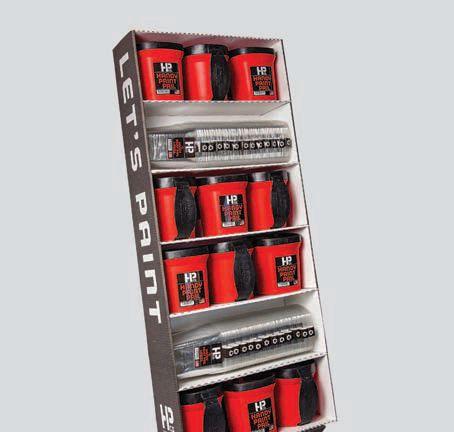
Contact your distributor or Handy Products Co. directly to find out what merchandisers are available for the Handy Paint Pail.

Innovations that streamline processes; an expanded ergonomic counter base; an automatic lid press; two new products designed for your paint department.
Radia. The definition of performance.



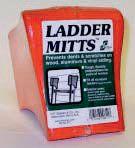
The last thing you want to hear from a customer is that a product you sold them damaged the surface they were working on. You can avoid those encounters by adding Ladder Mitts ™ and Gutter Mitts ™ from H.F. Staples to your inventory. These products prevent ladders from scratching siding or crushing gutters when a ladder is placed against them, says Tom Stratton, company co-owner.
“These are the original—and the only brands made in the U.S. of tough polyurethane foam, the same material that is used in running shoe soles,” Stratton says.
When it comes to merchandising, Stratton suggests putting these tools next to exterior paint.
“Most paint buyers have ladders already, so display Mitts with your exterior paint to get the best exposure,” he says. “Ladder Mitts even has a display rack that can hang almost anywhere in your store.”
According to Mr. LongArm company president Dere Newman, the Super Tab-Lok positive locking extension pole is famous in certain circles beyond the painting world.
“Our extension poles, including the Super Tab-Lok are used by rock climbers as a stick clip,” Newman says.
While that factoid may not be a selling point for all buyers, it does make a strong argument for the tool’s usefulness in getting to those hard-to-reach areas when painting.
Newman says merchandising the extension pole near the applicators will remind customers that they might need some help with their reach. If you need help yourself, the company’s versatile floor merchandiser allows you to try it out in various places to see where it gets the most attention.
• Smooth fiberglass handle with rubber hand grip for a comfortable nonslip grip
• Anodized aluminum tri-oval slider won’t twist and resists rust
• Heavy-duty metal-threaded end fits all types of threaded tools
• Lok-thread® prevents tools from loosening during use
• Positive push button locking device provides a secure lock and is easily maintained in the field
• Made in the U.S.
You may expand your customer base into unexpected territories with some products, like Mr. LongArm’s extension pole reaches outdoor enthusiasts.


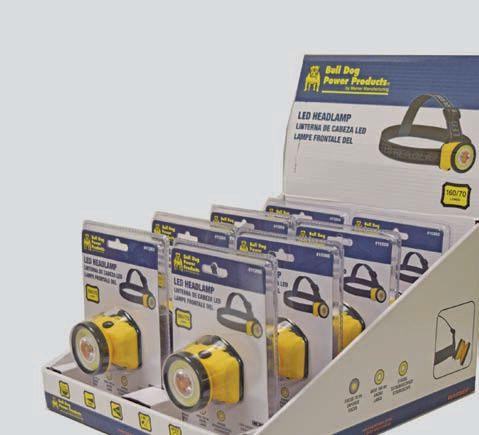
It’s hard to put out a quality paint job if you can’t see what you’re doing, so a display of lighting products can be a bright idea. Warner Tool has just the thing.
“As anyone who has taken on a painting project knows, having good lighting is a crucial tool in achieving professional results,” says president and CEO Keith Herwig. “One of the areas where Warner has seen some good traction is our lighting products for the professional paint market.”
Warner’s BullDog line provides innovative products of all types for painters who find themselves in the dark.
“We have seen good growth in our small wearable and handheld lights,” says Herwig. “They provide a needed solution for inspecting surfaces for proper preparation and detail work or later for inspecting a project to ensure the desired results have been achieved.”
Just like they have flexibility in lighting options, Warner provides flexibility in display options as well.
“The units can be placed inline in the planogram or help drive add-on sales at the paint desk or checkout,” says Herwig.
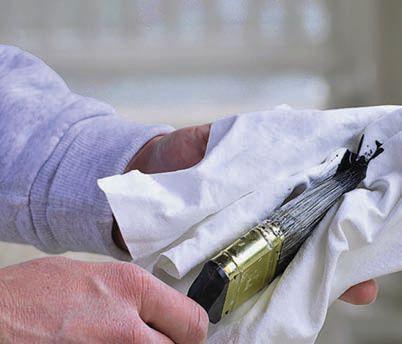
If you’re going to call something the Wonder Rag, it better do some wonderful things, and this product from Trimaco lives up to its name.
“The Wonder Rag® is an exceptionally versatile rag that can be used for many applications,” says Lilah Halbkat, product developer. “It is used by professionals in marine, automobile and paint industries, as well as by DIYers. They love it because it can be used in every area of the home or garage and is easily washed and reused.”
In fact, the most prominent marine painting company in the U.S. recently purchased a large quantity of these Made in the USA products.
“The crews were amazed at the lint-free staining abilities and high absorption,” says Halbkat.
Setting out these rags is as easy as arranging the boxes. And the box itself helps sell the product.
“The design on the box is sure to stand out on the shelf. To freshen up your display, you can create a quarter pallet or off-shelf presentation as the boxes are easy to stack and move,” says Halbkat. “No matter how you choose to display them, they will stand apart from all other products in the store.”


Along with a choice of color, you might surprise your customers by offering them a choice of scent as well. It certainly opens up the chance for a quick conversation about Paint Scentsations, which, says company president Patrick Simon, has a lot more uses than masking paint odor— especially these days when most paint doesn’t have much odor to begin with.
While you might already be selling it as an add-on DIY product, the additive has made significant inroads into the pro market as well. Do you have contractors into apartment repaint? Simon’s talked to property managers who were losing rent by the month until they repainted using Paint Scentsations.
“It doesn’t just make it smell good, it eradicates odors from pets, cooking, and smoking,” he says.
Along with individual packets, the product is available in 10-oz bottles,
so a contractor can use it for a couple fives during an apartment repaint, for example.
And don’t ignore the DIYer or someone trying to flip a private residence, for that little extra je ne sais quoi after a paint job.
“It smells great while you’re painting and then you get a fresh subtle scent for between two and six months for less than the cost of a latte per gallon,” says Simon.
“Put it by the counter or your paint mixing station,” Simon says. “It’s best somewhere where you can point it out and strike up a conversation about it.”
Along with the product itself, the company will provide you with small easels to display a sample card so customer can get a sense of the scents—eight in all.
“A contractor can take to it to their customer so they can pick a scent as well,” says Simon.
SaintPeters,SaintCharlesCounty,MO63376-7353
1401TriadCenterDr. SaintPeters,SaintCharlesCounty,MO63376-7353
1401TriadCenterDr.,SaintPeters,MO63376-7353
DanSimon,1401TriadCenterDr.,SaintPeters,MO63376-7353
DanTratensek,1401TriadCenterDr.,SaintPeters,MO63376-7353
MelanieMoul,1401TriadCenterDr.,SaintPeters,MO63376-7353
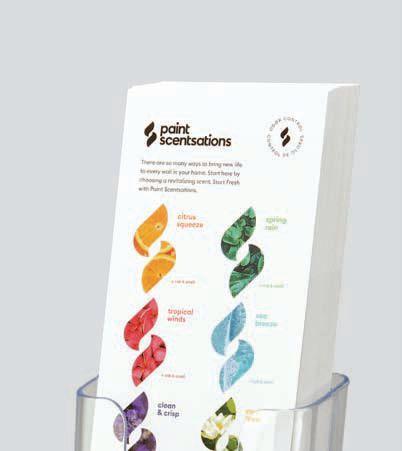

Keeping literature available for customers to read is a key way to merchandise a product that comes with a breadth of options, like Paint Scentsations.
While a foam brush or roller is great for doors, walls and trim work, foam applicators are versatile and have many additional uses. The FoamPRO line ranges from very small brushes to 18-inch rollers. Foam applicators are great for working on smooth to rough, irregular surfaces. The rollers provide a uniform finish without the fuzz or lint that sometimes plague users of conventional products.
They offer a foam brush and a refill combination pack, so users can save money and materials.
“Rather than pitching the brush when changing colors, our unique plastic handles can be reused,” says company president Greg Isaac. “The premium quality foam we use provides a beautiful ‘no brush marks’ finish, and our brushes can be used with all paints, stains, urethanes and varnishes.”
These tools are sure to catch someone’s eye when they are shopping for traditional applicators, so cross-merchandising alongside rollers and brushes will likely lead to add-on sales.

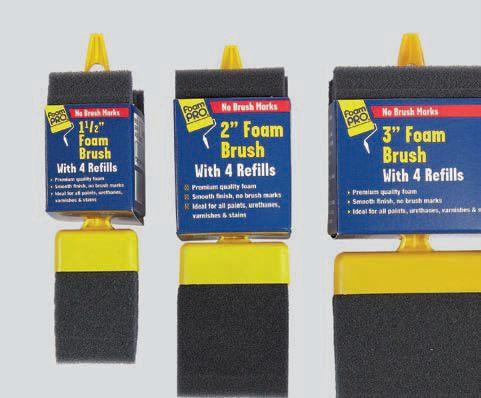


With a broad size range and a nearly unlimited range of applications, FoamPro’s applicators are likely to appeal to everyone who comes into your store.


ladders
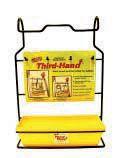
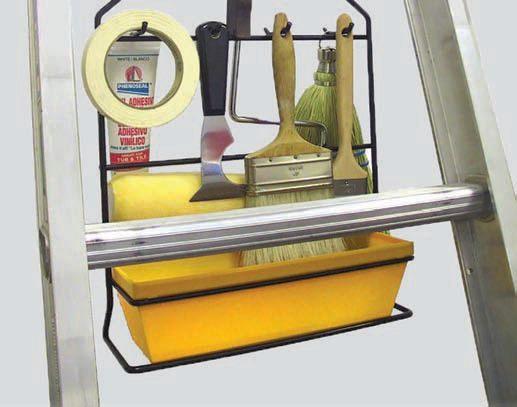
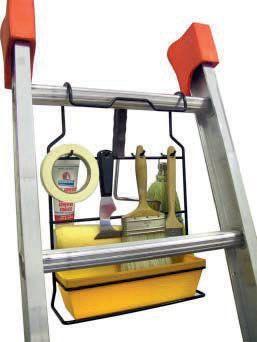
THIRD-HAND™ Ladder Caddy holds tools, brushes, even a half-gallon of paint. Switch easily between wet brushes & rollers.


By Karon Warren
Léanne-Marie Durocher, co-owner of Centre Décor Hudson in Hudson, Quebec, Canada, always knew her life would revolve around paint, design, drawing, color and light.
In fact, her artistic endeavors started quite early in her childhood thanks to encouragement from her mother.
“We drew and colored, I did oil paintings off her instruction,” Durocher says. “We did wire sculpture and plaster molds, glued googly eyes on rocks and made ornaments from felt and margarine tops.”
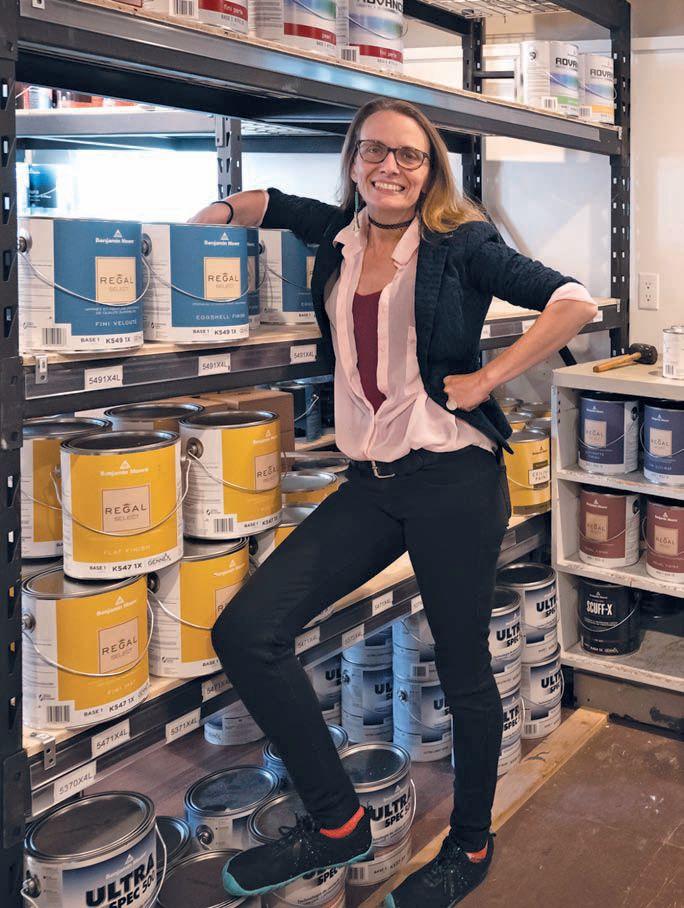
Durocher went on to train in the theater arts as a designer specializing in sets and lighting. About 21 years ago, she made the move to Hudson, following her dream of living in a small town, breathing fresh air and being surrounded by trees and water. At that time, she took a job at a local hardware store as the paint and decor manager, where she learned everything she could about the business.
During her stint there, Durocher met her future husband, Kevin Gray, the owner of Kevin Gray Paint Inc. and an accomplished painter with over 25 years of practical experience. A few years into their relationship, they approached the owner of the local Benjamin Moore shop—Center Décor Hudson—to express their interest in purchasing the store if it came up for sale.
“You can only bust your hump for someone else for so long before you realize you can do it on your own,” Durocher says.
Photos ©Liette Chamberland, CPA
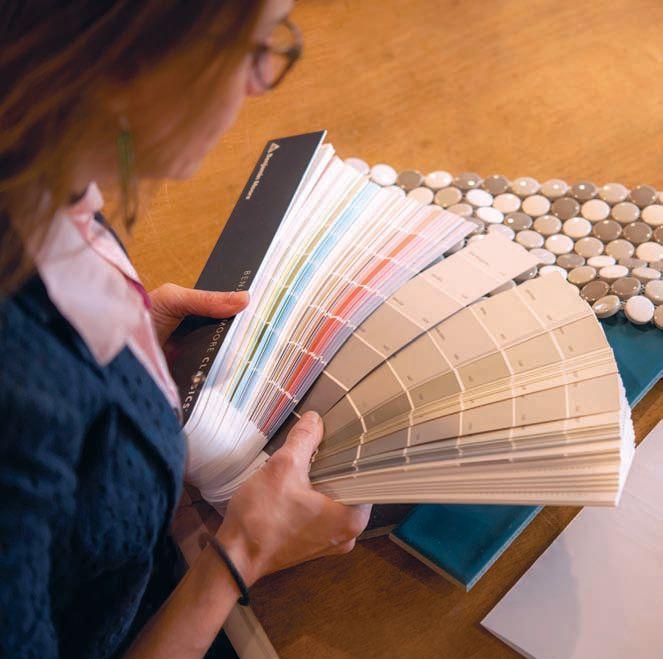
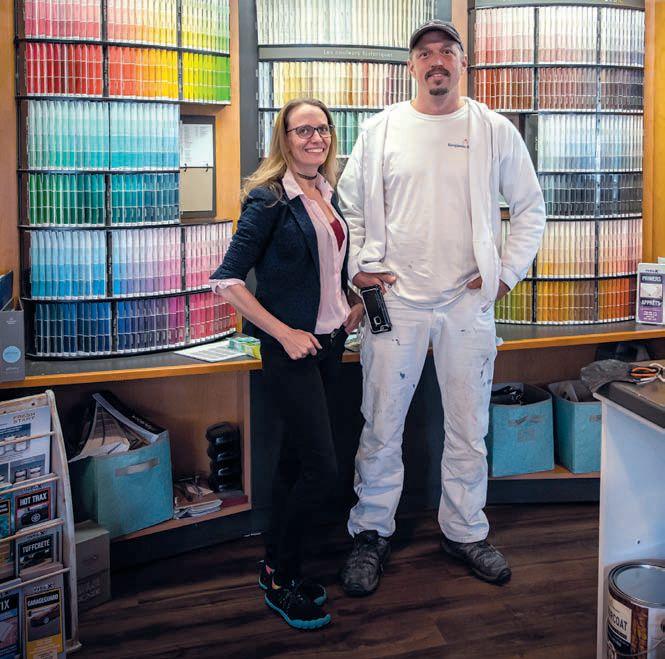
It turns out the owner was very receptive and did, in fact, sell the store to the couple. That was 10 years ago.
At that time, Centre Décor Hudson was located in a place Durocher calls “off the beaten path.”
The couple sought a new location, and in 2018, moved to the store’s current location on Main Road in the center of town. Housed in a 100-yearold building, the business features a light-filled showroom and studio.
Today, Centre Décor Hudson carries on as a paint and decor store that includes the only designer showroom in town. While it remains a Benjamin Moore brand ambassador and trusted retailer, the store also carries Old Masters, Ligna and Zinsser products. In addition to paint, the store features sundries, tiles, slabs, countertops, plumbing suites, cabinet hardware, vanities, fabric, flooring, wallpaper, lighting, furniture finishing and upholstery.
The store also carries an artisan collection of decor products, simply know as The Hudson Atelier Collection, from a variety of local artists and artisans that includes potters, painters, knitters, crafters and woodworkers.
“One of my main goals, as I saw a severe lack at the time, was to promote and showcase local artists and artisans, and I’m so proud to have supported and promoted over 40 throughout these last 10 years,” Durocher says. “I’m looking into refurbishing an outbuilding on the property to continue my atelier collection of artisans.”
Durocher and her husband also made a concerted effort to not only get involved with their local community, but to also give back through their business at Centre Décor Hudson. The business sponsors numerous community events around town, including the Green Line for the city’s St. Patrick’s Day Parade and the face painter for the Hudson Fire Department Shave to Save event.
She also started The Hudson Witch Project, which raises funds for the Hudson Fire Department Christmas Basket Fund. For this project, residents donate to participate in the annual walk through town dressed as witches, warlocks and wizards.
“I make sure I give back not only to the community that so readily accepted me as one of their own, but also to support our local stores and economy,” she says. “Small towns, and the small businesses that operate in them, are paramount to an area’s survival. It has been phenomenal. I’m eternally lucky to have been adopted by the townsfolk.”
Durocher also gives credit to her husband, whom she married in 2018.
“My husband, Kevin, is a huge driving force,” she says. “He keeps me quite focused. We are an excellent team. I’m very lucky.”
Durocher also offers classes, designer and decorator services and consultations, as well as a roster of contractors.
“This is twofold,” she says. “I provide the complete package: the knowledge, design and product and the best contractors to get the jobs done.”
Although there are other businesses offering similar products and services in the community, Durocher doesn’t view them as competition.
“I’ve always believed that no one has to compete with anyone else; there is no competition,” she says. “We all strive to be the best we are and specialize in our strengths. Once you believe you have competition, you lose sight of yourself, and concentrate on what they are doing and what you have to do to compete. I have no competition; I have my strengths, they are monumental, and I strive to be better tomorrow than I am today, without worry as to whoever might be doing whatever.”
When Durocher and Gray first purchased their store, she says they didn’t have specific business goals in mind other than to stay around for the long term.
“My biggest goal had always been to make it to 10 years,” she says. “I had been told always that if you made it to 10 years, everything would be smooth sailing. I feel completely blessed and eternally grateful to all my clients, customers, friends and family for getting me to this point, especially in these uncertain times. To have cleared my 10-year anniversary in a lockdown and come out the other side is tremendous.”
To make it through the last decade, Durocher says she relied on just being herself and drawing upon her design skills.
“I pay attention to my clients’ needs, not trends or product pushing,” she says. “I stay true to my character and hunt for the best products for my clients. I’m also available for questions and happy in my business.”
Durocher credits her personal attention to clients for much of her success.
“Each client is unique, special and important,” she says. “I’ve always taken my time with them. I offer my services anytime, and with the recent shutdowns due to COVID-19, I know my clients appreciate everything I do for them. I bend over backward.”
As she looks ahead to the next chapter for Centre Décor Hudson, don’t expect much change from Durocher.
“My continued goals are to provide the best service and products I can, with a goofy smile, a little laugh and the best knowledge until my last breath,” she says. “Design and color are my passion, and, apparently, even with a mask on, it shines in my eyes.”
Durocher says she is in the process of developing a few of her own products. Until then, she intends
to stay true and focused on the job at hand, which is running the best paint and decor store she knows how.
“Being small does not mean you are not mighty,” Durocher says. “My business is built on the passion I have for my products and color, the knowledge I’ve accumulated over a grand career of over 30 years, the town I’m in and the people I deal with everyday and their stories.”
When all is said and done, Durocher says she couldn’t imagine doing anything different.
“I marvel every day that I own my own business,” she says. “Owning Center Décor Hudson, through our hard work, has been a dream. I still wake up and wonder how we did it. Color, design and form are in my blood. I was born to help people create the best atmosphere in their own sanctuaries. It is my passion and life’s purpose.”

By Hilary Daninhirsch


You’ve probably heard a variation of the following request from dozens of customers:
“I would like my living room walls to exactly match this couch cushion.”
Long before technology assisted in the color-matching process, paint retailers would simply eyeball the pillow and create a paint color based on what they saw with their naked eyes. The problem is that everyone sees color a bit differently. Plus, the lighting in the store might be very different from the lighting in the customer’s room, a contributing factor to inaccuracy.


Give your customers total control over color for increased efficiency. With the Benjamin Moore Color Portfolio™ app + ColorReader, they can accurately measure a color and find the closest paint color match instantly.



Place an order today and boost your bottom line
Contact Susan Mack at bminfo@datacolor.com to learn more about offering the Benjamin Moore Color Porfolio™ App + ColorReader in your store.





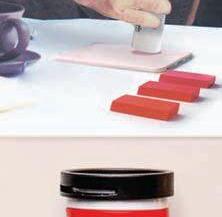






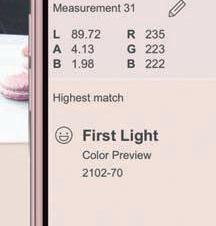
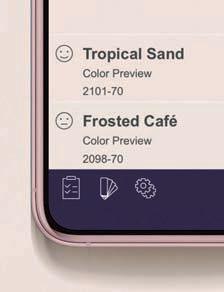
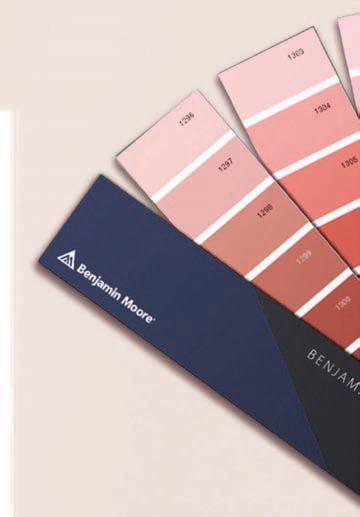



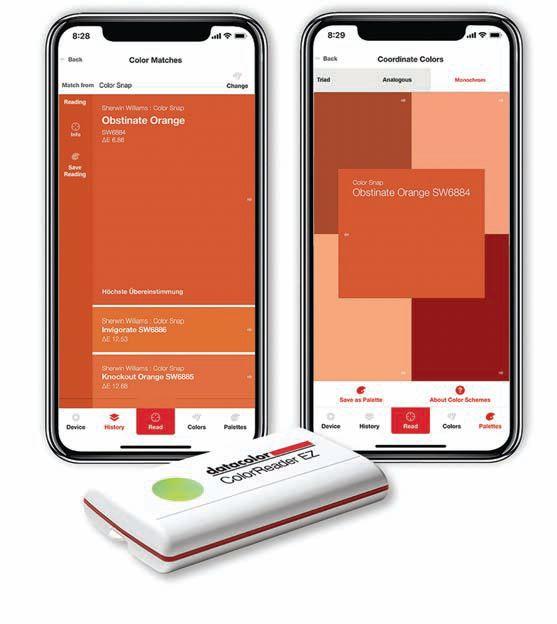
Benjamin Moore Color PortfolioTM App + ColorReader
• Get a precise color match instantly
• Match to Benjamin Moore’s paint colors and color palettes of other paint brands
• Browse digital fan decks and save colors
• Save and share room renderings with your clients
• Help your clients imagine spaces through virtual reality



Another common customer request is trying to locate an elusive paint color to touch up an area on a wall—paint that had been discontinued.
Enter color-matching technology—a range of instruments that measure reflectivity of color that a paint retailer can then mix up in store.
While color-matching technology is not brand new, it improves every year, with companies tweaking their instruments regularly to reduce potential for error.
“Accurate custom color-matching and paint formula development via spectrophotometers and formula software reduce the need for costly retints, ensuring consistency and greater workflow efficiencies,” says Susan Mack, sales representative with Datacolor International, based in New Jersey.
But it’s not just about color-matching—it’s about merging science and art, says Matthew Sheridan, CEO and founder of Nix, headquartered in Ontario.
“It’s the process of taking the color of a physical object and bringing it into the digital world,” Sheridan says.
There are three parts to color-matching systems, says Dave Visnovsky, product manager at X-Rite, headquartered in Michigan. A spectrophotometer measures color by shining a light on the object in question and determining how much light comes back into the instrument, akin to a fingerprint.
“The second part is software that can convert that color measurement into a paint recipe. The paint associate in a retail store needs to put certain amounts of liquid colorants to get the paint color in the can. And the third part is the database that has information about how those paints and colorants work together,” he says.
“Color-matching is being able to do a color reading using illumination or a light source, getting a reflectance value and translating that back to values,” says Christopher Ivins, business line manager for BYK Gardner in the U.S. and Canada.
BYK Gardner manufactures instruments that measure color, appearance and physical properties for paints and plastics.
“Our latest spectrophotometer has better instrument agreement among a fleet of instruments spread out among stores to ensure that if you walk into a store in Pittsburgh and in Baltimore, you’ll get the same result,” says Ivins.
“The color you are matching can be an existing color developed by the paint manufacturer or it could be custom-created,” says Mack. “Spectrophotometers are typically used for custom-color matching—think behind-the-counter paint color identification and matching—while color-matching tools are used for matching to existing colors for contractors and consumers who wish to identify and match to existing paint colors or objects of color inspiration.”
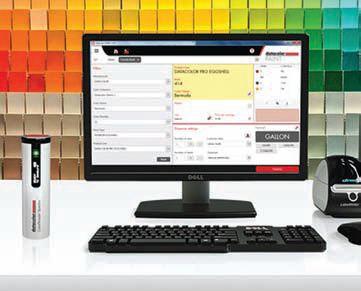
Datacolor has two types of portable color-matching devices. The newly launched ColorReader Spectro, an economical spectrophotometer, designed for use in the retail store, gives a more precise custom match by creating a color “fingerprint” of a hue, which works in conjunction with a desktop software to create the precise color formula with different pigments.
The ColorReader EZ, ColorReader and ColorReader Pro are low-cost tools designed for DIYers, pro painters, contractors and designers. These devices can be used to instantly identify and match paint to the color of an existing wall paint or flat surface object of color inspiration, plus get coordinating colors.
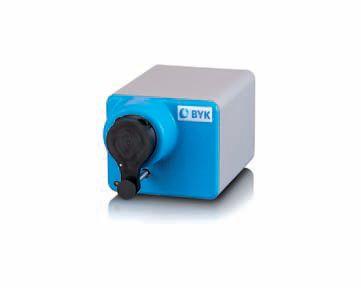
Auto-match IV 45/0 Spectrophotometer works with easy to use RCS II Software with customer information, hundreds of competitor fan decks and custom color matching. It has excellent repeatability and interinstrument agreement, a 10-year warranty on the LED light source and two years on the instrument.
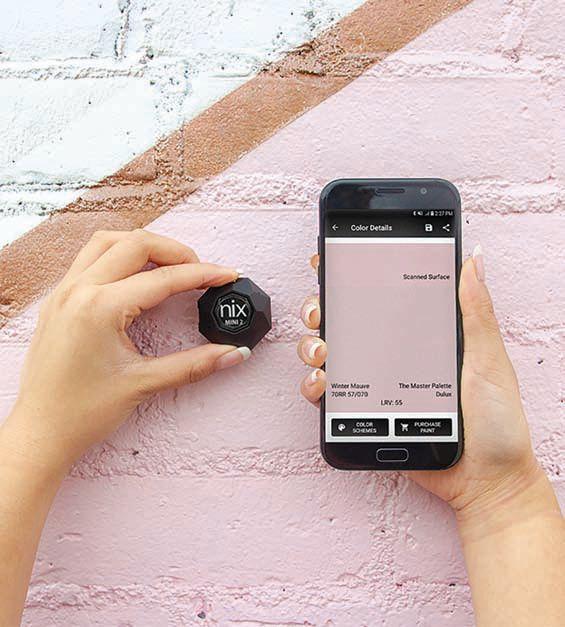
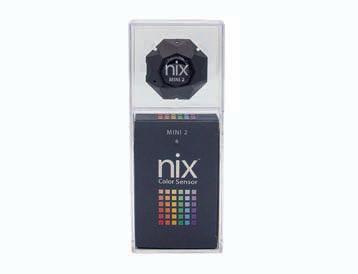
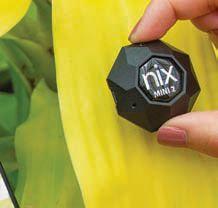
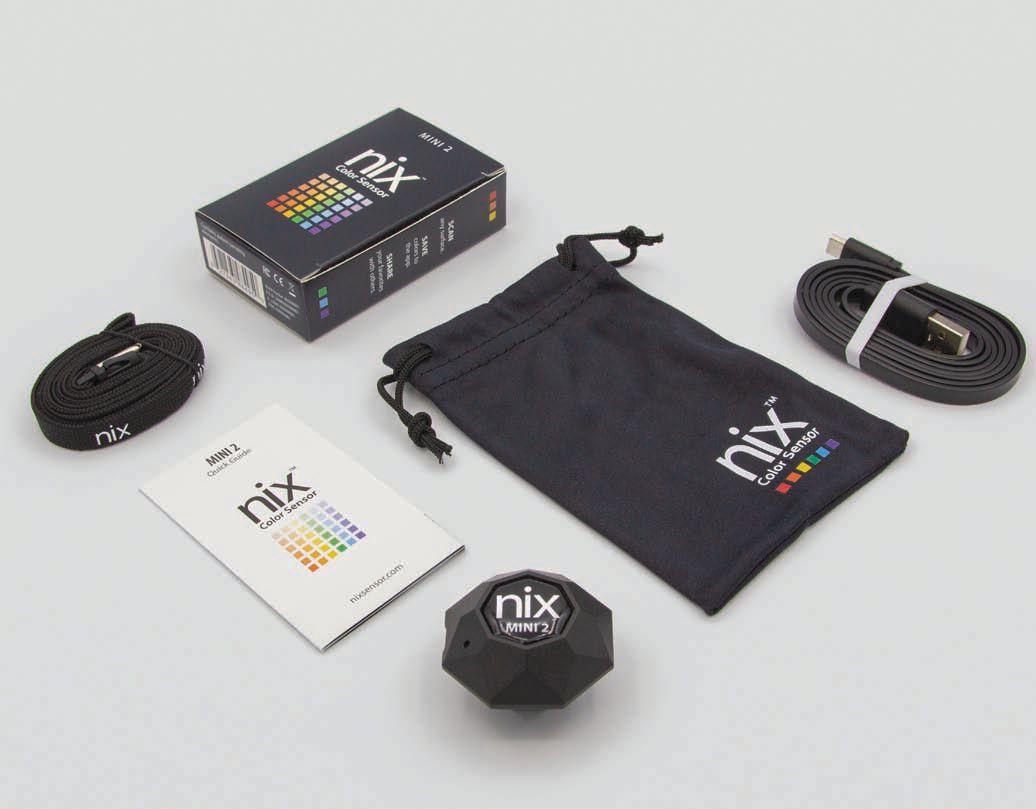
Nix offers the Nix Mini, the Nix Pro, and the Nix Spectro 2.0, the latter of which is just about ready to launch. Smaller than a ping pong ball, the Nix Mini can instantly find the closest match in any major paint brand, along with finding complementary or analogous paints. Both the Nix Mini and Nix Pro Color Sensors work by physically blocking out all ambient light from the room, and providing a calibrated light source right inside the device. This unique approach allows for perfect matches in any lighting conditions. It works in conjunction with the Paint with Chip app.
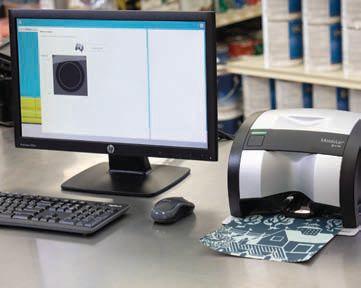
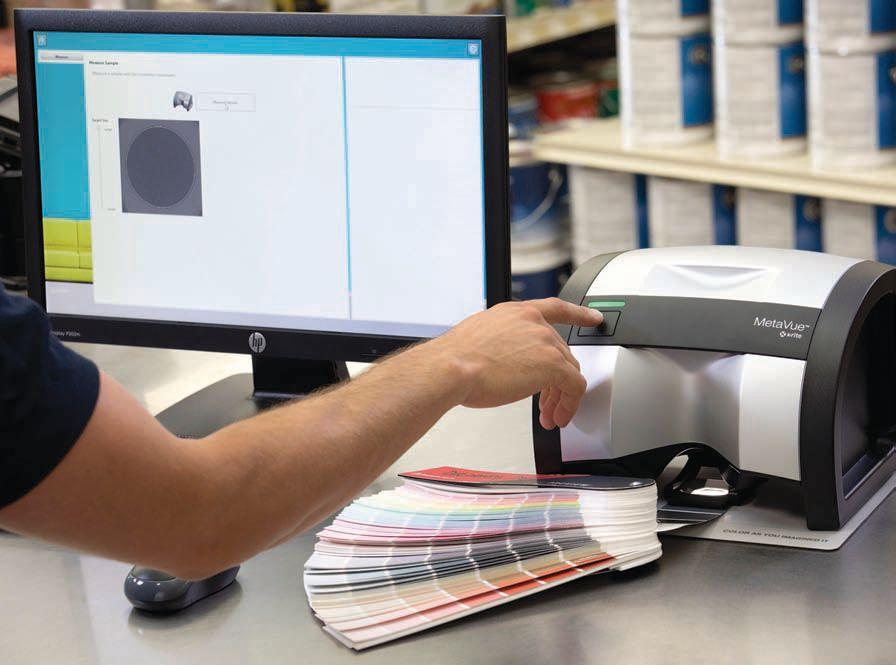
MetaVue™ is an easy-to-use non-contact imaging spectrophotometer. It provides retail paint counters with superior measurement performance across the broadest array of samples, resulting in consistent and precise paint formulation. MetaVue uses an advanced smart spot image feature to match color while taking into consideration texture and other appearance effects that typically skew measurements of carpet, vinyl or fabric. While other color-matching instruments average multiple colors, MetaVue can acquire separate measurements of multiple colors with a single click, saving time.
Sheridan says his company, Nix, is all about communication around color, but “more importantly, it’s about color confidence.”
Depending on the device, certain factors can affect the accuracy of the reading, including sheen, lighting conditions, texture, pattern and shape of the object.
With very few excuses left to procrastinate productivity now that the world is in the midst of a pandemic, a surprising number of homeowners are finally tackling those long pushed-aside home improvement projects.
“It keeps them coming back if a store is actively saving that information; it really helps to build a loyal customer base.” —Dave Visnovsky, X-Rite
“A recent poll by a major paint manufacturer showed that a whopping 84 percent of respondents says they were planning on painting one or more rooms in their homes in the upcoming months,” says Mack. “We provide the solutions to make this process seamless.”
For paint companies, this is a good thing, as it leads to more paint sales. And in order to stay competitive, offering accurate color-matching is essential.
For one, offering such a service at no cost to the consumer gives the store a leg up on retailers who do not offer color-matching. Going a step further, retailers who store the customers’ information are seen as customer-centric.
“It can build customer loyalty,” Visnovsky says. “Just imagine if a homeowner buys a custom paint color and they have to go back to the same retailer to buy more. It keeps them coming back if a store is actively saving that information; it really helps to build a loyal customer base.”
He says it is an important part of a retailer’s offering to be able to provide color-matching services, particularly as more customers are demanding it. And a satisfied customer is more likely to be a repeat customer. Contractors especially need to know what stores they can rely on.
“Loyalty to the store for contractors is very important; providing them with tools and education to make them have an easier time of their job and make more money is also very important. Contractors look professional with a tool like that,” says Sheridan.
Before there were color-matching instruments, the process of a customer trying to match up an exact paint color could drag on at a retail store. Instruments have made the process more streamlined.
“Now you have instruments capable of reading and utilizing the software to get a formula in seconds,” says Oscar Tolosa, operations director with BYK Gardner.
Plus, results are usually achieved quickly, which saves time for both customers and the store and enhances the customer experience, he says.
“Retailers can sell more paint and have a better experience for the customer overall,” says Ivins.
Sheridan says the more time putting paint on the wall, the better.
“It keeps the homeowner happy because they picked the right color, it keeps the contractor happy, and it keeps the store happy because the contractor comes back to them to buy more paint,” says Sheridan.
It also creates trust when a customer can count on the color-matching tools to produce the expected results.
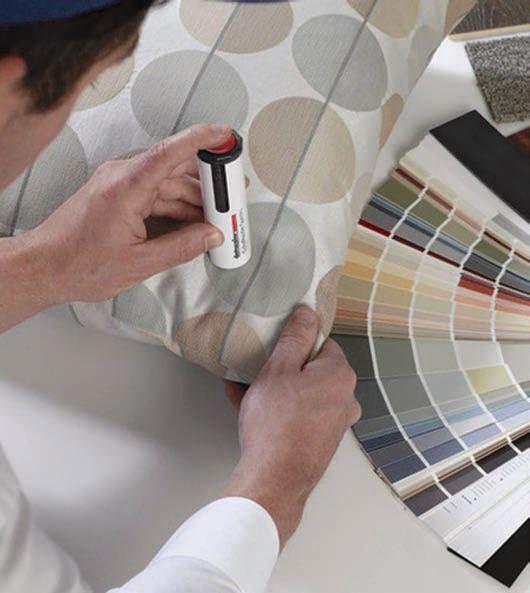
Technology has made color-matching faster than in decades past, which saves you and your customers time and money.





















On the flip side, not offering color-matching is sending a negative message, says Visnovsky, namely, that you’re not serious about your paint business, which can result in a missed opportunity for a sale at that moment or in the future.
When a retail store offers a color-matching service, it sells more paint. High-quality color-matching tools are an investment, but the ROI can come quickly.
“The payback period can be less than a year in many cases, as payback comes from increased paint volume and reduced costs,” says Visnovsky.
The reduced costs come in the form of less mistinted paint, which can be quite a burden in the retail paint industry; accurate color-matching tools can reduce that burden significantly.
Employee training on equipment is recommended by most manufacturers, but for the most part, the products are straightforward and user-friendly.
“The systems are pretty well designed for a retail environment,” says Visnovsky.
Some retailers choose to sell some color-matching products in-store, like the Nix Mini, says Sheridan. In those cases, those retailers can see a return on investment fairly immediately.
“You can extend your brand outside of your store and into the literal pockets of your best customers, providing them with color confidence,” says Sheridan.
And if you sell a few extra gallons of paint because you have the right color-matching tool, your return on investment will be recouped quickly as well.
Sheridan says a retailer who has a color-matching tool already has a leg up on one who does not, particularly one that is self-serve rather than behind the counter.
“It is another value-added service you can provide,” he says.

With color match as the foundation, the Retail Color System II (RCS II):
• Measures uptime & ensures equipment is properly maintained
• Reduces mis-tints & increases profits
• Provides data-driven feedback
RCS II links together the entire paint center, then measures and analyzes system operations for efficiency and cost-savings. Visit http://paintpos.com to learn more.



Is your team in sync, or just trying to stay afloat?
Improve your team’s productivity and communication skills with NHPA’s TeamBuilder assessment, which provides you with a customized strategy for your business and people.

• How to tap into your team members’ individual strengths, communication preferences and work styles.
• How to use these characteristics to improve team productivity and communication.
• How to improve fundamentals in your business like organizational charts, job descriptions and more.
• How to build short- and long-term plans for improving the people side of your business.
Learn more at nrha.org/teambuilder
By Jerry Rabushka
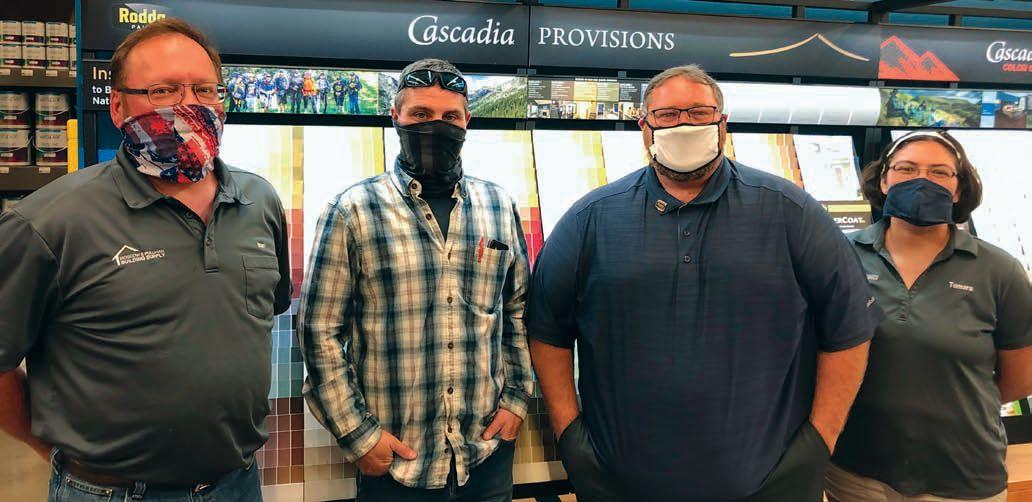
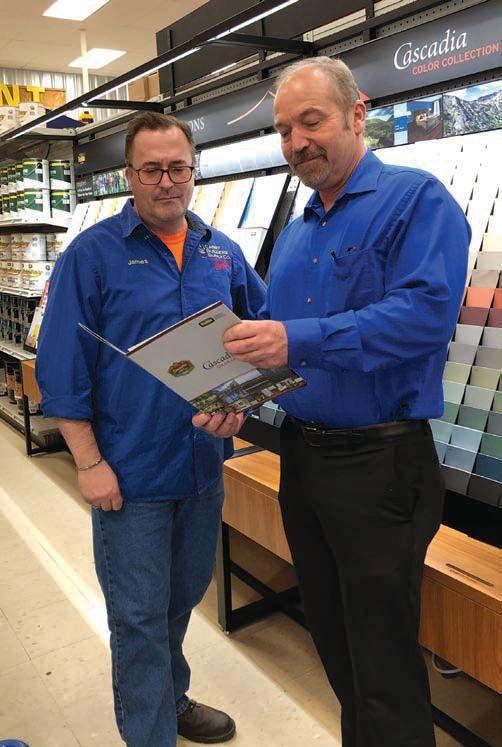
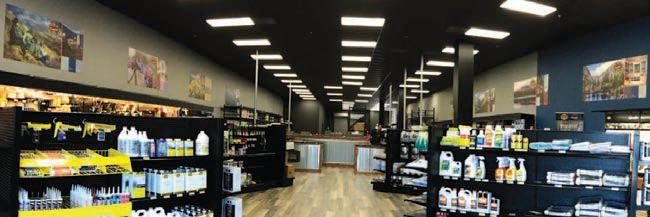
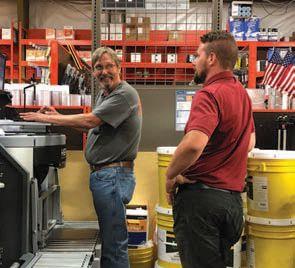
Founded in 1932, Rodda Paint Co. has been an independent subsidiary of the Cloverdale Group (a paint manufacturer based in Surrey, British Columbia) since August 2004. It’s based in Portland, Oregon, and currently sells through 59 full-service company stores and 40 independent dealerships. Its plans for continued growth involve a significant change in focus for independents.
“As Rodda Paint grows under the leadership of company president David Wolf, expanding the dealer segment has become a key focus and strategy,” says Ken Vaillancourt, the company’s manager of dealer development. “Until recently, there wasn’t a dedicated department executing the dealer business model at Rodda Paint. In order to realize the full business potential and focus the needed support, Rodda decided to create a dealer department last year.”
Rodda Paint manufactures and distributes quality paints, high-performance industrial coatings and professional painting supplies through 99 retail locations across the Northwest. The service-oriented company has been building lasting relationships with customers, partners and vendors
for over 80 years and recognizes the value of long-term, experienced and well-trained employees to become a sustaining resource for our different customer segments.
While it’s typically brought in as a secondary line, some retailers have taken the plunge to push the brand into first place. In some cases, it has become a dealer’s primary line, Vaillancourt says.
Rodda Paint’s dealer segment business model—servicing retailers through local sales representatives and through local corporate branch locations—allows the company to support what Vaillancourt calls “far-flung dealers.”
“Communication is key,” Vaillancourt says. “That is the Rodda advantage: offering local, accessible and personalized service so our dealer partners are never alone or left talking to call center representatives.”
Rodda leverages its location to develop its color collection, which can help cater to customers who are long-time residents and enjoy the natural beauty of the region or
to the newly arrived who are ready to immerse into their new surroundings.
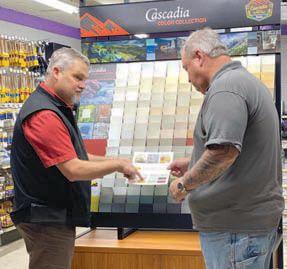
“In spring 2018, we launched the Cascadia Color Collection, a line of designer colors born from the majestic landscapes of the Northwest,” says Rodda Paint Co. president David Wolf.
The company’s experts go the extra mile to learn about colors from the most exceptional locations in the region and then incorporate those discoveries into a color collection.
As long as there are mountains, rivers and sky, these colors won’t go out of style. On the home front, it provides the crew with some memorable and rewarding bonding experiences.
“The Cascadia Color team embarks on frequent expeditions to the great outdoors, from the Rocky Mountains to Puget Sound, to bring colors sparked from the region into homes and offices,” Wolf says.
Being a subsidiary of Cloverdale is helping Rodda help you. Founded just a year later than Rodda in 1933, it has had a head start working with independents and is advising the Rodda team on service and strategy.
“I really appreciate and value having that resource to be able to share and discuss ideas and challenges with my Cloverdale counterparts,” says Vaillancourt. “Being an independent subsidiary of Cloverdale Paint gives Rodda the flexibility to operate independently, yet leverage the strengths and synergies of Cloverdale and its experience. We work very closely with each other on a regular basis to share learning and knowledge.”
They meld heads scientifically as well. While there is a perception that a small company can’t keep up with the large as far as formulating new products, Vaillancourt says the two companies’ combined R&D have the resources and brainpower to bring you the latest in coatings technology. In fact, it’s a priority.
“While we may have a smaller marketing department and budget relative to the national companies, we use our resources and budget efficiently,” says marketing director Jason Lawrence.
“Being a small regional player affords us with lots of flexibility to address and support our dealers’ needs to the fullest,” says marketing program manager Priya Bhagat.
Vaillancourt says he enjoys working for a smaller company. While his years of experience with a big national company were fulfilling, he missed the feel of a smaller, close-knit regional paint brand.
“If I had to pinpoint what makes Rodda such a great place to work, it would be that from the top down you are made to feel like part of the team,” he says. “Our president and the rest of the leadership team are easily accessible and genuinely care about the people who work for this company.”
Vaillancourt’s method to putting Rodda Paint in more aisles and on more shelves is to look at each store individually and match a program to what it needs.
“Our dealer program strategies and tactics are constantly evolving to meet the needs of our dealer partners,” he says. “There is no cookie-cutter approach to the way we manage
and work with our dealers. Each is unique and we treat them that way.”
Vaillancourt himself has faith in the continued strength of the independent.
“I believe now more than ever there is a shift in the consumer’s view toward independents and local businesses,” he says. “Despite all the technological and online advancements, people are still looking for customer service, product knowledge, experience and expertise. You don’t typically get that personalized service and attention in a big retail environment.”
Vaillancourt adds that as a smaller company—just like an independent retailer—it can jump, pivot and adapt to changes faster than some of its larger competition.
“Customer service and accessibility are part of Rodda’s core strategies and values,” he says. “We will continue to provide all of our customers with local, accessible and personalized service.”
“Rodda Paint is positioned very strongly for the future,” says Brian Villa, vice president of sales. “We are focused on further improving our market position with a strong game plan, including both offensive and defensive strategies, to grow in the years to come!”
Marketing your business strategically is more important than ever as customers quickly adopt new shopping habits and view the retail experience through a new lens of safety and security during the pandemic.
The Association of National Advertisers (ANA) recently published “The New Reality of Marketing,” an overview of
As nights out become nights in, ANA reports shoppers are increasingly hungry for experiences, not just products. Consider how your team can offer virtual services—offer project estimates, hold new product showcases, host how-to classes—to add value to shoppers’ lives.
Two-thirds of customers say their likelihood of purchasing a product depends strongly on how its manufacturer responds during the pandemic. Accordingly, more than 70 percent of brands have “embraced purpose” more and nearly half are collaborating with nonprofits more frequently.
new customer expectations related to marketing, which sheds light on how major advertisers are approaching marketing during COVID-19.
Discover some of their top tips and incorporate their advice into your advertising strategy to position your business as an agile partner for every home improvement customer.
Though apps are nothing new, ANA notes many shoppers are using them more often to gather up-to-date information on products and hours of operation. If you operate an app, be sure it lists all important COVID-19 updates.
In April, online orders for more than 6,200 companies rose compared to the same period in 2019. ANA says as customers increasingly shop for items online they’d normally get in stores, 85 percent of them say easy payment options and a fast, easy-to-navigate website were crucial factors in e-commerce.


























Exploring the U.S. real estate market helps you anticipate future trends and customer needs. COVID-19 disrupted what began as a strong year for housing, but more than seven months into the pandemic, reevaluating key industry metrics and understanding how they will affect your business could prove vital.
Paint & Decorating Retailer magazine consulted Todd Tomalak, principal at a housing research organization John Burns Real Estate Consulting to learn more about what the market means for the home improvement industry.
Paint & Decorating Retailer (PDR): What have been COVID-19’s major impacts on the U.S. housing market?
Todd Tomalak (TT): The effects of the pandemic have been enormous. Coming into the year, housing showed some very positive signs. Parts of the market were weak, like luxury housing where homes would sit for sale for years in high-income areas, but all of that weakness is currently gone. We’re now seeing low home inventory; people are purchasing almost anything that’s available.
Housing has truly gained status in terms of where consumers are prioritizing spending their dollars.
PDR: What do strong housing starts mean for U.S. housing overall?
TT: Looking at single-family housing starts in Florida alone, we’re seeing figures up 97 percent year-over-year for signed contracts. Texas is up 83 percent.
If you want to move out of your home, there are no existing homes to buy. You can put in an order for a new home, but it’s going to take time before that turns into a start and time before that translates into orders for building products. I think we’re going to see a case where a lot of housing starts begin in 2020, but homebuilders make building product orders in 2021 due to delays we’re seeing in cycle times.
PDR: Existing home sales in July jumped about 25 percent over June. What does this surge reveal about the U.S. housing market?
TT: Existing home sales figures represent closings. In March and April, we saw a wave of delayed closings. Many closings in April and May came due in July. The July existing home sales figures reflect the general strength of the housing market, but the issue is that you can’t buy what’s not for sale.
The supply of existing homes fell 21.1% annually, with just 1.5 million homes for sale at the end of July.
Source: U.S. Census Bureau
If anything, with strong demand and low supply, we should see home price appreciation, which is a positive indicator for the remodeling market.
PDR: What should independent retailers know in terms of real estate activity?
TT: Roughly 12 percent of major projects were canceled or postponed. At the same time, we saw a large shift toward unplanned, pandemic-driven DIY projects. That’s showing up in a lot of recent sales for retailers.
Historically, the most useful indicator to predict small DIY project activity was wage growth. What’s wild is that personal income figures for April were up 12 percent due to the CARES Act stimulus. It really is translating into significant DIY project growth.
PDR: What’s on your mind for the remaining months of 2020 and 2021?
TT: The pace of DIY remodeling growth will slow compared to summer. Next year, we could see uneven growth. We’re going to reach a point in the second quarter of 2021 where we’re lapping the unplanned projects that started during the pandemic. The overall year could turn out quite positive, but individual quarters could see negative growth simply because of how strong 2020 activity has been. Retailers will have to take the long view.

Todd Tomalak is principal at John Burns Real Estate Consulting, a housing research organization. In his role, Tomalak oversees building products research, including in-depth forecasts of building products spending in new construction and remodeling. For more information, visit John Burns Real Estate Consulting online at realestateconsulting.com
Are you looking for ways to help protect and support your employees amid COVID-19?
Affordable group health insurance is a valuable asset for both employers and employees. The NHPA Health Insurance Plan offers great benefits with low group rates and the flexibility to choose your plan design.
“Many independent business owners struggle with the high costs of health insurance. The NHPA Health Insurance Plan provides retailers with a realistic solution to offer benefits to employees.”
Bob Chiesa | President & CEO | Custom Benefits Insurance Group Inc.





New consumer information from market research firm
The NPD Group (NPD) shows the popularity of DIY home improvement projects is a trend that looks poised to continue.
NPD’s Checkout service tracks consumer behavior across all retail channels, illuminating trends in shopping preferences, including online shopping by category and specific buyer demographics. The service tracks the same consumers over time, presenting a valuable resource to chart new trends.
Take a look at some of the latest findings from NPD’s Checkout to explore how COVID-19 has changed business as usual for all retailers.
For more information on The NPD Group, visit the company online at npd.com
“The
heightened attention paid to where we live and spend so much of our time has resulted in increased consumer demand for home improvement solutions, but also an expanded customer base.”
—Shay Krafft, The NPD Group
NPD data shows more than 40 percent of respondents have DIY home improvement plans for the future.
1 in 10 customers has taken on projects they would normally have outsourced to pros during the pandemic.
The average amount of money spent on a DIY shopping trip grew by 10 percent in 2020 over 2019.
Home improvement was the second-fastest growing retail channel in the first seven months of 2020.
E-commerce sales for tools, paint and hardware saw purchases grow by double digits.
Top of Mind
Hardware stores are seeing roughly 10 percent more sales in 2020 compared to 2019, NPD reports.