

















































































































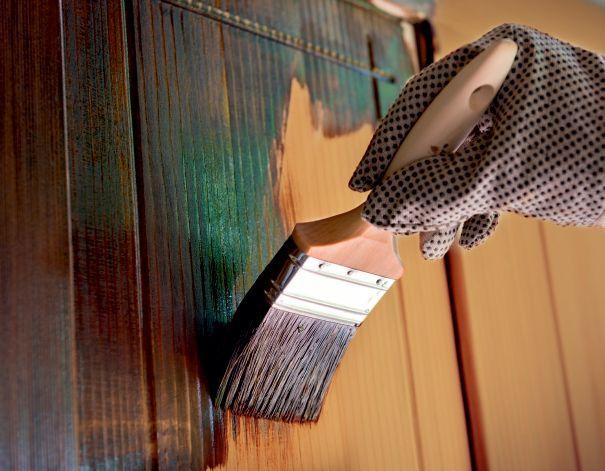
• Perfect for previously finished surface like cabinets and vertical surfaces
• Achieve intense, uniform color in a single application
Excellent Adhesion to Fiberglass and Previously Finished Surfaces
Concentrated to Achieve Beautiful, Bold Color
Easy One Coat Application for a Variety of Projects
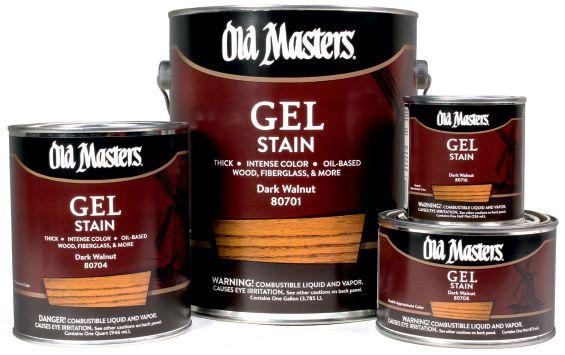
• Use on floors, trim, interior doors, cabinets, furniture and general woodworking
• Highly pigmented, thick oil-based stain
• Available in 24 popular trend colors
Seeing a project from start to finish requires a well-defined strategy and keen leadership skills. Learn some project management best practices from retailers and experts that will help you finish on time and on budget.

One mask does not fit all when it comes to personal protective equipment for painting. Walk your customers through choosing the right mask for the job.
Get the details on how project and product knowledge are key to making the sale and how you can start the sales pitch before the customer makes it to the paint counter.

Discover the products and projects to suggest to help customers create comfortable and functional home offices and classrooms.
COMING IN APRIL
In 2021, every win counts. That’s why understanding key retail metrics that define your business is critical. By evaluating core figures like conversion rate and total occupancy costs, you can make informed decisions. Join us for the “Exploring Key Retail Metrics” webinar on Wed., March 17 to learn more, and look ahead to the April issue of Paint & Decorating Retailer for industry insights. Register to attend at YourNHPA.org/webinars

STRATEGIC SERIES
PAINT & DECORATING RETAILER
(ISSN 1096-6927): Published monthly except December by the North American Hardware and Paint Association, 136 N. Delaware St. #200, Indianapolis, IN 46204. Phone: 800-737-0107. Subscription rates: January through November issues, $50 in U.S., payable in advance. Canada $75 per year. All other countries $100 per year. Single copy $7, except July issue, $25. Periodicals postage paid at Indianapolis, Indiana, and additional mailing offices. Postmaster: Send address changes to Paint & Decorating Retailer, P.O. Box 16709, St. Louis, MO 631051209. Returns (Canada): Return undeliverable magazines to P.O. Box 2600, Mississauga, Ontario L4T 0A8. PM# 41450540. Copyright © North American Hardware and Paint Association, 2021.
Toddlers. Am I right? Earlier this year, we surprised our two-year-old son with a post-Christmas gift, a tradition that will quickly disappear if we ever have another child. Really, this present was for us. We wanted to watch his eyes light up at the thing he never knew was the only thing he ever really wanted.
What’s that toy, you ask? A foam bowling set, with rocket ships as pins and balls that look like the moon and Earth. Theo has a special affinity for the blue rocket ship, and the worst thing that could ever happen to a toddler’s favorite toy happened this week. It was lost.
Now, any good editor would call me out on that phrasing, “it was lost.” “Melanie, that’s passive voice. You’re removing the ownership of the action of losing the rocket ship. Who lost it?”
It’s your responsibility to give your team the tools and knowledge they need to navigate customer service.
Well, I have a hard time saying my toddler lost it just because he put it some place no one could find it for 48 hours. But I also don’t want to take responsibility for the loss because I’m not the one who put it down and then couldn’t find it again. However, I suppose I am responsible for the wellbeing and care of my child, so until he knows better (or at least more fully develops his spatial memory), I’m the loser in this situation.
I don’t want you to have to call yourself a loser, so I’m here to relay some lessons you can take from this to hopefully avoid any situation that brings the dread of bedtime with a toddler whose favorite toy has disappeared into the abyss.
As Theo grows up, it’s my job to give him the tools and knowledge he needs to navigate the world. I’ll teach him to say “please” and “thank you” and that our favorite things should have a special place where we always put them when we’re done playing. In the home improvement retail environment, it’s your responsibility to give your team the tools and knowledge they need to navigate customer service. A key part of that is project and product knowledge. In this month’s issue, you get a broad swath of these lessons, including project management best practices, leading your customer through a renovation project and learning selling skills based on product and project knowledge. Don’t lose out on these sales and skills because you didn’t prepare your team accordingly.
Oh, we found the rocket ship. In a lunchbox I haven’t touched in a year. Toddlers. Am I right?


Melanie Moul Managing Editor mmoul@YourNHPA.org



NHPA MEMBER SERVICES

800-772-4424 | nhpa@YourNHPA.org
LeAnn Day lday@YourNHPA.org
Executive Director, Paint & Decorating Programs
Scott Wright swright@YourNHPA.org
Executive Director, Advanced Retail Education Programs
Jesse Carleton jcarleton@YourNHPA.org
Training Manager & Editor
Renee Changnon rchangnon@YourNHPA.org
Retail Engagement Specialist
Katie McHone-Jones kmchone-jones@YourNHPA.org
Event Manager & Retail Support
Natalie Harris Data & Information Coordinator
Bob Cutter President & CEO
Dan Tratensek Chief Operating O cer & Publisher
David Gowan
Chief Financial O cer & Executive Vice President of Business Services
Melanie Moul Managing Editor mmoul@YourNHPA.org
Kate Klein Profiles Editor kklein@YourNHPA.org
Todd Taber Trends Editor ttaber@YourNHPA.org
Hans Cummings Products & Digital Editor hcummings@YourNHPA.org
Lindsey Thompson Associate Editor lthompson@YourNHPA.org
Aubrey Smith Senior Designer
Autumn Ricketts Graphic Designer
Austin Vance Production Manager
Freda Creech Sales & Production Assistant
Kevin Trehan Digital Media Specialist
Graeme Haase Issue Contributor
Whitney Daulton Director of Marketing & Communications
Julie Leinwand Corporate Communications Manager & Editor
ADVERTISING
Dan Simon Magazine Sales 800-737-0107 | dan@pdra.org
NHPA BOARD OF DIRECTORS
CHAIRMAN OF THE BOARD
Daniel Harris Palos Ace Hardware, Palos Heights, Illinois; Lemont Ace Hardware, Lemont, Illinois
EXECUTIVE VICE CHAIRMAN
Jared Smith Jared’s Ace Hardware, Bishopville, South Carolina
DIRECTORS
Craig Bond Tommy’s Paint Pot, Eugene, Oregon
David Dishke Grand River Home Hardware, Caledonia, Ontario
Scott Jerousek Farmand Home Hardware, Wellington, Ohio
Ryan Ringer Gold Beach Lumber Yard Inc., Gold Beach, Oregon
JackieSacks Round Top Mercantile Co., Round Top, Texas MattWoods Woods Hardware, Cincinnati, Ohio
SECRETARY-TREASURER

Fix it, paint it and get on with the job. Makes repairs fast with no shrinking, cracking or sagging on holes up to 5". Fiber reinforced to be two times stronger*, so it holds up to your high standards. Because your work demands our best.
built to perform


Debsan The Decorating Store has an unusual paint sample system.
The paint and decorating business, which is located in Natick, Massachusetts, keeps a library of 1-quart paint samples customers can rent.
Shoppers visit the store, browse the store’s paint palettes, talk to staff designers and then take home quart-size paint samples to test on their walls for a rental fee of $4 per sample. When customers decide on their colors, they return the sample jars with what’s left of the paint.
The store has about 8,000 jars of paint samples on hand and rents 50 to 100 quarts per day, says company president Ben Greenberg. New customers visit the store daily asking to rent samples, demonstrating the success of Greenberg’s reliance on word-of-mouth advertising for the past 35 years.
He keeps about 3,500 different colors on hand in sample jars, which are airtight and have screw-on lids that make them easy to use. The store reserves 1,000 square feet of basement storage for the rentals.
The return on investment is significant because the samples cost very little, last for years and can be rented repeatedly, Greenberg says. In 2020, the store earned $45,000 from sample rentals, but the rental customers also spent far more on other products, including $500,000 on carpet.
Professional customers like the system as much as people who are painting their personal spaces.
“Painters send clients to Debsan because I have decorators who help people pick colors all day long,” Greenberg says. “Contractors love our system because it relieves them of the time of talking about colors and making up samples.”

For when endurance matters.
This is for those who refuse to quit before the job is finished.
3M™ PRO GRADE PRECISION™ Faster Sanding Sheets resist clogging and sand faster. Fold once and the NO-SLIP GRIP™ durable backing grips together to prevent slipping, so you can sand longer with less hand fatigue. Superior cut durability — from start to finish. built to perform
Stock these 3M products for pros in your store.

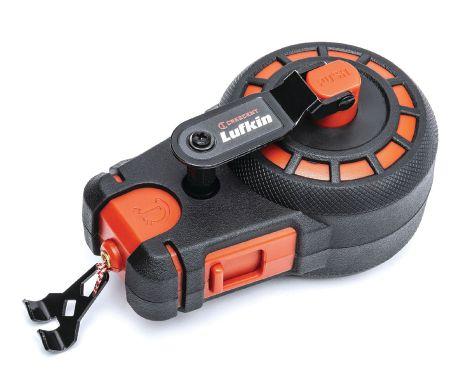
Crescent’s Compact Chalk Reel offers 60 percent more line than similar competitive reels and has a 3 to 1 gear ratio for quicker retraction. A push-button release disengages the reel so line can be pulled out faster, and the fold-away handle locks the retrieval arm in place to prevent breaking or inadvertent unreeling.
Apex Tool Group crescenttool.com or 800-650-8665
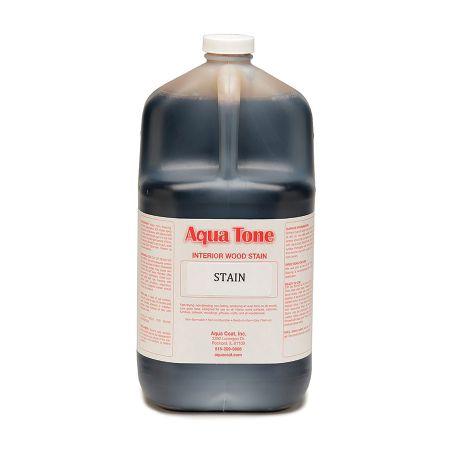
Aqua Tone Stain by Aqua Coat is formulated for use with high volume/low pressure (HVLP) spray systems and offers smooth, even results with reduced blotching. It intermixes to create custom colors and can be sprayed on, wiped on, brushed or dripped. It is low-odor, low-VOC, nonflammable and noncombustible. One gallon covers approximately 450 to 600 square feet.
Aqua Coat aquacoat.com or 877-886-2422

1000+ Stain Remover is a spray cleaner concentrate for hard and soft surfaces. It can be used full-strength for stain removal or diluted with water for general cleaning. It cleans food and beverage stains, laundry, pet messes, grease, adhesives and more. It is suitable for floors, walls, skin and fabrics. 1000+ Stain Remover is available in three sizes.
Winning Brands 1000plusstainremover.com or 866-722-3542

Brass Knuckle® SmartCut™ gloves are cut-resistant, light-duty gloves that offer ANSI Cut Resistance Level 2 protection. The palms are polyurethane coated for improved grip while the 18-gauge polyethylene and glass-fiber shell balances cut-resistance with flexibility.
Brass Knuckle Safety Products brassknuckleprotection.com or 770-674-8930
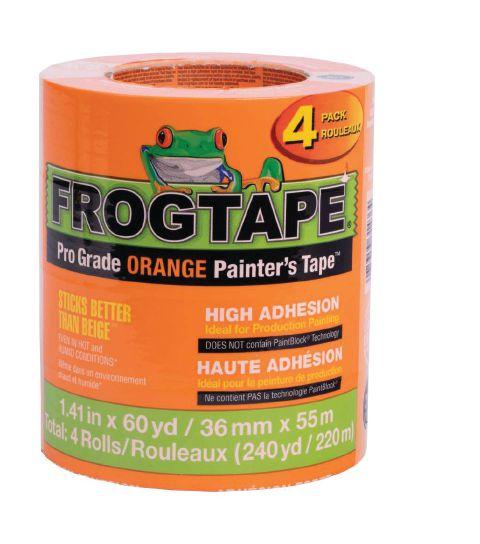
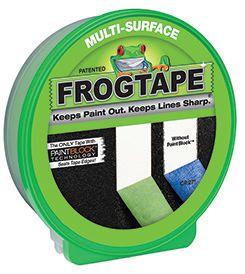
FrogTape® Pro Grade Orange Painter’s Tape™ is a crepe paper masking tape ideal for production painting. It sticks to a variety of surfaces, even in hot and humid conditions and features three-day clean removal without shredding. It does not contain PaintBlock™ Technology. Shurtape Technologies frogtape.com or 800-321-1733
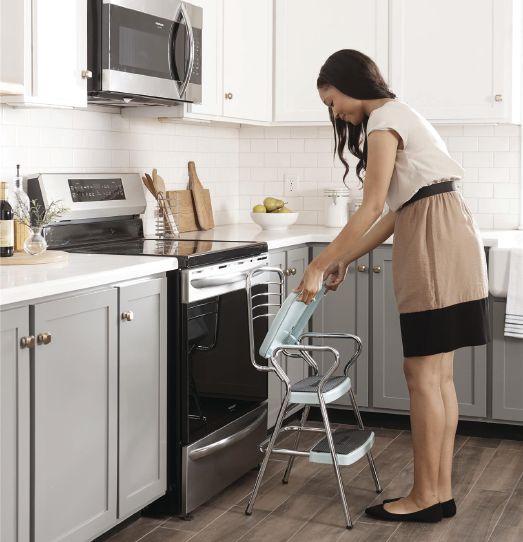
COSCO’s Stylaire Retro Chair + Step Stool With Flip-Up Seat transitions from a counter height stool to a step stool in seconds. It features a chrome steel frame and an easy-to-clean vinyl upholstery seat and back. It includes nonmarring leg tip and a 10-year limited warranty.
COSCO coscoproducts.com or 800-628-8321



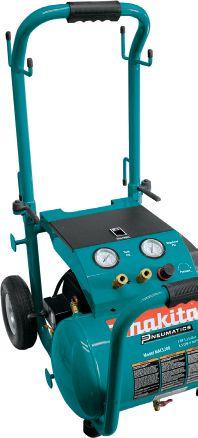
The MAC5200 Big Bore™ Electric Air Compressor by Makita features a 5.2-gallon tank and provides a maximum of 3 horsepower and 140 PSI. It is suitable for many applications including decking and fencing, framing, siding, forming, roofing and and shafting. Makita USA Inc. makitatools.com or 800-462-5482





HoldRite® HydroFlame Silicone Sealants help protect vertical and horizontal construction assemblies from the spread of flame, smoke and hot gases. They feature freeze-thaw stability, have antifungal properties and meet LEED and VOC requirements, as well as ASTM E 814, UL 1479 and CAN/ULC-S115 testing standards. HydroFlame 300CG is caulk-grade and can be installed in floor or wall applications. HydroFlame 300SL is self-leveling and can be installed in floor applications.
HoldRite® holdrite.com or 877-700-4242

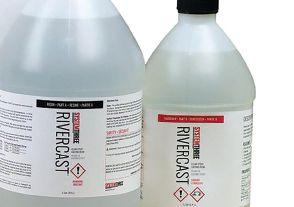
RiverCast is a clear epoxy system designed for woodworking casting applications. It fills voids up to 1 ½ inches thick in a single pour, de-aerates rapidly and contains no VOCs. Can be colored with CastFX Dry Metallic Pigments or Liquid Colorants. System Three Resins Inc. systemthree.com or 800-333-5514

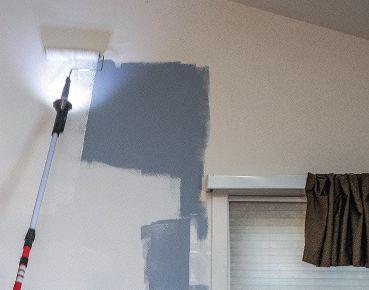



Shur-Line’s LED Pro Extension Pole extends 4 to 7 1/2 feet and has universal threads for easy attachments. It includes five LED lights and has 7 hours of running time on two AAA batteries (not included).
Shur-Line shurline.com or 800-253-7856



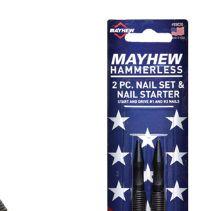
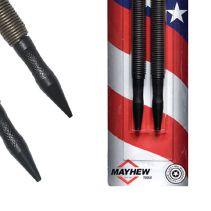
Mayhew’s 2-Piece Nail Starter and Nail Set are spring powered with the potential to deliver up to 3,500 pounds of striking force. The nail sets countersink finish nails and brads into wood surfaces. The nail starters start and drive #2 finish nails and brads without the need for a hammer. Mayhew Tools mayhew.com or 800-872-0037
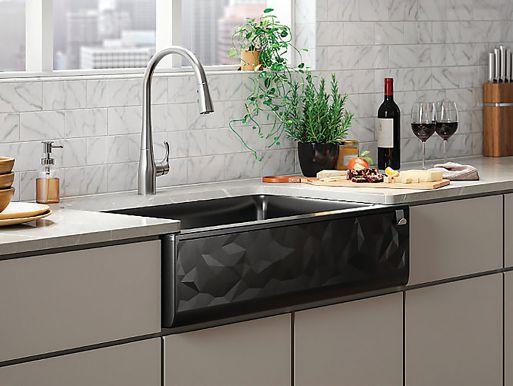
The Cairn® kitchen sink by Kohler is an undermount, single-bowl farmhouse sink with a faceted design made of Neoroc®, a matte-finish composite material designed for extreme durability. Neoroc resists scratches, stains and fading and is heat and impact-resistant. A standard tall apron front makes it easy to install on 36-inch apron-front cabinetry. Kohler kohler.com or 800-456-4537







Monkey Klamp is a lightweight tool designed to attach to step-A frame ladders. It increases three-point contact, and available attachments hold tools, paint cans, buckets, tool bags and more.
Monkey Rung Products monkeyrung.com or monkeyrung@infinitysalesusa.com
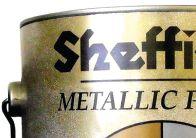

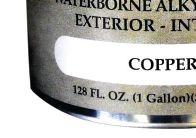


Dur-Ex by Sheffield Bronze Paint Corp. is a low-VOC, water-reducible alkyd paint. It is encapsulated and suitable for interior and exterior use. Dur-Ex is available in gold, copper, brass, silver, nickel, pewter, statuary bronze and medium bronze finishes.
Sheffield Bronze Paint Co. sheffieldbronze.com or 216-481-8330
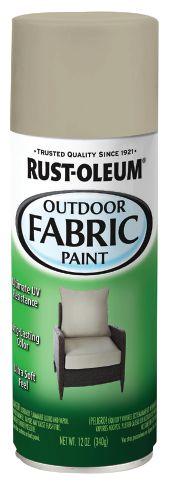
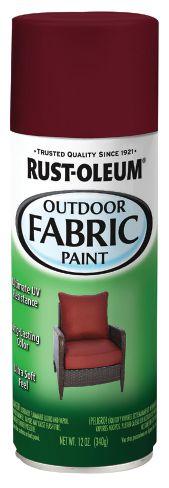
Rustoleum’s Outdoor Fabric Paint provides broad coverage with excellent adhesion and flexibility. Fabrics stay soft to the touch and maintain long-lasting color. It is UV- and weather-resistant. Use on outdoor furniture cushions, pillows and more. Rustoleum rustoleum.com or 877-385-8155

Decorative clocks from Mark Feldstein & Associates are available in a variety of whimsical designs, including newly-licensed Bob Ross®-inspired designs. The clocks play recorded signature expressions from “The Joy of Painting.” Mark Feldstein & Associates markfeldstein.com or 800-755-6504




York Removable Wallpaper is prepasted, washable and strippable. Made from York’s Sure Strip material, it features a straight match with repeating tropical patterns every 24 inches. Rolls are 27 inches by 27 feet (60.75 square feet).
York Wallcoverings yorkwallcoverings.com or 717-846-4456



Putty King is an all-in-one drywall repair tool. It features a putty release system that makes it easy to fill in scratches, dents and holes around home while minimizing waste. Putty King puttyking.com or getputtyking@gmail.com

By Jesse Carleton
Just like you shouldn’t begin construction on a new building without a blueprint, you wouldn’t want to start a new initiative around your store without a well-laid plan. A carefully devised strategy can help you finish on time and on budget, even in the midst of unexpected turns. Whether your goal involves a capital improvement, such as a full store remodel, or an operational procedure, such as creating an employee training plan for the year, knowing a few project management best practices will help keep your plan going smoothly. How effective you are at managing projects will determine how efficient you are at using your resources, and ultimately, how effective you are in business.
To learn more about how you can use project management strategies to be successful, Paint & Decorating Retailing editors spoke with a project management professional and two home improvement retailers who have been integral in steering their companies through major change. Regardless of the size of your project, four basic strategies will help you stay on track.
!Before starting a project, ask:
• Is this the most important project I should be tackling at this time?
• Do I have the right people to get it done?
• Does this project help us meet our company’s overall goals?
• Will this hinder progress in other areas of the business?
Before starting any new initiative, communicate your plans with everyone who will be affected, including other managers or owners and board members to whom you’re accountable. Include the team of employees who will be executing your plan. Get their support and help in the process while you’re still in the planning stage.
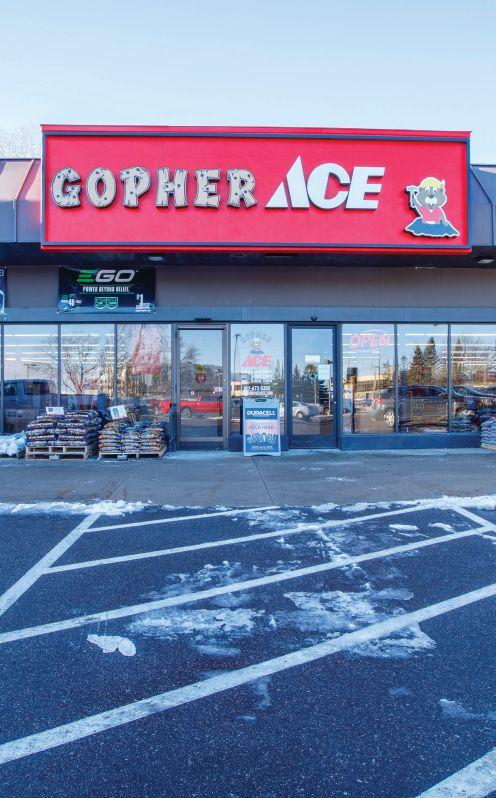
Mike Kokesh and Mark Schaefer, co-owners of Gopher Ace Hardware in Long Lake, Minnesota, had an opportunity last year to open a new location in nearby Minnetonka. Rather than assign employees to help with the setup of the new store, they asked for volunteers. Approaching a project from a team mentality helped get employees excited about the project and helped carry them through what would become a difficult year.
“We decided we weren’t going to force people to work at our new location,” says Kokesh. “We asked for volunteers, and everyone was excited about the new opportunity. It’s important to work alongside your employees and show them we are just as involved as they are.”
Adrianne Naillon has been leading projects for Oregonbased cooperative Wilco for most of the 25 years she’s been with the company. A few years ago, she was tasked with helping open the co-op’s location in Vancouver, Washington, where she is currently the manager. She says a good first step is to find diverse perspectives from across the company.
“One challenge of being in leadership is that you think ‘this is the way we should go,’ and you can get stuck in a rut,” she says. “But there could be a lot of other great ideas out there, so start by looking outside your own box.”
Each stakeholder will have a different perspective and ideas about how to get to the end goal. But those are the perspectives that can help spot potential problems, help the team be more efficient or just help out with the workload.

to deal with a host of unforeseen events when they opened a new location last year. CHALLENGING START
Mike Kokesh talks about opening a second location on the Editorially Speaking podcast. Listen at YourNHPA.org/es-pod
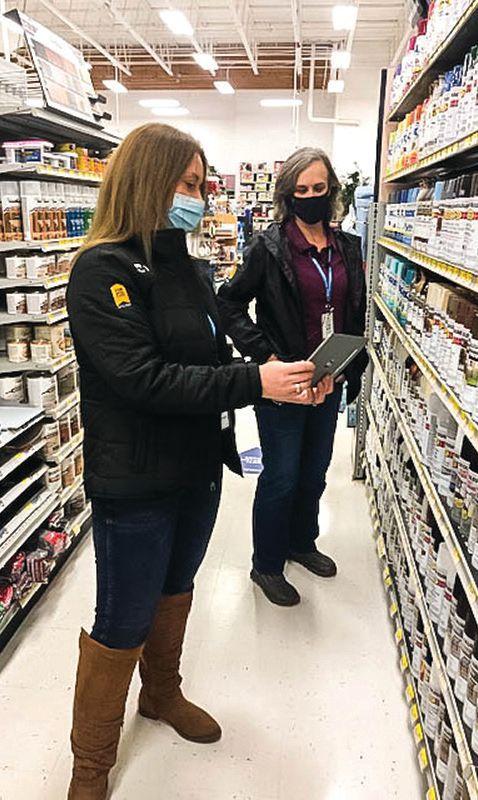
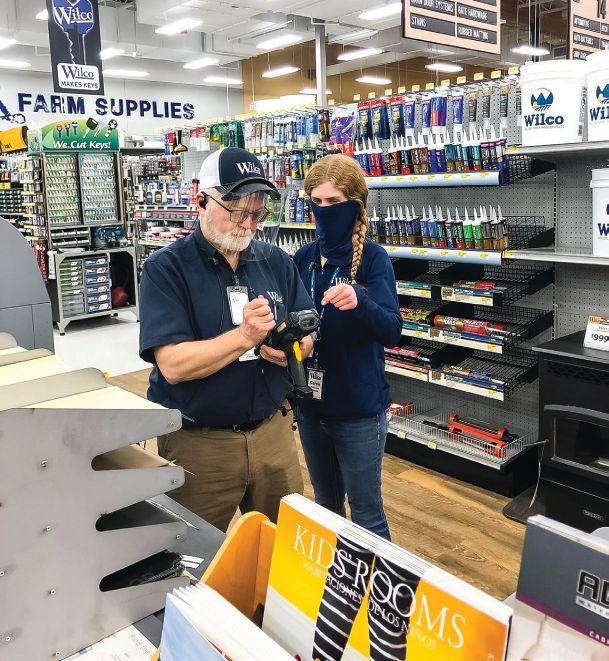
Staff at Wilco use the iAuditor app to create operational standards for each of the company’s locations. Having a checklist of tasks helps management maintain a set standard of quality and keeps projects on track.
2Focus the project scope.
Stakeholders include your employees, who are going to want to know what benefit they are going to get out of the project. Effective project managers will help their team understand your goals and their role in achieving them.
Getting active team participation will also give the project momentum. When you are choosing the team that will spearhead a special initiative, don’t be afraid to include a newer employee who may have little experience with what you’re doing. Being closely involved on project teams offers employees a chance for growth.
You are always at risk of getting sidetracked if you don’t have a clear direction of where you are going and how you plan to get there. Defining the project scope means both keeping your goal in mind and knowing how to deal with potential distractions.
“This is where projects can really go off the rails if you’re not careful,” says David Sanchez, a senior strategy realization consultant with Integrated Project Management Co. Sanchez has more than 30 years of professional project management experience. “Managing the scope of your project means putting a box around what you want to do and then making sure those things get done. Maintain your priorities and keep tight controls on what you should be doing. Communicate that to your team and monitor performance regularly to minimize the risk of drifting off track.”
















To expand your knowledge on project management, go to pdrmag.com/pm-resources
EXPANDED CUSTOMER REACH
The second location near a major shopping center gives increased visibility and market share to the Gopher Ace Hardware brand.
For example, in order to keep all of their store locations consistent in appearance and operation, leadership at Wilco developed a set of operational standards each store manager must maintain. Naillon, in turn, has a set of standards for key members of her staff. She conducts regular audits of the salesfloor and uses the iAuditor app on her tablet as a way of tracking progress.
“We’ve created templates for different areas of the store that clearly communicate what tasks need to be completed,” she says. “We walk through the store, taking notes on areas that need attention. Having a checklist using iAuditor makes sure we don’t miss anything and that we are clearly communicating what needs to be done.”
Naillon also says while the scope of the project may seem clear at the beginning, it can be easy to lose focus when you’re in the middle of the process. When that happens, she calls up other retailers who might understand what she is trying to accomplish and asks for advice.
Defining the scope will help you stay organized and consistent when tackling operational tasks. Make sure you are prioritizing projects that will be the most beneficial for your business. Be realistic about what you can accomplish given your resources, which include time, people and money.
Ask questions such as: Is this the most important project I should be tackling at this time? Do I have the right people to get it done? Does this project help us meet our company’s overall goals? Will this hinder progress in other areas of the business?

Organized.
Being able to create a detailed plan and then document each step of the process will help your project go smoothly.
Problem-solver.
When dealing with contingencies, you may need to make decisions quickly and confidently.
Communicator.
Being able to clearly communicate project details and updates will keep everyone on the team moving in the same direction.
Flexible.
Don’t get in the mindset that your way is the only way; realize that someone else may have a great idea too.
Listener.
If your project involves making big changes, make sure you are listening to your team. Are you getting buy-in from everyone or is there resistance?
Motivator.
Team-building and motivation are key skills to have as you get a group of people working toward a common goal.
Create a schedule, and stick to it.
An effective plan should include a timeline, the steps you’ll take along the way, resources you’ll need and milestones to mark progress. While there may be pressure to get the work started right away, you may end up spending more time and money if you fail to take the time up front to plan.
Creating milestones is one of the most important parts of creating a plan. Milestones indicate whether you are staying on track or whether you are falling behind. They should be objective and measurable.
Sanchez recommends creating a document to outline your schedule. The level of detail will vary with the complexity of the project, but having your plans spelled out will help you be disciplined in your approach.
“I recommend regular status reports or some type of communication that conveys your progress and keeps everyone involved on the same page,” he says. “You also want some way of cataloging important decisions you make along the way so you can refer back to them for direction if issues related to them come up again later in the project.”
Managing a schedule also means knowing when to hire outside help to get the job done. When Kokesh and Schaefer at Gopher Ace put together a timetable for getting the store ready, they decided to spend the extra money to hire a merchandising team.
“We could have hung the merchandise ourselves, but the team of experts we hired moved much faster, and it was worth every penny,” Kokesh says. “You have to look at the big picture when managing that kind of a project. Study your timelines and your goal and decide how best to invest your time and money.”
“I recommend regular status reports or some type of communication that conveys your progress and keeps everyone involved on the same page.”
—David Sanchez, Integrated Project Management Co.
The professional’s choice for paint and dry wall tools
Innovation developed from real world n
Setting the quality standards for the
Committed to providing outstanding products, value and service























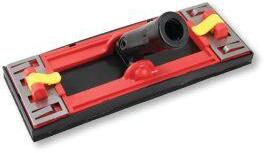

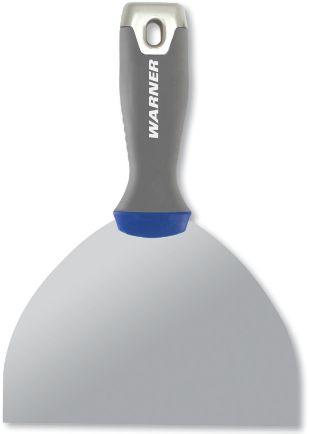




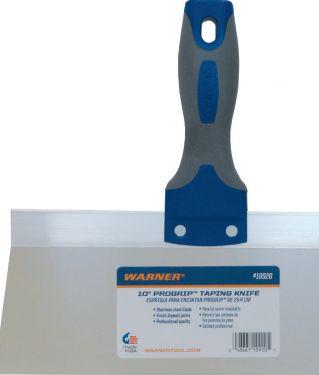










































Compare the different online tools that can help you track projects at pdrmag.com/pm-tools
Employees at Gopher Ace Hardware volunteered to help with the opening of the new location. The team mentality helped sustain them through the difficult parts of the project and kept everyone working toward a common goal.
Carefully manage potential risks. 4
Regardless of your plans, you will likely deal with the unexpected. A good project manager is always scanning the horizon for potential risks or anything that could derail the work. The sooner you identify a threat, the sooner you can create a plan for handling it. If you get in the habit of frequently scanning for risks, you can decide which ones to prioritize. Minimize the risks that will have the most impact on your business and find an effective way to deal with the rest.
Proactively seek help from others who will be affected by your decision. Utilize the advice of all stakeholders, including members of your team, other leaders and even fellow retailers.
“Share information with other stakeholders so you’re not making decisions in a vacuum,”
says Sanchez. “An effective project manager is always out in front of the team and is a proactive, effective communicator at all levels of interested parties.”
Minimize the effect of unforeseen risks by remaining flexible. While they were in the process of opening their new location, Kokesh and Schaefer faced multiple obstacles that could have easily sent their plans sideways, including a statewide shutdown because of the pandemic, employees staying home because of health concerns, road construction and even a ruptured water line that resulted in lost inventory.
What got them to opening day—and beyond—was a willingness to be flexible. For example, they weren’t able to have an in-person grand opening as they’d hoped. Instead, they utilized all of their social media platforms, improved their website’s SEO and built up their email marketing to draw in shoppers.
“You have to go in to any large project understanding that problems will happen, prepare yourself for a possible failure of what you’re trying to do,” Kokesh says. “Then, you’ll be more willing to adapt to the solution.”


By Lindsey Thompson
While the COVID-19 pandemic made mask usage commonplace for the general public, masks and respirators have long been an everyday tool for painters. DIYers and professionals both rely on paint stores to stock safety gear like masks and respirators and provide information on the best products to keep them safe during any job.
Just like public health officials taught us not all masks are created equal when protecting against COVID-19, different masks are best suited for different painting and preparation tasks.
Even though masks, respirators and other PPE supplies make up a small percentage of sales for
most paint stores, it’s important for employees to be educated on the types available and how to sell them.
PPE such as safety gloves, coveralls and eyewear generally come in one type, making it easy to recommend the right product to customers. When it comes to masks and respirators, however, the choices are many.
Whether your customer is a professional contractor or a DIYer, both groups benefit from using a mask or respirator but might not realize the importance of choosing the right one to protect them on the job and minimize potential future health issues.
The type of mask a painter needs depends on the job they are performing and the toxicity of the type of paint or solvent they are using.
According to the U.S. Occupational Safety and Health Administration (OSHA), water-based latex paints generally do not cause health issues, while oil-based paints contain hydrocarbons and volatile organic compounds (VOCs), which can cause breathing issues. The chemicals in paint thinners and other solvents can also be damaging to the respiratory system if inhaled.
Your employees should know what masks and respirators to recommend depending on the type of paint or solvent a customer is using. They should also be able to educate customers on proper mask maintenance and finding the right fit.
Be sure you’re always consulting the right source for guidance. Manufacturers include instructions for use and provide guidance for what each mask can be used for and protects against.
Fabric masks provide the lowest level of protection, reducing exposure to solid particles like dirt and dust but offering no respiratory protection against hazardous gases or vapors. This type of mask is typically disposable and is suitable for light sanding jobs. It offers some protection against paint odors when painting with water-based latex paints.
Providing another layer of protection, respirator masks, also called particulate or dust masks, come in numerous varieties. OSHA states that to be considered a respirator, it must include a filter of some type, be approved by the National Institute for Occupational Safety and Health and state the organization’s rating on the product.
The now well-known N95 mask is one type of particulate respirator. It includes a valve that filters at least 95 percent of airborne particles like dust from sanding and fumes from paints and solvents.
If your customers are concerned about paint fumes, a paint fume respirator specifically blocks fumes and prevents respiratory exposure to chemicals in the paint. It also works well for light sanding. Respirator masks are also available specifically to work with fiberglass.
We hear people talking about it all the time, but what exactly does the ‘N’ and ‘95’ mean in N95 respirators? The National Institute for Occupational Safety and Health classifies particulate respirators in two categories: resistance to oil (N, R or P) and particle-filtering efficiency (95 percent, 99 percent or 99.7 percent).
• N = non-resistant to oil-based mists
• R = resistant to oil-based mists
• P = strongly resistant, proof against oil-based mists
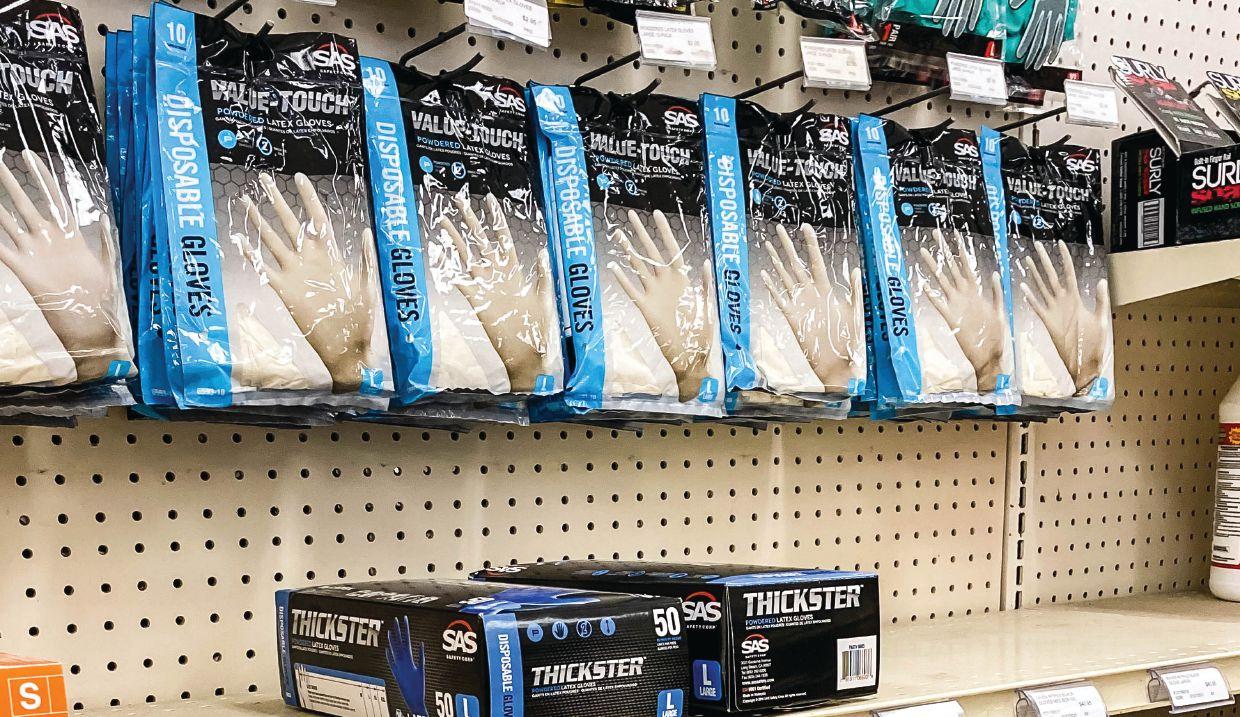
Safety gloves are often overlooked when purchasing safety equipment for painting jobs but provide the user with much-needed protection against splashes and spills during painting.

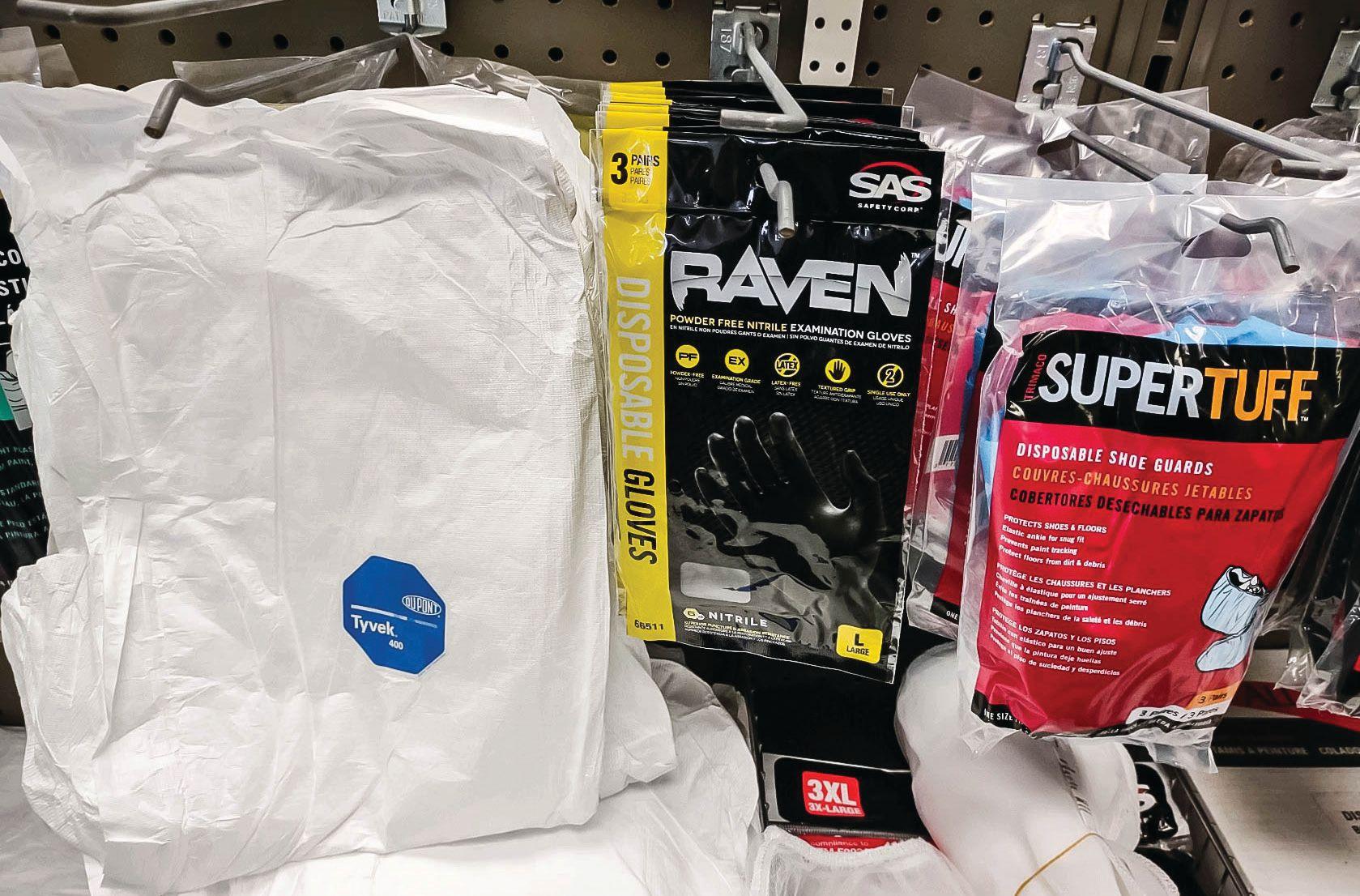
Southwestern Paint Co. sells a variety of paint safety products including coveralls, shoe covers, disposable gloves and several different types of masks and respirators that protect both DIYers and professional painters.
Jeff Goemaat, product manager at Miller Paint, says his employees recommend a combination respirator to painters working with solvent-based paints that have strong fumes and toxic vapors.
“Painters spraying latex paint are generally just wearing respirator masks, which keep them from inhaling the paint,” Goemaat says. “Fumes become an issue when painters get into the solvent-based paints, and that’s when we’ll sell them up to a combination respirator.”
Typically, these respirators are reusable and protect against most of the vapors and gases that painters encounter.
Several types of combination respirators can also be used for particulates by trading the cartridge for a carbon filter, and some offer both a filter and a cartridge to protect against both particulates and vapors or gases.
Combination respirators offer the highest level of protection and come in several varieties, including half-face, full-face and air-purifying respirators, which filter the user’s inhaled air before they breathe it in.
Combination masks generally require a filter or cartridge that the user should change regularly. OSHA provides a color-coded system so users know what cartridge protects against what hazards.
While the OSHA cartridge color chart includes 16 categories, painters will generally use cartridges with black, yellow or brown color codes, which work against organic vapors, or orange and teal codes, which protect against particulates.
Rather than stocking just one type of respiratory PPE, you should consider carrying several different varieties. Respirators aren’t always one-size-fits-all, and having several options available to customers lets them choose the one that fits best.
Each respirator also differs in the features it offers. These features can make a mask more comfortable to certain wearers and make them more likely to wear the mask properly.
The key to recommending the right respirator to the customer starts by asking the right questions to determine the scope of the project, their end goal and their experience.
To learn more about the upcoming AccuSmart™, join us virtually at events throughout 2021. Visit www.fluidman.com/events for details.
Providing your employees with basic training on painting safety and PPE goes a long way with customers. Along with educating on the different types of masks and what they protect against, employees should be able to provide key information on how to find the right fit in a mask or respirator.
Tight-fitting respirators require fit testing, which confirms a respirator fits the user’s face
“Many people don’t realize that facial hair can affect the fit and effectiveness of a respirator. Any mask that doesn’t provide a tight seal won’t properly protect the user.”
—Jeff Goemaat, Miller Paint,
Masks and respirators are important to protect the lungs against airborne particles and odors. The lungs aren’t the only parts of the body that need defending, however. To protect the rest of their bodies, painters should also utilize these other types of painting safety gear and PPE.
• Gloves. Just like masks have several different types, the type of glove you need depends on the job you’re doing. Sanding requires leather or cloth gloves that protect against scrapes and cuts. When handling solvents like paint thinner, you’ll need solvent-resistant gloves. Water and oil-based paint projects require impermeable gloves.
• Eyewear. Eyewear is essential to protect your eyes and face when mixing or pouring paint. It also prevents paint from splashing and dripping into your eyes when painting above your head.
• Coveralls and shoe covers. Coveralls and shoe covers not only protect your clothing from paint, they also protect any exposed skin from paint and solvents that cause irritation or burns.
• Fall arrest system. For professional painters and DIYers using scaffolding or tall ladders, fall arrest systems prevent you from falling when painting in high places.
properly and provides a tight seal. The major respirator manufacturers sell multiuse fit-testing kits so your employees can perform those tests for customers in the store. Several of these manufacturers also run fit-testing certification programs that train employees how to perform fit testing on customers using the kits.
Miller Paint, which operates 53 stores in three states, has all of its employees go through training so they can perform respirator fit testing for customers and educate on proper fit.
Goemaat says fit testing is important to educate the general public, who may not be as knowledgable about respirators, and assure the respirator actually protects the user.
“Many people don’t realize that facial hair can affect the fit and effectiveness of a respirator,” Goemaat says. “Any mask that doesn’t provide a tight seal won’t properly protect the user.”
Employees who are trained in fit testing, or at least educated on the importance of a good fit, should be able to direct any customer to the right product based on each customer’s needs.
When it comes to PPE, many contractors and businesses focus on cost rather than comfort, but owners should look at comfort as a need-to-have, rather than a nice-to-have. Respirators and masks that aren’t worn properly because they don’t fit well won’t do the painter any good.
Employees should also educate customers on maintaining and replacing masks and respirators. Painters should check reusable and throw-away masks for damage before each use and replace filters and cartridges according to the manufacturer’s guidelines.
Disposable respirators need to be thrown away and replaced when they become damaged, dirty or difficult to breathe through. Reusable respirators, including filters and cartridges, need to be replaced based on the manufacturer’s schedule.
While the supply chain issues that COVID-19 caused are a once-in-a-lifetime event, other supply issues can occur at any time. Learning how to overcome these issues will pay off now and in the long run. Even a year after the initial COVID-19 shutdown, paint stores are still having challenges stocking masks and respirators.
Southwestern Paint Co. in Houston, Texas, has struggled to keep its normal supply of masks and respirators in stock. Jim Rowley is the purchasing manager for Southwestern Paint’s seven locations, and he purchases whatever is available at the time. He has been able to find
medical and cloth masks to give customers some other options for face coverings.
“Some manufacturers have come out with a KN95 mask and we’ve been stocking those,” says Rowley. “When you find something, that’s what you bring in.”
Miller Paint has experienced the same supply chain issues, not just with masks, but also with gloves and with disposable coveralls. Goemaat says disposable coveralls have also been hard to find because the same material used for the coveralls also goes into making dust masks. He has opted for brands they don’t normally carry.
“It’s been a challenging year and there’s nothing our painters are used to that is available right now,” says Goemaat. “We were able to secure some KN95 masks and found an LED manufacturer that started making masks. Basically, we’re stocking any mask and safety equipment we can find.”
Even when supply chain issues are resolved and masks aren’t such a hot commodity, it’s helpful to have other options to offer customers when you can’t stock your normal choices because painters rely on masks and respirators to keep them safe on the job.
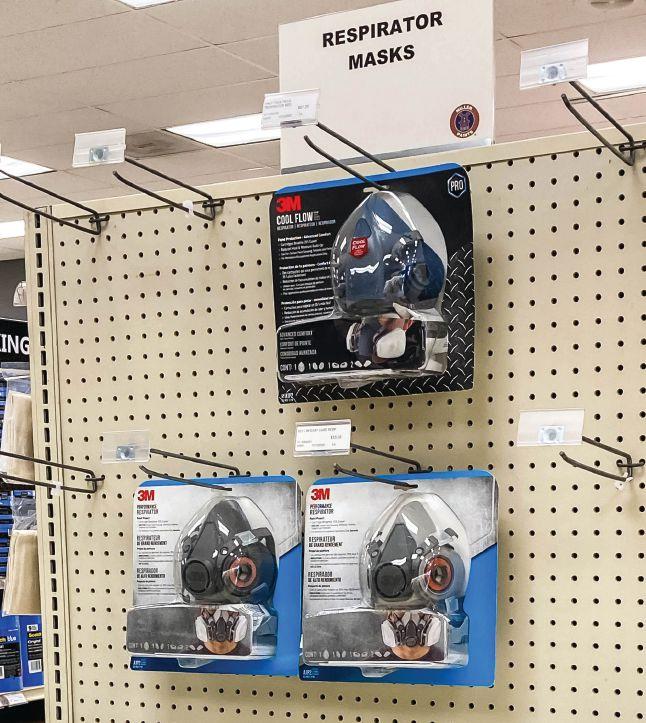
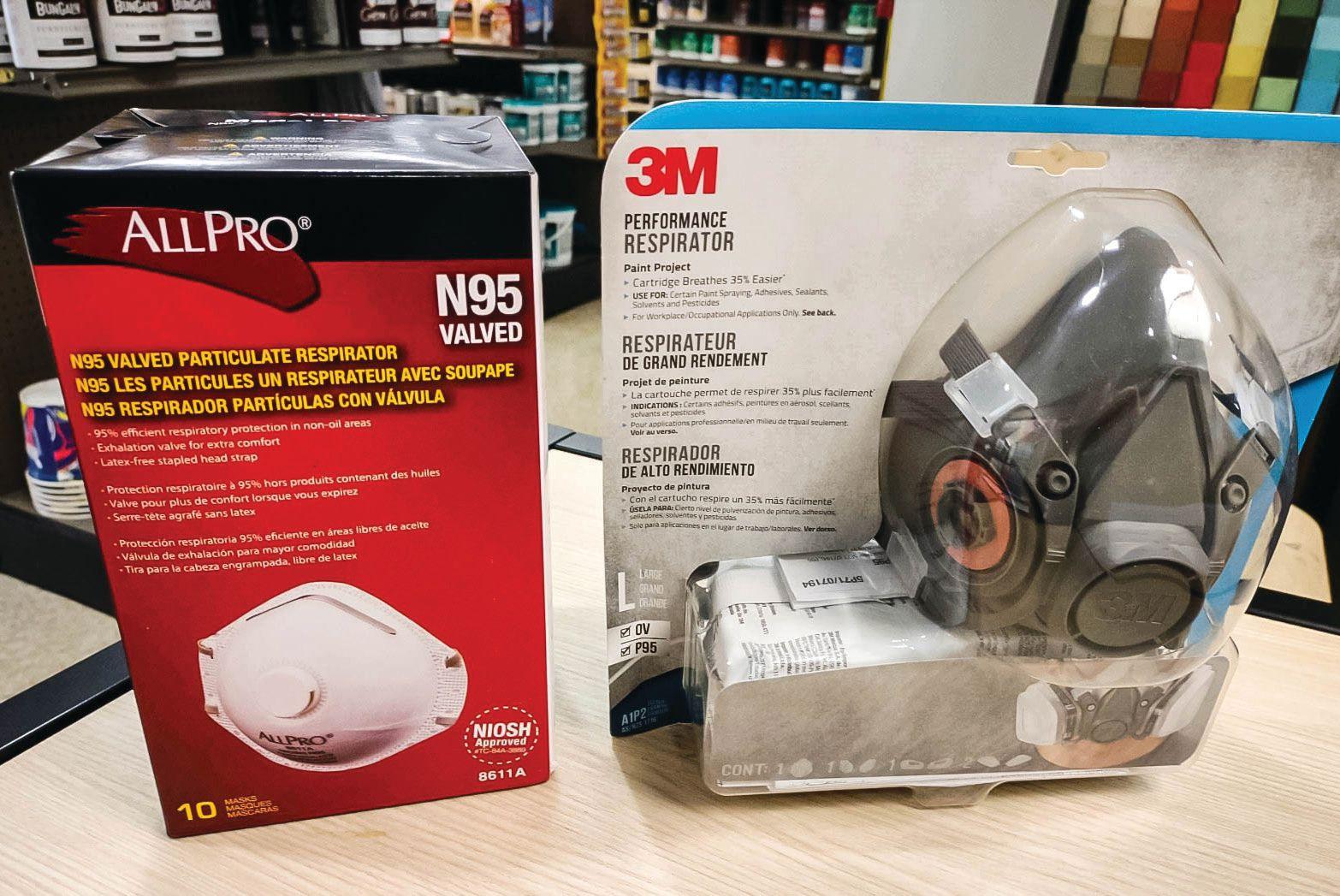
Educating your employees on the different types of masks available, what each protects against and how to properly fit a mask allows them to recommend the right one for each customers’ needs.
Learn the basics of common DIY projects with NHPA’s Project PRO training module, available with a Premier Membership. Sign up today at YourNHPA.org/membership
By Melanie Moul
When a customer comes into your store, whether they are a pro or a DIYer, it’s important to be able to serve all of their needs. Sometimes that task is as simple as mixing a gallon of paint, but the key to developing a reputation as a full-service shop with knowledgeable employees is to make sure their project is really that simple. Understanding the broad scope of product and project knowledge isn’t something that develops overnight, or even over the first several months of working in a paint store. As trends change and as manufacturers develop new products to solve painting challenges, your customers will rely on you and your staff as their source for the tools that can make their projects easier. On the following pages, review tips for delivering product and project knowledge to your customers even when you can’t be right there next to them. Also, get insights into how knowing your customers’ priorities can be key to making the sale.
Display tools or kits where customers can see them and touch them. If you’re not comfortable having them out on display, make them available as requested. If someone asks for help, have a display version ready to go for them to see. Then you can disinfect and return to storage until the next customer comes along.
01 03 02 04
Cross-merchandising provides a visual reminder for customers and employees of the add-on items that might be needed to finish a project. Endcaps are a prime place to merchandise projects. While you may not be able to merchandise all of the products used in a project on an endcap, you can include project starters and a few key tools or materials along with signage.
What’s one of the first places people go to research a project before they ever get to a store? YouTube. So put yourself in your customers’ homes before they come to you. While we’re waiting for the chance to host live events again, host a virtual event showing products in action. Be sure to record and share on social media to reach the customers who couldn’t attend live.
Make sure your salesfloor is leading people to the right places even when you can’t be right there to guide them. Use overhead signage, shelf tags and aisle violators like blade signs to give customers tips for other products they may need that live in another area of the store or require assistance from a sales associate.
The Home Improvement Research Institute regularly surveys home improvement shoppers’ buying habits across different categories to identify trends and make predictions about the state of the industry. In these surveys, which are developed into Product Purchase Tracking Study, shoppers are asked to rank their priorities when making purchases, which HIRI translates into “attitudes.” These attitudes include: Cost Concerned, Information Seeker, Environmentally Conscious, Home Investor, Connectivity Minded, DIY Driven, One-Stop Shopper and Retail Reliant.
When talking to a customer about their project and what their goals are, think about how they may fit into these categories and how you can more accurately serve them based on what you know.
For example, a DIY customer may come in and say, “I want to repaint my kitchen, but I don’t want it to cost a lot and I don’t know where to start.” It’s immediately evident they fall under the Cost Concerned attitude, but there may be an opportunity to focus on their Retail Reliant attitude to be sure they leave with everything they need. People who are Retail Reliant need guidance from a knowledgeable sales associate, so you should focus on the quality of the products they need and how it will save them money on a project long term.
Listening to your customers and understanding the scope of their project are the only ways you can be sure they are leaving prepared and informed.
To best serve One-Stop Shoppers, take notes while they are talking about their project and ask them follow up questions as necessary. For instance, if they are repainting their bathroom and haven’t mentioned waterproof caulk or sealant, that’s an entry point to be sure they understand what they need to complete the project accurately. It also saves them a return trip to the store—or a competitor.
Listening to your customers and understanding the scope of their project are the only ways you can be sure they are leaving prepared and informed.
One of the most challenging parts of making a sale is the final step: Asking the customer for the sale. This is especially true for high-dollar sales. The key to getting through any nerves or missteps with this part of selling is to know you have gathered all necessary information to set your customer up for success. The final key is to ask for the sale, as simply as saying, “We’ve checked off all the items on your list. Are you ready to check out?”





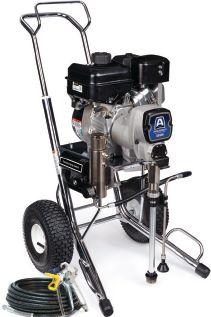
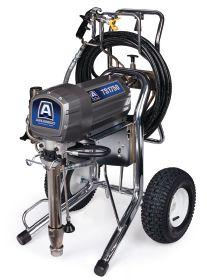
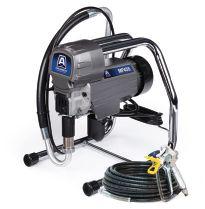
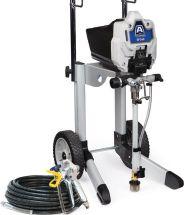
Stocking and Renting Airlessco sprayers will help you grow paint sales, differentiate your business and offer your customers a complete line of quality products at a great value. From residential repaint projects to spraying texture finishes to striping a parking lot, Airlessco sprayers deliver the quality and finish your customers expect on every application.










By Todd Taber












How to Cater to Customers Creating At-Home Offi ces and Classrooms









or millions of people across North America, kitchens have become classrooms, rec rooms are now executive board rooms and every other previously unused corner of a home is finding new purpose and possibility during the pandemic.
Research from PwC indicates at-home work and learning aren’t just a passing trend. Roughly 3 out of 5 employees in the U.S. expect to spend only three days in the office per week once the pandemic’s worst days subside, the remaining days spent continuing education or projects from home. As more consumers work and attend classes from home, independent retailers are poised to help them create practical, functional spaces.
Discover how Jim Lehrer, owner of Brownsboro Hardware & Paint in Kentucky, has helped customers tackle DIY home office transformations. Learn the products and simple projects he recommends and how you can replicate his success with your own clientele. Plus, get expert paint color advice from PPG and Benjamin Moore on which shades to recommend to customers who want to dig deeper to create a perfect home office or learning space.
As existing home sales rise and more workplaces and schools find value in hybrid schedules, put your business at the forefront of shoppers’ minds as they craft high-performance homes.
Even beyond the initial rise in DIY activity independent home retailers observed in 2020, Lehrer says he’s seen a true uptick in the amount of customers looking to create home offices and classrooms since the COVID-19 pandemic began.
“The pandemic put time in people’s hands,” he says. “Beyond just wanting to do a project that had been on their list for some time, homeowners had specific projects they needed to do for their jobs and their children’s classes.”
He says after the initial run on personal protective equipment and cleaning supplies, his team saw DIY project sales take flight. Lehrer says the category most directly affected
The Latest Data
Check out the latest data on how COVID-19 is impacting shoppers at pdrmag.com/industry-data
As existing home sales rise and more workplaces and schools find value in hybrid schedules, put your business at the forefront of shoppers’ minds as they craft high-performance homes.
by the home office and classroom trend was paint. He says a fresh coat of paint helped homeowners truly transform their spaces into something new and practical.
“I think we’ve sold more chalk paint and sundries since the pandemic began than in the past few years,” Lehrer says. “That paint gave parents a way to recreate a traditional classroom easily.”
For extra convenience, many customers are installing their own electrical outlets. The Brownsboro Hardware team connects them with the essentials and then recommends electrical covers to help match existing decor. Power trees and surge protectors helped round out electrical projects and simultaneously boost transaction size. While you may not typically stock these electrical accessories, having a small selection could create an add-on sales opportunity.
Another home office and school accessory is storage containers. Consider bringing in a limited inventory, including decorative options to serve as a one-stop home office partner.
Lehrer says it’s important to leave no stone unturned and suggest as many productivity and organizational products as possible when helping customers establish a practical, high-performance home office or classroom.
“We’ve seen that remote work and learning is probably here to stay for at least the near term,” Lehrer says. “People are going to be spending so much time in their own spaces, we really owe it to them to help them get it right.”
Set the Tone for Change With These Paint Colors of the Year
Review major paint manufacturers’ colors of the year to inspire customers who want to bring new energy to their at-home offices and classrooms.



Diamond Vogel
Diamond Vogel’s blue-green color of the year selection offers harmony and serenity for homes now doubling as offices and schools.




PPG chose three main hues for its 2021 color of the year, bringing a range of tranquil options to shoppers.
This rusty color offers stability and warm in uncertain times and can help customers add zest to at-home offices and classrooms.



This shade can be a robust addition to any multiuse space in homes, bringing both warmth and calmness in equal measure.



York Wallcoverings
Blue Jean Denim
York Wallcoverings says this color is inspired by the warm, comfort and familiarity of denim, offering peace in any room.
Customers have different needs for home offices and classrooms, but be sure to recommend a full suite of at-home productivity products to keep customers connected and transaction sizes high. Even if you don’t already stock the products listed below, making small investments in the categories could help you boost transaction sizes.
1. Lighting helps at-home workers and learners stay productive and update their decor.
2. Houseplants are a great way to help customers bring a touch of the outdoors inside.
3. Charging cords and power trees protect shoppers’ electronics and offer extra mobility.
Major paint manufacturers are finding new sales opportunities as more customers shift to at-home work and learning.
Alison Bruce, PPG senior marketing manager, says homes are pulling double duty.
“PPG has seen a surge in DIY home improvement projects as homeowners use extra time to tackle projects that have long been on their to-do lists,” Bruce says. “During the pandemic, we learned that no project is too big or too small for homeowners.”
As stay-at-home workers and students scuffed walls, dinged desks and grew tired of the quotidian colors of their homes, Bruce says PPG was ready to offer new paint options.
PPG recommends homeowners look for interior paints and primers that both inspire them and withstand repeated heavy-duty cleaning from all-purpose cleaners.
Amy Donato, PPG senior color marketing manager, says recommending the right colors can help boost transaction sizes and inspire your shoppers. She recommends starting conversations with interested customers about the important role color plays in a room’s total ambiance.
“Whether it’s in a bedroom, living room or kitchen, consider painting the wall that your desk sits against a different color than the rest of the room,” Donato says. “This approach will help give the area its own look and feel, while still visually separating your livable space from your new office.”
One strategy for replicating classrooms is to recommend painting those rooms in school colors.
“PPG recently commissioned a survey of more than 900 teachers, parents and educational administrators and discovered that there may be one unexpected thing that can positively impact students’ environment, joy and engagement: color,” she says. “More than 90 percent said colors and decor are meaningful to positively affecting student engagement.”
Hannah Yeo, color marketing and development manager for Benjamin Moore, has seen customers transform their homes into multifunctional spaces since the pandemic began.
4. Storage containers could be a small inventory investment that allows you to boost transaction sizes.
5. Cleaning supplies are a practical product line to carry to help customers keep spaces tidy.
“Choosing the right color for your home office can help to inspire or energize or create a calming space for focus, but it really depends on what you’re trying to achieve. Some research suggests that blues and greens are effective to increase concentration, so consider Silver Mist 1619, Van Courtland Blue HC-145 or High Park 467,” Yeo says.
Yeo says speaking with customers to learn exactly what they desire from their multifunctional spaces is key to finding the right color fit.
“Colors and emotions are closely linked, so it ultimately comes down to how shoppers want the space to feel,” Yeo says. “The calming values of cool blues and neutrals makes them a popular choice for virtual meeting backdrops. Brighter, fun colors are great for classrooms for younger students or for work that requires creativity.”


Against COVID-19
The Occupational Safety and Health Administration (OSHA) is releasing new guidelines meant to help employers protect workers and slow the spread of the coronavirus. In its report, OSHA provides updated guidance on safety measures and health standards employers should follow during the COVID-19 pandemic, listing a few necessary steps.
“OSHA is updating its guidance to reduce the risk of transmission of the coronavirus and improve worker protections so businesses can operate safely and employees can stay safe and working,” says OSHA principal deputy assistant secretary Jim Frederick.
In a statement, OSHA says the new guidelines do not present a new legal obligation for employers, merely clarifications to reduce COVID-19 transmission. For more information, visit osha.gov
Conduct a hazard assessment to recognize potential chances to spread COVID-19.
Identify control measures to limit the spread of the coronavirus to your staff and customers.
Adopt policies for employee absences that don’t punish workers as a way to encourage potentially infected workers to remain home.
Ensure coronavirus policies and procedures are communicated to both English and non-English speaking workers.
Implement protections from retaliation for workers who raise coronavirus-related concerns.










Apply Today
Visit YourNHPA.org/rmcp to apply or learn more about the Retail Management Certification Program.
The North American Hardware and Paint Association’s (NHPA) Retail Management Certification Program prepares owners and key employees with profit-focused store operations training. The deadline to apply for the upcoming class session is approaching. Here are five ways the program can help you develop in your career.
1. You’ll learn how to grow top-line sales and bottom-line profits.
Retail Management Certification Program students learn key aspects of how to grow sales and profits, including:
• The incremental improvement process (and how little things add up) and the sales/profit equation.
• Loss prevention best practices that can add to the bottom line.
• Merchandising best practices and salesfloor layout strategies to drive sales of higher-margin items and projects.

Cecilee Cochran ASSISTANT MANAGER Grandview
Bleyhl
Co-op
Grandview, WA
Cochran graduated from the Retail Management Certification Program in January. She was an NHPA Diversity and Inclusion Scholarship recipient and her business improvement project on a centralized onboarding and training program was selected as the top presentation in her class.
“Participating in the RMCP Program has been an amazing and eye-opening experience,” she says.
• Training programs that help employees sell and increase customer satisfaction.
• Leadership topics that reduce turnover and drive employee engagement.
2. A return on investment (ROI) is built into the program. Students work on a business improvement project and “quick wins” that can provide ROI that often exceeds the course tuition and travel expenses. On average, students earn five times the total tuition paid after implementing these components.
3. You can grow your network and resources. Students build relationships with a network of high-achieving peers. Whether it’s an idea from a peer dinner or roundtable discussion, or referencing the extensive archive of past business improvement projects, students and sponsors gain access to expert resources.
4. It’s an opportunity to focus on new ideas. Students travel to Indianapolis for three in-person course sessions where they are immersed in learning away from the day-to-day distractions of the business. They return energized with new ideas.
5. You can immediately apply what you learn. Unlike other college-level programs, classes and assignments are based on what’s going on in your business today.
“It’s real-world education, where students apply what they learn in class to immediately benefit their business,” says Scott Wright, executive director of NHPA’s Advanced Training Programs. “Our students say that what they learn in each visit they take back and put into practice and see immediate improvements.”
Here at NHPA, we have developed resources and education to help you grow into a better and more profi table retailer. Each month in 2021, we are hosting live webinars featuring retailers, subject matter experts, industry executives and more to give you insights into key industry-specifi c topics. Reserve your seat for upcoming live webinars or view past webinars at YourNHPA.org/webinars .
Leading Through Change



NFebruary




March 17 at 2 p.m.
Key metrics are gaining prominence among high-performance retailers. Learn how to evaluate the success of your business by unlocking insight into employee productivity, marketing and more.
Retailers who take on projects in their businesses are often initiating changes. Discover how to manage change and the leadership skills needed for success.
How
Wednesday, April 21 at 2 p.m.
Does your team reflect the diversity of the community you serve? This webinar covers hiring practices and the steps you can take in your business.
HPA offers three podcast series that feature interviews and insights from leading retailers, wholesale executives, industry experts and more. These podcasts are hosted by NHPA staff members and highlight different topics. Catch up on key trends and challenges independent retailers take on and hear retail stories straight from the source. Subscribe or listen to the podcasts at YourNHPA.org/podcasts
“If the employer is going to mandate the COVID vaccine [to enter the workplace], you have to take into account possible accommodations for medical issues or sincerely held religious beliefs.”
Episode 35
Dan talks to legal expert Mick Terrell to gain insight into what employers need to know about the COVID-19 vaccine.
“Half the time we’re really not selling hardware as much as we are selling time, because most of the people we are dealing with have way more money than they do time.”
Episode 27
Renee chats with father-son duo Jim and Andy Wilkerson of Blackhawk Hardware in Charlotte, North Carolina.
“We don’t want to have a competition between stores. We wanted a team approach to this. If we decide to expand again, that’s something we want to continue.”
Episode 9
Melanie talks to Mike Kokesh about his experience opening a second location for his store, Gopher Ace Hardware.
Where do you grow from here?
Empower key employees to increase sales and bottom-line profits with the industry’s most complete retail management program.
• Applied Business Strategy
• Advanced Retail Operations
• Advertising & Marketing
• Leadership & Team Building Students Learn Don’t miss out. Apply today.
• Financial Management
• Budgeting & Benchmarking
Running a home improvement operation requires your full attention. One way NHPA supports independent home improvement retailers is by developing partnerships with trusted business services organizations. Learn more about these services below or visit YourNHPA.org/business-services
Clearent provides quality payment solutions for your business. They offer low credit card processing fees and the latest payment service technology, including mobile, wireless and e-commerce payment solutions.
American Hardware & Lumber Insurance provides risk management and insurance services and education to independent home improvement retailers. Their services include business insurance, workers’ compensation and more.
Group Management Services (GMS) is a human resources company that serves small businesses that may not have in-house HR staff. They manage human resources tasks that small and midsize businesses don’t have the time or expertise to effectively manage, such as payroll and tax, risk management and employee benefits.
When there’s conflict in the ranks, or it just doesn’t seem like everyone is playing on the same team, you may look for a way to draw your employees back together. Help your team members understand each other’s unique personalities with the Everything DiSC® assessment. This tool measures four basic styles of behavioral preferences and styles of engaging with other people.
Once everyone in a group understands their dominant behavioral traits, they have a foundation for implementing best practices to enhance communication and collaboration among the team. Better teamwork will result in a stronger company culture and operation.
NHPA offers retailers three different options for taking the DiSC assessment. After everyone on your team takes the assessment, NHPA will create a personalized webinar to help you get the most out of your results. Learn more at YourNHPA.org/team-training.
You can also reinforce what you’ve learned from the DiSC assessment with a brand new Trainer’s Toolbox, “Role Playing With DiSC.” This activity offers a chance for employees to role play different DiSC styles so they can learn more about communicating with other team members who have different styles than their own. Find the group activity sheet “Role Playing With DiSC” at YourNHPA.org/trainers-toolbox.










New data from the National Retail Federation’s (NRF) Winter 2021 Consumer View study illustrates how important convenience and ease of purchase are becoming. After surveying nearly 3,000 adults across the U.S., NRF offers guidance on what a newfound focus on convenience means for the future of retail. Notably, 9 out of10 consumers are more likely to choose a retailer based on levels of convenience. Discover more data points below and visit NRF.com to view the complete study.
INCONVENIENCE CAN BE COSTLY.
97% of shoppers have backed out of a purchase because it was inconvenient for them.
BOPIS AUGMENTS CONVENIENCE.
7 out of 10 shoppers say buy online, pickup in store options added convenience and improved their shopping experience.
CONVENIENCE IS A CORNERSTONE.
83% of shoppers say purchasing items conveniently is more important to them today than it was five years ago.
POS NEEDS TO BE EFFICIENT.
40% of survey respondents say when shopping in stores, convenience matters most at the checkout.