
































NOMINATIONS FOR NHPA’S 2026 YOUNG RETAILER OF THE YEAR AWARDS ARE OPEN!
For three decades, NHPA’s Young Retailer of the Year Awards program has honored the innovators, problem-solvers and next-generation leaders shaping independent retail. Now it’s your turn to help us find the industry’s best young talent.
Nominate a young retailer under 35 who’s driving results, leading teams and strengthening their business and community.
Nominate a Standout Leader
Nominations Close March 29, 2026






1025 E. 54th St. Indianapolis, Indiana 317-275-9400
NHPA@YourNHPA.org YourNHPA.org
Lindsey Thompson lthompson@YourNHPA.org Editor and Director of Content Development
Austin Vance avance@YourNHPA.org Director of Sales & Marketing
Jacob Musselman jmusselman@YourNHPA.org News & Digital Editor
Annie Dameworth adameworth@YourNHPA.org Content Development Coordinator
Autumn Ricketts Senior Graphic Designer
Olivia Shroyer Marketing Manager
Samantha Mitchell Production & Design Assistant
Cassie Reed Marketing & Digital Content Assistant Freda Creech Sales & Production Assistant
ASSOCIATION PROGRAMS
800-772-4424 | NHPA@YourNHPA.org
Cody Goeppner cgoeppner@YourNHPA.org Director of Education & Training
Jesse Carleton jcarleton@YourNHPA.org Training Manager & Editor
SALES
Jordan Rice 217-808-1641 | jrice@YourNHPA.org Regional Sales Director
Renee Changnon 217-621-7363 | rchangnon@YourNHPA.org
Senior Business Development Representative—West Coast
CIRCULATION, SUBSCRIPTION & LIST RENTAL INQUIRIES
CIRCULATION DIRECTOR
Richard Jarrett, 314-432-7511, Fax: 314-432-7665 gcscs8@gmail.com

Your operation already has a digital twin, and chances are it’s shaping customer perceptions before they ever walk through your doors. In next month’s Paint & Decorating Retailer, learn how to take control of that digital presence and make sure it’s leaving the right impression.
PAINT & DECORATING RETAILER
Paint & Decorating Retailer (ISSN 0011_8910), Copyright © 2025 by the North American Hardware and Paint Association (NHPA), is published four (4) times per year (January, April, July, October) by the North American Hardware and Paint Association, 1025 E 54 St, Indianapolis, IN 46220.
Subscription rates: Hardware Retailing (Payable in advance): U.S. & possessions $50/year. Canada $75/year. All other countries $110/year. Single copy $7. The Annual Report issue can be purchased for $30.
Business and Editorial Offices: 1025 E 54 St. Indianapolis, IN 46220
Accounting and Circulation Offices: The North American Hardware and Paint Association, 1025 E 54 St., Indianapolis, IN 46220. Call 317-275-9400 to subscribe.
Periodicals postage is paid at Indianapolis, IN and additional mailing offices.
POSTMASTER: Send address changes to Paint & Decorating Retailer, P.O. Box 16709, St. Louis, MO 63105-1209.
OUR MISSION
The North American Hardware and Paint Association (NHPA) helps independent home improvement, paint and decorating retailers, regardless of affiliations, become better and more profitable retailers.
NHPA EXECUTIVE STAFF
Bob Cutter
CEO
Scott Wright President & Publisher
Dan Tratensek
Chief Operating Officer
David Gowan
Chief Financial Officer & Executive Vice President, Business Services
NHPA BOARD OF DIRECTORS
CHAIRMAN OF THE BOARD
Joanne Lawrie, Annapolis Home Hardware Building Centre, Annapolis Royal, Nova Scotia
EXECUTIVE VICE CHAIRMAN
Ash Ebbo, Clement’s Paint, Austin, Texas
IMMEDIATE PAST CHAIRMAN
Ned Green, Weider’s Paint & Hardware, Rochester, New York
DIRECTORS
Christian Herrick, Randy’s Do it Best Hardware, Jackson, Virginia
Michelle Meny, Meny’s True Value, Jasper, Indiana
Jeremy Peterson, Family Hardware, Florida
Katie Prus, Abbotsford Paint and Decorating, British Columbia, Canada
Michael Sacks, FLC Holdings, LaGrange, Texas
Emily Wood, Wood’s Ace Hardware, Bolts & Brews
SECRETARY-TREASURER
Bob Cutter, NHPA President & CEO
NHPA CANADA
EXECUTIVE ASSISTANT

Spend Wisely
Margin expert Mike Aylen shares best practices for assuring your spring market visit goes beyond a buying excursion to an opportunity to invest in your gross profit. 30
Seeing the Signs
New research from the Home Improvement Research Institute highlights contractor-led trends and key opportunities for retailers to engage early, support pros and build customer loyalty through interior paint projects.
While digital marketing can feel like the final frontier, getting back to the basics can be an easy way to navigate reaching your audience online. Learn how to master these fundamentals to lay the foundation for successful online growth. 32
Flawless Finish
Hear from one retailer about their strategies for guiding customers to the ideal primer choice and the best practices for building a profitable primer and sealer category. Sponsored by FixAll | ICP Group
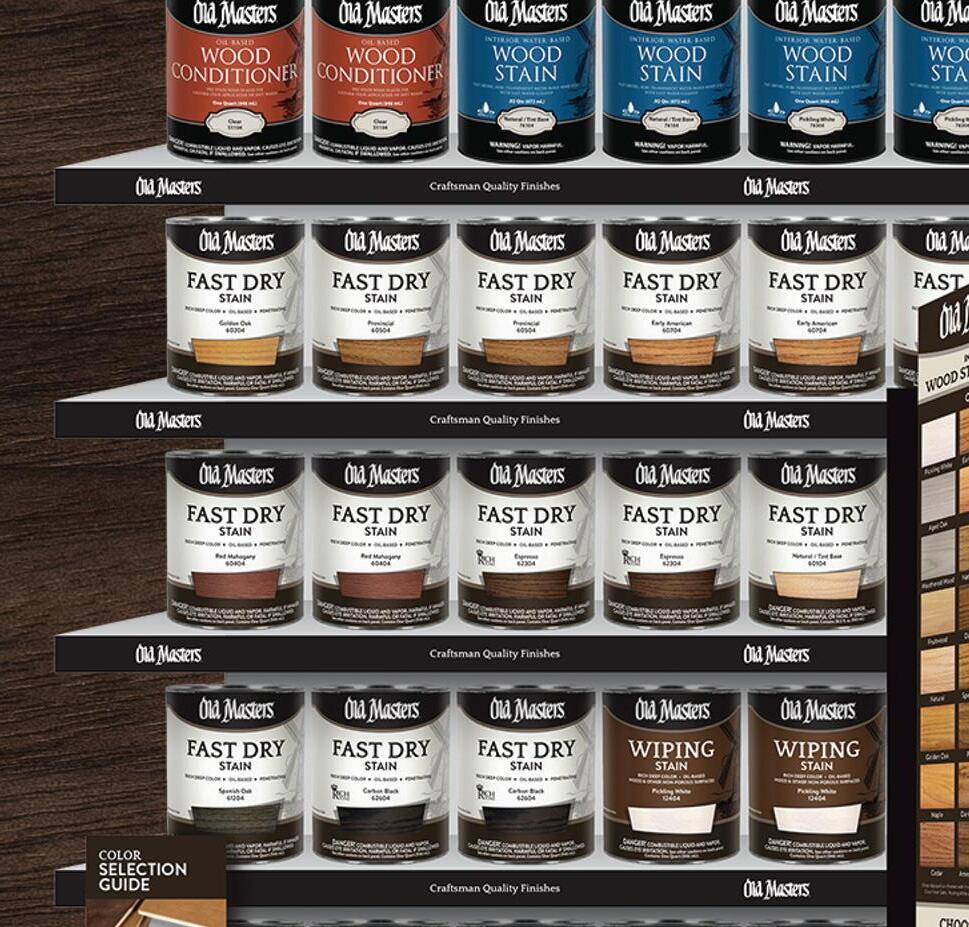
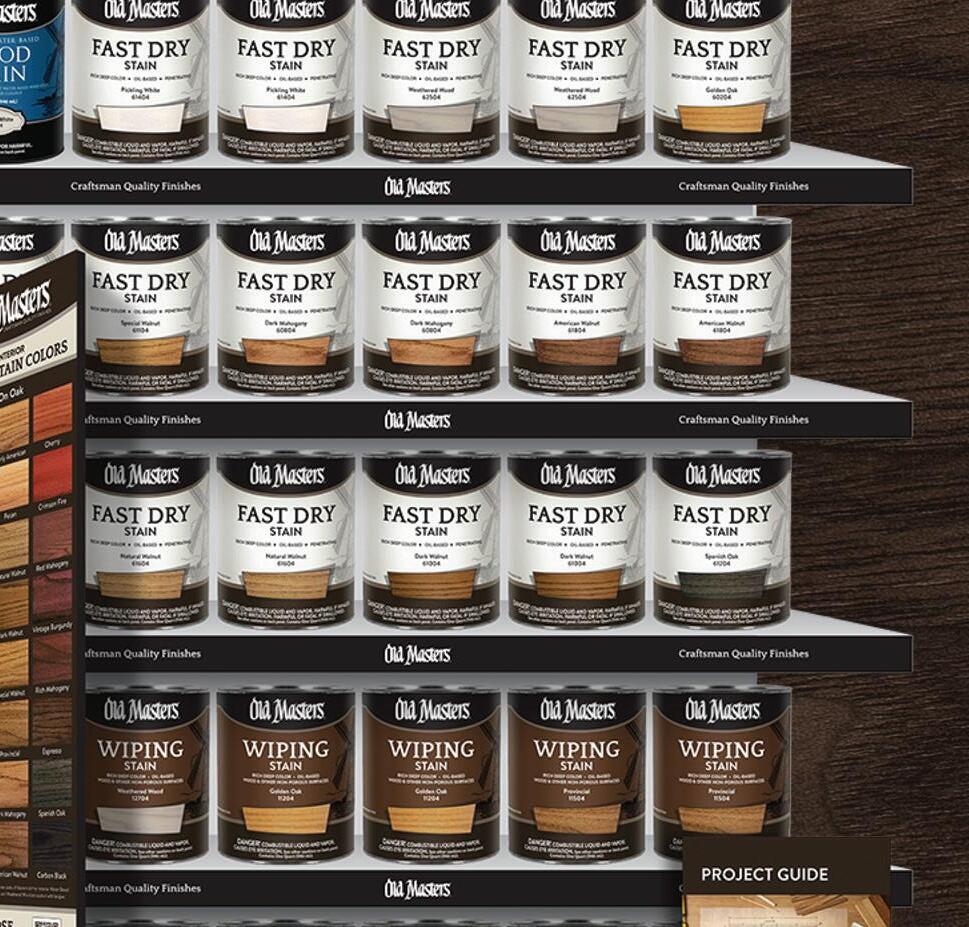


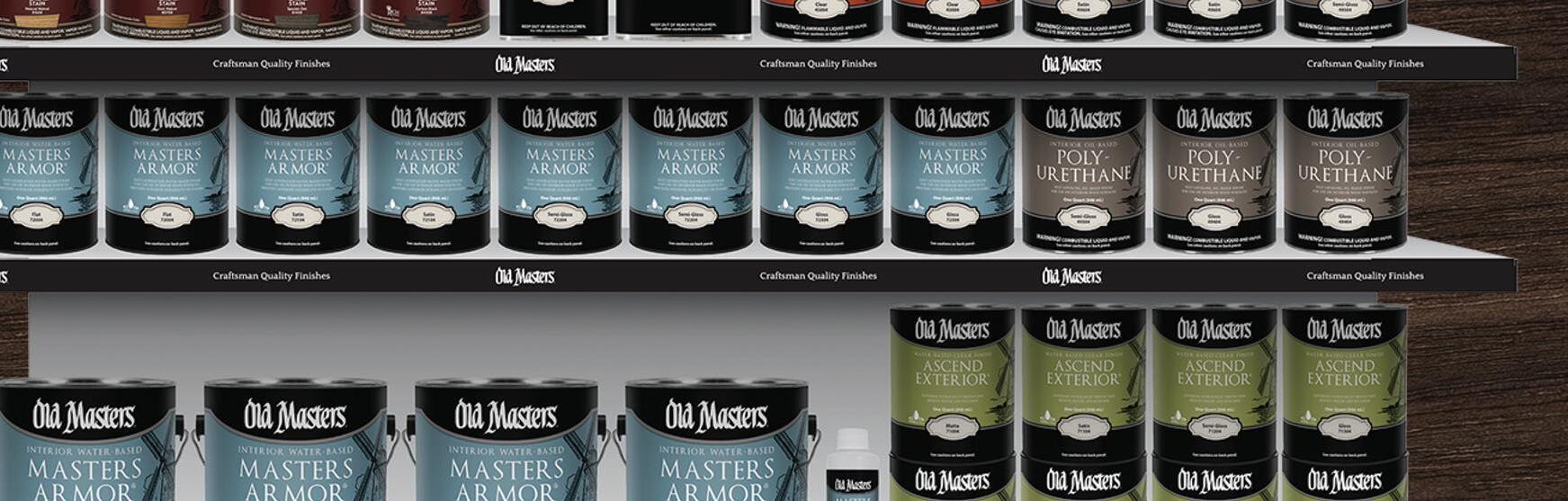
Old Masters is recognized for its comprehensive stains and finishes retail programs. We offer wood finishing products for the woodworking enthusiast and professional. We



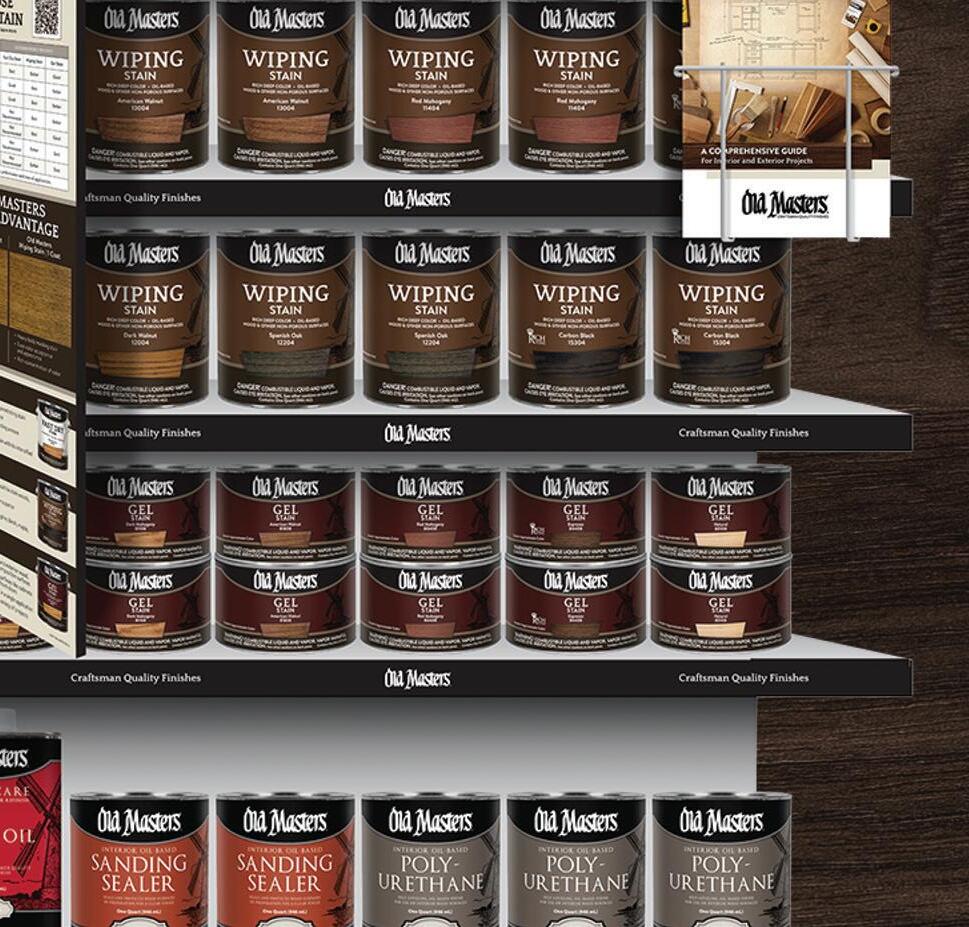
the stain colors your customers demand.

Dan Tratensek dant@YourNHPA.org

“This new kind of dynamic pricing instead can and does have the ability to base pricing not on other retail standards but on actual customer behavior.”
Compared to a heart surgeon or criminal defense attorney, the ethical dilemmas presented to owners or managers at retail operations might not feel so weighty. Every once in a while, however, issues do arise that might give you pause and call for deeper consideration.
As the implementation of technology continues to impact every aspect of retail management, we might be headed quickly into one of these “ethical conundrums.”
I am not here to weigh in on one side or the other, but to present you with a situation that, while may seem hypothetical right now, is quickly becoming reality.
Within the last year, several large retailers have been experimenting with different forms of AI-driven dynamic pricing. Simply put, they are using customer profiles and algorithms to determine item pricing in real time.
In many ways, this technology might very well represent the next natural evolution of variable pricing that most all of you are likely familiar with and using in some form.
With variable pricing, however, the benchmarks were typically based on how a retailer aligns his or her pricing versus the competition. This new kind of dynamic pricing instead can and does have the ability to base pricing not on other retail standards but on actual customer behavior.
For example, a customer whose profile shows they often buy high-end products or brands might be charged more for a product simply because the algorithm shows they are less likely to quibble over a dollar here or there.
Whereas, a customer whose profile shows them to be “value-conscious” might get the same item at a cheaper price because they are more likely to balk as the price goes up.
As might be expected, the airline industry was among the first to experiment with this model. A business traveler whose company is picking up the tab would be less likely to reject a higher fare than someone who flies less frequently and on their own dime. So, in the airline’s view, why not just charge the business traveler more for the same seat to the same destination?
For the most part, consumers are bristling at the thought of this kind of pricing dynamic being unleashed upon them but many retailers are taking a harder look at its potential.
With the speed in which technology is advancing, this “test” concept today is likely to reach greater implementation within a short period of time.
Like most technology, if dynamic pricing has legs, you will likely see the large chains roll it out first. But if and when this happens, it will undoubtedly have a downstream effect on how you manage margins and set pricing policy. So I leave you with the question: Do you have a problem charging some customers more for the same item than other customers simply because your data shows they are willing to pay it? It’s not heart surgery but it’s still a bit of a thorny ethical question.

Dan M. Tratensek Chief Operating Officer





CONSULT Schedule a Meeting
Scan the QR code to book your one-on-one meeting with one of NHPA’s Strategic Consultants or visit YourNHPA.org/consulting

“If you are attending any of these spring events, please stop by the NHPA booth or attend one of our seminars and tell us what you need to be more successful in 2026.”
CONNECT swright@YourNHPA.org
Scott Wright
This issue of Paint & Decorating Retailer is a first of its kind…kind of. It’s the first fully digital issue that is part of our new hybrid model the North American Hardware and Paint Association (NHPA) is adopting for our two magazines, Paint & Decorating Retailer and Hardware Retailing.
I’m sure like me, many of you have taken more of a hybrid approach to how you consume information in the magazines you read each month, versus a few years ago. Flipping digital pages such as you are doing right now, is much more commonplace today and allows publishers like NHPA more freedom to bring the most current information to readers without the lead time necessary to get an issue printed and mailed to our readers.
Don’t get me wrong, we are still committed to providing a printed magazine to your physical mailbox, and in 2026 we will do this on a quarterly basis. But like everything else we do, (i.e. NHPA’s Retail Management Certification Program with both in-person and virtual sessions) we will make the most of both print and digital to continue to provide you with the most pertinent information in a timely manner to help you succeed as an independent retailer.
Be sure to check out this month’s editorial lineup, starting with going back to the basics when it comes to digital marketing. Hear from retailers who have extended their reach through social media, SMS marketing and Google Ads. Next discover how to maximize your gross margin when making purchases at the spring shows by Mike Aylen on Page 24.
In addition to buying opportunities, attending these shows is also a way to connect with your association in person and tell us how you are doing, as we will have a presence at all of them.
If you need help with any aspect of your business, consider booking a one-on-one meeting with one of NHPA’s Strategic Consultants (scan the QR code above to schedule). They are setting appointments for free half-hour one-on-ones to discuss your biggest operational and business challenges. These are the experts who have spent their entire careers attending these shows as retailers and are now focused on sharing their expertise with you. NHPA Strategic Consultant Bob Levitan will be at the ALLPRO Spring Show from March 12-14 for one-on-one meetings. His expertise is ideal for any paint retailer looking to improve profitability and controls, strengthen operational systems or prepare for growth.
In addition to the wholesaler markets, I want to encourage you to attend the National Hardware Show’s new Concept to Commerce event at the end of March. The organizers have reimagined this show to work in tandem with the industry’s wholesaler buying markets. It’s a new take on how you can source products for your business and drive more profitability to your bottom line. The industry’s big boxes will be there, and so should you.
If you are attending any of these spring events, please stop by the NHPA booth or attend one of our seminars and tell us what you need to be more successful in 2026. I’m confident we can help make 2026 a resounding success for you and your business. That’s why we’re here.

Scott Wright President and Publisher























































































Follow the journey of three retailers who revamped their digital strategies by undergoing website updates at PDRmag.com/website-footprint

Jake Wilson has been in the multistore i ndependent retail industry for over 25 years, most of that time in business improvement, merchandising, marketing and digital commerce. He has a bachelors of science in ag business from Oregon State University and an MBA with a marketing emphasis from Willamette University. He’s been in multiple panels and roundtables and is known for his expertise and helpful approach to complex challenges.
Two truths are in conflict today: We know digital stuff is important and we have limited people and resources to manage it. We have websites and their information—blogs, careers, product pages and e-commerce. We have social media channels—X, Facebook, Instagram, YouTube, TikTok, Pinterest, Snapchat, LinkedIn and more. There are business profile pages and reviews on Yelp, Bing and Google, communication tools like email and text messages (SMS) and countless options for digital advertising. With all this noise, how do we prioritize it all?
One place to start is by looking at areas that take less time but generate traffic at all hours. Like compound interest is to investing, these generate business for us while we sleep. Online marketing is only as effective as the destination, so be sure your website content is as excellent as the foundation where online traffic lands. Complement the site with free business profiles like Google My Business, Yelp, Bing and Nextdoor with accurate information and quality photos. These sites allow people to find you, are quick to set up and take minimal time to manage.
Social media is the online public square where customers already talk about you, so join the conversation and boost your reputation, amplify your brand and bring awareness to events. Select channels that speak to an audience that aligns with your target customer, build out an easily understood content strategy, encourage organic influencers who already love your brand and focus on quality, not quantity. Content quality is critical to success, so limited resources likely allow management of one to two social media platforms before quality falls off.
Your website and social channels are foundational places to send people when doing customer retention through email and text message communication, while digital advertising can be layered in for customer acquisition. Social media ads within the platforms you’re active on are a solid place to start. Local inventory ads on Google are another foundational area for those with e-commerce and live inventory.
The digital space is based on technology, so what worked today may not work tomorrow. Seek out learners who monitor trends, have the courage to try new things and be honest with results even when they’re ugly. Before spending on online ads, have clear goals and understand metrics; increased web traffic doesn’t matter if they are not your potential customers. If you pay attention, try new advertising vehicles and take actions to constantly improve, you will find success online.
Jake Wilson Vice President of Merchandising and Replenishment, Friedman’s Home Improvement

NHPA Strategic Consulting works with independent retailers to address real business challenges and create clear, practical paths forward.

If you’re attending any of the upcoming spring markets, NHPA Strategic Consulting is offering complimentary 30-minute, in-person consultations during select spring markets. Meetings are limited and available only on-site.

FEBRUARY 5-7, 2026
Orgill Spring Dealer Market
Darrell Baker
PRESCOTT BUSINESS ADVISORS

MARCH 6-8, 2026
LEGACY RETAIL ADVISORS Do it Best / True Value Spring Market
Curtis Gillman

FEBRUARY 24-26, 2026
Jeremy Melnick LJB ADVISORS Ace Spring Convention

MARCH 12-14, 2026
Bob Levitan BLACK MOUNTAIN CONSULTING, LLC All-Pro Spring Show

Scan the QR Code or visit YourNHPA.org/Consulting to sign up and learn more.
Refreshing Spaces
See the factors influencing demand in the remodeling market at PDRmag.com/remodeling-strength
Homeowners are continuing to renovate their homes in 2026 despite 2025’s economic challenges, according to the 2026 U.S. Houzz Renovation Plans Report Paint & Decorating Retailer broke down the data from the study:
Remodeling Confidence:
Over 9 in 10 homeowners say they will move forward with their planned renovation projects in 2026.
67%
of those who plan to remodel report they will keep or expand their project scope.
93% of renovating homeowners plan to work with professionals in 2026, especially homeowners tackling projects costing $50,000 or more. Picking the Pros:
Types of Professionals Hired:
Challenges Expected:
More than 9 in 10 homeowners plan to run into some form of renovation challenge in 2026, including:
• The rising cost of products and materials (63%)
• Higher labor costs (31%) Difficulty finding available professionals (25%)
Source: 2026 U.S. Houzz Renovation Plans Report, Houzz





Our newest hardwood floor finish delivers the amber-rich finish pros love with faster recoat times, low odor, and rock-solid durability.
•Traditional Oil Look
• Recoat in 2-3 hours
• Superior Durability
• Available in Gloss, Semi-Gloss, Satin, and Matte Scan for more information
• Low Odor Water-based Formula

• VOC compliant in all U.S. states and Canada
• Easy Water Cleanup
Retailer Recommendations
Send an email to editorial@YourNHPA.org telling us about the products your customers love and why they are a hit in your business.
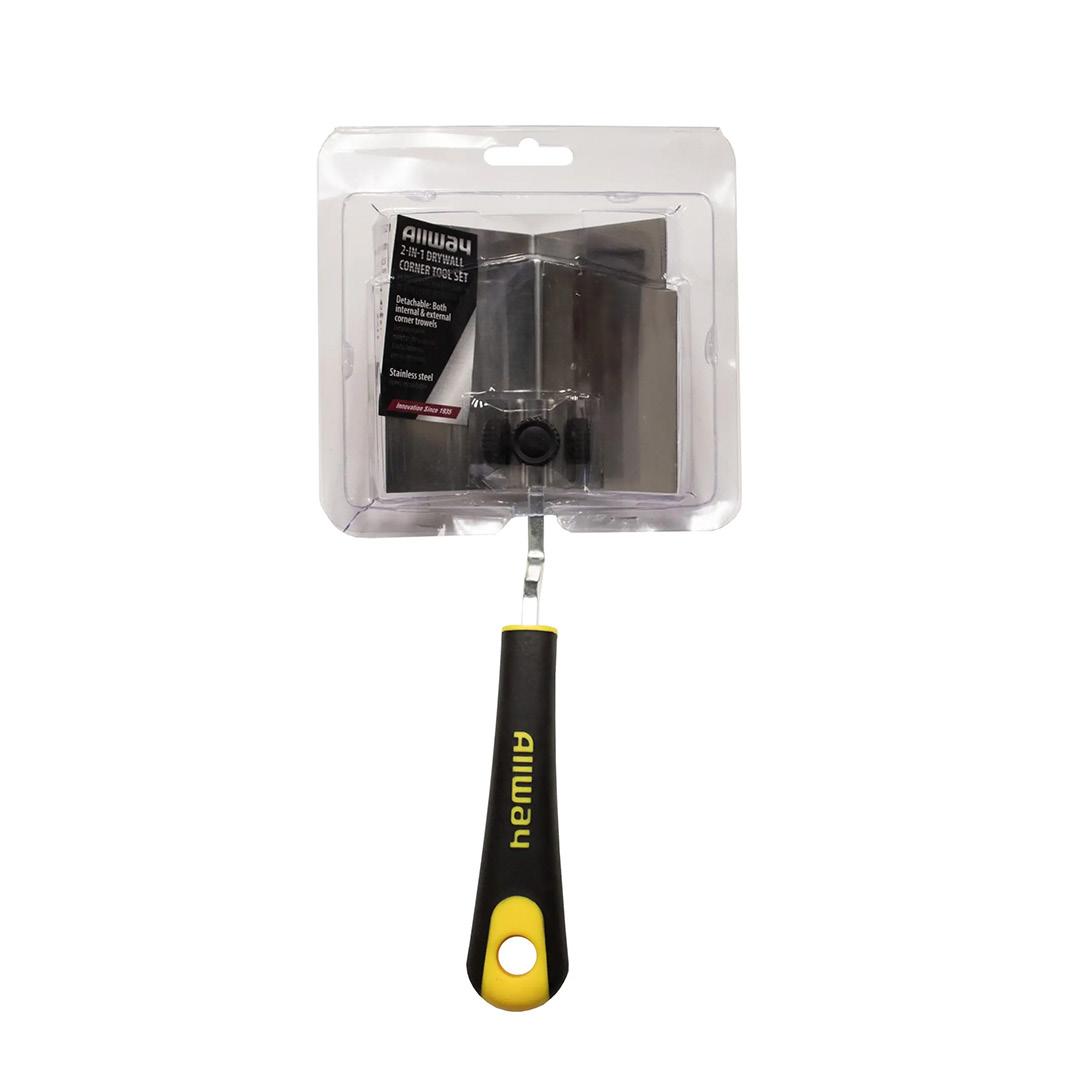
The 2‑in‑1 Drywall Corner Tool Set from Allway Tools includes two corner tools sized for inside and outside drywall corners. Each tool has ergonomic handles and flat faces for smoothing joint compound on corners. ALLWAY TOOLS | ALLWAYTOOLS.COM

The Merino Wool Stanley K OTC Cushioned Lightweight Work Socks from Darn Tough Vermont are over‑the‑calf socks made with merino wool and synthetic fibers. They provide light cushioning underfoot and wick moisture to help keep feet dry during long work days.
DARN TOUGH VERMONT | DARNTOUGH.COM
The Paint Brush Clip from Monkey Rung Products is a five pack of clips that can attach to any brand of paintbrush. The clips can attach to buckets, trays or ladders, keeping them accessible and off the ground during projects. MONKEY RUNG PRODUCTS | MONKEYRUNG.COM

The Eversoak Universal Spill Kit Canvas Bag from Sellars Absorbent Materials is a portable spill kit containing absorbent pads, socks and pillows for liquids. The canvas bag is durable and sized for quick response to spills in workshops, garages or job sites. SELLARS ABSORBENT MATERIALS | SELLARS.COM

The Groove Belt Black/Black from Groove Life is a rubber-style belt with a stretch-fit design and a metal buckle. It is sized to fit waist belts and made to flex with movement for comfort. GROOVE LIFE | GROOVELIFE.COM

The PaintLine ProDryingRack TC is a cabinet door transportation system designed for finishing shops and job site crews. With its sturdy frame and adjustable supports, this rack can support multiple doors for safe movement between workshop and installation locations. PAINTLINE | PAINTLINE.COM

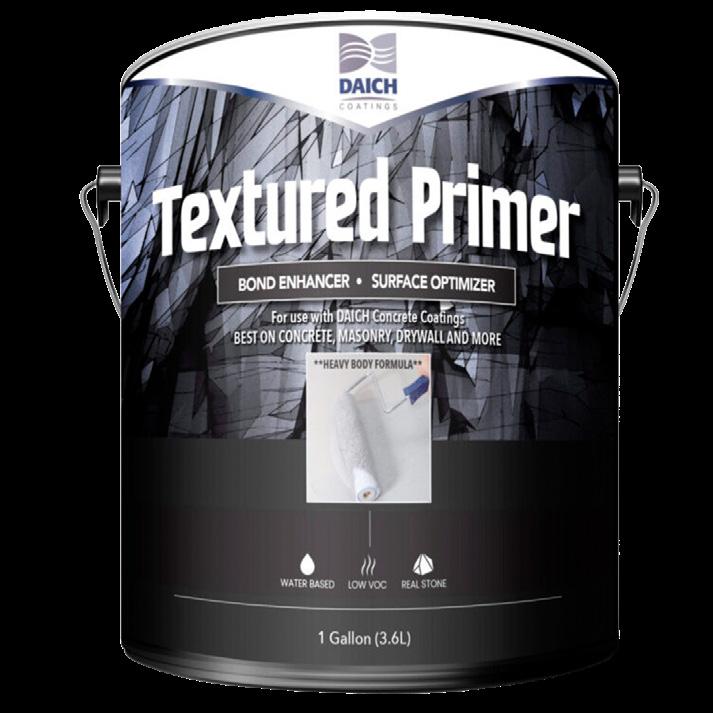
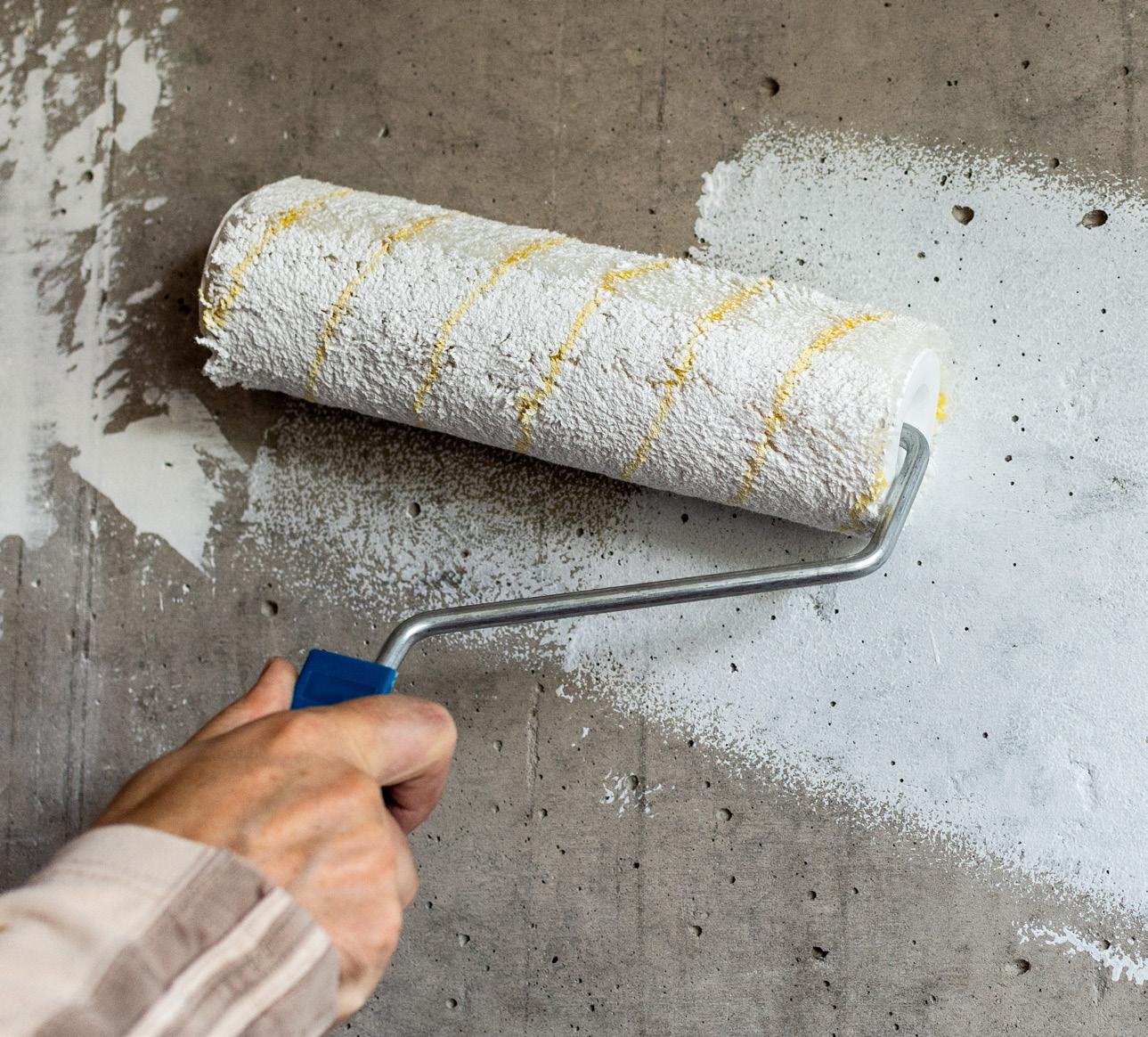
Textured Primer from Daich Coatings is a base coat that helps textured coatings adhere evenly to surfaces. It is designed for use on interior or exterior walls and rolls or sprays on to prepare substrates before finish coats.
DAICH COATINGS | DAICHCOATINGS.COM
The 10,000 Lumen Spot Light from JohnDow Industries is a high-output LED work light producing up to 10,000 lumens. It has a focused beam for long-distance illumination, a durable housing and a handle for positioning on job site or shop surfaces.
JOHNDOW INDUSTRIES | JOHNDOW.COM


The ASSIST 2500XP Jump Starter from NEBO is a portable jump starter with 2,500 peak amps for starting cars, trucks, SUVs and other 12‑volt vehicles. It includes heavy duty clamps, a built in LED flashlight and USB ports for charging devices. NEBO | NEBO.ACGBRANDS.COM




BY LINDSEY THOMPSON
Navigating endless channels. Choosing the right audience. Tracking the analytics. Digital marketing can be a grind, and when marketing is just one of many hats a retailer wears, it can get pushed to the backburner or dropped altogether in lieu of other operational areas. Rather than give up, getting back to the basics can provide clarity on where to start. Paint & Decorating Retailer magazine spoke with retailers who have mastered some of the digital marketing basics—social media, Google Ads and text messaging—and share their insights on where to start and best practices for making these basics successful.
Quickly moving from nice-to-have to must-have, social media provides an avenue to not only promote your business but also engage with customers in meaningful ways. The stats speak loudly to the importance of social media for reaching customers, especially in the home improvement channel. According to the Home Improvement Research Institute’s Homeowner Social Media Influence on Home Improvement Shopping report, 58% of Gen Z and millennials have started a home improvement project specifically because of social media content and 69% rated home improvement retailers as
trustworthy sources on social media. In the study, homeowners shared the top content they wanted to see on social media—expert advice on common mistakes, product comparisons or reviews, budget breakdowns and cost tips, detailed project tutorials and behind-the-scenes of real projects.
Since Huong Luu took over full ownership of Luu Color Center in 2024, she has focused on positioning the company as a premium, luxury paint retailer, and all digital marketing strategies align with the brand Luu has built. Luu Color Center intentionally carries world class products and pairs them with an elevated level of service. Beyond product quality, it differentiates itself through experience, offering complimentary in-store color consultations and on-site color consultations for clients seeking a more personalized, white-glove approach.
“Our customers trust us to guide them with clarity and expertise so they can make confident decisions, so everything we communicate must reflect our impossibly high standard,” Luu says. “Our digital presence, especially via social media, must accurately reflect who we are, what we stand for and the level of care and discernment clients can expect when working with us.”
Currently, all social media is managed in-house at Luu Color Center, which Luu says allows the company to stay authentic, respond quickly to trends or clients needs and ensure messaging aligns with what’s happening in the boutique. Content decisions are made internally, with every post filtered through one key question: Does this accurately represent the brand?
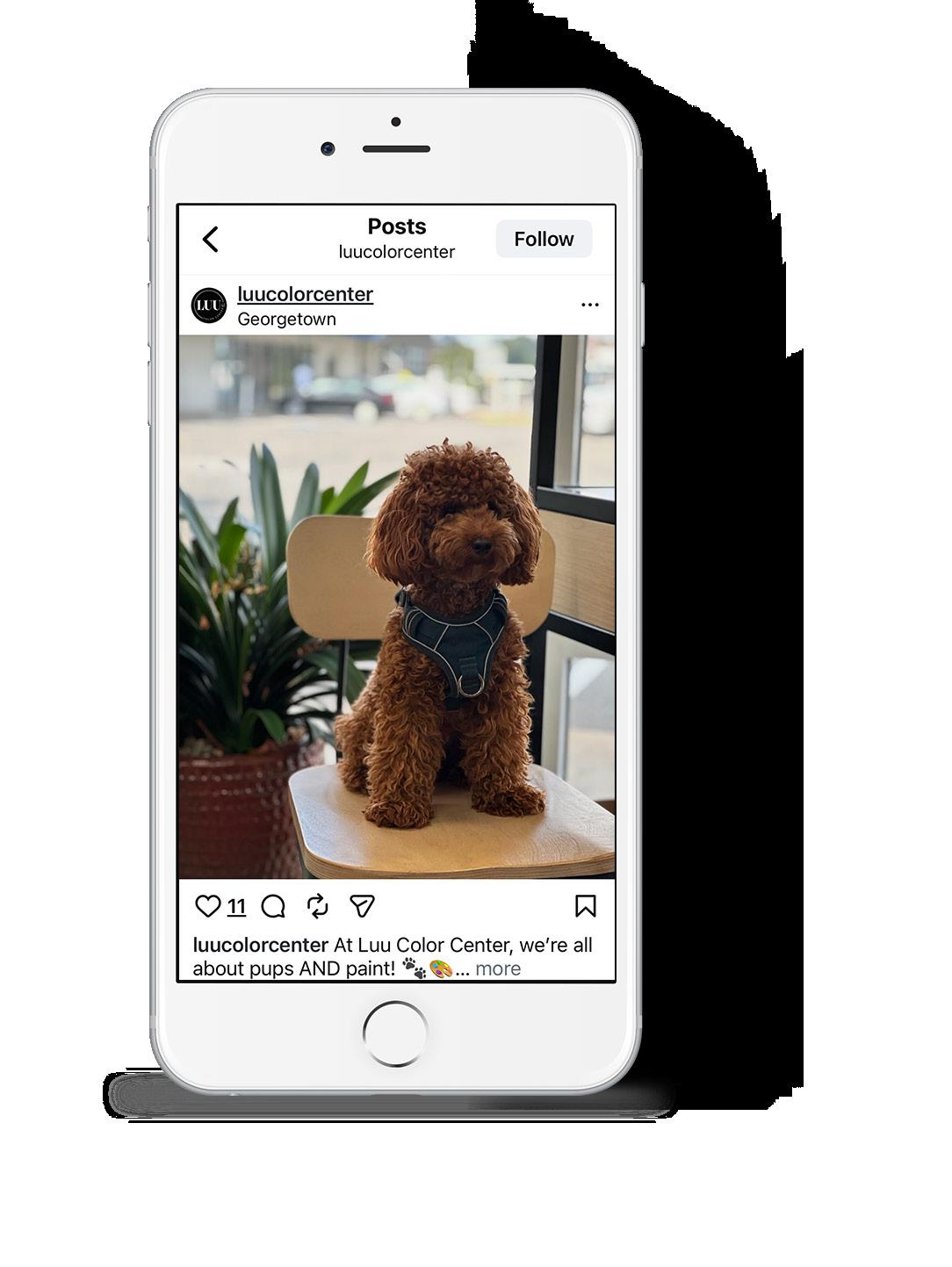
“We’re not a cookie-cutter boutique, and it’s important that our social media reflects who we truly are in an authentic way. Many of our content ideas come from everyday moments in the store and the values we live by,” Luu says. “For example, we’re passionate animal lovers. Our 5-pound toy poodle Jake is part of our daily environment, and we welcome customers to bring their fur babies into the store.”

We’re not a cookie-cutter boutique, and it’s important that our social media reflects who we truly are in an authentic way.”
—Huong Luu, Luu Color Center
While it certainly doesn’t hurt, having a full marketing team is not necessary to build a successful digital presence. Here are three ways to get the most out of your marketing staff and budget, no matter how small.
1. Partner with vendors. Work with your company’s wholesalers and vendors to leverage the marketing and digital programs they offer, such as e-commerce capabilities, product information management (PIM), digital assets and marketing campaigns.
2. Send your weekly or biweekly sales circular digitally. Many retailers still find success with a printed mailing circular, but can expand their reach by sending those circulars through email and posting on social media or your website.
3. Leave it to the experts. For digital marketing tasks like SEO and Google Ads, sometimes it’s better to rely on third-party vendors and service providers, as they can become complicated and time-consuming.
an important channel for connecting existing Luu Color Center clients and potential clients because it acts as a digital window display for the boutique, Luu says. Social media allows clients to explore what Luu Color Center offers at their own pace and often before they ever step foot inside. Luu uses the professionally produced reels and content from partners like Benjamin Moore and Little Greene Paint & Wallpaper to stay aligned with trusted partners while showcasing high quality inspiration posts.
“Just as importantly, social media gives us a platform to share our heritage, values and point of view. We’re not interested in capturing every client at the expense of our values; we want to connect with clients who are the right fit for us, and vice versa,” Luu says. “For paint retailers especially, strong visual content and practical tips help build confidence, trust and clarity long before a purchase decision is made.”
For other paint retailers looking to make their social media more effective, Luu suggests starting simply and staying consistent.
“Focus on being helpful rather than perfect. Post content that answers real clients’ questions, showcases your expertise and reflects your store’s personality,” Luu says. “Track what performs well, learn from it and adjust over time. For us, social media is most effective when it’s treated as a long-term relationship and not as a one-off campaign.”
Get the Word Out
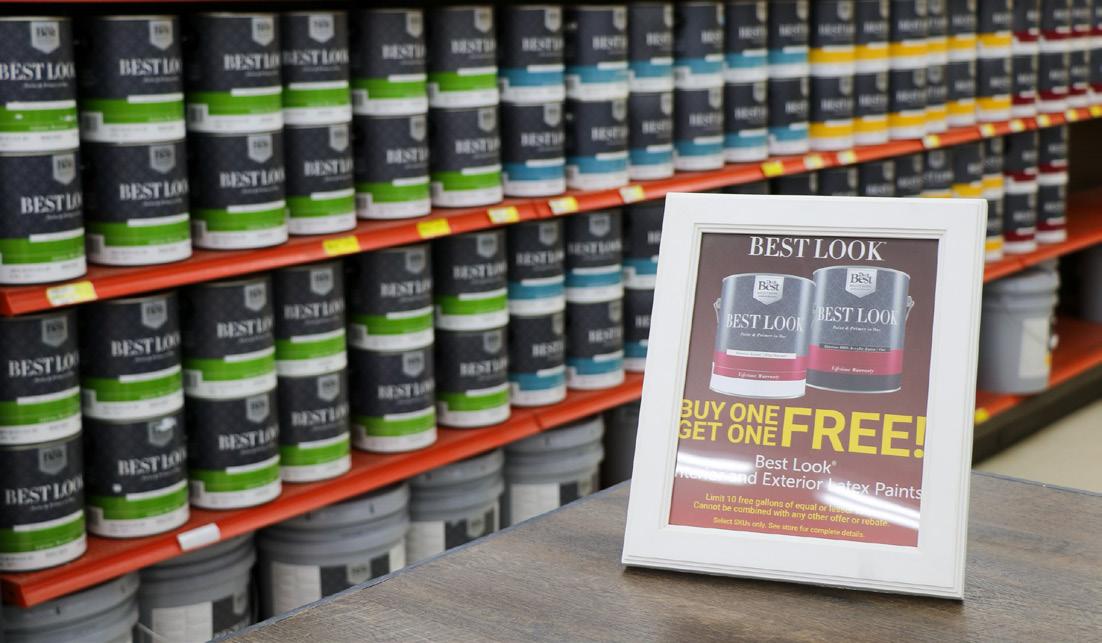

Lumber King, which has four locations in southern Kentucky and one in Tennessee, relies on both digital and in-store marketing to drive business to its paint category. Sydney Hupp, Lumber King’s director of marketing, manages the operation’s social media and also plans events for the stores as part of her role. Lumber King hosted its inaugural Home DIYers Night at each location in April 2024, extending the stores’ hours to accommodate customer schedules and offering a canvas bag that customers could fill with products for a 20% discount.
“It can sometimes be hard for DIYers to make it to the store, especially with jobs and family responsibilities,” Hupp says. “For the DIYer night, we wanted to be able to support our customers in the best way possible, and building in extra time was the most effective way to do so.”

In the Facebook post promoting the event, Hupp says she intentionally filmed the video at the paint counter and featured a brush, roller and a gallon of their premium paint to promote the paint aspect of the DIYer night.
“When I think of a home improvement project, the first thing that comes to mind is the color,” she says. “It’s a natural step in the DIY process. If it’s an interior project, it’s probably going to involve paint in some capacity.”
While preparing for the DIYer night, Hupp says employees spruced up every section of each store. Although she came up with the idea for the event, Hupp wanted to plan and host the events in partnership with the individual store managers.
“I relied heavily on the store managers because ultimately, it’s their store and it’s in their community,” she says.
JC Licht utilizes several channels—including SMS and email newsletters—to digitally communicate with DIY and pro customers.

“Together, we made the atmosphere of each store more inviting and the events successful.”
Hupp says at Lumber King’s Oneida, Tennessee, location, the store manager reorganized the paint display and counter to enhance visibility and draw customers’ attention.
“Giving that extra punch helped bring more people to the counter and grabbed people’s attention,” Hupp says. “All of our managers went above and beyond, which helped them focus on selling.”
Along with organic Facebook posts, Hupp ran targeted Meta ads leading up to the events, complementing the in-store promotions and driving customer traffic both online and offline.
“Whenever we do an in-store promotion, we always partner it with Facebook ads,” Hupp says. “They work really well together and definitely help drive traffic to our site, then into our store.”
Once just used to communicate personally, SMS or text messaging has become an important tool for any digital marketer. According to a 2025 survey by SimpleTexting, a SMS texting platform, 84% of consumers opted in to receive SMS messages from businesses, a 35% increase from previous years. The survey also found that businesses that text customers are 5.89 times more likely to report digital marketing success than businesses that don’t use text message marketing.
Engaging in SMS marketing for nearly a decade, JC Licht has found the platform to be an effective way to connect with professional customers at the company’s over 60 stores in the Chicago area. Sharon McGuckin, vice president of retail operations for JC Licht, says SMS marketing has become the key way to reach pros. JC Licht has used several SMS marketing platforms over the years and currently utilizes Klaviyo for both SMS and email
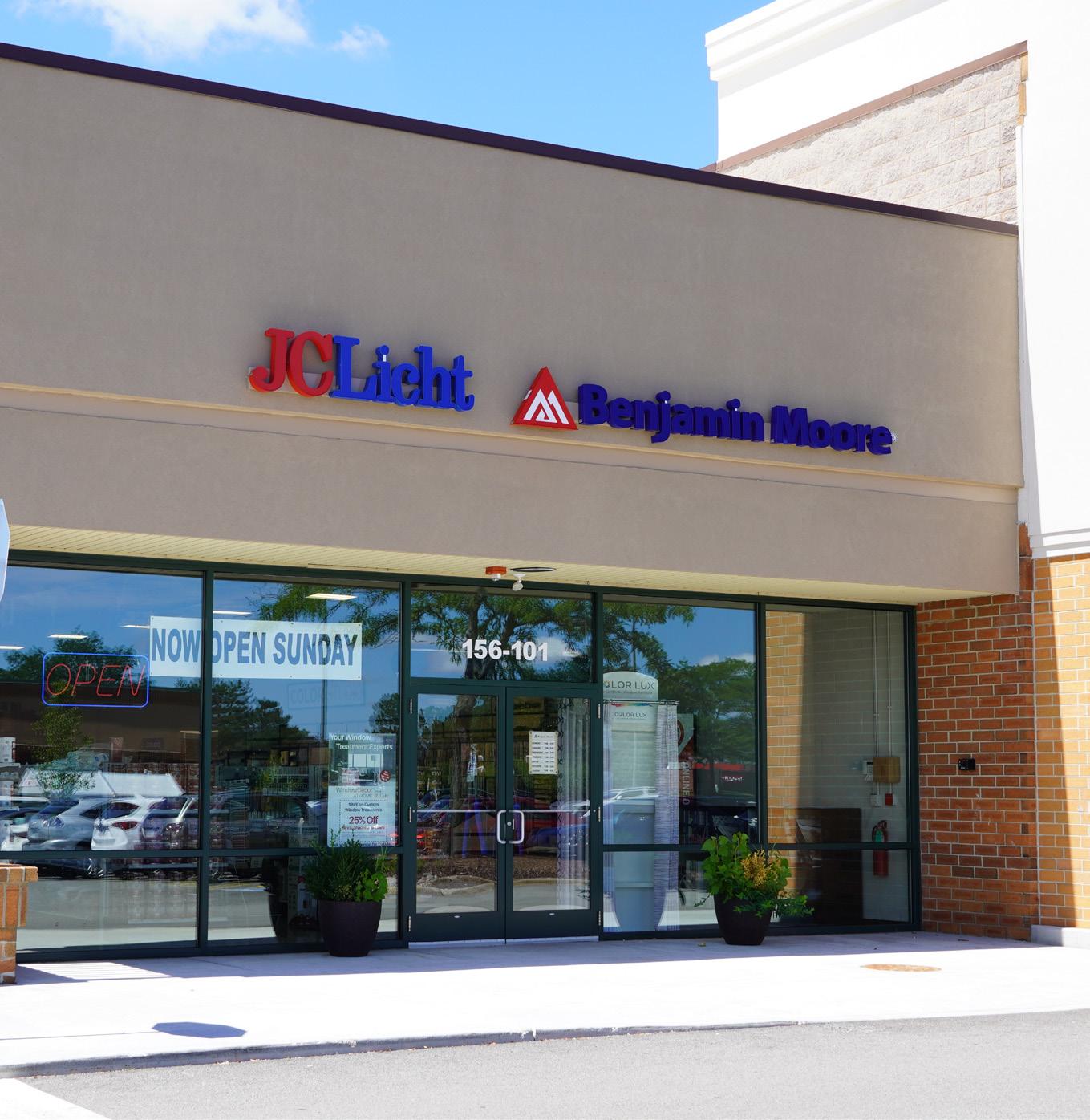

marketing. The company communicates about everything from hot buys to contractor events, and also sends out time-sensitive messages such as emergency store closings for the day.
“Our pro customers rely on us and come to us every day. They’re a small business. We’re a small business. If there is a snowstorm or the temperatures are severe, we communicate to them through SMS that we’re open because a lot of our competitors will close,” McGuckin says. “Our people are passionate about getting their location open because they know our customers are relying on us, and we want to be sure to get that information out.”
JC Licht operates 52 paint stores plus seven hardware stores and serves a broad customer base, so to be successful in digital marketing, the company also looks to email marketing to expand its reach. For DIY customers, email marketing allows for more personalized and segmented messaging, McGuckin says.
“For example, for customers who don’t live near one of our hardware stores, we don’t send them a message about deals at those stores, because they’re not going to travel an hour,” McGuckin says. “With email messaging, we can really pinpoint our messaging because we’ve built out the segmented groups. And we can tailor the content to each of those groups and share the information our customers actually want to read.”
To complement the SMS and email marketing, McGuckin says the marketing team also relies on Google Ads and pay-per-click ads as part of its digital marketing strategies.
“We try to anticipate what people are going to be searching for and build those landing pages to catch customers,” McGuckin says. “These landing pages have been really successful for us because you can lead customers wherever you want them to go from that landing page. They’re getting all the content right there at their fingertips.”
The biggest gap right now between independent retailers and how they market their businesses to consumers is how people are using digital technology, including social media, to research, shop and share information about businesses they want to buy products or services from.
Independent retailers who aren’t in the digital space are missing a big chance with their marketing to meet
consumers where they are. Using social media marketing to engage, educate and entertain can lead to purchases. Even if retailers don’t have an online e-commerce site, it is critical for them to understand that consumers want to engage on a mobile device.
As you develop your digital marketing strategy, take into account these three areas:
The marketplace is very crowded today, and consumers have many options, so it is critical that independent retailers market their businesses 24/7. But that doesn’t mean they have to work 24/7; it means they have to be online to promote their businesses. To achieve this, retailers should start by looking at marketing as a sales-producing role for a business today. The first step to making it happen is to get business owners to understand that marketing produces sales.
Independent retailers do not have to have an e-commerce platform, they just need to have modern websites and use social media to make consumers’ lives easier. It’s all about ease of purchase. An independent retailer who doesn’t have a e-commerce platform can differentiate through other value-added services, like free delivery, early morning or late-night pickup, a text order platform or an online scheduling tool for services. These components all make consumers’ lives easier and help retailers become more digitally inclined.
Stand out in your digital marketing by taking a chance, trying something new and showing your brand in a genuine, authentic way. This is not a one-size-fits-all approach, as retailers all serve communities with different wants and needs. The goal is to convey your voice and highlight what makes your team the team to trust. Your people are what differentiate you from big-box and online retailers. By integrating your people and highlighting what makes them unique into your marketing plans, you can start to build those relationships and attract customers to shop at your store and website for years to come.
We are trying to reach the most engaged customers, those at the bottom of the marketing funnel.”
—David Stine, Stine Home+Yard
Persuaded by a fellow marketing colleague that Google would be the future of marketing, David Stine, vice president of marketing and merchandising at Stine Home+Yard, added Google Ads to the operation’s digital marketing strategies.
“They made a statement to us that the companies that are going to succeed in the future will be the only ones that are on Google,” Stine says. “The direct comment as I remembered was, ‘If you’re not doing this in five years, you’ll be out of business.’ And so that was kind of an existential comment to me.”
Google Ads allow businesses to create ads that appear across Google’s properties, including Google search, YouTube and partner websites. Google Ads operates on a pay-per-click (PPC) system with advertisers bidding on keywords to have their ads displayed to users who are actively searching for those terms.
When it comes to starting with Google Ads, Stine says it’s crucial to have a high-caliber website. He then recommends joining Google Merchant Center in order to fully engage with all Google Ads have to offer. With Google Merchant Center, a business can upload its product data to Google and make it available to Google Shopping or other Google services.
Many businesses utilize a marketing agency to help them navigate Google Ads, but Stine works directly with a representative from Google. Stine takes part in the Google Performance Max program, which takes products the company wants to promote and determines the spend that company should do based on its goals for Google Ads.
“When you’re spending money in advertising your brand name and building awareness, you really don’t
know who you’re advertising to; it’s just a shotgun approach. You’re promoting your name and that you’re in the home improvement business with this product or that product, but you don’t really know whether those people have any interest in purchasing,” Stine says. “We are trying to reach the most engaged customers, those at the bottom of the marketing funnel.”
For example, those customers who know they want a specific type of paint or brand name sundry are searching for it on Google, usually with the phrase “near me,” and ads from nearby stores that carry that product will show up in the search.
“Typically, it will be big boxes that show up, but it won’t be a lot of independents because they don’t have their catalog with Google Merchant Center,” Stine says. “But since we’ve joined Google Ads and Google Merchant Center, we’re now included in those search results, and we actually compete very well in our markets now.”
Increasing those impressions is one of Stine’s goals with Google Ads; another big goal is increasing visits to the operation’s website. Thanks to Google Ads, event counts—specific user actions beyond page views, such as button clicks, video plays, form submissions and purchases—on Stinehome.com are up 40%. Page views are up 36.6%, with 32,200 daily page views and user engagements are up 36 points or 37%.
“While this hasn’t translated to that kind of increase in sales, it has elevated our presence online, which we feel will lead to them stepping into our stores,” Stine says. “We’ve made some inroads, and we’re competing with companies that have been doing this for years, but now we’re in that space.”
BY MIKE AYLEN
With spring market season upon us, in this “Inside the Margin” article, I will be looking at the best ways to get the most out of your attendance at spring markets with gross profit in mind. As with most best practices that lead to success in business, or any field for that matter, preparation is crucial so that’s where we will start.
Take a Pulse on the Trends
Explore what is new in your marketplace. Get in front of any changes in customer demand based on changes in legislation and laws, market trends and fashions. Being first in your market will impact margin, as these types of products generally require less markdowns and sell through quickly.
Analyze your performance from last year’s market. This should include a review of products that were purchased and their results. Take note of those products that sold at full retail price and those that required markdowns to clear. Look at what vendors outperformed others and, of the successes, look closely at what retail price points performed the best.
Consider any changes to your product mix that will be coming soon. If your wholesaler is planning to change vendors, planograms or products, you may have no choice but to add these to your store, so spring markets are the perfect time to get proactive and buy these products when there is a discount incentive to do so.
Look at the categories in your store that you will be buying for. What margin levels are you achieving and that need to be met to enable you to hit sales targets and also cover overhead expenses? Set a target margin by category and be ready to buy for higher margin products that offset lower margin products that drive traffic to your store.
Prepare a simple open-to-buy plan that gives you confidence in your decisions. Your open-to-buy plan should lay out by product whether it is a core range product or a one time buy; whether it is an initial purchase; what is the average on-hand and reorder quantities; what are margin targets; and the sales required to achieve results.
Once you hit the show floor, every conversation and purchase becomes part of your margin story. This section highlights how to negotiate smarter, build vendor relationships, buy with intention and focus on depth, not distraction—so each deal you make sets your store up for productivity, sell-through and stronger profitability.
Negotiation with a vendor goes beyond just invoice cost and order quantities. As you know from the previous “Inside the Margin” article, there are many aspects that can impact the final margin you will make on each product. Be prepared to calculate the true landed cost into your store that includes freight, tariffs or any other import fees. Build relationships with vendors, as they often have valuable information that will assure your success, such as the availability of signage, displays or any other marketing support that will assist sales and minimize markdowns. If you talk with confidence about what you need to make this product work and how much you need to sell using your open-to-buy plan, it’s easier to agree on returns with the vendor if these targets are not being met. Remember: Margin relies on sell through.
Buy for depth, not width. Focusing on fewer products will help you with sell-through, merchandising and product re-ordering for successes.
Invoice dating and extended terms are more cash flow enhancers than margin improvers, but getting these things at the market from vendors can offset the impact of markdowns. Dating and terms that improve cash flow also free you up to take advantage of future bulk-buy opportunities that do improve margin.
Networking is important. Engage with your wholesale team and the friends you have created over the years. People want to talk about and share their successes, so ask questions and share your own. Then do some R&D—there is nothing wrong with a bit of ripoff and duplication.
Your work isn’t done when you leave the booth. This section shows how to turn your buys into high-performing inventory by pricing with confidence, merchandising strategically, tracking early results and adjusting quickly. Execute well now and your market investment becomes lasting margin—not just another stack of products.
Improve your focus on retail pricing. Price with confidence. Many times margin is not lost at the buying stage but at the pricing stage. Consider each product and whether it is part of a core category that drives traffic to your store, and if so, what price point is appropriate. If it is more of a promotional type of product, choose the retail price that grows gross profit but prevents over pricing. Consider how long you give the product to achieve results before it is marked down and cleared completely. Having a plan before the product arrives is crucial. I have been in many hardware stores that suffer from this lack of planning on promotional products and the customer is hit with too many of the stores “gotta-go’s” and not the “gotta-have’s” you want them to buy.
Work with your merchandising team to build a strategy for new products. Don’t just hope that it will sell. Have a plan for displays, price tickets and endcaps that will help with sell through and minimize the need for markdowns.

Mike Aylen has been working with hardware store owners in Australia and the U.S. to help them improve their retail pricing for over 15 years. With a no-nonsense approach, he guides retailers in using his SMART Pricing Program to develop more accurate and disciplined pricing strategies. These will grow sales and margin dollars on all items in the business, and more importantly give retailers more confidence in their overall pricing direction. Scan the QR Code to learn more about NHPA Strategic Consulting and book a consultation with Mike.

Be ready to monitor your results. Early and accurate tracking is important to enable strategic re-orders to prevent out of stocks and to identify the warning signs of slow movers that can be re-merchandised quickly. Measure actual performance against your plan. Take quick action. All of these things will help you protect margin.
Document your wins and losses. What vendors or brands outperformed others? What mistakes lead to markdowns? Use each market as a learning opportunity.
In an environment of cautious customers and rising costs, margin is not guaranteed, but is a result of good planning and strong execution. By preparing well, you will hit the show floor with more confidence on where to allocate your resources, what deals to say yes and no to and how to buy with more intention and less emotion. Plan well, price well and execute well. Make sure that this trip to the market, as well as any future ones, are an investment in your gross profit and not just a buying trip.

PROVIDED BY HIRI
Interior painting doesn’t just refresh walls, it reveals broader home improvement intentions and decision-making patterns.
According to the Home Improvement Research Institute’s 2025 Project Decision Study, which surveyed primary homeowners who spent at least $5,000 on a home improvement project in the past 12 months, interior painting projects often signal more extensive activity and offer retailers valuable cues for engagement.
Among those homeowners, 73% who painted also completed other home projects, well above the 58% average

across all project types. Flooring shows the strongest link with interior painting, suggesting opportunities to cross-merchandise or bundle these categories in-store or online.
While DIY plays a role in the broader market, HIRI’s Project Decision Study data shows that 82% of large-budget interior paint projects are contractor-led. Homeowners paid roughly two-thirds of total costs to contractors, with the remaining third going toward materials.
Though contractors lead execution, retailers remain essential, especially when it comes to supporting job
Learn top insights and tips from HIRI on how to win stronger sales in the high-turn applicators category at PDRmag.com/win-in-paint-applicators

timelines. The typical project spans 21 weeks from idea to decision, plus another 11 weeks before work begins. Notably, 86% of homeowners faced waits of up to five weeks after selecting their contractor. Knowing that any ideation-related store traffic comes well in advance of actual retail sales can help retailers with inventory forecasting.
When it came to choosing a pro, homeowners clearly favor value: most selected middle-tier bids for paint projects and none chose the most expensive. This heightens cost pressure on painting contractors, who look to retailers and manufacturers for competitively priced, dependable products.
Despite budget focus, expectations stay high. When homeowner regrets occur, they stem from quality issues, project delays or unreliable contractors. While not always in control of labor, retailers can boost satisfaction by recommending proven pros, offering guidance and curating trustworthy product assortments that yield high quality results across project types.
Though their projects are smaller, Gen Z is becoming active with paint purchases. According to HIRI’s Gen Z Study, interior painting is their most common project, with 9% buying paint in the past 90 days and 17% more than 90 days ago. Retailers who build trust and relevance now can earn long-term loyalty.
For more in-depth research findings across additional project categories, become a HIRI member to get enterprise-wide access to $1M+ annually in home improvement research. Learn more at HIRI.org

1
2
Pair with Popular Projects: Promote categories like flooring alongside paint to reflect real-world project patterns.
Offer Value-Driven Choices: Curate high quality, mid-range product options that help contractors win bids without sacrificing performance.
3
4
Educate and Connect: Help homeowners navigate quality concerns by offering product guidance and contractor referrals.
Engage Early With Gen Z: Develop content, tools or promotions that resonate with first-time homeowners and emerging DIYers.
The Home Improvement Research Institute (HIRI) is the only nonprofit organization primarily dedicated to home improvement research. The organization empowers its members with exclusive, ongoing home improvement data and information for making better business decisions. Members are the home improvement industry’s leading manufacturers, retailers and allied organizations. Learn more at HIRI.org

BY ANNIE DAMEWORTH
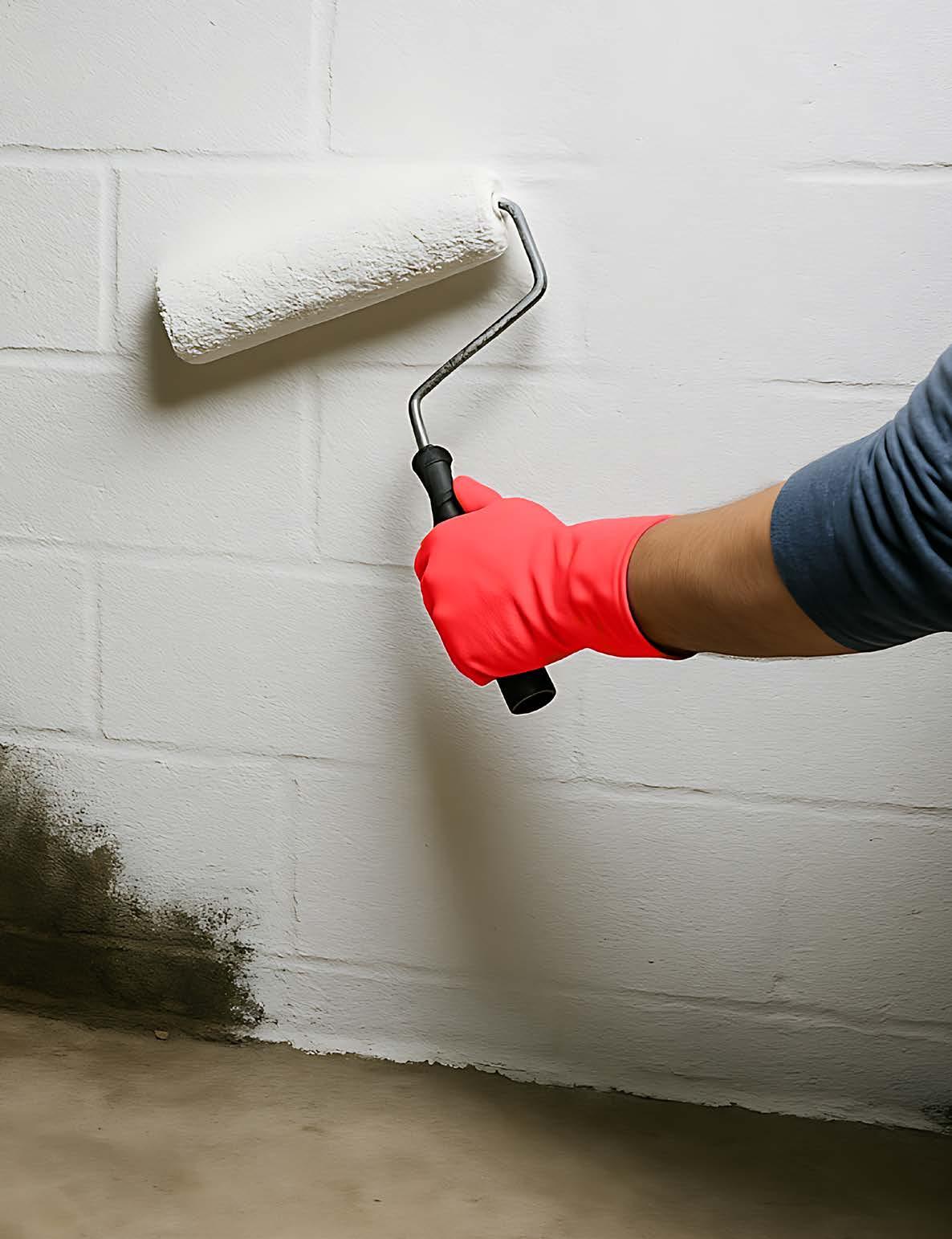
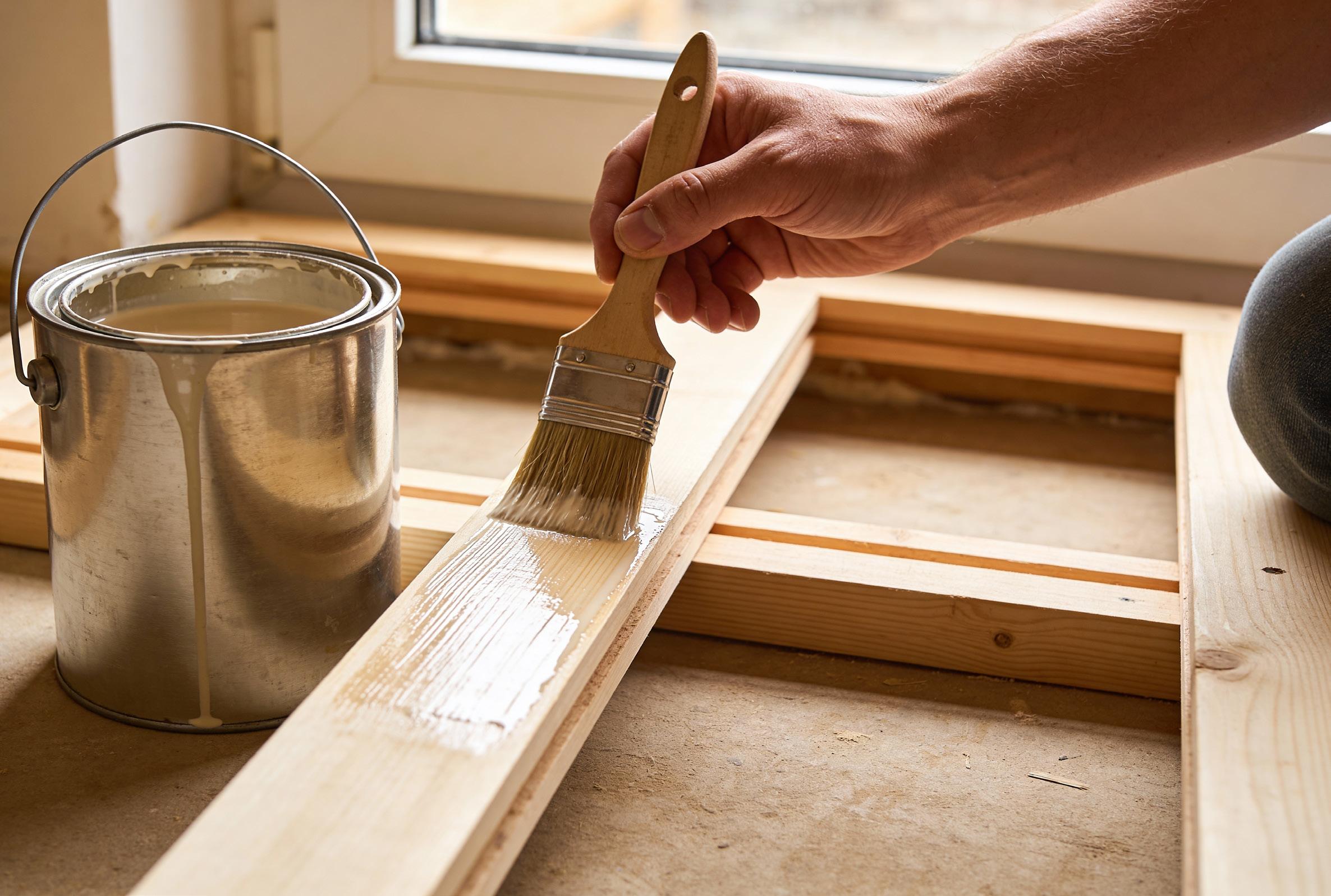
Achieving a high-quality, long-lasting and visually appealing paint finish depends on taking crucial steps often missed by customers: priming and sealing the substrate. Any prep work done to a surface and the type of primer or sealer used can
determine the success or failure of a painting project. Paint & Decorating Retailer spoke to one retailer about their strategies for guiding customers to the ideal primer choice and the best practices for building a profitable primer and sealer category.
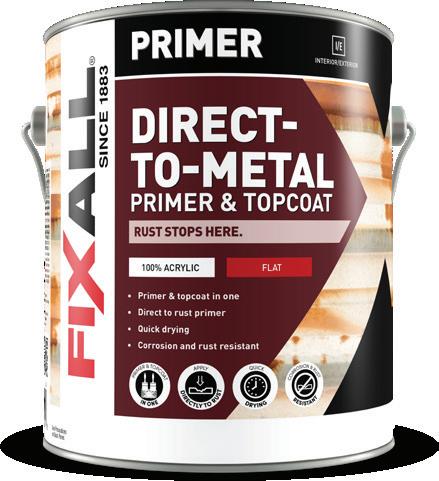
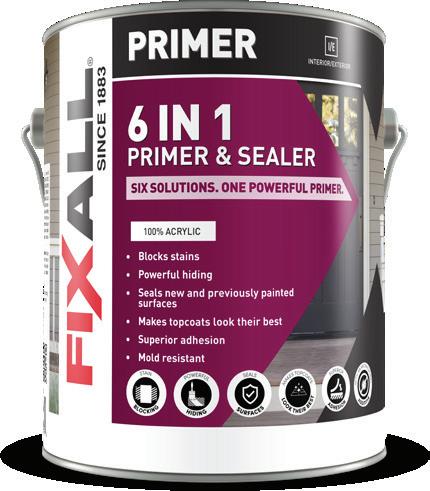
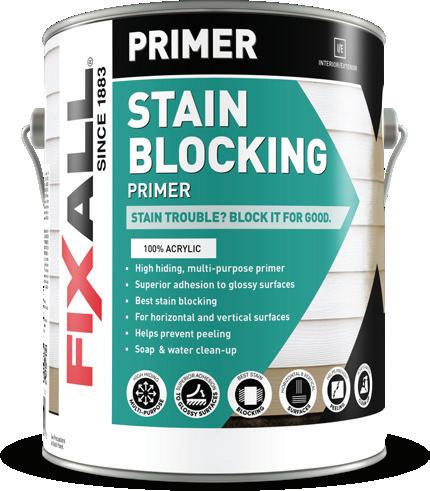
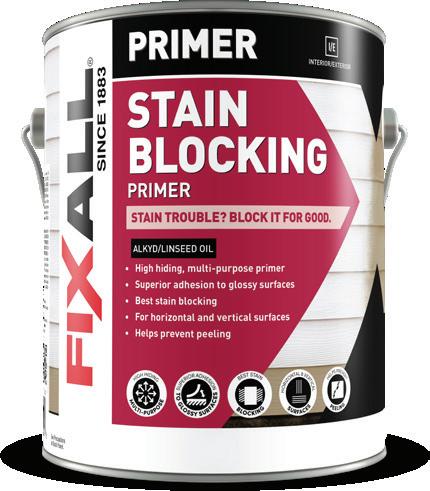
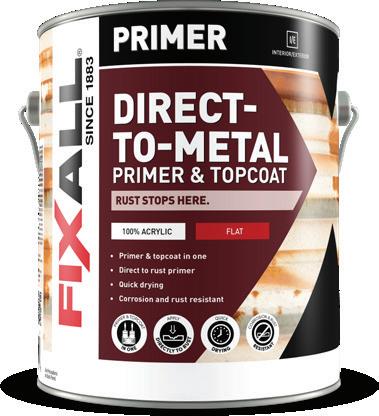
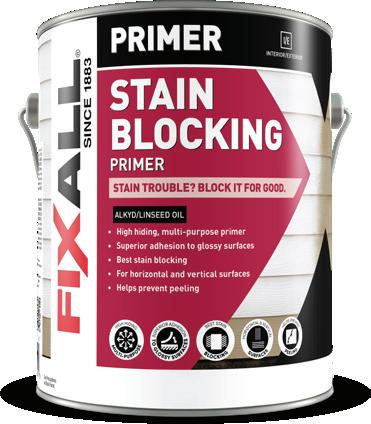
FixALL, part of ICP Group, is a brand built on reliability, durability and performance. For more than a century, contractors, maintenance professionals and DIYers have trusted FixALL coatings to perform in demanding environments without compromise.
From heavy-duty primers and industrial enamels to anti-skid coatings and specialty finishes, every product is engineered to work as hard as the surfaces it protects. Today, that legacy continues through a focused line of high-performance primers designed to solve real-world challenges, including sealing tough stains, bonding to slick or problem surfaces and blocking rust, so every project starts right and lasts longer.






















HIDING
STAIN BLOCKING PROMOTES ADHESION
SEALS POROUS SURFACES OPTIMIZES SHEEN
MOLD RESISTANT RUST PREVENTION
ODOR BLOCKING
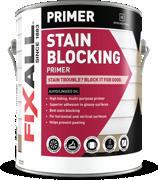
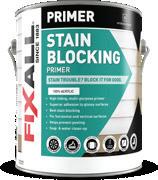
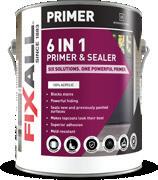
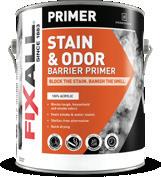

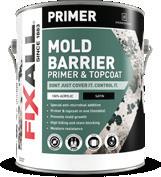
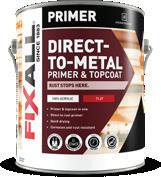



At Mallory Paint Store, with multiple locations throughout the Seattle area, education is key when selling primers and sealers to both pros and DIYers. The type of project, type of substrate used and climate where the project is being completed are all essential factors in determining which primer is right for the job.
“Education is a big factor in our marketing,” says Sarah Ross, brand manager at Mallory Paint. “The more employees understand the benefits, the better they’re able to assist customers in making great product decisions.”
Ensuring your primers and sealers meet quality standards is another essential factor in merchandising this category.
At Mallory Paint, all primers sold meet the environmental standards required in the
Jason Taylor, president of Perspectives in Lexington, Kentucky, has found that testing primer and sealer products before stocking leads to more success in selling those products.
“You want somebody to give you an honest opinion on the product,” Taylor
says. “It’s not a formal process, but we like to know what our customers think of a new product before we start to carry it.”
Here are Taylor’s methods for testing and how testing could enhance your primer and sealer offerings.
When a salesperson comes to Taylor with a new product line, he runs it through multiple tests. One such test includes testing out different primers and sealers on various substrates to see how they take to different materials.
If an employee is working on a project in their home, Taylor sends them home with a product for them to use and give their feedback on.
Taylor will give products to frequent commercial customers. Contractors working on jobs usually don’t want to try out products that will cause them extra work, but for paint, primer and sealer, the work can be painted over.
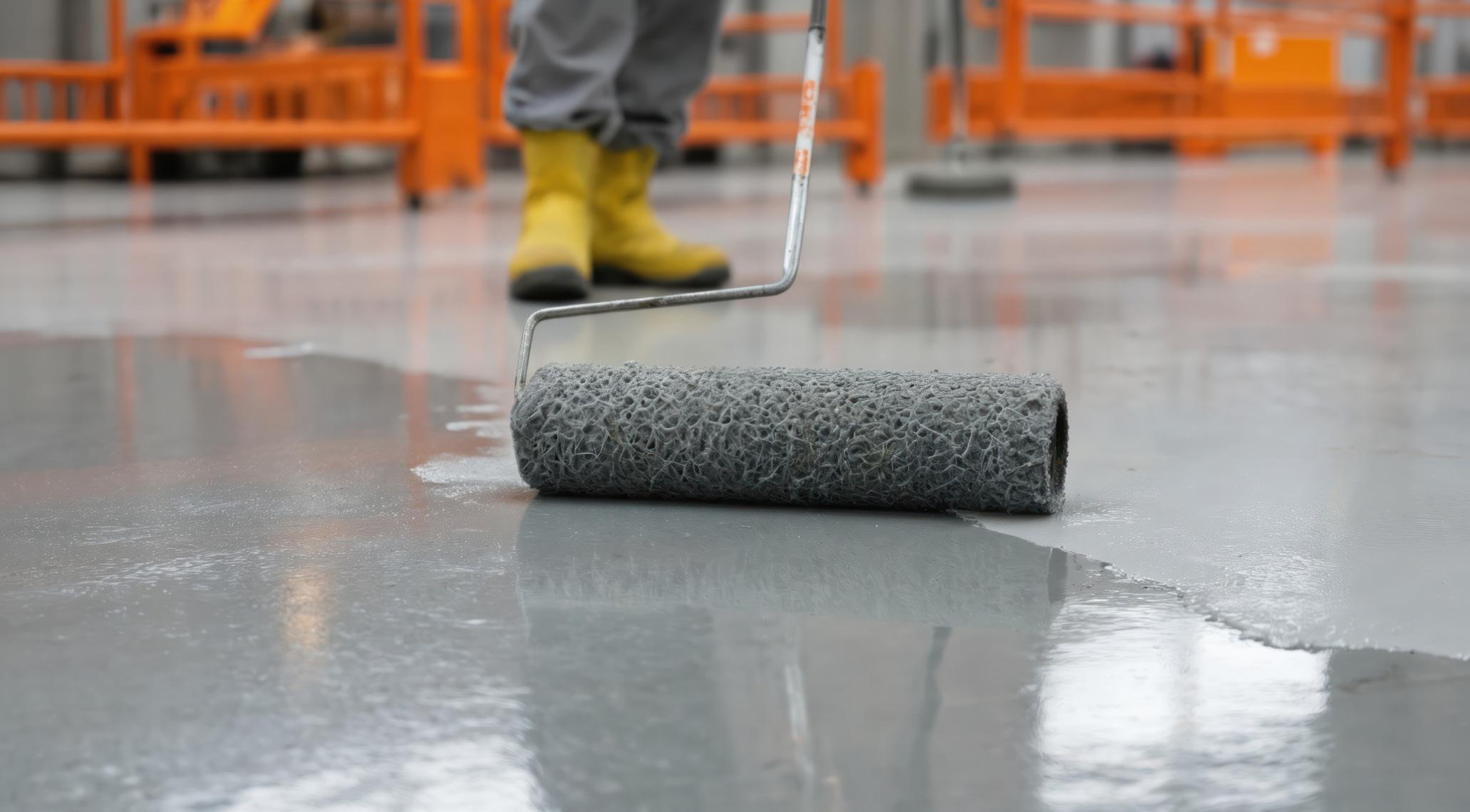

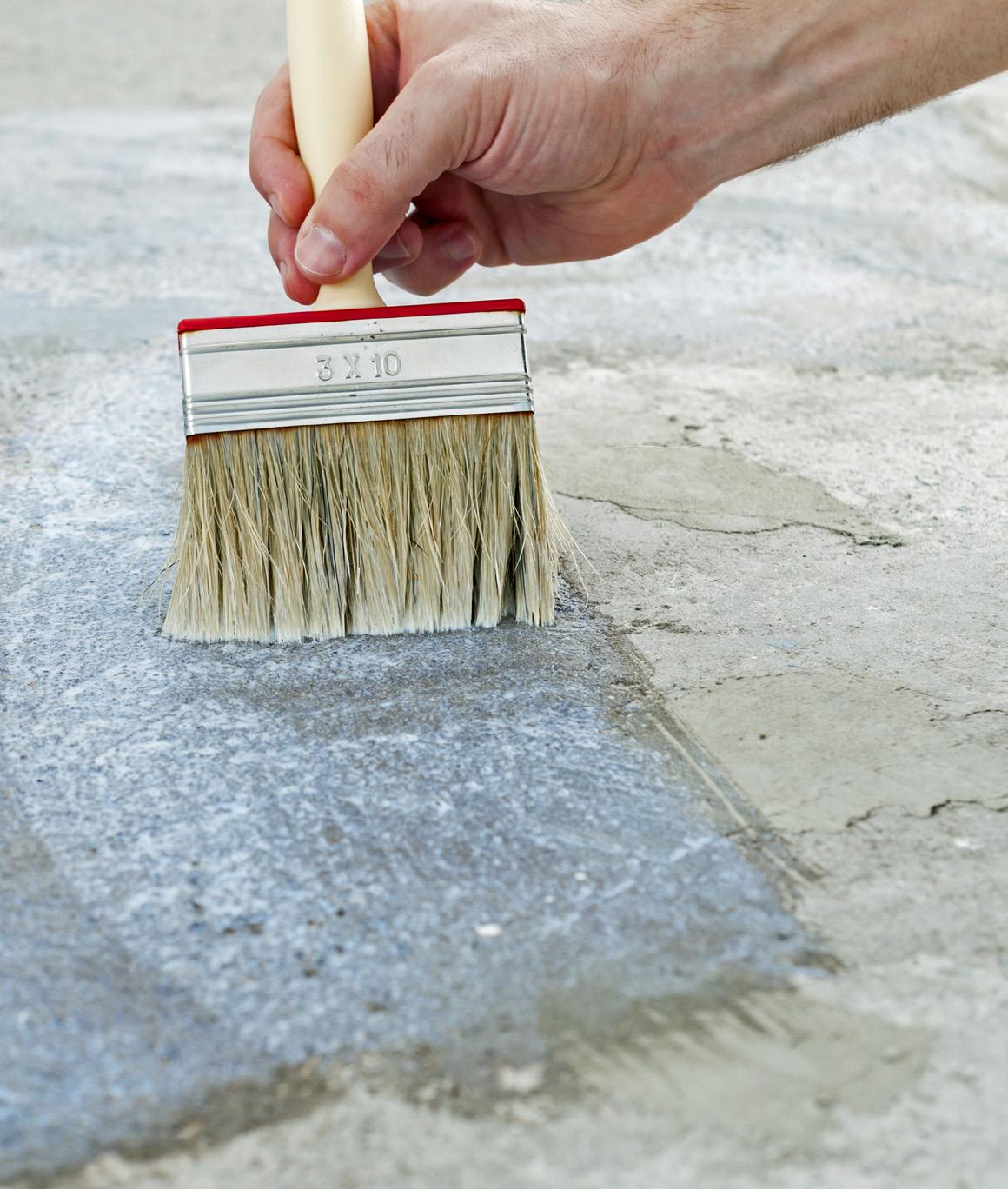
Offering in-house educational classes allows you to both bring customers through the door and establish your operation as a trusted source for products and know-how. At Fullerton Paint & Flooring in Anaheim, California, customers can sign up for epoxy flooring training classes that offer epoxy basics in the Fullerton store. The full-day classes cover how to correctly prep concrete and other surfaces and how to use various epoxy systems like 1-day garage systems, water-based systems, metallic systems, 100% solids epoxy and polyaspartic and urethane top coat.
state of Washington. Most of the U.S., including Washington, resides under the Architectural and Industrial Maintenance (AIM) Coatings rule, created by the Environmental Protection Agency (EPA) in 1998. The rule outlines the labeling requirements and amount of VOC that manufacturers and importers of architectural coatings can put into their products.
“We carry primers that meet or exceed environmental standards,” Ross says. “We sell more of the low or zero VOC primers than any other option.”
While professionals and DIYers often require different products for painting projects due to the level of involvement in the project or the knowledge about paint, Ross sees both of these customer bases choosing quick-dry, acrylic primers as these are easy to apply and work
CATEGORY
Primed and Prepped
Learn four ways to curate your primers and sealers category for cabinet refinishing PDRmag.com/primers-and-sealers
“Full shelves and bold facings are attractive and easily identifiable for our customers, allowing us to better sell our full product systems for better outcomes.”
—Sarah

well for a variety of projects. Pros will also gravitate toward primers better suited for more industrial surfaces, like concrete.
Carrying products or accessories that enhance and compliment primers and sealants is a smart way to bring additional cash flow in this category and keep your primer and sealer section fresh. Letting your customers come to you with their needs for add-on products, like primer additives, patching kits and applicators, can help you determine which of these items to stock.
“We’ll special order anything our customers request,” Ross says.
Clearly merchandising primers and sealers in your store helps ensure customers will see and purchase these products that may otherwise be forgotten.
“We market primers by making them front and center in many of our store locations,” Ross says.
“Full shelves and bold facings are attractive and easily identifiable for our customers, allowing us to better sell our full product systems for better outcomes.”
RetailWise Plus is NHPA’s new AI-powered microtraining program, built exclusively for independent hardware, paint and lumber retailers. Designed for today’s fast-paced retail environment, RetailWise Plus delivers 365 professionally scripted, two-minute video lessons—available in English, Spanish and French-Canadian—that fit seamlessly into your store’s daily rhythm. No long classroom sessions or complicated schedules required.
100% DEVICE ACCESSIBILITY
RetailWise Plus can be accessed on mobile devices, desktops and in-store screens, with download-ready files available for LMS use, newsletters and in-store TV.
Have Questions?
Contact Cody Goeppner at cgoeppner@YourNHPA.org



Subscribe to our weekly newsletters at PDRmag.com/subscribe to get the latest news and trends.
Builder confidence in the U.S. housing market improved slightly at the end of 2025, but remained negative overall for the year, according to the National Association of Home Builders (NAHB).
The NAHB/Wells Fargo Housing Market Index rose one point in December to 39, still well below the 50 mark that separates positive from negative sentiment. Builder confidence stayed below 50 for all of 2025, showing continued pressure from high mortgage rates, elevated construction costs and weak buyer demand.
“Market conditions remain challenging with two-thirds of builders reporting they are offering incentives to move buyers off the fence,” says Buddy Hughes, NAHB chairman and homebuilder and developer. “Builders are contending with rising material and labor prices, as tariffs are having serious repercussions on construction costs.”
Historically, builders have relied on mortgage rate buydowns and price discounts to attract buyers as incentives. NAHB data shows those incentives reached some of the highest levels seen since the pandemic.
While the overall index stayed negative, parts of the survey showed modest growth. Future sales expectations rose above 50 for the third straight month, suggesting builders see some improvement ahead, even as current sales conditions and buyer traffic remained weak.
“In positive signs for the market, builders report that future sales expectations have been above the key break-even level of 50 for the past three months,” says Robert Dietz, NAHB chief economist. “However, builders continue to face supply-side headwinds, as regulatory costs and material prices remain stubbornly high.”
In 2025, NAHB pointed to affordability as the main constraint on the housing market, as high mortgage rates and prices turned off many potential homebuyers.
“Affordability continues to be the top challenge for the housing market, and buyers are waiting for mortgage rates to drop to move forward,” Hughes says. Looking ahead to 2026, NAHB expects gradual improvements, rather than a quick rebound. The association forecasts modest growth in single-family housing starts next year as financing conditions slowly easy and demand begins to come back. Still, they caution that high input costs, labor shortages and regulatory burdens will likely keep pressure on builders in the near term.
Despite the slight improvement in December, officials say sustained gains in builder confidence will depend on meaningful declines in mortgage rates and progress on housing supply constraints.
“In positive signs for the market, builders report that future sales expectations have been above the key break-even level of 50 for the past three months.”
—Robert Dietz, NAHB Chief Economist
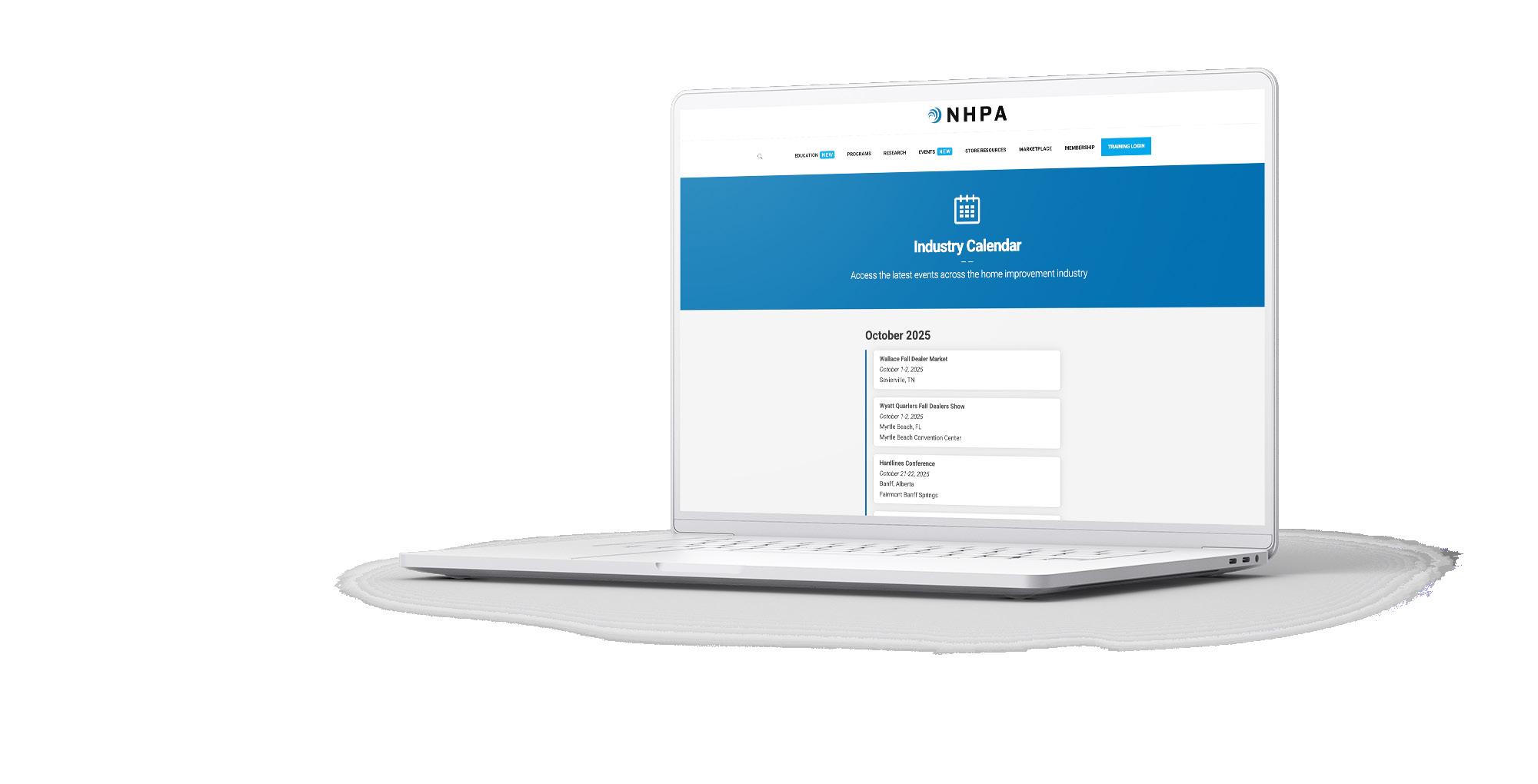
Orgill Spring Dealer Market
February 5-7 | ORLANDO, FL
2026 Lancaster Buying Show
February 6-7 | ORLANDO, FL
NAHB International Builders’ Show
February 17-19 | ORLANDO, FL
Kitchen & Bath Industry Show
February 17-19 | ORLANDO, FL
Ace Hardware Spring Convention
February 24-26 | LOUISVILLE, KY
MAR
EISENWARENMESSE
International Hardware Fair
March 3-6 | COLOGNE, GERMANY
Do it Best and True Value Spring Market
March 6-8 | DENVER, CO

To add your event to the industry calendar, send an email to editorial@YourNHPA.org. *Events are current as of press day. Scan
The Legacy Lives On
Learn more about NHPA’s 125 years of serving the independent channel and its retailers at PDRmag.com/NHPA-125-years
In 2025, the North American Hardware and Paint Association (NHPA) marked 125 years of serving the independent home improvement channel and fulfilling its mission of helping North American independent home improvement, paint and decorating retailers, regardless of affiliations, become better and more profitable retailers.
Building on the legacy of the association, NHPA is announcing several leadership changes that are all part of an orderly transition in the executive

team that will be unfolding over the next several years.
“Internally, we have been working on these changes for the better part of the last 24 months,” says Bob Cutter, NHPA’s CEO. “This association has been supporting the industry for more than 125 years and making sure the organization is around to serve its members for many years to come is of the utmost importance to the current leadership team. That’s why we have been very serious about addressing our leadership succession in a way that
will ensure continuity in the services we provide and a strong vision for how NHPA will serve the industry well into the future.”
One of the first changes to take place as part of this transition will occur at the end of 2026 when Dan Tratensek, NHPA’s chief operating officer, will be retiring from full-time service with the association. Tratensek has been a part of NHPA for 30 years, joining the organization in 1996 as an assistant editor on the association magazine, then known as Do-it-Yourself Retailing
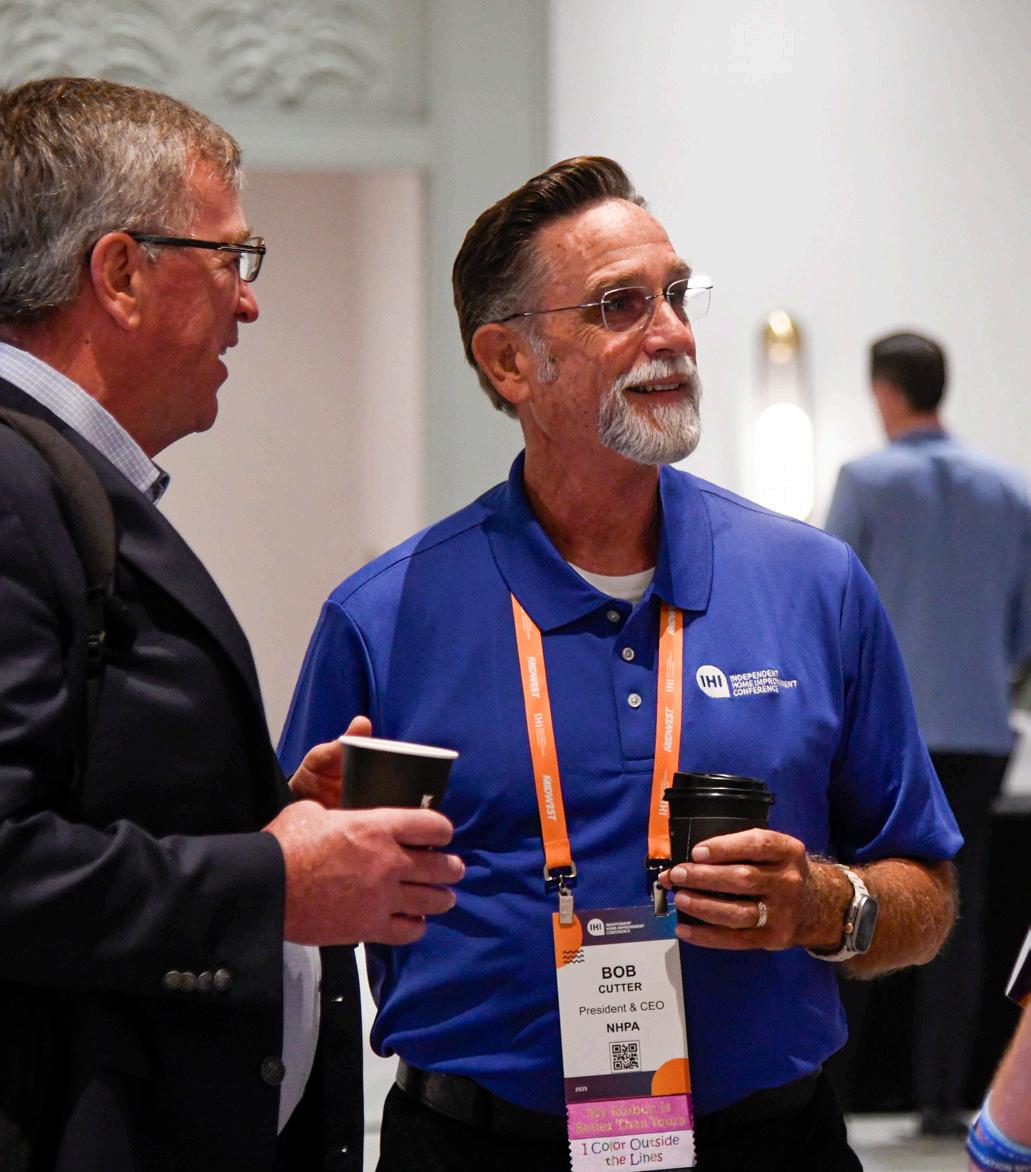

Over the past three decades, Tratensek has served as editor and publisher of the association’s media brands, then as a vice president and EVP with NHPA’s executive team prior to taking on his current role as COO.
“I have been working at NHPA for the better part of my adult life, and I have always been proud that I might have played some small role in helping independent retailers in this industry run their businesses better and more profitably,” Tratensek says. “While I will continue to work with NHPA and throughout the channel in consultative roles moving forward, I look forward to spending the balance of the year helping NHPA position the next generation of leadership to continue its ardent support of the industry I have come to love.”
Shortly after Tratensek’s retirement, NHPA chief financial officer Dave Gowan will be retiring after Q1 2027. Gowan has been with NHPA for 13 years and in addition to managing the ongoing finances for the association, Gowan has also helped spearhead the launch of a number of NHPA programs and training initiatives, including the ongoing production of the annual Cost of Doing Business Study.

“As I prepare to retire, I’m most proud of the role NHPA plays in helping retailers become better operators and more profitable businesses,” Gowan says. “Supporting their long-term success has been incredibly rewarding, and I’m deeply grateful for the dedicated NHPA staff whose talent and commitment made that work possible. I’m confident the association will continue to deliver meaningful value to the industry.”
With Tratensek and Gowan stepping away at the end of 2026 and early 2027, Scott Wright, current vice president of content development and publisher for NHPA, has been promoted to the role of president and publisher as of the first of the year. The current executive team and NHPA’s board of directors has tabbed Wright to succeed Cutter as president and CEO upon Cutter’s planned retirement at the end of 2027.
“I am truly humbled and excited for Scott, and even more excited for the next chapter of NHPA,” Cutter says. “Scott has been instrumental in so many valuable program launches and journeys of success for our independent retail constituency. Above all, Scott has taught us all the path to servant leadership.”
Wright joined NHPA in 1994 as assistant editor on the association’s magazine staff. During his tenure, he has held roles in custom publishing, member services, education and training, and he played a key role in launching and running NHPA’s popular Retail Management Certification and Foundations of Retail Programs.
“It has been a privilege serving our members and this incredible industry since I started with the association 32 years ago, and I am so honored to have been chosen to lead this organization into the future by our board of directors and executive team,” Wright says. “Serving alongside Bob, Dan and Dave for the past two decades has been a great honor, and this industry owes them a huge debt of gratitude for all they have done to help serve our mission.”
The NHPA board of directors also elected Joanne Lawrie, owner The Lawrie Group of Home Hardware Stores in Nova Scotia, Canada, as board chair. Ash Ebbo, CEO of Clement’s Paint in Austin, Texas, is serving as vice chair. The board welcomed three new directors: Emily Wood, Wood’s Ace Hardware and Mercantile; Katie Prus, Abbotsford Paint and Decorating, Abbotsford Commercial Paints, Chilliwack Decorating Centre and Garrison Village Paint and Decorating; and Jeremy Peterson, Family Hardware.
“Whenever I think of Scott, I think of adaptability and strategic vision,” Lawrie says. “Scott is 100% a collaborative leader and fosters trust with his team and anyone he works with. Every time you speak with him, it’s clear that he wants the independent channel to succeed, and he has pulled a team around him that has that same passion.”
Don’t miss the March issue of Paint & Decorating Retailer to learn more about the NHPA board chair, Joanne Lawrie.








REGISTRATION IS OPEN FOR IHI 2026
Join 700+ independent retailers, industry partners and channel leaders to connect with peers, explore new ideas and take home solutions that drive your business forward.
Unlock Business Potential: Get practical strategies and tools from industry experts, keynote speakers and educational sessions to solve challenges and boost profitability.
Forge Valuable Connections: Discover new products, tools and solutions from trusted, industry-leading service providers and manufacturers in our robust exhibit hall.
Lead Through Change: See how top retailers embrace emerging trends and leverage smart strategies to stay competitive in a constantly evolving market.
Honor the Best of Independent Retail: Recognize innovation, leadership and excellence at our Independent Awards Gala featuring NHPA’s Top Guns and Young Retailer of the Year and The Hardware Connection's Beacon Award recipients.


93% of attendees plan to return in 2026


30+ educational session covering four topics
3 industry awards celebrating excellence