















































































































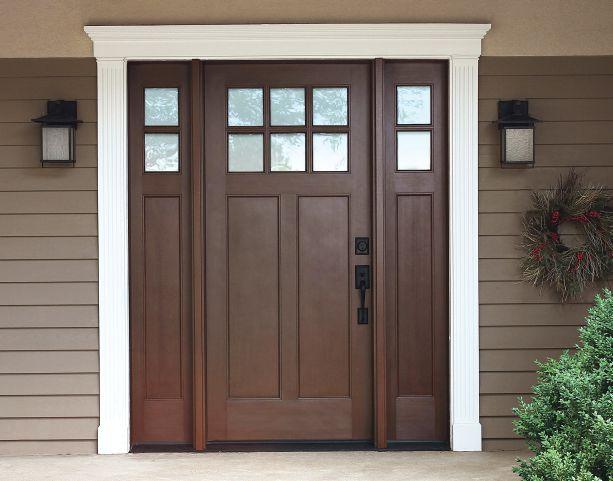
Excellent Adhesion to Fiberglass and Previously Finished Surfaces
Concentrated to Achieve Beautiful, Bold Color

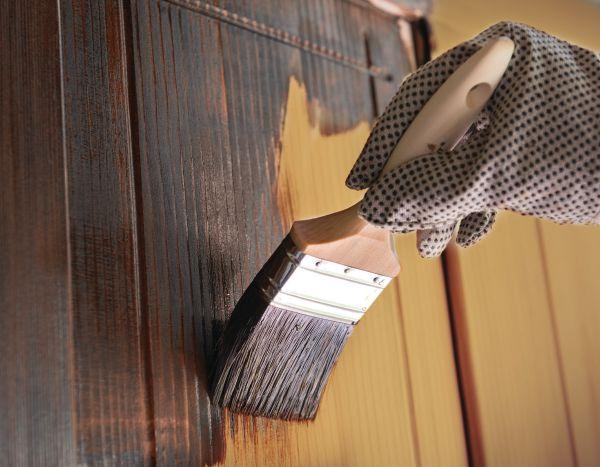
•Perfect for previously finished surface like cabinets and vertical surfaces
•Achieve intense, uniform color in a single application

Easy One Coat Application for a Variety of Projects

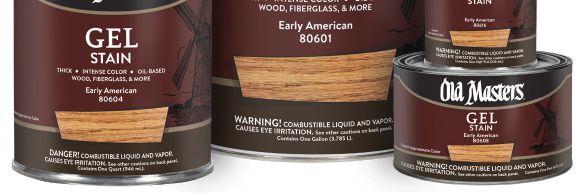
•Use on floors, trim, interior doors, cabinets, furniture and general woodworking
•Highly pigmented, thick oil-based stain
•Available in 24 popular trend colors


1025 E. 54th St. Indianapolis, Indiana 317-275-9400 NHPA@YourNHPA.org YourNHPA.org
EDITORIAL, DESIGN & PRODUCTION
Melanie Moul Managing Editor mmoul@YourNHPA.org
Kate Klein Profiles Editor kklein@YourNHPA.org
Todd Taber Trends Editor ttaber@YourNHPA.org
Hans Cummings Products & Digital Editor hcummings@YourNHPA.org
Lindsey Thompson Associate Editor lthompson@YourNHPA.org
Aubrey Smith Senior Designer
Autumn Ricketts Graphic Designer
Austin Vance Production Manager
Freda Creech Sales & Production Assistant Kevin Trehan Digital Media Specialist
MARKETING & COMMUNICATIONS
Whitney Daulton Executive Director, Marketing & Communications
Julie Leinwand Corporate Communications Manager & Editor
NHPA MEMBER SERVICES
800-772-4424 | nhpa@YourNHPA.org
LeAnn Day lday@YourNHPA.org Executive Director, Paint & Decorating Programs
Scott Wright swright@YourNHPA.org Executive Director, Advanced Retail Education Programs
Katie McHone-Jones kmchone-jones@YourNHPA.org Director, Member Services & Events
Jesse Carleton jcarleton@YourNHPA.org Training Manager & Editor
Renee Changnon rchangnon@YourNHPA.org Retail Engagement Specialist
Natalie Harris Data & Information Coordinator
ADVERTISING
Dan Simon Magazine Sales 800-737-0107 | dsimon@YourNHPA.org
When training a new employee, you most likely cover product knowledge, how to ring up a customer and other tangible skills. These hard skills are important, but employees also need soft skills, such as communication, teamwork, critical thinking and problem-solving. Next month, we explore what soft skills are, why they are important for paint and decorating retailers and how you can develop these skills in your own employees to better serve your customers and grow your business.
“We emphasize with our employees to work hard, work together and put customers first.”
—Mike
Tibbetts The Paint Bucket
Evergreen, Colorado
PAINT & DECORATING RETAILER
(ISSN 1096-6927): Published monthly except December by the North American Hardware and Paint Association, 1025 E. 54th St., Indianapolis, IN 46204. Phone: 800-737-0107. Subscription rates: January through November issues, $50 in U.S., payable in advance. Canada $75 per year. All other countries $100 per year. Single copy $7, except July issue, $25. Periodicals postage paid at Indianapolis, Indiana, and additional mailing offices. Postmaster: Send address changes to Paint & Decorating Retailer, P.O. Box 16709, St. Louis, MO 63105-1209. Returns (Canada): Return undeliverable magazines to P.O. Box 2600, Mississauga, Ontario L4T 0A8. PM# 41450540. Copyright © North American Hardware and Paint Association, 2021.
OUR MISSION
The North American Hardware and Paint Association (NHPA) helps independent home improvement and paint and decorating retailers, regardless of affiliations, become better and more profitable retailers.
NHPA EXECUTIVE STAFF
Bob Cutter President & CEO
Dan Tratensek Chief Operating Officer & Publisher
David Gowan Chief Financial Officer & Executive Vice President, Business Services
NHPA BOARD OF DIRECTORS
CHAIRMAN OF THE BOARD
Daniel Harris, Palos Ace Hardware, Palos Heights, Illinois; Lemont Ace Hardware, Lemont, Illinois
EXECUTIVE VICE CHAIRMAN
Jared Smith, Jared’s Ace Hardware, Bishopville, South Carolina
DIRECTORS
Craig Bond, Tommy’s Paint Pot, Eugene, Oregon
David Dishke, Grand River Home Hardware, Caledonia, Ontario
Scott Jerousek, Farm and Home Hardware, Wellington, Ohio
Ryan Ringer, Gold Beach Lumber Yard Inc., Gold Beach, Oregon
Jackie Sacks, Round Top Mercantile Co., Round Top, Texas
Matt Woods, Woods Hardware, Cincinnati, Ohio
SECRETARY-TREASURER
Bob Cutter, NHPA President and CEO
NHPA CANADA
NHPA CANADA
Michael McLarney, +1 416-489-3396, mike@hardlines.ca 330 Bay Street, Suite 1400 Toronto, ON, Canada M5H 2S8
CIRCULATION, SUBSCRIPTION & LIST RENTAL INQUIRIES
CIRCULATION DIRECTOR
Richard Jarrett, 314-432-7511, Fax: 314-432-7665

Access the following resources plus the latest industry news and exclusive content at PDRmag.com/august

Keep your inventory management system running smoothly by reviewing these resources.
Two new Trainer’s Toolboxes show your employees how they can help manage your inventory. “Keeping Inventory Accurate: At Checkout” teaches cashiers how they can make sure every sale is recorded correctly. “Keeping Inventory Accurate: On the Salesfloor” educates salesfloor associates on how they can spot and fix inventory problems everyday.
Two retailers share how the pandemic motivated them to reassess how they manage their inventory and what they believe will be lasting changes.
Customers are likely expecting buy online, pickup in store service to stay well beyond the pandemic. Discover six BOPIS best practices you can implement to keep pace with industry leaders.






The North American Hardware and Paint Association is committed to helping paint and decorating retailers become better, more profitable operators. Take this survey to let us know what programs, services and content will get you on the path to growth.












We talk with retail design strategist Judy Bell, who shares why a store’s exterior matters and changes retailers can make to the exterior, large and small, to make a good first impression.
“The store exterior is really a message board that communicates with clients. It’s the way a business says ‘hello.’”
—Judy Bell Energetic Retail








ot so long ago, I was on a phone call with a retailer who said something I have quoted frequently since our conversation. We were chatting about all the ways his business has changed over the last year and a half. Specifically, we were talking about some of the operational challenges he had been facing when he said, “There is one thing I know: We have become better buyers than we have ever been before.”
This statement stuck with me for a couple of reasons. One, I thought it was a fantastic way to put a positive spin on what has been one of the most vexing problems to emerge for retailers as a result of the pandemic—figuring out how to navigate the fractured supply chain with minimal business disruption.
It also stood out to me because, quite frankly, I believed him. I think business owners fall into habits when their everyday world is relatively calm. These habits aren’t necessarily negative. It’s just that, when there is no reason to create radical change in your business, you don’t do it. But for the retailer I was speaking to, like so many others, radical change might be an inadequate phrase to describe what he had been through.
So, what exactly did this retailer mean about becoming better buyers?
He meant that he and his crew have had to shake up the traditional methods of how they source, stock, price and replenish their inventories. And, while this process was undoubtedly challenging, he felt it had forced the team to look at things in new ways that will likely stick with them long after the current crisis has abated.
“Are we simply reacting to what the world is throwing at us, or are we finding ways to build our buying muscle?”
For instance, we have heard from more and more retailers about how they have sourced alternatives to what they typically stock when their normal inventory is unavailable. In some cases, these new products proved to be a better fit. Other retailers say they have broadened their supply sources or made changes to the way they manage their inventory overall. Going through these motions and flexing these inventory management and product sourcing muscles that haven’t been flexed this way in a long time can ultimately have a positive effect and build a stronger, more agile buying organization.
The prevailing thought right now seems to be that supply chain challenges will likely persist for the balance of the year and hopefully normalize as we head into 2022. Given that the situation we are experiencing may be with us for the near future, I would encourage all of you to examine how your business has reacted to the supply challenges we are facing and ask yourself a simple question. Are we simply reacting to what the world is throwing at us, or are we finding ways to build our buying muscle?
For more insights into how your peers are approaching buying and inventory management right now, read the story on Page 22, and send me a note to let me know the strategies that are working for you.

Dan M. Tratensek Chief Operations Officer & Publisher

Send your merchandising tips, event recaps, employee morale boosters and other stories to editorial@YourNHPA.org


Combining history and art, the new gallery wall and paintbrush sculpture at the Florida Paints headquarters bring a splash of color into the space and share the company’s rich history.
The company’s paint manufacturing facility, located in Winter Garden, Florida, used to be one of the nation’s largest citrus packing plants. The gallery wall pays homage to that history and the culture of the state, with a design that mimics a vintage postcard and showcases images of the state's natural beauty. It features the Florida Paints logo, company photos and newspaper clippings and a mural decorated with Florida mainstays, including its famous oranges, palm trees and wildlife.
A sculpture made of paintbrushes adorns the wall opposite the gallery wall, and both pieces fill the once empty spaces with color and interest. A local high-end home and commercial design firm created and installed the gallery wall and sculpture.
“The new installations brighten peoples’ days when they walk into our offices,” says marketing coordinator Lindsey Bynum. “They also allow us to share our history and why we are so passionate about paint.”
To further pay homage to the company’s history, a picture of one of the co-founders, Rick Strube, is hidden in the mural.
“We took the idea from Disney's ‘Hidden Mickeys’ concept and turned it into our own ‘Hidden Ricky’ challenge as a fun twist,” Bynum says.

Visit YourNHPA.org/conference for registration instructions.

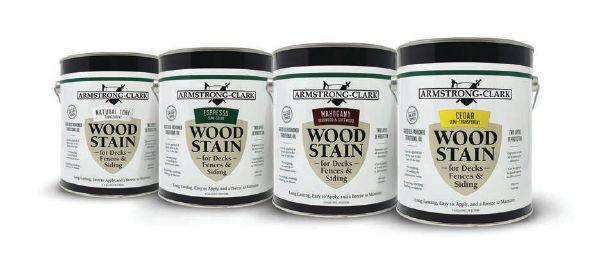
Independent home improvement retailers and channel partners are invited to attend the NHPA All-Industry Conference Oct. 21-23 at the newly renovated Las Vegas Convention Center in Las Vegas.
The conference, co-located with the National Hardware Show, is focused on delivering educational programming and networking opportunities to independent home improvement retailers and show attendees. Conference speakers include industry leaders, subject matter experts and successful retailers who will deliver insights into the current and future state of the industry.
“The home improvement channel was impacted tremendously by the pandemic, and while many in the industry saw significant sales boosts and overall growth, supply chain and product sourcing are still critical challenges,” says NHPA president and CEO Bob Cutter. “We’re excited to be back at live events, hosting retailers, buyers and trends experts to talk about how members of the independent home improvement channel have found solutions to these challenges. And to be able to do so at an event like the National Hardware Show, which is all about product innovation and discovery, is an opportunity retailers won’t want to miss.”
1
It’s free to attend the show and conference.
Register for the National Hardware Show to attend the NHPA All-Industry Conference free of charge. No separate registration is required for the conference.
2
You can take advantage of industry-specific education. Attend educational seminars, panels and keynote presentations at the NHPA All-Industry Conference. These engaging events are designed to help independent home improvement retailers grow and succeed.
3
It’s an opportunity to network with your peers and partners. Enjoy being back face-to-face to network with members of the entire channel. This is your chance to connect with other independent retailers, industry leaders and new and existing vendors.
Where
Las Vegas Convention Center in Las Vegas When October 21-23
Who Can Attend Independent home improvement retailers attend for free
Visit YourNHPA.org/marketplace to learn about NHPA’s newly launched Retail Marketplace that connects buyers and sellers of independent home improvement businesses.
Connect with buyers and sellers of independent home improvement businesses at YourNHPA.org/marketplace
There are a number of reasons why store owners choose to sell their businesses. They may be ready to retire and don’t have a succession plan or family members willing to take over the business. Or perhaps they are ready to explore new opportunities or lifestyle changes.
There are also buyers looking to acquire established stores. They may be aspiring first-time owners or experienced retailers looking to grow their operation by expanding into new locations or markets.
NHPA regularly receives buying and selling inquiries from retailers from the more than 40,000 storefronts it serves in the independent home improvement and paint industry in the U.S. and Canada. For this reason, the association has created a fair and cost-effective solution to give store owners a way to advertise their locations for sale.
The NHPA Retail Marketplace connects buyers and sellers of independent home improvement businesses. Marketplace listings appear in print in Hardware Retailing and online on the NHPA Retail Marketplace page on the NHPA website.
Both public and private listing options are available to retailers. Public listings will allow retailers to advertise their business for up to one year with information, photos and the retailer contact information listed. Private listings will not share photos or critical information, and NHPA will help facilitate any inquiries.
“Retailers contact me regularly asking if NHPA can assist in selling stores. I also have retailers reaching out about acquiring stores but don’t know what’s for sale,” says Dave Gowan, NHPA chief financial officer and executive vice president of business services.
“The Retail Marketplace is a way to bring those two groups together—as there is a high likelihood that the buyer of an existing home improvement store is already in the industry either as an owner or an employee looking to own their own business.”
To learn more about the NHPA Retail Marketplace, contact Dave Gowan at dgowan@YourNHPA.org or visit YourNHPA.org/marketplace
“There is a high likelihood that the buyer of an existing home improvement store is already in the industry either as an owner or an employee looking to own their own business.”
—Dave Gowan, NHPA chief financial officer and executive vice president of business services
Access more than 40 industry-specific training courses with an NHPA Premier Membership. Learn more at YourNHPA.org/membership
Visit YourNHPA.org/trainers-toolbox to access these inventory management Trainer’s Toolbox resources for your team.
Managing inventory is a big job, and no one person should have to do it alone. Every employee can help. In fact, it is most effective when everyone on staff understands their role in keeping track of every product that comes through your business. Two new Trainer’s Toolbox lessons are tools you can use in your next team meeting to show your staff how they can make a big difference in managing inventory. In addition, by helping to maintain accurate records, cashiers and sales associates can also provide better customer service and aid your loss prevention efforts.
It’s likely that retailers who fared the best during the supply chain disruptions of last year already had strong inventory management procedures in place. Because they had learned to effectively manage one of their largest assets, they were better prepared to deal with the unexpected.
If it’s time to brush up on best practices or teach your employees the basics of this important skill, enroll in NHPA’s course in Basic Inventory Management. This online course, available to NHPA Premier Members, offers an overview of the basic concepts of managing inventory in a retail operation. It helps anyone involved in retail understand what it takes to stay profitable and fix inventory problems early.

“Keeping Accurate Inventory: At Checkout” shares a few ways cashiers can avoid making incorrect entries into the point-of-sale system. For example, they should always be scanning individual items, rather than assuming similar looking items have the same SKUs.
“Keeping Accurate Inventory: On the Salesfloor” offers ways sales associates can spot problems that could potentially create inaccurate records. For example, make sure they know to report empty shelves and peg hooks so you can reorder.
Introduction to Inventory Management. Learn why proper inventory management is important to the profitability of a business. Ordering. This module covers the SKU, purchase order and several of the tools retailers can use for refilling stock levels.
Receiving. In this module, get an overview of the receiving process, including different methods.
Stocking. Learn some best practices retailers should follow when stocking and maintaining their inventory.
Maintaining Inventory Accuracy. This module outlines basic ways retailers count their inventory and some of the factors that influence the accuracy of their records.
Inventory Reporting. Understand common reports a POS system can generate and why they’re important.
Managing Slow-Moving and Discontinued Products. Learn how to manage slow-moving inventory, excess inventory and discontinued products.

Retailer Recommendations
Send an email to editorial@YourNHPA.org telling us about the products your customers love and why they are such a hit in your business.
MILWAUKEE TOOL
milwaukeetool.com or 800-729-3878
Constructed with a lightweight, comfortable foam, Free-Flex Knee Pads feature a water-resistant cap and adjustable straps that allow for quick and easy size adjustments.




OLFA | olfa.com
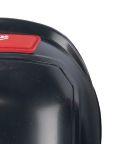
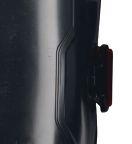
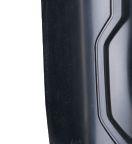
Each side of the double blade is flanked by a plastic guard to protect the user and prevent injury in the workplace. The shape of the handle guides materials toward the blade, allowing efficient cuts in boxes or straps up to 0.16 inches in thickness. The handle is suitable for right- or left-handed people. The knife is disposable and NSF certified for use in food handling.









MARK FELDSTEIN & ASSOCIATES INC. markfeldstein.com or 800-755-6504


Available in 8-inch and 13-inch sizes in green matte, cherry and oak wood frames, the 25th Anniversary Original Singing Bird Clock features enhanced artwork of 12 of the most recognizable songbirds in North America. It includes a Field Guide and 12 digital remastered, authentic corresponding bird songs, one at the top of each hour.






Check out the products that caught retailers’ eyes in the special presentation of the 2020 Retailers’ Choice Awards at YourNHPA.org/webinars
DOUG MOCKETT & CO. | mockett.com or 800-523-1269
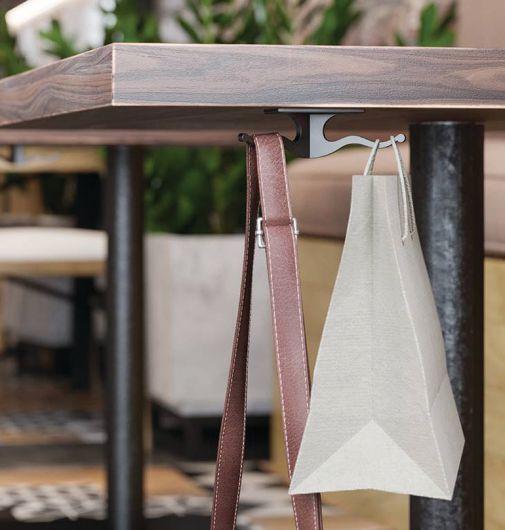
Available in a single hook or dual hook version, Purse Hooks from Mockett keep handbags, purses, shopping bags and more off the floor and within close reach. They can also be used on desks at home or in the office. Mockett’s Purse Hooks are available in satin stainless steel, matte black, glossy white or polished stainless steel finishes.

EXTERIOR LATEX PAINT
DIAMOND VOGEL
diamondvogel.com or 800-728-6495
Palisade™ Ultra Premium Exterior Latex offers enhanced flexibility to defend against cracking and peeling and is fade resistant. It can be applied by brush, roller or spray in low temperatures as cool as 35 F. Palisade is available in matte, satin and semi-gloss finishes.
















Visit YourNHPA.org/subscribe to be sure you’re on the list for the Paint & Decorating Retailer News & Product Trends newsletter.
WAGNER SPRAYTECH
wagnerspraytech.com or 800-328-8251
The Wagner 725 Wallpaper Steamer includes two steam plates that provide uniform distribution of steam in a concentrated area, making wallpaper removal faster and more efficient. The cool touch hose is 12 feet long and an advanced fill port protects against backflow while filling the tank. The 725 Wallpaper Steamer can run up to two hours on a single tank of water.













MULTIPURPOSE LADDER
WERNERCO | wernerco.com or 888-523-3370
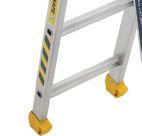
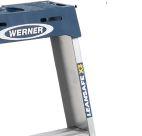
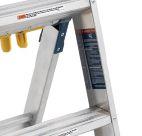
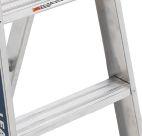
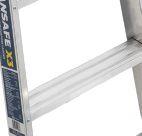
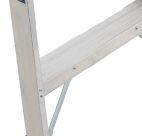
Werner ALDL Series Aluminum LEANSAFE® X3 is a 3-in-1 multipurpose ladder that changes from a step to straight ladder in one adjustment. It’s rated for 375 pounds and is designed to lean securely against flat wall surfaces, wall corners, poles and wall studs and perform as a standard stepladder. The front feet have nonmarring foot pads and the top secures tools and accessories.
























WEBINAR
2 Perspectives on Managing Inventory
Watch this discussion between two retailers to learn how they managed supply chain disruptions at YourNHPA.org/webinars
DISRUPTIONS
MANAGEMENT
By Jesse Carleton
Accounting for Your Inventory
Discover best practices for educating your employees on keeping accurate inventory on the salesfloor and at checkout at YourNHPA.org/salesfloor-inventory

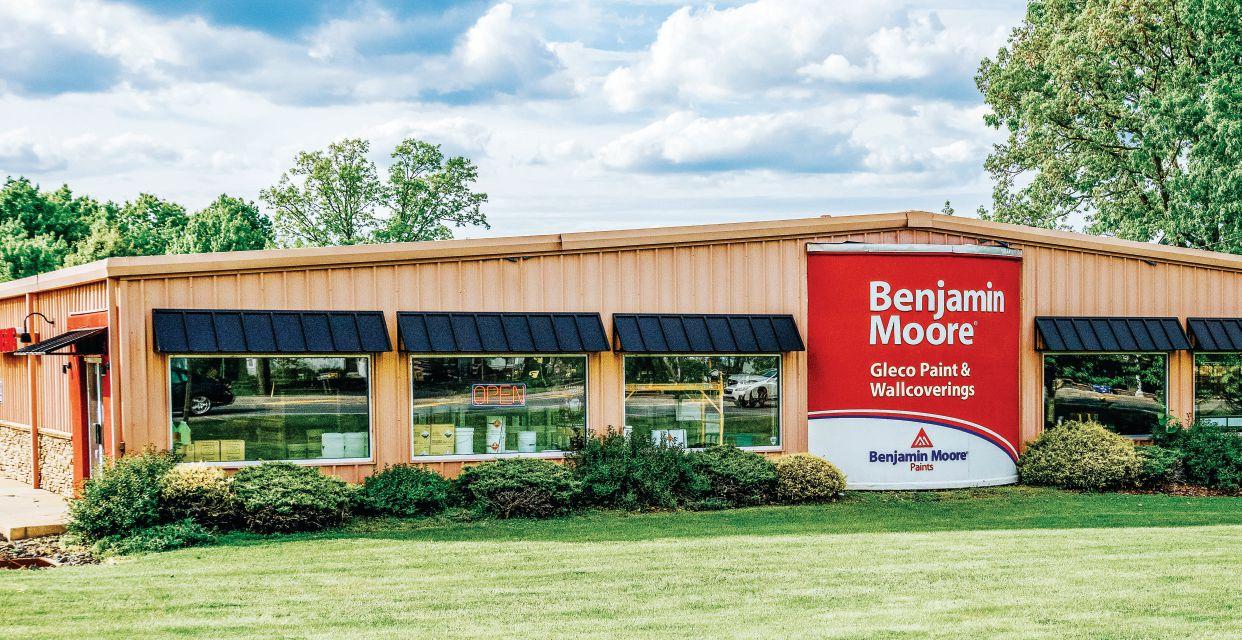
continued to be customer destinations even when some products could be difficult to find. STOCKING UP TRAINING
Thanks to creative solutions to inventory issues, Gleco
and JC Licht
Traditionally, if you wanted to manage your inventory effectively, you relied on efficiencies such as just-in-time delivery, minimal backstock and a reliable sales history. But in one year everything changed. During the pandemic, consumer demand for paint and decorating products accelerated.
The supply chain faced multiple challenges, including reduced work forces, limited availability of raw materials and increased demand. While many independent retailers posted sales gains for 2020, nearly everyone had to rethink the inventory management strategies they had used for so long.
As the industry begins to emerge from the disruptions of the past 18 months, it’s time to
think about what happens next. Are there going to be fundamental changes to the way retailers manage their inventory?
That’s a question Paint & Decorating Retailer asked two independent retailers, each with different perspectives and markets. As their answers show, inventory management of the future may focus more on agility in sourcing, tighter assortments and increased emphasis on backstock.
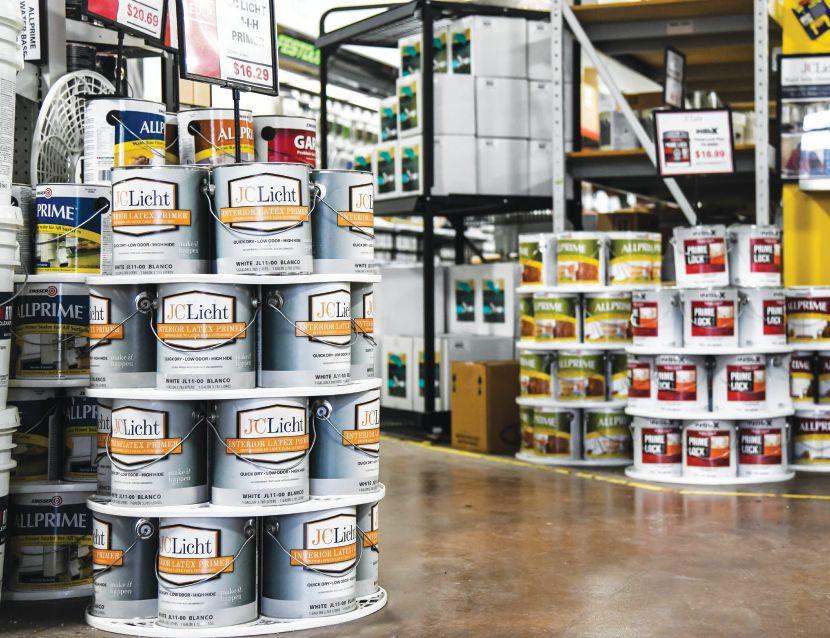
JC Licht was able to keep its customers supplied with paint throughout the pandemic because of a strong relationship with its primary paint supplier.
When it comes to sourcing after the pandemic, you’ll need to be agile enough to quickly try new products or utilize secondary suppliers, but you’ll also want to maintain strong ties with your primary vendors. It’s a strategy that will give you the best options when the supply chain gets tight.
Elliot Greenberg, president and CEO of JC Licht, which has 44 paint stores in the greater Chicago area, does most of his business with pro customers. While some activity slowed last year because many professional painters couldn’t work due to shutdowns, sales to retail customers increased. That kept his stores busy while paint products were in high demand.
Greenberg says the first wave of supply chain issues affected mainly sundry distributors. Some of these companies slowed production because they didn’t anticipate the surge in demand among consumers.
He says he was already in a good position to weather a sundry shortage because he was in the habit of utilizing several vendors. Even when other
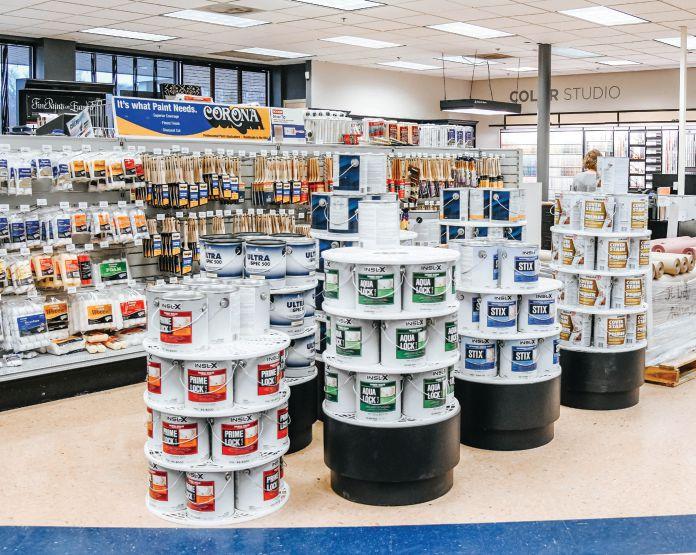
retailers may have been running low, his stores had plenty on the shelves.
“No one walked out of our store because we didn’t have the brush or roller they needed,” he says. “Our diversity of product was the biggest advantage for us. We have two or three lines of every paint sundry, so if we were low in one vendor, there was another. That has always been a strategy of mine, and it paid off during the pandemic.”
When it comes to paint, Greenberg remained loyal to his primary supplier, which worked hard to make sure he
“I see all of my vendors supporting me during this time because I’ve been so supportive of them.”
—Elliot Greenberg JC Licht
continued to receive shipments of the products his customers needed.
“Benjamin Moore did a phenomenal job of filling orders for us,” he says. “They communicated daily with our team, and they were able to get us basic stock, along with some hard-tofind items, and help us keep our prices where we needed to be.”
While agility in sourcing is a good strategy for some areas, he says, the pandemic actually helped solidify his relationship with his core vendor base. His strategy going forward will be to buy as much from the brands that have helped him build his business. The relationships he’s forged over the years of being in business have paid off in vendors doing their best to fill his orders.
“We have shown tremendous loyalty to our vendors over the years; we’re not in the habit of switching all of the time just to serve our own needs,” he says. “As a result, I see all of my vendors supporting me during this time because I’ve been so supportive of them.”
Rethinking Assortment Planning
In 2021, the second wave of the supply chain crunch centered on paint. The ice storm in Texas in February, which resulted in the shutdown of
A buy online, pickup in store service could affect the way you manage your inventory. Learn BOPIS best practices at YourNHPA.org/operations
some oil refineries and decreased availability of raw materials used to manufacture architectural coatings. Some of those raw materials became difficult, often impossible, to find. As a result, some manufacturers temporarily suspended entire product lines, usually commercial or entry-level products, and focused production on their premium lines, which drew higher margins.
Some manufacturers took another approach; they created new products with formulas that didn’t require the raw materials they couldn’t get.
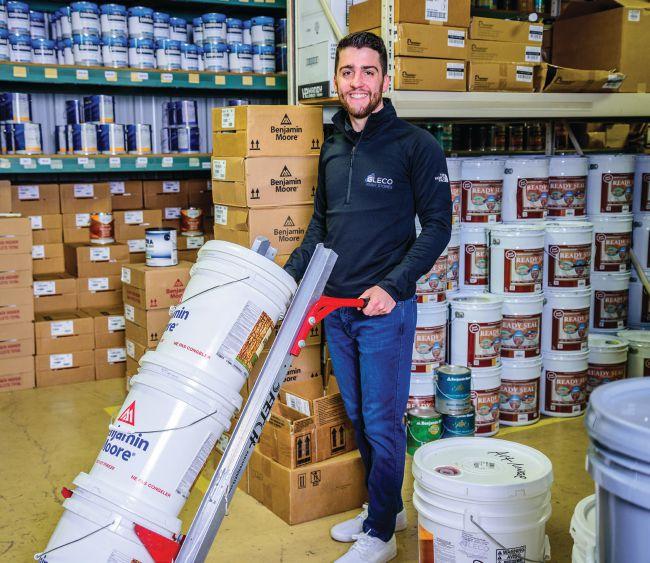
Mike Gleason Jr., who is part of the operations at Gleco Paint, which has three locations in eastern Pennsylvania, says a willingness to try new products has won him a lot of new business. He had a few trusted
customers who would help him vet substitute products before he loaded up his store with it.
“We would have our contractors test the substitute product we found,” he says. “We already had a good relationship with many of the customers, so we could ask them if they would be willing to use it, just so we knew what we were getting into before we made a big order. Some of them actually liked the new product better, so now we’ve found something that works, and we’re offering them better service because they’re getting a better product.”
When he found a substitute product, instead of just ordering a small quantity to see how well it sold, Gleason said he would make
a large purchase. While that was a risk he may not have taken in normal times, now he was willing to take the gamble. He may not get another chance to order, and he would be better positioned to pull in new customers. The wisdom of taking risks and trying something new has become even more apparent during the past 18 months.
“For me, it meant being willing to get out of my comfort zone and try something new in order to help my customers solve a problem. Because if you can’t solve it for them, they’re going to go somewhere else.”
Now, Gleason has more inventory in the store than he ever has before, and his aggressive buying tactics are paying off as he picks up new customers.
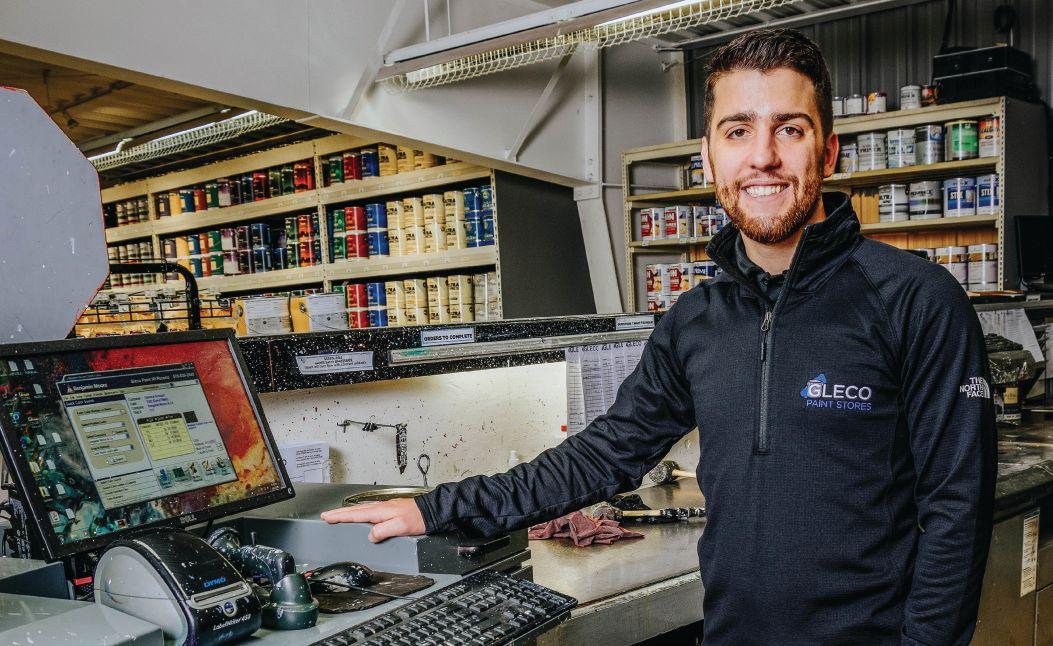

POP-UP WAREHOUSE
When he no longer had enough space in the store for backstock, Mike Gleason Jr. purchased a shipping container to place behind his building so he could continue storing large orders.
“Customers are reaching out to us with larger orders and many of them have never shopped with us before,” he says. “They’re often people whose business we’ve been trying to get for years, and now we have a chance with them because we have what they need and their regular supplier doesn’t.”
As manufacturers change their assortments because of raw materials shortages, it’s possible retailers may also make long-term changes to their product mix. Trimming out slow-movers has always been an inventory management best practice; now assortment planners may be a bit more aggressive when purging C and D items. At JC Licht, Greenberg is using the opportunity to reassess his assortments.
For example, if a manufacturer temporarily stopped producing a product line in favor of their higher margin lines, Greenberg was able to move customers to the better product.
As a result, he took the opportunity to consolidate his product offering, which is a trend he may continue in the future. He says his purchasing team will simplify his product mix to focus on his most popular items.
“We may find we don’t need to have a little bit of everything like we did before,” he says. “We intend to start doing more line reviews, eliminating duplication and we may not go with as many C and D items. Our plan is to put more emphasis on best-sellers so if we’re ever in this situation again, we’re in a better place.”
Retailers who used to rely on just-in-time delivery to maintain inventory levels may start keeping more backstock to provide a safety net against supply chain issues. To do that, you’ll need to have the confidence to buy larger quantities, and often buy them further in advance than you may have in the past. Retailers who already have efficient operations and cash on hand to invest in extra inventory may be best prepared to deal with supply challenges. Sales at JC Licht spiked as contractors got back to work after the shutdown last year. When paint and sundry vendors started showing signs of distress, Greenberg began buying as much product as he could.
Inventory 101
Teach your employees the basics of this critical skill with NHPA’s Basic Training in Inventory Management. Find more information at YourNHPA.org/employee-training
Some of his commercial customers place orders for hundreds, sometimes thousands, of gallons of paint. The 60,000-square-foot warehouse at company headquarters typically has space for the truckloads of paint and coatings that come in and out of the facility every day.
When it became apparent there would be limits on how much paint he could get, Greenberg began buying as much as he was able. He didn’t want to rely on just-in-time delivery, in case he couldn’t get what he needed.
“We decided to load up on inventory,” he says. “Business was booming at the time, so we had a little more confidence that we were not going to be stuck with inventory. If we had it, we would be able to sell it.”
Uncertainty over the supply chain also created some positive habits among his staff, which Greenberg hopes will continue into the future.
As business increased, JC Licht’s outside sales reps started learning to be more proactive as they were talking with customers. They asked contractors to let them know how much paint they might need as soon as they got a big job, even if it was months away. Greenberg promised to set aside enough paint for their job, even if that meant storing it for a couple of months.
At the retail level, managers at JC Licht’s various retail locations began working together to share inventory.
“We’re learning good sales habits. Our outside sales people are being more proactive at pursuing jobs and planning ahead,” he says. “Stores are working together more to share inventory with stores that need it. They’re learning from each other about what works and what doesn’t to get through this crisis. These are all good habits our people are learning because they have to, but we want those habits to stick.”
Retailers who may not have the large warehouse spaces to bulk up on backstock are getting creative. At Gleco Paint, Gleason cleared as much space as he could in the backroom of each of his stores and has been stacking more inventory on the salesfloor.
Availability has trumped brand loyalty for many customers during the pandemic. This presents opportunities for you to bring in new brands, as some of these preferences may stick for the long-term.
20% OF DIYers tried a new brand during the pandemic. Nearly two-thirds of them said the new brand was either somewhat or much better than the old brand.
32% OF RESIDENTIAL AND COMMERCIAL PROS have tried a new building material brand during the pandemic. More than 90 percent said they were satisfied with that brand.
46% OF CONSUMERS discovered the new brand on a supplier or retailer website. A close 42 percent found new brands in the store aisles.
Source: Venveo and The Farnsworth Group
He also purchased a shipping container to place behind one of his stores that he uses as extra warehouse space.
He thinks increasing backstock could become a best practice for the future. It’s possible that for some of his key paint movers, he could keep as much as two or three months worth of inventory. He’s going to be wary of depending on frequent deliveries to keep the store stocked.
“We could always make our sundries order last a while, but we’d buy paint expecting a delivery the next day or within a week,” he says. “We never had to worry about it. Now, our entire team is taking the same philosophy with the paint orders as I did with the sundries. We’re stocking more paint than we ever have before. It’s the only way we can confidently service the industry right now.”






By Lindsey Thompson









Learn what changes you can make to create an exterior that wows and welcomes customers at PDRmag.com/store-exterior-trends
More than a place for the front door and a sign, your store’s exterior says a lot about your business.
Retailers only get so many chances to make a good first impression, so it’s important to evaluate your storefront and make changes that will draw in more customers.
Paint & Decorating Retailer spoke with two paint retailers who recently tackled exterior renovation projects. They share why updating their stores’ exteriors was important for their businesses and best practices for planning your own exterior renovation project.
When owner Gordon Anderson established Alpine Paint Co., he went into the venture knowing there would be several renovation projects in his future. Anderson opened the first Alpine Paint store in Breckenridge, Colorado, in April 2013, hiring a manager and securing a building lease in just a few months. The business soon outgrew the space, and Anderson added a second location in June 2015 in Silverthorne, Colorado.
“We opened the Breckenridge store with the intention of serving all of Summit County from that location,” Anderson says. “We found that location was too far removed from the other side of the county, so we searched for a spot in Silverthorne and purchased two buildings on Blue River Parkway, the main thoroughfare.”
The two buildings Anderson bought in Silverthorne were built in the 1960s and hadn’t been updated since the 1980s, but were located in front of a popular shopping center with excellent street exposure.
“We went in knowing we’d have to do an exterior renovation because the buildings were an eyesore,” Anderson says. “After we opened, our contractor customers loved our new location in that part of the county and would come in, but we were having a hard time getting our retail customers in the door. We thought an exterior renovation would help bring them in.”
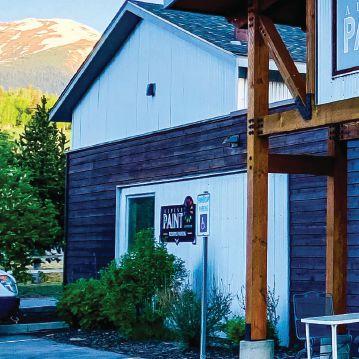
Renovations began in 2017 and included a complete exterior overhaul with new siding, lighting, cedar wood beams and an Alpine Paint sign. The cedar beams fit into the architecture of the area; the shopping center behind the paint store has a similar look with rustic beams and stone.
Another major part of that store’s renovation was repaving the parking lot.
“We discovered that even after the exterior remodel, female customers were still reluctant to come in because our parking lot was so full of potholes and in bad shape,” Anderson says. “Traffic of DIY customers significantly increased after the parking lot was paved.”
“We were having a hard time getting our retail customers in the door. We thought an exterior renovation would help bring them in.”
—Gordon Anderson, Alpine Paint Co.
Over at the Breckenridge location, exterior renovations also started in 2017. That storefront needed new siding and had a lean-to roof that was causing issues for customers in the winter. The way the roof was designed, it dumped snow into the parking lot and front entrance. The renovation eliminated the snow issue and updated the look of the building, making it more welcoming to customers.
Use our free project plan template as a guide to map out your renovation or other major project at your operation. Learn more at YourNHPA.org/operations-tools
Both renovation projects took four to five months to complete. Neither store needed to close during the construction, as each had a side or back entrance that customers were able to use instead of the main entrance. Anderson says they also increased delivery services during that time to accommodate customers.
Taking on one major renovation project can be difficult enough; tackling two at once requires twice the energy and effort. But for Anderson, both were necessary and the end result is what they were hoping to achieve.
“The city of Silverthorne is especially appreciative since that building was in such disrepair,” Anderson says. “Both locations now allow us to better serve our customers and be the go-to store for painting products in Summit County.”
Since the 1970s, Ideal Home & Paint Supply has been operating in St. George, Utah, providing automotive paint and supplies to customers and businesses in the area.
“If you need to close all or parts of your store during a renovation, create alternative ways to enter the store or offer other ways for customers to shop with you, such as online shopping and delivery.”
—Gordon Anderson, Alpine Paint Co.

“We wanted an exterior that would appeal to customers and catch their eye from the road.”
—Dusty Saxton, Alpine Home & Paint Supply
In that time, the business has expanded and now includes a home division that sells paint, architectural coatings, decor and more.
Both divisions were working out of the same building in Old Town St. George, but it soon became clear the home division needed its own space, says sales manager Dusty Saxton.
Old Town didn’t have many options for a new location, but the newer part of the town, located across a mesa, had opportunities for expansion, as well as little competition from other paint stores. Two years ago, the company purchased another building in St. George and the home paint division moved across town into a building that once housed the local newspaper, The Spectrum.
“Everyone in our area knew that building as the former Spectrum newspaper building, so we wanted to do something to the outside that let everyone know the building was now the Ideal Paint building,” Saxton says.
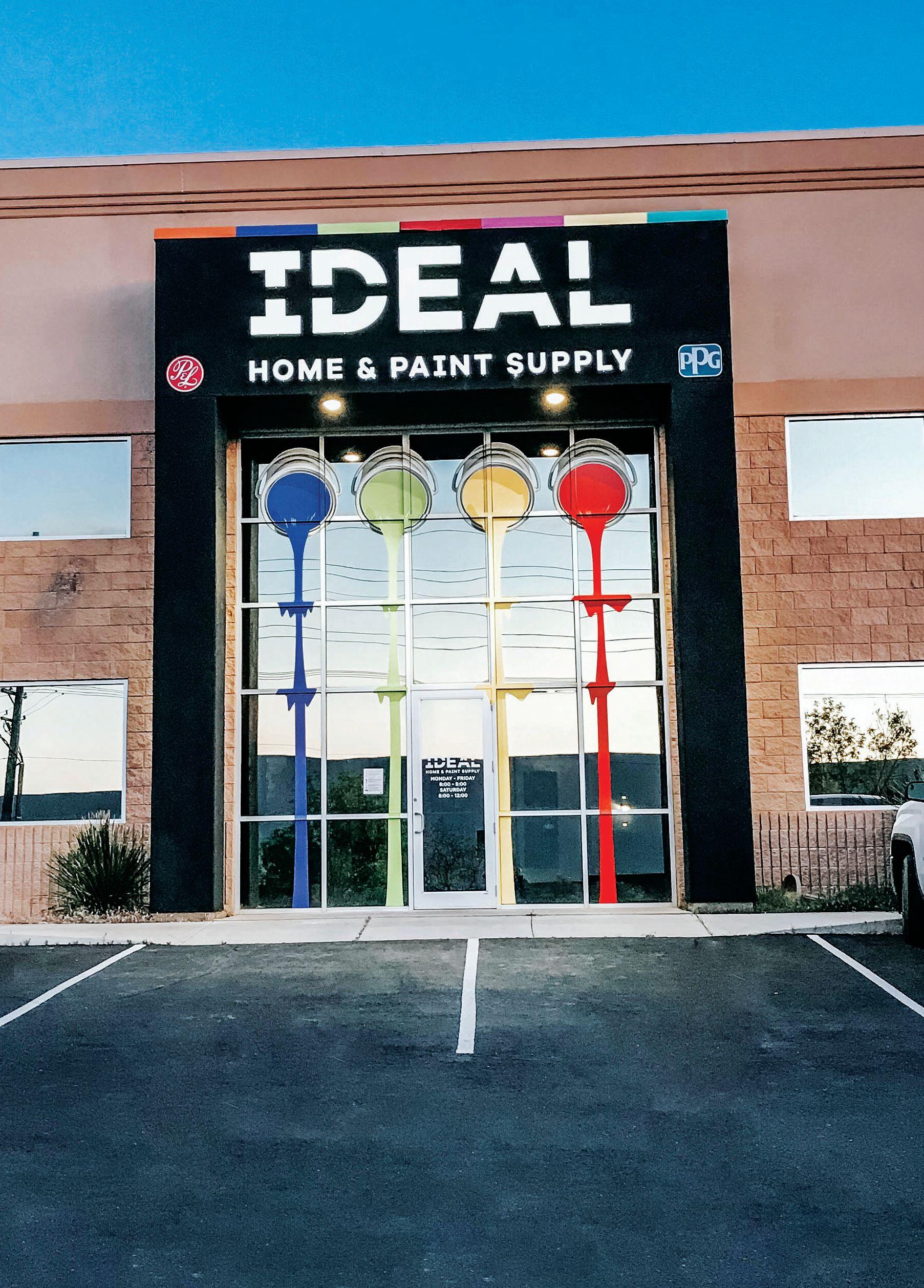
EYE-CATCHING ENTRANCE
Ideal Home & Paint Supply’s newest location has a front entrance that pops with color and can be seen from the road.


Your store’s exterior draws your customers into the store and sets the tone for their shopping experience. The exterior design should fit your company’s brand and include these three essential elements.
Well-marked entrance. Be sure your entrance is easy to spot from the parking lot and accessible for all customers.
Legible business sign. Your store’s sign should be prominently displayed and easy to read. Don’t forget to include signage that provides your store’s hours.
Window displays. If your store has windows, consider using window displays to promote seasonal products, new arrivals or sale specials.

Source: VMSD, Next Store: First ‘Design Impressions’ Start With Exterior Planning
“Consider hiring a professional designer or using your own in-house designer to help you come up with a plan, provide guidance on what will look best and be sure you’re including all the necessary elements.”
—Dusty Saxton, Ideal Home & Paint Supply
“The building is in an industrial area, so we wanted an exterior that would appeal to customers and catch their eye from the road.” And catch customers’ eyes it does.
The entrance features a wall of glass windows around the front door with four large paint cans that appear to be pouring paint down the glass. The Ideal Paint logo sits above the paint cans. Along with an eye-catching front entrance, colorful banners run the length of the large building, which has 3,000 square feet of retail space and an additional 10,000 square feet of storage space in the warehouse. The banners feature various paint products, and each banner features a single color family, including yellow, orange and purple.
“We tried to separate ourselves from other paint stores in all areas, including the way our store looks.”
—Dusty Saxton, Alpine Home & Paint Supply
“Because the building is so large, it made sense to have a huge, bold exterior that catches your eye and your attention,” Saxton says.
Saxton says the company utilized the services of its in-house designer, Kasi Miller, when designing the exterior.
“We knew we wanted something eye-popping, but weren’t sure what it should look like exactly, so we went to Kasi and asked her to create the design,” Saxton says.
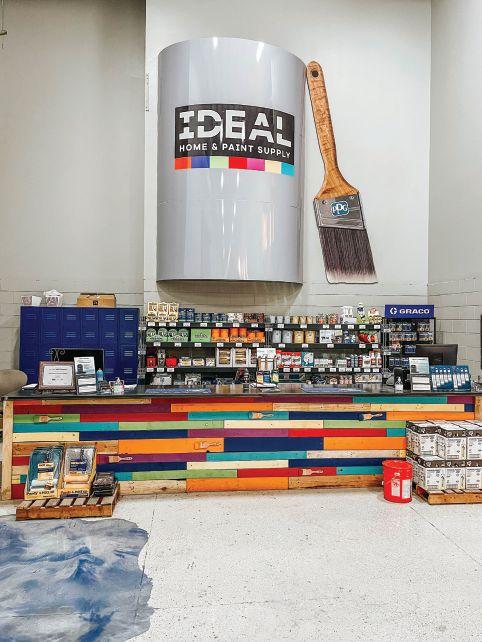
The interior of Ideal Home & Paint Supply complements the exterior with similar design features and colors.
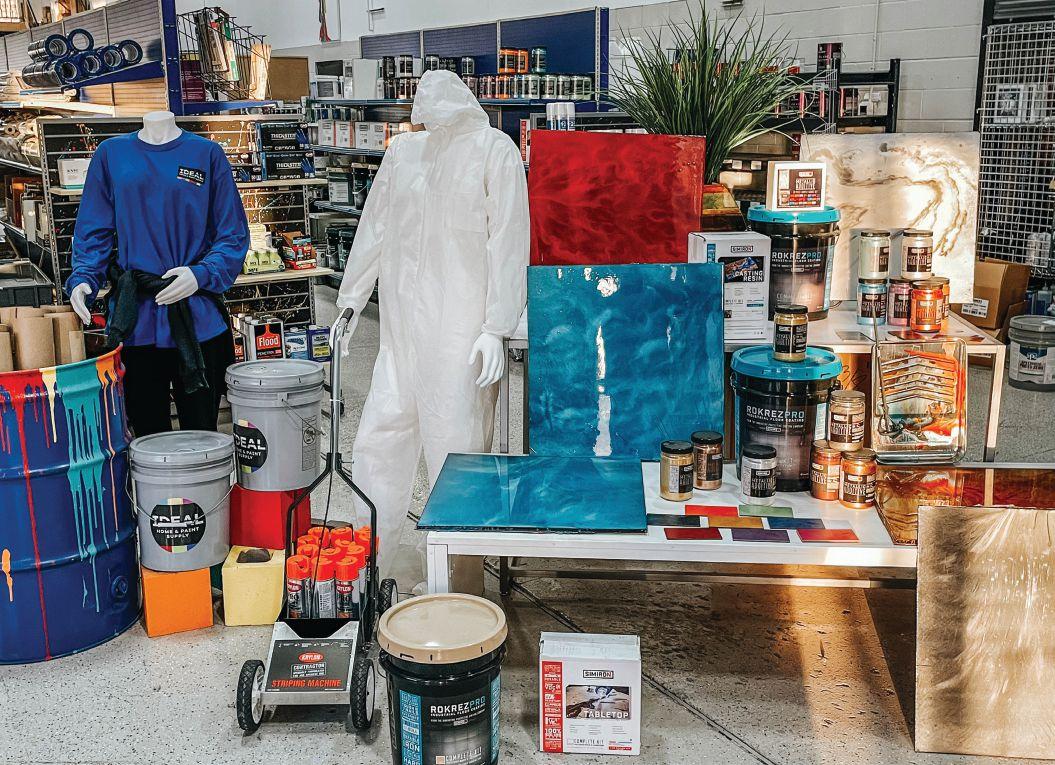
The creative designs flow into the interior of the store as well. As customers walk in the front door, their eyes are drawn to a wall that mirrors the entrance, with the impression of paint streaking down the wall. A giant paint can and paintbrush sit over the sales counter, and Saxton says there are plans for a local muralist to fill a large blank wall in the store with a colorful paint-themed mural.
The exterior renovation has achieved its goal, which was to set Ideal Home & Paint Supply apart from the competition.
“We tried to separate ourselves from other paint stores in all areas, including the way our store looks,” Saxton says. “Our designs have paid off, as we have so many customers, and even some sales reps, come in and say that our exterior is impressive.”
By Todd Taber
Specialty paints are some of the most versatile products independent paint and decorating retailers sell, helping customers add a truly individualized final touch to every project they undertake. But keeping your inventory fresh and helping customers realize specialty paints’ true potential is a constant challenge.
Though specialty paints may not account for a majority of your sales, many retailers are finding demand is steady and higher product prices can make up for lower sales
volumes. As supply chain issues constrict more home improvement products, retailers are finding premium products like specialty paints are often immune from shortages.
Rainbow Paint & Decorating owner James Pace knows how important keeping specialty paints top of mind for customers can be. That’s why he stays up to date with the latest trends and advancements in this category. Learn how he uses those insights to boost sales and inspire customers when they visit his business in Birmingham, Alabama.
For bonus ideas on improving your specialty paint category, visit PDRmag.com/specialty-paint.
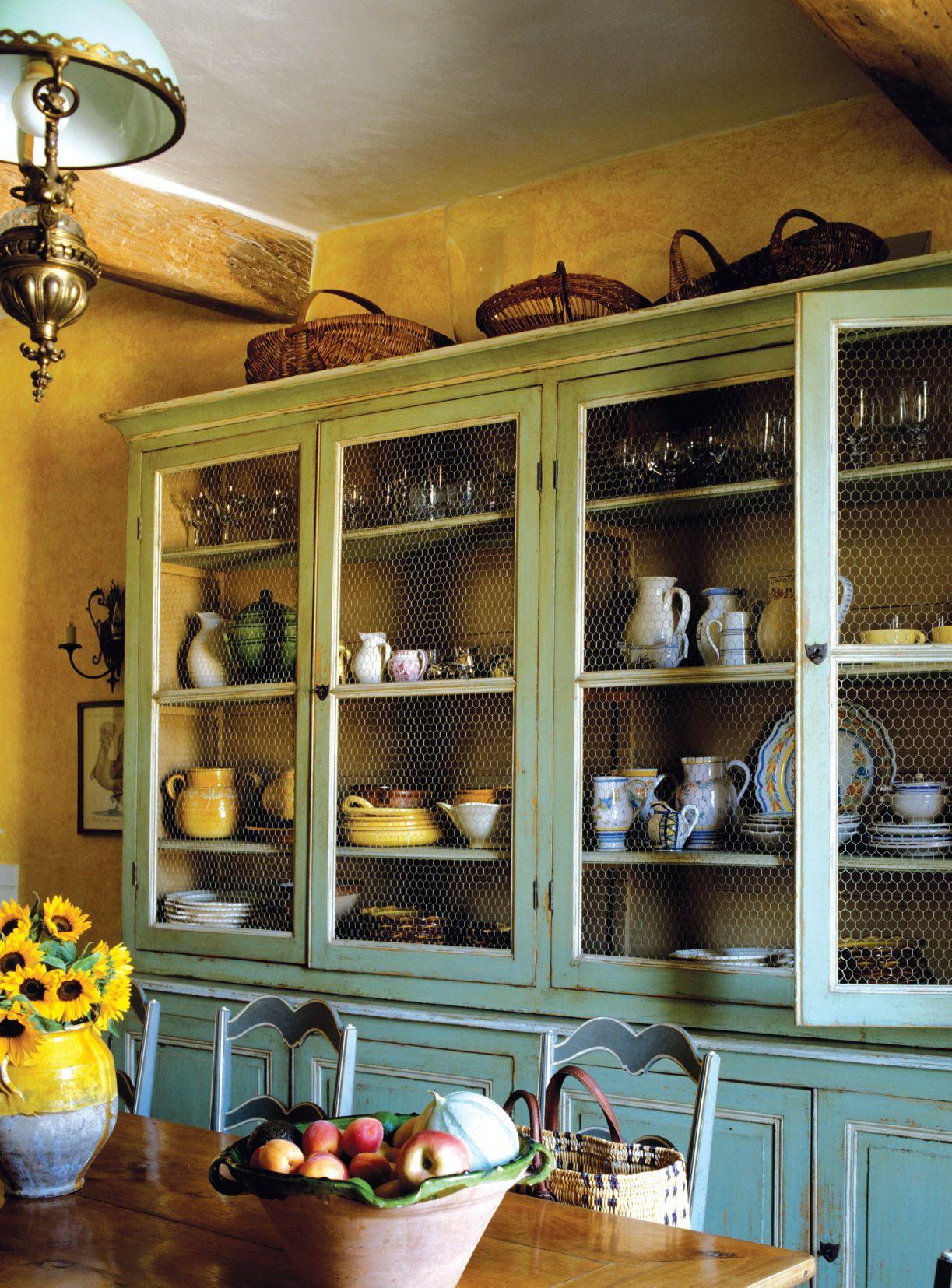
Specialty paints offer Rainbow Paint & Decorating customers a unique way to personalize their spaces and can be a smart way to repurpose old furniture. FINISHING TOUCH
Discover how paint manufacturer PPG’s second-quarter financial results performed at PDRmag.com/ppg-q2.
Specialty paints can be used to achieve countless looks and feels. As more customers are spending time at home and rethinking what they want from those areas, use these pointers to help them see new potential in old spaces.
Chalkboard Paint
Spaces for kids to explore art and do schoolwork at home will always be in demand. Advertise chalkboard paint to DIY customers to boost sales. Merchandise chalkboard paint with impulse items like colorful chalk, erasers and cleaners to increase add-on sales.
Shimmer paints
Shimmer paints can help customers find new potential in living rooms and bedrooms, adding depth to bookcases, bedside tables and coffee tables. Display shimmer paint on a refurbished table in your store to demonstrate the end result.
James Pace bought Rainbow Paints in November 2002, becoming the third owner of the 44-year-old business. He says he loves to help people and has always wanted to be a small business owner. When the opportunity to buy the business became available, he jumped at the chance.
As he closes in on 20 years of ownership, he says the past 18 months have been some of the most exciting—and challenging—he’s seen as owner.
Though sales rose steadily throughout 2020 and into the first quarter of 2021, he now reports seeing supply chain volatility and is having trouble keeping some of his most popular products on the shelves.
One of his strategies to combat supply chain woes is to source products from a variety of suppliers.
“I think we’ve been fortunate because I’ve been able to source from multiple vendors—that doesn’t mean we haven’t had challenges—but we’re not beholden to a single supplier,” Pace says. “We’re buying from many vendors and while that may not be a popular standpoint, it’s what we need to do.”
Metallic paints
This segment of specialty paint can help at-home office workers refresh their home offices without breaking the budget. Explain the effect metallic paints offer for old furniture, like desks, bedside tables or hutches.
Glitter paints
These eye-catching paints can truly transform children’s bedrooms. If you notice customers shopping with children, suggest your glitter paint options. Advertise the products on your social media for guaranteed customer clicks.
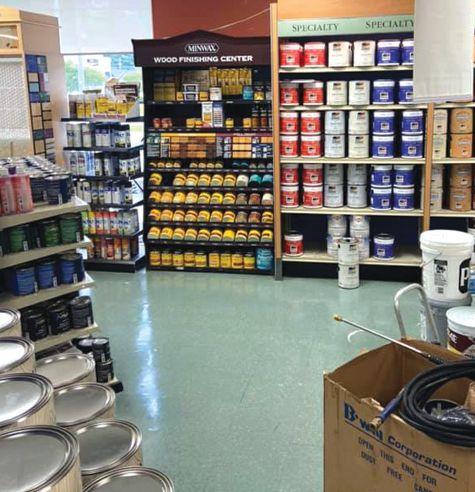
Rainbow Paint & Decorating owner James Pace says specialty paints have offered a new sales opportunity over the last year. SUPPLIER OPTIONS

Teach your employees the concepts behind project sales to increase transaction sizes at YourNHPA.org/selling-skills.
One of the other ways Pace and his team have kept sales strong is by leaning into products that haven’t faced logistical uncertainties, like specialty paints.
“Specialty paints are usually super-premium paint products that aren’t sold in the big boxes or company stores because they require a certain level of expertise to sell them correctly to a unique client,” Pace says.
Helping customers see the benefits of investing in high-quality specialty paints is critical to maintaining steady sales, Pace says.
“Specialty paints are a category where customers are willing to pay more as long as they’re being educated on the value of these specific products,” he says. “Even if the market for specialty paints is relatively small, we want 100 percent of that market.”
“We intentionally put effort into being experts in our industry and in our market.”
— James Pace Rainbow Paint & Decorating
Specialty paints are an exciting category for Pace, who says after nearly two decades in the paint and decorating business, the possibilities specialty paints bring motivate him.
“People’s color choices, especially for specialty paints, are growing bolder, which I like,” he says. “It’s hard to get excited about the perfect white.”
Pace says many customers use specialty paints as accents, but more customers are incorporating them into central parts of their homes, including the kitchen and master bedroom.
“Formal living rooms are another popular spot,” he says. “Anywhere a homeowner can invite guests, they want to impress them and specialty paints can do that.”
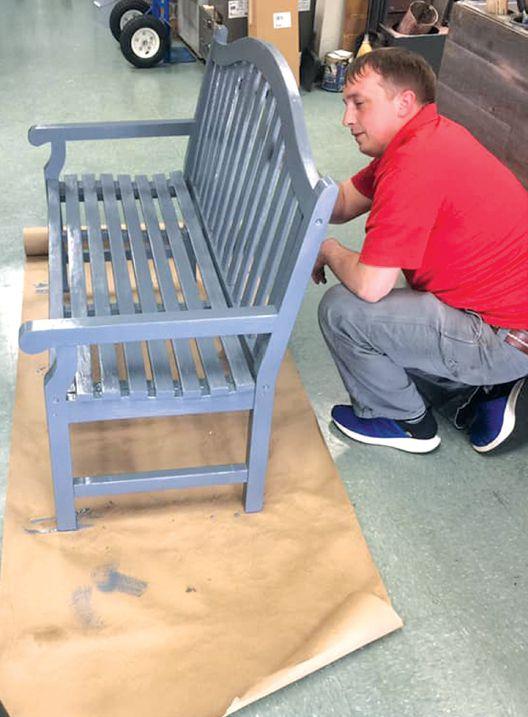
Big boxes don’t have the ability to compete with highly educated paint and decorating employees, giving Rainbow Paint & Decorating and other independents a distinct advantage in the category.
“Training for specialty paints is critical,” he says. “Even the least-tenured person on my team has 13 years of experience. Creating longevity in our team is part of keeping everyone informed on the products.”
Pace says it may take a customer several weeks, even months, to finish a specialty paint project, and the continuity of having long-serving team members on staff helps create trust and ensure projects run smoothly from beginning to end.
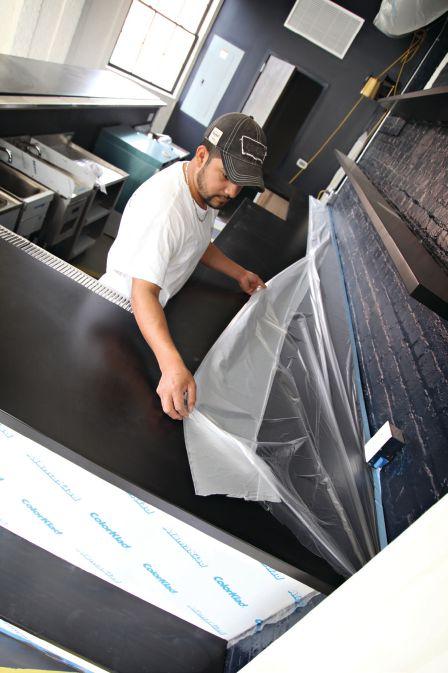
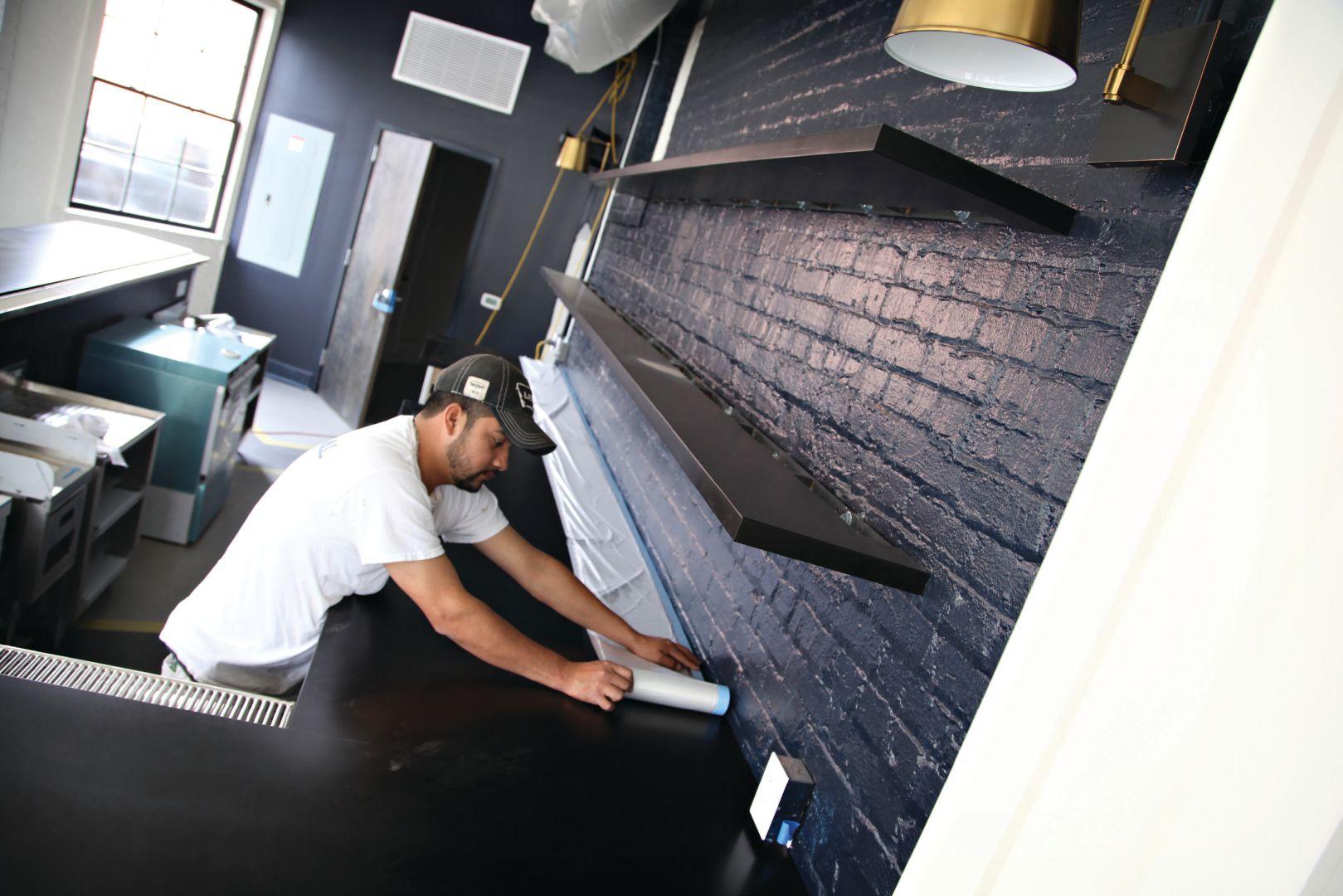
Pace says that a few years ago, he installed a spraybooth in the back of his store to complete small projects for customers. But the new addition also enabled his team to try out specialty paints themselves to learn best practices and offer insider tips to Rainbow Paint & Decorating customers.
“One of the reasons we installed the spraybooth was to be able to grab products off the shelves and test them out ourselves,” Pace says. “We intentionally put effort into being experts in our industry and in our market.”

Last fall, the North American Hardware and Paint Association (NHPA) expanded its membership to include independent paint and decorating retailers. The organization’s mission is to help independent home improvement retailers become better, more profitable merchants.
NHPA has served the home improvement channel for more than 120 years through a variety of programs, services and publications, which now includes Paint & Decorating Retailer magazine. The longevity of the organization is solely due to the support and engagement of its members: independent home improvement retailers. The more retailers who engage with the organization, the more specialized support it can provide the channel.
Another crucial component of NHPA’s long history of service is the leadership’s focus on listening to retailers and
identifying their key wants and needs from the association. Because the association’s focus is on helping retailers improve their operations, the only way to be successful in that endeavor is to ask retailers what they need.
“Every independent paint and decorating retailer reading this publication is a member of NHPA,” says NHPA executive director of paint and decorating programs LeAnn Day. “There are countless opportunities, programs and services available to you through the association, and we are continually working on improving and tailoring them to paint and decorating retailer needs.”
To further the association’s mission in regard to serving paint and decorating retailers, NHPA recently launched a comprehensive survey that will help guide future endeavors, from training programs and live events to magazine content and more.
SHARE YOUR THOUGHTS
NHPA launched this survey so the association can tailor programs, services, virtual and live events and magazine content to your business. All the information collected in the survey remains confidential. No identifying information will be shared. If you wish, you can add your contact information at the end of the survey for a chance to win a $50 gift card as a thank you for participating. You can access the survey at YourNHPA.org/paint-survey.
Read more about the North American Hardware and Paint Association expansion at PDRmag.com/nhpa
Use this guide to learn about what is in the survey.
We want to know about you and your business, your staff, who your customers are and what products and categories represent the majority of your sales.
How We’ll Use The Data: Gathering this data helps us better understand the paint channel and will lead to more tailored programs, services and content to specific audiences and business types.
In the survey, you’ll be asked to rank the top challenges you have in your business and the areas where you would like more guidance or assistance.
How We’ll Use The Data: This information directly correlates to future stories we feature in the magazine, research initiatives, guest speakers we host at events and for webinars, training programs we develop and other services we provide.
The final segment of the survey asks you to tell us how familiar you are with the association and the publication and what you would like to see more of in the future.
How We’ll Use The Data: The results we gather from this part of the survey will have a direct impact on association initiatives and the scope of magazine content.
Pro Practices
Supply chain volatility is prompting pros to change how they do business. See how at PDRmag.com/pro-reaction
During the COVID-19 pandemic, many of your shoppers learned new skills to take care of their homes and families. Review data from the National Hardware Show on how you can use these customer behavior shifts to drive sales for your business now and in the years to come. For more information on current DIY trends, connect with National Hardware Show vendors, buyers and attendees at nhsconnects.balluun.com.
Green renovations are on the rise.
Roughly three-quarters of U.S. homeowners started residential renovations in 2020, and research shows 4 out of 5 millennials are undertaking projects, including interior and exterior paint projects.
Stock eco-friendly paint options to capture higher sales from millennials.
Source: National Hardware Show
Gardens are growing across the U.S.
Landscaping and gardening projects were some of the most popular projects during the pandemic, but victory gardens saw a resurgence in popularity, with online searches growing, rising 4,600 percent last year.
Market easy-to-use stains and finishes to help new gardeners make their flowerbeds stand out.
Homeowners believe they can.
As homeowners harvest produce from their new backyard gardens, many are looking to extend the taste of summer for months to come. That’s where canning products can make a big sales difference.
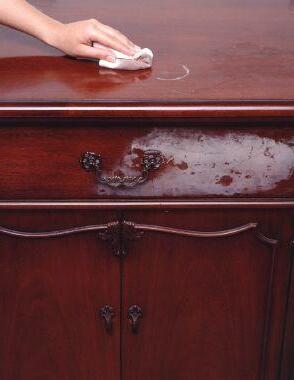
Diversify your inventory by investing in seasonal products like mason jars, which can be used for decorating and canning.


•
•
Browse the programs, courses and tools available to you as part of the Academy for Retail Development at YourNHPA.org/academy
While you might be able to provide all the products a customer needs for a project, they may still need a helping hand with actually accomplishing their DIY goals. Offering your customers a list of local professionals for painting, wallpapering or interior design shows you’re willing to go the extra mile and build rapport with other local businesses. Check out these four tips for putting together your own list of paint and decorating resources.
01
02
03 Ask around.
Talk to trusted customers for recommendations on the professionals they use. Most likely, the contractors you have as part of your customer base would love the extra promotion as well.
Offer paper and digital copies. Make it easy for your DIY customers to access your list by keeping hard copies in the store and creating a page on your website to share the list digitally.
04
Do your homework.
When you recommend someone, they become an extension of your own business. Before adding anyone to your list, check out their credentials and reviews to be sure they provide high-quality and fully licensed work.
Seek out cross promotions. Don’t be afraid to ask your recommended service providers if they’ll also recommend your business to their customers in return for you adding them to your resources list.