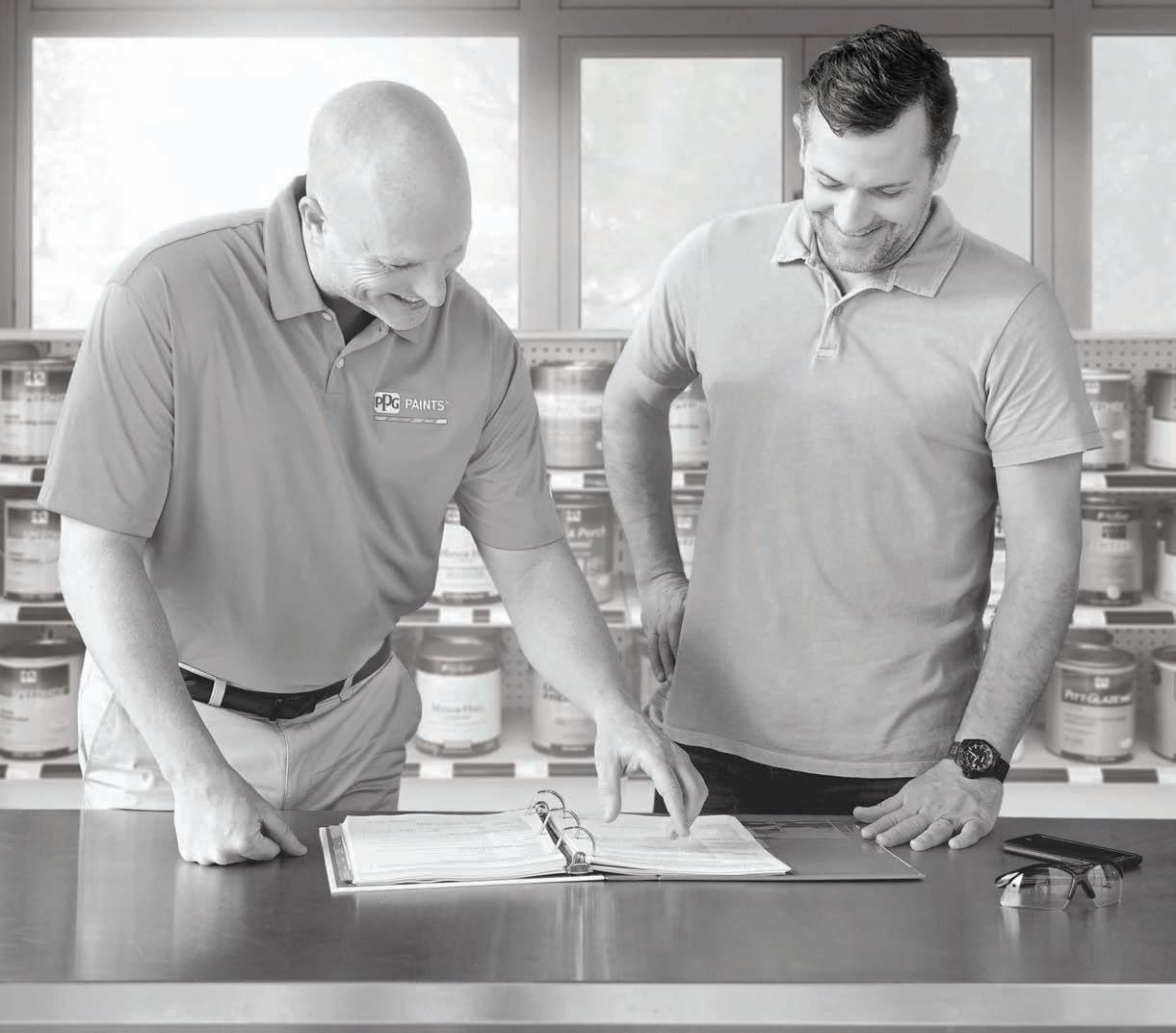
Investing in dynamic employee training resources is a surefire way to boost knowledge, confidence and sales at your business. Learn how your association’s training programs can position your store for success. Hear from retailers who have used the Paint and Decorating Retailers Association resources to train both new hires and longtime employees.
High-Tech Highlights
The latest mobile technology is empowering retailers to be more agile and responsive to customers’ needs. From enabling retailers to price check products instantly to creating new opportunities to engage customers after a sale, these high-tech tools are transforming businesses. Learn about the devices that are ushering in a new era of retail reality.
Specialty Paints Shine
Specialty paints are becoming an increasingly popular option for customers who want to add some sparkle to their DIY projects. But specialty paints are more than additives. Get the lowdown on how these paints are gaining traction with customers and get tips on how to tailor your specialty paint inventory to match your market’s needs.
Not So Standard Upgrades
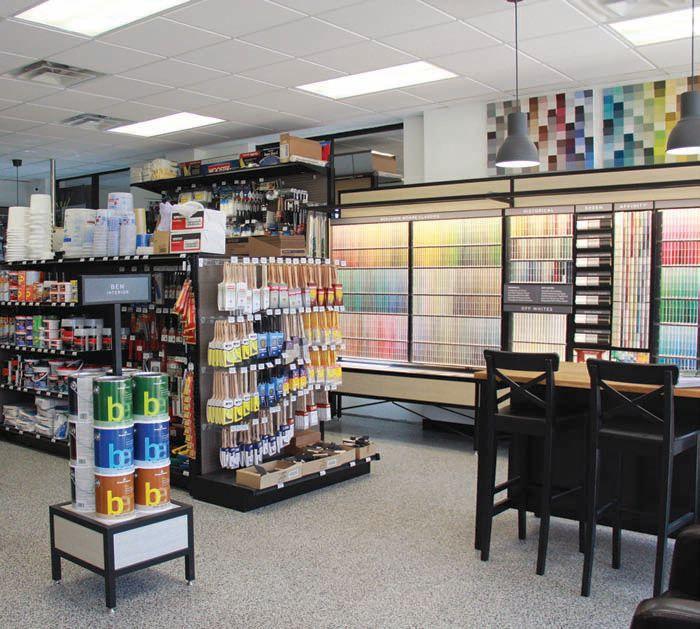
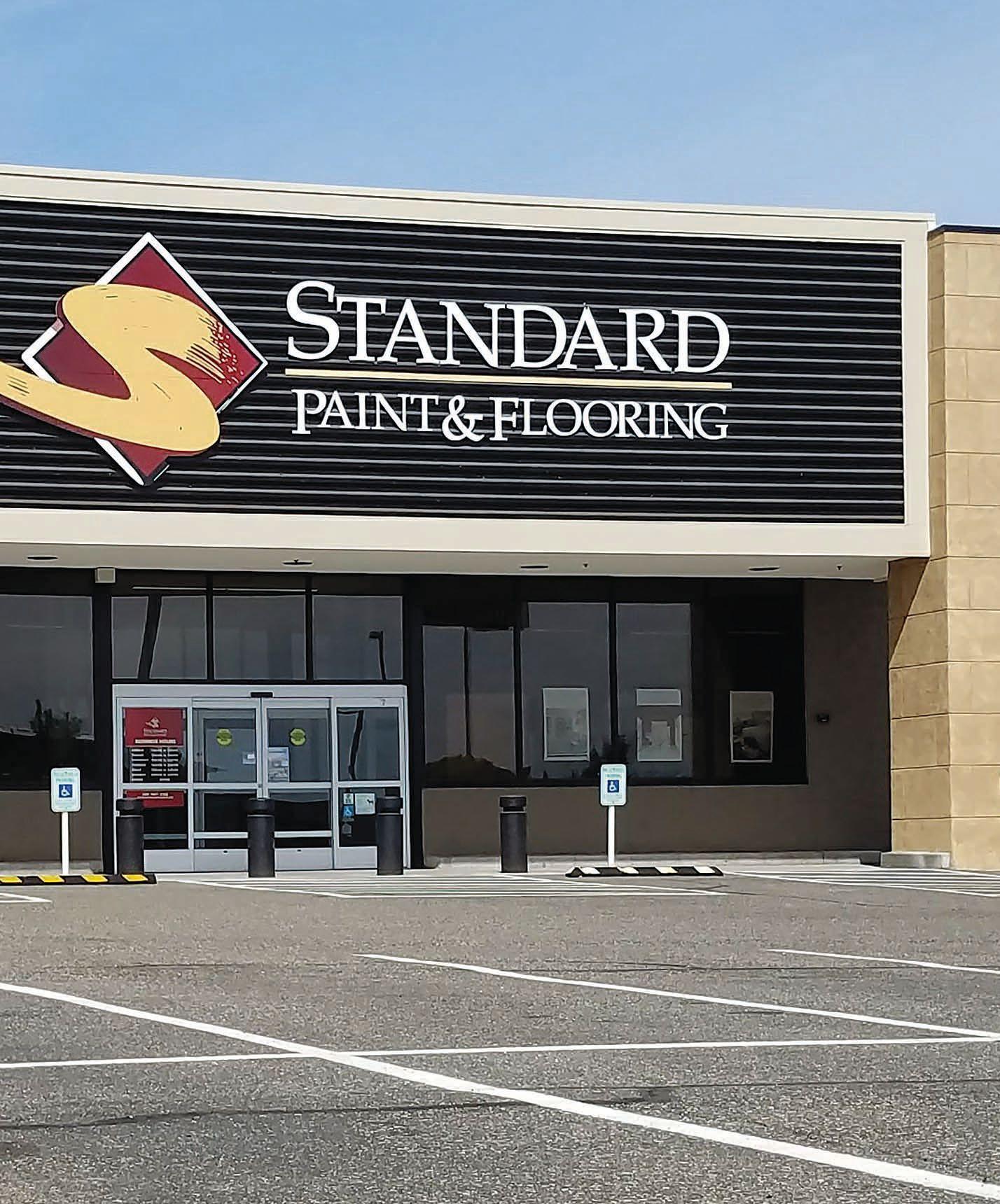
Since the 1950s, Washington state’s Standard Paint & Flooring has helped customers see their living spaces in a new light. Recently, this family-owned chain upgraded all of its showrooms to improve the retail experience for customers at its six locations. Discover the origins of this unique company and learn what they hope to accomplish by rebranding their locations.
Contents
Departments
6 Viewpoint
Dan Tratensek examines the ways investing in employee training strengthens businesses.
8 Industry News
PPG plans a new 450,000-square-foot facility in Texas; Golden Paintworks names a new director; and a longtime Wooster Brush Company employee retires after 50 years.
14 Product News
Learn more about Color Atelier’s line of lime paint products. In the special section, see product highlights from newcomers to the specialty paint industry and help us recognize the companies that continue to serve that growing market segment.
22
The Big Picture
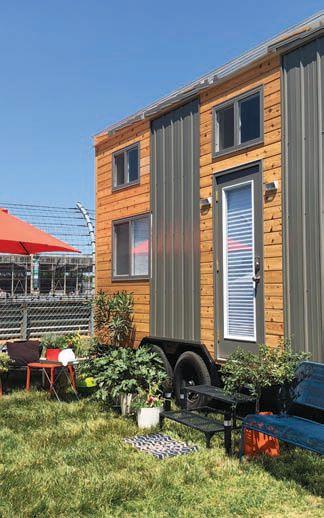
Tiny homes are big business for an Indiana company showcasing their rentals at popular Midwest events.
50 Coverage
Draw inspiration from nature and geography to achieve unique decor styles for your customers.
52 PDRA Now
The PDRA invites you to register for a live online webinar to learn new ways to fortify your business. Plus, get tips from an Oklahoma retailer on how to master social media.
54 Industry Profile: Italtinto
Toronto’s Italtinto is finding new ways to make a splash in North America while empowering independents.
56
Calendar
Take a look at some of 2018’s final seminars, conferences and workshops to put your business on the right track for the year ahead.
58
Finish
For aerospace engineer-turned-retailer Stacey Keller, a trip to her local independent paint store 12 years ago brought much more than a fresh can of paint into her life.
On the Cover
Put an emphasis on training programs to inspire and educate your employees this year. In this issue, learn more about the informative training resources your association offers.
PAINT & DECORATING RETAILER
(ISSN 1096-6927): Published monthly except December by the Paint and Decorating Retailers Association, 1401 Triad Center Drive, St. Peters, Missouri, 63376-7353. Phone: 800-737-0107.
Subscription price: January through November issues, $49 in U.S., payable in advance. Canada add $24, and foreign countries add $48 to above charges. Single copy $10, except July issue, $25. Periodicals postage paid at St. Peters, Missouri, and additional mailing offices.
(Available in 4 tintable bases: Gold, Pearl, Copper, Bronze)
Glass Bead Texture
(Available in Regular and XL)
Lifestyle Finishes
3 Foot Display includes product, dried product samples with holder, application tools, brochures, signage and shelf tags.
Classic to contemporary, Lifestyle Finishes™ from GOLDEN Paintworks offers the expression, individuality AND EASE your customers are looking for. These 16 new and exciting decorative finishes are:
•100% Acrylic with low odor. Soap and water clean-up.
•Tintable, for a full range of color options.
•Easy to apply. Each product offers many different looks.
•Supported with extras, including dried and wet samples, collateral, digital assets and one-on-one phone support.
Venetian Plaster Texture
Soapstone Texture
Fresco Texture
Adobe Texture
Cut Sandstone Texture
Stucco Texture Metallic Slate Texture
Weathered Granite Texture
Metallic Pearl Texture Metallic Gold Texture
The Road to Expertise
Ibelieve it was Malcolm Gladwell who came up with the concept that to become an expert in any given area requires 10,000 hours of practice. According to Gladwell, it doesn’t matter if you’re talking about golf, guitar or tightrope walking; if you put in the time, you can become proficient.
If that’s the case, then to become an expert at providing customer service, mixing paint or running a retail operation, you would have to put in something in the order of five years of full-time practice.
Whether or not you buy into this philosophy, I think we can all admit that becoming expert at any pursuit requires a regular practice regimen to improve your skills.
If we agree on this basic principle, I always wonder why it is that so many businesses put such little emphasis on training their employees.
Start planning out a meaningful training schedule for your team and start your path to developing experts with even a small commitment of one hour per week.
If you run a professional retail operation and employ individuals who you want to either be considered experts or at least be working toward becoming an expert in serving your customers, doesn’t it stand to reason that you have to ask them to commit time to “practicing” their craft?
The truth is, high-performing retailers do make training a priority. But even high-performing retailers can have a hard time starting a training program or seeking out the materials to properly train their teams.
That’s exactly why the Paint and Decorating Retailers Association is making training a priority. In this issue of Paint & Decorating Retailer, we discuss best practices and some of the training tools your association offers.
I would also encourage you to keep reading the magazine in the coming months for even more information on training tools and best practices.
In the meantime, start planning out a meaningful training schedule for your team and start your path to developing experts with even a small commitment of one hour per week. Even this small commitment to practicing the art of retailing can have meaningful results. And just think, if you start this week, your expert team will only be 9,999 hours away.
Dan Tratensek DanT@nrha.org
Publisher/Director of Sales
Dan Simon dan@pdra.org
Phone: 800-737-0107, Fax: 636-229-4750
Editor-in-Chief
Dan Tratensek dant@nrha.org
Contributing Editors
Diane Franklin
Heather Kauffman-Peters
Karon Warren
EDITORIAL, DESIGN & PRODUCTION
Features Editor
Melanie Moul
Renee Changnon
Lynnea Chom
Graeme Haase
Chad Husted
Nancy Vondersaar
Association Coordinator
Tina Sullivan tina@pdra.org
ADVERTISING
Account Executive
Brandi Hemmer brandi@pdra.org
Phone: 636-680-2785, Fax: 636-229-4750
PDRA EXECUTIVE LEADERSHIP
Chief Executive Officer LeAnn Day
OFFICERS
Craig Bond Chairman of the Board
Tommy’s Paint Pot, Eugene, Oregon DIRECTORS
Robert Mueller
Director at Large
Benjamin Moore Kelowna, Kelowna, B.C., Canada
Jay Donnelly
Midwestern Region Director
Flanagan Paint & Supply, St. Louis, Missouri
Lesley Davies-Baptista
Southern Region Director Paint Fair Ltd., Freeport, Grand Bahama, Bahamas
PDRA ADVISORY COMMITTEE
Dori Marks, PPG Industries
Thomas Hill, The Coatings Alliance
Eugene Andreassi, Benjamin Moore
Joe Jankoski, Hunter Douglas
Bob Clemence, Hyde Tools
John Shingledecker, Allpro Corp.
Richard Russo, Reed Exhibitions
Mike Dube, Lancaster
Todd Taber Kelsey Truex
PPG Plans New Distribution Center
Flower Mound, Texas, Facility Will Open in 2019
PPG plans to build a new 450,000-square-foot facility in Flower Mound, Texas. When completed in May 2019, it will be the company’s biggest distribution center for architectural paints and coatings.
The company says adding the new facility will strengthen its distribution model and enable PPG to improve service to national accounts, company stores and independent retailers across the U.S.
“PPG is incredibly proud to announce the Flower Mound distribution center project in this important market. The new facility will continue to grow the presence of PPG in the
Dallas-Fort Worth area and allow for even greater efficiency in serving our customers in the Southwest U.S. region,” says Dave Cole, PPG vice president of architectural coatings for the U.S. and Canada.
PPG has been investing in Texas and the Southwest recently. Earlier this year, the company spent $9 million to open 14 stores in the Dallas-Fort Worth area. There are now nearly 40 PPG Paints stores in the region. The company has also partnered with the Regional Hispanic Contractors Association to support the economic development of Hispanic contractors in the state.
SAFETY AND REGULATIONS
Water-Based Paint Strippers Present Safer Option
In the past few months, several manufacturers have been in the news for discontinuing production of products containing methylene chloride or N-methylpyrrolidone. Many big-box companies have also stopped carrying these products after reports of fatalities emerged.
Family-owned manufacturing company Motsenbocker has manufactured a water-based paint stripper for years, which is now beginning to become more popular as retailers, customers and city officials across the country search for safer paint-stripping alternatives.
Andrew Bryl, director of Pacific Beach Town Council in San Diego, California, says Motsenbocker’s paint stripper and other eco-friendly products fulfill his organization’s graffiti-removal needs.
“It’s safe for the volunteers to use and doesn’t hurt the various surfaces tagged with graffiti,” Bryl says. “We found these products to be easy to use and very effective at removing graffiti, including spray paint, markers and stickers.”
Motsenbocker reports that its products are currently used for a variety of purposes, including removing graffiti from parks in Las Vegas, the Great Atlanta Cleanup and at several national historical sites, including the Lincoln Tomb in Washington, D.C.
Professional contractors across the country are also beginning to reconsider the products they use in residential and commercial buildings as more information regarding potentially harmful chemicals emerges.
For professional contractor Mark Giarrante of Giant Maintenance and Restoration Inc. in Illinois, being able to assure his customers that the products he uses are safe for humans, pets and even landscaping is increasingly important.
“I shock my customers who see me using my gloveless hands to distribute Motsenbocker’s Lift Off Paint and Varnish Remover onto brick or pavers that are covered with aged sealants that we’re stripping. I tell them not to worry because these products are free from harsh chemicals that could harm me or their expensive landscaping,” Giarrante says.
Retailers who are concerned about the potentially harmful effects of some products should consult public resources, including the Centers for Disease Control and Prevention’s Agency for Toxic Substances and Disease Registry by going to atsdr.cdc.gov.
Another resource to learn more about the chemicals commonly found in paint and paint removal products is Safer Chemicals, Healthy Families at saferchmicals.org
Mark Giarrante, a professional contractor who works in and around Mundelein, Illinois, looks for paint stripping products that are effective and contain fewer potentially harmful chemicals. Above is a before and after view of his work using products from Mostenbocker.
INDUSTRY NEWS
Golden Paintworks Welcomes New Director
Jim Rogers
Jim Rogers will join Golden Paintworks as its new director of Paintworks-branded products.
In his new role, Rogers will oversee the development, marketing and sales of Paintworks-branded products, including the Lifestyle Finishes™, Pro Finishes and Theme Paint lines.
“The addition of Jim to our Paintworks team will help us grow and mature our Paintworks-branded product lines faster and better than would have otherwise been possible,” says Barbara Schindler, president of Golden Artist Colors.
Previously, Rogers spent 40 years of his career developing Modern Masters, a decorative coatings company, where he served as the company’s president. He was involved in sales, marketing and production, among other initiatives.
Golden Paintworks is a division of Golden Artist Colors and is based in New Berlin, New York.
~ Ron St. Onge, St. Onge Painting Company
MILESTONE
5 Decades of Dedication
What began as a recommendation from a high school guidance counselor has evolved into a 50-year career with The Wooster Brush Company for journeyman mechanic Jerry Barnes.
Barnes began with the company in 1968 as part of stock service in the assembly department. After a military leave with the Air National Guard, Barnes returned to the Wooster factory to continue with the company. Over the years, he specialized in industrial machine repair.
Previously, Barnes served as a board member for the Wooster Brush Employee Relief Association.
“There has been a lot of change over the years,” Barnes says. “But the biggest change really has to be our facility. I’ve seen our buildings grow and expand so many times from the late 1960s to today.”
Barnes says that the friendships he’s forged with other Wooster employees have been highlights of his career.
“I’ve enjoyed my time here and the people,” he says. “I’ve made a lot of friends. It’s been a good experience.”
Barnes likes to spend time with his wife Sandy, his children and his four grandchildren. He’s an avid biker and rides a 2013 Harley-Davidson Road King.
Jerry is the 17th employee in the company’s 167-year history to reach 50 years of service. He officially retired in July.
Jerry Barnes is retiring after 50 years of service with The Wooster Brush Company. Over the years, Barnes has seen industry changes and developed strong friendships.
Special Section: Unique Coatings
Fruitful Results
Paint and Plaster Manufacturer Features Innovative Matte Coating
Not all surfaces were meant for a monochrome sheen of color or staining. Some jobs require a more rustic approach, bringing out the character of a space or adding a unique look.
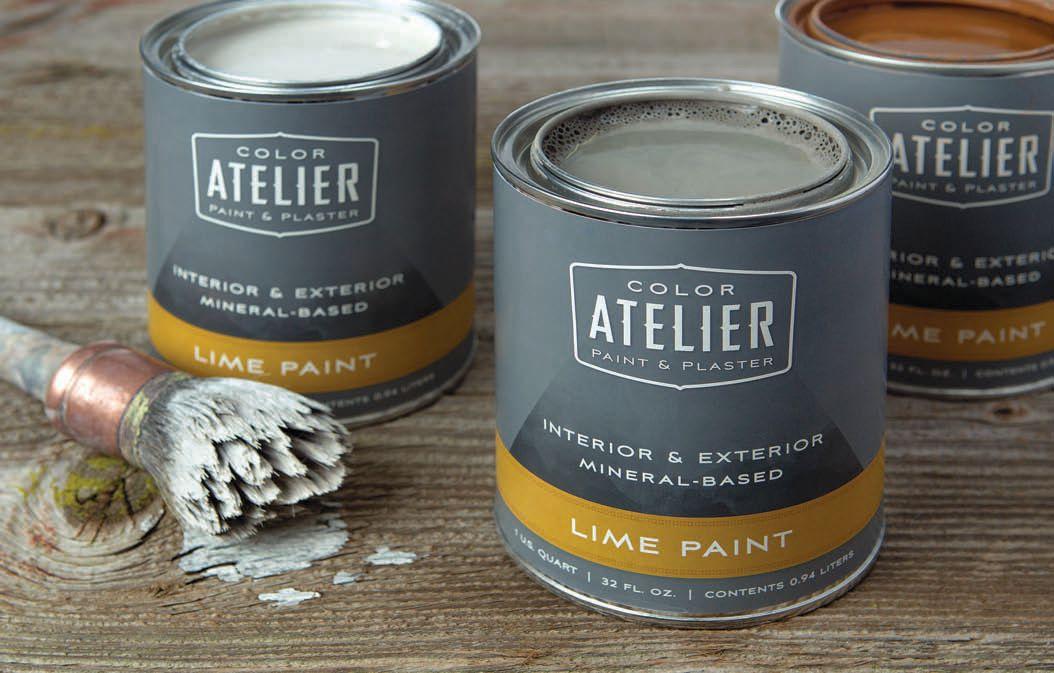
For Color Atelier, that need is solved by its Lime Paint line, a 100 percent natural, mineral-based paint designed to give a soft patina of a traditional Mediterranean paint. The manufacturer’s Lime Paint is a brush-applied coating that dries to a matte, velvety finish with mottling. This finish portrays subtle movement on the surface and allows natural color variations to play out. It lends itself well to new and historic architecture, both for its well-aged look and for its organic mold and mildew resistance.
Lime Paint is differentiated from lime wash as lime wash finishes translucently over other coatings. Color Atelier’s line of Lime Paint finishes opaque in the desired shade.
As it ages, its patina will continue to develop, creating an antique appearance that is usually only achieved through decades of exposure.
For users seeking more shine, Lime Paint can be polished on smooth, flat surfaces, much like a plaster finish.
Lime Paint can also be applied on suitably prepared plaster, masonry, brick and previously painted surfaces. The Color Atelier Sealer can be used in high-traffic areas that will require more frequent cleaning. The Prep Coat line is formulated to prepare surfaces for Lime Paint’s application, helping achieve a more consistent appearance and uniform absorption of Lime Paint on interior walls.
This product is available in 31 colors and is suitable for interior and exterior use. It is made in the U.S.
For more information about Color Atelier and Lime Paint, call 415-640-3342 or visit coloratelierpaint.com.
Special Section: Unique Coatings
Capturing Imagination
The world of paint is always changing, with new products and designs hitting the market each day. To recognize some of the newest brands moving onto the shelves of independent retailers’ businesses, Paint & Decorating Retailer wanted to highlight a select group of specialty manufacturers and their products.
These manufacturers have created imaginative products that independent retailers can stock for their customers to set themselves apart from chain stores and big boxes. Some offer new functionality for both work and home, while others make new designs and decorative ideas possible.
Whether it’s an additive to bring a new shimmer to paints or a full paint program to give a piece of furniture that lived-in look, these products stand out.
Dry Erase Paint
Create Dry Erase Paint is a single-coat paint that is applied by a roller to turn any surface into a writeable and erasable dry erase board. Available in white and clear coatings, Create is low-odor, low-VOC and isocyanate free. It is also UL GREENGUARD-certified and contributes to LEED certification.
IdeaPaint
800-393-5250 or ideapaint.com
Countertop Paint
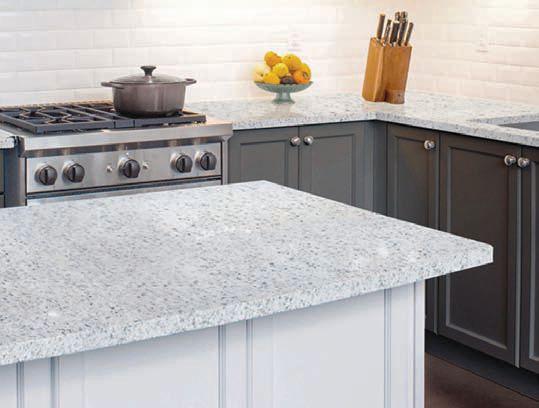
Giani Countertop Paint has a three-step application process that transforms Formica®, laminate, Corian®, ceramic tile, butcher block, cultured marble and traditional granite. Each kit contains all necessary tools and covers 35 square feet of surface. Giani Countertop Paint is water-based, low-odor and low-VOC. The specialized primer hides existing discoloration, burns, stains and minor scratches, while the mineral colors create the characteristics of natural granite.
Giani
800-650-5699 or gianigranite.com
Milk Paint
Milk Paint is an all-natural, no-VOC paint alternative. It is made from 100 percent natural ingredients and comes in a dry powdered form. Milk Paint comes in multiple colors and dries to a matte finish. It can be mixed as needed, and old or unused paint can be composted. Milk paint is food-contact, child- and pet-safe.
Real Milk Paint
800-339-9748 or realmilkpaint.com
Special Section: Unique Coatings
Textural Paint
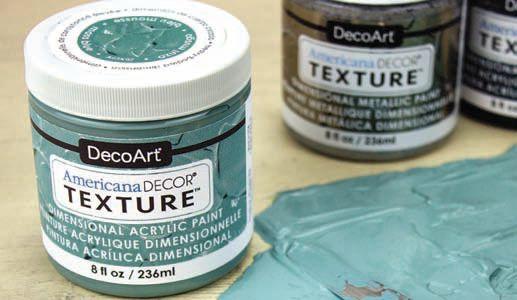
Americana Decor Texture allows makers to embellish furniture and home decor pieces with smooth dimension. The heavy-bodied paint makes building texture easy, and it possesses strong adhesive properties. Americana Decor Texture is easy to use with a stencil and can be applied with a palette knife, texture tool or brush. It is available in 10 regular colors and 14 metallic shades. DecoArt 800-367-3047 or decoart.com
Chalky Paint
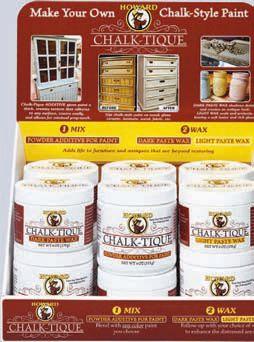
Vermont Chalky Paints products are durable, nontoxic, decorative chalk paints manufactured in Vermont. These paints require no priming or complicated waxing. Users apply a base coat, dry, drizzle with an accent color, rub with a handmade brush, dry and then clear coat. The brush is included. These paints come in two colors: Greystone or Statehouse White. Vermont Chalky Paint 802-391-0300 or vermontchalkypaint.com
Your right to choose –our obligation to
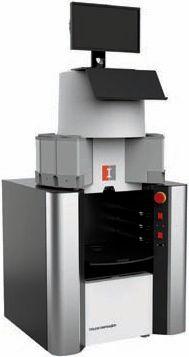
• With Italtinto, you choose how you want to ‘own’ your equipment. We provide options for self-maintenance and cost containment. It’s a refreshing approach to serving you on your own terms
• Italtinto’s automatic dispensers are developed for direct dispense with no tubes, providing maximum ability to handle the toughest colorants
Decorative Wax
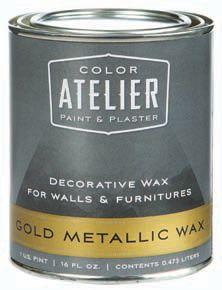
Color Atelier Metallic Waxes are an advanced formula of natural beeswax and artisanal metallic pigments. They give a metallic sheen to most surfaces, walls and furniture items with easy application. Three finishes are available, including gold, silver and copper. It can be used for subtle accenting or full-coverage application.
Color Atelier 415-640-3342 or coloratelierpaint.com
Milk Paint
General Finishes Milk Paint is an interior/ exterior, mineral-based paint with a low-luster sheen, which mimics the look of old-world furniture paint. It is a premixed paint that does not require a topcoat, unless the user wants to increase the sheen. This paint is available in 25 colors and can be applied by brush, roll or spray.
General Finishes generalfinishes.com
ANATOMY OF OUR GEL STAIN
Metallic Additive
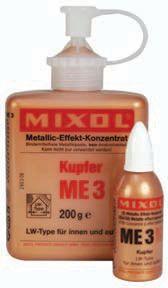
Metallic finishes from Mixol are highly concentrated and won’t dry out, harden or freeze. These additives achieve effects from a subtle shimmer to a solid metal-like finish. They are compatible with water- and solvent-based products and can be applied by brush, roller or spray. The finishes are available in gold, silver and copper.
Sepp Leaf Products 917-993-2763 or seppleaf.com/mixol
DISCOVER WHY OLD MASTERS GEL STAIN IS ONE OF OUR BEST-SELLING PRODUCTS!
• Highly pigmented to achieve intense colors.
• For use on interior and exterior wood, fiberglass, primed metal, and composition surfaces.
• Thick formula allows easy application and superior color control.
•Achieve rich and uniform color on most surfaces in a single ap12lication.
Special Section: Unique Coatings
Classic Options
While retailers should always be on the lookout for new vendors entering the specialty paint market, these established manufacturers have also introduced products into the specialty coatings market. Manufacturers are always perfecting their lineups of products to better serve the modern painter, homeowner and professional contractor. Retailers should always be in contact with vendor reps to make sure their businesses have the newest products.
Rust-Oleum
Ever since company founder Robert Fergusson, a sea captain, discovered fish oil prevented rusting on his boat, Rust-Oleum has been designing new and powerful solutions in coatings. The Rust-Oleum collection covers a variety of products and brands.
Rust-Oleum
877-385-8155 or rustoleum.com
Faux Effects
Established in 1989, Faux Effects is dedicated solely to the development and manufacture of environmentally friendly, high-quality, faux and decorative finishing products. Faux Effects is also involved in education, conducting training in the use of finishing products.
Faux Effects International 800-270-8871 or fauxfx.com
Modern Masters
Founded in 1962, Modern Masters has taken a leadership role in the decorative painting market by offering new and innovative products. Its products are now available in over 4,000 stores in the U.S., Canada, Portugal, Spain, Germany, Sweden and France.
Modern Masters 800-942-3166 or modernmasters.com
Golden Paintworks
Golden Paintworks offers acrylic, oil-based and watercolor paints designed for professional artists. These products are still produced in New Berlin, New York, where the business started in 1980. The Golden Custom Lab also creates products to artists’ specifications.
Golden Artist Colors 800-959-6543 or goldenpaintworks.com
Fine Paints of Europe
Established in 1987, Fine Paints of Europe provides paint from a Dutch manufacturer that is designed to meet the standards of longevity and design imposed by the European Union. The company believes new paint should be an investment in a home, not just a task.
Fine Paints of Europe 800-332-1556 or finepaintsofeurope.com
25 YEARS, WE’D LIKE TO
REINTRODUCE
Red Devil Equipment Co., the industry-leading mixer, shaker and mixing equipment manufacturer, is now RADIA. A small change perhaps. But after 25 years in the mixing business, we’ve built a reputation as the equipment that lasts with unmatched customer support. And that’s not about to change. Between its longevity and reliability, there a list of reasons RADIA mixers mix more. CALL TODAY to find out how you can too.
The Big Picture
A Tiny Roar
Try It Tiny, a tiny home rental company based outside Indianapolis, took the flag at the Indianapolis Speedway for the 2018 Indy 500 in May. The company set up 15 homes inside the track for attendees to see the race from a new perspective.
“Racegoers rented homes during the event,” says Try It Tiny founder Maggie Daniels. “It created a mini ambiance amid a massive event.”
Daniels says the appeal of tiny homes has grown because people are looking for experiences rather than possessions.
Try It Tiny will have homes for rent at an IndyCar event outside St. Louis in August, and they will be present at several Indianapolis sporting events this fall.
Each Try It Tiny home is designed around a theme. This house, The Lodge, is made to resemble a modern log home.
By Diane Franklin
Keeping Your Business Moving
Using Mobile Technology to Improve Operations and Expand Customer Service
We live in a mobile society, and the businesses that don’t go along for the ride could be left in the dust.
Mobile technology is no longer the future—it’s the reality of now. Fortunately, point-of-sale vendors are providing mobile solutions that allow retailers to be more agile while also meeting the needs of customers who rely on their mobile devices more than ever before.
Just how important is this mobile trend? Sandi Thomas, vice president of product marketing for retail and LBM for Epicor Software Corp., cites a Boston Retail Partners survey which reports that 89 percent of retailers will be offering mobile solutions for associates by 2020 and 84 percent of retailers will be using mobile point of sale by that time.
“Mobile technology is becoming pervasive—and really required—across all retail industries,” Thomas says. “Retailers are using mobile applications, like Epicor® Eagle Mobile+™ software, to arm associates with the mobile tools to complete physical counts, make pricing adjustments and assist
consumers anytime, anywhere—whether in the aisles or at a sidewalk sale. Without a trip to the checkout counter or workstation, staff can quickly check a list price, loyalty price, quantity on hand, quantity on order and when the next order is arriving on any item in real time.”
Thomas adds that mobile POS devices have the ability to increase sales and loyalty by line-busting, doing house account checkouts or by completing sales on the spot for shoppers in high-traffic areas of the store. They can also provide real-time access to inventory, pricing and product details. Jim Franco, CEO of Autologue Computer Systems Inc., agrees.
“A lot of forward-thinking paint retailers are equipping their salespeople on the floor with tablets for pricing and product information, which improves the customer buying experience,” he says. “We also offer eSalesBI/CRM, which allows retailers to contact commercial accounts, provide alerts, schedule appointments and review business information for the past two years with a manager dashboard operating on a tablet.”
a mosaic of reporting tools at your fingertips
support that really understands your business formulated with specialized decor-industry features you shouldn't be without finally, have
or a hundred, here or overseas
on the things you'd rather be doing
What Mobile Can Do for You
“More retailers are gravitating toward mobile technology,” says Robert Josefs, marketing operations manager for Celerant Technology Corp., which has been providing modern and mobile POS systems for the paint and decorating industry for over 30 years. He acknowledges that some retailers have shied away from implementing mobile technology because of cost, lack of resources or limitations from current providers, but he encourages them to consider the gains that can be made with mobile in terms of sales and operational efficiencies.
“A lot of retailers in the home improvement sector view POS and mobile technology as a cost center and not as a revenue generator,” Josefs says. “While all POS systems ring up sales, only experienced POS vendors can enable their retail clients to retain customers, streamline processes and increase the bottom line through mobile retail solutions. And it’s the mobile retailers—along with their mobile customers—who benefit the most from POS software.”
Josefs identifies three categories of mobile technology: mobile POS, mobile inventory and mobile email marketing. Each category presents unique benefits and opportunities. See how mobile POS, mobile inventory and mobile email marketing can benefit your operation here. Go to Page 30 for insights into why you should invest in mobile e-commerce.
Mobile POS allows you to...
• Enable your staff to look up prices, create purchase orders, accept credit cards and complete transactions from anywhere in the store. “Imagine how much better the experience would be if you can help a contractor locate all the products they need, apply contractor pricing and ring them up—all without leaving their side,” Josefs says.
• Help shoppers compare prices in your aisles, which could increase the chance they buy from you and not the competitor down the street.
• Bring your business anywhere, such as a sidewalk sale, trade show, in-home consultation or contractor’s job site.
Mobile inventory allows you to...
• Scan inventory using a PDT (portable data terminal) or other hand-held device, which can decrease errors and increase efficiency.
• Perform cycle counts or physical inventories as well as make purchasing, receiving or inventory adjustments; price changes; and multistore transfers. “Retailers who utilize our inventory solution realize a dramatic increase in efficiency and accuracy across the board, including accuracy, on-hand quantities, labor savings and turnover,” Josefs says.
Mobile email marketing allows you to...
• Create personalized and automated email campaigns based on your customers’ prior purchases, brand preferences and demographics.
• Increase email open rates by sending professional email campaigns that look great on any device and email client.
• Make it easier for your audience to follow through with your campaign’s calls to action on any device, including downloading coupons, submitting online reviews, viewing their shopping cart or checking a gift card balance.
The most important task mobile technology accomplishes is provide and generate information at the moment you need it. Thomas points out that applications like Epicor Eagle Mobile Manager software make critical customer, item, sales and inventory information accessible through a mobile device.
Your POS vendor likely has opportunities to expand mobile technology in your business to offer services like mobile checkout.
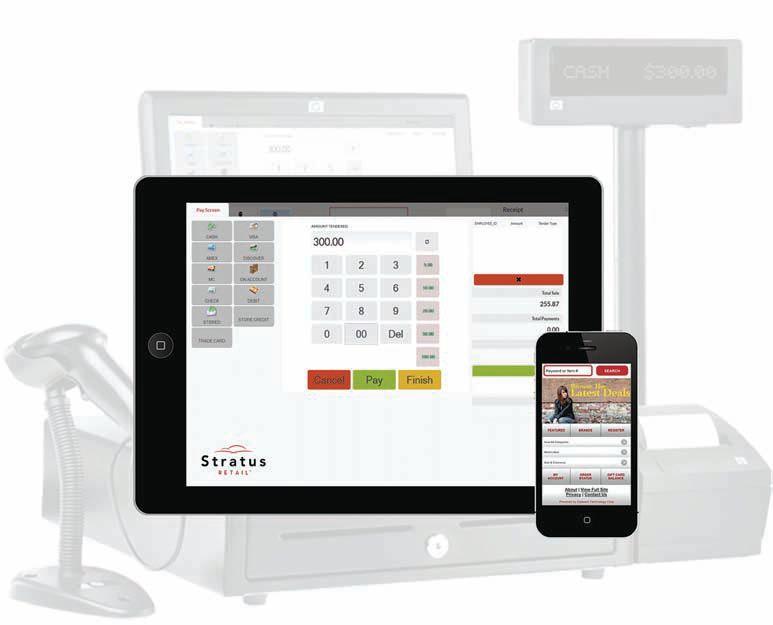
Mobile technology in the retail environment connects stationary POS systems to devices like smartphones and tablets. These portable devices can keep retailers tuned into their sales, inventory counts and other crucial information from anywhere.
“BOPIS, for instance, could use mobile POS to facilitate the transaction at a service desk and save the customer valuable time while completing the transaction.”
—Sandi Thomas, Epicor Software Corp.
“This functionality enables retailers to make smarter buying decisions at co-op shows and markets by checking an item’s cost, stock levels and outstanding orders—without leaving the vendor’s booth,” she says. “Epicor Eagle N Series ® software uses the capability of mobile devices allowing overrides and alerts via text, improving management response time, and ultimately, customer service. Managers can also use a mobile app to discreetly input competitor’s prices at their store and feed it back to their Eagle retail business management solution to ensure their prices are competitive.”
Epicor Eagle software works with iOS, Windows, and Android mobile applications, as well as specific mobile POS devices and RF scanners, Thomas says.
“The devices can be used for a variety of functions: inventory search, purchasing, loyalty programs, customer checkout and merchandising. Eagle software streamlines ordering, helping retailers buy smarter to avoid stockouts and overstocks.”
There are several initiatives across retail that impact the use of devices, according to Thomas. “BOPIS (buy online, pickup in store), for instance, could use mobile POS to facilitate the transaction at a service desk and save the customer valuable time while completing the transaction. Eagle software also offers a tool called Mobile Manager, which is designed to keep store managers connected to critical business information, vital alerts, analytics, reports and more, right on a smartphone or tablet.”
One retailer using the capabilities provided by mobile technology is Barrydowne Paint, a retailer in Sudbury, Ontario, that is utilizing an omnichannel strategy to provide a seamless shopping experience for its customers. “We have three busy retail locations and an e-commerce site,” says general manager Kelly Scott. “We have our delivery vehicles and outside sales team equipped with mobile POS so we can transact right on the spot.”
Mobile technology also facilitates in-store transactions at Barrydowne Paint, which uses Epicor POS and has its e-commerce site built on the Shopify platform. Thanks to the mobile capability,
Continued on Page 30
Continued from Page 27
sales associates are able to work with customers at various points throughout the store. For instance, if a customer is shopping in the color studio area, a sales associate can help with product selections, look up inventory, create a sales order, complete the monetary transaction and email receipts—without ever requiring the customer to step up to the sales counter.
“On a busy Saturday, it’s great to be able to serve customers in the aisle or wherever they happen to be in the store without needing them to stand in a long line at the cash register,” says Scott. “We want to make the retail experience more engaging for our customers. Our goal is to bring that functionality without the traditional checkout method. By having the e-commerce site at their fingertips, staff members are able to pull up products on the tablet and show customers features, benefits and pricing. We think this is much better than simply speaking about a can or product that the customer can’t see.”
Barrydowne Paint has seen robust product ordering through its e-commerce site. “The fastest-growing aspect of our business is people who shop online and elect for an in-store pickup,” Scott says, noting that there is no
delivery charge for purchases of $50 or more. “We offer two-hour delivery windows, serving a 20-mile radius around our stores, but over 90 percent of all online orders are in-store pickup. That’s been the most surprising element of e-commerce for us—people ordering product online and saying, ‘I’d just like to pick it up.’”
A Long Way to Go
While mobile technology is being used in the paint store environment, there is still a long way to go before usage becomes common.
“Mobile technology is being used by many retailers but only in limited areas,” says Ward Partridge, co-president of CBC Computer Systems Inc.
“Primarily, we see mobile devices used for inventory control (counting, ordering, pricing) and for CRM applications for stores that have outside sales forces. While many POS systems can run on Wi-Fi tablets for in-store checkout, these have not been well adopted, which I think is due to the nature of paint stores versus other retailers. Paint stores need to input and capture more details on each sale, including customer information, color formula details, job information and monitor different price levels. It all practically requires a keyboard to properly process orders.”
3 Reasons to Invest in E-Commerce
E-commerce is becoming more important in the retail paint and decorating market. Retailers are finding ways to create an e-commerce component so as to not cede that space to their competitors. As with other mobile technologies, their POS vendors are helping.
“E-commerce is a necessity in today’s marketplace to compete with big-box stores and online stores,” says Jim Franco, CEO of Autologue Computer Systems Inc.
“In the future, if paint retailers do not adopt technology, they could be put out of business.”
Read on to learn how and why you should transition your business online.
1. You can offer tools your customers need.
“Decor Fusion has a new contractor portal for commercial customers to check previously used paint and colors, download details on products purchased for job costing and manage their store accounts,” says Ward Partridge of CBC Computer Systems Inc.
“These features will be expanded later this year to enable online account payments and potentially repeat product orders.”
2. Going online doesn’t mean decreasing store traffic. Though e-commerce is an increasing force in the market, Partridge sees the unique nature of the paint business as a reason for customers to still drive to a store. For one thing, customers are going to want to see colors in person rather than rendered on a computer screen. “Also, online sales remove the personal, professional advice you get in a store and the chance to build relationships in person,” he says.
3. Being online means being an immediate resource. The No. 1 reason to be online is so customers can quickly see which products you sell and what you have in stock, especially when they’re in the middle of a project.
A mobile-friendly website should have a section for contractors, homeowners, loyalty rewards and specials. This is particularly important for those who need last-minute supplies while on the job. Unless a customer is 100 percent loyal to a particular retailer or there’s a lack of competitors in the area, the retailer has to make it easy when a customer needs them most—otherwise they will go somewhere else.
That being said, the company’s Decor Fusion system works well with many mobile devices. “CBC does see Decor Fusion run on Windows Surface tablets and laptops (with cellular 4G connections) being used by sales representatives in the field. These mobile devices allow the users full capabilities to enter orders, develop job quotes, effect price adjustments and check stock in real time,” says Partridge, adding that Decor Fusion supports a range of hand-held devices, including RF guns for inventory work, Samsung tablets for delivery orders, Windows Surface tablets for field use and cellphones for customer use in managing their purchases and store accounts.
“The adoption rate for mobile technology has generally been slow,” Partridge says. “However, it really depends on the store management and their ‘tech savviness.’ CBC certainly sees larger, high-volume stores embracing the technology much faster, and they need to in order to efficiently manage their stores and keep up with the competition.”
Retailers with multiple stores are finding mobile technology especially useful for inventory-related tasks. Chicago-area retailer JC Licht, which utilizes the Decor Fusion system at its 36 stores, confirms that the RF gun technology has greatly enhanced efficiencies. “In our stores, we use RF guns daily to check stock and receive and place orders,” says vice president and chief operating officer Tom Hartzell. “The speed in which these devices operate saves hours a day. Our store teams historically would walk the store with paper and pen writing orders. With an RF gun they can place, upload and EDI an order to a manufacturer in half the time, and more accurately than a handwritten order.”
Michael Yang, president of Creative Paint in the San Francisco area, likewise finds mobile technology to be a critical component for his 10-store operation.
“We use an RF gun for inventory—that’s one of the things we use all the time,” says Yang, who uses the Epicor Eagle system. “We’re able to do centralized ordering and utilize the technology for transferring products from one store to another. We use mobile lookup for inventory information and Mobile Manager to get basic customer information or when traveling between stores. The sales team uses mobile lookup to determine which store has the available inventory.”
Single-store operations likewise can see reasons for adopting the technology as a means to improve efficiencies. Jason Van, vice president of City Paint & Glass in McComb, Mississippi, is eyeing the addition of mobile inventory as an upgrade for his Retail Star POS system for the future. “I think it would be useful for inventory control and preselling—letting someone know you have plenty of stock on hand,” Van says. “We’re trying to keep our inventory smaller, and having mobile access to inventory information would be a definite advantage.”
Top: RF guns allows retailers to check inventory and place orders with more accuracy than checking and ordering by hand.
Bottom: Tablets, like the Microsoft Surface, are an option for retailers who want to have information for customers and other team members throughout the store.
By Chad Husted
Training the Next Generation
The PDRA Focuses on Creating Opportunities for Retailers
The world of paint and sundries is always evolving, bringing in new technologies and chemical compositions that alter coatings and transform homes and businesses. Independent retailers are often the first point of contact for a consumer looking to enter this world of stains, coatings and applicators, and it is up to the knowledgeable staff at these businesses to guide consumers through their projects.
Yet knowledge, particularly concerning an industry like paint, can be a tough thing to come by. On top of keeping pace with new advances in technology, retailers are also
looking for ways to bring newly hired employees up to the same level as experienced employees. Developing a new hire into a paint expert takes time, patience and plenty of guidance. The Paint and Decorating Retailers Association has made several tools available to retailers that can help new employees gain knowledge about the independent paint market.
Two of the most important tools for new employees covered by PDRA education programs are the PDRA Coatings Specialist training course and the PDRA Customer Service Specialist course.
ü 1 4 day clean removal
ü UV RESISTANT
ü excellent Conformability
ü Superior elongation for easy cornering
ü can be used on hardwood floors, lacquer laminated surfaces
Paint & Decorating Retailer spoke to several independent retailers who have used these programs with their employees to enhance their skills, refocus on strong customer service practices and lay a strong foundation of retail knowledge.
For more about PDRA training materials and how they can be used to better your business, visit pdra.org/education
Types of Training
For Dugan’s Paint and Flooring Centers, PDRA training is integral to the onboarding process. The business has four showrooms in Missouri, and owner Chuck Dugan sees the online courses as a great way to instill confidence in an employee who may feel out of their depth in the world of paint.
“Confidence is huge for an employee, especially when you’re working with professional contractors who are relying on you to assist them and give them the best information possible,” Dugan says. “Customers are relying on us to be knowledgeable about these products, and while that kind of knowledge base takes time to develop, there are ways to give employees a jump-start.”
The Coatings Specialist training course, which Dugan uses with all new employees after they have shadowed a more experienced employee, walks the trainee through the basics of coatings. Over six chapters of lessons, trainees learn the differences between types of coatings, how different paints can be affected by the applicator, what paints work best on certain surfaces and the basics of color theory, among other coatings lessons.
After each chapter, students take a test to confirm the information from that lesson. A final exam covers the entire course after all lessons have been completed. The administrator receives progress reports and scores, which adds to accountability and allows trainees to absorb the information at their own pace, Dugan says.
“As a retailer, my focus is on the employee picking up these lessons and being able to use them on the salesfloor,” he says. “I don’t want them rushing through the course just to say they’ve done it. We let them move at their own pace, but we’ve seen most trainees are eager to have this knowledge.”
AAA Paint & Supply in Tempe, Arizona, utilizes PDRA training resources to keep its staff current on product knowledge and customer service best practices. Owner Andy Blatnick feels both courses have proven useful for new and veteran employees.
Putting Training to Use
The flexibility of online courses allows retailers to implement these training programs in a variety of ways. They also offer a less expensive option than on-location training, says Steve LeNeveu of Nufloors Fernie in Fernie, British Columbia.
LeNeveu recalls a trip to Calgary to receive specialized training after his family bought the paint and flooring business. The trip cost money and took him out of the business during a critical time. With PDRA training, he’s seen the benefits of having a course that can be tailored to an individual employee.
“When you’re in a group class, you’re often only able to work as fast as everyone else,” LeNeveu says. “That means you often don’t get to everything being taught, or some things are rushed in order to fit them into the schedule. With these courses, everything moves at a manageable pace.”
LeNeveu, along with many retailers, uses the PDRA training in conjunction with training programs offered by individual manufacturers to give employees a wide understanding of the paints and coatings they’ll be working with. For Nufloors employees, manufacturer training comes first in the process, followed by the PDRA courses, while that order can be adjusted based on the training schedule for other retailers.
The Coatings Specialist course gives a new employee a great start and can help reinforce knowledge with a more seasoned employee. The Customer Service Specialist course focuses on another area key for a retail employee. For AAA Paint & Supply owner Andy Blatnick, the opportunity to reinforce strong customer service was important for his store in Tempe, Arizona. With three employees, including himself and wife Jessica, Blatnick wants customer service to be at the forefront of his business.
“Product knowledge is absolutely important, there’s no question about that. We do a lot of training in that area to make sure we’re up-to-date,” Blatnick says. “But customer service is a big factor for a mom-and-pop business like ours. In a lot of ways, we’re the new guys in town. Developing a reputation for customer service is important.”
The PDRA’s Customer Service Specialist course takes a trainee through the idea customer service and how it affects a business. Trainees learn how to manage interactions with difficult customers and speaking to a customer on the phone. Similar to the coatings course, there are exams on individual chapters and a final test at the course’s conclusion.
Hirshfield’s, a Minnesota-based retailer with 31 design centers in four states, is in its fourth generation of family ownership. The business has seen a strong return from using the PDRA training modules, president Mike Weber says. The company uses it in conjunction with other training programs as well as their in-house training sessions for items like Hirshfield’s own paint brand.
The focus for new Hirshfield’s employees is often getting through other early-stage developmental training, such as spending time at each station required of an employee on the salesfloor, Weber says. After approximately 60 days, if a manager feels the new employee has gained the skills to understand the coatings and customer service courses and implement that knowledge in real life, the new hire will begin working on the courses within the store.
After more than two years, about 40 employees have taken the PDRA courses, Weber says.
“We like to make sure they have the general knowledge of our brands and how we want to operate our business,” Weber says. “It allows them to have a reference point for products they’ll learn about in training so they can associate our brands with the types of coatings they’re learning about.”
Online training courses have been useful both to keep costs down and to expand flexibility, says Nufloors Fernie owner Steve LeNeveu.
While each retailer can determine how best to implement training into their onboarding process, the flexibility allowed by the PDRA courses is something each has used to strengthen employee engagement, knowledge and confidence. These in turn then strengthen the business as a whole, allowing independent retailers to compete in the paint world.
“At the end of the day, it’s about getting a return on your investment,” Weber says. “When you see evidence that employees are coming out of the training better prepared to help customers and feeling confident about their abilities on the salesfloor, it reinforces your decision to make training a priority.”
More Training Opportunities
The PDRA Coatings Specialist training and the PDRA Customer Service Specialist courses are much-needed tools for independent paint and decorating retailers. Recently, the PDRA has made additional resources available for members to help them develop and plan their own internal training programs. Visit pdra.org to learn more.
• Train the Trainer Guide
This guide jump-starts the training process by making sure the person doing the training is ready for the task. From how to set up a training program to teaching methods for new and veteran employees alike, this guide covers all the bases.
• Trainer’s Toolbox
There’s more to paint retail than just how a low-VOC coating can best be applied. To branch out further, Trainer’s Toolbox has lessons covering merchandising, human resources issues and loss prevention, among many others.
“When you see evidence that employees are coming out of the training better prepared to help customers and feeling confident about their abilities on the salesfloor, it reinforces your decision to make training a priority.”
—Mike Weber, Hirshfield’s
By Heather Kauffman-Peters
Finding Value in Specialty Paints
Tailor Your Inventory to Meet Your Market’s Needs
All paint lines provide creative outlets for adventurous DIYers and innovative contractors, but maybe none more so than specialty paints. The category definition of specialty paints can be broad—some retailers define them as products developed with a specific purpose, like cabinetry finishes, while others define them as artistic alternatives to traditional lines like chalk or milk paint. But what is clear is that a plethora of specialty paints exist at a very opportune time—the era of Pinterest and HGTV.
Inspired by social media and home improvement TV shows, consumers are increasingly excited to try new projects, new design trends and experimental applications. More buyers have a DIY attitude. Retailers who haven’t capitalized on this momentum should consider what specialty paints can do for them.
“We’re seeing more people willing to do paint projects themselves,” says Jean Hauser, president of Color House, which has four paint and design locations in Rhode Island.
“The most common project for our customers is furniture painting with chalk paints.”
Rust-Oleum ®’s Chalked Paint line is one of the most popular specialty paints sold at Color House, although each location has its own inventory which reflects the needs of the local population.
When determining which specialty paints to carry, retailers should consider regional demands, as well as national and global trends and influences. And, although inventory will evolve differently for each retailer (and even each store), there are basic guidelines for success that can be applied across the board.
As always, the first place to start is with local demand.
Know Your Customers
Shaun Clarke, co-owner of Waters & Brown with two locations in Massachusetts, says his New England customers are currently in exterior painting and staining season after a harsh winter when homes, decks and fences were exposed to severe elements. In his area, another common weather-related problem is interior water damage from ice dams forming on roofs.
“Our customers often have damaged walls when water runs down through the roofs,” he says. “But the cabinetry can be salvaged. One of the most common projects our customers undertake is painting cabinetry.”
Clarke recommends C2 Cabinet & Trim paint, a water-based product that levels evenly, making it easy for DIY customers to apply.
Created by a group of paint retailers who wanted quality over mass-produced options, the C2 line of
The Right Paint for the Job
Specialty paints are in demand for their specific project solutions and their artistic finishes. Read the list here for the products
Jean Hauser at Color House and Shaun Clarke at Waters & Brown recommend to achieve popular looks and projects.
High-Gloss and Durable Finishes
One of the best ways to get a high-gloss finish, according to Jean Hauser, president of Color House in Rhode Island, is with:
• Fine Paints of Europe’s Eurolux Interior Gloss Paint
This 100 percent acrylic gloss paint should be applied with a 3/8-inch nap roller or synthetic brush but not overworked.
Another popular finish for customers who contend with wall damage and grime is:
• Benjamin Moore’s Ultra Spec® Scuff-X™
This scuff-resistant single-component coating is available in satin, eggshell and matte finishes with no premixing required. It is easy to clean and durable for commercial applications.
Restoration
Many homes have experienced water damage from a leaking roof, or a burst pipe.
“Painting water-damaged cabinets is an economical approach to a fresh new look,” says Shaun Clarke, co-owner of Waters & Brown in Massachusetts. He recommends:
• C2 Cabinet & Trim Paint
This paint features patented Polywhey® technology, made from whey protein. The formula levels well, meaning DIYers can apply it easily. The low-VOC paint offers a porcelain-hard finish that is eco-friendly and durable. It is available in satin and semi-gloss finishes.
Updated Finishes
Clarke and Hauser recommend offering consumers cost-saving specialty paints to achieve high-end finishes on a limited budget.
For a granite or marble countertop look, Hauser’s Color House stores carry:
• Giani Countertop Paint
This water-based, low-odor, low-VOC paint is applied in a three-step application that gives existing countertops, from Formica® to butcher block, a granite-looking finish. The DIY kits include everything needed to complete the project in a weekend. It’s available in different finishes, including Bombay Black and Slate.
Crafting
In Hauser’s stores, one of the most popular DIY projects is furniture painting, and for that, her customers prefer:
• Rust-Oleum® Chalked Ultra Matte Paint
With one coat, this paint rejuvenates furniture and can be distressed for a vintage feel. It is for indoor use only and dries to a chalky smooth finish.
As an alternative to chalk paint, Clarke offers his crafty customers:
• General Finishes Milk Paint
This is not a casein-based milk paint, but is a durable premixed variety that only requires a topcoat if added sheen is desired.
paints also includes an exterior paint, a stain, a waterproofer and sealer, and the C2 Luxe interior paint.
Specific projects aren’t the only predictor of the hottest specialty products. Sometimes consumers don’t know what they want until a designer or retailer shows them what is possible.
According to Hauser, one of the latest design trends in her area is a high-gloss finish for walls and ceilings. Clarke has also seen this trend, inspired by Fine Paints of Europe, a high-end paint line from Holland whose Eurolux Interior Gloss paint has a finish like glass.
For Hauser, Fine Paints of Europe is most popular in Color House’s more affluent locations because it is more easily applied by contractors rather than DIYers, which leads to the next important step in selling specialty paints—understanding the needs of the product as well as those of the customer.
Know Your Products
“No customer goes out our doors without knowing how to use the products,” says Hauser. “We pride ourselves on that.”
To ensure that her contractor customers understood Fine Paints of Europe’s very specific application process, Hauser invited a company rep to lead a step-by-step seminar for local painters.
At least four times a year, Waters & Brown also hosts seminars and demonstrations for specific projects like painting cabinets and trim as well as for applying milk and chalk paints and paint lines like Farrow & Ball or C2. Clarke’s team promotes these sessions through social media, emails and printed flyers.
“Demos are typically an open house experience running 90 minutes to two hours with a variety of customers,” he says. “Hands-on classes are closer to three hours and more commonly have been for DIYers or artistic designers.”
He says turnout has been successful and has provided an opportunity to engage with existing customers in a different environment while capturing interest from new customers. It’s also a fresh opportunity to introduce other products and services.
Employees at Color House and Waters & Brown are trained in product knowledge similarly to customers, with hands-on experience, meetings with sales representatives from paint manufacturers and by studying the step-by-step application information provided by companies.
Proper employee and customer training about the ins and out of specialty paints is vital to success in this category, according to Hauser, who warns that selling specialty paints can be tricky. Customers are often disappointed in specialty paints if they don’t understand the complete application process and project scope, including the right tools for the job.
Don’t Forget the Sundries
“Many specialty paints require specific application tools,” says Hauser. “We make sure when a customer is working with a specialty paint that they have everything they need to do it properly,”
For example, Hauser says that Rust-Oleum Chalked Paint is a popular item in her stores. To apply the paint to a high-gloss surface, like varnished furniture, the surface must first be scuffed with sandpaper or a sanding sponge. If that item is left off a customer’s shopping list, they will not get the best result and may become frustrated. Retailers don’t want that frustration to be connected to a customer’s shopping experience.
To avoid that scenario, Clarke encourages his customers to take time to plan projects and be patient with the process.
“It is important for customers to know what their desired outcome is and what the preexisting conditions are,” he says. “When partnering with a contractor, we tell customers to find someone you trust, someone who takes the time to prep and who cares about the products they are using.”
That’s good advice for anyone dealing with specialty paints, whether selling or buying them.
By Renee Changnon
Setting the Standard
Washington-Based Chain Upgrades Store Showrooms to Improve the Retail Experience
In 1954, a traveling salesman for a paint company in Denver was given an opportunity he couldn’t pass up—the chance to own and operate his own retail paint business.
The salesman, Dick Myers Sr., moved several states away to open a Benjamin Moore paint operation called Standard Paint with two retail partners in Yakima, Washington. The business flourished in the community thanks to its quality products and individualized service offerings.
Twenty years later, Myers became the sole owner of the company and expanded the operation to a larger facility in downtown Yakima.
It has remained in his family, with his son Dick Jr. taking over in 1986. Today, Dick Jr.’s sons Regan and Craig Myers are third-generation owners of the six-store chain.
“After graduating college and working for another company for four years, I made the decision to come home and work for the family business,” Regan says. “I had shown interest in running the stores in the past, and it just felt like a great chance for me to apply my entrepreneurial skills.”
Establishing and Growing a Family-Owned Chain
Since the beginning, Standard Paint & Flooring has been offering top-notch products and services to its customers. Yet the type of product offerings and the business names have changed several times as the company evolved over the years, Regan says.
Dick Sr. first expanded outside of paint by adding floor coverings and decorating products to his portfolio in 1980. Shortly after Dick Jr. took over ownership in 1986, the company began growing beyond its original store, adding new stores in Yakima, the Tri-Cities, Washington area and Bend, Oregon, communities.
In 1988, Dick Jr. added a design studio, which featured product displays that boosted sales in the flooring and decorating side of the business. As more products and services became available, the chain’s reputation and customer loyalty strengthened.
When Regan and Craig officially joined the team in 2006, the company had five locations established, Regan says.
“We worked hard to get all of our stores branded and looking clean and updated,” he says. “In 2012, we opened our sixth store in Wenatchee, Washington.”
As the third generation leads the operation, the Standard Paint & Flooring motto remains that the business is a place “where service is still in style,” Regan says.
“We now understand you need a big enough space to offer a big enough selection of products without it being crammed and overwhelming for the customer.”
—Regan Myers, Standard Paint & Flooring
Creating a Consistent Shopping Experience
Having a chain of retail operations allows Standard Paint & Flooring to expand its reach and attract customers who may recognize it from different communities. To ensure all of their stores were attracting loyal customers, the team made upgrading and branding each location consistently a major focus, Regan says.
In 2018, the company moved its Sunnyside, Washington, store to a new and improved location, and they remodeled the Tri-Cities location as well.
“Our Sunnyside store is in a new location and has expanded from 5,000 square feet to about 12,000 square feet,” Regan says. “By moving to a more visible location and expanding the size of the store, we could bring in more inventory, add displays and make it a more functional space.”
The Sunnyside store was also the next business ready for an upgrade to the current model of all Standard Paint & Flooring locations, so moving to a new, larger location and remodeling that building helped them get all of their retail stores on the same playing field.
The weekend following the opening of the new Sunnyside location, the business moved its Tri-Cities location from a 9,400-square-foot store to a 24,000-square-foot facility. According to Regan, upgrading their stores also helped the team realize showrooms are more effective with more space.
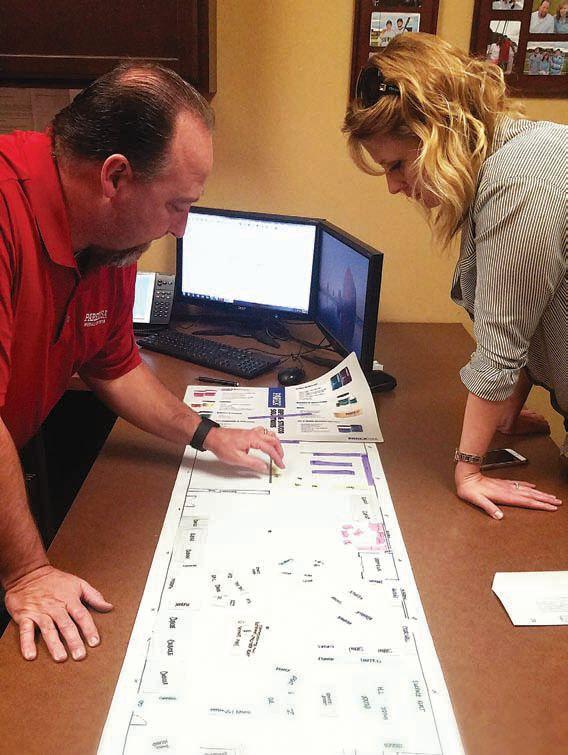
Sunnyside store manager Joe Nation (left) and owner Regan Myers look over blueprints and plans in the middle of the Standard Paint & Flooring Sunnyside location during the store’s construction.
“We now understand you need a big enough space to offer a big enough selection of products without it being crammed and overwhelming for the customer,” Regan says. “We don’t want to have tiny aisles that make our customers feel like they’re navigating a maze. Now all our stores are easy to shop.”
Where Customers Discover More
With more than 100 employees among the six stores in Washington and Oregon, Standard Paint & Flooring continues to establish itself as a leading independent business.
The chain locations work with about two-thirds trade customers and one-third retail, “do-it-for-me” customers, Regan says.
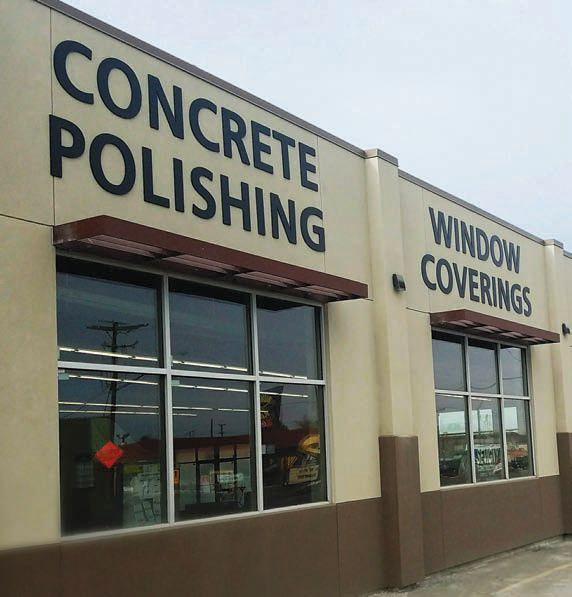
In addition to selling paint, the stores also sell flooring and window coverings, which make up about 60 percent of the business; cabinets, which are about 10 percent; and stucco siding, which is about 7 percent.
“For flooring, cabinets and window coverings, we offer installation services to most retail customers,” Regan says. “Our paint business is exclusively retail, since we wouldn’t want to compete against professional paint companies, which we sell our products to.”
To attract customers, Regan says the team wanted to design their showrooms in a way that would provide a pleasant shopping experience.
“All of our store showrooms have plenty of space in between displays, a wide selection of products and a well-trained, seasoned staff,” he says. “Many of our employees have been in the industry for a while. They help us find success because they look at every situation from a customers’ perspective.”
To attract new and repeat customers, the retail operation utilizes some traditional advertising, including radio and print. However, they hired a web designer who handles the company’s social media accounts and maintains the website, where customers can find further services like e-commerce, free in-store pickup options and free local deliveries.
Another way they keep their customers coming back is by hosting events, like a poker party for trade customers to play and win prizes, Regan says.
As a member of several communities in Washington state and Oregon, Regan says they partner with many local charities and organizations.
“We’re actively giving back in our communities, and specifically in Yakima, as our entire family lives here,” he says. “For example, we sponsor a local wellness event called The Gap to Gap race in Yakima. It’s a two-day race for kids and adults. Whatever it is, as a family we believe it’s essential to give back to the community that supports local family-owned businesses like ours.”
Standard Paint & Flooring’s Richland store manager Rich Oldham (left) and designer Sarah Beckman lay out the floorplan for the new Richland store.
Achieving the Right Look
4 Decor Trends to Outfit Your Customers’ Homes
The influence of nature and geography is nothing new in the home decor realm, but designers and manufacturers have a way of wowing retailers and homeowners with modern twists and creative alternatives. Several new trends in interior fashion for 2018 are making a comeback while others are diverting from the norm.
Modern Desert Look
Updates to the farmhouse style have garnered attention in the home decor arena for several years and, not to be outdone, the desert style is also making a comeback. With a modern makeover, the hallmarks of the new desert look include white walls, leather furniture, southwestern rugs, globally influenced fabrics, nature-inspired art and a
few cactuses and air plants thrown in for good measure. Retailers can expect increased demand for this hot new look whether located in sunny Arizona or on the cool northern coasts.
Natural Touches
In line with the modern desert look is an increased supply of natural textures like rattan and wicker. Interior and exterior manufacturers are offering basket-weave rugs, rattan pod hanging chairs, dried grass light shades, wooden bowls and tropical prints so homeowners can continue the look throughout the home and into the backyard.
Rose Gold
Since Apple launched its rose gold iPhone option in 2015, consumers have renewed their love affair with the pink-hued metal that had been dormant since the 1920s.
An explosion of rose gold options are now available in the home decor arena, as well. From stove hoods to drawer pulls, consumers can feed their need for rose gold accents throughout the home. And, with the popularity of mixed metals still going strong, rose gold gives consumers one more option to add into existing home decor touches.
Something Shiny
Some design trends are driven less by a desire to refresh an existing idea and more by boredom with traditional norms, like matte wall finishes. New homeowners want the opposite from what has always been, which may be the impetus behind a new demand for shiny paint finishes for walls and even ceilings. The shiny interior paints give walls a whole new attitude, shifting from a background to the central statement. Read more about this look on Page 40.
Do You Have What It Takes?
Register for a Business Improvement Webinar Today
It’s important to take time to better your business and yourself, but it isn’t always easy to attend seminars and workshops outside the office. As part of its commitment to helping independent retailers improve their operations, the Paint and Decorating Retailers Association wants to make taking the time for improvement and education easier.
You don’t even need to leave the office for the next opportunity. The PDRA invites you to a live webinar on Wednesday, Sept. 5 at 10 a.m. CST to learn more about small business management.
Retail and small business expert Tom Shay of Profits Plus will present “What It Takes to Be a 5-Star Business.”
This Edition of PDRA Now Is Sponsored by Santint
In his presentation, Shay will discuss the essential elements of a successful business, including strategies for marketing, information technology, succession planning and more. Shay has more than 25 years of small business management and ownership. He is the fourth-generation owner of his family’s home improvement business, and he has written books and contributed to various publications about management best practices.
To register for the webinar, contact Tina Sullivan at tina@pdra.org or 800-737-0107.
If you’re unable to attend the live session, the webinar will be recorded and made available after the event.
How Can You Master Social Media?
Building an online presence for your business can be overwhelming if you’re digging into everything all at once. The bottom line, however, is that social media is a necessary—and most free—part of any business’s marketing strategy.
To get an inside look at how independent paint retailers build a following online, Paint & Decorating Retailer spoke to Spectrum Paint Co., which is headquartered in Tulsa, Oklahoma, and operates 74 stores in eight states. The company is primarily active on Facebook and Instagram.
The company’s marketing department helps coordinate online messaging for all the store locations, but each store has its own presence to remain engaged with its local community.
Gentry Stafford, vice president of marketing and store development for Spectrum, and the other members of the marketing team operate the main Facebook page, and all the store locations are linked to that page.
“About two years ago, Facebook came out with Locations pages, which means each of our stores has its own page, but they each mirror the main page,” Stafford says. “Having a page for each location is really important so customers can review and check in to the store. That’s a really important component right now because everyone looks up reviews.”
Making Content Work for You
Developing regular content can be a challenge, but if you’re already creating content for your website or a promotion, it’s easy to transition that to social media, Stafford says.
“One of the biggest ways we put out content is through our blog on our website,” she says. “We don’t use the same exact content on every channel, but it’s all related.”
For example, the company recently posted a blog on how to paint exterior brick. On Facebook, they linked to the blog post, but on Instagram, they posted a photo of a painted brick house and linked to the post in the bio of their profile.
“Facebook is about sharing all kinds of content and information. Instagram is visual. Twitter is for quick hits and having conversations with people,” she says. “Even if it’s the same topic, it’s important to change it up.”
“Our competitors aren’t able to stay as engaged as we are with our local communities. It’s an added benefit that’s something you can do that they can’t.”
—Gentry Stafford, Spectrum Paint Co.
Gaining Ground
Spectrum Paint relies on employees and clients to help boost its reach online.
“The way we get the most likes and engagement is through employee sharing,” Stafford says. “We also ask our customers, especially contractors on job sites, to tag us in their pictures.”
Each store also puts stickers on invoices and receipts inviting customers to review the business on Facebook. The company’s social media channels are also on signage throughout the store.
Identifying the Differentiator
Stafford says social media is about investing time in customers in a different way.
“Take your top 50 customers and follow them on social media. Like their posts, share their photos,” she says. “The time we spend online is just like if we took them to lunch.”
According to Stafford, the time you spend online isn’t a wasted investment. Having a local presence is more powerful from a local business because you’re in the town every day, as opposed to a big-box retailer whose account is managed at headquarters in a different city.
“Our competitors aren’t able to stay as engaged as we are with our local communities,” Stafford says. “It’s an added benefit that’s something you can do that they can’t.”
By Karon Warren
A Nimble Approach
Italtinto Group Offers Choice and Flexibility to Meet Retailers’ Needs
Since 1974, Toronto-based Italtinto Group has sought to produce high-quality paint dispensers, mixers and shakers for paint and hardware retailers. In doing so, the company realized it couldn’t make the best product possible without valuable feedback from its retailers. This became especially apparent when the company looked to expand its presence in North America.
Under previous ownership, the company hadn’t made much progress developing North American business, says Terry Newton, executive vice president of Italtinto. Clariant International Ltd. purchased the company in 2011, but little interest was shown in focusing on North America.
It was only after Italtinto purchased the company in 2016 that the company knew it couldn’t make any penetration in the North American market without an update.
“We didn’t change the core technology because that’s proved to be long enduring with a low cost of ownership,” Newton says. “We changed the look of it, how it would fit into the store. It took some time to put together, but it’s been really well received.”
Before making any changes, the company made sure it had the right people in place. “We made a big investment in experienced people who know the industry inside and out and know all the little things that make this industry work,” Newton says. “Together, there is in excess of 40 years’ experience among three U.S. sales representatives working with independent retailers. There’s not much they haven’t heard of, but if it’s new, they soak it up like a sponge.”
Italtinto put six months into the product refresh and introduced it to retailers late last year. “We had to do that before we could make any progress in this market,” Newton says. “It made a huge impact on where we want to go and what we want to do.”
Now, Italtinto is focusing on establishing a strong partnership mentality between the company and its customers with a “service first” mentality, Newton says. For Italtinto, this new focus means providing solutions that put customers in control of servicing their needs the best way they see fit.
“Traditionally, our competitors have basically offered a ‘take it or leave it’ mentality when it comes to terms, service levels and types, warranties and product variations,” Newton says. “We are known for being nimble and flexible and allowing customers to make some decisions around building their own solution that fits their true requirements. It’s all about choices, and we believe we offer more.”
For instance, the company broke down the components of its machines so customers can buy and replace individual pieces instead of purchasing new machines outright. Italtinto also supplies extra maintenance kits with purchases at no charge so customers can complete simple repairs themselves without waiting on someone else. “We’re working to help increase ‘up’ time,” Newton says.
Italtinto also offers customers a “build to suit” approach to buying its products so they can choose only what they need and want. “It’s not unlimited, but we try to make it easy for them,” Newton says.
“Retailers have long been and will continue to be the tipping point of where the paint industry is going at any given time.”
—Terry Newton, Italtinto
“We empower the customer to choose what they want. It’s a much more positive conversation because they hold more of the cards.”
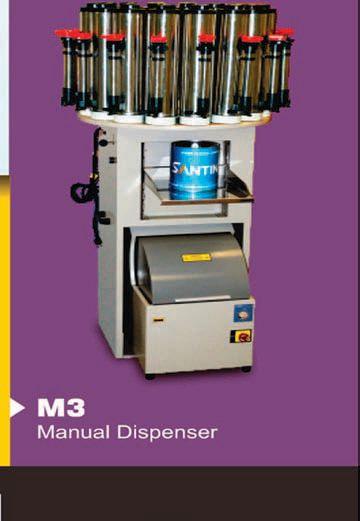
In addition, the company aims to be flexible and responsive to customer feedback. For example, Italtinto sent a manual dispenser to a large Midwestern retailer to test it. It turned out the company mixed some very thick, heavy products that caused the shelf to turn on an angle. “It was not holding the container in place where they wanted it,” Newton says.
The store sent pictures to Italtinto, which sent them to its engineers. Within a week, they sent out a new shelf assembly to the store. “It knocked their socks off,” Newton says. “Within two weeks, they were up and running.”
Empowering retailers is important for Italtinto because the company knows they are imperative to the company’s own growth going forward. “Retailers have long been and will continue to be the tipping point of where the paint industry is going at any given time,” Newton says. “This is a group that has an immense impact on small and large paint manufacturers and how much investment is made in future growth through technology.”
To ensure independent retailers feel empowered, Italtinto has established early dialogue with its current and potential customers, sharing its goals with them so the company will be held accountable on delivering those promises right from the start. “Otherwise, we will fail,” Newton says. “That’s accountability.”
Italtinto made a big splash at the 2018 American Coatings Show, where the manufacturer was able to make a big push in the North American market. The company has made several updates in preparation of entering the market at full strength.
SEPTEMBER 12-14
Next month, retailers and vendors across all industries will gather at the Shop.org conference at The Venetian in Las Vegas. The event, hosted by the National Retail Federation, is bringing together retailers and business leaders to help redesign the customer experience now and into the future. Shop.org will showcase speakers who will present on a wide array of topics, such as how to use artificial intelligence technology in business, marketing tips to drive business and the power of meaningful in-person shopping experiences. There are also opportunities to tour retail stores, network with peers and discover the latest retail technology at the EXPO Hall and Innovation Lab. To register or learn more, visit shop.org
AUGUST 22-25
IWF 2018 Georgia World Congress Center Atlanta iwfatlanta.com
AUGUST 31-SEPTEMBER 3
Home Design and Remodeling Show MANA Wynwood Convention Center Miami homeshows.net
SEPTEMBER 8-9
2018 PACOA Dealer Market Queens College, Fitzgerald Gym Flushing, New York pacoa.com
SEPTEMBER 12-14
Shop.org The Venetian Las Vegas shop.org
SEPTEMBER 11-12
Coatings Trends & Technologies Loews Chicago O’Hare Hotel Chicago coatingsconference.com
OCTOBER 1-5
ArtFusion Estes Park Center Estes Park, Colorado Artfusionevent.com
NOVEMBER 27-28
The National Paint and Decorating Show 2018 Ricoh Arena Coventry Coventry, England paintshow.co.uk
If you would like your event included in this list, email Renee Changnon at rchangnon@nrha.org with the date, location and an overview of your event.
Advertisers’ Index
Finish
Finding Love in a Paint Store
About 12 years ago, Stacey Keller wanted to paint her kitchen red. She didn’t know that several coats of big-box brand paint later, she would meet her future husband.
“I know now that red is the hardest color, but at the time I didn’t know that,” she says. “The moral of the story is that I was an uninformed homeowner.”
Stacey bought a high-end paint from a home improvement store and got four coats in before taking a break from roller marks and poor coverage. She ran into her next-door neighbor who told her she needed to invest in higher quality paint.
“She’s a designer, and I told her my predicament,” Stacey says. “She recommended the Benjamin Moore store right around the corner, so that’s where I went.”
She arrived at the store about 10 minutes before closing time and met Aaron. While the paint was mixing, they chatted and realized they had a lot in common. Before Stacey left, Aaron asked her out on a date.
“I had never said yes to a stranger, and he had never asked out anyone from the store,” she says. “I walked out with a can of paint and a date. We went out the next day, and now 12 years later, we’re married and have two children.”
The whirlwind hasn’t stopped since. When Stacey was pregnant with their second child, the travel required for her job as an aerospace engineer started to take a toll. Aaron suggested they open a paint store together. The Kellers opened The Paint Centers in Grand Blanc, Michigan, in 2015 and a second location in Flint last year.
Stacey says people who are looking for the right time to make a big decision, whether it’s having kids, changing careers or opening a second store, will never do it if they wait for the perfect moment.
“There’s no better time than now. Sometimes things fall into your lap, and you’re fortunate to be able to take it,” she says. “For us, we try to treat people the way we want to be treated, and we listen to our customers.”
Stacey (left) and Aaron (second from left) Keller met in a paint store nearly 12 years ago. The couple now owns two Benjamin Moore stores in Michigan.