












































HPP
Interior Water-Based Clear Finish
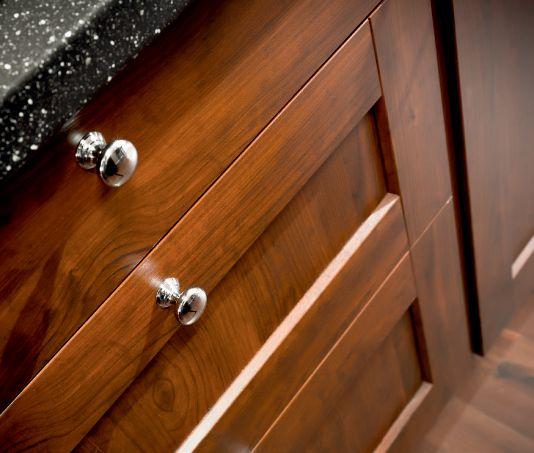
Apex replaces solvent-based varnishes and lacquers, and meets VOC requirements of OTC, OTC II, CARB, and SCAQMD. It provides excellent sandability as a self-seal system along with chemical and wear resistance.

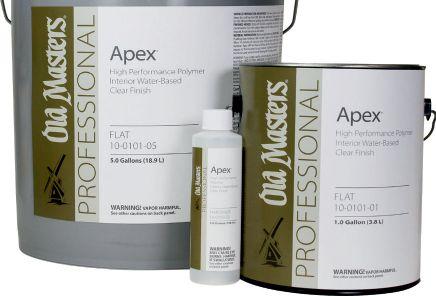
HPP
Apex replaces solvent-based varnishes and lacquers, and meets VOC requirements of OTC, OTC II, CARB, and SCAQMD. It provides excellent sandability as a self-seal system along with chemical and wear resistance.
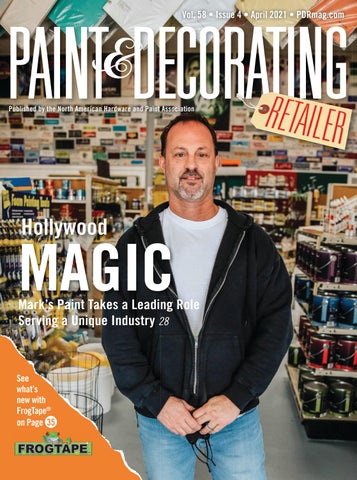
Lights, Camera, Action
Serving a unique niche market in North Hollywood, California, Mark’s Paint Store supplies the motion picture industry with paint and sundries. Learn how the Umann family built a successful business by providing top-notch customer service.
Understanding how key retail metrics influence your operation is crucial to success. Peggy Sue Wingard, co-owner of O-Gee Paint, uses metrics to keep her business moving toward the future.

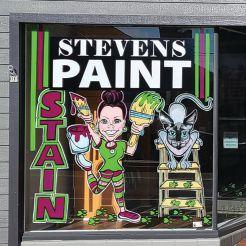
The fun caricatures that adorn the front windows at Stevens Paint Store brighten downtown Corning, New York, and bring customers through the door.


Educating customers on the different types of painting prep products available is key to making sure customers leave the store prepared and can boost add-on sales.
Next month in the magazine, celebrate retailers who have taken core categories to the next level in our Category All-Stars roundup. See how retailers are merchandising, selling and differentiating in key departments, like knives and blades, wallcoverings and specialty paints.
Join us for the “2020 Retailers’ Choice Awards” webinar on Wed., May 19 to learn more. Register to attend at YourNHPA.org/webinars
PAINT & DECORATING RETAILER (ISSN 1096-6927): Published monthly except December by the North American Hardware and Paint Association, 136 N. Delaware St. #200, Indianapolis, IN 46204. Phone: 800-737-0107. Subscription rates: January through November issues, $50 in U.S., payable in advance. Canada $75 per year. All other countries $100 per year. Single copy $7, except July issue, $25. Periodicals postage paid at Indianapolis, Indiana, and additional mailing offices. Postmaster: Send address changes to Paint & Decorating Retailer, P.O. Box 16709, St. Louis, MO 63105-1209. Returns (Canada): Return undeliverable magazines to P.O. Box 2600, Mississauga, Ontario L4T 0A8. PM# 41450540. Copyright © North American Hardware and Paint Association, 2021.
Probably the first time I was ever really immersed in the concept of “critical thinking,” I was a freshman in college taking Professor Putman’s Intro to Philosophy class.
I was truly amazed at how we could take such simple concepts and then unravel them into smaller and smaller parts to gain a better understanding about the world around us. I thought of Professor Putman’s class recently when I was preparing a presentation about retail metrics.
I know it doesn’t sound like a topic that would be particularly “philosophical” but bear with me for a minute.
The question I think we should all start with, before we dive into retail metrics, is a pretty simple one. How do you get better at retailing? For that matter, how do you get better at anything you do?
Before you can be better, you have to know how you measure up right now. Next, you have to understand what better is.
Ah, now you might see what I am on to. (Or, maybe not.)
Improvement of any kind is a process. But before you can even start to improve on anything, you need to understand where you are right now. It’s true whether you are trying to improve your golf game, your waistline or your retail operation. Before you can be better, you have to know how you measure up right now. Next, you have to understand what better is.
With golf, it’s easy. A lower score at the end of the round = better golfer. But with retail, what are the metrics you measure by?
Some might say it is topline revenue. Well, I’ve seen a lot of businesses grow sales and spend themselves out of existence. What about net profits? I’ve also seen businesses drive so hard to produce profits that they fail to invest in the operation. Here’s where it is so important to start understanding how retail metrics work and why you should constantly be monitoring your operation’s performance against other known factors.
In the feature story on Page 18, we show how you can improve your operation by integrating retail data into your management and goal setting. By clearly understanding where your business stands now, you can then move on to where you want to take it and how you want to get there.
Once you have that worked out, you might have the time to start tackling other philosophical dilemmas, like does a bucket of paint make any sound falling off a shelf if no one is in the store to hear it?


Dan M. Tratensek Chief Operations Offi cer & Publisher dant@YourNHPA.org




NHPA MEMBER SERVICES
800-772-4424 | nhpa@YourNHPA.org
LeAnn Day lday@YourNHPA.org
Executive Director, Paint & Decorating Programs
Scott Wright swright@YourNHPA.org
Executive Director, Advanced Retail Education Programs
Jesse Carleton jcarleton@YourNHPA.org
Training Manager & Editor
Renee Changnon rchangnon@YourNHPA.org
Retail Outreach Coordinator
Katie McHone-Jones kmchone-jones@YourNHPA.org
Event Manager & Retail Support
Bob Cutter President & CEO
Dan Tratensek Chief Operating O cer & Executive Vice President, Publishing
David Gowan
Chief Financial O cer & Executive Vice President, Business Services
Melanie Moul Managing Editor mmoul@YourNHPA.org
Kate Klein Profiles Editor kklein@YourNHPA.org
Todd Taber Trends Editor ttaber@YourNHPA.org
Hans Cummings Products & Digital Editor hcummings@YourNHPA.org
Aubrey Smith Senior Designer
Autumn Ricketts Graphic Designer
Austin Vance Production Manager
Freda Creech Sales & Production Assistant
Kevin Trehan Digital Media Specialist
Natalie Harris Data & Information Coordinator
Graeme Haase Issue Contributor
Whitney Daulton Executive Director, Marketing & Communications
Julie Leinwand Corporate Communications Manager & Editor
Dan Simon Magazine Sales 800-737-0107 | dan@pdra.org
CHAIRMAN OF THE BOARD
Daniel Harris Palos Ace Hardware, Palos Heights, Illinois; Lemont Ace Hardware, Lemont, Illinois
EXECUTIVE VICE CHAIRMAN
Jared Smith Jared’s Ace Hardware, Bishopville, South Carolina
DIRECTORS
Craig Bond Tommy’s Paint Pot, Eugene, Oregon
David Dishke Grand River Home Hardware, Caledonia, Ontario
Scott Jerousek Farm and Home Hardware, Wellington, Ohio
Ryan Ringer Gold Beach Lumber Yard Inc., Gold Beach, Oregon
JackieSacks Round Top Mercantile Co., Round Top, Texas MattWoods Woods Hardware, Cincinnati, Ohio
SECRETARY-TREASURER
Bob Cutter, NHPA President and CEO
For when endurance matters.
This is for those who refuse to quit before the job is finished.
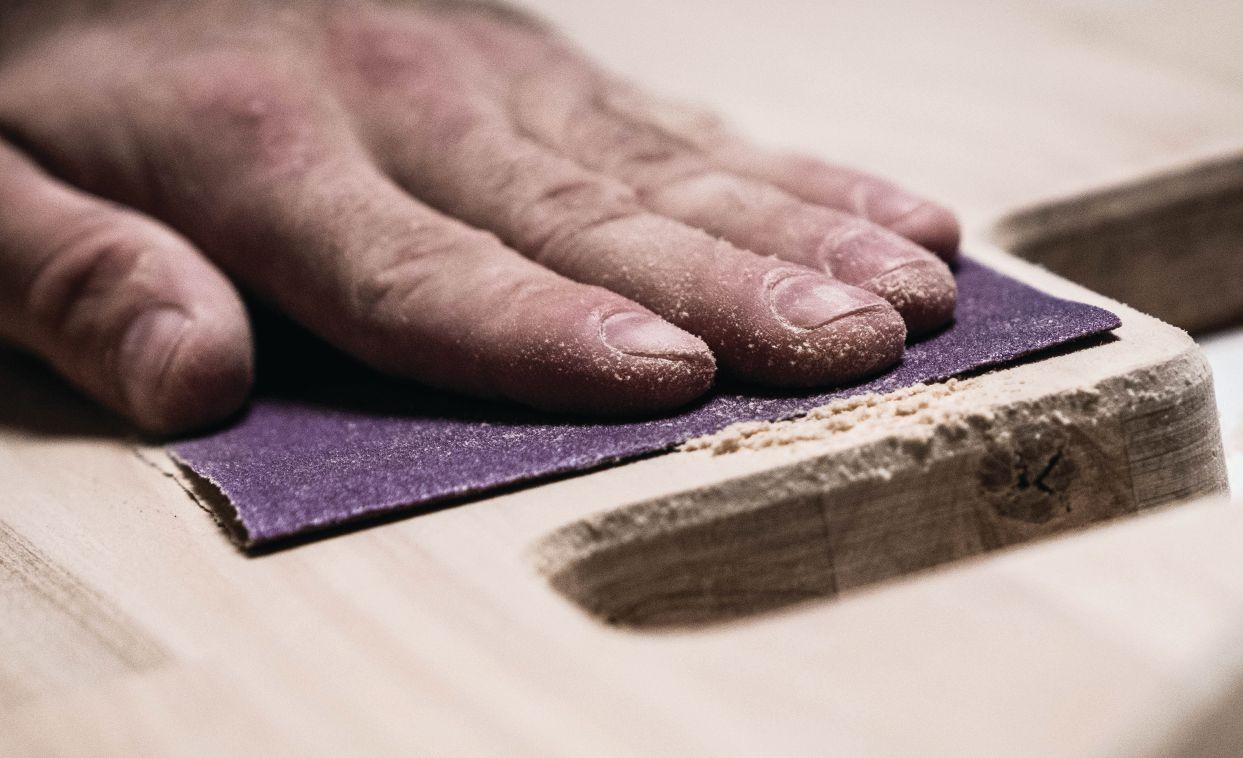
3M™ PRO GRADE PRECISION™ Faster Sanding Sheets resist clogging and sand faster. Fold once and the NO-SLIP GRIP™ durable backing grips together to prevent slipping, so you can sand longer with less hand fatigue. Superior cut durability — from start to finish. built to perform
Find it at The Home Depot, Sherwin-Williams or your local paint store.

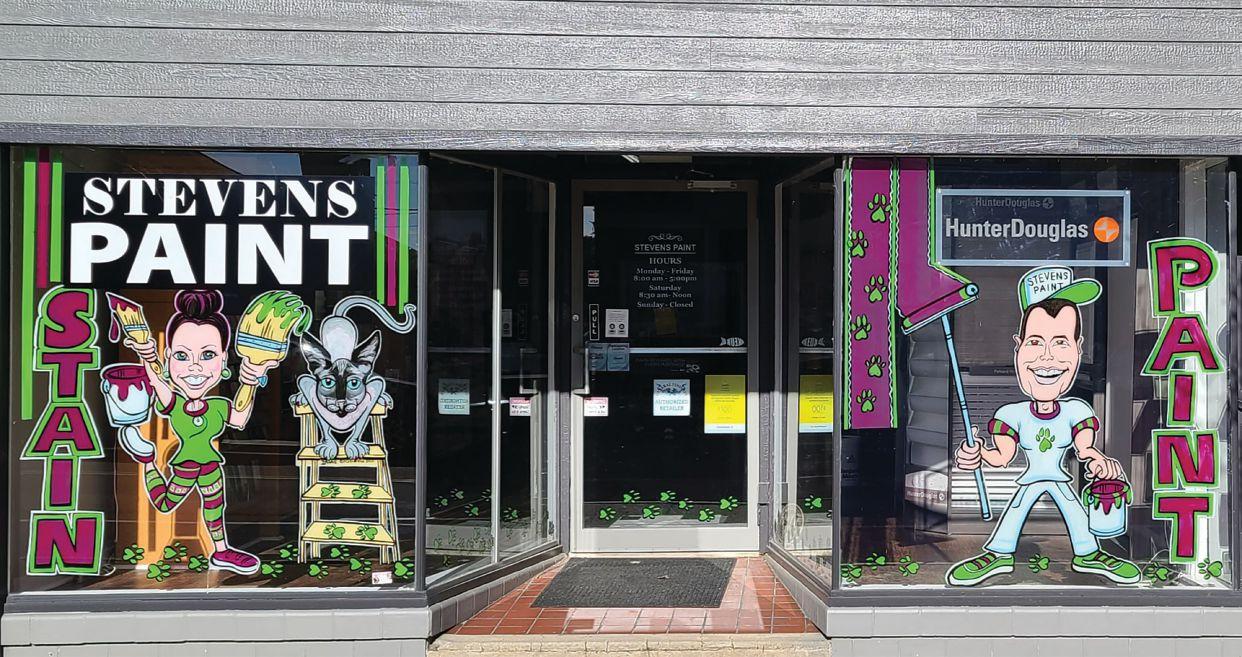
The colorful caricatures on the front windows of Stevens Paint Store frequently attract attention, which means they’re doing their job.
Kelly Wensel, who owns and operates the store in Corning, New York, hired local artist Diane Brownell to perk up the shop windows in April 2020.
“We wanted to bring some light to the street and draw attention to the store,” Kelly says.
Brownell repainted the windows for Christmas and will redo them soon with a spring and summer theme. The grinning characters in Brownell’s artwork are Kelly and her husband, Jereme Wensel. The Stevens Paint mascot, a hairless cat named Luna who lives in the store, is also prominently featured.
Some new customers walk in the doors simply because they saw the colorful windows and didn’t realize a paint store was located in the area.
Kelly and Jereme operate the store together without any additional staff, so displaying their caricatures on the building’s windows provides a connection with shoppers as soon as they enter the door and see their faces.
“People always say, ‘Is that you on there?’ Everybody who comes in says something and smiles about it,” Kelly says.
Customers have responded so enthusiastically that Kelly plans to make fresh window art a biannual tradition.
She and Jereme brainstorm what they want Brownell to paint, describe their vision to her and then provide feedback on her sketches as she creates drafts of their ideas.
Once Brownell executes Kelly and Jereme’s vision, she adds flourishes of her own, such as Luna’s paw prints spread across all of the windows.
“It has brought a little bit of joy and community, and it spruces up Bridge Street,” Kelly says.

Fix it, paint it and get on with the job. Makes repairs fast with no shrinking, cracking or sagging on holes up to 5". Fiber reinforced to be two times stronger*, so it holds up to your high standards. Because your work demands our best.
built to perform

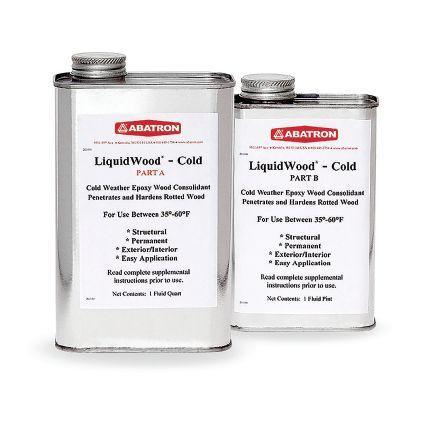
LiquidWood® Cold is a 2:1 liquid epoxy consolidant designed to prime and harden areas of wood that are ready to be filled. It soaks into porous wood fibers prior to hardening, adding strength and stability. Abatron abatron.com or 262-653-2019
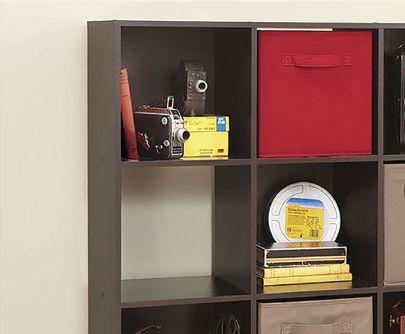
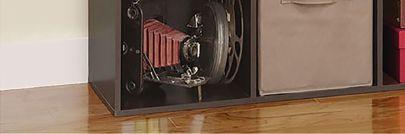
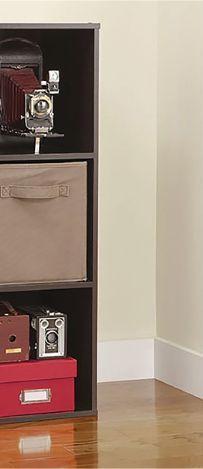
The stackable nine-cube design eliminates clutter and maximizes space. Available in espresso, white, birch, chocolate, natural gray and dark cherry finishes, ClosetMaid® Cubeicals® are designed to work with ClosetMaid Cubeicals Fabric Drawers. ClosetMaid closetmaid.com or 800-874-0008
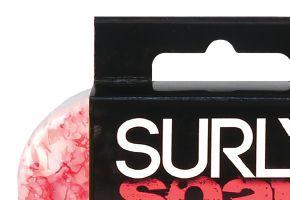
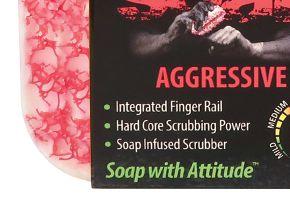
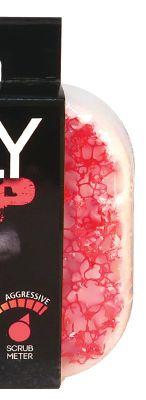
SURLY Soap is a tough-scrubbing pad infused with grease-cutting soap. The scrubber includes an integrated finger rail and is available with mild-, medium- or aggressive-strength soaps. Buffalo Industries buffaloindustries.com or 206-682-9900
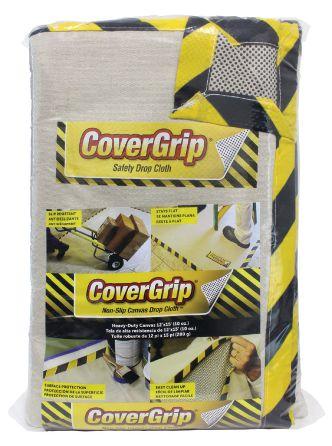
CoverGrip®’s slip-resistant drop cloths are backed with PVC dots designed to resist slipping on wood, tile and marble floors. They are available in sizes to accommodate different room dimensions, as well as hallways, stairs and smaller work areas. CoverGrip drop cloths lie flat, fold and are machine-washable. CoverGrip covergrip.com
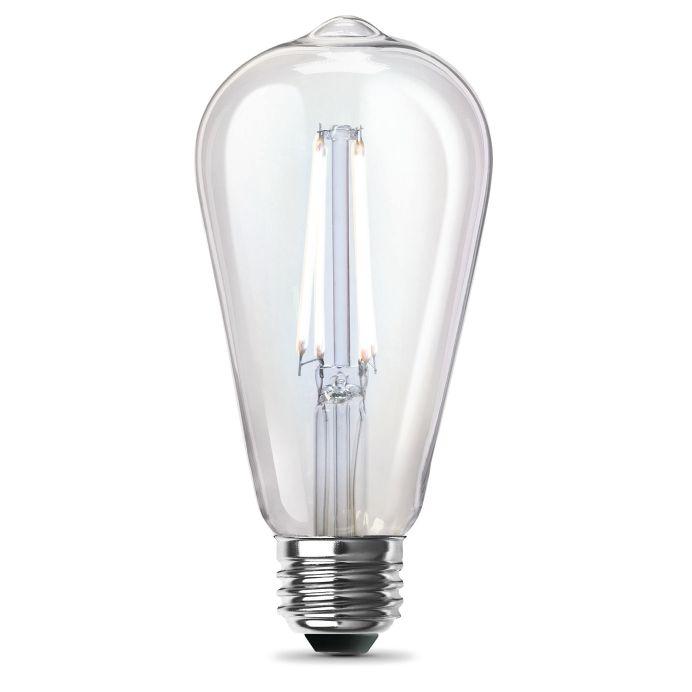
Feit’s STI9100CL/930CA/HDRP bulbs are vintage-design LED bulbs from Feit Electric that combine the classic look and feel of glass filament lighting with modern LED technology. They produce 1490 lumens of 3000K bright white light using only 15 watts with a 15,000-hour lifetime. Feit Electric feit.com or 800-543-3348
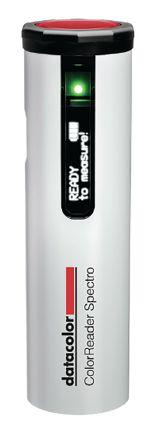
Datacolor’s ColorReader Spectro is a handheld, Bluetooth-connected device that integrates with a retailer’s POS software or Datacolor Paint software to accurately match colors. It can perform custom matching from competitors’ fandecks to customers’ own samples. It includes a carrying case, micro-USB cable and calibration slide.
Datacolor datacolor.com
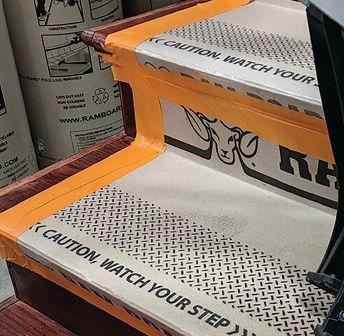
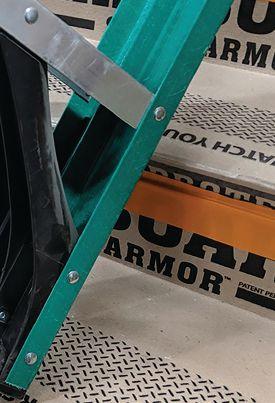

Ram Board Stair Armor™ is a heavy-duty, non-staining paperboard stair protection product. It features adjustable tread, reinforced bull-nose guard and Spill Guard® technology. Ram Board ramboard.com or 855-848-8678







Designed for workers, athletes or anyone needing the benefit of compression, these breathable, knit compression sleeves enable a full range of motion for all-day comfort and reduce pain by improving blood flow and decreasing swelling. Silicone grips on thighs keep the sleeves in place during use and they’re low-profile to wear under clothes without adding bulk. Ergodyne’s knee compression sleeves are machine washable. Ergodyne ergodyne.com or orders@ergodyne.com
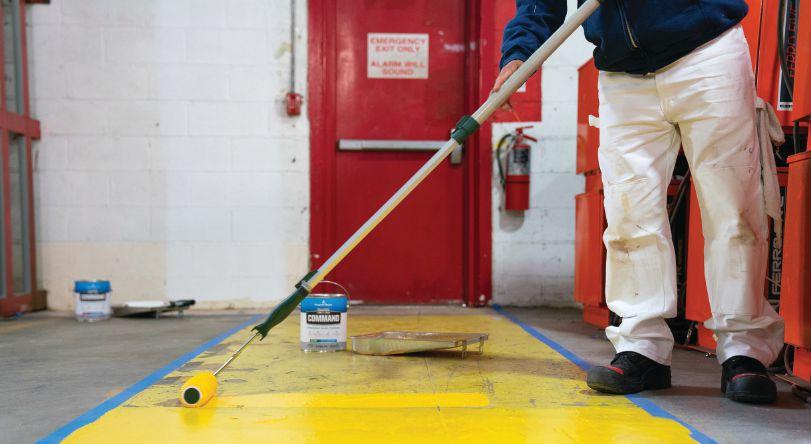


Corotech® COMMAND® is a waterborne acrylic urethane enamel that dries to the touch in 15 minutes and allows return-to-service traffic in 24 hours. It features a block-resistant, tack-free formula, is flexible enough to resist cracking and peeling and is ideal for commercial applications. It can be applied in temperatures as low as 35 F. Benjamin Moore benjaminmoore.com

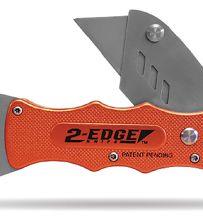

Zorr’s 2-Edge Knife is two tools in one—a utility knife and putty knife combo. It features a quick finger-grab loop, belt clip and safety lock. Zorr Corp. rollabucket.com
Jeffery Alexander by Hardware Resources Marie collection are traditional style cabinet hardware that feature a lifetime warranty. They’re available in brushed pewter, brushed oil-rubbed bronze, satin nickel, satin bronze, polished chrome and matte black finishes. Hardware Resources® hardwareresources.com
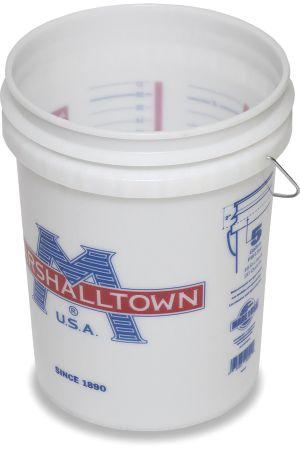
Made of 90 mil plastic, this semi-transparent bucket allows users to see the level of material inside the bucket. It features graduated measuring marks in gallons, liters and quarts and has a metal handle with plastic grip. The bucket fits snap-on or sealable pour spout lids (sold separately).
MARSHALLTOWN marshalltown.com or 800-888-0127


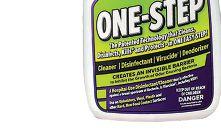
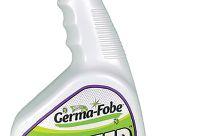
Miracle-Mist GermaFobe ONE-STEP™ is an EPA-registered cleaner and deodorizer. It remains on surfaces, even with regular cleaning protocols, creating an invisible shield against viruses and bacteria. It can be sprayed or fogged and works with electrostatic sprayers.
Encore Coatings
miraclemistcleaner.com or 888-776-2242
Mockett’s Double Button Coat Hook features a large disc plate for larger garments like coats and jackets and a smaller stem and disc protruding from the rear disc for additional items. It has a 40-pound capacity when installed into a stud and 30-pound capacity in drywall with an anchor.
Doug Mockett & Co. mockett.com or 800-523-1269







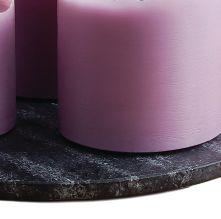


Spiral Light Candles feature a unique wick arrangement that burns the candle circumferentially for greater surface area usage and better fragrance throw. They are made from ultra-refined food grade wax, vegetable-based dyes and 100 percent cotton wicks on the outside and locally sourced softwood wicks on the inside. All scents are phthalate free.
Spiral Light Candles spirallightcandles.com or 651-300-7940







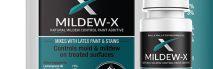




Mildew-X is the first all natural mildewcide paint additive and can be added to any latex coating without affecting the VOCs. It uses a combination of lemongrass and geranium oil to control the growth of mold and mildew on dried paint. Mildew-X is made of eco-friendly ingredients. Walla Walla Environmental is a Certified Woman-Owned Business.
Walla Walla Environmental wwenvironmental.com or 509-522-0490


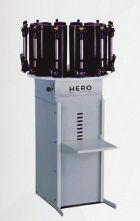


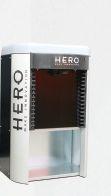

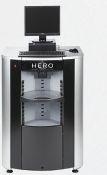
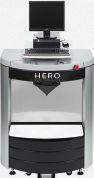

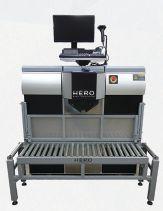

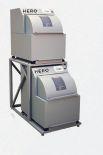
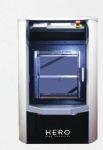

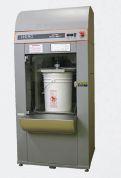

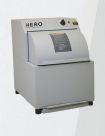

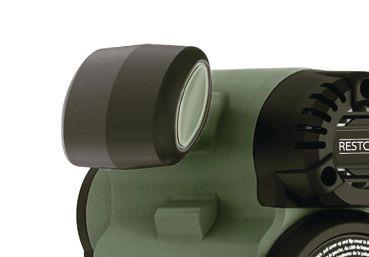
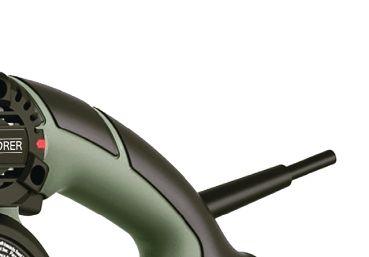
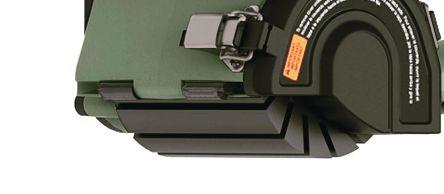
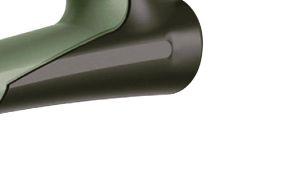
The Restorer strips rusts, burnishes, sands and polishes. This tool includes 15 different types of brushes and accessories—including nylon brushes, steel wire brushes, sanding and polishing abrasives, wool flaps and more—allowing a user to change its functionality without the use of additional tools. It features a built-in dust collection port and a 1000-3200 RPM brushed motor. Wellington Corp. imarestorer.com or 330-259-9009
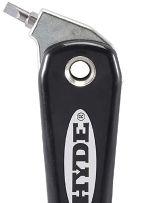

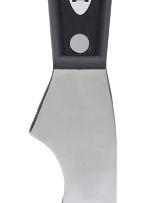

Hyde Tools’ FlipBit™ has all the benefits of a 7-in-1 multitool plus a flip-up flat head screw bit. It has a 2 ½ inch scraper blade and can spread compound, clean rollers, open paint cans, clean out cracks, scrape concave and convex surfaces and more. Hyde Tools hydetools.com or 800-872-4933
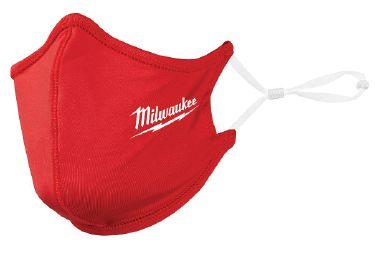

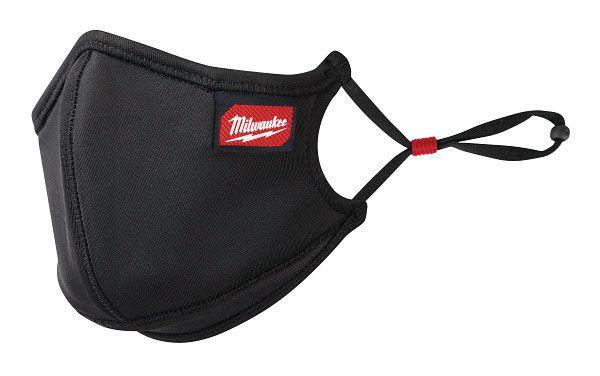
Milwaukee®’s 3-Layer Performance Face Mask is constructed with three soft, breathable layers suitable for all-day wear on the jobsite. The structured design separates the mask from your mouth, making it easier to move around and breathe. It features adjustable earloops, a flexible nose bridge and an antimicrobial treatment that prevents odor-causing bacteria and is also moisture wicking. This face mask meets CDC recommendations for a face covering. Milwaukee Tool milwaukeetool.com or 800-729-3878

The ZipWall® Dust Barrier PassThrough® is a resealable opening for passing a duct hose up to 14 inches in diameter through a ZipWall barrier. It mounts to any ZipWall pole and supports the weight of any hose while maintaining barrier integrity. When the hose is removed, the sleeve can be cinched closed to seal the opening. ZipWall zipwall.com or 800-718-2255


STRATEGIC SERIES
By Todd Taber
Behind every facet of your business are constantly shifting numbers that offer insight and opportunity for running a more goal-focused, successful operation.
It’s not enough to identify these key retail metrics once. High-performance retailers are tracking these figures consistently, observing how small changes in one area can create ripple effects of opportunity in others.
Discover how Brett Thorne, operations officer for Thorne Lumber in Missouri, has unlocked the power of tracking key retail metrics over time. Also, read how Peggy Sue Wingard, co-owner of O-Gee Paint’s two locations in Miami, uses the annual Cost of Doing Business Study to compare her business’s core figures to other paint and decorating retailers. In addition, Jim Robisch, senior strategic adviser of The Farnsworth Group, explains how a sharp focus on conversion rates, occupancy costs, employee productivity and marketing can bring your business new opportunities.
“The advantage of evaluating metrics is found by evaluating it more than once or twice,” says Robisch. “The value is finding a trendline that you can follow. It’s by observing change in any metric that helps you diagnose problems in your business and find ways to correct them.”
For Peggy Sue Wingard, co-owner of O-Gee Paint in Miami, the best part of being an independent paint and decorating retailer is facing—and overcoming— new challenges each day.
“You never know which challenges you’ll face day to day,” she says. “As an independent, you get to make your own destiny.”
O-Gee Paint has been in business for more than 70 years, and in 1981, Peggy Sue’s mother, Peggy Schultz, bought the enterprise. She knew the business had to stay on top of new technology and maintain a sharp focus on its key retail metrics; she was the first retailer south of Atlanta to add a computerized color-matching system in her operation and pioneered a specialized digital POS system for the company soon after.
Peggy Sue says she’s more a people person than a number person, but as her mother transitioned away from day-to-day operations, Peggy Sue knew regularly tracking key retail metrics was not only important, but would help prepare the business for a new generation of success.
As she tracks core figures that define O-Gee Paint, Peggy Sue uses the annual Cost of Doing Business Study produced by the North American Hardware and Paint Association to monitor her metrics and see how she compares to her industry peers.
“One of the cons of being an independent is that you don’t know how your business metrics compare within the industry,” she says. “To me, it’s really important to learn from other retailers who you have a connection with, and the Cost of Doing Business Study helps me do that.”
She says contributing to the study is simple: she uploads her financial records confidentially to YourNHPA.org/codb In return, she receives a free, personalized copy of the latest Cost of Doing Business Study, detailing key retail metric results for typical and high-profit hardware stores, home centers, lumberyards and paint and decorating outlets. She also receives a personalized financial analysis, showing exactly how her store’s performance compares to other paint and decorating operations.
Peggy Sue says reviewing metrics with the help of the study helps her establish a baseline for her business and see which metrics rose and fell from one year to the next. In addition, she can compare her specific operating results to other typical and high-profit paint and decorating
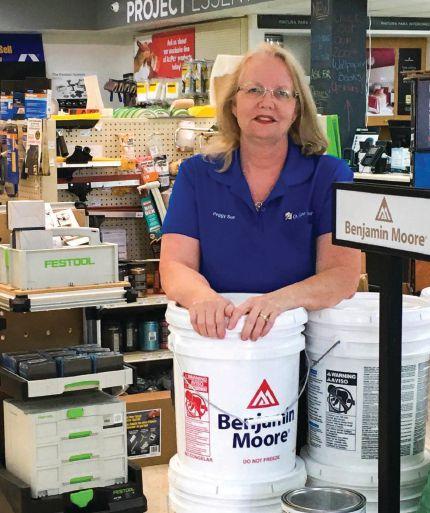
centers, allowing her to find out how she compares to her independent peers.
“There are always questions when you run a business: Are my operating expenses in line? Am I spending too much on payroll? The Cost of Doing Business Study helps me answer those questions.” she says.
No matter how large their operation, Peggy Sue says retailers across the U.S. can benefit by participating in the Cost of Doing Business Study
“I tell people they’ve got to do this,” she says. “Whether you have one store or 80 stores, the study helps you visualize your business and find new ways to grow.”
Peggy Sue encourages all retailers, especially independent paint and decorating retailers, to take part in the study.
“The more people who participate, the better the data and the more significant the performance indicators,” she says. “We all can see where we’re doing well and where we could improve.”
“With a resource like the Cost of Doing Business Study, you can see how you’re doing compared to the industry.”
—Brett Thorne, Thorne Lumber
Like other home improvement retailers, Brett Thorne saw sales at his business rise throughout 2020, bolstered not only by the surge in DIY activity prompted by the pandemic, but also Thorne’s sharp eye on the key retail metrics powering his business.
For more than 30 years, Thorne Lumber has served as a locally owned solution for hardware and building materials in northwestern Missouri. The business caters predominantly to professional customers purchasing materials, but also does a sizable business with DIYers. That mix of customers keeps every team member agile.
As operations officer for the family business, Thorne regularly evaluates core figures in his business, searching for small ways to uncover enormous advantages for the company.
“It’s one thing to look at your numbers—and that’s great, you have to know where you are—but if you don’t have anything to measure those facts against, are you really doing yourself justice? You may be getting better, but still be falling behind the curve,” he says.
One tool Thorne credits with helping him track success and opportunities for his business is the North American Hardware and Paint Association’s annual Cost of Doing Business Study.
Each year, Thorne submits his financial information to NHPA during the data collection period for the study. His information remains entirely confidential, and in return, NHPA provides him with a personalized report of not only his business’s key metrics, but also aggregate information on the independent home improvement marketplace as a whole.
Thorne says it’s important to track how his business performs beyond sales. He reviews each installment of NHPA’s study and shares important findings with his managers, helping them learn more about Thorne Lumber and ways they can work together to reach new milestones.
“With a resource like the Cost of Doing Business Study , you can see how you’re doing compared to the industry,” he says. “Where do I need to improve? How can I make this figure rise while stabilizing another? Tracking your metrics without something like the Cost of Doing Business Study is like having a map without a compass—no true sense of direction.”
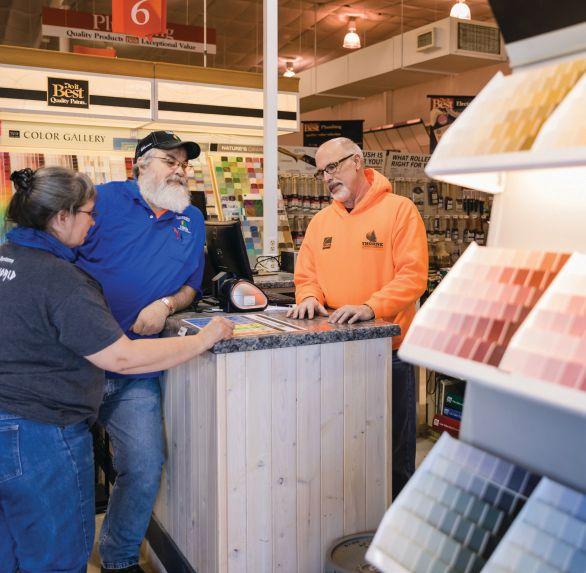
Participating in the annual Cost of Doing Business Study can help paint and decorating retailers find new avenues of opportunity for their businesses.
Help your team understand key financial terms with a handy reference guide at YourNHPA.org/financial-terms
View a quick video from Epicor to derive helpful data from your POS system at YourNHPA.org/epicor-data
Learn how you can contribute to the Cost of Doing Business Study at YourNHPA.org/codb
Download a guide to each of the four key retail metrics and learn how your team can boost them at YourNHPA.org/boost-metrics
CNUMBER OF TRANSACTIONS
NUMBER OF TRANSACTIONS
÷ NUMBER OF CUSTOMERS
÷ NUMBER OF CUSTOMERS
= CONVERSION RATE
= CONVERSION RATE
Conversion rate offers a direct view into customer engagement. A relatively simple metric, conversion rate can be analyzed daily, monthly, quarterly or annually to determine the success of short- and long-term projects and promotions.
onversion rate represents one of the quickest ways to evaluate how your business is performing. Choose a set period of time to evaluate this metric. Identify the total transactions in that period, then divide that figure by the total number of customers you served. That result is your business’s overall conversion rate, a transparent look into how well your business is engaging customers and making sales.
Robisch says conversion rate is a leading metric retailers should review regularly. He recommends taking a nuanced look at this simple metric by evaluating it in two ways.
First, identifying the absolute conversion rate, or the rate at which your store offered customers ‘the destination item,’ the single product that brought them through the doors, is valuable.
“That’s where a strong inventory comes into play,” Robisch says. “You have to be in stock to meet that initial demand a customer has for a product.”
Each conversion at your store comes with an opportunity to boost transaction size. Once your salespeople make a conversion, or a customer is at least strongly considering a purchase, try to upscale the item. Earnest recommendations about the quality or durability of slightly higher priced
products can convince customers of your staff’s product knowledge, but also strengthen your bottom line sale by sale.
Secondly, Robisch recommends retailers look for a Plan B if a customer doesn’t purchase their destination item. Strong merchandising and savvy salespeople can help a customer purchase impulse or add-on items they didn’t initially plan on buying. While these sales may not offset a destination item, your team will still manage to salvage a sale and simultaneously boost this key retail metric.
Robisch says one pitfall of conversion rate is the potential to see it lowered by making strides with your marketing. As more people visit your store, your team will have to also boost conversion rate or risk seeing the figure slide. If you notice this imbalance, it could be wise to invest in greater sales training for your team.
“You have to be in stock to meet that initial demand a customer has for a product.”
—Jim Robisch, The Farnsworth Group
URENT OR
NUMBER OF TRANSACTIONS
÷ NUMBER OF CUSTOMERS
= CONVERSION RATE
+ UTILITIES + BUILDING INSURANCE + SECURITY = OCCUPANCY COSTS
Occupancy costs reflect the day-to-day reality of doing business out of your current location. This key retail metric represents a sliding scale: What you give up in one area of occupancy costs, you may have to repay elsewhere.
nderstanding the factors influencing total occupancy costs helps you know where you could save money in other areas.
Thorne says occupancy costs, particularly the rent he pays, are a high-level metric, but he does share the figures with his managers.
“Occupancy costs change market by market,” Thorne says. “One business owner can have multiple locations and see vastly different occupancy costs store by store.”
To combat this discrepancy, Thorne says he takes a historical view of his occupancy costs and views it as a percentage of his total expense. Even though occupancy costs may fluctuate year to year or location by location, observing the percentage change can help you set a guiding standard for your operation.
Robisch says it’s important to view the figure alongside other expenditures. If a retailer invests heavily in securing a new, highly visible space, the cost of rent or a mortgage may impede them from staying flexible in other areas. Conversely, paying too little for a location in a less desirable area may appear more affordable, but a retailer may have to increase spending in advertising and security to get customers through the doors.
“Having a good location means... you can focus primarily on strengthening your brand.”
—Jim Robisch, The Farnsworth Group
“Good locations can help you in many ways,” Robisch says. “Having a good location means you don’t have to do a lot of awareness communication; you can focus primarily on strengthening your brand.”
Robisch says this metric could rise occasionally with unexpected repairs or equipment replacements.
If retailers feel their occupancy costs are too high, investigating ways to reduce energy and utilities could be a solution. Talk to your utilities providers about opportunities for cost savings, like budget billing, find out if your wholesaler offers an LED lighting conversion program or consider alternative energy sources, such as solar power. Additionally, exploring low-cost advertising outlets could offset premium occupancy costs.
TTOTAL SALES
NUMBER OF TRANSACTIONS
GROSS MARGIN
÷ NUMBER OF EMPLOYEES
÷ NUMBER OF CUSTOMERS
÷ NUMBER OF EMPLOYEES
= CONVERSION RATE
= SALES PER EMPLOYEE
= GROSS MARGIN
PER EMPLOYEE
There are many ways to measure employee productivity; each formula allows you to see how your staff is performing over a given period of time. Insight into this metric allows you to solidify your scheduling and ensure you meet customers’ needs seamlessly.
horne regularly evaluates sales per employee, gross margin per employee and gross margin per transaction to track overall staff productivity at his stores. However, he sees each metric as closely affiliated with other business rubrics, including total payroll, employee expenses and overall employee count.
He also uses the employee productivity results to establish and measure compensation.
“Earnings by performance is going to become increasingly important in the coming years,” Thorne says. “Home improvement is going to be seen not only as an essential business, but also an exciting one. We’re going to have to determine whether we’re paying workers appropriately and making home improvement a desirable industry for the long term.”
When sales per employee fall too low, it’s a clue to Thorne that he may be overstaffing his business. While high sales per employee can feel like a win, those figures may reveal your current staff is taking on too much and there is potential to hire additional workers for improved operational efficiency.
For Robisch, insights into employee productivity reinforce staffing decisions.
“The biggest issue with tracking employee productivity is to allocate sufficient staff to support your brand message and service objectives at particular hours of the day,” he says. “This metric lets you see if you’re overstaffed or understaffed at any particular point.”
The Cost of Doing Business Study will help you pinpoint how independent hardware stores, lumberyards, home improvement centers and paint locations are doing in relation to employee productivity, helping you find a midpoint to determine your own performance.
“We’re going to have to determine whether we’re paying workers appropriately and making home improvement a desirable industry for the long term.”
—Jim Robisch, The Farnsworth Group
Discover five marketing myths to overcome in 2021 at pdrmag.com/marketing-myths.
Evaluating how effectively your marketing and loyalty programs engage your customer base is crucial for modern home improvement success. Beyond enticing customers to shop your store in person or online, these tools also deliver powerful customer data to guide your business.
Thorne says his business caters predominantly to pro customers, so his focus may not be as sharply aligned to retail loyalty programs as other retailers. Still, he serves a sizable DIY base and his locations feature product showrooms, which prompt him to consider marketing as a key retail metric.
“We do regularly review our advertising and marketing dollars,” Thorne says. “What kind of investment are we making on that end? Are we seeing true results?”
Investing in marketing or establishing a loyalty program can yield big results for your business. By advertising your brand, your inventory and your location, you can immediately draw more customers. Those actions can boost sales and help you solidify your brand. But beyond those benefits, strategic marketing and loyalty programs offer retailers valuable insight into exactly who their customers are and what home improvement products they need.
“The data from marketing and loyalty programs is the most valuable part,” Thorne says. “Seeing data of what your customers are buying is so important. By studying that data, you can gain repeat business. Targeting your future promotions based on that data can be an immediate strategic win.”
“We need to have direct customer information to communicate with them instantly and take care of them as best we can.”
—Jim Robisch, The Farnsworth Group
Robisch says data can offer concrete guidance on how to run your business.
“If you don’t have a loyalty program, you should,” says Robisch. “It’s an absolute necessity as the last year has shown us. We need to have direct customer information to communicate with them instantly, know what they need and take care of them as best we can.”
Robisch says some of these programs can serve as a way to maintain positive brand awareness, introduce special sales and simply remind customers you’re open for business.
“Loyalty programs can be the single differentiator, the deciding factor of where someone shops,” he says.


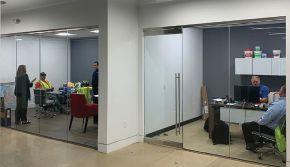
hanks to the support of our distribution partners, retailers, contractors, architects and homeowners, Dumond Inc. celebrated its 40th anniversary by saying goodbye to our 39-year manufacturing facility in Milford, Connecticut, and moved our entire production, warehouse and corporate offices under one roof to our new 35,000-square-foot facility in Downingtown, Pennsylvania, (40 miles west of Philadelphia). We are excited to share the good news about this strategic move as it helps us help you! During the move, Dumond Inc. continued to experience a sharp increase in sales of our safe, effective, water-based and environmentally friendly surface preparation solutions.
“Our new facility provides Dumond and its many customers unlimited capacity for manufacturing and warehousing goods,” says Dumond Inc. president Rick Grear. “We are positioned to maintain sales growth while delivering more effi cient service to our many current customers on four continents.”
Dumond Inc. continues to invest in R&D initiatives that has resulted in several exciting new product lines during this growth spurt. Our water-based Safe ‘n Easy ® Citrus Paint & Varnish Remover, Tilt Wash™ PRO and Confined Space ® products were developed to meet the unique demands of the 2021 marketplace. See the product pages for these at dumondglobal.com
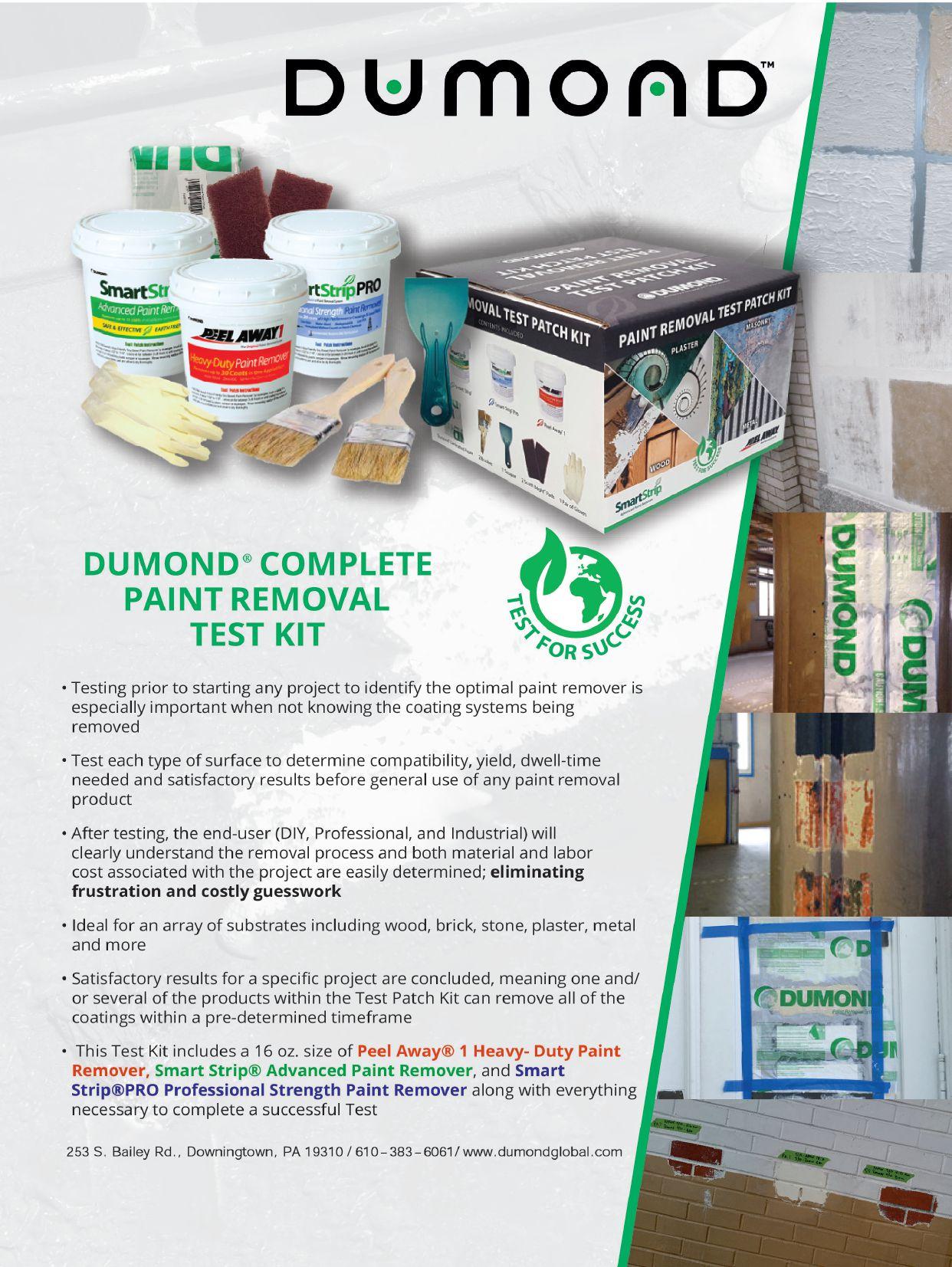
Dumond Inc. experienced a significant uptick in demand for paint removal products, as the U.S. EPA’s ban on methylene chloride-based products in November 2019 continues to reverberate across the country.
Retailers! Take the guesswork out of answering this question you hear all the time in your stores: “I need to remove paint to the bare surface on my [fill in the blank]. Which paint remover would you recommend?”
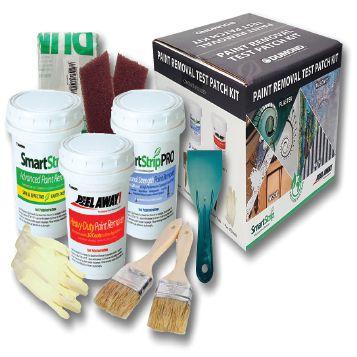
Recommend they use the Dumond Paint Removal Test Kit! By suggesting and using the kit properly, professionals and DIYers can easily determine which of our three water-based paint removers works the best. Once identified, the right product will safely remove multiple coats of paint in one application. The Dumond Paint Remover Test Kit is the only paint removal first-step kit in existence!
The cost of the kit is nominal (for both retailer and consumer), and the initial cost is further minimized as the kit can be used multiple (minimally 10) times. Every project is different, and every coating system is different. For a small investment, let the Dumond Paint Removal Test Kit help you unlock the DNA of your specific paint or coating by taking the guesswork out of “which is the right product for this job.”
Paint removal products are available in quart, gallon and 5-gallon sizes. Technical support is available by phone at 610-383-6061 or email info@dumondglobal.com.
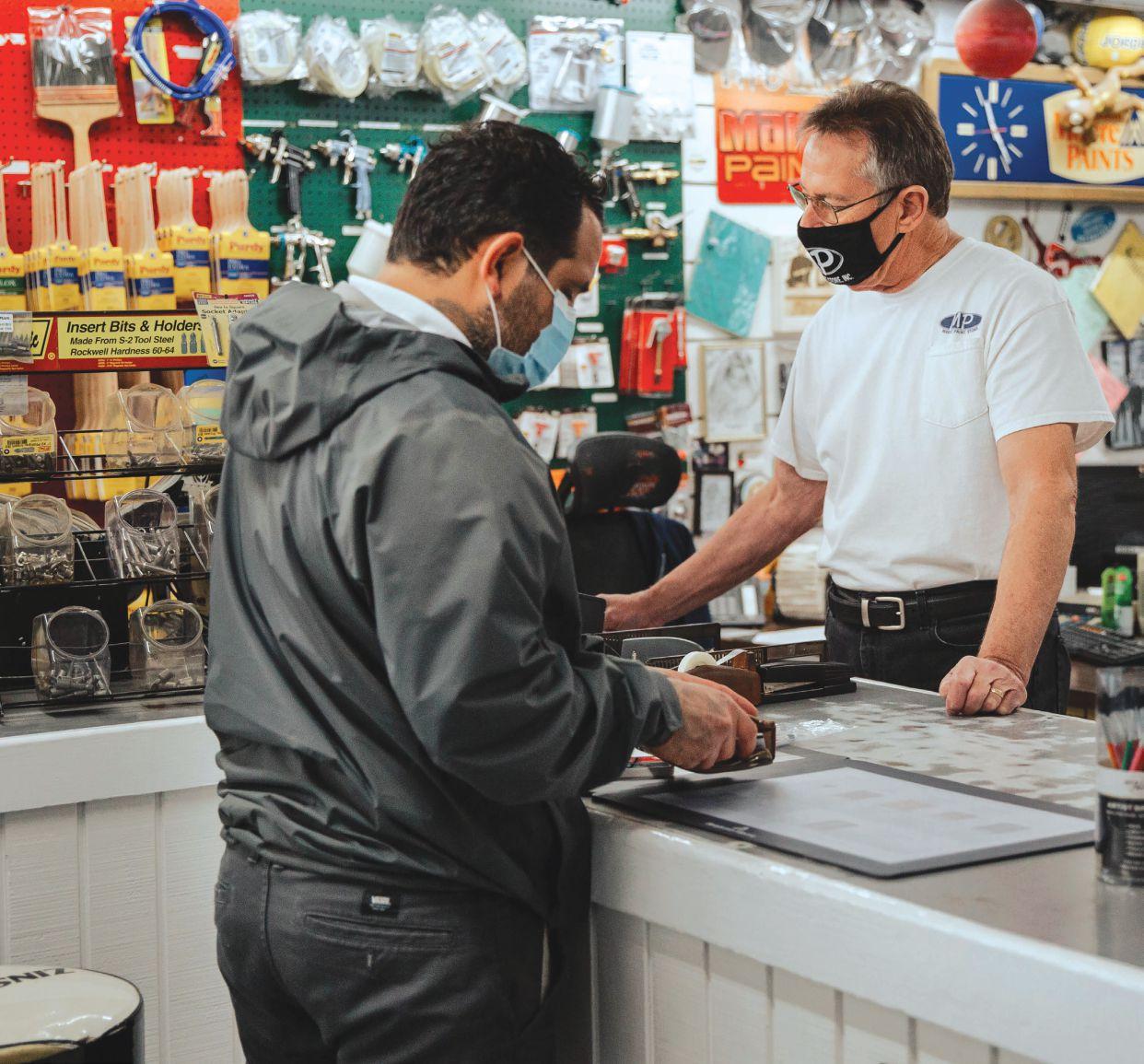
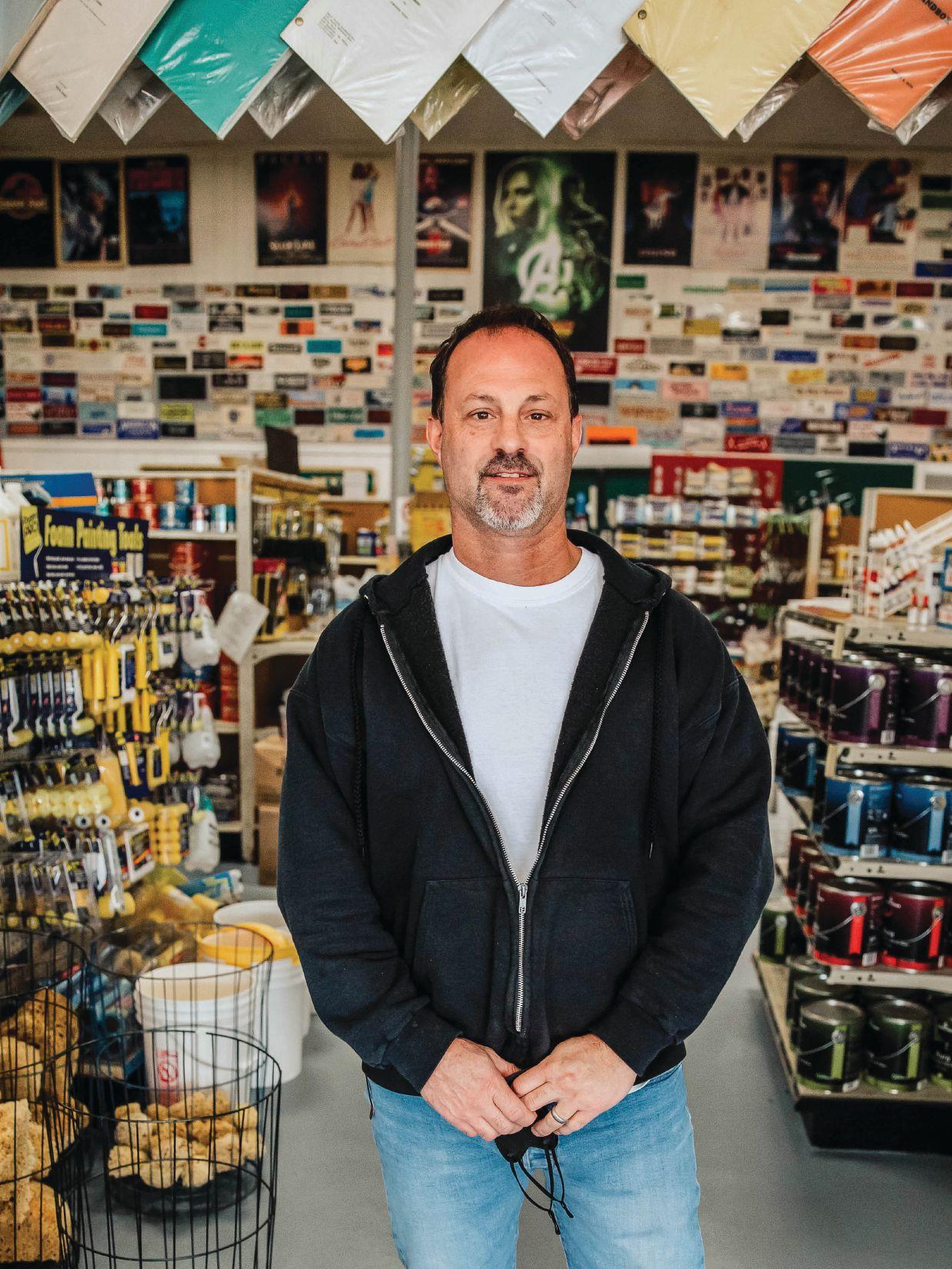
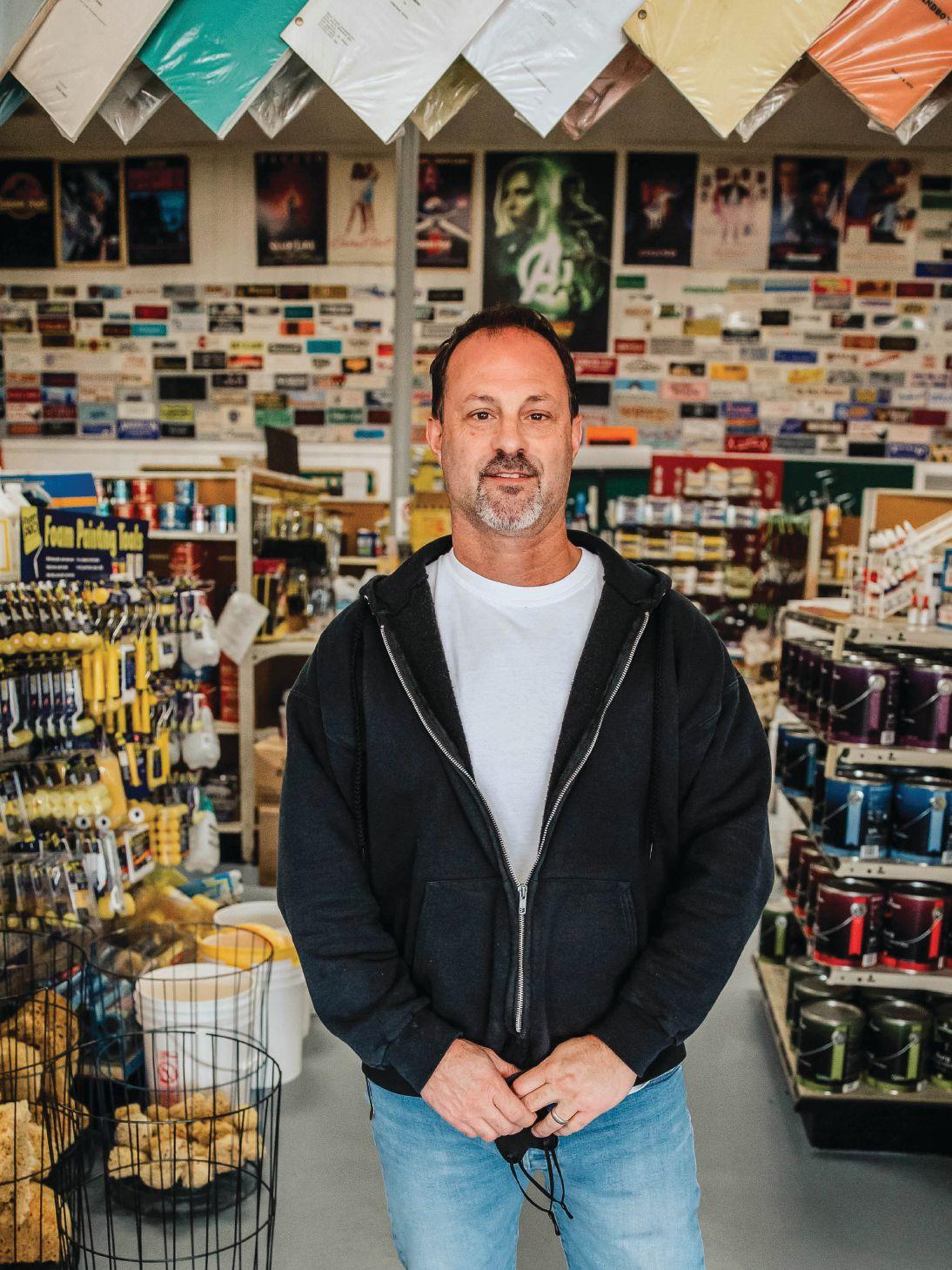
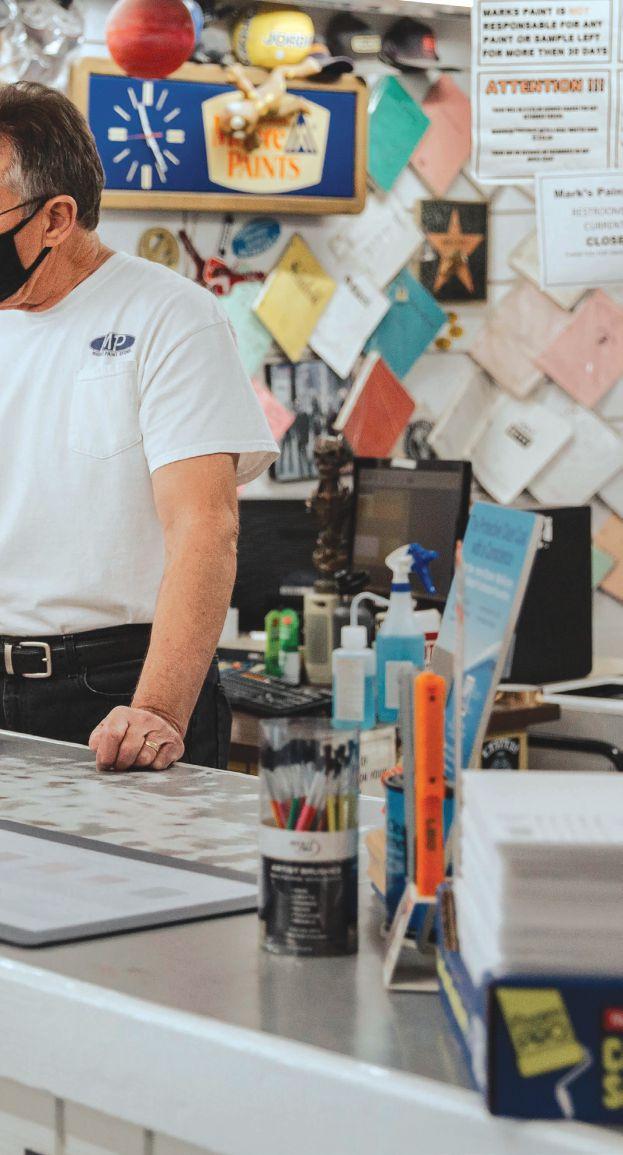
Part of the North Hollywood scene for the last 40 years, Mark’s Paint Store has been supplying the motion picture industry with paint and sundries, working with some of the biggest names in the entertainment business.
By Lindsey Thompson
After 15 years working for another business that supplied paint and materials to the motion picture industry, Mark Umann faced a plot twist. That company was being sold, leaving him with a decision to make—stay on or move on. Umann choose to rewrite the script for his career, and in the process, created a successful family business, opening up Mark’s Paint Store in North Hollywood, California, in 1978. Greg Umann, Mark’s son and co-owner at Mark’s Paint, says his dad jumped at the chance to open his own store and use the experience he amassed working for motion picture and television clients.
Sign up for paint-specific training programs to help your team become stars in your business. Visit YourNHPA.org/academy for more information.
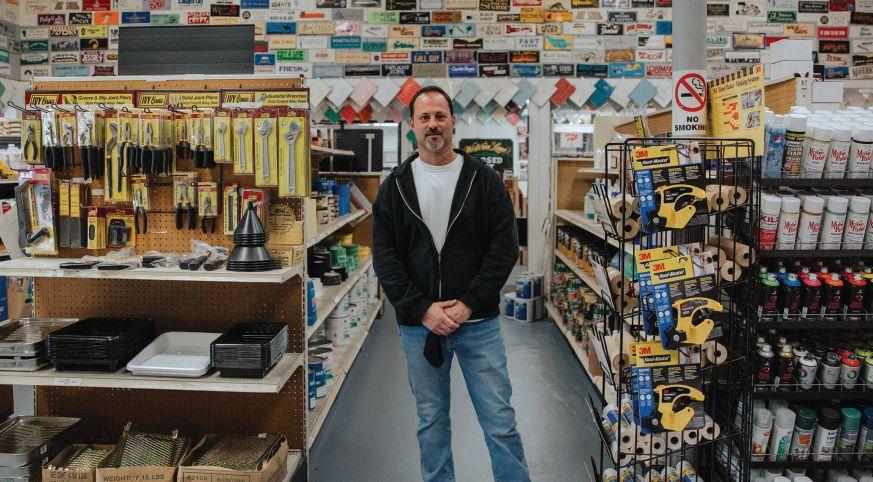
“When the owner of the company my dad worked for sold his business, my dad took a chance and opened up his own store to continue to serve motion picture clients,” Greg says.
From the store’s opening, Mark positioned himself as a go-to provider of paint and sundries to local studios, a niche the store has been catering to ever since, supplying some of the biggest names in entertainment with paint and supplies.
“We service most of the major studios within 30 miles, working with movie and TV companies like Universal Studios, Disney, Sony, CBS and Television City,” says Greg.
Along with working with the motion picture industry, Mark’s Paints supplies paints and sundries for theme parks, local events and outdoor concerts like Coachella. The business has many customers who are faux finishers, and it also works with contractors and the general public.
The family ties run deep at Mark’s Paint. As Mark grew the business, his wife, Barbara, was there working in the store alongside him. Greg has worked at Mark’s Paints for over 30 years, and his brother Mike is a longtime member of the staff and co-owner with Greg.
“My dad took a chance and opened up his own store to continue to serve motion picture clients.”
—Greg Umann, Mark’s Paint Store
“My parents have both been here since the start,” Greg says. “They have mostly turned over running the store to me and my brother at this point, but they both still come in three to four days a week.”
Working at a paint store wasn’t part of Greg’s original storyline. He went to school to become a mechanical engineer, but says he didn’t like the unpredictability of government contracts.
“I came to work at the store for one summer, and 30 years later, I’m still here,” he says. “After all this time, I couldn’t see myself working anywhere else.”
The rest of the family found their roles at the store too. Mike and his wife, Stacy, handle all of the office duties, with Mike running the website and keeping the point-of-sale system up to date.

Over the years, the company hired employees who have become like family, staying with the company for 20 years and more. Greg credits being understanding of their employees’ lives outside of work as one of the reasons they’ve stayed. Treating their employees fairly and like family has helped the business retain good workers.
“Our employees have been with us for years learning the business,” says Greg. “They understand what it takes to be successful with our entertainment clients, as well as our contractor and public customers.”
Catering to this niche market means following a plan, but also being willing to ad lib at different times. Greg says selling to movie and TV production companies involves a high level of organization and the ability to be flexible and meet quick deadlines.
Each morning, the set painters call in their orders and it’s up to Mark’s Paint to get the supplies to each set location within one to two hours that same day.
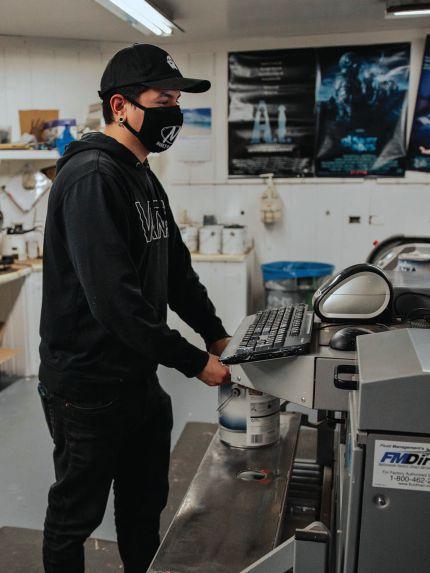
















Greg says the company prides itself on delivering to the customer, metaphorically and literally, with three trucks on the road every day dropping off supplies throughout Los Angeles.
Some of the aspects of the business carry over from the entertainment audience to the store’s other clients. Having the right products for the job is important for all the store’s clients, whether they’re painting a movie set or a master bedroom.
“The studios need a lot of the same paint and accessories that our public customers need,” Greg says. “They just need much larger quantities and need the product much quicker, sometimes as quick as 10 minutes after they place an order.”
To keep all his customers happy, Greg keeps the store well-stocked with all the typical painting sundries. The store also stocks specialty items like poster and lettering enamels for sign-writing, metallic colors, crescent bronzing powders and faux finishing supplies and equipment.
The store even manufactures and sells its own brand of paint, Mark’s Studio Colors, a line of interior and exterior acrylic-latex paint made in the colors scenic artists use most often.
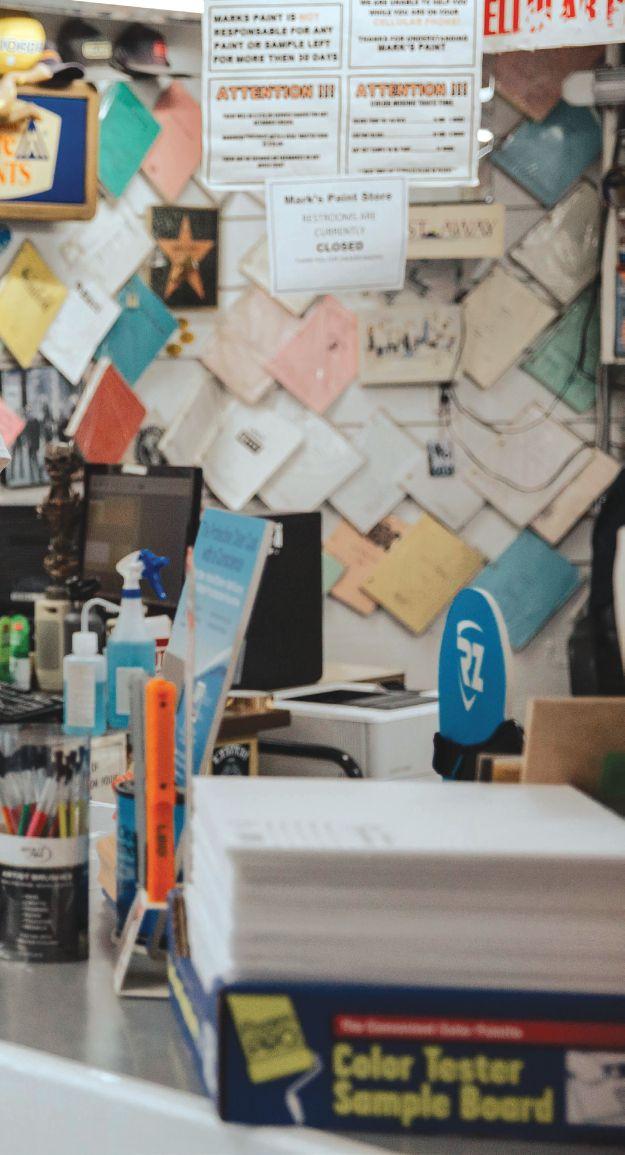
Nestled among the rows of paint cans, brushes and other supplies, you’ll find fun film and TV movie props, including Wilson the volleyball from the movie “Castaway” and a Welcome to Charming sign from the FX Network TV show “Sons of Anarchy.”
Movie posters and television and movie scripts fill nearly every wall space. The store also displays an impressive collection of show cards. Studio truck drivers place show cards in the windows of their trucks so they can get on and off the lot. Greg says they have been decorating with show cards since the 1970s when Mark’s Paint worked with a television movie called “Mark, I Love You.”
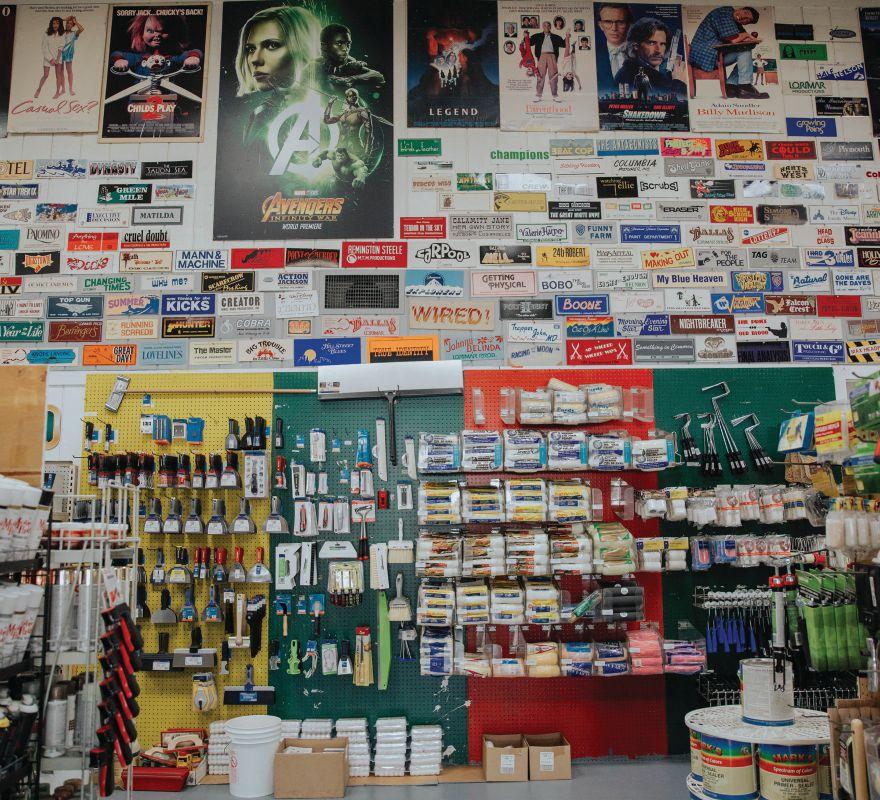
“The guy we worked with brought in the show card for that movie and my dad put it up on the wall,” Greg says. “Then another show client came in and said, ‘I want mine on the wall,’ and they kept coming and coming. It’s grown to hundreds today.”
It’s been 43 years since Mark wrote the second act for his career, leading to a highly successful business. The staff’s dedication to stocking the items their clients need and their ability to deliver quickly contributes to that success. Since Mark’s Paints has been in business, Greg says they’ve never had to do any traditional advertising thanks to word-of-mouth recommendations from their satisfied clients.
While Greg says the business doesn’t have any significant growth plans for the next few years, they do plan to continue serving their customers with the same level of service that has made them successful.
“I don’t know what’s next,” Greg says. “But I do know we are going to keep doing what we have been doing and be here for another 43 years and more.”

























By Lindsey Thompson

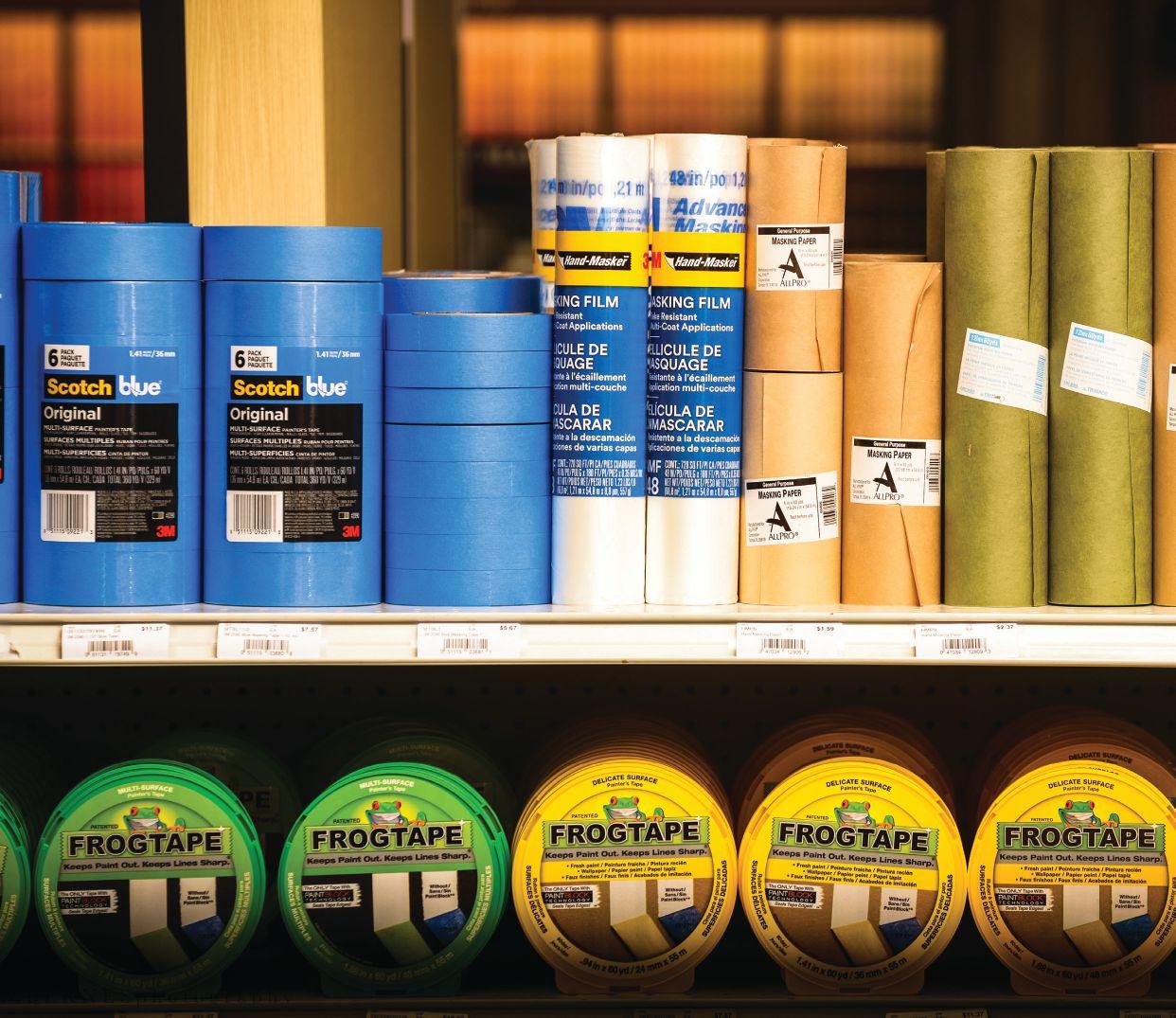
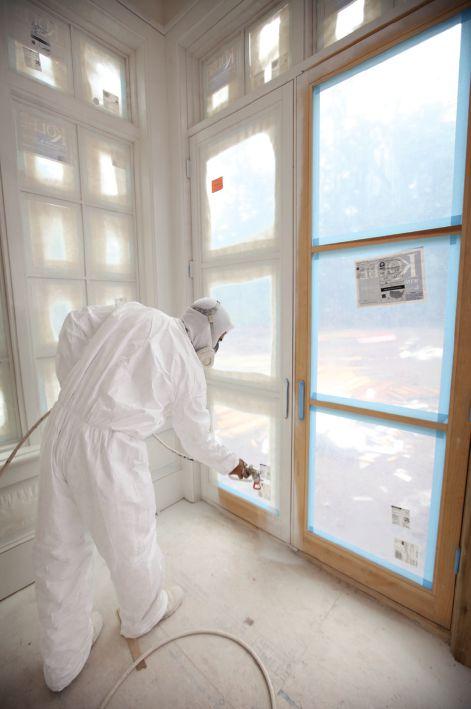
Spending hours agonizing over paint chips and sample colors is a rite of passage for many painters. In addition to coaching your customers through the color selection process, your employees should also be able to assist them in choosing the right prep tools to achieve a professional, clean and quality finished product. It’s especially important when working with retail customers, because they may not understand the scope of products needed to successfully complete a project.
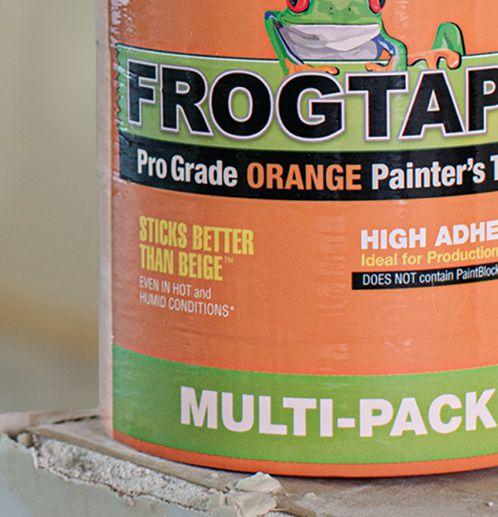
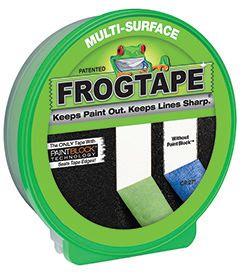
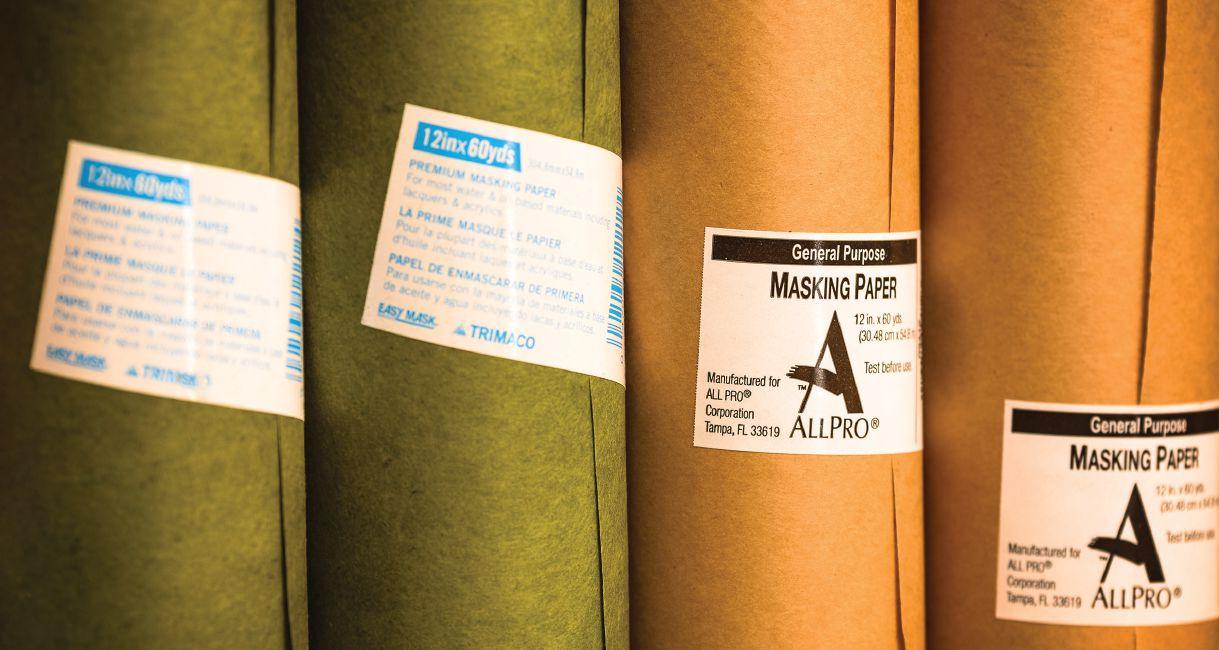
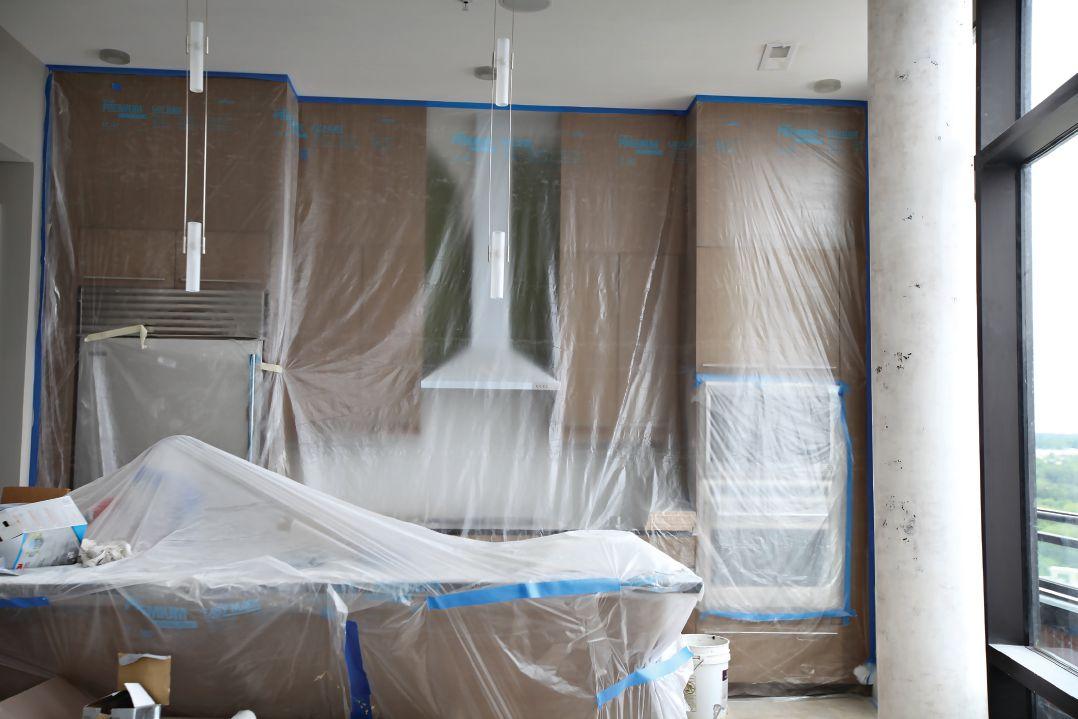
Helping customers pick the right paint prep products—like painter’s tape, masking tape and dropcloths—includes arming your employees with information on each product you sell and training them to ask questions, educate and inform.













“When it comes to painting projects, teach your employees to ask customers about their expectations for the project, their time frame and their budget so they can make informed recommendations.”
—Nathanael Woody, Spectrum Paint
The first step to selling prep items like painter’s tape, masking tape and dropcloths is figuring out the scope of the customer’s project so the employee can recommend the right products.
Nathanael Woody, regional manager for Spectrum Paint, says the company trains its employees to start by asking the right questions.
“The key to training your employees on selling anything is asking the right questions,” says Woody. “When it comes to painting projects, teach your employees to ask customers about their expectations for the project, their time frame and their budget so they can make informed recommendations.”
Once your employee has a grasp of the customer’s project, they can educate them on each product’s purpose and why it’s important for the job they want to do.
The painting prep category includes a wide variety of products, each with its own purpose and features. Eric Munoz, manager of Catalina Paints in Van Nuys, California, says his company works to educate employees about the variety of items available in its stores so they can better service customers.
“We start by following manufacturers’ recommendations, but have also accrued a wealth of knowledge by listening to our customer’s feedback,” says Munoz. “We pass that knowledge on to our customers when given the opportunity.”
Taking the time to ask questions and provide helpful information goes a long way to building trust with customers. Spectrum Paint trains all of its employees to educate customers on the different products and not just immediately try to sell them the most expensive one.
“Our customers appreciate the information we are able to give them. Most of the time, once they understand why a product is important to the job they’re doing, they’re more likely to purchase it,” Woody says. “But sometimes they just want to spend as little as possible, and that’s fine too.”
The employees at Spectrum Paint also work to change perceptions. They see a lot of customers
who think an old sheet works just as well as a dropcloth and don’t realize that dropcloths come in different varieties for different paint jobs.
“No one expects for the kids or pets to run in and knock over the bucket or drips to leak through the dropcloth, but it happens more than you can imagine,” says Woody. “We stress to the customer that having the right protection on the floor and covering furniture can eliminate a lot of cleanup.”
Employees who can educate your customers directly is just one avenue to making sure a customer leaves the store prepared for their project. You can also use other means like merchandising, signage, social media, blogs and advertising to let customers know about prep products and why they should purchase them.
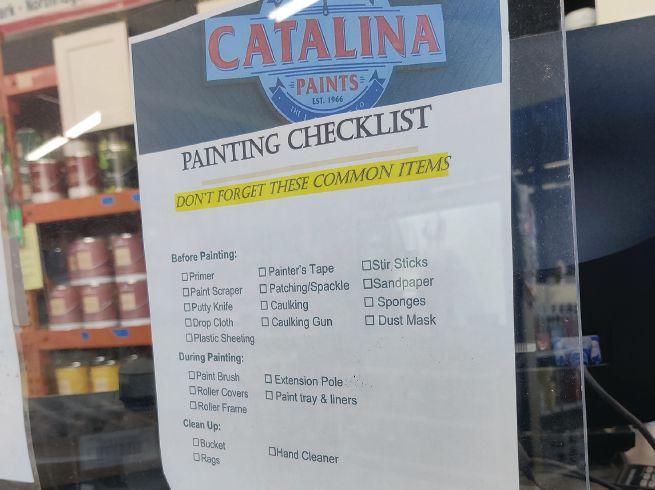
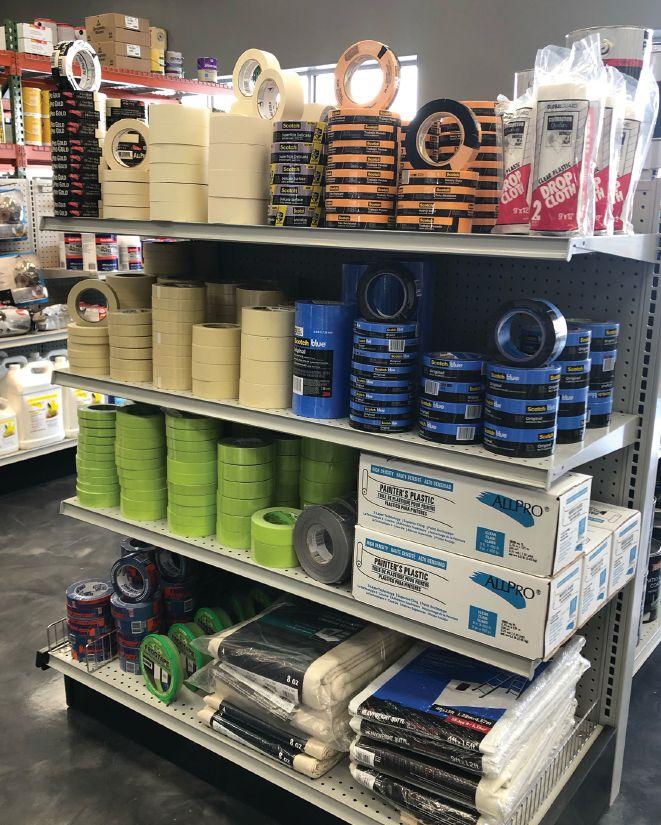
Catalina Paints utilizes merchandising to highlight certain products. Munoz displays each prep product in its own section with the tape placed just inside the entrance on a highly visible endcap to grab the customers’ attention.
“The tape is the first thing customers see as they come in and the last thing before they leave our stores,” he says. “We also have a ‘painting checklist’ next to the checkout with a list of high-demand products that customers frequently forget.”
• Canvas dropcloths protect against paint drips getting through to the floor and prevent spilled paint from running.
• Butyl dropcloths come with two layers—a canvas layer and a plastic layer—offering additional drip-and-run protection. The butyl variety also prevents ladders and other equipment from scratching the floor while painting.
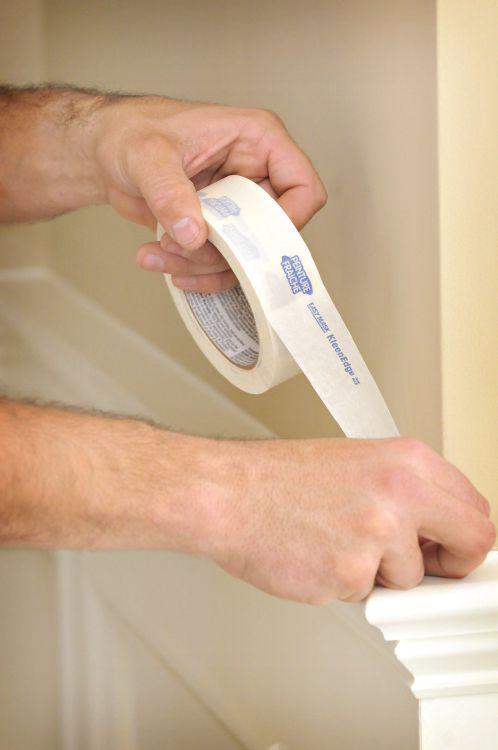
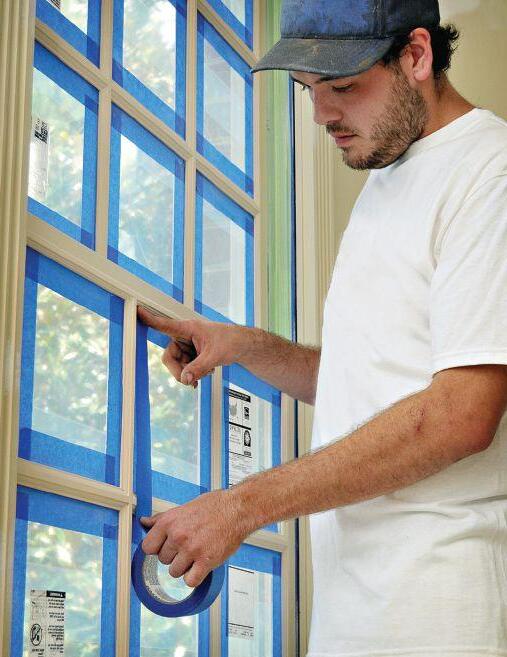
Choosing the right painter’s tape goes a long way to achieving a professional finish, but customers can often become overwhelmed by the choices. Here’s a rundown of what tape to use for different projects so you can better educate your customers.
Masking tape is the least expensive option. It also provides the least amount of protection when painting. Masking tape can leave behind residue, especially if it’s left up for too long. Contractors use masking tape because it’s an inexpensive option for the amount of tape they use and they typically don’t leave tape up for long periods.
Safe-release tape doesn’t leave a residue. Most painter’s tapes are safe-release. This type of tape is effective on most surfaces and also provides protection against bleed through. Some manufacturers offer an ultra-sharp lines version, which is a thinner tape that gives an even cleaner line than the safe-release type.
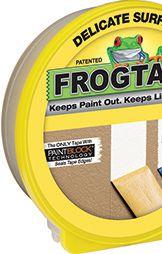
Delicate-surface tape works on multiple surfaces. This type is the best option for painting several surfaces in a room at one time. Most painters don’t realize that paint takes almost 30 days to fully cure; it dries to the touch in hours, but isn’t fully hardened for nearly four weeks.
Delicate-surface tape is ideal to use on paint that hasn’t fully cured. For example, if you’re painting an accent wall and want to paint one color soon after the other, the delicate-surface tape would be the best option to get a clean line and not pull up the first color.
“The delicate-surface tape is for those times you have multiple surfaces in a room like accent walls and trim and you want to knock it out in one weekend,” says Woody.
While your primary customer base will use dropcloths for their intended purpose, there may be inspiration beyond only protecting from messes. Check out these fun projects to make with dropcloths for ideas on creatively merchandising them in the store. Search online for craft blogs and lifestyle websites for other ideas to suggest or even create and display on your salesfloor.
• Curtains
• Tablecloth
• Table runner
• Pillow
• Wreath
• Storage bin
• Gift wrapping
• Bunting
• Christmas tree skirt
• Rug
The company also takes advantage of its online store to educate customers on different products and bring in additional business. Each paint prep item in the online store has a detailed description and photos.
Catalina Paints’ marketing team discovered that painting prep items are a common Google search, and having these items on their website has driven traffic to the site, and ultimately, to the store.
“We’ve had customers purchase online from us after finding us on a Google search,” says Munoz. “We are finding that these are customers who wouldn’t have visited or purchased from us to begin with.”
Spectrum Paint also uses online tactics to educate customers, especially DIY customers, about painting prep products through a resources section on its website.
Gentry Stafford, vice president of marketing and store development for Spectrum Paint, along with the company’s marketing team, puts together the resources section using store professionals, professional painters and product manufacturers as sources.
The posts provide customers with helpful information on how to use the different painting prep products. Posts also cover other painting products.
One of the posts explains back-caulking, a technique Stafford chose to highlight because it is a method a lot of professional painters use, but many homeowners don’t know about. It’s just one example of how Spectrum educates customers, while also encouraging add-on sales in paint prep products.
“We want the customer to get knowledge and expertise, not just products, whether they are visiting the store physically or shopping our online e-commerce site,” she says. “We want to educate them so that hopefully they leave with us having solved any problems related to their painting project.”
“We also have a ‘painting checklist’ next to the checkout with a list of high-demand products that customers frequently forget.”
—Eric Munoz, Catalina Paints
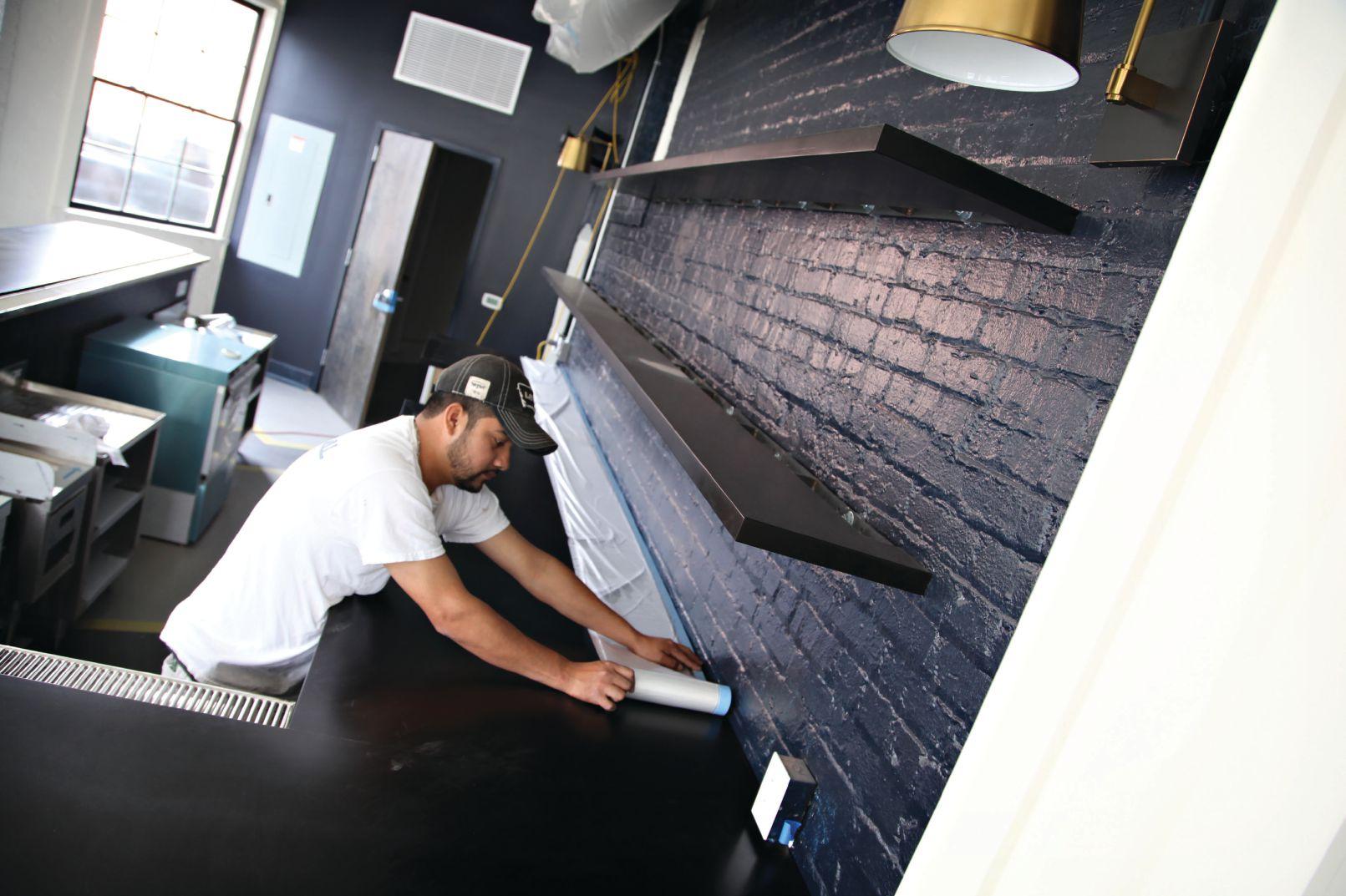
More than one year into the COVID-19 pandemic, homeowners have adopted new views and priorities for their living spaces. The Home Improvement Research Institute (HIRI) and market research firm the Caney Group recently interviewed 20 homeowners to learn specifically which home renovation trends are likely to endure after the pandemic.
For more information on HIRI’s array of pro and DIY research, visit the organization online at HIRI.org

More opportunities for selling outdoor living products. 1


The pandemic forced the cancelation of many summertime favorites. Backyards have taken on new importance as areas of safety and comfort. As warm weather arrives, merchandise DIY paint products like rust-prevention coatings and deck sealants.

Small DIY projects continue momentum. 2

Data shows small DIY projects have been more common than extensive remodels. Help shoppers understand how quick and easy some of these projects are by bundling popular project supplies together and displaying images of the finished product to inspire shoppers.
Exterior home renovations remain popular. 3
For many homeowners, exterior upgrades were seen as the safest option when hiring contractors. As travel was limited, these projects jumped to the top of homeowners’ priority lists. Be sure to review how you market to exterior painters to take full advantage of this trend.


























































































Participation in the Cost of Doing Business Study is free, easy and confidential. To learn more or participate, visit YourNHPA.org/codb


Participate in the 2021 Cost of Doing Business Study to receive free access to the study’s results, a personalized financial analysis and to help other retailers like you. The information you provide is confidential, and you can choose from four easy ways to share your information with NHPA.
Complete the online Cost of Doing Business Study form and upload your 2020 year-end financial documents at YourNHPA.org/codb
Do you know how your operation stacks up compared to typical and high-profit operators in the industry?
The North American Hardware and Paint Association (NHPA) is now inviting paint and decorating retailers, along with hardware stores, home centers and lumberyards, to participate in the 2021 Cost of Doing Business Study. For more than 100 years, NHPA has collected information from independent retailers for the study. Each year, this financial benchmarking tool delivers data and insights that allow retailers to increase profits and strategize for their financial future and success.
The final day to submit your operation’s financial data is June 30. By participating in the study, you’ll receive a free copy of the study along with a personalized financial analysis of your operation with ratios and other financial tools.
“Participation in the Cost of Doing Business Study gives you access to data for typical and high-performing operations in the industry so you can benchmark your performance,” says David Gowan, NHPA chief financial officer and executive vice president of business services. “It allows you to make informed decisions to better position your operation for years to come.”
Send your company information and 2020 year-end financial statements to NHPA CFO David Gowan at dgowan@yournhpa.org
Fill
the survey and mail it.
Print and complete the survey using your 2020 year-end financial data and mail it to NHPA.
Attach your statements and mail it.
Fill out the company information section of the survey, and attach a copy of your 2020 year-end financial statements and mail them to NHPA.
Attn: CODB Coordinator
NHPA
1025 E. 54th St. Indianapolis, IN 46220
Confirm your email preferences by visiting YourNHPA.org/subscribe
Mark your calendar for future NHPA webinars featuring home improvement and paint retailers, subject matter experts, industry executives and more to give you insights into important, industry-specifi c topics and updates. Reserve your seat for our upcoming live webinars or browse our library of past webinars by visiting YourNHPA.org/webinars .
Key Retail Metrics


April 21 at 2 p.m. Does your team reflect the diversity of the community you serve? This webinar covers hiring practices and the steps you can take in your business.
NMarch
Key metrics are gaining prominence among high-performance retailers. Learn how to evaluate the success of your business with these insights.
Wednesday, May 19 AT 2 P.M.
Celebrate the products that caught retailers’ eyes at the 2020 National Hardware Virtual Show in this presentation of the 2020 Retailers’ Choice Award winners.
HPA offers three podcast series that feature interviews and insights from leading retailers, wholesale executives, industry experts and more. These podcasts are hosted by NHPA staff members and highlight different topics. Catch up on key trends and challenges independent retailers take on and hear retail stories straight from the source. Subscribe or listen to the podcasts at YourNHPA.org/podcasts .
“While in-store has come back, online hasn’t gone away. These online behaviors look to be holding now that we are 12 months deep, and the data is supporting that.”
Grant Farnsworth
The Farnsworth Group
Episode 36
Dan checks in with analyst Grant Farnsworth to learn about current and projected consumer attitudes toward home improvement
“I felt on top of the world the day I took ownership. It’s the greatest feeling, besides meeting my wife or having our daughter. Having the business is No. 3 for me.”
Ben Honeycutt
Oak Knolls Hardware
Renee talks to Ben Honeycutt of Oak Knolls Hardware in Orcutt, California, about shifting from the space industry to the home improvement industry.
“Independents compete with big boxes on price, distribution and breadth of choice. The key way for them to win customers is by creating intangible brand value.”
Lara McCulloch Brand Strategy Expert
Melanie talks to branding expert Lara McCulloch about how small business operators can drive customers to their stores with key marketing tips.
When you participate in the Cost of Doing Business Study, it can help you to identify future financial opportunities and set goals for your business.








Participation is free, easy and confidential.
For decades, independent home improvement—and now paint and decorating retailers—have trusted this annual benchmarking tool to see how their operation stacks up compared to typical and high-profit operators in the industry. Learn more about the study and how to submit your data on Page 42.
Visit YourNHPA.org/academy for more information on NHPA’s educational offerings.
Are you looking for ways to help new managers or supervisors find success in your operation?
The Leading Your Team course, part of NHPA’s Foundations of Leadership program, can help give new leaders the confidence, knowledge and skills they need to succeed.
Foundations of Leadership is an online, college-level leadership development program designed to fit students’ busy schedules. Students will walk away from the nine-week Leading Your Team course with insights into the components of building and leading a team, including communication skills, conflict management, talent development and ongoing performance management.
The deadline to enroll in Leading Your Team is May 1. Visit YourNHPA.org/fol to learn more or apply.
Students will also complete a real-world capstone assignment for their business. The project will focus on solving a problem or capitalizing on a missed opportunity in the business.
“If you are new to leading and managing teams or have never been through a formal leadership development program before, this course will provide the building blocks for success,” says Scott Wright, executive director of advanced retail education programs for NHPA.
Employees who have a reputation as product knowledge experts can help you build a loyal customer base. NHPA has added two new paint training courses to help you build that team of experts in your operation. This training will take employees beyond the basics to more advanced levels of knowledge so they are ready to help any customer—from the weekend warrior to the professional.
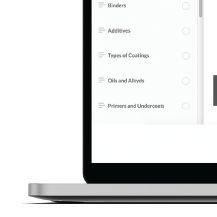
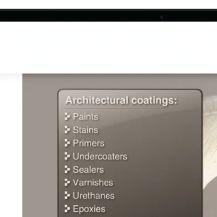
Get an in-depth look at all types of paints, stains and coatings typically sold in a paint store. Employees will learn about types of applicators, the color wheel, color theory and selling skills.
Employees will learn about selling skills and helping customers in the store. Topics include the basic steps of retail paint sales, add-on selling, dealing with difficult customers and more.
Keep up to date on the latest color trends by reviewing the colors of the year from major paint manufacturers. Trainer’s Toolbox will make it easy to present this information to your staff. This free resource is available to all retailers at YourNHPA.org/product-knowledge



Hear From the Expert
Learn more about selling and merchandising cleaning products from cleaning expert Melissa Maker at pdrmag.com/cleaning-expert
Spring brings feelings of excitement for warmer weather, longer days and for many of us, cleaner homes. According to the 2020 ACI National Cleaning Survey, 78 percent of households in the U.S. engage in spring cleaning each year, giving retailers an opportunity to capitalize on our desire to clean.
Spring cleaning can also include performing routine maintenance, refreshing a current look or starting over with a whole new look. Here are several ideas on how to market and merchandise paint and decorating products to help customers accomplish their spring cleaning and maintenance to-do lists.
Educate customers on the different types of paint finishes and how to clean each so they can effectively tackle walls and other painted surfaces. Create displays of your cleaning products and include extras like rags and sponges so customers can find everything they need to clean in one spot.
Along with deep cleaning, bathrooms need regular maintenance. Spring is the perfect time to air out these spaces, repair missing and stained caulk and grout and replace old, mildewy shower curtains. Display maintenance and cleaning products together to remind customers of these tasks.
While people were trying to find quiet spaces to work and learn over the last year, some even turned closets into home offices. With all that extra time in those spaces, many people realized their closets needed a makeover. Merchandise organization products like storage bins and wall hooks together with clothing items and shoes to show customers how to create closets that are clean and functional.
Now is the perfect time to let your home decor merchandise shine. Create displays of pillows, throws, towels and other pieces to show customers how they can get a whole new look with just a few new items.
The average American spends 90 percent of their time indoors.
78 percent of households feel their homes aren’t as clean as they would like on any given day.
Cleaning for 30 minutes can burn up to 100 calories.
Sources: 2020 ACI National Cleaning Survey, Wakefield Research; Report to Congress on Indoor Air Quality, U.S. Environmental Protection Agency; Exercise Calculator, WebMD