


























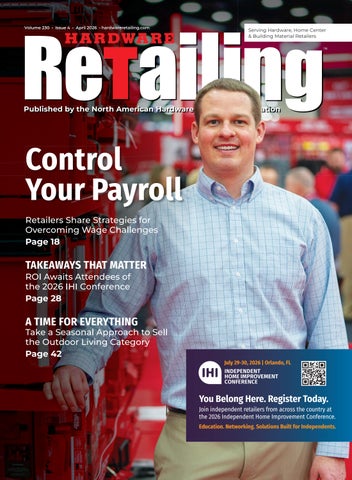


Retailers Share Strategies for Overcoming Wage Challenges














TAKEAWAYS THAT MATTER
ROI Awaits Attendees of the 2026 IHI Conference
Page 28

Page 18 A TIME FOR EVERYTHING

Take
Page 42















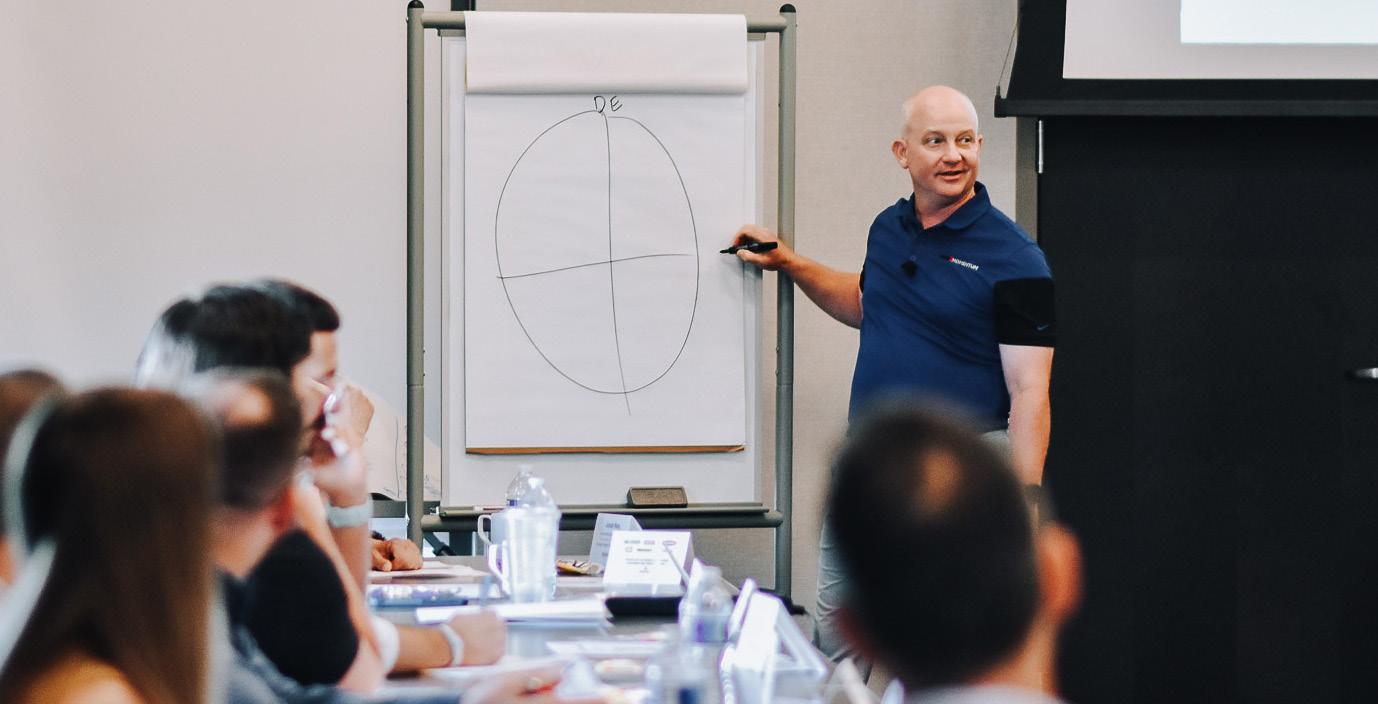

Build the leadership your operation needs with NHPA’s Retail Management Certifcation Program (RMCP). Designed for store managers, assistant managers and emerging leaders, the industry’s premier management course exists to accelerate your business’ growth and future.

Confdence Growth
Enter the program unsure of your leadership abilities; leave ready to lead teams, present ideas and drive change.
Cody
Goeppner Director of Education & Training | RMCP Class of 2017 cgoeppner@YourNHPA.org Scan the QR code or visit YourNHPA.org/rmcp
Real-World Application
Apply every lesson immediately to solve challenges in your own store.



Mentorship and Support
Learn from university professors and industry experts and receive guidance from NHPA leadership.

Industry-Wide Networking
Connect with peers facing similar challenges— relationships that often continue long after the program ends.
Retailers Share Strategies for Overcoming Wage Challenges
TAKEAWAYS THAT MATTER
ROI Awaits Attendees of the 2026 IHI Conference
Page 28
Page 18 A TIME FOR EVERYTHING
Take
Page 42

1025 East 54th St. Indianapolis, Indiana 317-275-9400 NHPA@YourNHPA.org YourNHPA.org
OUR MISSION
The North American Hardware and Paint Association (NHPA) helps independent home improvement, paint and decorating retailers, regardless of affiliations, become better and more profitable retailers.
NHPA BOARD OF DIRECTORS
CHAIRMAN OF THE BOARD
Joanne Lawrie, Annapolis Home Hardware Building Centre, Annapolis Royal, Nova Scotia
EXECUTIVE VICE CHAIRMAN
Ash Ebbo, Clement’s Paint, Austin, Texas
IMMEDIATE PAST CHAIRMAN
Ned Green, Weider’s Paint & Hardware, Rochester, New York
DIRECTORS
Christian Herrick, Randy’s Do it Best Hardware, Jackson, Virginia
Michelle Meny, Meny’s True Value, Jasper, Indiana
Jeremy Peterson, Family Hardware, Florida
Katie Prus, Abbotsford Paint and Decorating, British Columbia, Canada
Michael Sacks, FLC Holdings, LaGrange, Texas Emily Wood, Wood’s Ace Hardware, Bolts & Brews
SECRETARY-TREASURER
Bob Cutter, NHPA President and CEO
STATE & REGIONAL ASSOCIATIONS
MIDWEST HARDWARE ASSOCIATION
Jody Kohl, 201 Frontenac Ave., P.O. Box 8033 Stevens Point, WI 54481-8033 800-888-1817; Fax: 715-341-4080
NHPA CANADA
SUPPLY-BUILD CANADA
Rebekah Doerksen, Executive Assistant Direct: 204-953-1692 | Cell: 204-990-3536 Toll-Free: 1.800.661.0253 ext. 103 102-226 Osborne St. N. Winnipeg, MB R3C 1V4
CIRCULATION, SUBSCRIPTION & LIST RENTAL INQUIRIES
CIRCULATION DIRECTOR
Richard Jarrett, 314-432-7511, gcscs8@gmail.com

In the May issue of Hardware Retailing, we’ll meet this year’s first Top Guns Awards honoree. Honorees are pillars of innovation and forward-thinking and have helped grow their businesses through strategic leadership with consideration for their communities, their teams and the industry.
EXECUTIVE STAFF
CEO Bob Cutter
PRESIDENT & PUBLISHER
Scott Wright
CHIEF OPERATING OFFICER
Dan Tratensek
CHIEF FINANCIAL OFFICER & EXECUTIVE VICE PRESIDENT, BUSINESS SERVICES
David Gowan
CONTENT AND PRODUCTION 317-275-9400, editorial@YourNHPA.org
EDITOR AND DIRECTOR OF CONTENT DEVELOPMENT Lindsey Thompson, lthompson@YourNHPA.org
DIRECTOR OF SALES & MARKETING Austin Vance, avance@YourNHPA.org
MARKETING MANAGER
Olivia Shroyer
NEWS & DIGITAL EDITOR
Jacob Musselman, jmusselman@YourNHPA.org
CONTENT DEVELOPMENT COORDINATOR
Annie Dameworth, adameworth@YourNHPA.org
SENIOR DESIGNER
Autumn Ricketts
PRODUCTION & DESIGN ASSISTANT
Samantha Mitchell
MARKETING & DIGITAL CONTENT ASSISTANT
Cassie Reed
SALES & PRODUCTION ASSISTANT
Hardware Retailing (ISSN 0889_2989), Copyright© 2026 by the North American Hardware and Paint Association (NHPA), is published eight (8) times per year (January/February, March, April, May, June, July/August, September/October, November/December) by the North American Hardware and Paint Association, 1025 E 54 St, Indianapolis, IN 46220.
Subscription rates: Hardware Retailing (Payable in advance): U.S. & possessions $50/year. Canada $75/year. All other countries $110/year. Single copy $7. The Annual Report issue can be purchased for $30.
Business and Editorial Offices: 1025 E 54 St. Indianapolis, IN 46220
Accounting and Circulation Offices: The North American Hardware and Paint Association, 1025 E 54 St., Indianapolis, IN 46220. Call 317-275-9400 to subscribe.
Periodicals postage is paid at Indianapolis, IN and additional mailing offices.
POSTMASTER: Send address changes to Hardware Retailing, P.O. Box 16709, St. Louis, MO 63105-1209.
Freda Creech
SALES
REGIONAL SALES DIRECTOR
Jordan Rice jrice@YourNHPA.org | 217-808-1641
REGIONAL SALES DIRECTOR—WEST COAST Renee Changnon rchangnon@YourNHPA.org | 217-621-7363
REGIONAL SALES REPRESENTATIVE—CENTRAL Jill Perdue jperdue@YourNHPA.org | 463-279-8989
ASSOCIATION PROGRAMS 800-772-4424, NHPA@YourNHPA.org
DIRECTOR OF EDUCATION & TRAINING Cody Goeppner, cgoeppner@YourNHPA.org
TRAINING MANAGER & EDITOR Jesse Carleton, jcarleton@YourNHPA.org
MEMBER SERVICES & EVENT COORDINATOR Christina Kane, ckane@YourNHPA.org
Bringing together the channel from all corners, the 2026 Independent Home Improvement Conference is the place to learn, grow and connect. Learn more how the IHI Conference unites the channel under one roof and the ROI you’ll achieve by attending.
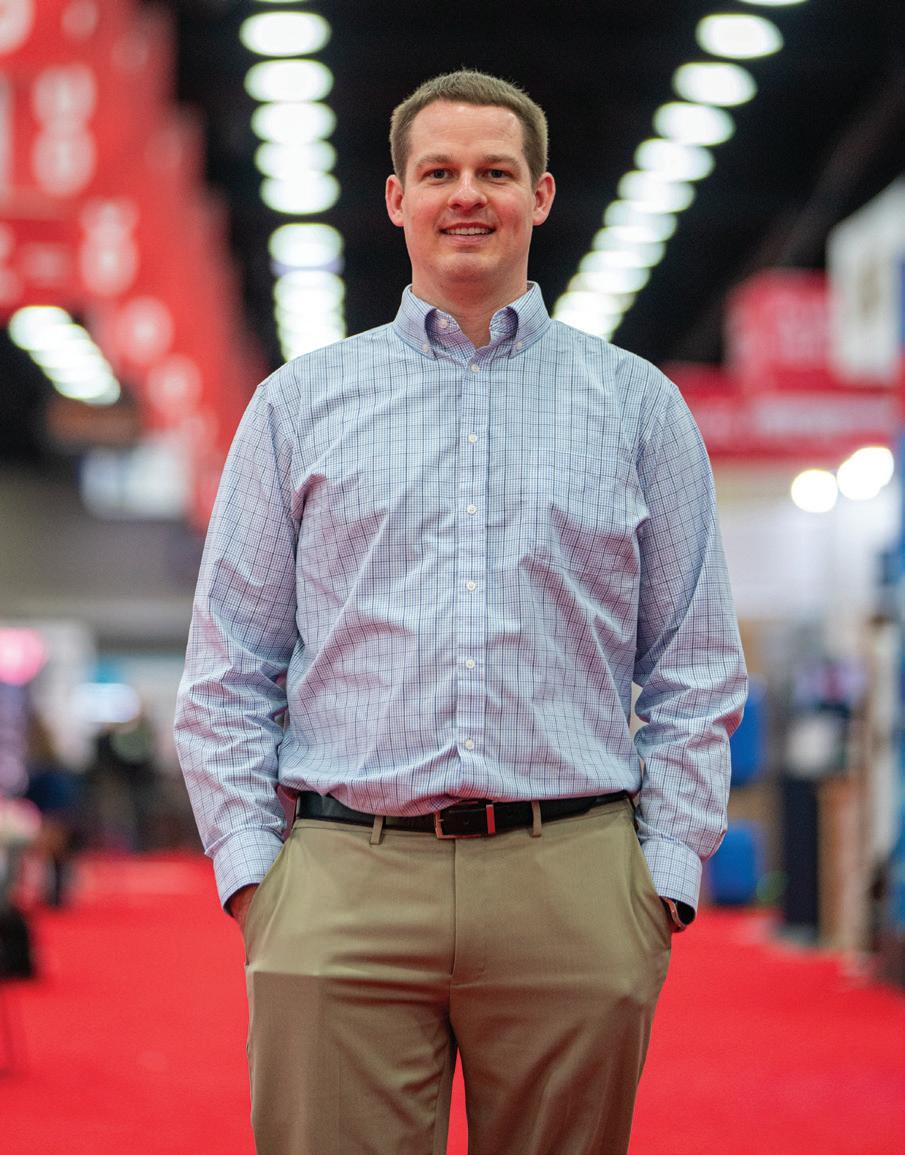
See how U.S. National Guard
Tim Kromholtz uses the many valuable skills gained during his time in military service to advise and lead his team today as chief information
at Ziegler
38 RESEARCH
Landscaping
Dig into data from the Home Improvement Research Institute to learn what landscaping choices homeowners are investing in and how to align with spending patterns.
As you shape strategies to tackle wage challenges in your operation, learn from three retailers who share how they’re approaching compensation—and how they’re retaining strong employees through training, well-designed benefits packages and a strong company culture.
From thoughtfully curating inventory to keeping up with seasonal purchasing patterns, see how one retailer wins in the outdoor living category. Plus, discover the latest trends in outdoor living and where customers are looking to spend their money to spruce up outdoor spaces.
dant@YourNHPA.org
Dan Tratensek

“ When I look at progressive business owners and how they approach their roles and responsibilities, their dedication to ongoing education is fundamental to their success.”
When most anyone talks about education, they are usually referring to old-fashioned, classroom-style book learning. The older I have gotten, the more I have come to recognize that education comes in many forms and learning by rote is just one of them.
The pursuit of knowledge also isn’t something that ends when you are in your late teens or early twenties—it is a lifelong process. You learn by reading on your own, you learn by talking to others, you learn by traveling and experiencing different cultures.
For any individual, the pursuit of lifelong learning opportunities should be a priority but even more so if you are the steward of a business.
A few weeks back I had the opportunity to travel to Germany and attend the International Hardware Fair in Cologne. For those of you who aren’t familiar with this event, it is the largest hardware trade fair held in Europe and occurs every two years.
I traveled overseas on the heels of attending several stateside buying shows, and attending each of these events was incredibly educational.
Talking with vendors, distributors, retailers and industry professionals is enlightening, encouraging and eye-opening, as is the experience of going to new places, seeing new faces and experiencing different world views. I couldn’t imagine a life without seeking out these kinds of opportunities.
When I look at progressive business owners and how they approach their roles and responsibilities, their dedication to ongoing education is fundamental to their success.
Waking up, drinking the same coffee, going to the same office, talking to the same people, while comfortable, will only yield the same results day after day, week after week, year after year.
While I am still high on the insights I yielded while traveling to different shows and different countries, I want to encourage everyone who reads these pages (another form of lifelong learning) to seek out new opportunities as much as possible.
Go to different shows, travel to visit different stores, read books and engage with other business leaders.
This industry has great opportunities, like distributor markets, shows like the National Hardware Show or International Hardware Show and the Independent Home Improvement Conference, to spread your wings.
Not only will this kind of ongoing education and experience broaden your horizons, it will help your business and probably be a lot of fun along the way!
Dan M. Tratensek Chief Operating Officer











swright@YourNHPA.org
Scott Wright
It has been a bustling spring market season for all of us here at NHPA. In the past few weeks, we have attended the House-Hasson Market in Nashville, the Orgill Market in Orlando, the Lancaster Show in Orlando, the Ace Market in Louisville, the Do it Best and True Value Market in Denver, the Blish-Mize Market in Kansas City and the ALLPRO Show in Orlando. We wrapped up the spring season at the newly imagined National Hardware Show’s new Concept to Commerce event in Las Vegas.
It’s good to report that these events were all well-attended and retailers seem to be off to a pretty good start for the first quarter of 2026. Many say they benefited from the various winter weather events that have bolstered January and February sales.
Our education and editorial teams gave presentations at most of these events on topics like NHPA research, AI and even the state of the industry. Other team members covered these events as they happened in Hardware Retailing’s daily e-newsletter.
From our “non-denominational” seats in the crowd we heard very positive messaging from industry leaders, some declaring they are “The Hope for Independents” while others say they are “The Champion of Independents.” It’s all great to hear because it’s inspirational and motivating to the independents flying their banners. And we all can use a little more inspiration and motivation these days.
It got me thinking: what would NHPA’s “battle cry” or guiding principle be as it pertains to how we serve independents? What is a fitting mantra for your association? Please email me your thoughts at swright@yournhpa.org. I would love to hear from you.
What I came up with is NHPA is the “Steward of the Independent.” Not as

“We are at our best when we act as stewards and caretakers of our communities. And for NHPA, our community is you.”
catchy or inspirational, I know, but I’m shooting for accuracy here.
As an industry trade association that has served independent hardware stores, home centers, lumberyards and now paint stores for 126 years, we have always brought together independents from all different banners, from every corner of North America and retailers of every shape and size to help you become better and more profitable merchants.
The word “stewardship” conveys that we exist for the benefit of you. The current caretakers of our founding charter, we are simply the latest generation to
be entrusted to serve this large, very diverse and very fragmented group of independents any way we can.
Our cause is noble, just like it is for our 35,000 members and constituents across North America, who are stewards of the communities they serve. The same thing that makes you different from your big-box competition is what makes us different from our competition in the media world, as well as in the education space we inhabit.
As stewards, we look at things differently, which permeates the editorial in our print and digital publications. It echoes through the curriculum of our educational programs. It reverberates in how we conduct our roundtables. It’s enmeshed in the content of our events, such as the 2026 Independent Home Improvement (IHI) Conference, which will take place in Orlando from July 28-30.
It’s always refreshing to meet people who attend our conferences or programs for the first time. There’s usually a lightbulb moment when they discover just how big this industry is, and it usually comes when they meet the retailer sitting next to them flying a different banner and discover they are more similar than different.
They leave as fellow independents who have spent time breaking bread and sharing solutions to similar challenges. This is what provides hope knowing that we are at our best when we act as stewards and caretakers of our communities. And for NHPA, our community is you.

Scott Wright NHPA President and Publisher

Learn practical tips to make a live goods category a main profit driver in your operation at hardwareretailing.com/live-goods INDUSTRY VIEWPOINT
When we opened our first larger home center 22 years ago, we decided to jump into the live goods business. We had never been in the garden center business before, so it was all new to us. Needless to say, we made plenty of mistakes out of ignorance and a lack of experience those early years.
Hopefully some of our newbie shortcomings can help your operation. Live goods is one of the categories you can easily outshine the box stores and do so at high margins. The garden center business is all about volume, care, simplicity and presentation.
First, you will need to make some decisions on the scope and extent of your live goods business. Keep in mind color sells, builds sales volume and comes with high margins. Consider focusing on high quality items and specific categories that will set you apart. For instance, offering quantity break discounts for categories like 4.5-inch premium annuals is a proven winning strategy to drive movement, volume and margin.
Some level of quantity will also help you look like you’re in the business, give your customers options and help absorb inevitable product losses. You’ll need to learn what growers are good at, their order minimums, shipping and other add-on costs, reliability, quality and pricing. Finding and building a relationship with a reliable local grower is also very important.
Knowing the product in terms of sun versus shade display and relative need for water is critical. Cultivating a plant nerd on your team will serve your business very well. Product movement is also critical to
keep things fresh, new and exciting. The good growers will be shipping you retail ready products, but they will need to find a home out of the grower containers and a caretaker relatively quickly.
Keeping things simple and emphasizing merchandising are perhaps the two most important business strategies to consider. In our industry the temptation is to track SKUs at the microlevel, but this does not work well with live goods. Condense your pricing categories as much as possible. Keep it simple in terms of purchase decisions, handling, merchandising and checkout processes.
Offer clearly marked water and weatherproof signage and vertically stripe display categories to increase exposure and avoid confusion. Train your people well on the basics: sun and shade, watering and pricing categories. Finally, focus on color at the front of your garden center and at high visibility locations near your building entrances. Full color can both promote high impulse purchases and send a clear message you are serious about the flower business.
Don’t expect perfection. It will take you some time to figure out the uniqueness of live goods. Sales volume covers ordering mistakes, trend changes and plants that happen to not perform as well as others. Keep things simple, know your product, know your vendors and make it about what the customer wants. Selling flowers is a very rewarding and joyful business, as customers will literally sing your praises when you do it well.
Happy selling—go get it!
Rob Mathews Executive Director of the Ball State University Entrepreneurship Center









Dr. Rob Mathews specializes in how to build highly effective teams. His teaching style combines theory of human capital development mixed with practical knowledge that comes from previously owning a home center and growing up in his family’s chain of hardware and grocery stores. At Ball State, Mathews teaches a wide range of entrepreneurship courses, including business planning, decision-making, management ethics and finance.
Dr. Rob Mathews CONNECT Send Rob a Message
rmathews@bsu.edu
Scan the QR code to book a consultation with Rob.

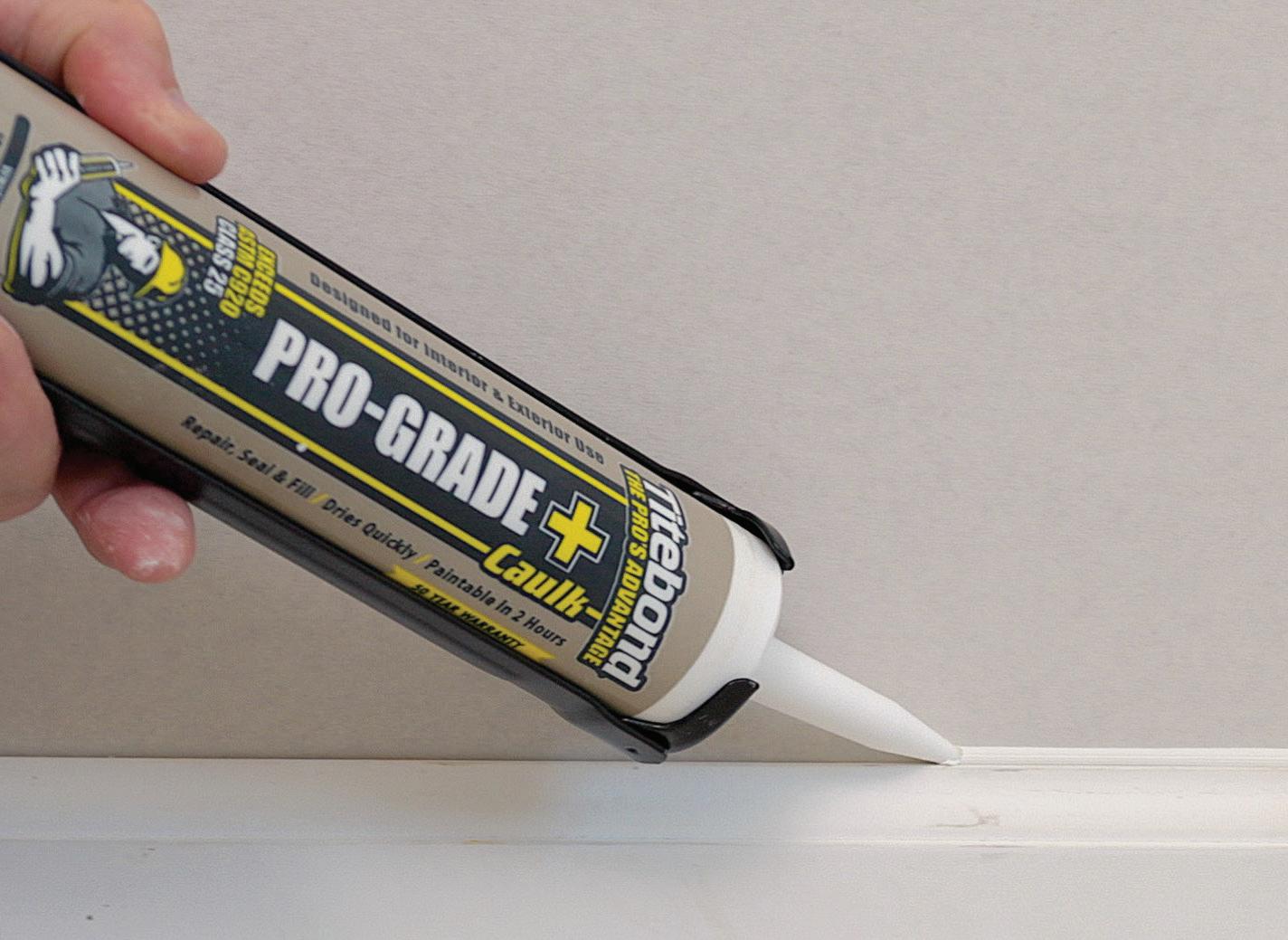
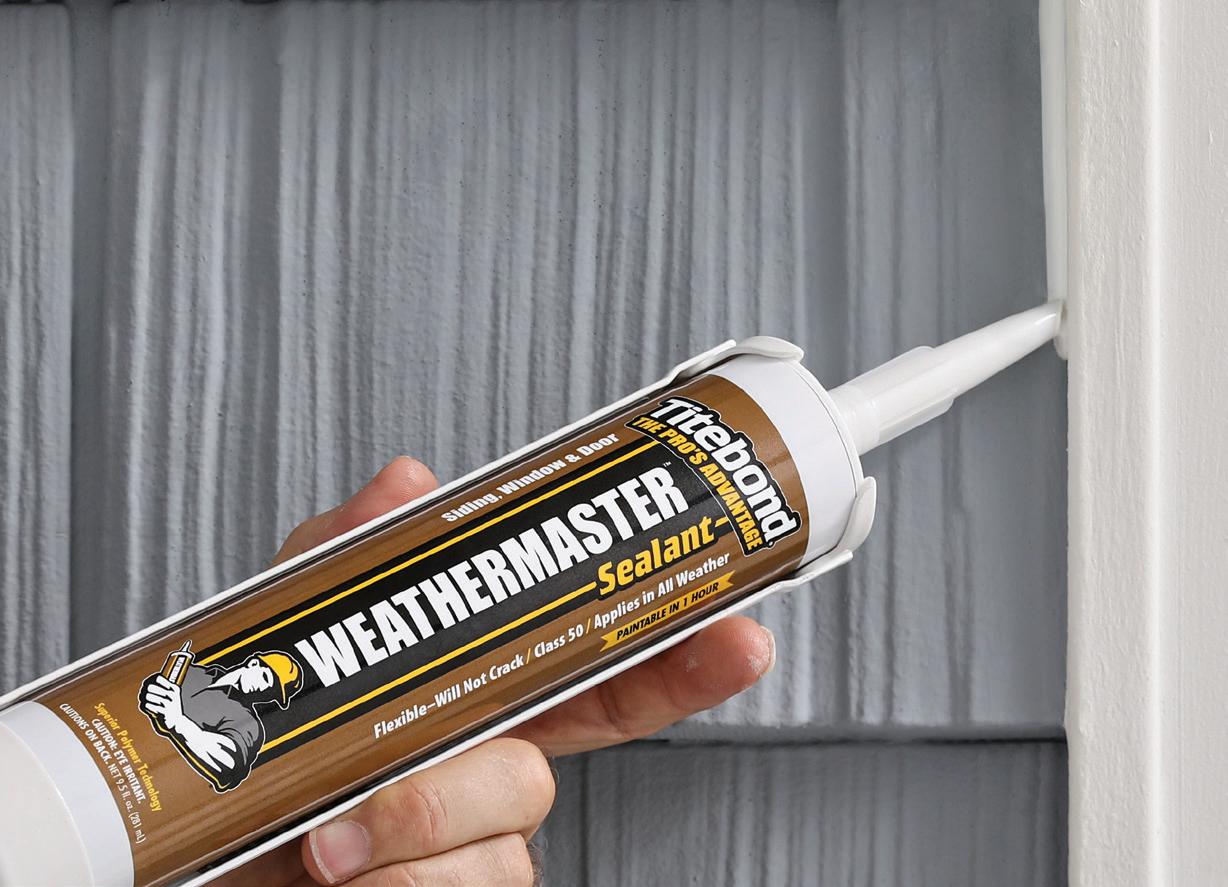




















& CONTRACTORS TRUST TITEBOND


















See five underrated building blocks of customer service that will set your operation apart at hardwareretailing.com/customer-must-dos INDUSTRY VIEWPOINT
All retailers “slip” sometimes on most aspects of delivering their customer service. It is natural and unavoidable. But can these slips be neutralized in the minds of your customers?
I’ve reviewed hundreds of customer surveys with candid comments about store service. These voices of your customers are quite revealing. Extensive research over the years has quantified the basics and minimum requirements of customer service. These requirements are consistent across markets but do vary in their importance in individual trading areas. Some require human interaction, some do not.
As most retailers know, or should know, these minimum customer service requirements include: easy
“The question is, can being ‘nice’ be taught and executed, just like product knowledge, product location and salesmanship can? Rather than taught, being nice may just be a learned condition attained through continual exposure to good examples.”
to shop, easy to find merchandise, products in stock, ample employees available to provide assistance and an easy-to-navigate and informative website.
Many qualitative analyses reveal an often-overlooked service component: simply being nice to your customers. Consider these direct comments from customers.
• “At Uptown Hardware they are always so nice.”
• “The employees at Backwoods Building Supply just aren’t very nice to you.”
• “They didn’t have what I needed but were nice enough to tell me where I could get it.”
The problem here is that you can’t ask a job applicant if they are nice and expect an honest answer. It’s like asking if children will be nice or not.
The question is, can being “nice” be taught and executed, just like product knowledge, product location and salesmanship can? Rather than taught, being nice may just be a learned condition attained through continual exposure to good examples.
If the solution is constantly reinforcing being nice, setting the example starts at the top. Ultimately it will become a norm in your service arsenal and should be a cornerstone of your brand’s image. It can offset those missteps that are bound to occur and be a strong, competitive weapon in a sometimes not-so-nice retail world. Till next time.
Jim Robisch Senior Partner & Adviser, Ret. The Farnsworth Group












Jim Robisch has been working in the home improvement channel for over 40 years. He is retired from The Farnsworth Group, where he was a senior partner and adviser focusing on retail research and consulting. He directed various activities for the firm, including customer intelligence, brand image and positioning, market expansion, customer satisfaction and growth and strategic planning. Jim has worked with more than 1,000 independent retailers and over 50 of the top industry chains and largest wholesale groups. In retirement, Jim remains active with consulting work and serving on numerous advisory boards.
CONNECT
Send Jim a Message jrobisch@thefarnsworthgroup.com
Jim Robisch








Remodeling now makes up much of the residential construction market as new builds stay unaffordable. Read more at hardwareretailing.com/remodel-shifts.



hile market conditions remain reasonably strong for most remodelers, the industry is continuing to experience rising costs and some customer hesitation due to policy and economic uncertainty. Currently, remodeling demand is being supported primarily by an aging housing stock, strong homeowner equity and an increasing need for

aging-in-place improvements. According to the Remodeling Market Index survey from the National Association of Home Builders and Westlake Royal, bathrooms claimed the top spot for most common remodeling projects in 2025. Hardware Retailing broke down data from the survey, detailing where homeowners spent their remodeling dollars in 2025.








































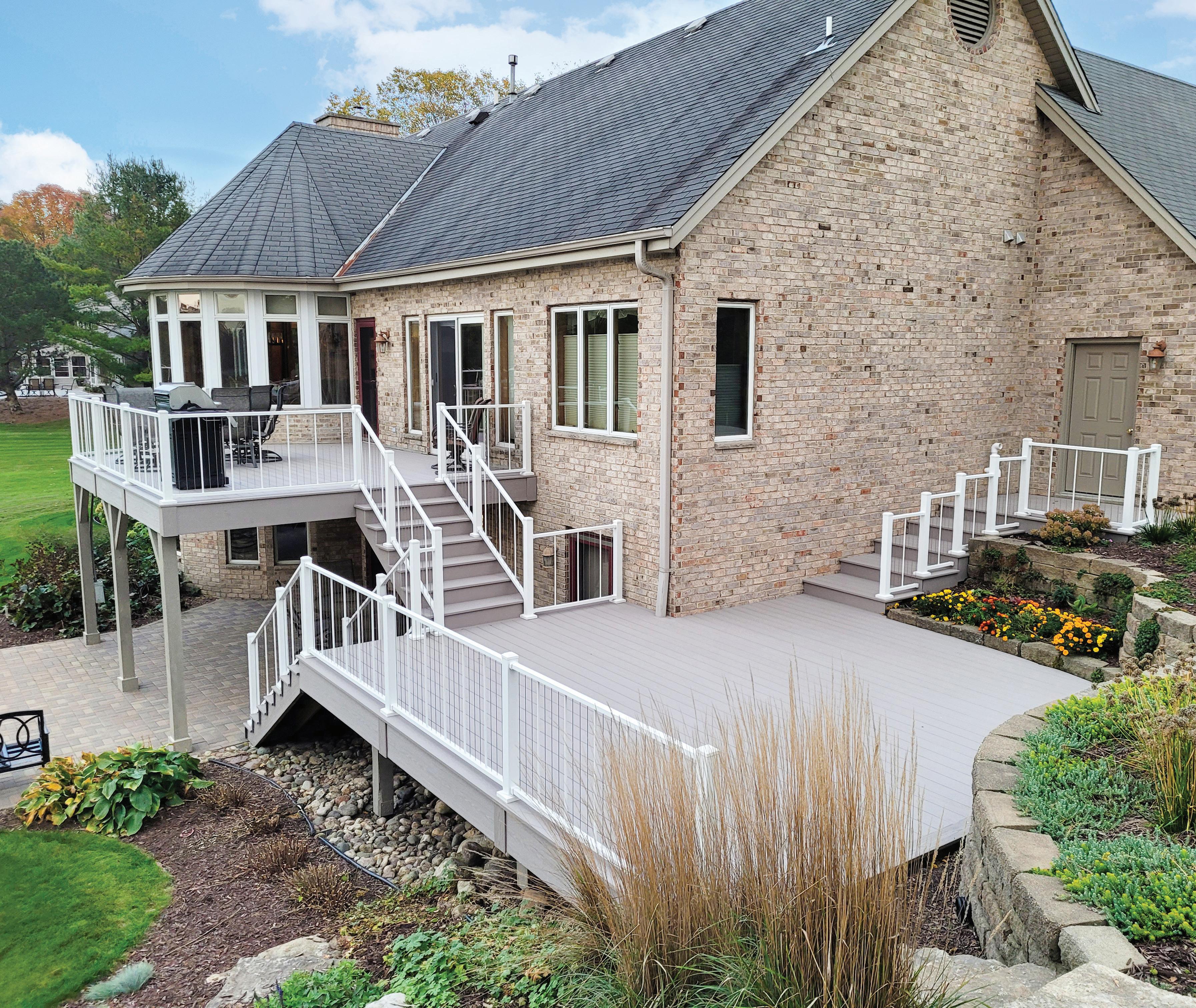
Easy to install and built to withstand the elements, Westbury Aluminum Railing transforms outdoor spaces with beauty and functionality. Whether you are a contractor, distributor, or homeowner, Westbury delivers the trusted choice for railing that enhances every deck, porch, and balcony.

Send a note to editorial@YourNHPA.org about products you can’t keep on the shelf. Include your name, your business name and why you love it.
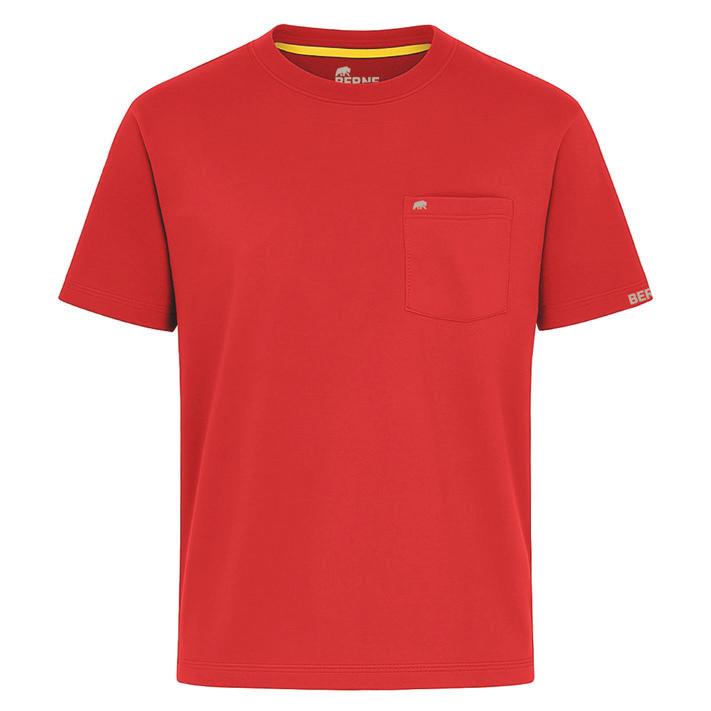
The Berne Performance Short Sleeve Pocket T-shirt is made with moisture-wicking fabric that pulls sweat away from the skin and includes stain-resistant technology. It features a taped neck seam and tagless label to reduce chafing, plus a chest pocket for small item storage.
Berne Apparel | berneapparel.com
1-800-843-7657 or orders@berneapparel.com
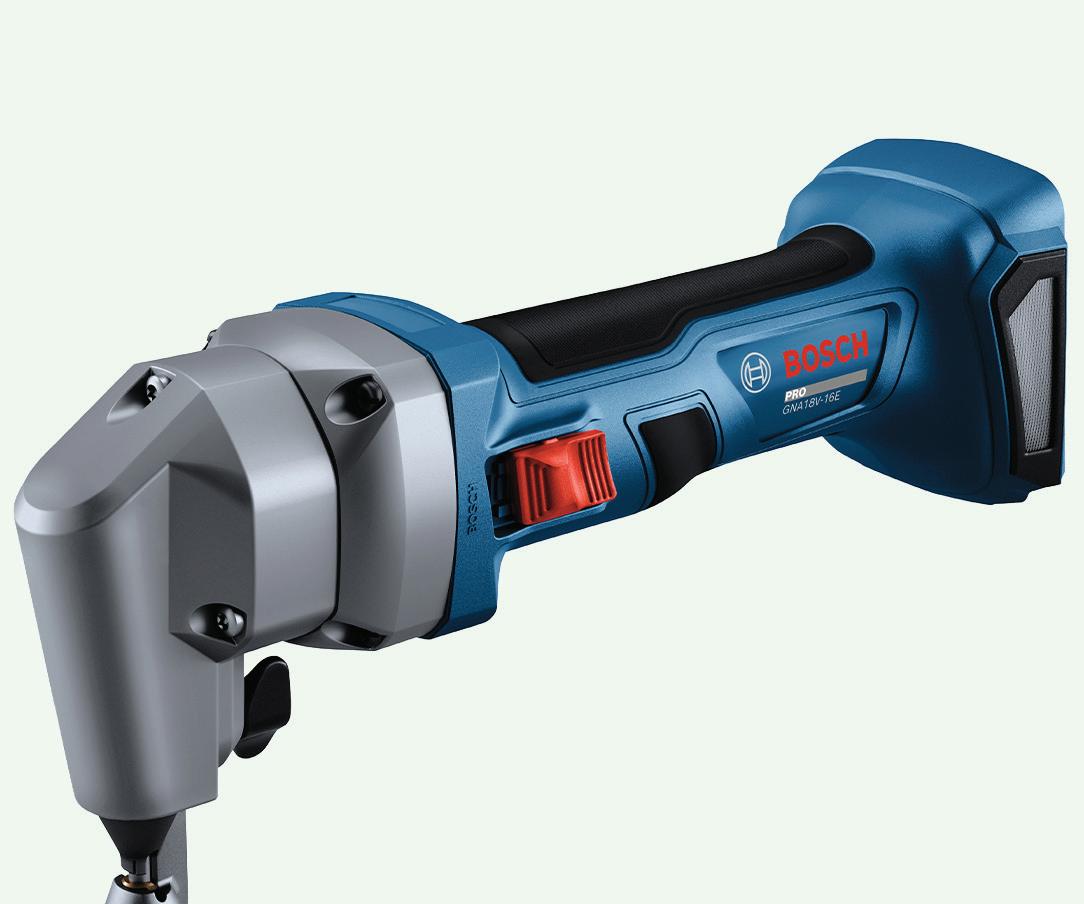
The 18V 16-Gauge Nibbler from Bosch Tools is cordless and features a rotating die holder for straight, left or right cuts, powered by a brushless motor. Bosch Tools | boschtools.com
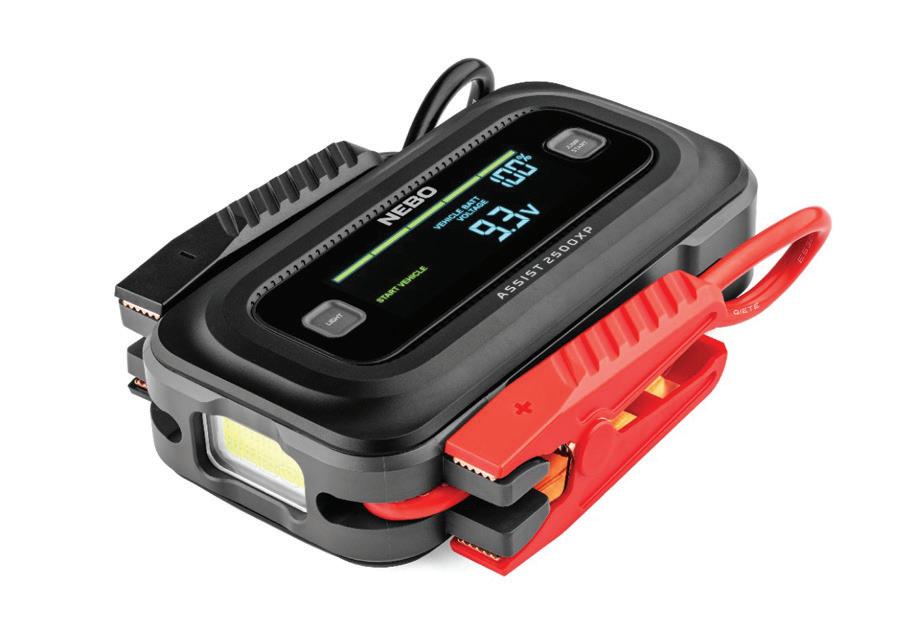


The ASSIST 2500XP Jump Starter from NEBO is a portable jump starter with 2,500 peak amps for starting cars, trucks, SUVs and other 12-volt vehicles. It includes heavy-duty clamps, a built-in LED flashlight and USB ports for charging devices. NEBO | nebo.acgbrands.com
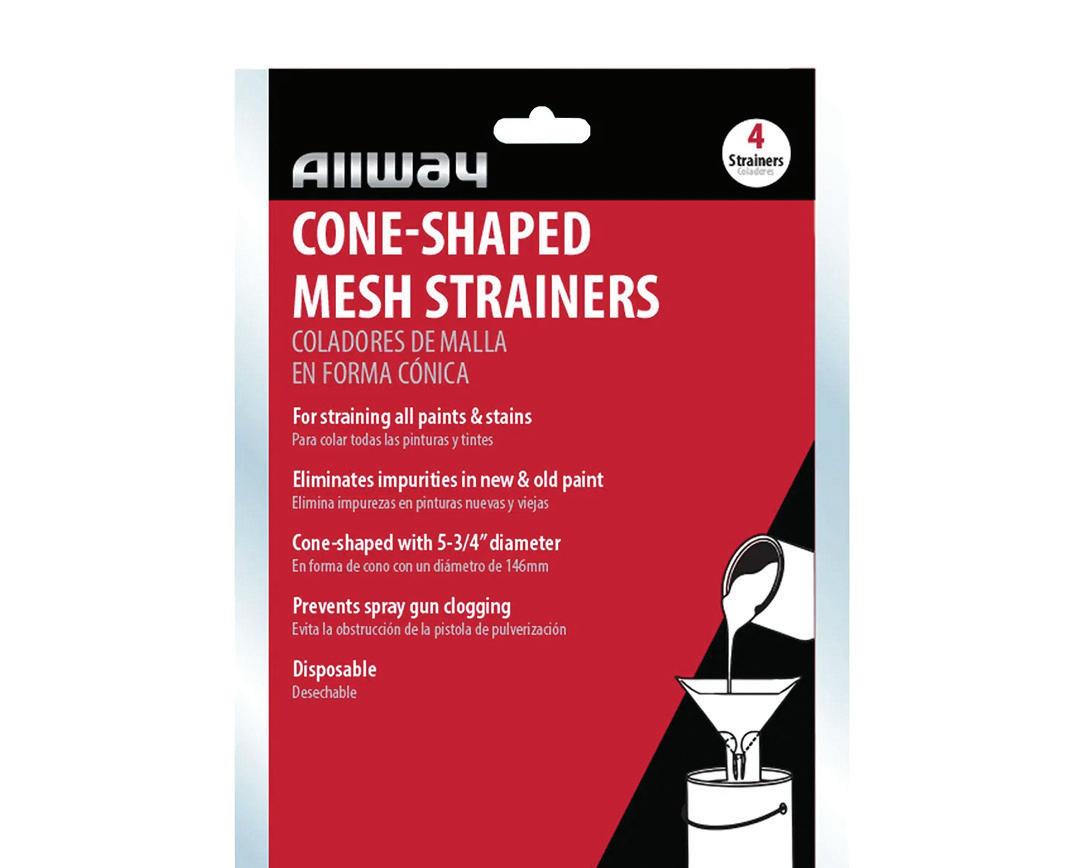

The Cone-Shaped Mesh Paint Strainers 4-Pack from Allway Tools are disposable strainers sized to fit standard paint buckets. Each cone-shaped mesh strainer filters debris and clumps from paint before use. Allway Tools | allwaytools.com

“We love carrying this canvas drop cloth because it delivers professional-grade protection that our customers—from DIY painters to seasoned contractors—consistently rely on. Its heavyweight construction provides excellent coverage and durability, which helps minimize cleanup time and protects floors and furnishings during painting and renovation projects.”
—Linda

The Beeswax Countertop Finish from Clapham’s is a natural beeswax-based finish that nourishes and protects wood countertops, cutting boards and butcher blocks with a blend of waxes and oils for a matte sheen. Clapham’s | claphams.com

Beckham, Crossroads Hardware
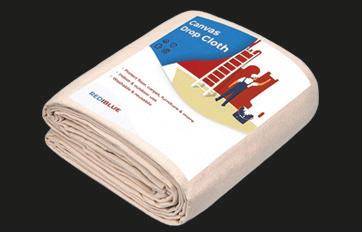

The REDIBLUE Canvas Drop Cloth is a premium protective canvas made for trade, DIY and professional jobs. It is made from woven cotton that resists rot and holds up to heavy wear. Use it to shield floors, walls and surfaces from paint, dust and debris on site or at home.
REDIBLUE | rediblue.com





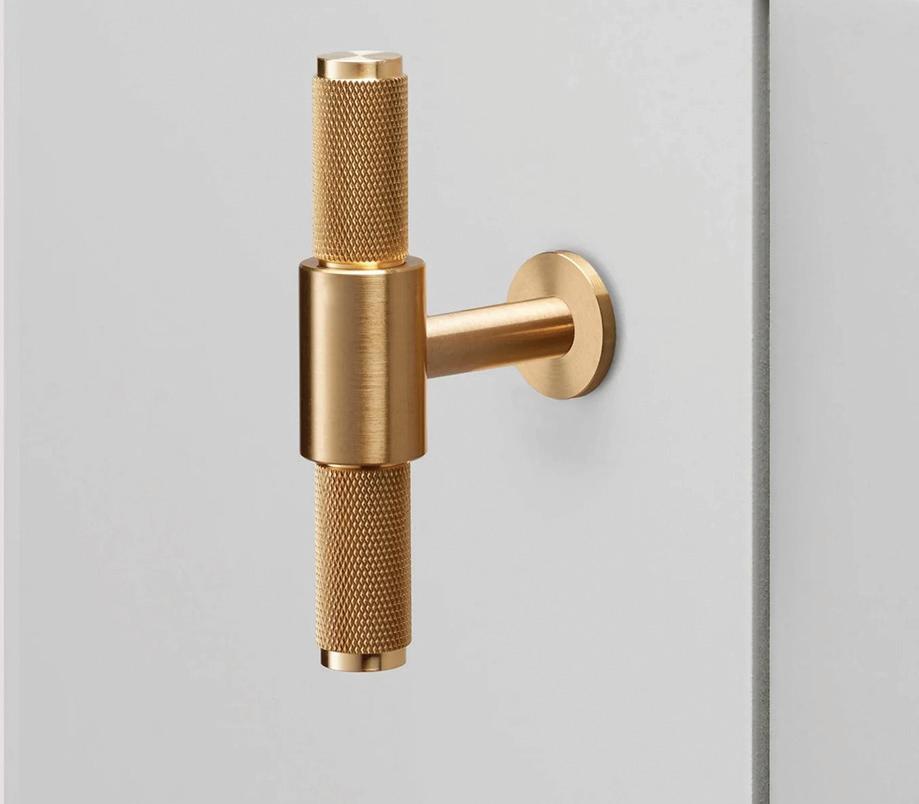
The T-Bar from Buster + Punch is a slim, solid-metal cabinet pull with diamond-cut cross-knurl pattern on a circular mount, suitable for kitchen cabinets, drawers or cupboards and refined by hand for a textured, industrial look.
Buster + Punch | us.busterandpunch.com
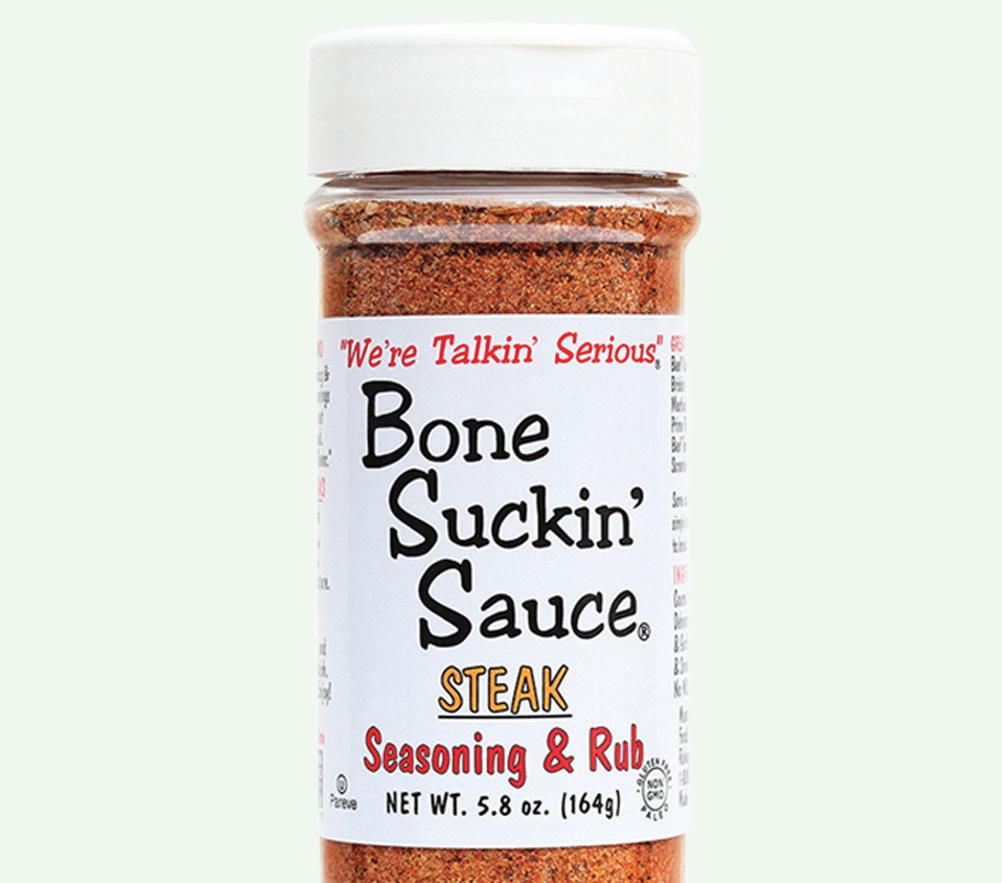
Bone Suckin’ Seasoning Steak Rub from Ford’s Food is a spice blend with salt, pepper, garlic and other seasonings made for steak. The 5.8-ounce jar is sized for grilling or pan searing. Photo Courtesy of Ford’s Food Ford’s Foods Inc. | bonesuckin.com
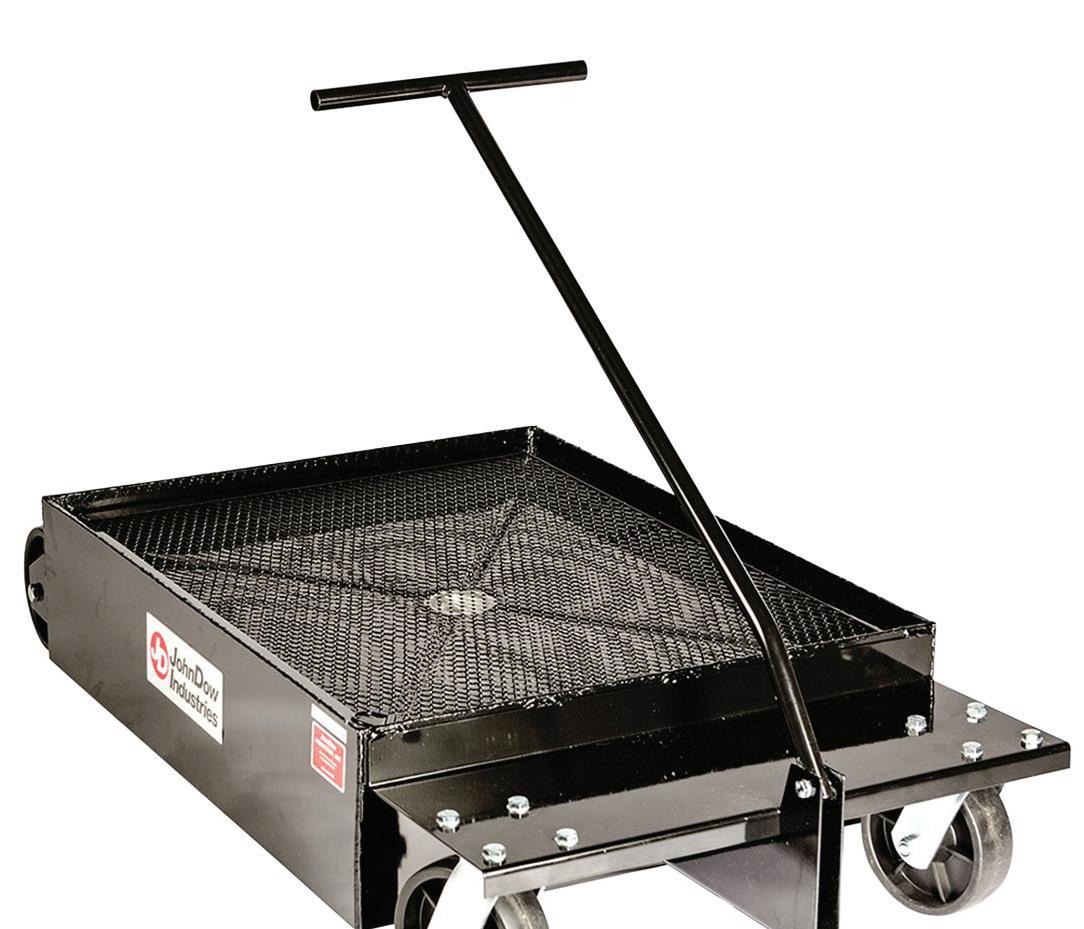

The 17-Gallon Low Profile Oil Drain from JohnDow Industries is a steel drain with a low profile body and a 17-gallon capacity. It has a wide catch pan, a rolling base for positioning under vehicles and a drain valve for controlled fluid removal.
JohnDow Industries | johndow.com
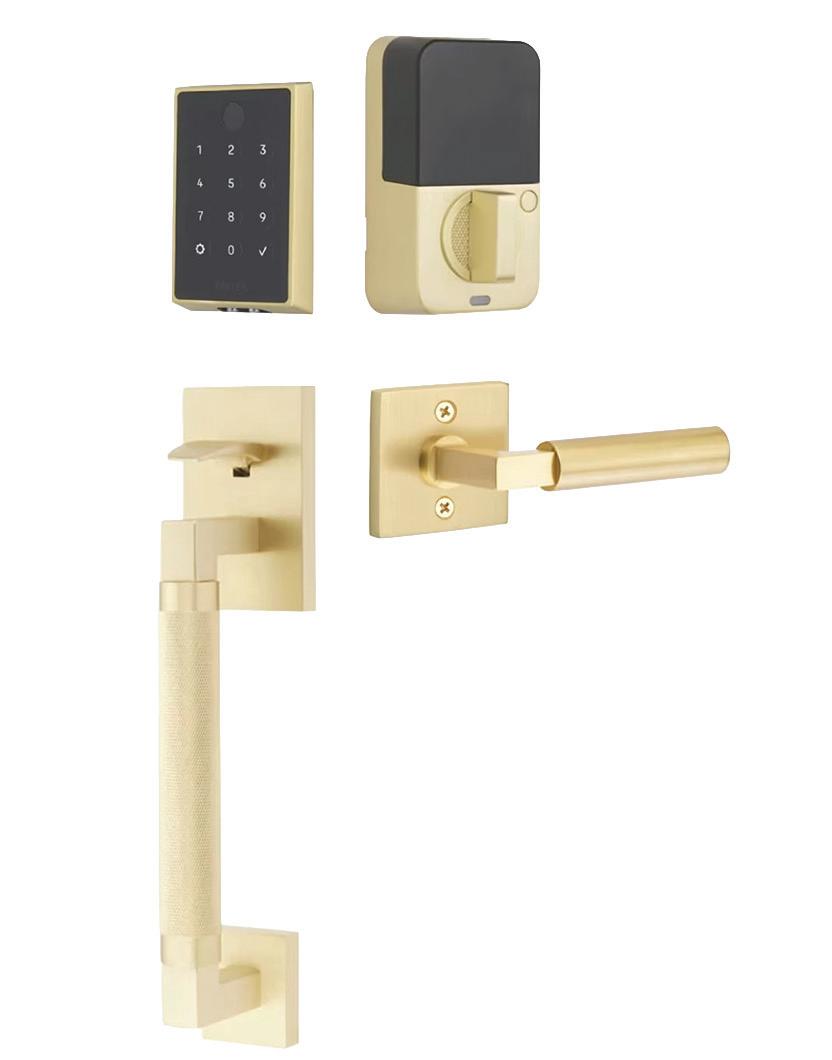
The Empowered 2 Touch Entry Set from Emtek is a key-free electronic front door system featuring a Hercules-style knurled grip and touchscreen pad allowing users to lock and unlock doors without a traditional key. The system can be customized with access codes and features a sleek, modern design. Emtek | emtek.com
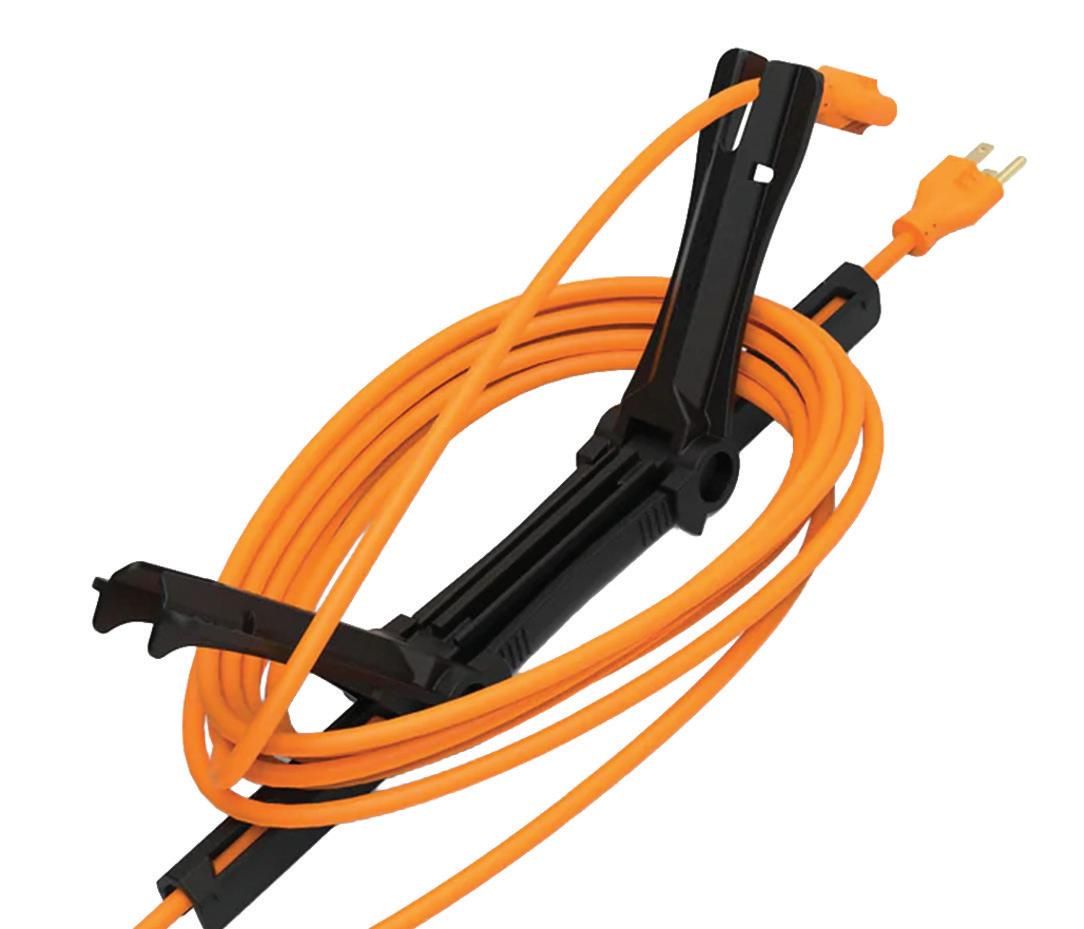



The Cord Dock from Twist and Seal is a cord organization system with a twist-to-lock hub and hook-and-loop straps that keeps extension cords coiled, protected and easy to grab. Twist and Seal | twistandseal.com



BY LINDSEY THOMPSON
hile not unique to the independent channel, wage challenges can cause extra stress on small business owners already juggling tight margins.
According to the U.S. Bureau of Labor Statistics, in February 2026, wages rose more than expected, increasing 0.4% for the month and 3.8% from a year ago.
When outside factors like rising wage costs, increased minimum wage, government

States seeing the highest minimum wage increases in 2026:
Hawaii ($14 to $16)
Michigan ($12.48 to $13.73)
Missouri ($13.75 to $15)
Nebraska ($13.50 to $15)

regulations and evolving employee expectations directly impact your business, finding a balance between retaining good employees with more-than-fair wages and not bankrupting the business can be challenging.
As you develop strategies to address your own wage challenges, three retailers share how they are managing payroll roadblocks through training, thoughtful benefit packages and strong company cultures.
$15 $15

$13.73

$16











ith four stores in di erent hio communities under its umbrella, estern hio rue alue ardware addresses wages and benefits on a store-by-store basis to best serve e plo ees in those locations he ro , hio, store is located in a larger cit , while the inster, t enr and apakoneta, hio, stores ser e s aller towns
u an resources anager ob uenning sa s e plo ees at the ro store are paid a slightl higher wage than the other locations because of ro s location near a a or cit and co petition for obs in that area uenning re iews and ad usts wages for hourl e plo ees e er year to account for any minimum wage increases that co e through that year. For salaried employees, salar re iews take place two or three times a year.
hen look at wages, usuall looking for those e plo ees who know are doing an e cellent ob and deserve the raise based on merit,”
uenning sa s also gi e raises e er ear, so will base raises on work anni ersaries, which track through a cor, platfor lti atel , raises co e down to how uch cash ow ha e because e en those s all percentages add up when you have 110 employees.”
hen higher wage costs lead to increased costs across the operation, uenning takes a deep di e into how each e plo ee is paid, creating a budget that outlines the wages of e er e plo ee, fro the general anager down to frontline associates ooking at wages b e plo ee line b line allows uenning to iew wages in proportion to sales e can look at his wages budget and see what sales need to be in each store to allow hi to gi e the wage increases and bonuses he wants to gi e e plo ees
uenning also o sets higher wage costs b running leaner tea s at the stores and reducing store hours during the slower winter onths ur goal is to be back to regular hours b id arch each ear, he sa s educing hours during our lowest selling onths helps us ad ust for increasing pa roll costs
ross training at the ro store has also been ke to helping co er shifts with fewer e plo ees uenning sa s that pre iousl the would put e plo ees on the oor whose focus was helping custo ers find the products the need and answer uestions while other e plo ees handled the point-of-sale transactions and selling bigger ticket ite s e re working on training our e plo ees to be able to work the store oor, who ha e that knowledge of core hardware and can answer uestions, but who can also work the register and sell big ticket ite s, uenning sa s
“We’re working on training our employees to be able to work the store floor, who have that knowledge of core hardware and can answer questions, but who can also work the register and sell big ticket items.”
—Rob Kuenning, Western Ohio True Value Hardware
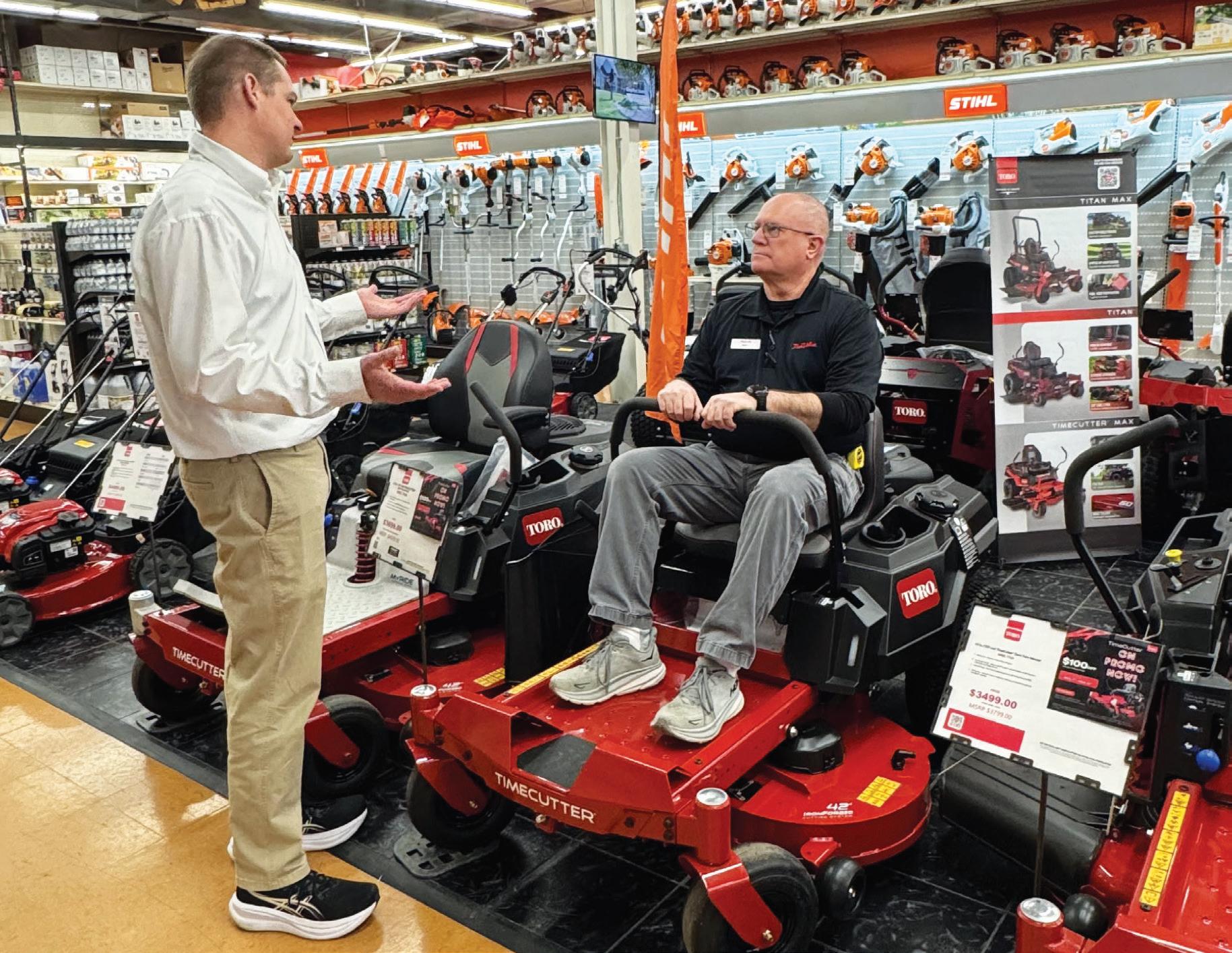
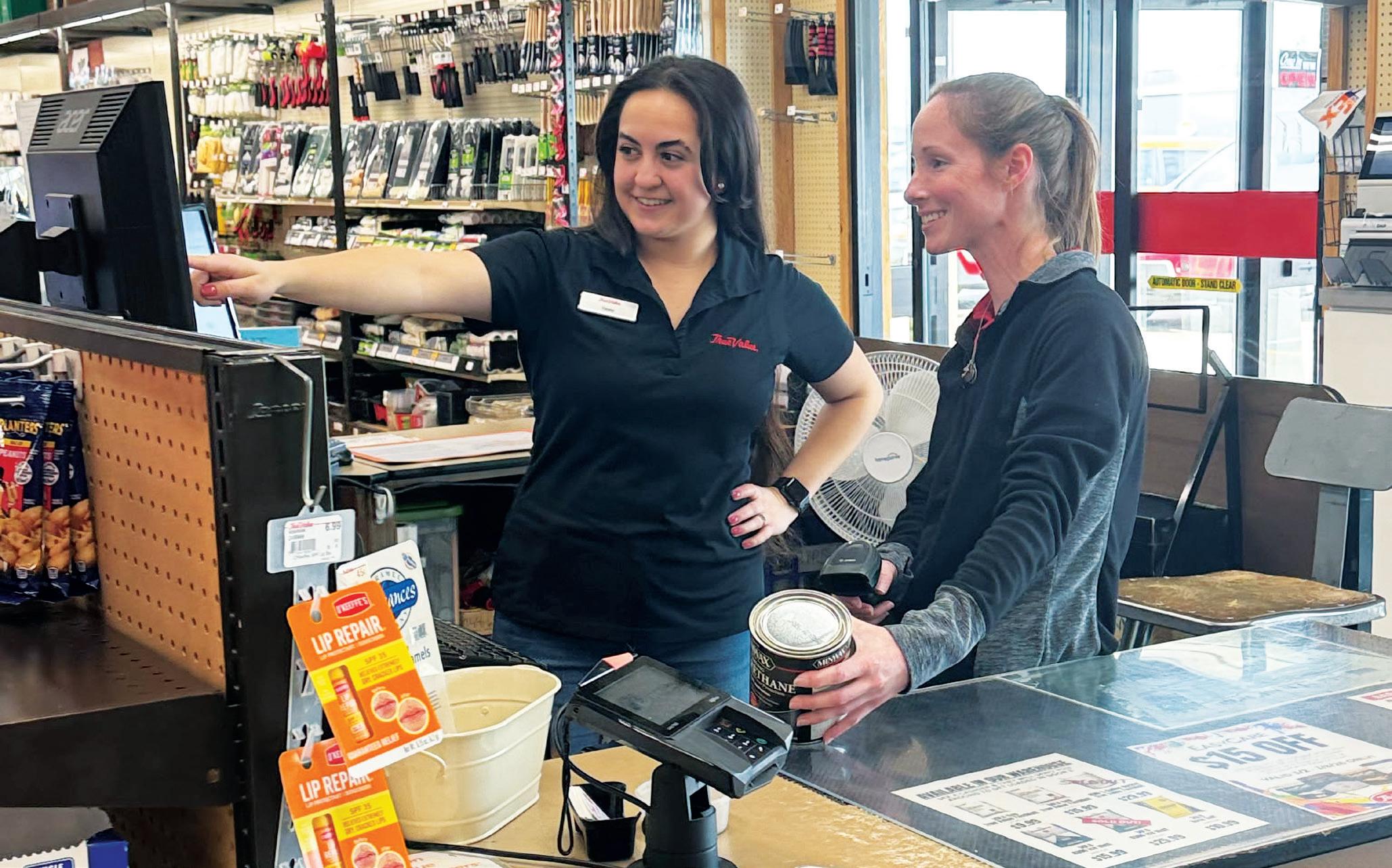
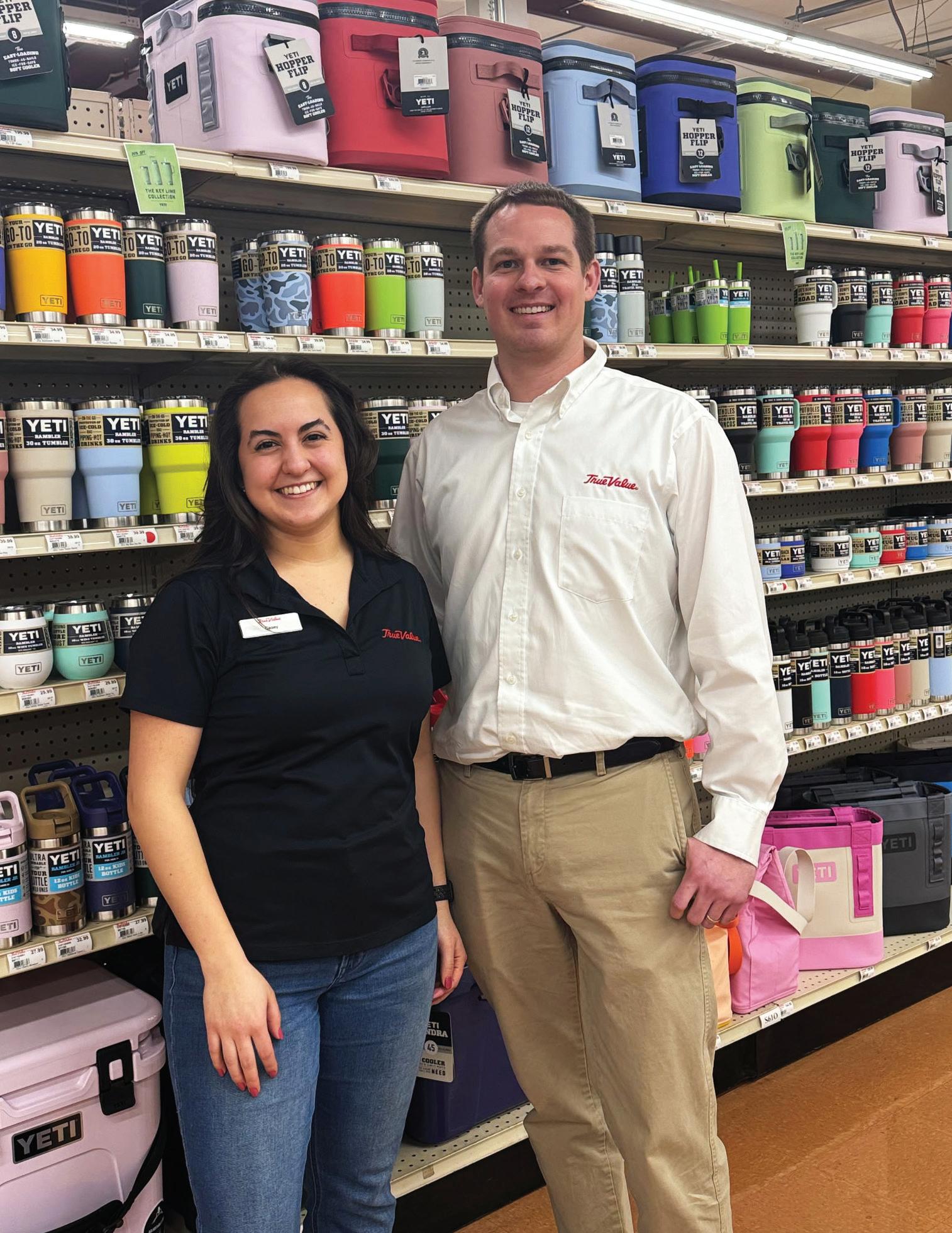
Western Ohio True Value Hardware human resources manager Rob Kuenning brought on Casey Felice to focus on cross-training new employees on the POS. Focused Training

Training That Stays on the Floor
NHPA’s RetailWise microtrainings build skills, improve service and strengthen culture in just two minutes a week. Sign up today at YourNHPA.org/retailwise
Kuenning hired a designated trainer for all new employee POS training, who also serves as the welcoming face of the company for new employees.
“It’s extremely important for us to have someone who is patient and passionate in everything she does to be the welcoming face for new employees to see,” he says.
Beyond point-of-sale, the training shifts to department heads or store managers depending on the category and generally lasts for two weeks.
“This seems like a lot, but we use our POS system to the greatest extent and want to make sure trainees are co fortable and fairl e cient before giving them their initials to be on their own,” Kuenning says.
Because balancing training time with day-to-day productivity demands is extremely challenging and Kuenning’s designated POS trainer now only focuses on training new employees, he has cross-trained other employees to pick up the other tasks she used to own.
“In order for my POS trainer to allocate 100% of her time training new employees, other individuals are needed to step up and help out,” Kuenning says. “If we didn’t cross-train like this, training would be even harder or slower to accomplish, or we would have to lower our standards and accept more mistakes or confusion due to lack of training. The latter is not an option for our operation, so we make sure others know how to help cover.”
While the company’s cross-training strateg has been e ecti e, uenning says he has run into two major roadblocks. First, some employees struggle to keep up with the fast training schedule, so Kuenning will backlog training and have other employees cover tasks while those employees continue to learn.
Second, because of the amount of training, employees can get overwhelmed if they get too backlogged with their own work while other employees are training. In these cases,
“If we didn’t cross-train, training would be even harder or slower to accomplish, or we would have to lower our standards and accept more mistakes or confusion due to lack of training. The latter is not an option.”
—Rob Kuenning, Western Ohio True Value Hardware
Kuenning will have conversations with those individuals, reassuring them of the impact the training will actually have in the long run.
“I personally do all the hiring for the company in all stores and because of this, I am able to seek out individuals who feel will fit the culture and be the type of individual we want someone to be and need in our operation,” Kuenning says. “I’m able to explain to current sta e bers who are upset or feeling stressed on how important the training is and hopefully how much easier everyone’s life will feel once a trainee is fully contributing to the success of the company.”
Regardless of any payroll increases and needing to shu e hours and duties among employees, ultimately, Kuenning and the leadership team at Western Ohio True Value take care of their employees. Employees see and feel this intentionality, which improves retention and leads to employees wanting to put in the time needed each shift he co pan also o ers a co prehensi e benefits package that includes health insurance, a 401(k) retirement plan, vacation hours and e ible scheduling
“In the communities where we have stores, we compete against a lot of factories for e plo ees, so that e ible scheduling is especially important, as ost factories cannot o er that perk, uenning sa s he retire ent benefit we o er is also i portant to take care of our employees.”
The leadership team at Western Ohio True Value Hardware also strives to reinforce culture into every aspect of the company, including wages and benefits uenning ad its this can be challenging, so they use phrases with employees such as “What is best for the business?” or “Wouldn’t you want someone to help you out if you had to be o
“Our motto is ‘Providing the Greatest Customer Service Possible’ and we understand that it’s the customers who are signing our paychecks, not the owners. We must work together as best as possible to achieve this goal,” Kuenning says. “As owners, my family and I truly appreciate each and every one of our employees and refer to them as our work family. Because we are family-oriented, we encourage a culture where employees help one another as they would help a brother or sister.”
Traditionally, leadership at Wood Shed Lumber & Hardware Supply had reviewed wages annually at the start of the new year. As the company has grown, that timing has added pressure on the company’s slower season, making increases harder to absorb all at once, says co-owner Sharona Eiserer.
“We’re transitioning to reviewing wages based on employee hire anniversaries, which spreads the impact throughout the year but requires more detailed tracking and planning,” she says.
Wood Shed Lumber & Hardware Supply has six locations in Missouri, and Eiserer says wage strategies can vary from store to store because the larger or more competitive markets require higher wages to attract quality
candidates. Ultimately, experience and product knowledge play a larger role than location alone when determining compensation for employees.
To address the increase in minimum wage in Missouri, Eiserer says the company has shifted its mindset and is doing more with less, investing more heavily in the company’s strongest people and being intentional about where every dollar goes.
“I’ve always believed in cross-training our employees, and that philosophy has become even more important,” she says. “We rely on tighter scheduling with key employees, and our teams are often managing call-ins and sick-day abuse while still maintaining service levels.”
When looking at wages through the lens of employee retention, Eiserer
says wages are one of the easiest—and most frustrating—parts of retention.
“Competitive pay matters, but you can’t deliver consistent customer service without reliable, committed people who can handle the daily demands of the business,” Eiserer says.
Along with competitive pay, the co pan o ers health insurance, with the company covering 50% of the employee’s portion, and a simple IRA retirement plan.
etween rising wages and benefit e penses, aintaining profitabilit is becoming more challenging for independent retailers,” Eiserer says. “That makes accountability, reliability and teamwork more critical than ever. This isn’t just about a paycheck—it’s about building a reliable team to navigate this journey together.”
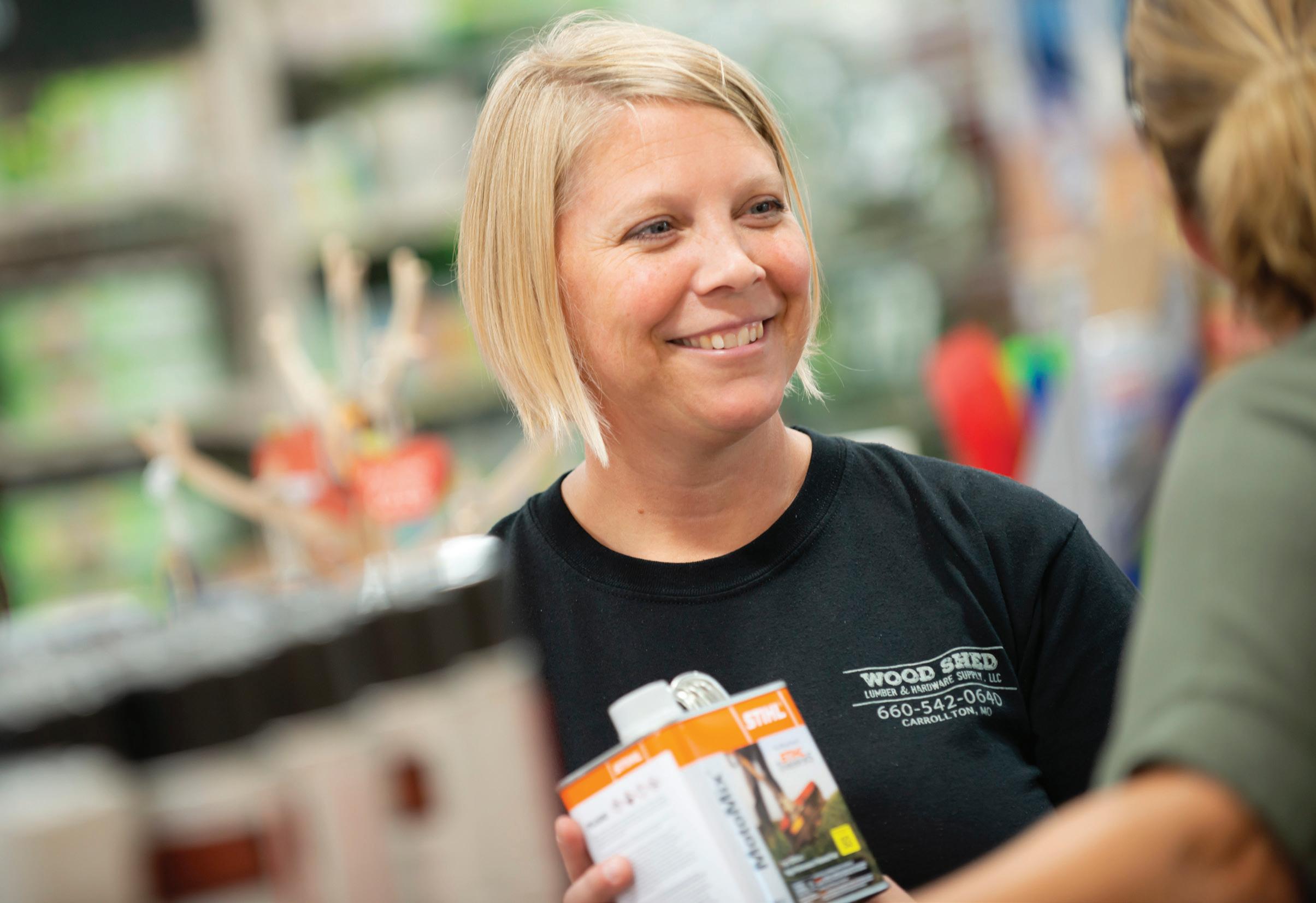
A welcoming culture helps with employee retention at Modern Hardware and mitigates wage challenges.
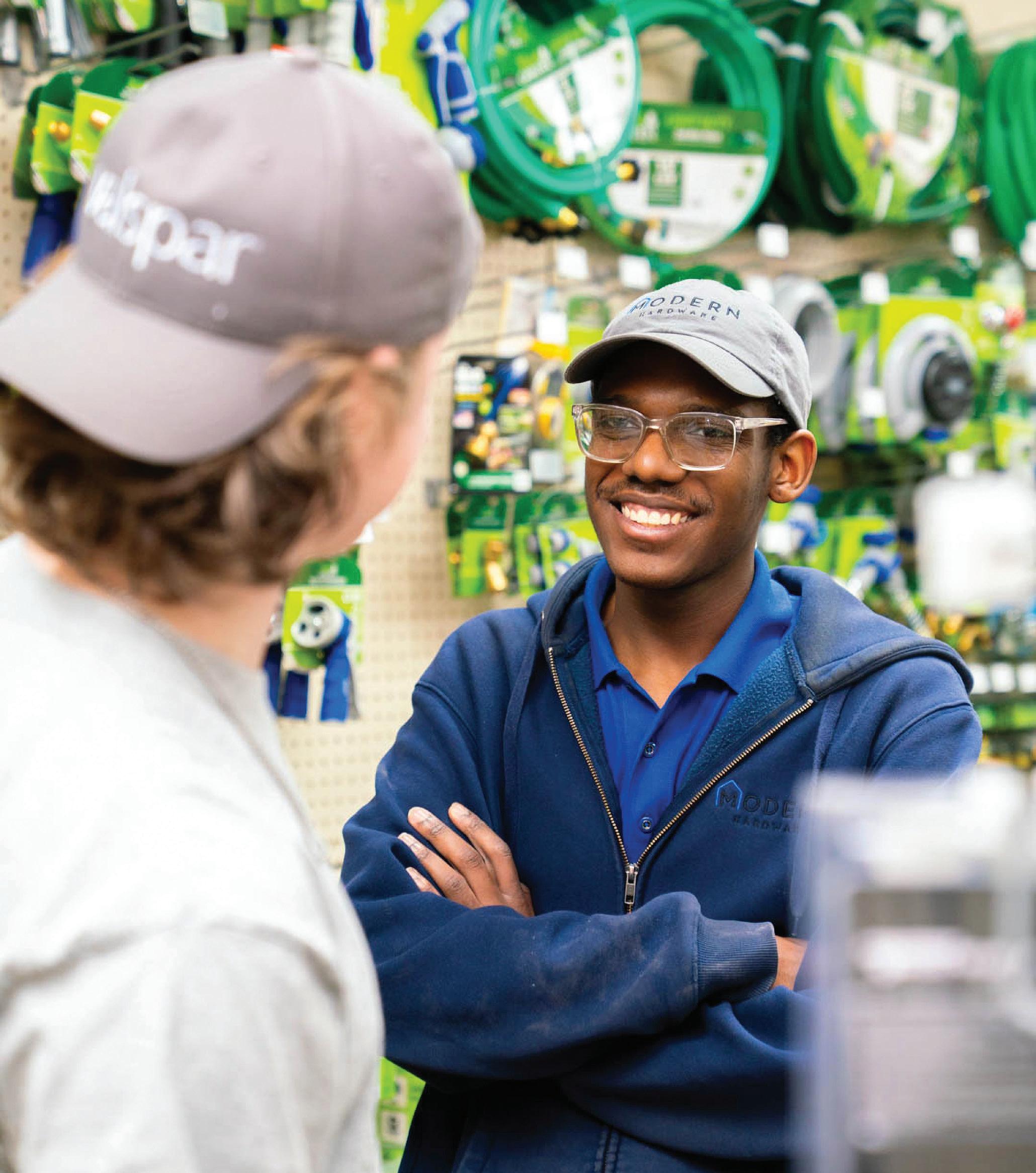
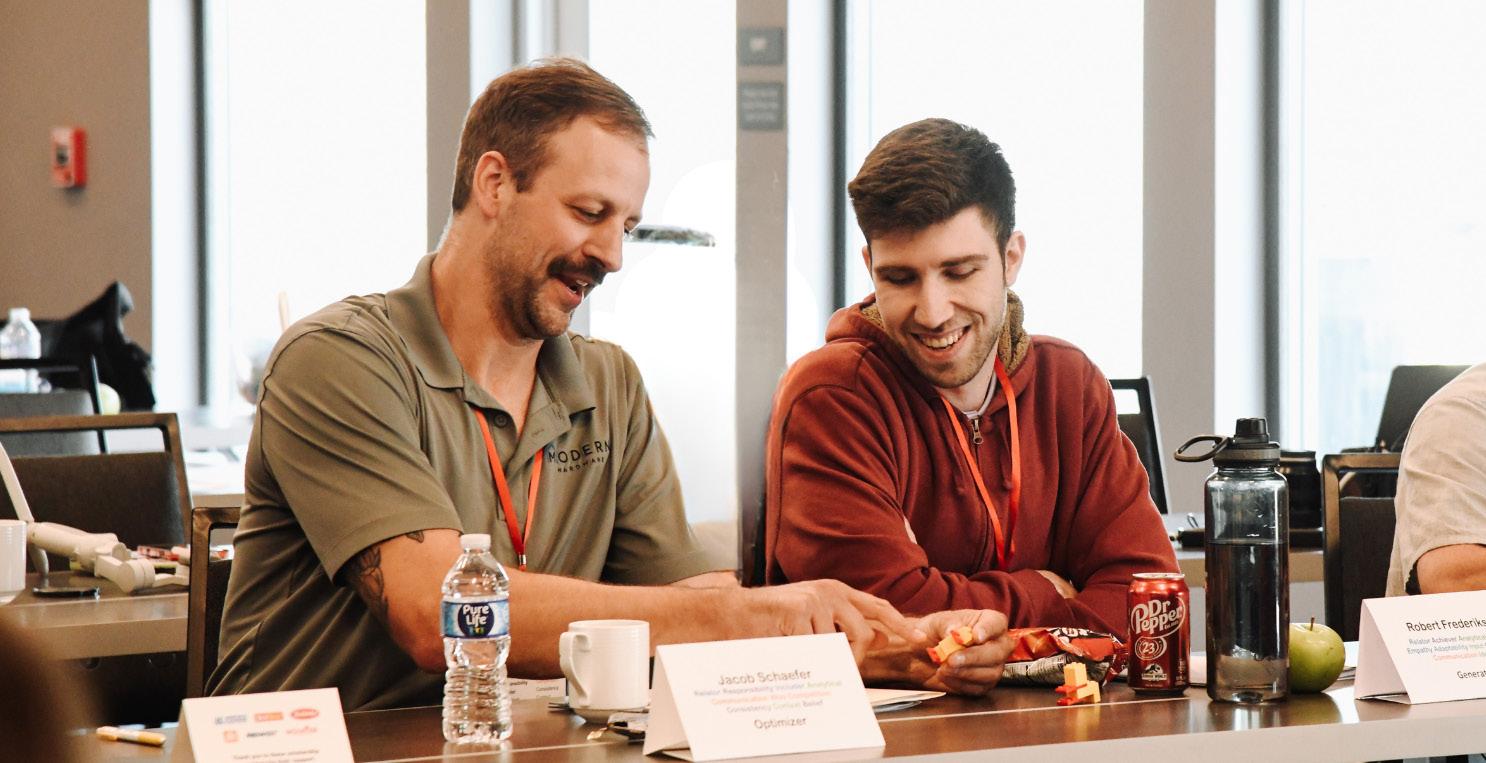
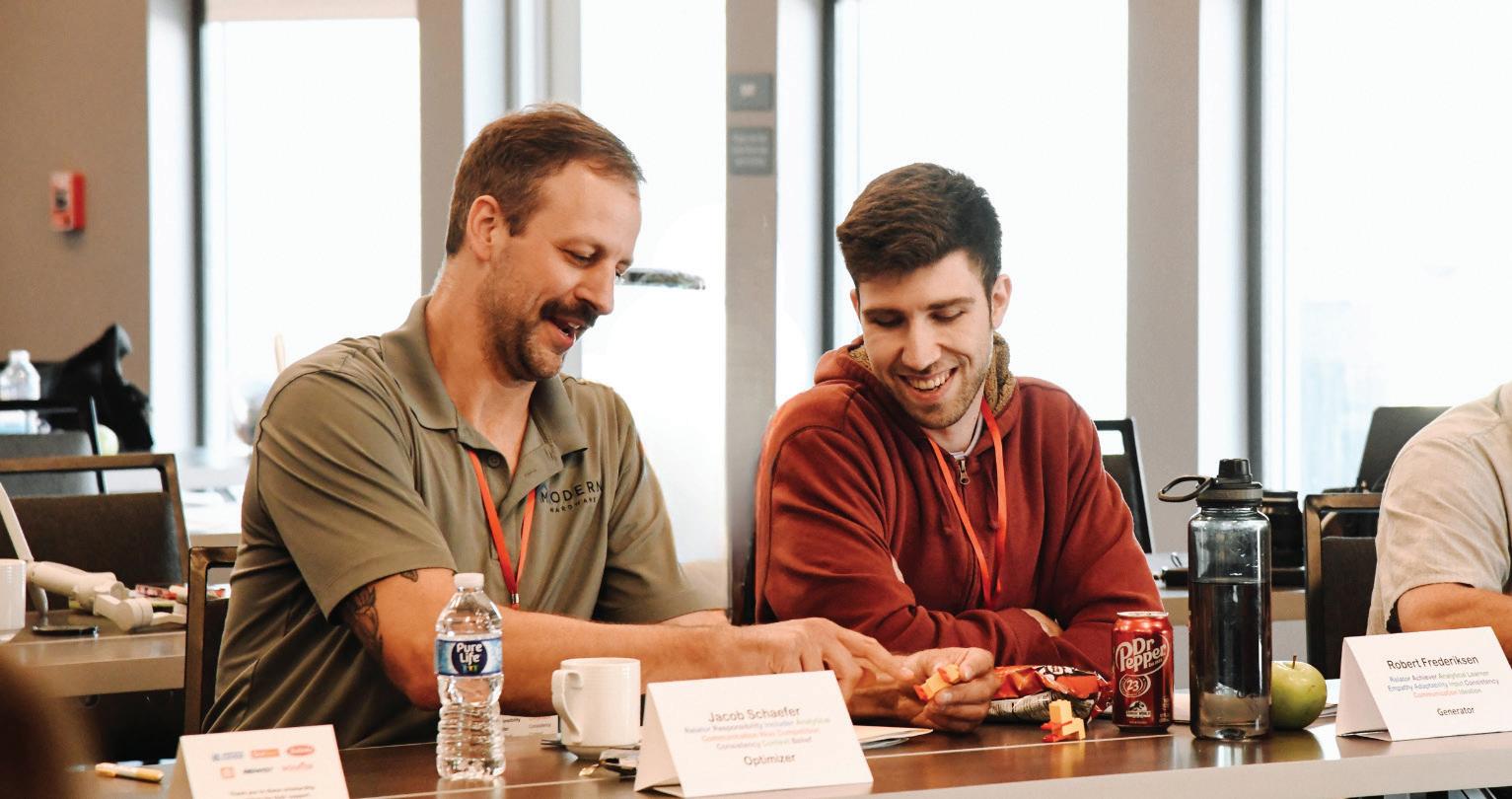
Hiring for culture is also a key way that Jacob Schaefer, retail store manager for Modern Hardware in rand apids, ichigan, helps o set any wage woes and keep the right teams in place to keep the store running smoothly.
“We are a place where people want to come to work,” he says. “We truly strive to provide a supportive and welco ing culture that ou can t find at larger retailers.”
Schaefer also utilizes cross-training. n the last fi e ears, the co pan has reduced the amount of employees working each shift.
“We used to have two full-time cashiers, and we have gone down to one,” he says. “This was a possibility because all of our oor associates are cross-trained to be cashiers now.”
he co pan s benefits package beyond wages also helps drive retention and keep quality employees engaged.
“Wages are a big part of employee retention and are an operational area we are always battling as a small, family-owned store,” Schaefer says. “We do our best to present the co pensation package we o er as a whole, including benefits, bonuses and wages, and have introduced new bonuses in the last year to try and provide new opportunities for people to earn more money through excellent performance.”
BY CURTIS GILLMAN

Meet Curtis Gillman
Curtis is a retail consultant and owner-operator with over 20 years of experience in the independent hardware and home improvement channel. He is the founder of Legacy Retail Advisors, where he works with independent retailers to improve operational performance, strengthen teams, and plan for succession. His approach focuses on disciplined execution, KPI-driven management and intentional leadership development.

Scan the QR Code to learn more about NHPA Strategic Consulting and book a consultation with Curtis.
Let’s talk about a universally uncomfortable topic and the words that make small business owners cringe when they hear them discussed among employees: pay rates, compensation, wages, salary and benefts.
The discomfort around this topic comes from a few places. Every employee wants to be well compensated and appreciated, while many owners are conditioned to view nearly every expense as the enemy of proftability.
Payroll, often the largest controllable cost, sits squarely in the middle of that tension. Competitive wages and proftability are not opposing forces but they do force retailers to step out of their comfort zone and examine other areas of the business.
Another reason these topics strike fear in owners everywhere is that discussion of pay has historically been viewed as taboo. Many of us were raised to believe compensation was a sacred trust between employer and employee not to be discussed openly, but today’s workforce doesn’t see it that way. To compete for top talent, owners must meet employees where they are, not convince them to bend to our outdated norms.
In my experience, I have found that for a compensation strategy to work, it must be: competitive, effcient, attractive and legal.
Regardless of economic conditions, the same complaint comes up repeatedly among owners: “I can’t fnd good help.” When I ask about starting pay and
benefts, the answer often explains the problem. Many of these businesses pay below market and offer little to no benefts, often justifed by the phrase, “We just can’t afford it.”
I disagree. In reality, they can’t afford not to pay competitively.
Payroll may be the largest controllable expense, but it’s really no different than other inputs: fuel, utilities or freight. You can control how efficiently you use it, but you have very little control over the rate itself. You wouldn’t only fuel up the delivery trucks when gas is cheap or turn the lights on when electricity rates drop. Wages work the same way. Think of compensation rates as largely fixed, especially in competitive labor markets. Fortunately, reliable benchmarks exist. Ask peers in your market. Network within the industry.
The North American Hardware and Paint Association’s (NHPA) annual Cost of Doing Business Study is an invaluable tool available to NHPA members that outlines payroll as a percentage of sales alongside dozens of other practical KPIs.
Hardware stores typically run between 20.2% and 21.4% loaded payroll; home centers between 15.9% and 16%; LBM dealers around 14.4%; and paint stores between 24.4% and 25.4%. Where many owners get stuck is treating wage rates and total payroll as the same problem, but they aren’t. Competitive pay is dictated by the market, while payroll effciency is a leadership responsibility. Simply put, rates are inputs, effciency is the output and leadership connects the two.
E“Do more with less” is dangerous when misinterpreted. Cutting payroll irresponsibly in a way that hurts customer service or burns out the team isn’t the goal—improving efficiency is.
This starts with cross-training. Years ago, in less competitive markets, strict divisions of labor may have made sense, but today they rarely do. I’ve seen stores staffed three-to-one against customer traffic because only one person can cut keys, another can mix paint and one runs the register. This model drives customers away and compounds payroll problems.
Cross-training doesn’t just save labor dollars; it builds engagement and job satisfaction among employees who thrive on learning and role exibility. Society for Human Resources Management (SHRM) data shows that skill development opportunities are a key driver of job satisfaction for both Millennials and Gen Zers.
Scheduling strategy matters just as much. Schedules should be built around business needs, not habit or employee preference. One of the most common mistakes I see is mirroring schedules day to day regardless of typical customer traffic that day, or having certain days loaded while others are under-staffed to accommodate preferred days off. Long-term team care requires short-term customer focus, and leadership means advocating for the needs of the business.
Modern scheduling platforms like When I Work, Deputy and Sling make this easier than ever. These tools allow managers to input wage and benefit costs, forecast sales based on historical data and monitor labor efficiency before the week even starts, eliminating guesswork and relying on impractical and ineffective spreadsheet scheduling.
Finally, review your P&L line by line to uncover areas for practical cuts. Identifying outsourced services such as lawncare, cleaning and basic maintenance often reveal meaningful profit opportunities, and many of these tasks are often handled more effectively in-house. If your entire team
is constantly busy with value-added tasks, then clearly assigning one of them to the lawn mower wouldn’t be a smart move. However if that is the case, labor efficiency may not be the cause of your profit woes and you may need to look deeper. This isn’t about blind cuts, it’s about disciplined evaluation.
LKnowledge of basic employment law isn’t just about avoiding penalties; it’s an ethical responsibility.
Regularly auditing compensation practices is an absolute must. When it comes to compliance, intention doesn’t matter, execution does. Factors to examine include compliance with wage and hour laws, equal pay for equal work across protected classes, minimum wage requirements and related regulations.
The National Labor Relations Act protects employees’ rights to discuss pay and benefits. Some states, such as California, take these protections even further by requiring employers to disclose salary ranges for jobs.
I am not advocating that you post everyone’s pay rates on the bulletin board in the breakroom. What I am arguing is that the most effective job postings include pay ranges.
Whether or not to disclose pay ranges in job postings is a heavily debated recruiting strategy topic. That debate naturally leads to the broader and often misunderstood issue of pay transparency.
According to a 2023 study by SHRM, 70% of organizations that list pay ranges report receiving more applicants and 66% say the quality of applicants has improved. The data is clear. If you want the best and brightest, meet their expectations. If you don’t want to post pay ranges, don’t—at least until the government requires it.
Pay transparency can create headaches and hurt feelings without the right guardrails in place. Thankfully, there are proven, actionable ways to manage this effectively.
Knowing that employees are likely to learn what their coworkers earn, the best approach is to establish clear, documented pay scales with defined paths for advancement, paths that benefit both the team member and
the organization. Be intentional and creative. Identify your operational challenges and reward the employees who help solve them.
If cross-training is a weakness, tie compensation increases or bonuses to mastering defined skills. If performance is the issue, clearly document expectations, provide regular feedback and connect improvement to raises during evaluations. Team members shouldn’t be surprised by what they hear at review time, and if you manage in the moment and document both wins and challenges, they won’t be.
AWhen competing with high-paying employers, don’t overlook the value of benefits others may not offer. Many small employers assume health insurance or retirement plans are out of reach, but before dismissing them, do yourself and your team a favor. Talk with a ualified broker.
Employer-paid health insurance premiums are typically tax-deductible and not subject to payroll taxes, meaning those dollars often go further than wage increases alone.
Retirement plans can also be surprisingly affordable and can be implemented with no match or a modest, tax-deductible contribution. Beyond the financial impact, offering these benefits signals stability, professionalism and long-term commitment, and it helps your job postings stand out in a crowded market.
Performance-based bonuses can also be powerful tools when structured correctly. Sharing a small percentage of gross profit improvement or rewarding training milestones aligns employee success with business performance.
This isn’t comfortable work. But retailers who win the talent battle also win the profitability battle, and they won’t be the ones that pay the least. They will be the ones who are clearest, fairest and most intentional.
The call to action is simple: stop running your store the way it was run a generation ago. This isn’t your grandfather’s hardware store. However, one timeless principle will always apply: take care of your people and they will take care of your business.
INDEPENDENT HOME IMPROVEMENT CONFERENCE
BY LINDSEY THOMPSON
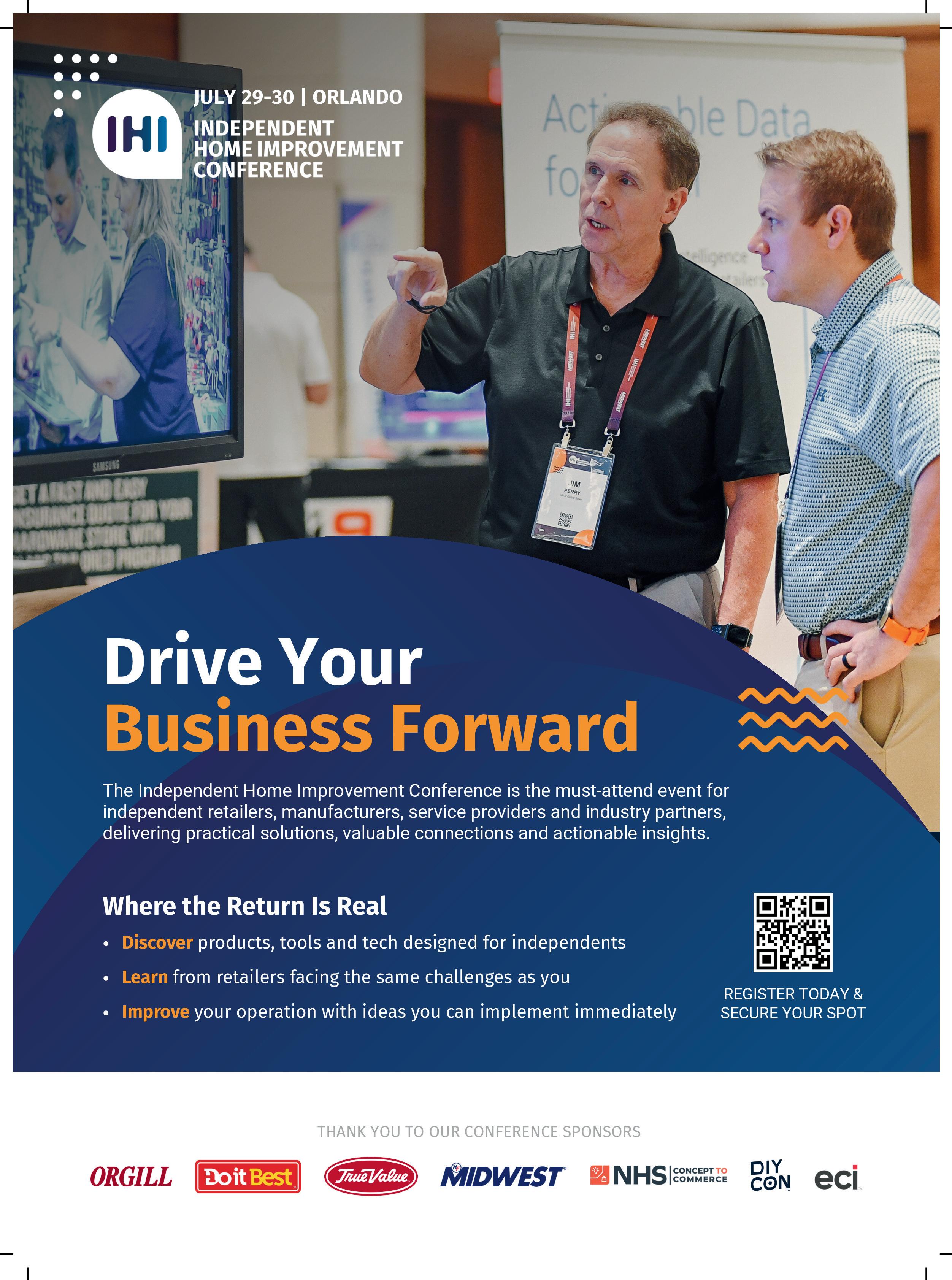
o other event this year will bring the independent channel together or provide meaningful ROI like the 2026 Independent Home Improvement Conference (IHI), hosted by the North American Hardware and Paint Association (NHPA) and The Hardware Conference. Drawing together retailers, vendors and industry partners under one roof at the stunning JW Marriott Grande Lakes in Orlando, from July 29-30. N

INDUSTRY EVENTS Register Today
Save your spot and register today for the 2026 Independent Home Improvement Conference (IHI) at IHIConference.org. We can’t wait to see you there!

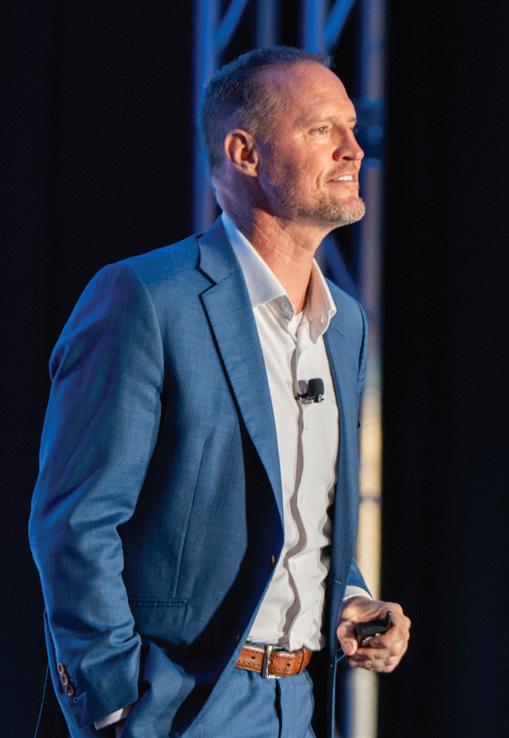
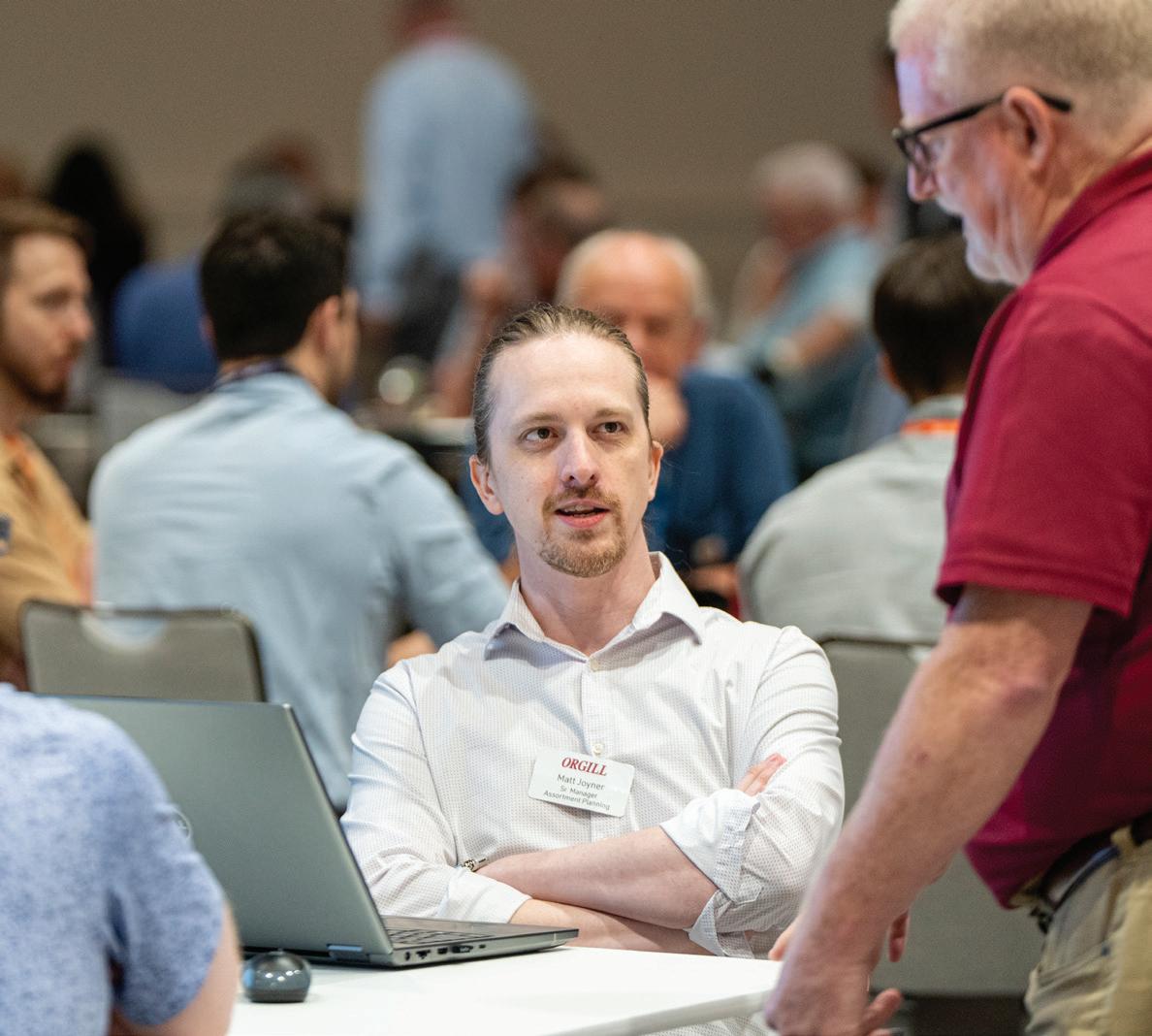
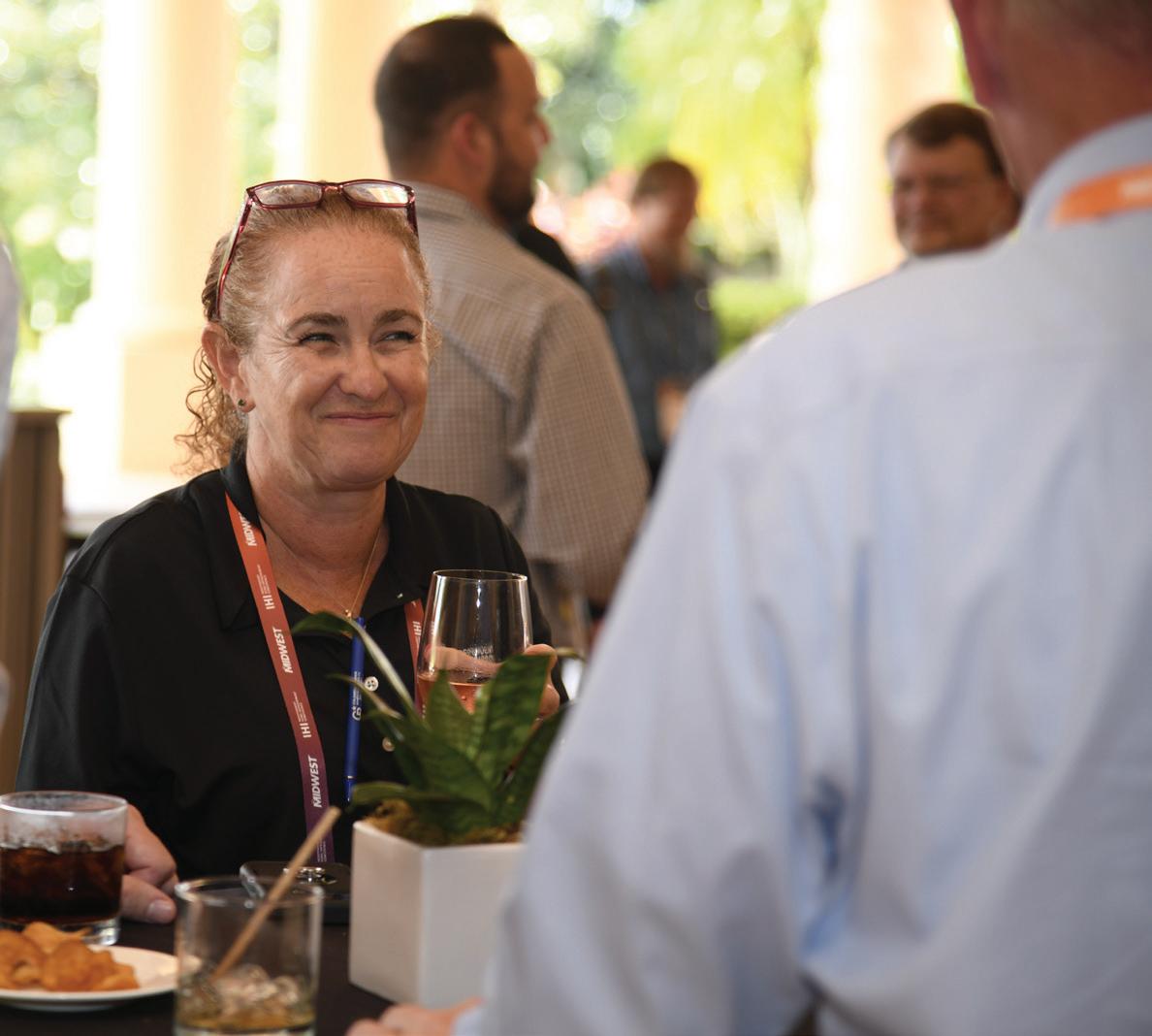

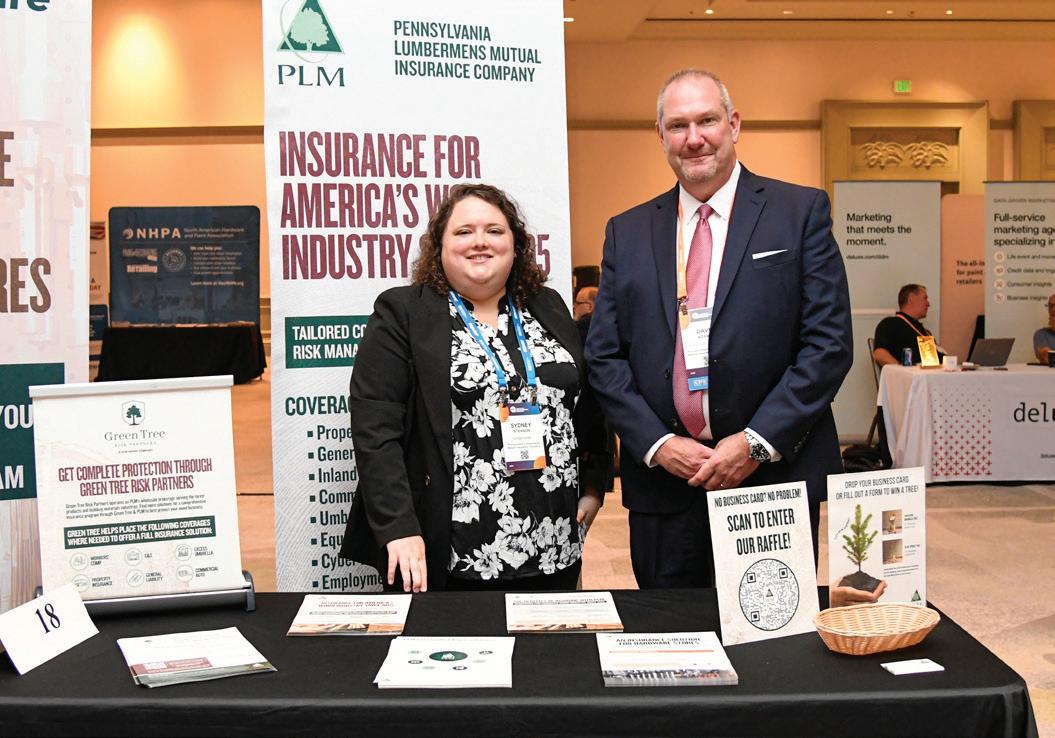
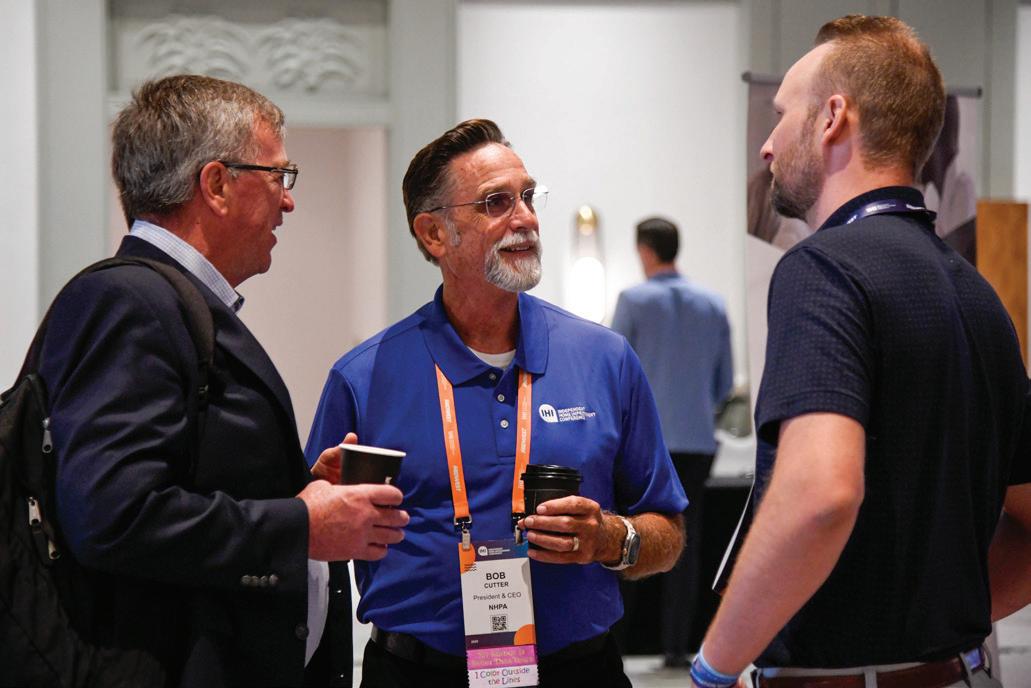
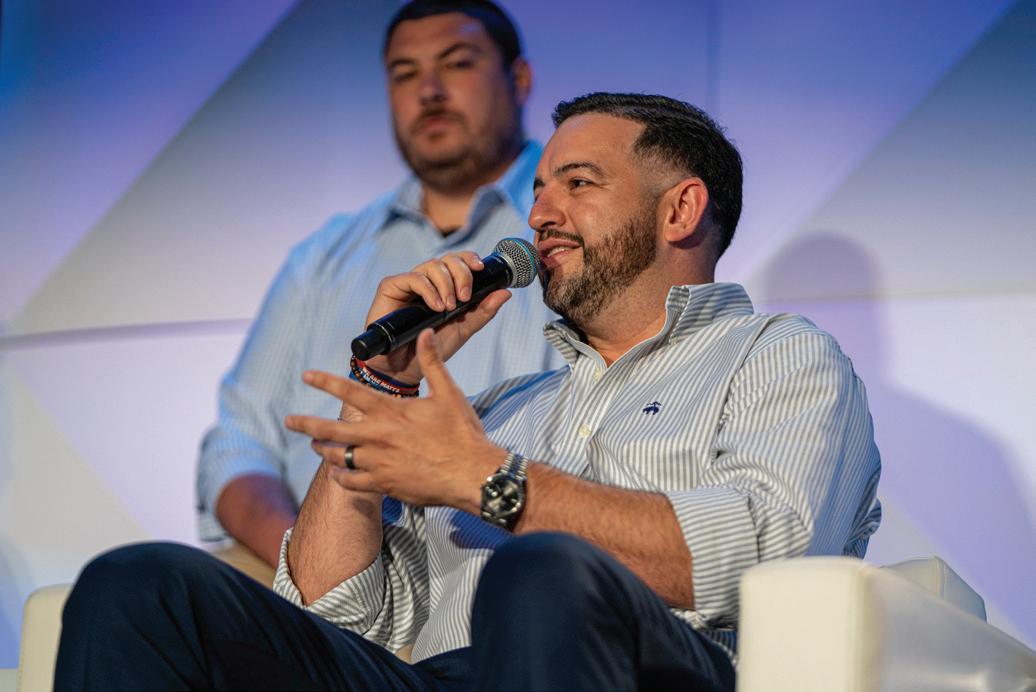
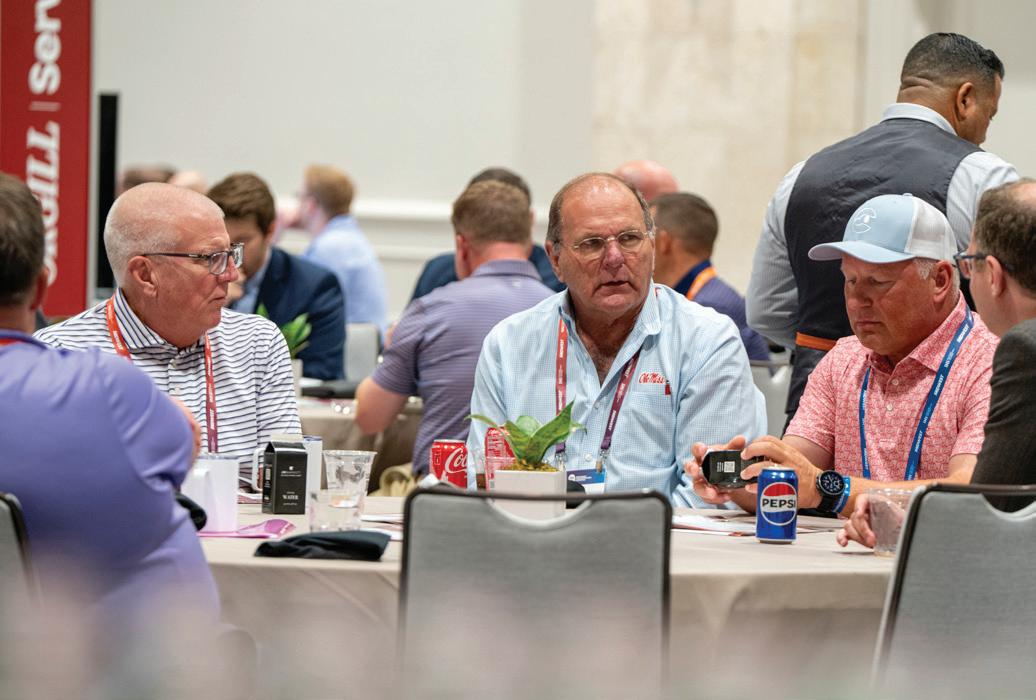
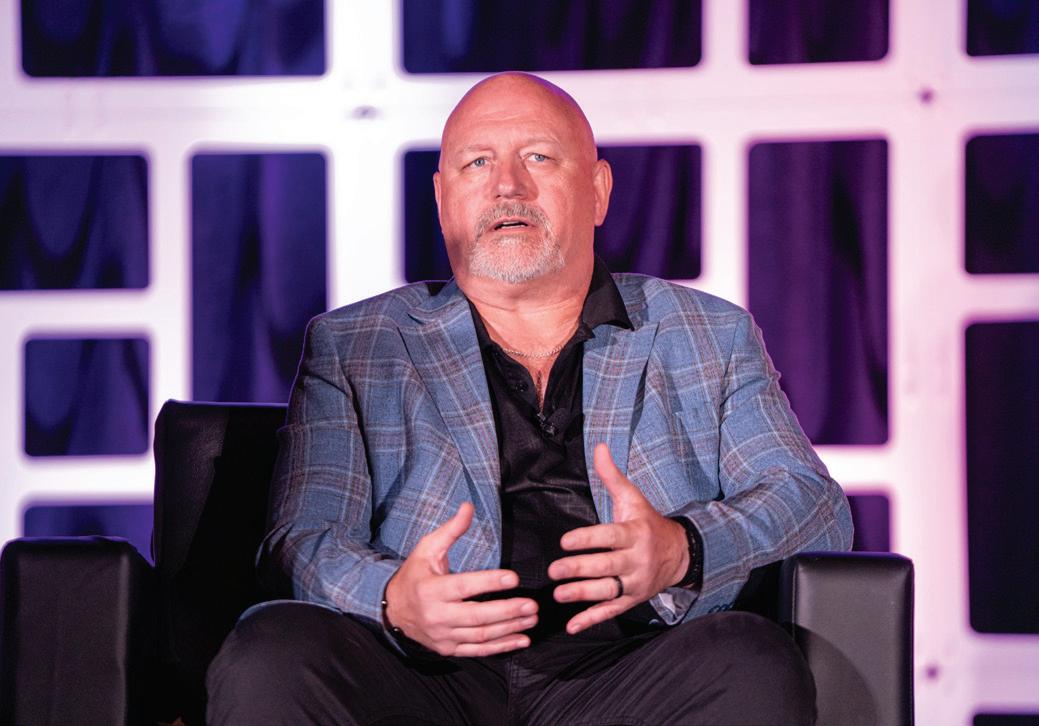

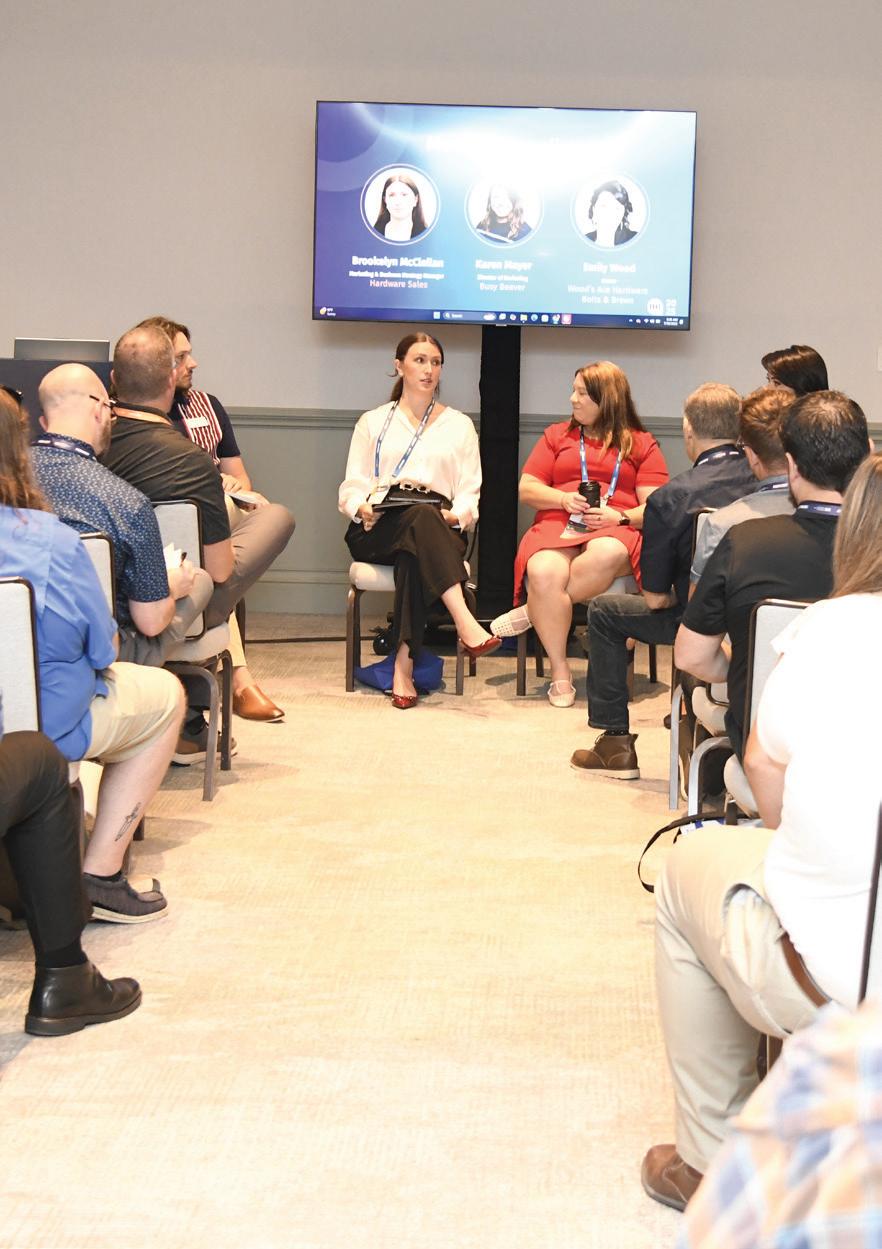
Whether you’re new to the industry or a long-time veteran, IHI is where the industry’s best minds come together to swap ideas, explore practical operational best practices, discover new products and walk away with fresh inspiration.
Over the course of two days, attendees will dive into breakout sessions covering employee engagement, executive leadership, retail operations and technology and marketing, merchandising and advertising.
From the main stage, industry experts and channel players will share their insights and best practices on growth, innovation and navigating obstacles and opportunities in the home improvement industry.
During the purposeful networking events and in the


exhibit hall, attendees will have the opportunity to connect with one another, share wins and challenges and enjoy unwinding with friends and colleagues. Attendees will be able to compare vendors and services side-by-side in one place, see live demos of technology and retail solutions and get real answers from industry experts and build relationships with partners who understand your business.
A capstone of the event will be the Independent Awards Gala, which will honor NHPA’s Top Guns and Young Retailer of the Year Award honorees and The Hardware Connection’s Beacon Award recipients. Through it all, attendees will discover new strategies to improve operations, increase sales and enhance the customer experience and be inspired by stories, insights and innovations that are shaping the future of retail.
THANK YOU TO OUR CONFERENCE SPONSORS






8:00 p.m. 10:00 p.m.
More than just big ideas, the 2026 Independent Home Improvement Conference will send attendees home with practical and applicable best practices. Here are four reasons why the IHI Conference should be on your calendar.
1. Unlock business potential. Get practical strategies and tools from industry experts, keynote speakers and educational sessions to solve challenges and boost profitability.
2. Forge valuable connections. Discover new products, tools and solutions from trusted, industry-leading service providers and manufacturers in our exhibit hall.
3. Lead through change. See how top retailers embrace emerging trends and leverage smart strategies to stay competitive in a constantly evolving market.
4. Honor the best of independent retail. Recognize innovation, leadership and excellence at our Independent Awards Gala featuring NHPA’s Top Guns, NHPA’s Young Retailer of the Year and The Hardware Connection's Beacon Award recipients.
Coreen Nolle, director of retail sales for Koopman Lumber, says she is looking forward to seeing the technological advancements made in the past year, learning more about new AI functionality and discussing how other retailers are utilizing these tools
“We have also been watching the market for an inventory robot, so seeing what the current pricing and functionality of those devices is on my checklist,” Nolle says. “We always pull some good nuggets of information out of the learning sessions, and do our own ‘quick wins’ style implementation after.”
For Bryan Lang, Koopman Lumber regional manager, the breakout sessions are the highlight of IHI.
“I love jumping into problem solving with other smart folks in the industry; it either reassures me that I’m on the right track or gives me a fresh way to look at things,” Lang says. “I’m also a big fan of the innovation area; it helps us stay ahead of the curve with new tech coming into our space.”
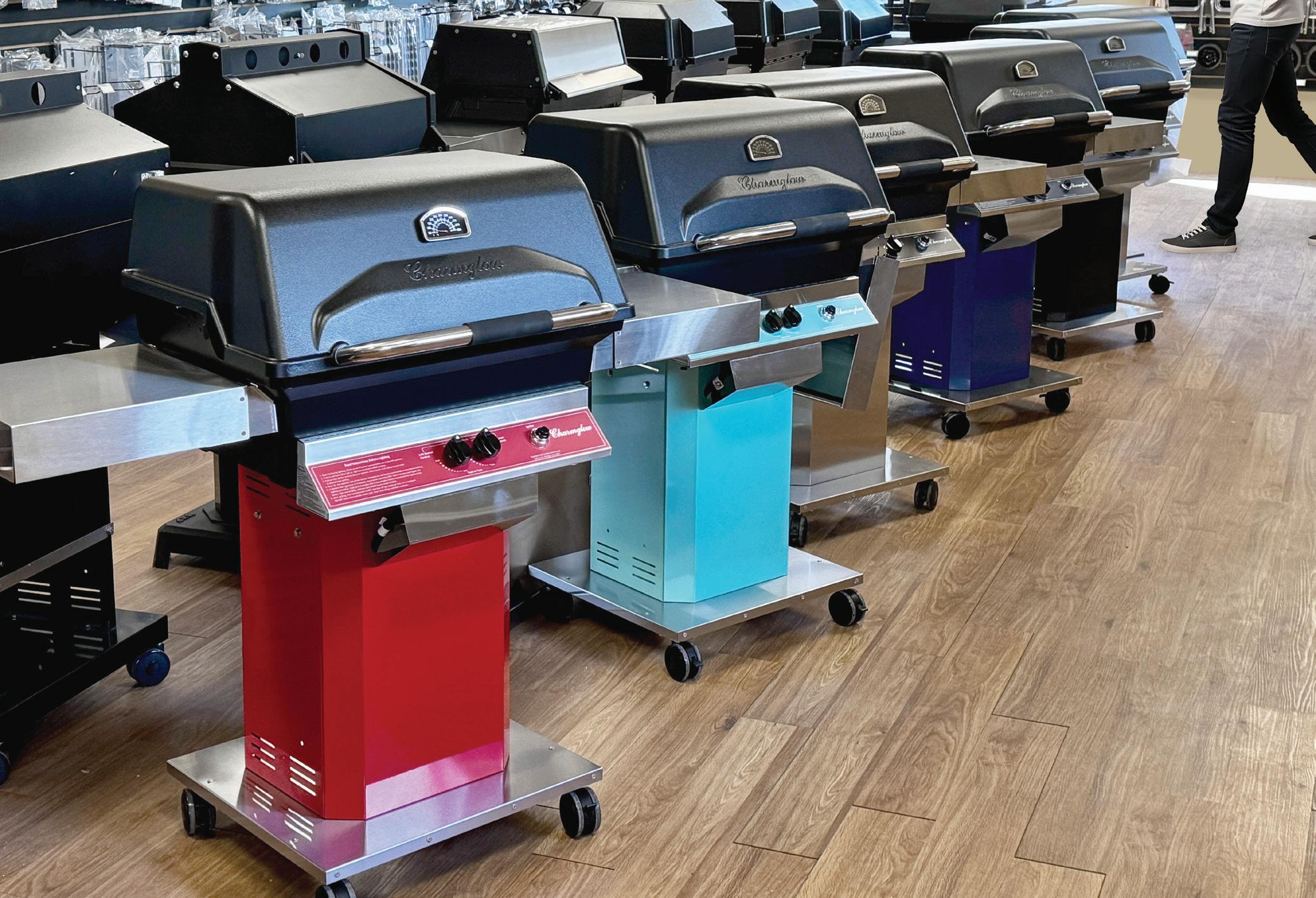
Charmglow® is turning heads again. Crafted in the USA and built to stand out. Not just anywhere. Only where customers recognize quality at a glance.

Add a legacy brand to your foor. Exclusive dealer opportunities now open.




ABY ANNIE DAMEWORTH
lways ready. Always there. The venerable motto of the U.S. National Guard is what Tim Kromholtz lived out during his time in the Washington Air National Guard and still adheres to in his executive role in the independent home improvement industry.



ASSOCIATION
An Honor to Serve
NHPA will share the stories of these hometown heroes in all of its media brands. Visit YourNHPA.org/veterans to learn more and nominate a veteran from your business to honor.

NHPA Program Honors Military Veterans Who Have Served Our Country, Channel
While there is no way to repay the sacrifi ces made by veterans of the armed forces, the North American Hardware and Paint Association (NHPA) recognizes that not only have these individuals made a lasting impact on their country, but they are also a prominent and positive in uence within the home improvement industry. NHPA honors the ongoing impact military veterans make throughout the home improvement industry through its Helmets to Home Improvement recognition program, with NHS Concept to Commerce and DIY Con as the program’s official founding sponsor and venue partner.


Nominate a Veteran
Help us honor those who have served our country and our channel. Visit YourNHPA.org/veterans to nominate a veteran from your business to be recognized.
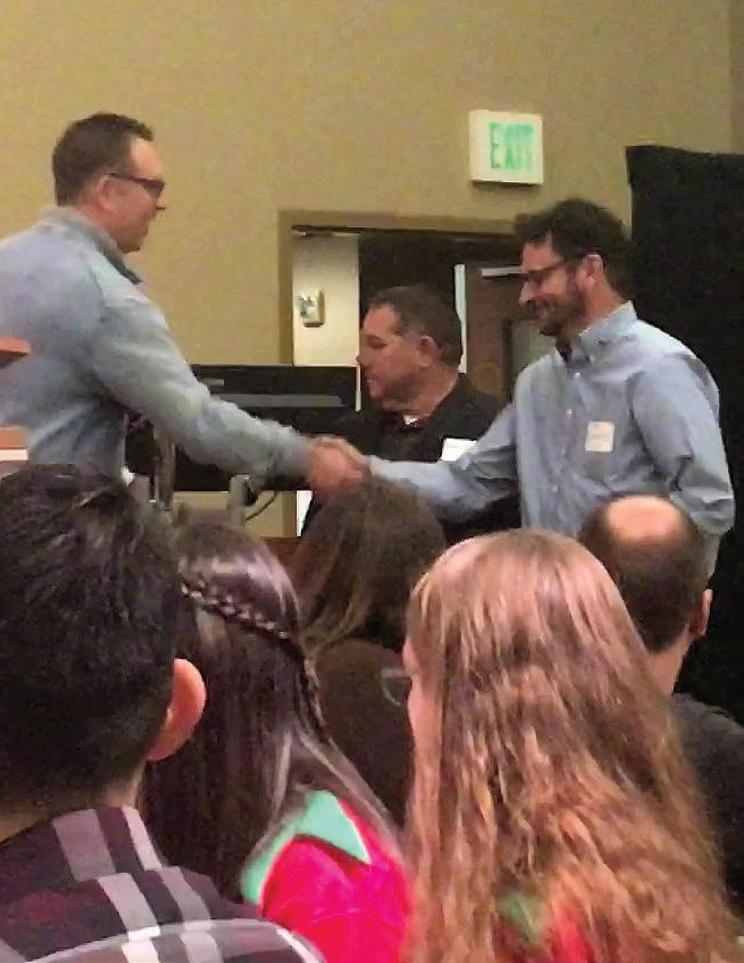
Kromholtz’ military journey began in July 1978 when he was seeking college assistance. He enlisted in the Air National Guard, initially serving as an electrician and later working as a power production mechanic. During his 20 years of service, Kromholtz deployed to Denmark, Germany, Portugal and the Dominican Republic and several domestic training deployments, completing his service in July 1998.
“My favorite part of my time in service was the brotherhood of fellow service members and the sense of patriotic duty I gained,” Kromholtz says.
While still serving with the Guard, ro holt utili ed his ilitar benefits and graduated from college in 1987 with a degree in accounting.
Kromholtz began in an accounting role at Ziegler Lumber Company, entering the independent home improvement channel. His employer was a strong supporter of Kromholtz’ military obligations until he retired from the military in 1998. Today, as Ziegler’s chief infor ation o cer, he ad ises and anages pro ects, finding satisfaction in i pro ing the e cienc of iegler Lumber employees’ operations.
Kromholtz attributes his success in the independent channel to the leadership skills and appreciation for team dynamics he gained during his military service.
“Military veterans are a valuable asset to the independent channel,” he says. “They understand the chain of command, the principle of loyalty and organizational abilities.”



THANK YOU TO OUR PROGRAM SPONSORS







NHPA’s RetailWise Plus, an AI-powered program, delivers 365 two-minute lessons in English, Spanish and French-Canadian. Built for independent hardware, paint and lumber retailers, it fits seamlessly into your store’s day—no long classes, no complicated schedules. Strengthen skills, service and team culture, one lesson at a time.
365+ Microtraining Videos 14 Educational Categories 100% Device Accessibility Seasonal & Quarterly Updates

NEW Subscribe Today! Scan the QR Code to sign up for RetailWise Plus or visit YourNHPA.org/retailwise


Have Questions? Contact Cody Goeppner at cgoeppner@YourNHPA.org
“Two minutes may seem short, but when that time is intentional and focused, it becomes incredibly powerful. These micro-lessons help retailers strengthen their teams without pulling them off the salesfloor.”

Cody Goeppner Director of Education and Training, NHPA









As lawn and garden season accelerates, mid-to-large yard investments are proving to be more strategic and segmented than many may assume.
According to the Home Improvement Research Institute’s (HIRI) 2025 Project Decision Study, yard, garden and outdoor projects reflect a coherent but highly varied pattern of decision-making, spend and execution.
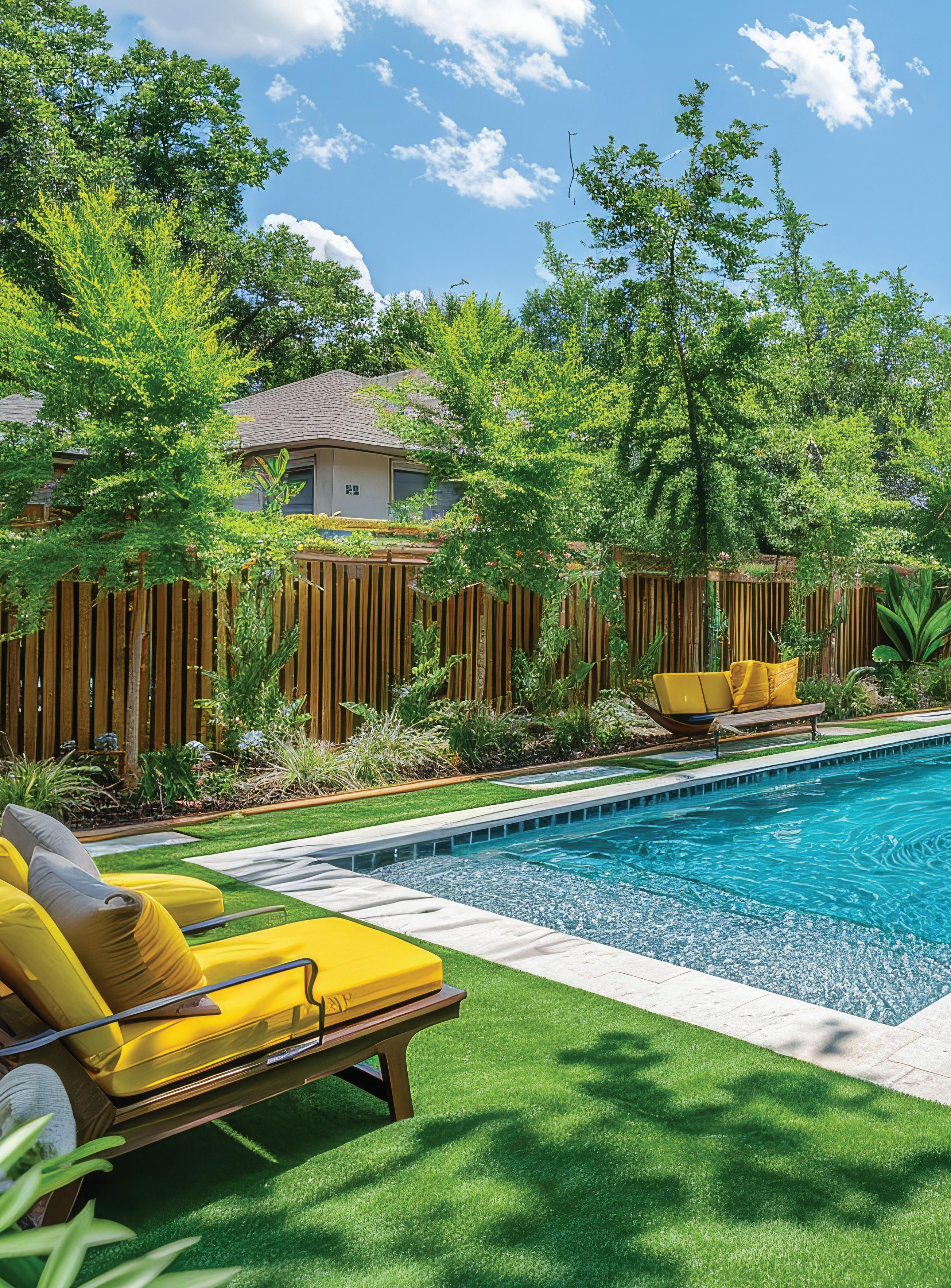

HIRI surveyed homeowners who spent $5,000 or more on a home improvement project in the past year to gather these insights. For building products retailers and manufacturers, the implications are clear: outdoor demand is not monolithic. It clusters into distinct project types with different customer profiles, timelines and purchasing behaviors.


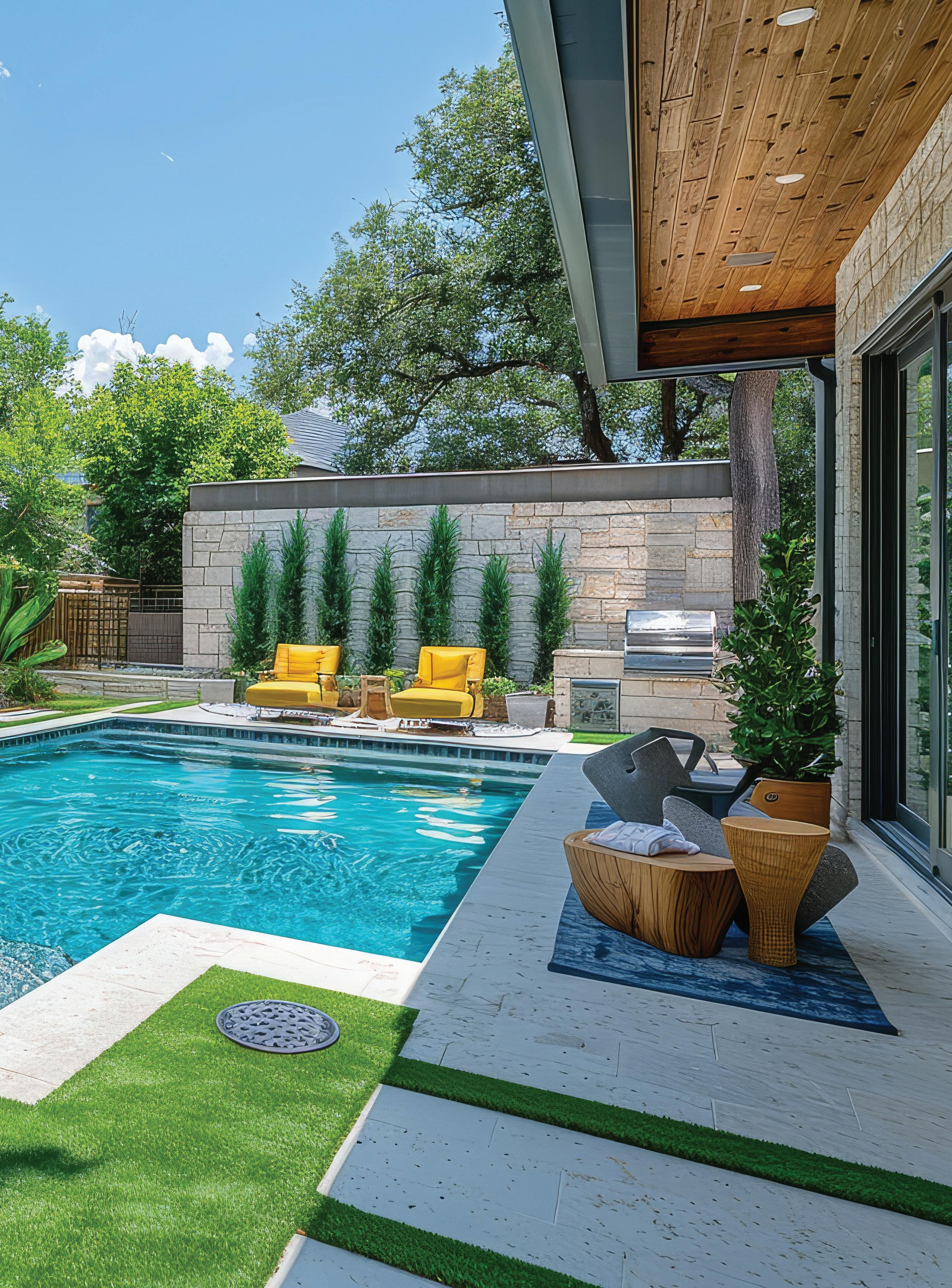

See how one retailer’s strategic product selection, rentals and events drive outdoor living sales at hardwareretailing.com/selling-outdoor-living
Generally speaking, homeowners expect to recoup roughly 60–75% of outdoor project costs at resale, with pools and outdoor living ranking highest in perceived value recovery, reinforcing their positioning as both lifestyle and asset investments.
Outdoor project choice strongly correlates with homeowner demographics. Landscaping and fencing skew older, longer-tenured and more maintenance-driven. Pools, patios and outdoor living projects skew younger, wealthier and more recently moved-in households with lifestyle-oriented motivations.
HIRI’s full research provides more data surrounding these demographic segments.

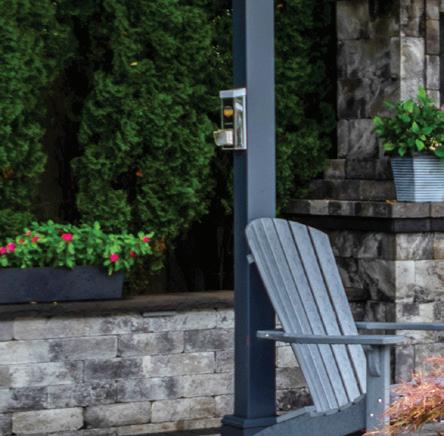
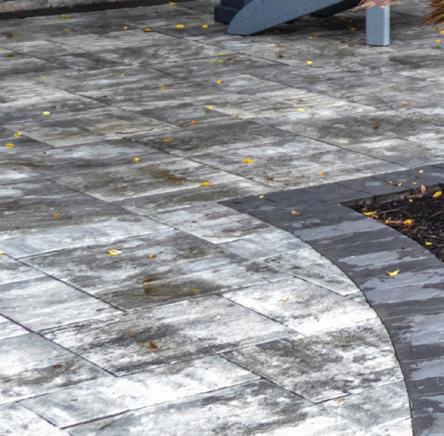

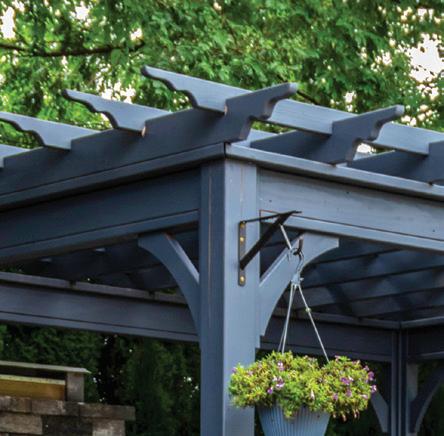
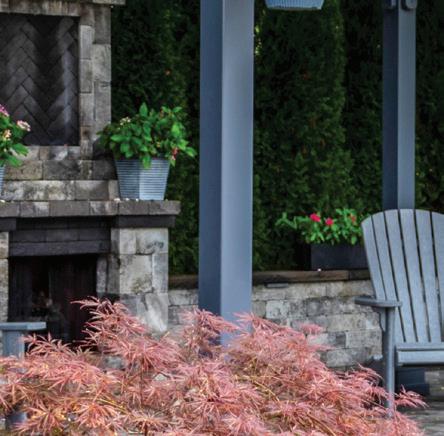
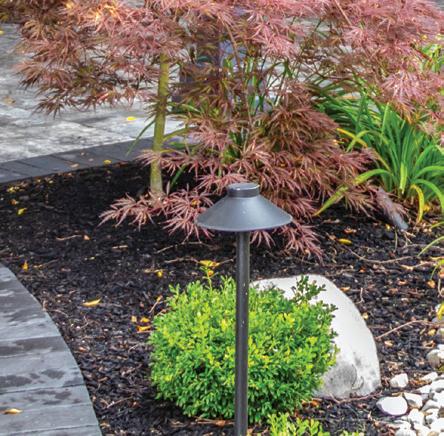


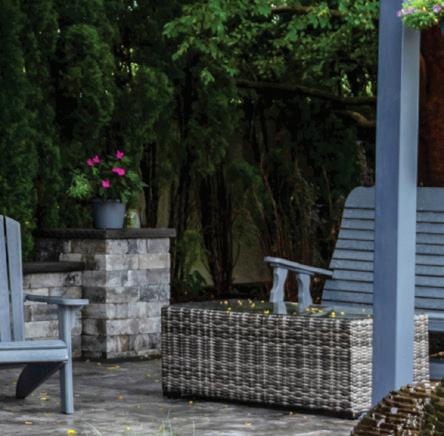

Tailor messaging by life stage. Promote durability, safety and longevity to mature homeowners. Emphasize comfort, entertainment and ROI framing for affluent, lifestyle-driven buyers.



Homeowners expect to recoup roughly of outdoor project costs at resale

s 60-75%



Contractor labor drives the majority of project costs across yard categories. Hiring is primarily motivated by expertise and quality assurance. Homeowners typically secure multiple bids and select the middle-priced option, based on HIRI’s research.
Yet material purchasing for outdoor projects remains largely homeowner-led and concentrated in big-box retail channels. Even in contractor-heavy projects, the homeowner frequently controls product sourcing decisions.
» Taking Action
Strengthen dual-path strategies: Pair contractor loyalty programs with consumer-facing merchandising and education strategies. Retailers should support pros with job-lot efficiency while also empowering homeowners who are still making material choices.

Landscaping and hardscaping serve as the connective tissue of the outdoor category. No single project type dominates as the “largest” investment, but landscaping frequently overlaps with adjacent outdoor work.
Most outdoor projects, like patio, driveway, decking and fencing projects, cluster under $25,000, forming a clear mid-tier of spending. In contrast, pools stand apart as high cost, largely standalone and disproportionately represented in projects exceeding $50,000.
Segment assortments and merchandising by project scale. Pools and high-end outdoor living require premium, project-based solutions and potentially financing support.
Landscaping and patios benefit from modular, add-on oriented programs that encourage cross-category expansion.
For additional insights, register for HIRI’s free Q2 2026 State of the Home Improvement Industry webinar. You will get a research-driven briefing on the market forces shaping homeowner behavior, demand patterns and industry performance based on the most current HIRI research. Gain practical, data-backed insights to inform forecasting and strategy in a shifting landscape. Learn more and register today at HIRI.org/webinars to plan ahead with confidence.
Decking the Decks
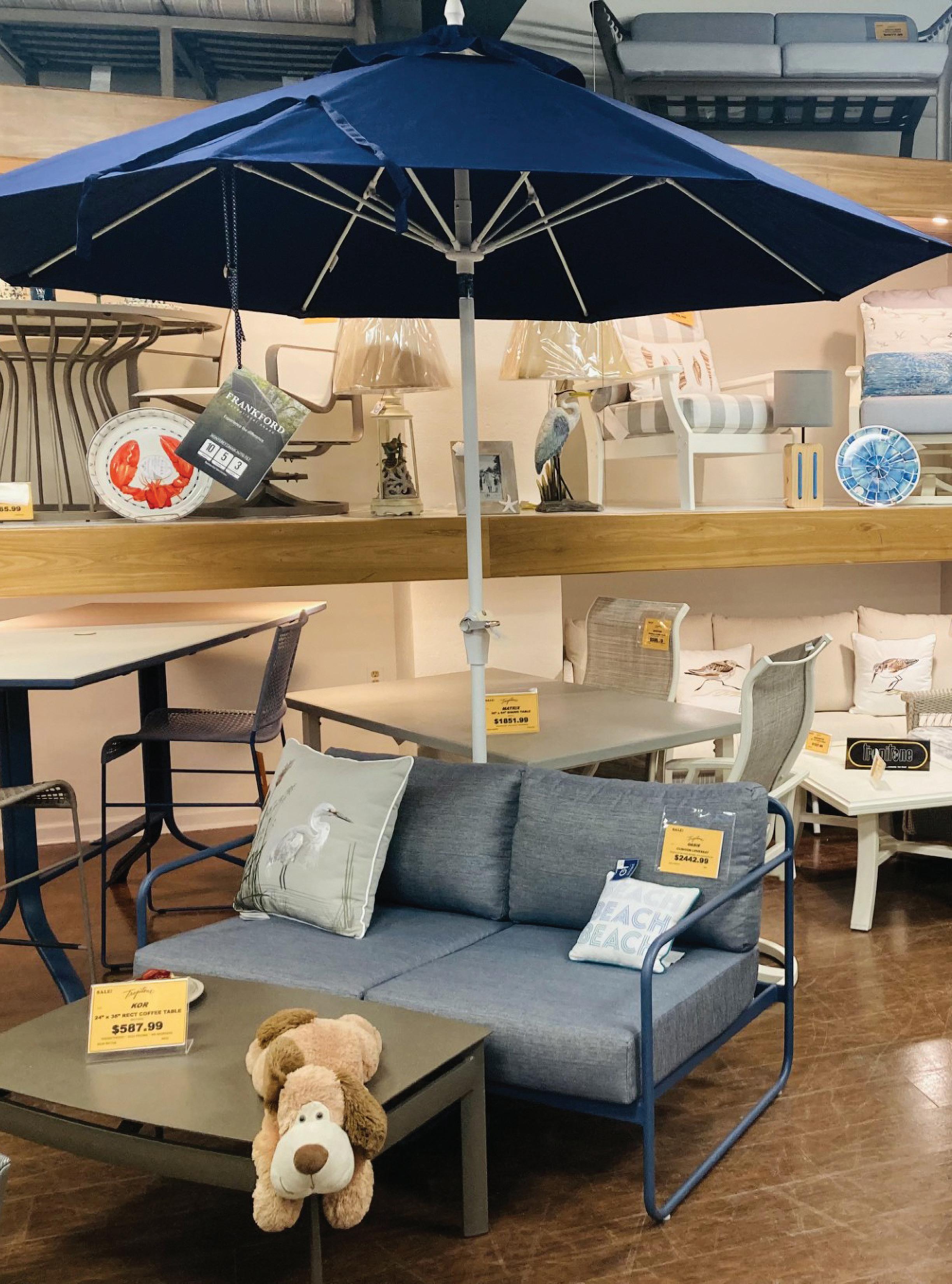
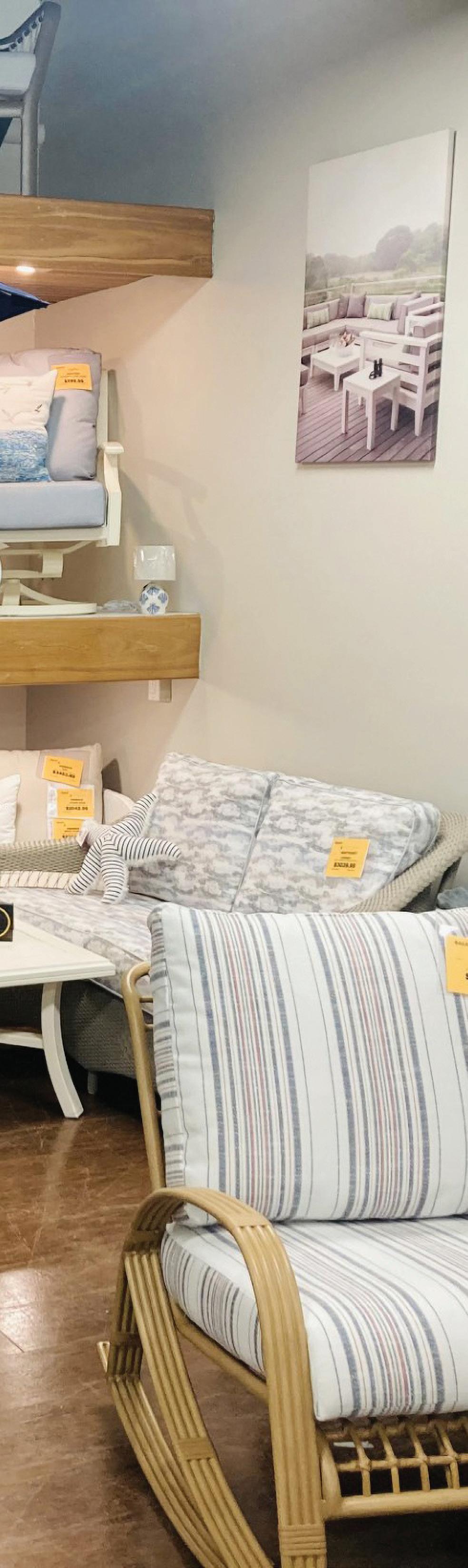
Seashore Ace Home & Outdoor Living outfits its second floor with alluring outdoor furniture displays, catering to its resort-town customer base.
BY ANNIE DAMEWORTH
For 80 years, Seashore Ace Home & Outdoor Living has been the go-to source for coastal comfort and outdoor living in the seaside community of Stone Harbor, New Jersey. Now in its third generation of family ownership, the store has grown from a small appliance and home supply store to a full-service operation offering a selection of beach, home decor, home improvement and maintenance products.
As the name suggests, the store also carries a robust selection of outdoor living items. Owner Jim Fisher and his team have created an outdoor furniture section that caters specifically to the store’s resort-town customers. From managing inventory throughout the year to keeping up with seasonal purchasing patterns and home decor trends, see how Fisher has leaned into a niche and found success in this category.

According to the Deckorators 2026 Outdoor Living Report, homeowners are seeking outdoor spaces that provide luxury living and serve as places to connect, unwind and express personal style, and contractors are combining technology and design to enhance backyards and patios to meet those needs.
“In recent years, ‘home’ has taken on a deeper meaning—not just as a place to live, but as a sanctuary for connection, comfort and renewal,” says Michelle Hendricks, director of marketing at Deckorators. “As more people choose to thrive in place rather than relocate, a powerful movement has emerged—transforming outdoor areas into extensions of the home that enhance quality of life, nurture overall well-being and boost property value.”
The report details the trends shaping how contractors, designers and homeowners approach outdoor spaces like decks, docks, patios and backyards and how homeowners are prioritizing outdoor living upgrades that balance beauty, functionality and longevity. See the key trends shaping today's outdoor design.
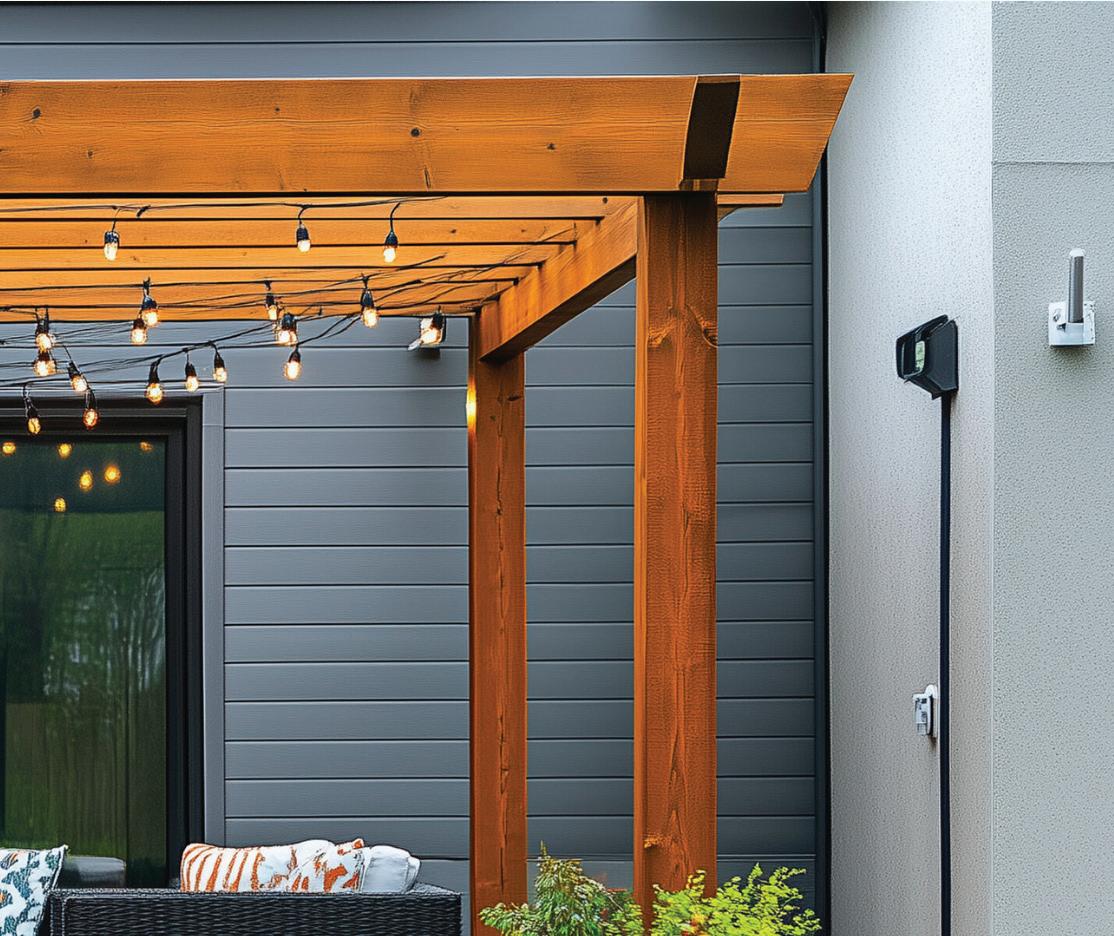
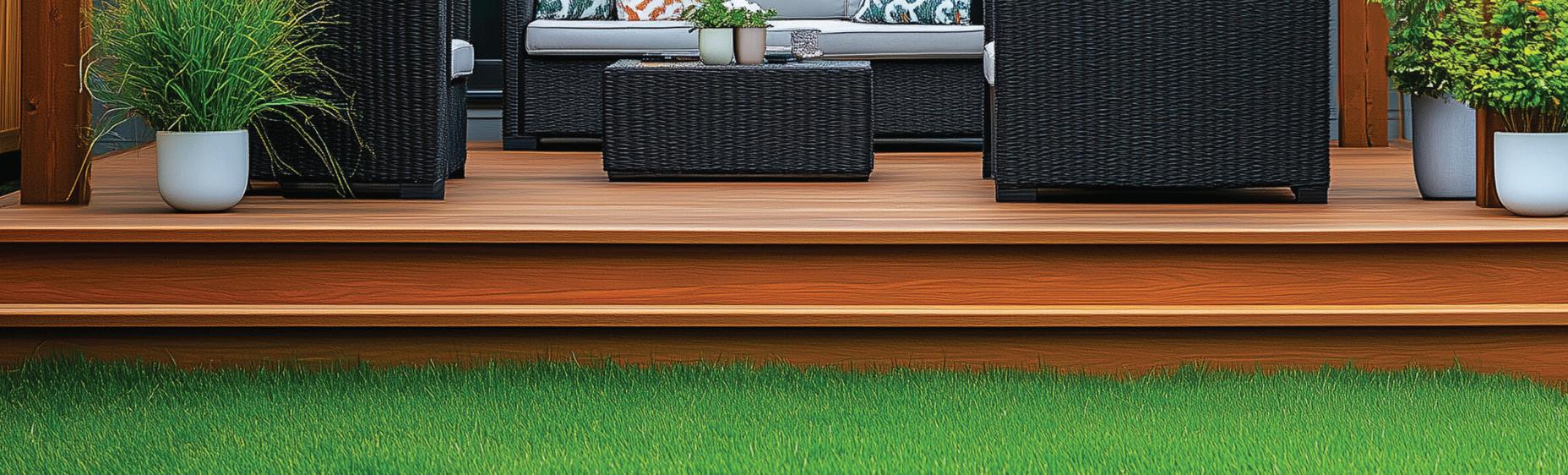
Bold accents are gaining popularity in outdoor living spaces, according to 37% of design experts. Pairing warm neutral shades with black details provides a bold look with a hint of luxury.
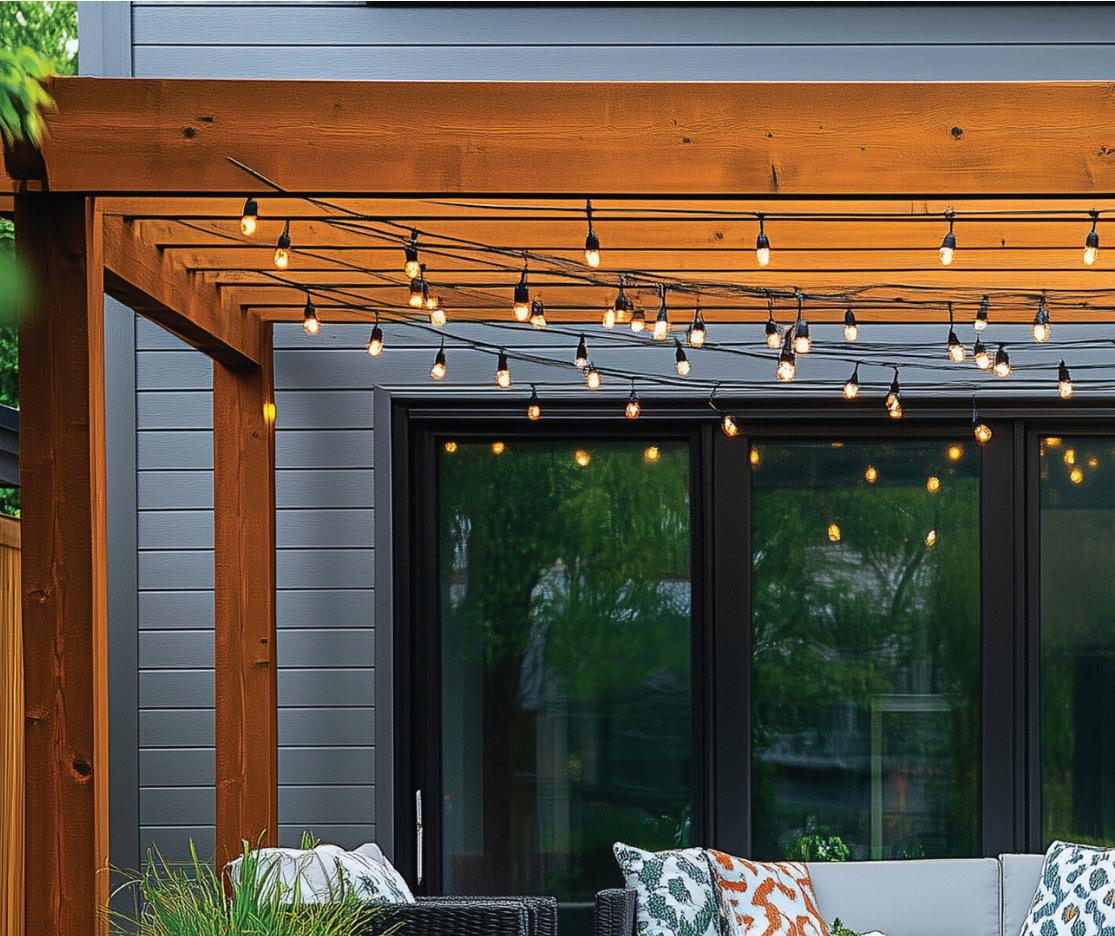
Investing in pools typically delivers an average 56% ROI, according to the report. Add a dark-toned deck and textured concrete features to a pool area or create an outdoor living room with furniture, accent lighting and built-in storage.
Waterfront living is as popular as ever today, with lakefront or riverfront properties seeing up to 25% higher resale value compared to inland homes.
In the U.S., an estimated 94 million, or 71% of households own at least one pet, according to the American Pet Products Association. Adding pet doors and ramps that seamlessly integrate into outdoor spaces gives furry friends the functionality they need without sacrifi cing a space’s overall look.
A recent study from Thumbtack and Nextdoor found 54% of homeowners say neighborhood curb appeal impacted their homebuying decision. Inviting front porches and expansive decks are top-of-mind for homeowners looking to create welcoming entrances and intentional gathering spaces while also boosting a home’s curb appeal.

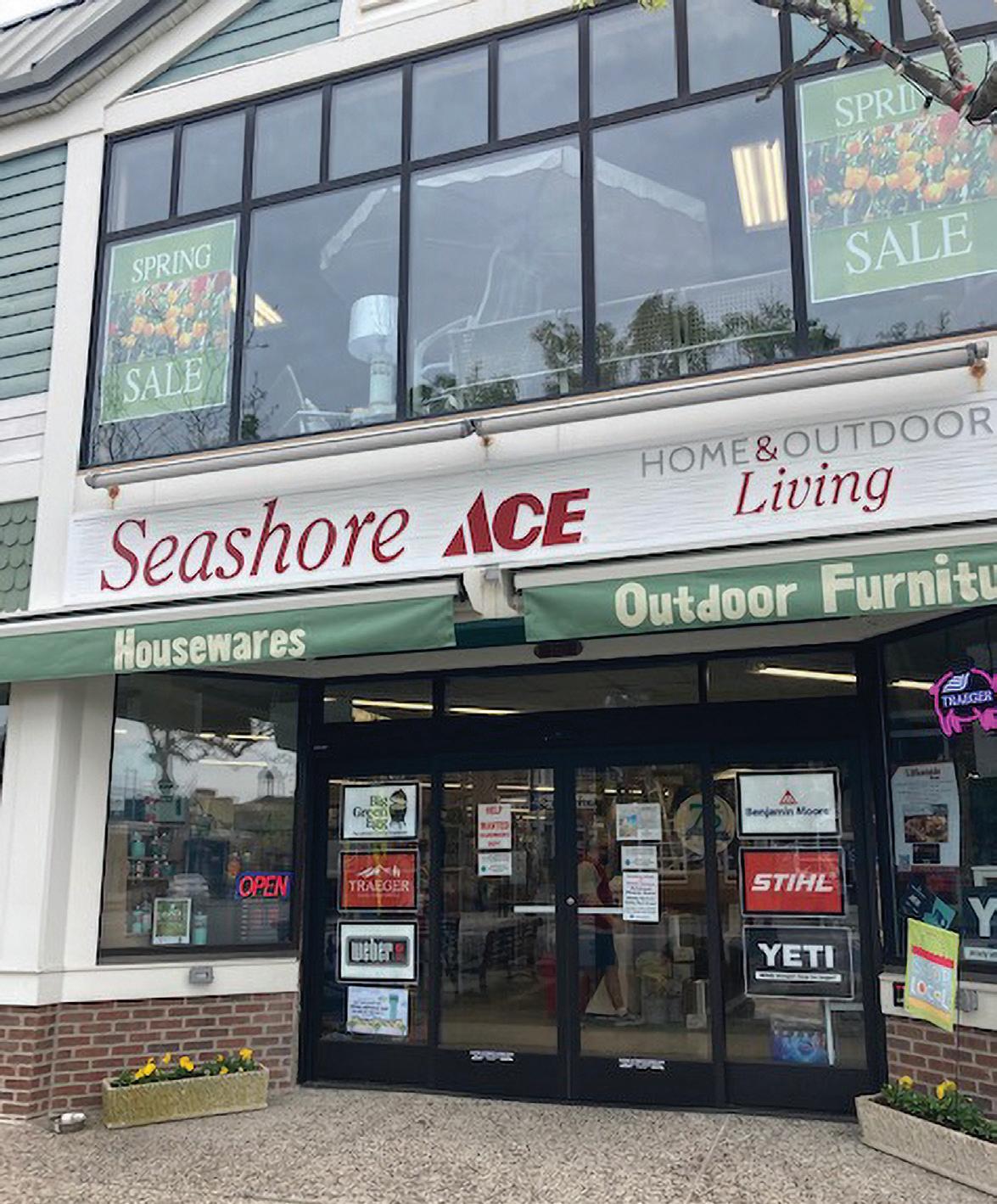
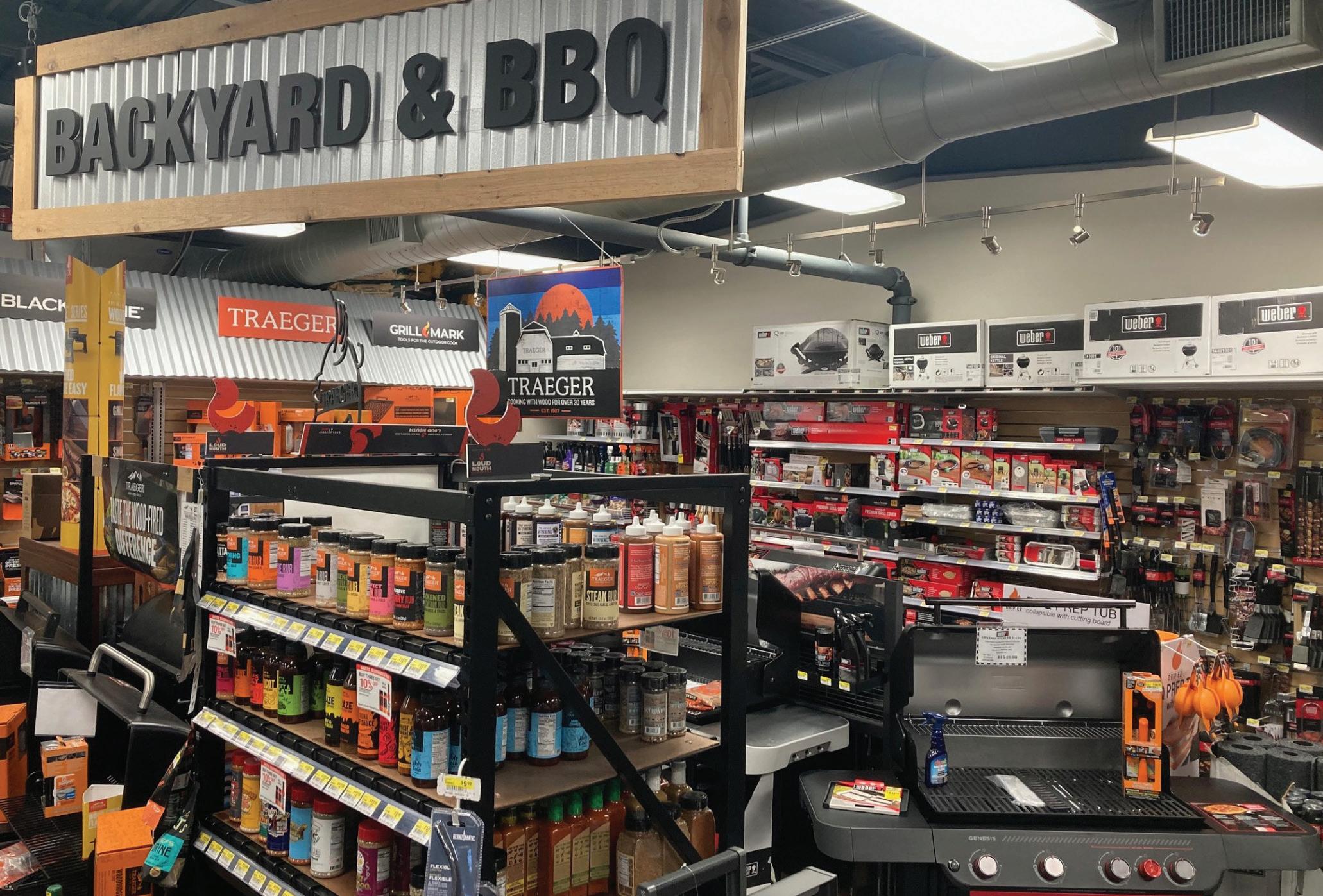
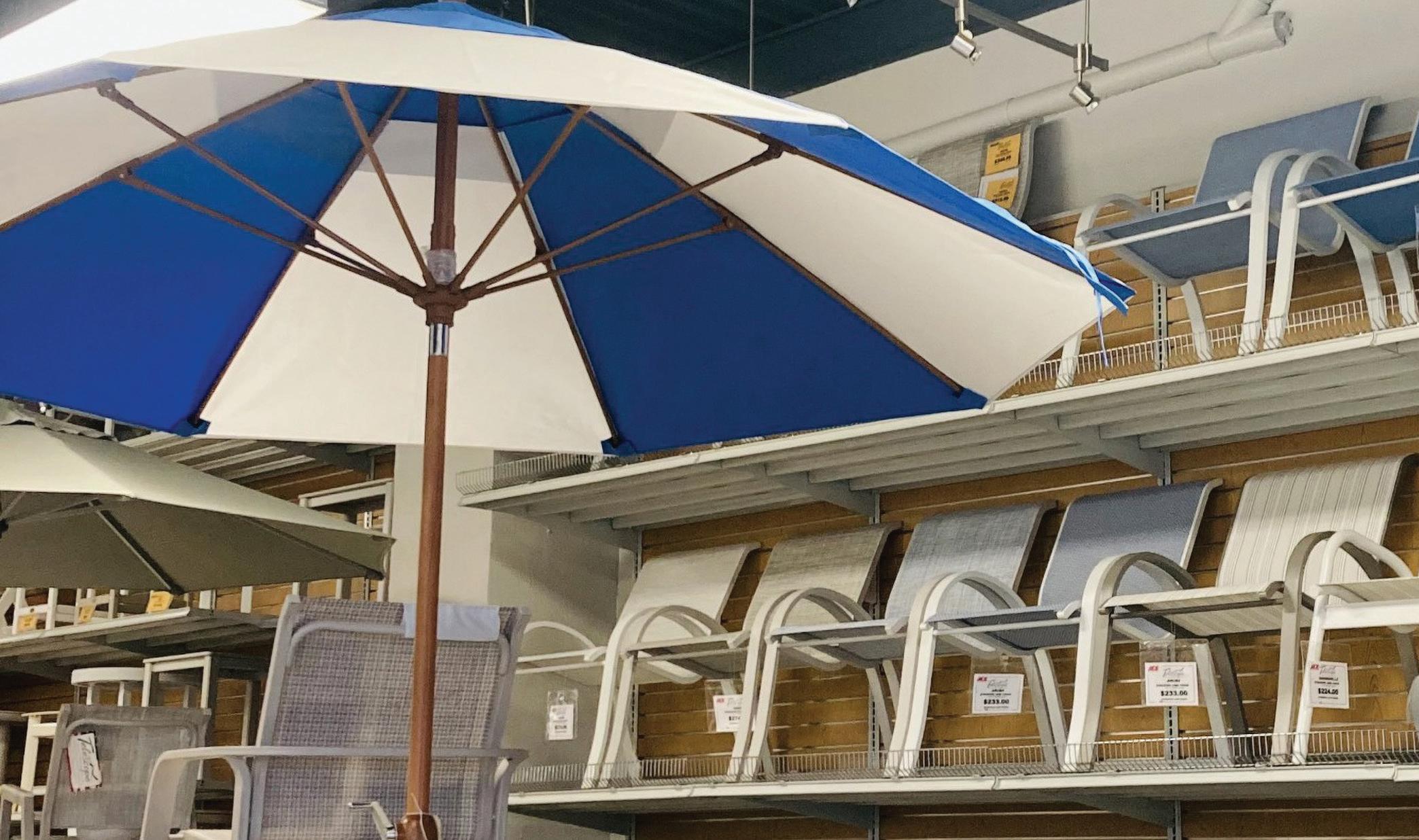
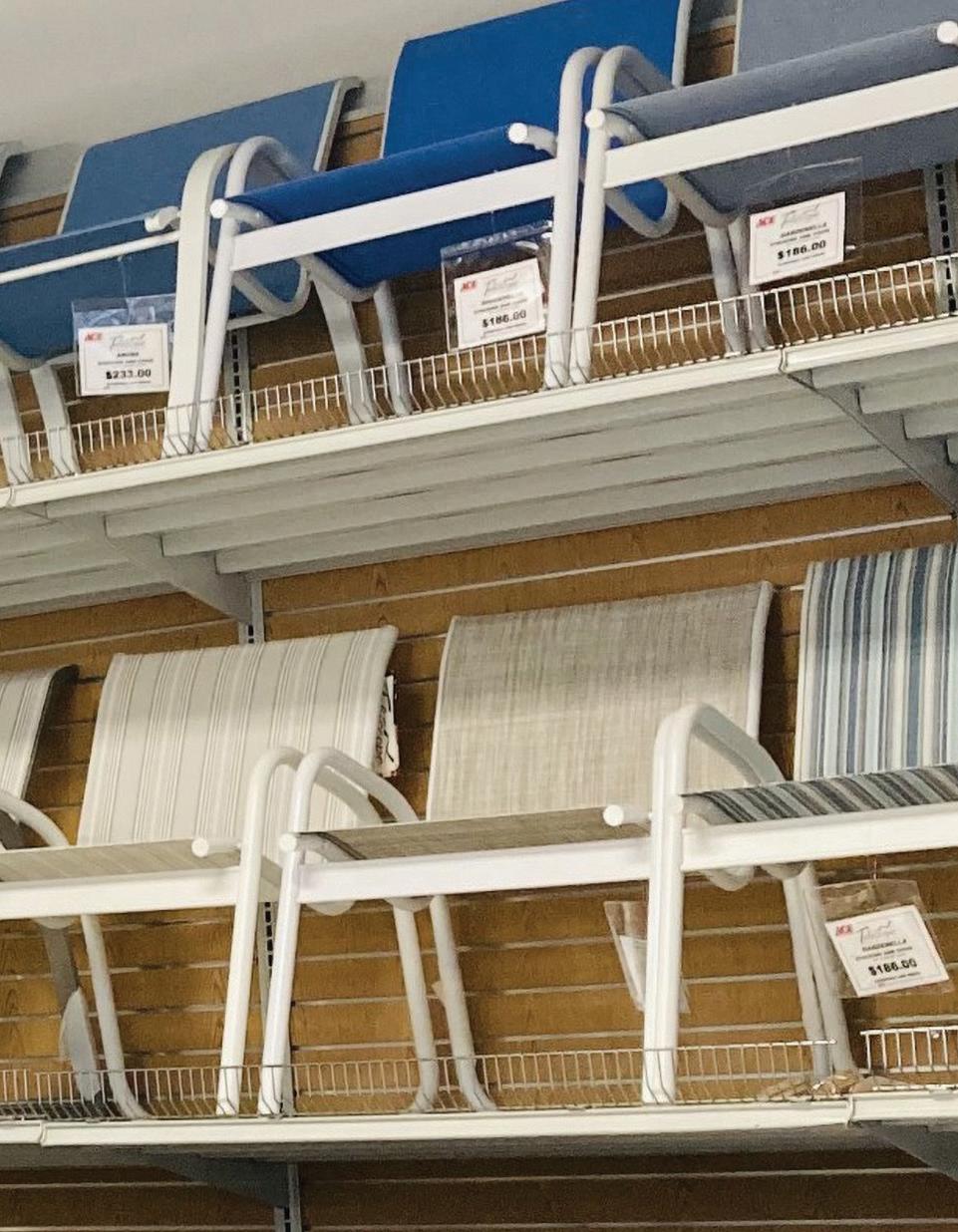
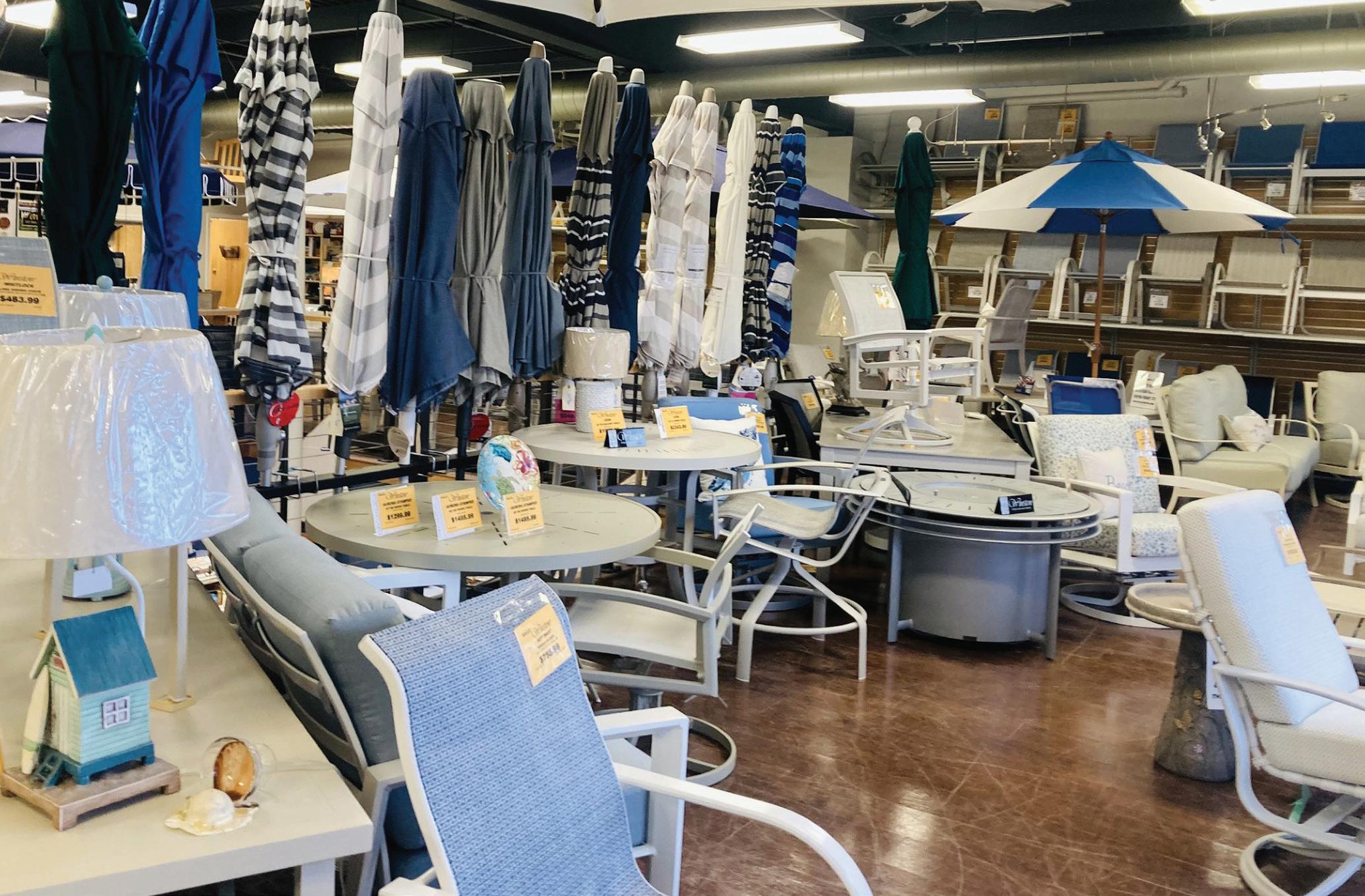
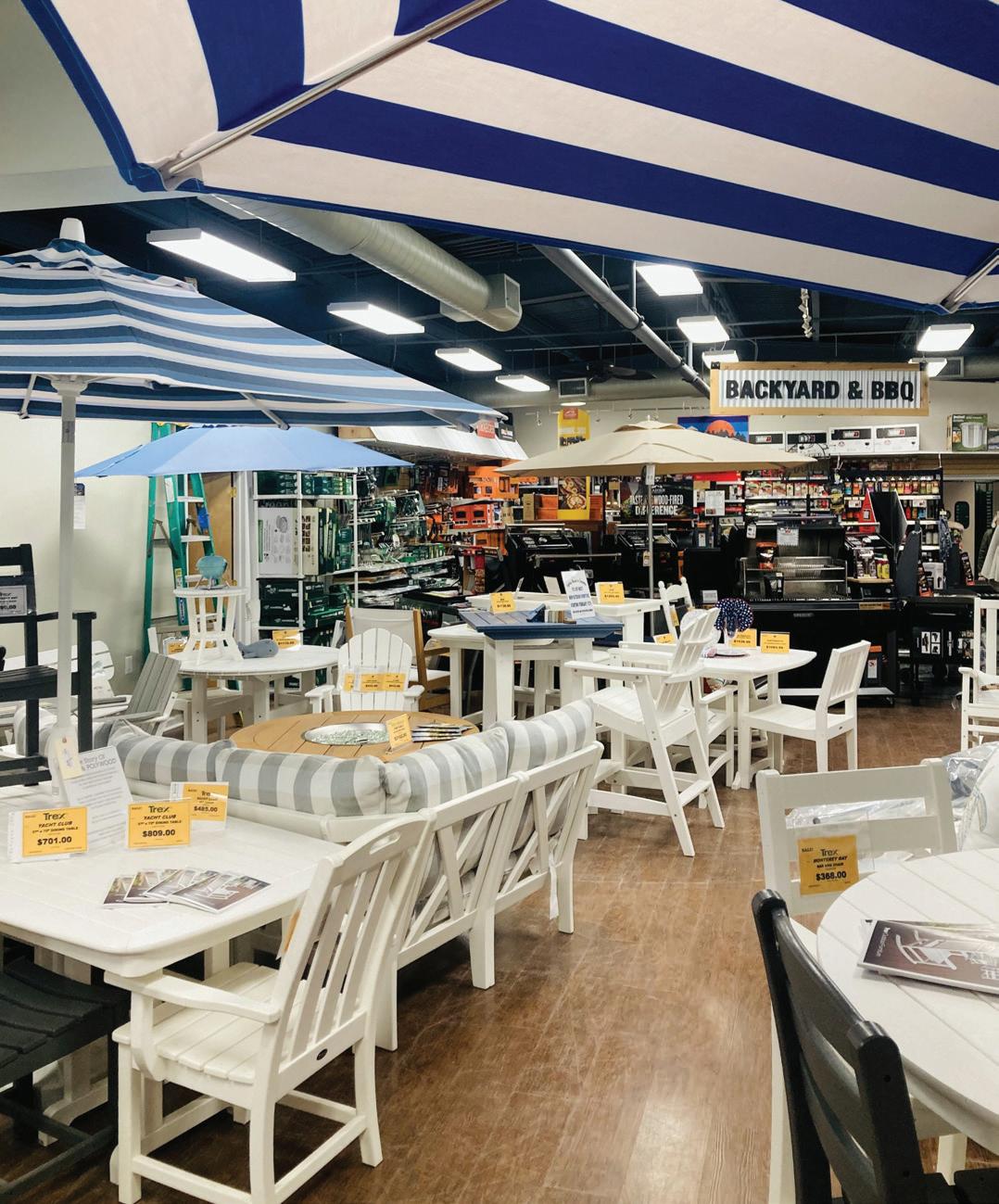
Seashore Ace is a two-story store located on a main street in Stone Harbor. The store’s second floor is fully dedicated to outdoor living items, mainly grills and outdoor furniture, spanning 7,000 square feet. Seashore Ace also sells a significant amount of add-on products alongside outdoor living products, including grill cleaning products, cooking tools and rubs, brines and sauces for grilling, furniture covers, umbrellas and bases, outdoor lighting and home decor.
“Our grills and outdoor furniture categories take up about 60% of the second floor, with the rest of the floor being stockroom and office space,” Fisher says. “This allows us to display furniture from 15 brands and seven different grill companies.”















































































See
Stocking Ahead of the Season
Stone Harbor is a resort community with a large population of homeowners who own second homes in the community. While the amount of new and rental home construction in the town provides a consistent stream of sales for Seashore Ace’s outdoor living section, it also presents challenges in keeping up with the amount of inventory needed.
“We are forced to stock quite a bit of inventory, which we do in our offshore warehouses, to have it available before the season quickly turns over,” Fisher says.
When managing a significant amount of inventory, it’s important to stay organized and create simple processes to keep products moving from the warehouse to the shelves. Regularly rotating endcaps, keeping shelves clean and store sections tidy and running sales to move out old products are good practices to not get overwhelmed with the amount of items you may have at one time.
Fisher and his team are cognizant of factors like lead times, rental dates and expected construction completions when his customers are purchasing furniture, grills or other outdoor living items.






“More deep seating and sectionals, firepits and mixed media designs that showcase homeowners’ personal style are becoming more popular.”
—Jim Fisher, Seashore Ace Home & Outdoor Living
Getting to know your customer’s motivations for making larger purchases like these is an essential step in earning customer trust and loyalty, as they know you have their best interest in mind and can help them make the best purchase decision, he says.
“We are well aware of the need to focus on what’s important to our customers to assess whether we would have time to special order items or if in-stock merchandise is the customer’s best option,” Fisher says.




Fisher closely monitors outdoor furniture and product trends to manage his amount of inventory and only stock what his customers will buy, removing any products that have gone out of style or are no longer selling.
“More deep seating and sectionals, firepits and mixed media designs that showcase homeowners’ personal style are becoming more popular,” Fisher says. “We have more second homeowners who aren’t renting, so they are thinking more about what they would want for their families.”










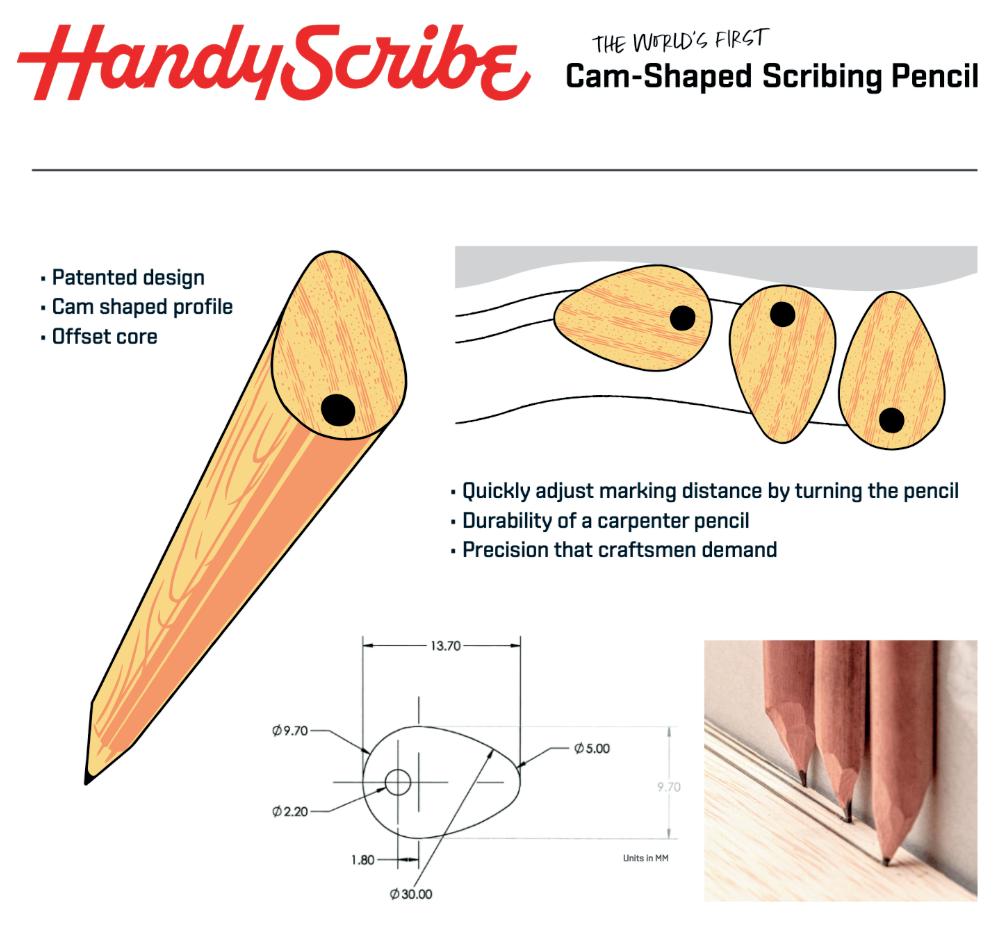
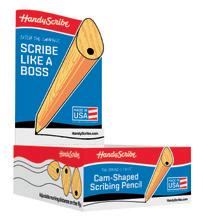
HandyScribe's patented design makes scribing easier and more accurate
The offset lead allows the user to rotate the HandyScribe to scribe without the use of a compass or any other scribing method
HandyScribe comes in 3 colors: Black, Red, and Silver
Black: Graphite: Great for use on wood, Cle, granite, etc.
Red: Wax Based: Does not wash off on a wet saw! Great for use on wood, Cle, granite, etc
Silver: Wax Based: Does not wash off on a wet saw AND reflecCve for welders! Great for use on wood, Cle, granite, metals, etc
Early spring is the busiest time of year for outdoor furniture special orders, Fisher says, as most customers will place custom orders ahead of the summer months. The weeks leading up to Memorial Day are the busiest for grill sales for the same reason.
Seashore Ace brings in adjacent sales through furniture shrinkwrap and delivery services. The delivery service is busiest during the spring and the shrinkwrap service is offered during the fall offseason, giving customers protection for their furniture during harsh winter conditions.
“Most customers who we sell furniture to take advantage of the free local delivery, and we have approximately 800 customers who utilize our shrinkwrap services,” Fisher says.











































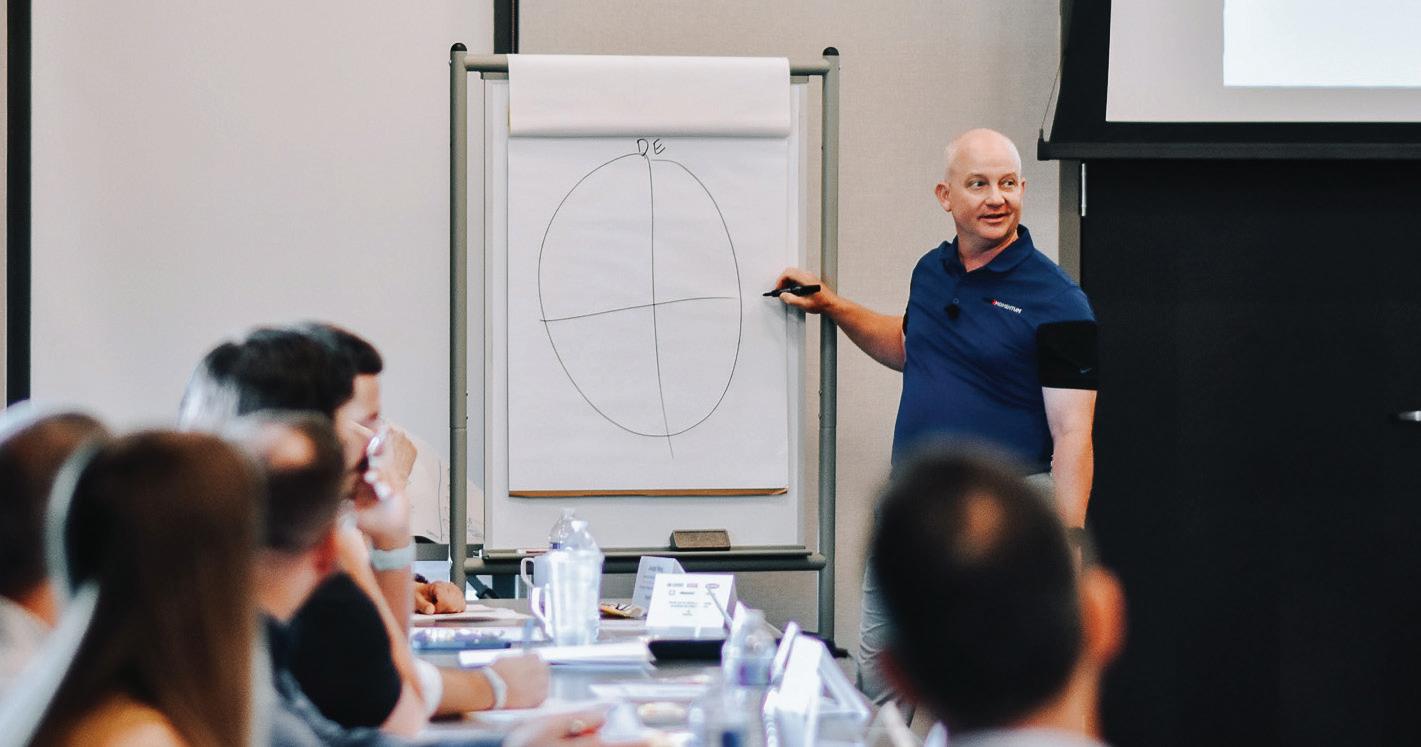























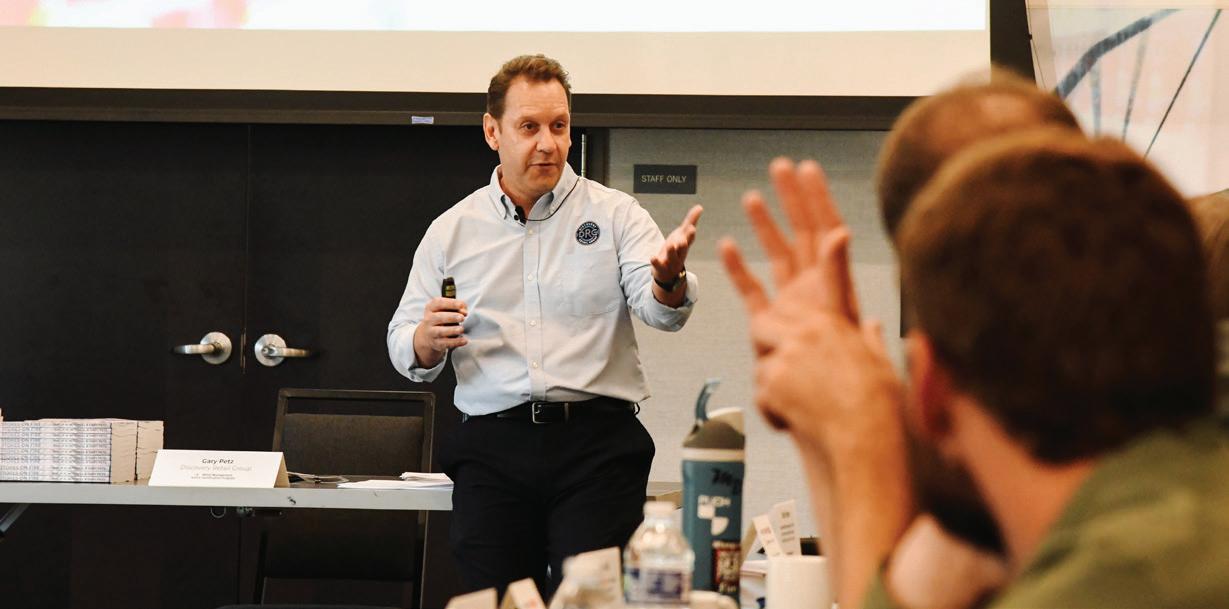
Build the leadership your operation needs with NHPA’s Retail Management Certifcation Program (RMCP). Designed for store managers, assistant managers and emerging leaders, the industry’s premier management course exists to accelerate your business’ growth and future.

Enter the program unsure of your leadership abilities; leave ready to lead teams, present ideas and drive change.
Scan the QR code or visit YourNHPA.org/rmcp
Cody Goeppner Director of Education & Training | RMCP Class of 2017 cgoeppner@YourNHPA.org
Apply every lesson immediately to solve challenges in your own store.
Learn from university professors and industry experts and receive guidance from NHPA leadership.




Connect with peers facing similar challenges— relationships that often continue long after the program ends.

Stay updated with the latest news and trends by subscribing to our daily newsletters at hardwareretailing.com/subscribe
XO acquired Kodiak Building Partners, the consolidator of lumberyards and specialty distributors, in February.
“The acquisition of Kodiak is highly complementary to our existing business,” says Brad Jacobs, chairman and CEO of QXO. “We’ll be able to deliver more value to customers across our combined base by cross-selling products and support services, and with a greater presence in key markets. And we expect the integration to accelerate margin expansion through scaled procurement, network optimization, AI-powered inventory management and other tech-enabled operating efficiencies. Our acquisition pipeline remains very active, with plenty of dry powder from our recently announced equity financing led by Apollo and Temasek.”
Dave Ables, who owns Tri-County Lumber in Clearwater, Minnesota, and 3 Sons Hardware in Big Lake, Minnesota, says as QXO integrates Kodiak with Beacon, facility consolidations and restructuring are inevitable, particularly in markets where the companies have overlapping branches.
While this acquisition could close some opportunities, Ables says he sees other opportunities amid the transition. He says independent retailers should seize the moment by showcasing the personalized service and stability that larger companies lack.
“The time is right to show customers that the independent yards are here to stay and we will provide them with consistency, market competitive prices, a family atmosphere, the same names and faces day after day and the same name on our buildings year after year,” he says.
Following its $2.25 billion agreement to acquire Kodiak Building Partners, QXO outlined how the deal fits into its
push to reach $50 billion in building products distribution by 2030.
In an exclusive interview with Hardware Retailing, Joe Checkler, senior vice president of communications for QXO, says the Kodiak acquisition expands the company’s reach in a meaningful way.
“Kodiak triples our current addressable market to $200 billion,” Checkler says. “It puts us into every major building product category.”
With Kodiak, QXO adds exposure to lumber, trusses, gypsum and construction supplies, along with fabrication, assembly and installation capabilities. Kodiak holds No. 1 or No. 2 positions in many of its local markets, particularly across the Sun Belt and Mountain states.
Checkler says the deal aligns with chairman and CEO Brad Jacobs’ strategy, which is to target large, fragmented
20 vendors already work with QXO, Checkler says. That alignment supports cross-selling across roofing, waterproofing, siding, decking and lumber.
The deal also reflects price discipline. QXO paid roughly 10.7 times EBITDA for Kodiak, a multiple Checkler says falls to about 7.3 times when factoring in expected synergies.
“Brad always says overpaying is a cardinal sin,” he says. “Future acquisitions will depend on finding the right asset at the right price.”
As QXO integrates Beacon and prepares to add Kodiak, technology is at the center.
“We’re very much focused on the technology,” Checkler says.
Technology, he says, will drive margin expansion and operational efficiency rather than simply expanding the footprint.
As housing starts and labor conditions continue to fluctuate, rather than
“We’ll be able to deliver more value to customers across our combined base by cross-selling products and support services, and with a greater presence in key markets.”
—Brad Jacobs, QXO
industries with strong demand drivers.
Building products distribution represents an $800 billion total addressable market, with roughly 20,000 companies across North America and Western Europe, Checkler says. That fragmentation creates room for continued consolidation.
“When Brad picked the home improvement industry, it checked all the major boxes,” Checkler says.
The acquisition of Kodiak also fits operationally, as sixteen of Kodiak’s top
attempting to control industry trends, Checkler says QXO aims to position itself to capitalize on improving conditions.
“We’re focusing on what we do and taking advantage of when all of those markets turn,” he says.
Checkler says QXO will pursue additional acquisitions as opportunities arise, guided by cultural fit and financial discipline.
“Growth will come through a mix of acquisitions and operational improvement,” Checkler says.
























































DEADLINE MARCH 29, 2026
Over three decades, NHPA’s Young Retailer of the Year Awards program has recognized retailers under 35 who lead with impact, drive results and inspire their teams. Your nomination helps highlight the next wave of industry leaders.




Don’t Wait: Nominate a Standout Leader



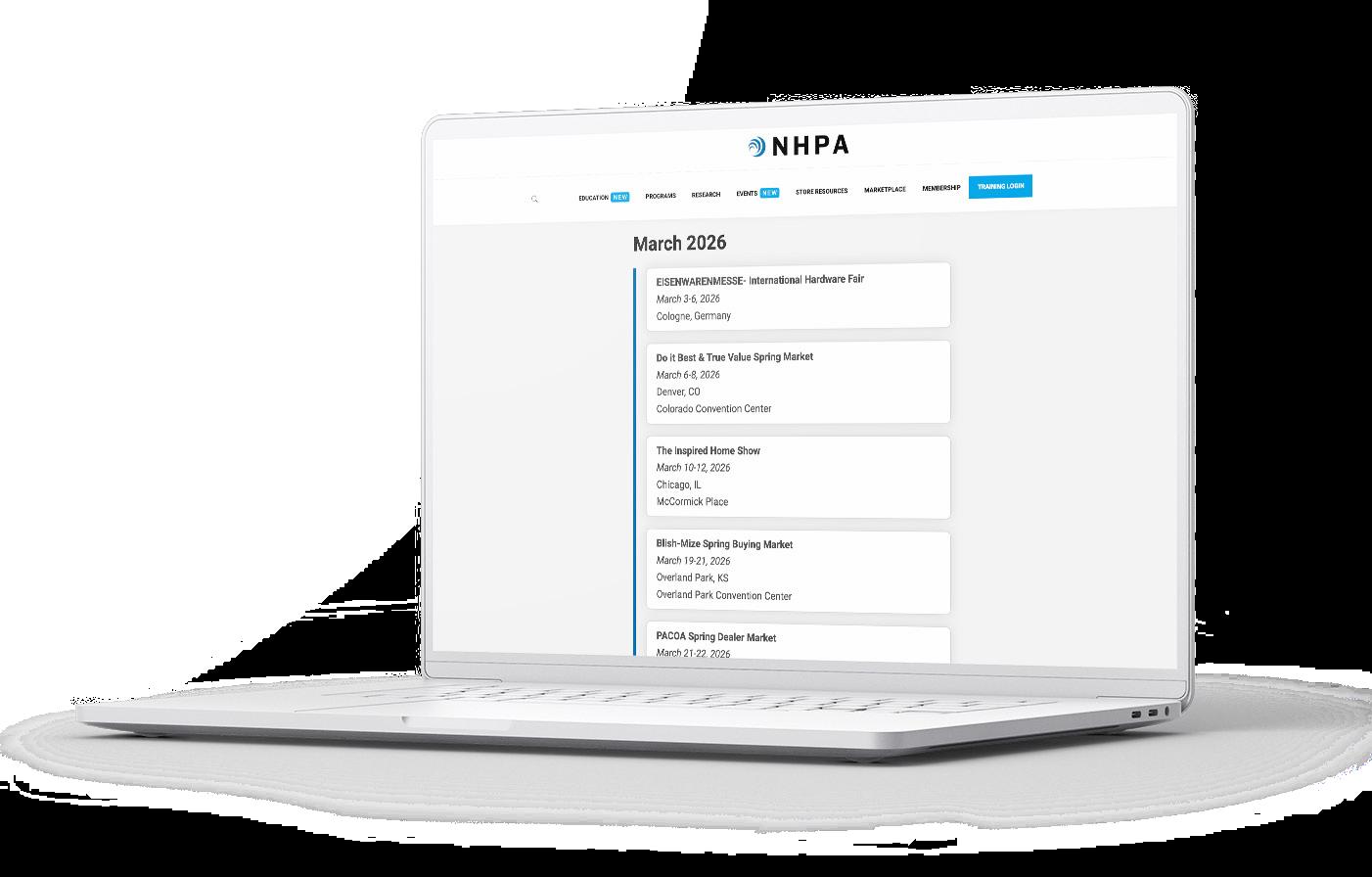
Scan the QR code to see our full list of industry events. YourNHPA.org/cal
To add your event to the industry calendar, send an email to editorial@YourNHPA.org
Learn how one retailer implemented a comprehensive wellness program at hardwareretailing.com/culture-of-wellness.



Retail employees in all industries are working long hours, dealing with draining customer interactions and enduring stress due to understaffing levels.

to the organization and customer responsiveness.

Research from UKG found that 76% of frontline employees felt burnt out at work in 2025.


As your largest asset, prioritizing the well-being of employees should be a top focus for business leaders and managers today to improve the mental and physical health of staff members. Providing opportunities to step away from work to focus on health is a way to show employees you care and boost both morale and performance in the workplace.


A recent study conducted by the University of South Florida evaluated the effectiveness of wellness programs in motivating frontline employees, like cashiers and retail clerks, through measuring various factors, including feelings of being valued, a sense of indebtedness


Participants of the study ranked wellness programs involving food and social gatherings at the top, followed by mindfulness activities. Programs offering physical and health wellness benefits, like gym memberships or flu-shot drives, ranked the least popular.
“The recommendations for any business, small or large, is when you’re having these wellness programs, the ones that foster nourishment and connection have stronger downstream effects on customer-related positive effect,” says Dipayan Biswas, a marketing professor at the University of South Florida and co-author of the study.


Whether it’s organizing a food truck day, offering a midday mindfulness session or starting a companywide walking challenge, consider adding a wellness program to your operation.




• Install bike racks so employees can bike to work
• Offer healthy snacks in your break room
• Encourage stairwell use by displaying posters in strategic locations
• Provide smoking cessation resources and incentives


• Host CPR and first aid training classes
• Start a library where employees can share books
• Create a comfortable, private space for nursing mothers to pump breast milk
• Give employees bring your dog to work or casual dress days






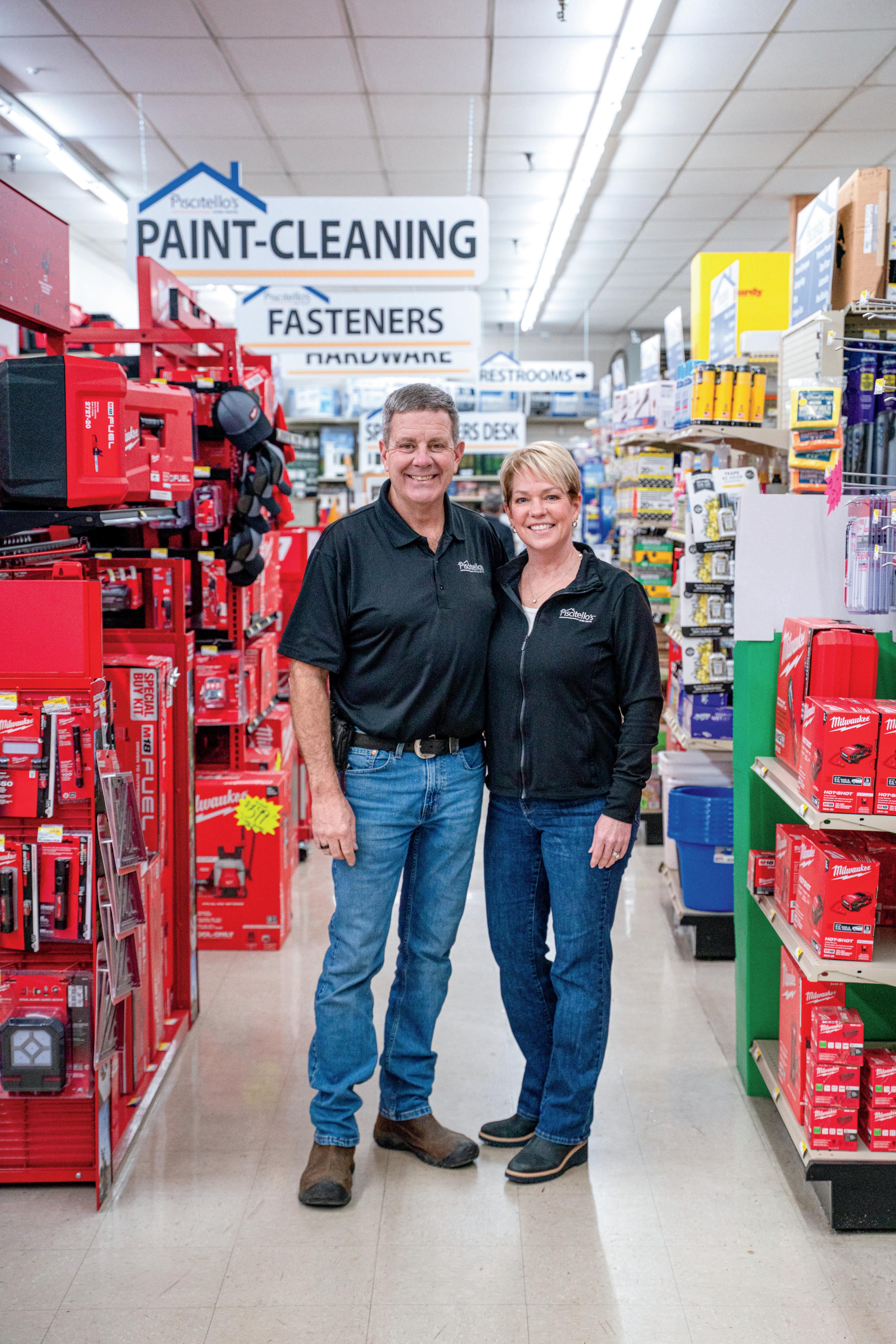
We’ve spent most of our careers in construction, remodeling and local real estate investment, so when we purchased Piscitello’s Home Center in August 2022, some wondered why we were entering hardware retail While the property itself had value, we saw a greater opportunity: not just to acquire an aging 36,000-squarefoot building, but to restore a long-standing community institution and reimagine what a local home-improvement destination could be.
For more than 65 years, Piscitello’s served this community with a strong local reputation. Over time, however, the business had fallen behind, with outdated systems, reduced hours, limited assortments, and a shrinking customer base While we had no retail background, we understood how to build, problem-solve, and create value With Orgill’s support, we undertook a full transformation installing a modern POS system, redesigning the store layout with 8-foot gondolas, improving merchandising, upgrading our digital presence, and completing a full interior renovation, all while remaining open.
The most pivotal decision came when we created a multi-tenant homeimprovement community on the property. Today, Piscitello’s anchors the site alongside three new pole buildings for building materials and a diverse mix of local service businesses. In total, eleven businesses now operate here.
Together, we create an experience big-box retailers can’t replicate one built on collaboration, expertise, and genuine community support Piscitello’s now operates seven days a week, has grown from eight to eighteen employees, and continues to welcome both DIY customers and contractors.
What began as a property purchase became something far greater: the revitalization of a true community asset And for us, this is only the beginning


ave Lisa Colver
Owners | Piscitello’s Home Center | Easton, Pennsylvania