
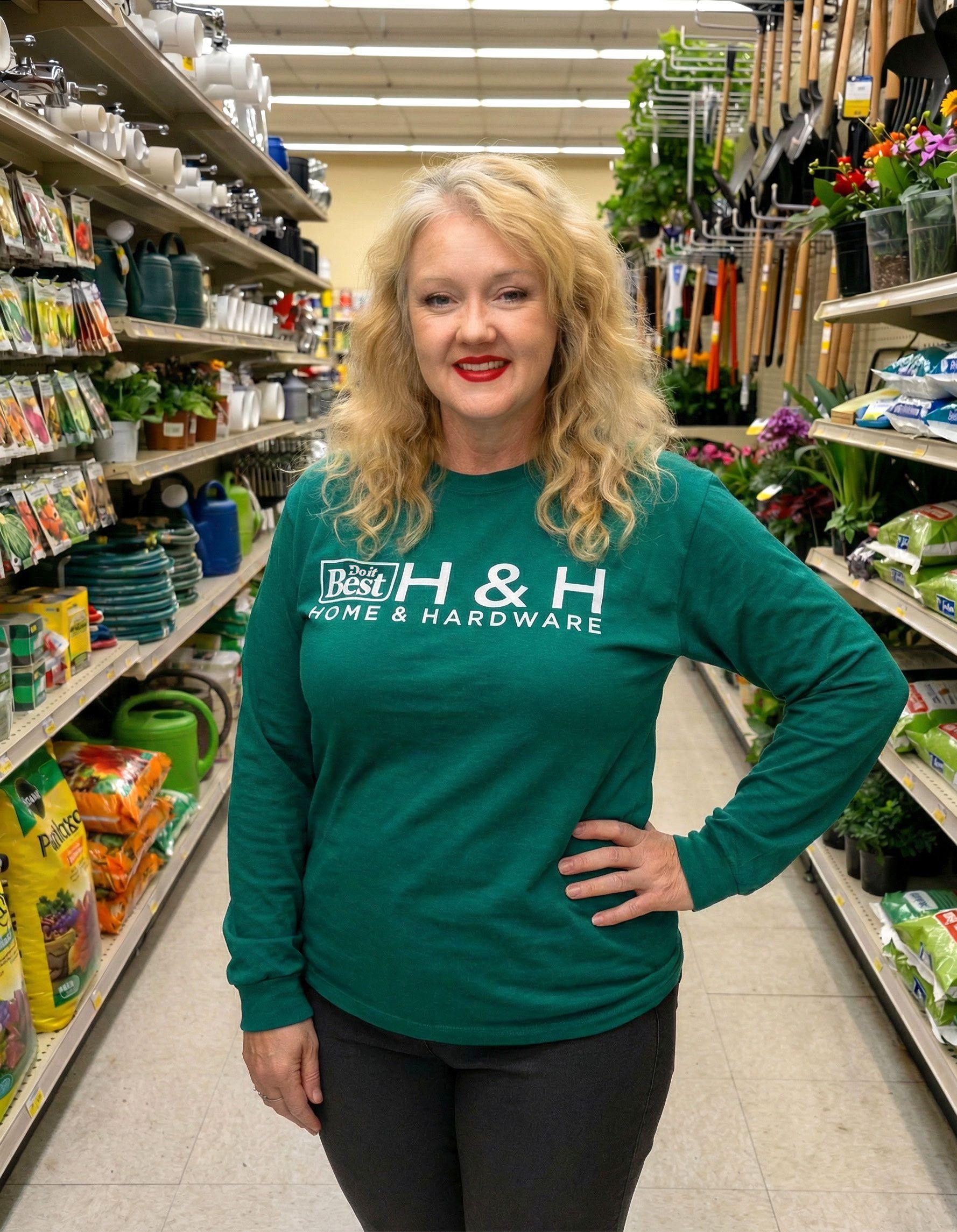
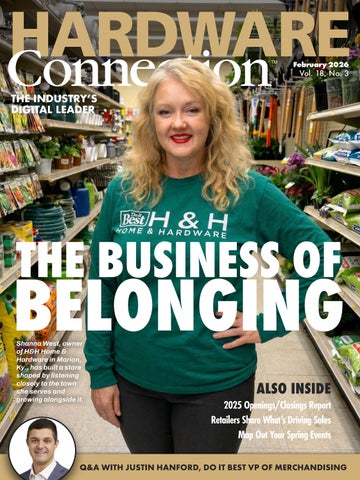
Shanna West, owner of H&H Home & Hardware in Marion, Ky., has built a store shaped by listening closely to the town she serves and growing alongside it.


CUSTOMER SUCCESS STORY #3
Whenever I’m asked what makes Morris Hardware special, I start with our story Founded in 1845 by George Morris, our business has been part of the McConnelsville community for 180 years and remains one of the oldest continuously operating, family-owned hardware stores in the country. Today, his great-great-great-greatgreat-great-grandson, Tom Schanken, and I are honored to carry that legacy forward
This business has weathered wars, depressions, pandemics, and the rise of big-box and online competition. Through it all, our small-town spirit and commitment to serving our employees, customers, and community have held strong. Our customers are our neighbors contractors, farmers, and DIYers and we take pride in being the heart of Main Street.
But even a 180-year-old business must evolve. When we realized our previous supplier wasn’t helping us stay current, we looked for a partner who shared our values. That came in 2023 when we were introduced to Orgill. I first got to know Orgill through our sales rep, Jake Thompson, whose genuine kindness and willingness to help made a lasting impression When it came time to make a change, the choice was clear.
Orgill’s team worked alongside us during the conversion, helping modernize assortments, refresh key departments, and refine pricing while respecting our independence Today, Morris Hardware is better positioned to serve modern customers while proving that personal service and community connection never go out of style and we’ve found those same values in our supply partner
Shayna Roberts
Co-Owner, Morris Hardware | McConnelsville, Ohio

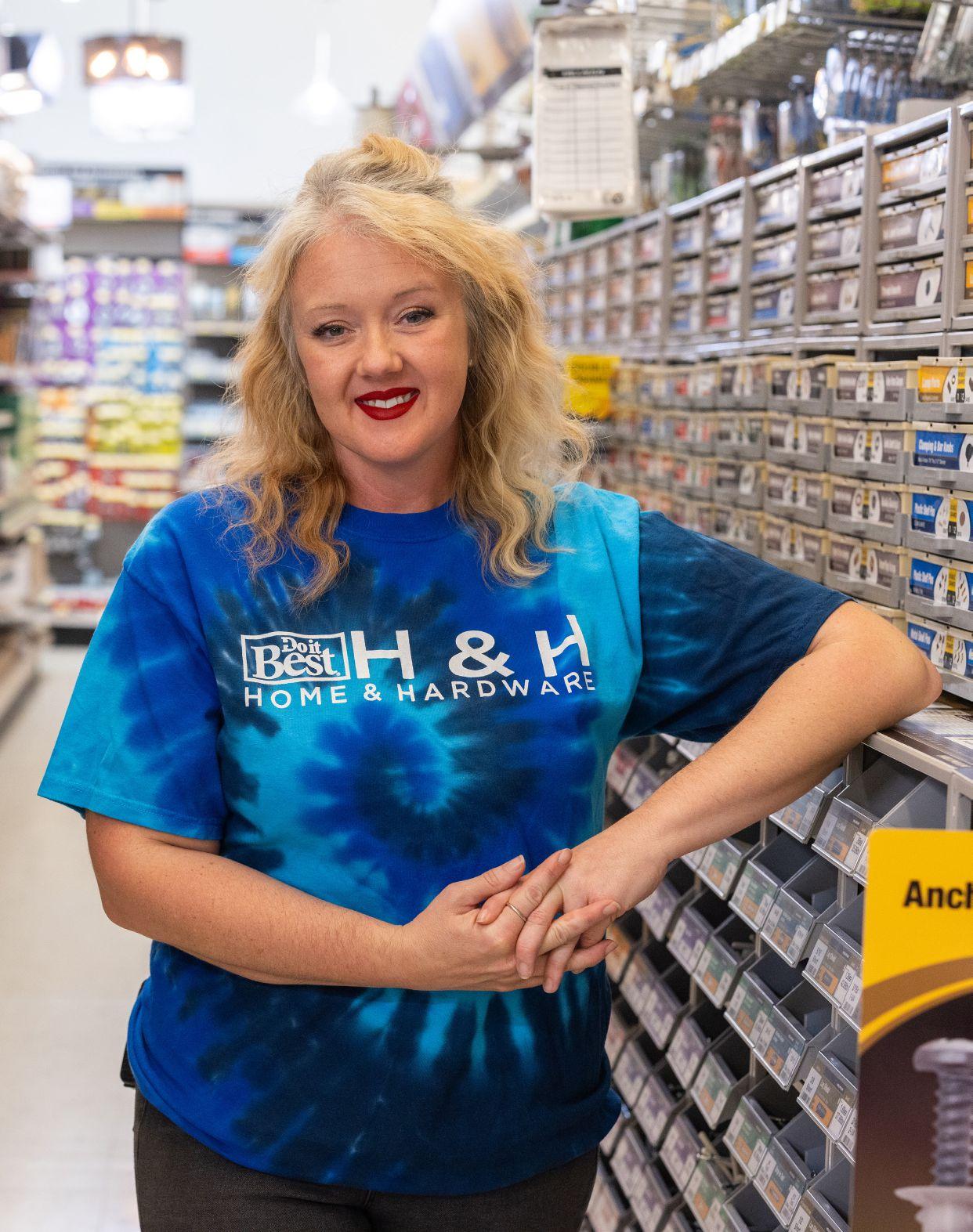
Shanna West, owner of H&H
Home & Hardware in Marion, Ky.:
“How goes your hardware store, goes your community.”
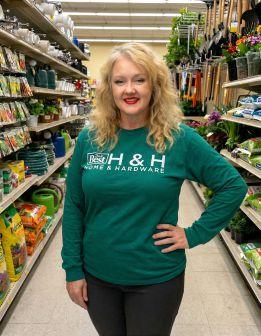



Marion, Ky., evolved from a contractor supply business into a store thoughtfully shaped by how its small community grows.



A discussion with Do it Best vice president of merchandising Justin Hanford about the discipline behind one’s assortment strategies, lessons from the first combined Do it Best/True Value Markets and where “quiet” category opportunities are emerging for
retailers.
Store counts stayed steady in 2025, but behind the numbers, megadeals, tighter financing and regional growth patterns reshaped where independent hardware and home center stores opened, consolidated or closed.
Steve Henry looks back on the decisions, challenges and leadership principles that shaped his tenure at House-Hasson.
Hardware Connection is published twenty-four times a year by The Hardware Connection, Inc. All editorial contents copyrighted 2026 by the publisher. No editorial may be reproduced without the prior permission of the publisher.
The Hardware Connection, Inc. 92300 Overseas Hwy, Unit 307 Tavernier, FL 33070 TheHardwareConnection.com


OBy Doug Donaldson
ne of the privileges of this job is regularly getting the chance to talk with the people who shape the independent channel—not via impersonal press conferences or earnings calls, but on market floors, hotel hallways and quiet conversations between sessions. Over time, patterns emerge. You start to recognize who leads merely by position and who leads by presence.
I’ve interviewed Steve Henry multiple times over the past few years, in different contexts and under very different circumstances. What stands out is no single quote or business observation but rather his consistency. There’s no corporate varnish, no rote talking points polished to within an inch of their lives. What you hear is what he means, and what you see is what you get.
That was evident during our recent conversation at the House-Hasson dealer market in Nashville, Tenn., where Henry reflected on his time leading House-Hasson Hardware and the decisions that shaped it. He talked about listening first, trying to improve every day and navigating moments for which there was no playbook. His
“ WHAT YOU HEAR IS WHAT STEVE HENRY MEANS, AND WHAT YOU SEE IS WHAT YOU GET. ”
reflections were practical, grounded and honest—much like the company he has helped steer.
That same straightforward tone has surfaced repeatedly in my conversations with Henry over the years.
In 2022, as independent retailers and distributors worked to support communities recovering from Hurricane Ian, I spoke with Henry for a article reporting on how the channel was responding. At the time, HouseHasson, like other wholesalers, was actively helping dealers in affected areas regain their footing: moving product, restoring access and doing what distributors are often called on to do when systems break down.
Henry downplayed House-Hasson’s role, redirecting credit toward dealers and employees on the ground. His


focus stayed on what needed to be done, not who deserved applause.
That same innate modesty was evident again in a separate Q&A , in which he spoke about leadership, markets and the state of the independent channel. Even when discussing challenges—succession, disruption, uncertainty—his answers were direct and unembellished. He didn’t oversell solutions or pretend complexity away. He spoke plainly, from experience, without hedging behind buzzwords.
Sometimes those in the c-suite feel they need to borrow language from the boardroom, far removed from the hardware sales floor. But independent hardware and building supply
businesses operate in real time, with real consequences. Leadership in that context needs clarity, specificity—and reality. Acquiring and demonstrating such leadership means listening, trusting and forming strong relationships among distributors, dealers, vendors and communities.
Henry’s approach has always exemplified that. Whether he’s discussing disaster recovery, market strategy or his own transition out of the role, the through line has been the same: Stay grounded, stay accessible and keep the focus where it belongs.
That’s a privilege to witness up close. And it’s a reminder of why the independent channel, at its best, still works the way it does. n


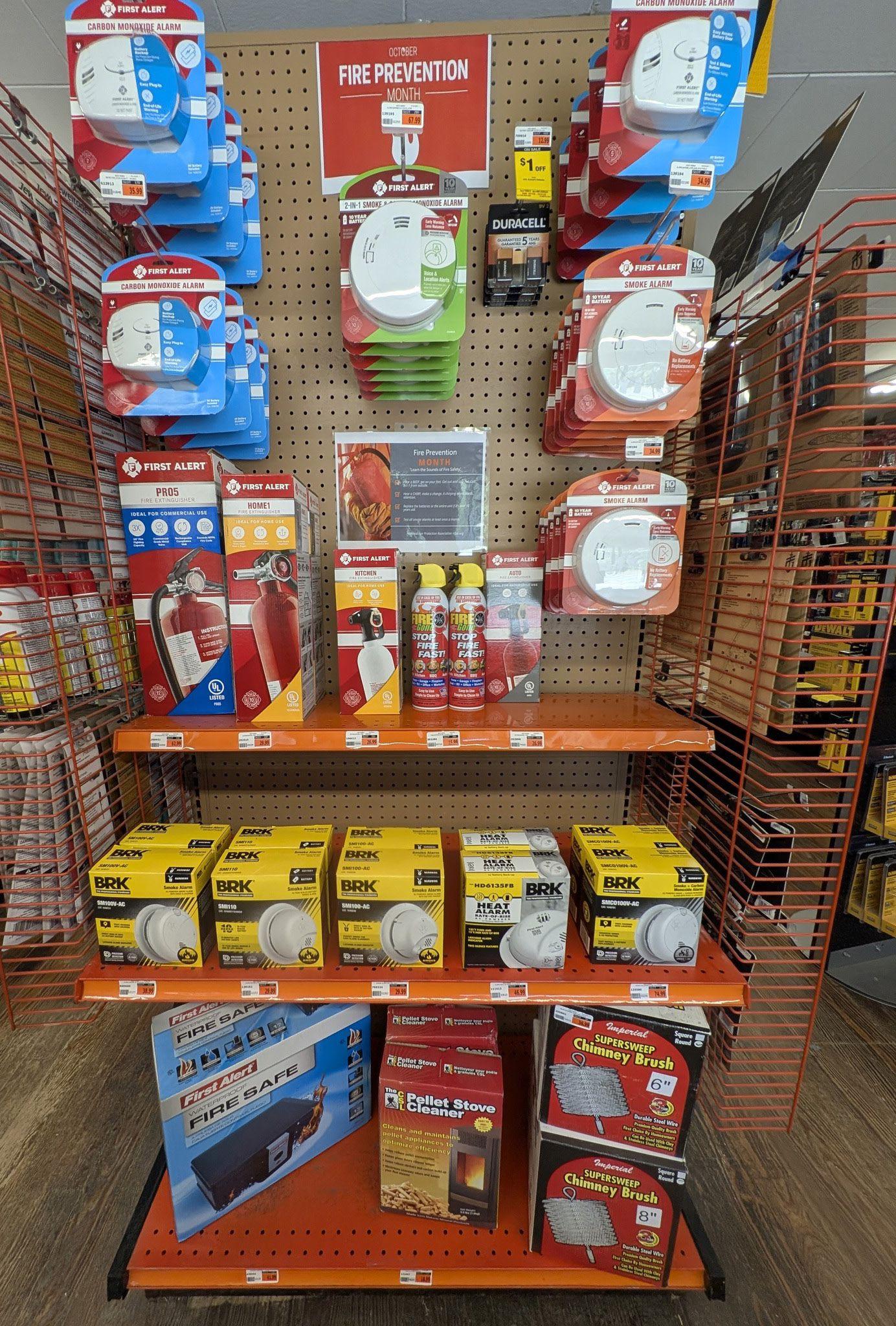

Acustomer came into the store to talk through a plumbing situation. While we were dis- cussing it, he mentioned he had black soot on his kitchen cabinets, noting that he turned up the gas fireplace high during cold weather.
We took care of the plumbing prob- lem, but before he left, I suggested he install carbon monoxide detectors. He didn’t think anything serious might be going on, but he decided to put some in the house.
A couple days later, he came back to the store to tell me that after he installed the detectors, their alarms went off. The fire department respon- ded quickly and helped get him out of the house safely. The firefighters told him those carbon monoxide detectors likely saved his life.
Ted Ratzloff
Madisonville Ace Hardware
Madisonville, Ky.
How were sales and customer counts in 2025? We started out pretty well. We opened a week or two before Christmas—that was an interesting part of the year to open. There was a lot of enthusiasm in the community. Even though the time between Christmas and New Year’s is usually slow, we kept our average up. There’s quite a bit of new housing and manufacturing in our town, so that’s been good for business.
What’s unique about your business? We have a pet wash station that’s done very well, along with a large grilling section. Customers have really jumped onto the pet wash station; that has really gained traction.
What new initiatives are you planning for 2026? We’re looking to expand a few departments. We’re going to bring in a some zero-turn mowers. This spring we’ll have our gardening and live plants department kickoff. Hopefully in the fall, we’ll also bring in vegetables and fruits.
Best niches? So far, Stihl power equipment and Milwaukee power tools. Grilling with Weber, Traeger, Blackstone and Recteq grills has done well, and our
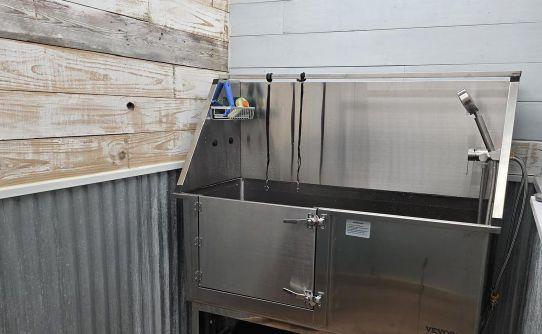
Above: The pet wash at Madisonville Ace Hardware in Madisonville, Ky., gives customers a convenient, in-store option to clean up their four-legged companions.
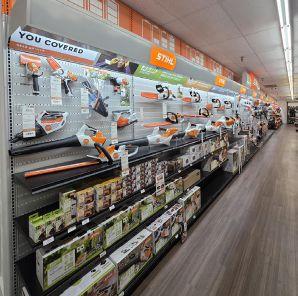
Right: Madisonville Ace Hardware’s Stihl aisle represents one of the store’s strongest niches, supported by power equipment sales and small-engine service. The store plans to continue expanding outdoor categories this year.
small-engine sales and repair department has been good.
What were some surprise best sellers? One model of Recteq grill has been our top seller. It’s the Backyard Beast smoker. It’s our most popular model, and I was kind of shocked how well it sold.
Ted Ratzloff
Madisonville Ace Hardware
Madisonville, Ky.
How were sales and customer counts for 2025? They were close to the previous year, maybe down a little bit. We’ve had construction on the road in front of us. From last summer through the first snow, it’s been going on.
What’s unique about your business? We are all about customer service and helping people figure out their problems. Lately, we’ve been quite busy helping with frozen pipes.
We’re in the process of adding a new building on the back of the store. We sold our warehouse that was a few
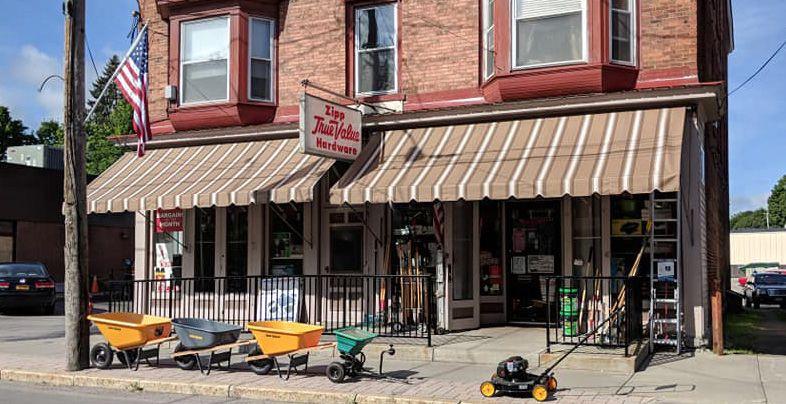
Despite a season of road construction out front, Zipp Hardware in Dolgeville, N.Y., stayed steady in 2025 by focusing on customer service and problem solving, with plans underway to add a new warehouse directly behind the store this year.
blocks away, so it will be handier having our warehouse right behind the store.
Best niches? The core: hardware, plumbing and electrical.
Scott Pollard Zipp Hardware Dolgeville, N.Y.

The Hardware Connection Century Club, sponsored by the NHS Concept to Commerce, recognizes “The Innovators and Survivors Who Helped Build America.” Our Century Club currently includes 804 hardware and LBM retailers, 21 wholesalers and 207 manufacturers that were founded in the United States of America and remain in business after 100 or more years.
You can find the complete list of Century Club members including old store photos and links to company history by clicking here. We congratulate the following retailers who have been added to the Hardware Connection Century Club this past year:
Andrew Posey & Son Hardware, Jasper, AL—1924
Bourassa True Value Hardware, New Bedford, MA—1924
Bowling’s Feed and Hardware, Catlettsburg, KY—1924
Braun Building Center, Manitowoc, WI—1905
Carl Eliason & Company Lumber & Hardware, Sayner, WI—1924
Chairtown Lumber Company, Gardner, MA—1924
Clark Devon Hardware, Chicago, IL—1924
Congleton Lumber, Lexington, KY—1905
Denver Lumber Company, Denver, CO—1923
Gennett Lumber Company, Fletcher, NC—1901
Guy C. Lee Building Materials, Smithfield, NC—1924
Hamilton Building Supply, Hamilton, NJ—1924
Heller Lumber Company, Arlington Heights, IL—1924
Holman Supply Company, Moultrie, GA—1920
Howell Hardware, Millville, NJ—1924
Hunter’s Hardware, Berkley Spring, WV—1870
H&W Hardware, New York, NY—1924
SPONSORED BY
Kelly Seed & Hardware Co., Peoria, IL—1905
Learned Lumber, Hermosa Beach, CA—1924
Legg Lumber Company, Holt, MI—1884
Lummus Building Supply Co., Atlanta, GA—1925
Morrison Terrebonne, Houma, LA—1924
National Lumber Company, Baltimore, MD—1919
Newton’s True Value Hardware, Cherryvale, KS—1924
Page Lumber , Poughkeepsie, NY—1924—1,000th Centrury Club member
Paschal Brothers Hardware & Lumber, Jacksonville, FL—1924
Ransom Brothers Lumber & Supply, Ramona, CA—1924
Requarth Company, Dayton, OH—1860
Southern Builders Supply, Valdosta, GA—1880
Union Lumber Company, New Albany, MS—1902
Valley Park Elevator & Hardware, Valley Park, MO—1874
Western Materials Inc., Yakima, WA—1915
William B. Morse Lumber Company, Rochester, NY—1853

How were sales and customer counts in 2025? We took over the store in May 2025, so that’s all been a learning experience. Sales and customer counts seemed to be really good up until December. After Christmas, it slowed down a bit. The last few weeks, the beginning of 2026, seem to be picking up.
What’s unique about your business? We’re out in a rural area, in the mountain area of Tennessee, about halfway between Nashville and Hunts -

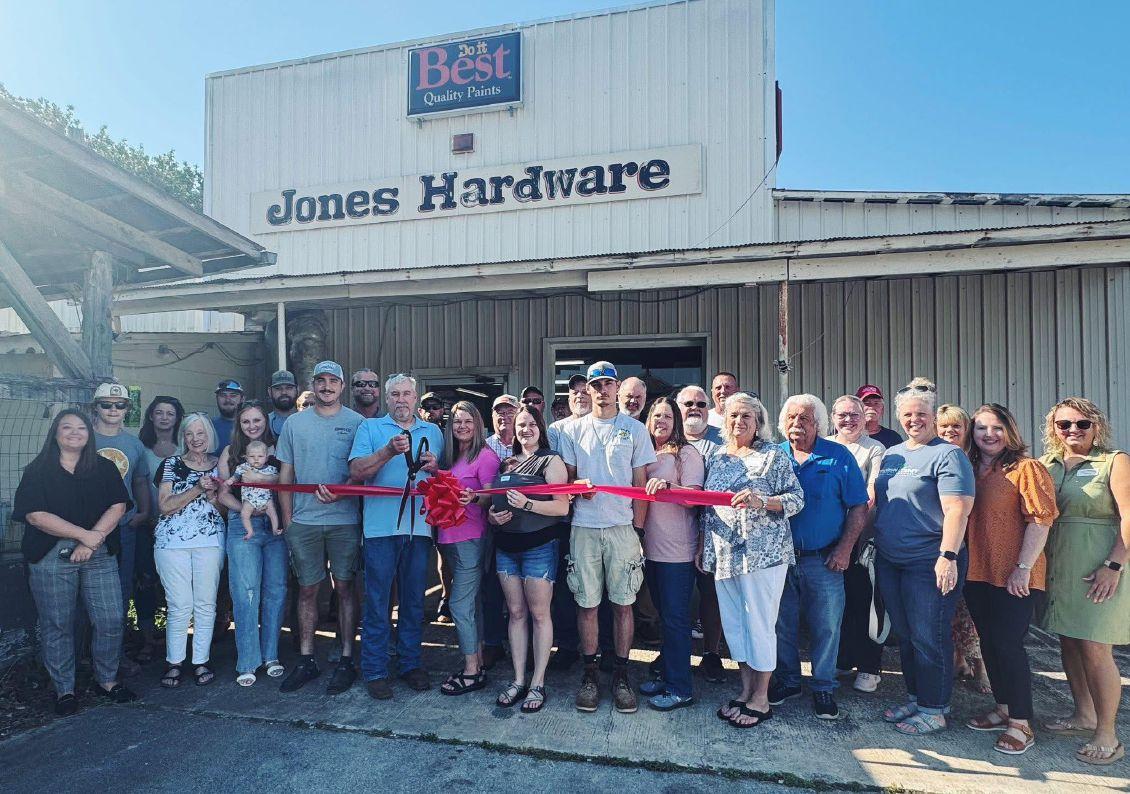
Robert Morgan, owner of Jones Hardware in Huntland, Tenn., saw steady sales into early 2026, leaning on garden, seed and chainsaw sharpening while preparing to add a convenience lumber selection.
ville, Ala. We’re pretty much your oldtime hardware store.
Best niches? We have our seed garden and plants. We also sharpen chainsaws.
What are your plans for 2026?
We’re trying to get some lumber in place, a convenience selection to start.
Robert Morgan Jones Hardware Huntland, Tenn.
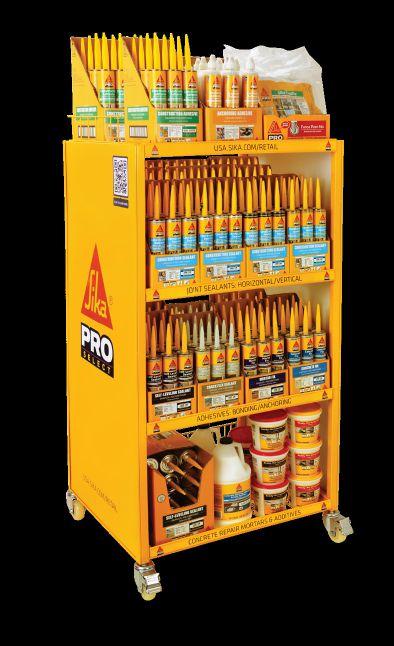

Scan the QR code to request more information on exclusive display pricing!
g Maximize product visibility
g Four rows of shelves for any array of products
g Heavy-duty design with lockable wheels
g Dimensions: W 28.75" x D 26" x H 58"




































How were sales and cus -
tomer counts in 2025? Sales were about flat. Customer count was down a little bit, with rising prices artificially bumping sales. Our average ticket was larger in 2025, but we were down about 100 transactions a month. We’re in a small town in the mountains between Sacramento and Lake Tahoe. Interest rates had to be a factor. In our area
there are a bit of people fixing what they have and remodeling.
What’s unique about your business? How tailored we are to our demographic. There’s a city that’s about 10 miles away that’s an entirely different demographic. We’re a mountain retirement community with a lot of camping and outdoor recreation. We tailor our product mix accordingly. We’re a second-generation family business and have been here since 1978. We try to be an amoeba and change to the community’s needs.
Best niches? We can’t be all things to all people; we learned that a long time ago. But we try to be many
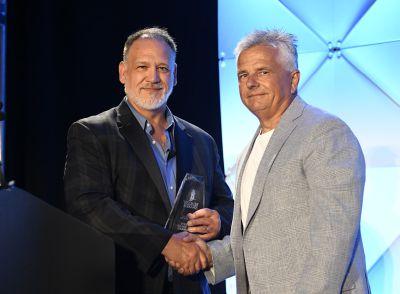








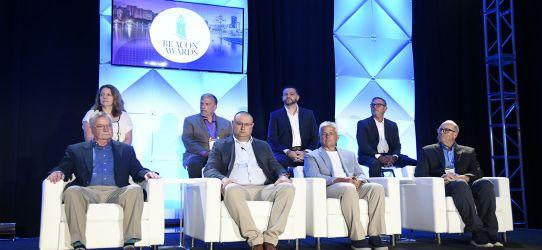
Join us for this important recognition program that honors the best of the best dealers who represent the future of the industry. The Beacon Awards are held annually at Independent Home Improvement Conference and are presented by Hardware Connection magazine. The IHI Conference will be held July 28-30, 2026 in Orlando, FL. For more information about attending this event along with all other educational seminars, open floor discussions and social activities at the 2026 IHI Conference, visit www.ihiconference.org . Sponsors:
things to many people. Along with the tree-related products, we have a rental department and convenience lumber.
What are your plans for 2026?
Being in Northern California, there has been a tremendous amount of tree work with the fires. We have dipped our toe getting into supplies for tree crews, stocking up on chainsaws and accessories to meet their needs. We try to stay on top of planograms.
What have been some surprise best sellers? My wife, Dee, does a good job of finding impulse items for the counter at the Do it Best/
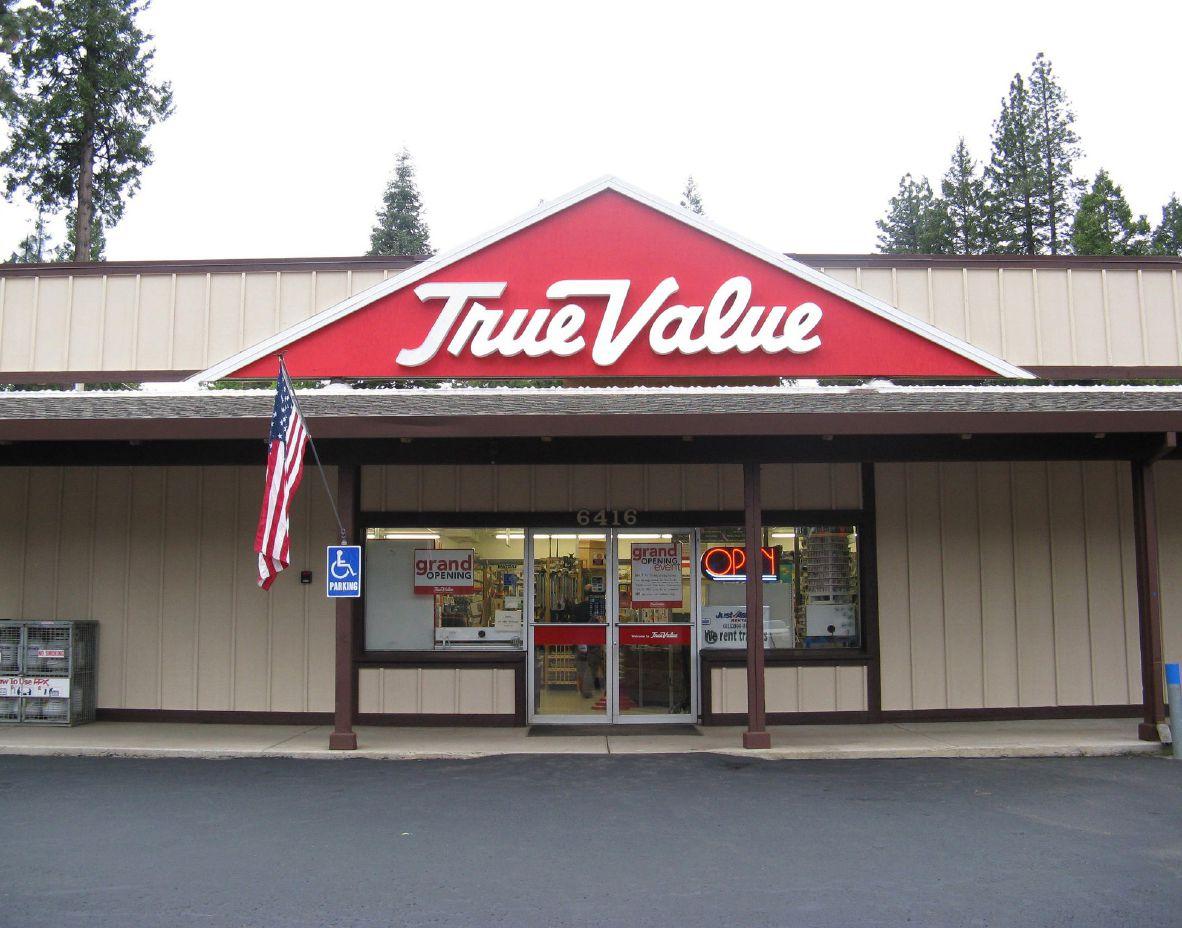
Tailored to a mountain community between Sacramento and Lake Tahoe, Pollock Pines True Value in Pollock Pines, Calif., focuses on outdoor, rental and convenience lumber categories as customers maintain and remodel existing homes.
True Value Markets. A while back, she found Duke Cannon soap, and that has done real well. Another one that surprised me was Dot’s Pretzels. Also socks. People are always clamoring for more socks.
Dave Campbell
Pollock Pines True Value Pollock Pines, Calif.


AT H&H HOME & HARDWARE IN MARION, KY., OWNER SHANNA WEST HAS GROWN A CONTRACTOR-FOCUSED SUPPLY BUSINESS INTO A COMMUNITY-CENTERED STORE BY PAYING CLOSE ATTENTION TO HOW—AND WHEN—A
In a town of roughly 3,000 people, expansion doesn’t happen quietly, or without scrutiny. For Shanna West, growing H&H Home & Hardware has never been about moving faster than the community, but learning the right time to move with the community.
That thoughtful approach has shaped the business’s evolution from a commercial plumbing and electrical supply house into a retail hardware store woven tightly into the daily life of Marion, Ky., the county seat of Crittenden County in western Kentucky’s Pennyrile region.

Shanna West, owner of H&H Home & Hardware in Marion, Ky.: “How goes your hardware store, goes your community.”
By Doug Donaldson
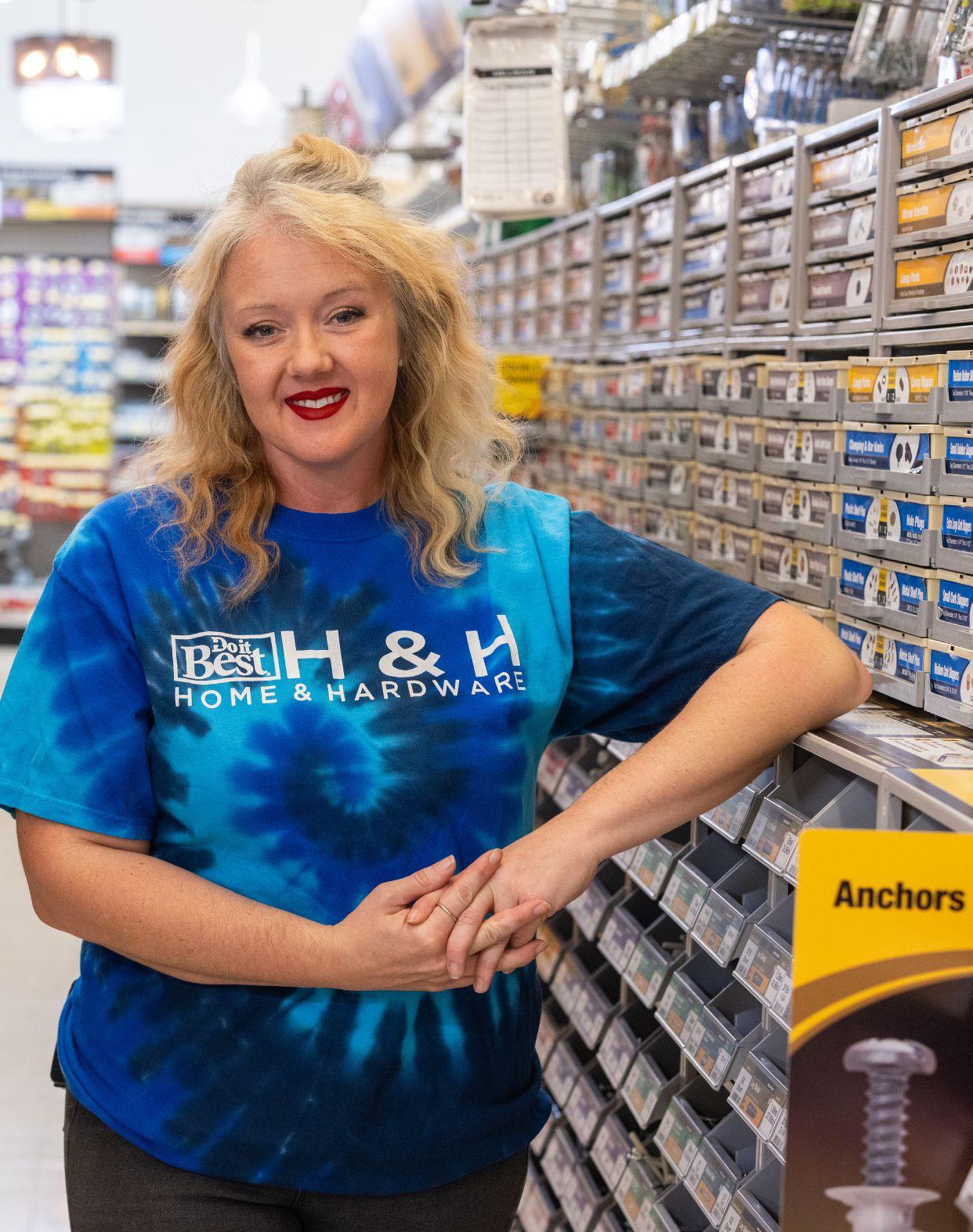
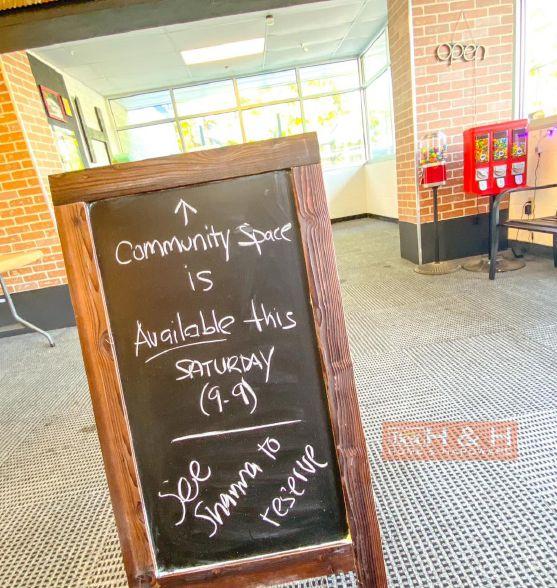
Inside H&H Home & Hardware, the store’s community window and storewithin-a-store serves as a free popup storefront where local groups can host signups, fundraisers and events, bringing neighbors into the store throughout the year.
H&H traces its roots to 2000, when West’s parents and another couple opened a commercial and industrial supply business. Her father had worked in sales at a supply house and believed strongly in committing fully to the work.
For more than a decade, the business served contractors and industrial customers exclusively. Retail wasn’t part of the plan. Nor was what might come next. “None of us five kids had really thought about succession,” West says.
West entered the business during a period of personal transition, newly divorced and raising two children. “My intention was to come in and learn accounting,” she says. “I found out pretty quickly that I hated that job—but I
loved my dad’s job of working with customers and products.”
Learning alongside her father introduced her to the trades. “I love plumbing and electrical,” she says. Within a few years, West and her new husband, David, bought into the company.
On January 1, 2019, they officially became owners. The following year, they expanded beyond the original footprint—and immediately had to deal with the pandemic. Space had always required creativity: The business shared a building with another operation, and expansion often meant improvisation. “The joke was, if we need room, we just move a wall,” West says.
During the next few years, H&H continued to grow and took over the entire 40,000-square-foot building. A little later, local market changes provided the company with an opportunity to make another shift. A longtime local lumberyard began reducing inventory, and customer behavior followed.
“That drop affected us,” West says. “That’s what made us decide to step into the lumber category.” The move required full commitment, not casual experimentation—and H&H now carries a robust selection of lumber and building supplies for framing, remodeling and more.
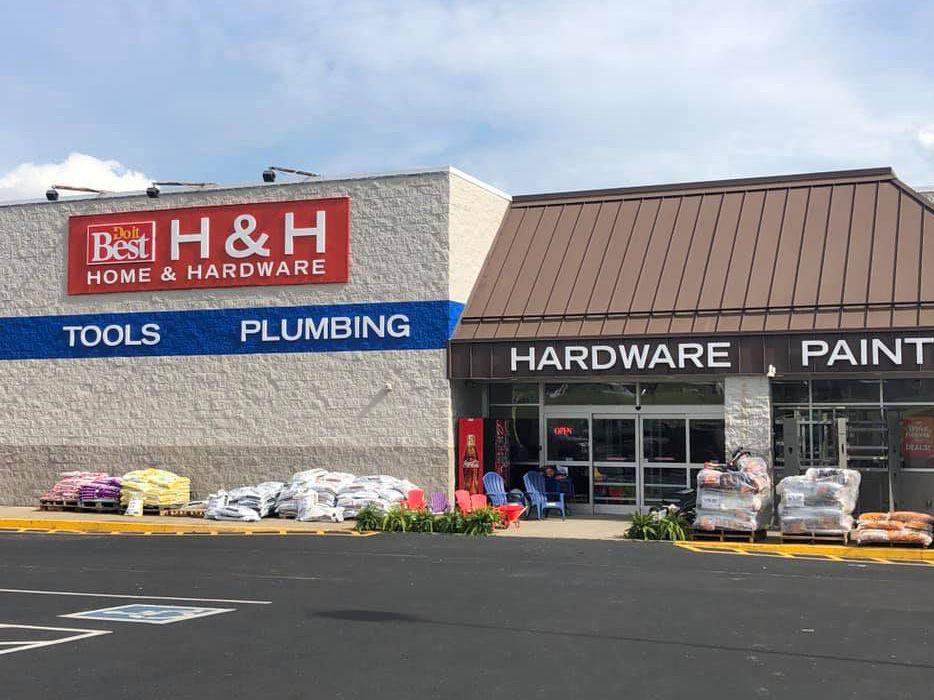
Marion is a rural town with a single stoplight, a large Amish population and a reputation for high-quality hunting. It’s also where West grew up. “We’re all born and raised here,” she says. “We know everybody.”
From the beginning, she understood that perception matters, especially opening alongside long-established businesses. “We tried to compete in a complementary way,” she says.
One of the clearest expressions of that philosophy is the H&H Community
H&H Home & Hardware in Marion, Ky., has grown from a contractor-focused supply house into a full-line hardware store shaped by the needs of its rural community.
Space—a 20-by-20-foot faux storefront inside the store itself. It comes complete with a working ATM, lighted OPEN sign and sales counter; West and the H&H team make the space available free of charge to local groups.
Speech and drama teams, youth soccer organizations, churches, Scouts, the county extension office, artisans and Amish neighbors have all used the
space. “If soccer signups need a place to happen, they happen here,” West says. “That brings a ton of people into the store in one day.”
From March through July, weekends are often booked solid. “Sometimes there’s more than one group,” she says. “Weekends here are incredibly busy.”
West’s father discovered Do it Best while mulling how the business could grow without losing its independence. “What drew him was the level of independence you can have with Do it Best,” she says.

As H&H transitioned toward retail, that relationship became increasingly important. “Immediately, it was clear we could serve customers better,” West says. “I was pulling 200-amp residential services and thinking, ‘I can also get you a grill.’ ”
When West and her husband took ownership, Do it Best’s role expanded through “incredibly valuable” succession planning sessions, market education and operational support. As the store added categories and later opened a second location, the
H&H auctioned a “Starry Night”–inspired painting created at its paint counter to support the store’s H&H Scholarship for the Trades, turning customer participation into funding for future tradespeople.
relationship remained consistent. “As long as we’ve grown, they’ve been with us,” West says. “I can’t imagine not being with Do it Best.”
H&H’s paint counter became an unlikely focal point for creativity and giving back. Early on, West was the only employee who knew how to mix paint.
She would wipe excess onto a piece of cardboard, where layered swipes and fingerprints slowly formed an abstract pattern. Customers noticed. Some even offered to buy it.
“That’s when I thought, ‘This could fund a scholarship,’ ” West says. The first silent auction raised $500, launching what became an annual tradition
supporting the H&H Scholarship for the Trades.
West later formalized the idea, replacing the cardboard with a canvas and sketching a rooster outline to guide participation. Over time, the artwork evolved, including a cow’s face and, in 2024, a piece inspired by Van Gogh’s Starry Night.
Rather than going head-to-head with long-established competitors, Shanna West and H&H Home & Hardware focused on growing in ways that the market invited.
1. Lead with perception before product. In small towns, how a store is viewed matters as much as what it sells. H&H paid close attention to community perception before expanding categories by not directly competing on certain product lines.
2. Compete selectively. West avoided direct head-to-head competition early on, instead filling gaps to complement existing businesses.
3. Let customers signal the next move. When a longtime lumberyard reduced inventory, customer behavior made H&H’s opportunity clear.
4. Show up before you scale up. Community involvement had built trust for H&H long before market conditions changed.
5. Commit fully when you expand. Once H&H entered lumber, partial investment wasn’t an option. Instead of a convenience selection, the company committed to a full-scale business model shift and now, West says, generates more than 30 percent of its sales from building materials.

The Starry Night auction ran for three weeks. “We threw the clock up on the computer screen,” West says. “At the last second, it hit $2,000. My heart exploded.” The painting was displayed at the local high school’s Starry Night–themed prom.
H&H is known locally for unexpected merchandise—from Amish-made goods and peanut brittle to cast-iron cookware and seasonal displays. Hunting products are a focus. While another store in
town dominates firearms and gear, H&H serves the broader needs of visiting hunters. “We sell feed corn by the pallet during gun season,” West says. “Small grills, fire pits, lawn chairs—it’s a vacation for a lot of these folks.”
Hardware retailers, she observes, are reflections of those they serve. “How goes your hardware store, goes your community. It’s the pulse.”
In August, H&H opened its second location in Sturgis, Ky., about 30 miles

H&H Home & Hardware owner Shanna West and her team now operate two stores—in Marion and Sturgis, Ky.—employing 26 people across the business. from Marion, bringing the operation to two stores and 26 employees. The Sturgis store spans about 13,000 square feet and was designed to fit its locale rather than simply mirroring Marion’s.
“We wanted to personalize it for that community,” West says. “It’s a different town, different customers, different rhythms.”
West’s 18-year-old daughter, Layla Watson, now manages the Sturgis location. “She’s learning how to run the company at the store level,” West says. “Inventory, pricing, people, community relationships—she’s tackling all of it.”
The transition hasn’t been entirely easy. “It’s a whole different beast,” West says. “If you’re not running it intentionally, it can get away from you.” Still, she sees the expansion as a continuation of her father’s original vision, and a new chapter in the family’s story. “There’s something really special about carrying my dad’s dream forward,” West says, “and now seeing my daughter fall in love with the business.” n
Q&A: THOUGHT LEADERSHIP
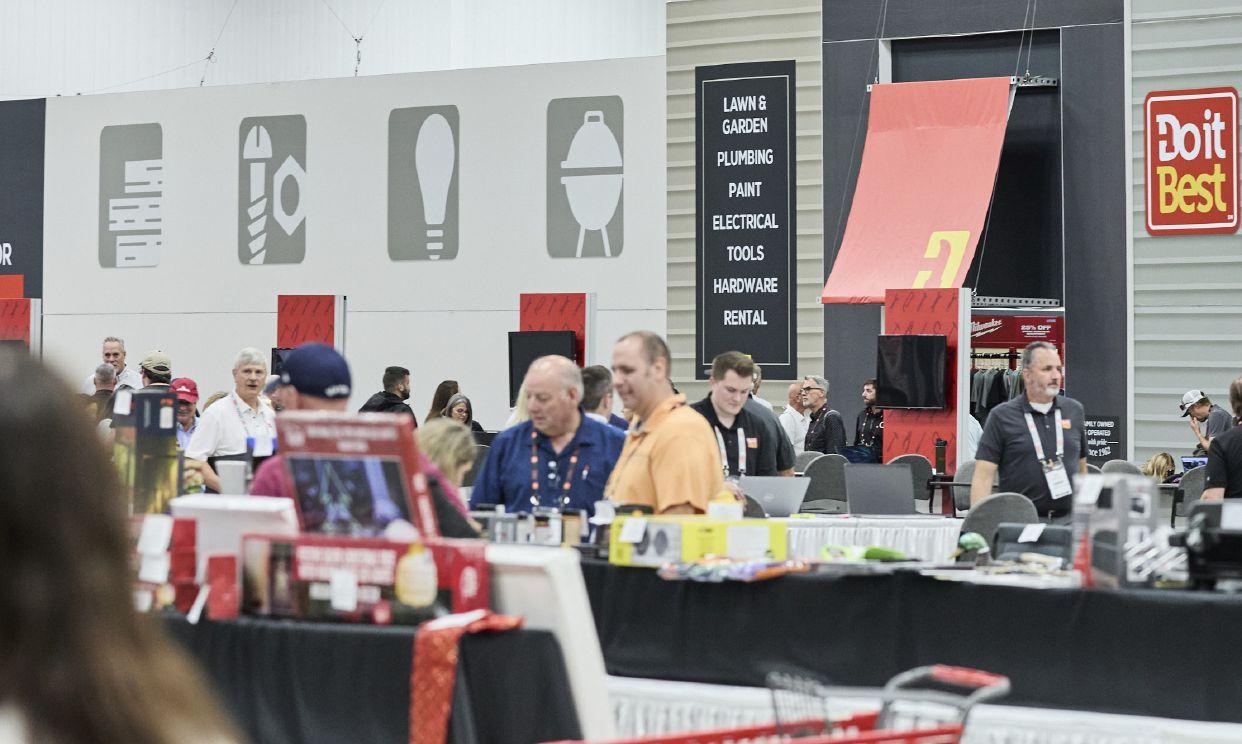
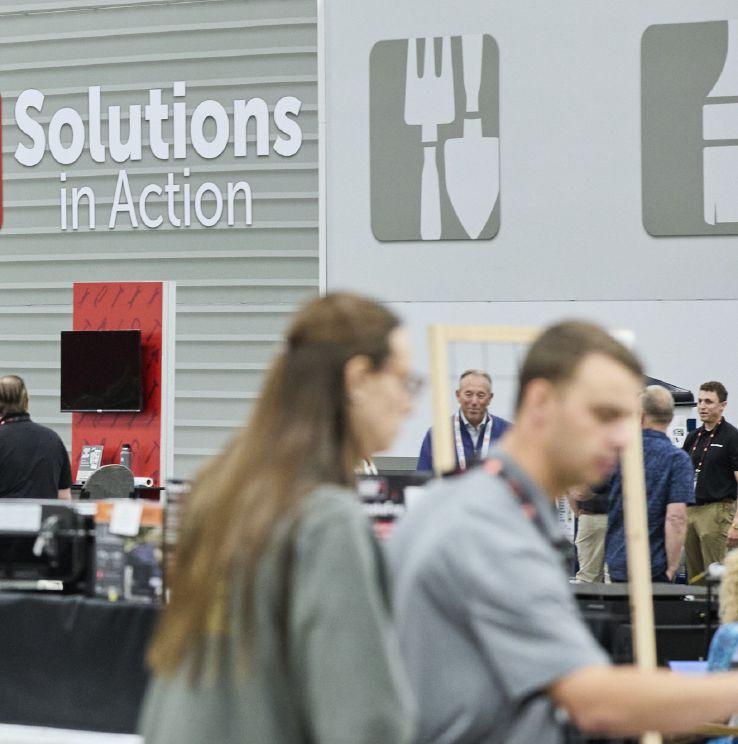
At the Do it Best/True Value Market, the Solutions in Action area connects retailers with programs focused on pre-buy strategy, assortment discipline and category planning—tools designed to help stores improve turns, margins and seasonal readiness.
FROM PRE-BUY STRATEGY TO REPAIR AND MAINTENANCE CATEGORIES, DO IT BEST’S JUSTIN HANFORD EXPLAINS HOW MERCHANDISING DECISIONS ARE EVOLVING IN A COMBINED DO IT BEST/TRUE VALUE LANDSCAPE.
Justin Hanford is vice president of merchandising for Do it Best, overseeing product assortments, vendor relationships and category strategy across both Do it Best and True Value. A longtime member of the Do it Best team, Hanford has held a range of merchandising and category leadership roles during his career and has been closely involved in guiding the cooperative through a period of significant change, including the integration of True Value and the launch of combined Markets. He holds degrees in business

management and marketing from Indiana University and an MBA from Saint Francis University.
In his role, Hanford focuses on building assortments that reflect how independent hardware store owners actually buy, merchandise and serve customers. That perspective has been central to planning the first combined Do it Best/ True Value Markets, aligning two retailer bases and identifying areas where data, scale and operational discipline
Right: Justin Hanford, vice president of merchandising at Do it Best, helps guide product strategy, vendor relationships and category planning for Do it Best and True Value.
can create quiet but meaningful opportunities. In the following exclusive Q&A, Hanford shares lessons from the Markets, insights into category strategy and sourcing, and his outlook on how independent retailers can make smarter buying decisions in the years ahead.
Hardware Connection: From your perspective, what were the hardest parts of pulling off the first combined Do it Best/True Value Markets—and what ended up going better than expected?
Justin Hanford: Reflecting on that first integrated market in the spring of 2025, the decision to host it was the easy part. The biggest hurdle was the tight timeline. With the True Value acquisition closing in late November 2024, we were already weeks behind the work required to execute an event of that scale.
The hard part was everything that followed: getting vendors set up, securing additional convention center space, rebuilding the floor layout, reserving more hotel blocks, onboarding thousands of SKUs and ensuring each dealer base could quickly find their core categories without having to relearn how to shop a Market.
Our second Market, in September 2025, was stronger because we had a more traditional planning window. What struck me at both events was the energy our retailers and vendors brought. Once the doors opened, the combined floor did not feel like two shows side by side—it felt like one unified Market designed around how independents buy. That outcome speaks to the dedication our team brings to hosting these events twice a year.
Can you share one behind-thescenes decision during planning for the combined Markets where you weren’t sure how it would shake out, and what you learned from it?
One of the most challenging decisions revolved around physically accommodating the size of the combined Market. It was not simply a matter of doubling the number of vendors, since many vendors were already shared. But we had about 200 additional booths to place, plus expanded corporate exhibit space for programs, marketing and key retailer support functions. Very quickly, floor space became a premium.
After weighing several options, we decided to move some exhibits into meeting rooms adjacent to the main floor. It wasn’t ideal, and we weren’t sure how retailers or vendors would react, but it was the best way to honor our strategy without compromising the event. I am incredibly proud of how our team adapted. They found creative ways to make those spaces feel fully connected to the Market, and they never lost sight of what mattered to retailers.
What we learned is that transparency and intention matter more than perfect real estate. When retailers understand why decisions were made and see that the goal is to give them more access, more information and more opportunity, they respond positively.
Looking forward, our priority is to maximize Market floor space with as many vendor booths as possible. That allows retailers to discover more new products, learn directly from vendors and enhance their assortments. We will also continue to highlight store design options and branding strategies for both banners so retailers can visualize what makes the most sense for their business.
In the
coming year,
what’s the biggest category of products that will be a “quiet opportunity” for retailers that might not be obvious on the surface?
I see meaningful opportunities in repair and maintenance consumables. Fasteners, adhesives and sealants,
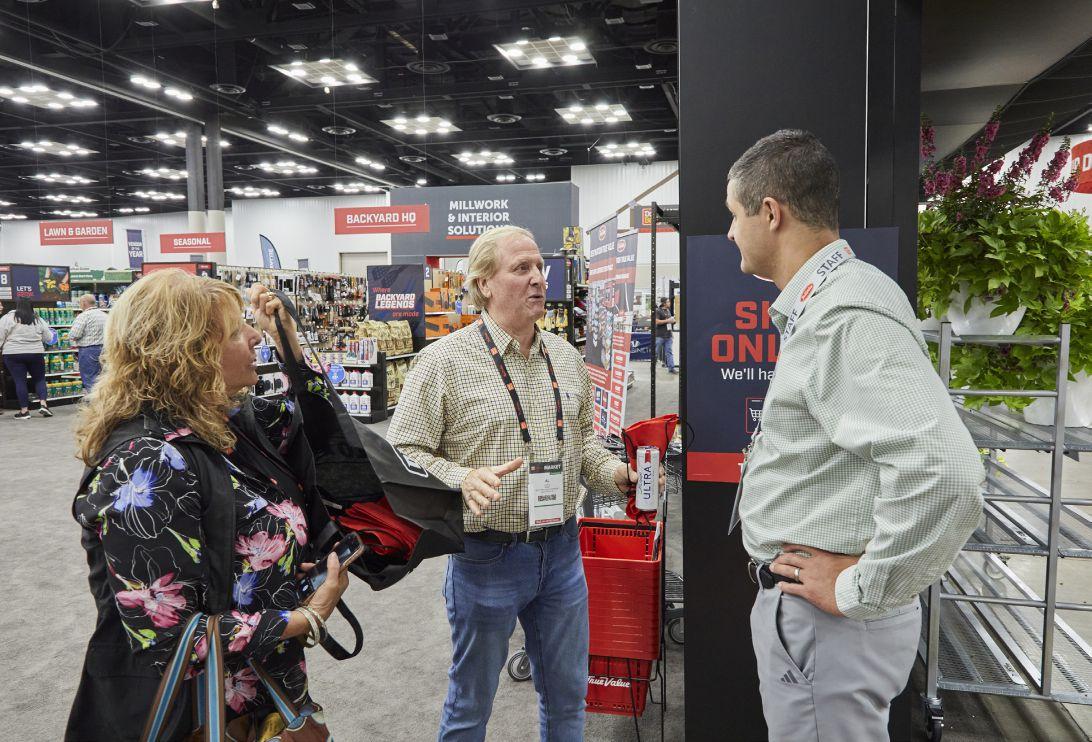
Hanford (right), speaking with retailers at a recent Do it Best/True Value Market, says tighter assortment discipline, prebuy participation and smarter category planning can help independent hardware store owners build stronger baskets and improve turns.
electrical fittings, plumbing repair kits and paint sundries all offer steady, repeatable basket-building business. These items may not be flashy, but they are reliable profit contributors often purchased by repeat shoppers.
With vendor optimization, smarter pricing, better pack-size discipline and targeted planogram improvements, retailers can drive higher margin and improved turns without adding a single square foot of space. The need is constant, and the opportunity is bigger than many realize.
From the member’s seat, assortment decisions can feel like a tug-of-war between breadth and simplicity. In your role, how do you decide when to add options and depth versus streamline?
It can be a tough balance because our retailers need the right options to serve their customers well. But every SKU must have a job. It has to bring traffic, expand margin, lift the basket or complete the project. If an item can’t clearly deliver on at least one of those roles, it becomes a candidate to exit.
Determining the strategy for the category will inform how we execute. We may need a good, better, best structure to meet customers’ needs in one category, or we can support them with just the opening price option in another. Determining whether national brands, exclusive brands or a mix play the right role is also critical.
The key is relying on retailer POS data and industry insights rather than assumptions. When we build assortments with clean data, the decisions become easier and more accurate. That discipline also creates room for us to introduce genuinely new items and categories that help our stores stand out and bring additional foot traffic.
Global sourcing is often invisible to retailers until something
breaks. What’s one sourcing or availability lesson from the past couple years that has changed how you plan buys today?
The biggest lesson is the importance of building in time and flexibility to reduce risk. We build small, dynamic buffers for A movers and key seasonal items. We also buy earlier when shipping lane risks rise. We evaluate suppliers on resilience and consistency, not just cost. Lead-time variance, performance under stress and raw material exposure all matter.
The second lesson is the advantage of scale. With our combined purchasing power, we secure priority production, faster shipping schedules and better landed costs. In many cases, we can consolidate from two factories to one, delivering better pricing and improved service levels. That scale is a competitive advantage that not every distributor can match.
After a year of getting under the hood at True Value and closely examining its merchandising operations, what did you and your team learn about aligning two retailer bases with different habits, assortments and promotional expectations?
What stood out immediately was that both organizations were trying to accomplish the same goals for the same types of retailers but often using
different technology and processes to get there. In many cases, the programs themselves were very similar but just called something different. That helped us see early on that alignment was achievable without reinventing everything.
We also saw that both merchandising teams were doing a lot of things very well. The opportunity was not to choose one way over the other, but to take the strongest elements from each approach and build them into our goforward strategy. When you combine two companies of this size, the goal is not uniformity, but improvement.
At a retail level, the needs were far more aligned than different. Both brands sell similar products to similar customers. Whether it’s a Do it Best member or a True Value retailer, they want assortments that fit their business, competitive pricing and dependable support.
If you could ask independent hardware store owners for one behavioral change that would help them get more out of your programs, your pricing and your Markets—what would it be?
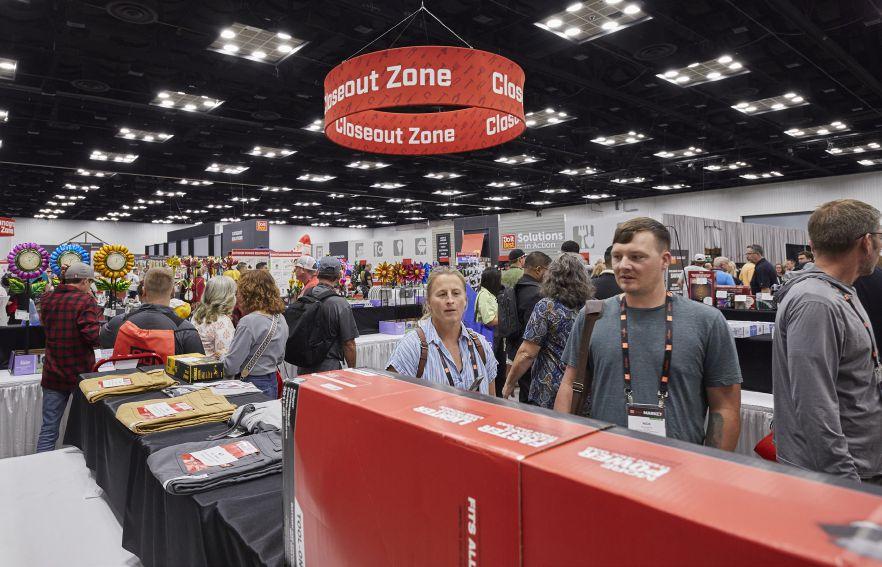
“Once the doors opened, the combined floor did not feel like two shows side by side—it felt like one unified Market designed around how independents buy,” says Justin Hanford, vice president of merchandising at Do it Best, reflecting on the first combined Do it Best/True Value Market.
Take full advantage of our pre-buy opportunities. Participating in these programs does three important things: It increases our factory orders, which reduces the overall acquisition cost for all retailers. It allows us to manage demand during peak seasons much better. The more accurate we are, the better the distribution centers can plan inventory and stay in stock. It ensures retailers have critical seasonal items on shelves before customers start asking for them. Seasonal readiness is the first step to selling success.
Our pre-planners and promotional original merchandise orders are some of the best tools retailers have to win early and win big. n
By Craig Webb
STORE COUNTS SHIFT AND INDEPENDENT RETAILERS RESHAPE
THE MAP AS GROWTH MARKETS, CONSOLIDATION AND STRATEGY INFLUENCE WHERE STORES OPEN AND CLOSE.
The independent hardware and home center channel spent 2025 in motion. A steady rhythm of acquisitions, new store openings, relocations and closures reshaped local markets across the country, reflecting a sector that continues to adjust rather than retreat.
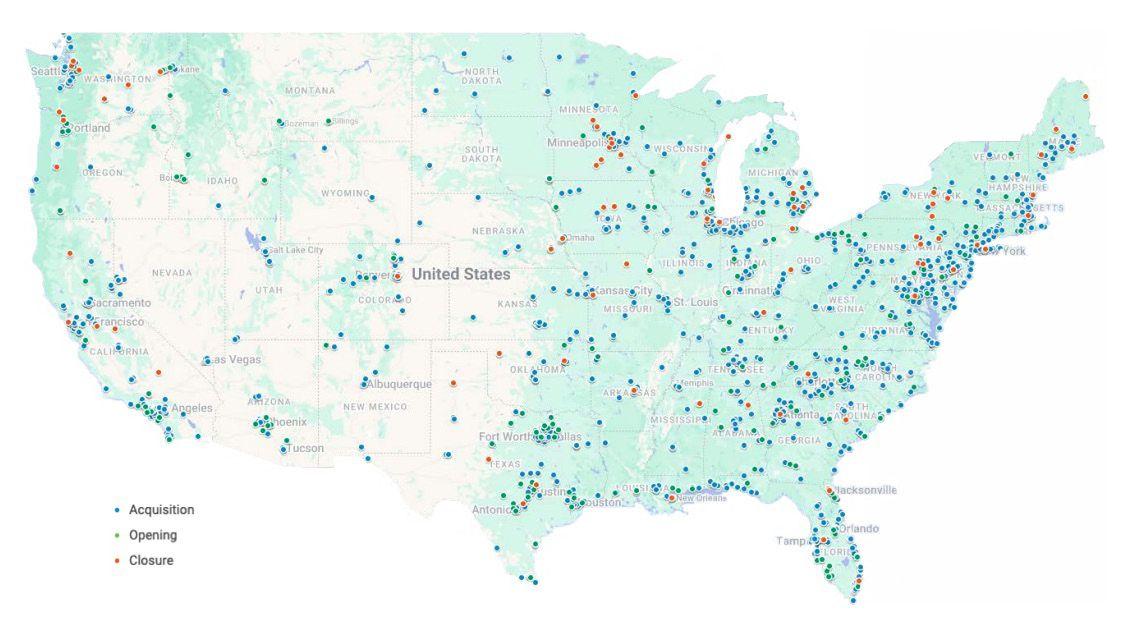
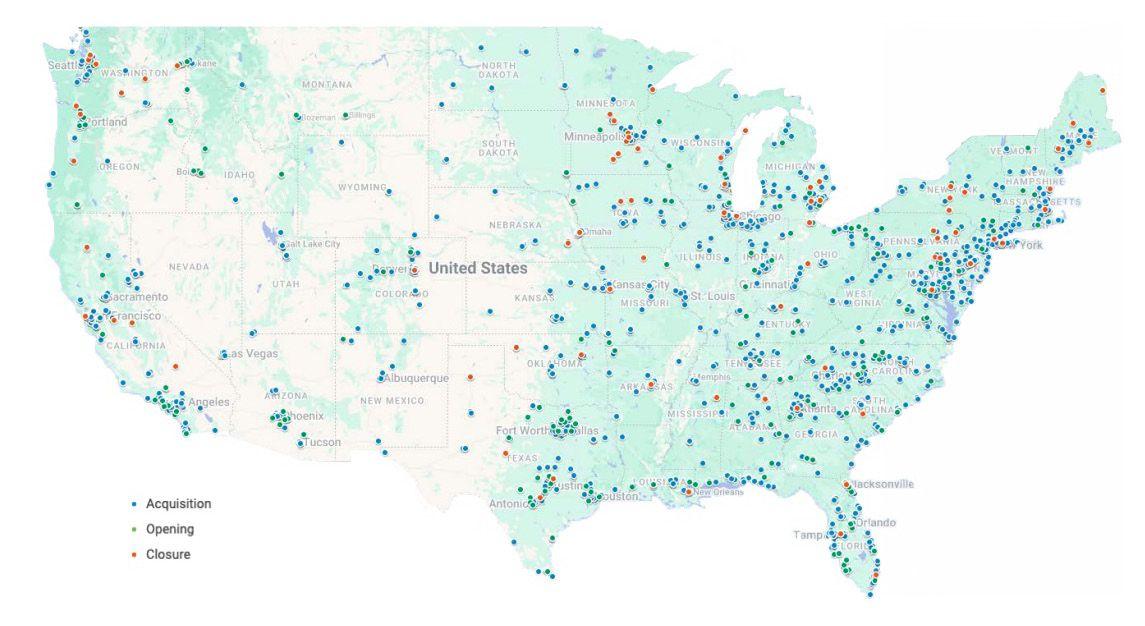
Above: The 2025 openings-and-closings map reflects a tale of two markets, with mature regions consolidating and growth areas drawing new locations as overall transaction activity approached 150 deals nationwide.
According to Webb Analytics’ newly released 2025 Deals Report, 59 hardware stores and home centers
changed hands during the year, while 88 new locations opened. That matched the number of acquisitions recorded in 2024 and edged new openings slightly higher. These figures reflect the number of physical store locations acquired or opened, rather than the number of individual transactions, which can include multiple stores in a single deal.
The hardware numbers were steady, but the broader construction supply sector saw dramatic change. Four megadeals alone accounted for the vast majority of facilities that changed hands.
Those transactions included QXO’s acquisition of Beacon, SRS Distribution’s purchase of Gypsum Management & Supply and Lowe’s acquisitions of both Foundation Building Materials and Artisan Design Group. Together, those four deals represented roughly 85 percent of all construction supply facilities that changed ownership during the year.
When those megadeals are removed from the equation, the remaining activity paints a more restrained picture. Of the 269 facilities acquired outside those transactions, only about 22 percent were hardware stores or home centers—making 2025 one of the slowest years for lumber and building material mergers and acquisitions in nearly a decade.

Webb Analytics’ Construction 150 shows how a small number of megadeals accounted for most facility changes in 2025, even as independent hardware activity remained steady at the store level.
Within the independent hardware channel, a handful of transactions stood out.
Costello’s Ace Hardware led the sector in total store count acquired, purchasing 11 Rommel’s Ace Hardware locations across Maryland and the Eastern Shore. Houchens Food Group followed with the acquisition of eight Kabelin Ace Hardware stores in northern Indiana.
Aubuchon Ace Hardware remained one of the most active buyers by
transaction count, completing six deals covering 10 stores. Ace Hardware Corp.’s Westlake Ace Hardware division acquired five stores across four transactions and opened two new greenfield locations, while Ace’s Great Lakes Ace division added another store through acquisition.
Regional and independent operators also remained active. The Pine Creek Group acquired three Newby’s Ace Hardware stores in North Dakota, expanding its footprint to 14 locations. In the West another notable independent transaction was in Oregon, where Gold Beach Lumber purchased the two-store Hennick’s Home Center operation.
On the home center side, expansion leaned heavily toward greenfields rather than acquisitions. For the big boxes and private chains, Lowe’s opened five new stores in 2025, the Home Depot opened three and Jonesboro, Ark.–based E.C. Barton added four.
Looking back over the past six years illustrates how sharply deal activity has fluctuated.
• 2020: 19 acquisitions, 17 openings
• 2021: 61 acquisitions, 39 openings
• 2022: 109 acquisitions, 70 openings
• 2023: 41 acquisitions, 75 openings
• 2024: 59 acquisitions, 86 openings
• 2025: 59 acquisitions, 88 openings
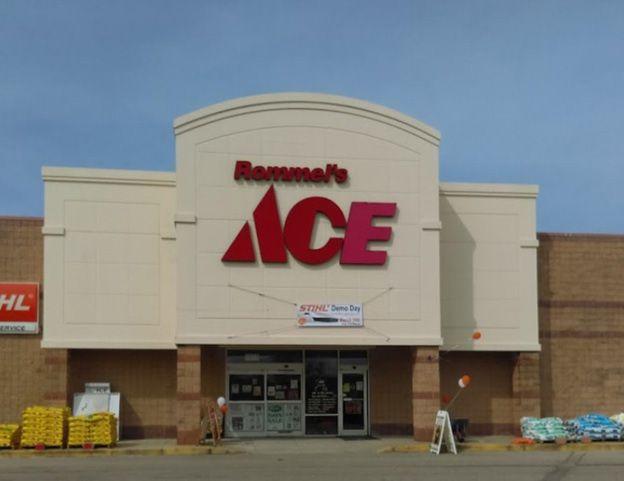
The acquisition of Rommel’s Ace Hardware by Costello’s highlights the role of strategic, regionally focused deals in shaping mature markets throughout 2025.
Measured strictly by total facilities acquired, 2025 was the most active year since at least 2018. But that metric is heavily skewed by the megadeals. Without them, deal activity across LBM and hardware falls to one of its lowest levels in nearly a decade.
Only 75 companies were involved in acquisitions of any type during 2025, down from 80 in both 2023 and 2024 and well below the 90-plus buyers seen in 2021 and 2022. Greenfield construction also remained below the peak years of 2022 and 2023.
Financing conditions were a major factor. The Federal Reserve’s interest rate hikes that began in March 2022 have made acquisition funding less attractive, particularly for privately held operators. At the same time, slower construction activity and more cautious consumer spending have tempered enthusiasm for expansion.
The Pine Creek Group’s acquisition of three Newby’s Ace Hardware locations highlights how regional investment groups continue to drive transaction activity in smaller, established markets.
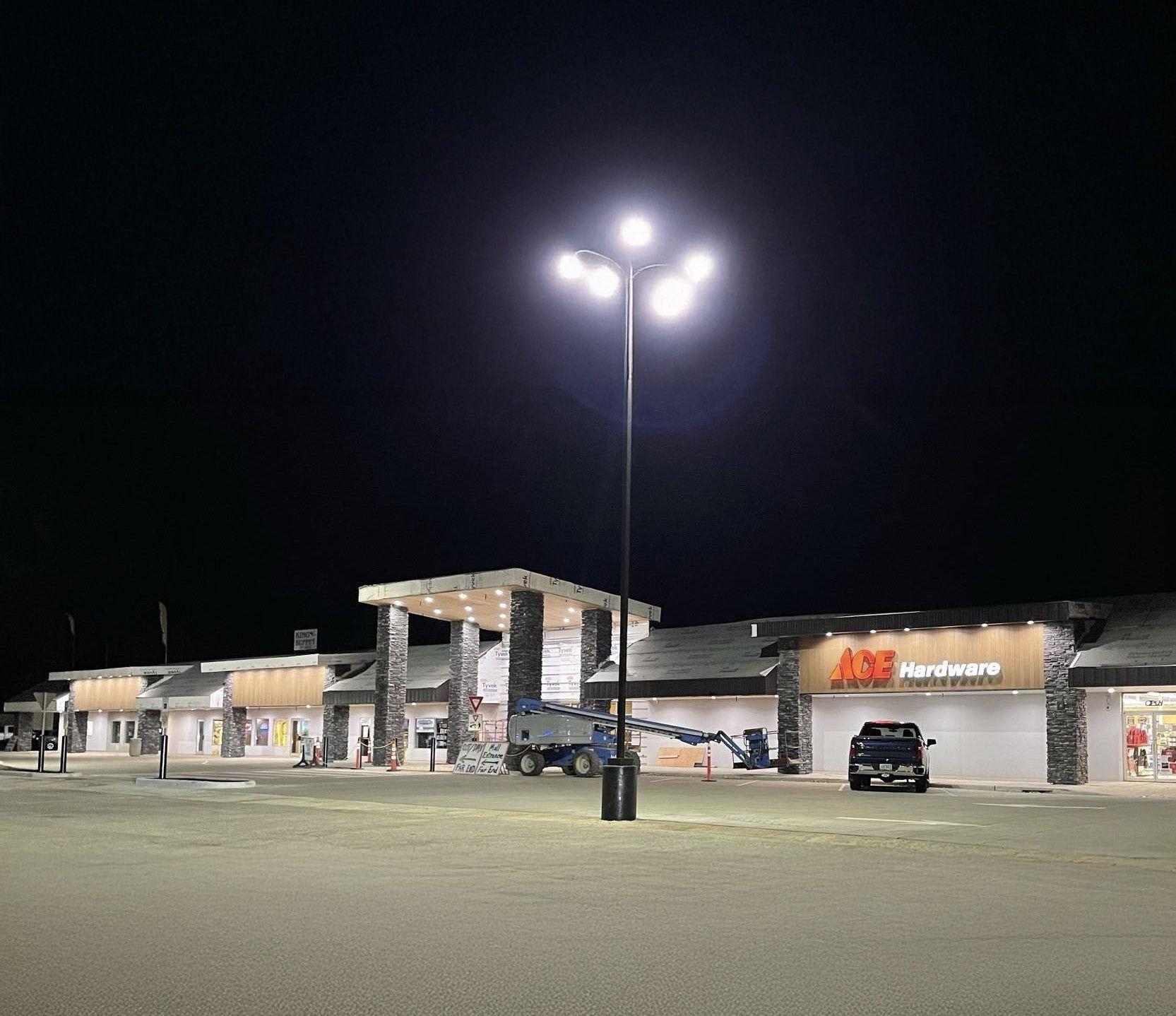
While national deal totals remained steady, the story on the ground looked far more uneven.
Across Hardware Connection’ s 2025 openings-and-closings coverage, new stores appeared in markets tied to population growth and housing development— particularly in the South, Mountain West
and select Midwest corridors. New co-op banner stores and regional chains continued to target smaller cities and growth suburbs where flexible footprints and service-driven formats remain competitive.
Closures, by contrast, were more concentrated in mature, higher-cost regions in the upper Midwest and Northeast, where long-time neighborhood hardware stores continue to face succession challenges and real estate pressure. Additional closures appeared in older urban and inner-ring suburban districts on the West Coast and in the Pacific Northwest, where competition from larger formats and online channels has intensified.
The result was not a simple expandor-decline narrative, but a general realignment. More square footage is moving under strong banners and regional operators, even as standalone stores without scale, specialization or succession plans struggle to remain viable.
Not every move in 2025 involved buying or closing a store. A growing share of activity fell into a middle category: relocations, consolidations and full-scale remodels designed to keep retailers competitive within their existing markets.
Indiana – 8
Maryland – 7
New York – 6
Pennsylvania – 3
Kansas – 3
South Carolina – 3
Virginia – 3
North Dakota – 3
Westlake Ace Hardware and Great Lakes Ace Hardware continued multiyear remodeling initiatives aimed at improving merchandising flow, navigation and visual consistency. Other independent operators pursued ground-up rebuilds nearby, replacing aging facilities with more efficient layouts, improved yards and better traffic patterns for both contractors and DIY customers.
For many retailers, the strategy aimed to stay in the same market but modernize the store’s footprint. These investments reflect changing operational realities. Staffing efficiency, drive-through access, outdoor living space and seasonal merchandising
flexibility are increasingly shaping store design decisions—often as much as total square footage.
Hovering above store-level movement is a broader structural shift: the growing importance of scale, systems and wholesale alignment.
The continued integration of Do it Best and True Value underscored that trend in 2025. The combined organization reported consolidated revenues approaching $5 billion, alongside investments in logistics, digital tools and shared technology infrastructure aimed at supporting member dealers across banners.
Similar strategies are visible across other co-ops and wholesalers. Improved fill rates, freight efficiency, e-commerce integration and data-driven merchandising are quickly becoming baseline expectations rather than competitive advantages.
For independent hardware store owners, the message is consistent: The strength of the back end matters as much as what happens on the sales floor. n

Craig Webb is president of Webb Analytics, a consultancy and information provider for buildingmaterial dealers. Webb follows and reports on home center trends at WebbAnalytics.com .
Looking across the past year of openings and closings, several themes stand out for independent hardware store owners:
• Store counts are shifting, not collapsing. Growth remains strongest under brands and regional players that combine local ownership with nationalscale logistics and systems.
• Geography matters more than ever. Markets tied to housing growth and population inflow continue to attract investment, while stagnant regions face increasing pressure.
• The building itself is strategic. Remodels, relocations and right-sized formats are emerging as practical tools for staying competitive without abandoning existing markets.
• Scale and infrastructure are decisive. Access to dependable distribution, technology and merchandising support continues to shape which stores can grow confidently.
Steve Henry announced in late 2025 that he will step down after more than five years leading House-Hasson. Hardware Connection caught up with him during the recent House-Hasson dealer market in Nashville, Tenn., to discuss his time leading the distributor, the challenges and priorities that shaped his tenure, the most difficult decisions he faced and how he views the company’s transition—and what will matter most for the company’s next leader—as he prepares for retirement.
Henry describes his time at HouseHasson as both demanding and rewarding, pointing to its performance over the past several years—during which the distributor strengthened its balance sheet, expanded its leadership

Steve Henry speaks with dealers at the recent House-Hasson dealer market in Nashville, Tenn., reflecting the leadership approach he describes to Hardware Connection: Listen first, learn the business and keep the company moving forward by getting better every day.
team and continued investing in its market strategy—as a source of pride. He also highlights recent structural changes, including the decision to transition from three in-person dealer markets to two. The shift, he says, was designed to improve efficiency and provide a better experience for dealers, vendors and employees.
“There’s been a lot of work,” he says. “But when you look at how the company has grown and the team we’ve put together, there’s a lot to be grateful for.”
Henry adds that he views 2026 as a strong starting point for House-Hasson, noting positive early momentum and ongoing efforts to position the company for long-term stability.
Several of the most significant decisions of Henry’s tenure were driven by events outside the company’s control. The pandemic necessitated rapid operational adjustments, followed by facilities-related challenges, including a roof collapse that temporarily restricted access to a company building.
In addition, House-Hasson brought two new warehouses online—an effort he calls necessary but complex, with work continuing beyond the initial launch phase.
As retirement planning began, Henry also faced the challenge of leadership succession. He says more preparation for the transition would have been beneficial.
“There are always things you wish you’d done differently,” Henry says. “But if your goal is to get better every day, you deal with what’s in front of you and keep moving.”
Henry’s advice for his successor centers on understanding the company
Steve Henry accepts a commemorative shovel from JC Bernard & Associates and The AMES Companies during the HouseHasson dealer market in Nashville this January, recognizing his outstanding leadership and longstanding contributions to the hardware industry.
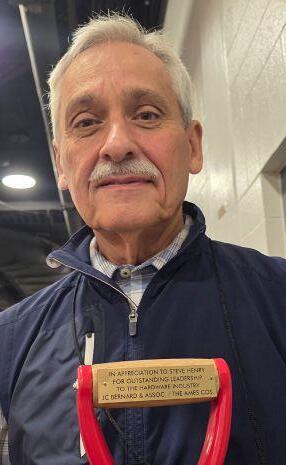
before implementing change. “You’ve got to listen first,” he says. “Learn our customers, our employees, our vendors, our dealers and our board. Understand who we are and what has made us successful.”
House-Hasson’s approach—particularly its dealer markets and relationshipdriven culture—has been a key differentiator, he says, and he sees opportunity to continue building from that foundation rather than reshaping it altogether.
Looking beyond House-Hasson, Henry remains focused on the broader independent hardware channel. While he expressed concern about succession at the store level, he remains confident about the role independent hardware stores continue to play in their communities: “There’s a need for a small hometown hardware store in every town across America. And I think they’ll continue to find ways to stay relevant.”
As he prepares to step away from dayto-day leadership, he says his goal was to leave House-Hasson positioned for continued progress—a responsibility he views as central to his time in the role. n
FEBRUARY 2026
Ace Hardware Spring 2026
Convention
February 24-26, Kentucky Exposition Center, Louisville, Ky.
AHR Expo (HVACR)
February 2-4, Las Vegas Convention Center, Las Vegas, Nev.
Florida Hardware Spring 2026 Dealer Market
February 13-14, Myrtle Beach Convention Center, Myrtle Beacon, S.C.
International Builders’ Show
February 17-19, Orange County Convention Center, Orlando, Fla.
Toy Fair New York (North American International Toy Fair)
February 14-17, Jacob K. Javits Convention Center, New York, N.Y.
MARCH 2026
Blish-Mize Spring Customer Buying Market
March 19-21, Overland Park Convention Center, Overland Park, Kan.
Cameron Ashley Dealer Show
March 8-12, Walt Disney World Dolphin Resort, Orlando, Fla.
CONEXPO-CON/AGG
March 3-7, Las Vegas Convention Center, Las Vegas, Nev.
Do it Best, True Value Spring Market
March 6-8, Colorado Convention Center, Denver, Colo.
Eisenwarenmesse (International Hardware Fair)
March 3-6, Cologne, Germany, Koelnmesse exhibition center
LBM Advantage
March 2-4, Gaylord Opryland, Nashville, Tenn. 2026 LMC ANNUAL
March 10-12, McCormick Place, Chicago, Ill.
NLBMDA Spring Meeting & Legislative Conference
March 17-18, Washington, D.C.
NHS Concept to Commerce
March 31–April 2, Las Vegas Convention Center, Las Vegas, Nev.
PACOA Spring Dealer Market
March 21-22, Queens College, Flushing, N.Y.
The Inspired Home Show
March 10-12, McCormick Place, Chicago, Ill.
APRIL 2026
National Home Performance Conference & Trade Show
April 13-16, Greater Columbus Convention Center, Columbus, Ohio
Wallace Distribution Dealer Market 2026
April 1-2, Sevierville Events Center, Sevierville, Tenn.
MAY 2026
HDA Group Merchandising Conference
May 4-7, Embassy Suites Downtown Atlanta at Centennial Olympic Park, Atlanta, Ga.
Orgill Summer Buying Event
May 4-18
JULY 2026
Independent Home Improvement Conference
July 29-30, J.W. Marriott Orlando Grande Lakes, Orlando, Fla.
AUGUST 2026
House-Hasson Summer Dealer Market
August 6-8, Wilderness at the Smokies and Sevierville Convention Center, Sevierville, Tenn.
Orgill Fall Buying Event
August 3-16
Registration is now open for the 2026 Independent Home Improvement (IHI) Conference, scheduled for July 29-30 at the J.W. Marriott Orlando Grande Lakes in Orlando, Fla. The midsummer event brings together independent hardware and home improvement retailers, distributors, manufacturers and service providers for two days of education, networking and industry discussion.
More than 700 retailers and industry partners are expected to attend, continuing IHI’s role as a gathering point for the independent channel to exchange ideas, assess trends and prepare for the year ahead. The conference agenda includes keynote presentations, educational breakout sessions and peer-driven conversations, along with access to solution providers spanning merchandising, operations, technology, finance and marketing. Educational sessions are designed to address practical, day-to-day challenges facing independent businesses, with programming focused on profitability, staffing, merchandising strategy, leadership development and navigating ongoing change across the home improvement landscape. Speakers include experienced retailers and industry professionals sharing real-world

insight intended to translate directly to store operations.
The Partner Pavilion will once again serve as a central hub on the show floor, connecting retailers with manufacturers and service providers offering products, tools and services aligned with independent retail needs.
IHI 2026 will also feature awards programming recognizing leadership and excellence across the channel, including Hardware Connection’s Beacon Awards and Digital Beacon Awards, NHPA Top Guns honorees and NHPA’s Young Retailer of the Year.
Now entering its third year, the IHI Conference was founded in 2024 through the combination of NHPA and The Hardware Conference’s annual events. Registration details, pricing and the full agenda are available at ihiconference.org .
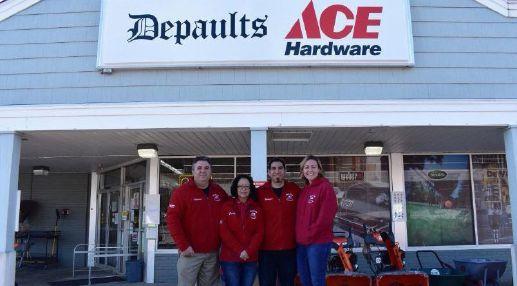
• Aubuchon Company will acquire Depault’s Ace Hardware in Cumberland, R.I., with the transaction expected to close March 4; the store will be rebranded as Aubuchon Ace Hardware, bringing Aubuchon’s total locations to 136.
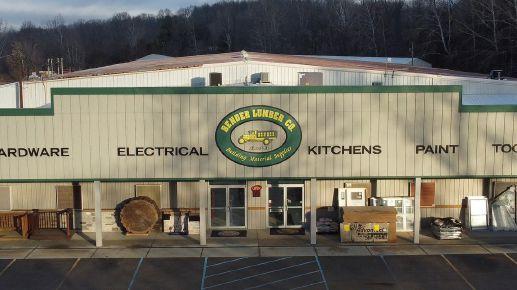
• R.P. Lumber Co., Inc. announced it will acquire Bender Lumber , an eight-location dealer serving southern Indiana, in a transaction scheduled to close Feb. 13, expanding R.P. Lumber’s footprint to 99 stores across seven states.
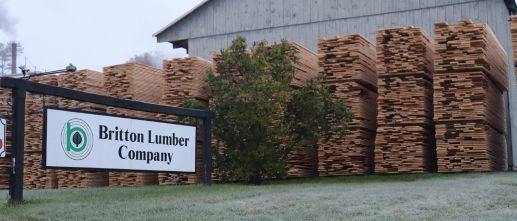
• Britton Lumber Company of Fairlee, Vt., announced a planned acquisition of Denison-Cannon Company , a Billerica, Mass.–based building materials distributor.

• Ring’s End announced that its Johnson Paint brand will acquire Somerset Paint ’s locations in Swansea and North Dartmouth, Mass., effective Feb. 23, expanding its paint operations and relocating Johnson Paint’s New Bedford, Mass., operations to North Dartmouth.
• Maxbauer Ace Hardware announced the opening of a new East Bay, Mich., location, with a grand opening celebration scheduled for Feb. 17.
• Ace Retail Group opened Ace Hardware of Mission Hills , Calif., in January, with Armando Casillas named general manager and a grand opening celebration planned for March 13-15.

• Ganahl Lumber Company expanded into San Diego County with the acquisition of Pine Tree Lumber ’s locations in Escondido and Fallbrook, Calif.
• Gleckler and Sons , headquartered in Milton, Fla., opened a new 60,000-plus-square-foot facility in Ocala that will manufacture roof and floor trusses, produce millwork and include a lumberyard.
• Cathlamet Building Materials has new ownership, with David and Sandi Hendrickson taking over the Cathlamet, Wash., building supply store and planning a rebrand ahead of a future reopening.
• Ace Retail Group raised more than $1.3 million in 2025 through customer- and associate-led fundraising across more than 260 stores to support Children’s Miracle Network hospitals nationwide; for the full story, see this article
• Diamond Vogel , headquartered in Orange City, Iowa, joins the Hardware Connection Century Club , marking its 100th year in business in 2026, celebrating a century of manufacturing growth since its founding as a family-owned coatings supplier serving OEM, industrial, agricultural and retail markets. Read the full story here .
• Williams Lumber & Home Centers , a family-run lumber, hardware and building materials retailer with seven locations across New York’s Hudson Valley and Catskill regions, is celebrating 80 years in business.
The Pick & Shovel
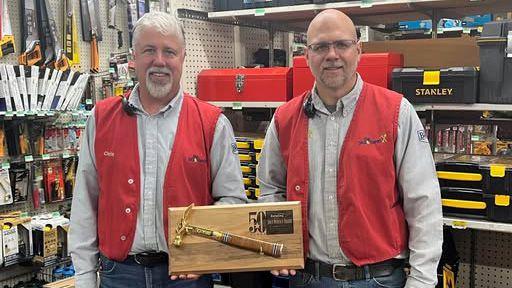
• The Pick & Shovel in Newport, Vt., marked its 50th anniversary in business with the presentation of a Gold Hammer Award recognizing the independent retailer’s milestone.
• Sunshine Ace Hardware , a Southwest Florida–based Ace retailer with multiple stores across Collier, Lee, Charlotte and Pinellas counties, raised its cumulative total for Children’s Miracle Network fundraising past $500,000 through its 2025 Holiday Round Up campaign.

• In 2025, Andersen and the Andersen Corporate Foundation donated nearly $5 million to nonprofits supporting housing, trades education and hunger relief.
• A.O. Smith Corporation promoted Chris Smith to senior director of sales operations and business analytics for its North America Water Heating business unit, expanding his responsibilities to include strategic planning and forecasting alongside
pricing and analytics.
• Orgill announced two marketing leadership appointments, naming Jordan Hughes director of marketing services and Kaleigh Morgan senior marketing advisor.
• Hagan Ace Hardware promoted Tony Lucas to director of merchandising, elevating the former Yulee, Fla., store manager to lead companywide merchandising efforts from the retailer’s Orange Park, Fla., headquarters.


• Mayhew Steel Products Inc., headquartered in Turners Falls, Mass., named Lucy Hawkins strategic account manager.
• RoMac Building Supply , based in Leesburg, Fla., announced that longtime CEO Don Magruder will retire on Feb. 13, with Dan Robuck III assuming the CEO role. COO Jake Trapp has been named president.
• Elevate , a Beachwood, Ohio–based manufacturer of commercial roofing systems and building envelope solutions, named Nevin Holly its president.
• The Westervelt Company , headquartered in Tuscaloosa, Ala., expanded Tony Sheffield ’s role to president and chief financial officer.

• The North American Hardware and Paint Association outlined a multiyear leadership transition that includes chief operating officer Dan Tratensek retiring at the end of 2026, chief financial officer and executive vice president Dave Gowan retiring after Q1 2027, vice president of content development and publisher Scott Wright being promoted to president, and president and CEO Bob Cutter planning to retire at the end of 2027.

• Orgill hosted its 2026 Spring Dealer Market in Orlando, Fla., filling nearly 1 million square feet at the Orange County Convention Center with buying opportunities, educational sessions and fully merchandised model stores such as the Pinehaven Lumber profocused concept store model. Read Hardware Connection’ s full report here .
• Do it Best and True Value dealers gathered at the Waco Distribution Center in Texas for an event that included an opening celebration, behind-the-scenes DC
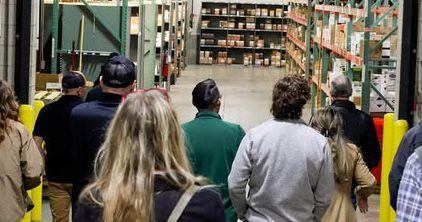
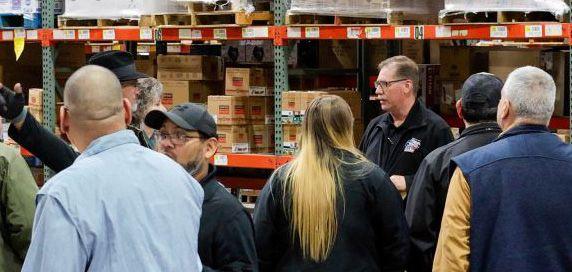
tours and networking with vendors and Do it Best Group leadership.
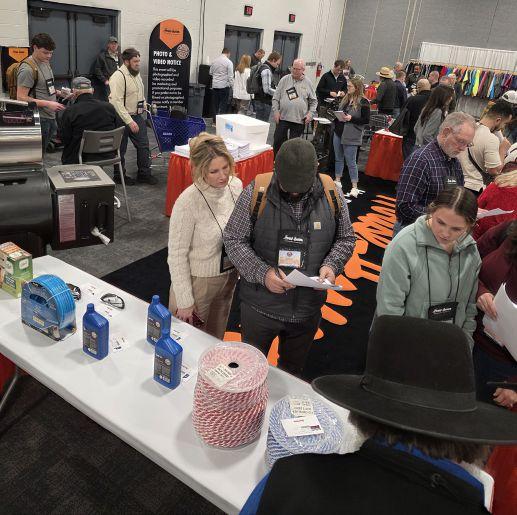
• House-Hasson ’s January Dealer Market in Nashville, Tenn., was condensed from three days to two due to an incoming winter storm. For the full story and detailed coverage from the show floor, see the report here .

• Ace Hardware Corporation returned to Punxsutawney, Pa., as the Official Yard Care Sponsor of Groundhog Day , marking the second year of its Ace YardRx personalized subscription service designed to help homeowners plan seasonal lawn care.
• Wausau Supply Company expanded its distribution footprint into New England, adding service across Connecticut, Rhode Island, Massachusetts, Vermont, New Hampshire and Maine to support dealers with its proprietary brands, including Diamond Kote , ChamClad and Waudena
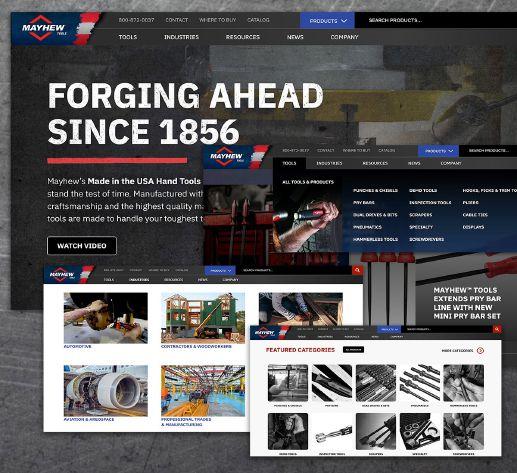
• Mayhew Steel Products, Inc. launched a redesigned mayhew.com aimed at improving navigation, product discovery and access to distributor and retailer purchasing information for industrial, automotive and hardware customers.
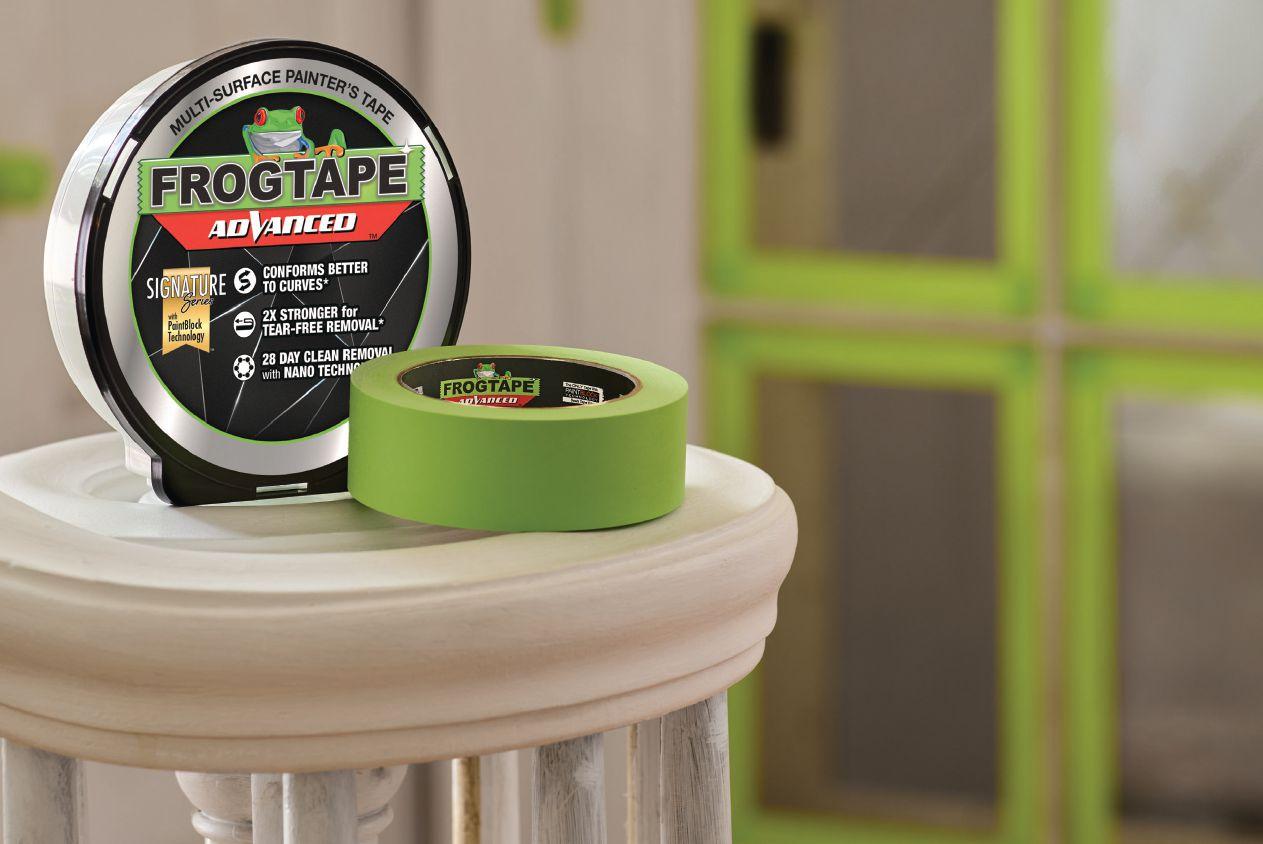
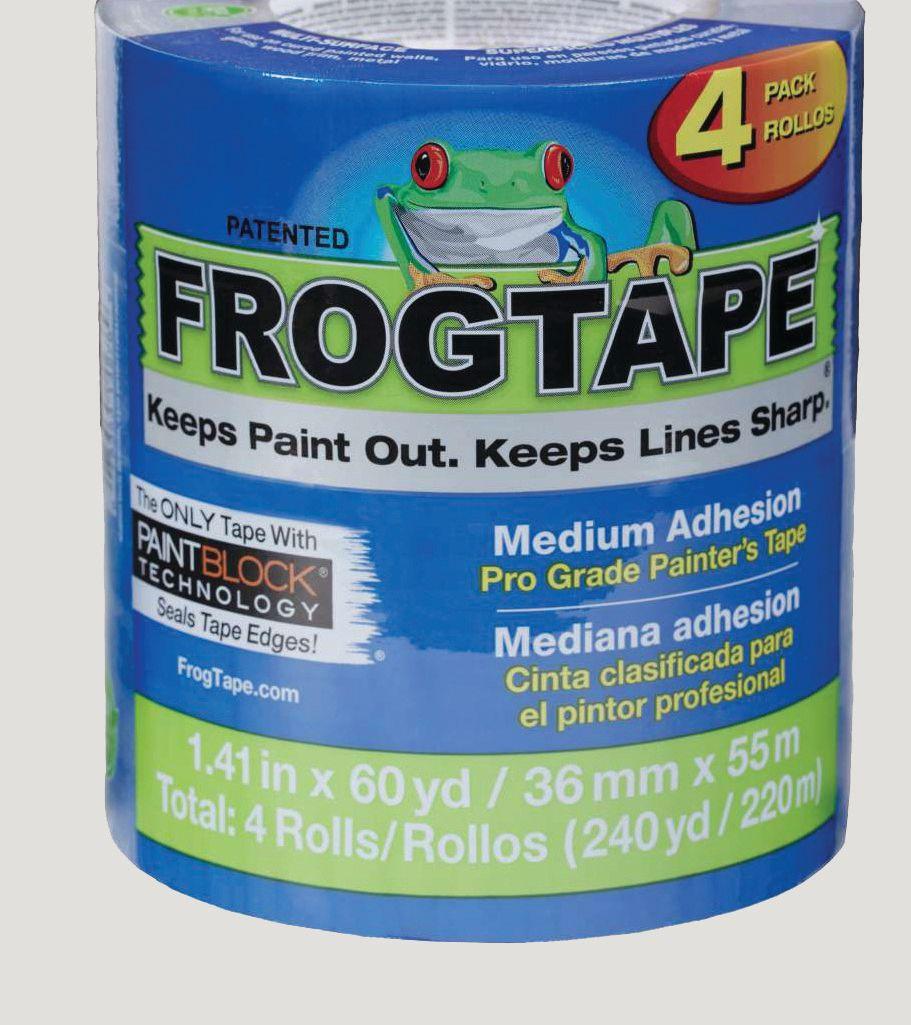
corners, and everyone by the clean lines usually possible with pros. No one any instance of paint bleed or culty removing the tape even stayed in place for over a If you currently do not stock FrogTape, then bring in a few of their Pro Grade Painter’s and Pro Grade Orange Painter’s Tape, which offers highadhesion. ■ you currently do stock
THE NEWS
• The Home Depot said it will cut about 800 corporate jobs at its Atlanta store support center as part of a restructuring aimed at reduc ing costs and improving operational efficiency.
• Harbor Freight continued its early-2026 expansion with multiple new store openings and announce ments across Texas, Alabama, Louisiana, Arizona and Florida, including locations in Dumas and Odessa, Tex.; Sunrise, Fla.; Phoenix; and several Southern mar
owned and operated Alosta Ace Hardware in Glendora, Calif.,