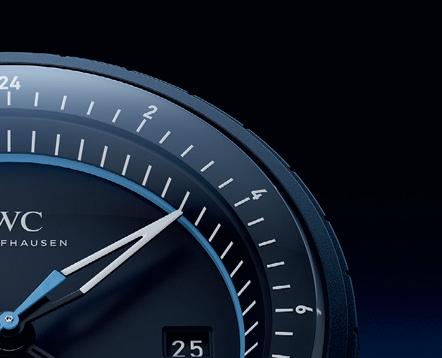
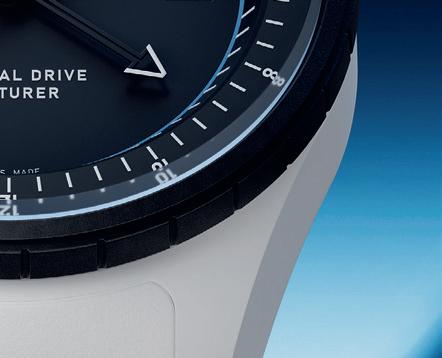
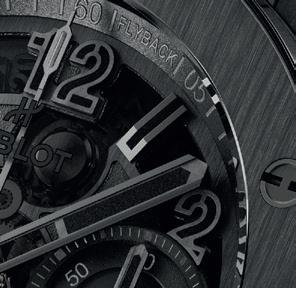
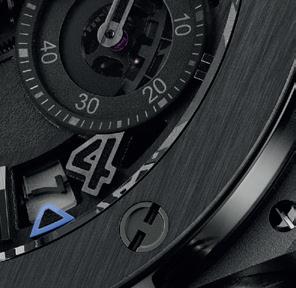
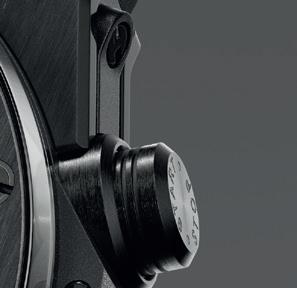
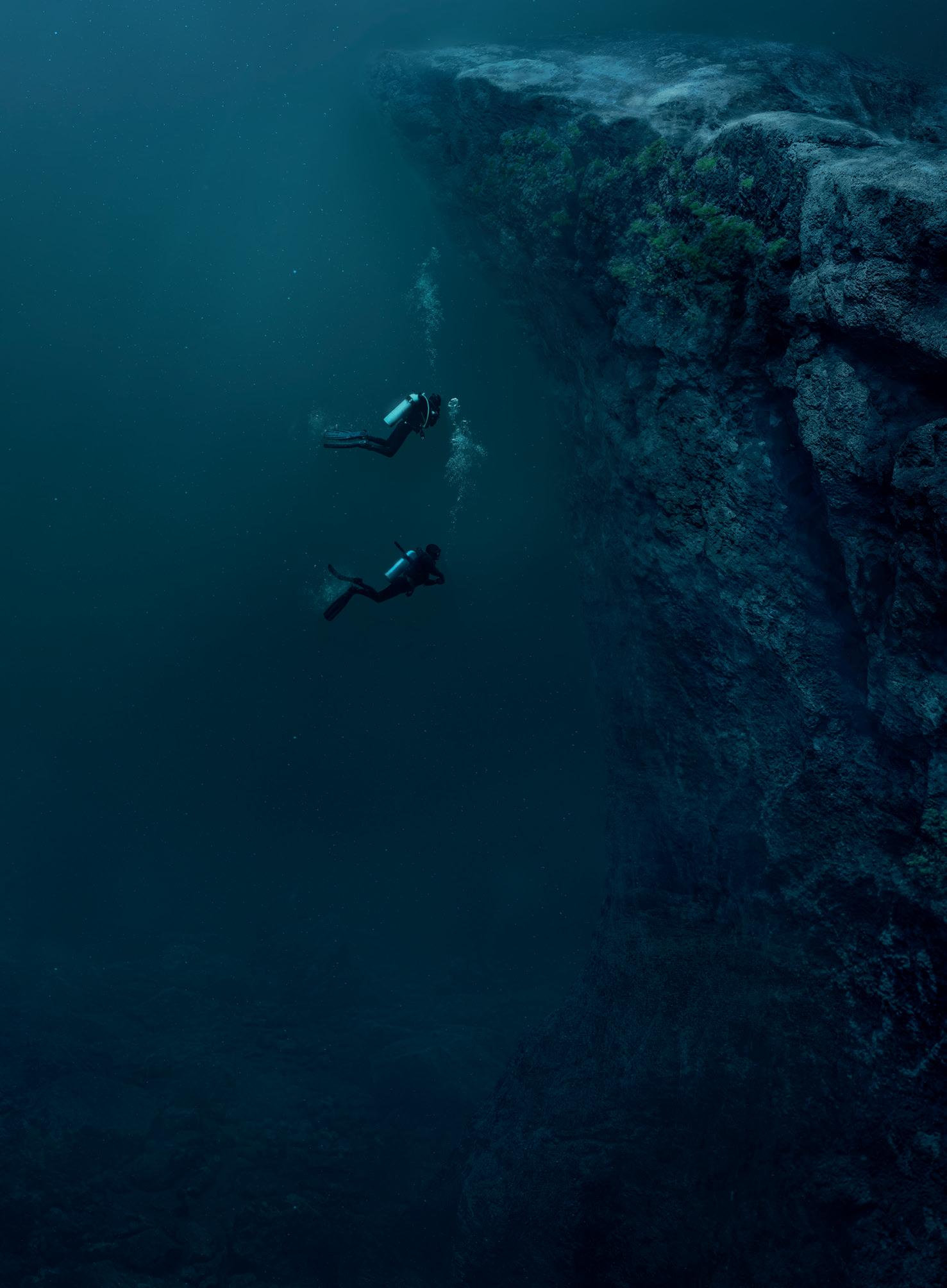
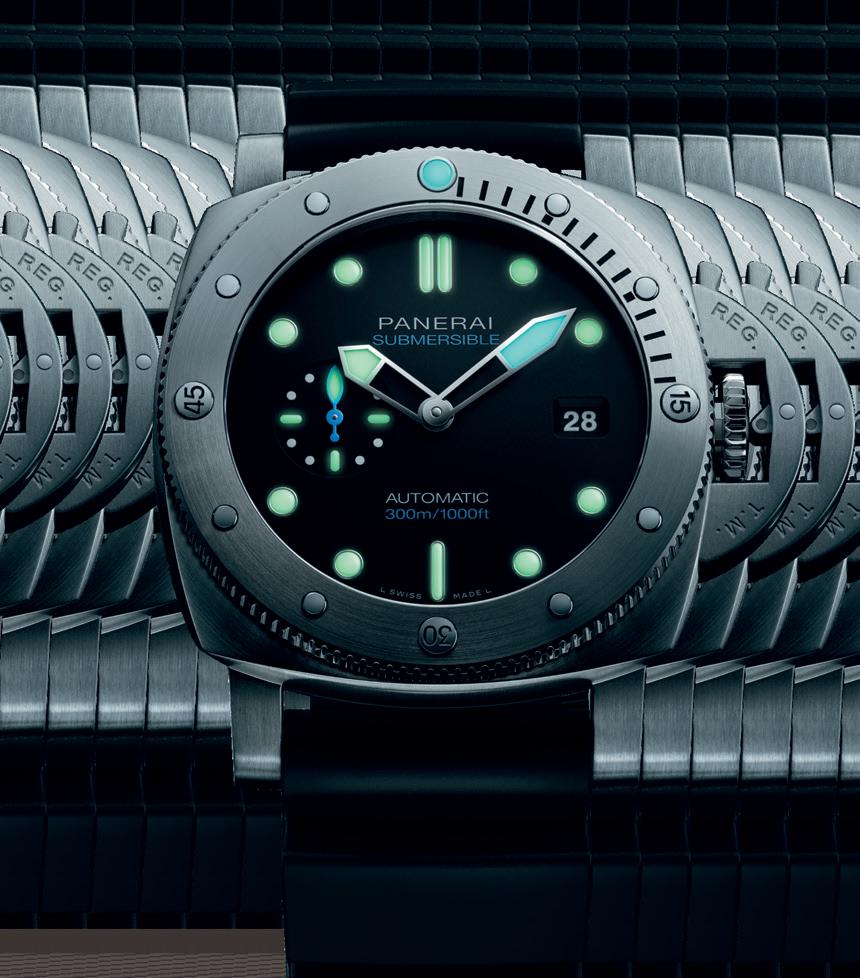
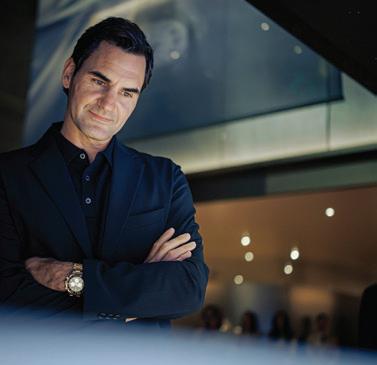
The drive to push boundaries and explore is as old as humanity itself. At the dawn of the next space age, long-term life in orbit is no longer a dream. Among the pioneers of this new era is Vast, the company developing next-generation space stations. Inspired by the same spirit of exploration, IWC Schaffhausen’s engineers have created their first tool watch designed specifically for astronauts. From the innovative rotating bezel system to the 24 hour mission time display, every detail is meticulously crafted to meet the unique demands of human spaceflight. Like Haven 1 – scheduled to become the world’s first commercial space station – the watch places the user at the centre of its design. Uncompromising in space. Commanding on Earth.
IWC. Engineered.
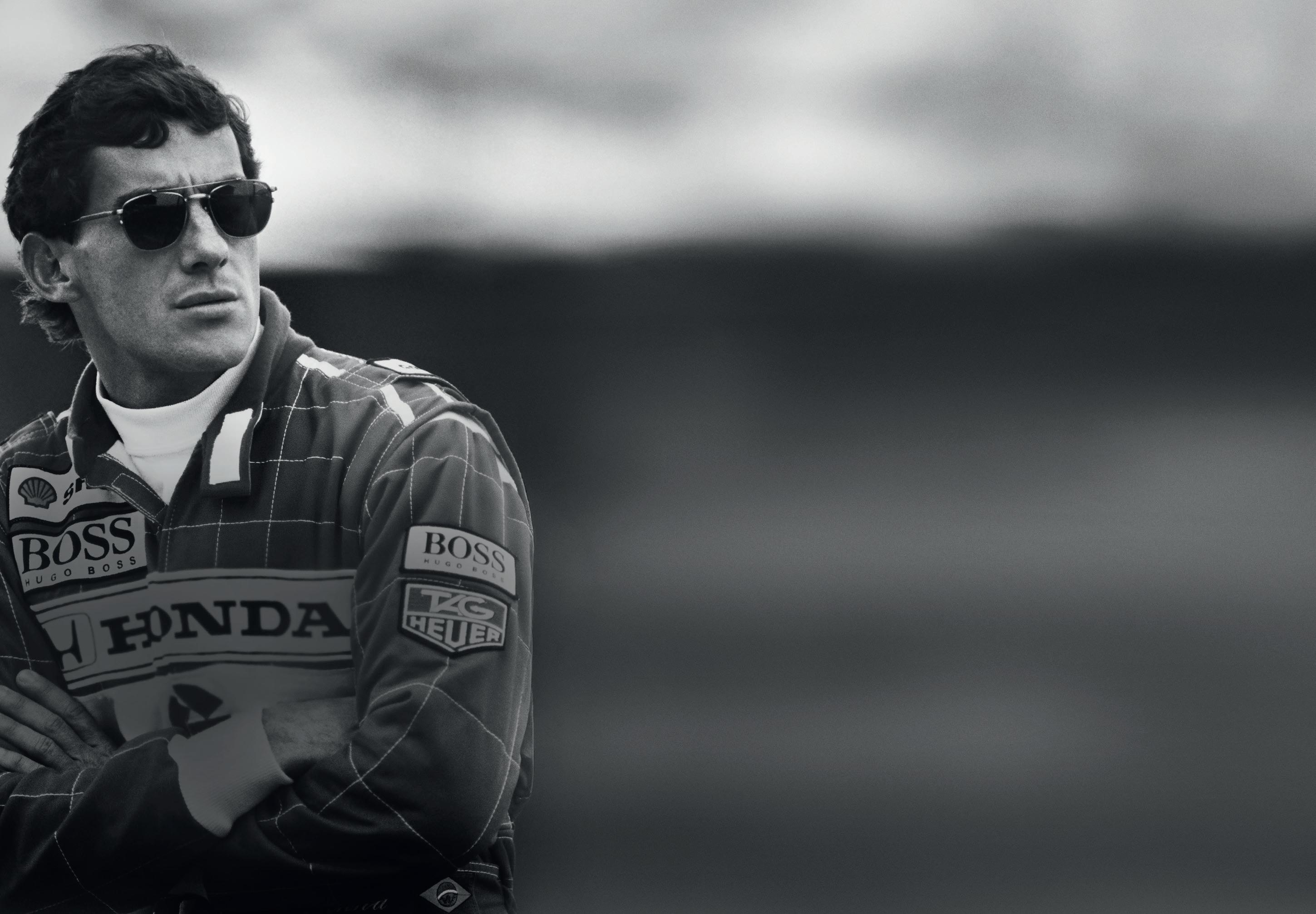
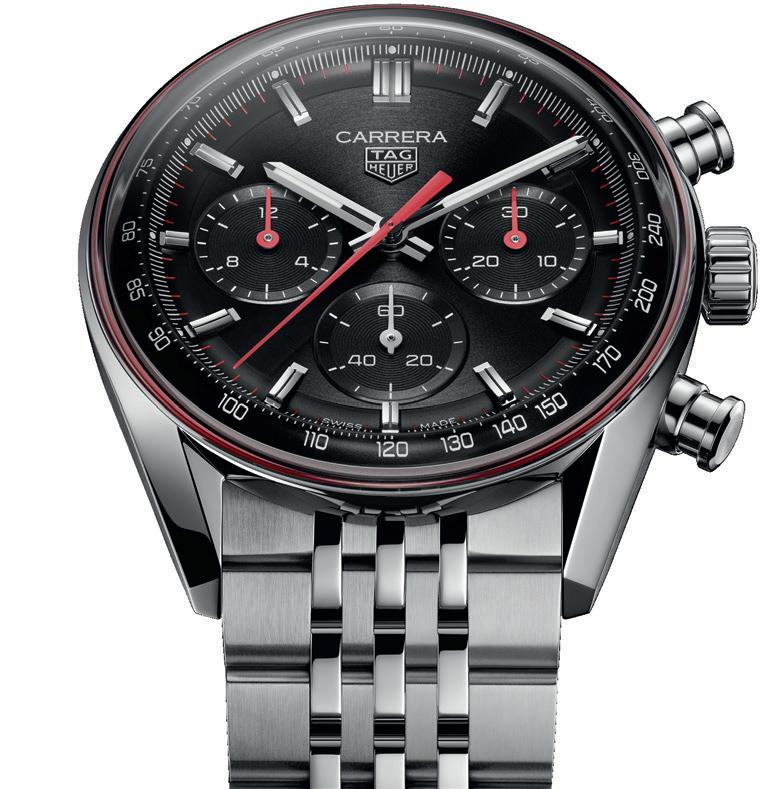
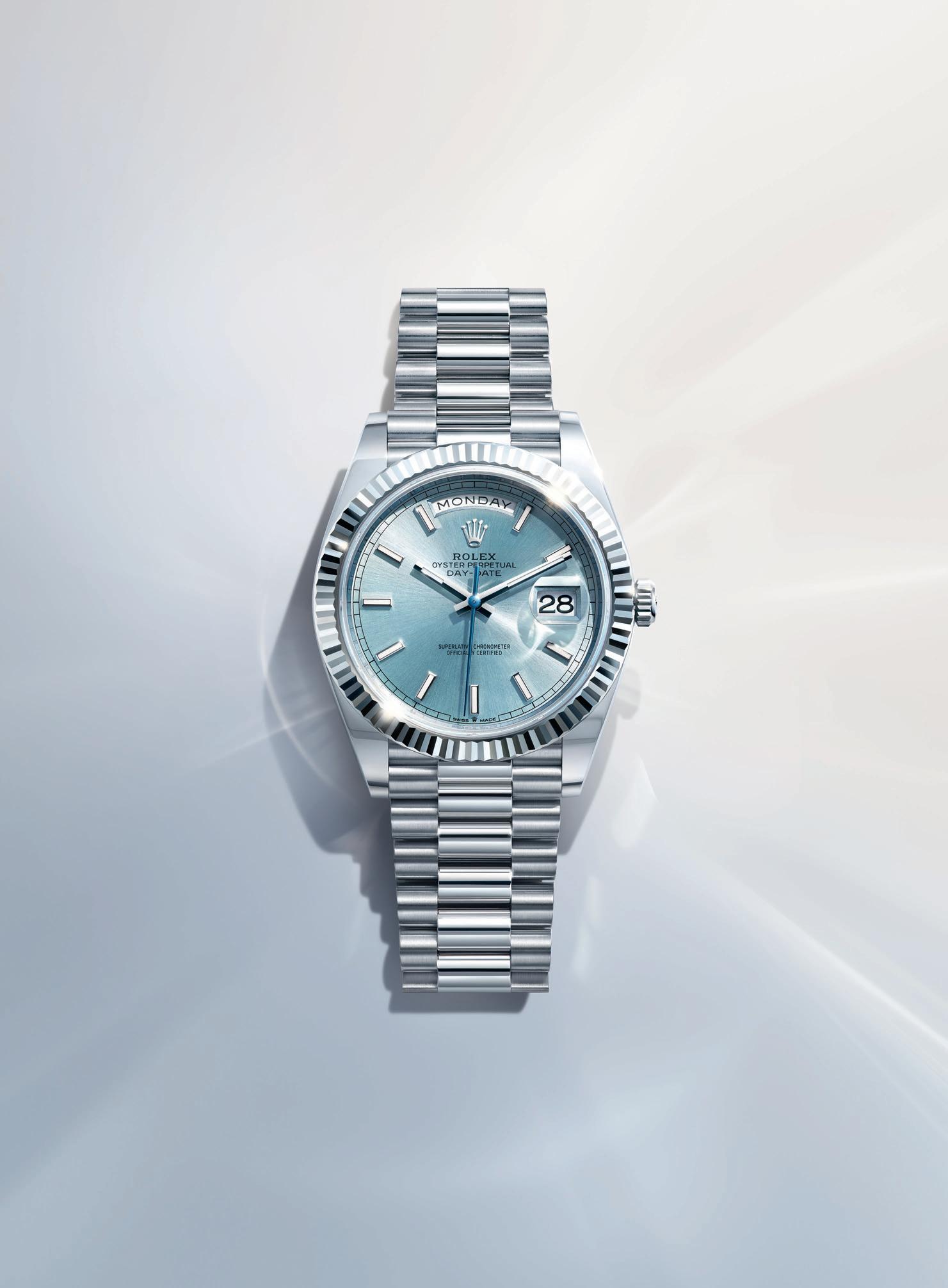
TAG HEUER BOUTIQUES SANDTON CITY, V&A WATERFRONT, GATEWAY WWW.PICOTANDMOSS.CO.ZA
There are moments in publishing when you pause, take stock, and appreciate just how far a journey has come.
This June issue is one of those moments for me.
Every month, these opening pages belong to our Editor-inChief, Lerato Tshabalala. For this special edition, however, Lerato suggested I step into this space and share a few reflections from the founder’s chair.
Over the past few months, I’ve had the privilege of representing YourLuxury Africa at some remarkable moments across the luxury landscape. From Watches and Wonders in Geneva to exclusive brand experiences and collaborations closer to home, I’ve been reminded of the extraordinary access, relationships, and opportunities that are part of the YourLuxury Africa story.
This issue reflects many of those experiences. It celebrates craftsmanship, innovation, adventure, and the pursuit of excellence – values that continue to inspire us. It’s also a reminder of how far we’ve come.
Just three-and-a-half years ago, YourLuxury Africa was an ambitious vision. Today, it’s evolved into South Africa’s leading luxury lifestyle monthly title, supported by audited circulation, a rapidly growing digital footprint, a thriving social media presence, and an expanding audience across the continent.
We are no longer simply a magazine. We are a multi-platform luxury media business connecting brands and audiences through meaningful storytelling and memorable experiences. Every month, our goal remains the same: to showcase the very best of luxury through an authentically African lens.
None of this would be possible without the support of our valued advertising partners, loyal readers, and an exceptional team who continue to believe in what we are building.
On that note, I’d like to acknowledge our remarkable team, many of whom have been with us since inception, helping to build not only a publication, but a respected luxury media brand. Their passion, creativity, and commitment to excellence are reflected in every issue we produce and every story we tell.
But most importantly, thank you to our readers. Your support, engagement, and loyalty continue to inspire us. Whether you discover us in print, online, through our social platforms, or at one of our events, you are at the heart of everything we do.
As we move into the second half of the year, the future of YourLuxury Africa has never looked more exciting. There are new ventures, new partnerships, new markets, and new opportunities on the horizon, and we look forward to sharing them with you.
For now, we invite you to enjoy this special issue and join us in celebrating the people, brands, and stories that continue to define luxury in Africa and beyond.
JU
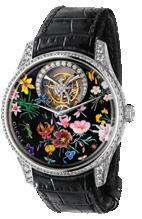
2. GUCCI 25H
I love it when art and fashion come together, and Gucci has expanded its High Watchmaking universe with new Métiers d’Art creations inspired by archival scarf motifs, each rendered exceptionally. The collection also introduces a radiant rainbow gemstone interpretation of the Gucci 25H.
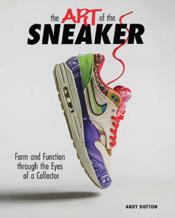
4. THE ART OF THE SNEAKER –ANDREW DUTTON
High heels are the biggest scam, and sneakers are the complete antithesis. As a sneakerhead, I appreciate the comfort that comes with the style and culture of putting on a pair of Adidas or Pumas. A visually striking celebration of sneaker culture, this collector’s volume captures 150 iconic pairs through the refined, design-led lens of Andrew Dutton.
NE
PATRICK
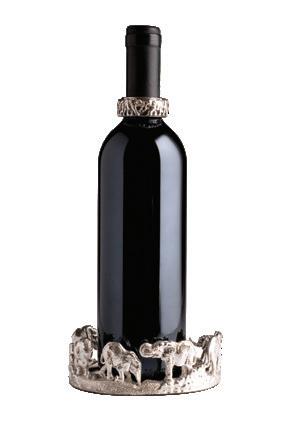
MAVROS — ELEPHANT WINE COASTER
When it gets cold, I switch to red wine – I’m generally a white and rosé drinker. Not because I don’t appreciate a great red, but because honestly, I don’t have the kahunas for red wine… Yet! I love this sculptural silver wine coaster adorned with finely crafted elephants, celebrating the artistry and African heritage. Now I just need someone to treat me to a vintage Merlot from Pomerol.
3.
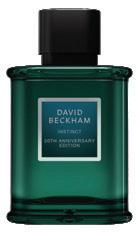
DAVID BECKHAM — INSTINCT 20TH ANNIVERSARY EDITION
I’ve been a fan of the Beckhams ever since they arrived at a Versace event in matching Gucci black leather outfits in 1999. That’s audacity right there! Two decades after its debut, David Beckham’s iconic Instinct fragrance returns in a modern EDP crafted by master perfumer Dominique Ropion. This 20th anniversary reinterpretation elevates the classic profile with fresh, contemporary nuance while honouring the scent’s original charisma.
5.
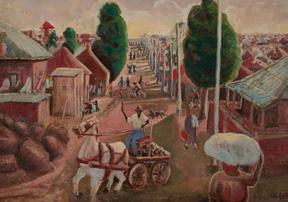
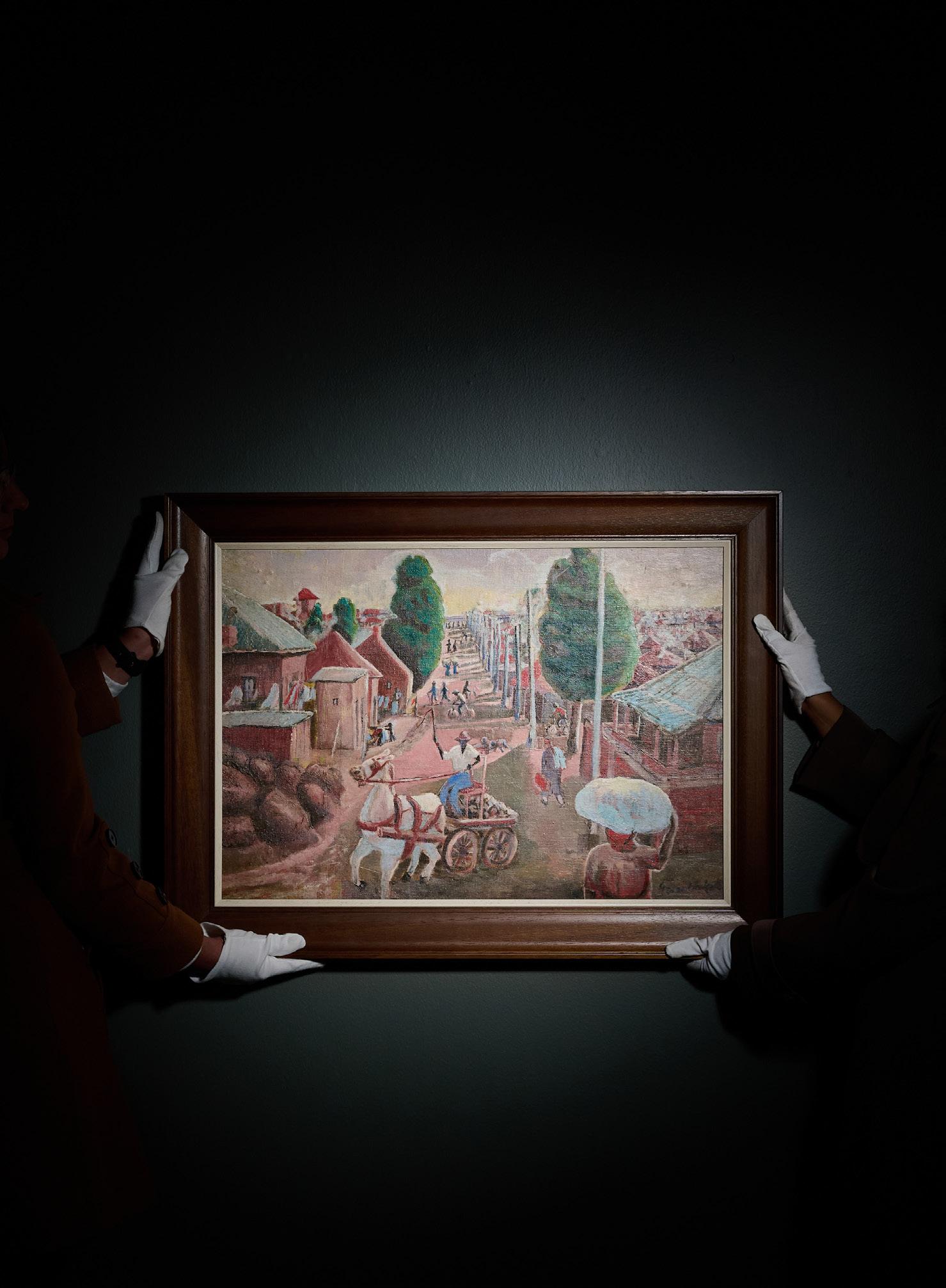
GERARD SEKOTO — HORSE AND CART, SOPHIATOWN (C. 1939)
In May, Strauss & Co announced the sale of a historically significant early work by one of my favourite artists, Gerard Sekoto, capturing the vibrancy and humanity of Sophiatown before its destruction under apartheid. Rendered in rich reds and rose tones, the scene reflects Gerard’s emerging mastery shortly after his transition to oil painting.
Photographer: Garreth Barclay
Win
@home!
TO ENTER Scan the QR code below or visit @yourluxury.africa and click on the link in bio.
Competition open from 5-30 June 2026. Ts & C’s apply.
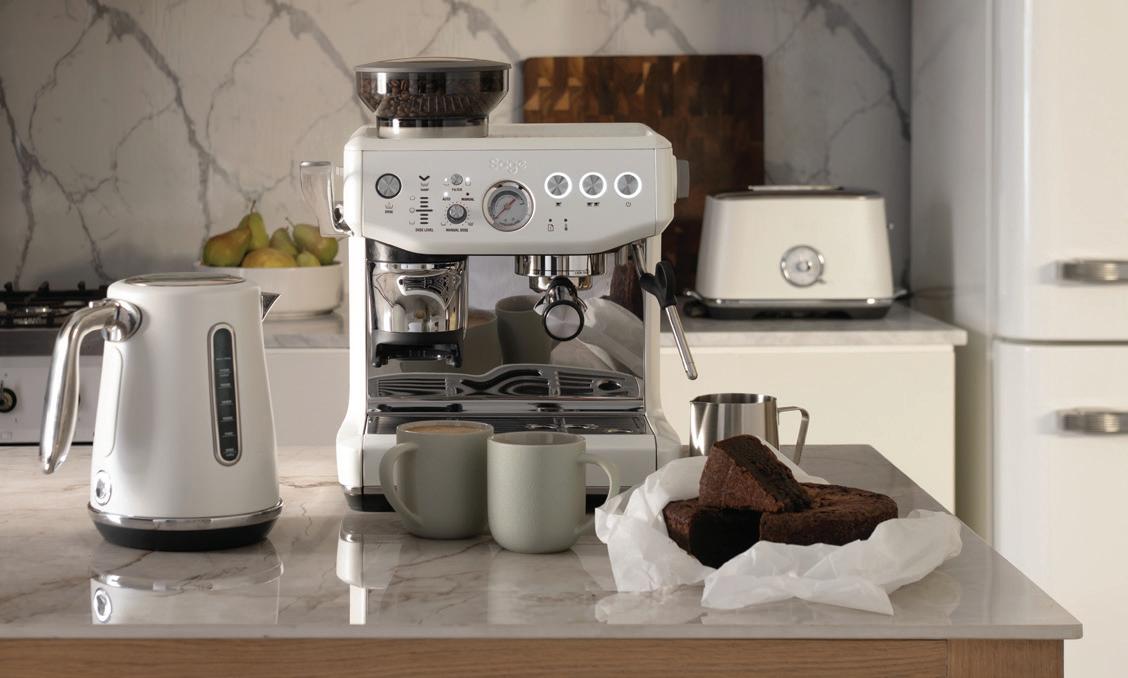
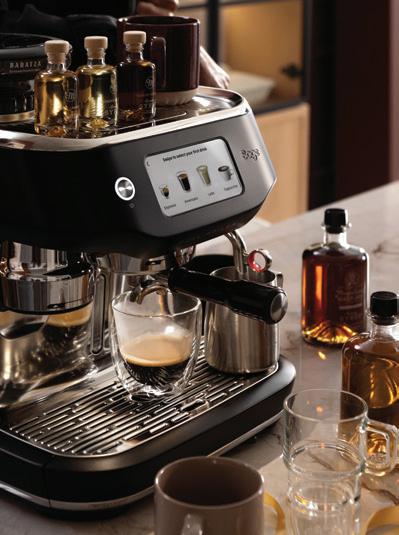
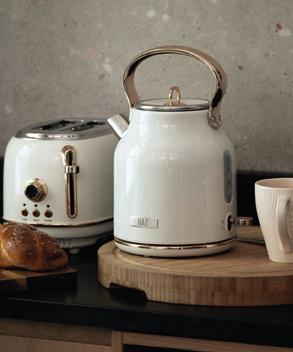
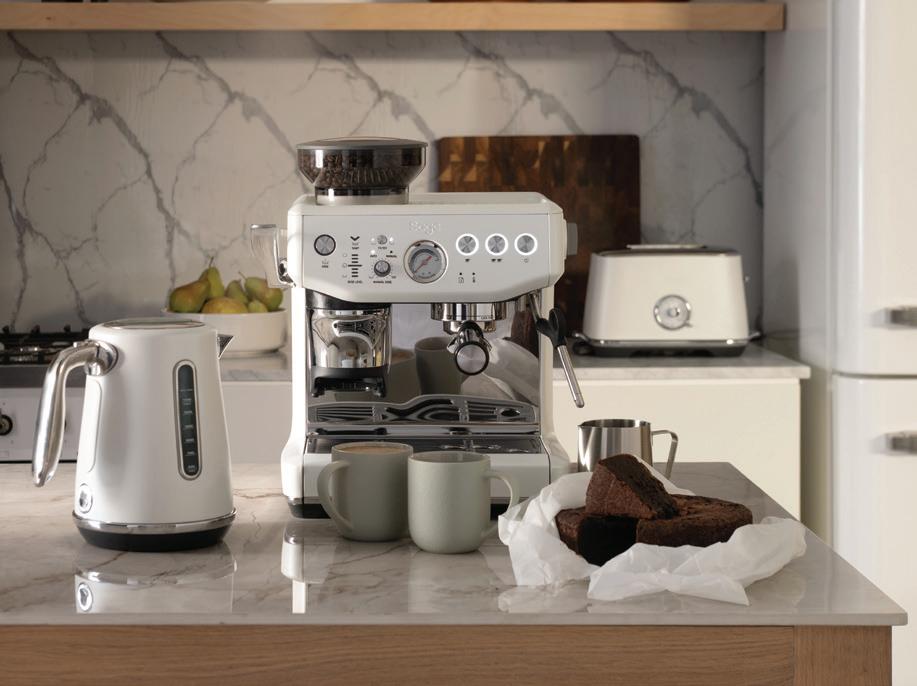
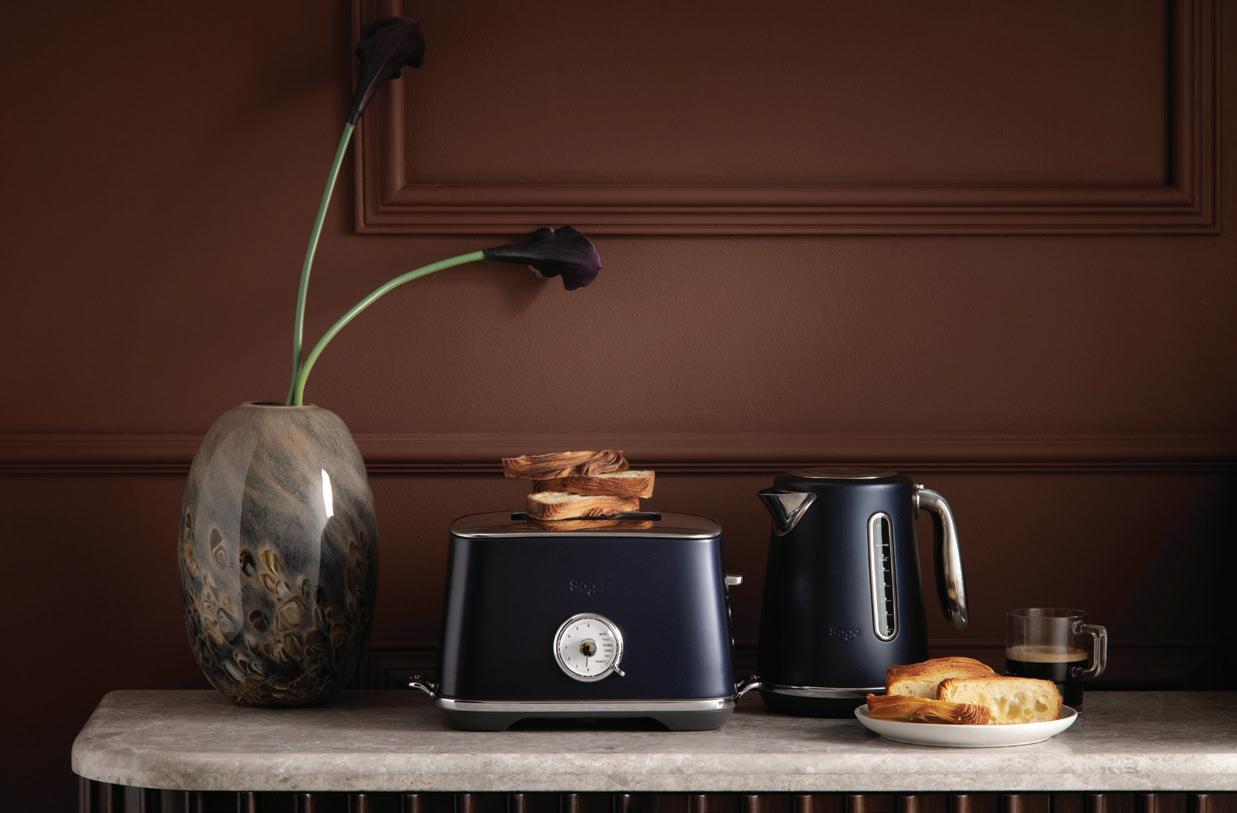
In the chilly winter months, there’s little more luxurious than a ritual of comfort and warmth. This month, one lucky YourLuxury Africa reader will win a set of state-of-the-art Sage appliances valued at R24 000, courtesy of @home
The prize – which includes a Sage Barista Express Impress coffee machine, Sage Select Luxe Toaster, and Sage Soft Top Luxe kettle – not only adds designer appeal to any kitchen, but curates those moments that allow us to slow down and relish that leisurely cuppa served, of course, with hot buttered toast and lashings of marmalade.
MEET OUR CONTRIBUTORS
WHAT IS ONE THING (TRAIT OR MATERIAL) EVERY GENTLEMAN SHOULD POSSESS?
CANDICE-LEE KANNEMEYER
“I believe every gentleman should possess manners. As the saying goes, “Manners maketh the man”. Saying “please” and “thank you”, being punctual, and treating everyone with kindness and respect. These traits, in my opinion, shape a gentleman.” See: p30
ANDRE NEVELING
“A signature scent. Every gentleman should have that one fragrance that just works – one people come to recognise or even remember him by. For me, that’s Gucci Intense Oud. Long after the first spritz has settled, strangers still stop me to ask what I’m wearing. Honestly? The world would smell a whole lot better if every man found his signature scent.” See: p50
DEBBIE HATHWAY
Good manners. Not in a stiff or performative way, but in the small, thoughtful things that make me feel considered. Opening the door for me. Offering a drink. Walking on the street side of the pavement. Placing a steadying hand under my elbow when needed. It might be old-fashioned, but those quiet gestures still say far more to me than money, status, or bravado ever could. See: p16, p18, p32-41, p44
EDITORIAL: EDITOR IN CHIEF Lerato Tshabalala lerato@yourluxury.africa CREATIVE DIRECTOR Kate Walters COPY EDITOR Tamlyn Cumings CONTRIBUTING EDITOR Leigh Herringer WATCH & JEWELLERY EDITOR DebbieHathway debbie@yourluxury.africa IMAGE EDITOR Coralie Elske DIGITAL EDITOR Jessica Levitt jessica@yourluxury.africa TRAFFIC CO-ORDINATOR Rachel Ndawo ADVERTISING & MARKETING: ADVERTISING DIRECTOR Yvonne Shaff +27 (82) 903 5641 I yvonne@yourluxury.africa ADVERTISING CO-ORDINATOR Yvette Mehl +27 (21) 439 4907 I yvette@yourluxury.africa ACCOUNT MANAGER: NATIONAL Gina van de Wall I gina@yourluxury.africa SALES EXECUTIVES: Sumeshni Pillay I sumeshni@yourluxury.africa; Susan Pienaar I susan@yourluxury.africa
ADVERTISING SALES MANAGER: LONDON AND THE UK Louella Stocchi I louella@yourluxury.africa PAID MEDIA SPECIALIST | SOCIAL MEDIA MANAGER Mbali Mthimkhulu I mbali@yourluxury.africa MANAGEMENT: MANAGING DIRECTOR Yvonne Shaff CO-FOUNDER Jacquie Myburgh Chemaly DISTRIBUTION & PRINT: DISTRIBUTION On the Dot, Media Support
PRINTED BY CTP Printers, Cape Town for YourLuxury PO Box 1053, Sea Point 8060, Cape Town.
All rights reserved. Whereas precautions have been taken to ensure the accuracy of information, neither the editor nor YourLuxury Africa can be held liable for any inaccuracies, injury or damages that may arise. The opinions expressed in the articles may not reflect those of the publisher. As part of our celebration of craftsmanship and culture, this publication features select alcohol brands. We support responsible enjoyment. Not for sale to persons under 18. Please drink responsibly. All prices correct at time of going to print.
yourluxury.africa
BIG BANG RELOADED
WIMBLEDON
29 June – 12 July | London, UK
Few sporting occasions balance heritage and high performance quite like Wimbledon, where pristine lawns and time-honoured rituals frame some of tennis’s most exciting rivalries. All eyes turn to reigning champions and crowd favourites such as Jannik Sinner and Novak Djokovic, whose mastery on grass continues to set the standard, while rising contenders look to disrupt the new normal. The elegance and intensity of players like Iga Świątek and Aryna Sabalenka promise to fiercely contest the prized trophy. Prepare the strawberries and cream… oh, and don’t forget the Pimms. For match fixtures, visit wimbledon.com.
THE ROYAL COUNTESS ZINGARA
From 20 June | Johannesburg, South Africa
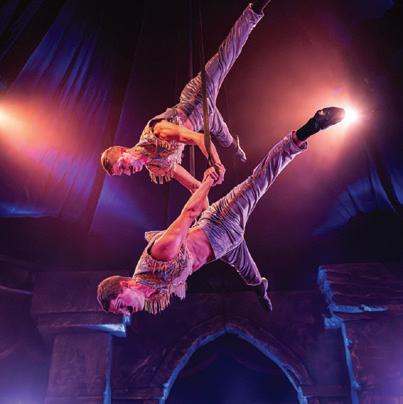
Formerly Madame Zingara, The Royal Countess Zingara’s premier show, La Dolce Royal, blends fine dining with highimpact performance inside an iconic mirrored Spiegeltent, reintroducing audiences to a world of acrobatics, music, and immersive theatre. Created by Richard Griffin and directed by Craig Leo, the show brings together a dynamic cast of South African and international talent. Highlights include former Cirque du Soleil aerial cradle artists Juan Pablo Palacios and Victoria Perez Iacono, Ukrainian strongmen Mykola and Andrii Pysiura, contortionist Lunga Buthelezi, and Cape Town’s vocal quartet The Clorettes. On at the Melrose Arch Pavilion. zingara.co.za
CULTURE DIARY
DECOREX
22-25 June & 30 July – 2 August | Cape Town & Johannesburg, South Africa
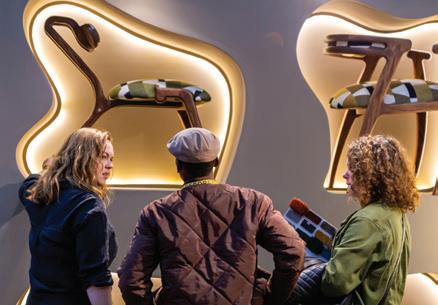
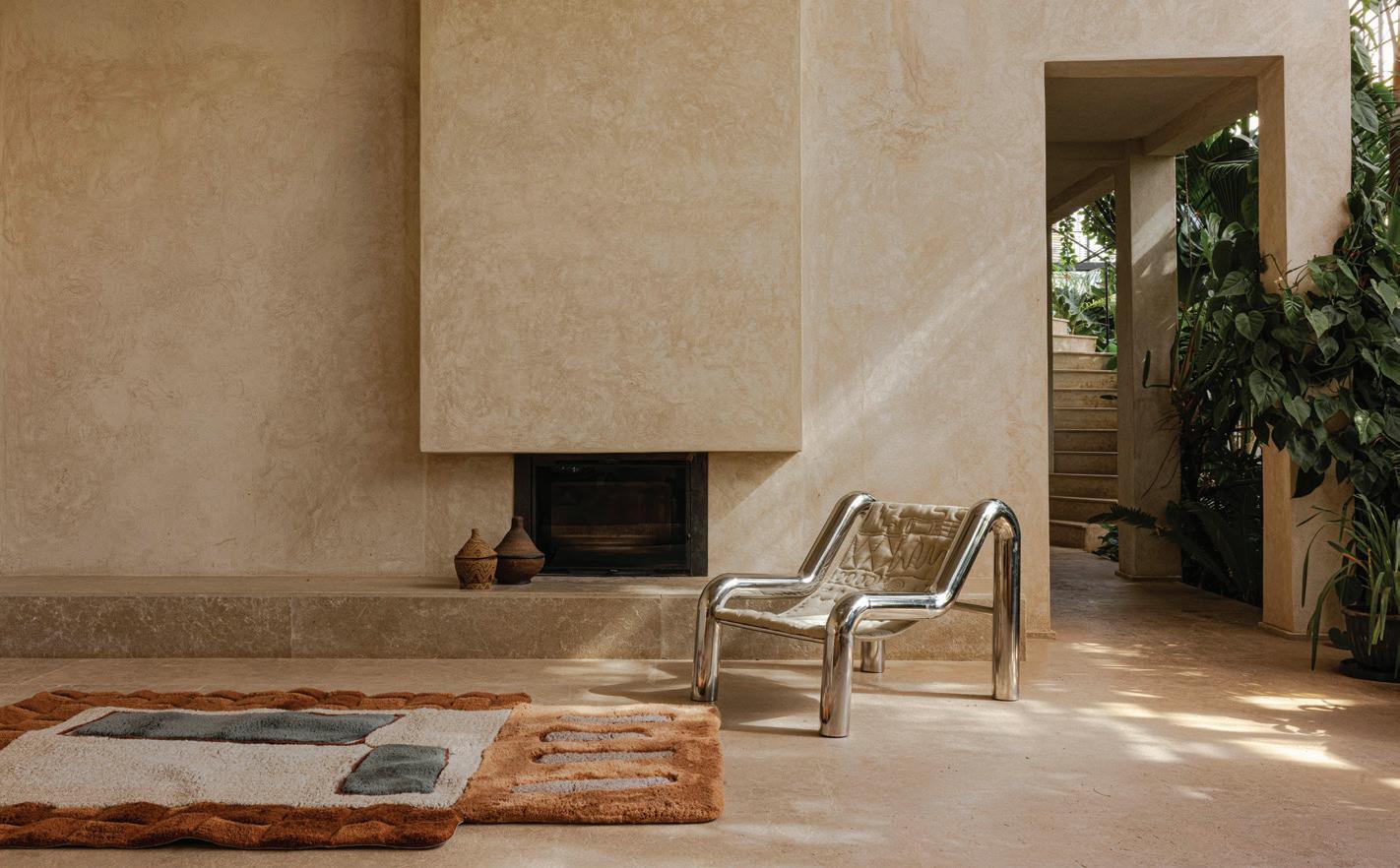
South Africa’s leading design showcase, Decorex – sponsored by Santam and Lexus – returns to Cape Town (22-25 June) and Johannesburg (30 July –2 August), transforming ordinary spaces into curated expressions of comfort, contemporary design, and intentional living. Under this year’s theme, Soft Life, visitors can explore more than 600 exhibitors, 10 design-led restaurants, 20 immersive lighting, architecture, and furniture installations, inspirational bathroom and kitchen features, DIY renovation workshops, and interactive live cooking studios. Expect pioneering new works from the 2026 Designers of the Year and many unique African brands bringing the best of contemporary craftsmanship to South Africa. decorex.co.za
MEN’S FASHION WEEKS
11-14 June, London, UK
19-23 June, Milan, Italy
23-28 June, Paris, France
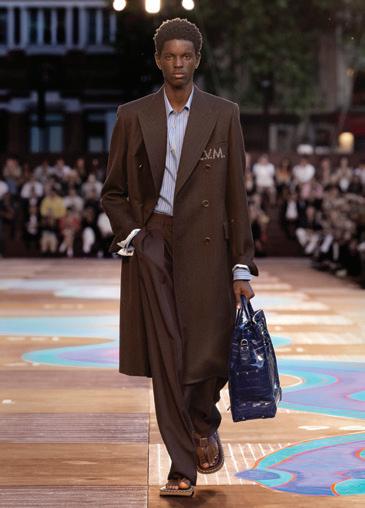
June unfolds as a celebration of sartorial fashion across three style capitals, setting the tone for the season ahead. London kicks off with a dynamic shorter showcase, where emerging design voices meet established houses in a spirit of experimentation. The focus then sharpens in both Milan and Paris, where menswear takes centre stage through impeccably tailored silhouettes, refined craftsmanship, and chic design. It is here that the future of fashion is predicted, cut, stitched, and sent down the runway. fashionweekonline.com
FIFA WORLD CUP
11 June – 19 July | Canada, Mexico, USA
Soccer’s grandest stage returns with its signature blend of sport, culture, and global spectacle, where both emerging talent and seasoned icons unite in pursuit of the game’s ultimate trophy. In a full-circle moment, South Africa’s Bafana Bafana will face one of the host-cities, Mexico, in the tournament kick-off – reminiscent of the electric 2010 curtain raiser on home soil that ended in a 1-1 draw. Get those Bafana Bafana jerseys ready for Football Fridays and expect plenty of drama, continental pride, and the kind of moments that transcend sport across the globe. For fixtures and more information, visit fifa.com.
Dividend
IN A WORLD MOVING AWAY FROM LOUD LUXURY AND FLEETING TRENDS, FINE WATCHES ARE QUIETLY RECLAIMING THEIR PLACE AS SYMBOLS OF CRAFTSMANSHIP, PATIENCE, AND ENDURING VALUE
Luxury watches have had a bit of a moment over the past few years. Prices ran hard, waiting lists got ridiculous, and suddenly everyone was a “collector”. At one point, stainless-steel sports watches were trading like tech stocks. It felt less like appreciation and more like speculation.
That phase hasn’t completely disappeared, but things are certainly starting to normalise. This year’s Watches and Wonders in Geneva had a noticeably different tone. Demand is still strong, but with less hype and less noise.
What stood out most wasn’t some over-the-top piece – it was restraint. Smaller cases, thinner designs, cleaner dials. The focus has shifted back to craftsmanship rather than attention.
That shift actually says quite a lot about where luxury is going more broadly. We’ve come out of a period where everything was loud –big logos, bold statements, and social media-driven consumption. Now it feels like the pendulum is swinging back, and people are starting to care more about things that last; things that age well.
You can see it in how collectors are thinking. It’s less about buying what everyone else recognises, and more about finding pieces that only a few people understand. There’s a move towards independents, niche complications, and understated brands. The flex isn’t gone, it’s just become more subtle.
Cartier is a good example of this shift. For a long time, the brand was seen as too dressy. Now it’s right at the centre of the conversation again. That probably says more about changing tastes than anything Cartier itself has done.
Then you’ve got Patek Philippe, which continues to just do its own thing. Limited supply, no chasing trends, and a long-term view on brand building. It’s actually quite similar to how you’d think about a great business. They don’t optimise for short-term demand, they protect the brand over decades.
That’s where watches and investing overlap quite nicely. The best assets – whether a business or a watch – tend to share a few traits. Scarcity matters. Reputation matters. And most importantly, time matters. You don’t build value overnight.
“The flex isn’t gone, it’s just become more subtle”
What’s interesting is that mechanical watches don’t really make sense anymore. They’re less accurate than your phone, they need servicing, and they’re expensive. But that’s kind of the point. They sit outside the logic of efficiency.
Owning one of these watches forces you to appreciate the process, the engineering, the design, and the history behind it. It’s not about utility, but about meaning.
And that ties into a broader trend around wealth as well. The old version of luxury was very visible, with big houses and big cars being obvious signals. The newer version feels a bit different. It’s quiet, relates to access, knowledge, and having the time to understand what you own.
That idea of time keeps coming up. A good watch doesn’t only tell the time, it represents it. The time it took to make, the time it takes to understand, and the time you’re willing to hold onto something.
Which is probably why watches still resonate with many – even in a world where they’re technically unnecessary and redundant.
Anyone can buy something expensive. The harder thing is buying something that still matters years from now.
And that’s really what this shift is about. Less noise, more substance. ■
Bright Khumalo is a Portfolio Manager and Analyst at Vestact Asset Management
WORDS BRIGHT KHUMALO
BOGGI MILANO NEW STORE OPENING SOON AT SANDTON CITY SHOPPING CENTRE
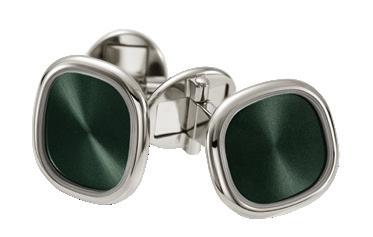
PATEK PHILIPPE cufflinks from the Nautilus collection in white gold. POA, patek.com
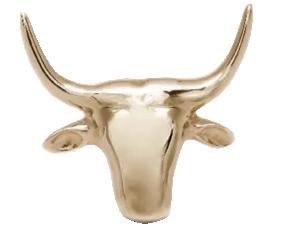
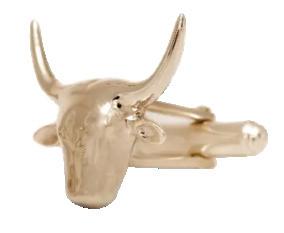
KELLY JAY JEWELLERY Nguni Bull cufflinks in yellow gold. R67 500, kellyjayjewellery.com
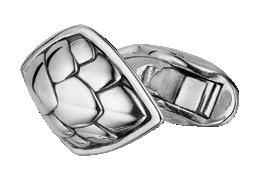
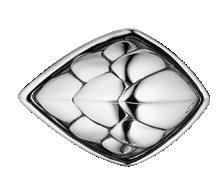
PATRICK MAVROS pangolin shield cufflinks in silver. R6 000, za.patrickmavros.com
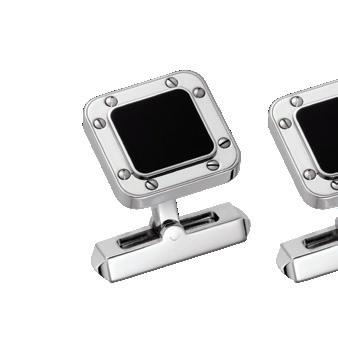
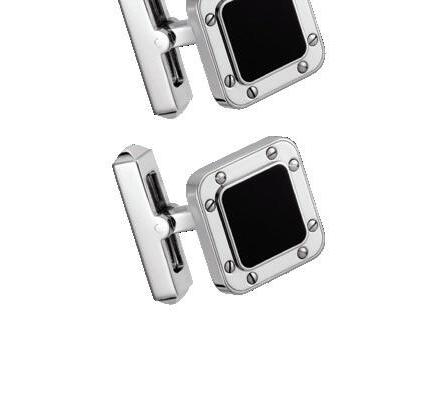
SANTOS DE CARTIER cufflinks in palladium-finish sterling silver and black lacquer. POA, cartier.com
CUFFIN
Season
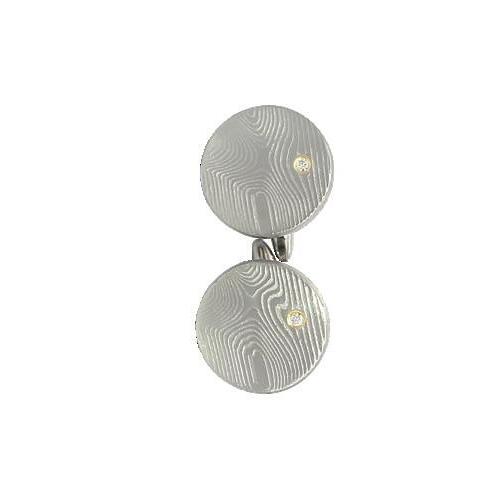
CHRIS PLOOF hand-forged Damascus steel cufflinks. POA, chrisploof.com
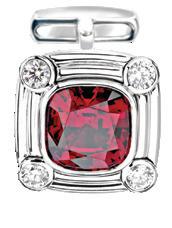
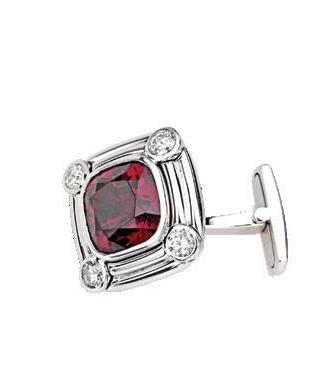
THIS SELECTION OF CUFFLINKS BRINGS TOGETHER JEWELLERY AND FUNCTION FOR CONSIDERED PERSONAL STYLE. SOME CARRY DEEPER MEANING, WHILE OTHERS ADD A REFINED FINISHING TOUCH WITH EFFORTLESS ELEGANCE
COMPILED BY DEBBIE HATHWAY
rhodolite (derived from the Greek
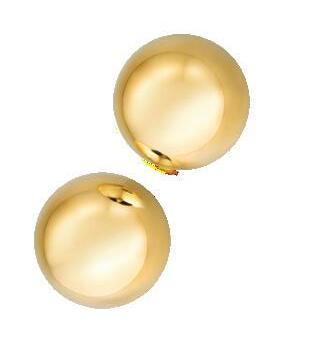
CHARLES GREIG JEWELLERS 18kt yellow gold dome cufflinks. R36 300, charlesgreig.co.za
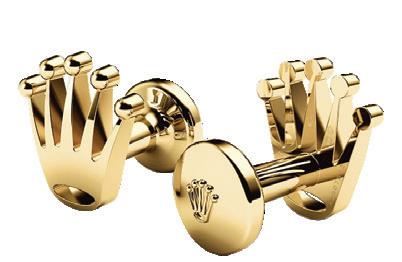
ROLEX “Crown” cufflinks in 18kt yellow gold. R108 300, shemer.co.za
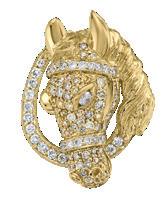
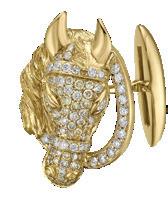
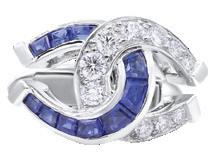
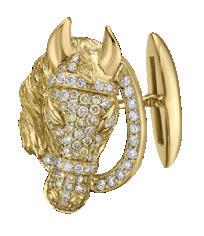
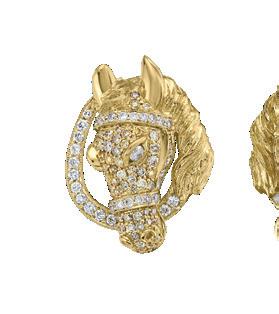
LIONHEART Legacy Lucky Horse diamond cufflinks handcrafted in 18kt yellow gold and white and fancy diamonds. POA, lionheartjewelry.com
PICCHIOTTI
If you are interested in buying or selling Fine Art, Decorative Arts, Design, Jewellery or Furniture, visit www.straussart.co.za for more information on valuations, sales, upcoming exhibitions, talks and more. Do you know the value of your collection?
General Enquiries: jhb@straussart.co.za | 011 728 8246 or ct@straussart.co.za | 021 683 6560 www.straussart.co.za
IN THE QUIET GRAMMAR OF A GENTLEMAN’S WARDROBE, PROPORTION IS EVERYTHING. THE MODERN DRESS WATCH IS SLIMMER, SHARPER, AND DESIGNED TO DISAPPEAR BENEATH A SHIRT SLEEVE – ONLY TO REVEAL ITSELF AT EXACTLY THE RIGHT MOMENT
WORDS DEBBIE HATHWAY
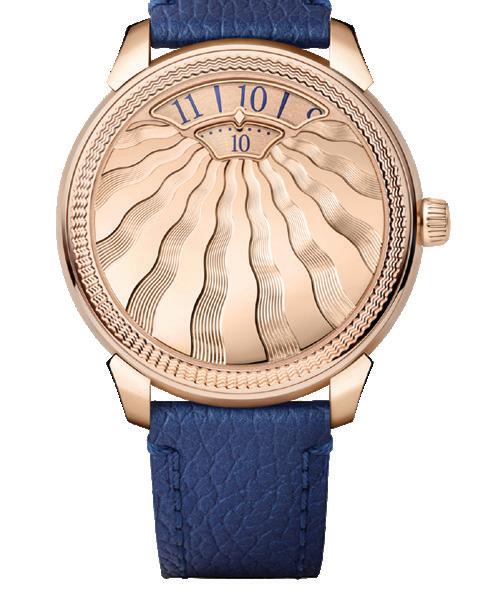
Clockwise from top: The third entry in the LOUIS VUITTON Tambour Convergence collection is a showcase for La Fabrique du Temps in Geneva. The dial features two distinct styles of hand-turned guillochage, achieved using historic machinery. An 1850 rose engine creates the concentric waves on the outer dial, while a 1935 straight-line engine – utilising a customdeveloped cam – cuts the central rays. Achieving this interaction of light required 20 trials over six months, with every individual dial demanding 16 hours of manual labour. The automatic rose gold piece comes in a discreet 37mm diameter and 8mm height. POA, louisvuitton.com
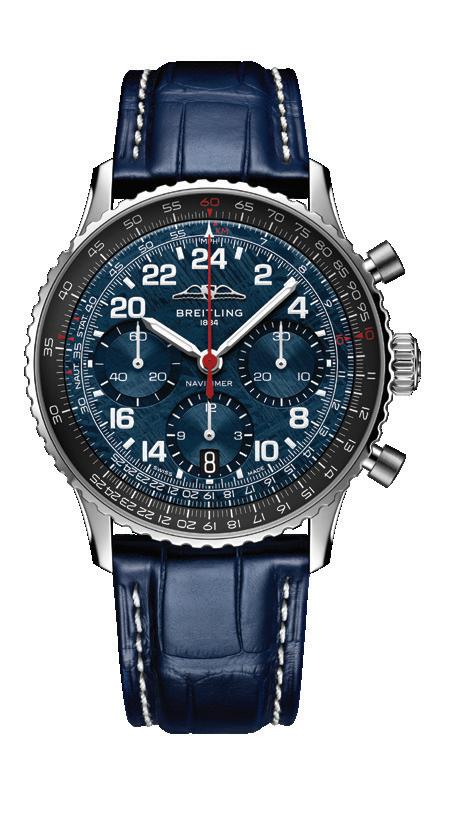
Limited to 450 pieces, the BREITLING Navitimer B02 Chronograph 41 Cosmonaute Artemis II pairs a galaxy-blue meteorite dial – each one naturally unique – with the handwound Breitling Manufacture Calibre B02, which has an approximate 66-hour power reserve. Engravings reference modern exploration with Artemis II, while the piece also links to astronaut Scott Carpenter’s custom Navitimer – the first watch to be worn in orbit six decades ago. The 41mm case, 13mm thick, maintains classic Navitimer proportions. POA, breitling.com
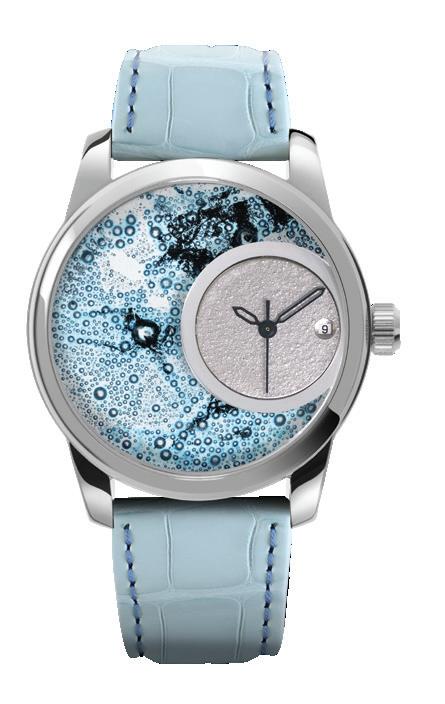
In a first for Swiss watchmaking, CLAUDE MEYLAN partners with master glassmakers Frédéric and Samuel Taddeï to create dials conceived as “sculptures of time”. One side reveals the architecture of an automatic movement; the other presents a free-form glass composition, rich in mineral texture and nuance. The result is a dialogue between structure and expression. Each piece is unique. The 6049 SAMB features a 42mm stainless-steel case, 10mm thick, with an ETA 2671 automatic movement offering a 38-hour power reserve and a textured opaline finish.
POA, claudemeylan.ch
UNDE R T H E FFUC
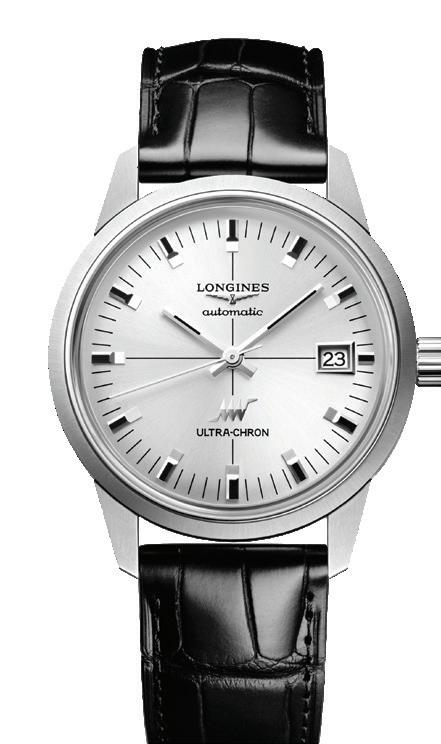
LONGINES highlights its highfrequency milestone with the Ultra-Chron Classic. Driven by the calibre L836.6, the exclusive movement beats at 36 000 vibrations per hour, setting standards of extreme precision. The stainless-steel case is offered in 37mm or 40mm, each under 11mm thick, preserving elegant proportions for the domed, silver sunray dial. The bracelet’s distinctive groove pattern draws directly from the original 1967 model. Alternating brushed and polished stainless-steel finishes enhance visual appeal and comfort. A black leather strap option is also available for a more classic look. POA, longines.com
ESCAPE THE ORDINARY
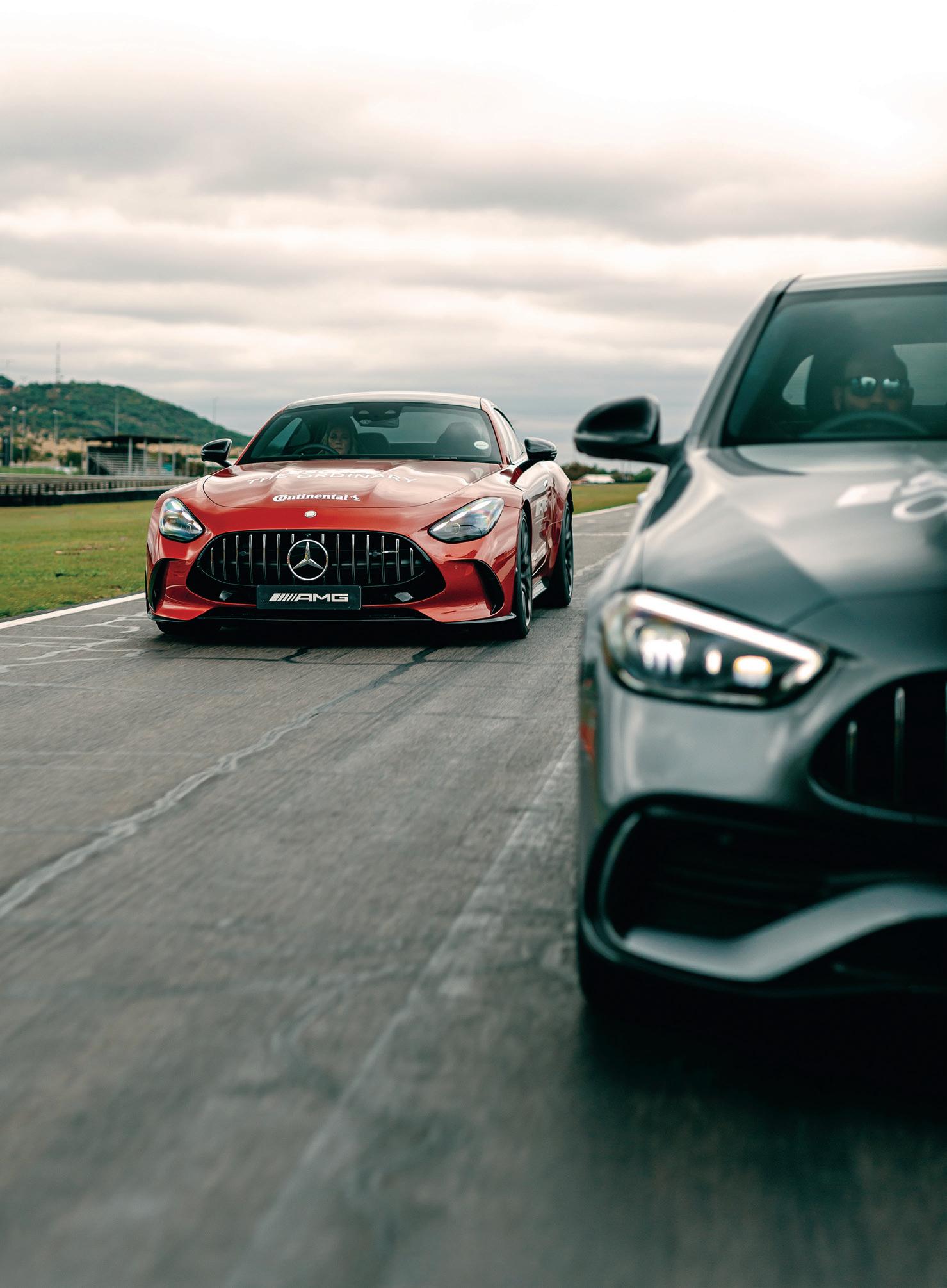
Step out of the passenger seat and into the cockpit of pure, unadulterated performance at the AMG Experience Centre. From masterfully controlled drifts on the skidpan to unleashing raw power down the straight, this is your chance to push the world’s most powerful fleet to its absolute limits. The track is ready. All that’s missing is you.
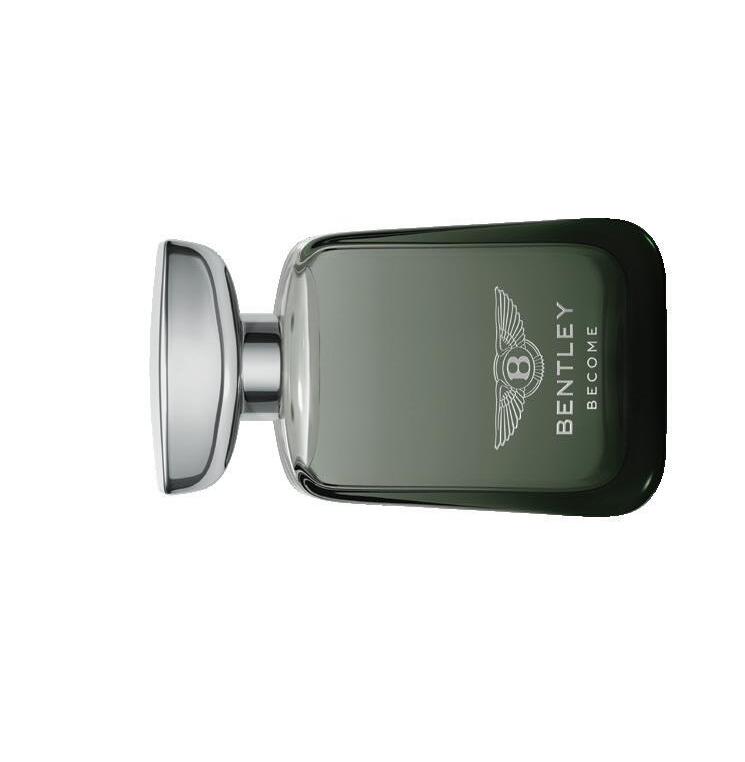
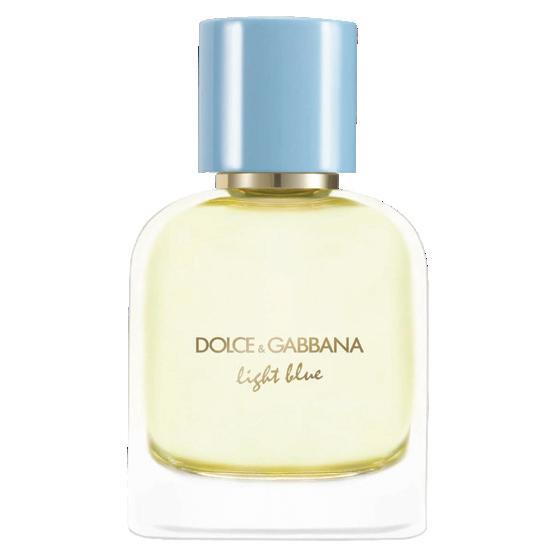
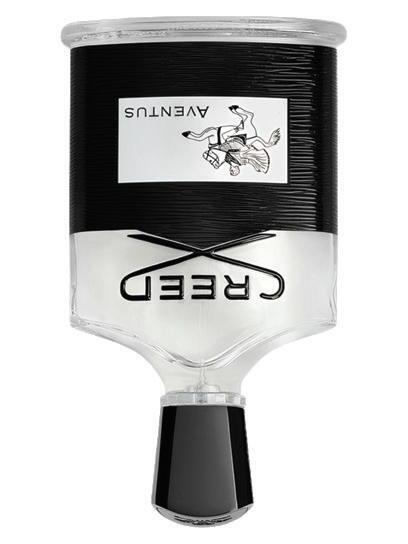
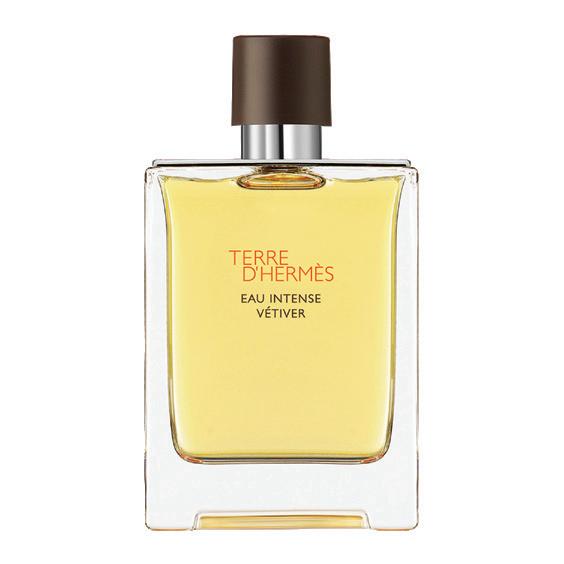
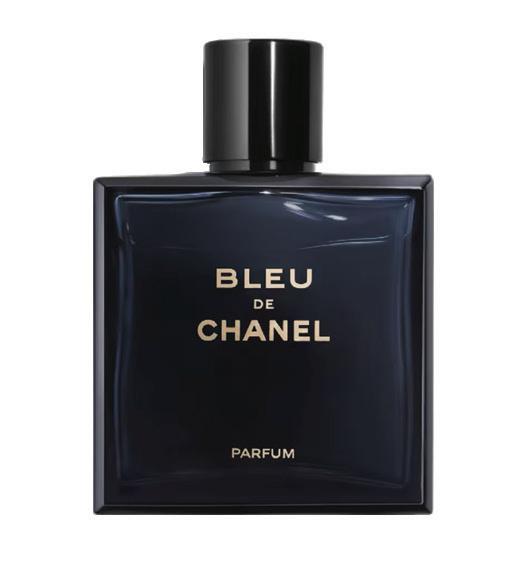
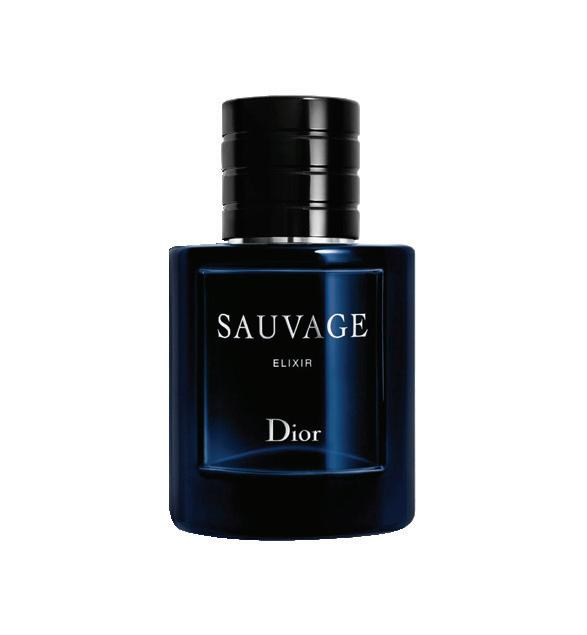
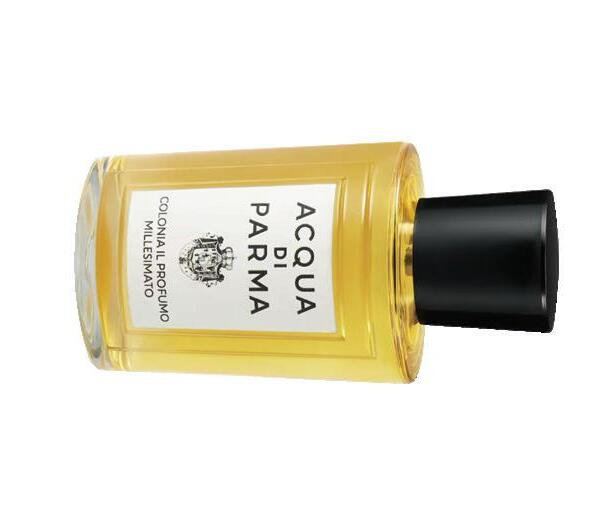
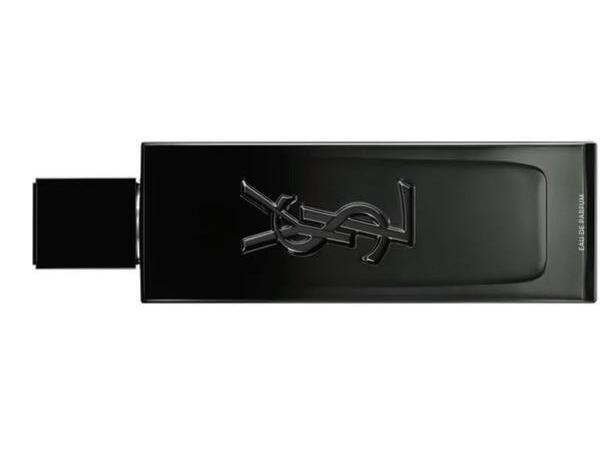
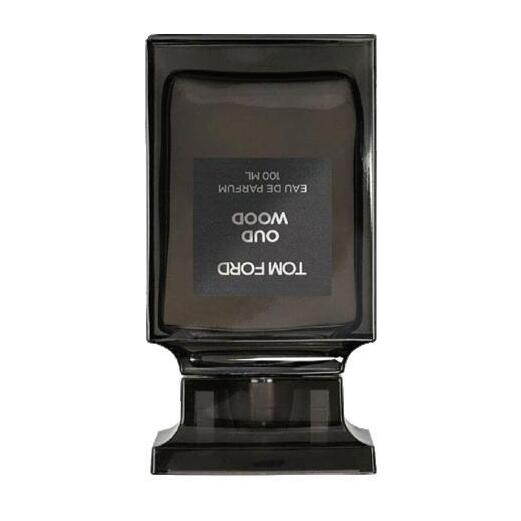
1. BENTLEY BECOME is a bold new scent for today’s visionaries, where ambition meets sophistication and every moment becomes a statement. R1 449 for 100ml, clicks.co.za | 2. Sandalwood, aromatic amber, and leather come together in the hands of Olivier Polge, CHANEL’s Perfumer-Creator. The result is masculinity pushed to its most refined edge with BLEU DE CHANEL L’EXCLUSIF. R5 375 for 100ml, chanel.com | 3. ACQUA DI PARMA has been the quiet authority on Italian fragrance since 1916. Coloniail Profumo Millesimato EDP takes its signature freshness of blood orange and bergamot and deepens it with oud resin and wood. R4 800 for 100ml, skins.co.za | 4. Among TOM FORD’s original 12 fragrances, Oud Wood EDP is one of the few that refuses to be forgotten – for good reason. Rosewood, cardamom, and sandalwood are warmed by tonka and amber. R7 040 for 100ml, woolworths.co.za | 5. DIOR Sauvage Elixir is a mix of ginger, nutmeg, and liquorice with a woody base. Concentrated, spice-forward, and built for remarkable longevity. R5 240 for 100ml, shop-beauty.dior.co.za | 6. YVES SAINT LAURENT Myslf EDP is a men’s fragrance, but its orange blossom and woody floral composition transcends gender rules. An everyday fragrance that you can steal a spritz of without apology. R3 000 for 100ml, arcstore.co.za | 7. CREED Aventus Eau de Parfum is the quintessential masculine fragrance. Pineapple and blackcurrant unite with birch smoke and musk in a formula that has defined the benchmark for over a decade. R7 830 for 100ml, skins.co.za | 8. HERMÈS Terre d'Hermès Eau Intense Vétiver is woody and layered. Green bergamot, Sichuan pepper, and grapefruit gives it a sharp, refreshing edge that keeps it from feeling heavy. R3 000 for 100ml, woolworths.co.za | 9. Created by Alberto Morillas exclusively for DOLCE&GABBANA, Light Blue Pour Homme Eau de Parfum captures the crisp freshness of the Mediterranean coast with citrus, seawater, cypress, and warm cedarwood. R3 300 for 100ml, woolworths.co.za ■
A PLACE TO READ, REFLECT, AND RETREAT, ARMCHAIRS HAVE LONG BEEN SYNONYMOUS WITH THE RITUALS OF THE MODERN GENTLEMAN. FROM TAILORED SILHOUETTES AND RICH TEXTURES TO SUSTAINABLY SOURCED FINISHES, THESE ARE NOT MERELY SEATS, BUT STATEMENTS –REFINED COMPANIONS TO MOMENTS OF PAUSE, CONVERSATION, AND CONTEMPLATION
COMPILED BY LERATO TSHABALALA
Objects Desire of
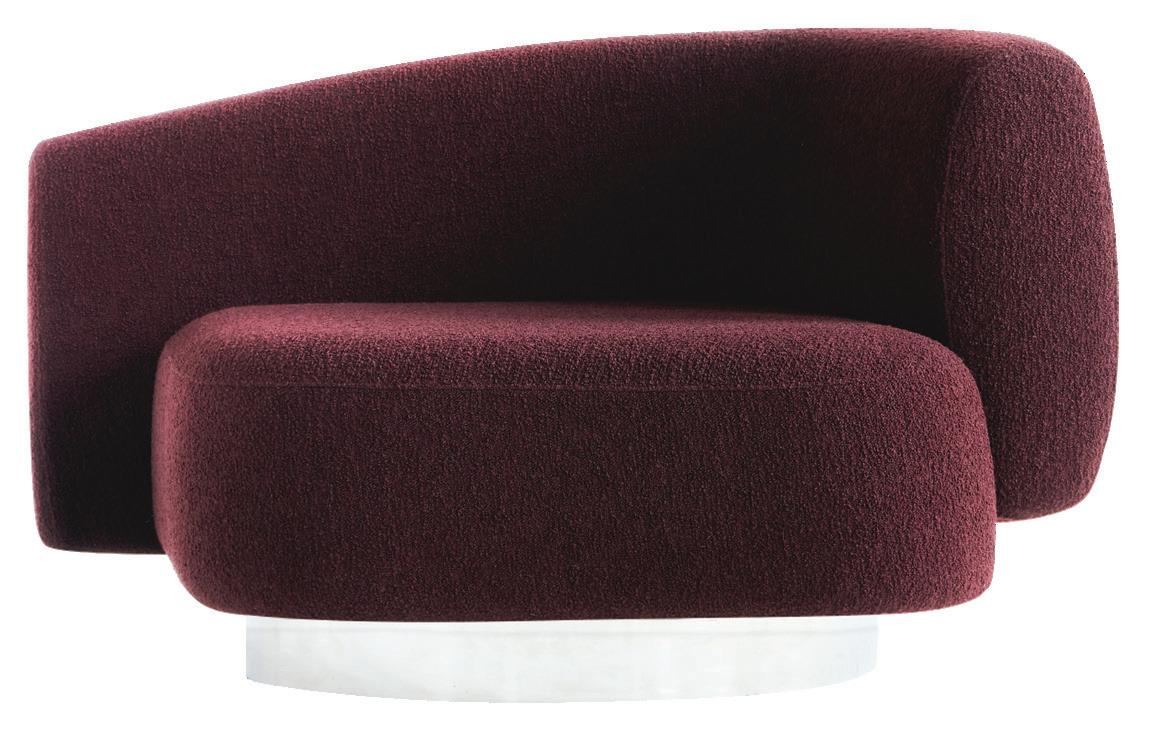
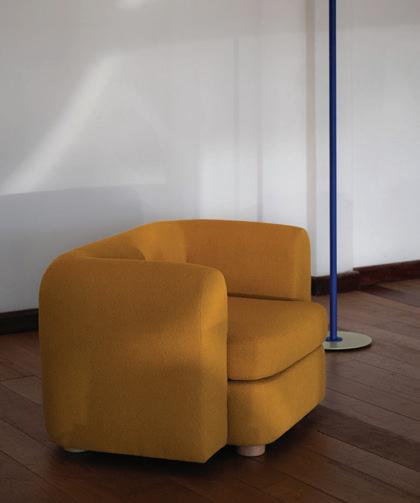
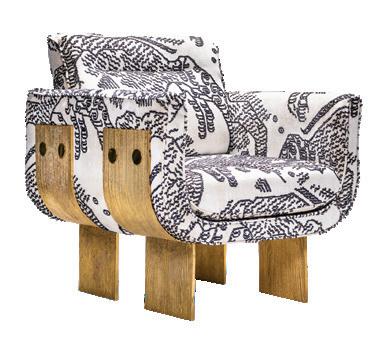
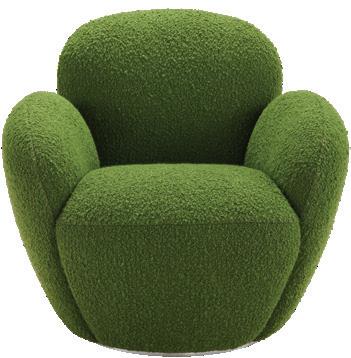
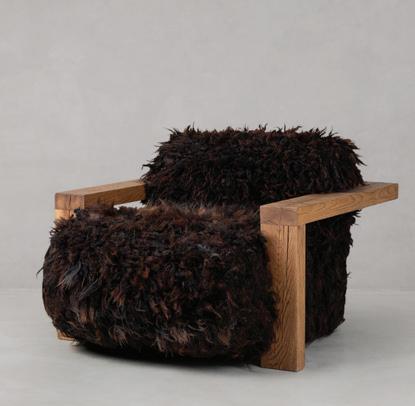
O1. OKHA: Reposer pairs industrial precision with tactile warmth. Crafted from stainless steel and upholstered in teddy fig, it embodies OKHA’s signature balance between bold structure and inviting softness. POA, okha.com 2. WUNDERS: The Tropicana Arm Chair designed by Dokter and Misses and manufactured by Wunders, draws on Art Deco scallops and curves while prioritising comfort and spatial efficiency. Available as an armchair or L-shaped sofa in three colourways, it adapts effortlessly to its setting. From R19 700, wunders.co.za 3. EGG DESIGNS: The Primal Tiger Lounge Chair is a striking expression of materiality, combining solid cast brass with refined upholstery. Both sculptural and commanding, it sits at the intersection of furniture and art. POA, eggdesigns.com 4. ROCHE BOBOIS: Designed by Sacha Lakic, the Petale Armchair in Avocat is a study in fluid form and contemporary comfort. Upholstered in meridien-padded fabric, its sculptural silhouette feels both playful and poised. R50 630, roche-bobois.com 5. WEYLANDTS: The Ombu Davos Occasional Chair is as much narrative as it is design. Inspired by Namibia’s sociable weaver nests, it’s woven from reclaimed Swakara wool and framed in amber oak. R45 995, weylandts.co.za
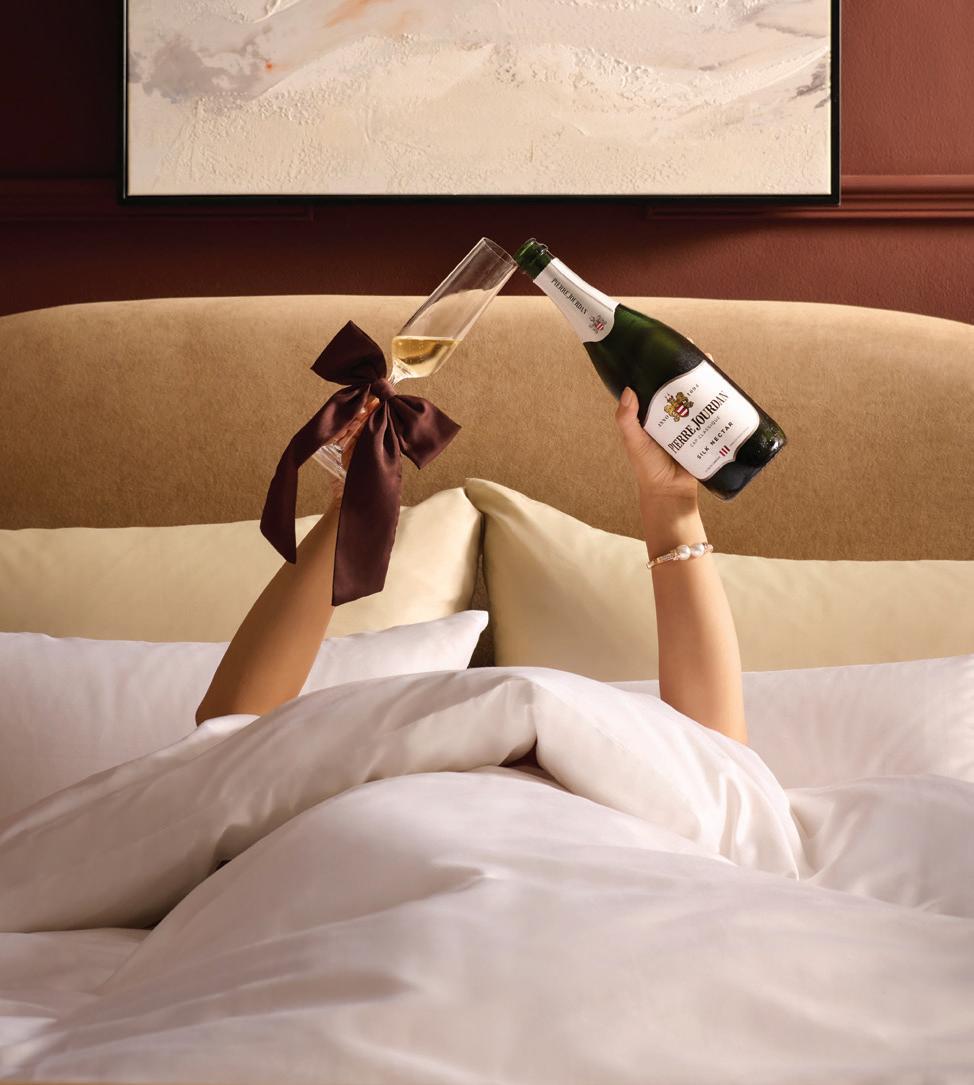
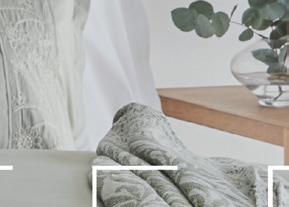
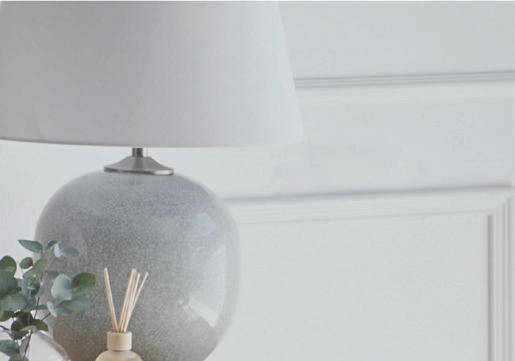
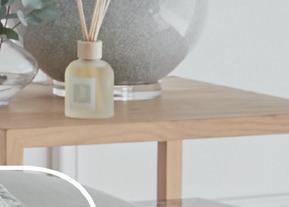
OTHIS SEASON, THE MORNINGS ARE SOFTER. THE COFFEE BREWS A LITTLE SLOWER, BREAKFASTS LINGER A LITTLE LONGER, AND YOU’RE INVITED TO BED – THE MOST EXCLUSIVE RESERVATION IN TOWN
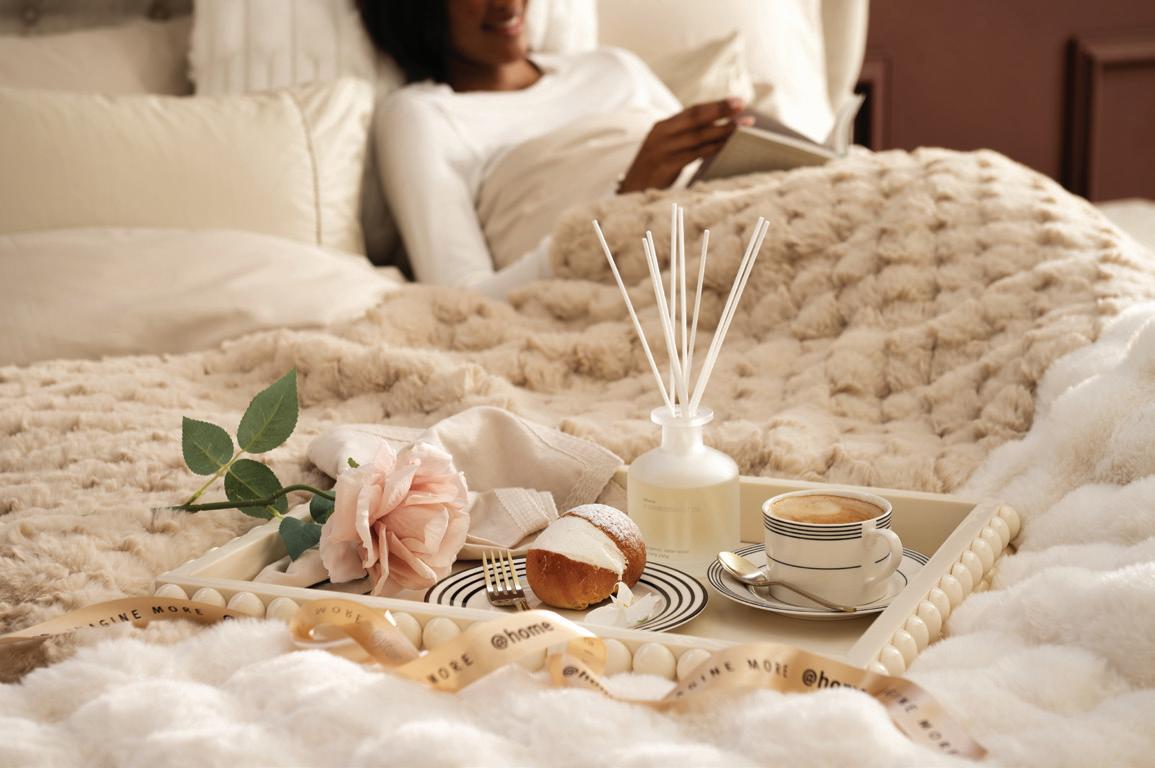
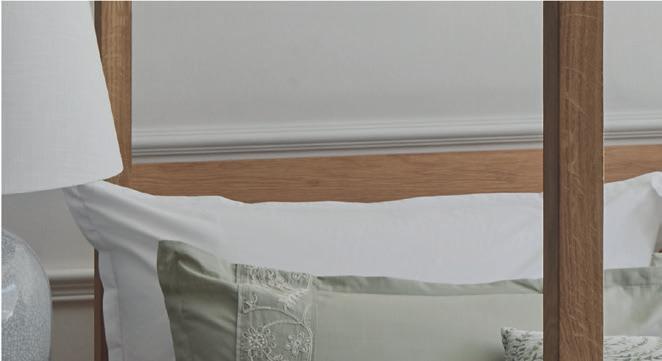
@home cocooned
Luxury is looking a little different this winter. It’s quieter, slower, and more intentional. Somewhere between the endless notifications and overfilled calendars, staying in has become the real form of indulgence. And at the centre of the ritual are the small details that transform the everyday into something luxurious.
TO ENTER scan the QR code or
online at yourluxury.africa. The competition runs from 5 - 30 June 2026.
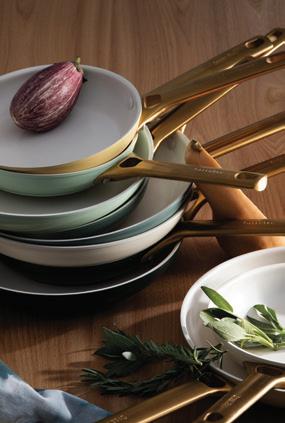
Sage coffee machines turn your morning brew into a sensory experience worth savouring before the day begins, while Haden appliances and Cuisine Pro cookware – all exclusive to @home – invite slower starts: think golden French toast, softly scrambled eggs, or buttery croissants served on a tray with nowhere else to be. Because luxury today isn’t about excess, it’s about ease.
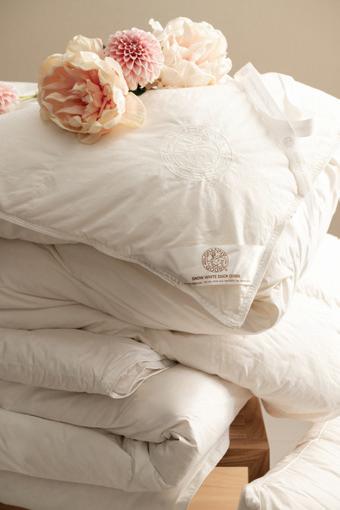
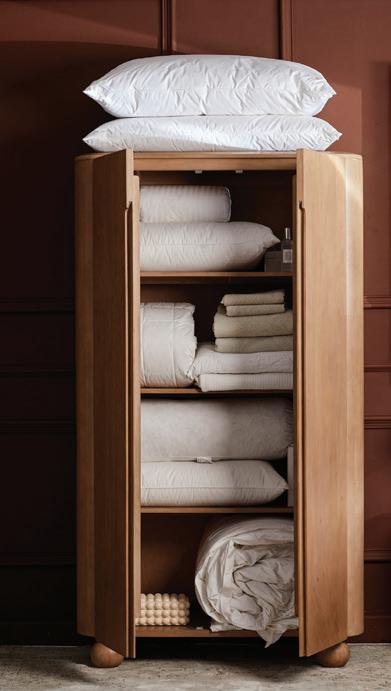
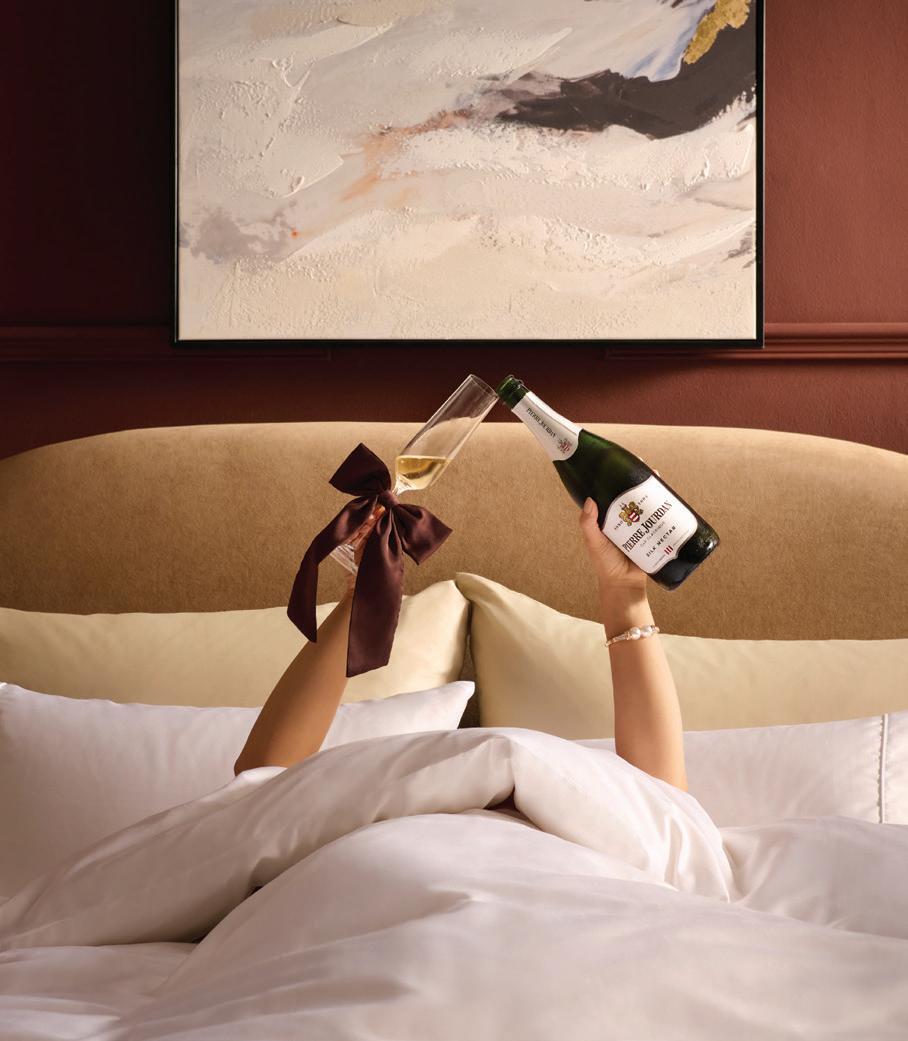
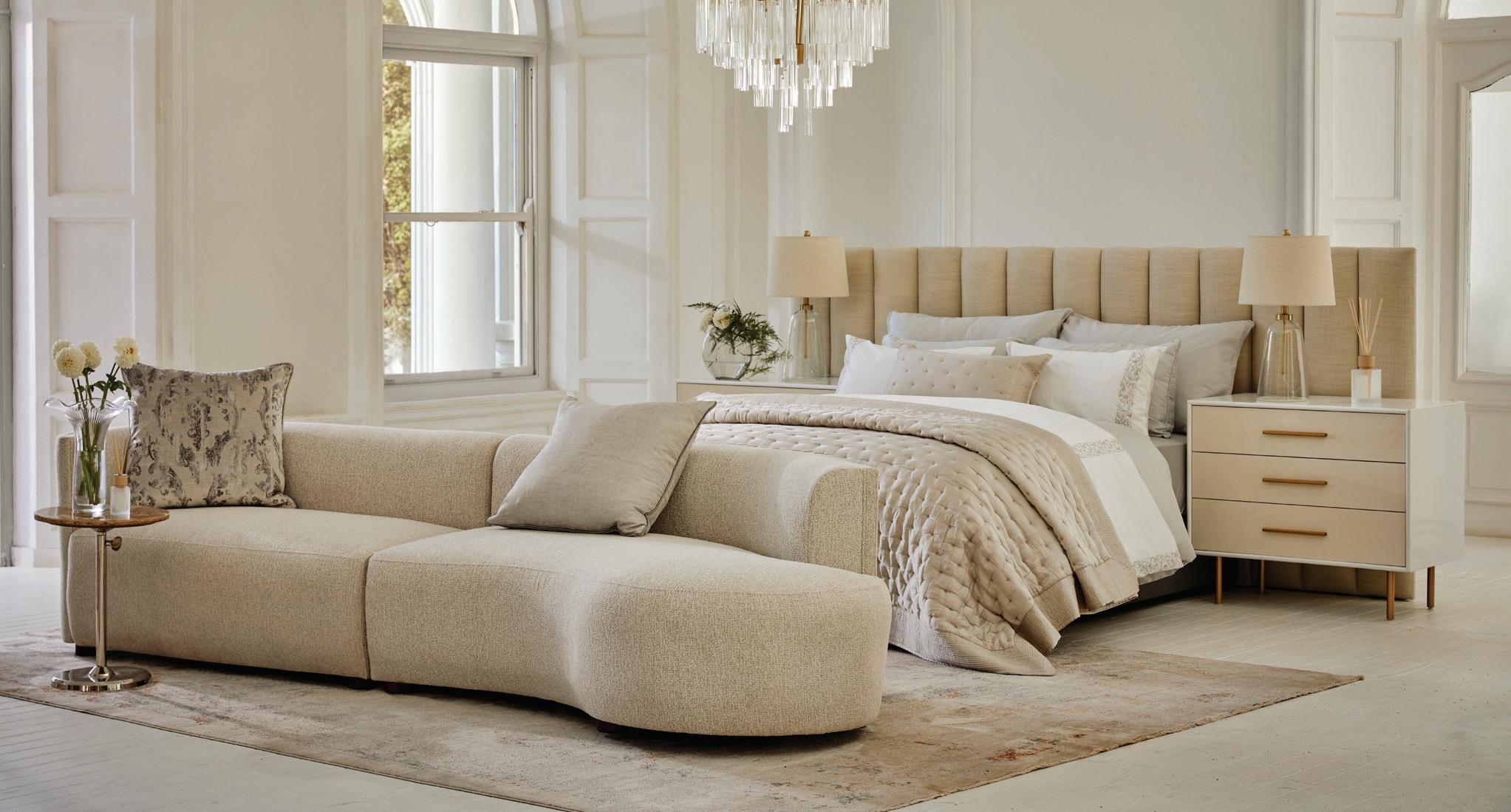
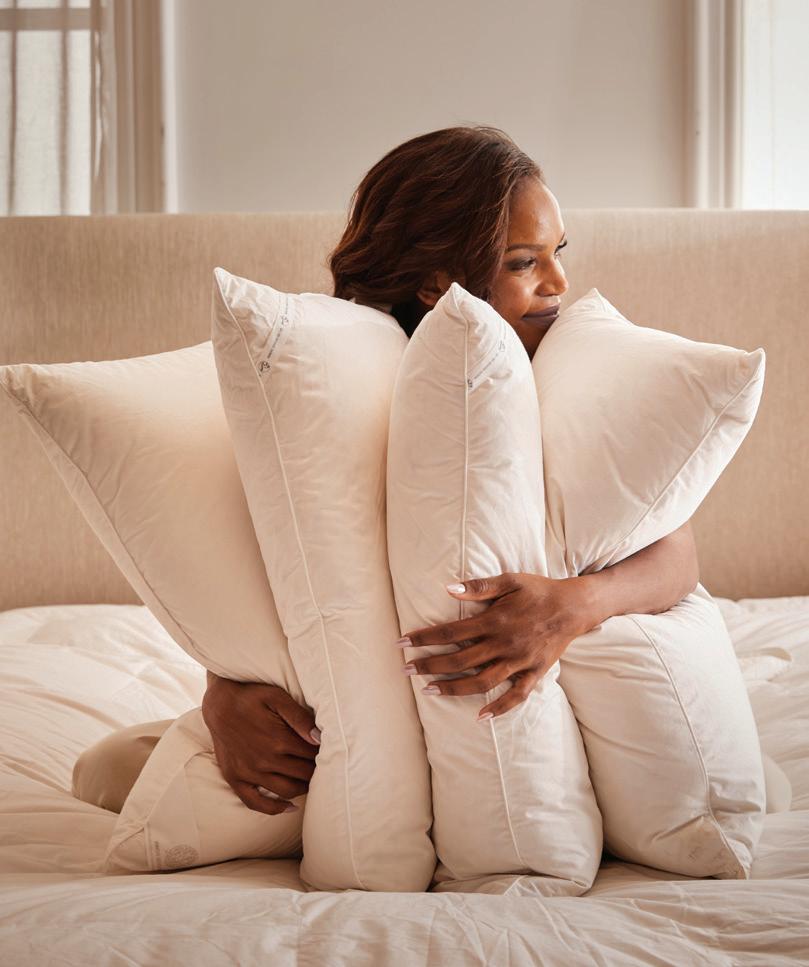
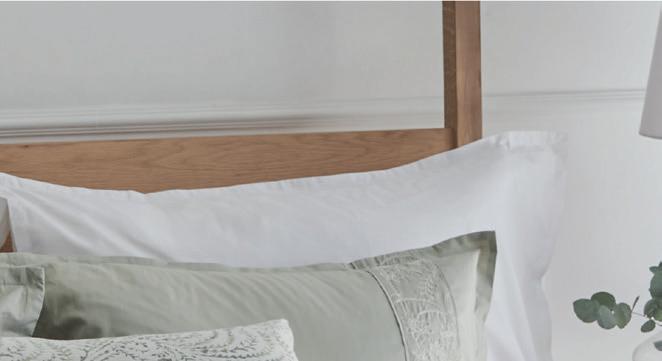
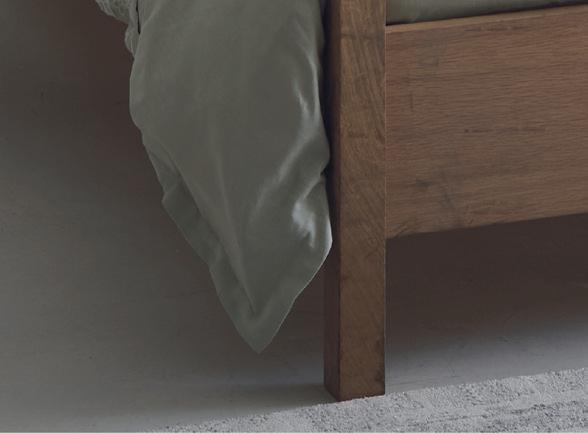
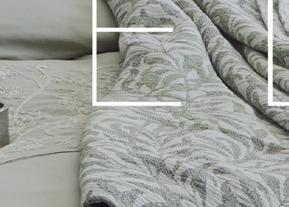
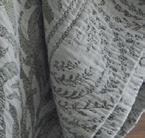
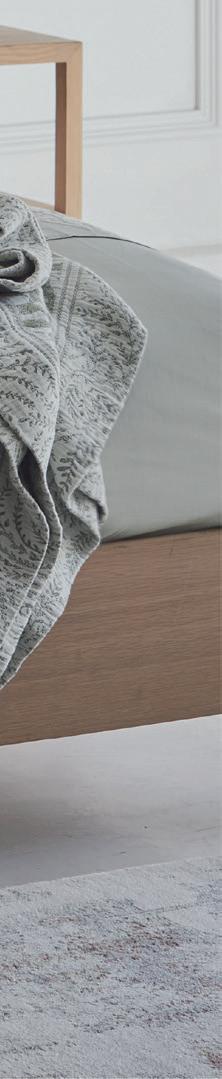
Yes, the era of cocooning has officially arrived, redefining the bedroom as more than just a place to sleep, but a retreat designed entirely around comfort. Wrapped in the cloud-soft indulgence of Granny Goose bedding and inners, layered with Grace Collection covers, EveryNight winter essentials, and signature @home throws – all exclusively available in @home –the modern bedroom is a deeply personal space. Locally crafted beds and thoughtful storage complete the setting, creating a sanctuary that feels calm rather than curated.
This season, appliances are the accessories to slower living; beautiful pieces designed not simply for function, but for ritual. So stay in bed a little longer. Let winter soften the edges, and retreat into a space where comfort isn’t an afterthought – it’s the whole point.
One lucky YourLuxury Africa reader stands a chance to win Sage appliances to the value of R24 000.
go
G
GUCCI’S
WITH A CINEMATIC SHORT FILM DIRECTED BY JONATHAN GLAZER AND A CAMPAIGN PHOTOGRAPHED BY DEMNA, GENERATION
GUCCI UNFOLDS AS BOTH A FASHION STATEMENT AND A STUDY OF COLLECTIVE IDENTITY
G New Generation
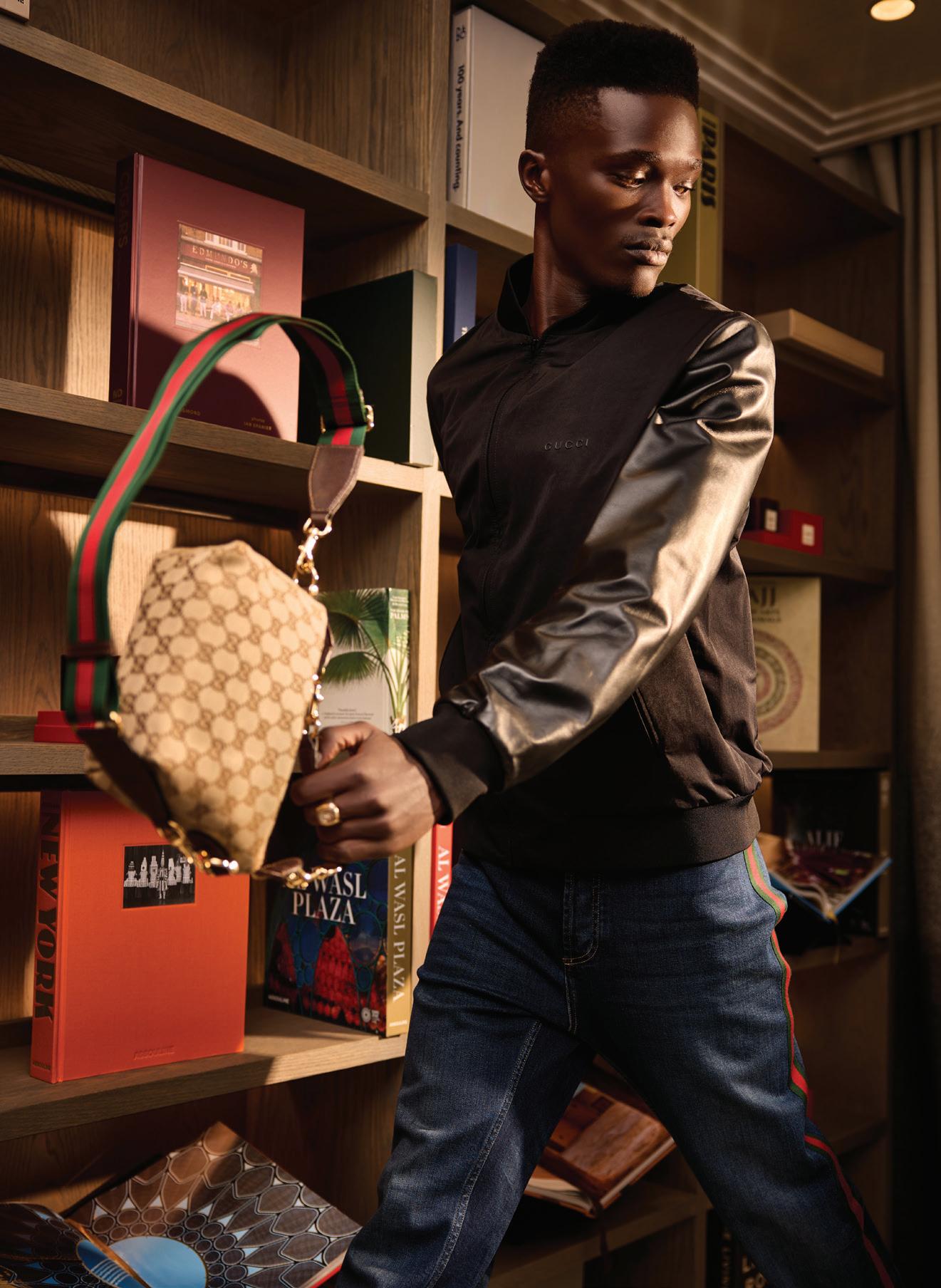
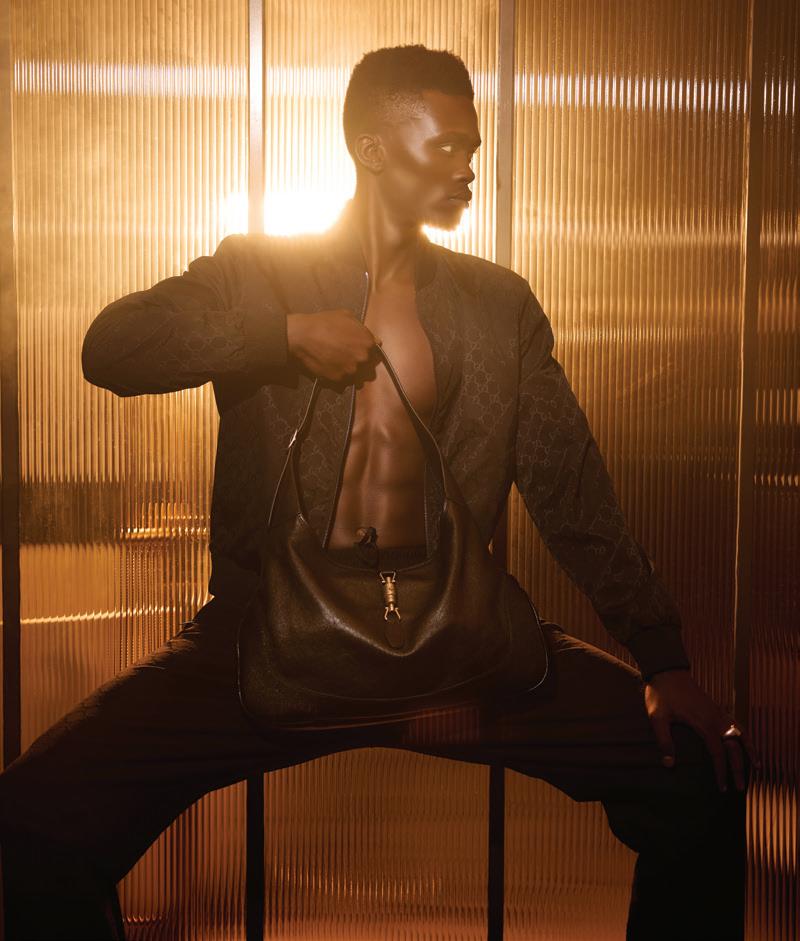
Luxury fashion campaigns often reflect the mood of the moment, but Gucci’s new Generation Gucci project feels more like a meditation on where the House is heading next. Conceived through both an 84look visual series and a cinematic short film, the campaign presents Gucci not simply as a fashion label, but as a living cultural narrative shaped by individuality, memory, and transformation. The project also marks one of the clearest expressions yet of Gucci Creative Director Demna’s evolving vision for the House.
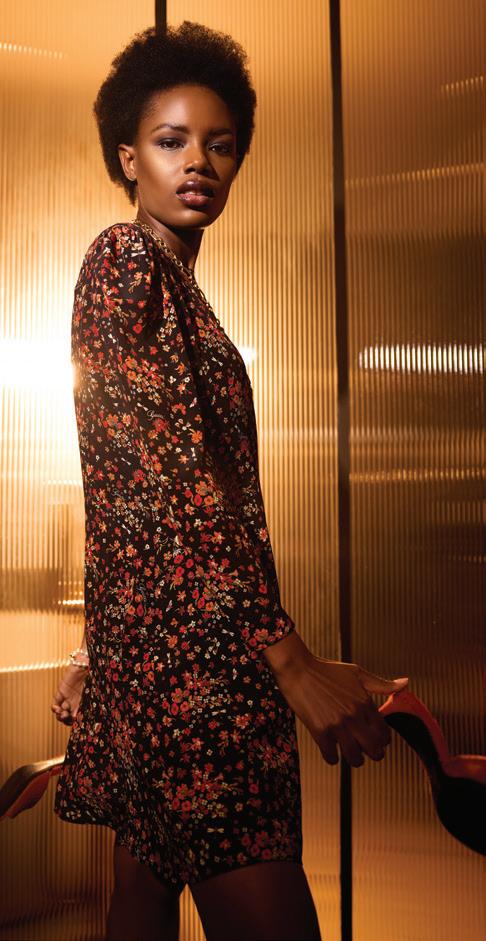
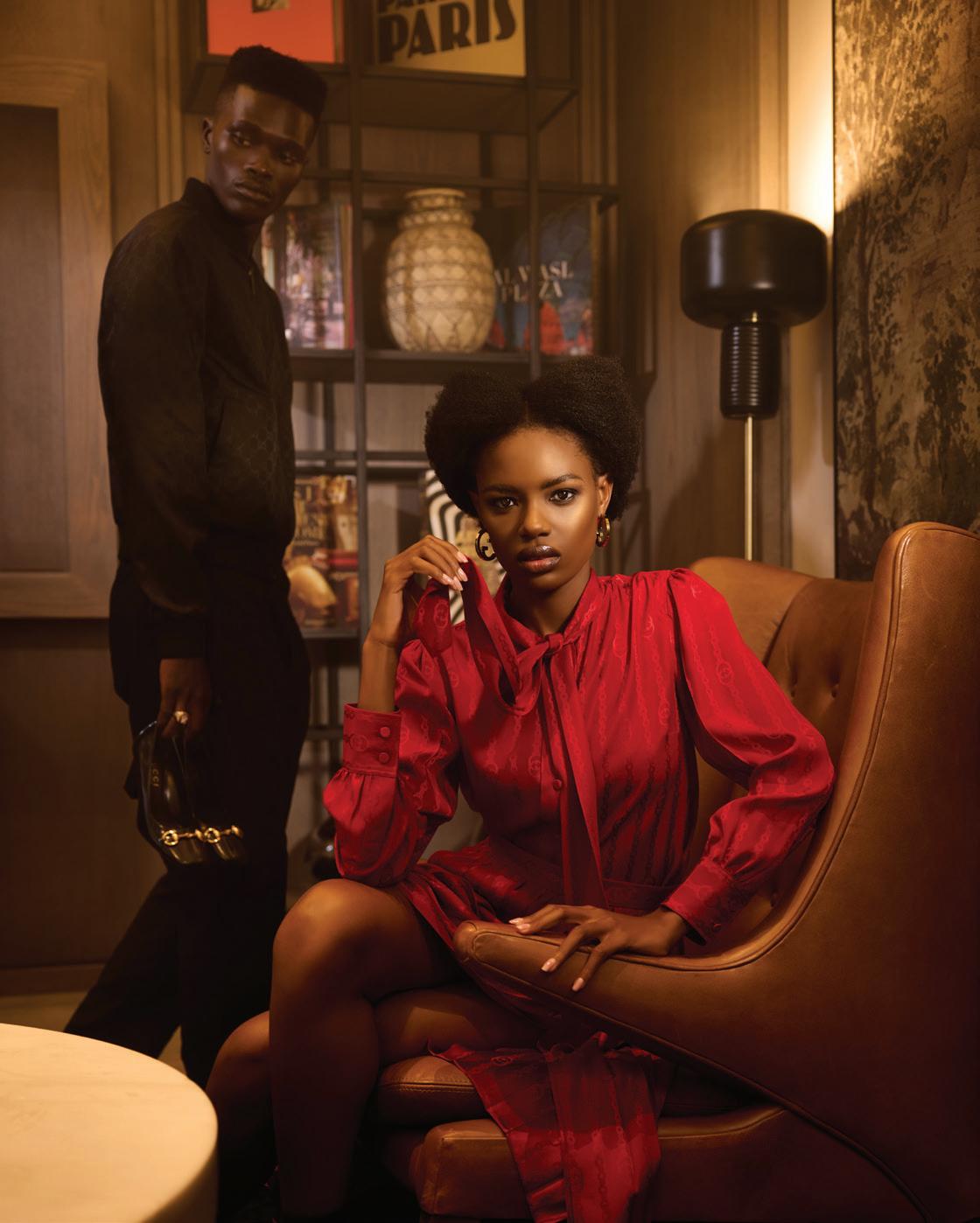
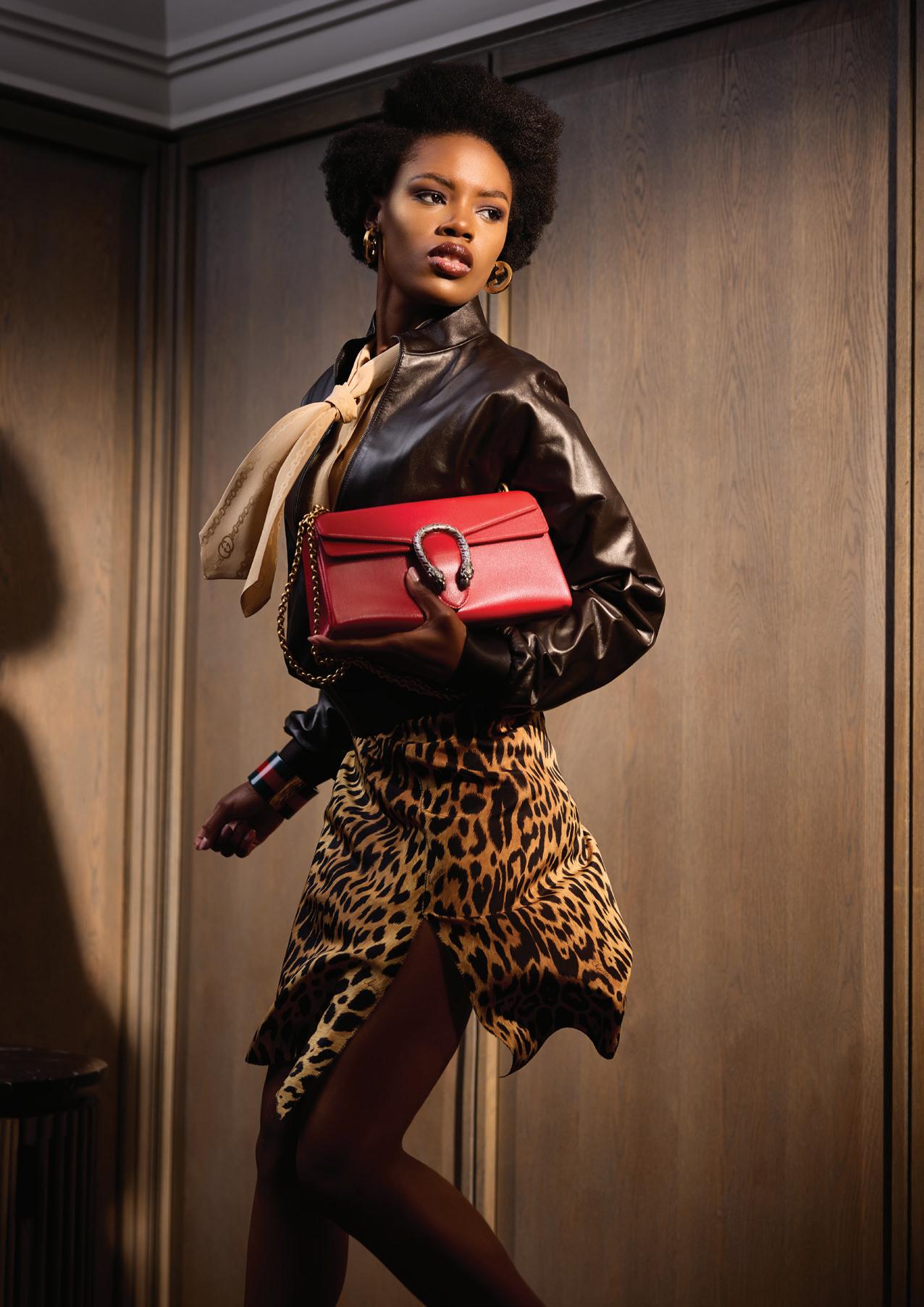
Photographed by Demna himself, the imagery adopts the intimacy of a near-lookbook while subtly layering decades of Gucci history into a distinctly modern wardrobe. According to the House, the collection merges references from multiple eras of Gucci, reinterpreting archival signatures through a contemporary lens. Tailored womenswear arrives in sharply structured twopiece suits, while leather and suede are softened through lighter silhouettes and fluid movement.
PREVIOUS PAGE: LEFT:
Fabric bomber jacket with nappa sleeves, R63 800; Cotton denim pants with web, R24 000; Brera small crossbody bag, R39 300; Crest signet ring, R10 400
FAR RIGHT: Printed silk dress, R44 000; Castello slide with bamboo motif, R20 200; Necklace with stirrup, R19 400; Bracelet with stirrup, R14 500
The campaign’s emotional core, however, lies within its short film, directed by acclaimed filmmaker Jonathan Glazer. Set inside a motel beneath a luminous full moon, the film stars Mariacarla Boscono and Alex Consani among a cast of characters whose paths quietly intersect over the course of a surreal night.
Guided by shifting light and an unspoken sense of movement, the narrative unfolds with Glazer’s signature atmospheric restraint. There’s no dramatic climax or overt explanation; instead, the film lingers in moments of ambiguity and emotional tension. The result feels dreamlike, intimate, and slightly uncanny, mirroring the campaign’s broader exploration of identity shaped through collective energy.
Together, the imagery and film position Generation Gucci as more than a seasonal campaign. It becomes a reflection of a House navigating reinvention while remaining deeply conscious of its own history. In the process, Gucci offers a vision of luxury that feels less fixed and more alive – one shaped not by a singular identity, but by the many individuals moving collectively towards what comes next. gucci.com/za
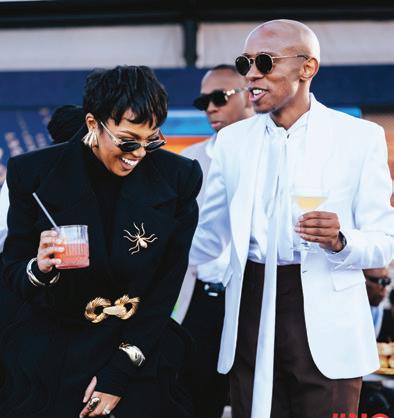
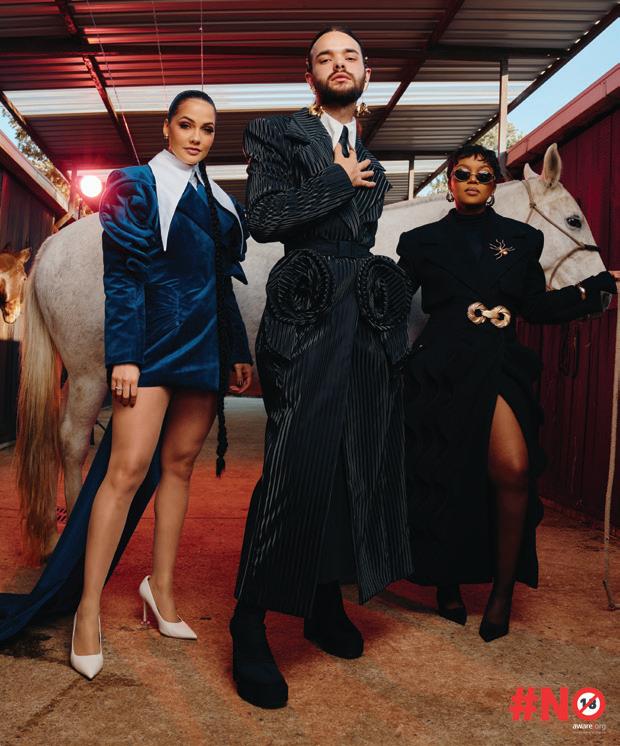
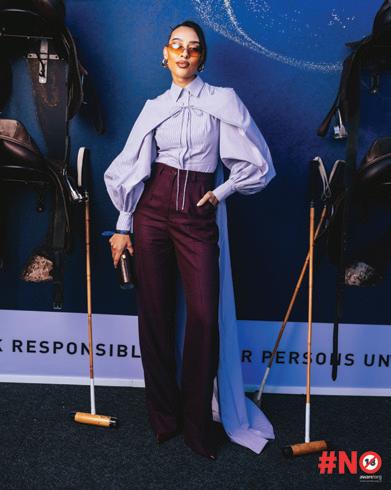
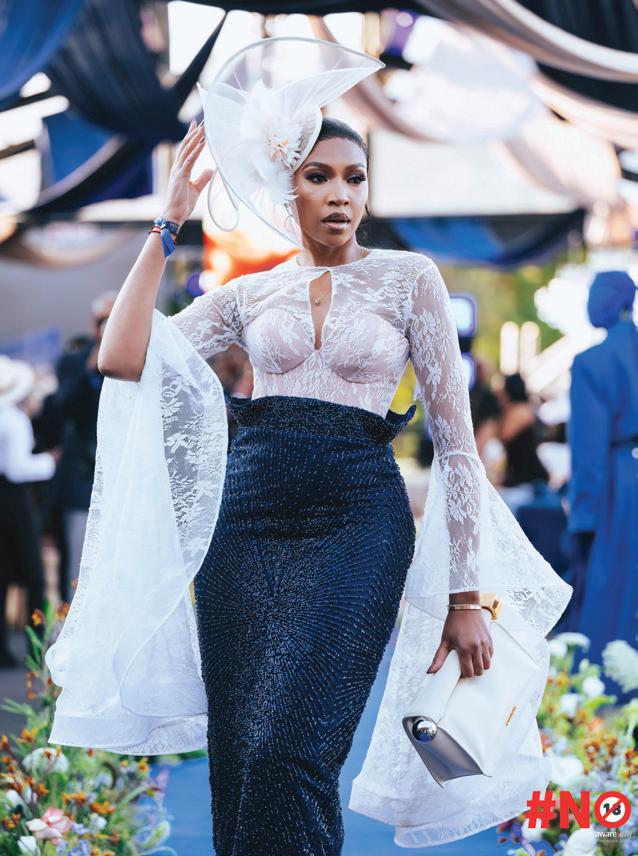
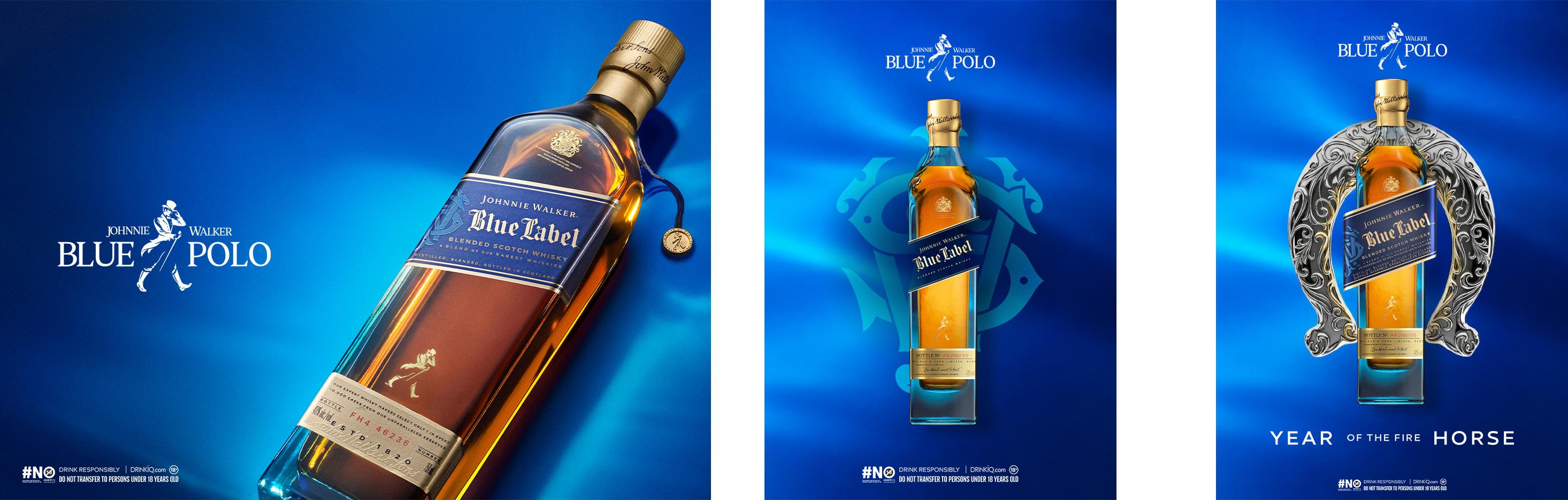
JOHNNIE WALKER BLUE POLO WILL RETURN TO THE INANDA CLUB, BRINGING TOGETHER SOUTH AFRICA’S LEADING VOICES IN FASHION, PHOTOGRAPHY, CULTURE, AND SPORT
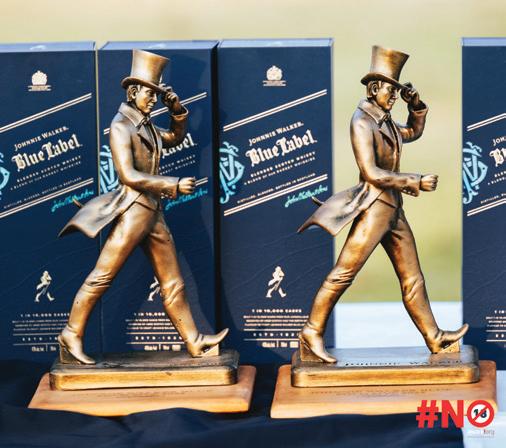
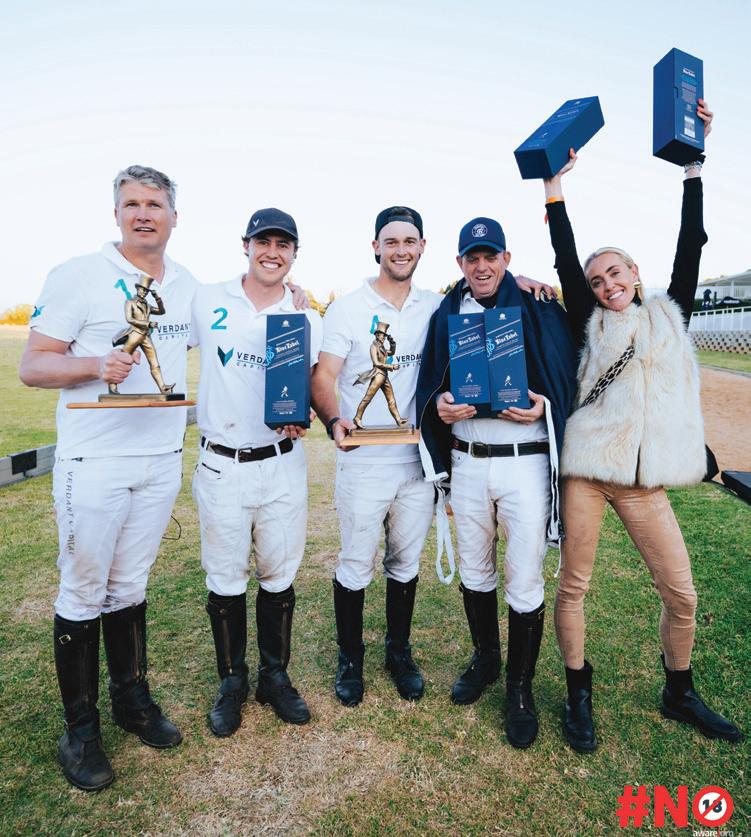
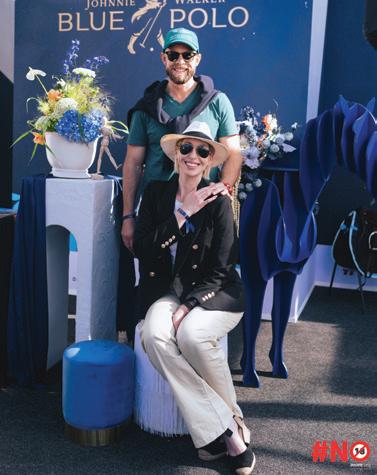
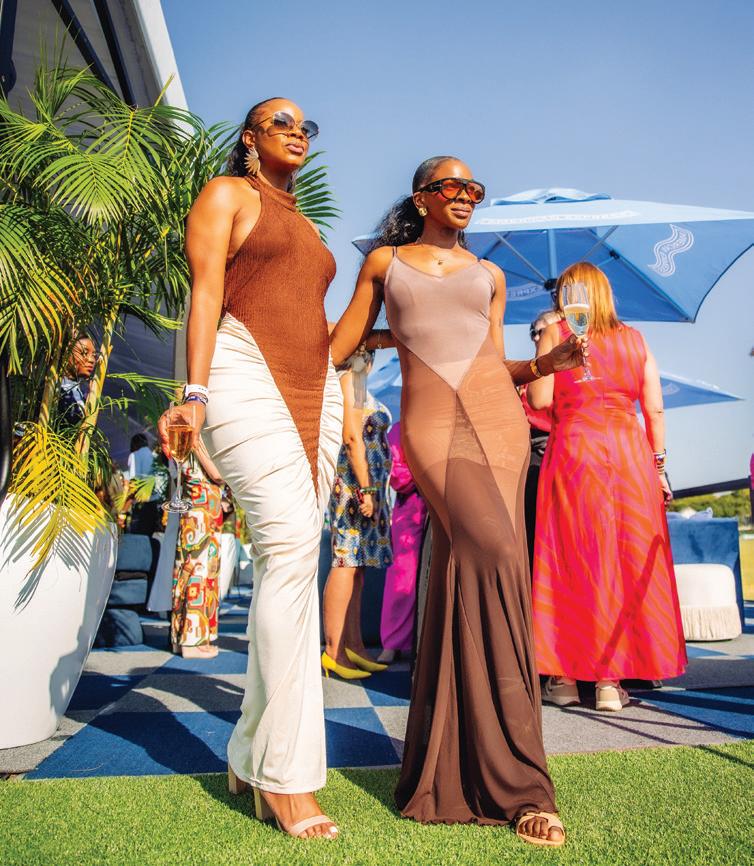
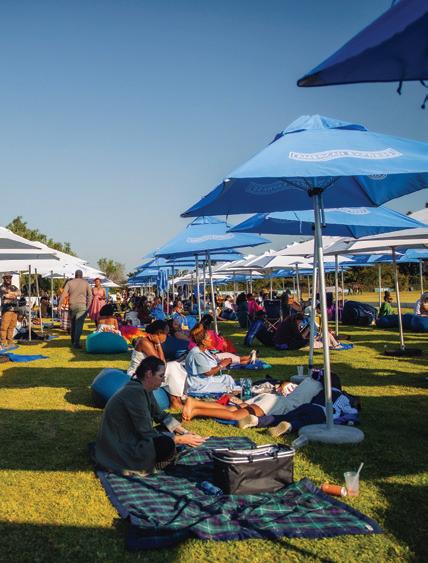
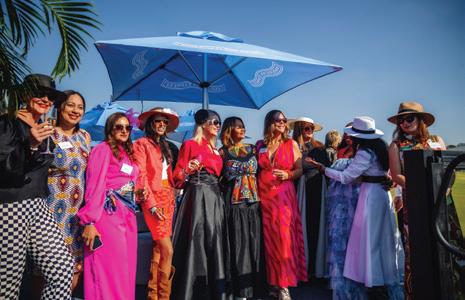
Anew ritual of luxury arrives at the Inanda Club as Johnnie Walker Blue Polo 2026 ushers in the Year of the Horse. Johannesburg will once again play host to one of the continent’s most anticipated cultural and sporting events, with Johnnie Walker Blue Label unveiling the latest edition of its iconic Blue Polo experience. Set against the backdrop of the prestigious Inanda Club, this year’s event will unfold under the evocative theme Year of the Horse – described as “a celebration of power, elegance, movement, and mastery” – a sentiment that will shape the creative direction of the entire experience.
At the heart of the event will be the continued evolution of Blue Society, Johnnie Walker Blue Label’s invitation only circle for accomplished individuals across business, culture, entertainment, and influence. More than a hospitality offering, Blue Society will serve as the brand’s cultural home – a private world where achievement, modern luxury, and elevated social rituals converge. Guests will be welcomed into curated spaces designed for intimate encounters, meaningful networking, and immersive storytelling.
Fashion is set to take on a starring role through the creative influence of acclaimed designer Rich Mnisi, who will shape the event’s impressive couture narrative. His bespoke designs, inspired by the spirit and movement of the horse, will inform the visual identity of the day. Rich will also create designs for the limited edition Johnnie Walker Blue Label collection gift boxes, extending the event’s storytelling into collectible luxury.
The visual language of the polo will be further elevated by renowned photographer Trevor Stuurman, whose distinctive lens will capture the elegance, energy, and fire of the day. His work will document the interplay between fashion, sport, and culture, ensuring the 2026 edition becomes a defining creative moment in the brand’s legacy. Football legend Lucas Radebe will embody the discipline, precision, and mastery synonymous with the polo tradition, reinforcing the harmony between performance and luxury.
Reflecting on the vision for the year ahead, Ifeoma Agu, Head of Culture, Influencers, and Advocacy at Diageo Africa, shares:
“Johnnie Walker Blue Polo will continue to evolve into more than just an event; it will become a cultural expression of modern luxury. Through the Year of the Horse, we will celebrate mastery, creativity, and progress by collaborating with pioneers across fashion and sport to create a truly unforgettable experience.”
As the sun sets over the polo grounds, guests will journey through whisky tastings, fashion installations, immersive photography, and the exclusive world of Blue Society –a convergence of culture, elegance, and contemporary African luxury.
Johnnie Walker Blue Polo 2026: Year of the Horse will take place on 14 June 2026 at the Inanda Club, Johannesburg
gentleman’s
Winter Edit
ACROSS TAILORING, OUTERWEAR, AND EVERYDAY ESSENTIALS, DESIGNERS ARE RETHINKING MASCULINITY THROUGH CLOTHING THAT PRIORITISES EASE, FUNCTIONALITY, AND UNDERSTATED ELEGANCE WORDS CANDICE-LEE KANNEMEYER
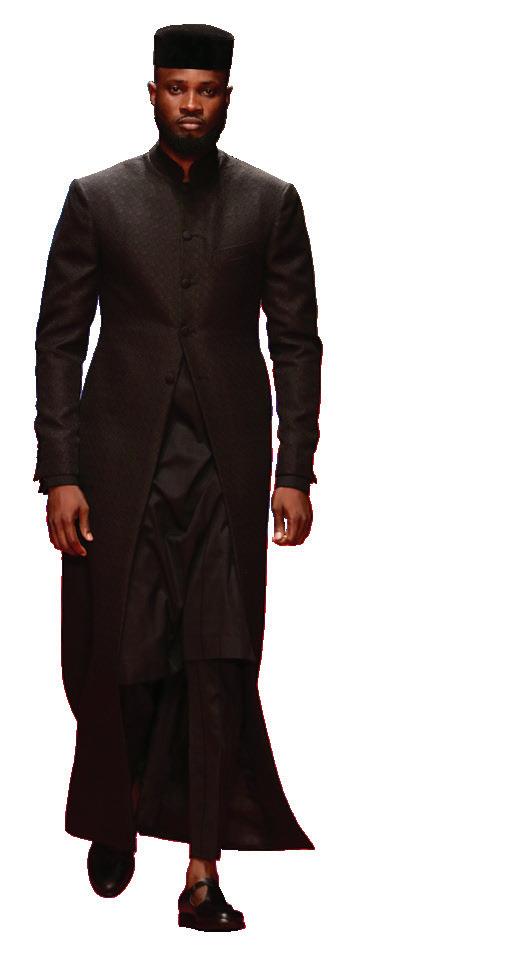
Menswear is entering a quieter, more considered phase. The emphasis is on ease, quality, and versatility: clothing that feels current but is built for longevity.
For winter, the most compelling looks are those that balance refinement with practicality. The utility jacket, for instance, has become a modern essential. Clean-lined and functional, it brings together technical fabrics, tailored proportions and a sense of urban readiness. It is the kind of piece that moves easily between city days, weekend escapes, and unpredictable weather, while still feeling elevated.
Layering remains central to the season, with knitwear, gilets, and overshirts forming the foundation of a well-composed wardrobe. There’s a renewed appreciation for pieces that nod to heritage dressing, from chunky textured pullovers and patterned vests to plush cardigans with a slight scholarly appeal. Knitwear takes on many moods: classic patterns with traditional sensibility, structured cardigans for creative layering, cashmere polo necks for quiet elegance, and crew necks for effortless everyday styling. The result is a modern interpretation of vintage refinement – polished yet relaxed.
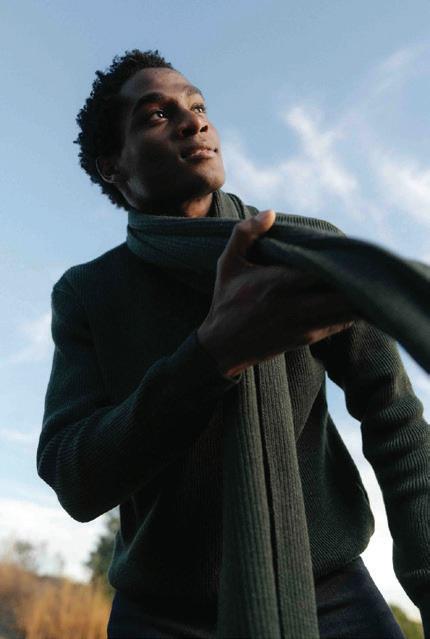
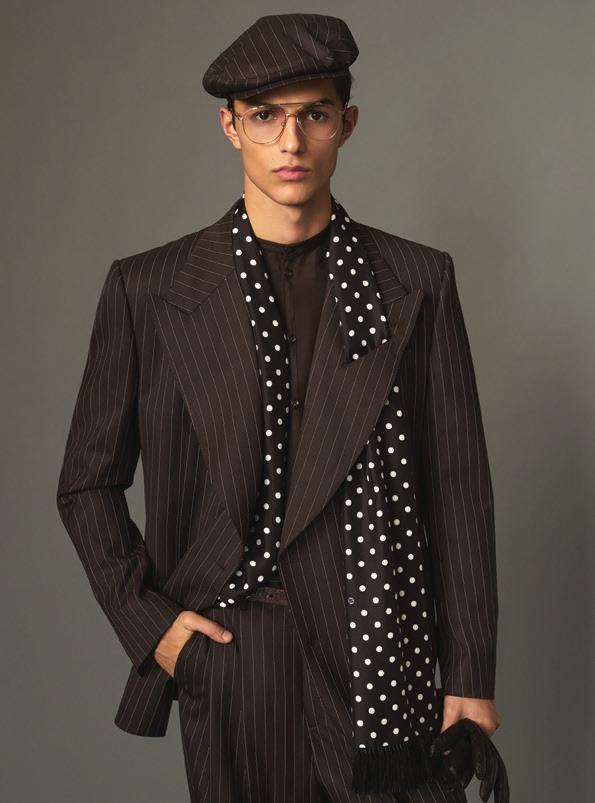
Tailoring follows the same instinct. Suits and separates are becoming softer, more fluid, and easier to wear, while still holding their shape. Wool brings warmth and sophistication, while corduroy introduces texture and a casual richness. Deep chocolate browns, navy, red, hunter green, and orange stand out as key colours, offering depth and an understated alternative to more predictable neutrals.
“There’s a renewed appreciation for pieces that nod to heritage dressing”
As the season becomes less defined and weather patterns more unpredictable, adaptability is increasingly important. Wardrobes that function best are built around pieces that work across travel, work, play, and the unexpected moments in between. Versatility is no longer simply practical. It’s become a mark of good taste.
Footwear is also shifting towards a smarter everyday language. Loafers and boots step forward as natural companions to both denim and relaxed tailoring. A well-made loafer brings polish without feeling formal, while a refined ankle boot adds structure and confidence to cool-weather dressing.
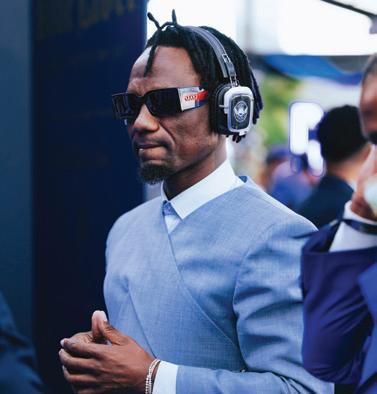
Accessories complete the picture with a sense of restraint. In watches, oversized silhouettes are giving way to smaller, more delicate timepieces that feel personal, understated, and quietly chic. Sunglasses, meanwhile, offer room for personality. Coloured lenses add visual interest and a subtle change of perspective, adding the final note to a wardrobe built on intention, ease, and enduring style. ■
shawl
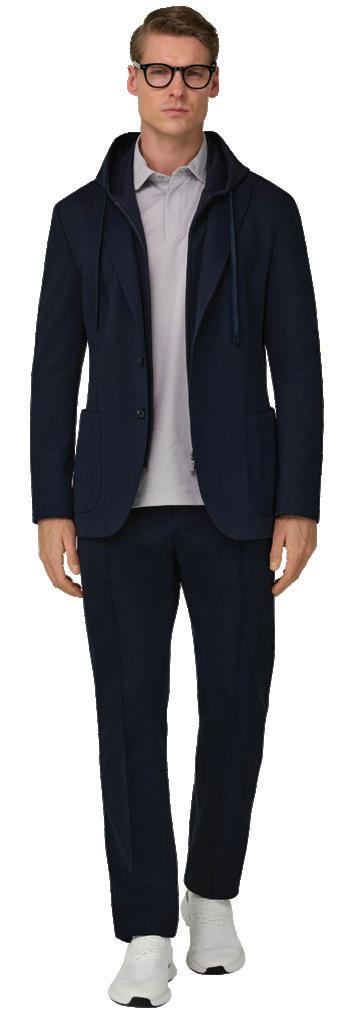
1. Milano Madison sweatshirt jacket in a stretch cotton blend, POA, available from July at the Boggi Milano store in Sandton City
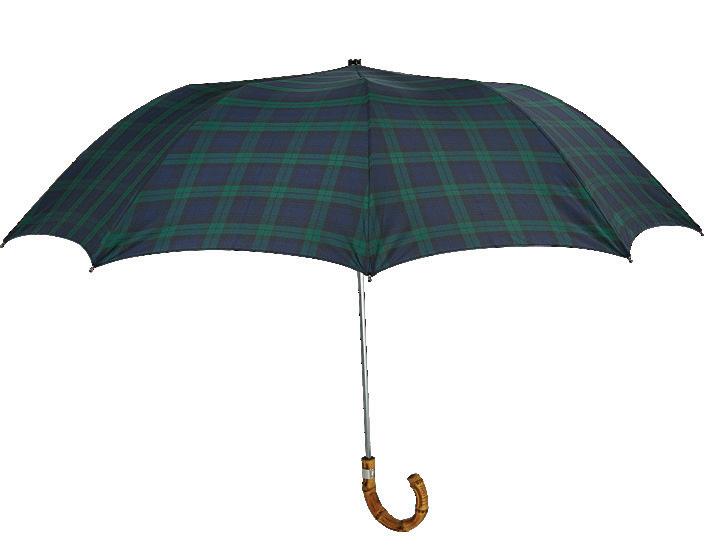
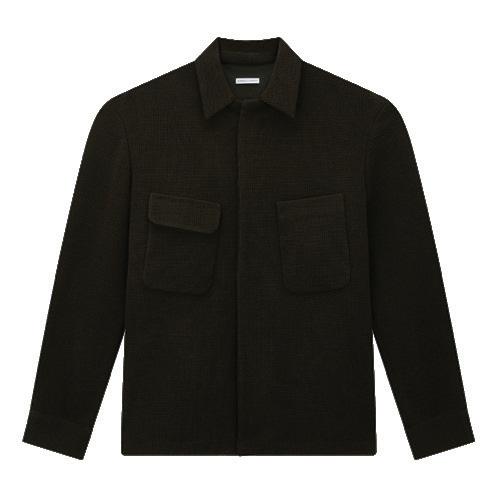
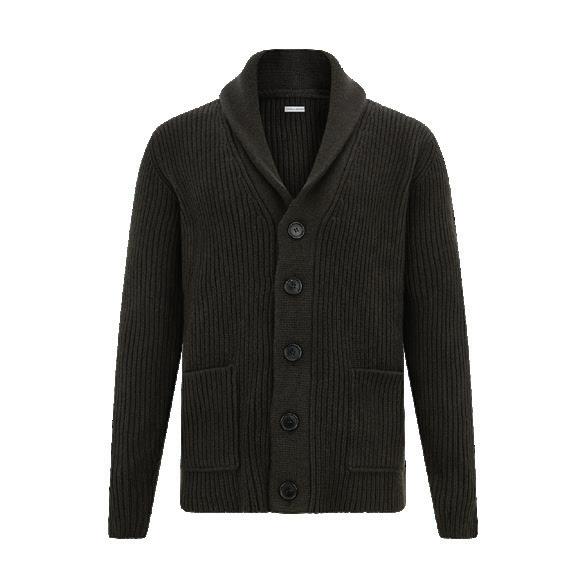
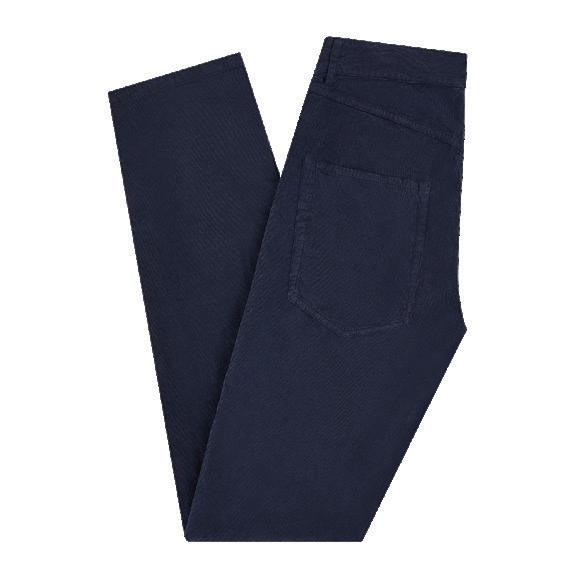
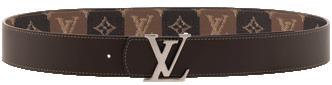
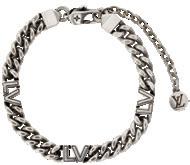
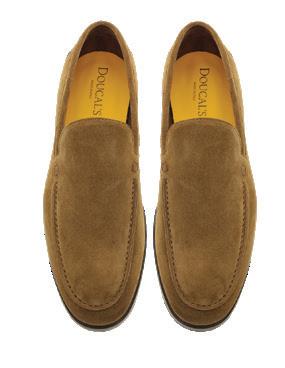
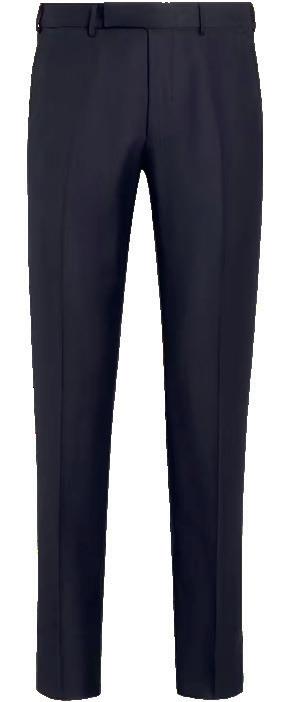
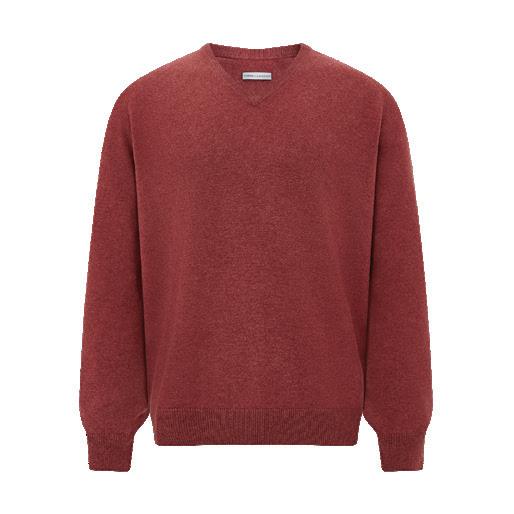
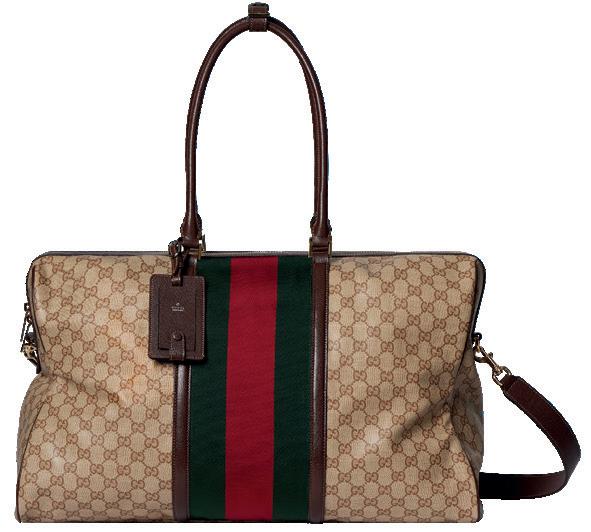
2. Initiales College Monogram heritage reversable belt in brown, POA, Louis Vuitton 3. Wool tailored trousers, R20 000, Zegna 4. Burgundy crew V-neck cashmere jumper, R15 100, Turnbull & Asser 5. Medium GG duffle bag with Web, R 54 000, Gucci 6. Doucals luxury handmade Italian suede loafers, R9 450, available exclusively in South Africa at GERI 7. Club chain bracelet, POA, Louis Vuitton 8. Light navy corduroy Charles trousers, R12 600, Turnbull & Asser 9. Bill large sunglasses, R2 995, Ray-Ban 10. Dark chocolate Greenwich knitted overshirt, R27 300, Turnbull & Asser 11. Black watch tartan telescopic umbrella with whangee crook handle, R11 000, Turnbull & Asser 12. Dark brown cashmere
collar cardigan, R43 300, Turnbull & Asser
TOP: Dolce&Gabbana
ABOVE:
Polo/SA Merino wool
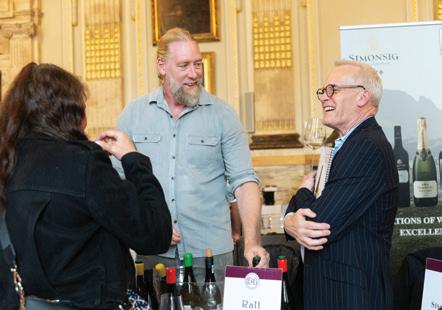
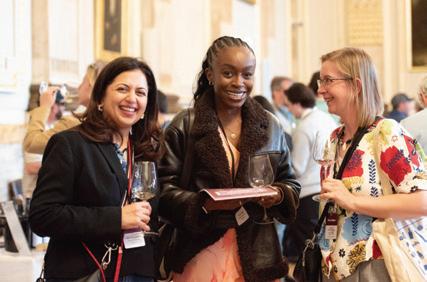
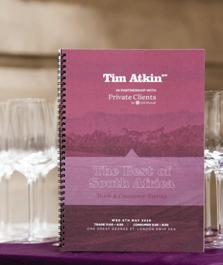
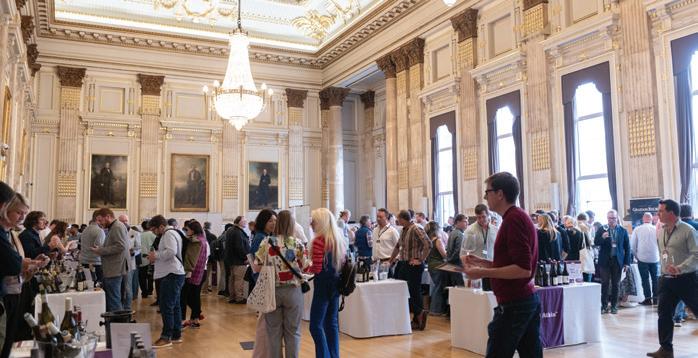
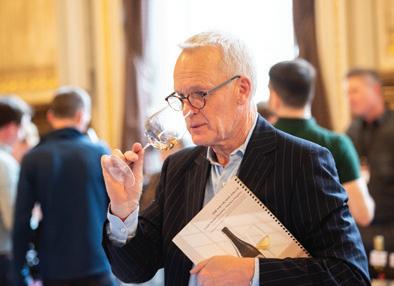
Both chenin and chardonnay are flowing freely as guests gather to sip some of South Africa’s finest wines. Yet this is not Cape Town, but rather the heart of London, where the annual Best of South Africa tasting, hosted by Master of Wine Tim Atkin in partnership with Private Clients by Old Mutual, has become a highlight on the global wine calendar.
Few international critics have done more to champion South African wine than Tim. Each year, he spends several weeks traversing the Cape Winelands, tasting close to 2 000 wines from more than 250 farms before compiling his eagerly awaited Special South Africa Report which goes live on 1 September each year. Wines awarded 95 points or higher out of 100 earn an invitation to pour at the exclusive London showcase.
Tickets to the event are highly sought after, often selling out soon after going live, with waiting lists growing to nearly half the size of the guest list. The glorious glass-tinkling affair is a celebration of South African wine and its well-deserved place among the world’s most respected wine regions. As Carolyn Martin of Creation Wines was overheard telling guests over a sip of pinot noir, “We have much to celebrate: the world’s oldest geology, paired with our young energy”.
Raising a glass to South Africa
IN THE HEART OF LONDON, THE ANNUAL BEST OF SOUTH AFRICA TASTING WITH MASTER OF WINE TIM ATKIN – PRESENTED IN PARTNERSHIP WITH PRIVATE CLIENTS BY OLD MUTUAL –HAS BECOME ONE OF THE WINE WORLD’S MOST ANTICIPATED CELEBRATIONS OF CAPE EXCELLENCE
Here, Tim shares his passion for South African wine, the vintages currently exciting him most, and why the country continues to captivate wine lovers around the world.
WHAT INSPIRED YOU TO PROMOTE SOUTH AFRICAN WINES ON THE GLOBAL STAGE?
I first visited South Africa in 1990 and started writing reports in 2013. I simply fell in love with the wines from the start. But it’s not just the wines – it’s the place and the people. I’ve been doing these tastings in London for two years, and before that for six years in the Cape. It’s been a love of the wines and a love of the country.
YOUR PERSONALISED WEALTH MANAGEMENT SOLUTION
Private Clients by Old Mutual provides holistic, bespoke solutions for highnet-worth clients, partnering with specialists to create integrated plans covering investments, wealth structuring, tax efficiency, and portfolio administration. Our personalised approach sets us apart, backed by a strong track record in wealth and investment management. As part of a brand with nearly two centuries of heritage and decades of handson experience, we help individuals, families, trusts and entrepreneurs navigate, grow and protect their wealth across generations. wealthprivateclients.co.za; timatkin.com
CAN YOU GIVE US A TEASER FROM YOUR NEXT REPORT? ANY INSIGHTS YOU’RE BEGINNING TO GLEAN?
I don’t want to give too much away, but I think 2021 is a really special vintage, and 2025 is a very good vintage. For 2025, we’re seeing the whites at the moment, not so many reds – but those are pretty exciting too. South Africa has had rainfall; the drought’s over, and the vineyards are looking pretty healthy and I think everyone’s quite excited about the 2025 vintage.
WITH YOUR EXPERIENCE OF SOUTH AFRICA’S RICH VITICULTURAL HERITAGE, WHAT WOULD YOU SAY ARE SOME OF THE REGION’S KEY FEATURES?
Certainly it’s diversity. Even though most of the vineyards are in the Western Cape, it’s an incredibly diverse area. It has some of the oldest soils in the world, a very complex and diverse floral kingdom, and it can make anything – really, any wine style. South Africa has a bit of everything. It’s a very special place to visit – I’m there three times a year, and it feels like my home away from home.
WHAT IS YOUR EXPERIENCE OF WORKING WITH PRIVATE CLIENTS BY OLD MUTUAL?
It’s been absolutely fantastic. They’ve been the sponsor for the last three years, and we’ve worked well together and share many values. They believe in longterm relationships and excellence, and they’re real wine lovers. They truly believe in the wine industry and its future.
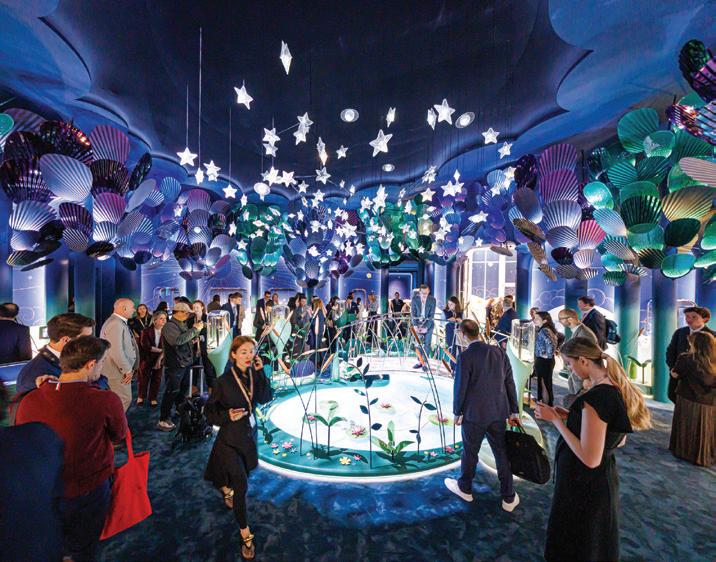
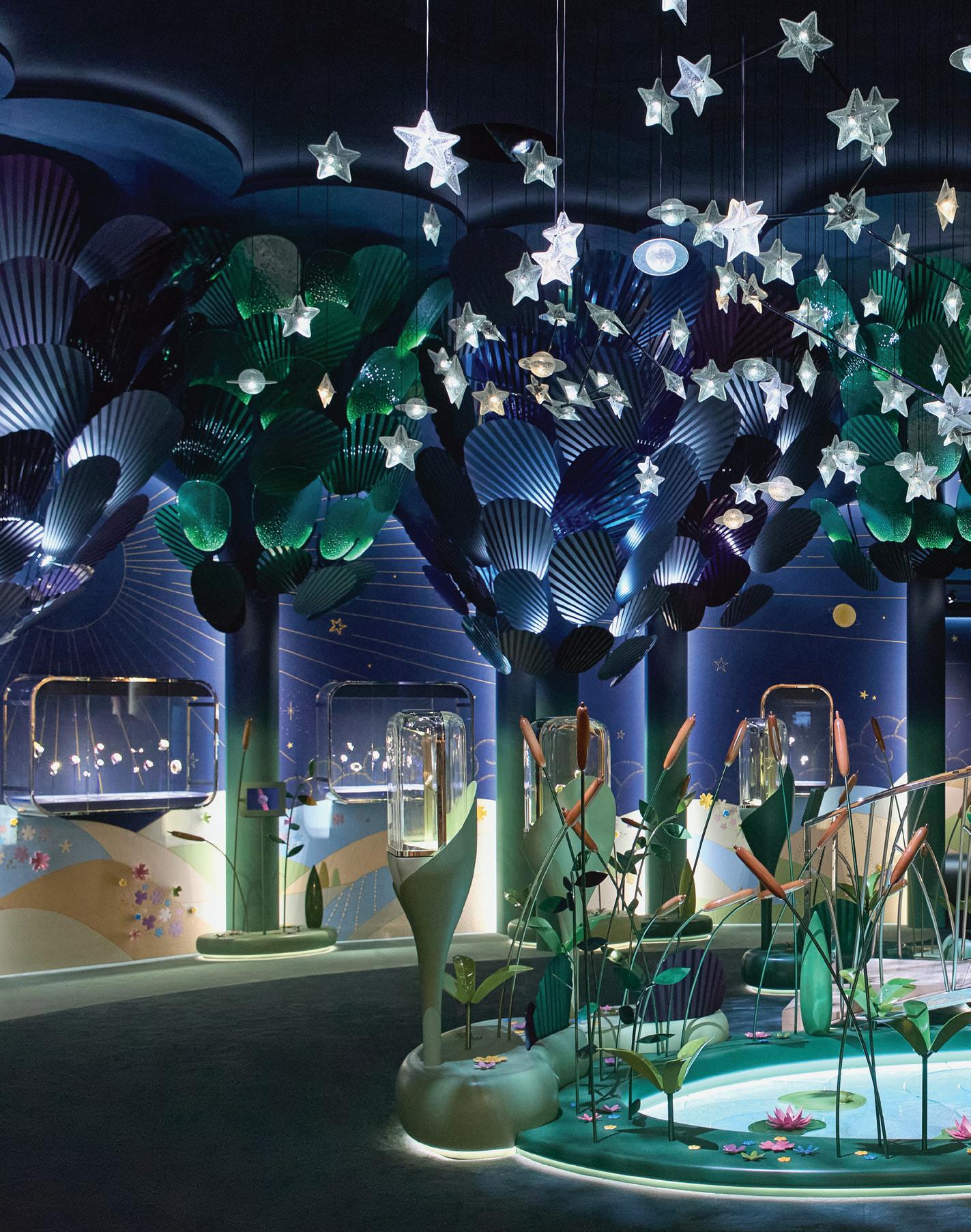
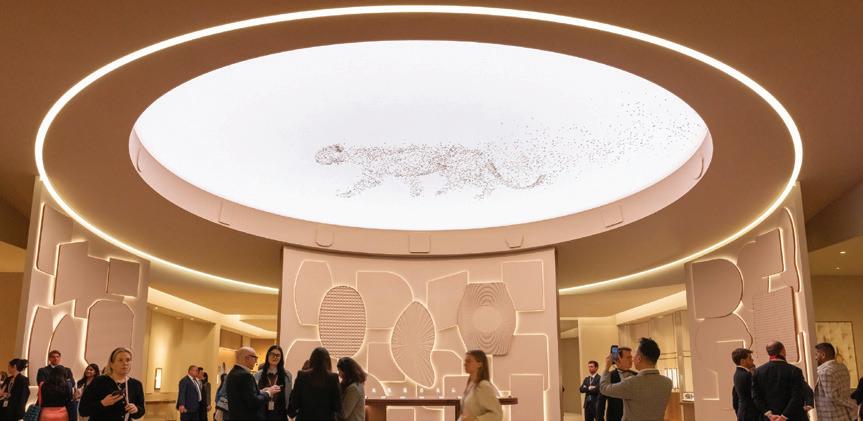
Continuing its ‘Poetry of Time’ narrative, the VAN CLEEF & ARPELS booth transformed an astronomer’s garden into a dreamlike celestial landscape, where shooting stars marked the hours and time moved to the rhythm of the cosmos.
Design in collaboration with @faire.archi
& INSIDE WATCHES WONDERS GENEVA
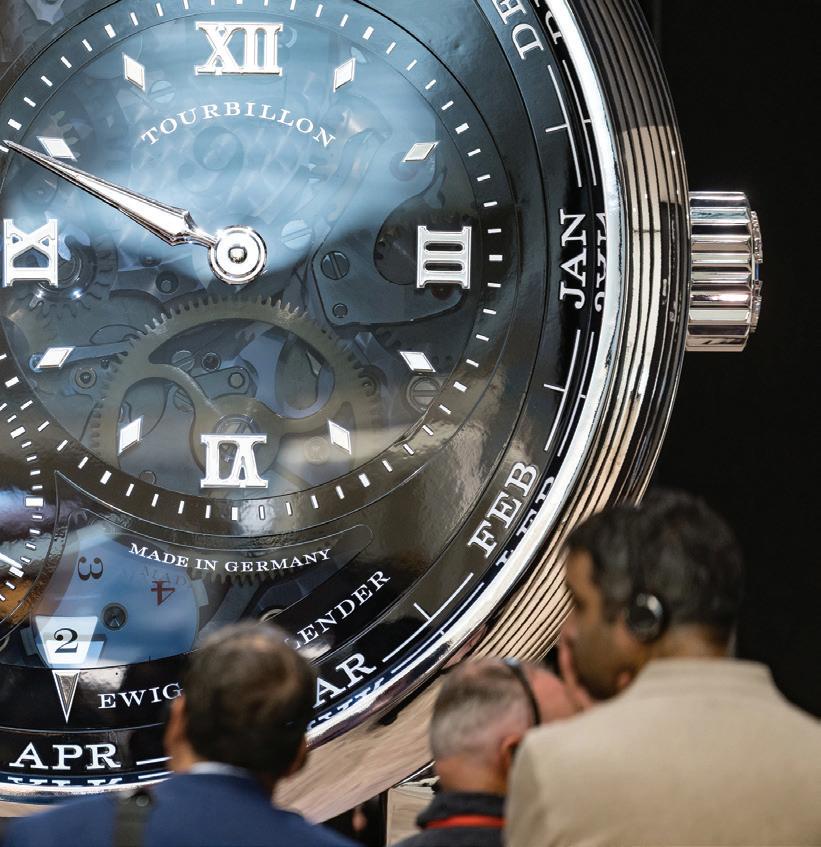
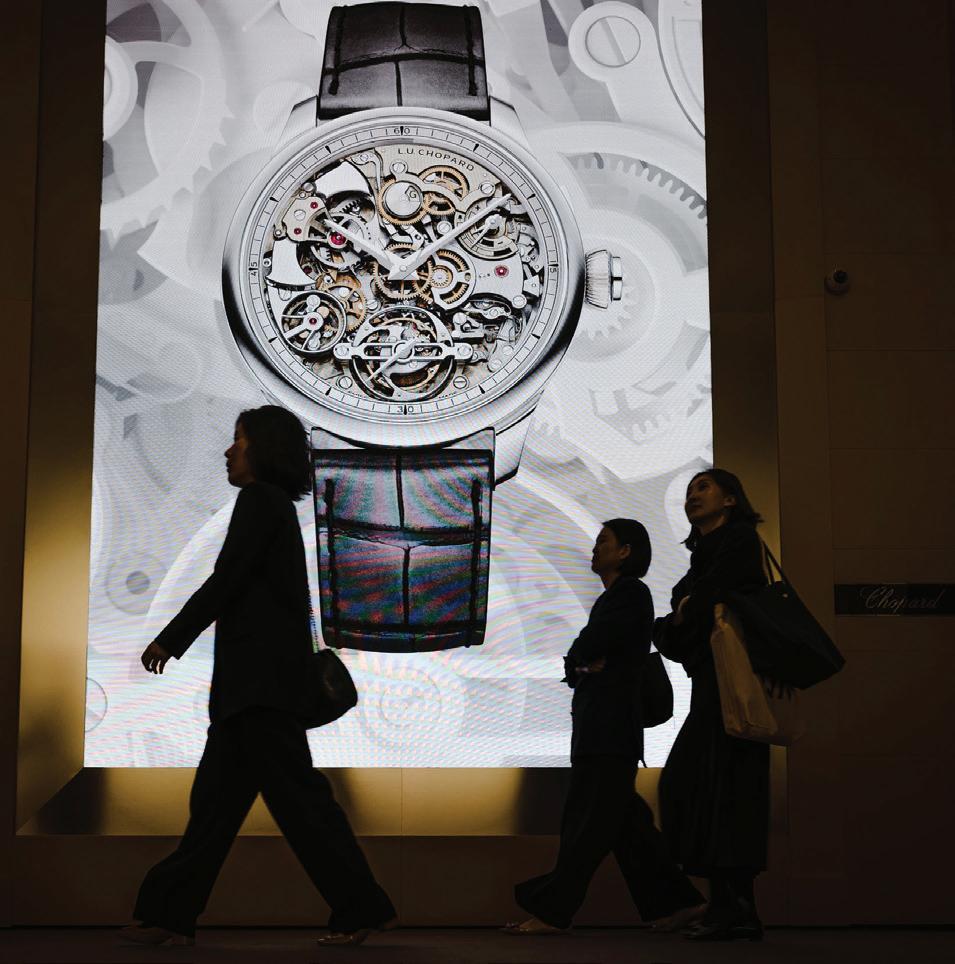
ACROSS VAST EXHIBITION HALLS FILLED WITH HERITAGE MAISONS, CELEBRITY SIGHTINGS, AND TECHNICALLY ASTONISHING TIMEPIECES, THE WORLD’S BIGGEST WATCH FAIR IS AS MUCH ABOUT NAVIGATING SCHEDULES AND EXHAUSTION AS IT IS ABOUT DISCOVERING THE WATCHES DESTINED TO DEFINE THE YEAR AHEAD WORDS DEBBIE HATHWAY
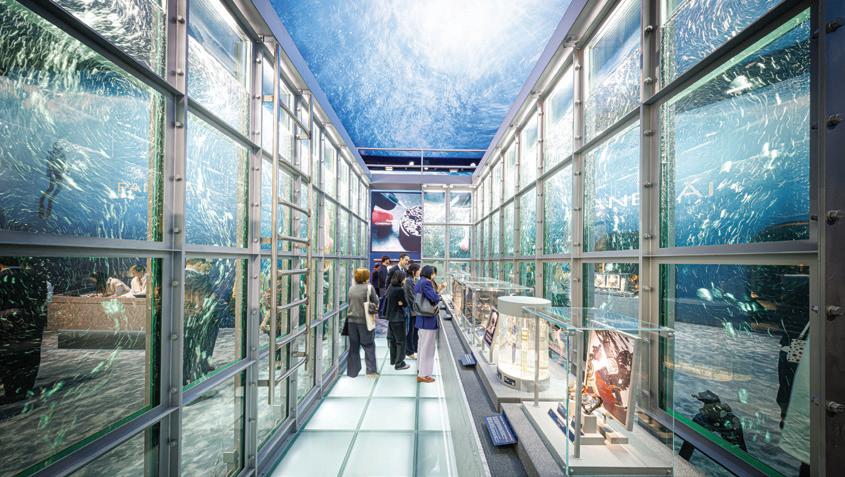
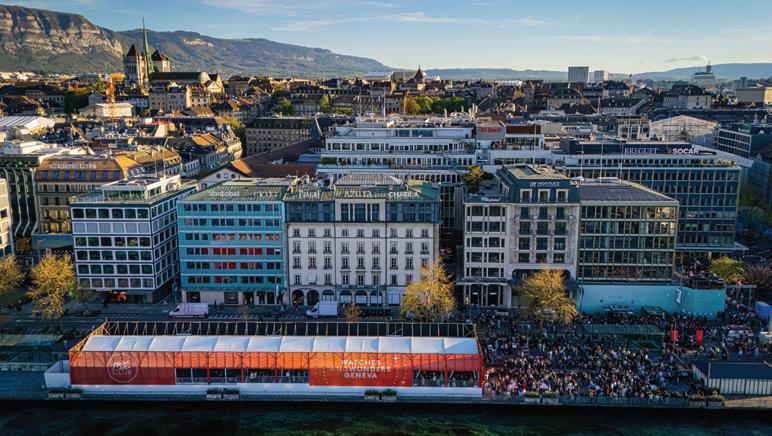
Now that the dust has settled on another edition of Watches and Wonders Geneva, the headlines are easy enough to list –but the real story lies in how those launches are experienced on the ground. For first-timers and returning visitors alike, it’s equal parts spectacle and stamina, where planning matters as much as perspective.
I overheard a first-time attendee on day one panicking that he’d made a rookie mistake – too many back-toback appointments; no breathing room. I wanted to reassure him that it isn’t a mistake. It’s the job for those who come with commitment. And there’s no guarantee I’ll get that same access again later in the year.
The real mistakes are less obvious –and far more inconvenient. Book meetings on opposite sides of the Palexpo exhibition space and you’ll feel it immediately. Ten minutes is the minimum to get anywhere. With 30-minute slots, that means wrapping in 20, whether you want to or not. Get it wrong and you’re chasing your schedule from the start. Even with careful planning, you’ll clock at least 10 000 steps per day. Without it, closer to 15 000.
The days are long, dinners end late, and soon the espressos stop helping. Miss a meal, forget to hydrate, arrive too late to secure a locker, and you’ll feel it by mid-afternoon – especially if you’re carrying cameras, catalogues, and chargers around all day. That’s why seasoned attendees swap glamour for practicality and wheel small carry-ons through the halls.
Getting around Geneva is its own exercise in patience. Booking an Uber when you need one isn’t a given. Traffic slows everything down, availability drops, and a quick trip rarely exists. The tram or bus may be the faster option, but only if you can understand the routes and schedules – they’re often in French.
And then there’s the idea of “free time”. During the fair, it doesn’t really exist. Try fitting in boutique visits or events across the city, and you quickly realise how much time disappears in transit. It’s far better to stay on for a few extra days and enjoy Geneva properly once the pace slows down.
Distractions are constant. Celebrities draw crowds the moment security staff start hovering, but standing around waiting for somebody to arrive is usually fruitless. Most sightings happen by chance anyway – crossing a booth, leaving an appointment, or disappearing through a side exit.
However, the fair runs far more smoothly than it used to. Security checks are efficient, staff are helpful, and lunch seems less chaotic, with more seating and a better chance of getting a proper meal in the limited time available. But that only helps to a point. You still need to plan carefully and know which brands and watches to prioritise for your market.
I attended my first Salon International de la Haute Horlogerie (SIHH) in 2012 when the fair was much smaller – an exclusive affair for around 19 brands focused largely on the Richemont maisons that established it, plus a few independents. Back then, it was an invitation-only affair for trade and specialist media, and the schedule was comparatively manageable. I attended primarily as a guest of Cartier, so there was little opportunity to venture beyond the Richemont brands.
Some memories still stand out clearly from my 2012 watch-fair debut. Richard Mille unveiled the sapphire-cased RM056 with its seven-figure price tag, while IWC Schaffhausen transformed its booth into a Hollywood-style aircraft carrier set complete with fog machines, uniforms, and a fighter-jet nose section. It was the Top Gun era. The watches mattered, but so did the theatre around them. This storytelling aspect is extremely important now when it comes to building a following.
I also arrived wildly underdressed for Geneva. Expecting endless walking, I packed practical boots and what I thought was a sensible capsule wardrobe, including a tailored brown suit. What I hadn’t anticipated was quite how polished everyone else would be. Surrounded by black tailoring, designer handbags, and stilettos, I felt painfully out of place. I never wore the brown suit again.
The fair itself has transformed dramatically since then. What began in 1991 as a breakaway alternative to Baselworld, spread across 4 500 square metres of Palexpo with five exhibitors (Cartier, Piaget, Baume & Mercier, Daniel Roth, and Gérald Genta), has evolved into the world’s dominant luxury watch showcase. This year, the fair spanned 84 000 square metres, attracted 65 exhibiting brands, and the entire city was swept up in the spectacle.
There was a noticeable return to restraint ”
Somewhere between managing schedules, step counts, and those inevitable logistical mistakes, the watches begin to separate into the ones you admire briefly and the ones you can’t forget.
As the event evolved into Watches and Wonders Geneva, with its first physical showcase post-pandemic in 2021, the structure changed with it. The programme opened up beyond the founding groups, making it possible to spend time with far more brands. The scale increased quickly too. This year I fitted 32 appointments into three days – interviews, photography sessions, touch-and-tries – with a fourth dedicated to a Tudor manufacture visit in Le Locle. With 65 exhibitors, seeing everything is impossible.
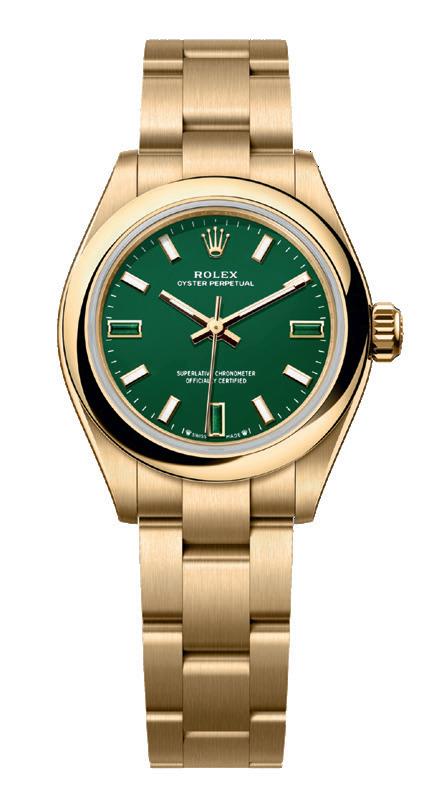
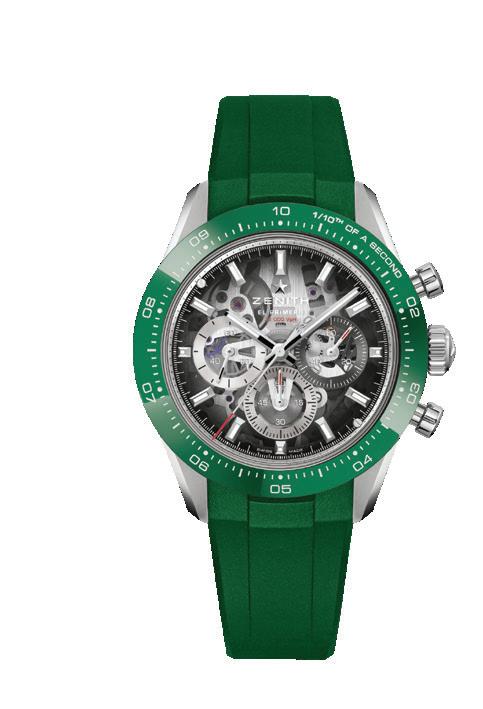
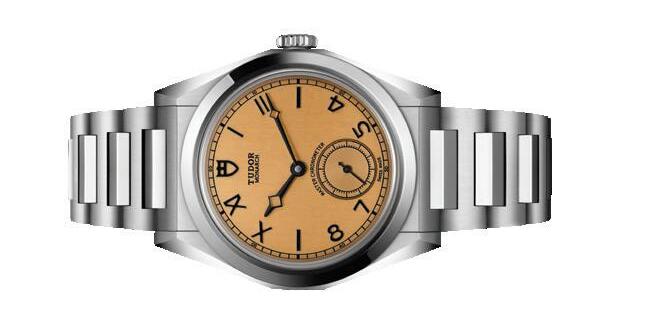
Looking back, a few themes came up repeatedly: the continued evolution of Rolex’s Oyster line, renewed interest in Tudor’s Monarch (a show favourite) as the manufacture celebrates its centenary, and strong reactions to technically expressive pieces from Zenith and TAG Heuer. Heritage is still the anchor –but how it’s being interpreted is shifting. Shemer Jewellers MD Alan Carrington described the fair as a study in contrast with “the sheer breadth of expression across modern watchmaking, not just in design, but in intent.”
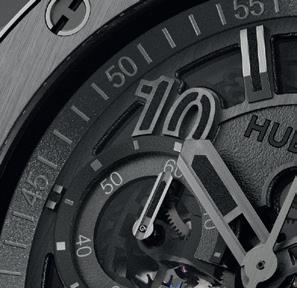
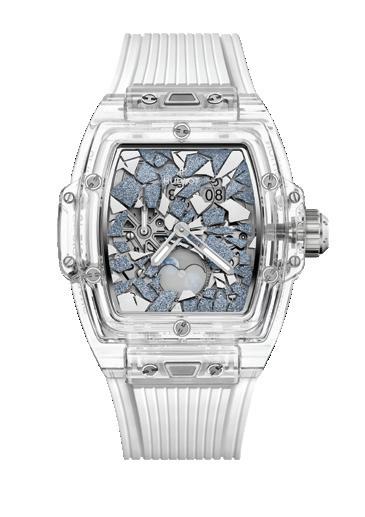
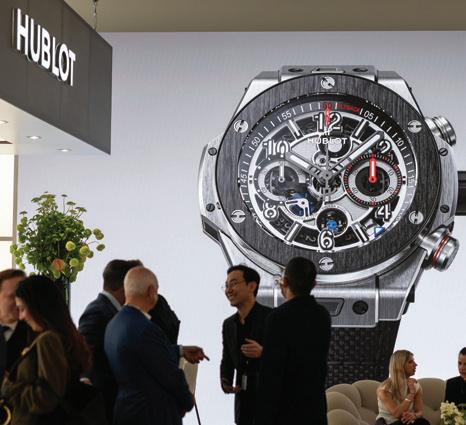
From the boldness of Hublot’s Big Bang Impact One Million to the continued refinement of Rolex’s Oyster over 100
years, he highlighted brands pushing materials and aesthetics while staying grounded in their history.
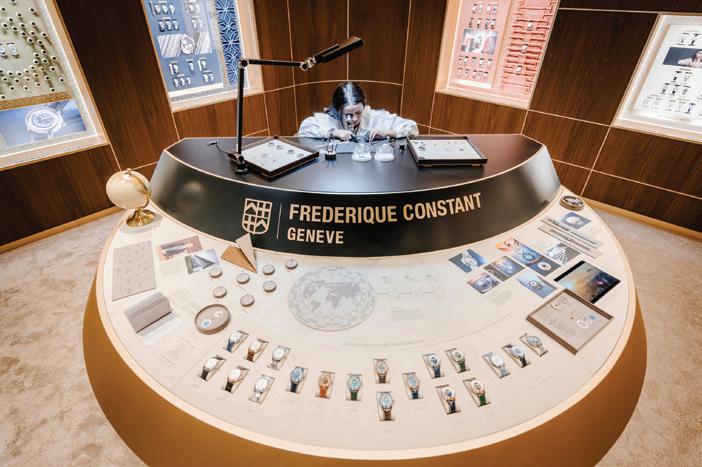
Meanwhile, there was a noticeable return to restraint. Tudor’s Monarch offers “a more poised, elegant counterpoint” while Frederique Constant’s accessible complications show that technical watchmaking need not be at the expense of wearability.
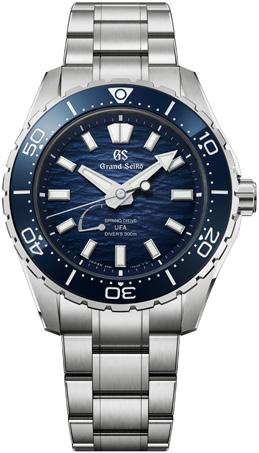
Alan’s standouts included Grand Seiko’s compact Evolution 9 Collection Spring Drive U.F.A. Ushio 300 Diver SLGB023 and Zenith’s Chronomaster Sport Skeleton.
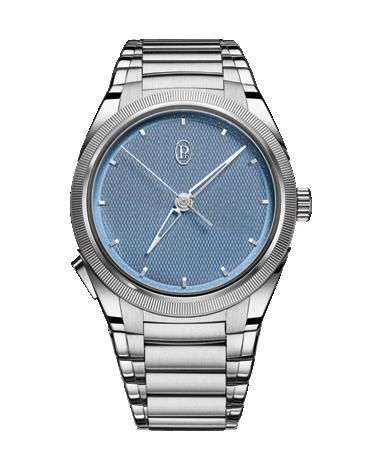
Paul Trumpelmann from Picot & Moss singled out the same Zenith piece. “To see into the heartbeat of the [awardwinning] El Primero is truly captivating,” he said, while noting TAG Heuer’s move to include Grade 5 titanium in the Monaco chronograph cases, making them much lighter and more comfortable on the wrist.
He highlighted the Worldtimer models by Frederique Constant for continuing to deliver complications in an accessible way without oversimplifying.
Richard Greig, co-owner at the familyrun Charles Greig Jewellers, focused on heritage, praising the latest Rolex Oyster Perpetual and Tudor Monarch as “truly landmark moments in the history of timekeeping.”
The appeal lies in refinement rather than reinvention – taking established designs and improving them in ways that feel considered, not cosmetic.
“The watches begin to separate into the ones you admire briefly and the ones you can’t forget”
Jean-Philippe Avenel, founder of L’Atelier Paris, highlighted a return to fundamentals among watch brands in general, but particularly at Panerai. The Luminor moves closer to its origins, with water resistance now reaching 500 metres – a quality upgrade that reinforces its purpose.
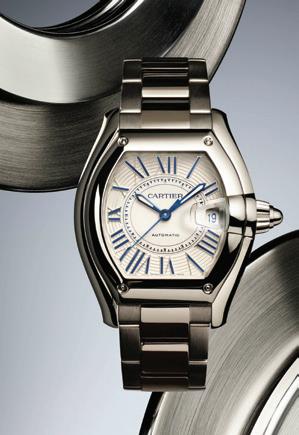
The Cartier Roadster also had his attention. Making a comeback after years out of the spotlight, it’s something different alongside key collections like the Santos. “I’m very excited about that,” he commented. “On the contemporary side, TAG Heuer’s Monaco continues to gain ground, particularly with its shift to titanium, improving comfort without losing its identity.”
Momentum and revival were key points for Mohammed Ravat of Bellagio Jewellers. Corum debuted at Watches and Wonders, with Haso Mehmedovic at the helm following its return to Swiss ownership. Mohammed said the return of the Corum Admiral’s Cup, with updated case sizes in 39mm and 36mm, an integrated bracelet, and an extended power reserve, adds value.
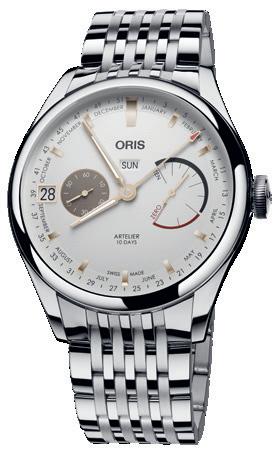
At Oris, heritage pieces like the Star Edition sat alongside the Artelier Complication, which pairs a moonphase with a second time zone in a clean, contemporary layout.
Nomos also impressed with the Club Sport Neomatic Worldtimer – straightforward in design, but technically considered, with 24 time zones integrated into the dial.
Cindy Nowitz from Architects of Time leaned towards high-concept watchmaking: Parmigiani Fleurier’s Tonda
PF Chronographe Mystérieux for its “invisible” chronograph – present only when activated – and Ulysse Nardin’s Freak concept, which continues to push boundaries with its unconventional mechanics. “The Super Freak by Ulysse Nardin, or as I like to call it, Super Freaky, has two flying tourbillons!”
From Hermès, the skeletonised H08 models, quickly becoming bestsellers, added a more design-led perspective, balancing technical detail with a distinct aesthetic.
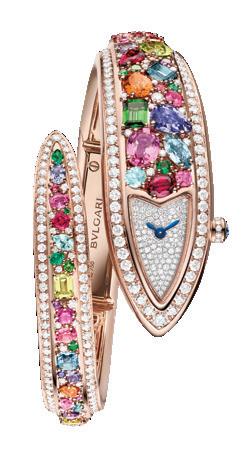
I love jewellery watches and smaller dial sizes, and there were many to satisfy my inner magpie – Cartier Grain de Café, Bvlgari Serpenti Tubogas, Van Cleef & Arpels Ludo Secret Watch, Jaeger-LeCoultre Reverso One, Chopard Happy Hearts, Vacheron Constantin Égérie Moon Phase Spring Blossom, and Frederique Constant Classics Manchette, to name a few. But that’s a story on its own.
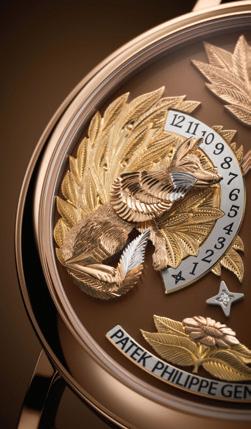
And who can forget the Patek Philippe Reference 5249R-001, its first automaton wristwatch in its contemporary history? The fascinating animation of time, inspired by Jean de La Fontaine’s 17th-century fable The Crow and the Fox, features a minutes hand with its tip resembling a piece of cheese made of yellow-gilt titanium. The fox’s muzzle and paw indicate the time. This was also on show at the Maison’s Rare Handcrafts Exhibition in town.
As I returned home to reflect and recover, the watches that lingered in my memory were those that ticked the boxes for refinement, mechanical clarity, and pure beauty. And meeting the makers behind them further justifies the effort. ■
BEHIND The Story
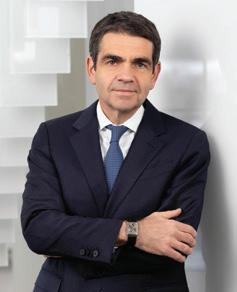
FOR JAEGER-LECOULTRE CEO JÉRÔME LAMBERT, THIS YEAR’S WATCHES AND WONDERS PRESENTATION WAS ABOUT RECONNECTING COLLECTORS WITH THE DNA OF THE MAISON: THE VALLÉE DE JOUX
WORDS DEBBIE HATHWAY
the Story
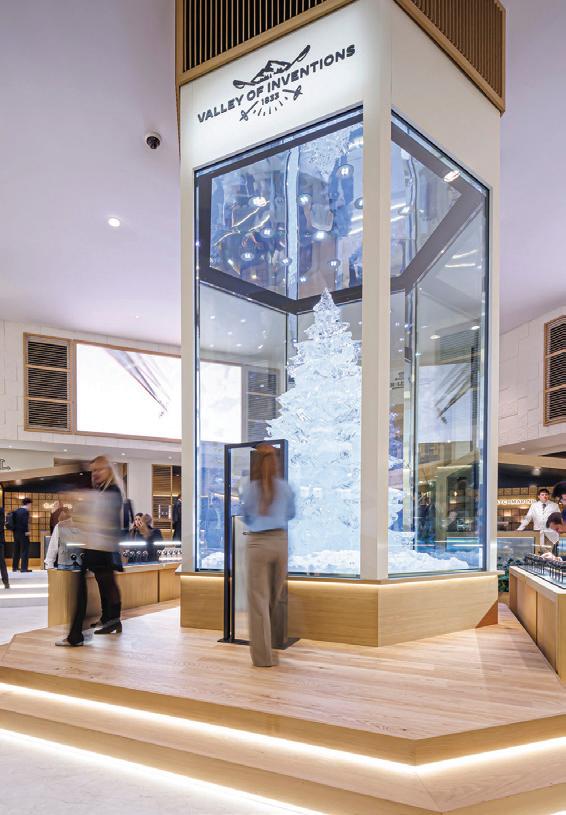
“The theme of this year’s Valley of Inventions is our directional creative line,” explains Jérôme Lambert. “It tells us a lot when it comes to organising the reveal and the choice of the watches that come into view. It allows us to underline two things: the origin and the spirit of invention. It’s what we came through, and what we try to make exemplary through the watches presented this year.”
This reverence for heritage and innovation was palpable throughout the Maison’s immersive booth experience, one of the fair’s most compelling destinations. Jérôme believes much of that fascination lies in the tangible authenticity of traditional watchmaking. “It shows the interest for this oldfashioned, real thing,” he says, pointing to the century-old guilloché machines demonstrated on-site, which remain integral working tools within the Manufacture. “These machines are very rare, and they cost a fortune. It takes years to find one, then years to restore it, and then time again to master it completely. But once you do, you’re creating things that modern machines simply cannot reproduce.”
That philosophy extends to the Maison’s continued investment in Métiers Rares™, where preserving artisanal skill means far more than safeguarding techniques. It’s equally about the people capable of reviving and reinventing them. “They train to use them, and they reinvent the way
FAR LEFT:
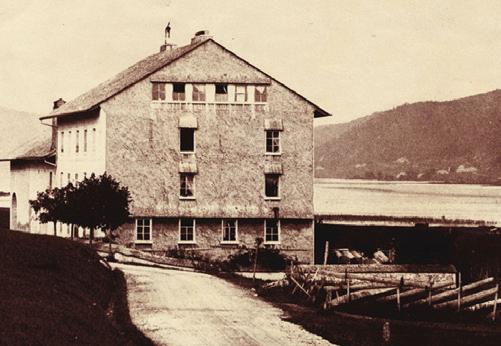
Every legend has its origin, and for Jaeger-LeCoultre, it began in the Vallée de Joux. Forged by harsh winters and isolation, the valley shaped a culture of resilience and ingenuity that gave rise to the Maison in 1833. This spirit of invention – now reflected in more than 430 patents and 82 ateliers – defines the theme for 2026’s The Valley of Inventions, celebrating the birthplace of modern precision watchmaking.
LEFT:
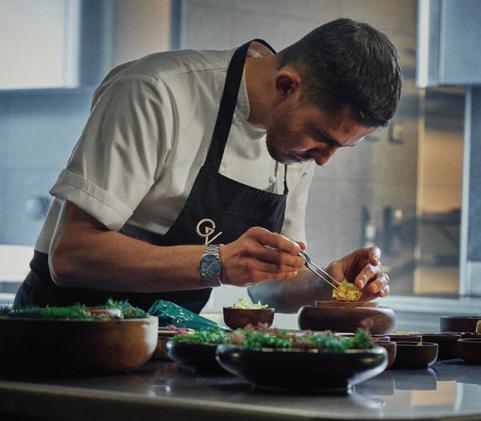
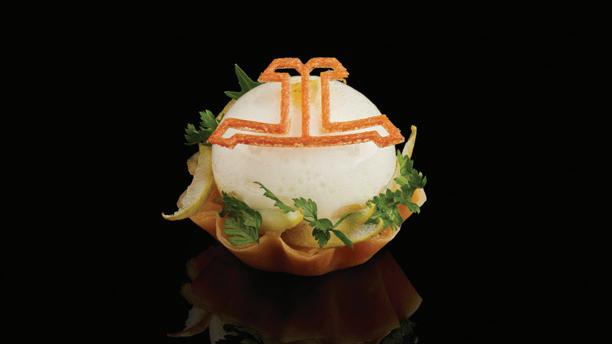
At Watches and Wonders Geneva 2026, Jaeger-LeCoultre unveiled its latest Made of Makers™ collaboration with two-Michelin-starred chef Gilles Varone: an experimental exploration of Swiss cheese that reflects the programme’s dialogue between horology and creative disciplines united by precision, expertise and innovation.
BELOW:
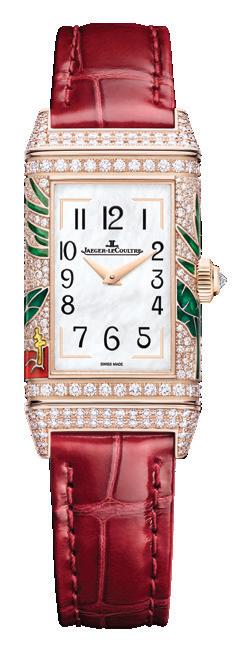
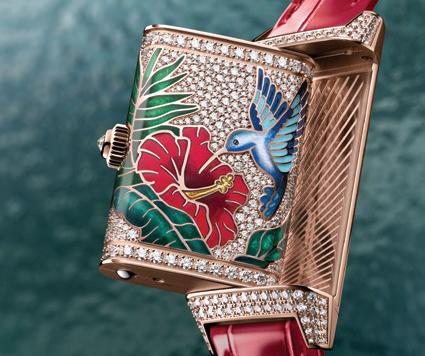
La Vallée des Merveilles™ is a new limited-edition capsule series dedicated to the artistry of its Métiers Rares. Its debut features three exquisite Reverso One editions inspired by the natural splendour of Hawaii and Japan. Crafted in 18kt pink or white gold, the watches showcase the Maison’s mastery of enamelling, paillonnage, gem-setting, and lacquer work.
“When you watch the tourbillon turning on itself, it moves you”
of doing it,” Jérôme says. “When you visit the Manufacture and see the 82 ateliers, 108 watchmaking métiers, and 69 signature savoir-faire under one roof, you understand how these crafts feed one another.”
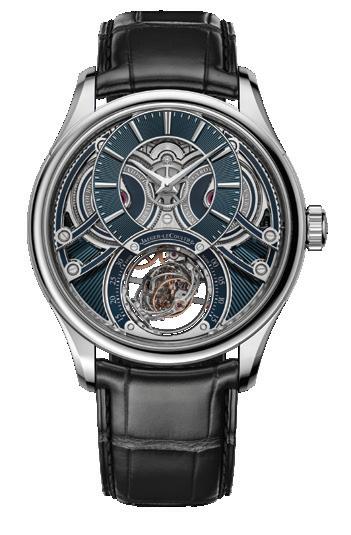
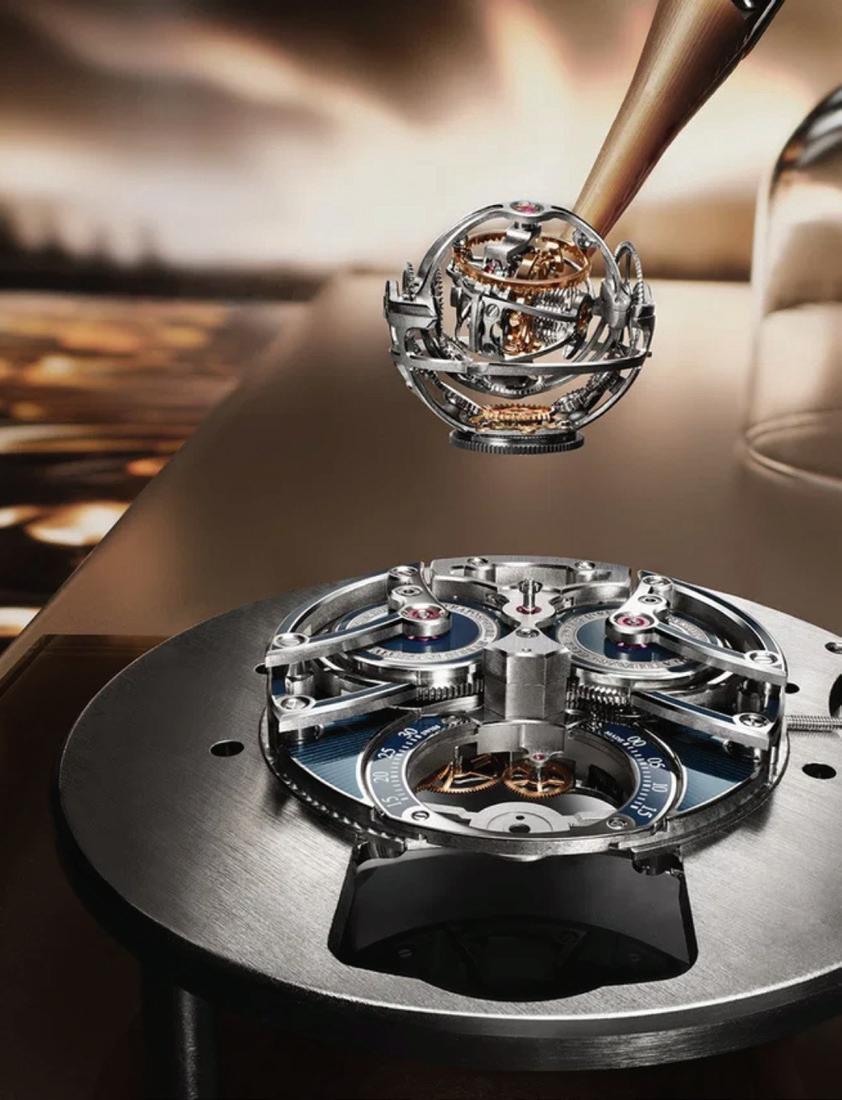
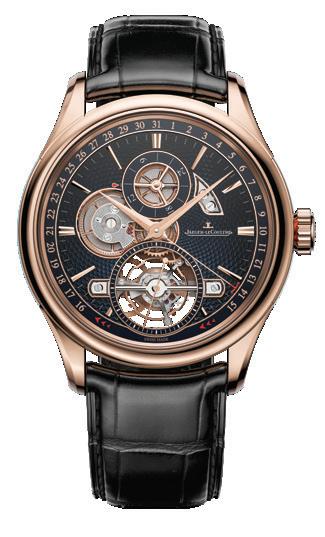
This spirit of creative exchange is central to JaegerLeCoultre’s artistic identity. In the open-plan Rare Crafts atelier, enamellers, engravers, and gem-setters work side by side, inspiring one another in real time. That interplay between engineering and artistry finds perhaps its boldest expression in this year’s showpiece, the Master Hybris Inventiva Gyrotourbillon À Stratosphère.
For Jérôme, innovation is only meaningful if it sparks an emotional response. “We’re looking for that emotion,” he says. “If what we do creates electricity at the top of your shoulders, then we’re right in what we wanted to create.”
OPPOSITE, TOP RIGHT:
With the Master Grande Tradition Tourbillon Jumping Date, JaegerLeCoultre revisits the 20-year-old Calibre 978, which won the first modern chronometry competition in 2009. The reworked movement features a restructured architecture, an all-new dial design and elevated finishing. Housed in a 42mm 18kt pink gold case, it is limited to 100 pieces.
OPPOSITE, LEFT & TOP LEFT:
Introducing the first chapter in the Maison’s new Hybris Inventiva series, the Master Hybris Inventiva Gyrotourbillon À Stratosphère is powered by Calibre 178, whose patented triple-axis tourbillon makes it one of the most precise and technically advanced tourbillon wristwatches ever created by the Manufacture. Housed in a finely finished 42mm platinum case, the movement features hand-executed guillochage, enamel and lacquer work courtesy of the Maison’s Métiers Rares.
It’s a strikingly human way of describing haute horlogerie – less about mechanics for mechanics’ sake, and more about visceral connection. When asked which of this year’s launches moved him most, his answer came instantly: the Gyrotourbillon. “When you watch the tourbillon turning on itself, it moves you.”
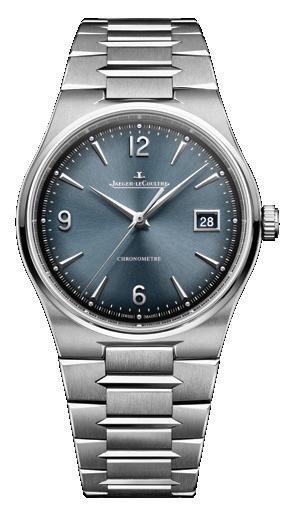
That emotional lens also informs Jaeger-LeCoultre’s technical advancements, including the enhanced precision guarantees behind the latest Master Control Chronometer pieces (pictured left). Jérôme notes that today’s watches face far harsher daily conditions than they did even two decades ago – from airport X-ray scanners to magnetic exposure and extreme travel environments. For the Maison, innovation in precision is less about responding to collector demand than adapting to the realities of modern life.
Yet perhaps the most revealing insight came when the discussion turned personal. Asked whether mechanics, artistry, or craftsmanship resonates most deeply with him, Jérôme’s answer was unequivocal. “I would start with the people behind the craft. Then I would say it’s the history. These watches are testament to 193 years of watch manufacture for JaegerLeCoultre. For me, it’s the story.”
In an industry obsessed with specifications, it was a reminder that the most enduring complications are measured as much by the feeling they evoke as by the mechanics they master. ■
Since joining the brand in 2008, Tudor’s Designer Ander Ugarte has played a pivotal role in shaping the brand’s contemporary identity. The Spanishborn designer, who studied in Italy and began his career at Rolex, has overseen the development of cornerstone collections, including the Black Bay and Pelagos. Meeting at Watches and Wonders, he reflected on his design journey, Tudor’s defining philosophy, and the balance between heritage and innovation.
For Ander, design is instinctive. “It’s like a language,” he says. Originally trained in automotive design, he approaches creativity intuitively, drawing inspiration from everything around him.
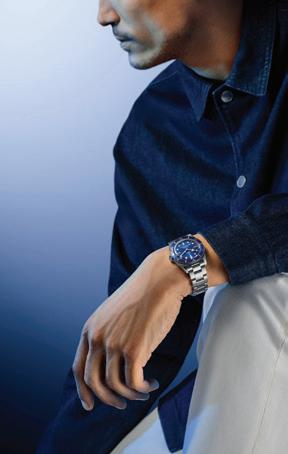
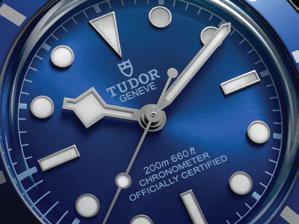
Though hand sketching still plays a role when developing new concepts, much of Tudor’s current work involves evolving established forms through digital refinement. That process is evident in Tudor’s latest releases, including the sapphire blue iteration of the Black Bay 54 in a historically proportioned 37mm case with a 200m depth rating. Its vivid colour comes from layered finishing techniques that create brightness and depth. Blue remains central to Tudor’s DNA. “The blue should always be something you find in our collections,” says Ander. Longevity, he believes, comes not from trend-driven design but from remaining faithful to brand identity. This philosophy has guided the expansion of Tudor’s strongest families, particularly Black Bay and Pelagos, which he says now evolve through meticulous refinement of proportion, movement performance and finishing detail. “This is much more about passion.”
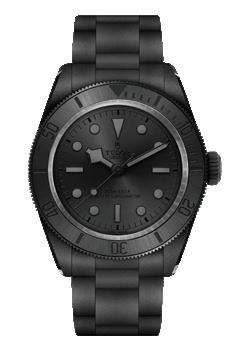
Among current releases, Ander cites the 41mm Black Bay Ceramic as a more classical standout, now elevated by Tudor’s newly engineered ceramic three-link bracelet. “It’s special,” he says. “We’ve played with the finish on black ceramic, from sandblasting to achieve one tone to polishing for a bright, strong black. Satin finishing on the bezel creates a totally different effect, while the dial is more anthracite.”
TUDOR Blueprint
TUDOR’S MODERN IDENTITY HAS BEEN BUILT THROUGH CAREFUL EVOLUTION RATHER THAN RADICAL REINVENTION. FROM THE BLACK BAY TO THE PELAGOS, PROPORTION, MATERIALITY, AND FUNCTION REMAIN CENTRAL TO THE BRAND’S DESIGN LANGUAGE WORDS DEBBIE HATHWAY
interest while maintaining readability. Entirely black-on-black – or, as Ander notes, more accurately black-on-charcoal – the piece pairs technical innovation with a stealth aesthetic that feels both contemporary and unmistakably Tudor.
Tudor’s relationship with Rolex is essential to understanding its positioning as the sister brand. Ander explains that Tudor was founded by Rolex creator Hans Wilsdorf to offer “the best possible quality at the best price”. Early Tudor watches shared Rolex Oyster cases but housed different movements. Today, while the technical lineage remains, Tudor has evolved into what Ander describes as the group’s “playground” – a space with greater creative freedom. Working for Tudor allowed him to express himself across both sport and more elegant watchmaking.
The monochromatic effect is deceptively complex. With galvanic treatment and sunray finishing, the dial tone shifts under different light, producing grey-blue or even greenish hues. Low-contrast detailing, including bright black applied hour markers with grey luminescent material, adds
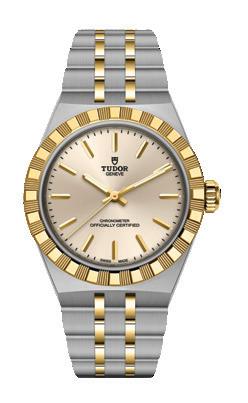
This creative freedom is also evident in collections such as the Tudor Royal, where refinement and technical precision reinforce the brand’s reputation for exceptional value. The latest releases, for example, feature a slimmer case, redesigned fluted bezel and T-Fit clasp, elevating wearability and perceived quality across 30mm, 36mm, and 40mm references. One of the most technically demanding changes was the redesign of the bezel.
The sharply defined geometric facets are entirely machined rather than polished by hand. The result is a more angular, architectural profile that delivers stronger light play and a noticeably more premium visual presence. This attention to detail extends to the dial, where reflective hour markers and Roman-numeral options create added dimension.
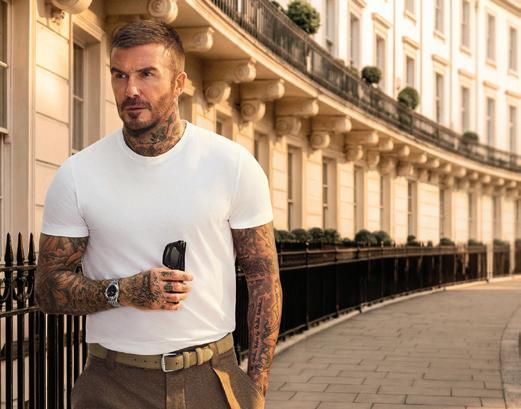
Brand ambassador David Beckham wears both looks well, pictured above wearing the new Tudor Royal with the black dial. He also loves the Black Bay S&G, a vintage-inspired steel and gold diver’s watch and the Black Bay Chrono.
Ander believes Tudor’s ultimate USP lies in balancing technical credibility, robust design language, and accessible luxury. “We offer quality, technicality and strong identity for a lot of people,” he says, a formula that continues to set Tudor apart. ■
DESPITE PACKED SCHEDULES,
PRODUCT
LAUNCHES,
AND ENDLESS APPOINTMENTS AT WATCHES AND WONDERS, GENEVA STILL OFFERS MOMENTS OF CALM – IF YOU KNOW WHERE TO FIND THEM
WORDS DEBBIE HATHWAY
DINING OUT:
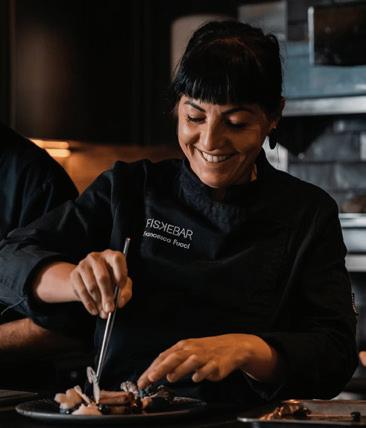
Among the many choices for eating out in Geneva is Fiskebar at The Ritz-Carlton Hotel de la Paix where Chef Francesca Fucci’s creations continue to leave diners in awe
TIME OUT Geneva in
I’m a creature of habit when I travel, constantly drawn to water bodies – and Switzerland is no exception. No matter how packed the Watches and Wonders schedule becomes, I always gravitate back towards Lake Geneva. If I can carve out even an hour between appointments and evening events, I’ll walk. This year, en route to dinner, I booked the final entry of the day into the Patek Philippe salons on Rue du Rhône for the annual Rare Handcrafts exhibition.
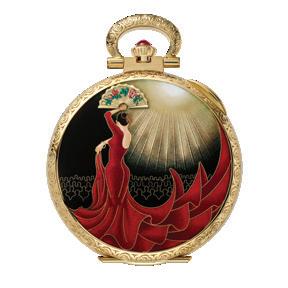
It’s one of the most extraordinary moments of the week. Away from the frenzy of launches and presentations, the exhibition offers a rare opportunity to admire one-of-a-kind pieces and limited editions before they disappear into private collections around the world. Pocket watches, dome clocks, and wristwatches become miniature canvases for métiers d’art that few people ever see in person – enamel, engraving, marquetry, and gem-setting executed at the highest possible level. Even after years of attending, it still stops me in my tracks.
The celebrated Tuscan red from the Antinori estate in Chianti Classico is the best red wine I’ve ever had – rich yet refined, layered with dark fruit, spice, and silky tannins.
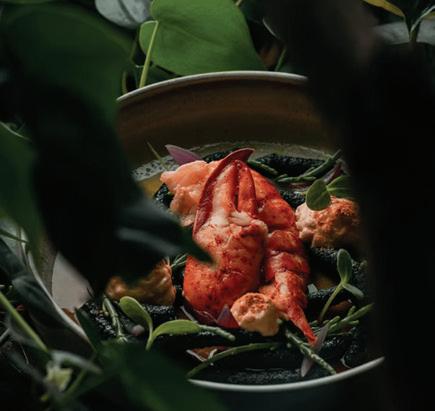
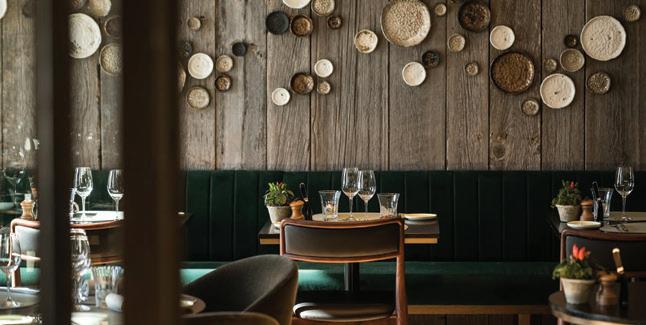
Another standout this year was dinner at Fiskebar at The Ritz-Carlton Hotel de la Paix, one of Geneva’s finest lakeside dining experiences. Under the direction of Chef Francesca Fucci, who works with local producers, the recipes reflect her Puglian roots. Her grandparents were farmers, her father a fisherman, and both influences are clear. Grounded in nature yet technically refined, Francesca uses Nordic techniques such as smoking and curing, which sit comfortably alongside Mediterranean ingredients and occasional Asian influences.
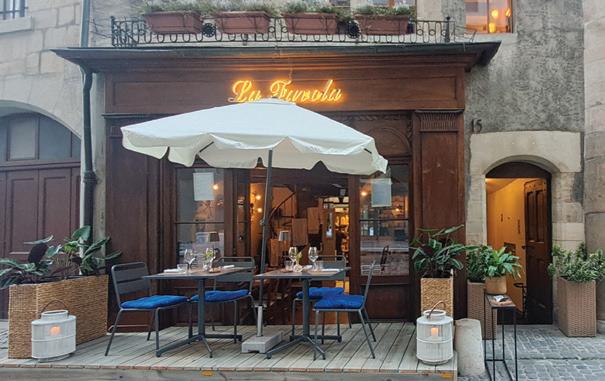
From there, it was a five-minute walk into the Old Town to La Favola, a restaurant I return to regularly. Part of its charm is how small and intimate it is. There’s a tiny spiral staircase connecting two levels, a handful of tables, and staff who make every guest feel like a regular. The atmosphere is warm and the food consistently excellent – handmade pasta, seasonal dishes, and Mediterranean flavours courtesy of Chef Giuseppe Bove.
It was also where I first tasted Solaia, and I still salivate at the thought of it.
We chose the six-course tasting menu, featuring a seafood tasting with seared scallops deglazed with cognac, celeriac variation, Granny Smith apple, coral cream, and lemon gel; house-made fish sausage with lingonberry gel; sea urchin in different textures with almond emulsion and dried beetroot, and Swedish saffron brioche (Lussekatter) with Geneva saffron and bottarga.
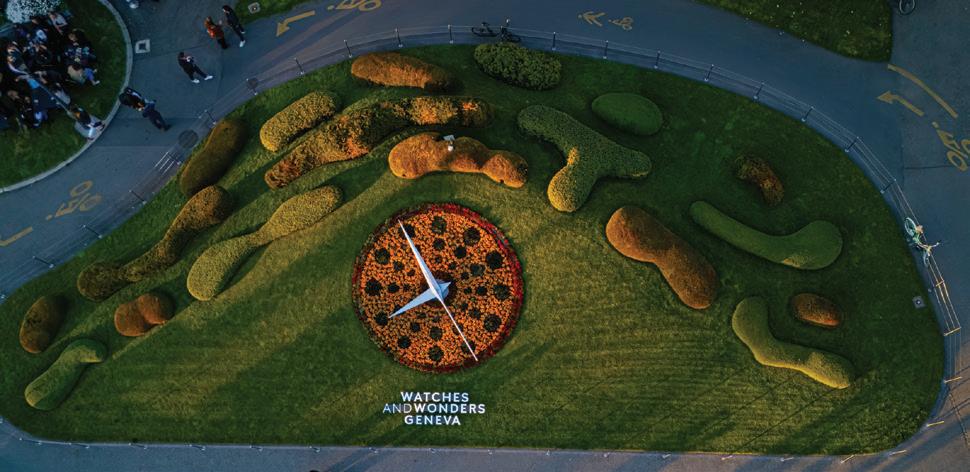
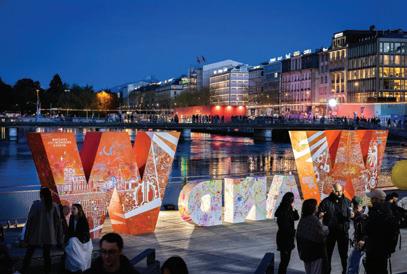
Yet some of my favourite memories of Geneva happen between destinations. Walking back to my hotel, Novotel Genève Centre, from the Old Town, I found the city almost cinematic on that cool spring evening. People sat outside beneath trees with blankets over their laps, lingering over wine and dinner long after sunset. Others perched on the bridges over the lake with picnic hampers, watching the activity generated by the Watches and Wonders programme, including Montreux Jazz Festival concerts. Runners, cyclists, couples, and families drifted past the Flower Clock, often stopping for photographs, while conversations spilt out from terraces and lakeside bars.
As always, I ended the evening exactly where I wanted to be –strolling beside the lake. Until next year... ■
ADVENTURE DEFENDER of
WHETHER NAVIGATING MUDDY RESERVE ROADS, LONG-DISTANCE HIGHWAYS, OR RURAL BACKROADS, THE LAND ROVER DEFENDER CONTINUES TO BALANCE RUGGED CAPABILITY WITH SOPHISTICATED MODERN COMFORT
WORDS EDWARD MOLEKE MAKWANA
Few vehicles embody the spirit of modern adventure quite like the Land Rover Defender. It’s a machine that has evolved far beyond its utilitarian roots, yet still remains unapologetically rugged at heart. Whether traversing the untouched wilderness of Africa, navigating uneven gravel roads through South Africa’s farming heartland, or pulling up at a luxury safari lodge, the Defender continues to prove why it has become one of the world’s most desirable luxury 4x4s.
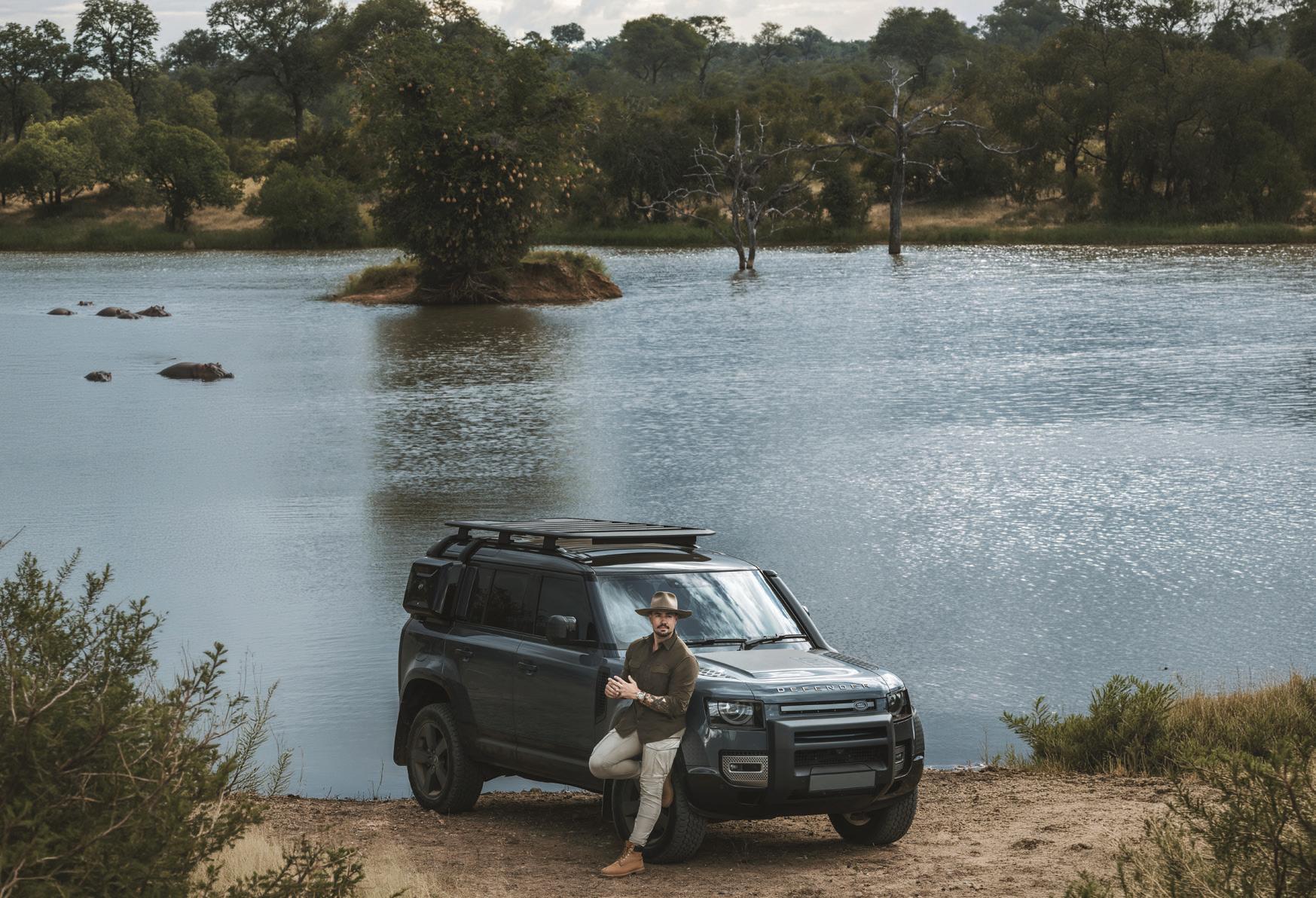
A couple of weeks ago, some of my colleagues at YourLuxury Africa ventured into the exclusive Thornybush Game Reserve aboard the Defender 110, where the vehicle effortlessly complemented the untamed beauty of the bushveld. More recently, I embarked on my own adventure to Nampo 2026, the biggest agricultural exhibition in the Southern Hemisphere, in the updated Defender 110 D350 X-Dynamic.
The journey took me through the charming Free State town of Parys before stretching into the agricultural landscapes of Viljoenskroon and Bothaville. Along the way, the Defender reminded me exactly why it’s become a beloved icon among luxury adventurers and overlanders alike.
South African roads are not always forgiving. Potholes, broken tar surfaces, and endless gravel roads can quickly expose weaknesses in lesser vehicles. Yet the Defender defended me with remarkable composure. Its air suspension soaked up rough terrain with elegance, while the D350 diesel powertrain delivered effortless torque and refinement. Even after hours behind the wheel, fatigue simply never became part of the journey.
That duality is what makes the Defender so compelling. It’s equally as comfortable arriving at a five-star lodge as it is crawling through muddy trails or weaving through rural backroads. Few vehicles manage to combine toughness and sophistication so convincingly.
I experienced a similar sense of admiration during my earlier drive in the shorter-wheelbase Defender 90, which I described in my review as a vehicle that “blends old-school charm with contemporary luxury in a way few SUVs can”. The Defender 90 carried an unmistakable personality – playful, premium, and immensely capable. The larger Defender 110 builds on that character while adding even greater practicality and long-distance comfort.
Now, the latest updates across the Defender line-up further sharpen its appeal. The refreshed family, spanning the 90, 110, and 130 derivatives, introduces upgraded finishes, enhanced technology and more distinctive design cues.
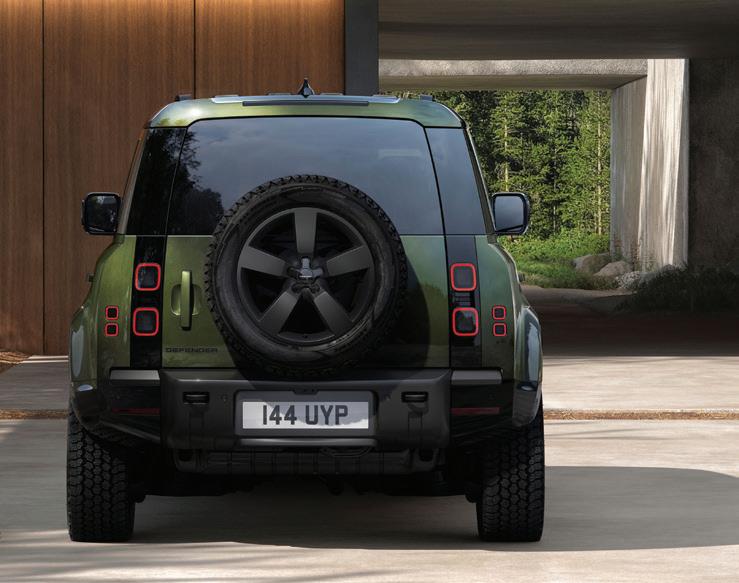
Subtle yet meaningful exterior changes include redesigned headlights with new signature detailing, flush rear lights with smoked lenses, fresh wheel designs, and new paint finishes such as Woolstone Green and Borasco Grey. The updates maintain Defender’s clean and muscular design language while elevating its premium presence.
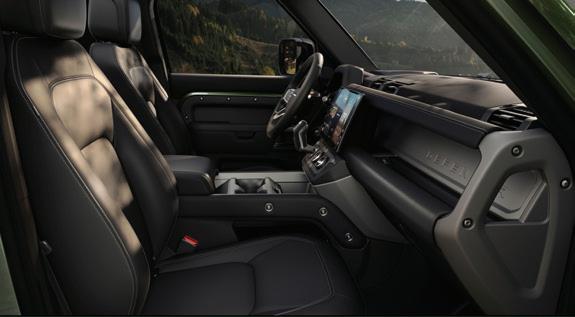
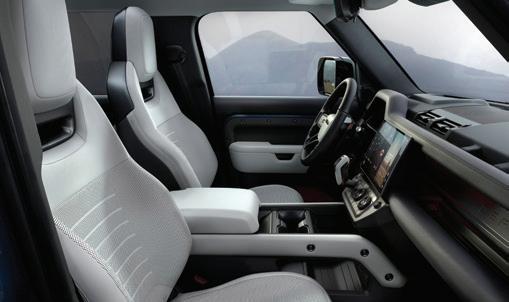
Inside, the cabin continues to blur the line between luxury SUV and expedition tool. A larger 13.1-inch infotainment touchscreen dominates the dashboard, while clever storage solutions, durable materials, and thoughtful ergonomics ensure the cabin remains as practical as it is luxurious.
“Few vehicles manage to combine toughness and sophistication so convincingly”
But the Defender story today stretches far beyond luxury lifestyle motoring. The brand is now aggressively reinforcing its global adventure credentials through motorsport and exploration initiatives. Defender has also participated in the legendary Dakar Rally – arguably the world’s toughest endurance motorsport challenge. It’s a fitting arena for a nameplate built on resilience and capability.
The company has also launched the Defender Trophy, a global adventure competition inspired by historic expedition challenges. Significantly, the final is scheduled to take place in Africa for the very first time – a powerful acknowledgement of the continent’s deep connection to authentic exploration and off-road adventure.
Then there is the outrageous Defender OCTA, the most extreme Defender ever created. Powered by a 467kW 4.4-litre twin-turbo V8, the OCTA transforms the luxury off-roader into a high-performance desert conqueror while still retaining its unmistakable Defender DNA. The Defender OCTA-based D7X-R won the Stock category at the 2026 Dakar Rally, its debut year, proving the durability of production-based vehicles in the world’s toughest off-road race
Yet perhaps the Defender’s greatest achievement is not merely its capability or luxury, but its emotional connection. In an era increasingly dominated by digital sameness, the Defender still feels authentic. It invites exploration. It encourages detours. And it transforms those ordinary journeys into incredibly memorable experiences.
ADVENTURE MADE for
WE JOINED ACCLAIMED WILDLIFE PHOTOGRAPHER AND PANERAI FRIEND OF THE BRAND MARLON DU TOIT FOR AN EXCLUSIVE PREVIEW OF THE BRAND’S LATEST RELEASES. SHOT AT THORNYBUSH IN THE GREATER KRUGER, THE CREW – INCLUDING RENOWNED INTERNATIONAL PHOTOGRAPHER GARRETH BARCLAY – FACED CHALLENGING WEATHER IN A LAND ROVER DEFENDER THAT ONLY AMPLIFIED THE SAFARI EXPERIENCE
WORDS DEBBIE HATHWAY
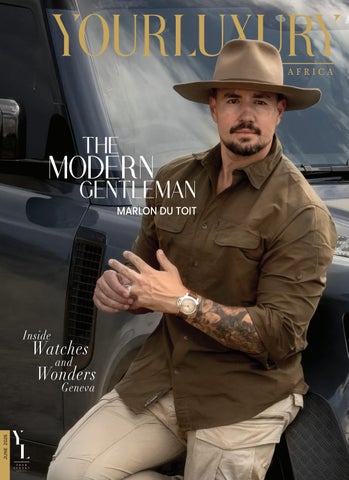
For wildlife photographer and guide Marlon du Toit, Panerai’s appeal has always gone beyond watchmaking. “I’ve been a fan of Panerai for a long time,” he says. “A big part of that is the culture and heritage the brand carries with it. It’s rooted in exploration, adventure and a very strong sense of self-belief.” That connection feels especially relevant in the environments where he works –whether photographing wildlife in the African bush or enduring Arctic conditions in sub-zero temperatures. “When you’re out in nature, whether it’s minus 25 degrees in the Arctic or extreme heat in Africa, you need confidence in yourself. You’re spending weeks in those environments, with people depending on you. The watch represents that same resilience. It’s strong, bold, and built to be tested.”
He draws a direct parallel between his own work and Panerai’s naval origins. “The Navy guys push these watches to their limits, and in my own way, I get to do the same – heat, humidity, sand, wind. The watch is with me all the time. The moment you put it on, there’s a certain energy to it. It’s almost like suiting up.”
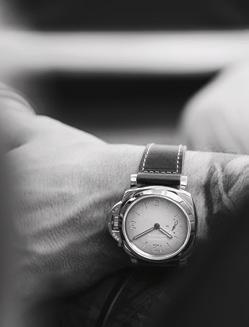
One of his favourite pieces is the Panerai Luminor Equation of Time, which he often wears.
“It’s a complex movement, but still this big, bold watch that Panerai is known for. Photography is painting with light, so I’m always looking for
moments where I can place the watch naturally within the landscape.”
For this shoot, that meant time spent tracking two male lions at Thornybush Private Game Reserve. “A lion and a Panerai go pretty well together,” he says. “There’s nothing more African than a lion and its footprint in the mud.”
His favourite moments to shoot are at dawn and dusk, just before golden hour. “That’s when the mood really comes alive. You see it in the animal’s eyes and in the golden glow on the coat. The atmosphere becomes incredibly cinematic.”
For Marlon, Thornybush was the ideal setting for this shoot with the new PAM01731 and PAM01735. “I travel all over Africa, and there’s still nothing quite like the Greater Kruger. Thornybush has everything – the Big Five, incredible
“The Panerai Luminor Equation of Time is strong, bold, and built to be tested”
landscapes, and amazing game viewing in a very concentrated area. You don’t need to spend a long time out here to be able to check off bucket-list animals. The Game Lodge is on a riverbed, so you have incredible views, and there’s always wildlife around – monkeys, squirrels, birds. The guides are fantastic and the whole experience, from the food to the lodging, is world-class,” he states.
The iconic Land Rover Defender was the game-viewing vehicle of choice, which Marlon says felt perfectly at home in the conditions. “We drove it in the rain, mud, and rough terrain. Seeing rain hit that clear roof while you’re surrounded by wilderness is an incredible feeling. The Defender is one of the most recognisable vehicles in the world, but what I love is that it makes you feel part of nature rather than separate from it.”
Beyond the Watch
PANERAI’S HERITAGE REMAINS INSEPARABLE FROM ITS MODERN IDENTITY. CHIEF MARKETING OFFICER ALESSANDRO FICARELLI REFLECTS ON AUTHENTICITY, INNOVATION, AND THE EMOTIONAL CONNECTION THAT CONTINUES TO DEFINE THE BRAND
FOR MANY COLLECTORS, THE INTEREST IN PANERAI BEGINS WITH A HANDFUL OF LOADED WORDS – PRE-VENDÔME, BLACK SEAL, EGIZIANO, BRONZO. HOW DO YOU HONOUR THOSE REFERENCES WITHOUT LETTING PANERAI BECOME A BRAND THAT SPEAKS ONLY TO INSIDERS? Much of this year’s collection references the 6152-1 from the 1960s –what we now call the Luminor – though at the time it was simply the reference with the crown-protecting bridge. These are foundational Panerai designs, and our objective is to keep innovating while remaining faithful to our identity. Panerai began by producing instruments and watches for the Italian Navy. Size, functionality and clarity of design were essential. Legibility drove everything: the large dials, the luminescence, and purity of the design language.
The references you mention – the Egiziano, the GPF 2/56, the Mare Nostrum – are instantly recognisable. Today, even if you removed the logo from the dial, the watch would still be unmistakably Panerai.
HOW DO YOU ENSURE PANERAI’S STORYTELLING REMAINS LIVED RATHER THAN MERELY EXPLAINED? For us, heritage must remain at the centre of the brand. Ours is not an invented marketing story. It is an authentic history. Panerai’s story is deeply connected to Italy and the Italian Navy. As an Italian, I’m very proud to represent a brand with those roots. If we continue to honour our identity and stay true to our foundations, we have already done at least half our job.
IS UNDERSTATEMENT A PHILOSOPHICAL CHOICE FOR PANERAI IN A MARKET THAT OFTEN REWARDS EXCESS?
If you look back to the last century, Giuseppe Panerai was already a visionary – from the invention of the crownprotecting bridge to the development of luminescent materials and the engineering of the cases to enhance durability and solidity.
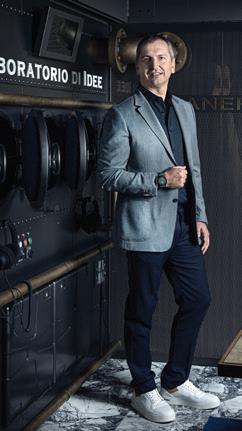
Later came the Laboratorio di Idee –the “Laboratory of Ideas” – and that innovative spirit remains central to the brand today. In 2005, we introduced
our first in-house calibre and have continued expanding our movements since then. This year, we are presenting a Luminor with a 31-day power reserve.
What makes Panerai distinctive is the combination of Italian design and Swiss watchmaking, as well as our approach to materials. Materials differentiate us. Bronze, for example, is closely associated with the marine world and became one of our signatures. We developed Carbotech because clients wanted something lighter and higher-performance, and this year we are introducing forged titanium and new corrosion-resistant materials. These watches were born to be used underwater, so every material innovation must deliver a real benefit to the wearer. For us, innovation is never innovation for its own sake. It must always respect the brand’s identity.
THE PANERAI XPERIENCES PROGRAMME SUGGESTS THAT THE BRAND IS AS MUCH ABOUT SHARED MEMORY AS IT IS ABOUT OBJECTS. CAN SHARED EXPERIENCES BECOME AS IMPORTANT TO BRAND EQUITY AS ICONIC REFERENCES OR CALIBRES? Panerai is an emotional brand, and experiential marketing has become an essential part of how we express that. We launched the Xperiences programme in 2019, and it has been an extraordinary success. These experiences deepen the connection between the brand and our clients, and each one reflects a different side of the brand. Some are military-focused, others are more adrenaline-driven, while some are rooted in history. The next experience, Viaggi Nel Tempo (“Journey Through Time”) in September, traces Panerai history from Florence through Tuscany and Liguria, where clients will dive using the original Vasca Panerai created in 1966 and train alongside military specialists. What I love is that clients often book the next experience before even knowing which watch will be associated with it. That tells you everything. It means the connection has moved beyond the product itself. People arrive as strangers and leave as part of the same community. That is the real power of the Panerai experience. ■
REFINED WILD in the
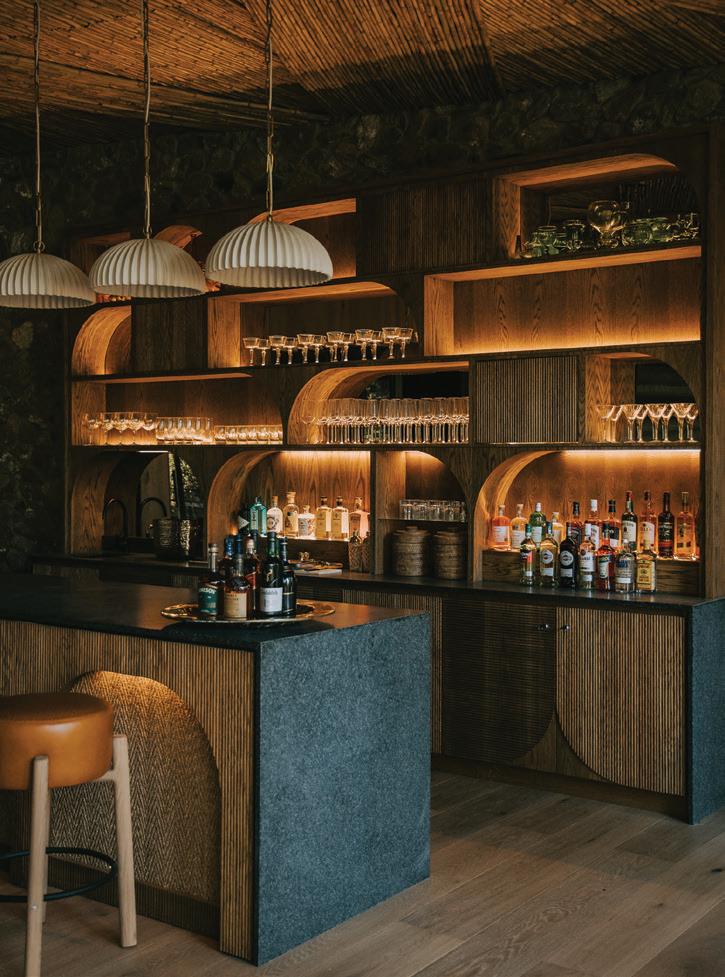
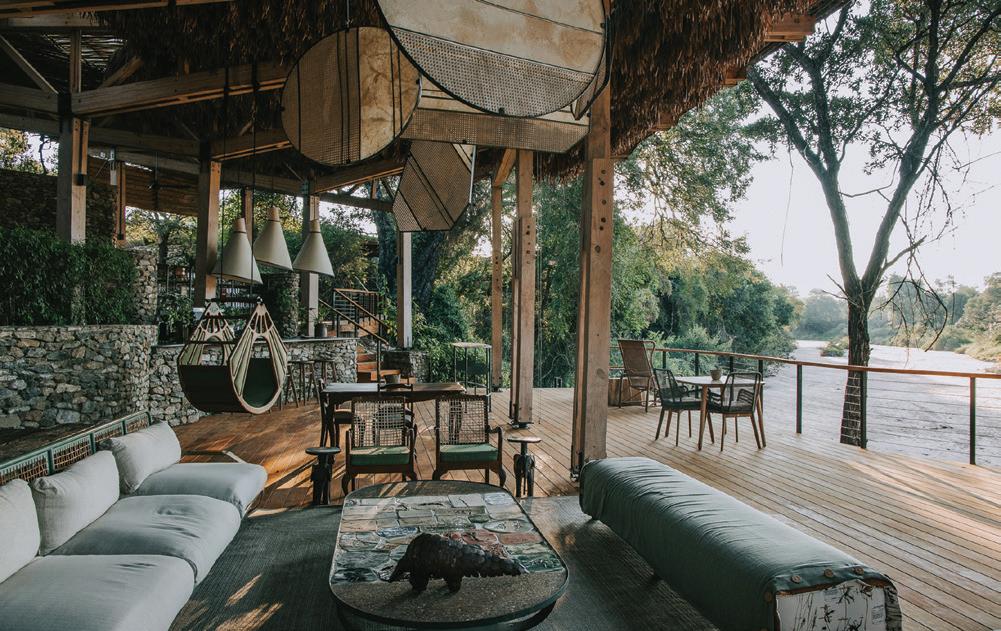
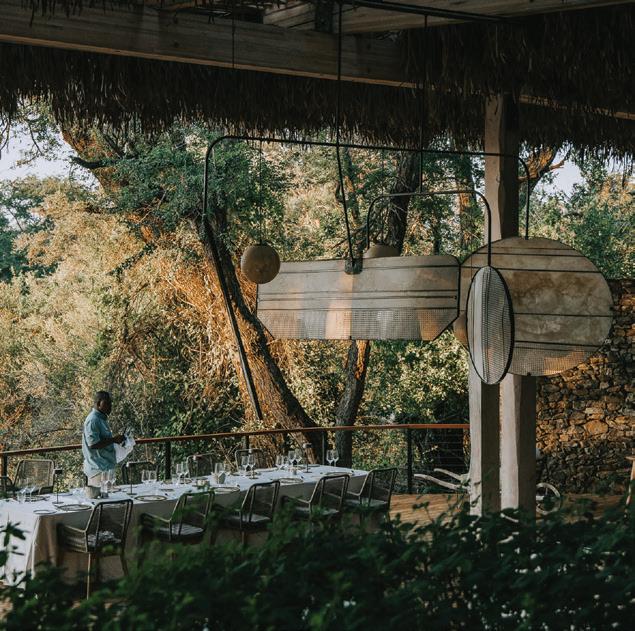
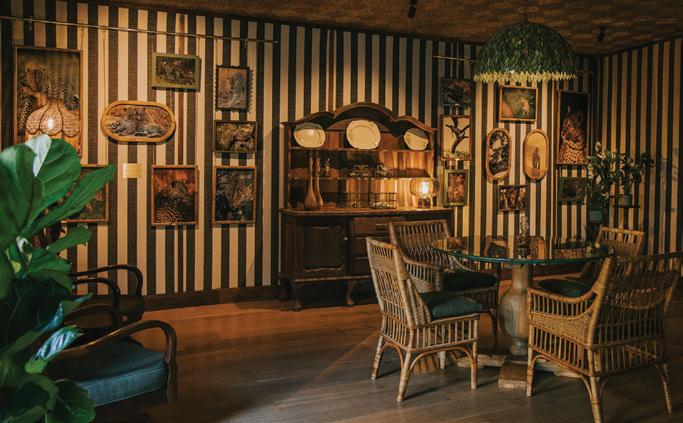
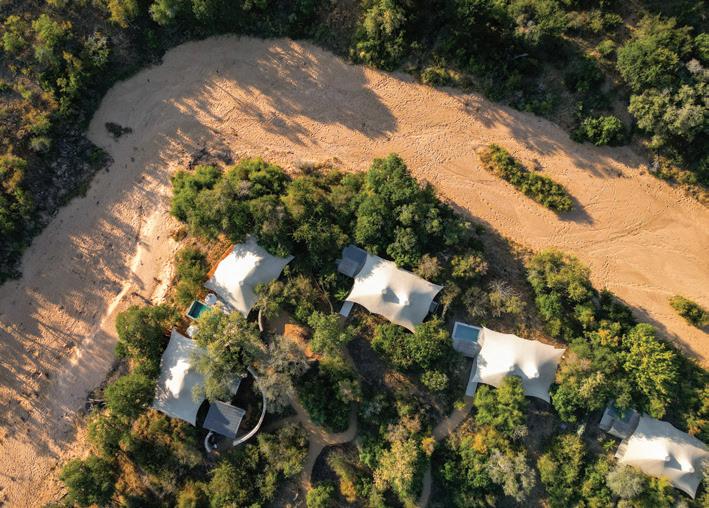
There are safari lodges that evolve, and then there are those that quietly transform, elevating the experience while remaining deeply rooted in their surroundings. The newly reimagined Saseka Tented Camp at Thornybush, set within the Greater Kruger National Park, belongs firmly in the latter category.
A CONSIDERED REFURBISHMENT AT THORNYBUSH’S SASEKA TENTED CAMP WITHIN THE KRUGER NATIONAL PARK USHERS IN A NEW ERA OF UNDERSTATED LUXURY, IMMERSIVE DESIGN, AND HOLISTIC SAFARI LIVING
Following a two-month closure for refurbishment, Saseka emerges not as something entirely new, but as something more refined – an evolution that honours its original spirit while embracing the expectations of the modern luxury traveller. In collaboration with Artichoke Interior Design and Black Sable Architects, Thornybush has carefully reimagined the camp’s shared spaces, layering texture, warmth, and depth into an already beloved setting.
timber lighting and handcrafted stained-glass pendants introduce artisanal elegance, complemented by botanical-inspired artworks that echo the landscape beyond.
movement, recovery, and mindful connection. A lap pool sits alongside a cold plunge and infrared sauna, inviting guests to recalibrate both body and mind.
At the heart of the redesign lies a deep respect for place. The surrounding bushveld has guided every design decision, from the organic forms to the tactile palette of wood, stone, bamboo, and rattan. Earthy tones –think ochre, terracotta, and muted greens – anchor the interiors, creating a seamless dialogue between indoors and outside. As designer Caline Williams-Wynn explains, the intention was to “build on Saseka’s timeless aesthetic… ensuring every element contributes to an atmosphere of understated, quiet luxury.”
One of the most striking additions is the new indoor dining space; a sophisticated yet intimate retreat designed for cooler evenings or rainy afternoons. Here, layered textures create an inviting space, while doublesided fireplaces flicker gently. Bespoke
Flowing naturally from this space is the new bar, where timber detailing and herringbone seagrass inlays lend a tactile richness. It’s an inviting setting for pre-dinner drinks or a nightcap beneath the African sky – ideally paired with a botanical-infused cocktail that mirrors the flavours of the bush. Adjacent, a thoughtfully curated wine room calls for guests to explore a selection of South Africa’s finest vintages.
Beyond the interiors, the reimagined boma offers a fresh take on a quintessential safari tradition. While its essence remains rooted in communal storytelling and fireside dining, subtle contemporary touches such as handmade ochre-tiled counters bring a renewed sense of style to this time-honoured space.
Perhaps the most transformative addition, however, is the new wellness and gym facility. Not your traditional spa, this space has been conceived as a holistic sanctuary – one that prioritises
Equally noteworthy is the expansion of Little Saseka, the camp’s exclusive-use private villa. Now accommodating up to six guests, this intimate retreat has been extended with two additional suites, offering enhanced flexibility for families or small groups seeking privacy without compromising on luxury. Thoughtfully designed to maintain its sense of seclusion, Little Saseka continues to embody the quiet exclusivity that defines the Thornybush experience.
Sustainability, too, has played a meaningful role in the refurbishment. Existing structures have been preserved wherever possible, while materials such as original decking have been repurposed into new cladding and finishes. This approach not only minimises environmental impact but also reinforces the camp’s connection to its surroundings.
The result is a lodge that feels both familiar and entirely renewed – a place where every detail has been carefully considered, yet nothing feels overworked or contrived. It is, at its core, a sensory experience: one that invites guests to slow down, to reconnect, and to immerse themselves fully in the rhythms of the wild.
In this latest chapter, Saseka Tented Camp reaffirms Thornybush’s commitment to creating safari experiences that are as authentic as they are elevated. Here, in one of Africa’s most iconic landscapes, luxury is not about excess, but about intention and crafting experiences that resonate long after the journey ends. thornybush.com
With considered lounges, luxe bar, and even a lap pool, the refurbished lodge offers an elevated bush experience
SAFARI CHIC:
Sculptingstillness
CAPE TOWN–RAISED ARTIST DANIEL POPPER IS BEST KNOWN FOR HIS MONUMENTAL SCULPTURES THAT APPEAR EVERYWHERE FROM BURNING MAN TO INTERNATIONAL PUBLIC ART SITES. HE TELLS US ABOUT THE THEATRE OF PIECES, THE PHYSICALITY OF HIS PROCESS, AND HIS BELIEF THAT ART SHOULD EVOLVE WITH NATURE WORDS ANDRE NEVELING
There’s a moment in every encounter with Daniel Popper’s work when the monumental becomes intimate. His towering figures – often women, often still, often holding space rather than commanding it – don’t demand attention so much as invite presence. They’re not loud, despite their scale. They breathe. They wait. And in that waiting, something unexpected occurs: the viewer simply is
It’s a quality that traces back to the artist’s origins. Raised in Cape Town, Daniel now works internationally, but the landscape of his childhood continues to pulse beneath the concrete and fibreglass of his sculptures. “South Africa shaped me deeply,” he reflects. “The contrasts, from its beauty and brutality, to its softness and resilience, trained my eye to hold complexity. I do think I carry a South African sensibility: grounded, resourceful, and attuned to landscape and context wherever I work.”
That attunement is evident. Unlike so much public art that announces itself in capitals, Daniel’s work listens. It responds to topography, to light, to the particular quality of air in a given location. His figures – made from Fibre Glass Reinforced Cement (FGRC) – emerge from their surroundings as though they have always been there, half-revealed, waiting for the right moment to step forward. “The landscapes of the Western Cape, indigenous philosophies that emphasise interconnectedness, and the raw physicality of local craft traditions have all shaped my practice more than any single artist,” he says.
It’s tempting to describe Daniel’s sculptures as spiritual, though he resists easy classification. “Spirituality isn’t something I consciously impose,” he clarifies, “but it’s embedded in my curiosity about being human. If the work feels sacred or transformative, that’s because it creates space for people to encounter themselves more honestly.”
“South Africa shaped me deeply, from its beauty and brutality, to its softness and resilience”
That encounter is deliberately sensory. Daniel trained originally in theatre and set design, and his understanding of space remains fundamentally theatrical. “Theatre taught me about presence, scale, and storytelling through space,” he explains.
“Even in permanent works, I think theatrically – how a piece is revealed, how it’s approached, how it holds attention without needing explanation.”
The body is central to this choreography. Daniel designs not for the eye alone but for the hand, the skin, the breath. “The tactile experience is fundamental to my work,” he says. “Touch grounds people in the present moment in a way vision alone often can’t. I design with a sensory journey in mind – how the body moves through space, how surfaces feel under the hand, how scale affects breath and posture.”
Yet for all their grounding in the physical, his sculptures resist rigidity. Daniel speaks of his works as “evolving organisms rather than fixed objects.” Weather, light, and the slow creep of vegetation are not threats to his vision but collaborators.
“I intentionally leave space for nature to intervene,” he says. “Growth, weathering, and decay are not flaws, but collaborators. The work is shaped over time by light, plants, and climate.”
This willingness to relinquish control extends to his creative process. Each large-scale piece begins as something private, like a loose sketch, a digital study, or a form that may never be realised. “In the studio, I experiment freely,” says Daniel. “Small studies, digital sketches, forms that may never be seen publicly. That space keeps the work playful and prevents it from becoming formulaic.” From this embryonic stage, a sculpture moves slowly into the world, gathering collaborators as it grows. “Each piece begins as a loose sketch or digital form and gradually becomes an architectural and collaborative process
PREVIOUS:
Hallow in Illinois
CLOCKWISE FROM OPPOSITE LEFT: Transmission in Joshua Tree, California; Asana in Tulum, Mexico; True Nature in Cancun, Mexico; Dancer at Boom Festival, Portugal
involving engineers, fabricators, and installers. The tension lies in translating something intuitive into something structurally sound. The satisfaction comes when the final work still feels alive and effortless despite that complexity.”
Collaboration, for Daniel, is not a necessary compromise but a generative force. “An ideal collaboration is built on trust and shared curiosity,” he says. “I learn constantly from engineers, fabricators, and landscape architects, especially how to let the work be stronger than my original idea.”
That surrender – to material, to climate, to time – is perhaps what distinguishes Daniel’s public art from so much else in the field. His permanent works are not designed to dazzle in the instant but to endure across decades.
“Permanence demands a deeper responsibility,” he acknowledges. “I think more carefully about materials, longevity, and how the work will age with its surroundings.
The sculpture has to earn its place over decades, not just moments.”
The quietest measure of his success is not critical acclaim or institutional recognition but the behaviour of audiences.
“The most rewarding moments are quiet ones,” admits Daniel.
“Someone sitting in silence, a child exploring without instruction, people using the work as a place to pause rather than perform.”
For an artist whose figures command such physical presence, it’s a curiously self-effacing ambition: not to be looked at, but to provide a place from which to look. One thinks of his recurring motifs – hands cupped to hold light, chests opened to reveal interiors, faces tilted as if listening. These are not simply sovereign forms but vessels.
Looking ahead, Daniel’s aspirations remain characteristically spacious. “I’d love to create a large-scale, inhabitable work embedded in a wild landscape,” he says. “Something timeless, free from commercial constraints, where art, nature, and ritual quietly coexist.”
It’s a vision that returns, full circle, to the landscapes that first shaped him. Not simply as nostalgia but as continuity. His sculptures, for all their global itinerancy, remain rooted in that early training: to hold complexity, to honour context, and to make space for the encounter that follows silence. ■
The 2026 Nedbank International Polo returned to the Inanda Club in Sandton with all the spectacle and sophistication the annual event has become known for. Hosted by Nedbank in partnership with the South African Polo Association, the international fixture saw South Africa take on the United States in a fiercely contested showdown that drew polo enthusiasts, tastemakers, and corporate guests alike.
This year’s encounter carried added significance, with the USA returning to South Africa for a decisive tiebreaker match between the two nations. From the opening chukka the pace was relentless, with momentum swinging repeatedly between the teams in a game marked by precision riding, tactical play, and disciplined teamwork.
IN FULL COLOUR POLO
AS THE SUN DIPPED BEHIND THE TREES AT JOHANNESBURG’S INANDA CLUB, THE 2026 NEDBANK INTERNATIONAL POLO UNFOLDED AS ONE OF SOUTH AFRICA’S MOST ANTICIPATED SOCIAL AND SPORTING OCCASIONS
Ultimately, Team USA emerged victorious with a commanding 13–8 win over the South African side. American captain Steve Krueger was named Most Valuable Player following a standout performance that anchored the team throughout the afternoon. Meanwhile, the Best Playing Pony award went to Blueberry, owned by Duncan Ellis and ridden by Cody Ellis.
Guy Slater, President of the South African Polo Association, described the match as a fitting showcase of the calibre of international polo. “Welcoming the United States back to South Africa for this historic tiebreaker made for an exceptional contest, with both teams delivering a performance worthy of the occasion,” he said.
Off the field, the atmosphere reflected the event’s growing position within South Africa’s luxury lifestyle calendar. Guests embraced the Africa in Full Colour theme through bold tailoring, striking prints, and vibrant accessories, while curated hospitality spaces transformed the grounds into a sensory celebration of food, fashion, and culture.
Throughout the day, guests moved between glasses of champagne and generous culinary offerings that included jollof rice with seared steak, prawn pasta, sushi, croquettes, and elevated takes on chicken and waffles.
Nedbank’s Chief Marketing Officer, Khensani Nobanda, said the event remained an important platform for bringing the brand’s lifestyle positioning to life. “The Nedbank International Polo event was a powerful expression of how we brought our brand to life,” she said. “It allowed us to create a connected experience where sport, culture, fashion and hospitality came together in a way that felt both elevated and intentional.”
“The atmosphere reflected the event’s growing position within South Africa’s luxury lifestyle calendar”
Supported by partners including American Express, Glenfiddich Single Malt Whisky, U.S. Polo Assn., Stella Artois, EQUUS, and the Inanda Club, the Nedbank International Polo once again cemented its status as one of South Africa’s defining intersections of sport, luxury, and social culture.
nedbankinternationalpolo.co.za
poloWhen met picnic chic
FROM ELEGANT HOSPITALITY
LOUNGES TO RELAXED PICNICSTYLE VIEWING ON THE EAST BANK, AMERICAN EXPRESS® BROUGHT ITS SIGNATURE BLEND OF LUXURY AND LIFESTYLE TO THE 2026 NEDBANK INTERNATIONAL POLO
While South Africa and the United States battled it out on the polo field at the 2026 Nedbank International Polo, American Express returned to the Inanda Club with a hospitality offering designed to match the glamour of the day.
Set against the backdrop of one of Johannesburg’s most prestigious sporting events, the American Express experience catered to both guests seeking relaxed outdoor luxury and those looking for a more elevated hospitality environment.
Among the standout offerings was the Amex Bring Your Own Picnic experience, which transformed the East Bank into a stylish openair social space. Guests arrived with picnic blankets, folding chairs, and curated baskets, settling in beneath the autumn sun as anticipation for the international polo match built throughout the afternoon.
“The Amex Café delivered an elevated interpretation of polo hospitality”
For those wanting a more seamless experience, Gemelli-curated picnic baskets added a polished touch to the day. Guests were welcomed with drinks on arrival before making their way to the lawn to enjoy the atmosphere of the event, where fashion, music, and sport blended effortlessly.
The picnic area reflected a more relaxed attitude, with groups of friends and families gathering to enjoy the match in a setting that felt both sophisticated and easy-going.
The Amex Café delivered an elevated interpretation of polo hospitality.
Positioned with prime East Bank views overlooking the field, the space combined gourmet dining, seamless service, and premium entertainment in an atmosphere that carried on long after the final chukka.
Inside the Café, guests were treated to a curated menu by Gemelli, which included dishes such as slow-roasted lamb and edamame beans alongside flowing Pomeroy Champagne and Stella Artois throughout the day. Butler service and dedicated lounge areas added to the sense of exclusivity, while live entertainment remained energetic between matches.
Whether gathered on picnic blankets under the open sky or enjoying champagne from within the Amex Café, those lucky enough to be there toasted to a version of polo that extended far beyond the game itself.
ATAFO
hroughout history, menswear has undergone many cycles, shifting from conformity to rebellion to individuality. The early 2000s, for instance, were about baggy jeans and cargo pants. By the 2010s, skinny jeans had taken over, only to be replaced by oversized fits and the shortlived trend of men’s skirts a few years ago – popularised by brands such as Gucci and Thom Browne and the likes of A$AP Rocky, Harry Styles, Russell Westbrook, and Brad Pitt.
Fast track to 2026, and there’s a growing appetite for flexibility and freedom of expression. We see it every day on television, social media, the streets, and even on the fashion runways that dictate what’s cool and trendy.
Recently, menswear collections have been peppered with bold colours, daring details, unassuming fabrics, and a softer kind of sartorial tailoring that’s different from the rigid and stricter rules of the past. Whether you prefer experimenting with something new or sticking to the ordinary, there’s something for everyone.
Suits have become less formal, briefcases have been switched for manbags, and classical garments are reimagined into playfully crafted pieces that challenge traditional masculinity. This is the new reality of men’s style. With Milan and Paris Men’s Fashion Week coming up later this month, there’s no doubt that designers will once again capture this growing mood of openness and risk-taking.
Through all of this, African brands are also raising the bar with thoughtfully considered designs. Menswear collections by ATAFO, Kwasi Paul, MAXHOSA AFRICA, and Tokyo James explore the balance of modern masculinity that’s partly driven by shifting consumer tastes and lifestyles. These names approach design with a culturally sensitive, forward-facing viewpoint that celebrates modern menswear.
Redefining the Man
Launched in 2011, ATAFO is a Nigeria-based fashion house renowned for bespoke tailoring. Founded by Ohimai Atafo, the label sits at the intersection of formal garments and Nigerian traditional style. Trained at Savile Row Academy in the UK, the collections offer suiting with precision and attention to detail. Tuxedos and pinstripe sets are showcased alongside indigenous regalia such as kaftans and capes.
“There’s a way we do things that is kind of unique to us, and we love it that way,” Ohimai explains to Fab Style. From fitted jackets to hybrid silhouettes like the “traxedo”, the brand explores cultural references as a recurring nod to its West African roots. The best collections merge sharp tailoring with elaborate patterns and custom pieces that pay homage to the country’s most influential pop culture moments.
But what makes ATAFO special is more than just its impeccable suits. The brand’s ability to reposition ceremonial dressing into a contemporary framework has helped shape its design language and attract some of the biggest Nigerian celebrities, including TV personalities Ebuka Obi-Uchendu and IK Osakioduwa. @atafo_
Modern
MENSWEAR
IS NO LONGER BOUND BY RIGID IDEAS OF MASCULINITY. ACROSS RUNWAYS, DESIGNERS ARE EMBRACING SOFTER TAILORING, EXPRESSIVE SILHOUETTES, AND CULTURALLY LAYERED STORYTELLING
WORDS INNOCENT NDLOVU
MAXHOSA AFRICA
Based in South Africa, MAXHOSA AFRICA was started in 2010 by Laduma Ngxokolo. The brand draws from Xhosa culture, ranging from its energetic geometric patterns and beadwork to its symbols. MAXHOSA’S consistency and commitment to craftsmanship and quality pieces have made it one of Africa’s leading brands, with multiple luxury stores across South Africa and a growing presence in big fashion cities like Paris and New York.
What began as a small menswear knit brand for amakrwala (initiated Xhosa men) who’ve transitioned from boyhood to adulthood through a traditional ceremony, has transformed into a fully-fledged, globally renowned high-end knitwear brand.
Bringing South African traditions to the global and mainstream fashion stages of the world, MAXHOSA’S collections explore formal dressing through relaxed silhouettes and athleisure-coded elements. The autumn/ winter 2026 collection, for example, debuted at Paris Fashion Week with a series of luxe tracksuits, polo shirts, off-duty suits, and accessories in contrasting motifs, vibrant logos, and eye-catching shapes that celebrate Xhosa aesthetics. The brand continues to champion a uniquely South African look.
Speaking to Vogue about his work, Laduma says, “My aim is not to be more readable to Western, European cultures. I don’t want to blend in and be lost in translation”.
@maxhosa
THE TRENDSETTER
“African fashion brands are raising the bar”
TOKYO JAMES
British-Nigerian designer Tokyo James established his eponymous brand in 2015 – primarily to challenge traditional menswear. Pushing the boundaries of tailoring by manipulating its foundational and familiar principles, his designs are striking with eccentric details and experimental fabric combinations. In Tokyo’s words to Metal magazine, his collections are meant to “be bold without being aggressive (and) expressive without becoming chaotic”.
His modern vision for menswear focuses on innovative craftsmanship to conceptualise visually striking garments that are rich in texture, colour, and meaning. With a clear commitment to craft, beadwork and interlacing are recurring fixtures of Tokyo James’ collections.
Offering a youthful vibe, jackets are transformed into statement pieces through elaborate handweaving. Suits and trousers come with beading, and construction is challenged through texture, fabric, and technique as the designer explores the duplicity of his British-Nigerian heritage. @tokyojamess
THE YOUTHFUL ARCHETYPE
KWASI PAUL
Formed in 2021 by Samuel Boakye, Kwasi Paul is a new voice in menswear, exploring a diasporic narrative between Ghana and the United States of America. Designed between these two countries, the brand celebrates the future of fashion while honouring the past through textiles, memory, and music. In an interview with Essence, Samuel said, “I didn’t know too much about my ancestral background and roots, and I’m just curious about the future of the world and what that looks like for the people of the diaspora.”
Fuelled by that curiosity, the designer weaves jackets from Ghana’s fugu cloth and produces suits that are embellished with cowrie shells. Elsewhere, shirts are draped to cascade over the torso – another reference to his Ghanaian roots, in which the Akan tribe effortlessly envelop their bodies in vivid, royal fabrics.
Samuel’s passion for music also manifests in his collections: both literally and as an attitude. It’s in the way his garments flow and fit the body. The unspoken energy of wearing a 1970s-inspired suit redesigned for the 21st century, and in his exploration of shape and form.
A wavy lapel here, wide-leg trousers there, and subtle embellishment of old family photos and memorabilia in buttons. These are clothes designed to be soulful and fun. It’s this thoughtfully layered approach that has attracted the likes of American actors Keke Palmer and Caleb McLaughlin, as well as Nigeria’s Patoranking as admirers. (@kwasipaulofficial) ■
SOME RETREATS PROMISE TRANSFORMATION. PHAKALANE RETREAT, SET ON THE BACK SLOPES OF TABLE MOUNTAIN, OFFERS SOMETHING MORE SUBTLE AND PERHAPS MORE VALUABLE: STILLNESS AND SPACE TO REFLECT WORDS & PHOTOGRAPHY RYAN ENSLIN
into Self THE RETREAT
The path to my cabin began with a real softness.
Not the curated softness of a retreat designed for comfort, but the ground yielding gently beneath my shoes as I followed the narrow forest trail at Phakalane Retreat in Hout Bay. Softness, too, in the way afternoon light filtered through dense foliage, settling into quiet greens across the forest floor. Ferns leaned into the path, the air cool and still, the landscape holding a quiet gentleness. Somewhere along that short walk, my own pace began to mirror it. By the time I reached my cabin, something inside me had already loosened. It’s one of the subtler luxuries of a place like this – the way it begins working before one fully understands what has shifted.
Inside, glass, muted timber, and silence felt composed less as design than as care. Luxury here did not arrive through abundance but through the sensation of being gently received. A fireplace for cooler Cape Town evenings, an outside bath inviting lingering, and wide panes of glass showcasing the trees.
From the deck, the forest opens towards the back slopes of Table Mountain above Hout Bay, where the Atlantic presses into the curve of the Cape Peninsula. The air carrying that mountain clarity where sea and forest seem to breathe through the same landscape.
Later, sitting with owner Nikolas von Cramer-Klett, the atmosphere I’d felt from arrival came into sharper focus. The idea of the retreat had been with him for years, shaped by time spent in Southeast Asia and a life of seeking. He spoke of calling, simplicity, and spaces that help people slow down enough to hear themselves again.
Phakalane grew from that impulse. Not as an escape, but as a place where life might be encountered more attentively. Guests come for private stays, facilitated retreats, or individual sessions, moving between quiet rooms, the temple space, the forest, and the practitioners who work there through listening, meditation, sound, and energy practices. The point, as I came to understand it, is not to prescribe one route inward, but to create conditions in which a guest can meet whatever surfaces.
THE FOREST AS TEACHER
At Phakalane, design does more than frame experience; it eases the nervous system into another register. Kerry Burns, with whom I did a deep listening and energy balancing session, works through a blend of intuitive healing, energetic support, and mindfulness-based practice. In the session itself, part conversation and part energy work, she moved with calm attentiveness around my chest and shoulders, pausing at moments that felt guided by something deeper than method alone. Later, she spoke about the retreat’s structures being in conversation with the land, and how that invites settling, softening, and a quiet pull toward stillness.
CLOCKWISE, FROM LEFT:
The lounge at Phakalane balances warmth and calm, inviting guests to settle into the retreat’s quietly restorative rhythm; The temple, a deeply grounding space for healing and reflection; Marlien Wright’s menu is created with intention and restorative purpose; Ryan’s deck became a place of stillness, reflection, and unexpected sleep beneath the trees
“In that kind of silence, the questions a person carries become easier to hear”
After my session with Kerry, I returned to the deck at my cabin. There, the quiet did not feel empty. It felt active, drawing thought down from its usual surface noise into something slower and more truthful. In that kind of silence, the questions a person carries do not disappear – they become easier to hear.
On my second evening, the bench outside became its own cradle beneath the canopy of trees. As the last light thinned through the branches, I drifted into the forest air and a sleep that held me for almost two hours.
That was when I began to understand what made Phakalane so affecting. It did not thrust revelation upon me. It guided me toward truths that had long been flickering at the edge of life. The value of silence. The grace of moving more slowly through uncertainty. The importance of returning to an internal navigation system that can discern what is truly ours from what has merely attached itself through noise or expectation.
LISTENING BENEATH THE NOISE
The following day I spent two hours in a deep listening session with Simba, the name by which Willem Botha now moves through the world, and what had begun to stir opened further. The session was not a sound bath, nor guided meditation in the conventional sense. It was closer to a deeply held conversation, though even that does not quite capture it. Simba listened without trying to rescue, redirect, or fill the space with his own interpretation. His presence allowed me to speak more freely than I had expected, and as I spoke, I began to hear myself differently.
Years of spiritual study and varied trainings inform the way he listens, but he is careful not to make those disciplines the client’s burden. He told me that, before any modality, he’d noticed how much genuine
listening has disappeared from modern conversation. Too often people interrupt, relate everything back to themselves, or try to soothe discomfort too quickly. In his sessions, he works instead as witness. “I create a channel through which you can record your story into the archive of the universe,” he told me.
It is an extraordinary way of describing witness. It returned me to something both sessions had made clear: to be properly heard is not a passive experience. It can become a form of restoration.
SUPPER, SLOWLY
The same sensibility extended to the table. Marlien Wright, author of The Yoga Kitchen, health coach, and kinesiologist, prepared one of the evening meals during my stay. Butter chicken curry with jasmine rice, onion bhajis, and salads. It was comforting without feeling heavy and generous without being indulgent – the kind of food that restores through warmth, colour, and texture.
Later, as the warmth of dinner lingered, she spoke about home food, one-pot meals, and the quiet power of vegetables, spices, and variety. She spoke about making dishes from plants, not in a plant, and about the energy that enters food when it is prepared with love. It echoed Nikolas’ reflection to me on how much of contemporary food culture has been stripped of life.
Supper at Phakalane felt like a quiet rebuttal to that. Everything was considered. In a luxury landscape often preoccupied with abundance, this was something finer.
WHAT THE STILLNESS
LEAVES BEHIND
Time on the back slopes of Table Mountain did not deliver sudden reinvention, but something quieter and more valuable.
Phakalane offers the rare conditions in which something already present can come fully into view. The forest, the practitioners’ quiet attention, and the unhurried rhythm of the place work in subtle concert, creating a stillness in which intuition and deeper questions can surface without distraction.
I still think about that bench outside my cabin, the forest breathing around me, and the improbable luxury of feeling safe enough to fall asleep beneath the trees. That was the deepest gift of Phakalane.
It did not ask me to become a disciple of someone else’s system. It affirmed a path I was already on. ■ phakalaneretreat.com
THE AGE OF REINVENTION
BMW’S REINVENTED 7 SERIES MAKES A BOLD STATEMENT AT AUTO CHINA 2026
Luxury, technology, and theatre converged in spectacular fashion at the 2026 edition of Auto China 2026 in Beijing, where BMW Group unveiled the new seventh-generation BMW 7 Series to the world.
Having seen the flagship sedan in the metal ahead of its South African launch expected in the fourth quarter of 2026, one thing became immediately clear: BMW is not merely refreshing the 7 Series, but repositioning it as a rolling showcase of the brand’s future technologies.
The new 7 Series arrives as one of the most extensive updates ever undertaken by BMW and becomes the first luxury sedan to integrate technologies from BMW’s upcoming “Neue Klasse” architecture into an existing production model. The move effectively turns the car into a technological bridge between BMW’s current portfolio and its nextgeneration future.
Visually, the vehicle adopts a more commanding and minimalist appearance. A redesigned illuminated kidney grille, slimmer crystal-inspired headlights, and cleaner surfacing give it a more monolithic road presence. At the rear, new light signatures and sculpted detailing further enhance its upscale identity.
AT THIS YEAR’S AUTO CHINA IN BEIJING, THE FUTURE ARRIVED WRAPPED IN CRYSTAL LIGHTING, AI-ASSISTED DRIVING, AND SCULPTURAL DESIGN
WORDS EDWARD MOLEKE MAKWANA
Buyers will also be able to personalise their car through BMW Individual finishes, including new dual-tone paint options and 22-inch wheel designs.
Inside, BMW has transformed the cabin into what feels more like a luxury lounge than a conventional sedan. South African specification models will feature the new BMW Panoramic iDrive system and BMW Passenger Screen, alongside the upgraded Theatre Screen that supports
8K streaming, gaming, and video conferencing for rear-seat occupants.
The cabin experience is further elevated through crystal-glass finishes, ambient lighting, Bowers & Wilkins audio with Dolby Atmos support, and Executive Lounge seating aimed squarely at chauffeur-driven luxury buyers.
Technology, however, is where the new 7 Series truly flexes its muscle. The model introduces BMW Operating System X, enhanced artificial intelligence-assisted driving systems and BMW Symbiotic Drive technology designed to improve the interaction between driver and vehicle.
Electrification also remains central to the range. The fully electric BMW i7 offers a driving range of more than 600km thanks to sixth-generation BMW eDrive battery technology. Combustion and plug-in hybrid variants, including the BMW M760e xDrive, will also remain part of the line-up.
The luxury sedan segment is becoming increasingly competitive globally and in South Africa, with rivals including the updated Mercedes-Benz S-Class and the ageing Audi A8, all vying for affluent buyers seeking advanced technology and comfort.
Production of the new 7 Series will take place at BMW’s Dingolfing plant in Germany, with global market rollout beginning in July 2026.
FIRST DRIVE IN BEIJING: JETOUR’S BOLD PREMIUM AMBITIONS COME ALIVE IN THE G700
Beijing’s Haidian District is not the sort of place where one expects to experience the future of luxury off-road motoring. Yet on the sidelines of Auto China 2026, Chinese automotive brand Jetour offered an intriguing glimpse into exactly that with an early drive of the all-new Jetour G700.
Expected to arrive in SA during the second quarter of 2027, the G700 signals a dramatic shift in ambition for the fast-growing brand. This is no longer simply about value-for-money SUVs. Instead, Jetour is setting its sights firmly on the premium lifestyle and adventure market currently occupied by icons such as the Toyota Land Cruiser Prado, Lexus GX, and Land Rover Defender.
From the outset, the G700 projects confidence. Its commanding stance, squaredoff silhouette, and muscular proportions create an unmistakably rugged presence. Yet beneath that tough exterior lies an advanced plug-in hybrid powertrain pairing a 2.0-litre turbocharged petrol engine with three electric motors, delivering a staggering claimed 665kW.
For a vehicle of this size, the performance figures border on surreal. Jetour claims a 0-100km/h sprint time of just 4.6 seconds – numbers more commonly associated with high-performance sports cars than luxury off-roaders.
Our test drive took place on a specially prepared airstrip featuring acceleration zones, slalom sections, uneven surfaces, and steep inclines designed to demonstrate the SUV’s versatility. Despite its imposing dimensions, the G700 felt composed and remarkably refined. The ride quality leaned towards comfort rather than outright sportiness, but the electrified drivetrain delivered immediate torque and effortless acceleration.
Inside, the G700 embraces a distinctly modern interpretation of luxury. Buyers will be able to choose between five-, six- and seven-seat configurations, while the cabin blends expansive digital displays with AI-powered functionality and sophisticated offroad technologies. Four-zone voice control, intelligent driving systems, and automated parking further underline Jetour’s technology-first philosophy.
ROLLS-ROYCE UNVEILS BREATHTAKING ELECTRIC PROJECT NIGHTINGALE MASTERPIECE
In the rarefied world of ultra-luxury motoring, where exclusivity is defined as much by artistry as price, Rolls-Royce Motor Cars has unveiled one of its most daring creations yet – the fully electric Project Nightingale.
Revealed under the marque’s new Coachbuild Collection programme, the dramatic open-top two-seater blends Art Deco-inspired elegance with nextgeneration electric propulsion. Only 100 examples will be hand-built at Rolls-Royce’s Goodwood facility, with customer deliveries expected from 2028.
Named after “Le Rossignol” – French for nightingale – the vehicle draws inspiration from the glamour and experimental spirit of the 1920s and 1930s. Measuring nearly 5.8 metres long, Project Nightingale rivals the size of a Rolls-Royce Phantom yet remains devoted entirely to a lavish twoseat configuration.
Its proportions are unmistakably theatrical, with a long sculpted bonnet, deeply set cabin, and tapering rear deck inspired by Rolls-Royce’s legendary “EX” experimental models from the Jazz Age. Designers have also taken advantage of the electric architecture to create cleaner surfaces
Beyond the vehicle itself, perhaps the most fascinating aspect of the G700 story is Jetour’s collaboration with legendary graphic designer Paula Scher, whose creative influence is shaping the G Series’ visual identity.
Drawing inspiration from the Himalayas, Paula developed the “Ridge of Steel” design philosophy for the G700 – a concept intended to capture ambition, strength, and exploration. It marks a bold attempt by Jetour to elevate itself beyond traditional automotive branding and into the realm of global luxury lifestyle.
For a company only founded in 2018, Jetour appears determined to accelerate its premium evolution at an incredibly remarkable speed.
and a more sculptural interpretation of the iconic Pantheon grille.
Inside, the cabin transforms into what Rolls-Royce describes as an open-air sanctuary. The near-silent electric drivetrain allows occupants to experience luxury touring accompanied by natural sounds such as birdsong and ocean waves.
The centrepiece is the “Starlight Breeze” illumination suite featuring 10 500 light elements inspired by birdsong soundwaves, creating a celestial atmosphere around occupants. Bespoke leather finishes, jewel-like controls, and hidden storage compartments further elevate the sense of occasion.
While technical specifications remain undisclosed, Rolls-Royce says the electric powertrain has been engineered to preserve the brand’s signature “magic carpet ride” refinement. Project Nightingale also signals the next frontier of ultra-exclusive electric luxury motoring, with rivals emerging from brands such as the Cadillac Celestiq and bespoke projects from Bentley Motors and Bugatti Rimac.
In true Rolls-Royce fashion, however, ownership remains deeply exclusive. Entry into the Coachbuild Collection programme is strictly by invitation only.
Together, these machines reveal an industry no longer defined solely by horsepower or prestige, but by experience, craftsmanship and the evolving art of modern luxury itself. ■
IN THE COCKTAIL DIARIES, ACTOR AND WHISKY ENTREPRENEUR SAM HEUGHAN CURATES A LIST THAT IS AS MUCH ABOUT STORYTELLING AS IT IS ABOUT TASTE, TRACING HIS JOURNEY THROUGH TIMELESS CLASSICS, SPIRITED TRAVELS, AND A DEEP-ROOTED CONNECTION TO SCOTLAND
COMPILED BY LERATO TSHABALALA
SAM'S TOP 10 INTRO
It’s been incredibly difficult to choose a top 10 list of cocktails when there are so, so many brilliant drinks out there, but here, after much deliberation, is mine. My top 10 favourite cocktails!
Some, like the Manhattan, Martini and Boulevardier, are classics that have stood the test of time for over 150 years. These were all invented in America, and all contain vermouth, an ingredient brought to the US by Italian immigrants in the 19th century and became, and remains, integral to so many cocktails. This is also when brands, such as Angostura and Peychaud launched their bitters, originally created as medicinal tinctures but soon embraced by bartenders as essential to so many of their concoctions, many of which still endure in drinks like these today.
Others appear in my top 10 because they remind me of many travels to Mexico and the memorable people I’ve met there, and the amazing times we’ve had. Tequila and mezcal were a complete revelation to me when I first tasted them; their distinctive flavour profiles opened up a whole new world of cocktails that go beyond those with the whisky, gin and vodka I was more familiar with.
Then there are those that have Scotch whisky at their heart.
Personally, I love to drink good whisky neat, sipped slowly and contemplatively, but I also adore whisky-based cocktails. Yet wherever I am in the world, Scotch-based drinks immediately connect me with home and who I truly am.
These are my top 10 favourite cocktails, the ones I go back to again and again. Some historic and as old as time; others fun, modern riffs on old classics. Whichever you try, they’re all delicious and I know you’ll enjoy. Sláinte!
Main Spirit Mezcal
Glass
Lowball/old-fashioned
Equipment Long barspoon
Garnish Orange twist
Ice Cubed ice to serve
Ingredients
1oz (30ml) mezcal
1oz (30ml) Campari
1oz (30ml) sweet vermouth
MEZCAL NEGRONI
1. Fill a glass with cubed ice.
2. Add all the ingredients to the glass and stir gently to combine.
3. Garnish with an orange twist.
I’m sure the Negroni’s popularity is partly to do with its simple recipe – even I can remember (just about) that it’s just equal measures of Campari, gin and vermouth. This recipe gives it a Mexican twist by using mezcal in place of the gin, which lends a lovely, smoky earthiness to the bitter/sweet flavours of the other ingredients.
I like to play around with it – perhaps a bit less sweet vermouth, perhaps a bit more mezcal, see where it takes me… I find using a reposado tequila instead of the mezcal makes it sweeter but no less delicious. The possibilities are endless!
Main Spirit
Bourbon whiskey
Glass
Lowball/old-fashioned
Equipment
Mixing glass or cocktail tin, long barspoon, strainer
Garnish
Orange twist
Ice
1 large cube to serve and cubed ice for chilling ingredients
Ingredients
1 ½oz (45ml) bourbon whiskey
¾oz (22.5ml) Campari
3/4oz (22.5ml) sweet vermouth
1. Fill a mixing glass or tin with cubed ice and add all the ingredients.
2. Stir with a long barspoon for 20–30 seconds to chill.
3. Strain into a glass filled with 1 large ice cube.
4. Garnish with an orange twist.
OLD CUBAN
There’s certainly nothing old about this cocktail, except perhaps the aged rum. Created in 2004 by Audrey Saunders, probably New York’s most famous female bartender, it’s a genius mashup of a Mojito and a French 75. The aged rum brings great depth and complexity, while the Champagne makes it really celebratory. It’s bright and delicious and has all the life and energy of Cuba; it really makes me want to go there on my next adventure – I know they have some gorgeous classic cars, I wonder if they have cool motorbikes too?!
1. Chill a glass and set to one side.
2. Muddle the mint leaves in a cocktail shaker and fill with cubed ice.
3. Add the remaining ingredients, except the Champagne, to the tin.
4. Shake to chill and combine.
5. Double strain into your chilled glass.
6. Top with the Champagne.
7. Garnish with a small fresh sprig of mint.
Ingredients
9oz (250g) white caster sugar
9oz (250ml) water
BOULEVARDIER
Ah, Paris! The city of light and romance. I’ve long been obsessed with Paris: eating freshly baked patisserie, following in the footsteps of bohemian Montmartre artists, wandering the boulevards. In many ways, I’ve been just as obsessed with this drink, which was invented by fellow Scot Harry MacElhone. He’d worked in London and New York before, like so many American bartenders when Prohibition was introduced, he moved to Paris in the 1920s and fell in love with the city, like I have. He worked at what was called the New York Bar – its mahogany bar and wall panelling had literally been dismantled from an establishment in Manhattan and shipped to Paris in 1911.
Ingenious! When Harry bought it from its original American owners in 1923, he renamed it Harry’s Bar, and the rest is history. It became a favourite haunt of American expats such as F. Scott Fitzgerald, Gertrude Stein and George Gershwin, as well as local artists, writers and other fellow reprobates – Ernest Hemingway said of Paris at the time that it was ‘one long binge’. I think we would have bonded over our love of intimate bistros and strong drinks.
Harry’s Bar is still there, the oldest and one of the most famous cocktail bars in Europe, and the home of the brilliant Boulevardier. Harry mentions it in his seminal book Barflies and Cocktails, which was published in 1927, although he doesn’t give a recipe – he probably wanted to keep this treat for himself. It’s basically a Negroni using bourbon in place of the gin – an amazing combination of the European and American cocktail scenes of those days.
The Boulevardier is perfect. After strolling along the streets and boulevards in the early evening, I’m ready for a stiff drink to set me up before, perhaps, a visit to the Moulin Rouge… though I’m not sure I would manage those high kicks! Oh là là.
SIMPLE SYRUP
1. Simple syrup uses a 1:1 ratio.
2. Add the sugar and water to a saucepan and bring to a gentle boil.
3. Reduce the heat and simmer for 20 minutes.
4. Leave to cool and then use a funnel to pour the mixture into the sterilised container of your choice.
5. This should keep in a refrigerator for up to a month. ■
Cocktail shaker, muddler, cocktail strainer, fine strainer
TIP
beautifully Going NOWHERE
TJUST THREE HOURS FROM CAPE TOWN – WHERE THE SIGNAL FADES AND NATURE ABSORBS –DE HOOP COLLECTION DELIVERS ON SWEEPING DUNES, CRISP SALTY AIR, AND THE RARE PRIVILEGE OF STILLNESS
WORDS LERATO TSHABALALA
here’s a moment, somewhere along the long gravel road into De Hoop, when the noise of the world simply falls away. No signal. No rush. Just sky, salty air, and the quiet promise of something rare – space to breathe and unwind, especially for those of us who live in a large metropolis caught up in the relentless hamster wheel of capitalism.
In a world increasingly defined by doomscrolling and fast-and-furious fake news, De Hoop Collection – a member of Cape Country Routes – offers something far more compelling: stillness. Set in the Western Cape’s Overberg within the De Hoop Nature Reserve, this is a place where luxury reveals itself not through excess, but through experience – in the rhythm of the tides, the sweep of fynbos, and watching vultures up in the sky.
A World Heritage Site of remarkable ecological diversity, De Hoop stretches from limestone cliffs and pristine white beaches to inland vlei systems teeming with birdlife. It is wild in the truest sense, yet entirely accessible – a rare balance made possible by the collection’s inventive model as South Africa’s first private-public partnership in hospitality.
Here, conservation and comfort coexist, each enhancing the other.
The reserve itself inspires awe. All you have to do is check the reviews online: “A little slice of heaven,” says a review on TripAdvisor; “What really made the stay worthwhile were the animals around the property”, writes a reviewer on Bookings.com. And it’s true, as you walk around the main areas, ostriches and buck roam around the property, adding to its endless charm.
Accommodation is deliberately varied, catering to a broad spectrum of travellers while maintaining a cohesive sense of place. There are simple rondawels and self-catering cottages for families or groups, alongside the more refined Opstal suites. But it is the De Hoop Villa Collection that defines the destination’s quieter, more elevated offering.
I was especially excited about staying at the Villa as it houses one of the most Instagrammable bathrooms I’ve ever seen. The newly introduced De Hoop Villa is a study in contemporary restraint. Designed for privacy and immersion, it accommodates up to six guests in three beautifully appointed en-suite bedrooms
– two located within the main villa and a third set slightly apart in a private, standalone suite, inspired by the layout of the Collection’s De Mond Villa. Each villa offers exclusive use, fully catered meals, guided activities, attentive service and a fully stocked fridge.
Each space opens out onto uninterrupted views of the surrounding landscape, reinforcing a constant connection to nature. Inside the Villa, the design is thoughtful without being showy – an elegant lounge anchored by a fireplace and featuring exquisite Grootbos Florilegium artwork (as well as the book), alongside curated textures that echo the natural environment beyond the glass. On the exterior, there’s a private pool, a Kolkol hot tub, and a boma that invites long, unhurried evenings under a sky scattered with stars.
Yet De Hoop is not simply about where you stay – it’s about how you experience the landscape. This is one of the richest ecosystems in the country, home to more than 260 species of birds and a significant colony of endangered Cape vultures nesting in the Potberg Mountains (take binoculars if you have). A hike to the vulture viewing deck is both physical and profound. It’s not a difficult hike, but it does require some energy. The views of the coast beneath the mountains and the vultures atop looking like Boeings at Heathrow Airport, will make it worth it. Trust me.
Along the coast, the reserve transforms again. From June to November, Southern right whales gather just offshore, their movements visible from land in what is widely considered one of the best whale-watching locations in the world. Back at the reserve, the pace softens again. A one-hour guided tour of the Origins of Early Southern Sapiens
Behaviour Exhibition was an interesting education into the history of our species. “The exhibition at De Hoop Collection will offer learners and visitors to the De Hoop Nature Reserve the opportunity to enhance their cultural experiences of South Africa. The ‘We Are All One’ message features strongly throughout the exhibition, pointing to the clear genetic evidence that all Homo sapiens, people like us, have their origins in Africa,” explains William Stephens, the founder of De Hoop Collection.
One morning began before sunrise, with a marine walk at low tide – a quiet, almost meditative experience. By 7am, the coastline revealed its hidden worlds: tidal pools teeming with life, delicate ecosystems exposed only briefly before the ocean returns. Guided through this shifting terrain, the experience is both educational and elemental, and once the sun lifts fully, the invitation to slip into the cold, clear water feels irresistible.
Later, on the eco boat cruise across the vlei – my jacket firmly in place against the autumn breeze – the reserve
reveals yet another layer. Birdlife gathers in abundance: flashes of kingfishers darting across the water, herons poised along the reeds, and cormorants drying their wings in the late afternoon light. It’s a slow, contemplative glide through one of the reserve’s most tranquil spaces, ending, as so many De Hoop moments do, with a sense of calm that carries into the evening – perhaps over dinner on The Fig Tree veranda, as the light fades and the landscape settles once more into silence.
What sets De Hoop apart is its refusal to overwhelm. It does not seek to impress with scale or spectacle, but rather through authenticity. We had a pyjama party one night, and spent our last day cruising along the Klein River on the Lady Stanford, while sipping bubbly and feeling forlorn to leave new friends and this beautiful place.
In the end, De Hoop offers something increasingly rare – not just escape, but reconnection. To nature, certainly. But also, to something much quieter within ourselves. ■ dehoopcollection.com
BEYOND THE VILLA
WHERE TO STAY AT DE HOOP COLLECTION
OPSTAL SUITES: Cape Dutch-style suites set around the central Opstal area, overlooking the vlei. Comfortable and well-positioned with easy access to The Fig Tree Restaurant, pool, and main facilities.
SELF-CATERING COTTAGES & HOUSES: Ideal for families and groups, these range from charming cottages to larger houses, offering flexibility and a more independent stay within the reserve.
RONDAWELS & CAMPSITE OPTIONS: A more rustic, back-to-nature experience, perfect for travellers seeking simplicity without sacrificing the beauty of the surroundings.
MELKKAMER MANOR HOUSE:
A historic sandstone homestead dating back to the 1800s, set apart from the main Opstal area. Lit by lanterns and candlelight rather than conventional electricity, it offers a deeply atmospheric, heritage-rich stay under milkwood trees.
DE MOND VILLA: A secluded escape with panoramic Ramsar vlei views and five en-suite bedrooms. The offthe-grid villa also has a boma and an inviting swimming pool.
currently offering an introductory special: enjoy 30% off until 31 August 2026.
De Hoop Villa is
WHAT INSPIRED YOU TO PURSUE BOXING AS A CAREER? Growing up, I wanted to become a better fighter for self-defence –to protect myself and my brothers because we were always out in the parks in Joburg. I was fed up with daily dangers and decided to improve my fighting skills, so I found a boxing gym. From there, everything took off.
YOU’VE BUILT YOUR CAREER BETWEEN JOHANNESBURG AND OSAKA – WHAT DOES “HOME” LOOK LIKE? At first I felt like a stranger in Japan, but over time I started to feel like a local. I’ve adapted to the food, culture, language, and lifestyle. Now I feel like I belong, and I don’t feel far so from home anymore.
OUTSIDE OF BOXING, WHAT DOES A TYPICAL DAY OFF IN JAPAN LOOK LIKE? I like to explore. I’ve travelled to Kyoto and explored historical sites like the Togetsukyo Bridge and Fushimi Inari Taisha Shrine. I enjoy visiting temples, experiencing the culture, and seeing in real life what I’ve seen in anime and movies. I’ve also gone to Nara to feed the deer and Universal Studios.
WHAT’S BEEN THE MOST UNEXPECTED OR MEANINGFUL PART OF JAPANESE CULTURE? The biggest challenge and most meaningful part has been the language. In Japan, many people don’t speak English, so I had to push myself to learn Japanese. I practise every day, listen to podcasts, and spend time around locals. Once I started to grasp the language, everything became easier. It made a huge difference in how I experience the country.
YOUR ALIAS ‘YASUKE’ CARRIES POWERFUL HISTORICAL SYMBOLISM. TELL US ABOUT ITS ORIGINS… Yasuke was a samurai originally from Mozambique, and the first black samurai in Japan. Using that name is an honour; it gives me a sense of inner strength and reminds me that I’m representing not just myself, but where I come from.
Between two WORLDS
HISTORY REMEMBERS YASUKE AS THE AFRICAN SAMURAI WHO FOUND HIS PLACE IN JAPAN.
TODAY, JOHN MASAMBA CARRIES THAT NAME INTO THE RING – AND INTO A LIFE LIVED BETWEEN
JOHANNESBURG AND OSAKA
COMPILED BY LERATO TSHABALALA
YOU GREW UP IN THE JOHANNESBURG CBD WITH YOUR BROTHERS. WHAT ARE SOME HABITS YOU STILL CARRY WITH YOU FROM THAT TIME? Growing up I was quite introverted, and that’s something I still carry with me today. I value my space and keep a strong sense of focus. That mindset helped me stay away from negative influences. Some of my brothers went down the wrong path, and that pushed me even more to stay disciplined and focused.
WHEN YOU’RE NOT TRAINING, HOW DO YOU LIKE TO RESET MENTALLY? I enjoy shopping and fashion. I like to look good, whether I’m in the gym, the ring, or out and about. Fashion is a big part of how I express myself. Japanese street style has really influenced me. Outside of that, food plays a big role in relaxation. I love trying new dishes I’ve seen online.
YOU’VE ACHIEVED SIGNIFICANT CAREER MILESTONES. WHAT DO THESE ACCOLADES MEAN TO YOU? Early in my career, it was about representing my country and travelling the world. I had dreams of going to the Olympics, which didn’t happen –not because I hadn’t qualified, but as a result of national amateur team negligence, so that shifted my mindset to the pro game.
I’d always dreamt of making my professional debut abroad, and that opportunity presented itself after my manager convinced former WBC World Champion, Tomoki Kameda, to bring me in as a sparring partner. After impressing him during the camp, I moved across, and my dream of debuting abroad became a reality. I became the first South African to debut in Japan in March 2025.
WHAT KEEPS YOU CONNECTED TO SOUTH AFRICA? Music plays a big role. I listen to a lot of deep house, Amapiano, and old-school South African jazz music. It reminds me of home – the energy, the lifestyle, and the vibe of Johannesburg.
WHAT MOTIVATES YOU ON DAYS WHEN YOU’RE HOMESICK? Boxing is a lonely sport, so motivation has to come from within. I focus on achieving my goals and becoming a world champion. That drive keeps me going, even on tough days.
WHAT DOES “LUXURY” MEAN TO YOU? It’s about how I present myself – both in and out of the ring. Looking good gives me confidence. Whether it’s my clothes, my shoes, or how I carry myself; it all matters. For me, luxury is a lifestyle. It’s something I strive for in every part of my life. ■
John is signed by Warrior Ascent Promotions and managed by Brad Norman.
THE ERA OF STAYING @ home
AS WINTER SETTLES IN WITH ITS CRISP MORNINGS AND COLD NIGHTS, IT’S TIME TO EMBRACE A SLOWER, SOFTER, AND MORE INTENTIONAL WAY OF LIVING
In a world shaped by overflowing schedules, constant notifications, and endless demands, the luxe craft of cocooning is inviting us to bed, asking us to slow down and surrender. Now is the time to seek comfort and calm in the simple pleasures of retreating from the cold.
Centred around creating a sanctuary in your home for the chillier months, cocooning is about creating spaces that feel warm, nurturing and deeply personal. Your home is your place to unwind, recharge, and reconnect – whether it’s chatting by the fire, reading in soft light, or simply listening to the rain outside.
It’s in these moments that winter reveals its magic, and this season, the bedroom becomes the heart of it all. With layers of plush textures and cloud-like duvets, the simple act of climbing into bed on a cold night becomes a ritual that feels indulgent in the best possible way.
A SAGE COFFEE MACHINE, KETTLE, AND TOASTER TO THE VALUE OF R24 000! Win
Bedding plays an essential role in creating this atmosphere. Generous inners and soft bedding from Granny Goose add warmth and comfort, while Grace Collection covers and Everynight winter bedding – all exclusive to @home – introduce rich textures and layered softness. Signature @home blankets complete the look and feel both luxurious and inviting.
Furniture choices have also shifted towards comfort and timeless craftsmanship. Locally designed beds bring a sense of enduring quality into the home, while thoughtfully selected storage pieces, including pedestals,
drawers, and tallboys, help to maintain a calm, uncluttered environment.
Cocooning reflects a broader move towards mindfulness and creating meaningful moments throughout the home. From plush bedding to considered furniture and kitchen essentials designed for slow rituals, your home becomes a place of ease, warmth, and quiet restoration.
As the sun rises and the world begins to stir, freshly brewed coffee made in @home’s exclusive Sage coffee machines transforms an everyday ritual into something far more intentional.
Meanwhile @home’s exclusive Haden appliances and Cuisine Pro cookware make leisurely breakfasts feel effortless whether you’re enjoying fluffy flapjacks, French toast, or freshly baked muffins in bed or in a warm and sunny nook.
This winter, the greatest luxury may simply be allowing yourself to slow down. So, give yourself permission to stay in bed a little longer with a good book, let breakfast linger, and allow your coffee to cool just enough to sip slowly while the cold settles in outside.
Because this season, the best place isn’t out there, it’s right in here.
1. @home Mer Faux Fur Throw, Tan, R1 999 (150cmx200cm)
2. @home Decorative Boxes with Stone Clasp R499 and R699
3. Granny Goose 3 Chamber Goose Down Pillow Inner, from R1 699
7. Robert Welch Palm Bright medium mills on tray, R2 699
8. Sage The Soft Top Luxe Kettle Damson Blue, R3 499, Sage The Toast Select Luxe Toaster Damson Blue, R3 499
9. Paris Bench, Dublin Grey or Lino Honey, R8 999; Leroy Bench Indiana, Oyster, R7 999; Monroe Bench, LuxGuard Colourwash Sesame, R6 499
10. Porcelain Mushroom Belly Vase, R 1 299 (30.7cmx16cm) and R849 (17cmx24.5cm)
Fall in love with bedtime all over again. With the cloud-like comfort of your beautifully crafted Granny Goose featherbed mattress topper, premium down duvet and pillows or breathable 100% cotton bedding. You may never want to leave! Say yes. You know you want to.