








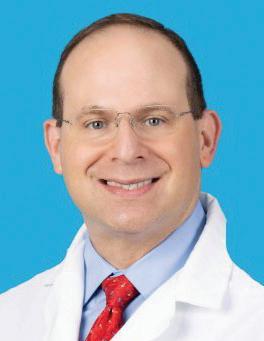



Jeffery
Brown, DDS TMJ & Sleep Apnea
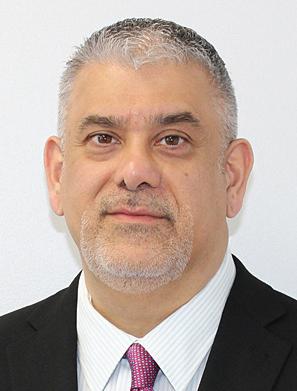
Mohsin S. Sheikh,
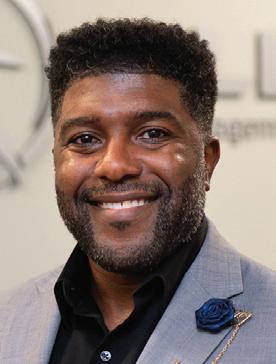
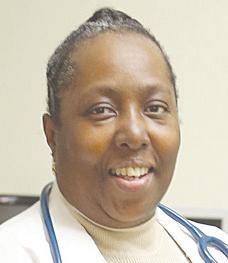
Lubrina Bryant, DPM Podiatrist Mikel Daniels, DPM MBA - Podiatrist
Michael Davis, DO, MS Pain Management
Sivakumar Sreenivasan, DMD Oral and Maxillofacial Surgeon


Submitted By Inspir Embassy Row
Inspīr Embassy Row redefines senior living in Washington, DC, blending timeless design with modern luxury in one of the city’s most distinguished neighborhoods. The community’s true distinction, however, comes from its approach to care.
While offering a full continuum of care, including assisted living and two distinct levels of memory care, the Inspīr brand recognizes that support is no longer all-or-nothing. More families are finding themselves in the in-between: seeking thoughtful guidance and proactive support without the immediacy of full clinical care.
Through close conversations with residents and their families, careful observation, and a constant pulse-check on industry trends, Inspīr leadership has intentionally designed programs that meet that moment. Programs that bridge the gap between more traditional care models, while still allowing residents to seamlessly transition into more robust care if needs evolve over time.
Curated for individuals experiencing early memory changes, Inspīr
Embassy Row’s new model, Aura, meets that in-between moment with nuance.
Aura provides structure and gentle support while preserving independence and quality of life. Designed for those with more subtle cognitive needs, the program delivers a deeply personalized, research-informed approach that adapts as residents’ abilities and preferences evolve.
Independence remains the priority. Aura empowers residents to remain firmly in control of their future while embracing new opportunities in a community ready to grow with them.
With an emphasis on personal preferences and individualized support, Aura staff are trained to thoughtfully monitor changes over time, documenting subtle shifts that may indicate a need for additional support. That doesn’t mean residents’ individuality is overlooked. Quite the opposite. Aura is designed to keep residents’ histories, interests, and routines central to daily life, from favorite outings and familiar meals to the experiences that continue to bring joy and comfort.
This kind of middle-tier support remains rare in senior living, despite



growing demand. Many communities still require families to choose between “not enough” and “too much,” leaving residents either under-supported or prematurely placed into higher levels of care. It’s an outdated model, increasingly out of step with what is known about aging and brain health.
Inspīr’s Chief Clinical Officer, Tino Popescu, explains that “while the population of older adults experiencing mild cognitive impairment or early memory changes continues to grow, conversations around cognitive aging are still largely framed as binary.” Popescu, alongside Inspīr leadership, hopes to alleviate that systemic mismatch through programs like Aura.
And this is only the beginning. These thoughtful, in-between care models will continue to evolve across Inspīr communities through ongoing observation, clinical oversight, and continued dialogue with residents and families.
“Aura is just one step in the right direction,” says Popescu. “Delivering just-right care is an evolving process, and we’re ready to develop better support for our residents and their families whenever we need to.”
Inspīr Embassy Row is welcoming residents. Call 202.293.2100 or visit inspirseniorliving.com to schedule your personal tour.

By Marc P. Stanard, DDS, PC
When patients think about oral pain, they often associate it with cavities or acute dental problems. However, one of the most common sources of oral discomfort is inflammation related to periodontal disease — and it frequently develops without obvious pain in its early stages. Periodontal disease is a chronic inflammatory condition caused by bacterial plaque accumulating below the gumline. The body’s immune response to this bacteria triggers the release of inflammatory mediators,
including cytokines and enzymes that begin to break down the supporting structures of the teeth — the gums, periodontal ligament, and underlying bone.
In its early phase, known as gingivitis, inflammation is typically limited to the gum tissue and may present as redness, swelling, or bleeding during brushing and flossing. Because this stage is usually painless, many patients do not seek treatment.
As the disease progresses to periodontitis, the inflammation extends deeper, leading to destruction of bone and connective tissue. At this stage, patients may begin to notice symptoms such as gum recession, tooth sensitivity, looseness of teeth, or changes in their bite. However, even advanced disease can remain surprisingly asymptomatic until significant damage has occurred.
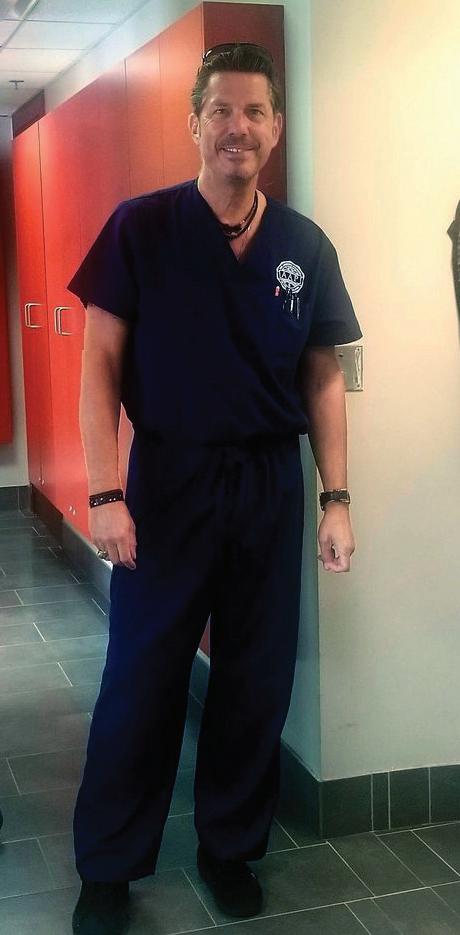
When discomfort does arise, it is often the result of active inflammation or secondary complications, such as infection or abscess formation. The same inflammatory processes that damage tissue also contribute to swelling, pressure, and tenderness in the gums.
Importantly, periodontal inflammation does not remain isolated to the mouth. It contributes to the body’s overall inflammatory burden and has been linked to systemic conditions such as diabetes, stroke, Alzheimer’s disease and cardiovascular disease.
The goal of periodontal treatment is to eliminate the source of inflammation. This begins with nonsurgical therapy, such as scaling and root planing, to remove bacteria and calculus from below the gumline. In more advanced cases, surgical procedures may be necessary to access deeper areas, regenerate lost tissue, or reduce periodontal pockets.
As inflammation is brought under control, patients often notice a significant reduction in tenderness, swelling, and bleeding. Just as importantly, treatment helps stop the progression of the disease and preserve the structures that support the teeth.
Regular periodontal maintenance is essential for keeping inflammation under control and preventing recurrence. Even in the absence of pain, ongoing care allows us to detect early changes and intervene before they lead to more serious problems.
Understanding the role of inflammation in oral health highlights an important truth: the absence of pain does not always mean the absence of disease. Early diagnosis and treatment are key to maintaining both oral comfort and long-term health.
Maintaining good dental hygiene is crucial, and Dr. Marc Stanard, a periodontist and specialist in surgical implant dentistry, can help you achieve healthy teeth comfortably. We offer a wide range of specialized procedures and services to cater to your periodontal needs, such as bone surgery, scaling, and root planing, gum grafts, crown lengthenings, and sinus lifts.
• We provide advanced, affordable dental care tailored to meet your unique needs.
• Our team offers oral hygiene instruction and education on gum disease, bone loss, and other dental health conditions.
• Dr. Marc Stanard has decades of experience and a passion for his work, and he’s earned numerous designations, affiliations, and awards, including Top DDS by Washingtonian and high ratings on Google and Yelp.
• Our office is friendly and welcoming, making it the perfect place to receive top-quality dental care.

Your Health Magazine is on a mission. There are far too many people, insured or not, who do not go to the doctor when they should, and in millions of cases, don’t know who they should go to, or why.
People are encouraged to buy a new house, car, cell phone or big screen TV, and those companies make themselves very visible and their products easily attainable.
Information about, and from, local healthcare providers is not easy to find, and many times those services are difficult to access.
Information and encouragement always lowers fear and trepidation about anything, and this is especially true in healthcare. While general information is available on web-sites, specific information from local providers is almost impossible for people to find. This is one of the key reasons chronic and episodic conditions are not cared for. It is our mission to:
Make A Difference By Empowering and Encouraging People To Live Healthier By Going To the Doctor When They Should.
There is a lot of evidence that the health professionals who participate in Your Health Magazine have helped many people over the years. We at Your Health Magazine salute you!
G. Scott Hunter, Editor-in-Chief
If you would like to find out how you can participate in one of our upcoming editions, please contact the office nearest you.

One Town Center 4201 Northview Drive, Suite 102 Bowie, MD 20716 Office (301) 805-6805 • Fax (301) 805-6808 info@yourhealthmagazine.net VIRGINIA OFFICE Office (301) 805-6805 info@yourhealthmagazine.net © Your Health Magazine, 2026. The magazine and all of its contents are protected by copyright. For permission to reproduce any materials in this magazine, contact info@yourhealthmagazine.net
The content in Your Health Magazine and provided on yourhealthmagazine. net is for informational and educational purposes only and is not intended as a substitute for professional medical advice, diagnosis, or treatment. Always consult with a qualified healthcare provider before starting any exercise program, making changes to your health routine, or acting on any health-related information found on the Internet, or anywhere else.

By Kari Bailey, MD Anne Arundel Urology
Urinary incontinence, a prevalent condition affecting millions worldwide, poses significant challenges to those living with it. Defined as the involuntary leakage of urine, this condition can disrupt daily life, impacting social interactions, self-esteem, and overall well-being. As a urologist, it’s imperative to shed light on this condition, its causes, and the array of treatments
available to manage it effectively.
Urinary incontinence comes in various forms, each with its own triggers. Stress incontinence, often linked to weakened pelvic muscles, contrasts with urge incontinence’s sudden, strong bladder contractions. Mixed incontinence combines aspects of both, highlighting the complexity in diagnosis and management.
Getting To the Root: Diagnostic Journey Made Simple
To tackle urinary incontinence, understanding its root cause is key. Urologists employ straightforward diagnostic methods, including medical history discussions and basic physical exams, sometimes coupled with specialized tests like bladder function studies. This process helps uncover the underlying issues, guiding tailored treatment plans.
You don’t need drastic measures to make a difference. Simple lifestyle



changes, like managing fluid intake and incorporating pelvic floor exercises into your routine, can significantly improve symptoms, especially in stress incontinence cases. Additionally, behavioral therapies like bladder training and scheduled voiding can help regain control and reduce urgency.
For individuals with more severe or persistent symptoms, pharmacotherapy may be recommended. Medications targeting overactive bladder muscles, such as anticholinergics or beta-3 adrenergic agonists, can help reduce urgency and frequency of urination. In some cases, hormone therapy or topical estrogen may be prescribed to strengthen pelvic tissues and alleviate symptoms, especially in postmenopausal women.
Minimally Invasive Solutions
For those seeking more advanced solutions, minimally invasive procedures offer hope. Techniques like sling placement, urethral bulking, Botox, or neuromodulation can provide lasting relief, with minimal disruption to daily life. These options can make a significant difference in your quality of life.
It’s important to recognize that treatment for urinary incontinence is not one-size-fits-all; rather, it requires a personalized approach tailored to the individual’s unique needs and circumstances. As a urologist, my goal is to empower patients with knowledge, support, and effective interventions to regain control over their bladder function and enhance their quality of life. By fostering open communication and collaboration, we can navigate the complexities of urinary incontinence together, striving for optimal outcomes and improved well-being for all affected individuals.
The Systemic Failures and Hidden Costs Of the Bird Mite Epidemic
WARNING: That majestic, cute bird’s nest on your windowsill can quickly become your worst nightmare. I know what you’re thinking “We’ve had birds nesting around our home for years and never had a problem.” The reality is that the calls we receive are almost always from people exactly like you, who thought they were safe because they had no prior issues. Sadly, there is a first time for everything. If you play with fire eventually you will get burned.
Submitted By Head Researcher Eradizyme.com they are hematophagous parasites, in other words organisms that feed on blood. Whether a nest is currently active, or has been recently abandoned, the danger is constant. While mites often migrate in mass once their avian hosts depart, they are just as likely to enter your home while the birds are still present. Thousands of these parasites can migrate through cracks in walls, through windows or vents in search of an additional blood meal. That unexplained pinprick sensation or intense itching you’re feeling, isn’t your imagination it’s a biological assault.
A Hidden Torment
The Etiology Of Infestation
Let’s get technical. Bird mites (Dermanyssus gallinae and Ornithonyssus sylviarum) are not just “nuisance pests”
Victims often report a chilling commonality “I am the only one in the house getting bitten.” This isn’t a coincidence, yet medical professionals often gaslight
Please see “Bird’s Nest,” page 31

It could be bird mites or rodent mites – and they’re far more common than you think.
If you’re dealing with constant itching, biting, or crawling sensations… …and you can’t find the source… …and others in your home aren’t affected… You are not imagining it.
These nearly invisible parasites can:
• Enter from bird nests, rodents, or outside sources
• Spread rapidly throughout your home
• Target one or two people – while others feel nothing
• Continue biting day and night
And exterminators won’t treat what they can’t see. Eradizyme™ gives you a way to take control.
This ultra-concentrated enzyme formula works differently:
• Breaks down mites at the structural level
• Targets your environment – where the real problem is
• Safe for people, pets, and even skin application
• Replaces harsh chemical pesticides
But with the right approach – you can eliminate them. One bottle makes gallons – Treat your entire home
Replace multiple products

Services provided include: Implants, Implant Crowns, Invisalign, CEREC, Crowns, Root Canals, Cosmetic Dentistry, iTero Digital Scanner, Tooth-Colored Fillings and Extractions. Schedule an appointment for you and your family today!

Same Day Appointments Emergencies Welcome All Digital Technology
Convenient Hours: Open Evenings and Weekends
Comfortale, Relaxing Atmosphere
General and Cometic Dentistry
Nitrous Oxide Sedation
All Major PPO Insurance Plans Accepted Financing Available
Always Accepting New Patients Schedule on ZocDoc
SamfarFamilyDentistry.com Proud to be in network with PPO plans: Delta Dental, MetLife, United Concordia, United Healthcare, Aetna, GEHA, CIGNA, Anthem, BlueCross BlueShield, United Healthcare, Guardian, Principal Ameritas, DentaQuest, Dominion Dental, Connection Dental, Himan, Assurant/Dental Health Alliances, Smiles for Children. Dr. Afreen Sayeed

11213-A Lee Highway, Fairfax, VA Located mext to Walmart in the Fairfax Center Plaza 703-591-4111

By Dr. Tiffany Daniel Live To Day Wellness
Pain is something many of us live with – sometimes quietly, sometimes daily, and sometimes in ways that others cannot see. Whether it stems from injury, chronic conditions, stress, or trauma, pain has a way of af-
fecting not just the body, but the mind and spirit as well.
So the question becomes: How do we manage pain in a way that supports the whole person?
The answer begins with awareness.
Pain is not just physical. It is often connected to tension, inflammation, emotional stress, and even unresolved experiences. This is why a holistic approach – addressing the body, mind, and lifestyle – is essential for long-term relief.
Let’s start with movement. While it may seem counterintuitive, gentle and consistent movement is one of the most effective ways to manage pain. Activities such as walking, stretching, yoga,
and low-impact strength training help increase circulation, reduce stiffness, and improve mobility. The key is to move within your ability, not beyond it.
Next is nutrition. What you eat can either fuel inflammation or help reduce it. Focus on whole, nutrient-rich foods such as leafy greens, berries, fatty fish, nuts, and seeds. These foods contain anti-inflammatory properties that support joint health and overall wellness. At the same time, try to limit processed foods, excess sugar, and fried items that may contribute to increased discomfort.
Now let’s talk about something often overlooked – the mind-body connection.

Stress has a direct impact on how we experience pain. When the body is under constant stress, muscles tighten, inflammation increases, and pain can intensify. This is where mindfulness practices come in.
Pain is something many of us live with – sometimes quietly, sometimes daily, and sometimes in ways that others cannot see.
Take a few moments each day to pause. Practice deep breathing. Sit in stillness. Engage in activities such as meditation, journaling, gardening, or even quiet reflection. These practices calm the nervous system and allow the body to release tension naturally. In some cases, incorporating therapeutic movement programs such as yoga for trauma or guided mindfulness sessions can provide additional support. These approaches not only help reduce pain but also improve emotional well-being and resilience.
And finally, don’t ignore the importance of support and guidance. Work with your healthcare provider, and when possible, seek out wellness programs that address both physical and mental health.
Pain may be part of your story, but it does not have to define it.
When you begin to listen to your body, nourish it properly, and care for your mind, you create space for healing.
Start small. Stay consistent. Be patient with yourself.
Because managing pain isn’t just about relief – it’s about restoring your quality of life, one mindful step at a time.
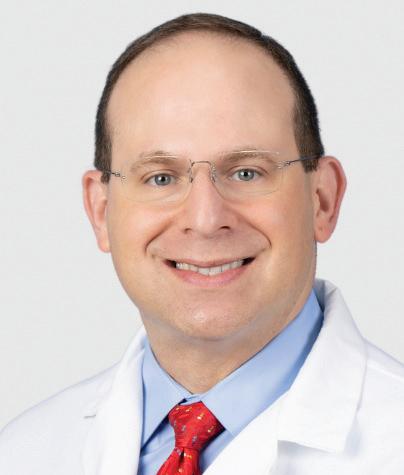
By Mikel Daniels, DPM, MBA
We Treat Feet Podiatry and ankles!
On the other end of the spectrum, excess weight can absolutely impact foot health. Higher body weight is associated with increased foot pain, greater pressure on the soles, and structural changes over time. Conditions like flat feet, tendonitis, arthritis, and plantar fasciitis become more common. There is also a higher risk of developing type 2 diabetes, which can damage circulation and nerves in the feet, sometimes leading to non-healing wounds or even amputations. Swelling in the lower legs and feet is also more common, which can further limit mobility and make daily activities more uncomfortable.
But here is the key point: the patients who do best long-term are not simply the ones who lose weight. They are the ones who improve how their bodies function day to day. That is why I encourage people to focus on “fit feet,” not “skinny feet.”
Fitness is about performance, not appearance. For your feet, that means strong muscles to support the arch, good flexibility in the ankle and toes, healthy circulation to deliver oxygen and nutrients, and nerves that can properly detect pressure and pain. It also means having the endurance to stay active without pain limiting your daily life. You can be thin and struggle in all of these areas – or be in a larger body and perform well in many of them.
I see this every day. Some heavier patients walk thousands of steps daily, maintain excellent blood sugar control, and have strong, resilient feet. Meanwhile, some thin patients get winded
walking short distances and show clear signs of weakness in circulation and muscle support. There is also a psychological component. Many younger patients, especially women, focus more on how their legs and feet look than how they function. This mindset can lead to extreme dieting, poor nutrition, and overexercising in unsupportive shoes. Over time, this often results in chronic pain, overuse injuries, and delayed healing. Ignoring early symptoms in pursuit of weight loss can create long-term problems.
This becomes especially dangerous with conditions like diabetes. A common misconception is, “I’m thin, so I don’t have to worry about it.” In reality, thin individuals can still develop diabetes, poor circulation, and serious foot complications. Body size does not provide immunity.
When patients come into my office, I do not focus on clothing size. I evaluate circulation, nerve function, foot structure, gait, and daily habits. These factors provide a far more accurate picture of foot health.
So what should you do? Move regularly. Build strength. Eat enough protein and nutrients to support healing and bone health. Wear supportive shoes. Manage blood sugar if needed. Pay attention to early warning signs like persistent pain, numbness, or swelling. And if you have risk factors, schedule regular foot exams.
In the end, your feet tell the truth. They do not care about your size – they care about strength, stability, and how well your body supports them over time.

The truth about untreated foot issues – and how We Treat Feet can help you get back to living pain-free.
Every step you take should bring you forward – not closer to chronic pain, mobility loss, or costly surgery. At We Treat Feet Podiatry, we don’t just treat symptoms – we solve the problem at its root, using the latest techniques in foot and ankle care.
Whether you’re battling bunions, heel pain, diabetic wounds, or sports injuries, we help you walk, run, and move with confidence again.
Why Washingtonians Trusted Us:
• Expert care from board-certified foot & ankle specialists
• 12+ locations for your convenience
• Advanced diagnostics & same-day appointments available
• Custom orthotics, surgical options & diabetic foot programs
• We’re the Official Podiatry Partner of the Baltimore Orioles


By Toni Greene, Owner Happy Hour Yoga on Zoom!
Hypnosis is a very useful tool to use in alleviating or diminishing pain in the body by at least 50% to not having pain at all. Hypnosis is a process whereby you are lead into a deep state of relaxation. In this state of deep relaxation you become aware of the pain. In hypnosis you are put in a hypnotic trance. In this trance it is suggested that you become aware of your breathing; breathing is emphasized to help regulate your sympathetic nervous system.
The sympathetic nervous system is the system in the body that serves to accelerate the heart rate, constrict blood vessels and raise blood pressure. It also becomes out of balance because of our unawareness of our thoughts, and actions. Pain and disease in the body has a lot to do with
the imbalances in the body due to our diet and lifestyle. Mental or physical stress and an unhealthy diet, including refined sugars, fried food and over indulgence in food and drink, can cause pain in the body as well. This is a major cause of inflammation in the body that causes pain.
Acidic foods, and left over or stale foods, build up toxins in the body and can cause pain and inflammation in the joints that cause joint pain such as arthritis, burning sensation, swollen ankles, knees, and legs. Hypnosis will help you through the hypnotic suggestion so that you are mindful of the foods you eat and the thoughts we think. Stress in the body and mind is intimately related with causing pain in the body.
We use hypnosis in controlling the thoughts to manage or alleviate the pain in the body. With positive suggestions to you in a hypnotic state (trance), you will be reminded to be mindful of the new suggested way of eating with awareness, and you will realize as a result of awareness the lack of pain in the body. Hypnosis is a useful, natural tool that can be used to manage pain, stop over eating, smoking, phobias and more.


Hypnosis is used to ease the pain of surgery or excessive pills taken for pain management.
When the conscious part of the brain is temporarily relaxed the person focuses on relaxing and letting go of distracting thoughts, thereby allowing the mind to slow down the pulse and respiration. When the pulse and respiration is slowed, the heart rate and respiration is then slowed causing relief in the body and mind and the pain is released or just simply gone. When using hypnosis for pain
management there may need to be a series of sessions. There are different levels of pain, and discomfort we carry in the body and mind. The sessions can vary depending on the severity of the discomfort in the body and mind.
Hypnosis is a pain-free technique used in healing the body and mind. Hypnosis only requires your participation and willingness and it will happen, the pain will be gone from the body, or three degrees milder, or more. Give it a try.

By Lubrina Bryant, DPM District Podiatry, PLLC
Pain in the feet is one of the most common complaints people experience, yet it is often overlooked or dismissed as a minor inconvenience. Podiatry, the branch of medicine devoted to the diagnosis and treatment of foot and ankle disorders, plays a crucial role in identifying the root causes of this pain and providing effective solutions. Since the feet bear the weight of the entire body and are essential for mobility, even minor issues can significantly impact a person’s quality of life.
Foot pain can arise from a wide variety of conditions. Common causes include plantar fasciitis, bunions, ingrown toenails, corns, calluses, and stress fractures. Additionally, systemic conditions such as diabetes and arthritis often manifest symptoms in the feet. For example, individuals with diabetes may develop neuropathy, leading to reduced sensation and an increased risk of injury. Poor footwear, overuse, improper walking mechanics, and injuries also contribute significantly to foot discomfort.
Podiatrists are specially trained to assess these conditions through physical examinations, patient history, and diagnostic imaging when necessary. Their goal is not only to alleviate pain but also to address the underlying issue to prevent recurrence. Treatment options vary depending on the cause and severity of the condition. Conservative approaches are typically the first line of treatment and may include rest, ice, compression, elevation (RICE), orthotic devices, physical therapy, and changes in footwear. Custom orthotics, for instance, can correct abnormal foot mechanics and provide better support.
In more severe cases, medical interventions such as corticosteroid injections or surgery may be required. Surgical procedures can correct structural deformities like bunions or repair damaged tissues. However, podiatrists usually recommend surgery only when conservative treatments have failed, as recovery can take time and carries certain risks.
Prevention is a key component of podiatric care. Wearing properly fitted shoes that provide adequate support and cushioning is one of the simplest yet most effective ways to prevent foot pain. Regular foot hygiene, including keeping feet clean and dry, trimming nails correctly, and inspecting for any abnormalities, is especially important for individuals with chronic health conditions. Maintaining a healthy weight can
also reduce stress on the feet, while regular stretching and strengthening exercises improve flexibility and resilience.
Education is another important aspect of podiatry. Patients who understand the importance of foot health are more likely to seek early treatment and adopt preventative measures. Ignoring foot pain can lead to more serious complications over time, including chronic pain,
reduced mobility, and decreased independence.
In conclusion, pain in the feet should never be ignored, as it often signals underlying issues that require attention. Podiatry provides the expertise needed to diagnose, treat, and prevent these problems effectively. By prioritizing foot health and seeking professional care when needed, individuals can maintain mobility, comfort, and overall well-being.


Our feet are important in our everyday lives. The problem is that we tend to neglect them. When this becomes a habit, it can cause significant trouble. Ignoring foot problems can mean pain, limited mobility, and expensive doctor’s visits. On the other hand, if feet are cared for and looked after regularly, they will perform without pain or complication.
By Jeffrey L. Brown, DDS Sleep & TMJ Therapy
In the world of TMD (temporomandibular disorder), there are many ways to treat the problem, but it must always begin with a good diagnosis. First and foremost are an MRI and CBCT x-ray of the joints and surrounding areas. The MRI is a magnetic imaging device that looks directly at the discs in the jaw joints. This high-
tech machine looks inside the joints and produces soft tissue images to help with your diagnosis. The CBCT is the x-ray machine that uses low-dose radiation to look at the bones inside the skull, the cervical spine, the teeth, and the condyles. These tools are what we use to come up with a diagnosis and then a plan to help you get better.
In many cases, the ALF wire is a really great device to help in so many ways. It will help position the tongue



to the roof of the mouth, which helps with better nasal breathing. It also promotes better swallowing. With good tongue positioning and better swallowing, you will breathe better as time goes by. This is one reason the ALF is very helpful.
Another appliance called the Gelb is an orthotic device that makes sure the condyle (hard bone) does not bang into the soft tissue disc. This appliance is helpful for so many people as it
Dr. Jeffrey Brown has limited his practice to focus only on TMJ Disorders, Craniofacial Pain Management and Sleep Apnea. By fixing slipped discs in the jaw joints, Dr. Brown can significantly reduce the pain patients experience in the head/neck region and other symptoms associated with jaw joint problems. Sleep & TMJ Therapy may be able to improve the quality of life for you or a loved one – we encourage you to contact us with any questions or concerns.
“Dr. Brown and his staff are absolutely wonderful. I was diagnosed with Dystonia. I could not turn my head and had a ton of pain. My doctors offered no help and no advice besides Meds and Botox. Since having the appliance I have NO pain and I can turn my head. I would highly recommend them to anyone. I feel Dr. Brown and his staff really care about their patients and helping them to get better. They do not just numb the symptoms but fix the problem. Thank you from the bottom of my heart. I feel like the old me again!”
- D. Thomas
“My daughter has been treated by Dr. Stack and Dr. Brown for the last 2 1/2 years, and we are very fortunate to have found them. Prior to that she was being treated by a neurologist at a Children’s hospital. She was on medications for tics and associated muscle pain, OCD/repetitive thoughts, sleeplessness and more (all possibly associated with Tourettes). Drs. Stack and Brown installed spacers to alleviate pressure on nerve bundles in the jaw, and subsequently braces to complete the process. Her symptoms have diminished significantly. She is off medication, her tics have all but disappeared, she can concentrate better in school, and she is once again cheerful and relaxed.”
- Susan

helps avoid the need for TMJ surgery in many cases. The idea is that you wear the Gelb for a year, maybe more, to give the discs a chance to get back into the proper position. In almost all cases, pain is reduced, and the person also sleeps better.
One of the most interesting bits of technology we have is the Fotona laser. This is a nonsurgical laser that penetrates deep into the tissue to reduce pain and inflammation. It stimulates the regeneration of damaged tissue. This device has been amazingly successful with our patients who need some degree of relief right away. In addition, the laser has a specific protocol that helps to reduce fat in the tongue, along with lifting the palate area to improve symptoms from sleep apnea. This, too, is a nonsurgical procedure and fairly easy to do in almost all cases.

Of course, it should always be mentioned that you can use things like Botox and other injectables to mitigate pain, however, our office prefers to fix the actual problem, not just mask it over. Other techniques like arthrocentesis are available. This involves flushing the joints to remove toxins. It does not fix anything, but it likely buys a little more time for those who are not ready to treat the problems.
In the world of TMD (temporomandibular treat the problem, but it must always foremost are an MRI and CBCT x-ray MRI is a magnetic imaging device that joints. This high-tech machine looks images to help with your diagnosis. low-dose radiation to look at the bones teeth, and the condyles. These tools diagnosis and then a plan to help you
Technology has greatly improved over the past decades. There are more and more modalities of treatment offered. The ALF and Gelb are the timehonored, traditional approaches. This appliance therapy has been around since before the 70s. The fix takes time to implement, whereas the injectables are a quick source of pain relief. Ultimately, the patient will decide the technology for their health!
In many cases, the ALF wire is a really will help position the tongue to the roof nasal breathing. It also promotes positioning and better swallowing, you is one reason the ALF is very helpful.
Another appliance called the Gelb is condyle (hard bone) does not bang helpful for so many people as it helps cases. The idea is that you wear the discs a chance to get back into the proper reduced, and the person also sleeps better



Submitted By Sivakumar Sreenivasan, DMD, MDS Dental Implant Center of Rockville
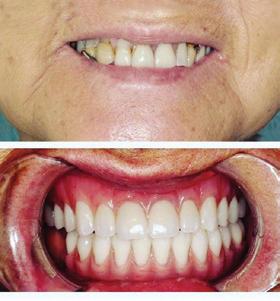
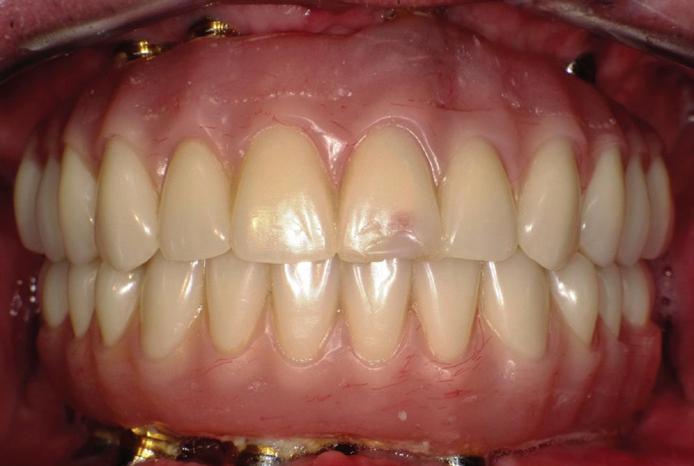
Can just four implants replace all of the teeth on the top or the bottom of your mouth? Thanks to advances in dental implant technology, that answer is a resounding yes.
Believe it or not, tooth loss is extremely common among adults, especially as we age. In fact, more than 35 million people in America are missing all of their upper and/or lower teeth. Rather than living with the discomfort and hassles of dentures, many people are opting for what is called “all-onfour” dental implant restoration.
All-On-Four: One Full Arch Of Teeth, Four Dental Implants
To fully understand this remark-
able technique for replacing teeth, you should first understand what a dental implant is. An implant is a small titanium screw that fits inside your jawbone and replaces the root-part of a missing tooth. Minor surgery is required to insert the implants. Once the implant is in place, a crown is attached to give you a highly realistic-looking and functional prosthetic tooth.
Here’s where it gets really interesting: You do not need a dental implant for each and every one of your missing teeth. All you need is four precisely placed implants on the top of your mouth, and four on the bottom, to restore your full smile. That’s the beauty of the all-on-four. And because the implant is made of titanium, it has the unique ability to fuse to living bone and function as part of it. So eventually, the dental implant becomes part of the jawbone and serves as a strong, long-lasting foundation for your new teeth.
Besides ensuring that your implants are permanently fixed in place,
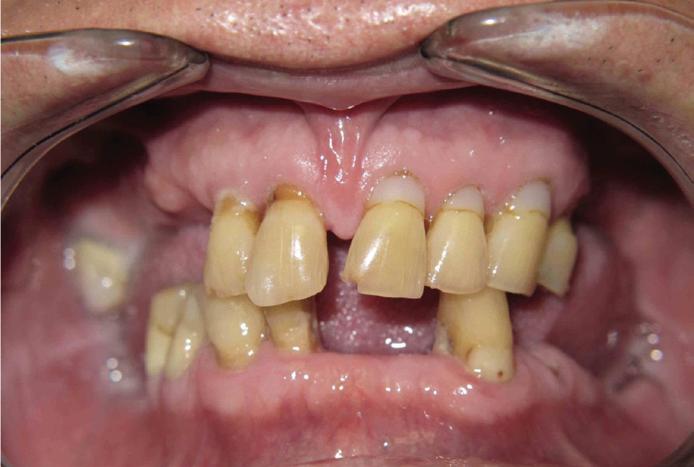
this bone fusion has another important benefit: it prevents future bone loss in the jaw. This helps to maintain a more youthful facial structure – and better oral health. But perhaps the biggest surprise about the all-on-four is how quickly it can transform your life.
What’s The All-On-Four Dental Implant Procedure Like?
It can be scary to get implants for the first time. Most of that fear is probably due to the uncertainty, so here is the step-by-step process for getting an All-On-Four dental implant.
First, your dentist will want to make sure your comfortable, so either local or general anesthesia will be administered.
Second, the dentist or surgeon will prepare your mouth for the implants, which involves removing your remaining teeth that are failing. They will then remove any diseased or infected tissue from your jaw and gums.
After the implants have been placed, they will thoroughly clean the surgical sites and suturing all the incisions. Then you’ll be taken to a recovery room where you can relax and take time to wake up from the anesthesia.
Do
If The All-On-Four Procedure Is The Right Option For You?
At your All-On-Four consultation, you’ll receive a 3D CT Scan. This scan will help determine if you need implants and assist your doctors in creating your treatment plan. So if you want to learn more about dental implants, simply schedule a consultation with an All-On-Four provider. It’s the best way to find out how dental implants can change your life.
Next, they will begin the implantation process. This means they will insert the titanium screws into your jawbone. Most likely, they will place two implants toward the front of your mouth and two towards the back of your mouth so the “anchors” can evenly bare the force of the denture.



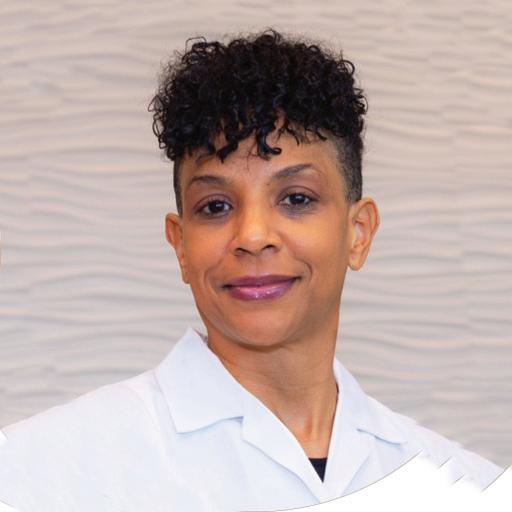
Choose Adventist Medical Group Primary Care in Fort Washington, Maryland, to provide a full range of primary care services for adults.
Learn to better manage your health and prevent illnesses with personalized care from our experienced, primary care providers. Our specialists in family medicine and internal medicine work as a team to deliver expert care when you need:
• Same-day Sick Visits
• Women’s and Men’s Health and Wellness Exams
• Health Physicals, Health Maintenance and Preventive Care
• Geriatric (Senior) Wellness Exams
• Vaccinations and Immunizations, including Flu Shots
• Health Management for:
• Asthma and Allergies
• High Blood Pressure
• High Cholesterol
• Diabetes
• Heart Disease
You also benefit from coordinated care that helps you effectively handle all aspects of your health—from preventive medicine and preoperative appointments to management of chronic health conditions.
To schedule an appointment, please call 240-724-6018
10709 Indian Head Highway, Suite D1 Fort Washington, Maryland 20744 AdventistMedicalGroup.org








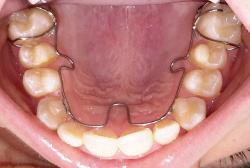
ALF Therapy has proven to be an extremely valuable tool for those patients who have:
• A need for facial guidance
• Palate expansion
• Narrow palates
• Breathing issues
• TMJ dysfunction
• Craniofacial pain
• Crowded/crooked teeth
• An avoidance for extractions
• Crossbite, overbite or underbite
• Cranial asymmetry
• Sleeping problems — snoring
• Recommendations for jaw surgery
Our ALF appliances are certified by Dr. Darick Nordstrom. He has personally instructed our ALF-certified technicians on the proper design and fabrication techniques to ensure that each technician is capable of creating authentic ALF appliances worthy of certification. The seal below is his stamp of approval.

Dr. Brown is highly trained in ALF (Advanced Light Force) therapy. He has over 500 hours in ALF therapy training and has lectured around the world teaching ALF techniques with Dr. Nordstrom, the creator of the ALF appliances. The ALF appliances are thin, conservative appliances that can be used on the upper and lower arches. They hide behind the teeth, are removable and are basically invisible when being worn. This innovative treatment approach is used to address neurological, orthodontic and orthopedic issues, and the benefits are vast. Each appliance is unique to the patient and designed by the doctor to achieve specific goals relating to health, beauty and function. No ALF appliance is the same, and treatment is pain-free.
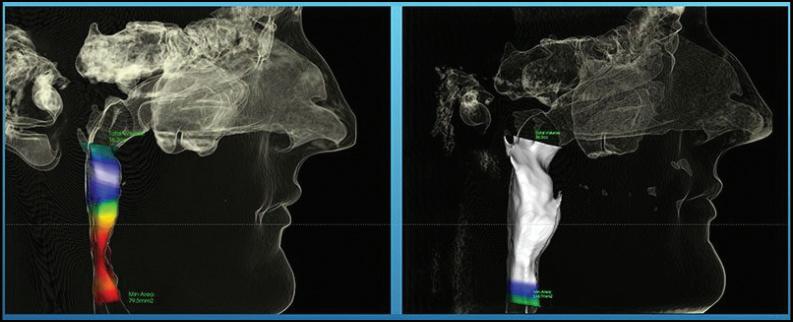

To get your child started on a journey toward optimal oral health and whole body wellness, please contact our practice to schedule a discovery session!

At Ashburn Children’s Dentistry, babies, and especially newborn infants, should always receive the gentlest, most effective treatment we can provide. For this reason, we have invested in the revolutionary BabyLase system, which offers a non-surgical alternative for releasing oral soft tissues that interfere with proper nursing. This laser-assisted approach is the most sophisticated treatment available for correcting infant tongue tie and lip tie. The mild warmth of the light produced by BabyLase can help tighten restrictive tissue to

soften and relax into a more functional position. Furthermore, treatment with BabyLase technology offers additional benefits including the reduction of discomfort and inflammation, as well as stimulation of natural blood flow and the nervous system – all of which aid in comprehensive wholehealth healing and re-integration of the treated tissue.
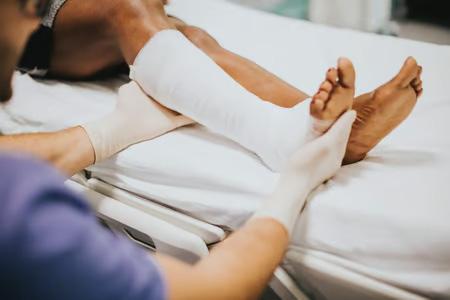
If you have been putting off foot or ankle surgery because you are worried about being “put to sleep,” spending hours in the hospital, or facing a long, painful recovery, there is good news.
Today, many foot and ankle procedures can be performed under local anesthesia. That means only the area being treated is numbed while you remain comfortable and pain-free. No general anesthesia. No lengthy hospital stay. In many cases, you go home the very same day.
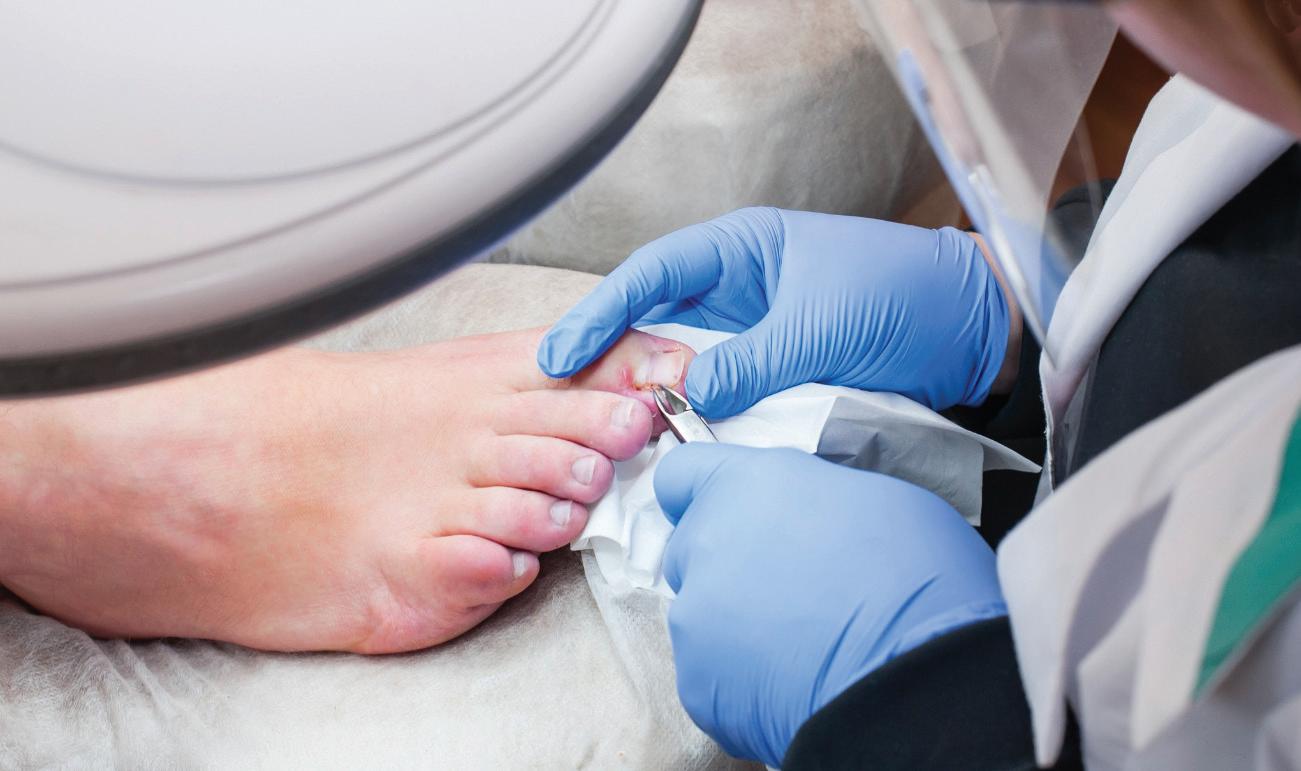
Dr. Mikel Daniels and his team use advanced, minimally invasive technology and local anesthesia for many procedures involving both the foot and ankle, including bunions, hammertoes, neuromas, ingrown toenails, ankle fractures, tendon injuries, arthritis, and other painful foot and ankle conditions. Patients experience:
• Lower costs • Less pain/downtime • Smaller incisions • Faster recovery • Quicker return to daily life
For many patients, surgery that once seemed overwhelming now feels far more manageable.
For more than 30 years, We Treat Feet Podiatry has helped patients get back on their feet with advanced foot and ankle care. You do not have to keep living with foot or ankle pain that limits your life.
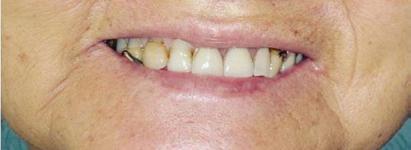
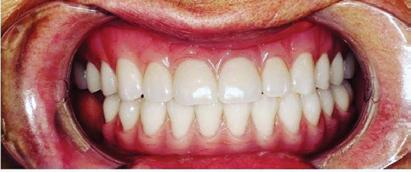
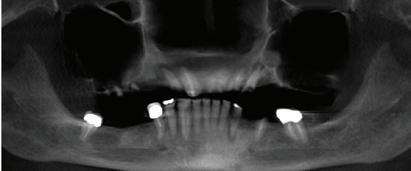
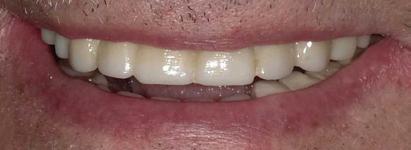
All-on-Four: One Full Arch Of Teeth, Four Dental Implants
To fully understand this remarkable technique for replacing teeth, you should first understand what a dental implant is. An implant is a small titanium screw that fits inside your jawbone and replaces the root-part of a missing tooth. Minor surgery is required to insert the implants. Once the implant is in place, a crown is attached to give you a highly realistic-looking and functional prosthetic tooth. Here’s where it gets really interesting: You do not need a dental implant for each and every one of your missing teeth. All you need is four precisely placed implants on the top of your mouth, and four on the bottom, to restore your full smile. That’s the beauty of the all-on-four. And because the implant is made of titanium, it has the unique ability to fuse to living bone and function as part of it. So eventually, the dental implant becomes part of the jawbone and serves as a strong, long-lasting foundation for your new teeth.
Besides ensuring that your implants are permanently fixed in place, this bone fusion has another important benefit: it prevents future bone loss in the jaw. This helps to maintain a more youthful facial structure – and better oral health. But perhaps the biggest surprise about the all-on-four is how quickly it can transform your life.
What’s The All-on-Four Dental Implant Procedure Like?
It can be scary to get implants for the first time. Most of that fear is probably due to the uncertainty, so here is the step-by-step process for getting an All-on-Four dental implant.
First, your dentist will want to make sure your comfortable, so either local or general anesthesia will be administered.
Second, the dentist or surgeon will prepare your mouth for the implants, which involves removing your remaining teeth that are failing. They will then remove any diseased or infected tissue from your jaw and gums.
Next, they will begin the implantation process. This means they will insert the titanium screws into your jawbone. Most likely, they will place two implants toward the front of your mouth and
back of your mouth so the “anchors” can evenly bare the force of the denture.
After the implants have been placed, they will thoroughly clean the surgical sites and suturing all the incisions. Then you’ll be taken to a recovery room where you
the anesthesia.
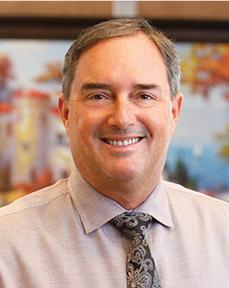



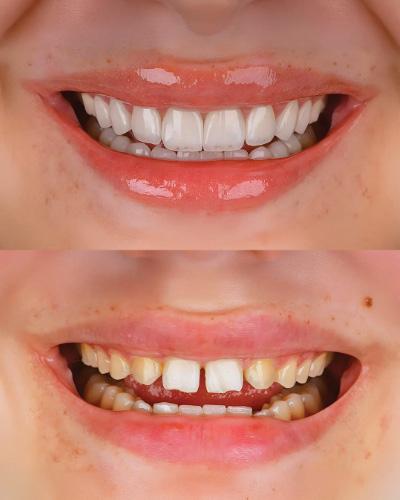

Dr. Brown’s practice focuses on TMJ, sleep apnea and orthodontics. This allows Dr. Brown and his team to provide individualized, focused care for patients dealing with these specific issues. Every day, his practice helps patients of all ages with facial development, sleep issues, chronic headaches, migraines, neck pain, movement disorders, and much more. His training also includes multiple disciplines involving the cranial bones in the skull, and the discs in the jaw joints. Through treatment, Dr. Brown is able to reduce these symptoms, align cranial bones, avoid extractions, and greatly reduce the need for traditional braces. His expertise allows him to identify issues early on which promotes proper facial development using dental appliances. If there is an internal imbalance, whether an adult or child, the body does not develop or function properly. When the cranial bones are lined up correctly, patients are able to function, sleep and generally live better.
With that in mind, the team at Sleep & TMJ Therapy takes a whole-body approach when treatment planning. They work hand in hand with physical therapists and osteopathic doctors for a better success rate. Dr. Brown is devoted to helping patients of all ages live a symptom free life.
Degrees & Certifications
Dr. Brown earned his degree from Georgetown Dental School and completed residencies with Emory University Hospital for Dental Sleep Medicine and the ALF Appliance Therapy Institute.
Outside the Office
When not seeing patients, Dr. Brown is a sought-after speaker. He has lectured all over the world, including D.C., Dubai, Seoul, London, Norway and Toronto. He has also been featured on Channel 9’s Good Morning Washington, several podcasts, and numerous magazines and journals.
Professional Affiliations
Dr. Brown is a diplomate of the American Academy of Craniofacial Pain, a member of the American Academy of Dental Sleep Medicine, American Academy of Gnathological Orthopedic, Academy of Integrative Pain Management American Dental Association, a Fellow of the American Academy of Craniofacial Pain, and Legacy Provider for the ALF Interface Academy.
Do you have TMD or Sleep Apnea?
TMD Symptoms: Noise in the jaw joints when opening and closing your mouth, difficulty chewing, limited opening, tender facial muscles, ear ringing, uncomfortable bite, jaw locking, headaches, migraines, dizziness, vision issues as well as pain in the jaw area which can radiate to the ears, head, neck, shoulders, and back.
Sleep Apnea Symptoms: Snoring, waking up gasping for air, feeling tired and irritable in the morning, difficulty controlling weight, concentration problems, morning headaches, episodes of not breathing, waking with a sore throat, forgetfulness and mood changes. If you believe you may be suffering from TMD or Sleep Apnea, don't wait... Call today to schedule a consultation with Dr. Brown: 703-821-1103.
Varnum

Foot doctor Lubrina Bryant, DPM is dedicated to getting to the root of your foot or ankle problem.
District Podiatry, PLLC specializes in general foot, ankle and leg care. Having chronic foot and ankle pain can affect the quality of your life and finding the right foot and ankle specialist can be just as difficult. We know how hectic life can be and we are committed to making our practice and care convenient and accessible.
From routine checkups to minor foot surgery, Lubrina Bryant, DPM is a podiatrist who is equipped to handle all your foot and ankle needs.
Services Include: Routine Foot Care, Diabetic Foot Care, Wart Removal, Ingrown Toenails, Foot, Ankle or Heel Pain, Toenail Fungus, and Bunions.


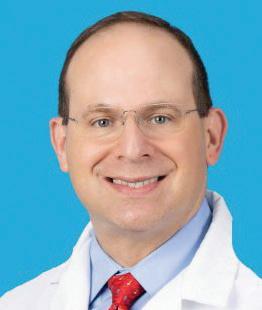
Dr. Mikel Daniels is a highly skilled podiatrist dedicated to delivering exceptional, patient-centered care. With decades of experience and a deep commitment to improving foot and ankle health, he blends medical expertise with compassionate service to help patients achieve lasting wellness and mobility.
Dr. Daniels earned his Bachelor of Science in Biology with a minor in Economics from Muhlenberg College in 1996, followed by his Doctor of Podiatric Medicine (DPM) degree from Temple University School of Podiatric Medicine in 2000. He completed his Podiatric Surgical Residency at the University of Maryland, Mercy Medical Center, where he gained extensive clinical and surgical experience. In addition, Dr. Daniels holds an MBA with a concentration in Healthcare Management from Western Governors University, earned in 2014— giving him a unique combination of medical and business education that informs his approach to both patient care and practice management.
Dr. Daniels has been named one of Baltimore’s Top Doctors in 2023, 2024, and 2025, a reflection of his outstanding reputation among peers and patients alike. He is a frequent podcast guest and has been featured as an expert in foot and ankle care by major media outlets including CNN and Parade. Locally, he has also appeared on television to discuss common foot and ankle issues, offering practical tips for maintaining mobility and preventing injury.
Dr. Daniels’ special areas of interest include diabetic wound care, medical and practice economics, and advancing equity within healthcare. His mission is to ensure every patient receives comprehensive, evidence-based treatment tailored to their individual needs—helping them stay active, comfortable, and confident on their feet.
Dr., #100, Rockville
2702 Back Acre Circle, #290B, Mt. Airy 301-760-3317
5303 Spectrum Dr., Suite A, Frederick 240-215-6047
Plus, other locations in Maryland
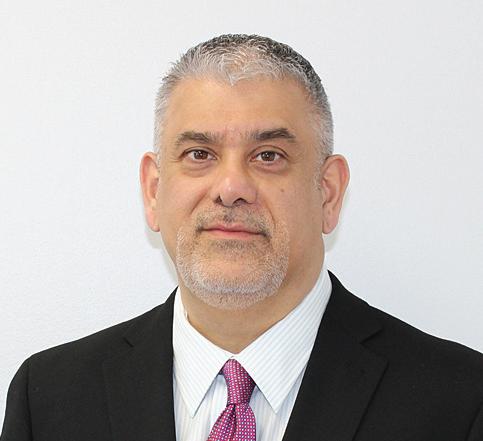
Dr. Mohsin S. Sheikh brings more than a decade of experience, leadership, and compassionate care to Pain & Spine Specialists. Prior to joining the practice, he spent 12 years caring for patients in Gaithersburg, where he served as founder and medical director of Pain, Spine & Rehab Associates.
Board-certified in both Physical Medicine & Rehabilitation and Pain Medicine, Dr. Sheikh is known for accurately diagnosing complex pain conditions and creating individualized treatment plans that help patients regain function and quality of life.
COMPREHENSIVE CONSERVATIVE CARE
Pain & Spine Specialists believes the best outcomes begin with a thorough evaluation and the least invasive treatment possible. They work closely with primary care physicians, specialists, therapists, and chiropractors to provide complete, multidisciplinary care that may include medication management, physical therapy, and other conservative approaches.
ADVANCED INTERVENTIONAL PROCEDURES
When more specialized treatment is needed, Pain & Spine Specialists offer a full range of advanced pain management procedures designed to target pain at its source. These include image-guided injections, spinal procedures, nerve treatments, and other state-ofthe-art techniques that help many patients avoid surgery.
Pain & Spine Specialists also offers regenerative treatment options that support the body’s natural healing process. These innovative therapies may help patients with joint, spine, and musculoskeletal pain reduce discomfort and improve function.
Recognized by Washingtonian magazine as a “Top Doctor” for nine consecutive years, Dr. Sheikh is dedicated to delivering elite, compassionate and personalized care.

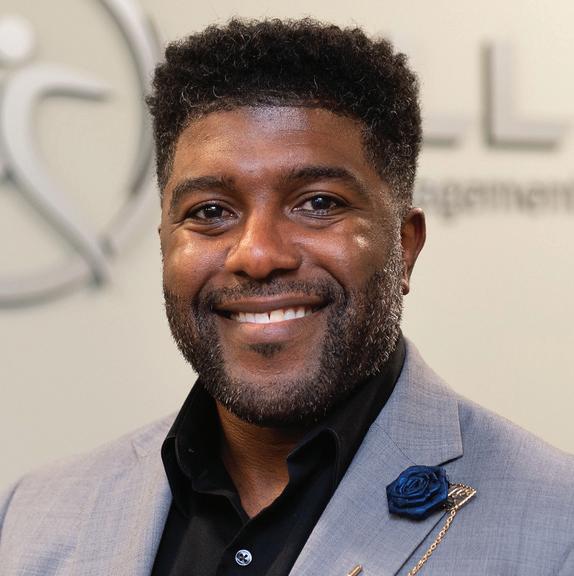

Dr. Michael Davis is a fellowship-trained Physical Medicine & Rehabilitation physician who specializes in treating spine and musculoskeletal conditions. A former two-sport collegiate athlete, he understands how important movement is – not just for performance, but for overall health and quality of life. He completed his training at UCLA Health and the VA Greater Los Angeles Healthcare System, followed by advanced fellowship training at OSS Health, where he focused on imageguided procedures for spine and joint pain.
Dr. Davis works closely with each patient to identify the root cause of their pain and develop personalized treatment plans. By utilizing minimally invasive, targeted treatments, he helps patients reduce pain and improve function – often avoiding surgery. His primary areas of focus include sports injuries, joint pain, and neck and back conditions. Additionally, Dr. Davis has a strong interest in regenerative medicine and collaborates with Dr. Zed to provide advanced, nonsurgical options.
His goal is simple: to help patients feel better, move better, and get back to doing what they love.
Outside of the clinic, he enjoys running, strength training, traveling, and spending time with his family.
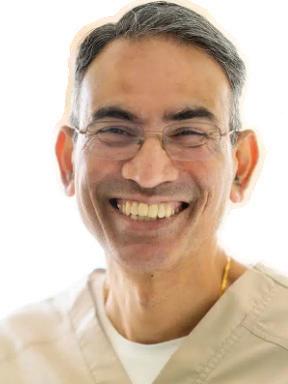
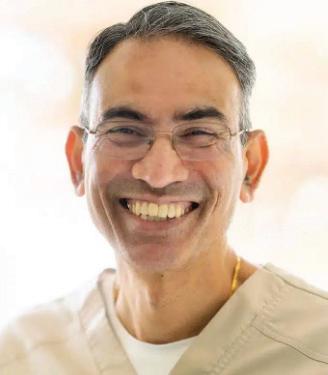
Dr. Sreeni came to the United States as an Oral and Maxillofacial Surgeon in the year 1990 and put himself through dental school again at Boston University and Oral and Maxillofacial Surgery residency at University of Medicine and Dentistry of New Jersey.
As an Oral and Maxillofacial Surgeon, Dr. Sreeni manages a wide variety of problems relating to the Mouth, Teeth and Facial Regions. He practices a full scope of Oral and Maxillofacial Surgery with expertise ranging from Corrective Jaw Surgery to Wisdom Teeth Removal. His passion is in implant surgery and he is well known for same day placement of implants following teeth removal be it for single teeth or a complete “makeover” (Smile in a day). He can also diagnose and treat Facial Pain, Facial Injuries and TMJ disorders and perform Bone Grafting and Sinus lift procedures.
Dr. Sreeni completed a residency in Anesthesiology at Mount Sinai Hospital, New York in 1994 and has worked as an Attending providing anesthesia services for children and adults in the ambulatory outpatient center of the hospital.
Dr. Sreeni is an Advanced Cardiac Life Support instructor with the Adventist group. He is also certified in Pediatric advanced life support and is very capable of handling emergencies that could possibly arise in the office. Dr. Sreeni’s staff are trained in assisting with IV Sedation/ General Anesthesia within our state of the art office setting. Patients are continuously monitored during and after surgery. The goal of our office is to provide professional service with compassion and an understanding of the patients’ perspective.
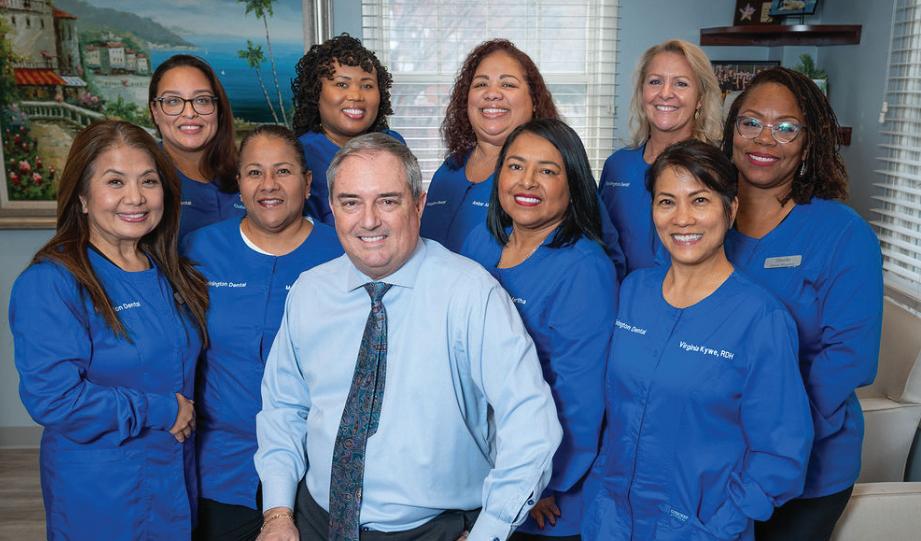
University. Prior to entering private practice, he served a general practice residency at Sepulveda Veteran’s Hospital. Dr. Rogers has invested significant time into ongoing education, seeking to learn emerging dental technologies and techniques in the areas of cosmetic dentistry, implant dentistry, sleep apnea treatment, orthodontics, temporomandibular joint (TMJ) disorders, and safe amalgam replacement. His most recent training in airway management has allowed him to offer a cure for sleep apnea using an intraoral device known as the DNA appliance. He is a member of the International Academy of Oral Medicine and Toxicology, American Academy of Dental Sleep Medicine, American Academy of Craniofacial Pain, and also of Mercury-Free Dentists. He has served as a guest author for TMJ News & Views, and when that publication ceased, began his own quarterly newsletter. You may have seen one of his television interviews on “A New Me” or the local PBS station, or seen his articles and features in Ladies’ Home Journal, Arlington Magazine, and New Beauty. Dr. Rogers is an active participant in the community as a sponsor for Encore Theater, Little League of Alexandria, Abingdon Elementary, and the local Fairlington Farmer’s Market. He and his wife Terri enjoy spending time with their daughter Megan and her husband Corey traveling around the country and the Caribbean.


You probably know family and friends whose lives were cut short by heart disease or cancer. Then you ask yourself “Is there any way to keep that from happening to me?” The answer is “yes.” Today there is a simple non-invasive test that can often identify these illnesses in their earliest stages, when they can most effectively be treated and cured.
It’s called the Virtual Physical. The Virtual Physical takes less than twenty minutes and is a safe, painless, high-speed full Body, Heart and Colon scan. It has already saved many lives by uncovering many illnesses like cancer, heart disease, aneurysms, and tumors.
The Virtual Physical is a test that gives you the advantage in finding diseases and abnormalities at their early stages, long before symptoms occur. Make the choice that could save your Life.

Dr. Reddy has been serving the Lorton area for over 14 years as a fulltime orthodontist. She graduated Dental School with high honors from Boston University School of Dental Medicine. She has a deep desire to learn and treat patients in the field of Orthodontics and has pursued further specialty training in the field of Orthodontics and Dentofacial Orthopedics.
Dr. Reddy was invited to join the clinic faculty at UNLV, School of Dental Medicine. Before entering private practice, Dr. Reddy worked as a faculty member at UNLV, School of Dental Medicine, Orthodontics Residency Program
Professional
Dr. Reddy is an active member of many organizations, including American Dental Association, Virginia Dental Association, American Association of Orthodontics, Southern Association of Orthodontics and Northern Virginia Orthodontic Study Club.
Our practice’s top priority is to provide you with the highest quality orthodontic care in a friendly, comfortable environment.
We offer the latest in equipment and technology such as 3D Scanner and dentures, digital X-rays, clear aligners, braces and retainer program. These are to ensure that you receive the most effective care possible.
We recognize that every patient has different needs, and we pride ourselves in the courteous service we deliver to each person who walks through our doors. We welcome children and adults to our office. Adults have become a larger percentage of our patient-pool in recent years.
Dr. Reddy and her staff are committed to helping you achieve the smile you deserve – a healthy, beautiful one that you will be proud of. We would welcome the opportunity to earn your trust and deliver you the best service in the industry.


301-805-4664
12200 Annapolis Road Suite #116 Glenn Dale, MD 20769

Board Certified, Ophthalmology by the American Board of Ophthalmology
Degrees, Training and Certificates: UCLA Medical School; Yale University Hospital for Residency; Louisiana State University for Cornea and Refractive Fellowship
Professional Memberships/Associations: American Academy of Ophthalmology; American Society of Cataract and Refractive Surgery; International Society of Refractive Surgery
Areas of Interest: All laser custom LASIK; Cataract Surgery; Botox; Dermal Fillers; Cornea Comprehensive Ophthalmology
Practice Philosophy: Envision Eye and Laser is committed to delivering superior ophthalmic care with state-of-the-art technology and patient education in a caring, compassionate environment. We cater to a diverse population of adults and work with your primary care physician to improve the quality of your overall health and life. Your best vision is our focus.
301-805-4664
12200 Annapolis Road Suite #116
Glenn Dale, MD 20769 EnvisionEyeandLaser.com

Board Certified, Ophthalmology by the American Board of Ophthalmology
Dr. Jacobs-El is a dedicated ophthalmologist committed to delivering compassionate, patient-centered eye care. With a strong foundation in medical ophthalmology, Dr. Jacobs-El brings extensive training and experience in diagnosing and managing a wide range of eye conditions, from routine vision concerns to complex ocular diseases.
Known for her gentle approach, Dr. Jacobs-El prioritizes making each patient feel comfortable, informed, and confident in their care. She believes that building trust is essential to achieving the best outcomes and strives to create a welcoming environment where patients feel heard and respected.
Dr. Jacobs-El earned her medical degree from Howard University School of Medicine and completed her residency training in ophthalmology at Howard University Hospital, followed by dual fellowship training in medical retina and uveitis at the National Institutes of Health National Eye Institute. She has also contributed to advancing medical research at the National Institutes of Health and proudly served veterans for several years within the U.S. Department of Veterans Affair. She remains dedicated to staying at the forefront of advancements in eye care and incorporates the latest evidence-based practices into her work.
Now proudly serving the Envision Eye & Laser Center community, Dr. Jacobs-El is passionate about helping our patients preserve and improve their vision while enhancing their overall quality of life.
Submitted By Virtual Physical

Taking care of your health is one of the most important things you can do to lead a longer, healthier, and happier life. While regular check-ups with your doctor are crucial, there’s another approach to preventative medicine that’s gaining popularity: the virtual physical.
The virtual physical is a comprehensive diagnostic screening procedure that uses state-of-the-art technology to take a global look at your body and identify a variety of conditions at early stages where intervention can be most helpful. This includes heart scans, lung scans, virtual colonoscopies, and full-body scans.
By undergoing a virtual physical, you have the power to see your future and change it. The scan is easy, simple, and accurate, taking only about 10 minutes. It can help you catch potentially serious medical issues early on, when treatment is most successful.
The benefits of a virtual physical are numerous. For one, it can help you be your own health advocate. Rather than waiting for symptoms to appear, you can take a proactive approach to your health and catch issues before they become bigger problems. This can save you time, money, and stress in the long run.
Another benefit is the ability to personalize your health care. By receiving a personalized consultation from a board-certified radiologist,

you can get a better understanding of your individual health risks and how to address them. This can include implementing treatment plans and changing behaviors to help you live longer, healthier lives.
One specific type of virtual physical is the virtual colonoscopy. While traditional colonoscopies can be uncomfortable and invasive, a virtual colonoscopy is much simpler and less invasive. Prior to the scan, you will need to properly cleanse your bowels, which can be done with a bowel prep kit purchased over-thecounter at your local pharmacy. During the scan, a small enema tip will be inserted into your rectum and your colon will be filled with air to visualize your bowels. The only discomfort may be a feeling of fullness due to the air, and the scan itself takes only about ten minutes.
It’s important to note that virtual colonoscopies are contraindicated in certain situations, including rectal bleeding, history of diverticulitis, Crohn’s disease, or those who have had a recent colonoscopy with positive findings.
The virtual physical is a revolutionary approach to preventative medicine that can help you lead a longer, healthier, and happier life. By being your own health advocate and taking a proactive approach to your health, you can catch potentially serious medical issues early on and personalize your health care. Consider talking to your doctor about whether a virtual physical is right for you.

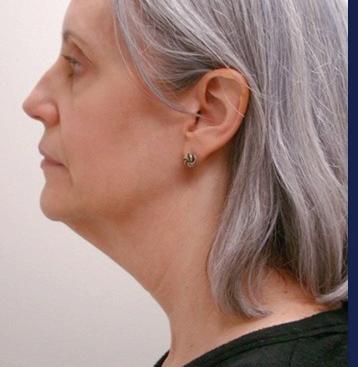
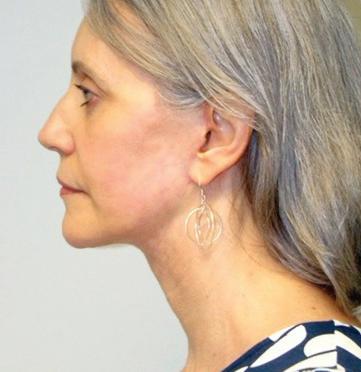
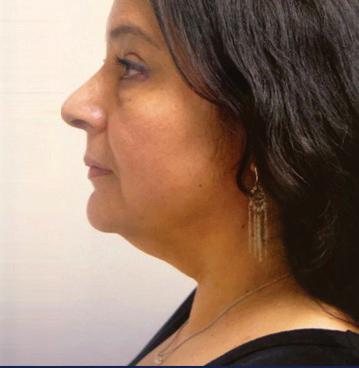
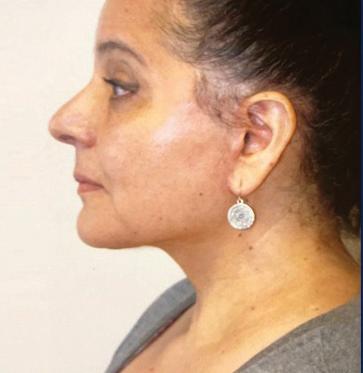
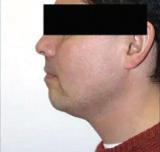
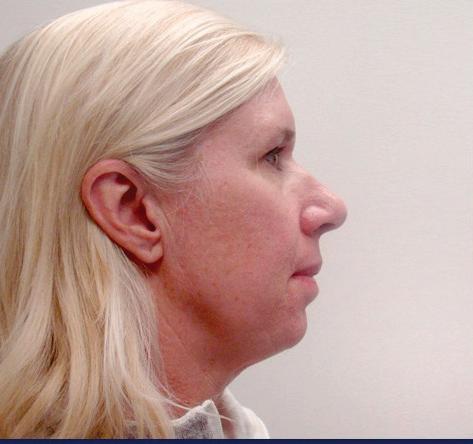
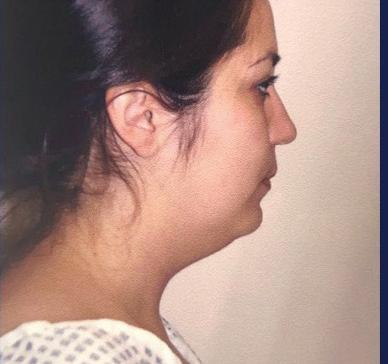
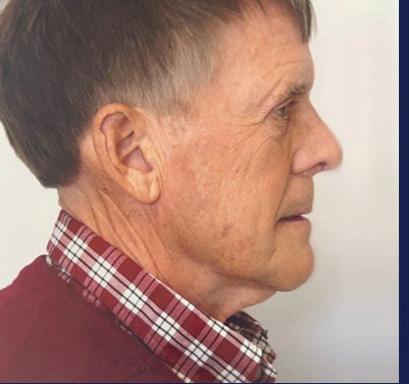
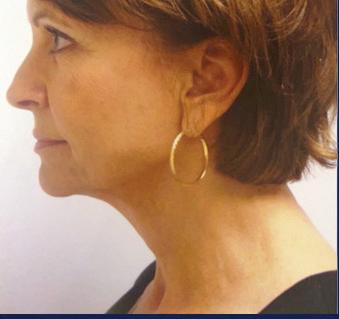
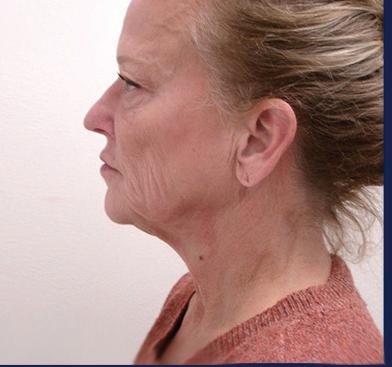
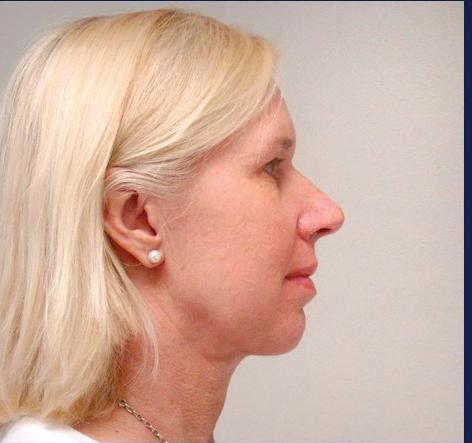
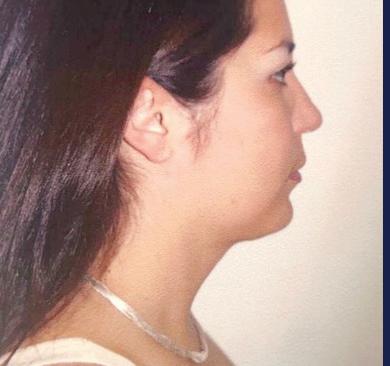
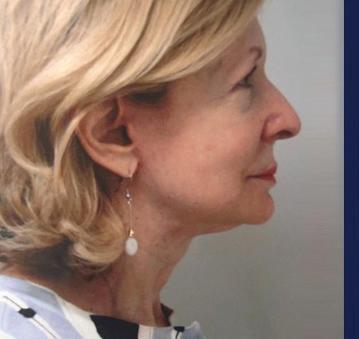
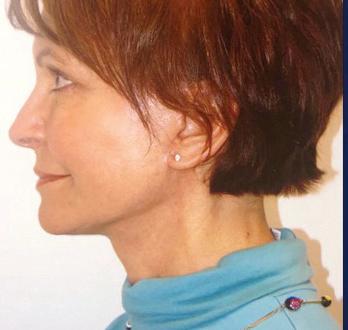
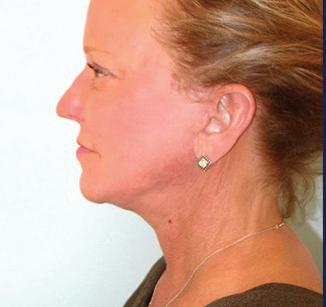
A neck lift can be performed for men and women of varying ages who are often frustrated by changes of the appearance of their neck and jawline. Depending on your age, a neck lift can be a short one-hour procedure to remove fat or a 3-hour procedure to remove fat, visible neck bands, and excess skin.
Excess Skin (Cervicoplasty)
Liposuction to Remove Excess Fat Remove or Alter Neck Muscles (Platysmaplasty)
Liposuction can be performed alone or with surgical removal of the fat under the chin through a small incision under the chin.
In patients with vertical bands in the neck, a platysmaplasty can be performed to reduce the appearance of the bands.
Sometimes a chin implant is recommended to improve the overall contour and help with excess skin.





By Quansheng Lu, CMD, PhD, LAc Wholelife Chinese Medicine & Acupuncture Center
What Is Lower Back Pain?
Four out of five adults in the U.S. experience lower back pain at some point in their lives. Acute back pain lasts from a few days to a few weeks, but chronic back pain may last more

than three months. There are many causes of lower back pain, but the most common causes are muscle strain and degenerative disc disease.
According to traditional Chinese medicine theory, external factors such as extreme weather, injury, and excessive sexual activity, can lead to the block of Qi and blood, which is thought to result in low back pain if
Acupuncture & Fitness Center
Quansheng Lu, CMD, PhD, L.Ac www.wholelifeherb.com • luquansheng@gmail.com 301-340-1066 • fax: 301-340-1090
Guest professor, Henan University of Traditional Chinese Medicine (TCM) Chief TCM Physician, WFCMS; M.S. in TCM, Beijing University of TCM PhD in integrated medicine, China Academy of Chinese Medical Sciences Fellowship, Georgetown University & Children’s National Medical Center 3 patents, 8 books of TCM, 30 papers, 30+ years of experience in TCM
Low back pain • eczema • arthritis • allergies • cough • insomnia • paralysis obesity • nephritis • hepatitis • infertility • PMS • side effects of cancer treatment 416 Hungerford Drive, #300 Rockville, MD 20850 5022 Dorsey Hall Drive, #101 Ellicott City, MD 21042



the block of Qi and blood is located at the lower back.Traditional Chinese Medicine (TCM) includes Chinese herbal medicine, acupuncture, moxibustion, cupping, scrapping, tui-na, qi-gong and exercises. Acupuncture and Chinese herbal medicine are the main parts of TCM.
Can Acupuncture
Control Lower Back Pain?
Lower back pain limits activity and is the second most frequent reason for physician visits. Previous research shows widespread use of acupuncture for lower back pain. One meta-analysis is designed to assess acupuncture’s effectiveness for treating lower back pain. The 33 randomized, controlled trials that met inclusion criteria were sub-grouped according to acute or chronic pain, style of acupuncture, and type of control group used. For the primary outcome of short-term relief of chronic pain, the meta-

analyses showed that acupuncture is significantly more effective than sham treatment and no additional treatment. The study concluded that acupuncture may effectively relieve chronic low back pain.
How Many/Often Acupuncture Sessions Do I Need?
Usually, 1-3 sessions for acute back pain; 6-16 sessions for chronic back pain, depending on the situation. Twice a week is recommended for a better treatment result.
Is Acupuncture Safe?
Yes. Acupuncture is a safe treatment. It may occasionally cause dizziness, local internal bleeding, dermatitis, nerve damage, and/or increased pain (especially when the acupuncturist is not well-trained).
By Janet V. Johnson, MD Loving Care Pediatrics
Here are eight things you can do to protect your child from getting injuries:
• Supervise children at all times and intervene when there is inappropriate behavior such as pushing or shoving.
• Make sure playground equipment is age appropriate. Maximum fall height should be five feet for preschool-aged children and seven feet for school aged children.
• Swing seats should be made of plastic or rubber. Metal or wood should be avoided.
• Avoid any equipment that has openings that could entrap a child’s head.
• Make sure you can clearly see your children on the playground.
• Remove tripping hazards such as tree stumps, or rocks.
• Avoid playgrounds with asphalt, concrete, grass, and solid surfaces under the equipment. Look for surfaces of hardwood fiber, mulch chips, pea gravel, fine sand or rubber to a depth of at least nine inches.
• Wear appropriate protective gear during sports activities (for example, shin guards for soccer, a hard-shell helmet for baseball or football, body padding for ice hockey, and helmet when on a bike or skateboarding).
Overall, summertime play for children can be great fun. But it’s important to keep in mind prevention strategies and safety tips.
Pool Safety
Here are five tips for keeping your child safe before heading to the
Please
“Children Safe,” next page

patients by dismissing their suffering as “psychological.” Bird mites are nearly invisible and highly selective, leaving their human targets isolated and doubting their own sanity. It is often easier for the medical establishment to label a patient delusional, than to admit gaps in institutional knowledge.
Extermination protocols often fail, and homeowners are paying the price. Standard professional exterminators are frequently unwilling to spray the hardto-reach areas where mites tend to hide. They often spray only the areas they can easily reach, leaving significant hidden areas untouched, such as the interiors, yes, the interiors of sofas, recliner chairs, and box springs. “Pros” will often try to get you to sign a contract agreeing to a 7-to-10-day spray protocol for a few months. This standard approach frequently fails to address the bird mites hiding deep in hidden areas.
This is not assumption; this comes from the countless numbers of people who reach out to us when they have experienced this cycle of failure. We hear from people who have spent thousands of dollars having a tent put over their entire home to contain the poison they pump in, requiring them to live in a hotel for three weeks or more, only to return to the same problem. Many often, follow bad advice from friends and family, to discard expensive furniture, only to be left with no furniture, while not having rid the infestation.
The deepest flaw is a lack of consistency. Spraying once every 7 to 10 days is simply not enough to break the life cycle. Because these parasites mature at

different rates, new generations emerge daily. Persistent, daily action is the only path to victory; it is a numbers game where you must hit new hatchlings as they appear until the population can no longer sustain itself.
The relentless crawling and chronic sleep deprivation create a neurological and emotional crisis. This “hidden nightmare” isolates victims, and without intervention many more will slip through the cracks of a system that refuses to take the symptoms seriously.
Prevention and Eradication
Awareness is your only defense. If you experience unexplained bites while a bird nest is present, or after it’s gone, you must move quickly; tactical intervention is key. Opt for protocols designed to affect bird mite biology, rather than generic pesticides. Avoid sprays that act simply as repellents. Remember that gaps in your routine give mites the chance to rebound.
We at Eradizyme.com have the many years of experience it takes to help you to navigate this nightmare, and coach you to reclaim your sanity and validate your reality, if you are a victim. Our mission is to be a beacon for those lost in this struggle, offering the technical accuracy and support needed to reclaim your living space.
Conclusion Call To Action
Insist on technical accuracy, emotional validation, and persistent action. The fight is grueling, but victory is possible. You deserve a peaceful, mite-free night. Eradizyme.com is here to help you win that battle, and reclaim your life.


Submitted by All Star Pain Management
Most back pain improves without surgery—understanding your options is the first step toward recovery.
Back pain is incredibly common, and for many people, the first thought is: Is this serious? Am I going to need surgery? The good news is that most back pain does not require surgery. In many cases, symptoms improve with the right combination of time, movement, and targeted care.
If your pain lingers for more than a few weeks, keeps coming back, or starts to interfere with your daily routine—work, workouts, even sleep—it may be time to look a little deeper. A more comprehensive evaluation can help identify what’s actually driving your pain and what to do about it.
A function-focused approach, often used in Physical Medicine & Rehabilitation (PM&R), looks at how your body moves as a whole—not just where it hurts. The spine is made up of discs, joints, muscles, ligaments, and nerves, and pain can come from any of these. Common issues like disc problems, arthritis, or muscle strain can sound intimidating, but many improve with conservative, movementbased care.
Lifestyle factors can also play a major role in back pain. Poor posture, prolonged sitting, stress, lack of exercise, excess weight, and inadequate sleep may all contribute to ongoing discomfort. Addressing these everyday habits alongside treatment often
helps improve recovery and reduce the chances of future flare-ups.
Surgery is typically reserved for more serious situations, such as worsening weakness, significant nerve compression, or structural instability. Emergency symptoms—like loss of bowel or bladder control—require immediate attention, but these cases are rare.
For most people, treatment starts with simple, effective strategies: physical therapy, targeted exercise, activity modification, and, when needed, medications. Image-guided injections can also help calm inflammation and reduce nerve irritation, making it easier to stay active while healing. There are also options that fall between traditional care and surgery. Minimally invasive procedures can address specific pain sources with less downtime. In some cases, regenerative medicine techniques may be considered to support the body’s natural healing response in areas like discs, joints, or soft tissue.
One important thing to keep in mind: what shows up on an MRI doesn’t always match how you feel. Many people have “abnormal” findings without pain, which is why your symptoms and physical exam matter just as much as imaging.
At the end of the day, the goal isn’t just to fix a scan—it’s to help you move better, feel stronger, and get back to the life you enjoy. Taking a stepwise, less-invasive approach first is often the most effective path forward, with surgery reserved for when it’s truly necessary.
pool this summer, as drowning is the leading cause of accidental death for children younger than five in the United States:


• Swim lessons. The American Academy of Pediatrics (AAP) supports swimming lessons for most children four years and older. The decision to enroll your child in swimming lessons should be based on the child’s developmental readiness.
• Never leave children alone in or near the pool or spa, even for a moment.
From previous page
• Avoid inflatable swimming aids such as “floaties.”
• Whenever infants or toddlers are in or around water, an adult (preferably one who knows how to swim and perform CPR) should be within arm’s length, providing “touch supervision.”
• Remove all toys from the pool after use so children aren’t tempted to reach for them.
Now is the time to plan for family summer activities, many of which may require an annual health visit prior to participation.
ACUPUNCTURE
Eastern Medical Holistic Healing Center, Angel Wood, 240755-5925. www.acupuncture4wellness.webs.com
ALTERNATIVE HEALTHCARE
Holistic Family Health - Thermal Imaging, Herndon, VA. 703-635-6324 For More information visit www.fhtid.com
BEAUTY/SKIN
A Better You, Dr. ClarkeBennett, 410-672-2742.
BREAST HEALTH
University of Maryland Charles Regional Medical Center. 11340 Pembrooke Square, Suite 202, Waldorf, MD 20603. 240-607-2010. UMCharlesRegional.org
CHINESE MEDICINE & ACUPUNCTURE
Wholelife Chinese Medicine & Acupuncture, 301-526-9898, 416 Hungerford Dr., Rockville www.wholelifeherb.com
DENTAL IMPLANTS
Dental Implants Center of Rockville – Dr. Sreenivasan Sivakumar, DMD, MSD –301-294-8700 – 77 South Washington Street, Suite #205, Rockville, MD 20850 – www.DrSreeni.com.
Karl A Smith, DDS, 2550 N. Van Dorn St., Suite #128, Alexandria, VA. Call 703-894-4867, Visit www.drkarlsmith.com
Richard Hughes, DDS, 703444-1152, 46440 Benedict Dr., Suite #201, Sterling, VA. www. SterlingImplantDentist.com
Marc P. Stanard, DDS – 202887-5441 – 1350 Connecticut Avenue, NW, Suite #305, Washington, DC 20036 – wdcperioimplant.com.
EYE CARE
Visual Eyes, Alexander Nnabue OD, 301-324- 9500.
FERTILITY
Montgomery Women’s Fertility Center – 301-946-6962 – MontgomeryFertilityCenter. com – Rockville, MD.
HOLISTIC WELLNESS COACH
Nutrition Lifestyle Digestion and More – Lisa@LisaThorne.Me – Text 269861-7565.
HYPNOSIS/YOGA
Toni’s Happy Hour Yoga and Holistic Wellness Center • 6504 Old Branch Avenue, Temple Hills, MD 20748 • 301-449-8664.
MEDICAL SPACE
Charles L. Feitel Company, 301-571-9333, www.medicalanddentalspace.com.
MENTAL HEALTH SERVICES
House Calls, LLC. 301-3466732. callingonbeth@gmail. com. www.CallingOnBeth.net.
Nutritional Healing Center, Thomas K. Lo, DC, MA, 240-651-1650, 7310 Grove Road, Suite 107, Frederick, MD 21704. doctorlo.com.
Good Health Nutrition Services,LLC – 1300 Mercantile Lane, Suite 129-37, Largo, MD 20774 – 301-341-4680 –www.ghnutritionservices.com – We accept Insurance.
OPHTHALMOLOGY
NewView Laser Eye Center – Jacqueline D. Griffiths, MD – Reston (703) 834-9777 – Visit us at www.NewViewEye.com.
All Smiles Orthodontics – 9010 Lorton Station Blvd., Suite #260, Lorton, VA 22079 – www. AllSmilesBraces.com – For info call us at 703 337-4414.
To Order: Include you NAME, ADDRESS, PHONE, EMAIL AND WHAT HEADING YOU WISH TO BE LISTED UNDER, AND ANY SPECIAL OFFER OR TEXT TO INCLUDE. We will prepare a proof and email to you for approval.
Email your information to: info@yourhealthmagazine.net or Fax to: (301) 805-6808. Call (301) 805-6805 for assistance.
MARYLAND/WASHINGTON, DC OFFICE
4201 Northview Drive, Suite #102, Bowie, MD 20716 phone: (301) 805-6805 • fax: (301) 805-6808 • email: Info@YourHealthMagazine.net VIRGINIA OFFICE phone: (703) 288-3130 • fax: (703) 288-3174 • email: Publish@YourHealthMagazine.net

Loving Care, Janet Johnson, MD – 301-403-8808.
PHYSICAL THERAPY/ REHABILITATION
Active Physical Therapy. Various Locations across Maryland and Washington, DC. Active-physicaltherapy.com.
Largo Foot and Ankle Health Center, Ade Adetunji, DPM, 301-386-5453.
District Podiatry – Lubrina Bryant, DPM – 202-388-5303 – 1140 Varnum Street, Suite #30, Washington, DC 20017
www.DistrictPodiatry.com.
Chevy Chase Home Care. Help at a time you need it most. Any Ages. Any situations. Any shifts. MD, DC, VA. www.CHCHhomecare. com 202-374-1240.
AA Urology – Odenton, 1106 Annapolis Road, Suite #250, Odenton, MD 21113 – Glen Burnie, 305 Hospital Drive, Suite #303, Glen Burnie, MD 21061 – Bowie, 4201 Northview Drive, Suite #201, Bowie, MD 20716 – West Campus Surgery Center, 7855 Walker Drive, Suite #102, Greenbelt, MD 20770 – Greenbelt , 7855 Walker Drive, Suite #100, Greenbelt, MD 20770.



SUBSCRIBING IS EASY:
1) Call 301-805-6805 with your name, contact info, and credit card payment for $24, or
2) Simply mail this form along with your check for $24:
Your Health Magazine 4201 Northview Dr. Suite 102 Bowie, MD • 20716


Now you can get the latest issues delivered directly to your home!
• Health articles and advice
• Doctors near YOU!
• Maryland, Washington, DC & Virginia editions
• Only $24 for a year’s subscription (12 issues)!

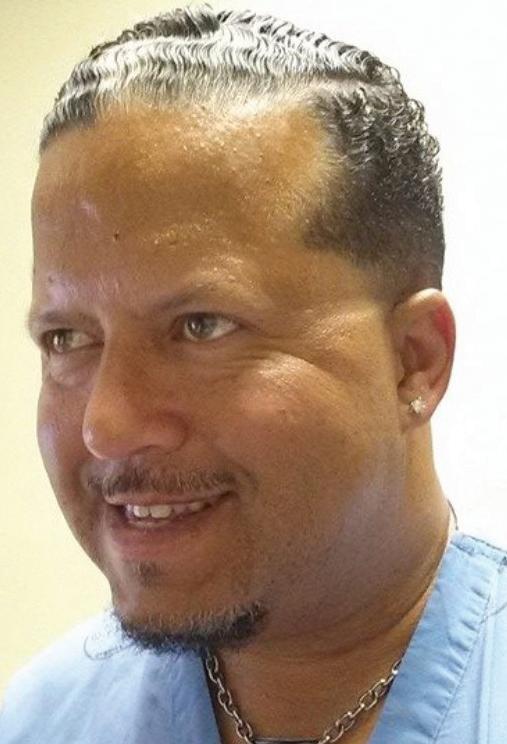
By Robert A. Breiner, DPM Breiner & Associates
Foot pain is a common concern among active aging adults, and it can significantly impact mobility, balance, and overall quality of life.
Whether you enjoy walking, golfing, traveling, or participating in fitness classes, healthy feet are essential for maintaining an active lifestyle. Understanding the causes of foot pain –and how to manage it – can help you stay comfortable and on the move.
As we age, the structures of the feet naturally change. The fat pads that cushion the soles may thin, ligaments can lose elasticity, and joints
often become stiffer due to years of use. These changes can lead to common conditions such as plantar fasciitis, arthritis, bunions, hammertoes, and tendonitis. In addition, long-term wear and tear, previous injuries, improper footwear, or underlying medical conditions like diabetes and poor circulation can contribute to ongoing discomfort.
One of the most frequent causes

to
and
and specialize
personalized and caring attention to all our patients, so make sure to pay us a visit if you need any help with foot problems, discomfort, diabetic foot problems or pain.
From the moment you step into our practice, you will be greeted by a friendly and welcoming staff who make sure your appointments are on time and well organized for your convenience. We truly care about your wellbeing, which is why we make sure to listen to you and take a full patient’s history before approaching any course of treatment or diagnostic. Our feet are what keeps us going steady through life, and any issue with them can bring about a lot of pain and discomfort. We ensure your recovery and recuperation is done smoothly!
• Foot Injuries
• Foot Sprain
• Hammer Toe
• Heel Pain
• Heel Spur
• Foot Fracture
• Ingrown Toenail • Plantar Fasciitis
• Stress Fracture of Foot • Ulcer of Foot
Warts

of foot pain in active adults is plantar fasciitis, which involves inflammation of the thick band of tissue that runs along the bottom of the foot. This condition typically causes sharp heel pain, especially with the first steps in the morning or after periods of rest. Arthritis is another common issue, often leading to stiffness, swelling, and reduced flexibility in the foot and ankle joints. Structural changes such as flat feet or high arches can also affect how weight is distributed, increasing strain on certain areas of the foot.
Footwear plays a critical role in both the development and prevention of foot pain. Shoes that lack proper support, cushioning, or fit can worsen existing problems or create new ones. Active aging adults should choose shoes with strong arch support, adequate cushioning, and a wide toe box to reduce pressure on sensitive areas. Replacing worn-out shoes regularly is also important. In many cases, custom orthotics or high-quality overthe-counter inserts can help improve alignment, relieve pressure, and enhance overall comfort.
Maintaining foot strength and flexibility is equally important for preventing pain and injury. Simple daily exercises – such as stretching the calves and Achilles tendon, rolling the foot over a tennis ball, or picking up small objects with the toes – can improve circulation, increase flexibility, and reduce stiffness. Lowimpact activities like swimming, cycling, and yoga can also help keep joints mobile without placing excessive stress on the feet.
It’s important not to ignore persistent or worsening foot pain. Early evaluation by a podiatrist or healthcare provider can prevent minor issues from progressing into more serious conditions. Treatment options may include physical therapy, orthotics, anti-inflammatory medications, or, in some cases, minimally invasive procedures.
Proper foot care is especially critical for individuals with diabetes or circulation issues, as they may be at higher risk for complications such as infections or ulcers.
Foot pain doesn’t have to slow you down. With supportive footwear, regular exercise, and proactive care, active aging adults can continue to enjoy the activities they love – comfortably, safely, and confidently.

Submitted by ScholarsHub.net
Modern technology has transformed the workplace, making it possible for millions of people to work from computers for hours each day. While digital tools have improved productivity and flexibility, they have also contributed to a growing problem: chronic pain related to sedentary work and repetitive movements.
For many office workers, students, and remote professionals, discomfort has become part of daily life. Neck stiffness, lower back pain, wrist strain, headaches, and shoulder ten-
sion are increasingly common in jobs that require prolonged screen time and limited physical movement.
The human body was not designed to remain seated for long periods without movement. Sitting for hours can place stress on the spine, tighten muscles, reduce circulation, and weaken core stability. Poor posture—such as leaning forward toward a screen or hunching over a laptop—can further strain muscles and joints over time.
Repetitive motions also play a role. Constant typing, mouse use, and phone scrolling can contribute to wrist, hand, and forearm discomfort. Without proper ergonomics, these small stresses accumulate gradually and may develop into chronic pain conditions.
Ironically, technology is both contributing to and helping address these issues. Ergonomic advancements such as adjustable desks, supportive office chairs, split keyboards, and monitor stands are helping workers create healthier workspaces. Wearable fitness devices and posturemonitoring apps can also encourage movement and improve awareness of unhealthy habits.
Many workers now use reminder apps that prompt them to stand, stretch, hydrate, or take short walking breaks throughout the day. Even brief movement sessions can improve circulation, reduce muscle tension, and support long-term musculoskeletal health.
Telehealth and virtual physical therapy have also expanded access
to care. Individuals experiencing chronic pain can now consult healthcare providers, physical therapists, or rehabilitation specialists remotely, making treatment more accessible for busy professionals.
Experts recommend adjusting workstations so screens are at eye level, feet remain flat on the floor, and wrists stay in a neutral position while typing. Taking movement breaks every 30 to 60 minutes is equally important. Stretching, walking, and strengthening exercises can help counteract the effects of prolonged sitting.
Chronic pain does not just affect physical comfort—it can reduce concentration, energy, sleep quality, and productivity. For students and professionals alike, protecting physical health is part of maintaining longterm performance and quality of life. As technology continues shaping modern work, learning how to work with it in healthier ways will become increasingly important.