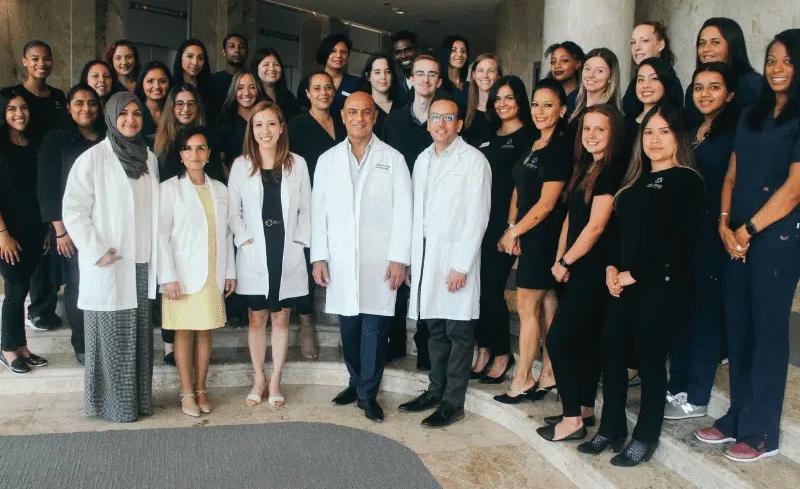
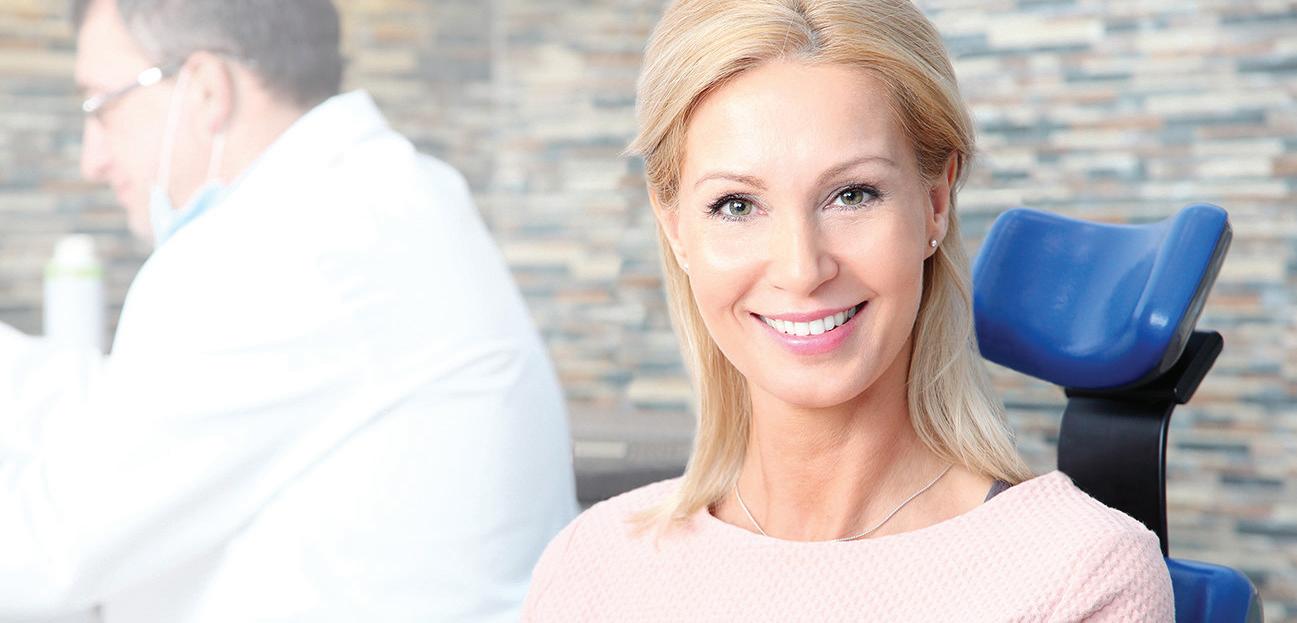
Your smile is more than just teeth — it’s how you greet the world. Whether you’re tired of covering your mouth in photos, hiding stained or crooked teeth, or feeling discomfort when you chew, Smiles International can help you take back your confidence and restore a radiant, youthful smile.
From routine care to advanced cosmetic dentistry, our experienced team delivers natural-looking results in a modern, comfortable environment. We specialize in:
• Invisalign® clear aligners for discreet straightening
• Teeth Whitening for a brighter, more youthful smile
• Veneers and smile makeovers to fix chips, gaps, and discoloration
• Complete family dental care — all in one place
Elite Prosthetic Dentistry
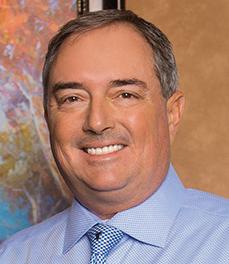
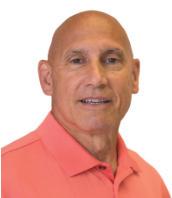
GERALD M. MARLIN, DMD, MSD
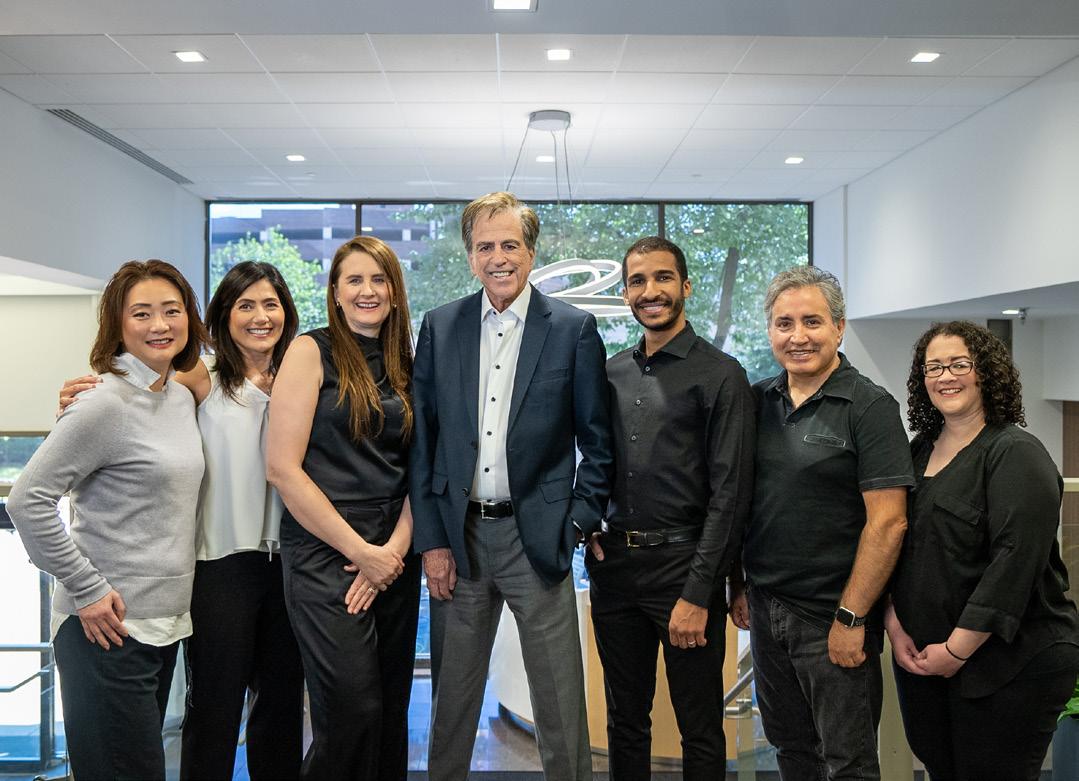
At Elite Prosthetic Dentistry, our “dream team” delivers an extraordinary blend of clinical precision and genuine care. Led by Gerald M. Marlin, D.M.D., M.S.D., a renowned specialist with over 3,700 successful implant procedures and a history of crafting crowns that last over 35 years, we are the trusted choice for adults seeking implant, cosmetic, and reconstructive dentistry in the Washington, DC metropolitan area. Why Choose Elite Prosthetic Dentistry?
• Expertise in saving teeth, problem-solving failing restorations, and addressing TMJ issues. Proven success in implant therapy, offering long-term results with minimal bone loss.
• Comprehensive care, including surgical implant placement, bone grafting, and custom restorations—all performed in our state-of-the-art office.
• An in-house laboratory ensuring efficiency and precision for veneers, crowns, and implant restorations.
• A warm, caring environment supported by a highly skilled team with an average tenure with us of 14+ years, complemented by oral and IV sedation protocols.
With a commitment to advanced digital technology and artistry, Dr. Marlin works closely with each patient to deliver “simply radiant, simply natural” results. Our crowns last more than three times the national average, and our implants boast a >97% success rate over 20 years. Your journey to a revitalized smile begins here. Contact us today to schedule your consultation and experience the difference of truly exceptional dental care.
SPECIALIZATION
Prosthodontist specializing in cosmetic, implant, and reconstructive dentistry, including crowns, veneers, and dentures.
DESIGNATIONS, AFFILIATIONS, and AWARDS
Invented and Patented an Implant Restoration System, Academy of Osseointegration, American College of Prosthodontics, American Academy of Periodontology, American Dental Association, DC Dental Society, Bethesda Magazine Top Dentist, Washingtonian Top Dentist for 22 years
4400 Jenifer Street, NW, Suite 220 Washington, DC 20015
202.244.2101
Concierge@eliteprostheticdentistry.com
EliteProstheticDentistry.com
New 2026, New Confident Smile
Invisalign
By Farzin Ghanavati, DDS Burke Dental
As we begin 2026, many patients are making their health and confidence a priority. One of the most popular goals I hear in my dental practice is achieving a straighter, more confident smile.
Patients often ask:
“Should I Choose Invisalign Or Traditional Braces?”
Both options are safe, effective, and widely used in modern dentistry. The right choice depends on your dental needs, lifestyle, and long-term
vs. Traditional Braces in Burke, VA
goals. Let’s explore the pros and cons of Invisalign versus traditional braces so you can make an informed decision.
Invisalign Clear Aligners: A Popular Choice
Invisalign uses a series of custommade, clear aligners to gradually straighten teeth. These aligners are removable and designed using advanced digital technology.
Pros Of Invisalign
• Nearly invisible appearance, ideal for adults and teens
• Removable aligners allow normal
eating and oral hygiene
• More comfortable than metal brackets and wires
• Fewer dental visits
• Digitally planned results with predictable tooth movement
Cons Of Invisalign
• Requires wearing aligners 16-20 hours per day
• Not recommended for some complex orthodontic cases
• Aligners must be kept track of carefully
Many adults prefer Invisalign because it fits seamlessly into profes-
Stronger Teeth, Healthier You
sional and social lifestyles.
Traditional Braces: A Proven Orthodontic Solution
Traditional metal braces use brackets and wires to guide teeth into proper alignment. They remain a trusted option for patients of all ages.
Pros Of Traditional Braces
• Highly effective for complex alignment and bite issues
• No need to remember to wear aligners
• Often more cost-effective for extensive corrections
• Durable and reliable for children, teens, and adults
Cons Of Traditional Braces
• More noticeable appearance
• Certain food restrictions
• Oral hygiene requires extra care
Why Patients Choose Burke Dental
At Burke Dental, we believe great dentistry goes beyond healthy teeth — it’s about trust, comfort, and confidence in your care. Here’s why families across Burke, Fairfax, and Springfield, VA choose Dr. Farzin Ghanavati and his team for their dental needs:
Top-Rated Dentist in Burke, VA – Hundreds of 5-star reviews from happy patients reflect our commitment to excellence, honesty, and gentle care.
26+ Years of Advanced Experience – Dr. Ghanavati brings decades of skill in cosmetic, implant, and restorative dentistry — with proven results you can trust.
State-of-the-Art Technology – From 3D digital imaging to laser and Invisalign® systems, we deliver precision, safety, and comfort at every visit.
Personalized, Honest Care – No pressure, no upselling — just clear communication, customized treatment, and genuine concern for your oral health.
Comfortable, Modern Environment – Relax in our clean, high-tech office designed for your comfort and peace of mind.
• Possible irritation from brackets or wires
For patients who need significant tooth movement, traditional braces may be the best option.
Invisalign Vs. Braces: Which Is Right For You?
Choosing between Invisalign and braces depends on:
• The complexity of your orthodontic needs
• Your lifestyle and daily habits
• Cosmetic preferences
• Budget and insurance coverage
Most dentists perform a comprehensive evaluation and discuss all treatment options to create a personalized plan for each patient.
Start 2026 With a Confident, Healthy Smile
Orthodontic treatment is about more than straight teeth – it improves oral health, function, and self-confidence. Whether you choose Invisalign or traditional braces, starting treatment can put you on the path to a healthier smile for years to come.
Schedule a consultation and explore your options with a local dental team you can trust.
Farzin Ghanavati , DDS
What Is Diabetic Eye Disease?
By Jacqueline D. Griffiths, MD
New View Eye Center
Approximately 20.8 million Americans have diabetes. More than half of these individuals are at risk for vision loss and other health problems, because they don’t know they have the disease.
Diabetic eye disease, a group of eye problems that affects those with diabetes, includes diabetic retinopathy, cataracts and glaucoma. The most common of these is diabetic retinopathy, which affects 5.3 million Americans age eighteen and older.
Diabetic retinopathy is a potentially vision threatening condition in which the blood vessels inside the retina become damaged from the high blood sugar levels associated with diabetes. This leads to the leakage of fluids into the retina and the obstruction of blood flow. Both may result in vision loss.
The National Eye Institute (NEI), the Federal Government’s lead agency for vision research, urges all people with diabetes to have an eye examination through dilated pupils at least once a year.
Blurred vision may occur when the macula – the part of the retina
that provides sharp, central vision –swells from the leaking fluid. This condition is called macular edema. If new vessels have grown on the surface of the retina, they can bleed into the eye and block vision. But, even in more advanced cases, the disease may progress a long way without symptoms. That is why regular eye examinations for people with diabetes are so important.
More than one third of those diagnosed with diabetes do not receive the recommended vision care and may be at risk for blindness. Because there are often no symptoms in the early stages of diabetic retinopathy, your vision may not be affected until the disease becomes severe.
Once diagnosed with diabetes, schedule a complete dilated eye examination with your eye doctor at least once a year. Make an appointment
promptly if you experience blurred vision and floaters that:
• Affect only one eye
• Last more than a few days
• Are not associated with a change in blood sugar
In advanced cases of diabetic retinopathy, laser treatment has been shown to reduce the loss of vision. This surgery does not cure diabetic retinopathy, nor does it prevent future vision loss, especially if diabetes or blood pressure is not well controlled.
Diabetes can also affect your vision by causing cataracts and glaucoma. If you have diabetes, you may get cataracts at a younger age and your chances of developing glaucoma are doubled.
Early diagnosis of diabetes and effective control of blood sugar and hypertension through proper diet, exercise and medication can help reduce your risk of developing eye diseases associated with diabetes. Finding and treating the disease early, before it causes vision loss or blindness, is the best way to control diabetic eye disease. So, if you have diabetes, make sure you get a dilated eye examination at least once a year.
Jacqueline D. Griffiths M.D. earned her undergraduate degree at Yale and her medical degree from the University of Michigan. Her Ophthalmology residency was completed at Georgetown University Medical Center.
Dr. Griffiths has been in private practice since 1994. She started her own practice and laser center, NewView Laser EyeTM in 1999 where she serves as the Medical Director. NewView’s Mission is to provide Excellence in Ophthalmologic services by giving personalized attention to every patient.
Dr. Griffiths is Board Certified and began performing laser vision correction practically from its inception in this country. She has performed thousands of cases and participated with the CRS-USA LASIK trials to get the LASIK procedure approved by the FDA.
In addition to offering Custom LASIK and PRK, NewView offers Laser Assisted Cataract Surgery, Multifocal IOLs, annual eye exams, glaucoma and diabetic screening exams, and cosmetic services including Botox, Restylane, Radiesse, Juvederm, and eyelid surgery. NewView Optical offers affordable high quality frames and lenses for the entire family (ages 5 and older).
Dr. Griffiths is the former Ophthalmology Section Chief of Reston Hospital Department of Surgery, the former Chief of Ophthalmology for the Reston Ambulatory Surgical Center in Reston, VA as well as Loudoun Hospital in Leesburg, VA, Diplomate of the American Board of Ophthalmology, a Fellow of the American Academy of Ophthalmology, a member of the American Society of Cataract and Refractive Surgery, the Washington National Eye Center and others.
Normal Vision Diabetic Retinopathy
In This Edition…
articles below are provided by local health professionals for the benefit of the public. Please contact them for advice and services.
Transcranial Magnetic Stimulation (TMS) | By Ehsan Habibpour, MD
21 | The Importance Of Cardiovascular Exercise For Seniors | By Dr. David L. Johnson, Owner
21 | Understanding Tongue Ties and Tongue Releases at Any Age | By Michael Rogers, DDS
| Orthodontic Consultation: What To Expect | By Swathi Reddy, DMD
Dental Implants For Edentulous Patients | By E. Richard Hughes, DDS
| Featured Cardio Health, Diabetes and Storke Professionals + Mental Health
Your Health Magazine is on a mission. There are far too many people, insured or not, who do not go to the doctor when they should, and in millions of cases, don’t know who they should go to, or why.
People are encouraged to buy a new house, car, cell phone or big screen TV, and those companies make themselves very visible and their products easily attainable.
Information about, and from, local healthcare providers is not easy to find, and many times those services are difficult to access.
Information and encouragement always lowers fear and trepidation about anything, and this is especially true in healthcare. While general information is available on web-sites, specific information from local providers is almost impossible for people to find. This is one of the key reasons chronic and episodic conditions are not cared for. It is our mission to:
Washington, DC
a Difference!
Doctors & Practitioners: Reserve Space • Call Today 301-805-6805
Make A Difference By Empowering and Encouraging People To Live Healthier By Going To the Doctor When They Should.
There is a lot of evidence that the health professionals who participate in Your Health Magazine have helped many people over the years. We at Your Health Magazine salute you!
G. Scott Hunter, Editor-in-Chief
If you would like to find out how you can participate in one of our upcoming editions, please contact the office nearest you.
MARYLAND & WASHINGTON, DC OFFICE One Town Center 4201 Northview Drive, Suite 102 Bowie, MD 20716 Office (301) 805-6805 • Fax (301) 805-6808 info@yourhealthmagazine.net
VIRGINIA OFFICE Office (301) 805-6805 info@yourhealthmagazine.net
The content in Your Health Magazine and provided on yourhealthmagazine. net is for informational and educational purposes only and is not intended as a substitute for professional medical advice, diagnosis, or treatment. Always consult with a qualified healthcare provider before starting any exercise program, making changes to your health routine, or acting on any health-related information found on the Internet, or anywhere else.
Gregory Scott Hunter
By Ali Ghatri, DDS
Let’s Smile Dental
Pediatric Diabetes and Oral Health What Families Should Know
care, including professional cleanings, fluoride treatments, and dental sealants, plays an important role in protecting developing teeth.
water intake, particularly if dry mouth is present, and limit sugary snacks and beverages that may affect both blood sugar levels and dental health.
Pediatric diabetes is a growing health concern affecting children and adolescents across the United States. Whether a child is diagnosed with type 1 diabetes, an autoimmune condition, or type 2 diabetes, which is increasingly seen in youth due to lifestyle factors, the condition affects more than blood sugar levels alone. One area that is sometimes overlooked is oral health. Dentistry plays an important role in the overall care of children with diabetes, as the mouth can reflect changes in metabolic health and, in some cases, influence overall well-being.
Children with diabetes may be at increased risk for certain oral health concerns, particularly when blood sugar levels are not well controlled. Elevated glucose levels can alter the oral environment, potentially encouraging bacterial growth and increasing susceptibility to gum inflammation. Some children with diabetes may also experience dry mouth, which reduces saliva’s natural ability to neutralize acids and help wash away food particles. Reduced saliva can increase the risk of tooth decay and oral infections, especially if oral hygiene routines are inconsistent.
Gum health is a key consideration for pediatric patients with diabetes. Research shows that children and adolescents with poorly controlled diabetes are more likely to develop gingivitis, an early form of gum disease characterized by redness, swelling, and bleeding of the gums. If left untreated, gingivitis can progress to more serious periodontal issues over time. Inflammation in the gums may also be associated with greater difficulty maintaining stable blood sugar levels, highlighting a twoway relationship between oral health and diabetes management. While this relationship varies among individuals, maintaining healthy gums is considered an important part of overall health for children with diabetes.
Routine dental care is especially important for children with diabetes. Regular dental visits allow dentists to identify early signs of cavities, gum inflammation, enamel changes, or oral infections before they become more serious. Dentists may also notice oral signs that can be associated with changes in blood sugar control, such as delayed healing or frequent infections. Preventive
At home, consistent oral hygiene habits make a meaningful difference. Children with diabetes should brush their teeth at least twice a day with fluoride toothpaste and floss daily, with parental supervision as appropriate for their age. Establishing these routines early helps support lifelong habits that benefit both oral and overall health. Parents can also encourage regular
Communication among healthcare providers is another important component of comprehensive care. Dentists, pediatricians, and endocrinologists can work together to ensure that a child’s diabetes is well managed and that dental care is planned safely and effectively. Dentists may ask about recent blood sugar control, medications, and meal timing to help pro-
vide appropriate care during dental visits.
Pediatric diabetes presents unique challenges, but many oral health complications can be prevented with proper care. By prioritizing regular dental visits, maintaining good oral hygiene at home, and encouraging collaboration among healthcare providers, families can help protect their child’s smile while supporting overall health. Healthy teeth and gums are not just cosmetic—they are an important part of long-term wellness for children living with diabetes.
Discover a world of comprehensive dental care at Let’s Smile Dental, your trusted destination for superior oral health in Northern Virginia. With nine conveniently located offices, our skilled team of professionals is dedicated to providing a spectrum of specialized services, all under one roof.
At Let’s Smile Dental, our providers share a common mission: delivering the highest quality care to our valued patients. Through seamless collaboration and a patient-centric approach, our doctors ensure a positive experience and ultimate smile satisfaction. Choose Let’s Smile Dental – where your smile is our priority!
Alexandria, VA 703-658-3000
Fairfax, VA 703-719-5828
Fredericksburg, VA 540-785-4494
Herndon, VA 703-719-5828
Purcellville, VA 540-338-9400
Springfield, VA 703-782-4491
Reston, VA 703-719-5828
New Cosmetic Dentistry of Fairfax 4210 Fairfax Corner Avenue, West Suite #240, Fairfax, VA 703-968-4300
Orthodontists: Ali Ghatri, DDS – Manhal Eliliwi, DDS Owais Naeem, DDS – John Ji, DMD
By Craig E. Vigliante, MD, DMD Virginia Hair Transplant, Lansdowne
Hair loss can be a very emotional part of the natural aging process, and
Hair Loss? Time To Grow New Hair
seeking ways to curb this process is a challenge. There are many products on the market that claim to re-grow hair, but the results are mixed. Some work for some people, and for others, not so well.
Surgically transplanting hair has come a long way over the past decade - to the point where follicular unit grafting (FUG) is now more widely accepted. It’s not like the old-style
plugs people used to get.
These grafts are indistinguishable from your natural hair and are probably more durable than your natural hair in the long run.
While your natural hair still present on the top and front of your scalp may continue to thin or fall out, the grafted hairs from the sides and back of your head are more likely to be there permanently.
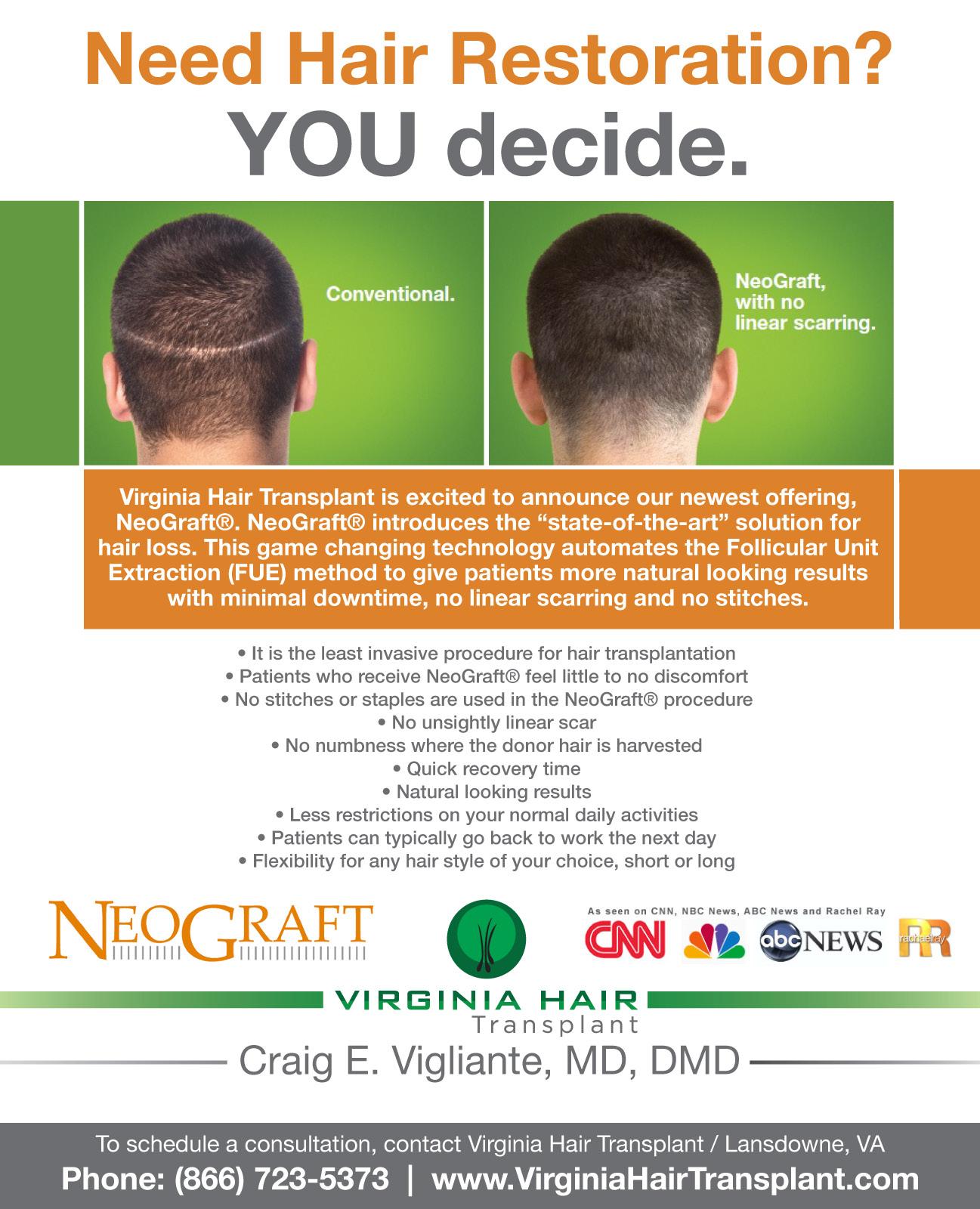
The latest procedure for hair transplantation is follicular unit extraction (FUE), where each hair is harvested and individually placed in a new location on your scalp. By doing this there are no scars to deal with, and the procedure is more tolerable and may even be a little safer.
One of the first FUE devices to be cleared by the FDA for follicular unit harvesting and implantation is the NeoGraft® system, which delivers automation of the FUE technique, the most advanced technique in the hair transplant industry.
This system uses pneumatic controls to precisely extract complete individual hair follicles, which can be immediately transplanted to the selected areas of the scalp. This automated hair transplantation system is the only complete harvesting system on the market and has the only “no touch” implantation technology.
It provides exact harvesting and placement, delivering natural looking results. This advanced technology offers a discrete solution to hair loss, allowing patients to achieve natural looking results with no linear scarring, minimal downtime, and a shorter recovery period. Hair restoration with NeoGraft is unnoticeable, making it your secret to tell.
How the Procedure Works:
Step One: Donor Hair Removal
The procedure begins with hair being removed from the donor area in the back of your head where your hair is genetically programmed to resist testosterone.
Step Two: Separation of the Follicular Units
Each graft is extracted with the same consistency in diameter and length, resulting in a dramatically increased take rate.
Step Three: Creation of the Recipient Sites
The hair transplant surgeon creates recipient sites in the proper angle, direction and orientation according to the artistic hair transplant plan he or she has designed specifically for you.
Step Four: Placement of the Hair Graft
The follicular units are then carefully separated by size. Grafts are transplanted into the balding and thinning areas of your scalp. Each graft is meticulously harvested as it naturally occurs and implanted individually to ensure the best results.
Washingtonian Top Cosmetic Facial Surgeon
By Lynda Dean-Duru, DDS Ashburn Children’s Dentistry
When it comes to your child’s dental development, early intervention can make a lifetime of difference.
Expanding Smiles Naturally Guiding Growth With the ALF Approach
One of the most innovative tools used by airway-focused dentists and orthodontists is the ALF (Advanced Lightwire Functional) appliance – a gentle, growth-guidance appliance that helps the body achieve natural balance and healthy development. What the ALF Appliance Does –And What It Isn’t
The ALF is not an expander.
Traditional expanders mechanically widen the palate, but the ALF works in harmony with the body’s own growth patterns. It is a growth-guidance appliance designed to facilitate natural development by gently assisting the tongue in moving the bones of the skull, allowing growth to occur the way nature intended.
The ALF acts almost like a “sur-
Focus or Behavior at School?
child’s jaw and airway development may be the missing link.
rogate tongue,” allowing the brain to redirect resources for growth through functional swallowing, nasal breathing, and a nervous-system reset. Because it is so delicate and precise, the ALF requires meticulous training and expertise to use correctly – its effectiveness depends on the practitioner’s deep understanding of oral-facial development and the connection between posture, airway, and overall health.
A Whole-Body Approach To Dental Health
The ALF philosophy views the mouth as part of the body’s larger postural and functional system. By supporting balanced growth, proper tongue position, and healthy airway development, this gentle form of growth guidance can positively influence a child’s overall well-being – from sleep and focus to confidence and comfort.
Children who breathe well, sleep well, and swallow properly often experience improvements not just in their dental health but in behavior, learning, and physical comfort as well.
Early Evaluation Is Key
At Ashburn Children’s Dentistry and Womb2Grow Wellness, we specialize in identifying the hidden cause of poor sleep, behavioral struggles, and jaw underdevelopment. Our airway-focused approach supports whole-body health and lifelong confidence. Let’s uncover what’s really going on – together.
Although orthodontic guidelines often suggest evaluation by age 7, many airway-focused providers emphasize that for certain growth and airway issues, that may already be too late.
Signs of improper jaw development can appear as early as infancy –even within the first few days of life. Babies and toddlers who show trouble latching, snoring, mouth breathing, restless sleep, difficulty eating solid foods, teeth grinding, frequent ear infections, or speech issues may already be exhibiting early indicators that the jaws and airway are not developing correctly.
If you notice these signs, it’s important to consult a knowledgeable, airway-focused provider who can evaluate your child’s growth patterns and guide proper jaw and brain development. Early detection and proactive, collaborative intervention allow for gentler, holistic treatment and the best long-term outcomes.
Healthy Growth Creates Healthy Smiles – and Healthy Lives.
Ask your pediatric or airwayfocused dentist whether your child might benefit from early evaluation or growth-guidance therapy with the ALF approach.
Newborn, Pediatric and Adolescent Medicine
Virginia Pediatric Group is a highly skilled and experienced team of board-certified providers who serve children and their families. The private pediatric practice has proudly offered comprehensive, family-centered care since 1982.
As specialists in caring for youngsters, the Virginia Pediatric Group team equips and empowers patients, from newborns to young adults, to find optimal physical, emotional, and mental health. Working closely with parents, the providers offer a whole-child approach that includes nutritional, developmental, educational, and psychological expertise and guidance.
8316 Arlington Blvd. Suite #300, Fairfax, VA 22031
Phone: 703-573-2432
Fax: 703-280-9350
Services We Offer
• Integrative Medicine
• Well Child Visits
• After Hours Care
• Lab Tests
• Sick Visits
• Expectant Mothers
• Newborn Care
• ADHD
• Autism
• Nutrition
• Mental Health
• Allergies
• Asthma
• School Physical
• Behavioral Health
• Breastfeeding
• Sports Physical
• Concussion Screening
• Telemedicine
• Vaccines
• Developmental Screening
• Adolescent and Young Adult Care
• Contraceptive Care For Female Teens and Young Adults
131 Eldon Street, Suite #312 Herndon, VA 20170
Phone: 703-573-2432
Fax: 703-280-9350
737 Walker Road, Suite #4 Great Falls, VA 22066
Phone: 703-573-2432
Fax: 703-280-9350
24560 Southpoint Drive Suite #150, Aldie, VA 20105
Phone: 703-573-2432
Fax: 703-280-9350
Caring For Young Smiles What Families Should Know About Diabetes and Pediatric Dental Health
By April Toyer, DDS, FAAPD Elite Pediatric Dentistry and Orthodontics
Diabetes is becoming increasingly common among children and adolescents, and its effects go far beyond blood sugar levels. For pediatric dental offices, understanding the connection between diabetes and oral health is
essential to providing comprehensive, compassionate care. A child’s mouth can offer important clues about their overall health, and proper dental care plays a meaningful role in helping children with diabetes stay healthy.
Children with diabetes—whether type 1 or type 2—are at a higher risk for dental problems than their peers. Elevated
blood glucose levels can increase the amount of sugar in saliva, creating an environment that allows harmful bacteria to thrive. This raises the risk of cavities, gum inflammation, and oral infections. Many children with diabetes also experience dry mouth, which reduces saliva’s natural protective role and further increases the chance of tooth decay.
Finally… A Pediatric Dentist That Kids (and Parents) Trust
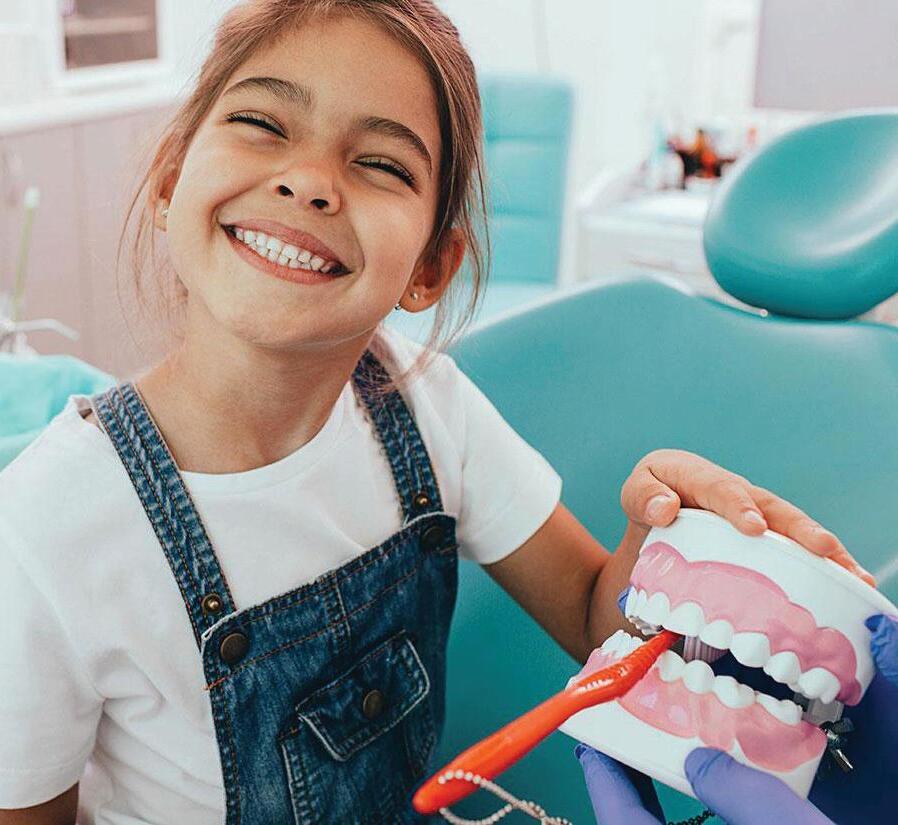
At Elite Pediatric Dentistry, we make going to the dentist a joy – not a fear. From toddlers to teens, our kid-friendly, anxiety-free care helps every child feel safe, seen, and celebrated.
Led by Dr. April Toyer, a Board Certified Pediatric Dentist with a gift for connecting with kids (even the anxious ones!), we’re here to build lifelong confidence – one smile at a time.
Gum health is especially important. Children with diabetes are more prone to gingivitis, an early form of gum disease characterized by redness, swelling, and bleeding gums. If untreated, gum disease can progress and may even make blood sugar levels harder to control. This twoway relationship means that poor oral health can complicate diabetes management, while poorly controlled diabetes can worsen dental conditions.
A pediatric dental office plays a key role in prevention and early detection. Regular dental checkups allow the dental team to monitor for early signs of decay, gum disease, enamel changes, and oral infections. Professional cleanings help remove plaque and bacteria that children may miss during daily brushing, while preventive treatments such as fluoride applications and dental sealants provide added protection for developing teeth.
At-home oral hygiene is essential for children with diabetes. Brushing twice daily with fluoride toothpaste and flossing regularly, with parental guidance as needed, helps prevent cavities and gum disease. Limiting sugary foods and drinks, encouraging water intake, and maintaining a balanced diet support both oral health and blood sugar control.
Communication is another vital part of care. Pediatric dentists often work closely with parents and may coordinate with pediatricians or endocrinologists when necessary. Understanding a child’s diabetes management, medications, and meal schedules helps the dental team provide safe and comfortable treatment. Scheduling dental appointments when blood sugar levels are most stable can also help reduce stress for the child.
A pediatric dental office that is knowledgeable about diabetes creates a supportive environment where children and families feel understood and cared for. By focusing on prevention, education, and gentle, individualized care, dental professionals can help children with diabetes maintain healthy smiles and avoid complications. Healthy teeth and gums are not just about appearances— they are an important part of a child’s overall wellness and long-term health.
April Toyer, DDS, FAAPD
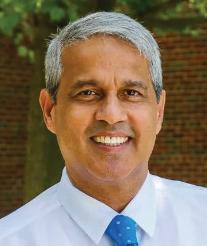
By Hani Thariani, DDS, MMSc TBraces
Why Orthodontic Treatment Is About More Than a Straight Smile
orthodontic correction can improve speech clarity and contribute to better facial balance by guiding jaw alignment into a more natural position. Confidence That Impacts Overall Well-Being
Orthodontic treatment is often associated with cosmetic improvement, but its benefits extend far beyond aesthetics. By correcting the alignment of teeth and jaws, orthodontics plays an important role in supporting oral health, comfort, and overall well-being. With modern treatment options now available for children, teens, and adults alike, orthodontic care has become an increasingly accessible path to better health.
A Healthier Mouth Starts With Proper Alignment
Straight teeth are easier to keep clean. When teeth are crowded or misaligned, plaque and bacteria can collect in areas that are difficult to reach with brushing and flossing. Over time, this increases the risk of tooth decay and gum disease. Orthodontic treatment helps create proper spacing and alignment, making daily oral hygiene more effective and reducing the likelihood of longterm dental problems.
Improved Bite, Comfort, and Function
When the upper and lower teeth do not fit together correctly, chewing can become inefficient and uncomfortable. An improper bite can place extra strain on certain teeth and jaw muscles, potentially leading to jaw pain, headaches, or uneven tooth wear. Orthodontic treatment improves how the teeth come together, allowing the jaw to function more naturally and comfortably.
Protection Against Future Dental Damage
Teeth that stick out or overlap are more vulnerable to injury, chipping, and excessive wear. By repositioning teeth into healthier alignment, orthodontic treatment helps protect them from damage and supports the longevity of the natural teeth.
Speech and Facial Balance Benefits
The alignment of teeth and jaws can influence speech patterns and facial harmony. In some cases,
A confident smile can have a profound effect on mental and emotional health. Many people find that after orthodontic treatment, they smile more freely and feel more comfortable in social and
professional settings. This boost in self-esteem often extends beyond appearance, positively influencing quality of life.
A Long-Term Investment In Health
Orthodontic treatment is not just a short-term cosmetic solution – it is a preventive health measure. By addressing alignment issues early or at any stage of life, patients may reduce the need for more extensive
A Confident Smile That Turns Heads
dental treatments in the future.
The Takeaway Orthodontic treatment supports more than just a straighter smile. It promotes better oral hygiene, improves comfort and function, and contributes to confidence and overall health. With today’s advanced orthodontic options, achieving a healthier, more balanced smile is easier and more comfortable than ever before.
smile is one of the first things people notice – make it unforgettable. Whether you’re straightening your teeth for the first time or perfecting your smile before the holidays, TBraces Orthodontics makes it simple, affordable, and rewarding.
Led by Dr. Hani Thariani, the only Harvard-trained orthodontist in Arlington and Herndon and a Diamond Plus Invisalign® provider, our team has created confident, radiant smiles for over 25 years.
Now’s your moment to enjoy world-class orthodontic care with significant savings –but hurry, this exclusive offer ends soon.
TMD and Sleep the Connection
By Jeffrey L. Brown, DDS Sleep & TMJ Therapy
It may be hard to believe, but when you have a TMJ disorder (otherwise called TMD), this can correlate to sleep-disordered breathing (SDB). The way this works is that when the jaw joint discs are displaced – just like a kneecap can slip out of place – you get pain. Pain and inflammation are quite common with a displaced jaw disc. When you are hurting, you just cannot
sleep all that well. Also, the quality of sleep is compromised because it is now harder to get the good, deep, non-REM sleep that helps our body to heal.
It is unfortunate that TMD is so poorly understood because so many people really do need help in this area. It is actually fairly easy to get a handle on this disorder, however. One of the first signs of TMD is that you have clicking and/or popping in the jaw joints. This is often a clear sign that
the articular discs (jaw joint discs) are displaced and causing an inflammatory reaction.
Another very clear sign of TMD is that you cannot open your jaw widely. The “normal” range of motion is generally considered to be around 50 mm. This means measuring from the tip of the upper front teeth to the tip of the lower front teeth when opening wide, you should get around 50 mm.
Some practitioners say that 35mm is around normal, but in general most agree that 50mm is a healthier way to be. This measurement can readily be done when you see your dentist or hygienist but most of the time it is not done.
Typical Dental Office
So, now let’s get back to the link to sleep problems. If and when the articular discs in the jaw joints are displaced, they are going to rub around in the jaw sockets and will quite literally pinch or rub against nerves and blood vessels in the joint. Diagnosis: It just plain hurts. In the human body when a bone rubs against bone or other vessels, it just hurts, simple as that. This in turn begins an inflammatory reaction in which the body releases the mediators of inflammation called “cytokines”. Now these cytokines are floating around inside your body causing a chronic irritation. It’s kind of like being chronically sick all the time.
Dr. Jeffrey Brown has limited his practice to focus only on TMJ Disorders, Craniofacial Pain Management and Sleep Apnea. By fixing slipped discs in the jaw joints, Dr. Brown can significantly reduce the pain patients experience in the head/neck region and other symptoms associated with jaw joint problems. Sleep & TMJ Therapy may be able to improve the quality of life for you or a loved one – we encourage you to contact us with any questions or concerns.
“Dr. Brown and his staff are absolutely wonderful. I was diagnosed with Dystonia. I could not turn my head and had a ton of pain. My doctors offered no help and no advice besides Meds and Botox. Since having the appliance I have NO pain and I can turn my head. I would highly recommend them to anyone. I feel Dr. Brown and his staff really care about their patients and helping them to get better. They do not just numb the symptoms but fix the problem. Thank you from the bottom of my heart. I feel like the old me again!”
- D. Thomas
“My daughter has been treated by Dr. Stack and Dr. Brown for the last 2 1/2 years, and we are very fortunate to have found them. Prior to that she was being treated by a neurologist at a Children’s hospital. She was on medications for tics and associated muscle pain, OCD/repetitive thoughts, sleeplessness and more (all possibly associated with Tourettes). Drs. Stack and Brown installed spacers to alleviate pressure on nerve bundles in the jaw, and subsequently braces to complete the process. Her symptoms have diminished significantly. She is off medication, her tics have all but disappeared, she can concentrate better in school, and she is once again cheerful and relaxed.” - Susan
When the body is running in inflammation mode, it hurts, and this leads to sleep difficulties. What happens in so many people are the jaw joints ache, which in turn leads to the neck being irritated, and then it travels down the back as well. This makes the deep sleep – called non-REM III – unable to happen the way it should. Now you are sleep deprived and not able to heal the body like your body intended. This cycle just gets worse and worse over time. In so many people, this will lead to OSA – obstructive sleep apnea. So be safe, be smart, learn about TMD and how to treat it for a good night sleep.
Jeffrey L. Brown, DDS
Jeffrey L. Brown, DDS
Should You Replace Your Old Silver Fillings?
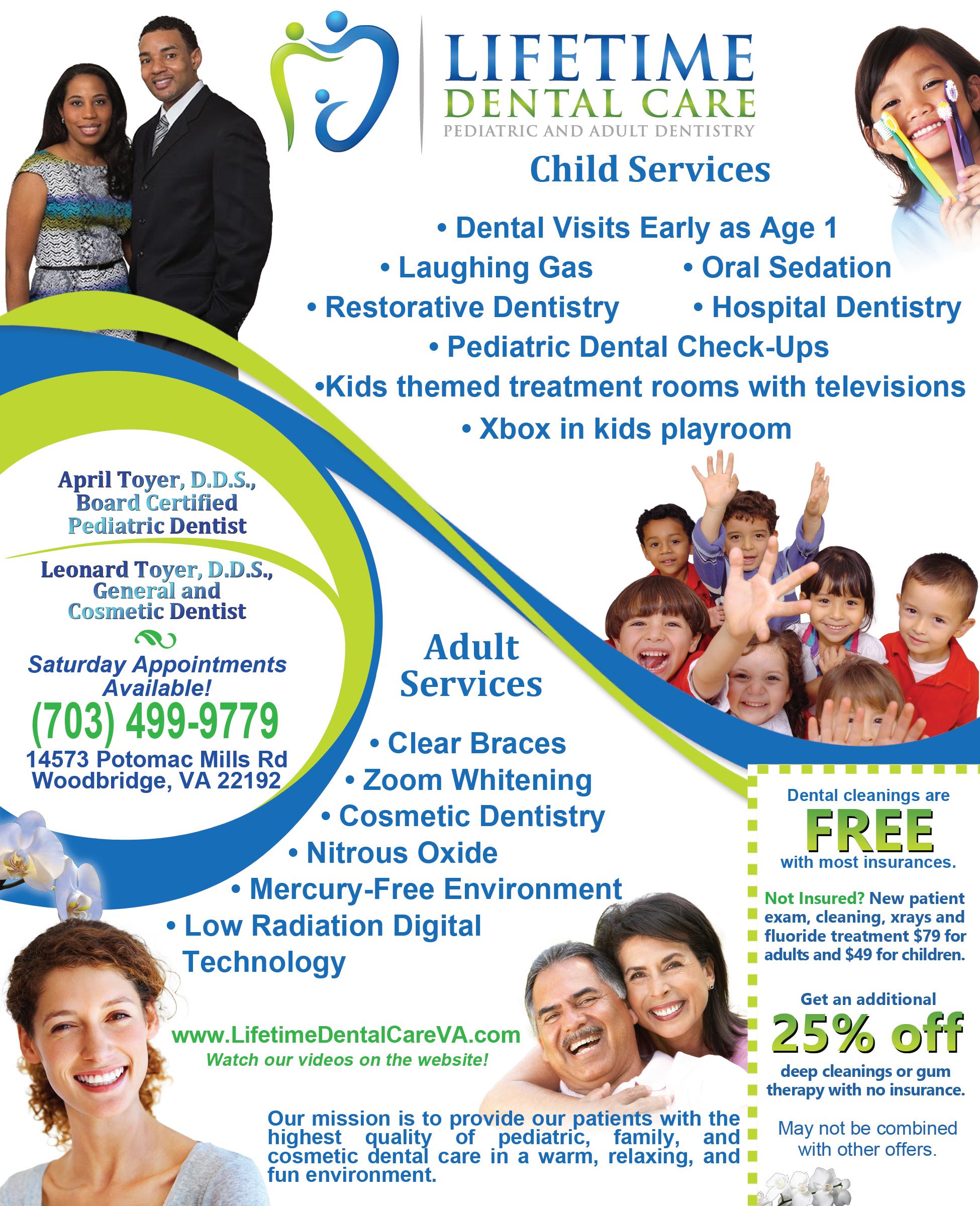
By April Toyer, DDS, FAAPD Lifetime Dental Care
Dental technology has changed dramatically over the last few decades and no doubt will continue to improve in the future. Many patients are concerned about the silver fillings that they or their children have had for years.
Dental amalgam is a mixture
of mercury, silver, tin, and copper. Mercury makes up about 50% of the compound and is used to bind the metals together and to provide a durable filling.
The current position of the ADA and FDA is that amalgam is a safe, restorative material and should not be removed due to health concerns regarding mercury content. When mercury is combined with other materials
in dental amalgam, its chemical nature changes, so it is essentially harmless.
The amount of mercury released in the mouth under the pressure of chewing and grinding is minuscule. It is less than what patients are exposed to in food, air and water.
In fact the highest exposure of mercury to patients is due to amalgam placement and removal. High-speed suction should be used when remov-
April Toyer, DDS, FAAPD
ing mercury-containing fillings to reduce excess mercury inhalation by the patient.
White (or composite) fillings are aesthetically appealing, but require a longer time to place the restoration and may come with an additional cost. Composites bond to the tooth to support the remaining tooth structure, which helps to prevent breakage and insulates the tooth from excessive temperature changes. Although not as strong as amalgam, the advances in composite resins make these restorations a durable option.
Composite fillings, which are more technique sensitive, require a saliva free environment. Your dentist may suggest amalgam in areas that are difficult to keep dry, such as molars (back teeth) or cavities below the gumline.
When To Consider Replacing a Silver Filling
Decay is present under filling. If decay is left untreated long term it could lead to further complications, such as fracture or potentially infection.
Filling is fractured or leaking. A chipped or fractured filling can lead to further breakage of the filling or of the surrounding natural tooth structure. Fillings that extend on multiple surfaces of a tooth may require a crown.
It was placed in a high cosmetic zone. Let’s face it – in 2022, no one wants to see silver in his/her front teeth. If you have a silver filling that is visible in an anterior region, replacement may be an option.
April Toyer, DDS
Dr. Toyer grew up as an “Army brat,” but resided many years in Bowie, Maryland. She attended the University of Virginia and received a degree in Biology and Bioethics in 2003. Dr. Toyer attended dental school at the University of Maryland and took part in the Pediatric Dentistry Clerkship program.
Sleep Apnea and the Role Of Dental Appliances
By Bruce Taheri, DDS Taheri Dental Group
Obstructive sleep apnea (OSA) is a common but frequently undiagnosed sleep disorder that affects breathing during sleep. In people with OSA, the muscles and soft tissues of the throat relax excessively, causing the airway to narrow or collapse. This interruption in airflow can occur dozens of times per hour, often without the person fully waking or remembering the events. Over time, these repeated disruptions prevent restorative sleep and place significant strain on the body.
Common symptoms of obstruc-
tive sleep apnea include loud or chronic snoring, excessive daytime sleepiness, morning headaches, difficulty concentrating, and waking with a dry or sore throat. Not everyone who snores has sleep apnea, and not everyone with sleep apnea snores, which is one reason the condition is often overlooked. Left untreated, OSA is associated with serious long-term health risks, including high blood pressure, heart disease, stroke, and metabolic disorders.
Several factors can increase the risk of developing obstructive sleep apnea. Excess body weight, smoking, heavy alcohol use, and the use of sedatives can all contribute to airway collapse during sleep. Anatomy also plays a role, including jaw position, tongue size, and airway shape. While lifestyle changes may help reduce symptoms in mild cases, many people require medical treatment to manage the condition effectively.
One treatment option for obstructive sleep apnea is oral appliance
therapy. Dental sleep appliances are custom-made devices worn in the mouth during sleep, similar in appearance to a sports mouth guard. These appliances work by gently repositioning the lower jaw or tongue to help keep the airway open, reducing breathing interruptions and improving airflow.
For individuals who cannot tolerate continuous positive airway pressure (CPAP) machines or prefer an alternative, oral appliances can be an effective option for mild to moderate OSA and, in some cases, severe OSA when monitored appropriately.
Unlike over-the-counter or mailorder mouthpieces, professionally fitted dental appliances are designed based on an individual’s oral anatomy and bite. Proper fitting, adjustment,
and follow-up are important to ensure comfort, effectiveness, and long-term oral health. In some cases, follow-up sleep testing may be used to confirm that the appliance is successfully reducing apnea events.
With appropriate diagnosis and treatment, obstructive sleep apnea is a manageable condition, and dental appliances play an important role in helping many people achieve better sleep and improved overall health.
By Ehsan Habibpour, MD Brain Bloom Neuropathy Center
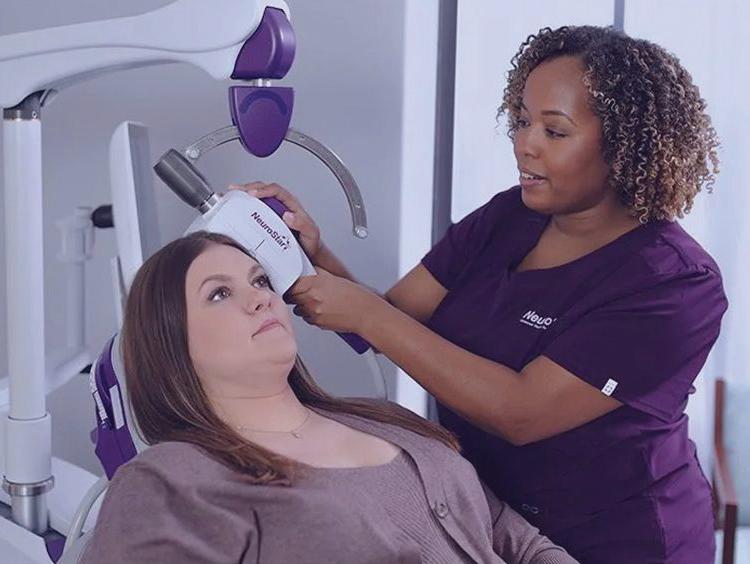
Depression is a complex and often debilitating mental health condition that affects millions of adults each year. While antidepressant medications and psychotherapy remain effective treatments for many individuals, a significant number of patients continue to experience symptoms despite multiple treatment attempts. For those individuals, Transcranial Magnetic Stimulation (TMS) offers a scientifically supported, non-invasive option that can provide meaningful relief from depression.
TMS is an FDA-cleared treatment for major depressive disorder, particularly for patients who have not responded adequately to medication. The therapy uses focused magnetic pulses to stimulate specific areas of the brain involved in mood regulation – most notably the prefrontal cortex, which is often underactive in people with depression. By gently activating these neural pathways, TMS helps restore healthier brain activity patterns associated with improved mood, motivation, and emotional balance.
One of the most appealing aspects of TMS is that it is non-systemic. Unlike antidepressant medications, TMS does not circulate through the bloodstream, which means it does not typically cause side effects such as weight gain, sexual dysfunction, gastrointestinal upset, or sedation. Treatments are performed while the patient is fully awake, seated comfortably in a chair, and able to resume normal daily activities immediately afterward. There is no anesthesia, no recovery time, and no need to take time off work or arrange transportation.
A standard course of TMS treatment typically involves sessions five days per week for four to six weeks, although protocols may vary based on individual needs. Each session lasts approximately 20-40 minutes. During treatment, patients may feel a tapping sensation on the scalp, but the procedure is generally well tolerated. The most common side effects are mild scalp discomfort or headache, which usually diminish as treatment progresses.
Clinical studies show that TMS can significantly reduce depressive symptoms, even in individuals with treatmentresistant depression. Many patients
Transcranial Magnetic Stimulation (TMS)
A Non-Invasive Option For Treating Depression
report improvements in mood, energy, concentration, sleep, and overall quality of life. Importantly, these benefits often extend beyond symptom relief, allowing patients to more fully engage in therapy, relationships, and daily responsibilities.
TMS may also be appropriate for individuals who cannot tolerate antidepressant medications, prefer
non-pharmacologic treatments, or wish to avoid long-term medication use. Ongoing research continues to explore the effectiveness of TMS for related conditions such as anxiety disorders, obsessive-compulsive disorder, and post-traumatic stress disorder, further expanding its role in mental health care.
For individuals struggling with de-
pression who feel stuck or discouraged after trying multiple treatments, TMS represents a hopeful and evidence-based option. A consultation with a qualified mental health professional can help determine whether TMS is an appropriate part of a personalized treatment plan, offering renewed possibilities for recovery and long-term emotional well-being.
Targeted Treatment
The magnetic coil works right on your frontal lobe, delivering treatment at key brain areas for depression
FDA-cleared
FDA-cleared for Major Depression (MDD), Obsessive-Compulsive Disorder (OCD), and anxious depression for adolescents and adults.
Can serve as a standalone therapy or complement your current medication regimen
Offers zero downtime, allowing individuals to resume their daily activities immediately after treatment sessions
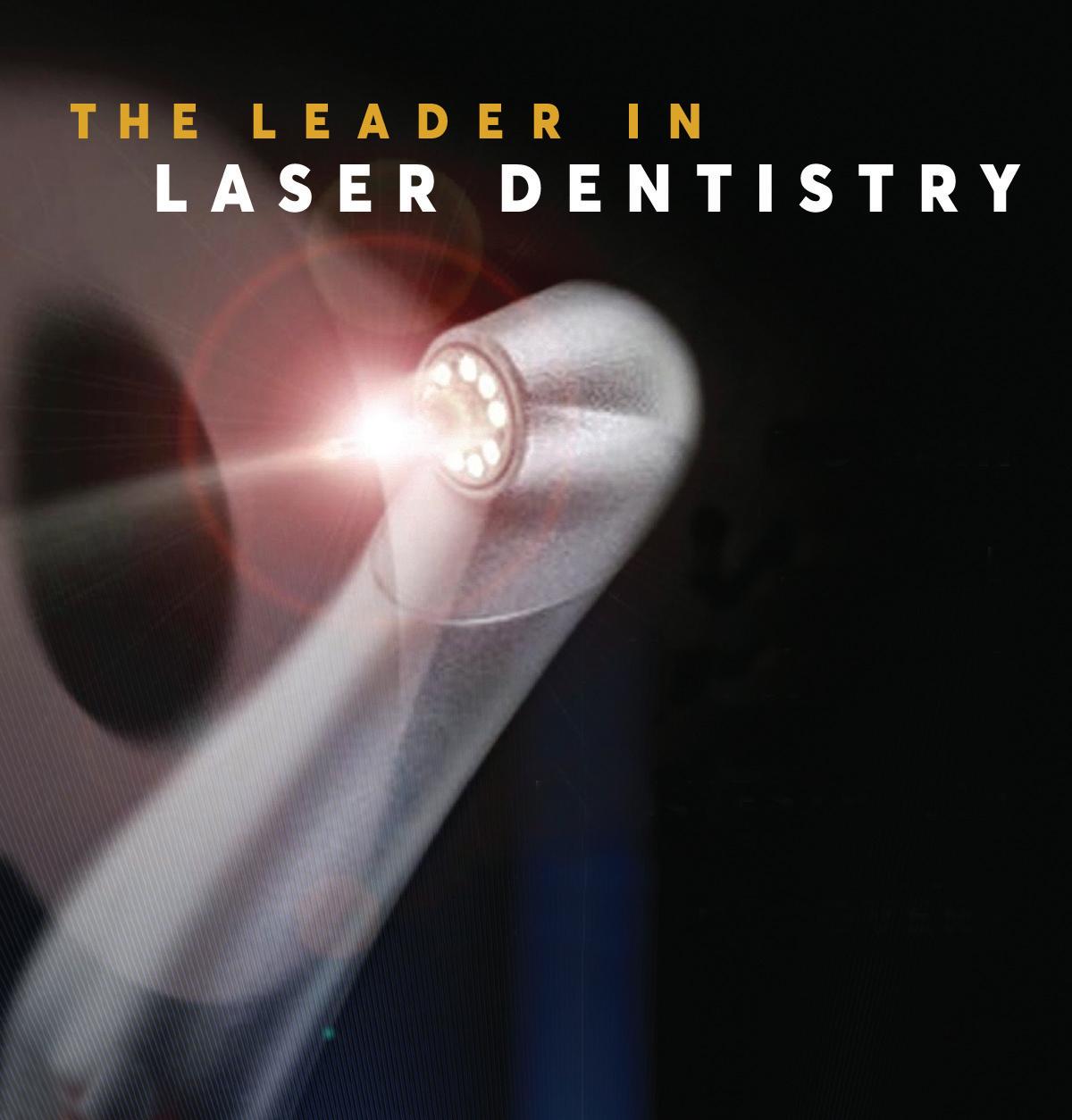
Laser assisted treatments for bone regeneration and implant procedures.
Reducing chance of root canal by 90% and keeping the tooth nerve alive
Complete disinfection of surgical sites and clearing of jaw infections
Clearing the inflammation and infection of the gums
Obstructive sleep apnea treatment with NightLaser procedure reduces snoring and enhances upper airway soft tissue function.
TMJ joint and muscle inflammation reduction
No need for injections or numbing during the filling process.
Gum disease, Cold sore and ulcer elimination
Laser application reduces dentin sensitivity and disinfects tooth during tooth restoration.
The Importance Of Cardiovascular Exercise For Seniors
By Dr. David L. Johnson, Owner Home Helpers
Cardiovascular exercise is one of the most effective ways for older adults to protect their health, maintain independence, and enhance overall quality of life. As we age, staying active becomes not just beneficial – but essential. Regular movement supports heart health, boosts energy, improves mood, and helps manage chronic conditions such as diabetes and high
blood pressure.
Why Cardio Matters For Aging Adults
Cardio exercise strengthens the heart just like strength training builds muscle. A stronger heart pumps blood more efficiently, improving circulation and oxygen delivery throughout the body. This reduces the risk of heart disease – still the leading cause of death among adults over 65. Even modest increases in physical activity can have significant benefits, making cardio a powerful tool for long-term wellness.
Supporting Diabetes and Blood Pressure Control
For seniors living with diabetes, regular cardio helps the body use insulin more effectively and maintain stable blood sugar levels. Activities like walking or cycling also sup -
Please see “Exercise,” page 34
Understanding Tongue Ties and Tongue Releases
By Michael Rogers, DDS Fairlington Dental
A tongue tie, clinically called ankyloglossia, occurs when the tissue beneath the tongue restricts normal movement. While present at birth, its effects may appear at different stages of life. In infants, tongue restriction often affects feeding. In children and adults, it can influence breathing, jaw development, speech, and long-term oral function.
The tongue plays a central role in health. It supports swallowing, speech, jaw growth, and airway stability, particularly during sleep. When movement is limited, the body adapts, sometimes creating strain or dysfunction over time.
Tongue Ties In Infants
In infants, tongue ties are commonly identified due to feeding challenges. Babies may struggle to latch, tire quickly, or show frustration during feeding. Poor tongue mobility can also lead to excess air intake and inefficient feeding, whether breastfeeding or bottle feeding.
Early tongue restriction may influence how the palate and jaws develop. The tongue helps shape the roof of the mouth. When it cannot move freely, the palate may become higher or narrower, which can affect future dental alignment and airway space.
Please see “Tongue Ties,” page 34
At Fairlington Dental, we understand the connection between a healthy smile and a healthy body. As a result, we look at the whole person to discover the reasons a patient may have gum disease or a bad bite. A number of studies link heart disease and other serious conditions to the presence of periodontal (gum) disease. This research makes it vital that we take a Complete Health approach to your dental care. Dr. Rogers will listen to you, conduct a careful assessment, and carefully explain your proposed customized wellness plan. He will then take the time to answer all of your questions. You become a partner in your oral health goals!
Our team has mastered the techniques of gentle dentistry and is skilled at helping patients with any level of apprehension relax and grow comfortable with visiting the dentist. Anxiety and tension have a variety of sources, so it’s important for us to listen to your concerns as well as your goals and history. Then we address your anxieties and proceed with gentle treatment only when you’re ready. We deliver all of this in an office that is environmentally aware, while you enjoy a variety of spa-like amenities during your visit. One of our greatest joys is helping patients smile again, especially those who may not have seen a dentist in a while. You’ll be amazed at how the quality of life can change! We strive to create a partnership with you that starts the moment you walk through our door.
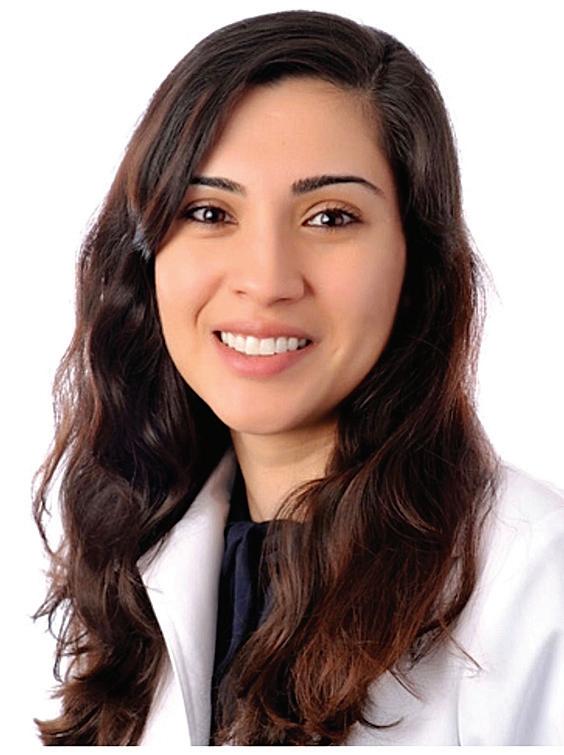
By Swathi Reddy, DMD All Smiles Orthodontics
If you believe that you or your child could potentially benefit from
Orthodontic Consultation
What To Expect
orthodontic treatment, the first step would be to schedule an appointment for a consultation with an orthodontist. Orthodontists are simply dentists who have received an extra 2-3 years of specialized education beyond dental school to learn the proper way to straighten teeth and correct bite problems.
Children, teenagers, young adults, middle-aged men and women as well as seniors are taking advantage of the
Great Smiles Start Here
VA 22079 *we offer complimentary consultations*
simplicity that distinguishes today’s orthodontics.
Although many patients are referred by their family dentist, you can still make an appointment without a referral from your dentist. During this first consultation appointment the doctor will conduct a thorough examination of teeth, bite, TMJ and facial soft tissue. This information is used to outline the problems that are present.
The doctor also presents you with a tentative treatment plan, an estimate of the length of treatment and any alternative treatment options such as Invisalign. If you have any further questions or concerns they may also be discussed at this appointment.
When all your questions have been answered a treatment coordinator will cover payment plans, insurance matters, and appointment scheduling. Some patients (especially kids) are not ready for treatment when examined. In those cases, the patients are placed on a recall program (observation) and the family is sent a reminder in the future to come back for an orthodontic
re-evaluation.
If treatment is recommended and you would like to get started, the next step is to schedule an appointment for full diagnostic records. Diagnostic records comprise photographs, radiographs, bite registration and models of your teeth. These records will give the doctor all the information needed to develop a detailed custom treatment plan that will give an optimal bite and smile for each patient.
Diagnostic records are also helpful in tracking the progress of treatment as the teeth move into their corrected positions. Mostly, records may be taken during the initial consultation appointment, if not you may choose to schedule a second appointment. Records appointments take about 2030 minutes.
After the final diagnosis and treatment plan are developed, you will be ready to begin your orthodontic treatment. If you are interested in learning more about braces, or about your specific orthodontic needs, call us to schedule a free consultation appointment.
By E. Richard Hughes, DDS
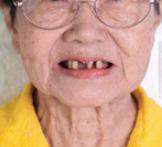
Edentulous means lacking teeth. The complete loss of teeth (edentulism) due to gum disease and tooth decay can have severe consequences on your health. Complete dentures are an unacceptable substitute for natural teeth due to slippage, discomfort and inefficient chewing. Dental implants for endetulous patients are typically the best solution.
Edentulism is a complex condition due to the interaction between the disease and aspects that do not depend on the disease itself, such as biologic and patient factors. Edentulism presents socioeconomic problems to the worldwide health care systems.
Edentulous means lacking teeth.
How Does Edentualism Impact One’s Health?
Numerous studies have proved that the absence of teeth can impact the systemic health of patients in the following ways:
• Patients may reduce consumption of fruits and vegetables, fiber and carotene and they may increase the consumption of foods rich in cholesterol and saturated fats. This may lead to cardiovascular diseases such as hypertension, stroke, aortic valve sclerosis and coronary problems.
• There may be an increase in gastric and duodenal ulcers, pancreatic tumors, upper gastrointestinal tract tumors and kidney problems due to the lack of antioxidants that control the inflammatory cascade.
• There is an increased risk of insulin resistance and type-2 diabetes, due to the increases fat and long chain carbohydrate consumption.
• People may decrease daily physical and social activity.
• People may develop sleep disorders, such as sleep apnea.
Diet appears to play a decisive role in the relationship between edentulism and general health. There
are studies that report a significant decrease in blood concentrations in vitamins A, C, folate and beta carotene in edentulous versus those with teeth. It is abundantly clear that a compromised or absent dentition has consequences, such as the restriction on the choice of foods, choking on food, poor digestion, alteration of taste, change in chewing efficiency, discomfort and premature facial aging. The selfimage issues associated with edentulism
adversely impact on ones socialization.
Studies show that 39% of the elderly edentulous patients cannot eat the food they want, 29% report a decrease in satisfaction from food and 14% avoid eating with other people. Dental implant treatment can tremendously improve all the abovementioned issues.
You deserve the best, so take a new bite out of life.
You A Candidate
1. Have You Lost One or More of Your Teeth?
2. Are You Embarrassed by Your Smile or Missing Teeth?
3. Are You Tired of the Daily Hassles of Denture Wear?
4. Do You Have Bone Loss Where Teeth Were Pulled?
5. Do You Have Pain of Discomfort When Chewing? Dental Implants Replace Missing Teeth for Young and Old. Nearly Everyone Is a Good Candidate for Dental Implants AND There are Hardly Any Medical Problems and Prevent You from Having Dental Implant Treatments.
Featured Health Professionals
Local Professionals Empowering and Encouraging People To Live Healthier
Jeffrey L. Brown, DDS
TMJ & Sleep Apnea Treatment
Meet Jeffrey L. Brown
Dr. Brown’s practice focuses on TMJ, sleep apnea and orthodontics. This allows Dr. Brown and his team to provide individualized, focused care for patients dealing with these specific issues. Every day, his practice helps patients of all ages with facial development, sleep issues, chronic headaches, migraines, neck pain, movement disorders, and much more. His training also includes multiple disciplines involving the cranial bones in the skull, and the discs in the jaw joints. Through treatment, Dr. Brown is able to reduce these symptoms, align cranial bones, avoid extractions, and greatly reduce the need for traditional braces. His expertise allows him to identify issues early on which promotes proper facial development using dental appliances. If there is an internal imbalance, whether an adult or child, the body does not develop or function properly. When the cranial bones are lined up correctly, patients are able to function, sleep and generally live better.
With that in mind, the team at Sleep & TMJ Therapy takes a whole-body approach when treatment planning. They work hand in hand with physical therapists and osteopathic doctors for a better success rate. Dr. Brown is devoted to helping patients of all ages live a symptom free life.
Degrees & Certifications
Dr. Brown earned his degree from Georgetown Dental School and completed residencies with Emory University Hospital for Dental Sleep Medicine and the ALF Appliance Therapy Institute.
Outside the Office
When not seeing patients, Dr. Brown is a sought-after speaker. He has lectured all over the world, including D.C., Dubai, Seoul, London, Norway and Toronto. He has also been featured on Channel 9’s Good Morning Washington, several podcasts, and numerous magazines and journals.
Professional Affiliations
Dr. Brown is a diplomate of the American Academy of Craniofacial Pain, a member of the American Academy of Dental Sleep Medicine, American Academy of Gnathological Orthopedic, Academy of Integrative Pain Management American Dental Association, a Fellow of the American Academy of Craniofacial Pain, and Legacy Provider for the ALF Interface Academy.
Do you have TMD or Sleep Apnea?
TMD Symptoms: Noise in the jaw joints when opening and closing your mouth, difficulty chewing, limited opening, tender facial muscles, ear ringing, uncomfortable bite, jaw locking, headaches, migraines, dizziness, vision issues as well as pain in the jaw area which can radiate to the ears, head, neck, shoulders, and back.
Sleep Apnea Symptoms: Snoring, waking up gasping for air, feeling tired and irritable in the morning, difficulty controlling weight, concentration problems, morning headaches, episodes of not breathing, waking with a sore throat, forgetfulness and mood changes. If you believe you may be suffering from TMD or Sleep Apnea, don't wait... Call today to schedule a consultation with Dr. Brown: 703-821-1103.
Dr. Smith is a dentist who also specializes in treatment of gum disease, cosmetic smile enhancement procedures, and dental implants to replace teeth that are missing. Although no one likes to go to the dentist, he strives to make your visits as comfortable and pleasant as possible. He strongly believes that value and comfort is an important part of quality dental care.
The right to choose a dentist and provider of care is an important freedom. Referrals from patients and friends of the practice are welcome. We also work closely on referral from your family dentist, but a referral is not required to visit our office. Everyone that is interested in keeping their teeth for a lifetime should see a periodontist for screening.
Dr. Smith’s colleagues describe him as a gentle, easy-going person that provides expert care to patients. People come from near and far to experience the comfort of his office and patient-oriented team. He has been consistently voted by his peers a Top Dentist in Washingtonian Magazine , and Northern Virginia Magazine
WHAT TO EXPECT ON A VISIT
WITH DR. SMITH:
Dr. Smith says that “From the first phone call you will be treated with care and concern for your unique dental condition. Every question you have ever had about your dental health will be covered as well as any financial considerations you may have. It is my goal to care for each and every person that comes through my doors and to exceed your expectations from a dental office. I promise to always give you honesty and accuracy when it comes to your treatment. I will never start treatment without your full knowledge, understanding, and acceptance of your condition.”
“Please call my office to ask about our
Degrees, Training and Certificates:
Doctor of Dental Surgery Degree from the University of California, Los Angeles 1981. General Practice in the U.S. Air Force Dental Corps.. Successfully completed three additional years of advanced training in the specialty of Periodontics, Dental Anesthesia and Implants in 1992 at the University of Texas Health Science Center, San Antonio and Wilford Hall USAF Medical Center. Retired from the U.S. Air Force as a Lieutenant Colonel in 1996. Fellowship in the Academy of General Dentistry and in DOCS, a sedation organization for dentists.
Featured Health Professionals
Local Professionals Empowering and Encouraging People To Live Healthier
Mielad Abady, DDS
Dr. Mielad Abady is a general dentist in Arlington who is dedicated to providing state-of-the-art, comprehensive dental care. A Virginia native, he graduated with honors from George Mason University with a bachelor’s degree in Biology before earning his Doctor of Dental Surgery from Howard University College of Dentistry, where he graduated in the top 3 percent of his class. During dental school, he received multiple awards recognizing his academic excellence and commitment to dentistry.
Following graduation, Dr. Abady completed a General Practice Residency and Oral Surgery Fellowship at Mount Sinai Hospital Centers in Manhattan, New York. This advanced training provided extensive experience in implant dentistry, cosmetic dentistry, endodontics, periodontal surgery, and full-mouth rehabilitation, allowing him to manage both routine and complex dental needs.
Dr. Abady is an active member of the American Dental Association, Academy of General Dentistry, American Academy of Implant Dentistry, and American Academy of Cosmetic Dentistry. He is committed to lifelong learning and regularly participates in study clubs and continuing education to deliver the highest level of care. His expertise in dental implants and cosmetic veneers has earned strong patient praise.
In addition to his private practice, Dr. Abady is passionate about service. He has helped provide dental care to more than 3,000 underserved patients locally and internationally, including missions in Jamaica, the Dominican Republic, and Haiti. Outside the office, he enjoys spending time with family and friends, traveling, and exploring automotive design and technology.
Giving hope to patients and witnessing the confidence that comes with a restored smile are among the primary reasons Dr. Bruce Taheri chose dentistry as his profession. He is passionate about helping patients feel comfortable, informed, and proud of their smiles.
Dr. Taheri earned his Bachelor of Science from the University of Maryland at College Park in 1994 and his Doctor of Dental Surgery from New York University in 1999. He completed a General Practice Residency at Woodhull Hospital in Brooklyn, New York, before returning to Northern Virginia, where he now owns and manages two multi-specialty dental practices in Woodbridge and Manassas.
Committed to excellence, Dr. Taheri remains active in local dental study clubs and regularly attends continuing education courses nationwide. He performs advanced and complex dental procedures and emphasizes the connection between oral health and overall wellness, educating patients every step of the way.
Outside the office, Dr. Taheri enjoys traveling, playing sports, and spending time with his wife, Dr. Massi Taheri.
Advanced CO2 Laser Relief for Snoring in Arlington, VA
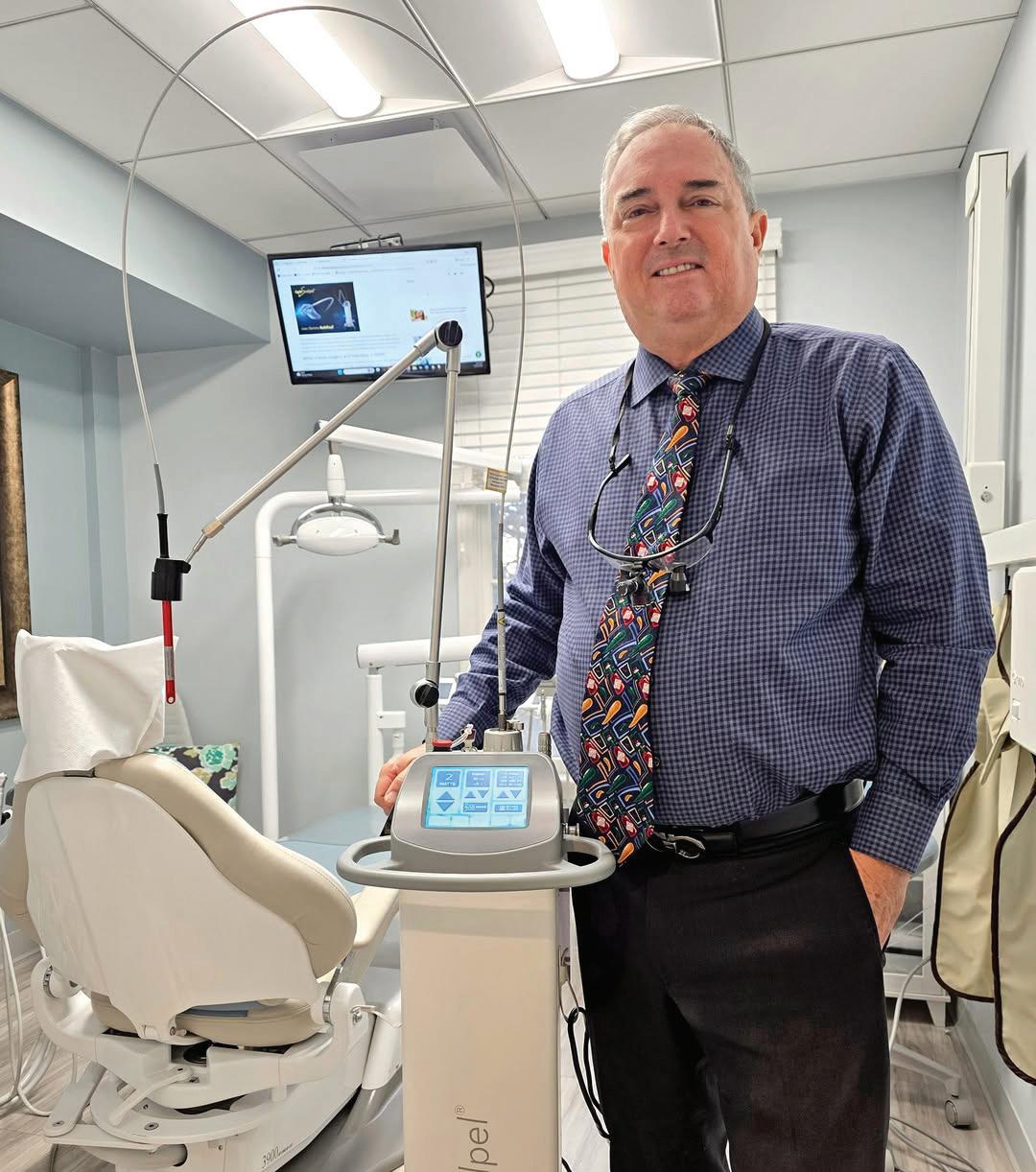
If snoring is disrupting your sleep— or your partner’s—Fairlington Dental offers a gentle, modern solution. Dr. Michael Rogers uses the FDAcleared LightScalpel CO2 laser to target soft-palate vibration, one of the most common causes of snoring. Controlled laser energy helps firm the soft palate and uvula, reducing the vibration that leads to noisy breathing at night.
Why patients choose this approach:
• Non-surgical, no cutting, no sutures
• Quick, comfortable treatment
• Minimal downtime
tissue vibration
Tongue-Tie Treatment That Supports Better Sleep
• Often completed in a single session
• Helps reduce snoring caused by soft-
Michael Rogers, DDS Breathe Easier. Sleep Deeper. Live Better.
A restricted tongue can affect oral posture, airway function, and sleep. LightScalpel laser precision allows for a
fast, gentle tongue-tie release with minimal bleeding, swelling, or discomfort— ideal for adults and children after proper diagnosis.
Additional Benefits Of LightScalpel Technology
Fairlington Dental also uses the LightScalpel CO2 laser for a variety of soft-tissue procedures, including tongue-tie release (frenectomy), gum contouring, and soft-tissue sculpting.
Take the First Step Toward Quieter Nights
Schedule a consultation to determine whether laser snoring therapy or tonguetie treatment is right for you.
Experience a better night’s sleep – starting today.
Michael Rogers, DDS, is pleased to be able to offer beautiful smiles to his neighbors in Arlington and the surrounding communities.
Dr. Rogers earned his dental degree from UCLA after graduating cum laude from Harvard University. Prior to entering private practice, he served a general practice residency at Sepulveda Veteran’s Hospital. Dr. Rogers has invested significant time into ongoing education, seeking to learn emerging dental technologies and techniques in the areas of cosmetic dentistry, implant dentistry, sleep apnea treatment, orthodontics, temporomandibular joint (TMJ) disorders, and safe amalgam replacement. His most recent training in airway management has allowed him to offer a cure for sleep apnea using an intraoral device known as the DNA appliance. He is a member of the International Academy of Oral Medicine and Toxicology, American Academy of Dental Sleep Medicine, American Academy of Craniofacial Pain, and also of Mercury-Free Dentists. He has served as a guest author for TMJ News & Views, and when that publication ceased, began his own quarterly newsletter. You may have seen one of his television interviews on “A New Me” or the local PBS station, or seen his articles and features in Ladies’ Home Journal, Arlington Magazine, and New Beauty.
Dr. Rogers is an active participant in the community as a sponsor for Encore Theater, Little League of Alexandria, Abingdon Elementary, and the local Fairlington Farmer’s Market. He and his wife Terri enjoy spending time with their daughter Megan and her husband Corey traveling around the country and the Caribbean.
Vikram Chauhan, DMD
Dental
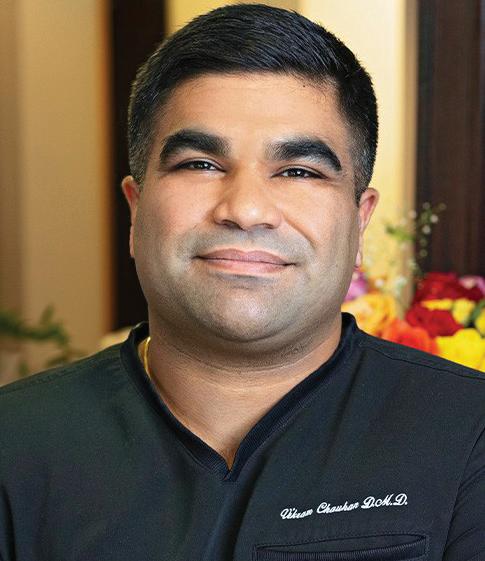
Meet Dr. Vikram Chauhan
Dr. Vikram Chauhan offers a patient-centric approach at a state-ofthe-art dental facility, creating beautiful smiles that are both aesthetically pleasing and functional. From dental implants, Teeth-in-a-Day, and full-mouth reconstruction to crowns and veneers, Dr. Chauhan is uniquely qualified to meet all your dental needs at his beautiful office in Vienna, VA.
Your Cosmetic, Restorative, and Implant Dentist in Vienna, VA, Dr. Vikram Chauhan, was born in Fairfax, Virginia. After completing his undergraduate degree in biology, he enrolled in the dental program at the Tufts University School of Dental Medicine, where he earned his Doctor of Medical Dentistry in 2018. He then attended the general dentistry residency program at Cabell Huntington Hospital through Marshall University in Huntington, WV. After completing his residency, Dr. Chauhan returned to Virginia and, in 2022, purchased his first practice in Vienna.
Dr. Vikram Chauhan takes pride in his expertise in implant dentistry. He has completed over 500 hours of implant-focused continuing education, including the 300-hour American Academy of Implant Dentistry-affiliated DC Maxicourse.
Additionally, Dr. Chauhan is licensed by the Virginia Dental Board to provide IV conscious sedation, making him one of the select few restorative dentists in Virginia certified and licensed to administer IV sedation.
Where Did You Study Dentistry?
When it comes to dental technology, we spare no expense. Dentistry in all its forms is continually changing, and we desire to remain abreast of the latest changes and advancements. This is why we proudly offer an array of technologies to improve the patient experience. Intraoral cameras, digital impression systems, digital X-rays, and even cone beam scanners are just a few of the state-of-the-art instruments and technologies offered in our dental office.
Start Invisalign®
Nov 11-15 & Be Entered to Win 4 Free Commanders Tickets
A native of New Jersey, Dr. Stephen Price attended the University of Connecticut on a football scholarship, and earned his Doctorate of Dental Surgery from Georgetown University School of Dentistry in 1973.
For over 50 years Dr. Stephen Price has been doing procedures such as implant placements, full mouth reconstruction, porcelain crowns, and surgical extractions. He is most proud of all of the smiles that he has created in patients that have completely changed their lives. says Dr. Price and his team set themselves apart in the industry by listening to their patients’ wishes and needs, and understanding their apprehension. They go the extra mile to make them feel comfortable during treatment, and treat their patients like family.
In 2017 Dr. Price, an Elite Invisalign® provider and a Certified Invisalign® instructor, was honored as the best treatment winner at the Invisalign® Summit in Maryland. He is a member of the American Dental Association, the Northern Virginia Dental Society, and the Virginia Dental Society.
Featured Health Professionals
Local Professionals Empowering and Encouraging People To Live Healthier
Mikel Daniels, DPM, MBA
Founder & Lead Practitioner
Dr. Mikel Daniels is a highly skilled podiatrist dedicated to delivering exceptional, patient-centered care. With decades of experience and a deep commitment to improving foot and ankle health, he blends medical expertise with compassionate service to help patients achieve lasting wellness and mobility.
Dr. Daniels earned his Bachelor of Science in Biology with a minor in Economics from Muhlenberg College in 1996, followed by his Doctor of Podiatric Medicine (DPM) degree from Temple University School of Podiatric Medicine in 2000. He completed his Podiatric Surgical Residency at the University of Maryland, Mercy Medical Center, where he gained extensive clinical and surgical experience. In addition, Dr. Daniels holds an MBA with a concentration in Healthcare Management from Western Governors University, earned in 2014— giving him a unique combination of medical and business education that informs his approach to both patient care and practice management.
Dr. Daniels has been named one of Baltimore’s Top Doctors in 2023, 2024, and 2025, a reflection of his outstanding reputation among peers and patients alike. He is a frequent podcast guest and has been featured as an expert in foot and ankle care by major media outlets including CNN and Parade. Locally, he has also appeared on television to discuss common foot and ankle issues, offering practical tips for maintaining mobility and preventing injury.
Dr. Daniels’ special areas of interest include diabetic wound care, medical and practice economics, and advancing equity within healthcare. His mission is to ensure every patient receives comprehensive, evidence-based treatment tailored to their individual needs—helping them stay active, comfortable, and confident on their feet.
Rejuve Medical Group is a family-owned interal medicine practice committed to your total well-being. The Group is a blend of RejuVe Health and Medispa/SpinaTherapeutics. We hope to inspire you to feel, look, and live your best life!
We offer medically guided services designed to support blood sugar control, metabolic health, and long-term mobility:
• Semaglutide (GLP-1 therapy) – A clinically proven option that helps regulate appetite, improve insulin sensitivity, support weight loss, and reduce cardiometabolic risk when medically appropriate.
• Private, Customized Workouts – Individually designed exercise programs that help improve glucose utilization, increase insulin sensitivity, and support safe, sustainable physical activity for patients with diabetes or prediabetes.
• Emsculpt Neo – Builds lean muscle while reducing fat, helping improve metabolic rate and glucose control. Increased muscle mass plays a key role in better blood sugar regulation.
• Emsella – Strengthens pelvic floor muscles, which can be especially beneficial for patients experiencing urinary changes related to aging, diabetes, or childbirth.
• Emtone – Helps tighten loose skin that can occur after significant weight loss, supporting comfort and confidence during body-composition changes.
• Robard Meal Replacement Program – A medically supervised, evidence-based nutrition program developed from extensive academic research, designed to support weight management, glycemic control, and long-term lifestyle change.
Featured Health
Meet Dr. Beverley Boothe
Dr. Beverley Boothe is the President and CEO of Life Enrichment Counseling Center, Inc., founded in 2005 and serving clients throughout Northern Virginia and the DMV. With locations in Gainesville, Alexandria, and Haymarket, the practice provides in-person and telehealth counseling for children, adolescents, adults, and families. A Licensed Clinical Social Worker in Virginia, Dr. Boothe holds a Ph.D. from Regent University, an MSW from Howard University, and undergraduate degrees in Social Work and Psychology from York University. Her experience across private, nonprofit, and government settings informs a holistic, compassionate approach to care, empowering clients to lead meaningful, fulfilling lives.
FEATURED CLINICIANS:
NADIA LASSIC MSN, NP, APRN
Nadia Lassic is a Board Certified Psychiatric Mental Health Nurse Practitioner providing compassionate, holistic care. She takes a collaborative, therapy-informed approach that looks beyond symptoms to understand each individual’s experiences and environment. Nadia integrates medication management and lifestyle strategies to support adolescents and adults navigating anxiety, ADHD, mood disorders, and high-functioning stress. She creates a warm, judgment-free space where clients feel seen, supported, and empowered to grow, and is a strong advocate for nervous system regulation and everyday mental wellness.
ELENA ACOSTA MSW, LCSW (Bilingual)
Elena Acosta is a Virginia licensed clinical social worker with experience across the lifespan. She provides culturally responsive, trauma-informed, client-centered care, specializing in anxiety, life transitions, substance use, and trauma, including sexual assault. Using CBT, psychodynamic, and narrative approaches, Elena supports adolescents and adults in building coping skills, resilience, and confidence. As a Latina therapist, she values authenticity and collaboration, creating a supportive, respectful space that honors each client’s pace, lived experience, and personal goals.
Zviadi Aburjania, MD
Child, Adolescent, and Adult Psychiatrist
Board-Certified Psychiatrist | Candidate, Cincinnati Psychoanalytic Institute
Dr. Zviadi Aburjania is a Board Certified Psychiatrist who works with children, teens, and adults to help them understand themselves more deeply and create lasting change. His approach combines up-to-date medical knowledge with a deep interest in the emotional lives of his patients.
After earning his medical degree from Tbilisi State Medical University in Georgia, Dr. Aburjania spent several years in the United States doing research before completing his psychiatry residency and child psychiatry fellowship at the University of Alabama at Birmingham. He now practices in Virginia and continues advanced psychoanalytic training at the Cincinnati Psychoanalytic Institute.
In his work, Dr. Aburjania integrates psychotherapy and medication when needed, believing that true healing comes from both scientific understanding and emotional insight. He treats a wide range of concerns, including depression, anxiety, ADHD, OCD, and personality patterns.
Dr. Aburjania is known for his thoughtful, patient-centered style. He takes time to listen carefully, explore what lies beneath symptoms, and help his patients gain clarity about themselves—the kind of understanding that supports lasting relief, growth, and healing. In his free time he likes to hike, read and learn how to play piano.
Featured Health
James Lynch, MD
Calm the Body. Calm the Mind.
Stellate Ganglion Block (SGB) provides clinically significant relief of Anxiety and post-traumatic stress disorder (PTSD) symptoms.
• Feeling on edge all the time?
• Angry outbursts? Irritability?
• Nervous, restless, or tense?
• Poor sleep or concentration?
What is SGB? An ultrasound-guided injection of a long-acting anesthetic near the stellate ganglion, a nerve cluster that regulates the body’s “fight or flight” response. This process resets the central autonomic network, offering immediate and long-term improvements in anxiety and hyperarousal symptoms.
Dr. James Lynch is a world expert in SGB , providing relief to thousands of patients since 2011. Dr. Lynch’s patients have traveled to Maryland from 48 US states and 13 different countries to receive his expert care. His clinic is in Waugh Chapel-Gambrills. For more information see:
Effective Treatment For Anxiety and PTSD DrJamesLynch.com
• ADHD & executive functioning support
• Sports performance & athletic mindset
• Anxiety, depression, & stress management
• Family dynamics & parenting strategies
• Crisis intervention & risk assessment
• PTSD, trauma recovery & resilience building
• Life transitions & identity development
Matthew Ryan is a Licensed Professional Counselor and founder of Ryan Counseling, where he blends clinical expertise with performance psychology to help clients move from surviving to thriving. A former NCAA Division I athlete, Matthew approaches mental health with the same discipline, strategy, and resilience required in competitive sports—believing that mindset, structure, and consistent effort create measurable change.
With more than two decades in the psychology field, Matthew works with adolescents, adults, couples, families, and athletes seeking clarity, confidence, and sustainable growth. His
background in crisis services, psychological testing, and clinical supervision informs a calm, steady presence—particularly valuable during high-stress transitions.
Matthew’s approach integrates cognitive-behavioral strategies, motivational interviewing, psychodynamic insight, and clientcentered therapy to create individualized treatment plans. He emphasizes education, accountability, and skill-building so clients leave each session equipped with practical tools—not just conversation.
Featured multiple times as a Northern Virginia Magazine Top Doctor , Matthew remains committed to accessible, high-quality care that empowers clients to define where they want to be—and take deliberate steps to get there.
Gregory Cardinal, DPM
House Call Foot Doctor Comes to You!
Meet Gregory Cardinal
Degrees, Training & Certifications: Dr. Cardinal is a Midwest native and finished his undergraduate studies at the University of Minnesota. He pursued his doctoral education at Scholl College of Podiatric Medicine in North Chicago, IL and graduated with a dual degree of Doctor of Podiatric Medicine and Master of Science in Healthcare Administration and Management. Dr. Cardinal went on to complete a 3-year medical and surgical Residency with the VA Maryland Healthcare System with a focus in wound care, general podiatry and surgery. Dr. Cardinal is Board Certified by the American Board of Podiatric Medicine and is a Fellow of the American College of Foot and Ankle Orthopedics.
Special Interests/Services: Podiatrist in Motion is a unique practice whose primary focus is house calls for foot and ankle concerns. Dr. Cardinal will come to you, to your home or office; meaning no waiting rooms, no traffic and no rushed visits. He treats all ages specializing in many general podiatric concerns such as heel pain, medical pedicures, ingrown nails, warts and pediatric podiatry. He performs biomechanical exams and casting for custom orthotics. Dr. Cardinal also offers cutting-edge treatments such as laser therapy for fungal nails and musculoskeletal pain.
Personal Interests & Hobbies: In his free time, Dr. Cardinal enjoys playing tennis, running, spending time with family and friends and playing the guitar.
Practice Philosophy: Podiatrist in Motion’s mission is to bring the foot care clinic to you, in the comfort of your own home, office or wherever you may need care. Private-pay only.
Children, Adolescents, Adults, and Couples
Meet Nilofar Naderi
Understanding the Winter Blues
Seasonal changes can have a meaningful impact on mental health. During the shorter, darker winter months, many individuals experience symptoms such as low mood, fatigue, irritability, and decreased motivation. For some, these symptoms may indicate Seasonal Affective Disorder (SAD), a condition that can significantly interfere with daily functioning. Reduced exposure to sunlight is known to affect mood-regulating chemicals such as serotonin and melatonin, contributing to increased anxiety and depression.
If you or a loved one are struggling during the winter months, professional mental health support is available for individuals and families in Falls Church, Vienna, Arlington, and Fairfax.
Strategies for Managing Mild Symptoms
• Increase exposure to natural light
• Maintain social connections
• Engage in regular physical activity
With 19 years of clinical experience, I provide personalized, evidence-based therapy for children, adolescents, adults, and couples in a supportive and welcoming environment. Clients are empowered to feel safe, understood, and equipped to make meaningful, lasting changes. My office is conveniently located in Falls Church, serving clients throughout Vienna, Arlington, and surrounding Northern Virginia communities.
Treatment Approaches
• Cognitive Behavioral Therapy (CBT)
• Trauma-Focused CBT
• Mindfulness-Based Interventions
Each treatment plan is thoughtfully tailored to align with your individual needs, goals, and life experiences.
Flexible Scheduling Options
Evening and weekend appointments available, with both in-person therapy and secure virtual counseling offered throughout Northern Virginia.
Reach out today to schedule your first appointment. Serving Falls Church, Vienna, Arlington, and surrounding communities.
www.NilofarNaderi.com
Featured Health Professionals
Marvette Thomas, DDS
Meet Marvette Thomas
Dr. Marv Thomas established the Dental Spa in 2002. She earned an undergraduate degree in Chemical Engineering and later worked as a Nuclear Systems Engineer for three years. Driven towards her passion, she graduated from Howard University College of Dentistry with honors and did an internship at Sloan Kettering Cancer Center in Manhattan, New York in Oral Cancer Reconstruction.
PROFESSIONAL MEMBERSHIPS
Fellowship in Sedation Dentistry, The American Dental Association, The Academy of General Dentistry, The Virginia Dental Association, The Northern Virginia Dental Society, The American Orthodontic Society, The Dental Organization of Conscious Sedation.
THE DENTAL SPA
The Dental Spa of Virginia has received several awards over the years and was one of the first Dental Spas worldwide and Dr. Thomas has helped other Dental Spas globally in becoming established. Dr. Thomas created this concept to take the fear out of dentistry and to transform the traditional ideas and perceptions of dentistry into a pleasant experience. The Dental Spa concept was written about on the front page of the Business section of the Washington Post in May 2007 for the unique services that it gives.
The Dental Spa is not only known for its tranquil environment and anti-anxiety atmosphere, but it is a state of the art modernized facility. It is where Feng Sui and technology comes together. When visiting our office, you will be greeted with sights, sounds, smells, taste and the feel of natural elements. But the operation of the facility does include many of the latest technology devices known in dentistry today to diagnose and treat our patients.
It's Never Too Late For a Straight Smile
When you hear the word “orthodontics,” what comes to mind? Probably a young teenager whose teeth are covered by a latticework of metal. There are indeed many orthodontic patients who fit that description. However, there now exists an increasingly popular alternative to traditional metal braces: Invisalign® clear aligners.
• Improved Oral Hygiene
• A Discreet Look
• More Dietary Choices Comfort
Scan this QR Code to instantly discover your new Invisalign smile!
came to the United States as an Oral and Maxillofacial Surgeon in the year 1990 and put himself through dental school again at Boston University and Oral and Maxillofacial Surgery residency at University of Medicine and Dentistry of New Jersey.
As an Oral and Maxillofacial Surgeon, Dr. Sreeni manages a wide variety of problems relating to the Mouth, Teeth and Facial Regions. He practices a full scope of Oral and Maxillofacial Surgery with expertise ranging from Corrective Jaw Surgery to Wisdom Teeth Removal. His passion is in implant surgery and he is well known for same day placement of implants following teeth removal be it for single teeth or a complete “makeover” (Smile in a day). He can also diagnose and treat Facial Pain, Facial Injuries and TMJ disorders and perform Bone Grafting and Sinus lift procedures.
Dr. Sreeni completed a residency in Anesthesiology at Mount Sinai Hospital, New York in 1994 and has worked as an Attending providing anesthesia services for children and adults in the ambulatory outpatient center of the hospital.
For the month of February only, The Dental Spa is offering $800 OFF your Invisalign treatment. Call 703-580-8288 to learn more!
SCAN THE CODE to instantly discover your new Invisalign® smile
Dr. Sreeni is an Advanced Cardiac Life Support instructor with the Adventist group. He is also certified in Pediatric advanced life support and is very capable of handling emergencies that could possibly arise in the office. Dr. Sreeni’s staff are trained in assisting with IV Sedation/ General Anesthesia within our state of the art office setting. Patients are continuously monitored during and after surgery. The goal of our office is to provide professional service with compassion and an understanding of the patients’ perspective.
Dr. Sreeni
By James Lynch, MD
A landmark study published last month in the Journal of Psychotherapy and Psychosomatics demonstrates a novel combination therapy that greatly improved symptoms of posttraumatic stress disorder (PTSD).
This study adds to the broader body of work over the past 15 years on a medical procedure called stellate ganglion block (SGB) used to treat anxiety and PTSD. In this randomized controlled trial (RCT), we examined whether adding SGB to cognitive processing therapy (CPT)—a wellestablished talk therapy—improved PTSD symptoms. We tested whether giving SGB before CPT works better than giving CPT alone, and whether SGB can help people who still have symptoms after therapy.
SGB is an injection of local an-
By Mikel D. Daniels, DPM, MBA President and Chief Medical Officer
WeTreatFeet Podiatry
Living with diabetes means your feet need extra attention. Not because something is wrong right now, but because the smallest change, something like a new callus, a temperature difference, or rubbing of a shoe, can quietly snowball into a serious problem. This is exactly why practices like WeTreatFeet Podiatry focus so heavily on prevention and why they work with advanced limb preservation programs to reduce amputations before they ever become a conversation. WeTreatFeet Podiatry is at the forefront of diabetic foot amputation prevention and is the only podiatry practice in Washington, DC, and the first in the region, to participate in ArcheHealthcare’s
Who Doesn’t Want To Feel Better Faster?
esthetic along a nerve in the side of the neck that helps reset the body’s “fight-or-flight” system. It has been used safely for 100 years to treat pain and over the past 15 years has also been used to reduce anxiety and PTSD symptoms.
Eighty-six people with PTSD took part. One group received SGB before starting two weeks of daily CPT sessions. The other group completed CPT first and received SGB three months later if they were still struggling.
What we found:
• Everyone improved, but people who got SGB before CPT improved much faster.
• Those who received SGB first had quicker and greater reductions in PTSD symptoms, as well as depression, anxiety, and physical (body-related) symptoms—reducing scores by roughly 50% on PCL-5, GAD-7, PHQ-9, and PHQ15 symptom checklists.
• By week 8, 48% of SGB-before-
CPT participants reached good end-state functioning, compared to 16% in the SGB-afterCPT group.
• For people who did not improve enough with CPT alone, receiving SGB afterward led to significant symptom relief, showing it can help even when therapy by itself is not enough.
Why This Matters
Faster symptom relief may help people better engage in therapy, feel less overwhelmed, and return to daily functioning sooner.
• By week 52, 81% of SGB-beforeCPT participants showed reliable improvement in PCL-5 scores, while 62% of SGB-after-CPT participants did.
• This study adds evidence that SGB can be both an effective symptomreducing procedure on its own and a valuable adjunct that enhances the impact of proven therapies like CPT.
Bottom Line
SGB is a helpful add-on to PTSD therapy. Getting SGB before intensive therapy leads to faster improvement, and getting it afterward can still help those who need more support.
Reference: Effectiveness of combined cognitive processing therapy with stellate ganglion block: an open-label randomized wait-list clinical trial
Diabetic Foot Care Protecting Your Feet Starts Every Day
LEAP, (Lower Extremity Amputation Prevention) collaborative, a nationally recognized system designed to identify risk early and protect your limbs.
Diabetes can damage both the nerves and the blood vessels in your feet. That combination is dangerous because you can injure your foot and not even know. A small wound may not get enough blood flow to heal, and infections can spread quickly. In the
DIABETIC FOOT ULCERS
worst cases, this can lead to amputation.
One subtle sign of circulation trouble is a temperature difference between your feet, for example if one foot feels noticeably cooler than the other. That is not something to brush off. It is one of the things a comprehensive diabetic foot exam is designed
to pick up. When a podiatrist notices changes like this, we often order tests such as an arterial ultrasound and coordinate with a vascular specialist. The goal is not to scare you, but to catch problems early enough to treat them or slow them down.
Hammer toes and calluses may sound minor, but in a diabetic foot they
can be the quiet beginning of a serious ulcer. Hammer toes bend the toes so that certain parts of the toes or the ball of the foot press harder into your shoe. That extra pressure causes rubbing and callus buildup. Under a thick callus, the skin can break down without you
Please see “Foot Care,” page 42
The Two-Way Relationship Between Gum Disease and Diabetes
By Vikram Chauhan, DMD Vienna Implant & Family Dentistry
Gum disease and diabetes are closely connected, and each condition can significantly influence the other. Understanding this relationship is essential for protecting both oral health and overall health – especially for individuals living with diabetes.
Gum disease, also known as periodontal disease, is a chronic inflammatory condition caused by bacterial plaque buildup along and below the gumline. In its early stage (gingivitis), gums may appear red, swollen,
Ex ErcisE
port weight management, which is particularly important for diabetes control. Likewise, cardio helps lower blood pressure by improving blood vessel elasticity and reducing strain on the heart.
Low-Impact Options Are Ideal For Older Adults
Cardio doesn’t have to be intense to be effective. Many seniors benefit from low-impact activities that are gentle on joints while still providing measurable health gains. Recommended options include:
• Brisk walking
• Indoor or outdoor cycling
• Light swimming or water aerobics
• Seated or chair-based cardio routines
• Low-impact dance or movement classes
Caregivers can help by encouraging consistency, accompanying loved ones on walks, or assisting with safe setup and balance support when needed.
Improving Mood, Memory, and Energy
Cardio is not only good for the body – it’s good for the mind. Regular
and bleed easily. If left untreated, it can progress to periodontitis, where inflammation damages the tissues and bone supporting the teeth, potentially leading to tooth loss.
Diabetes increases the risk and severity of gum disease. Elevated blood glucose levels can impair circulation and weaken the immune system, making it harder for the body to fight oral bacteria and heal infected tissues. People with poorly controlled diabetes are more likely to develop advanced periodontal disease and experience faster progression once it begins.
At the same time, gum disease can make diabetes harder to control.
Chronic inflammation from periodontal infection releases inflammatory mediators into the bloodstream, which can increase insulin resistance. This means the body becomes less efficient at using insulin, leading to higher blood sugar levels. Studies have shown that untreated gum disease is associated with worse glycemic control and a higher risk of diabetes-
related complications. This creates a harmful cycle: diabetes worsens gum disease, and gum disease worsens diabetes.
The good news is that managing oral health can positively impact diabetes management. Research indicates that treating periodontal disease – through professional cleanings, improved oral hygiene, and ongoing maintenance – can lead to modest but meaningful improvements in blood sugar control. While gum treatment is not a substitute for diabetes care, it is an important supportive component.
Warning signs of gum disease include bleeding gums, persistent bad breath, gum recession, loose teeth, or changes in how teeth fit together. However, gum disease can progress with minimal discomfort, making regular dental exams especially important for individuals with diabetes.
Tongu E Ti E s
Preventive steps include brushing twice daily with fluoride toothpaste, cleaning between teeth daily, attending regular dental visits, and maintaining good blood sugar control. Communication between dental providers and medical providers can further improve outcomes, ensuring care is coordinated and risks are addressed early. By recognizing the strong connection between gum health and diabetes, individuals can take proactive steps to protect their oral health – and support better long-term metabolic health as well.
physical activity stimulates the release of endorphins, helping reduce stress, anxiety, and symptoms of depression. Exercise also increases blood flow to the brain, supporting cognitive function and memory. Many seniors report improved energy and better sleep after establishing a regular movement routine.
Safety First: Start Slow and Build Gradually
Before beginning a new exercise program, seniors should consult their physician, especially if they have heart conditions, balance concerns, or mobility challenges. Starting slowly and increasing duration over time is the safest approach. A caregiver can help monitor for signs of fatigue, dizziness, or discomfort and provide encouragement every step of the way.
Cardio exercise is one of the simplest, most impactful ways to support senior health. For families who need assistance, professional caregivers can help create safe routines and offer companionship – ensuring older adults stay active, motivated, and confident at home.
Tongue Ties In Children and Adults
Not all tongue ties are diagnosed in infancy. Many children and adults adapt without realizing it. Over time, compensation patterns may contribute to speech difficulties, jaw or neck tension, headaches, mouth breathing, snoring, or disrupted sleep.
Since these symptoms often develop gradually, tongue restriction can go unrecognized for years. A functional evaluation focuses not only on appearance, but on how the tongue moves, rests, and supports breathing.
What a Tongue Release Involves
A tongue release, also called a frenectomy or frenotomy, is a procedure that reduces restriction to improve tongue mobility. Modern approaches are precise and designed to restore function, not simply alter anatomy. While the procedure itself is brief, it is only one part of the process.
Proper preparation, guided exercises, and follow-up care are essential to support healing and prevent reattachment.
Supporting Breathing and Long-Term Health
Improved tongue mobility can support healthier oral posture and airway
function. When the tongue can rest properly against the palate, it may encourage nasal breathing, balanced jaw development, and improved sleep quality.
In adults, restoring tongue mobility may help reduce long-standing tension patterns and support more efficient function. While outcomes vary, addressing restriction often creates opportunities for improvement that were not previously possible.
A Thoughtful, Individualized Perspective
Not every tongue tie requires treatment. Decisions should be based on symptoms, function, and overall health. When evaluated carefully and treated as part of a broader functional plan, tongue releases can support longterm health and comfort at any age.
A Functional Approach
Tongue ties are evaluated through a functional lens rather than a visual checklist. Care focuses on how the tongue supports feeding, breathing, and oral posture at each stage of life. When a tongue release is recommended, it is part of an individualized plan that includes clear guidance and coordinated follow-up to support meaningful, lasting improvement.
Considering Neck Lift Surgery?
Reduce Signs of Aging and Treat Sagging Skin!
A neck lift can be performed for men and women of varying ages who are often frustrated by changes of the appearance of their neck and jawline. Depending on your age, a neck lift can be a short one-hour procedure to remove fat or a 3-hour procedure to remove fat, visible neck bands, and excess skin.
Neck Lift Surgery Can:
Remove Excess Skin (Cervicoplasty) • Liposuction to Remove Excess Fat
Remove or Alter Neck Muscles (Platysmaplasty)
Liposuction can be performed alone or with surgical removal of the fat under the chin through a small incision under the chin.
In patients with vertical bands in the neck, a platysmaplasty can be performed to reduce the appearance of the bands.
Sometimes a chin implant is recommended to improve the overall contour and help with excess skin.
Lift
Facelift (MACS LIFT)
Link Between Oral Health and Diabetes
The Dental Spa
Diabetes is a group of chronic inflammatory diseases that affect the body’s ability to process sugar. It is important for diabetics to maintain oral health because they are more prone to oral infections such as periodontal (gum) disease. Conversely, the presence of gum disease can make it harder for diabetics to control blood sugar levels.
Periodontal disease is a chronic ailment associated with elevated levels of systemic (whole-body) inflammation. It may increase a person’s chance of major cardio-
vascular events (heart attack or stroke) or adverse pregnancy outcomes (low birth weight and preterm delivery). It’s not surprising that a growing body of evidence suggests the two diseases are related.
Two Diseases With a Lot In Common
Diabetes is a risk factor likely to increase the severity of periodontal disease because diabetes reduces the body’s resistance to infection, making diabetics more susceptible to bacterial and fungal infections. Having serious gum disease (periodontitis) is likely to result in worsening blood glucose control in diabetics. It can also increase the risk of diabetic complications. So, what’s the connection?
Both diseases are associated with the process of inflammation and immune response, attempting to fight, repair, and prevent disease from spreading. Prolonged inflammation can lead to serious problems.
What does this mean to you?
According to one large study, the risk of dying from a heart attack is twice as likely for diabetics with severe
periodontitis –and for kidney disease, your risk is 8.5 times higher. Uncontrolled periodontal disease makes it six times more likely that the ability to control blood sugar levels will worsen over time. Having both can cause a significant deterioration in your overall health.
A Two-Way Street
Diabetes can’t be cured but is manageable. Diabetics who get effective treatment for periodontal disease also receive significant general health benefits. Many exhibit better blood glucose control and improved metabolic functioning.
What kinds of treatments might be needed? Some typical procedures might include: scaling and root planing (deep cleaning that removes plaque bacteria from teeth, above
and below the gum line), antibiotic therapy, and oral hygiene self-care instruction.
If you’re at risk for diabetes you can prevent it. While there is a significant genetic component, a major risk factor is being overweight – weight control improves your chance of avoiding it. High levels of triglycerides or low levels of HDL (good) cholesterol are also risk factors. Cut out sugary drinks and eat healthier. Moderate exercise also helps.
HEALTH DIRECTORY
ACUPUNCTURE
Wholelife Chinese Medicine & Acupuncture, 301-5269898, 416 Hungerford Dr., Rockville www.WholelifeHerb.com
BEAUTY & SKIN
CARE
Healthydermis 571-502-0202 www.MyHealthydermis.com. Locations in Oakton and Gainesville, VA.
COSMETIC SURGERY
Bitar Cosmetic Surgery Institute. George John Bitar, MD, 703-206-0506 (VA, DC, MD)
Richard Hughes, DDS, 703444-1152, 46440 Benedict Drive Suite 201 Sterling, VA. www.SterlingImplantDentist. com
Dental Dynamic Wellness, 703-775-0002, 20755 Williamsport Place, Suite #300, Ashburn, VA 20147. For more info please visit our website today at www.DynamicDentalWellness.com.
DENTAL CARE
Karl A Smith, DDS, 2550 N. Van Dorn Street, Suite #128 Alexandria, VA. Call 703-894-4867. Visit www. DrKarlSmith.com
Lifetime Dental Care, April Toyer, DDS, 14573 Potomac Mills Road, Woodbridge, VA 22192. 703-499-9779 www.LifetimeDentalCareVA. com
Let’s Smile Dental – Fairfax, VA
703-719-5828 – Fredericksburg, VA 540-7854494 – Herndon, VA 703-719-5828 – Faifax
Cosmetic Dentistry 703968-4300 – Alexandria, VA 703-658-3000 – Reston, VA 703-719-5828 – Centreville, VA 703-719-5828 – Purcellville, VA 540-338-9400 – Springfield, VA 703-719-5828 – LetsSmile. com
Samfar Dentistry – 11213 Lee Highway, Suite A, Fairfax, VA 22030 – 703-5914111 – SamfarfamilyDentistry.com
Ike V. Lans, DDS – 44110 Ashburn Shopping Plaza, Suite #166, Ashburn, VA 20147 – 703-729-1400 –LansFamilyDentistry.com
DENTAL CARE
Smile Wonders – 11790 Sunrise Valley Drive, Suite #105, Reston, VA 20191 – 571-350-3663 –www.SmileWonders.com.
The Dental Spa – 12351 Dillingham Square Woodbridge, VA 22192 –703-580-8288 – www.TheDentalSpaOfVirginia.com
HAIR RESTORATION
Bravadas Wig & Hair Restoration – 10560 Main Street, Penthouse #12, Fairfax, VA 22030 – 703-352-4247 –www.bravadas.com
HYPERBARIC & WOUND CARE
Holistic Family Health - Thermal Imaging, Herndon, VA. 703-635-6324 For More information visit www.fhtid.com
LAW OFFICE
Samakow Law – Paul Samakow – 833-MY-BURNS – www.nationalburnattorney. com
NEUROLOGY
Loudoun Neurology Associates, PC – 703-729-1900 –19420 Golf Vista Plaza, Suite #340, Leesburg, VA 20176 –www.loudounneuro.com
Order Information: 3 line listing $30.00 for 6 months, $5.00 for each additional line. 10 line listing for 6 months is $65.00. (Each line approximately 3-4 words)
To Order: Include you NAME, ADDRESS, PHONE, EMAIL AND WHAT HEADING YOU WISH TO BE LISTED UNDER, AND ANY SPECIAL OFFER OR TEXT TO INCLUDE. We will prepare a proof and email to you for approval.
Email your information to: info@yourhealthmagazine.net or Fax to: (301) 805-6808. Call (703) 288-6805 for assistance.
Washington Open MRI, Inc. – 866-674-2727 – WashingtonOpenMRI.com
OPHTHALMOLOGY
NewView Laser Eye Center, Jacqueline D. Griffiths, MD. Reston 703-8349777 or 800-294-1001 For more information visit us at www.NewViewEye.com
ORTHODONTICS
All Smiles Orthodontics. 9010 Lorton Station Bouleard, Suite #260, Lorton, VA 22079. www.AllSmilesBraces.com. For nore information call us at 703-337-4414
PLASTIC SURGERY
Bluemont Plastic Surgery –8316 Arlington Boulevard, Suite #630, Faifax, VA 22031 – 703-596-1660 – www.bluemontmd.com.
SENIORS
Chevy Chase Home Care. Help at time you need it most. Any Ages. Any situations. Any shifts. MD, DC, VA. 202-374-1240 www. CHCHHomecare.com
realizing it, especially if you have neuropathy and do not feel pain even when a deep sore is forming. This is why properly fitted diabetic shoes and custom inserts are so important. They are not just comfortable shoes. They are medical tools that spread pressure evenly across your foot, protect bony areas from rubbing, and lower your risk of ulcers and infections. For people at higher risk, podiatrists usually recommend professional nail and callus care every three to four months. Let your foot specialist handle thick nails and calluses with sterile instruments instead of trying to cut or shave them at home.
Many people with diabetes also develop onychomycosis, a fungal infection that makes the toenails thick, discolored, and crumbly. It is not attractive, and it can catch on socks or shoes, but if your circulation is compromised, aggressively removing the nail can create more danger than benefit. Removing the nail creates an open wound. Poor blood flow means that wound might not heal properly, and any open area becomes a doorway for infection, which can spread quickly in a high-risk foot. Because of that, we may recommend a conservative approach rather than nail surgery. That can include carefully thinning the nail in the office, discussing topical or oral treatments when appropriate, and focusing more on preventing pressure and trauma than on making the nail look normal. It can be frustrating to live with a nail that does not look good, but in the setting of diabetes and vascular disease, the priority is keeping the foot intact, not cosmetic perfection.
A true preventive diabetic foot exam goes far beyond a quick visual check. A thorough visit typically includes a careful skin evaluation to look for cracks, calluses, redness, blisters, or early ulcer changes, an assessment of the nails for thickness, fungal infection, or ingrowing edges, and testing of sensation with tools that check whether you can feel light touch and pressure. Temperature and circulation are assessed by comparing warmth between feet, feeling pulses, and looking at skin color and refill. Structural issues such as hammer toes, bunions, flat feet, or bone spurs can be identified because they change how you walk and where pressure lands. Practices that work within lower extremity amputation prevention programs use these exam findings in a structured way each year, so even
small changes are noticed and acted on rather than missed.
No matter how advanced the clinic or technology, your daily habits are the real frontline of protection. A realistic, high risk foot care plan usually includes daily inspection of the top, bottom, and between the toes on both feet, using a mirror or help from another person if you cannot see well. You look for cuts, blisters, redness, swelling, or color changes. Daily moisturizing of the feet, avoiding the spaces between the toes, helps keep the skin from drying and cracking, which could let infection in. If you have been prescribed compression stockings, especially after a blood clot or when you have chronic swelling, using them as directed can help support the veins and control fluid buildup. Avoid walking barefoot, even at home or for a short distance, because you may not feel something sharp or hot until damage is already done. Do not perform home surgery on your feet. That means no razors on calluses, no digging at ingrown nails, and no over the counter corn removers that can chemically burn the skin.
It is also important to know your red flags and act quickly. You should contact your podiatrist or seek urgent care if you notice a new wound or blister, redness that spreads, swelling that is new or clearly worse, black, blue, or very pale areas on the skin, or a sudden change in temperature or feeling in one foot compared to the other. These signs can mean infection, loss of blood flow, or both, and they are time sensitive problems in a diabetic foot.
All of these pieces, the detailed exams, the vascular testing, the careful shoe fittings, the decision to avoid unnecessary surgery, and the time spent on education, come together with one main goal, keeping you walking on your own feet for as long as possible That is the heart of lower extremity amputation prevention programs and a major reason it matters that WeTreatFeet Podiatry participates in this type of structured, evidence-based care. It means your visits are guided by a system specifically designed to lower your risk of ulcers and amputations, not just to treat problems once they are severe.
If you live with diabetes and have not had a comprehensive diabetic foot exam in the last year, scheduling that visit is one of the most important steps you can take to protect your mobility and independence.
–
–
– State-of-the-Art Equipment
– Laser Periodontic Therapy
– Affordable Gum Treatment
– Insurance Accepted & Filed
– Ultra-Sterile Environment
– No Referral Needed
– Comfortable Sedation Dentistry
Our patients mean the world to us, and many have trusted Dr. Smith for decades. Our team is always fully committed to making every visit comfortable, gentle, and pain-free. Our goal is to provide exceptional periodontal and implant care that has been the hallmark of Dr. Smith’s practice for many years.
You deserve the very best! Call today to secure your first visit on your journey to total health, wellness, and aging beautifully.