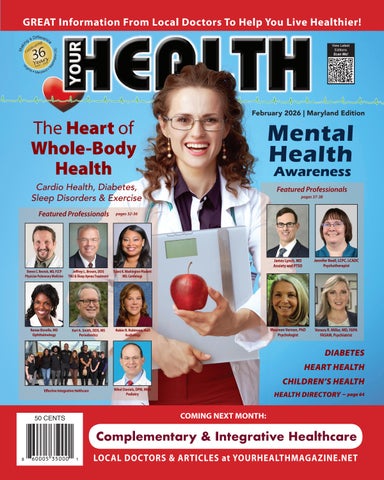
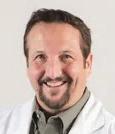
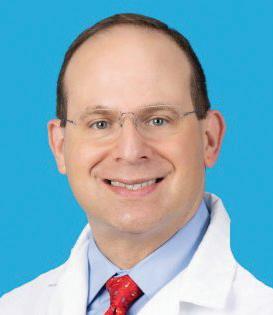
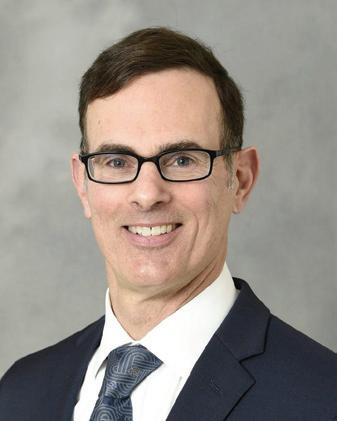
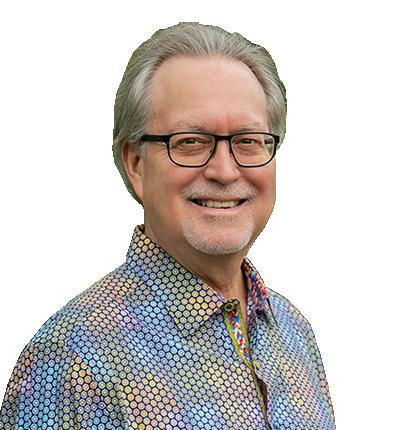
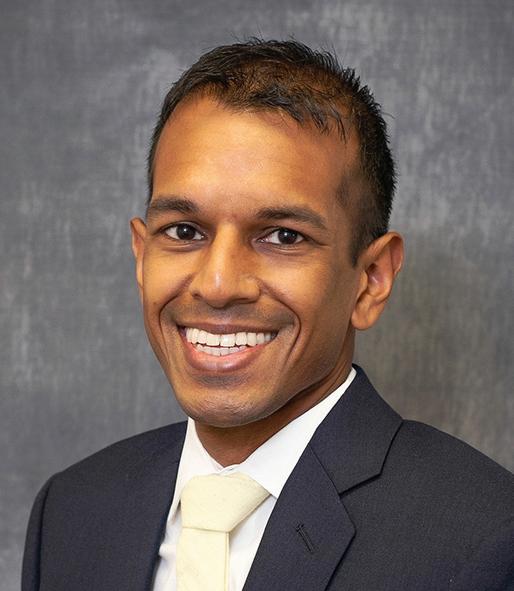
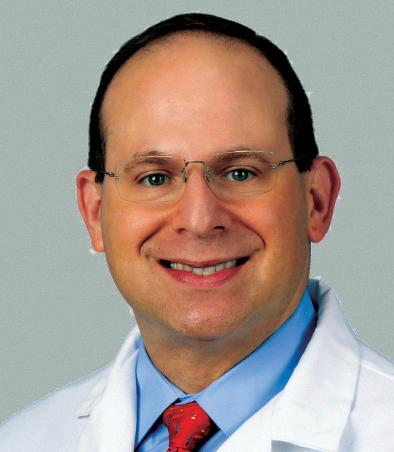
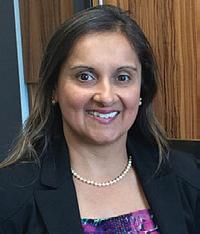
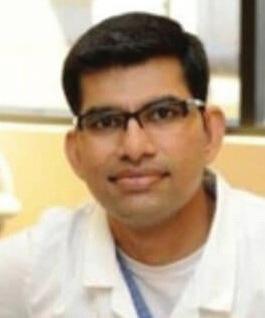
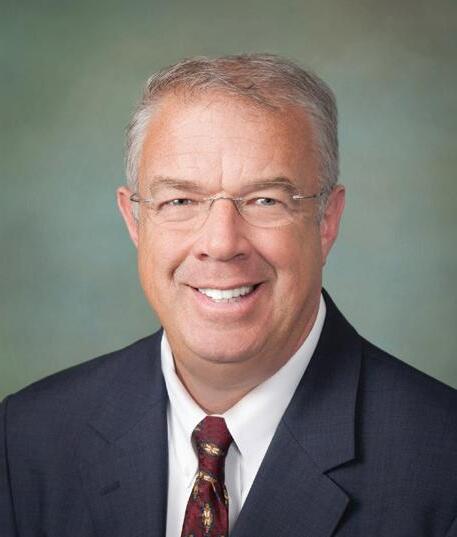
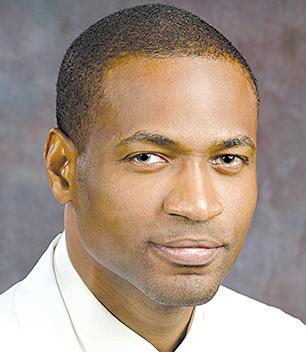
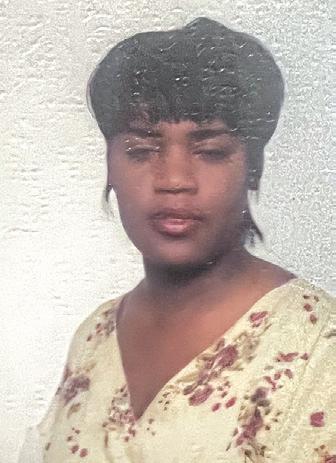
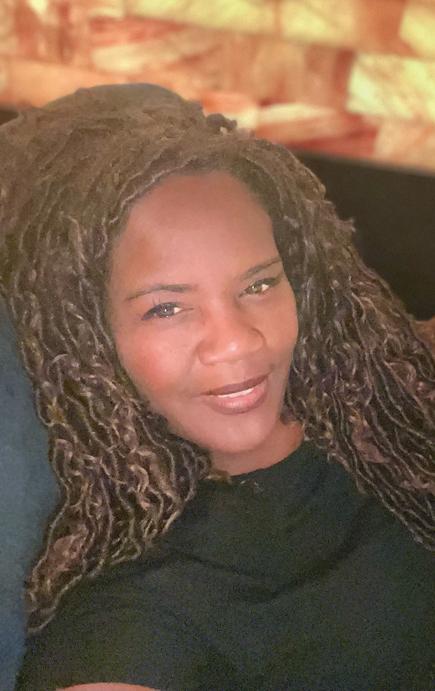
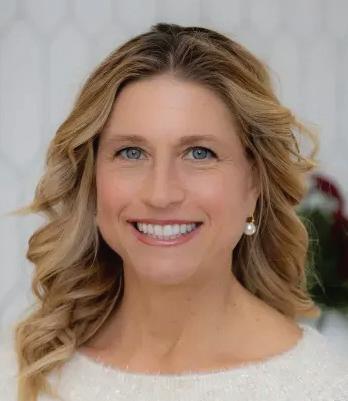
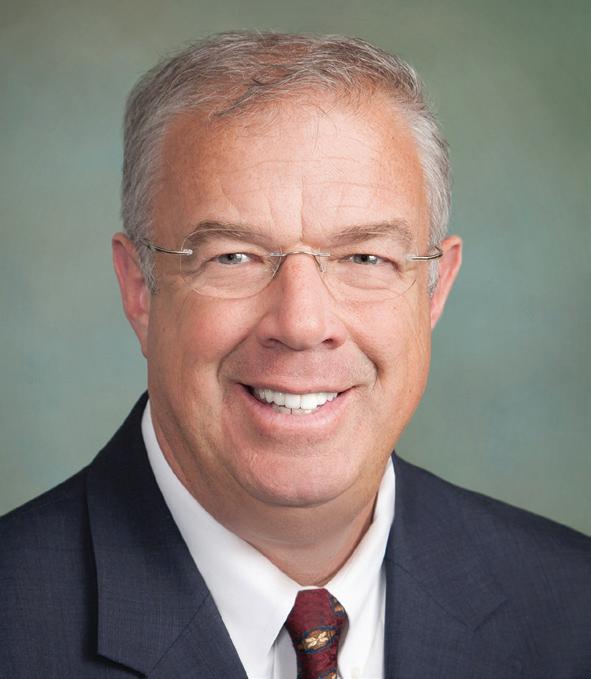
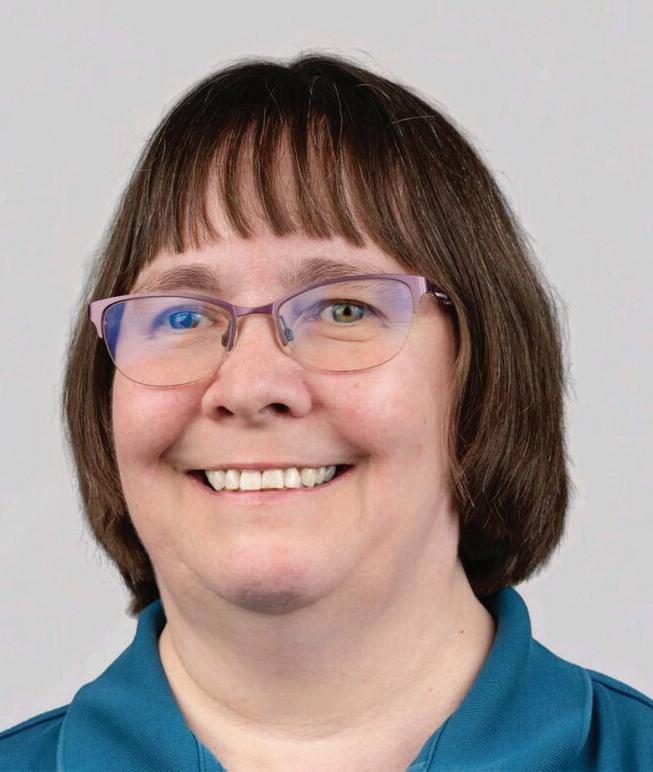
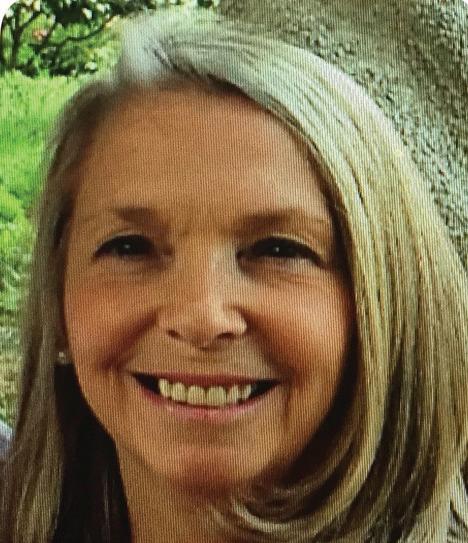
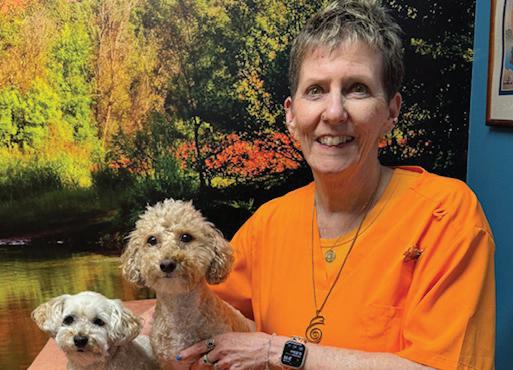
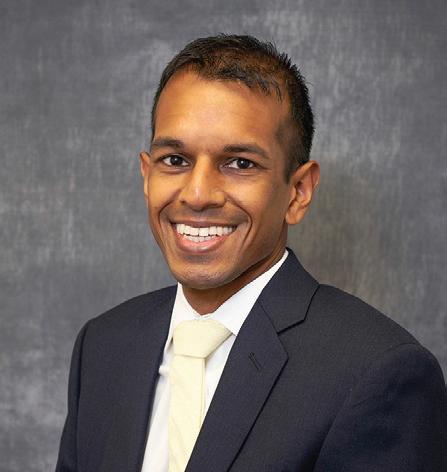
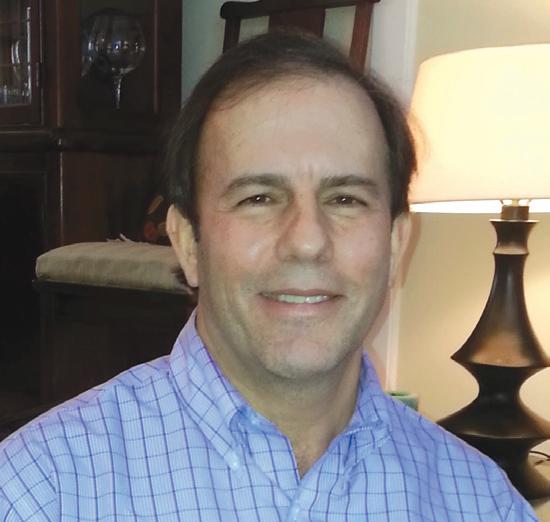
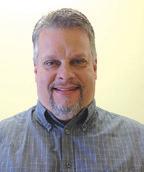
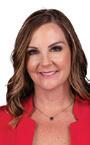
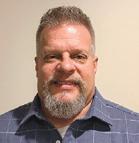
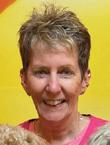
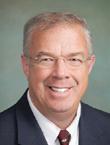
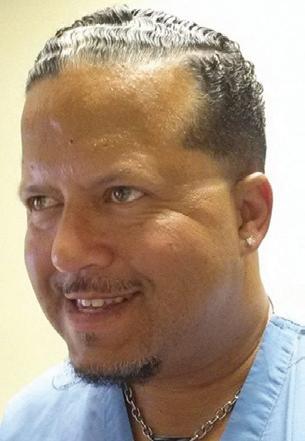
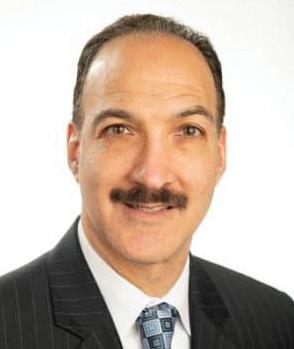
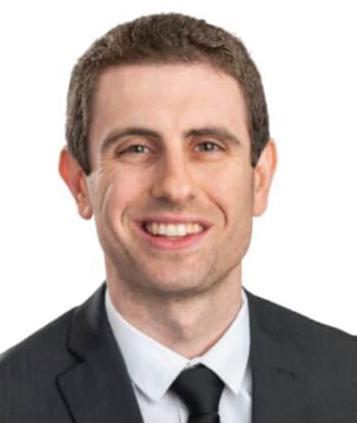
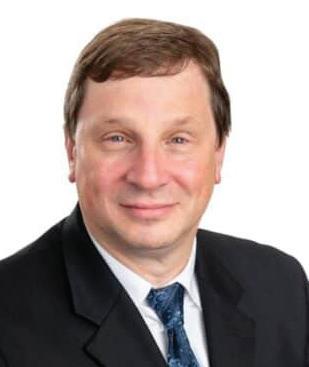
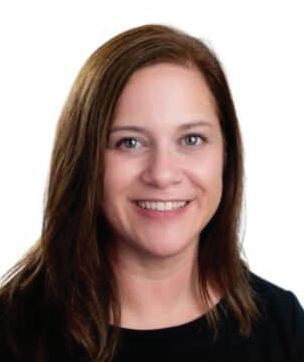
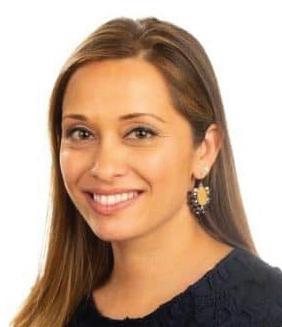
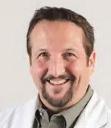
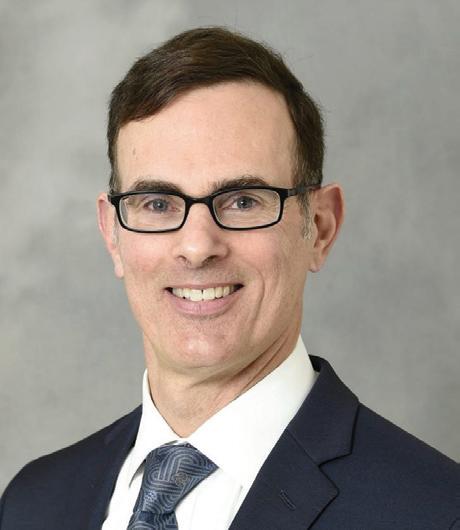
Steven C. Resnick, MD, FCCP Physician Pulmonary Medicine
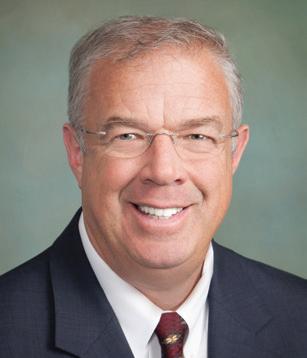
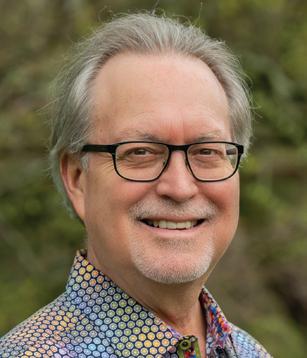
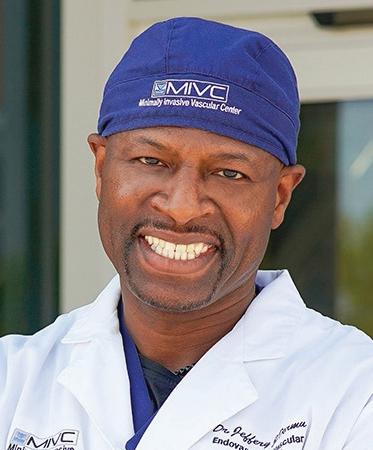
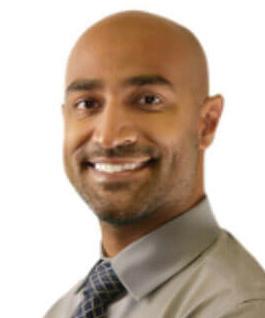
Jeffrey L. Brown, DDS TMJ & Sleep Apnea Treatment
Robin R. Robinson, AuD Audiology
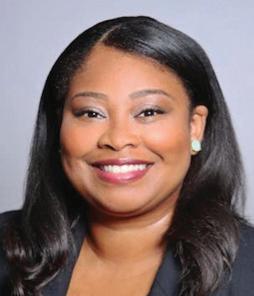
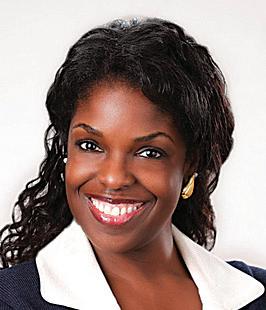
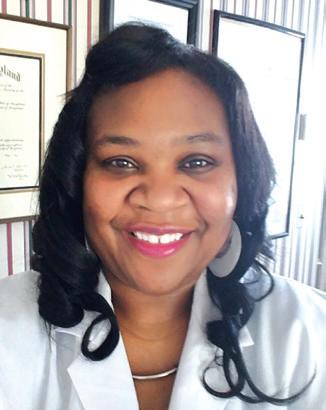
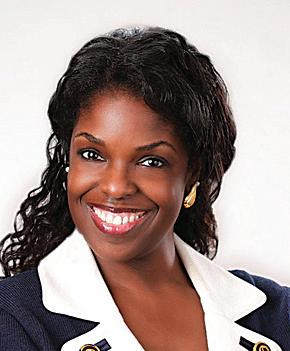
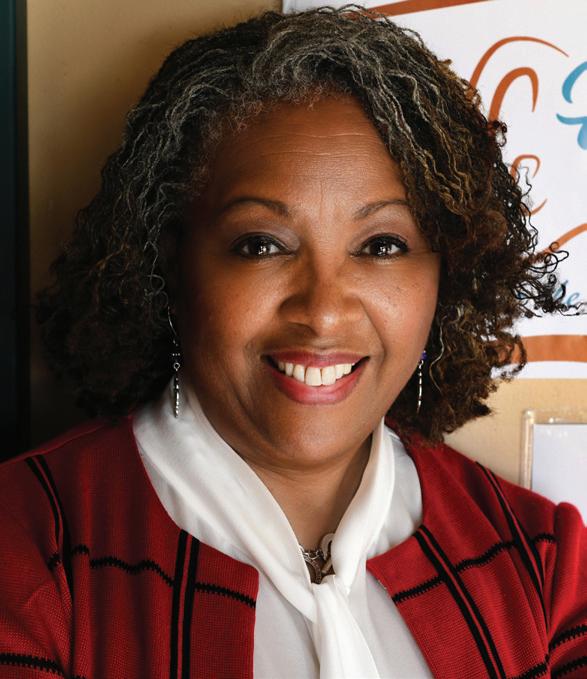
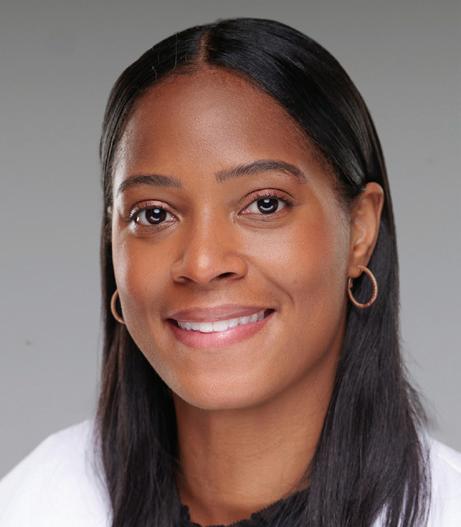
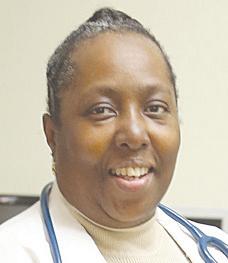
Tulani K. Washington-Plaskett MD, Cardiology
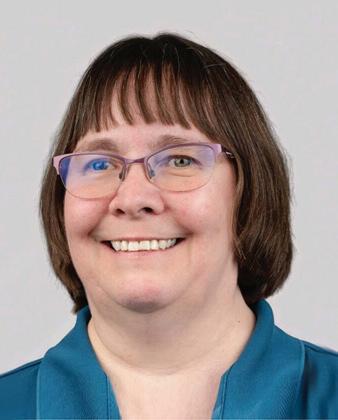
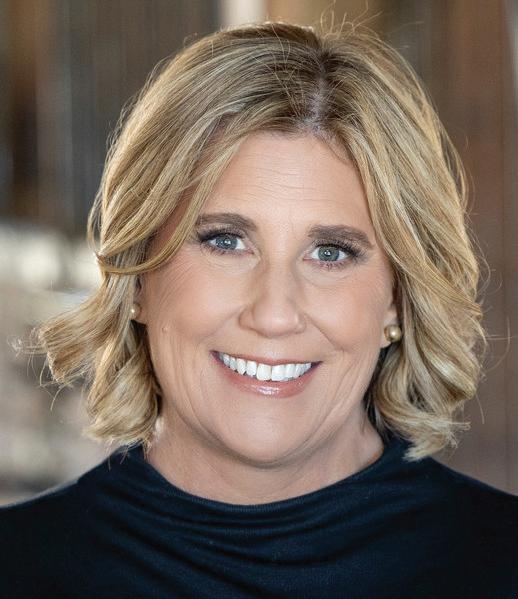
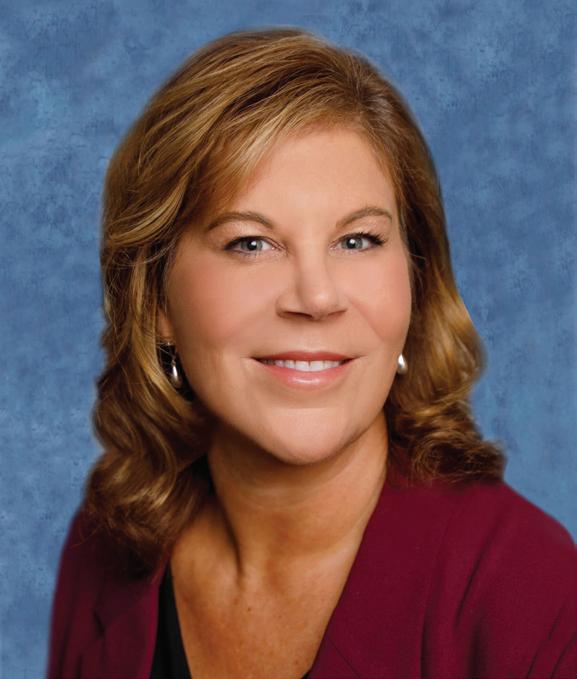
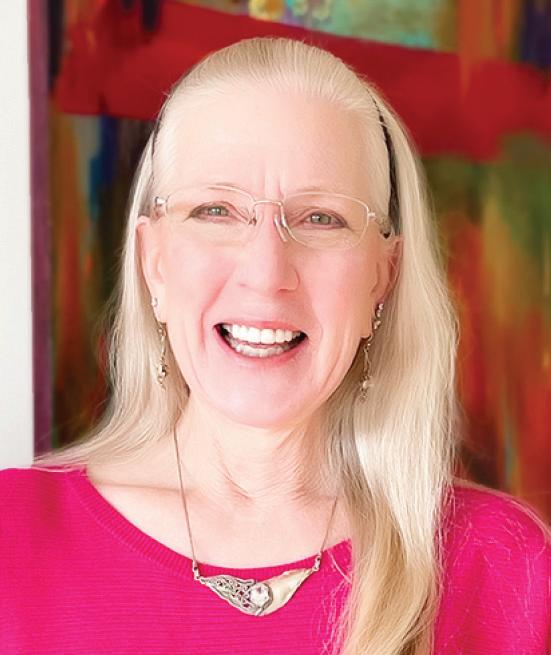
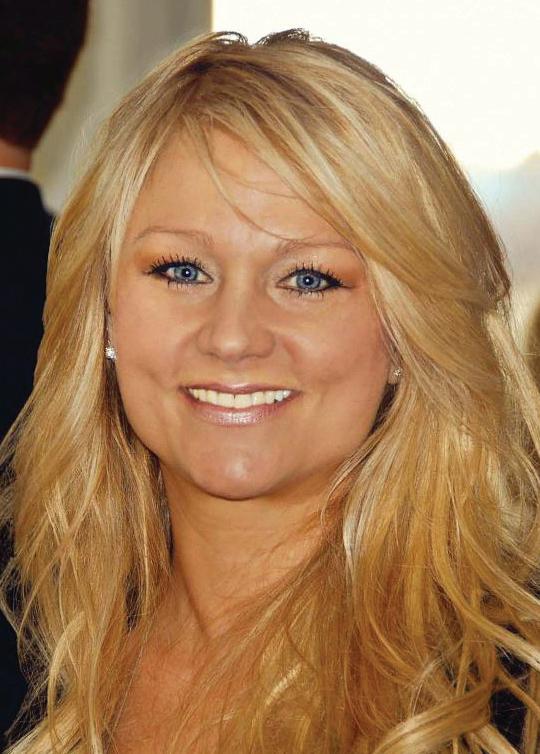
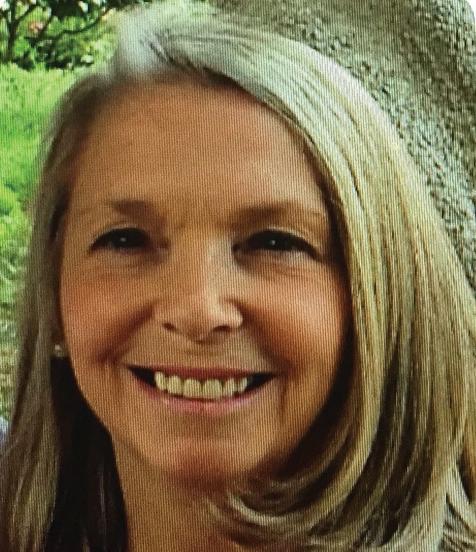
Jennifer Beall, LCPC, LCADC Psychotherapist
James Lynch, MD Anxiety and PTSD
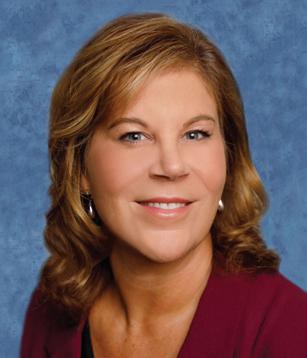
Maureen Vernon, PhD Psychologist
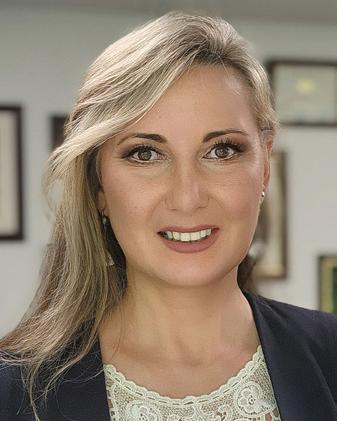
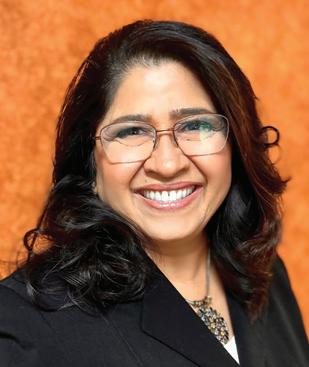
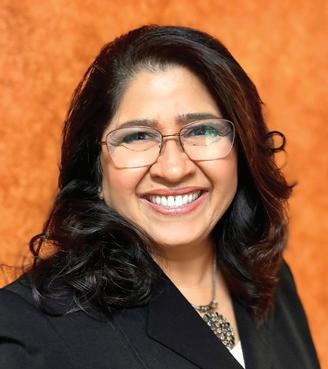
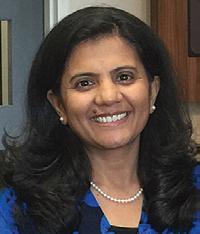
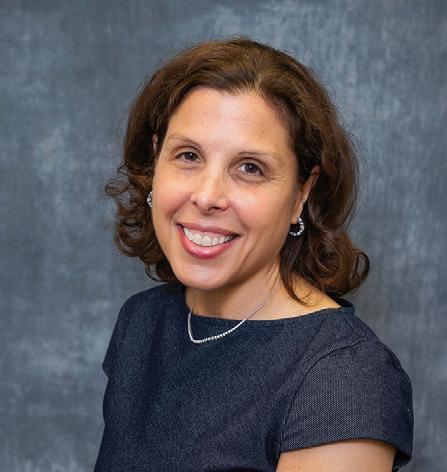
Venera R. Miller, MD, FAPA FASAM, Psychiatrist
–
– Caring & Kind Dentist & Team
– State-of-the-Art Equipment
– Laser Periodontic Therapy
– Affordable Gum Treatment
– Insurance Accepted & Filed
– Ultra-Sterile Environment
– No Referral Needed
– Comfortable Sedation Dentistry
Our patients mean the world to us, and many have trusted Dr. Smith for decades. Our team is always fully committed to making every visit comfortable, gentle, and pain-free. Our goal is to provide exceptional periodontal and implant care that has been the hallmark of Dr. Smith’s practice for many years.
You deserve the very best! Call today to secure your first visit on your journey to total health, wellness, and aging beautifully.
Train. Certify. Save Lives – With CRH BLS Services
Submitted By CRH BLS Services
Cardiac arrest can happen anywhere — at home, at work, or in public. Most cardiac arrests occur outside of hospitals, and bystander CPR often makes the difference between life and death. Knowing what to do, and acting quickly, can sustain life until professional help arrives.
Cardiopulmonary Resuscitation (CPR) is an emergency procedure that combines chest compressions with rescue breaths (or hands-only compressions) to keep blood and oxygen flowing in someone whose heart has stopped beating. CPR can double or even triple a person’s chance of survival in cardiac arrest.
Cardiopulmonary Resuscitation (CPR) is a lifesaving technique used in emergencies when a person’s breathing or heartbeat has stopped. In the
workplace, CPR skills can make the difference between life and death during cardiac arrest, drowning, choking, or electric shock incidents.
Learning CPR is simple, quick, and incredibly valuable. You never know when you might need to save a life — it could be a stranger, a friend, or even a loved one. Taking a few hours to learn CPR today can make all the difference tomorrow.
You should start CPR immediately if:
• The person is unresponsive and not breathing normally.
• You cannot detect a pulse or normal breathing.
CRH BLS Services is committed to providing high-quality, convenient, and comprehensive CPR and advanced life support training. Our mission is to empower individuals
Please see “CPR,” page 65
Aid and CPR training
equip
and
day.
At the Minimally Invasive Vascular Center (also known as MIVC) we have long been committed to addressing the vascular devastation that is rampant in our community. Each year cardiovascular disease is the world’s largest killer; killing more Americans than cancer. If you have painful legs, wounds that won’t heal, varicose veins, leg swelling, history of smoking, or have a family history of vascular problems and/ or are over the age of 50, you may suffer from poor circulation. Poor circulation may be responsible for causing erectile dysfunction in as much as 50 to 70 percent of men who develop the condition. Now we are happy to add expanded services! Our goal is to extend the healthy lifespan of our patients by using a comprehensive, integrative approach to achieve the most effective results. We believe that Beauty Is a Reflection of Health and Wellness. We want you to be as beautiful on the outside as you are healthy on the inside.
17 | Cardiovascular Disease: Natural Approaches To Reduce Your Risk | By Alan Weiss, MD
18 | Diabetic Wound Care | By Howard Horowitz, DPM
19 | Nutrition and Exercise: The Foundation Of a Healthier, Happier Pet | By Julia Brewer, Owner
20 | Building a Unified Path To Wellness | By Janay Taylor, MSN, CRNP, Chief Medical Officer
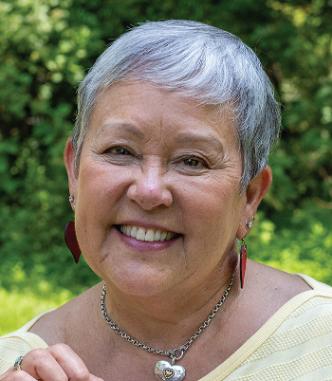
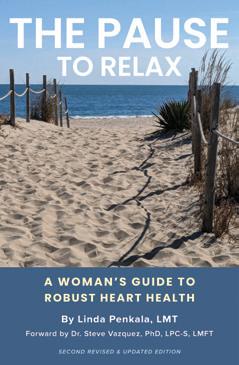
21 | Your Heart Health Is In Your Hands! | By Linda Penkala, Author, LMT
22 | Chiropractic and Diabetes: The Surprising Connection | By Alicia Kovach, DC
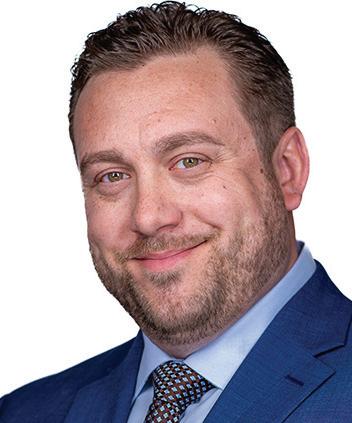
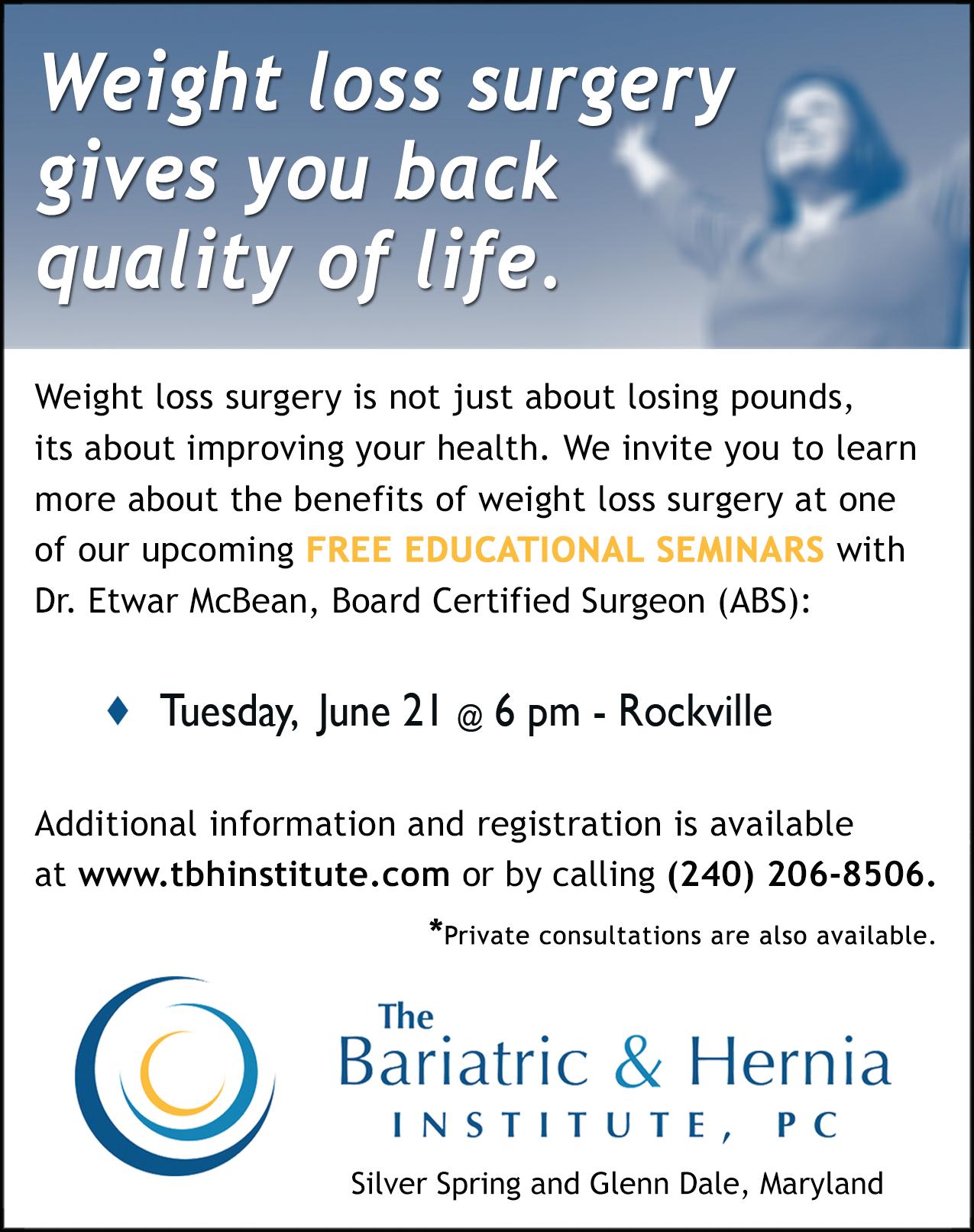
22 | Bariatric Surgery Helps Resolve Diabetes | By Etwar McBean, MD, FACS
24 | Sex Hormones Protect Your Heart | Submitted by New Day Vitality Hormone Center
24 | A Journey Of Healing | Submitted By Elon Roshell Day Spa & Health
26 | Exploring Cannabis As a Natural Sleep Aid | By Sharron Sample, CEO
26 | Diabetes Isn’t Just About Sugar: Why Lifestyle Matters More Than You Think | By Milca Kaplan, NP
28 | Embracing Holistic Dentistry For a Healthier Smile and Body | By Gena Schultheis, DDS
31 | Does Fluoride Lower the IQ? | By Elizabeth Shin, DDS
32-42 | Featured Cardio Health, Diabetes and Storke Professionals + Mental Health
46 | Improving Access For Blacks To Hospice and Supportive Care | By Rachel Jordan, DNP, APRN
48 | Caring for Emotional Well-Being in February | By Maureen Vernon, PhD
48 | Healthy Heart Month | By Tiffany Daniels
56 | Manic Depression | By Joyce Abramson, RNMS
56 | Acupuncture and Diabetes | By Brittney de Vicq, MAc, LAc
57 | Acupuncture For PCOS | By Quansheng Lu, CMD, PhD, LAc
57 | Self-Care Guide For People With Diabetes | Submitted By Kensington Pharmacy
58 | Cardiovascular Health and Sleep | By Annapolis Asthma, Pulmonary & Sleep Specialists
58 | Gum Disease and Soft Tissue Management | Submitted by E. Taylor Meiser, DDS
59 | Diabetic Foot Ulcers and Neuropathy | By Ademuyiwa Adetunji, DPM
59 | Help Children Develop Healthy Heart Habits | By Janet V. Johnson, MD
66 | Who Doesn’t Want To Feel Better Faster? | By James Lynch, MD
Your Health Magazine is on a mission. There are far too many people, insured or not, who do not go to the doctor when they should, and in millions of cases, don’t know who they should go to, or why.
People are encouraged to buy a new house, car, cell phone or big screen TV, and those companies make themselves very visible and their products easily attainable.
Information about, and from, local healthcare providers is not easy to find, and many times those services are difficult to access.
Information and encouragement always lowers fear and trepidation about anything, and this is especially true in healthcare. While general information is available on web-sites, specific information from local providers is almost impossible for people to find. This is one of the key reasons chronic and episodic conditions are not cared for. It is our mission to:
Make A Difference By Empowering and Encouraging People To Live Healthier By Going To the Doctor When They Should.
There is a lot of evidence that the health professionals who participate in Your Health Magazine have helped many people over the years. We at Your Health Magazine salute you!
G. Scott Hunter, Editor-in-Chief
If you would like to find out how you can participate in one of our upcoming editions, please contact the office nearest you.
MARYLAND & WASHINGTON, DC OFFICE One Town Center 4201 Northview Drive, Suite 102 Bowie, MD 20716 Office (301) 805-6805 • Fax (301) 805-6808 info@yourhealthmagazine.net
VIRGINIA OFFICE Office (301) 805-6805 info@yourhealthmagazine.net
The content in Your Health Magazine and provided on yourhealthmagazine. net is for informational and educational purposes only and is not intended as a substitute for professional medical advice, diagnosis, or treatment. Always consult with a qualified healthcare provider before starting any exercise program, making changes to your health routine, or acting on any health-related information found on the Internet, or anywhere else.
Understanding Benign Prostatic Hyperplasia (BPH)
By Troy Sukhu, MD Anne Arundel Urology
What is BPH?
Benign Prostatic Hyperplasia (BPH), commonly known as an enlarged prostate, is a condition that affects millions of men, particularly as they age. The prostate gland, located just below the bladder, tends to grow larger over time, which can lead to uncomfortable urinary symptoms.
Symptoms Of BPH:
• Frequent or urgent need to urinate
• Increased frequency of urination at night (nocturia)
• Difficulty starting urination
• Weak urine stream or a stream that stops and starts
• Dribbling at the end of urination
• Inability to completely empty the bladder
Why Choose Treatment For BPH?
Living with BPH can significantly impact your quality of life. The symptoms can interfere with daily activities, disrupt sleep, and lead to complications such as urinary tract infections or bladder damage. Seeking treatment can help alleviate these symptoms and improve your overall well-being.
Treatment Options: There are
Innovative Treatments
various treatment options available for BPH, ranging from medications to minimally invasive procedures and surgery. Some of the most effective treatments include:
• Medications: Alpha blockers and 5-alpha reductase inhibitors can help relax the prostate muscles and reduce its size.
• Minimally Invasive Procedures: Techniques like Urolift, Rezum, and the Optilume BPH Catheter System offer relief with fewer side effects and quicker recovery times.
• Surgery: For more severe cases, surgical options such as Transurethral Resection of the Prostate (TURP) can provide significant symptom relief. Patient Testimonials: Many men have found relief from BPH symptoms through various treatments. Here are some experiences:
• John’s TURP Experience: “After struggling with BPH symptoms for years, TURP provided me with the relief I needed. The recovery was smooth, and I can finally sleep through the night without frequent trips to the bathroom”.
• Mike’s Aquablation Journey: “Aquablation was a game-changer for me. The minimally invasive procedure was quick, and I experienced minimal discomfort. My urinary symptoms have improved dramatically”. Take Control Of Your Health Don’t let BPH control your life. Consult with your healthcare provider to explore the best treatment options for you. With the right approach, you can manage your symptoms and enjoy a better quality of life.
Troy Sukhu, MD
By Rashmi K. Parmar, DMD, D-ABDSM and Neelima K. Yerra, DDS – Sleep Better Maryland
Sleep apnea is a very serious condition, yet more than 80% of people who have it are undiagnosed. This means out of the 24 million plus people that have it, approximately 19.2 million don’t even know they have it.
This is tragic in many cases as they develop life-threatening health issues. They don’t even know that their health problems are tied directly to their lack of sleep due to sleep apnea.
Your body needs sleep in order to reboot and repair itself. Lack of sleep causes oxygen levels to decrease and carbon dioxide levels to increase. Your brain signals your body to wake up and start breathing again.
These micro-awakenings have a severe impact on your quality of sleep and overall health.
Who Is At Risk For Developing Sleep Apnea?
There is no one that is immune to sleep apnea. However, there are some who are at risk more than others. Here is a list of factors and a brief explanation:
• Excess weight. Most but not all people with obstructive sleep apnea are overweight. Fat deposits around the upper airway may obstruct breathing. Medical conditions that are associated with obesity, such as hypothyroidism and polycystic ovary syndrome, also can cause obstructive sleep apnea.
However, not everyone with obstructive sleep apnea is overweight and vice versa. Thin people can develop the disorder, too.
• Narrowed airway. You may inherit naturally narrow airways. Or your tonsils or adenoids may enlarge, which can block your airway.
• High blood pressure (hypertension). Obstructive sleep apnea is relatively common in people with hypertension.
• Chronic nasal congestion. Obstructive sleep apnea occurs twice as often in those with consistent nasal congestion at night, regardless of the cause. This may be due to narrowed airways.
• Smoking. People who smoke are more likely to have obstructive sleep apnea.
• Diabetes. Obstructive sleep apnea
Don’t Let Sleep Apnea Ruin Your Life, Your
Relationships, and Your Health
may be more common in people with diabetes.
• Sex. In general, men are twice as likely as premenopausal women to have obstructive sleep apnea. The frequency of obstructive sleep apnea increases in women after menopause.
• A family history of sleep apnea. If
you have family members with obstructive sleep apnea, you may be at increased risk.
• Asthma. Research has found an association between asthma and the risk of obstructive sleep apnea.
How Do You Know If You Might Have Sleep Apnea?
There are several signals you might have sleep apnea, but two of
them are prominent. One is daytime sleepiness. You don’t sleep at night so you are tired and fatigued all day. The other is snoring. It is a sign that your airway is obstructed.
The way to know for sure is to have a sleep study. This will tell you whether or not you have it and how severe it is. Call a sleep apnea specialist today and be on your way to a better night’s rest and better health.
If You Have Sleep Apnea, Your Spouse Has It Too
We are pleased to announce that Dr. Parmar and Dr. Yerra are now partners, united by a shared commitment to providing high-quality, patient-centered care to our community. Together, they bring experience, compassion, and a dedication to helping patients achieve better health and lasting wellness.
Rashmi K. Parmar, DMD, D-ABDSM
Dr. Rashmi Parmar is Diplomate of the American Board of Dental Sleep Medicine. She received her professional degree from University of Pennsylvania School of Dental Medicine. She completed the comprehensive general practice Residency at Carolinas Medical Center in Charlotte, NC and has been in practice in the Columbia Clarksville area since 1991.
Neelima K. Yerra, DDS
Dr. Neelima K. Yerra is an American Academy of Dental Sleep Medicine- Qualified Dentist. She has extensive expertise in the diagnosis and management of Obstructive Sleep Apnea. Dr. Yerra received her professional degree, Doctor of Dental Surgery from New York University College of Dentistry in 2015.
Now Accepting New Patients
We are honored to continue serving the community together and look forward to welcoming new and returning patients.
By Mikel D. Daniels, DPM, MBA President and Chief Medical Officer WeTreatFeet Podiatry
Living with diabetes means your feet need extra attention. Not because something is wrong right now, but because the smallest change, something like a new callus, a temperature difference, or rubbing of a shoe, can quietly snowball into a serious problem. This is exactly why practices like WeTreatFeet Podiatry focus so heavily on prevention and why they work with advanced limb preservation programs to reduce amputations before they ever become a conversation. WeTreatFeet Podiatry is at the forefront of diabetic foot amputation prevention and is the only podiatry practice in Washington, DC, and the first in the region, to participate in
Diabetic Foot Care Protecting Your Feet Starts Every Day
ArcheHealthcare’s LEAP, (Lower Extremity Amputation Prevention ) collaborative, a nationally recognized system designed to identify risk early and protect your limbs.
Diabetes can damage both the nerves and the blood vessels in your feet. That combination is dangerous because you can injure your foot and not even know. A small wound may not get enough blood flow to heal, and infections can spread quickly. In the worst cases, this can lead to amputation.
One subtle sign of circulation trouble is a temperature difference between your feet, for example if one foot feels noticeably cooler than the other. That is not something to brush off. It is one of the things a comprehensive diabetic foot exam is designed to pick up. When a podiatrist notices changes like this, we often order tests such as an arterial ultrasound and coordinate with a vascular specialist. The goal is not to scare you, but to catch problems
early enough to treat them or slow them down.
Hammer toes and calluses may sound minor, but in a diabetic foot they can be the quiet beginning of a serious ulcer. Hammer toes bend the toes so that certain parts of the toes or the ball of the foot press harder into your shoe. That extra pressure causes rubbing and callus buildup. Under a thick callus, the skin can break down without you realizing it, especially if you have neuropathy and do not
feel pain even when a deep sore is forming. This is why properly fitted diabetic shoes and custom inserts are so important. They are not just comfortable shoes. They are medical tools that spread pressure evenly across your foot, protect bony areas from rubbing, and lower your risk of ulcers and infections. For people at higher risk, podiatrists usually recommend professional nail and callus care every three to four months. Let
Please see “Foot Care,” page 21
Christa Bellanca, LCSW-C
In therapy with me, expect a blend of warmth, authenticity, and laughter as foundational elements. Establishing a secure, trusting relationship is my priority, seeing healing emerge through connection. Embracing Dolly Parton’s insight that “laughter through tears is my favorite emotion,” I avoid taking myself too seriously, recognizing that defensiveness hinders growth – a lesson learned through experience and parenting.
Raised by a resilient single mother, I inherited values of strength, perseverance, and compassion. These principles not only shape my therapeutic practice but also form the core of our Betty Center’s ethos. My unique journey from journalism to social work after raising my children led me to obtain my Masters in Social Work at 47. My personality encompasses contrasts—I relish yoga, loud concerts, and the outdoors as much as quiet moments with family, books, and cozy cups of tea. I’m a devoted reader, a passionate Washington football fan, and an adept cook (but not a baker!). Additionally, I indulge in true crime podcasts and Dateline/48 Hours, though that’s our little secret.
In therapy, I specialize in aiding individuals navigating transitions: divorce, empty-nesting, and other major life changes. My expertise lies in addressing anxiety, depression, ADHD, trauma, and relational challenges, employing diverse evidence-based methods tailored to each client’s needs. I believe in a personalized approach, fostering a secure therapeutic relationship where you feel truly heard and understood.
Education: I hold an MSW from the University of Maryland (2017) and a BA in Communications with a Women’s Studies Minor from the University of Delaware, graduating Magna Cum Laude in 1992.
Your One-Stop Solution For a Healthy Smile
Submitted By Total Dental Care
Maintaining optimal dental health is crucial for overall well-being, and finding a dental office that offers comprehensive care under one roof is a game-changer. Total Dental Care is a well-established dental practice that takes pride in providing detailed and comprehensive services in various specialties, ensuring patients receive topnotch care for their unique dental needs.
General Dental Services: Total Dental Care excels in offering a wide array of general dental services, including routine check-ups, cleanings, and preventive care. Our experienced team focuses on early detection and intervention to prevent dental issues from escalating.
surgery, extractions, root canals and endodontic treatments, or restorative and cosmetic dentistry, Total Dental Care has you covered. Our specialists are experts in their respective fields, ensuring you receive tailored treatments for your specific dental concerns.
Cutting-Edge Technology: Total Dental Care stays at the forefront of dental technology, offering services such as digital intra-oral cameras, cone-beam CT scanners, and teethin-a-day. Our commitment to utilizing advanced techniques ensures effective and efficient treatments while minimizing complications.
Sedation Options: Understanding the anxiety some patients may feel, Total Dental Care offers laughing gas, oral sedation and IV general anesthesia options. Our goal is to create a comfortable and stress-free environment, catering to the individual
Please see “Healthy Smile,” page 62
TMD and Sleep the Connection
By Jeffrey L. Brown, DDS Sleep & TMJ Therapy
It may be hard to believe, but when you have a TMJ disorder (otherwise called TMD), this can correlate to sleep-disordered breathing (SDB). The way this works is that when the jaw joint discs are displaced – just like a kneecap can slip out of place – you get pain. Pain and inflammation are quite common with a displaced jaw disc. When you are hurting, you just
cannot sleep all that well. Also, the quality of sleep is compromised because it is now harder to get the good, deep, non-REM sleep that helps our body to heal.
It is unfortunate that TMD is so poorly understood because so many people really do need help in this area. It is actually fairly easy to get a handle on this disorder, however. One of the first signs of TMD is that you have clicking and/or popping in
the jaw joints. This is often a clear sign that the articular discs (jaw joint discs) are displaced and causing an inflammatory reaction.
Another very clear sign of TMD is that you cannot open your jaw widely. The “normal” range of motion is generally considered to be around 50 mm. This means measuring from the tip of the upper front teeth to the tip of the lower front teeth when opening wide, you should get around 50 mm.
Typical Dental Office
Some practitioners say that 35mm is around normal, but in general most agree that 50mm is a healthier way to be. This measurement can readily be done when you see your dentist or hygienist but most of the time it is not done.
So, now let’s get back to the link to sleep problems. If and when the articular discs in the jaw joints are displaced, they are going to rub around in the jaw sockets and will quite literally pinch or rub against nerves and blood vessels in the joint. Diagnosis: It just plain hurts. In the human body when a bone rubs against bone or other vessels, it just hurts, simple as that. This in turn begins an inflammatory reaction in which the body releases the mediators of inflammation called “cytokines”. Now these cytokines are floating around inside your body causing a chronic irritation. It’s kind of like being chronically sick all the time.
Dr. Jeffrey Brown has limited his practice to focus only on TMJ Disorders, Craniofacial Pain Management and Sleep Apnea. By fixing slipped discs in the jaw joints, Dr. Brown can significantly reduce the pain patients experience in the head/neck region and other symptoms associated with jaw joint problems. Sleep & TMJ Therapy may be able to improve the quality of life for you or a loved one – we encourage you to contact us with any questions or concerns.
“Dr. Brown and his staff are absolutely wonderful. I was diagnosed with Dystonia. I could not turn my head and had a ton of pain. My doctors offered no help and no advice besides Meds and Botox. Since having the appliance I have NO pain and I can turn my head. I would highly recommend them to anyone. I feel Dr. Brown and his staff really care about their patients and helping them to get better. They do not just numb the symptoms but fix the problem. Thank you from the bottom of my heart. I feel like the old me again!”
- D. Thomas
“My daughter has been treated by Dr. Stack and Dr. Brown for the last 2 1/2 years, and we are very fortunate to have found them. Prior to that she was being treated by a neurologist at a Children’s hospital. She was on medications for tics and associated muscle pain, OCD/repetitive thoughts, sleeplessness and more (all possibly associated with Tourettes). Drs. Stack and Brown installed spacers to alleviate pressure on nerve bundles in the jaw, and subsequently braces to complete the process. Her symptoms have diminished significantly. She is off medication, her tics have all but disappeared, she can concentrate better in school, and she is once again cheerful and relaxed.” - Susan
When the body is running in inflammation mode, it hurts, and this leads to sleep difficulties. What happens in so many people are the jaw joints ache, which in turn leads to the neck being irritated, and then it travels down the back as well. This makes the deep sleep – called non-REM III – unable to happen the way it should. Now you are sleep deprived and not able to heal the body like your body intended. This cycle just gets worse and worse over time. In so many people, this will lead to OSA – obstructive sleep apnea. So be safe, be smart, learn about TMD and how to treat it for a good night sleep.
Jeffrey L. Brown, DDS
Jeffrey L. Brown, DDS
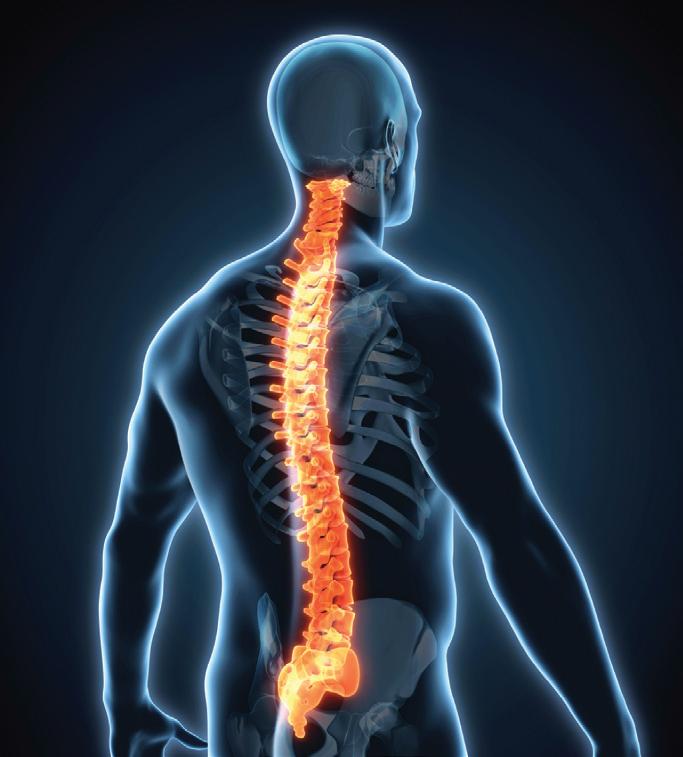
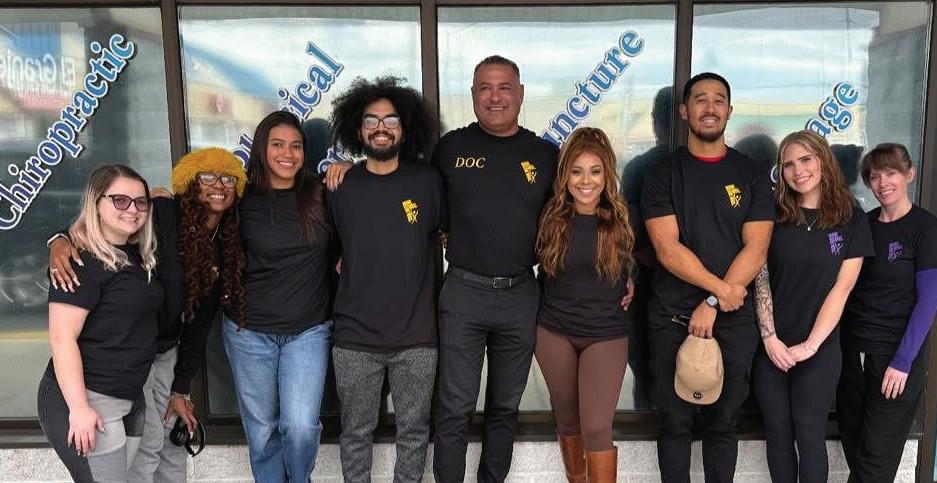
Back pain is the second most common reason people visit physicians in the US, with neck pain close behind. The spine and adjacent tissues are pivotal in nearly all major bodily movements.
Chiropractic services are used most often to treat neuromusculoskeletal complaints, including but no limited to back pain, neck pain, pain in the joints of the arms or legs, and headaches.
Our Doctors are Nationally FMSCA Certified. Done by appointments only. Call today to schedule! Drug and Alcohol Testing also Available.
Since opening in 2003, Winters Chiropractic & Physical Therapy has remained dedicated to providing expert chiropractic, physical therapy, and DOT/CDL services. Our doctors provide tailored treatments that ensure you make the most gains at a comfortable, steady pace. The ultimate goal of any chiropractic or physical therapy program is to restore your physical health to its previous form. With our small practice, we have the advantage of maintaining personal relationships without compromising our ability to provide advance care.
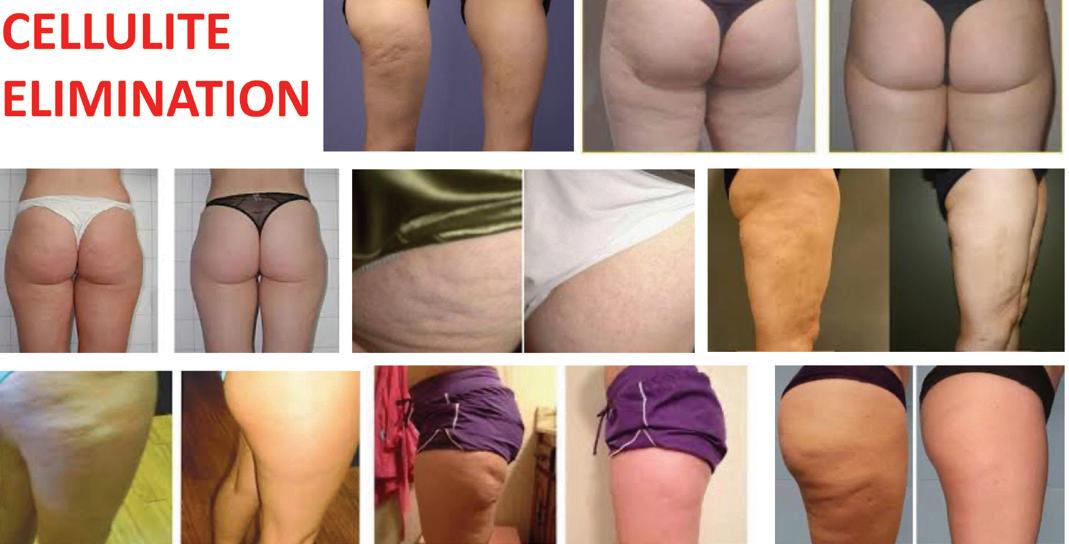
The Only Non-invasive Laser Device With FDA Approved, IRB, and Clinically Proven Results For: Fat Reduction, Aesthetics, Cellulite Elimination, Weight Reduction, and Inch Loss.
• Natural, safe, laser light energy is pulsed and absorbed by the subcutaneous tissue.
• Supercharges the body’s metabolism through ATP synthesis to burn fat as energy.
• Waste products are expelled from the body via sweat, urine and respiratory exhaustion.
• The body continues to burn fat for up to 4 hours after treatment.
• Collagen and elastin production is increased within the skin layers to rejuvenate and repair skin cells addressing cellulite, skin laxity and stretch-marks.
CHARLES L. FEITEL
Submitted By Sivakumar Sreenivasan, DMD, MDS Dental Implant Center of Rockville
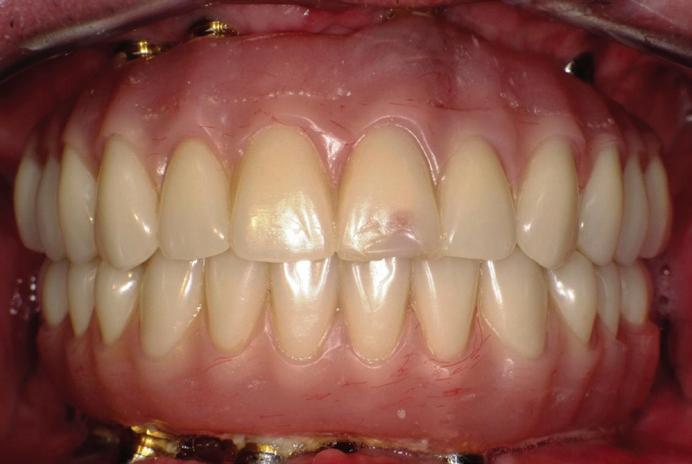
Can just four implants replace all of the teeth on the top or the bottom of your mouth? Thanks to advances in dental implant technology, that answer is a resounding yes.
Tooth loss is extremely common among adults, especially as we age. Rather than living with the discomfort and hassles of dentures, many people are opting for what is called “all-onfour” dental implant restoration.
An implant is a small titanium
screw that fits inside your jawbone and replaces the root-part of a missing tooth. Minor surgery is required to insert the implants. Once the implant is in place, a crown is attached to give you a highly realistic-looking and functional prosthetic tooth.
You do not need a dental implant for each and every one of your missing teeth. All you need is four precisely placed implants on the top of your mouth, and four on the bottom, to restore your full smile. That’s the beauty of the all-on-four. And because the implant is made of titanium, it has the unique ability to fuse to living bone and function as part of it. So eventually, the dental implant becomes part of the jawbone and serves as a strong, longlasting foundation for your new teeth.
Besides ensuring that your implants are permanently fixed in place, this bone fusion has another important benefit: it prevents future bone loss in the jaw. This helps to maintain a more youthful facial structure – and better
Please see “All-On-Four,” page 62
Cardiovascular Disease
Natural Approaches To Reduce Your Risk
Nearly one million Americans will die of heart disease this year; 2,400 will die each day of cardiovascular disease, an average of one death every 36 seconds.
Amazingly a single human body contains 60,000 miles of blood vessels!
Risk factors for heart and vascular disease include a family history of premature coronary artery disease, tobacco smoking, hypertension, diabetes, obesity, and most famously, elevated cholesterol levels. And even second
hand smoke exposure can increase risk of heart disease. And finally being post menopausal is a risk factor for women, and it is important to know that heart disease kills more women than does breast cancer. Important but lesser known risk factors are inflammation, infections, diet, and lifestyle.
What is not generally known is that as many as 50% of first heart attack victims have a normal level of cholesterol. So it is clear that there are factors other than total cholesterol involved. And that the most common first “symptom” of heart disease is sudden death! So this is not to be taken lightly.
An easily obtained blood test called C reactive protein (CRP) is a marker for inflammation in a person’s body and is an important risk factor for heart disease. Inflammation can come from infections, diets rich in saturated fats and sugar, toxins such as lead and mercury, metabolic syndrome and diabetes. The degree of inflammation in your body is at least as important as your cholesterol level.
Please see “Reduce Your Risk,” page 63
Dentures & Denture Repairs
Diabetic Wound Care
By Howard Horowitz, DPM Bowie Foot & Ankle
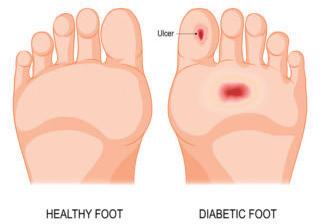
A diabetic foot ulcer is an open sore or wound that most commonly occurs on the bottom of the foot in approximately 15% of patients with diabetes. Of those who develop a foot ulcer, 6% will be hospitalized due to infection or other ulcer-related complication.
Diabetes is the leading cause of non-traumatic lower extremity amputations in the US, and approximately 1424% of patients with diabetes who develop a foot ulcer have an amputation. Research has shown that the development of a foot ulcer is preventable.
Ulcers form due to a combination of factors, such as lack of feeling in the foot, poor circulation, foot deformities, irritation (such as friction or pressure), and trauma, as well as duration of diabetes. Patients who have diabetes for many years can develop neuropathy, a reduced or complete lack of feeling in the feet due to nerve damage caused by elevated blood glucose levels over time. The nerve damage often can occur without pain and one may not even be aware of the problem. Your podiatric physician can test feet for neuropathy with a simple and painless tool called
a monofilament.
Vascular disease can complicate a foot ulcer, reducing the body’s ability to heal and increasing the risk for an infection. Elevations in blood glucose can reduce the body’s ability to fight off a potential infection and also retard healing.
Once an ulcer is noticed, seek podiatric medical care immediately to reduce the risk of infection and amputation, improve function and quality of life, and reduce health care costs.
The primary goal in the treatment of foot ulcers is to obtain healing as soon as possible. The faster the healing, the less chance for an infection. There are several key factors in the appropriate treatment of a diabetic foot ulcer:
• Prevention of infection.
• Taking the pressure off the area, called “off-loading.”
• Removing dead skin and tissue, called “debridement.”
• Applying medication or dressings to the ulcer
• Managing blood glucose and other health problems.
Not all ulcers are infected; however if your physician diagnoses an infection, a treatment program of antibiotics, wound care, and possibly hospitalization will be necessary.
By Julia Brewer, Owner Crunchies Natural Pet Food
As February focuses on health and wellness, it’s a perfect time for pet owners to take a closer look at two essential pillars of their pet’s wellbeing: nutrition and exercise. Just like people, pets thrive when their daily diet supports their activity level, age, and individual needs. When these two elements work together, the results are improved energy, better weight management, stronger immunity, and a longer, healthier life.
Why Nutrition Matters More Than Calories Alone
Pet food is not just fuel – it’s information for the body. High-quality nutrition provides the building blocks pets need for muscle maintenance, joint support, healthy skin and coat, and proper digestion. Diets made with real, identifiable protein sources, balanced fats, and functional ingredients such as probiotics and antioxidants help pets process nutrients efficiently and maintain steady energy throughout the day.
Nutrition and Exercise
The Foundation Of a Healthier, Happier Pet Natural
size should be adjusted based on activity level and life stage. Highly active pets may benefit from nutrient-dense diets that support muscle recovery and sustained energy, while less active pets may need lighter formulations to prevent unnecessary weight gain.
Pet owners should also remember that treats count. Using wholesome, minimally processed treats—or even small portions of balanced meals—as
rewards helps maintain consistency in nutrition without excess calories.
A Balanced Approach For Lifelong Wellness
Nutrition and exercise are not separate strategies; they work best together. When pets receive appropriate nourishment and regular physical activity, they are better equipped to maintain a healthy weight, support
immune function, and enjoy daily life with vitality.
February is a great reminder that small, consistent choices—choosing better food, encouraging daily movement, and paying attention to individual needs—can make a meaningful difference in a pet’s overall health. At Crunchies, the goal is to help pet parents make informed decisions that support wellness at every stage of life.
Celebrating 30 Years
Pet Foods
Poor-quality foods filled with excessive fillers or artificial additives can contribute to inflammation, digestive upset, and weight gain, making it harder for pets to stay active. Choosing thoughtfully formulated foods allows pets to get more nutritional value from every bite, supporting both daily movement and long-term health.
Exercise Supports Both Body and Mind
Regular physical activity is essential for pets of all ages. For dogs, daily walks, playtime, and structured exercise help maintain healthy joints, manage weight, and reduce anxietyrelated behaviors. Cats benefit from interactive play that mimics natural hunting behaviors, helping preserve muscle tone and prevent boredom.
Exercise also plays a key role in metabolic health. Pets that move regularly tend to regulate blood sugar more effectively and maintain healthier body composition, reducing strain on joints and internal organs.
Matching Diet To Activity Level
An active dog has different nutritional needs than a senior pet who enjoys shorter walks and more rest. Protein quality, fat content, and portion
Frozen and Freeze
lines including Steve’s Real Food, K9 Kraving, Bravo, Primal,
Natures Variety, Stella & Chewy’s, Honest Kitchen & Sojos. Dry and cans foods including sensitive stomach diets, limited ingredient foods, grain free foods, and even mixes to help you home cook a food for your happy, healthy furry best friend!
Did you know poor nutrition can increase your pet’s risk for serious health issues – even cancer? At Crunchies, we carry only natural, holistic foods and supplements to help your pets live longer, healthier lives.
Building a Unified Path To Wellness Integrating Primary Care and Behavioral Health
By Janay Taylor, MSN, CRNP Chief Medical Officer
Across our community, individuals and families rely on two essential pillars of support: one organization that provides primary care for all ages, and another offering specialized mental health and addiction medicine services for adults. Each plays a critical role in promoting wellness—but when we bring our strengths together, we create something far more powerful: a connected, whole-person system of care.
Why Integration Matters For Our Shared Community
Whole health requires wholeperson care: Physical and mental health influence one another in profound ways. A patient managing diabetes may also struggle with depression; someone recovering from addiction may need support for heart health or chronic pain. Treating these areas separately can leave patients feeling lost between systems. By con-
necting primary care with specialized mental health and addiction services, we’re able to treat the complete person—not just symptoms in isolation.
Primary care is often the first place problems are noticed: Many mental health and substance use concerns first surface during routine primary care visits. Patients may share feelings of stress, emotional changes, sleep problems, or substance use patterns long before they seek specialized care. With a strong referral pathway and shared communication between the two care systems, patients receive faster, more coordinated support.
Reducing stigma and increasing access: Integrated care removes the sense of “being sent away” to another system. Patients experience a smoother, more supportive transition from primary care to mental health or addiction treatment, reducing fear, confusion, or hesitation.
The Strength Of a
Dual-Organization Partnership
Together, primary care and specialized mental health and addiction services can create a continuum of care that meets patients where they are:
Primary care provides comprehensive medical services across the lifespan—from pediatrics to older adults—ensuring early identification of behavioral health concerns.
The specialized mental health and addiction services team offers deep expertise in adult mental health, counseling, addiction treatment, and medication-assisted recovery, addressing needs that require specialized training.
This partnership ensures that no patient “falls through the cracks,” whether they are a teenager needing long-term monitoring or an adult seeking recovery support.
guidance, and supportive communication between their care teams.
Better outcomes: Integrated care improves treatment adherence, reduces hospital visits, and strengthens long-term wellness—especially for patients managing both physical and behavioral health conditions.
Expanded resources: Families gain access to a broader network of clinicians, support teams, and treatment options through the combined strengths of both organizations.
Benefits For Providers and Staff
Shared expertise: Primary care providers gain access to behavioral health insights, while mental health clinicians receive medical collaboration from primary care professionals.
Reduced burnout: Collaboration means no single provider carries the entire burden of complex, multi-layered cases. We now have additional family nurse practitioners and psychiatric nurse practitioners to service clients.
Stronger
continuity of care:
Both teams work from a shared understanding of patient needs, priorities, and goals.
Meeting Challenges Together
Integrating care across two organizations requires coordinated communication, data sharing, and referral processes—but these challenges also present enormous opportunities for innovation. Both organizations are committed to building bridges that make healthcare more accessible, compassionate, and effective.
A Vision for Community Wellness
By aligning primary care with mental health and addiction medicine, we are creating a model of care that reflects the real needs of real people. We are committed to a future where:
• Children, adults, and older adults receive continuous, connected care.
• Mental health and addiction treatment are treated as essential components of overall health.
• Families experience a unified, supportive healthcare journey. Together, we are building a healthier community—one where every individual has the opportunity to thrive in both body and mind.
Your Heart Health Is In Your Hands!
Know the Stats, Make the Choices
By Linda Penkala, Author, LMT Optimum Health For Life
What is the #1 killer of women that less than half of us even know exists? That would be heart disease, and it claims more lives than all the cancer deaths combined, according to the American Heart Association’s Go Red for Women. One unknown fact that many don’t know is that CVD is the #1 killer of new moms. But when I read that the number of casualties among younger women (30-50s) is rising, with unique factors affecting
their hearts, it becomes clear that more needs to be done.
One silent player in the CVD realm is chronic stress. For decades, it was not even mentioned in discussions of heart health. Stress has its physiological manifestations in the mind/body continuum, by way
of anxiety, depression, fear, pain, and impaired mental health. The body’s “pre-wired” 911 call for help via the sympathetic nervous system triggers the fight-or-flight response, along with
Please see “Your Heart,” page 65
Diabetic Foot care
your foot specialist handle thick nails and calluses with sterile instruments instead of trying to cut or shave them at home.
Many people with diabetes also develop onychomycosis, a fungal infection that makes the toenails thick, discolored, and crumbly. It is not attractive, and it can catch on socks or shoes, but if your circulation is compromised, aggressively removing the nail can create more danger than benefit. Removing the nail creates an open wound. Poor blood flow means that wound might not heal properly, and any open area becomes a doorway for infection, which can spread quickly in a high-risk foot. Because of that, we may recommend a conservative approach rather than nail surgery. That can include carefully thinning the nail in the office, discussing topical or oral treatments when appropriate, and focusing more on preventing pressure and trauma than on making the nail look normal. It can be frustrating to live with a nail that does not look good, but in the setting of diabetes and vascular disease, the priority is keeping the foot intact, not
cosmetic perfection.
A true preventive diabetic foot exam goes far beyond a quick visual check. A thorough visit typically includes a careful skin evaluation to look for cracks, calluses, redness, blisters, or early ulcer changes, an assessment of the nails for thickness, fungal infection, or ingrowing edges, and testing of sensation with tools that check whether you can feel light touch and pressure. Temperature and circulation are assessed by comparing warmth between feet, feeling pulses, and looking at skin color and refill. Structural issues such as hammer toes, bunions, flat feet, or bone spurs can be identified because they change how you walk and where pressure lands. Practices that work within lower extremity amputation prevention programs use these exam findings in a structured way each year, so even small changes are noticed and acted on rather than missed.
No matter how advanced the clinic or technology, your daily habits are the real frontline of protection. A realistic, high risk foot care plan usually includes daily inspection of the
Feel your best self within the safe space of relaxation, allowing stress to melt away! Breath in calming essential oils to reset and realign your body, mind, soul connection.
Linda Penkala, Author, LMT, Holistic Healthcare Presenter, and Wellness Catalyst shares her passion and heart for holistic lifestyle choices through:
• Keynote Presentations
• Massage Therapy
• Aromatherapy
• Book Signings
• Breathwork for Healing
• Her book, The Pause to Relax, A Woman’s Guide To Robust Heart Health
https://lifewave.com/lpenkala • Visit our new website! www.lindapenkala.com
@pausetorelax The Pause to Relax
Optimum Health for Life Linda Penkala
top, bottom, and between the toes on both feet, using a mirror or help from another person if you cannot see well. You look for cuts, blisters, redness, swelling, or color changes. Daily moisturizing of the feet, avoiding the spaces between the toes, helps keep the skin from drying and cracking, which could let infection in. If you have been prescribed compression stockings, especially after a blood clot or when you have chronic swelling, using them as directed can help support the veins and control fluid buildup. Avoid walking barefoot, even at home or for a short distance, because you may not feel something sharp or hot until damage is already done. Do not perform home surgery on your feet. That means no razors on calluses, no digging at ingrown nails, and no over the counter corn removers that can chemically burn the skin.
It is also important to know your red flags and act quickly. You should contact your podiatrist or seek urgent care if you notice a new wound or blister, redness that spreads, swelling that is new or clearly worse, black, blue, or very pale areas on the skin,
or a sudden change in temperature or feeling in one foot compared to the other. These signs can mean infection, loss of blood flow, or both, and they are time sensitive problems in a diabetic foot.
All of these pieces, the detailed exams, the vascular testing, the careful shoe fittings, the decision to avoid unnecessary surgery, and the time spent on education, come together with one main goal, keeping you walking on your own feet for as long as possible. That is the heart of lower extremity amputation prevention programs and a major reason it matters that WeTreatFeet Podiatry participates in this type of structured, evidence-based care. It means your visits are guided by a system specifically designed to lower your risk of ulcers and amputations, not just to treat problems once they are severe.
If you live with diabetes and have not had a comprehensive diabetic foot exam in the last year, scheduling that visit is one of the most important steps you can take to protect your mobility and independence.
Makes a Valuable Holiay Gift Sold on Amazon!
Why Suffer If You Don’t Have To?
Chiropractic and Diabetes
The Surprising Connection
By Alicia Kovach, DC Kovach Chiropractic
advertisement must be noted and faxed to YourHEALTH at (301) 805-6808 on or before the due otherwise the ad will be printed as shown below.
REQUIRED. Please check the appropriate box, sign and fax back to
Ad okay with changes indicated ____ Please call to discuss ad design Signature (REQUIRED)_______________________________________________Date_______________ proof your ad. Check for correct addresses, phone #’s and spelling of all names.
Diabetes continues to be a major and growing public health challenge in the United States. According to the most recent data, about 38.4 million people in the U.S. are living with diabetes – roughly 11.6% of the total population – and more than 1.2 million new cases are diagnosed every year. Of those living with diabetes, nearly 9 million cases are undiagnosed, meaning many people don’t yet know they
have the disease.
In addition, a large portion of the U.S. adult population is at risk. Nearly 1 in 3 young people ages 12–17 have prediabetes, suggesting a future increase in diabetes prevalence if preventive measures are not taken.
Diabetes remains among the leading chronic conditions in the U.S. It is a top cause of serious complications such as kidney failure, blindness, limb loss, and cardiovascular disease. Although death rates attributed directly to diabetes have fluctuated, the condition continues to contribute significantly to mortality and morbidity nationwide.
How Can Chiropractic Help?
You may wonder what chiropractic care has to do with diabetes. Diabetes is primarily a metabolic condition involving glucose regulation and insulin production. However, the nervous system plays a fundamental role in
Bariatric Surgery Helps Resolve Diabetes
By Etwar McBean, MD, FACS The Bariatric & Hernia Institute, PC
What Is Diabetes?
Diabetes mellitus is a chronic metabolic condition in which the body has difficulty handling carbohydrates. This manifests as elevated blood glucose levels especially after meals. Acute effects may include frequent urination, thirst, lethargy, confusion and even a coma. Long-term effects involve multiple organ systems and may include
cardiovascular disease, kidney disease, nerve disorders, and visual disorders, among others. Each of these long-term complications has significant morbidity associated, for example, risk of heart attacks, risk of amputations, risk of kidney failure requiring dialysis, and risk of intractable neuropathy.
How Is Diabetes Diagnosed?
Diabetes is diagnosed by blood tests that evaluate the body’s glucose levels. This is usually done fasting or after a glucose challenge. Assessment of HBA1c (glycosylated hemoglobin) evaluates glucose control over a 2-3 month period.
Traditional Treatments
Treatment for diabetes has centered around a carbohydrate restricted diet, regular exercise, behavior modification and medical therapies. Medical therapies include various oral medications, insulin injectable
Please see “Resolve Diabetes,” page 62
ADVENTIST MEDICAL GROUP
PRIMARY CARE SERVICES FOR YOU
Choose Adventist Medical Group Primary Care in Fort Washington, Maryland, to provide a full range of primary care services for adults.
Learn to better manage your health and prevent illnesses with personalized care from our experienced, primary care providers. Our specialists in family medicine and internal medicine work as a team to deliver expert care when you need:
• Same-day Sick Visits
• Women’s and Men’s Health and Wellness Exams
• Health Physicals, Health Maintenance and Preventive Care
• Geriatric (Senior) Wellness Exams
• Vaccinations and Immunizations, including Flu Shots
• Health Management for:
• Asthma and Allergies
• High Blood Pressure
• High Cholesterol
• Diabetes
You also benefit from coordinated care that helps you effectively handle all aspects of your health—from preventive medicine and preoperative appointments to management of chronic health conditions.
• Heart Disease To schedule an appointment, please call 240-724-6018 10709 Indian Head Highway, Suite D1 Fort Washington, Maryland 20744 AdventistMedicalGroup.org
offer samples and recipes, and provide weigh-ins and accountability from a faith-based perspective. Join our Monthly Wellness Membership for just $34.99/month and enjoy 1 session per month – your choice of Salt Cave, Red Light Therapy, Sauna, or Oxygen Therapy. Members also receive additional sessions for only $25 each and 25% off Hyperbaric Chamber or CryoSkin treatments.
Sex Hormones Protect Your Heart
Submitted by New Day Vitality Hormone Center
Sex hormones do more than impact your sex life; they affect your heart health, too. Heart disease is the leading cause of death for both men and women. And, while most people know that high blood pressure, excess weight, and high cholesterol levels can put them at risk for heart disease, not many know that the sex hormones – estrogen, progesterone, and testosterone – play a critical role in heart health.
Researchers at the University of Pittsburgh, Graduate School of Public Health, report the changing hormone levels that accompany the transition to menopause negatively impact a woman’s cholesterol, “leaving her at greater risk for heart disease.”
However, “….new clinical data show that cardiovascular mortality risk
is reduced among HRT users,” according to Sex Steroids’ Effects on Brain, Heart and Vessels . And “estrogen treatment resulted in a significantly lower rate of atherosclerosis progression among early post-menopausal women,” according to a 2016 article in the New England Journal of Medicine
“Lower levels of testosterone… are associated with higher cardiovascular risk in both men and women,” states an article in a 2015 Current Cardiology Reviews. In addition, a 2013 Journal of Sexual Medicine reports, “testosterone deficiency has been associated with metabolic syndrome and type 2 diabetes.” Both of these illnesses greatly increase the risk of heart disease.
Here’s how sex hormones influence cardiovascular health:
Estrogen:
• Improves arteries’ flexibility and Please see “Sex Hormones,” page 62
A Journey Of Healing
Elambert Richardson’s journey to founding Elon Roshell Day Spa & Health is a remarkable story of resilience, healing, and dedication to helping others. Richardson’s path began with a profound personal struggle and evolved into creating a sanctuary of well-being that includes innovative treatments like a unique salt cave.
Richardson, once a preschool teacher, faced a debilitating injury that altered the course of her life. Despite extensive physical therapy, her pain persisted, leading to depression and a diagnosis of fibromyalgia. Her doctor presented her with a stark choice: find a way to live or succumb to her condition. This critical moment propelled Richardson to seek healing beyond conventional methods.
Richardson shared another poignant aspect of her struggle: the hostile work environment that led to her depression and ultimately, PTSD. She recounts instances of mistreatment, including being ostracized by colleagues and subjected to demeaning messages. Despite enduring chronic pain and emotional distress, Richardson finds solace in helping others and is embarking on a journey of healing by sharing her story.
A pivotal turning point came with her reading of “The Ministry of Healing,” a book that highlighted the thera-
peutic power of helping others. This revelation ignited her determination to overcome her depression and explore a career in healthcare. Richardson began volunteering at her children’s school, pursued higher education, and ultimately found her calling in massage therapy. Overcoming Adversity
Richardson’s journey was further challenged by the COVID-19 pandemic, which forced her business to close for 15 months. During this time, she also contracted the virus, requiring oxygen therapy. Remarkably, this treatment provided significant relief from her chronic pain. “The oxygen was so good. I mean, that was the first thing that, really like, I had no pain,” she recounted.
A Vision Of Wellness
After her recovery, Richardson
Please see “Elon Roshell,” page 65
Elambert during that time of great sadness, and now. Finding rest, happiness, and restoration!
We
Exploring Cannabis As a Natural Sleep Aid
By Sharron Sample, CEO Dispensary Works
Cannabis has gained attention as an aid to individuals with sleep-related challenges. The natural calming properties found in cannabis have been reported to induce a sense of relaxation,
Discover what’s really behind your symptoms –and how to restore your balance, energy, and confidence.
At MetroBest Health, we look deeper than quick fixes. Whether it’s hormones, metabolism, stress, or thyroid function, we identify the real root cause of what’s holding you back –then design a plan that helps you feel like yourself again.
making it a subject of interest for those seeking improved sleep quality. A deeper and more uninterrupted sleep, appears to help those with insomnia or difficulty in maintaining consistent sleep patterns.
Cannabis is often considered to provide a gentler, more holistic approach to addressing sleep issues. The compounds within cannabis, such as cannabinoids, are believed to interact with the endocannabinoid system in the body, influencing various physiological processes, including those related to sleep.
Different types of cannabis products offer distinct ways for individuals to incorporate cannabis into their sleep
Please see “Sleep Aid,” page 66
Diabetes Isn’t Just About Sugar Why Lifestyle Matters More Than You Think
By Milca Kaplan, NP Metro Best Health
When most people hear the word diabetes, they think of blood sugar alone. But diabetes – and prediabetes – are far more complex than a single number on a lab report. They reflect how the body processes energy, responds to insulin, manages stress, and adapts to daily habits over time.
For many adults, especially women in midlife, insulin resistance develops quietly. Energy levels drop, weight becomes harder to manage, cravings increase, and exercise doesn’t seem
to “work” the way it once did. These changes often happen years before diabetes is diagnosed, making early awareness and lifestyle support critical.
Nutrition:
More Than What You Eat
Nutrition plays a central role in blood sugar balance, but it’s not just about cutting sugar or carbohydrates. How meals are structured – including protein intake, fiber, meal timing, and food quality – all influence insulin response. Highly processed foods, chronic dieting, and inconsistent eating patterns can worsen insulin resistance, even in people who appear otherwise healthy.
Balanced meals that include protein, healthy fats, and whole foods help stabilize blood sugar and reduce energy crashes. Small, sustainable adjustments are often more effective than extreme restrictions.
Exercise: Supporting Metabolism, Not Punishing the Body
Please see “Lifestyle Matters,” page 62
Gena Schultheis, DDS
Dr. Gena Schultheis is a skilled general, cosmetic, and implant dentist known for her natural, holistic approach to care. She uses biocompatible, non-toxic materials and natural remedies to support healing and minimize discomfort, always staying current with the latest minimally invasive dental techniques.
A former U.S. Air Force Captain, Dr. Schultheis earned the Air Force Commendation Medal for her service. She received her dental degree from the University of Maryland Baltimore College of Dental Surgery in 2005 and completed advanced training through a Residency in General Dentistry. She holds certifications in implant dentistry, orthodontics, cosmetic dentistry, laser dentistry, and SMART mercury removal. She is also a certified provider for ClearCorrect, Six Month Smiles® , Lumineers ® , and Snap-On Smile ® .
Dr. Schultheis is a board member of the Holistic Dental Association and a member of several organizations, including the American Dental Association ®, American Academy of Cosmetic Dentistry, and the Eco-Dentistry Association. She actively volunteers through Free Day of Dentistry, participates in environmental initiatives, and educates the medical community on oral-systemic health links.
Outside the office, she enjoys yoga, hiking, skiing, and spending time with her husband and three children. She also writes for Your Health Magazine and blogs about holistic dentistry.
Embracing Holistic Dentistry
For a Healthier Smile and Body
By Gena Schultheis, DDS Annapolis Green Dental
Dental health goes beyond a beautiful smile; it plays a crucial role in maintaining overall wellbeing. Holistic dentistry is a comprehensive approach that considers the interconnection between oral health and the body’s systemic conditions. By prioritizing natural treatments and minimizing invasive procedures, holistic dentistry aims to promote long-term health. This article explores the philosophy behind holistic dentistry and highlights some of the services offered in this approach.
Dentistry and Overall Health: The mouth serves as a gateway to the body, and studies show strong correlations between oral health and systemic conditions like heart disease, stroke, diabetes, and Alzheimer’s. Holistic dentists recognize this connection and strive to address health issues through a comprehensive approach. This includes considering the impact of dental treatments on the body, choosing safe materials, and utilizing natural treatment options.
Natural, Holistic Treatments: Holistic dentistry offers a range of services designed to prioritize patient health and minimize environmental impact. Some of these treatments include:
• Minimally invasive laser treatment for gum disease
• Cold lasers for TMJ pain
• Natural teeth whitening
• Second opinions to avoid root canal therapy and more advance techniques for when a root canal is needed
• Supplements and natural remedies for oral health and pain prevention
Airway Dentistry: Holistic dentistry extends to addressing airway-related issues, recognizing the impact of breathing on overall health. Airway dentistry includes treatments for sleep-disordered breathing conditions like obstructive sleep apnea and snoring. By improving breathing patterns, holistic dentists aim to alleviate symptoms of neurological disorders and chronic diseases.
ClearCorrect and Invisalign: For those seeking discreet orthodontic solutions, ClearCorrect and Invisalign offer comfortable and nearly invisible options for straightening teeth. These systems use clear aligners that are removable for easy maintenance of oral hygiene.
TruDenta® and Myofunctional Therapy: TruDenta® is a holistic approach to treating chronic headaches and migraines by addressing the root causes. Myofunctional therapy, on the other hand, focuses on correcting tongue and facial muscle functions, addressing issues like airway obstruction, TMJ disorders, and speech impediments.
Eco-Friendly Dentistry: Annapolis Green Dental is committed to eco-friendly practices, minimizing waste, reducing water and energy consumption, and using nontoxic materials. The office follows green dentistry principles to create a healthier environment for both patients and the planet.
By Elizabeth Shin, DDS
Bethesda Chevy Chase Pediatric Dentistry
What People Are Really Asking
When people hear about fluoride and IQ, most are not thinking about research papers or chemical names. They are thinking about the fluoride their children use every day, brushing their teeth, rinsing, or getting fluoride treatments at the dental office. That makes sense. But the studies that raised this question are not about fluoride that touches the teeth and gets spit out. They focus on fluoride that is swallowed, the kind that goes through the body in drinking water, baby formula mixed with tap water, and foods or beverages made with fluoridated water. To understand the science, it helps to separate topical fluoride, which works on the surface of the tooth, from systemic fluoride, which travels through the bloodstream. Both play a role in oral health, but only the systemic kind is being studied for possible effects on the brain and body.
The Study That Reignited the Discussion
In early 2025, JAMA Pediatrics published a review combining 74 studies on fluoride exposure and children’s IQ. The researchers found that, overall, children with higher fluoride levels in their bodies had slightly lower IQ scores. They did not claim fluoride directly causes lower IQ, but the link appeared stronger in studies that measured fluoride inside the body, such as urinary levels, rather than simply using city water data. Their message was straightforward. The pattern is strong enough to warrant a fresh look at how much fluoride children are receiving from all sources combined.
Differing Scientific Opinions
Some academics have questioned the review, noting that many of the studies it included came from countries with higher natural fluoride levels or from communities with co-exposures such as arsenic or poor nutrition. Others have argued that the review’s methods may have combined studies of unequal quality. However, even among critics, there is general agreement that the findings raise valid questions and that more well-controlled research at U.S. exposure levels is urgently needed.
Does Fluoride Lower the IQ?
A pediatric dentist’s evidence-based look at what new studies are showing and how families can stay both cavity-free and safe.
This Was Not the First Time Scientists Saw This
The JAMA study confirmed what earlier research had already noticed. In Canada (2019) pregnant women with higher urinary fluoride had children with slightly lower IQ scores, especially boys. In Mexico (2017–2018) two separate studies linked prenatal fluoride exposure with lower cognitive and attention scores. In Canada (2020) babies fed formula mixed with fluoridated tap water scored lower on non-verbal IQ tests than breastfed babies. Earlier reviews (2012–2018) also showed an inverse relationship between fluoride exposure and IQ, though quality varied. In New Zealand (2015) one study found no difference, but it used residence rather than biomarkers to estimate exposure. Taken together, this growing body of evidence suggests a consistent pattern that deserves attention, especially for developing brains.
Beyond IQ: Other Health Clues
Even if we set aside brain development, fluoride that is swallowed leaves unmistakable signs inside the body. The most visible sign is dental fluorosis, faint white lines, cloudy patches, or brownish streaks that appear on teeth as they form. Many professionals call it a cosmetic issue, but that view misses the deeper biological meaning.
Fluorosis as a Warning Sign
Fluorosis is not merely a surface change; it is a biological warning sign of overexposure. It tells us that, during tooth development, the body absorbed more fluoride than it could safely manage. At that point, the safe threshold for cellular balance has already been surpassed. Because fluoride is strongly attracted to calcium, it tends to settle in tissues rich in calcium, including teeth, bones, the pineal gland, and even developing regions of the brain. The enamel changes we can see are simply the visible tip of a deeper metabolic shift.
Systemic Effects Beyond the Teeth
The same chemical interactions that create white streaks in enamel may also be occurring silently in the thyroid, kidneys, and nervous system, where we cannot see them with the naked eye. Fluorosis, therefore, should not be dismissed as cosmetic. It is the body’s way of signaling that fluoride exposure has reached a level capable of altering normal cellular activity. The teeth are the dashboard light, and once they show a warning, the rest of the system deserves inspection.
Topical Fluoride: Still a Trusted Ally
Fluoride that stays on the tooth surface remains one of dentistry’s most effective tools. Toothpaste, varnish, and sealants all work topically to harden enamel and prevent decay. The question today is not whether fluoride works, but how much and how it is delivered. In the 1950s, when toothpaste was rare, water fluoridation helped communities reduce cavities. Now, with widespread fluoride toothpaste, professional varnish, and better nutrition, mass ingestion may no longer add much benefit and could increase total exposure unnecessarily. Modern prevention should be targeted rather than universal ingestion.
illness should manage intake carefully.
5. Are fluoride-removing filters expensive? Not really. Reverse-osmosis systems cost about $150–300 with annual filter changes, and smaller countertop models start near $50. For families with infants or chronic illness, it is a practical safeguard.
6. How can I find out if my water has fluoride? Check your city’s annual water report or the CDC’s “My Water’s Fluoride” website. If you use a private well, have it tested, since natural levels vary widely.
7. Does bottled water contain fluoride? Some brands do and others do not. Always read the label. For baby formula, most pediatricians suggest non-fluoridated bottled or filtered water.
Fluoride
Practical Questions People Are Asking About
1. If fluoride helps teeth, why are people suddenly worried about it? Because scientists are now examining how swallowed fluoride affects other organs besides teeth. Fluoride is beneficial in small amounts, but it can accumulate in bones and tissues. Researchers are exploring its possible influence on the brain, thyroid, and kidneys. The goal is balance, not elimination.
2. How can parents protect their children without overdoing fluoride? Use toothpaste properly: rice-sized for toddlers, pea-sized for preschoolers, and teach them to spit, not swallow. Professional fluoride varnish and sealants are safe and stay on the teeth. When preparing baby formula, alternate between fluoridated and low-fluoride bottled or filtered water. Good brushing and diet remain the best cavity prevention.
3. Is fluoridated water safe during pregnancy? Pregnancy is a sensitive time for brain and organ development. Expectant mothers can use reverseosmosis or carbon filters for drinking water, mix bottled and filtered water to reduce total intake, and maintain gum health since inflammation during pregnancy can affect the baby. Lowering ingestion is a reasonable precaution, not an alarm.
4. What about adults with kidney or thyroid conditions? People with reduced kidney function clear fluoride more slowly, so it can accumulate. Those with thyroid disorders may also be more sensitive. Choose filtered or non-fluoridated water when possible. Continue using fluoride toothpaste since it acts topically. Inform your doctor about local water fluoridation to help interpret labs. Fluoride is not automatically harmful, but those with chronic
8. What is the safest overall approach? Keep topical fluoride such as toothpaste, varnish, and sealants. Reevaluate systemic exposure during pregnancy, infancy, or chronic illness. Support new U.S.-based studies that measure real fluoride levels instead of relying on decades-old data. Fluoride’s value remains, but dose and delivery are what truly determine safety.
So, Does Fluoride Lower IQ?
The fair answer is that higher systemic fluoride exposure is associated with slightly lower IQ in many studies. At typical U.S. fluoridation levels, the data are still limited. Topical fluoride remains safe and effective. In short, keep fluoride on the teeth, not in the bloodstream.
A Final Word
Community water fluoridation was one of the great health achievements of the twentieth century. Yet children today already receive fluoride from toothpaste, varnish, and food. We can preserve its benefits while reducing unnecessary ingestion. Re-examining systemic fluoride is not anti-science; it is good science. Our responsibility is to use fluoride wisely, to protect both smiles and developing minds. If you have questions about fluoride or your child’s oral health, you are welcome to email me at smile@ bccpediatricdentistry.com. I am always happy to help families make informed, confident choices.
Read the full article, including references, online: yhm.news/FluorideIQ
For more information, contact Dr. Shin at 301-941-7374 or visit the website at BCCPediatricDentistry.com
Featured Health Professionals
Local Professionals Empowering and Encouraging People To Live Healthier
TMJ & Sleep Apnea Treatment
Jeffrey L. Brown
Dr. Brown’s practice focuses on TMJ, sleep apnea and orthodontics. This allows Dr. Brown and his team to provide individualized, focused care for patients dealing with these specific issues. Every day, his practice helps patients of all ages with facial development, sleep issues, chronic headaches, migraines, neck pain, movement disorders, and much more. His training also includes multiple disciplines involving the cranial bones in the skull, and the discs in the jaw joints. Through treatment, Dr. Brown is able to reduce these symptoms, align cranial bones, avoid extractions, and greatly reduce the need for traditional braces.
His expertise allows him to identify issues early on which promotes proper facial development using dental appliances. If there is an internal imbalance, whether an adult or child, the body does not develop or function properly. When the cranial bones are lined up correctly, patients are able to function, sleep and generally live better.
With that in mind, the team at Sleep & TMJ Therapy takes a whole-body approach when treatment planning. They work hand in hand with physical therapists and osteopathic doctors for a better success rate. Dr. Brown is devoted to helping patients of all ages live a symptom free life.
Degrees & Certifications
Dr. Resnick is a Board Certified Physician in Pulmonary Medicine, Critical Care Medicine, and Sleep Medicine, bringing decades of specialized expertise to patient care. He joined the practice in 1998 after completing advanced fellowship training in pulmonary, critical care, and sleep medicine at the University of California, Los Angeles (UCLA). Dr. Resnick earned his Bachelor of Science degree in Biology from Emory University in Atlanta, GA, before returning to Maryland to complete his Medical Degree at the University of Maryland School of Medicine in Baltimore.
A Maryland native, Dr. Resnick grew up in Baltimore and is proud to serve the community where he was raised. His clinical approach is grounded in evidence-based medicine and a deep commitment to improving quality of life for patients with complex respiratory and sleep-related conditions. He specializes in the diagnosis and management of lung cancer, sleep apnea, chronic obstructive pulmonary disease (COPD), restless leg syndrome, and asthma, offering comprehensive, personalized care for each patient.
Outside of medicine, Dr. Resnick values time with his family. He and his spouse, Bruce, a behavioral health social worker, are the parents of a son and enjoy being actively involved in both their professional and personal communities.
Dr. Brown earned his degree from Georgetown Dental School and completed residencies with Emory University Hospital for Dental Sleep Medicine and the ALF Appliance Therapy Institute.
Outside the Office
When not seeing patients, Dr. Brown is a sought-after speaker. He has lectured all over the world, including D.C., Dubai, Seoul, London, Norway and Toronto. He has also been featured on Channel 9’s Good Morning Washington, several podcasts, and numerous magazines and journals.
Professional Affiliations
Dr. Brown is a diplomate of the American Academy of Craniofacial Pain, a member of the American Academy of Dental Sleep Medicine, American Academy of Gnathological Orthopedic, Academy of Integrative Pain Management American Dental Association, a Fellow of the American Academy of Craniofacial Pain, and Legacy Provider for the ALF Interface Academy.
Do you have TMD or Sleep Apnea?
TMD Symptoms: Noise in the jaw joints when opening and closing your mouth, difficulty chewing, limited opening, tender facial muscles, ear ringing, uncomfortable bite, jaw locking, headaches, migraines, dizziness, vision issues as well as pain in the jaw area which can radiate to the ears, head, neck, shoulders, and back.
Sleep Apnea Symptoms: Snoring, waking up gasping for air, feeling tired and irritable in the morning, difficulty controlling weight, concentration problems, morning headaches, episodes of not breathing, waking with a sore throat, forgetfulness and mood changes.
If you believe you may be suffering from TMD or Sleep Apnea, don't wait... Call today to schedule a consultation with Dr. Brown: 703-821-1103.
Featured Health Professionals
Local Professionals Empowering and Encouraging People To Live Healthier
Tulani K. Washington-Plaskett, MD
Dr. Washington-Plaskett completed her medical school training at Meharry Medical College in Nashville, TN. She completed her Internal Medicine training at Morehouse School of Medicine in Atlanta, GA. She went on to pursue her Cardiology training at Boston Medical Center in Boston, MA where she also decided to stay and complete an additional year of training in Interventional Cardiology. She is a native of Fort Washington, MD and was eager to come back to familiar roots to start her career as a Cardiologist.
Dr. Washington’s interest in medicine started early as both her parents were in the medical field. Her inspiration is derived from the sacrifice of her parents as well as countless other health care workers that dedicate their careers in service to others.
Her specific interests in Cardiology include coronary artery disease and prevention, women’s cardiovascular health, and health disparities. Coronary heart disease or disease of the arteries that supply the heart is highly prevalent in the US with an estimated 20.5 million Americans with the diagnosis 2. Among women, it is often difficult to recognize the signs and symptoms of a heart attack and can often get overlooked1
Dr. Washington looks forward to working with and delivering care to the patients within the southern Maryland area. She truly believes knowledge is power and arming patients with the knowledge and tools necessary to guide them through their journey to better cardiovascular health.
12200 Annapolis Road Suite #116 Glenn Dale, MD 20769 EnvisionEyeandLaser.com
Board Certified, Ophthalmology by the American Board of Ophthalmology
Degrees, Training and Certificates: UCLA Medical School; Yale University Hospital for Residency; Louisiana State University for Cornea and Refractive Fellowship
Professional Memberships/Associations: American Academy of Ophthalmology; American Society of Cataract and Refractive Surgery; International Society of Refractive Surgery Areas of Interest: All laser custom LASIK; Cataract Surgery; Botox; Dermal Fillers; Cornea Comprehensive Ophthalmology
Practice Philosophy: Envision Eye and Laser is committed to delivering superior ophthalmic care with state-of-the-art technology and patient education in a caring, compassionate environment. We cater to a diverse population of adults and work with your primary care physician to improve the quality of your overall health and life. Your best vision is our focus.
Featured Health
Karl A. Smith, DDS, MS
Meet Periodontist, Karl A. Smith, DDS, MS
Dr. Smith is a dentist who also specializes in treatment of gum disease, cosmetic smile enhancement procedures, and dental implants to replace teeth that are missing. Although no one likes to go to the dentist, he strives to make your visits as comfortable and pleasant as possible. He strongly believes that value and comfort is an important part of quality dental care.
The right to choose a dentist and provider of care is an important freedom. Referrals from patients and friends of the practice are welcome. We also work closely on referral from your family dentist, but a referral is not required to visit our office. Everyone that is interested in keeping their teeth for a lifetime should see a periodontist for screening.
Dr. Smith’s colleagues describe him as a gentle, easy-going person that provides expert care to patients. People come from near and far to experience the comfort of his office and patient-oriented team. He has been consistently voted by his peers a Top Dentist in Washingtonian Magazine , and Northern Virginia Magazine
WHAT TO EXPECT ON A VISIT
WITH DR. SMITH:
Dr. Smith says that “From the first phone call you will be treated with care and concern for your unique dental condition. Every question you have ever had about your dental health will be covered as well as any financial considerations you may have. It is my goal to care for each and every person that comes through my doors and to exceed your expectations from a dental office. I promise to always give you honesty and accuracy when it comes to your treatment. I will never start treatment without your full knowledge, understanding, and acceptance of your condition.”
Degrees, Training and Certificates:
Doctor of Dental Surgery Degree from the University of California, Los Angeles 1981. General Practice in the U.S. Air Force Dental Corps.. Successfully completed three additional years of advanced training in the specialty of Periodontics, Dental Anesthesia and Implants in 1992 at the University of Texas Health Science Center, San Antonio and Wilford Hall USAF Medical Center. Retired from the U.S. Air Force as a Lieutenant Colonel in 1996. Fellowship in the Academy of General Dentistry and in DOCS, a sedation organization for dentists.
Robin R. Robinson, AuD
479 Jumpers Hole Road Suite #203-A, Severna Park, MD
Brandermill Boulevard Gambrills, MD
9 Lee Airpark Drive Suite #500-B, Edgewater, MD
Dr. Robinson founded Hearing Solutions Audiology Center to provide the excellence that patients deserve when it comes to their hearing health. With emphasis on diagnostics and aural rehabilitation with advanced technology instruments, Dr. Robinson has been practicing for over 20 years and is board certified by the American Board of Audiology. She received her doctoral degree in Audiology from the Arizona School of Health Sciences and her Master’s and Bachelor’s of Science degrees from Radford University in Virginia, graduating with Magna Cum Laude honors. As an audiologist, Dr. Robinson has worked for large medical hospitals as well as ENT specialists, but she enjoys the personalization and patient care she is able to provide in a private practice like Hearing Solutions. As a native Virginian, Dr. Robinson still enjoys outdoor activities such as boating and kayaking on the weekends. When Dr. Robinson and her husband aren’t attending their children’s sporting events, they can usually be found enjoying the waterways of Maryland.
Meet Robin R. Robinson
Featured Health Professionals
Mikel Daniels, DPM, MBA
Founder & Lead Practitioner
Dr. Mikel Daniels is a highly skilled podiatrist dedicated to delivering exceptional, patient-centered care. With decades of experience and a deep commitment to improving foot and ankle health, he blends medical expertise with compassionate service to help patients achieve lasting wellness and mobility.
Dr. Daniels earned his Bachelor of Science in Biology with a minor in Economics from Muhlenberg College in 1996, followed by his Doctor of Podiatric Medicine (DPM) degree from Temple University School of Podiatric Medicine in 2000. He completed his Podiatric Surgical Residency at the University of Maryland, Mercy Medical Center, where he gained extensive clinical and surgical experience. In addition, Dr. Daniels holds an MBA with a concentration in Healthcare Management from Western Governors University, earned in 2014— giving him a unique combination of medical and business education that informs his approach to both patient care and practice management.
Dr. Daniels has been named one of Baltimore’s Top Doctors in 2023, 2024, and 2025, a reflection of his outstanding reputation among peers and patients alike. He is a frequent podcast guest and has been featured as an expert in foot and ankle care by major media outlets including CNN and Parade. Locally, he has also appeared on television to discuss common foot and ankle issues, offering practical tips for maintaining mobility and preventing injury.
Dr. Daniels’ special areas of interest include diabetic wound care, medical and practice economics, and advancing equity within healthcare. His mission is to ensure every patient receives comprehensive, evidence-based treatment tailored to their individual needs—helping them stay active, comfortable, and confident on their feet.
Trusted Experts in Foot Care
Meet Howard Horowitz
Dr. Horowitz arrived in the Washington metro area in 1986 and established Bowie Foot and Ankle later that year. He quickly joined the staff at the newly opened Bowie Health Center Surgery Center. Dr. Horowitz enjoys the general nature of his practice and sees patients of all ages with a variety of foot problems. He especially enjoys dealing with the orthopedic nature of many podiatric problems, whether they be of recent onset or long standing. He has found that chronic problems affecting the ankle, knee, hip or back, can often be traced to recent symptoms within the foot, or vice versa.
Dr. Horowitz has been practicing in the Bowie area for over 25 years. He graduated from the Illinois College of Podiatric Medicine with a Doctorate of Podiatric Medicine and did his postgraduate training in podiatric medicine and surgery in association with the Podiatry Group of Greater New York and the New York College of Podiatric Medicine. Dr. Horowitz remained in New York for an additional two years to practice with several of his training program’s attending doctors in order to further hone his medical and surgical skills. Dr. Horowitz continues to expand his knowledge in podiatric medicine, in an effort to bring advances in treatment and technology to his patients.
Professional Affiliations: American Podiatric Medical Association, Maryland Podiatric Medical Association and American Academy of Podiatric Sports Medicine
Special Interests: Chronic foot and ankle musculoskeletal issues, Orthopedics, Surgery
Board Certifications: Podiatric Surgery - American Board of Medical Specialties in Podiatry; Podiatric Surgery, Podiatric Orthopedics - American Board of Podiatric Orthopedics and Medicine, Prosthetics, Custom Orthotic / Brace Fabrication and Shoe Modification
Family: Wife: Karin and Children: Aliza and Talia
Featured Health Professionals
Local Professionals Empowering and Encouraging People To Live Healthier
Effective Treatment For Anxiety and PTSD
Stellate Ganglion Block (SGB) provides clinically significant relief of Anxiety and post-traumatic stress disorder (PTSD) symptoms.
• Feeling on edge all the time?
• Angry outbursts? Irritability?
• Nervous, restless, or tense?
• Poor sleep or concentration?
What is SGB? An ultrasound-guided injection of a long-acting anesthetic near the stellate ganglion, a nerve cluster that regulates the body’s “fight or flight” response. This process resets the central autonomic network, offering immediate and long-term improvements in anxiety and hyperarousal symptoms. Dr. James Lynch is a world expert in SGB , providing relief to thousands of patients since 2011. Dr. Lynch’s patients have traveled to Maryland from 48 US states and 13 different countries to receive his expert care. His clinic is in Waugh Chapel-Gambrills.
I am a licensed Psychotherapist specializing in trauma, addiction, and the longterm effects of growing up in a dysfunctional family systems. Licensed in Maryland (LCPC, LCADC) and Arizona (LPC), I bring over 20 years of clinical experience working with adults seeking healing, insight, and meaningful change.
My approach is integrative and evidence-based, drawing from EMDR, Brainspotting, Internal Family Systems (IFS), Sandtray Therapy, Motivational Interviewing, Cognitive Behavioral Therapy (CBT), and supportive counseling. This flexible framework allows therapy to be tailored to each client’s unique needs, addressing not only thought patterns but also the emotional and somatic dimensions of healing that traditional talk therapy may not fully reach.
I earned my master’s degree in pastoral counseling from Loyola University Maryland. While my training includes a spiritual foundation, my practice is inclusive and affirming of all identities and belief systems, and spirituality is incorporated only at a client’s request.
Prior to opening my private practice in 2007, I worked at Chrysalis House, a residential treatment program for women with addictions. This experience shaped my deep understanding of addiction, recovery, and the role family dynamics play in unhealthy patterns.
I specialize in working with Adult Children of Alcoholics and individuals struggling with codependency, offering a compassionate, nonjudgmental space for growth and healing.
I believe healing happens in relationship, and I am committed to helping you feel safe, seen, and supported as you move toward the life you deserve.
Are you ready to heal?
Call or text 410-888-0590 or email JenniferBeall.LCPC@gmail.com to schedule an appointment.
Featured Health Professionals
Maureen Vernon, PhD
Meet Maureen Vernon
Dr. Maureen Vernon has been helping adults, children, couples, and families learn positive coping strategies to address their emotional needs. As a Board Licensed Psychologist for 25+ years, she continues to offer her services as a private therapist; divorce/ child custody evaluator and mediator; parenting coordinator; conducting forensic and abuse assessments; and conflict resolution consulting.
Degrees & Training: PhD in Psychology and Evaluation- Catholic University of America, Washington, D.C.; Master of Science in Counseling/Clinical Psychology- Loyola University of Maryland.
Professional Memberships: American Psychological Association; Maryland Psychological Association; Association of Family & Conciliation Courts; Professional Academy of Custody Evaluators; Anne Arundel County Psychological Association; Interests & Hobbies: Movies, college sports (Notre Dame & Villanova), her yellow lab Keenan, studying history, and travel.
Volunteer Highlights: Beans & Bread; Boy’s Town; St. Mary’s Annapolis; AA County Social Services Holiday Sharing; St. Vincent DePaul; AAMC Pediatric ER; and Backpacks for Kids.
Professional Statement: Life can be challenging and there are times when we could all use a little extra help…If you are feeling anxious, alone, struggling to manage all the demands of your life, or experiencing problems with your spouse, child, parent, sibling, friend, or coworker – you can trust that I will listen and offer the tools to improve those relationships.
EXPERT PSYCHIATRIC AND ADDICTION TREATMENT
Venera R. Miller Venera R. Miller
MD, FAPA, FASAM
Double Board-Certified Psychiatrist and Addiction Medicine Physician
Affiliated with Sibley Memorial Hospital and Johns Hopkins Medicine, Washington, DC
Licensed in Maryland, Virginia, and Washington, DC
242 Merrimac Court, Suite #9, Prince Frederick, MD 20678
Phone: 410-535-6520
Email: dr.veneramiller@cipmexam.org
CLINICAL SERVICES
Dr. Venera R. Miller offers specialized Psychiatric and Addiction Services and expertise in the following areas:
• Diagnosis and treatment of a wide range of psychiatric and substance use disorders
• Psychiatric evaluations for bariatric, plastic, general, and gender-affirmation surgeries
• Court-ordered psychiatric evaluations and expert witness testimony
• Independent medical opinions, nexus letters, and related evaluations
PROFESSIONAL PROFILE
Dr. Venera R. Miller is a physician with more than 20 years of clinical experience. She earned her Medical Degree from Bashkir State Medical University in Ufa, Russian Federation, graduating with a Diploma of Excellence, and completed Internship and Residency training in Internal Medicine. Dr. Miller later completed her Psychiatry Residency at St. Elizabeths Hospital in Washington, DC, where she was nominated Chief Resident and received extensive training in forensic psychiatry. She has over 18 years of experience treating opioid addiction and substance use disorders, and is skilled in advanced therapies including Electroconvulsive Therapy (ECT), Transcranial Magnetic Stimulation (TMS), and ketamine treatment for treatment-resistant depression, supporting a comprehensive, psychosomatic approach to care.
Featured Health Professionals
E. Taylor Meiser, Jr., DDS
Meet E. Taylor Meiser, Jr.
Degrees/Training: DDS, University of Maryland Dental School; General Practice Residency, San Diego Naval Hospital; Prosthodontics Residency, Naval Dental School, Bethesda; U.S. Navy Dental Corps Officer, Commander, USN, (retired).
Professional Memberships: American Dental Association, Maryland State Dental Association, Anne Arundel County Dental Society, Annapolis Dental Study Club, Chesapeake Implant Study Club, University of Maryland Alumni Association.
Practice Philosophy: To follow the “Golden Rule” in all aspects of professional dental care, providing outstanding quality dentistry in a caring, comfortable and comprehensive manner. Lighthouse Family Dentistry will “Light Up Your Smile.”
Germantown Square Shopping Center, Lower Level 12627 Wisteria Drive, Suites C & D, Germantown, MD
Deborah
Cheryl Mallu DVM, CVA, MAc
Since age 5, my passion for veterinary care has guided me. At 14, I embarked on my journey, working in veterinary clinics. Graduating from The Ohio State University with a DVM degree in 1977, I’ve devoted my life to caring for both pets and their families. After a decade in clinical practice, I sought new avenues due to concerns about pets’ health. In 1988, I delved into veterinary acupuncture, earning certification from the International Veterinary Acupuncture Society. This led me into holistic medicine, where I gained certification in homeopathy and underwent training with Dr. Richard Pitcairn. In 1993, I sold my practice in Maryland and pursued spirituality in Sedona, AZ, becoming a Tibetan Buddhist nun until 2023. Embracing the belief in the equality of all life, I dedicated myself to alleviating suffering. Returning to Maryland in 2006, I cofounded Holistic Veterinary Healing in 2013. Recognizing the interconnectedness of human and animal health, I pursued a Master’s degree in Human Acupuncture in 2010. Since 2016, I’ve focused solely on animal patients, certified in Medical Ozone Therapy and as a Fear Free Practitioner. Residing in Germantown with my dogs, I cherish moments with family and friends, and find solace in meditation and loving my dogs.
Featured Health Professionals
Local Professionals Empowering and Encouraging People To Live Healthier
Janice Trent, AuD
Hear the Sweet (((Sounds))) of Life
10111 Martin Luther King Jr. Highway, Suite #102 Bowie, MD
6196 Oxon Hill Road Suite #240, Oxon Hill, MD
Meet Janice Trent
Dr. Trent has a passion for helping people. She has practiced Audiology since 1984, in a number of clinical settings. Her diverse career has included 16 years of teaching and clinical supervision at Howard University, Washington, DC and Temple University, Philadelphia, PA. Dr. Trent has also worked as a clinical audiologist in hospital settings and private ENT practices.
Education:
Clinical Doctoral Degree – Audiology-University of Florida, Gainesville, FL
Master of Education – Audiology- Northeastern University, Boston, MA
Bachelor of Science – Communication Sciences and Disorders – Hampton University, Hampton, VA
Dr. Trent holds her Maryland State Licensure in Audiology. She is a Certified Clinical Audiologist (CCC-A) through the American Speech-Language-Hearing Association (ASHA). Presently, she serves on the Board of Directors for ASHA as Vice President for Audiology Practice.
Lauren K. Lambie is a Licensed Clinical Professional Counselor and Licensed Clinical Professional Art Therapist in the State of Maryland, as well as a Board-Certified Art Therapist with more than 30 years of experience providing art therapy services to individuals and families throughout the DMV area. She also facilitates therapeutic groups focused on social skills development and specific treatment needs. Ms. Lambie’s passion for the creative process began in childhood, where she learned that art is a powerful form of expression without right or wrong outcomes. Her early appreciation for imagery later deepened during a decade-long career as a United Scenic Artist costume designer for professional theater, where she witnessed how art can communicate complex emotions when words fall short.
In 1996, Ms. Lambie transitioned into the expressive arts and discovered art therapy as a meaningful way to help others use creativity for healing and personal growth. She takes an integrative approach to treatment, incorporating art therapy, play therapy, EMDR, and traditional talk therapy to meet each client’s unique needs. Prior to relocating to Maryland in 2001, Ms. Lambie maintained a private practice in Arizona and served as coordinator for the Graham County Child Abuse Task Force, working extensively with at-risk youth, families, and survivors of trauma. Pegasus Therapy, LLC offers in-person and virtual art therapy as well as a combination of these services. The office is located in a professional setting which is accessible by car and public transportation.
Featured Health Professionals
Local Professionals Empowering and Encouraging People To Live Healthier
Mara Holton, MD
Dr. Mara Holton grew up in Maryland and has practiced with AA Urology for more than a decade since completing her residency.
Dr. Holton earned her undergraduate degree from The University of Vermont before attending medical school at Temple University in Philadelphia. She then completed her general surgery internship and urologic surgery residency at University of Maryland Medical System. While in residency, Dr. Holton practiced the full breadth of urologic training and surgery. Additionally, while there, she spent a year doing research dedicated to interstitial cystitis / pelvic pain alongside leaders in the field.
In clinical practice, Dr. Holton treats all urologic conditions but has a special interest in female incontinence and pelvic floor dysfunction along with the noninvasive treatment of kidney stones. She is trained in the all of the most current and minimally invasive options to facilitate patients ability to recover from procedures quickly so that they can get back to their lives and families.
As the managing partner of her group, Dr. Holton has overseen the expansion of AA Urology over the past several years and is excited by the growing presence of the group while maintaining the practice ethos of compassionate care in our communities. She is also very involved in the advancement of independent physician practices as a critical resource for patients and participates in advocacy as a board member of national organizations, including the Large Urology Group Practice Association.
In her free time, Dr Holton enjoys traveling, hiking and spending time with her family and dogs.
Annapolis – Glen Burnie
Greenbelt – Odenton – Bowie
Troy Sukhu, MD
Dr. Troy Sukhu is originally a Maryland native who is thrilled to have the opportunity to give back to the Maryland community through a patient-centered approach. Dr. Sukhu earned his undergraduate degree from the University of Pennsylvania prior to attending the University of Virginia for medical school. He then completed his Urologic Surgery Residency at The University of North Carolina in Chapel Hill where he had extensive training in open, laparoscopic / robotic, and endoscopic surgeries. Dr. Sukhu is listed as an author on over 30 research papers and abstracts, and has presented at various regional and national conferences.
Dr. Sukhu treats all areas of urology but his main areas of focus are laparoscopic / robotic surgery for kidney and prostate cancer, treatment of benign prostatic hyperplasia (BPH), minimally invasive treatment and prevention of kidney stones, and men’s health including erectile dysfunction and Peyronie’s disease. He strives to utilize cutting-edge technologies to achieve the best outcomes possible for his patients.
Outside of work, he enjoys spending time with his wife and daughter.
Dr. Sukhu is an avid Washington D.C. and Maryland sport fan, enjoys being outdoors, and is always looking forward to trying new restaurants.
Featured Health Professionals
Dr. Weiss received his Bachelor of Arts from University of Virginia, and his Doctor of Medicine from McGill University. His Post-Graduate Training Includes: University of Hawaii Internship in Medicine, St. Elizabeth’s Hospital (Boston) Residency in Internal Medicine, Board Certified Internal Medicine, Fellow American Academy of Anti-Aging Medicine. Practice Philosophy: Combining the best of conventional treatments, natural approaches and alternative strategies.
Areas of Interest:
• Expert treatment of chronic fatigue syndrome and fibromyalgia
• Nutritional strategies and weight loss, including HCG protocol
• Bio-Te Hormone Replacement
• Addressing thyroid problems and adrenal fatigue using natural and holistic therapies
• Intravenous therapies
• Combining the best of conventional and holistic therapies to address chronic and complex health care issues
• Anti-Aging protocols using Botox, Dysport and Peptide Therapy
Kim has had a wide variety of experience as a nurse, from ICU service to Oncology nursing, and is an expert with IV therapies and is committed to her patients being comfortable, safe and well informed.
Kim has been utilizing IV therapies very safely and therapeutically with over 25 years as an IV Nurse, has been administering nutritional and integrative IV’s in many different settings and practices throughout Maryland and Massachusetts. She is able to tailor these therapies to meet individual needs and requirements. Many people can benefit from these therapies and they can jumpstart your road to recovery and health.
Treatments Offered Include:
• IV Therapies: Vitamin C Drips, Meyers Cocktails, Glutathione, Mineral IV's,
• Alpha Lipoic Drips. B12/MIC injections
• Botox/Dysport
• Morpheus8, Votiva (vaginal rejuvenation, especially for urinary incontinence)
• Traditional Microneedling treatments
• VIPeels including NEW BODY PEELS
• Heidelberg PH Capsule Testing
Foot doctor Lubrina Bryant, DPM is dedicated to getting to the root of your foot or ankle problem. District Podiatry, PLLC specializes in general foot, ankle and leg care. Having chronic foot and ankle pain can affect the quality of your life and finding the right foot and ankle specialist can be just as difficult. We know how hectic life can be and we are committed to making our practice and care convenient and accessible.
From routine checkups to minor foot surgery, Lubrina Bryant, DPM is a podiatrist who is equipped to handle all your foot and ankle needs.
Services Include: Routine Foot Care, Diabetic Foot Care, Wart Removal, Ingrown Toenails, Foot, Ankle or Heel Pain, Toenail Fungus, and Bunions.
Meet Alan Weiss
Ready To Get Healthy?
Your HEALTH Magazine publishes and distributes health information people need. We produce special sections to focus on particular health topics each month, and profiles of local health professionals. It Makes a Difference! Here’s what you can look forward to:
March COMPLEMENTARY and INTEGRATIVE HEALTHCARE – Chiropractic, Hypnotherapy, Holistic Healthcare, Nutritional Therapy, Acupuncture, Yoga, Physical Therapy, and much more! Will include Profiles from your Local Integrative Health Professionals.
April BEAUTY, SKIN CARE, & GORGEOUS SMILES – Dermatology, Aesthetics, Body Contouring, Plastic and Cosmetic Surgery, the Latest Lasers, Anti-Aging, Weight Loss, Cosmetic Dentistry, Eye Wear, and more! Will include Profiles and Information from your Local Beauty and Dental Health Professionals.
May VISION and EYE CARE – Professionals to help you and your family with your eye care including New Technology, LASIK, Eye Glasses, Contacts, Other Vision Appliances, Surgery, Children, Adults and Seniors! Will include Profiles from your Local Vision & Eye Care Health Professionals.
June PAIN MANAGEMENT and REHABILITATION – Professionals to help you and your family with chronic pain. Chronic pain is debilitating with significant consequences for the sufferer, their loved ones and their employers. Educating people about pain and where they can get help. Will include Profiles from your Local Pain Management Health Professionals.
July MEET YOUR LOCAL HEALTH PROFESSIONALS – Biographical profiles of a wide variety of local health professionals (Primary Care, Specialists, Integrative, Fitness, and more), highlighting their credentials, expertise, education, practice philosophy, areas of interest, and more!
If you are a Health Professional interested in including your
Dr. Craig Smith is committed to health through dentistry, ensuring you have optimal oral health which contributes to your overall
and
Quality service, advanced technology and a passionate commitment to education means patients
Improving Access For Blacks To Hospice and Supportive Care
By Rachel Jordan, DNP, APRN
FNP-BC, ACHPN, Director of Advocacy and Legislative Affairs Hospice of the Chesapeake
There is a startling statistic reported by the National Hospice and Palliative Care Organization in 2020. Of the 1.55 million Medicare beneficiaries who received hospice that year, only 8.2% of them were Black.
It is one of many statistics that show a lack of health equity among the Black population in our nation.
The low numbers of Black people using hospice isn’t because they are healthier. In fact, they are more likely to have diabetes, high blood pressure and heart disease. For most, these health issues are not genetic. Many are fighting health issues because they are fighting food insecurities, poor educational opportunities, a lack of jobs, and more. Many can’t afford the medicines they need to manage their diseases or conditions. Others can’t get to the healthcare they need because it is too far from where they live.
Among hospice professionals, this is not a surprise. We know the numbers. That’s why we are doing something about it. One of the first barriers we addressed was making sure our staff reflects the communities we serve. We focus on the recruitment and retention of people who identify as Black. Hiring professionals who people of color can relate to means there is someone who might more acutely understand their fears and concerns. When a Black family meets me, a Black nurse practitioner, they see that they are represented in this organization. Trust and commonality are essential when you’re concerned about the impending loss of your loved one or advanced illness in yourself.
To build bridges in our communities, we have focused on nurturing relationships with people and organizations vital to Black families. We get boots on the ground in the community, hosting education sessions at senior centers, libraries, schools, religious centers and with lawmakers. I and many others on our team do a lot of talking at local churches and work to build relationships with their pastors and faith leaders. We recognize that in communities of color there is a strong tie to their religious leaders and this is an important part of understanding unique cultures.
Cultivating a culture of acceptance means paying attention to every detail. Ensuring your marketing material reflect the families that we serve. Striving to ensure your leadership is diverse. Always working to gain the community’s trust. Are we as diverse as we could be? Well, that’s something we’re working on. And I love that about our organization.
Located in scenic Southern Maryland, Studio 5 Hair Gallery is well known in the medical community for customized solutions for hair loss. We provide the finest synthetic and human hair wigs, hair extensions, and top-of-the-head hairpieces. For over 12 years, Studio 5 Hair Gallery has served its clients with compassion and excellence. call 301.884.3553 for your appointment today! Please mention this Flier when setting up your appointment.
GWEN BEVERLY Owner, Medical Hair Loss Specialist
DReM’s Legacy Holistic Wellness Center
(located inside of Hol-Body Yoga
Family Wellness Services
• Natural and Herbal Remedy Consults
• Family Planning
• Childbirth Education
• Natural Healing Education
Women’s Health/Womb Wellness
• Birth/Postpartum Doula Services
• Fertility Support
Studio)
• Womb Meditation
• Womb Massage
• Vagi/Yeni Steams
Spiritual and Mental Wellness
• Etheric Touch Sessions
• Reiki Sessions
Coming Soon:
• House Blessings
• Divinations
• Doula Training begins October 2025 for in person and virtual classes
Shirleta Henson McKann
443-265-9393
319 Crain Highway
S. Glen Burnie, MD 21061
Open on Tuesdays by appointment only
Facebook: DReM’s Legacy Holistic Wellness Center
Instagram: @drems.legacy.holistic.wellness
Live Well. Heal Deeply. Thrive Today.
We believe total well-being starts with balance—of body, mind, and spirit.
Our mission is to empower women, veterans, and families through movement, mindfulness, and nutrition. Join our workshops and wellness programs featuring: Mindful Movement & Breathwork – Therapeutic Horticulture Yoga for Trauma & Stress Relief – Nutrition and Wellness Coaching Whether you’re healing from life’s challenges or simply ready to grow stronger inside and out—there’s a place for you here.
Live To Day. Why Wait for Tomorrow?
Visit www.ctldomgroup.org or call 202‑498‑5678 to learn more about upcoming events and programs.
Caring For Emotional WellBeing In February
By Maureen Vernon, PhD
The CARE Practice
February is often associated with connection, love, and togetherness.
Yet for many people, this time of year can quietly magnify feelings of loneliness, self-doubt, or emotional fatigue. Short winter days, lingering cold, and heightened social expectations can take a toll on mental health – especially for those already feeling
overwhelmed or disconnected.
Messages about relationships and happiness are everywhere in February. For some, they serve as warm reminders of meaningful bonds. For others, they highlight what feels missing. Comparisons – whether to couples, families, or idealized versions of happiness – can intensify feelings of isolation. It is important to remember that emotional well-being is not defined by relationship status or outward displays of joy.
This time of year can also bring a sense of emotional weariness. The excitement of the new year has faded, while spring still feels far away. Motivation may dip, sleep patterns may shift, and energy levels can feel lower than usual. These changes are common during winter months and deserve attention rather than dismissal.
Please see “Emotional,” page 65
Healthy Heart Month
By Dr. Tiffany Daniel Live To Day Wellness
The month of February has been nominated Healthy Heart Month. Why February? Could it be because it’s the month of Valentine’s Day, where the symbol is the red heart? Or could it have something to do with romance, chocolates and wine?
Ironically, romance, chocolates and wine are good for the heart too for various reasons, so why don’t we celebrate Valentine’s Day all month instead of heart disease? And why is it that heart disease plagues women more so than men?
The American Heart Association created the Go Red for Women Campaign in 2003 to help increase the awareness of women’s heart disease and studies. The month of February has been designated Healthy Heart month to focus on heart studies, check-ups and tests to learn more on preventing heart disease and heart attacks. However, the most common cause of death in women is still heart disease.
So let’s talk about some of the things that can be done to help prevent heart disease in both men and women. This list is called the “Simple Seven” and it is very simple to maintain for your heart’s sake.
Because the heart is a muscle, if these conditions are detected in time, they can possibly be prevented with daily physical activity, which increases your length and quality of life.
If you get at least 30 minutes of moderate physical activity each day, five times per week, you can almost guarantee an improvement.
Learn to control your cholesterol
Please see “Healthy Heart,” page 65
Expert Foot & Ankle Care for Every Step of Life.
Foot & Ankle Specialist’s Board Certified doctors have been providing expert care to Northern Virginia families. From sports injuries and diabetic care to surgery and custom orthotics, we’re here to keep you moving—pain-free and confident every step of the way.
Ian Beiser, DPM
Dr. Ian Beiser has practiced podiatric medicine in Washington, DC since 1990. A leader in his field, he specializes in sports medicine and reconstructive foot surgery. He serves on multiple medical staffs, teaches at George Washington University, and holds several regional and national leadership positions.
David Vieweger, DPM
Dr. Vieweger, valedictorian of the Scholl College of Podiatric Medicine, completed his Surgical Residency at MedStar Washington Hospital Center. He specializes in conservative and surgical foot and ankle care, with expertise in trauma, limb salvage, and reconstruction. An avid runner, he lives in Maryland with his family.
Jennifer Gerres, DPM
Dr. Jennifer Gerres, DPM, is a graduate of Des Moines University and completed her Residency at the Cleveland Clinic. A published researcher and educator, she provides compassionate, evidence-based care in podiatric medicine and surgery, combining clinical expertise with a personalized, patient-focused approach.
Haseeb Ahmad, DPM
Dr. Haseeb Ahmad, originally from Philadelphia, earned his Doctor of Podiatric Medicine from Temple University and completed his Surgical Residency at the VA New Jersey Healthcare System. Board Certified in Podiatric Medicine, he specializes in sports medicine, orthopedics, and trauma, and consults for Georgetown University athletics.
Howard Osterman, DPM
Dr. Howard Osterman, a Board-Certified Foot and Ankle Surgeon, serves as Team Podiatrist for the Washington Wizards and Washington Mystics. Recognized by Washingtonian Magazine as a top podiatrist, he is also President of the DC Podiatric Medicine Association and a leader in podiatric sports medicine.
Saylee Tulpule, DPM
Dr. Saylee Tulpule, a graduate of the California School of Podiatric Medicine, completed her Surgical Residency at Long Beach Memorial, where she served as Chief Resident. Practicing since 2010, she specializes in podiatric medicine, sports medicine, biomechanics, and elective forefoot surgery with a patient-focused approach.
Lee Firestone, DPM
Dr. Firestone, Board Certified in Foot Surgery and Sports Medicine, specializes in surgical and non-surgical foot and ankle care. An accomplished marathoner and RRCA-certified coach, he’s been recognized among Washington’s top podiatrists and sports medicine providers, serving the DC area since 1994.
Erika Schwartz, DPM
Dr. Erika Schwartz, Board Certified in Foot Surgery, serves on the Maryland Podiatric Medical Association Board and teaches at MedStar Washington Hospital Center. A past president of the American Association for Women Podiatrists, she’s been recognized by Washingtonian Magazine and featured in major national media outlets.
Ways To Lose Weight
Considering Neck Lift Surgery?
Reduce Signs of Aging and Treat Sagging Skin!
A neck lift can be performed for men and women of varying ages who are often frustrated by changes of the appearance of their neck and jawline. Depending on your age, a neck lift can be a short one-hour procedure to remove fat or a 3-hour procedure to remove fat, visible neck bands, and excess skin.
Neck Lift Surgery Can:
Remove Excess Skin (Cervicoplasty)
Liposuction to Remove Excess Fat
Remove or Alter Neck Muscles (Platysmaplasty)
Liposuction can be performed alone or with surgical removal of the fat under the chin through a small incision under the chin.
In patients with vertical bands in the neck, a platysmaplasty can be performed to reduce the appearance of the bands.
Sometimes a chin implant is recommended to improve the overall contour and help with excess skin.
COSMETIC SURGERY
• Breast Augmentation
• Abdominoplasty (Tummy Tuck)
• Liposuction
• Hair Transplants
• Mommy Makeover
• Facial Surgery
NON-INVASIVE TREATMENTS
• Botox®, Dysport® , Xeomin®*
• BellaFill®
• Juvederm*
• Restylane®*
• TempSure Envi
• Endermologie
• Zerona
• Lipolight LASER TREATMENT
• Hair Removal
• Vein Treatment
• Laser Resurfacing
WELLNESS SERVICES
• Bioidentical Hormones (BHRT)
• ED Treatment for Men
• Medical Weight Loss
4407 Willard Avenue Chevy Chase, MD 20815 (Across from the Friendship Heights Metro)
At BeBalanced, we know how frustrating it is when stubborn weight, mood swings, and fatigue take over your life – especially when you’ve been told it’s “just part of getting older.” The truth is, it’s not just about diet and exercise. More often than not, it’s about hormones.
Our simple, natural approach works with your body – not against it – to restore balance, shed stubborn weight, ease symptoms, and rediscover your energy, confidence, and joy.
Because you deserve to feel like the best version of yourself – vibrant, empowered, and truly balanced.
Discover how BeBalanced can help you lose the weight for good, naturally.
https://bebalancedcenters.com
Potomac Street
A psychiatric rehabilitation program offering a day component, residential, vocational and in-home support services. Let us show you how to move from the solitude of symptoms to the freedom of achievement.
NOW OFFERING: Wellness and Recovery Community Center - This is a program that provides support from peers for both mental health and substance use disorders for people actively working on their recovery.
Now acceptiNg aetNa, aNd Blue cross/care First. practiciNg iN MarylaNd siNce 2004. 703 GiddinGs Avenue suite u, AnnApolis, Md 21401 treat health coNcerNs with acupuNture
BACK PAIN • JOINT PAIN BrittNey de Vicq, Mac, lac www.westaNNapolisacupuNcture.coM 410-375-9716
Manic Depression
By Joyce Abramson, RNMS Charles County Freedom Landing
About one in seven adults are diagnosed with bipolar illness. In the U.S. that is over 17 million adults. The illness occurs equally among men and women.
Given proper treatment, at least 80% of people with bipolar disorder can recover.
People with bipolar illness are often very intelligent and creative, but without treatment become hampered by emotional instability. Throughout history, records show many great innovators and artists have suffered from severe mood swings. Issac Newton, Ernest Hemingway and Winston Churchill experienced such fluctuations.
Guest professor, Henan University of Traditional Chinese Medicine (TCM) Chief TCM Physician, WFCMS; M.S. in TCM, Beijing University of TCM PhD in integrated medicine, China Academy of Chinese Medical Sciences Fellowship, Georgetown University & Children’s National Medical Center 3 patents, 8 books of TCM, 30 papers, 30+ years of experience in TCM Wholelife Acupuncture & Fitness Center
Bipolar disease received its name from the symptoms displayed by those diagnosed with the illness. Symptoms often range from one extreme to another: different as night and day or north and south.
A person with bipolar illness tends to have moods that are up and down. They may range from extreme withdrawal or inability to move (depressed) to agitation or euphoria (manic). Often symptoms fall within a moderate continuum. A person may display frequent symptoms of depression with occasional symptoms that may indicate a manic episode, or the reverse may be true.
In a manic phase, a person may feel excited, have an increase in physical activity, not sleep for days, or speak rapidly. A feeling of being allpowerful and attempting to perform tasks that are impossible or dangerous sometimes occur.
Thinking patterns can be affected and the individual may show signs of paranoia or have hallucinations (see or hear things which are not really there).
When the person is experiencing
Please see “Manic Depression,” page 62
Acupuncture and Diabetes A Holistic Approach To Managing Blood Sugar
Acupuncture, an ancient practice rooted in Traditional Chinese Medicine (TCM), has gained attention as a complementary approach to managing diabetes. By stimulating specific points on the body with fine needles, acupuncture aims to restore balance in the body’s energy flow, or “qi,” promot-
ing overall well-being. For individuals with diabetes, this method may offer promising benefits in managing blood sugar levels, reducing symptoms, and improving quality of life.
How Acupuncture Benefits Diabetic Patients
1. Blood Sugar Regulation: Research suggests that acupuncture may help improve insulin sensitivity and regulate blood glucose levels. Certain acupuncture points are believed to stimulate the pancreas, enhancing its ability to produce insulin and aiding in more effective glucose metabolism.
2. Alleviating Neuropathy: Diabetic neuropathy, a common complication of diabetes, causes pain, tingling, or numbness in the extremities. Acupuncture has been shown
Please see “Blood Sugar,” page
By Brittney de Vicq, MAc, LAc West Annapolis Acupuncture
Acupuncture For PCOS
By Quansheng Lu, CMD, PhD, LAc Wholelife Chinese Medicine & Acupuncture Center
Polycystic Ovarian Syndrome (PCOS) is a complex condition where the ovaries produce excessive levels of male hormones and develop numerous small cysts. While its exact origins remain somewhat elusive, it’s a prevalent gynecological endocrinopathy that affects approximately 6-8% of women in their reproductive years.
This condition’s impact on women’s reproductive health is undeniable, as it can lead to an astonishing 75% of anovulatory infertility and is a contrib-
uting factor to increased rates of early pregnancy loss. Beyond its gynecological aspect, PCOS brings additional metabolic challenges, including insulin resistance (IR), impaired glucose tolerance, and dyslipidemia.
PCOS is not solely a gynecological concern; it extends its influence from puberty to postmenopause, making it a persistent concern throughout a woman’s life.
Therefore, it is crucial not only to address the immediate complaints of PCOS patients but also to prioritize their long-term health, particularly those with obesity and/or IR. Timely and effective interventions are paramount to mitigate the adverse consequences associated with PCOS.
Conventional medical treatments for PCOS encompass prescription medications, surgical options, and lifestyle modifications.
Studies on acupuncture in PCOS, though non-randomized, indicate a low incidence of adverse events, no
Please see “PCOS,” page 63
At Kensington Pharmacy, in addition to having your prescriptions filled with speed and accuracy, you will experience one of the best services and notice the difference.
With 14 employees, Kensington Pharmacy gives a special attention to each customer that they deserve. Stop by and experience the difference.
Self-Care Guide For People With Diabetes
Submitted by Kensington Pharmacy
You want to learn how to live well with diabetes. Here is an easy guide to help you understand and address the factors that impact your success.
Healthy Eating Tips
Understand how the foods and fluids you eat and drink affect your diabetes control.
• Focus on the right foods in the right amounts.
• Aim for variety and balance.
• Make healthy choices when shopping and eating away from home.
• Treat low blood sugar.
• Be consistent with meals and snacks.
Being Active
Whether you take daily walks, work in the garden or start a fitness program, being active regularly can help you control diabetes and decrease risks for complications.
Monitoring
Monitoring your blood sugar can help you manage your diabetes. Knowing your numbers, you’ll have
helpful information to support the decisions you make regarding food and activity. It’s important to monitor other aspects of your health to help reduce the risk of diabetes complications. Make the most of monitoring by using these tips:
• Use the results of self-monitoring blood sugar to achieve blood sugar control.
• Monitor your weight and blood pressure.
• Inspect your feet regularly.
• Be sure your doctor schedules tests for lipids, kidney function and more.
Taking Medications
When medications are taken correctly, they can help you stay your healthiest.
Problem Solving
Learning to solve problems is important in taking charge of your life. This is especially true when you manage diabetes.
Try These Tips:
• Approach one problem at a time.
Please see “Self-Care Guide,” page 63
Tunc
From Left: Melike, Pinar, Huseyin and Zeynep
• Prescription Refills via On-line or Phone 24 hours a day
• Flu Shots, Shingles and Pneumavac Vaccines
• Prescription Plans including Medicare Part-D and Part-B, CVS-Caremark
• Transfer Of Your Prescriptions
• Compounding Specialists
• Wide Vitamin Selection
• Blisterpacking For Assisted Living Facilities
• BOIRON Homeopathic Remedies
• Greeting Cards, Select Books and Gifts
• Wide Home Health Care Selection Wheelchairs, Canes, Walkers, Medical Legsupport, Arthritis and Sport Aids, Bath Aids
• Toys and Books for Children
• And More
Cardiovascular Health and Sleep An Essential Connection
Cardiovascular health and sleep quality are closely linked, yet the relationship between the two is often overlooked. The heart and blood vessels rely on consistent, restorative sleep to function properly, while disrupted or insufficient sleep can place significant strain on the cardiovascular system over time.
During healthy sleep, heart rate and blood pressure naturally decrease, allowing the cardiovascular system to rest and recover. This nightly “reset” helps regulate hormones involved in blood pressure control, glucose metabolism, and inflammation. When sleep is shortened, fragmented, or poor in quality, these protective processes are interrupted. As a result, blood pressure may remain elevated, stress hormones such as cortisol can increase, and the body may experience greater systemic inflammation—all of which are risk
factors for heart disease.
Sleep disorders can further compound these risks. Conditions that disrupt normal breathing during sleep can cause repeated drops in oxygen levels and frequent awakenings, even if the individual is not consciously aware of them. These repeated stress responses activate the sympathetic nervous system, leading to surges in heart rate and blood pressure throughout the night. Over time, this pattern can contribute to hypertension, irregular heart rhythms, and an increased risk of heart attack or stroke.
Poor sleep also affects daily behaviors that influence heart health. Individuals who are chronically sleepdeprived may experience increased appetite, reduced insulin sensitivity, and decreased motivation for physical activity. These factors can contribute to weight gain, diabetes, and sedentary
Please see “Health and Sleep,” page 63
Gum Disease and Soft Tissue Management
Soft tissue management offers a non-surgical approach to effectively control periodontal disease. It is important to note that while there is no cure for periodontal disease, it can be effectively managed and controlled through appropriate measures.
So, what exactly is soft tissue management? It is a plan designed to eliminate infection in the gums and root
surfaces. Your dentist, hygienist, and you will work together to determine the most suitable plan for your needs.
The hygienist will play a crucial role in performing treatments aimed at eliminating infection, providing recommendations to enhance your daily oral hygiene practices, and guiding you towards achieving and maintaining oral health.
One significant aspect of soft tissue management is root planing, which involves treating the diseased root surfaces located below the gum line. Unlike a routine dental cleaning, which primarily focuses on cleaning teeth above the gum line, root planing specifically targets the removal of tartar and plaque below the gum line, detoxifying the root surfaces affected by the disease.
So, what are the goals your dentist aims to achieve through soft tissue management? They include having gums
Please see “Gum Disease,” page 63
Over 70 million Americans suffer from sleep disorders. Sleep problems affect both sexes, all races and all age groups.
Left untreated, sleep disorders can pose serious threats to your health. Heart attack, heart failure, irregular heartbeats, stroke, diabetes, hypertension, acid reflux, attention deficit disorder and depression are conditions associated with sleep problems.
At Annapolis Asthma, Pulmonary & Sleep Specialists, we provide expert diagnosis and treatment to help you achieve restful, healthy sleep.
Annapolis Asthma, Pulmonary & Sleep Specialists
Submitted by E. Taylor Meiser, DDS Lighthouse Family Dentistry
Diabetic Foot Ulcers and Neuropathy
By Ademuyiwa Adetunji, DPM
Largo Foot & Ankle Health
A diabetic foot ulcer is an open sore or wound that occurs in approximately 15% of patients with diabetes and is commonly located on the bottom of the foot. Of those who develop a foot ulcer, 6% will be hospitalized due to infection or other ulcer-related complication.
Diabetes is the leading cause of non-traumatic lower extremity amputations in the U.S. People with diabetes should be especially care-
ful with wounds. Approximately 1424% of patients with diabetes who develop a foot ulcer will require an amputation. Foot ulceration precedes 85% of diabetes-related amputations.
Anyone who has diabetes can develop a foot ulcer. Native Americans, African Americans, Hispanics, and older men are more likely to develop ulcers. People who use insulin are at higher risk of developing a foot ulcer, as are patients with diabetesrelated kidney, eye, and heart disease. Being overweight and using alcohol and tobacco also play a role in the development of foot ulcers.
Ulcers form due to a combination of factors, such as lack of feeling in the foot, poor circulation, foot deformities, irritation (such as friction or pressure), and trauma, as well as duration of diabetes. Patients who have diabetes for many years can develop neuropathy, a reduced or complete lack of ability to feel pain in the feet due to nerve damage caused by
Please see “Diabetic Foot,” page 63
Help Children Develop Healthy Heart Habits
By Janet V. Johnson, MD Loving Care Pediatrics
Parents and caregivers can help their child develop heart healthy habits early in life. They can encourage their children to evaluate their food choices and physical activity habits. Here are some tips to help get you started. Be a role model. No one is perfect, however if your child sees that you are trying to eat healthy and are
exercising, they will notice your efforts and begin to understand that good health is important to the family.
Keep things fun and positive. Don’t focus on the restrictions but offer praise for a job well done. Celebrate successes along with helping children and teens develop a good self-image. Don’t reward with video games, TV, candy or snacks, these habits lead to a sedentary lifestyle, which increase obesity and cardiovascular disease.
Get moving. Plan family time for every member to participate including family pets. Take walks, hikes, bike rides or just play outdoors. Everyone in the family will benefit from the exercise and time together.
Dinnertime should be family time. All members of the family should come together to sit down and eat, there is less opportunity for
Please see “Heart Habits,” page 65
EQUITY FOR ALL
H ealtH y Smile
needs of each patient. Whether you’re undergoing a complex procedure or a routine dental treatment, your peace of mind is our priority.
Patient-Centric Approach:
At Total Dental Care, we prioritize your comfort with a patient-focused approach, offering amenities such as heated chairs with massage features, ensuring a relaxed experience. Our team is dedicated to fostering a positive dental experience, emphasizing
From page 12
communication and education to empower patients in making informed decisions about their oral health.
Total Dental Care stands as a beacon of excellence in dental health, providing total solutions for patients seeking comprehensive, detail-oriented care. Experience the difference with our wide range of services and patient-focused approach, ensuring your journey to a healthy smile is seamless and satisfying.
r e Solve Diabete S
formulations, and newer non-insulin injectable drugs. These treatments are life-long in an effort to maintain normal blood glucose levels.
Role Of Bariatric Surgery For Treatment Of Diabetes
For morbidly obese individuals, weight loss has been shown to improve blood glucose control significantly. Weight loss helps to improve glucose metabolism and decrease resistance to the body’s natural insulin. Studies have shown that both medical and surgical weight loss have produced significant results in the improvement and elimination of diabetes.
Surgical weight loss procedures
From page 22
such as gastric bypass and sleeve gastrectomy have been shown to produce effective and sustainable weight loss which results in resolution of diabetes for many patients undergoing bariatric surgery (weight loss surgery). Many patients have their glucose control improve immediately after surgery with medication requirement eliminated or significantly reduced. Long-term studies are showing this effect with HBA1c getting back within normal ranges for many affected patients. The effects of bariatric surgery are most pronounced when associated with lifestyle changes including healthy diets, regular exercise and behavioral changes that continue to promote weight loss.
Sex Hormone S
strengthens their interior walls
• Reduces inflammation in the heart
• Helps maintain healthy cholesterol levels
Progesterone:
• Increases “good,” HDL cholesterol
• Improves dilation of blood vessels
• Lowers blood pressure
• Reduces coronary hyperactivity
From page 24
Testosterone:
• Increases blood flow
• Positively impacts cholesterol
• Decreases inflammation
• Affects muscle mass
Take care of your heart. Talk to a hormone specialist to learn more about how you can improve your quality of life with bioidentical hormone therapy.
m anic Depre SSion
the depression phase of the illness, sadness, hopelessness and low self-esteem may be evident. There may be changes in appetite and sleeping habits.
The presence of bipolar disease indicates an imbalance in brain chemicals called neurotransmitters. These are chemical messengers to the brain. Certain ones regulate mood and affect thought patterns. Effective treatment tries to restore that balance.
a ll- on-Four
oral health. But perhaps the biggest surprise about the all-on-four is how quickly it can transform your life.
What’s The All-On-Four Dental Implant Procedure Like?
First, either local or general anesthesia will be administered.
Second, the dentist or surgeon will prepare your mouth for the implants, which involves removing your remaining teeth that are failing. They will then remove any diseased or infected tissue from your jaw and gums.
Next, they will insert the titanium screws into your jawbone. Most likely,
Diabete S
coordinating organ function, including the pancreas – the organ responsible for producing insulin and digestive enzymes.
When nerve communication between the spine and the pancreas is disrupted – particularly in the upper neck or mid-back regions – pancreatic function may be compromised. Interference with nerve supply can potentially affect the ability of the pancreas to produce sufficient enzymes for digestion as well as balanced insulin production. When these processes are impaired, it can contribute to imbalances in blood sugar regulation, which is central to diabetes and related metabolic conditions.
Chiropractic care focuses on removing interference in the nervous system through precise adjustments, supporting the body’s innate ability to function optimally. While chiropractic adjustments alone do not cure diabetes,
they will place two implants toward the front of your mouth and two towards the back of your mouth so the “anchors” can evenly bare the force of the denture.
After the implants have been placed, they will thoroughly clean the surgical sites and suturing all the incisions. Then you’ll be taken to a recovery room where you can relax and take time to wake up from the anesthesia.
Schedule a consultation with an All-On-Four provider. It’s the best way to find out how dental implants can change your life.
they can be a complementary component of a comprehensive wellness plan. Many chiropractors will also recommend supportive lifestyle changes, including healthy eating patterns and regular physical activity. When combined with medical care, these interventions may help improve overall wellness and metabolic balance.
Diabetes affects millions of Americans and continues to rise, with current estimates showing more than 1 in 10 people living with the condition and large numbers at elevated risk. It is essential not only to manage diabetes medically but also to support overall nervous system health and lifestyle habits that promote balance and wellbeing. The next time you hear your family or friends talking about diabetes, consider asking them whether they are including wellness strategies – such as chiropractic care – as part of their prevention or management plan.
li F e Style m atterS
From page 26
From page 56
Like many long-term illnesses, it may mean life-long maintenance treatment. Certain medications have had a positive effect on correcting the chemical imbalance experienced. Mood stabilizers can improve symptoms of both mania and depression. Additional medication may be needed in conjunction with mood stabilizers during acute episodes.
Physical activity is one of the most powerful tools for improving insulin sensitivity. Both movement and strength matter. Walking, resistance training, and low-impact exercise help muscles absorb glucose more efficiently, reducing the burden on insulin.
Support and understanding by family, friends, and co-workers enhance the recovery process. Learn the facts about the illness. This helps eliminate myths and misperceptions. Encourage the person to seek and maintain treatment. Support the fact that the illness is treatable and recovery can be obtained.
Importantly, exercise should support the body — not exhaust it. Overtraining or exercising without adequate nutrition can increase stress hormones, which may actually raise blood sugar levels.
Stress, Sleep, and Blood Sugar
Chronic stress and poor sleep can significantly affect glucose control. Elevated cortisol levels interfere with insulin function and promote fat storage, particularly around the abdomen.
Addressing stress, prioritizing rest, and maintaining consistent sleep patterns are essential parts of metabolic health.
A Whole-Body Approach
Diabetes prevention and management are most effective when viewed through a whole-body lens. Blood sugar, hormones, sleep, stress, nutrition, and activity are deeply connected. When these systems work together, the body becomes more resilient and responsive.
Understanding these connections empowers people to take meaningful steps toward better health — not through quick fixes, but through informed, sustainable choices that support long-term well-being.
blooD Sugar
to reduce these symptoms by improving nerve function and increasing blood flow to affected areas.
3. Reducing Stress and Anxiety: Stress can exacerbate diabetes by raising cortisol levels, which can increase blood sugar. Acupuncture promotes relaxation and reduces
From page 56
stress hormones, helping to maintain more stable glucose levels. Supporting Weight Management
Weight management plays a crucial role in diabetes care. Acupuncture can help regulate appetite and improve digestion, making it easier for patients to maintain a healthy weight.
SelF- care gui De
• Explore what might be causing the problem.
• Ask your diabetes care team to help you develop your own “what to do if” plan, such as if you have low blood sugar, if you want to eat extra food or if you are too sick to eat.
• Keep track of how well you solve problems and ask for help if you are having trouble.
To be sure you gain the benefits from your prescribed medications, use these tips:
• Take medications in the right amount, at the right time and in the right way.
• If you are new to taking medications on a regular basis, keep a medication record to help you develop good medication-taking habits.
• Understand how to take your medications by asking questions and getting answers that you understand.
Healthy Coping:
gum DiSeaSe
that are healthy and do not bleed, fresher breath and taste, gums that are not red, swollen, or tender, knowledge on how to maintain good oral hygiene effectively, reduced pocket depths, and control over the progression of periodontal disease.
To ensure the success of this treatment, your dentist relies on your cooperation as the patient. This involves completing the periodontal therapy as prescribed, thoroughly cleaning all tooth surfaces
pcoS
heightened risk of multiple pregnancies, and cost-effectiveness.
Acupuncture’s potential impact on beta-endorphin production, which in turn may influence gonadotropinreleasing hormone (GnRH) secretion, suggests a role in ovulation induction and fertility enhancement.
Recent research has highlighted traditional Chinese medicine’s capacity to regulate gonadotropin-releasing
Coping with diabetes is an ongoing process. Work with your healthcare team to learn what works for you.
• Learn how to manage living with diabetes.
• Identify things that cause you distress and stress.
• Understand that depression is more common among people with diabetes, and it is okay to ask for help.
• Ask for guidance to develop healthy coping skills.
These Are Tips To Help You Get Started:
• Know your treatment goals and ask your diabetes care team for help if you experience trouble in reaching those goals.
• Develop and maintain healthy behaviors to reduce your risk.
• If you use tobacco, find a way to quit.
• Have an annual flu shot.
• Get a pneumonia shot to help prevent pneumonia.
A typical American diet rich in saturated fats and high sugar foods, as well as tobacco use, obesity, and insulin resistance, can cause the CRP to be elevated.
Chronic hidden infections in the body can also raise the CRP level. Infections which have been linked to cardiovascular disease include periodontal gum disease, respiratory infections, stomach infections (H Pylori) and even urinary tract infections.
Important lab tests can help assess cardiovascular risk. These include insulin levels, both fasting and in response to glucose challenge, expanded lipid panels beyond the standard ones typically used which look more closely at the various types of proteins that carry cholesterol (HDL, LDL) as well as a lesser known but more important protein called Apolipoprotein B.
I very often offer a test called a coronary artery calcium score as well as carotid artery ultrasonography which help us know if there is any damage and plaque on these important arteries.
Once a person’s current state of vascular/cardiac health and their risk of developing it in the future is
calculated, a treatment plan can be formulated.
For many people, lifestyle and nutritional interventions can substantially reduce cardiovascular risk even without the use of more aggressive pharmacological treatments. Though cholesterol lowering drugs can be life saving there are other safe and effective ways to reduce the risk of heart disease for people who either cannot tolerate statins or would prefer other modalities.
Recent evidence suggests using hormone replacement around onset of menopause may reduce development of coronary artery disease in women. This is important given that heart attack risk for women begins to rise after menopause to meet that of men. Testosterone replacement in men may help reduce cardiovascular risk.
There are many tools we have to assess a person’s risk of heart disease, and an integrative physician has many options available to treat each person appropriately and safely. But the first step is to realized that heart disease is very common, and to have a clear eyed view of the current state of affairs and future risk, and then embark on a treatment plan that works.
Diabetic Foot
From page 59
twice a day, and adhering to regular re-care visits. For patients with adult periodontitis, supportive three-month re-care visits are particularly essential for the successful outcome of the therapy.
By participating in soft tissue management and following your dentist’s recommendations, you can effectively control periodontal disease, maintain your oral health, and enjoy the benefits of healthier gums and fresher breath.
From page 57
hormone, induce ovulation, enhance uterine blood flow, and address menstrual irregularities associated with PCOS. Additionally, it has shown promise in aiding individuals with infertility linked to polycystic ovarian syndrome, as well as those grappling with anxiety, stress, and immunological disorders. However, it is imperative to seek out a well-trained professional acupuncturist to achieve optimal outcomes.
elevated blood glucose levels over time. The nerve damage often can occur without pain. A diabetic patient may have an open wound without even feeling it. Your podiatrist can test feet for neuropathy with a simple, painless tool called a monofilament.
Vascular disease can complicate a foot ulcer, reducing the body’s ability to heal and increasing the risk for an infection. Elevations in blood glucose can reduce the body’s ability to fight off a potential infection and also slow healing. Pay attention to any wound you have, and contact your podiatrist if you have any of the
following:
• Signs of redness, swelling, oozing or drainage. If this has progressed significantly, odor may be present.
• Severe pain or numbness.
• Unexplained fever.
Many times, the first thing you may notice is some drainage on your white socks.
While diabetes is a chronic disease for which there is no cure at this time, you can take steps to live a healthy life. Most of these problems can be avoided if your diabetes is managed well and you must see your doctor regularly.
H ealtH an D Sleep
lifestyles, all of which place additional strain on the cardiovascular system. Improving sleep is therefore an important component of protecting heart health. Consistent sleep schedules, a quiet and dark sleeping environment, and limiting caffeine or heavy meals close to bedtime can support healthier sleep patterns. Regular physical activity during the day and stress management techniques such as relaxation exercises or controlled
From page 58
breathing may also improve sleep quality and cardiovascular function. Recognizing the connection between sleep and heart health empowers individuals to view sleep as more than rest—it is an active process that supports long-term cardiovascular well-being. Addressing sleep concerns early and maintaining healthy sleep habits can play a meaningful role in reducing cardiovascular risk and supporting overall health throughout life.
HEALTH DIRECTORY
ACUPUNCTURE
Eastern Medical Holistic Healing Center – Angel Wood – 240-755-5925 –www.Acupuncture4Wellness.Webs.com.
West Annapolis Acupuncture – Brittney de Vicq, LAc, MAc – 410-375-9716 – BrittneyAcupuncture.com – Annapolis, MD.
CHINESE MEDICINE & ACUPUNCTURE
Quansheng Lu, CMD, PhD, LAc – www.WholelifeHerb. com – 301-340-1066.
CHIROPRACTIC
Kovach Chiropractic & Wellness Center – Alicia Kovach, DC – 410-697-3566.
Metro Prosthetics – 301-4590999 – www.MetroProsthetics.com
RETIREMENT VILLAGE
Brooke Grove Retirement Village – 18100 Slade School Road, Sandy Spring, MD 20860 – 301-260-2320 – www.bgf.org.
SENIOR CARE
Chevy Chase Home Care. Help at a time you need it most. Any Ages. Any situations. Any shifts. MD, DC, VA – www.CHCHHomeCare. com – 202-374-1240.
St. Mary’s Nursing & Rehabilitation Center – 301-475-8000 – Leonardtown, MD – www. StMarysNursingCenter.com.
UROLOGY
AA Urology – IR Center , 600 Ridgely Avenue, Suite #120, Annapolis, MD – Annapolis , 600 Ridgely Avenue, Suites #222-223, Annapolis, MD – East Campus Surgery Center, 600 Ridgely Avenue, Suite #130, Annapolis, MD – AA Urology – Odenton, 1106 Annapolis Road, Suite #250, Odenton, MD.
UROLOGY
Glen Burnie , 305 Hospital Drive, Suite #303, Glen Burnie, MD – Bowie, 4201 Northview Drive, Suite #201, Bowie, MD – West Campus Surgery Center, 7855 Walker Drive, Suite #102, Greenbelt, MD –Greenbelt, 7855 Walker Drive, Suite #100, Greenbelt, MD. VETERANS
Charlotte Hall Veterans Home – 301-884-8171 – Waldorf, MD. WEIGHT LOSS
The Bariatric and Hernia Institute – Dr. Etwar McBean – 240-206-8506 – www.TBHInstitute.com.
YOGA
Toni’s Happy Hour Yoga and Holistic Wellness Center –Toni Greene, Owner – 301449-8664.
children eating the wrong foods or snacking too much. Have your children help in meal planning, grocery shopping and cooking the meals. All involved will develop good eating habits and benefit from the quality time with the family.
Make a game of reading labels while shopping and at home preparing your meals. This way the whole family learns what is good for their health and are more conscious of what they eat. Developing behavioral changes that will bring lifelong benefits.
Eating healthy on a budget can be done. One just has to be creative to stick within the budget to incorporate nutritious foods into the diet. Include in your diet: Bananas, apples (raw with skin), fat-free milk, oranges, pears, lentils, barley, brown rice, oatmeal, beans and a host of other fruits and vegetables. Try to incorpo-
emotional
Mental health awareness begins with noticing what you are feeling without judgment. Emotions are signals, not flaws. Taking time to check in with yourself – through quiet reflection, journaling, or conversation – can help prevent emotional strain from building unnoticed. Even small acts of self-care, such as maintaining routines, getting outside during daylight hours, or reaching out to a trusted person, can provide grounding and stability.
For those struggling with persistent sadness, anxiety, or feelings of emptiness, professional support can be especially valuable. Psychological counseling offers a space to explore emotions safely and develop coping tools that strengthen resilience. Counseling is not only for times of
Helon roSH ell
rate some of these healthy foods under $1.00 into the weekly menu planning.
It can be challenging cooking for children who refuse to eat some foods. It is also concerning since they miss out on important nutrients found in foods. Include picky eaters when shopping for and meal planning of foods. Asking them to help with the shopping and cooking gives them investment in the final product and kids are more likely to taste a dish if they helped plan or prepare it.
Start at home, and insist on good food choices in the school for breakfast and lunch, along with healthy choices for vending machines located in the schools and fundraisers. Your children’s healthcare provider will be monitoring cardiovascular indicators like blood pressure, BMI and lipid panels. Make your voice heard, know and understand your child’s numbers.
From page 48
crisis; it is also a proactive way to support mental and emotional health, particularly during seasons that feel heavy or isolating.
February can be an opportunity to redefine care – not only for others, but for yourself. Emotional wellness grows through compassion, connection, and understanding. It allows room for vulnerability as well as strength.
As this month unfolds, consider what it means to nurture your emotional health with intention. Whether through meaningful conversation, moments of quiet, or seeking professional support, taking care of your mental well-being is one of the most important commitments you can make – not just in February, but throughout the year.
ealtH y H eart
and give your arteries a break by allowing them to stay clear of plague build up. Choose healthy foods that are fueled with vitamins and minerals that our bodies use to make new cells and create the energy we need to thrive and fight diseases.
Manage your blood pressure and keep it within healthy ranges so you can reduce the strain on your heart, arteries, and kidneys, which keeps you healthier longer.
If you’re overweight, you can reduce your risk for heart disease by successfully losing weight and keeping it off; especially if it is in your mid-section as this is the danger zone
experienced a life-changing dream that inspired her to create a comprehensive health and wellness center in Calvert County. This vision became Elon Roshell Day Spa & Health, featuring an array of services designed to promote natural health and wellness, including an oxygen bar, hyperbaric chamber, and a signature salt cave.
The salt cave is a central feature of Richardson’s spa. Constructed with real salt bricks, the cave offers a serene environment where visitors can experience the benefits of inhaling medical-grade salt. These benefits range from improved skin health and respiratory relief to overall relaxation. “It’s good for your skin. If you have eczema, it’s good for different skin conditions. Also your lungs. For me, I have asthma. And after having this, I haven’t had to really carry my inhaler,” Richardson explained.
Elon Roshell Day Spa & Health offers a variety of wellness services, including massage therapy, facials, waxing, oxygen therapy, red light therapy, infrared sauna, and ionic foot baths. This holistic approach addresses both physical and mental well-being, providing a comprehensive healing experience.
Elambert Richardson also hosts a weekly Wellness Wednesday event at the spa. For just $25, attendees can experience the salt cave and participate in free small group health and wellness events. These events, largely led by Jeanette Umstead, a health coach at the spa, focus on Bible-based teachings of the 8 laws of health. These teachings emphasize principles such as a plantbased diet and the importance of rest, believed to contribute to long lifespan and overall well-being when followed.
From page 4
From page 48
for auto-immune diseases.
Diabetes appears when your body is unable to create insulin to carry your food energy into your cells. This is a good indication that your blood sugar levels are too high and need to be managed.
And last but not least, smoking damages your entire circulatory system, and increases your risk for coronary heart disease, hardened arteries, aneurysm and blood clots.
Don’t ignore the signs as they can be different in men and women. Get your check-up. Eat healthy and stay active.
and organizations with the skills and confidence to respond effectively in emergency situations with certification provided the same day upon successful completion of the course.
your H eart
chemical changes. Unfortunately, it may get stuck sounding the bell constantly with that steady surge of cortisol, adrenaline, or norepinephrine, setting the stage for inflammation that impacts every organ.
Having a roadmap for heart health comes down to understanding your medical results from a physical, being aware of your stress levels, and incorporating movement daily. Lifestyle choices such as not smoking, eating, and drinking red (hibiscus tea, red fruits/veggies), and taking time for relaxation are fundamental solutions that add quality and overall health for years. Friendships offer a myriad of wellness benefits, from laughing to lessen stress and cortisol, to going outside to be in nature, walking, and talking together. One important choice that impacts CVD is regular dental visits for cleaning to be sure gum disease is not present.
From my book, The Pause to Relax, A Woman’s Guide to Robust Heart Health on Amazon, comes these heart healthy lifestyle choices to address and lessen the impact of stress: Breathwork : Box breathing taught in the Navy Seals training for focus, and clarity: inhale 4 counts,
We are dedicated to upholding the standards set by the American Heart Association (AHA) and ensuring that our training aligns with the latest guidelines and best practices.
From page 21
pause 4 counts, exhale 4 counts, pause 4 counts. Or 3-5-8 breathing, inhaling, holding, then exhaling for a state of calm.
Aromatherapy: The oldest form of medicine, with clinical aromatherapy using essential oils, currently a worldwide alternative modality. Cardioprotective oils can be orange, cypress, ylang ylang, marjoram, and lavender.
Prayer: If you are a faith-filled person, praying to God is a grounding, meaningful moment in the day, with solid research that this impacts health: https://newsroom.heart.org/news/ religiousness-spirituality-linked-tobetter-heart-health-among-africanamericans.
Receiving a Massage: Relaxation promotes cellular and mental balance besides lessening pain.
Find Your Friends: Choose to schedule gal time for food, fun, and laughter.
Volunteer For a Cause: Super research is showing the steep decline in stress when partnering with other like-minded volunteers for a passionate cause.
Sleep A id
routines.
Edibles: Edibles are food products infused with cannabis extracts. These can include chocolates, gummies, or baked goods. The effects of edibles typically take longer to kick in compared to other methods, but provide a longer-lasting experience. First time users should start with small amounts, increasing slightly if needed until they find the right level for their particular needs.
Flower (Smokable cannabis) , still one of the most traditional methods of consumption it remains one of the most popular. The rapid onset of effects can be beneficial for those looking for quick relief. Different strains of cannabis have varying effects, and some indica-dominant strains are commonly associated with relaxation and sedation, potentially aiding in sleep.
Vaporizers: Vaporizing, or “vaping,” involves heating the cannabis at a lower temperature than combustion, producing a vapor that is inhaled. Vaporizers are known for providing a more immediate onset of effects compared to edibles, making them a quicker option for those seeking prompt relief. Additionally, vaporizing eliminates the potential health risks associated with smoking.
When considering the use of cannabis for sleep, it’s important to be mindful of their personal preferences and tolerances. Factors such as strain selection, dosage, and individual responses should be taken into account for an optimal and personalized experience. Highly trained and expert dispensary staff can help you select the best cannabis for your particular needs.
Who Doesn’t Want To Feel Better Faster?
A landmark study published last month in the Journal of Psychotherapy and Psychosomatics demonstrates a novel combination therapy that greatly improved symptoms of posttraumatic stress disorder (PTSD).
This study adds to the broader body of work over the past 15 years on a medical procedure called stellate ganglion block (SGB) used to treat anxiety and PTSD. In this randomized controlled trial (RCT), we examined whether adding SGB to cognitive processing therapy (CPT)—a wellestablished talk therapy—improved PTSD symptoms. We tested whether giving SGB before CPT works better than giving CPT alone, and whether SGB can help people who still have symptoms after therapy.
SGB is an injection of local anesthetic along a nerve in the side of the neck that helps reset the body’s “fight-or-flight” system. It has been used safely for 100 years to treat pain and over the past 15 years has also been used to reduce anxiety and PTSD symptoms.
Eighty-six people with PTSD took part. One group received SGB before starting two weeks of daily CPT sessions. The other group completed CPT first and received SGB three months later if they were still struggling.
What we found:
• Everyone improved, but people who got SGB before CPT improved much faster.
• Those who received SGB first had quicker and greater reductions in PTSD symptoms, as well as depression, anxiety, and physical (body-related) symptoms—reducing scores by roughly 50% on PCL-5, GAD-7, PHQ-9, and PHQ-
15 symptom checklists.
• By week 8, 48% of SGB-beforeCPT participants reached good end-state functioning, compared to 16% in the SGB-after-CPT group.
• For people who did not improve enough with CPT alone, receiving SGB afterward led to significant symptom relief, showing it can help even when therapy by itself is not enough.
• By week 52, 81% of SGB-beforeCPT participants showed reliable improvement in PCL-5 scores, while 62% of SGB-after-CPT participants did.
• This study adds evidence that SGB can be both an effective symptomreducing procedure on its own and a valuable adjunct that enhances the impact of proven therapies like CPT.
Why This Matters
Faster symptom relief may help people better engage in therapy, feel less overwhelmed, and return to daily functioning sooner.
Bottom Line
SGB is a helpful add-on to PTSD therapy. Getting SGB before intensive therapy leads to faster improvement, and getting it afterward can still help those who need more support.
Reference: Effectiveness of combined cognitive processing therapy with stellate ganglion block: an open-label randomized wait-list clinical trial