The fourth year of the Undergraduate Research Program saw the greatest number of faculty and student research involvement since the program’s inception in 2021. We estimate that over fifty percent of full-time undergraduate students took part in research in some capacity, either through course-based projects, independent studies, capstones, honors projects, participation in Undergraduate Research Day, or other means. Nearly sixty percent of full-time faculty offered at least one undergraduate research experience via their course curricula last year. All departments participated. Additionally, we had our largest cohort of Distinguished Research Scholars, twelve students who demonstrated special dedication to processes of research or creative inquiry, and students who participated in post-course surveys, along with our CURE/MRE focus group, consistently articulated improvement toward our four Student Learning Outcomes: information literacy, developing questions, analysis and other processes of inquiry, and communication.
Personally, I’m not a by-the-numbers person, but if you pair numbers with the increasing enthusiasm for research I see on this campus every year, you will see a story worth celebrating. A story about the success of our students and faculty and the spectacular academic and creative work emerging from all disciplines across campus. AY2024-2025 brought significant change to YHC, including new administrative leadership in the form of President John Wells. However, as we enter the final year of our Quality Enhancement Plan, I’m confident that the Undergraduate Research Program will maintain its fundamental structure and continue to be an ingrained part of academic and creative life at this institution
With that said, I am pleased to present the 4 th issue of the YHC Undergraduate Research Journal. Here you will find profiles of our twelve Distinguished Research Scholars, Honors Thesis projects, research news celebrating the successes of our current students and recent alumni (such as student presentations at this year’s Georgia Academy of Science, which was hosted on campus), and a consolidation of the numerous diverse projects comprising Undergraduate Research Day 2025. As introduced last year, this issue also includes five “Research Highlights” scattered throughout the journal, structured as brief Q&As. Featured CURE projects include the following: a teacher shadowing project by Drs. Mark Leek and Susan Krebs, a literary adaptation by Dr. Vanessa Iacocca, a chemistry project testing vehicle exhaust gas by Dr. Amanda Song, and a fan culture anthropological study by Dr. Matthew Boyd Smith. Featured MRE projects include a work study by Madison Dorris, and a psychology project by Lorin Tidick, Lauren Cooper, and Veronica Lee. The latter students presented their research at the American Association for the Study of Pain in Spring 2025.
Moving forward, I hope to see the Undergraduate Research Program grow in tandem with Dr. Wells’ plans for a professionalization program at YHC. It is well-documented that highimpact, self-directed practices like undergraduate research lend themselves toward both student success and career success beyond college, and as I observe each year, enthusiasm for the program is active at all institutional levels students, faculty, and administration. In fact, my pie-in-the-sky hope is that the name “Young Harris” would one day become synonymous with the undergraduate research experience.
Thank you, everyone, in this issue and beyond, for setting us on that path.

Jen N. Julian, Ph.D. Director of Undergraduate Research Young Harris College, UndergraduateResearchProgram
The UndergraduateResearchProgram is an initiative to enhance the educational experience at YHC and positively impact student skills in many areas, including critical thinking, problem-solving, communication, and information literacy. By tackling difficult issues, working to solve the complicated problems, and facing the challenges inherent in research, YHC students develop valuable life skills, becoming resilient to adversity, ready for rigorous challenge, and confident in their abilities.
Jen Julian , Ph.D., Director of Undergraduate Research, Associate Professor of Creative Writing
Amy Boggan , Ph.D., Professor of Psychology, Undergraduate Research Day Director
Benjamin Van Dyke , Ph.D., Associate Professor of Psychology
Thomas Clanton , Ph.D., Assistant Professor of Sports and Recreation
Nathan Gray , Ph.D., Professor of Business & Public Policy
Mary Brink , Ph.D., Associate Professor of Art History
Anne Towns , M.A., M.S., Associate Professor of Theatre
Ambyre Ponivas , Ph.D., Assistant Professor of Communication
Matthew Boyd Smith , Ph.D., Assistant Professor of Communication
Alissa Cheek , M.A., Director of Institutional Research
Special thanks to the following faculty, students, and alumni for contributing special content to this issue: Dr. Susan Krebs, Dr. Mark Leek, Dr. Matthew Smith, Dr. Vanessa Iacocca, Dr. Amanda Song, Madison Dorris, Veronica Lee, Lorin Tidick, and Lauren Cooper. Also, a special thank you to the Undergraduate Research Journal editorial team Dr. Mary Brink , Dr. Ambyre Ponivas, Dr. Amy Boggan, and Alissa Cheek who dedicated special time to consolidate, organize, and edit this journal.
Additional thanks to those who supported and aided the committee in their efforts and made this publication possible:
Keith DeFoor , Ph.D., Associate Vice President for Academic Affairs, SACSCOC Accreditation Liaison,
Jenny Stowers , M.A., Coordinator of the First Year Experience
Debra March , M.L.S., Dean of Library Services
Lastly, a sincere thank you to all Young Harris faculty, students, staff, and administrators campus-wide who contributed to YHC’s undergraduate research efforts this past year. We couldn’t have done it without you!
The Undergraduate Research for the Common Good Program created the distinction of Distinguished Research Scholar to foster a culture of undergraduate research, encourage student engagement and participation, recognize students who successfully complete research, and reward students who demonstrate excellence.
This past spring, faculty members took the first step in nominating students for the distinction. The nominees then completed an application summarizing the content and value of their research accomplishments and submitted a recommendation letter from a faculty mentor. We determined whether candidates met the criteria for the distinction, while recognizing that disciplines have differing criteria and expectations of research and scholarly work. Awards were announced in a special ceremony on Undergraduate Research Day. We awarded the distinction to twelve students across six departments, representing all four divisions at YHC.
Lily majored in Public Policy & Law with a double minor in History and Women, Gender, & Sexuality Studies. She completed multiple research projects under the mentorship of Dr. Nathan Gray, Dr. Larissa Stiglich, and Dr. Matthew Byron, among others. Professors note that she displays “characteristic empathy and maturity” toward her research topics, which include the impact of the Tennessee Valley Authority and homelessness policy in the United States. Lily says that she is “deeply intrigued” by poverty and homelessness and hopes to further expand her knowledge about these issues beyond YHC.
Lauren Cooper
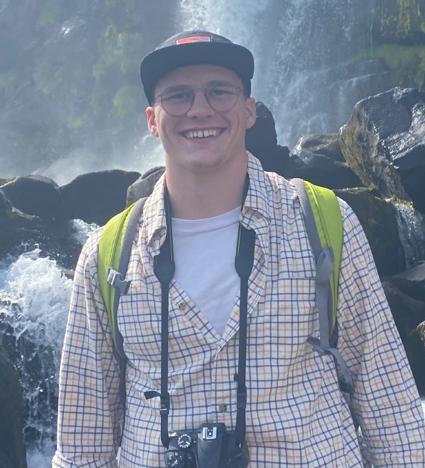
Caleb Camus
Caleb double majored in Art and Outdoor Studies. Under Dr. Joseph Pate, he developed a semester-long course called “Water Wise,” which involved research into educational pedagogy, experiential learning and practice, and environmental science, among other topics. He also developed a project with Dr. Pate and Dr. Margi Coyle on the effects of signage in natural Spaces. Caleb is interested in a career in outdoor conservation and recently completed a summer internship at Yellowstone National Park.
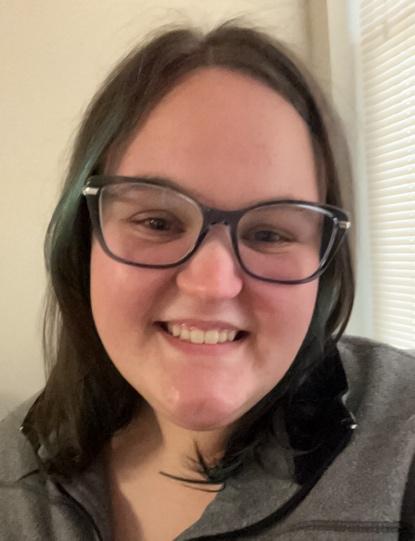
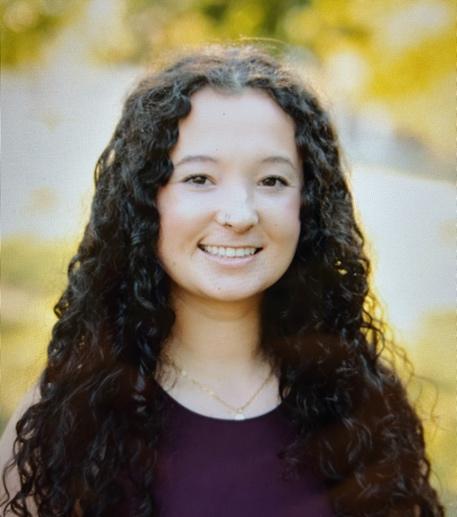
Lauren majored in Interdisciplinary Studies (Psychology, Biology, and Sports & Recreation Studies). She was an AY2023-2024 Appalachian College Association Ledford Scholarship recipient and worked in pain research under the mentorship of Dr. Van Dyke. She and her collaborator, Lorin Tidick (who is also a Distinguished Research Scholar), presented their psychological pain study at the United States Association for the Study of Pain. Beyond YHC, Lauren hopes to become a physician’s assistant.

Sara Helm
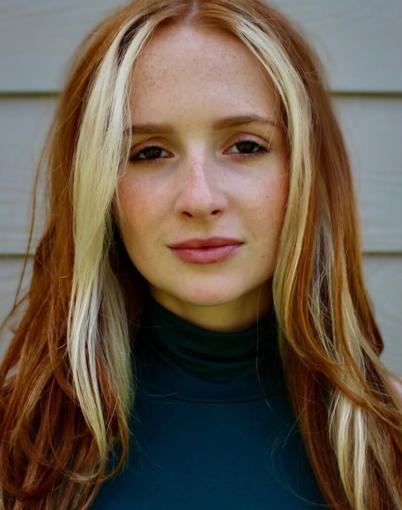
Sara majored in Psychology. Working with mentor Dr. Amy Boggan, she developed a psychology project, “Echo Chamber: The effects of confirmation bias on political attitudes,” which incorporated elements of both communication studies and political science. She presented her findings at the March 2025 Georgia Academy of Science and received an award for Most Outstanding Paper in the Psychology Sciences division. Post-graduation, Sara hopes to head into a career as a behavioral analyst and is pursuing a goal of working with neurodivergent children.
Allie majored in English with a Psychology and Creative Writing double minor. Described as a student who “consistently exceeds the mark in each class,” she developed numerous research projects with mentors Drs. Eloise Whisenhunt and Daniel Helbert. For two years running, she presented papers on Shakespeare at the UVA Wise Medieval Renaissance Conference. She hopes to apply the skill she has learned from her research to “future endeavors, whether that be grad school or a career outside of the English field.”
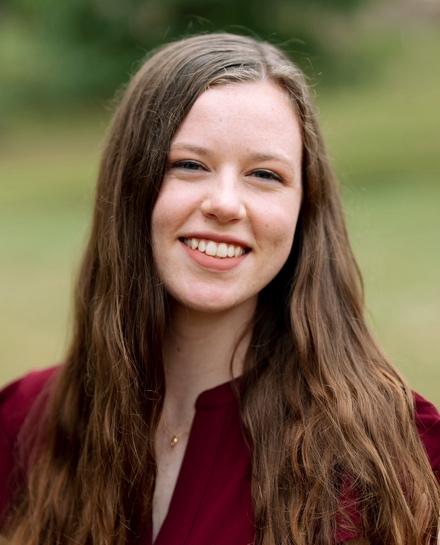
Avery double majored in Psychology and Theatre. She describes herself as “passionate about pursuing multiple areas of academia,” and spent her time at YHC balancing numerous projects with mentors across the fine arts and scientific disciplines, working with mentors Professor Gina Dropp and Dr. Van Dyke, among others. One mentor describes her as a student who is “one of [YHC’s] best examples of what it looks like to be a young scholar.”
Alyssa is an Art and Graphic Design double major. Under mentors Dr. Mary Brink and Professor Becky Miller, she developed several projects in the field of contemporary art. Noted by professors for her “intellectual curiosity,” Alyssa has incorporated this research into her own creative project, “New Zimbabwe: A Generational Story.” She states that her aim is to “to further explore the intersection of art, culture, and social issues through professional work in design and research,” possibly furthering her education at a later stage.
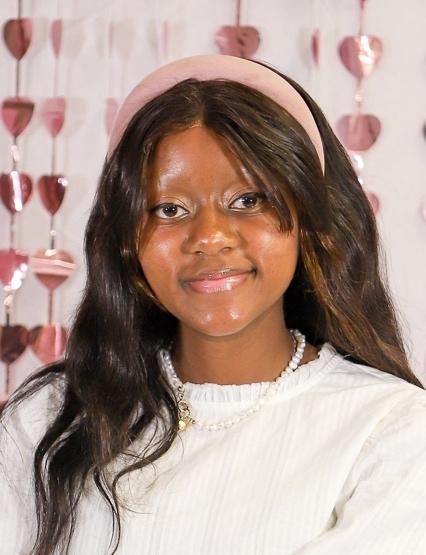
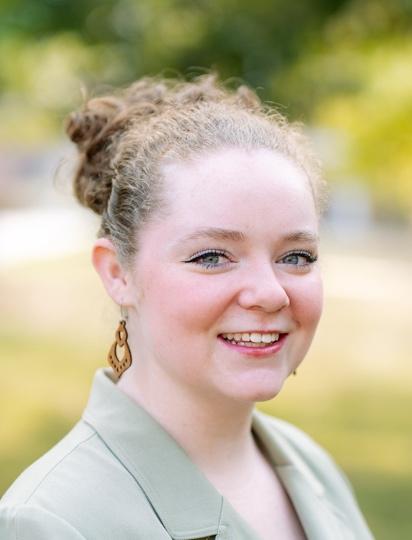
Phebe majored in Environmental Science with a minor in Spanish. She came to love field work through her mentorship with Dr. Margi Coyle, undertaking a project on the use of culverts by bat species in North and South Georgia, which also branched off into an Honors thesis. She says that, as a first-generation college student, field work and her one-on-one mentorship with Dr. Coyle “opened [her] eyes to so many more possibilities in the future.”
Eli majored in Creative Writing with a double minor in English and History. He presented a paper on Arthurian legends at the UVA Wise Medieval Renaissance Conference under the mentorship of Dr. Helbert and worked with Dr. Jen Julian to develop his creative writing capstone, an Arthurian retelling. He writes, “These projects have pushed me to examine my own connection to whatever I am studying and writing about (on the personal and cultural level).”
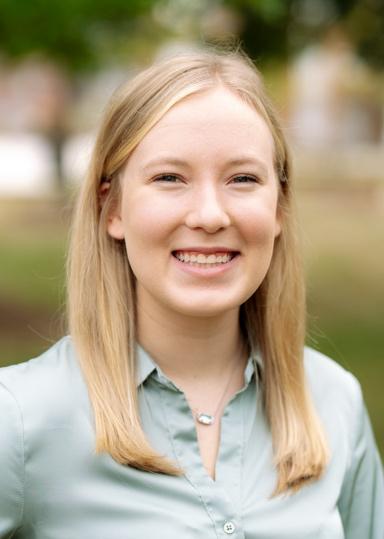
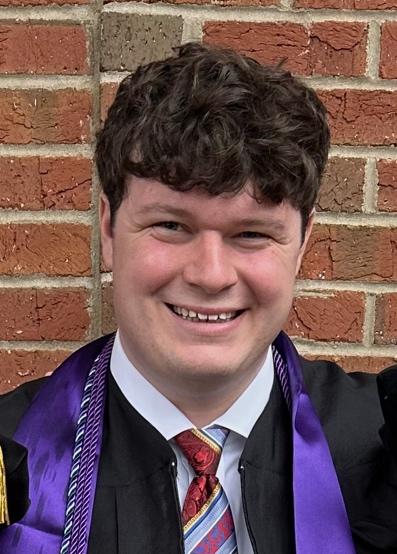
Taylor majored in Outdoor Studies while exploring an additional interest in ecological impacts. She completed numerous research projects under the mentorship of Drs. Coyle, Pate, and Matt Smith, among others. Last summer, she completed an internship with the United States Forest Service, which later informed a research project on the integration of GIS and GPS technologies for outdoor adventure. Described by faculty as having “excellent follow-through and self-motivation” she plans to continue working in the realm of conservation and environmental management after graduation.
Laci Thompson
Laci majored in Creative Writing with a minor in English. She also served as the editor of Artemas , YHC’s student literary journal, and completed multiple research projects and presented work at the UVA Wise Medieval Renaissance Conference. Described as a student who “takes thoughtful risks,” she composed her capstone under the mentorship of Dr. Jen Julian, focusing on the authorial integrity in both fiction and creative nonfiction. Laci remarks that the skills she has gained from these projects have made her “all the more confident in [her] future pursuits.”
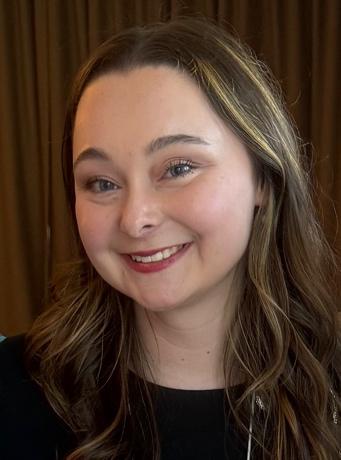
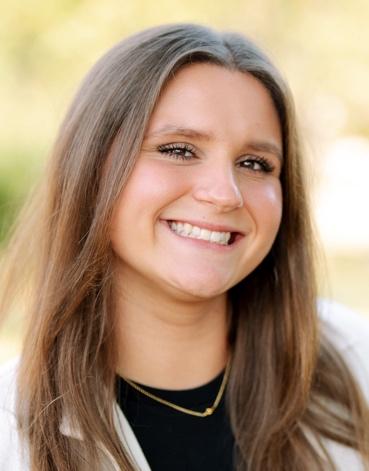
Lorin Tidick
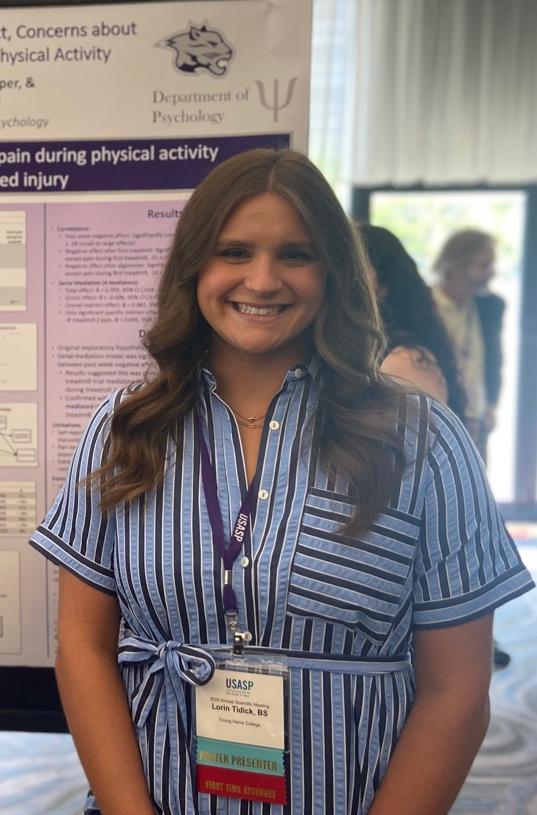
Lorin majored in Psychology with a Sports & Recreation Studies minor. She undertook research projects under the mentorship of both Dr. Van Dyke and Dr. Boggan. She collaborated on pain research with Lauren Cooper and presenting at the US Association for the Study of Pain. Described by one mentor as a “student whose curiosity is matched by her genuine motivation to learn and grow,” Lorin was recently accepted into the Master of Science in Kinesiology, Sport and Exercise Psychology Program at Georgia Southern University
This past spring, Young Harris College hosted the Georgia Academy of Science, March 7-8. Founded in 1922, the Academy’s mission is dedicated to the promotion of science education and the fostering of scientific research in the state of Georgia.
The conference accepted the following YHC projects:
v Application of CRISPR to Remove Multiple Beta - lactamase Gene Variants
OralPresentation
John Ray, Biology
v Observing the Anti - bacterial Properties of Oregano and Thyme on Oral Bacteria
Poster Presentation
Elizabeth Hernandez, Biology
v Is there a relationship between perceived social support and social network diversity and experimental pain intensity, pain catastrophizing, and stress?
Poster Presentation
Emma Parks and Percy Ackerman, Psychology
v Echo Chamber: The Effects of Gender Bias and Algorithm - based Media on Political Attitudes
OralPresentation
Sara Helm, Psychology (presented by Dr. Amy Boggan)
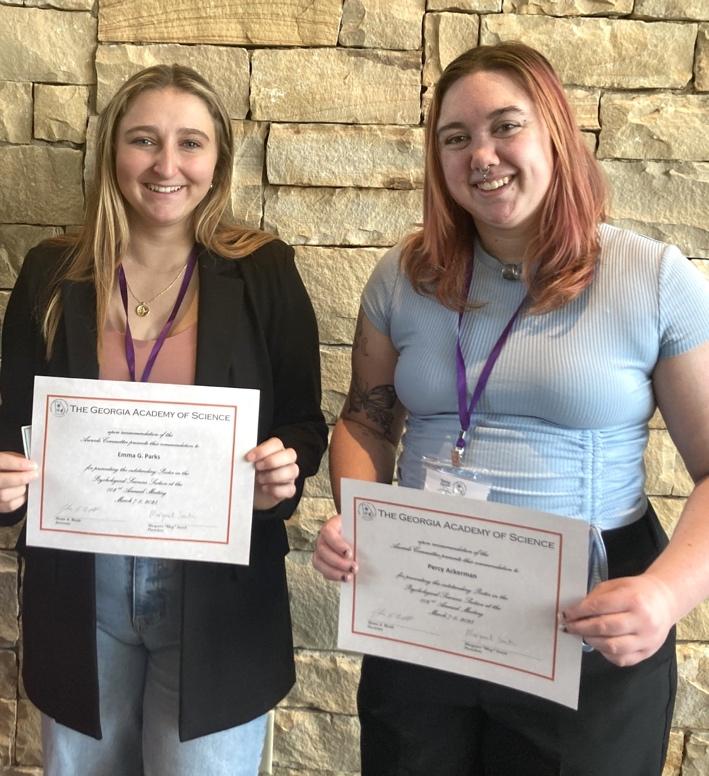
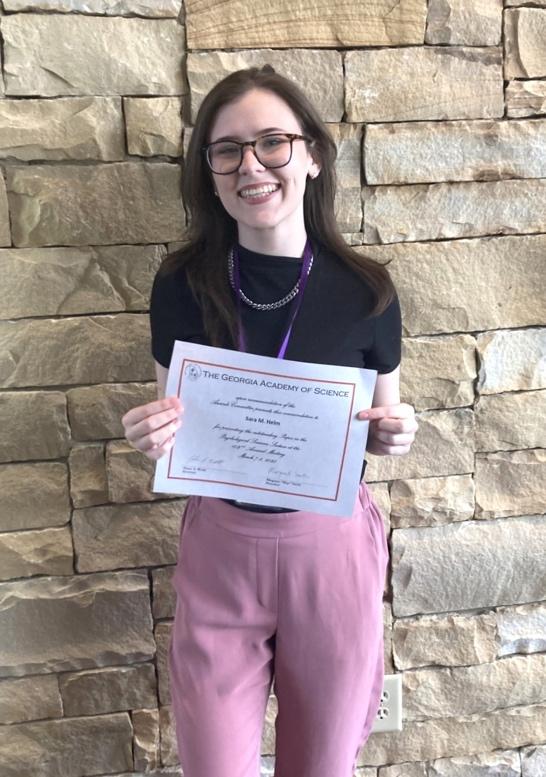
Emma Parks and Percy Ackerman were recognized for Most Outstanding Poster for the Psychological Sciences division (working with research supervisor Dr. Benjamin Van Dyke), and Sara Helm was recognized for M ost O utstanding T alk for the Psychological Sciences division (working with research supervisor Dr. Amy Boggan).
This is the first time YHC psychology students have participated in the Georgia Academy of Science Annual Meeting.
The Southwest Social Science Association accepted the undergraduate research of Madison Brady for presentation at the SSSA Annual Conference in Las Vegas. Madison presented the research, entitled, 2024PresidentialElection:NotSurprisingfromaBusinessConcepts Perspective, on April 4, 2025.
Madison’s project began as CURE research conducted in MRKT 3400: Digital Marketing in Fall 2024 during the Presidential election. Dr. Ian Oxman guided the research toward the digital marketing strategy and tactics used by each of the presidential candidate campaigns. The work specifically excluded politics, policies, and candidate personalities but rather focused on business marketing concepts
2025 Creative Writing graduate Ansley Gaston was accepted into the Master of Fine Arts Creative Writing Program at Reinhardt University. She is currently also teaching as an adjunct English instructor at Lanier Technical College.
Alison Mark h am and Taylor Thomas presented at the 2025 Southeast Recreation Research Conference, which was held in Young Harris at Brasstown Valley Resort March 23-25, 2025.
Alison’s oral presentation, ReimaginingOutdoorRecreation:AnAnalysisofBrandApproachestoIncreasingDiversityAmongstU.S.OutdoorPursuitParticipants, reflects research she did for her Marketing Senior Capstone under the guidance of Dr. John Van Vliet.
Taylor’s poster presentation, IntegratingGISandGPSTechnologiesforOutdoor Adventure:EnhancingNavigation,Safety,andParkManagementApplications, is a culmination of work from an internship she completed with the United States Forest Service (USFS) under the guidance of Dr. Marguerite Coyle, and from an assignment for her ODRS Experiential Education and Practice.
Molly Holland , a 2024 history graduate with a philosophy minor, spoke at the Gordon H. Clark Philosophy Symposium on March 22, 2025, presenting a paper on the intersection between metaphysics and philosophy of religion called How We Do Not Survive Our Deaths
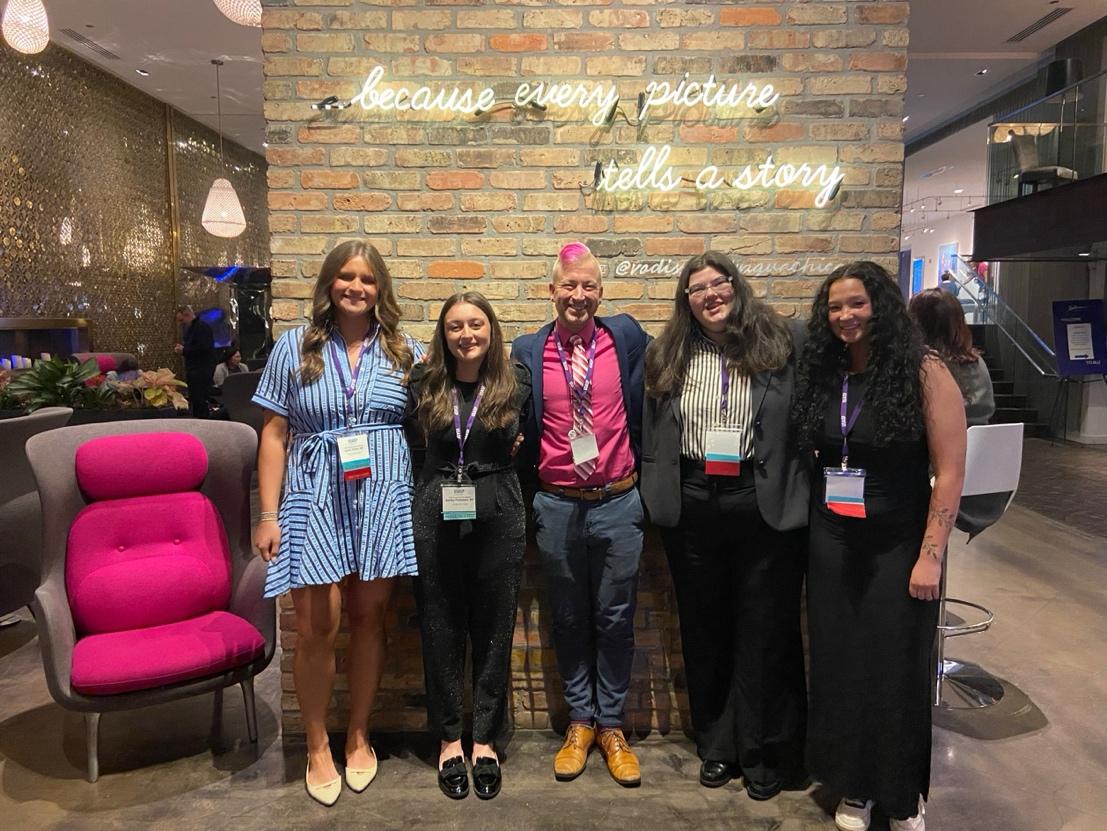
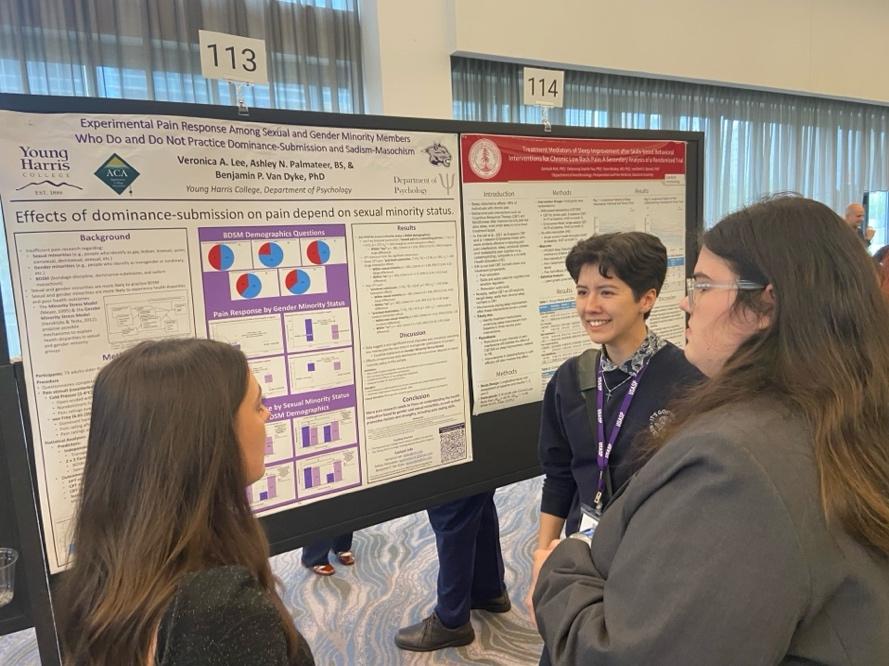
Under the supervision of Dr. Benjamin Van Dyke, four YHC students and recent graduates presented at the 2025 Annual Scientific Meeting of the United States Association for the Study of Pain in Chicago, April 29-May 2: Ashley Palmateer (‘24), Lorin Tidick (‘24), Lauren Cooper (’25), and Veronica Lee (’26).
They produced research based on independent research funded by the ACA Ledford Scholarship and Undergraduate Research MRE funding.
YHC student presentations at USASP included:
v Relationships among grit, physical performance, and response to perceived injury using applied mechanical pain.
Poster Presentation
Lauren Cooper and Lorin Tidick
v Experimental pain response among sexual and gender minority members who do and do not practice dominance - submission and sadism - masochism.
Poster Presentation
Veronica Lee and Ashley Palmateer
v Bondage - discipline, dominance - submission, and sadism - masochism fantasies, behaviors, and identification predict pain slopes across time in a cold pressor test.
Poster Presentation
Ashley Palmateer
v The relationships among negative affect, concerns about pain, applied mechanical pain, and physical activity.
Poster Presentation
Lauren Cooper and Lorin Tidick
This fall, Lorin Tidick was accepted into the Master of Science in Kinesiology, Sport and Exercise Psychology Program at Georgia Southern University
Six students graduated from the Young Harris College Honors Program this year, earning an Honors distinction on their transcripts. In addition to their senior capstones, these highachieving scholars completed the following Honors capstone projects. Each of these projects was presented as a talk at Undergraduate Research Day, and their complete abstracts can be found listed under their disciplines throughout the journal.
Students in the Honors Program enjoy numerous opportunities for their academic efforts, including access to research support, priority registration, academic scholarships, and courses abroad. Every semester, YHC offers Honors-only seminars in a wide range of multidisciplinary special topics. If you are a student with further questions about the Honors Program requirements or the opportunities it could offer, please contact Dr. Vanessa Iacocca (viacocca@yhc.edu).
How the Maya Religion Influenced Agricultural Success
Percy Ahlgrim
B.A. inHistory
Mentor:Dr.LeahBurnham
How Defining Regional Differences May Increase the Effectiveness of Homelessness Policy in the United States
Lily Buxton
B.S. inPublicPolicy&Law
Mentors: Dr.NathanGrayandDr.LarissaStiglich
The Effects of Signage in Natural Spaces
Caleb Camus
B.S.inOutdoorStudies,B.A. in Art
Mentors: Dr.JosephPateandDr.MargueriteCoyle
Music of the Holocaust
Ella Casey
B.A. in Music
Mentor: Dr.RichardR.Knepp
Truth and Tabernacle: Biblical Implications in Jane Eyre
Allie Killer
B.A. inEnglish
Mentor:Dr.EloiseWhisenhuntandDr.DanielHelbert
Use of Culverts by Bat Species in North and South Georgia
Phebe Rose
B.S. in EnvironmentalScience
Mentor: Dr.MargueriteCoyle
This journal presents a consolidation of student research projects from throughout the academic year. This past year, over half of the student body actively participated in undergraduate research. The estimated 400+ YHC students who engaged in research represented every academic department.
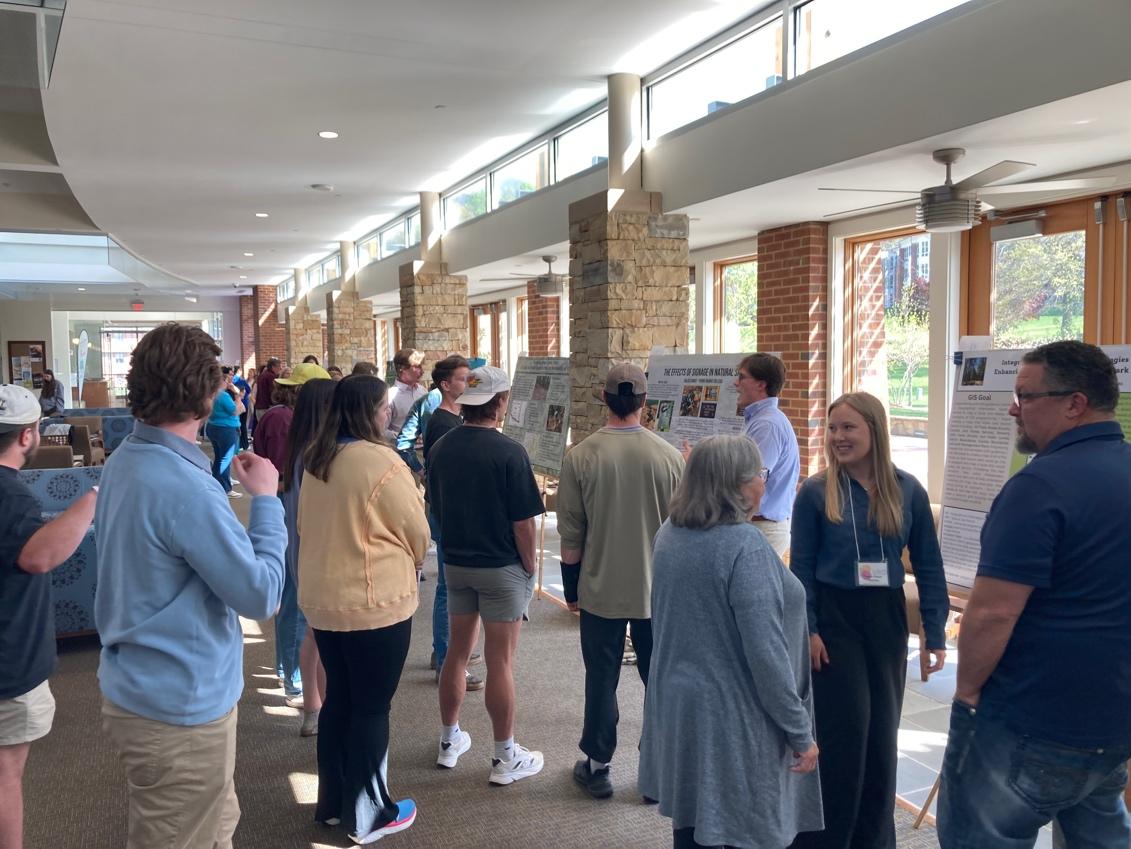
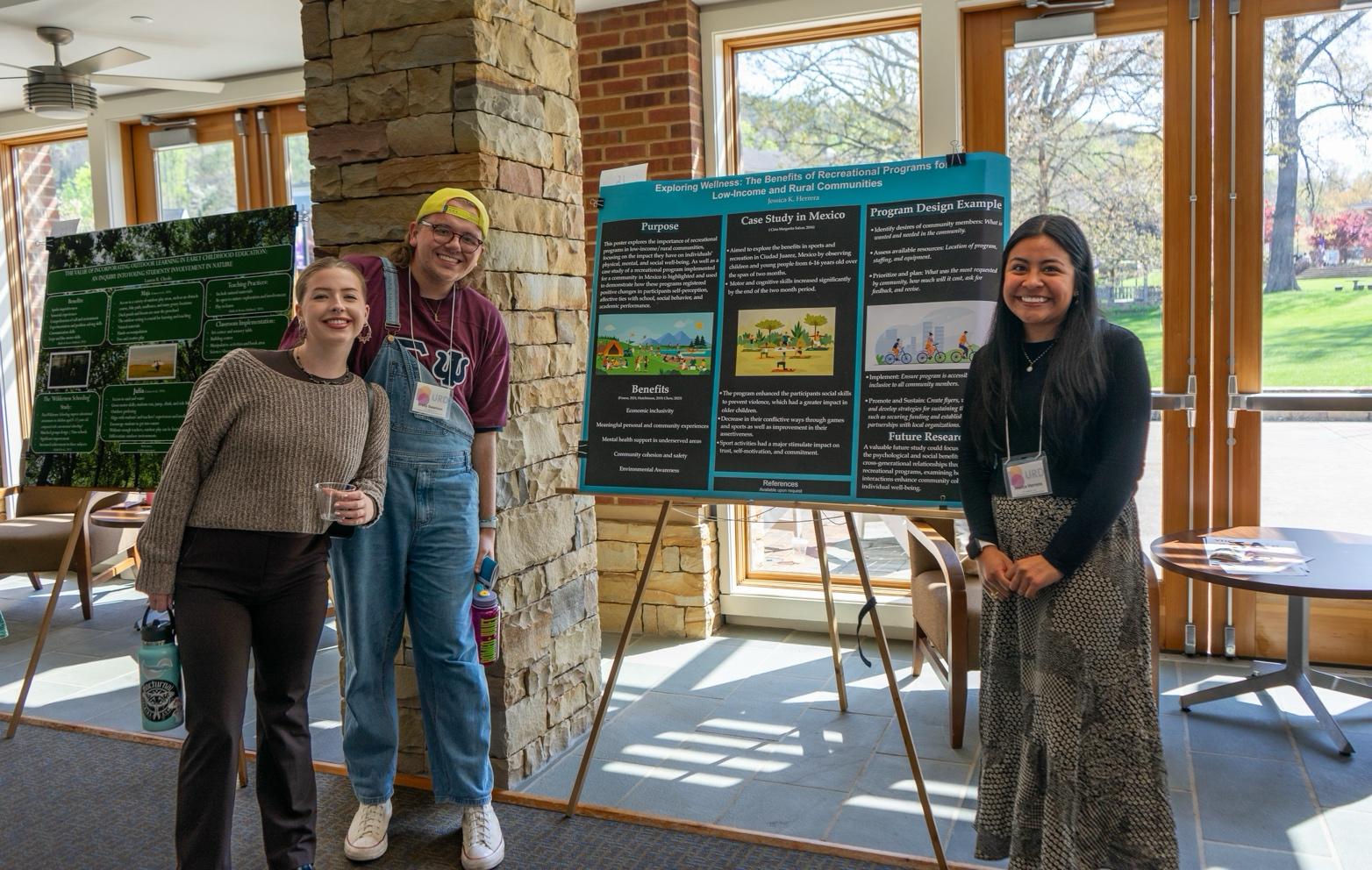
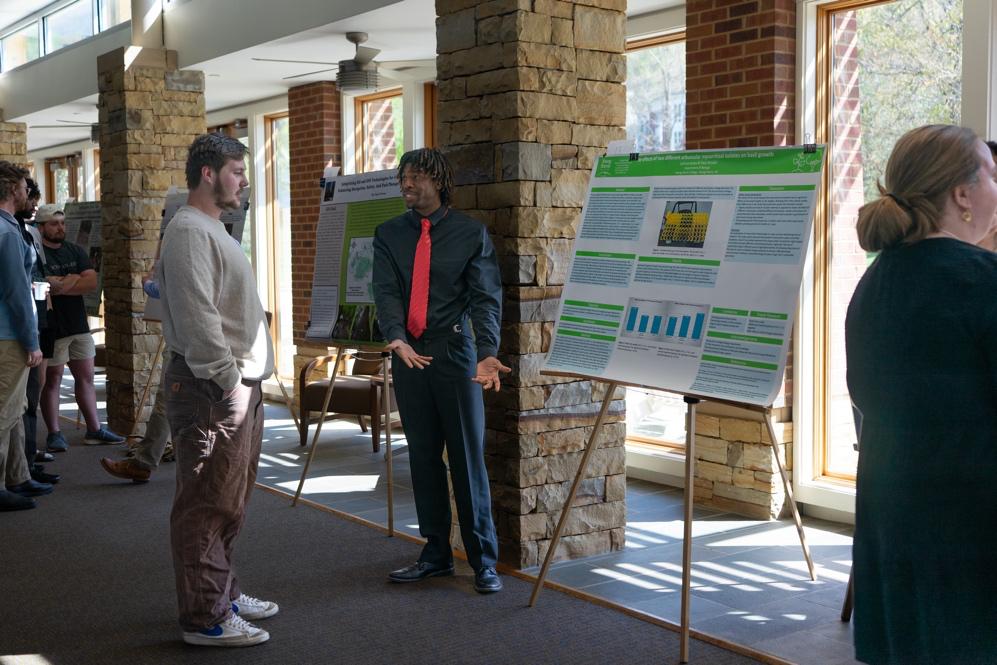
YHC’s 13 th annual Undergraduate Research Day (URD) was held on April 10, 2025. This allday multidisciplinary event featured eight oral presentation sessions and one poster session, plus a planetarium presentation, an art exhibit, two musical performances, two theatrical performances, and a Plenary Session featuring a panel of YHC alumni. We estimate that over 120 students participated, delivering a total of thirty-six oral presentations and forty-three poster presentations. Eleven out of twelve academic departments were represented this year, representing a wide range of research topics and methodological approaches.
URD is an exciting opportunity to recognize the research, inquiry, and creative production that students generate, and to celebrate and support each other as an academic community.
Course-based research experiences (CUREs) introduce students to discipline-specific research methods and help instill them with a sense of ownership in their academic and creative projects. They provide students with the opportunity to make discoveries, generate new knowledge, and create works of interest to their academic field and the community at large. CUREs can also serve as a gateway to mentored research experiences (MREs), wherein students deepen their research interests and develop an enduring rapport with a faculty mentor.
This past year, nearly sixty percent of full-time faculty at YHC across all twelve academic departments offered a CURE project in at least one of their courses. This allowed over 380 students to engage in collaborative or independent research, some for the very first time. The Undergraduate Research Committee is thrilled about the wide range of multidisciplinary research YHC offers, as well as the enthusiasm we have seen from the campus community broadly.
Mentored research experiences (MREs) entail discipline-specific, discovery-oriented research completed outside the bounds of a typical classroom. Under the direct supervision of a faculty research mentor, students explore the questions and problems that fascinate them, independently or collaboratively, in academic, creative, or professional pursuits. By the end of the semester, students present their findings as self-motivated scholars with newly found confidence in their fields.
This past year, twenty faculty members from six departments offered MREs and around fifty students participated.
Many of the following projects received financial support from the Undergraduate Research Program, covering lab equipment, textbooks, poster printing, visiting speakers, conference travel, and other special expenses.
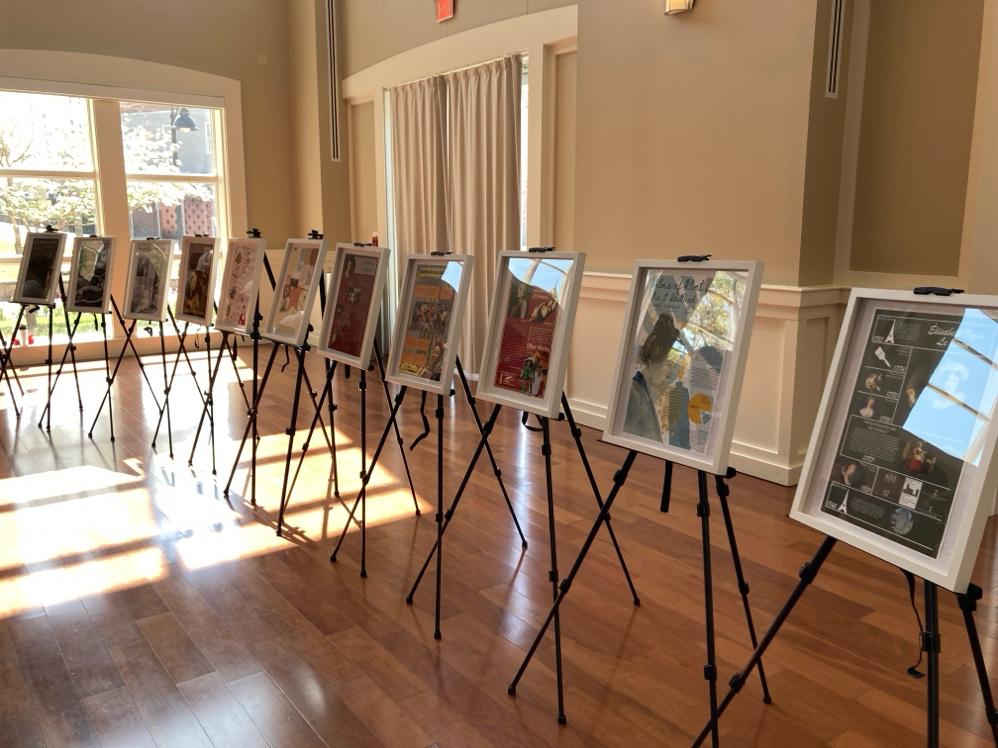
Female Artists: Collaborative Posters
ProjectinARTS2100:WomenandArtandARTS1112:DigitalArts
ArtInstallationatURD
Brady Swanson, Cassidy Bishop, Christina Gass, Corissa Pritchett, Emily Daniel, Grace Hollingsworth, Gracie Herring, Ian Pierce, Isabel Craine, Isabella Ray, Julia Hargrove, Juniper Taylor, Phantom Born, Lana Foster, Madeline Martin, Madison Culberson, Mykala Farran, Natalie Payne, Samuel Hall, Shelby Mullins, Sigrid Ekelin, Summer Hernandez, and Zoey Drew
Faculty Mentors: Dr. Mary Brink and Ted Whisenhunt
Eleven students in the Women and Art class each picked a female artist who worked in design or art, researched a single artwork by the artist, and filled out a research form on the artwork. Fifteen graphic design students in Digital Arts II used this research to make a poster for each of these artworks. The overall goal was to make an informative, eye-catching, and creative poster that would introduce an intro student to this work, the time period, and the artist.
An Analysis of the Moai Statues of Easter Island in Relation to the Rapa Nui People
ProjectinARTS1110:HistoryandCriticismofArt
OralPresentationatURD
Gracie W. Herring
Faculty
Mentor:
Dr. Mary Brink
Easter Island is home to the Moai Statues and their creators, the Rapa Nui people. These statues have captivated tourists and researchers alike, and through my research I hope to show how these sculptures were a very important part of the Rapa Nui culture. The statues are the largest monolithic creations in Polynesia. They represent humans but feature strikingly long heads with large eyes and noses. They are unique to the island, crafted out of volcanic tuff found in quarries made in volcanic cones. It was a laborious job to create these statues, with the work deemed sacred because of its physical attributes and its religious importance. From the quarry these statues would be moved across the island and placed in their ahu, or religious platforms. To the Rapa Nui people, these statues symbolized family lineage and fertility. The Moai were crafted to represent the male dominance in this society, with the statues being made to represent different leaders and chiefs that ruled them. The advanced skills the Rapa Nui people held at this time make this an impressive feat, leaving behind crucial evidence of what their lives looked like.
Observing the A nti - bacterial P roperties of O regano and T hyme on O ral B acteria
MREinBIOL4980:IndependentResearch
Poster Presentation at URD
Elizabeth A. Hernandez
Faculty Collaborators: Dr. Andrea L. Kwiatkowski and Dr. Paul T. Arnold
Essential oils have been researched medically as a holistic treatment over the last century. Oils like oregano and thyme possess anti-bacterial, anti-microbial, and anti-carcinogenic properties. This research tested the effectiveness of oregano and thyme on S. mutans and S.salivarius , two prominent dental bacteria. Dental caries affects 2.4 billion people annually and is one of the most common chronic diseases. A disk diffusion assay on Brain Heart Infusion agar and a minimum inhibitory concentration (MIC) test with BHI broth were performed on S. mutans and S.salivariusto determine the effectiveness of the oregano and thyme essential oils. Oregano, thyme, and DMSO were undiluted when tested on S.salivarius , and oregano was diluted to a 50/50 concentration, while thyme and DMSO remained undiluted when tested on S. mutans . Oregano, thyme, and DMSO had 15.33 mm, 13.33 mm and 5.33 mm average zones of inhibition against S. mutans , respectively. Oregano, thyme, and DMSO had 41.66 mm, 28 mm, and 9 mm average zones of inhibition against S.salivarius , respectively. The diluted oregano had a MIC of 0.3125% against S. mutans , while undiluted oregano had a MIC of 0.391% against S.salivarius . Thyme had a MIC of 3.125% against S. mutans and a MIC of 6.25% against S.salivarius . DMSO had a MIC of 12.5% against S. mutans and a MIC of 1.56% against S.salivarius . Oregano and thyme essential oils could be used as an alternative to allopathic treatments.
How L actose I ntolerance A ffects G ut M icrobiome C omposition
ProjectinBIOL4990:SeniorResearchCapstone
OralPresentationatURD
Emma L. Hodges
Faculty Collaborator: Dr. Andrea L. Kwiatkowski
The gut microbiome is a complex microbial ecosystem composed of bacteria, archaea, fungi, and viruses. One of the enzymes produced by Lactobacillusand Bifidobacteriumspecies in the gut, betagalactosidase, breaks down lactose, a sugar that is naturally found in milk and dairy products. The goal of this research was to observe the gut composition of three individuals with self-reported lactose intolerance and three with self-reported tolerance. All participants were female student-athletes at YHC between the ages of 19-22. Six participants’ fecal samples were collected as well as filling out a survey about
Biology
their background health and overall diet. The fecal samples were collected by swabbing a piece of used toilet paper after defecating and then it was placed in the tube provided by Biomesight and stirred in saline solution for 30 seconds. After sealing the tube, it was shaken vigorously for 10 seconds. Samples were mailed to the lab where 16S rRNA sequencing was performed to analyze the community of microbes in each participant’s gut. A Shannon diversity index was calculated for each participant as well as genus identification of their microbes. Scores were assigned based on ideal numbers of probiotic organisms, diversity, ideal numbers of commensals, pathobionts, and overall gut wellness (a combination of the other 4 scores). We predict a decrease in probiotics and gut diversity in the 3 participants with lactose intolerance with no change to gut wellness scores, pathobionts, and commensals. FundingprovidedbyYHCNaturalSciencesDepartment.
The E ffect of C annabinoids on the D evelopmental M orphology of Z ebrafish: A S ummary
ProjectinBIOL4980:IndependentResearchandBIOL4990:SeniorResearchCapstone OralPresentationatURD
Montana N. Owens Faculty Collaborator: Dr. Linda G. Jones
Human use of cannabinoids in various forms has risen in the last several years despite a lack of evidence for safety during growth and development. We have been examining the effect of cannabinoid exposure in zebrafish embryos and have found that exposure to varying concentrations of delta ninetetrahydrocannabinol (Δ9-THC), delta eight-tetrahydrocannabinol (Δ8-THC), and cannabidiol (CBD) promote delayed hatch rate, higher death rate, lowered heart rates, spinal curvature and pericardial effusion when compared to control embryos. We have also observed abnormalities in jaw structure, but no consistent pattern of abnormality has yet been identified. In this study we have continued to stain embryos stored in 100% methanol using Alcian Blue to examine jaw structure and have observed alterations such as a shortening of Meckel’s cartilage and changes in morphology of the palatoquadrate and ceratohyal cartilages as well as to the entire pharyngeal region in response to treatment with all three cannabinoids. We have also analyzed data obtained from the previous three years to determine overarching trends of the effects of cannabinoid exposure in zebrafish embryos.
FundingprovidedbytheYHCUndergraduateResearchProgram.
The E ffects of T wo D ifferent A rbuscular M ycorrhizal I solates on B asil G rowth
MREinBIOL4980:IndependentResearch
Poster Presentation at URD
Joshua Jones
Faculty Collaborator: Dr. Paul T. Arnold
The inoculation of arbuscular mycorrhizal fungi (AMF) is known to provide beneficial and diverse effects to plants that share mutualistic relationships. Through subterranean interactions between the plant roots and AMF, root colonization can result in increased sugar and fixed carbon uptake for the fungus and increased nutrient and water uptake for the plant, as well as increased root and shoot growth. To test this, a study was performed, inoculating the spores of 2 AMF species, Funneliformis mosseae(F.m)and Claroideoglomusetunicatum(C.e) , into a pseudo-soil mixture of organic plant materials, with basil plant (Ocimumbasilicum) seeds. Plant heights in inches and dry plant weights in grams were measured after a growing period of three months under controlled conditions. Comparing the 3 treatment groups, F.m. + plant seeds, C.e. + plant seeds, and no mycorrhizal inoculant + plant seeds, no statistically significant differences of height and weight were observed. This research opens the door for more empirical studies on mycorrhizal fungi, including in vivo experiments, where competitive symbiotic interactions may occur, and exploring practical uses of specific mycorrhizal fungus species in agriculture and crop development. ThisstudywaspartiallyfundedbytheYHCBiologyUndergraduateResearchInitiative.
Application of CRISPR to R emove M ultiple B eta - lactamase G ene V ariants
MREinBIOL4980:IndependentResearch
OralPresentationatURD
John T. Ray
Faculty Collaborator: Dr. Andrea L. Kwiatkowski
Antibiotic resistant bacteria are problematic in healthcare. A solution is to remove resistance using gene editing technology like CRISPR. This study focused on β-lactamases specifically, which hydrolyze the β-lactam ring in penicillin and cephalosporin antibiotics and are divided into four classes based on protein sequence. The active site of β-lactamases within each class are similar, supported by the fact that 3 of the 4 classes all use a serine amino acid in the active site. By applying CRISPR-Cas9, this study aims to remove multiple gene variants using a single guide RNA. The plasmids pHflu2 and pETcon-NK contain the genes for β-lactamases TEM-116 and TEM-1 and chloramphenicol and kanamycin resistance, respectively. TEM-116 and TEM-1 are variants of the TEM gene, which is a class A β-lactamase. These plasmids were inserted via electroporation into the Escherichiacolistrain LCEO3 (containing a Cas9 gene) to generate two cultures of LC-EO3 each containing one of the β-lactamase plasmids. A plasmid containing a guide RNA that targets TEM-116 and an ampicillin resistance cassette was synthesized by Sigma Aldrich and called pAmpR (SRID). The LC-EO3 strains containing pHflu2 and pETcon-NK were transformed by electroporation with pAmpR (SRID). These strains were replica plated on Luria agar containing ampicillin, chloramphenicol or kanamycin. It is expected that the Cas9, guided by one sgRNA will cause double strand breaks in pHflu2 and potentially pETcon-NK, causing the bacteria to become sensitive to chloramphenicol and kanamycin. FundingprovidedbytheYHCUndergraduateResearchProgram.
v WHAT FIRST SPURRED YOUR INTEREST IN THIS TOPIC? WHAT INITIAL STEPS DID YOU TAKE TO BEGIN THE RESEARCH PROCESS?
I took Dr. Gray's education policy class during my sophomore year, and although I had no prior knowledge of the topic, I became really interested in it. I knew a previous person who did research, and she helped introduce me to the idea of also doing it. I then began learning and thinking about the process and what it would look like for me.
v WHAT WAS MOST CHALLENGING TO YOU ABOUT THIS PROJECT?
This kind of research wasn't something I had a whole bunch of experience with, so it was a learning curve. On top of that, we started using new research software, and it was a process trying to figure it out. However, while I have learned a significant amount through this project, I am still learning how to do it, and I am enjoying the process of learning.
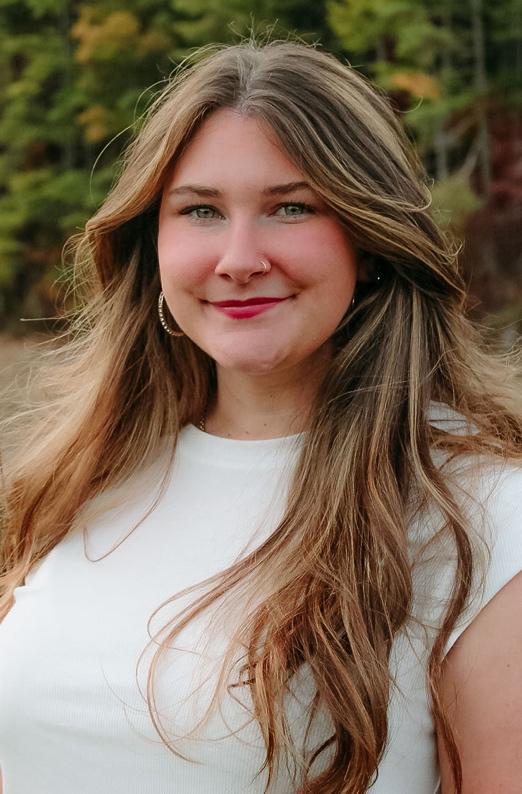
v WHAT WAS YOUR FAVORITE PART ABOUT THE RESEARCH PROCESS ?
I really enjoy the moment when you figure something out and get closer to what you are searching for. It can be frustrating to shuffle through piles of data and literature, but being able to watch it all come together is extremely rewarding.
If you find something or have something that you are interested in, reach out to your professors and make the opportunity for yourself. Everyone at YHC wants to see you succeed and help you figure out what you want to do You just must go out and get it.
HonorsThesis
OralPresentationatURD
Lily A. Buxton
Faculty Mentors: Dr. Nathan Gray, Dr. Larissa Stiglich, and Dr. Vanessa Iacocca
Homelessness is a persistent issue in the United States. Most policies employed to assuage the issue focus on treating the symptoms of homelessness at a national level. While it is important to address the issues people face when homeless, it is also crucial that policymakers consider how to best address the causes of the problem. This is no simple task, as the United States consists of widely varied regional populations, each population affected by its own unique set of influences. Thus, it would be advantageous for policymakers to consider the unique characteristics and causes of homelessness within specific regions across the United States. This serves as a departure from existing policy which emphasizes national, rather than local, approaches to ending homelessness. Because the root causes of homelessness differ in rural and urban areas, efforts to address homelessness should also differ, moving away from the overarching national approaches currently employed as the primary means of problem solution. By evaluating what is known about rural homelessness compared to urban homelessness, as well as the intention behind existing policy, this paper seeks to acknowledge a gap in current policy approaches which may guide policymakers in the development of future homelessness policy.
2024 Presidential Election: Not Surprising from a Business Concepts Perspective
CUREinBUSP4980:IndependentStudy
OralPresentationatURD
Madison H. Brady
Faculty Collaborator: Dr. Ian D. Oxman
Research and polling data predicted a different outcome for the 2024 Presidential Election. While a consensus of political, social, and psychology experts supported the pre-election polling predictions, an analysis of the campaign from a non-political perspective indicated that a potentially different outcome would occur. This presentation examines the 2024 Presidential Election from an objective business strategy and marketing tactics perspective independent of political policies, public opinions, or candidate personalities. This research analyzed the 2024 election relative to fundamental business concepts in branding, segmentation, and advertising. Viewed through this marketing lens, the election outcome becomes less surprising and more predictable. The implications of this research suggest that in future elections, voters should focus less on the noise of polling predictions and candidate personalities and rather pay more attention to campaign tactics. For political campaign operatives, and voters, the research suggests that fundamental business and marketing concepts may actually be better election predictors than daily voter polls.
Broadening the O utdoorsy N arrative: Brand S trategies for I ncreasing U.S. O utdoor
P ursuit P articipant D iversity
CUREinBUSP4991:StrategicIssuesandAnalysis
OralPresentationatURD
Alison P. Markham
Faculty Mentor: Dr. Joseph Pate
In 2023, over half of Americans aged six and older participated in outdoor pursuits, growing the U.S. outdoor recreation participant base by 4.1% to 175.8 million participants (Outdoor Industry Association, 2024). Despite this growth, participant diversity only increased marginally, and the demographics of U.S. outdoor pursuit participants did not match the demographics of the United States, with U.S. citizens being more diverse than U.S. outdoor pursuit participants. This leaves engaging more diverse participants as key prospects for brands in the outdoor recreation industry and prompts the following question: What approach should brands in the outdoor recreation industry take to increase diversity amongst U.S. participants in outdoor pursuits? This presentation addresses the question by defining key terms and conceptualizing information gathered from the consultation of relevant industry professionals, peer-reviewed literature, non-peer-reviewed articles and reports, industry brands, and industry nonprofit organizations into three concrete approaches that brands in the outdoor recreation industry can take to increase the diversity amongst U.S. outdoor pursuit participants: (1) increasing diversity representation advertising, (2) implementing diversity, equity, and inclusion (DEI) initiatives, and (3) working to mitigate constraints and barriers to diverse participation. These approaches are then explained and holistically analyzed to find overall best practice.
v WHAT NEW PROJECT DID YOU IMPLEMENT THIS YEAR?
In my Fandom & Entertainment class this spring semester, I had the whole class conduct an ethnographic study of baseball and other sports fandom at the University of Tennessee. This involved preliminary research online, a trip to the UT campus in April for a facilities tour, and meeting with an intern in their sports marketing program.
v WHAT DID YOUR STUDENTS INVESTIGATE?
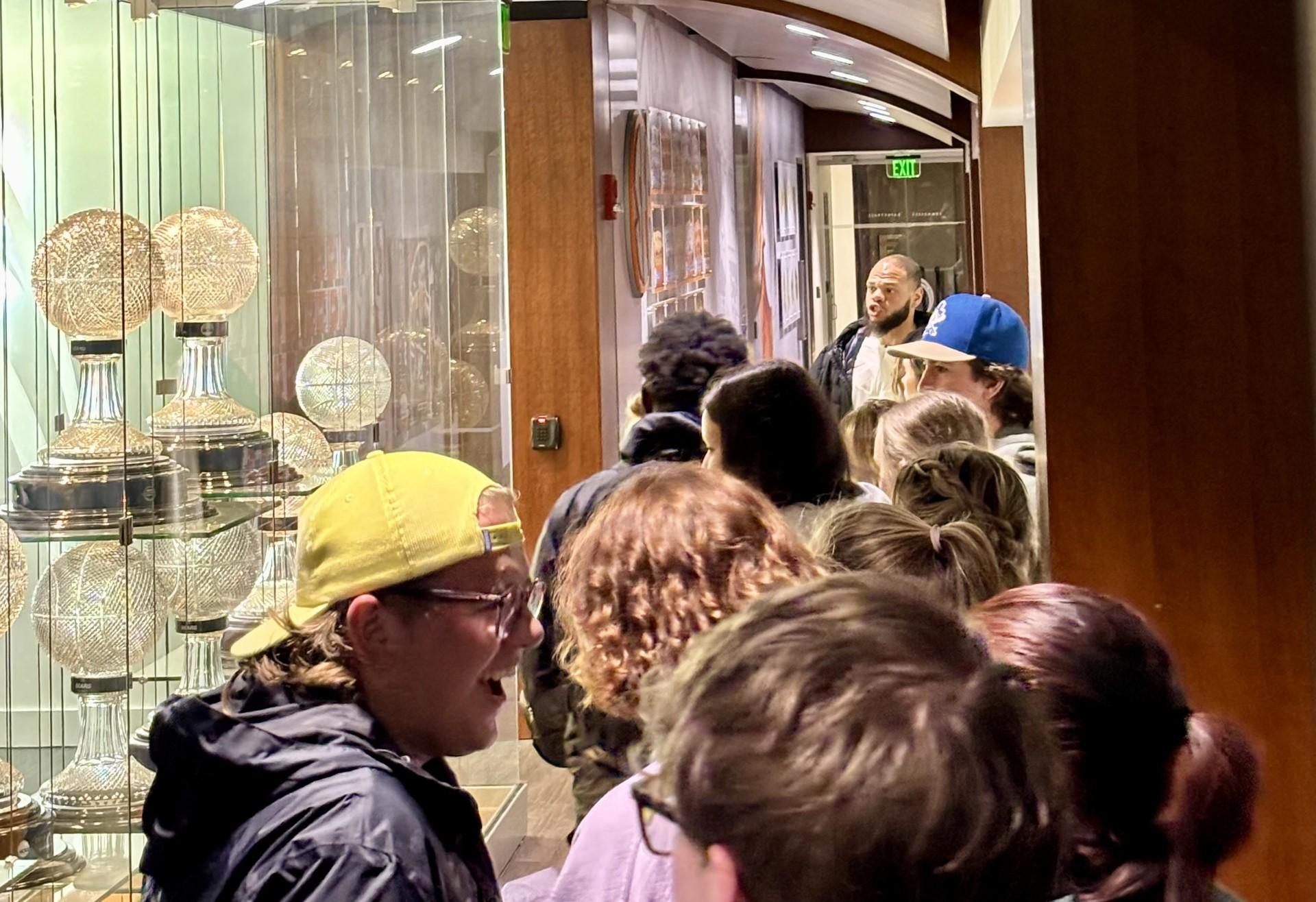
The class was tasked with developing a research methodology and project around the study of sports fans at the University of Tennessee. This originally took the form of both preliminary research and a visit to the university for a baseball game in the spring. We set up the project as an ethnographic study of baseball fans at the then-second ranked Division I team in the country, with a massive fan base and large-scale athletics operation behind it. Unfortunately, the game itself was rained out, so we had to modify our plans the week before and re-center our study around the facilities tour and what information we were able to gather from discussions with staff in Knoxville.
The study of audiences, fans, and how they interact with various types of media is one of the cornerstones of media research (The other two are production/distribution and the “text” or media object itself.) In fan studies, the object is to understand how fans of media properties, entities, or companies demonstrate their fandom, what fan rituals they enact while visiting locations associated with their fandom, and how they consume objects related to their fandom, especially memorabilia and other collectibles.
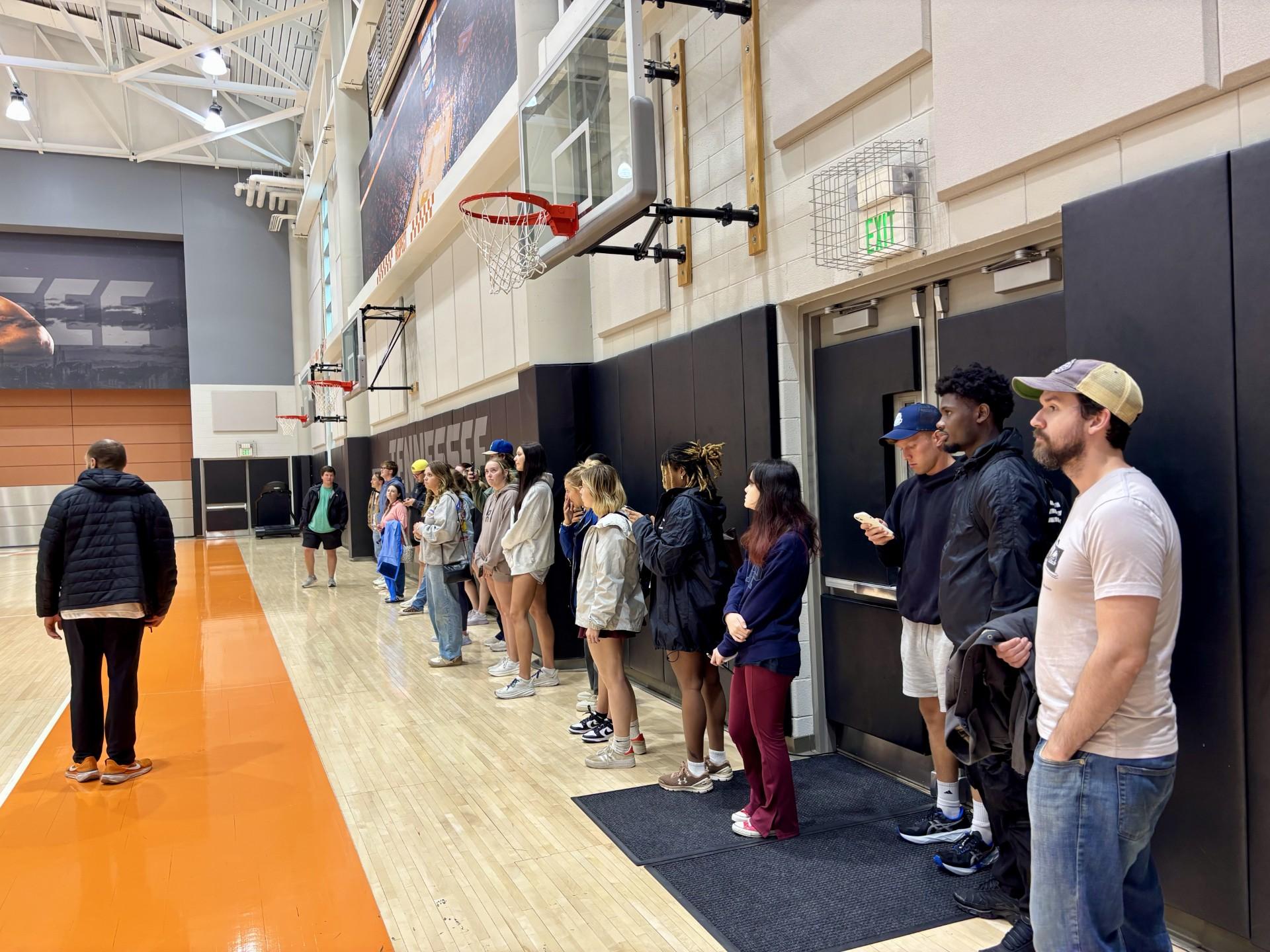
Before our trip, the class was tasked with collectively developing a research topic and figuring out a methodology for the research. Since ethnographic research studying communities and groups from the inside i s one of the major methodologies of fan studies research, we decided that we would make observational analysis a cornerstone of our work. The class decided to split into five different groups which would compile background information about a specific part of UT and its athletics programs and their relationships with fans and then look out for how those relationships were featured in the athletics facilities we toured. These groups were Fan Culture, Space, Marketing and Branding, Fan Experiences, and Sales. The students then came back and worked together to create presentations about their research and their findings.
Our tour consisted of the basketball practice facilities in Thompson-Boling arena, the athletics training facility next to Neyland Stadium, and a brief visit to Lindsey Nelson Stadium, where the baseball team plays. We learned about the ways entrances to these facilities play a key part in both athletics recruitment, as well as fostering a sense of community for fans and potential donors. Thompson-Boling Arena, for example, features an extensive trophy room and collection of memorabilia, especially highlighting the legacy of coach Pat Summit and the Lady Vols. The students got to ask a lot of questions about these facilities and how the university’s athletics program engages with fans, including marketing strategies and fundraising.
The students worked over the next couple of weeks on their research questions and developed some conclusions about how fandom and fan culture were central to the University’s athletics departments and teams, and how that importance can be seen in how the school recruits athletes, woos donors, and engages with its fans. In their findings, they noted how the spaces themselves played a central role in these experiences and fan rituals, and how these led to revenue generation for baseball and other programs at the school.
Examining V iewers' P erceptions of F emale S portscasters' A uthority and C redibility when W orking in M ale - dominated S ports
MREProjectinCOMM4990:CommunicationStudiesCapstone
OralPresentationatURD
Shelby N. Mullins
Faculty Mentor: Dr. Ambyre Ponivas
The representation of women in sports media and broadcasting, more specifically in male-dominated sports, has been a topic of discussion in the world of sports media for quite some time. Typically, men were perceived to have the necessary experience and expertise to report on sports, a realm that was predominantly in the male domain. Viewers of sports media are familiar with the roles men and women play in sports journalism, and previous research suggests that female sportscasters were perceived as less persuasive and credible than male sportscasters. Have these perceptions changed over time? The present study examines sports media viewers' perceptions of female sportscasters' authority and credibility--particularly when women cover male-dominated sports--and how these perceptions may contribute to gender bias. This study will further explore which variables impact audiences' evaluations of different sportscasters.
Credibility, A uthenticity, and P ower of S ports B roadcasters
ProjectinCOMM4990:CommunicationStudiesCapstone
OralPresentationatURD
William P. Standard
Faculty Mentor: Dr. Ambyre Ponivas
Sports broadcasting is a major component of the sports industry that involves enhancing viewer experience through providing commentary of a game. Research has shown over the years that sports broadcasting is a growing industry, and one that has grown to be worth billions. Quick and engaging commentary gives a true feel of the game and is done through many components displayed by the broadcaster. This is a shift with growing technology that puts sports broadcasting as the primary way for fans to obtain information and entertainment in sports. This study investigates how credibility, authenticity, and the power of a sports broadcaster either enhances or lessens the viewer experience and perception of a specific broadcaster. This study hypothesizes that broadcasters who are seen as having more credibility, authenticity and power will lead to better perceptions of that broadcaster.
Tread L ightly, S hare R esponsibly: The I mpacts of S ocial M edia on P ublic L ands and O utdoor E thics
ProjectinCOMM2810M:IntroductiontoMediaLiteracy
OralPresentation at URD
Alison P. Markham
Faculty Mentor: Dr. Matt Smith
Though deviations from outdoor ethics, notably the principles of Leave No Trace, have been an ongoing issue since the very inception of protected public lands and the introduction of industrialized tourism, social media and social media’s precise geotagging and hashtagging features have had further detrimental effects on protected public lands by introducing an influx of visitors with little to no environmental awareness due to social learning from media that does not embody these principles. While social media’s social learning effect can lead to the observing, imitating, and modeling of good, environmentally sound behavior, it is easy for social media users without the knowledge of outdoor ethics like principles of Leave No Trace to observe and interpret reckless behavior modeled by other users, whether unknowingly or purposefully, which can lead to a snowball effect of continued reckless behaviors amongst others. This presentation considers the implications of social learning through social media platforms in the context of outdoor ethics and public lands, which is a pressing matter because nature-based tourism is at an all-time high and US National Parks with large social media presences see more visitors than those without large social media presences.
CHEM 4310: INSTRUMENTAL ANALYSIS A CURE PROJECT WITH DR. AMANDA SONG
v WHAT NEW PROJECT DID YOU IMPLEMENT THIS YEAR?
Six students in CHEM 4310 – Instrumental Analysis were divided into three groups. The first group analyzed the chemical composition of gasoline vapors using Fourier Transform Infrared (FTIR) Spectroscopy. The second group investigated gasoline residues with Gas Chromatography (GC). The third group conducted a comparative study of vehicle exhaust gases
v WHAT DID YOUR STUDENTS INVESTIGATE?
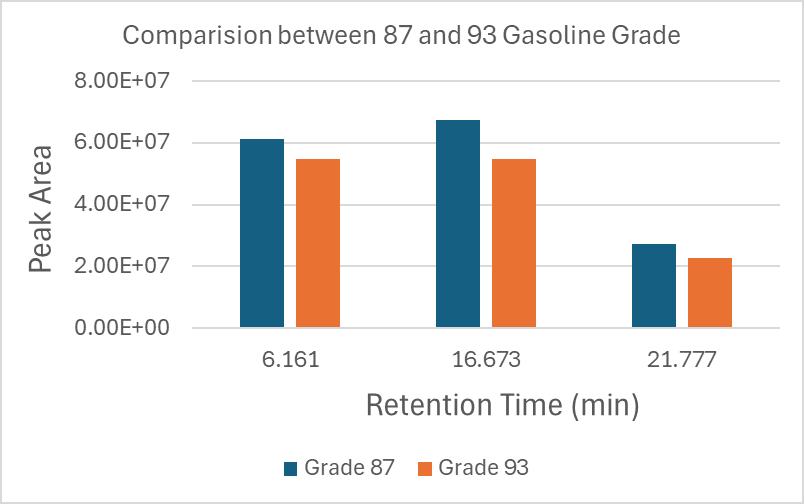
The gasoline vapor group examined functional group variations across grades using peak height measurements. The residual group compared vapor loss rates and quantified three representative compounds in the residuals with GC. The third group analyzed two decades of NOx and particulate matter trends in vehicle exhaust
v HOW DID YOUR STUDENTS SHARE THEIR WORK AND WHAT DID THEY DISCOVER?
All the students presented their results and findings at Undergraduate Research Day.
FTIR Spectrochemical Analysis of Three Grades of Gasoline Vapors
CUREinCHEM4310:InstrumentalAnalysis
OralPresentation at URD
Mollie R. Arrowood and Abby C. Schrim
Faculty Mentor: Dr. Amanda Song
The vapors of gasoline are easily oxidized and contribute to the formation of ozone and photochemical smog. Ozone and photochemical smog are detrimental to human health and have adverse effects on the growth and prosperity of natural life. This research examined the differences of vapor among three different grades of gasoline: 87, 89, and 93. An FTIR Spectrometer was used to identify the chemical functional groups in the vapors. Additionally, the peak areas of functional groups were compared for semi-quantitative assessment of the relative concentration of vapor emitted from each grade within a certain time frame. FundingprovidedbytheYHCUndergraduateResearchProgram.
RESULTS :
The functional groups in gasoline vapors were similar across 87, 89, and 93 grades. The amounts of these functional groups measured with peak height were lower for the 93 grade than those released from the 87 and 89 grades, suggesting the 93 grade has less volatile components than the other two grades.
Investigation of G asoline V apors from T hree D ifferent G rades
CUREinCHEM4310:InstrumentalAnalysis
Poster Presentation at URD
Matthew J. Honeycutt and Aliya R. Murphy
Faculty Collaborator: Dr. Amanda Song
The purpose of this research is to examine how much gasoline escapes into the air within a given time frame. Gasoline vapors are comprised mostly of hydrocarbons. They are not only greenhouse gases, but also easily oxidized in the atmosphere, which leads to the formation of photochemical smog. Three grades of gasoline were selected for this study: 87, 89, and 93. The loss of gasoline in the samples was examined through comparison of the mass after 0, 5, and 10 minutes in an open container under the fume hood. The loss of vapor from each of the samples was also studied using Gas Chromatography. By comparing the relative peak area for a particular component, we can estimate the possible chemical composition of gasoline vapor. Our results will allow us to estimate how much gasoline vapor escapes from a gas station each year. FundingprovidedbytheYHCUndergraduate ResearchProgram.
:
Data from grade 89 gasoline was discarded due to experimental errors. The evaporation loss rate was 0.0066 g/min for grade 87, higher than 0.0051 g/min for grade 93. Three representative compounds were identified by their GC retention times, primarily determined by molecular weight. Peak area analysis showed lower amounts of these compounds in the residuals of grade 93 compared to grade 87, indicating that grade 93 residuals contain fewer volatile components.
Investigation of NOx and Particulate Matter E mission C hange in Car Exhaust O ver T wo D ecades
CUREinCHEM4310:InstrumentalAnalysis
Poster Presentation at URD
Brynne M. Culp and Austin H. Norman Faculty Collaborator: Dr. Amanda Song
The exhaust gas from automobiles contains NOx and particulate matter. NOx is a cause of photochemical smog and PM2.5 can cause lung disease. The purpose of this study is to find if newer car emissions contain less NOx and PM2.5 than older car emissions. Exhaust gases were collected after an automobile was on for 5 minutes and shut off. The level of NOx in 50 mL of exhaust gases was analyzed by first reacting with a color reagent and then measured with the Ultraviolet Visible Spectrometer method. The level of particulate matter in 500 mL of exhaust gas was analyzed by the mass difference of a filter before and after collection. The level of NOx and particulate matter will be compared between automobiles within the time frame of twenty years. FundedbytheYHCUndergraduateResearchProgram.
RESULTS:
The average level of NOx emission from vehicles between 2003 and 2013 was higher than that between 2018 and 2022. The data on particulate matter in the exhausted gases was inconclusive.
ppm v. Year of Vehicle
Astrometric Observations of WDS 00012+3716 DAM 274
HonorsProjectinASTR1106:BeyondtheSolarSystem PlanetariumPresentationatURD
Olivia C. Z. Ewing Faculty Collaborator: Lauren E. Albin
Double stars are two stars that appear to be close together in the night sky. These stars can either be gravitationally bound to one another or only apparently located near each other as viewed from Earth. In Fall of 2024, we participated in the Institute for Student Astronomical Research’s Double Star Astrometry seminar for 8 weeks under the guidance of Dr. Rachel Freed. Alongside four other participants, we collected and analyzed data using the Las Cumbres Observatory robotic telescope network. The purpose of this research was to determine if two stars, located in the Andromeda constellation, were true binary stars or optical doubles. By the end of the seminar, we had successfully collected enough research to write a research paper that will be published in the JournalofDouble StarObservations .
Tales and Retelling: How the Arthurian M ythos H as E volved with S torytelling
MREinCRWT4610:SeniorProjectinCreativeWriting
OralPresentationatURD
Eli J. Smith-Foot
Faculty Mentor: Dr. Jen Julian
This talk features a creative prose piece from my senior Capstone. It is a retelling of the Arthurian character Mordred, how he interacts with other Arthurian characters, and his actions that lead to the downfall of Camelot. However, in writing this I am also pulling inspiration and guidance from original sources, namely Lachman's Arthurian section of the Brut and Sir Thomas Mallory’s Le Morte d’Arthur , as well as some minor influence from general Arthurian mythos. In doing so, I hope to pay homage to the original source material, expand ideas about the character based on my own research and readings, and explore certain meta-textual ideas such as a character being doomed by the narrative, both by the author and the source material they pull from.
Having Authorial Integrity as a Creative Nonfiction Writer
CUREinCRWT4996:HybridGenresandCRWT4602:AdvancedProse OralPresentationatURD
Laci R. Thompson
Faculty Mentor: Dr. Jen Julian
From the wise Scott Russell Sanders come the following words: “I choose to write about my experience, not because it is mine, but because it seems to me a door through which others might pass.” Throughout my time at Young Harris, I have been immensely interested in the question of truth and the role that it plays in my writing. For URD this semester, I would love to present on my “writer’s ethos,” my definition of “telling the truth,” and how craft elements such as character, point of view, and voice have helped me achieve authorial integrity within the genre of Creative Nonfiction. Primarily, I will be reading from my fragmented essay titled “Acknowledging the Odd Marks” which features threads such as the history of the Disney company, sunflowers, faith, as well as personal relationships and experiences. I have worked to attain a compelling voice over the course of the piece, which spans almost a year of time as I navigate defining personal worth, plans after undergrad, and what roles others have played in shaping this version of me.
EDUC 4402/EDUC 4403: AN EDUCATION FIELD STUDY A CURE PROJECT WITH DRS. MARK LEEK AND SUSAN KREBS
cDdxddd
v WHAT NEW PROJECT DID YOU IMPLEMENT THIS YEAR?
Fourteen students in EDUC 4402 / EDUC 4403: Mid Field and Advanced Field Studies investigated the challenges that novice teachers experience in their first and/or second year of teaching. The students self-selected into seven different pairs to conduct the research. Students submitted a project proposal, composed a research paper, conducted interviews with first- and second-year teachers, analyzed the data, created a poster board of their research, and presented their research on undergraduate research day.
v WHAT DID YOUR STUDENTS INVESTIGATE?
The proposals investigated challenges that beginning teachers faced from their review of literature. From the literature review, the students identified challenges to investigate with Young Harris College graduates who were in their first and/or second year of teaching. The identified challenges included how mentorship programs affect novice teachers, time management, influence of parental involvement on students’ academic performance, emotional well-being and success for beginning teachers, student achievement and classroom management, and how first and second year teachers balance personal life and work life. Each pair of students had a specific focus on the identified challenges. Data was collected through specifically designed surveys which were distributed and collected from the identified sample of first and/or second year teachers.
v HOW DID YOUR STUDENTS SHARE THEIR WORK AND WHAT DID THEY DISCOVER?
Each student produced a research paper for their study. Each pair of students compiled their findings, designed posters, and developed talking points to illustrate and discuss their research, all of which were presented at Undergraduate Research Day.
Investigating C hallenges N ovice T eachers F ace with T ime M anagement
CURE Project in EDUC 4402: Mid Field Studies Seminar and EDUC 4403: AdvancedFieldStudies Seminar
Poster Presentation at URD
Isabelle J. Perez and Rebecca L. Harris
Faculty Mentor: Dr. Susan F. Krebs
Elementary teachers often face a variety of challenges when adjusting to the first years of their careers that impact their classroom skills, including time management. This partnered study evaluates the key issues surrounding time management encountered by first-year teachers in rural public schools. This study aims to focus on effective strategies that can curb the challenges surrounding time management in the classroom. Using an interview approach via electronic mail correspondence, data was collected through answers to free-response questions. Findings from the literature review and question responses indicate that time management in the classroom is entangled in a larger web of challenges including classroom demographics, need for developmental support, and applying effective strategies through trial-and-error processes. This study highlights the importance of exploring strategies through professional development, personal life balance, and the individualization of student needs. These insights can be transferred to teacher preparation programs and professional development opportunities to equip emerging teachers with confidence and effective strategies to face time management challenges in their classrooms.
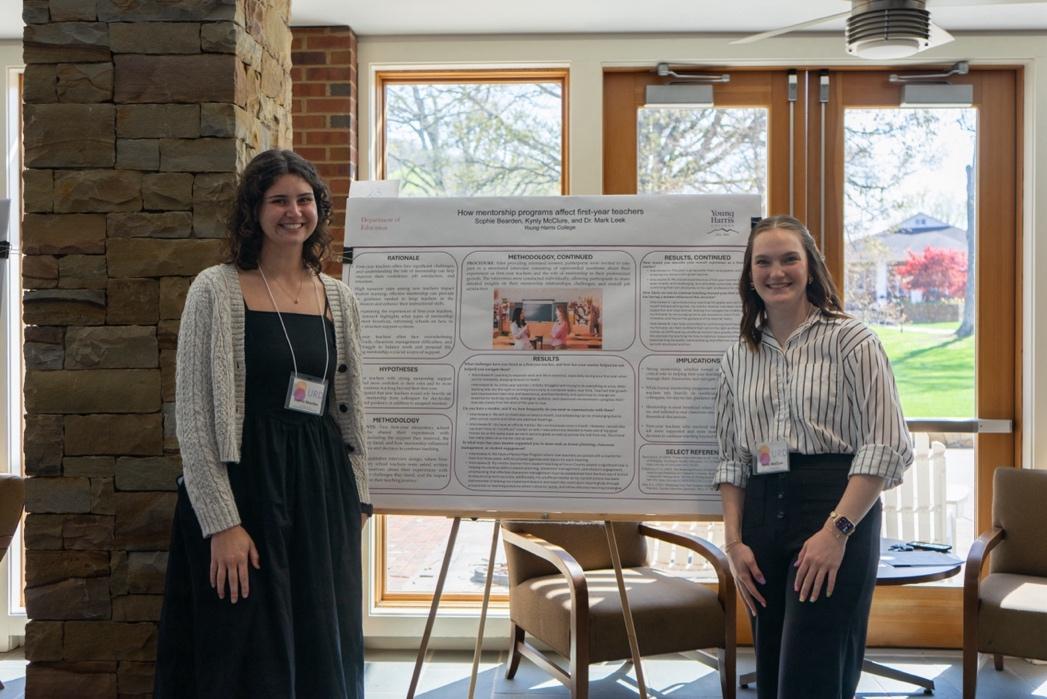
How M entorship P rograms A ffect F irst - year T eachers
CUREinEDUC4403:AdvancedFieldStudiesSeminar
Poster Presentation at URD
Kynly A. McClure and Sophie E. Bearden
Faculty Mentor: Dr. Mark Leek
This study explores the experiences of first-year teachers and the impact of mentorship on their professional development, job satisfaction, and career longevity. Using a qualitative research approach, interviews were conducted with two first-year teachers to examine their overall experiences, the presence and effectiveness of their mentors, and the challenges they faced in their initial year of teaching. The participants provided insights into how frequently they interacted with their mentors and the specific ways in which they received support in areas such as lesson planning, classroom management, and student engagement. The findings suggest that mentorship plays a crucial role in fostering confidence and improving job satisfaction among new teachers. Additionally, the study highlights first-year teachers' challenges and how mentorship influences their decision to remain in the profession. These results contribute to the ongoing discussion on teacher retention and the importance of structured support systems for early-career educators.
CUREinEDUC4403: AdvancedFieldStudiesSeminar
Poster Presentation at URD
Kaselyn R. Martin and Hayley V. Chastain
Faculty Mentor: Dr. Mark Leek
The first year of teaching is critical and challenging in an educator's career. To identify strategies that help first-year teachers, we conducted interviews with first-year teachers that graduated from Young Harris College and are now teaching in diverse school districts. Interviews were conducted using open-ended questions. Interviewees’ answers were analyzed, and research gathered that could help first-year teachers transition successfully into the profession. Research articles were also used to best assess strategies to navigate throughout the first years of teaching. Findings indicate that support from administration, classroom management, and time management are important. Critically, having a strong mentor and support system was found to be necessary for future success, allowing educators to maintain their enthusiasm, effectiveness, and confidence in the classroom.
CUREinEDUC4403:AdvancedFieldStudiesSeminar
Poster Presentation at URD
Lydia A. Postell and Holly C. Peterson
Faculty Collaborator: Dr. Susan F. Krebs
What strategies do first-year teachers use to navigate the complexities of work life and personal wellbeing in a rural school system? First-year teachers face the challenge of balancing personal life and work life. Balancing personal life and work life in the first year creates a healthy work environment to minimize burnout. This study explores the strategies employed by first-year teachers to navigate the complexities of work life and personal well-being within a rural school system. This investigation's methodology included interviews, collecting data from multiple sources, reviewing scholarly articles regarding this topic, and comparing two second-year teachers' approaches to balancing school and personal life. Findings indicate that setting strong boundaries within the first year is crucial to minimizing burnout. Further, using resources both inside and outside the school system lessens the stress of the first year of teaching. These findings highlight the importance of setting strong boundaries within the first year in order to minimize stress and burnout. Developing healthy habits helps ensure that first-year teachers continue on into the second year of teaching.
The I mpact of S econd - y ear T eachers ’ C onfidence on S tudent A chievement and C lassroom M anagement
CUREinEDUC4103:AdvancedFieldStudiesSeminar
Poster Presentation at URD
Ian D. Warwick and Braelyn Tallent
Faculty Mentor: Dr. Mark Leek
This qualitative study explores the classroom management strategies employed by second-year teachers, aiming to understand their experiences and challenges in establishing a positive learning environment. By investigating the perspectives of novice educators, this research seeks to identify effective practices and areas for support, contributing to enhanced teacher retention and student success. The objective of this study is to explore how second-year teachers' beliefs about student potential and their confidence in classroom management affect the effectiveness of their instructional practices. Furthermore, the research analyzes the impact of these beliefs and confidence levels on student behavior outcomes within the classroom setting. Semi-structured interviews were conducted with two second-year teachers from various educational settings to explore the challenges they faced in classroom management. The interviews were conducted via email, followed by thematic analysis to identify common struggles and strategies employed by the participants. Findings revealed that establishing clear classroom expectations and implementing handling disruptive strategies were essential components of effective classroom management. Techniques such as one-on-one check-ins and a point-based reward system promoted positive motivation among students. The experiences shared by the second-year teachers highlighted the importance of consistency and personal connections with students. Participants emphasized strategies like reinforcing rules and using reward systems, illustrating how teachers' confidence positively affects student behavior in the classroom. These insights contribute to understanding the critical role of teacher beliefs and confidence in shaping effective instructional practices and fostering a conducive learning environment.
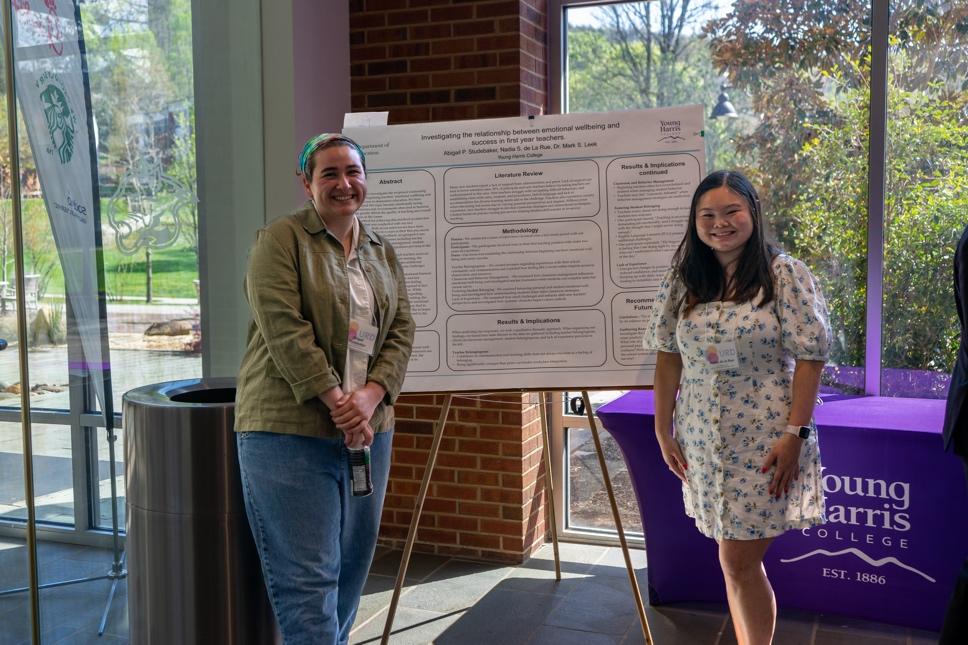
Investigating the R elationship between E motional W ell - being and S uccess in F irst - year T eachers
CUREinEDUC4403:AdvancedFieldStudiesSeminar
Poster Presentation at URD
Abigail P. Studebaker and Nadia S. De la Rue
Faculty Mentor: Dr. Mark Leek
This project investigated the reciprocal relationship between beginning teachers’ emotional well-being and their success in elementary education. We developed this topic because emotionally taxing experiences and environments often lead to burnout, which greatly affects the quality of teaching and overall success in the career. The method for achieving this involved an interview process that was conducted with our two participants. Both of our interviewees had been teaching for under two years in their first placement. When analyzing our feedback, we grouped it into four main reoccurring themes including classroom management, student belongingness, teacher belongingness, and lack of experience before the job. Our results indicated that although teachers received what they believed to be adequate training, the emotional aspect of teaching created additional tension and stress in addition to classroom challenges alone. We concluded that self-doubt and emotional burnout regarding professional preparedness and less successful days will leave new teachers feeling irritable, overwhelmed, and unprepared to face the ever-changing public school system. While teachers are expected to use restraint regarding emotional expression in a professional setting, the challenges they face each day effects their emotional well-being and inevitably the success they find in their careers. We recognized and explored this in hopes that eventually more support can be offered to the teachers of tomorrow.
The E ffect P arent I nvolvement H as on S tudent S uccess in S chools
CUREinEDUC4403:AdvancedFieldStudiesSeminar
Poster Presentation at URD
Allie G. Smith and Faith M. Blanton
Faculty Collaborator: Dr. Mark S. Leek
This research explores the impact of parent involvement in students' academic and social development within the school environment. Drawing on theories of parental engagement and student success, the study examines how various forms of parental participation ranging from academic support to attendance at school events affect students' motivation, behavior, and overall academic achievement. Through a combination of interviews and case studies, this research aims to show key factors that foster effective collaboration between parents, teachers, and schools. Additionally, it investigates potential barriers to parental involvement, such as socioeconomic status, cultural differences, and time constraints. The findings will contribute to understanding the role of parents in creating a supportive and enriching school environment and recommendations for educators and to enhance parent-school partnerships. Throughout this research, we found that parent involvement plays a key role in how students perform in the classroom.
Research Highlight
v WHAT NEW PROJECT DID YOU IMPLEMENT THIS YEAR?
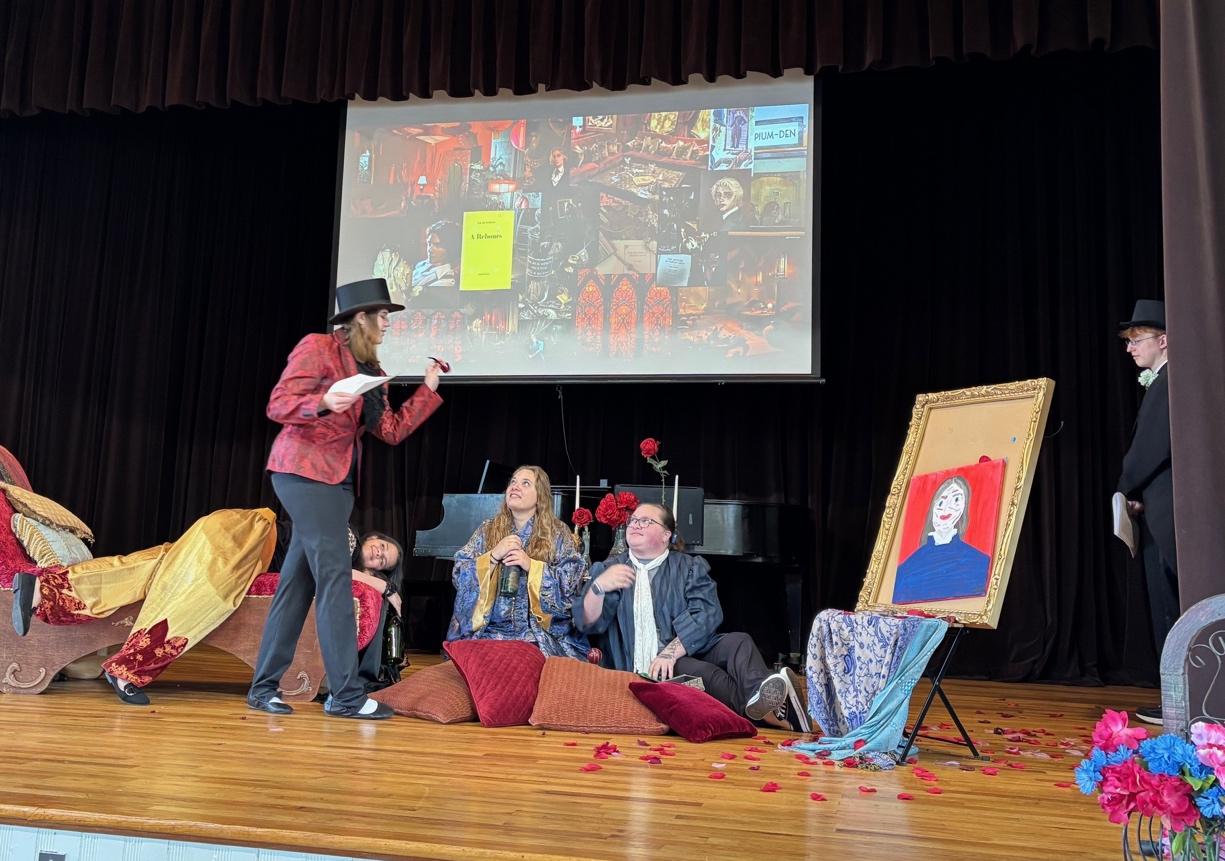
Ten students in ENGL 4996: Literary Adaptations & Intertextuality created their vision of a musical adaptation of Oscar Wilde’s ThePictureofDorianGrayfor a contemporary audience. In groups of three, they wrote three original songs inspired by Wilde’s novel and accompanying narrations. They also made aesthetic decisions concerning the performance’s tone, costumes, and props.

v WHAT DID YOUR STUDENTS INVESTIGATE?
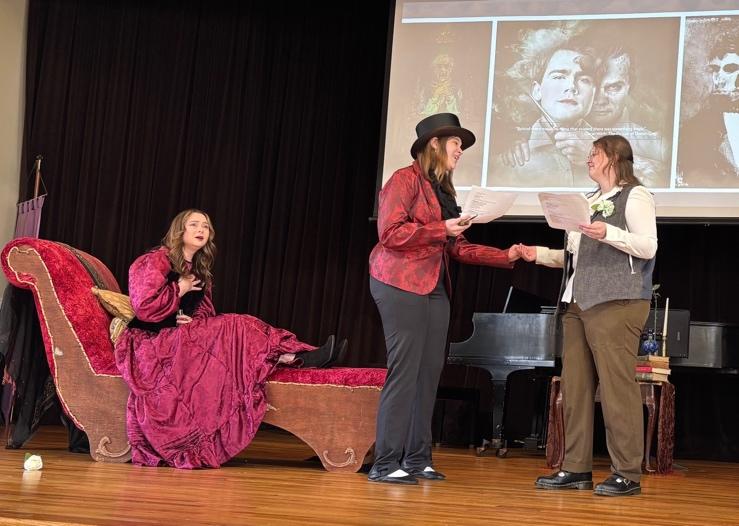
Students identified themes from Wilde’s The PictureofDorianGraythat they found compelling and that they believed would engage a contemporary audience. They focused on various topics including the power of influence, beauty and appearance, and doubleness. They wrote three songs that updated these themes for a contemporary audience and retained the novel’s gothic and decadent aesthetic in their choices of tone and backdrop.
v HOW DID YOUR STUDENTS SHARE THEIR WORK AND WHAT DID THEY DISCOVER?
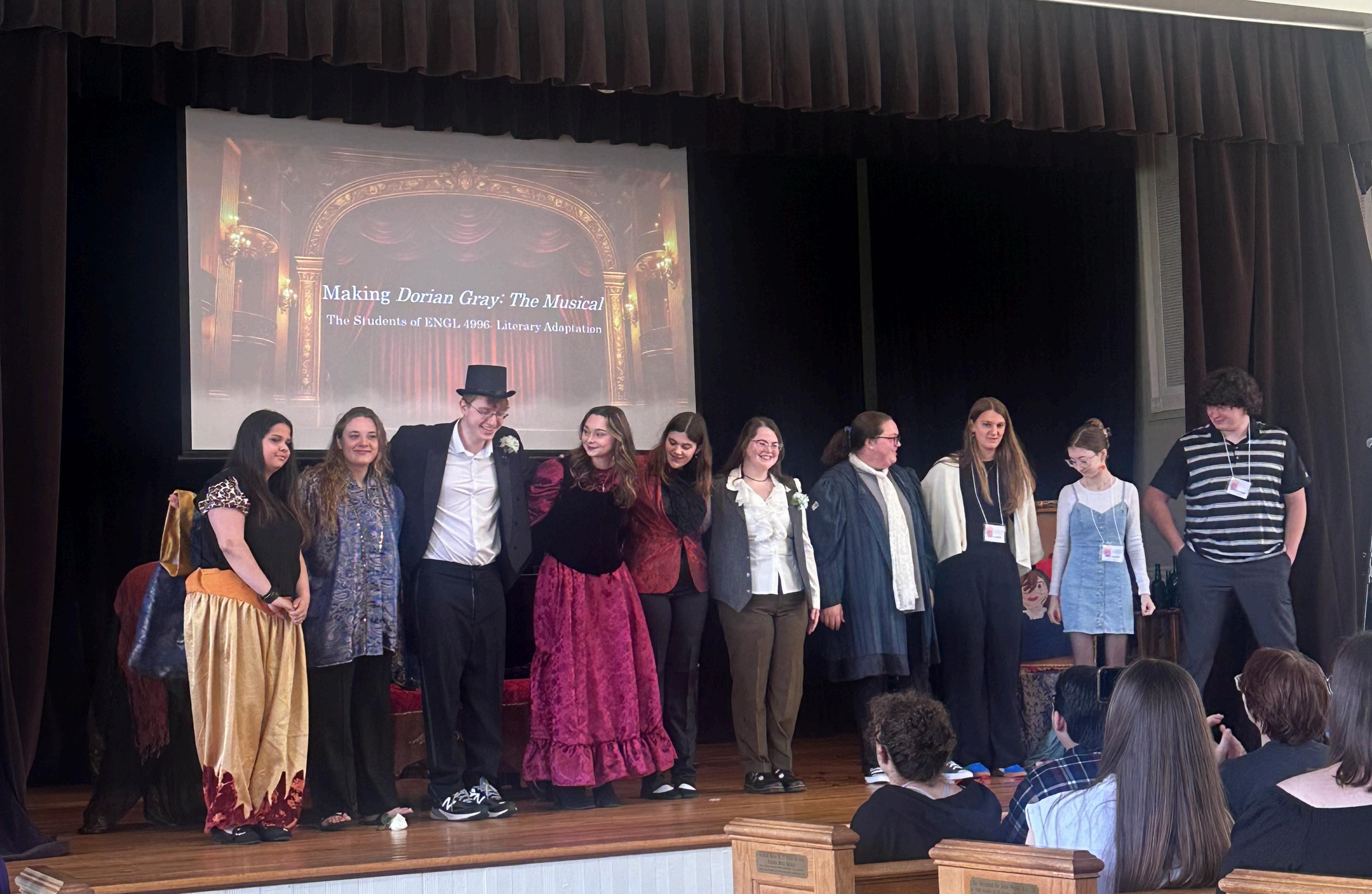
At Undergraduate Research Day, the students presented their end product, DorianGray:The Musical . They recited the lyrics of their three original songs and narrations on stage and acted out the major events of the novel. Their performance was followed by a Q&A session in which the students explained how they adapted the themes and aesthetic of the original novel for a contemporary audience. This project helped students delve deeply into their analysis of Wilde’s The PictureofDorianGrayand apply their understanding creatively to a new context.
Making DorianGray: The Musical
CUREinENGL4996:LiteraryAdaptation&Intertextuality
TheatrePerformanceatURD
Percy Ahlgrim, Rebekah Cannon, Megan Cothren, Andrew Cowan, Haley Kelley, Olivia Lamons, Katelynn Rash, Elizabeth (Gracie) Smith, Eli Smith-Foot, and Laci Thompson Faculty Mentor: Dr. Vanessa Iacocca
This dramatic performance is a partial adaptation of Oscar Wilde’s scandalous and evocative novella, ThePictureofDorianGray , by the students of ENGL 4996: Literary Adaptation & Intertextuality. The students will share original songs and narrations inspired by this novel that focus on the topics of class division, the power of influence and beauty, appearance, and doubleness. The songs and staging are meant to update the themes and Gothic decadence of the original for a contemporary audience while also honoring Wilde’s penchant for intrigue and hedonism. The performance will be followed by a Q&A session in which the students explain their choices. FundingprovidedbytheYHCUndergraduateResearchProgram.
Truth and the Tabernacle: Biblical Implications in JaneEyre
HonorsProjectinENGL3405:WomeninLiterature
OralPresentationatURD
Allie Killer
Faculty Mentor: Dr. Eloise Whisenhunt
JaneEyre, a classic of British Literature, is now far removed from the environment of deep biblical awareness in which it was created. Considering the deeply Christian atmosphere in which clergyman’s daughter Charlotte Brontë wrote, it comes as no surprise that religious themes prevail in her work. Not only does Brontë include many allusions to specific verses, but larger biblical concepts and themes appear in the novel as well. Thus, Jane Eyre cannot be properly analyzed without exploring the weight of these biblical implications. This is especially relevant to the relationship between Jane, Rochester, and Bertha as it displays themes modeled in the biblical structure of the Tabernacle described in the Old Testament. Rochester’s Tabernacle , however, is a tainted replica of the biblical example, built upon lies and secrecy.
Maggie: A Girl of the Streets, or I s S he?
ProjectinENGL3204:AmericanRealism/Naturalism
OralPresentationatURD
Katelynn M. Rash
Faculty Mentor: Dr. Matthew Bruen
One of the greatest literary heroes of the 1890’s was none other than Stephen Crane and his controversial tale of Maggie:AGirloftheStreets . Crane’s story was one that was both controversial before publication and after publication because of the brutal descriptions of women in the slums of New York City during the time. His heroic characteristics made him push for the publication of Maggie , but when he was consistently denied for being considerably “too honest”, Crane decided to take matters into his own hands, publishing the work on his own. This action unfortunately did not give the story justice, for Maggie remained unknown for years until, in 1895, Crane created another story called TheRedBadgeofCourage . A story with a main male character in the Civil War versus a main female character struggling with society. The RedBadgeofCouragegained significantly more popularity with a publishing press, helping Crane’s author name, and Maggie finally getting the attention she deserves. By continuing the controversial conversation about women in the slums of New York City Crane has created, I will explore the fate of Maggie at the end of her story. Is Maggie the prostitute at the end of the story, or did she escape her societal role to fight for her version of the American Dream?
Educating the P ublic: An E nvironmental D ilemma
MREinENVS4990:SeniorCapstone
OralPresentationatURD
Phebe Rose
Faculty Mentor: Dr. Marguerite Coyle
The gap between science and the public is ever growing. Whether ignorant or simply misinformed, the public is not held to the same standards as researchers. Through my own personal experience during my research, this has remained consistently true. Researchers and those who work in the field of science or interact closely with the environment and its inhabitants must follow strict policies and ethics to ensure the success of not only their projects but also avoid any damage or negative impacts that their project could cause. The ties between the public and science are much deeper than surface level with overlap in areas like tourism, “Leave No Trace,” and requirements for passes or permits. Why is the public not held accountable or to the same standard when their actions have an impact on a much larger and widespread scale? Should they be? Bridging that gap is critical to the conservation and protection of all species on Earth.
Use of C ulverts by B at S pecies in North and South Georgia
HonorsThesis
OralPresentationatURD
Phebe Rose
Faculty Mentors: Dr. Marguerite Coyle and Dr. Vanessa Iacocca
With reduced options for habitat and other resources, many bat species are turning to man-made options for roosting and over-wintering, including, but not limited to, roadway culverts. In this study, we examined the use of culverts by bat species in North and South Georgia, comparing the data to determine significance. Considering previous studies and research, it was hypothesized that both sites would have a significant presence of bat species. We aimed to determine the use based on presence or absence through a visual survey of culverts in Towns, Union, Tift, and Berrien counties. While results are still under review, there is a significant difference between the north and south counties with 0 bats present in culverts in the North and 109 present in culverts in the south. In addition, there was only one species present in South Georgia, which was unanticipated and undocumented per the Georgia Department of Natural Resources. These results suggest the need for further studies on bat populations in the North Georgia and Appalachian areas. FundingprovidedbyYHCProfessorDr. AnneMargueriteCoyle.
How Mayan Religion Influenced Agricultural Success
HonorsThesis
OralPresentationatURD
Percy J. Ahlgrim
Faculty Mentors: Dr. Leah Burnham and Dr. Vanessa Iacocca
The Mayan civilization was directly influenced and determined by their religion, specifically how their religion influenced their agriculture. A multitude of research studies have been done on how the Mayan religion influenced their agriculture, which in turn helped determine the success of their civilization as a whole. Exploring the Mayan religion and their religious practices would be beneficial to better understand their negative and positive outcomes, as well as how and why the Mayan civilization thrived through their agricultural practices. Moreover, it is beneficial to better understand the importance of how Mayan religious practices directly influenced their agricultural success. The Mayans used different agricultural practices that went hand-in-hand with what their religion recommended, meaning what would be beneficial for the Mayan people and their gods. Thus, this research paper seeks to explain how the Mayan religion has influenced not only the Mayan people themselves but how their agriculture determined the success of the civilization as a whole.
Uncle Tom’s Cabin and Brothers of Antebellum: An H istorical F iction
ProjectinHIST4996:PreludetotheCivilWar,1850-1860
OralPresentationatURD
Thomas J. Chriszt
Faculty Mentor: Dr. Thomas Stearns
As examined in Dr. Stearns’ “Prelude to the Civil War: 1850-1860” class, the decade of the 1850s was packed with escalating national crises. Of the seven that we studied, Harriet Beecher Stowes’ novel UncleTom’sCabin , published in March of 1852, increased the deep divide in the country. Her sympathetic story of heroic slaves inspired the free states of the North and West, but infuriated the fifteen slave states of the South. As the novel became an international sensation and was banned in all Southern states, episodes of violence, book burnings, and even deaths took place in many locations. To explore the crisis surrounding the publication of UncleTom’sCabin,I created a fictional character named Alexander Yates. While based on the actual historical narrative, my story involved a plot of this individual doing/saying/experiencing a riot between southern slave owners and antislavery citizens, including Alexander himself and his brothers from northern states, and the tracing of this story arc reveals the events of the crisis on a personal level.
History I s in Y our B ackyard: A V irtual F ield T rip of Pickett's Mill Battlefield
ProjectinHIST3066:GeorgiaHistory
OralPresentationatURD
Hannah E. Davis
Faculty
Mentor:
Dr. Leah Burnham
The Battle of Pickett’s Mill was the second of three battles fought in Paulding County as part of General William Sherman’s Atlanta Campaign. It was fought on May 27th, 1864, and resulted in a significant Confederate victory. The loss at Pickett’s Mill initially delayed Sherman’s campaign by almost two weeks, which played a role in Abraham Lincoln’s reelection campaign. Today, the battlefield is considered to be one of the most well-preserved in the nation. This presentation gives a historical overview of the Battle of Pickett’s Mill in the American Civil War, explores examples of pristine preservation of artifacts and the battlefield itself, and examines how the battlefield is viewed by Paulding County residents today. This historical site is significant because it sheds lights on what life was like in the rural southeastern United States during the Civil War. While completing this project, I conducted research at the battlefield and interviewed a park ranger and a local historian.
HushLittleBaby: Historical F iction in the S hadow of the E lection of 1860
ProjectinHIST4996:PreludetotheCivilWar
OralPresentationatURD
Mary E. Gibson
Faculty Mentor: Dr. Thomas Stearns
The Election of 1860 was a crucial event in American history, which put the anti-slavery party (Republican) candidate, Abraham Lincoln, in office and ignited the outbreak of the Civil War. In a class entitled, “Prelude to the Civil War, 1850-1860,” we were assigned a project requiring historical fiction in the factual settings studied in class. My historical fiction piece, "Hush Little Baby," based on the actual historical narrative of the Election of 1860, follows a girl, Eliza Beth, who was born into a slave owning family in Georgia, but is sent to a home for girls in New York after having become pregnant outside of wedlock. Eliza Beth, having personally seen the effects of slavery, is excited when she learns of Abraham Lincoln and his plans to free the slaves. Within a few months, Eliza Beth experiences many intense emotions, including hope for a brighter future, fear, as she learns her husband is being sent to war, and finally, devastation as she learns of her husband’s death. Through Eliza Beth’s experiences, we can better understand the events that followed the Election of 1860 on a more personal level.
Dred Scott v. Sandford (1857) “That Terrible Day:” A Hi storical F iction
ProjectinHIST4996:PreludetotheCivilWar: 1850-1860
OralPresentationatURD
Hannah M. Wood
Faculty Mentor: Dr. Thomas Stearns
To learn more about life in the United States prior to the Civil War, I chose to write on the Dred Scott v. Sandford (1857) case. I created a fictional character named Elizabeth Mae Miller, who was a freed slave during the time this case was taking place. While based on the actual historical narrative we learned about, my story involved a plot of this individual’s journey to be able to see the case personally in federal court. The tracing of this story arc reveals the events of the crisis on a personal level.
Regional Variation of D iffering N ewspaper C overage in America during WWII and the Holocaust
CUREinHIST3003:TheThirdReichandtheHolocaust
OralPresentationatURD
Benjamin H. Holcombe
Faculty Mentor: Dr. Larissa Stiglich
In 1933, Hitler seized power, quickly transforming Germany into a dictatorship, which ultimately led to the second World War and the Holocaust. Using newspapers from the time, this project poses the question “what was it possible for ordinary Americans to know about the Holocaust as it was happening, and how did they respond to events unfolding in Germany and elsewhere in central and eastern Europe as World War II progressed?” More specifically my project asks: how did newspaper coverage of WWII as it progressed in larger populated areas compare to the coverage of newspapers in the less populated Appalachian area? To answer this question, I’ve selected popular newspapers of the time from Asheville, North Carolina and Washington, DC in order to examine differences in both agenda and the message they share. These two publications give insight to the differing interpretations of how events unfolding in Germany depended on regional context.
Brasstown 5 in Concert: A Ride of Fire
MusicalPerformanceatURD
Jamison S. Dickhaus, Mathew S. Johnson, Eryk D. Sklba, Sebastian C. White, and Joshua A. Jones
Faculty Mentor: Kerry R. Rittenhouse
The Brasstown 5 presents A RideofFire , a thrilling musical journey featuring the works of Kevin Mckee, Heitor Villa-Lobos, Astor Piazzolla, Morley Calvert, and Johnny Cash. Themes of fire, ash, romance, volcanos, despair, and rings of fire are present and will be explored by the group. The Brasstown 5 will also feature special guest artist Jordan Sharp on her rendition of BachianasBrasileirasNo. 5 as well as faculty member Dr. Hayes Bunch on our version of Astor Piazzolla’s Libertango .
Music in the Winds
MUSI1135EnsemblePerformance
MusicalPerformanceatURD
Sarah M. Carver, Ella S. Casey, Callie M. Atkinson, Sigrid Ekelin, Sebastian C. White, and Caleb D. Camus
Faculty Collaborator: Cheryl M. Star
Chamber music provides a small group of similar instruments the opportunity to develop individual skills through rehearsals and performance. Our woodwind quintet will present a short concert that demonstrates some of their accomplishments including "Seal Lullaby," arranged by senior Ella Casey. Other selections will be "Gabriel's Oboe," a Mozart "Divertimento," and the theme from The Simpsons .
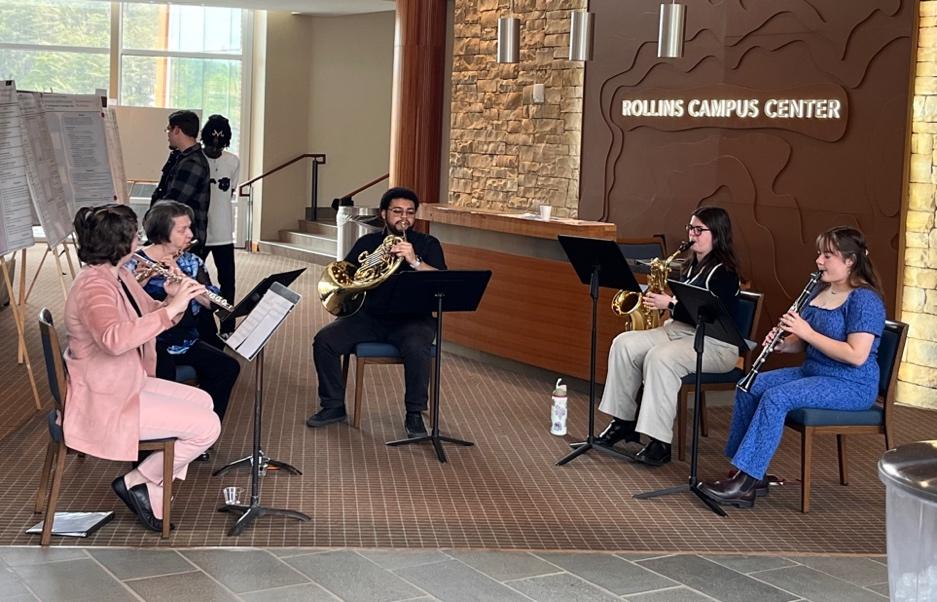
The E volution of the T ransverse F lute: Technology, P eople, and M usic
ProjectinMUSI3302:MusicHistoryII
OralPresentation/MusicalPerformanceatURD
Sarah M. Carver
Faculty Mentor: Dr. Richard Knepp
The flute is the oldest woodwind instrument, dating back over 43,000 years. As such, it has a rich history, undergoing evolutions from bone, wood, and ivory with only one key to the modern flute as we know it today. The transverse flute became popular due to its rich sound, and with its popularity came several technological advancements. During the Baroque period, notables such as Marin Mersenne and Johann Joachim Quantz adjusted finger hole placements and introduced keys, making the instrument easier to play, expanding its range, and improving tuning accuracy. This also brought along changes in flute literature. The Classical period brought more advancements, with Theobald Boehm creating the first draft of the modern key system as well as the first metal flutes. Boehm’s advancements revolutionized the flute and its capabilities. Because of these developments, compositions for the flute became more complex, and as the flute continues to evolve, the music progresses with it.
Music of the Holocaust
ProjectinMUSI3302:MusicHistoryII
OralPresentationatURD
Ella Casey
Faculty Mentor: Dr. Richard Knepp
This presentation explores the music, musicians, and composers during the time of the Holocaust and its impact on the history of this horrible time. Music is a key factor to the history of the Holocaust. It serves as a powerful testament to the resilience and suffering of those who were involved in one of the darkest periods in history. Teaching the music of the Holocaust is a way to connect history by further understanding the personal experiences of the events of the Holocaust. Furthermore, it offers insight into the role of music in resistance and survival by showing how creative expression can be a form of defiance. By teaching the music history of the Holocaust, students can understand the impact music has on history while honoring the art these musicians created during this tragic chapter of our world’s history.
Sink or Swim: Show Boat the M usical
CUREinMUSI3303:HistoryofMusicalTheatre
Poster Presentation at URD
Logan A. Alvarez
Faculty Mentor: Dr. Shelley Sanderson
I will be dissecting the musical ShowBoat. I will dive into the history of the musical and the different approaches it took to make the music, along with the different genres used and tactics that produced a musical that would change the modern show forever. While many other shows at the time were set in one place with random song and dance thrown in to look pretty, ShowBoatactively avoided doing this and made a show that was over several years and in different locations with music made for the characters and scenes.
Oklahoma! The Westward Musical Expansion
CUREinMUSI3303:HistoryofMusicalTheatre
Poster Presentation at URD
Danielle Covan
Faculty Mentor: Dr. Shelley Sanderson
For this research project, I review the history of the Musical Oklahoma!written by Rogers and Hammerstein. I address questions ranging from the historical context to more creative questions pertaining to why the playwrights thought that the musical needed to be written. I take a closer examination of how the musical influenced society at the time, how the consumers of the show were able to digest the themes from Oklahoma!,and whether that impacted Rogers and Hammerstein's following shows.
Chicago: Corruption, Scandal, and A ll T hat Jazz
CUREinMUSI3303:HistoryofMusicalTheatre
Poster Presentation at URD
Inis Dixon
Faculty Mentor: Dr. Shelley Sanderson
My project is focused on the musical Chicagoand its impact on musicals as a genre and the history of musical theater. I explore the musical's social commentary and how it reflects the social and legal culture of the present, the 70s, and the jazz-filled 20s. I also dive into the show’s exploration of corruption, fame, media manipulation, and the feminist empowerment accompanying the musical’s strong female protagonists. My poster will have a short summary of the show, notable song names, original or notable cast and crew, and awards received.
Flower Girl to Duchess: A Look into the Inner Workings of MyFairLady
CUREinMUSI3303:HistoryofMusicalTheatre
Poster Presentation at URD
Kristyn Foran
Faculty Mentor: Dr. Shelley Sanderson
MyFairLadyfirst premiered on Broadway in 1956 and starred Julie Andrews. The show ran for 2,717 performances before closing in 1962. My presentation centers on the musical’s impact on the history of musical theatre as well as its cultural impact. The presentation also covers MyFairLady’s reputation during and long after the run.
CUREinMUSI3303:HistoryofMusicalTheatre
Poster Presentation at URD
Jayal C. Hall
Faculty Mentor: Dr. Shelley Sanderson
My research into Cats, the 1981 musical, looks in depth on how the musical impacted the West End, and ultimately the Broadway scene today, and how long it stayed relevant. I will be presenting one of the most famous songs from the musical "Memory," and how it still impacts the world of theatrical music. I will also go into the cultural aspects of this musical or if there has been any type of adaptations from this musical (movies, TV show, revival, etc). I will look deeper into where this musical fits in the timeline of the 80's/90's, along with what was going on around that time for it to make such a big impact.
CUREinMUSI3303:HistoryofMusicalTheatre
Poster Presentation at URD
Sophia I. King-Rallo
Faculty Mentor: Dr. Shelley Sanderson
My exploration of the musical Oliver!situates it within the broader timeline of musical theatre history, highlighting its emergence in the mid-20th century and its connections to both earlier and later works in the genre. I analyze the ways in which Oliver!influenced the art form, particularly through its character development and memorable melodies, which set new standards for storytelling in musicals. Additionally, I address its cultural impact during its original run in the 1960s and its enduring relevance in contemporary society, examining the themes of poverty and social justice it presents. Finally, I consider how Oliver!is perceived today, assessing its status as a classic and its continued resonance with audiences.
The R ise of Evita
CUREinMUSI3303:HistoryofMusicalTheatre
Poster Presentation at URD
Piper M. Kingsley
Faculty Mentor: Dr. Shelley Sanderson
This poster will contain where Evita by Andrew Lloyd Webber and Tim Rice sits on the timeline of musical theatre. This time period is known as the modern age. The rise of Evita thoroughly discusses its influence and cultural impact during and after its run. I closely compare how accurately Evita depicted its real-life inspiration, a woman named Eva Perón. I conclude by describing its popularity during its four-year run, including musical numbers, how Evita is viewed by modern audiences, and how modern runs compare to the first showings.
Seasons of Change: Exploring the Musical Impact of Rent
CUREinMUSI3303:HistoryofMusicalTheatre
Poster Presentation at URD
Genna D. Lawson
Faculty Mentor: Dr. Shelley Sanderson
For my research project on Rent, I explore several key questions related to its place in the history and evolution of musical theatre. I examine where Rent fits within the broader timeline of musical theatre, considering its historical context and influences. Additionally, I analyze how Rent impacted the art form itself, particularly in terms of its innovative use of music, themes, and storytelling. I also explore the cultural impact of the musical, both during its initial run and in the following years. Finally, I assess how Rent is viewed today, considering its lasting legacy and continued relevance in contemporary discussions about social issues and the musical theatre landscape.
Annie Get Your Gun: An Exploration of Gender Roles through Sharpshooting
CUREinMUSI33o3:HistoryofMusicalTheatre
Poster Presentation at URD
Avery H. Lester
Faculty Mentor: Dr. Shelley Sanderson
This project explores the cultural significance of Annie Get Your Gun, a 1946 musical by Irving Berlin and Dorothy and Herbert Fields. The project is a creative investigation that focuses on elements of the musical such as the history surrounding it, its musical and cultural impact, and how it is viewed in modern day through a lens of gender inequality. The project examines how the fictionalized version of Annie Oakley, a sharpshooter from the late 19th century, contributed to women’s role in the theatre and in narrative.
The Follies: Fanny Brice’s R ise to S tardom
HonorsProjectinMUSI33o3:HistoryofMusicalTheatre
OralPresentation/MusicalPerformanceatURD
Avery H. Lester and Jordan Sharp
Faculty Mentor: Dr. Shelley Sanderson
This is a multimedia project including a verbal presentation of research as well as a musical performance of Fanny Brice’s "I’d Rather be Blue.” The project focuses on the rise and fall of Florenz Ziegfeld Jr. and his “follies,” as well as how they impacted the culture of musical performance and show business. The project specifically zooms in on the career and influence of one of the most famous follies, Fanny Brice.
An I n - depth L ook into Company ( t he M usical)
CUREinMUSI33o3:HistoryofMusicalTheatre
Poster Presentation at URD
Vasia K. London
Faculty Mentor: Dr. Shelley Sanderson
Company, the musical, was an innovative part of musical history that set a new standard for performance. It was performed as a series of vignettes, which was revolutionary for the time. It also showcased a new style of show; rather than focusing on something fantasy or romance, Company focuses on the complexities of adulthood can be a little messy. Company’s influence paved the way for more mature shows and complex Broadway Theatre.
Hair: LBJ, USA, LSD
CUREinMUSI3303:HistoryofMusicalTheatre
Poster Presentation at URD
Alana Murdock
Faculty Mentor: Dr. Shelley Sanderson
Hair is a 1967 comedy-drama musical created by Gerome Ragni (script), James Rado (lyrics), and Galt McDermot (music). It was released during the Vietnam War as a direct result of the younger generation’s anti-war and anti-establishment sentiments with heavy themes of pacifism, sexual liberation, free love, anti-racism, and drug use. The musical was a revolutionary work for the time with a mixed social response, one that highlighted a major generational divide. Despite its controversial material and reception, Hair found critical acclaim, widespread commercial success, and cemented itself in contemporary theatre history, helping to pave the way for other works that pushed the boundaries and facilitated social progression. My presentation focuses on the major impact that Hair had on Broadway, the significance of it giving a voice to minority groups during a time of crushing oppression, and how we continue discuss its themes.
Tale as Old as Times Square: BeautyandtheBeast (the Musical)
CUREinMUSI3303:HistoryofMusicalTheatre
Poster Presentation at URD
Sienna Nason
Faculty Mentor: Dr. Shelley Sanderson
BeautyandTheBeasthad a significant impact on musical theatre in the 1990s. Its long-term success helped inspire a new wave of Disney adaptations on Broadway. I am also presenting how this production kickstarted the trend of family-friendly musicals that introduced a new generation of younger audiences.
Jesus Christ's a Superstar Who Impacted Musical Theatre
CUREinMUSI3303:HistoryofMusicalTheatre
Poster Presentation at URD
Christopher R. Yarbrough
Faculty Mentor: Dr. Shelley Sanderson
JesusChristSuperstaris a musical theater performance that is performed in the style of a rock opera. This is a show that has revolutionized theater as we understand it and has created foundations for more compelling works to follow. This show explores and theatrically analyzes the first week of Jesus ’ life from Judas Iscariot’s perspective. The style of music and biblical history displayed in this show was like nothing anyone had ever seen.
The E ffects of S ignage in N atural S paces
HonorsThesis
OralPresentationatURD
Caleb D. Camus
Faculty Mentors: Dr. Joseph Pate, Dr. Marguerite Coyle, and Dr. Vanessa Iacocca
Signage impacts the interactions between humans and natural areas. This presentation, based on my thesis, is an in-depth look into the challenges our natural spaces face, as well as current signage that is present. My research is primarily focused on Fire’s Creek in Clay County, North Carolina, but the findings and information are applicable to all natural spaces. My thesis is based on the ideas of Leave No Trace, land stewardship, overexploitation, and human interaction with natural areas. This project uses insights from members of the Blue Ridge Ranger District of the Chattahoochee-Oconee National Forest and is designed to serve as an educational tool for people to better understand their impact on the environment. Signage is a critical part of human interaction with the natural world, and this project seeks to understand the ways in which signage influences human action and what improvements can be made to what signage is currently present.
I ntegrating GIS and GPS T echnologies for O utdoor A dventure: E nhancing N avigation, S afety, and P ark M anagement A pplications
ProjectinODRS4120:ExperientialEducation&Practice
Poster Presentation at URD
Taylor G. Thomas
Faculty Mentor: Dr. Joseph Pate
This presentation explores the role of GIS mapping and GPS technology in enhancing navigation, safety, and risk management applications in outdoor recreation. The study draws from a GIS internship with the Blue Ridge Ranger District National Forest Service, where Geographical Information Systems (GIS) software, such as ArcMap, was used to analyze and map recreational routes derived from Special Use Permits. Additionally, the presentation examines GPS devices as critical tools for outdoor navigation and safety. Various systems, including handheld smartphones, GPS units, SPOT emergency communicators, and Garmin devices with two-way messaging, are analyzed for their strengths and limitations. The discussion emphasizes emergency preparedness, highlighting how GPS technology facilitates SOS communication, route plotting, and situational adaptability in diverse environments.
The V alue of I ncorporating O utdoor L earning in E arly C hildhood E ducation: An I nquiry into Y oung S tudents’ I nvolvement in N ature
CUREinODRS4980:“QuestionsthatMatter":Research,Evaluation,&PhilosophyofScience
Poster Presentation at URD
Lauren R. Cheeks
Faculty Mentor: Dr. Joseph Pate
This poster addresses the benefits of outdoor education on children through their learning, activity, behavior, physical health, and mental wellbeing. A review of relevant literature that employed various qualitative research methodologies is accessed to inform this work. A case study is highlighted to reveal outdoor education’s impact, outcomes, and experiences on young students. Further, narrative accounts from preschool teachers who implemented outdoor experiences in a prekindergarten learning context are presented and discussed. Finally, experiential education pedagogy is examined to determine how some educators might access and incorporate nature into their teaching and classroom practices. Based on this work, the poster offers ideas for future research studies and qualitative-based inquiries that could explore and offer insights into the value of outdoor learning to early childhood education.
Exploring Wellness: The B enefits of R ecreational P rograms for L ow - income and R ural C ommunities
CUREinODRS4980:“QuestionsthatMatter":Research,Evaluation,&PhilosophyofScience Poster Presentation at URD
Jessica K. Herrera
Faculty Mentor: Dr. Joseph Pate
This presentation explores the importance of recreational programs in low-income/rural communities, focusing on the impact they have on individuals’ physical, mental, and social well-being. A case study of a recreational program implemented for a community in Mexico is highlighted and used to demonstrate how these programs facilitated positive changes in participants' self-perception, affective ties with school, social behavior, and academic performance. Through the use of interviews and other recreational programs outcomes, this presentation examines how future research could be leveraged to evaluate effective strategies that can be applied in other comparable areas. Ultimately, this presentation emphasizes how a recreational program can build a sense of community, as well as become an important resource for those who do not have the opportunity to access other activities due to a diversity of factors. Lastly, this presentation includes a design of a recreational program that could be implemented for a rural community and strategies for sustaining the program over time. Funding providedbytheYHCUndergraduateResearchProgram.
Crafting Bear Creek Trail: A T rail C onstruction P roject for the B etterment of the Young Harris C ommunity
MREProjectinODRS4980:IndependentStudy
Poster Presentation at URD
Andrew J. Lewis
Faculty Mentor: Dr. Joseph Pate
This poster discusses and investigates sustainable trail construction practices. Young Harris College sits on over 300 acres of land. However, access to its extensive woodlands is limited and difficult.
Recreational hiking trails have the ability to aid in personal growth, community beautification, and social development. This trail construction project has alleviated issues with access, allowing the campus community to start benefiting from the outcomes associated with recreational trail use and wild spaces. Further, trail design challenges encountered (e.g. routing, drainage, accessibility), and the use of specific techniques to address them (e.g. bridge design, drainage techniques, forestry) will be highlighted and discussed. The goal of this project was to craft a trail for the benefit of Young Harris community and its stakeholders, create a maintenance manual to ensure the longevity of the initial trail, and a resource for the construction of other trails in the area.
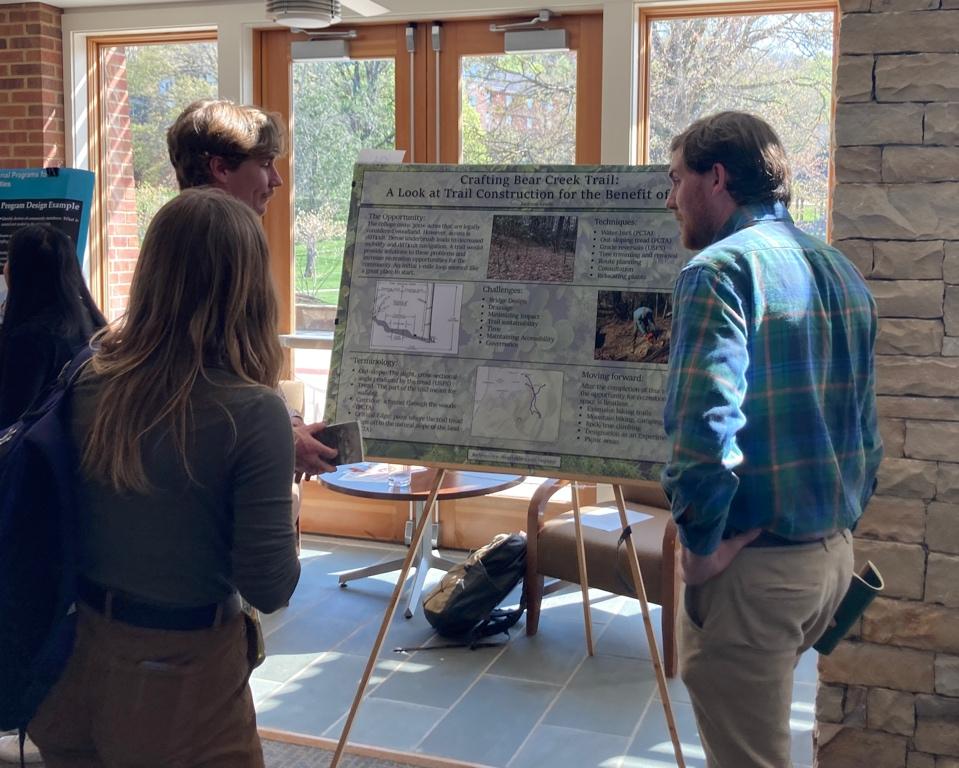
How We Do Not Survive Our Deaths
ProjectinPHIL3500:Metaphysics
OralPresentationatURD
Molly B. Holland
Faculty
Mentor: Dr. Chris Lay
Traditionally, Christians believe that those resurrected in the afterlife will be the same individuals who previously died; in other words, Christians believe they persist through resurrection, and they think that something about this persistence must involve the resurrection of their bodies, too. However, this paper argues that Christians do not survive their deaths by considering several views. First, it critiques Stephen Davis and Ned Markosian by expressing that their use of "brute fact" fails to resolve the resurrection problem. The argument then turns to more complicated explanations, like Deam Zimmerman's "Falling Elevator Model", that also fail to resolve the resurrection issue because there is no physical continuity. As a foundation for what does occur in the afterlife, the argument introduces the emphasis that Peter Van Inwagen places onto the inseparable nature of the mind and body relationship and the concept of immanent causation. Concluding, the paper reveals specifically how earthly and resurrected bodies are not identical, how a "closest continuer" experiences the Christian afterlife, and the shortcomings of philosophers' attempts at solving the resurrection problem both according to Scripture and logical argument.
v HOW DID YOU GET INVOLVED IN THIS PROJECT ?
I got involved with this project when Dr. Van Dyke approached me and Lorin Tidick about doing a psychology of pain research project our junior year at Young Harris. Lorin and I had both taken several of his classes and both enjoyed them a lot which made wanting to participate in this research a no brainer.
Lorin and I were both primary student researchers with Dr. Van Dyke being our faculty advisor.
v WHAT WAS IT LIKE PRESENTING YOUR WORK AT A PROFESSIONAL CONFERENCE?

I have learned a lot from the research process. One of the main things was learning how to think of a topic or procedure from many different perspectives. Something that may seem relatively straightforward may have more moving parts that need to be taken into consideration. For example, our procedure had to change several times in order to find the best procedure for what we're studying, how to comply with the IRB, as well as ensuring student safety.
Another thing I learned from the research process is being able to adapt very quickly and to persevere when the project is not going how you predicted. Having to make adjustments to the project in an efficient manner as well dealing with the ebbs and flows of actually trying to collect data definitely helped me to be able to overcome professional and academic adversity better.
By presenting at a professional conference, I learned how important knowing your research is. This may sound silly, but you need to know everything about the process of why you decided to conduct this research, how you came to the question, how you collected data, why you did certain things, etc. because the people there are genuinely interested and want to know about your research. It really helped me with confidence and project ownership of knowing. "This is my research. I did this. I know what I'm talking about, and I want to share it with people".
Presenting at a professional conference also helped me learn how to network with professionals in the STEM field. Undergraduate Research Day is a great way to help prepare for this by having very knowledgeable professors asking you about your research, but going to the conference and interacting with professors, researchers, etc. that I did not see every day on campus definitely helped to better my networking skills and my professionalism.
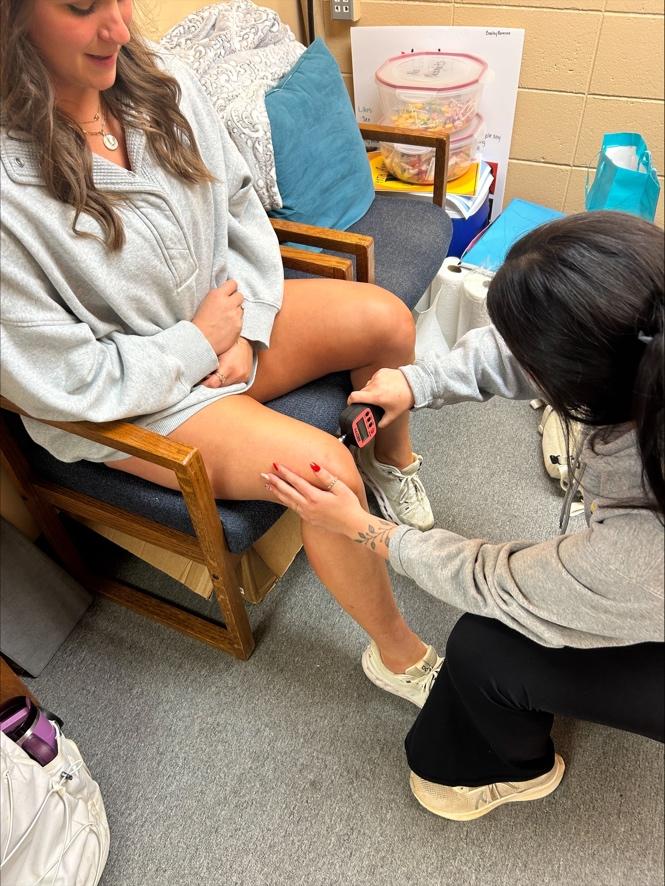
v WHAT ADVICE DO YOU HAVE FOR STUDENTS WHO WANT TO GET INVOLVED WITH RESEARCH AT YHC?
My advice to students who want to do research at YHC is to do it with a faculty member that you will work well with. My experience with Dr. Van Dyke was phenomenal and not just because I like him as a person and enjoyed his classes. He was extremely dedicated to helping us learn the research process as well as wanting us to have project ownership. He listened to me and Lorin on what topic we specifically wanted to conduct research and he helped make it come to life. I don't know what we would've done without him and his support on this project.
v HOW DID YOU GET INVOLVED IN THIS PROJECT?
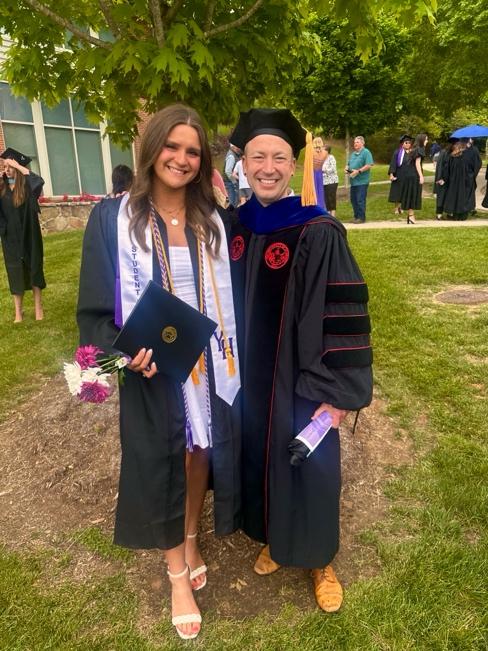
LorinTidickand Dr.BenjaminVanDyke
I became involved in this project through my passion for sports and my interest in helping athletes and physically active students take better care of themselves both physically and mentally. Dr. Van Dyke and Lauren Cooper shared similar interests, and together we collaborated as a team to connect our individual perspectives to topics such as pain, psychological factors, injury perceptions, and personality.
This project had a significant impact on my academic and personal growth, as it helped me transition toward my graduate studies and provided an early foundation for my future career. My role was as a co-author, assisting Lauren Cooper, the primary researcher. We worked extremely well together, and I am truly grateful for the opportunity to have collaborated with her on such meaningful work.
v WHAT WAS IT LIKE PRESENTING YOUR WORK AT A PROFESSIONAL CONFERENCE?
Through the research process, I learned the importance of patience, collaboration, and attention to detail. Research takes time and requires a willingness to adjust and refine ideas along the way.
Presenting at a professional conference taught me how to communicate complex concepts clearly and confidently to a broader audience. It also allowed me to connect with other scholars and professionals, which strengthened my passion for continuing research and pursuing graduate studies.
v WHAT
My biggest piece of advice is to take the initiative and reach out to professors whose interests align with yours. Don’t be afraid to ask questions or express curiosity faculty members are always looking for motivated students to collaborate with.
Be open-minded, organized, and ready to learn. Getting involved in research at YHC is one of the most rewarding experiences you can have it not only enhances your academic skills but also helps you grow personally and professionally.
EXPERIMENTAL PAIN RESPONSE AMONG SEXUAL AND GENDER MINORITY MEMBERS WHO DO AND DO NOT PRACTICE DOMINANCESUBMISSION AND SADISM-MASOCHISM
with Veronica Lee
v HOW DID YOU GET INVOLVED IN THIS PROJECT?
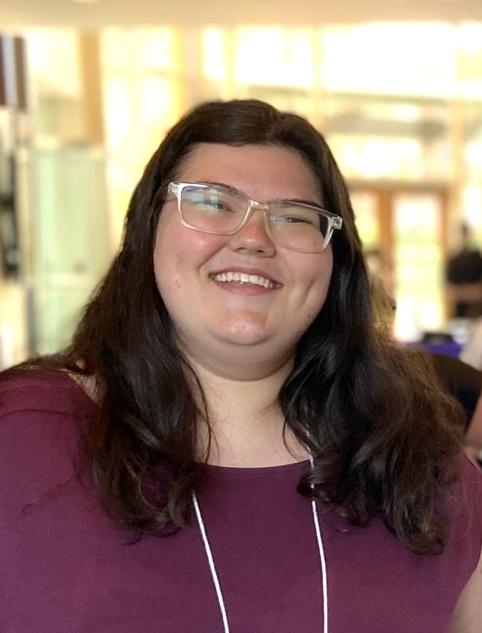
I first got interested in research through Dr. Van Dyke’s Psychology of Pain class. Through this class, I became familiar with the research process and knew I wanted to get as much research experience as I could. I expressed this to Dr. Van Dyke and he encouraged me to do an exploratory research question using data collected through Ashley Palmateer’s research.
My role in this research was to synthesize the data already collected through Ashley’s research and to analyze the results. Through this secondary data analysis, I researched how gender and sexual minorities responded to experimental pain tests based on their attitudes and experiences with BDSM. After the analysis, I presented a poster on my findings at the United States Association for the Study of Pain’s annual scientific meeting.
v WHAT WAS IT LIKE PRESENTING YOUR WORK AT A PROFESSIONAL CONFERENCE?
Through this process I have learned to have confidence in my research abilities and how to communicate research results effectively. The professional conference allowed me to meet researchers from all over the country and even meet someone who wrote one of my textbooks.
v WHAT ADVICE DO YOU HAVE FOR STUDENTS WHO WANT TO GET INVOLVED WITH RESEARCH AT YHC?
Express interest in research as soon as possible. There are plenty of research opportunities to get involved in at YHC, from being a Research Assistant (RA) or taking a class that is a Mentored Research Experience (MRE). Research as an undergraduate is such a rewarding experience; even if you aren’t interested in research long term, it allows you to build a relationship with a mentor and a basis for critical thinking.
Zengage: Investigating the E ffects of M indfulness M editation I nterventions on W orking M emory C apacity and S tress/ A nxiety L evels
MREinPSYC4501:SeniorEmpiricalSeminar
OralPresentationatURD
Brailey N. Barmore
Faculty Mentor: Dr. Amy Boggan
The ancient practice of mindfulness meditation has gained interest due to its potential physical and psychological benefits, including improvements in executive functioning. Working memory, which relies on present-moment awareness, may benefit from mindfulness practices. Multi-week mindfulness interventions can increase memory capacity, reduce anxiety and stress, and possibly benefit attention, comprehension, regulation, and memory skills. The present study investigated whether a single brief session of mindfulness meditation could provide the same benefits as longer interventions. Participants (N = 34) were randomly assigned to a 10-minute guided meditation condition (n = 17) or a control condition (n = 17; a same-length story read using the same voice). Prior to and following the intervention, participants completed a digit-span task as a measure of working memory capacity and multiple questionnaires to measure mindfulness awareness, anxiety, and stress. Contrary to our hypotheses, independent sample t-tests on pre-post task difference scores revealed no treatment group differences in participants’ working memory capacity, anxiety, or stress levels. This suggests that a single brief session of mindfulness meditation may not be sufficient to produce a significant benefit on working memory, anxiety, or stress. FundingprovidedbytheYHC UndergraduateResearchProgram.
Investigation of G ender D ifferences in S leep Q uality
CUREinPSYC3112:ResearchMethodsandStatistics II
Poster Presentation at URD
Ella G. Clifford
Faculty Collaborator: Dr. Benjamin P. Van Dyke
Quality of sleep has a substantial impact on general health and well-being, and studies have indicated that men and women may have different sleep habits and quality. According to studies, women typically report more frequent sleep problems, such as insomnia and restless legs syndrome, and have lower-quality sleep than males. Women's sleep patterns are significantly impacted by hormonal changes, especially during menstruation, pregnancy, and menopause. Men, on the other hand, may be more susceptible to sleep apnea but typically have more consistent sleep patterns. Sleep quality is further impacted by gender differences in the effects of stress, lifestyle, and medical problems. The purpose of this study is to compare sleep quality between men and women at Young Harris College. I hypothesized that men would have better sleep quality than women. To promote the sleep health of both men and women, gender-specific interventions and considerations in the management of sleep disorders may be necessary. Fundingprovidedbythe YHCUndergraduateResearchProgram.
Sleep Q uality and S tress among C ollege S tudents
CUREinPSYC3112:ResearchMethodsandStatisticsII
Poster Presentation at URD
Bailee R. Brown
Faculty Collaborator: Dr. Benjamin P. Van Dyke
This study examined how sleep quality is related to stress among undergraduate students. Sleep is involved in memory consolidation, physical health, emotional regulation, and cognitive functioning. College-aged students have many stressors that can be influenced by and, in turn, affect sleep such as academic performance, health, and their social lives. We hypothesized that students who report better sleep quality will report lower levels of stress. The participants of this study were students from Young Harris College who are at least 18 years old. The participants completed an anonymous online survey about sleep quality and stress levels. If our hypothesis is supported, it will provide students with data supporting why they should prioritize healthy sleep habits and increase sleep quality. Fundingprovidedbythe YHCUndergraduateResearchProgram.
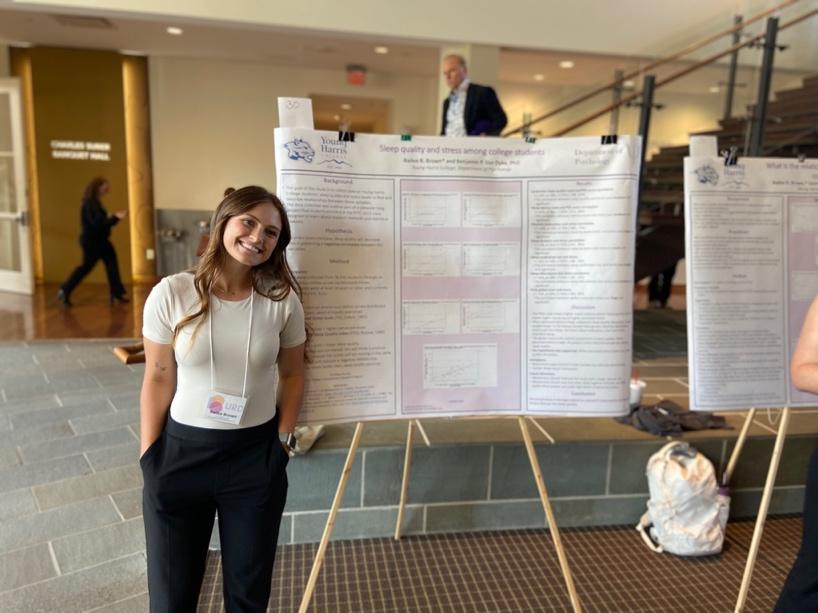
What I s the R elationship between C oping S tyles and C old - pressor P ain?
CUREinPSYC4340:PsychologyofPain
Poster Presentation at URD
Bailee R. Brown and Lauren Cooper
Faculty Collaborator: Dr. Benjamin P. Van Dyke
This study examined how responses to pain, including perceived stress and thoughts about pain, are related to different coping styles. Previous research has shown that coping styles can be either adaptive or maladaptive when dealing with stressors such as pain and are related to mental health and quality of life. College-aged students have many stressors that they must navigate by using coping styles such as avoidance, problem-focused coping, and/or emotion-focused coping. We hypothesized that those with more active coping methods will experience pain at a lower intensity and will demonstrate a higher pain threshold and pain tolerance. We hypothesized that those who express more passive coping styles will experience pain at a higher intensity and will demonstrate a lower pain threshold and pain tolerance. Exploratory questions were: 1) How do coping styles relate to dispositional and situational stress? 2) How do coping styles relate to dispositional and situational pain catastrophizing? The participants of this study were students from Young Harris College who were at least 18 years old. Participants completed questionnaires prior to and immediately after submerging their non-dominant hand in a cold-water bath (2-4 degrees C). The hypotheses were not supported. In the exploratory analyses, problem-focused coping was generally related to lower stress and pain catastrophizing, emotion-focused coping predicted higher stress, and avoidant coping predicted higher pain catastrophizing.
Listening for S uccess? : Examining the R elationship between B ackground M editative S ound and C ognitive F unctioning
MREinPSYC4501:SeniorEmpiricalSeminar
OralPresentationatURD
Avery R. Brusa
Faculty Collaborator: Dr. Amy Boggan
Persistent stress and anxiety can prohibit students from producing their best work. Since students often wear headphones throughout the day, the present study explored the effectiveness of a sound intervention, Tibetan singing bowls, to improve cognitive performance via reducing stress and anxiety. Previous work with Tibetan bowls utilized longitudinal and observational studies, while the present study employed an experimental task requiring mental focus, the Flanker Task. Thirtyone (31) undergraduates listened to various background sound conditions (Tibetan bowl, coffee shop sounds, and silent control) while completing Flanker Tasks. Overall, comparing response times between consistent (facilitating) and inconsistent (interfering) Flanker Task conditions, participants demonstrated a robust Flanker Effect. However, task performance did not vary by background sound type. Aligning with these findings, participant responses
to a post-task questionnaire revealed no difference in perceived performance across the 3 sound conditions. Notably, the questionnaire data did reveal some differences in participants’ experience of the sound conditions. Specifically, participants reported varying levels of distraction, with post hoc tests indicating more distraction in the silence condition than the Tibetan bowl or coffee shop conditions. Participants also reported a marginal difference in their feeling of calmness, feeling calmer in the Tibetan bowl and silent conditions than in the coffee-shop sound condition. These differences suggest that further study of Tibetan bowl interventions may be warranted. FundingprovidedbytheYHC UndergraduateResearchProgram.
The R elationships between E xtraversion, N euroticism, and A greeableness and B elongingness in C ollege S tudents
CUREinPSYC3112:ResearchMethodsandStatisticsII
Poster Presentation at URD
Brianna R. Dalton
Faculty Collaborator: Dr. Benjamin P. Van Dyke
This study examines how college students’ Big Five Personality traits (openness, conscientiousness, extraversion, agreeableness, and neuroticism) relate to their sense of belongingness. I hypothesize that those who score higher on extraversion on an online personality questionnaire will report higher levels of belongingness. In addition, I hypothesize that a higher level of neuroticism will report a lower level of belongingness due to the personality traits that are present in these types of individuals. Lastly, I hypothesize that those who report a high level of agreeableness will report a high level of belongingness. The sample is drawn from students currently enrolled at Young Harris College who are 18 years of age or older. The data for this study were collected anonymously by an online questionnaire. If my hypotheses are supported, we will see a relationship between scoring highly on extraversion and agreeableness and higher levels of belongingness and higher neuroticism and lower levels of belongingness. These findings can help others gain access to social support services to practice better social skills, as well as identifying risk behaviors in individuals that can be addressed through counseling and personal development. Funding is provided by the YHC Undergraduate Research Program. FundingisprovidedbytheYHCUndergraduateResearch Program.
Pain threshold, T olerance, and R atings in A thletes vs N on - athletes and M en vs W omen
CUREinPSYC4340:PsychologyofPain.
Poster Presentation at URD
Ella G. Clifford and Mary E. Troyer
Faculty Collaborator: Dr. Benjamin P. Van Dyke.
Physical pain is inevitable in life, and we wanted to understand the differences between how certain people experience pain. This study aimed to investigate pain tolerance, pain threshold, and pain ratings between athletes and non-athletes and women and men. We hypothesized that men and athletes would have a higher pain tolerance and pain threshold than women and non-athletes, and men and athletes would have lower pain ratings than women and non-athletes. Young Harris College students who participated in this study were asked to place their non-dominant hand in cold water between 2 and 4 degrees Celsius for as long as possible (with a maximum time of 5 minutes). To answer our hypotheses, the participants filled out questionnaires regarding their pain before and after the coldpressor test. Consistent with the hypotheses, men reported significantly less pain than women and tolerated the pain marginally longer (large effects). No significant differences were found in any variable for athletes and non-athletes. The results of this study are inconsistent with previously recorded studies on pain in athletes, possibly due to the small sample size from one location and the lack of diversity. Another study could be done in the future with a more even distribution of athletes to nonathletes and men to women to get more reliable results. FundingprovidedbytheYHCUndergraduateResearchProgram.
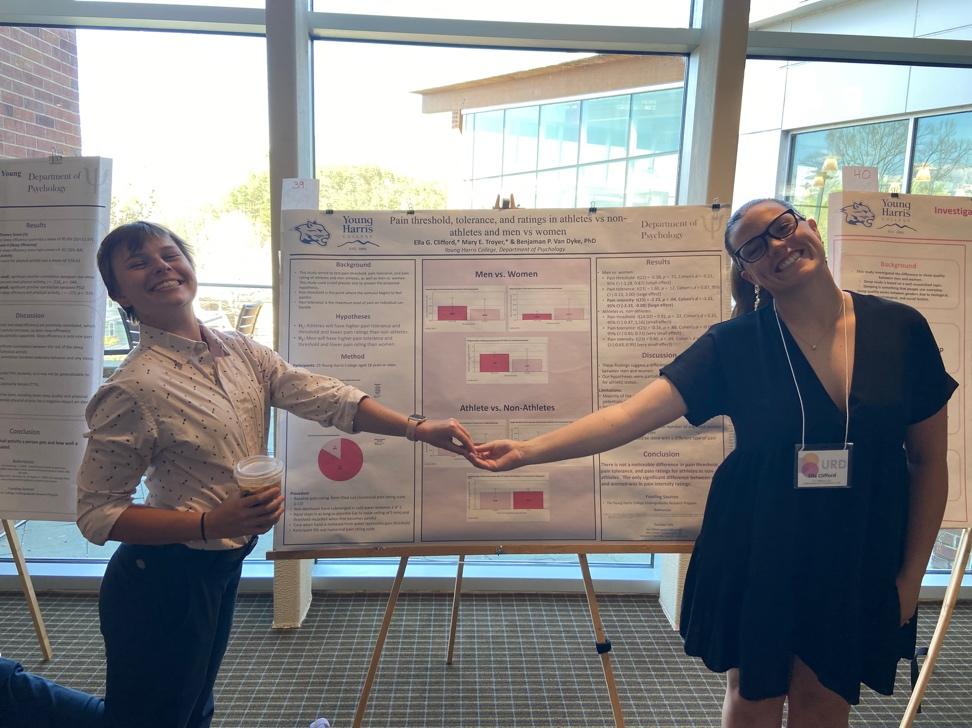
The E ffect of P erceived I njury P ain on P hysical A ctivity P erformance and their R elationships to S leep
MREinPSYC4980:IndependentResearch
OralPresentationatURD
Lauren E. Cooper and Lorin E. Tidick
Faculty
Collaborator: Dr. Benjamin P. Van Dyke
Consistent with pain’s important protective function, pain during physical activity or exercise, such as due to an injury during athletic performance, might cause people to perform at a lower level than prior to the pain to reduce the risk of further damage or harm. Additionally, sleep affects energy levels and response to pain. The aim of this study is to evaluate how the application of mechanical pain affects physical performance and to explore how both variables relate to sleep. We hypothesized that those who experienced a higher level of applied mechanical pain would have a greater decrease in physical performance than those who experienced a lower level. Participants were students at Young Harris College, 18 years and older. Each participant completed self-report questionnaires prior to their in-person session. Once in the lab, participants ran on a treadmill for 2 minutes at 75-80% of their max effort, had the algometer applied to the inner surface of their knee at 1-3 or 1315 lbf, and then repeated the treadmill test. Preliminary results suggested that higher algometer force correlated to higher pain during the algometer and during and after the treadmill test. The data suggest that poor sleep was associated with lower grit scores and more negative responses to pain and that lower grit scores were associated with higher frequency of sleep medication use. Fundingfor thisprojectwasprovidedbytheAppalachianCollegeAssociationLedfordScholarshipandthe YHCUndergraduateResearchProgram.
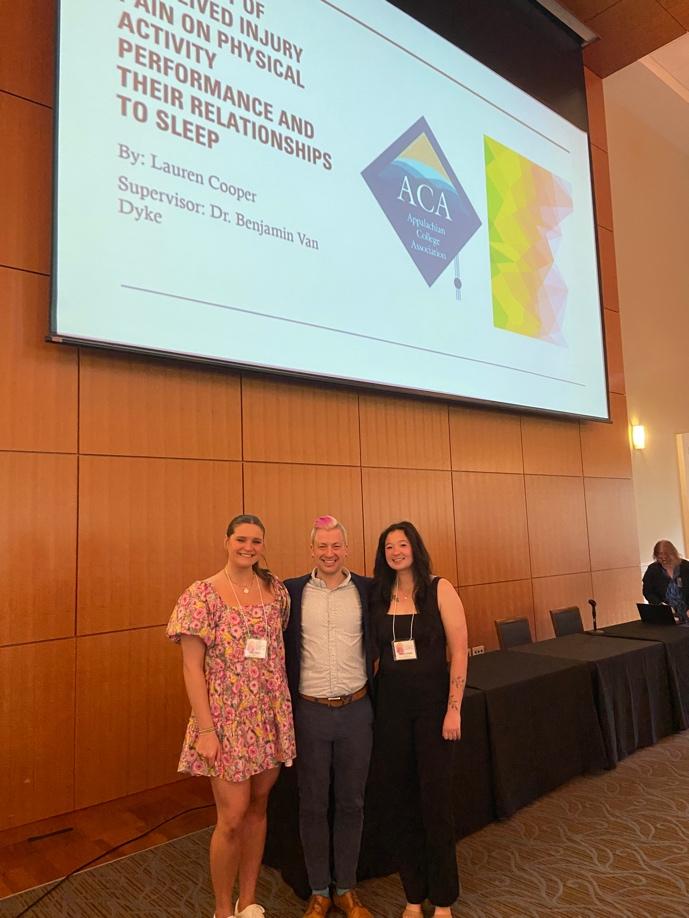
Echo C hamber: The E ffects of G ender B ias and A lgorithm - based M edia on P olitical A ttitudes
ProjectinPSYC4501:SeniorEmpiricalResearchSeminar
OralPresentationatURD
Sara M. Helm
Faculty Collaborator: Dr. Amy L. Boggan
Younger generations’ algorithm-driven media consumption allows them to curate the information they encounter, which has consequences for the American political landscape. With less exposure to political information, how do college students decide which candidates/parties to support? As candidates venture into short-form video political advertising, how might young people interpret these brief messages? With little context, do unconscious biases such as sexism influence how a message is received, regardless of the content? The current study examined the impact of implicit gender bias on college students' judgments of political messages. To isolate the influence of gender versus attractiveness, auditory stimuli were utilized rather than video. Brief left-leaning and right-leaning statements were created for each of 10 policy topics (e.g., abortion), and these 20 statements were read by an AIgenerated male voice and female voice, for 40 statements total. Participants (N = 33) listened to the ideological statements and rated their credibility. Analysis revealed no difference in participants’ credibility ratings based on the sex of the voice. Participants did, however, strongly differ in their ratings of the ideological position statements, with a general preference for liberal-leaning positions. Post hoc analysis revealed a surprising interaction between this effect of ideological stance and participants’ self-reported partisanship. Specifically, while participants identifying as Democrats (n = 16) rated liberal statements as more credible than conservative statements, Republican participants (n = 14) did not show the opposite pattern; instead, they were equally likely to rate left and right-leaning statements as credible.
Faculty/ S taff and P eer M entorship and S tress among U ndergraduate S tudents
CUREinPSYC3112ResearchMethodsandStatisticsII
Poster Presentation at URD
Veronica Lee
Faculty Collaborator: Dr. Benjamin P. Van Dyke
This study examined the relationships between peer and faculty/staff mentorship and student stress levels. Many students face academic stress as well as stress related to the uncertainty of life after college. Support from a mentor could impact a student’s sense of belonging, ability to cope with stressful situations, and opportunities after graduating. We hypothesized that students who report having a mentor, either peer or faculty/staff, will report lower stress levels than students who do not. We also hypothesized that students who rate their mentors more positively will have lower stress levels. To answer these questions, we asked Young Harris College students to complete an anonymous online
survey about their relationship to a faculty/staff mentor and/or a peer mentor and their stress levels over the last month. This study will provide insight into the benefits of having mentors at the undergraduate level. FundingprovidedbytheYHCUndergraduateResearchProgram.
Gender, P erceived S ocial S upport, C oping S tyles, and C old - pressor P ain
CUREProjectinPSYC4340:PsychologyofPain
Poster Presentation at URD
Avery H. Lester, Percy W. Ackerman, and Emma G. Parks
Faculty Collaborator: Benjamin P. Van Dyke
Research has shown that women typically report more social support than men and experience greater benefits from social support. In addition, the Buffering Hypothesis of Social Support suggests that higher levels of perceived social support reduce the negative effects of stress and stressors. Our goal of this study was to elaborate on the role of social support in pain response and coping and to test the Buffering Hypothesis of Social Support. We predicted: women would report higher levels of social support and more benefits than men; problem-focused coping would be associated with higher social support; avoidant coping would be associated with lower social support; and higher perceived social support would reduce the relationships between stress, catastrophizing, pain expectancy, and pain. Twenty-five undergraduate participants who were at least 18 years old completed questionnaires and a cold-pressor test (2-4 degrees C). Our results did not support our gender-related hypotheses. Surprisingly, men reported significantly more social integration than women. Our other hypotheses were partially supported: Higher levels of problem-focused coping were related to more perceived social support. There was also a marginal positive relationship between avoidant coping and nurturance. As perceived social support increased, the relationship between dispositional pain catastrophizing and pain expectancy marginally decreased. Unexpectedly, higher levels of perceived social support were associated with stronger relationships between pain expectancy and stress. Overall, the current study did not support the Buffering Hypothesis of Social Support. FundingprovidedbytheYHCUndergraduateResearchProgram.
Weekday - to - W eekend Sleep Discrepancies and Sleep Quality, Pain, and Physical P erformance
MREinPSYC4980:IndependentResearch
Poster Presentation at URD
Wylly I. Makepeace, Lauren E. Cooper, and Lorin E. Tidick
Faculty Collaborator: Dr. Benjamin P. Van Dyke
Previous research related to sleep has suggested that consistency in sleep patterns is crucial to sleep quality and the benefits of sleep. Emerging adults have a harder time maintaining consistent sleep while managing social obligations. Trying to “make up” for sleep on weekends is a common behavior for emerging adults, which may have current and long-term effects on their physical and mental health, including the phenomenon of “social jetlag.” The objective of this poster is to explore the relationship between weekday-to-weekend sleep discrepancies (WWD) and other dimensions of sleep quality. We hypothesized that a greater WWD would be associated with poorer sleep quality in other dimensions. A secondary exploratory objective was to see whether WWD was also related to pain and physical performance variables. Based on preliminary correlation analyses, greater WWD is associated with poorer global and subjective sleep quality and greater sleep disturbance, likelihood to use sleep medication, and, to a lesser extent, daytime dysfunction. These data suggest that the most important WWD contributors to poorer sleep quality are inconsistent wake time, total sleep time, and sleep efficiency. These findings underscore the importance of maintaining a consistent sleep schedule regardless of social obligations like class and work. Fundingforthisprojectwasprovidedby theAppalachianCollegeAssociationLedfordScholarshipandtheYHCUndergraduateResearch Program.
Social S upport and S leep H abits of Young Harris College S tudents
CUREinPSYC3112:ResearchMethodsandStatisticsII
Poster Presentation at URD
Micah Rae McClarty
Faculty Collaborator: Dr. Benjamin P. Van Dyke
This study evaluated how Young Harris College students’ perceptions of their social support relate to their sleep quality. Social support is measured in this context as the perceived strength and/or confidence in familial, work, school, friend, and intimate relationships in their lives. Previous literature has emphasized the importance of adequate sleep on physical and mental health and performance. We are hoping to evaluate the relationships between social support and restfulness because they relate not only to the overall well-being of the student body, but the quality of life on campus. I hypothesized that there would be a positive relationship between perceived social support and sleep quality. The participants of this study were Young Harris College students who were at least 18 years of age and were asked to complete an anonymous online questionnaire. FundingprovidedbytheYHCUndergraduateResearchProgram.
The E ffect of S ocial M anipulation of P ain E xpectations on P ain P erception
CUREinPSYC4340:PsychologyofPain
Poster Presentation at URD
Micah Rae McClarty and Veronica Lee
Faculty Collaborator: Dr. Benjamin P. Van Dyke
Previous studies have shown that pain expectations can have complicated effects on how people experience pain. Some research suggests there is a boundary effect to pain expectations such that expectations that are too discrepant from the actual stimulus produce pain responses in the opposite direction. This experiment further explores that concept by using the cold-pressor test to study if expectations implemented before the event via social manipulation affect how the pain is processed. We hypothesize that the not painful expectation condition and the moderately painful expectation condition would result in the highest ratings of pain and the mild expectation condition and extreme pain expectation condition would have the lowest pain ratings. Participants were 25 Young Harris College students who were at least 18 years old. While participants were waiting to start the experiment, a confederate would exit the room pretending to be on the phone while reciting a scripted line about how painful the experiment was. Participants then completed a filler task and paper questionnaires before placing their non-dominant hand in the cold-pressor water (2-4 degrees C) for as long as possible (≤5 minutes). Finally, participants rated their pain and how much the confederate influenced their expectations. Although the results were not significant, the effect of the manipulation was medium to large on participants’ stress, expectancies, and pain response. Future studies could include more people to help address the limited sample size of the current study. FundingprovidedbytheYHC UndergraduateResearchProgram.
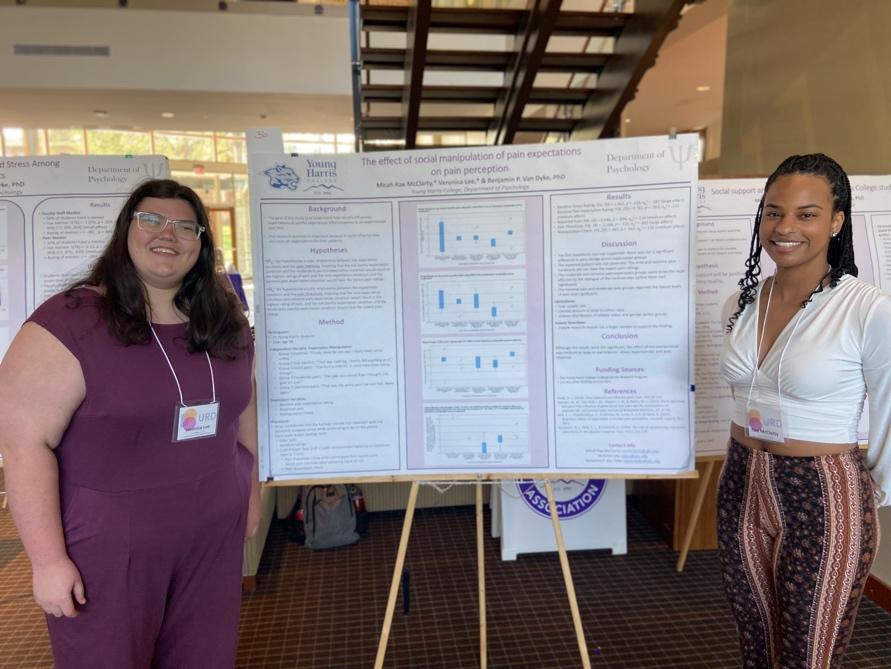
How D oes N utrition R elate to C ollege S tudents’ A cademic P erformance?
CUREinPSYC3112:ResearchMethodsandStatisticsII
Poster Presentation at URD
Adria P. McNalley
Faculty Collaborator: Dr. Benjamin P. Van Dyke
Proper nutrition is very important but is often ignored among college students. Many students fail to maintain healthy dietary habits, which may negatively affect their academic abilities. This study examined the relationship between nutrition and academic performance among YHC students. My goal was to conduct an anonymous online survey to assess nutrient intake among YHC students in the last 24 hours. In addition, participants self-reported GPA to measure academic success in relation to nutrition. I predicted that students who reported eating vegetables, fruits, grains, and healthy proteins in the last 24 hours would have higher success in their academic performance, compared to those who consume unhealthy and processed foods. These results might highlight the importance of proper nutrition in relation to academic achievement and bring awareness to overall student health. Funding providedbytheYHCUndergraduateResearchProgram.
Who G ets I nvolved? The R ole of M entors in C ollege S tudents’ C ampus E ngagement
CUREinPSYC3112:ResearchMethodsandStatisticsII
Poster Presentation at URD
Emma Parks
Faculty Collaborator: Dr. Benjamin P. Van
Dyke
Peer and faculty mentors can play a crucial role in supporting students' academic and social success. These mentors aid students in professional networking, providing guidance on job opportunities and information on campus clubs and organizations, etc. This study aims to examine the relationships that peer and faculty mentorships have on student involvement and if peer or faculty mentorship have a bigger relationship with student involvement. I predict that participants who report higher involvement scores will also have higher mentorships scores resulting in a positive relationship. The study measured student involvement by surveying their membership and/or participation in Greek life, performing arts, holding an on-campus employment, student athletics, and other clubs or organizations. We measured peer and/or faculty mentorships with a questionnaire examining the selfreported psychosocial impacts of the mentors on students using a Likert-type scale. If the results show that participants with higher ratings of their peer and/or faculty mentorships are more involved, my hypothesis will be supported. If the hypothesis is supported, the results can support programs like our Mountain Lion first-year seminar. They can also help establish and promote future programs that facilitate mentorship relationships to aid in students’ academic and social success in college. FundingisprovidedbytheYHCUndergraduateResearchProgram.
The I mpact of M edical J argon on P atient C omprehension and S atisfaction
MREinPSYC4501:SeniorEmpiricalSeminar
OralPresentationatURD
Lorin E. Tidick
Faculty Collaborator: Dr. Amy L. Boggan
Using medical jargon can significantly impact patient comprehension of medical diagnoses and directives, particularly when health care information is delivered using complex terminology. The present study examined how medical jargon affects college students’ understanding of medical diagnoses and health care interactions. We hypothesized that complex, jargon-filled simulated diagnoses would disproportionately impact individuals with lower vocabulary levels. Participants (N = 32) viewed three randomized videos of health care diagnoses across three topic areas (orthopedics, diabetes, cancer); videos varied in complexity level as determined by a standardized measure of terminology complexity and script length. Participants also completed a vocabulary assessment which included medical terminology. Results indicated that overall, participants reported more complex diagnoses lower in clarity and harder to understand. These differences, however, were not qualified by participant vocabulary level, and participant vocabulary scores were not related to video comprehension ratings overall. While a restriction of range among medical term vocabulary sub-scores prevented an examination of the impact of medical knowledge on ratings, our data suggest that future research should continue to take pre-existing knowledge into account. Collapsing across difficulty levels, average ratings differed across the three topics, with participants rating orthopedic diagnoses as less difficult to comprehend compared to diabetes and cancer diagnoses. Overall, our data support prior findings that complex medical language can hinder patient understanding. Future research should explore interventions to enhance patient comprehension in medical settings; these include improved training of health care professionals and using visual aids and plain language summaries.
The R elationships among N egative A ffect, K inesiophobia, and E xperimental M echanical P ain P erception and R esponse
MREinPSYC4980:IndependentResearch
OralPresentationatURD
Lorin E. Tidick and Lauren E. Cooper
Faculty Collaborator: Dr. Benjamin P. Van Dyke
Negative emotions and fear of movement (kinesiophobia) can influence how individuals perceive and respond to pain, potentially leading to maladaptive behaviors. This study aimed to explore the relationships between past-week negative affect, kinesiophobia, and pain experiences, with a focus on how these factors related to pain perception and emotional responses during experimental mechanical pain. We hypothesized that higher levels of kinesiophobia would be negatively related to physical
performance and explored how negative emotions relate to pain intensity and emotional responses to perceived injury pain. The study sample consisted of participants who completed algometer and treadmill pain tests, alongside self-reported measures of pain, negative emotions, and kinesiophobia. Data were collected using standard mechanical pain tests and assessments of pain intensity, emotional responses, and behavioral tendencies in response to perceived injury pain. Results suggested that higher negative emotions were associated with increased pain intensity, more negative emotional responses, and greater concerns about pain during the trials. Kinesiophobia was associated with higher pain perception, more negative emotions, and greater tendencies to avoid discussing or addressing pain. These preliminary findings suggest that negative emotions and kinesiophobia impact how individuals experience and respond to perceived injury pain. Notably, factors such as improved sleep quality and higher grit levels were suggested to be protective against these risk factors. Future research could explore potential interventions to reduce kinesiophobia and negative emotional responses to pain. FundingforthisprojectwasprovidedbytheAppalachianCollegeAssociation LedfordScholarshipandtheYHCUndergraduateResearchProgram.
Investigating the R elationship between S leep Q uality and E xercise in Young Harris College S tudents
CUREinPSYC3112:ResearchMethodsandStatisticsII
Poster Presentation at URD
Mary E. Troyer
Faculty
Collaborator: Dr. Benjamin P. Van Dyke
The purpose of this study is to investigate the relationship between the amount of exercise among Young Harris College students and their quality of sleep. I hypothesized a positive relationship between the amount of exercise and quality of sleep in YHC students, such that more exercise will correlate with a better quality of sleep and less exercise will correlate with a worse quality of sleep. The participants for this study were Young Harris College students who are at least 18 years old. Participants were asked to fill out an anonymous online questionnaire about their quality of sleep and their weekly exercise and physical activity. If my hypothesis is supported, this information could be useful for any college student, but more specifically to those who struggle with their sleep quality. This study may offer some insight as to why certain people have a better quality of sleep than others. FinancialsupportforthisstudywasprovidedbytheYHCUndergraduateResearchProgram.
Campus I nvolvement and A cademics in Young Harris College S tudents
CUREinPSYC3112ResearchMethodsandStatisticsII
Poster Presentation at URD
Katherine L. Whitson
Faculty Collaborator: Dr. Benjamin P. Van Dyke
Social isolation is associated with poor mental health and a more negative mood, which can negatively affect academic performance. In this study, I looked at how social factors, such as involvement in campus organizations, are related to college students’ academic performance. I hypothesized that being more involved on campus would be positively related to the grade point average (GPA) of college students. The sample for this study was Young Harris College students who were at least 18 years of age, and the data were collected through an anonymous online questionnaire. If my hypothesis is supported, students who are more involved on campus will perform better academically than those who are less involved on campus. This is important to know and be aware of so people do not isolate themselves but instead reach out to their communities to build support networks. FundingprovidedbytheYHCUndergraduateResearchProgram.
Francisco Franco and H is Fascist Regime’s Treatment of Women, Children, and Sexual Minorities in Spain before and during the Dictatorship
ProjectinSPAN4102:PeninsularLiterature&CultureII
OralPresentationatURD
Mi'Kale J. Harrison
Faculty Mentor: Dr. Diana Santiago
From 1936 to 1975, Franco and his party of nationalists exerted power and ruled Spain with authoritarian power deeply influenced by fascism, and in the beginning years of his rule, had support from the Nazi leader of Germany, Adolf Hitler, and the Fascist Leader of Italy, Benito Mussolini. During this time, his rule was characterized by making Spain conservative, heavily focused on the Catholic religion and anti-liberalism. This included the limited rights of women, the deaths and displacement of children, and "homosexuality" being outlawed in the country. With this stance, he used oppression, the law, and a censor committee to ensure that the only ideologies spreading through Spain were defined with the above characteristics. Anyone caught deviating from those standards was arrested, tortured, put in work camps, or executed. In this essay, I will highlight how the oppressive and repressive nature of the Franco and his regime affected the lives of women, children, and sexual minorities.
OntheAltarofChange: A Meditation on Student Experiences at Young Harris College
TheatrePerformanceatURD
Student Performers: Jayal Hall, Kristyn Foran, Tiara Cousins, Sienna Nason, Jordan Sharp, Inis Dixon, and Mason Nunes
Tech: Katie Strickland, Raine Stewart, and Nadia Mason Director and Faculty Collaborator: Gina Marie Dropp
This theatrical presentation is the premiere of preview material from a new play commissioned by the college, On the Altar of Change: A Meditation on Student Experiences at Young Harris College by Gina Marie Dropp. The goals of this project include raising the voices of students in historically marginalized and oppressed groups, including but not limited to students of color, LGBTQIA+ students, and women; exploring student experience in the classroom, in student organizations, and athletics; exploring what call to action looks like in student led performance and narrative, and exploring the philosophy that performing arts can foster a more empathetic and educated community. The writing process for this new play has included extensive student interviews conducted by the playwright, Gina Marie Dropp, the compiling of the narrative material, editing monologues recounting student experiences for anonymity, and creation of meditations for audience engagement throughout the show. The preview presentation comes ahead of a full-length production that will premiere at Young Harris College in Spring 2026. The preview will consist of monologues, as well as group moments, and an opening meditation where the audience is invited to open their ears, minds, and hearts to experiences that may differ widely from their own.
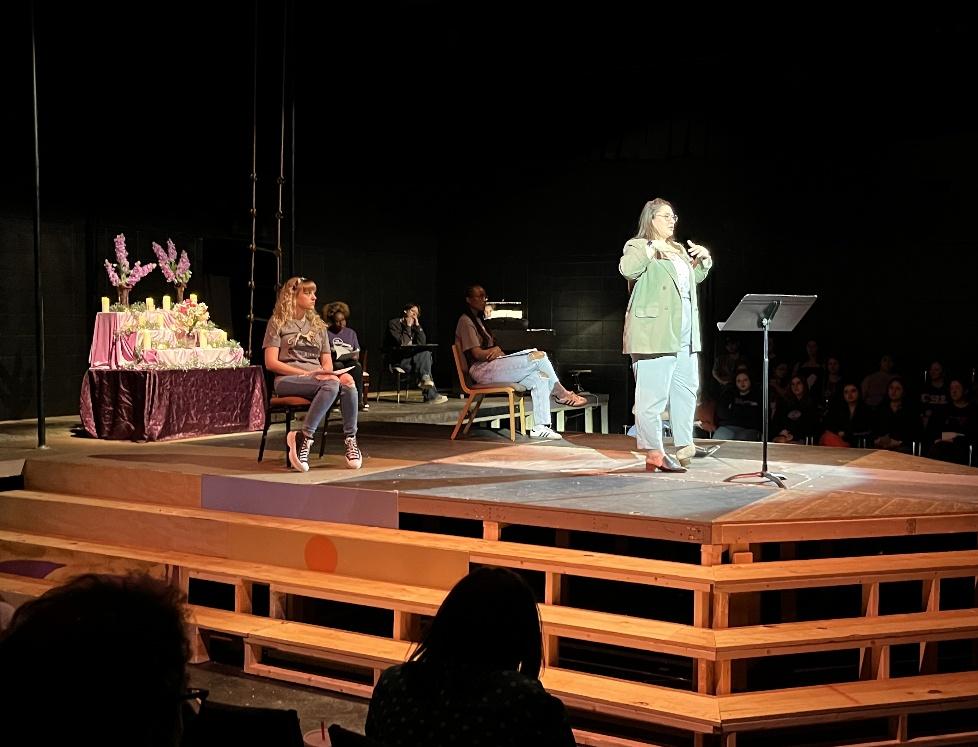
The Life and Work of José González Granero
OralPresentationatURD
Callie M. Atkinson
Faculty Mentor: Dr. Diana Santiago
This is an interdisciplinary research project on José González Granero, a composer and performer born in Iznatoraf, Spain. An award winner, he has played with several world-renowned orchestras and symphonies and is currently the principal clarinet of the San Franciso Orchestra. González Granero has composed several pieces for solo and ensembles, but the present research focuses on his Five Pieces for Solo Clarinet (2021). There is little published work about his life and compositions, so the research was done through several different online resources and direct communication with González Granero himself and other important figures in his life. Through a deep dive into Five Pieces for Solo Clarinet (2021) it is clear how each piece tells a distinct story within the larger narrative of his life and work yet are connected through the lens of time and place. His experiences have inspired these examples of musical storytelling and reflect González Granero’s unique contributions to classical music.
Ackerman, Percy, 14, 80
Ahlgrim, Percy, 18, 50, 53
Alvarez, Logan, 58
Ansley, Gaston, 15 Atkinson, Callie, 56, 89
Barmore, Brailey, 73
Bishop, Cassidy, 22
Blanton, Faith, 47
Born, Phantom, 22
Brady, Madison, 15, 30
Braelyn, Tallent, 45 Brown, Bailee, 74, 75
Brusa, Avery, 75
Buxton, Lily, 8, 18, 29
Camus, Caleb, 9, 18, 56, 65
Cannon, Rebekah, 50
Carver, Sarah, 56, 57
Casey, Ella, 19, 56, 57
Cheeks, Lauren, 66
Chriszt, Thomas, 53
Clifford, Ella, 73, 77
Cooper, Lauren, 4, 7, 9, 16, 17, 69-71, 75, 78, 81, 84
Cothren, Megan, 50 Cousins, Tiara, 88 Covan, Danielle, 58 Cowan, Andrew, 50
Craine, Isabel, 22
Culberson, Madison, 22
Dalton, Brianna, 76
Daniel, Emily, 22 Davis, Hannah, 54 De la Rue, Nadia, 46 Dickhaus, Jamison, 56 Dixon, Inis, 59, 88
Dorris, Madison, 4, 7, 28-29
Drew, Zoey, 22
Ekelin, Sigrid, 22, 56
Ewing, Olivia, 39 Farran, Mykala, 22 Foran, Kristyn, 59, 88 Foster, Lana, 22
Gass, Christina, 22 Gibson, Mary, 54
Hall, Jayal, 60, 88 Hall, Samuel, 22 Hargrove, Julia, 22 Harris, Rebecca, 42 Harrison, Mi’Kale, 87 Helm, Sara, 9, 14, 79 Hernandez, Elizabeth, 13, 24 Hernandez, Summer, 22 Herrera, Jessica, 66 Herring, Gracie, 22, 23 Hodges, Emma, 24 Holcombe, Benjamin, 55 Holland, Molly, 16, 68 Hollingsworth, Grace, 22 Honeycutt, Matthew, 37
Johnson, Mathew, 56 Jones, Joshua, 26, 56
Kelley, Haley, 50
Killer, Allie, 10, 19 King-Rallo, Sophia, 60 Kingsley, Piper, 61
Lamons, Olivia, 50
Lawson, Genna, 61 Lee, Veronica, 4, 7, 16, 17, 72, 79, 82 Lester, Avery, 10, 62, 80 Lewis, Andrew, 67 London, Vasia, 63
Makepeace, Wylly, 81
Makina, Alyssa, 10
Markham, Alison, 15, 30, 34
Martin, Madeline, 22 Mason, Nadia, 88
McClarty, Micah, 81, 82
McNalley, Adria, 83
Mullins, Shelby, 22, 33
Murdock, Alana, 63 Murphy, Aliya, 37
Nason, Sienna, 64, 88 Norman, Austin, 38 Nunes, Mason, 88
Owens, Montana, 25
Palmateer, Ashley, 16, 17, 72
Parks, Emma, 14, 80, 83
Payne, Natalie, 22 Perez, Isabelle, 42
Peterson, Holly, 44 Pierce, Ian, 22
Postell, Lydia, 44 Pritchett, Corissa, 22
Rash, Katelynn, 50, 51 Ray, Isabella, 22
Ray, John, 13, 27
Rose, Phebe, 11, 19, 52
Schrim, Abby, 36
Sharp, Jordan, 62, 88 Sklba, Eryk, 56
Smith, Allie, 47
Smith, Matthew Boyd, 4
Smith-Foot, Eli, 11, 40, 50
Standard, William, 33
Stewart, Raine, 88
Strickland, Katie, 88
Studebaker, Abigail, 46 Swanson, Brady, 22
Taylor, Juniper, 22
Thomas, Taylor, 11, 15, 65
Thompson, Laci, 12, 40, 50
Tidick, Lorin, 4, 7, 9, 12, 16, 17, 69-71, 78, 81, 84
Troyer, Mary, 77, 85
Warwick, Ian, 45 White, Sebastian, 56 Whitson, Katherine, 86 Wood, Hannah, 55
Yarbrough, Christopher, 64
Albin, Lauren, 39
Arnold, Paul, 24, 26
Boggan, Amy, 7, 9, 12, 14, 73, 75, 79, 84
Brink, Mary, 7, 10, 22, 23
Bruen, Matthew, 51
Burnham, Leah, 18, 53, 54
Byron, Matthew, 8
Cheek, Alissa, 7
Clanton, Thomas, 7
Coyle, Marguerite, 9, 11, 15, 18, 19, 52, 65
DeFoor, Keith, 7
Dropp, Gina, 10, 88
Gray, Nathan, 7, 18, 29
Helbert, Daniel, 10, 11, 19
Iacocca, Vanessa, 4, 7, 18, 29, 48, 50-53, 65
Jones, Linda, 25
Julian, Jen, 5, 7, 11, 12, 40
Knepp, Richard, 19, 57
Krebs, Susan, 4, 7, 41-47
Kwiatkowski, Andrea, 24, 27
Lay, Chris, 68
Leek, Mark, 4, 7, 41-47
March, Debra, 7 Miller, Becky, 10
Oxman, Ian, 15, 30
Pate, Joseph, 9, 11, 18, 30, 65, 66, 67 Ponivas, Ambyre, 7, 33
Rittenhouse, Kerry, 56
Sanderson, Shelley, 58, 59, 60, 61, 62, 63, 64
Santiago, Diana, 87, 89 Smith, Matthew Boyd, 7, 11, 28, 31-32, 34
Song, Amanda, 4, 7, 35-38
Star, Cheryl, 56
Stearns, Thomas, 53, 54, 55
Stiglich, Larissa, 8, 18, 29, 55
Stowers, Jenny, 7
Towns, Anne, 7
Van Dyke, Benjamin, 7, 9, 10, 12, 14, 16, 69-72, 73, 74, 75, 76, 77, 78, 79, 80, 81, 82, 83, 84, 86
Vanvliet, John, 15
Wells, John, 4, 5
Whisenhunt, Eloise, 10, 19, 51
Whisenhunt, Ted, 22