OTHER PORTFOLIO
InteriorDesignPrinciplesandTheory
History of Modern Design and Architecture
Computer Graphic Skills
Interior Colour Application
YEAR 1 SEMESTER 2
Interior Design Principles and Theory MODEL OF REPTITIVE FORMS
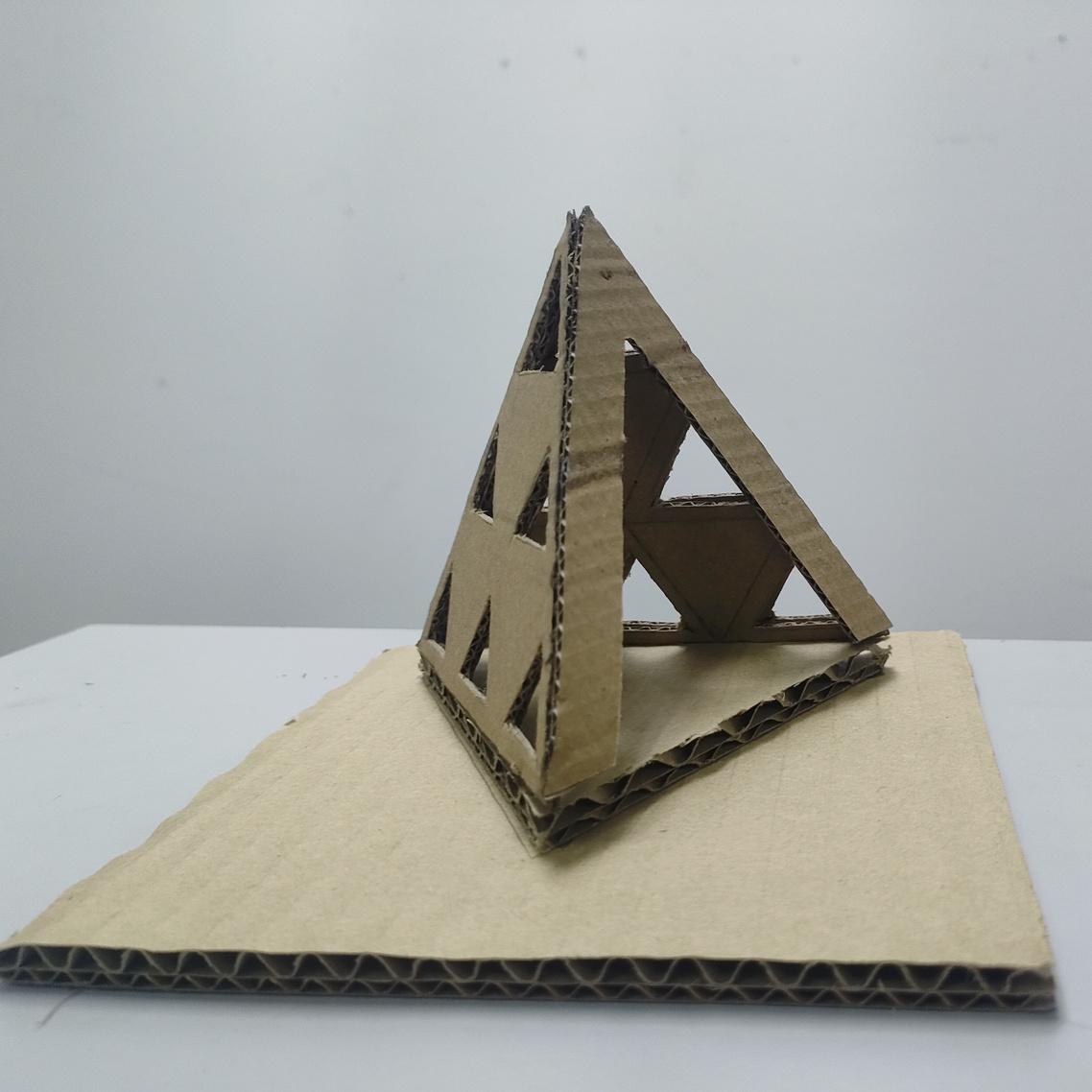
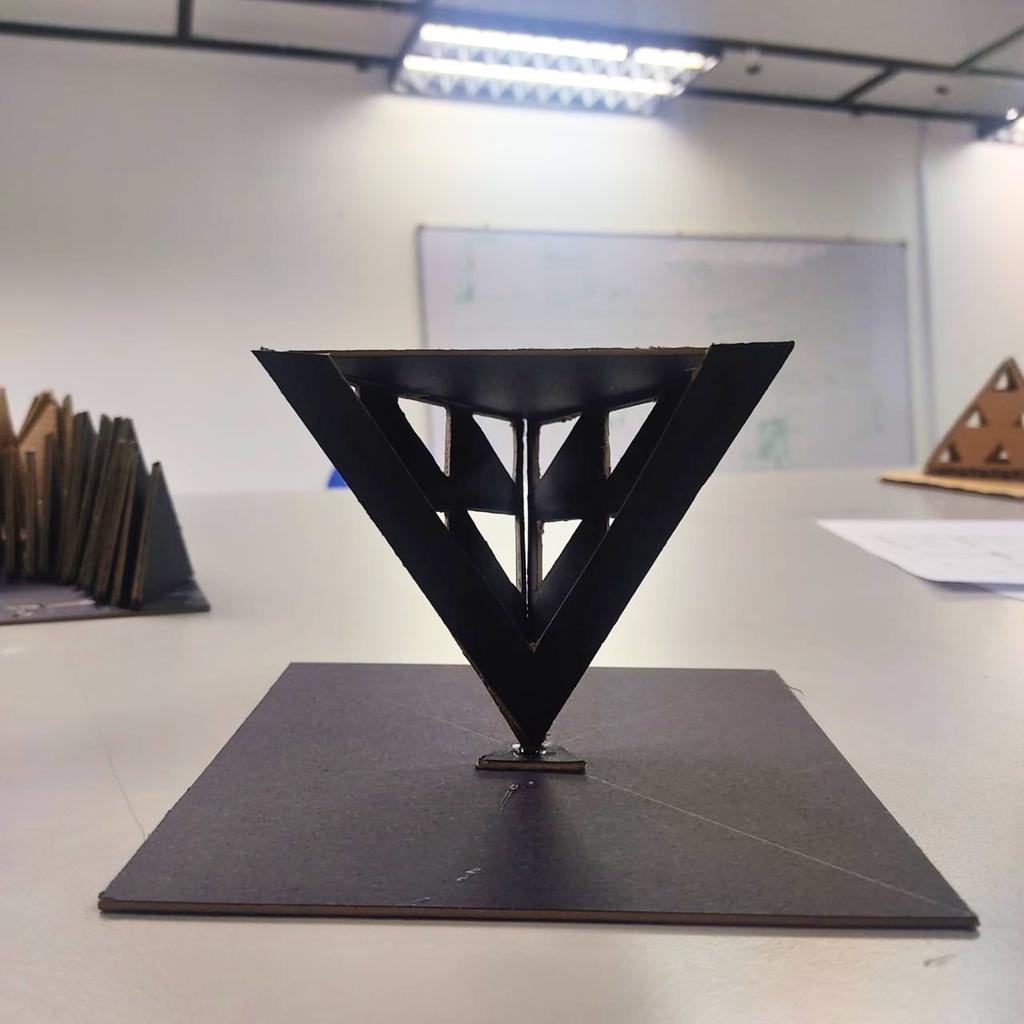
The main goal of Interior Design Principles and Theory is to understand and apply design principles. By creating conceptual models and then applying them in the design of pavilions, it deepens the understanding ofdifferentdesignprinciples.
SOLID AND VOID
Inspiration: Pyramid and Shanghai Exhibition Centre Form: Equilateral triangle
Material: Card Board, Glue, Ruler
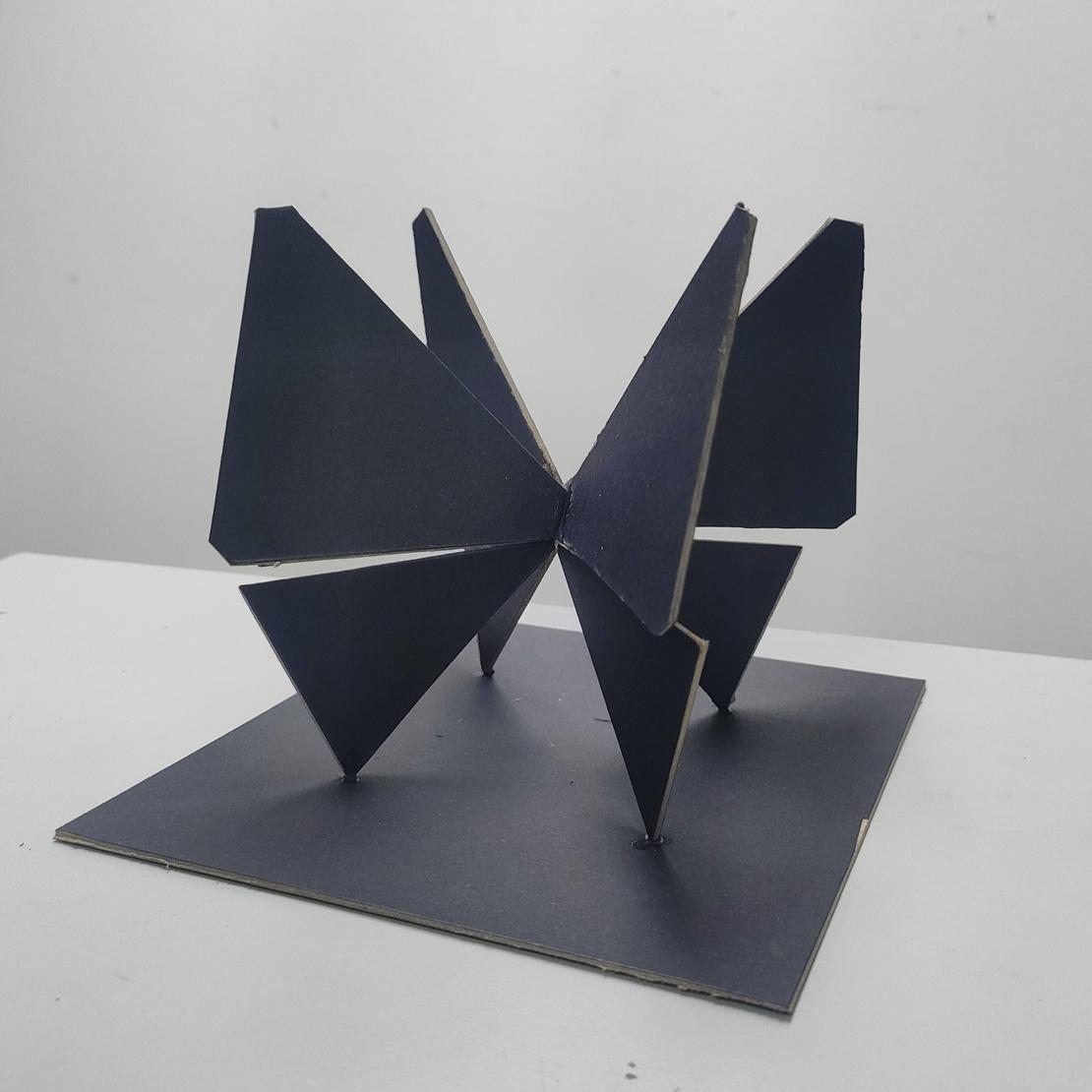
SYMMETRIC
Inspiration: Inspired by the wings of butterflies. Form: Isosceles triangle & Irregular polygon.
Material: CardBoard, Glue, Ruler
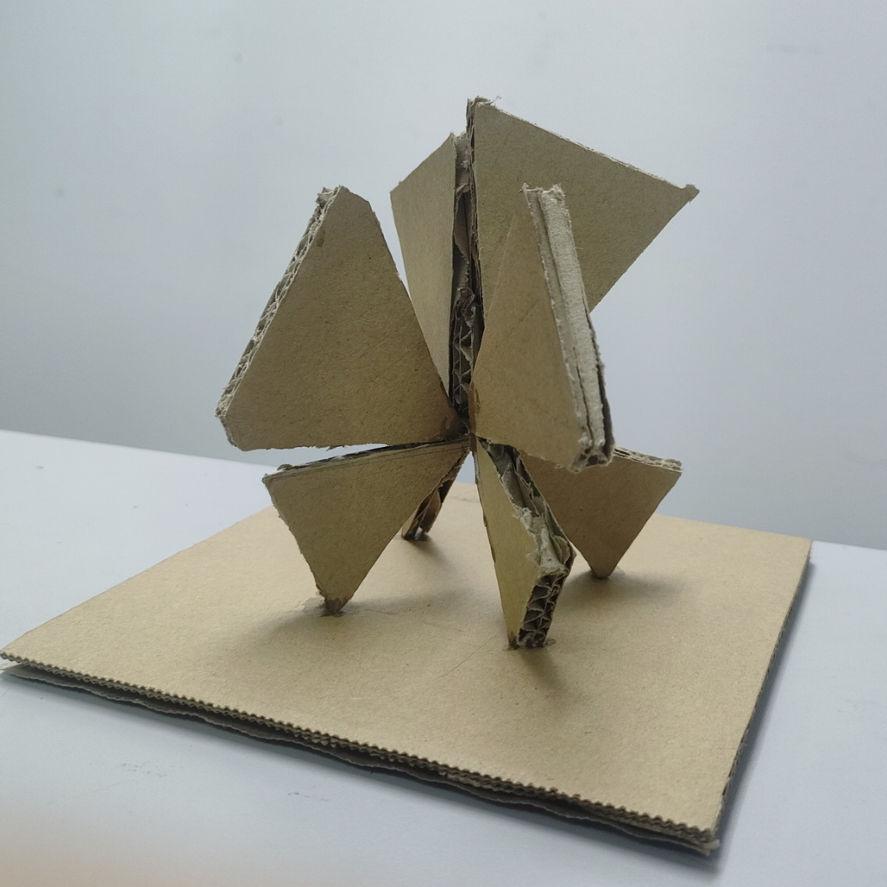
Conceptual models allow designers to personally experience achieving a design principle during the process of creating a model. This deepens students' interest and enables them to actively apply different design theories in future designs to complete work.

YEAR 1 SEMESTER 2
PAVILION DESIGN
Interior Design Principles and Theory
Interior Presentation Technique &
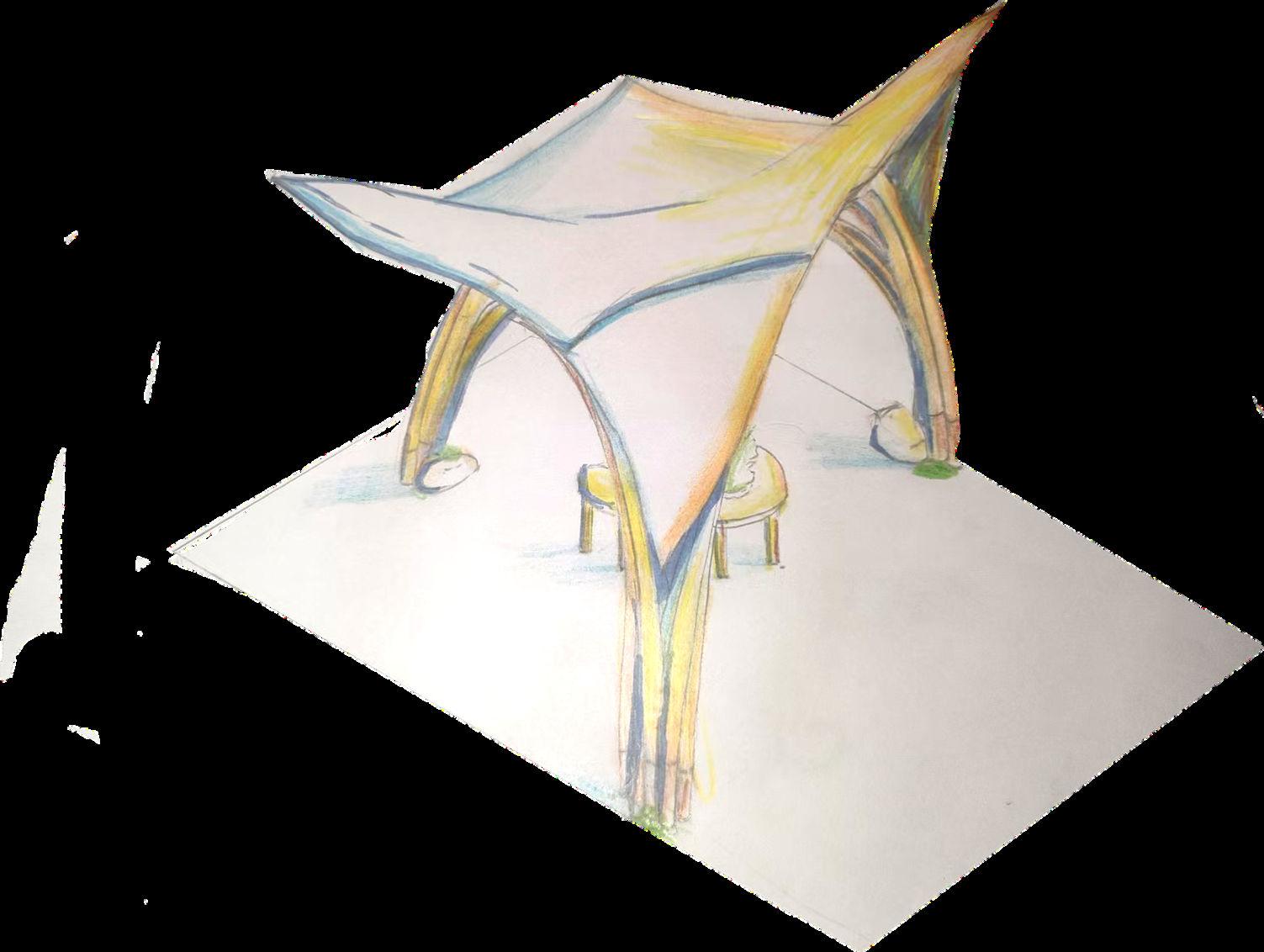
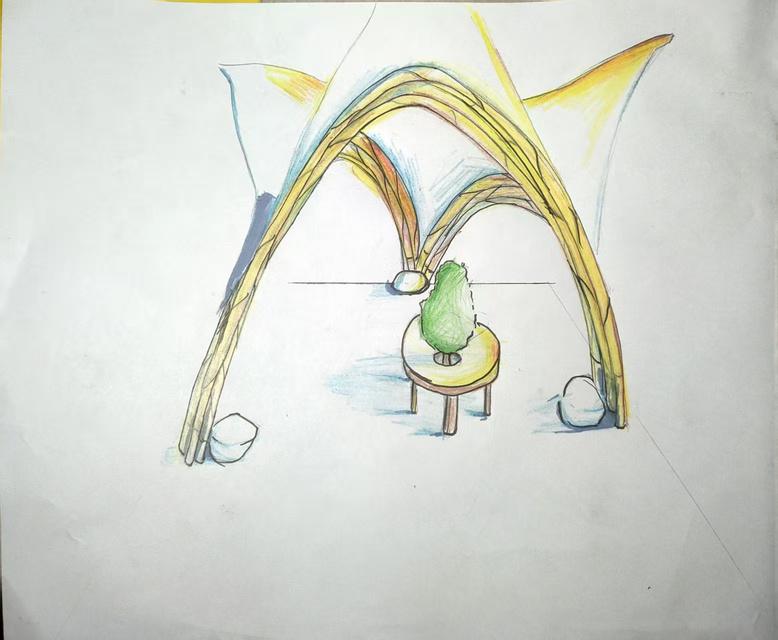
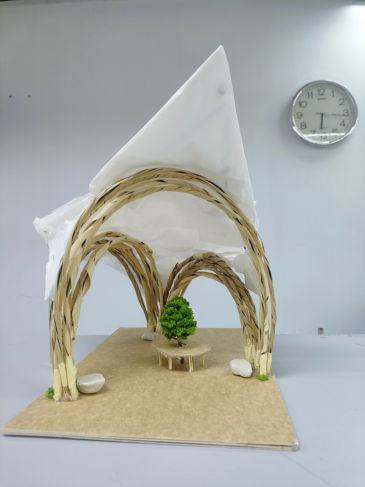
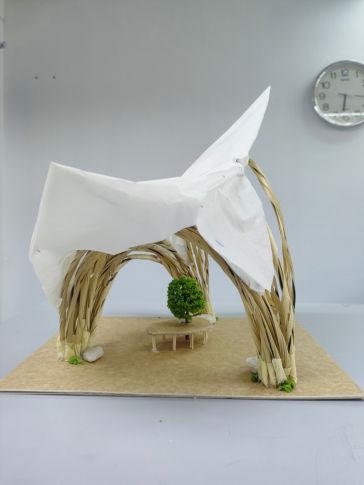
The Moon Kite
Design
Concept
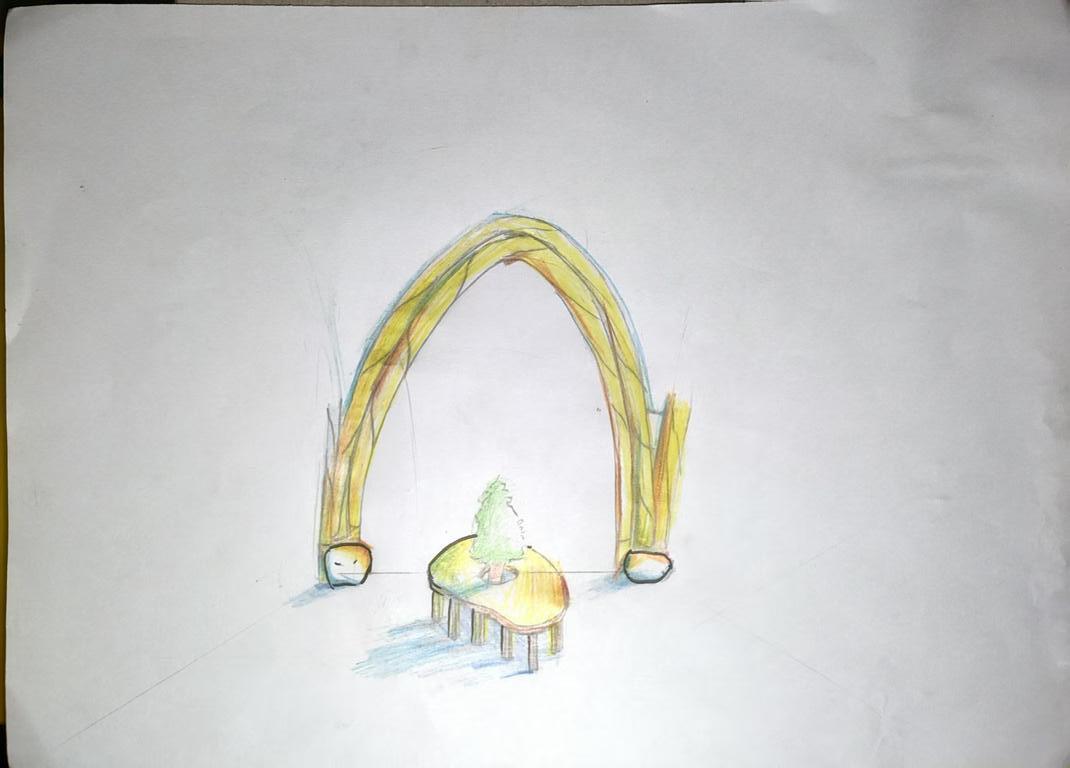
Due to software limitations, this assignment is completed by hand-drawing different 2D graphics, and through this presentation, it deepens students' preliminary understanding of the content that needs to be included and trains students'boardlayoutskills.
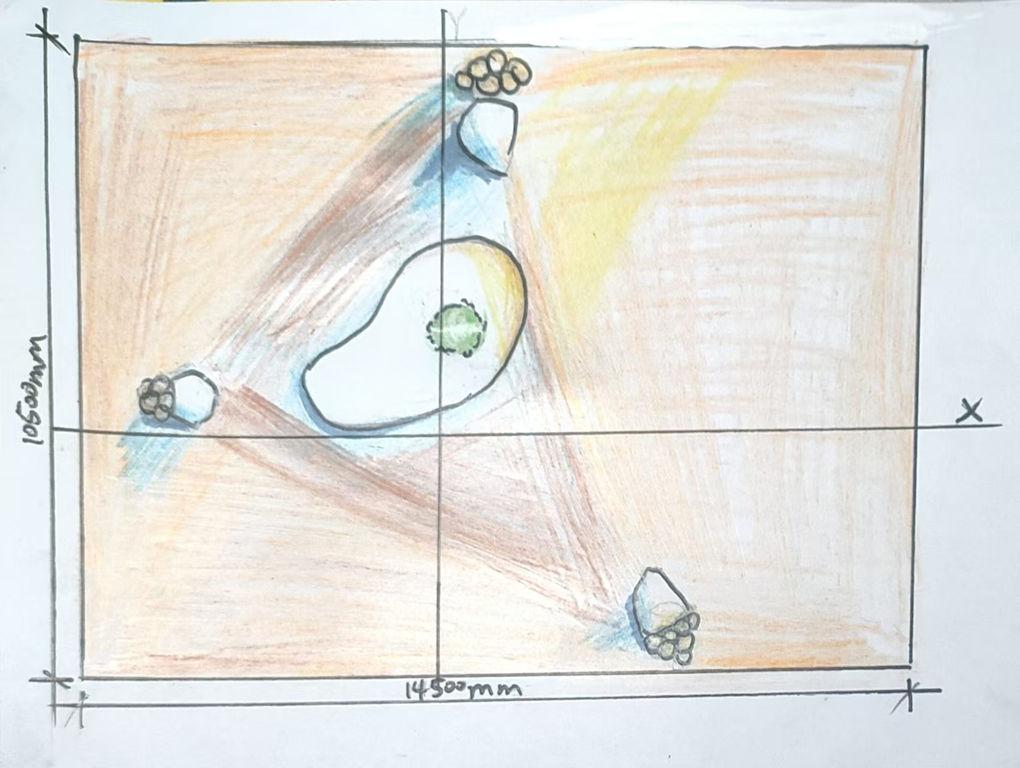
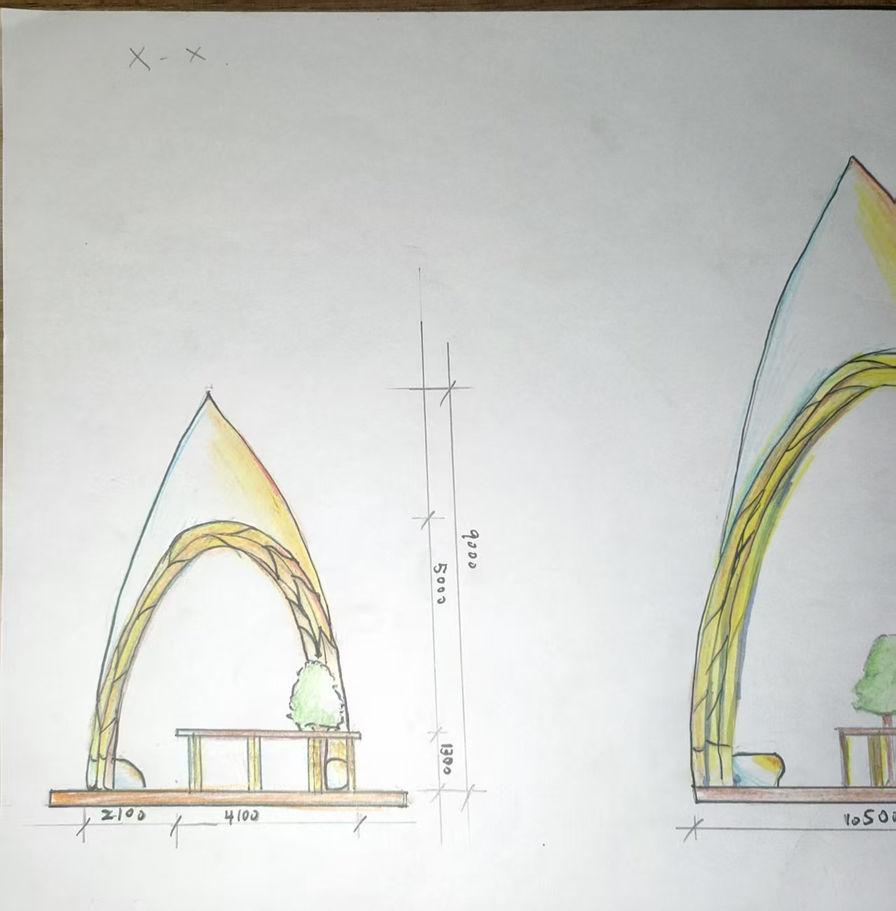
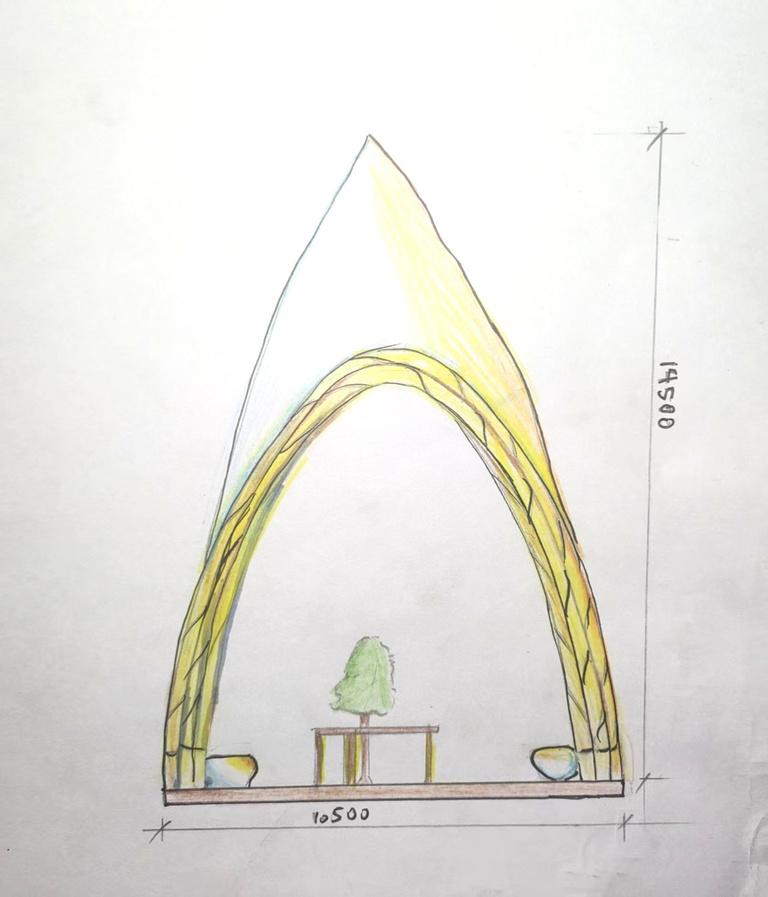
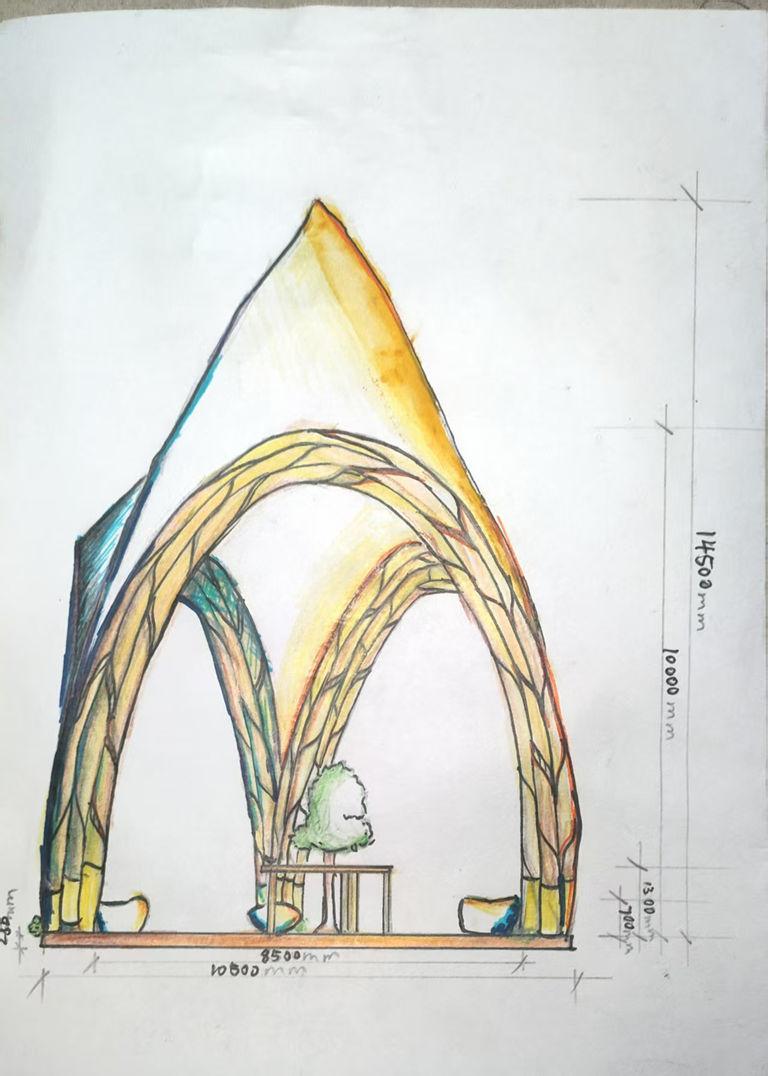
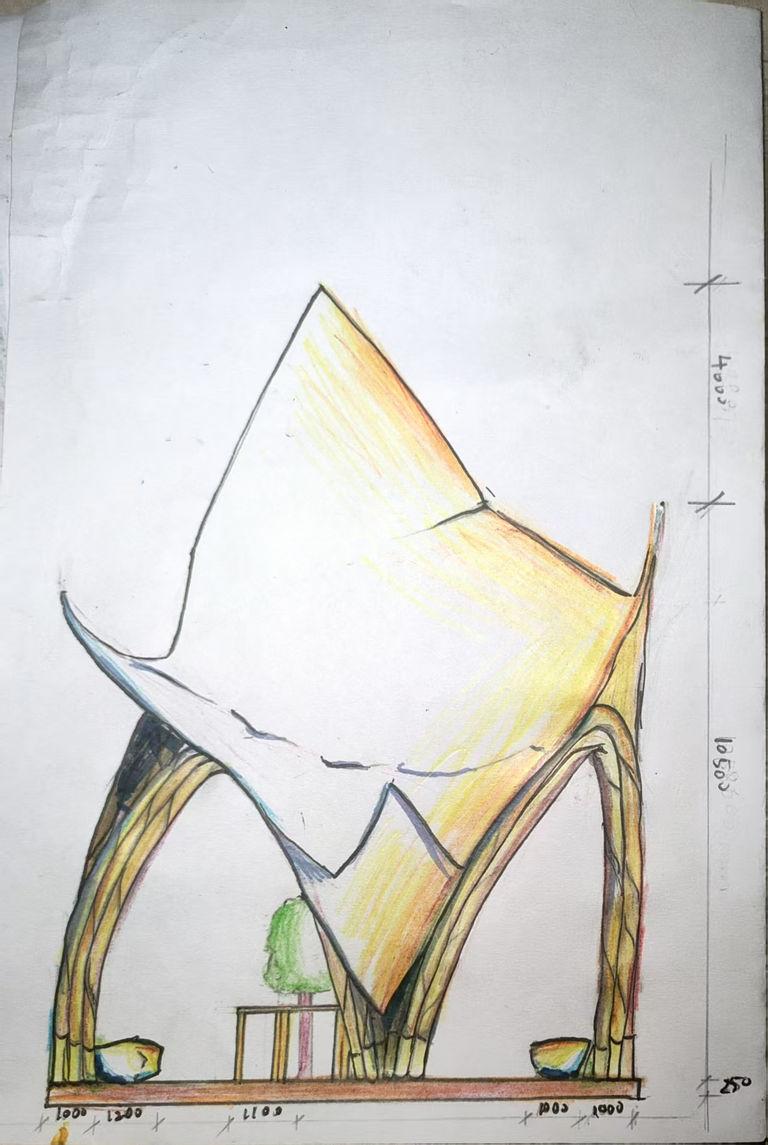

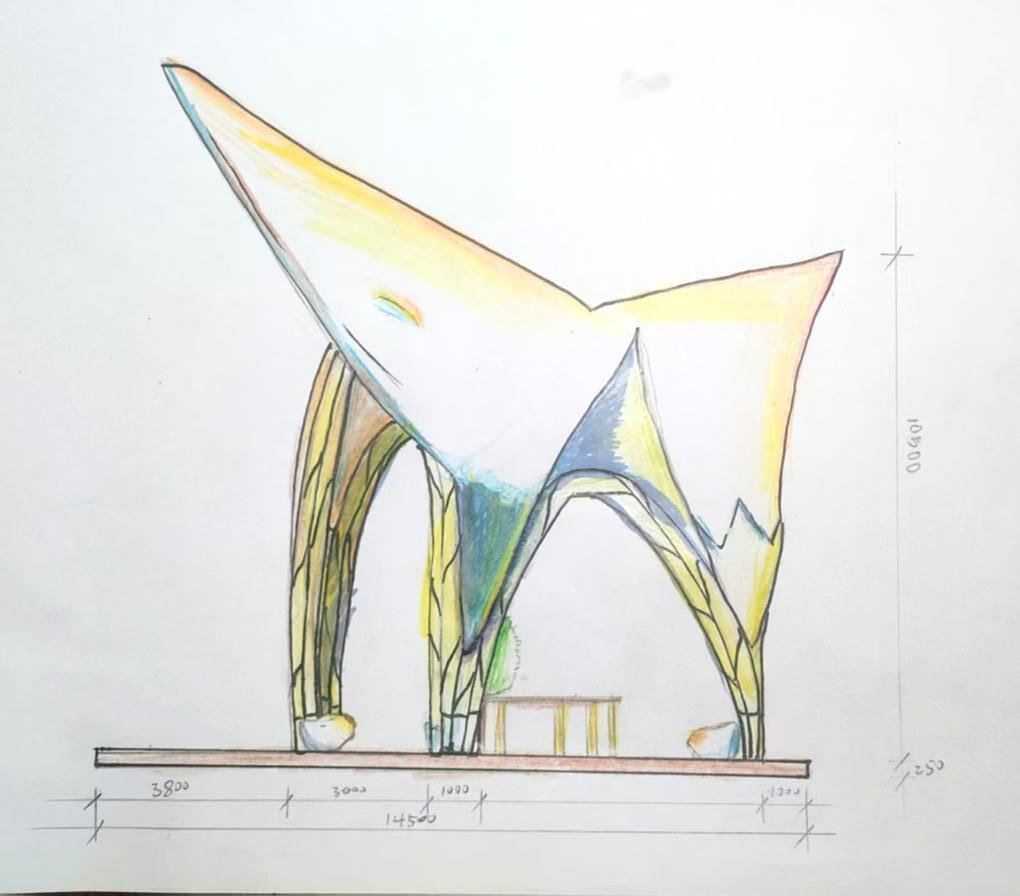
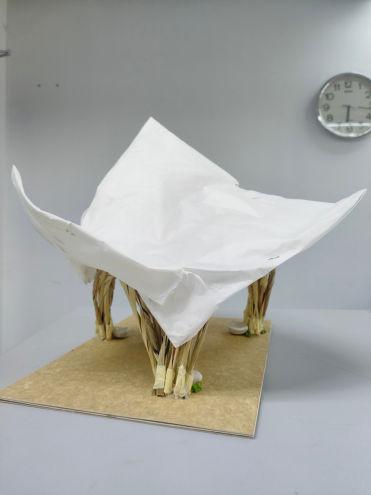
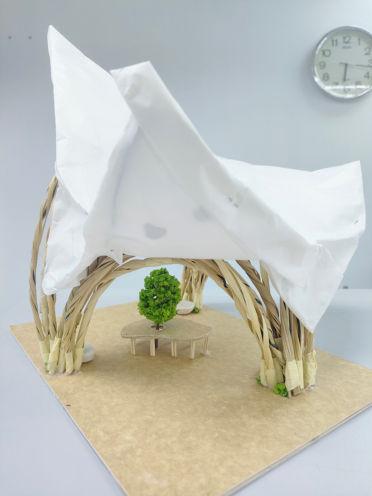


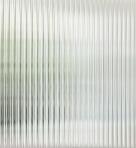
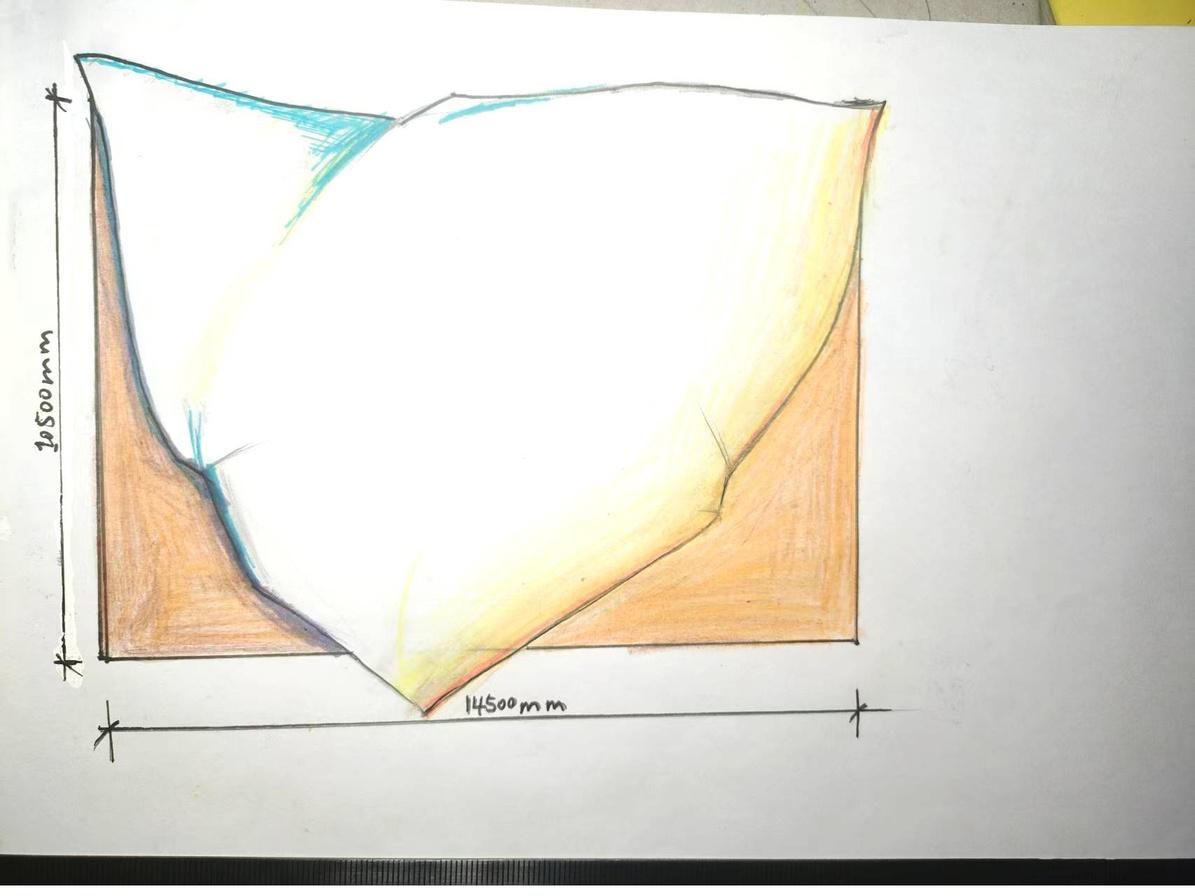
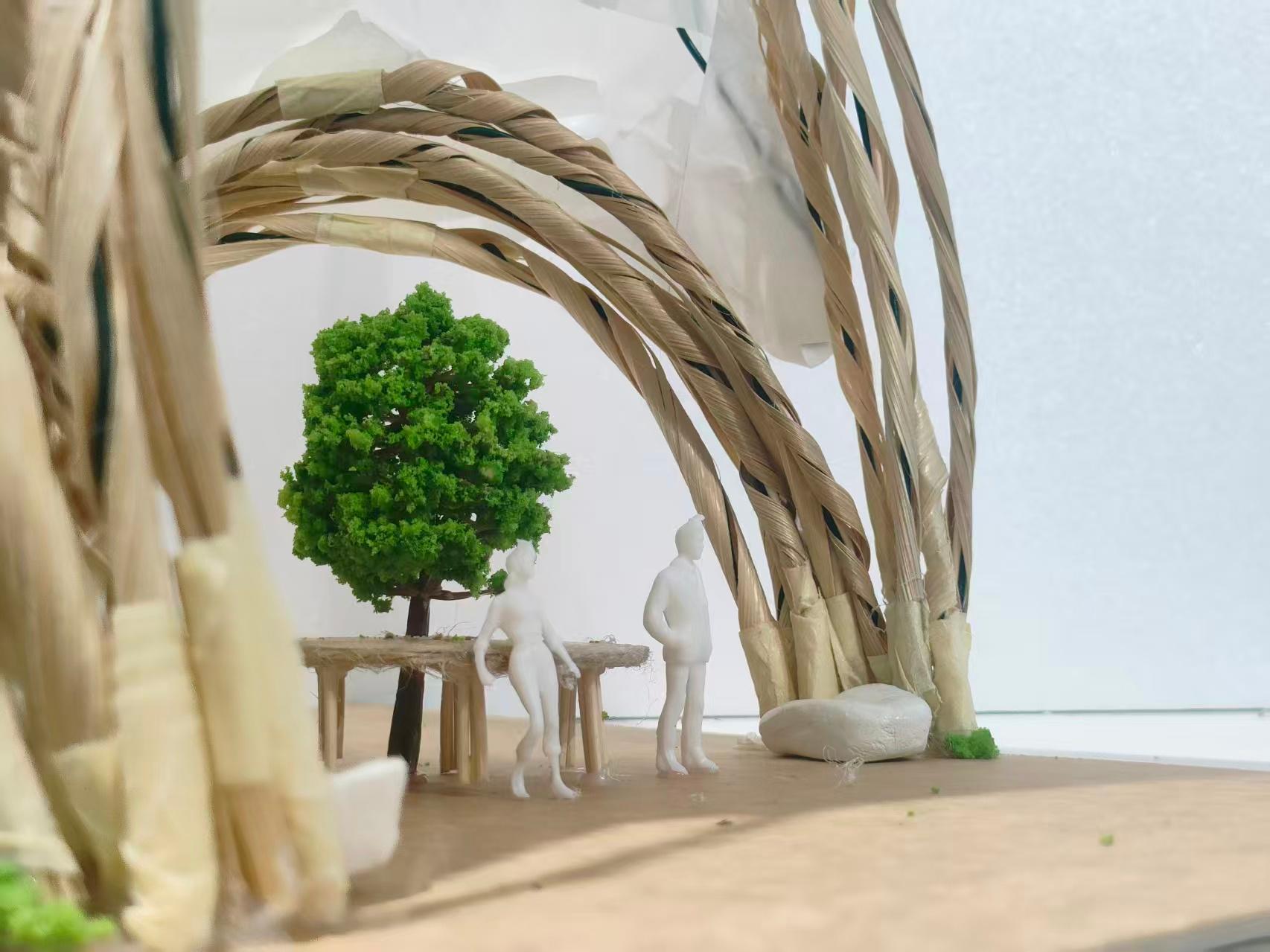
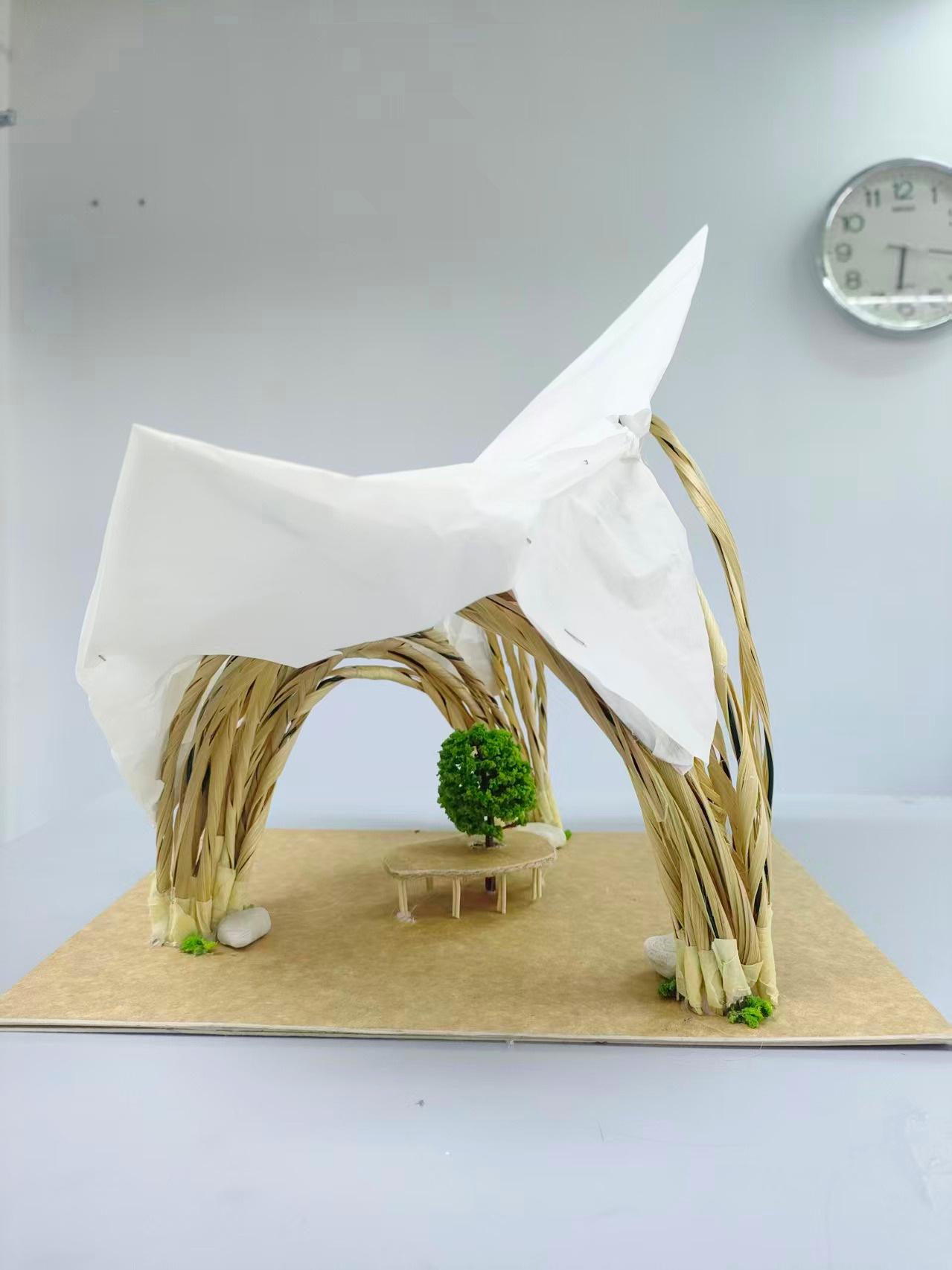
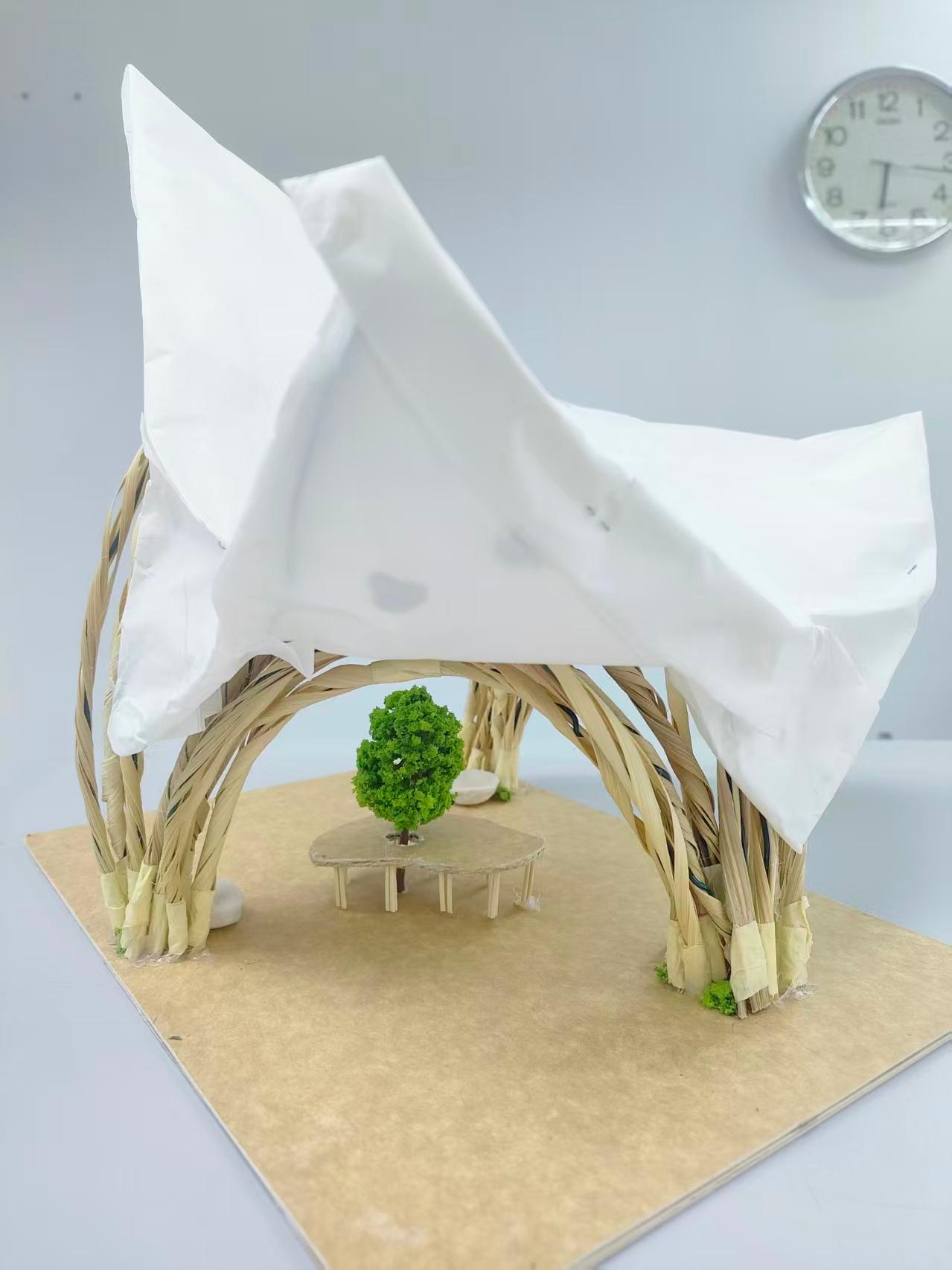
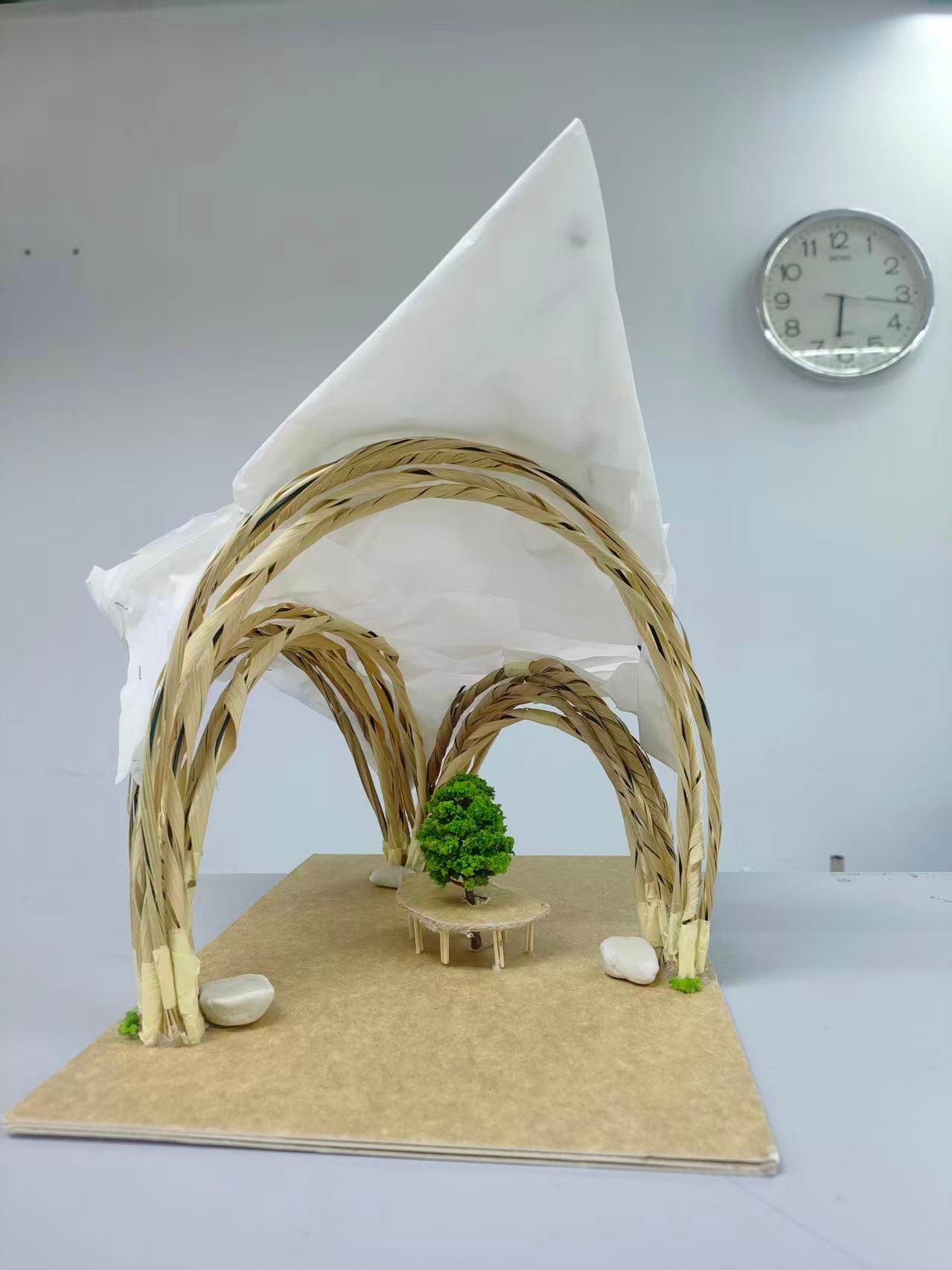
The pavilion model concept is designed around traditional Malaysian elements—the moon kite, mainly using curves that can achieve a good sense of hierarchy and movement in the design process. During the design process, my teammates and I used various materials to achieve the curved shape of the pavilion, ultimately using paper to maintain the kite concept of the pavilion, so that it does not appeartooheavy.



YEAR 1 SEMESTER 3
Computer Graphic Skills
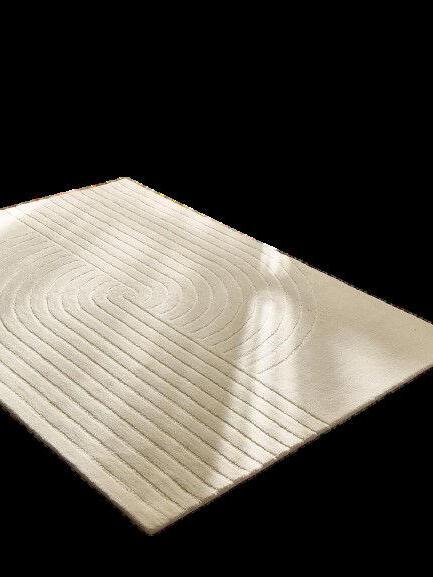
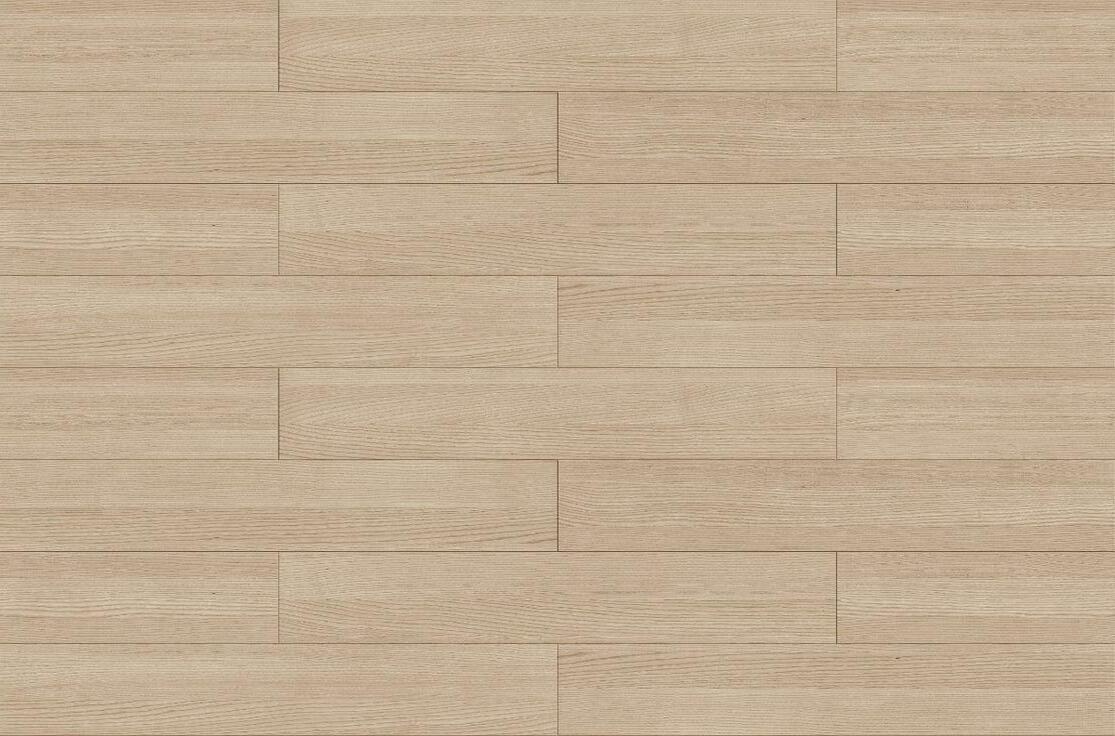

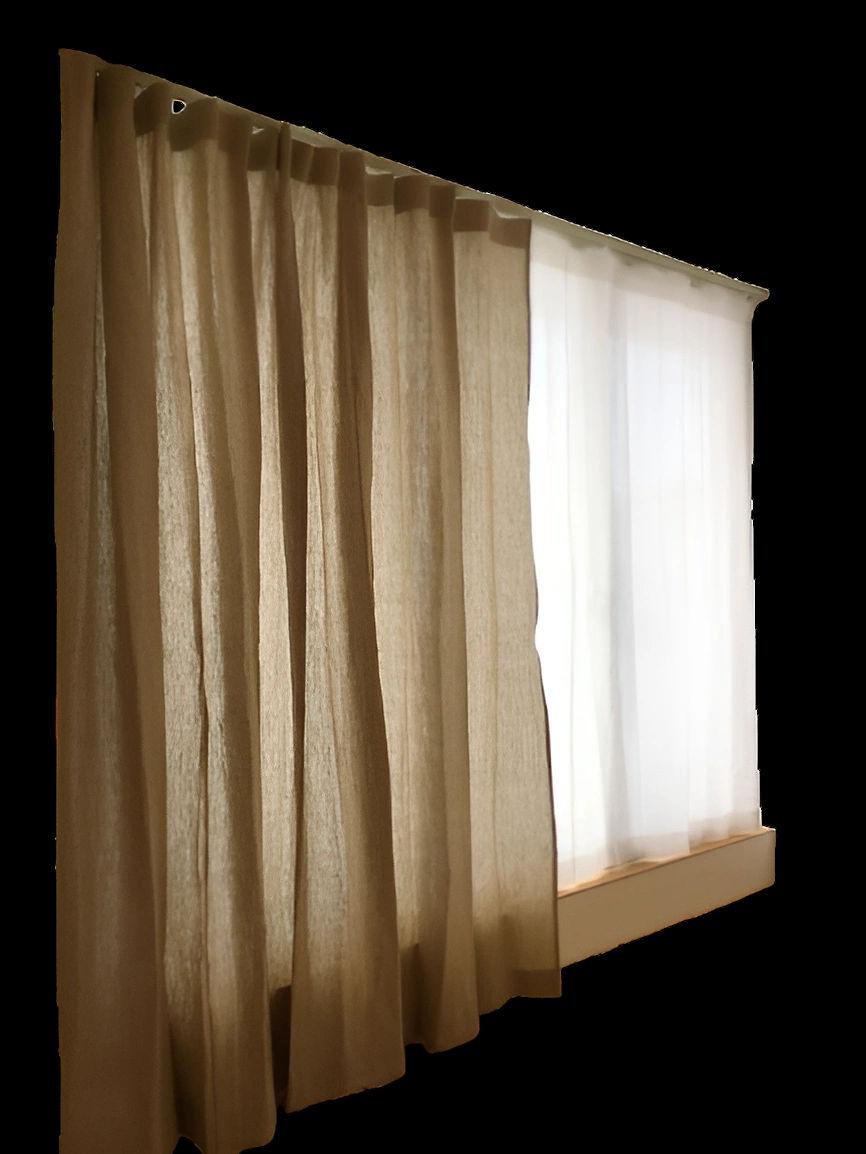
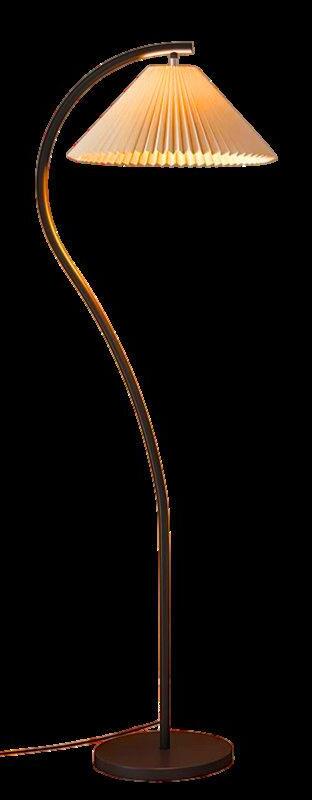
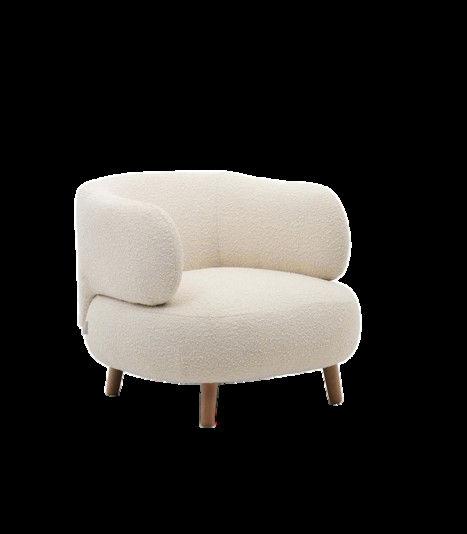
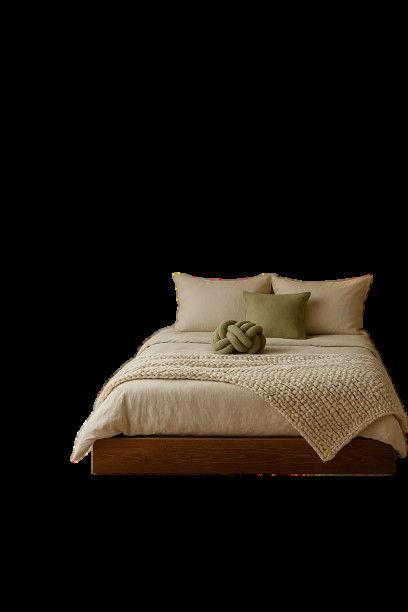
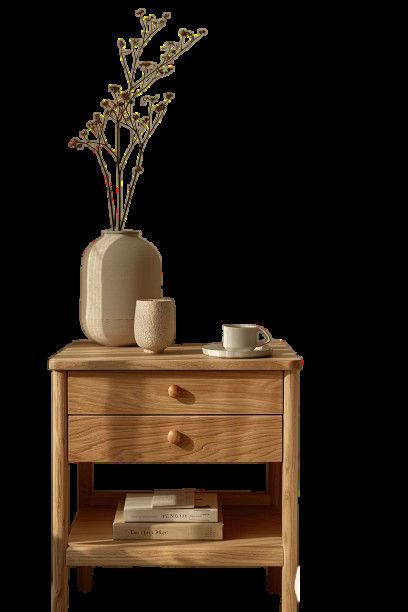
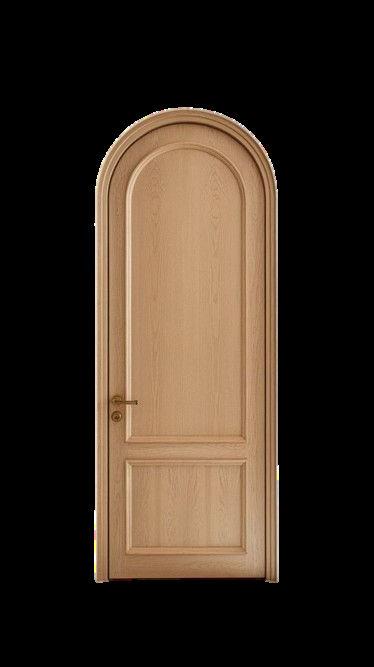
The design of this project mainly revolves around producing mood boardsinthestyleofMUJI,whichallows me to understand the impact of different materials on the space and the contrast of colors before entering the modeling stage, enabling me to better form an early imagination of the space.
YOU XINYU
#4a2c23 #8d7557
Wood Paneling Marble Grain
Cotton-LinenRug Maple
Chicory Coffee Antique Bronze Blaza Taupe Rutabaga Kombu Green
Ramie
Oak
Velvet
Cotton-linen blend
Walnut wood
YEAR 1 SEMESTER 3
History of Modern Design and Architecture CAFE DESIGN
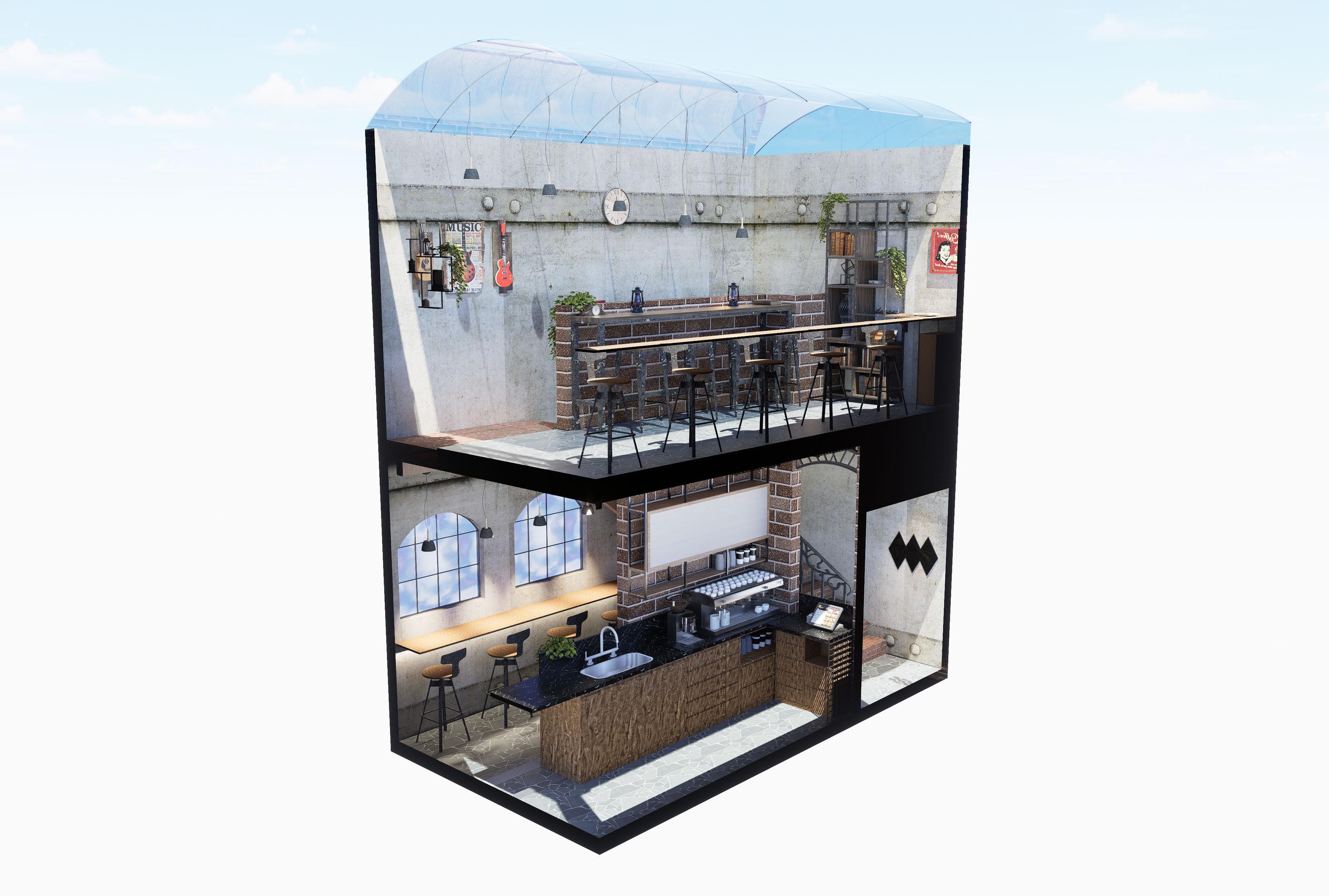
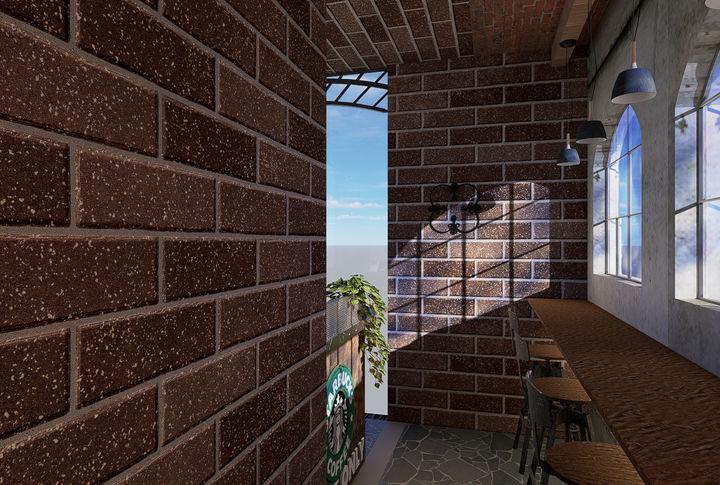
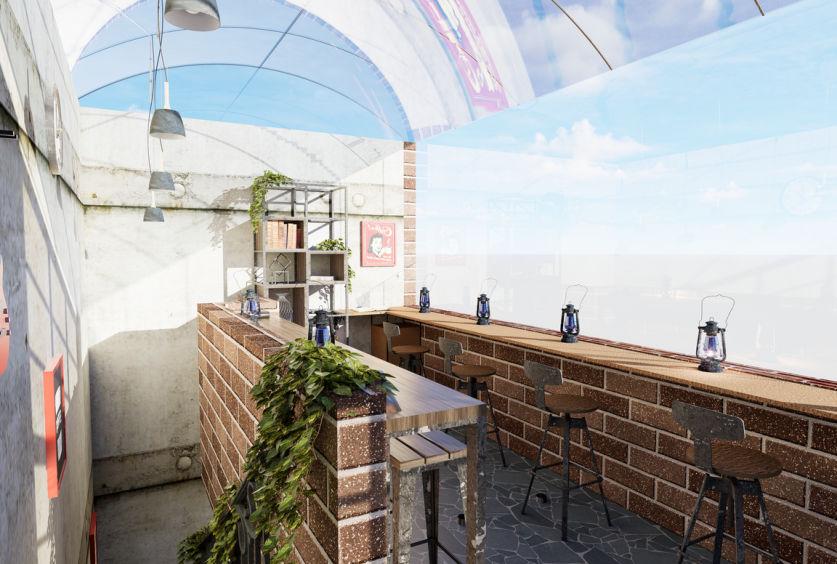
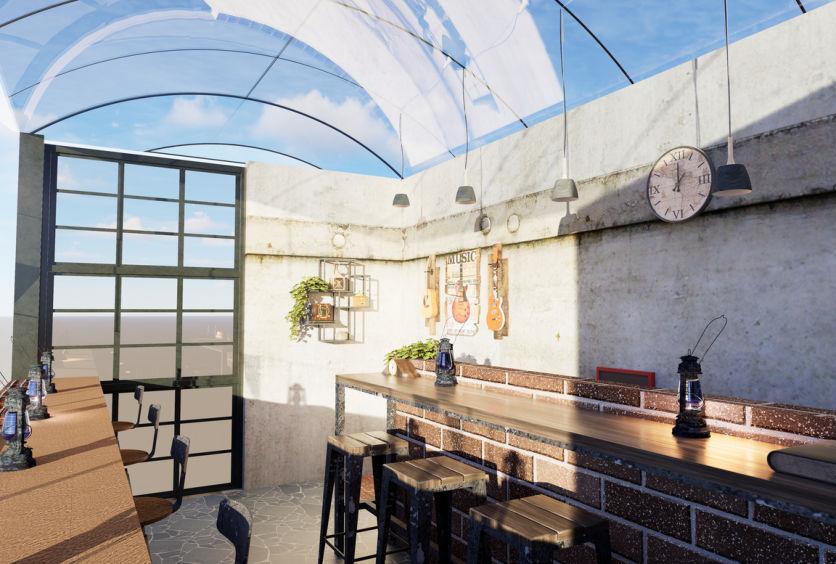
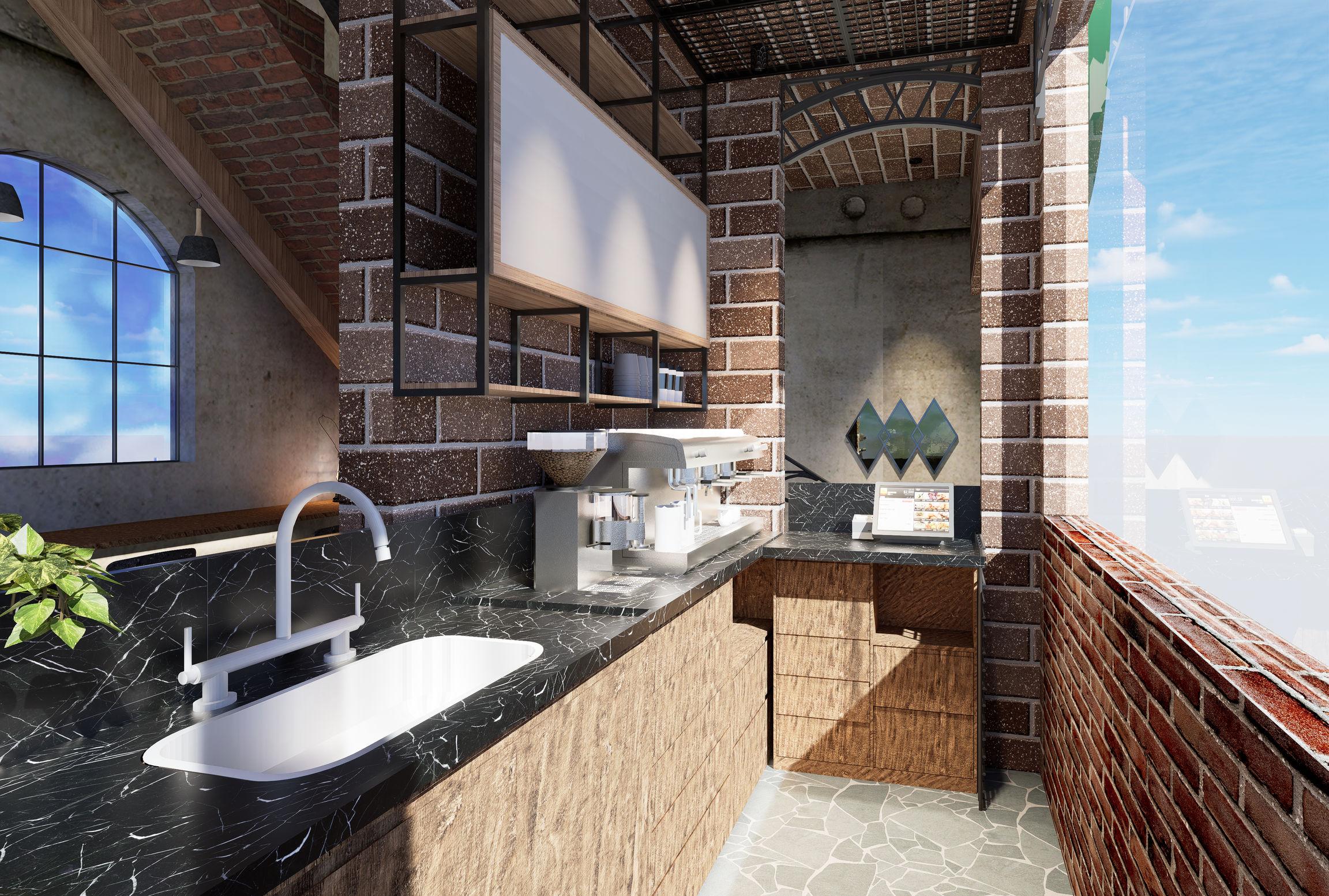
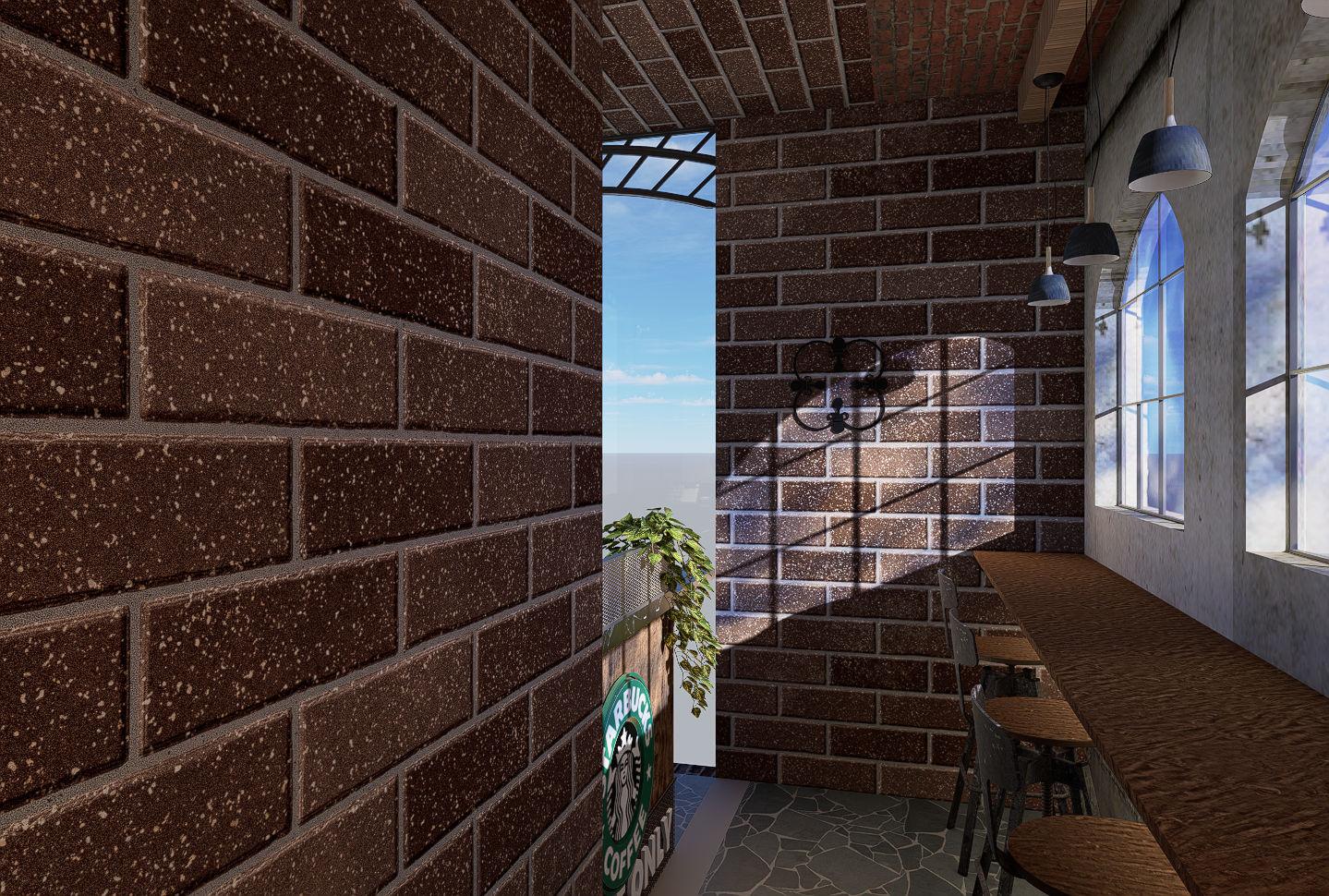
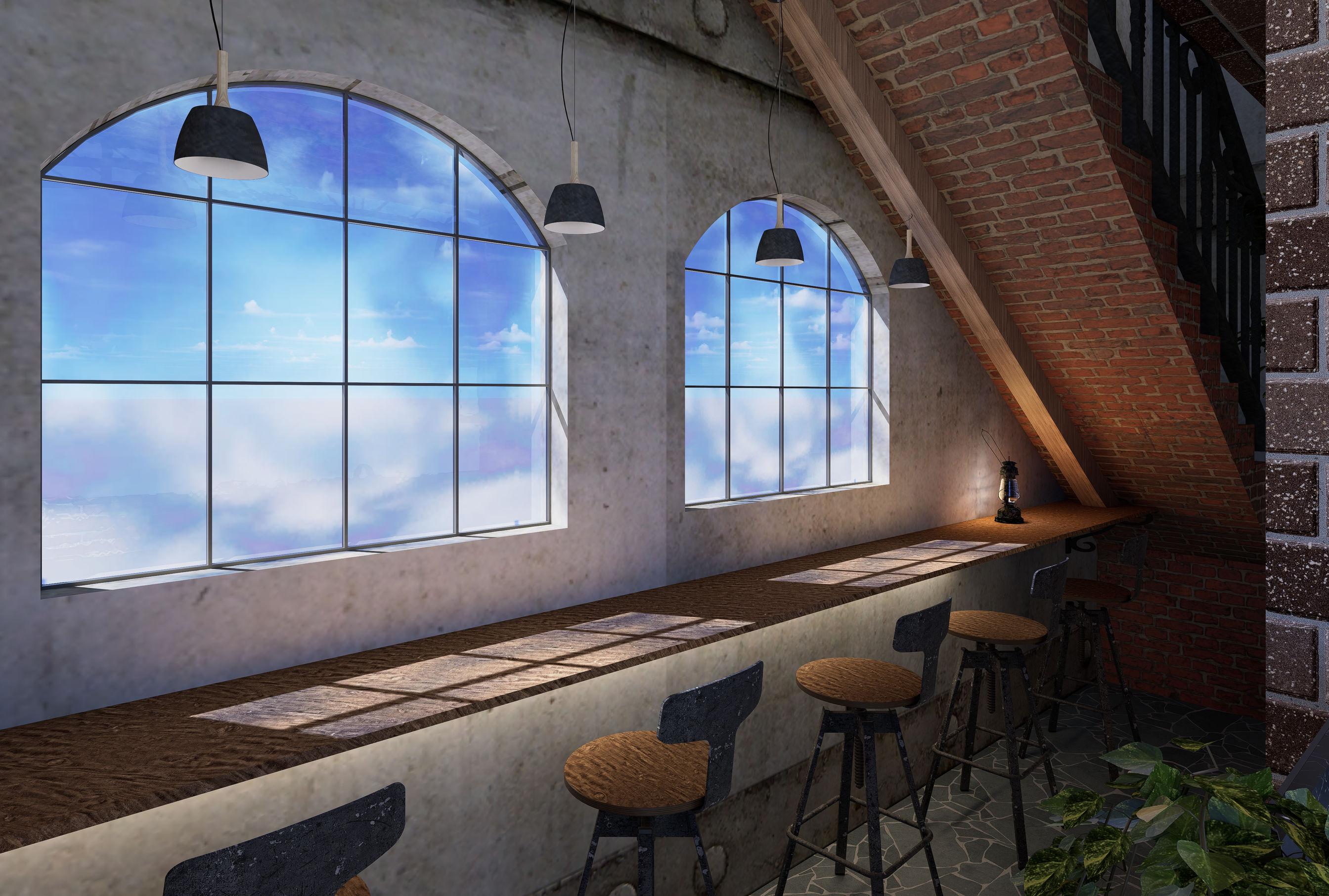
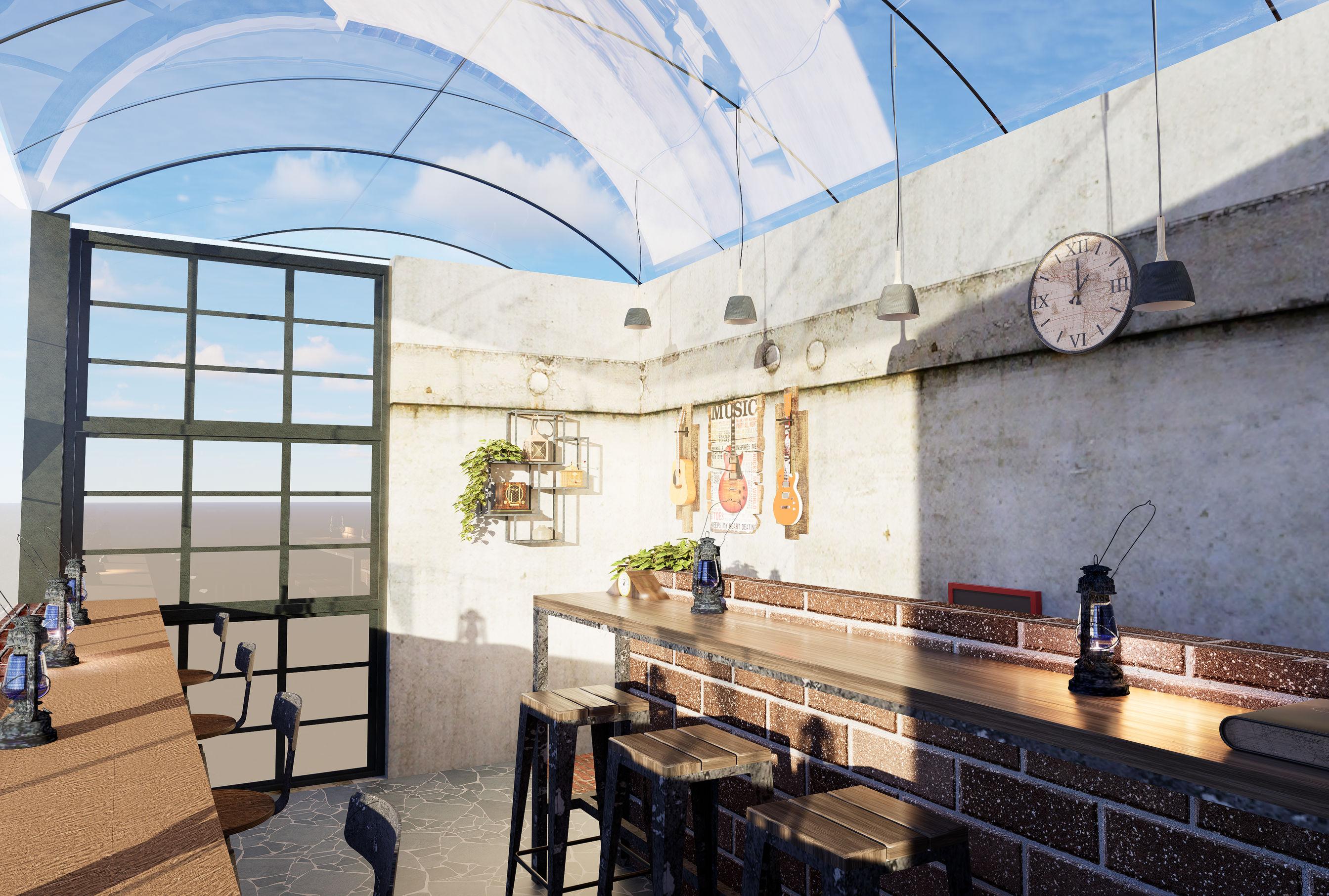
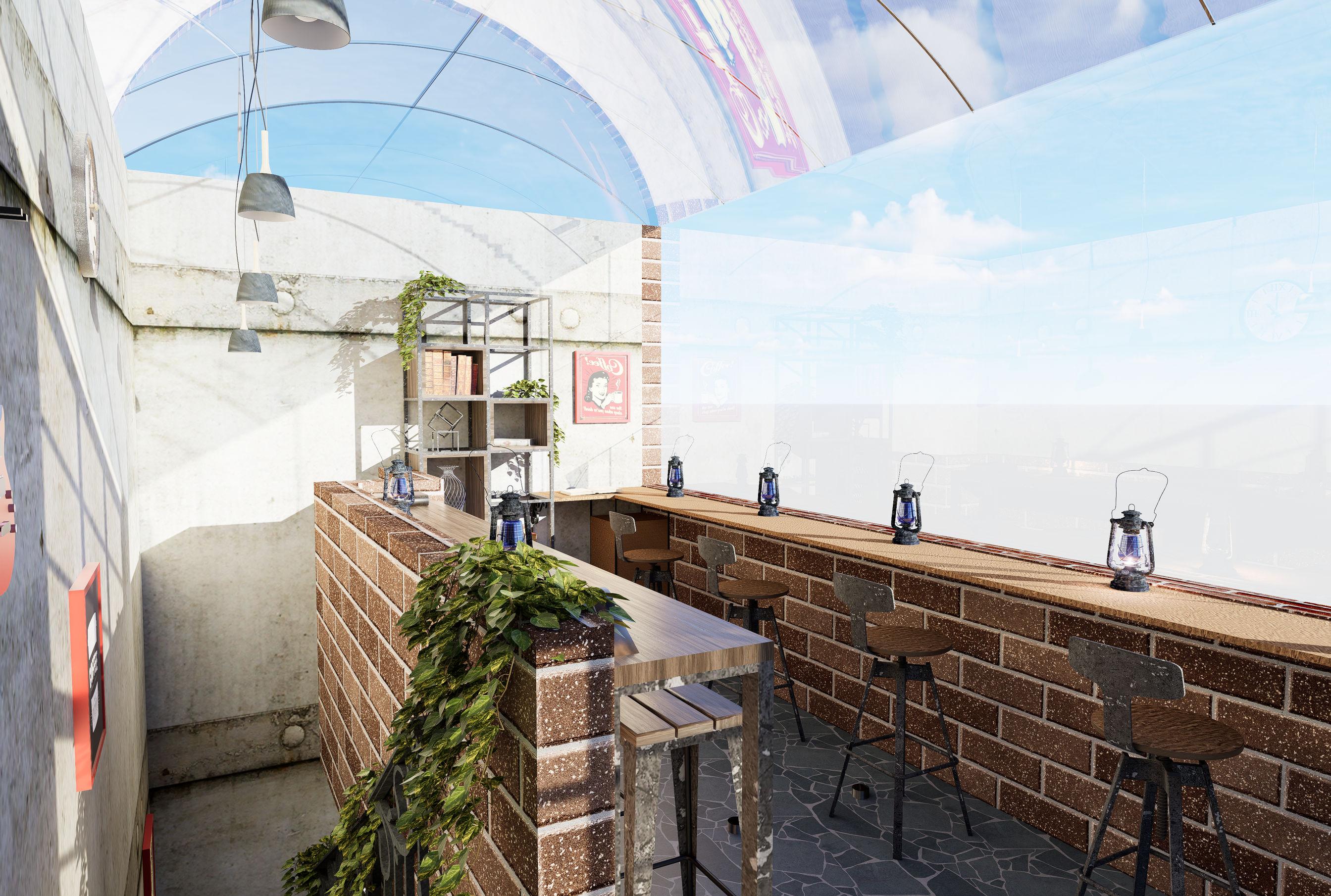
This project revolves around applying the industrial revolution style analyzed in the preliminary research to the design of a coffee shopofabout15squaremeters. This allowed me to better learn how historical styles can be better presented through the medium of a coffee shop and gave me a deeper understanding of this historical movement.



Steamhouse
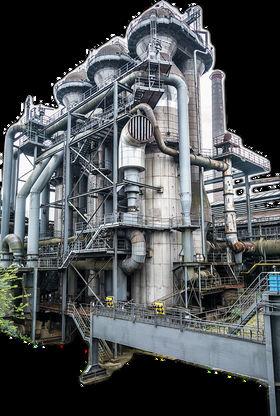
Inspired by the Industrial Revolution, our café reinterprets the era’s spirit of invention, mechanization, and material honesty. Drawing from industrial architecture—exposed steel, brick, and timber—the design celebrates authenticity and visible structure. Referencing Starbucks’ “Third Place” philosophy, the café balances industrial rawness with human warmth through open spatial flow and warm lighting. The brand identity highlights craftsmanship, transparency of process, and social connection, turning industrial heritage into a contemporary, community-focusedexperience.
Site Plan
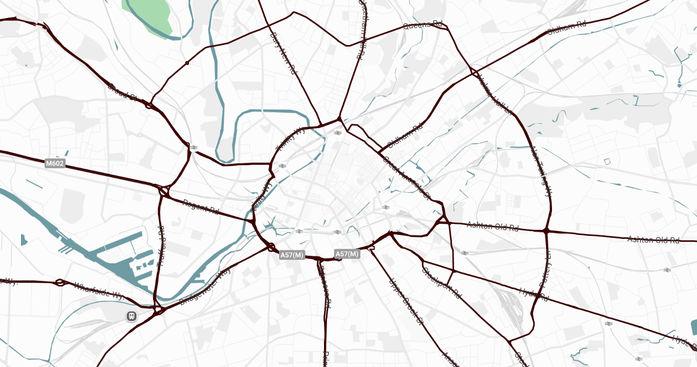
Beehive Mill, Jersey Street, Ancoats, Manchester M4 6JG, United Kingdom
Case Study
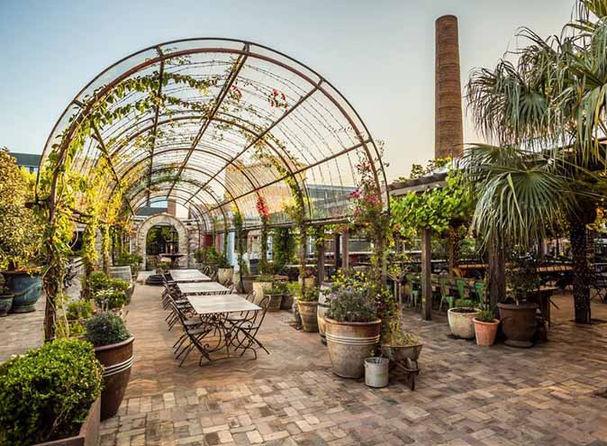
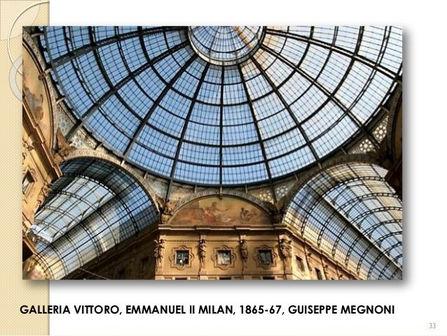

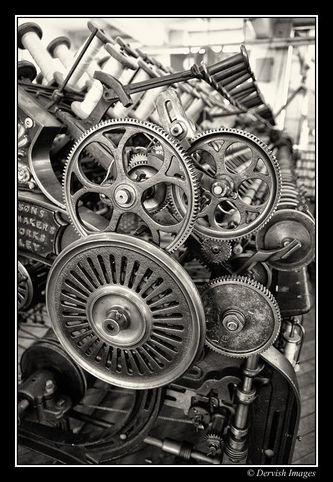
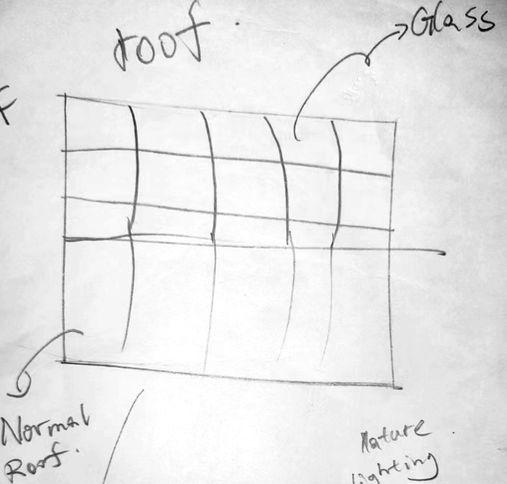
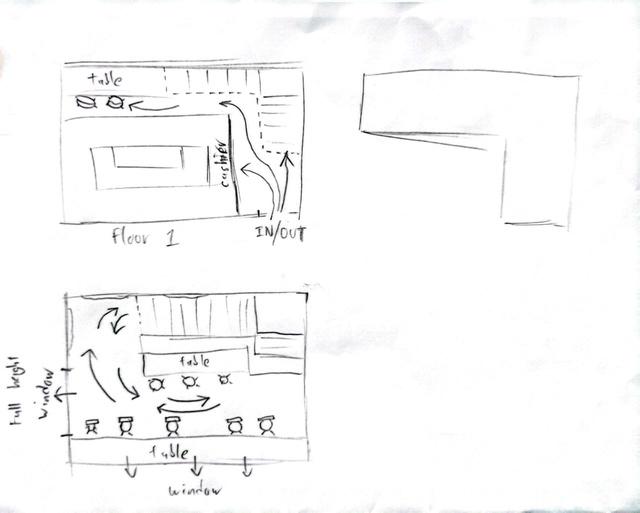
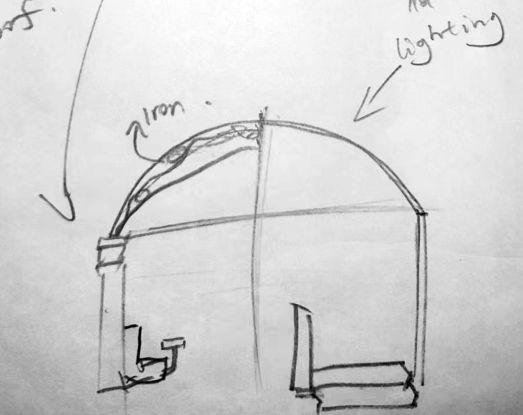
Beehive Mill, a restored 19th-century cotton mill in Manchester’s Ancoats district, provides an authentic industrial setting with its red-brick walls, iron columns, and double-height interior. Surrounded by creative studios and residential lofts, the area attracts young professionals, students, and designers, making it an ideal location for a café that blends industrial heritage with a warm, community-focused atmosphere.
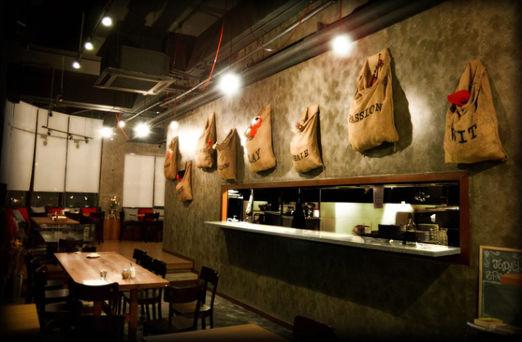
Located in Publika Shopping Gallery, this café uses an open-plan layout centered around the coffee bar to enhance visibility and interaction. Exposed brick, steel framing, and concrete flooring express a raw industrial character, while warm lighting softens the atmosphere. Communal tables and metal-framed chairs encourage social engagement, showing how industrial materials can still create a comfortable, lively café setting.
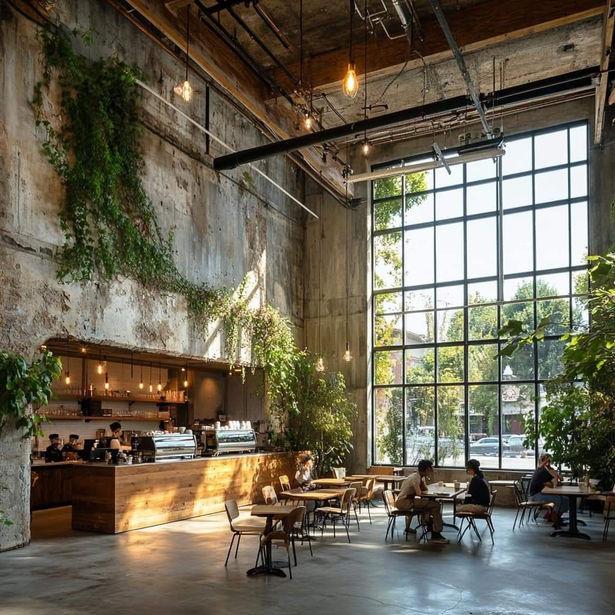
Converted from a former factory, this café preserves its steel trusses and warehouse scale, blending industrial structure with garden-like softness. A mix of aged wood, metal, leather, and greenery adds warmth and texture, supported by abundant natural light and industrial pendant lamps. The spatial flow moves from a rugged interior to a garden retreat, demonstrating how raw architecture can coexist with comfort and community.

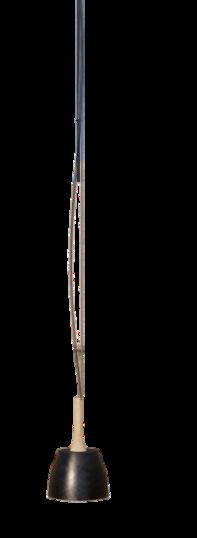
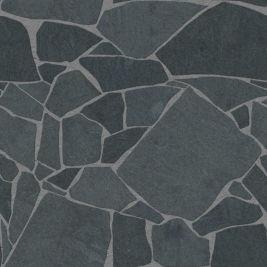



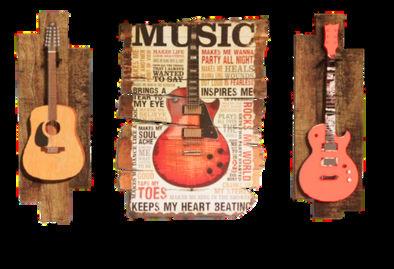




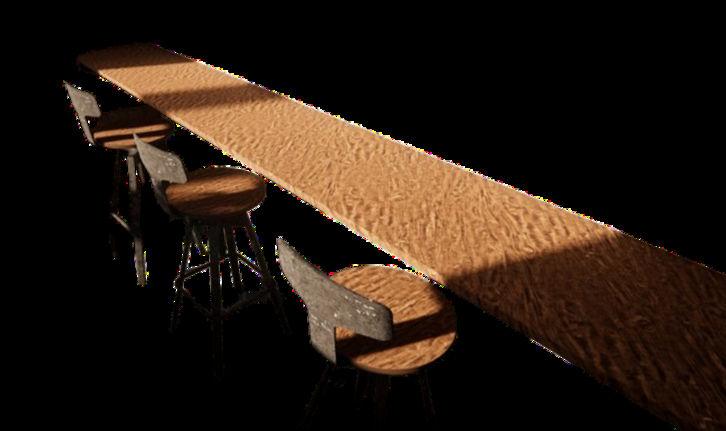
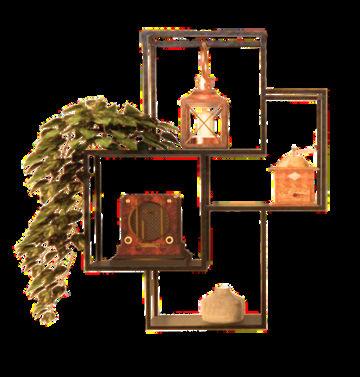
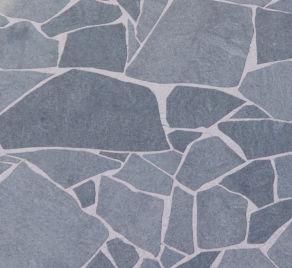
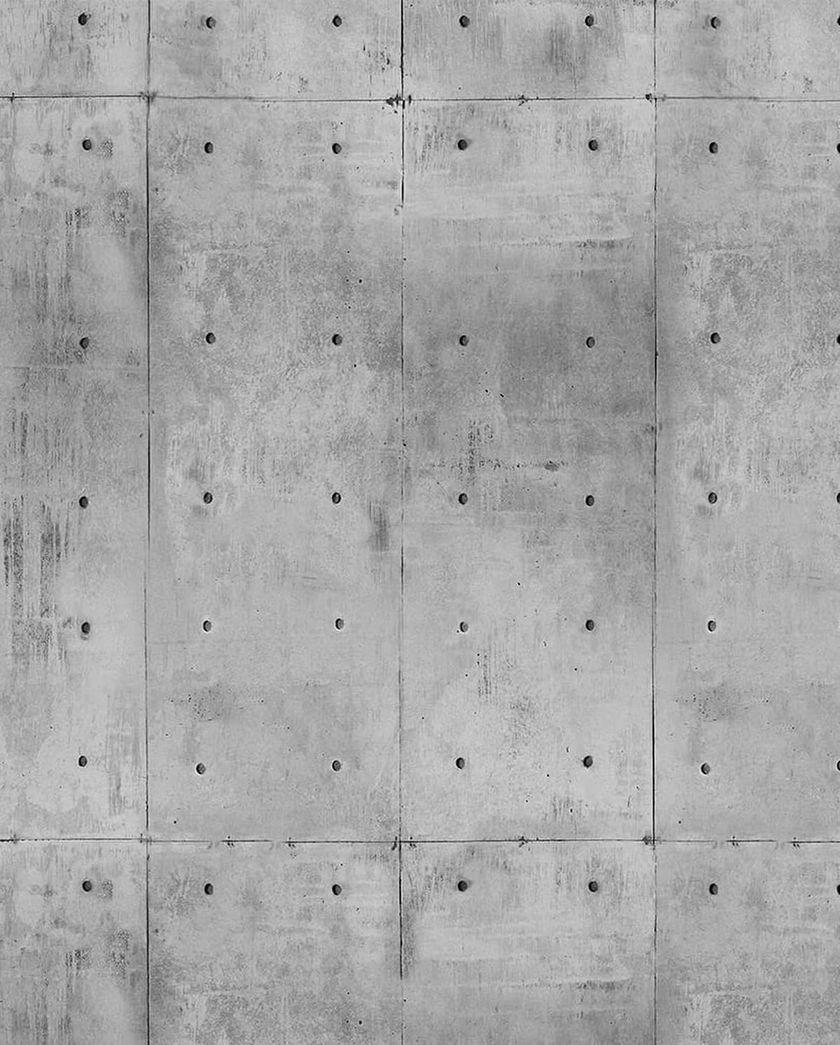
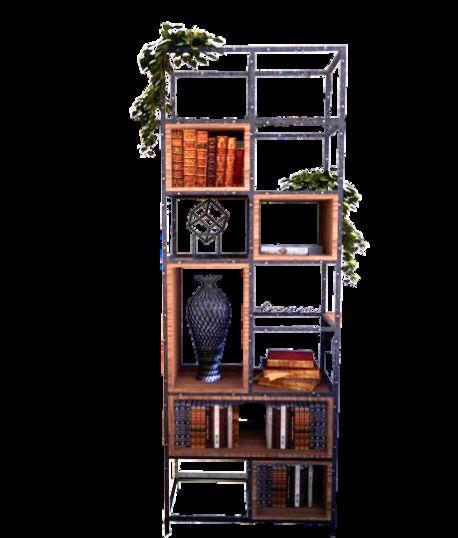
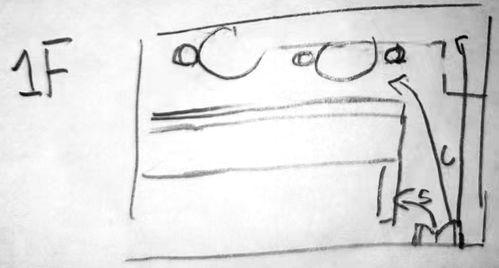
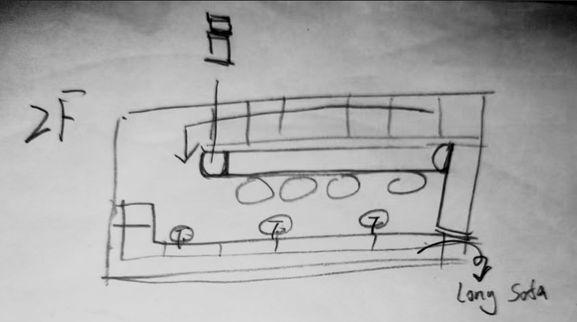
Development sketches
Mood board
Industrial Revolution × Starbucks Café
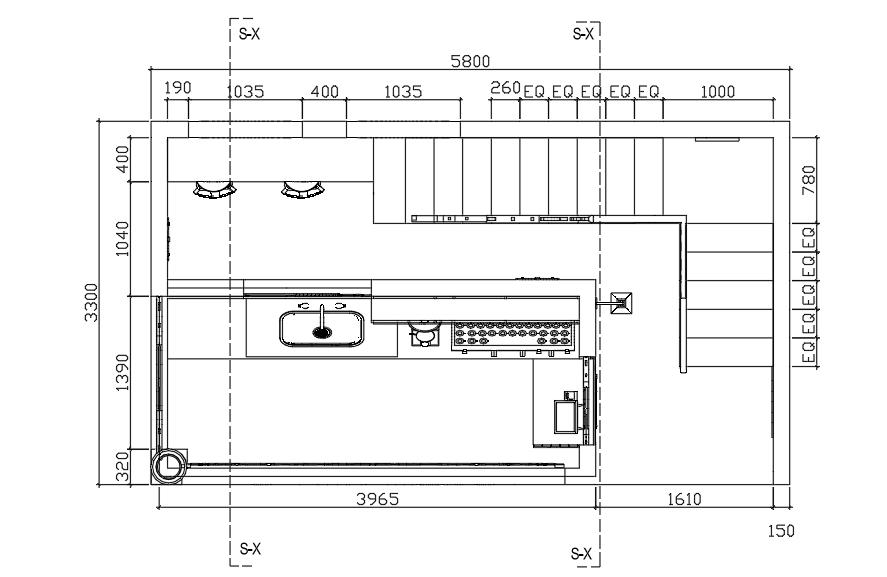
FLOOR PLAN 1
scale 1:40@A2
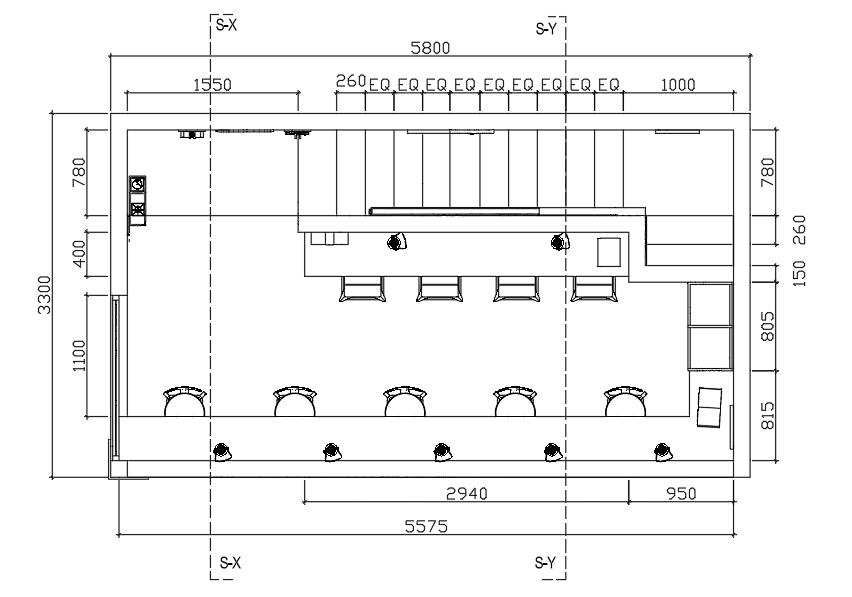
FLOOR PLAN 2
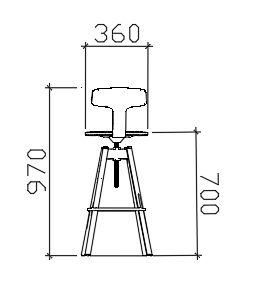
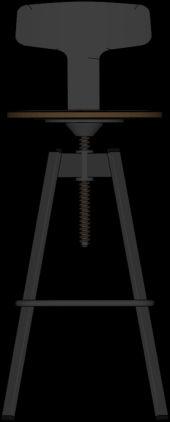
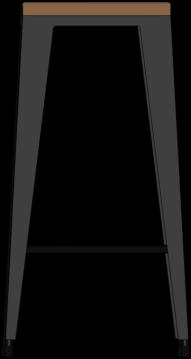
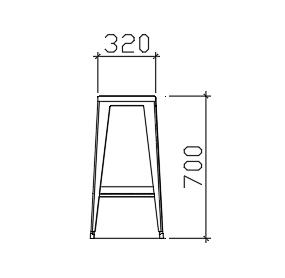
CHAIR
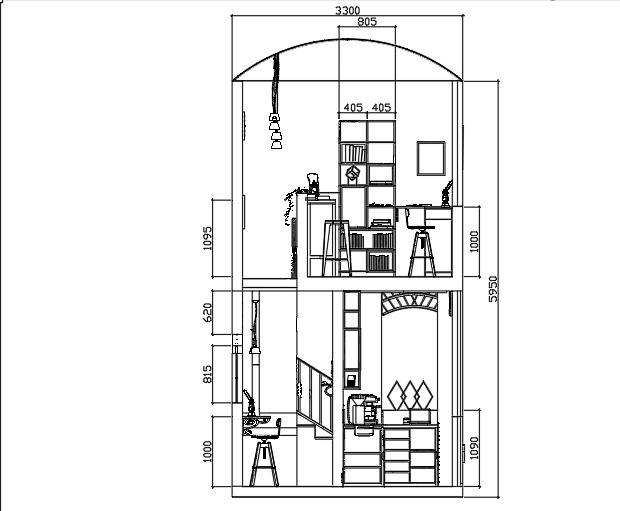
scale 1:25@A2
SECTION-X
scale 1:60@A2
scale 1:40@A2
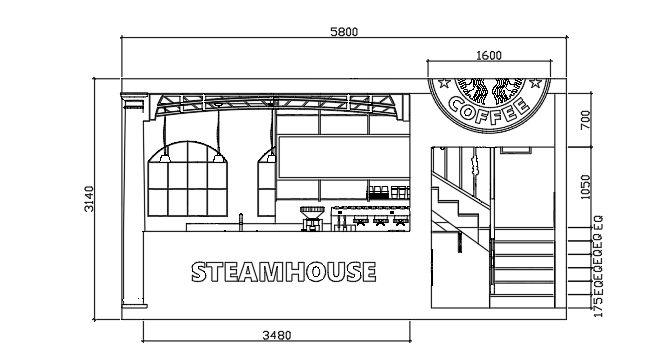
ELEVATION-Y
scale 1:50@A2
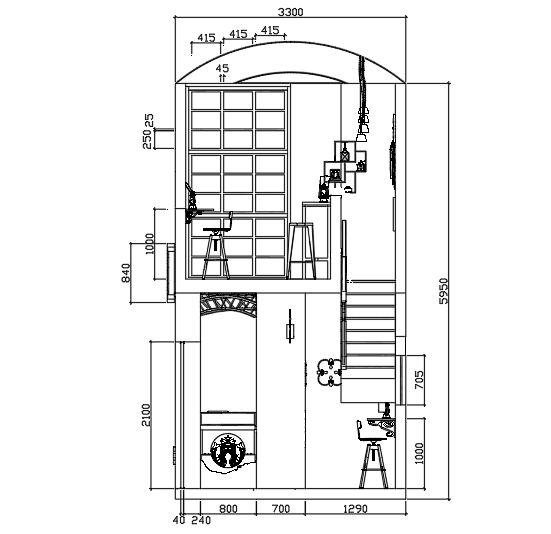
SECTION-Y scale 1:60@A2
Rendered Images
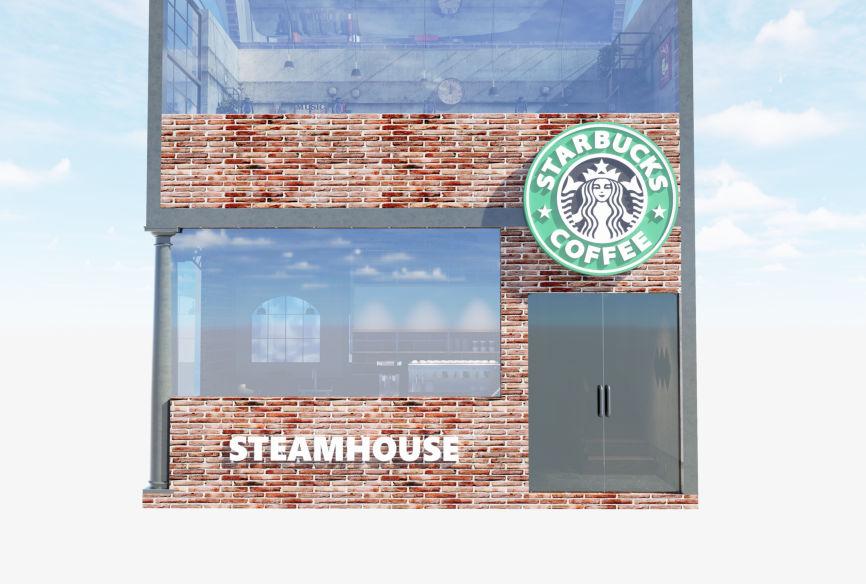
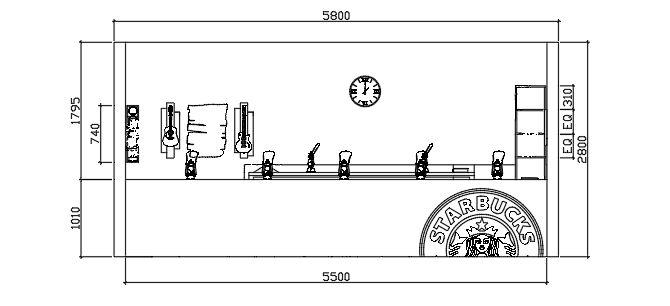
ELEVATION-X
scale 1:50@A2
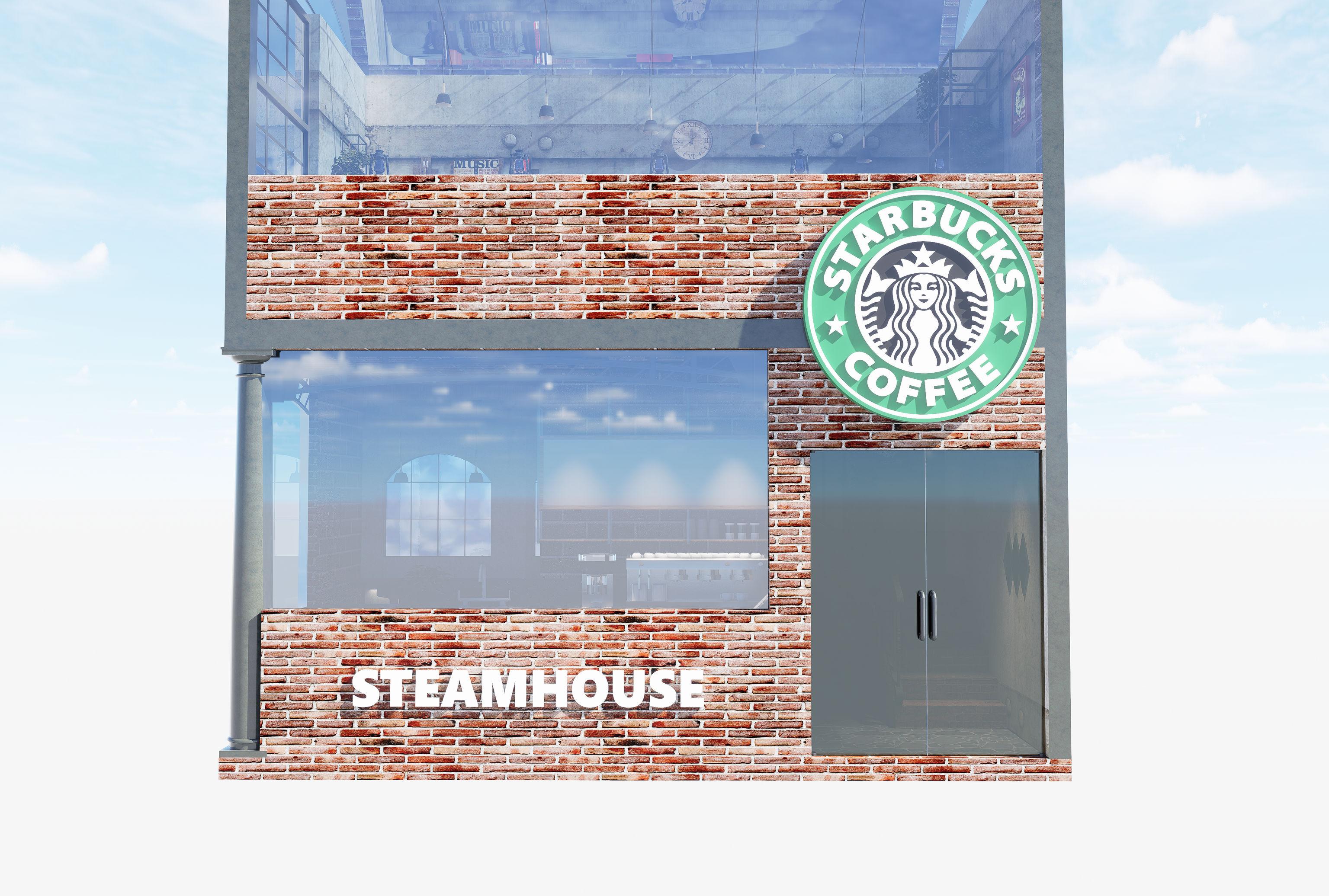
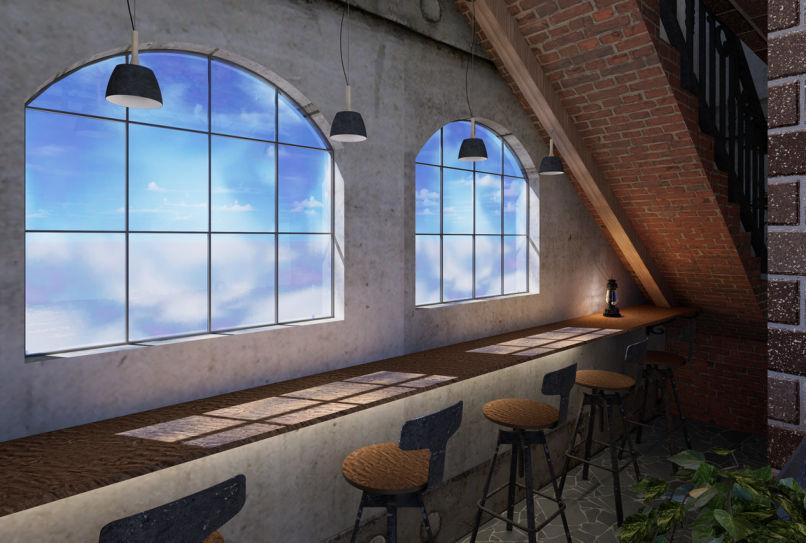
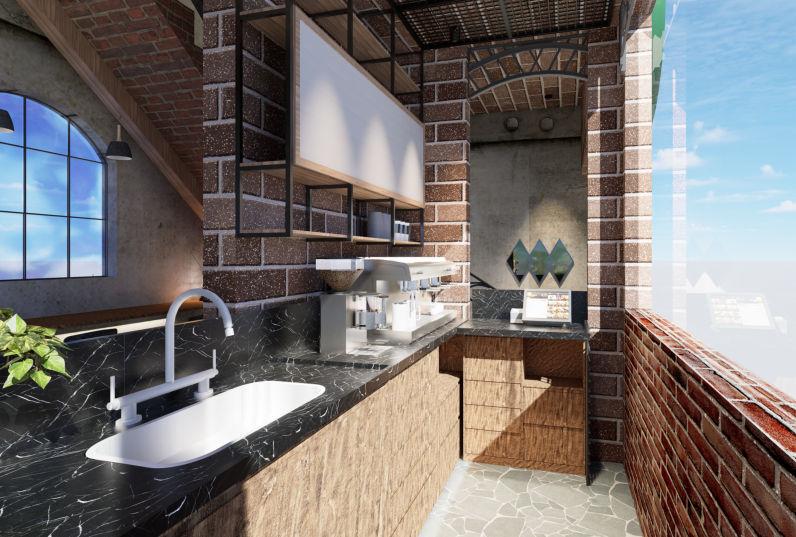
RENDER IMAGE
YEAR 2 SEMESTER 1
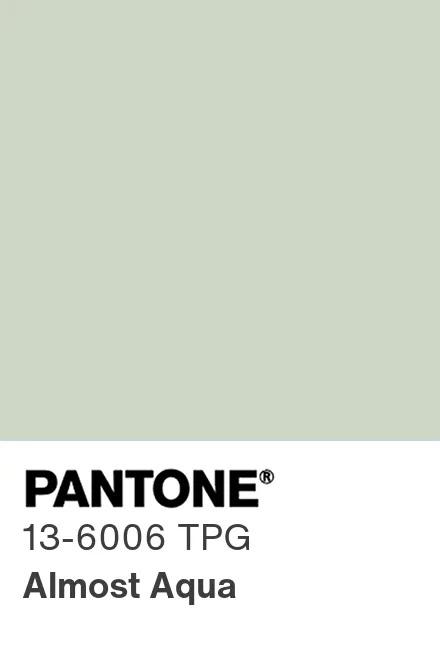
Interior Colour Application ALMOST AQUA
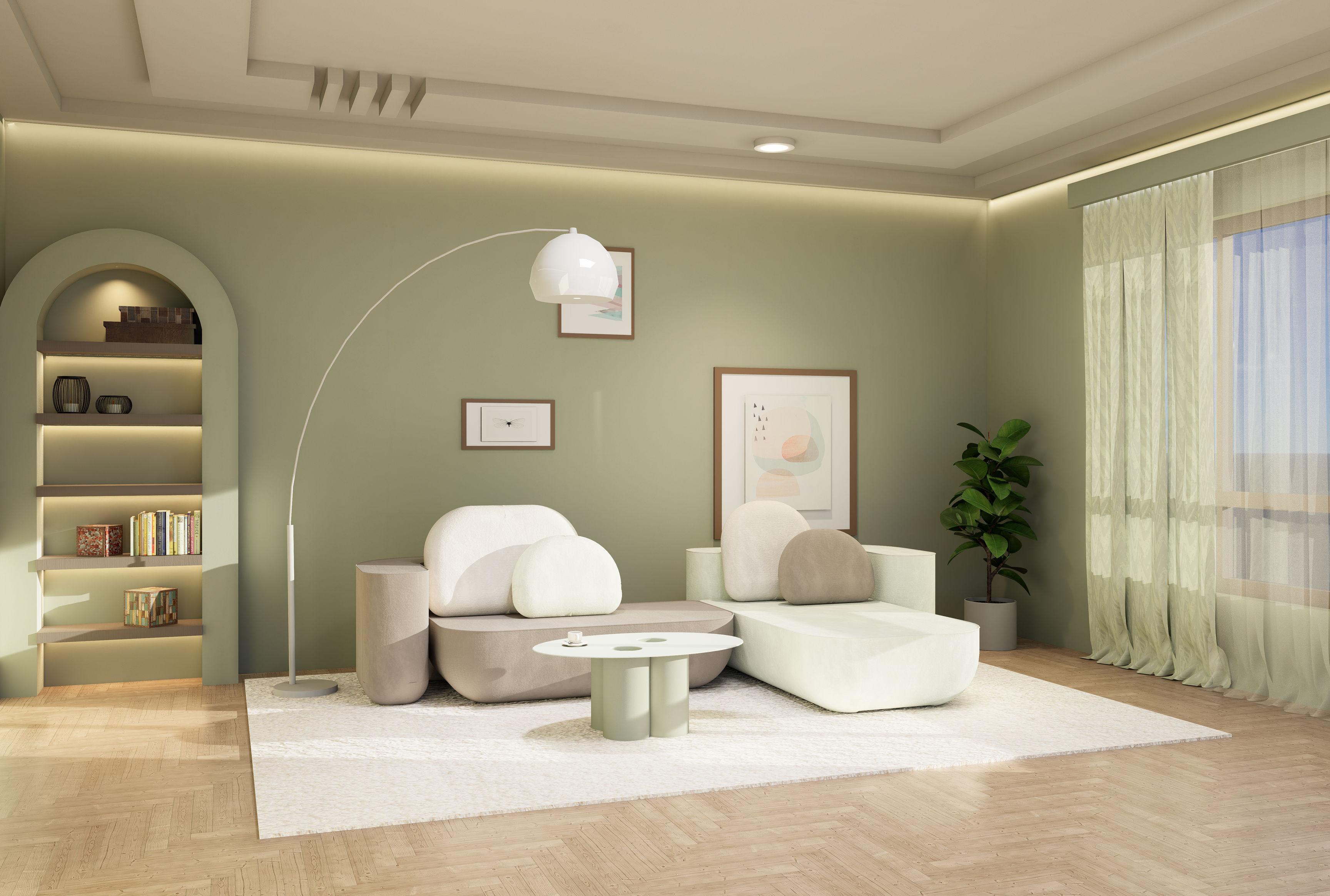
This project applies an analysis of Almost Aqua to real-life living spaces. By observing which colors work more harmoniously with main color tones, and by balancing materials and shapes, I created a natural and relaxing space based on the living room. This effectively supports the activities required in the living room and enhances my understandingofcolorapplicationandtheimpactofcolorpsychologyonspace.