DID_A1909F- 2501003
YOU XINYU
DID_A1909F- 2501003
YOU XINYU
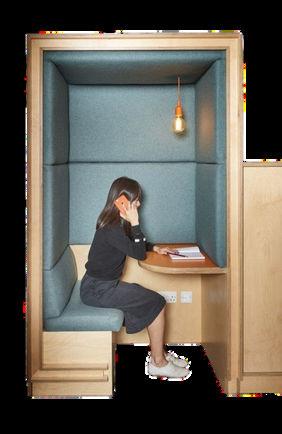
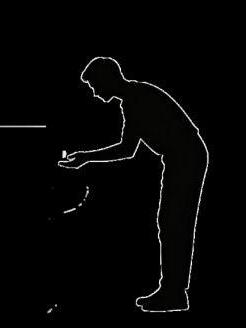
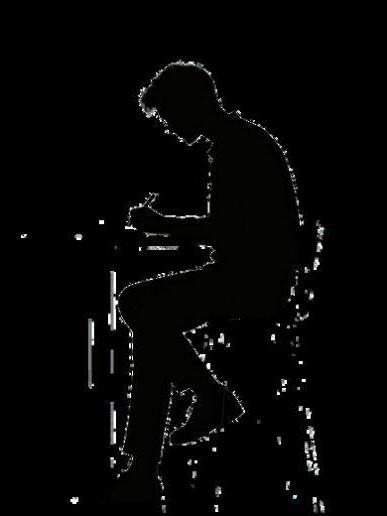
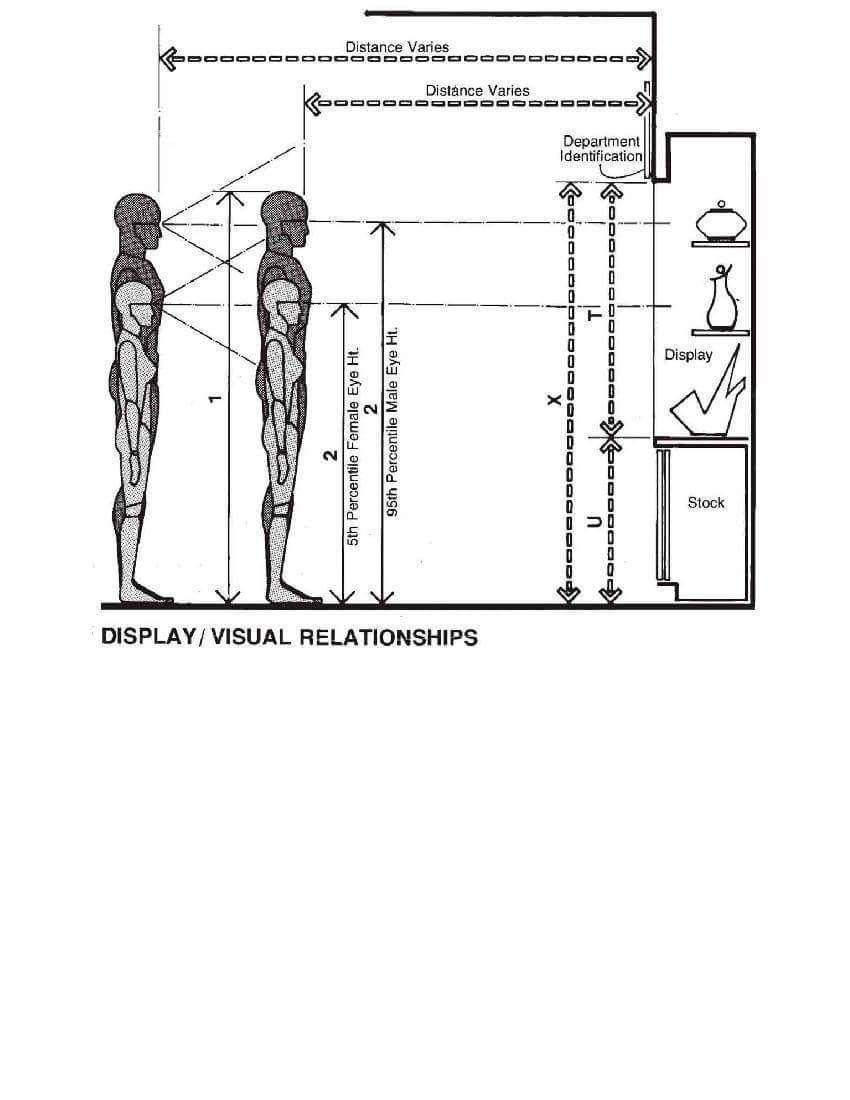
This studio-01 focuses on the interaction between anthropometric measurements and spatial design by observing an interactive area on campus, leading to the design of office pods and a one-stop center. The projects enhance understanding of anthropometry, applying the theory to practical operations for reasonable dimensioning.
YEAR 1 SEMESTER 3
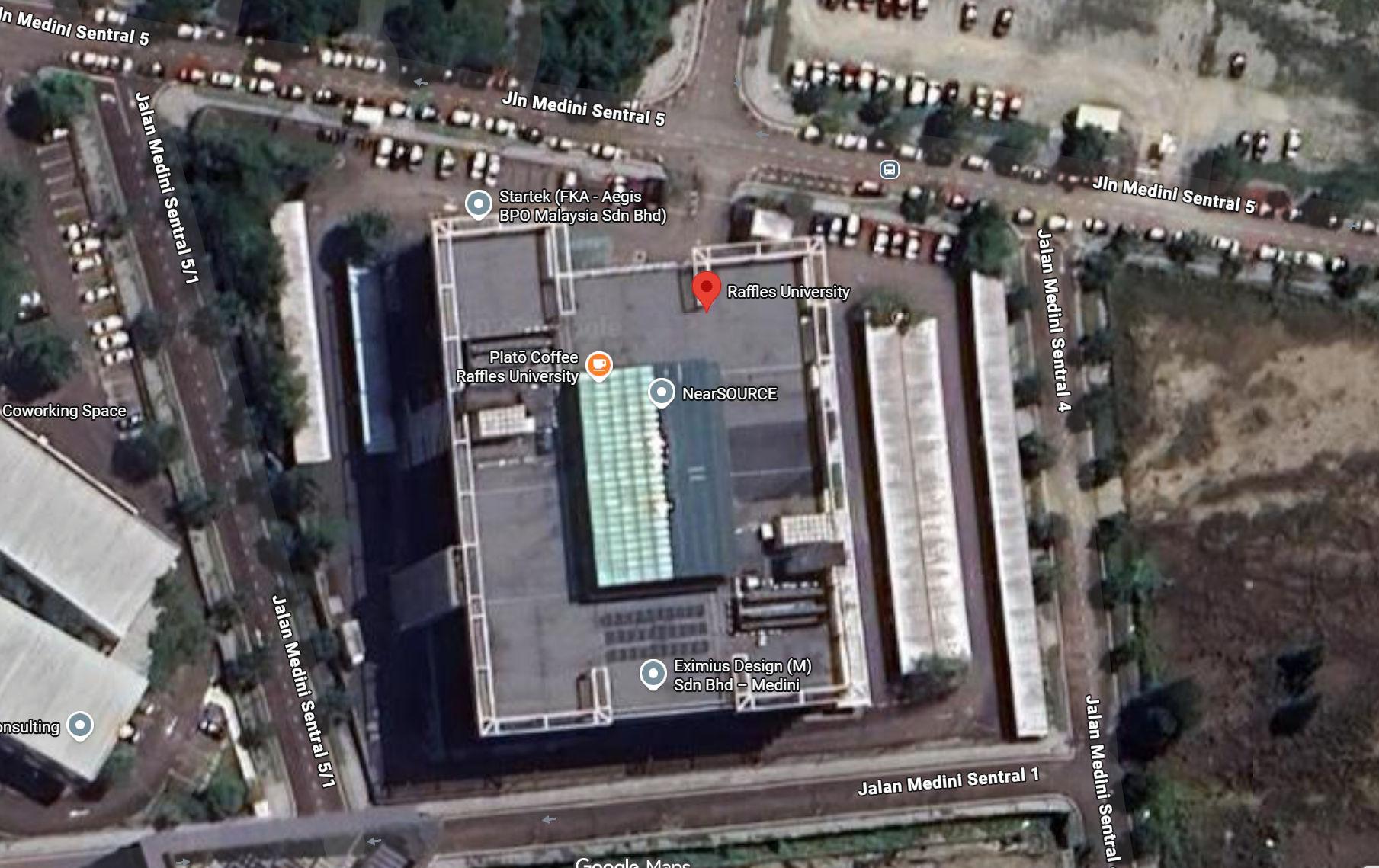
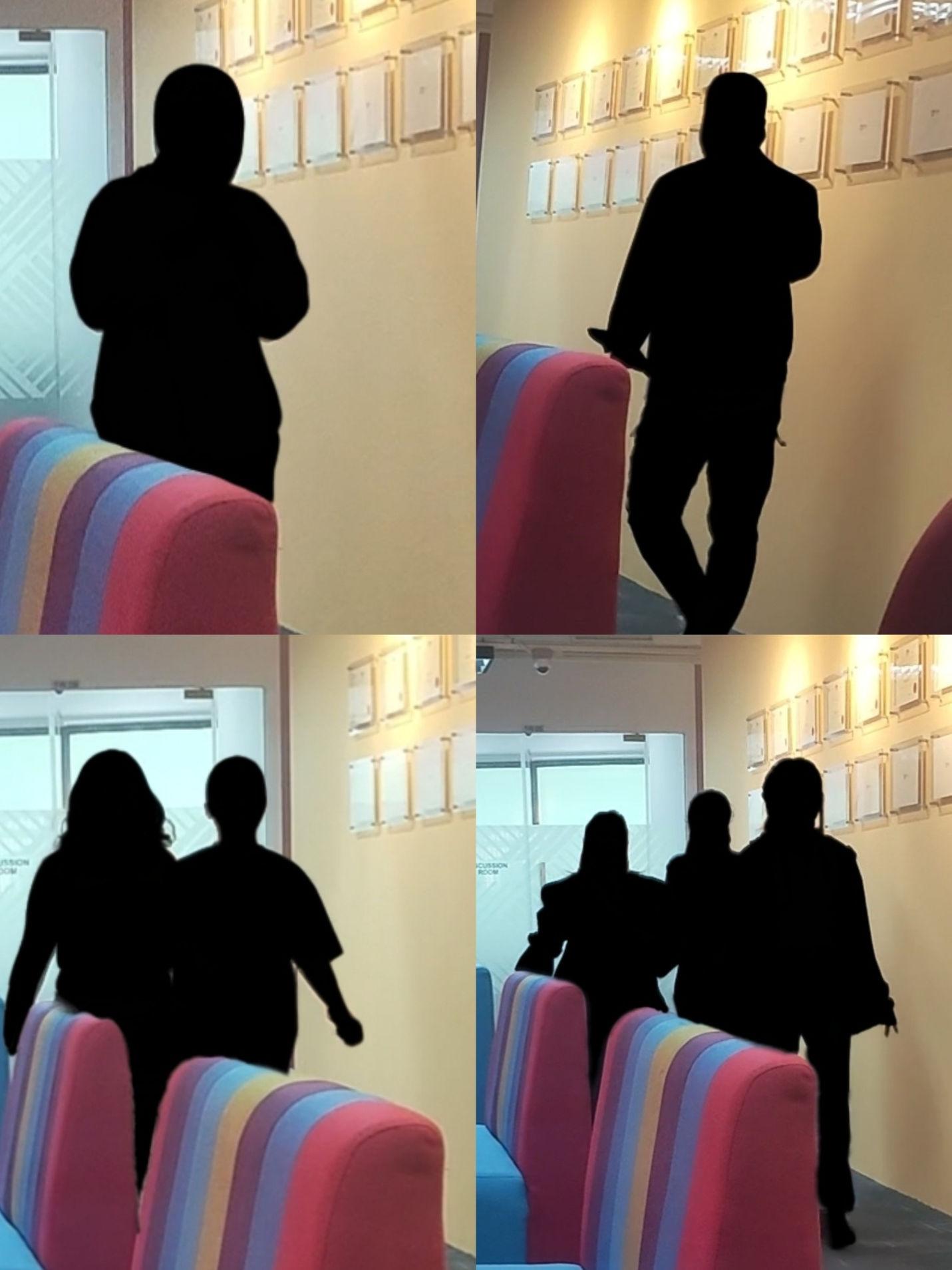
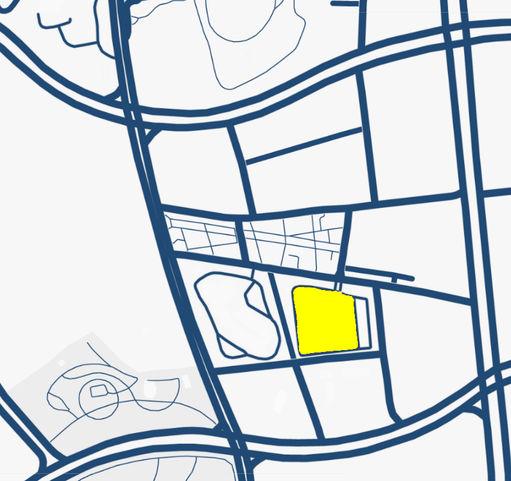
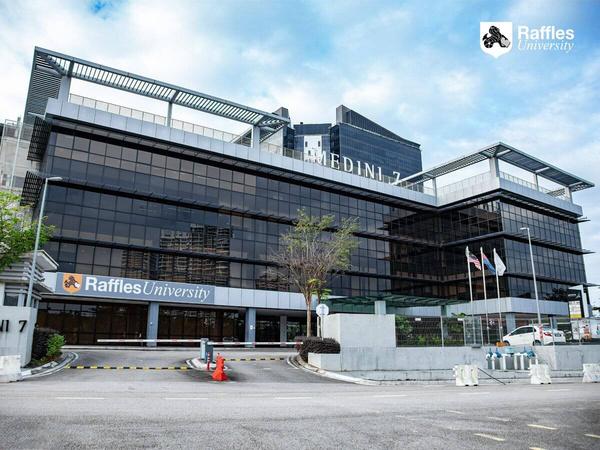
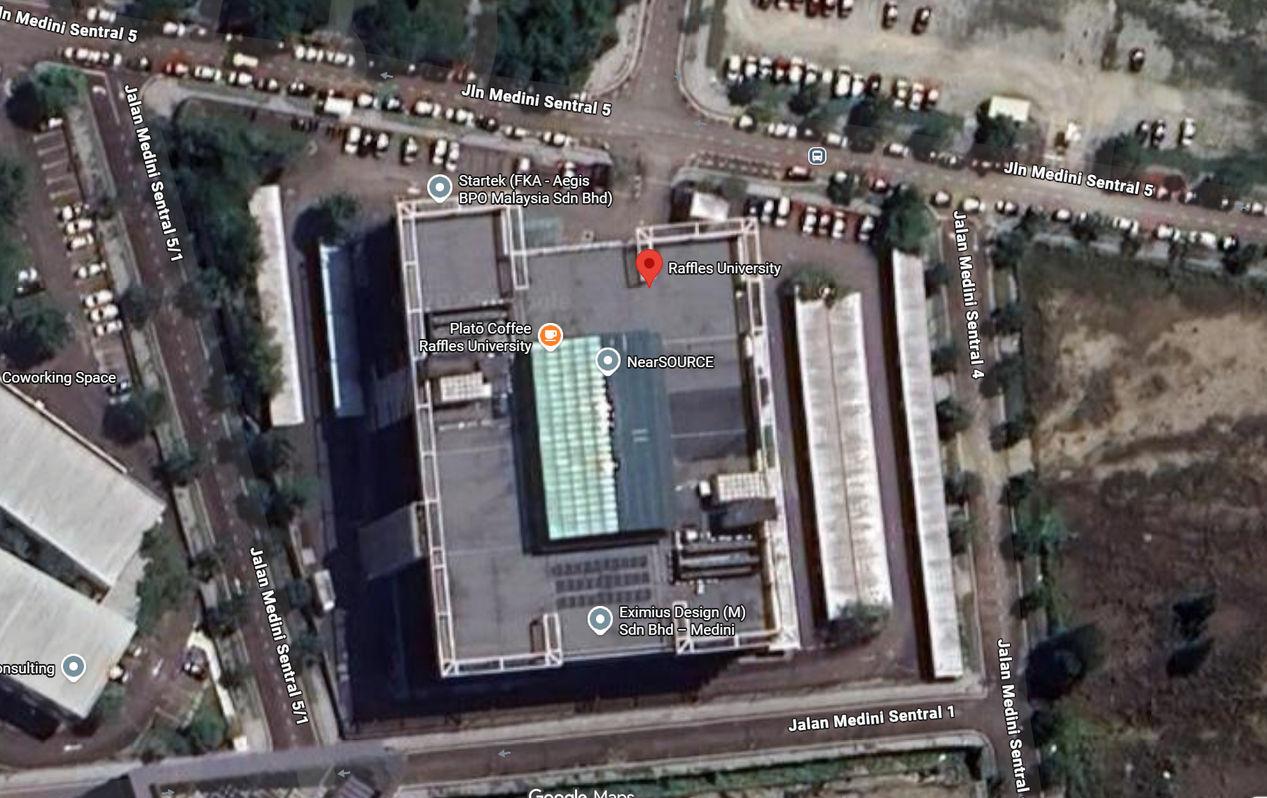
Raffles University 1—F West Sitting area
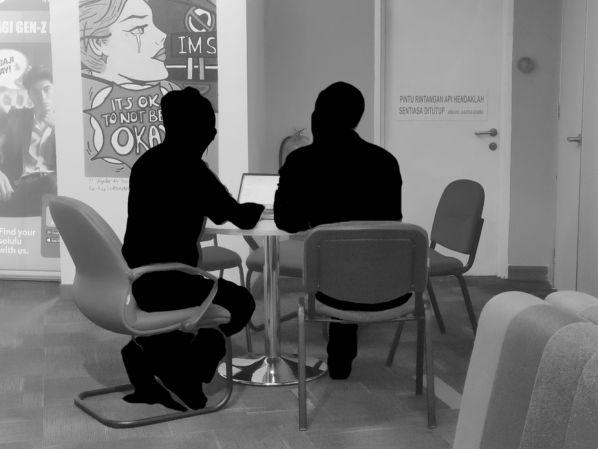
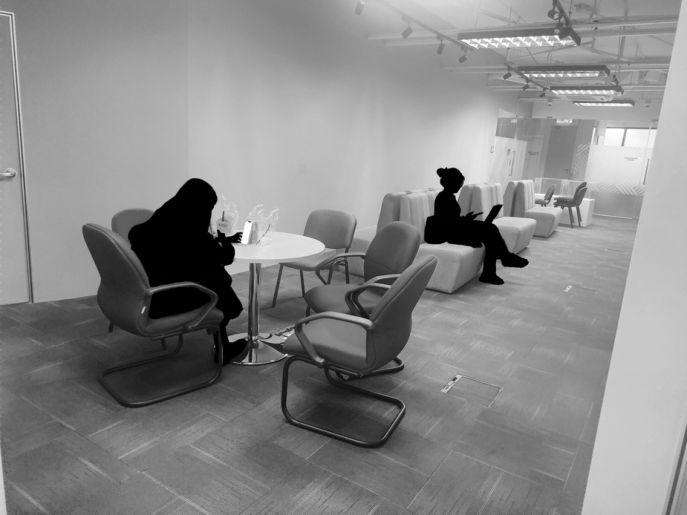
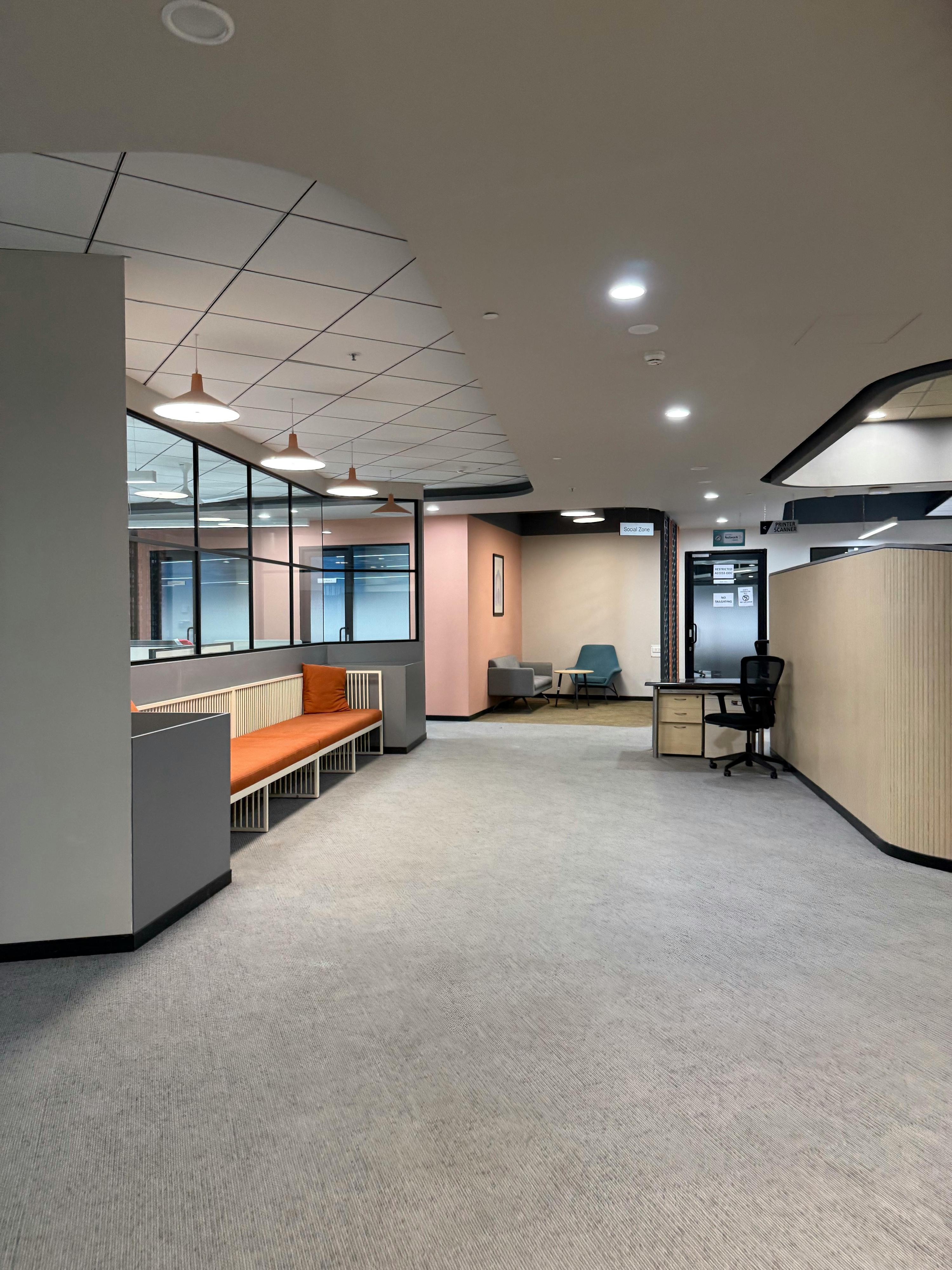
This area is located between the lecturers’ offices and the academic classrooms. It is furnished with three pairs of back-to-back benches, a round table, and office chairs at suitable height.
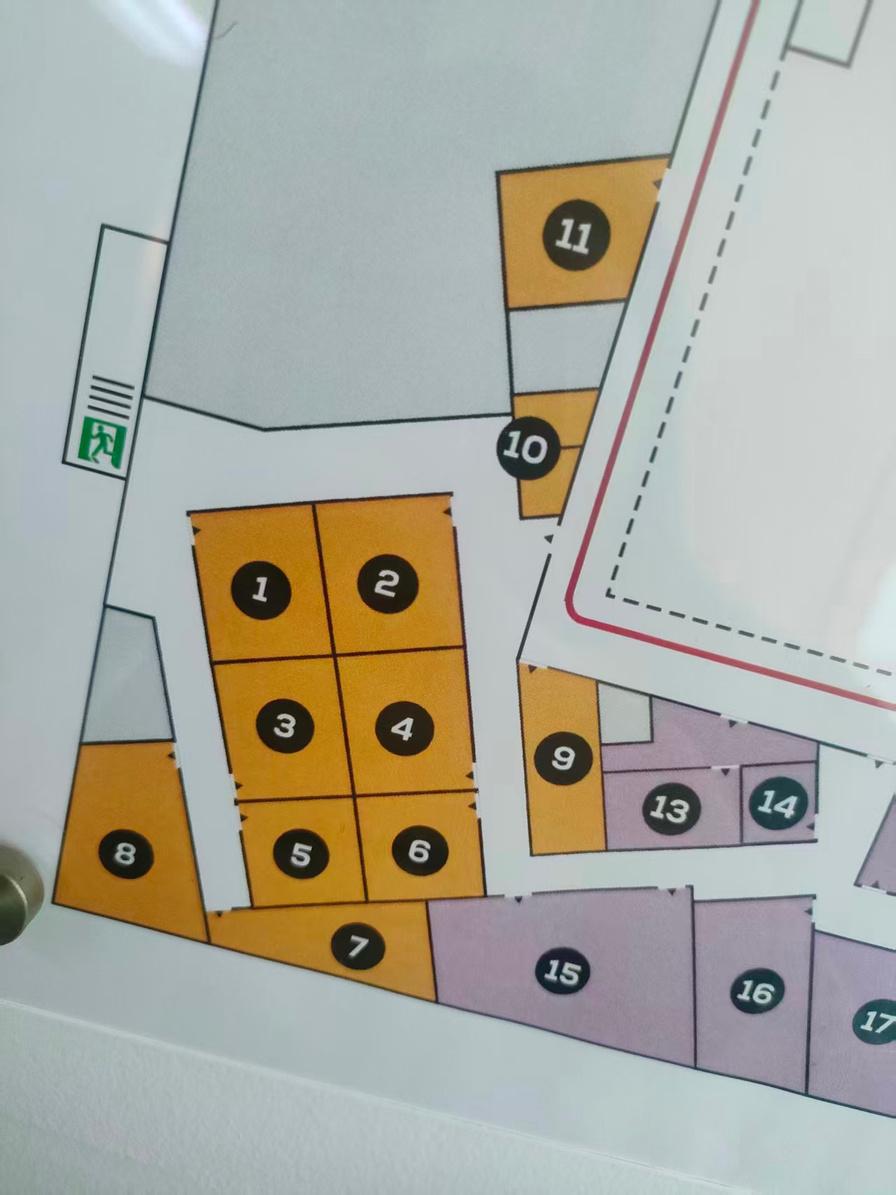
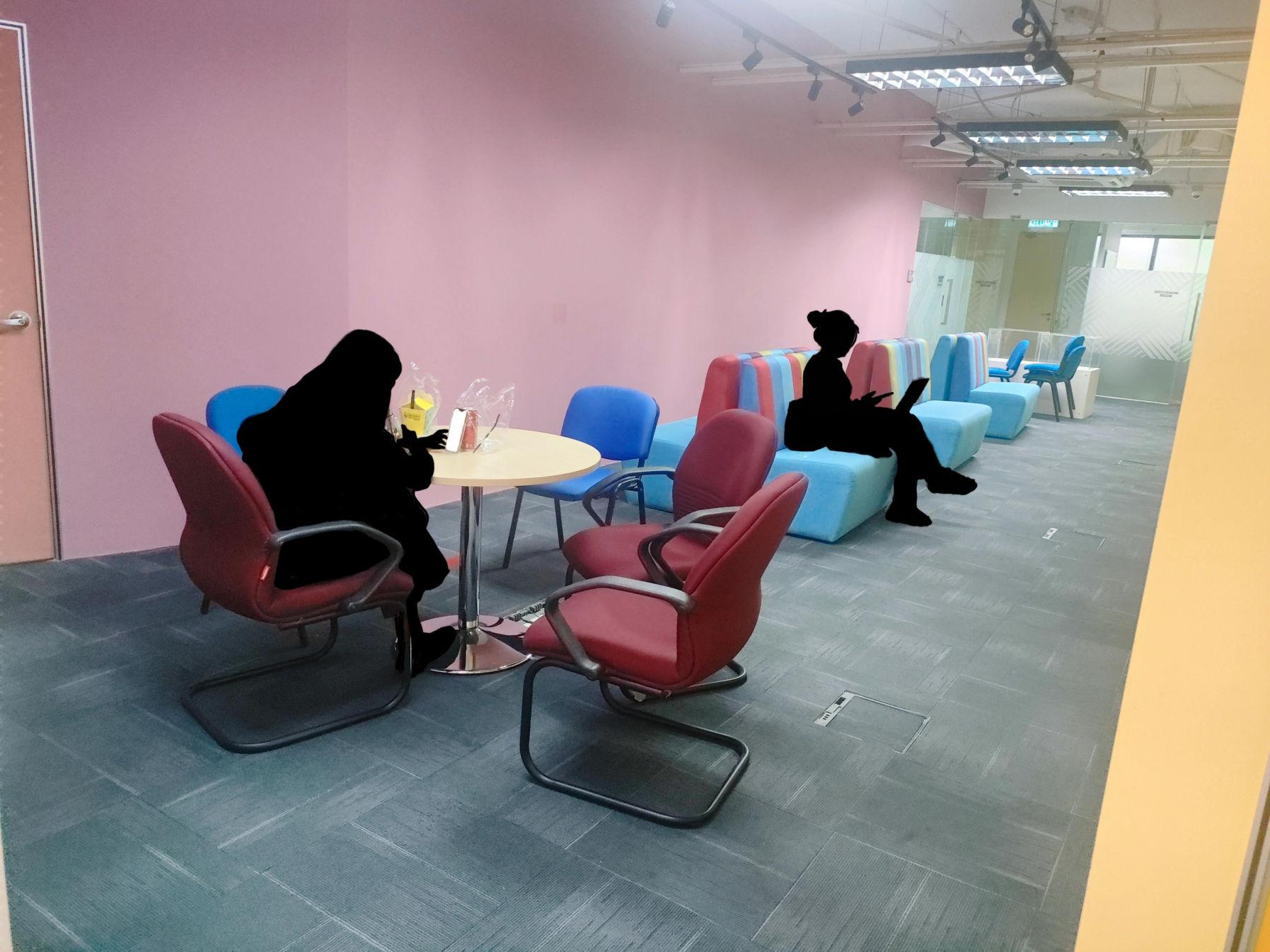
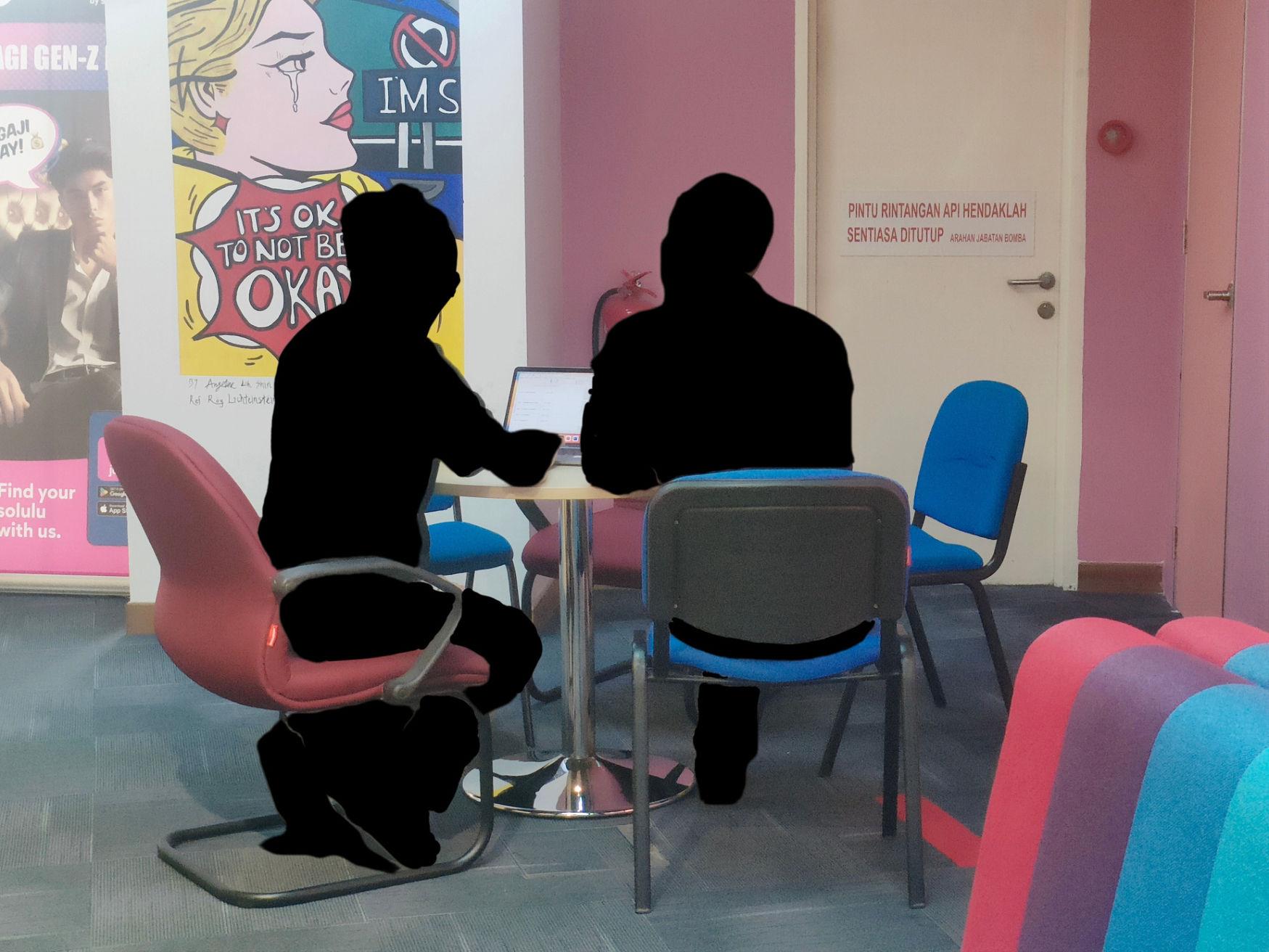
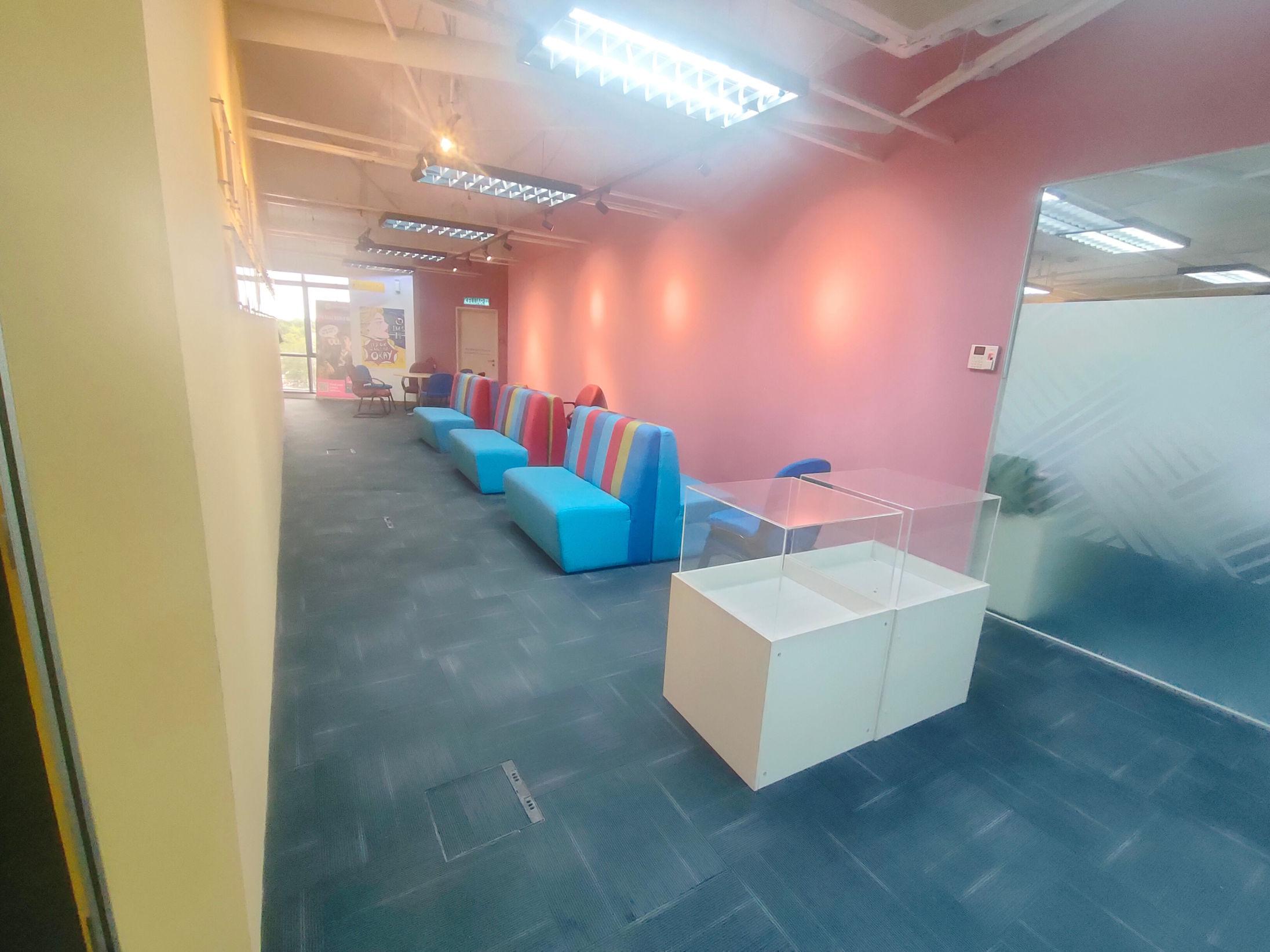
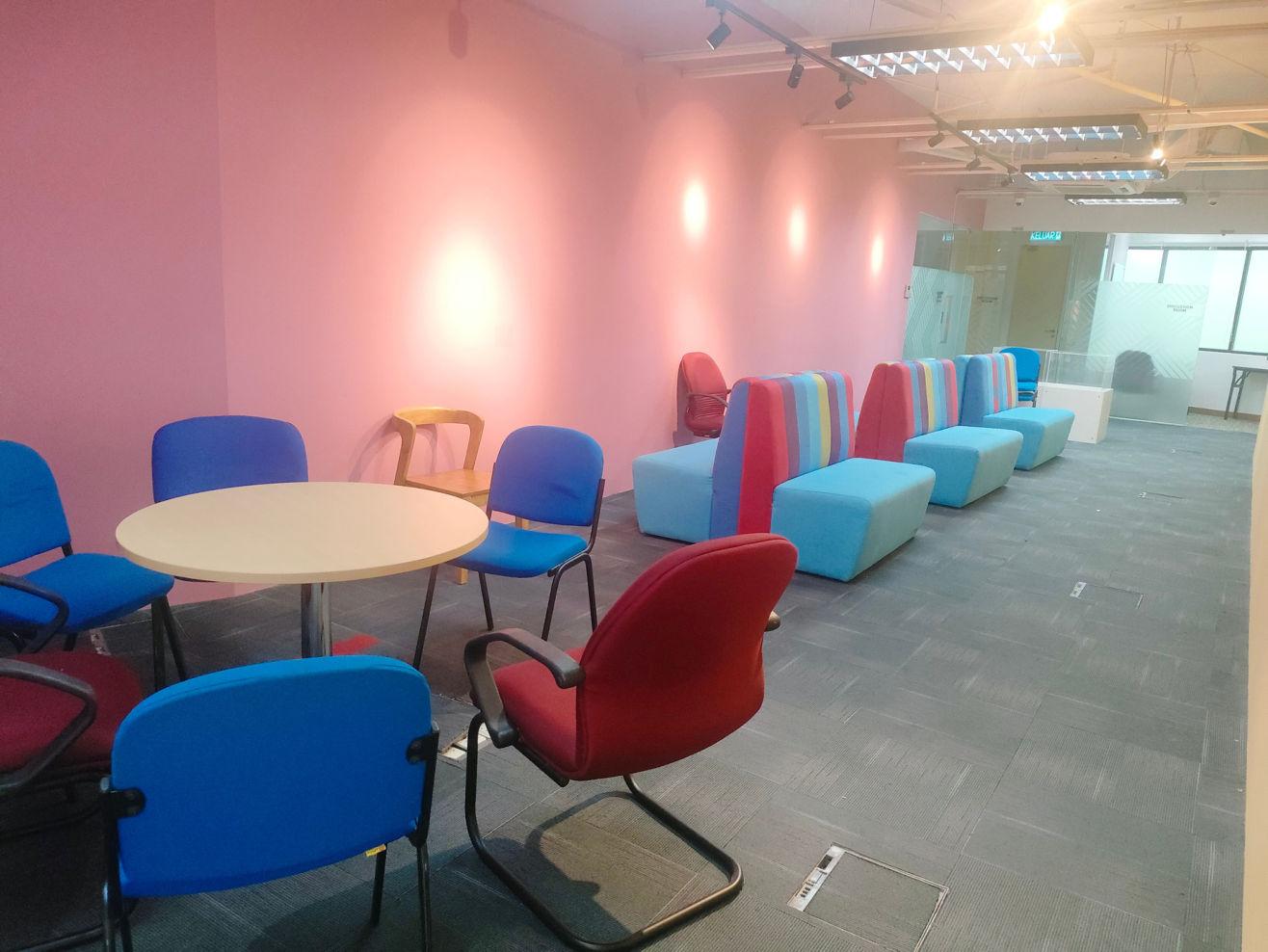
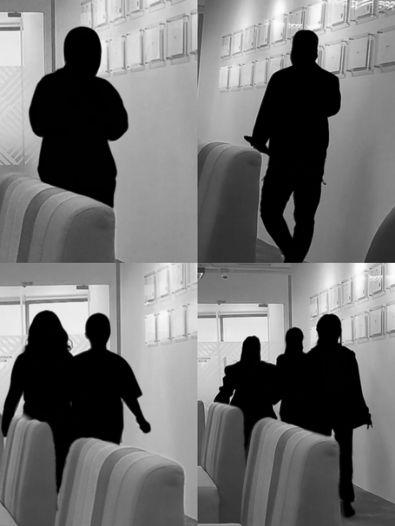
Most users simply pass through this area on their way to the classrooms further inside. The round table is also sometimes used by lecturers for brief planning sessions or by students and lecturers for short academic discussions.
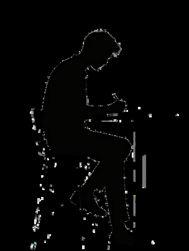
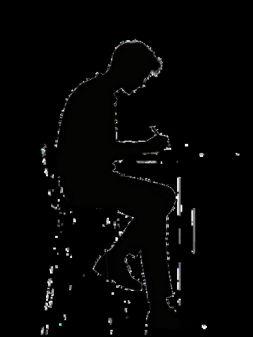
The single round table mainly serves the first group, while later users often resort to the benches, placing laptops on their laps.
YEAR 1 SEMESTER 3

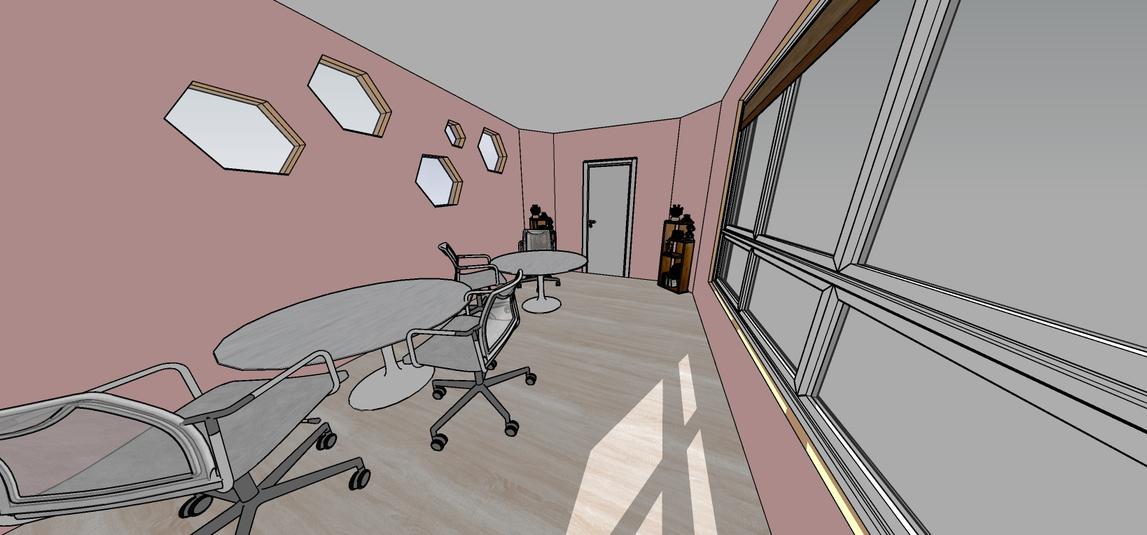
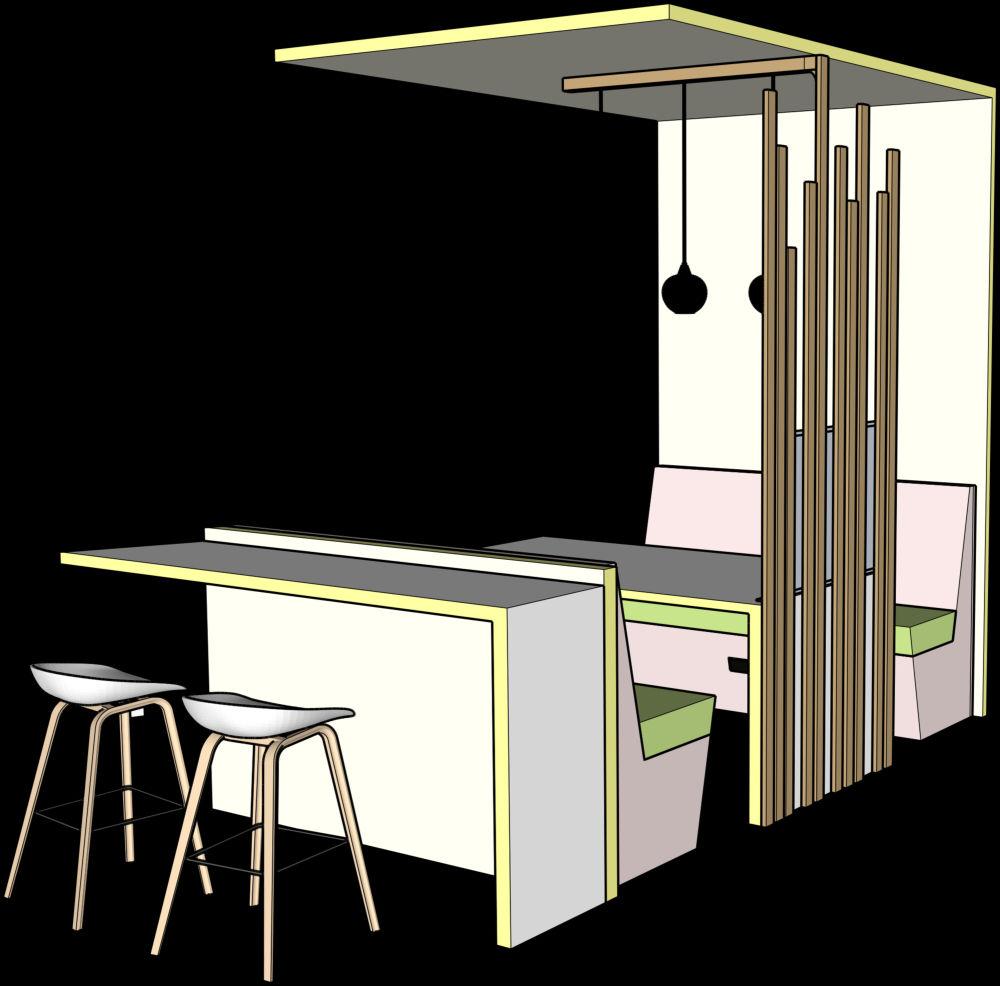
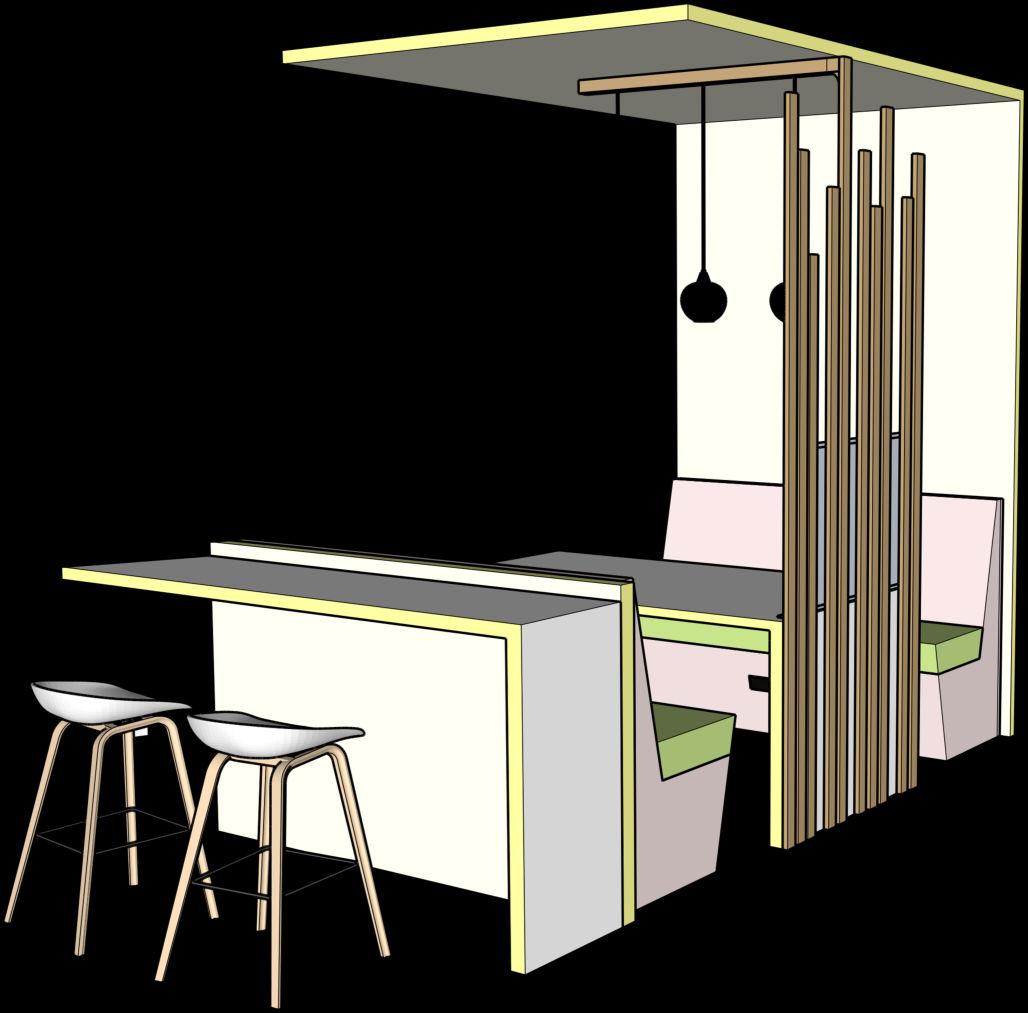
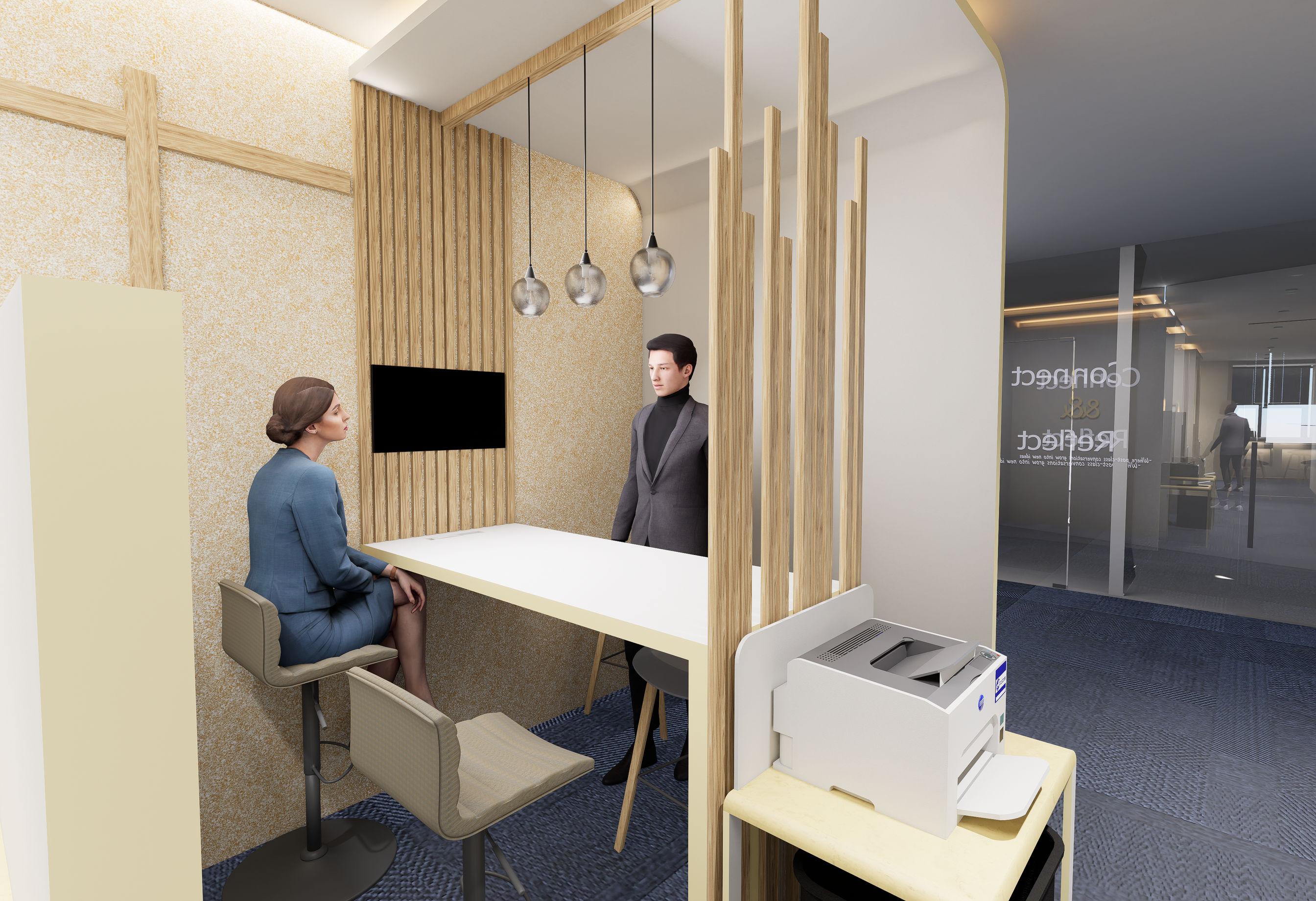
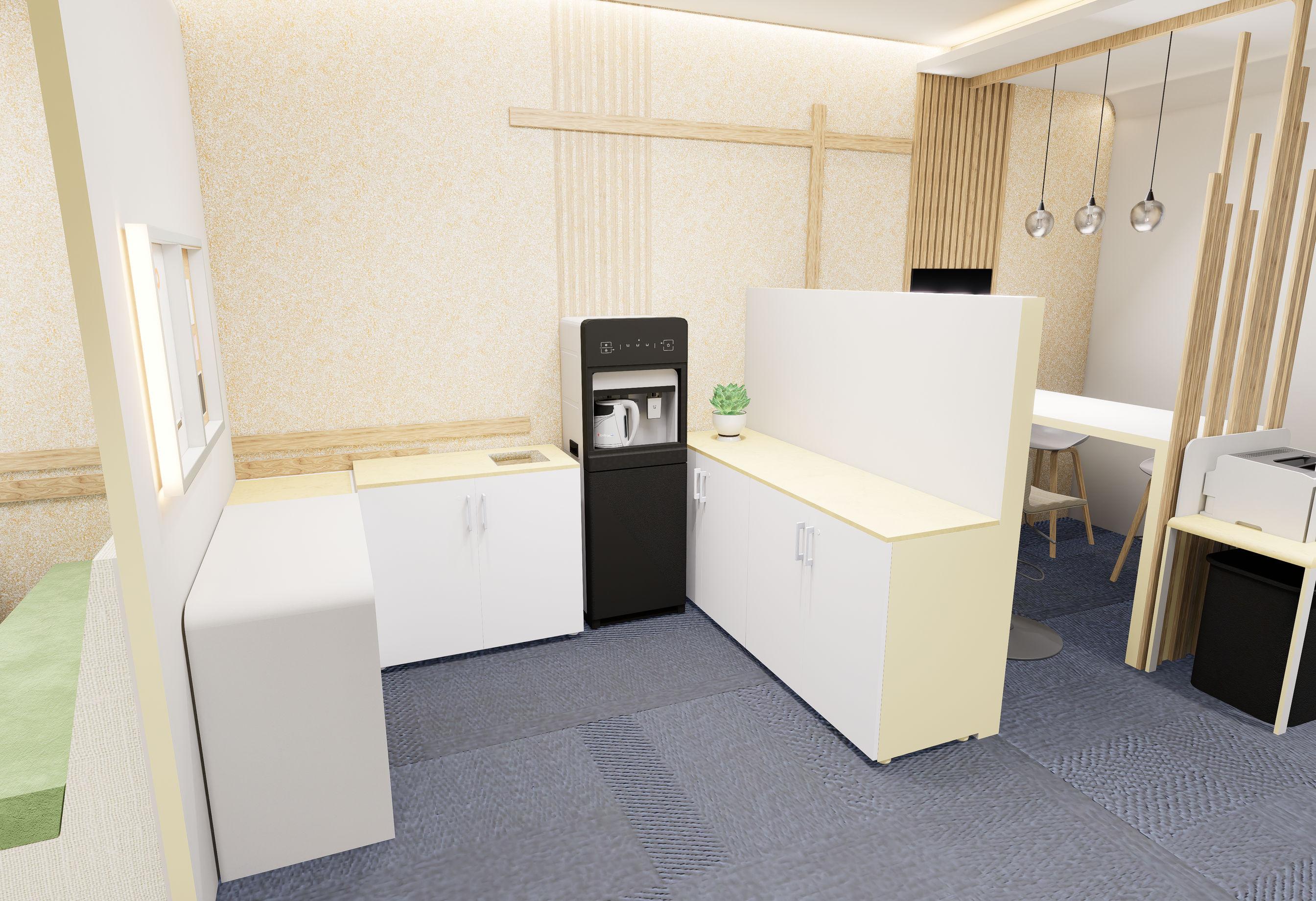
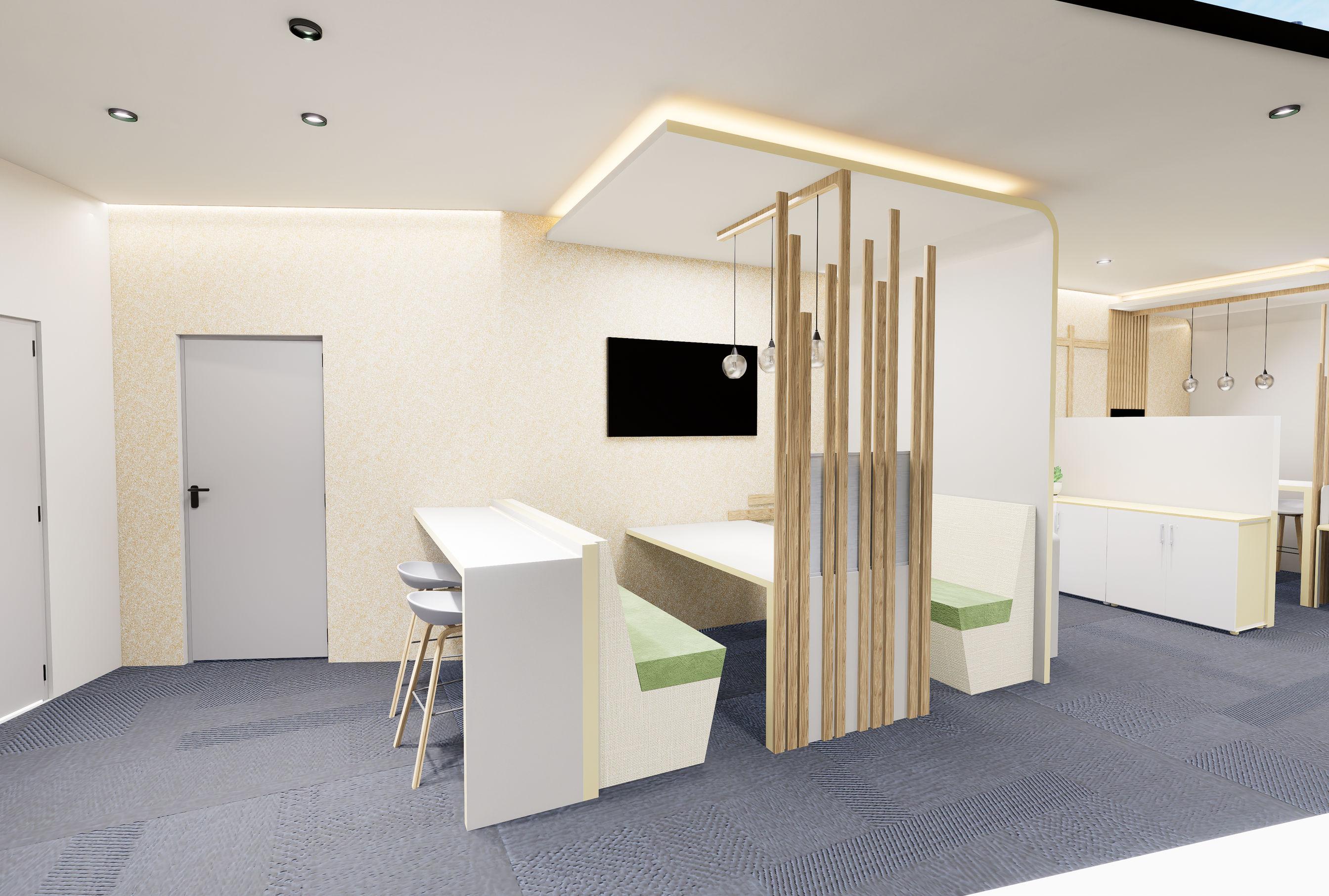
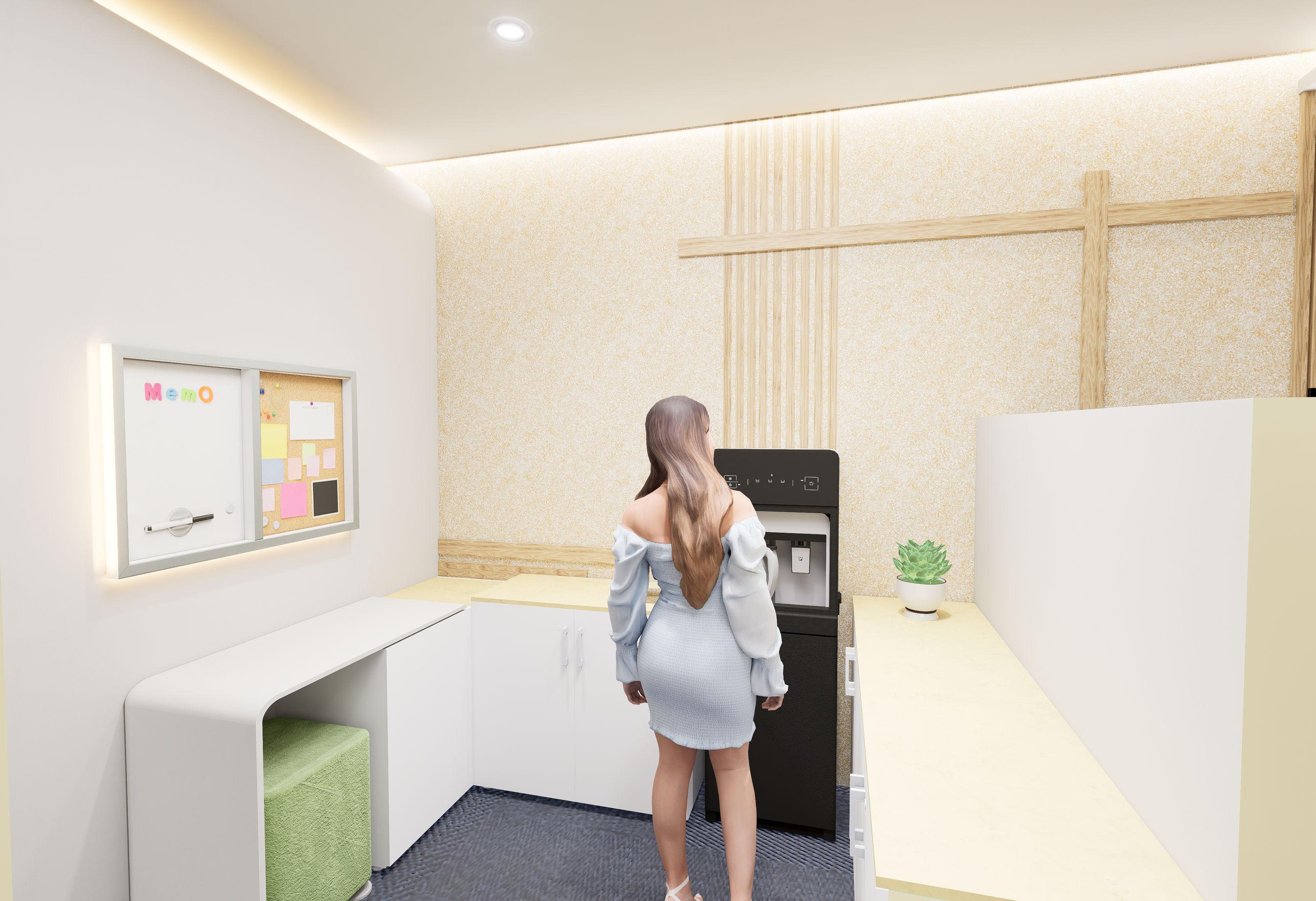
The project revolves around a temporary docking point at a school. The highest usage occurs during impromptu conversations or temporary meals at the tables, so two areas were designated to better facilitate activities.
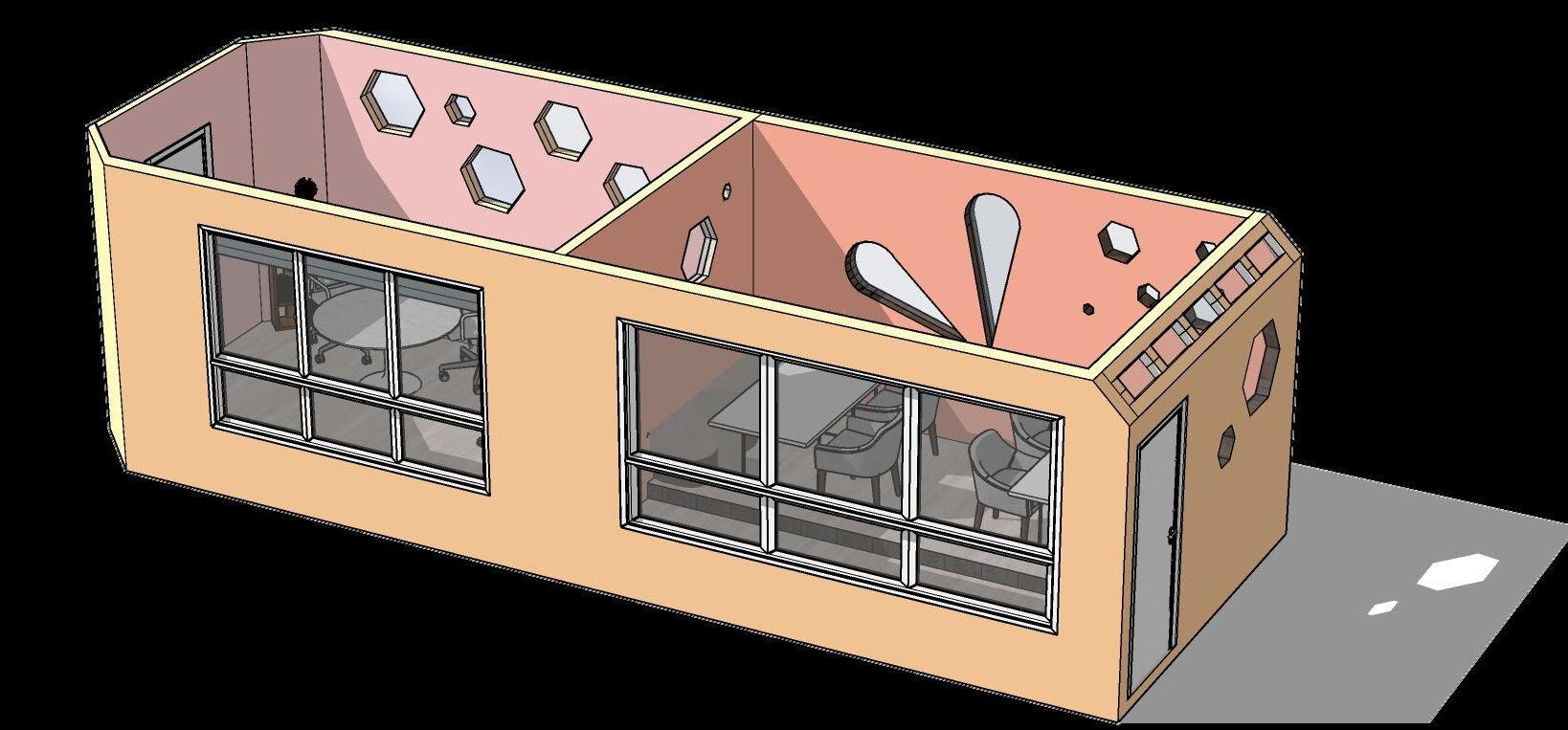
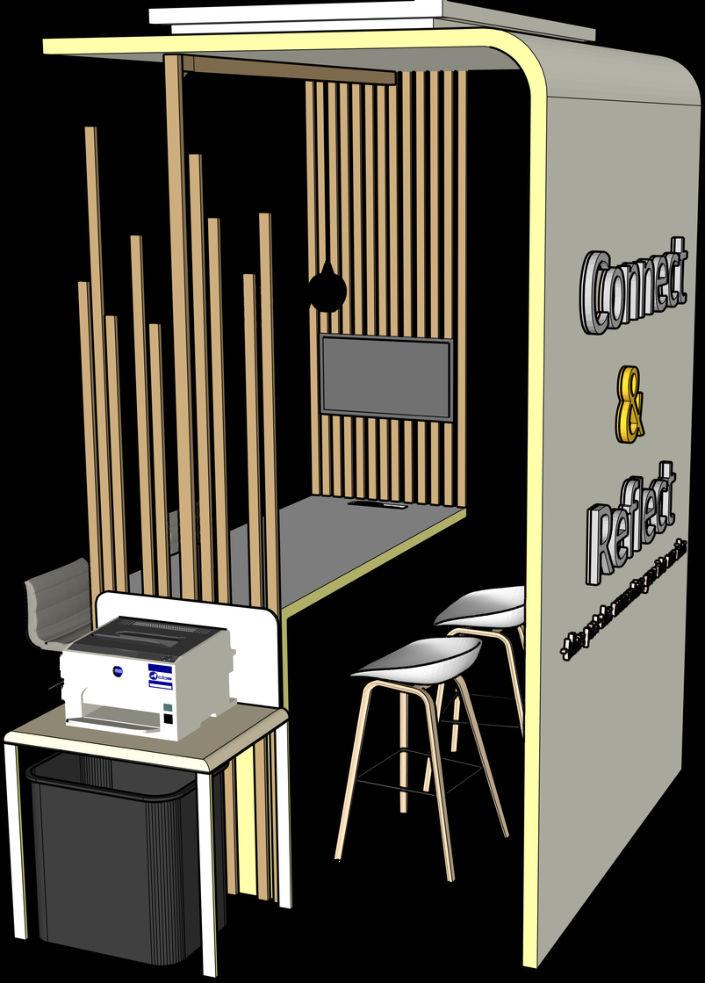
Inspired by the hive, the pod uses hexagonal perforations and patterns to balance acoustics, airflow, and light. Winglike cut-outs emphasize focus in the study zone, while honeycomb motifs highlight teamwork in the discussion area, creating a cohesive and symbolic space.
Students often take short breaks on the three sofa chairs, using them for rest or casual conversation. The round table serves as the main place for short discussion, though its capacity limits use to a single group at once. Most passers-by treat the area as a temporary stop before heading toward classrooms or offices, keeping their stay brief and the space lightly occupied.
Color scheme

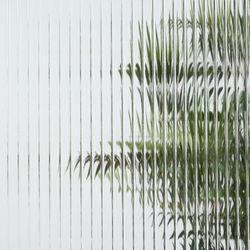


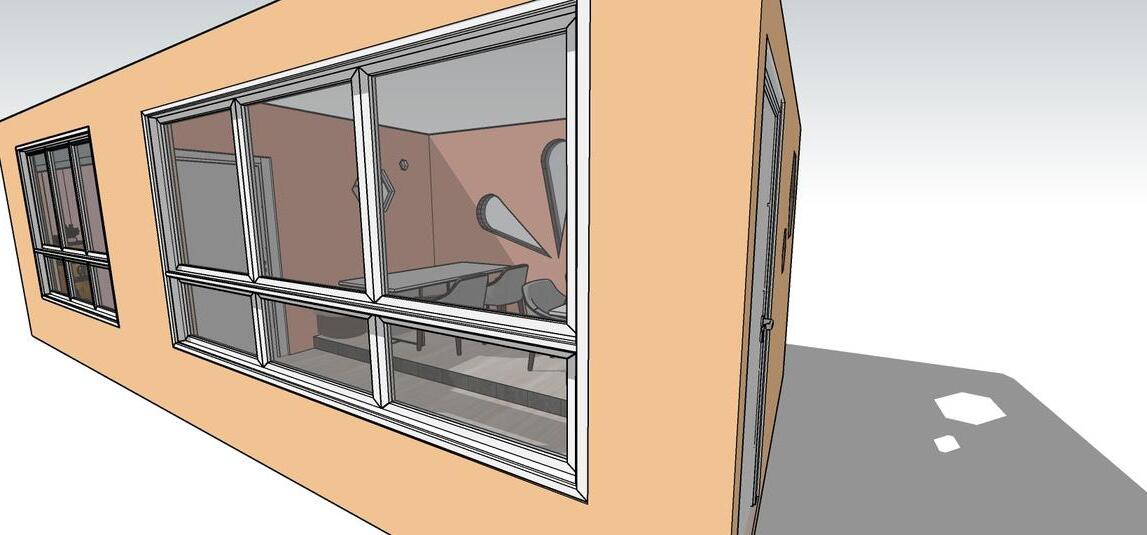
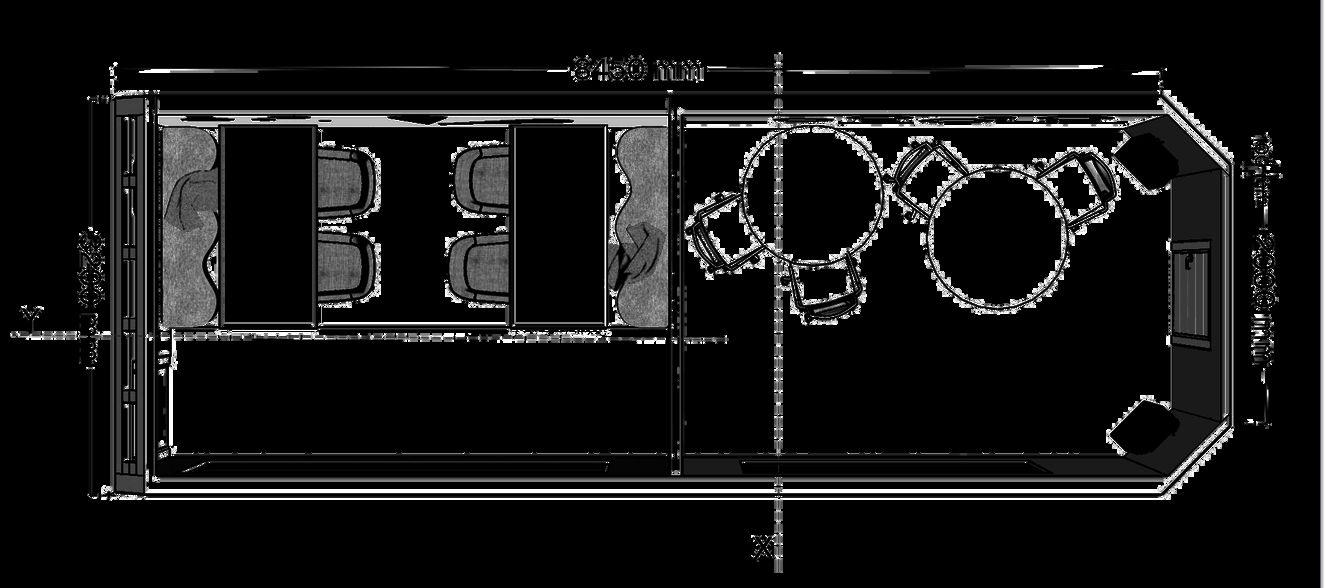
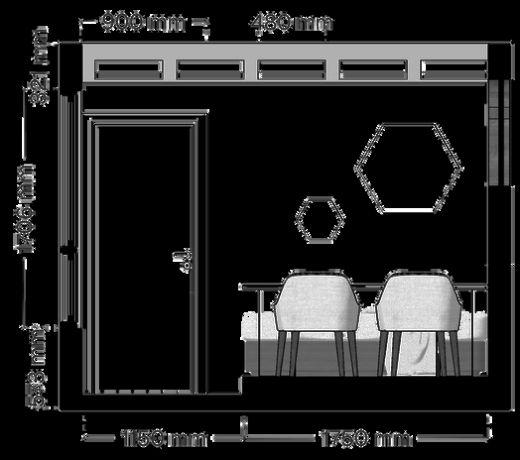

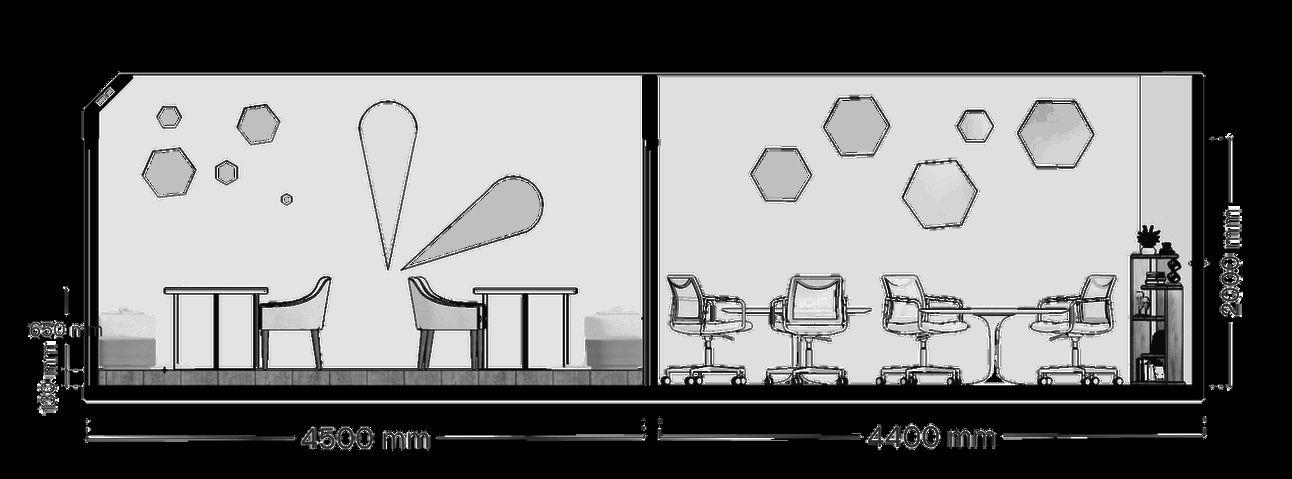
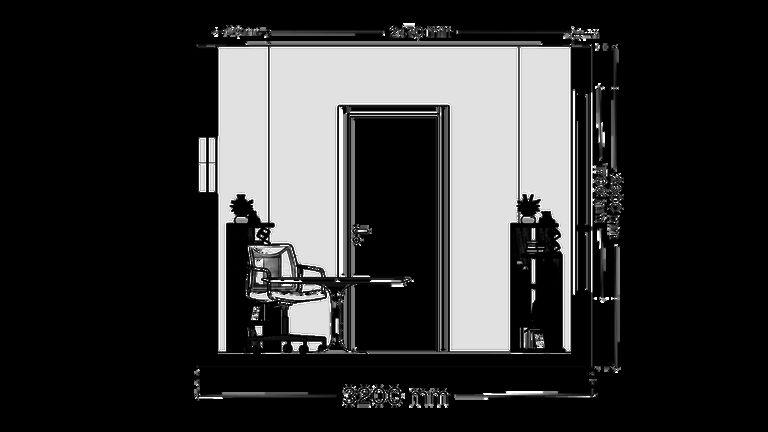
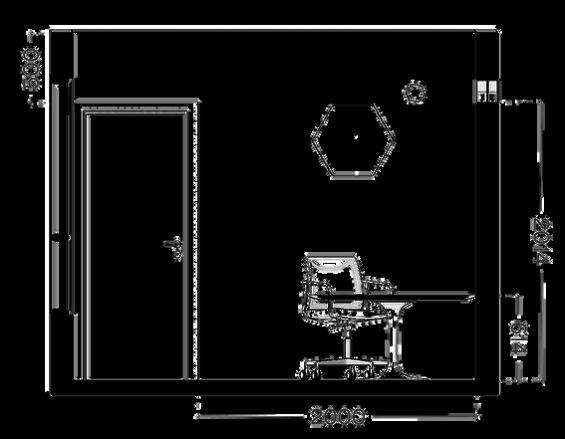
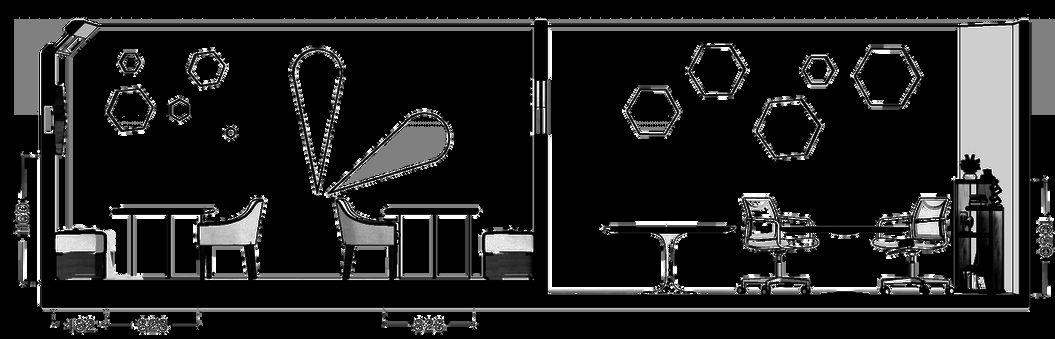
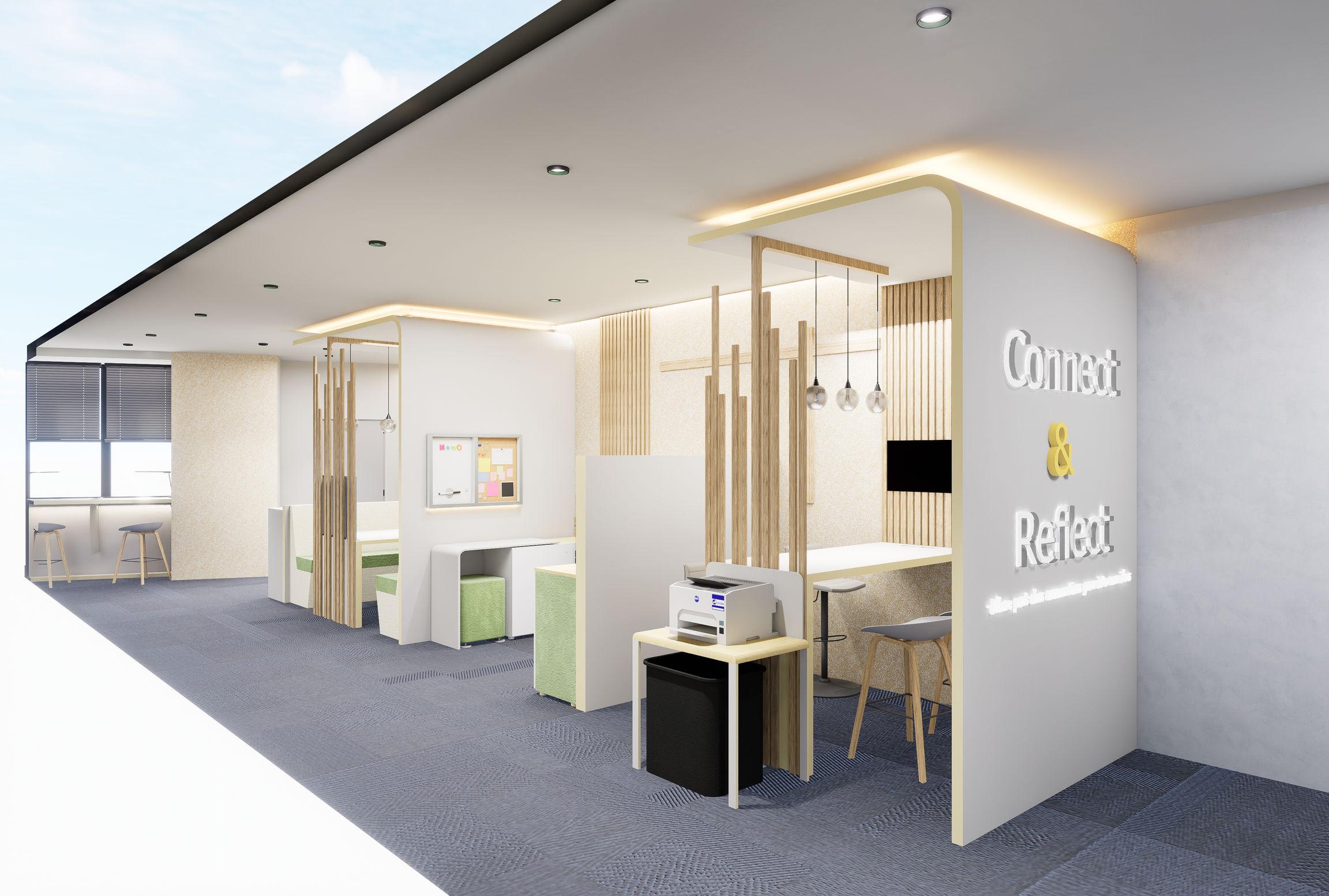
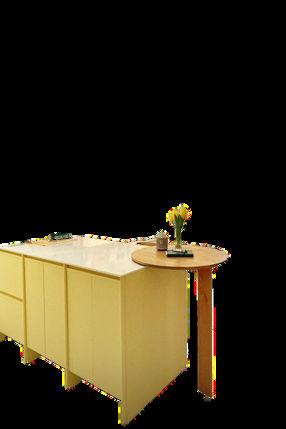
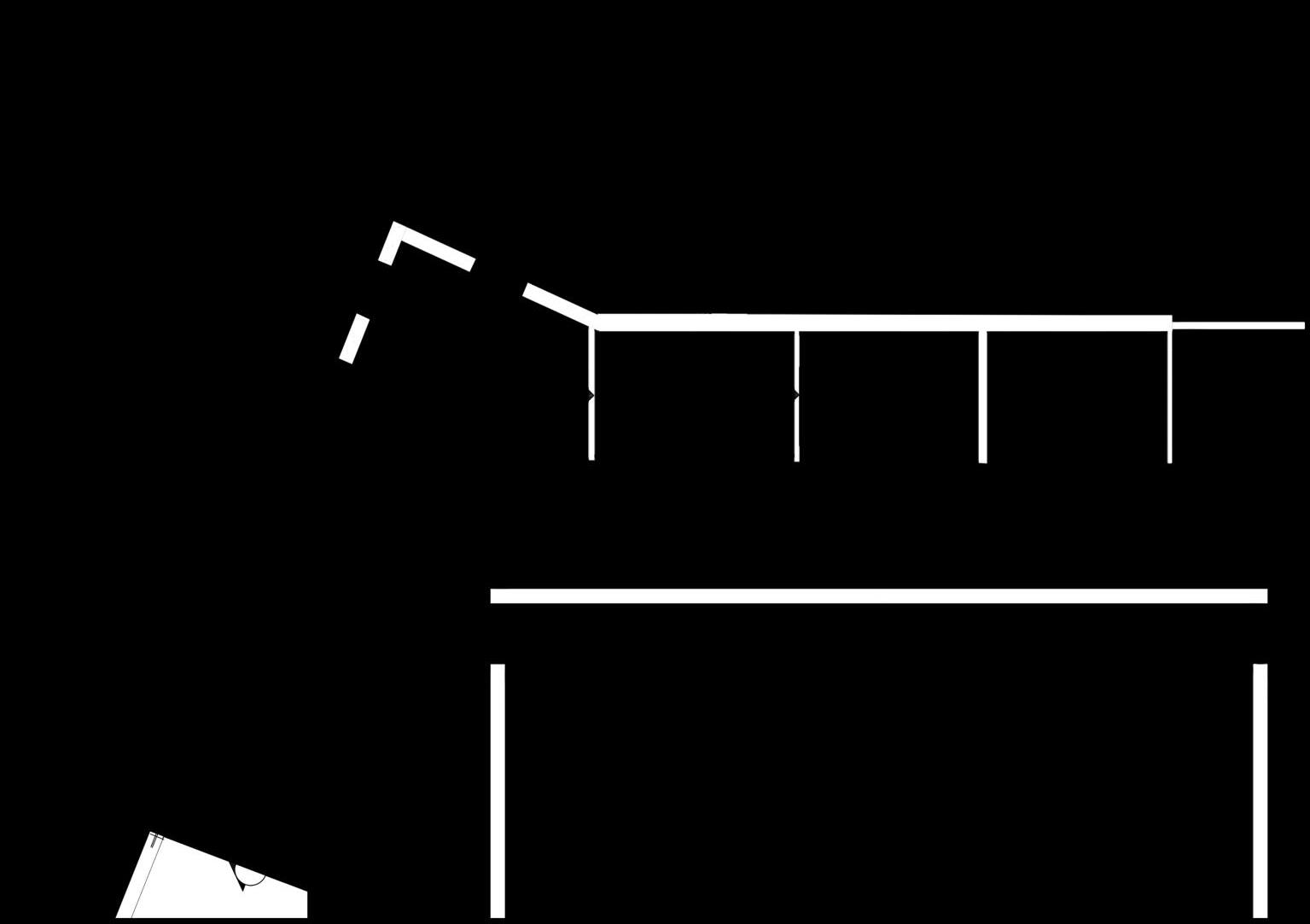
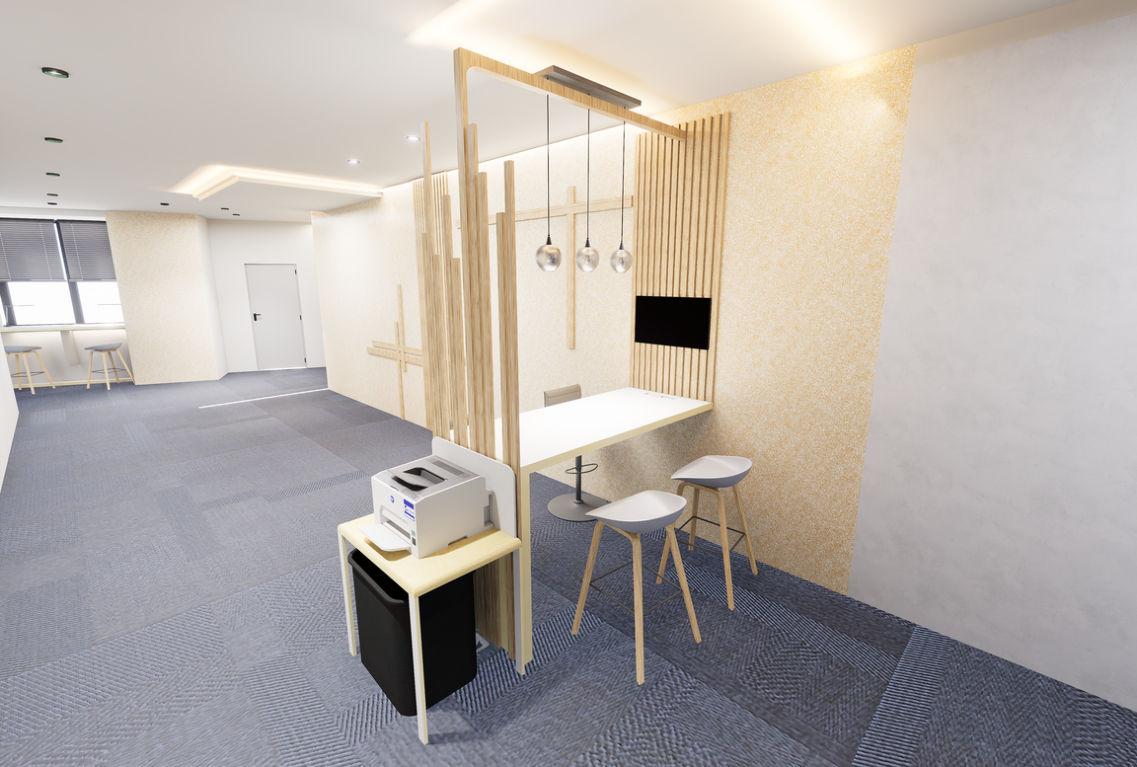
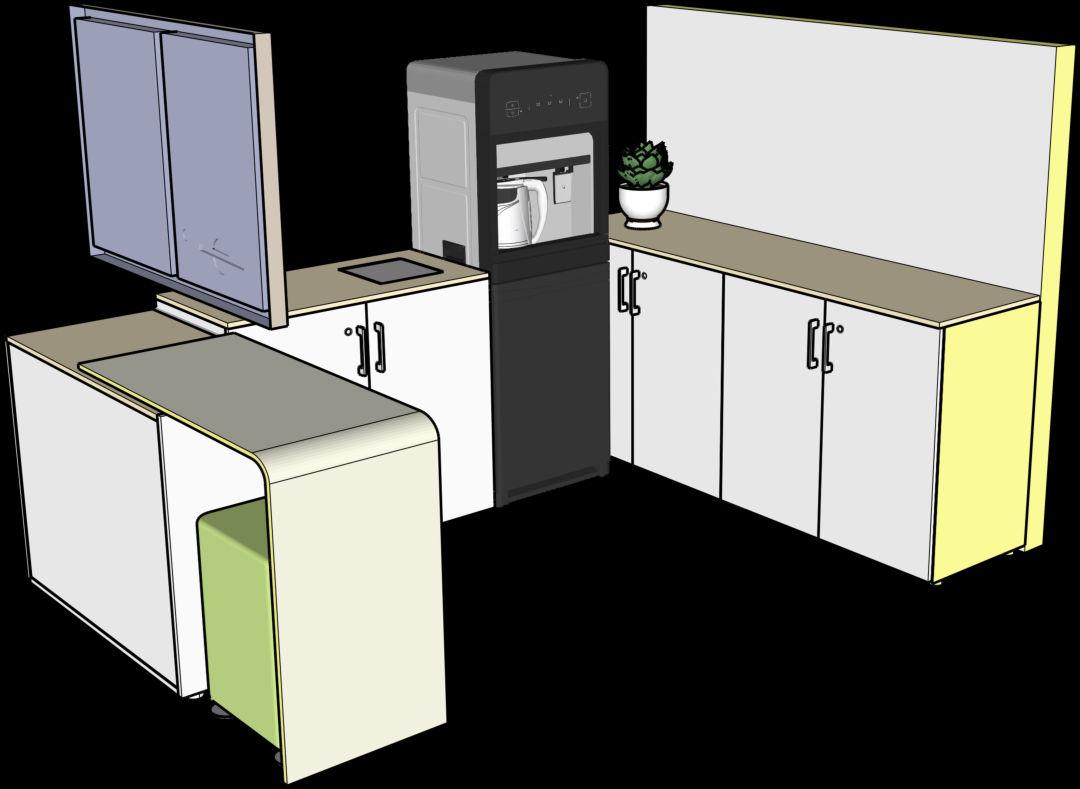
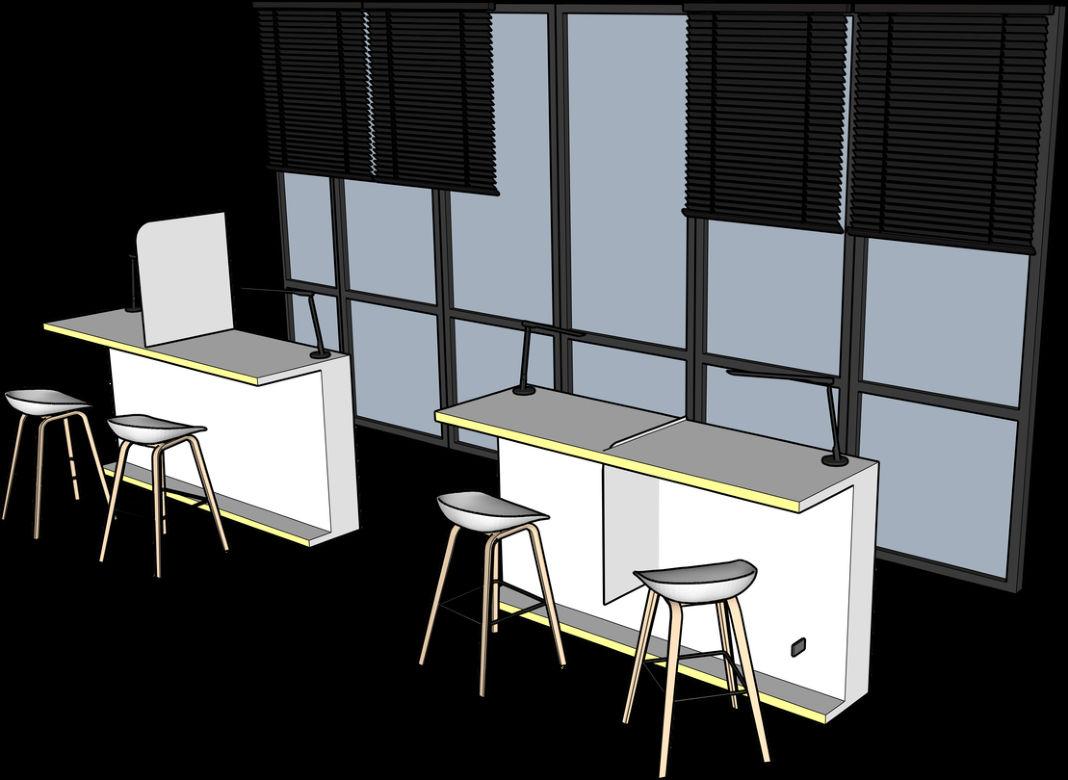
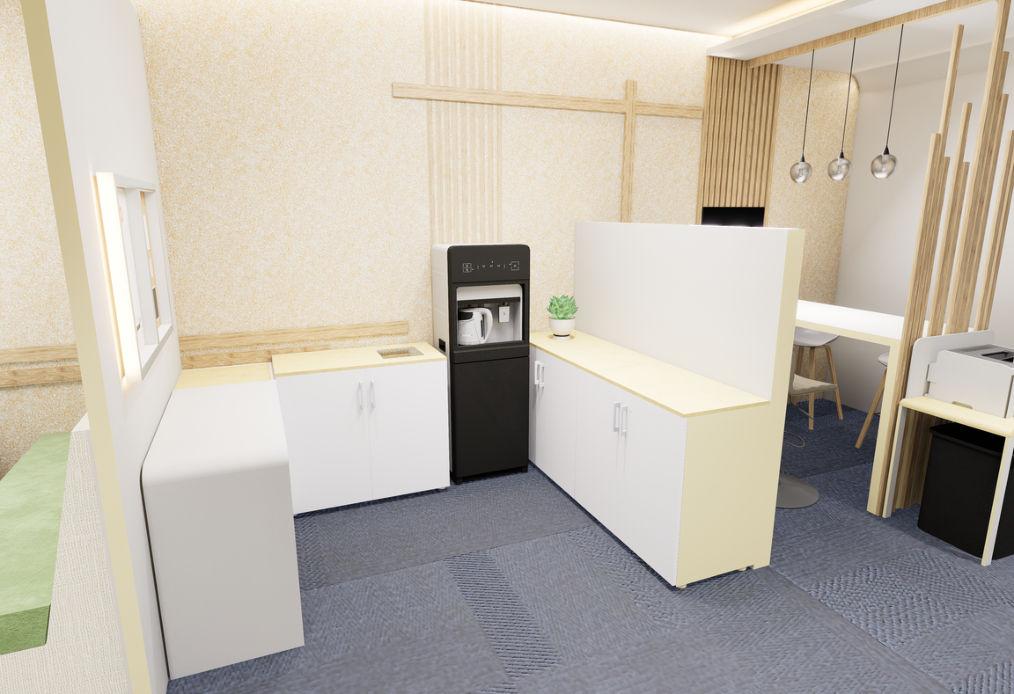
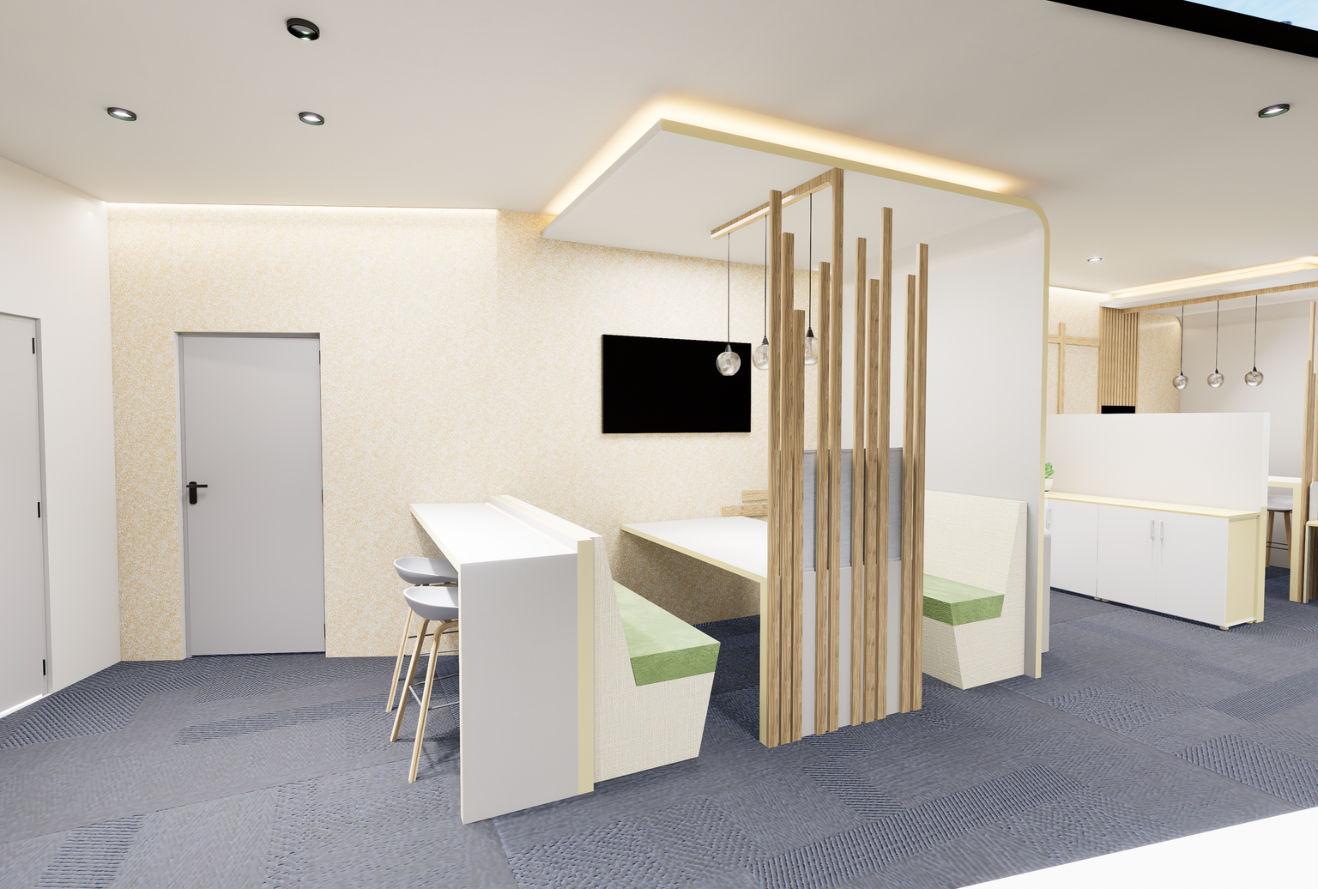
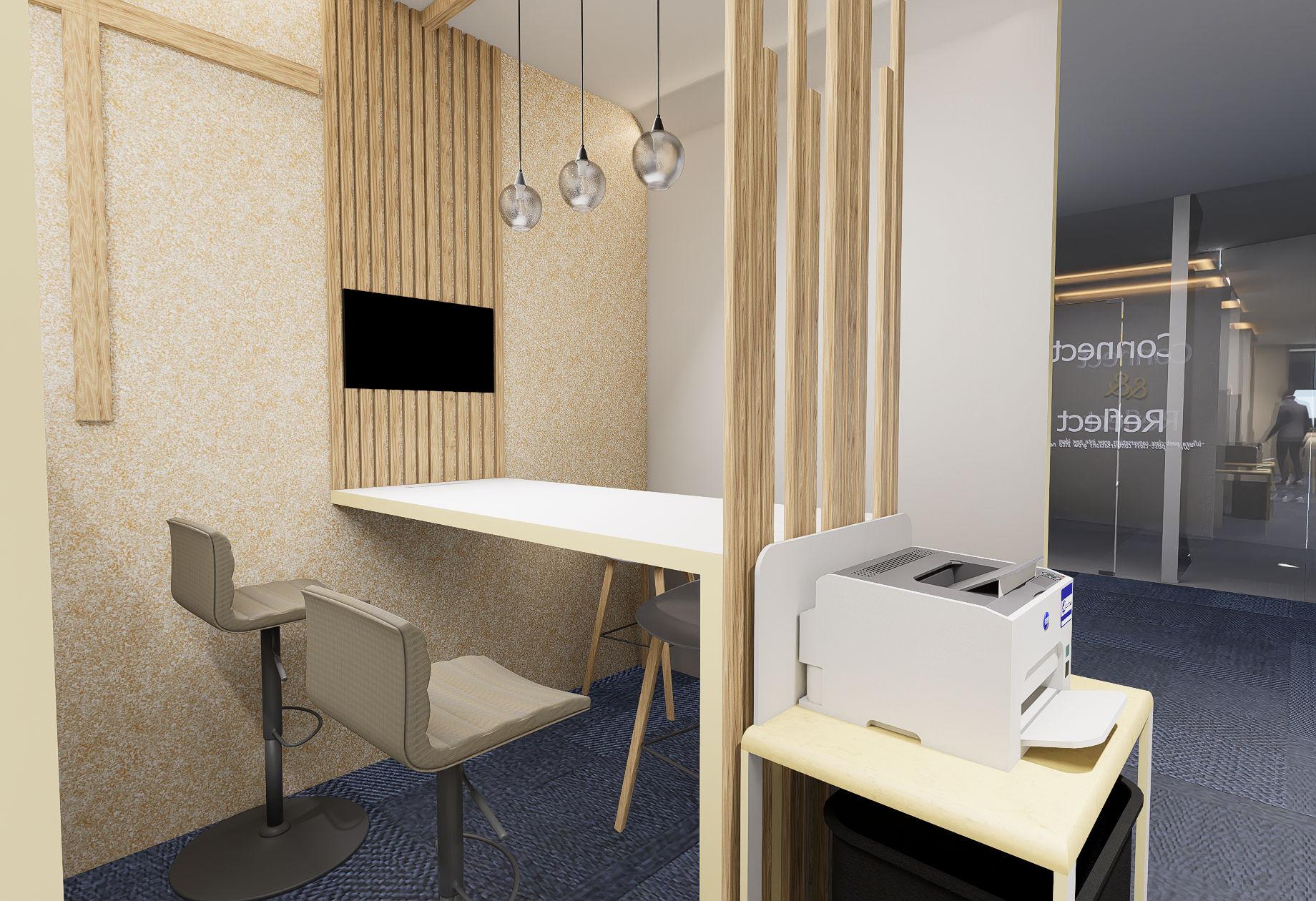
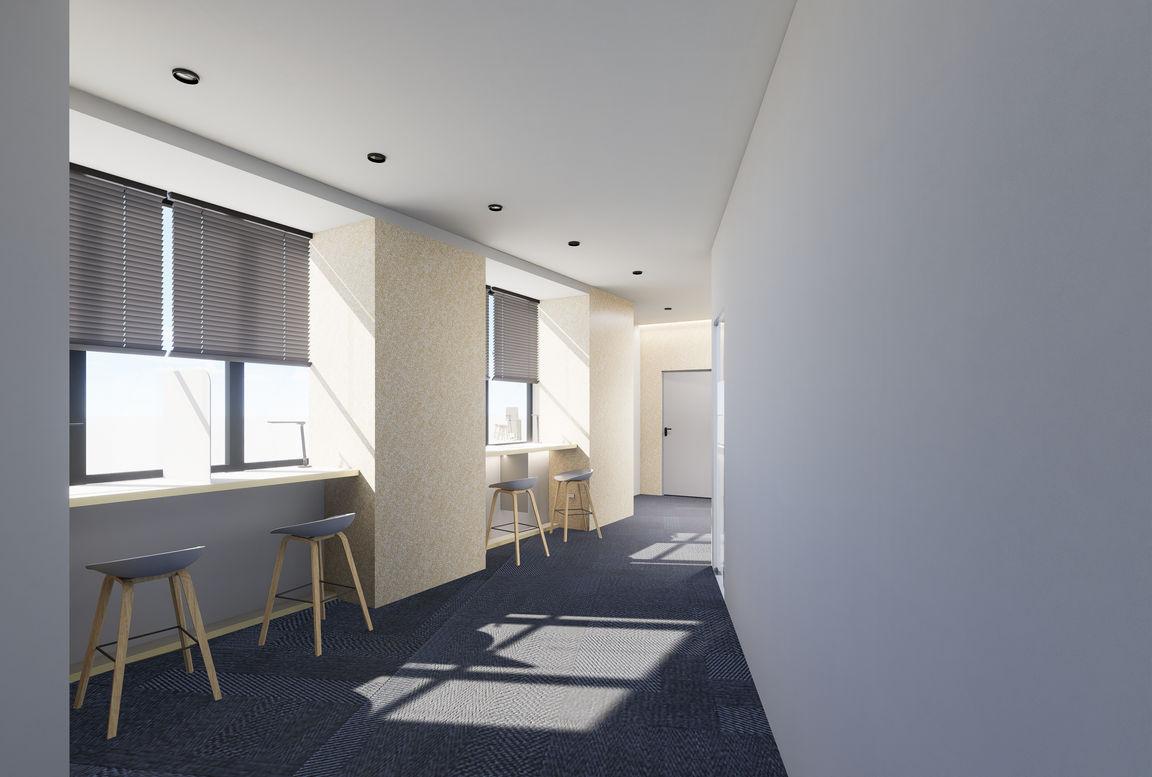
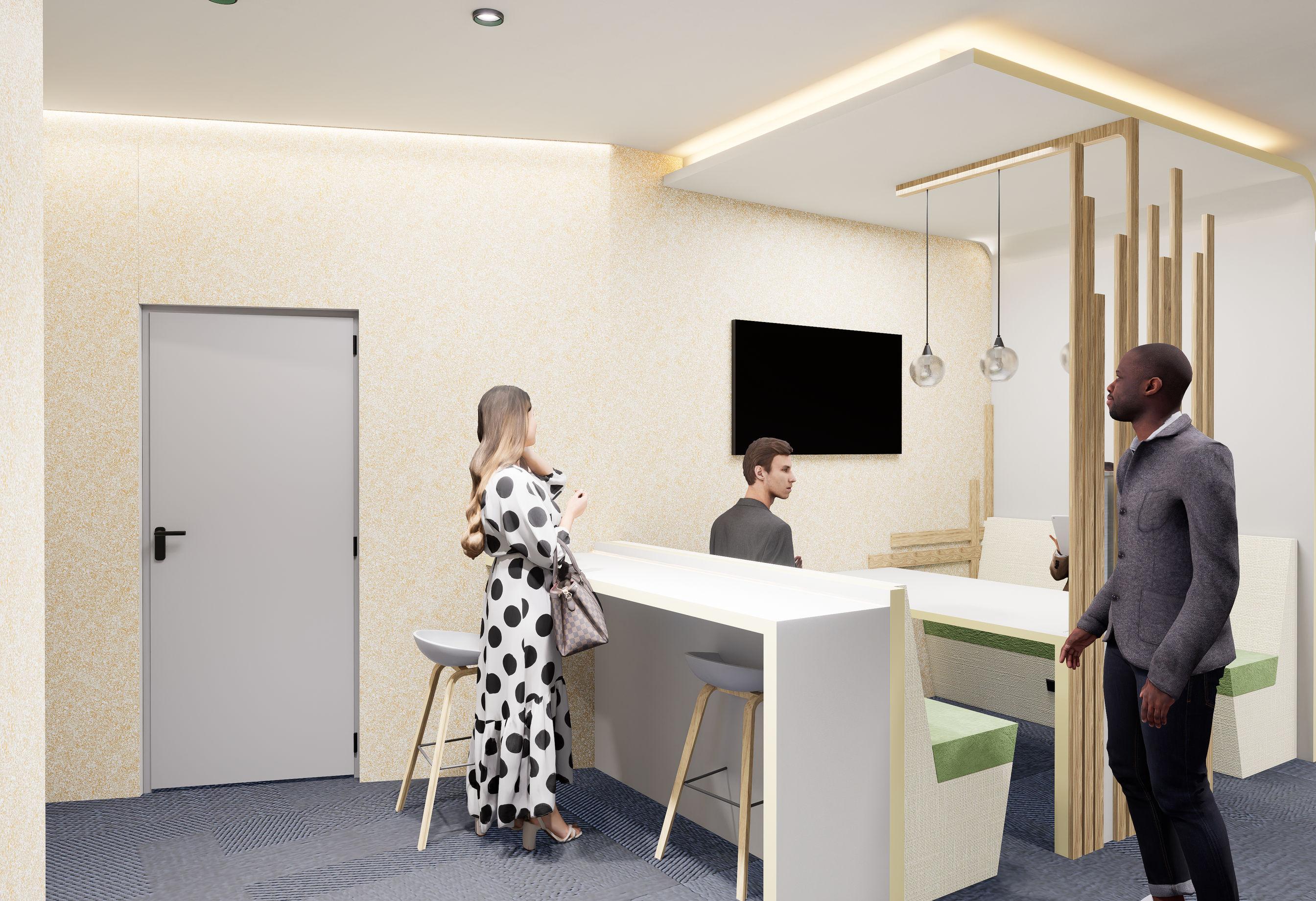
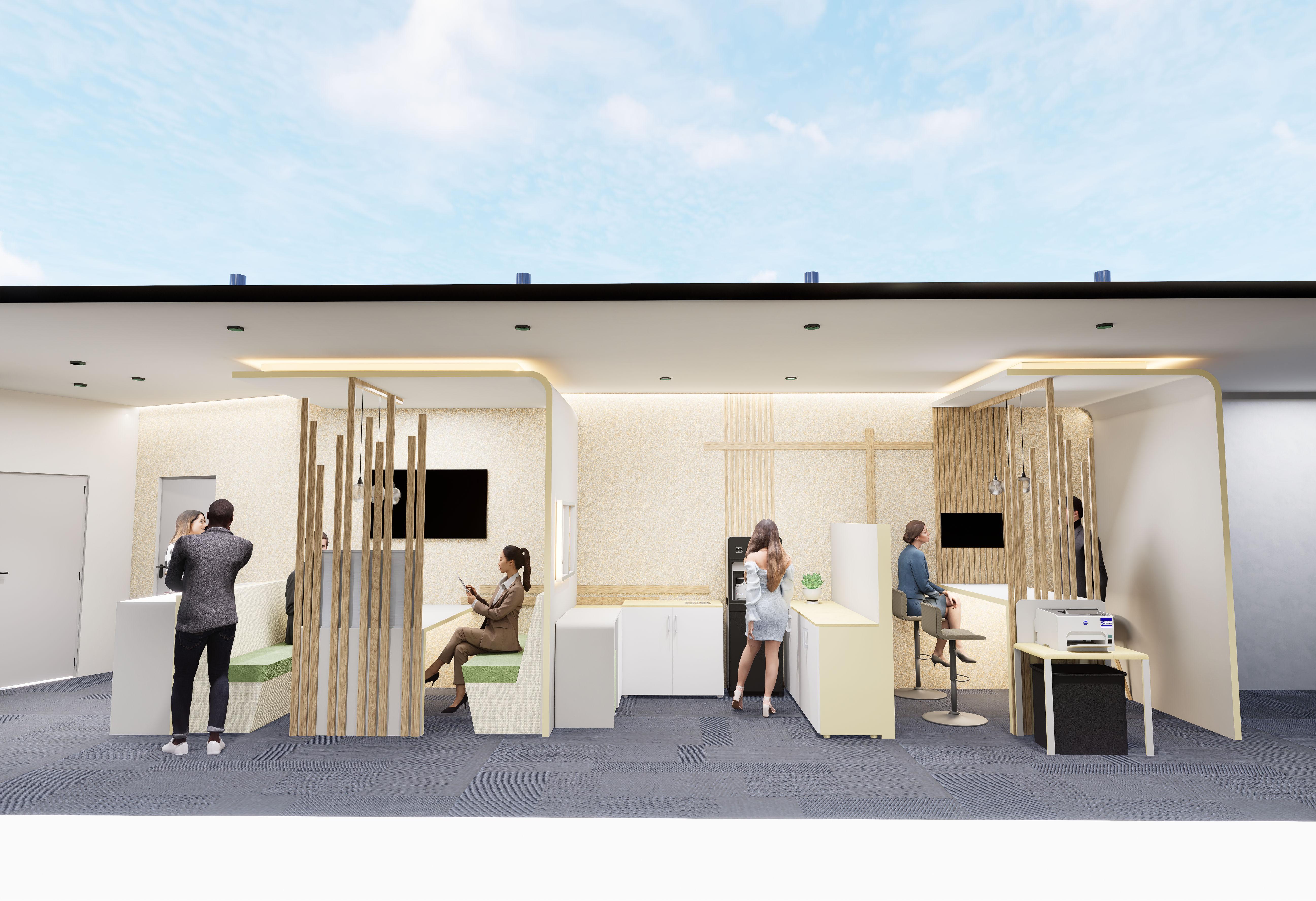
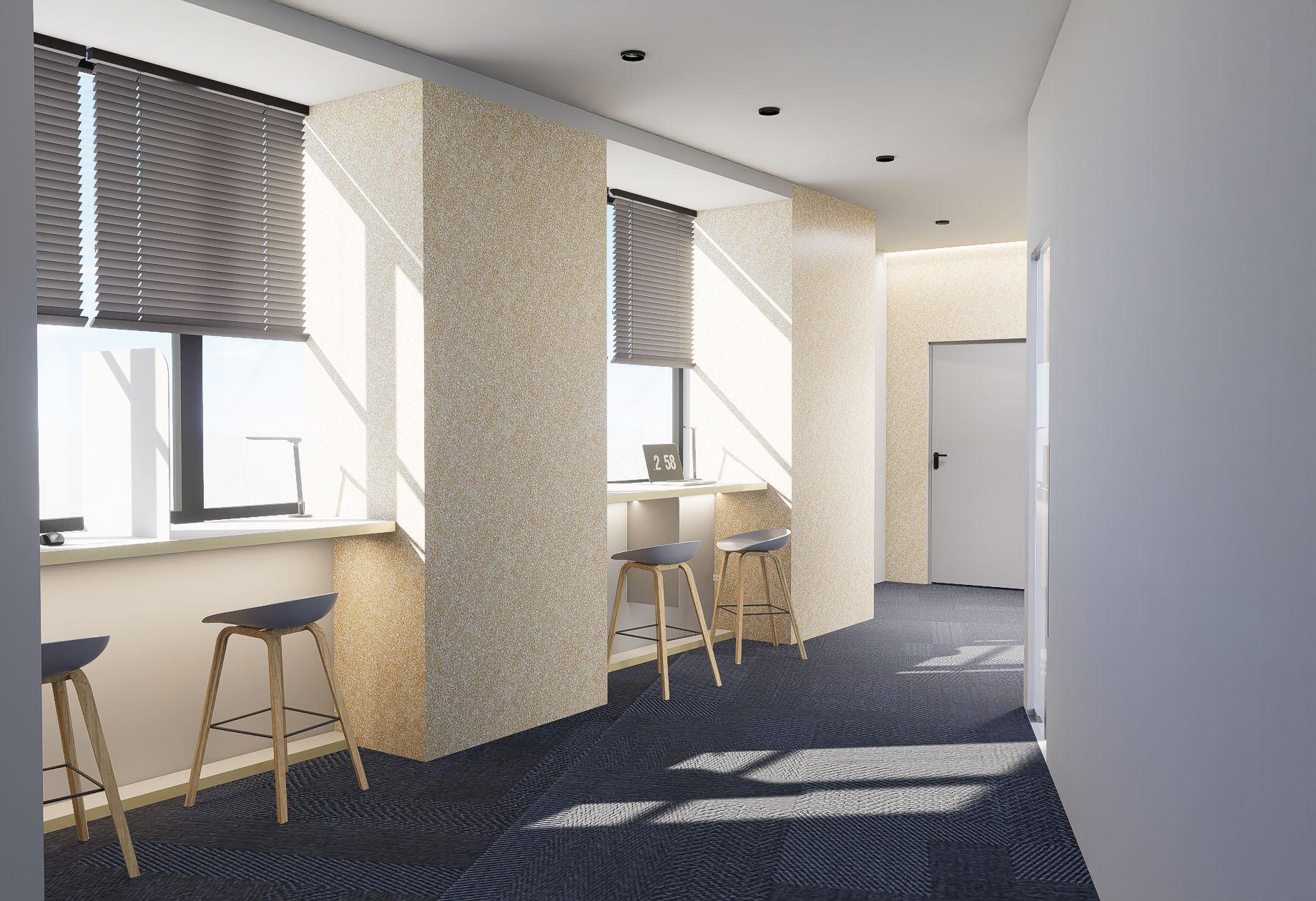
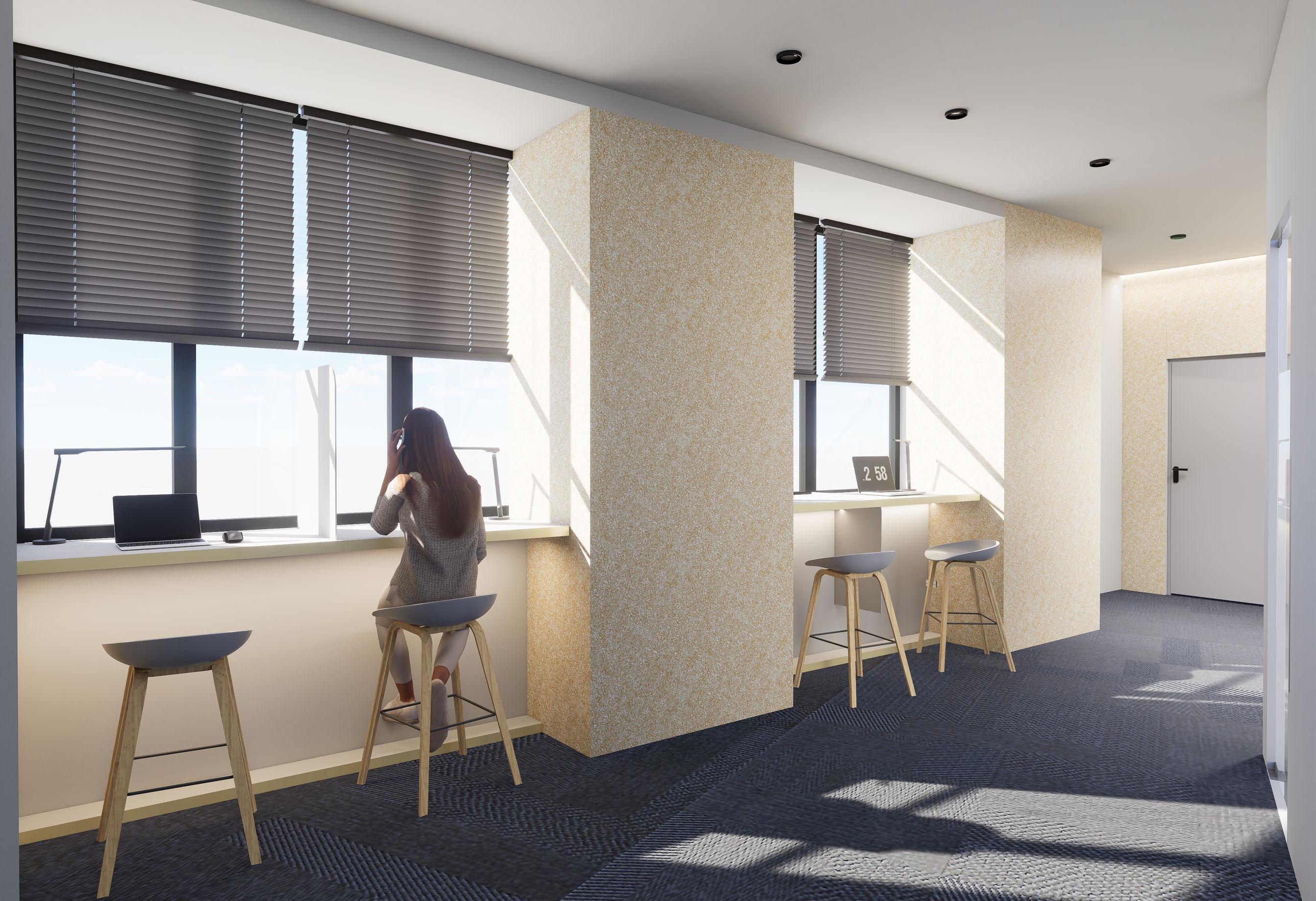
This project transforms a transitional corridor int an ergonomics-focused post-class interaction space, supporting both spontaneous discussion and quiet reflection. This project is based on the transitional area between lecturer offices and academic classrooms, serving as a one-stop center centered around post-class activities. It supports interactions between students and lecturers after class: discussions, reviews, and temporary resting spots. It provides students with a place to rethink what they have learned in class.