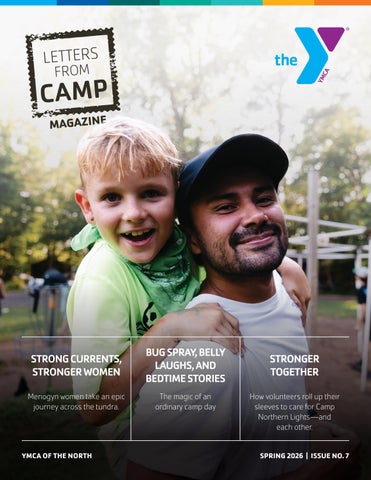
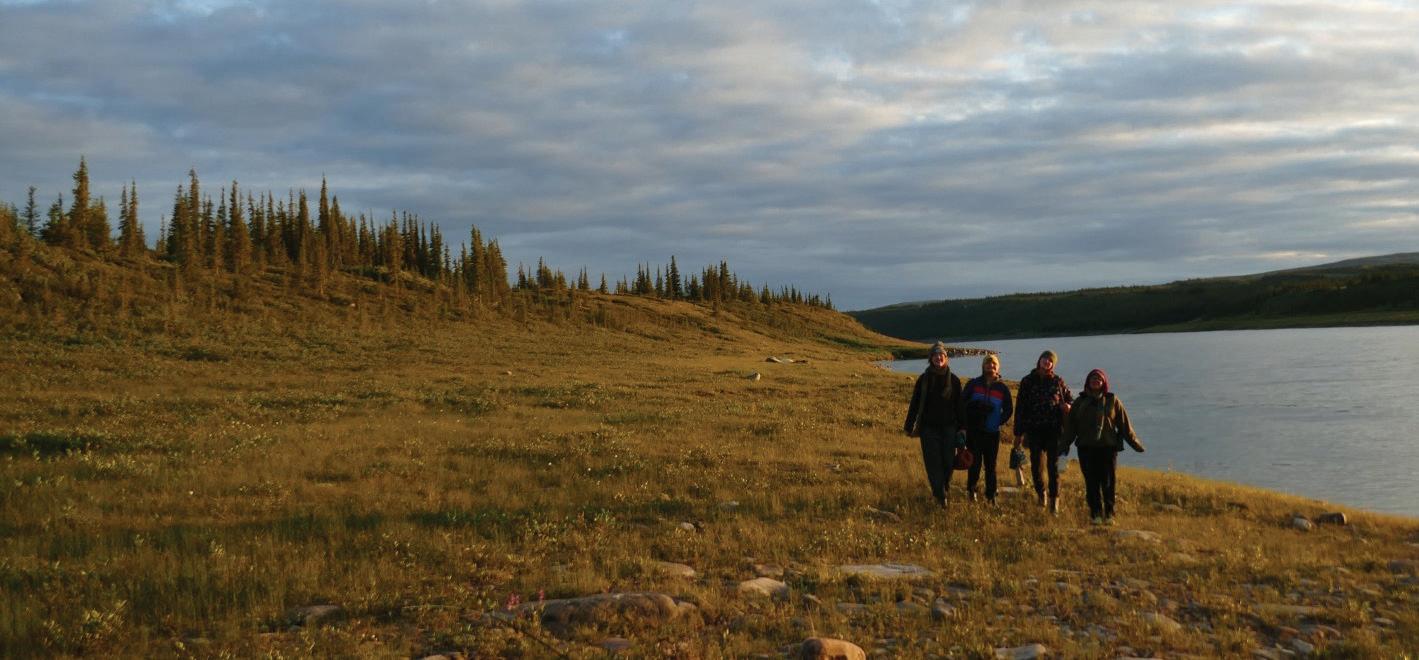
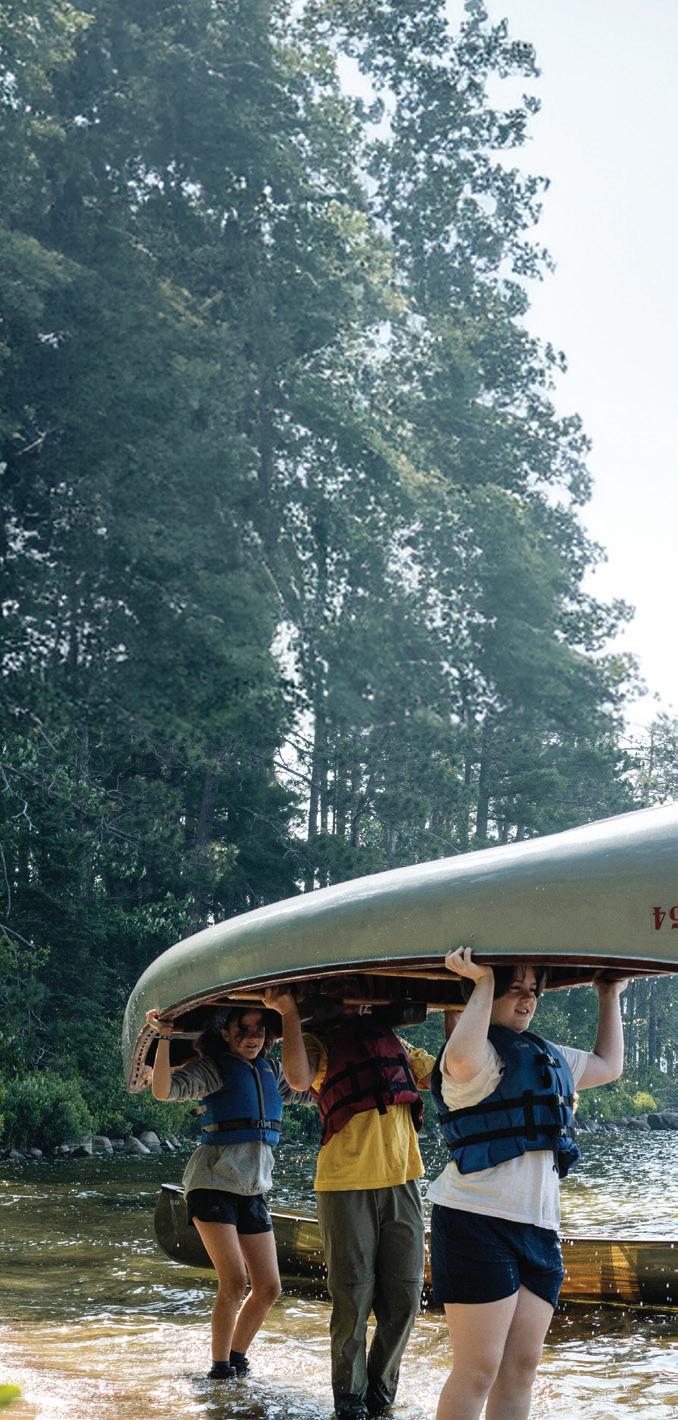
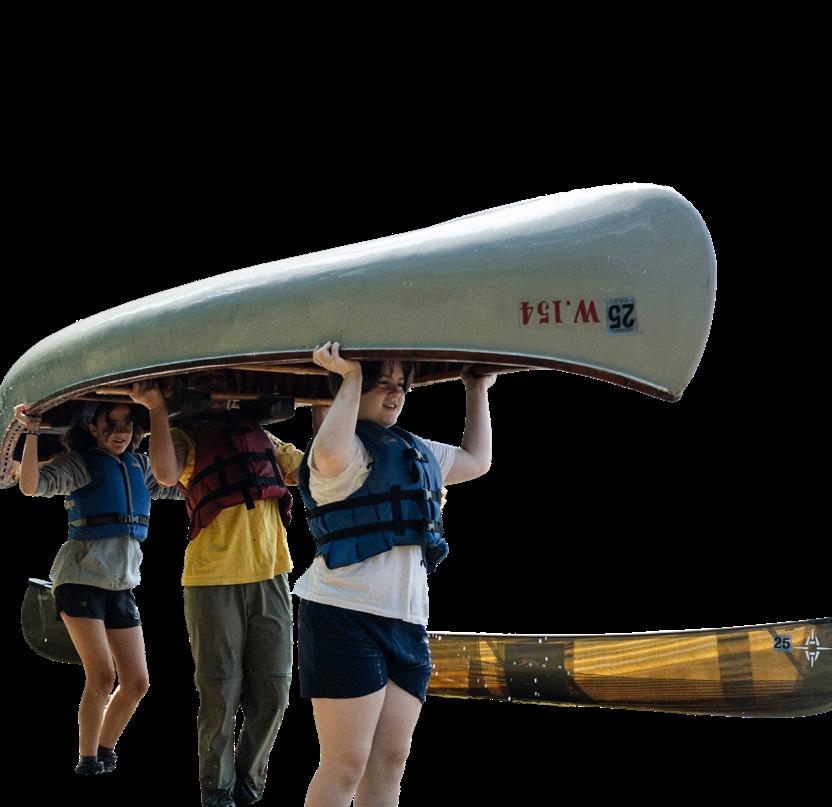
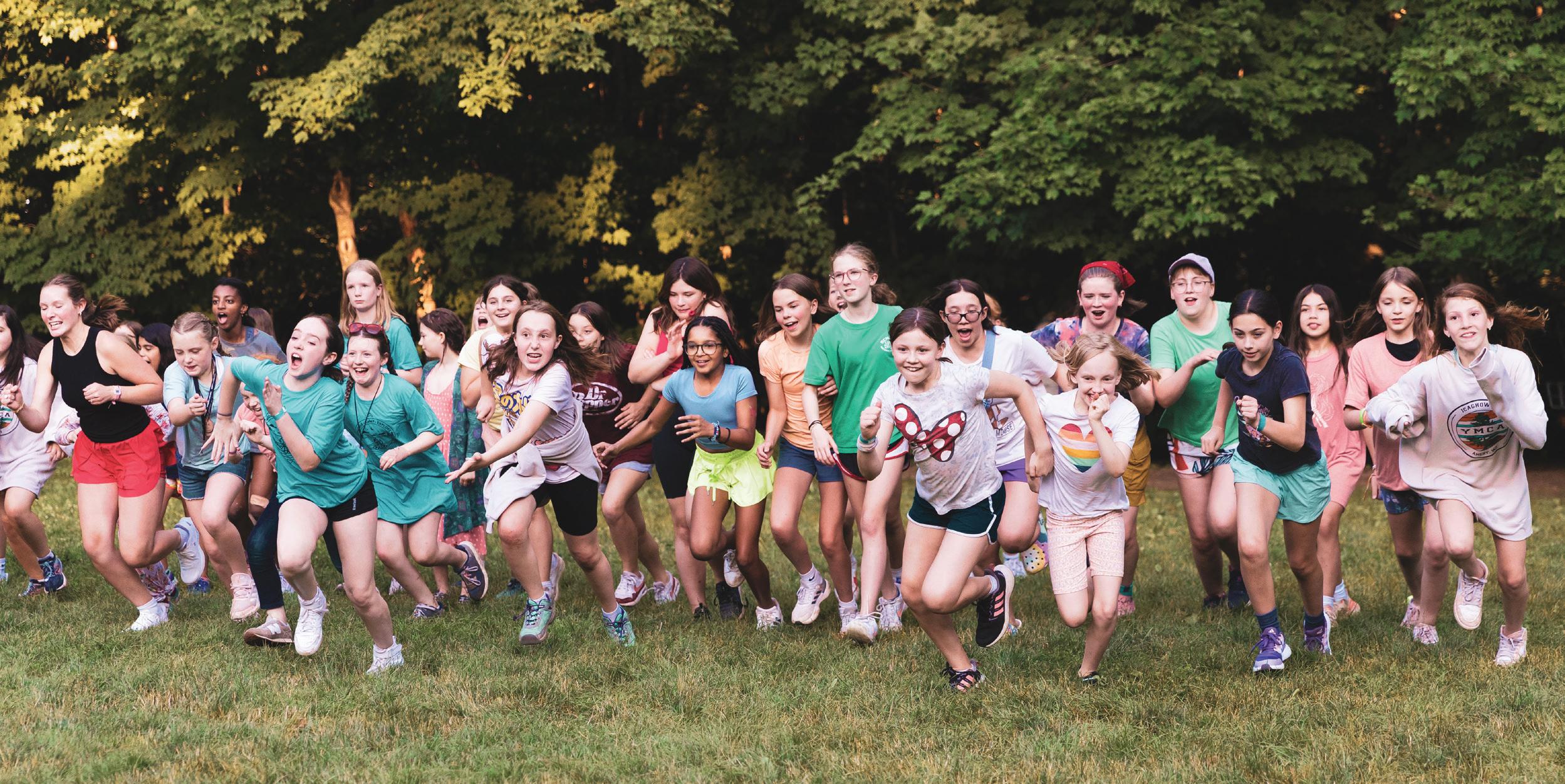
Menogyn women take an epic journey across the tundra.
BUG SPRAY, BELLY LAUGHS, AND BEDTIME
STRONGER TOGETHER
STORIES
The magic of an ordinary camp day
How volunteers roll up their sleeves to care for Camp Northern Lights—and each other.
1 FIRE. 1,000 CIRCLES.
Before the paddles hit the water or the trail disappears into the trees, there’s the fire.
If you’ve been to camp, you know the feeling—stories in the glow, laughter in the circle, and the quiet sense that you belong.
Camp has always been a circle: campers, counselors, alumni, parents, and donors gathered around something bigger than themselves.
This spring, we’re growing that circle.
1,000 Circles. 1 Fire. helps remove financial barriers so more kids can experience overnight camp.
ADD YOUR CIRCLE. HELP SEND A CAMPER TO CAMP.
ADD A SEAT BY THE FIRE WITH A DONATION OF ANY SIZE TODAY
LETTER FROM THE EDITOR
We must prepare the children for the road, not the road for the children.
When I was a camp director, I wrote many blog posts, newsletters, and emails to parents about the importance of camp and about the life skills their children would gain. Camp is an ideal place for kids to be challenged, uncomfortable, and problem-solve without their parents. It is a place where children grow, learn, and come home more resilient.
I love camp. I believe in camp. I have dedicated the last 25 years to a career in camping.
My two children spent their first few summers as camp kids, taking first steps in the dining hall and running around with the “big kids” while they were still in diapers.
And yet, when it was time to send the boys to overnight camp for the first time last summer, I couldn’t help but clutch my pearls and ask who in the world came up with such a ridiculous concept. My babies … in the woods … without me?! Inconceivable.
But somewhere, from deep inside, the words that I used to reassure countless parents over many years came back to me, and I signed the boys up for a session at YMCA Camp Icaghowan.
Did I turn around and hire a photographer to shadow them?
Sort of, maybe...
Did I technically do that for the magazine and not because I am a crazy helicopter parent?
Yes, of course!
All jokes aside, capturing memories and moments is how we bottle lightning — how we save a little magic for a day when it’s harder to find. While the Camp Icaghowan photo story in the pages ahead was, for me, a way to preserve that magic, issue seven of Letters from Camp is a roundup celebration of what it means to be part of something rare: the essence of camp magic, and the many ways people carry camp with them long after leaving the place they once called a home away from home.
The concept of “camp magic” is understood by everyone who has been at camp and experienced the feeling of belonging, the feeling of wonder, mixed with the smell of the trees and the sounds of laughter. It’s sunshine warming you to your core, dancing in the rain, and being overwhelmed by the immenseness of a sky filled with stars. It’s hard to describe, but every camp person knows exactly what I’m talking about.
Thank you for reading and thank you to everyone who has shared their magical moments.
During your spring cleaning this season, when you see your bottle of lightning from camp sitting on that dusty shelf, don’t forget to think of your friend Natalie, and bring that magic back to share with this community! You know where to find me.
Natalie King
NATALIE KING Director of Alumni Philanthropy Natalie.King@ymcamn.org
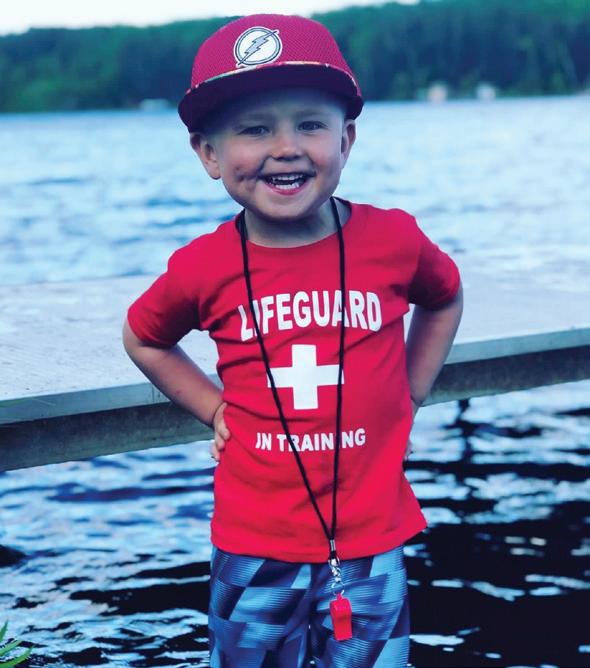
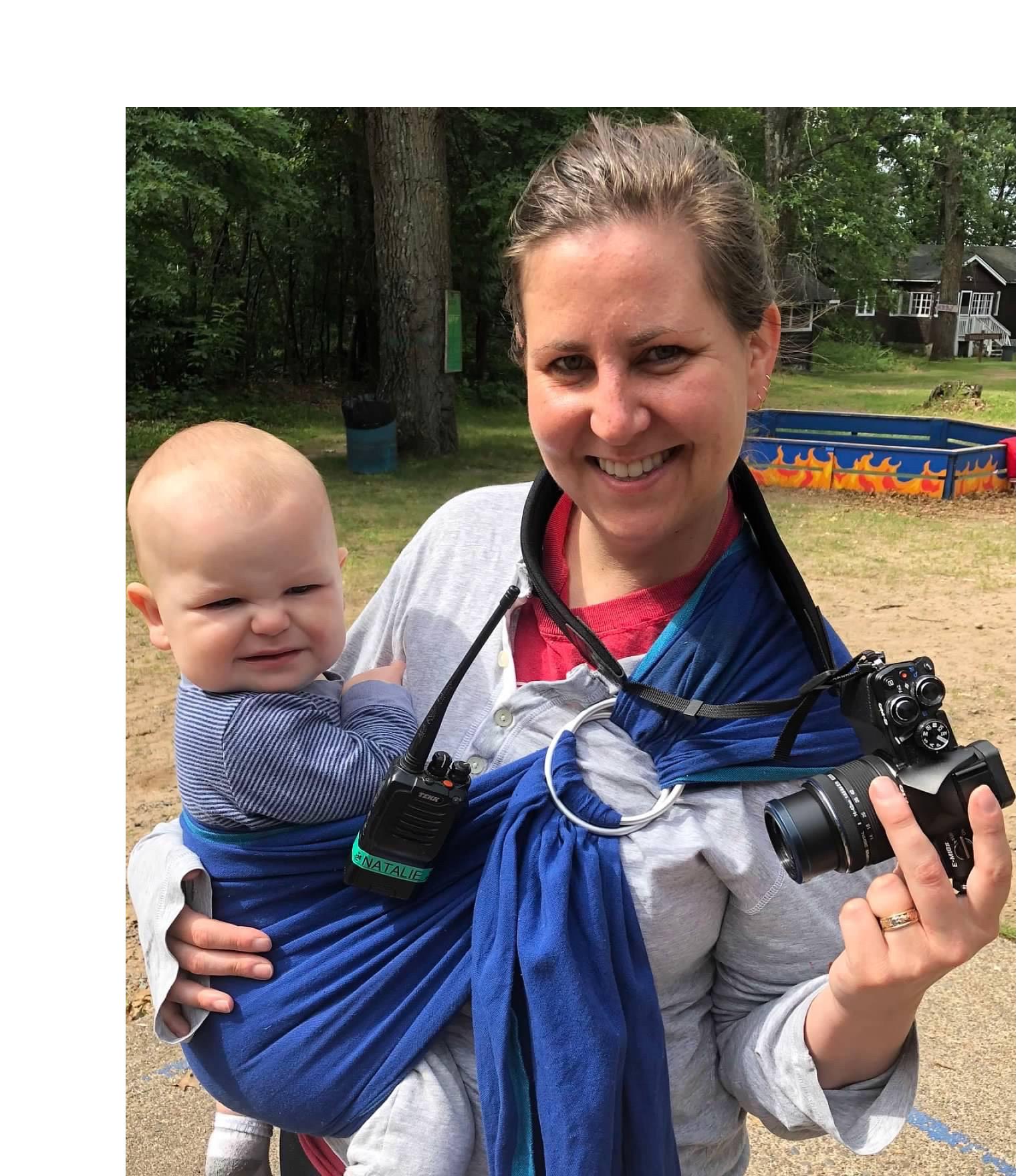
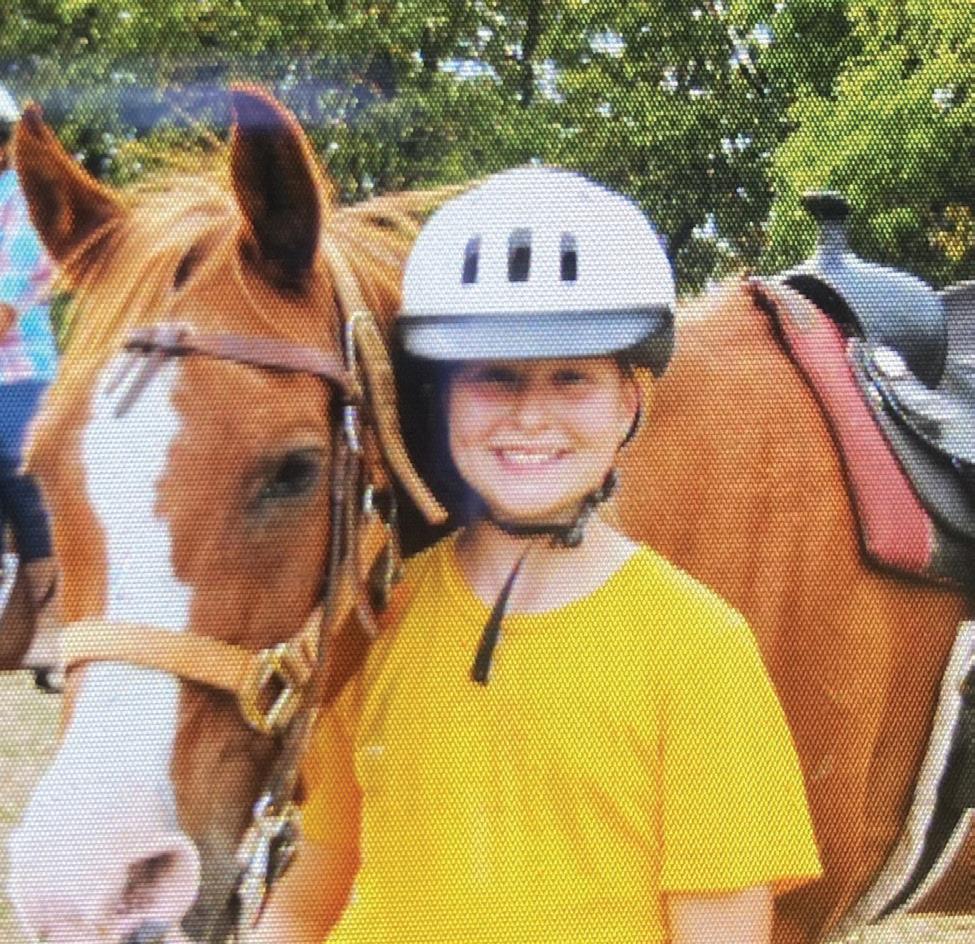
Natalie’s son Xander at camp in 2018
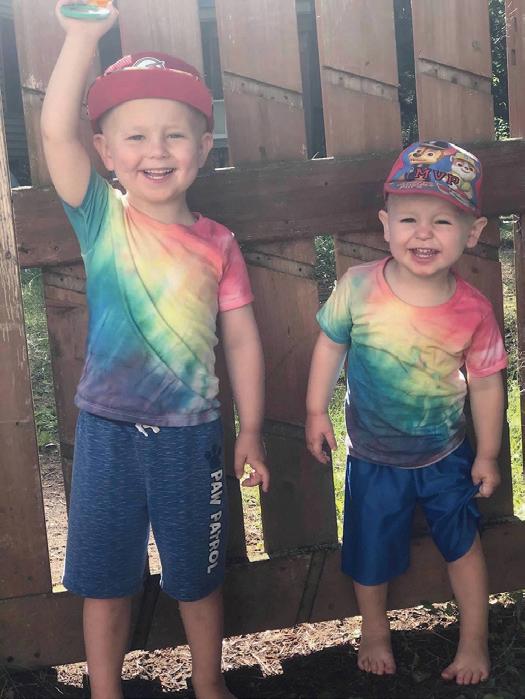
Natalie’s sons Xander and Augustus at camp in 2018
Natalie and her son Augustus at camp in 2018
YMCA OF THE NORTH 651 Nicollet Mall, Suite 500 Minneapolis, MN 55402 ymcanorth.org
Open Saddle Trail Ride Horse Experience at Ihduhapi 17-19
Rooted & Renewed Women’s Retreat at Icaghowan 24 Open Saddle Trail Ride Horse Experience at Ihduhapi 23-26 Woodcutting Weekend du Nord 30May 3 Women’s Retreat at du Nord
MAY 1-3 Alumni Impact Work Weekend at Northern Lights 7-10 Pride Weekend Retreat Northern Lights
YMCA CAMP WIDJIWAGAN Ely, Minn. widji.org
GIVE THE GIFT OF CAMP ymcanorth.org/k2c
EDITORIAL STAFF
Natalie King
Director of Alumni Philanthropy
Editor and Lead Writer
Reid Bauman
Joe Pollock Latner
Photographers
Shane Hoefer
Monica Kenney
Kayla Martin-Patterson
Editorial Team
Gretchen Heim
Designer
Michelle Edgerton
Executive Vice President of Advancement and Chief Advancement Officer
7-10 Blooma Family Yoga Family Camp at du Nord 11-13 Spring Pickleball Camp at St. Croix
14-17 Land Stewardship Work Weekend at du Nord 15-17 Impact Work Weekend at Northern Lights 15-17 Work Weekend at Warren 22-25 Memorial Day Family Camp at Warren 22-25 Memorial Day Work Weekend at du Nord 23-25 Family Ranch Camp Horse Experience at Ihduhapi
Work Weekend at Warren
CAMP WORK ORDERS COMPLETED
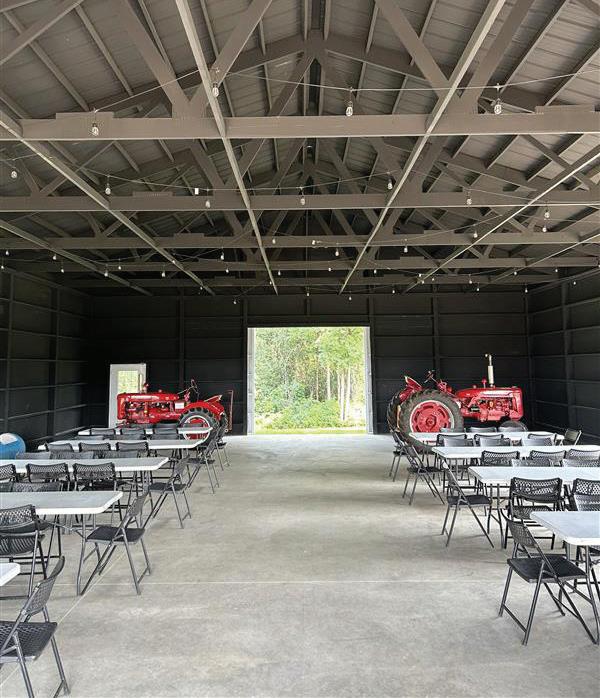
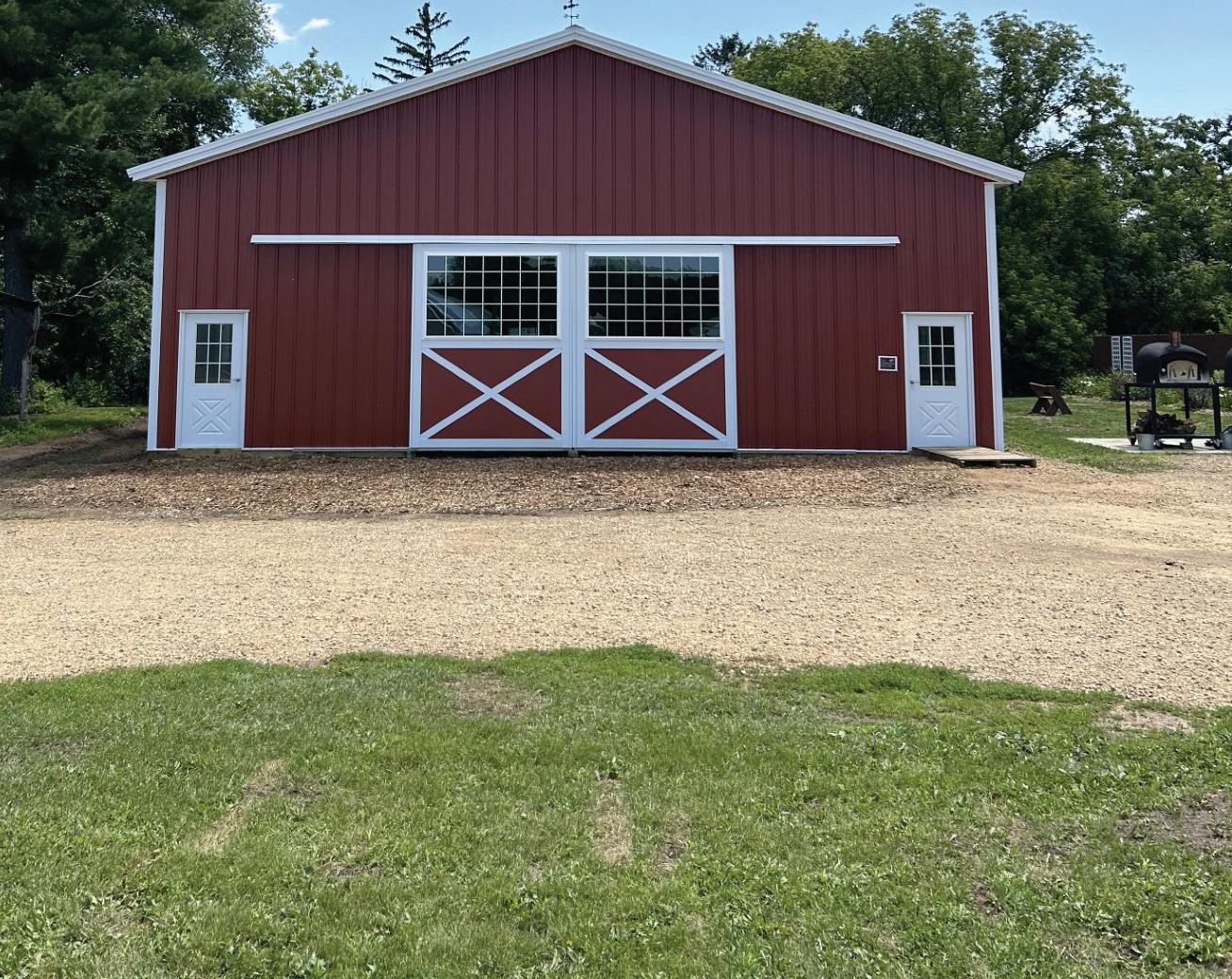
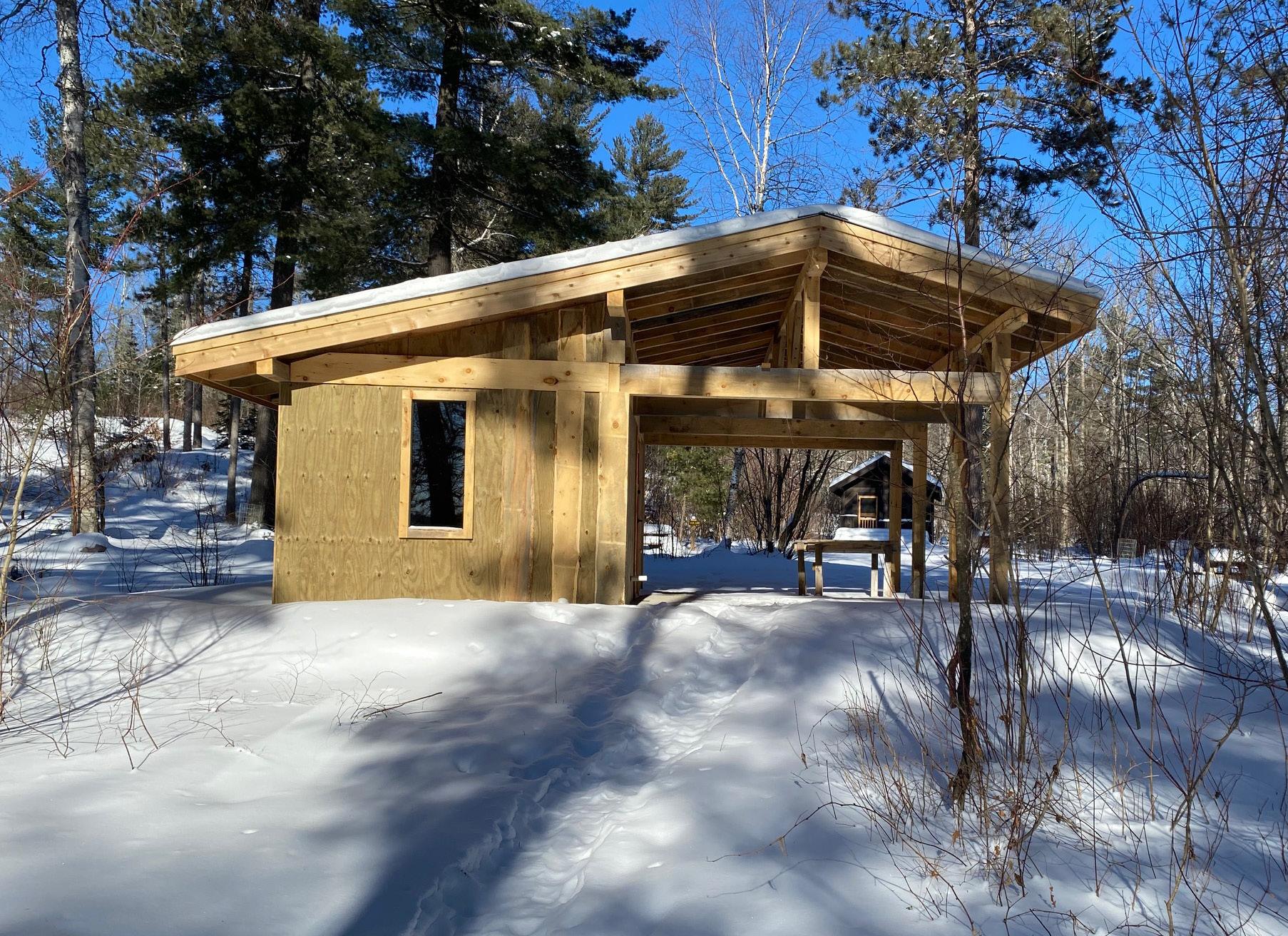
THE FARM PAVILION
(located on the DayCroix property)
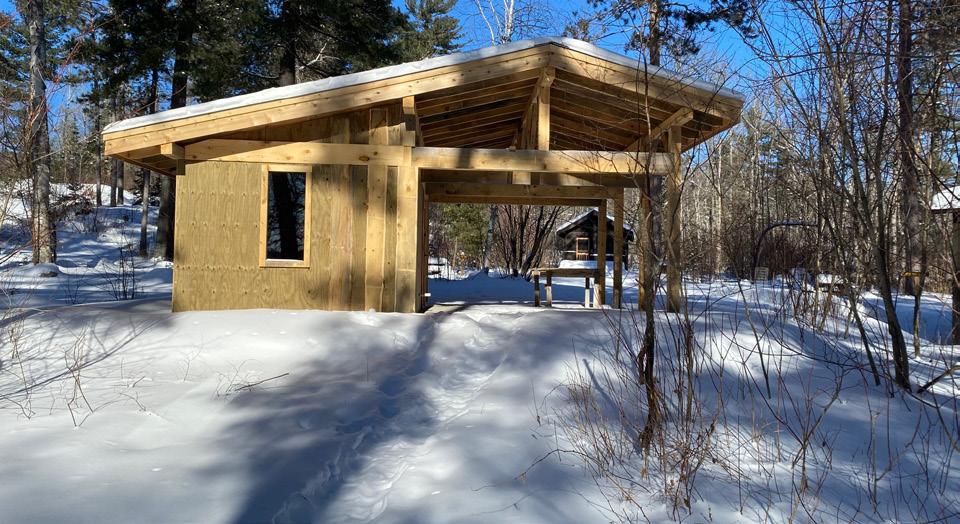
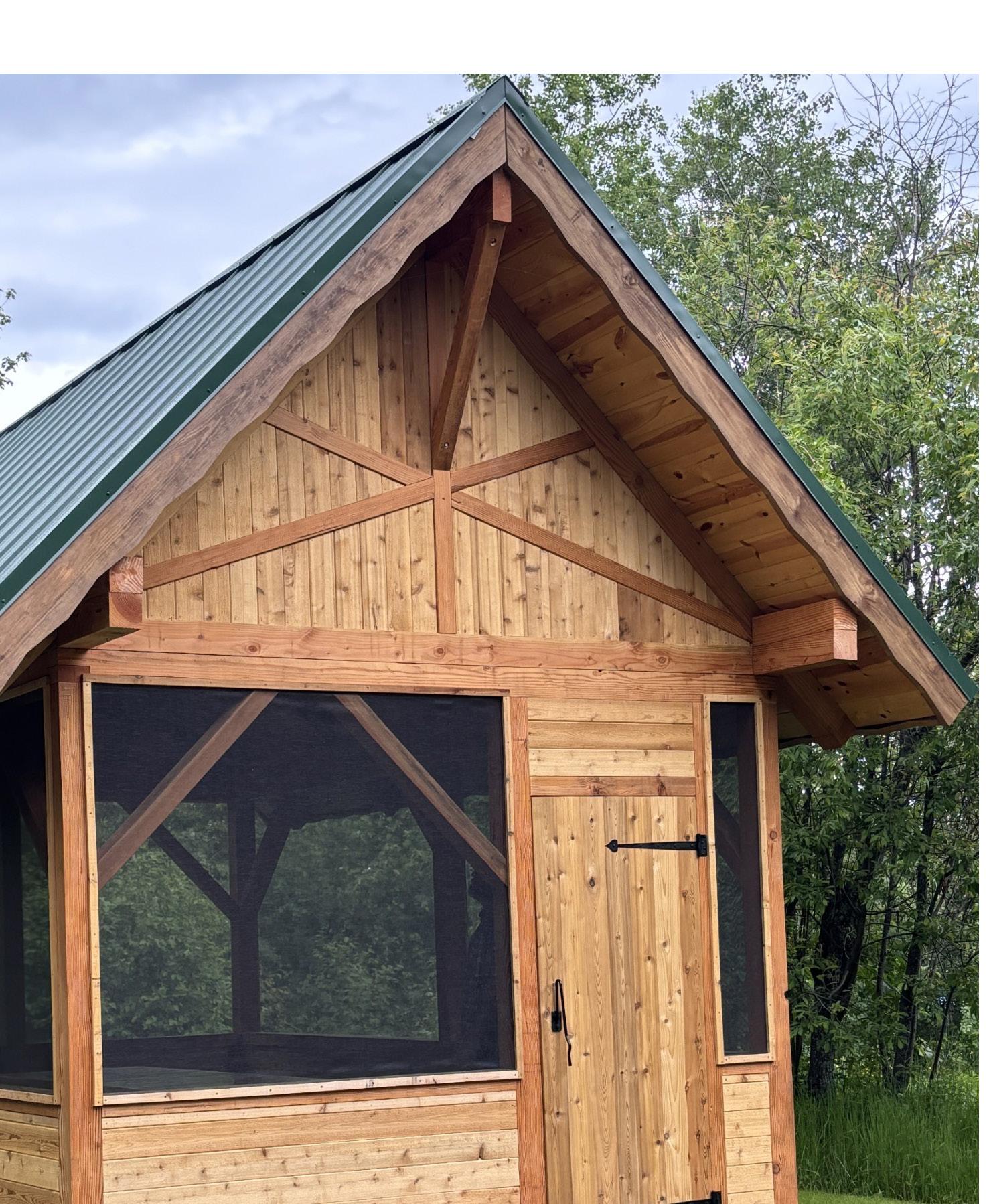
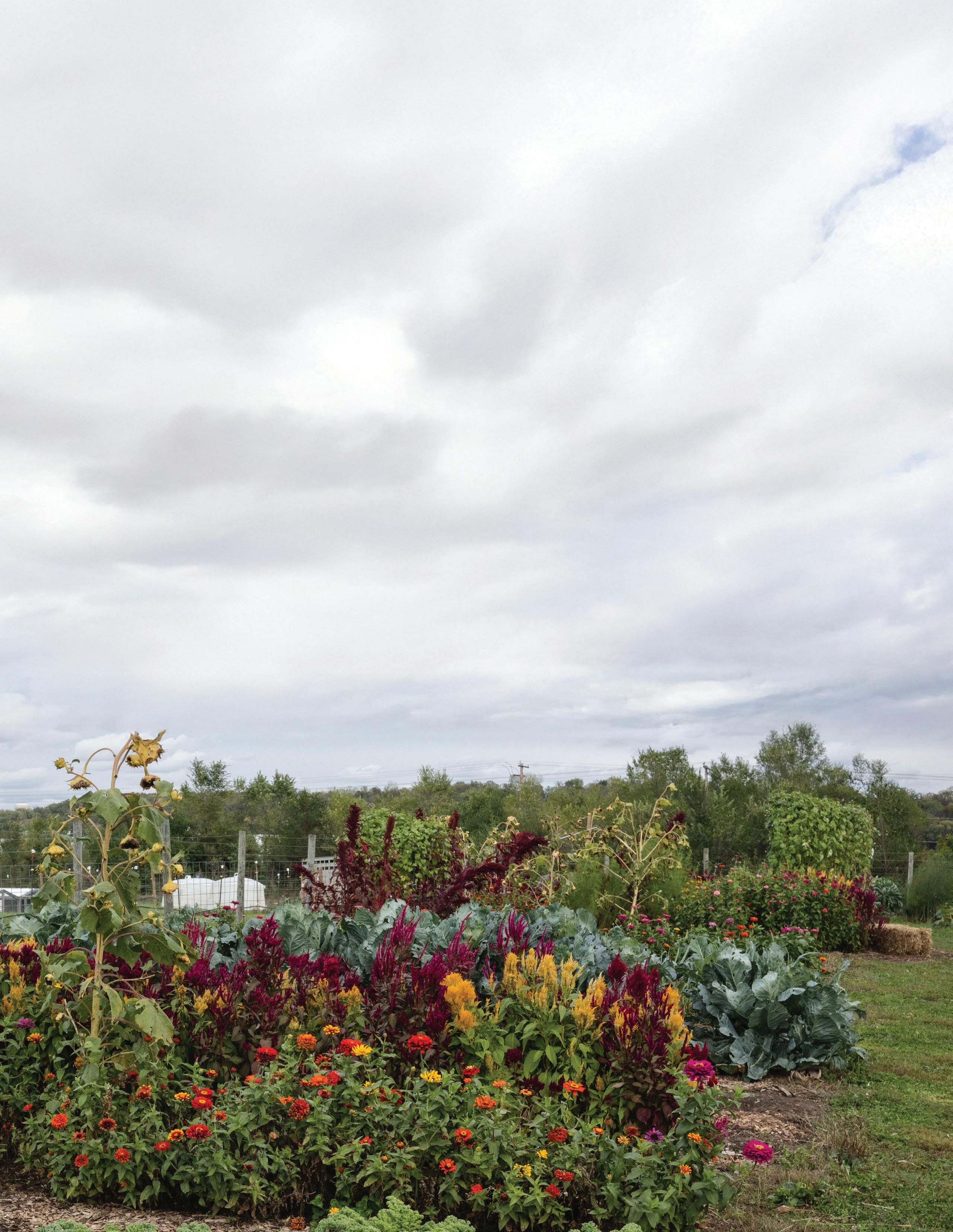
Completed in July 2025, this pavilion is used for programming and events, bringing our community together for meals (like pizza nights and homegrown potlucks) while enjoying a space safe from the elements to learn and grow on the farm.
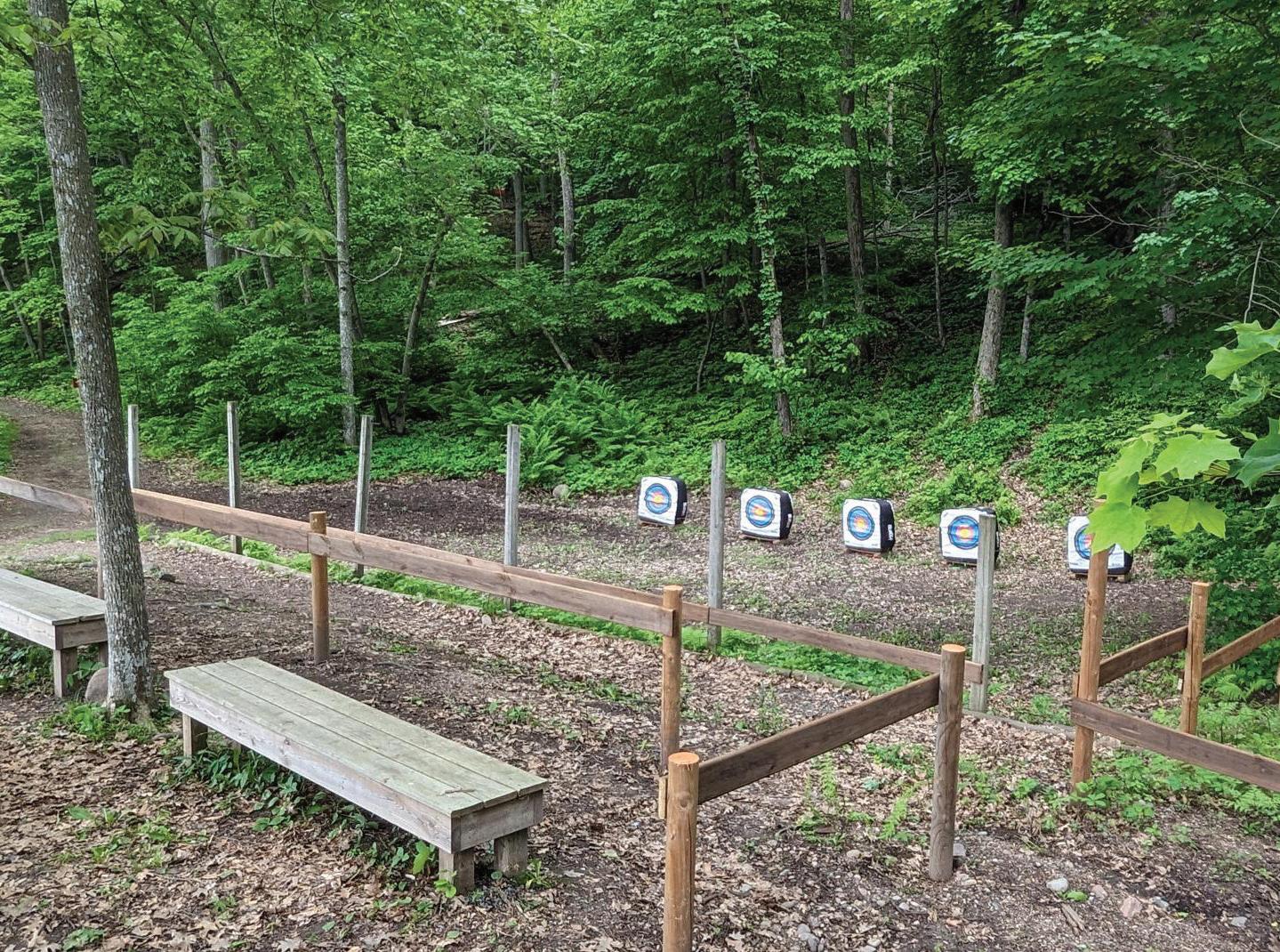
TARGET SPORTS
Revamped in 2024, this project included updates to the archery range, the addition of axe throwing, slingshot ranges with new targets, fences, guard rails, benches, and other newly acquired equipment.
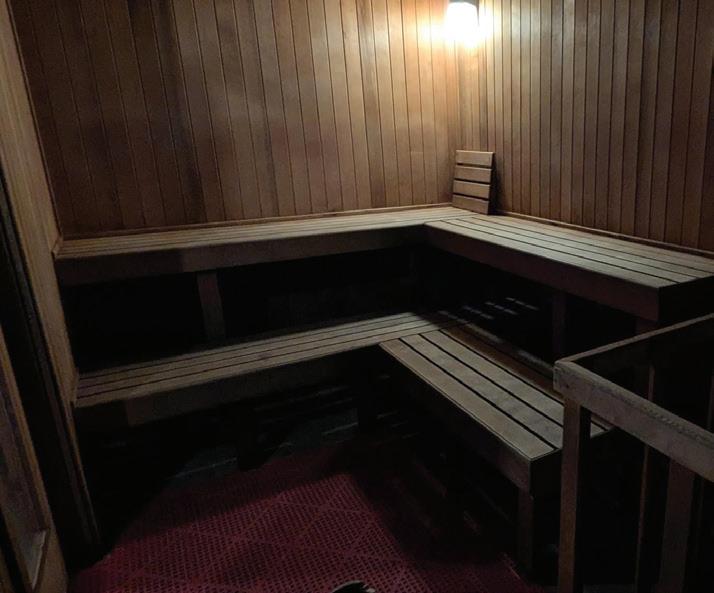
SAUNA
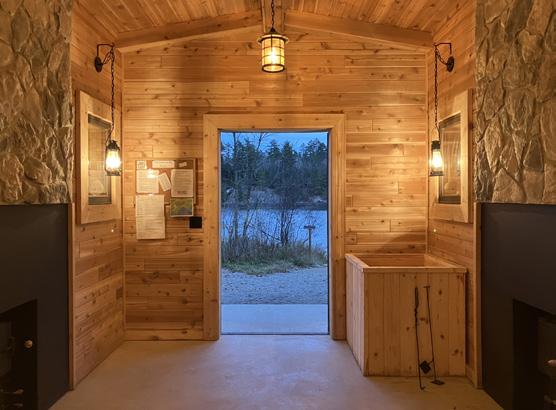
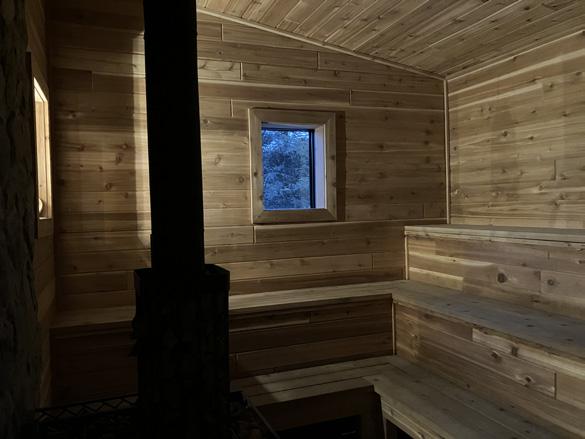
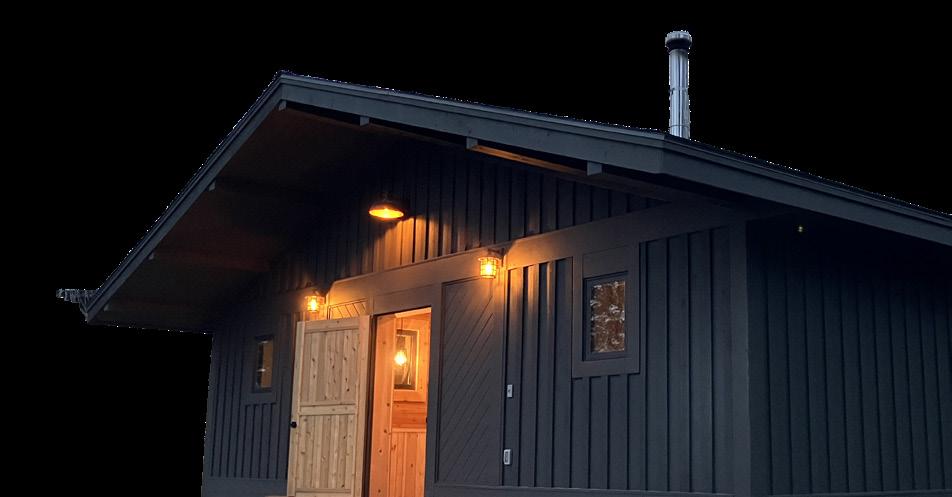
• Completed in 2022, this new addition is located inside the old boathouse and includes two changing rooms, with easy access to the IC Dip!
• Both areas are used during summer camp, family camps, and seasonal retreats.
THE GROVE
Over the last few years, we’ve built two new platform cabins, Wolf and Bear, and in the fall of 2025, we completed the
The Grove is a place for du Nord campers to experience camp at its roots: unplugged, around the campfire, and active in the moment. The new platform cabins allow for both a comfortable and rustic adventure. The central hub will be a space to store food and prepare meals.
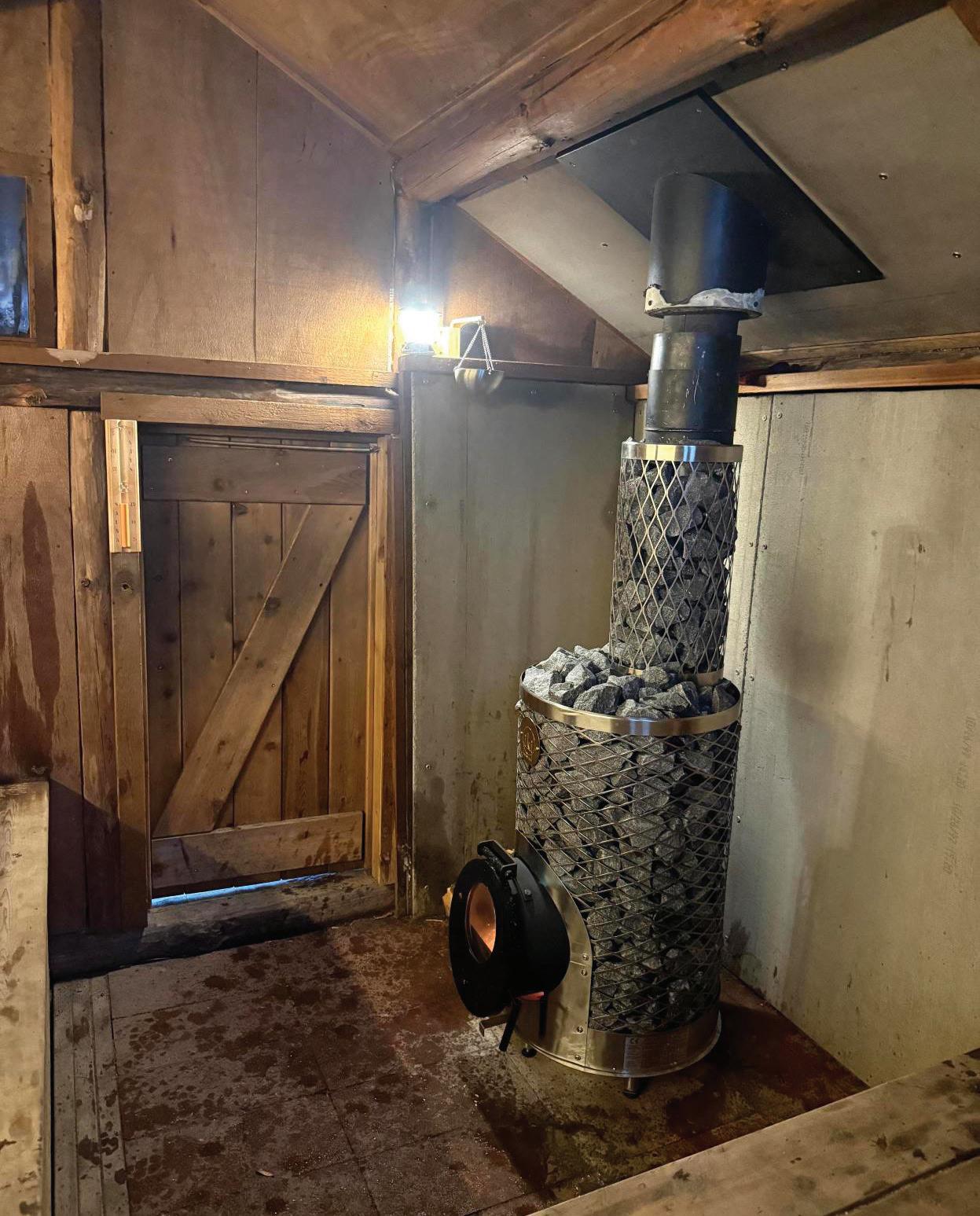
Built in 1997, the original Ihduhapi sauna was in need of a new stove! A partnership with Sauna Camp helped Ihduhapi find a great vendor and get the new stove installed in December 2025, offering an allaround better sauna experience for our participants.
CAMP IHDUHAPI
CAMP ICAGHOWAN
CAMP DU NORD
CAMP ST. CROIX
SAUNA
BOATHOUSE RENOVATION AND NEW PROGRAM CENTER
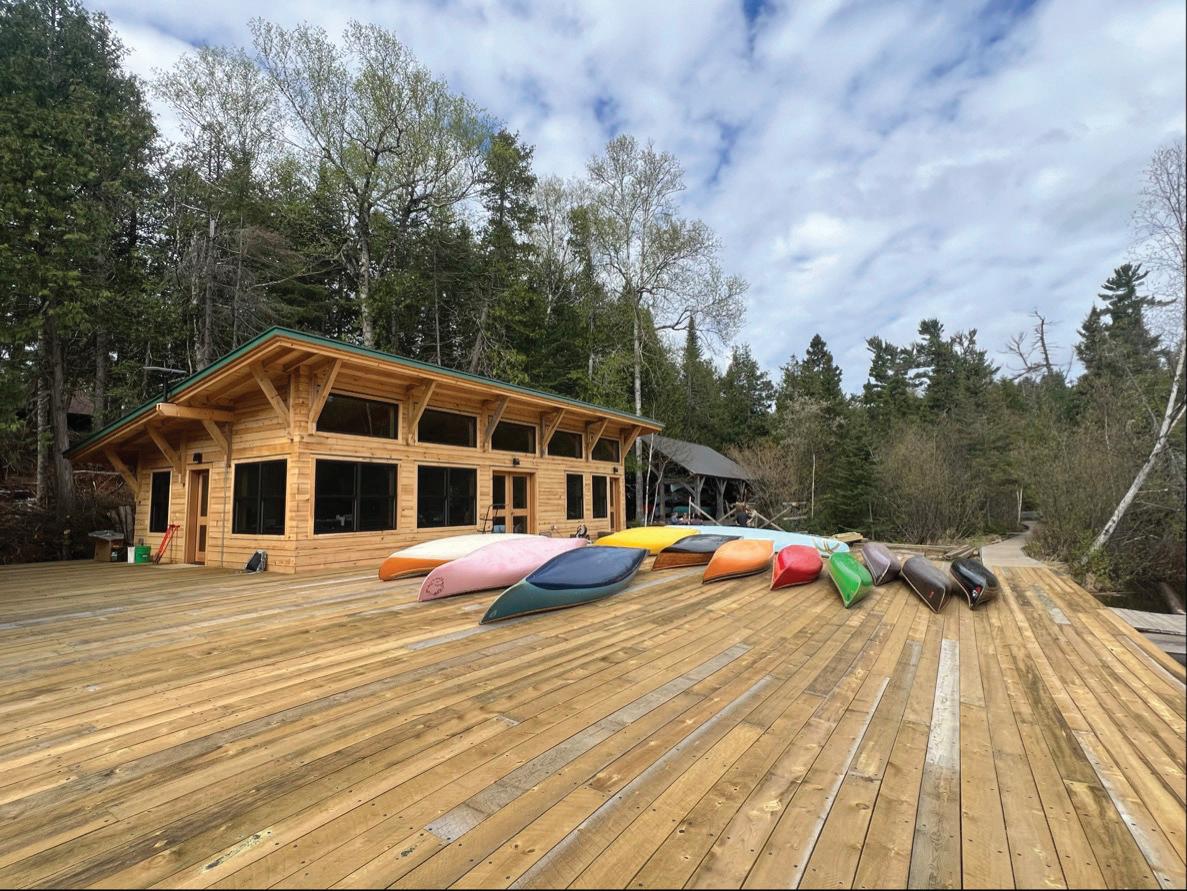
Completed in May 2025, the newly renovated Boathouse was designed to enhance the camper experience as groups prepare to head out on trail. It features an expanded equipment room, increased access to loaner gear, and additional group lockers. Built simultaneously, the new Program Center serves as the administrative hub of camp, with office space for full-time staff, a newly designed Tuck Shop, and a meeting room for groups and guides to use for planning and preparation for their trips.
DORN’S DEN FIREPLACE
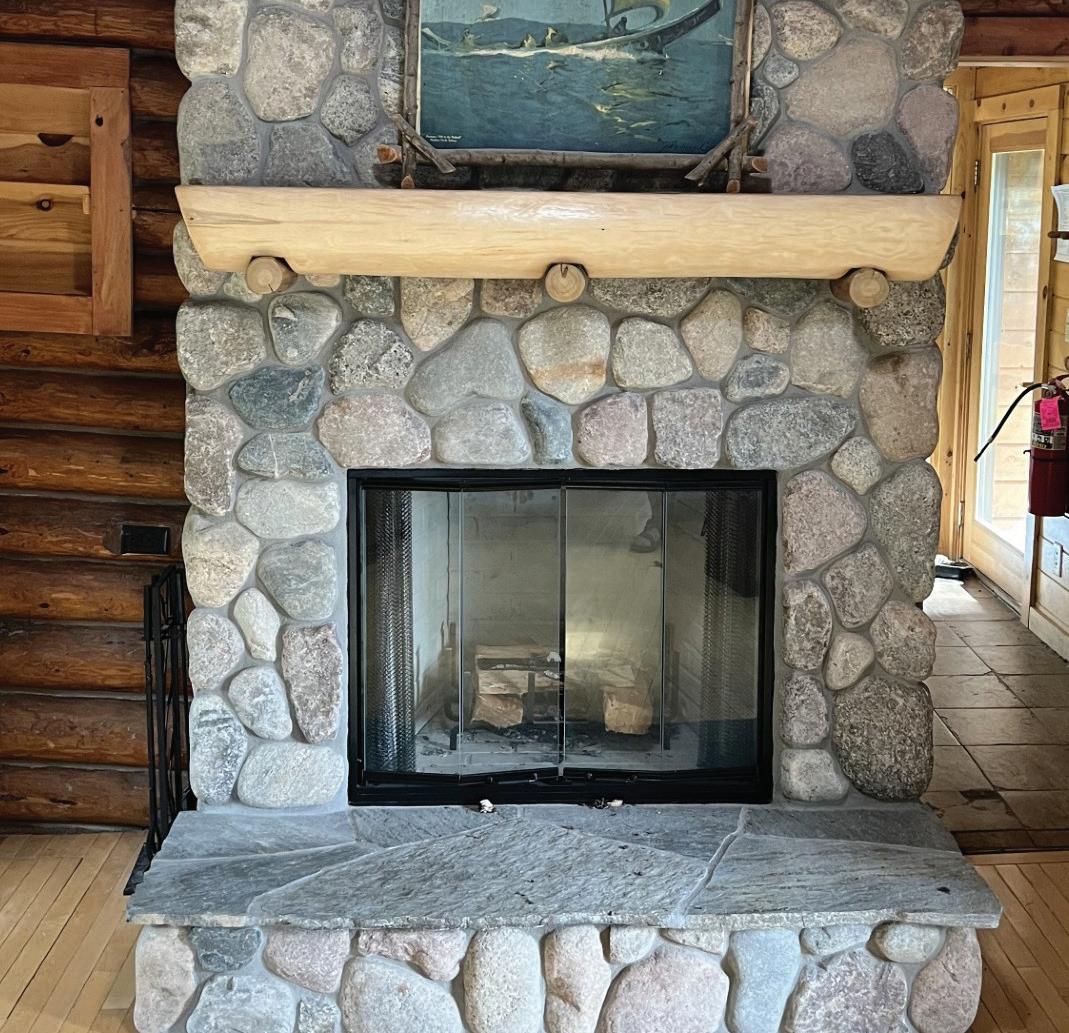
Camp Warren’s Cub Section was originally built in the 1930s and expanded in the 2000s. This ongoing project has taught us much about building on the heaving lakefront property. Dorn’s Den is the second cabin to receive a new, lightweight fireplace, which was installed in spring of 2025. Situated between the historic log front room and the later-added bathroom and bunk room, the fireplace ties the two halves of the building together. Eventually, a new, lighter firebox, surrounded by real stone and the original Cub 3 mantel, will shift along with the wood building, preventing seasonal damage to the roof and floor.
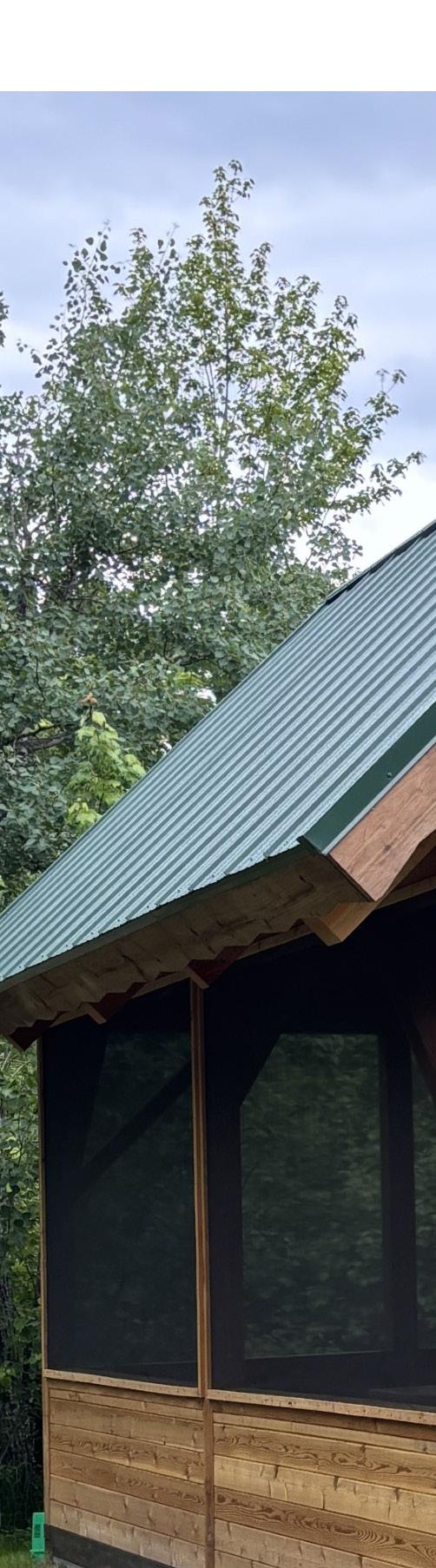
BACK OF BEYOND PAVILION AND ORION JUNIOR SHED (OJ FOR SHORT)
• Completed in spring of 2025, the Pavilion is a space for RV/tent site campers to gather away from the bugs and rain; it also provides space for kids during age groups to do the same.
• OJ, completed in summer of 2024, serves as a temporary home for some food items and supplies for staff and Leadership Development Program meals, so that everything doesn’t need to be stored in town. It houses two fridges and one freezer, and also stores paper goods, plates, silverware, and other utensils necessary for food service.
SAUNA
The Sauna is a celebrated Widjiwagan tradition. Originally built in 1964 and upgraded in June 2025, Widji’s sauna allows young people to experience the physical and social benefits of cleaning up the old-fashioned way, making space and time to reflect on their recent outdoor experiences. Whether it is a pre-dip through the ice in the winter or sharing stories and jokes after a trip, the sauna continues to be an integral part of the Widji experience.
CAMP WARREN
CAMP MENOGYN CAMP WIDJIWAGAN
STRONG CURRENTS,
STRONGER WOMEN
Menogyn women take an epic journey across the tundra.
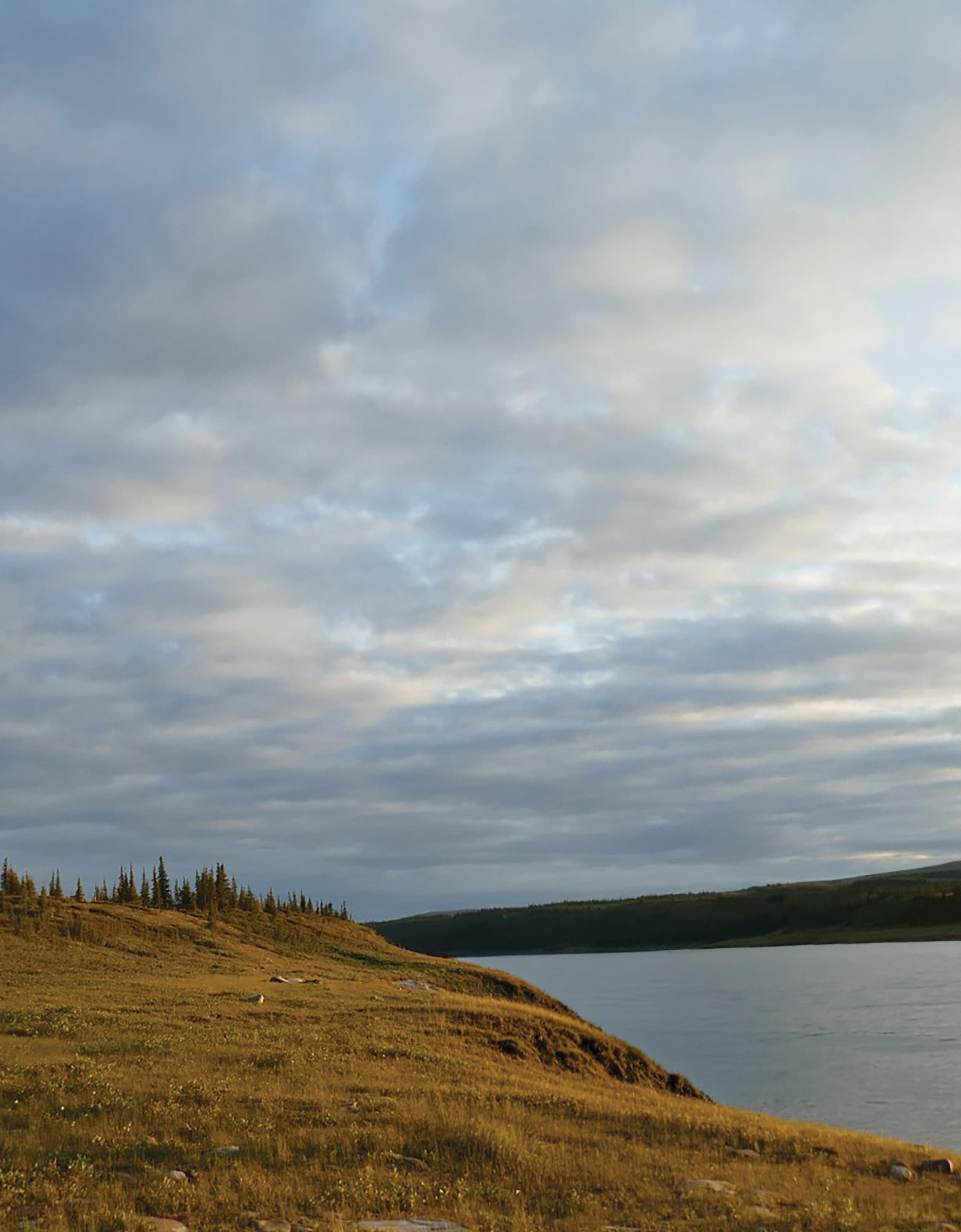
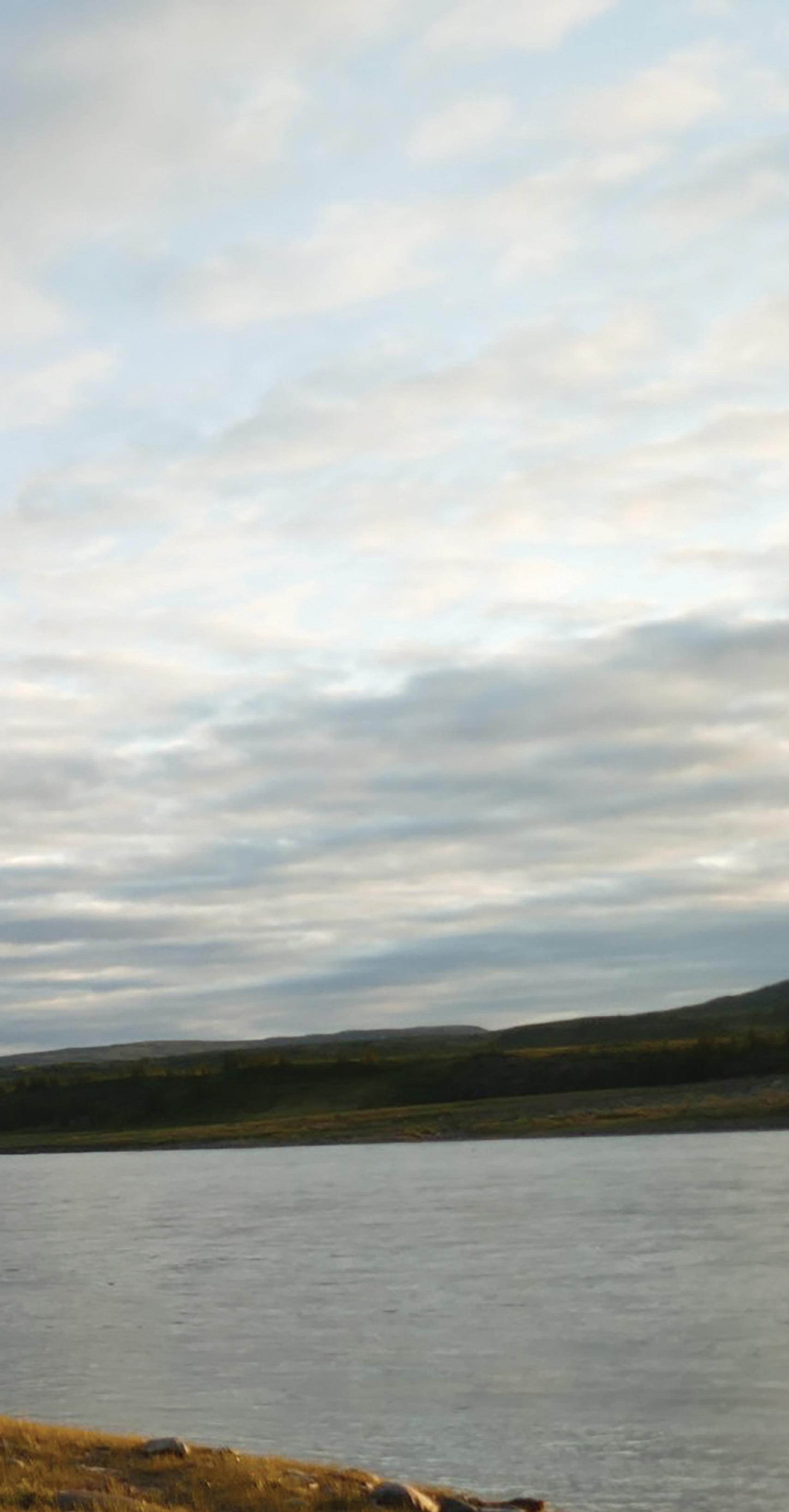
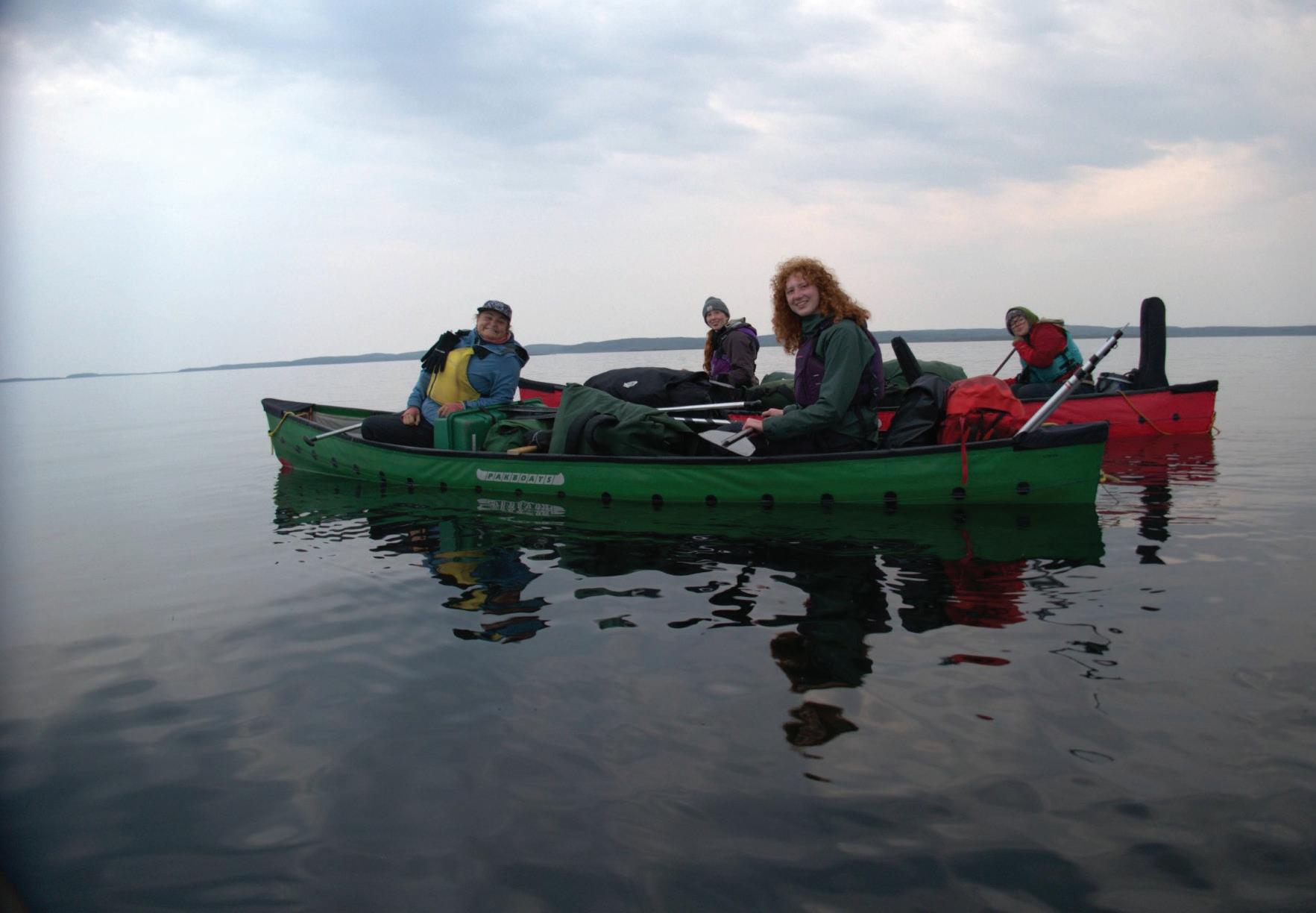
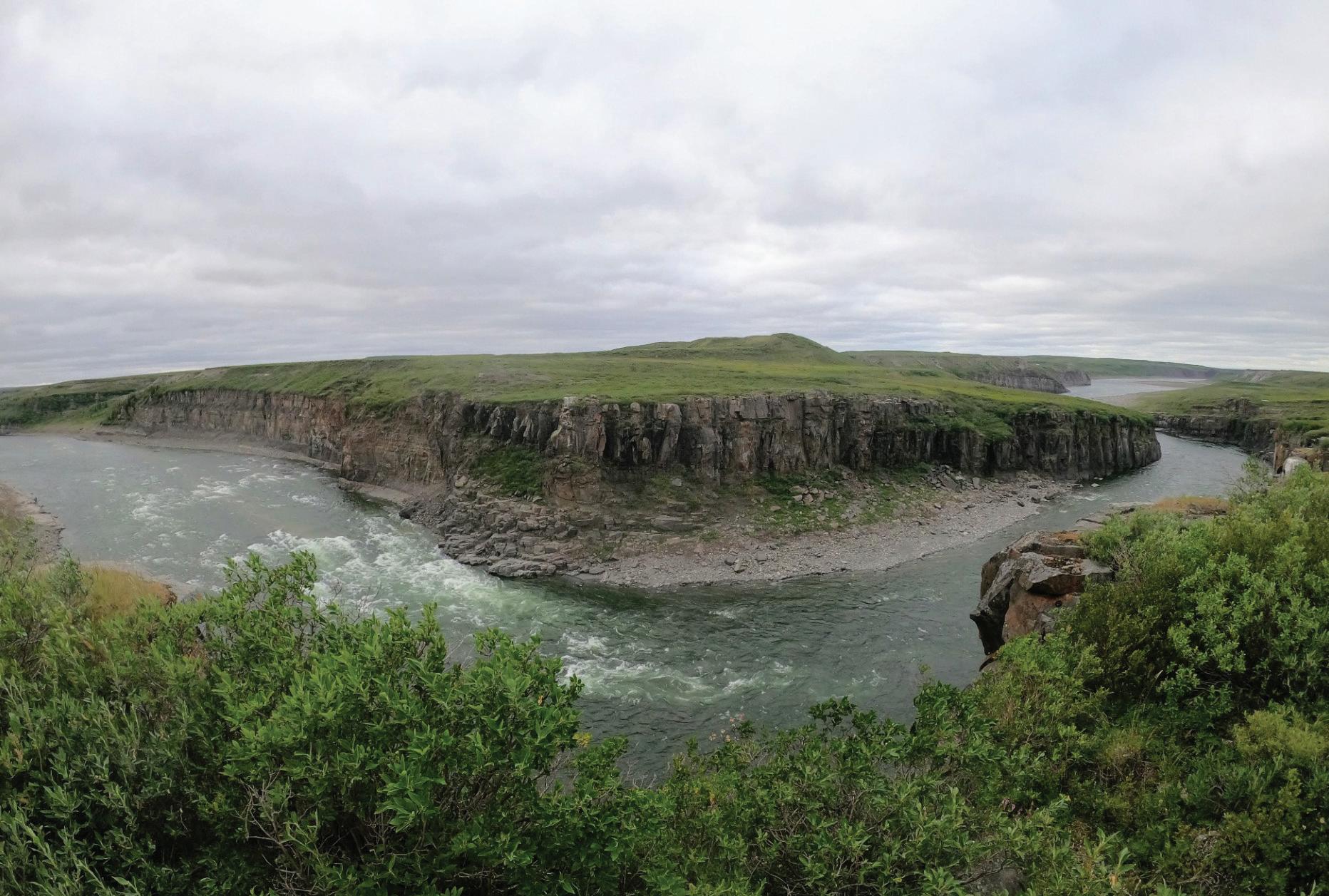
At the very edge of the map, where the land is wide and the sky seems to go on forever, a small group of girls stepped off a plane and into the Arctic summer. There were no roads, no cell service, no familiar comforts — only tundra, wind, and a sun that refused to set.
From the very beginning, the Arctic asked something of them. It taught them the language of wind and weather, the quiet power of teamwork, and the courage it takes to cross intimidating, frigid rivers. Confidence grew in small, shining moments — pitching a tent against the wind, spotting a distant caribou, standing still long enough to hear the land breathe. In a place that felt vast and untamed, they discovered their own resilience. Val Bares, one of the guides on the trip, shared, “Every day we were stunned and amazed by the landscape around us. We had reports from previous trips, but it was still all unknown and truly amazing to experience this together.”
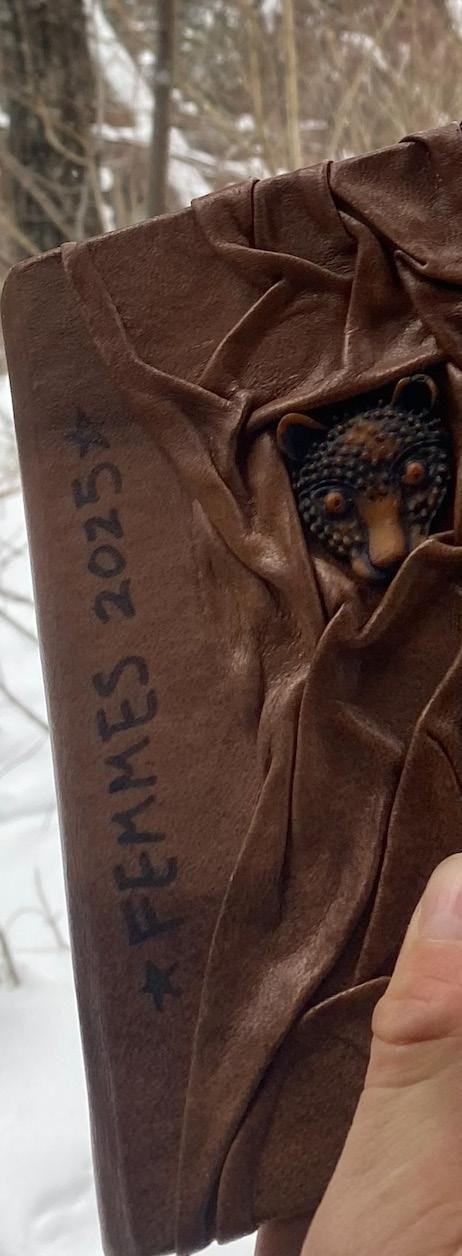
When the journey ended, they carried the Arctic home with them: a sense of wonder, a belief in their own strength, and the magic of knowing they belonged to something vast and beautiful. They carried it home in tangible ways, too — photos, a shared group journal, individual journals, and a few rocks and bones.
WHO MADE THE JOURNEY
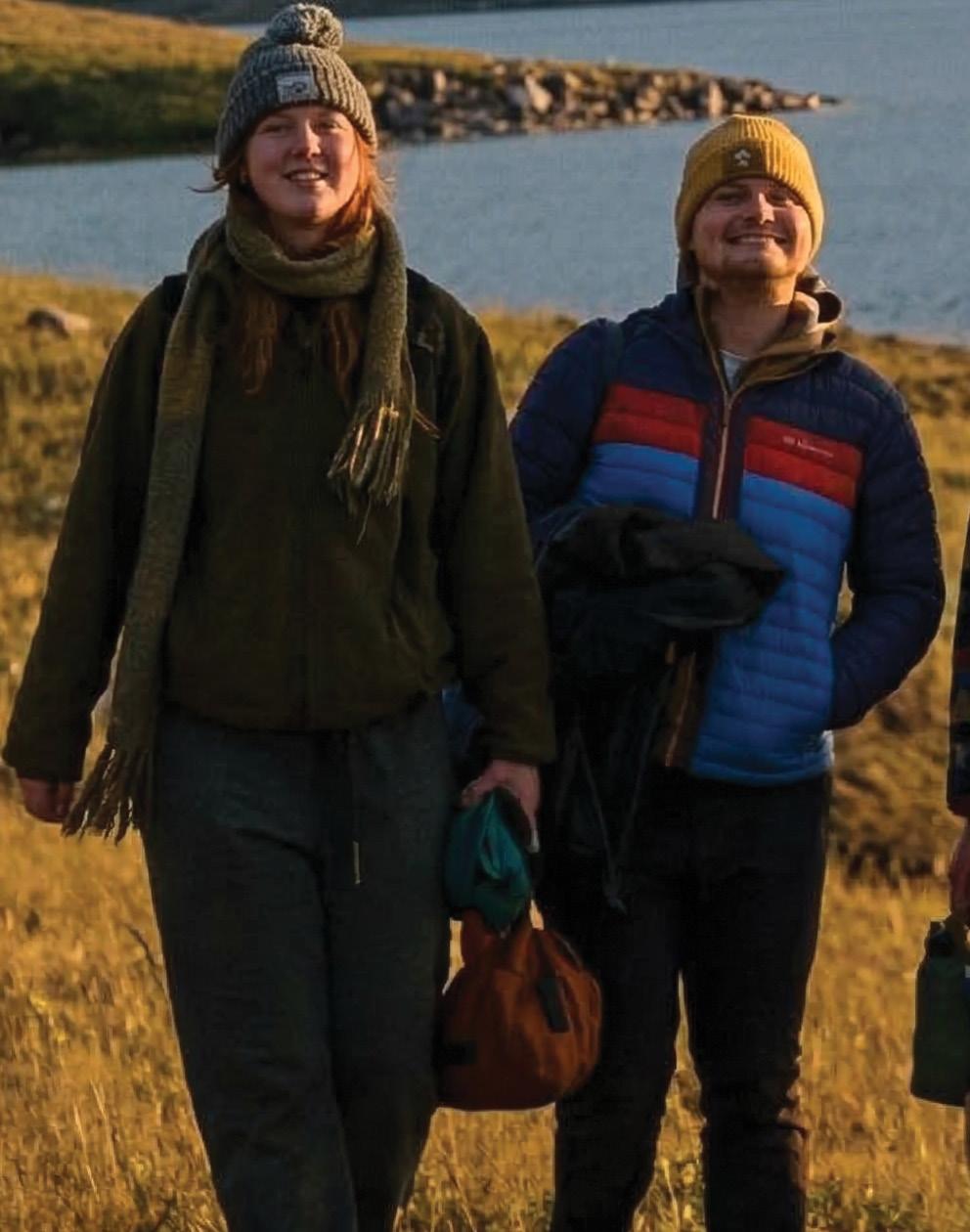
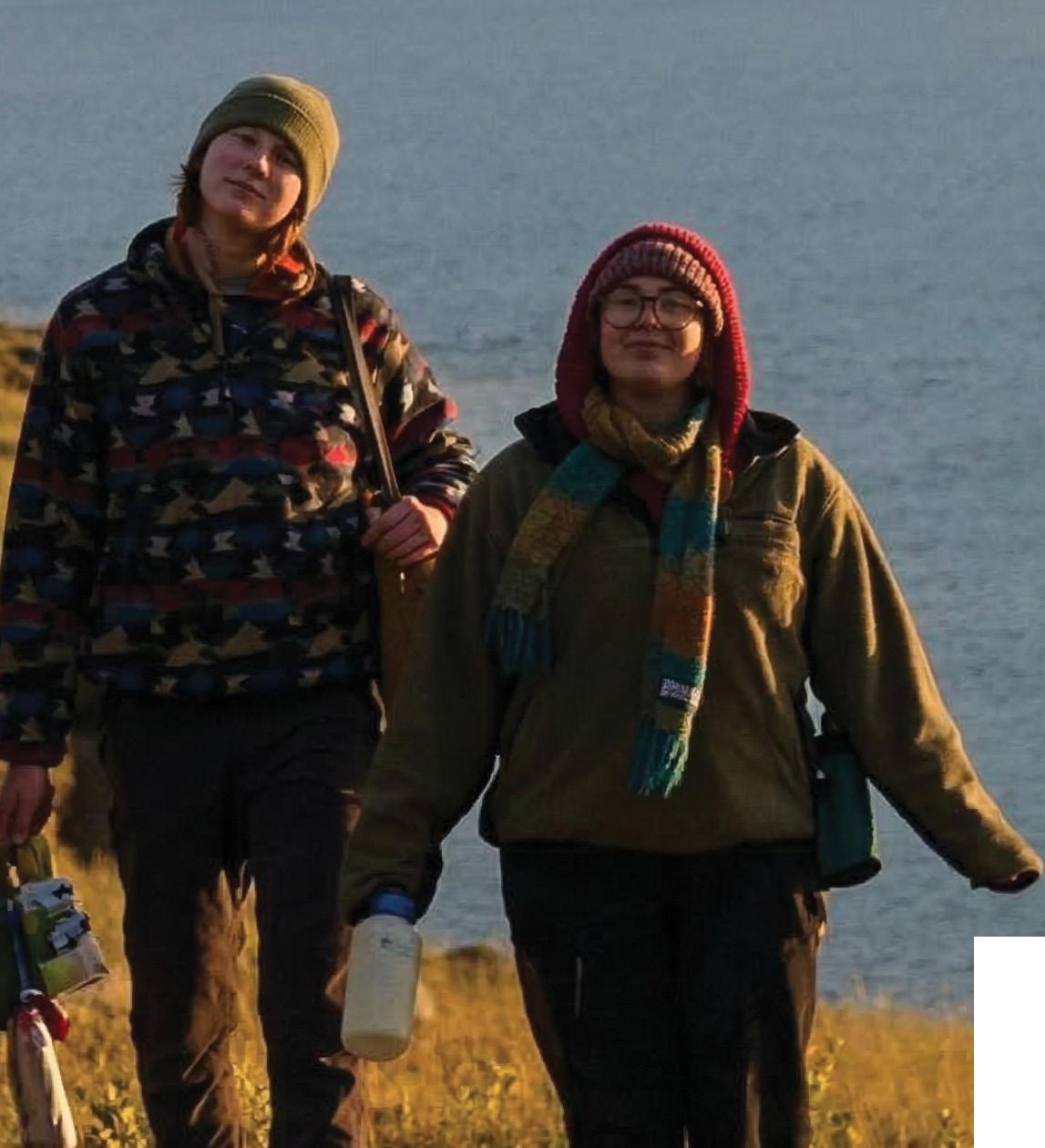
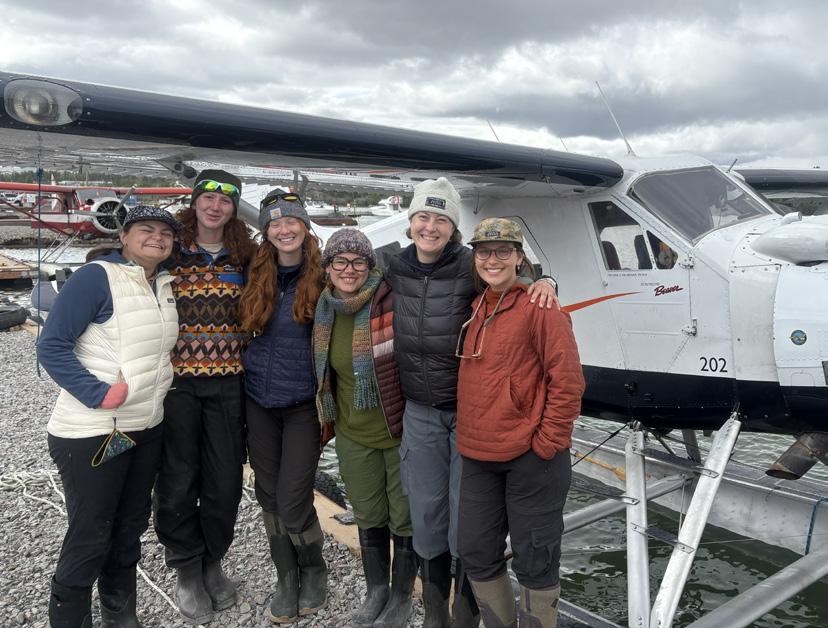
The group included campers Addie, Iris, Maddie, and Phoebe, guided by Ava and Val. All six were experienced YMCA Camp Menogyn campers, and for Ava and Val, this marked their fifth year as guides — bringing deep knowledge, steady leadership, and a shared respect for the land and the profound experience.
Together, they embarked on a Femmes du Nord expedition, Menogyn’s extended Arctic journey for women campers (with a parallel Hommes du Nord experience for men). These trips are as much about preparation and intention as they are about distance traveled.
PREPARING FOR THE ARCTIC
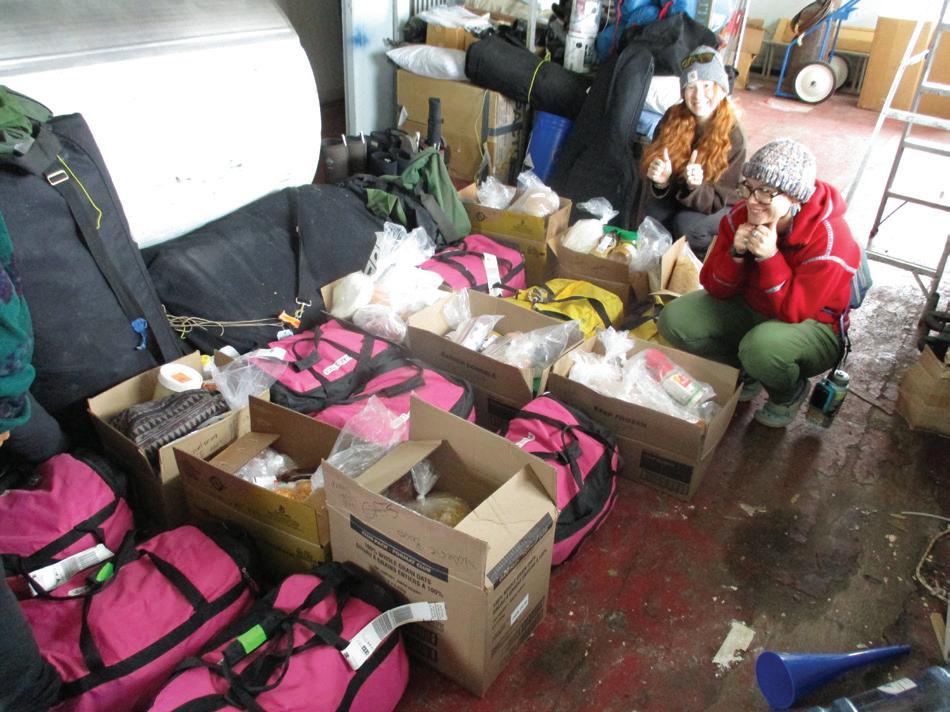
The process begins with invitations that are sent to campers in the fall. Once campers make the choice to register, their groups are formed and announced in the early spring. From there, the group had six months to prepare. That time was spent getting to know one another through group meetings, discussing personal and shared trip goals, planning meals, and mapping their route.
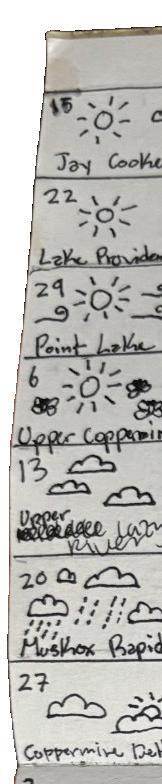
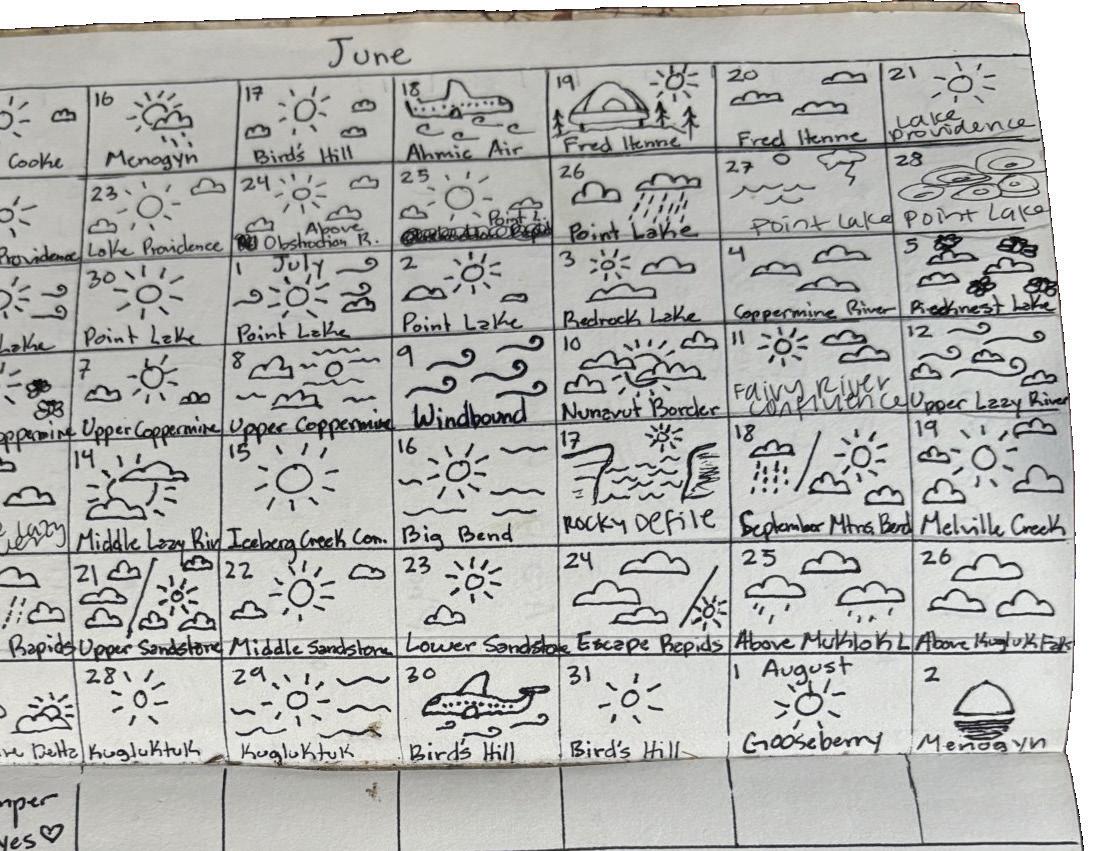
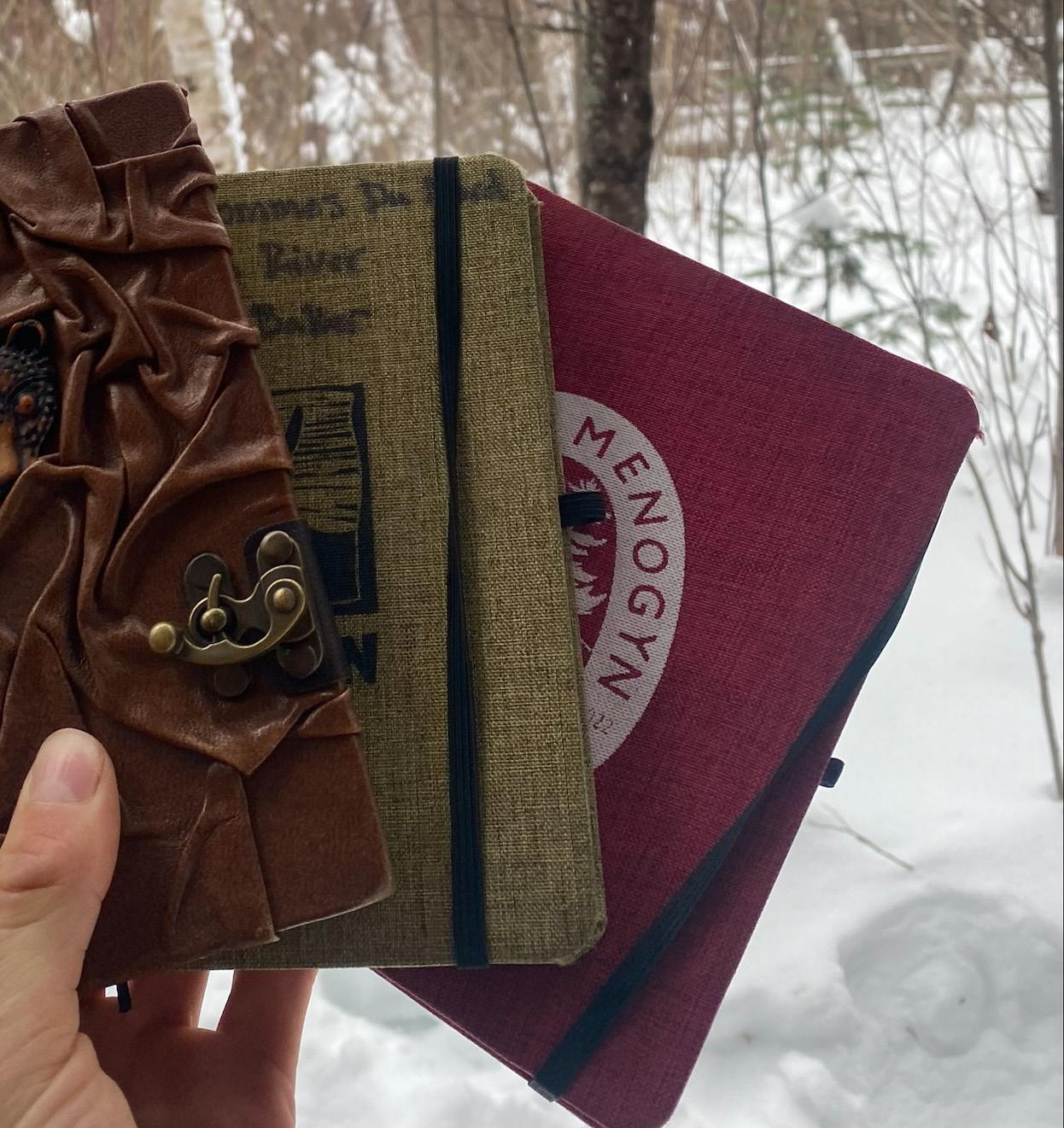
For the guides, preparation meant building a detailed timeline and navigating a web of permits, flights, routes, and logistics. As with every Menogyn expedition, the group kept a journal throughout the journey — filled with stories, weather observations, route notes, and reflections meant to guide future travelers.
These journals are practical resources, but they are also something more: a thread connecting each group to those who traveled before them.
LIFE ON THE RIVER
For 51 days, the group carried everything they needed — every tent pole, paddle, and scrap of food — from the Coppermine River all the way to the Arctic Ocean. Before boarding the plane, the six of them and their gear tipped the scale at a collective 5,258 pounds.
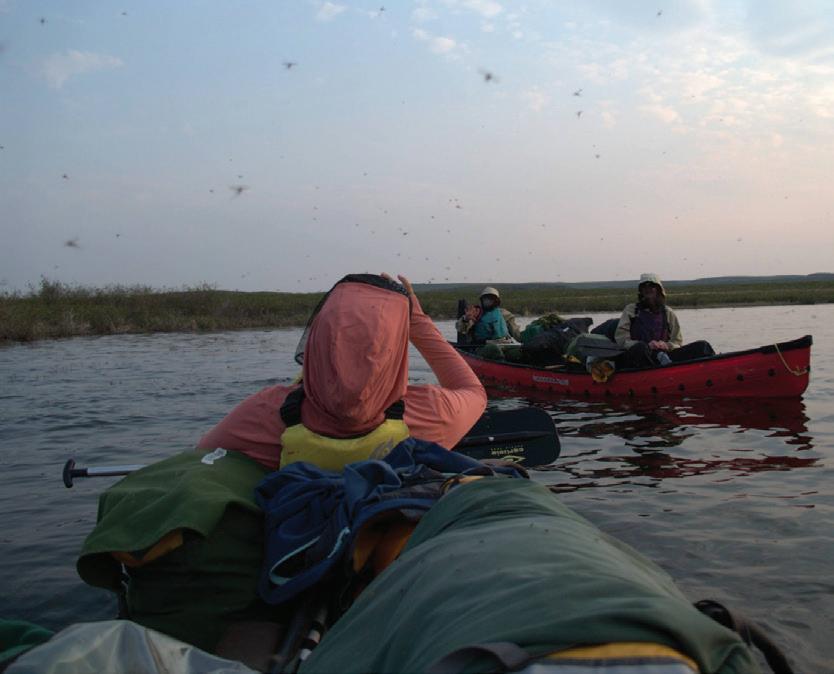
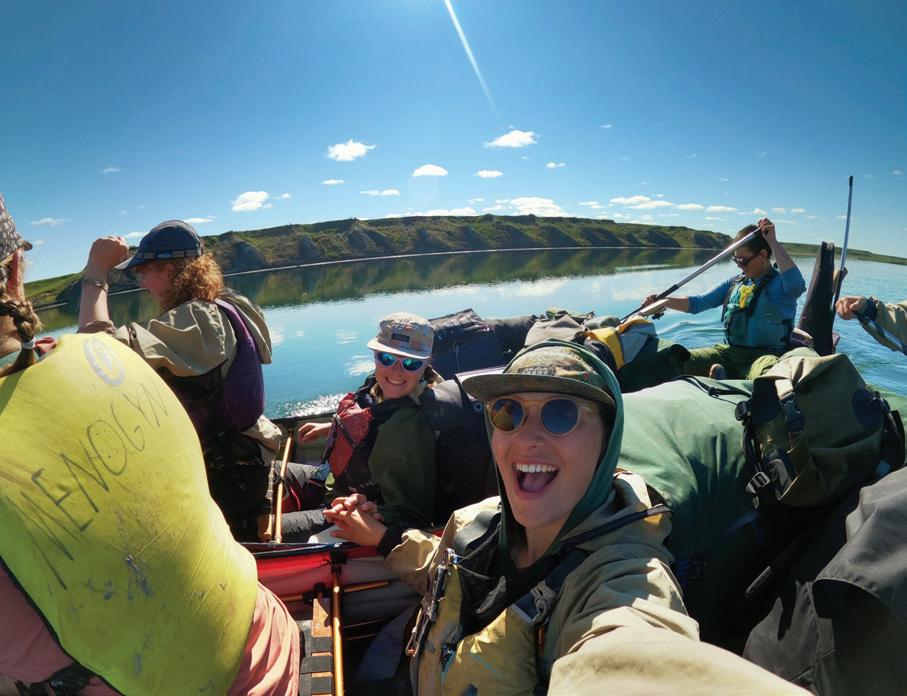
The weather, they joked, “was either windy or buggy.” Warm days gave way to cold nights, even though the sun never truly set. One especially brutal five-day stretch tested everyone’s patience, as relentless black flies made even the simplest tasks miserable. “I’ve seen some bugs,” Ava said, “but these were awful.”
Still, the group pressed on — paddling, portaging, and learning to adapt to whatever the Arctic offered that day.
WHAT THEY CARRIED
What made the journey work was how each person brought something essential to the group.
Val’s rock knowledge helped decode the land beneath their feet. Phoebe’s bird knowledge — and her talent for building systems — gave structure to camp life. Iris became the dedicated finder of things, collecting bones and rocks. Ava kept the group fed and
CALLING ALL LONG-TRIP AND ARCTIC TRIP ALUMNI
We are working to update contact information and collect stories specifically for our long-trip and arctic alumni and want to make sure we include you. Please take a minute, to fill out this google form so you can be included in this exclusive group.
entertained, catching fish from the river and pulling out her guitar when morale needed a lift. Addie was the fixer and crafter, making routines feel grounding rather than rigid. Maddie documented the experience through art, capturing moments that might otherwise have slipped by unnoticed. Val shared, “We were all excited to learn together and share our knowledge with each other.”
Together, they ate from the land — fresh fish and handfuls of lingonberries — and proved themselves capable of doing hard things, without believing that hard automatically meant bad. Joy, for them, was intentional.
THE MENOGYN WAY, CARRIED ON
Long after the river widened into the Arctic Ocean and the sun finally dipped below the horizon, the lessons of this journey remain. Experiences like Femmes du Nord don’t happen by accident; they are the result of decades of care, tradition, and a special community that believes young people grow strongest when trusted with real responsibility. At Menogyn, alumni support makes space for these kinds of transformative experiences, where confidence is earned, leadership is lived, and connection — to self, to others, and to the natural world — takes root. Each generation builds the path for the next, and somewhere at the edge of the map, a new group of campers is already learning what it means to be capable, resilient, and deeply at home in the world.
THE ART OF JOURNALING
At the end of each day, the women spent time writing in their personal journals and the group trip journal. Maddie shared, “It was most important to write about logistics and routes. Future Arctic groups could use this writing to help with their trip on the same river. Talking
about our daily route sets the framework for each journal entry. As we talked about the route we accomplished that day, we noted helpful tips such as which side of the river we pulled off for a certain set, and the plan we made for paddling a patch of white water. We also noted fun things, such as what we had for breakfast and dinner (lunch is always the same), and beautiful wildlife we saw!”
Journaling on a trip turns the travel experience into something tangible you can carry home. This kind of daily writing record captures a snapshot in time — the way the air felt that day, the worry that kept circling your mind, the small pocket of joy you didn’t yet realize was important. It preserves not just where you went or how far, but also how the trip changed and impacted you along the way.
Long after the bags are unpacked, those pages hold the rhythm of the journey, letting you step back into the movement, the wonder, and the version of yourself who was still becoming.
In that way, journaling is a quiet act of preservation: it holds the magic of ordinary days, the turning points, and the in-between moments that would otherwise disappear, reminding us not just of what happened, but of who we were and how far we’ve come.
TRIP NAMES THROUGHOUT TIME
Throughout the years at Menogyn, trip names have evolved. For many years, the umbrella of long-trip was used to reference the longest and final trip that campers would take in the Menogyn progression. That umbrella included canoe trips (Hommes du Nord and Femmes du Nord), backpacking trips (Waputiks and Wahkanees), and climbing trips (Ogadabick). Although many of those terms are still used, we have shifted to place based naming for many of our trips and now use Arctic Trips to encompass these experiences.
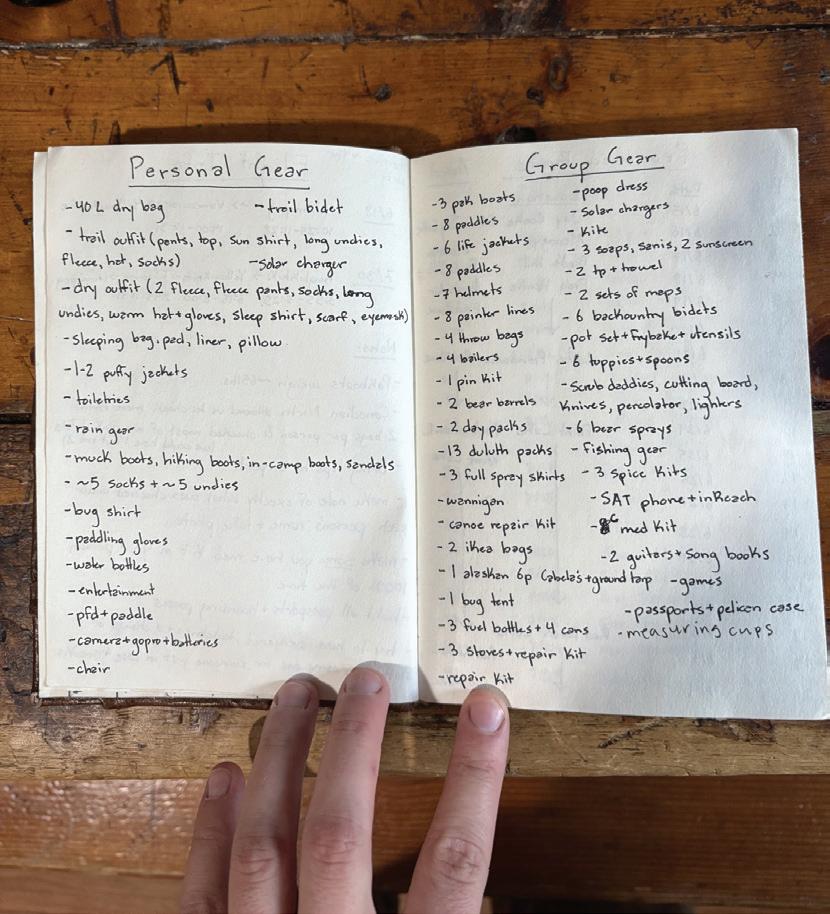
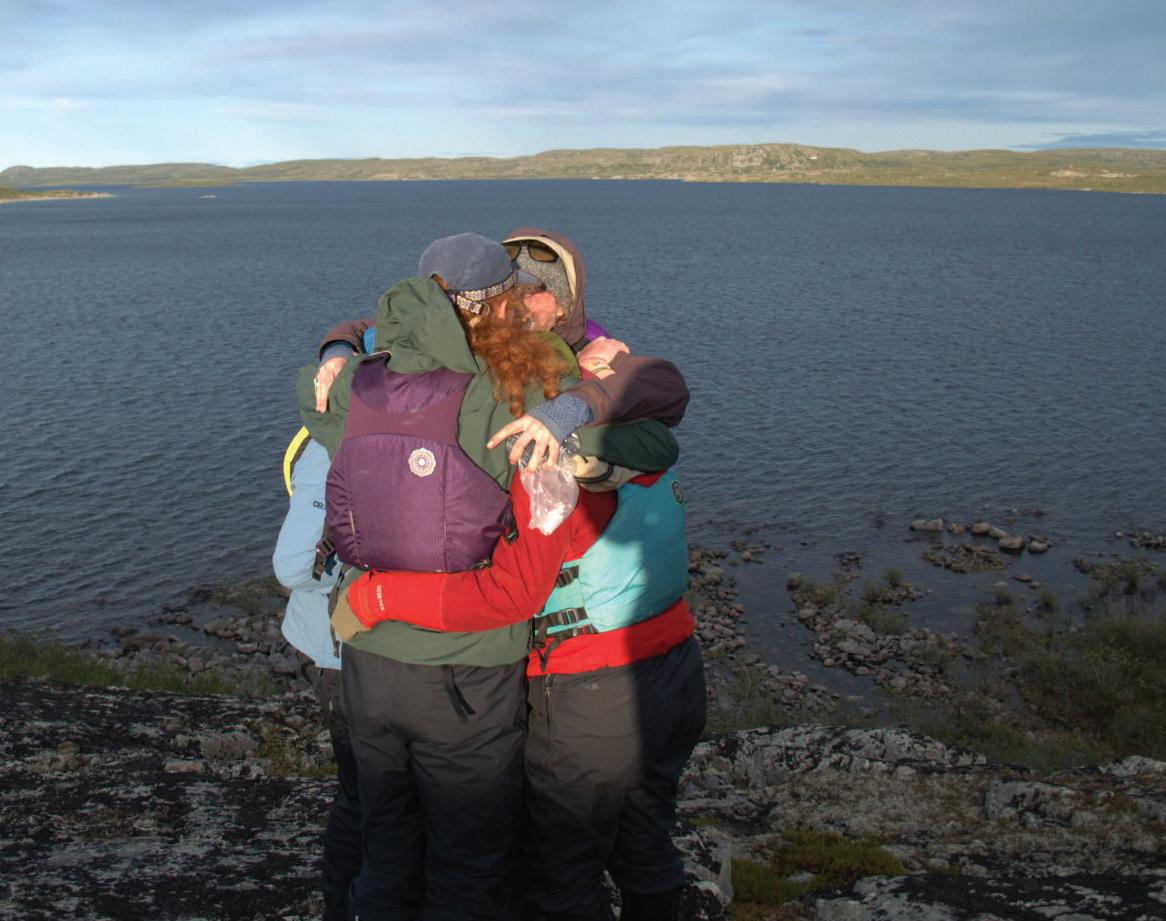
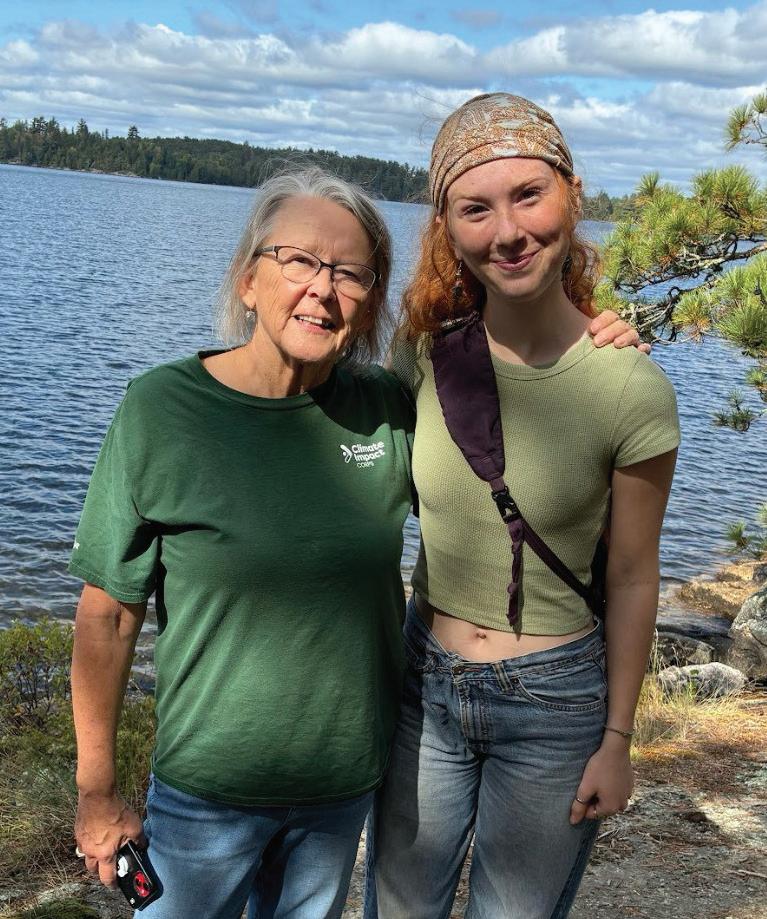
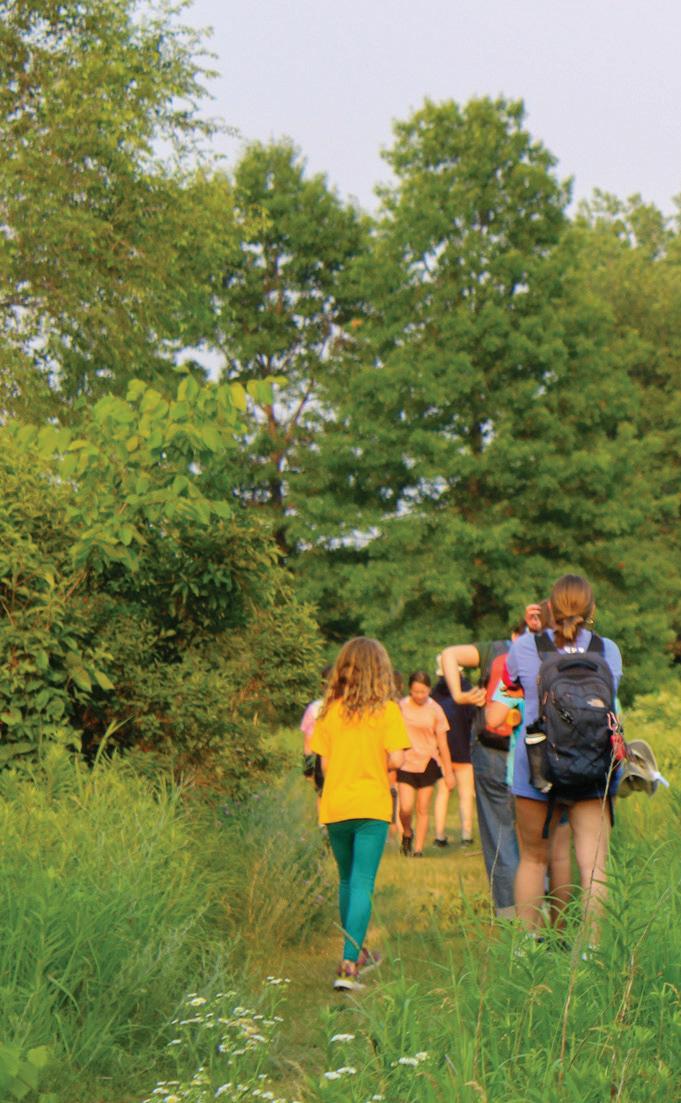
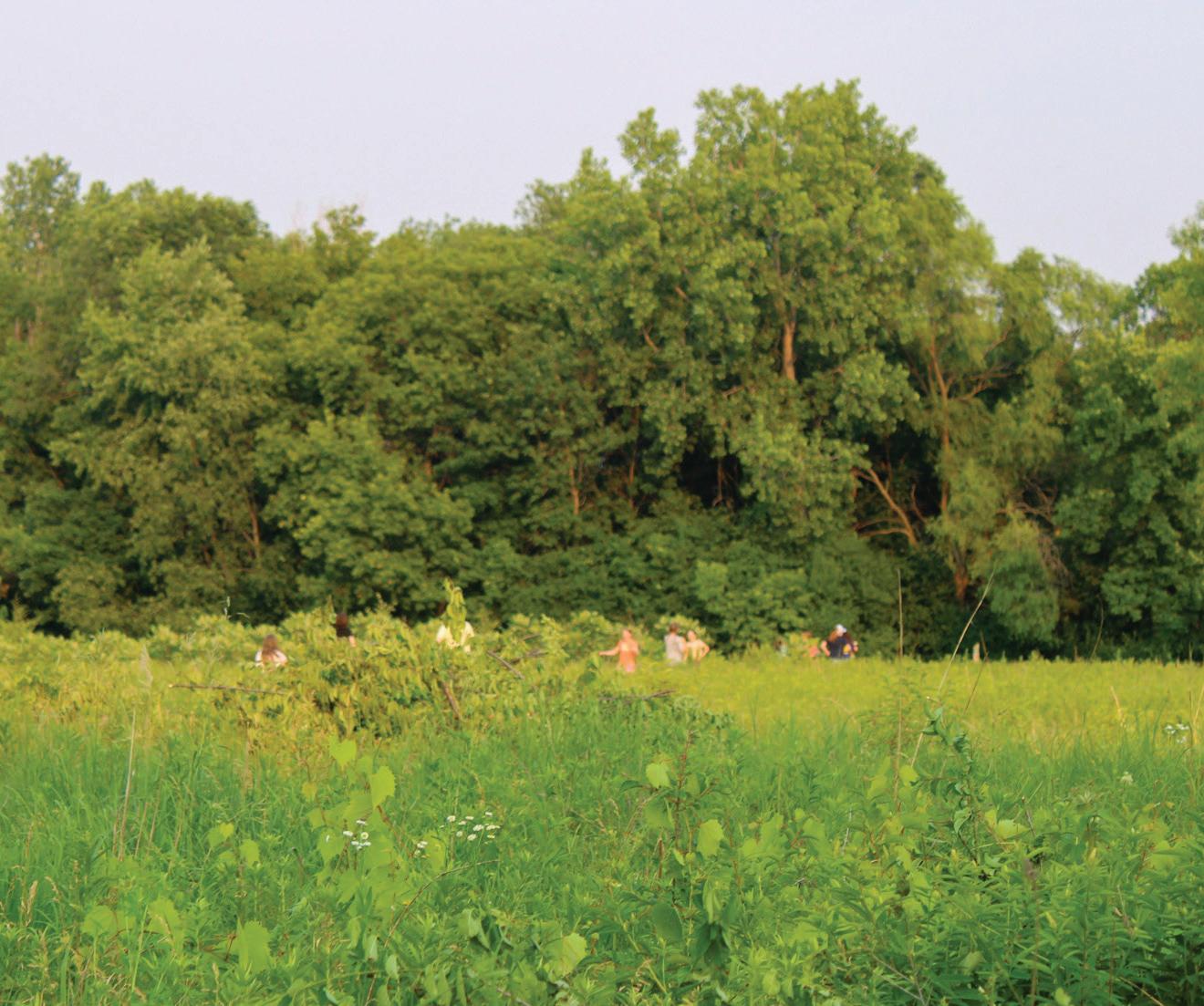
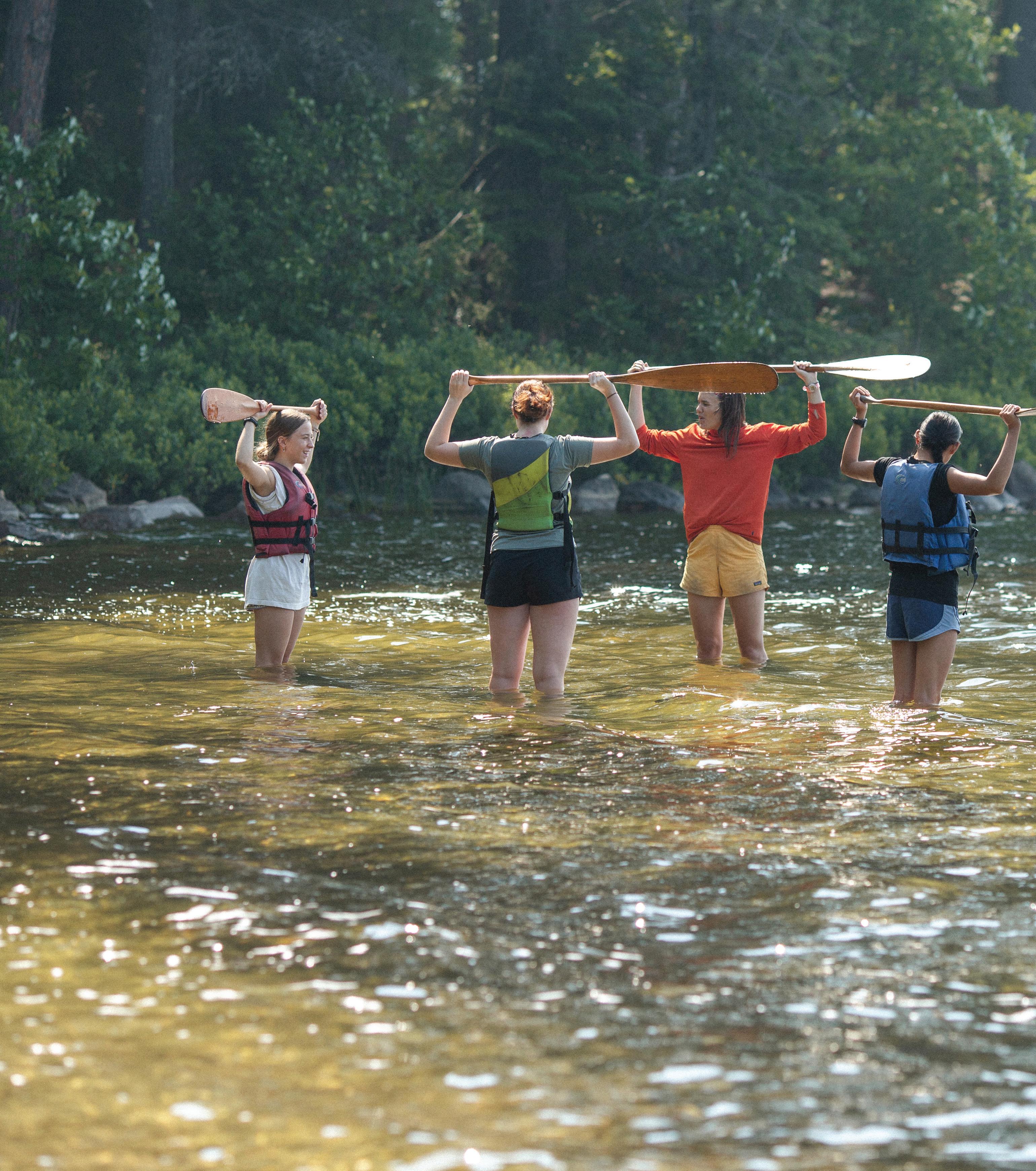
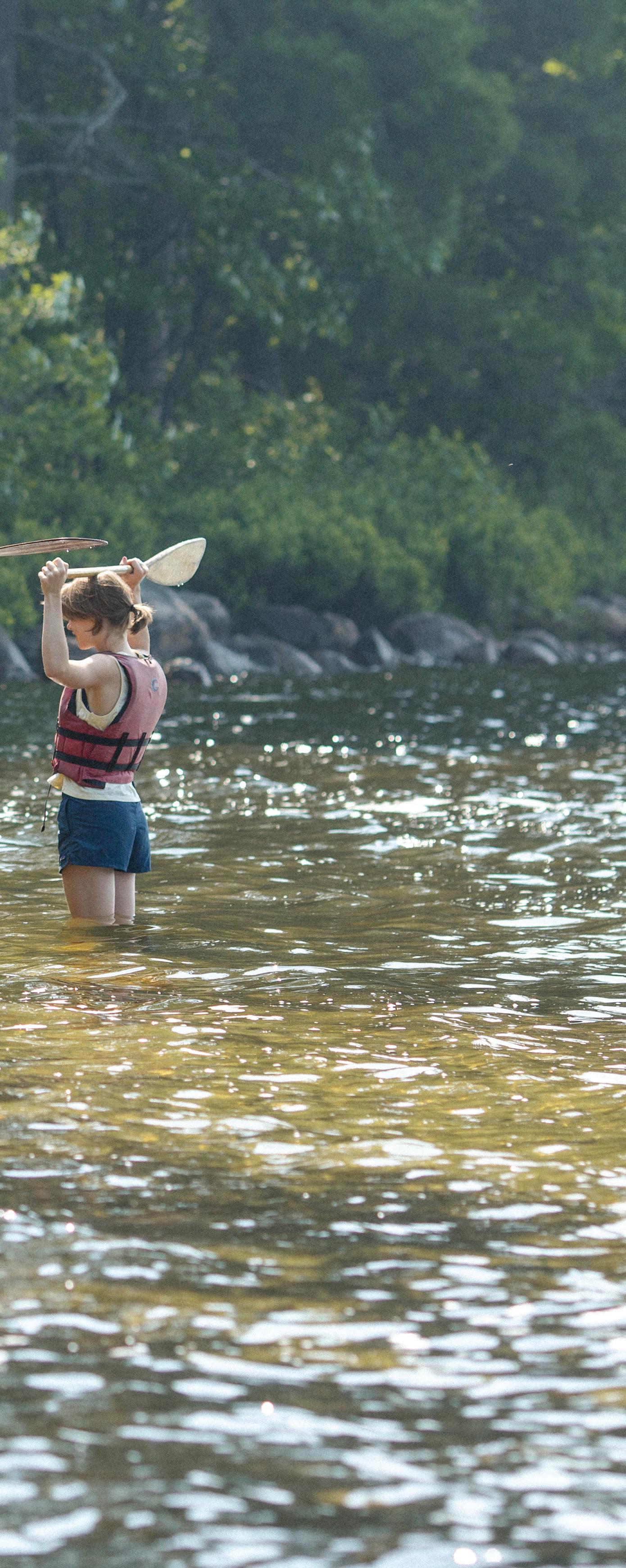
1. The women along their journey. 2. “The weather was either windy or buggy.” The girls paddling, with bugs visible in the photo. 3. (left to right) Addie, Phoebe, Maddie Iris, Val, Ava. 4. Gear list in their journal
Day 38
Today was beautiful, exciting, and exhausting. We woke up to a beautiful morning and a view of the sandstone cliffs. We ate egg McMuffins for breakfast and enjoyed our coffee. I finished reading “A Man Called Ove” and spent all of breakfast crying because I felt so touched by the book — a silly way to start the day.
We packed up camp and loaded the boats, keeping the bow spray skirts attached. Spent a moment admiring the slabs of sandstone rapids. We pod ran slowly, pulling off to look ahead when possible. This set us up well for that first right-hand bend in the sandstone.
We pulled off on a gravel bar and scouted the section right around the bend. We picked a pretty straightforward-looking line along the right shore and planned to ferry across the river to get ourselves up to be inside the next bend. We ran this section post-scout and quickly discovered that the waves were much bigger than expected, and it was very challenging to stay on the line and ferry to the left shore.
One boat took on too much water; they had to pull off on the right shore, bail, then ferry across. All boats took on quite a bit of water, and we were grateful to have made it through upright. Definitely a learning moment for us on our limits — no more rapids like that for us.
The right shore seemed more suitable for portaging than the left (the left also looked un-paddleable). We took time to eat some treats and re-group before continuing on. We ran the left shore and pulled off shortly after rounding the bend. We were feeling pretty tired, so we lined our boats a little further down shore due to how shady it was, and then... (journal page ends)
ETERNALLY MEANINGFUL:
TRAVELING THE SAME PATH, A HALF CENTURY APART
In September 2025, Claudia McBride, interim executive director of the Listening Point Foundation in Ely, Minn., reached out to YMCA Camp du Nord, asking for help with hiking trail maintenance. A school group was at camp to volunteer for the week — Maddie Linstad, freshly off her Arctic Femmes du Nord trip, was part of the school group, along with her mom, Casey Gunderson.
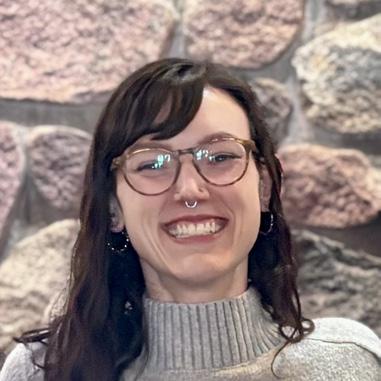
Maddie
While working, small talk between Claudia and Casey led them to connect some surprising dots about Maddie’s — and Claudia’s — YMCA Camp Menogyn experiences. As it turns out, Claudia and Maddie shared far more than just a common connection to camp; the two women had actually gone on the same Femmes du Nord route through the Arctic — Claudia in 1973, Maddie in 2025.
“It was an instant connection,” shared Maddie, “and it couldn’t have come at a better time in my life. I had returned from my trip in late August, and I met Claudia in September. I was still trying to process my experience. I was trying to figure out how to take this trip with me. Claudia answered that question, reiterating that it’s not over, even though the trip is over. I know this experience will be with me always.”
For Claudia, she felt her and Maddie “bonded immediately,” going on to say,
Claudia
Claudia and Maddie, meeting in September
Camp Menogyn
Since 1922, Camp Menogyn has provided transformative small-group wilderness experiences including canoeing, backpacking, and rock-climbing trips. Only accessible by water, Camp Menogyn is uniquely situated on the edge of the Boundary Waters Canoe Area Wilderness on West Bearskin Lake.
“We were so excited to ask each other questions. Our trips were 53 years apart, but so much of what we both experienced was the same. When I was young, I questioned myself about why I wanted to do unconventional things. It was hard to be that way during that time. I felt invisible. The trip made me feel like I could do anything I put my mind to. Not many people have that experience. It was a privilege. It’s such a relief to see people like Maddie do things without limitation. She is so confident and has the support of the school and society. I wish I’d had that.”
Both women agreed that meeting each other was a connection that meant a lot to both of them.
OF THE NORTHWOODS ROCK STARS
Inside
the Camp Warren
music program where campers jam, write songs, and perform together.
Music at camp does more than fill the air with sound — it weaves connection, confidence, and creativity into daily life. Whether it’s a shy camper finding their voice in a group song or a cabin learning to listen and play together, music creates a shared language that brings kids closer. In the low-pressure, joyful environment of camp, children are free to experiment, make mistakes, and discover new strengths, all while building empathy and teamwork. The songs and rhythms learned at camp often become lifelong touchstones, carrying the feeling of belonging long after summer ends.
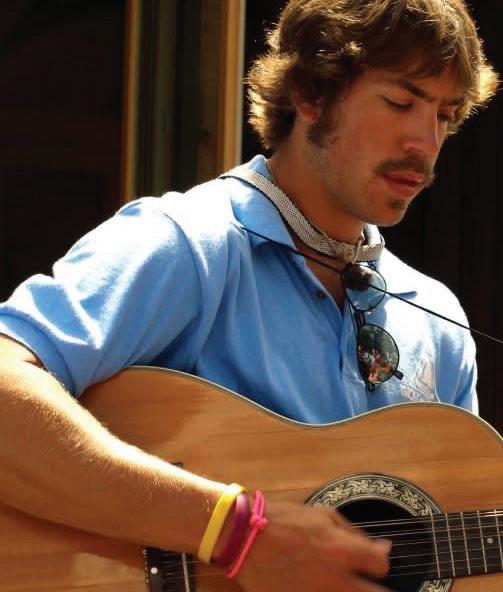
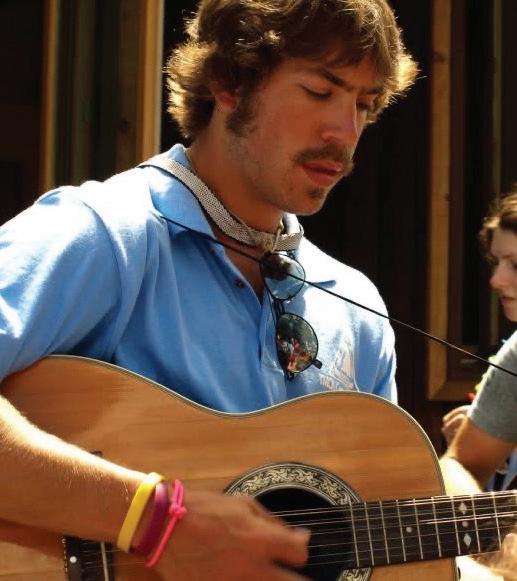
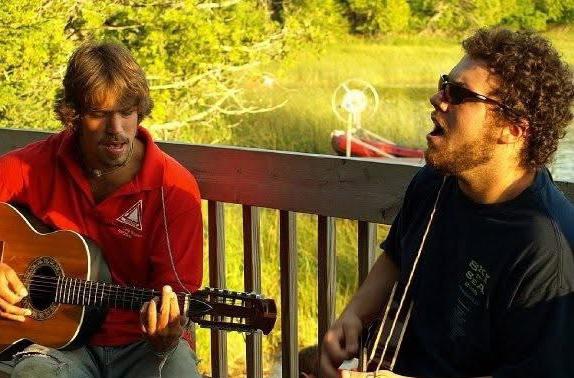
Camp songs, strumming a guitar around a campfire, performing at a talent show — music is everywhere at camp, but at YMCA Camp Warren, it extends deeper in its reach and impact.
Louis McGraw, program director since 2022, described the program:
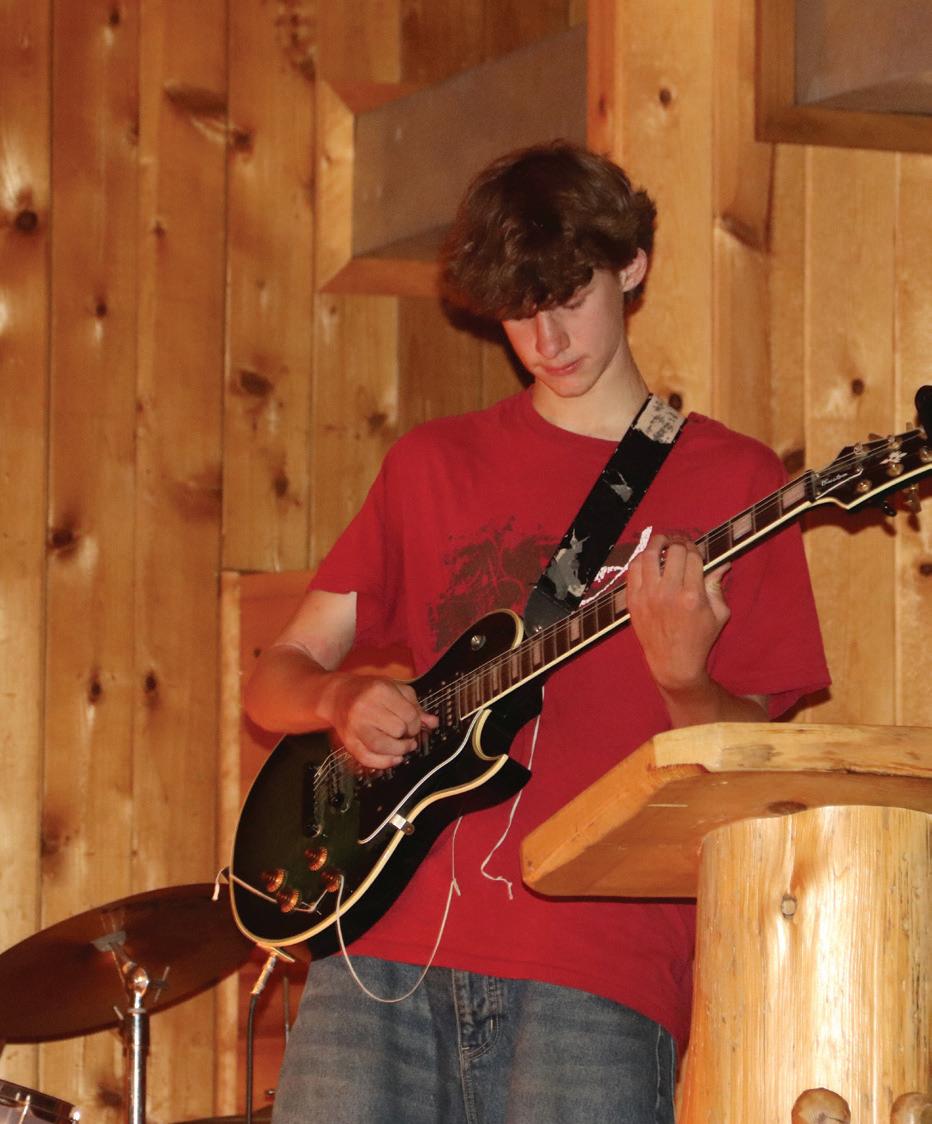
Music is an activity that campers can sign up for during their session. Camp has a variety of instruments, and campers also bring their own. Music is a little different at each session, depending on how many campers sign up, their skill levels, and what the group is interested in. Sometimes all the kids in the activity work together on one performance, while at other times they break into smaller groups. At the end of the session, they perform at the music and drama night.
“The counselor’s role in this activity is to be encouraging and patient,” he shared. “They find ways to connect the group, make the kids feel comfortable, and then listen to what they want to create. The goal isn’t to learn an entirely new instrument; it’s a chance to work together, build independence and confidence, and help kids break out of their shell.”
He fondly remembered one performance during a girls’ session, recalling how “everyone was into it; they were playing electric guitar and drums, and the whole crowd was just going wild! It was so fun to watch.”
THE BEGINNING OF THE PROGRAM
The music program got its start in 2009 when counselor Khaled Allen approached then-director Meghan Cosgrove (executive director 200514) and suggested they start one. “I learned to play guitar because of Warren. The counselors were so musical, and there was drama, and a talent show. Music was a huge part of camp; it felt like this should already exist. I don’t think I was the most qualified person to start the program, but I got the ball rolling.”
Andy Crabb, who had been Khaled’s first counselor when he was an eightyear-old camper, heard about the program and donated several guitars, amps, and other equipment.
In 2010, Jon Mitchell took over. He built on what Khaled had started, finding ways to get everyone working together to prepare a song to perform. Some kids had never touched an instrument, and others had a lot of talent. “I remember this one camper, Griffin, he was a virtuoso! He would bring his own guitar, and he could play better than I could!” It was a challenge to integrate all the different skill levels, but he remembers after one of the first performances, hearing someone say, “Holy cow! How did you do that in a week?” — a great sign that things were going well with the program.
INSPIRED AT CAMP
Griffin Konkler’s first summer at camp was in 2005, when he was eight years old. He said he “wasn’t super interested in music, but camp gives you the chance to figure things out.” The year after his first summer, he started playing guitar, and in 2006, he brought it to camp. “There wasn’t a music program at that time, but Jon Mitchell and other staff would play on the deck, between meals, and at free time. Their encouragement led me on a trajectory to practice and learn more.”
Griffin was 13 when the music program began. He remembers that year, sharing, “We had a week to write our own song to perform at the talent show. It was like a ‘man discovers fire’ moment for me — I’m writing my own music with my friends! We practiced so hard, and when we hit the stage, everyone went crazy. Afterwards, people I didn’t know came up to me to tell me it was cool. It was cool to work hard and feel like we really succeeded.”
Griffin continued at Warren as a camper and counselor-in-training (CIT), and went on to be a counselor from 2014-1818. While on staff, he led the music program, observing, “It was cool to empower kids to do rock star stuff.”
SONGS OF SUMMER: ALUMNI VOICES RAISE MONEY FOR CAMP WARREN
In 2014, Reid Petit, a former Warren camper, staff member, and volunteer, was serving on the Camp Warren community advisory board when inspiration struck. The community relations committee was brainstorming creative ways to engage alumni and raise scholarship funds.
“Warren has always had a lot of talented musicians,” Reid shared. “So we thought — why not produce an album?”
Reid, along with Joe Cline and Claire Huber, recruited 15 former staff and campers to collaborate. The track list featured beloved camp classics like “House of the Rising Sun,” “Country Roads,” “Camp Warren Trail,” and “Last Day Songs,” alongside a few personal favorites. The album opened with “General Sherman,” written by Joe Cline himself.
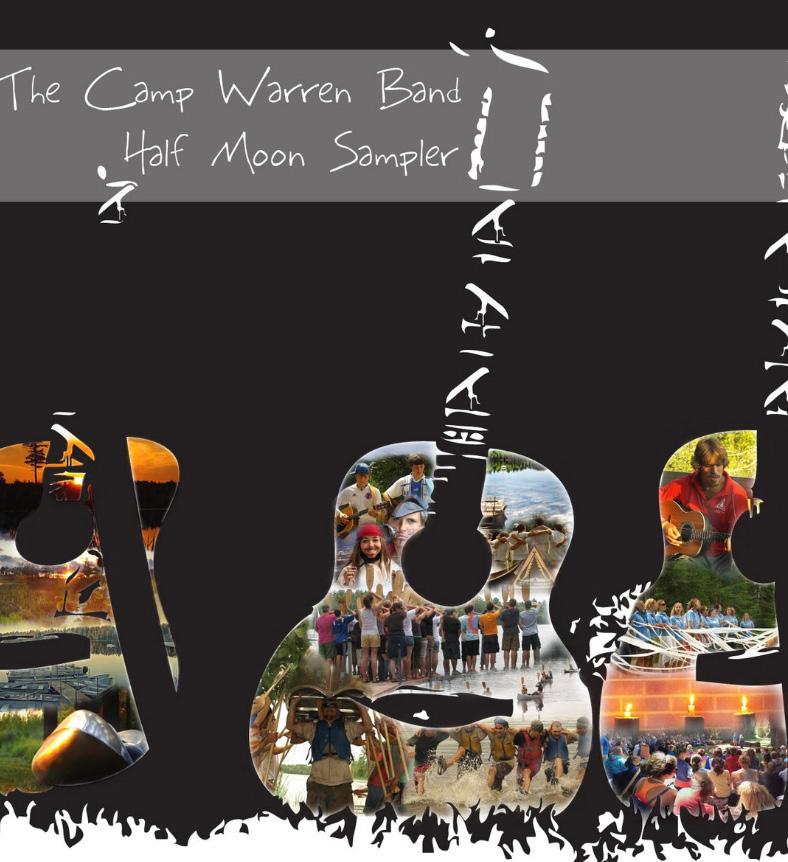
With Kevin Dorsey’s home recording studio and Reid’s recording and engineering background, the group brought the project to life. Amy Gensme (née Pelant) created the album artwork, and once it launched, word spread quickly through Facebook, the Camp Warren newsletter, and good old-fashioned word of mouth.
The result? $1,400 raised for Camp Warren scholarships — and a project that captured the spirit of camp in song.
Reflecting on the experience, Reid said it best: “Music is the universal language. It isn’t a competition — it’s collaborative. Warren has a long tradition of learning songs from the staff you grow up looking up to. For counselors to bring their own ideas and see them become something as big as the camp music program is a testament to how Warren runs and the kind of place it is.”
In high school, Griffin was part of different bands, and in 2021, he formed Evernorth, a band he still plays with today. They have toured in 48 states.
At one show, he saw one of the campers he had worked with. “This was a kid who really wanted to learn the guitar. He really struggled at first, but you could tell he wanted to succeed. By the end of the 12-day session, he had made so much progress and learned faster than I ever did.” When he saw me at my show, he told me, “I haven’t stopped playing since I started at camp.”
For Griffin, “one of the coolest things about Warren is how camp is willing to change and adapt itself to what the campers and staff need. It has tradition, but it isn’t rigid. Camp listens to what people want.”
At Warren, kids don’t just learn music. They learn how to listen, how to work together, and how good it feels to make something beautiful with friends.
1-2.
4-5.
Camp Warren
Camp Warren is nestled amongst white pines on 600 acres near Eveleth, Minnesota. Warren provides the ultimate setting for participants to develop self-reliance, build life-long relationships, and receive mentorship from caring adults with a curriculum focused on skill progression.
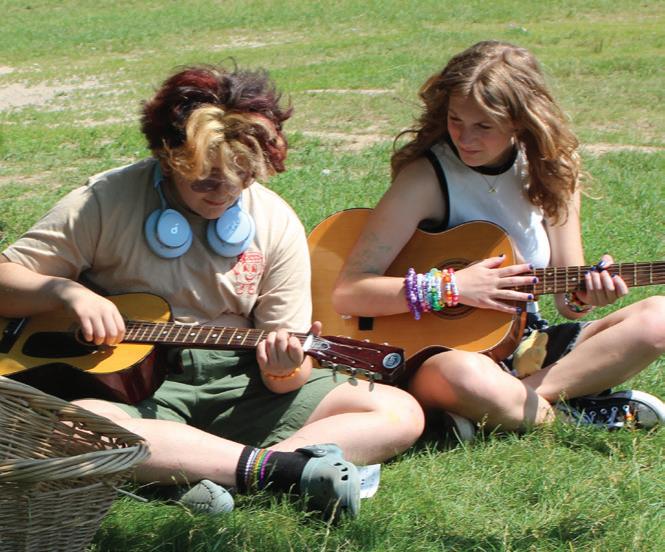
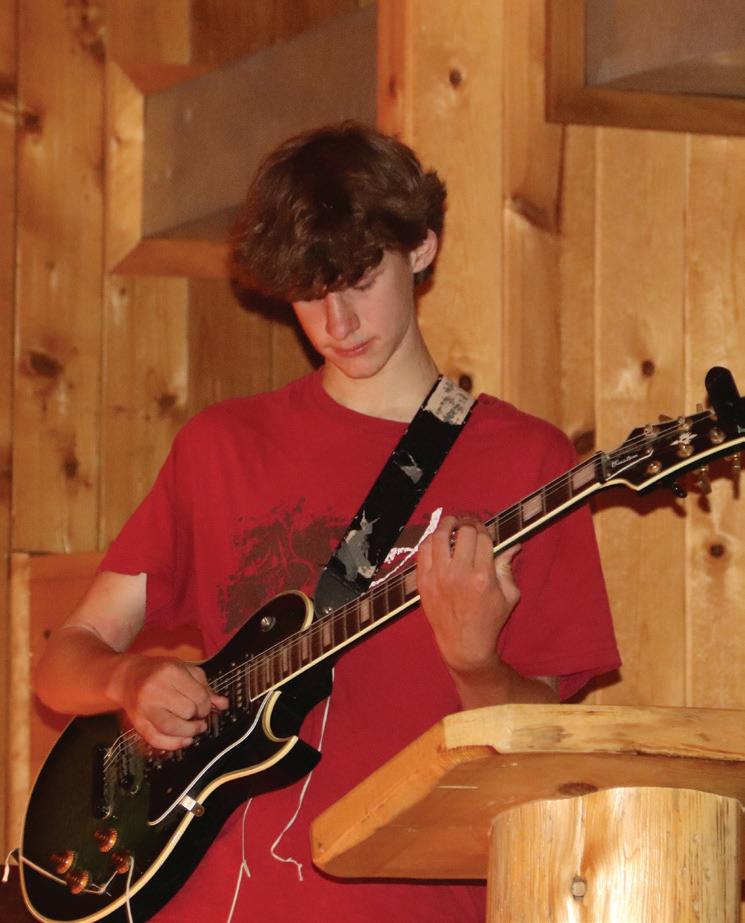
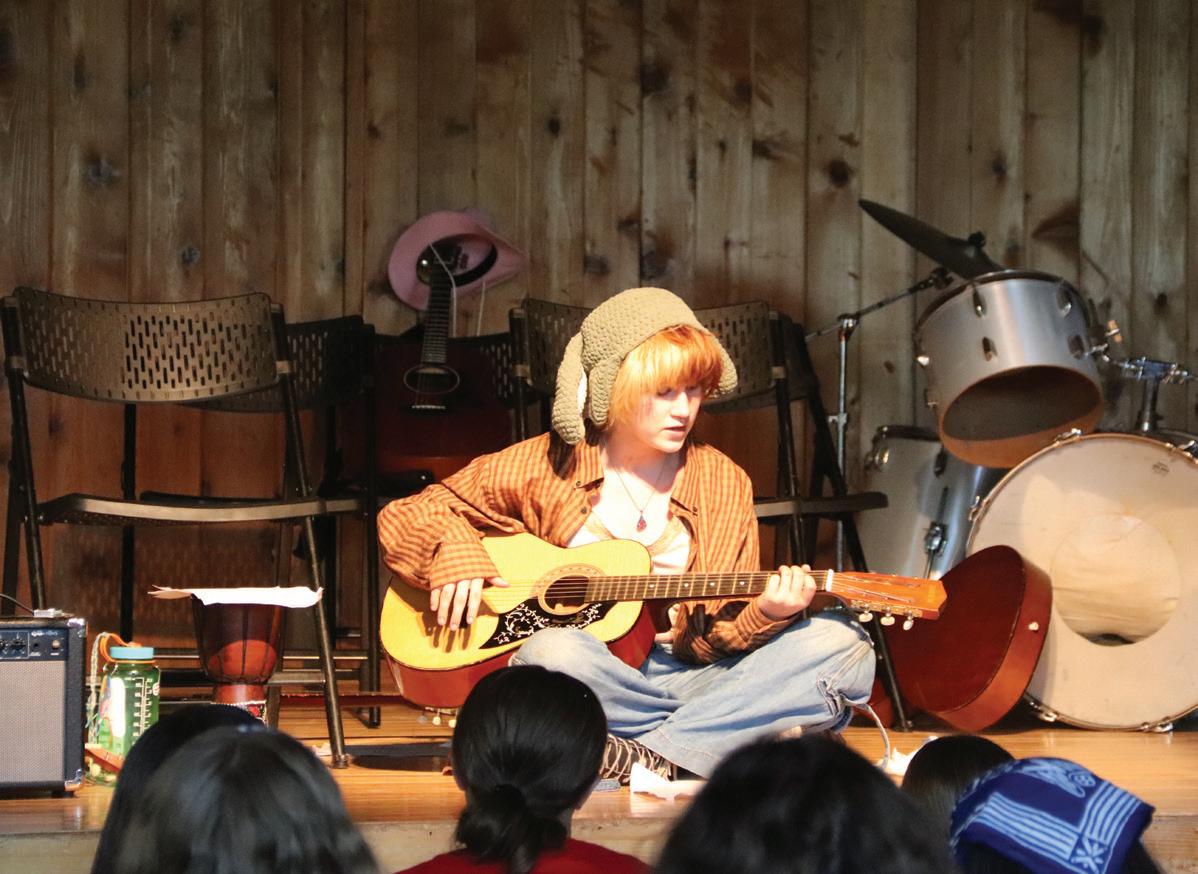
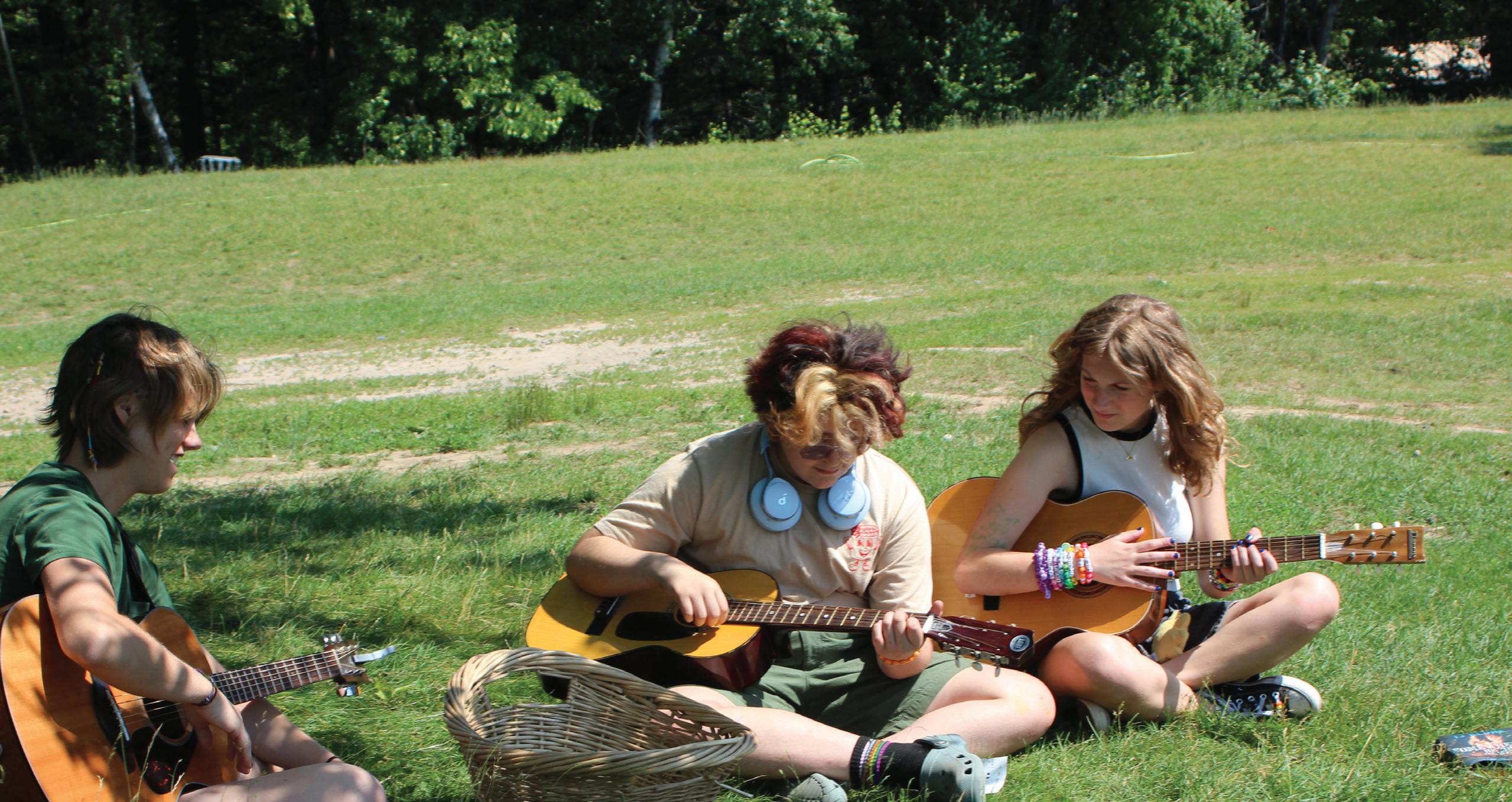
2025 Warren campers performing at the Drama and Music night. 3. Warren campers practicing music at camp.
Reid Petit, playing music while on staff in 2010.
LISTEN TO THE ALBUM HERE
STRONGER TOGETHER
How volunteers roll up their sleeves to care for Camp Northern Lights —and each other.
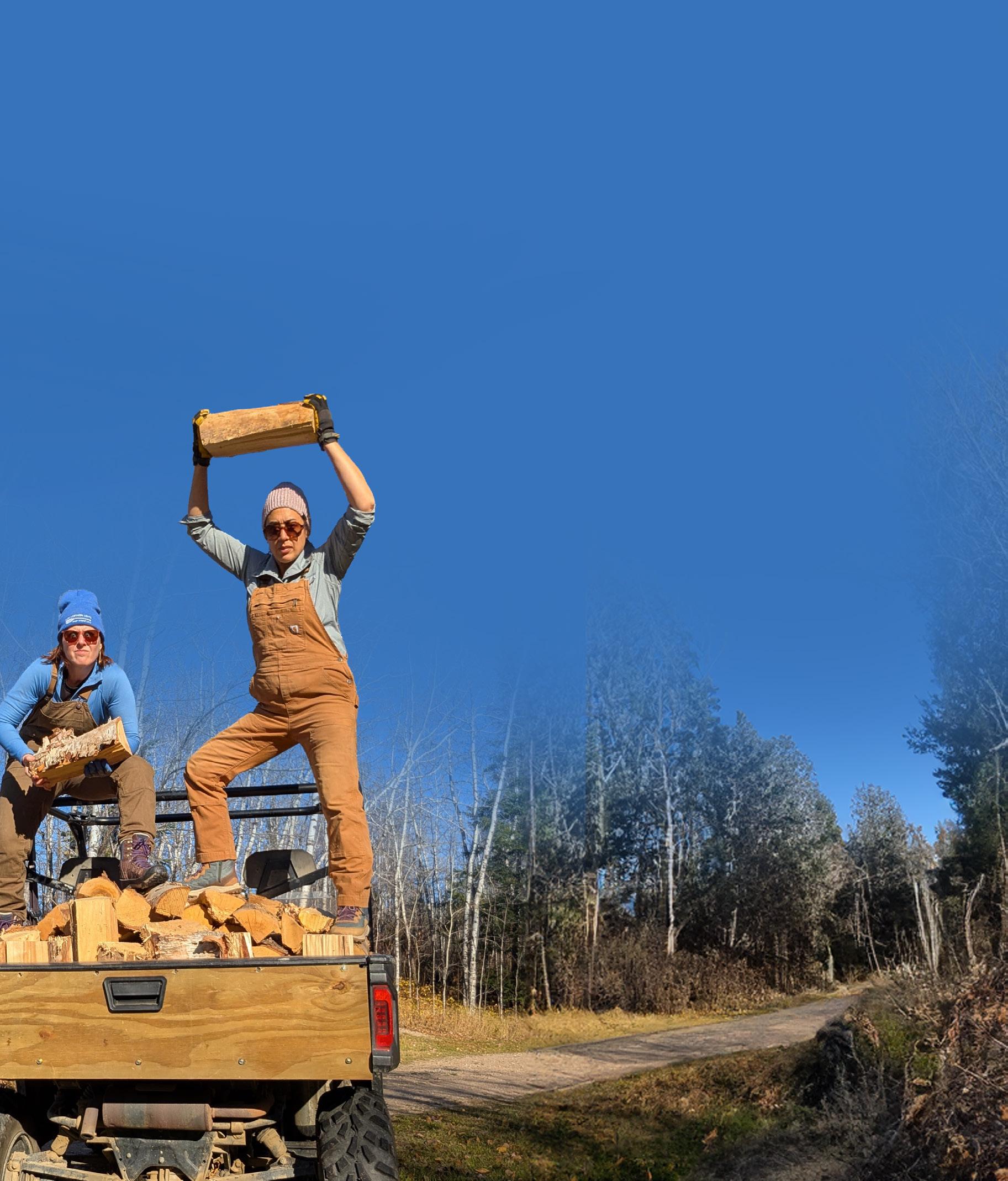
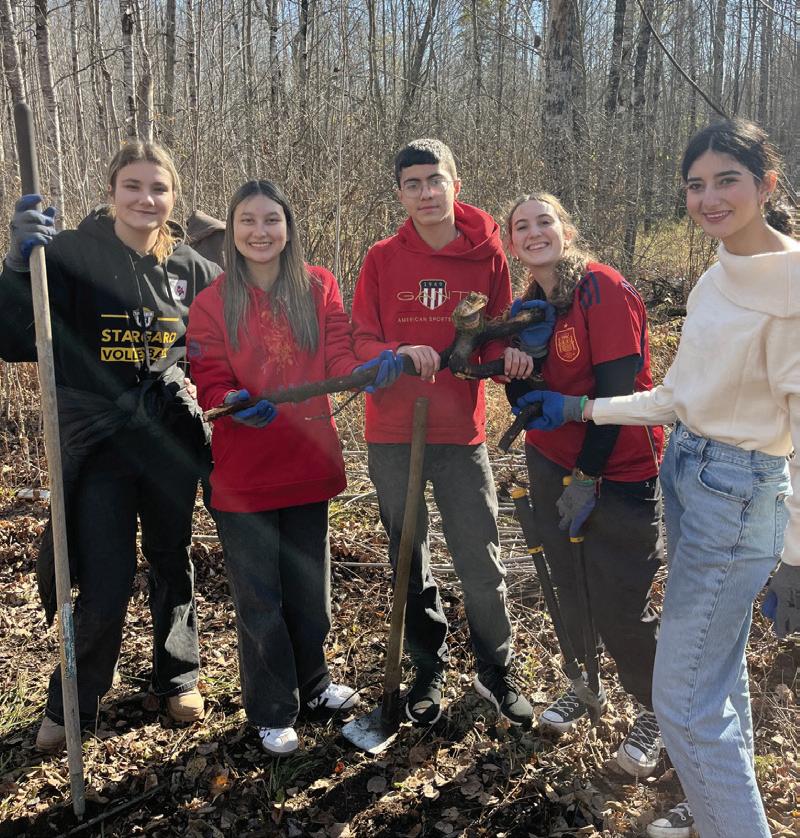
Building community.” Every person interviewed for this story said the same thing — Impact Weekend is about more than the work itself (which is also important); it’s about building the YMCA Camp Northern Lights community.
Impact Weekends happen multiple times a year, typically in the fall and spring. 40-50 volunteers spend the weekend at camp completing a variety of projects.
In the fall, it’s a chance to clean up after a busy summer and also get the buildings winterized. In the spring, it is the time to pull out programming equipment like canoes and tents, clean cabins, and open everything up for the summer ahead.
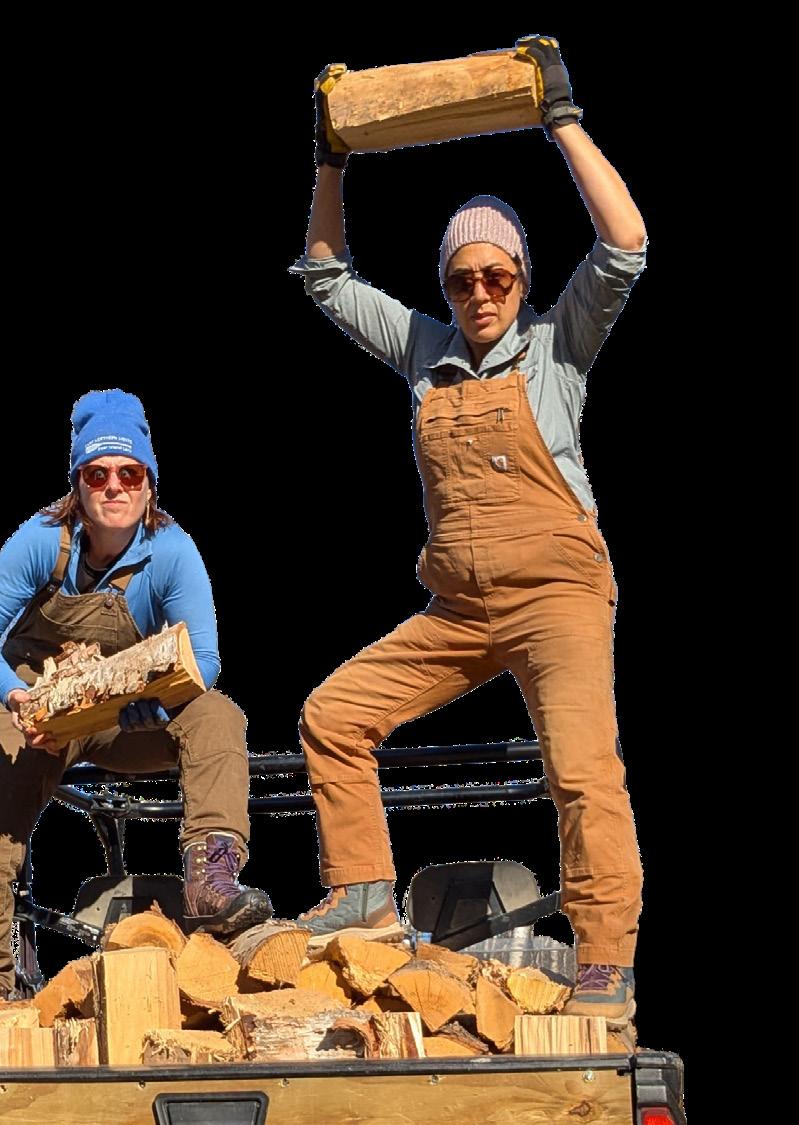
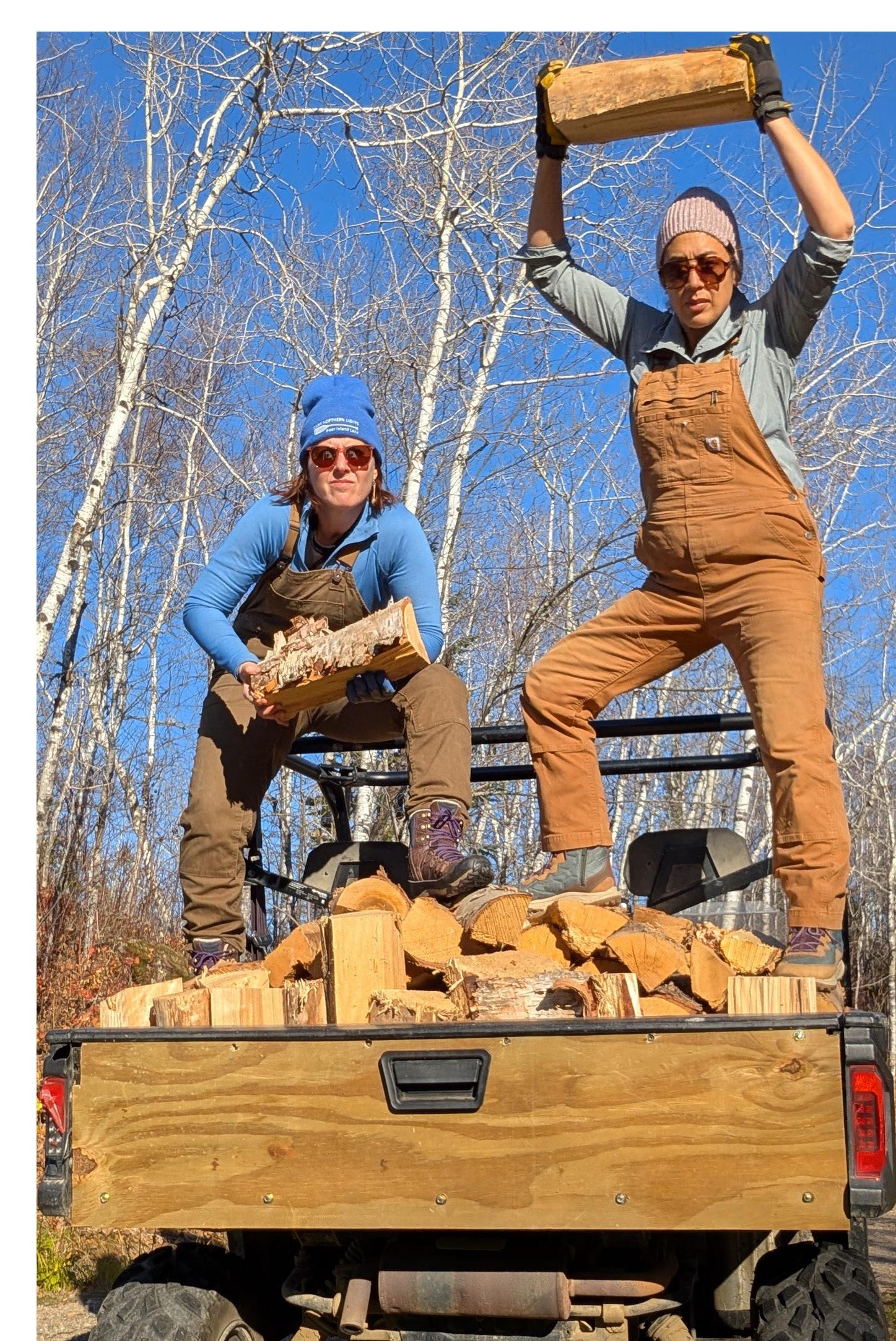
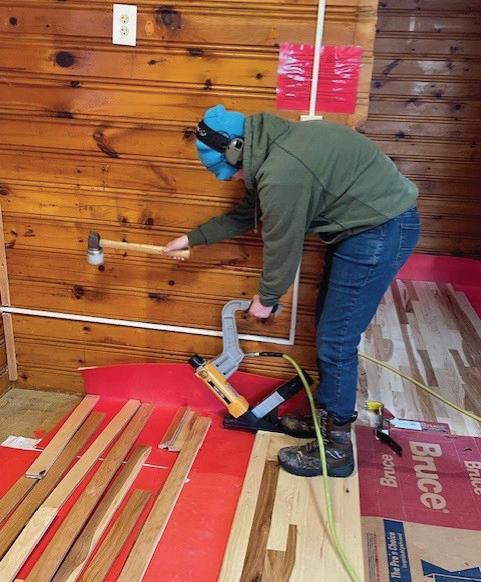
There is also chopping and stacking firewood, maintaining trails, building new things, fixing anything that has been broken … the list goes on and on. With 40 buildings and 130 acres of land, there is always plenty to do.
Program director Kelsa McCormick shared, “Camp gets so cleaned up and put together. The fact that volunteers can accomplish as much as they do in a weekend and help us out in that way is huge.”
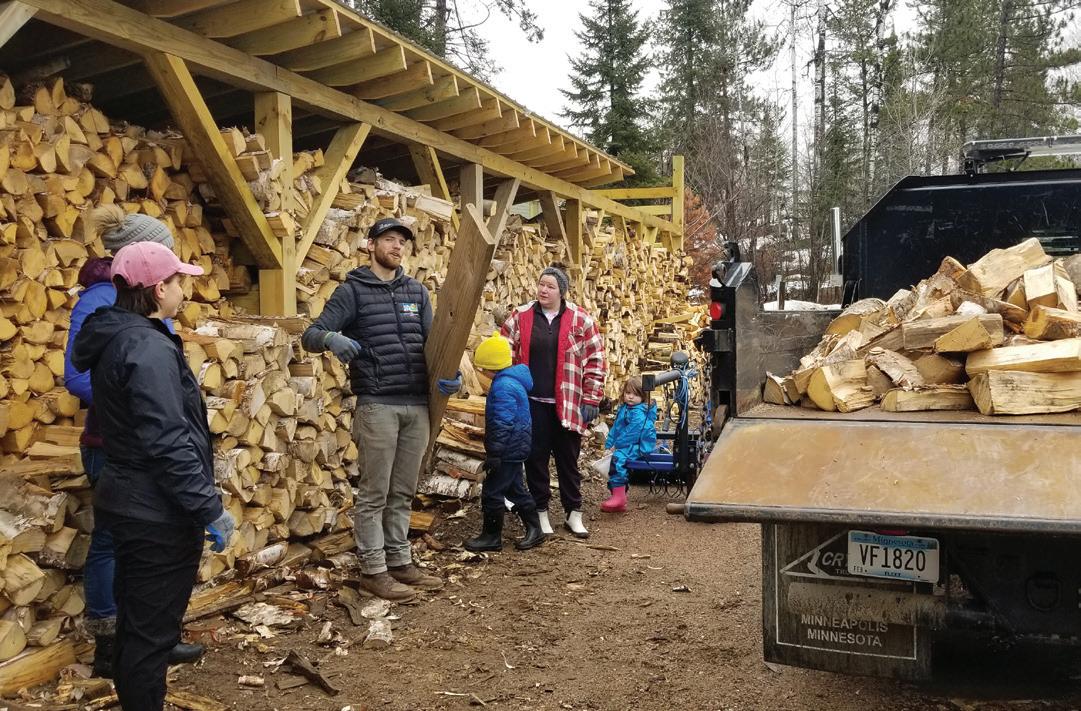
Karen Solas, community board member and family camp camper, loves hauling freshly cut firewood to all of the woodsheds around camp. She said, “It’s not everybody’s kind of fun. You end the day exhausted, sore, covered in sawdust and spiders. But there are so few things in my life that are that straightforward – move the stuff from here to there. See the piles change. Life is busy and chaotic, complicated, so to just get to spend hours on this simple task is so therapeutic. Getting exercise, being outside, doing a mind-clearing activity, in a place I love, with people I love. It’s not for everybody. But it’s my idea of a good time.”
COMMUNITY BUILDER
Impact Weekend is essential to keeping camp in working order, but both staff and volunteers are quick to clarify that Impact Weekend is more than a to-do list.
and his family have been family camp campers since 2019. His sons are 14, 12, and 10 years old. All three participate in Impact Weekend. Kyle said, “It’s awesome to spend quality time with my boys. They love going to camp, and this was our chance to give back. I want to continue to build that work ethic with them.”
Carmen Borgeson, also a community board member and family camp camper, echoed Kyle’s sentiments. “The great thing about Impact Weekend is that there are jobs that everyone can do.” She added, “You see a different side of your child. If I were to ask my kids to do this stuff at home, they would say ‘no way,’ but when it comes to volunteering, they are all in. I have seen a lot of kids show up that way.”
EVERYONE IS WELCOME!
Impact Weekend is open to all ages and all skill levels. Sam explained, “We have a huge variety of tasks, and lots of different people. We can find something for everyone to do.”
Karen added, “If you have a skill set, they can find a project for you. The CNL team is good at finding ways to engage people in a way that can benefit camp. You aren’t going to get stuck doing something that makes you miserable.”
At the end of a hard day of work, volunteers can sauna, canoe, ride bikes, hike, and participate in other camp activities.
Sam said, “Impact weekend is fun. People have time to enjoy camp – we’re intentional about that. It’s always been a great community builder.”
Camp Northern Lights
LONG AFTER THE WEEKEND ENDS
In the end, Impact Weekend leaves behind more than stacked wood, cleared trails, or cabins ready for the next guests. It leaves moments that linger: tired laughter over shared meals, the pride of work done together, the simple joy of being present in a place that asks us to slow down and show up. These are the memories that shape our connection to Camp Northern Lights — reminders that community isn’t built all at once, but weekend by weekend, task by task, person by person. Long after the tools are put away, what remains is the feeling of belonging, carried home and held like so many other camp moments we’re grateful to remember.
Located on Bear Island Lake near the edge of the Superior National Forest, Camp Northern Lights offers an incredible variety of seasonal activities for families to enjoy throughout the year with 130 acres of trails and woods for families to explore. Founded in 2019, Northern Lights is the perfect destination for families looking for a first-time camping experience or groups interested in trying a new experience like mountain biking or cross-country skiing.
May 1 - 3, 2026 and May 15 - 17, 2026
$50/person
Lunch is provided on Saturday, dinner on your own
Lodging is assigned by CNL staff, but requests are accepted
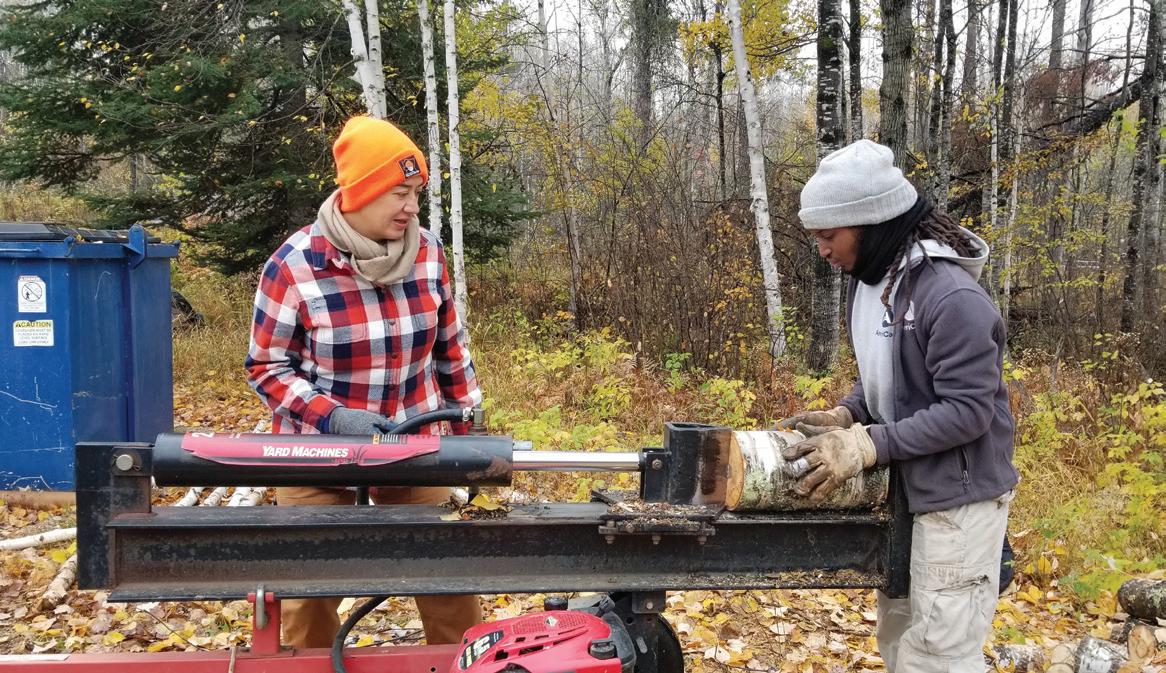
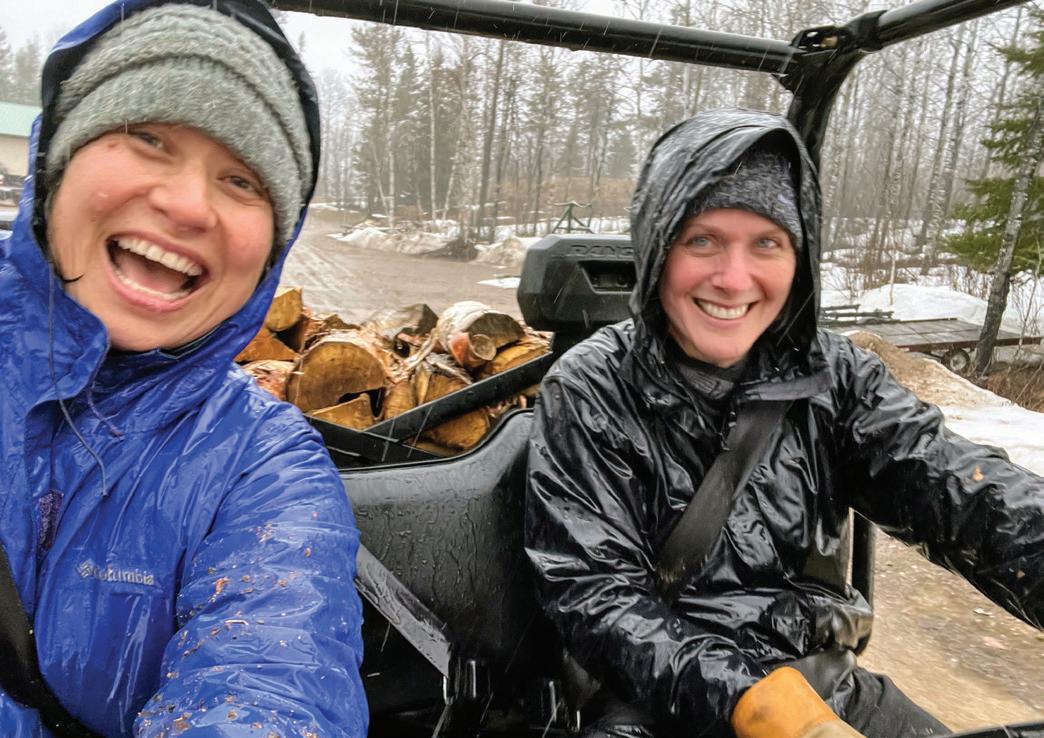
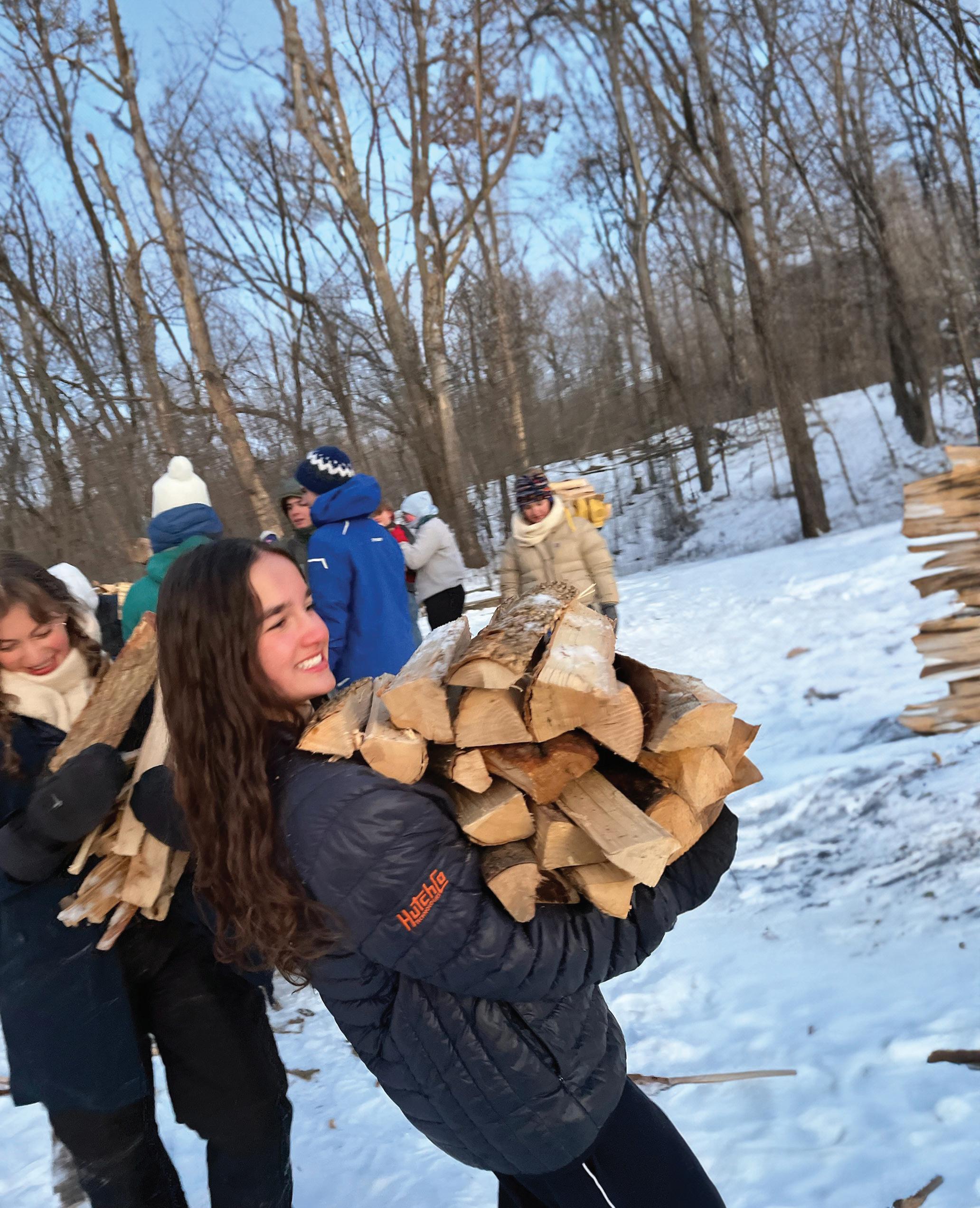
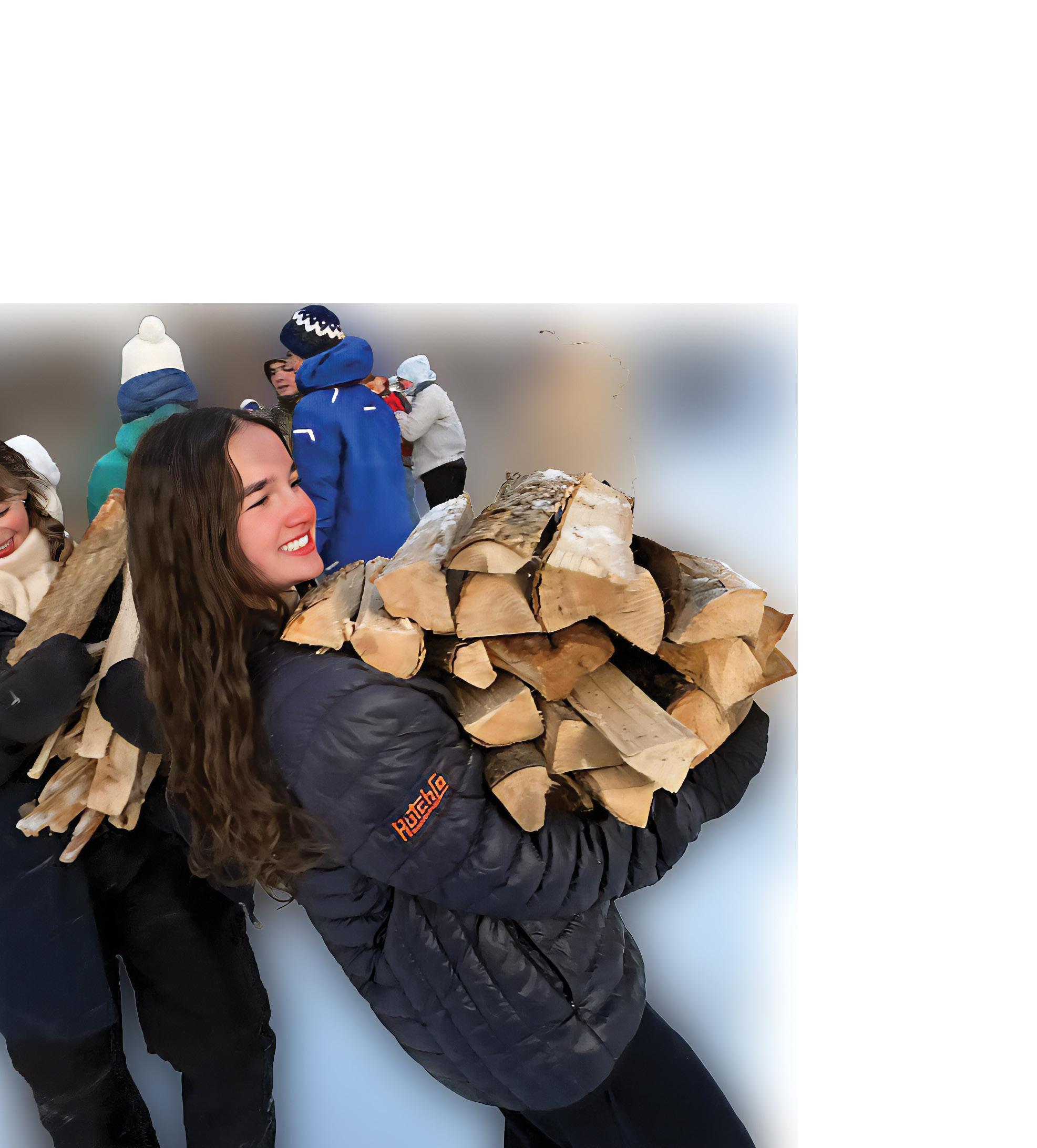
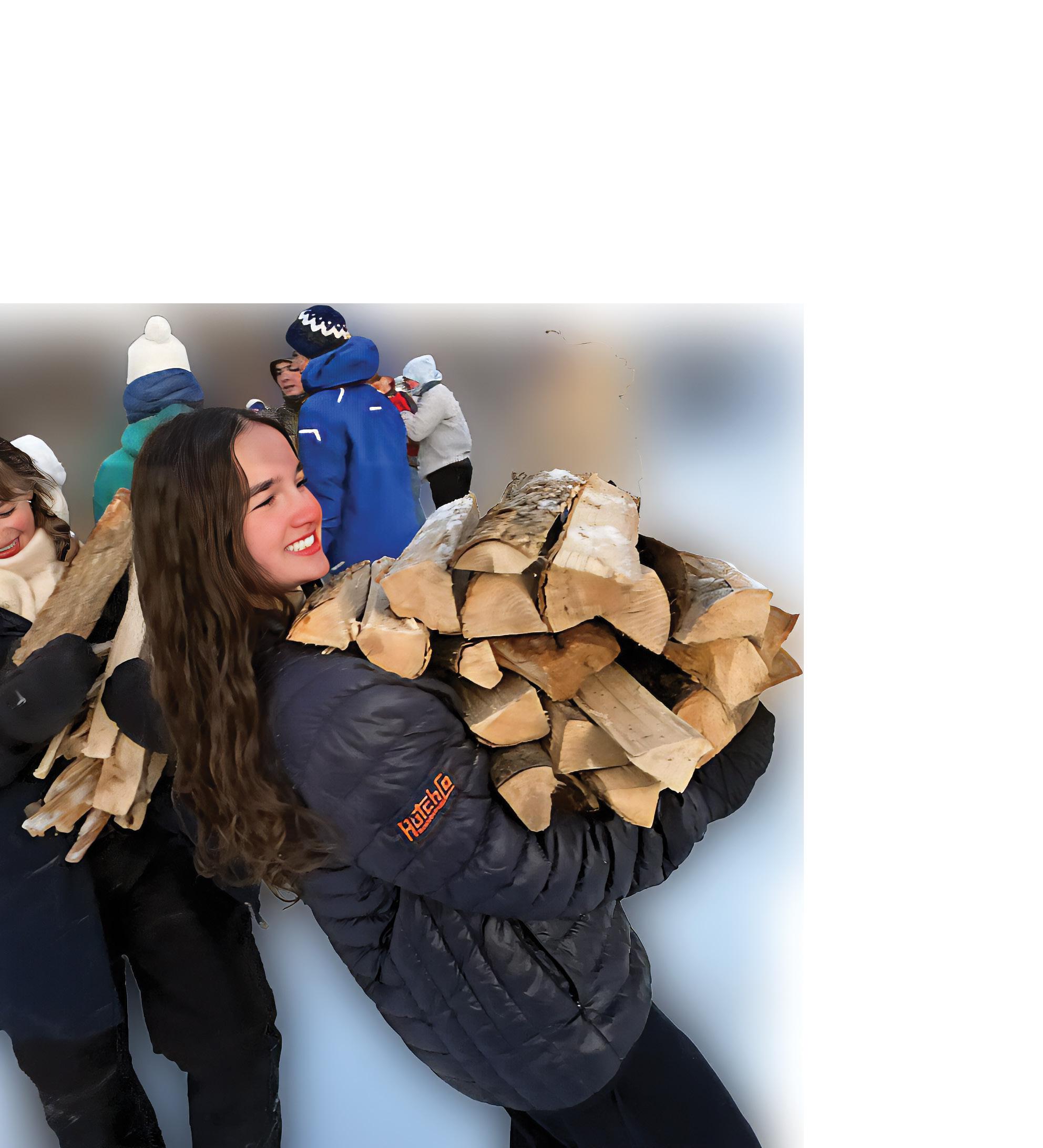
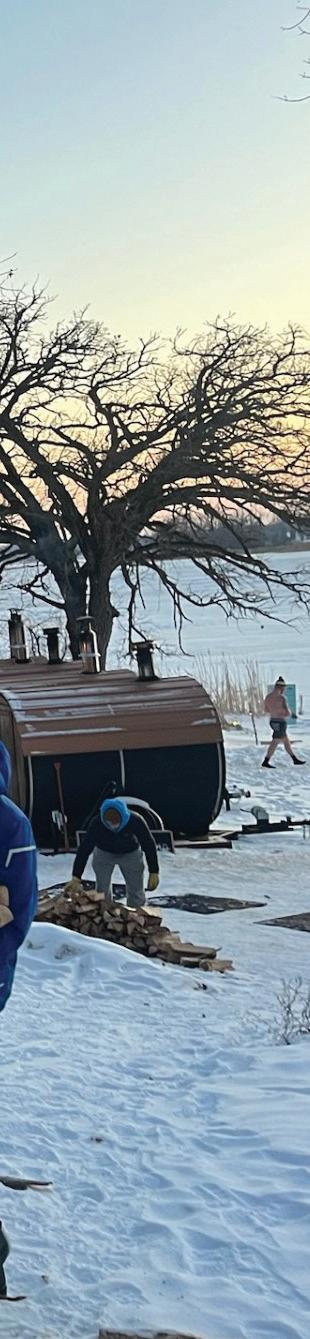
1. Volunteers running the wood splitter at Impact weekend. 2. Christine Salomon (L) and Karen Solas (R) having the time of their lives restocking wood sheds, in spite of driving sleet, soaked clothes, and not being able to feel their fingers. 3. Karen and Sarah Rudolf stacking firewood. 4. Volunteers at Impact weekend. 5. A volunteer working at Impact weekend. 6. Sam and volunteers stacking firewood.
HOMEGROWN LEADERSHIP
Four campers grew up and took over camp.
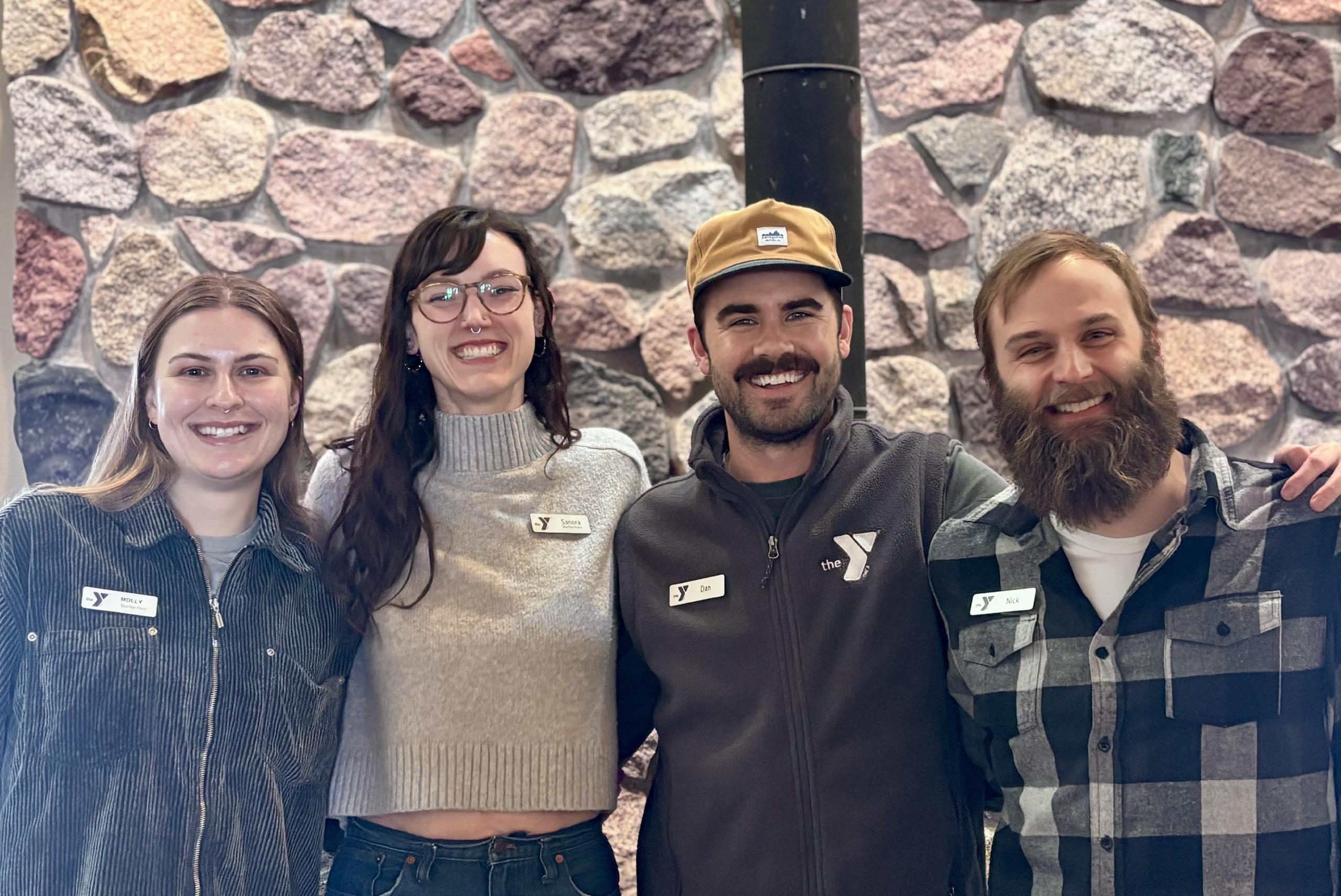
Walking around YMCA Camp St. Croix, the echoes feel layered — today’s laughter rising easily over a century of songs, stories, and splashing puddles. The cabins are still the same weathered wood. The flag still climbs the same tall pole. But at the heart of this 117-year-old camp, something new is stirring.
Now imagine a world in which four former Croix campers grew up, got a job working for the Y, and became Camp St. Croix’s leaders. (Somewhere John Duntley and Tom Kranz are smiling as they read this). Those layered echoes just got deeper, and there’s no one better to build new traditions on top of the old ones… together, they have quite the story to tell.
In this conversation, they reflect on what it means to return — not just to a place, but to a legacy. They share how they’re honoring the camp’s history while reimagining it for the next generation, breathing fresh energy into rituals that have shaped campers for a century. At Camp St. Croix, the story is still being written — by leaders who once sat on these same benches, dreaming of who they might become.
Please note the current Camp St. Croix team includes eight additional full-time, year-round staff who are equally passionate about and dedicated to camp!
Senior camp program coordinator (fall, winter, spring programs) since September 2025
Executive director of Camp St. Croix since February 2025
Senior camp program director (fall, winter, spring programs) since 2025
• 1995-1999 camper
• 2009-2012- summer staff at Camp St. Croix
• Full time with the YMCA since 2014, various roles
• 2006-2017 camper
• Multiple years as a day and overnight camper at St. Croix
• Summer staff at DayCroix 2008-2013
• Program director at YMCA Day Camp Heritage 2015-2018.
• Program director & executive director of Camp Northern Lights 2018-2025
• 2017-2021 summer staff at Camp St. Croix and Outdoor Learning Program staff
• Full time with the YMCA since 2024, various roles
Nick Duchow
Molly Dayton
Camp business administrator since 2025
Sanora Braucks
Dan O’Brien
Q&A WITH CAMP ST. CROIX LEADERSHIP:
WHEN YOU WERE YOUNGER, DID YOU EVER IMAGINE WORKING AT CAMP ST. CROIX?
DAN
The thought crept into my mind around 2010 when I was helping with some seasonal work at Croix in the winter. I saw how much was going on ‘behind the scenes’ to prepare for summer, AND that Camp St. Croix offers so much during the fall/winter/spring. I wanted to be a part of that!
NICK
When I was a camper, I told myself that I wanted to grow up to become a camp counselor. I just looked up to all of my counselors so much. Through my teens I kind of forgot about camp until I had a friend (it was Dan) who started working at Croix as a counselor one summer. I’d see him on weekends and just live through his stories that summer. The following summer I also applied to work at camp and really never looked back.
MOLLY
I did! My dream job growing up was to be a camp counselor. Once I joined the seasonal staff, I continued to learn more about the Y, the Y Adventure Team, and my own personal goals, which furthered my interest in a full-time role. My current role as Sr. Program Coordinator for fall/winter/ spring programming allows me to use the skills I gained as a camper and seasonal staff member, along with my education, while continuing to grow and be challenged as a full-time team member!
SANORA
I always loved to be outside and in nature, getting to participate in trips and activities that I wouldn’t typically have the chance to enjoy! I have gotten to go to the Boundary Waters, the Apostle Islands, the Namekagon and Flambeau rivers, and many more beautiful places through our programs. Many of these trips were beautiful experiences that challenged me and shaped who I am today.
WHEN YOU WERE A CAMPER, WAS THERE SOMETHING YOU LOVED ABOUT CAMP ST. CROIX?
I just felt like I belonged. I just remember feeling like the best version of myself when I was there, and I wanted to help create that feeling for others.
NICK
There was one week as a summer camper at Croix that is the true roots of my passion for this place. It was a very wet week; a lot of the scheduled programming we had that week was getting canceled due to the weather, and my counselor really created some of the most special “camp magic” for our group that week. Instead of sitting around and trying to wait out the rain, we went on hikes and truly explored camp in a way that we had never done before with any other counselor. Our counselor had hyped up our group so much about where we were and how far we’d traveled, even though we didn’t go anywhere far, that he created almost an alternate reality we were living in during that hike – so much so that one camper in the back of our hiking line shouted during our hike, “I think I see a moose!” From that point on, our hike turned into a moose hunt. Most of us knew we were not going to find a moose, but there was still a little bit of hope we had during that hike.
MOLLY
My counselors were my absolute favorite part of camp. I found a strong sense of community and belonging at camp that instilled so much confidence in me as a young person, while also helping me learn to appreciate nature and the outdoors - that experience stayed with me long after my camper years!
SANORA
I always loved to be outside and in nature, getting to participate in trips and activities that I wouldn’t typically have the chance to enjoy! I have gotten to go to the Boundary Waters, the Apostle Islands, the Namekagon and Flambeau rivers, and many more beautiful places through our programs. Many of these trips were beautiful experiences that challenged me and shaped who I am today.
DAN
Alum (you) to alum (readers), do you have anything you want your fellow Croix alumni to know from your side of camp?
We’re going to start offering more alumnispecific events, but Croix has so many annual events that alumni should see as an opportunity to be at camp and connect with friends old and new alike.
SANORA
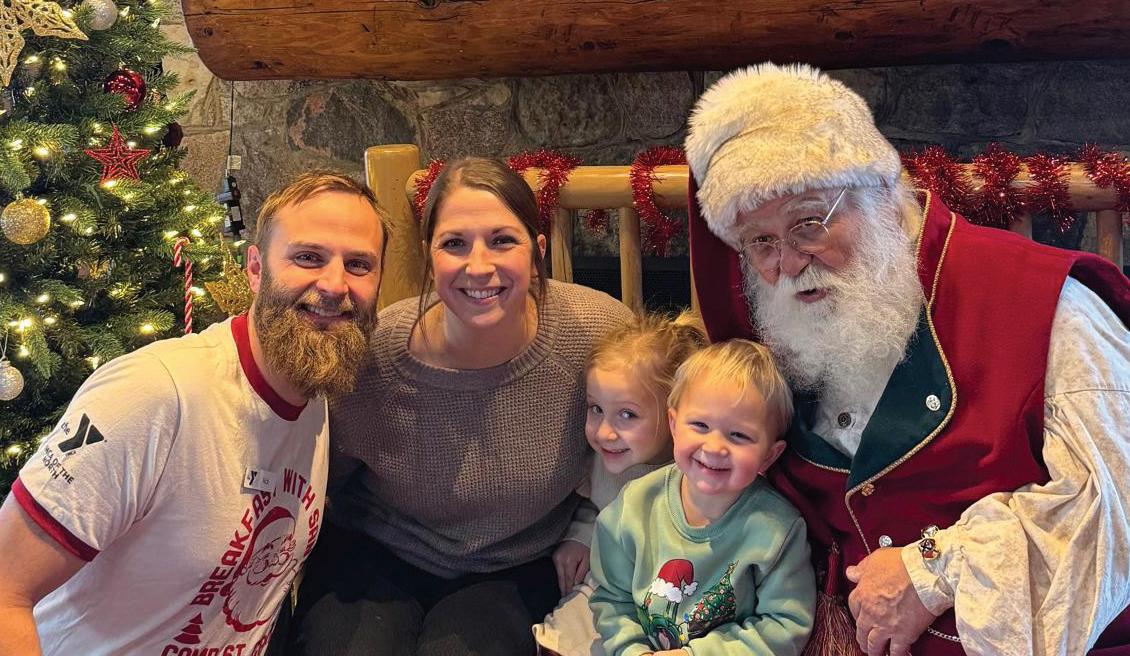
There are so many ways to be engaged with camp and stay in the loop with what is going on! Whether it is attending community events like our Summer Pizza nights or Breakfast with Santa, stopping by to look around and see what has changed/stayed the same, or reaching out to let us know about your Camp St. Croix story!
As full-time Croix leadership, what is a goal or vision you have for camp?
I just want to create a place that feels like home to everyone. Whether you are here with a school group for a day, or you’re here for a week of summer camp, or you’re here for one night as a guest at someone’s wedding, I want this place to feel like home to you. I want to spread the magic that I felt as a camper and still feel today.
My dream is for Camp St. Croix to continue growing and reaching more members of our community. We offer so many types of programming, and there truly are many ways to be involved - as a camper, staff member, volunteer, participant, and more. I want camp to continue being a welcoming, accessible space where everyone feels they belong!
MOLLY
NICK
DAN
Do you think that having so many Croix alumni on staff is significant or has any influence on the direction camp is headed?
NICK
It is super fun having so many alumni on our current full-time team. You know that people care for this place in a deep way, as they all probably have their own “moose story.” The team here truly wants the best for both Camp St. Croix and its campers. They all love and care for this space and want to give people the same transformative experiences that they had as campers and seasonal staff.
SANORA
I think that having so many alumni on our full-time team is definitely an advantage, as it allows us to look back at what aspects of camp we appreciated and what worked well in so many different stages of our lives, as well as the things that didn’t work as well. Knowing what has or hasn’t worked well in the past and present allows you to make more informed decisions about how we want Camp St. Croix to look and be in the future!
INSIDER
INFORMATION FROM ONE ALUM TO ANOTHER
MOLLY
There is a bald eagle couple that lives in one of the tall white pine trees near the arts & crafts building. My office has a perfect view of them, and they swoop all around the A-Field collecting sticks. Their nest is getting bigger every day!
DAN
The River Center still smells the same, the sound of an arrival day in the summer still sounds the same, and yes, Buffalo Bob still works here and is a key part of the ‘camp magic.’
What is one main idea that you hope everyone who picks up this article walks away with?
DAN
We miss you! Even though camp has changed a lot over the years, there are so many things that feel familiar. Whether that be a physical part of camp or a program, the ‘bones’ of Croix are still there, and we need your engagement.
MOLLY
I hope people see just how much love we pour into the work we do. Camp St. Croix is a special place with a community that is always ready to welcome others in!
NICK SANORA
“Fun fact – the famous Gum Tree still stands, even though now it “grows” less gum”
Along with songbirds, you frequently also wake up to roosters crowing now at dear ol’ Camp St. Croix.
Camp St. Croix
Founded in 1909, Camp St. Croix is situated on 400 acres of woods, prairies, gardens, and pine-covered bluffs overlooking the St. Croix River National Scenic Riverway. Camp St. Croix is a perfect place for kids, teens, families, adults, and organizations to connect with nature and each other.
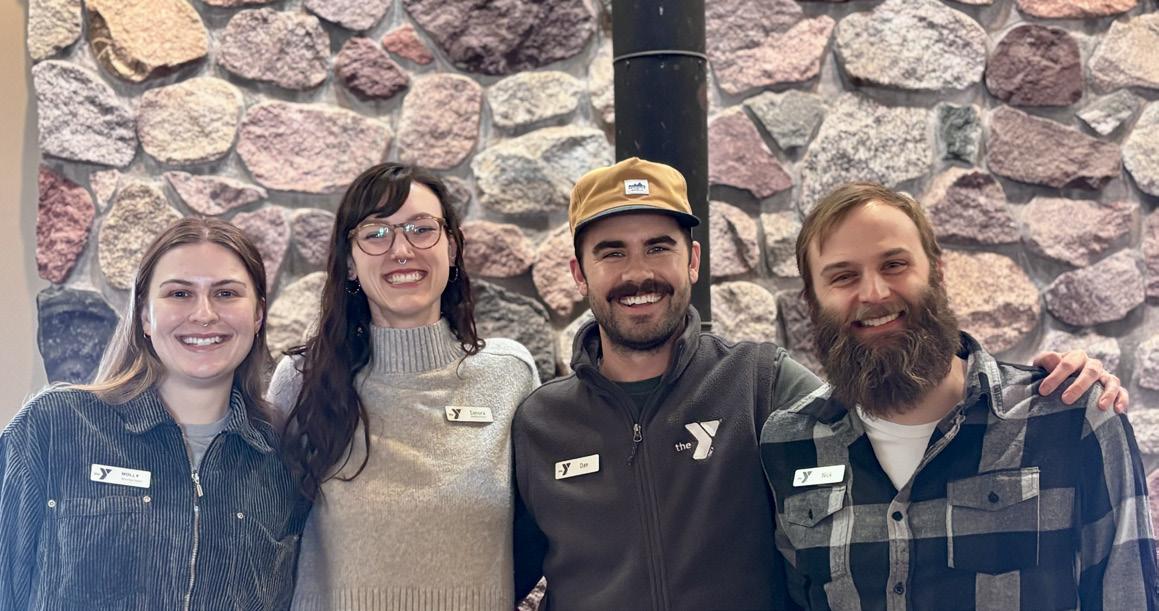
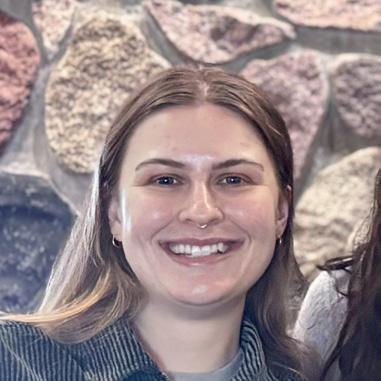
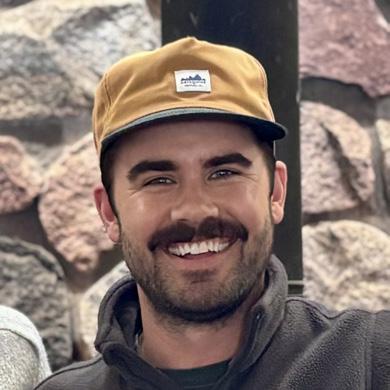
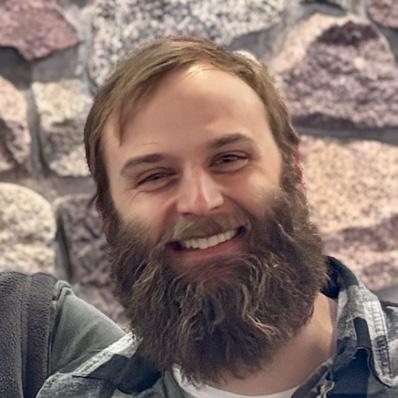
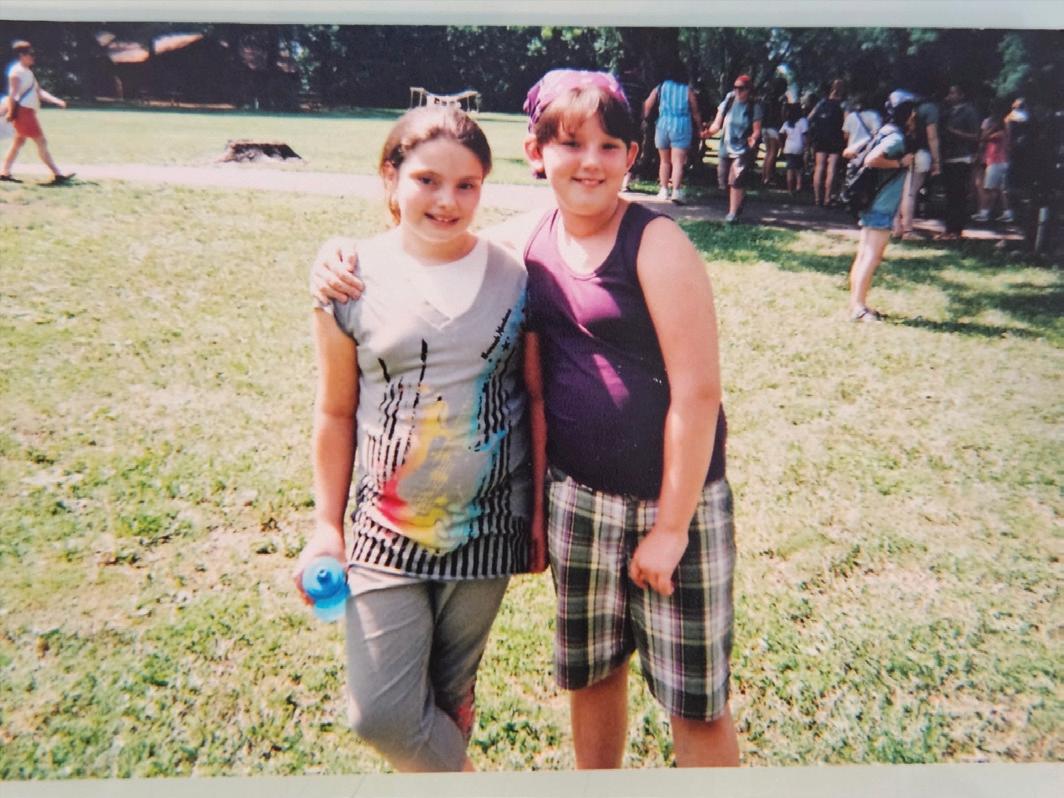
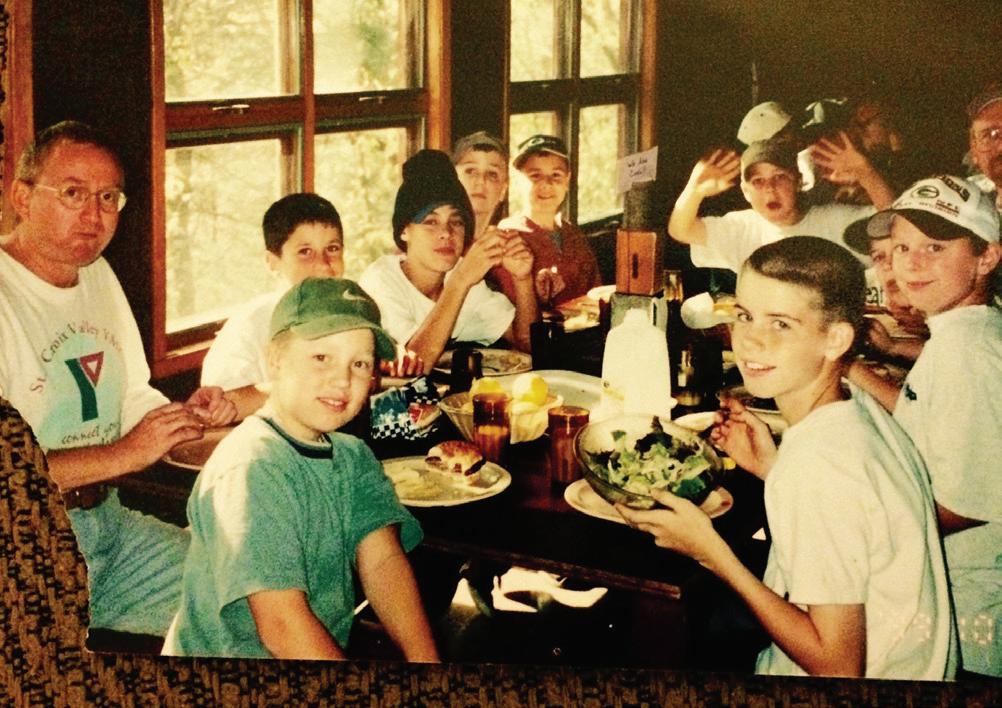
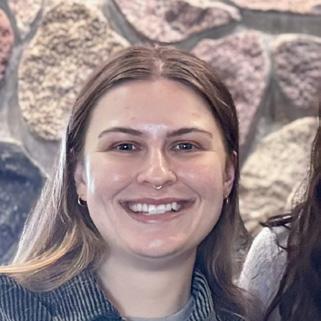
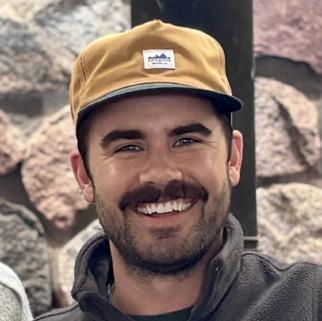
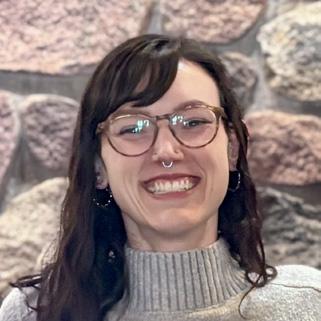
1. St. Croix leadership (L-R) Molly, Sanora, Dan, Nick. 2. Nick at camp as a child. 3. Sanora (r) and friend Chloe Larson at camp in 2009. 4. Molly at camp in 2010. 5. Dan’s first time at St. Croix (Dan is bottom right) in 2000. 6. Nick and his family at St. Croix in 2025.
A LEGACY THAT LIVES ON HITS A MILESTONE. THE WIDJIWAGAN ENDOWMENT FUND
WIDJIWAGAN ENDOWMENT SURPASSES $10M
YMCA Camp Widjiwagan reached a historic milestone in 2025 when its endowment became the first among YMCA camps to surpass $10 million.
By year’s end, Widji’s endowment totaled $11.96 million. Its 149 individual funds form an engine of long-term sustainability unmatched among the YMCA of the North’s camps. How Camp Widjiwagan reached this point is a story in itself — a testament to the generosity of donors over more than six decades.
This milestone also offers an opportunity to reflect on how endowments strengthen YMCA camps and sustain the mission of YMCA Camping. Widji’s remarkable growth demonstrates how generosity can ensure the continued impact of the Widji Way.
THE ENDOWMENT GETS ITS FIRST GIFT
This story begins in the late 1800s with a family of immigrants newly arrived in Minnesota.
Nearly 70 years before the endowment was created in 1962, Frank and Laura Nelson immigrated to St. Paul from Denmark. Soon after arriving, they discovered the St. Paul Area YMCA and its mission to strengthen spirit, mind, and body.
Believing deeply in those values, Laura Nelson walked her three young sons — George, Ralph, and Marshall — to the Downtown St. Paul YMCA and enrolled them as members. That simple act began a relationship with the YMCA that now spans five generations.
A FAMILY GROWS WITH THE YMCA
Marshall Nelson remained connected to the YMCA for more than 80 years. Other family members followed his example, serving as staff, volunteers, and leaders. Marshall’s sister, Tina, married Ted Gray, who served as director of Camp Widjiwagan from 1940 to 1945 during World War II.
Over time, Frank and Laura Nelson’s children and grandchildren built their own connections to the YMCA through Camps Widjiwagan and St. Croix. Across generations, family members attended camp as campers, Voyageurs, staff members, and health professionals.
Ned Therrien, a grandson of Frank and Laura, reflected on the family’s connection:
“The YMCA and camps are so important to young people. My experiences working at Widji influenced my life and led me to spend 32 years with the U.S. Forest Service.”
DETAILS OF THE FUND
In 1962, the family discussed how best to honor Frank and Laura Nelson. Marshall suggested establishing a Camp Widjiwagan Endowment Fund and made the first gift —
$20,555 — creating the St. Paul Area YMCA’s first endowment fund designated for Camps Widjiwagan and St. Croix. The fund still exists today with an unaudited market value of $192,769.
Today, 149 endowment funds valued at $11.96 million support Camp Widjiwagan. The endowment provides nearly $400,000 annually — about 11% of the camp’s yearly budget — supporting scholarships, advanced trips, canoe fleet maintenance, camp upkeep, and wilderness adventure program infrastructure.
Donors can start a named endowment fund with a gift of $10,000 or more, and contributions of any size can be made to existing funds.
Amanda Schroder DeLong, senior director of major and planned giving, explains: “For some donors, knowing their gift is a long-term investment in camp is especially meaningful.”
What began with Frank and Laura Nelson’s belief in the YMCA has grown into a legacy of generosity, leadership, and opportunity that continues to support life-changing wilderness experiences for young people.
ENDOWMENT SIZE OF EACH CAMP
Endowment resources are unevenly distributed across camps. This shapes how much each camp receives annually.
WIDJIWAGAN HAS SEPARATE ENDOWMENT FUNDS
that support a variety of different things at camp.
Great camps don’t thrive by accident — they thrive because people plan for their future. Our endowment provides the steady foundation that keeps our mission strong through changing times. It safeguards access, strengthens our programs, and allows us to invest in the people and places that make this experience extraordinary.
- Michel Tigan
Building maintenance
Scholarships
A combined total of 8 camps 41.86 (unaudited as of 12/31/25)
The endowment is a long-term source of sustainability that helps make Camp possible year after year. Each year, a portion of the endowment is distributed to support camp operations — almost six percent of the total budget in 2026. Because the endowment is built from decades of donor generosity, its size varies camp by camp, which means the support it can provide varies as well.
For Widjiwagan, this translates to nearly 2 months of operating expenses.
What remains constant is its purpose: to strengthen camps, keep programs accessible, and provide reliable resources no matter what any single year brings. The endowment is a foundation for the future — one that grows as more donors invest in the mission.
Camp Widjiwagan
Camp Widjiwagan has been providing transformative wilderness experiences for youth from the edge of the Boundary Waters Canoe Area Wilderness in northeastern Minnesota since 1929. Through wilderness travel and environmental learning experiences, youth participants explore extraordinary places.
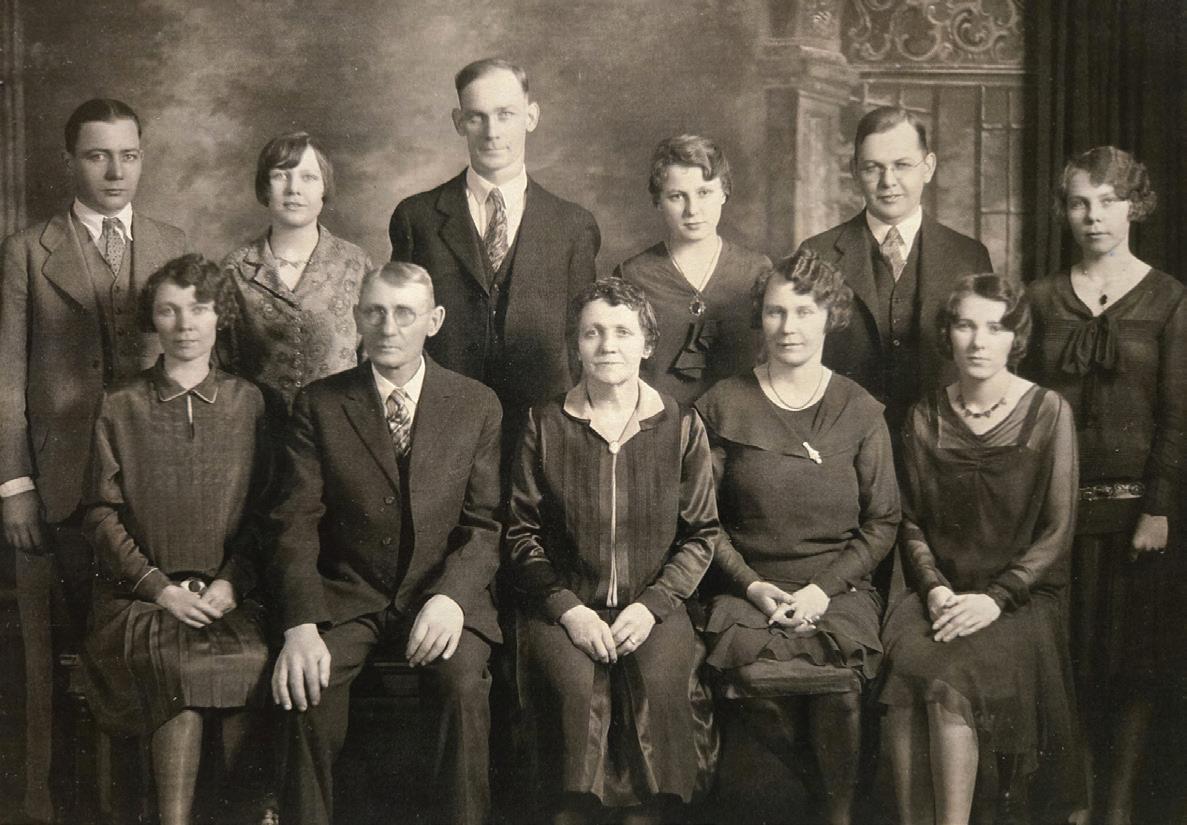
1. Kids at camp. 2. Nelson family in 1932, Front row l to r: Elizabeth, Frank Nelson, Laura Nelson, Alice, Helen. Back row l to r: Ralph, Christina, George, Dorothy, Marshall, Margaret.
CAMP ICAGHOWAN MEMORIES
SILLYBROTHER
CAMP
WATCHING
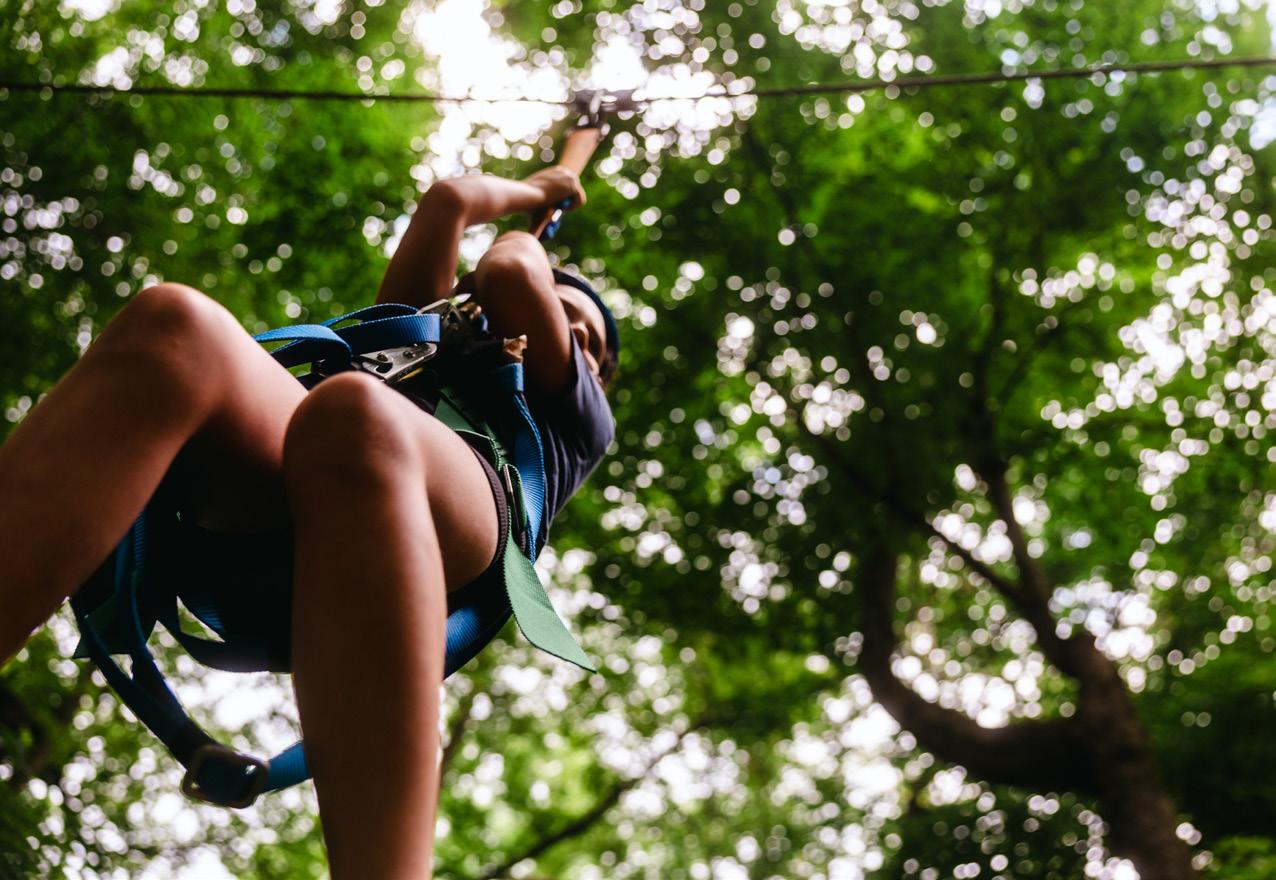
ZIPLINE TIME!
BELLY LAUGHS, BUG SPRAY,
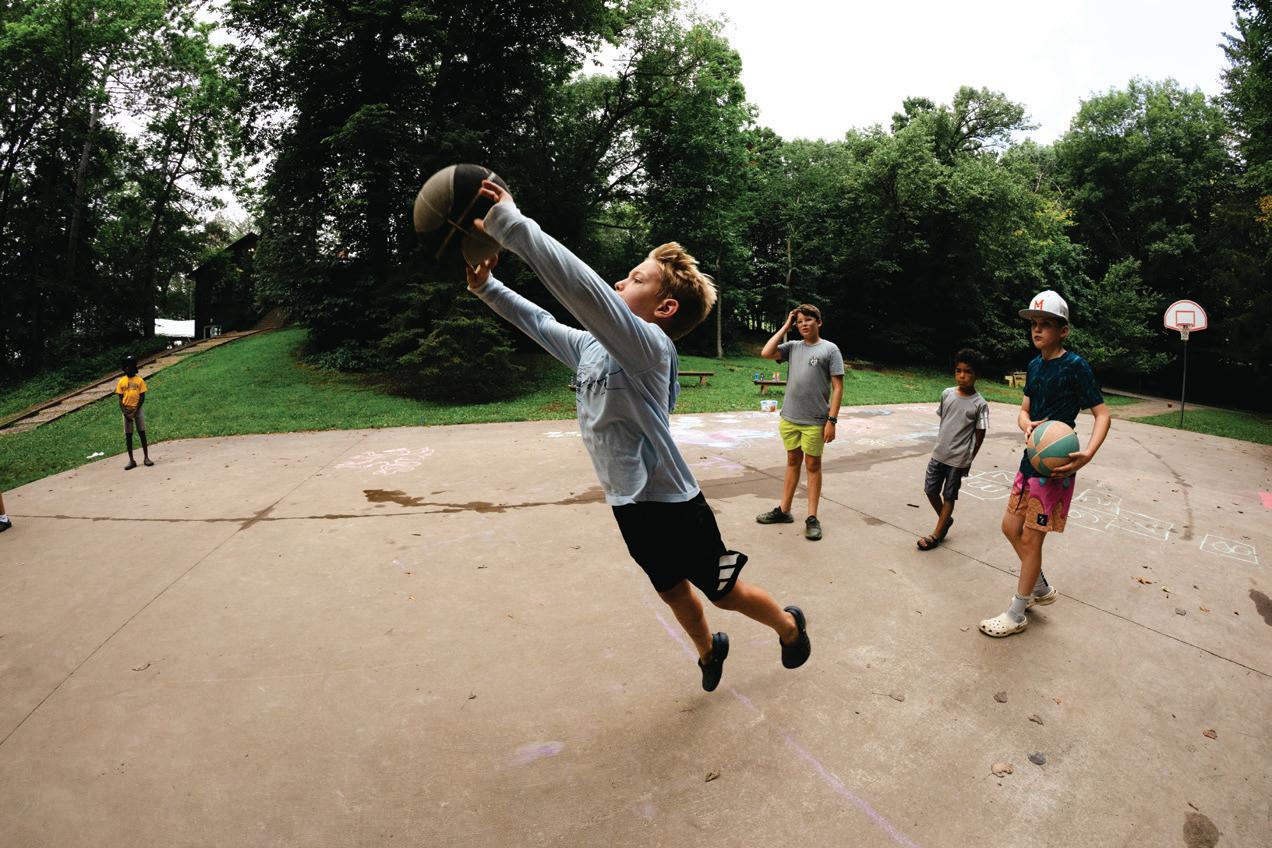
When asked to describe his first week at YMCA Camp Icaghowan, to his parents’ surprise, the first thing Augustus said was, “the food!” For a kid who can be particular at mealtime, mom and dad breathed a sigh of relief.
His parents pushed for more details, and he got a dreamy look as he recalled his week at camp.
As Augustus began to unpack the details, he said the first night, everything felt strange — the rustle of sleeping bags, the sound of crickets instead of city cars, and a dark cabin filled with bunk beds. But when his counselor started a quiet flashlight story about a friendly forest bear who couldn’t sleep, Augustus decided maybe camp was going to be cool.
A highlight that surfaced right away: he rode a horse for the first time. “It was WAY bigger than I realized when I signed up for that activity,” he noted. “I was a little nervous, but it was actually not scary once I got on it.”
And from there, the memories and special moments kept coming. He learned to make friendship bracelets, toasted a perfect marshmallow over the campfire, and built a fort in the woods where his cabinmates decided only brave explorers could enter.
At the campfire, they sang songs, told jokes, and cheered so loud the echo bounced off the trees.
When his parents picked him up, he excitedly said, “I want to go back for the whole summer next year!”
Through the eyes of today’s campers
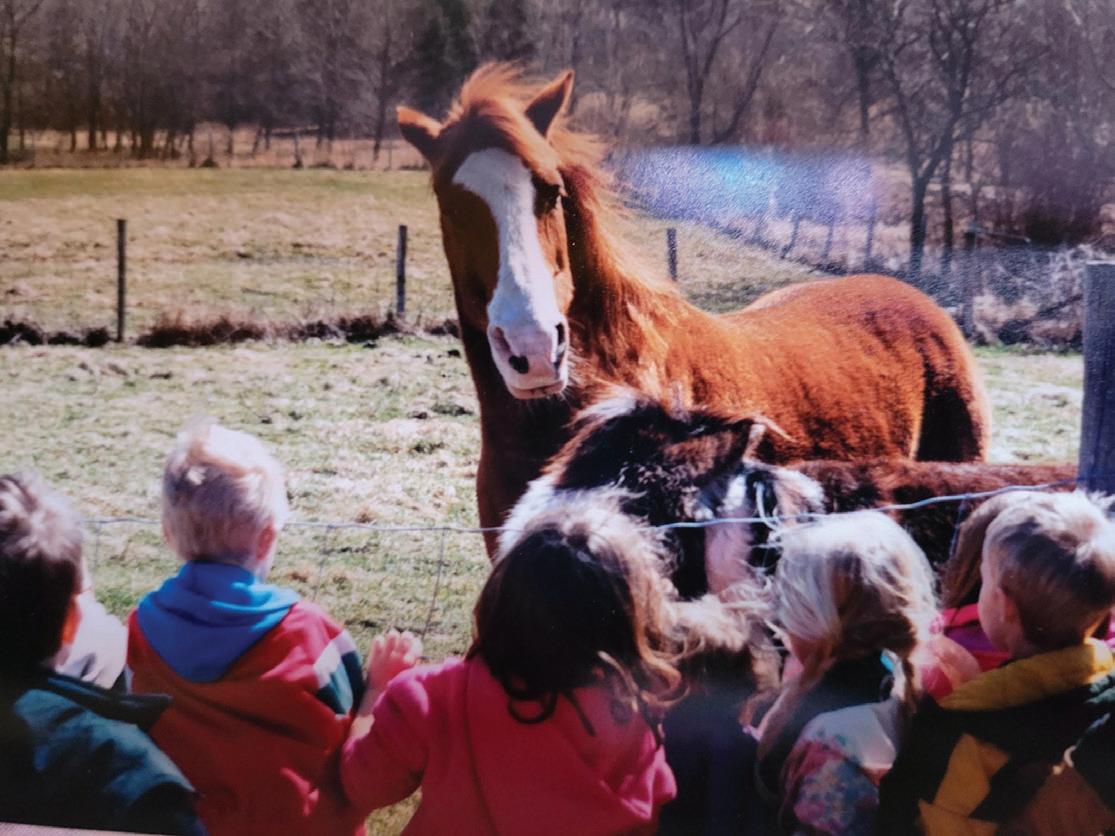
Like a game of “Spot the Differences,” these photos that outline one camper’s recent Camp Icaghowan experience may spark many “I remember when...” thoughts, which is truly the gift of this special place tucked in the woods. In many ways, the spaces feel timeless: the experiences look so similar, but each generation adds a unique spark to their time at camp.
Enjoy taking this journey with Augustus, age 8, as he shares his first week of camp.
Camp Icaghowan
Founded in
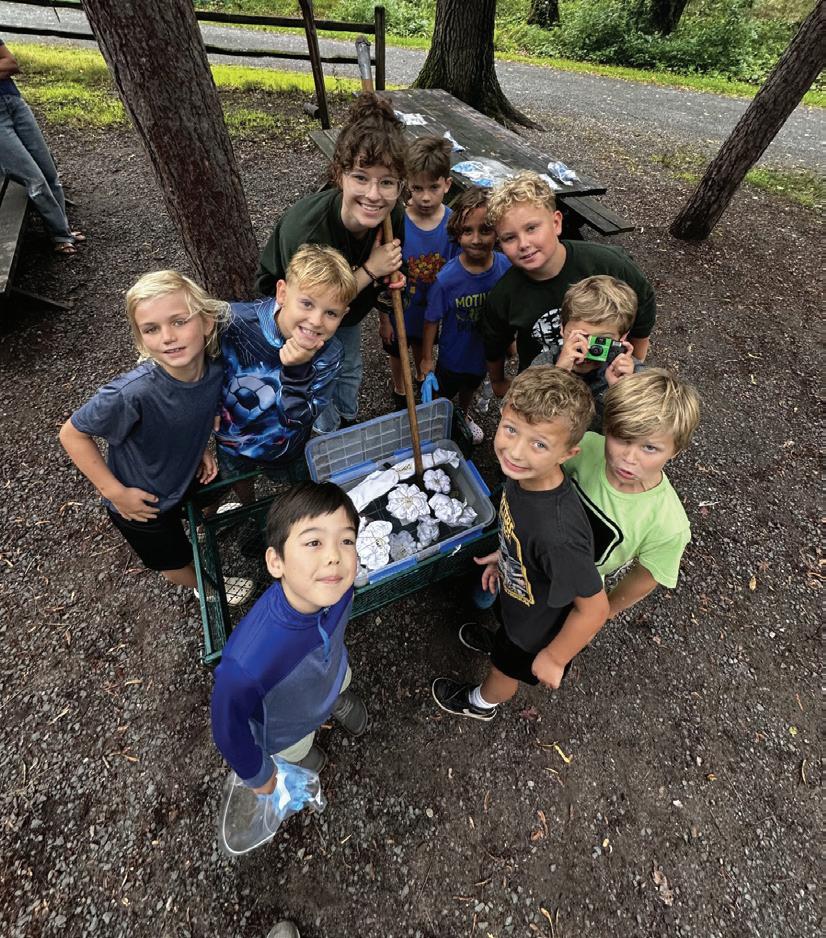
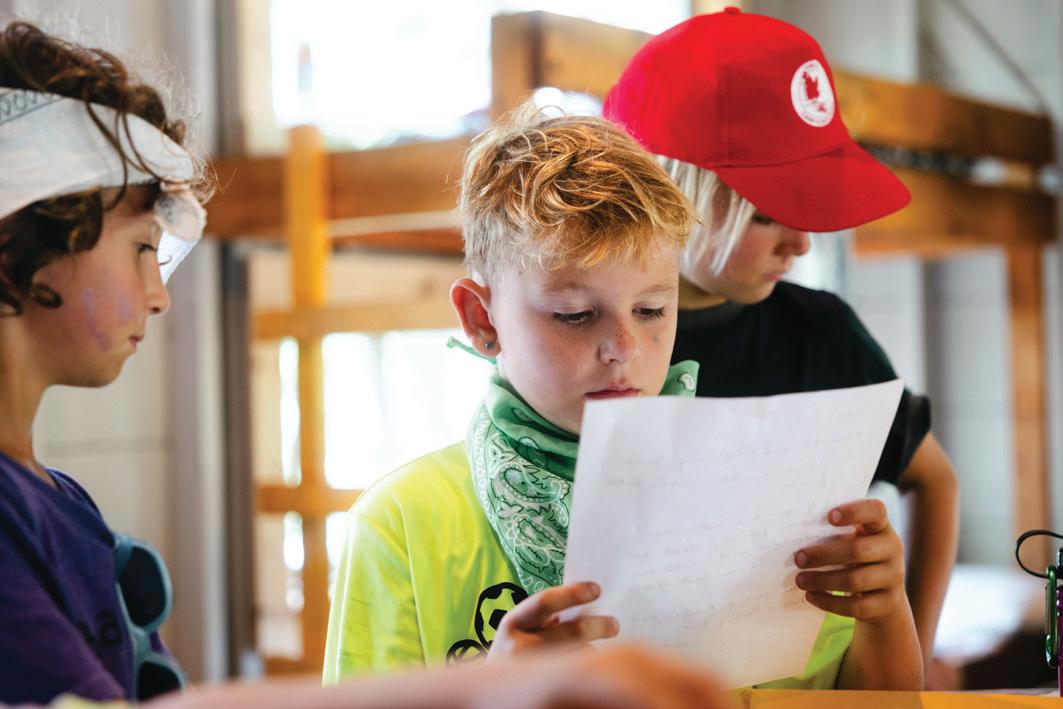
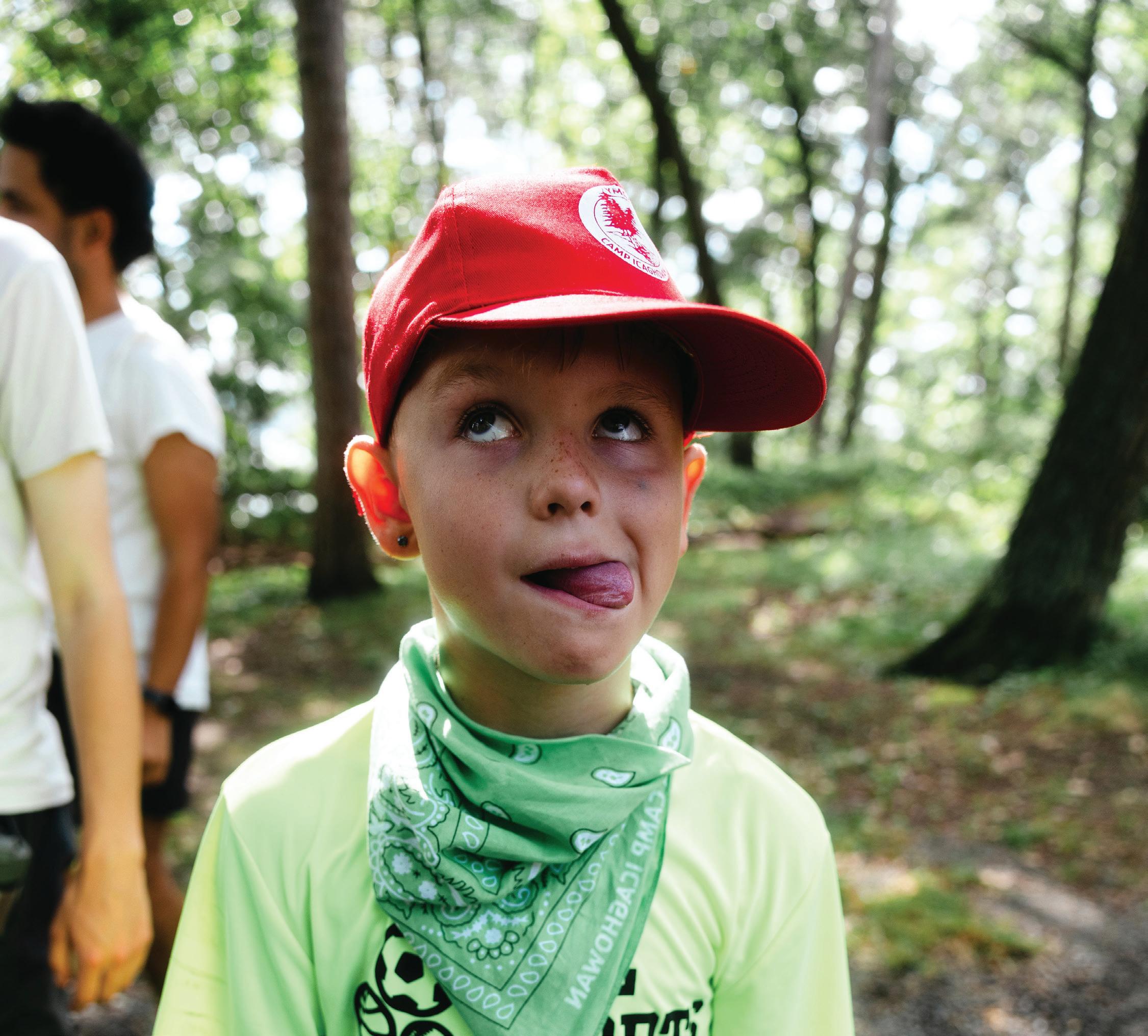
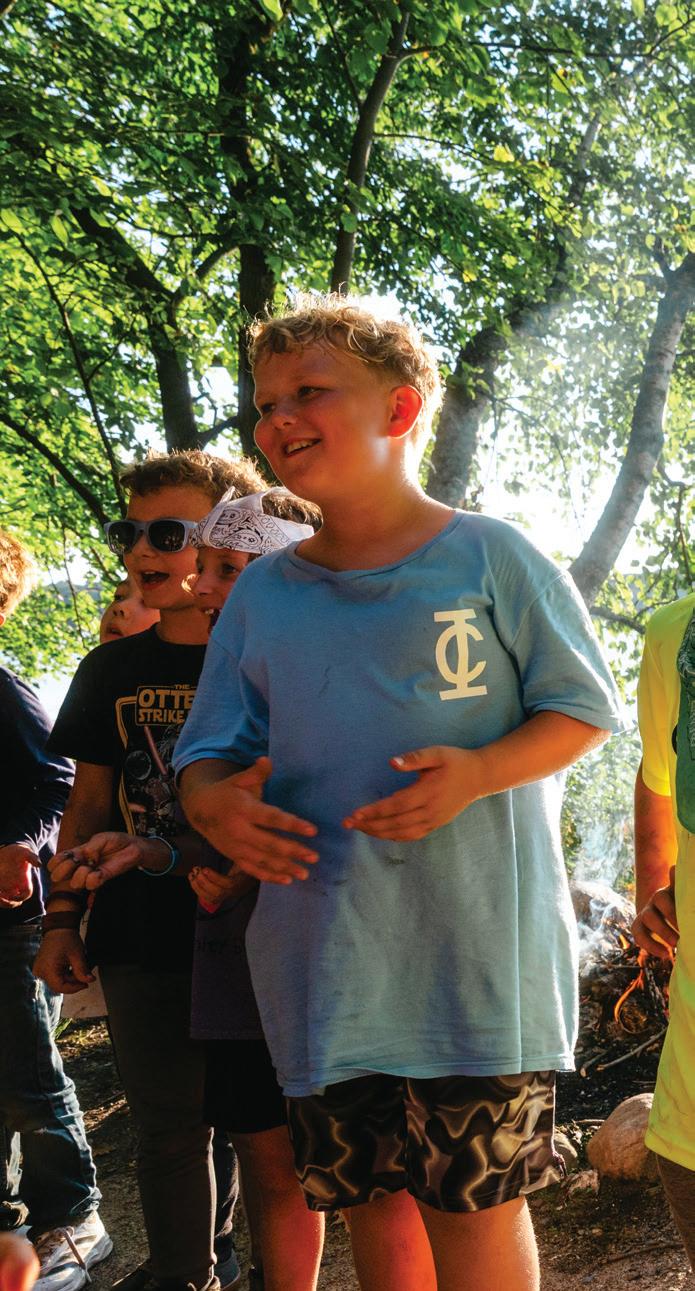
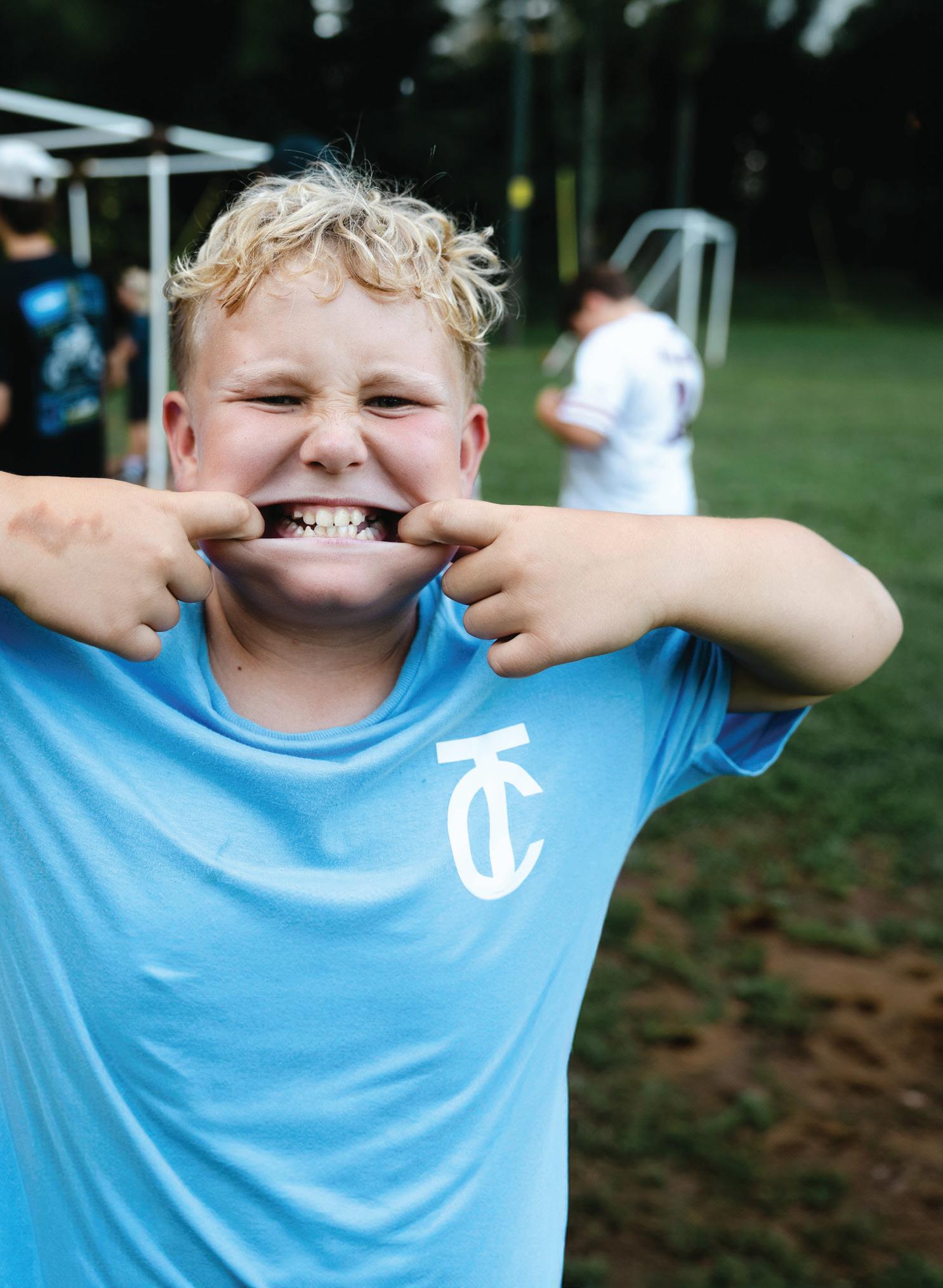
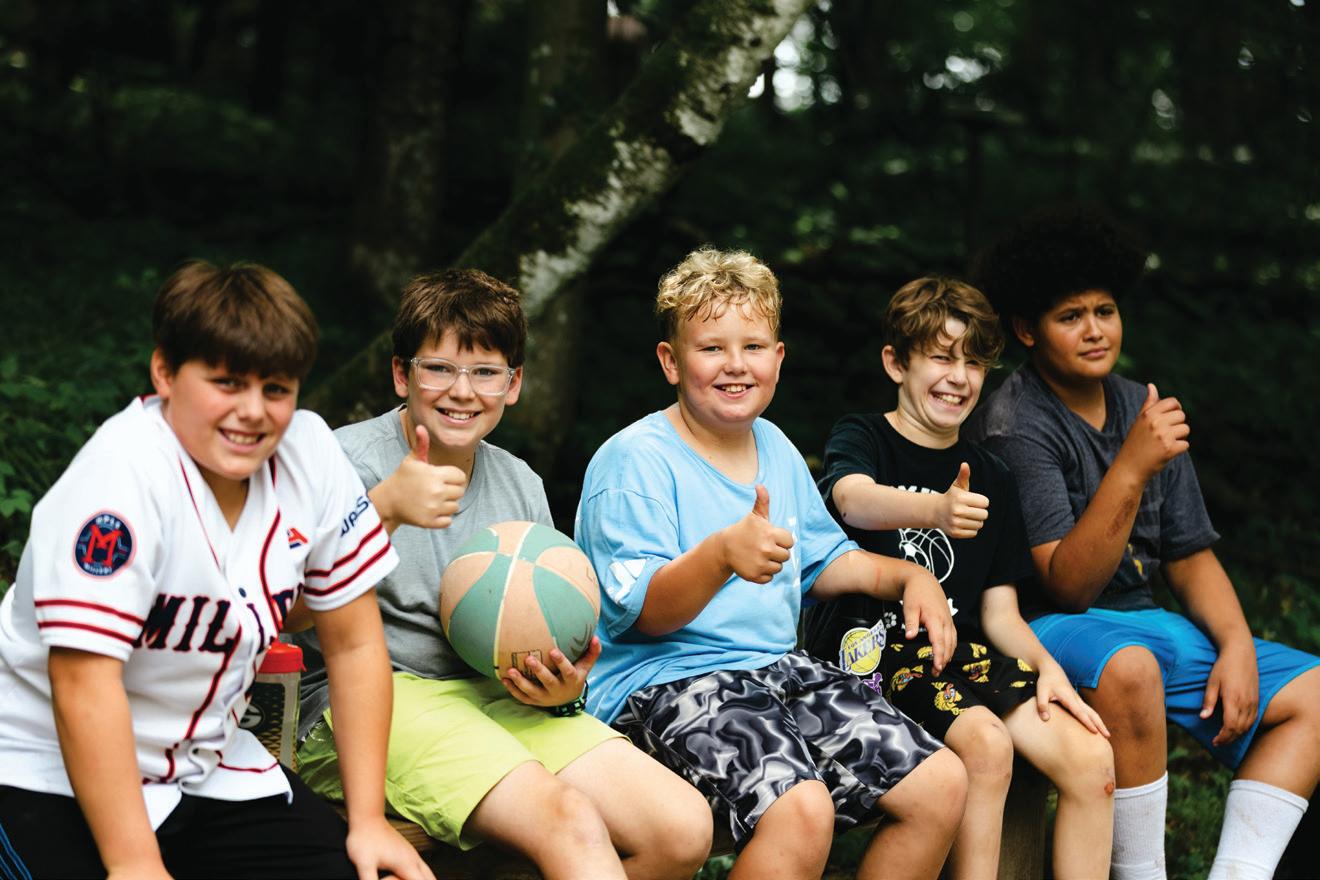
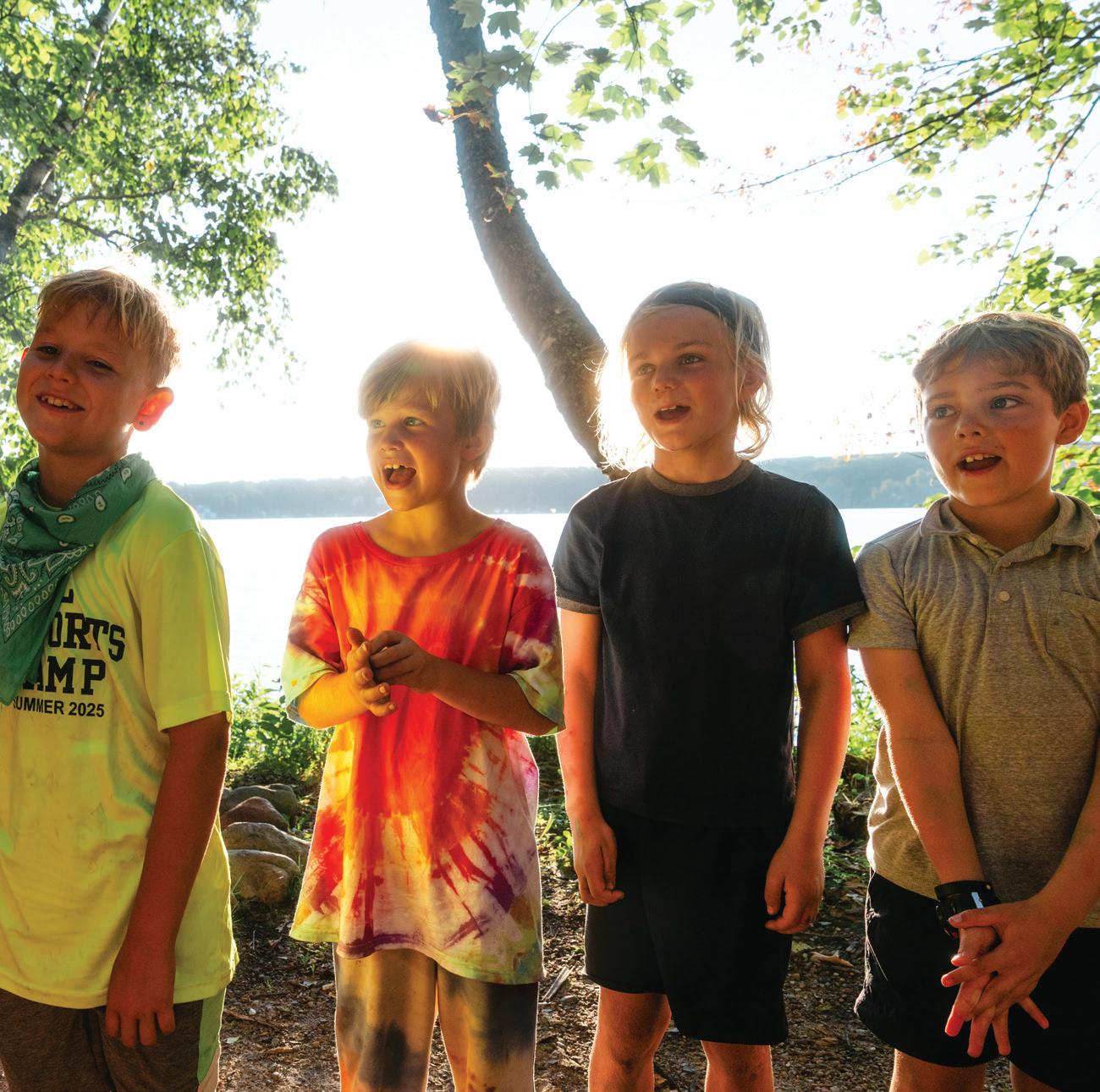
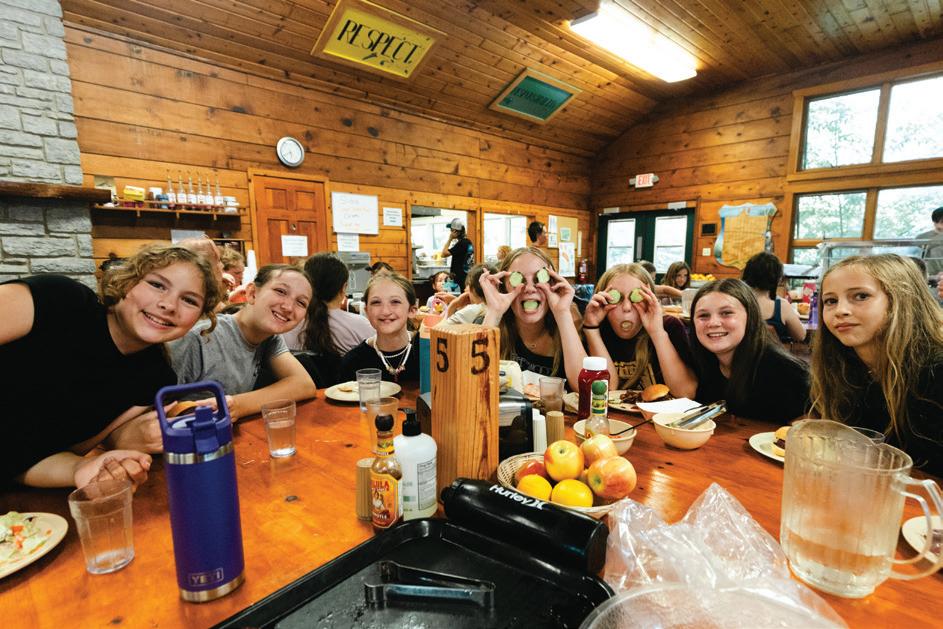
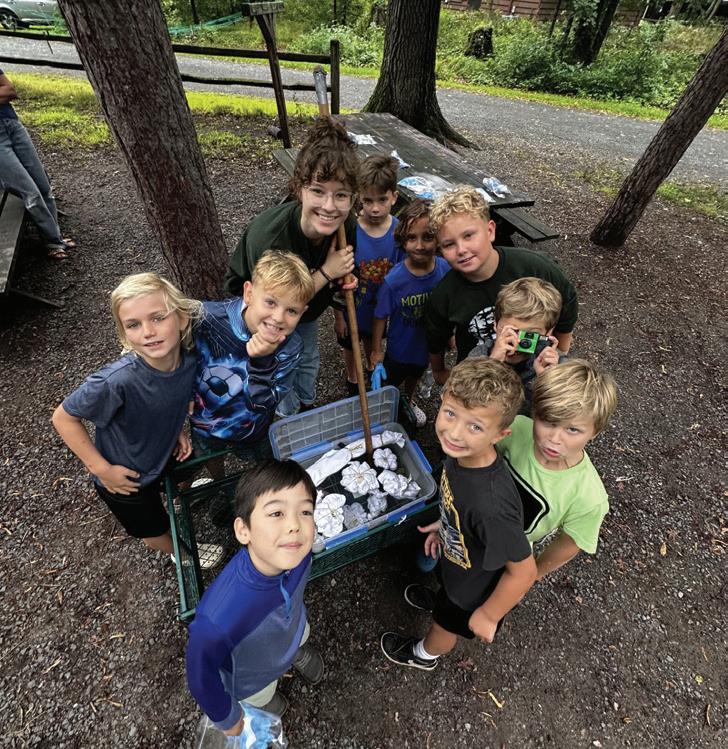
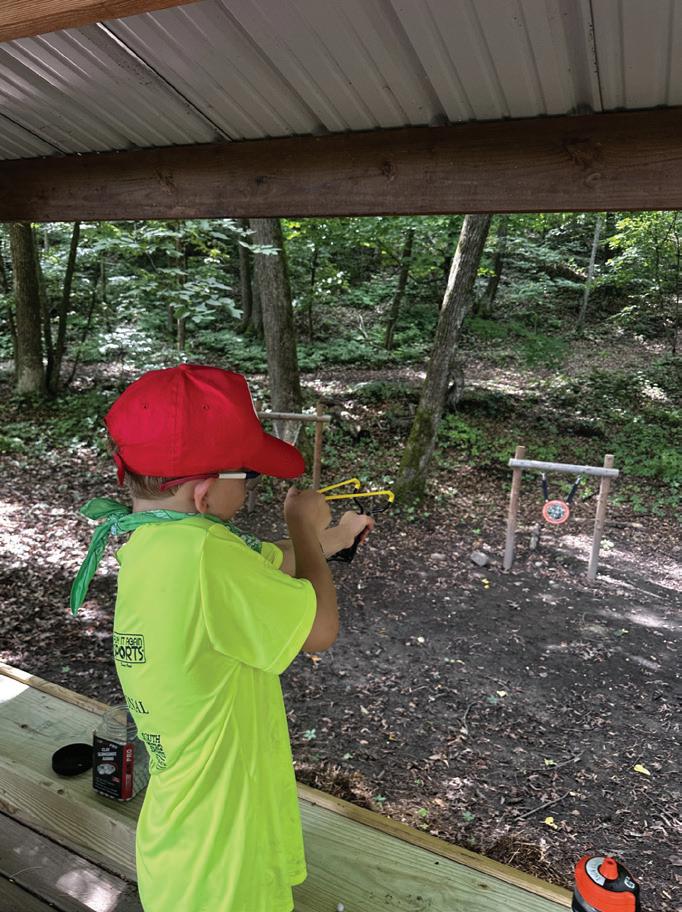
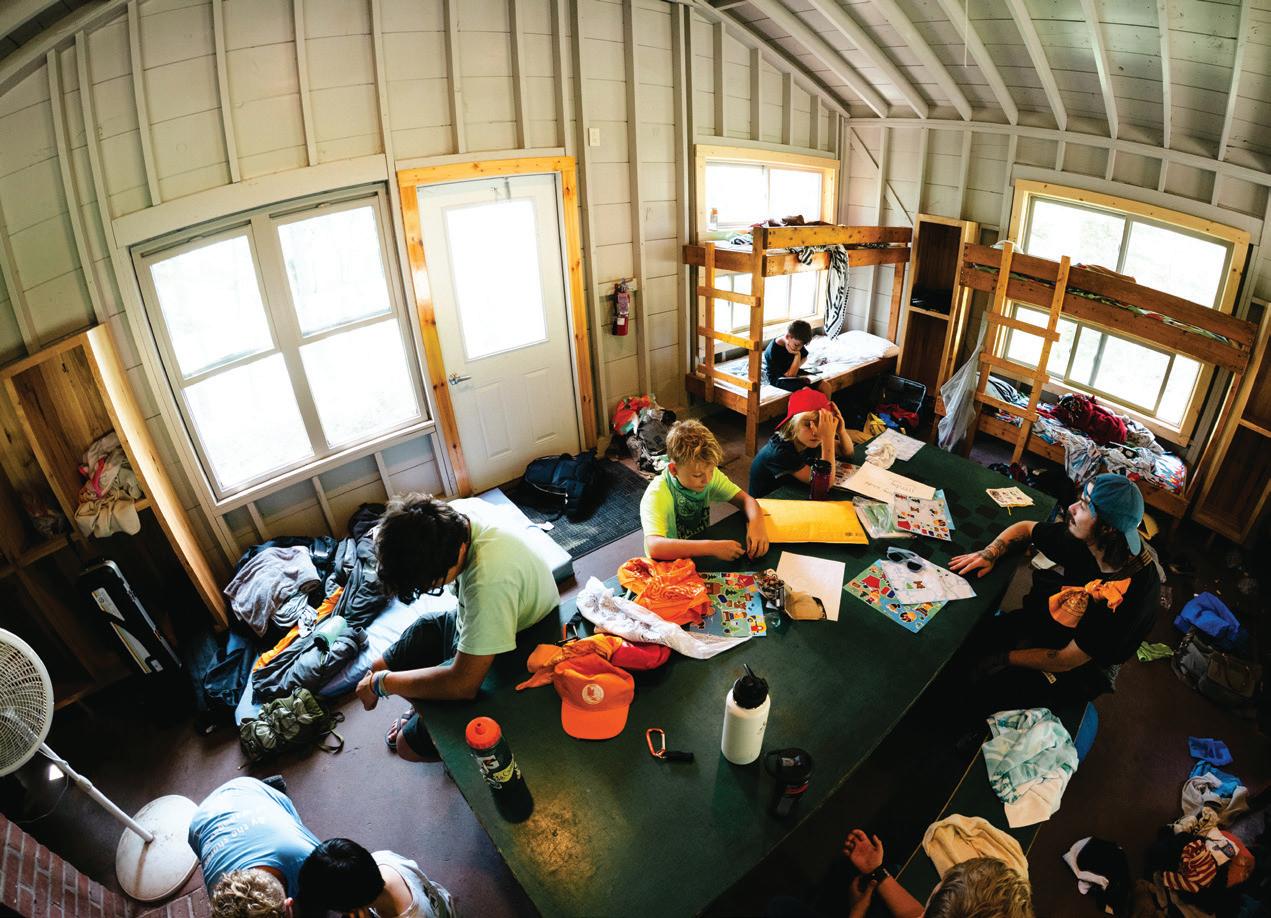
1. Gus and friends at camp. 2. At the evening campfire. 3. Campers in the dining hall. 4. Gus and his cabin, tie dying. 5. Gus, goofing around with cabinmates. 6. Gus shooting slingshot during afternoon activities. 7. Campers in their cabin during rest time.
1908, Camp Icaghowan is Wisconsin’s premier overnight camp for kids seeking a small community environment. Set in 120 beautiful acres of oak savanna adjoining Lake Wapogasset, Icaghowan features three tree houses nestled in the forest canopies and a 44-acre island.
WHERE CAMP LEADERS BEGIN
Inside the teen-led Leaders Club shaping confidence, friendship, and leadership at Camp du Nord.
LEADERS OF LEADERS
What makes Leaders Club especially powerful is its layered leadership model. More experienced members step into the role of “leaders of the leaders,” guiding activities, facilitating discussions, and mentoring peers. They don’t stand at the front with a script. They move through the room, encouraging quieter voices, rallying teams, and proving that leadership is strongest when it’s shared.
In a world where teens are often over-scheduled, and pushed into a hurried pace of life, Leaders Club is intentional in a different way. Hannah Loeffler-Kemp, summer program director, shared, “It is so important to create spaces for kids to come together and create community. Young people are eager to be leaders and build skills and learn from each other.” Leaders Club fosters a welcoming environment for teens to simply be together — to talk, to lead, to fail safely, and to grow. As a result, friendships form across grades and backgrounds, and new intersections of community are cultivated.
Leaders Club isn’t only about preparing teens for future leadership roles; it’s about honoring the leaders they already are — right now — by giving them a place to practice community building, find purpose, and discover the power of leading each other .
I think my confidence has really grown throughout my time in Leaders Club. I feel a lot more comfortable speaking in front of large groups, talking to new people, and coming into unfamiliar situations.
Twelfth grader Audrey Sternberg has been a member for four years. She shared, “I used to think that a leader is somebody who’s in the spotlight or telling other people what to do, and I’ve learned that it is so much more than that. It’s being selfless and vulnerable in front of people, but also authentic and putting in the work behind the scenes to serve the people that I’m leading.”
What makes Leaders Club matter isn’t just what they accomplish — it’s the space they create. In a world that pulls teens in a hundred directions, this club is intentional about bringing them together. It’s a place to connect, to be heard, to try something bold, and to grow alongside people who get it . Sylvia Lim, twelfth grader, who has been part of Leaders Club for three years, said, “I think my confidence has really grown throughout my time in Leaders Club. I feel a lot more comfortable speaking in front of large groups, talking to new people, and coming into unfamiliar situations.”
Audrey added, “My favorite part about Leaders Club is definitely getting together with friends that I don’t get to see every day and being able to count on the space being a silly yet supportive environment where we can have fun, play games, and be weird or have deep conversations about ourselves and our communities.”
Leaders Club is more than an after-school activity. It’s a launchpad — for ideas, for friendships, and for teens who are learning, together, how to lead with purpose and heart.
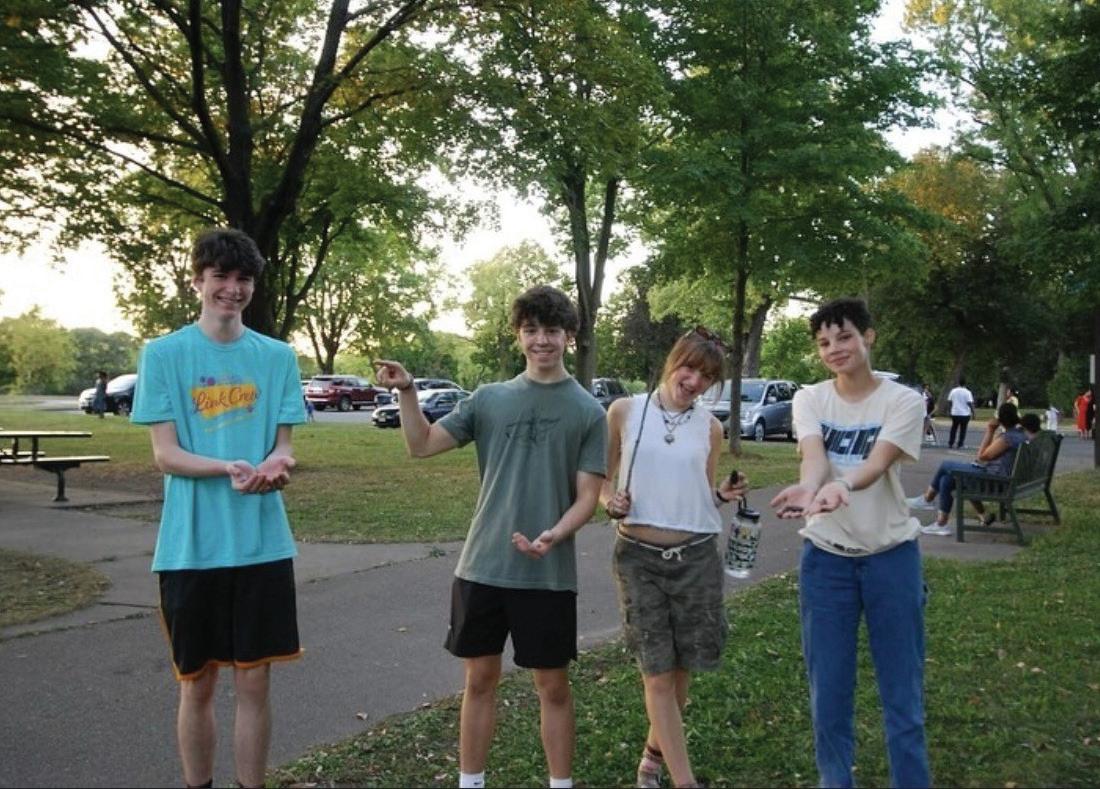
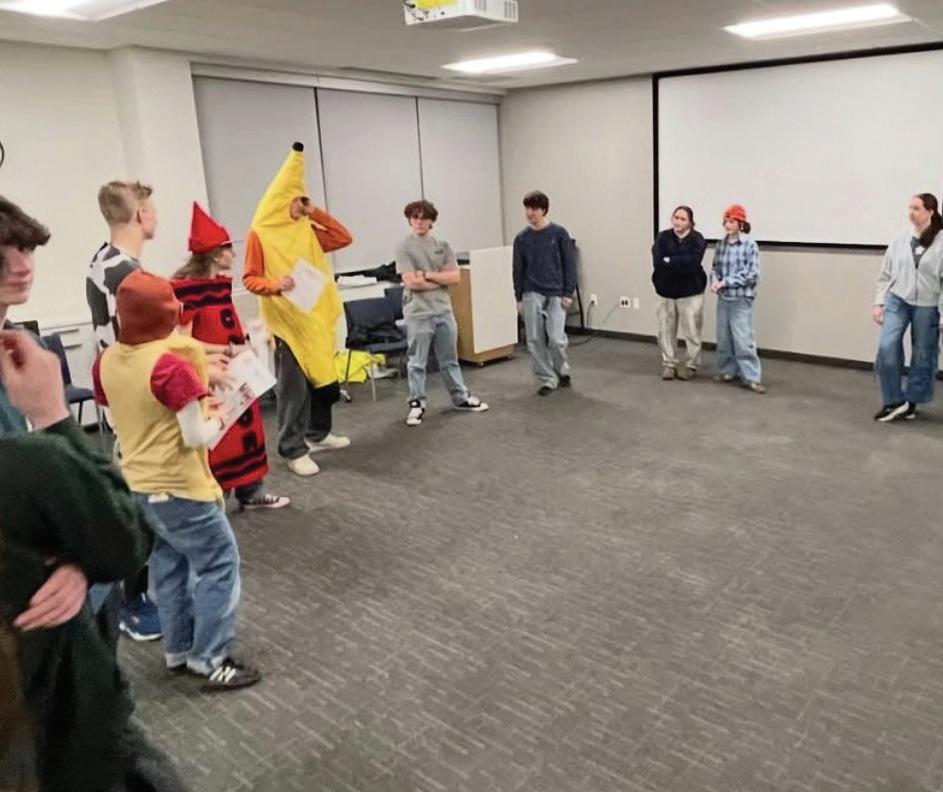
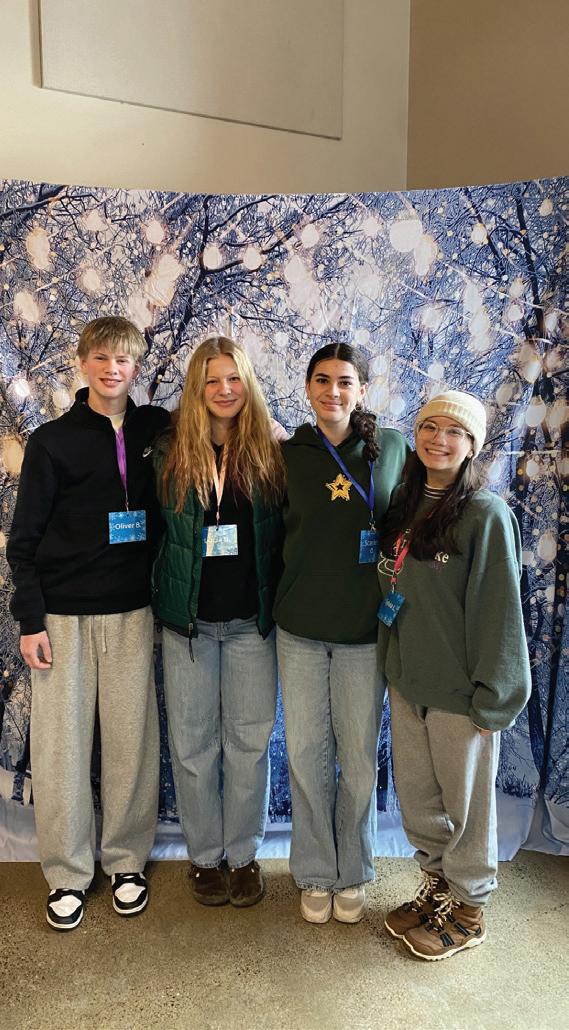
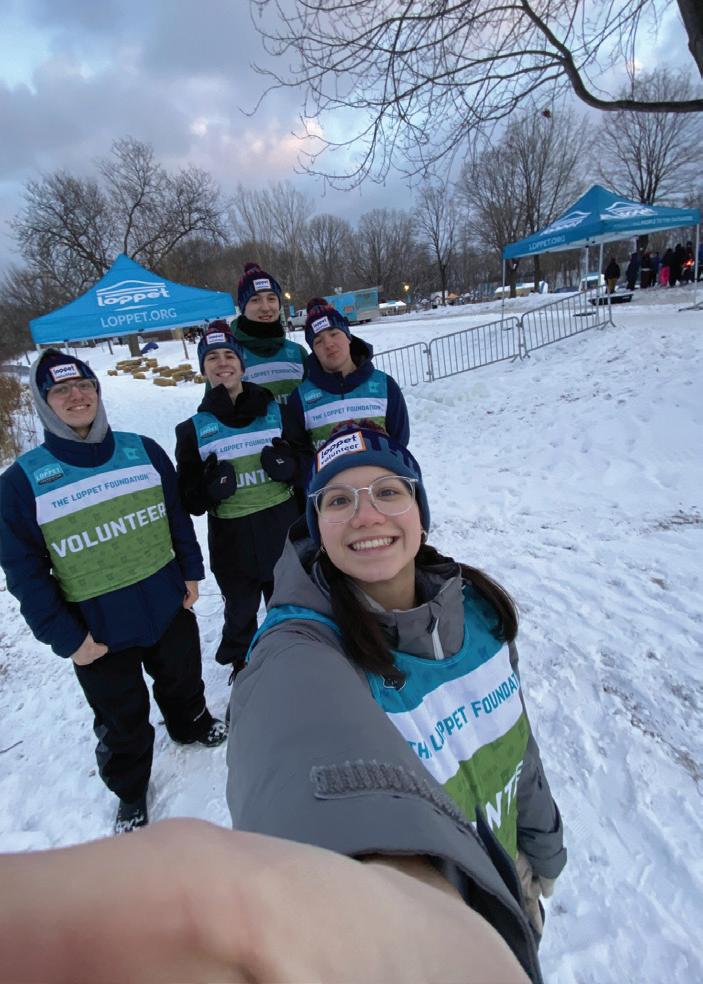
1. Leaders Club members carrying wood during a service project. 2. Leaders Club members. 3. Leaders Club members carrying wood during a service project. 4. Leaders Club members doing a team building activity during a meeting. 5. Leaders Club members. 6. Leaders Club members volunteering for the Loppet Foundation
5 6
Camp du Nord
Founded in 1961, Camp du Nord is a family destination located deep in Minnesota’s Northwoods. Situated on the edge of the Boundary Waters Canoe Area Wilderness, du Nord provides access to miles of hiking and skiing trails, as well as family and group programming throughout the year.
THE SWEETEST LESSON AT CAMP
How a timeless Minnesota tradition flows through the maples of Camp Ihduhapi.
Jana Graczyk (executive director 2021-25) remembers driving into YMCA Camp Ihduhapi for the first time, thinking, “Holy cow! Look at these incredible maples! I hope there are people tapping these trees.” As Jana was about to find out way back then in 2014, the answer at the time was, unfortunately, “no.” But, during her time on staff at Ihduhapi, she brought back a tradition at camp that dates back at least 90 years.
THE STICKY BASICS
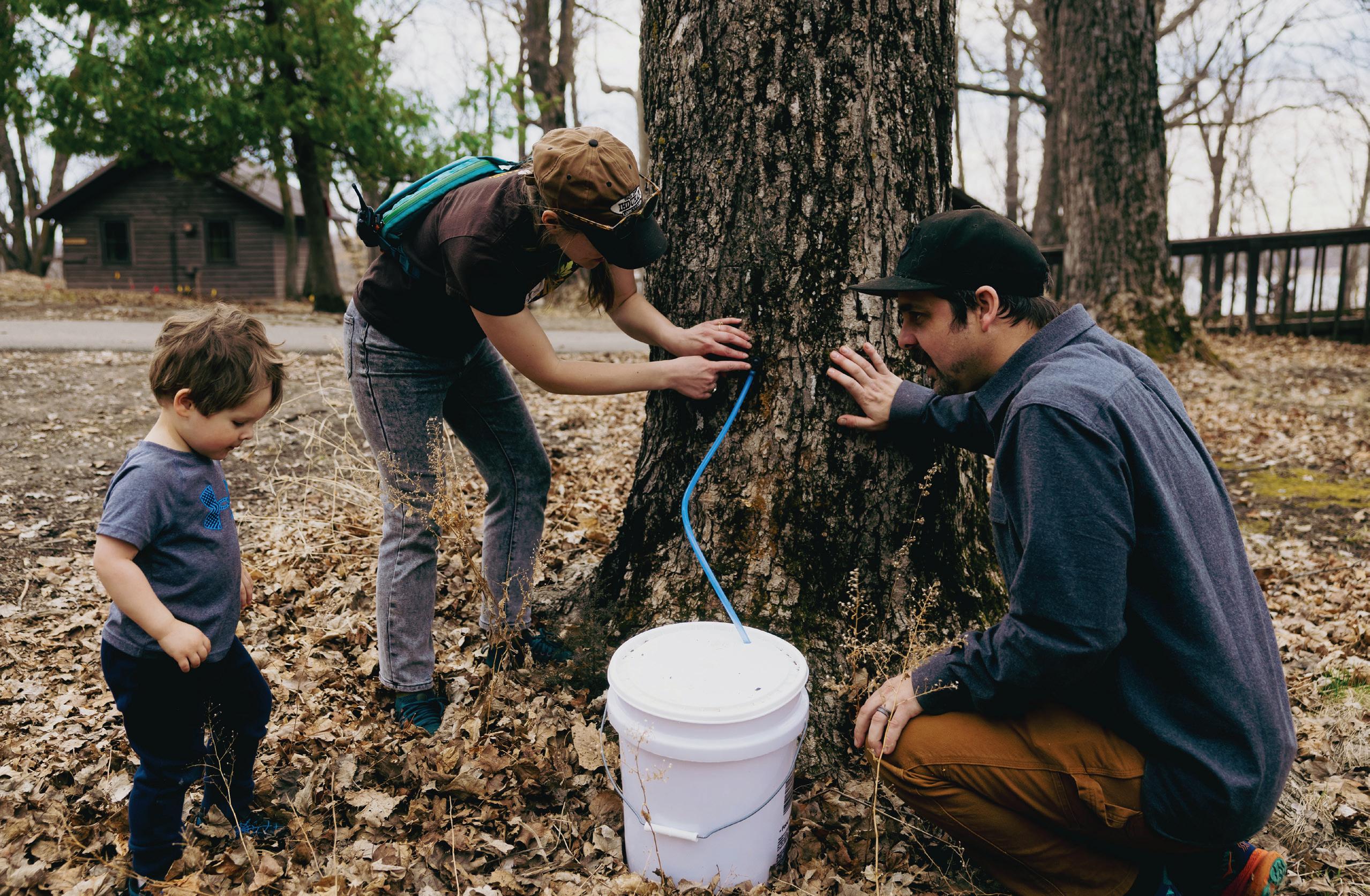
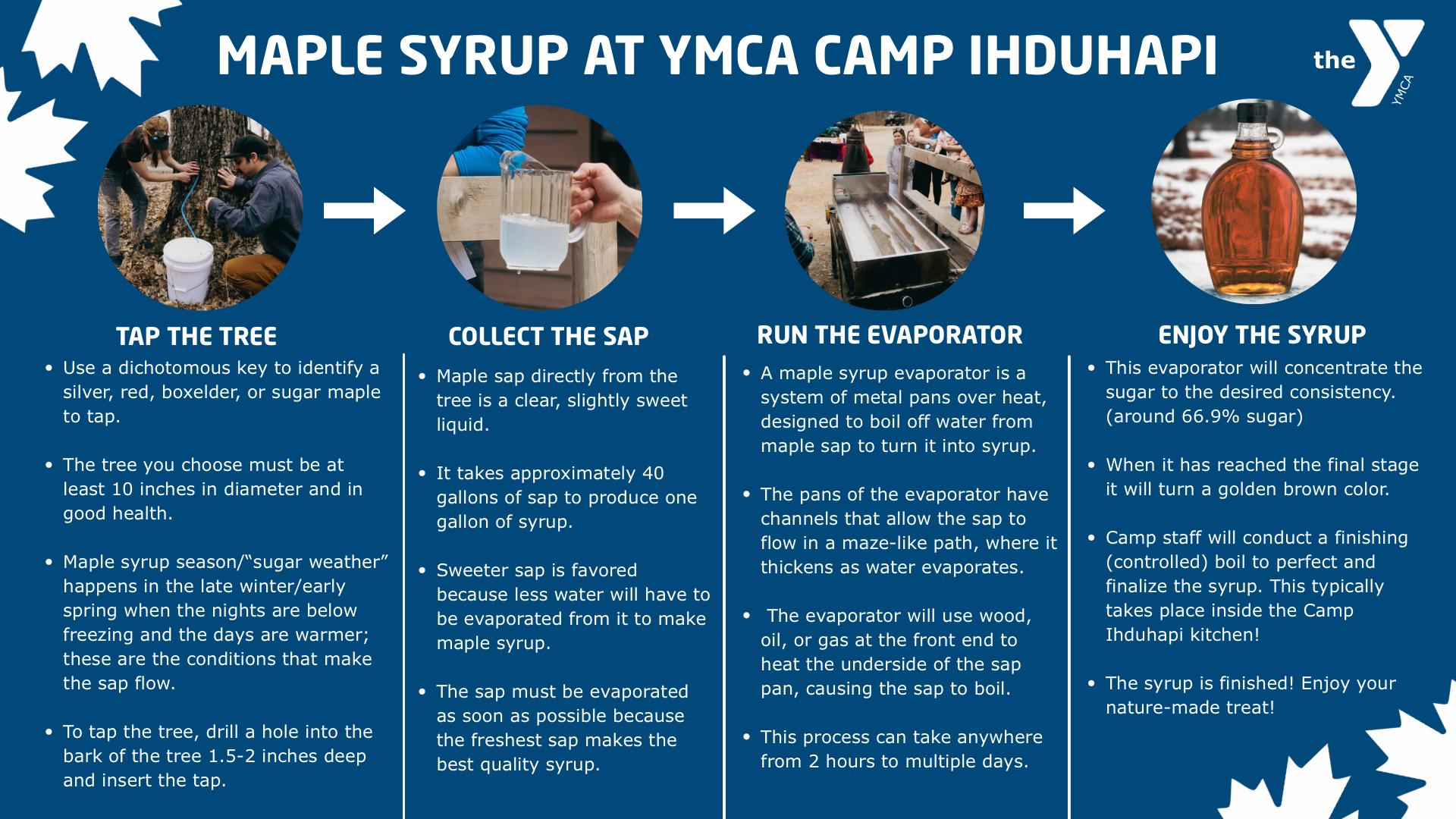
Maple syruping is the seasonal process of tapping maple trees (primarily Sugar Maples) to collect sap, typically from early-March to early April when temperatures alternate between freezing nights and warm, above-freezing days. Key steps include identifying trees, drilling a hole (about 1.5 inches deep), inserting a tap/spile, gathering sap, and then boiling the sap using a machine called an evaporator (a process that takes about 12 hours). Once the sap has boiled down, a “finishing boil” on the stove completes the process and results in maple syrup.
SAP, STEAM, AND SYRUP
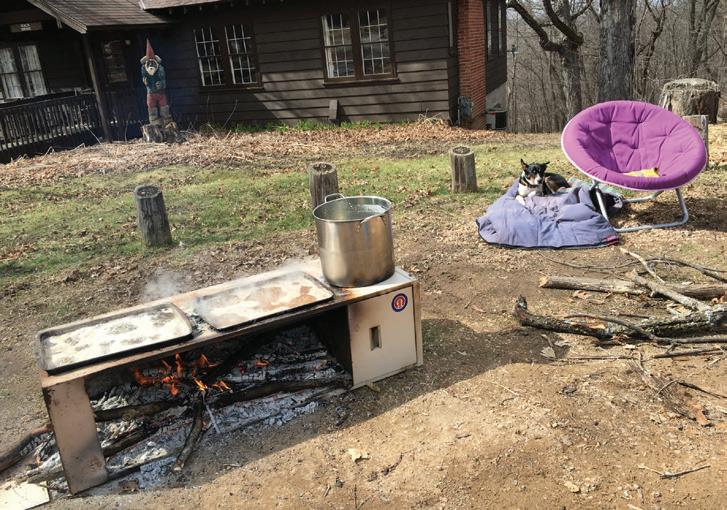
Jana had been interested in maple syruping since she was young and learned even more about the process when she worked as a naturalist in college. She was hired in 2014 to be the Ihduhapi Day Camp director and, naturally, began tapping the trees herself. As she delved deeper into her “tapper expertise” journey, Jana even built an evaporator from a metal file cabinet.
“Maple syruping is the perfect outdoor education subject,” she shared. “Young or old, everyone can be involved. And it touches on math, science, cultural history, weather, and includes being outside paired with movement. There are so many ways to be involved in the process. Plus, it comes at a time of year when everything is just waking up, and it’s a great time to be outside and gather together.”
FESTIVAL OF FLAVOR
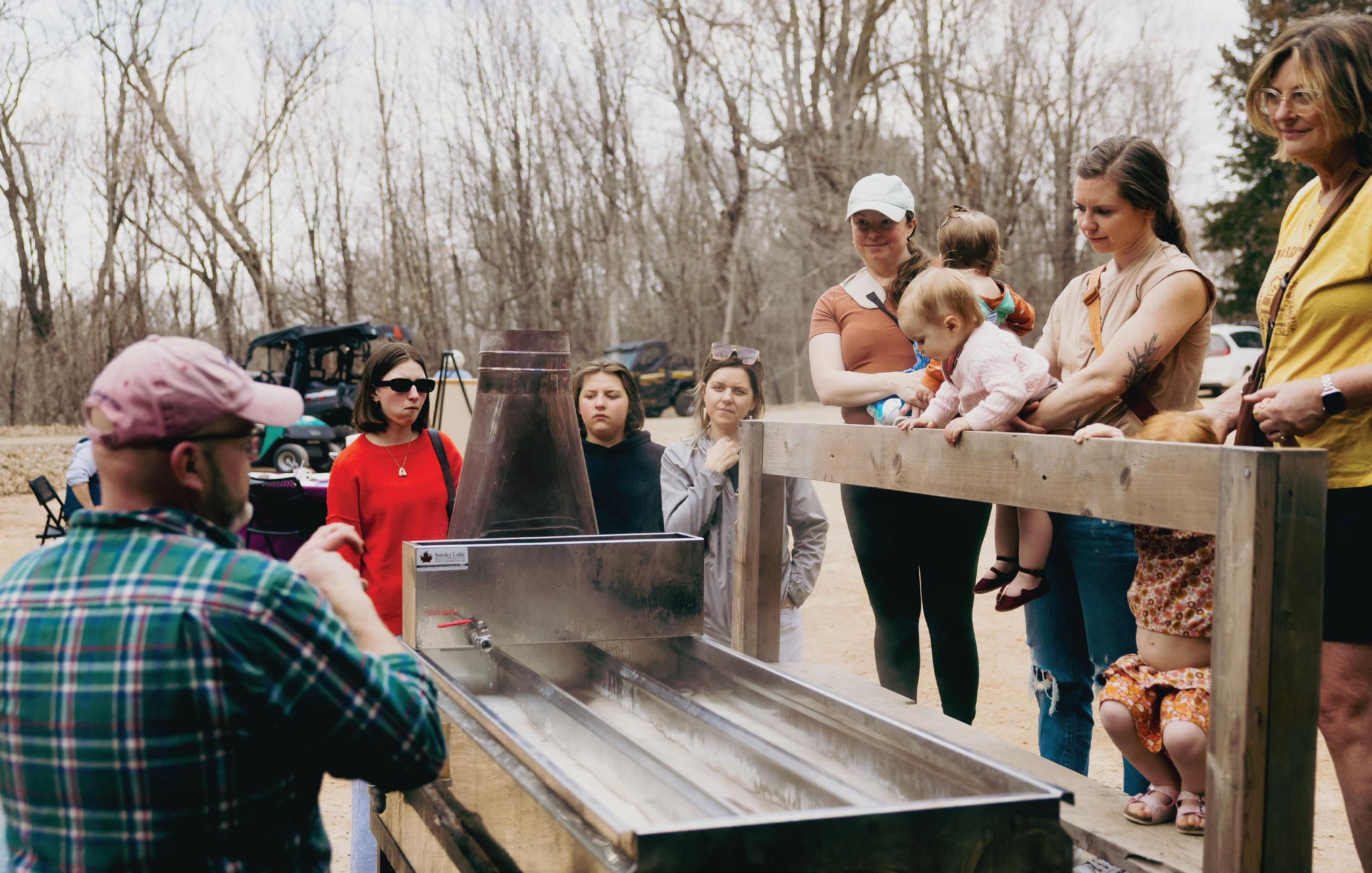
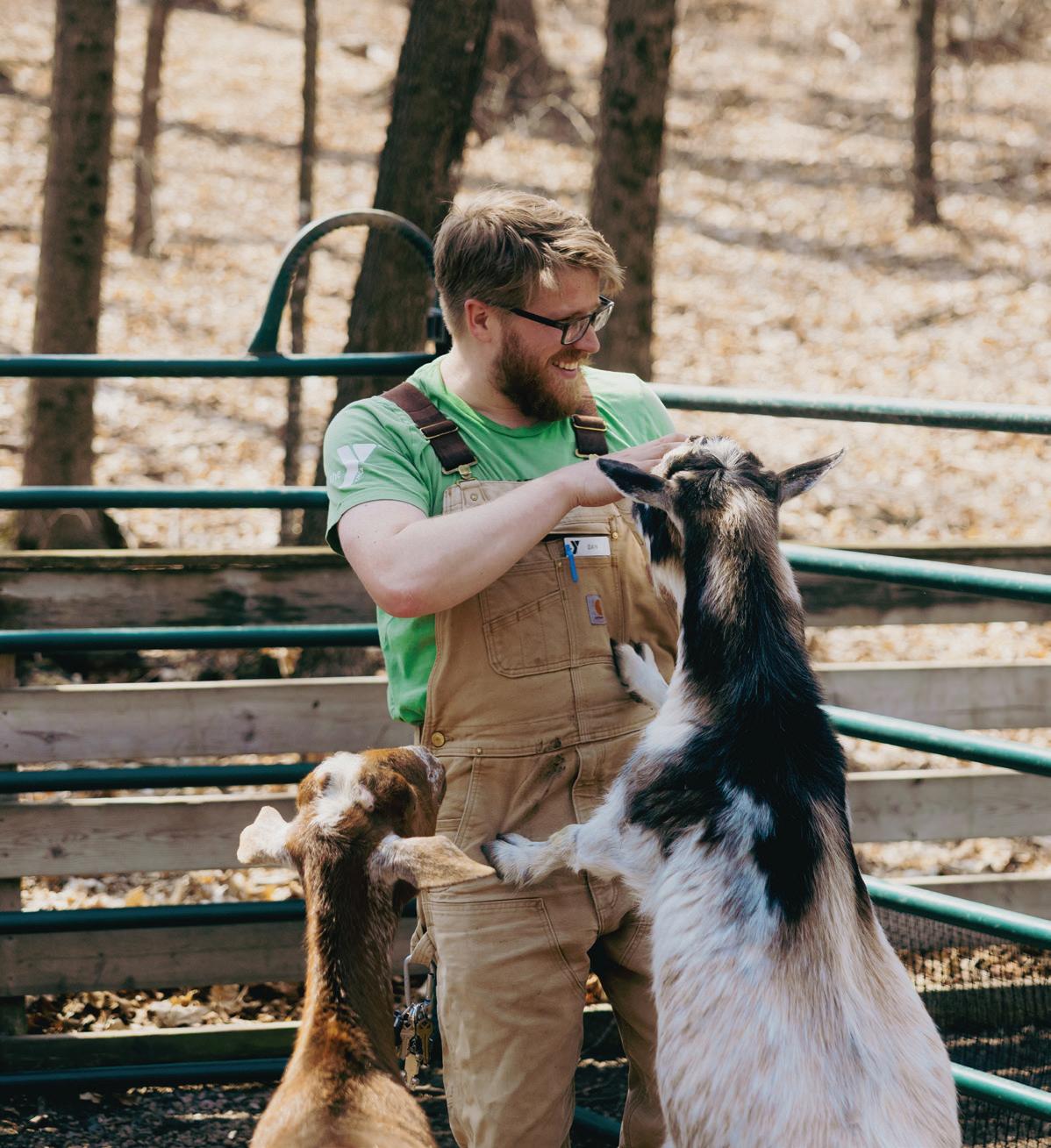
Seven years later, in her role as executive director, Jana’s passion for maple syrup eventually spurred the creation of Ihduhapi’s annual Maple Syrup Festival. Since 2022, Ihduhapi has welcomed hundreds of guests to an afternoon of maple syrup immersion and adventure. Participants learn how to go through the entire process, equipping them with the knowledge to identify, tap, collect, evaporate, and sugar on their own. In addition to learning the process, the Roe Family Singers band provides music, there’s an on-site petting zoo, and concessions are available in the dining hall.
Senior Program (OLP) director Walker Nyenhuis shared how this event “provides an opportunity to invite people out to camp, gather, celebrate spring, help families get excited for summer camp, and is an open invitation to the Ihduhapi community as well as the locals. It is a joy to share the space with everyone.”
CAMP IHDUHAPI
MAPLE SYRUP FESTIVAL
Sunday April 12, 1-4 p.m.
$5 optional donation
Learn about the maple syrup process, listen to the Roe Family Singers, meet furry friends at the on-site petting zoo, and grab concessions available for purchase.
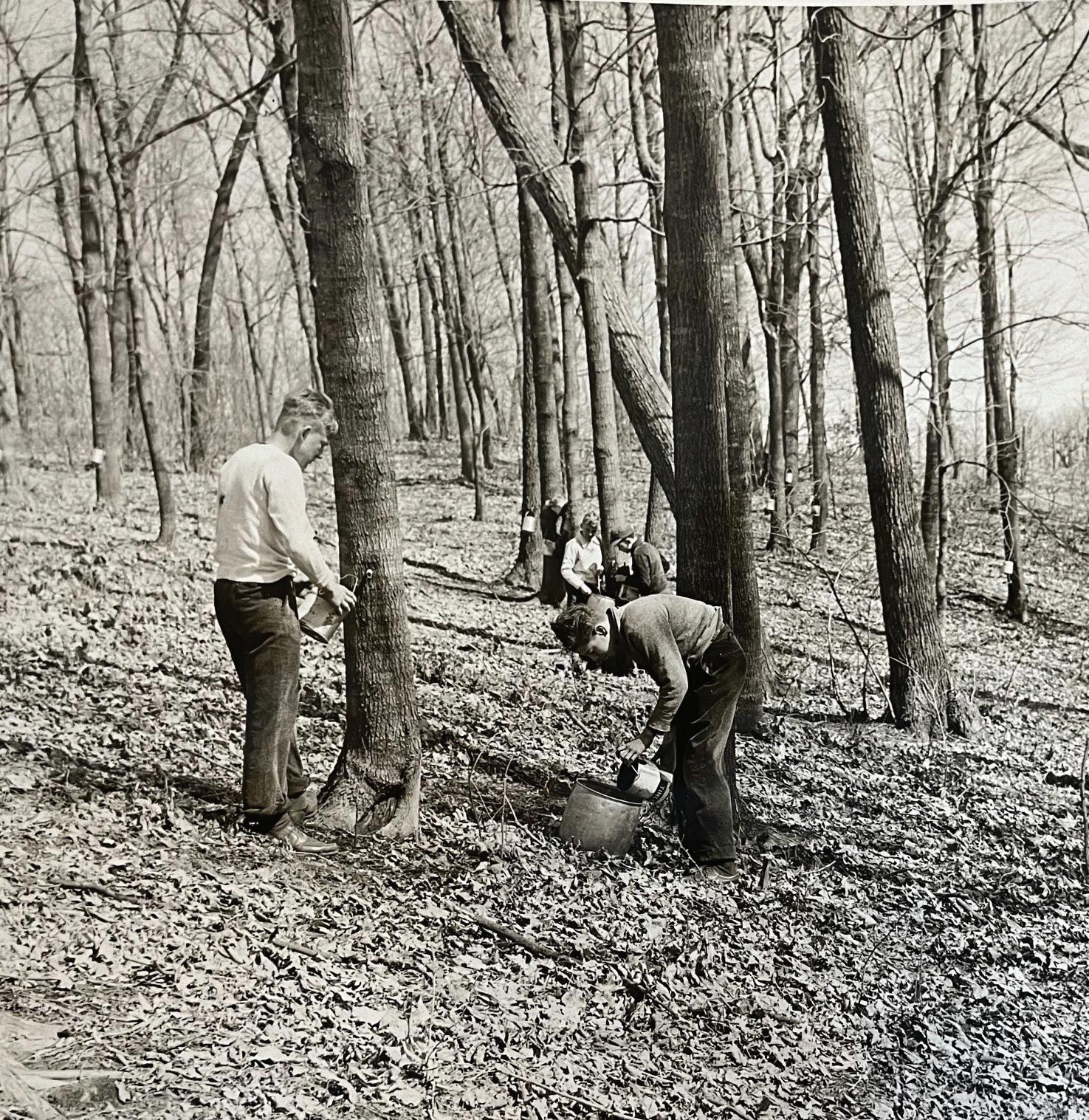
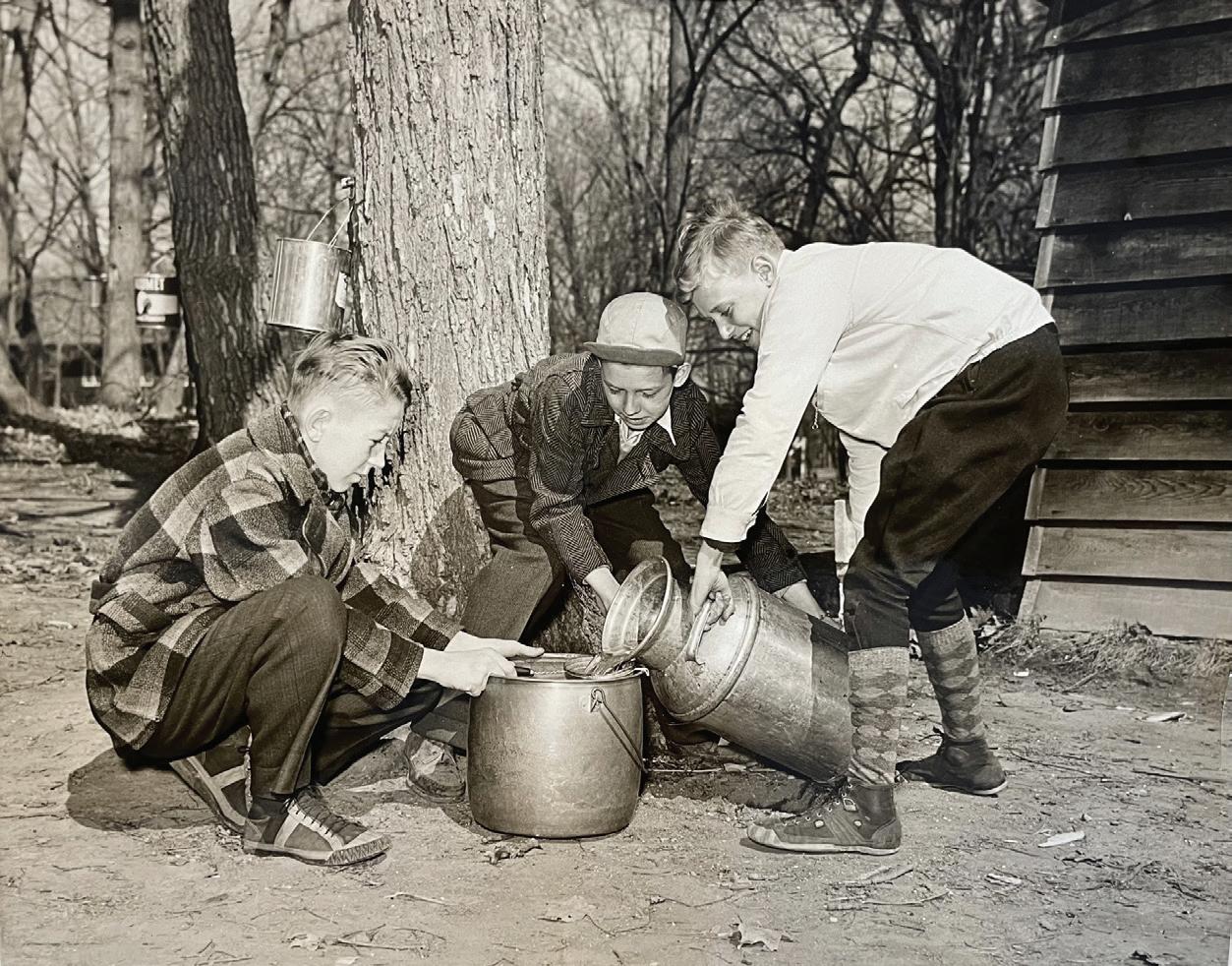
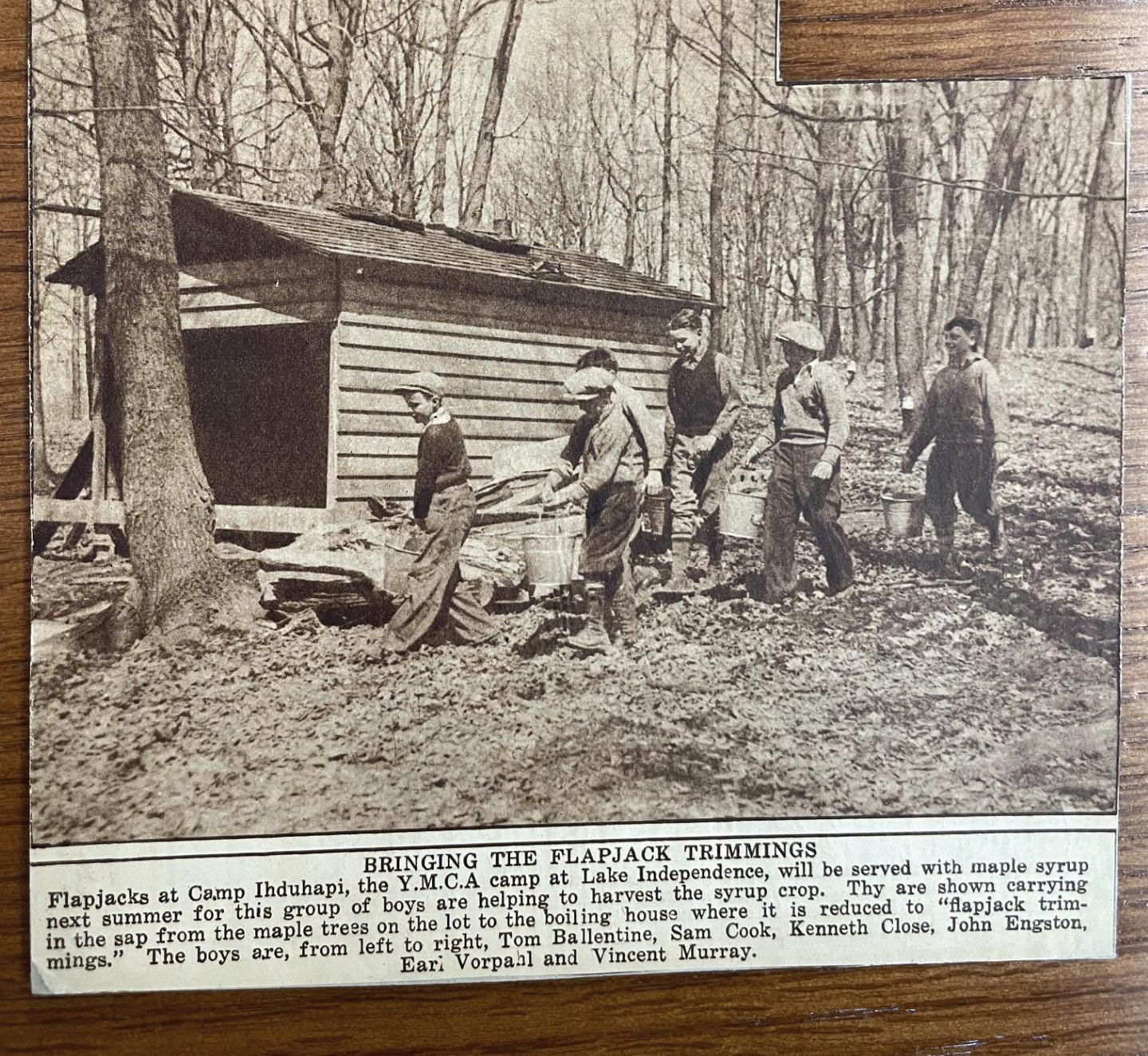
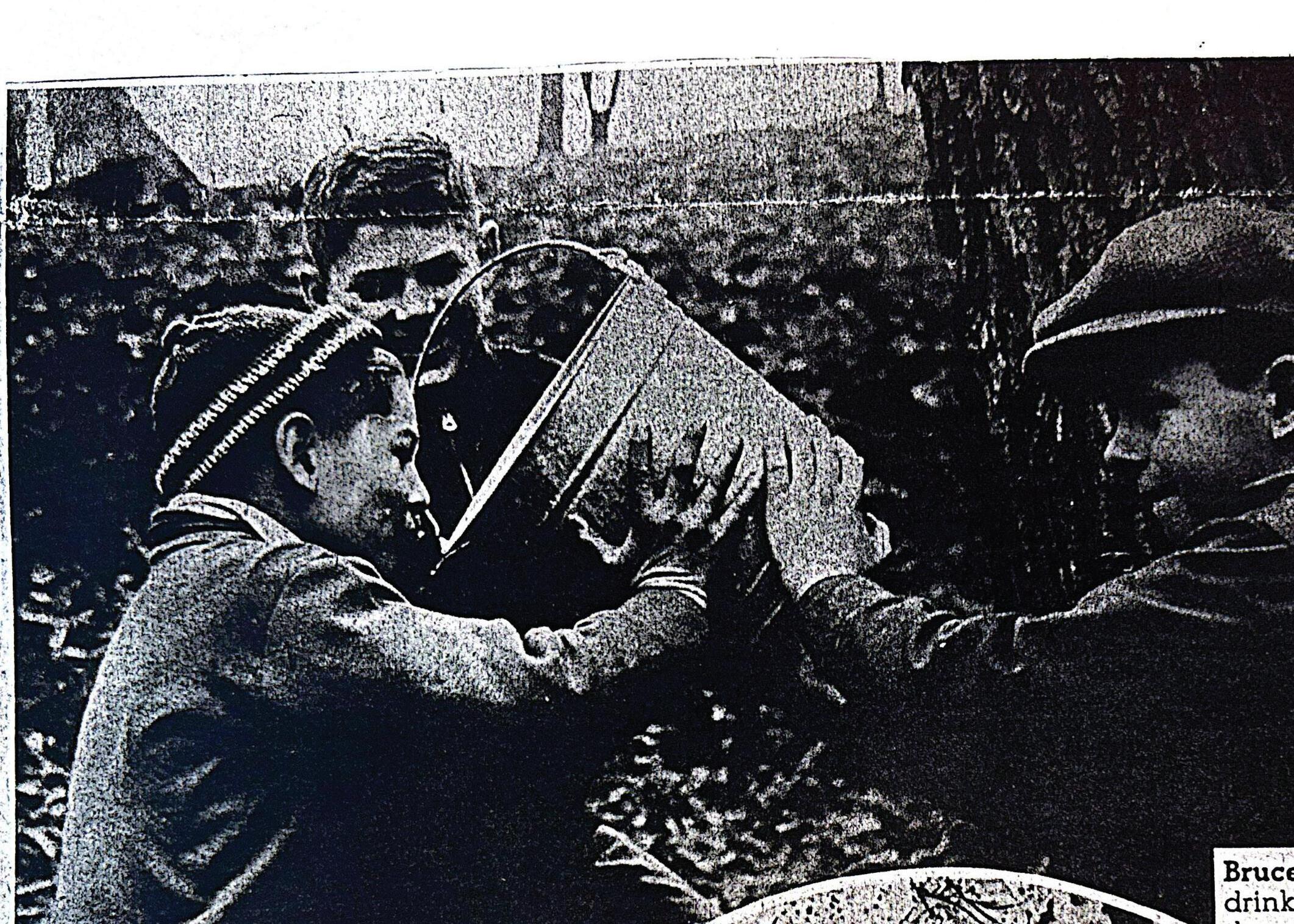
The Maple Syrup Festival is only five years old, but maple syruping at Ihduhapi isn’t new. Photos from 1935 show campers tapping trees and processing the sap. We reached out to several Ihduhapi alumni but were unable to obtain firsthand accounts of historic maple syruping at Ihduhapi.
Do you know anything about this part of Ihduhapi’s history? We want to hear from you! Email lettertotheeditor@ymcamn.org
SCAN ME
FUN FACTS ABOUT MAPLE SYRUP
• Including the Sugar Maple, Camp Ihduhapi has over 20 varieties of trees across its property.
• Native Americans, particularly the Ojibwe (Anishinaabe) , were the first people to process sap into maple syrup.
• The Ojibwe people collected sap in bark containers and boiled it using hot rocks or, later, cast-iron kettles (acquired from traders).
• The term “Sinzibuckwud” (translating to “drawn from wood”) reflects maple syruping’s deep roots evolving from sacred practice to community staple.
• The maple tree had many uses to the natives — they used the inner bark to make tea to treat coughs and diarrhea, made soap from its ashes, used the bark as a dye, and consumed the syrup to relieve liver and kidney ailments.
Camp Ihduhapi
Camp Ihduhapi has provided enriching camp experiences since 1929. Situated on 165 acres of vibrant maple forest along the shores of Lake Independence, Ihduhapi is the perfect place for youth and adults to learn new skills, build confidence, and create lifelong memories.
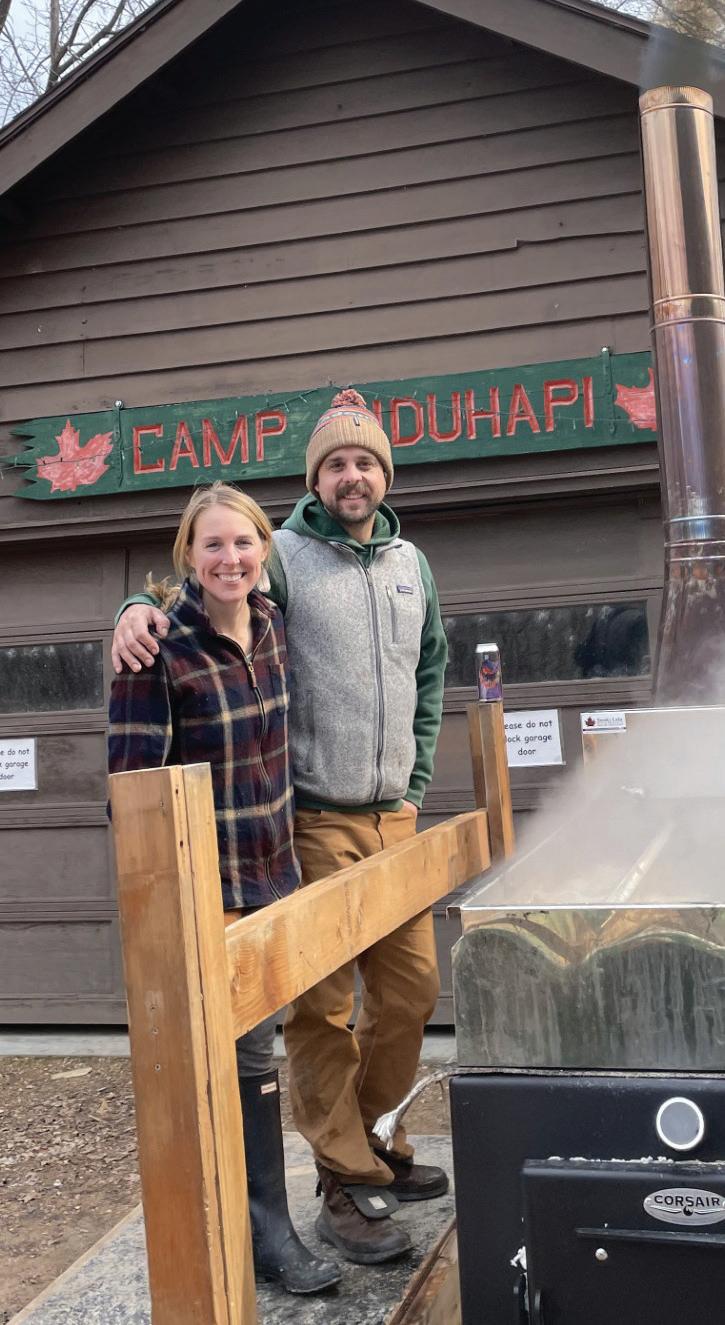
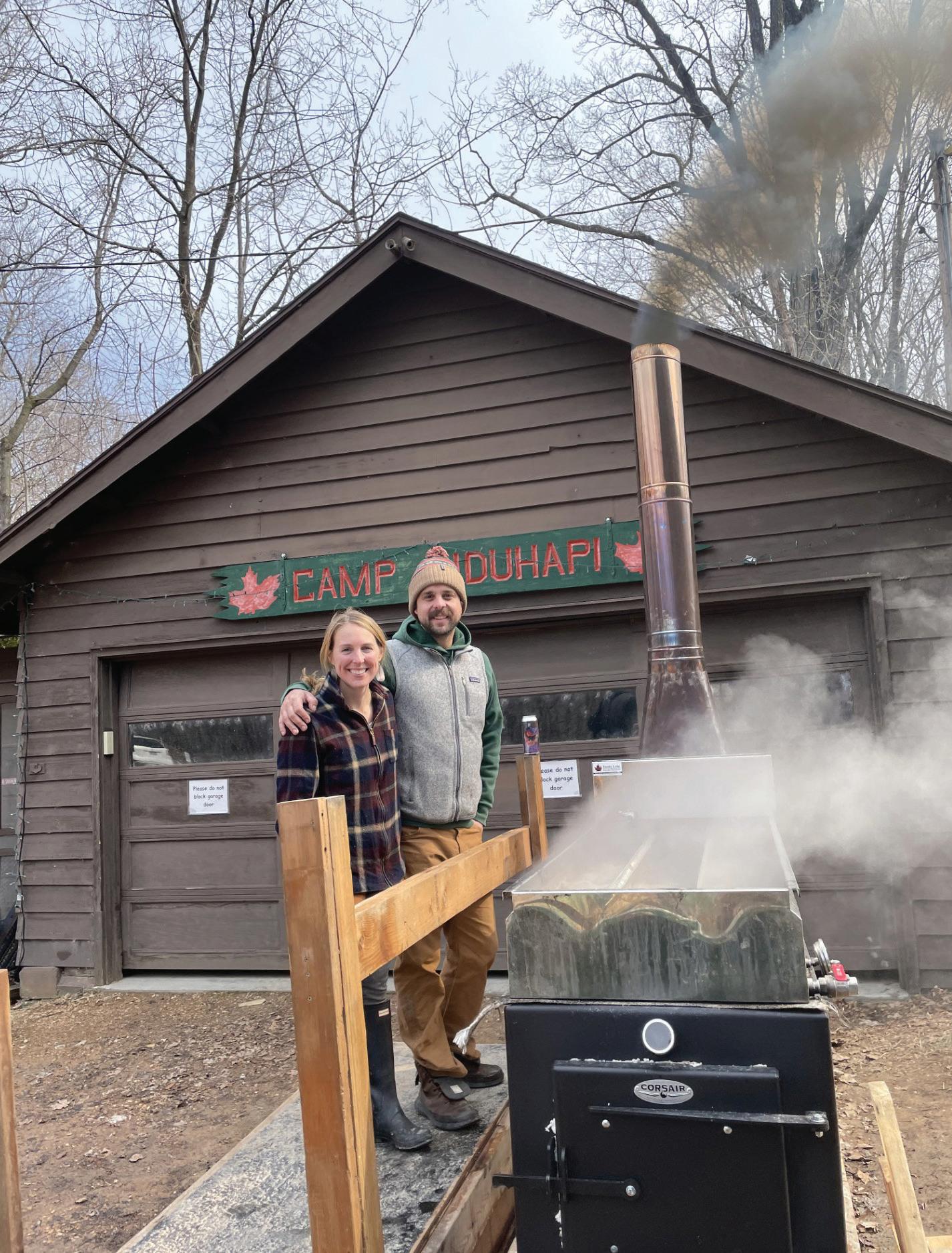
1. Jana and Nick in front of the evaporator. 2. Jana’s first evaporator, made of out of a filing cabinet. 3. Historic photo of campers collecting sap from trees around Ihduhapi. 4. Sap is poured into the evaporator, which boils it down to make the syrup. 5. Jana and her family demonstrating the process of tapping a maple tree to collect the sap.
6. Maple syrup
7. The
ALUMNI LETTERS FROM
MIRANDA GRAY-BURLINGAME, Camp St. Croix camper 1980s, staff
1994-98
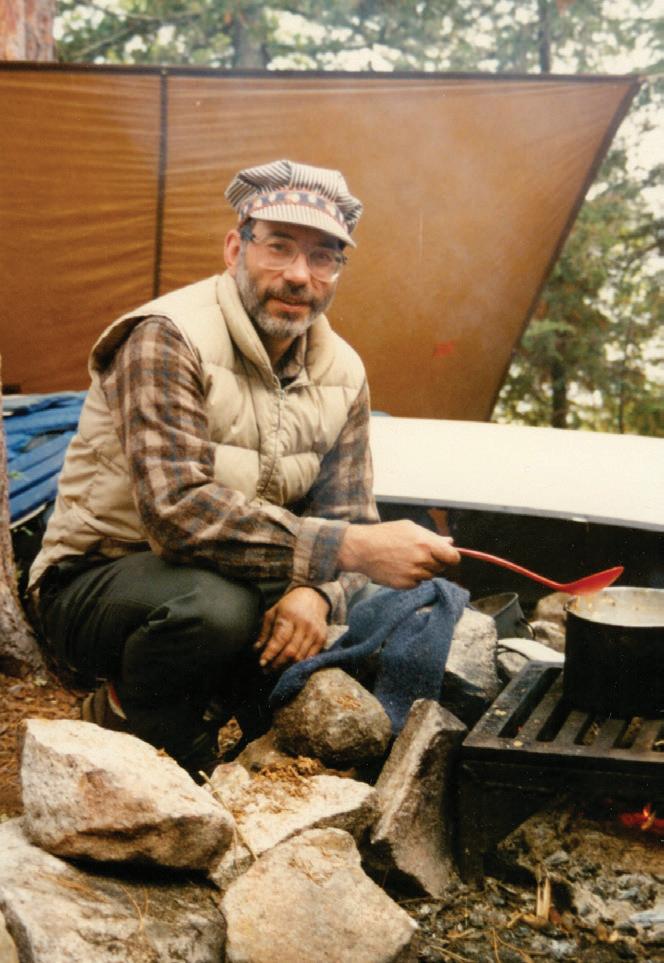
In 2008, Miranda Gray-Burlingame, her husband Scott (staff 1996-98) and her parents Ron (camper 1956-61 and staff 1961-69 and 1971) and Kathy Gray purchased LARK Toys. LARK is more than a toy store; it is a destination. Located in Kellogg, Minn., there is a carousel, mini golf, a museum of antique toys, and a café. Miranda shared, Miranda shared, “the values we practiced at camp helped shape how we run the store: doing your best; having a growth mindset; being playful and silly; and working as a team to light up the lives of families who visit.”
She said, “at LARK, we want to cultivate a sense of wonder and a sense of place. We want people to feel like they belong. It is a meaningful mission for our family and is deeply connected to what we learned at camp.”
BUFFY GRADILLAS, Camp Warren staff 1991-92
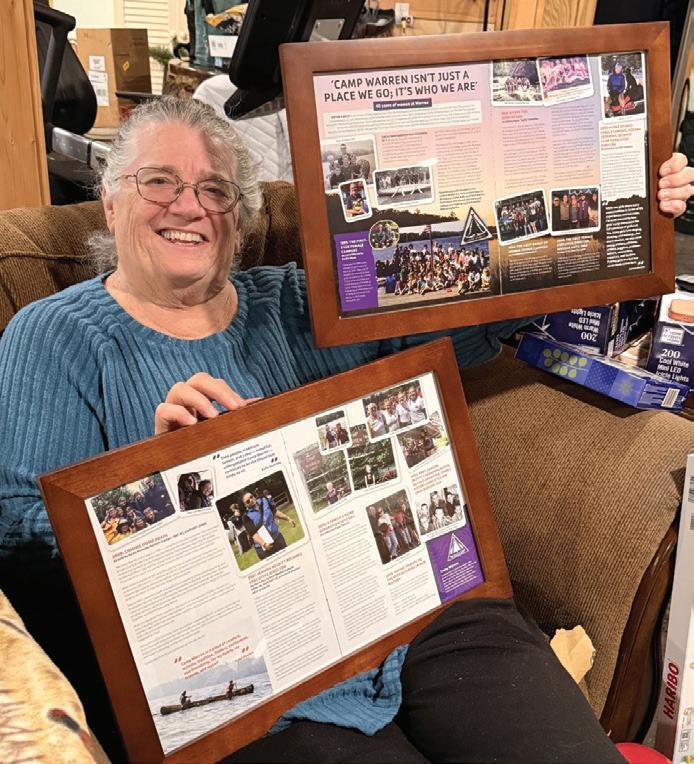
Buffy stated, “Warren is family by choice. [We added] Warren … to our family, and they added us to theirs.” She shared this phot o, showing off the framed Camp Warren feature from the Letters from Camp October 2025 issue.
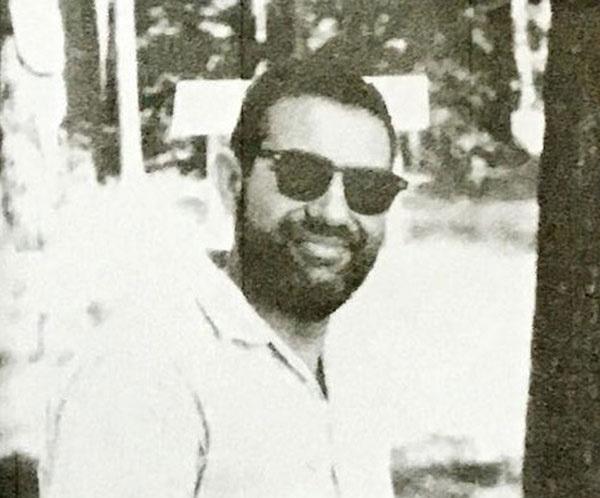
DONALD PETERSON, Menogyn staff 1960-63
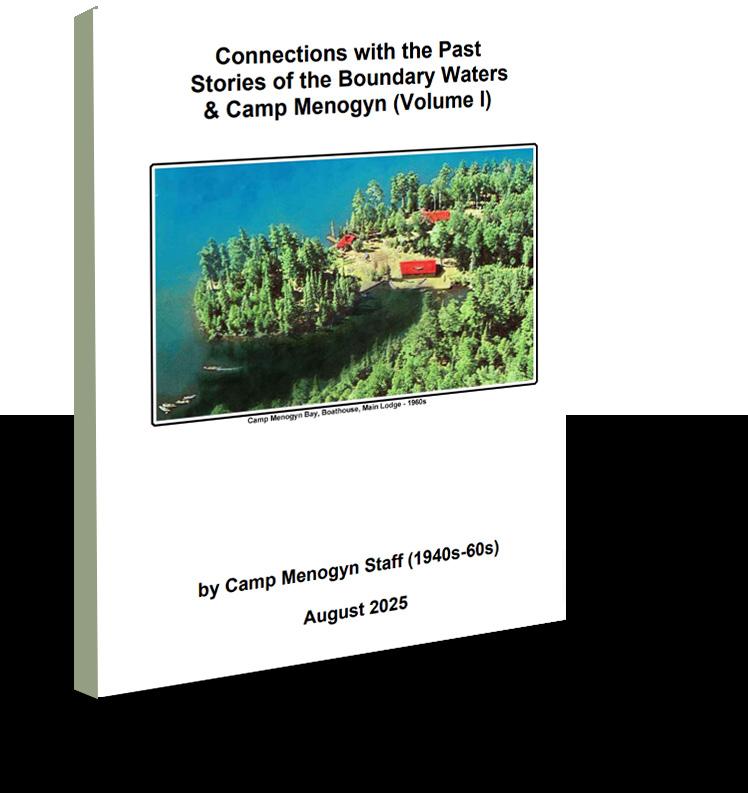
In 2006, at the suggestion of former Menogyn director Armond Paulson (1964-67), Donald Peterson (staff 1960-63) started collecting stories from Menogyn alumni. With the help of Ted Gamelin and Jim Arnold, they spent several years compiling narratives from
In August 2025, Donald self-published “Connections with the Past Stories of the Boundary Waters and Camp Menogyn”. Volumes 1 & 2 feature stories and photos from Menogyn staff alumni from the 1940s to the 60s. The book is currently available in digital or hard copy. Requests can be made to Donald via e-mail: peterson.kullanderd@gmail.com.
WAYNE JASTERMSKI, Menogyn staff 1983-90
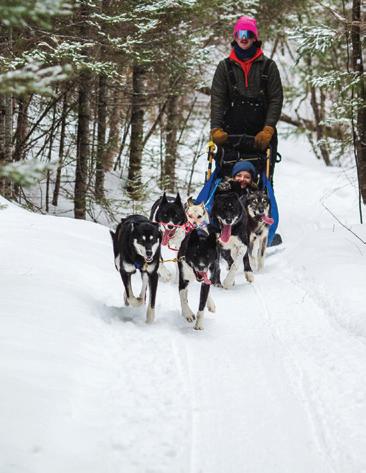
Wayne Jastermski got his start with Camp Menogyn in 1983 when he enrolled in an adult trip. That was the same summer that Rolf Thompson started as Menogyn director, and the two hit it off immediately. In the fall, Wayne became a guide and didn’t leave for eight years. According to Rolf, “Wayne was truly an incredible gift to Menogyn in those years — the right person at the right time, for both Menogyn and him. It was a wonderful, serendipitous match.” Wayne helped build the fledgling Wilderness Inquiry program, the dog-sledding program, and the whitewater program, and eventually became program director.
Wayne passed away on Sept. 7, 2025. Details about his celebration of life are below.
WAYNE JASTREMSKI CELEBRATION OF LIFE
Sunday, May 31, from 11 a.m.-2 p.m. Wabun Picnic Area (Pavilion C) in Minnehaha Park, 4655 46th Ave. S, Minneapolis.
The party will take place rain or shine. Food and beverages will be served. There is a playground near the pavilion, as well as a wading pool. The space is handicap accessible, with a nearby parking lot and paved paths to the pavilion and restrooms.
If you have any questions or are interested in helping with the party, please contact Kari Simonson at karisimonson6@gmail.com.
If you would like to donate to Menogyn in Wayne’s honor, use this link and add “In Memory of Wayne Jastremski.”
WIDJI’S BELOVED DIRECTOR FROM THE 60S-70S.
By Phil Bratnober
It would be impossible to remember Armand Ball without remembering his magical closing campfires.
In a darkened room full of expectant campers and guides, Armand would invite his musical counselors to lead us in four or five well-chosen anthems. Then the focus would shift, gently and spiritually, to the solitary figure of Armand as he sat before the burning candles and logs.
In his rich baritone voice, he would gratefully remember “those who had come before,” including Julian Kirby and the other Widjiwagan founders. Then he would turn to us, the intimate, interdependent trail groups who sat before him, having just completed our wilderness journeys.
Always a dedicated student of literature, Armand would connect the Widji experience to the prose of Thoreau, reminding us how we, like Thoreau, had “gone into the woods to live deliberately.” He loved Wordsworth, too. The misty mountains of the Lake District informed many of his lessons. And there were times he playfully invoked Winnie
the Pooh, reminding us that Pooh, Eeyore, or Piglet could be just as important as the larger, more assertive characters.
Then came the moment I remember most vividly. Armand would encourage us to bring the Widji experience back to our lives in the Twin Cities. The adventures of the canoe trail could be applied to our lives in town. Widji’s philosophy of kindness and respect was not limited to our weeks of wilderness camping. We could live by those values wherever we went.
I spent 11 summers with Armand, Bev, Kathy and Robin Ball, from 1963 to 1974, and I’ve been a close friend of the family ever since. These memories flood in as I look back at those splendid years.
How could any of us forget Armand’s signature belly laugh — a booming, musical release of unadulterated joy? Or the countless Widji banquets, where he stood and flawlessly rattled off the first and last names of every far-flung dinner guest?
Armand was a scholar of English and religion, not a stereotypical burly canoe-country athlete. Yet our love and admiration for this kind, seasoned, deeply intelligent man knew no bounds.
Of special importance to Armand and Bev was their determination to make Widji inclusive. They went out of their way to hire a diverse staff, and a special point of pride was creating the Fall-Winter-Spring program, which allowed campers from many backgrounds to attend Widji with their teachers and classmates.
Less famous, perhaps, were the times Armand stood tall on behalf of his college-age guides who faced the military draft. The Vietnam War loomed large in those days, and Armand was right there with a letter, wise counsel and personal appearances at government offices in downtown St. Paul, patiently supporting Widji’s young men as they sought legal alternatives to military service.
In these and many other ways, Armand Ball was a fierce advocate for those who worked for him.
Others will bring their own perspectives to Armand’s gifts as a speaker, as a YMCA executive, as a role model. These are mine. Armand was a second father to me, and I will cherish my memories of his poetic talks by the roaring fire in Kirby Lodge to the end of my days.
Armand Baer Ball Jr., 1930-2025
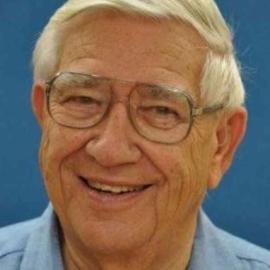
Armand Ball served as Widjiwagan’s director from 1962 to 1974, succeeding Armin “Whitey” Luehrs. He died Nov. 15, 2025, at age 95.
Born in Louisiana, Armand earned master’s degrees from Southwestern Baptist Seminary in Fort Worth, Texas, and George Williams College in Williams Bay, Wisconsin. During his tenure, he opened the camp to new communities. Armand quadrupled campership aid, brought the first African American campers to Burntside Lake and hired the camp’s first Black staff member. He also launched the international exchange program, sending more than 100 campers and staff abroad. After Widji, he served as CEO of the American Camp Association from 1974 to 1988.
Beverly Jane Hodges Ball (1927-2021) worked alongside Armand, her husband, as dining hall manager and Girls’ Program Coordinator. Under her leadership, 1972 became the last year male guides accompanied girls’ trips as standard practice.
The Balls are survived by their daughter, Helen Pound. The Armand & Beverly Ball Family Endowment Fund for YMCA Camp Widjiwagan, established after Beverly’s death in 2021, continues to support Widji’s mission.
LETTER FROM THE VICE PRESIDENT
There’s a phrase we often use in camp spaces — camp magic. It’s hard to define and impossible to manufacture. It shows up in quiet moments and shared experiences, and once you’ve felt it, you carry it with you for life.
As I read the stories in this issue, music filling the woods at Warren, an Arctic journey at Menogyn, sap turning to syrup at Ihduhapi, a summer captured at Icaghowan, and the hard working youth leaders at du Nord, I’m reminded that while camps evolve and change over time and so do we as people and community, that camp magic remains constant.
Whether you were at camp last summer or 50 years ago, there is a shared understanding we all hold: belonging, deep friendships, doing hard and meaningful things together, and discovering more about ourselves along the way. Programs grow, facilities change, and each generation leaves its mark, but the heart of camp stays the same. That is my closest definition of camp magic.
In the last few months, especially, we have felt the power of community and compassion rise in meaningful ways. The care alumni show for one another, the ways you stay connected, and the steady support you offer our camps have grounded us. We see it, we feel it, and we are deeply grateful. You all help us keep the fabric of camp, the heart of spirit, the challenge of
Please continue to carry camp forward through the stories you tell, the traditions you keep, and the communities of support you hold for one another. Camp is not just a place; it’s a lifelong relationship, one that comes from staying connected not only to each other but to the places that built us and drove those connections. Without you, the camp magic would fade, and together, we all need to keep holding on to a little bit of magic — it’s what drives hope, resilience, and future dreaming.
MichelTigan
MICHEL TIGAN
WHERE CIRCLES GATHER, THE FIRE GROWS.
ALUMNI
PARENTS
DONORS
COUNSELORS CAMPERS
STAFF
Camp has always been built in circles. Campers. Counselors. Families. Alumni. Donors. Together, they keep the fire burning. Your gift helps welcome another camper to the circle.
ADD YOUR CIRCLE!
651 Nicollet Mall, Suite 500 Minneapolis, MN 55402
IN THE WILD CAMP GEAR
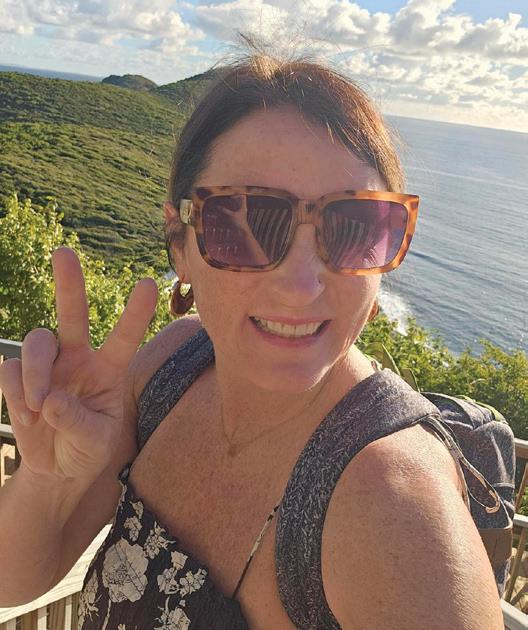
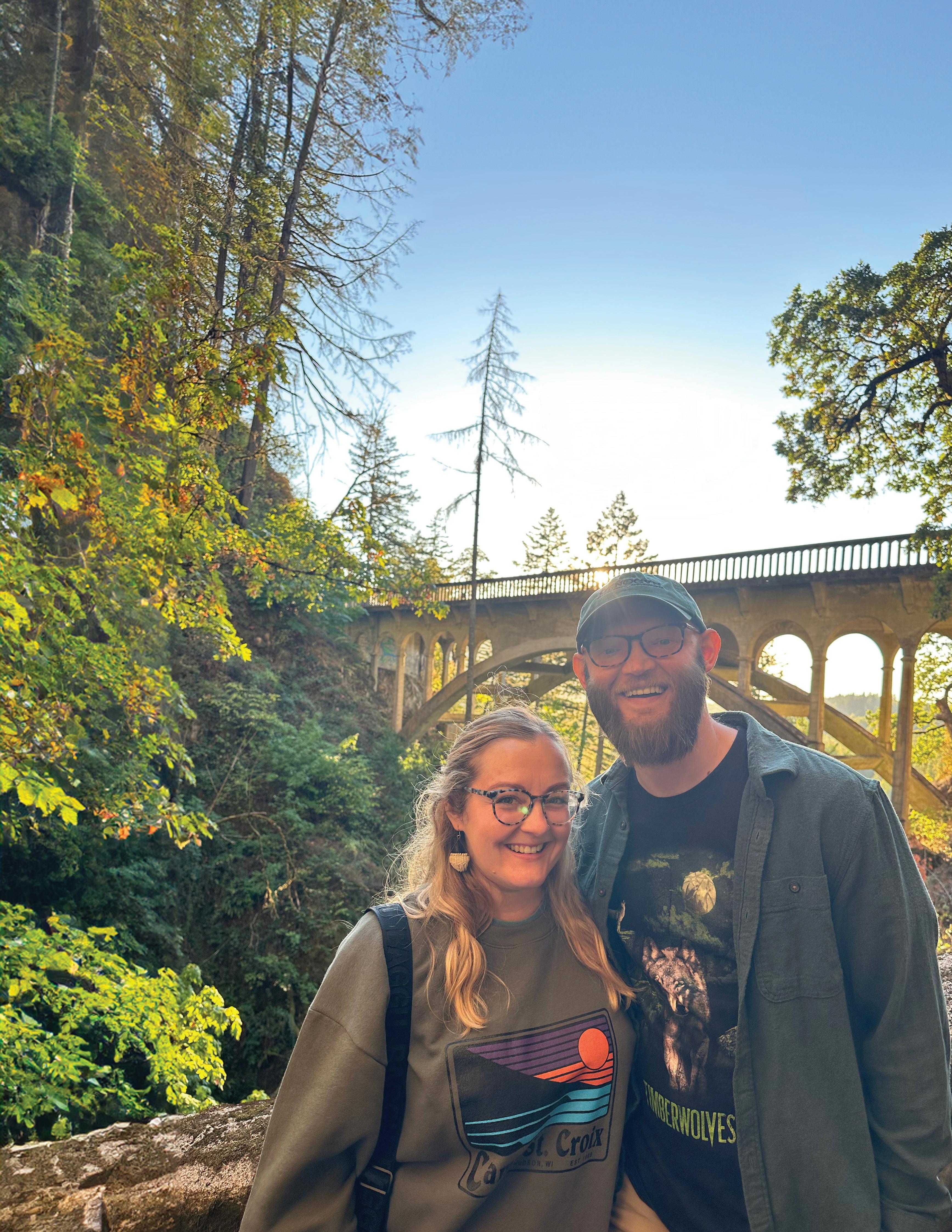
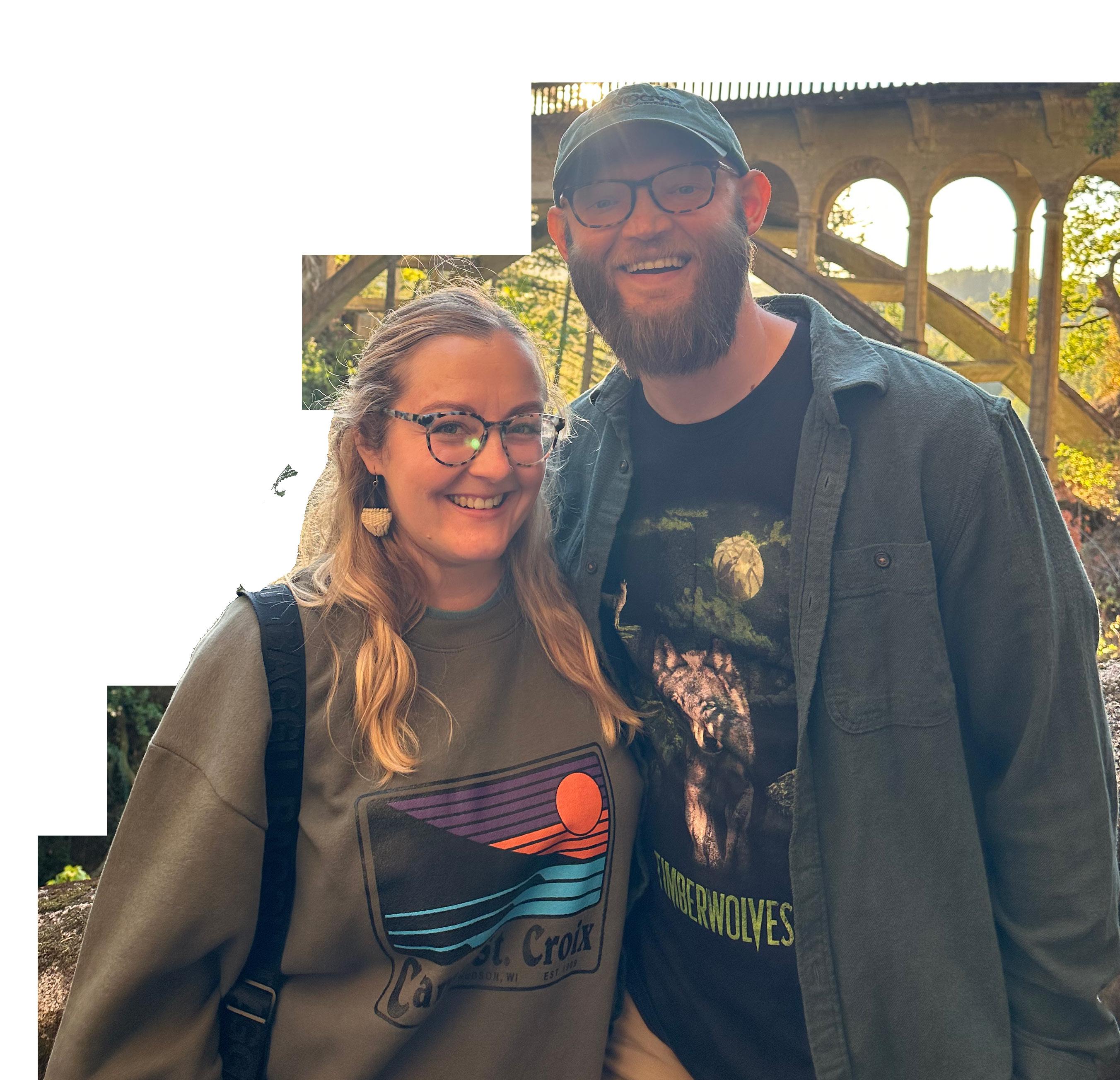
Lane Underdahl and Isaac Johnson met working at YMCA Day Camp Spring Lake and are shown here on their anniversary trip to Portland wearing a YMCA Camp St. Croix shirt and YMCA Camp Menogyn baseball cap.
We want to see photos of you doing cool things in interesting places — while wearing your camp gear! Submit a photo and a brief description of what you are doing or where you are to lettertotheeditor@ymcamn.org.