Ye Yint Aung
Architectural Portfolio
aungywoodbury@gmail.com
San Gabriel California
aungywoodbury@gmail.com
San Gabriel California
D.O.B. 07.13.2002
Statement
I’ve always been curious about how things come together. I enjoy solving problems creatively and working hands-on, often learning by taking things apart and rebuilding them. One of my earliest memories of this was taking apart a motorcycle engine at seven just to understand how it worked. That same curiosity carries into my design work today. I’m drawn to fabrication-heavy, concept-driven projects that allow ideas to develop through making and experimentation. Rather than separating thinking from building, I see design as an iterative process where materials, tools, and concepts evolve together.
CONSTRUCTION PROJECT MANAGEMENT INTERN
Chinatown Service Center
July 2024 - September 2024
ROOFING PROJECT COORDINATOR
Independent Project
January 2024
CONSTRUCTION LABORER
Contractor
June 2023 - August 2023
- Rhino 3d
- Grasshopper
- Illustrator
- Photoshop
- Revit
- D5 Render
- Python (processing.py, p5.js)
- Microsoft Office
- Model Making - 3d Printing
- Casting
- Laser Cutting
- Woodworking
- Metalworking
- AI Prompting
- English (Fluent)
- Myanmar (Fluent)
- Chinese (Basics)
- Dean’s List
▪ 2023
▪ 2024
▪ 2025
- Tau Sigma Delta
WOODBURY UNIVERSITY
2023-2027
Bachelor of Architecture
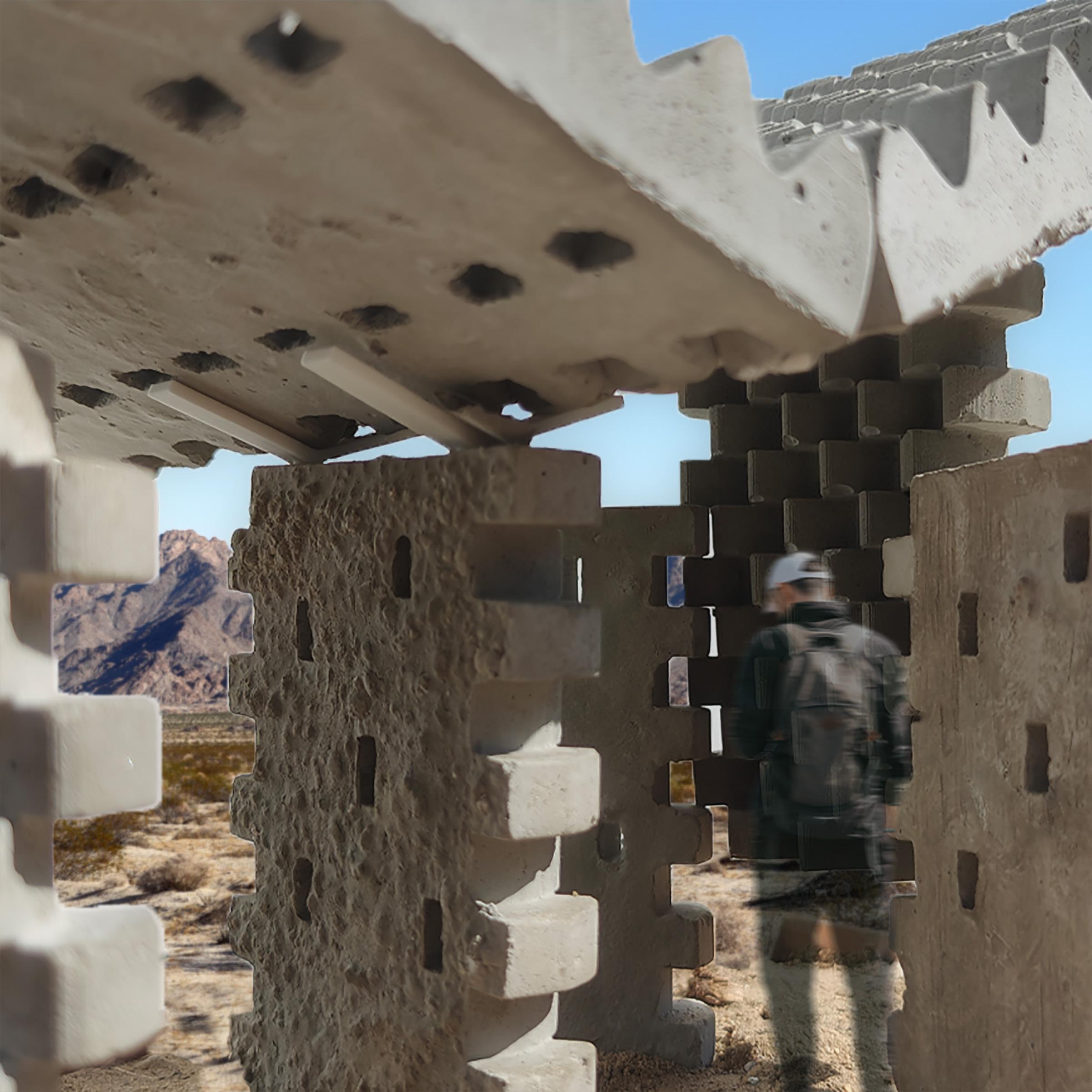
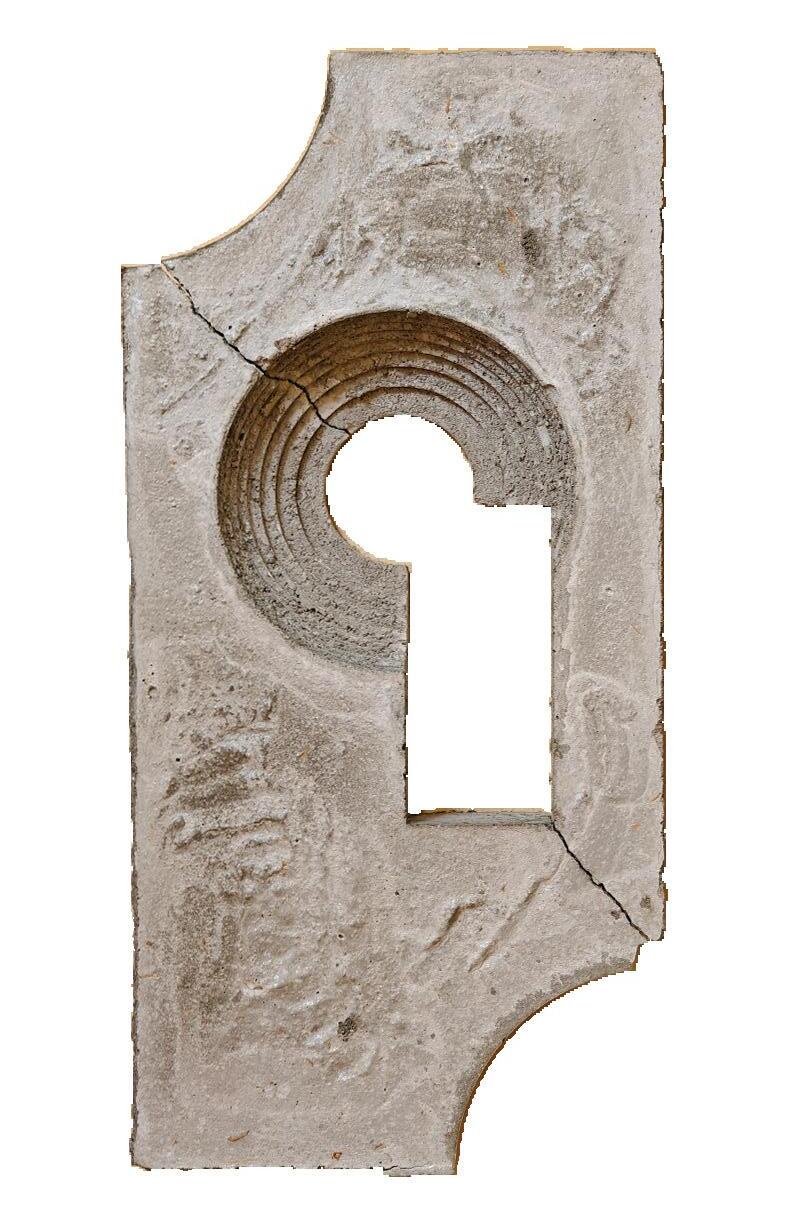
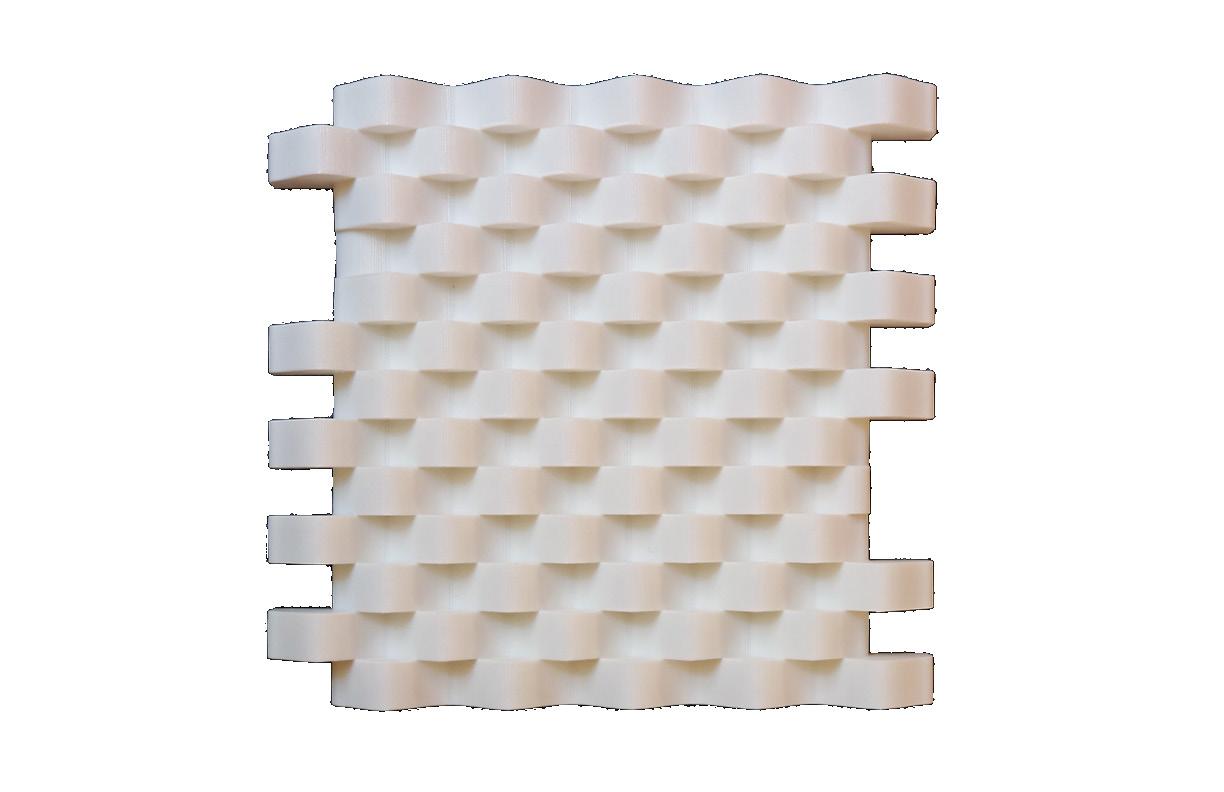
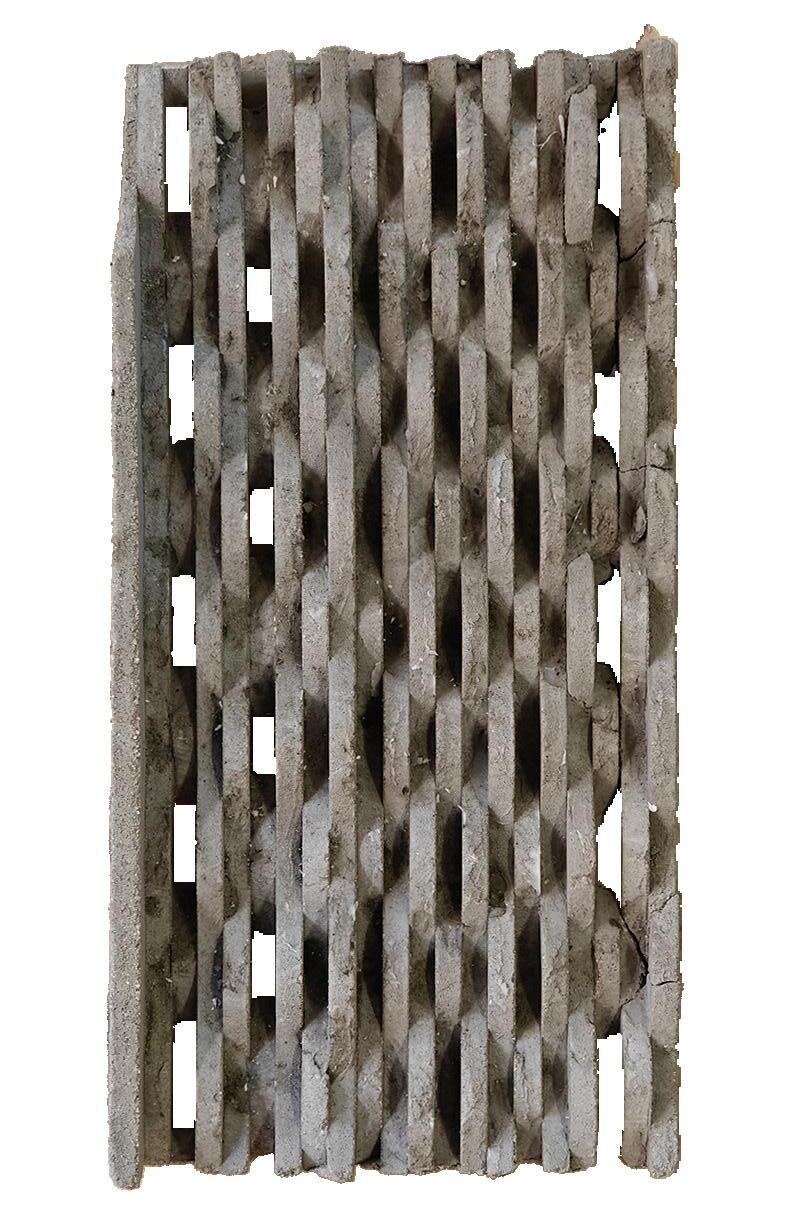
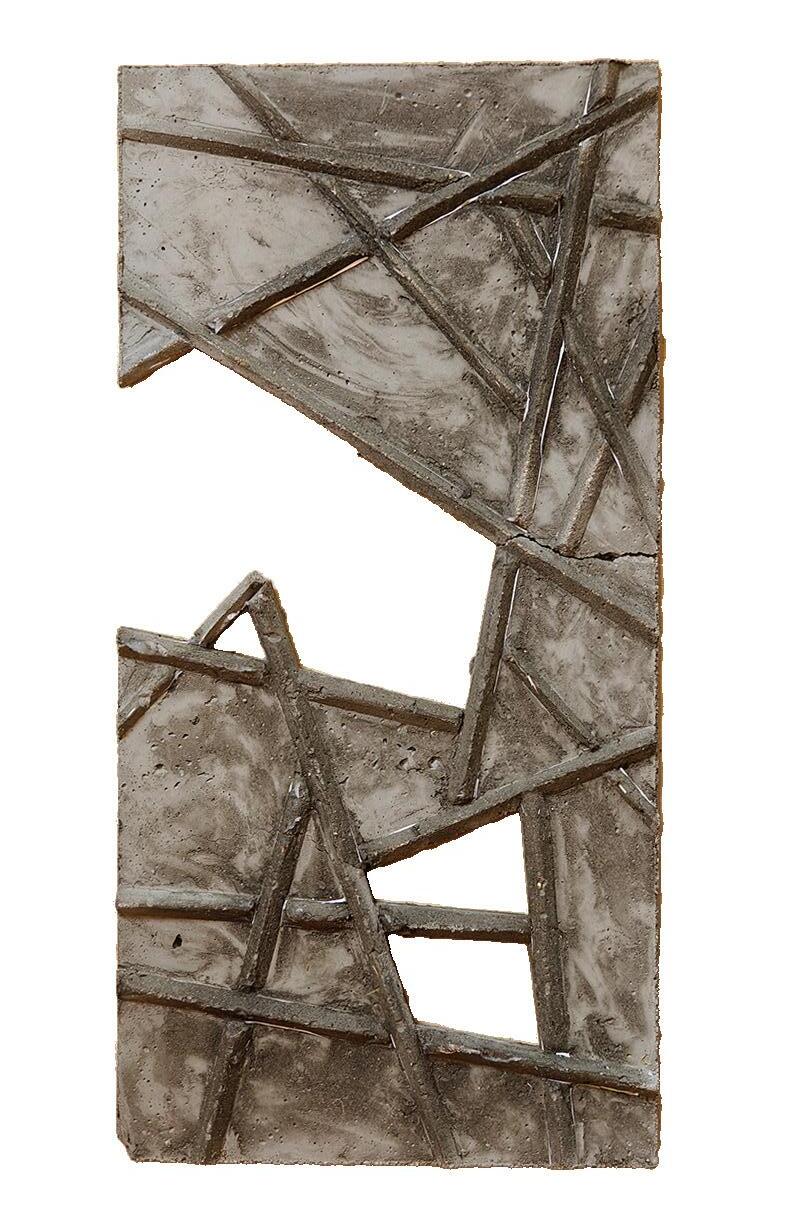
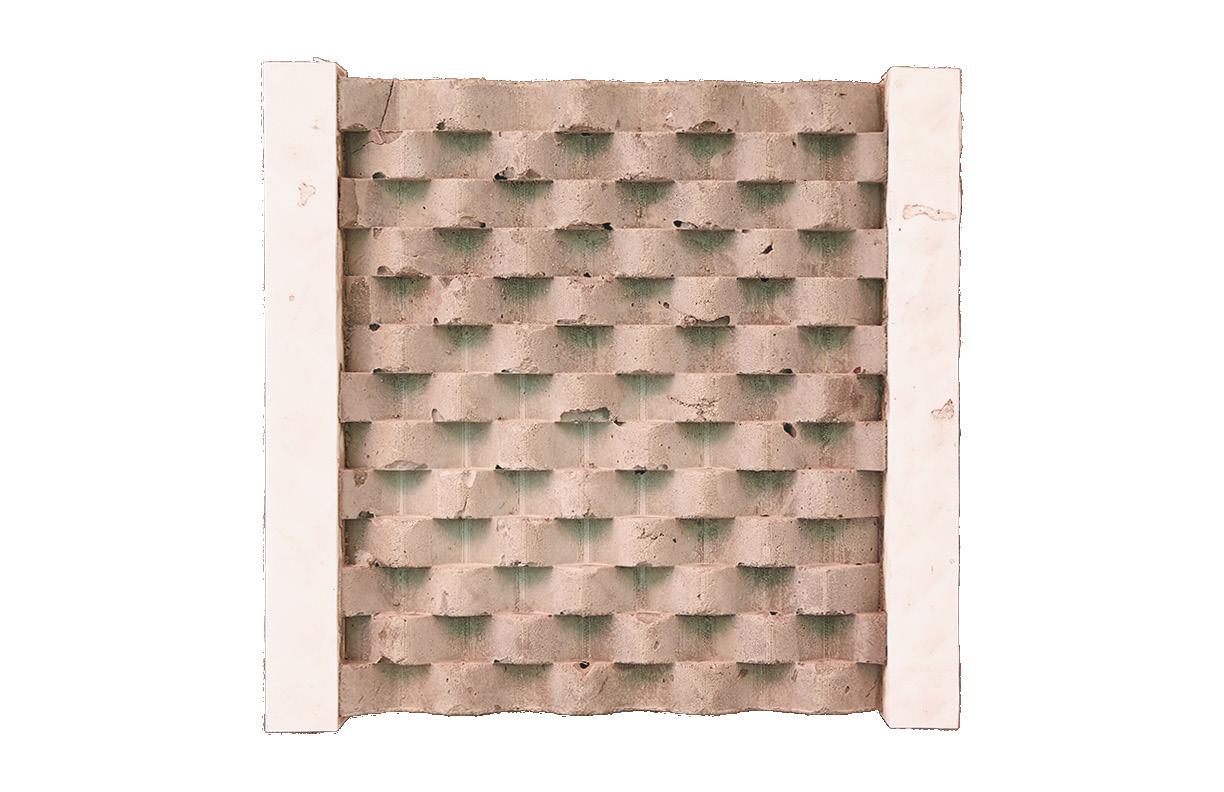
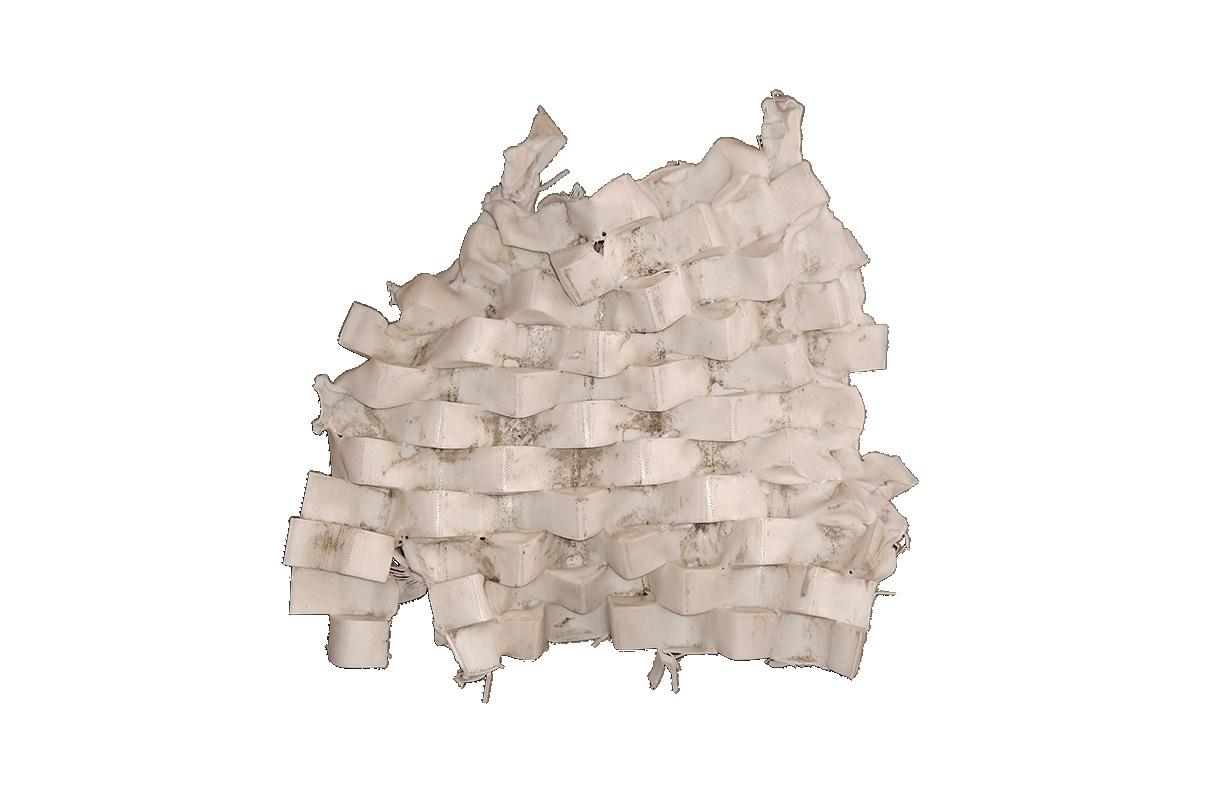
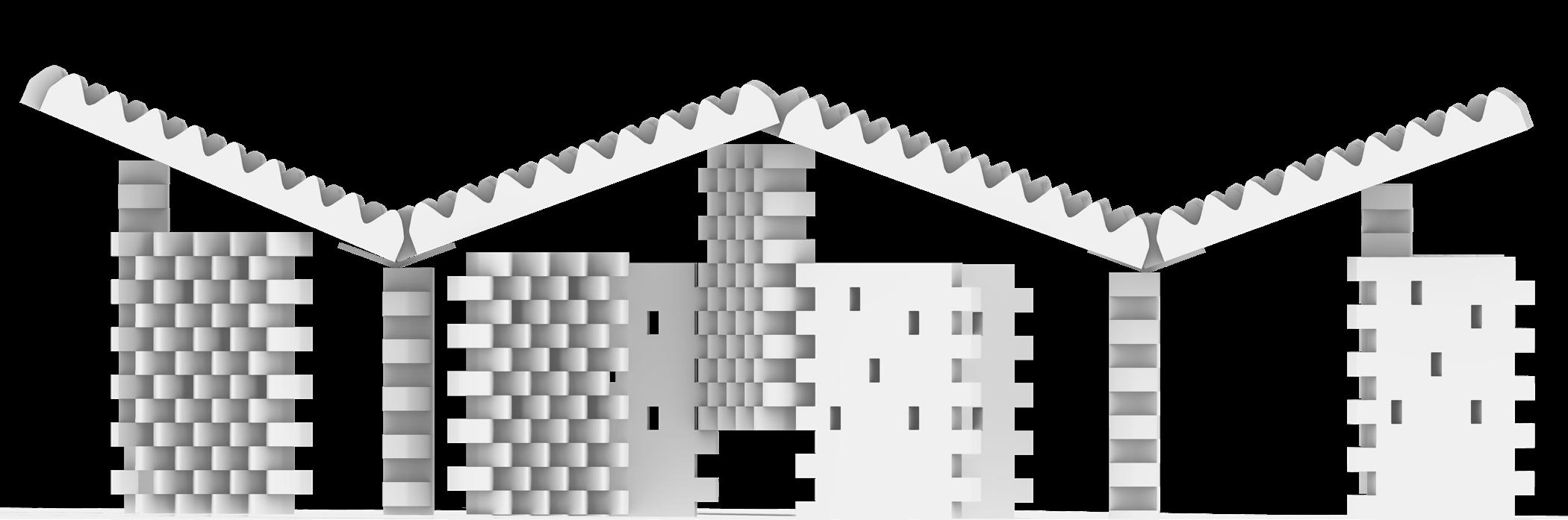
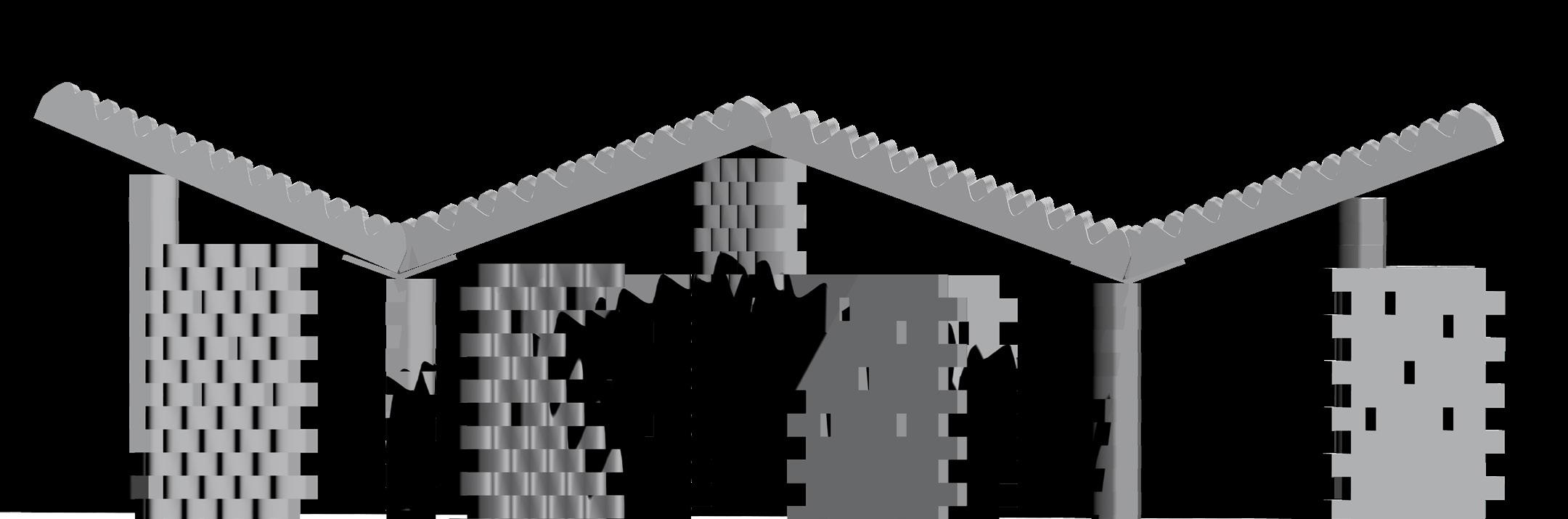
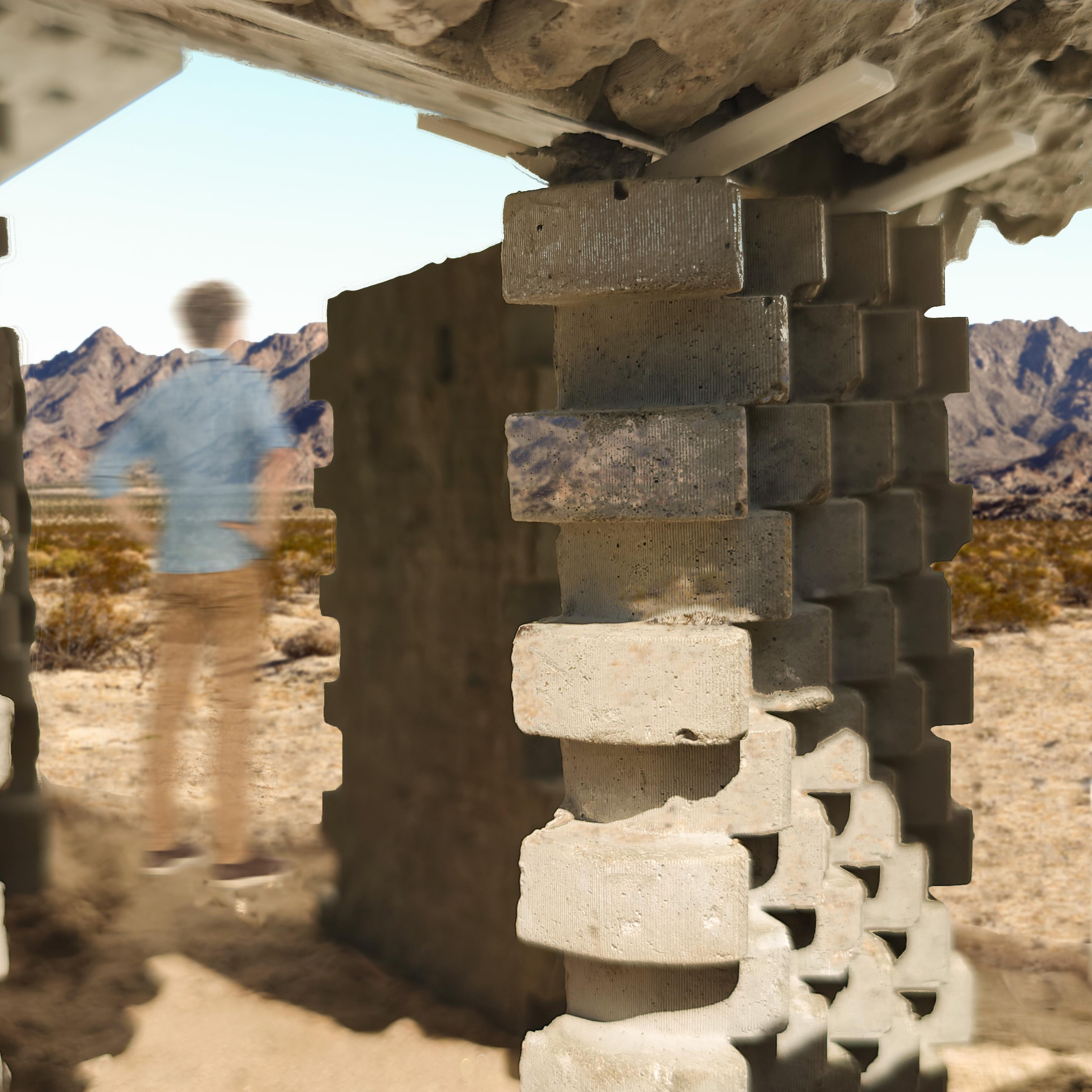
Located in Lone Pine, California, the project acts as a resting point for hikers and visitors on their way toward Mount Whitney, creating a moment of pause before entering the more demanding alpine terrain. The development begins with early form studies, exploring panel geometries and interlocking relationships through physical casting. Grasshopper was then used to rapidly iterate these forms, enabling quick testing of modular configurations and aggregation strategies. The final proposal is conceived as a tilt-up concrete system composed of repeatable modules, using only two panel types to minimize mold waste and simplify fabrication. The concrete incorporates a high-perlite mix (≈75% perlite), producing a lightweight, porous material that is both economical and suited to the desert environment. After casting, the molds are imagined to be cut into rows and reused as site benches, extending the modular logic beyond construction and embedding reuse directly into the landscape.
Casting Artifacts
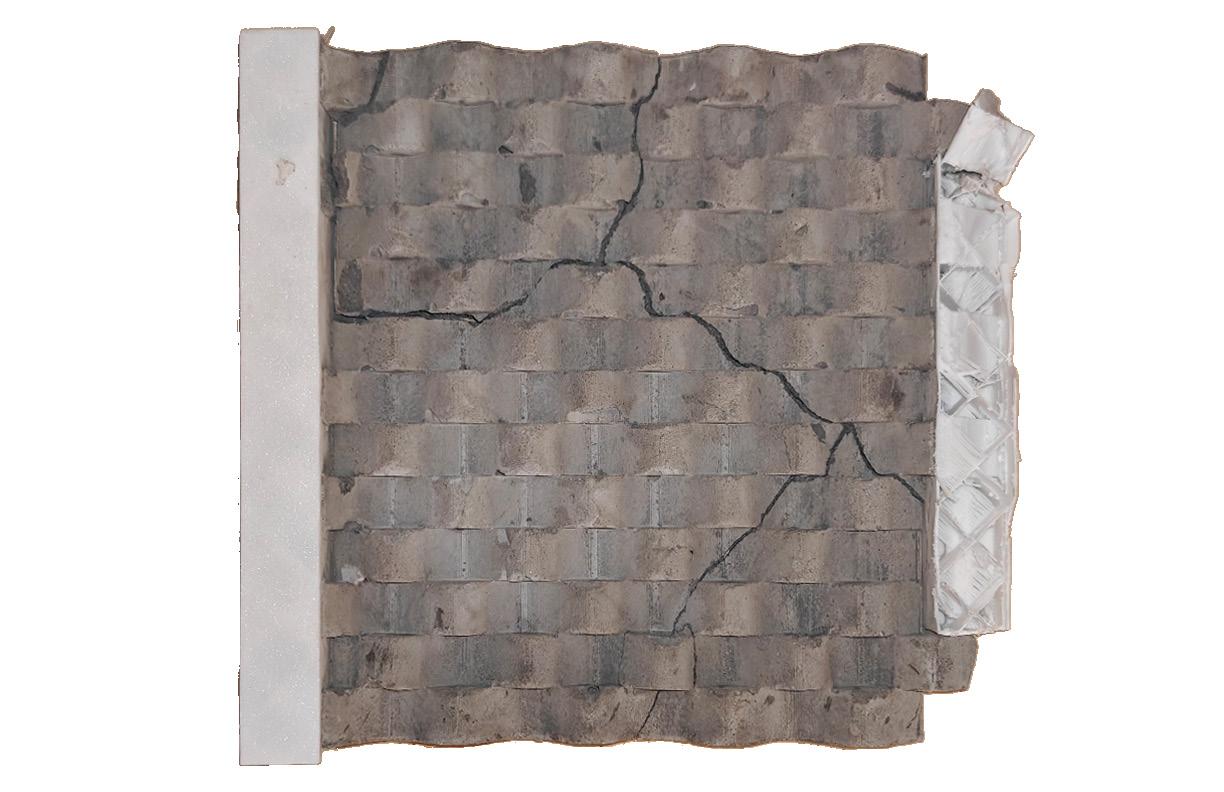
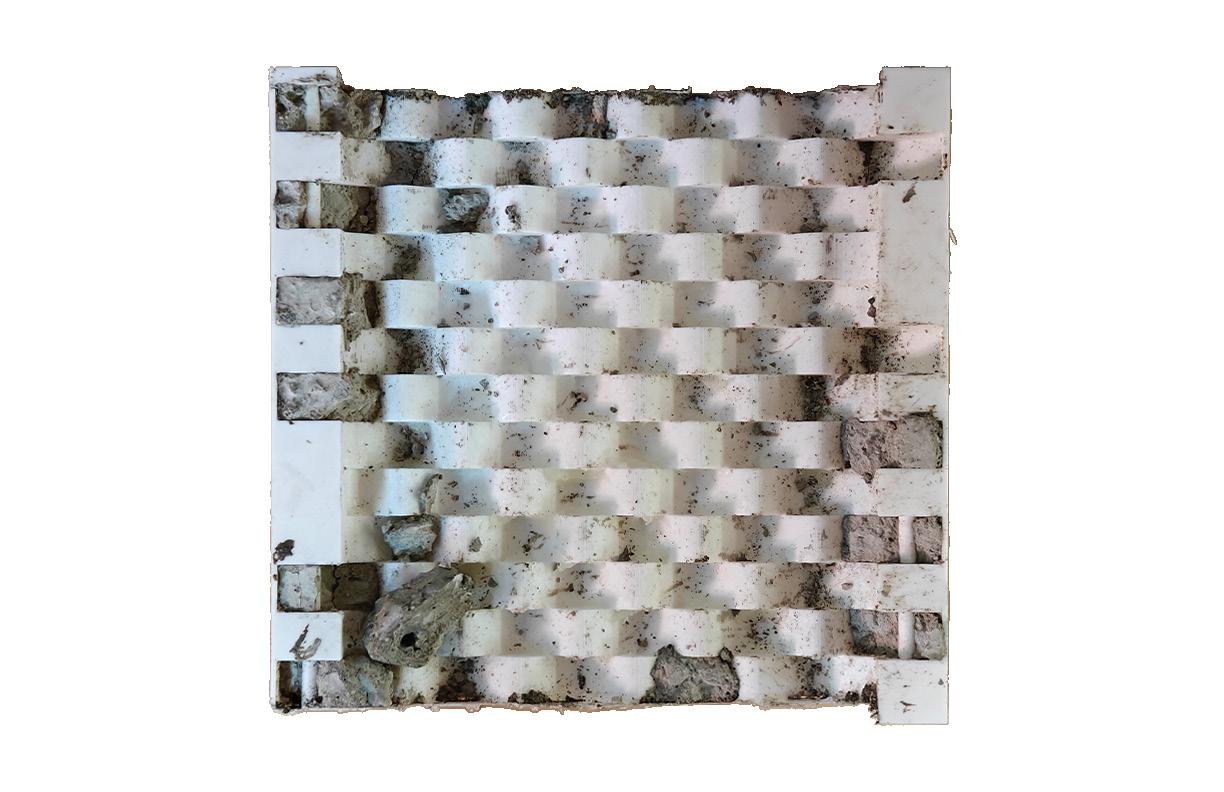
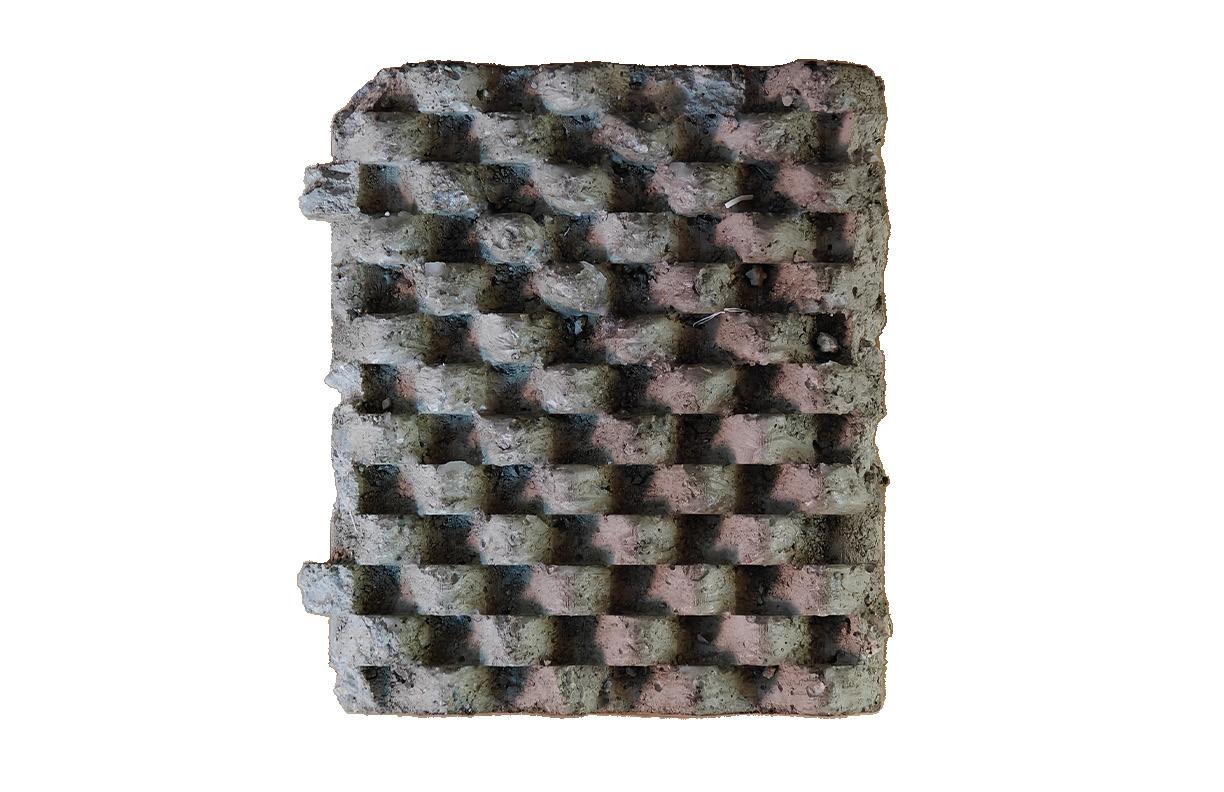
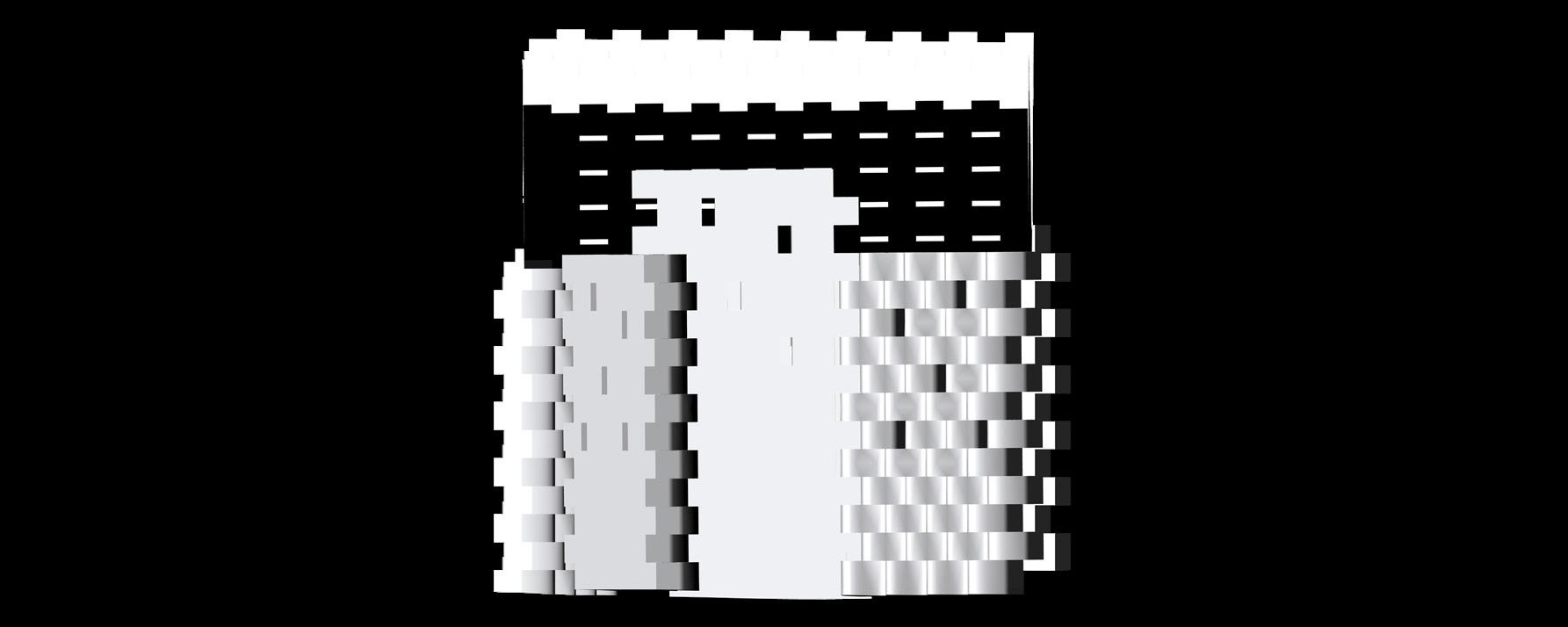
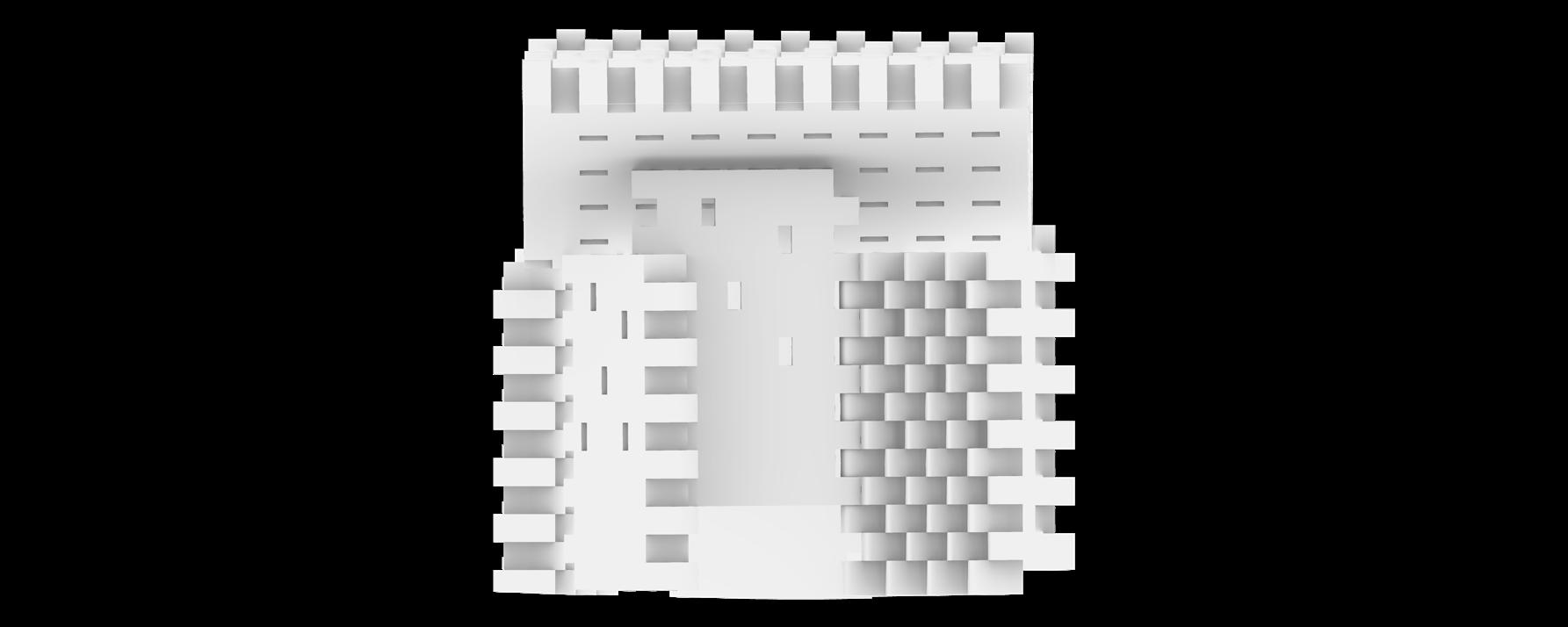
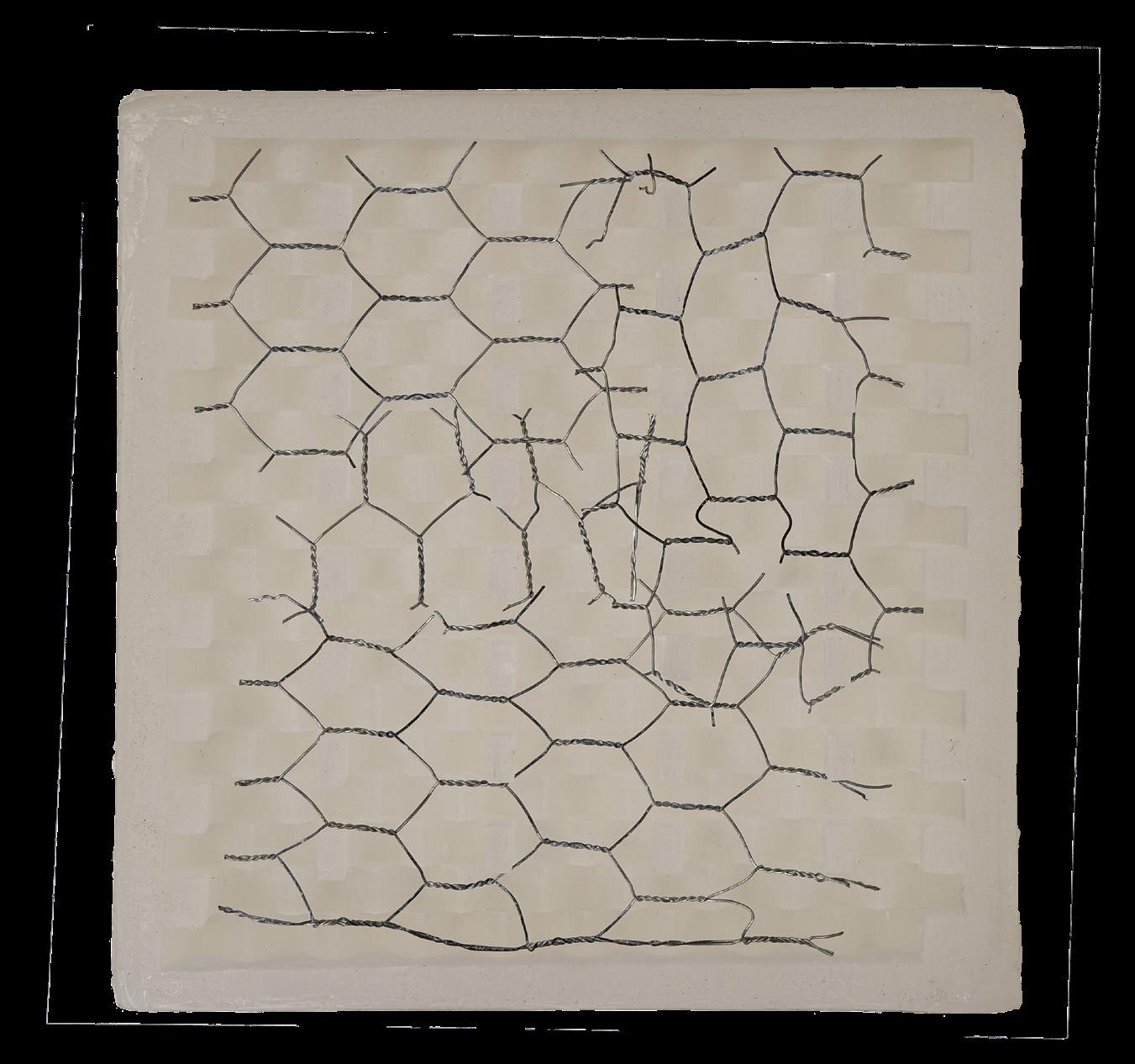
Silicone mold reinforced with chicken wire, used for lightweight perlite concrete casts. (75% perlite mix)
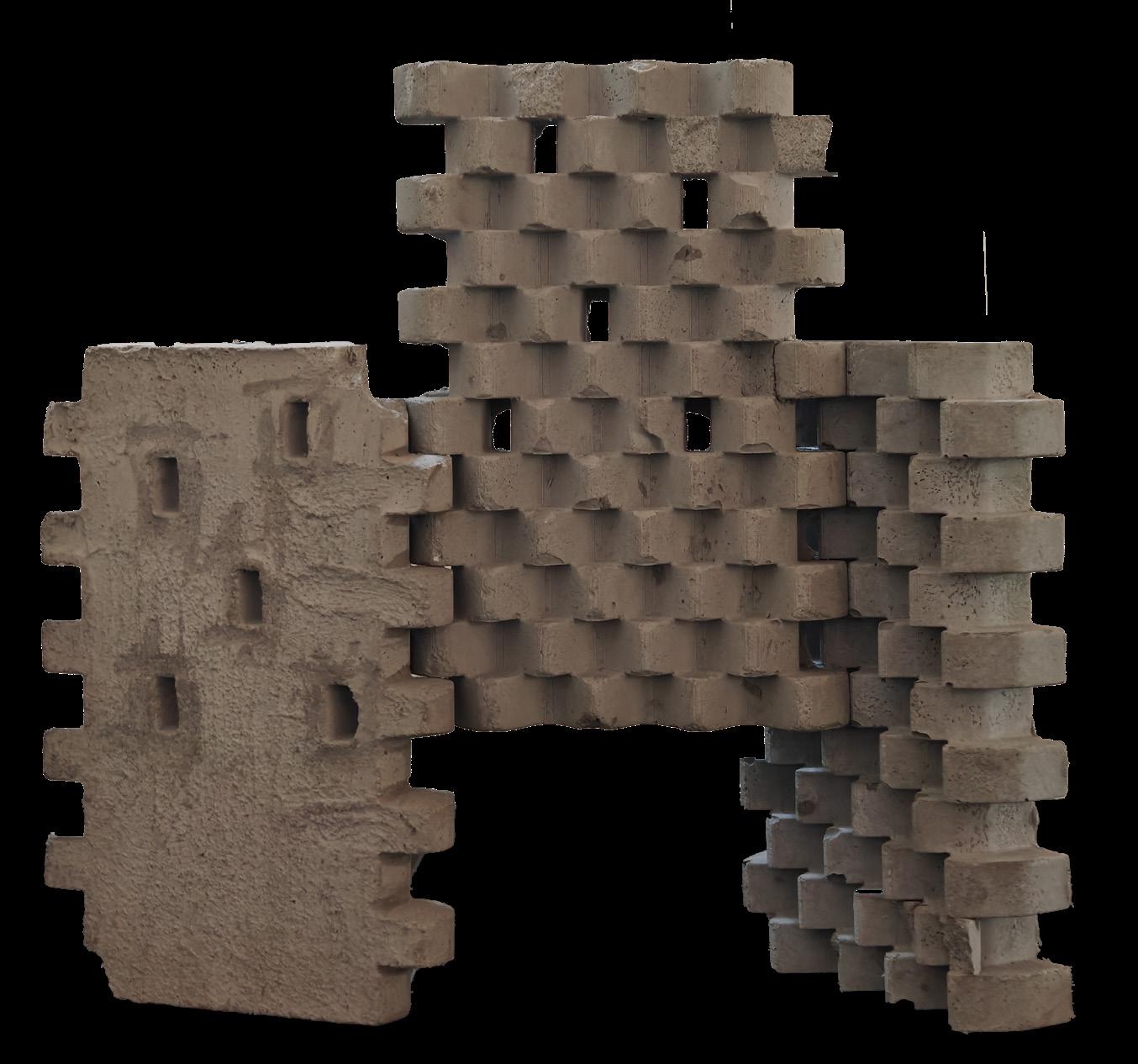
Cast panels notch together to form a self-supporting lattice.
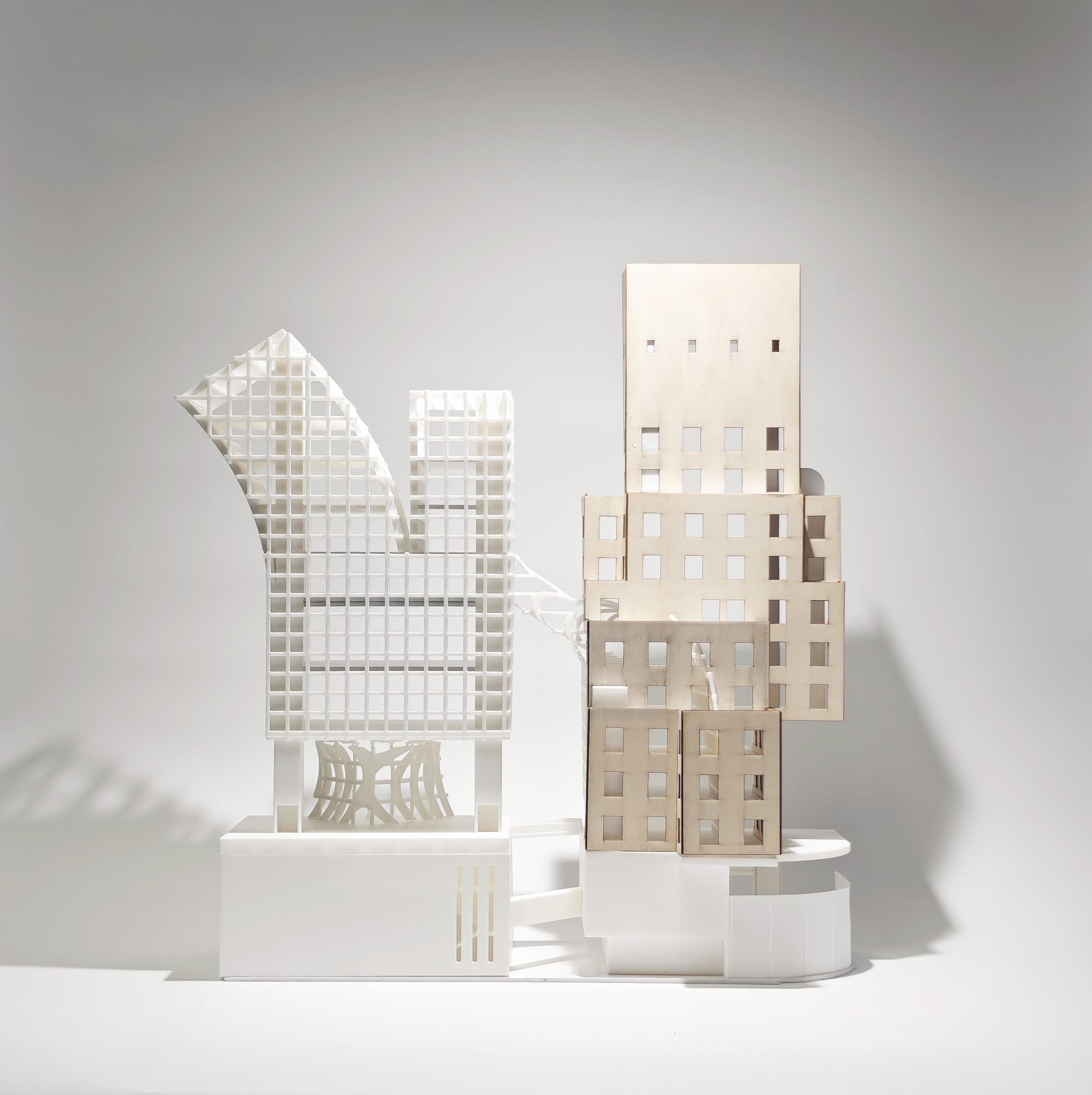
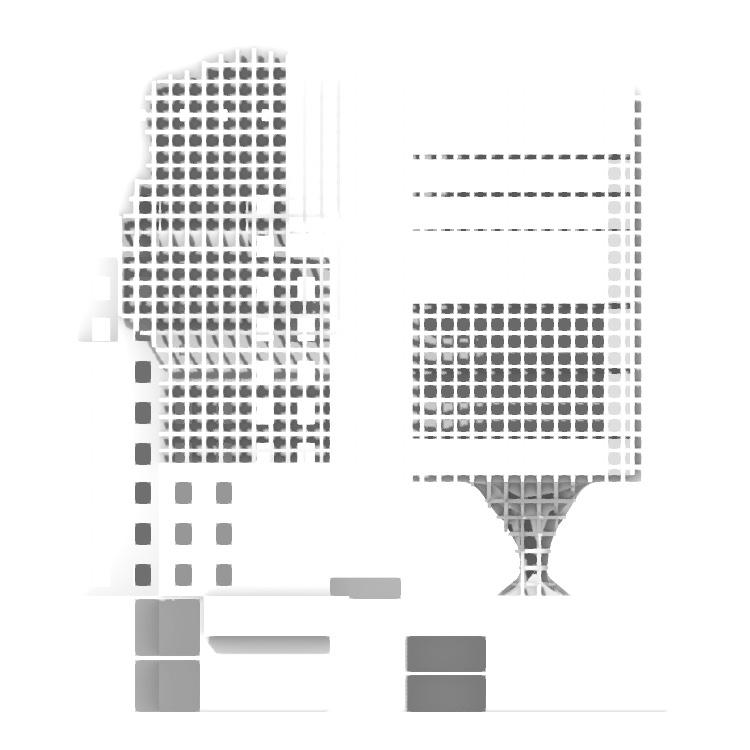
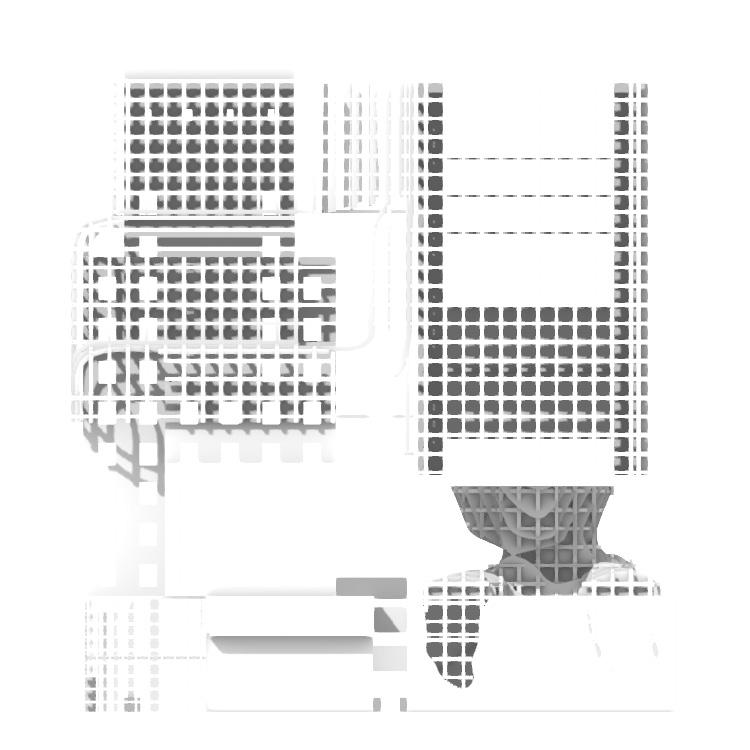
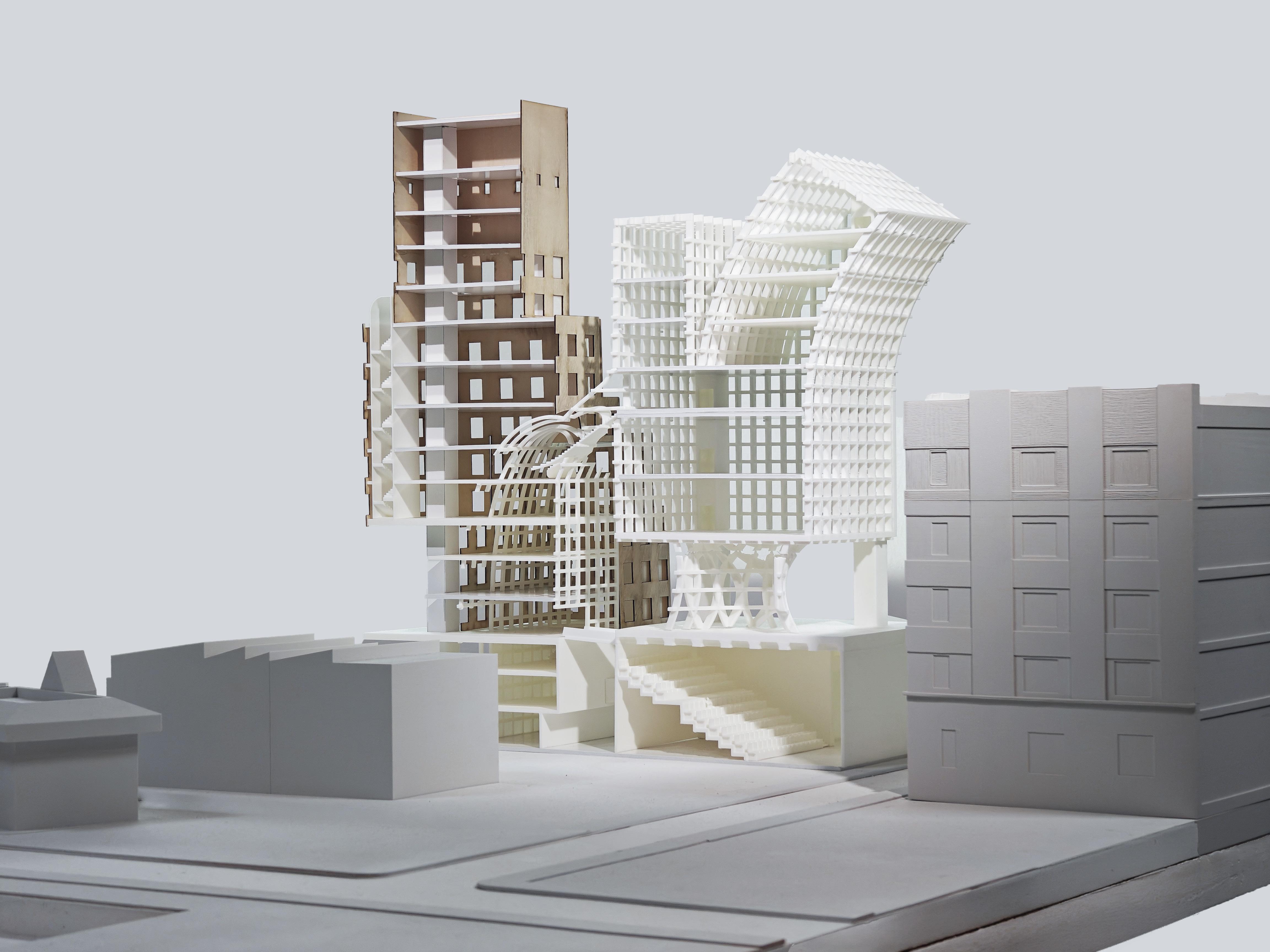
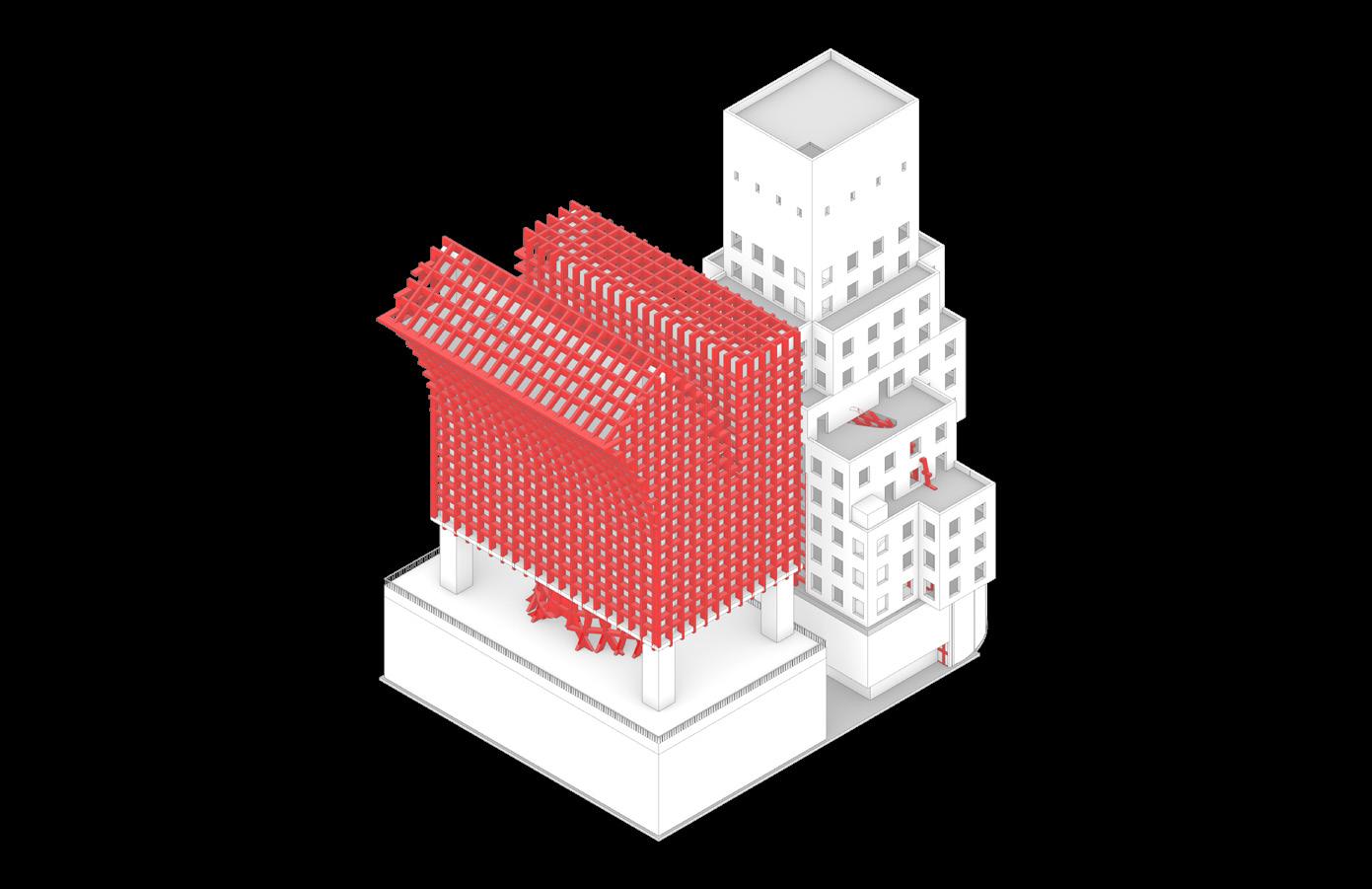
This adaptive reuse project transforms the historic E. Clem Wilson Building in Los Angeles into a Center for Art, Media, and Performance. Beginning with studies of host–attachment relationships through chunk models, the design evolved through multiple iterations that rethink how new architecture engages the existing. Rather than wrapping or intruding upon the original tower, the intervention is conceived as emerging from it, treating the historic structure as a generator of new form. A structural waffle originates at the ground floor and expands outward into a new public framework that supports performance and public spaces. Within the original building, educational and institutional programs are organized vertically, while shared commons act as transitional zones between the historic core and the new spatial extension.
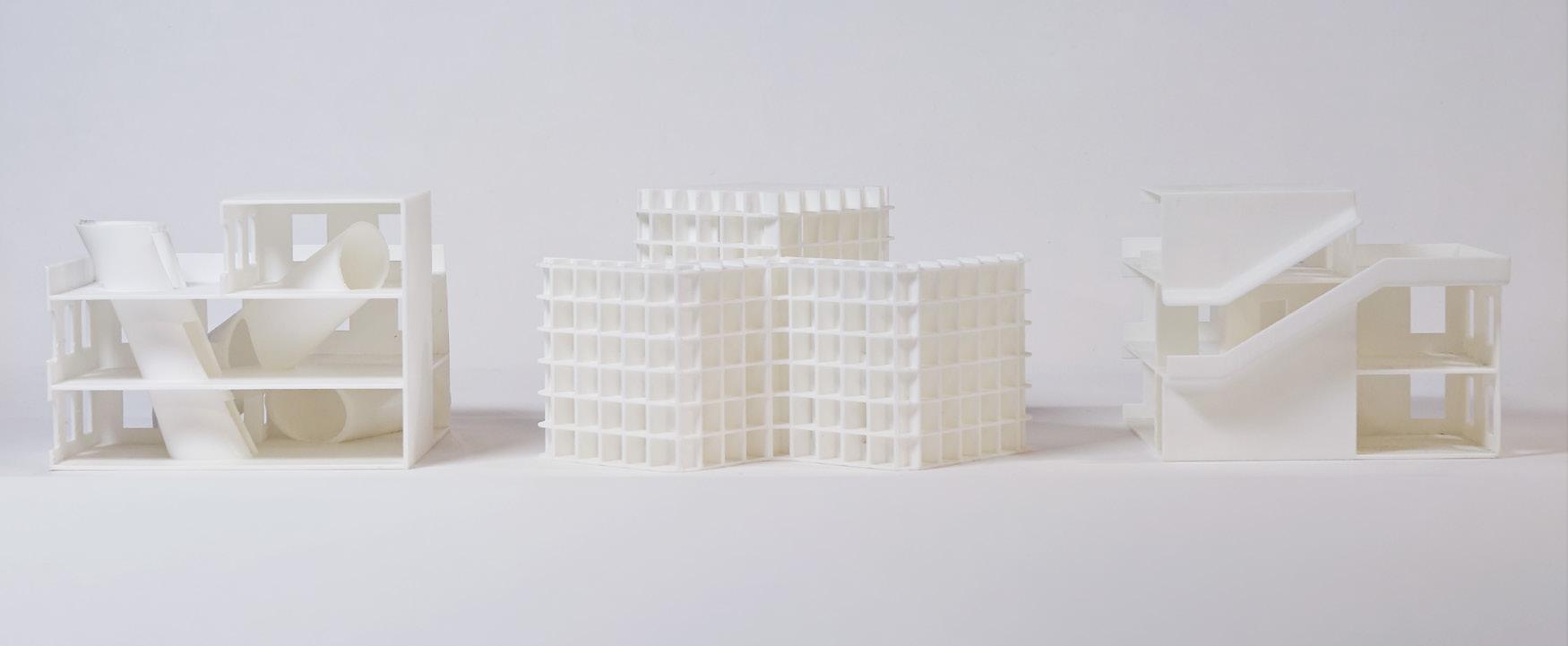
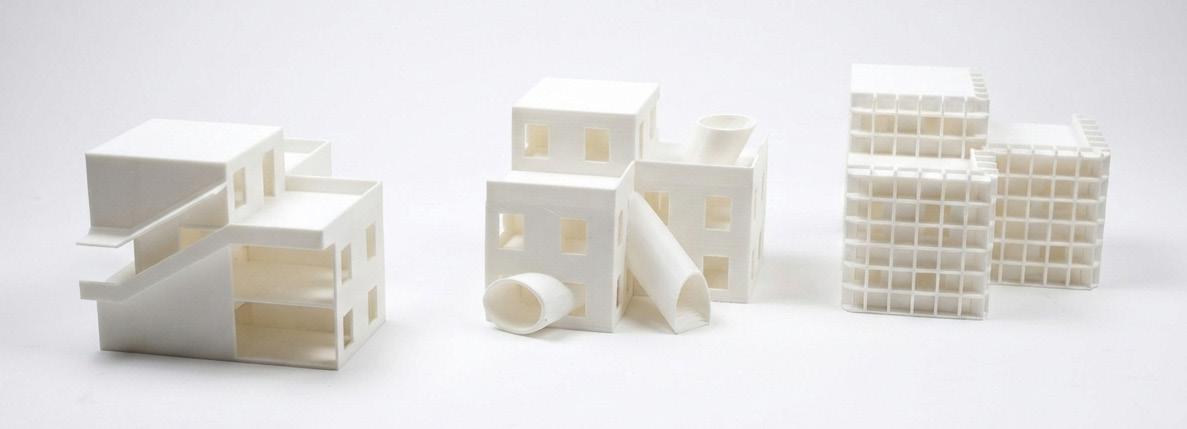

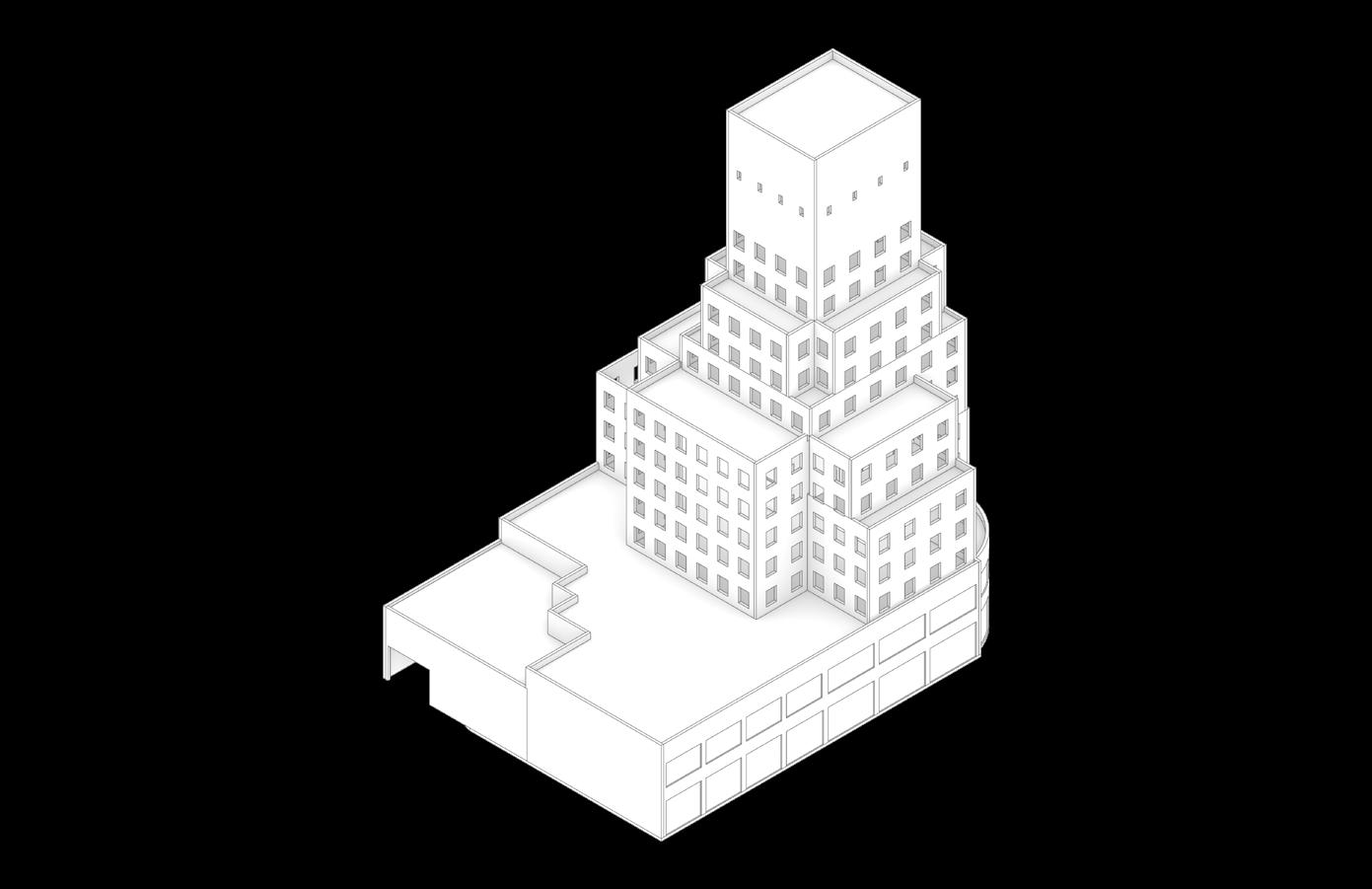
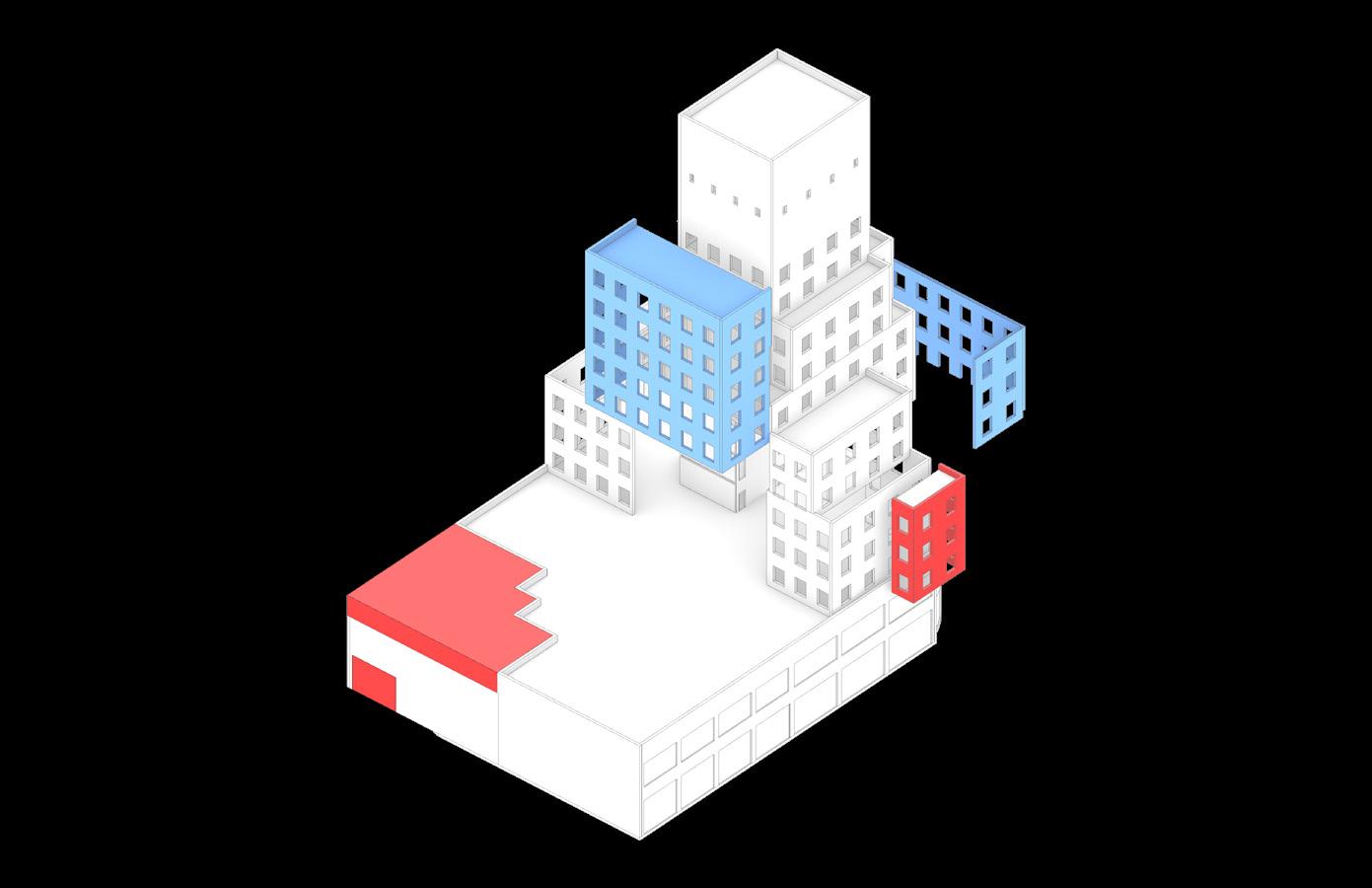
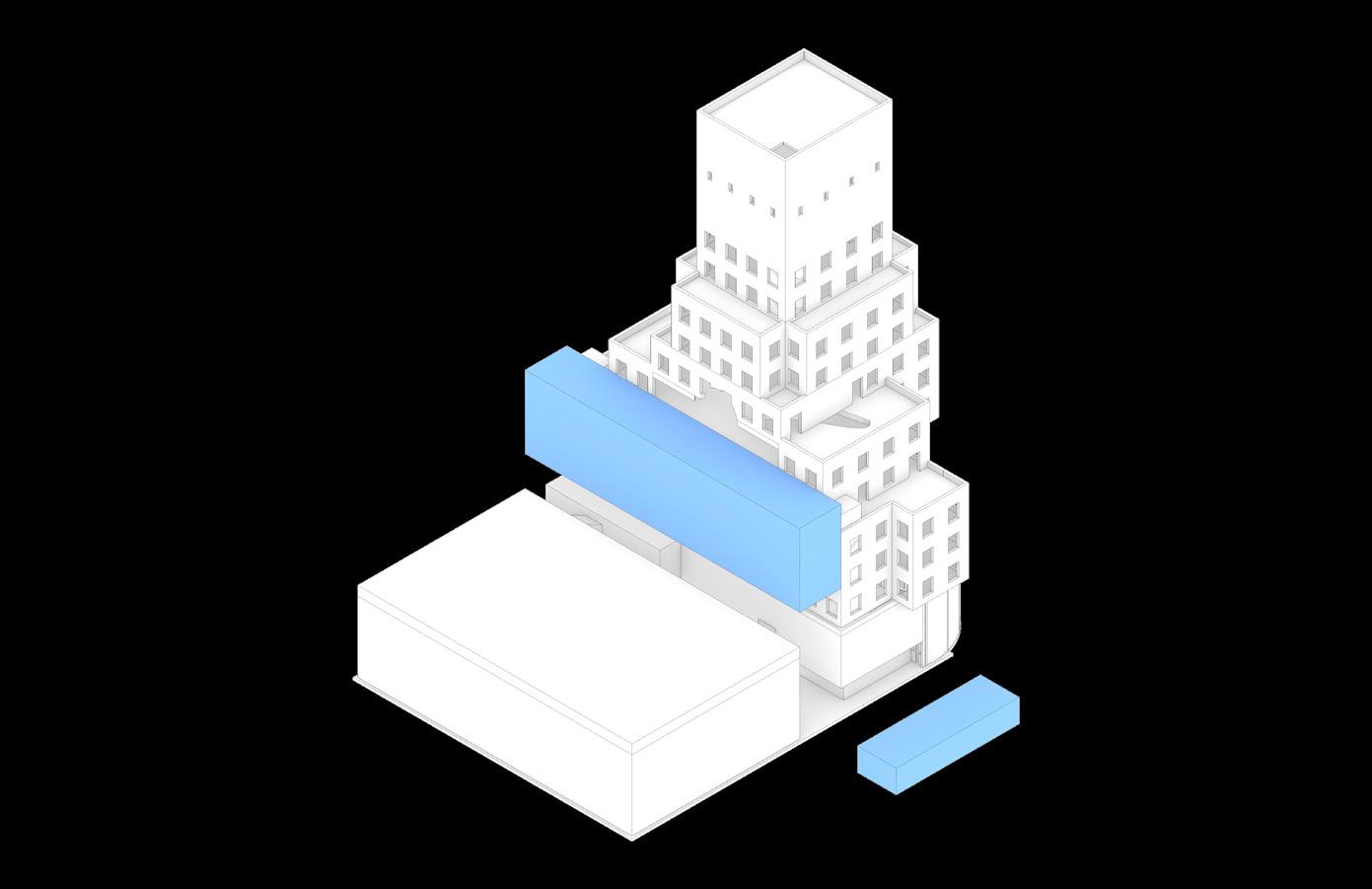
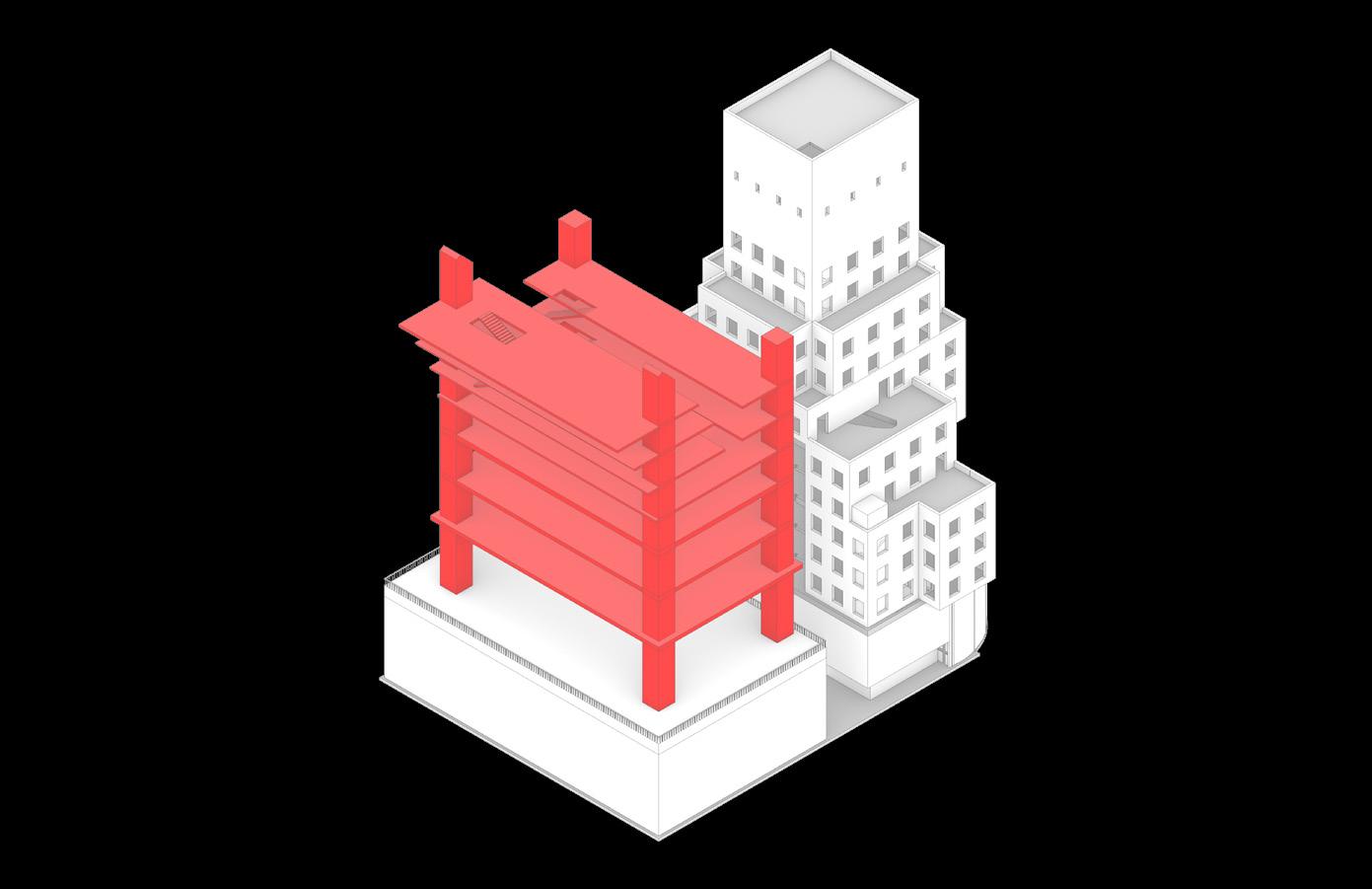
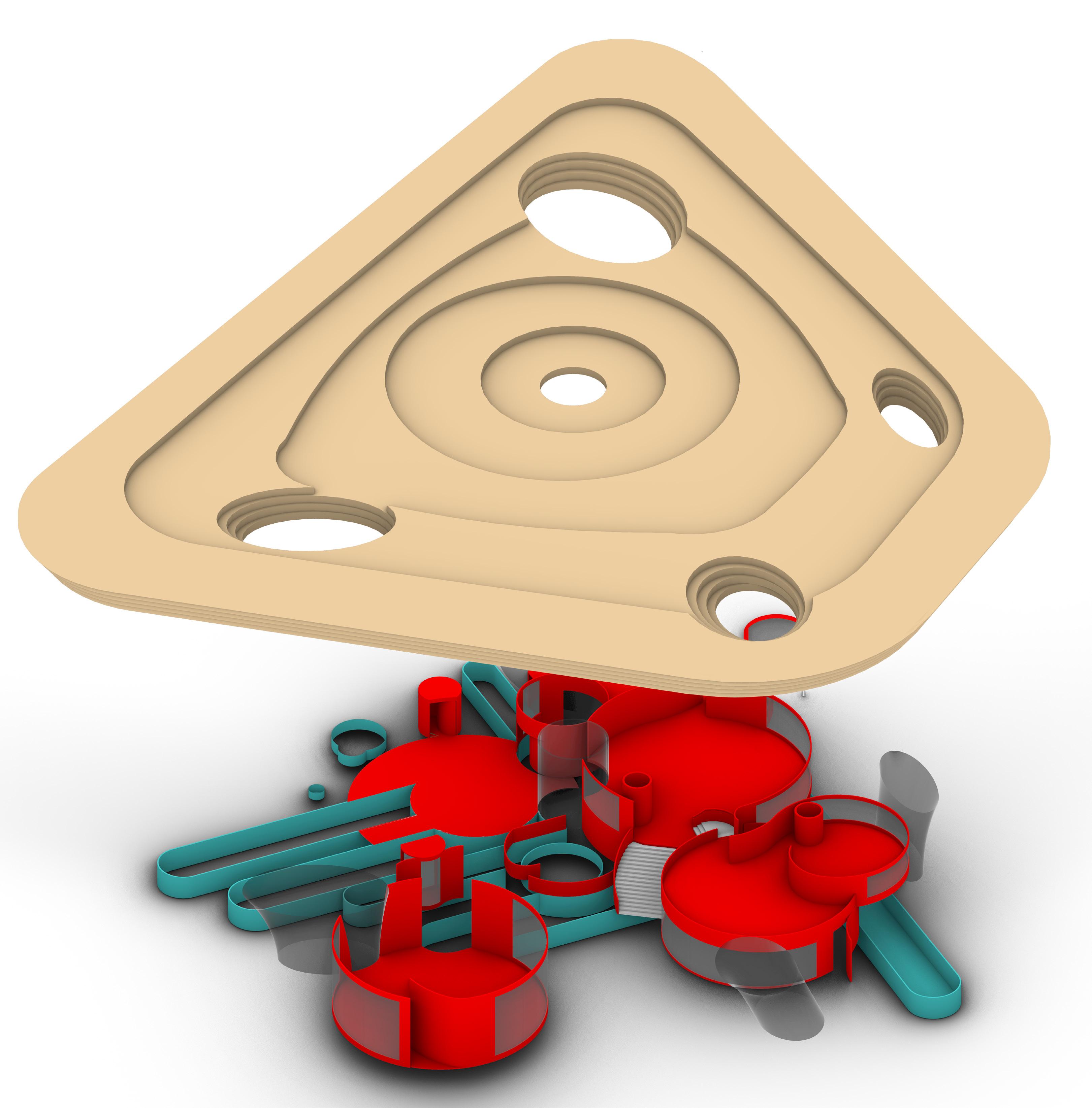
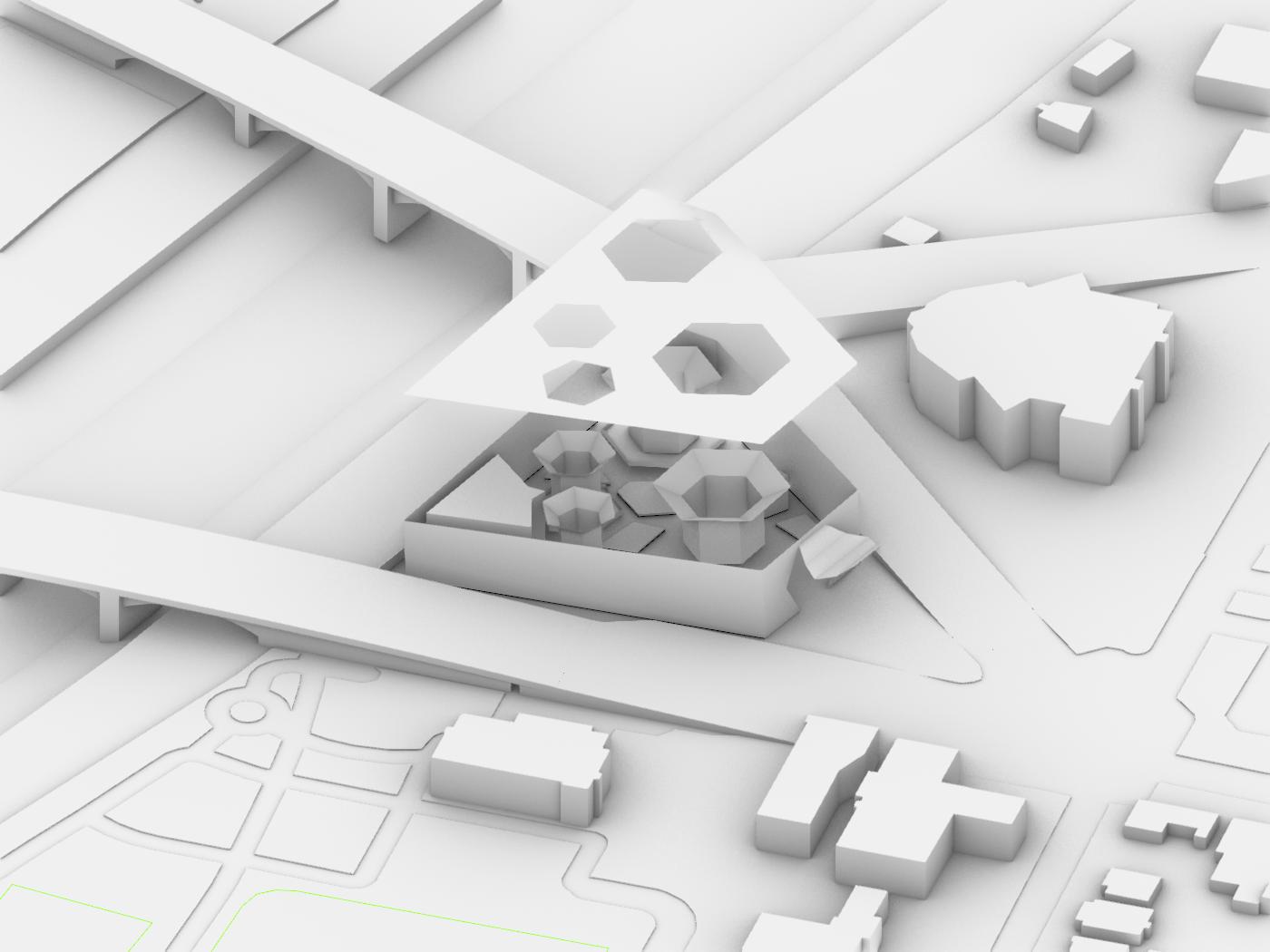
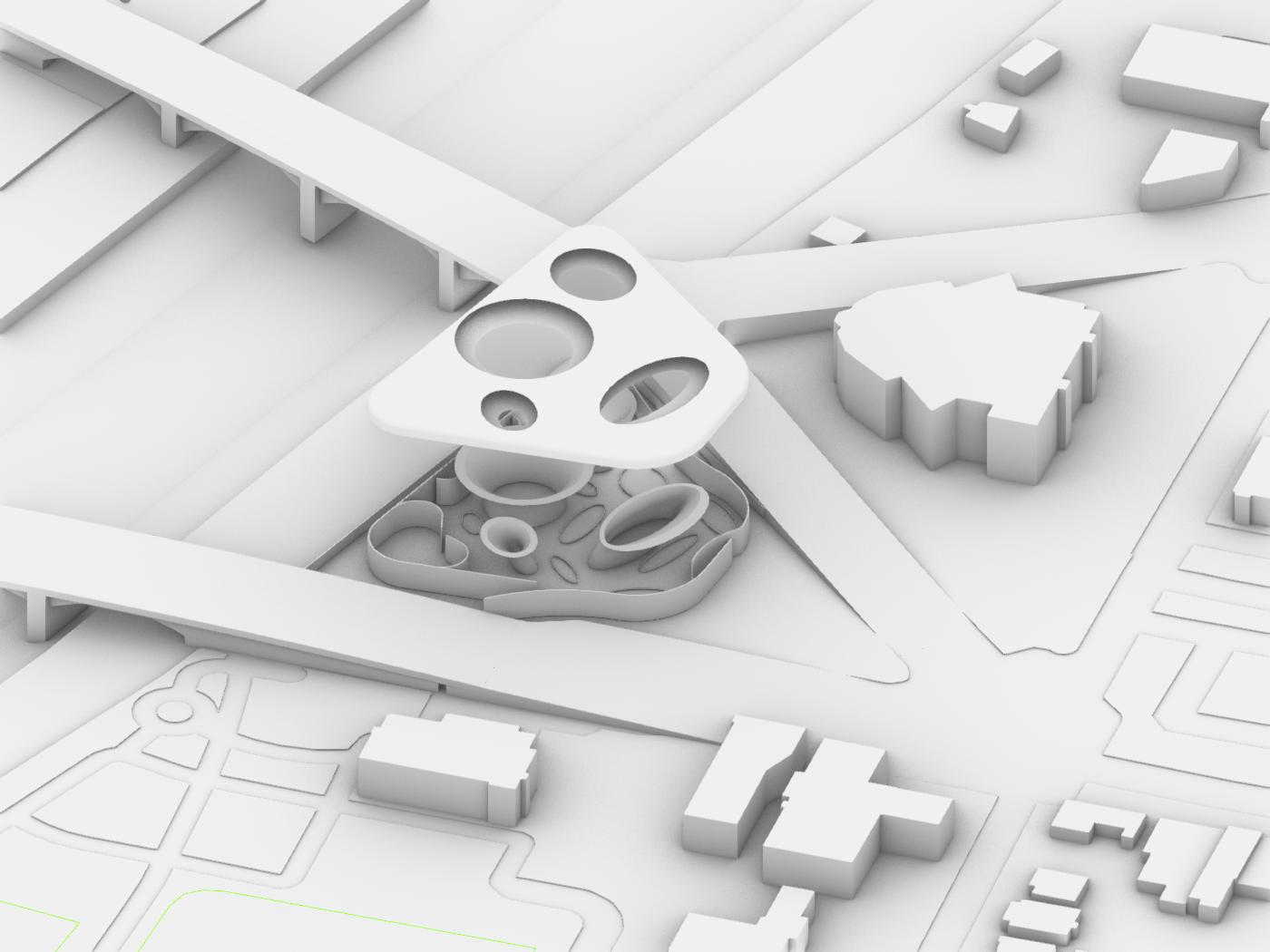
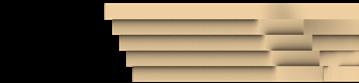
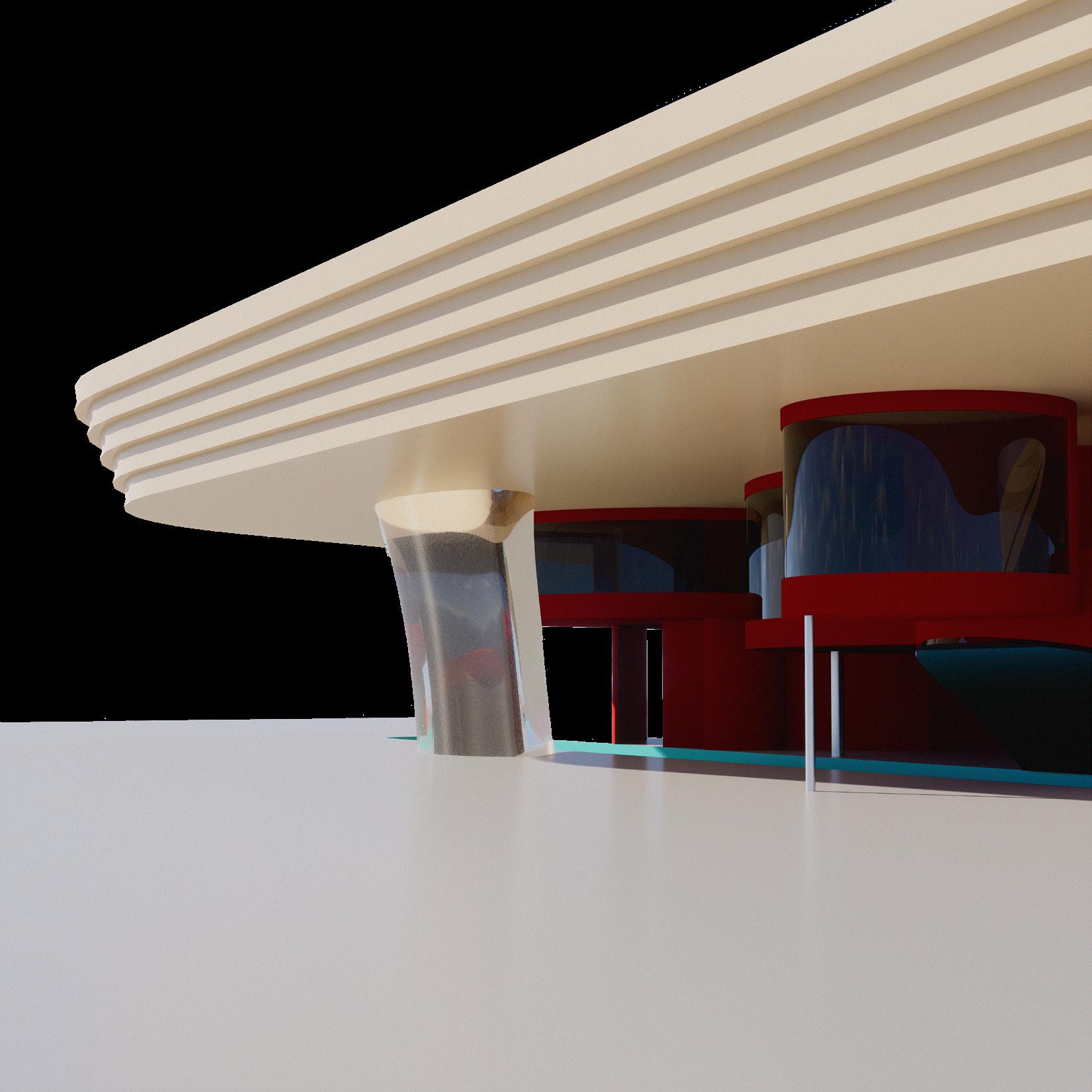
Located in the Chinatown / Lincoln Heights area of Los Angeles, the project reactivates an underused public pool site as a new civic gathering space. Set within a dense and fragmented urban fabric, the proposal introduces a contemporary pool complex that brings people together through water, shade, and open spatial continuity. The design developed through early diagrammatic and morphological studies exploring aggregation across the triangular site, later translating into clustered program volumes organized beneath a lifted canopy. The floating roof acts as an environmental layer — providing shade, collecting seasonal rainwater for filtration and reuse, and introducing natural light through large apertures. Together, canopy, water, and clustered forms create a layered public environment that merges recreation, climate responsiveness, and communal space.
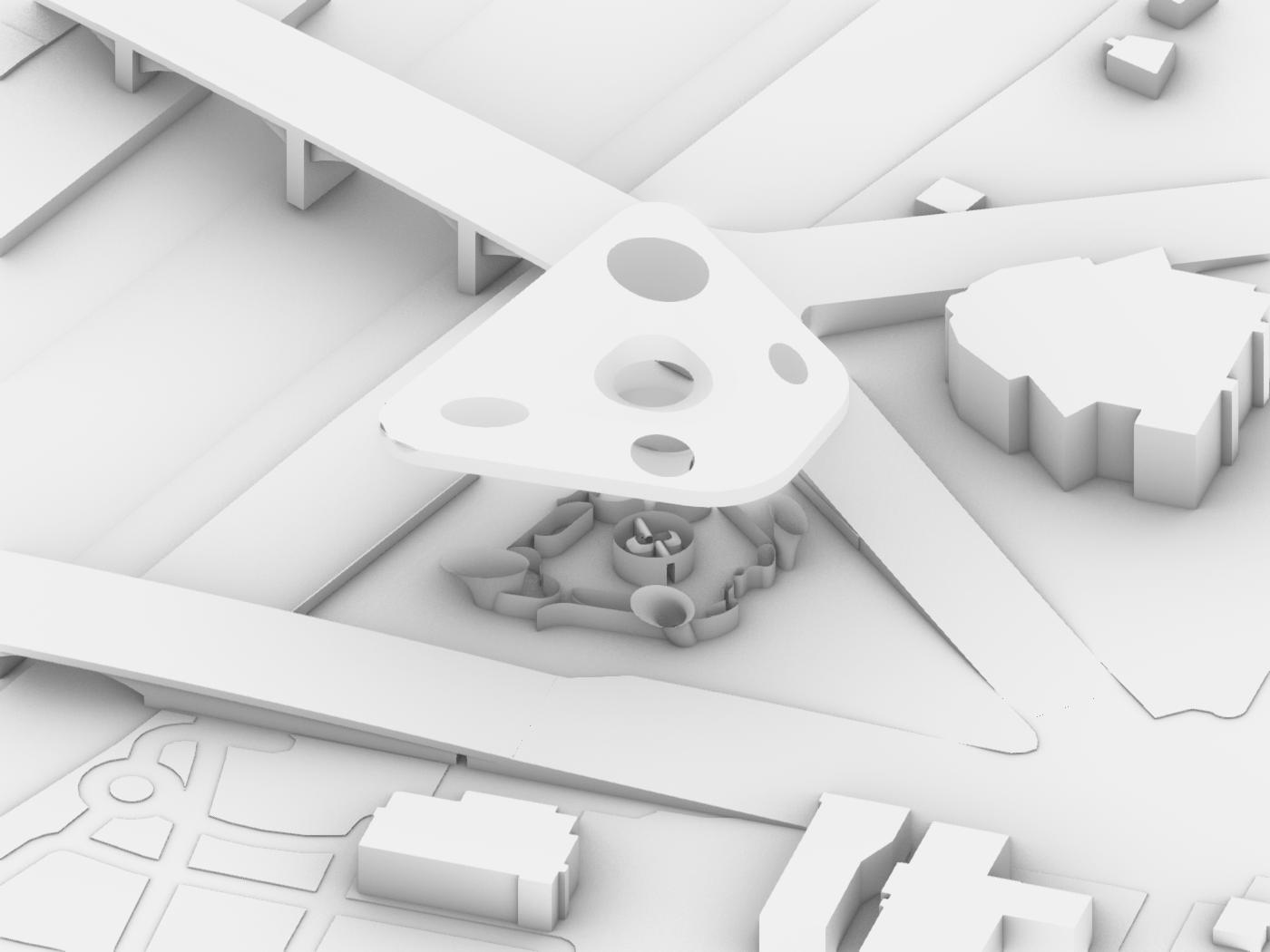
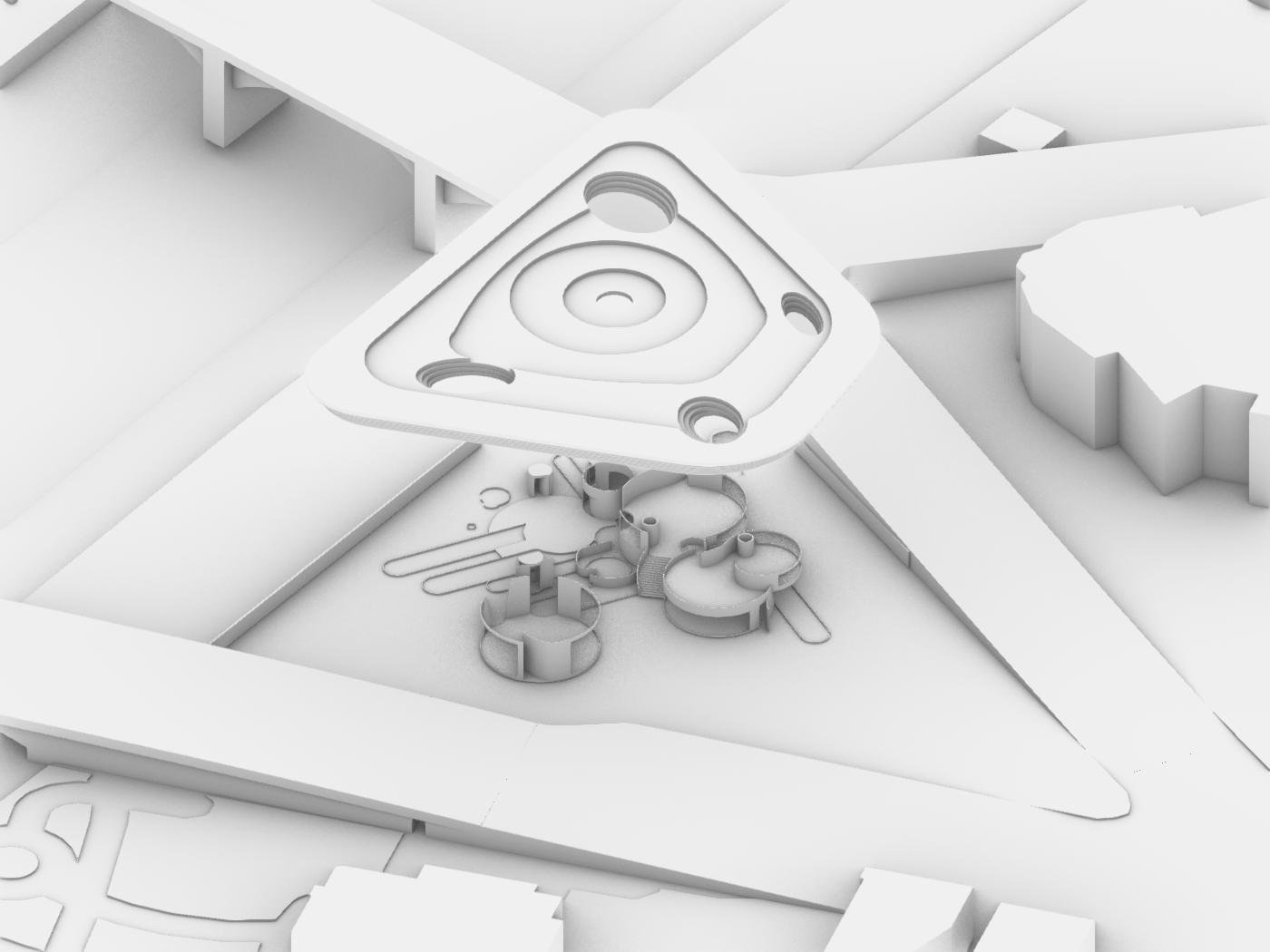
Morphological Studies




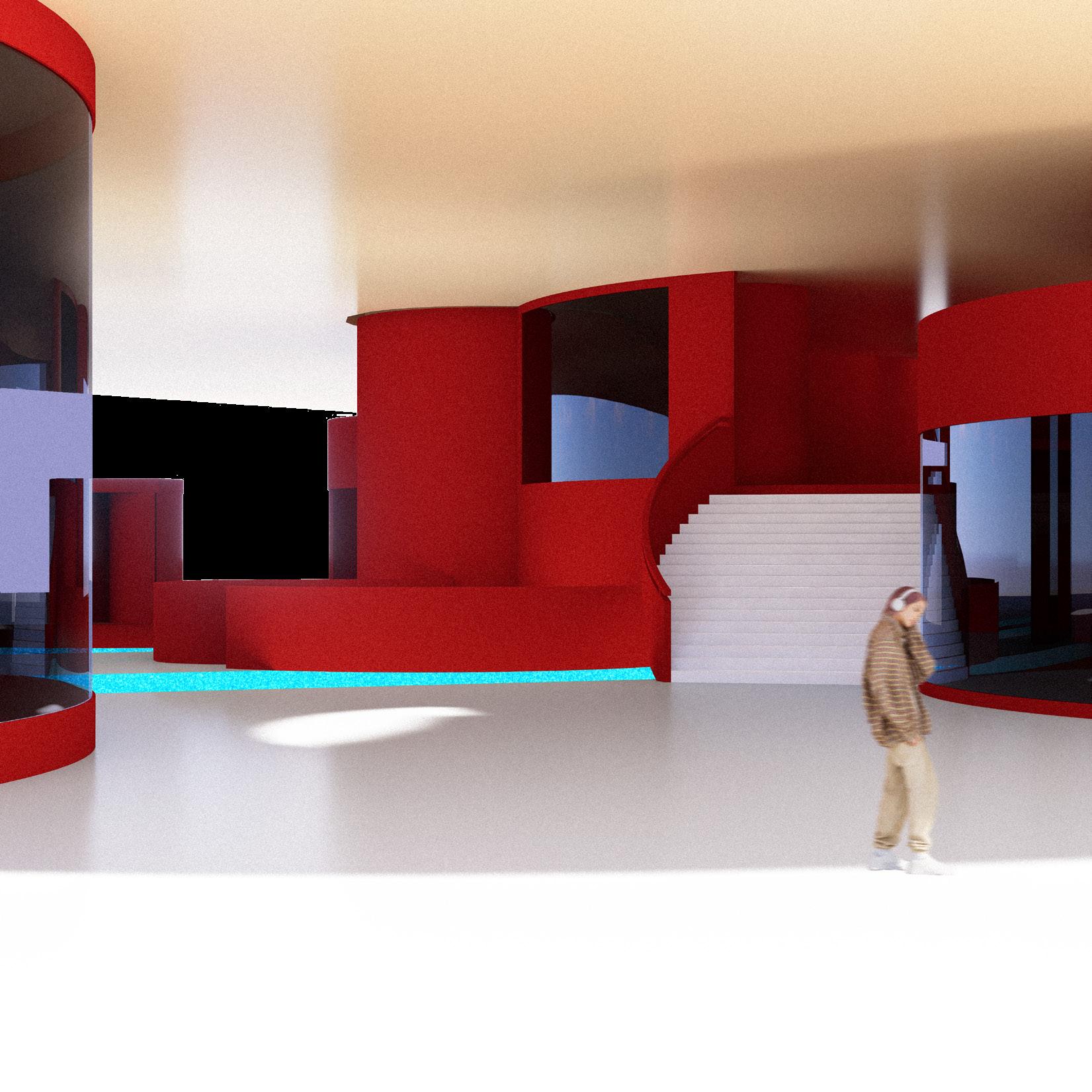
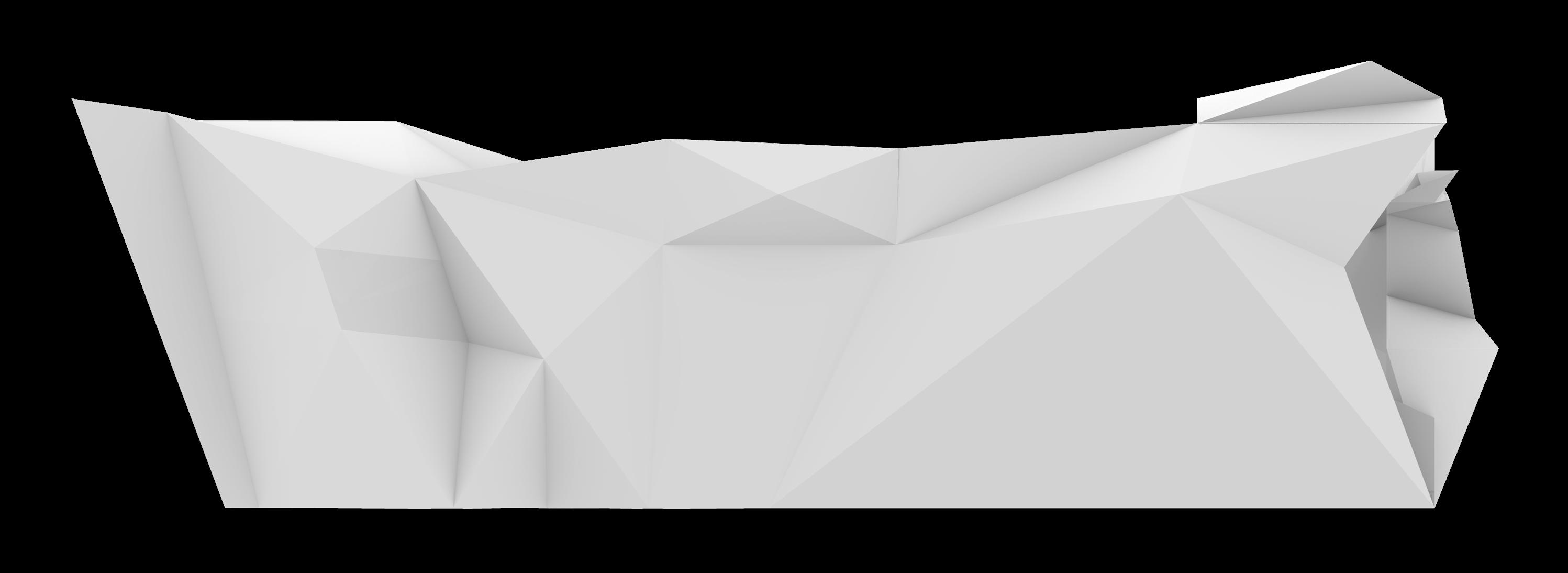
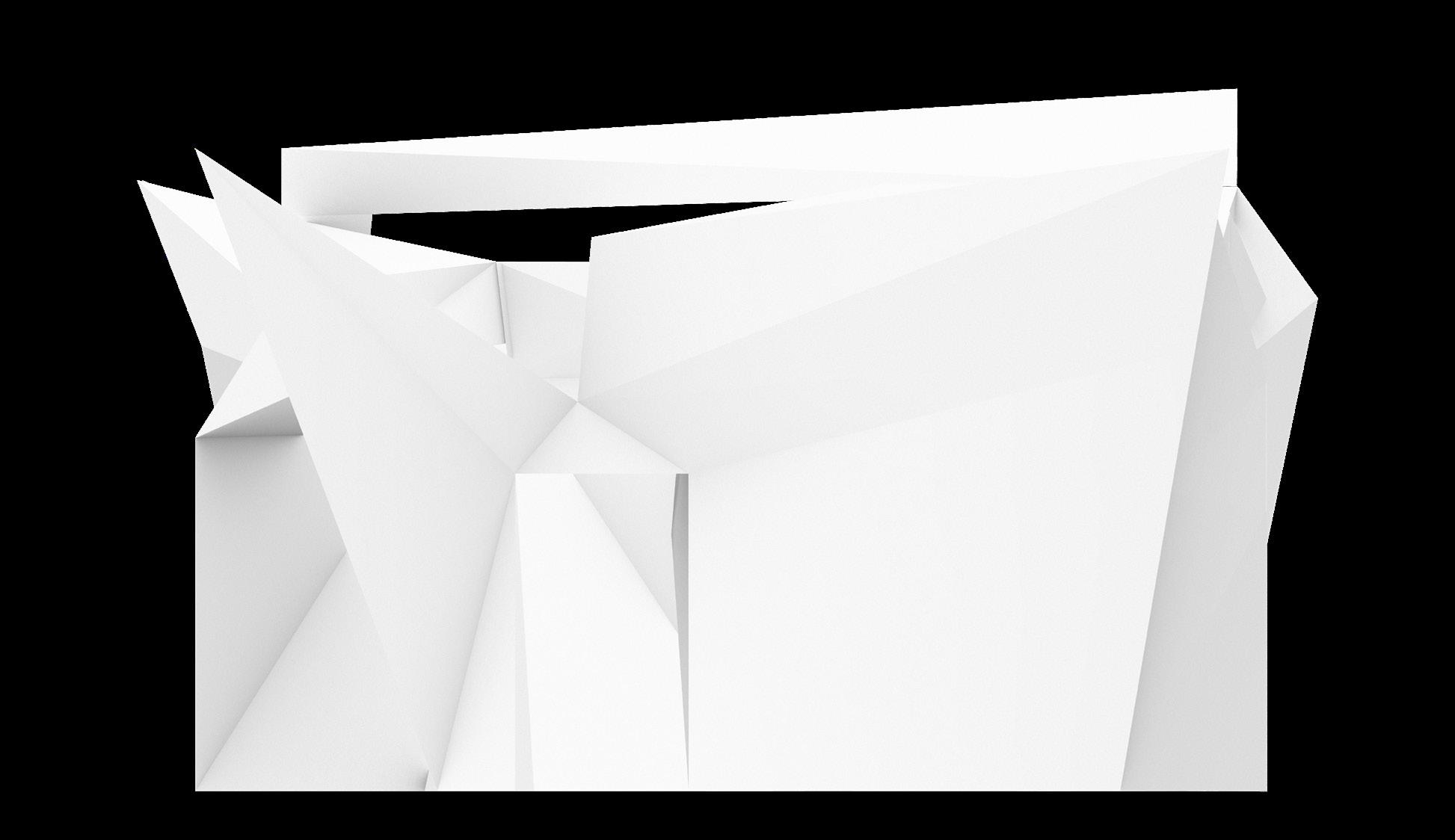
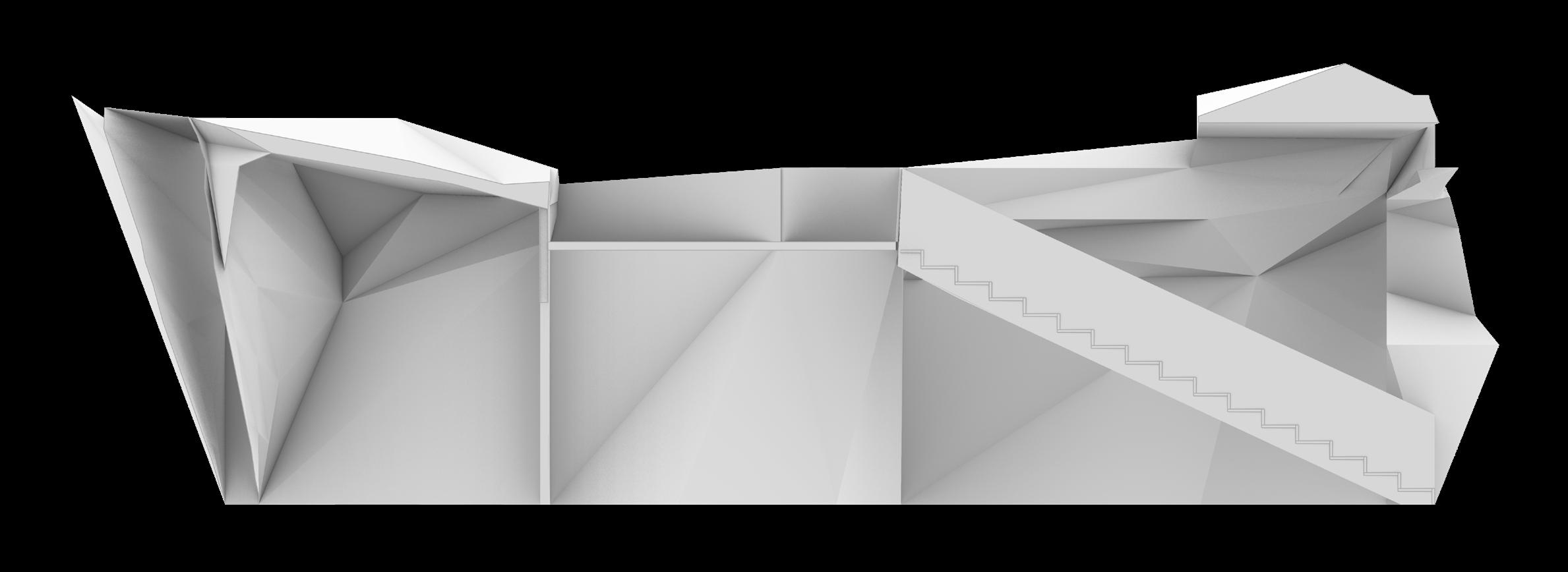
Located in the main quad at Woodbury University in Burbank, this project introduces a student lounge within one of the campus’s most active circulation zones. Positioned along a primary pedestrian path, it creates a transitional space for gathering, pause, and informal performance.
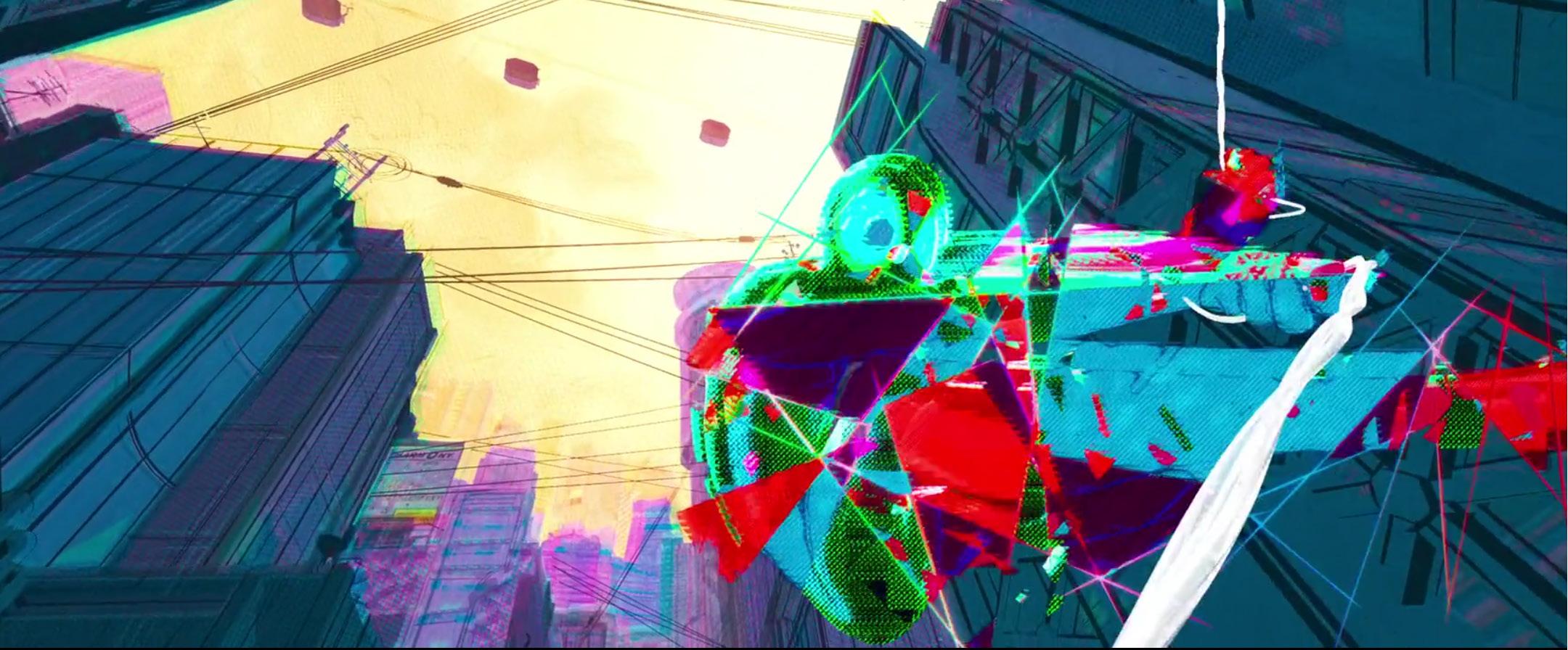
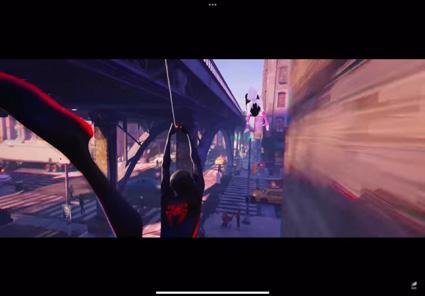
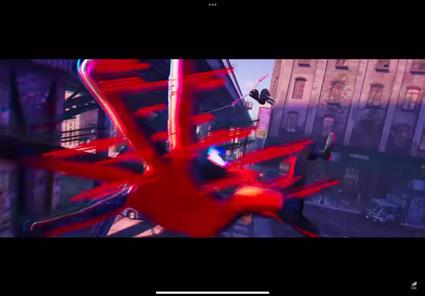
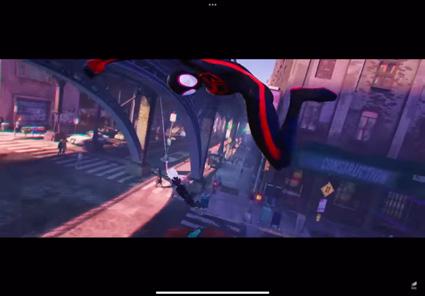
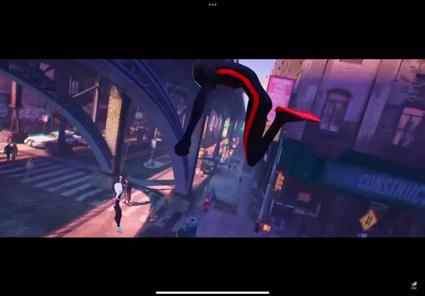
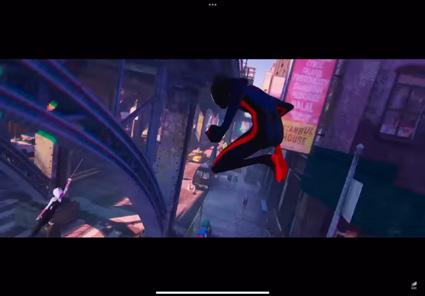
The design develops through translating motion into architecture. Using footage from Into the Spider-Verse, moments of movement were tracked and abstracted into geometric traces, then extruded and iteratively assembled into a spatial system. Influenced by the film’s glitch sequences, the final form consolidates layered motion into a faceted geometry that reads as a frozen moment of temporal distortion.


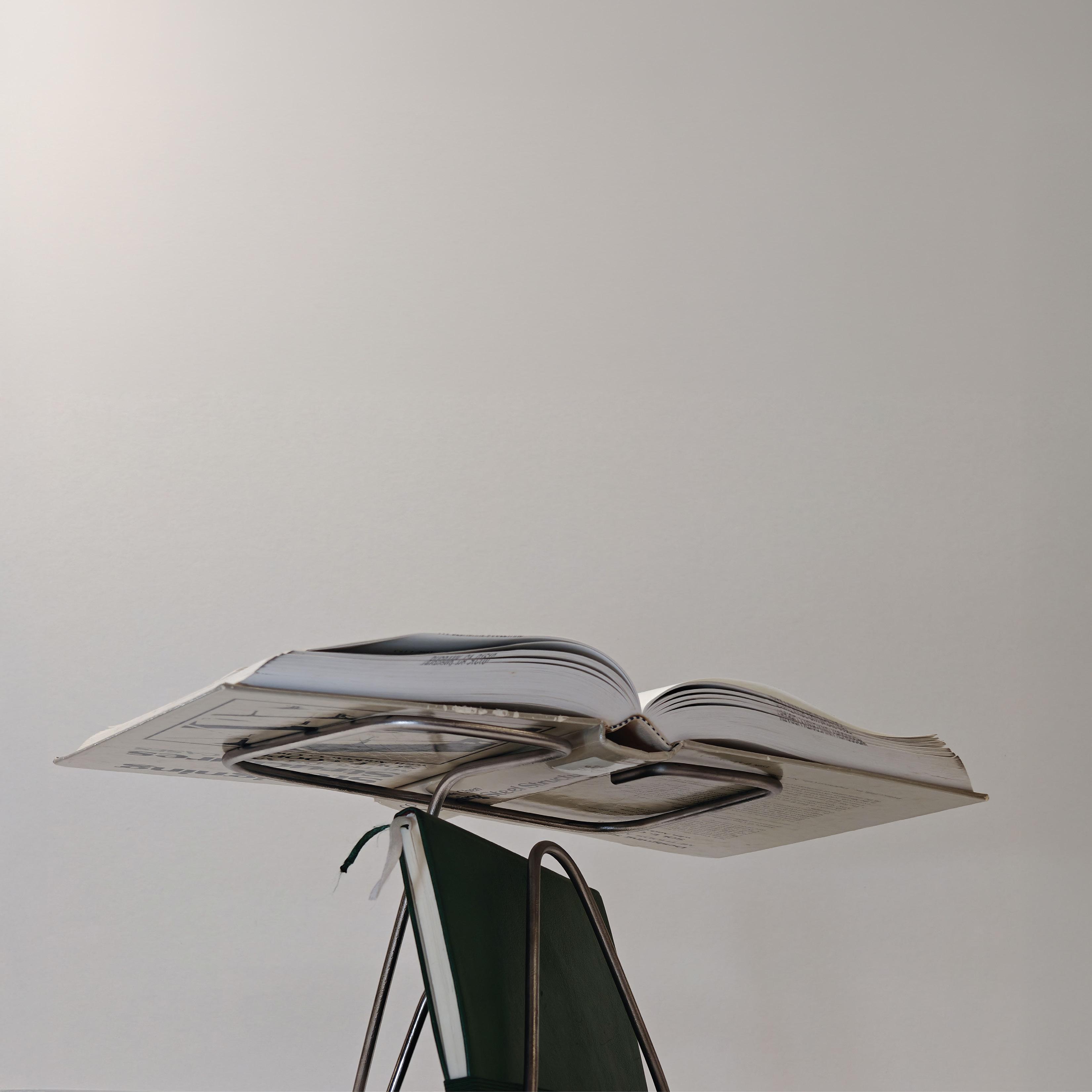
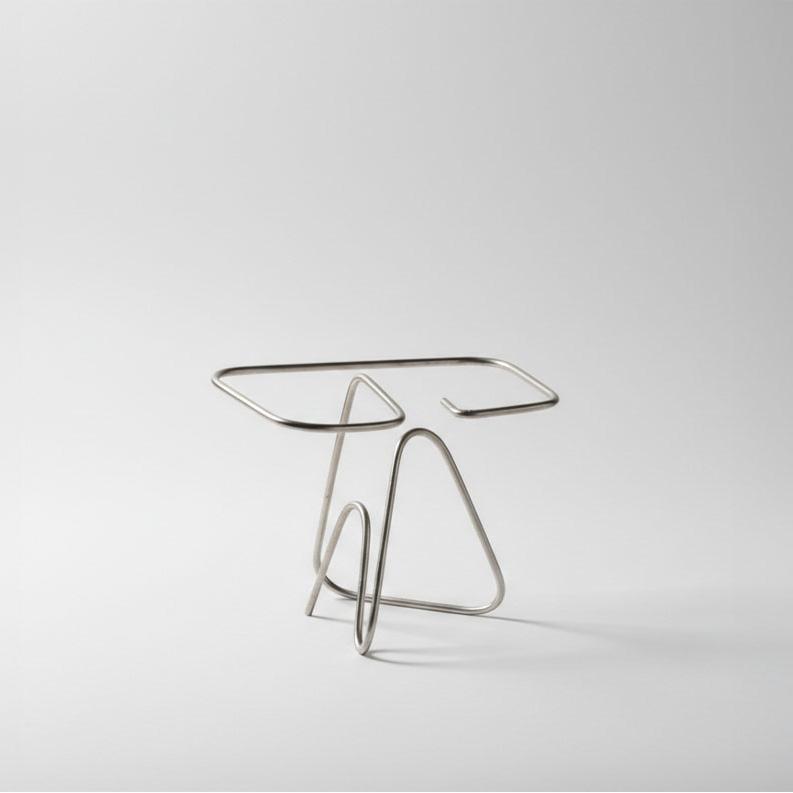
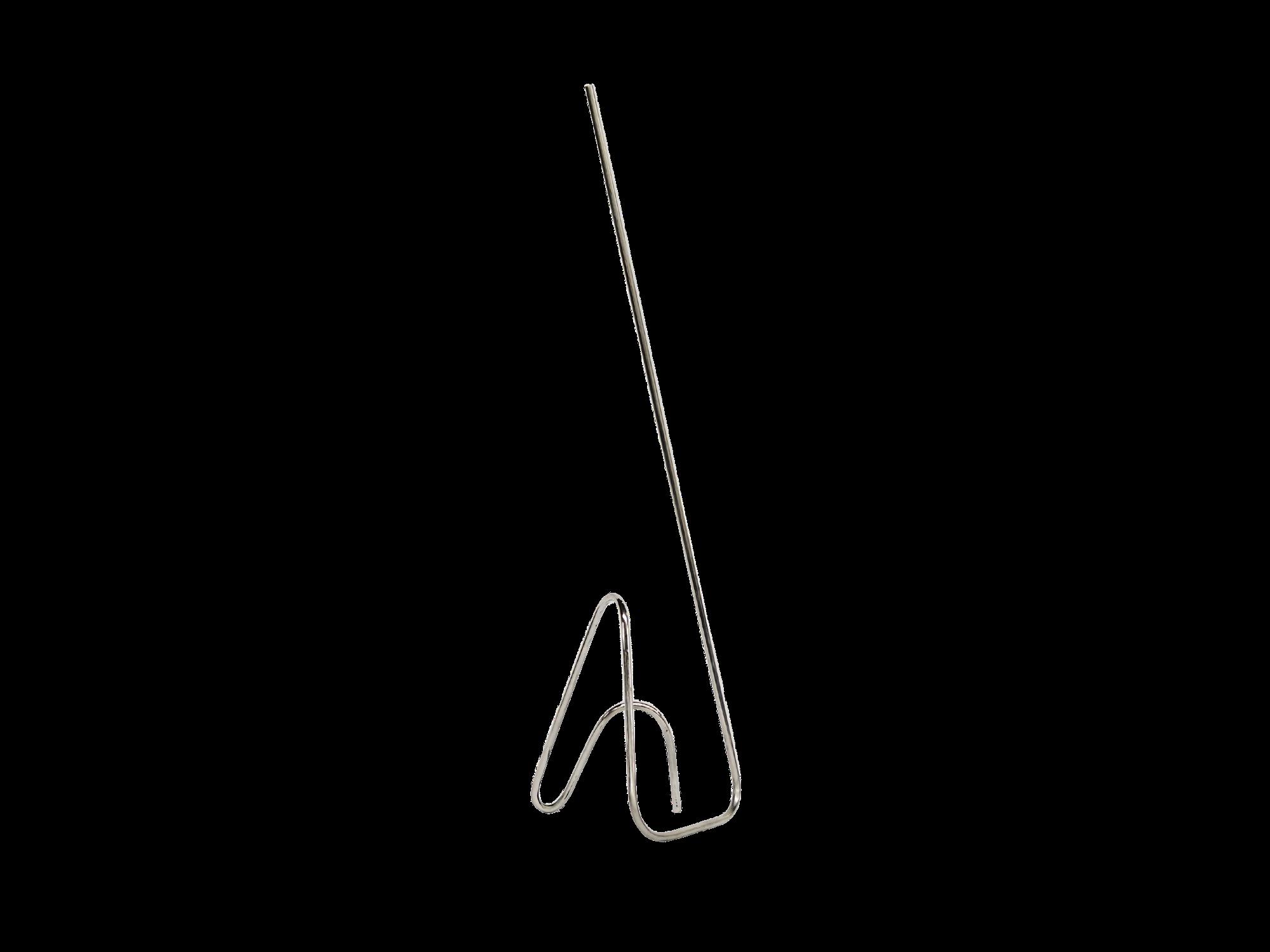
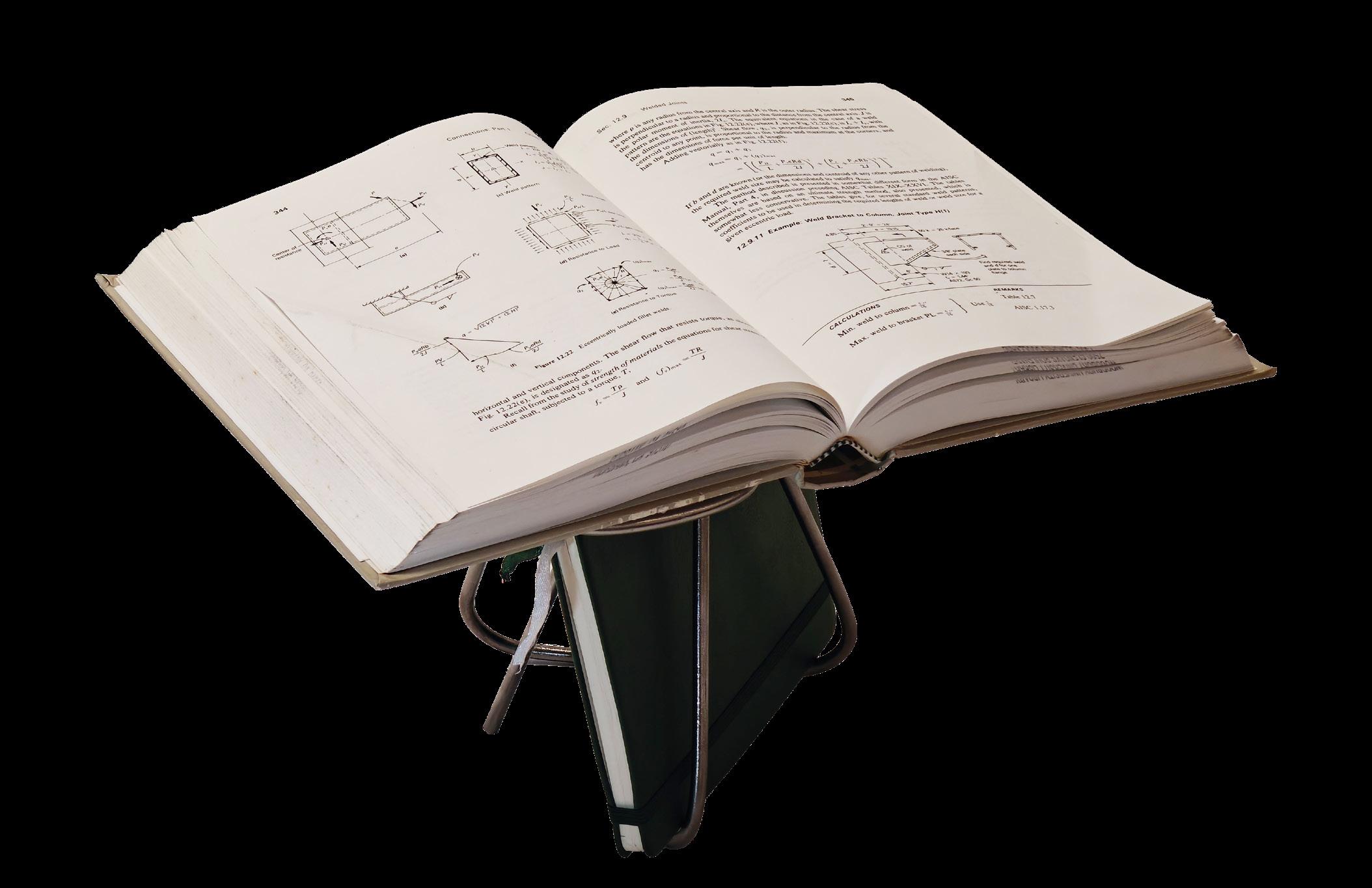
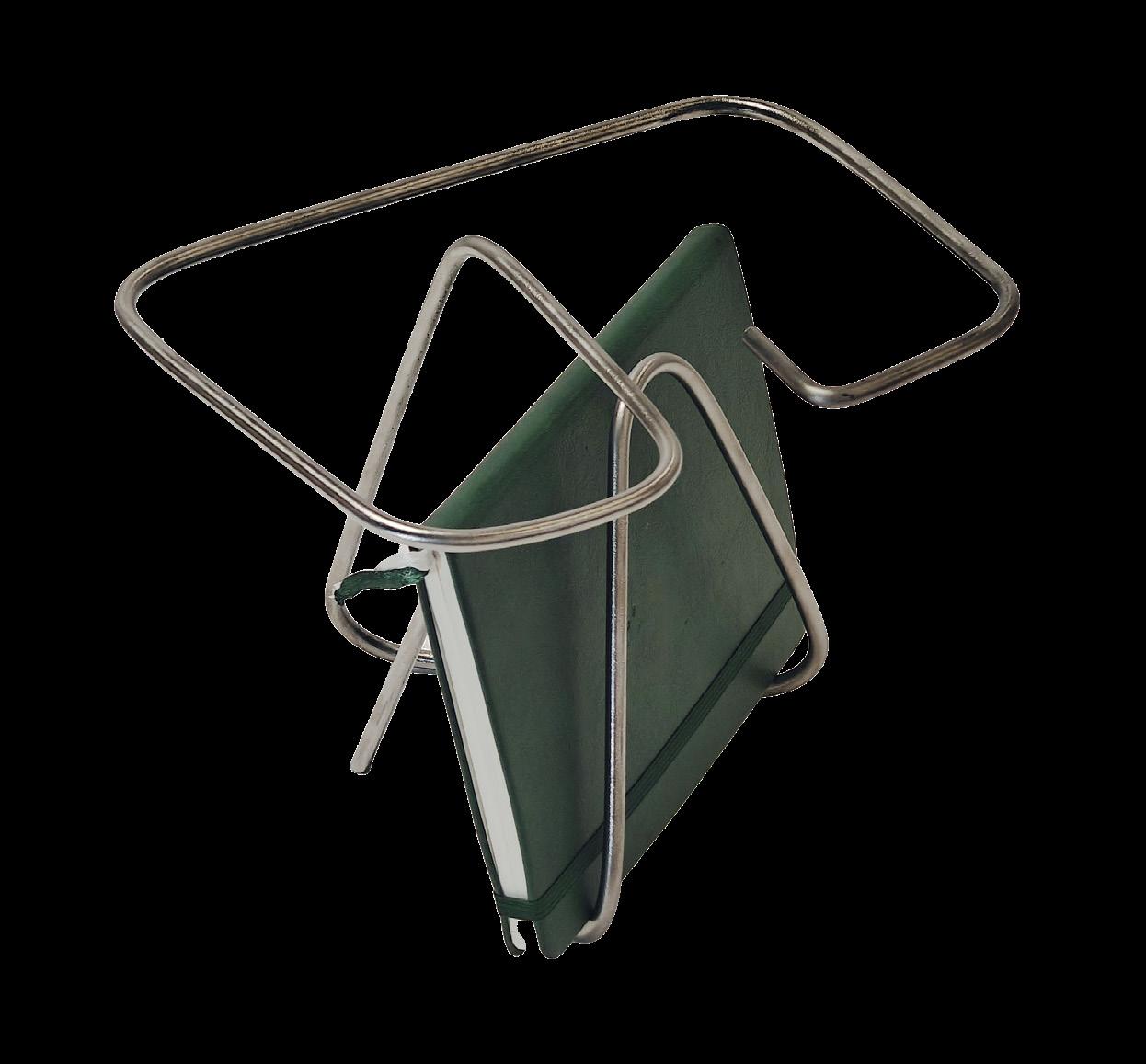
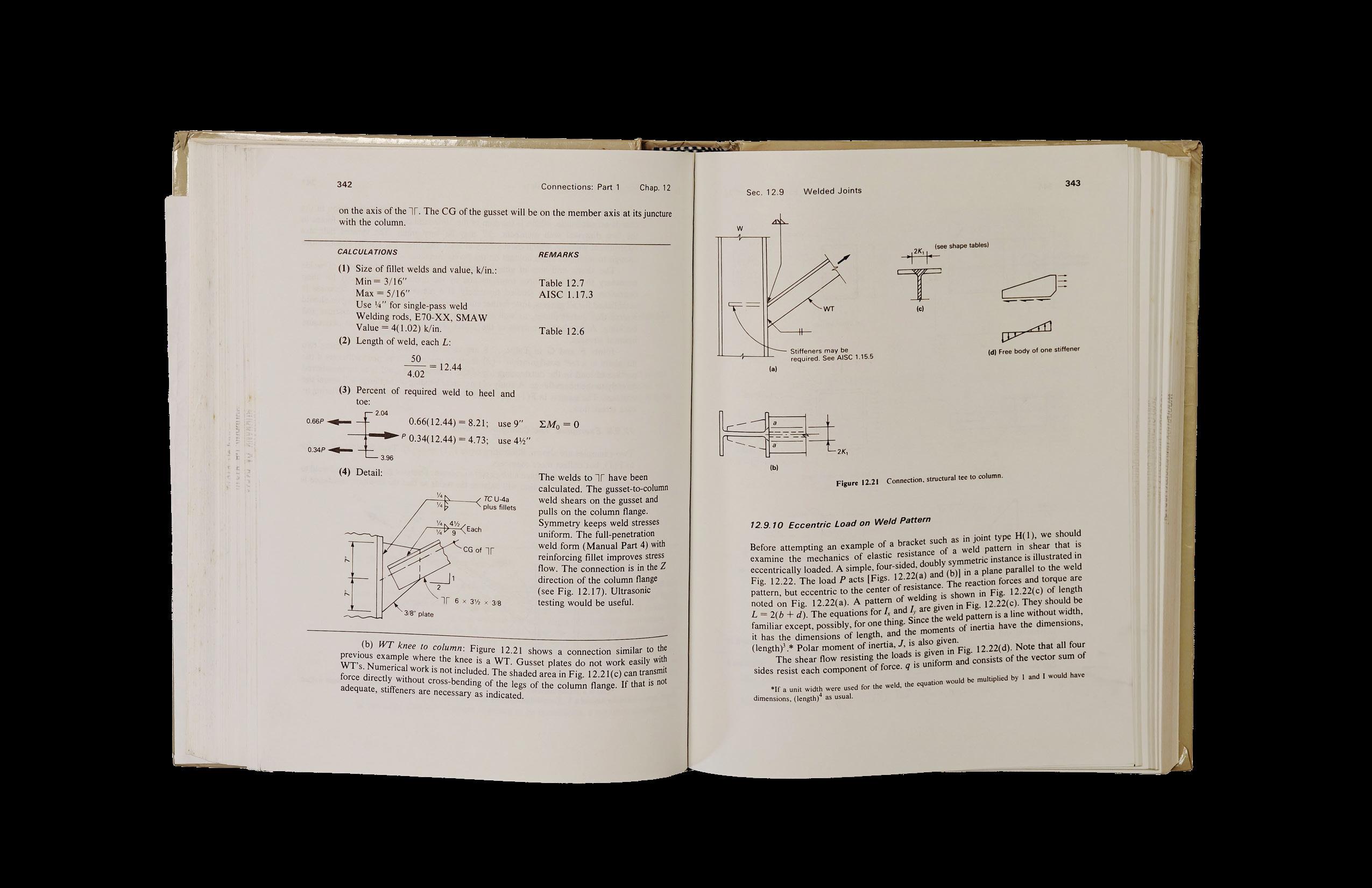
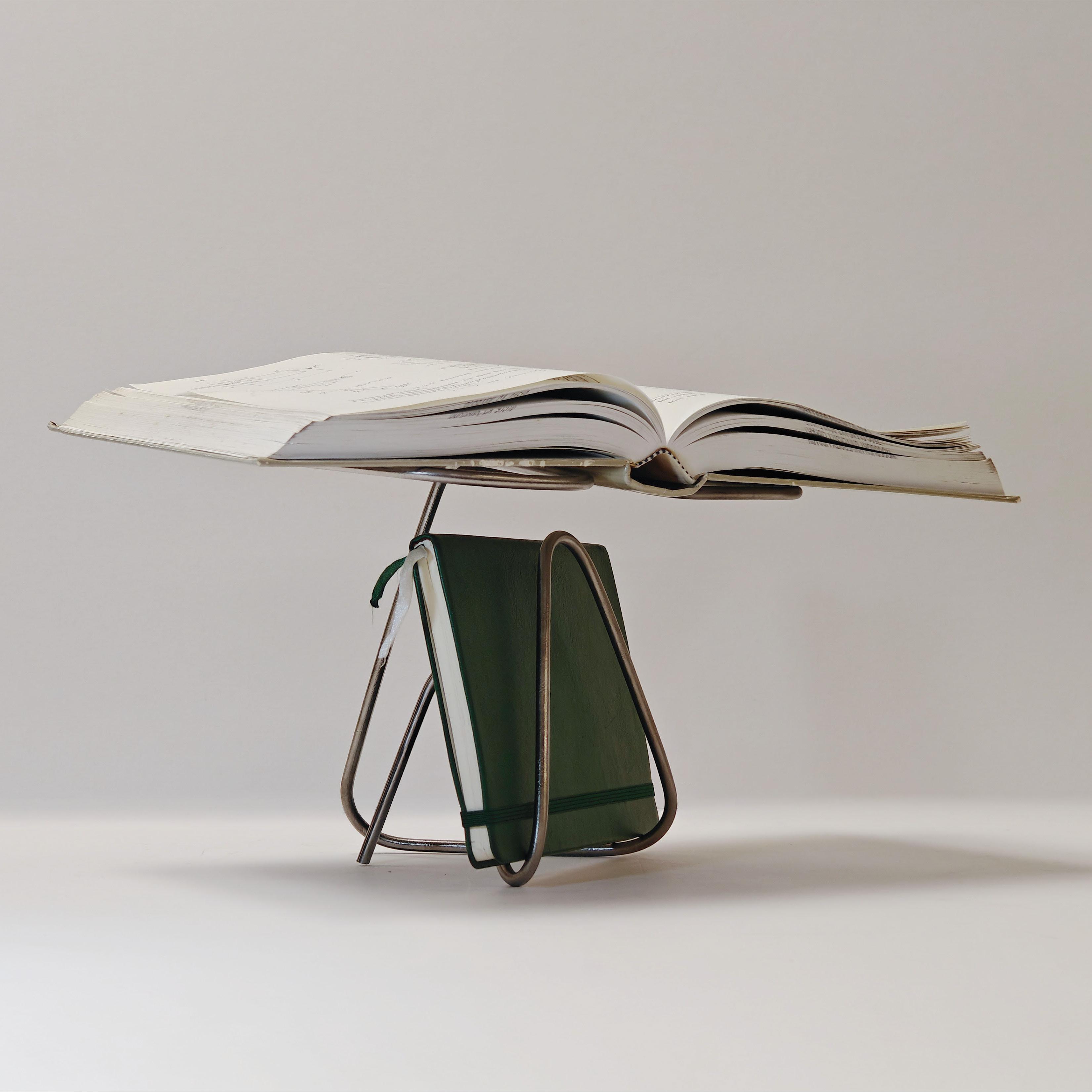
This bookstand explores structural minimalism through a single continuous line. The brief required two book orientations and three points of contact. Rather than treating the contacts as identical, the project reframes them as three structural conditions — a point, a curve, and a line. The form was developed through simultaneous drawing and fabrication, where each bend in the cold-rolled steel rod was carefully measured and adjusted so the radii could physically support the book. Instead of relying on digitally smoothed geometry, the line is constructed through calibrated bends, allowing the drawings and model to evolve together as a record of the making process.