
WILTON’S MUSIC HALL
Yevheniia Strekozova
Interior Design
Studio 1
Year 1
2024-2025
ZIG-ZAG PROJECT
Zig-zag project
Brief WILTON’S MUSIC HALL
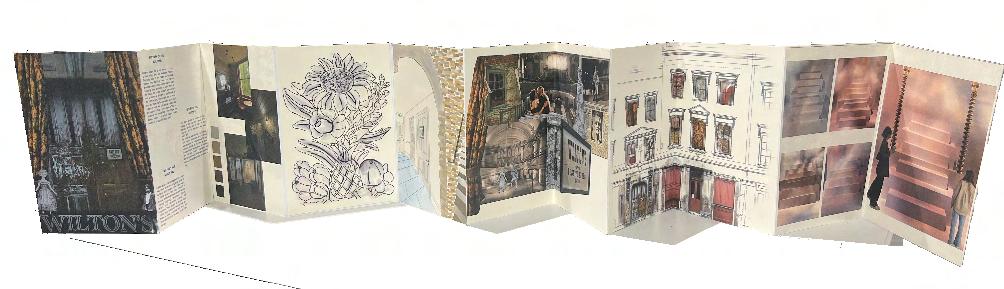
In this project, we need to consider a building called wilton’s music hall which is located in London. We have to study the history of this building and the people who performed there . Moreover, we must study the history of Victorian architecture in order to immerse ourselves more in the design trends that were relevant in the 19th century. Our project is based on the creation of a zig-zag booklet that contains basic information about wilton’s music hall, creating a collage on the history of the building, on our own interests, and also creating a bird side view of the building and 3D layout on the topic of our interests.
History of the building
Wilton’s Music Hall, built in 1859, is one of the oldest surviving music halls in the world. Located in London’s East End, it was originally designed as a venue for musical performances, variety acts, and comedy shows. The hall quickly became a popular spot in Victorian London, known for its vibrant atmosphere and affordable entertainment. Famous performers like Max Wall, Vesta Tilley, and Dan Leno graced its stage during its heyday.
As the 20th century progressed, music halls fell out of favor, and Wilton’s struggled to remain relevant. By 1956, it had closed and fell into disrepair. However, in the 1980s, efforts to preserve the building began, and a major restoration project started in the 1990s. Wilton’s was reopened in 1999 as a live performance venue, retaining much of its original charm, including ornate plasterwork and its historic auditorium.
Today, Wilton’s is a treasured piece of London’s cultural heritage. It serves as a dynamic venue for a range of performances, from classical concerts and jazz to theater and cabaret. Recognized as a Grade II listed building*, it continues to be a symbol of London’srichtheatricalpastwhileofferingaplatformforcontemporaryartists.

Wilton’s elements drawings
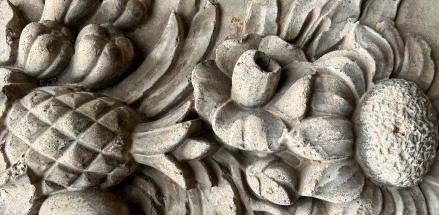
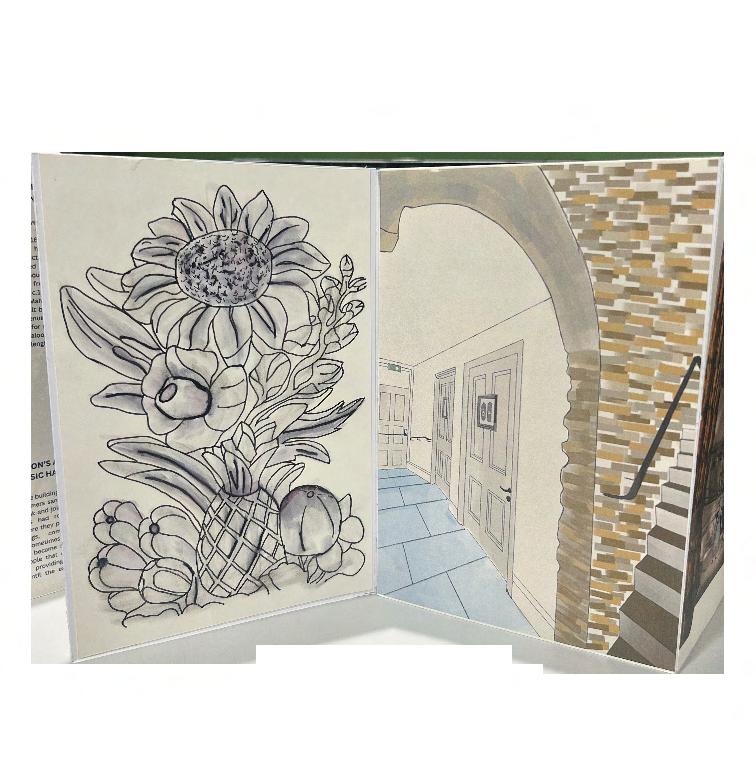
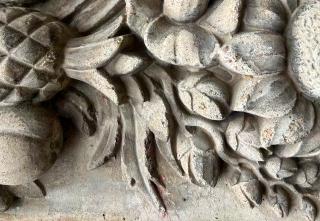
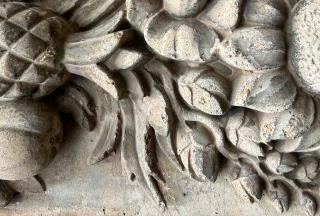
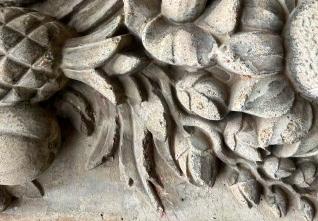
The first drawing is an artistic interpretation of a decorative element found at the entrance to Wilton’s Music Hall. This element is decorated with a complex ornament of flowers, fruits and leaves, which creates a feeling of abundance and hospitality. The central place in the composition is occupied by a sunflower with a large, detailed centre, symbolising warmth and joy. Pineapple and tulips are also depicted, which reflect the traditions of decorative art of the era in which the music hall was created. This drawing serves as an attempt to preserve and rethink the elements of historical architecture, emphasising their artistic value. It also shows how decorative details can tell a story about the culture and aesthetics of their time.
The second drawing depicts the architectural element of Wilton’s Music Hall, emphasising the details of the interior that create its unique atmosphere. The focus is on the arched brick opening, which symbolises the historical significance of the building. The drawing conveys the cosiness and simplicity of the corridor with its neat tiles on the floor and wooden doors, adding elements of modernity to classical architecture. Light shadows and soft colours create a feeling of depth, making the space visually voluminous and lively. The simplicity of design emphasises the balance between the preservation of the historical atmosphere and the need to adapt the space for modern use.
Collage of history
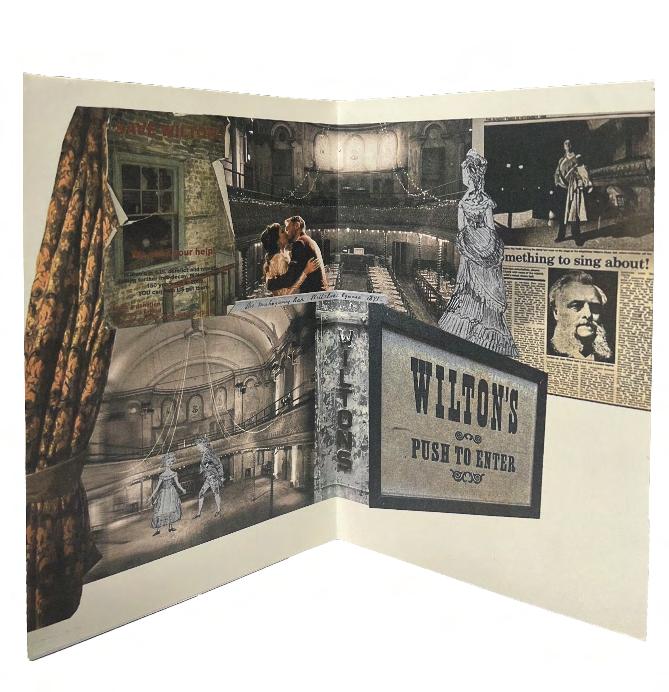
This historic collage reflects a rich combination of vintage charm, theatrical atmosphere and romantic narrative. The interior of the Bolshoi Theatre serves as a central element, evoking nostalgia and beauty of historical spaces.
Dramatic, patterned curtains add a sense of intrigue, making the audience imagine what could be behind them. At the heart of the image, a romantic couple creates an emotional focus, emphasising the themes of love and connection against a dramatic background.
The presence of historical costumes gives a sense of time and place, linking the collage with bygone eras and the art of performance. Newspaper clippings consolidate the article in the narrative and documentation, weaving together the topics of archival research and gathering together forgotten stories. Together, these elements create a bright and multi-layered concept dedicated to the interaction of history, representation and human emotions
Collage of interest
This collage demonstrates my interests and creativity in the use of architectural and artistic elements to form the concept of my final work. The basis was the drawing of the Wilton’s Music Hall building, which sets the structure and shape of the composition. I was particularly attracted by the decorative windows, for which I used photo closeups to bring texture and liveliness to the overall image of the building. Each window has become a unique visual accent, presenting various details that can be associated with the history and character of the music hall.
Red accents on the entrance doors enhance the sense of drama and significance of the facade, emphasising its role as an important part of the theatrical space and attracting people’s attention. An important element for me was the combination of historical rigour of facade architecture with bright, vivid textures of photos, which creates a contrast effect. This not only adds visual interest, but also allows you to explore how an ancient building can become the basis for modern interpretations. This approach makes the architecture more emotional and interactive.

3D model
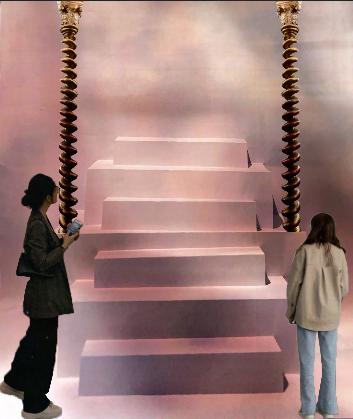
This spread features photographs of a paper staircase model, created using various artistic techniques to achieve unique visual effects. On the first page, I used close-up images from the previous collage, layered with different levels of transparency. This approach allowed me to create depth and complex color transitions, enhancing the visual impact. The images were printed on transparent film (printable acetate), enabling the formation of colorful shadows that interact with the lighting. This method added volume and dynamism to the photographs without the need for digital filters.
On the second page, an edited photo of the staircase is shown, incorporating decorative elements inspired by Wilton’s Music Hall. For the decor, I used architectural details from the hall, such as columns, to connect the model to the historical atmosphere of the space. This emphasizes the connection between modern artistic techniques and cultural heritage.
The lighting effect plays a key role in this work, creating soft gradients and a mysterious ambiance, enhancing the sense of space and depth. Adding architectural details from Wilton’s Music Hall ties the contemporary experimental approach to elements of history and classical art. This process allows for an exploration of the interaction between the material and intangible aspects of architecture and art, forming the foundation for the final concept.
THE SECOND PROJECT
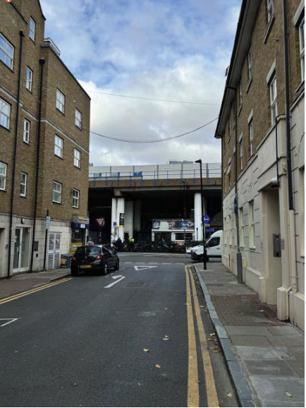
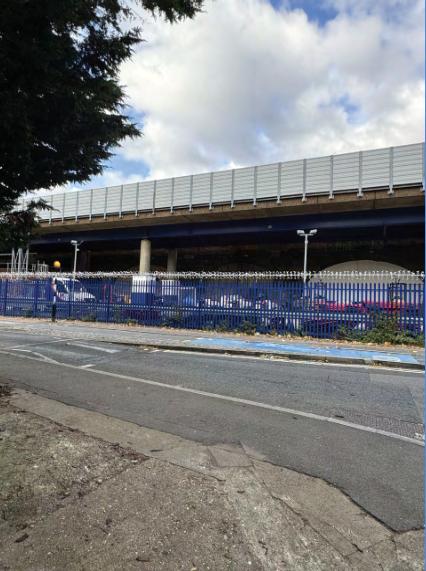
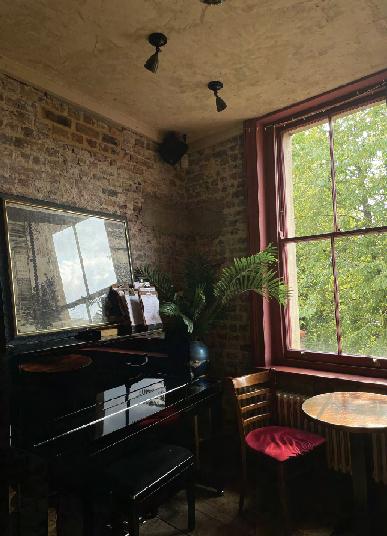
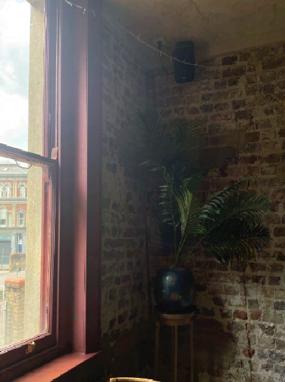
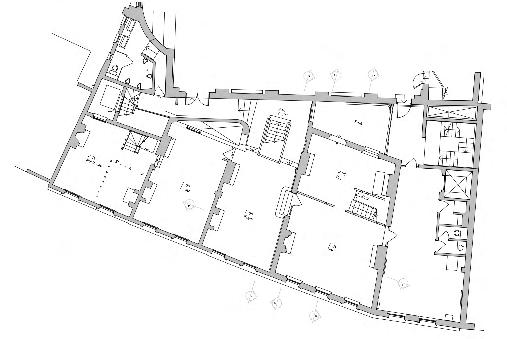
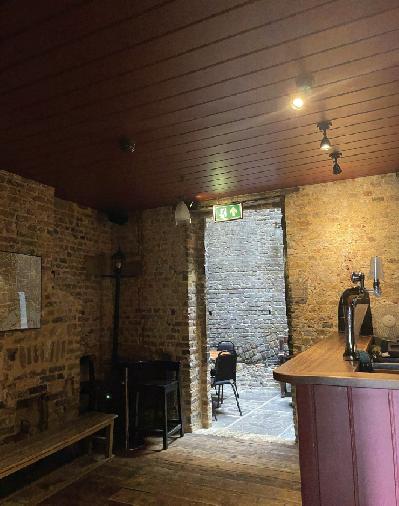
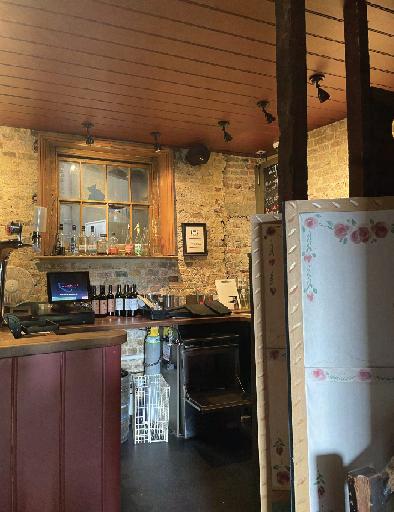
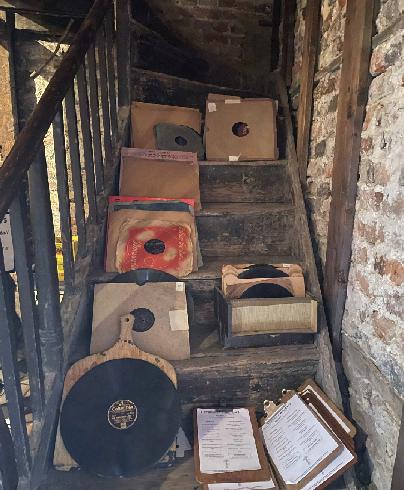
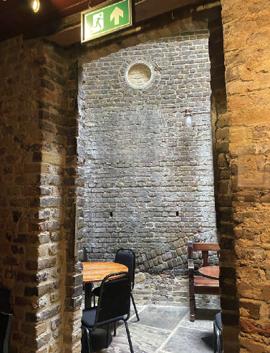
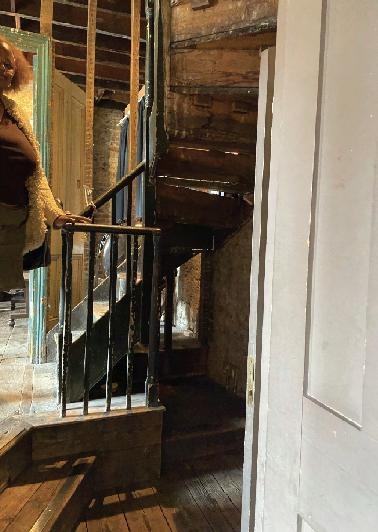
ARIAL VIEW AND PICTURES FROM THE SUROUNDING
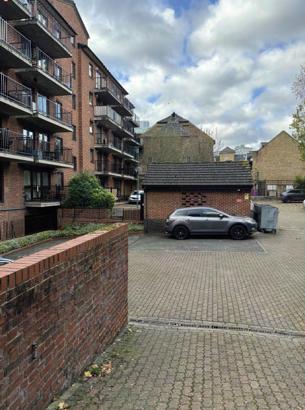
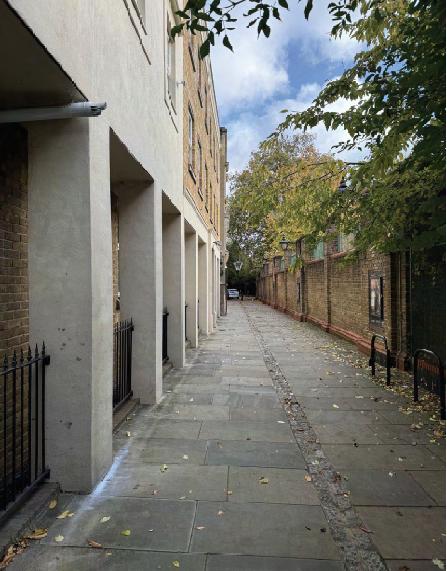
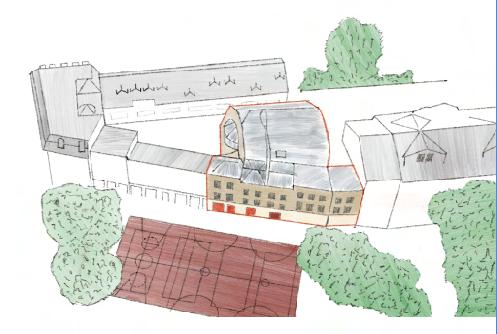
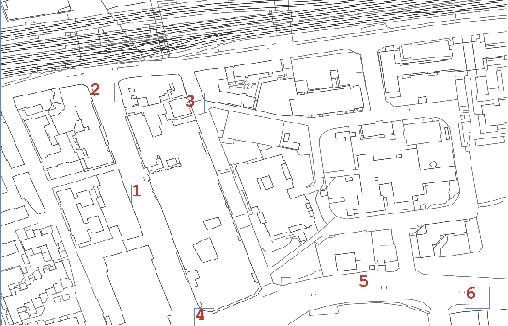
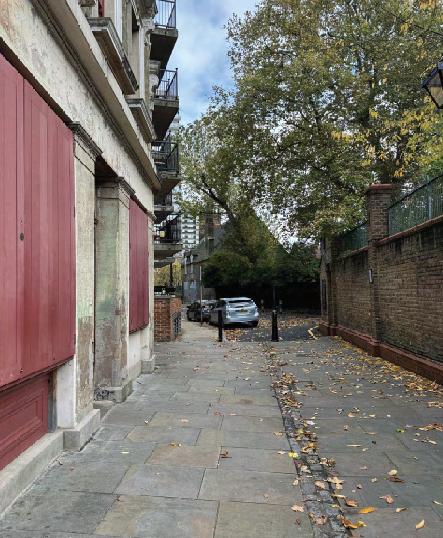
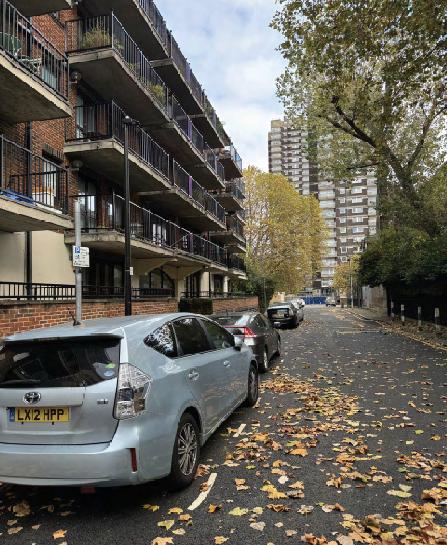
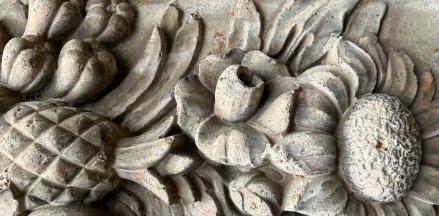
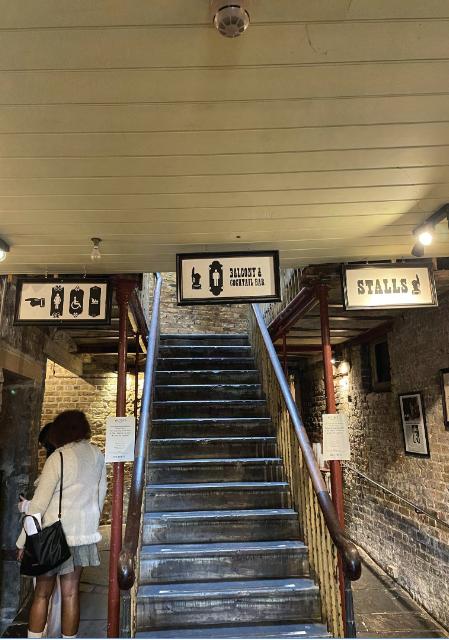
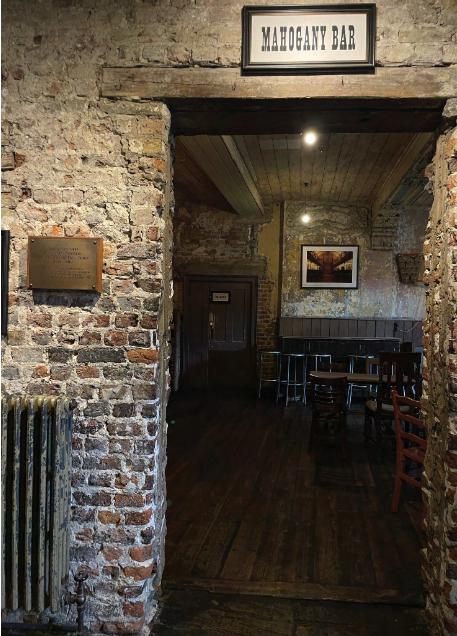
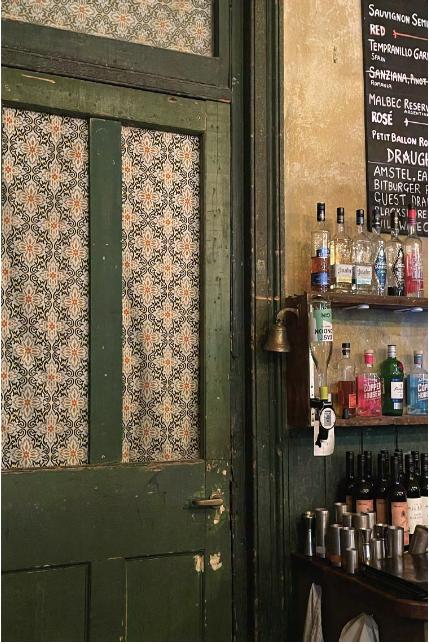
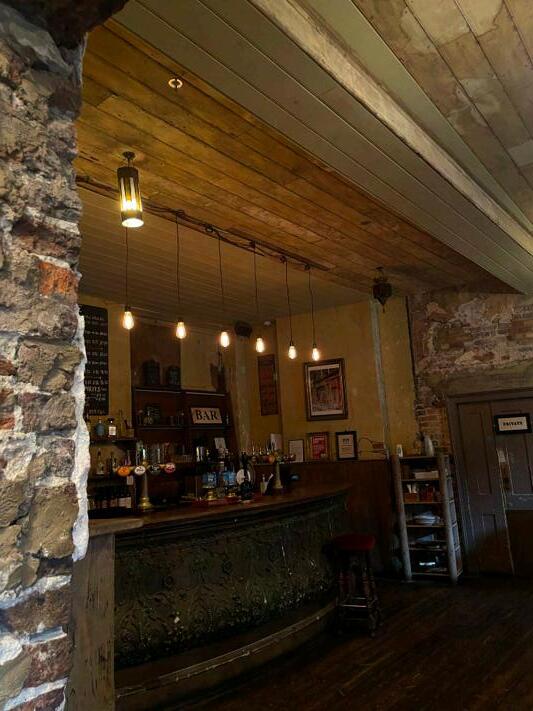
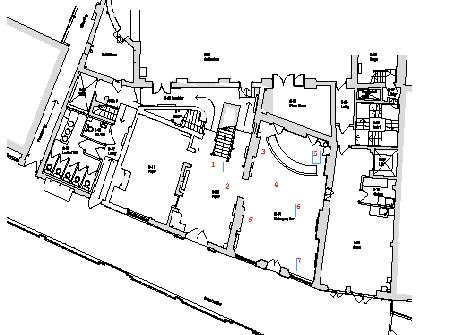
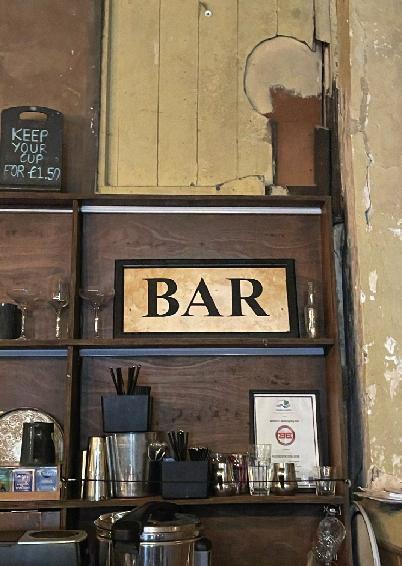
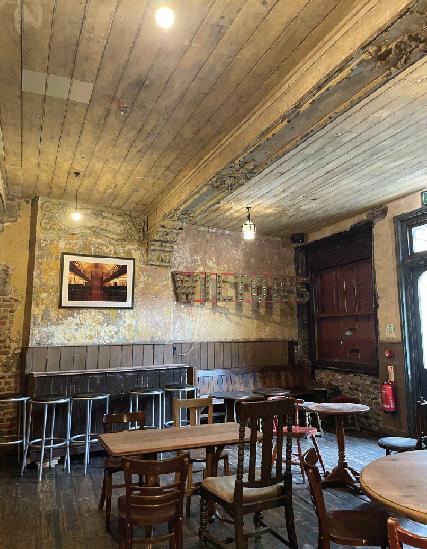
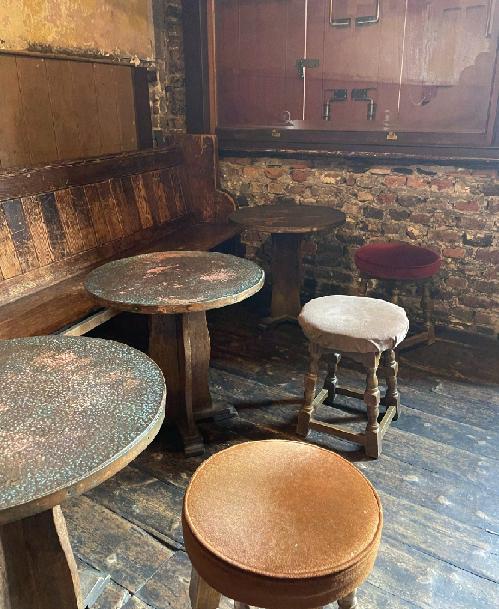
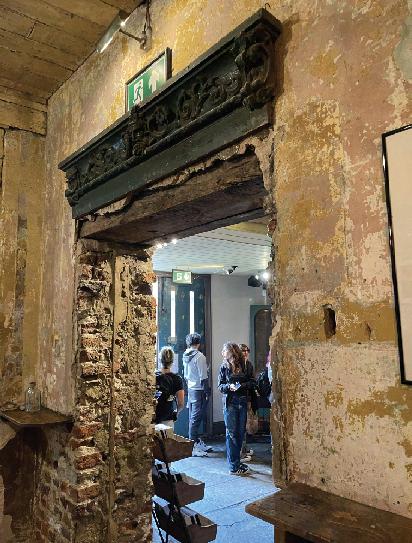
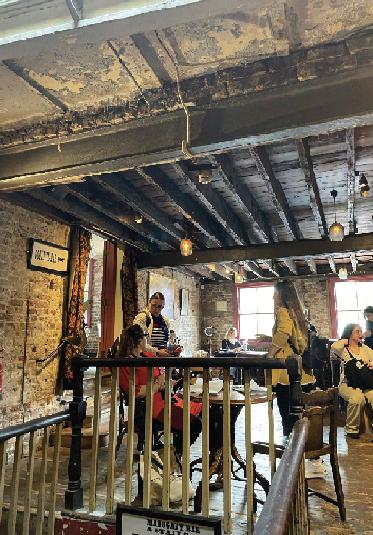
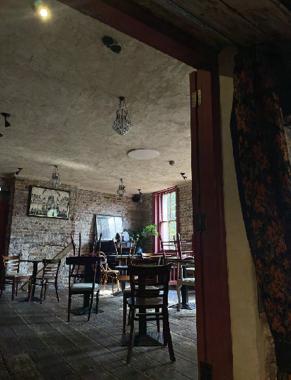
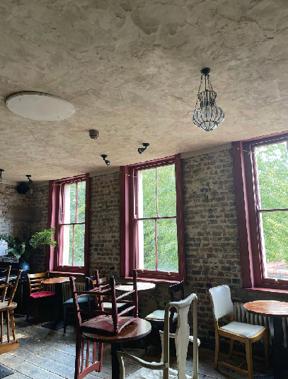
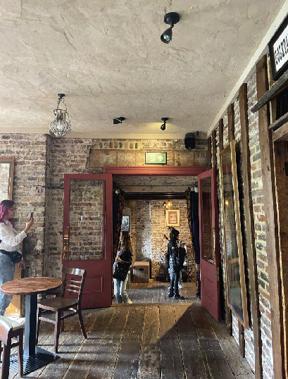

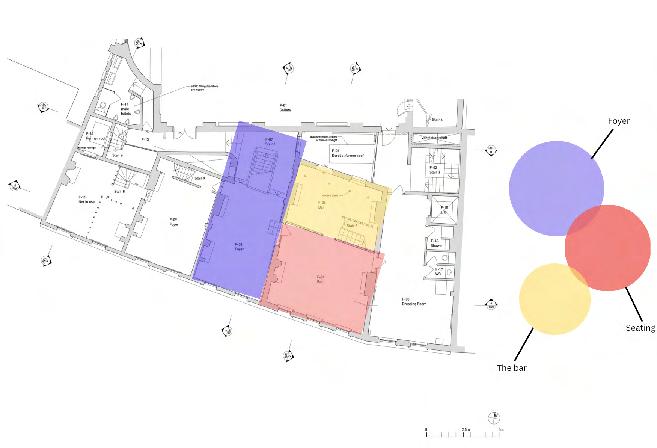
Analysis of the existing space in diagram

VICTORIAN FEATURES

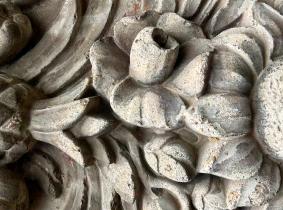
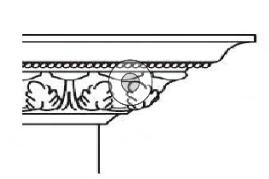
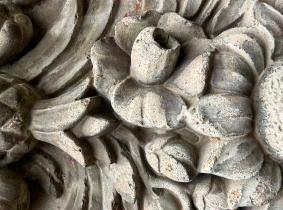
Wiltons music hall showcases exquisite Victorian architectural features, reflecting its rich 19th- century heritage. The hall’s interior boasts cas-iron pillars, supporting a high barrel-vaulted ceiling that enhances acoustics. Ornate plasterwork, decorative cornices , and faded gilded moldings evoke the grandeur of its original music hall days. The wooden balcony, with its curved design and delicate iron railings, provides an intimate yet theatrical viewing experience. Wilton’s also retains its original wooden floorboards and exposed brickwork, blending elegance with a rustic charm that captures the atmospheric beauty of Victorian entertainment spaces.
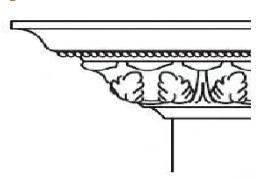
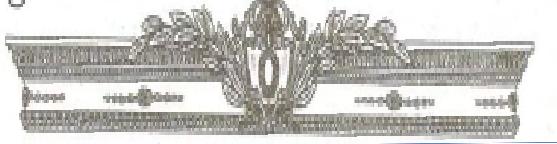
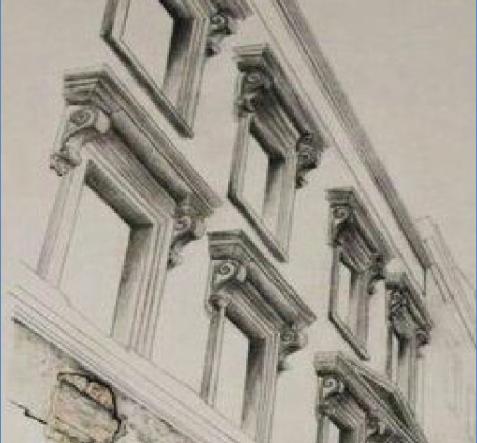
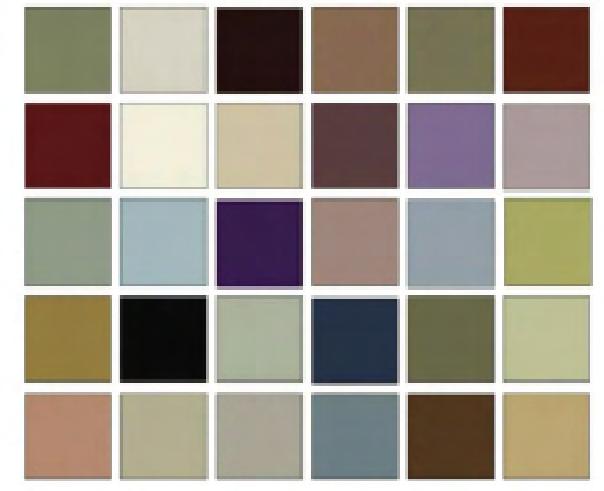
Wilton’s Music Hall features deep, rich colors that were once bright but have now faded gracefully, reflecting the Victorian love for lavish and detailed interiors. The hall has kept its original 19th-century charm, with beautiful architecture and a unique atmosphere that make visitors feel like they have stepped back in time.
Understanding User and Visitor Needs
Wilton’s Music Hall attracts a broad audience, including:
Wilton’s bar is not just an extension of the theatre; it is part of the experience. Current spatial features include:
Way Forward: A Concept Speculation
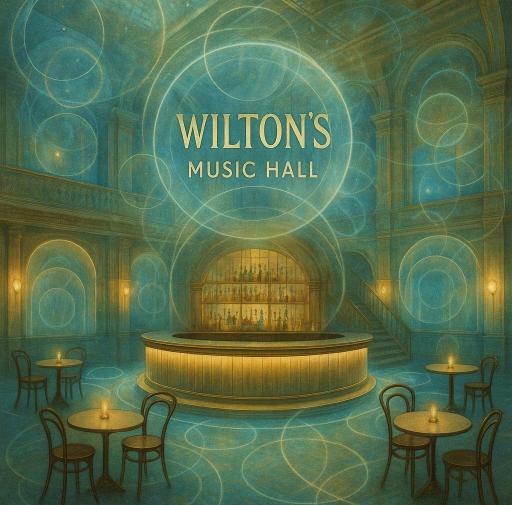
We propose a concept called: “Echoes of the Hall”
Theatre-goers seeking pre- and post-show refreshment in a vibrant but intimate atmosphere
Tourists interested in heritage and culture
Locals who frequent the bar for its historic charm and sense of community
Key needs identified:
Comfortable, flexible seating for individuals and groups
Aesthetic continuity with the Hall's Victorian and vintage charm
Efficient bar service that can handle both high-traffic and relaxed moments
Acoustic sensitivity to the live performances next door
Subtle zoning for diverse user behaviours (quiet chats vs. lively groups)
Original Victorian architecture and detailing
A narrow but character-rich floor plan
Proximity to performance areas
Opportunities:
Introduce multi-functional zones that respect the flow of patrons while invit -
ing varied interaction
Use materials and lighting that echo the building’s character but allow sub-
tle modern additions
Integrate sustainable and space-efficient service counters
Display rotating artistic installations to tie the bar to Wilton’s cultural mission
A bar space that amplifies the voice of the past, while softly layering in modern
comfort
Inspired by Wilton’s musical and theatrical legacy, the concept invites guests to
linger, reflect, and connect
Key ideas:
Lighting reminiscent of gaslamp-era glow, paired with contemporary efficiency
Bar counter with weathered brass and reclaimed wood, echoing vintage warmth
Acoustic zoning using textiles and screens derived from stage curtain textures
Storytelling through furniture and display elements: every corner tells a part of
Wilton’s heritage
CONCEPT

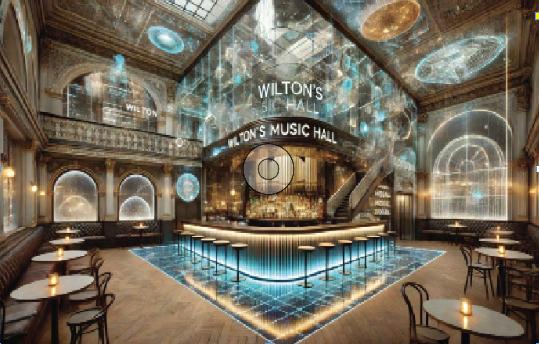
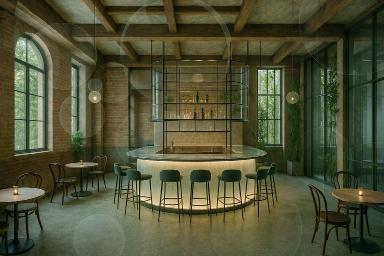
This renovation concept focuses on layering materials and transparency to create a light, open, and dynamic space. By combining historical elements like
exposed brick or wooden beams with modern materials such as glass, metal, and concrete, we achieve a balanced blend of old and new. Transparent par titions, large windows, and reflective surfaces maximize natural light, while modular furniture and flexible layouts adapt to different needs. Textured lay ers in flooring, ceilings, and decor enhance depth, while greenery and sus tainable materials add warmth and ecological value. The result is a visually engaging environment where light, shadow, and spatial transitions create a harmonious and functional design.

FURNITURE MOOD BOARD
I chose this furniture because it enhances the overall concept of transparency and layering. The use of glass elements allows light to pass through and reflect, creating dynamic patterns of light and shadow across the walls and floor throughout the day. These subtle shifts not only add visual interest but also evoke a sense of movement and depth within the space. This layering of light helps to bring the historical textures of Wilton’s to life in a soft and modern way, reinforcing the atmosphere without overwhelming it.
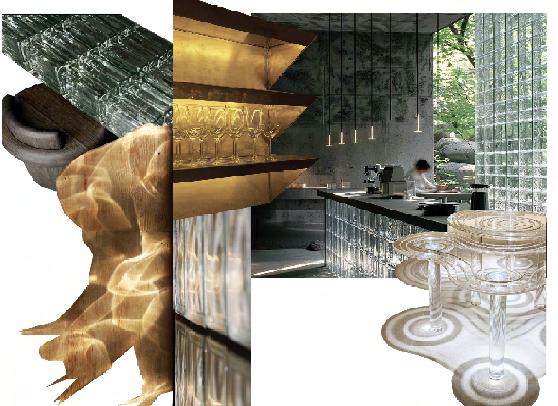
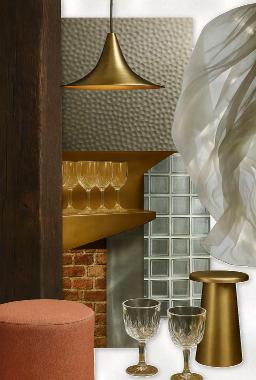
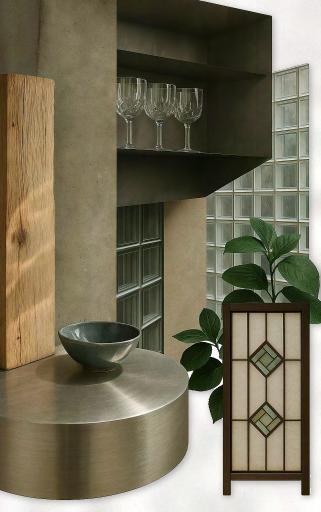
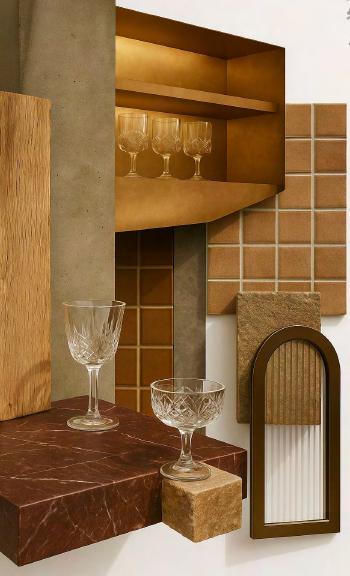
MATERIALS MOOD BOARDS
These mood boards are based on the idea of transparency and layering, inspired by the atmosphere of Wilton’s Music Hall. Glass, crystal, and light fabrics let light pass through and reflect gently, creating soft shadows and highlights.
Brass, dark wood, and textured surfaces add warmth and depth. This mix of materials helps create a space that feels both historic and modern — light, layered, and calm.
Seating and chairs have been arranged along the sides and in the corner to create a more intimate and comfortable atmosphere, avoiding the openness and lack of privacy that central seating often creates.
This arrangement encourages guests to relax and linger, enhancing the overall experience.
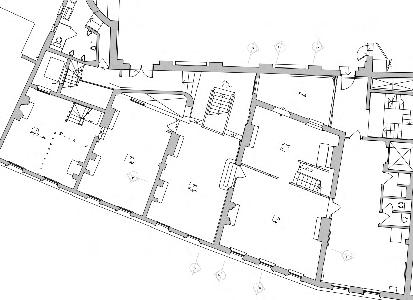
This area has been designated for decor and installations because it is one of the most open and visible spots within the space. Its strategic placement ensures that visitors will naturally pass by and engage with the elements, rather than avoiding them
By placing the bar in the corner, the layout takes advantage of a naturally cozy and welcoming area, while also maintaining high visibility, making it easy for guests to locate.
PLANS AND SECTIONS









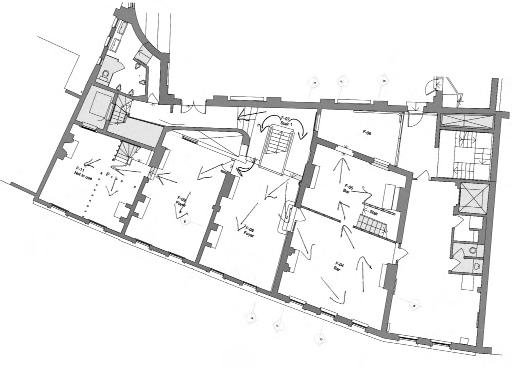
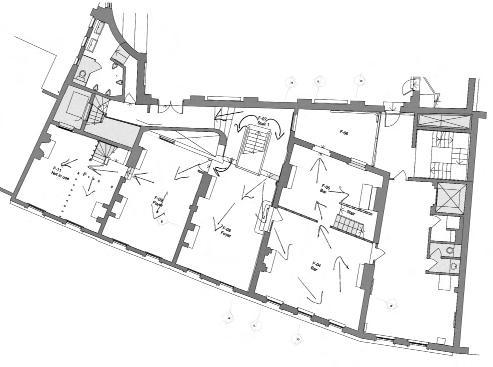
Ground Floor Capacity Overview
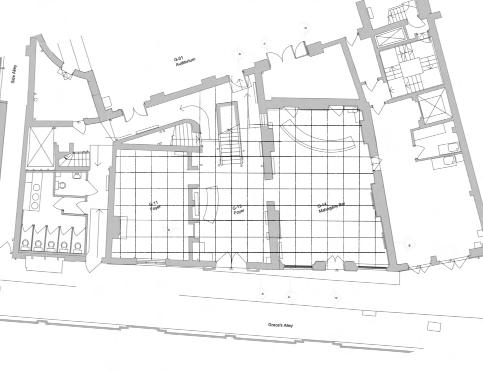
Based on measurements of the ground floor layout, the estimated usable area totals approximately 95 square meters. The number of occupants the space can support depends on its intended function:
For events that involve standing or free movement, such as exhibitions or informal gatherings, the area can accommodate between 95 and 120 individuals.
If seating is arranged without bulky furniture, the capacity is more suitable for 60 to 75 people.
In setups involving tables, booths, or fixed structures, the comfortable limit is reduced to around 45 to 60 people.
This capacity estimate offers insight into the room’s adaptability and supports planning for different types of use.
RHINO MODELS