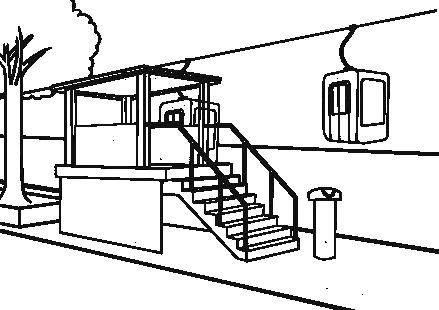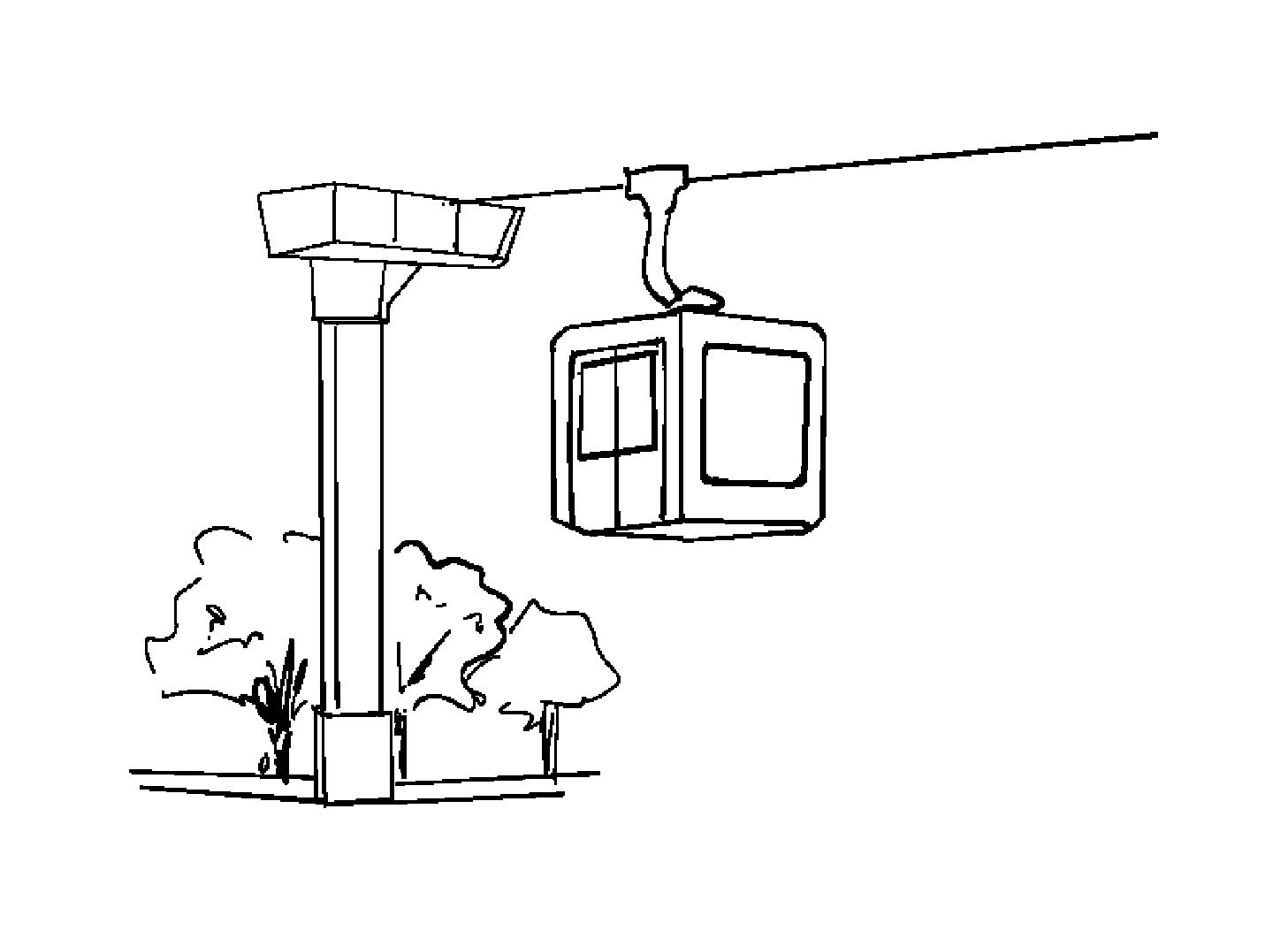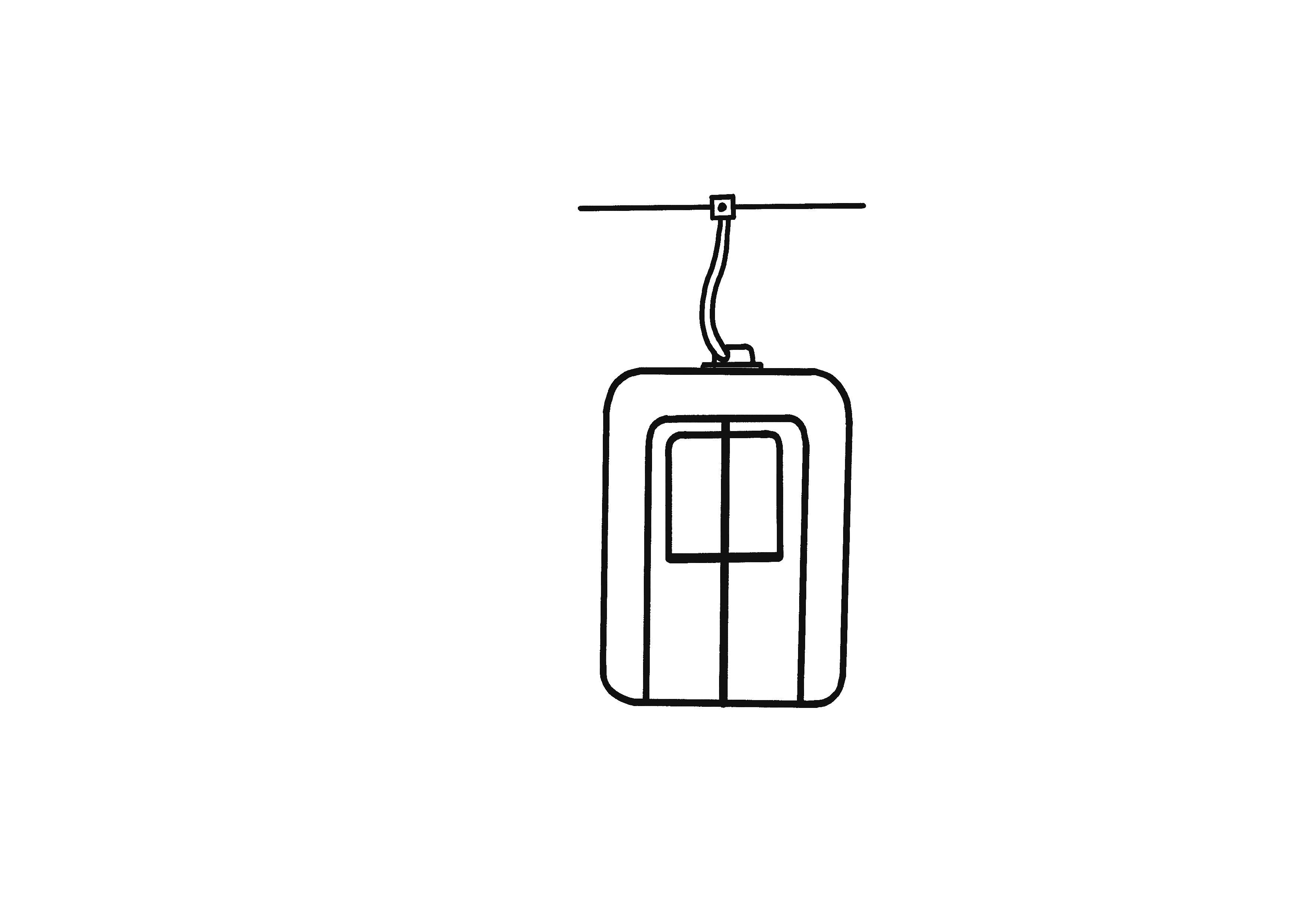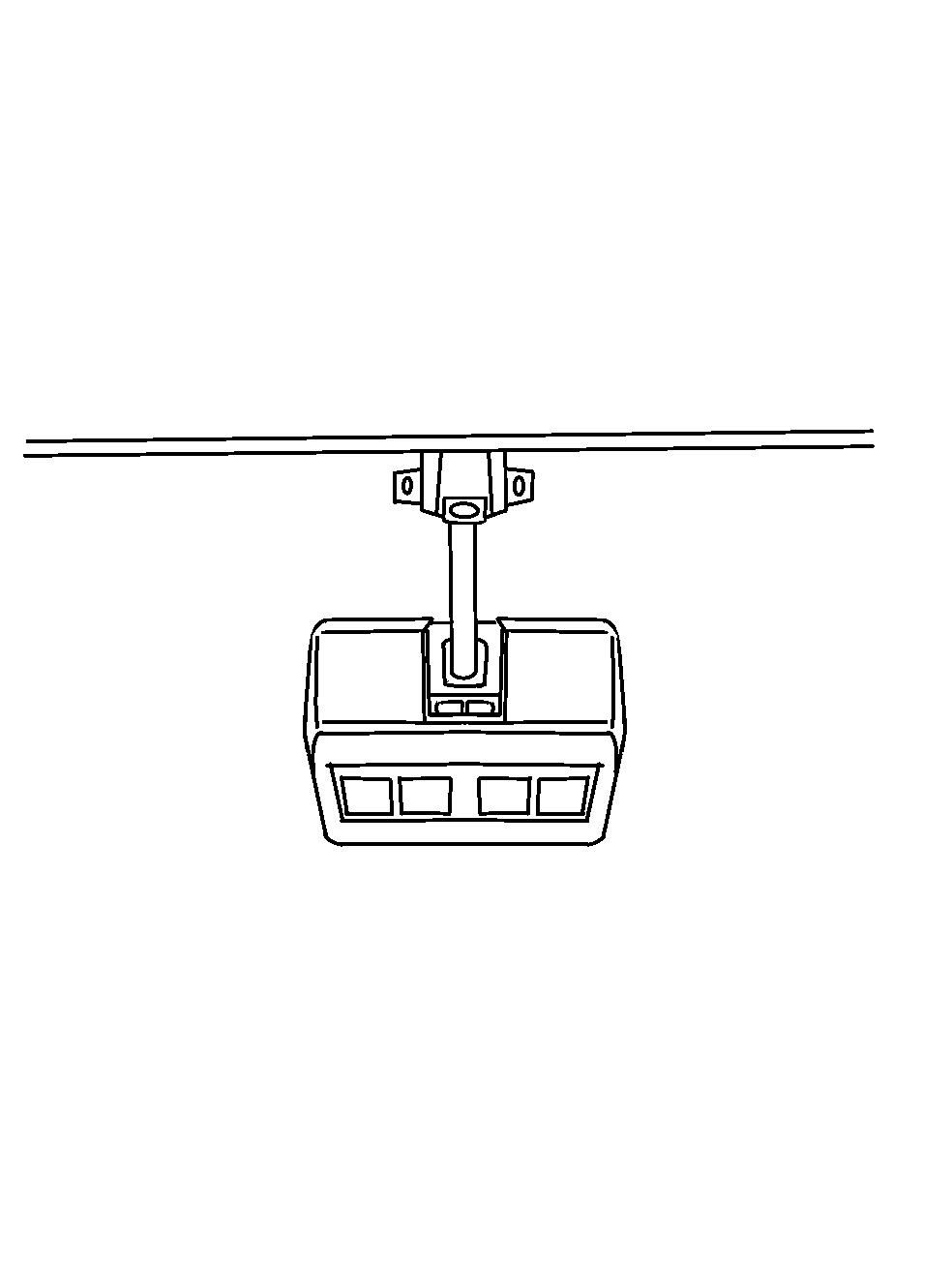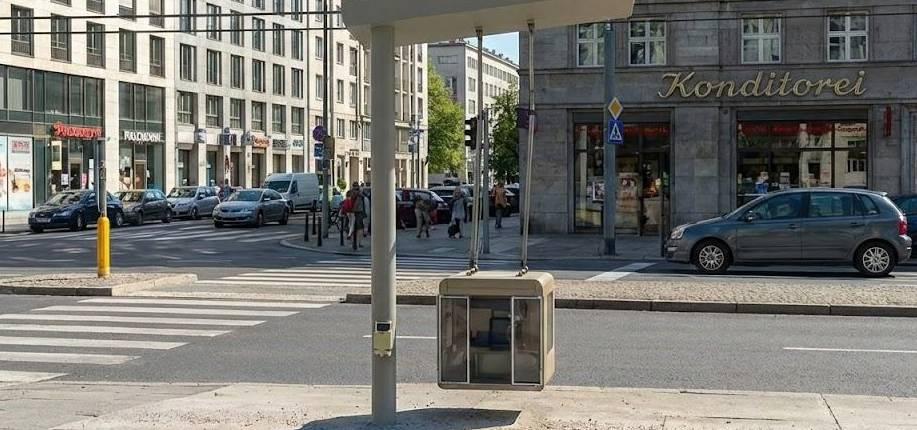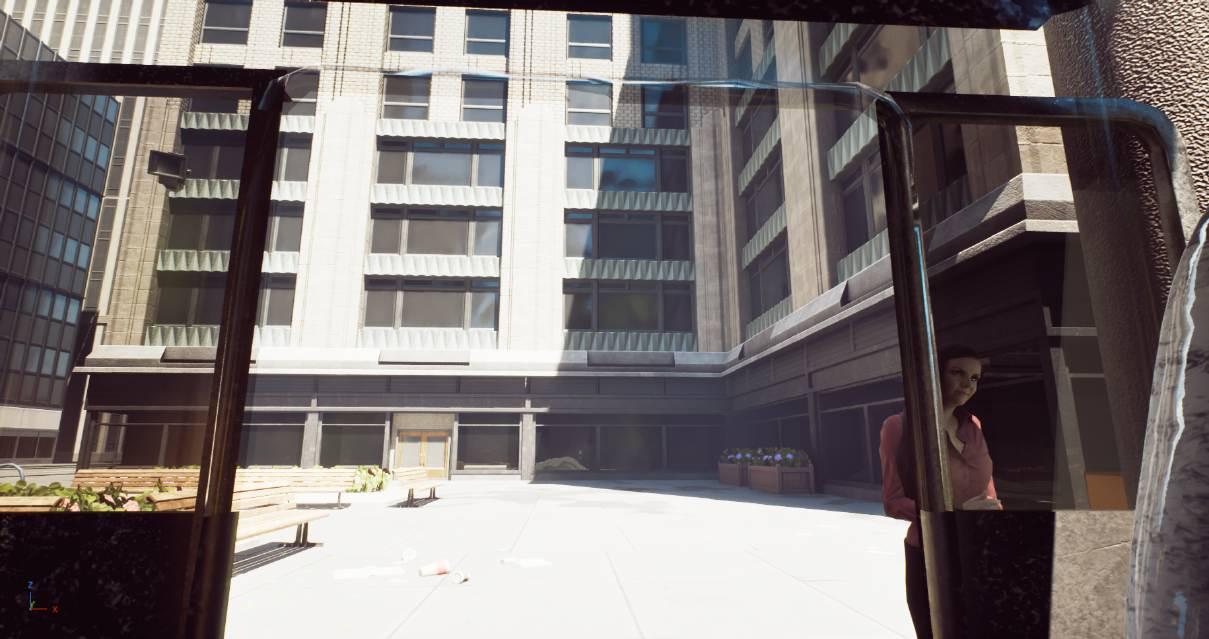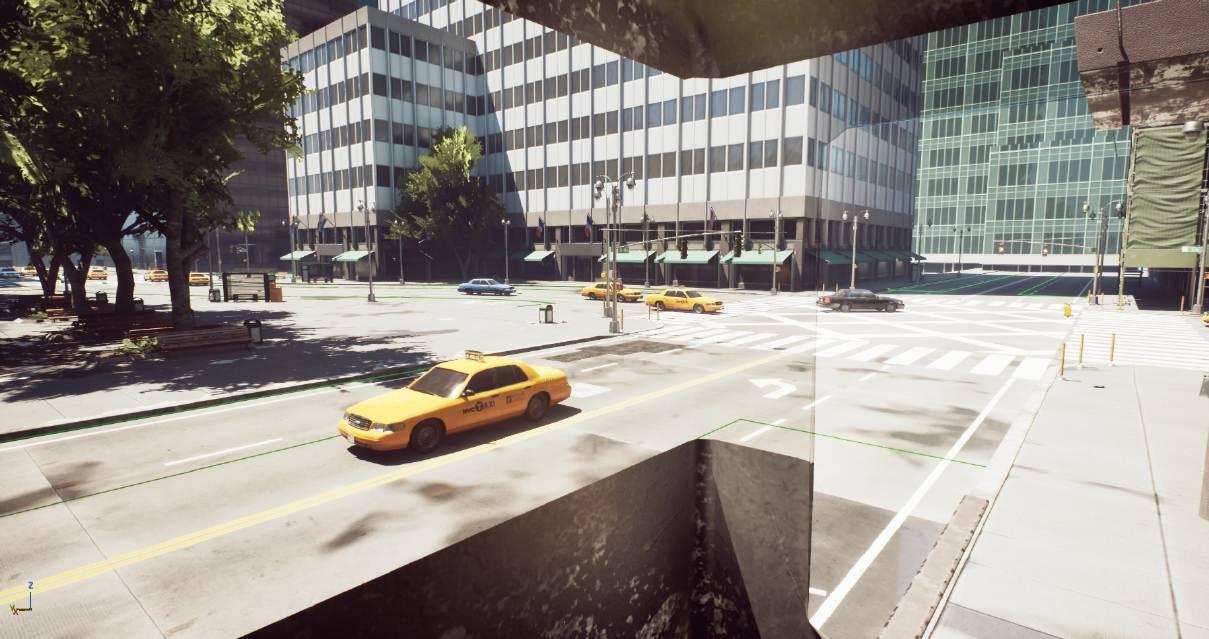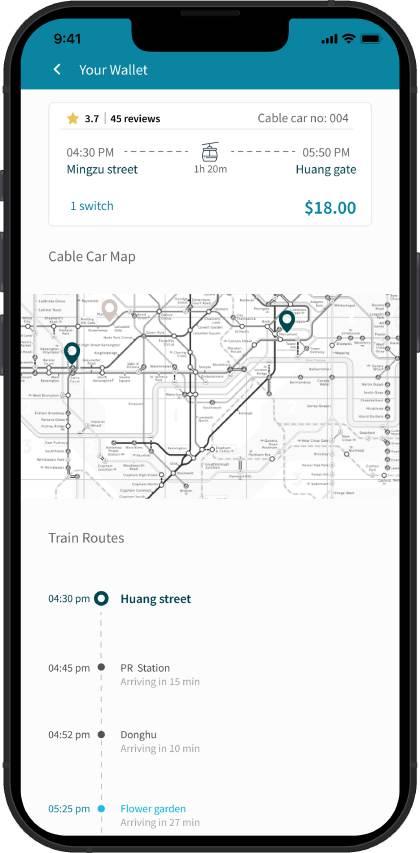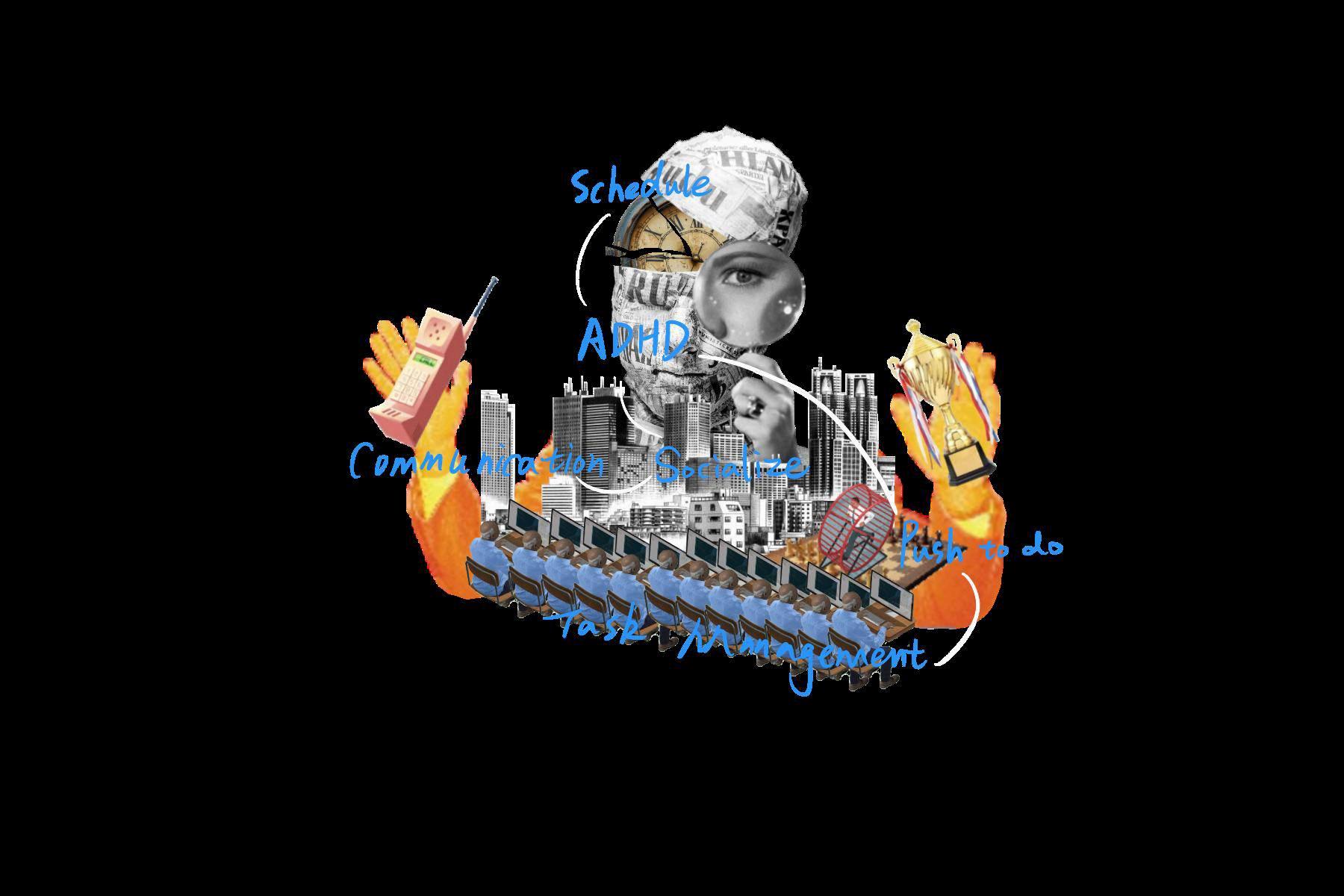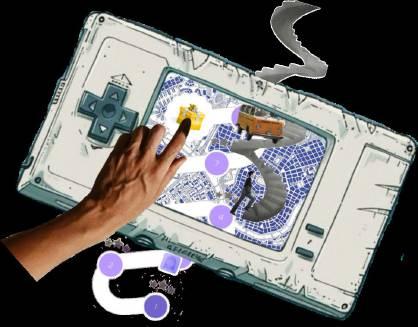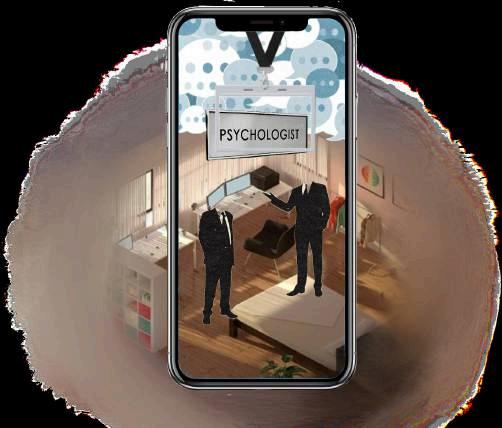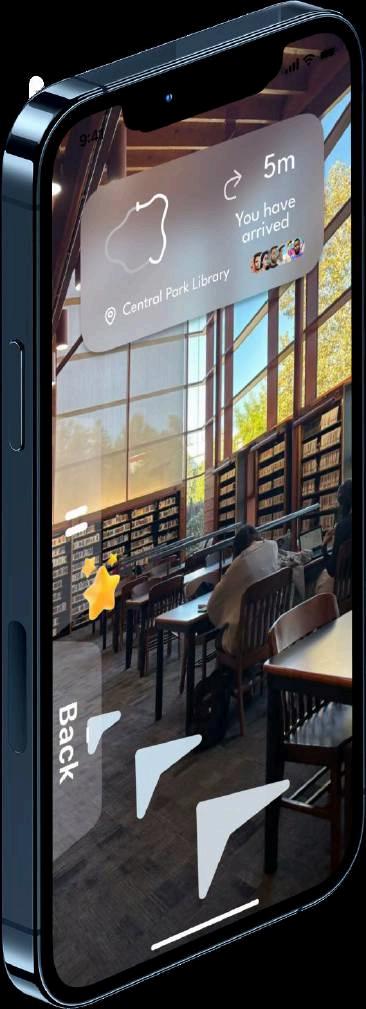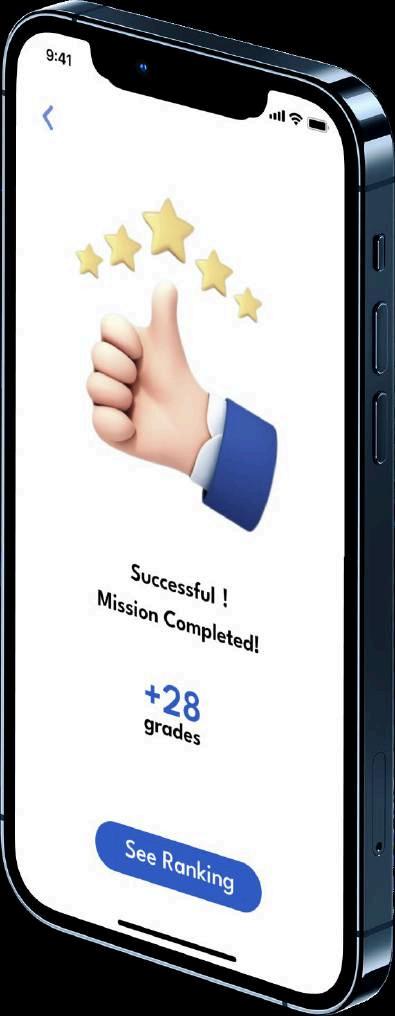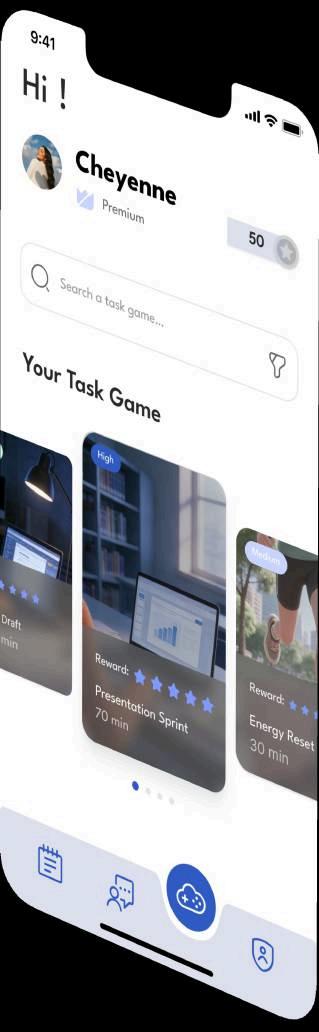

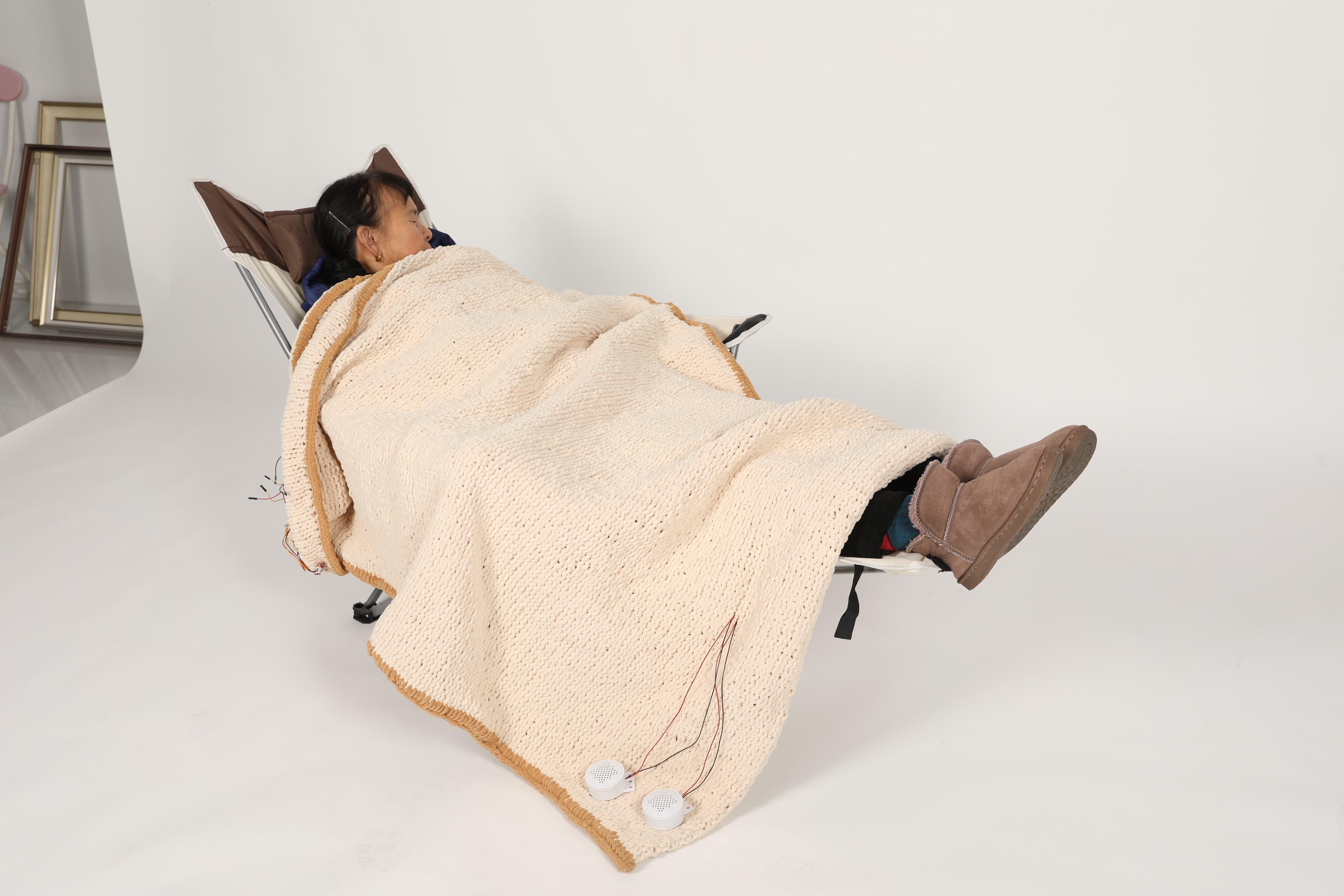
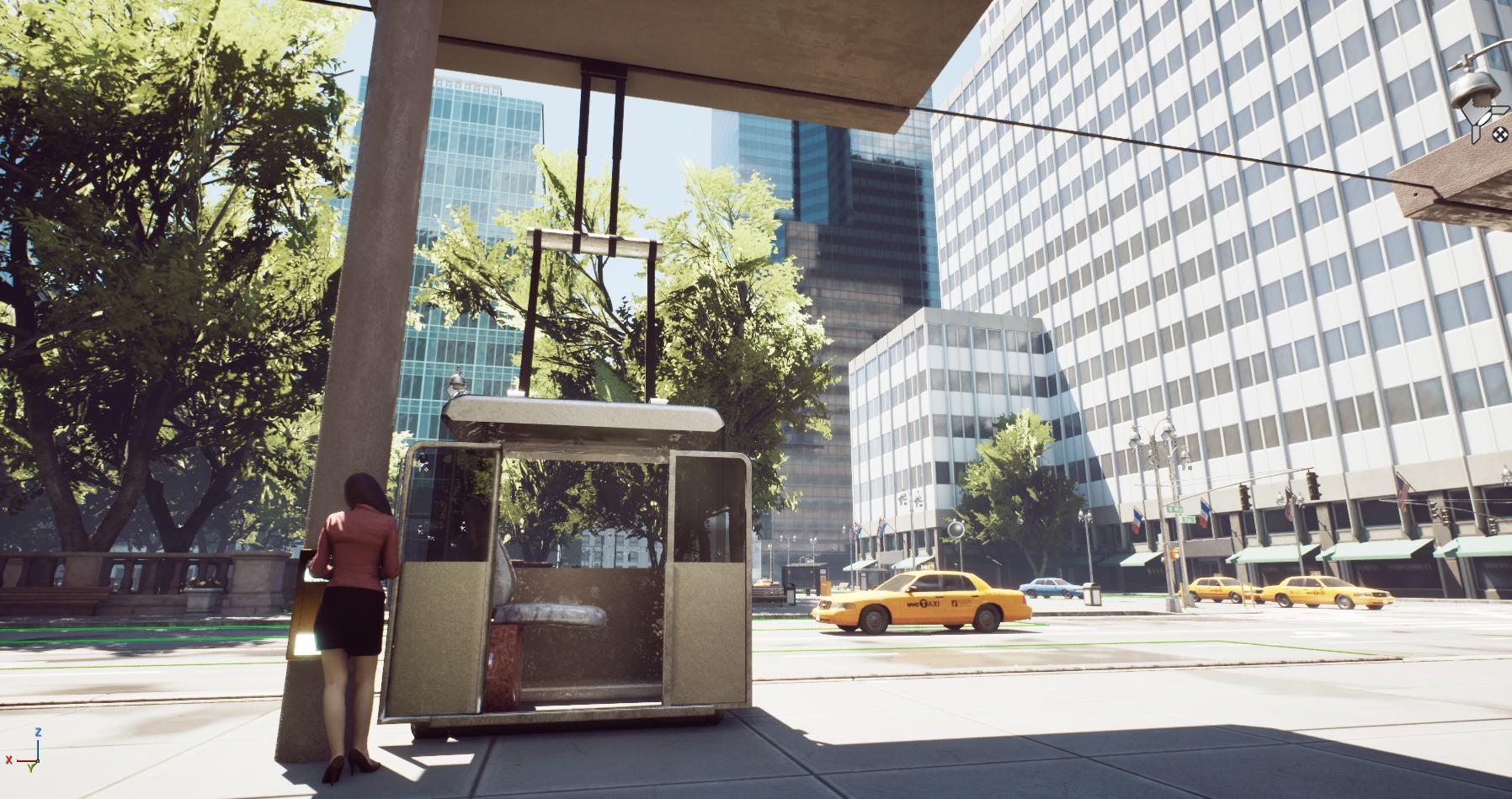



















































































































With population growth and continuous urban development, public transportation systems are increasingly strained under immense pressure. Wuhan, as a transportation hub in central China, Fconnects various provinces while also receiving a far greater number of university students annually than other cities, making traffic conditions particularly challenging across the city. In this project, integrated cable cars with urban green spaces to create a low-altitude transportation system—LowAir Walk—distinguished from surface transportation. This solution uses miniature cableways as its basic form to improve people's travel experience, allowing all users to enjoy the privacy and comfort of public transportation while simultaneously addressing the gaps between current modes of transport, making travel more seamless and faster.
The concepts of First Mile and Last Mile primarily exist in the supply chain and logistics industry, while in transportation, they represent the distance from a passenger's origin to a public transportation stop and the distance between the end of a public transportation route and the destination, within everyday urban travel contexts.
This concept encompasses the biggest factors influencing my choice of transportation in my personal life. often choose taxis when the distance between my starting point/destination and the subway station is too far and the weather is unsuitable for walking, but this makes my travel costs much higher than a combination of walking and public transportation. Therefore, became interested in researching transportation methods that could solve this part of the travel experience.

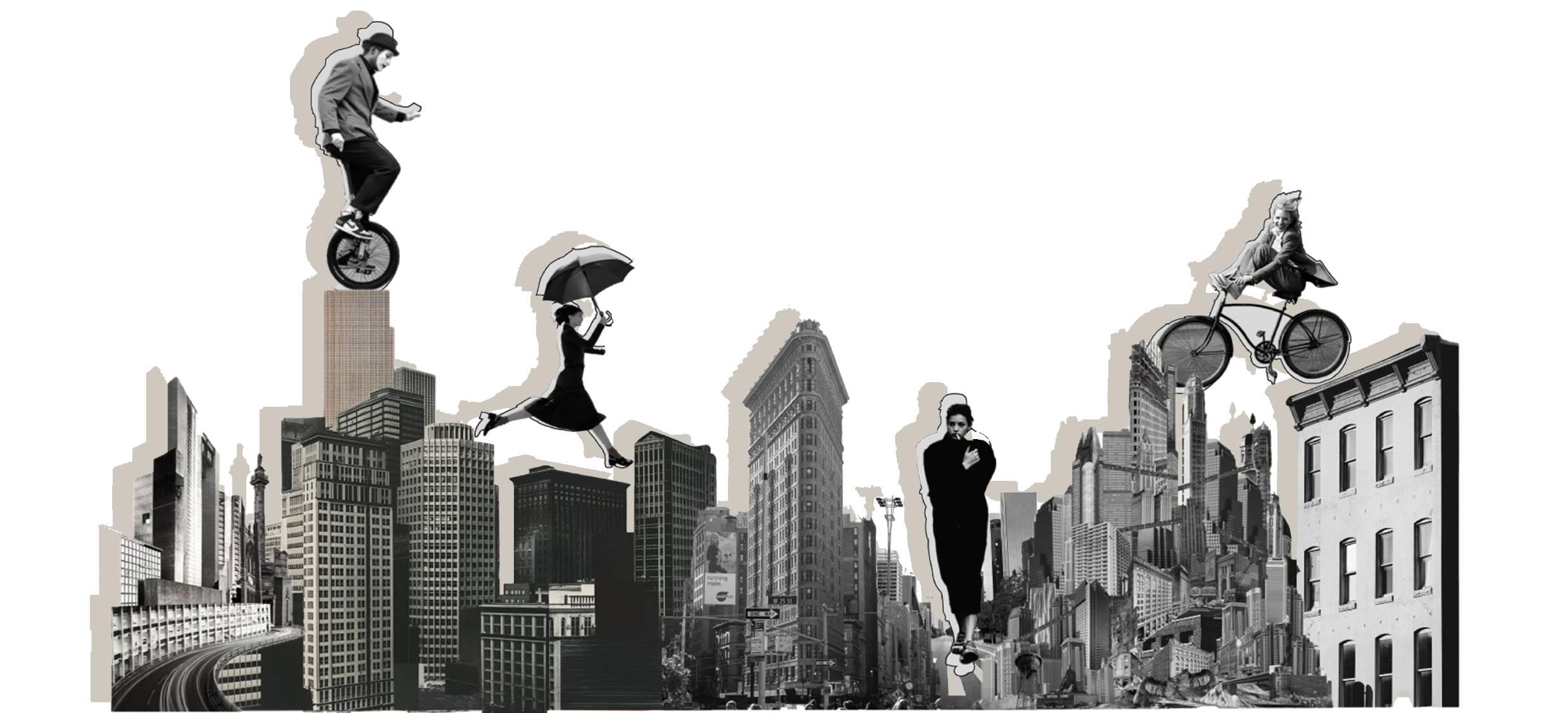
This everyday travel experience is not an isolated case, but a common situation in contemporary urban life. As the initial and final stages of travel connecting personal space and public transportation, it has long been neglected, yet it continues to influence people's travel choices.
An article on the World Resources
According to data collected in an article published by two scholars from China Agricultural University in MBPI, the loss rates of China's two major bike-sharing companies, OFO and Mobike, are 20% and 10%, respectively.
A PubMed study on unsafe cycling behavior in Changsha, China, found that 99.28% of cyclists did not wear helmets and 19.57% ran red lights.
Institute website reports that most bike-sharing users perceive the service as unsafe, with only 7% feeling safe while riding.
This demonstrates a decrease in people's reliance on walking.
According to information released by StreetLight Data in its report, "Walking in the U.S.: Trends in Pedestrian and Pattern Share in Metropolitan and Statewide Areas," walking activity declined in all major U.S.
metropolitan areas between 2019 and 2022, with decreases ranging from 23% to 49%.
The data shown in the graph reflects the decreasing reliance on walking and the emerging risks of cycling in recent years. This data not only demonstrates the fatigue people experience with walking and cycling, the two main modes of short-distance travel, but also underscores the necessity of new short-distance travel methods. Against this backdrop, will explore future short-distance travel options.
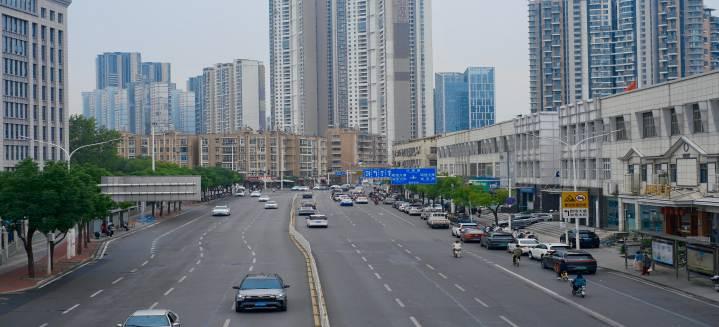
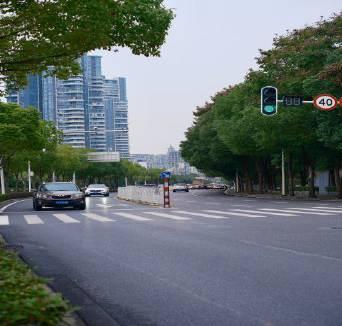
Wuhan, as a new first-tier city in China, boasts a dense population of approximately 13.74 million and a busy yet relatively well-developed urban transportation system, making it my primary research subject. I observed the road conditions of different types of transportation routes in Wuhan.
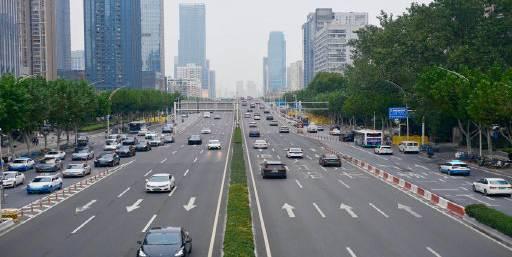
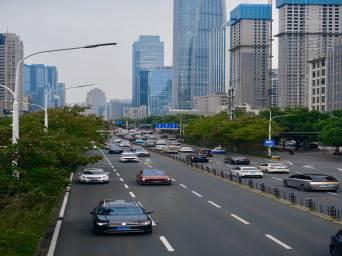
Numerous intersections, long traffic light wait times, prone to congestion
Mixed traffic of various vehicles on the road, inefficient use of space
High risk of accidents during peak traffic hours in urban environments worldwide
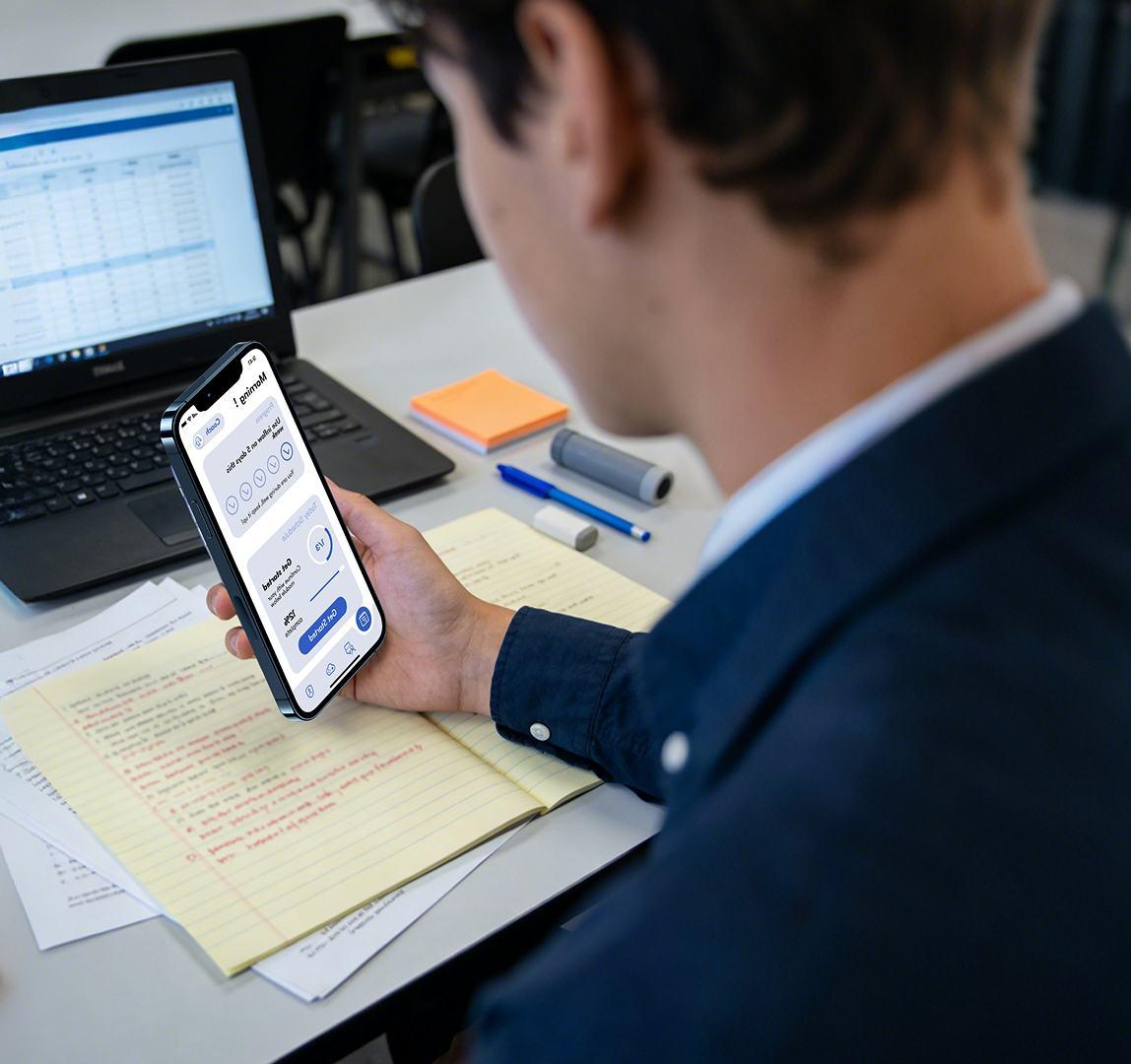
To understand the travel preferences of Wuhan residents, I collected a questionnaire filled out by 120 people, including 31.67% of those aged 60 and above. After understanding the users' intentions, researched more information on existing short-distance travel tools and analyzed hem one by one.
What is the most important factor for you when choosing a mode of transportation?
If you are 15 minutes away from your destination on foot, which would you choose?
What are your reasons for choosing public transportation over other modes of transport under normal circumstances?
If the map shows a 15-minute walk before you reach the public transport stop and another 15-minute walk after you arrive at the public transport stop, what would you do?









Instead of public transportation, switch to other modes of transport.

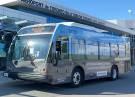


If you plan to use public transportation but face a 15-minute walk from your starting point to the stop, what would you choose?

Continue using public transportation and walk the rest of the 30 minutes. Continue using public transportation and find other ways to complete the 30 minutes.
Most of these opinions come from people aged over 60. Current short-distance mobility needs remain insufficiently addressed, while safety and efficiency continue to be the primary concerns shaping people’s travel choices in many urban contexts today.
• Parking area restrictions
• Impact on road conditions during congestion
• Weather requirements
• Physical requirements
• Parking area restrictions
• Impact on road conditions in congested situations
• High safety risks
• Restrictions on the types of users
Suitable for multiple passengers
• Suitable for all users
• Suitable for short trips at different distances
High cost for frequent use
Limited coverage in many areas
Long and uncertain waiting times
• Offers an entertaining ex- perience
• Provides a high degree of freedom
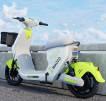
Shared bicycles are currently the most common short-distance travel tool in cities. They are more flexible than cars, but require physical effort from the rider, making them suitable for young people.
It only appears in specific use cases, can carry multiple people at the same time, and can serve people of different age groups. However, it cannot meet the needs of different travel destinations in densely populated areas.
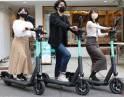
It is a short-distance travel tool that is widely promoted in large first-tier cities. Unlike the driving experience of bicycles, it does not require the driver to exert physical strength. However, considering safety, it is not suitable for the elderly and children.
No need to drive yourself; there are no restrictions on pick-up and drop-off points within a specific area. However, this will make city roads with high traffic even more congested, and since it is not under unified management, efficiency cannot be guaranteed.

• Lack of unified management and regulatory standards
• Chaotic and inconsistent market pricing
• Poor safety and weak risk protection
These activation tools emerge from regions with diverse demographics and address specific local needs. However, when viewed at a larger scale, they are often limited by narrow usage scenarios and target groups, making them difficult to integrate into existing mobility systems or adapt across different urban contexts.
These limitations highlight the need to move beyond isolated solutions toward a more coherent and scalable system. This project explores how short-distance mobility can be rethought through a unified framework that balances accessibility, cost, and safety, aiming for a more sustainable and inclusive future.
Based on the information gathered so far, explored several short-distance mobility concepts to develop a preliminary, scalable solution for urban environments that addresses everyday travel challenges in dense cities.
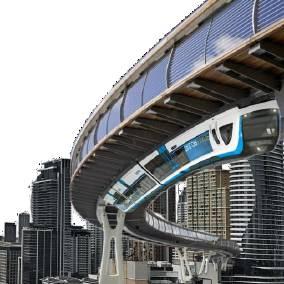
As a supplement to the existing public transportation network, it is used to cover areas that are difficult for subways and buses to reach, and to alleviate the connection problem between communities and main transportation routes, particularly in densely built urban areas with limited infrastructure flexibility.
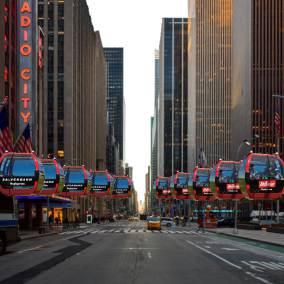
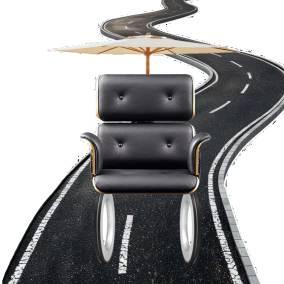
By using elevated roads to traverse complex terrain and urban intersections, high-coverage connections are achieved to communities, neighborhoods, and public nodes, while minimizing ground-level disruption and improving overall spatial efficiency, supporting safer circulation and more adaptable short-distance urban mobility systems.
A feasible solution requires scientific theoretical support, so searched for the operating principles of current cable cars. Most current cable cars are found in scenic areas and mountainous regions, and are driven by power systems at two stations at each end.
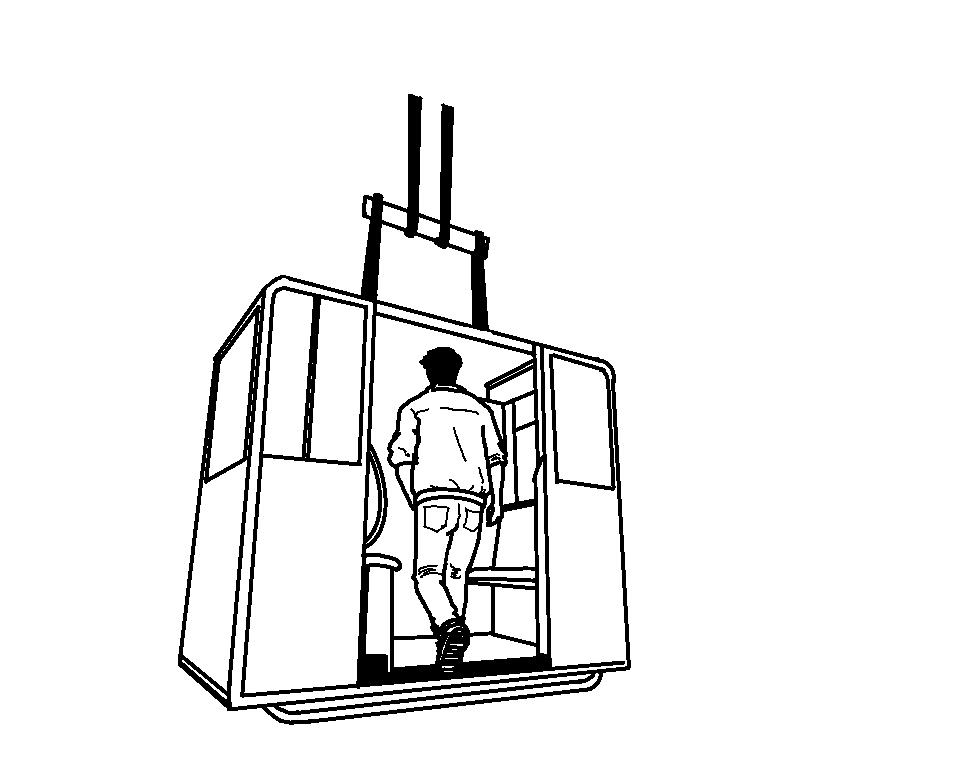
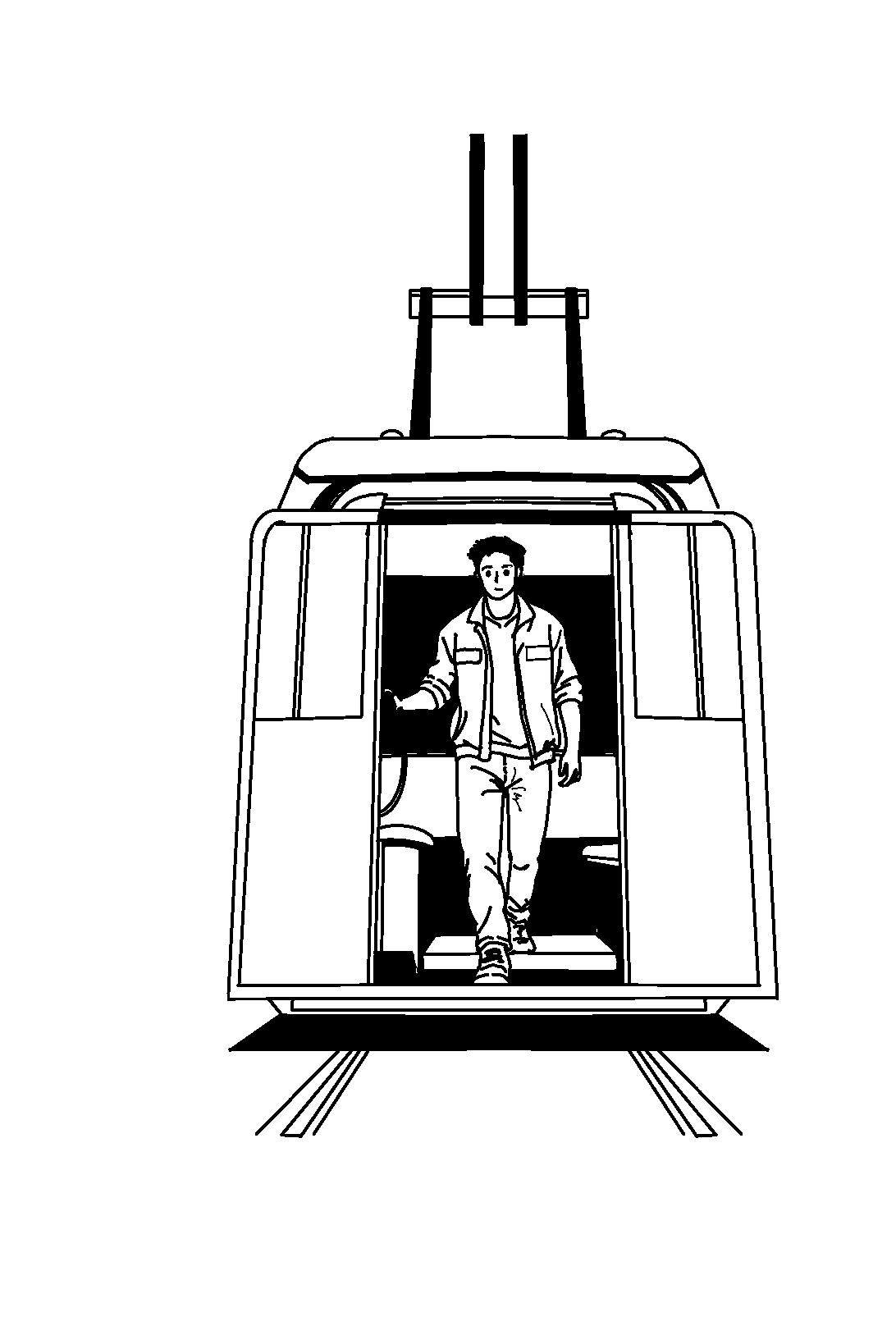
When the cable car enters the station, it slows down by using a cable grip to enter the designated track, giving passengers a safe opportunity to leave the car.
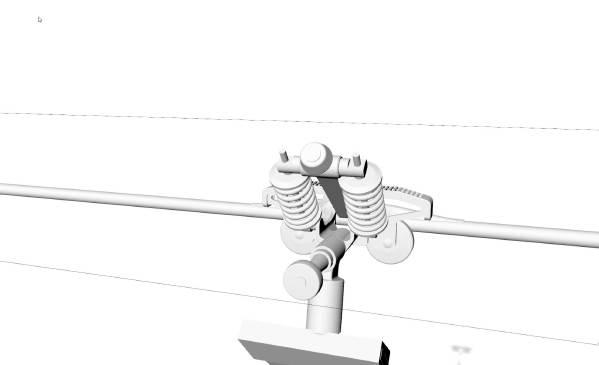
Support and carrying ropes, placed at intervals, bear the weight of the cable car, while the hauling rope guides the direction of the cable car's movement.
Urban conditions differ significantly from mountainous areas, particularly in altitude. As a result, urban cableways do not need to expend energy on elevation gain, but instead require improvements in operating space and simplified boarding processes.
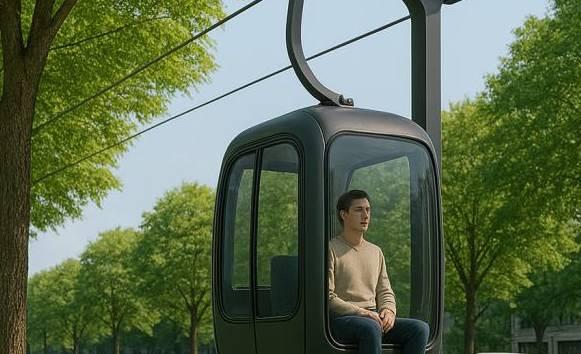
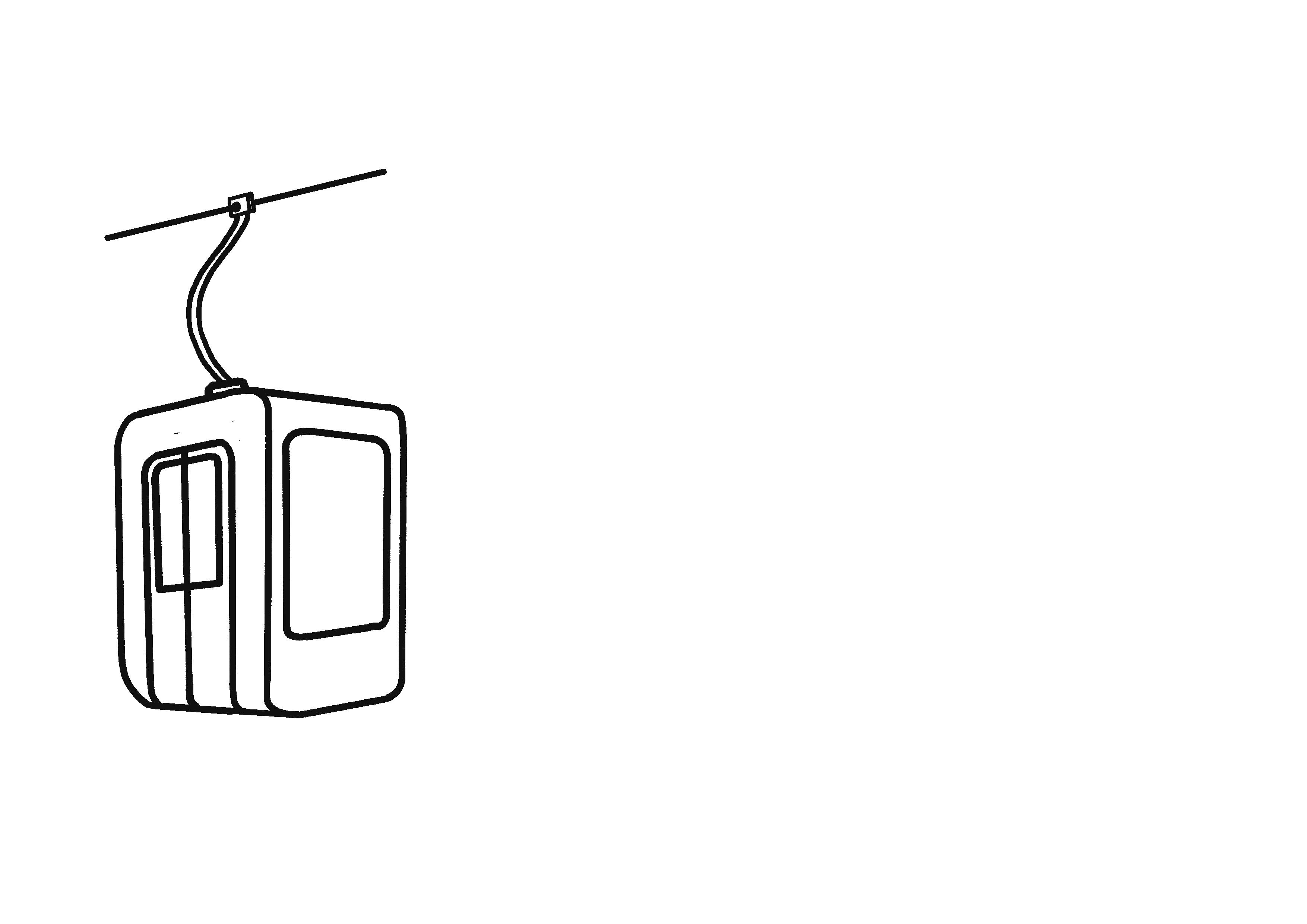
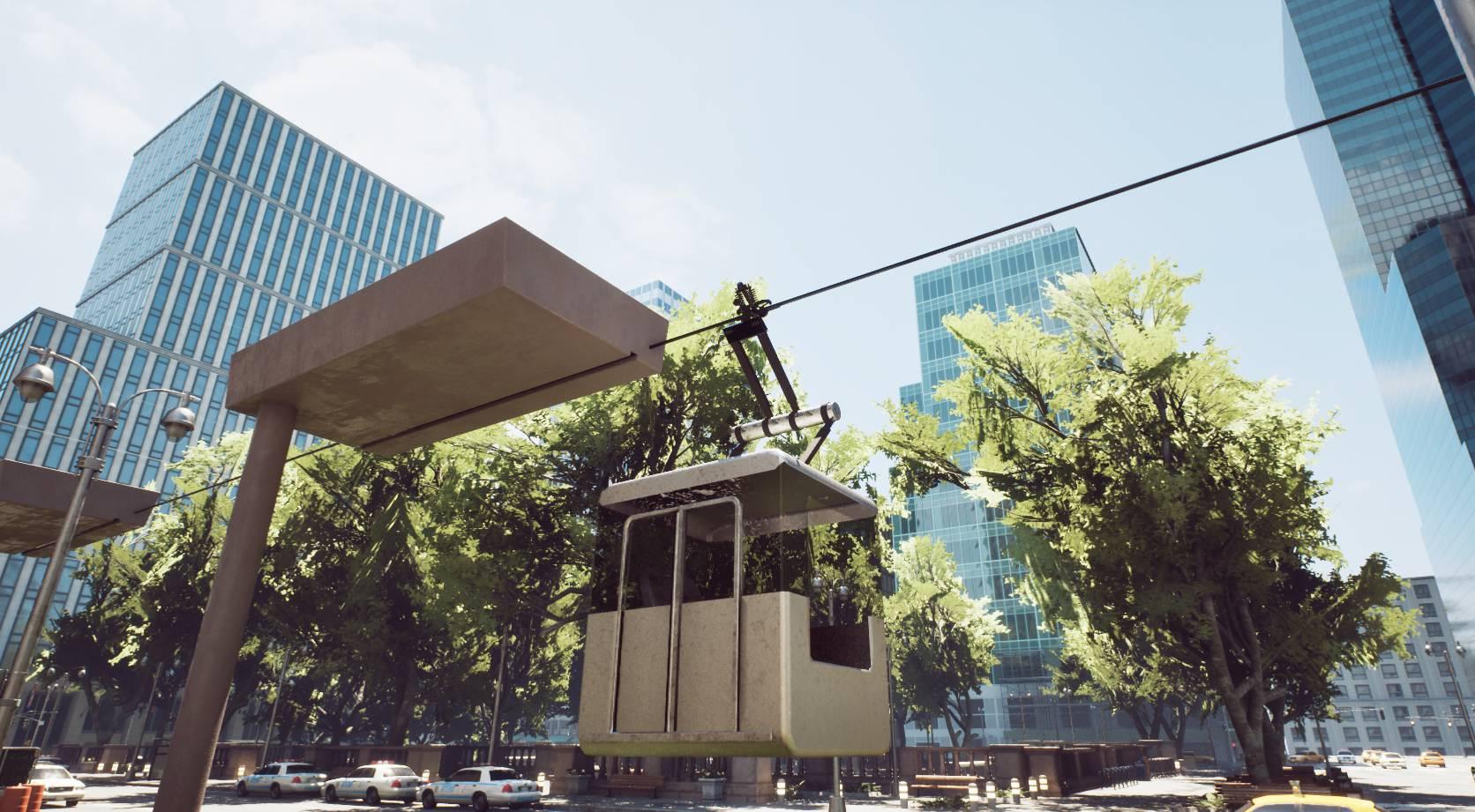
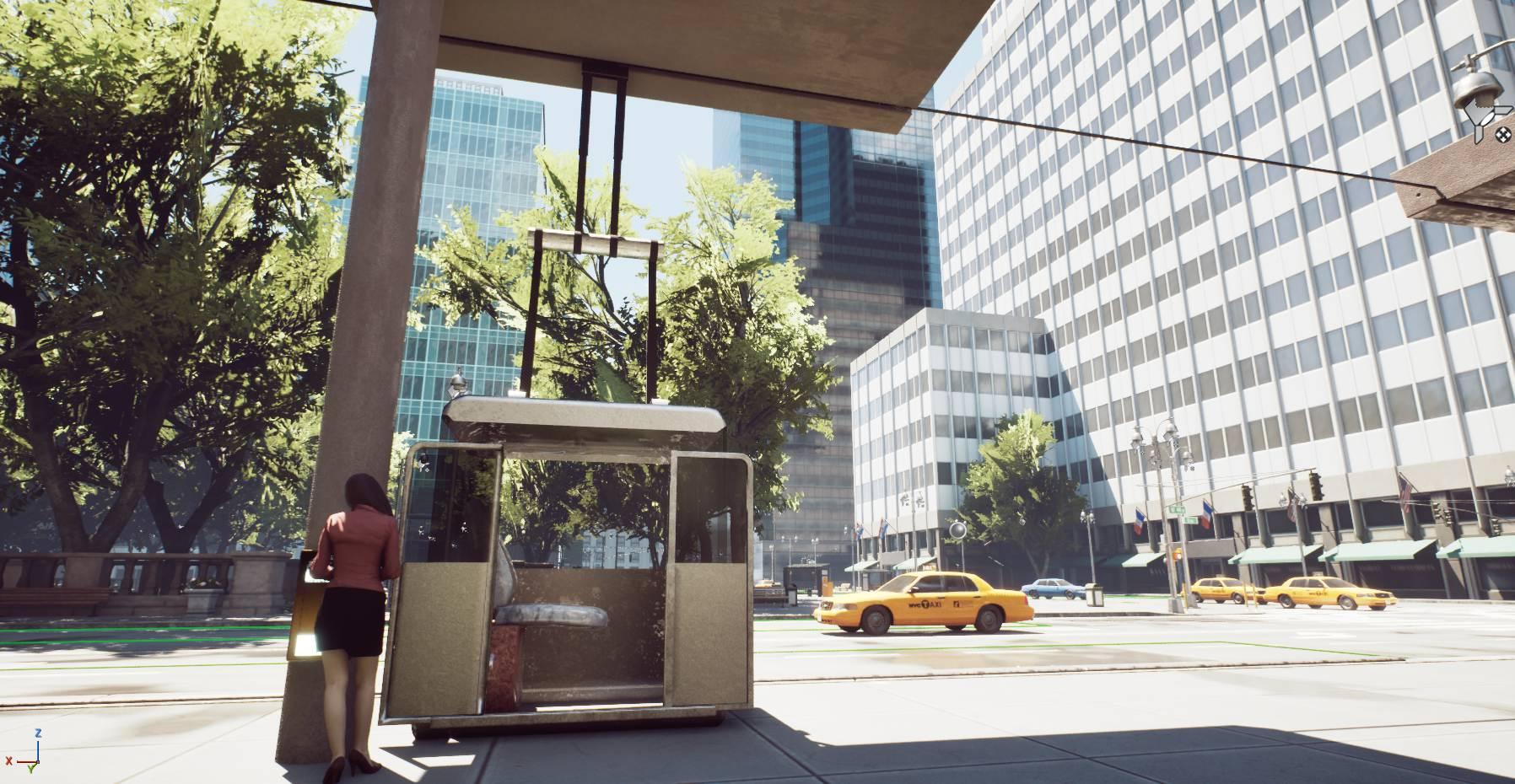
The preliminary concept diagram generated based on my own ideas looks
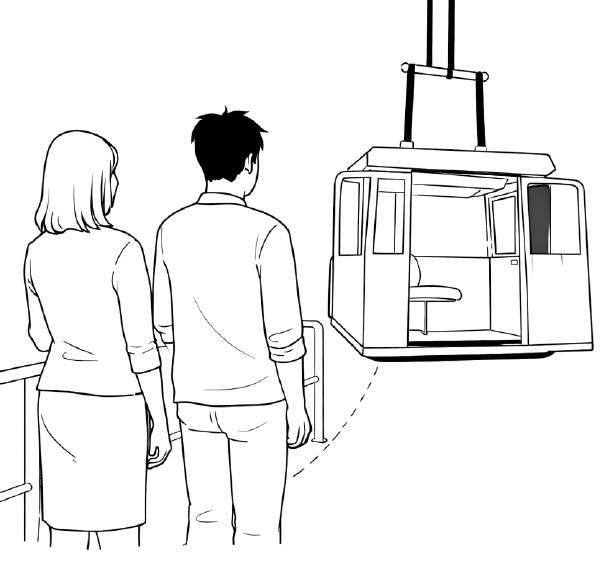
If there were a new type of transportation like the one shown in the picture that connects short distances, would you be willing to try it?
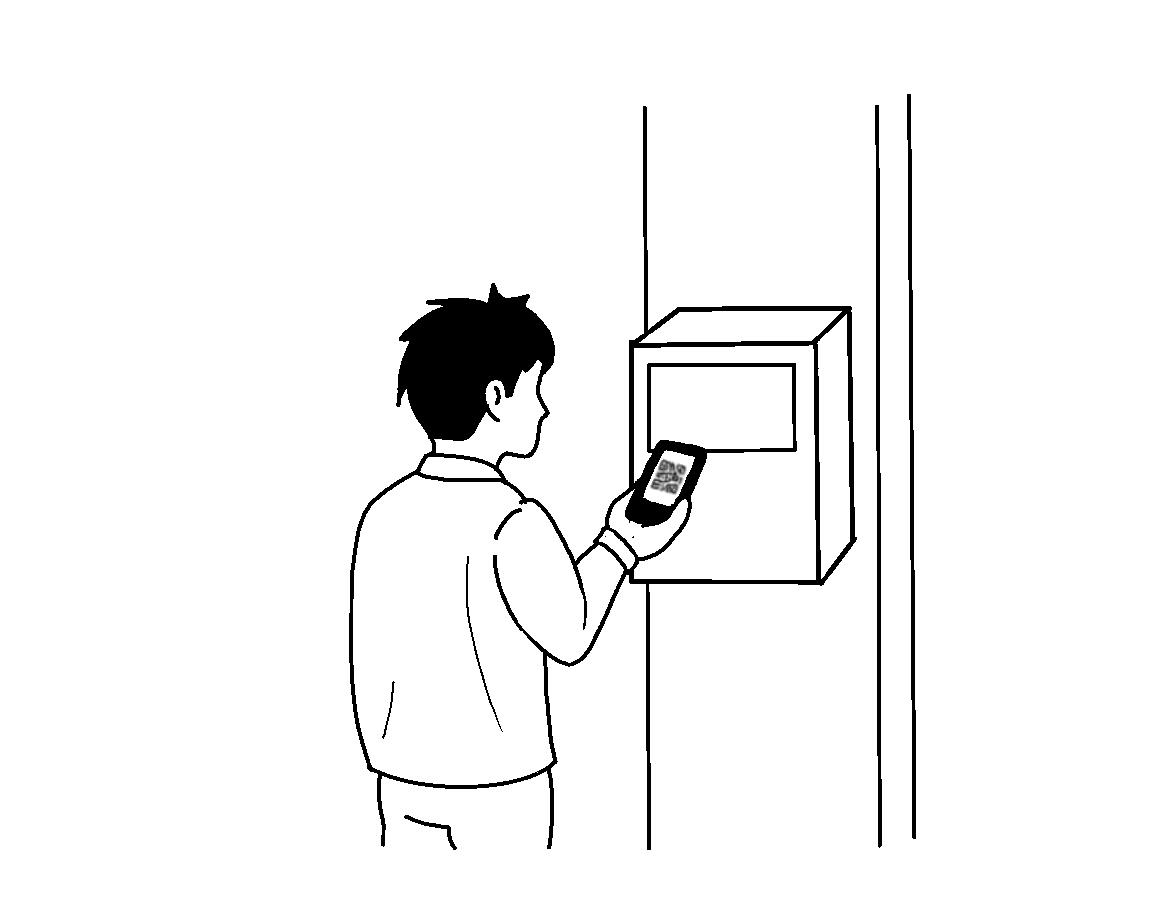
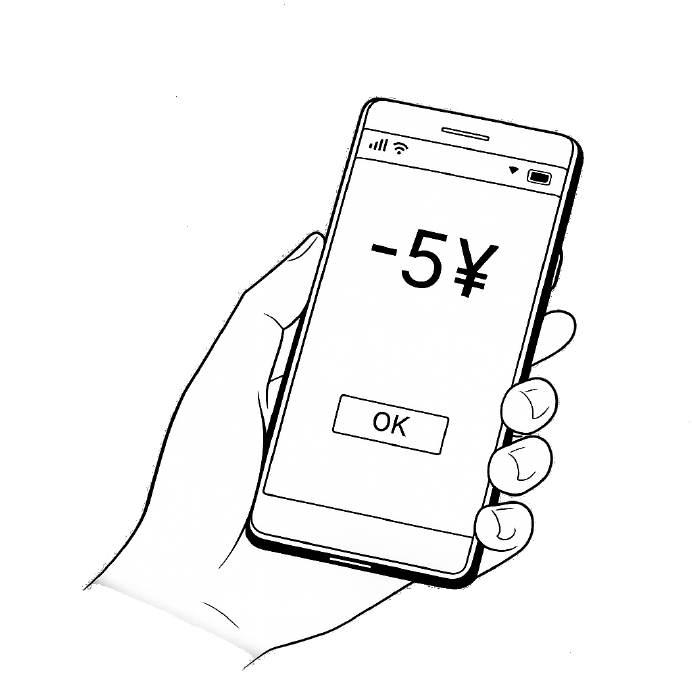
Powered by electricity, users can complete point-to-point low-speed movement simply by entering a short-distance destination, catering to people with mobility impairments and short-distance travel scenarios.
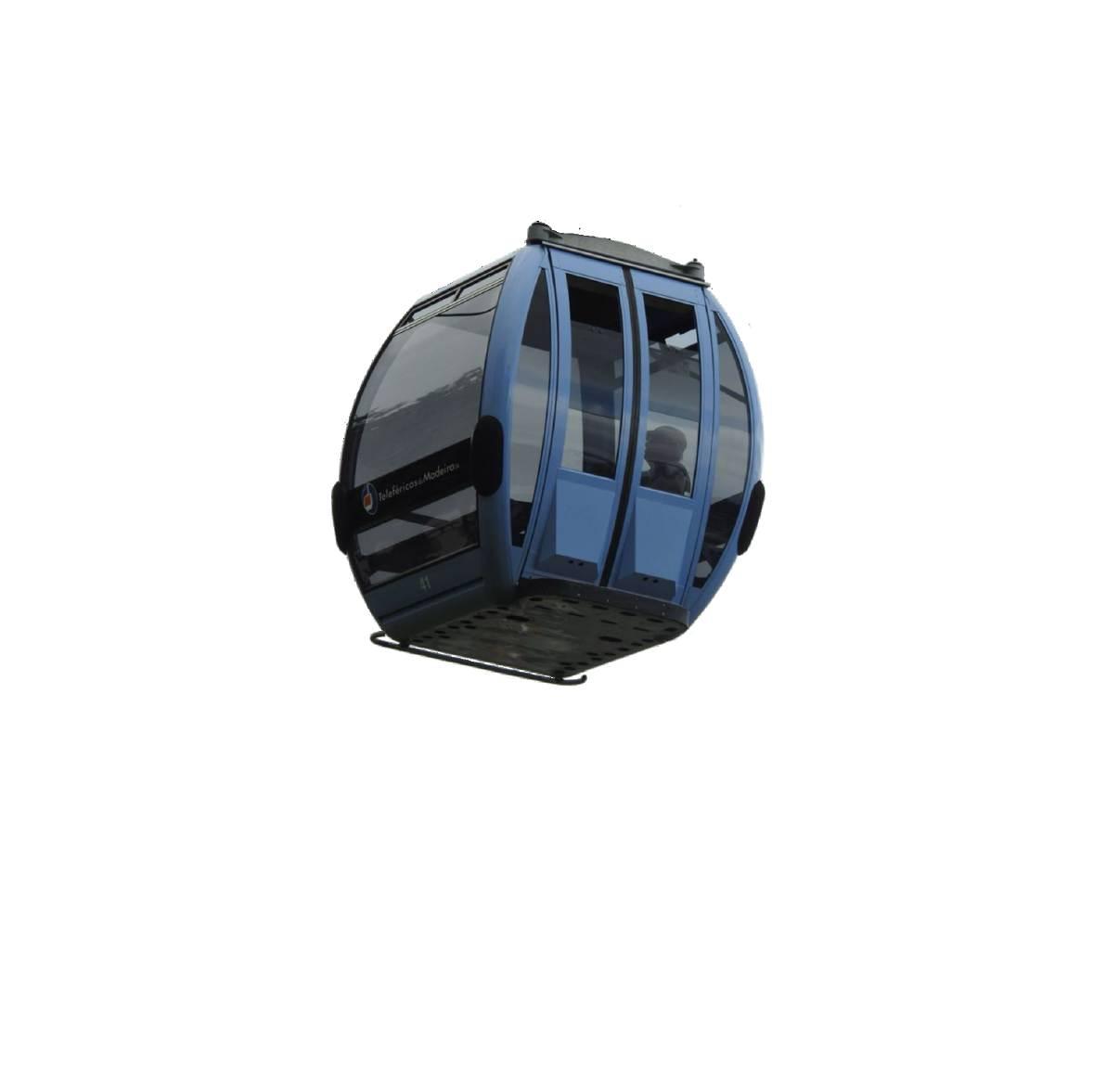
Considering its suitability for urban environments, the miniature cable car solution has greater advantages in terms of energy, safety, transport capacity, and space utilization. decided to conduct more in-depth research on
Based on this analysis of operating principles, began to consider the potential transformation of cableway systems in urban environments. Compared to mountain cableways, which focus on overcoming elevation differences, urban cableways need to address complex road conditions, high-density building environments, and continuous short-distance travel demands.
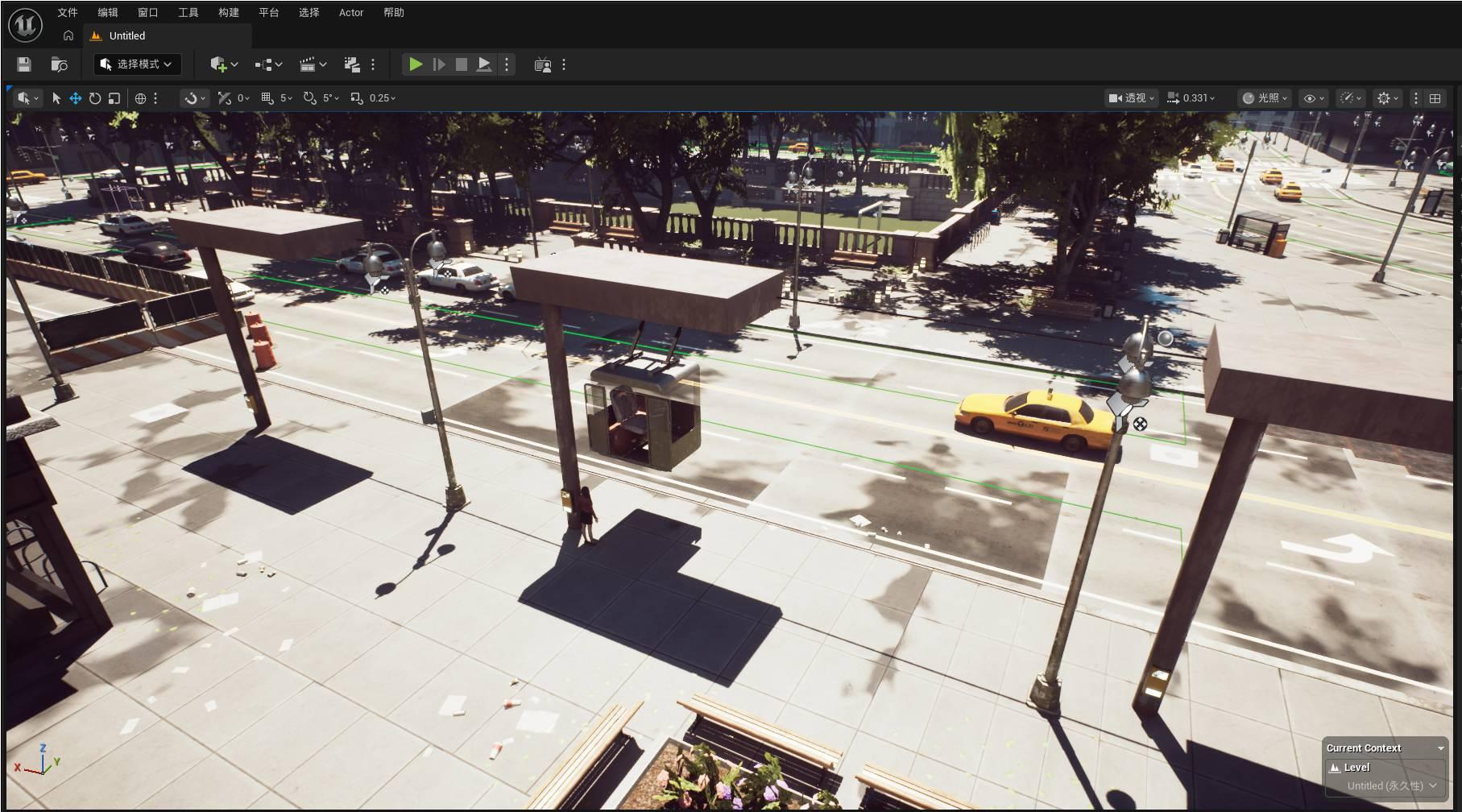
By operating above ground traffic, the system avoids congestion and complex road conditions while making use of underutilized urban aerial space. 01 Elevated low-altitude mobility
02 Continuous short-distance connection
Designed to bridge gaps between existing transportation modes, the system creates a seamless travel experience between neighborhoods and major transit routes.
To reduce congestion and improve safety and efficiency in everyday mobility.
Through an elevated, electric micro cableway with simplified boarding and modular stations.
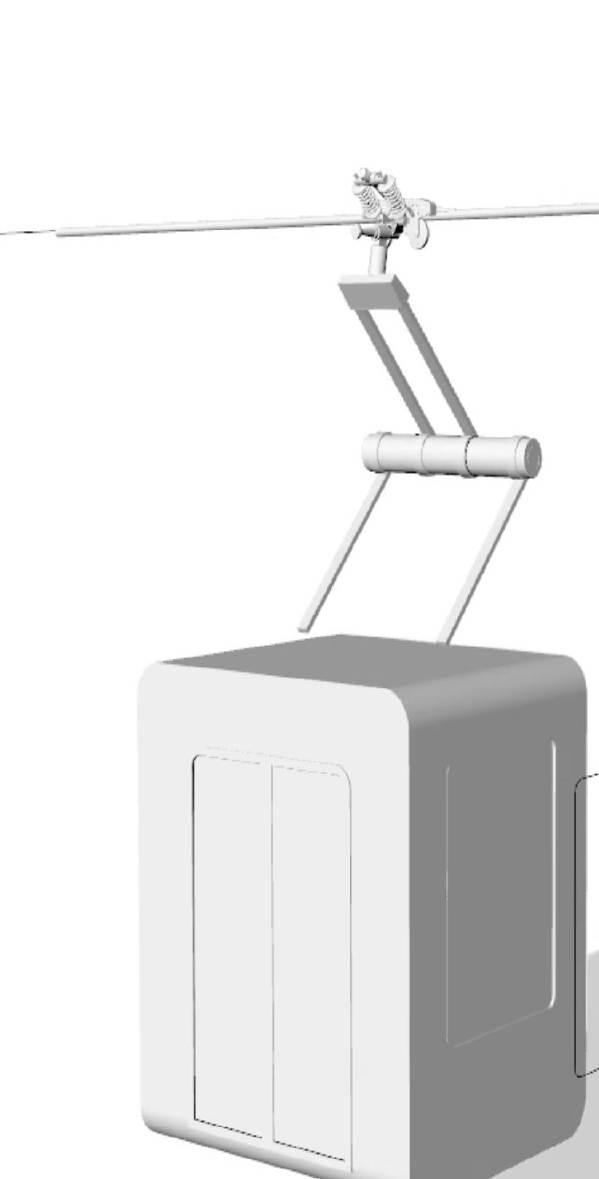
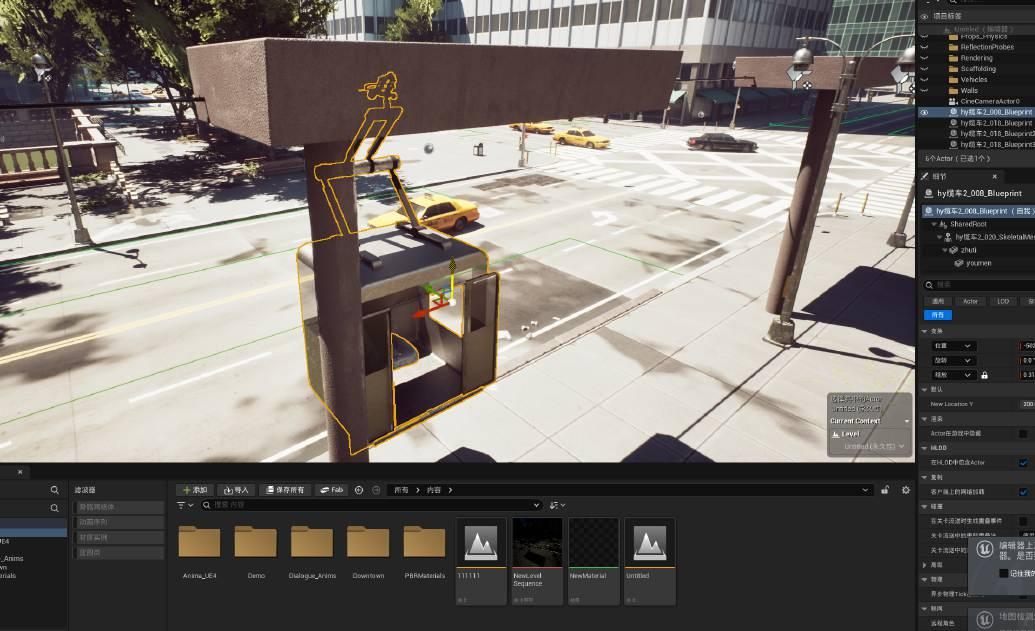
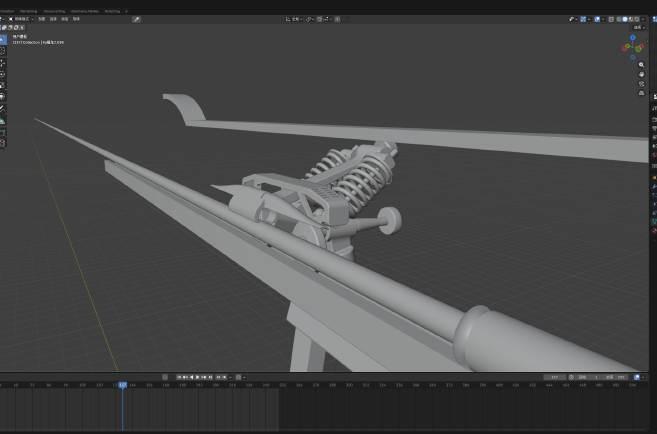
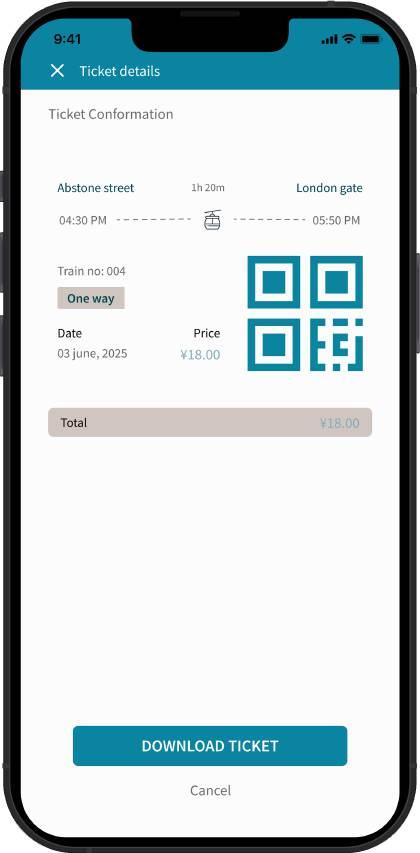
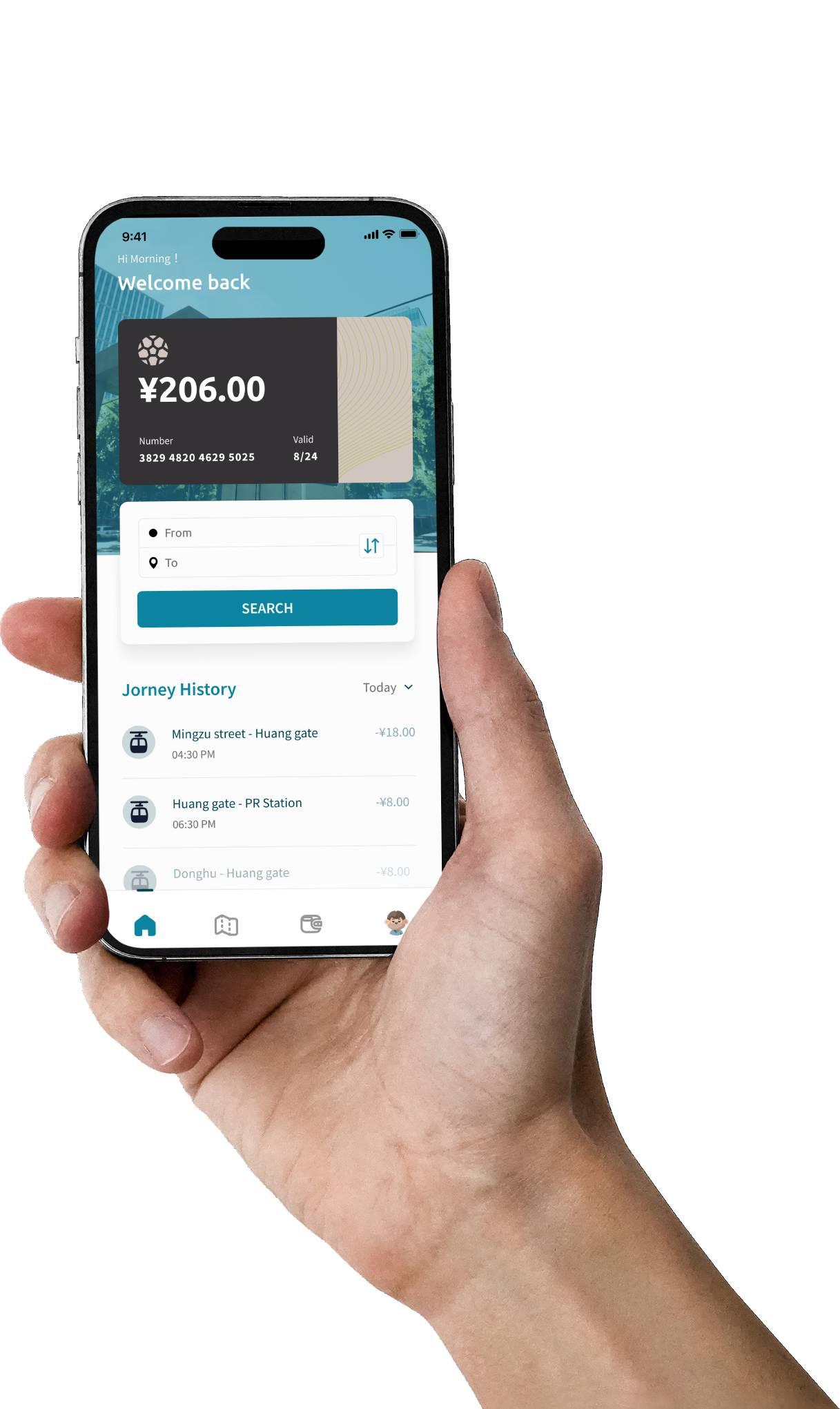
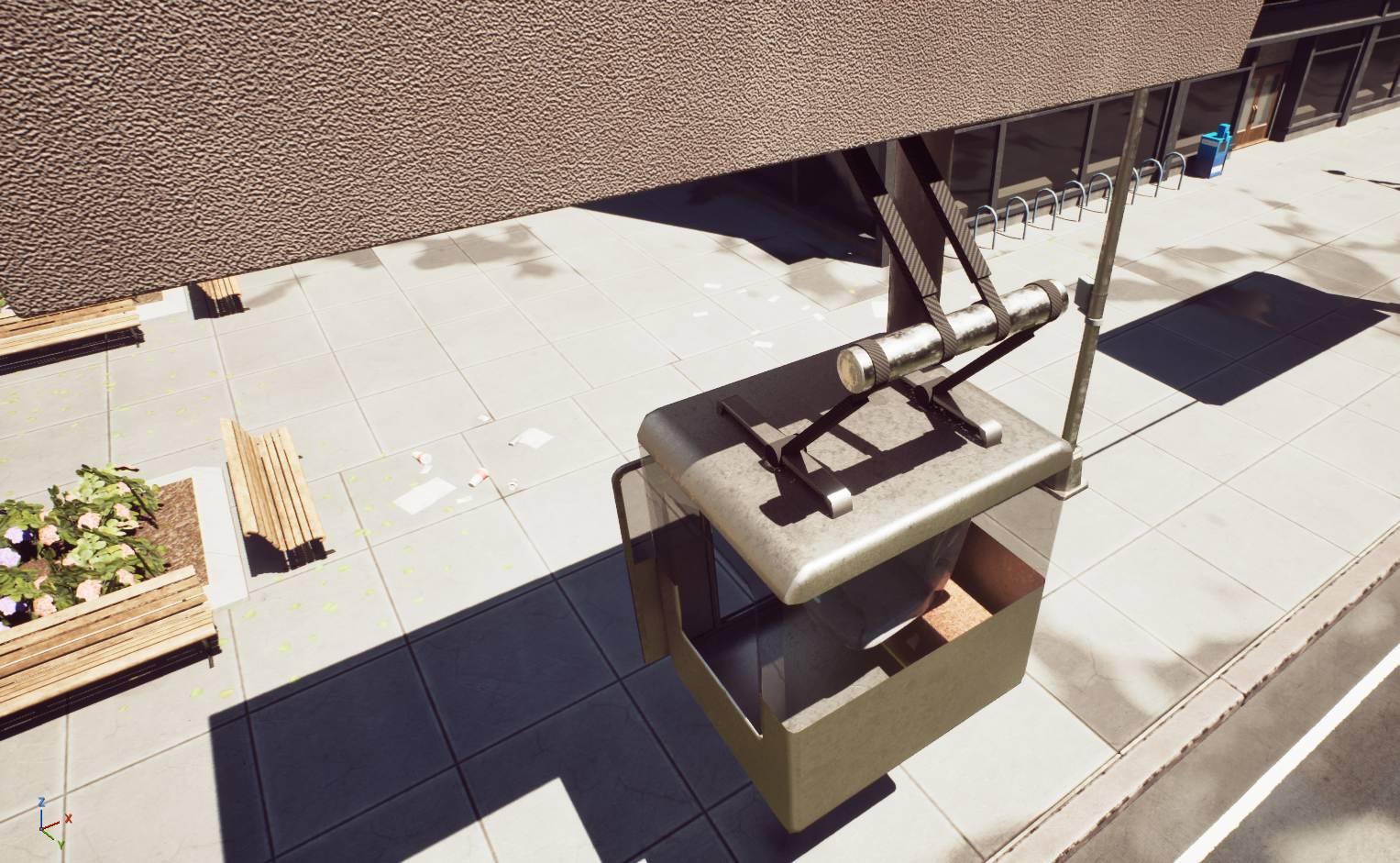
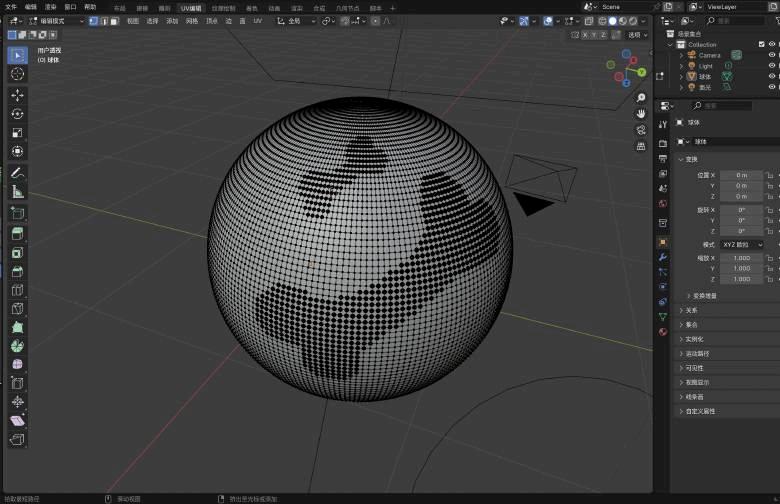
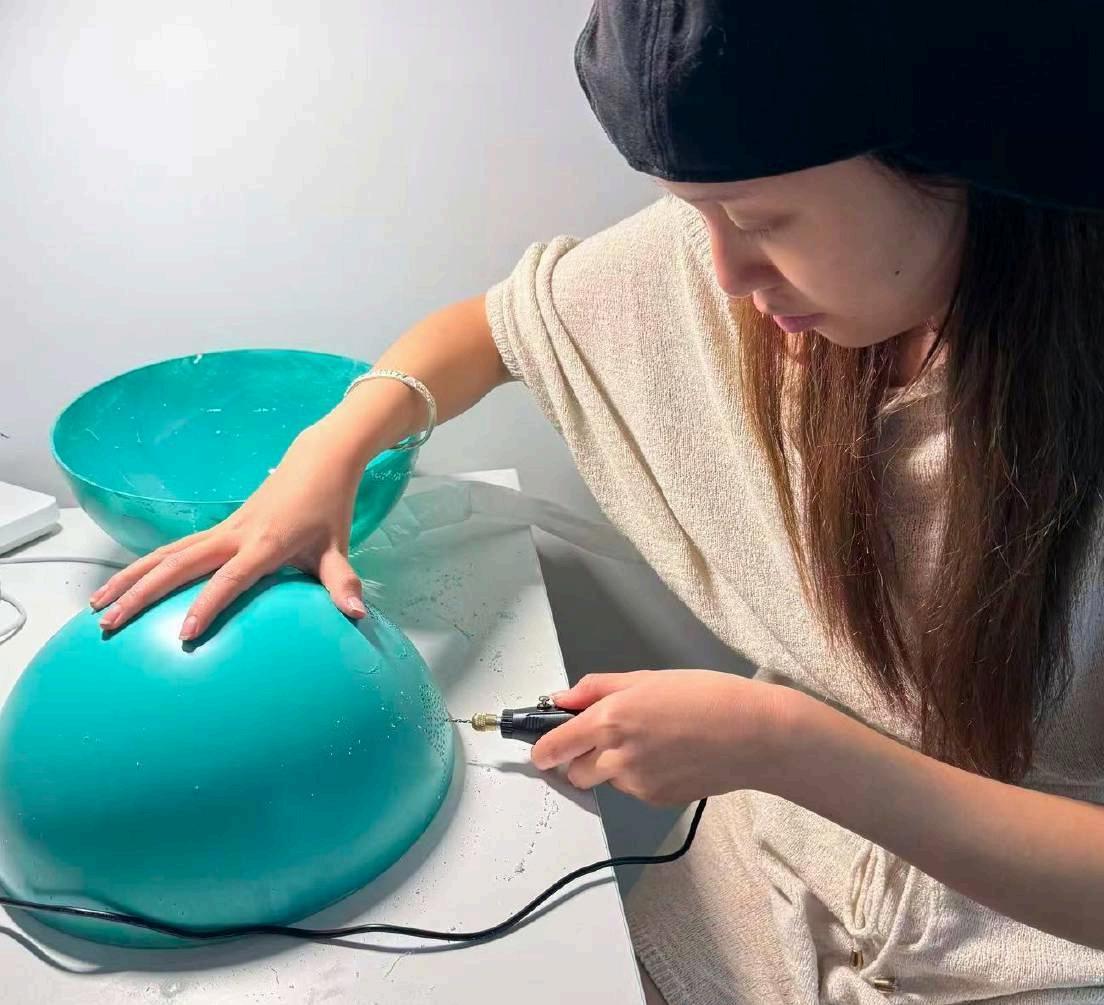
The prototype explores the spatial form and operational logic of the micro cable car system. Through sketching and 3D modeling, key elements such as cabins, support structures, and stations are tested to evaluate feasibility within an urban context.