

Infrastructure & Commerce
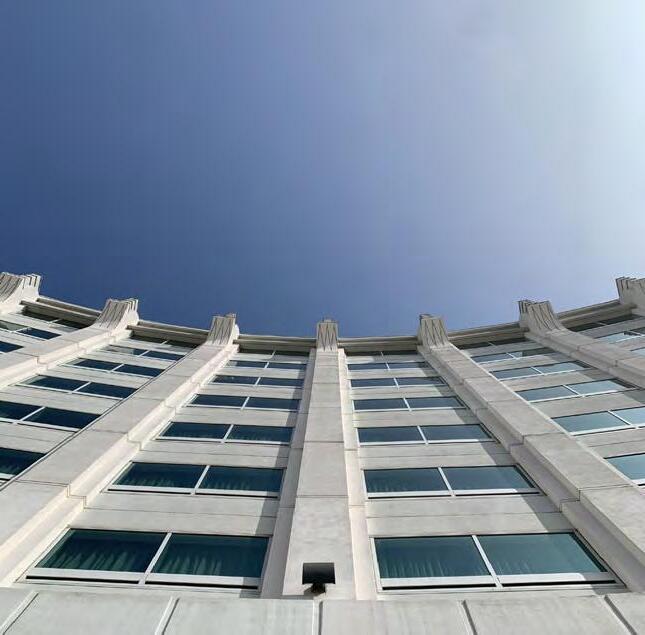
Infrastructure and Commerce
Infrastructure and Commerce is a culmination of the collective research conducted by our Fall 2024 studio on the City of Commerce, California. Over the course of our work, we delved into the city’s rich history, diverse culture, economic landscape, and more. Our intention was to treat this research as a shared body of knowledge that would inform the individual studio projects that grew out of this exploration.
In addition to our research and analysis, we undertook a series of case studies, examining buildings across the city to better understand the architectural principles, materials, and spatial dynamics at play. These case studies highlighted quirks and banal anomalies in the common typologies and urban relationships that may exist as different zoning types intersect, or architecture in relationship to infrastructure.
The following chapters document our collective findings.

Studio Instructor
Noam Saragosti
Students
Ezekiel David Ainza
Alina Barret
Christian Becker
Bien Delfin
Karim Elmashni
Noah Gomez
Trent Jones
Tyler Jones
Michael Kim
Amir Hossein Maleky
Adrian Martinez
Anita Nakoud
Uyen Nguyen
Chris Palominos Salas
Gabriela Sayed
Randy Sherer
Grace Shuck
Angela Tang
Ardak Tashchain
Ethan Van Beek
Nicole Wu
Caitlin Yang
Figure #: Image caption, Avoid long descriptions, Follow APA style for figures/images
California State Polytechnic University, Pomona Department of Architecture, Fall 2024
CULTURE
DEMOGRAPHICS
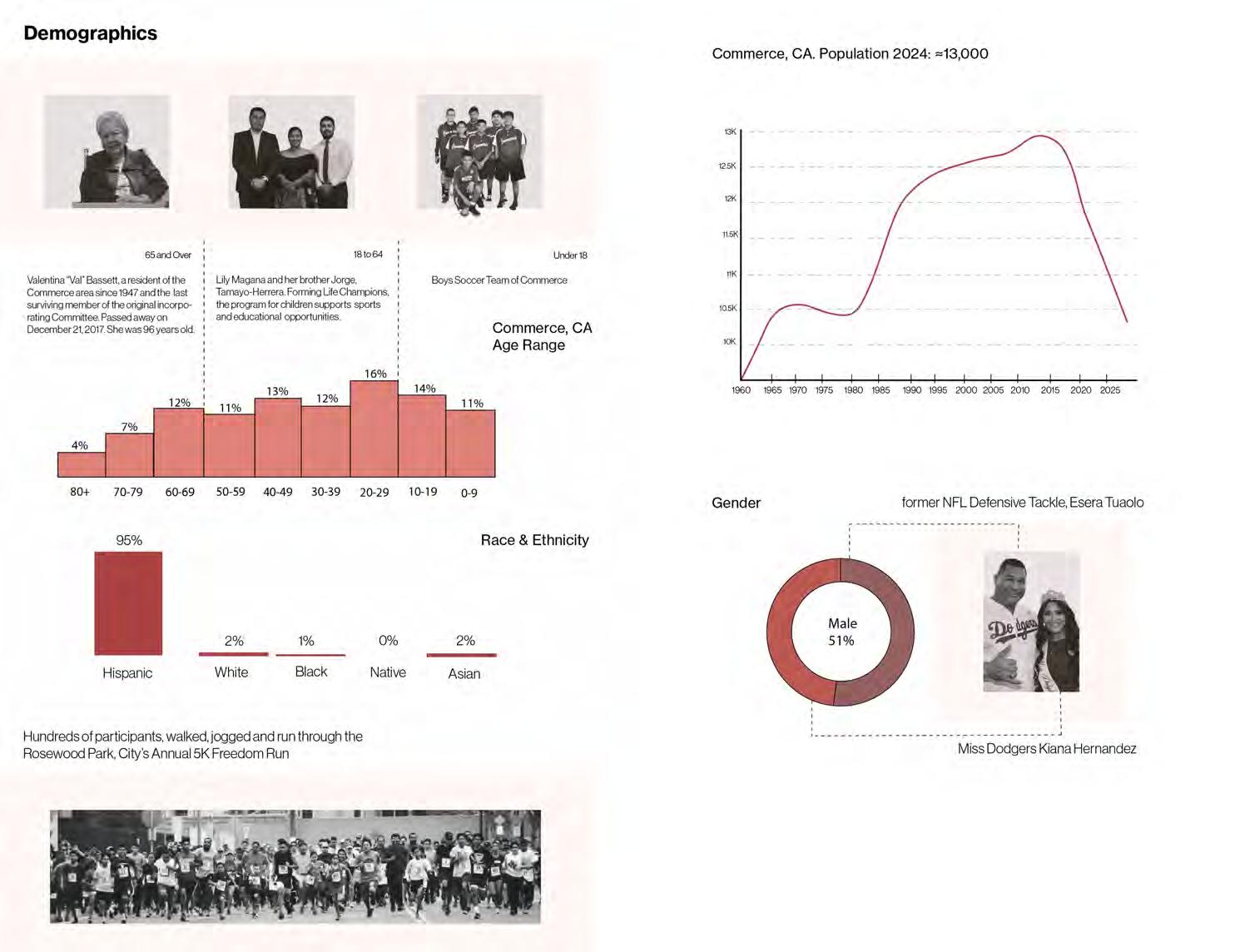
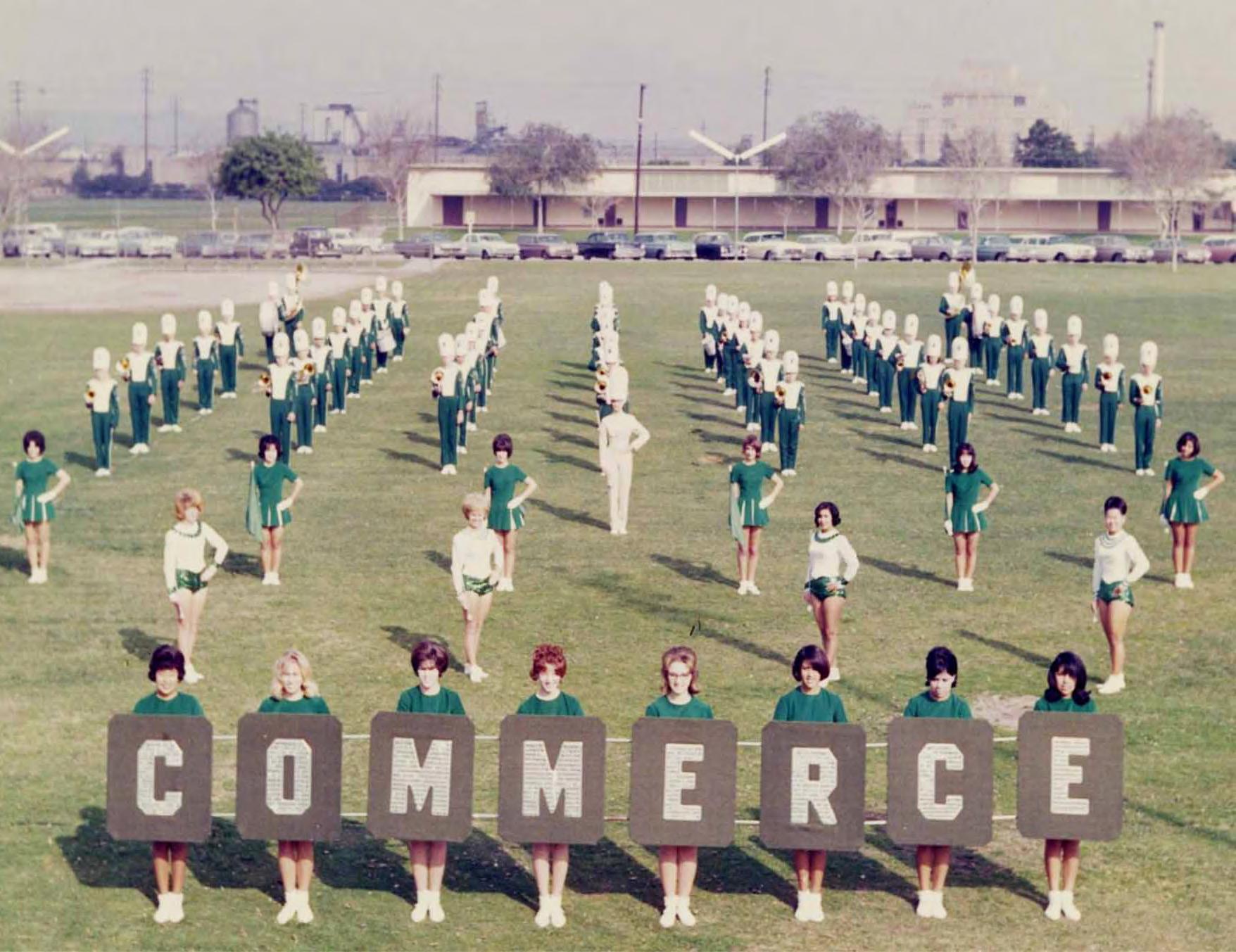
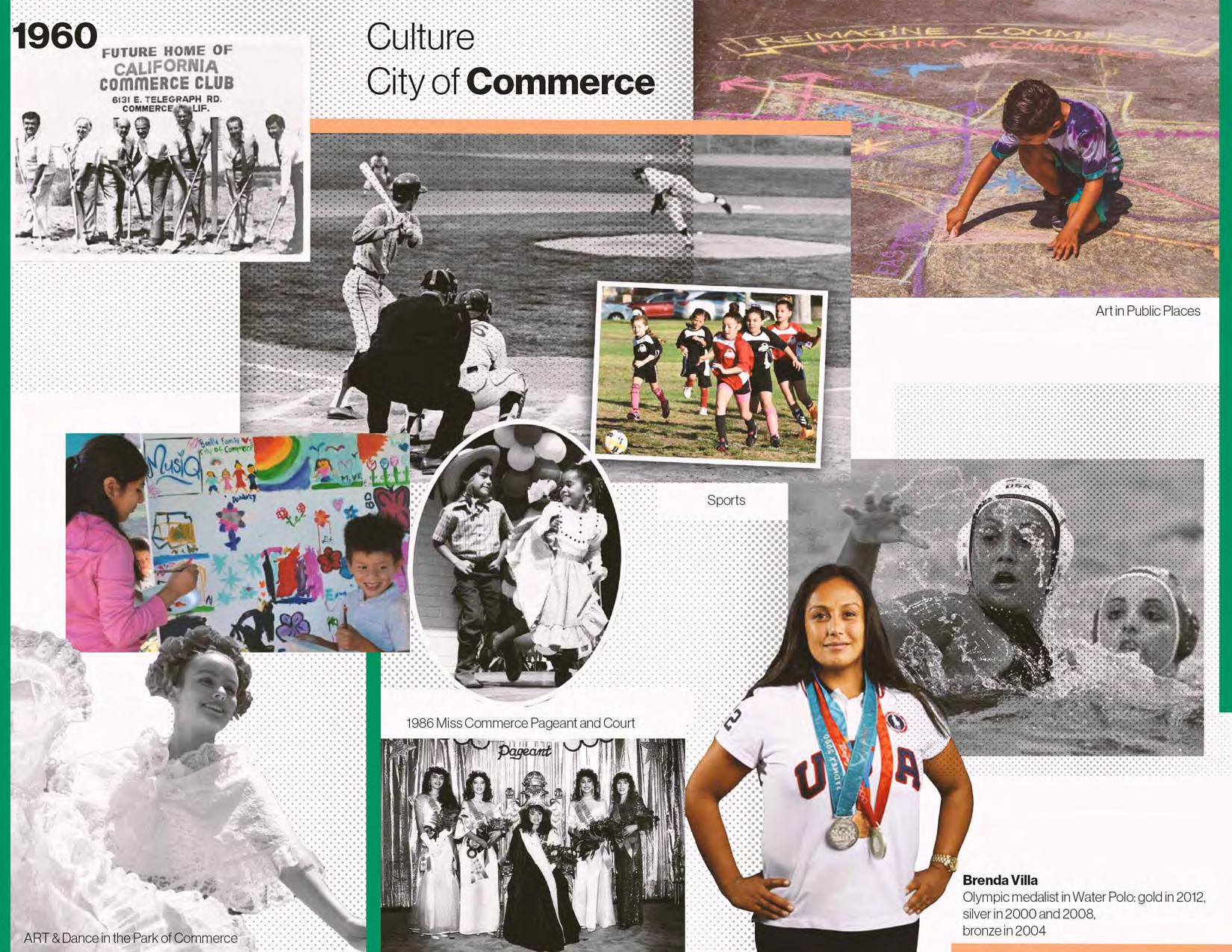
The City of Commerce, California, has a strong sense of community, with a unique blend of industrial development and residential neighborhoods. With a population of about 12,000 to 13,000 residents. Around 95% of the population identifies as Hispanic or Latino, with a median age of approximately 35 years. The city’s residents are primarily bilingual, with Spanish being a dominant language. Commerce balances its role as an industrial hub with a strong sense of community in its residential areas. The city offers extensive community services such as free transportation, educational programs, and recreational activities through local parks and community centers. Programs for youth and seniors are well-supported, reflecting the city’s commitment to family-oriented engagement. Despite its industrial nature, Commerce remains a close-knit, family-focused community. The culture of Commerce emphasizes family, community ties, and mutual support. Many events and programs are geared towarfamilies, with a focus on strengthening relationships between generations. The city’s various recreational programs and family activities highlight the importance of community connection.
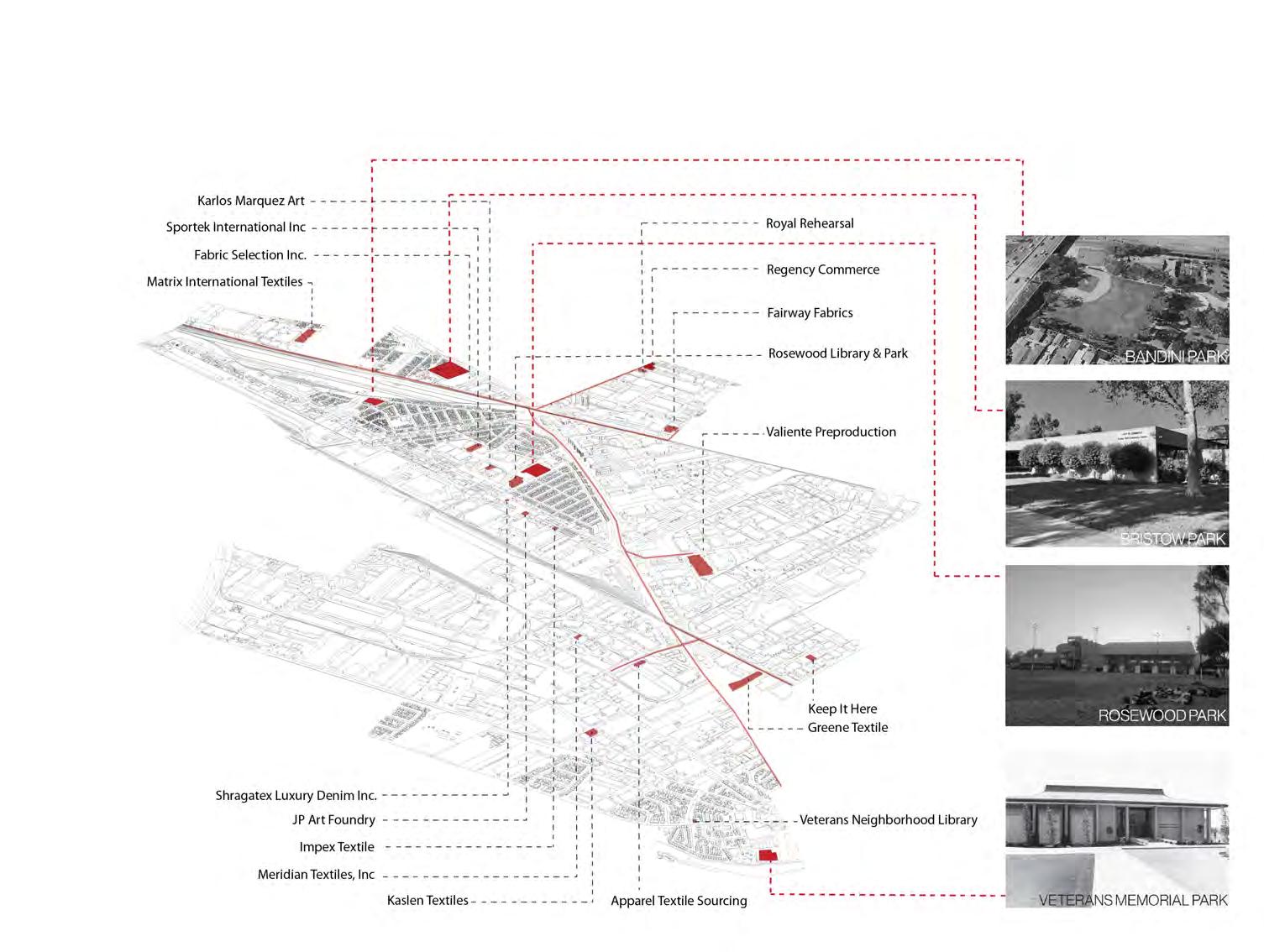
Diagram of Commerce. Fictional depiction of ART & Culture.
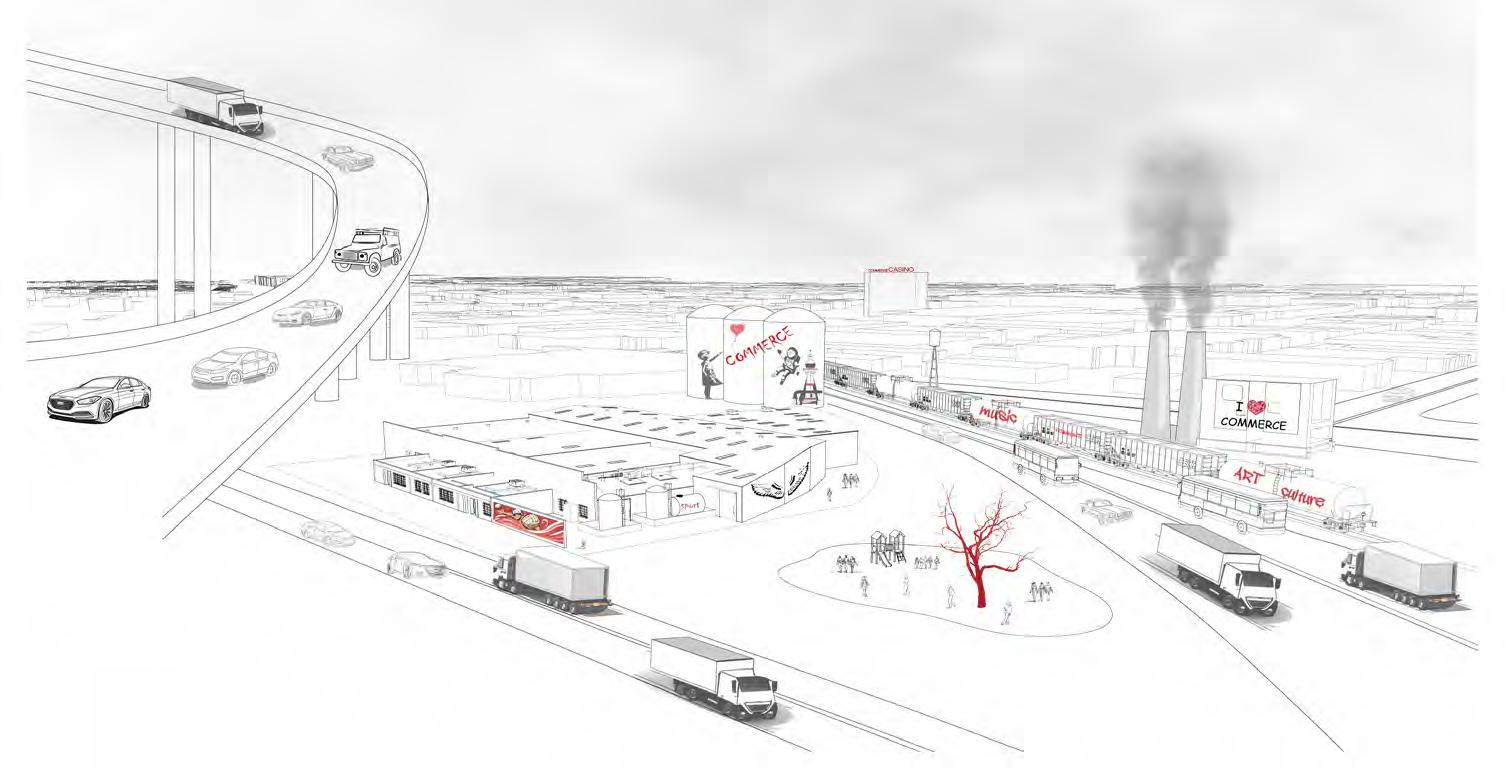
Culture and Art
The City of Commerce is a vibrant and culturally rich community. Deeply rooted in Latino and Hispanic traditions, the city reflects a blend of cultural heritage, artistic expression, and musical vibrancy that transcends its small residential footprint. Commerce fosters a sense of cultural identity through public art, music, festivals, and community engagement, all of which are central to its social fabric. The cultural identity permeates nearly every aspect of life in the city, from language and food to celebrations and public events. The community places a high value on family, tradition, and mutual support, which is evident in the city’s numerous cultural festivals and gatherings. These events are not just opportunities for celebration but also moments to reconnect with cultural roots, fostering a sense of belonging and pride among residents.
Sports
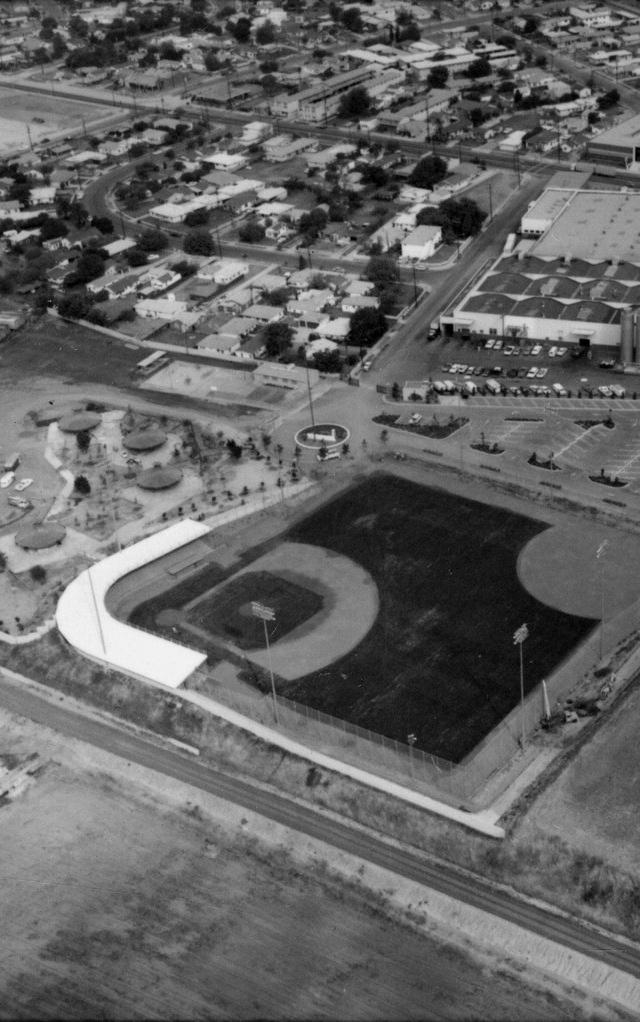
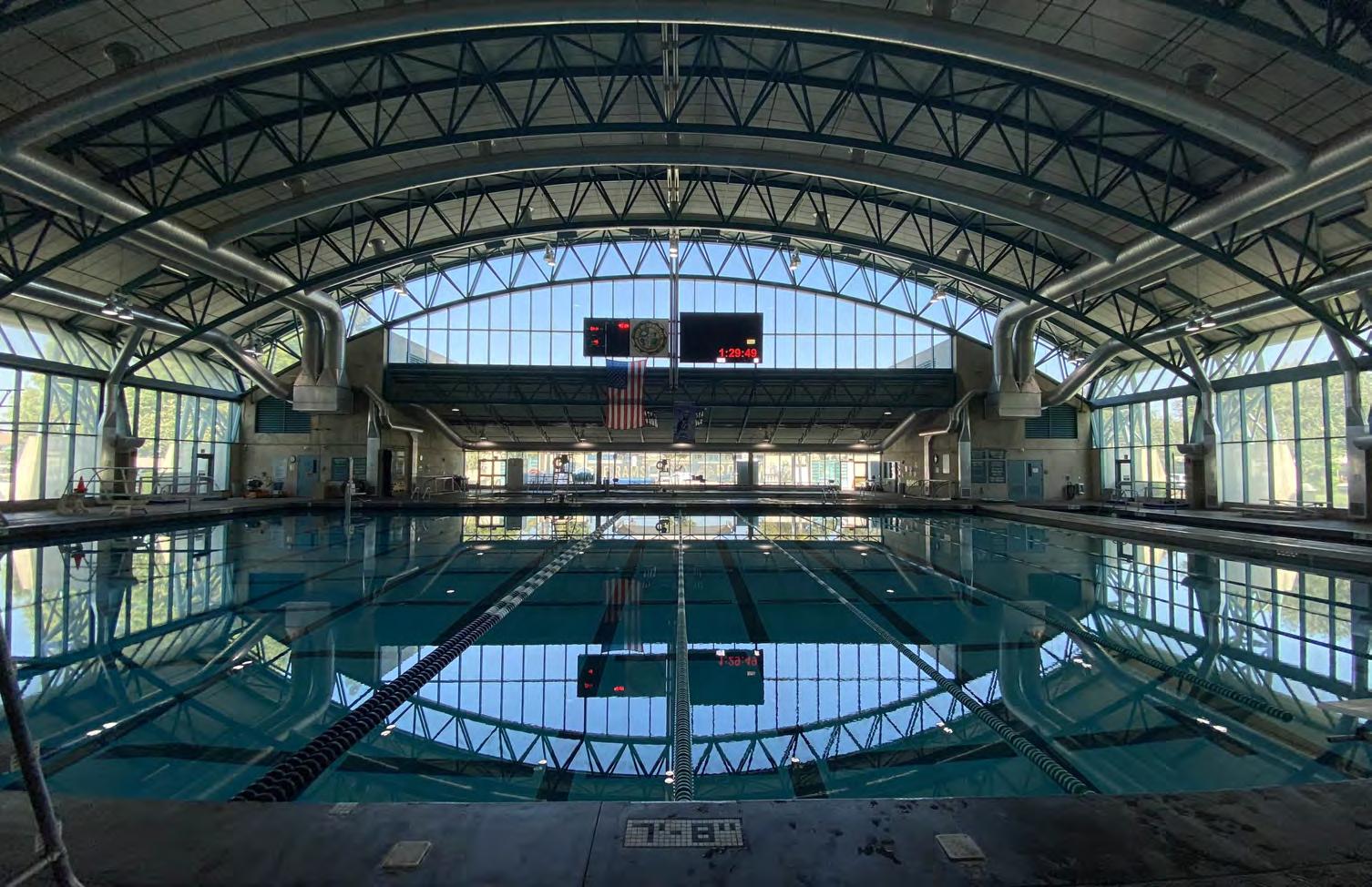
Commerce, California, is home to four of its most notable parks: Bandini, Bristow, Rosewood, and Veterans Memorial Park. These parks serve as hubs for the city’s sports and recreational activities, hosting a wide range of events and amenities. Residents enjoy recreational sports such as flag football, volleyball, basketball, soccer, dance, and baseball across these vibrant spaces. Veterans Memorial Park stands out with its historic Class A baseball field, capable of seating over 2,000 spectators, while Rosewood Park is home to the city’s aquatic center. These parks not only provide recreational opportunities but also foster a strong sense of community,
FEATURED ARTISTS

Michael Che Romero is a visionary artist and the creative force behind VIVACHE, a design studio known for transforming spaces with innovative, large-scale public art and creative solutions.
Project “Water Under the Bridge”, Commerce, CA. In creating this composition, we were struck by the reflection of the cars as they drove under the freeway. That reflection and movement made it look like moving water under the bridge – and with the city’s incredible aquatics center, we decided to create the effect of being immersed in the water and honoring the great aquatic sports of water polo and diving.
Rix Cerezo is a prominent artist known for his vibrant murals in the city of Commerce.
Cerezo’s murals celebrate the rich cultural diversity of Commerce, highlighting the contributions of various communities. This aspect of his work helps to elevate local narratives and promote cultural pride. His work frequently addresses social themes such as unity, resilience, and empowerment. Through his murals, Cerezo aims to inspire positive change and provoke thought within the community.
Rix Cerezo’s murals are more than just decorative art; they are powerful statements that connect with the people of Commerce, making art an integral part of the community’s identity.
Calixto Shibaja Pre-Hispanic Art Painter.
His Commerce City Artwork conveys a message of honoring one’s ancestors while celebrating cultural heritage, blending pre-Hispanic and contemporary elements to reflect a rich artistic tradition. Illustrating the Mexican belief that death is a part of life and should be honored rather than feared. Calixto Shibaja incorporates elements that reflect indigenous traditions, showcasing the importance of heritage and cultural identity.
Paul Juno is recognized for his skills in muralism and street art. His background often informs his artistic style, which combines elements of realism and abstraction to convey powerful messages. Juno’s murals are characterized by vibrant colors, intricate details, and dynamic composition. He often employs a blend of techniques that enhance the visual narrative and emotional impact of his work. Paul Juno’s murals in Commerce are a testament to the power of art in transforming spaces and connecting communities.
Karlos Marquez is a contemporary artist known for his abstract art, which often explores themes related to identity, culture, and the urban environment. Based in Commerce City, California, Marquez draws inspiration from his surroundings, infusing his works with vibrant colors and dynamic forms that reflect the complexity of modern life.
Karlos Marquez gained notable recognition for his contributions to the fine arts scene, securing 2nd place in a prestigious competition. His artwork was featured prominently as the background for three Super Bowl commercials, highlighting the significant exposure and impact of his pieces during such highprofile events.
Jerome Castro is a local artist and muralist known for his contributions to the art scene in Commerce, California. His work often reflects themes of cultural identity, community engagement, and social consciousness. Jerome Castro’s murals contribute to the cultural landscape of Commerce, making art a vital component of the community’s identity. Jerome Castro’s murals in Commerce are powerful narratives that foster connection, understanding, and cultural appreciation within the community.
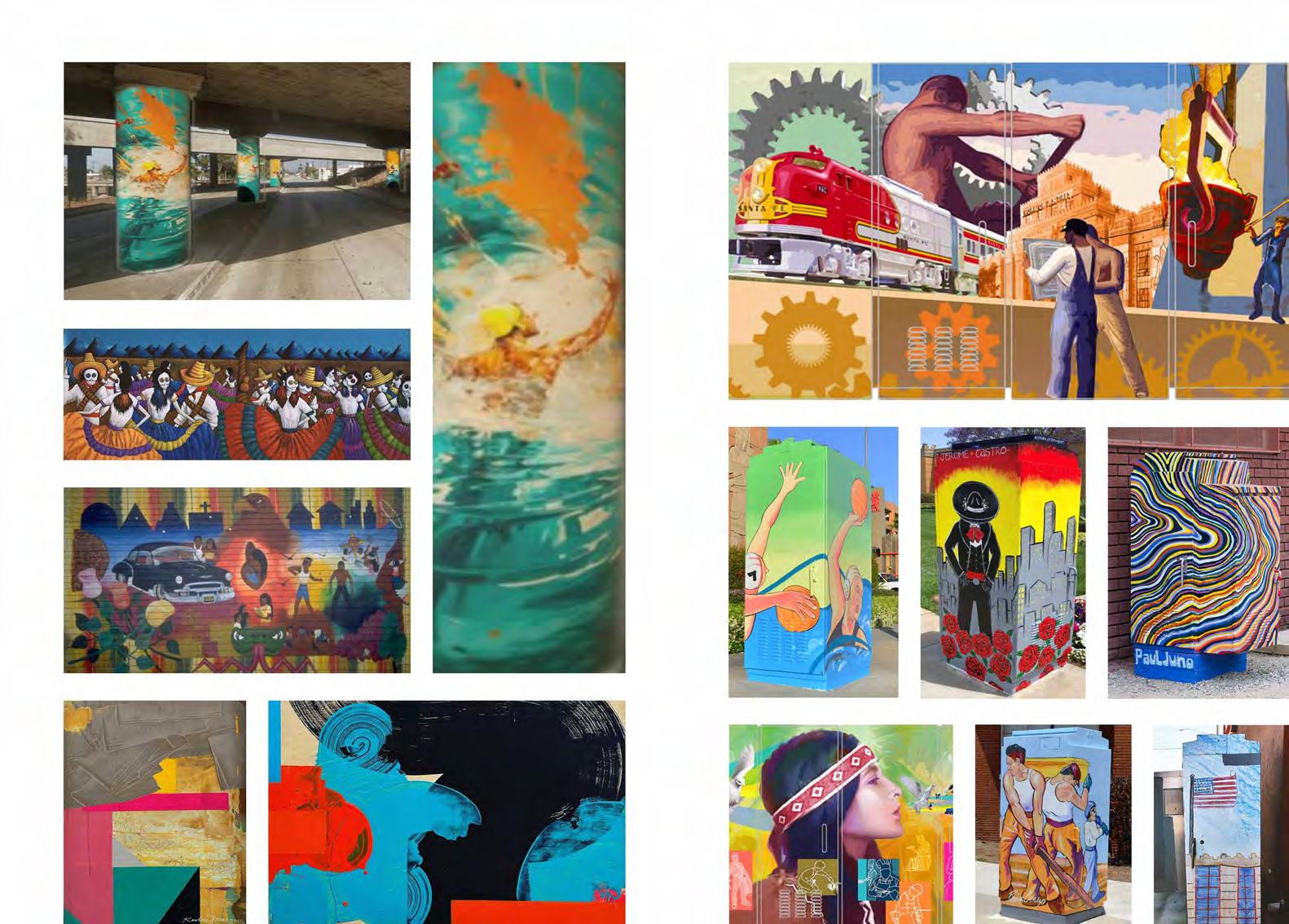
Water Under the Bridge by Vivache Designs. Concept work of 2025.
Calixto Shibaja. Pre Hispanic Art
Homeboy crow, Bristow Park, Commerce, 1979. by Dunitz, Robin J
Karlos Marquez. Abstract Collection, Commerce
Rix Cerezo, Mural of History Commerce
Rix Cerezo, Mural Water Polo, Commerce Jerome Castro, Mural of Commerce Paul Juno, Mural of Commerce
Rix Cerezo, Mural Whispers, Commerce Rix Cerezo, Railroad Workers Unknown Artist, Commerce

The City of Commerce plays a pivotal role in the fabric and textile industry, serving as a key hub for distribution, manufacturing, and innovation. Its strategic location and industrial infrastructure make it an ideal base for fabric wholesalers, textile manufacturers, and fashion businesses. While the industry faces challenges from global competition and changing technologies, Commerce remains an important player in the U.S. textile landscape, continuing to support the local economy and evolving to meet the demands of sustainability and innovation in textiles. The city’s textile sector not only provides materials for fashion and apparel but also contributes to a wide range of industries, from automotive to home furnishings, making it an essential part of Southern California’s industrial economy..
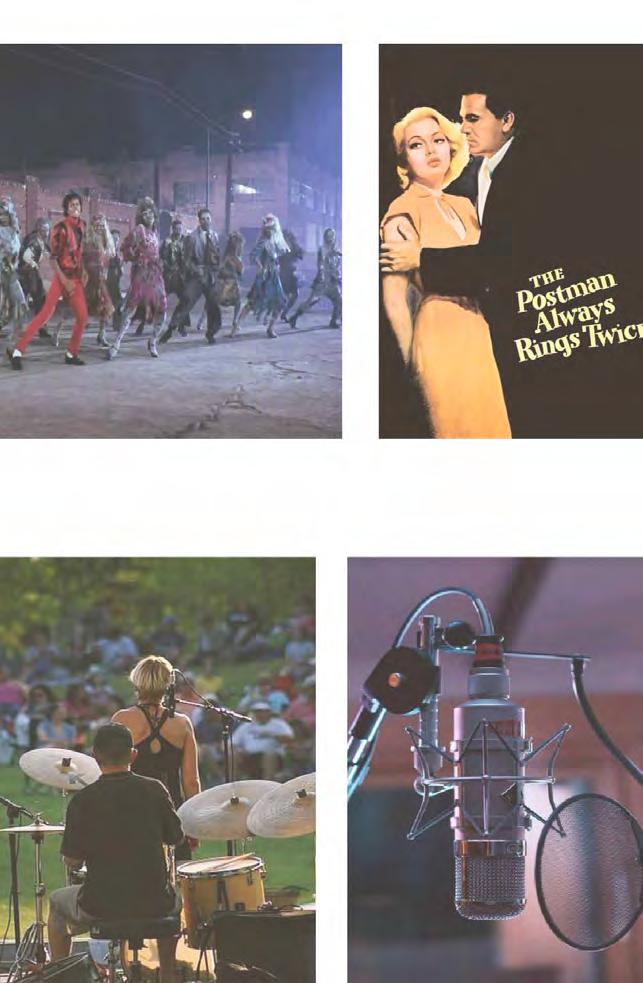
Music and entertainment in the City of Commerce, California, are deeply intertwined with its cultural identity and sense of community. The city’s predominantly Latino and Hispanic population ensures that traditional music styles like mariachi, salsa, and folkloric performances remain at the heart of community events. At the same time, modern influences and youth programs introduce a broader range of music genres, ensuring that the entertainment scene in Commerce reflects both its rich heritage and contemporary tastes. From outdoor concerts in the park to live performances at the Commerce Casino, the city offers a variety of music and entertainment options that cater to residents and visitors alike..
The Postman Always Rings Twice (1946) Movie scene at: 5480 Ferguson Drive, Commerce
Michael Jackson’s Thriller Filmed on Union Pacific Avenue on the border with Commerce
Musical Events in the Parks of Commerce Royal Rehearsal Studio, Commerce Fairway Fabrics, Commerce
Laguna Fabrics, Commerce
Fabric Selection Inc, Commerce
David Textiles, Commerce
Kaslen Textiles, Commerce
Athletics & Events


Brenda Villa, a four-time Olympic athlete, was born on April 18, 1980, in Commerce, California. Her journey in aquatics began at just six years old, swimming for the Commerce Aquatics club team. Two years later, inspired by her older brother, she took up water polo. Villa’s early talent was evident during her time at Bell Gardens High School, where she thrived on an all-boys team due to the absence of a girls’ team. In 1998, Villa joined Stanford University as one of the nation’s top water polo recruits. That same year, she made her Olympic debut, quickly establishing herself as a dominant force at the international level. During her three seasons at Stanford, Villa scored an impressive 172 goals and led the team to an NCAA Women’s Water Polo Championship. After an illustrious career, Villa retired from competition in 2012 and transitioned to coaching, continuing her passion for the sport at a private school.
Brenda Villa
Athletics & Events
BOXING TRIPLE THREAT
Athletics & Events


Javier, Oscar, and Carlos Molina, three brothers born in Commerce, California, share not only a familial bond but also a deep connection to the sport of boxing. Their father, Miguel Molina, was an amateur boxer in Ciudad Juárez, Mexico, before moving his family to the United States, where his passion for the sport was passed down to his sons.
Each of the Molina brothers carved out their own path in boxing, achieving remarkable success. Javier and Oscar, twin brothers born in 1990, made headlines by both qualifying for the 2008 Olympics, though they represented different countries. Javier fought for Team USA, while Oscar, embracing his Mexican heritage, competed for Mexico. Their Olympic appearances were a testament to the dedication and skill they developed from a young age, training together and pushing each other to new heights. The eldest brother, Carlos Molina, also made a name for himself in the boxing world. Known for his technical skill and resilience in the ring, Carlos earned a professional record of 17-1-1, establishing himself as a respected fighter in his own right.

Oscar Molina
Carlos Molina
Javier Molina
HISTORIC EVENTS
1960-1970
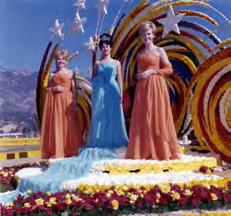
1971-1980
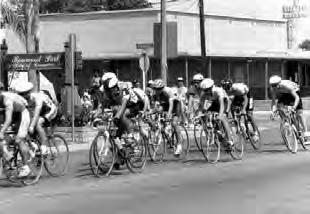
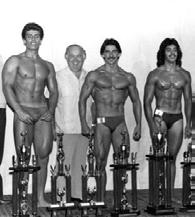
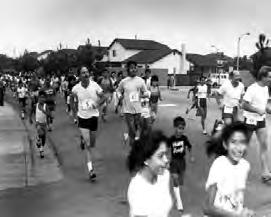
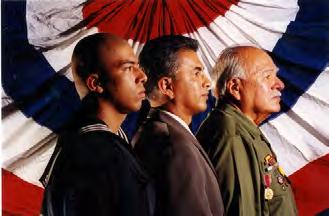
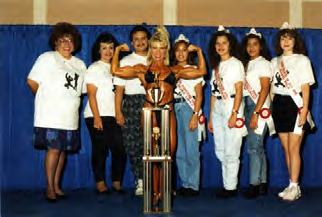
1961 - Clowns entertaining crowd at Aquatorium opening
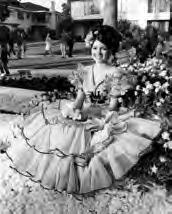
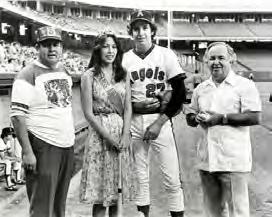
1970 - Miss Dodgers Yolanda Berru
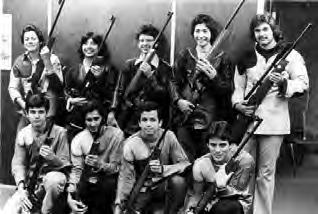
1975 - Teenage boys at marskmanship range
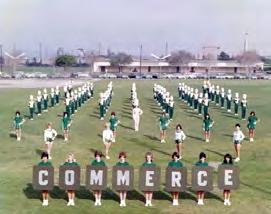
1971 - Commerce Youth Band
-80” - Teen Center Cyclists
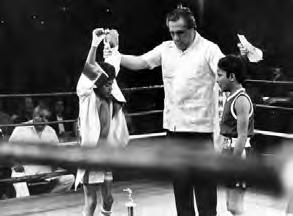
Lorenzo Trujillo wins boxing match
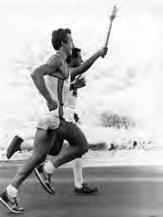
- Anthony Revilla carrying olympic torch 1980 - Miss Angels Tina Baca at Angels Stadium
- Miss Angels Tina Baca at Angels Stadium
- 5k Run
1963 Miss Commerce and Court 1964 Rosalie Gallow at Tournament of Roses

Restaurant Types
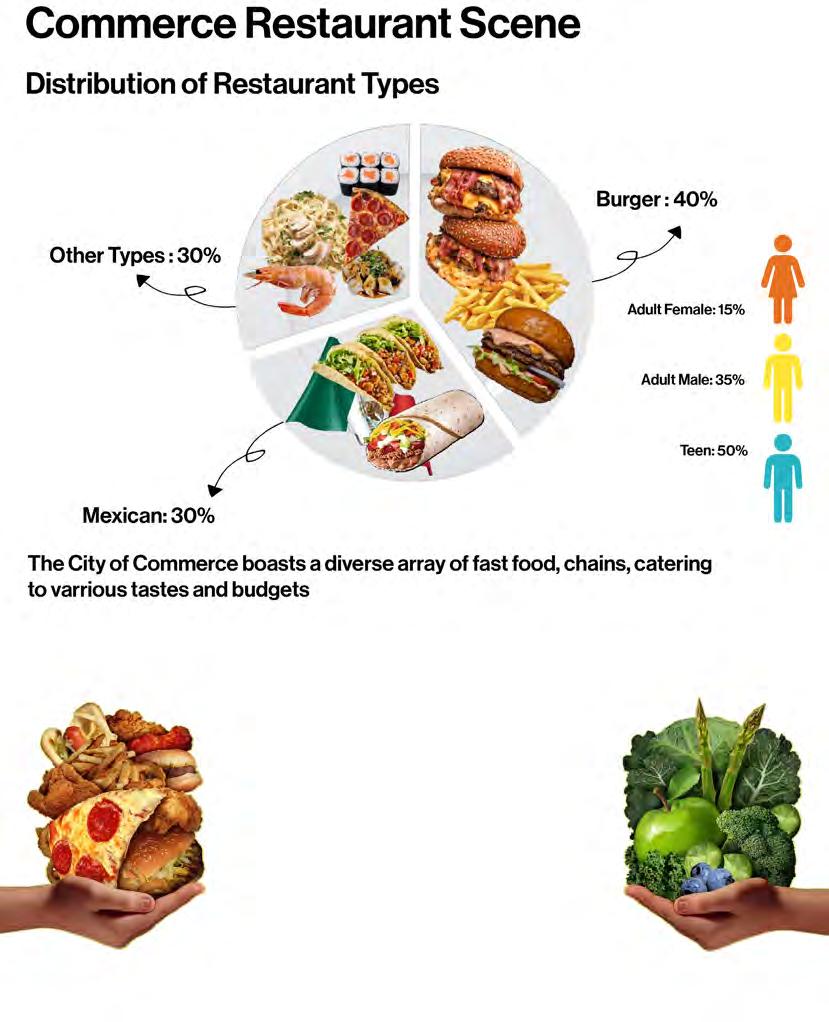
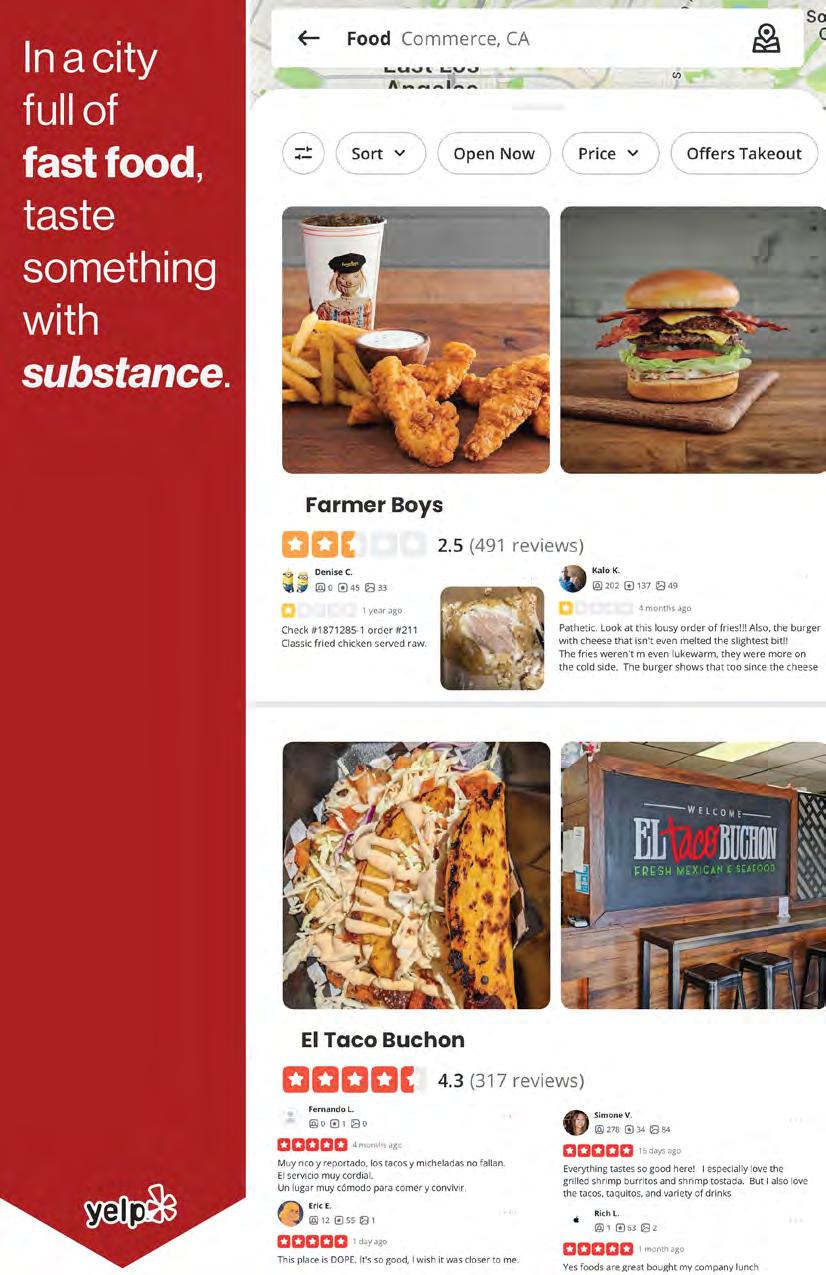
The City of Commerce boasts diverse fast-food chains catering to various tastes and budgets.
Fast Food VS Fresh
Consumption Patterns
Residents often rely on fast food due to convenience and affordability.
Access Barriers

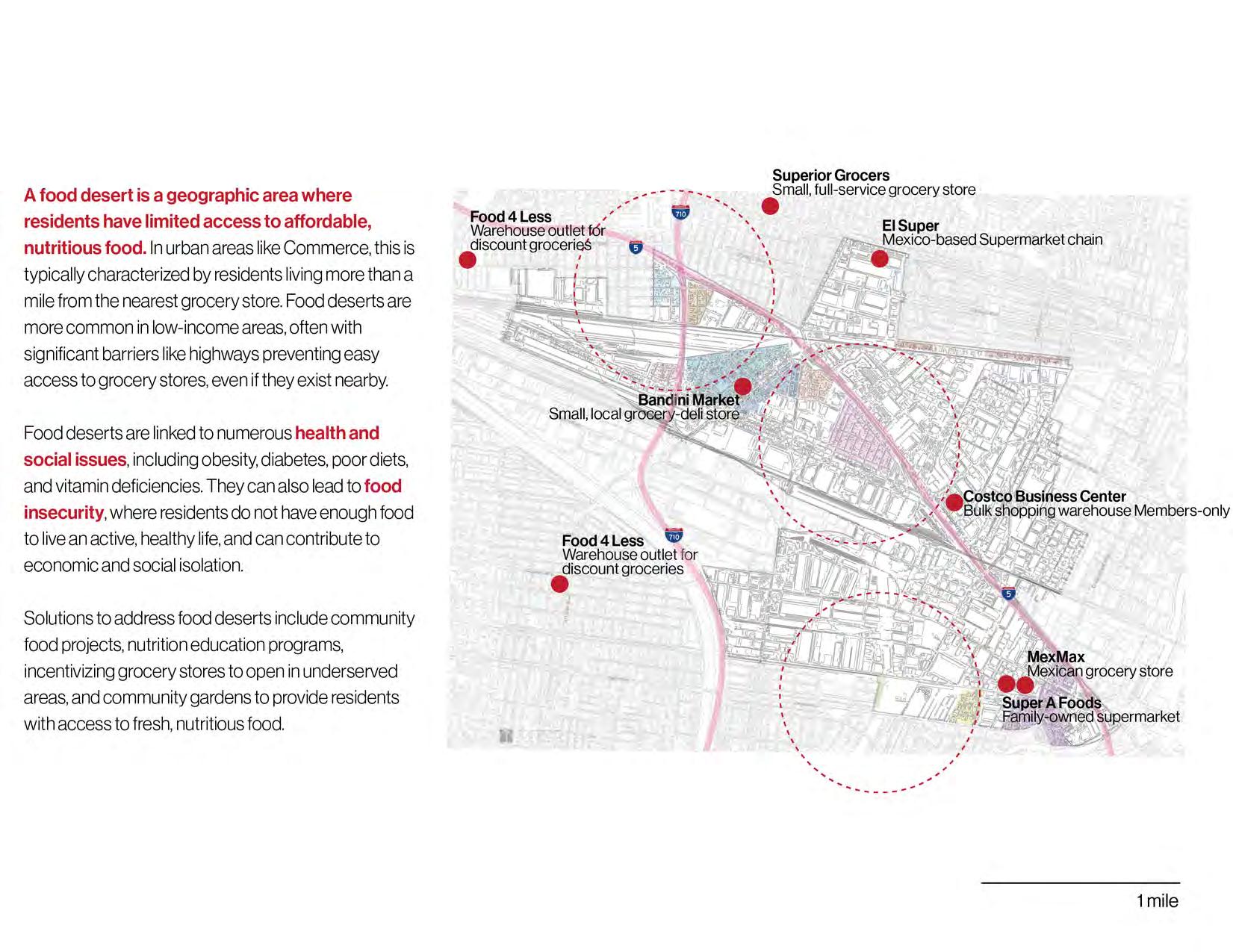
Many individuals struggle to access fresh produce due todistance and cost.
Food Deserts
Commerce exhibits characteristics of food deserts, where residents lack access to healthy food.

FoodDonation&Recovery
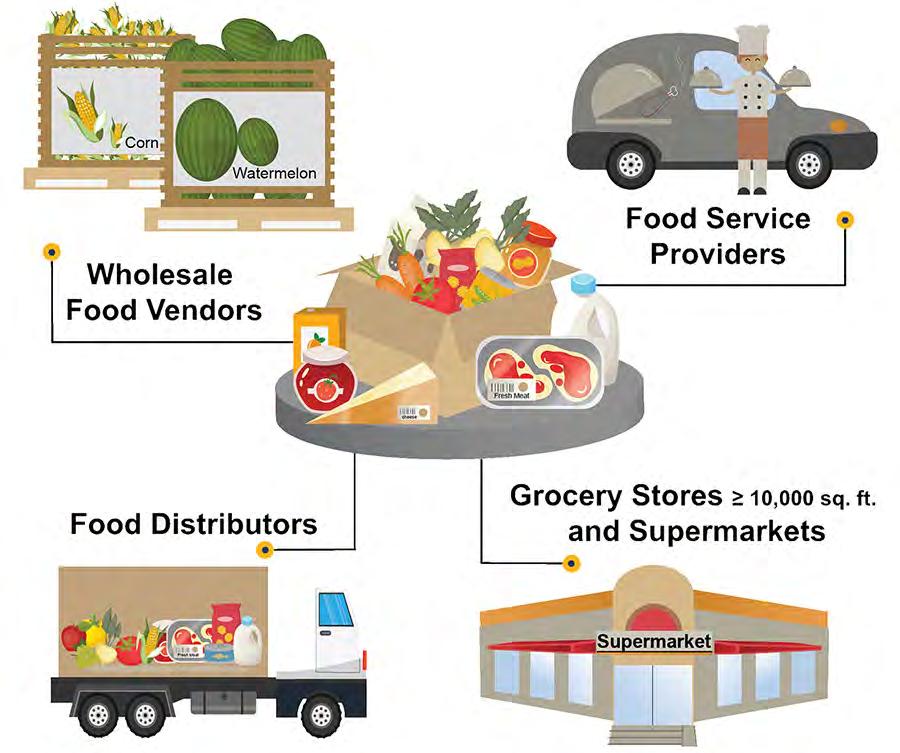

Food donation and recovery in Commerce, California, are vital components in combating food waste and addressing food insecurity. Following the mandates of Senate Bill 1383, the area seeks to recover a significant portion of surplus edible food that would otherwise go to waste, redirecting it to those in need.
1. Definition of Food Donation and Recovery
Food donation involves collecting surplus edible food that would otherwise be wasted and redistributing it to people in need. This practice is essential for conserving resources and reducing waste, while also providing meals to those experiencing food insecurity
2. Legislative Framework
Senate Bill 1383 requires California to recover 20% of edible food by 2025. The law directs local jurisdictions to establish food recovery programs and mandates that food donors maximize their donations to avoid sending food to landfills
3. Requirements for Food Donors
Food donors, including supermarkets and restaurants, must establish agreements with food recovery organizations. The regulations classify these donors into two tiers, with Tier One required to start donating in 2022 and Tier Two in 2024
4. Benefits of Food Donation and Recovery
Food donation reduces landfill waste and provides resources to fight hunger, significantly impacting community health and environmental sustainability. This initiative not only aids those in need but also helps mitigate the environmental consequences of food waste, such as methane emissions from landfills
5. Role of Food Recovery Organizations
Food recovery organizations coordinate the collection and redistribution of donated food. While mandated food donors are required to donate surplus food, participation in recovery efforts by these organizations is voluntary. Those who participate must maintain records of what they collect, ensuring compliance and accountability
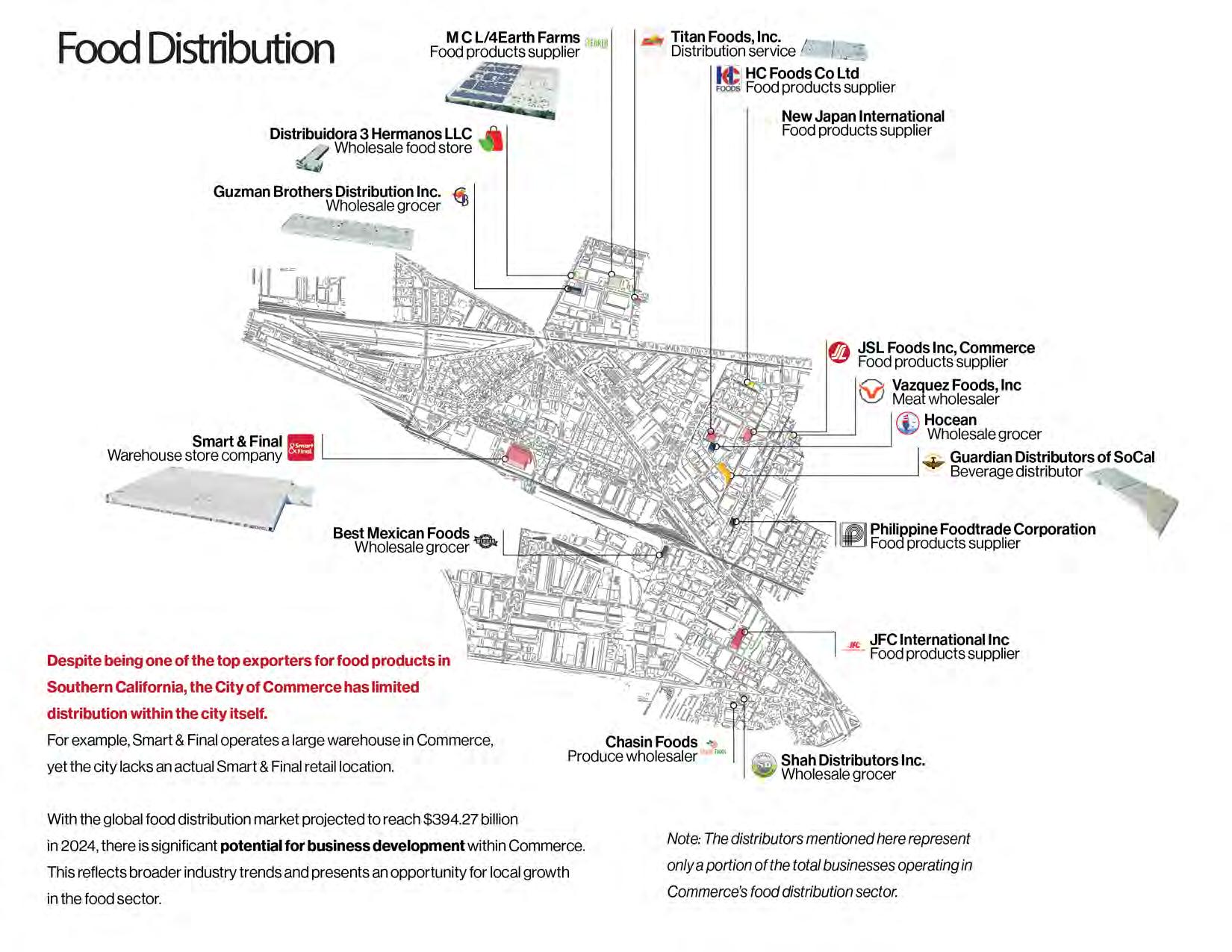
CommerceRestaurants
In-N-Out Burger
Tacos El Gavilan
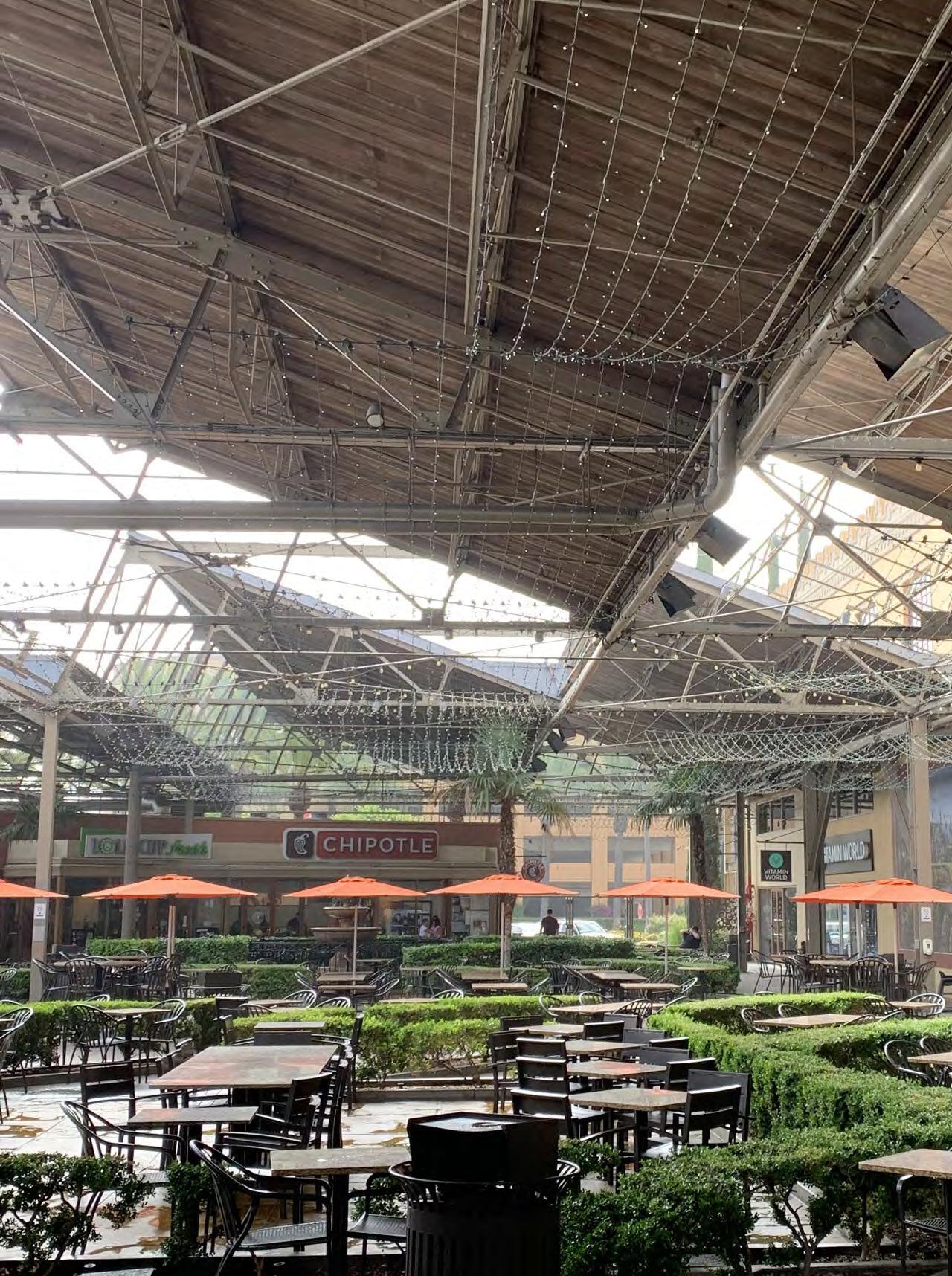
Chipotle Mexican Grill
Arry’s Super Burgers
Subway
Jack in the Box
Carl’s Jr.
Del Taco McDonald’s
Farmer Boys
El Taco Buchon
Teriyaki Js
Chick-fil-A
Burger King
Church’s Chicken
Fazoli’s
Starbucks
The Compound by Dirt Dog
Tacos Baja Shakas
Tamayo Carrows
Steak-Out
Ozzie’s Diner
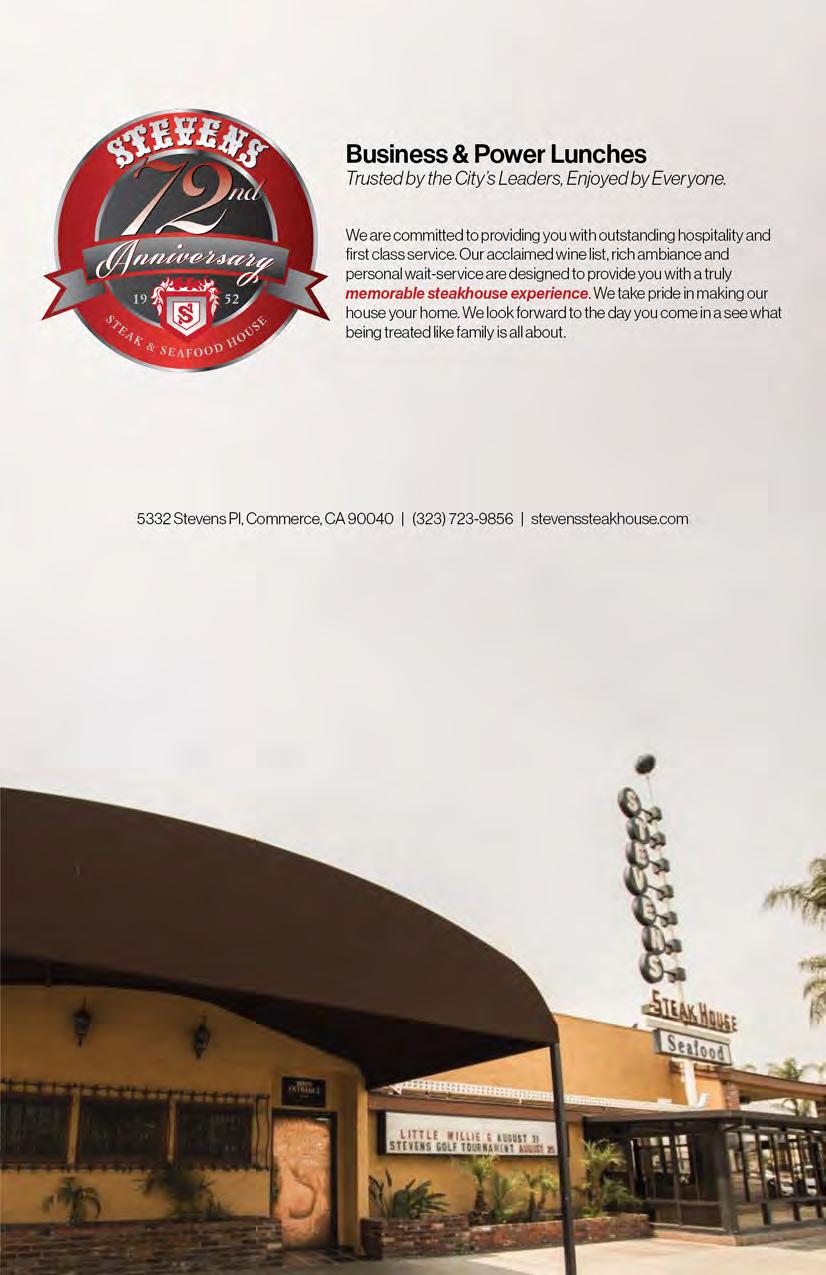
Steven’s Steak & Seafood House
this page is intentionally left blank. this page is intentionally left blank.
THE READER WILL NOWTURNTHEBOOK
1950 1900
2024 1990






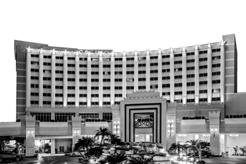
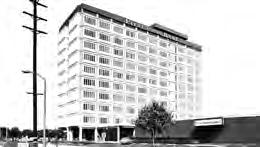
5.
6.
7.
8.
9.
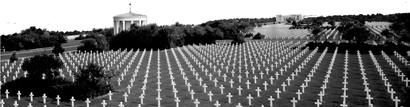
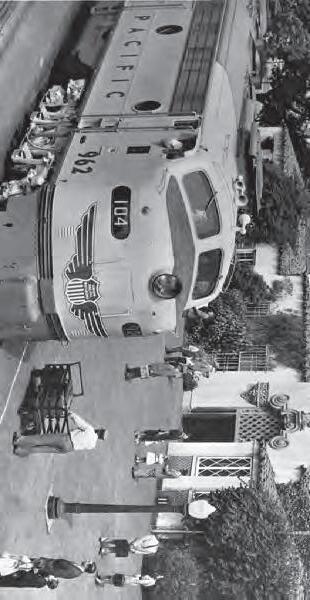
1. Union Pacific Railroad
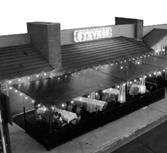
2. Stevens Steak House
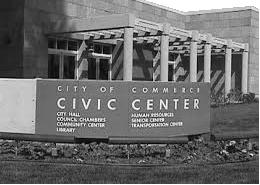
3. City of Commerce Civic Center
4. Brenda Villa Aquatic Center
Citadel Outlets
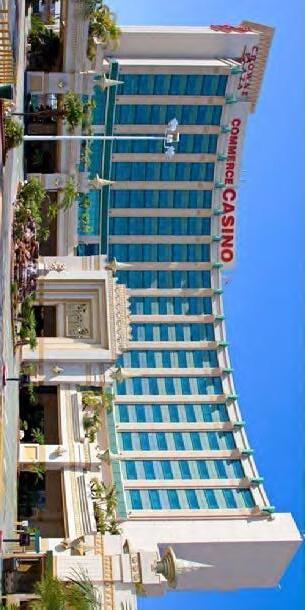
Commerce Casino
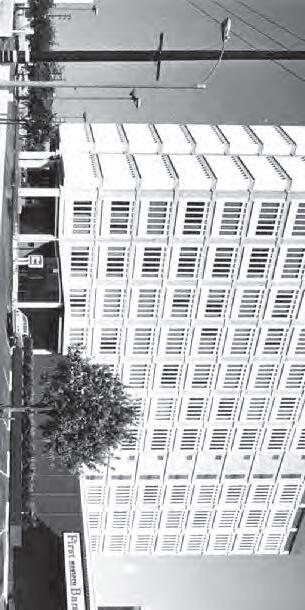
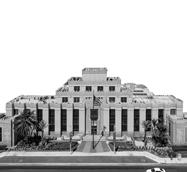
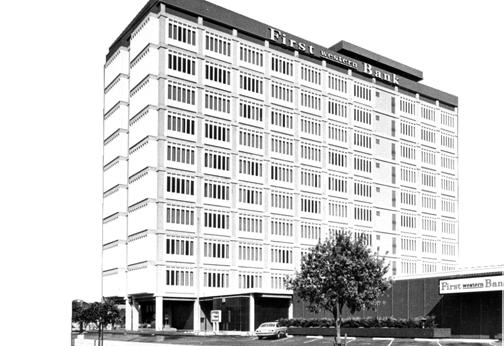
First Western Union Bank
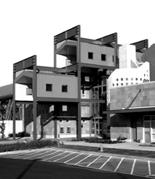
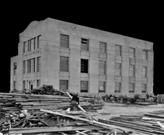
Laguna Bell Substation
Park Lawn Cemetery
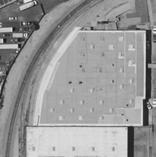
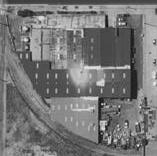
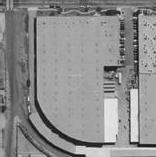
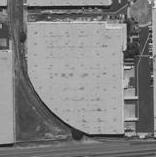
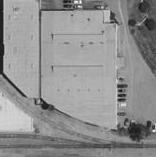
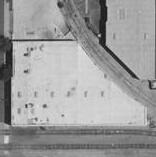
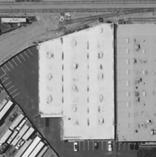
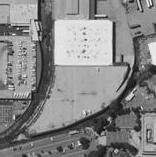
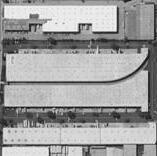
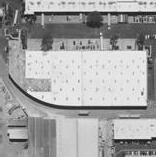
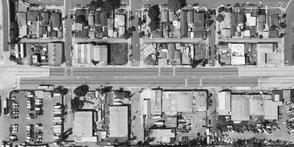
Building Reacts to Railroad
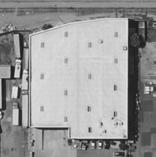
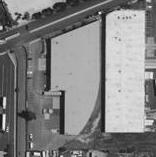
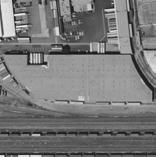
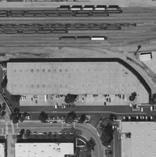
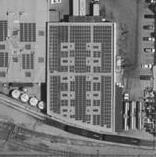
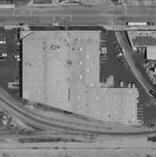
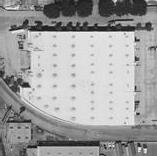
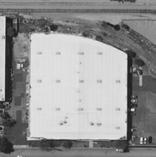
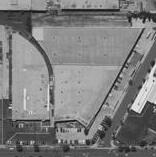
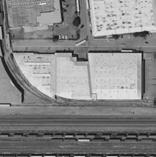
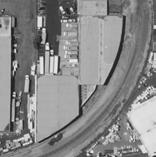
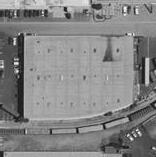
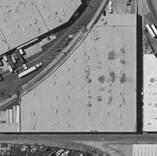
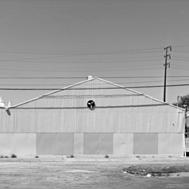
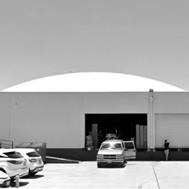
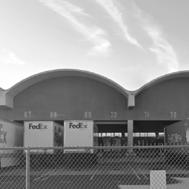
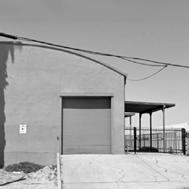
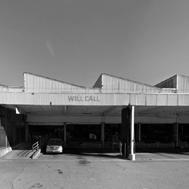
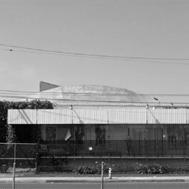
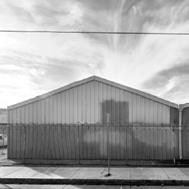
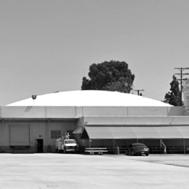
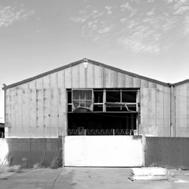
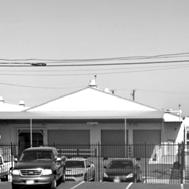
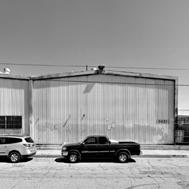
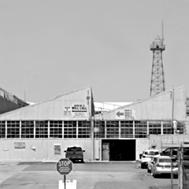
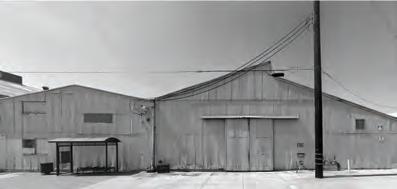
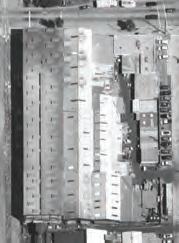
Roof Shape
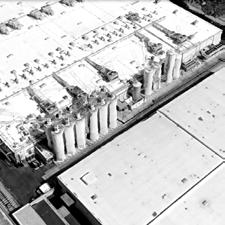
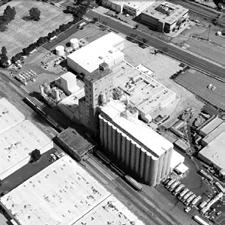
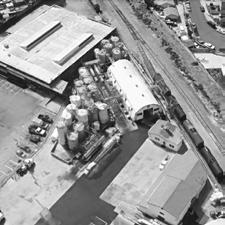
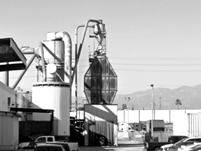
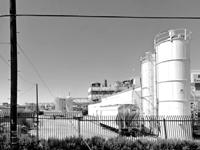
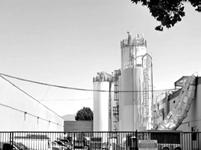
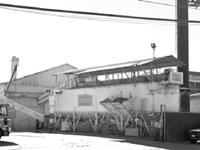
Manufacturing as Building
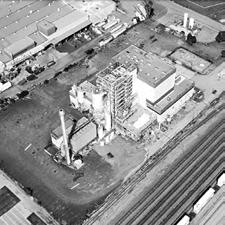
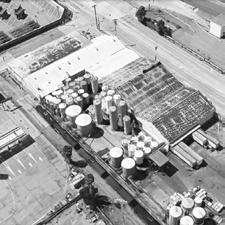
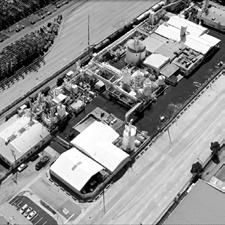
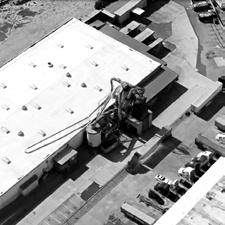
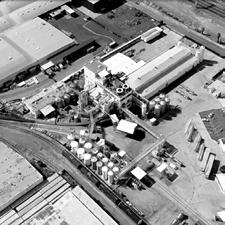
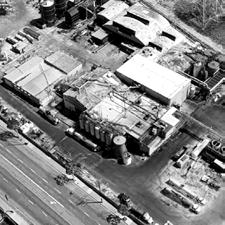
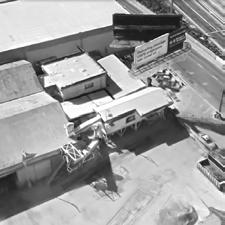
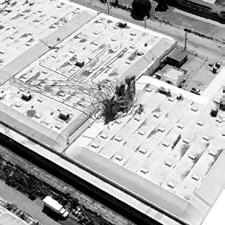
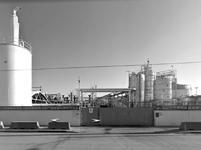
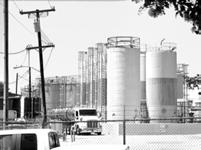
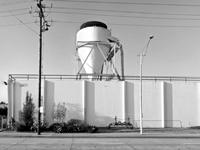
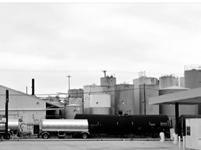
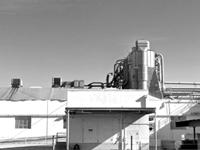
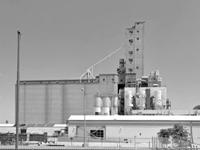
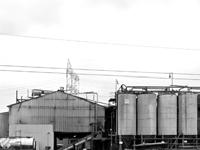
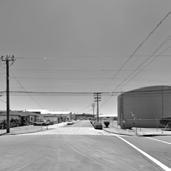
Building as manufacturing is driven by the functional requirements of industrial production, which heavily influences both form and spatial organization. These buildings are designed to accommodate the entire manufacturing process, from raw material handling to production, storage, and distribution.
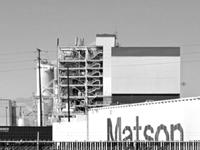
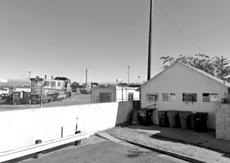
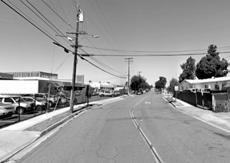
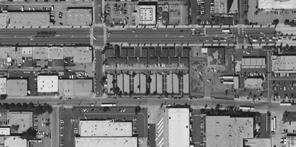
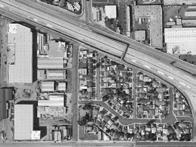
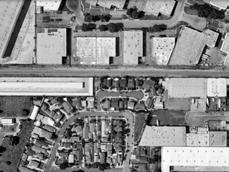
Residential
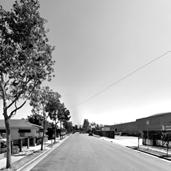
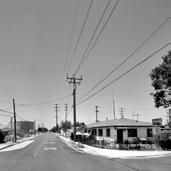
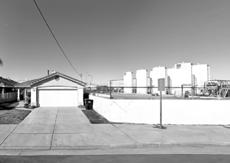
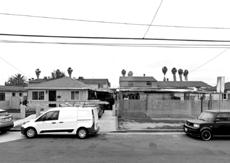
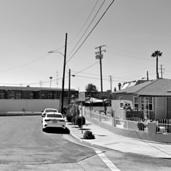
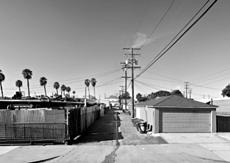
Residential building typologies coexist with the dominant commercial and industrial structures but stand out due to their di ering scale and function. These residential areas, while not as prevalent, play an important role in humanizing the urban fabric.



Building Cluster
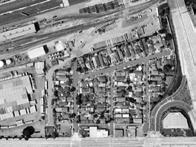
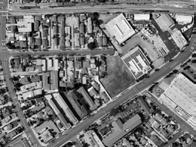
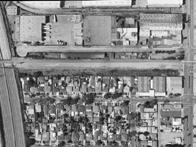
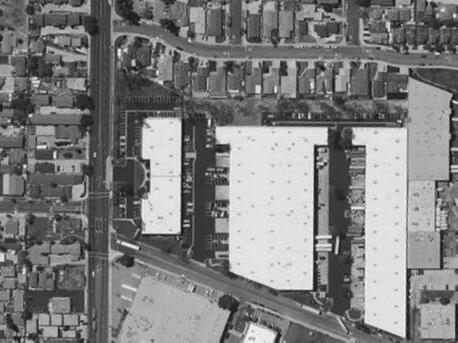
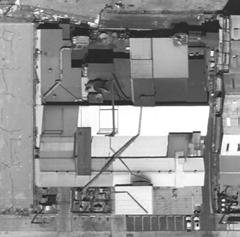
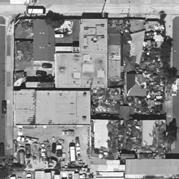
In Commerce, a clustered building typology is generally the result of responding to two contextual conditions: The requirement of outdoor space and the factor of expansion over time.
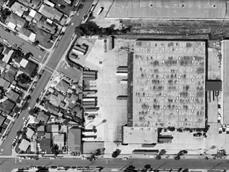
Box Warehouse
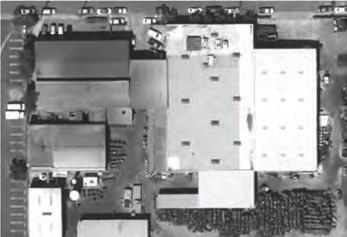
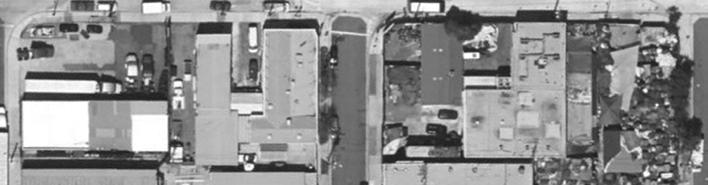
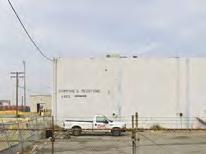
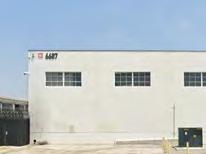
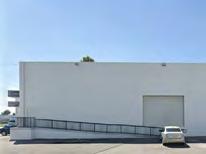
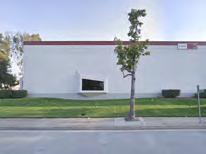
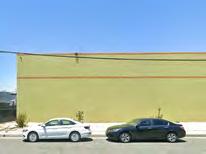
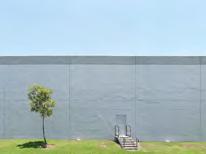
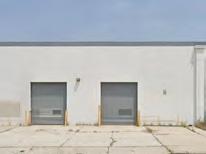
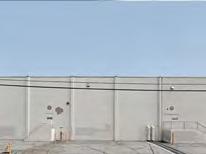
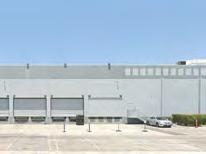
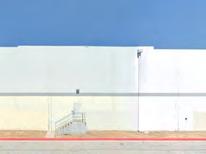
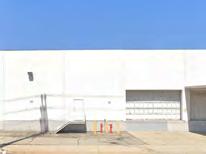
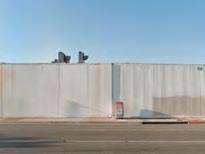
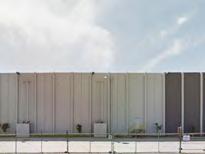
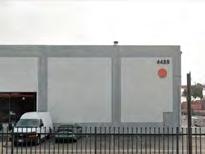
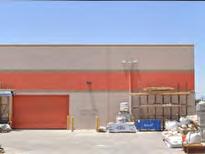
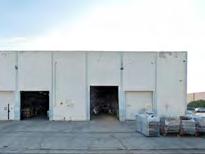
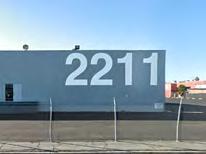
Box warehouses are a ubiquitous typology in any industrial city in America. Whereas the Roof Shape and Building Reacts to Rail type are an attempt to introduce context-specific solutions to the general typology of a warehouse, the Box Warehouse uses almost entirely o -the-shelf components and fast construction techniques to expedite the building process.
Infrastructure
Since time immemorial, human beings have been promarliy motivated by a complex combination of pyhsiological, social, and emotional drivers. For most of human history, human motivation was focused solely on self preservation, finding or producing adequate food, water, shelter, and places of refuge necessary for survival and preservation of the species. In 1943, the psychologist Abraham Maslow codified these drivers into a unified narrative, which gave rise to the psychological framework we now know as Maslow’s Hierarchy of Needs. Maslow posited that human motivations were organized hierarchically, where more abstract and complex motivations could not be pursue, or even accessed, until an individual’s more primordial and surival based needs were met. Before the dawn of civilization, individuals had to meet these criteria within the context of their immidiate social groups, or worse, completely independently. In the modern day, society has ordered physical the world around us to provide a large swath of the hierarchy of needs. For every level of need described in Maslow’s hierarchy, society has produced methods for delivering at least opportunities for individuals to meet that need. These need satiating goods and services do not and can not flow directly from their source to the consumer, however. They must be delivered through infrastructure. This section explores the channels through which the City of Commerce delivers the needs of its inhabitants to their dwelling places.
Just as our needs can be organized hierarchically using a psychological narrative framework, the elements that deliver those needs at the urban scale can likewise be collapsed into a hierarchy. The City of Commerce contains and uses all levels of transportational hierarchy, across two major categories, road and rail. The amount of elements belonging to different scales of transportation gives the City of Commerce it’s unique character, and it’s greatest challenges. The city has had to balance the needs of its large scale industrial infrastructure with the needs of its smaller and pocketed residential zones, making the City of Commerce a fascinating case study in the the interplay of infrastructures of dwelling and production. This push and pull of interests also requires one to understand the City of Commerce at a regional level rather than a neighborhood level. Because the population of Commerce is so relatively low and separated in relation to its land area, and given the prosperity harnessed from the industrial tax base, the City of Commerce has had to either invest in redundant facilities within each pocket of the population, or to outsource residential infrastructure to third party companies, neighboring cities, and the county. The following images and maps are meant to be an exploration into the scales, placement and adjacencies of these infrastructural elements, and are meant to invoke a discussion of how well the city has managed these complex challenges.
Figure 2: Societal & Transportational Hierarchy of Needs
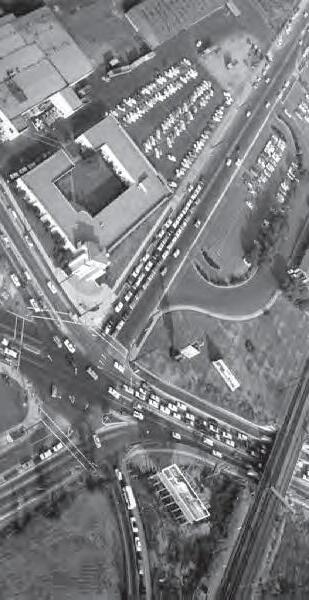
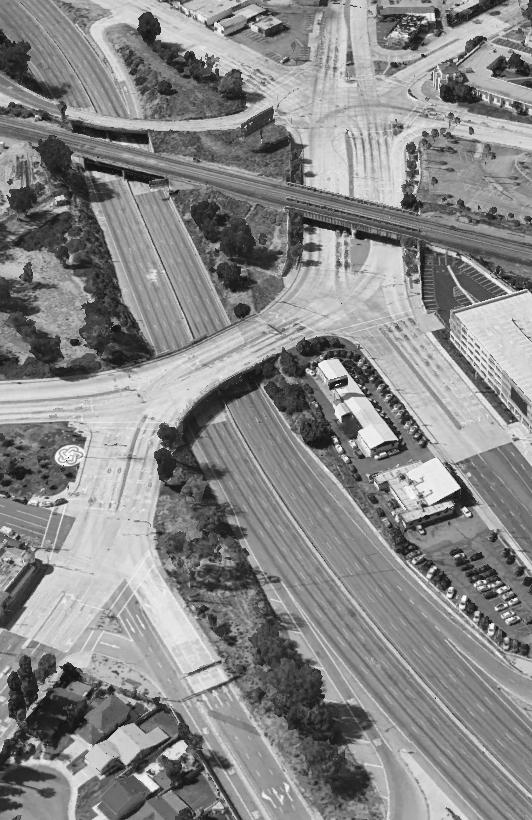
Figure 1: Google Earth Image of Major Infrastructure Overlap (Mix Master) in City of Commerce
Roadways
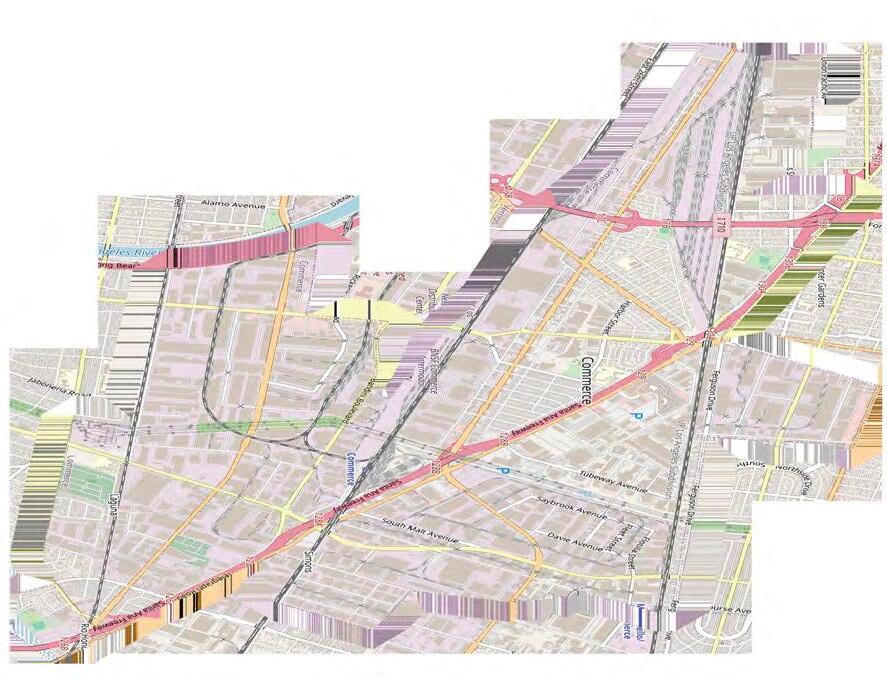
The City of Commerce essentially is comprised of a corridor of land bounded by the I-5 freeway to the northwest, the Rio Hondo to the southwest, and the I-710 to the east. The impact of the 5 freeway on the City of Commerce is impossible to overstate. Nearly every residential pocket in the city has some relation to it, with the benefits and detriments that freeways inevitably bring. The two most consequential establishments in the City of Commerce, namely the Citadel Outlets and the Commerce Casino, are both physical located along the 5, accessed by the aterial Telegraoh Road directly parallel to the freeway. Most the cities other major streets run from east to west, as the urban grid in this area begins to flow north west toward the epicenter of dowtown Los Angeles. The density of large roadway infrastructure also presents problems for the city in the category of safety and walkability. The segmented nature of the city is due in large part to the criss crossing grid of large roadways, making connections between residential pockets and establishments like the Citadel Outlets indirect at best. The city does plan to mitigate these risks by continuing to improve pedestrian focused infrastructure, such as speed humps, tables and cushions, cross walk lighting technology, and advanced traffic signals. Another consequence of the density of large roadways in the city is noise and air pollution. Traffic in and around the city follows the daily traffic cycles associated with commutes to and from workplaces in and around downtown. Given the cities proximity to the urban core, traffic is all but garaunteed in at least one direction during most daylight hours on both freeways. Also, the density of roadways and the irregularity of the urban grid has produced multiple multiple large and unweildly intersections. The largest and most troublesome of these connects seven different roadways and an entrance to the 5 freeway, and is affectionately called the “mixmaster” by residents. While all these consequences negatively affect the residents of the city, this level of infrastructure is all but necessary for smooth operation of industry throughout the city. Warehouses and manufacturing plants need these large scale roadways to effectively ship products to and from facilities, which would even seem small in comparison to the infrastructure needed to support the vast railyards in the city.
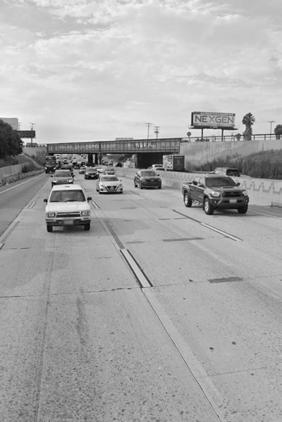
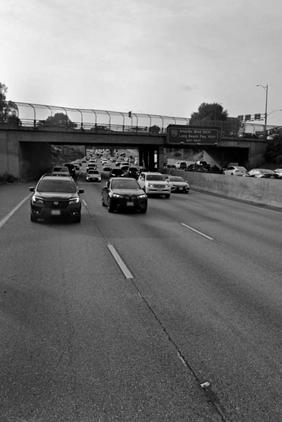
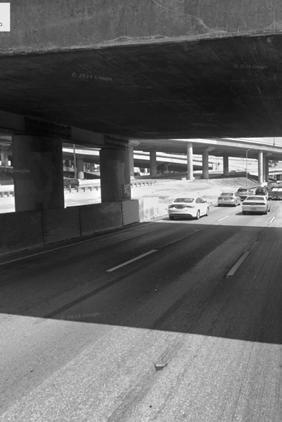
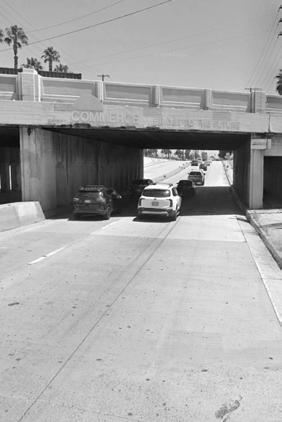
Figure 3: Major Roadways in Commerce: Highways in red, major streets in blue, areas of concern highlighted
Figure 4: Google Street View Photos of Major Railrways and Train Related Infrastructure in Commerce
Railways
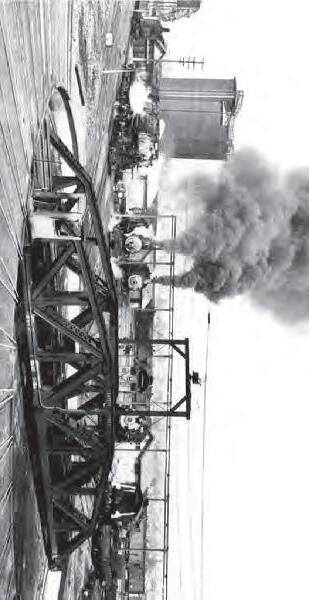
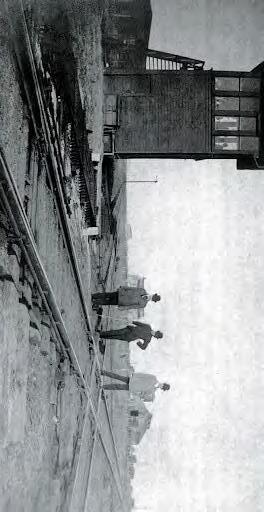
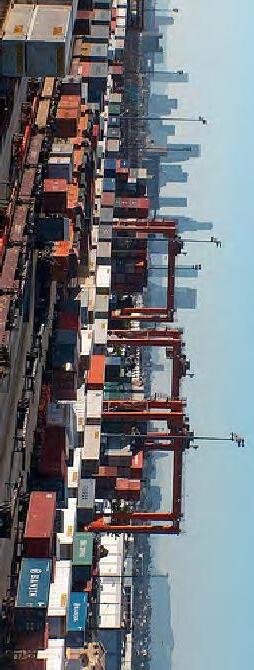
Located at the heart of the City of Commerce, BNSF’s Hobart and Commerce facilities together handle the world’s largest amount of domestic intermodal freight. In addition to significant acreage of parking, Hobart also includes a large “ground-stacking” operation that allows container volume inside the facility to expand vertically. The site totals 243 acres and contains 52,000 feet of production track used to build and offload trains, 30 cranes, 2,200 wheeled parking stalls and 1,475 on-site stacking spaces. It is impossible to miss these rail yards as they bisect the entire city and used to allow rail cars to go directly to warehouses for offloading through small now abandoned track lines.
This rail system connects through LA and is a major stopping point in Southern California for most of the rail transported freight. It was the whole reason for the city initially and is still a huge part of it today.
The city also offers Metrolink access at a couple small stations at each end of the city but is rarely used as the public bus system is free and more convienent.
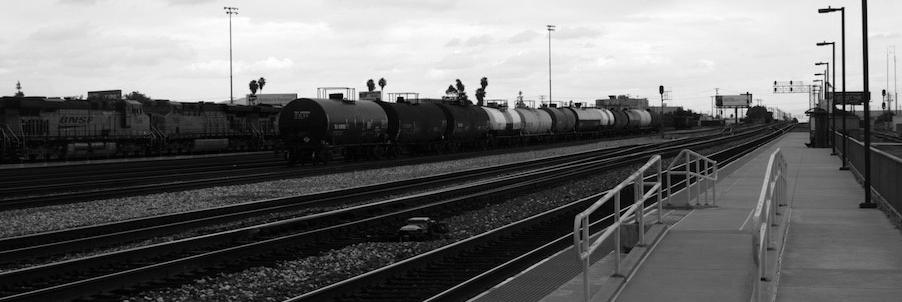
Figure 5: Railways and railyards in Commerce
Figure 6: Commerce Station Railway with Oil Tanker Cars on the Tracks, photo by Jeremiah Cox (Subwaynut.com)
PublicTransit
The City of Commerce has several ways for Residents and commuting workers to navigate the city including a free public buss system that opperates across seven routes. They have recently added 2 new lines of busses that are fuled by natural gas as part of a zero emmission initiative and are the only city near LA to provide bus transportation totally free of charge with one line even going into LA itself. It is the most used system of public transportation due to it being free and the most convienent means of travel other than by car. Bus Routes:
100 Veterans Park – Commerce Center
200 Commerce Center – Cal State LA
300 Veterans Park – Civic Center
400 Bandini Park – Commerce Center
500 Neighborhood Parks - Libraries - Connection Points
600 Civic Center - Citadel Outlets - Downtown LA
700 Commerce Center - Transit Center - Veterans Park
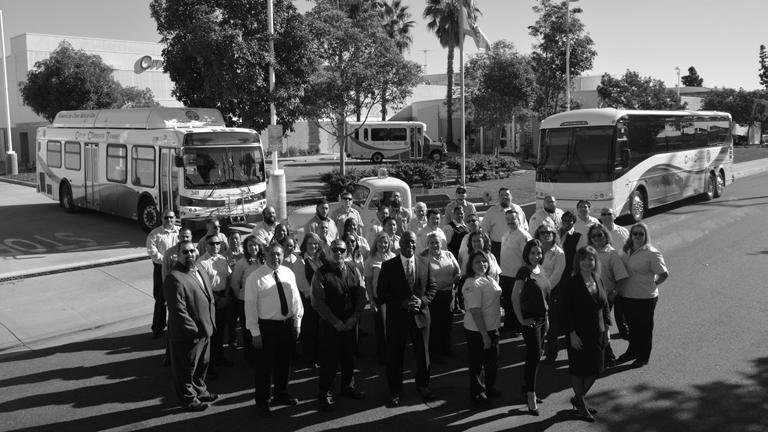
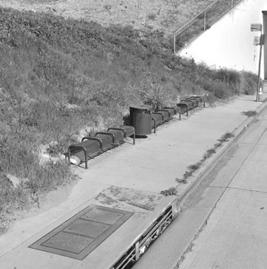
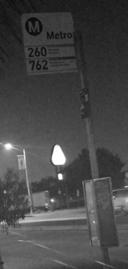
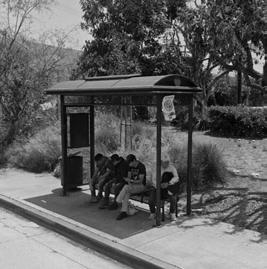
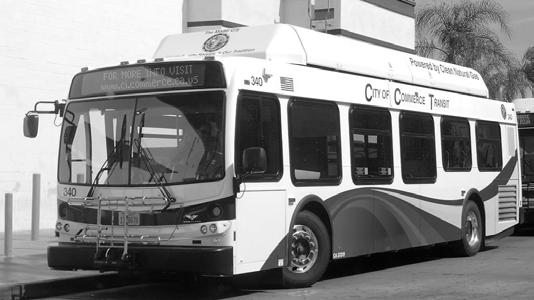
Figure 7: Public transit in Commerce: Major transporation nodes circled in red, bus lines in various colors, major transit hubs circled
Figure 8: Google Street View Photos of Bus Stops and Public Transit Busses in Commerce
Utilities&Services

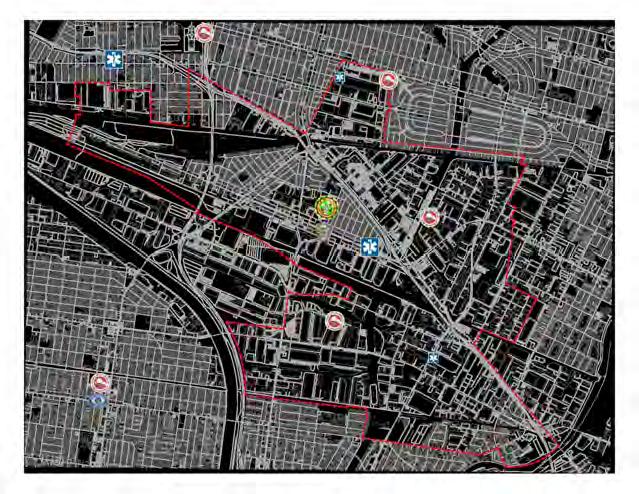
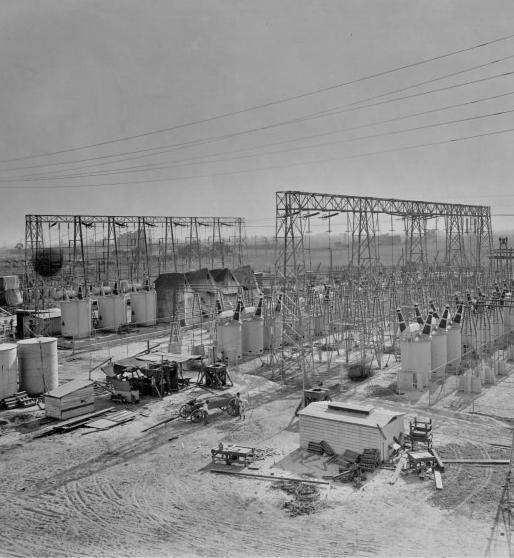
The small residential base in the city of Commerce means that the city is heavily reliant on county and regional providers for most of its utilities. Electricity is provided by Southern California Edison, whom have two operating electrical substations within city limits. A major electrical thouroughfare runs through the heart of Commerce with an ultimate terminus at the Port of Los Angeles. Most of the major transmission lines that feed the city branch from this main thouroughfare. Natural gas is provided by SoCal Gas, and sanitary sewer is maintained by the Consolidated Sewer Maintenance District. Both of these utilities are widespread underground networks that follow the general road network above. Waste management is provided by Athens Services, but the city does not contain any facilities used by the third party. Commerce does have access to three public dumps and recycling centers in neighboring cities for public and commercial use. Fire service is provided by the LA County Fire Department. The city is divided among five station divisions, but only three of the five stations are located within the city limits. Most of the stations are smaller three to five man stations, and the city relies on bigger stations in East Los Angeles and Downey for larger fires. Commerce is protected by the LA County Sheriffs Department, though the department has no police stations in the city. This protection is augmented by Commerce’s own Public Safety Department, which operates out of offices in the Commerce Civic Center. Residents have acces to one public health center and two private urgent care clinics, but there is a larger hospital near the border with East Los Angeles.
Figure 9: Utility Infrastructure in Commerce: sewers in purple, waterways in blue, major powerlines in cyan
Figure 10: Major services in Commerce: Fire department, Commerce Public Safety and nearby Bell Police Department, Civic center, and Healthcare facilities pictured
Figure 11: Construction of the SCE Laguna Bell Substation, (Picture provided by Thehomesteadmuseum.blog)
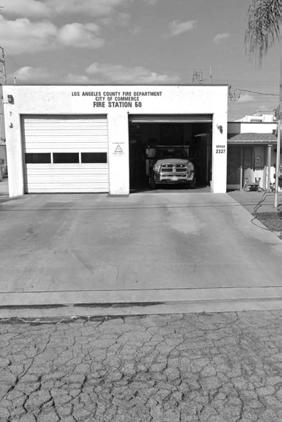
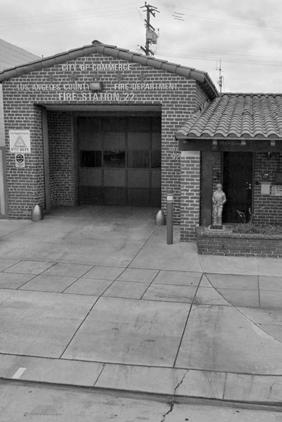
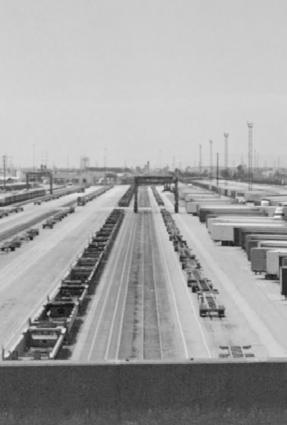
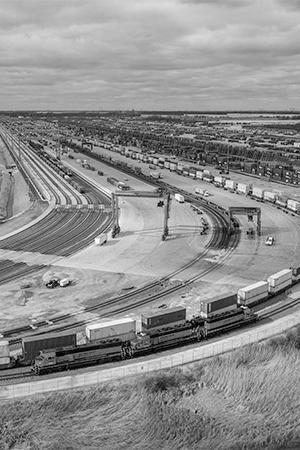
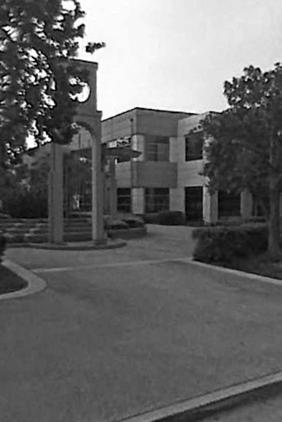
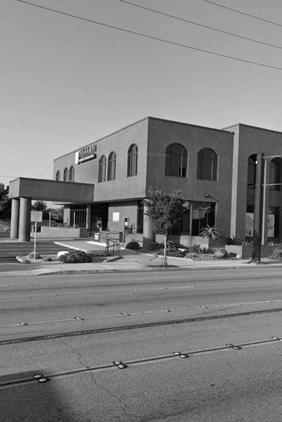
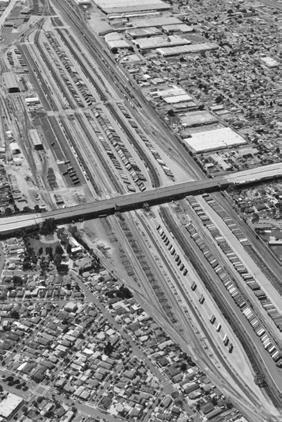
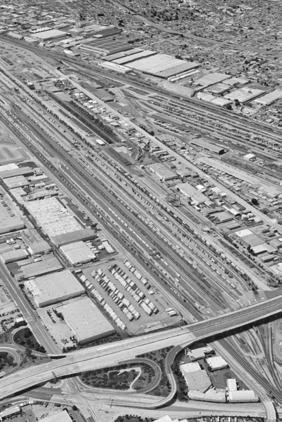
Figure 12: Google Earth Street View Images of Commerce Fire stations (Top), Police Station (Bottom Left), and Family Health Center (Bottom Right)
Figure 13: Google Street View Photos of Major Railways and Related Infrastructure in Commerce
Zoningand LandUse
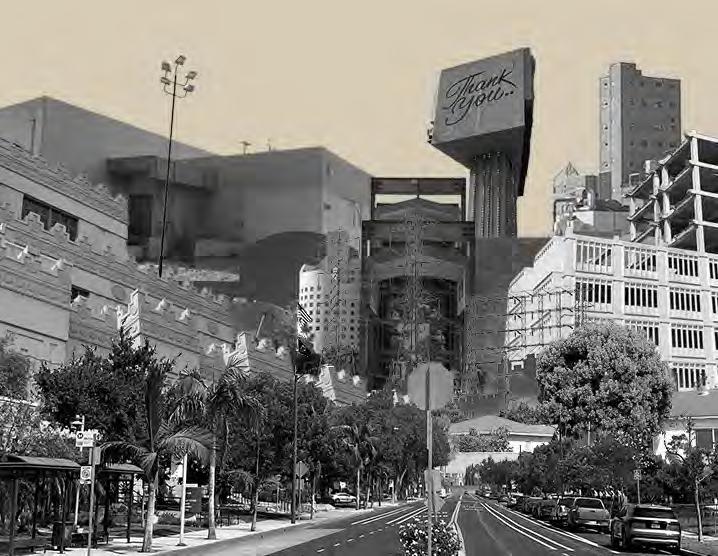
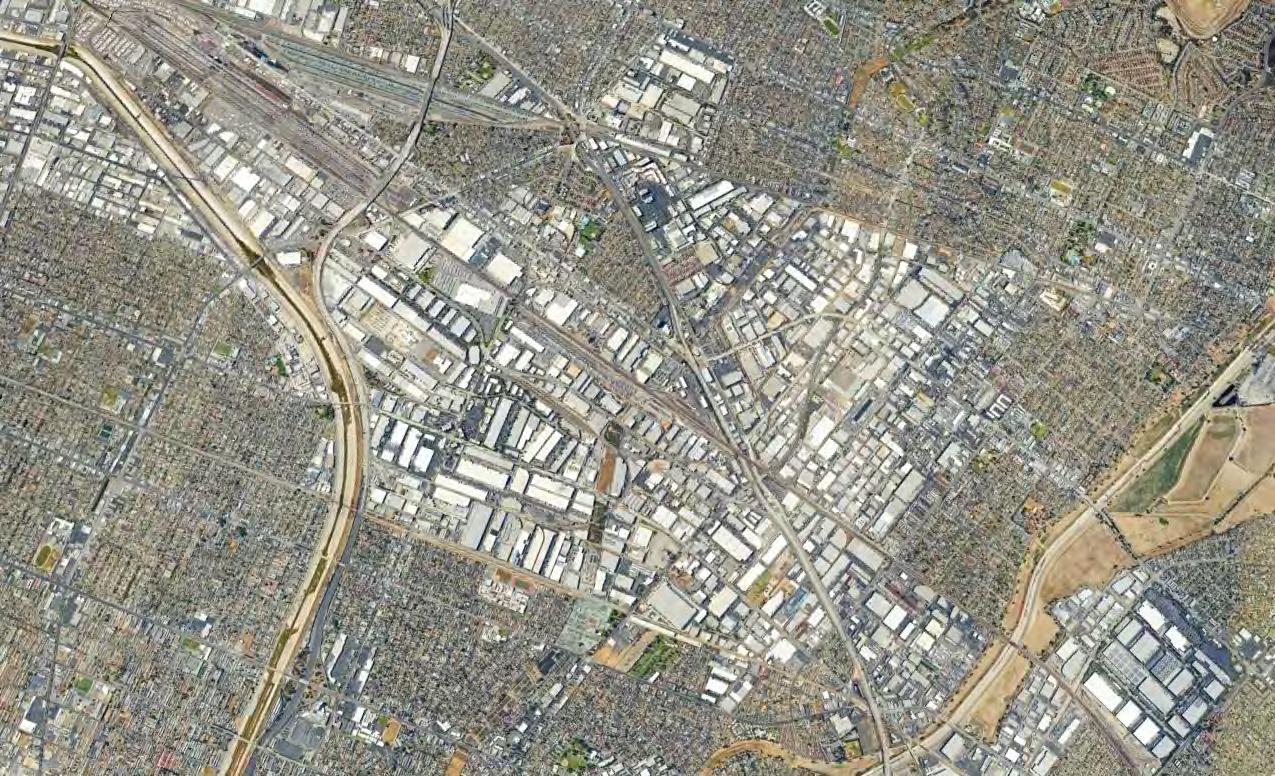
Commerce was annexed for the purpose of controlling taxes for the industries within its boundaries, which has had a great impact on the city’s development. Heavy industrial and commercial manufacturing make up the majority of land allocation with small communities scattered across the city. Business people fought for the low-tax, pro-business environment with no municipal property tax and no utility tax, justifying the zoning classifications of the city. Today, the heavy industrial classification still takes up the greatest percentage of land in the city even as businesses come and go. The result is a strong blend of high and low density developments that have a complex relationship with one another. After being annexed in 1960, the city of Commerce wanted its growing communities to have their own libraries and parks, resulting in a high number of libraries per capita. Many streets and communities are being reassessed for redevelopment, which would improve the quality of life for residents and reshape the existing amenities to accommodate their needs.
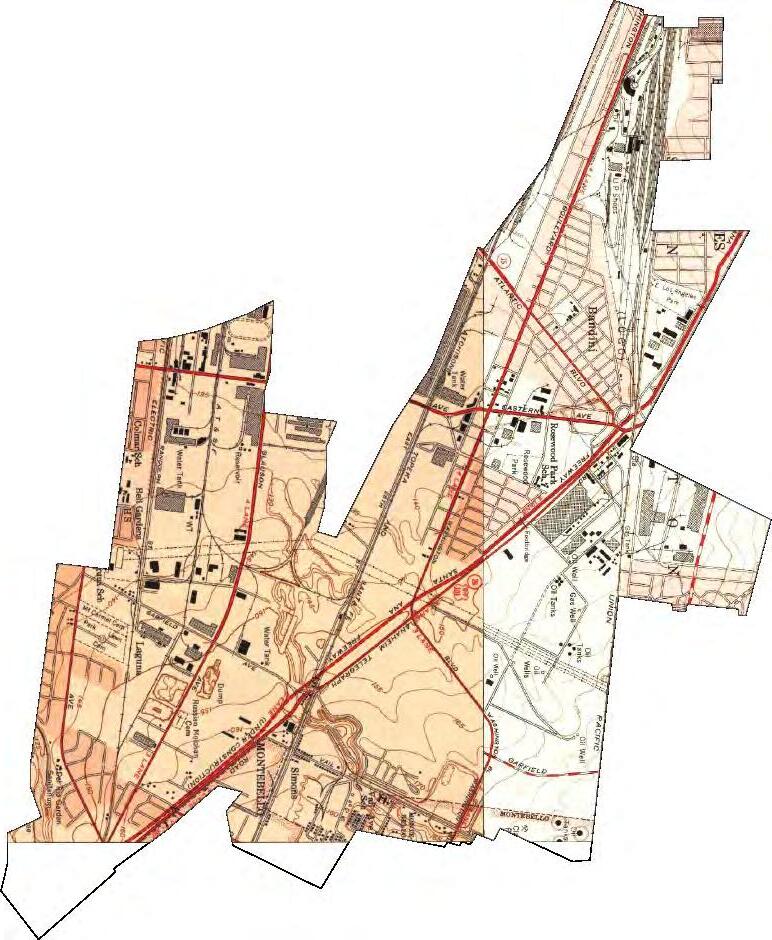
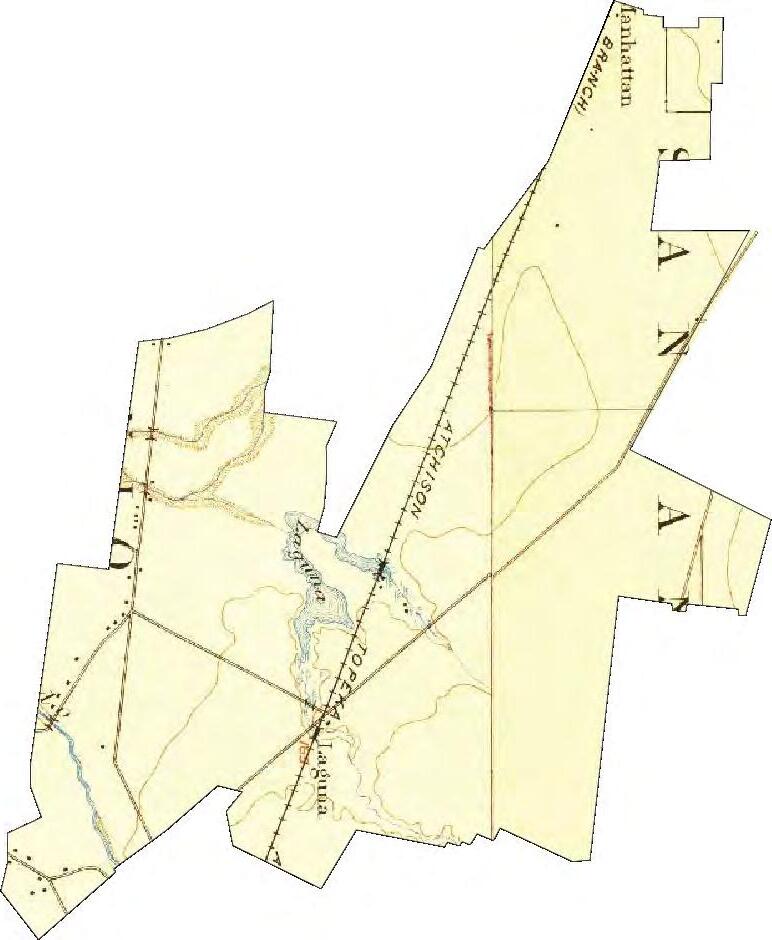
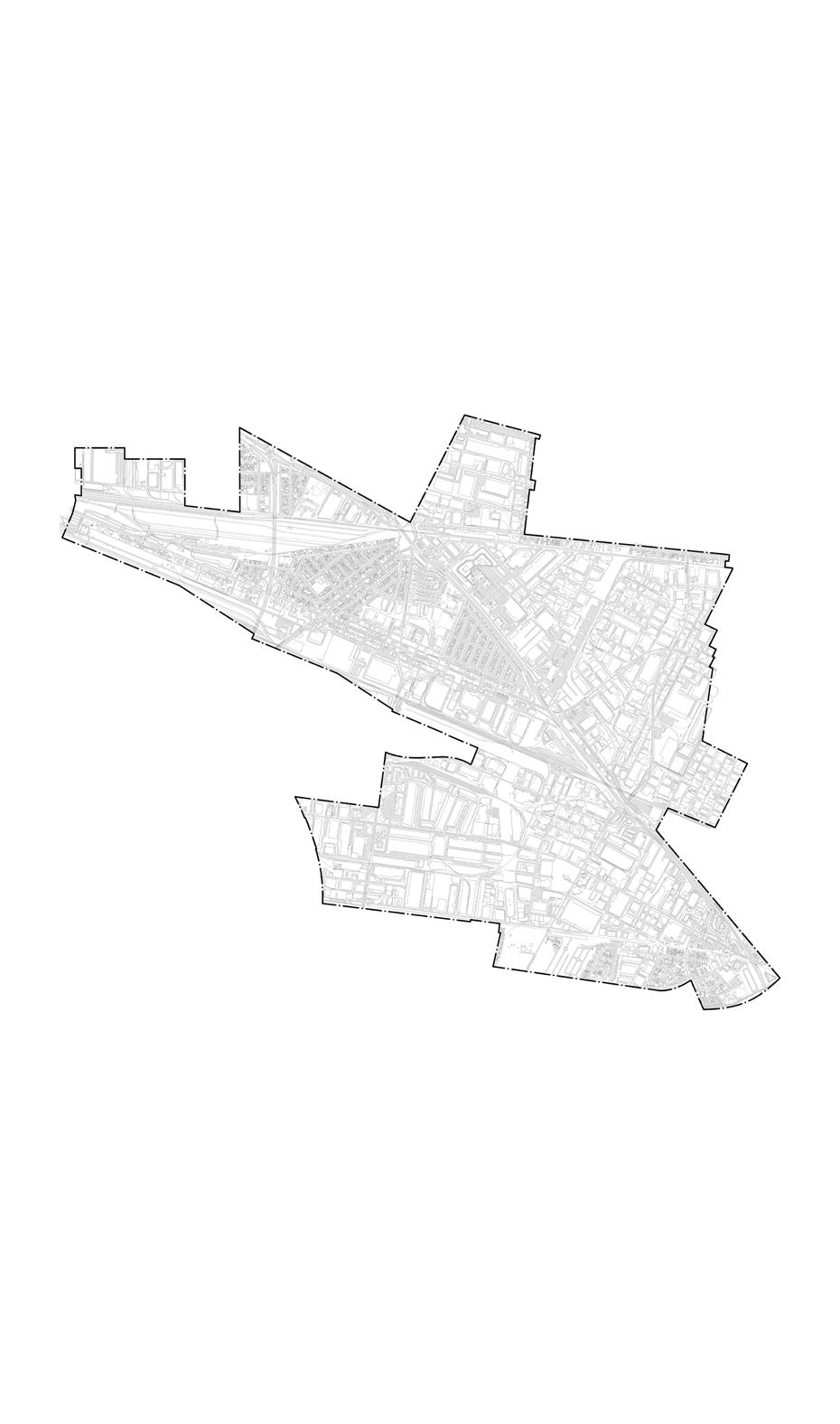
The city of Commerce has a particular shape that has been defined by several characteristics. At the time of the city’s annexing in 1960, the largest contributor to the city boundary placement was the arrangement of industrial buildings it intended to protect economically. Business existing in the environment at the time would shape Commerce for the benefit of controlled taxes. Major roads and freeways, such as interstates 5 and 710 defined several edges of the city as they developed. The city of Vernon neighbors Commerce to the West, which likely determined much of Commerce’s western boundaries since Vernon was annexed much earlier in 1896. Even as the original businesses of Commerce continue to redevelop, the city keeps its unique boundaries as a reminder of its history.
Figure #1: Aerial view of the city of Commerce
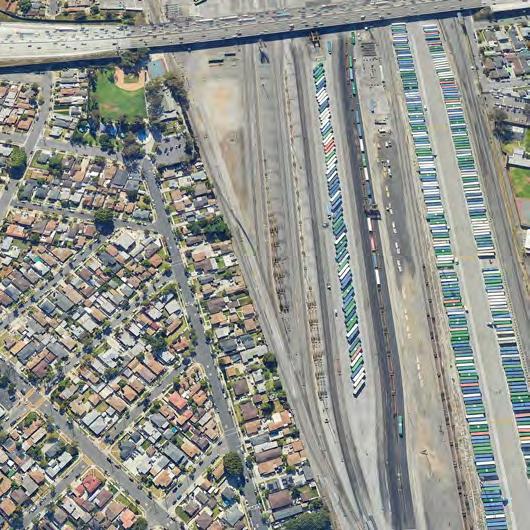
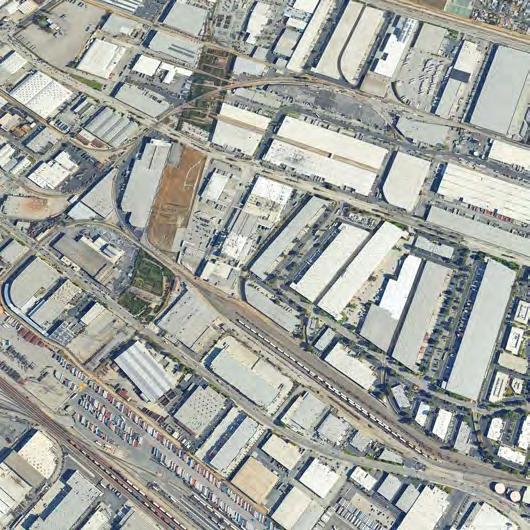
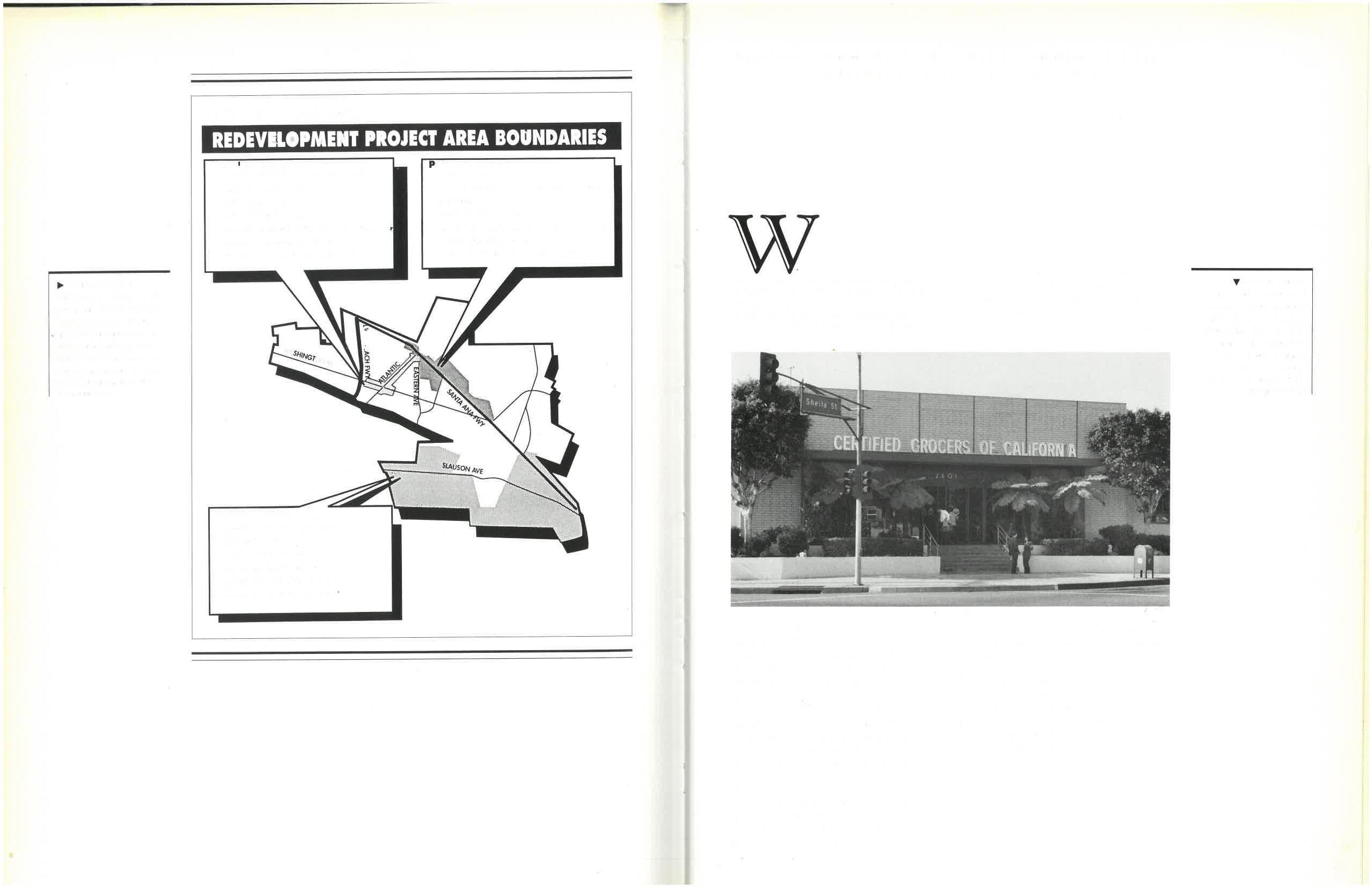
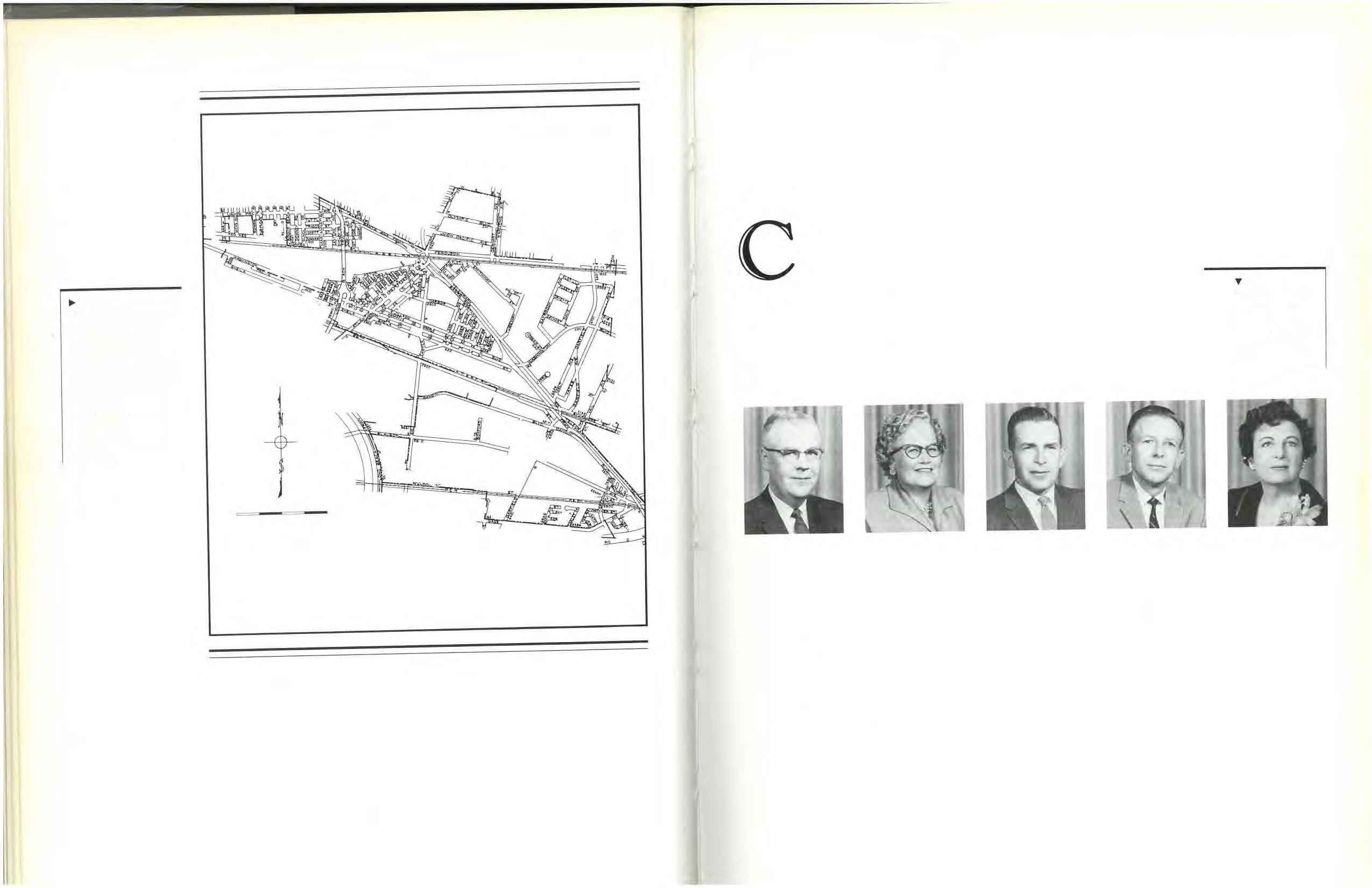
Figure #1: Aerial view of Bandini neighborhood along the 710 and rail yard.
Figure #2: Aerial view of warehouses along rail yards and public facilities.
Figure #1: Historic redevelopment project map for new communities in Commerce.
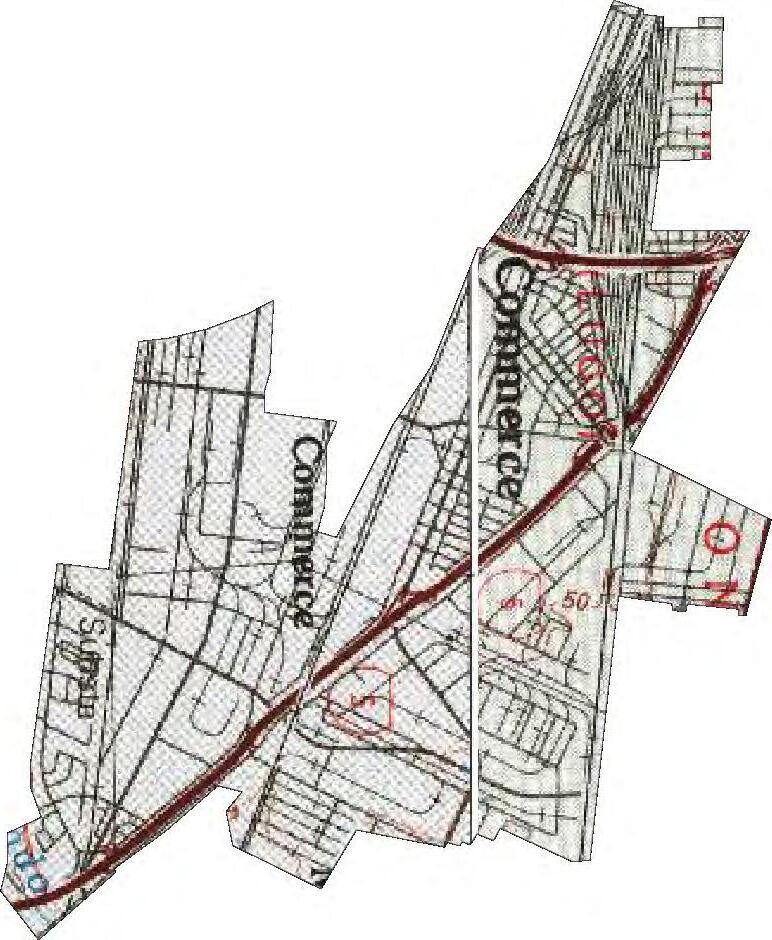
Figure #2: 1960 map of Commerce, outlining borders and major infrastructure.
Classifications & Neighborhoods
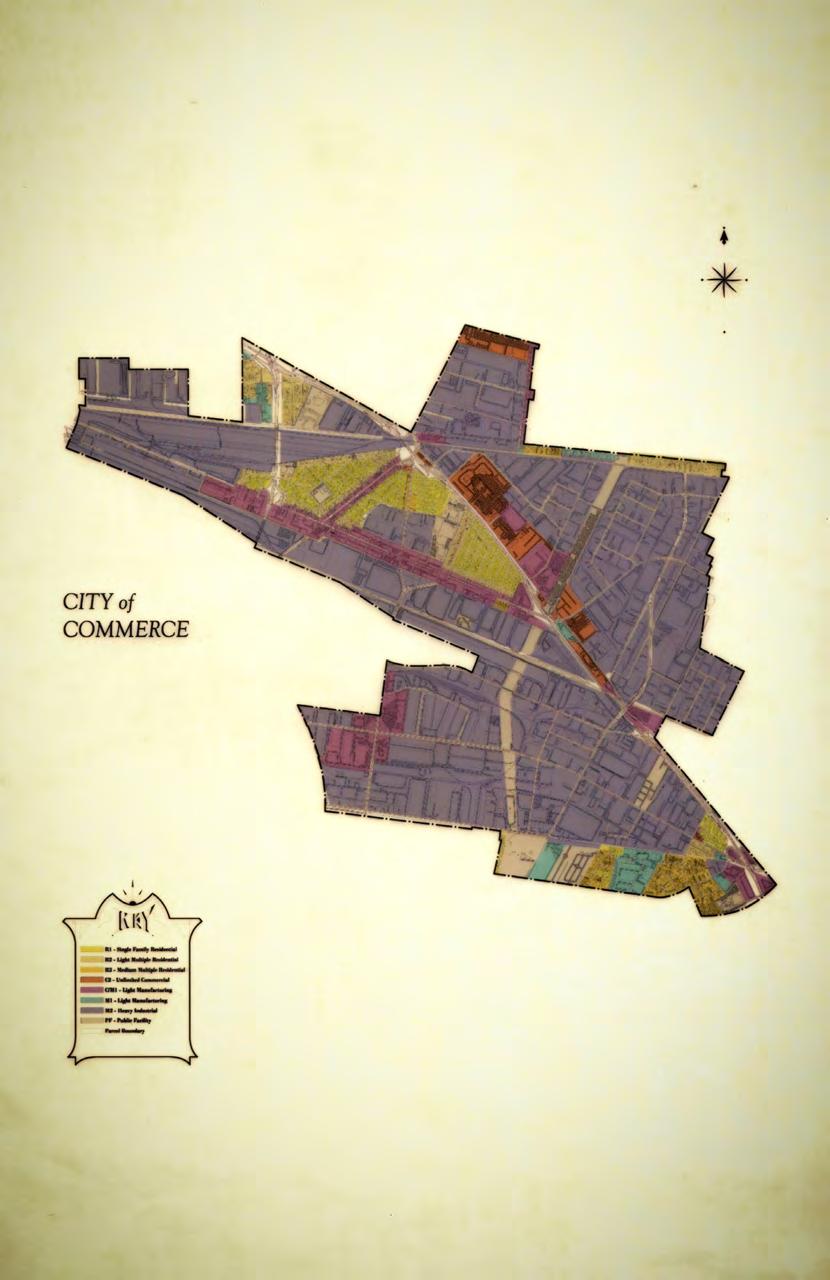
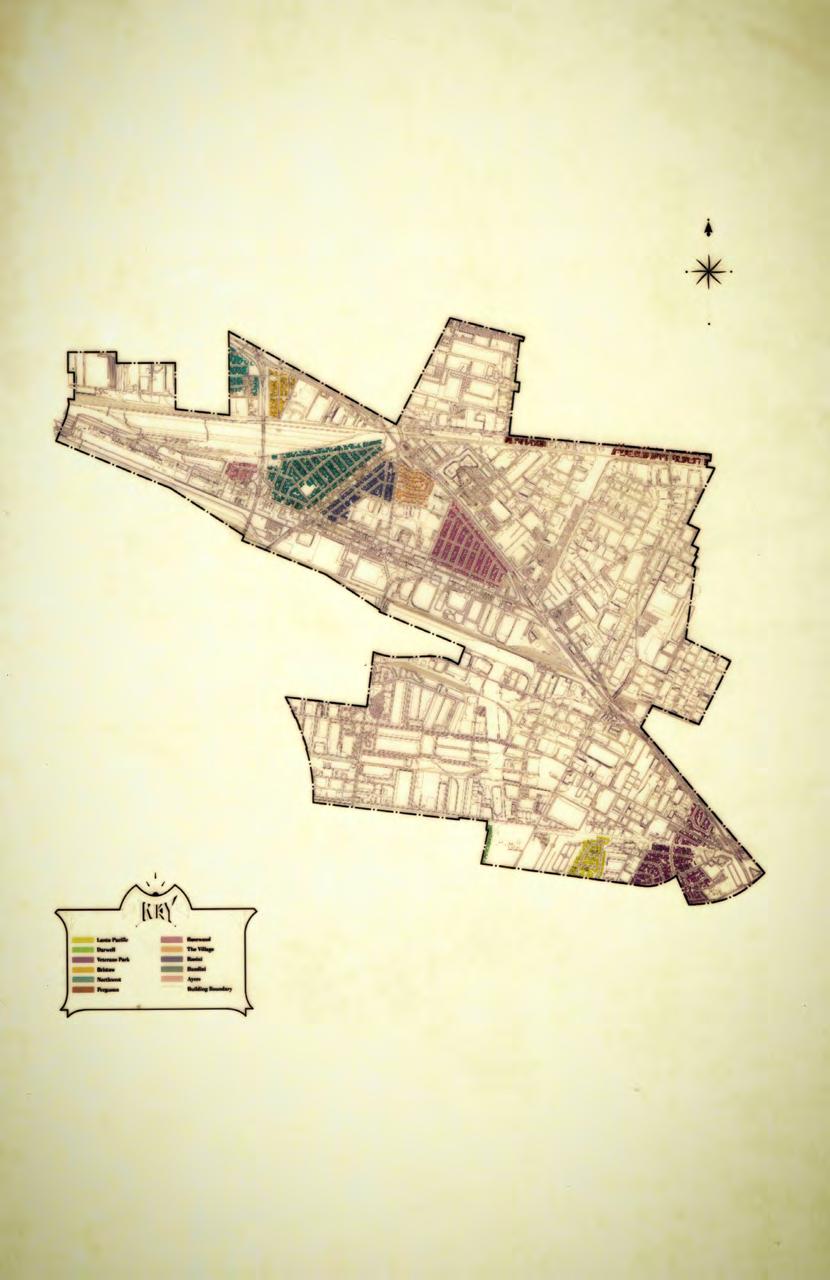
Figure #1: Zoning map of Commerce
Figure #1: Neighborhood map of Commerce

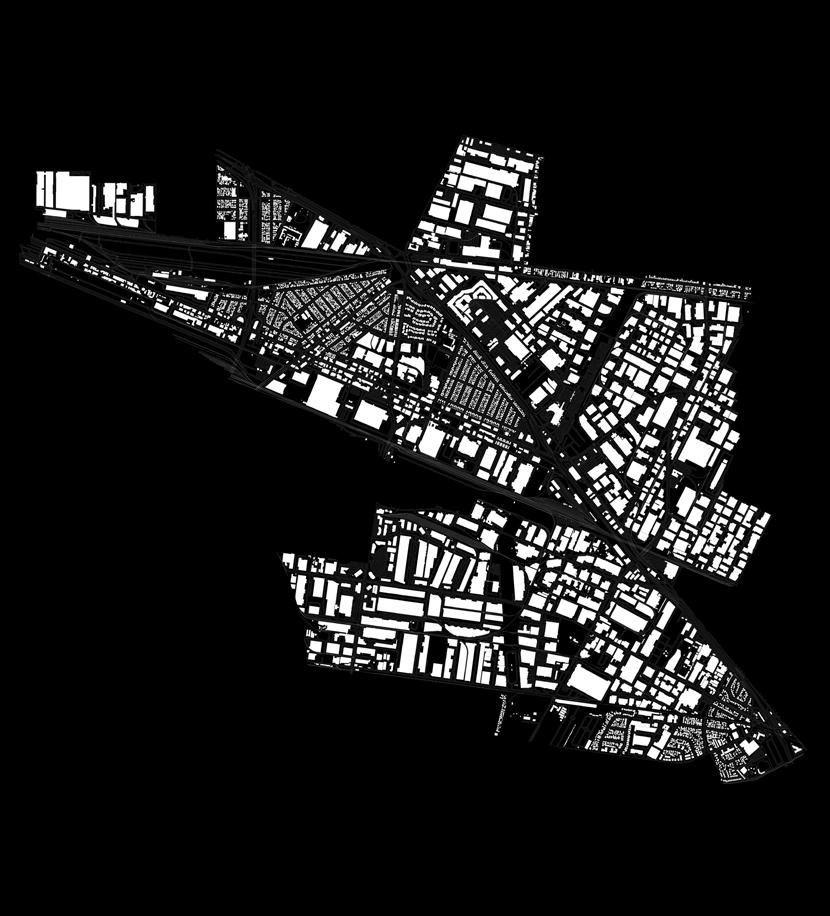

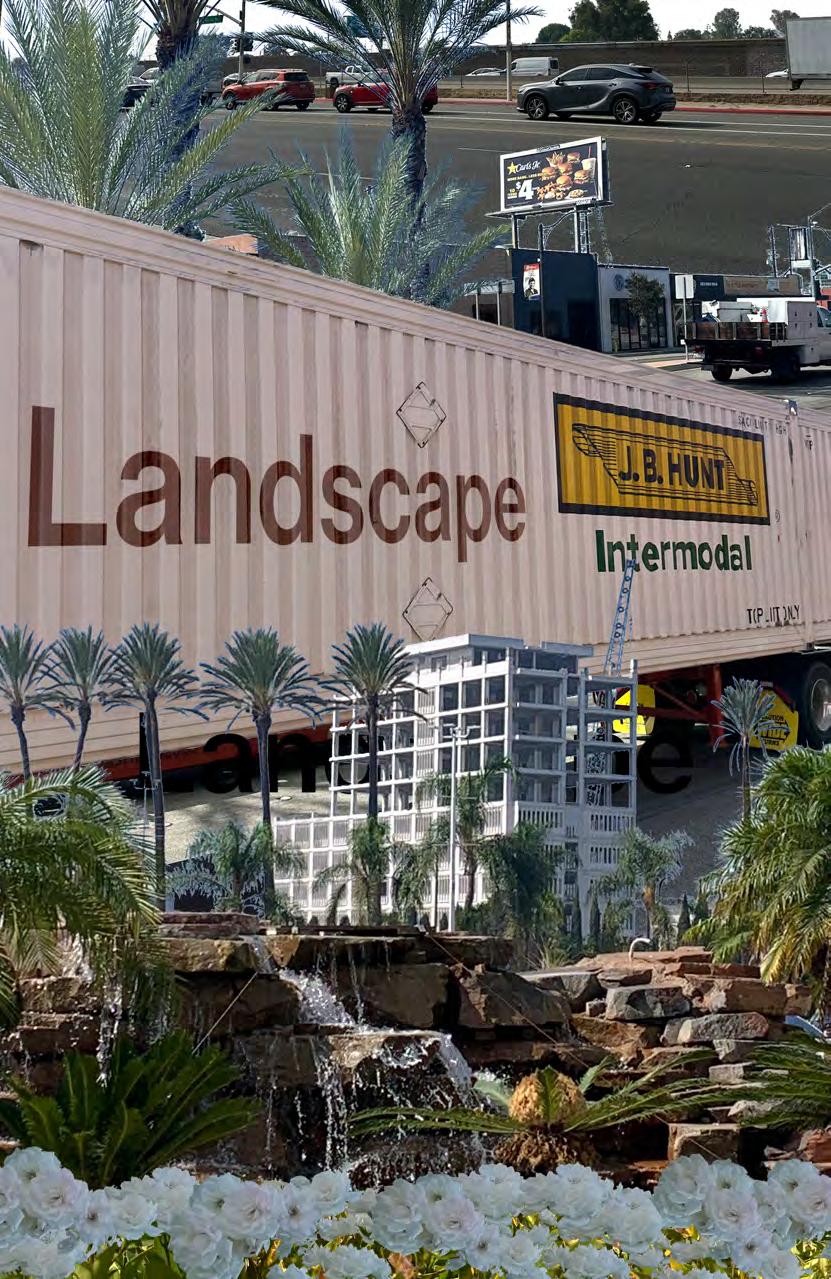
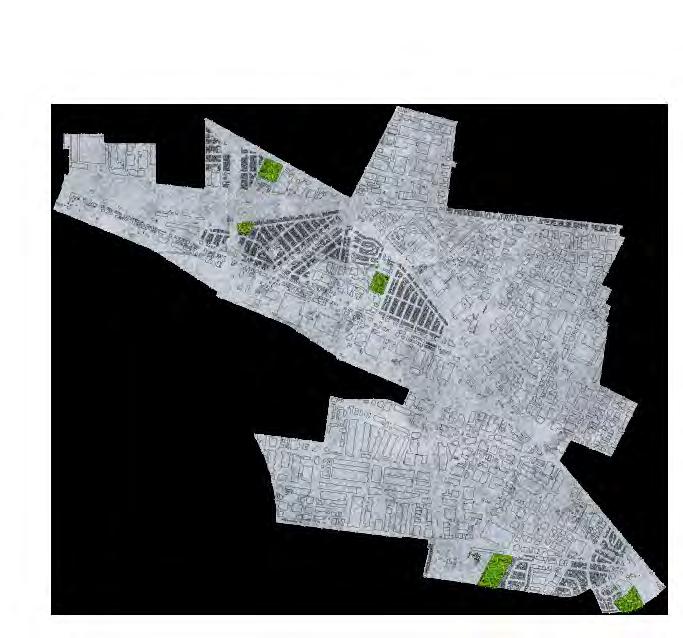
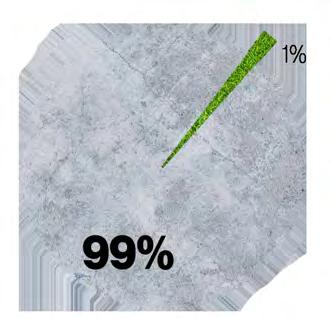
In the City of Commerce, their landscape ordinances have the goal of water conservation in mind at the forefront of their plans. Their goals are focused on establishing a structure for the planning, design, installation, and management of new and existing landscapes in the area focused on making them both visually pleasing and water efficient. What makes the Commerce’s landscape plans more unique compared to neighboring cities like Vernon, Bell Gardens, and other LA counties is their focus on public landscape rather than housing. As housing makes up a small portion of the City of Commerce, there is a larger focus on landscape and irrigation pertaining to public elements like sidewalk planters and recycled water. The ordinances set more of a standard for companies rather than the individual. While the focus on factories and company compliance in the landscape ordinances make sense it limits what people can do towards their own houses in terms of greenery in the area. Again referencing ordinances in Vernon and Bell Gardens, there is a focus on lawn specifics and water efficient soils that can be used all depending on garden size. This does not exist within the landscape ordinances of Commerce, this could be due to their age as the City of Commerce landscape ordinances were created in 2010 and have remained as such since then.
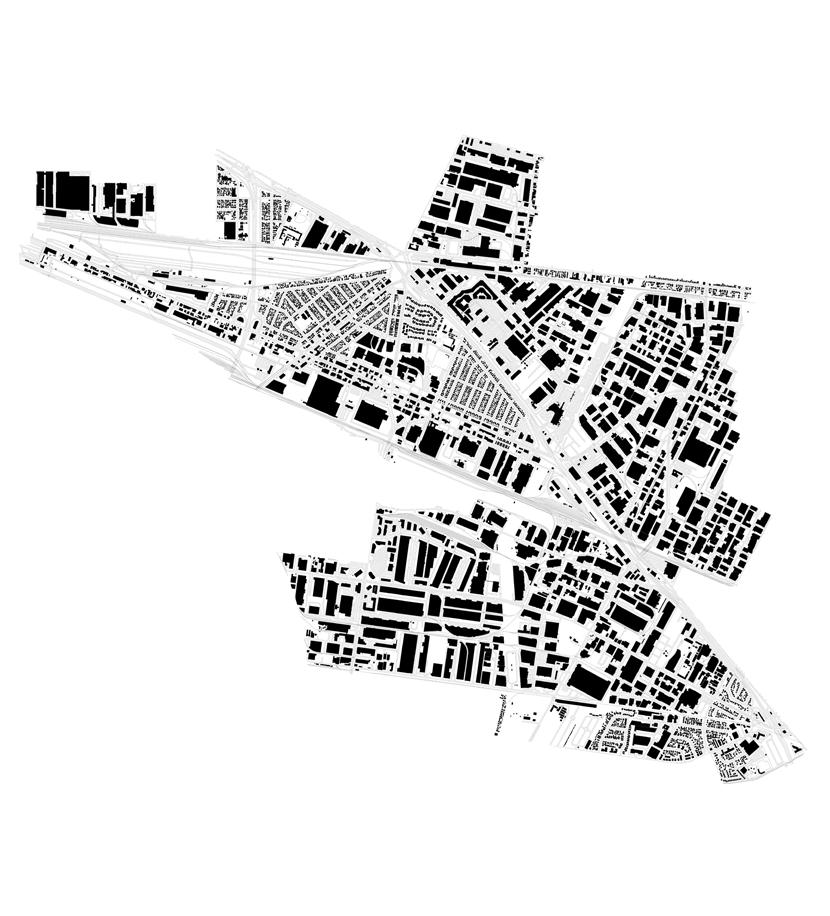
Figure #1-2: Hardscape & softscape diagram of Commerce outlining green spaces, pie chart displaying ratio
FuturePlans
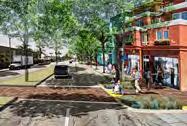
Atlantic Boulevard is in the process of redeveloping to add more green spaces and a mix of commercial and residential uses to emphasize the gap between residential and industrial sectors of Commerce. A mixed-use development would provide many commercial needs for residents.
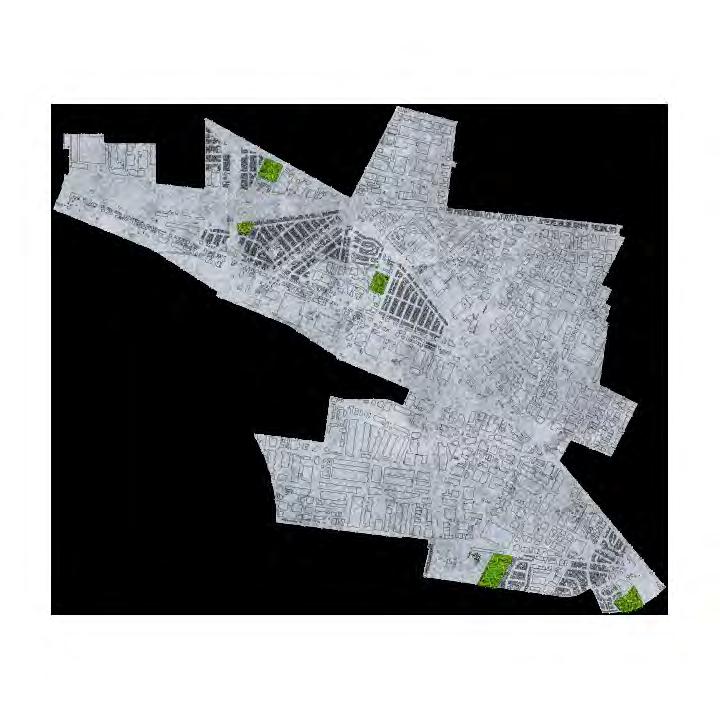
Commerce has outlined a housing opportunity overlay, which the city will use to consider redevelopment proposals for the entire area. The zone is outlined to highlight the ideal area for new market rate and affordable housing units in the city.

Libraries in the process of redevelopment
Harbor Street & Commerce Way bike routes
High priority tree canopy investment areas
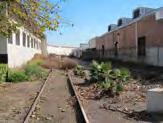
Washington Boulevard has redevelopment plans in production, which aim to improve and maintain the street’s economic vitality.
Commercial and mixed-use opportunities are being considered for this redevelopment.
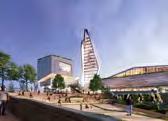
Modelo mixed-use housing creates more green spaces, commercial, and residential units in Commerce. What was originally a landfill area will be transformed into a place for new housing and public space.
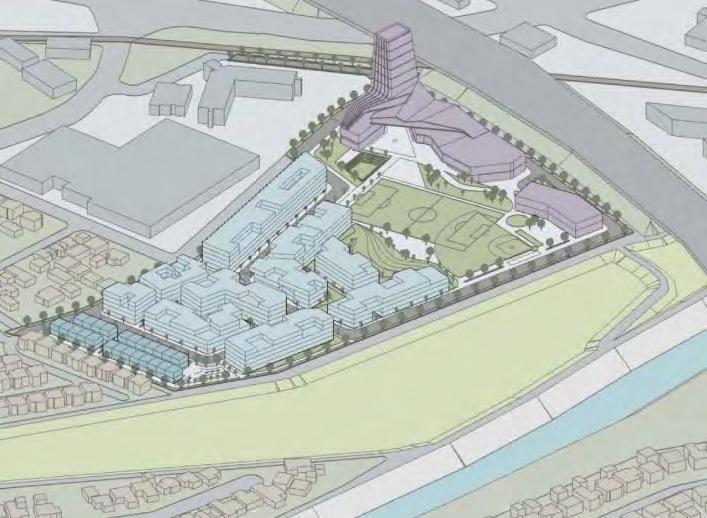
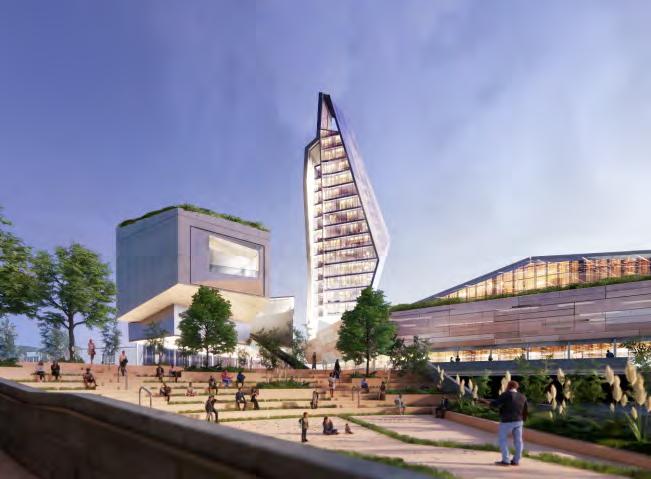
Commerce has a number of redevelopment plans, generally focusing on mixed-use projects that would increase the number of housing units with commercial units to support their needs. The Modelo project is perhaps the largest project the city is currently developing, adding 850 housing units, an assortment of commercial spaces, and community amenities including new green spaces. Other mixed-use redevelopments along Atlantic and Washington have similar goals of adding commercial spaces to meet community needs and support the areas economically. Additionally, the city is working to increase green space, promote bike and pedestrian infrastructure, and develop zero-emission public transportation. The city’s investment in education is supported by the renovation of its four libraries, which will create more amenities for residents. In short, Commerce is reshaping its future to meet the growing needs of its population.
Figure #1: Modelo project axonometric diagram
Figure #2: Modelo project exterior rendering
Climate Flora& Fauna
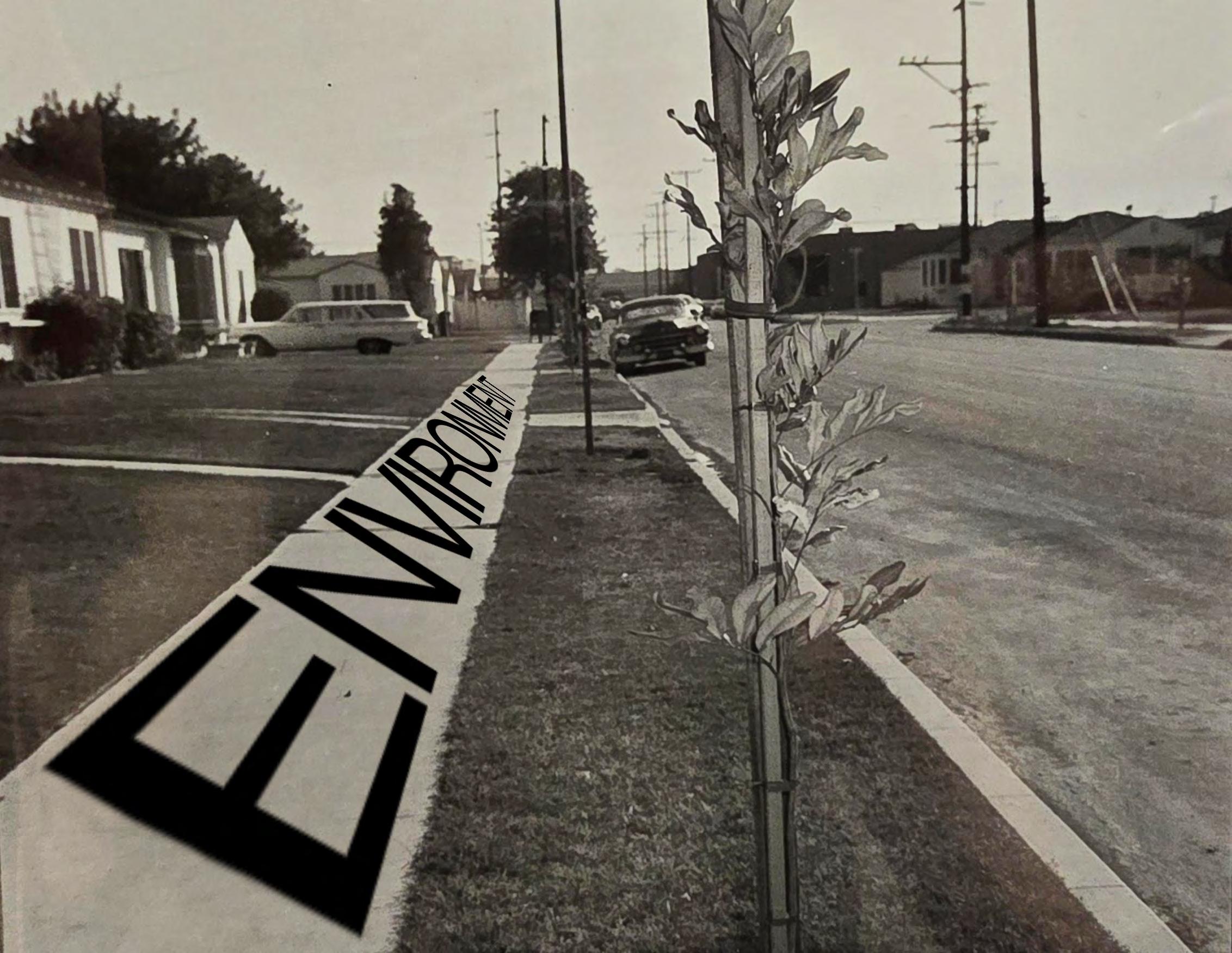
The City of Commerce in Los Angeles enjoys a Mediterranean climate with temperatures ranging from 47°F to 86°F. Summers are warm and dry, peaking at 85°F in August, while winters are cool and wet, with December as the coldest month. The city receives about 15 inches of rain annually and has high comfort ratings for both summer (9.7/10) and winter (8.9/10).
Commerce’s natural environment features native plants like Coast Live Oak, Lemonade Berry, Chaparral Yucca, and Common Buckwheat, which support wildlife, improve air quality, and aid in erosion control. Urban wildlife includes Red-Tailed Hawks, lizards, Monarch Butterflies, and coyotes, symbolizing resilience in urban settings. Despite industrial development, Commerce balances urbanization with nature, enhancing public spaces and preserving its ecological heritage.


Figure 1: City of Commerce Average Temperature Diagram (Year)
Figure 2: City of Commerce Wind Diagram
Figure 3: City of Commerce - Sun Diagram



AirPollution
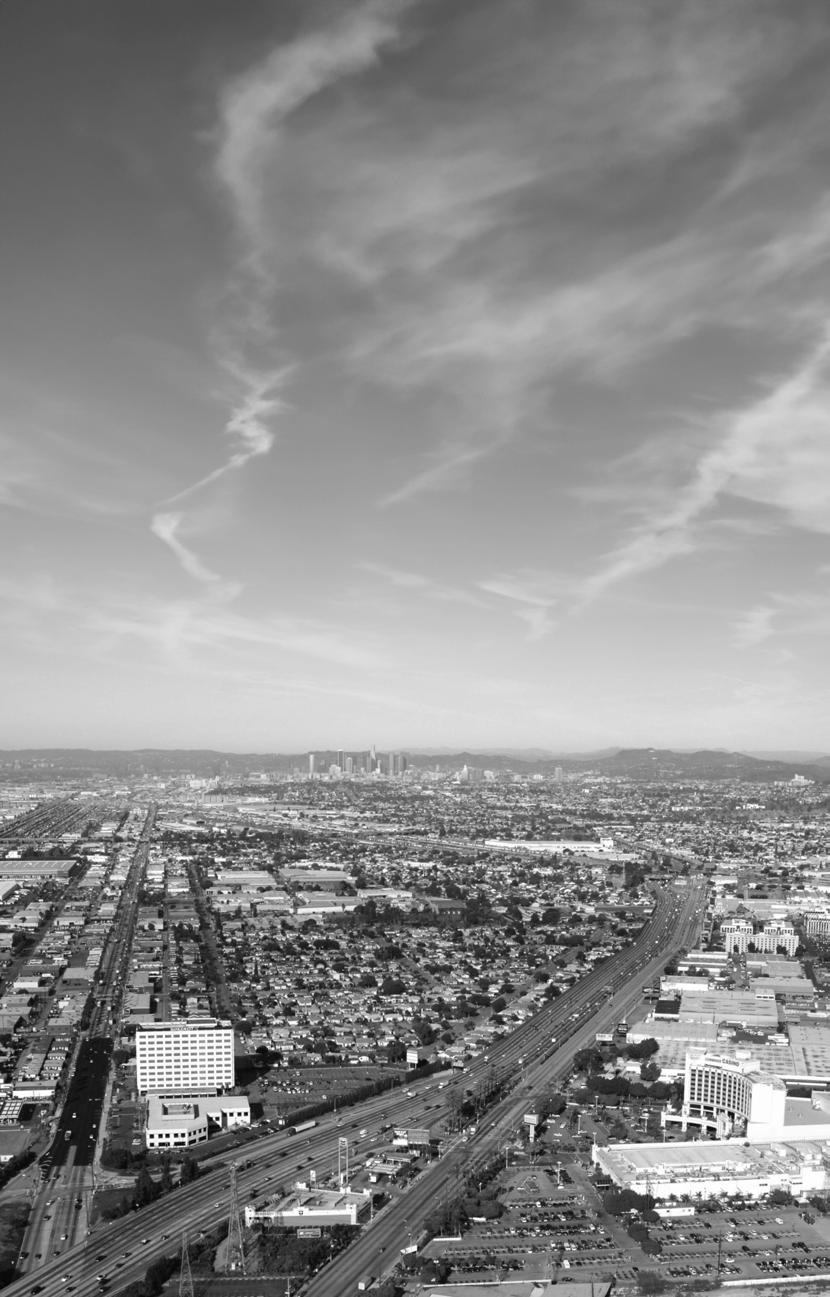
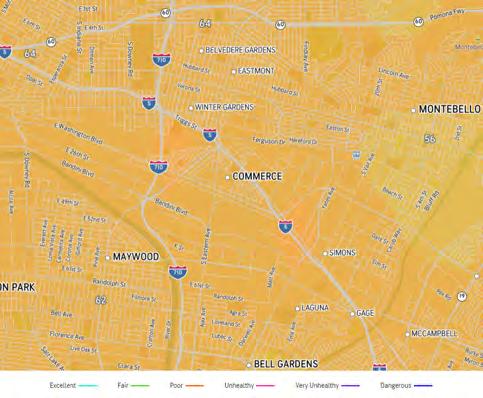
The average AQI in Commerce ranges from 52-63, indicating high pollution, mainly from PM2.5 due to transportation, energy, and industrial activities. A resident described the air as dense, causing asthma and other health issues, especially near train traffic. Around 29% of Commerce’s 12,000 residents face a higher cancer risk from diesel pollution. Located between the 5 and 710 freeways, the area is home to four major rail yards, known as “cancer alley.” Efforts aim to cut emissions by 35-40% by 2010 and 66-70% by 2020, with hopes of adopting California Air Resources Board regulations.
Commerce, plagued by poor land planning, is a major pollutant in the region. The city council passed a green zone ordinance, but the 710 Freeway, used by diesel trucks, exposes residents to higher health risks. Four rail yards, along with LA Community Hospital and Bandini Elementary, make the area a “toxic hotspot.” Residents were drawn by no property tax, free garbage pickup, and public transport. By 1960, Commerce became a city, with 70% of its land devoted to polluting manufacturing facilities.











Pollution
Strategies
Green Zones Ordinance
Seeks to reduce existing contamination, reinvest in infrastructure that will bring clean jobs, and investing in the communities. Businesses/warehouses/factories that have a gas boiler are strongly suggested to go electric.
Certified Products
South Coast AQMD certified equipment for businesses to reduce carbon emissions and improve air quality, including floating roof tanks for organic liquid storage, natural gas water heaters, charbroilers with integrated catalysts, and street sweeper models.
Water Conservation
The City of Commerce and Cal Water adopted a new state order to cut water usage by 20%. Outdoor watering is limited to three days per week and banned between 8:00 a.m. and 6:00 p.m. Leaks must be repaired, and watering driveways, sidewalks, or within 48 hours of rainfall is prohibited. Drinking water won’t be served in restaurants or hotels unless requested. Public median irrigation is banned, and refilling single-family pools or outdoor spas is only allowed for maintenance or after structural repairs.
Smart Gardening
Homemade compost, native plants (like agave and fan palm), and small-space gardening are effective practices. Worm composting involves feeding kitchen scraps to worms, producing nutrient-rich, odor-free compost. Grasscycling, or leaving grass clippings on the lawn after mowing, retains moisture and nutrients for the soil.

Exide Battery Site
Exide Battery Recycling Facility in Vernon was slowly releasing toxic metal dust, contaminating at least 10,000 homes from Vernon to Commerce. Causing an extreme amount of health risks in those communities. Exide attempted to plead “bankrupt” to escape from paying clean up fees, they ended up paying 5 million in clean up efforts and on top of that Governor Newsom put 454 million dollars in helping the homes and clean up of the communities affected. It is not a vacant, toxic lot.
Considerations for Adaptive Reuse of Industrial Buildings
Zoning and Building Regulations:
Legal aspects include changing the property’s zoning and ensuring compliance with current building codes, ADA, and OSHA standards.
Environmental
Collaborate with an environmental consultant to remove hazardous substances and conduct necessary remediation to avoid ecological liabilities.
Cleanup Process:
-Involves removing or mitigating hazardous materials, including unsafe substances and lead-based paint.
Architectural Adaptive Reuse Plan:
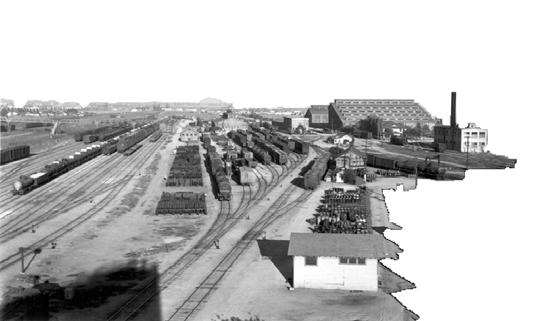
Architects must assess the existing structure to determine what to preserve or eliminate and identify functional needs for future use.
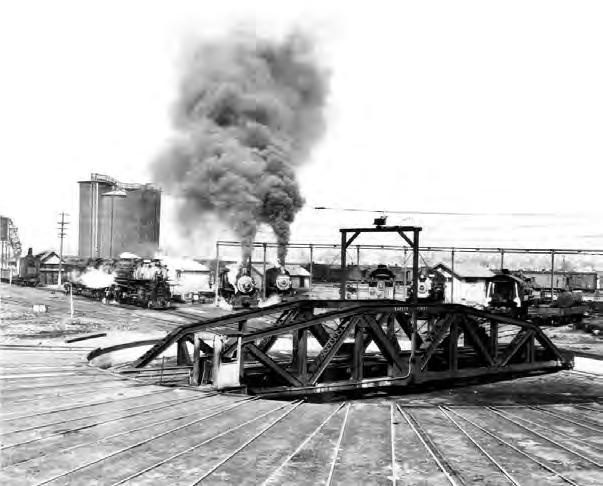

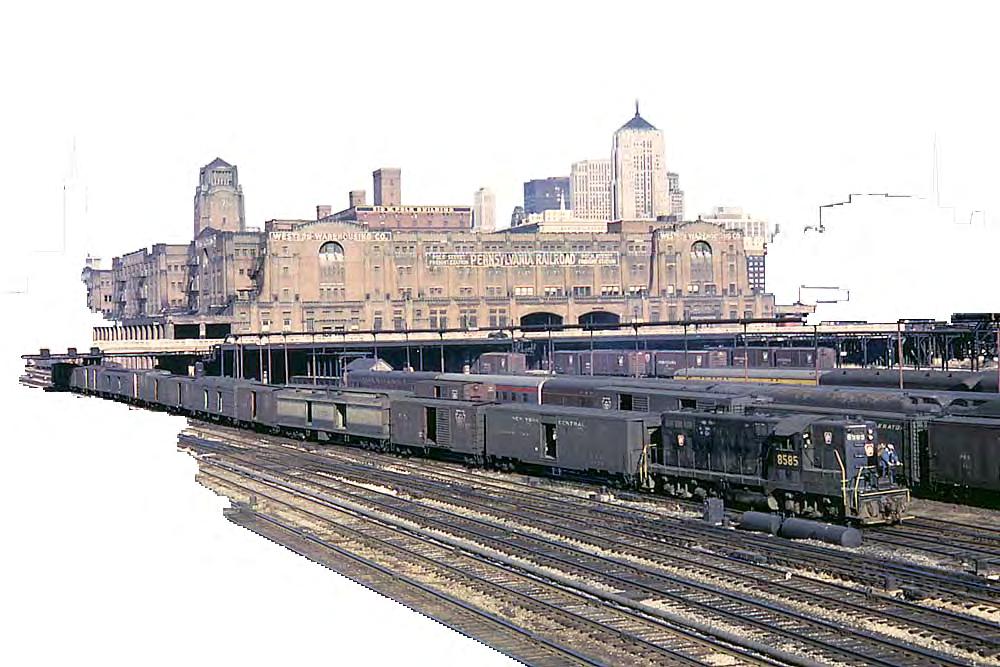
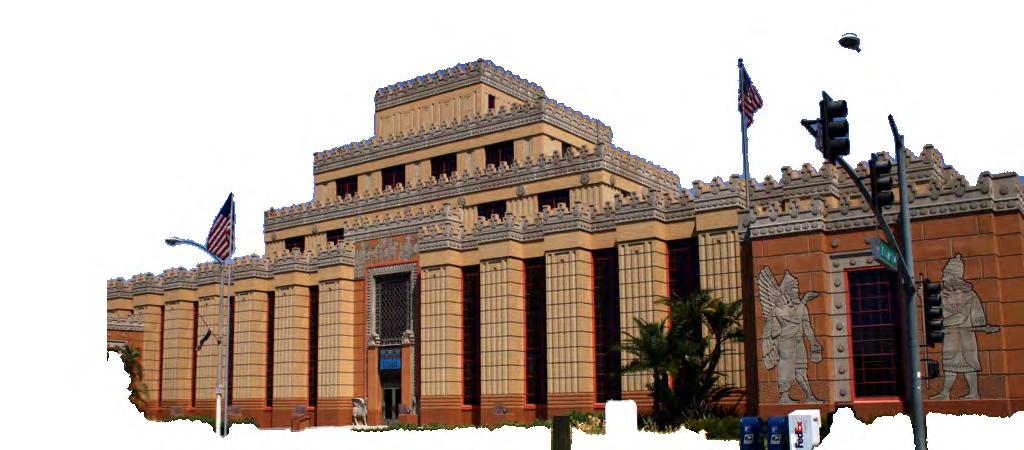

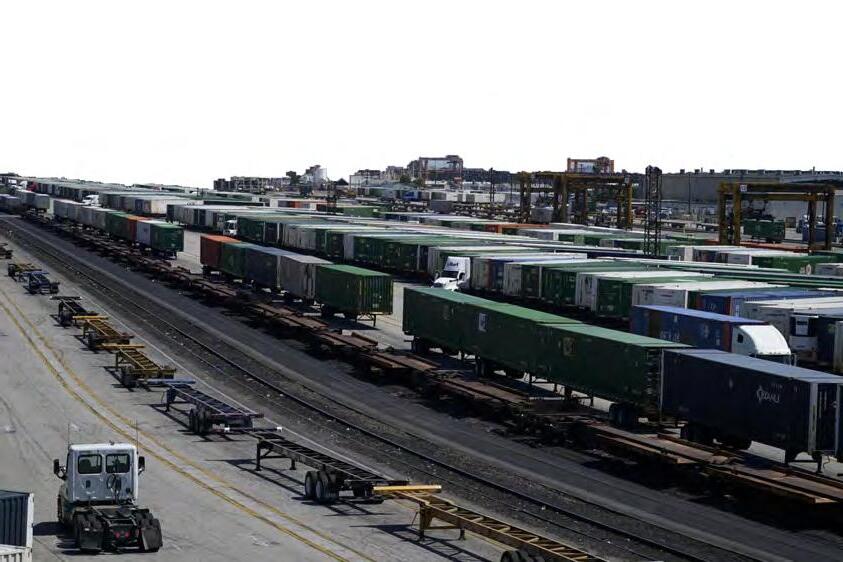
Figure #: Image caption, Avoid long descriptions, Follow APA style for figures/images
AdaptiveReuse Buildings
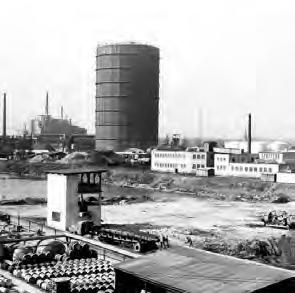
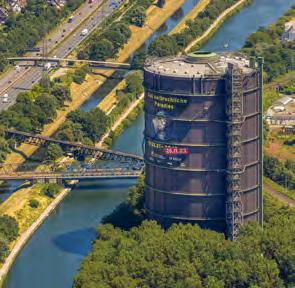
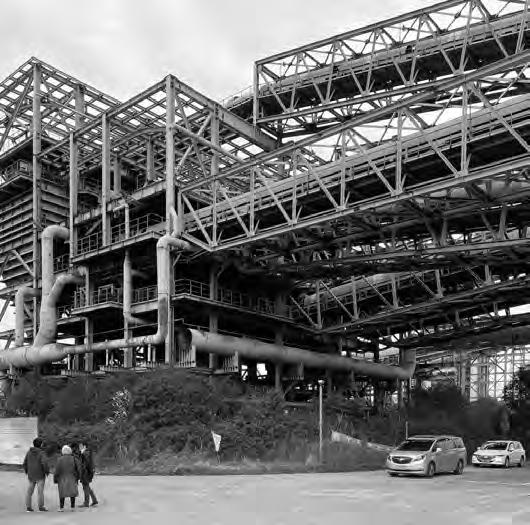
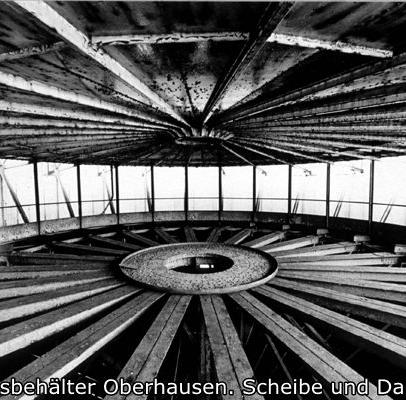
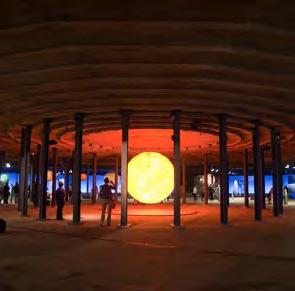
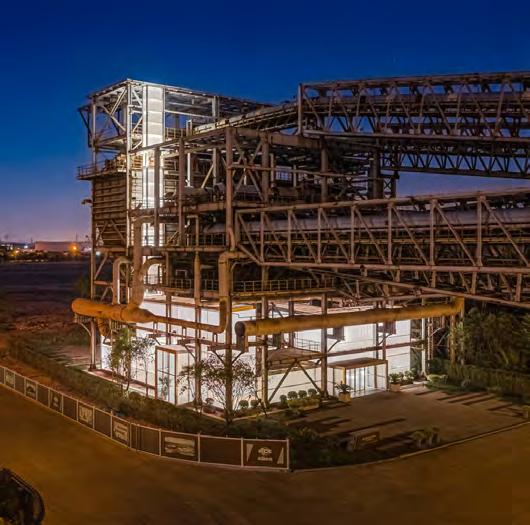
Figure 6: Gasometer Exterior Views in Oberhausen, Germany in 1980 (left); Gasometer Exhibition in 2017 (right)
Figure 7: Gas Tank Interior View in 1980 (left); Exhibition Interior View in 2017 (right)
Figure 8 Baosteel Company( before 2020)
Figure 9: Baoshan WTE Exhibition Center (2020)
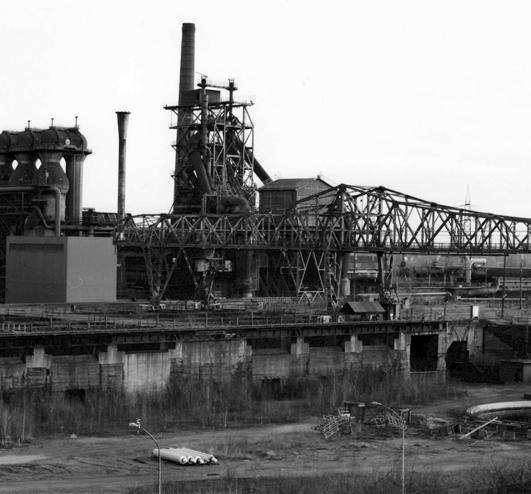
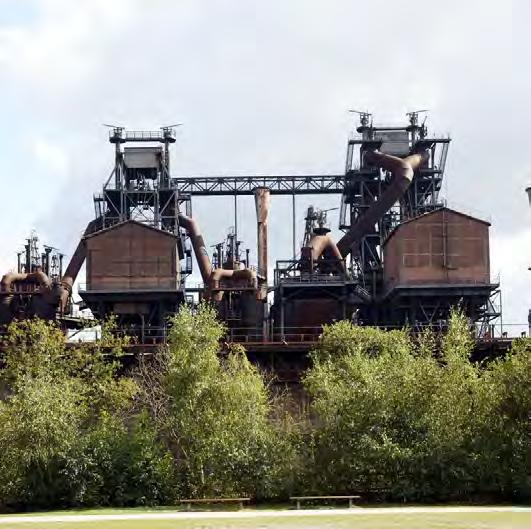
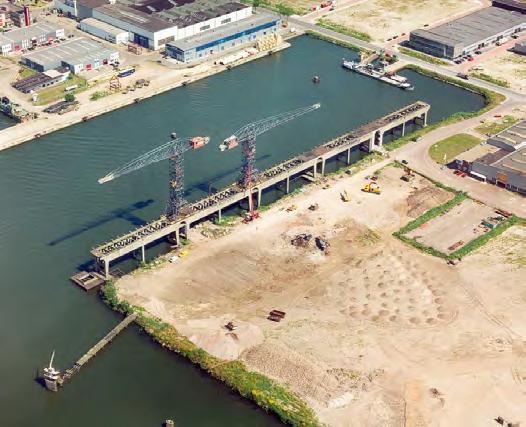
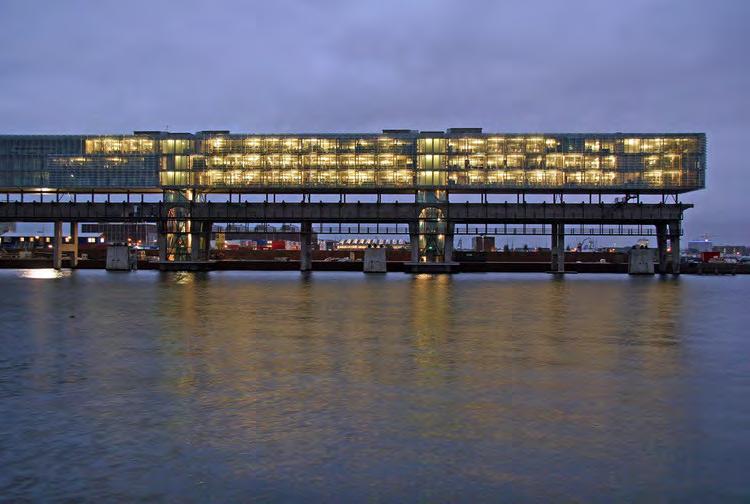
Figure 10 Meiderich Ironworks Factory in Duisburg, Germany
Figure 11 Landschaftspark Duisburg-Nord in 2009
Figure 12 Kraanspoor (1957), Amsterdam, Nehterlands
Figure 13 Kraanspoor (rennovated 2007)
Figure 10 Meiderich Ironworks Factory in Duisburg, Germany
Figure 11 Landschaftspark Duisburg-Nord in 2009
Figure 12 Kraanspoor (1957), Amsterdam, Nehterlands
Figure 13 Kraanspoor (rennovated 2007)

The Economy of Commerce
The economy in the City of Commerce has been on a steady incline in the past decade. The city has done all that it can to promote it’s economy since its birth year back in 1959, when it was founded upon growth. It boasts no property tax, no gross receipts tax, no utility tax, low business fees, and offers various business loans to the 1,800 businesses in the area. The city cares heavily for it’s employees, as 60,000 people work within the city limits, while only 11,000 live there. The city offers industrial residents four beautiful parks, a free bus system, ample parking, a comprehensive library system with internet access for business and personal use, low-cost membership to a state-ofthe-art fitness and pool facility and a combination of shopping and dining opportunities.
Unfortunately, on March 11, 2020, the World Health Organization characterized the COVID-19 outbreak as a pandemic. As seen on the trends presented, this hit the Economy hard in the City of Commerce. Employment growth dipped by nearly 50% in the city, while unemployment insurance claims in multiplied by a factor of 10 in California. Yet, as we passed by the end of the pandemic on May 5th, 2023, the city’s economy not only returned to normal, but is now healthier than ever.
In a surprising turn, homeownership increased up to nearly 60% in the City of Commerce during the COVID-19 crisis. This stemmed from several effects of lockdown. With higher rates of savings due to the lockdown, stimulus packages from the government, and a deep cut in interest rates, many were able to work from a home that they themselves owned.
Gross Domestic Product
Employment Growth
Unemployment Insurance Claims
Homeownership
Economic Plans
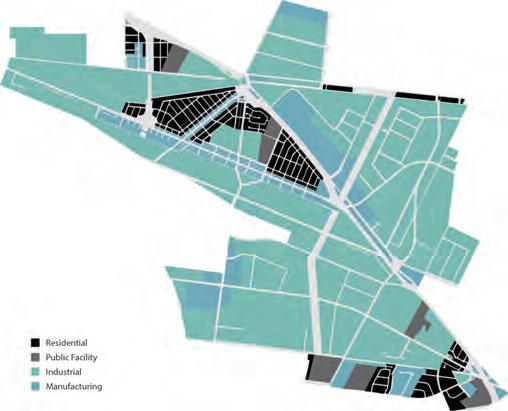
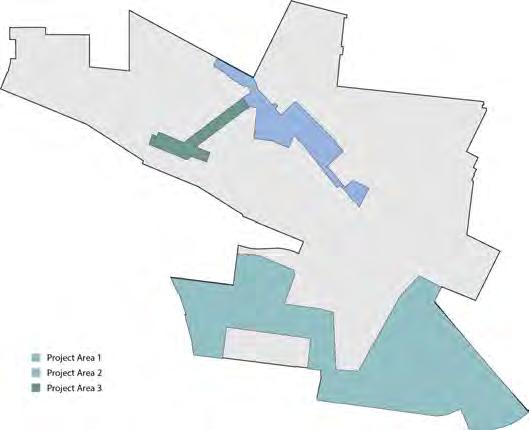
The top image shows the current state of the city in terms of the usages of each space. It shows that the majority of the space is being used by industrial and manufacturing facilities, and a much smaller portion of the city is being occupied by residential buildings and public facilities. Industry currently makes up over 60% of the land area and has a great impact on the economy, which explains its prominence in the city. The bottom image shows the city council’s plans for the renovation of the city and what they hope to turn it into. The following plans have since been removed and will not be followed through with because of financial roadblocks. However, this can give an idea of where the city council is planning on putting their effort and the changes they are interested in making.
Area 1 - construction of retail, two new hotels, and a new five-level parking structure. Includes the expansion of the Citadel Outlets.
Area 2 - two new retail buildings, a new commercial recreation use, a new three-level entertainment/movie complex, a new four-level parking structure, a new hotel, and three smaller fast-food restaurants.
Area 3 - up to five new fast food restaurants each with a drive-thru lane, a sit-down restaurant, and a warehouse/industrial building.
Figure: locational map (top), future plans of the city (bottom)
COMMERCE GIANTS
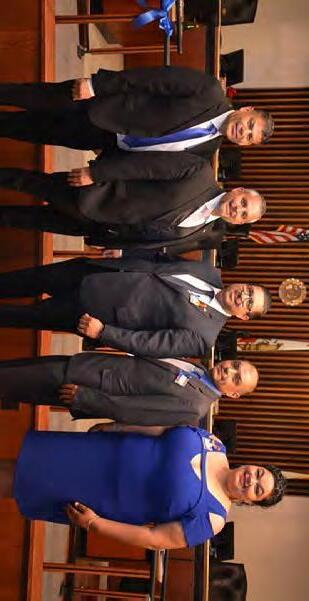
“Those games we’re very dependent on here in the city,” said Commerce Mayor Hugo Argumedo. “They provide many of the programs and services that we offer to the residents in our community.”
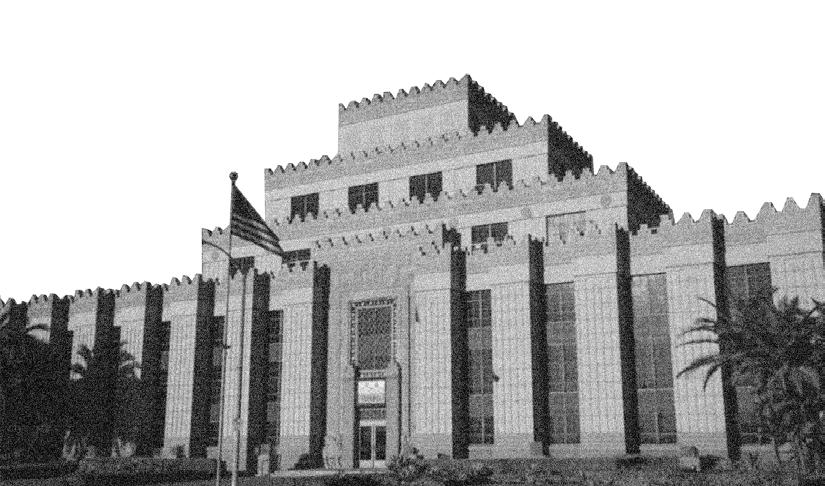
“Being a place of filmmaking and moviemaking, it was also about fantasy... Places like the Mayan Theatre, the Chinese Theatre and other places that were evoking a style from an ancient past, but kind of doing their own twist on it. Very much an L.A. way of doing things.”
Commerce Casino Citadel Outlets
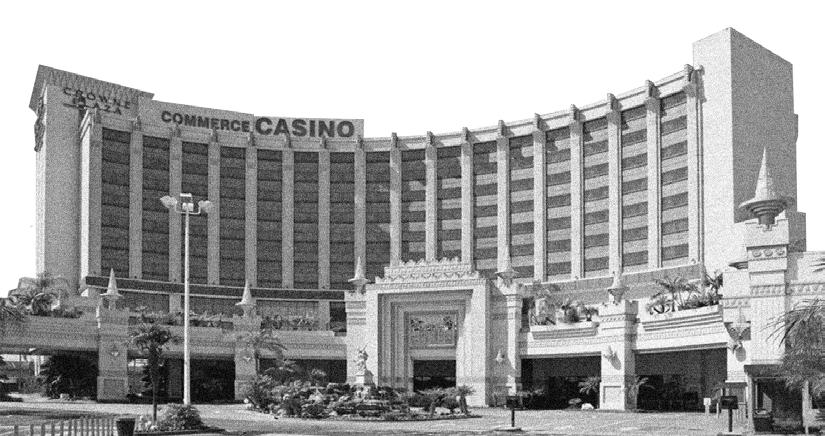
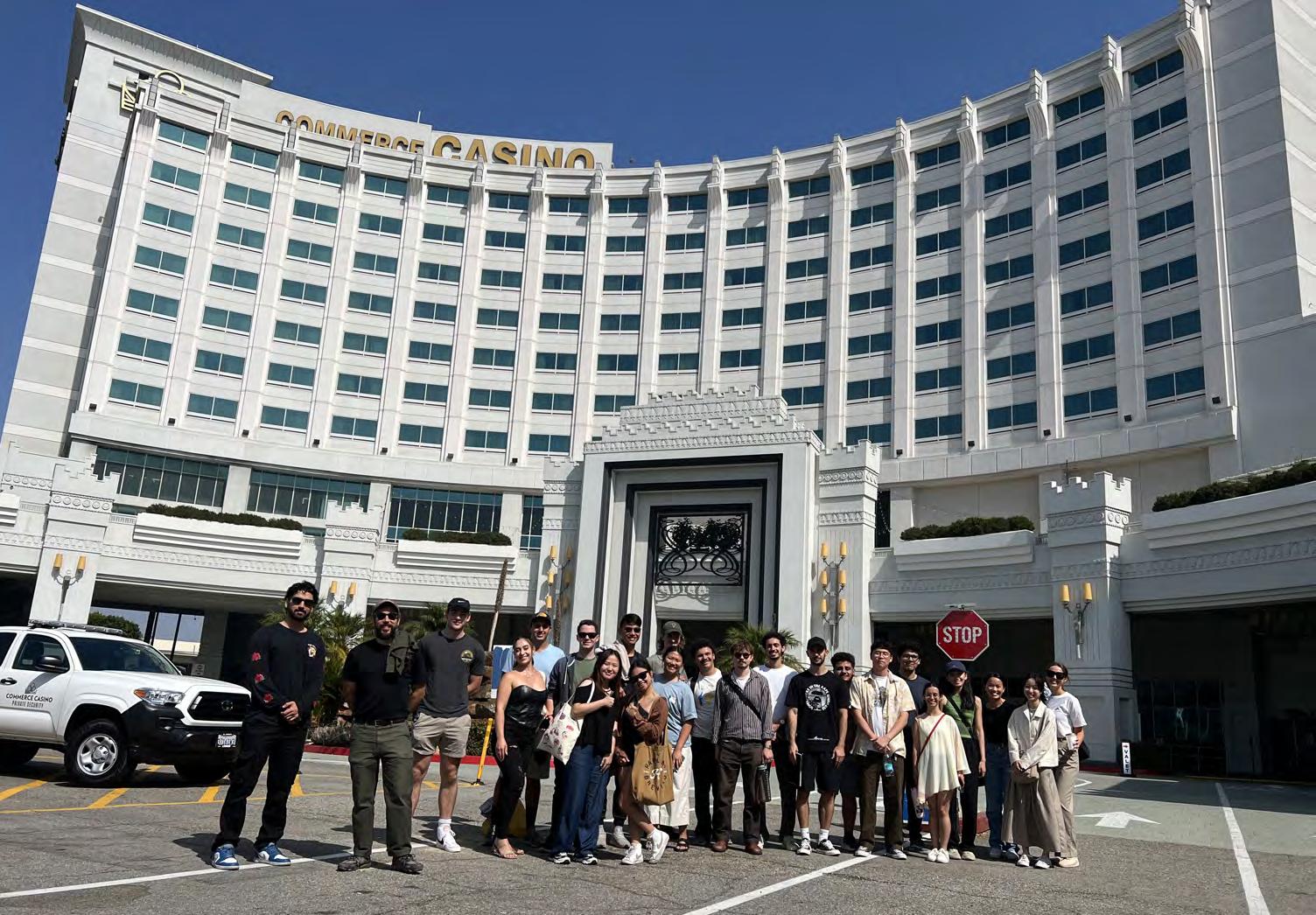
The games dominate the economy of Commerce. With hundreds of active tables, various dining options, daily and month long tournaments, Commerce Casino manages the foot traffic of over 10,000 visitors daily. With so much attention, the establishment requires the highest employment count in the city, at 4,570. To put that in perspective, the second highest employment count is the city itself, at 1,100. Though the card games have a negative stigma, and many are lobbying to shut down or heavily regulate institutions like these, casinos keep Commerce alive. The tax on card rooms account for nearly half of the cities total budget, so the city is willing to lobby millions to keep it protected. In only a three-month closure of the Commerce Casino due to COVID-19, the city lost $15 million in funds. The city and the casino are directly intertwined. They are symbiotically growing towards a more abundant future.
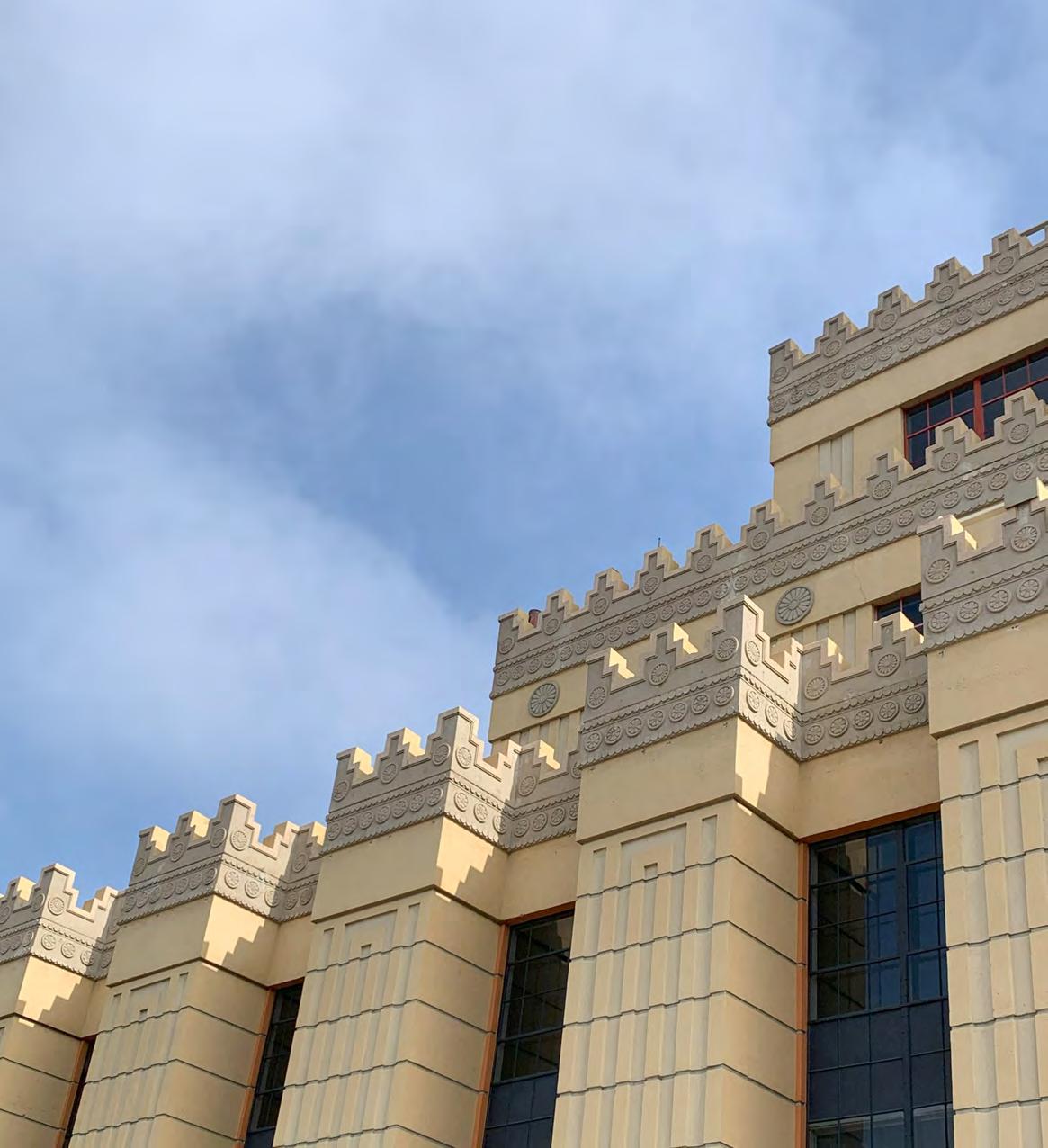
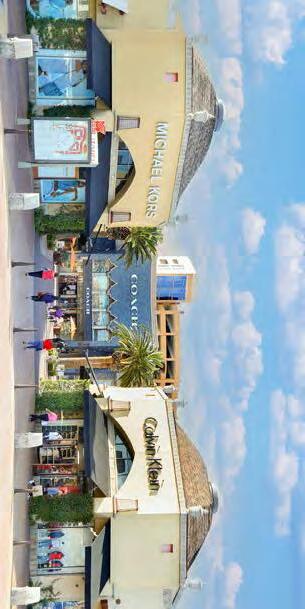
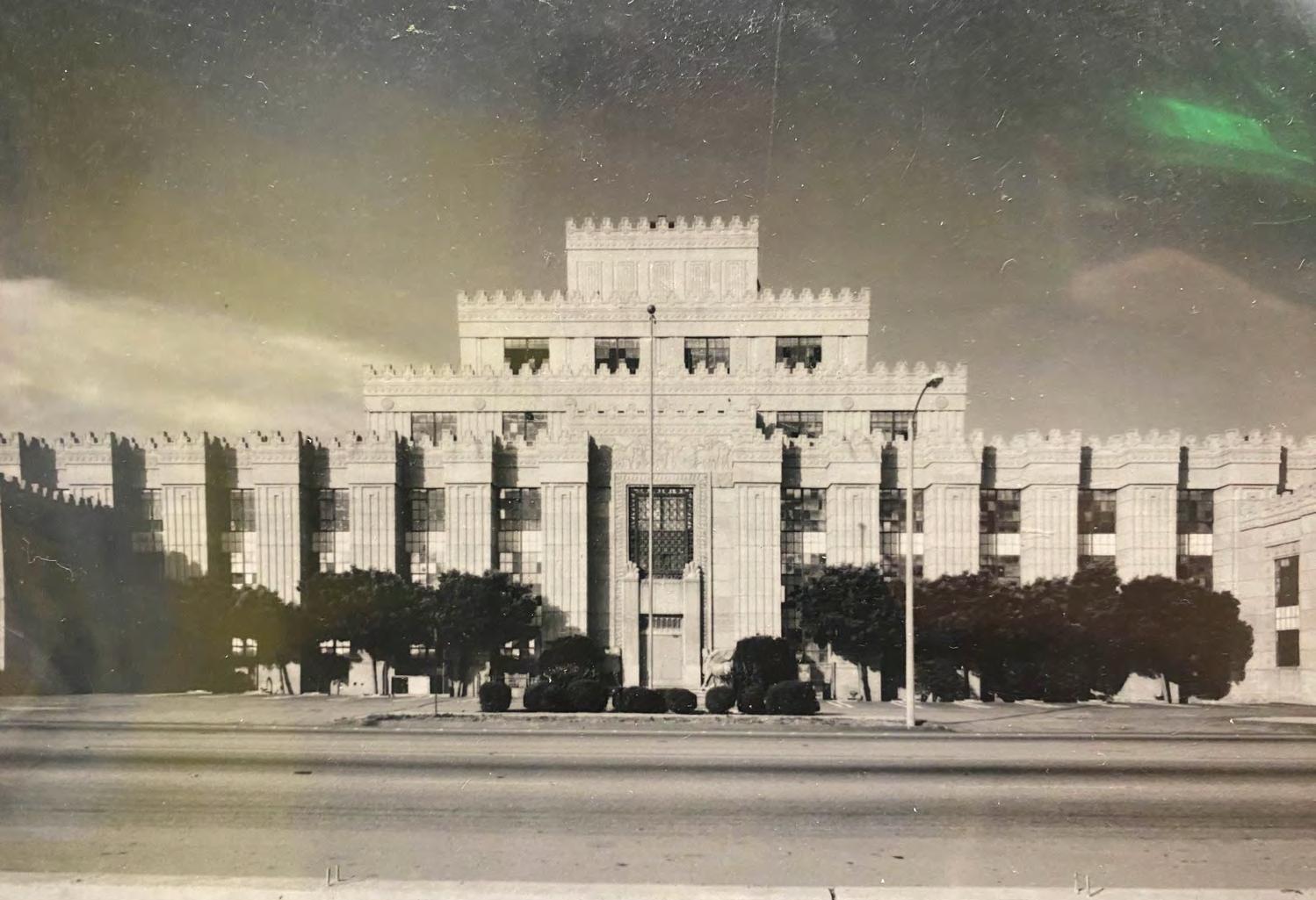
Constructed in the 1920s, the Citadel Outlet mall played off of the booming theatrical scene of Los Angeles and Hollywood. It’s intriguing palace-like structure, and ancient decor has drawn the attention of many over the past century. Today, it’s the largest retail center in the area, and acts as a bustling hub for sales, services, and customer satisfaction. It hosts over 130 stores, spans over 400,000 square feet, and is nested next to a freeway, causing its facade and advertisements to be seen by almost 250,000 drivers a day. They host seasonal events for Christmas, Halloween, Thanksgiving, and more, in order to attract more and more customers. The Citadel plans more expansion involving hotels, transportation, and new retail buildings, which will likely lead to more success from this Commerce giant.
“The Press Democrat”, “ The Commerce”, “Pulpstream”, “The City of Commerce California” “LAist”, “ arcgis”, “Citadel Outlets”
The following charts show the city’s top employers (top), as well as where the city gains most of its revenue (bottom), as of 2022.
The city’s top employer is Commerce Casino & Hotel, with 4,750 employees, while the second top employer is a dramatic decrease with 1,100 employees. The 10th spot declines much more, with only 426 employees.
The city gains most of it’s revenue from sales tax, which provides them $40,590,324, and it received the second most highest revenue from the casino license tax, which was $26,653,916 in revenue. It’s bottom source of revenue is from the “Motor Vehicle In-Lieu” category, with a $14,814 revenue. In total, the city received $113,447,208 in revenue in the year 2022 and had expenses totaling $74,461,786.
City Revenue Residential Income
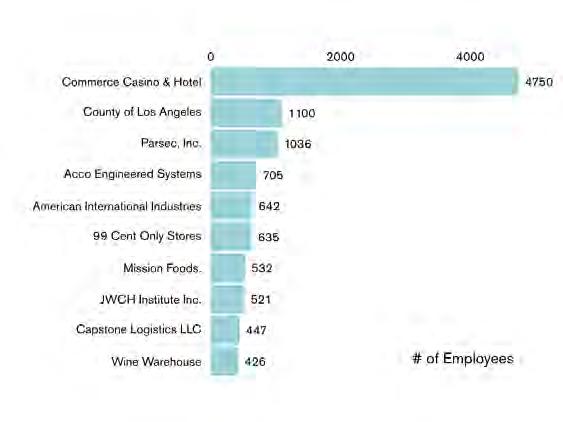
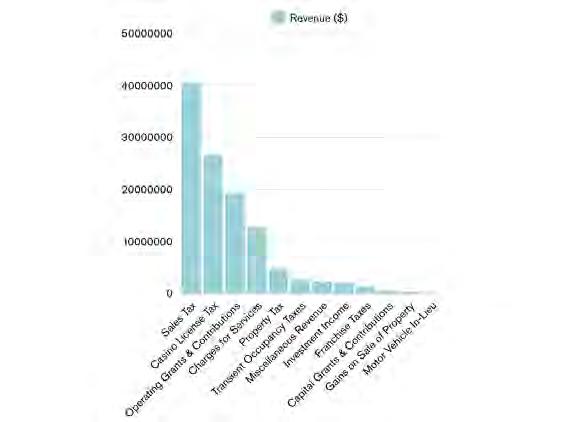
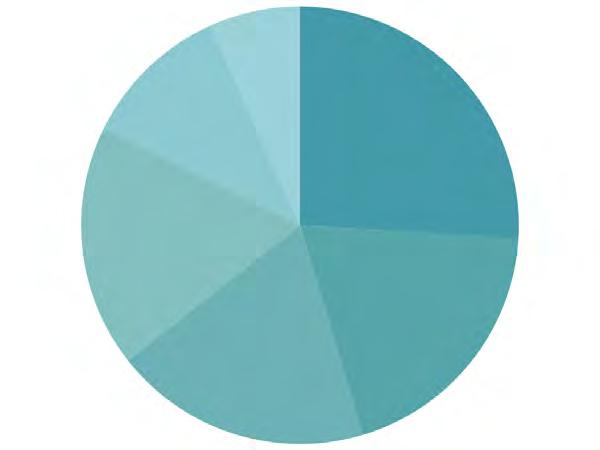
Figure: Types of residential jobs
In comparison to the areas that give the city its main source of revenue, these are the types of jobs that provide the Commerce residents with their income. Since only a small portion of the employees in Commerce are residents of the city, it is expected that these numbers would be inconsistent from the numbers showing the top city revenue. For instance, while the city is receiving most of its money from its Casino and the Citadel Outlets, only 17.89% of its residents work in service and only 11% work in sales and office. Meanwhile, over a quarter of them are working in natural resources, construction, and maintenance and 19.37% work in production, transportation, and material moving. The residents also don’t do as well financially as the city does, with their average income being $66,071, in comparison to the California average income of $95,521. In addition, the poverty rate is 13.5% in Commerce and 12% in California. Overall, the city does well on its own but is not an adequate place to live, for the economic/financial sector.
POLITICS
This section of the book discusses the members of the Commerce City Council, the structure of their government, speculations, and some of the policies they have implemented during their time in office. Be advised that this section may have some content that can be interpreted as sensitive or controversial, depending on the reader’s perspective. We can assure you that this section was not intended to cause any offense or discomfort, and it has been included solely for informational purposes.
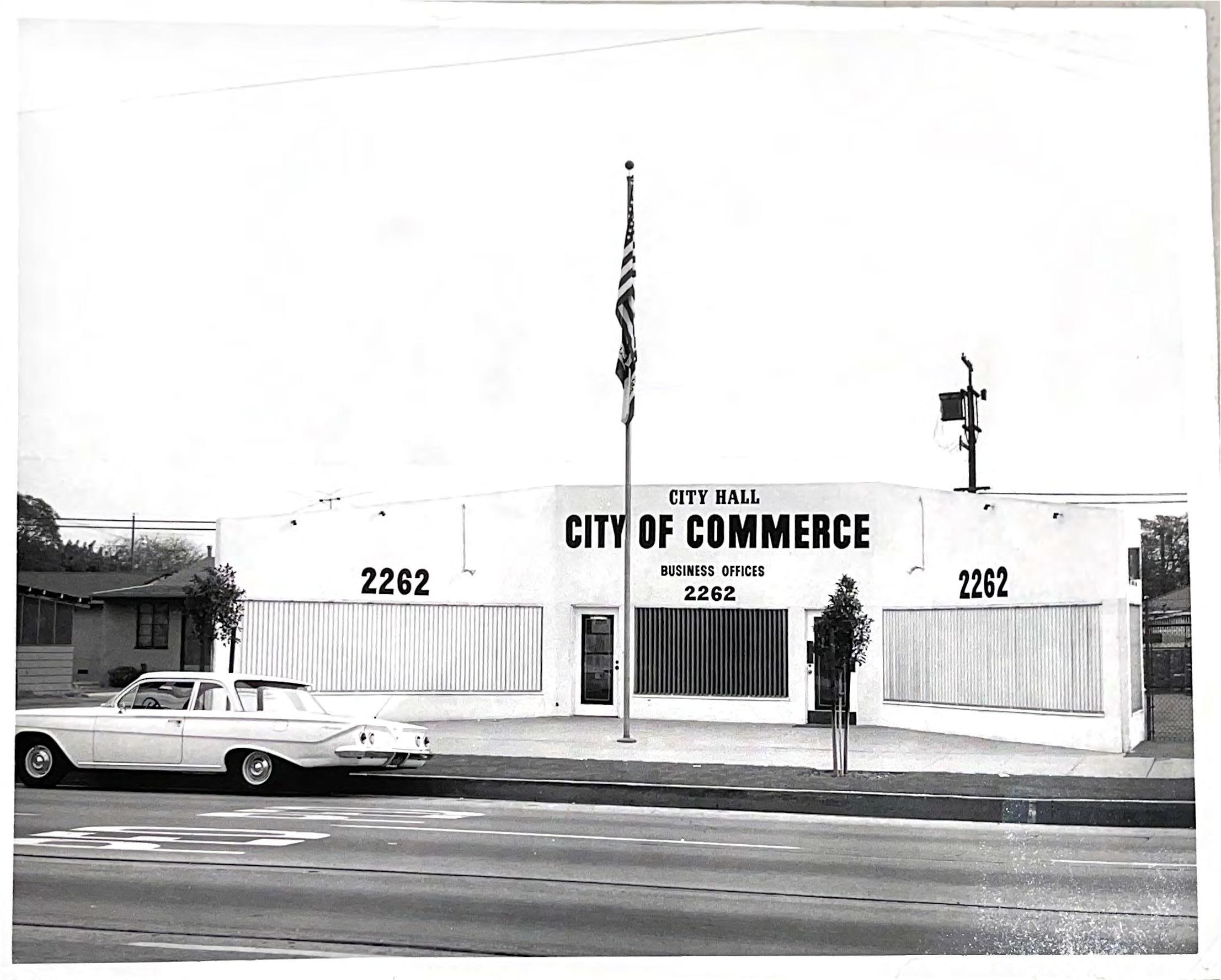
Figure Above: Rosewood Neigborhood Library. 1960. Commerce City Hall. Commerce, CA, United States
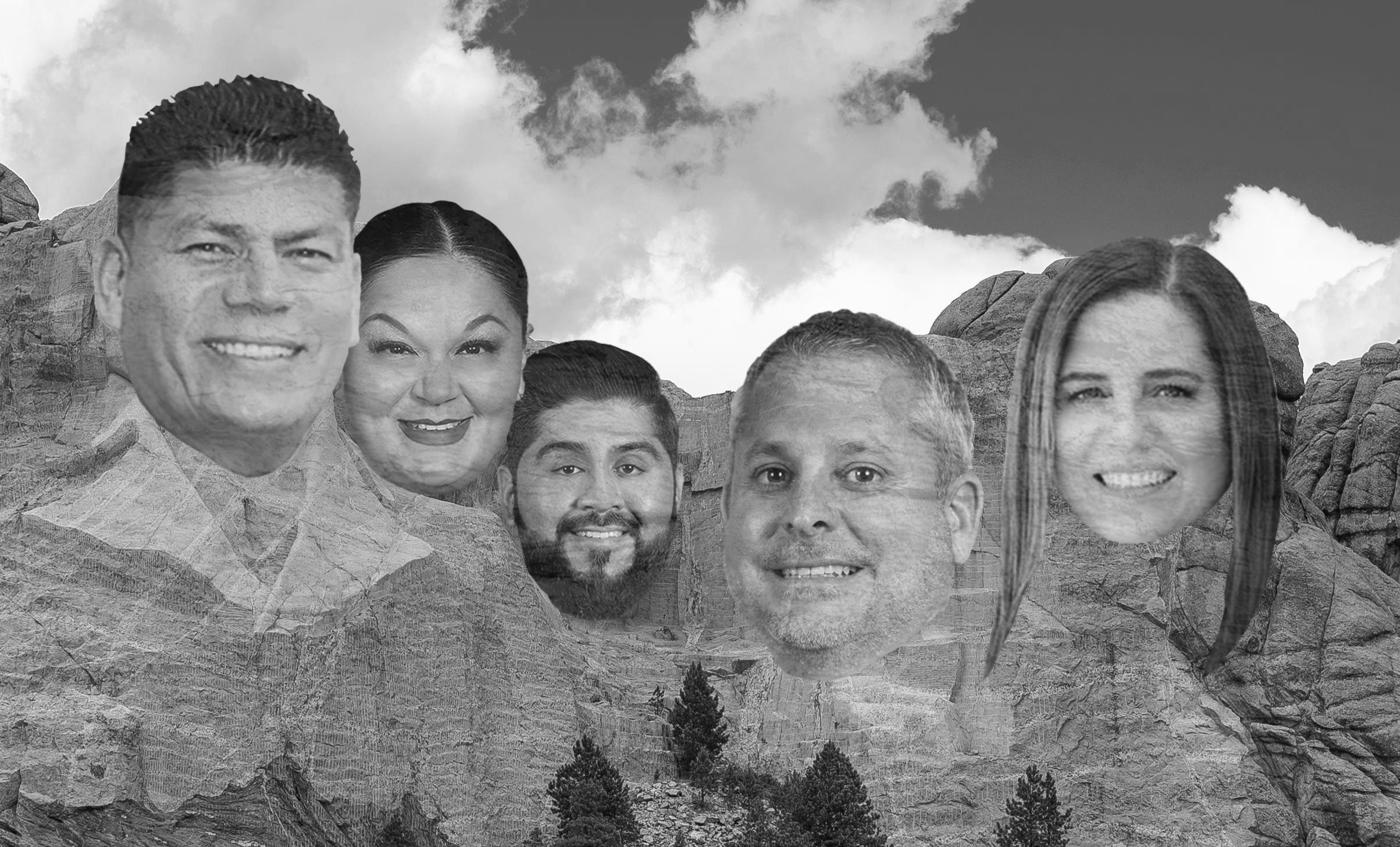
Figure Above: Martinez, A. 2024. Mount Commerce. Commerce, CA, United States
Mireya Garcia
GOVERNMENT STRUCTURE
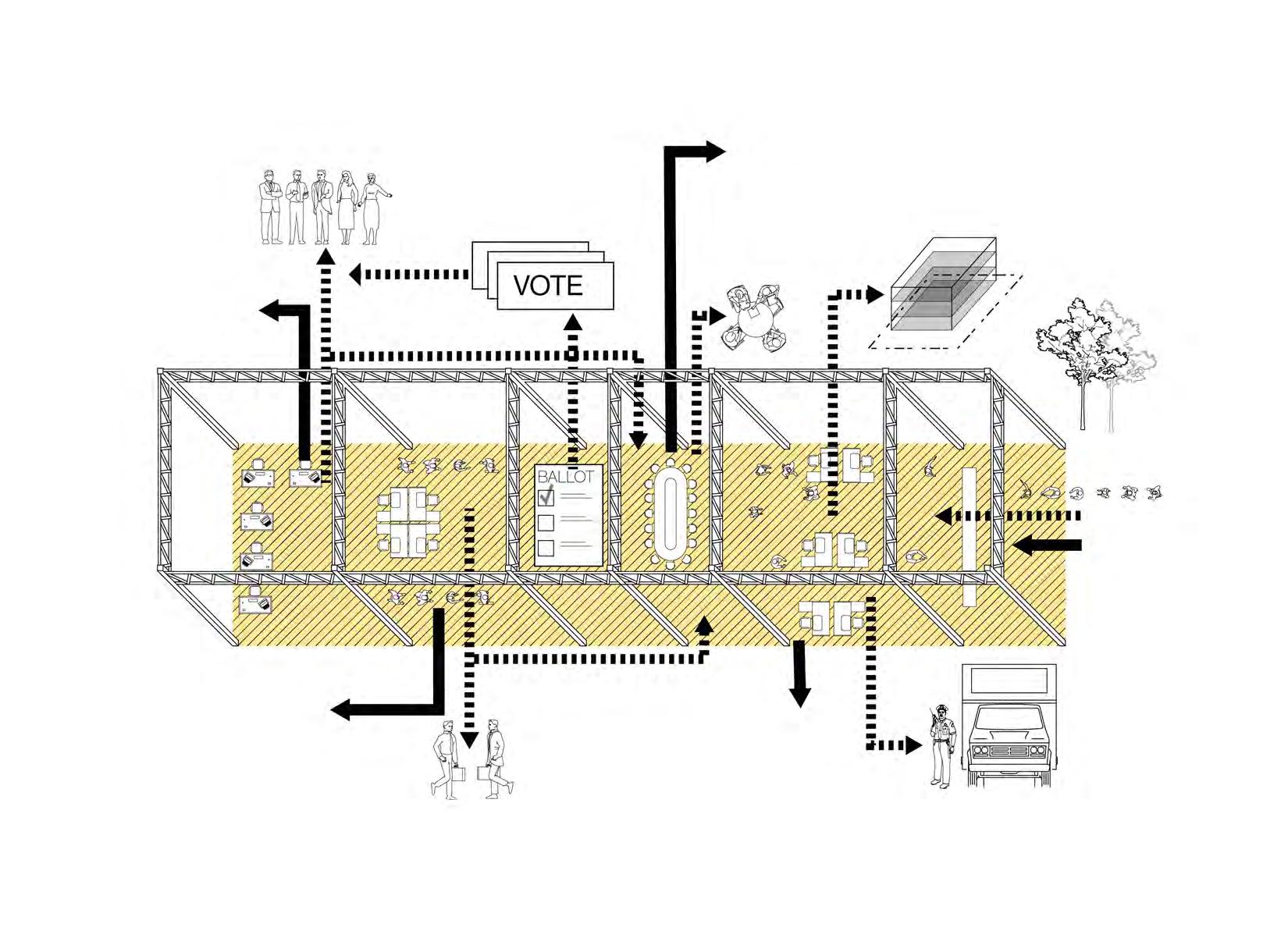
A government structure outlines the framework through which responsibilities are organized. The City of Commerce operates under a city council manager government form. The city council is formed with five 5 council members: Mayor, Mayor Pro Tem, and 3 council members. In Commerce, there are certain rulesets on campaign and term limitations. In the city’s municipal code, a person is unable to operate on the city council after completing three full terms. It is important that all members and offices of the city are considered as one office, to limit the term limitation. Additionally, Commerce limits campaign contributions or donations to $2,500 per year to a candidate to ensure no donors have control over candidates. These limitations are meant to keep elections honest and stop anyone from having too much power within the government.
MEETINGS & SPECIAL MEETINGS
Regular city council meetings are held in the City Council Chambers on every first and third Tuesdays of each month. The Mayor or three members of the city council can call a special meeting at any time; however, they must have a written consent on file with the city clerk 24 hours before the proposed meeting.
MAYOR & COUNCIL MEMBERS
The council is made up by 5 members: Mayor, Mayor Pro Tem, and 3 council members to serve 4 years. They are in charge of setting policies, passing ordinances, and overseeing the city’s development.
THE PUBLIC
The citizens of Commerce plays a large role in shaping the community and government. They are allowed to apply any application and raise questions to the city’s departments to improve the neighborhood.
CITY MANAGER
The city manager is usually appointed by the City Council and Mayor. They are responsible for overseeing and monitoring operations of the city departments and form recommendations to the City Council.
DEPARTMENTS & SERVICES
City of Commerce has a variety of departments for different concerns, ranging from planning and development to public safety. They typically process proposals, permits, and request for residents or business owners.
Figure Above: Wu, N. 2024. Government Structure Diagram, Commerce, CA, United States
CORRUPTION 2016 2018
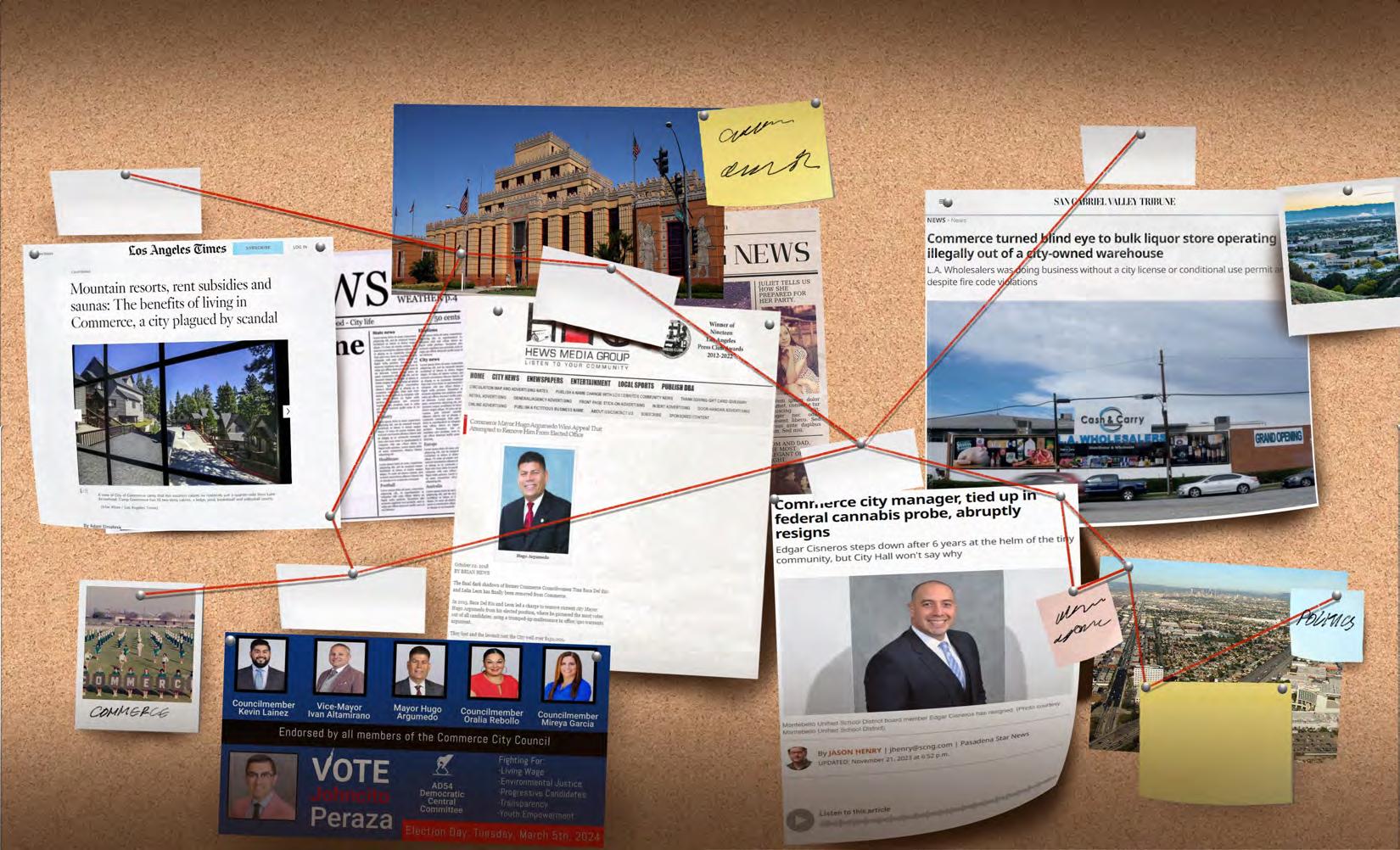
This section covers sensitive topics of corruption and allegations in the City of Commerce. While uncomfortable, it is important to provide context. The following refers to past articles on Commerce’s political history.
FUTURE?
In 2016, an Los Angeles Time article details how some former council members were suspected of bypassing regulations. One example illustrates how former councilwoman Tina Baca Del Rio paid $55,000 in penalty fees for not upholding ethics law. Despite the turmoil, the city government remains attentive to residents and continues to update regulations.
Councilwoman Tina Baca Del Rio and Lelia Leon, attempted to remove Mayor Hugo Argumedo from office. In 2018, two articles published by Hews Media-Group Community News, mentions them filing a lawsuit against Argumedo, citing a previous misdemeanor as grounds for disqualification. The courts found no evidence of moral corruption by Argumedo.
In a San Gabriel Valley Tribune Article titled “Commerce city manager, tied up in federal cannabis probe, abruptly resigns” by Jason Henry, the author reported that Cisneros stepped down from his position that he held for 6 years. In 2023, it was alleged that Eric Cisneros accepted funding from companies “seeking retail cannabis licenses” (Henry, 2023, p.2), leading him to abruptly resign. After his departure, assistant city manager Vilko Domic fulfilled the role of city manager in Commerce.
2024
Following the resignation of Commerce city manager Eric Cisneros, the public discovered Cisneros allowed Amitim Group LLC to manage food distribution and liquor without a proper permit. This incident was reported in the San Gabriel Valley Tribune by reporter Jason Henry, who describes how the city manager allegedly allowed the business to continue with below-market price rent. The city addressed the issue by shutting down the business.
Figure Above: Wu, N. 2024. Corruption Scene, Commerce, CA, United States
SB549& OTHER POLICIES
SB 549
Allows California Indian tribes to bring legal actions against licensed California card clubs and third-party proposition player services to determine whether certain controlled games violate state law and tribal gaming rights.
SOP 204
The Petty Cash policy allows for the reimbursement or purchase of City business expenses under $100, with oversight from the Finance Department, prohibiting personal loans, older expenses, and transaction splitting to bypass the $100 limit.
SOP 303
This policy outlines the process for City staff and volunteers to request and obtain approval for staff meeting refreshment reimbursements or advances, requiring documentation, Finance Department verification, and timely submission of receipts, with penalties for discrepancies or non-compliance.
SOP 320
The City of Commerce’s policy aims to protect its assets from fraud by outlining procedures for investigating suspected fraud, requiring employees and officials to report irregularities, ensuring cooperation in investigations, and involving law enforcement and external auditors as necessary, while providing whistleblower protections and pursuing recovery of losses.
701
This procedure establishes the contracting process for Professional Services, requiring varying levels of approval based on the contract amount: up to $10,000 requires department head and Finance approvals, $10,000 to $25,000 requires City Manager approval, and over $25,000 requires City Council approval.
SOP 713
The policy establishes the use of Cooperative contracts to help the City of Commerce lower procurement costs for shared goods and services through agreements with other government entities, allowing authorized personnel to leverage these contracts while ensuring compliance and efficient resource use.
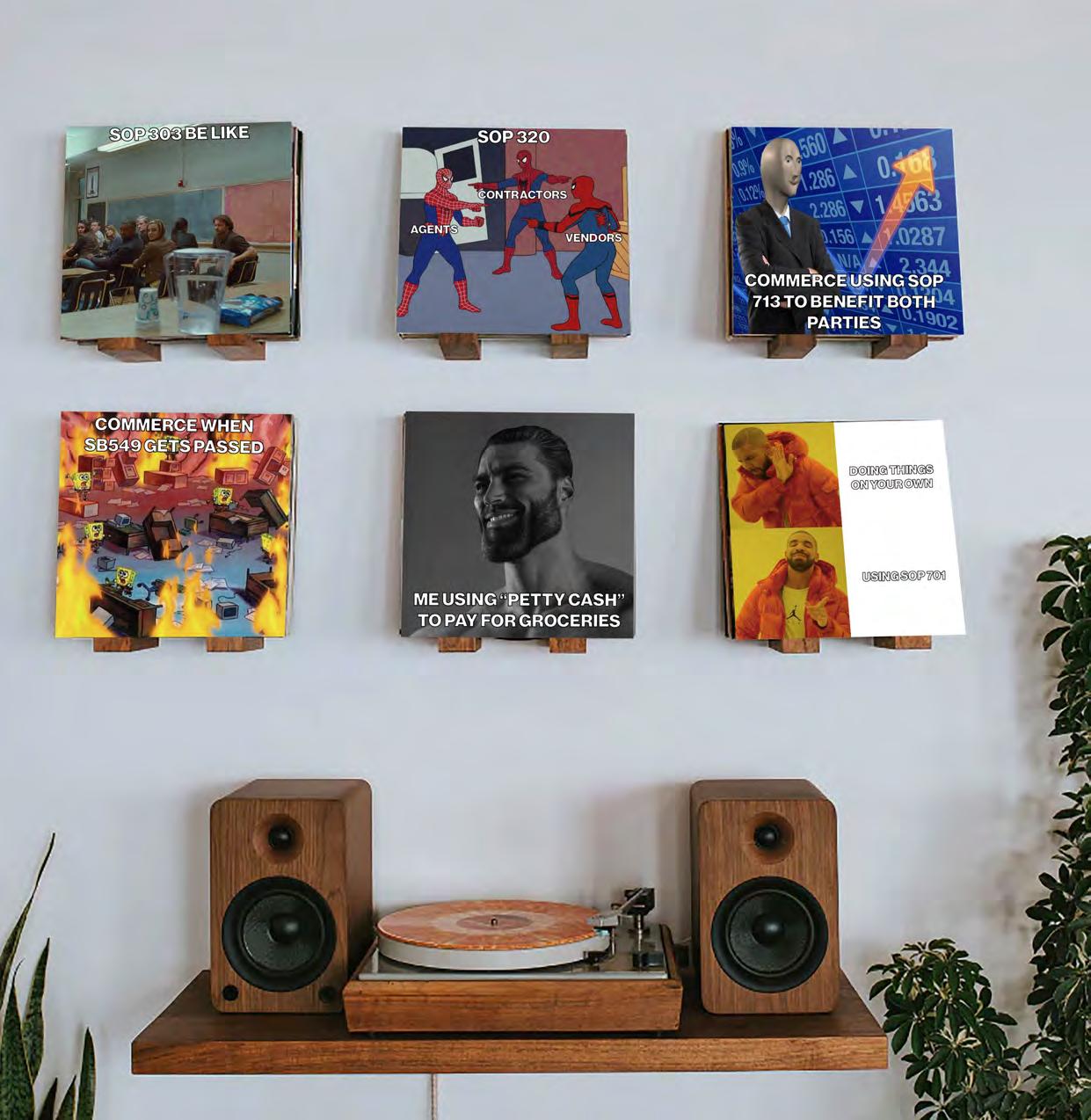
Figure Above: Martinez, A. 2024. Commerce Vinyl Wall of Memes. Commerce, CA, United States
SOP
Case Studies ofCommerce
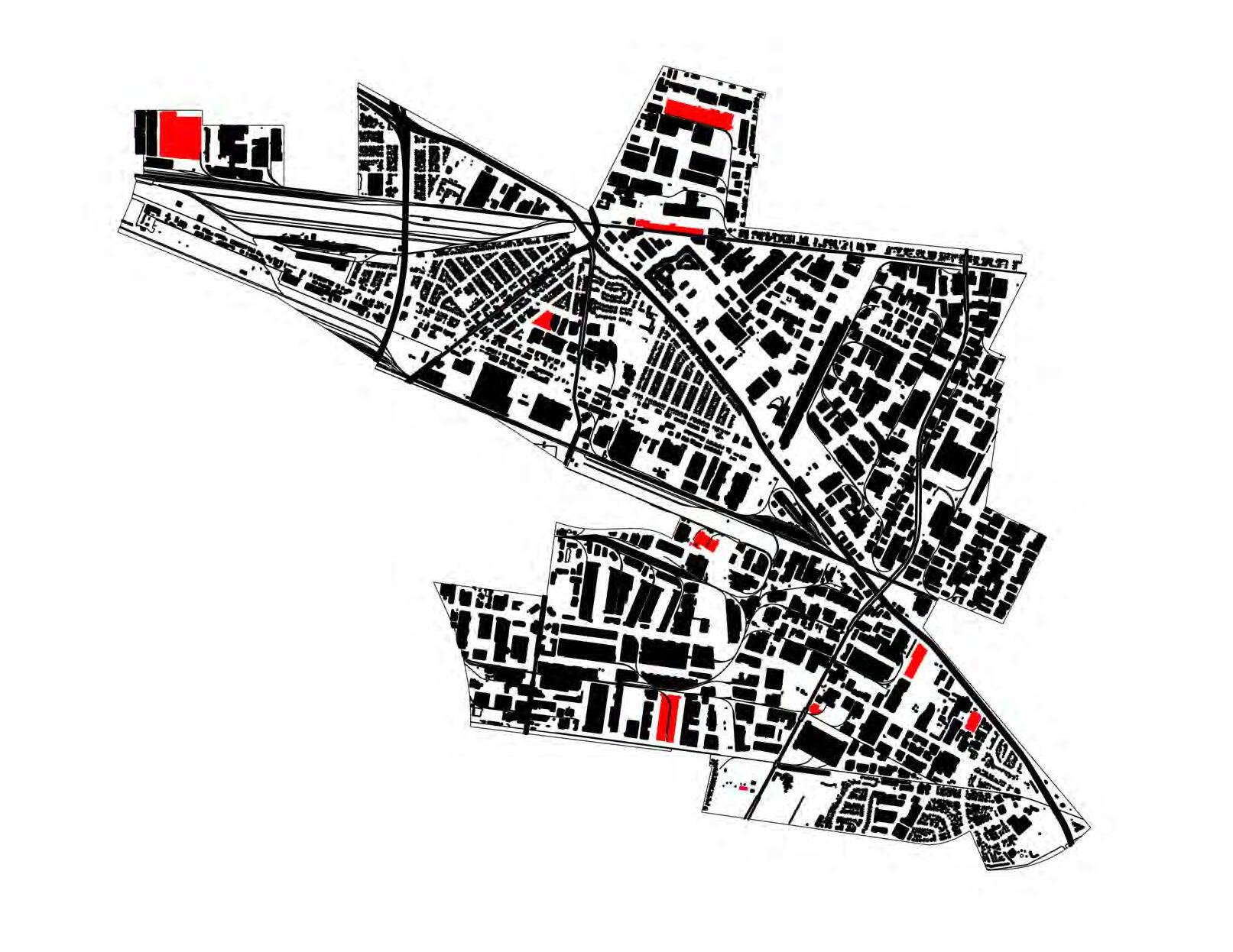
BOUTIQUE AMPS DISTRIBUTION
JOHANESSEN TRADING CO. TWI WAREHOUSE SCE LAGUNA BELL STATION
SCOTCH PAINT & COATINGS
99 Cent Only Distribution Center
4000 Union Pacific Ave
99 Cents Only, founded in 1982, is a discount retailer where all items cost less than a dollar. The company headquarters are located in Commerce, CA. Unfortunately, the store that many know and love has closed all of it’s locations due to financial difficulties from the pandemic and rising inflation.
The 99 Cent Only Distribution Center was located in a 882,000 square-foot warehouse, built in 1947.. The building features numerous loading docks on three sides, while the fourth side is adjacent to another building. Additionally, there are 2 ramps and 3 stairs for workers to access the roof. Constructed from concrete, the building features metal corrugated siding. There are no windows or skylights, so any natural light will enter through the loading dock openings.
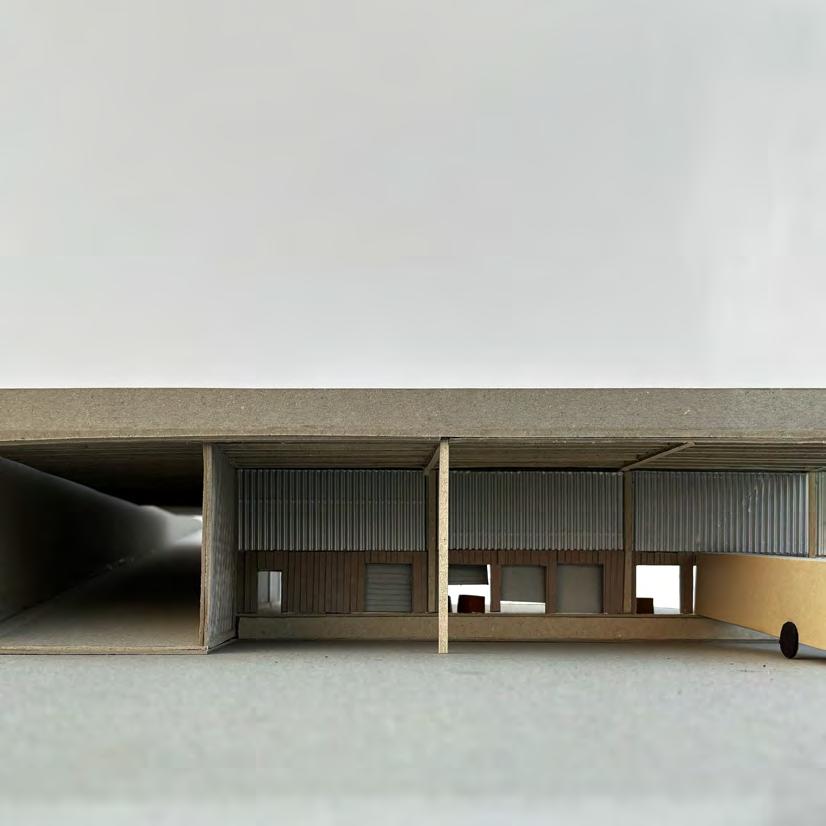
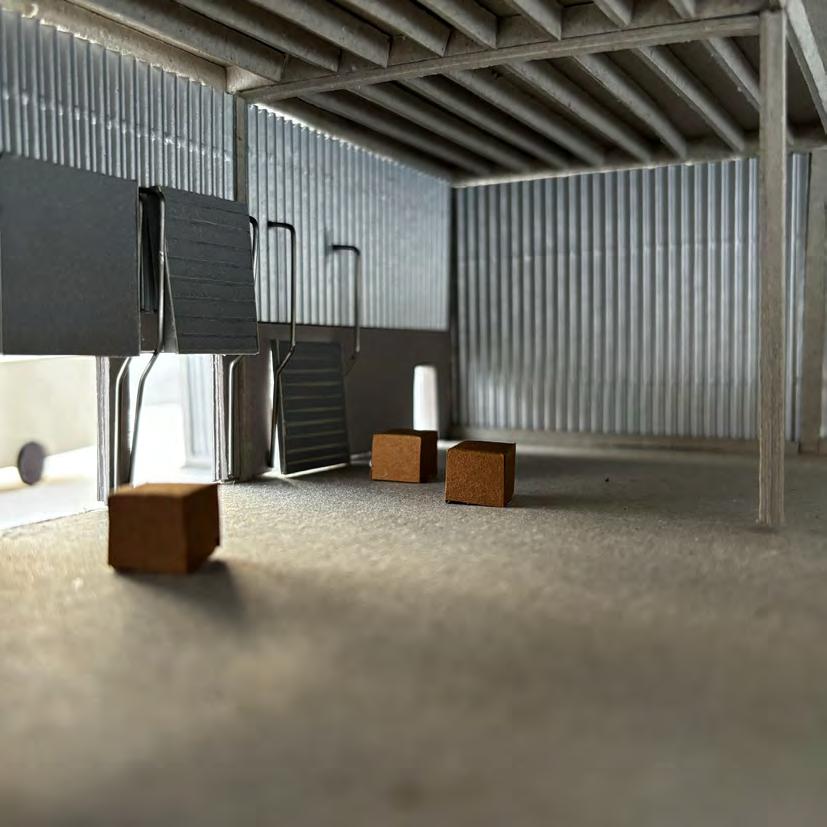
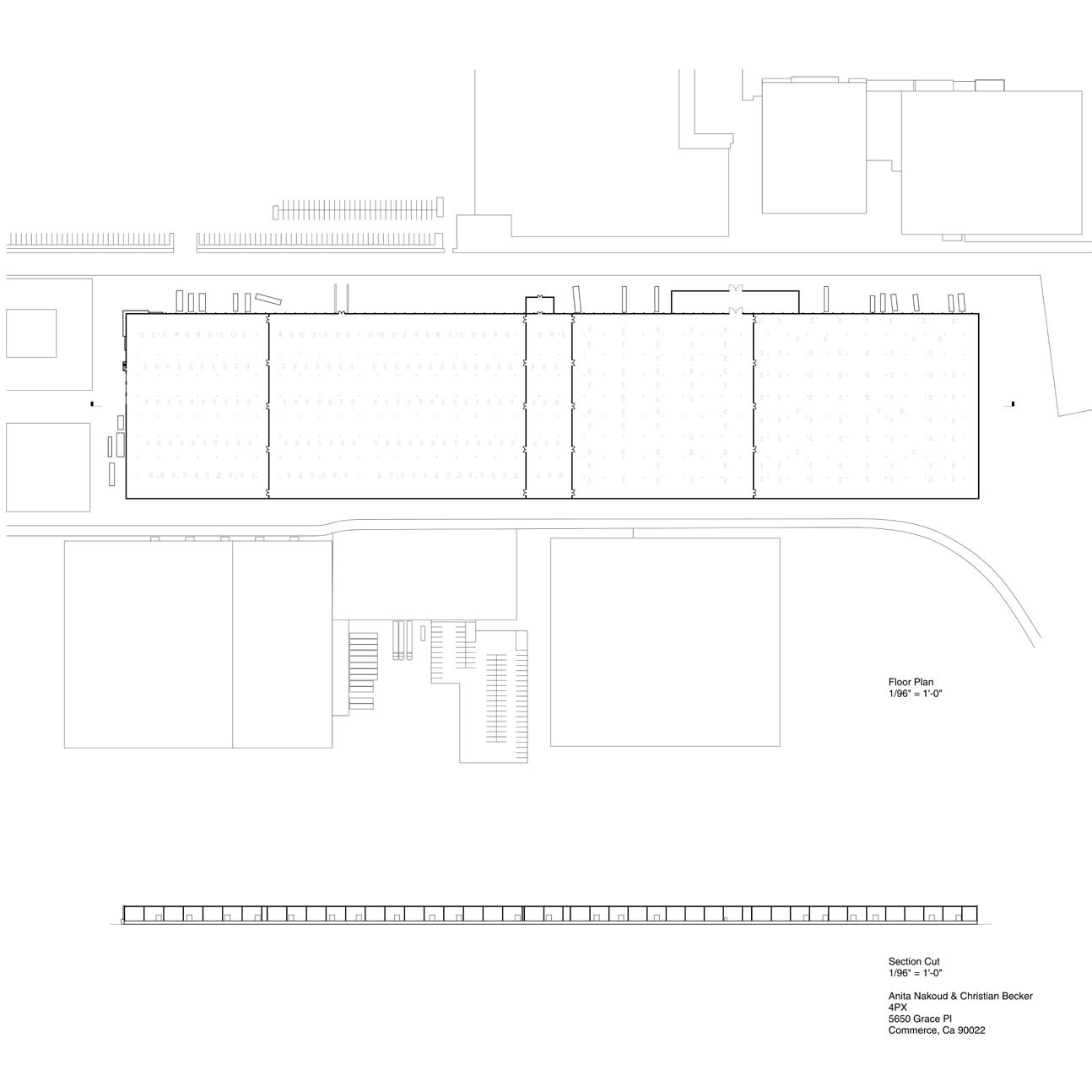
5650 Grace Pl
Shenzhen 4PX Express Co is a leading provider of cross-border e-commerce logistics services established in 2004. The company has over 10,000 employees and more than 100 branches globally, 4PX continues to innovate in the logistics supply chain.
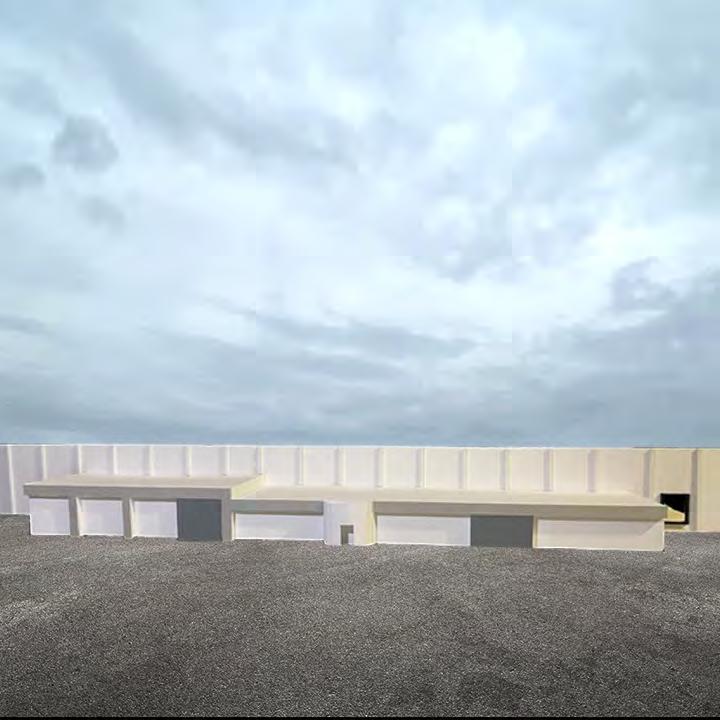
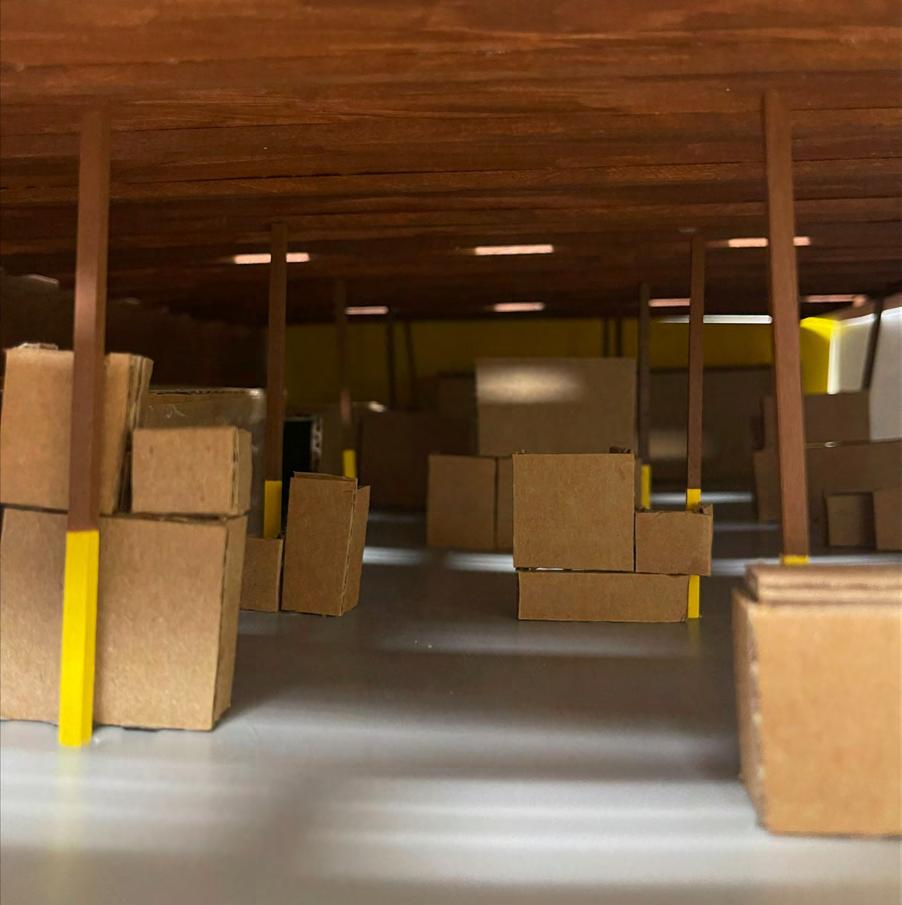
4PX is located in a rectangular warehouse built in 1962, featuring a two-toned white and gray exterior that accommodates multiple businesses. The north side of the building provides the most access, with multiple doors and loading docks while the south side is adjacent to the railroad. Windows appear primarily on the north side of the building and at the NW corner, where the lobby is located. Although, there are commercial skylights designed to let natural light shine through, the interior still appears relatively dark.
Industrial Space
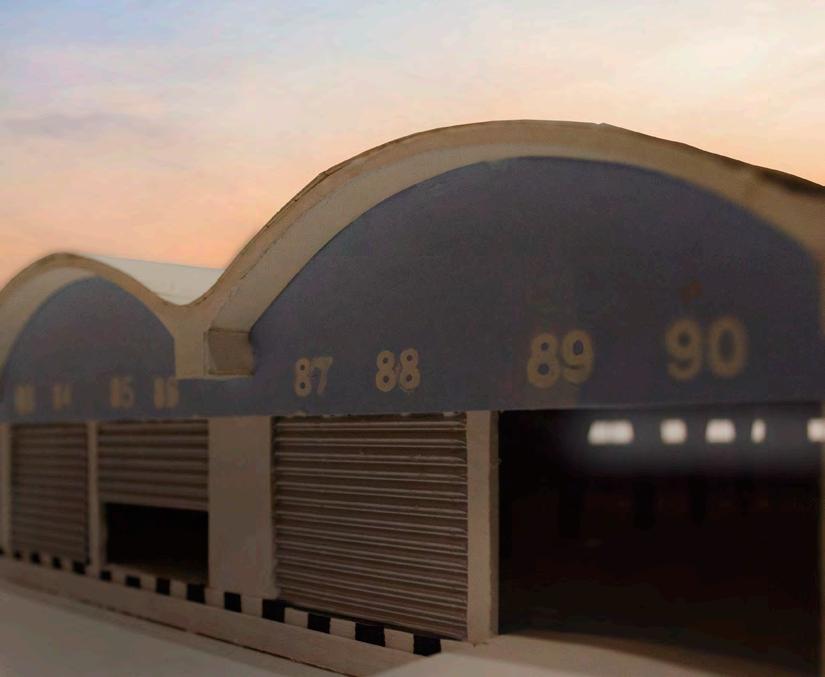
5530-5678 Ferguson Dr
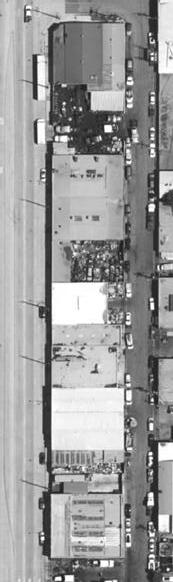
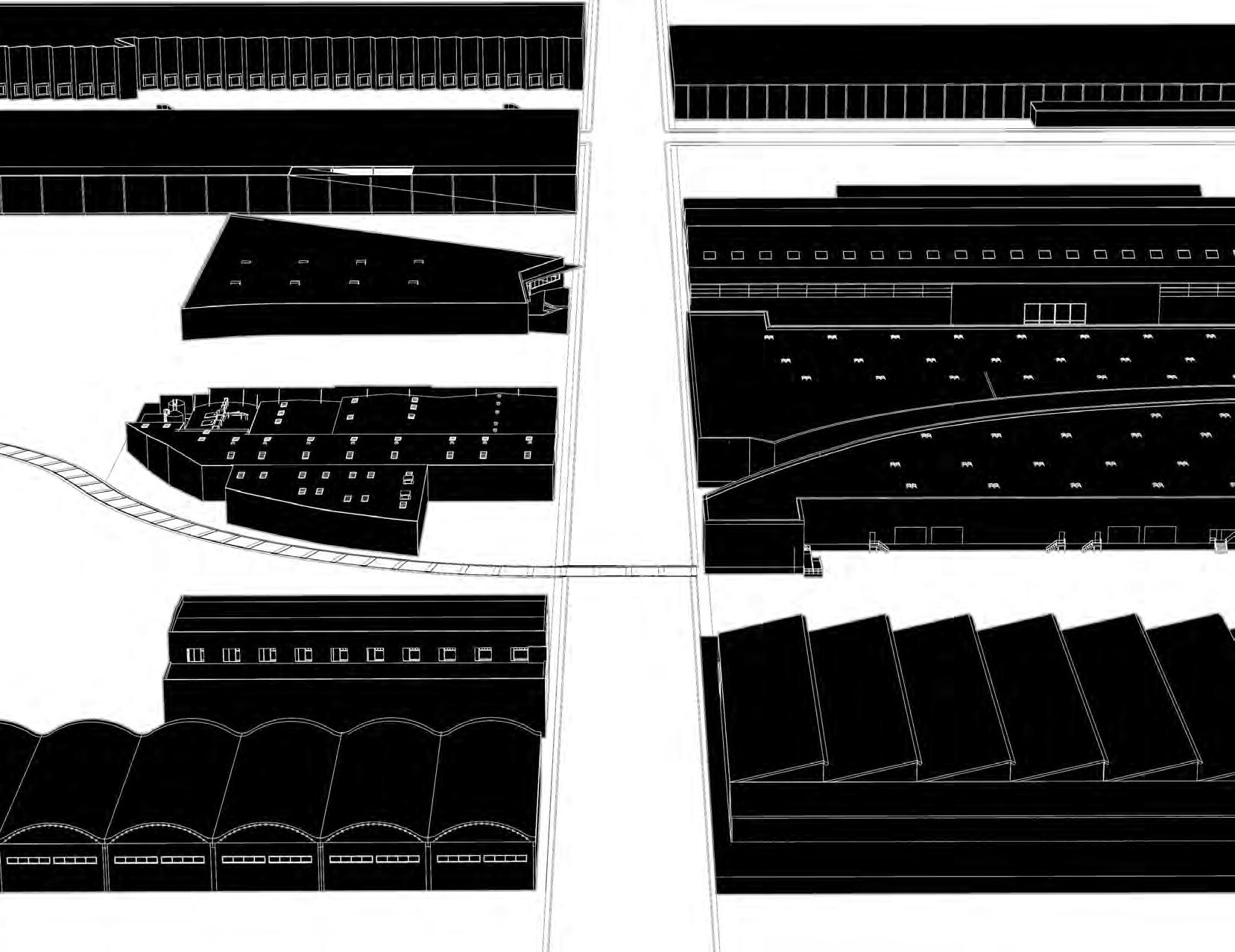
There is very minimal information available regarding the former functions of this warehouse, and the only notable business marked on the map is “Rush My Passport,” a passport courier service that once operated in the vicinity. The warehouse comprises 30 individual units of industrial space, all of which are zoned for heavy manufacturing purposes, indicating the building’s original intention for highcapacity industrial use. The structure is characterized by light blue exterior walls, giving it a distinct, recognizable appearance, while the roofs are designed in a semi-circular shape, painted in white to complement the overall aesthetic. The warehouse is also equipped with gray metal rolling doors, which provide functional access to the industrial units. Despite its large scale and manufacturing focus, the building has minimal natural light, with few windows or openings to allow sunlight inside, aligning with its utilitarian design.
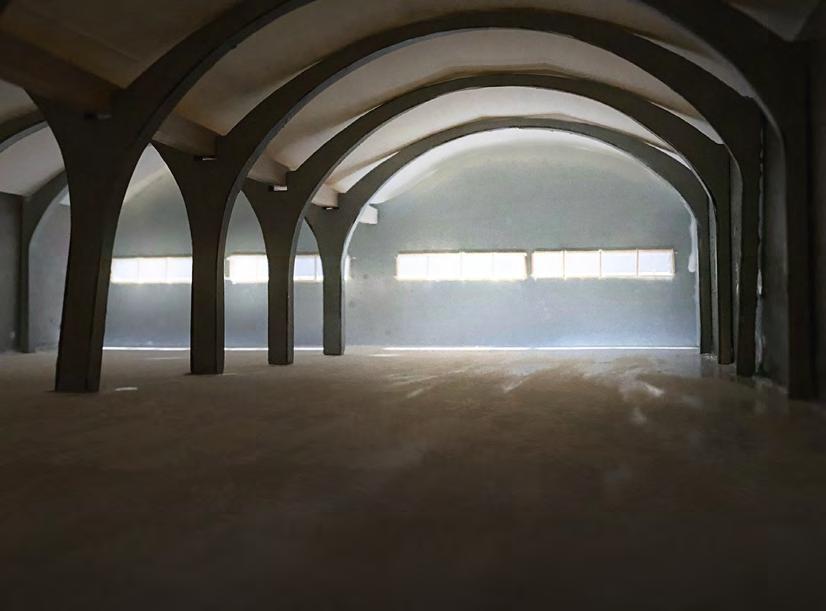
Boutique Amps Distribution
5300 Harbor St
& NOAH GOMEZ
Boutique Amps Distribution focuses on the distribution of music equipment such as guitar amps and audio gear. Boutique Amps supplies to music industry retailers and music equipment dealers. The company’s headquarters are located in Commerce, CA.
SHERER & NOAH GOMEZ
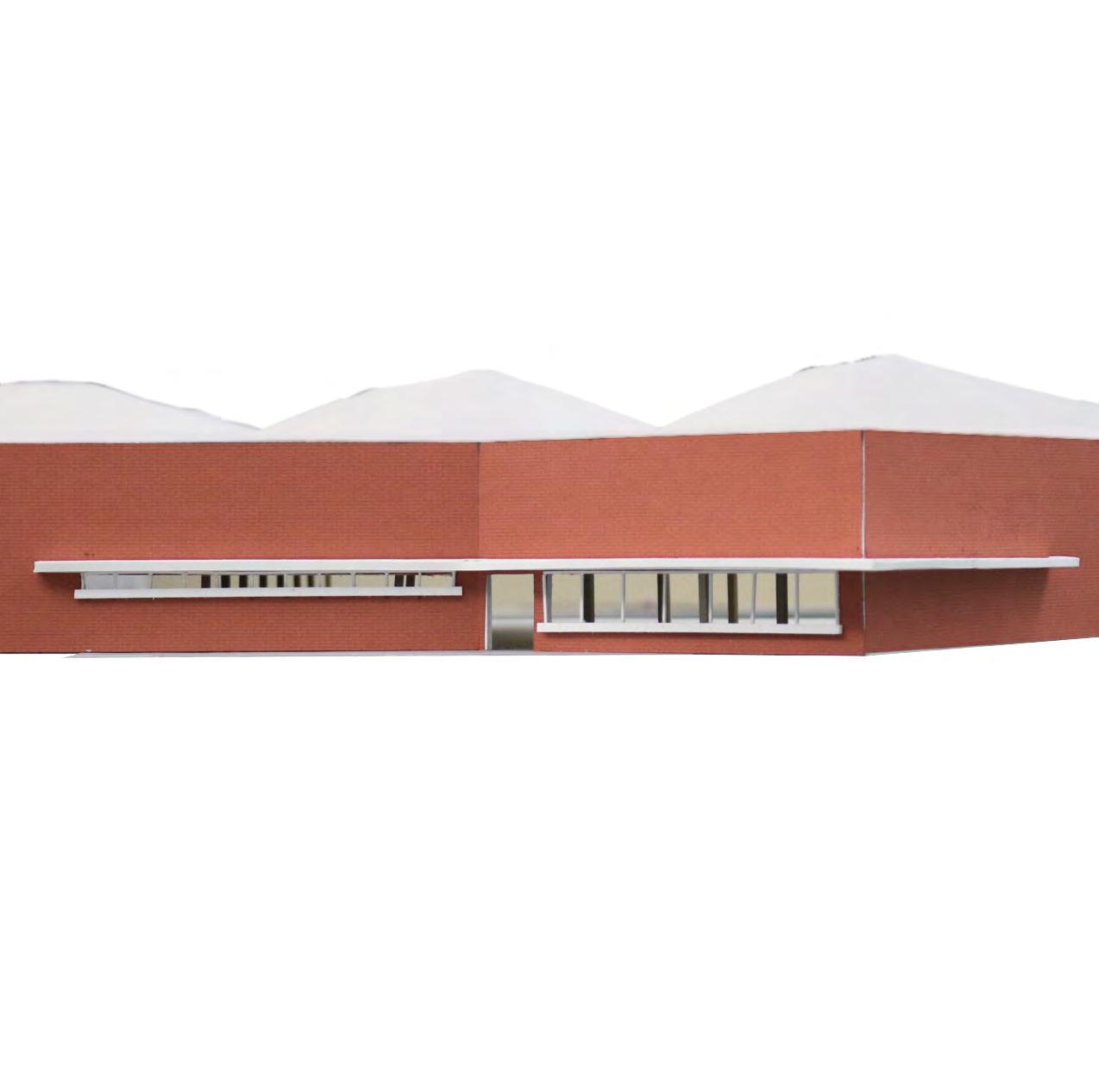
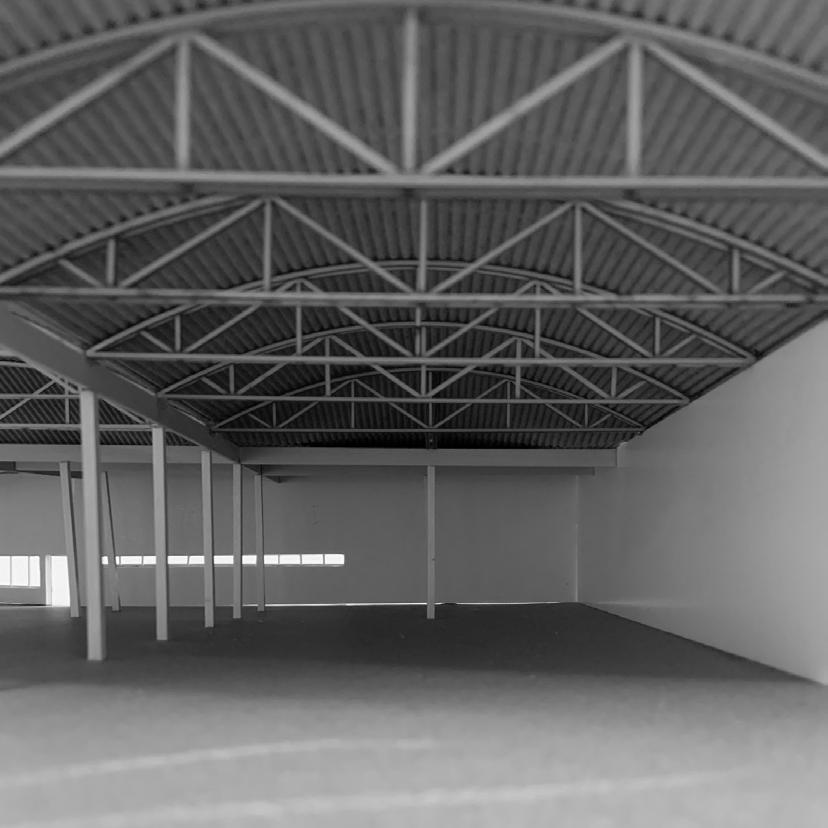
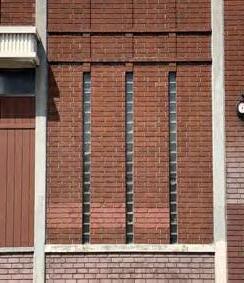
The building built in 1953, has a unique five-sided form, narrow at one end and widening at the other. The east face features a curve that complements the adjacent building’s curved design. On the south side, the structure is next to a segment of an old, inoperable railroad. The front of the building, where the main entrance is located, features many windows and faces towards a neighborhood. The building’s facade is made up entirely of red brick on three sides, while the fourth side is white accented with a strip of red bricks.
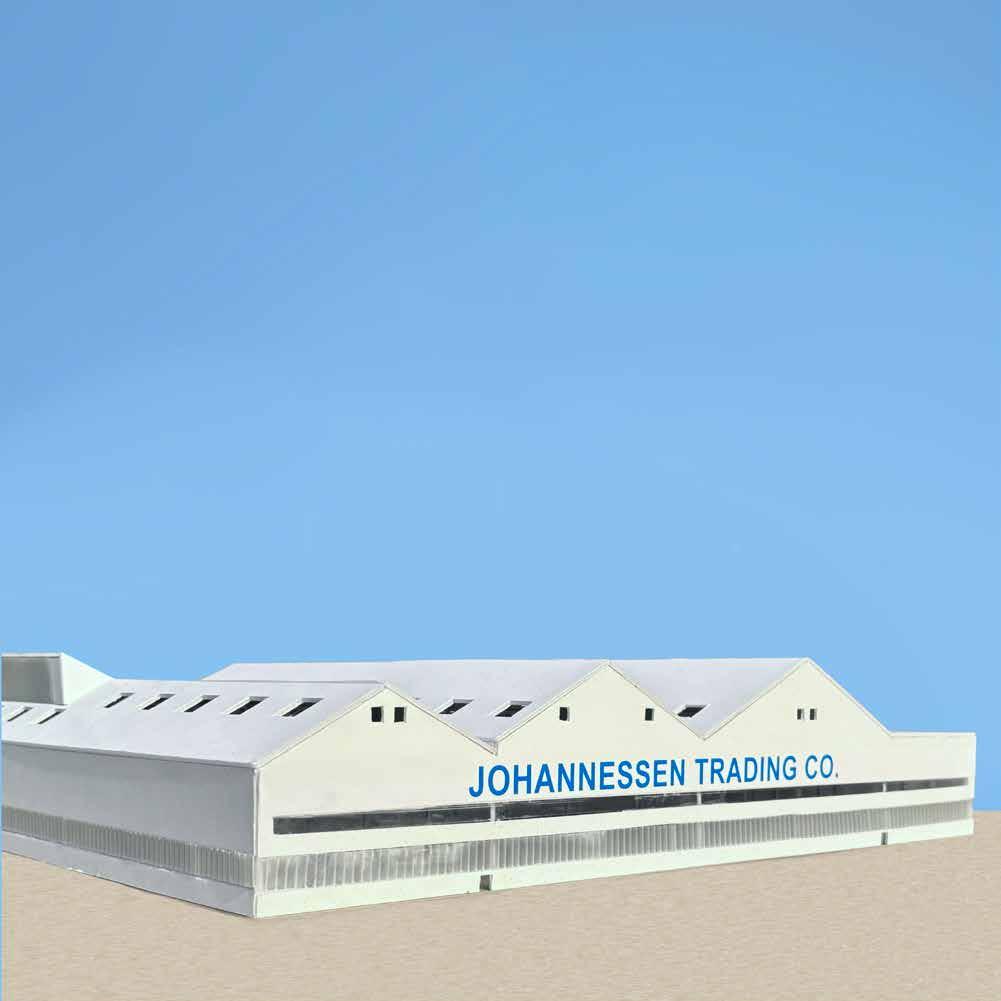
Johannessen Trading Co.
6111 Bandini Boulevard
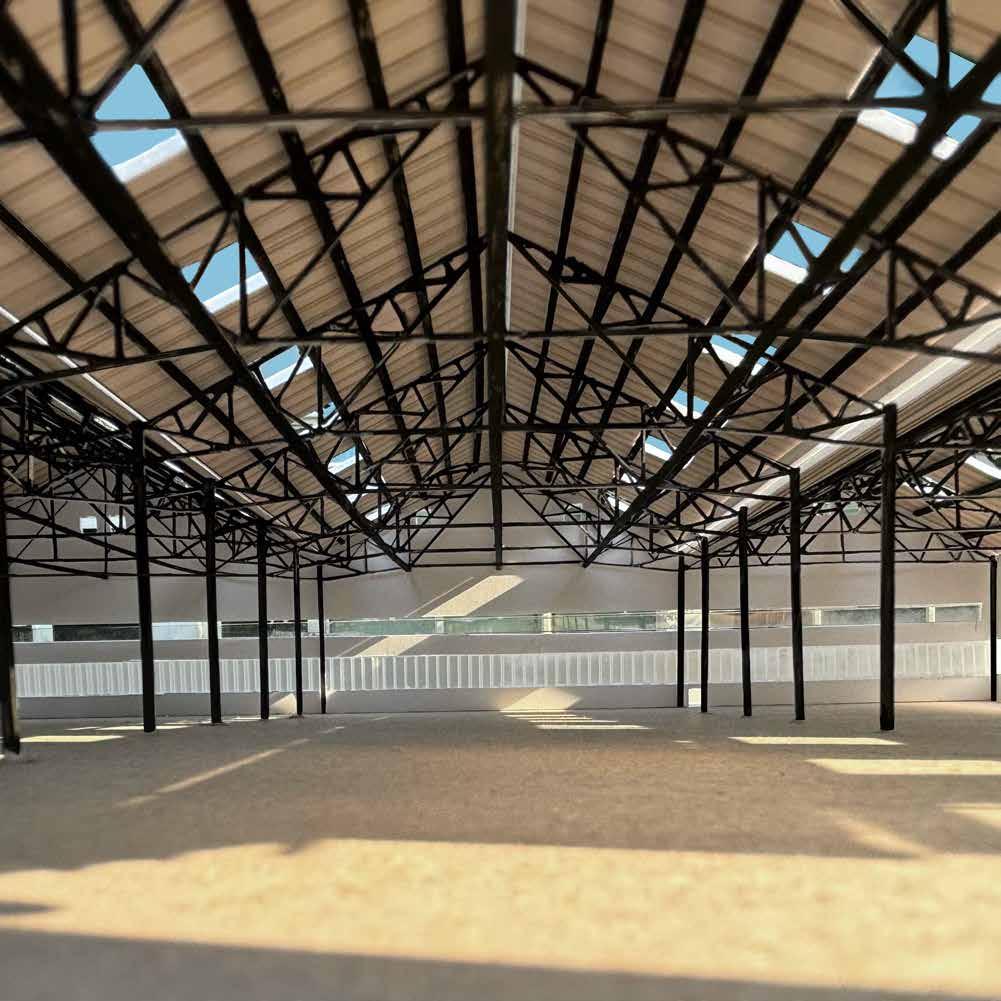
Johannessen Trading Corporation is one of the largest structural steel distributors in the west, renowned for its extensive inventory and reliable service. The company was founded in 1965 and eventually relocated to the City of Commerce in 1984, where it has established a significant presence. The warehouse itself holds a striking white facade with a sprinkle of blue as an additional character, adding a subtle yet distinctive touch to the building’s appearance. One of the most distinct features of the warehouse is the repetitive triangular roof, which spans across the entire space, creating a unique architectural rhythm. Additionally, the building includes a generous number of skylights, allowing for ample natural lighting to flood the interior and enhance the working environment.

TWI Warehouse
6195 Randolph Street
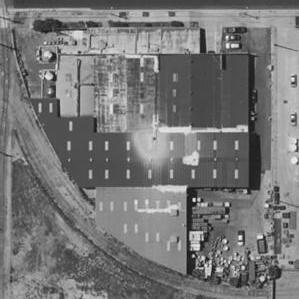
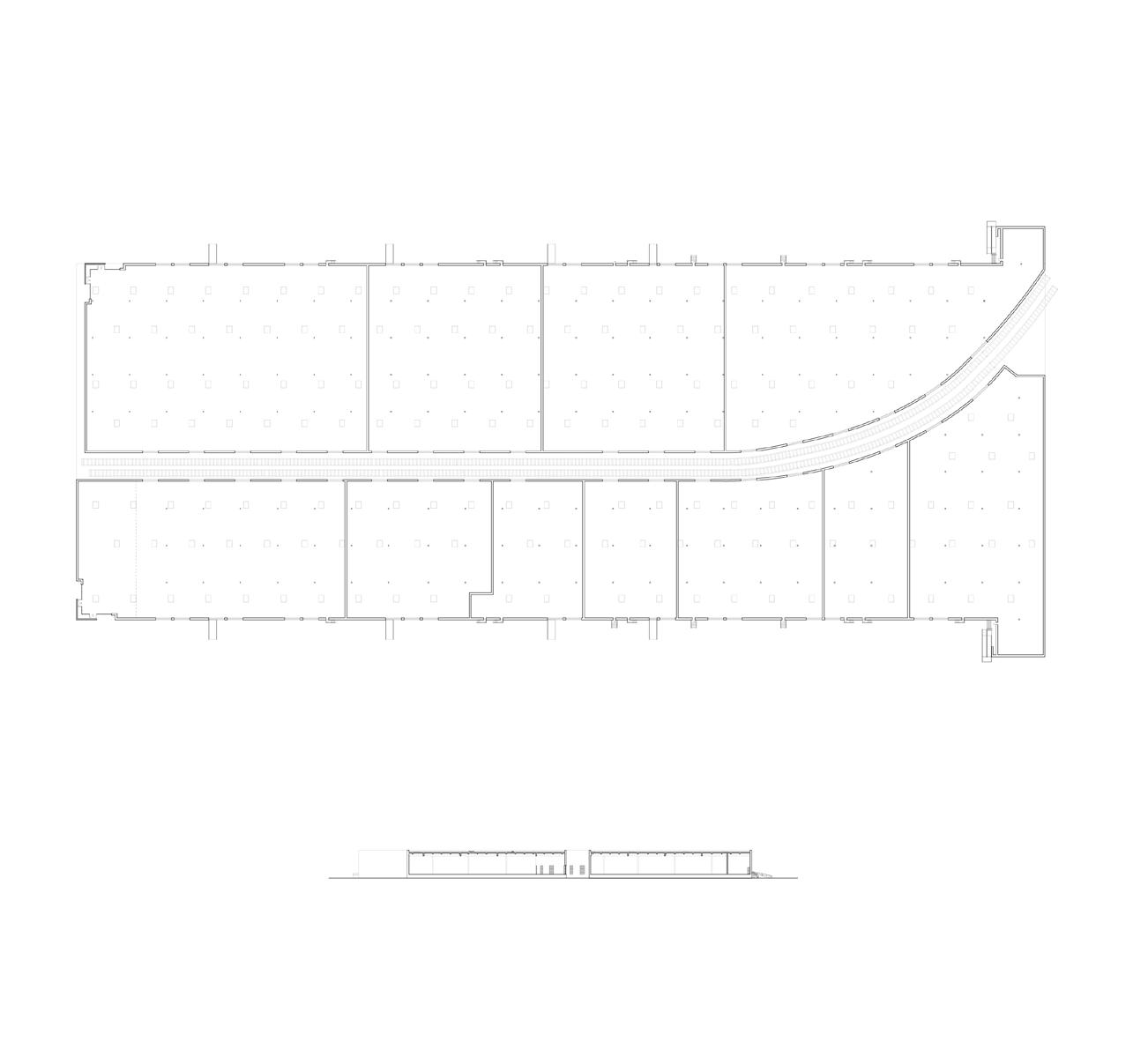
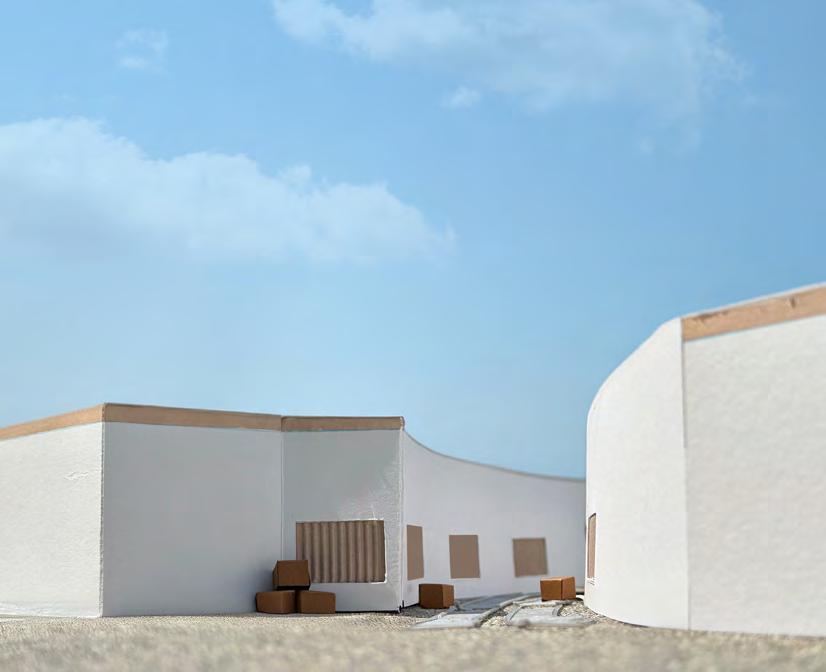
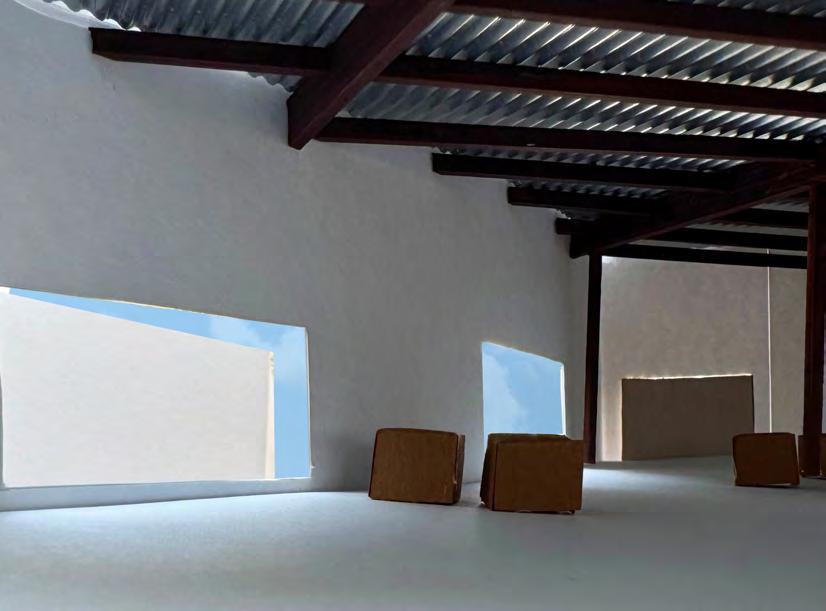
The TWI warehouse is a large space dedicated to multiple companies, including Draka Elevator Products, Expressit Logistics, Star Stainless Screw, Fox River Packaging, and Evily Distribution, each utilizing different areas within the facility. One distinct feature of the building is the old train track that divides the entire structure into two separate parts, adding a historical and functional element to the layout. Additionally, the warehouse is equipped with multiple loading docks, allowing for efficient transportation and distribution operations, further enhancing its utility for the various businesses it houses.
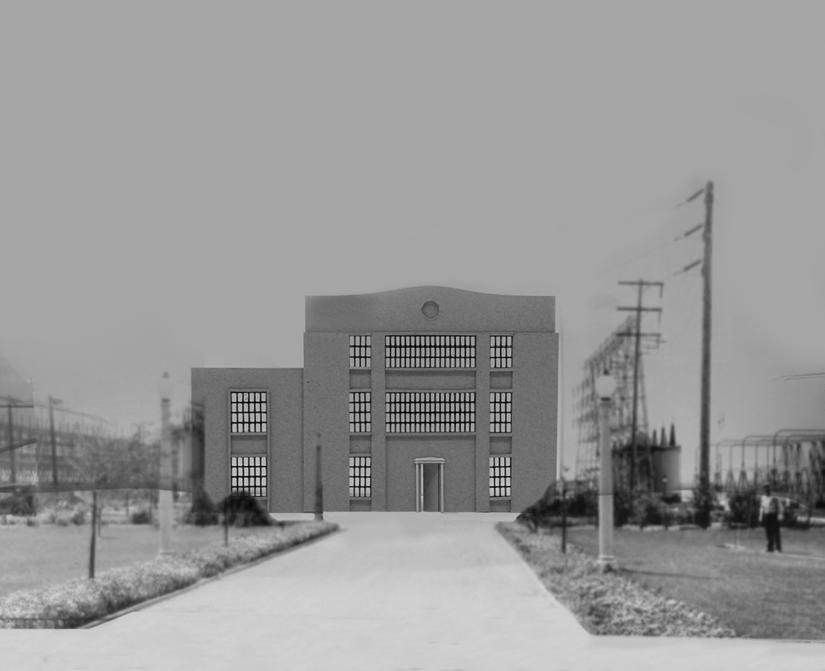
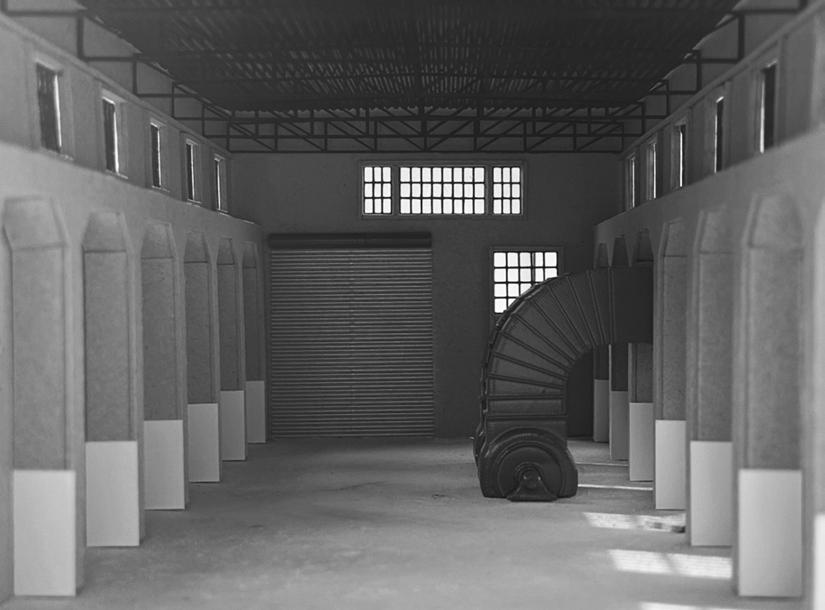
SCE Laguna Bell Station
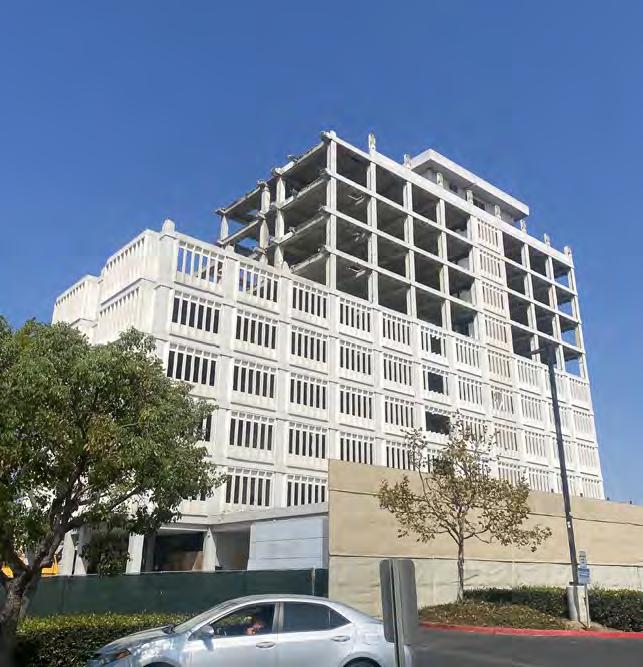
The main goals of the SCE Laguna Bell Station’s construction were to enhance product transportation and meet the growing needs of the suburban commercial and industrial infrastructure that was spreading outside of the city’s original downtown area. The expanding growth in these regions required the backing of this strategic development. Concrete was used to construct the building’s façade, including the stairways and main framework, assuring strength and longevity. Plaster walls inside the station contribute to its basic and practical design. The station’s most remarkable architectural feature is its roof, which resembles a bell curve and adds to the building’s overall aesthetic appeal in addition to giving it a distinctive and identifiable appearance.
Scotch Paint & Coatings
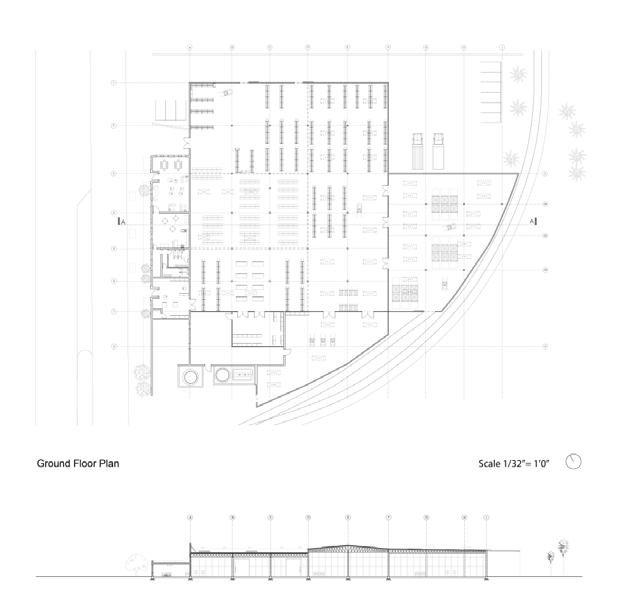
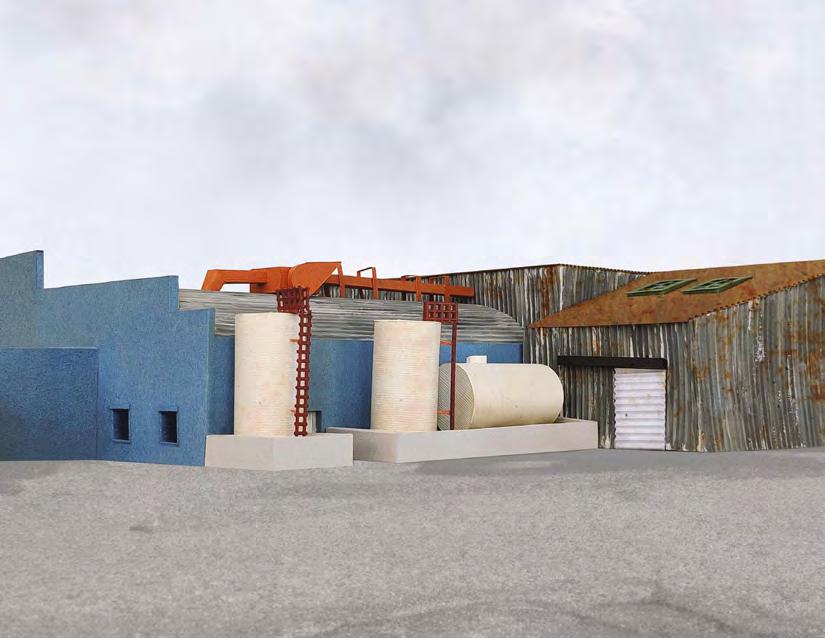
5928 S Garfield Ave
Scotch Paints and Coatings was established in 1951, focusing on manufacturing paint for the housing industry, selling to neighborhood contractors. The family run business, located in Commerce, CA, has experienced growing success over the years.
Built in 1946, the building has a unique form that curves on one side, responding to the adjacent railroad. Windows only appear on the side of the building that faces the street, while natural light enters through the commercial skylights. The building features a gray corrugated metal siding and concrete, contributing to its industrial aesthetic.
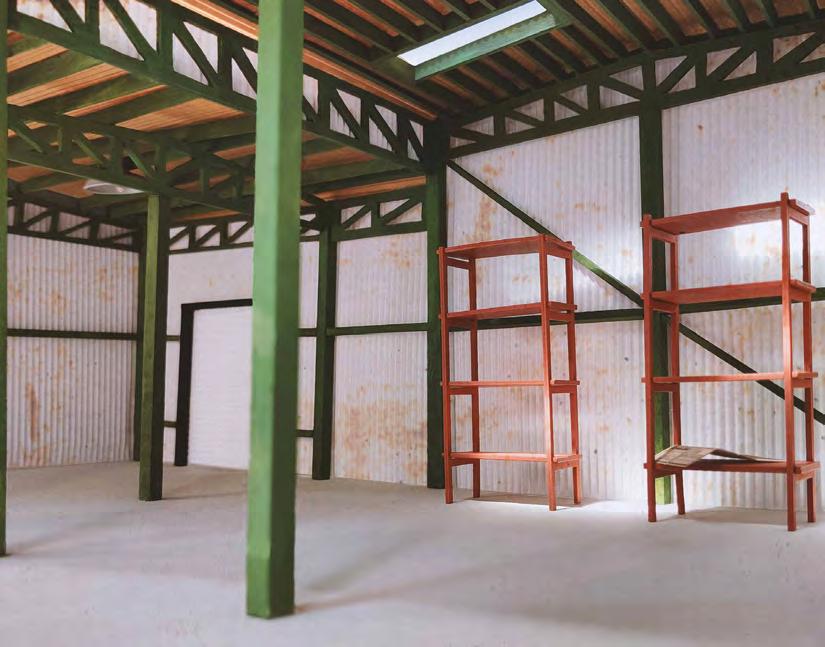
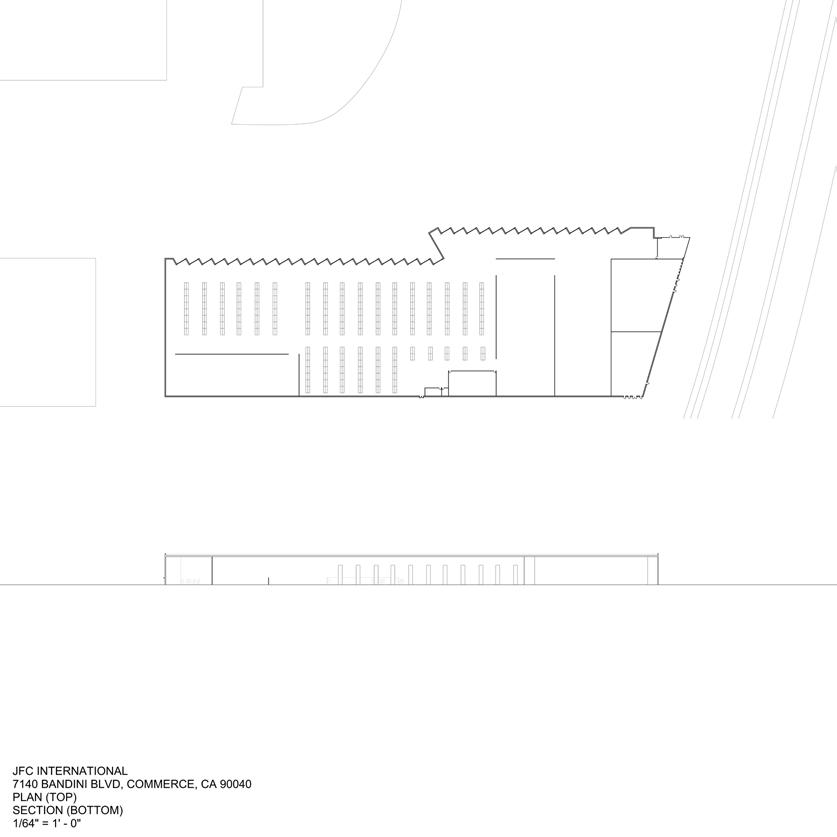
JFC International
7140 Bandini Blvd
JFC International is an Asian food distributor with many locations throughout the United States. The business has experienced significant growth, serving a number of retail outlets and restaurants. The US Head Office is located in Commerce, CA.
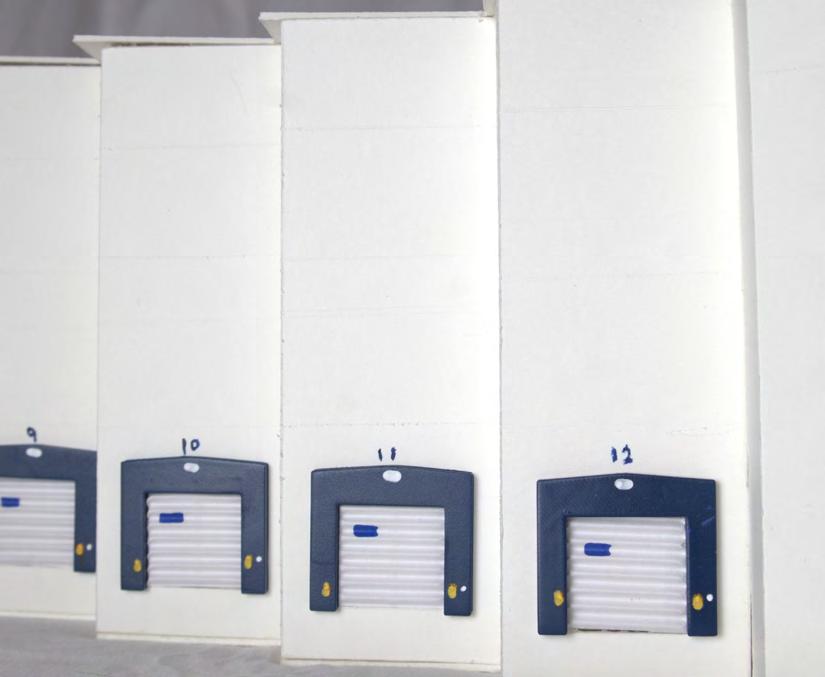
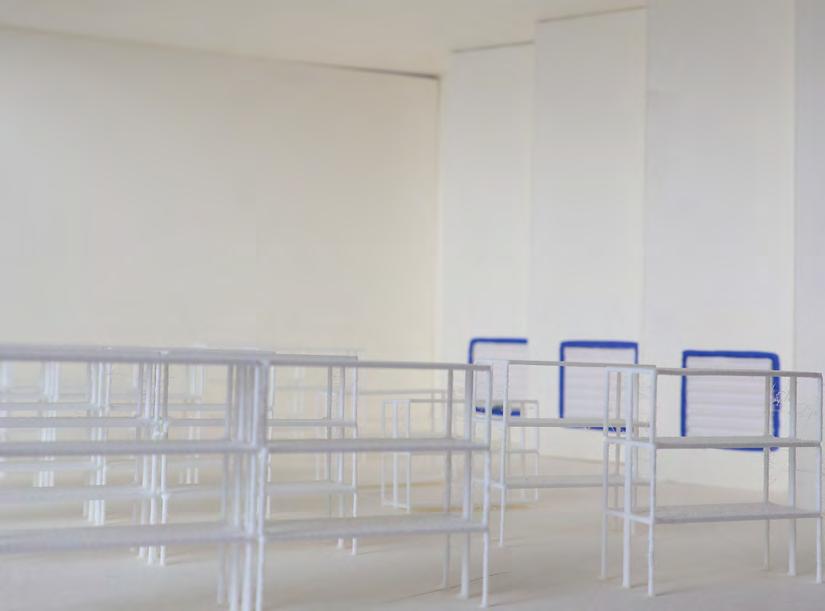
Built in 2019, the building is distinctive for its flat appearance on all sides except one, which features a sawtooth pattern along the whole wall. This side is functional providing an angled entry for trucks accessing loading docks. Additionally, one side of the building is angled to respond to the adjacent road and freeway, The exterior facade is primarily white, with the exception of the corner facing the street, where the main entry and lobby are located. The building has numerous windows and skylights to allow natural light to enter the building.
Romac Factory
7400 Bandini Boulevard
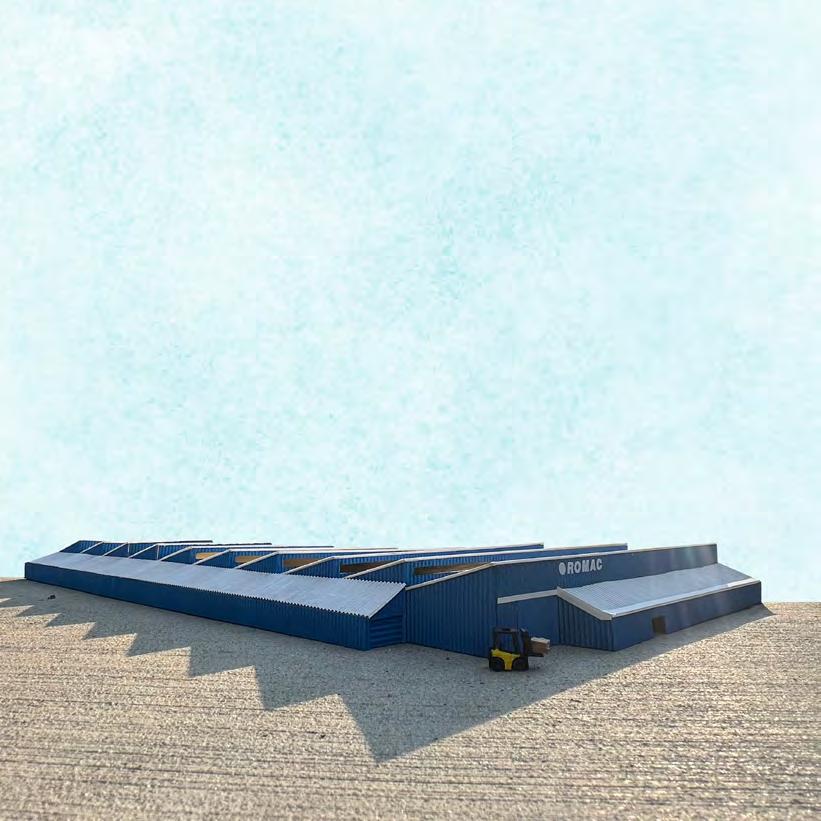
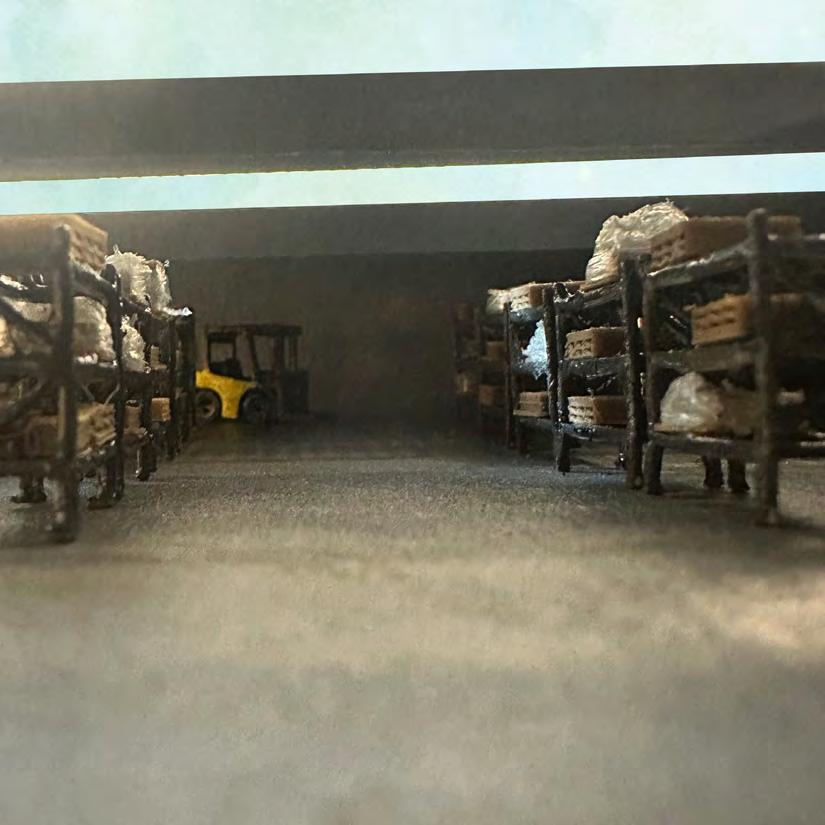
The Romac Incorporation was founded in 1969 at Bellevue, Washington, and has since been a prominent player in the innovation of industrial parts. The company’s warehouse, located in the City of Commerce, was originally used for storing electronics. The building features a distinctive saturated blue exterior made of corrugated metal, which effectively reflects the roofs of the neighboring structures. Although the building does not include roof skylights, it is designed with high windows positioned to introduce natural light into the interior spaces. This architectural choice, combined with the elevation of the side windows, results in the building standing taller than the surrounding edifices.
1/32" = 1'-0"
Trent Jones & Tyler Jones

Cal Poly Pomona Architecture Department Fall 2024
Topic Studio Noam Saragosti