Executive Summary




CENAP,theNationalCenterforResearchandConservationofCarnivorousMammalsunder ICMBio,offersmentorshipandtechnicalassistancefortheprojectthroughRogérioCunhade Paula.Additionally,CENAPisinvolvedintheexecutionofvariousactionsandcollaboratesin thedevelopment,implementation,andmonitoringoftheIguaçuJaguarProject'sactivities.
TheInstitutefortheConservationofNeotropicalCarnivores–Pró-Carnívoros–servesasa partnerinstitutioninthedevelopmentandexecutionofactivities,aswellasinthe managementofresourcesfortheOnçasdoIguaçuProject.AsofNovember2020,ithastaken ontheresponsibilityofoverseeingtheproject'sactivities
Weconductbiennialcensusescollaboratively,inadditiontopartneringonresearch, monitoring,engagement,andcoexistenceinitiativesinbothcountries Robustinternational cooperationisunderwayfortheconservationofthejaguar.
WWFBrazil,apartnersince2018,hasreneweditscollaborationuntil2025 Inadditionto servingasasponsor,WWFBrazilplaysasignificantroleasanimplementingpartnerinthe project'sconservationinitiatives.
VeterinarianJorgeSalomãopossessesamaster'sdegreefromFMVZ/USPandiscurrentlya doctoralcandidateatFMVZ/UNESP.Heoverseespostgraduatecoursesandservesasthe directoroftheVeterinaryHospitalattheFacultyofAmericana.Since2023,hehasbeenan associateresearcherontheproject,generouslycontributinghistimeandequipmenttoour capturecampaigns.
TheLaboratoryofEcology,Management,andConservationofWildlifeconductsresearchon thepreybaseofthejaguaracrosstheAtlanticForest,whichisintegratedwiththeIguaçu JaguarProject.Additionally,wecollaborativelyengageinstudiesconcerningdietand isotopicecology.
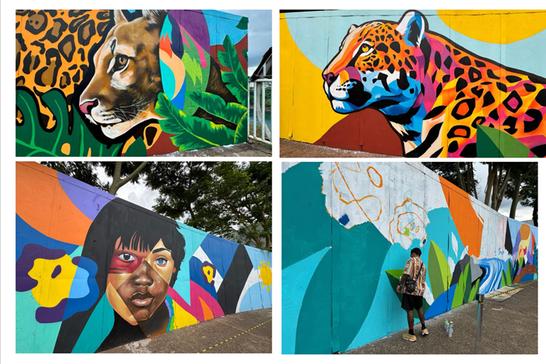
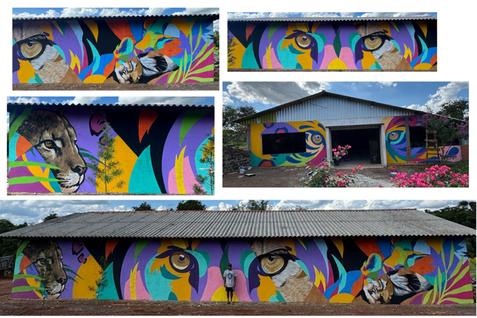
Artist Igor Izy collaborates with the Onças do Iguaçu Project as part of the Onça Grafiteira Program, and in 2025, he enhanced the availability of free graffiti art at our field base.


ICMBio, through the allocation of resources from Ancillary Charges stipulated in Concession ContractNo 01/2022forIguaçuNationalPark,representedourmostsignificantfundingsourcein 2025,withresourcesaccessibleuntilJanuary2027.






UrbiaCataratasofferslogisticalsupportforarangeofprojectactivities,includingcommunication andeventsforNationalJaguarDay Additionally,itprovidesfinancialcontributionsthroughthe saleofJaguaretébeerandalineoft-shirts,withproceedsallocatedtotheprojectintheformof supplies for its initiatives. In 2025, it emerged as one of the project's primary sponsors, committinganannualcontributionofR$300,000.00.Thepartnershipwasextendedfor2026.
WWFBrazil,apartnersince2018,hasextendeditscollaborationuntil2025.Theseresourceshave facilitated the development of research initiatives, coexistence strategies, and engagement activities with communities adjacent to the Iguazu Falls National Park focused on jaguar conservation
The"KnowingtoConserve"InstituteoverseestheresourcesgeneratedfromthesaleofUrbiaand Marco das Três Fronteiras products. Additionally, it offers logistical support for various project activities and communication materials for the National Jaguar Day celebrations The partnershiphasbeenrenewedfor2026.
The Ron Magill Conservation Endowment at the Miami Zoo has served as a significant sponsor since2022,supplyingresourcesforfieldwork Thispartnershiphasbeenextendedthrough2026
In 2025, Helisul commenced monthly contributions, establishing itself as a principal sponsor of theproject'sconservationinitiatives.Thepartnershipwasextendedfor2026.
In 2025, Dreams EcoPark financed the acquisition of furniture for the project's headquarters, gatheredcoinsthatwerecontributedtotheinitiative,constructedabridgealongoneofthetrails utilizedformonitoringjaguars,andbuiltachickencoopforthe"CiscandooFuturo"(Scratching theFuture)Program Thepartnershipwasextendedfor2026
In2025,werenewedourpartnershipwithVistIguassu,whichoffersannualfundingthatincludes supporting actress Cristiana Oliveira's participation in events celebrating National Jaguar Day, facilitatingprojectpromotion,andcoordinatingwithpartners.
MotivaAeroportoscollaboratedwiththeInstitutoPróCarnívorosin2023ontheOnçasdoIguaçu Project,leadingtotheestablishmentofthefirstJaguar-FriendlyAirportinFozdoIguaçu.In2025, cameraswereprocuredforwildlifemonitoringattheairport.Renewalisavailableuntil2026.



Thehotelservesasaprojectpartner,offeringlogisticalsupportasneeded.Itmanufacturesand retailsproductsinitsshopandbar,withprofitsdirectedtowardstheproject.In2025,itsupplied accommodationandmealsfortheprojectteamduringajaguarcapturecampaignandorganized fundraising events for National Jaguar Day. Additionally, in 2025, we formed a partnership to launchanincome-generatingprogramforwomenintheTekoháOcoyvillage,whichwasrenewed for2026.
TheOwsleyBrownIIFamilyFoundationbecameasponsorin2024,committingfundingthrough 2026.
LOG Nature serves as a reseller of the camera traps we utilize and has been our partner since 2018. In 2025, they sponsored the project by covering all labor costs associated with repairing damaged camera traps, offering discounts on purchases, and providing both financial support andequipment.Thepartnershipwasrenewedfor2026.
In2025,ItaipuBinacional,viaitsBiologicalRefuge,donatedthreecollarsforuseonjaguarsand engaged in jaguar capture operations, performing examinations and contributing to the Canine ConservationProgram.Thepartnershipwasextendedfor2026.






SkyTakescollaborateswithusintheproductionofvideosrelatedtotheprojectandthevisual materialsutilizedinourcommunications.Theyareresponsibleforcreatingtheproject's institutionalvideos
ItaipuParquetecemergedasaprincipalsponsoroftheprojectin2025,contributingresourcesfor theadvancementofourinitiatives.
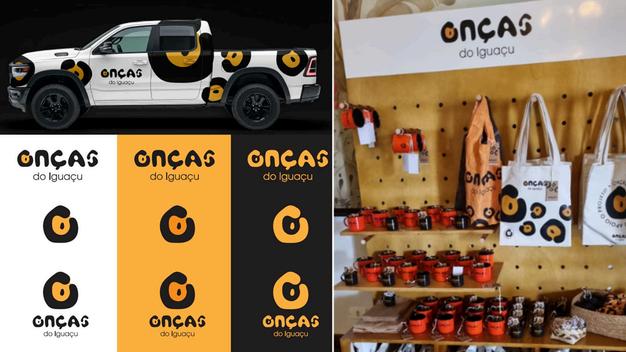
In2025,theGdeGatoagencyjoinedtheprojectasapartner,contributingalogoredesignandthe developmentofanewvisualidentity.Thepartnershipwasextendedfor2026.
In2025,wecollaboratedwithFaculdadedeAmericana(FAM)toelevateourteam'sexpertise FAM awardedapostgraduatescholarshiptoourveterinarian,PatríciaGomes.
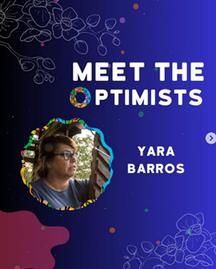
In2025,YaraBarros,ExecutiveCoordinatoroftheOnçasdoIguaçuProject,receivedtheWhitley Award,which,amongotheradvantages,affordedusasubstantialfinancialcontributionfromthe companyInigo.Theywereoneoftheprimarysponsorsfor2025.
In2025,YaraBarros,ExecutiveCoordinatoroftheOnçasdoIguaçuProject,washonoredwiththe WINGSWomenofDiscoveryaward,which,amongotheradvantages,offeredasubstantialfinancial contribution.

This support can come in many forms.
Financial contributions, products, services, infrastructure, and expertise Everything strengthens conservation Learn about our supporters in 2025.
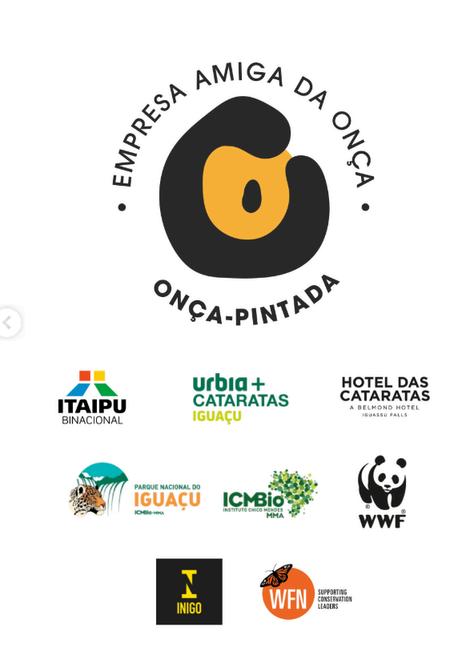
In 2025, the Onças do Iguaçu Project solidified the sponsorship categories of the "Onça-Friendly Company" program, enhancing collaborations with the private sector and broadening the project's financial sustainability.
The program unites companies dedicated to jaguar conservation, enhancing visibility for the cause, training teams, and offering direct support for project initiatives and income-generating programs. Four sponsorship categories have been established, organized by the level of annual contribution.
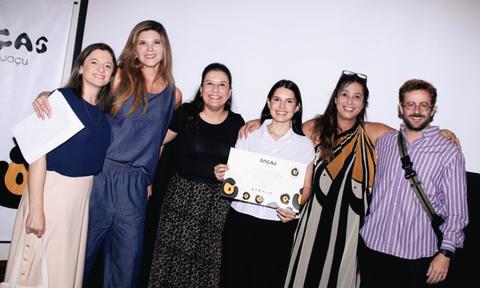
The certificates were conferred upon the companies in November during a ceremony held at the Belmond Hotel

The Iguaçu Jaguar Project is an institutional initiative of ICMBio, collaboratively developed by Iguaçu National Park, the Pró Carnívoros Institute, and CENAP/ICMBio, under Cooperation Agreement No. 47/2020, executed between ICMBio and the Pró Carnívoros Institute.
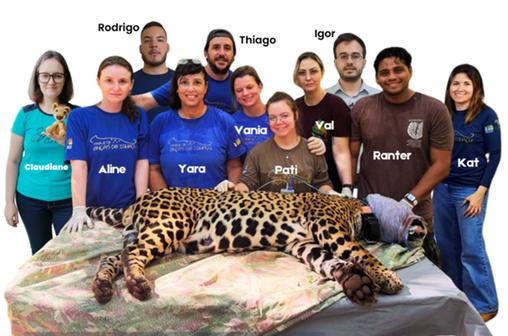
PNI/ICMBio Focal Point - Cíntia Mazon
CENAP/ICMBio Focal Point - Rogério Cunha de Paula
Yara Barros - Executive Coordinator
Vânia Foster - Research Coordinator
Thiago Reginato - Coordinator of Coexistence
Aline Kotz - Manager of Coexistence
Valquíria Nascimento - Research Associate
Ranter Sousa - Research Associate
Patricia T. Gomes – Veterinary Surgeon
Igor Moreno – Consultant legaladministrative
Katlin Fernandes - Educator
Rodrigo Perez - Communications
Claudiani Tavares - Coordinator of the Jaguar Crocheters
Jorge Salomão - Researcher Associate
Conservation of the jaguar as a keystone species for the biodiversity of Iguaçu National Park.
Jaguars, society, and Iguaçu National Park flourishing in harmony.
Through a collaboration with the agency G de Gato, the logo of the Onças do Iguaçu Project has been revitalized as part of the project's updated visual identity. This new branding was developed with the sponsorship of G de Gato.
In February, we conducted a monitoring meeting to assess the implementation of the 2023-2027 Strategic Plan We accomplished 45.61% of the objectives.

In 2025, the Project engaged seven volunteers from the disciplines of Biology and Veterinary Medicine. Three participated in person in the Cãoservação Program (UFFS – Realeza), while four contributed remotely as interns in the research sector, following a selection process that involved 180 candidates.
Remote interns evaluated 7,114 images from the Continuous Wildlife Monitoring project, thereby enhancing the project's research initiatives
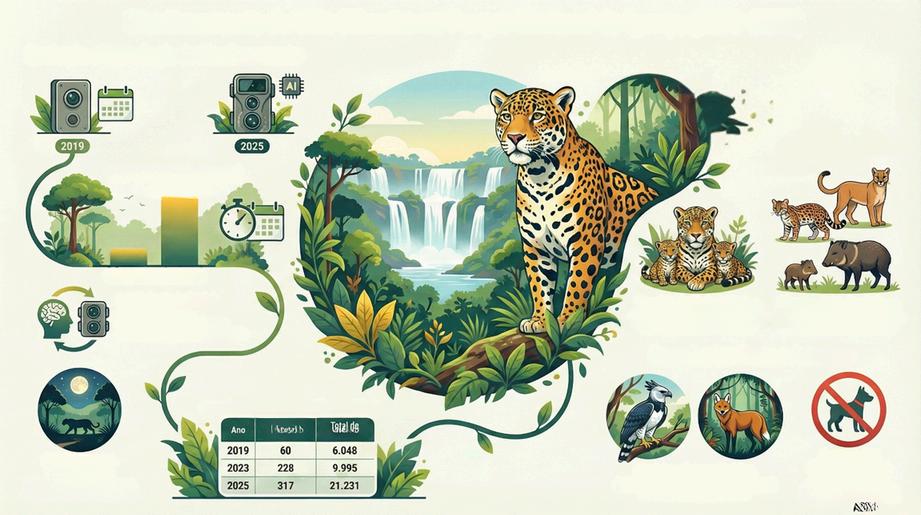
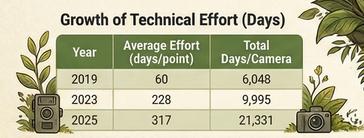
We consistently monitor the wildlife in Iguaçu National Park through the use of camera traps positioned at 67 locations, resulting in an average effort of 21,231 camera days.
Wildlife
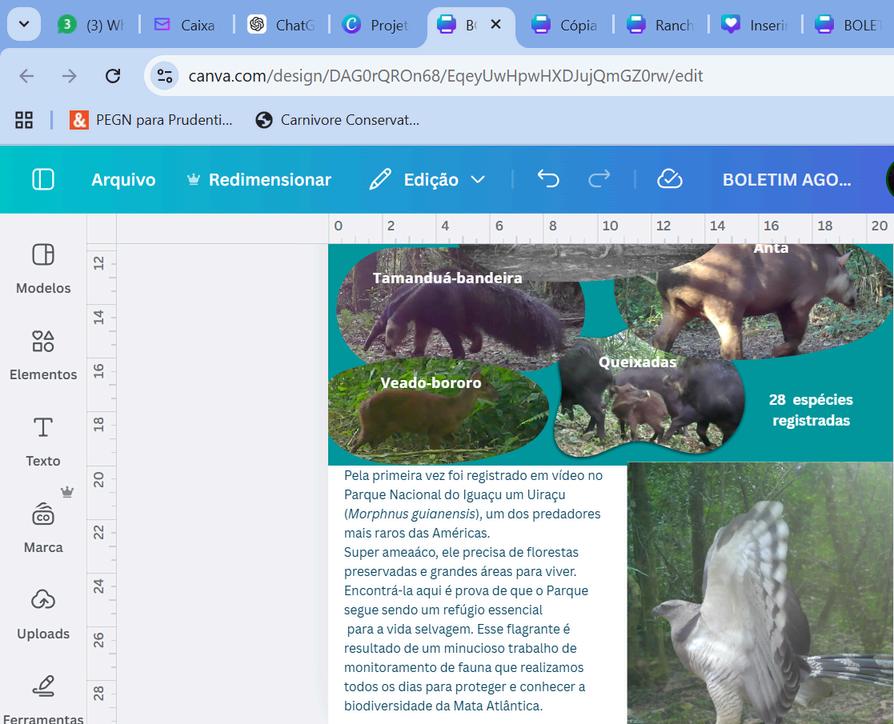
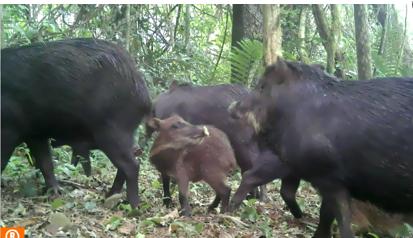
Species documented in ongoing wildlife monitoring.

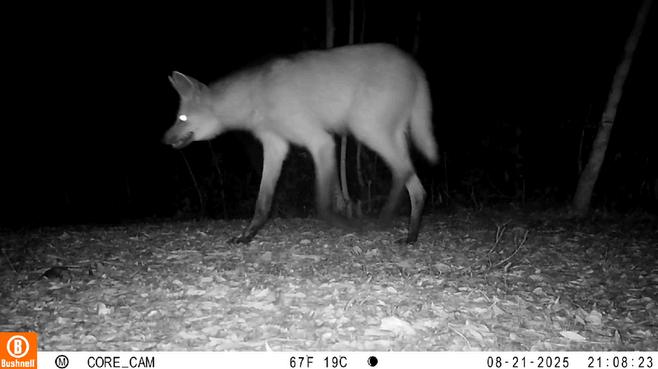
Species of mammals identified. This group of mammals has a significant presence in the region
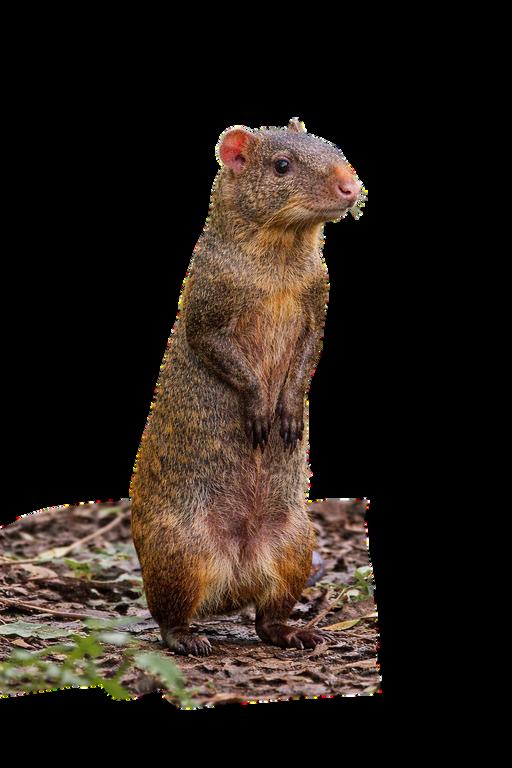
In 2025, the comprehensive data gathered during the 2024 census underwent screening, and we initiated the use of the Wildlife Insights platform. Approximately 70% of the data were screened, totaling around 16,300 records, of which 9,419 pertained to animals (mammals and birds). Thirty species of mammals were identified, including two domesticated species. The predominant species documented were the agouti (Dasyprocta azarae - N=2,966), the tapeti (Sylvilagus brasiliensis - N=1,447), and the red brocket deer (Mazama rufa - N=935).
These species serve as the ecological keystones of the park, offering a stable prey base for apex predators and functioning as ecosystem engineers that facilitate the primary dispersal of seeds. Their elevated detection frequency throughout the sampling grid indicates a robust foundational biomass that supports the park's intricate trophic web.


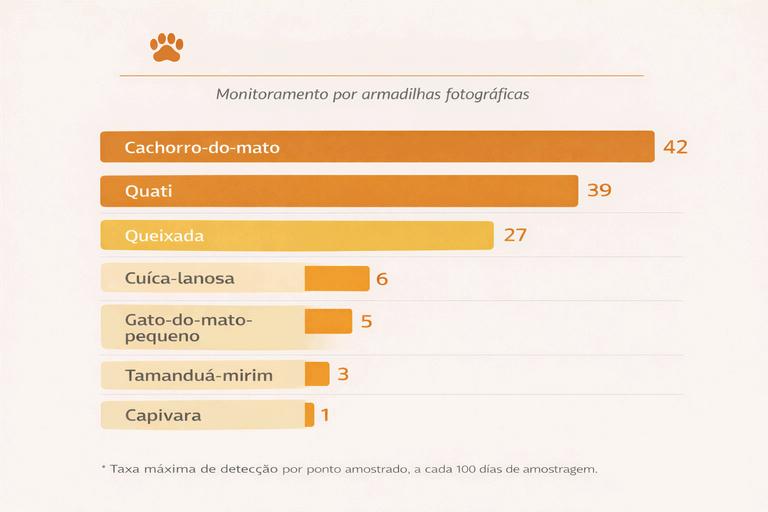
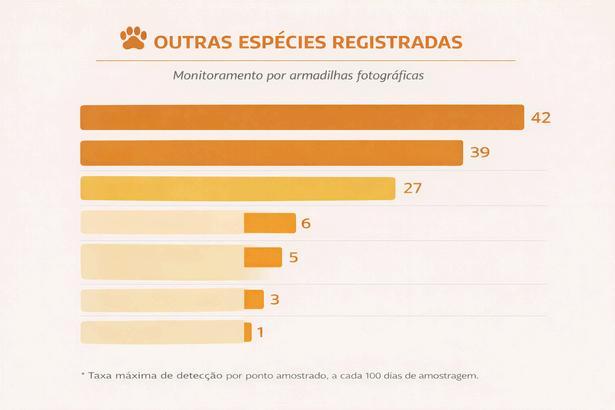
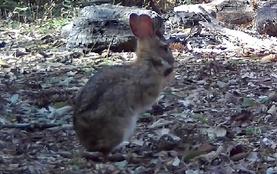

An increase of 111% compared to 2024.
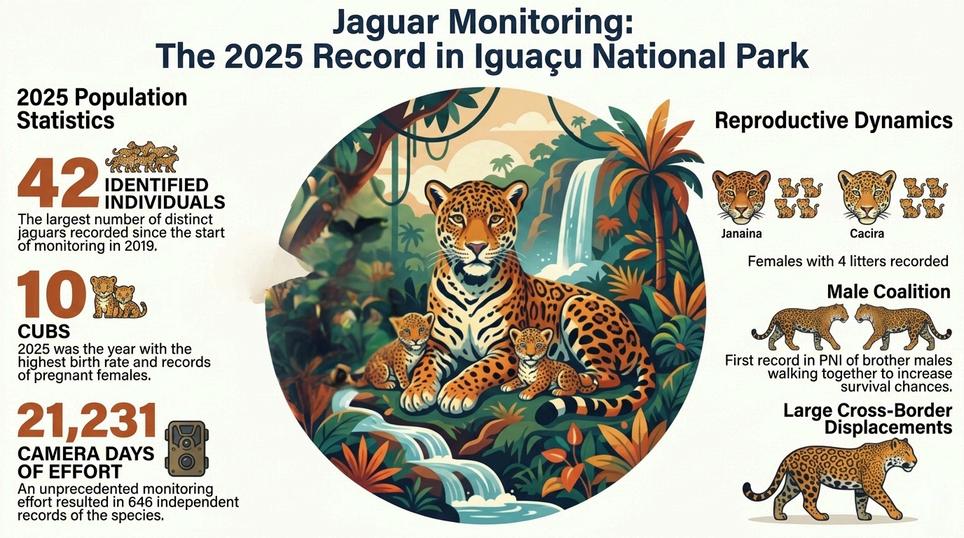
In 2025, there were 646 recorded sightings of independent jaguars. A total of 42 individuals were identified, comprising 32 adults (14 females and 17 males) and 10 cubs. This yielded a capture rate (RAI) of approximately 3 jaguar sightings for every 100 days of sampling.
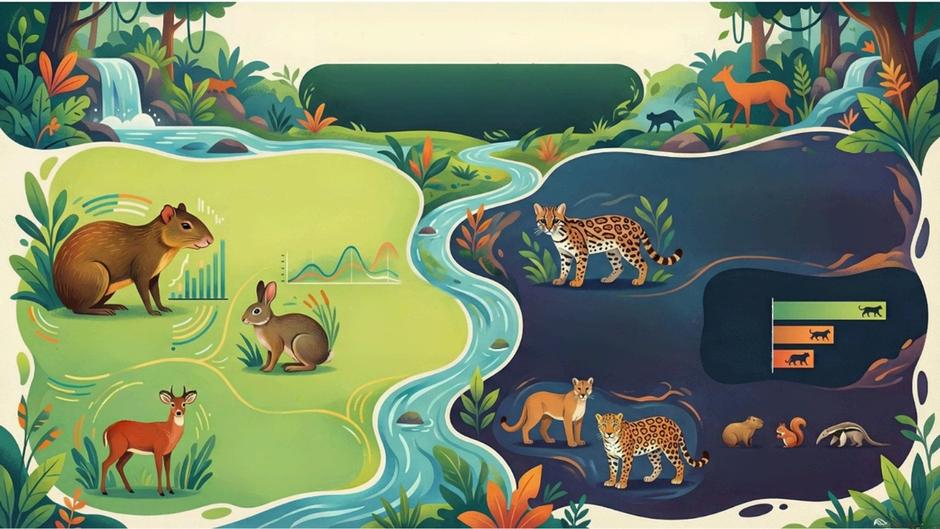
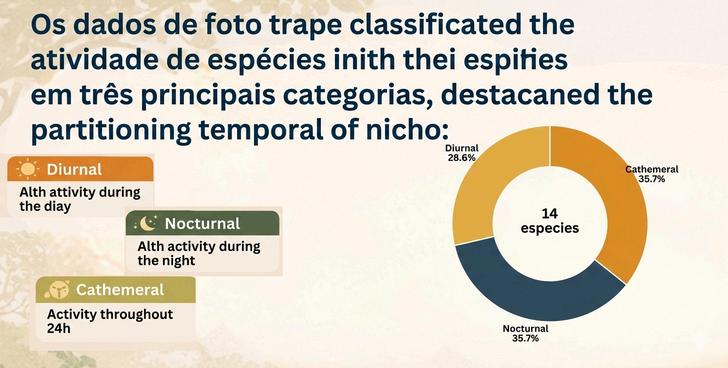
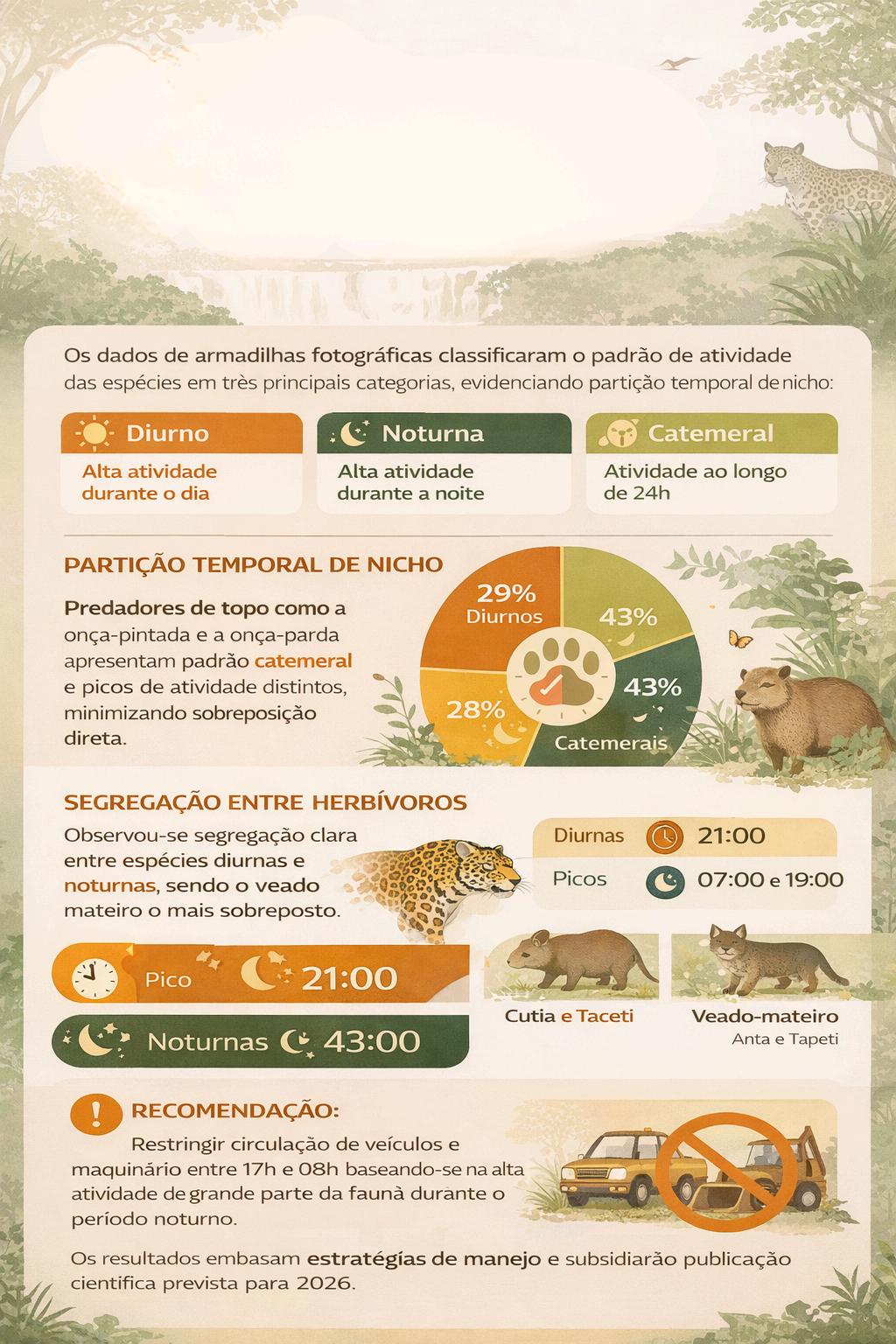
We observed temporal partitioning among 14 species, with apex predators exhibiting cathemeral behavior. The jaguar demonstrates a nocturnal peak around 9 PM, whereas the puma displays bimodal activity at approximately 7 AM and 7 PM, thereby minimizing direct overlap Among herbivores, there exists a segregation between diurnal and nocturnal species, promoting coexistence
Data from camera traps categorized the activity patterns of the species into three primary classifications, emphasizing temporal niche partitioning:
Top predators, including the jaguar and the puma, display cathemeral behaviors and distinct activity peaks, thereby reducing direct overlap.
We conducted monitoring of the Rio Índio Corridor, which links Iguaçu National Park to forest fragments on private properties, utilizing 18 sampling points and accumulating 969 camera days. Our efforts resulted in the documentation of 26 mammal species, including the jaguar, and 27 bird species, with significant sightings of five feline species and key ecosystem engineers. Prior to the installation of the camera traps, we visited eight properties to secure permits and engage with the owners, a crucial step to facilitate ongoing wildlife monitoring.
The Indio River represented the third corridor observed by the Project; in prior years, the Santa Maria Ecological Corridor (Santa Terezinha do Itaipu) and the Lindoeste Corridor (Lindoeste) were under surveillance.
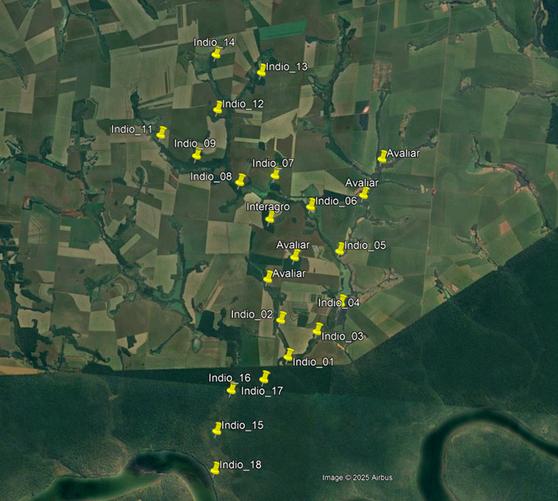
Sampling locations
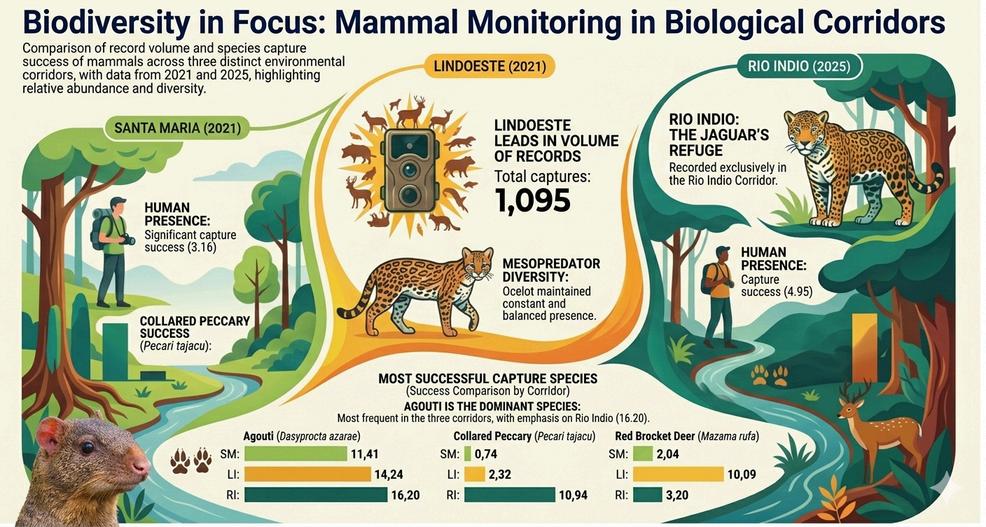
The ongoing and enhanced monitoring of corridors is crucial for evaluating landscape connectivity, supporting strategies in accordance with the Jaguar Roadmap, and pinpointing priority areas for restoration, while also tracking the presence and movement of jaguars and other significant species. The comprehensive analysis of data from the aforementioned corridors is being carried out in collaboration with Dr. Marcelo Magioli (CENAP/ICMBio), and the resulting scientific manuscript is anticipated to be submitted in the latter half of 2026.
Prey base for jaguars.
We are involved in the project “Trophic Ecology, Functional Diversity, and Occurrence of Mammals in the Atlantic Forest” (LEMaC/ESALQ-USP), which assessed nine protected areas and revealed that the survival of the jaguar is contingent upon prey availability. Iguaçu National Park distinguished itself due to its significant abundance and biomass, which can support a viable population, whereas the loss of prey linked to human pressures was recognized as a crucial factor contributing to the species' decline within the biome
Dietary and isotopic ecology of large felids
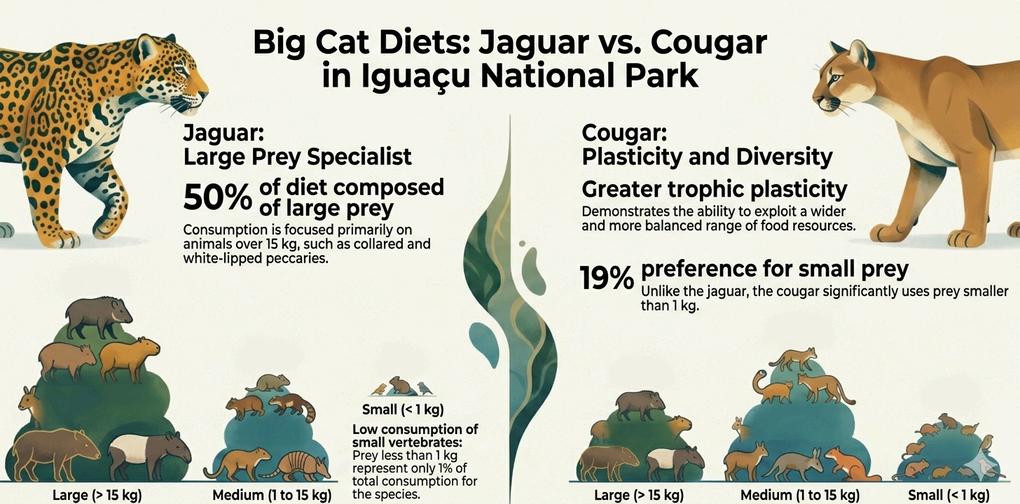
In collaboration with ESALQ/CENA-USP (Ana Beatriz Almeida, Prof. Dr. Kátia Ferraz, and Dr. Marcelo Magioli), an analysis of 148 fecal samples identified 27 prey categories and demonstrated distinct differences between species: the jaguar exhibits a greater specialization in large prey associated with forest habitats, whereas the puma displays a more varied diet and increased plasticity in resource utilization. These findings underscore the significance of a wellpreserved trophic chain for the coexistence of predators, with a scientific submission anticipated for 2026.
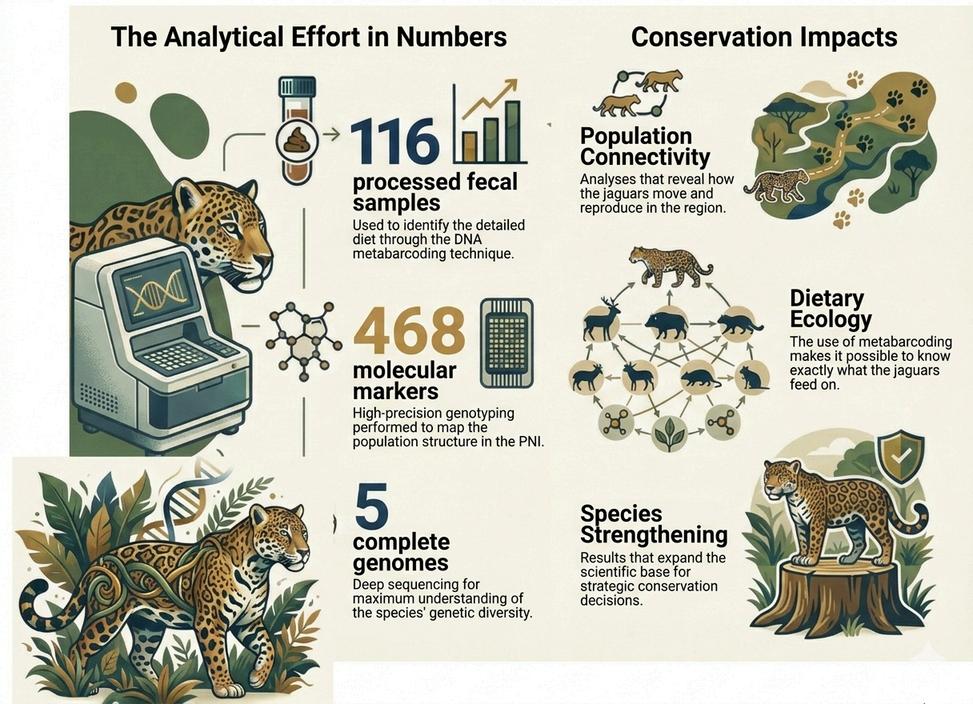
The biological samples gathered by the Iguaçu Jaguar Project are currently undergoing analysis in collaboration with UFSCar (Dr Bruno H Saranholi) and PUCRS (Prof Dr Eduardo Eizirik), thereby reinforcing advancements in the genetics and ecology of the Iguaçu National Park population.
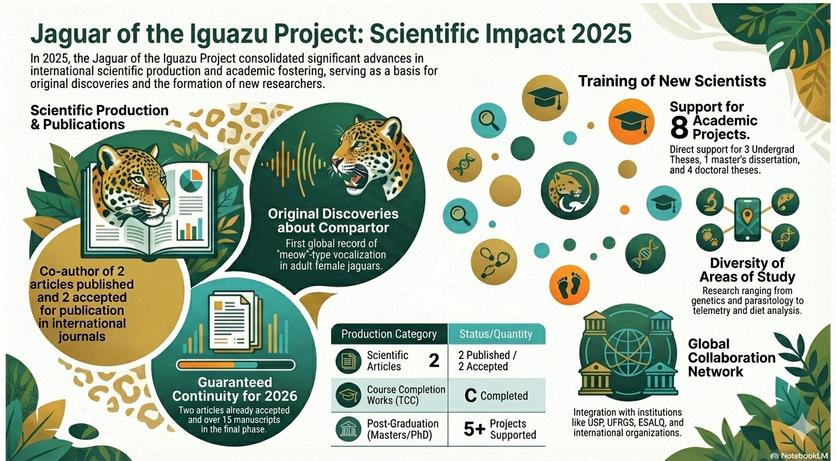
Bioacoustic monitoring, carried out in collaboration with the University of Salford (United Kingdom) and PUC Minas, has achieved remarkable progress in comprehending the communication of large felines within Iguaçu National Park. The initial account of maternal "meows" in jaguars appeared in the journal Behaviour.
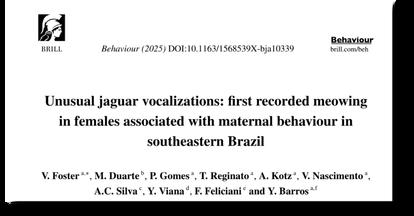
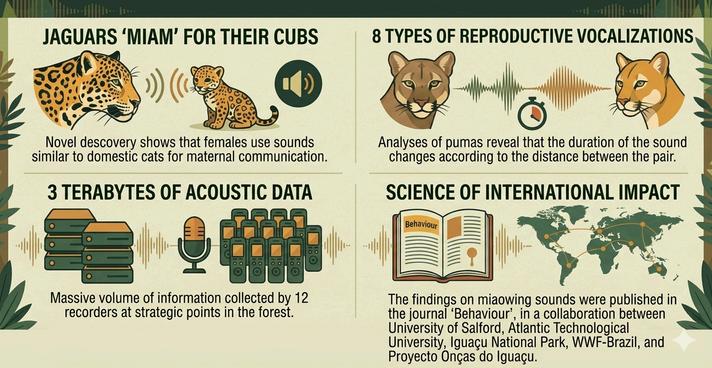
The findings expand our comprehension of vocal plasticity across various species and reinforce the application of bioacoustics as a non-invasive monitoring instrument.
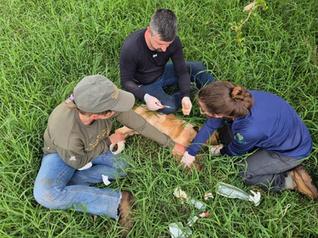
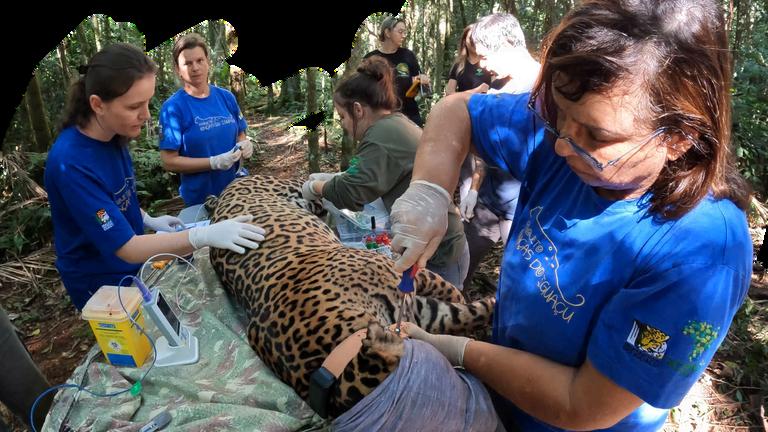
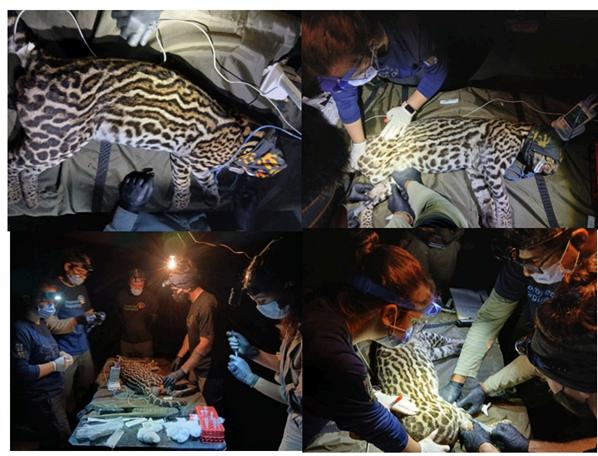
Between April 4 and April 18, a campaign conducted to capture jaguars and ocelots
The operation engaged a multidisciplinary transnational team, comprising P Yaguareté (Argentina), CENAP veterinarian Jorge Salomão, and support Itaipu Binacional, which contributed satellite collars and equipment operation, in addition to performing tests.
Eight traps were set for jaguars and ocelots, accompanied by con monitoring through radio transmitters facilitated a swift response from the t reduced stress on the animals.
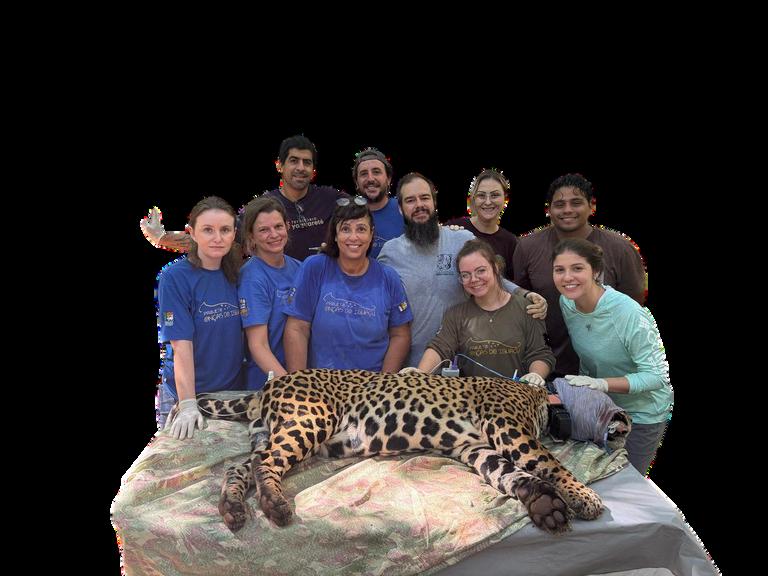
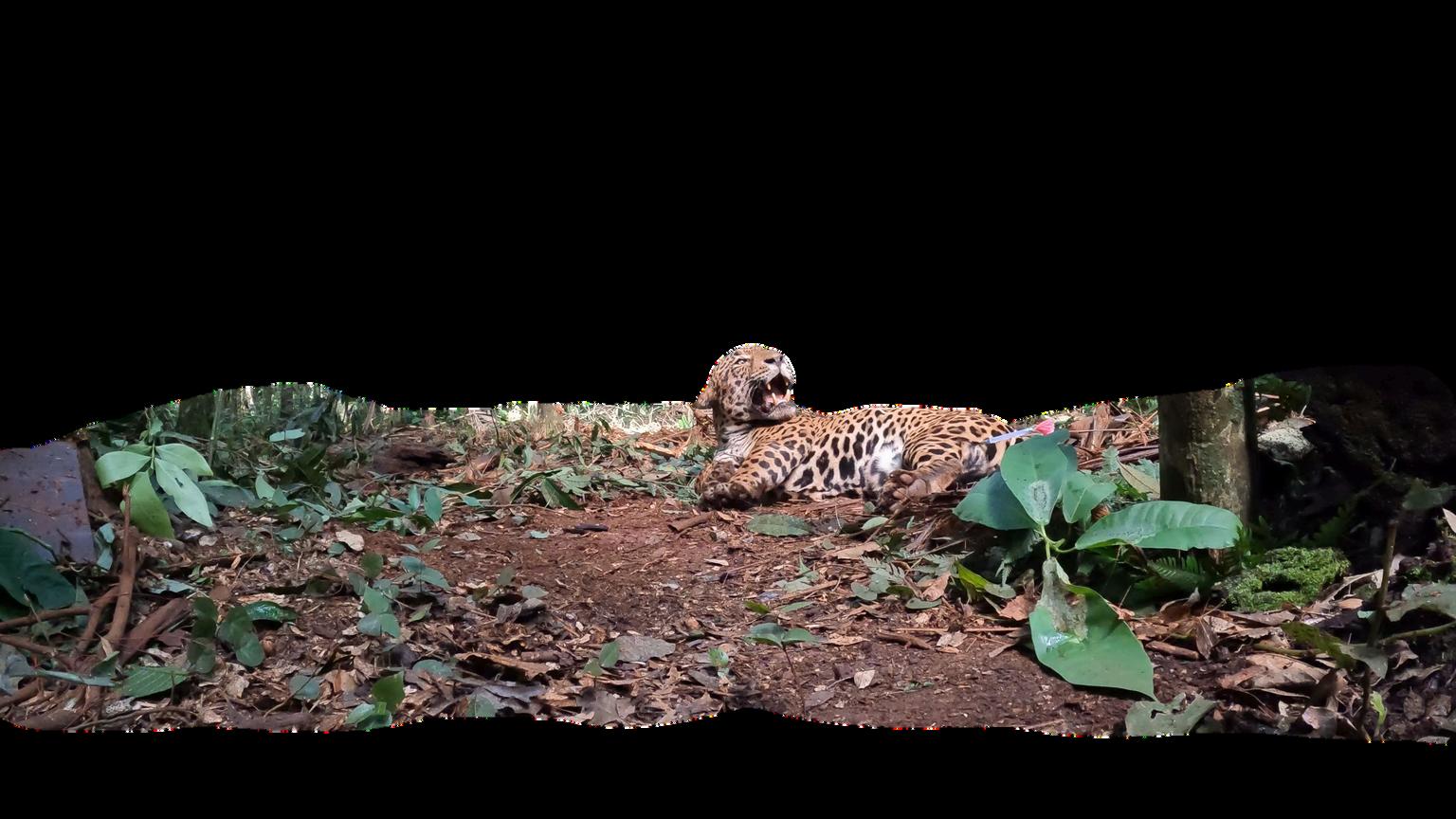
During the campaign, two jaguars were apprehended: Uyara, a young female still too small to be fitted with a collar, underwent the collection of biological material for genetic and health analyses.
Hendu, an adult male weighing 67.6 kg, is a transboundary individual between Brazil and Argentina, fitted with a satellite monitoring collar
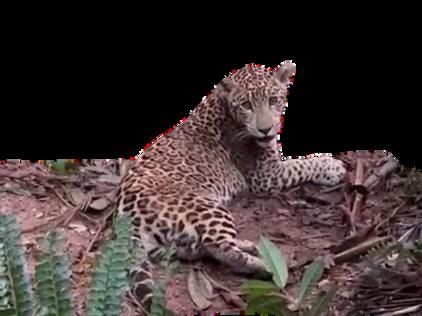
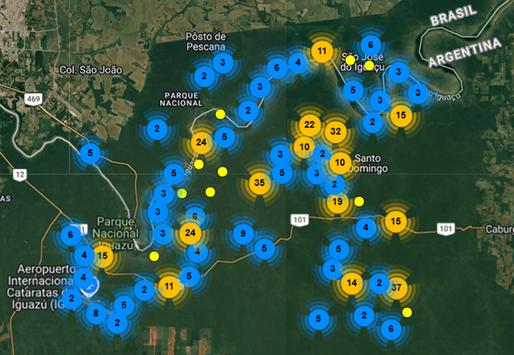
The Hendu tagging initiative enhanced the database concerning displacements and land use, thereby reinforcing management strategies and fostering international collaboration Monitored over a span of 119 days, it produced 476 valid locations, indicating significant displacements (13 75 km/day; 1,656 km accumulated) and an exploratory trend between Brazil and Argentina, with no established territory as of yet.
We identified 15 areas of intensive use, which facilitated emergency measures to reduce speed on Route 101 (Argentina), underscoring the importance of monitoring in mitigating risks to the species.
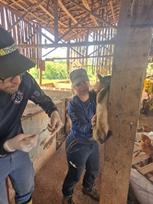
In conjunction with the capture of jaguars, an initiative was undertaken to capture ocelots for a health assessment of the PNI population, in light of prior reports of sarcoptic mange (Sarcoptes scabiei). Five box traps (operating for 13 hours each night) were deployed, leading to the capture of three males. Blood samples were obtained for molecular (PCR), biochemical, and serological analyses, along with ectoparasite collections and skin scrapings for the investigation of mange.
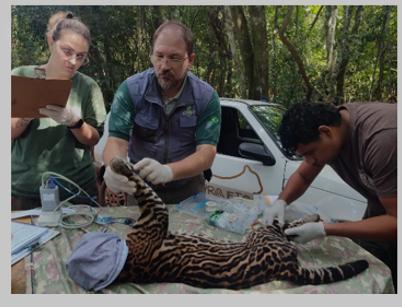
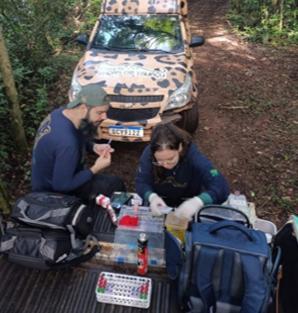
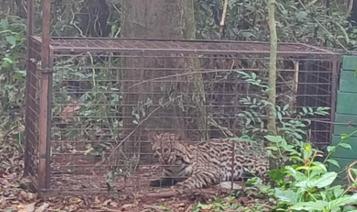
The campaign received logistical support from Urbia+Cataratas and the Hotel das Cataratas, a Belmond property, which offered accommodation and meals for the team.





Molecular analyses (PCR) conducted on the captured felines revealed the presence of infectious agents; however, no individual exhibited clinical signs indicative of active disease. The observed hematological alterations suggest an immune response potentially linked to exposure to pathogens and/or physiological stress
The presence of Cytauxzoon spp., a tick-borne hemoparasite typically linked to subclinical infections in wild felines, has been confirmed. Additionally, feline coronavirus (FCoV), a viral agent associated with enteric disorders and potentially feline infectious peritonitis, was identified. Agents with zoonotic potential, including Bartonella spp. and Rickettsia rickettsii, were also identified, underscoring the necessity of ongoing health surveillance at the intersection of wildlife, domestic animals, and public health.
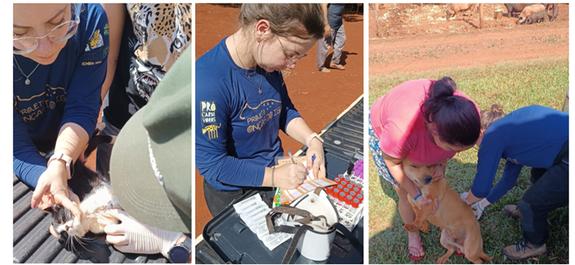
Cãoservação is a One Health initiative dedicated to the health assessment and immunization of dogs and cats in the vicinity of Iguaçu National Park, emphasizing the prevention of pathogen transmission to wildlife and public health.
In the 2023–2024 edition, 78 properties were serviced, with 522 immunizations conducted. Significant zoonotic agents, including Brucella canis and Toxoplasma gondii, were identified, underscoring the necessity for the program's ongoing implementation.
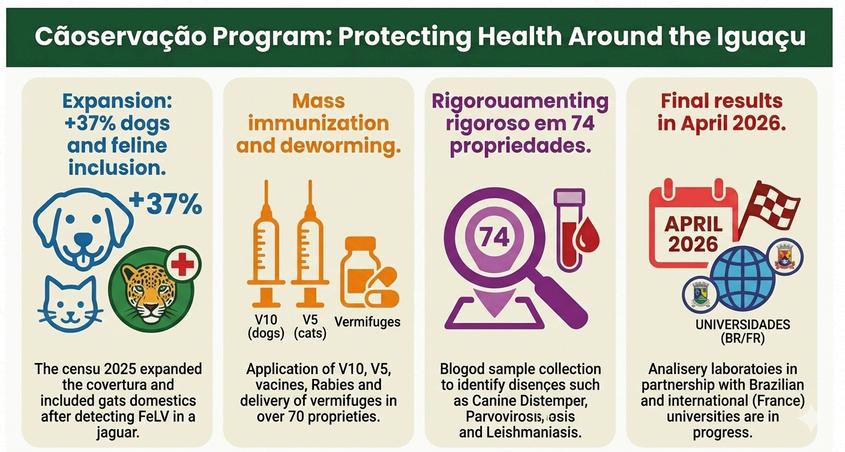
In 2025, the program was broadened to encompass domestic cats following the earlier identification of FeLV in jaguars.
Sampledcharacteristics


There was a 37% increase in the number of dogs monitored, an expansion of spatial coverage, and service provided to 74 properties during the initial two phases Vaccinations (V10, V5 feline, and rabies vaccines), blood sample collection, as well as molecular and serological tests, were conducted in collaboration with UFFS, UNILA, UNESP, and an international laboratory (ANSES/France).
The third phase, presently in progress, encompasses laboratory analyses and the dissemination of results to the relevant parties, with completion anticipated in 2026

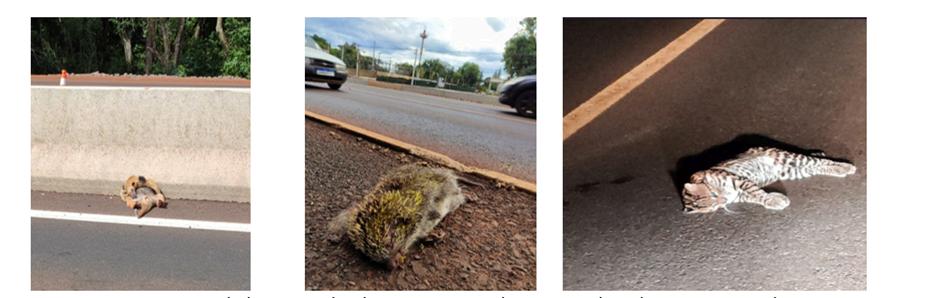
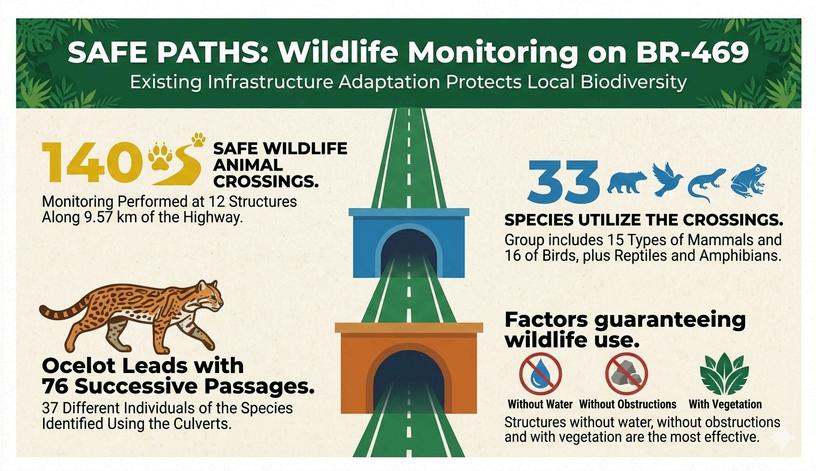
BR-469 (Avenida das Cataratas) and the neighboring road in the Jardim Alegre neighborhood, vital access routes to Iguaçu National Park and the International Airport, encounter significant traffic and present a threat to wildlife
In 2025, the Iguaçu Jaguar Project documented four opportunistic reports of roadkill involving medium-sized mammals along this section of the river, including ocelots (Leopardus pardalis), margays (Leopardus wiedii), southern tamandua (Tamandua tetradactyla), and Brazilian porcupines (Coendou spinosus). This underscores the pressing necessity for systematic monitoring and mitigation strategies
In 2025, data from the monitoring of drainage structures on BR-469, located within Iguaçu National Park, were analyzed.
The results indicate that these structures have been utilized by a range of fauna, particularly medium-sized felines, and reveal that factors such as increased openness, lack of obstructions, and the presence of vegetation directly affect the efficacy of the crossings.
The analyses offer technical recommendations for enhancing infrastructure and fortifying strategies to reduce pedestrian accidents
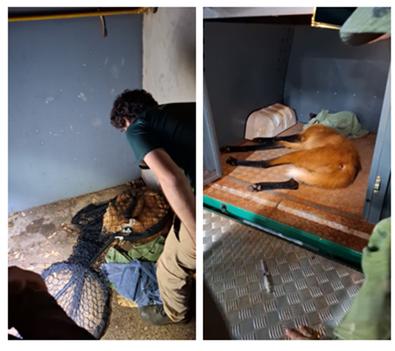
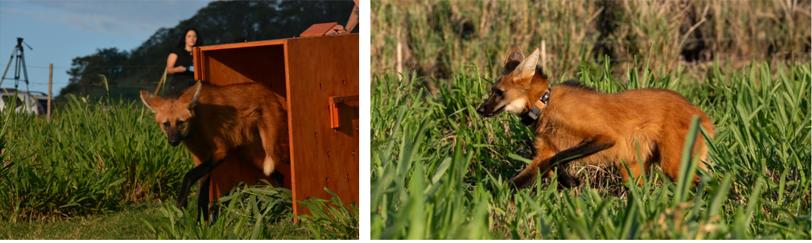
A maned wolf (Chrysocyon brachyurus) was observed in an urban area of Foz do Iguaçu and subsequently rescued in a collaborative effort involving the Environmental Police, Eco Park Foz, the Onças do Iguaçu Project/ICMBio, and the Bela Vista Biological Refuge/Itaipu. The young male, weighing 26 kg, underwent a clinical evaluation, was deemed healthy, fitted with a satellite monitoring collar, and subsequently released in an appropriate area near Santa Terezinha de Itaipu The collar was later recorded as having detached automatically, suggesting a likely continuation in the wild, albeit without further monitoring.

In 2025, the Onças do Iguaçu Project co-authored two articles published in international journals and had two articles accepted for publication, in addition to contributing to three undergraduate theses and one master's dissertation. The production underscores the project's significance as a standard in applied science for the conservation of large felines, incorporating research, training, and management.
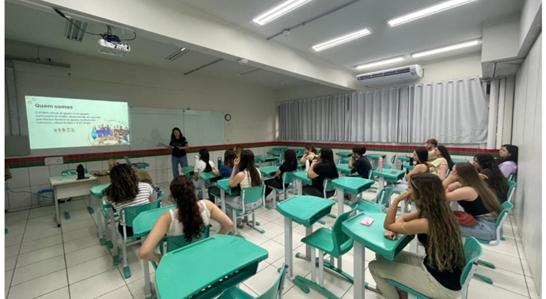
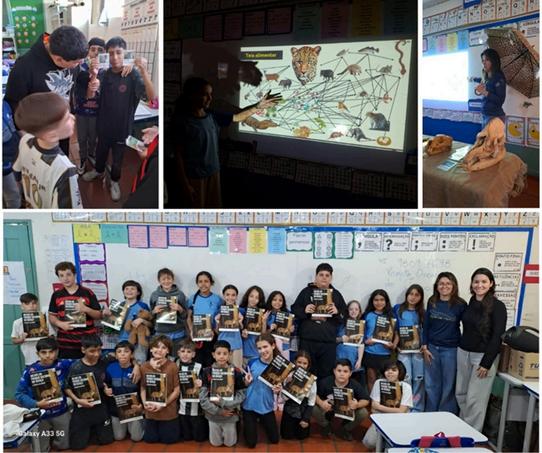
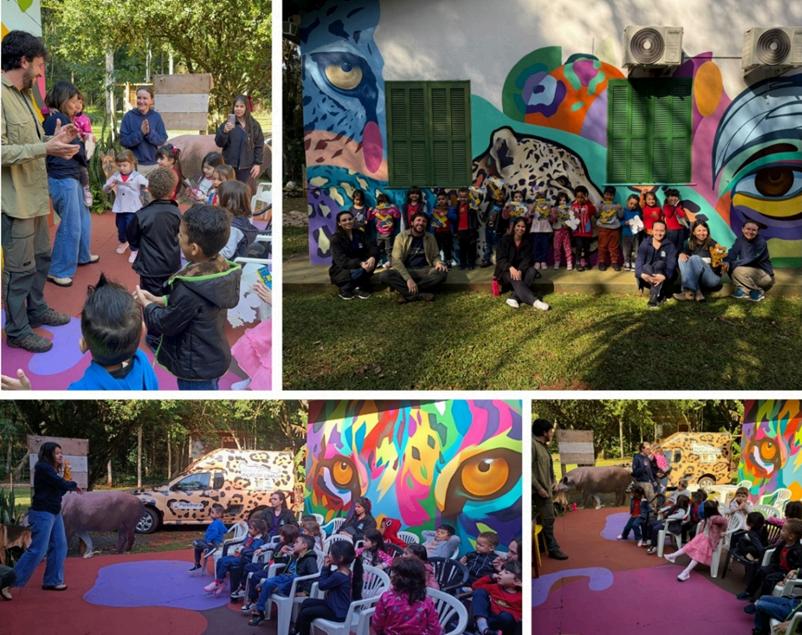
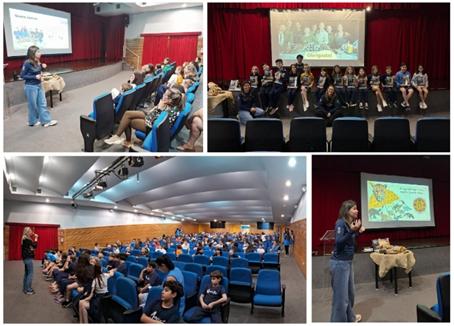
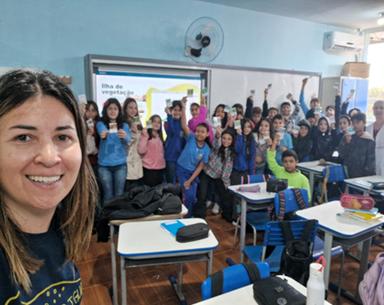
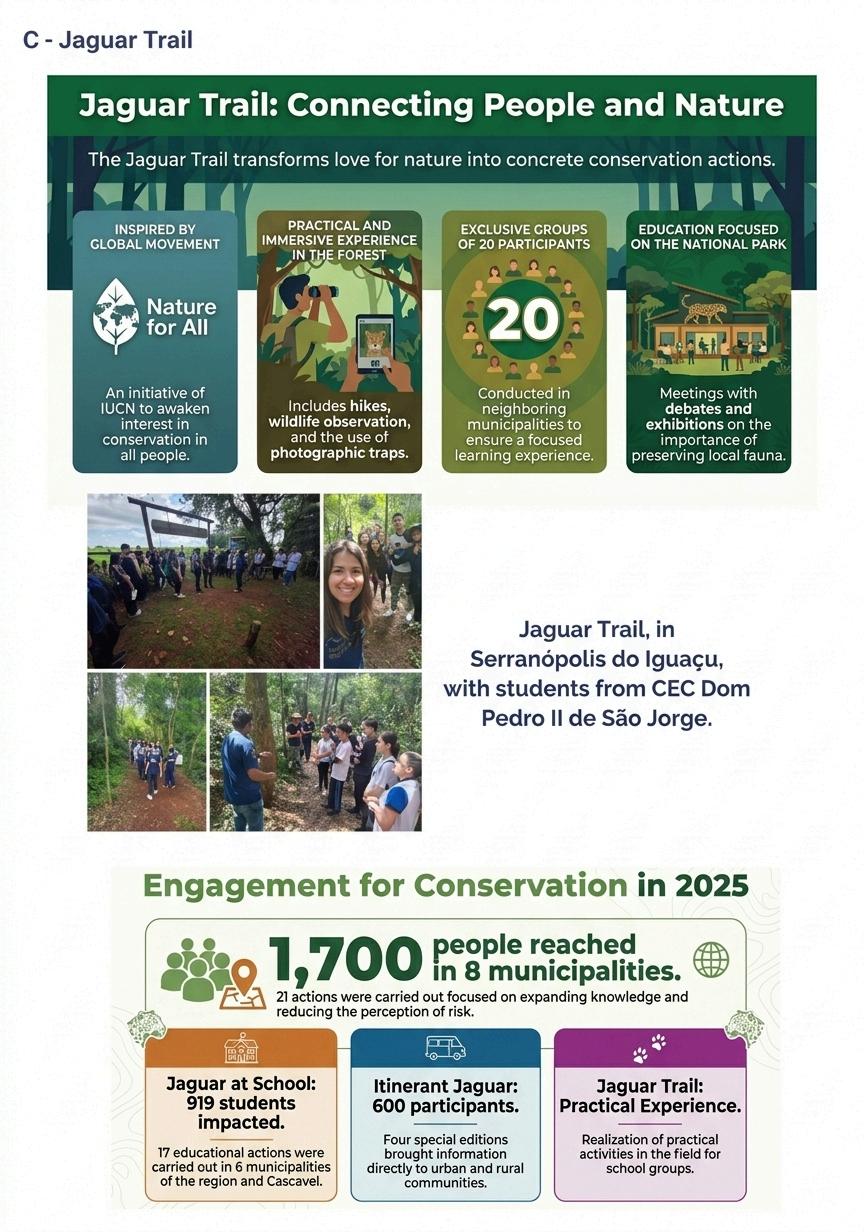
The Iguaçu Jaguar Project Engagement Program functions within the municipalities adjacent to the National Park, aiming to enhance understanding of jaguars, mitigate misconceptions and perceived threats, foster positive attitudes towards the species, and diminish the inclination to hunt them. The program aims to foster connections between individuals and local biodiversity while reinforcing the relationship between the community and the project team. In 2025, twenty-one actions were implemented, impacting 1,700 individuals across eight municipalities.

Mobile educational campaign for the conservation of big cats in Iguaçu
To promote coexistence between humans and big cats through knowledge Dynamic and Adaptable Education Strengthening Regional Coexistence
4 Editions Held in 2025
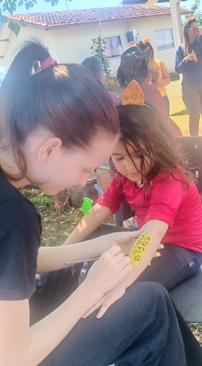
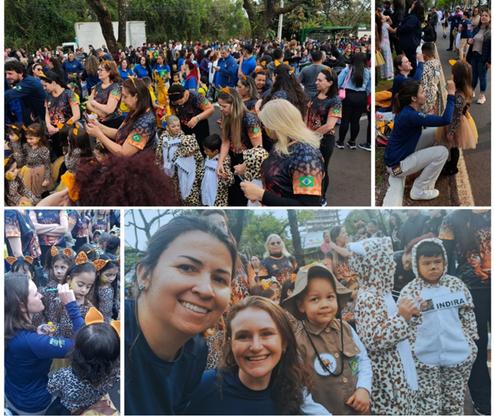
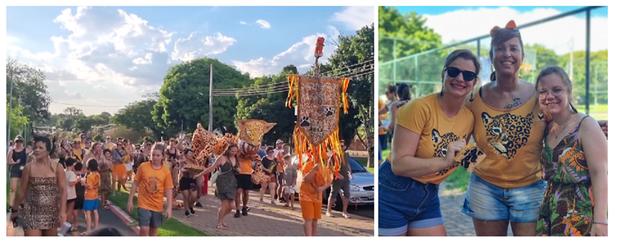
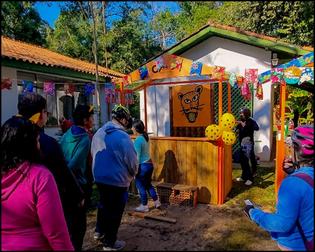
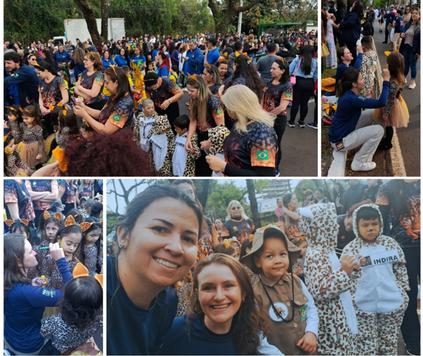
17 actions carried out in 2025.
Activities focused on strengthening the bond between students and the environmental preservation.
The school community as a strategic audience.
The impact of these actions reaches students and their families in neighboring municipalities
Direct connection to jaguar conservation.
Initiatives that promote respect for and protection of the species in the region.


National parks as an ecosystem pillar.
Understanding the Park as essential for biodiversity and services that benefit the population
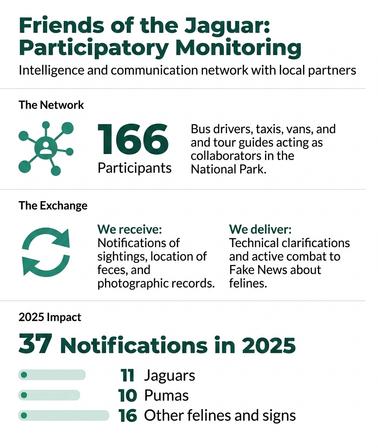
The group members consistently provide updates on jaguar sightings and fecal records, significantly enhancing the monitoring of the species They also share photographs captured in the field, thereby enriching the project's database. Moreover, the group serves as a vital ally in disseminating accurate information and countering misinformation related to jaguars
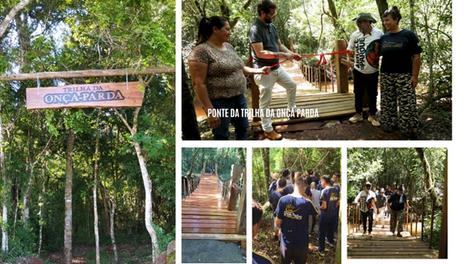
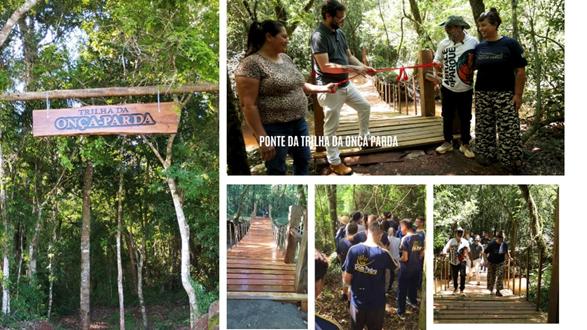
In 2025, the Onças do Iguaçu Project, in collaboration with Eco Park and with the assistance of partner Marcos Alves, finalized the construction of a pivotal bridge along the Jaguar Trail in Iguaçu National Park The structure facilitates secure access to the priority monitoring area, ensures the continuity of research and environmental education initiatives, and enhances integration with the surrounding community. The initiative represents the unification of local partnerships aimed at promoting conservation and coexistence
CalendarsValuableinformation,seamless connection,andcommunication.
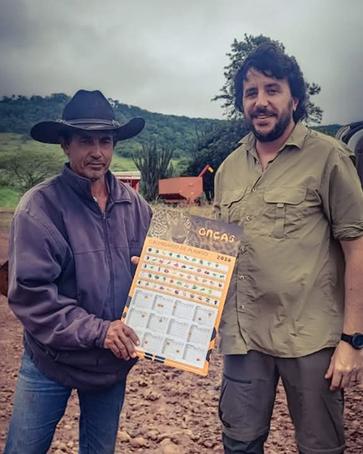
The Onças do Iguaçu Project distributes an agricultural calendar each year to rural producers in the vicinity of Iguaçu National Park This calendar not only displays moon phases and suggested planting times but also provides the team's contact information, thereby enhancing communication and incident reporting. Featuring an image of the jaguar and widely disseminated across the ten bordering municipalities, the initiative has emerged as a strategic instrument for fostering relationships, enhancing connections, facilitating dialogue, and cultivating trust between the project and the rural communities.
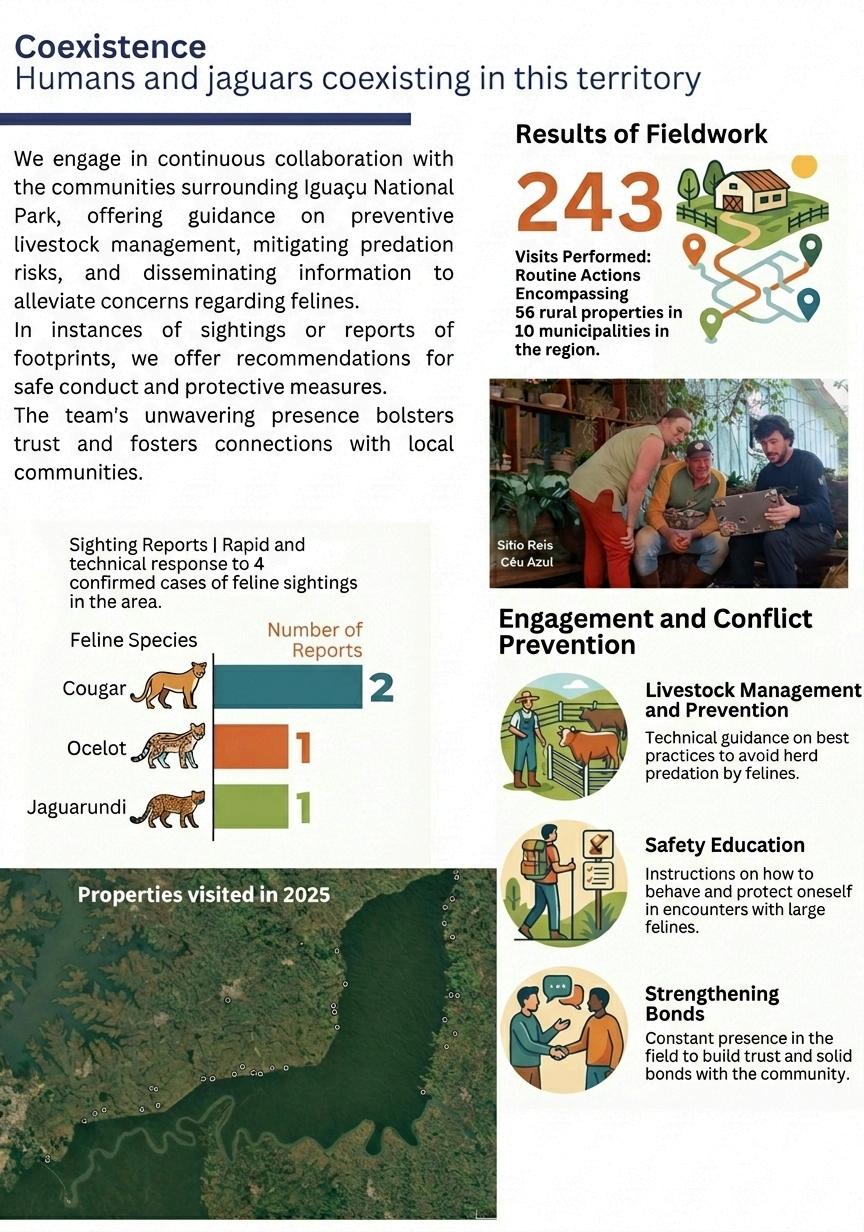
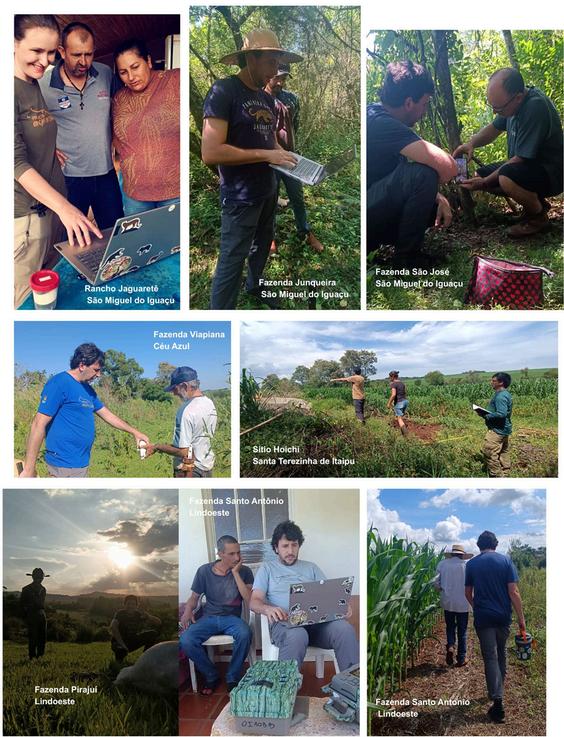
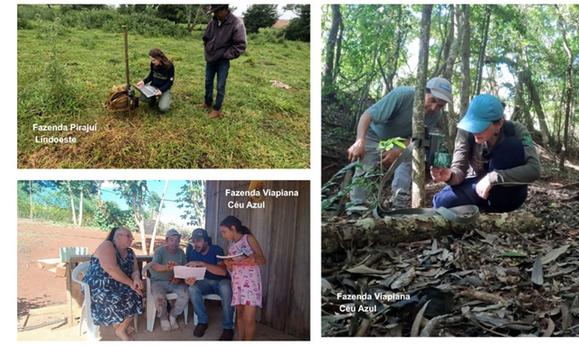
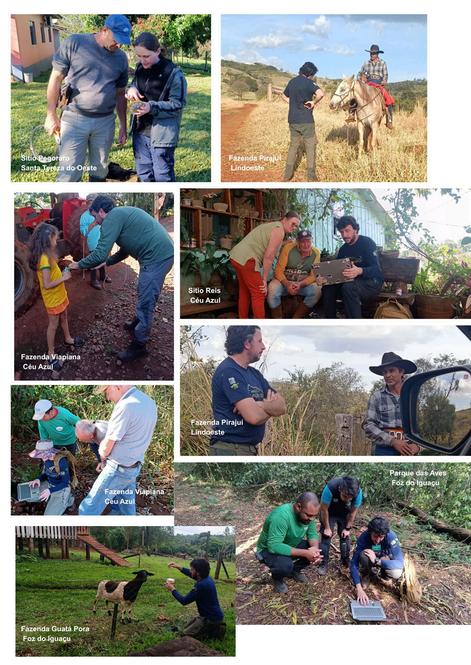
Caring for the jaguars and the communities that coexist with them.
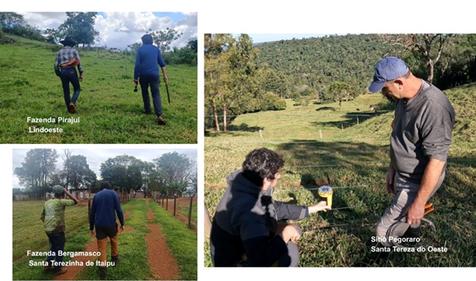
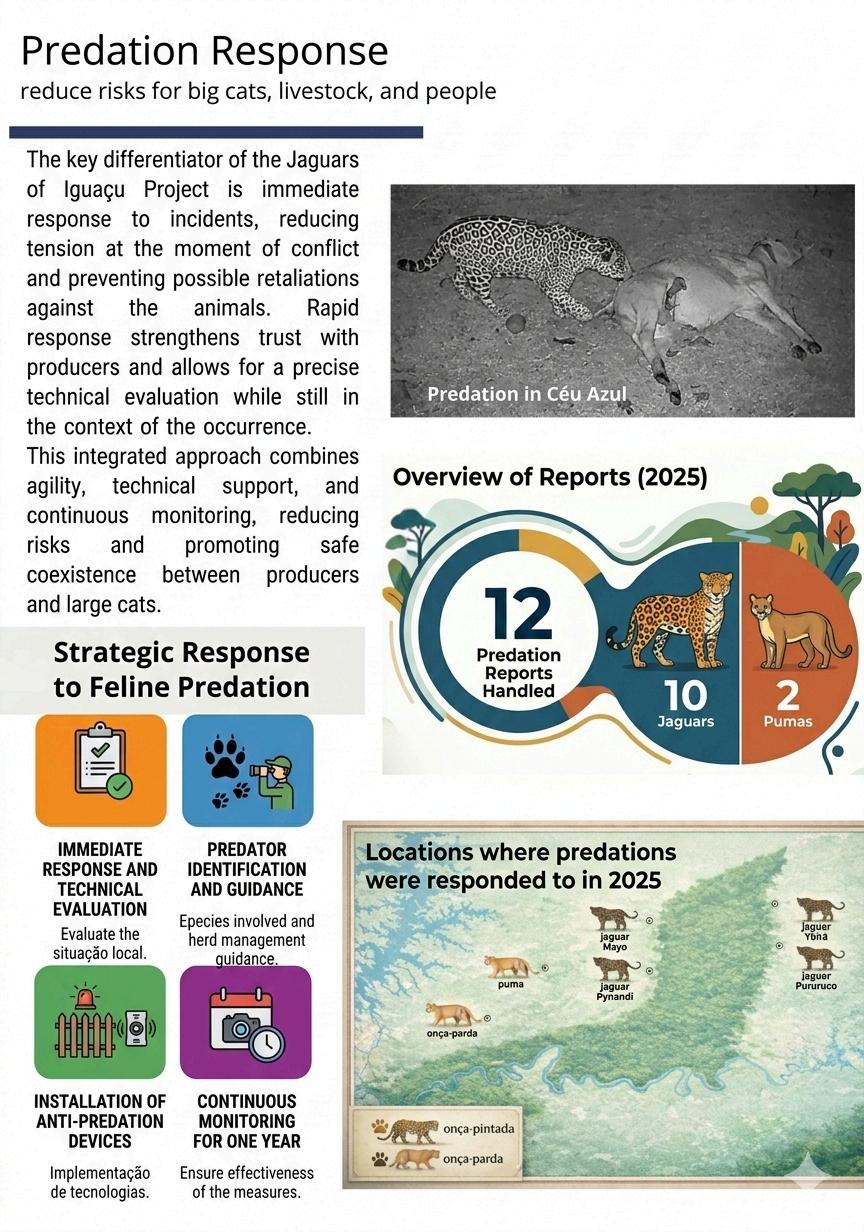
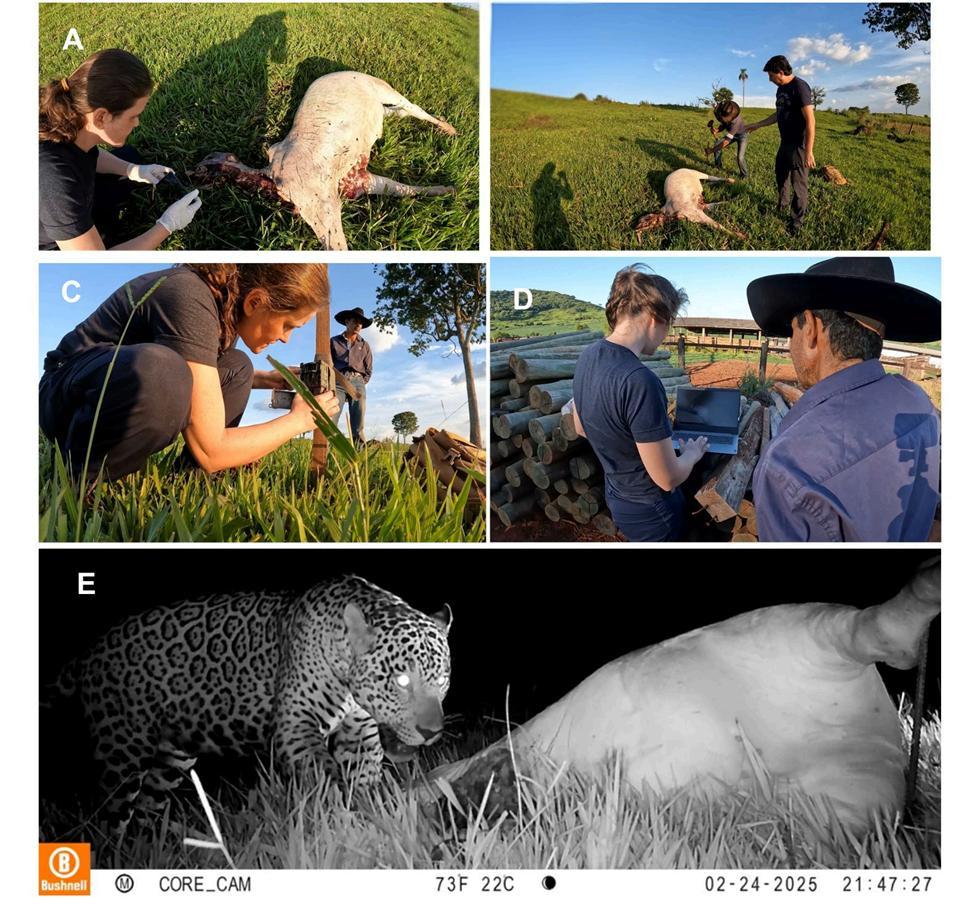
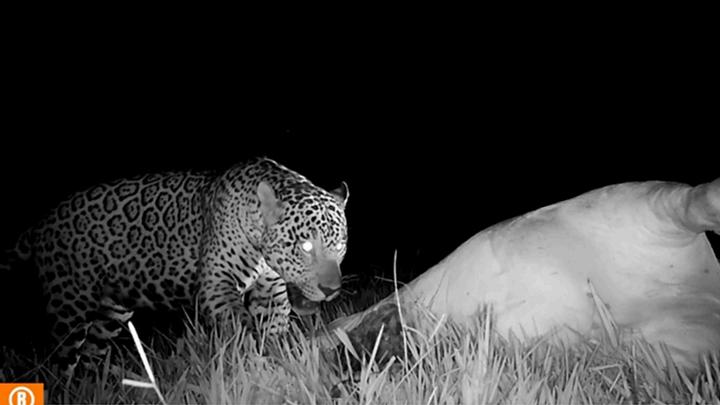
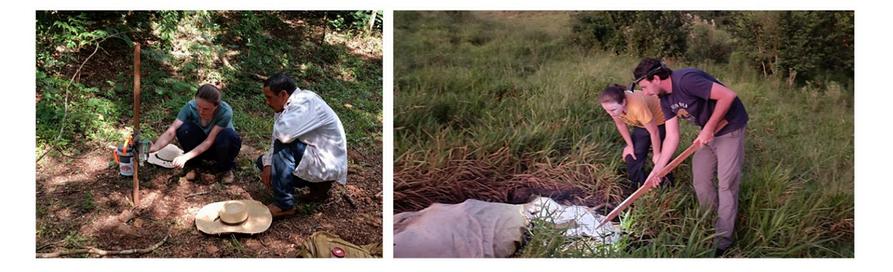
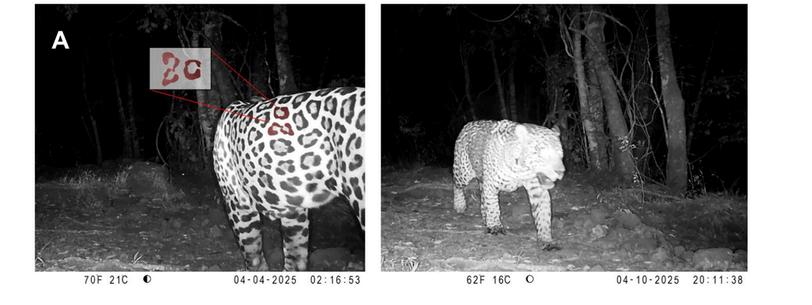
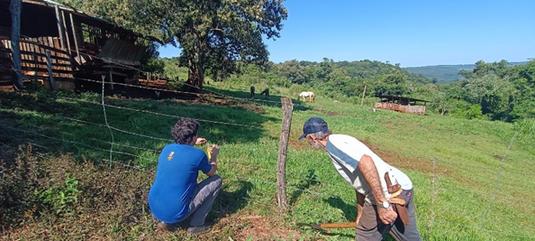

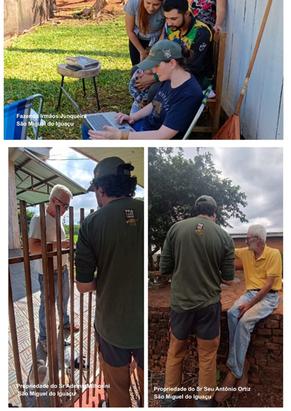
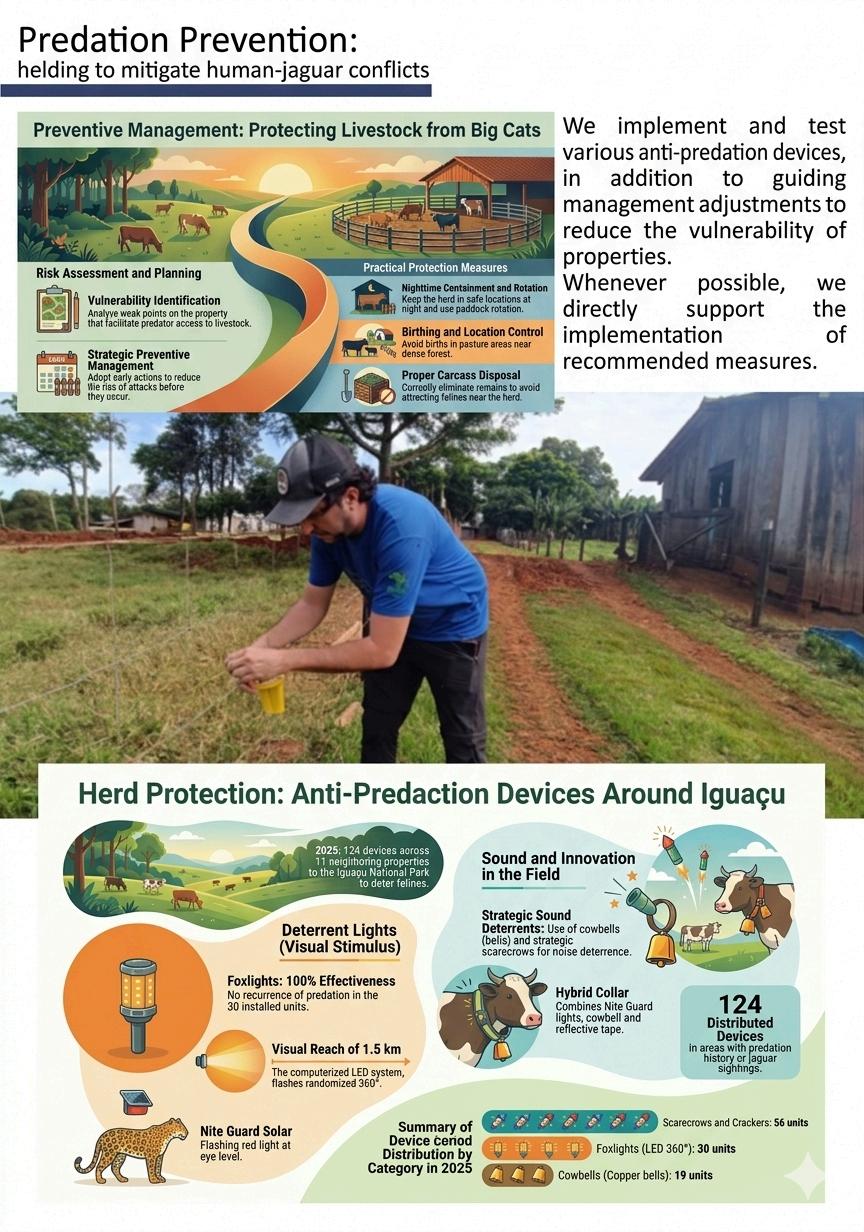
In 2025, we carried out five remote interventions in predation cases, four of which occurred in municipalities in Paraná and one in Rio Grande do Sul. In each instance, the identified predator was a domestic dog.
Technical guidance on preventive management was offered, accompanied by assistance in accurately identifying the causative agent, thereby preventing the erroneous attribution of the disease to wildlife
In 2025, 13 camera traps were stolen, along with the loss of associated data. An additional 30 units were sent for maintenance, 9 of which were deemed unrecoverable, resulting in a total of 43 traps lost that year.
Assisting jaguars through the empowerment of communities

Onça Compensa is an engagement strategy designed to foster alternative income generation associated with jaguar conservation. The initiative identifies local talent and facilitates the development of products and services that derive value from the jaguar, leveraging its network to provide training, exchange programs, certification, and market access.
Restructured in 2023, it transformed from a temporary tool for addressing predation into a permanent instrument for fostering coexistence and strengthening communities, with a focus on income generation and the empowerment of women in the region.
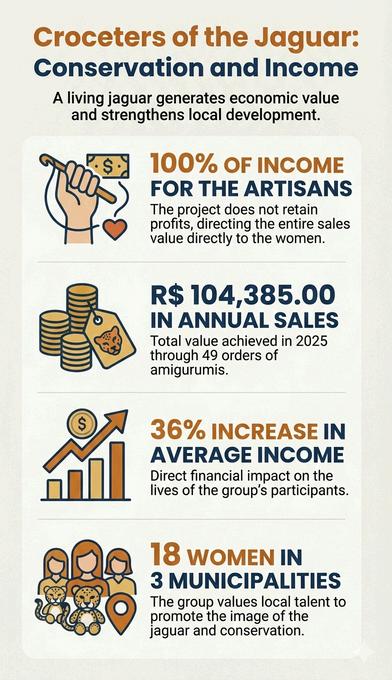
As a component of a strategy aimed at generating alternative income and empowering women, the project established the Crocheteiras da Onça group, emphasizing the value of crochet as a local talent. In 2025, the group united 18 women across three municipalities (Foz do Iguaçu, Serranópolis, and Matelândia), creating amigurumi that directly link the image of the jaguar with conservation efforts.
Claudiani Tavares, one of the members, was appointed by the project to serve as the coordinator and focal point of the group, thereby enhancing the organization and autonomy of the initiative.
The Project promotes market engagement, training, and coordination, without generating profits.
The initiative exemplifies that live jaguars create economic value and enhance conservation efforts through local development.
In 2025, the Artesãs da Onça group was established, aimed at diversifying income and enhancing female leadership. In collaboration with Nannacay, a distinctive bag featuring the brand's label was created, broadening market access. The group presently comprises six artisans, with the official launch taking place in November at the Hotel das Cataratas.
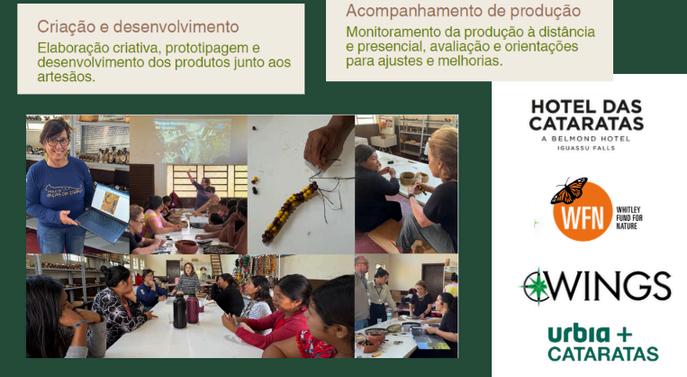
In collaboration with the Whitley Fund for Nature, WINGS, Urbia + Cataratas, and the Hotel das Cataratas, a Belmond Hotel, we created a product line involving 25 women from the Tekohá Ocoy indigenous community to enhance income generation and reinforce cultural identity
A dialogue meeting and two workshops facilitated by artisan Mônica Carvalho took place The resulting line has been named Jaguatá Porã and is scheduled for launch in 2026
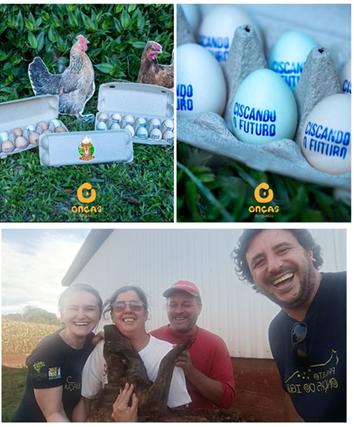


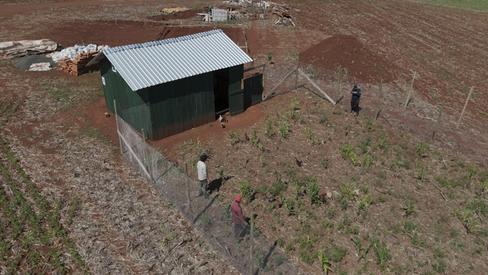
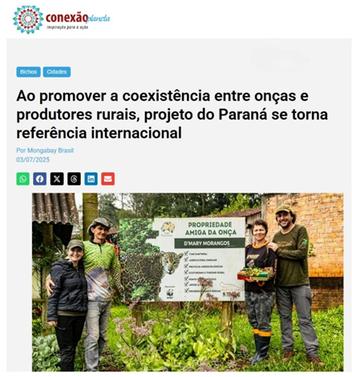
Following an incident of jaguar predation in 2023, the Marangoni Farm was placed under monitoring by the project and incorporated into the "Ciscando o Futuro" program, which emphasizes food security and income generation in family farming.
With the assistance of Eco Park, a secure chicken coop was established, featuring the introduction of 20 hens, a rooster, and a visual identity for the products
The initiative converted a conflict situation into a sustainable production model that harmonizes with conservation efforts and promotes coexistence with jaguars.

A comprehensive manual was created to assist in addressing instances of predation by jaguars and pumas, consolidating the insights gained from the Iguaçu Jaguar Project The guide outlines explicit procedures, ranging from the initial response to post-intervention monitoring, with an emphasis on mitigating conflicts, safeguarding livestock, and promoting feline conservation. With the assistance of the Whitley Fund for Nature, 1,000 copies were printed in Portuguese, and a digital version was released in Spanish.

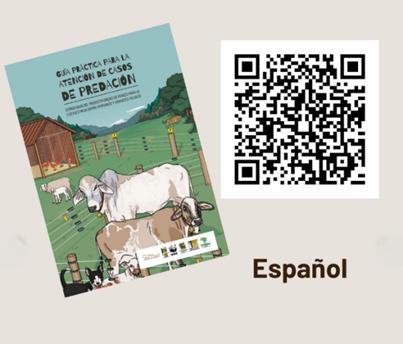
In 2025, we enhanced technical collaboration with Proyecto Yaguareté, Fundación Vida Silvestre, and Aves Argentinas. The work encompassed both in-person and remote assistance in addressing predation conflicts, providing technical guidance to rural producers, offering preventive management recommendations, and preparing technical reports. The collaboration also encompassed operational exchanges in initiatives to capture felines in Iguazu National Park (Argentina)

In February, the Onças do Iguaçu Project took part in the concluding workshop of WWF-Brazil's "Saving the Jaguars" initiative, which was held at Iguaçu National Park. This meeting convened partner institutions to assess the outcomes attained in jaguar conservation within the Atlantic Forest and to establish strategies for sustaining the advancements achieved
In March, we conducted a virtual presentation for representatives from WWF UK, WWF Brazil, and WWF Colombia, showcasing the Project's experience in monitoring jaguars with satellite collars and the key results achieved.
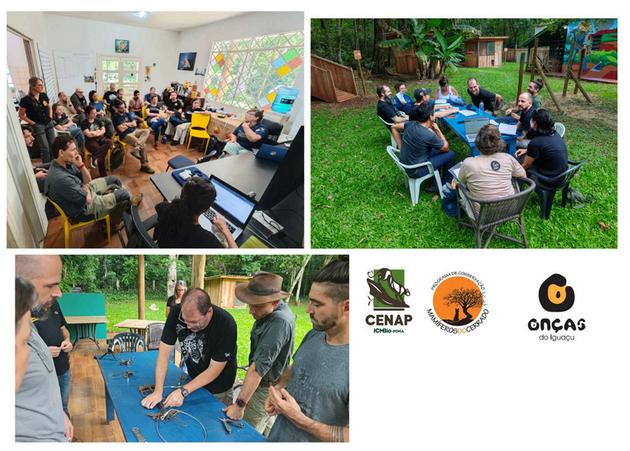
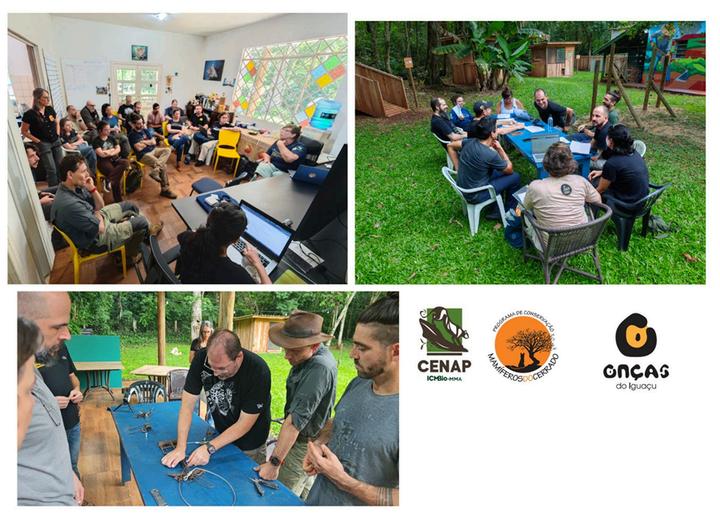
Between November 3rd and 7th, CENAP/ICMBio, with the support of the Onças do Iguaçu Project and the Cerrado Mammal Conservation Program, conducted a workshop at the project headquarters to formulate a Protocol for Capturing Large Felines utilizing snare traps.
The meeting convened experts from Brazil and Argentina to establish minimum requirements and best practices for the capture of jaguars and pumas, in alignment with the National Action Plan for Large Felines. The report and fi l t l tl d
We engage rigorously in communication to enhance individuals' understanding, their connection with jaguars and the National Park, and to facilitate the transformation of fear into awe.
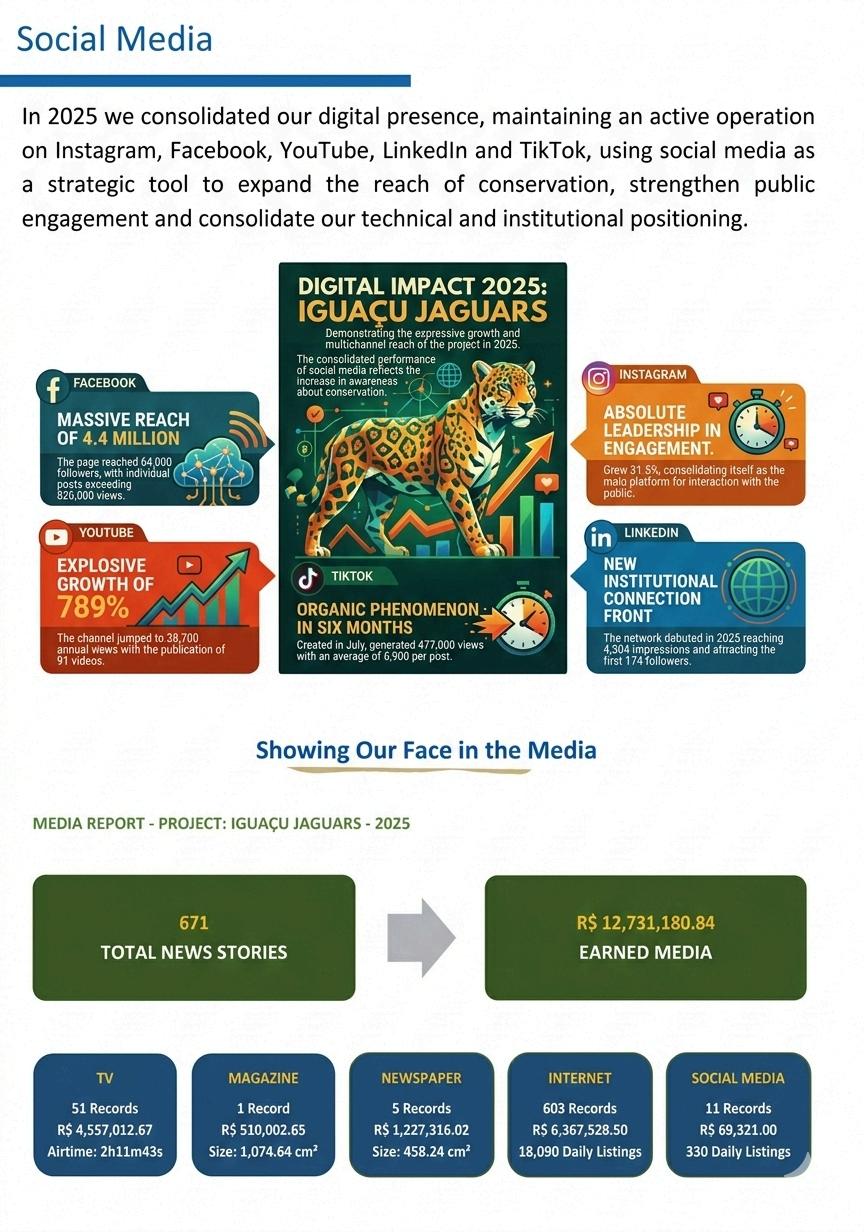
In 2025, we released three editions of the newsletter A Voz da Onça (The Voice of the Jaguar) in July, September, and December, available in both Portuguese and English.
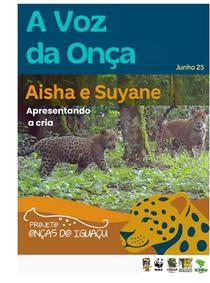

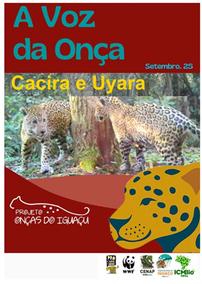

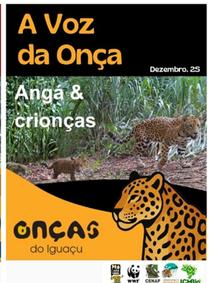

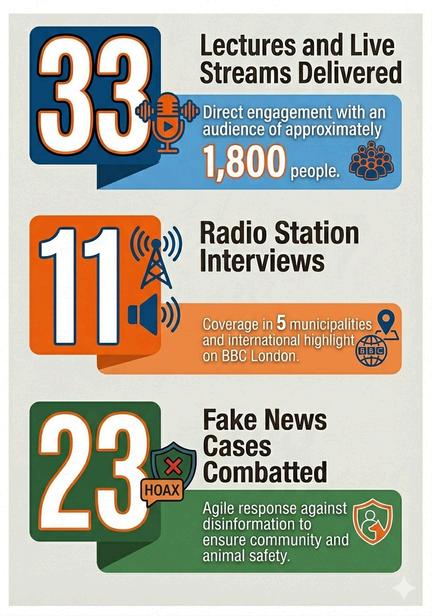
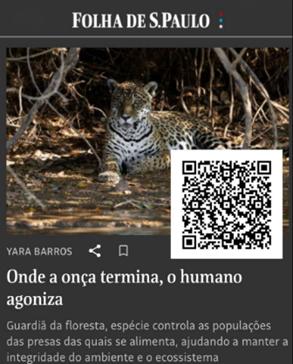


https://bit.ly/3MiURo1

https://bit.ly/4bO3wct


In July, we took part in the Caldeirão com Mion program (TV Globo), at the invitation of Visit Iguassu, to promote nationally the conservation initiatives for jaguars.
The special winter edition, filmed in Foz do Iguaçu, reached an audience of 32.2 million Brazilians.
This enhances the project's visibility and the conservation message on a national level
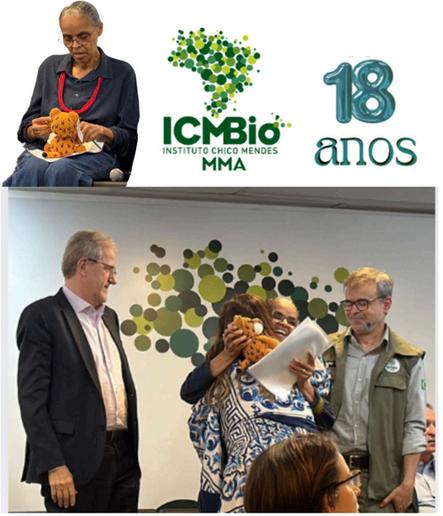
In August, the Onças do Iguaçu Project took part in the celebration of ICMBio's 18th anniversary in Brasília. During this event, Yara Barros showcased the project, emphasizing the synergy between biodiversity conservation, local communities, and territorial management.
The event was graced by the presence of Minister Marina Silva and federal environmental officials. As a representation of the link between conservation and income generation, the Minister received an amigurumi doll crafted by the Crocheteiras da Onça (Jaguar Crocheters).
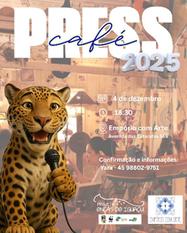
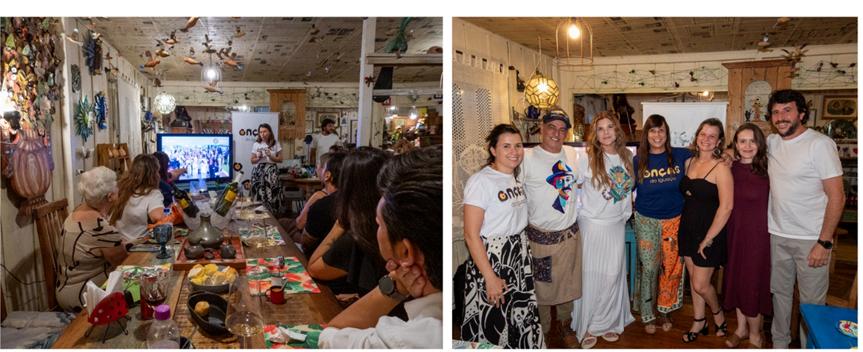
In 2 edition of our gathering with the press, partners, and supporters, organized in collaboration with Empório com Arte We present the annual results, scientific advancements, and coexistence initiatives in a casual format that promotes stronger relationships. The edition also included the participation of actress and partner Cristiana Oliveira.
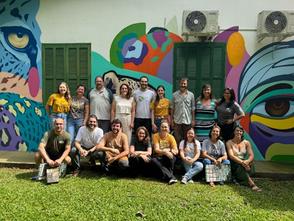
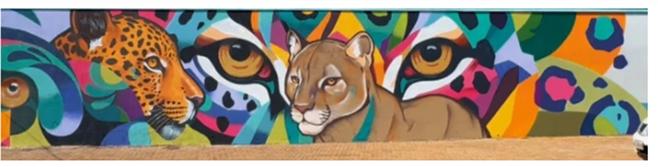
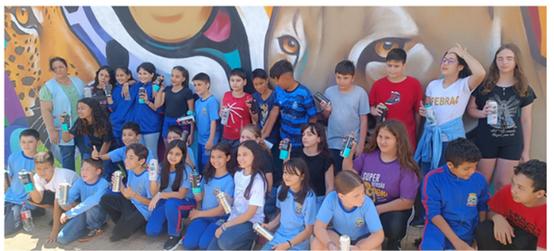
The Jaguar Graffiti Program is an initiative of the Onças do Iguaçu Project, in collaboration with the artist Igor Izy, that employs urban art as a means of promoting awareness and environmental education in the municipalities adjacent to Iguaçu National Park The objective is to convert murals depicting jaguars monitored by the project into local landmarks, thereby linking conservation efforts with territorial identity and community pride.
In 2025, three editions took place:
Friendship Bridge (Foz do Iguaçu) – mural “Coexist,” spanning over 100 meters, commemorated on the bridge's 60th anniversary, representing the integration between Brazil and Paraguay.
Rancho Jaguareté (São Miguel do Iguaçu) – mural on a property acknowledged as Jaguar-Friendly, featuring the puma.
Hélio Balarotti School (Santa Tereza do Oeste) – mural featuring the jaguar Pururuca, alongside a graffiti workshop conducted with students.
The initiative enhances public discourse regarding conservation and broadens community involvement through artistic expression.
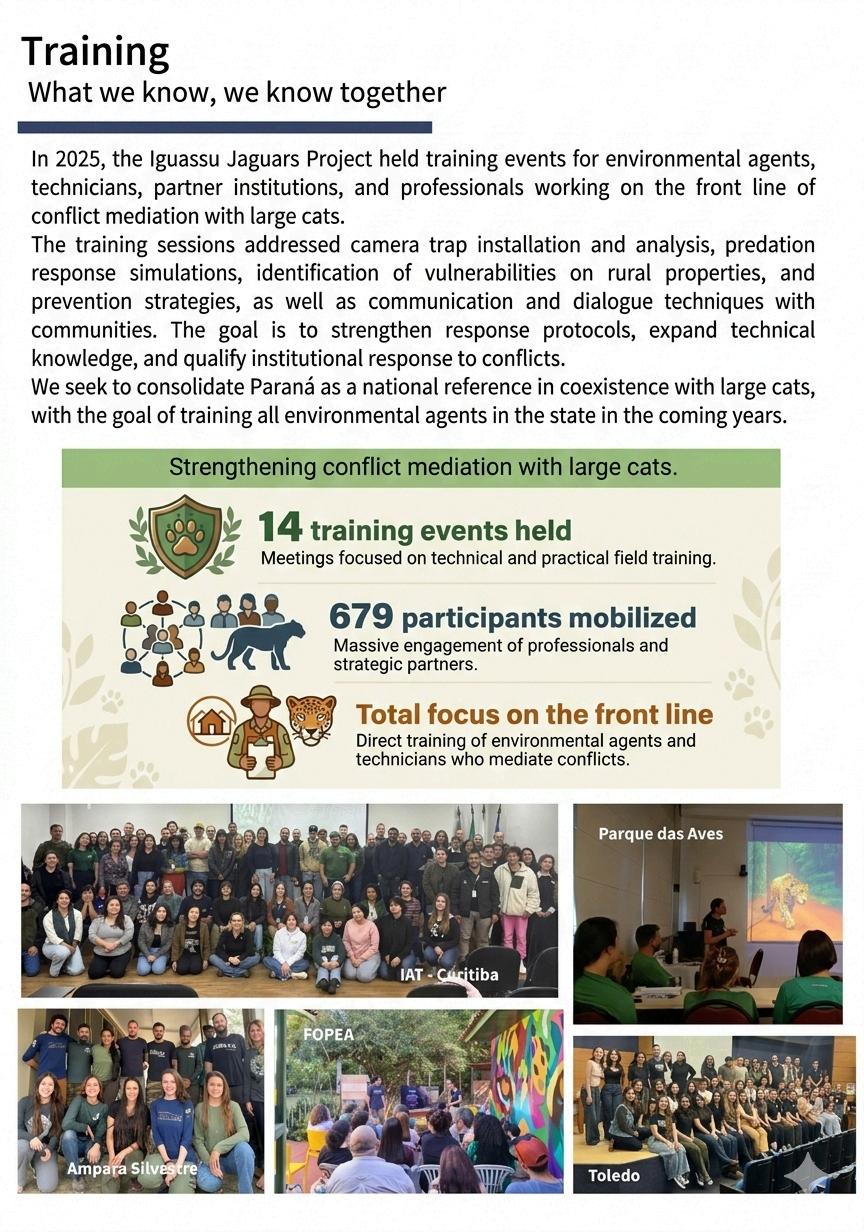
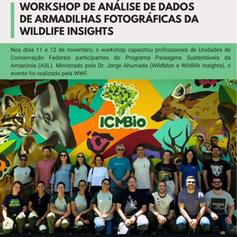
In 2025, the Iguaçu Jaguar Project team engaged in strategic training aimed at enhancing monitoring techniques, data analysis, and wildlife management, thereby bolstering the technical quality of field operations and management initiatives. Researcher Vania Foster facilitated training sessions on data migration and analysis from camera traps utilizing the Wildlife Insights platform, in addition to providing training in data analysis from VHF/GPS collars in collaboration with CENAP/ICMBio.
Veterinarian Patricia Gomes received a postgraduate scholarship in Wildlife and Exotic Animal Medicine from the Faculty of Americana (FAM) as a result of an institutional partnership.

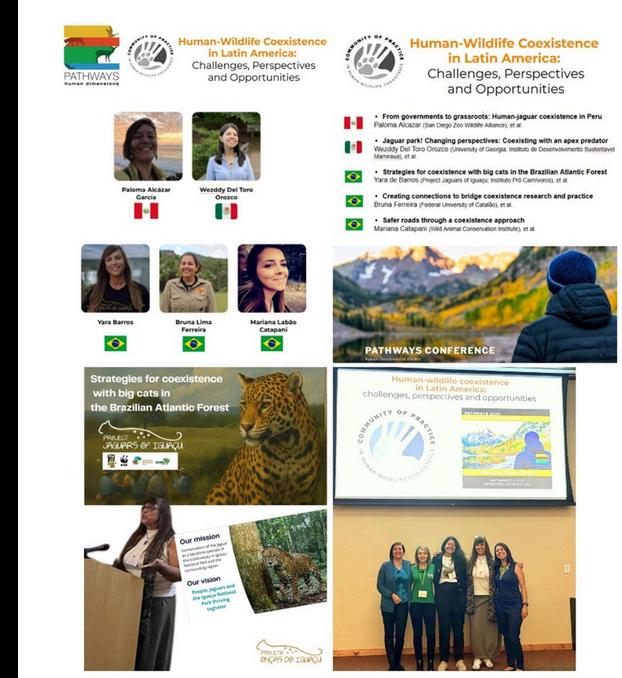
The project was included in the thematic session "Coexistence between People and Wildlife in Latin America: Challenges, Perspectives, and Opportunities," where it showcased the work titled "Coexistence Strategies with Large Felines in the Brazilian Atlantic Forest "
Participation expanded Latin American representation in the international discourse and solidified the initiative as a practical standard for coexistence. WFN financed its involvement in this event.
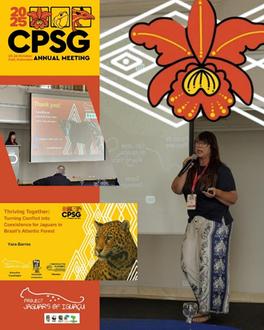
Yara Barros served as a keynote speaker, presenting the project's integrated model that encompasses long-term population monitoring, strategic planning, conflict mediation, and institutional coordination. The presentation underscored the applicability of the Iguaçu model as a replicable framework for other landscapes inhabited by large carnivores.
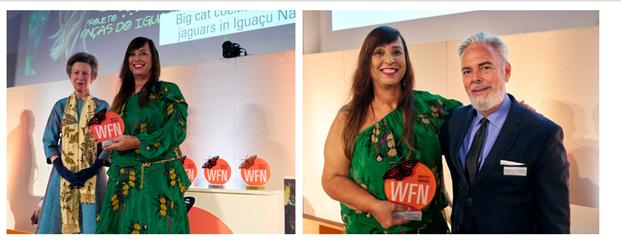
In 2025, the Iguaçu Jaguar Project garnered international acclaim by receiving two of the most esteemed awards in the conservation sector, presented to its executive coordinator, Yara Barros. These accolades underscore the scientific, strategic, and social significance of the model employed by the project which is founded on the integration of long-term research, community coexistence, and institutional collaboration. Referre scar," the Whitle nnually to conser onstrate a significant impact and implement effective solutions for the protection of biodiversity. The ceremony took place in London at the Royal Geographical Society, where the award was conferred by Princess Anne. In addition to gaining international recognition, the project secured £50,000 to enhance field operations, broaden coexistence strategies, and reinforce institutional capacity.

The award also offered media training, integration into a global network of conservationists, and enhanced internati l i ibili f h j t
The award honors exemplary women in science, exploration, and conservation who are effecting tangible change in the protection of the planet. The recognition underscored the researcher's leadership trajectory and her contributions to jaguar conservation in the Atlantic Forest The award comprised a contribution of US$20,000 and enhanced connections with global networks of female leadership in conservation.

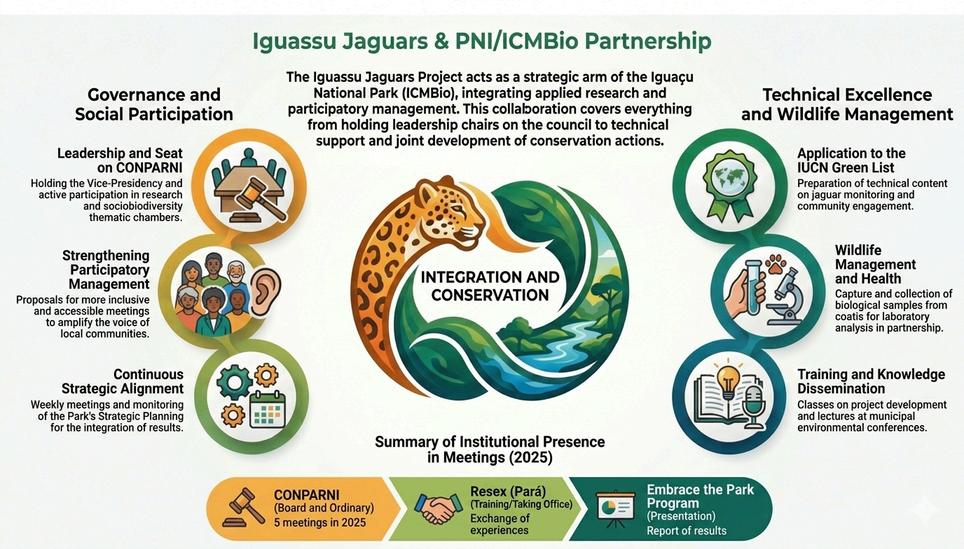
The data generated by the Onças do Iguaçu Project in 2025 will provide strategic insights for the planning and management of Iguaçu National Park, enhancing the synergy between applied research and decision-making.
The primary subsidies encompass:
Temporal organization of activities should include a recommendation to limit interventions during periods of peak wildlife activity, specifically at night
Managing the prey population, emphasizing the significance of anti-poaching enforcement, and monitoring biomass as a measure of ecosystem health.
Connectivity and buffer zones, supported by evidence of large mammals effectively utilizing corridors, inform the integration of these areas into strategic planning.
Mitigating traffic impacts by advocating for the systematic maintenance of culverts on BR469 to decrease pedestrian accidents.
Health and population assessment, facilitating epidemiological surveillance, density evaluations, and adaptive planning.
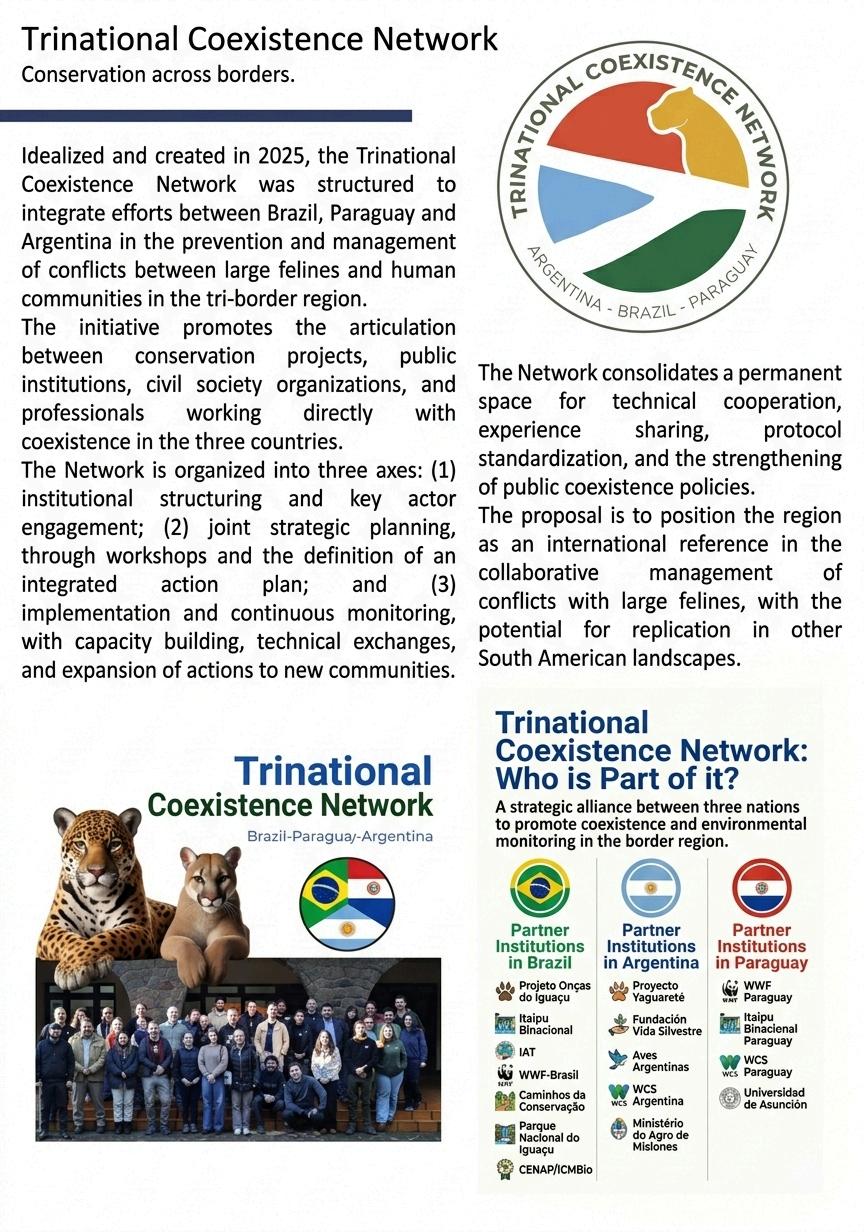
Governance and international collaboration, facilitating the application for the IUCN Green List and enhancing the Trinational Coexistence Network.
In conclusion, the synthesized information facilitates advancements in evidence-based management, establishing the PNI as a national and international standard in the integration of science and conservation.
In 2025, National Jaguar Day was commemorated with a strategic initiative aimed at enhancing institutional capacity, fostering community involvement, and elevating the profile of jaguar conservation efforts
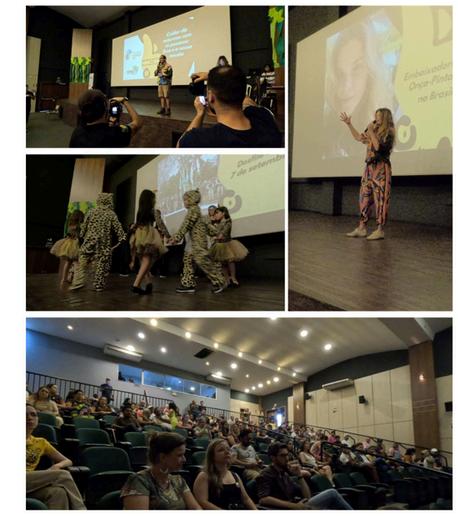
On the 28th, the Hotel das Cataratas, a Belmond property, hosted an institutional ceremony to unveil the new visual identity of the Onças do Iguaçu Project. The event included the presentation of certificates to companies involved in the "Jaguar Friendly Company" program and the announcement of a partnership with Nannacay Highlights of the occasion included live painting by artist Igor Izy, who generously donated the artwork to the project, as well as the participation of actress Cristiana Oliveira, the jaguar ambassador in Brazil.
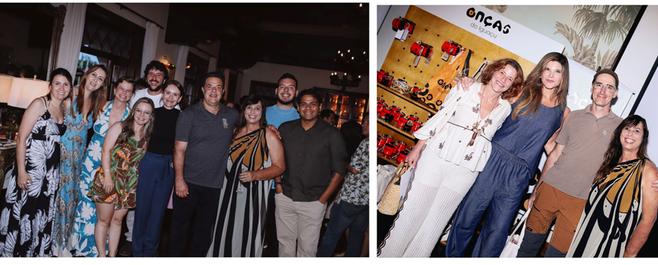

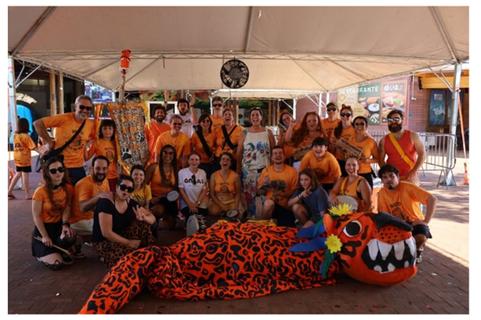
On the 29th, the Jaguar Festival took place with the support of Urbia Cataratas. In the afternoon, a variety of cultural and educational activities will occur, featuring artistic performances, an exhibition of jaguar-inspired works, face painting, and local cultural events The partner group of the Friends of the Jaguar initiative delivered a presentation.
The evening ceremony was led by Cristiana Oliveira and included a performance by the Maracatu Alvorada Nova group.







Sustain and enhance ongoing surveillance of wildlife within the National Park.
Conduct the Jaguar Census of 2026.
To maintain collaboration with local communities.
Continue initiatives focused on preventing predation
To proceed with the implementation of the Graffiti Jaguar program
To proceed with the Crocheteiras da Onça initiative.
To advance the "Picking Up the Future" initiative.
Implement the Nuts and Jaguars initiative.
To advance the Artesãs da Onça initiative.
Conduct two campaigns for the capture of jaguars.
To advance the Canine Conservation Program.
Publish scholarly articles.
Certify additional Jaguar-Friendly Properties.
To proceed with the training.
Organize and execute an International Coexistence Event.
ster coexistence among Brazil, oexistence Network.