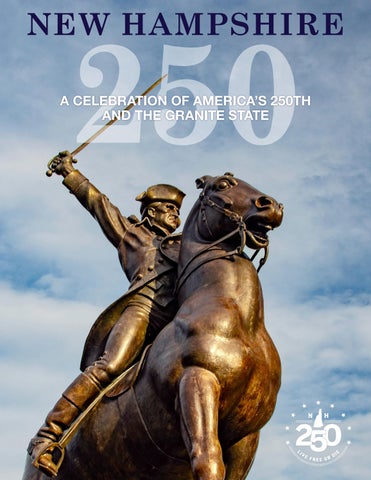
NEW HAMPSHIRE 250
A CELEBRATION OF AMERICA’S 250TH AND THE GRANITE STATE
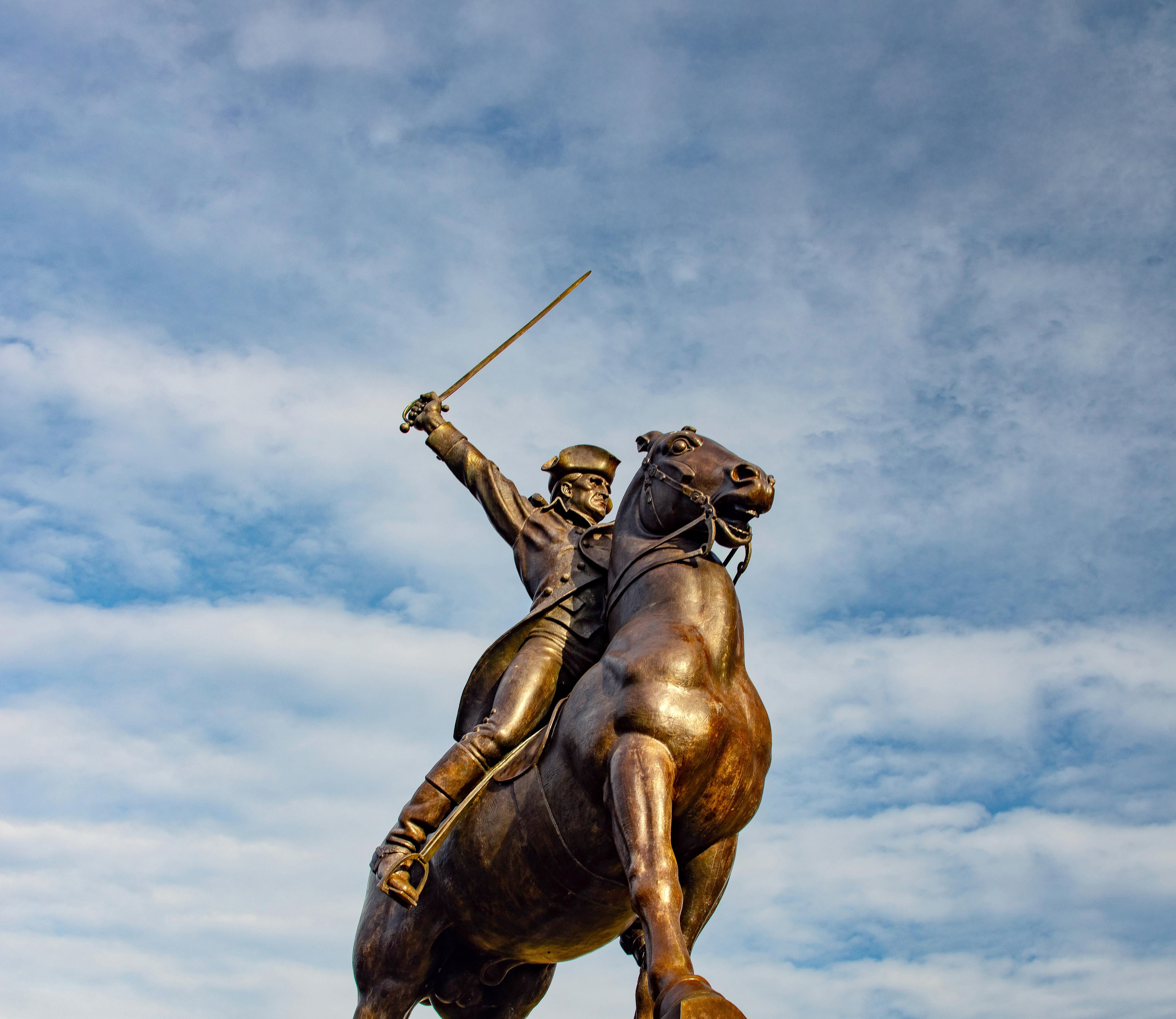
Whether you are planning your first visit to New Hampshire or—like so many generations of travelers— returning year after year, 2026 is a special time to experience the Granite State.
With our nation marking its 250th birthday, there is no better place to connect with the independent spirit of this milestone anniversary than the state that has enshrined the words “Live Free” in its motto.
From the soaring splendor of the White Mountains to the oceanwashed coast, in quaint small towns and lively cities, New Hampshire is a destination that offers travelers the freedom to get out and do what they want to do. It invites everyone to unplug from daily life and let their passions and interests guide the way, all while exploring seven distinctly beautiful regions that together hold endless adventures and discoveries.
Throughout New Hampshire, this historic anniversary year will bring one-of-a-kind events with multigenerational appeal, from festivals and reenactments to exhibits and special tours. So come celebrate America’s 250th with us … and learn what it means to truly live free.
Michelle Cruz, Director, New Hampshire Division of Travel and Tourism Development
Step back in time at these historic sites and connect with the founding of America, right here in New Hampshire. 4 | Fort Constitution 5 | Portsmouth
6 | The Fort at No. 4
8 | Exeter
Get to know the regions of New Hampshire as you meet some of the thinkers, inventors, and pioneers who called these places home.
10 | Merrimack Valley
11 | Seacoast
12 | Dartmouth/Lake Sunapee
13 | Lakes
14 | White Mountains
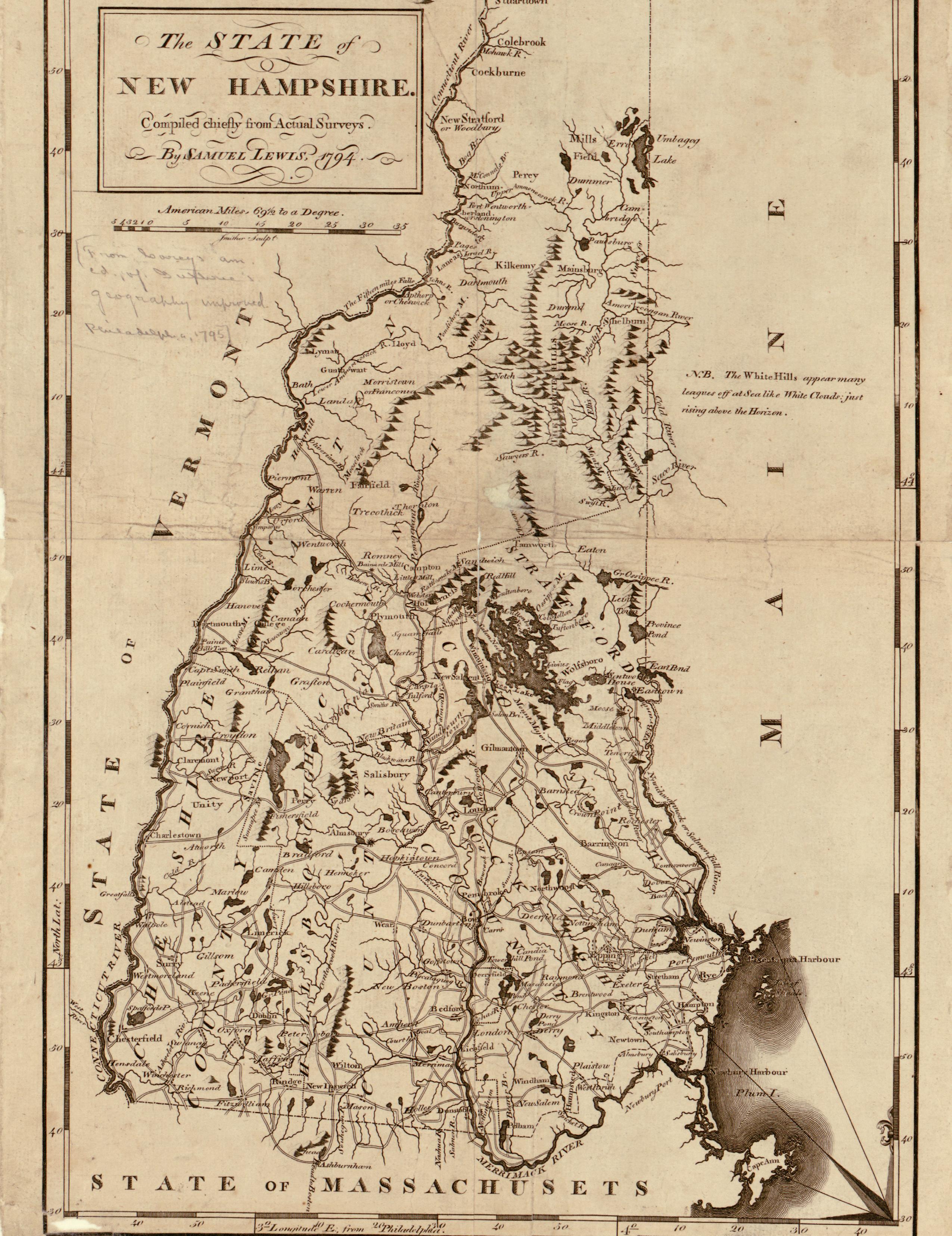
| Monadnock This special publication was produced by Yankee Publishing Inc. for the New Hampshire Division of Travel and Tourism Development. Copyright 2026 by Yankee Publishing Inc.; all rights reserved. IMAGE CREDITS: JDanault/Shutterstock.com (cover); New Hampshire Historical Society (p. 3); map reproduction courtesy of British Library Collection (p. 4); Portsmouth Historical Society (house, p. 5); Strawbery Banke Museum (interior, p. 5); Moffatt-Ladd House & Garden Museum (portrait, p. 5, and plaque, p. 6); Windwood Productions (aerial, p. 7); The Fort at No. 4 (building, p. 7); American Independence Museum (interior, p. 8); Mark Fleming (festival, p. 8); New Hampshire Historical Society (railway, p. 9); Freedom’s Way Heritage Association (statue, p. 9); NASA/JSC (moon landing, p. 9); kickstand/iStock (p. 10); Doug Lemke/adobestock.com (p. 11); NPS (p. 12); Michael Wilson (p. 13); Jarrod McCabe (p. 14); Jerry Monkman (p. 15); Denis Tangney Jr./iStock (p. 16)
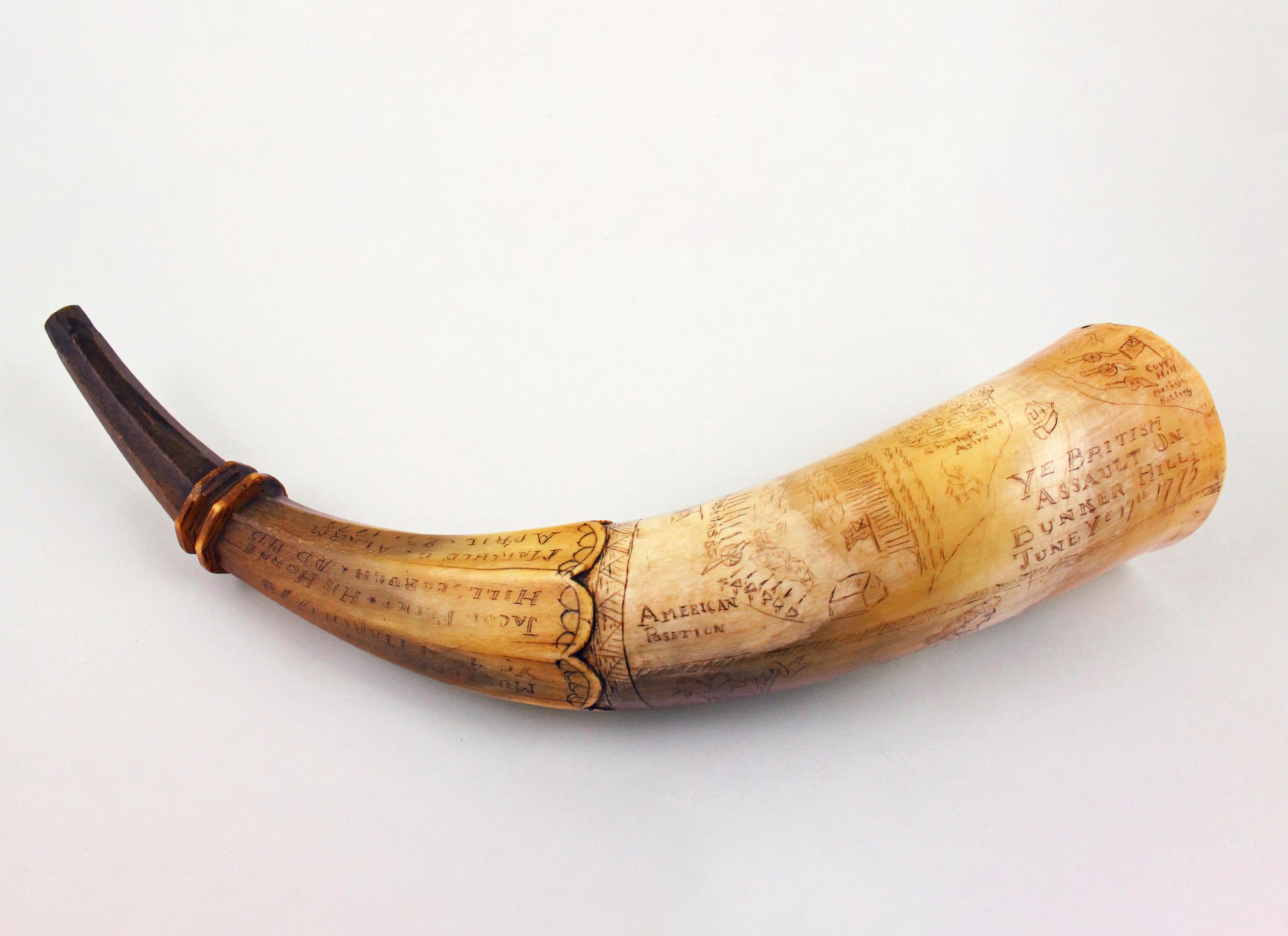
Though New Hampshire was one of the smaller colonies, its citizens took a leading role in the American Revolution. After Lexington and Concord, New Hampshire men marched south and fought at Bunker Hill and at the Siege of Boston. Many went off to fight with George Washington in his Continental Army.
Those Revolutionary veterans may not recognize the Granite State today, but if they
spoke to one of its citizens, wouldn’t they see some reflection of themselves? That dogged independence, that scrappy self-reliance— so much of what New Hampshire cherishes about itself is a gift passed down from the Revolutionary generation.
So on this 250th anniversary, take a trip around the Granite State and visit the places where the revolutionaries of New Hampshire began their quest for the right to live free.
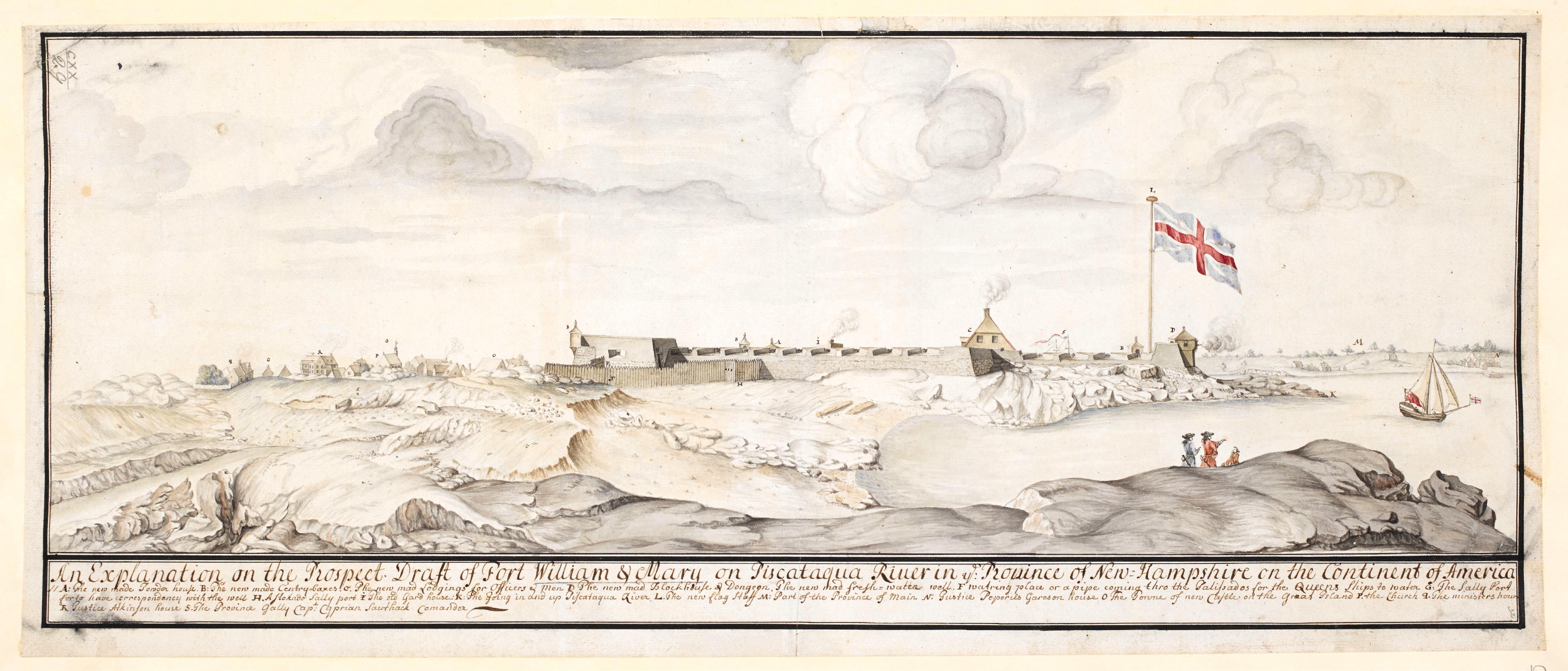
The American Revolution didn’t begin on any one date. Depending on where you go in the country, people will claim some local act of defiance—a brawl, a protest, a raid—was the true beginning of the war. In New Hampshire, the conflict began in the small town of New Castle at what is today Fort Constitution.
Look at the fort now, and you’ll see that the remaining battlements are from a later period. The original walls and wooden lighthouse of what was then called Fort William and Mary have long since vanished. But what remains is the importance of the location: an island at the mouth of the Piscataqua River. Guns stationed here could easily choke off the waterway, cutting off Portsmouth’s access to the ocean.
In December 1774, only six British soldiers held the fort. But tensions were high, as local Patriots and Loyalists eyed each other warily, waiting for the inevitable spark to set off direct conflict between the two sides.
That spark came in the form of none other than Paul Revere. On Dec. 13, he rode into Portsmouth with news that the British planned to reinforce
Fort William and Mary. Patriots Thomas Pickering and John Langdon—who would later become governor of New Hampshire—raised the alarm and by the next day had assembled hundreds of volunteers. By land and by boat, the raiding party descended on New Castle, surrounding the fort and quickly capturing the British troops.
Patriots carted away most of the fort’s gunpowder. They returned the next day for the rest and took the cannons, too. These armaments are believed to have joined New Hampshire militiamen when they marched south to join the Siege of Boston.
Despite the fact that many of their identities were well known, none of the New Hampshire raiders faced consequences. Royal Governor John Wentworth knew public opinion wasn’t on his side. “No jail would hold them long and no jury would find them guilty,” he wrote.
n Fort Constitution State Historic Site: nhstateparks.org/find-parks-trails/ fort-constitution-historic-site
Before the Revolution, Portsmouth was the seat of British power in New Hampshire.
“The population was divided,” says Gerald Ward, curator of the Portsmouth Historical Society, who estimates that around a third of the population were Loyalist, another third were Patriot, and the rest were on the fence.
The case for independence wasn’t as clearcut in this city as it was elsewhere. Home to a wealthy merchant class, Portsmouth’s economy was more closely tied to England. Still, King George III’s efforts to control and tax the colonies spread anger even among those who didn’t want independence. For those who considered themselves to be Englishmen, resistance to the crown could actually be seen as a conservative movement, Ward says. “They weren’t fighting for new rights—they were fighting for rights they’d had since the Magna Carta.”
By 1775, Royal Governor John Wentworth could see that he was losing his grip on New Hampshire. The raid on Fort William and Mary showed that the Patriots were not afraid to flex their growing muscle. He received further proof on June 13, 1775, when an armed mob surrounded his Portsmouth mansion. Wentworth and his family moved first to the fort for safety, then onto a British warship. On August 23, the ship sailed for Boston, effectively abandoning the colony. Without a single casualty, New Hampshire had forced the British empire off its shores.
In the coming years, Portsmouth contributed to the Revolution in the best way it knew how: namely, shipbuilding. In 1775, the Continental Congress commissioned the construction of 13 frigates, the first ships of what would become the U.S. Navy. The privilege of building one
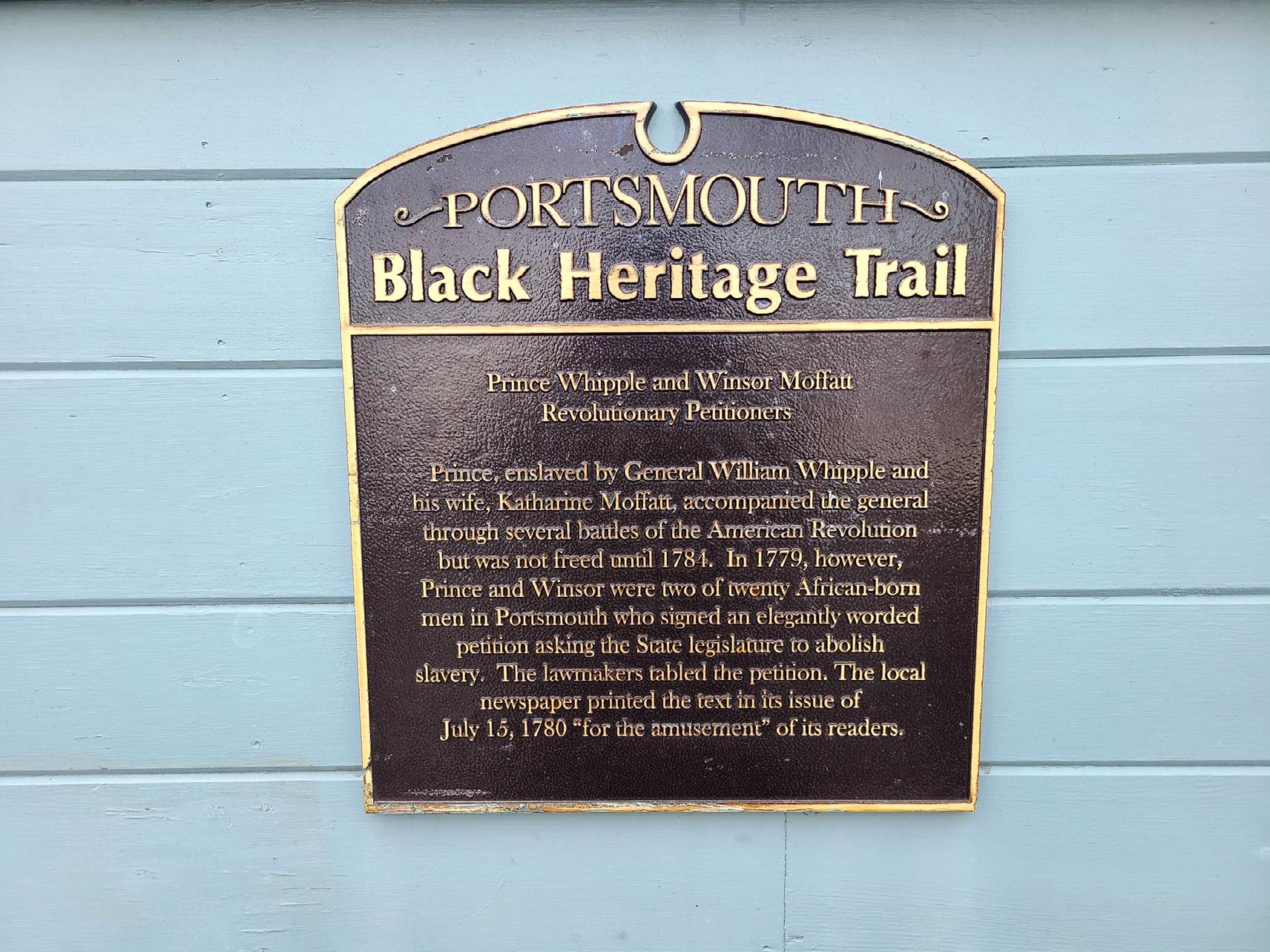
fell to the shipwrights of Portsmouth, who constructed the USS Raleigh, a 32-gun frigate whose launch is still commemorated on the New Hampshire state flag.
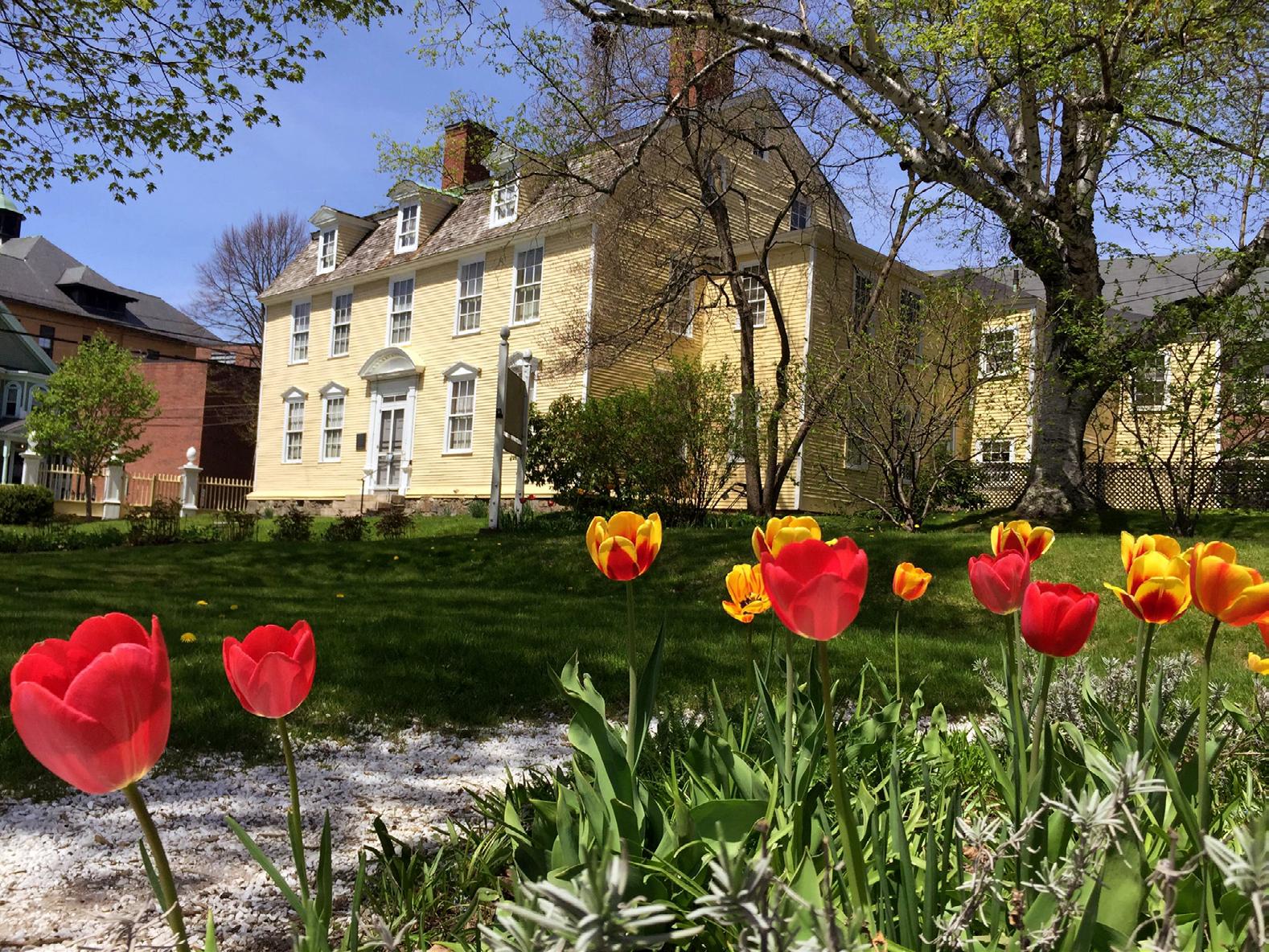
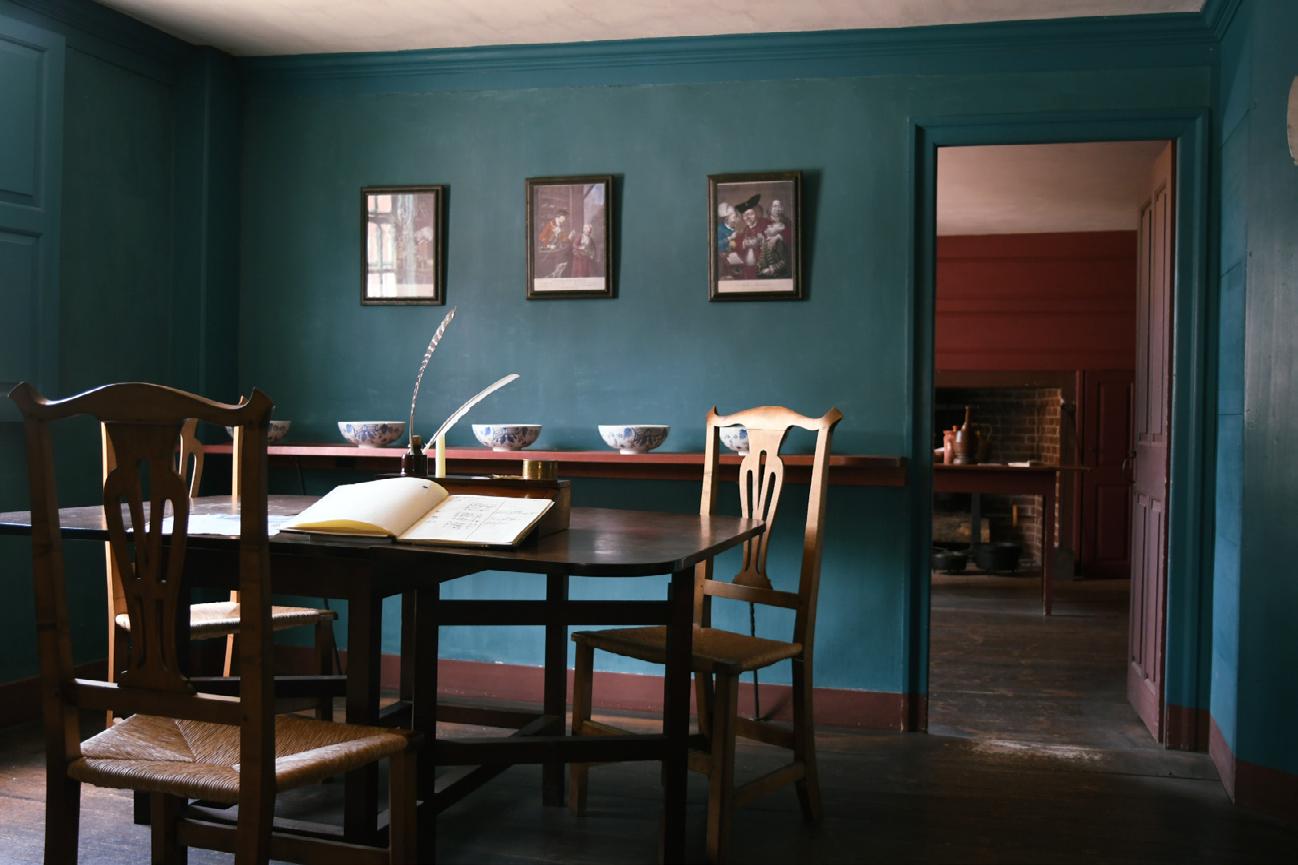
Naval hero John Paul Jones visited Portsmouth’s shipyards in 1777 and 1781. His time here was brief, but important enough that the house where he rented a room was preserved and named in his honor. The John Paul Jones House is where the Portsmouth Historical Society will host its America 250 exhibit, which will explore the divisions between Patriot and Loyalist Portsmouth at the outset of the war. Nearby at the Strawbery Banke Museum, visitors can tour more Revolutionary-era homes in the preserved neighborhood of Puddle Dock.
n Portsmouth Historical Society and the John Paul Jones House: portsmouthhistory.org
n Strawbery Banke Museum: strawberybanke.org
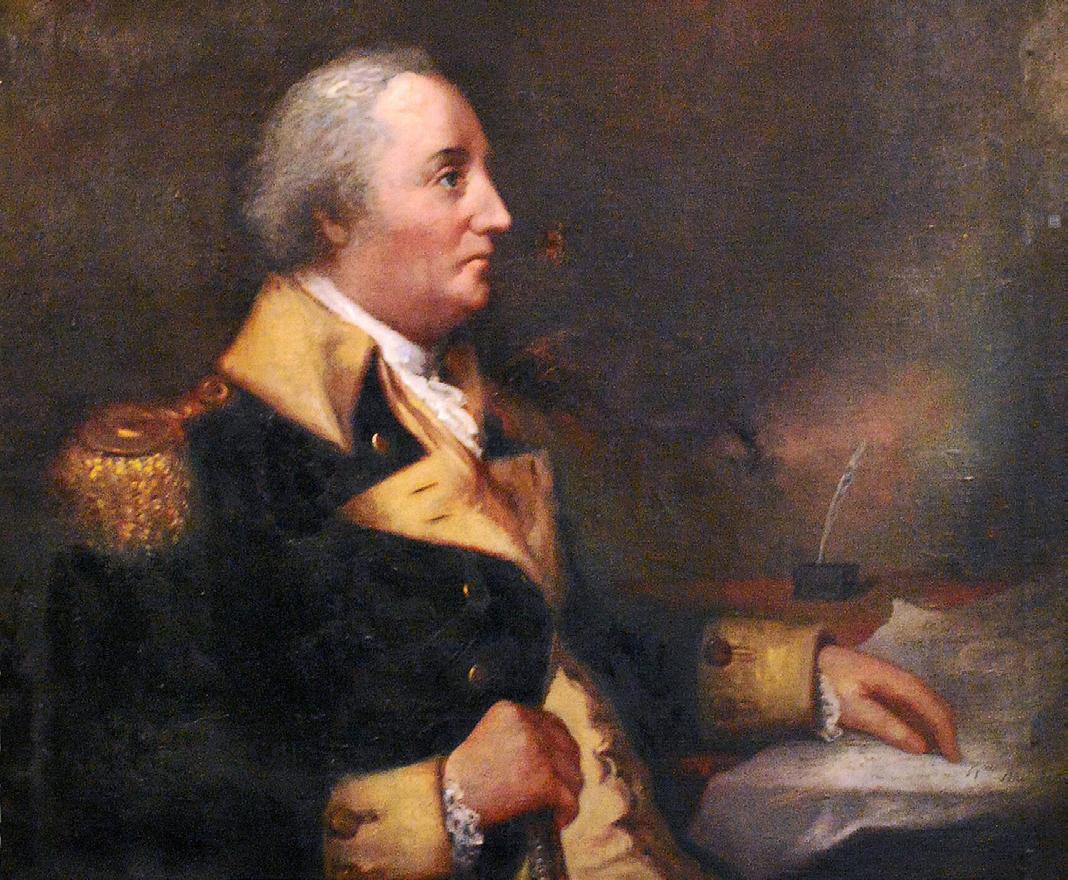
n Moffatt-Ladd House and Garden Museum: moffattladd.org
n Langdon House: historicnewengland.org/ property/governor-john-langdon-house
How a remote outpost came to be known as a stepping stone to American victory.
he Fort at No. 4 was built at a time when the Connecticut River was America’s western frontier. Constructed to protect pioneering farmers, it sat at a strategic point at the head of the old Crown Point Road that stretched on to Lake Champlain. “It was a crossroads to many places,” says Alissa Bascom, executive director of the Fort at No. 4. “It was this place on the frontier that was a refuge.”
The fort was especially useful during the French and Indian War in the 1750s and 1760s, but afterward the frontier shifted, and the fort fell into disrepair. The site was largely abandoned when suddenly, in 1777, it served a crucial role in the Revolution.
By that point, the British had decided to cut off the head of the American rebellion by isolating New England from the rest of the colonies. The key to this divide-and-conquer strategy was taking control of the Hudson Valley. It was this mission that General John Burgoyne had in mind when he marched south from Canada toward Albany.
In response to this threat, citizens of then-independent Vermont asked New Hampshire for help. The government turned to New Hampshire war hero John Stark. “He was charged with bringing all the New Hampshire militias across the state together,” says Bascom.
Stark chose the Fort at No. 4 as the rallying point and, in true minuteman fashion, it took just six days for volunteers from across the state to gather here.
Stark set out with approximately 1,500 men for Bennington, Vermont, where he was joined by militias from Massachusetts and Vermont. The irregular New England forces surprised a large detachment of Burgoyne’s army outside town, killing 207 and capturing another 700.
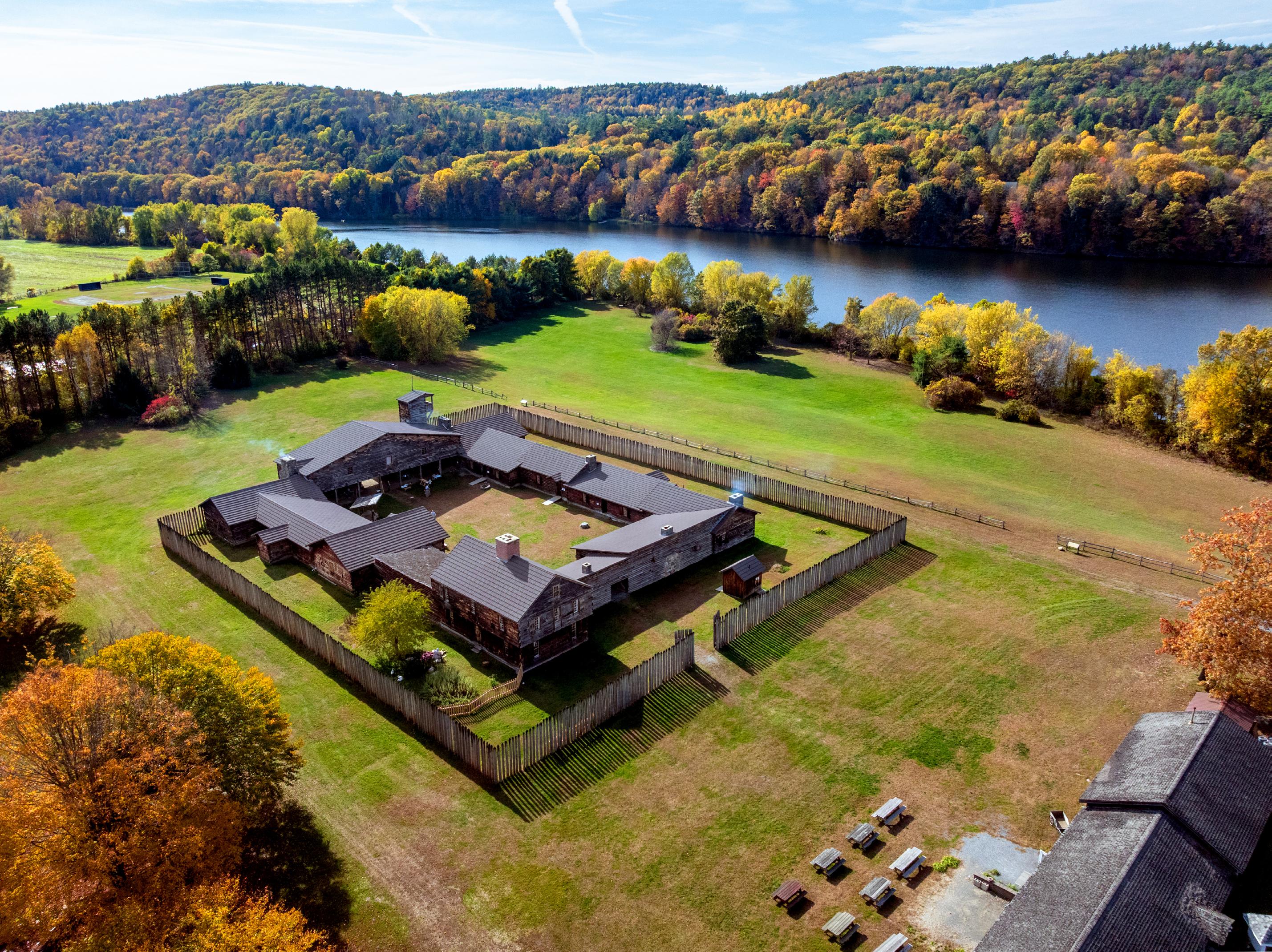

The blow seriously damaged Burgoyne’s campaign, slowing his army and contributing to his ultimate defeat at the Battle of Saratoga.
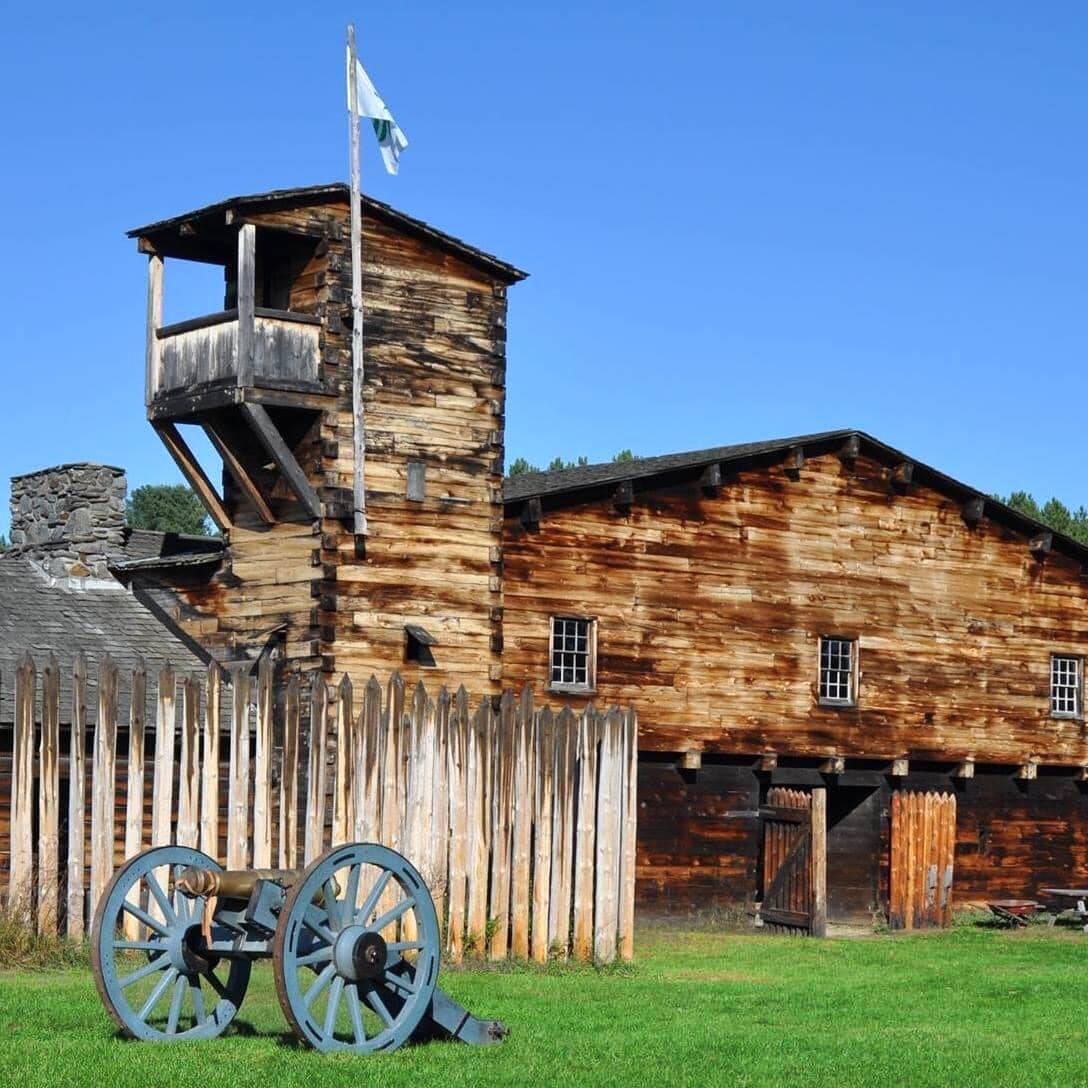
Today, the Fort at No. 4 is a living history museum in the town of Charlestown. It has been rebuilt to how it would have looked during its pinnacle between the years 1740 and 1760. The museum is planning a reenactment of Stark’s muster on the 250th anniversary in 2027. For 2026, the fort will host a series of Saturday discussions on how the war affected everyday citizens on the frontier.
n The Fort at No. 4: fortat4.org
The past lives on in New Hampshire’s Revolutionary War capital.
In a war for independence, the true prize is capturing the hearts and minds of the people.
That was the battle waged in Exeter, the town where New Hampshire began the hard work of being free.
After the British governor fled Portsmouth in June 1775, Patriots established a new capital here. The choice made sense, says Joe Pace, executive director of the American Independence Museum. “The rebel energy was in Exeter.”
In December of 1775, delegates from across the state met in the new capital to replace the old royal charter. These newly independent citizens debated how they would like to be ruled, what powers the government should have, and what freedoms the people would hold. They worked quickly, and New Hampshire’s first constitution was ratified on January 5, 1776.
This is one of many stories told in Exeter’s American Independence Museum. Pace wants visitors to leave thinking of the Revolution in the present tense. “Independence isn’t something
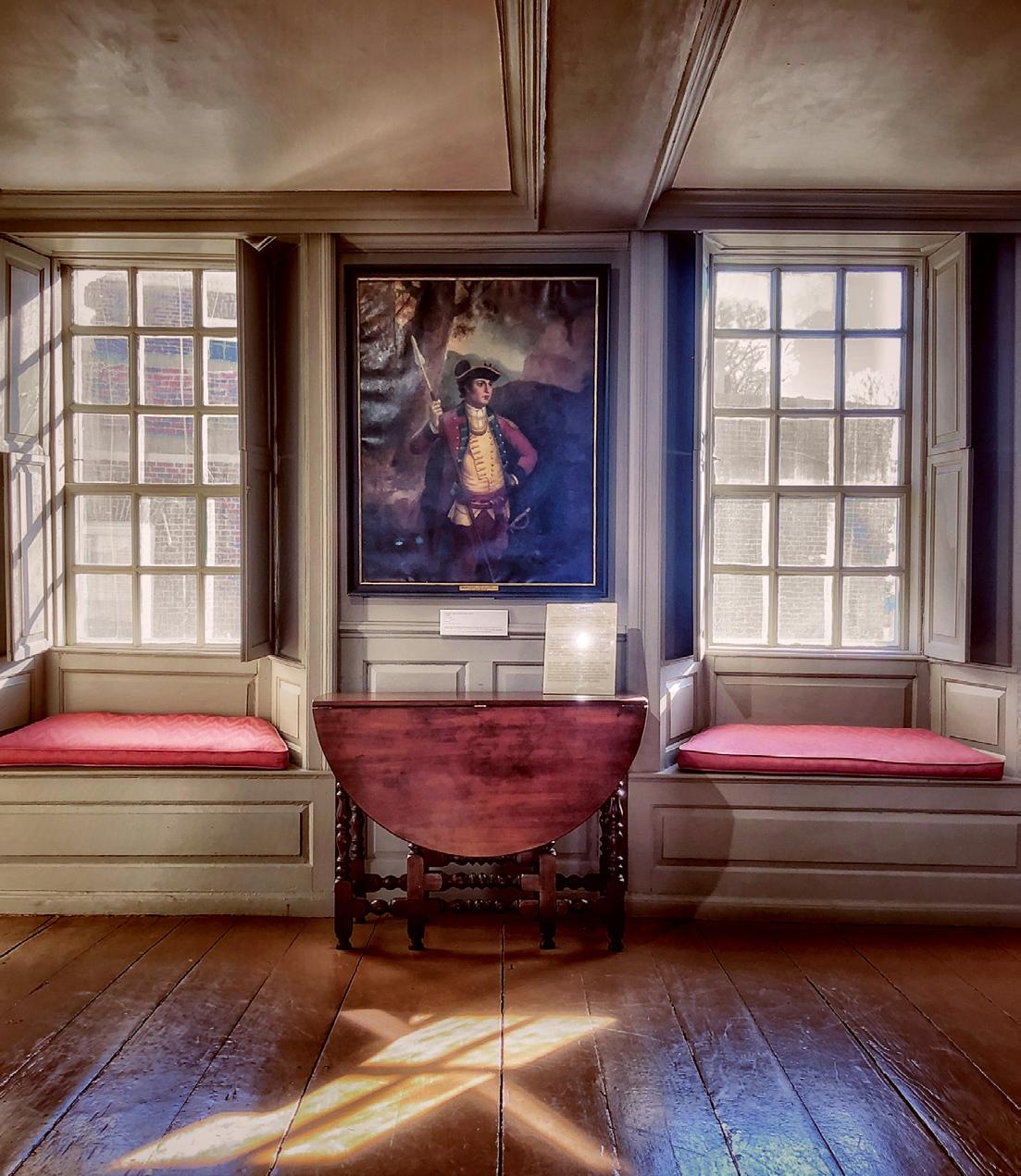
we did; it’s something we do,” he says.
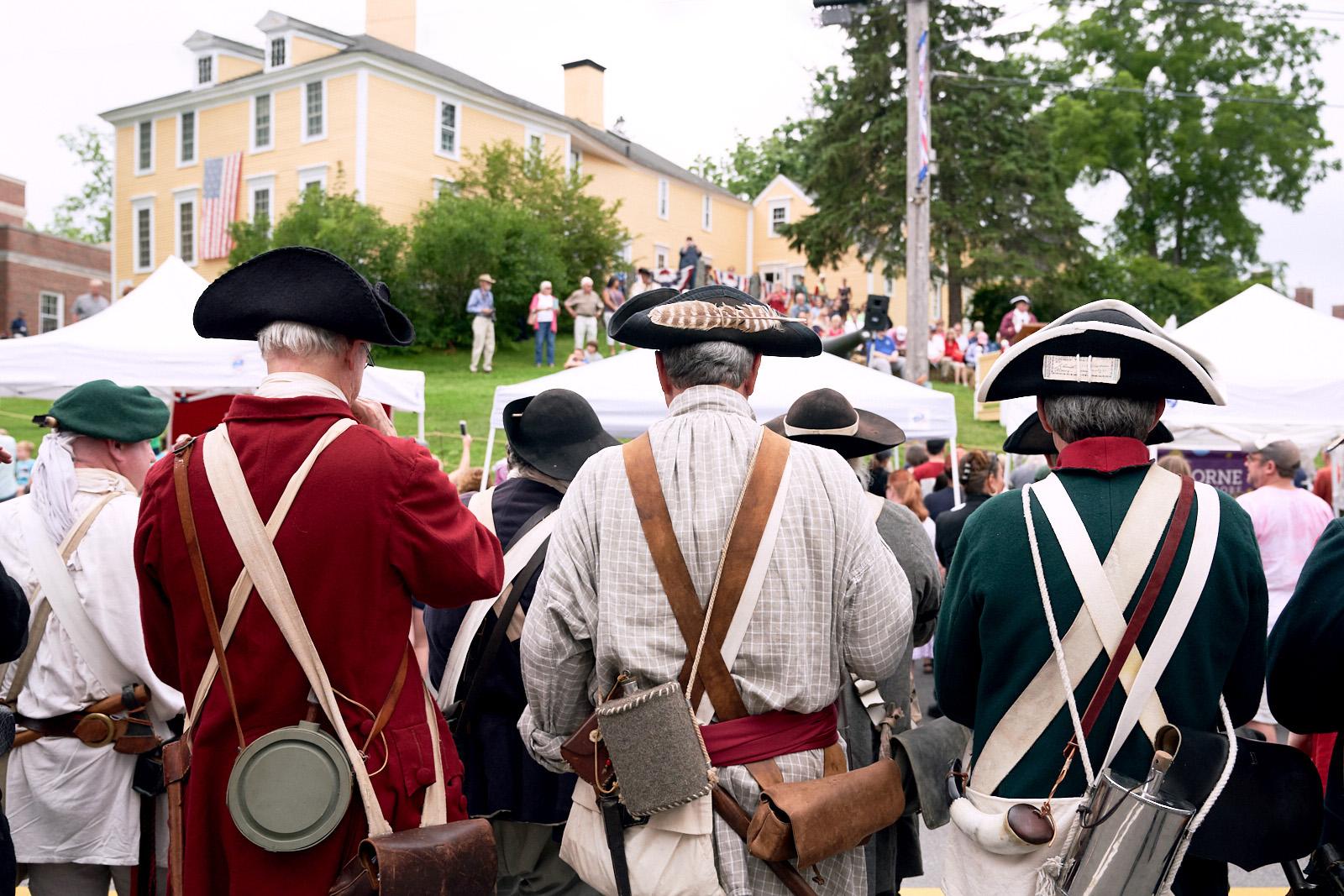
The museum’s most treasured artifact is a Dunlap broadside of the Declaration of Independence, which is among the first copies of that document ever made. Every July, the museum hosts its American Independence Festival, in which actors reenact the moment when the words “We hold these truths to be self-evident” were first spoken in New Hampshire before a crowd on the streets of Exeter.
For the nation’s 250th anniversary, this year’s festival—set for Saturday, July 11—will be larger than ever and accompanied by all-new exhibits examining the Constitution and how the freedoms enshrined in the Bill of Rights have evolved over time. Pace hopes the exhibit will remind people that the work of freedom is never over, adding, “It’s our responsibility as citizens to see that this experiment continues.”
n American Independence Museum: independencemuseum.org
New Hampshire is a state that likes to lead the way. Perhaps the best-known example of this is its long tradition of holding the nation’s first presidential primary every four years, a distinction that Granite Staters have fought hard to preserve.
But New Hampshire’s history is rich with other “firsts” that have had lasting effects, big and small, far beyond its borders. The model for tax-supported public libraries was born here, and so was the early programming language, BASIC, that would democratize the use of computers. New Hampshire is part of the story of the first Levi blue jeans, the first
snowmobile, and the first mountain-climbing railroad, among other remarkable milestones. Just as important as these innovations, however, are the individuals—the artists and activists, politicians and scientists, and many more—who have called this state home.
So come along on a tour of New Hampshire’s seven regions to learn not just what makes each one unique, but also to discover the revolutionary spirit they’ve helped inspire through the generations.
Levi Hutchins’s Wake-up Call
Anyone who gets up in time to make it to work can appreciate the tinkering of 26-year-old Levi Hutchins, who in 1787 built himself a clock with a nifty mechanism that was permanently set to ring every day at 4 a.m. It not only got the young clockmaker’s day started on time, but is today considered America’s first alarm clock.
The Birth of Blue Jeans
After tailor Jacob Davis and Levi Strauss & Co. acquired their patent for blue jeans in 1873, there was a challenge: Where to source the bestquality denim for this soon-tobe-iconic American garment? They found their answer in Manchester’s world-famous Amoskeag Manufacturing Co., which at its height operated over 60 mills along the Merrimack.
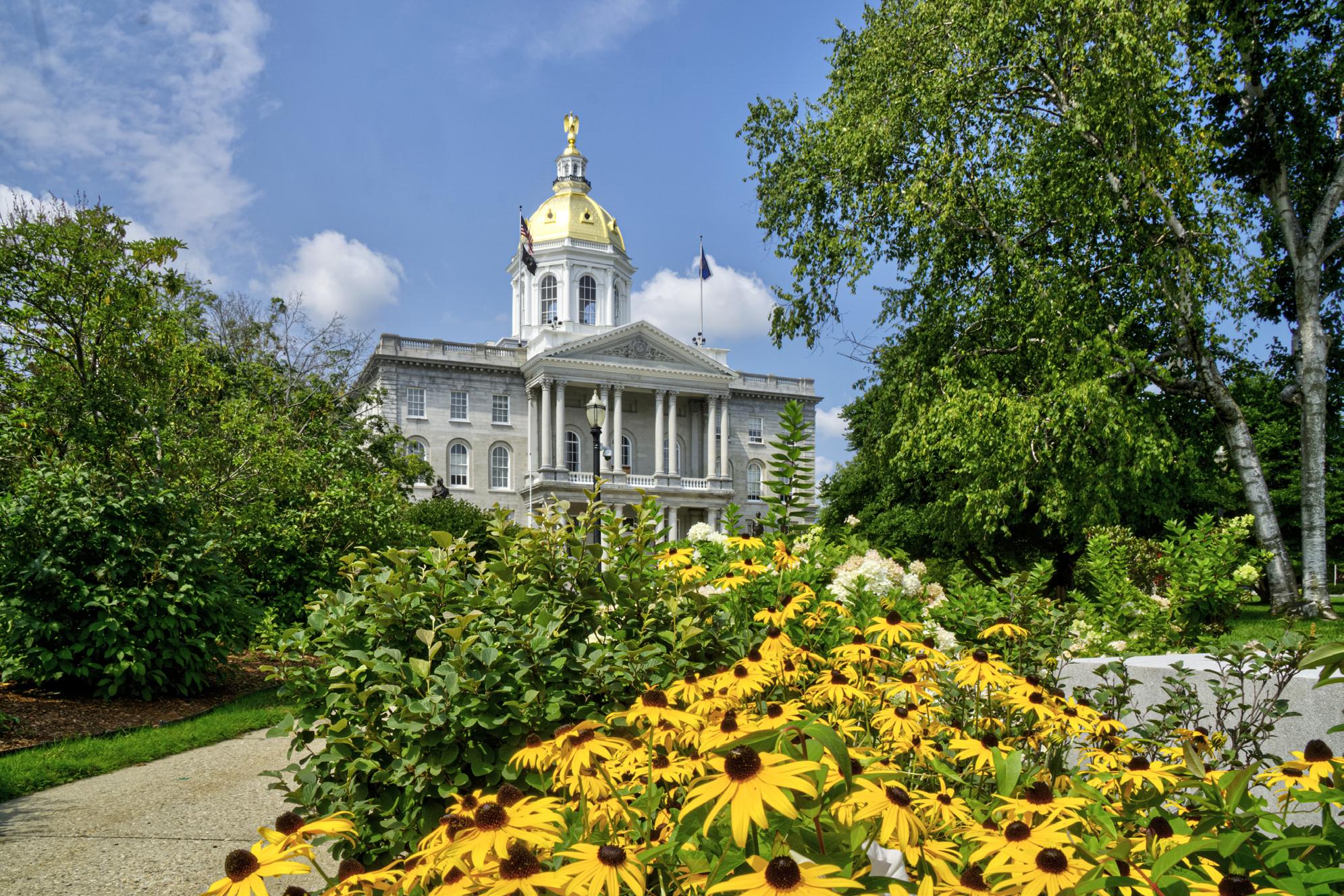
The New Hampshire State House, which celebrated its 200th anniversary in 2019.
A Game-Changing Milestone In 1946, a year before Jackie Robinson broke racial barriers in the major leagues, Nashua’s own minor-league Dodgers became the first integrated professional baseball team in the U.S. with the addition of future Hall of Fame catcher Roy Campanella and future Cy Young Award–winning pitcher Don Newcombe.
Forever Noteworthy
Born in 1867, Amy Beach grew up to become a virtuoso pianist, playing the grand music halls of Boston before she turned 20. But it was as a composer that Beach would make her most lasting mark, and in 1896 she became the first woman to compose a symphony that would be performed by a major American orchestra.
The tumbling waters of the Merrimack River rush through its namesake valley, past cities and villages that lie at the very heart of New Hampshire history. Whether it’s the gleaming capitol dome in Concord, preserved brick mills on the riverbank in Manchester, or vibrant culinary destinations in Nashua, the state’s Big Three cities all follow the rolling river, channeling its lively energy. You can cozy up to world-class works at the Currier Museum of Art in Manchester one moment, blast off at Concord’s McAuliffe-Shepard Discovery Center the next, and top it all off with farm-to-table fare in Nashua. Meanwhile, scattered like skipping stones around the region, you’ll find enough small communities to delight any lover of country life. The banks of the wandering Merrimack have long been home to innovation and change—now, you’re invited to dip your toes in and make a little history of your own.
Christa McAuliffe
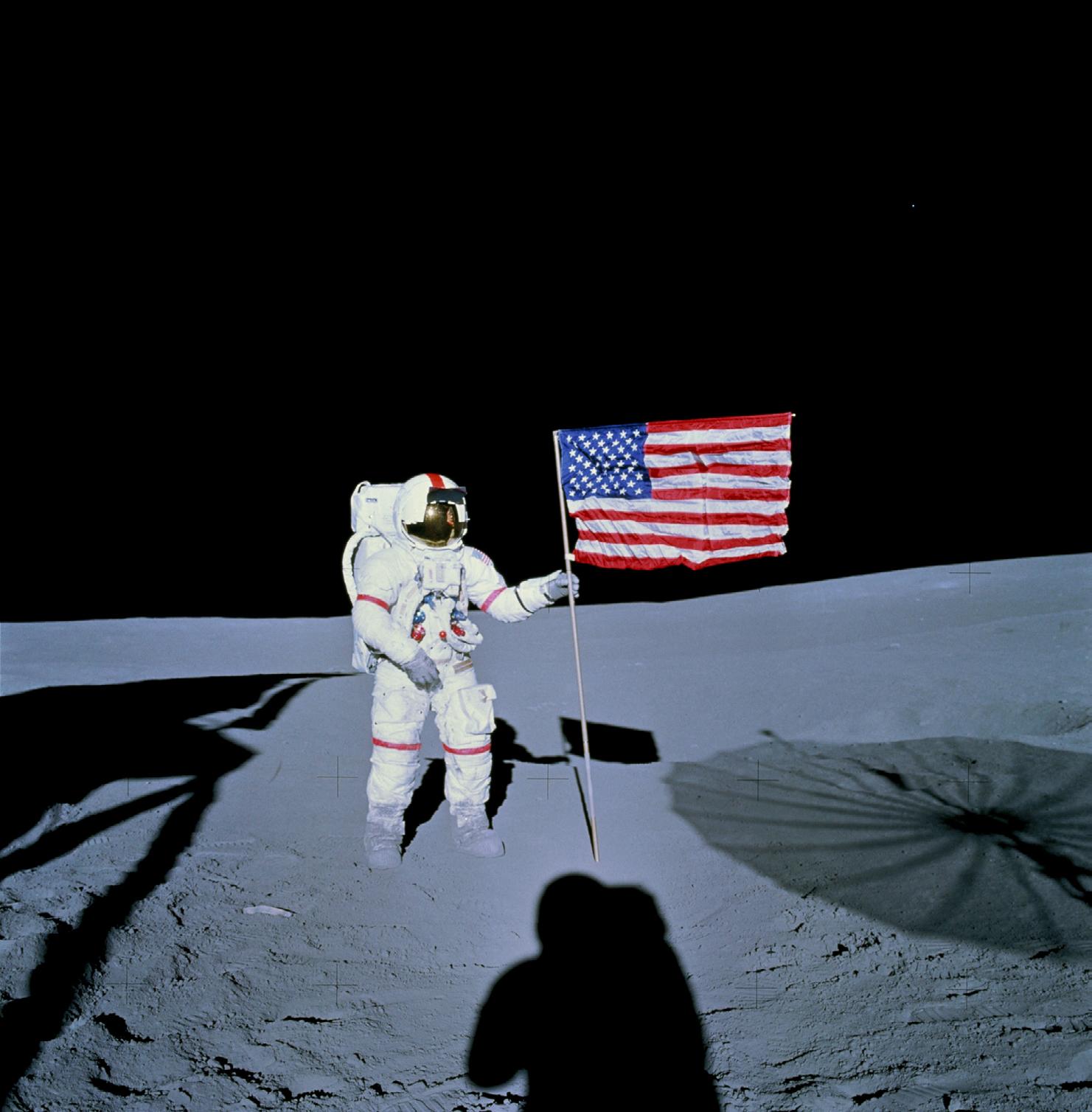
Two space pioneers hold special places in the hearts of Granite Staters. The first is Derry native Alan Shepard, who piloted the first U.S. manned space mission in 1961 and later became the oldest man to walk on the moon. The second is Concord schoolteacher Christa McAuliffe, who was chosen to be the first U.S. civilian in space for the 1986 Challenger mission. Though the tragic loss of the Challenger and its crew shook the nation, McAuliffe—who was posthumously awarded the Congressional Space Medal of Honor—remains an enduring symbol of the human spirit. McAuliffe and Shepard are celebrated today at their namesake air and space museum in Concord, the McAuliffe-Shepard Discovery Center.
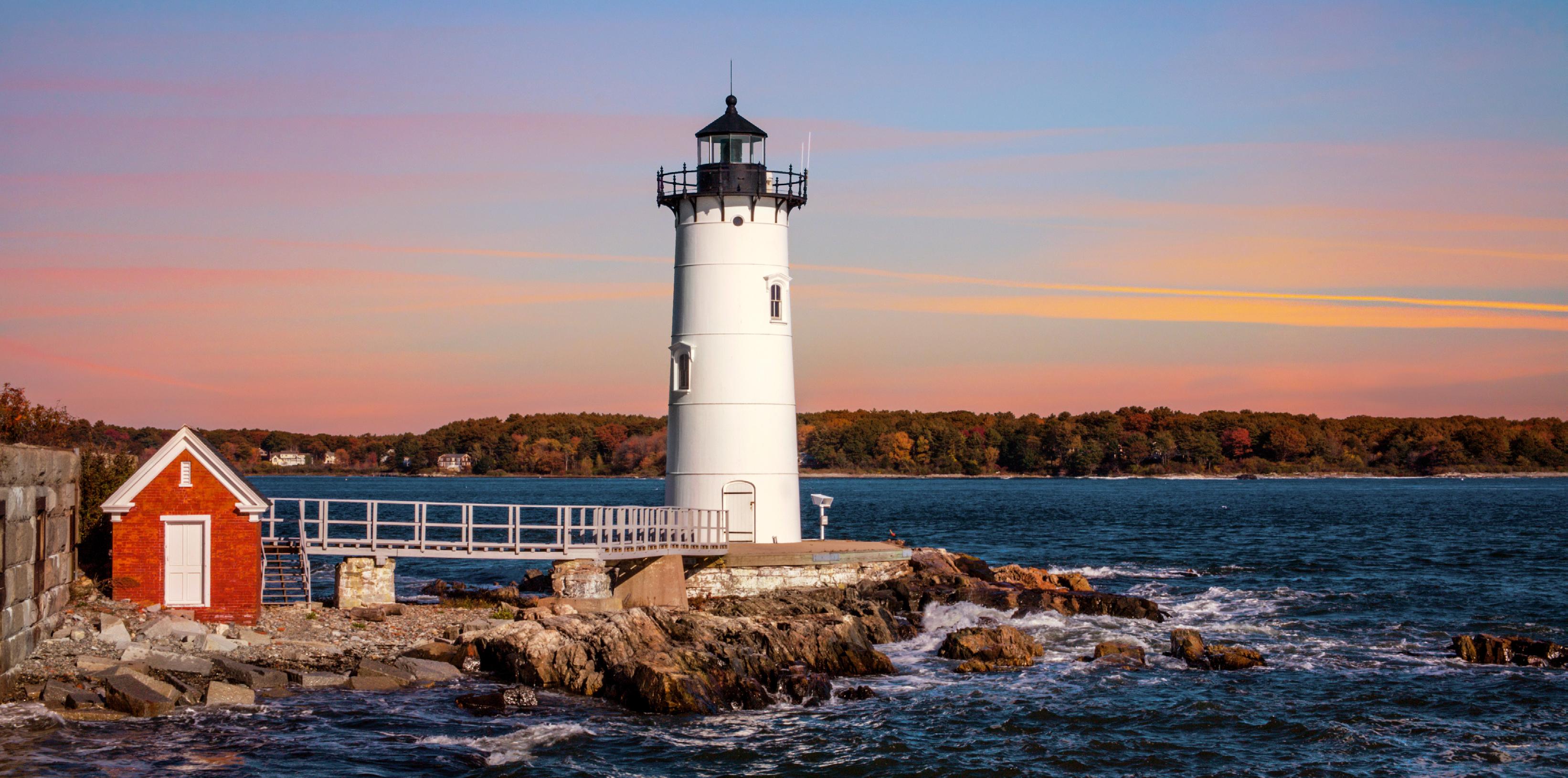
Early travelers came to New Hampshire’s Seacoast for the oceanside experience—a clear, blue Atlantic that’s as welcoming as it is refreshing. Today, this dynamic area has emerged with a rich mix of history, culture, and entertainment, too. Classic beach towns such as Hampton and Seabrook offer colorful landing spots that cater to both kids and adults. In Portsmouth, you’ll discover perhaps the most walkable city in New England—with a top-notch dining scene to boot—while in Dover and Newmarket you’ll find beautifully restored downtown mill buildings. Just what kind of Seacoast experience you’re after is up to you. Whether it’s the beach scene, a slice of New England history, or lively nightlife, this thriving region offers it.
Message Received
Though the first transatlantic telegraph cable debuted in 1858, running between Ireland and Newfoundland, the United States didn’t get its own terminus until nearly two decades later. The chosen link: Rye, New Hampshire, where the Direct United States Cable Co. built a cable house in 1874 that would provide a vital link for overseas communication up to and including the World War I era.
The Eco-Minded Poet Few knew the Isles of Shoals better than the writer Celia Thaxter—and no one could describe this place as beautifully. She immortalized the landscape of Appledore Island in her 1894 book,
Ivy Innovations
On February 3, 1896, surrounded by professors and doctors at Dartmouth College, Hanover resident Eddie McCarthy became the first person in America to receive a clinical X-ray. The Ivy League college would host another big tech breakthrough in 1964, when mathematicians John Kemeny and Thomas Kurtz launched their Beginner’s All-Purpose Symbolic Instruction Code (BASIC), a programming language that paved the way for modern computing.
Full Steam Ahead
An obsession with harnessing steam power fueled the imagination of local inventor Samuel Morey. In 1793, he navigated a stretch of the Connecticut River in a paddle steamboat of his own design, which many consider the first of its kind. The steel arch Samuel Morey Memorial Bridge, built in 1937, marks the spot where Morey helped change the science of transportation forever.
A Woman of Her Words
The first female editor of an American magazine, Newport-born Sarah Josepha Hale used her time at Ladies’ Magazine (later Godey’s Lady’s Book) to promote the work of notable 19th-century writers—including Harriet Beecher Stowe and Edgar Allan Poe—and to advocate for causes such as higher education for women. Hale is also known as the author of the nursery rhyme “Mary Had a Little Lamb” and, thanks to her years of lobbying the federal government, the biggest reason that we celebrate Thanksgiving as a national holiday.
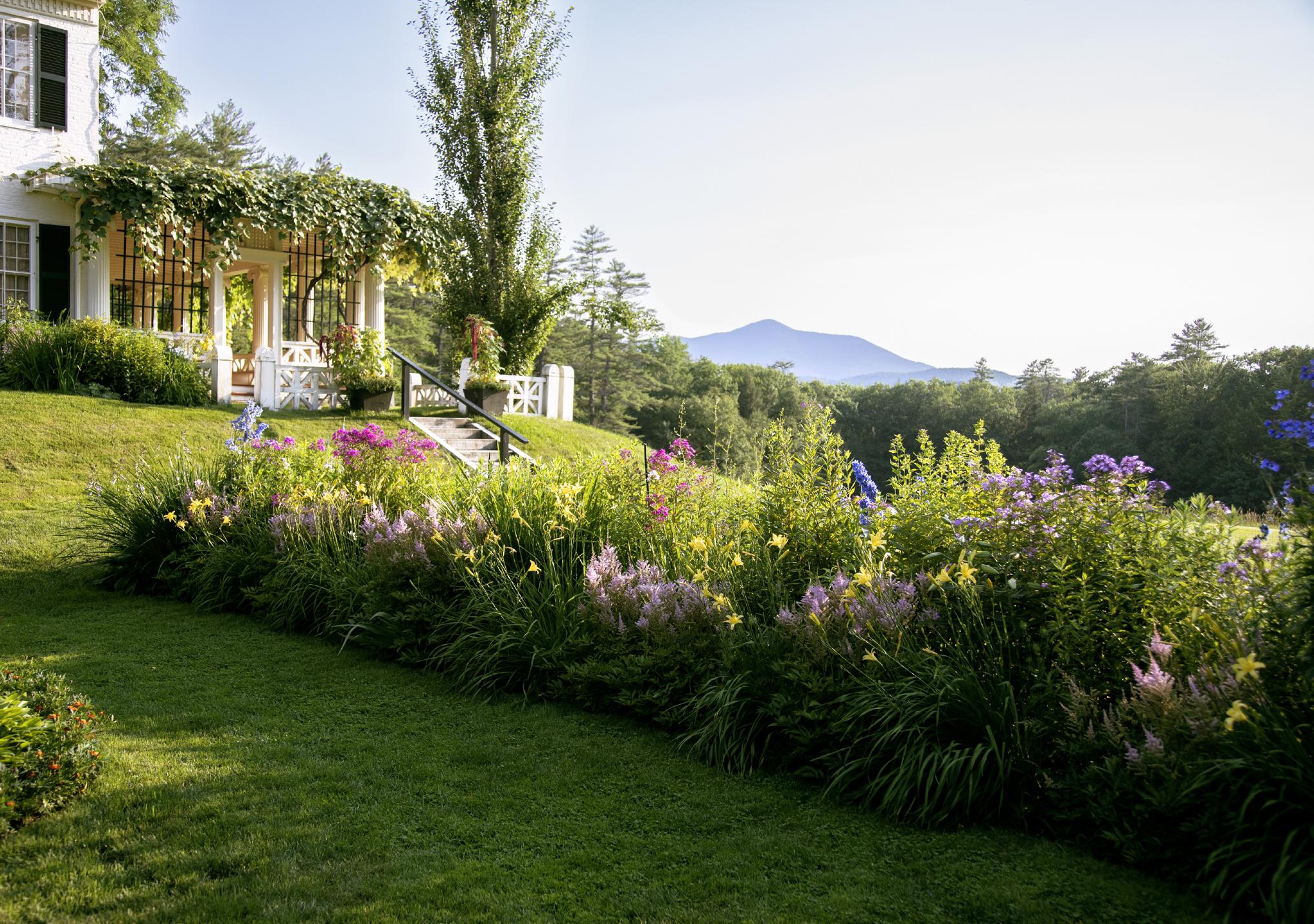
When wandering around one of this region’s beautiful small towns that have attracted artists, writers, and presidents, you may feel you’ve just stepped into a Maxfield Parrish painting. Indeed, it’s easy to see where the famous former resident got his inspiration: There’s water everywhere, from the mighty Connecticut River to lake beauties such as Sunapee and Mascoma. A scenic byway, Route 12A, wends its way past farmhouses and barns set amid fields rolling down to the river, which never seems very distant. And let’s not forget the mountains—they’re all around you, whether in the back ground of sculptor Augustus Saint-Gaudens’s gardens in Cornish or just every time the road takes a bend and you glimpse Mount Sunapee off in the distance. Slow down, take your time, and breathe in this beauty.
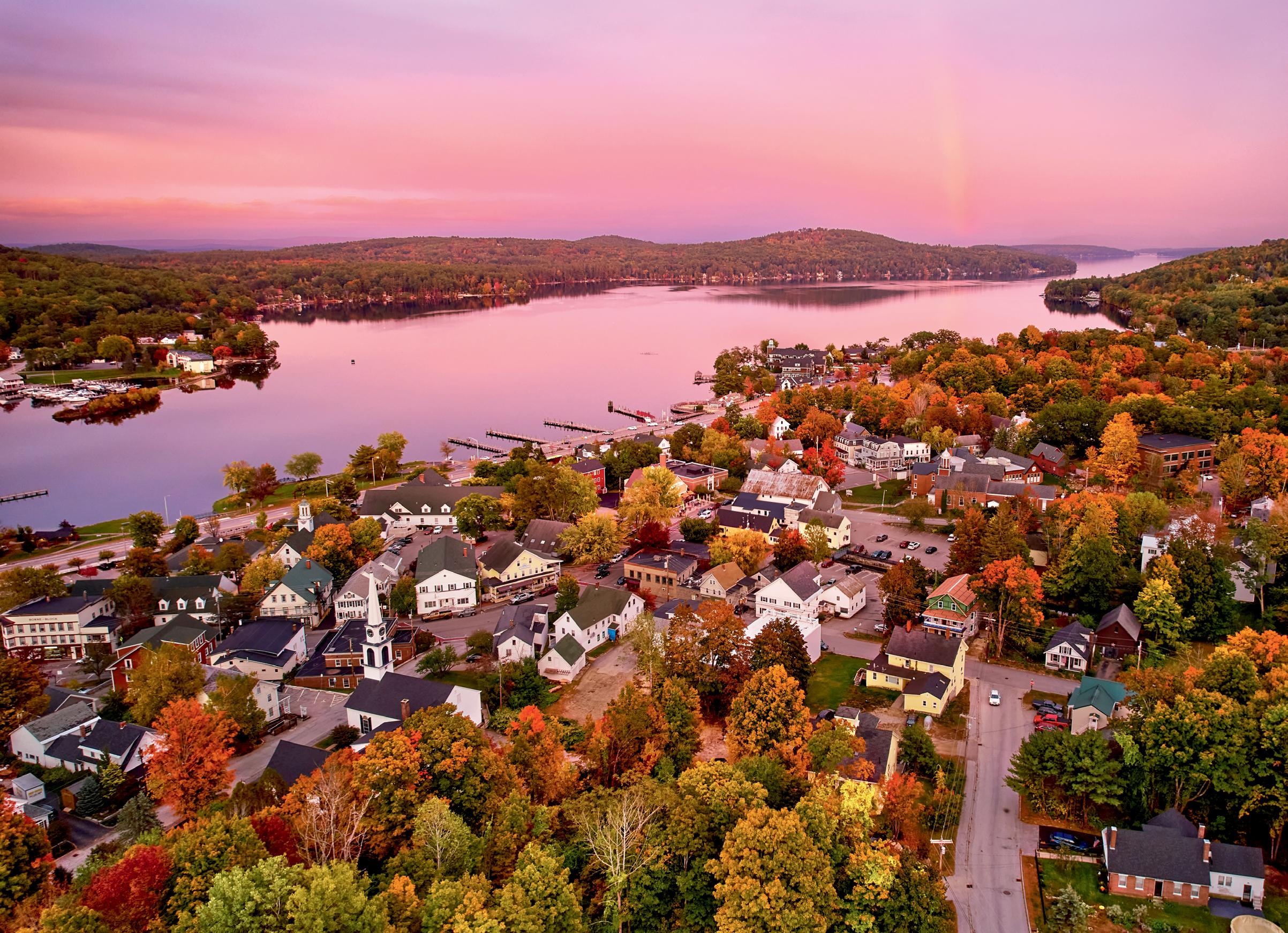
A name derived from the language of the Abenaki peoples, “Winnipesaukee” is commonly translated as “smile of the Great Spirit” or sometimes “beautiful water of the high place”—and both are fitting descriptions of the largest body of freshwater in the Granite State. With more than 180 miles of shoreline, Winnipesaukee serves as the anchor of the Lakes Region, where smaller waters and gentle mountains dot the landscape. Packed with events and activities, the area offers attractions to suit every vacationer’s budget, from the boardwalk bustle of Weirs Beach to the serenity of a naturalist-led loon cruise on Squam Lake. There are trails to hike, antiques shops to browse, local restaurants to sample, and water activities galore—all inviting you to dive on in.
Vrooming into the Future
Patented in 1917 by Virgil D. White, the first snowmobile looked nothing like the high-powered machines we know today. White, an enterprising Ford dealer in Ossipee, transformed Model Ts into winter-ready vehicles by adding caterpillar tracks to the rear and replacing the front wheels with five-foot wooden skis. His invention proved so useful it would even end up going to subarctic Canada with explorer Donald MacMillan in 1927.
Ode to a Poetry Pioneer Maybe it was the unpretentious rural character of the woods and waters at the foot of Mount Chocoura that inspired E.E. Cummings’s famous opposition to capitalization. We may never know, but the beauty and peace that Cummings found during summers spent at his family’s Silver Lake farm surely influenced his work. A pioneer in modernist free verse, Cummings wrote some 2,900 poems in his lifetime. And while they often stirred criticism and controversy, they also stand as the legacy of a truly groundbreaking American poet.
Forensic Trailblazing
Frances Glessner Lee could have spent her summers at the family estate relaxing amid the serene White Mountains landscape. Instead, she dedicated her time, scientific savvy, and artistic talent to “The Nutshell Studies of Unexplained Death,” a series of crime-scene dioramas she built in the 1940s and ’50s that would significantly aid the development of modern forensic science. Lee also helped to establish the Department of Legal Medicine at Harvard, the first program of its kind in North America, and in 1943 was appointed the nation’s first female police captain.
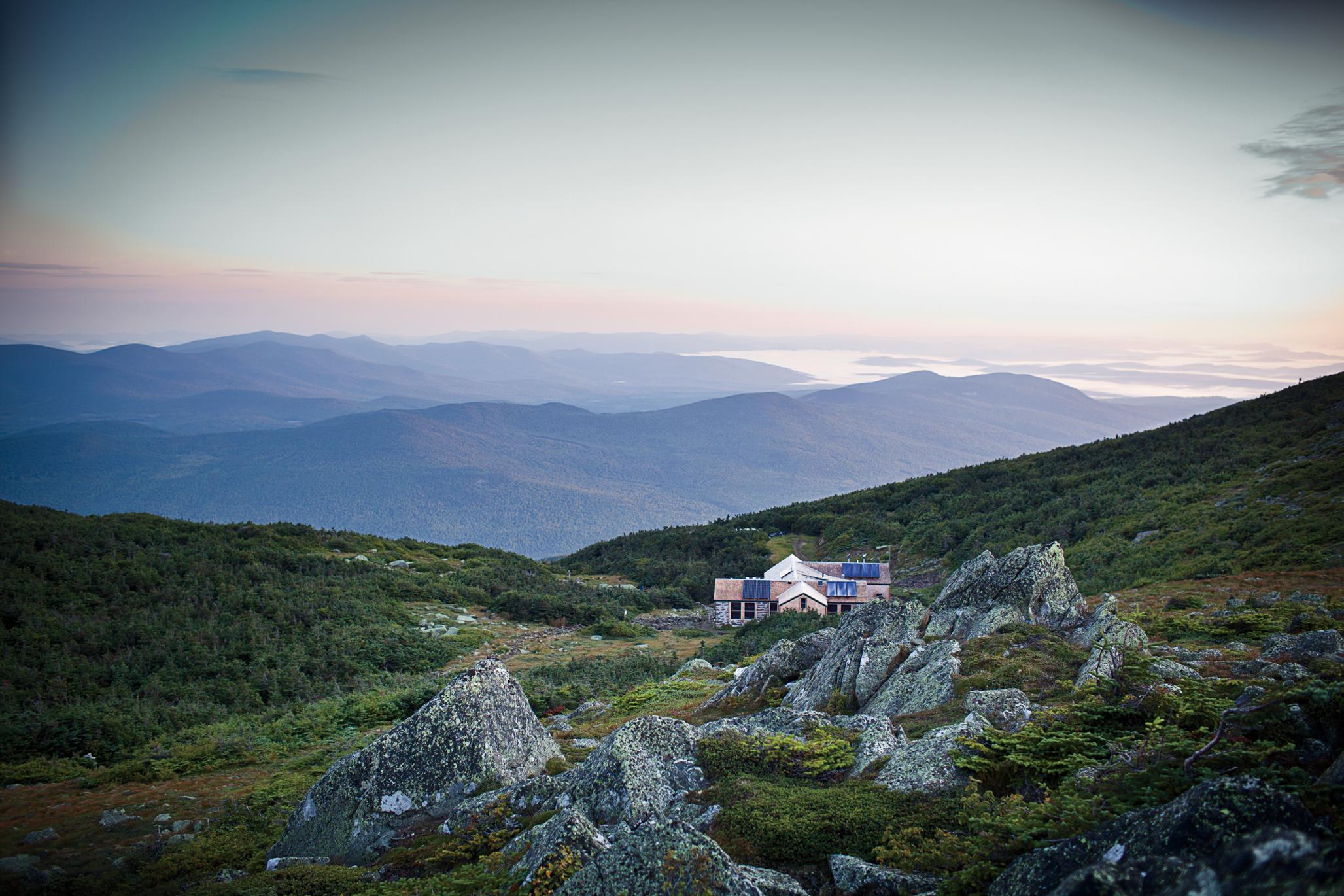
AMC’s
Guardians of Language Tourists may have come for the handmade baskets at the Abenaki Indian Shop and Camp founded by Chief Joseph Laurent, but this tribal leader had a far greater role than entrepreneur: In 1884, he published the first Abenaki-English dictionary, New Familiar Abenakis and English Dialogues. Laurent’s linguistic legacy continued with his son, Stephen, who spent decades translating the important 18th-century reference Father Aubery’s French Abenaki Dictionary
A High-Flying First
Opened in 1938 as the first of its kind in the country, the Cannon Mountain Aerial Tramway climbs a mile into the sky as its enclosed cable cars carry passengers to Cannon’s summit. Though the current tramway was retired last fall, service is slated to return after the construction of a much-anticipated thirdgeneration tram system.
In 1642, a man named Darby Field set a course for history when he took off by foot from Durham, heading northwest toward the mountains. Eighteen days later, with the aid of two Indigenous guides, he became the first recorded European to climb Mount Washington—and people have been following his example ever since. If the outdoors is your passion, there’s enough hiking in the White Mountains to last a lifetime of weekends, from modest excursions to challenging treks up any of the 4,000-footers and Presidentials. The air is just as rarified at lower altitudes: Drink in the beauty of the region from the porch of the fabled Omni Mount Washington Hotel, or traipse through fields of lupine at Sugar Hill. North Conway will keep you busy with its shopping options, while a history of daring and innovation waits to be discovered at the New England Ski Museum in Franconia. Just like the mountains, the region’s food, culture, and fun will keep you coming back for more.
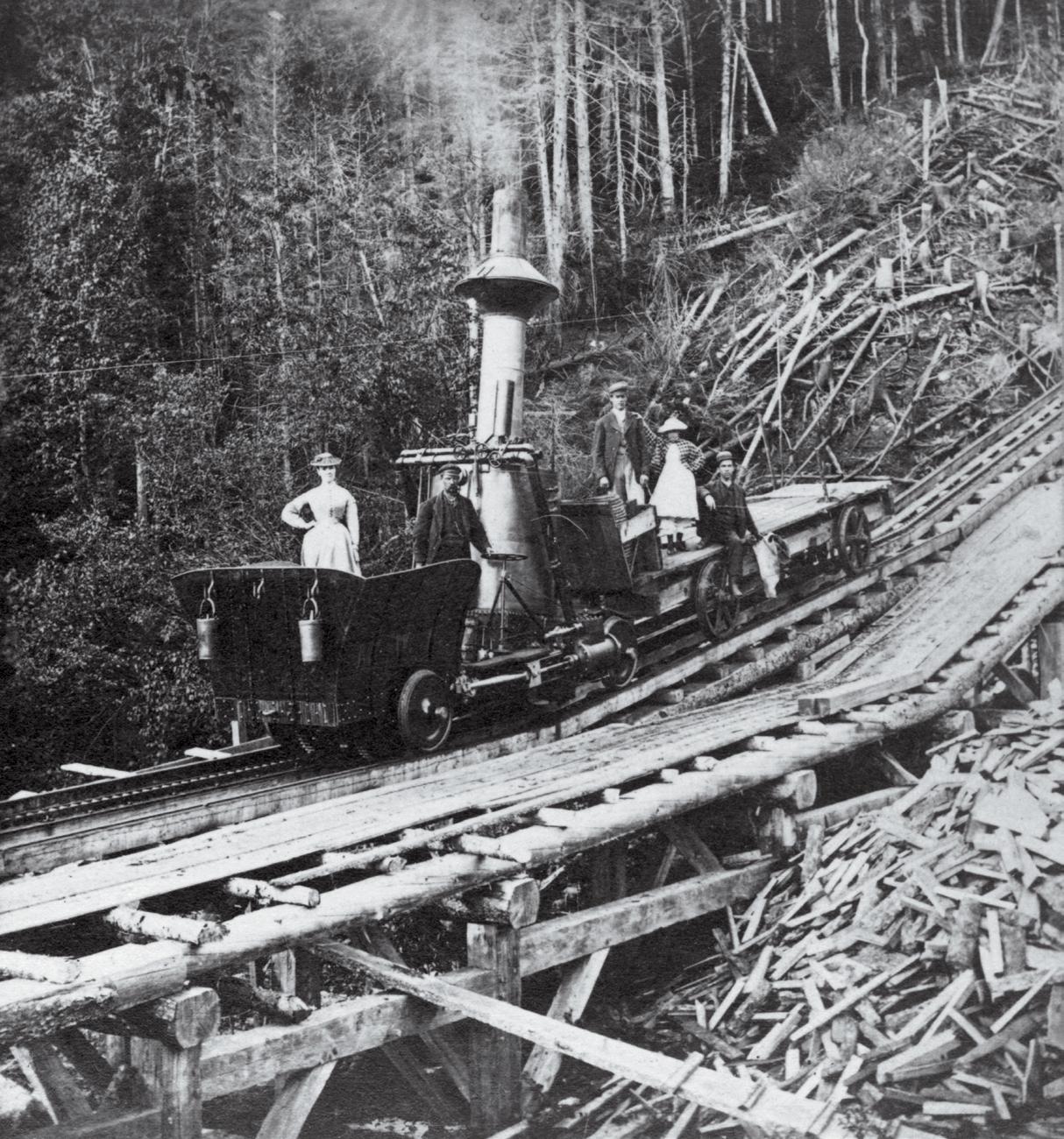
A 19th-century feat of engineering that’s been clinging to the steep slopes of Mount Washington for more than 150 years, the Cog Railway is among the Granite State’s most dramatic attractions—not to mention the world’s first-ever mountain-climbing railroad. Created by New Hampshire native Sylvester Marsh and opened in 1869, the Cog still transports delighted visitors to the summit of New England’s highest mountain from spring through fall.
Each season in New Hampshire’s far north carries its own badge of honor. Whether it’s the snow that comes early and stays late, beckoning cross-country skiers and snowmobilers ... or the sweet days of spring, with their explosion of lupines and apple blossoms ... or soft summer, with kayaks resting on shore and picnics by a waterfall ... or the fall color that paints the forest red and orange and yellow, the Great North Woods holds visitors with its natural beauty and promise of adventure. Yet as lovely as the countryside may be, what you’ll take away will be memories of the people you’ve met. Whether you explore Lancaster or Berlin or Colebrook or Pittsburg, or the hamlets in between, you’ll meet people whose love of place is as deep as the wild lands surrounding them.
Crusader for Conservation
Being born and raised in the town known as “The Gateway to the Great North Woods” must have left an indelible mark on John Wingate Weeks, whose two-decade career in national politics included terms as U.S. representative, senator, and secretary of war. His Weeks Act, passed by Congress in 1911, was landmark conservation legislation that would prove vital to the creation of the White Mountain National Forest and end up protecting more than 26 million acres of forests and grasslands across the country.
An early hub of industrial activity, Berlin can boast a number of inventions created by those who lived and worked here, including paper towels and an early version of Crisco shortening. Among the standouts is inventor Hiram A. Farrand, who came up with the Farrand Rapid Rule in the 1920s and eventually sold it to Stanley Works, who updated it into the tape measure we know today. And it was Berlin-born Earl Tupper who concocted a flexible nontoxic plastic in the 1940s that could be molded into airtight storage containers— that is to say, Tupperware.
The Art of It All
The nation’s oldest and most famous retreat for artists was founded in Peterborough in 1907, and in the years since, it has served as a creative haven for some of the nation’s most influential artists. Leonard Bernstein, James Baldwin, Alice Walker, and Jonathan Franzen are all among its residents—though MacDowell is perhaps best known for its role in nurturing Thornton Wilder’s Our Town Peterborough itself.
DUBLIN
A Walk to Remember
Dublin resident Doris
“Granny D.” Haddock was a political activist like no other: In 1999, the 89-yearold grandmother walked roughly 3,200 miles from Los Angeles to Washington, D.C., to advocate for campaign finance reform. She continued to embody the ideals on which our country is built by running for U.S. Senate at age 94—making her the oldest congressional candidate in U.S. history— and lobbying for the causes she cherished right up until her death at age 100.
Twin Touchstones of Literacy
These two towns located just a dozen miles apart both claim “firsts” in the world of public literacy. Having established the Dublin Juvenile Library in 1822, Dublin is the home of the nation’s oldest donationsupported free library; meanwhile, Peterborough adopted a proposal in 1833 to create the first free library funded entirely by town tax revenue, establishing the model used by communities across the country to this day.
Though a bit on the smaller size as mountains go, 3,165foot Mount Monadnock has been immortalized in the writings of Emerson and Thoreau, in the paintings of Rockwell Kent, and in the poetry of E.A. Robinson. Mountain views and scenic vistas appear around every corner here, along main highways and lightly traveled dirt roads. Monadnock State Park in Jaffrey features well-traveled foot trails, while Pisgah State Park in Chesterfield boasts the largest tract of state parkland in New Hampshire. The city of Keene pulses at the heart of it all, offering galleries, shops, ethnic restaurants, and a wide Main Street edged by the brick buildings of its namesake college. Whether enjoying quiet exploration, a summer concert, or kayaking a pristine pond, be sure to relish every view from each of the 40 towns of the unforgettable region that is Monadnock.
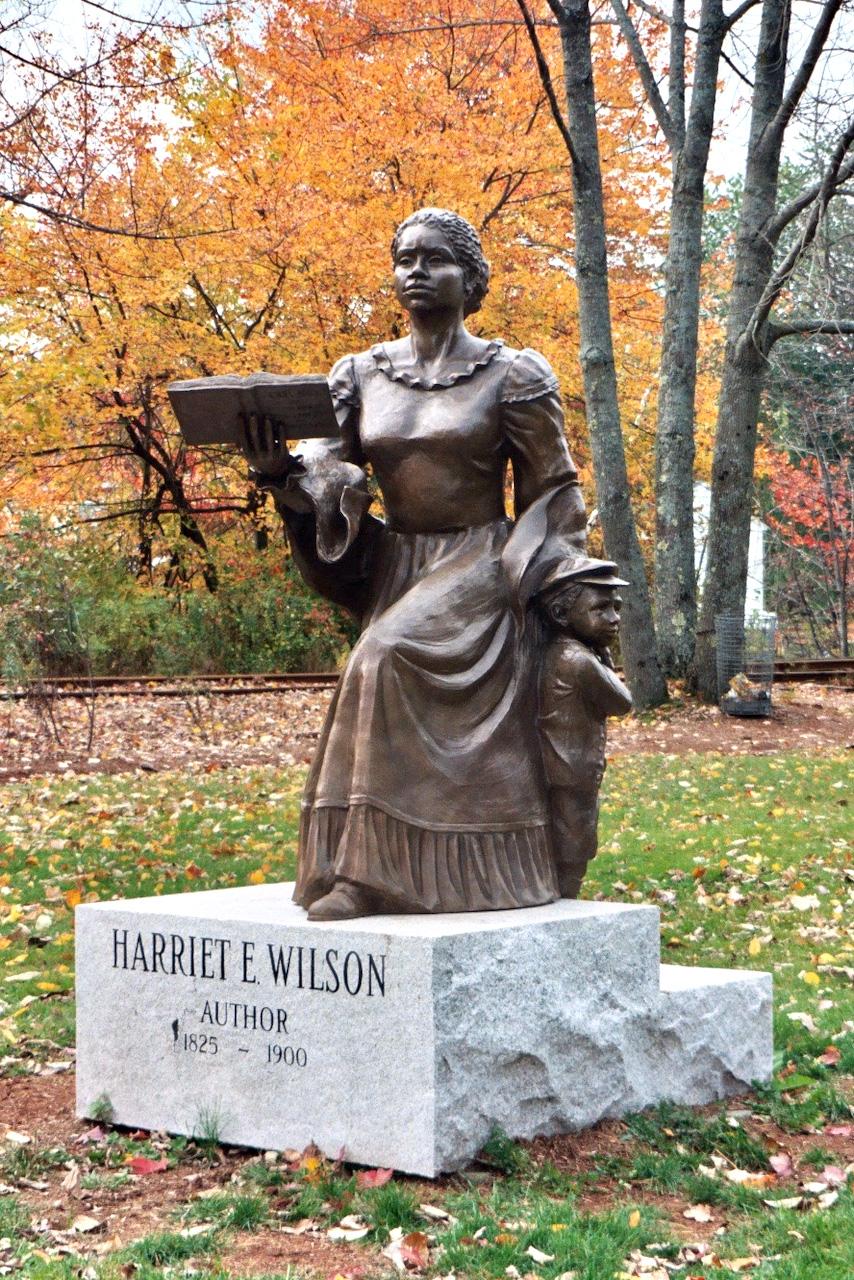
In the heart of Milford, a beautiful bronze statue stands in honor of Harriet E. Wilson, the first Black woman to publish a novel in North America. Born in Milford in 1825, she was abandoned as a child and spent a time in indentured service to a local family before eventually making her way to Boston. There, she wrote a powerful autobiographical novel, Our Nig, that was published anonymously in 1859. The novel was rediscovered in 1982 by scholar Henry Louis Gates Jr., who helped restore its place in history, and in 2006 the Harriet E. Wilson Memorial was dedicated in Milford with a keynote speech by civil rights activist and actress Ruby Dee.