Yamhill Community Care (YCCO) formed the CPW Fund to enhance the health and wellness of our community by focusing on evidence-based prevention programs. By investing and partnering with local agencies in our community, we can achieve community-wide well-being for generations to come.
About Yamhill Community Care
YCCO is a nonprofit coordinated care organization dedicated to managing the healthcare for Medicaid members, covered under the Oregon Health Plan, in Yamhill County, as well as parts of Washington and Polk Counties. Beyond healthcare, YCCO is also the regionʼs Early Learning Hub, supporting families and children with essential resources and programs for early childhood development.
Our Vision
A unified healthy community that celebrates physical, mental, emotional, spiritual, and social well-being.
Our Mission
Working together to improve the quality of life and health of the communities we serve by coordinating effective care.
Acknowledgement of the YCCO Board of Directors
Lindsey Manfrin, DNP, RN (Board Chair) – Director, Yamhill County Health and Human Services
Jeff White (Vice Chair) – Co-Chair, Community Advisory Council
Gil Muñoz (Secretary/Treasurer) – CEO, Virginia Garcia Memorial Health Center
Chris Brooker – Chief Financial Officer, Willamette Valley Medical Center
Rachel Flores – Development Director, Henderson House
Dennis Gray – Administrator, Physicians Medical Center
Andrew Haslam – Chief Administrative Officer, Providence Newberg Medical Center
Suey Linzmeier – Executive Director, Head Start of Yamhill County
Rony Lucas – Clinical Mental Health Counselor, Life Counseling
Jordan Robinson – District Director, Lutheran Community Services
Raji Mathew Samuel, DDS – Capitol Dental Care
Commissioner Mary Starrett – Yamhill County Board of Commissioners
Dorie Vickery – Superintendent, Sheridan School District
Vickie Ybarguen – Executive Director, Housing Authority of Yamhill County
CPW Fund Committee Members
Lindsey Manfrin, DNP, RN (Chair) – Director, Yamhill County Health and Human Services
Jordan Robinson (Vice Chair) – District Director, Lutheran Community Services
Rony Lucas – Clinical Mental Health Counselor, Life Counseling
Russell Mark – President & CEO/Executive Director, Julietteʼs House
Joe Morelock, D.Ed. – Superintendent of Willamette Education Service District
Carla Munns – Director of Advocacy, Oasis Oregon/Project Oasis
Raji Mathew Samuel, DDS – Capitol Dental Care
Seamus McCarthy President & CEO
Introductory Statement
Since 2012, Yamhill Community Care (YCCO) has been a community asset that drives quality improvement and reinvestment for healthcare and early childhood education. Often, we are so immersed in the work we forget to step back and reflect on its impact. This report is a snapshot of the CPW Fundʼs dedication, collaboration, and initiatives that advanced our mission of fostering a healthier and more connected community.
As we reflect on our achievements, I want to express my gratitude to our dedicated team and community partners. YCCO will continue to explore innovative ways to address the evolving needs of our community, foster connections, and make a lasting difference.
CPW History
In 2015, YCCOʼs Board of Directors formed the CPW Fund to enhance the health and wellness of our community by focusing on evidence-based prevention programs. The fundʼs work drives upstream public health initiatives in the social determinants of health and equity (SDOH-E), grounded in prevention science, and identified by community partners. In other words, innovative solutions to public health and community challenges. The CPW Fund is directed by members of the CPW Committee and is responsive to the YCCO Board of Directors and the Community Advisory Council. To date, the CPW Fund has developed and supported community projects that have demonstrated material impact in our communities and set national standards for holistic prevention strategies.
By investing and partnering with local agencies in our community, we can achieve community-wide well-being for generations to come. The CPW Fund aims to achieve sustainable growth by cultivating diversified funding opportunities and partnerships, expanding community capacity-building strategies, and establishing a local, state, and national presence as a catalyst for comprehensive primary prevention work.
CPW Timeline
2015: YCCO Board creates the Community Prevention & Wellness (CPW) Committee and contributes $1.5 million as seed capital.
2016: First round of community investments including Good Behavior Game.
2019: RFP requirement to incorporate Community Health Improvement Plan objective; preference for addressing health disparities.
2019: Funds contributed by partner organizations.
2021: YCCO Board approves the CPW Fund Sustainability Plan.
2022: Georgia Health Policy Center visits CPW Fund offices in Oregon for strategic planning.
2023: The Fund awards $720,034 in new projects and renews $112,970 for existing projects.
2023: YCCO is selected as one of five designated pilot sites across Oregon chosen by the Oregon Health and Education Collaborative to collaborate on developing a Child Success Model with emphasis on the first 1,000 days of a childʼs development; CPW funds are invested to support the project.
2023: The CPW Fund partners with the Childcare Workforce Taskforce.
2024: The Wellness Fund Development Director is appointed to the Whole Child Health Alliance through Nemours Institute.
2025: The CPW Fund awards $445,058 to projects across social-emotional learning, family and maternity supports, childcare, and education.
The CPW Committee has been a strong supporter of community projects. These local investments support nutritious food getting to pregnant families, developing the childcare workforce, and more. This type of work is critical in creating and maintaining a healthy community.
The CPW Fund is focused on the root causes of health inequities. The Fundʼs core mission is to generate long-term health improvements through evidence-based health initiatives based on preventive science; this includes supporting Oregon Health Authorityʼs goal of eliminating health inequities by 2030. To achieve these outcomes, the CPW Fund develops and directs resources toward capital projects that address structural inequities in the various SDOH-E. The CPW Fund has identified several areas for future funding, including family and peer support programs, early childhood and school-based mental and behavioral health programs, Tribal support, government affairs advocacy, workforce development, suicide prevention, housing, maternal health, wealth-building, food security, and nutrition.
The Fund also prioritizes strategic investments in cultural and racial equity among communities facing historical and systemic marginalization, such as people with disabilities, communities of color, geographically isolated residents, and immigrant communities. Partnerships with local community-based organizations, healthcare providers, public agencies, school districts, and emergency service providers allow us to identify and address the complex challenges facing our communities. State and national partnerships empower us to uplift our work, influencing holistic primary prevention strategies for communities across Oregon and the U.S.
Social Determinants of Health
Current Funding Priorities
Family Well-being Council
RULER
Housing
Community Health Improvement Plan Priorities
Responder Life
Maternal Well-being Community Engagement
Yamhill County Health & Human Services Contracted Support PAX Good Behavior Game
Early Childhood & Education
Food Security & Nutrition
Workforce Development
Wealth-building Tribal Support
FamilyCore, YCCOʼs Universal Home Visiting program Early Learning Hub Strategic Plan
Family Support Programs Government Affairs Advocacy
The successful creation of the [CPW] Fund was largely due to the extensive trust and partnership established among committee members and within the larger stakeholder group – and especially between key entities such as schools, YCCO, and the local public health department.
— Georgia Health Policy Center (2019)
Case Studies & Community Impact
Equity in Health and Education
Among the various needs of our community, Yamhill Countyʼs childcare desert has been continuously illuminated by local assessments and exacerbated by the COVID-19 pandemic. In 2021, YCCO launched the Childcare Workforce Taskforce, convening more than a dozen local early learning educators, childcare providers, school district leaders and other community organizations to identify and address the challenges associated with Yamhill Countyʼs childcare workforce.
The Taskforce identified three main childcare workforce challenges:
1. Capacity and Affordability: Yamhill County is a childcare desert. For Yamhill Countyʼs more than 6,500 children, there are only 1,391 childcare spaces, or 1 space per nearly 5 children. Of the few available spots, most are unaffordable for Yamhill County families, and few publicly funded childcare spots are available.
2. Workforce: Low wages, high turnover, and lack of employee and employer support plague the current childcare workforce landscape. The depletion of the countyʼs workforce was only exacerbated by the pandemic.
3. Inequities: For families who face systemic barriers—persistent poverty; mental, physical, cognitive, or other disabilities; language and/or cultural barriers; rural geographies—the effects of the childcare desert are even more severe.
In 2023, the taskforceʼs final report outlined two specific and urgent program recommendations to increase the number of high-quality, low-ratio, affordable childcare slots, re-establish a network of childcare service providers in Yamhill County, and provide transportation support and culturally appropriate childcare service providers. The recommendations also intend to supplement and expand upon childcare projects and businesses already in operation.
To address these issues, the Taskforce recommended:
(1) Establish paid training, licensing, mentorship, and placement programs with local community partners, with the goal of adding at least 30 new childcare providers in the first three years.
(2) Invest in new childcare provider businesses through free business coaching and childcare management software, capital funding, and ongoing support in state and local regulatory navigation.
These recommendations will rebuild the local early care and education workforce and invest in new childcare business start-ups to increase the availability of high-quality, low-ratio, culturally responsive, and affordable childcare spaces. The programs will engage low-income, culturally diverse, historically marginalized, and geographically isolated students by removing economic barriers and providing culturally responsive programming and transportation support. The recommendations impact at least one of the core childcare challenges identified above, can be implemented with the available resources and community partners, and demonstrate a measurable impact within a three-year period.
In February of 2024, YCCOʼs CPW Committee voted to approve $733,333 in initial funding for the programʼs work-ready projects.
A state-designated program called Childcare Resource and Referral (CCR&R) was contracted to oversee the first phase, including the identification of childcare provider partners for mentorship and placement programs and the recruitment of apprentices for the pre-apprenticeship and apprenticeship programs.
In 2025, the CPW Committee and YCCO Board of Directors allocated an additional $235,488 to support CCR&R's second year of work in the task force.
Childcare Resource and Referral (CCR&R) is a state-designated program that offers professional development, technical assistance, and a range of community resources for local childcare providers. CCR&R is a key partner in advancing the recommendations of the Childcare Workforce Taskforce.
CCR&R has:
• Engaged new childcare providers for the apprenticeship program, with particular emphasis on engaging Spanish-speaking providers.
• Coordinated visits with more than 40 local childcare providers to share information about the workforce project and solicit interest in the pre-apprenticeship and apprenticeship programs, childcare spot creation support, and workforce placement.
• Developed processes for apprentice recruitment, program applications, candidate interviews and selection, site placement, curriculum, and evaluation metrics.
• Completed 15 outlines to structure the 10 required Cohort and Community of Practice sessions.
• Gathered local emergency resources and best practices from the University of Oregonʼs Business Impact Seminar and business networking groups, building code information, and permitting guidance to provide new childcare providers with accessible pertinent information.
CCR&R continues to make strides in advancing childcare infrastructure and supports in Yamhill County. Currently, CCR&R is focused on the continued growth of our Early Childhood Apprenticeship Program in Yamhill County, and shifting into new phases of outreach, support, and recruitment. The Apprenticeship Program currently hosts eight active Training Agents, with six apprentices currently completing their on-the-job training hours. The program has helped two apprentices advance into higher wage positions and place another with a Yamhill County provider. CCR&R continues to recruit for this program, and ensure apprentices receive high quality screening, community-appropriate training, and placement support.
Mid-2025, CCR&Rʼs business support program transitioned from their intensive grant support phase into ongoing business support. CCR&R continues to provide on-call help to grantees and providers with licensing and operational guidance. In 2025, CCR&R also launched Passion to Profit: 2026 Business Cohort; a program supporting individuals in the early stages of growth or operation. The cohort focuses on programs that are not yet licensed or operational and is scheduled to run 10-15 programs from November 2025 through April 2026.
Participants of the Passion to Profit cohort will receive one-on-one coaching and a 30-hour training designed to guide business owners from business conception through licensing and sustainable operation. Each participant will also receive a $1,000 stipend, in addition to tools, training, and resources tailored for early success. Participants can look
forward to topical courses like Regulations in Action—Applying Local, State and Federal Regulations to Everyday Practices in Early Learning Programs and From Clicks to Classrooms—Licensing, Location Environment Planning and Digital Readiness for Early Learning Programs. CCR&R has already begun outreach for this program.
CCR&R is also recruiting for the Elevate Your Business Community of Practice (CoP), which offers monthly support for existing childcare programs across Yamhill County. These session topics go beyond business operations to include developmentally appropriate practices, program alignment, leadership, and community engagement. Whether programs are stabilizing, growing, or simply wanting connection, this CoP will offer both practical strategies and a consistent, supportive space. The goal of the program is to re-establish a strong community of early educators in Yamhill, where program leaders can grow together, share whatʼs working, and build a peer support group for local childcare providers. CCR&Rʼs Community Engagement efforts continued through the YCCO Family Picnic, sharing the organizationʼs services with families and community members, connecting with local parents and community partners, and introducing new early childhood professionals to the apprenticeship program and available business supports.
Looking Ahead
Beginning January 1, 2026, the Apprenticeship program will transition to a new stipend model of $3,000 payment per employer, rather than apprentice. This transition will enable the program to expand its impact while conserving resources. Funds will still be disbursed in two parts to align with program benchmarks. With a waitlist forming and increasing interest from new Training Agents, itʼs clear that the value of this program is being recognized—not just for the financial incentive, but for the long-term benefits of mentorship, onboarding support, and a stronger, more prepared workforce.
CCR&R also continues to recruit, conduct, and expand business support programs for early childcare providers in Yamhill County through outreach and community engagement. Additionally, CCR&Rʼs Early Learning Business Navigator has moved into an expanded role as Early Learning Coordinator. This new role will allow CCR&R to conduct broader engagement across the region, connecting early learning programs with system-level supports, strengthening collaborative partnerships, and aligning workforce, business, and quality improvement efforts in a more strategic way. The CPW Fund has provided administrative assistance and galvanized political and financial support to advance this program. The Fund is eager to continue supporting this critical work.
Case Studies & Community Impact
Youth Leadership and Career Skills Development
In Oregon and across the county there are workforce shortages in almost every field. Research has shown that one of the most cited barriers to entering the workforce is the lack of available quality childcare. Therefore, unless we can stabilize childcare, we will not be able to stabilize the workforce. In response the Willamette Education Service District (WESD) is proposing to add a high-skill, high-wage, and in-demand Program of Study (POS) at the Willamette Career Academy to prepare 11th and 12th grade students to become Childcare Providers or Lead Teachers in their communities.
WESD is a multi-faceted agency with a workforce of over 450 highly skilled and caring professionals serving 21 Oregon school districts—an Early Learning and K-12 student population of more than 100,000 youth. WESD provides about 61 services related to Special Education, Technology, School Improvement, and Administrative Services, primarily in areas where school districts alone would not be able to adequately provide. Originally organized in 1853 as the Marion County School Office, WESD has over 150 years of providing support services to Oregon schools and has evolved over the decades to meet the ever-changing needs in education.
The CPW Fundʼs collaboration with WESD stems from years of shared community work and partnership. YCCO and WESD have supported classroom-based teacher training in Social-Emotional Learning (SEL) programs (evidence-based, K-12 preventive behavioral support programs designed to teach self-regulation and nurture a positive learning and home environment). Together, our partnership has overseen the implementation of SEL programs in every WESD school district in Yamhill County. WESD and YCCO also partner with local school districts to conduct referrals for preventive and intervention services through the FamilyCore Universal Home Visiting, Preschool Promise, early childcare, literacy, and Kindergarten Readiness programs.
WESDʼs POS is focused on developing the pathway and curriculum for the Early Childhood Education (ECE) program with the goal of exiting the students from the program prepared to enter the workforce or transition to a two- or four-year degree program. Oregon utilizes the Oregon Registry Online (ORO) as the mechanism for certification of early childhood education providers. The ORO system allows individuals to become qualified through various pathways including coursework and training. The program would allow students to exit at an ORO Step 8 which would qualify them as a childcare provider or to teach in any public ECE program. For students who wish to continue their education, the project will include collaboration with local community colleges and universities to ensure seamless credit transfer.
In September 2024, WESD and the CPW Fund created an agreement in support of joint fundraising to support curriculum development and instructor licensing for the proposed POS. This program is necessary to expand Career and Technical Education (CTE) programs for 11th and 12th graders and addresses the crucial need for childcare spaces in Oregon. The increased capacity of professionally trained, local childcare providers is necessary for early childhood and long-term health outcomes. If awarded, YCCO will navigate community partner connections for WESD by identifying and partnering in future fundraising activities for program implementation, expansion, and sustainability.
The new program of study POS will equip students with the skills, experience, and credentials to enter an in-demand, high-paying, and sustainable career. Moreover, it will remove barriers for low-income students. Partners for this project include Portland Community College, Western Oregon University, CCR&R, the Oregon Department of Education, the Oregon Department of Early Learning and Care, and the local school districts. These partners will be critical in the designing of the program so that coursework seamlessly transfers and students are prepared to enter the workforce.
Case Studies & Community Impact
Joint Funding for Community-Based Capacity
In 2023, YCCO launched a Joint Funding Request for Proposals (RFP) for community grants. This fund of up to $2.5 million combines five funding streams for investments in SDOH-E, economic stability, neighborhood and built environment, education, and social and community health. Despite the funding streams being combined, the CPW Fund retains its funding priorities. The innovative, single-entry funding model was designed to provide more equitable access for community organizations to funding opportunities without being burdened by the sometimes-complicated process of identifying, interpreting, and applying to appropriate grant opportunities.
The joint fund process reflects YCCO and the CPW Fundʼs commitment to creating equity and community capacity-building by placing the responsibility of comprehending, interpreting, and identifying the most appropriate funding sources for each project on YCCO staff members. To this end, YCCO and CPW staff also offer comprehensive technical assistance during an initial virtual webinar, available in English and Spanish, and additional one-on-one support with YCCO staff and the CPW Wellness Fund Development Director. To ensure transparency, community support, and engagement, the Joint Fund actively recruits community members to participate in the review and approval process for proposed projects. To ensure the funded projects have a demonstrated impact, the Fund requires reporting of clearly defined measurables and provides technical assistance to organizations to collect and analyze this data.
2025 Annual CPW RFP Grantees:
Lutheran Community Services Northwest (parent education)
McMinnville Playschool (early childhood literacy)
McMinnville School District (social and emotional wellness; suicide prevention)
Newberg School District (social and emotional wellness)
Yamhill Enrichment Society, Inc. (elementary music programs and literacy)
$101,924
$53,942 $77,000
$170,467 $40,000
$47,720 Yamhill Valley Community Doulas, Inc. (perinatal wellness programs)
In total, CPW Fund investments totaled $754,914 in 2025 including direct RFP, ad hoc, and leveraged investments.
CPW ad hoc investments for 2025 included:
Child Care Resource & Referral of Marion, Polk, and Yamhill Counties (CCR&R) (Mid-Willamette Valley Community Action Agency Childcare Initiative)
Yamhill County Department of Health and Human Services (Health-Related Services, including Social-Emotional Learning and suicide prevention programs in local schools) Responder Life (peer supports for first responders)
Joint RFP Community Reviewers (stipends)
$235,488 (page 9) (page 32) $62,468 $7,000 $1,400
Case Studies & Community Impact
Maternal and Early
Childhood Development
The CPW Fund supports YCCOʼs family support programs to meet the diverse needs of local families.
In 2015, YCCO launched FamilyCore, a community services network that provides home visitors, bicultural doulas, and peer support specialists for families with children, prenatal to age five. FamilyCore connects parents with a broad support system to meet challenges head-on and to nurture strong families. Through a network of community partners, FamilyCore provides local families with a direct method to access a plethora of resources from healthcare and dental services to food and nutrition, home visiting, early learning and childcare, parenting support, birth and postpartum resources, housing, rental, and utility assistance.
FamilyCoreʼs network of community partners includes Yamhill County Public Health, Head Start of Yamhill County, Head Start of Grand Ronde, A Family Place Relief Nursery, Oregon Child Development Coalition, Provoking Hope, Willamette Education Service District, and Yamhill County Community Doulas.
In 2024, the FamilyCore program provided services to 374 families in more than 13 municipalities and the tribal community of Grand Ronde. FamilyCore partners conducted 40,360 home visits, including 8,078 virtual home visits.
Program participants were 59% White, 24% Hispanic or Latino/Latinx, 2% Black, 2% American Indian or Alaskan Native, and 2% Native Hawaiian or Pacific Islander. Services were provided to community members facing maternal and paternal depression, substance abuse, isolation, concerns about violence, childhood milestones, food security, and more.
Nutrition and Culturally-Specific Food Security
The CPW Fund has also supported local nutrition programs to ensure that community members, regardless of economic status, have equitable access to nutritious food. In 2024, the CPW Committee provided $93,600 in support to the Yamhill County Veggie Rx program; an evidence-based, primary prevention program providing nutritional and culturally appropriate meals to pregnant people.
The CPW Fund also provided $187,237 to Unidos Bridging Community to implement a Spanish-language nutrition program for Hispanic, Latino/Latinx, immigrant, and agricultural working individuals and families.
The program is conducted with Oregon State University and Yamhill County bicultural instructors and focuses on preventing heart disease and diabetes. Education in nutrition, healthy eating, and physical activity is also provided, based on the U.S. Dietary Guidelines for Americans. When possible, the CPW Fund will continue to support local nutrition and food access programs to foster the long-term health outcomes for our communities. The Fundʼs work in this area continues to prioritize local Spanish-speaking and Tribal communities, and communities facing socioeconomic and geographic disparities.
Case Studies & Community Impact
Oregon Health and Education Collaborative (OHEC)
The Oregon Health and Education Collaborative (OHEC) assembles partners in healthcare, education, human services, and community-based organizations to lead the Upstream Initiative. The community-driven initiative strives to transform Oregonʼs early childhood and perinatal support system by addressing adverse experiences like poverty, racism, and housing instability, to ensure that every child, regardless of background, has the opportunity for a strong start in life.
The Upstream Initiative is inspired by the knowledge that the most lasting and effective solutions are based in the community and generated by those closest to the work. The Collaborative resourced design pilots from seven regions, providing them with a vision, roadmap and incentives, and resources. Each design pilot engaged in a “blue skyˮ visioning exercise to answer the fundamental question: “If anything were possible, what would it take to ensure every child born in your community has what they need to thrive?ˮ
Each child success model is designed to include components unique to a regionʼs needs, such as the mobile perinatal clinic in the rural and frontier land of the Blue Mountains, or the focus on direct cash assistance in Lane County. Across all regions, clear themes emerged with policies and values that can shape structures and practices in Oregonʼs early childhood system. The common elements identified included:
Policy recommendations:
1. Universal, expanded and stabilized eligibility for services
2. Flexible and unrestricted cash assistance for families
3. Structure and mechanisms for service coordination and navigation (customized to the community)
4. Elevating the role and expertise of paraprofessionals
5. Formalized partnerships with healthcare partners
Cultural values:
1. Prioritizing early relational health
2. Cultivating trust and relationships between healthcare providers and primary caregivers
3. Normalizing perinatal supports
4. Interrupting damage-centered narratives
5. Recognizing the role of culture and language, and
6. Partnering with families and communities
Upstream Shared Measures Framework
Good information is critical for driving effective systems change and measuring impact. The Upstream Shared Measurement Framework offers a structured, practical approach to inform and assess a comprehensive and connected ecosystem that supports families during the first 1,000 days of life. This framework builds on the work of the Upstream Initiativeʼs design pilots and their Child Success Models and is intended to help Oregonʼs regional communities, state agency leaders, and policymakers:
• Improve coordination, access, and culturally-responsive care
• Align around shared near-term and long-term goals
• Engage in cross-sector collaboration in a measurable way
• Look beyond the biennial funding cycle to make the case for sustained investment
During Phase One of the Upstream Initiative, design pilots identified significant barriers to effective data utilization. Challenges include:
• Data access issues. This includes difficulty locating and analyzing data across organizations; challenges disaggregating data for the first 1,000 days population; and comparing data across state-level systems.
• Fragmented data systems. Multiple agencies collect maternity and early childhood data, but these systems are siloed and incompatible. This creates limited visibility into which children are served, where services are provided, and how effective interventions are across programs.
• Implementation barriers. Technical challenges are compounded by privacy concerns, need for cross-agency collaboration, and resource constraints, making evidence-based decision-making complex and resource-intensive.
To begin to address these challenges, The Collaborative partnered with design pilots to develop a shared set of measures that:
• Reflect the realities and opportunities for the first 1,000 days population
• Create a framework for shared learning and accountability
• Focus on existing metrics rather than creating new measures
• Emphasize measures that span systems and agencies
• Improve communication of results to stakeholders
• Enhance the capacity for evidence-based decision-making
The Upstream Initiativeʼs Shared Measurement Framework is a vital bridge between local innovation and statewide impact. The framework includes both population-level outcomes and system-level indicators that assess whether Oregon families are experiencing health, stability, and connection during the first 1,000 days of life, and whether systems are becoming more coordinated, culturally responsive, and family-centered.
These shared measures create a unifying structure that links community-based child success models to statewide efforts such as Raise Up Oregon, the Child-Focused Social Emotional Health Metric for Coordinated Care Organizations, and broader goals for early relational ecosystems and family well-being.
YCCOʼs Child Success Model
With a return rate of 13% for investments from pregnancy to 1,000 days, the CPW Committee decided to partner with OHEC both as a significant seed funder for the initiative and as one of seven statewide pilot sites and two learning communities committed to developing a Child Success Model (CSM) specific to our region. YCCO completed its CSM in August 2024—a robust plan that includes targeted investments in perinatal care and case management, home visiting, parent success planning at moderate- and high-risk levels, health screenings, and increasing bilingual and culturally responsive staffing and outreach resources. The ultimate goal is to create a statewide CSM as a basis for Oregon policy reform through legislative action.
Project Outcomes
Design pilots led cross-sector local processes for 10 months (2023-2024), convening nearly 60 groups, including community-based organizations, Coordinated Care Organizations, healthcare providers, education services districts, K-12 school districts, early learning hubs, childcare providers, direct service providers, and people with lived experience from the populations being served. Over 260 voices were heard through local listening workshops, parent surveys, community and family circles, facilitator huddles, and English and Spanish speaking focus groups. Each region identified the gaps and needs in their communities, the supports that exist and could exist, and drafted a blueprint for their local child success model (CSM).
In addition to the local convening that each region conducted, all Upstream design pilots participated in a statewide learning collaborative, designed and delivered by expert facilitators. The Learning Collaborative included evaluation support via an early childhood systems specialist researcher, who attended the statewide convenings as well as local meetings, and surveyed and interviewed all design pilot leads. This resulted in a thematic analysis that produced policy recommendations and specific values and beliefs to cultivate within our early childhood ecosystem.
Design Pilot Sites
• Yamhill Community Care Early Learning Hub
• Blue Mountain Early Learning Hub
• Marion & Polk Early Learning Hub
• Early Hub of Lane County
• Southern Oregon Education Service District
• Early Learning Hub of Linn, Benton, and Lincoln Counties
• Womenʼs Foundation of Oregon
Learning Communities
• Southern Oregon Success (Jackson and Josephine Counties)
• Early Learning Hub of Linn, Benton, and Lincoln Counties
During the 2025 Oregon Legislative Session, OHEC, along with local partners, led advocative efforts for the Child Success Act (SB 1167) and supported the Housing portion of the “Momnibusˮ bill (SB 1155). The Child Success Act aims to invest $12 million across seven pilot sites. While the first attempt at the passage of the Child Success Act was unsuccessful, the Collaborative continues to work together to advance support systems and policies centered on the first 1,000 days of a childʼs life.
The mission of OHEC is to disrupt intergenerational cycles of trauma and adverse childhood experiences by supporting collaboration among partners that will achieve positive outcomes in health and education for all children, beginning with the first 1,000 days of life from conception. By elevating the first 1,000 days of life as a critical window for lifelong health, mental health, and well-being, this framework not only guides local implementation but also builds statewide alignment.
Together, we can build compassionate and connected systems that help families find the support they need with ease, and without shame, so their children can thrive.
— Oregon Health and Education Collaborative (2025)
the full Upstream Shared Measures Framework here.
Case Studies & Community Impact
School-Based Behavioral Health Interventions
The CPW Fund has been an avid partner in supporting the implementation of SEL programs—a crucial tool for K-12 schools in our service area. Developed by Dr. Anthony
Biglan, the PAX Good Behavior Game (GBG) is an evidence-based, preventive behavioral support program for K-8 students, designed to teach self-regulation, self-management, and self-control to nurture a positive learning environment. The GBG gives students a role in governing themselves and teaching children to learn to cooperate and concentrate. Small teams of students earn simple rewards, such as a chance to dance or make funny noises after they have worked together successfully for short periods.
In 2016, the CPW Committee piloted the program in three Yamhill County schools covering 18 classrooms and approximately 350 students. At the end of the school year, Linfield University psychology students conducted focus groups to evaluate the programʼs impact. Focus group data demonstrated an overall improvement in the classroom environment and workforce retention for educators. In 2018, the program expanded to three additional school districts, Amity, Dayton, and Newberg, training 188 staff and implementing the programs in 121 classrooms. The program continues to be implemented in schools across Yamhill County.
Thus far, participating schools have recorded a significant improvement in student attendance, fewer classroom disruptions and behavior referrals, and improved educator well-being. Research indicates that participating students will have fewer children requiring special education, engaging in disruptive or violent outbursts, engaging in drug or alcohol use, attempting suicide, or having trouble graduating high school and attending college. The PAX program has also saved an estimated $218,000 in staff time and costs associated with disciplinary activity in the first three school districts to implement the program. The benefits of this program will have a long-term impact on our youth, families, educators, and communities.
SEL Programs
RULER is an evidence-based SEL program developed by the Yale Center for Emotional Intelligence that teaches social and emotional regulation for students of all ages to promote a healthier, more equitable and compassionate learning environment and society.
The K-12 classroom-based program supports school communities in understanding the value of emotions, building the skills of emotional intelligence, and maintaining positive school climates. RULER engages educators, school professionals, students, and families to adopt an enhanced mentality that “emotions matterˮ—a shared language and practice of social and emotional health, and healthier school and home environments.
In 2023, the District reported improvements in attendance for the first quarter of the 2023 – 2024 school year from 67.5% to 76.5%—a 9% increase in attendance from the previous school year. The RULER program has also demonstrated increased educator effectiveness and retention, improved student attendance, engagement, academic performance, and increased communal and individual well-being.
The BARR model (Building Assets, Reducing Risks) is a risk management-based system that enables school staff to understand a studentʼs non-academic hindrances and build upon studentsʼ strengths to help them thrive. The BARR model relies on eight interwoven strategies: focusing on the whole student, providing professional development for school staff, using BARRʼs lessons to foster a climate for learning, creating cohorts, holding regular meetings of cohort teams, conducting Community Connect meetings, engaging families in student learning, engaging administrators, and real-time data to help students academic and non-academic outcomes (BARR Center, 2025).
The Multi-Tiered System of Supports strategy is a method identified and employed by local school districts to implement SEL programs by tiers. Tier 1 provides universal supports to all students to support their well-being and social and emotional development. Tier 2 provides targeted supports to students with specific social and emotional needs and Tier 3 provides intensive support to students with specific social and emotional needs. The MTSS involves the ongoing collection of data to inform decision-making processes and continuous program improvement (American Institutes for Research, n.d.).
The Collaborative Problem-Solving Program (CPS) is an adult-centered SEL program developed by Massachusetts General Hospital. The program helps adults develop more compassionate mindsets towards social and emotional behavior. CPS focuses on developing skills like problem solving, frustration tolerance and flexibility. The CPS approach has been proven to reduce challenging behavior in students, stress in teachers and parents, and self-inflicted injuries, and improve social and emotional knowledge and teacher-child and parent-child relationship-building (Think:Kids, 2024).
321Insight is an online professional learning community training educators and school staff in trauma-informed practices. 321Insight focuses on providing educators and staff with the necessary training to support student behavior, foster relationships, and share spaces with todayʼs youth. Developed by industry experts and practitioners, 321Insight provides educators with “practical, actionable strategies and guidance to support every learnerˮ (The Learning Counsel, 2025). By supporting school staff, the program has led to increased educator retention, improved student behavior, and outcomes (321Insight, 2025).
Other models identified by local schools include:
• Sources of Strength (SOS): Sources is an evidence-based, peer-led suicide prevention program that prevents negative outcomes while promoting well-being, help-seeking, resilience, healthy coping, and a sense of belonging.
• Interconnected Systems Framework (ISF): ISF aims to bridge the gap between education and mental health to improve educational outcomes for K-12 students.
• ThoughtExchange: ThoughtExchange is a confidential platform that allows educators and staff to anonymously engage in conversation, share insight, and gather information for decision-making.
The benefits of SEL programs extend not only to the students who will carry with them the social and emotional tools necessary for a successful life, but also to their families, educators, and communities. The CPW Fund supports the expansion of SEL programs throughout the YCCO service area and provides ongoing training and support to current participating schools.
Understanding the critical need for these programs, the CPW Fund has been advancing SEL programs since 2018 and remains committed to ensuring local students have access to these programs to support upstream health outcomes.
• Partnering with Yamhill County Public Health, the CPW Fund supports SEL programs in Yamhill County schools by covering the costs
• of educator training and program implementation. As of today, the CPW Fund has supported the implementation of 6 different SEL programs in 23 schools; 4 of the 7 school districts within Yamhill County. These efforts have supported the training of over 200 educators and behavior specialists and provided SEL programs to over 1,015 K-12 students. Despite the progress weʼve made, we still have far to go, as the demand for SEL programs only continues to grow. It is our hope that every school within our service area will have access to at least one SEL program.
CPW Social-Emotional Learning (SEL) Snapshot
• SEL programs provide evidence-based models for schools to teach students the necessary skills to navigate school, work, and life. More than three decades of research shows that SEL programs provide a range of short-term and long-term academic, social, economic, and health benefits for students, educators, families, and communities.
• Since 2018, the CPW Fund has invested $827,374 in Social-Emotional Learning programs in and around Yamhill County.
• The CPW Fund has supported the implementation of SEL programming in 23 schools and 6 different SEL frameworks, including PAX Good Behavior Game, RULER, BARR, Multi-Tiered Systems of Support, and 321 Insight.
• CPW has funded the training of over 780 teachers and school staff and increased access to SEL programs for 10,426 students.
• These efforts have increased SEL access for students facing heightened barriers, including over 700 BIPOC students, 2,400 students learning English as a second language, 1,600 students with disabilities, and 3,300 students experiencing poverty.
• Thus far, Yamhill County schools have reported:
◦ Increased student attendance
◦ Increased high school completion and college attendance
◦ Improved classroom learning environments
◦ Reduced special education referrals and disruptive or violent outbursts
◦ Reduced suicidal ideation and illicit drug or alcohol use
◦ Increased workforce retention, and
◦ Reduced administrative costs related to disciplinary actions.
• The return to in-person trainings since COVID and ODEʼs T-SEL mandate for schools in 2023 has increased the costs and demand for local SEL programs.
• The CPW Fund continues to seek strategic partnerships, collaborations, and fundraising opportunities to support the ongoing expansion of SEL access for local students—especially those facing significant disparities—to ensure all students have a strong foundation for a successful life.
Case Studies & Community Impact
Responder Life Trauma Informed Support
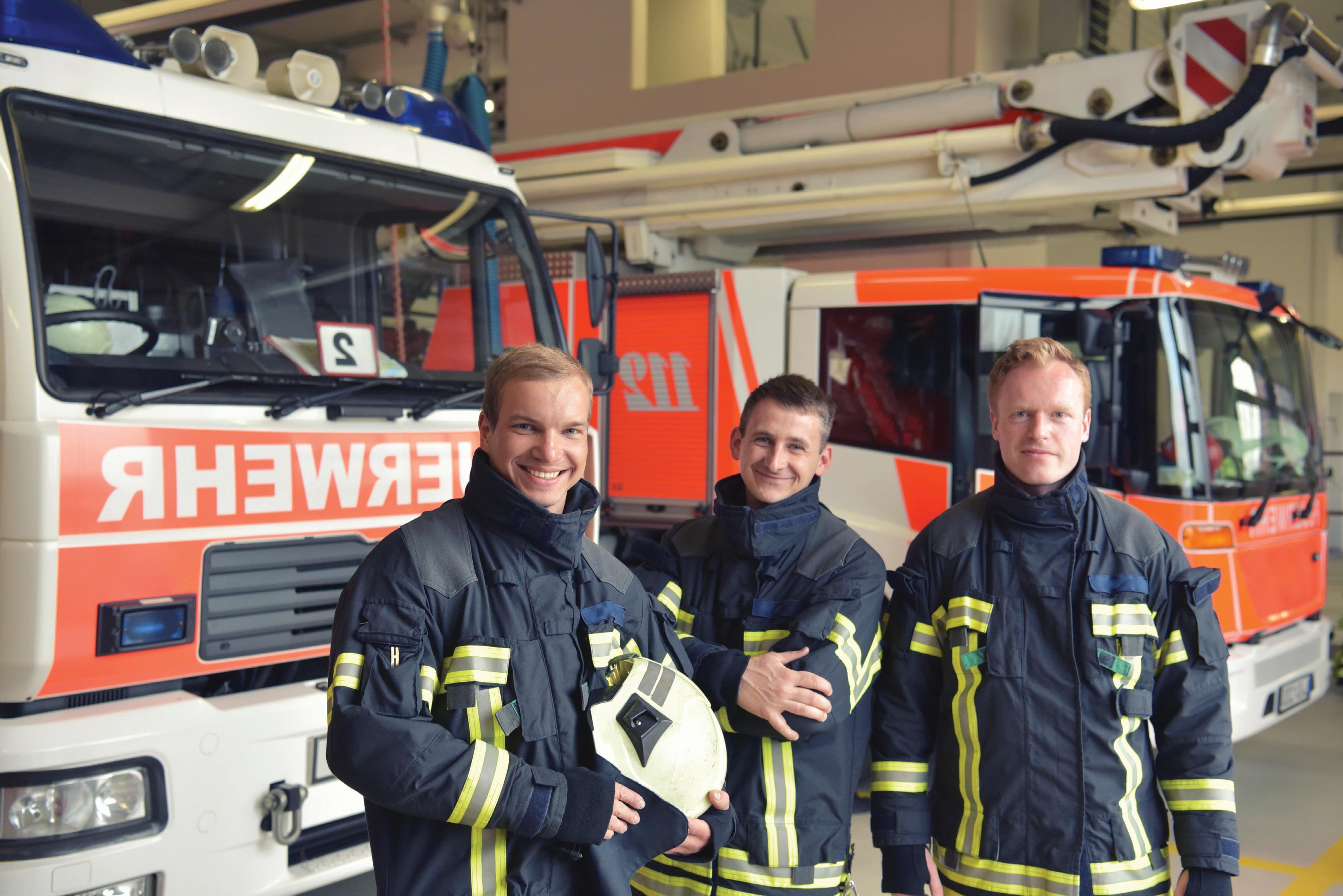
The CPW Fund also supports the Responder Life program, which provides vital peer support to the Yamhill Fire Department, the Yamhill Police Department, Yamhill 911, and the Newberg Police Department. Through Responder Life, members of these agencies have access to integrated mental healthcare, chaplaincy, training, and administrative guidance. Responder Life provides consultation on any necessary updates to handbooks, policies, guidelines, or resources; facilitates care for agency team members; delivers trainings; and provides ongoing peer support and consultation. Recently, Responder Life has hired a chaplain to develop the necessary resources and assist local first responders following critical incidents. This chaplain extends their services to various departments including the Newberg/Dundee Police Department, Dundee Fire Department, Yamhill Sheriffʼs Office, McMinnville Police Department, and McMinnville Fire Department.
In the Fall of 2024, Responder Life hosted its first Home Team Conference. This one-day event was held for the spouses and partners of first responders. Agencies from Yamhill had a strong attendance at the conference and spouses were able to gain training in recognizing common trauma responses and understanding the effects of layered trauma. Spouses gained tools for more effective partnerships with their first responder spouse and heard from a panel of first responder spouses who shared tips on how to better thrive as a first responder family. Many attendees of the Home Team Conference also attended the annual Peer Support Conference, further developing a growing network of first responder spouses available to support one another.
Over the past year, Responder Life has also held two additional quarterly trainings. On November 20, 2024, a training was held on moral injury, or the harm inflicted on a person's conscience or moral compass when they either commit, witness, or fail to prevent actions that violate their deeply held moral beliefs, values, or ethical standards. On February 19, 2025, training was dedicated to discussing common boundaries in conversations and strategies for overcoming these challenges for better outcomes in peer support roles. Additionally, Responder Life has a growing list of vetted clinicians who specialize in working with first responders, enabling the agency to assist responders with clinical referrals and expedite care. Between 2024 and 2025, Responder Life clinicians were able to assist teams with critical incident debrief and follow up with individuals as needed. Moving forward, Responder Life will continue identifying and onboarding new peer team members.
Investment Opportunities
The CPW Fund continues to identify and explore opportunities to increase and sustain funding from our public, private, and institutional partners to support current and future projects.
Public funds: Local, state, and federal funds may be allocated for housing, behavioral and mental health support, and workforce development.
Private funds: These are made by corporations and private foundations that are mostly nonprofits who are interested in a specific area of community benefit.
Braiding and matching funds: These arrangements may help leverage additional funds for collective impact.
Research institutions and university investments: In-kind, matching, or independent grant opportunities; partnerships with universities, particularly those with programs that focus on SDOH-E, primary prevention, or healthcare workforce development.