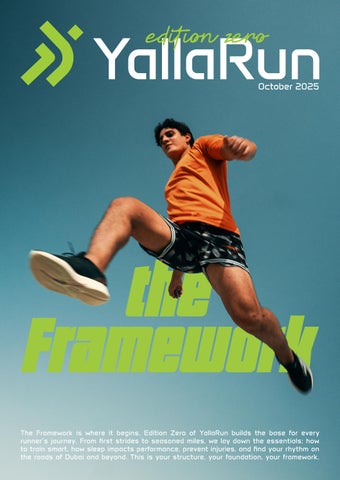
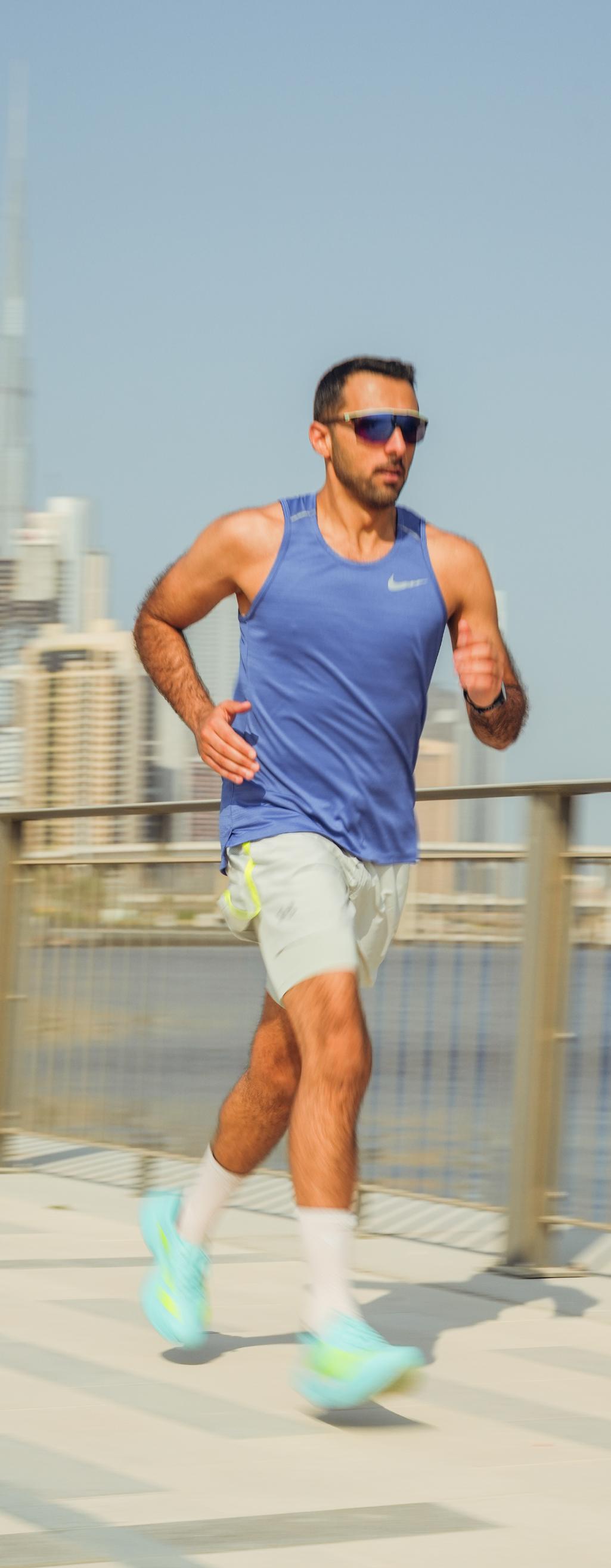
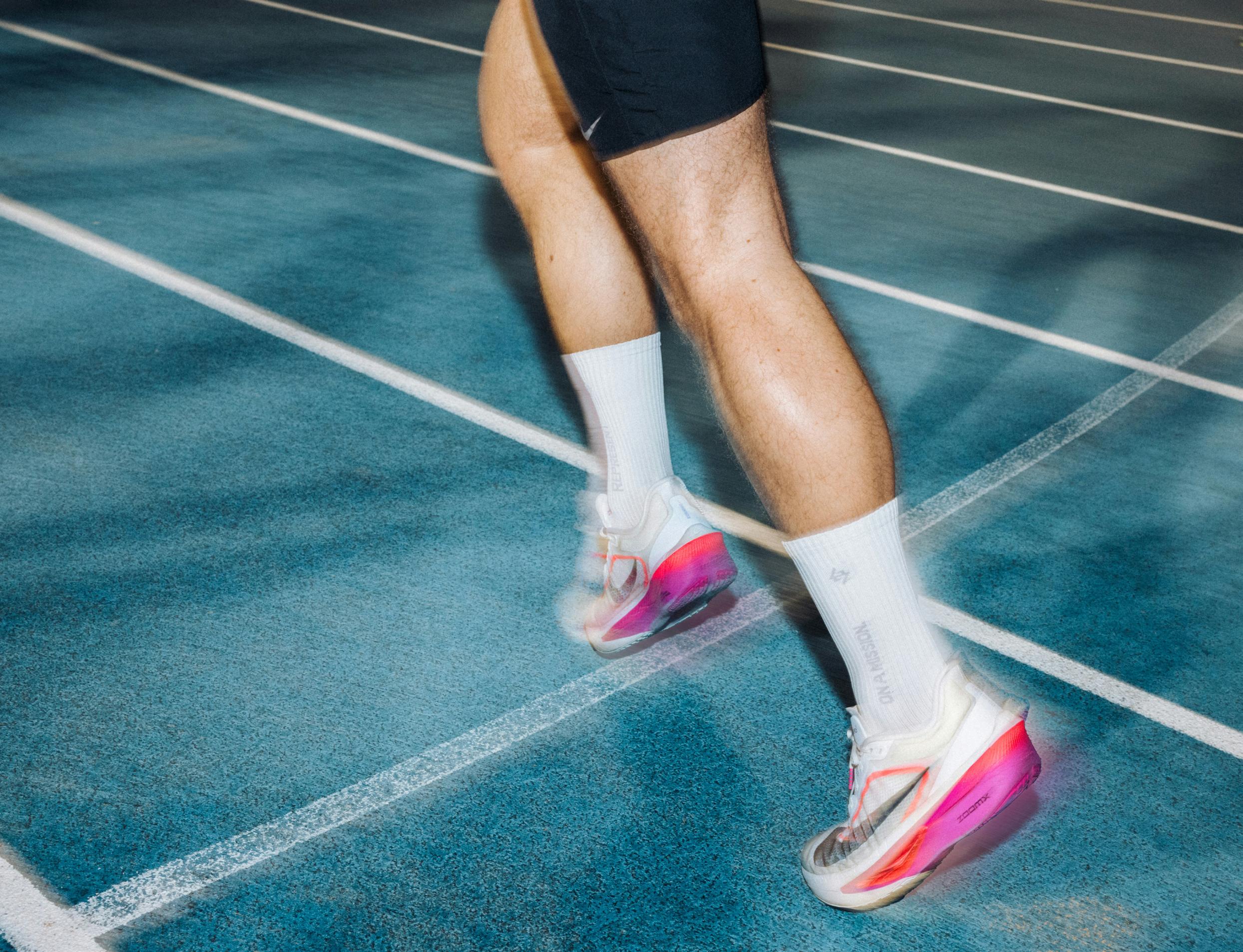
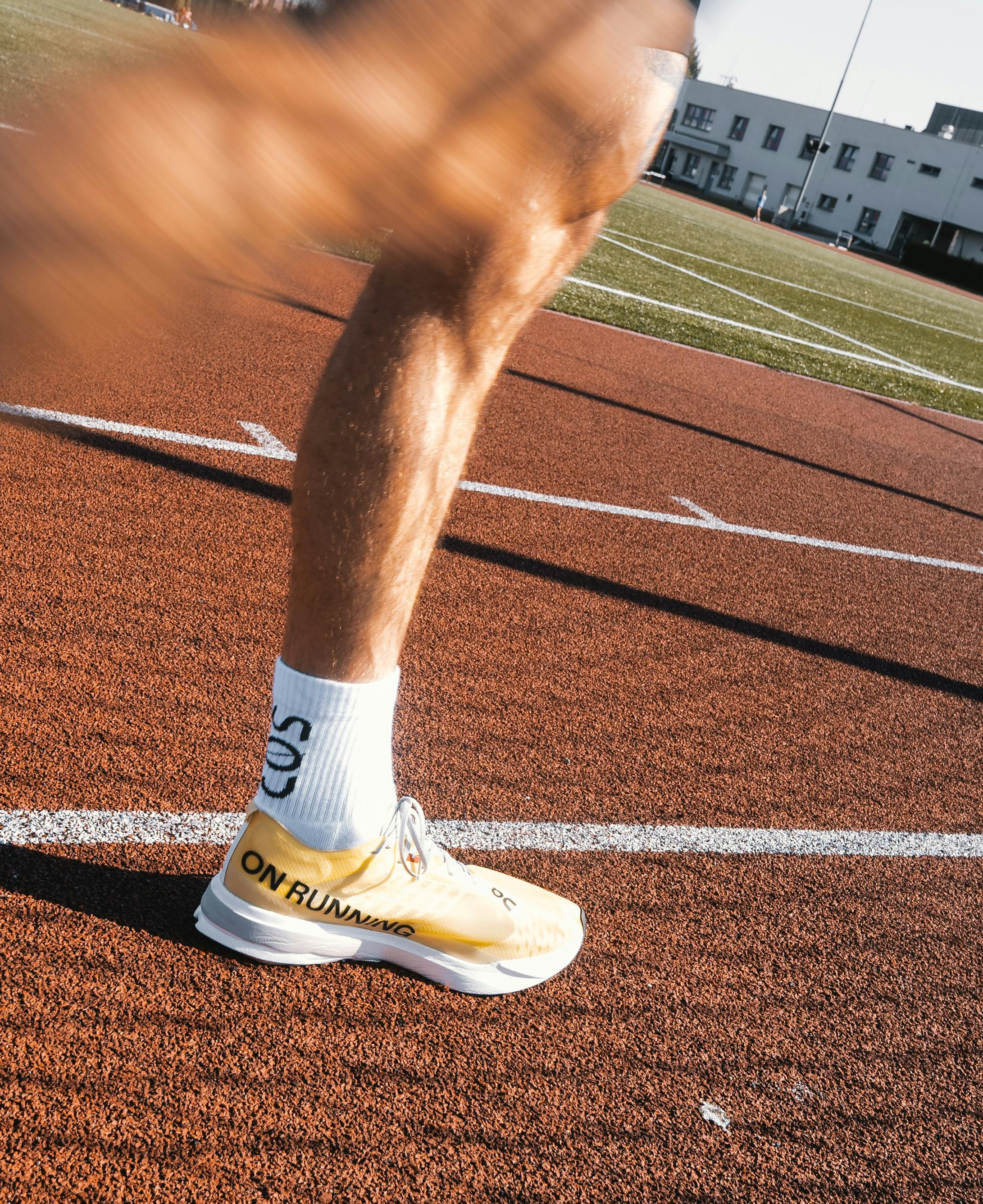
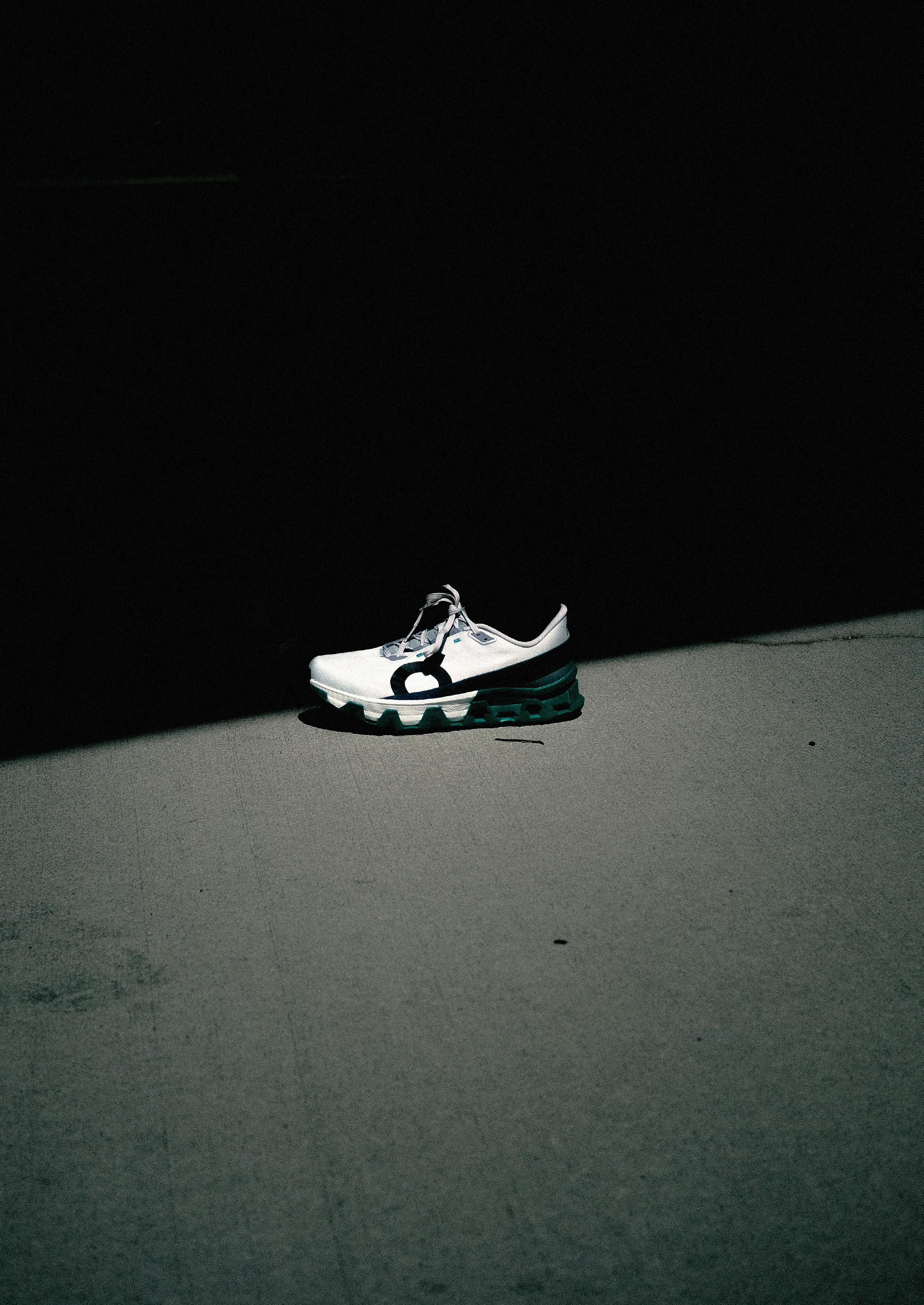
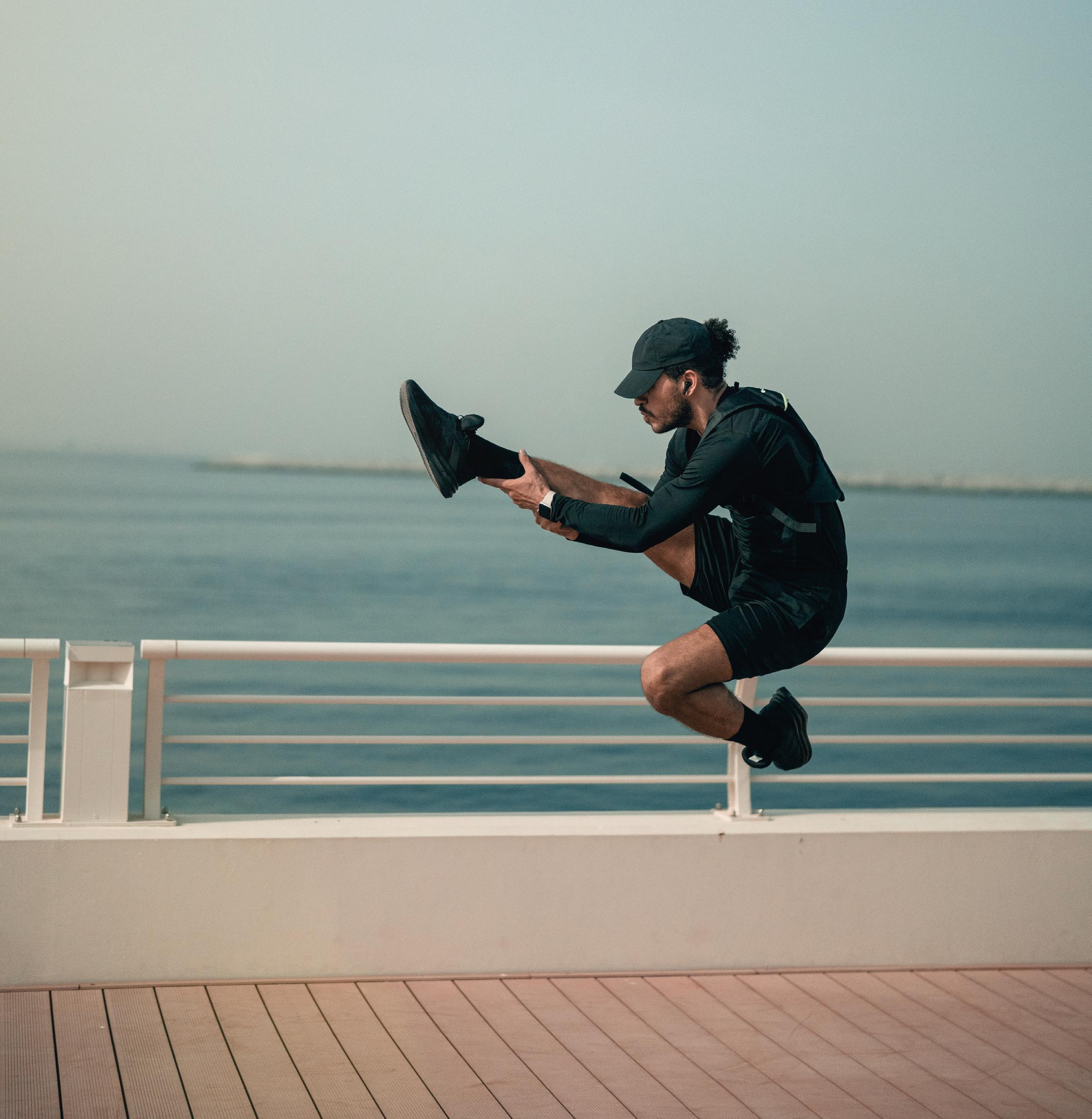
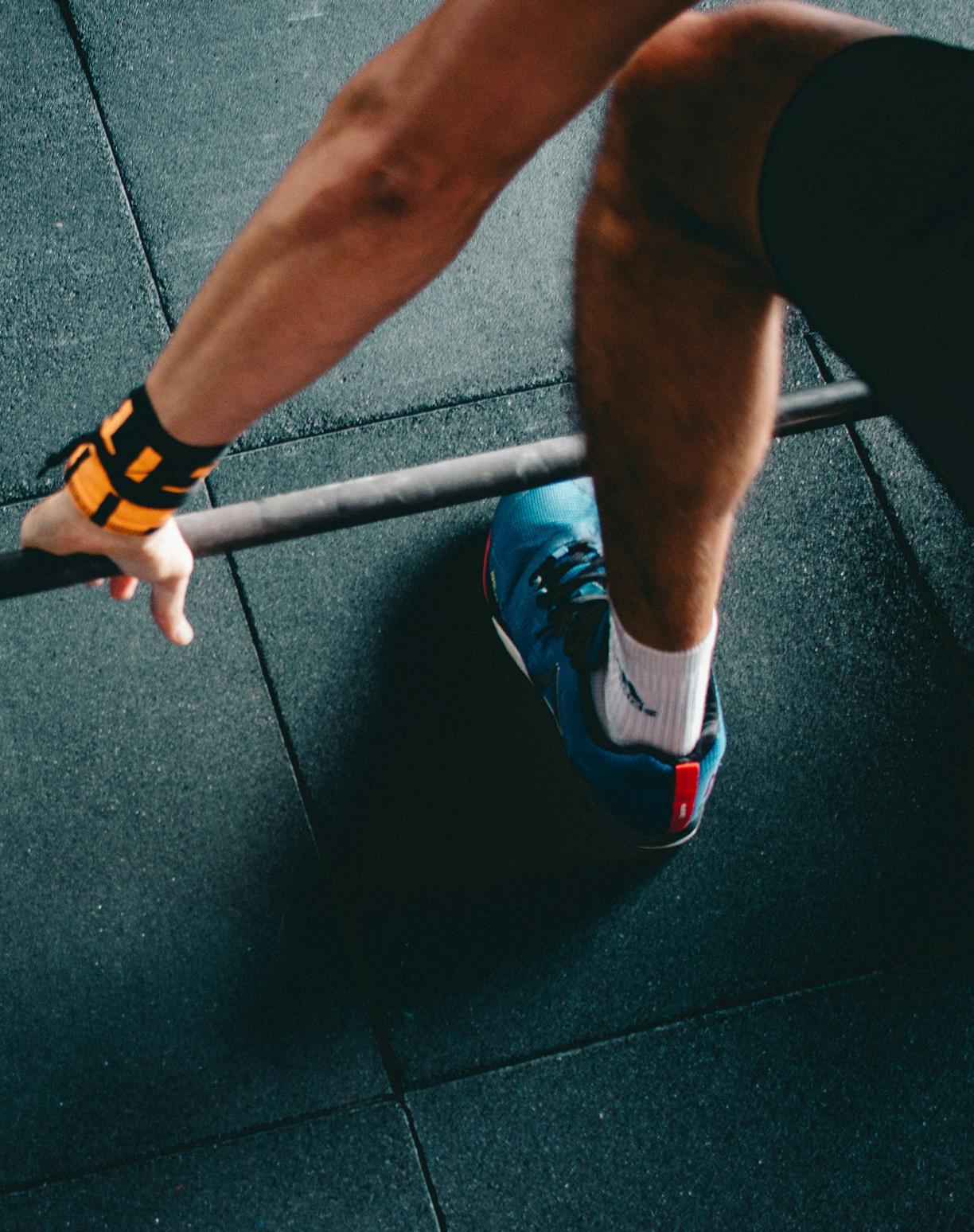
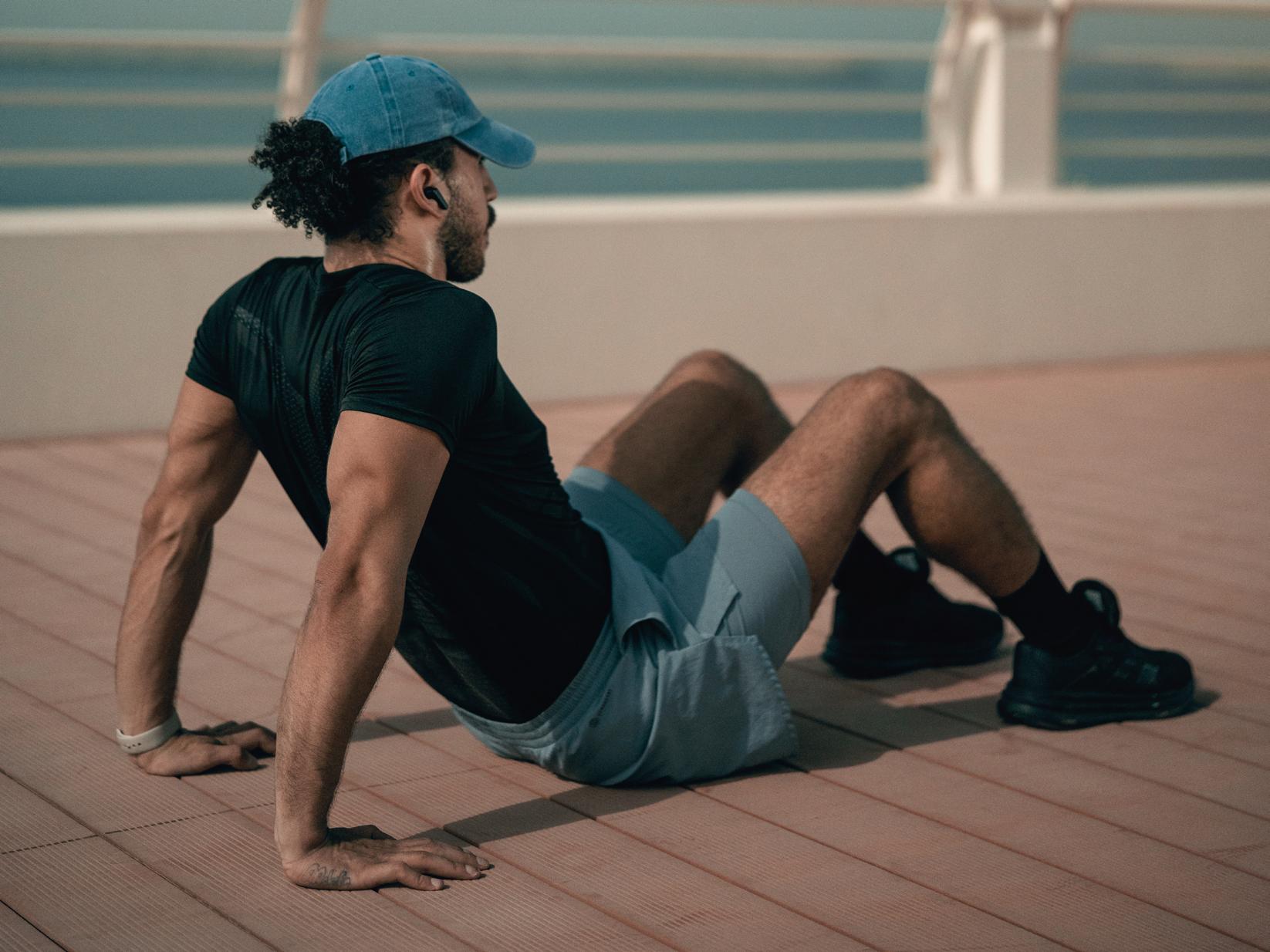
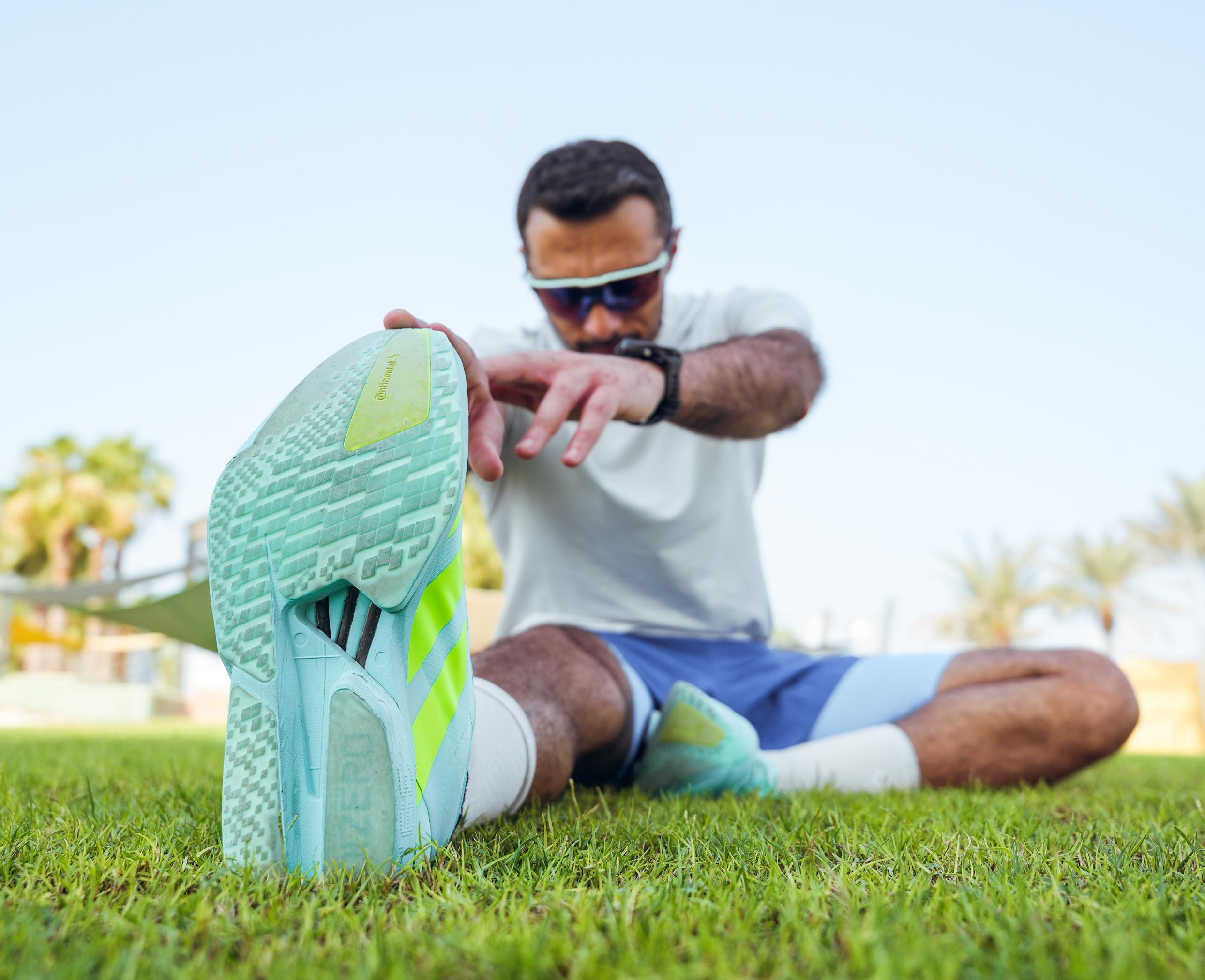
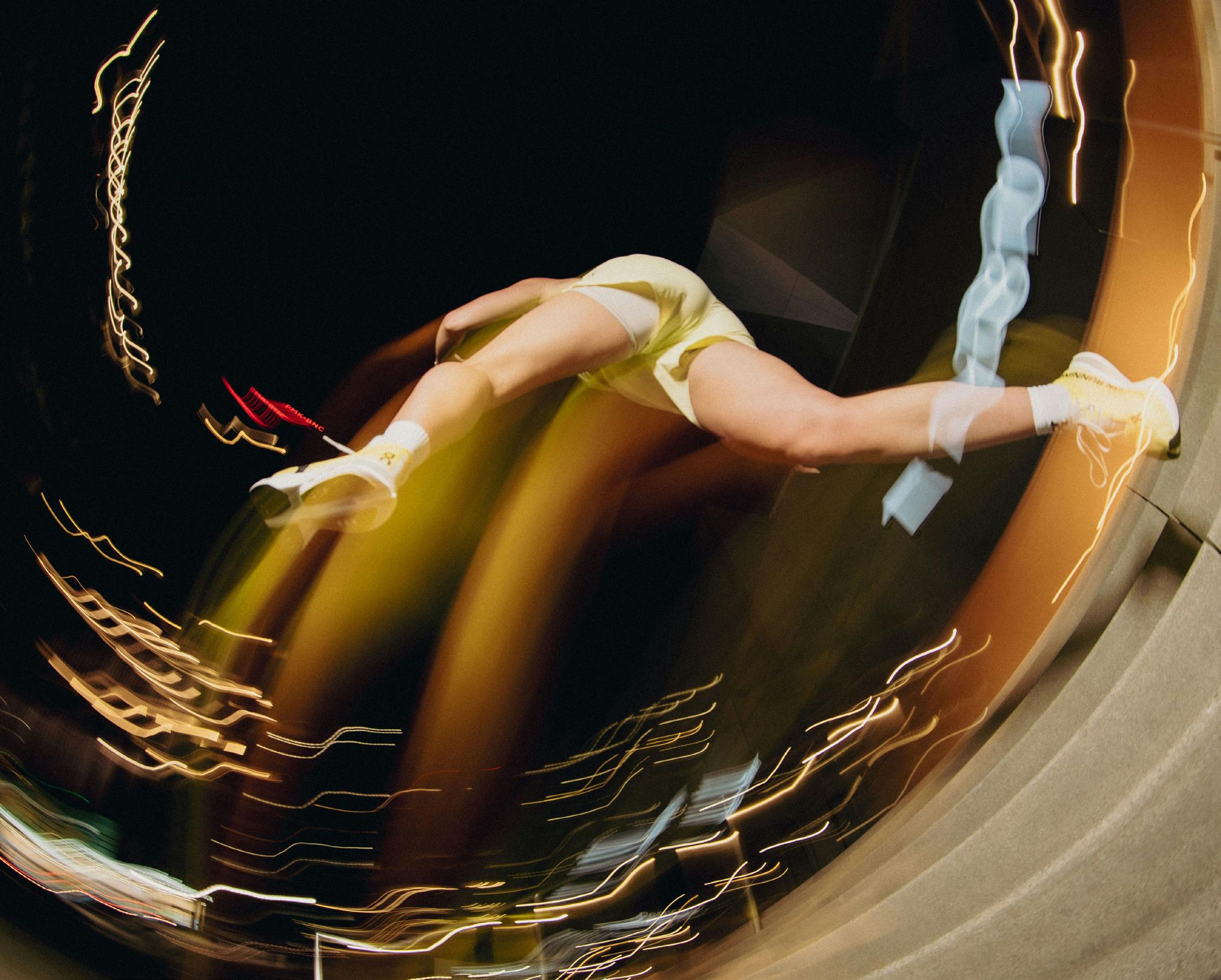
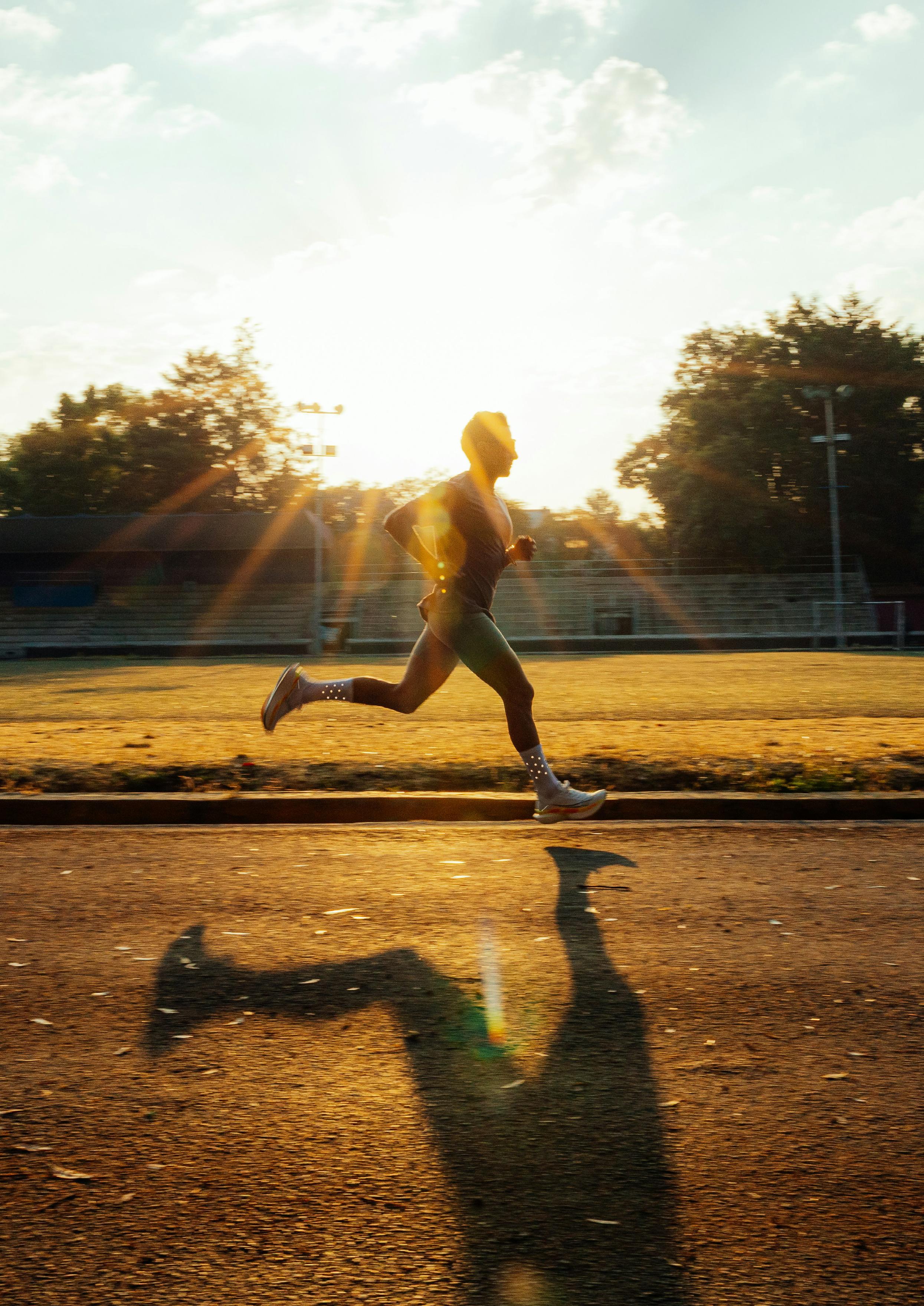
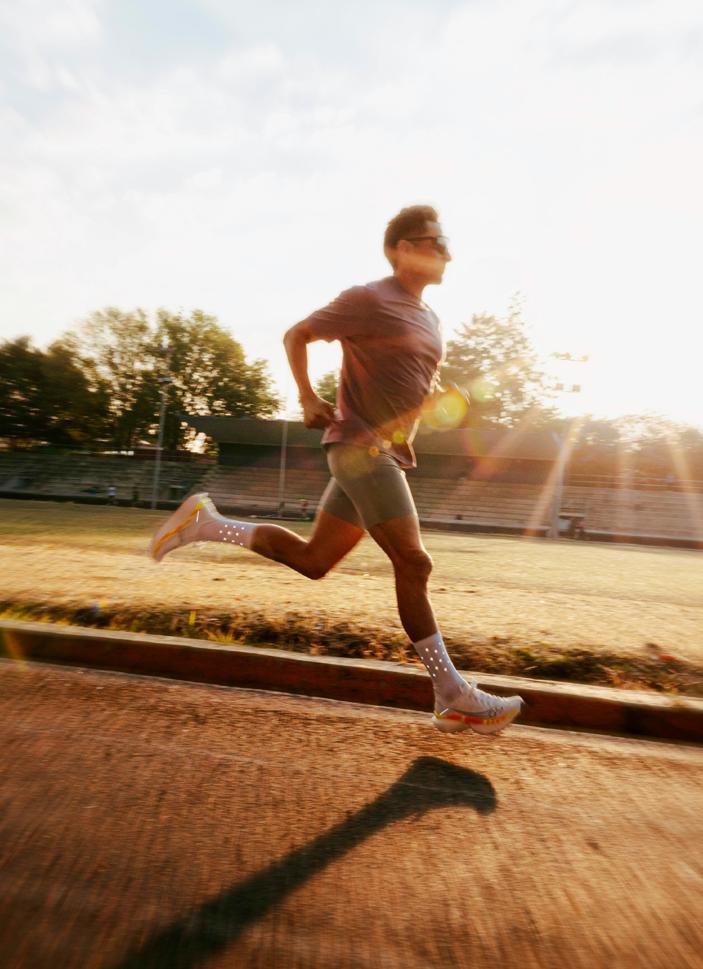
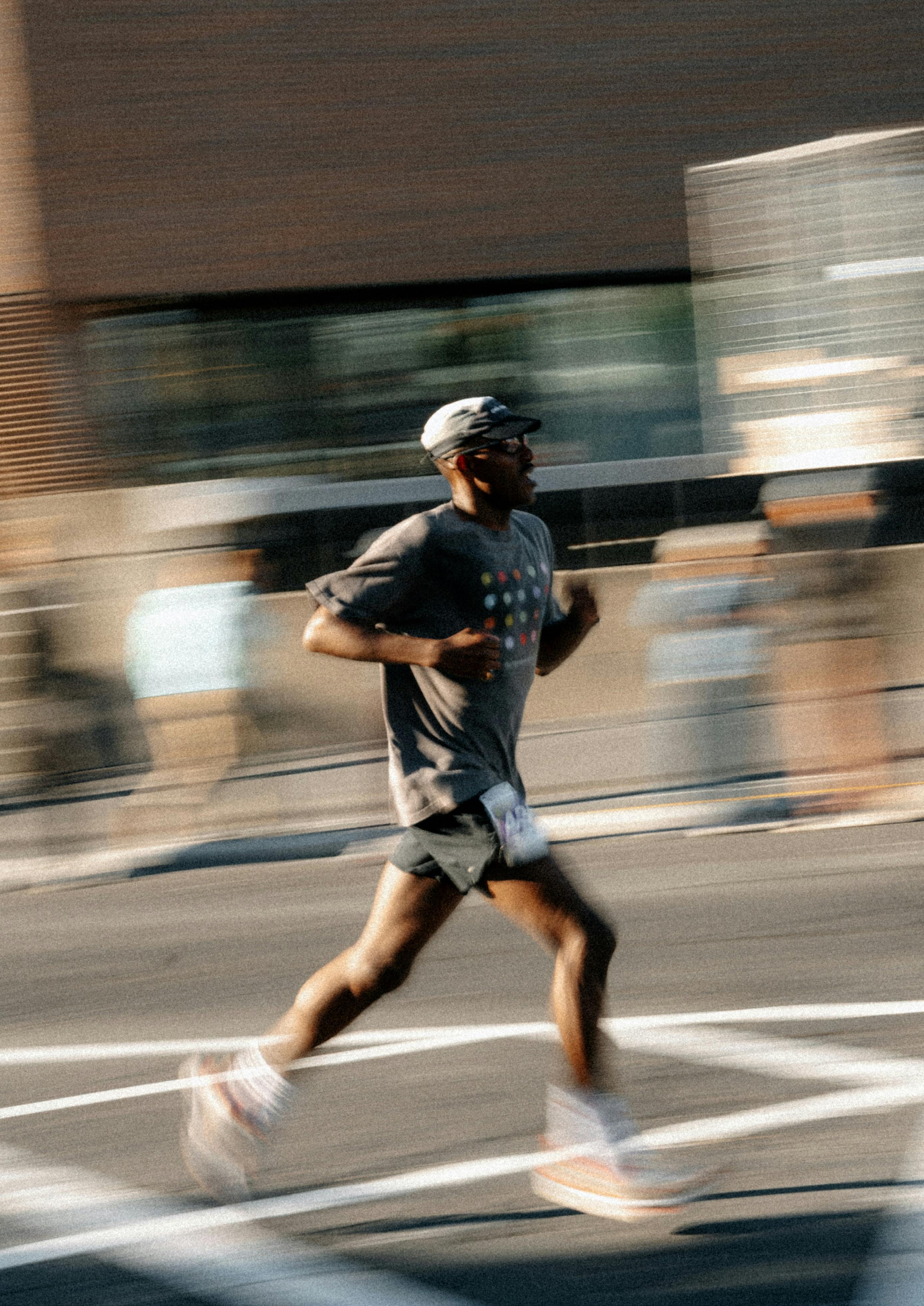
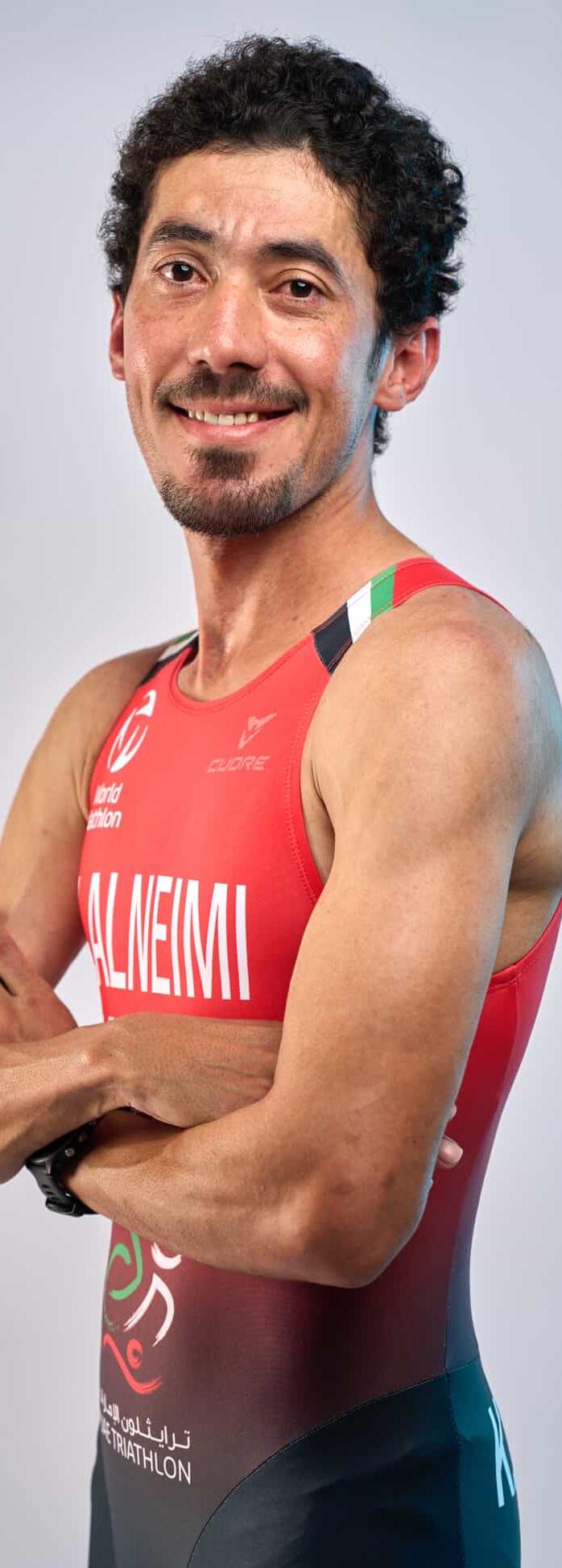
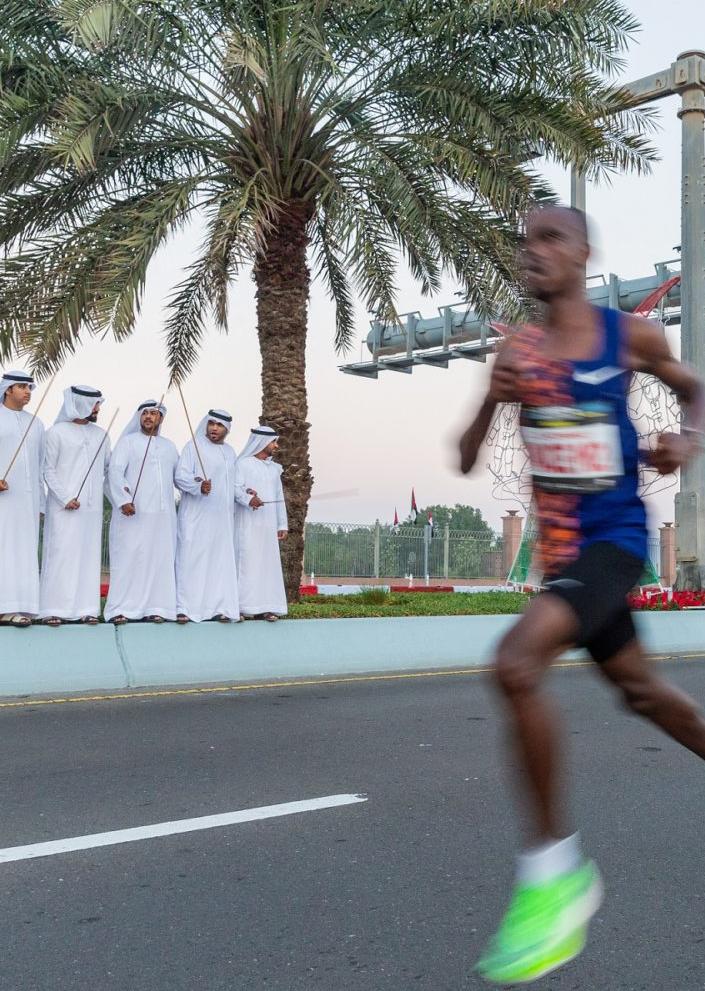
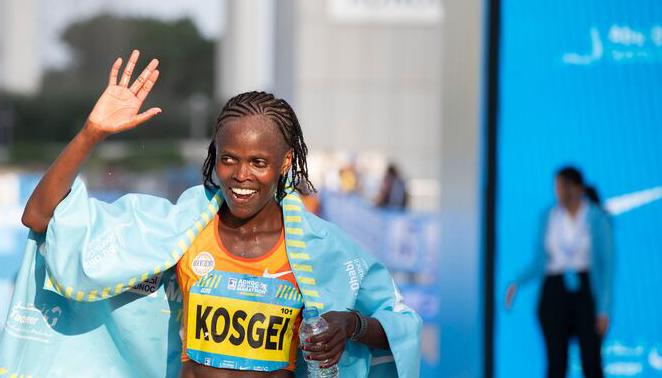
The Framework is where it begins. Edition Zero of YallaRun builds the base for every runner’s journey. From first strides to seasoned miles, we lay down the essentials: how to train smart, how sleep impacts performance, prevent injuries, and find your rhythm on the roads of Dubai and beyond. This is your structure, your foundation, your framework.
Acknowledgments Our First Stride
Edition Zero of YallaRun marks the beginning of a movement — one built on passion, collaboration, and the belief that running can bring people together across the UAE and beyond.
This inaugural issue would not have been possible without the incredible efforts, creativity, and encouragement of those who stood beside this vision from the very start.
Core Contributors
Brand Creator
KHAIRUL ISLAM
Web Developer
MD. MAHMODUL
Authors
JOANNE S.
SIMMY R.
NEWTON MOMANYI
Art Direction & Layout
MOHAMAD TAWIL
Photographer
ALI ARZ
Social Media Manager
NEXA
With Special Thanks
To GHANIM AL HAJERI, whose belief, energy, and constant encouragement gave YallaRun its first push forward.
Your support turned an idea into a reality — you are a true part of this story.
Founder & Visionary YallaRun
SAIF AL QUBAISI
“Every movement begins with a spark - and Edition Zero is ours.“
Let’s Run!
The Starting Line
Welcome to YallaRun, a vibrant community of runners and health and wellness enthusiasts! We aim to help active individuals in the UAE discover the joy of running beyond health. For existing runners, we connect you with fellow enthusiasts and provide you with strategies for performance, endurance, and whole-body health.
YallaRun is more than a brand — we’re a lifestyle and movement. A space for those who understand the power of the run and want to share and connect with others who share the same passion.
Our Founder’s Story
Hello, I’m Saif Al Qubaisi, and I’ve been running for 15 years. Running, for me, is much more than a sport, it’s a passion. It’s my own space — my freedom — a time to listen to my thoughts and reset. Not yet a mainstream sport or fitness activity in the UAE, I want to share the benefits and joys of running that differ from any other sport or activity I’ve participated in. Running has introduced unexpected growth and vitality in my life, and many other runners I know.
When I run, I reduce stress, sharpen my focus, and build the energy that fuels me through the rest of the day. Running is also why I’ve developed the habit of waking up at 4 a.m. or 5 a.m. Those quiet early hours on the road are my most powerful moments of clarity.
Over the years, running has taken me beyond fitness — it’s taken me around the world. I’ve run marathons and half marathons across Europe, discovering cities on foot, experiencing different cultures, and meeting people who share
the same passion. Sometimes I run solo for reflection, other times I join groups for the community spirit. Both give me something unique and meaningful.
For me, YallaRun is personal — it’s about sharing the power, focus, and friendships that running has given me. For the community, it’s about creating a platform that represents movement, possibility, and a new way of life.
We chose neon green as our brand color because it represents what running means to us: life, energy, and movement. Just like the brightness of neon, YallaRun lights up the path, motivating you to keep going.
Our bodies are intelligent. If we provide them with proper hydration, nutrition, sleep, and movement, they reward us with optimal health and performance. Join me in testing the limits of what your body can do and the new doors running may open for you.
Why We
Run?
Ever wondered why runners run? Especially those who rarely run on a treadmill? Like all exercise, running energizes your mind and body. It burns calories and builds muscle. Boosts circulation and expels toxins. But running does so much more! Your options for fitness are endless, and all options present positive physical challenges, but running is unique in a few ways.
Runner’s ’high’
This term references the naturally euphoric feeling generated from the high-intensity movement that keeps runners coming back for more.
Personal growth
Running tests us to go farther, master breathing techniques, push past pain, and build endurance. It inspires many to set and achieve their personal goals.
Improved cognitive performance
This sport demands discipline and focus, providing a break from daily stressors, helping us return to our day mentally renewed.
Zone out to Zone in
The rhythm of a run is meditative for many. If not meditative, it gets us in ‘the zone’, a space of maximum productivity.
Explorative
Running gets us outside in the fresh air, exploring new areas of the city we live in. For some, it inspires travel near and far for marathons and new running routes.
Community and connection
A rewarding solo sport, running in a group or with a fellow runner fosters connection; something we need more of in an increasingly virtual world.
A Sport For Everyone
Another thing to appreciate about running is that it’s something everyone can do. Even kids who don’t excel at more popular sports. Begin with a pair of quality running shoes, breathable athletic wear, and an indoor or outdoor track. Or terrain, distance, and location-specific gear.
Tracks are an ideal place for new runners to begin, as they provide:
. An opportunity to socialize with other runners and ask for strategies and tips to tailor stretching, training, and recovery.
. A soft and stable training ground that absorbs more shock than asphalt, making it easier to adjust to the physical challenge of the sport.
. A safe place to train with no traffic other than fellow runners, providing time to master stride and pacing before hitting the road.
. Multiple lanes so that those running at a slower speed, or alternating between running and walking, can gradually build endurance.
. Amenities spanning the range of parking, bathrooms, bleachers, and a grassy area to stretch.
Where to Run In the UAE?
Running may inspire you to travel throughout the Emirates and around the world. Some of the top places to run in each Emirate are below.
Abu Dhabi: Run at Jebel Hafit Desert Park, along the pedestrian pathway or beach at Corniche, or on the running track or beach at Reem Beach.
Ajman: The Marina is a top choice, but also consider Al Zorah Natural Reserve, Al Safia Park, and other parks, including Mushairef Ladies Park for women.
Dubai: Safa Park’s cushion track is an excellent place for new runners to begin, or run at Creek Park, Water Canal, and other park pathways.
Fujairah: Umbrella Beach has a jogging track, or run directly on the beach. The mountain hiking trails in and around Al Aqah are another top option.
Ras Al-Khaimah: Marjan
Island has a runner-friendly track, or add the challenge of elevation by running along RAK’s many mountain trails
Sharjah: Choose from the coastline trails at Mamzar Beach park or Al Noor Island, or run at Sharjah National Park
Umm Al Quwain: Mangrove Beach along Al Yafra Creek is an excellent place to run, or explore parks and hiking trails, including Falaj Al Mualla Park.
Not yet a mainstream sport or fitness routine in the UAE, hitting the track, road, or trail provides power beyond the average sense of accomplishment gained after gym workouts. You can easily find free tracks and trails and paid private tracks, many of which immerse you in nature.
TABLE OF CONTE
Edition Zero, October 2025
YallaRun | the Framework
How to Start Running from Scratch
Beginner’s Guide
Running is among the simplest ways to keep your body active and fit. It helps boost your physical and mental health without a gym membership or expensive equipment. However, taking the first step can be challenging, especially for beginners. Keep reading this article to learn how to start running from scratch.
Get the Right Gear for Comfort First
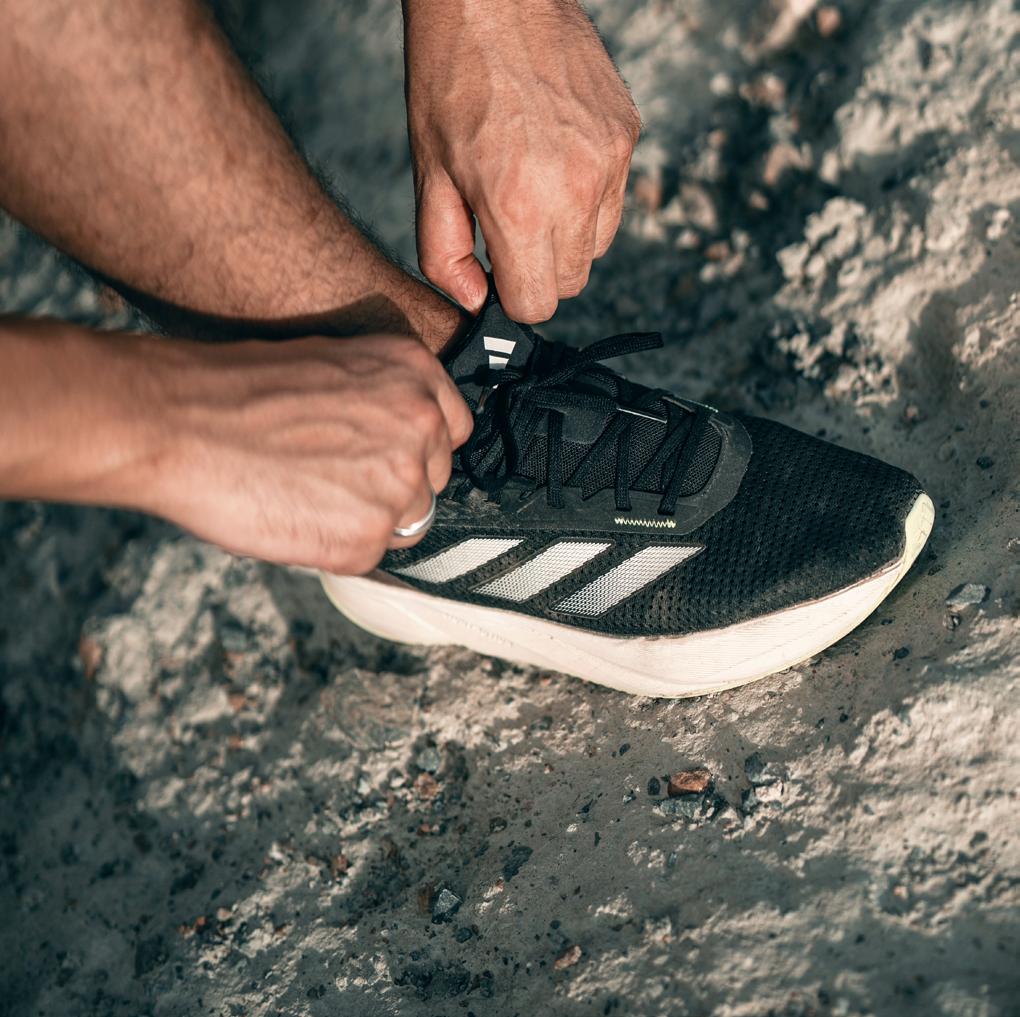
Although running might seem like an inexpensive sport, some items are worth investing in. These products are designed to ensure comfort while reducing the risks of injury, especially in the UAE. The most important investment is running shoes.
Find an option that gives good support, fits well, and provides cushioning. Brands like Nike, Adidas, and Brooks offer a wide range of footwear suitable for various foot types and terrains. Appropriate clothing is also essential to keep your body comfortable while running. For the warmer weather, choose light and breathable materials that wick moisture away from the body. Avoid cotton as it can cause skin irritation and abrasions. Other items that can be added to the list include hydration packs, hats, visors, and watches.
Walk First, Then Jog
Beginners have a tough time covering longer distances when they start. A revolutionary approach is to use the Run Walk method, which was introduced by Jeff Galloway. The method involves alternating between running and walking to reduce fatigue while increasing endurance. For example, you can start by walking for two minutes, then switch to running for one minute. Follow this routine for the first few days, then switch to a minute walk and two minutes run.
Keep increasing the running minutes, and soon you will be able to cover long distances with no walking intervals. The goal of this method is to progress gradually without paying too much attention to pace.
Build a Routine for Consistency
Starting can be an exciting adventure, but being a runner is all about consistency. Without a proper routine, it’s easy to skip a day, then another, until the habit fades off. The key is to start small by setting realistic goals. Most experts recommend that beginners commit two to three running sessions per week. This is enough to build stamina without overwhelming the body. Pick alternating days of the week and set a minimum of 20 to 30 minutes for short runs.
Set the sessions at sunrise when it is cooler and the streets are quieter if you are a morning person. Alternatively, an evening run will keep you refreshed after a long day at work. Remember that rest days are important as they give your muscles time to recover and grow stronger.
Listen to Your Body to Avoid Injuries
Although consistency helps improve stamina and endurance, the human body has its own limits. Most beginners make the mistake of pushing too hard in the first few days while ignoring some signals. It is recommended that you assess your fitness level before any exercise.
Watch out for sharp pains, constant fatigue, or tightness in the muscles. If you experience any of these difficulties, stop running, as it could get worse. Taking precautions against injuries caused by new muscle movements prevents injuries.
Before each run, include warm-up routines like stretches and strength exercises. When something doesn’t feel right, consider seeing an expert or coach for advice. You may need to take some time off to recover and rebuild your strength.
Progress Gradually from Beginner to Runner
After a few weeks of consistency, your body will be comfortable running for 20 to 30 minutes. Some may be tempted to suddenly run faster or double the distance. However, progress is made with small improvements, or you might risk burnout. The golden rule for runners is to add the difficulty by 10%.
This could be by adding more running days to your routine or increasing the distance. For example, you can run for 30 minutes instead of 20 minutes or run four times a week instead of three. Another option is to set achievable challenges.
For instance, the three weekly exercises can include one easy run, a slightly longer run, and one where you push yourself to the limit. Remember that progress is not about distance or speed. It’s about feeling less tired and recovering quickly.
Stay Motivated
Like any other activity, running is a mental game. Some days you’ll feel unstoppable, while other days feel like a burden. That’s normal for every beginner. The trick is to always focus on progress and not perfection.
Ensure you celebrate every small win, even just showing up is a huge achievement. So, don’t wait for the perfect day to begin. Put on your running shoes today and take the first steps towards your first kilometre.
Best Running Shoes for UAE Terrain
Comfort & Durability
Guide
Runners in the UAE have a unique experience when exploring the different regions in the country. They have to conquer hard pavements in the gleaming city of Dubai, the blazing heat of the serene desert trails, and the challenging climbs of Jebel Hafeet.
The diverse environments demand footwear that can not only keep up but also offer a blend of durability and support. This article looks at the key considerations for UAE runners, including types of running shoes top features to look for. Nike / Zoom Fly 6
Key Considerations for UAE Runners
Choosing the right running shoes is not about picking the most popular model, but understanding your individual preferences. Remember that shoes are the most important piece of equipment in your arsenal. They are the foundation with the essential function of preventing injury and offering comfort. The following factors will help you make the right decision.
Heat and Ventilation
The UAE faces warm temperatures even in the cooler months. When your feet overheat, it will make running uncomfortable, thus affecting performance. Choose lightweight shoe models with breathable materials that allow free flow of air. This will help dissipate the heat and manage moisture.
Cushioning for Hard Pavements
With every single stride, the body absorbs a significant amount of impact. The hardsurfaces in the urban areas can put immense stress on the feet, joints, and knees. However, with the right shoes, the midsoles can absorb the shock by cushioning to ensure comfortable runs.
Traction for Sandy and Desert Terrain
Running in the sandy deserts is different from the city pavements. The sand keeps shifting when you step on it, affecting your balance and momentum. Choosing shoes with better grip and strong outer soles can improve stability and prevent slips.
Durability in extreme weather
Most running shoes have a hard time with the tough UAE climate. Conditions such as high temperatures, hard city surfaces, and sandy deserts can cause materials to wear quickly. Runners should select shoes built with strong materials to ensure they last longer.
Types of Running Shoes to Consider
Finding the best shoes also depends on where you intend to use them. The UAE has various locations for runners, including the city and parts of the desert. Once you know the surface, you can narrow down the search for your next tracking shoes. Here are the three main types available.
Road Running Shoes
If you are a runner in the cities of Dubai and Abu Dhabi, road shoes are the best option. These footwear are specifically designed to be used on man-made surfaces like pavements, treadmills, sidewalks, and tracks. Road shoes design includes a smoother outer sole for a level surface. They also have a high volume of cushion for shock absorption.
Trail Running Shoes
Those who enjoy running in the desert or rocky terrain will benefit more from trail shoes. They are designed with grip patterns that provide traction on the sand and gravel paths. The upper part is also reinforced with rock plates to protect the foot.
Hybrid Shoes
Runners in the UAE don’t stick to one surface, and that’s where hybrid shoes come in. Although they may be specialised, they offer a balance between cushion and grip. This makes them perfect for versatile runners who want to switch between different environments.
Popular Brands and Models
Athletes across the UAE rely on global brands with a proven record of reliability. Models such as Nike Pegasus or the ASICS Gel series are perfect for pavements. They are designed with lasting materials for durability and proper cushioning.
Long-distance runners should go for Hoka Clifton shoes, which make activities like walking and running more comfortable.
For the desert terrain, Salomon’s rugged construction offers supportive midsoles for tough trails.
Run Smarter,
Not Harder
The UAE presents unique challenges for runners because of the high temperatures and different terrains. However, with the right equipment, these obstacles are manageable. The most important decision you have to make is choosing the right shoes.
Whether you are just working out or planning for an event, the appropriate footwear will give you the confidence to conquer any terrain.
A smart choice today ensures you not only cover the distance but also enjoy the journey.
The right shoes make every stride smoother.
Step into performance.
On Running / Cloudboom Strike
Morning vs Evening Runs
What Works Best
What type of runner are you?
Are you a morning runner who prefers to rack up the miles first thing before the UAE bustle begins? Or do you prefer hitting your stride after sunset when the desert’s cooled down and the day is done?
If you’re still figuring out what suits your body and energy best, you’re not alone.
The truth is, both morning and evening runs have benefits and drawbacks alike. To help you make the right choice for you, we’ve laid out everything you need to know.
The Benefits of Morning Runs
Start Your Day Strong
It’s no secret that the UAE is a vibrant and fast-paced country with exciting initiatives around every corner.
So for many residents, the early morning calm becomes a truly special window of time. There’s something so very satisfying about accomplishing a run before most people have rolled out of bed. The world around you is quiet, the streets mostly empty, and then there’s you - outside moving your body. It’s a powerful way to take control and start your day on the right foot.
Energy, Mood, and Focus
Morning runs are a brilliant way to give your mind a good ol’ boost. You’ll be flooding it with endorphins that naturally lift your mood and have the ability to sharpen your focus for hours. Who needs coffee?!
Physically speaking, exercising early on in the day jumpstarts your metabolism, keeps your energy levels steady, and helps you feel more alert as the day unfolds - it’s just what you need before tackling a full workday, surviving the hustle and bustle of Dragon Mart, or even just facing Dubai’s usual rush-hour traffic with a little extra patience in your pocket.
Race Day Preparation
If you have a race coming up, a morning running regime may just be the perfect way to train for it.
Races like the Dubai Marathon, the Abu Dhabi ADNOC Marathon, and community favourites like the Dubai Run on Sheikh Zayed Road all kick off bright and early, so setting your running schedule at the same time that you’ll eventually be competing is ideal preparation for your body. By the time race day comes around, the early start will feel second nature and you’ll be in your element.
The Infamous Alarm Clock Battle
Morning runs aren’t for everyone.
If you’re not naturally a morning person, the mere thought of rising before the sun may feel like a workout in itself, especially if you spent the previous evening at one of the city’s endless dining spots or night markets. In turn, you may begin to dread your morning runs and see your motivation levels plummet.
Plus, recovery is key and the majority of it happens when we’re asleep. So if you find yourself cutting your sleep short to fit in your morning run, it’s probably time to rethink your routine.
Stiffer Muscles, Slower Start
In the early morning, your body is still waking up. Muscles are tight, joints stiff, and blood flow sluggish. This natural bodily process is only heightened by cold conditions. That’s everything from the air conditioning that surrounds us, to the cool winter air that at times, dips surprisingly low in regions like Al Ain and RAK.
While it can be tempting to dive straight into your run, investing time in a solid warm-up beforehand is imperative!
The Drawbacks of Morning Runs
Timing is Key
Morning runs leave little room to eat and digest properly, yet eating too much too close to your run is likely to leave you feeling heavy or uncomfortable once you’re moving.
Timing is everything, and it can be pretty difficult to strike the right balance.
Of course, some morning runners happily begin on an empty stomach, but for others, doing so can make the run feel far tougher than it has to be. It’s a constant challenge that becomes even more pronounced during Ramadan, when runners often choose to adjust their schedules to fit around Suhoor and fasting hours.
Benefits of Evening Runs
Stress Relief
In the UAE, lifestyles tend to be highpaced and let’s face it, the work days sure can be long. So many residents head out on evening runs to counteract the day’s tensions and build-up of cortisol.
A jog after sunset, especially somewhere scenic, will give your brain the chance to truly reset - to process the day, and let go of any lingering thoughts. By the time you’re done, you’ll almost certainly feel lighter, calmer, and ready for a welldeserved peaceful evening!
Peak Performance
You may be surprised to learn that in the evening, most people’s bodies are fully awake and moving at their best. Muscles are warmer, joints are looser, and breathing is usually more settled than earlier on in the day. This, coupled with the evening’s cooler temperatures and refreshing breezes, makes evening runs that much more enjoyable.
Who knows - you might even find yourself pushing a bit harder than usual and clocking a new personal best.
Better Fuel and Energy Levels
During the course of the day, you will have eaten, moved around, and thus naturally topped up your all-important energy stores. In other words, unlike in the morning, your body is no longer running on empty. That extra fuel makes all the difference when it comes to your running performance. You’ll likely find it easier to push a bit harder, to run a little faster, and you might just have it in you to turn that casual 5k along Kite Beach into a full-on 10k.
Life Gets in the Way
It happens to the best of us.
We have our entire day fully scheduled, with an evening run as the fi nal highlight. But by the time the end of the day comes around, you’re simply exhausted, or fi nd yourself faced with unexpected plans, work deadlines, or family responsibilities.
Whilst we wouldn’t change the vibrant social scene here in the UAE, it does make it that much easier to push your run aside, thus making consistency a bit trickier.
Drawbacks of Evening Runs
Sleep Disruption
Whilst some folk sleep better after evening runs, others find that it disrupts their sleep.
This is particularly true in the case of high intensity runs, which tend to result in raised heart rates, body temperatures, and adrenaline levels - all factors that can make it diffi cult to fall and stay asleep.
If you feel that your evening run could be impacting your sleep, try leaving a couple of hours between your run and your bedtime to allow your body a decent window to wind down naturally. If you give that a go and you’re still not having any luck, you may want to consider morning runs instead.
Hear From Our YallaRun Community
For Saif Al Qubaisi, founder of YallaRun and an avid marathon runner, morning runs take the win.
I love to run in the morning because it’s when my mind is clearest before the rush of the day. Running at sunrise becomes a form of meditation for me - a chance to focus on my body, release negativity, and set a positive tone.
As a marathon runner, acclimating to mornings is essential since most races begin early, and cooler temperatures at that time naturally help my performance. Plus, my energy and focus are naturally higher thanks to morning cortisol peaks, which makes it easier for me to get into a rhythm.
Conversely, running enthusiast Salem Bin Ablan is firmly on team evening runs:
For me, evening runs are the ultimate stress reliever. After a long day, lacing up gives me a chance to clear my head and end on a high note. And it’s when my energy levels are at their highest, giving me the boost I need to complete my sessions.
Science shows that body temperature and muscle flexibility peak in the late afternoon and evening, which reduces the risk of injury and can enhance endurance. I definitely feel this in my practice: the evening runs are both mentally recharging and physically optimal.
Finding Your Rhythm
Both morning and evening runs have their pros and cons, so when it comes to which is best, there’s really no single answer. Whilst some runners thrive in the morning, others fare better after sunset, and some even prefer a mix of both!
It boils down to individual preferences: your schedule, your body, and most of all, which time of day you genuinely enjoy - because that’s what makes it sustainable for you.
We recommend experimenting with both morning and evening runs, paying attention to how your body responds, and going from there!
When you first begin running, your top priority is perfecting your form and stride. As your endurance builds, you adjust your pace to push yourself to go farther or faster. Exploring running techniques is key, but running isn’t your only priority. Let’s explore the benefits of strength training for runners.
KEY BENEFITS
Signs You Might Benefit from Strength Training?
. A “heavy” or “weak” sensation in legs.
Decreased stamina or endurance.
Delayed muscle or joint recovery. . . . . . . .
Decreased stride, stability, or coordination.
Inability to achieve proper form or stride.
Cramping or pain in legs when running.
Difficulty accelerating on incline.
Difficulty accelerating when sprinting.
How Does Strength Training Benefit Runners?
Strength training is something everyone should incorporate into their fitness routine. Bulking up isn’t the primary objective of most runners, but improved muscle tone and increased muscle mass are positive side effects. It takes you off the track a day or two a week, but it’s well worth the benefits below.
Injury Prevention
A proactive approach to injuries is the best approach, which is one of the top reasons runners should strength train. Overworking or underworking any part of your body increases your risk of injury to muscles, bones, ligaments, joints, and cartilage. Stretching pre- and post-run helps, but isn’t enough for optimal injury prevention. Adding strength training to the mix strengthens weaker areas of your body and activates connective tissue to improve or maintain your range of motion.
OF STRENGTH TRAINING
for Runners
Resistance exercises are of increased importance if your job requires you to sit or stand without much movement. Sitting most of the day weakens your core muscles, which reduces balance and stability while running. Standing most of the day increases the likelihood of leg tension, foot pain, and knee pain. Studies find that strength training exercises also counteract the strain of repetitive motion, which helps to keep the muscles, ligaments, and joints you use most healthy.
Form and Body Mechanics
Poor posture while sitting or standing weakens your core and back and creates tension in your muscles and connective tissue. This creates a ripple effect that makes it challenging to maintain proper form and body mechanics.
If your posture has significant room for improvement, consider adding corrective therapies to the mix, including massage therapy and myofascial release techniques.
Power, Speed, Endurance, and Efficiency
The stronger your muscles are, the more force you can exert with each stride. This improves stability and helps you run farther, faster, and longer without exerting more energy. Although heavy weights aren’t required when incorporating strength training as a runner, weight training supports VO2 max.
VO2 max refers to oxygen uptake, which is the amount of oxygen absorbed by your muscles. The more oxygen you absorb, the more energizing and reparative nutrients are transferred to your muscles.
If you aren’t sure of your VO2 max, download a fitness app that estimates your oxygen and provides tailored training tips.
Whole-Body Benefits
It doesn’t matter what your sport of choice is, you’ll benefit from incorporating exercises that strengthen and stretch your whole body. This is because everything in your body is interconnected.
Tight muscles and the repetitive motions of running can create adhesions in your connective tissue (fascia). We typically hear more about adhesions that form post-injury, but adhesions can form from overuse, poor posture, and poor body mechanics. This leads to decreased range of motion and stiffness.
So, prioritize the following exercises, but resistance train from head to toe. This can include exercises that stretch and strengthen, such as Pilates and power yoga.
What Are the Best Strength Training Exercises
for Runners?
. Power and Stability: Squats, deadlifts, step-ups, and calf raises.
Explosives: Box jumps and skater jumps. . . .
Hip Stability and Glute Activation: Glute bridges and lateral band walks.
Core Strength: Planks, side planks, and bicycle crunch.
Here’s a strength training routine for runners suggested by Nike
Yalla Strength Train
How Many Times a Week Should Runners Strength Train?
We understand how much you love to run, and that you don’t want to commit too much time to complementary training. That said, the benefits of strength training for runners are too hard to ignore. Most runners begin with 2 sessions per week, lasting 30 to 45 minutes. Intermediate and advanced runners (half marathoners/marathoners) often schedule 2 to 3 sessions per week in the off-season, and 1 to 2 sessions per week during race prep season.
Always strength train on off days from running, or with no more than 30 minutes or so on the treadmill.
Can You Use Your Body Weight When
Strength Training?
Absolutely! As you get stronger, you can add a weight or adjust the angle of your preferred exercises to increase gravity’s effect. For example, wide arm push-ups and side planks.
Do You Have to Use Heavy Weights
When Strength
Training?
Whether you prefer to use your body weight, light weights, or heavy weights depends on your objectives. This spans the range of whether you want to bulk up or define your muscles, whether you run casually or if you’re training for a marathon, or whether you run sprints, a few kilometers, or long distance.
Begin with resistance exercises and weights you’re familiar with. This minimizes your risk of injury. For optimal results, book a few sessions with a personal trainer. Working with a personal trainer helps you determine which exercises, weights, reps, and techniques help you achieve your objectives.
. If you want to grow muscle or improve performance, use moderate to heavy weights at 8-12 repetitions, or lighter weights with close to failure training. This is the concept of doing as many reps as you can until you can’t do any more without compromising form.
If you want to reach maximum strength, consider powerlifting. This is the concept of training with heavier weights at lower repetitions, focusing heavily on technique and form.
When progressive loading to build strength, increase weight by 2.5% to 5%. You know you’ve properly increased the load if you can comfortably complete 10 reps. .
What Are The Best Pre-Run and Post-Run Stretches?
Flexibility, mobility, and balance exercises are important for everyone, but even more so for runners. So, in addition to incorporating strength training for runners, identify which stretches help you warm up and recover.
. Pre-run stretching for 5-10 minutes, including leg swings, hip circles, shoulder rolls, and arm rolls prepares muscles for running.
Post-run static stretching for 20-30 seconds is essential for muscle recovery, including figure-4 and calf, hamstring, hip flexor, and quad stretches.
Gently stretch anywhere that feels good, any time of the day, focusing on areas that get stiff while at work. . .
The Real Impact of Sleep on Your Running Performance
You’ve got your shoes laced, your routes mapped, and maybe even your nutrition carefully tracked. But there’s one fundamental element that many runners in the UAE (and beyond) tend to overlook: sleep.
Quality rest is just as important as the miles you log. Without it, your body can’t fully recover, and your performance won’t reach its full potential.
Learn how sleep can improve your runs, recovery, and mindset.
We’ve explored the link between sleep and running performance - insights that could make all the difference to your running game, whether you’re chasing a personal best along the Dubai Canal promenade or gearing up to compete in Hudayriyat Island’s One Run.
Muscle Recovery
When you run, your muscles, joints, and cardiovascular system work overtime. In doing so, they end up breaking down slightly. Think tiny muscle tears and depleted energy stores.
It’s a completely normal (and downright necessary) part of improving, but it does place real stress on your body, and you’ll need to rebuild in order to grow better and stronger.
And most of that rebuilding?
It happens while you sleep.
During deep sleep, your body releases growth hormones, repairs muscle tissue, and restores energy reserves. Without a decent night’s sleep, your muscles and tissues won’t fully repair, increasing the risk of soreness, slower progress, and even injury.
Performance and Endurance
It’s a well-known fact and backed by plenty of research that athletes who consistently get more sleep not only recover faster, but also achieve better times, have quicker reaction speeds, and move more efficiently overall.
For runners in the UAE, where humidity and temperature can challenge endurance, proper rest ensures your stride stays smooth and your energy lasts longer.
Even an occasional lack of sleep makes for more strenuous runs than necessary. Over time, chronic sleep deprivation worsens these effects and, if left unchecked, can lead to serious injury and burnout.
Your Mental Game
Quality sleep supports our focus, our pacing, and equips up with the mental resilience needed to power through the toughest parts of our runs. Without enough rest, you’ll likely find yourself losing motivation or simply struggling to find your rhythm.
So whether you’re weaving through Dubai’s Marina’s busy paths or pushing through a long stretch on Abu Dhabi’s Corniche, a well-rested mind is just as important as strong legs.
Your Immune System’s Ally
When you train hard, your immune system takes a hit. But as mentioned above, when you sleep, you have the chance to rebuild and repair. It’s then that your body produces cytokines - the all-important proteins that help fight off infection and reduce inflammation.
If you don’t get enough sleep, you’ll have fewer of these protective agents in play, leaving you more vulnerable to illness and fatigue. And in the UAE, where many expats juggle busy schedules and travel often, maintaining strong immunity is key to staying on track with training.
Poor Sleep = Hormonal Imbalance
Inadequate sleep triggers an increase in cortisol, the stress hormone that slows recovery and adds to fatigue. It also disrupts the hormones that regulate appetite, which is why you might feel extra hungry or crave sugar the next day.
These hormonal imbalances can make it harder for runners to maintain a steady, healthy training diet. It’s the last thing you need in the UAE, where long workdays, an active social life, and high temperatures already pose a test your routine.
How Much Sleep Do Runners Really Need?
It’s widely documented that most adults need between seven to nine hours of sleep each night. But if you’re training regularly, you’ll likely need more.
For many runners, the sweet spot is closer to eight to ten hours, and elite athletes often build in naps as well. Simply put:
the more you run, the more rest you’ll need.
Practical Tips to Improve Sleep for Better Running Results
We’re not suggesting that you overhaul your entire lifestyle overnight. But here are a few easily implementable tips that may help your sleep and thus, running game:
Abstain from screens for at least an hour before bedtime
Keep your bedroom cool, dark and quiet
Consider incorporating daytime naps to help you recharge
Consistency prevails: try to sleep and wake up at around the same time each day, even on the weekends
It’s time to start treating sleep as an active part of your training rather than an afterthought.
How Much Sleep Do Runners Really Need?
Your performance gains don’t happen while you run, they happen while you rest.
Whether you’re training through warm desert mornings, adjusting to early race starts in Abu Dhabi, or squeezing in evening intervals after a full workday in Dubai, consistent rest is the most effective way to recover, adapt, and show up even stronger for the next workout.
Luckily, there’s plenty of tech around to help you take your sleep seriously. Devices like WHOOP, Oura, and Garmin and Apple Watches track everything from sleep stages to recovery scores, giving you a clearer picture of how well you’re actually resting.
We already track our runs to improve, so why not do the same with sleep?!
Our Top Picks for Running Gear in 2025
YWhat you wear when you run improves comfort, performance, and safety. As a new runner, you may not be sure what to prioritize. As a tenured runner, you might be wondering what new gear to invest in. Below are our top running gear picks for 2025.
Athletic wear
LAnti-Chaffing
The inner thigh, underarm, and a few other areas of your body are prone to chaffing while running. Chaffing is extremely painful and keeps you from running until your skin heals. This is why many running garments are made from easy-glide materials such as nylon or spandex. These materials withstand friction better than 100% cotton workout apparel without easily pilling or wearing.
RA
LIf you’re new to running, begin with your existing workout apparel to see what works, but you may need to make a few investments. Some of your existing garments provide support for a range of physical activities, but some fall short when running.
Breathable and Moisture-Wicking
Athletic wear is increasingly made from materials that are breathable and moisture-wicking. Breathable fabrics allow airflow to keep you cool, and moisture-wicking garments keep your skin dry. Both features keep you comfortable when running and minimize your risk for a range of dermatological skin conditions.
Weather-Specific
AAlways consider the local weather. A top priority in our climate is options that provide UV protection. All clothing provides some protection from the sun’s rays, but consider ultraviolet-protective clothing (UPF) to minimize your need for waterproof sunscreen. Don’t forget a hat, and run in the shade when you can.
Convenience and Safety Features
Consider running gear and accessories that have pockets for your keys, debit card, and technology. Or safety features such as reflective strips or LED lights.
Why use compression socks?
Athletic Socks
Don’t forget breathable running socks. Many runners prefer socks with compression, arch support, and added cushion.
Compression socks (and clothing) improve circulation, which can reduce muscle fatigue and post-run soreness, and swelling. Taller compression socks stabilize calf muscles to reduce muscle vibration when long-distance training. Consult with your physician before investing in compression garments to determine if they’re right for you, where to compress, and if you should compress during or after you run.
Running Shoes
When should you replace running shoes?
Replace your running shoes every 300 to 500 miles and extend their life cycle by alternating your shoes. Rotating between at least 2 different pairs of running shoes allows the foam to decompress between runs.
Your largest option for running shoes is found online, but as a new runner, we suggest trying shoes on so that you can feel the fit. Feeling the fit is important to tenured runners as well, but it’s even more important when you’re first getting started. The right shoe maximizes comfort and performance while minimizing chaffing and blisters. Pay particular attention to shoe weight, arch support, cushion, flexibility, and heel tab height.
Custom Insoles or High-Energy Insoles
Carbon Fiber Insoles
Carbon fiber and other high-energy return foam insoles (PEBA or PU) are the secret many runners use to hit their most recent personal best. The foam supports propulsion, providing you with a bit of spring that improves efficiency. For best results, purchase running shoes with high-energy foam built in.
A growing trend across all athletics is custom orthotic insoles ordered from your podiatrist. Physicianprescribed insoles were once reserved for those with an injury or condition; now they personalize fit and support by forming to the unique contours of your foot.
This improves athletic performance by:
Improving shock absorption
Supporting proper mechanics
Providing structure and support
Reducing pain and injurycontours of your foot.
Athletic Sunglasses
Athletic sunglasses are any combination of:
Durable:
Shockproof and scratchresistant if they slip off.
Fitted:
Flexible arms, frames, and nose grips help minimize slipping
Fog-proof:
Reduces condensation from sweat and humidity.
Wraparound:
Keeps the sun, wind, and dust out from the front and sides.
Sunglasses may not be the first thing that comes to mind when you think of running gear, but with our year-round sunlight, they’re a must. Fashion is a higher priority when selecting dayto-day sunglasses, but performance and safety are the top objectives of athletic sunglasses. Some runners prefer goggles, but goggles are far from your only option.
Glare-proof:
Mirror coatings reflect light to reduce the glare of bright sunlight.
What is the best lens color for athletic sunglasses?
You may prefer darker lenses for daily wear, but lighter lenses provide the depth perception and contrast required for safe running. Shades of brown, pink, and grey are ideal for bright sunlight. Orange and yellow are ideal for low light. Or opt for a clear lens with UV protection to keep wind and dust out of your eyes.
Smartwatch and Performance Apps
Your preferred smartwatch, fitness tracker, and third-party apps keep you connected and track performance, but some have features that cater to runners. If you stick with your current Apple watch or Android smartwatch, switch out the band when running for improved flexibility and test a few different running apps.
Garmin’s running smartwatches are a top choice, as their altimeter, barometer, and GPS are extremely accurate.
Coros has a few running gadgets, including the Pace 3, a smartwatch designed to track the metrics that mean most to runners. They also have an armband heart rate monitor and the Pod 2, which can be worn on the foot or the waist to track stride height, stride ratio, ground time, ambient temperature, and more.
Ear Buds
An upbeat playlist can help you maintain pace and stay motivated while running. Or maybe you prefer to listen to a book or podcast. Use your preferred earbuds, but consider investing in sports hooks that wrap around each ear, so they don’t fall off. Or a magnetic strap for maximum drop and loss protection.
Handheld Water Bottle
When running a few kilometers, you may prefer to keep your water or electrolyte beverage in your vehicle. If you’re distance training or running in peak heat, you’ll need to bring water with you. Gripping a standard water bottle isn’t always comfortable, so consider a handheld water bottle designed specifically for running. These ergonomic bottles have straps that wrap around your hand so that you don’t have to grip the bottle. They may even have a pocket for your smartphone, keys, and debit card.
Here is a range of top picks from Runner’s World.
How much water should you drink while running?
Drink at least 16 ounces of water 2 hours before you run.
Drink at least 5 to 10 ounces every 15 to 20 minutes during your run. Increase fluid intake when running long distances or in peak heat. Replenish mineral loss with post-run electrolytes.
Athletic Armband, Belt, or Pack
Athletic pack:
These minimalist backpacks are compact, but large enough to hold snacks, lunch, and one or more water bottles.
You’ll need somewhere to keep your essentials while running. Especially if your vehicle isn’t nearby. Your athletic wear may have pockets, but the longer you run, the more you’ll need to bring with you.
The running gear below is lightweight, breathable, and hands-free. Prioritize ergonomic design and weight and balance when choosing which accessories are right for you.
Armband:
An armband is a top choice for keeping your smartphone or a few essentials without weighing you down.
Athletic belt:
Choose from a slim design to hold your keys, phone, and debit card, or a larger belt that holds a water bottle and snacks.
Reflective Vests and Rechargeable Lighting
If you run early in the morning, as the sun goes down, in the fog, or in low-light conditions, invest in a reflective vest or rechargeable athletic lighting. Neon clothing isn’t your only option, as the current generation of reflective technology and portable lighting improves visibility like never before.
Learn how to prevent common running injuries with expert tips on routine, form, recovery, and strength training. Stay safe, run stronger, and avoid setbacks.
Tips for Safer Runs
Preventing Common Running Injuries
Running has been a popular means of physical activity, not only in the UAE but around the world. People choose it because it helps them with stress relief, weight loss, and also prepares them for sporting events.
While it is a great way to exercise, it also comes with the risk of hurting yourself if not done correctly. This article looks at the most common injuries and how to reduce the risks associated with running.
Most Common Running Injuries
According to medical reports, most runners get injuries affecting the knee, ankle, foot, hamstrings, and tibia. The main causes of these conditions include overtraining or going out with an existing previous.
Here are some common injuries:
Shin Splints:
This is pain that runners feel in the front or inside the lower leg along the shin bone. Also known as medial tibial stress syndrome(MTSS), shin splints are common after changing your workout. This includes running longer distances or increasing the number of days you exercise.
Runner’s Knee:
Often referred to as Patellofemoral syndrome, this is a common injury among runners. It occurs when the kneecap is out of alignment and the cartilage wears down over time. When it happens, you may feel pain when using the stairs, squatting, or bending the knee.
Plantar Fasciitis:
The injury occurs when there is an inflammation of the plantar fascia. This is the thick band of tissue at the sole and extends from the toes to the heel. It is characterised by severe pain, especially when taking the first steps in the morning.
IT Band Syndrome:
After running, you might feel pain on the outside of the knee. The IT (iliotibial) band is a ligament that runs along the outside of the thigh. When running, it might thicken and rub on the knee bone, causing inflammation.
How to Prevent Running Injuries
Regardless of your running goals, success always starts with a plan. With a proper training routine, you can gradually get in shape and increase your mileage. In addition to the routine, you can take a few precautions to help prevent common injuries.
This section highlights some of the top tips.
Warm-Up & Cool Down
Before you start your running routine, it is recommended that you spend five to 15 minutes warming up. It can include light aerobic activity such as jogging on the spot or walking and stretching. This prepares the muscles by allowing blood to flow to important areas. After the run, you can also cool down by running at a slower pace to let the body recover.
Proper Footwear
The UAE is diverse with different terrains, from the cities to the sandy deserts. Depending on where you intend to run, choosing the right footwear is a huge step to prevent injuries. If you are in the city, go for road shoes, while the aggressive terrains require trail running shoes.
Build Gradually
As a beginner, you should aim for gradual improvement to cover longer distances or run more days a week. The golden rule is to increase the intensity by 10%. This will reduce the strain on the muscles while helping you build endurance.
Strength Training
Another way to prevent injuries is to strengthen the body. This focuses on the core muscles and connective tissues that are prone to injury. Popular strength training exercises include lunges, deadlifts, calf raises, and box jumps.
Listen to Your Body
Paying attention to what the body is telling you is the most important tip when running. If you notice any kind of pain or abnormal fatigue, don’t ignore it.
Learn to identify normal post-run pain and signals of something wrong. By listening to the body, you will identify issues earlier and avoid turning them into severe problems.
Stay Injury Free
Getting injured while running can be very frustrating, especially if you are a beginner. You may be tempted to give up at the first sign of pain in your body. However, with the right routines and practices, you can reduce the chances of being hurt.
The most important part of running is figuring out how the body reacts. If something does not feel okay, you can skip the day and let the body heal. Moreover, you need to know the most common injuries and how to prevent them. This will help you enjoy running injury-free!
Four Runners to Watch Out for in the UAE
Whether you’re chasing a PB on city streets, signing up for local races, or taking it to the extremes on mountain trails, the UAE is fast becoming a hotspot for all types of runners.
We chatted with four athletes who are making every step count. They’ve shared everything from their favorite routes and race tips, to the setbacks that shaped them, and even what keeps them motivated on their toughest days.
Read on for sheer inspiration!
Saleh Alhammadi
Saleh Alhammadi has been running for five years, a journey that started “by running randomly”. He spent his first 6 months as a beginner and credits his early growth to joining the Abu Dhabi Police Youth Team under the guidance of coach Saud Al Zaabi.
“I like to participate in everythingwhether it’s in distances from 3 km to 21 km, or training or local competitions inside or outside the country,” Saleh explains. He thrives on variety and embraces both training and races of different distances. If running were suddenly taken away, Saleh says he would miss “the discipline it brings to my daily life, the positive impact on my health, and the sense of achievement it provides.”
Like many athletes, setbacks have shaped him. One low point came when in one of his races, he fell short of the result he had trained for. He reflects, “Although it was disappointing, it taught me perseverance, consistency, and the importance of learning from every experience”. Saleh also points to small adjustments that have improved his performance, particularly focusing on hydration and recovery. “This simple change improved my energy levels, reduced fatigue, and helped me perform more consistently.”
His favorite spot to run? The Corniche in Abu Dhabi, thanks to its views and relaxed atmosphere. Saleh recommends every runner experience the ADNOC Abu Dhabi Marathon at least once, and when it comes to tech, he relies on his Garmin watch and a performance tracking program from his coach.
Khalifa Alnuaimi
With 15 years of running under his belt, Khalifa Alnuaimi began his journey simply to improve his fitness, but it quickly became more than that. “Little by little, running became a part of my daily life. I love it because it’s enjoyable and competitive,” he shares.
Khalifa’s running philosophy centres on perseverance and never giving up. Currently, he’s preparing for the Tokyo and Dubai Marathons, and he cites the NAS Sport Race in Dubai as one of his favourite events.
For Khalifa, the true benefits of running go beyond competition: “If I lost running in my life, I would miss the moments of peace it gives me, the sound of my breath, the rhythm of my steps, and the freedom I feel every time I run.”
Like Saleh, he has learned from setbacks, recalling a time when he ended up injured just weeks before a race he had trained for over several weeks - an experience that taught him patience and the importance of recovery.
He also emphasises how subtle changes can make a big difference in performance: “Drinking more water and focusing on post-run recovery kept my energy levels steady and helped me bounce back quicker.”
Khalifa’s favourite UAE running location is Milehah, which he says “makes every run feel inspiring, and the energy of the place keeps me motivated.”
Ahmad Youssef AlJanahi
Ahmad Youssef AlJanahi has been running for more than 10 years, with the past four years focused on trail running. Now, he’s on a mission to represent the UAE on the world’s biggest ultra-trail stages.
“Ultra trail running is all about energy in through nutrition and energy out through performance. If you fall short on nutrition, you will eventually hit the wall,” he says.
Undertaking long runs back-to-back has been key to building his endurance. “They taught me how to endure the suffering of ultra-distance races, giving me the strength to push through 100 km and beyond.”
His favourite place to run in the UAE? The mountains of Ras Al Khaimah, especially Jebel Jais, “offering the beauty of vast peaks, the highest altitude in the UAE at 1,900 metres, and challenging technical terrain.” For trail runners looking for a challenge, he recommends the GOAT Race in Ras Al Khaimah, which features distances from 15 km all the way up to the epic 170 km 100-miler.
Whilst Ahmad uses a watch to track distance, elevation gain, and heart rate, above all, he trusts his intuition and listens to how he feels. His upcoming races are all pretty epic: UTMB Julian Alps in Slovenia, UTMB Hong Kong, Himam Oman, and the GOAT Race 100-miler in Jebel Jais. Ahmad is determined to push the boundaries: “It’s great to see what humans are capable of achieving. Go discover your own capability and what your limits are.”
Fatma Alsulaimani
Fatma Alsulaimani discovered running while studying abroad. It all started with jogging to campus, and she gradually fell in love with the activity.
Her favourite distances are 5 km and 10 km, and she takes part in city races across the UAE throughout the year.
Her most memorable running moment? Completing her first 10 km at Expo 2020. And if she couldn’t run, what she would miss most is the breeze.
Her go-to UAE running spots include Nad Al Sheba and the Meydan course, and she recommends that every runner try the NAS race at least once.
Fatma uses an Apple Watch and Garmin to track her progress. On improving performance, she explains: “warming up before starting the run, and running with a friend makes it much better”, and on days when her motivation is low, she keeps herself going by thinking back to how she feels after her runs.
From short city races to grueling ultra-trails, for these runners, it’s more than an activity or a sport. It’s an ingrained component of each of their lifestyles and above all, a genuine source of joy!
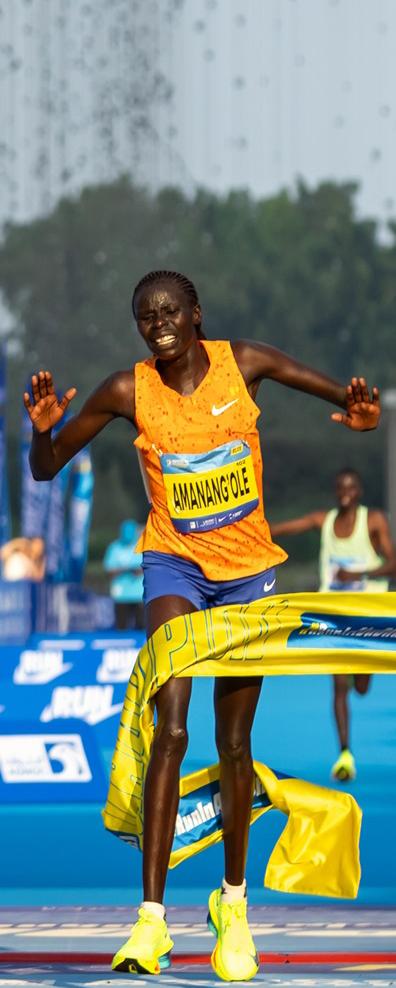
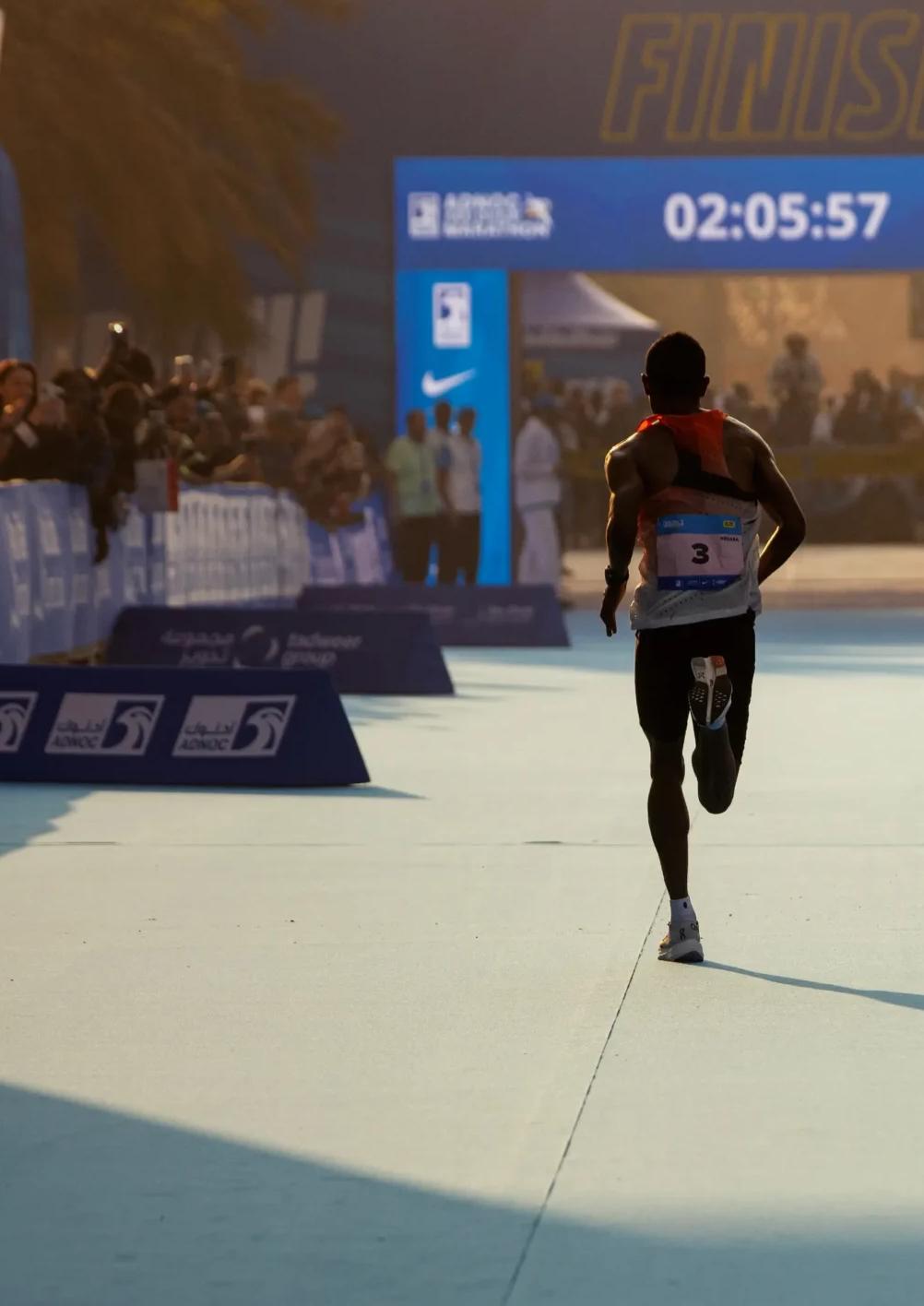
ADNOC Abu Dhabi Marathon Preview:
The ADNOC Abu Dhabi Marathon may be relatively new, having launched in 2018, but it has quickly established itself as a key highlight on the UAE running calendar.
Every December, it attracts a wide range of participants - from elite athletes to casual runners, and even families looking for a fun challenge. And now, it exists as a major international marathon offering a fast and flat course, and bringing in talent from all over the world.
The 2025 edition takes place on December 13, so we’ve shared everything you need to know below. Who knows, you might find yourself signing up!
Who Is It For?
The ADNOC Abu Dhabi Marathon was designed to be inclusive.
The inaugural race welcomed around 10,000 runners, while the 2024 edition drew over 33,000 participants from more than 100 countries. It’s the kind of diversity that perfectly reflects Abu Dhabi itself - the ultimate cultural hub.
Perhaps best of all, it offers a variety of distances to suit all levels:
Full Marathon: 42.195 km (26.2 miles)
For serious runners seeking personal bests or qualification times
Half Marathon: 21.1 km (13.1 miles)
For those aiming for a challenging but achievable distance
10 km: 6.2 miles
Popular with locals, expats, and visitors
5 km Fun Run: 3.1 miles
For beginners and casual participants
2.5 km Family Run: 1.6 miles
Ideal for children and parents jogging together
ABU DHABI
The wide range of distances on offer means that the race is accessible for all. Participants range from Olympic-level elites to casual runners, expat groups, corporate teams, families, and people of determination.
And even if you’re not running, there’s plenty in place to keep you entertained. The ADNOC Marathon Village, right at the start (and finish) line, is a vibrant entertainment hub. From fitness classes and live music to sponsor booths and kids’ activities, it’s a fun and memorable spot for runners and spectators alike.
A Fast, Flat, and Scenic Route
Beyond the runners and crowds, the course itself is pretty remarkable. Most runners would describe it as more than just a running route. Really, it’s a tour of Abu Dhabi’s most iconic landmarks.
Starting and ending at the ADNOC Headquarters on the Corniche, the course runs along the waterfront past the Arabian Gulf, loops around Lulu Island, and passes landmarks such as the Sheikh Zayed Grand Mosque, Qasr Al Hosn, Emirates Palace, and the World Trade Centre.
For international participants who are less familiar with the UAE, it’s as much a sightseeing experience as it is a race. Plus, the flat layout makes it ideal for runners looking to achieve personal bests. It’s a win-win!
Records, Elite Performances, and Growth
Despite its relative youth, the marathon has already attracted elite talent.
Reuben Kiprop Kipyego of Kenya holds the men’s course record at 2:04:40, set in 2019, while Brigid Kosgei, also from Kenya, set the women’s record at 2:19:15 in 2023.
I’m very excited to test myself here in Abu Dhabi. Two of my training mates have both run here and won on these roads, so I want to make my training camp shine again. I’ve never been to Abu Dhabi before, but I can see it’s a very nice track. I have come here to run the Marathon and win the race. I want to take the gold medal this year.
The event has certainly come a long way and cemented its status as a destination marathon for the best of the best.
And its growth is further highlighted by its rising participation numbers over the years. From 10,000 runners in 2018 to over 33,000 in 2024, the ADNOC Marathon is now one of the UAE’s largest running events.
Now to see what 2025 has in store!
Abu Dhabi
Beyond the Race
Beyond the runners and crowds, the course itself is pretty remarkable. Most runners would describe it as more than just a running route. Really, it’s a tour of Abu Dhabi’s most iconic landmarks.
Starting and ending at the ADNOC Headquarters on the Corniche, the course runs along the waterfront past the Arabian Gulf, loops around Lulu Island, and passes landmarks such as the Sheikh Zayed Grand Mosque, Qasr Al Hosn, Emirates Palace, and the World Trade Centre.
For international participants who are less familiar with the UAE, it’s as much a sightseeing experience as it is a race. Plus, the flat layout makes it ideal for runners looking to achieve personal bests. It’s a win-win!
Registration and What’s Included
Convinced?
Visit the official website and sign up for the ADNOC Abu Dhabi Marathon 2025 here
Your entry fee doesn’t just secure your race spot. It also gets you a Nike running tee, a finisher’s medal, a race bag, and full access to the superb Marathon Village!
(October - December 2025)
RACING CALENDAR
A curated list of upcoming races across the UAE, highlighting dates, locations, and distances with registration details for each event.
October.
SKECHERS Performance Night Run Race 1 | Dubai | Various Distances
>Registration
>Registration
RAK Trail Run | Ras Al Khaimah (RAK) | 15km, 10km, 5km 05.
11.
Sharjah Safari Run | Al Birdi, Sharjah | Various Distances
>Registration
Al Sahel Road Run | Dubai | 10km, 5km, 3km, 1km
>Registration
Emirates Villages Run Series: Race 1 | Qidfa, Fujairah | Various Distances
>Registration
SKECHERS Performance Run | Abu Dhabi | Various Distances
>Registration
CIGNA Run and Fitness | Expo City Dubai, Dubai | Various Distances