
DAVID GEFFEN SCHOOL OF DRAMA AT YALE
James Bundy, Elizabeth Parker Ware Dean Florie Seery, Associate Dean
Chantal Rodriguez, Associate Dean Carla L. Jackson, Assistant Dean Nancy Yao, Assistant Dean of Student Life
PRESENTS
Twelfth Night
By William Shakespeare
Adapted by Amanda Whiteley and Timothy Hartel
Directed by Amanda Whiteley
cast creative team
Scenic Designer
Kiki Gordon
Costume Designer
Caleb Krieg
Lighting Designer
Alex Vásquez Dheming
Original Music and Sound Designer
Emilee Biles
Projection Designer
Jasmine Williams
Choreographer
Andrew Rodriguez
Production Dramaturg
Timothy Hartel
Technical Director
Forrest Rumbaugh
Fight and Intimacy Directors
Kelsey Rainwater
Michael Rossmy
Stage Manager
Whitney Renell Roy
Malvolio
Lolade Agunbiade
Sir Andrew/Antonio/Captain/ Priest/Curio
Kieron J. Anthony
Duke Orsino
Shawn Bowers
Feste/Sebastian
Jack Kelley
Viola
Nancy Kimball
Olivia
Rebecca Rivera
Sir Toby Belch
Erik Manuel Robles
Maria Olamide Oladeji
Citizens of Illyria
Francesca Pan
Ángela Sofía Caro
Percussion
LT Taylor
Violin/Officer
Maya Miro Johnson
content and atmospheric guidance
This production includes fog, haze, strobe and flashing lights, and the use of diffusers with natural and artificial scents (cypress, seaweed, vetiver).
setting: Illyria.
Twelfth Night is performed without an intermission.
This production is supported by The Benjamin Mordecai III Production Fund.
artistic
Projection Design Advisor
Ke Xu 许可
Projection Content
Creators
Nathaniel Britton
Jasmine Williams
Assistant Sound
Designer and Engineer
Skylar Linker
Assistant Stage Managers
Ángela Sofía Caro
Miranda Vazquez
production
Associate Production Manager
Allie Posner
Assistant Technical Director
Emma Alderman
Production Electrician
Bekka Broyles
Projection Engineer
Steph Lo 盧胤沂
Projection Programmer
Sarah Webb
Projection Content Creator
Nathaniel Britton
Associate Safety Advisors
Mae Mironer
Forrest Rumbaugh
Run Crew
Tess Cruz
Carter Sundown King
Xi (Zoey) Lin 林曦
Francesca Pan
Sarah Webb
Mingmei Zhou
administration
Associate Managing Director
Iyanna Huffington Whitney
Assistant Managing Director
Jocelyn Lopez-Hagmann
Management Assistants
Chanel Johnson
Maya Simon
House Manager
Mithra Seyedi
Production Photographer
Maza Rey
David Geffen School of Drama productions are supported by the work of more than 200 faculty and staff members throughout the year.
special thanks
Acme Lighting
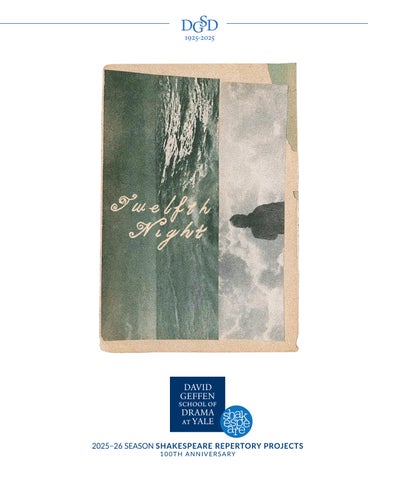
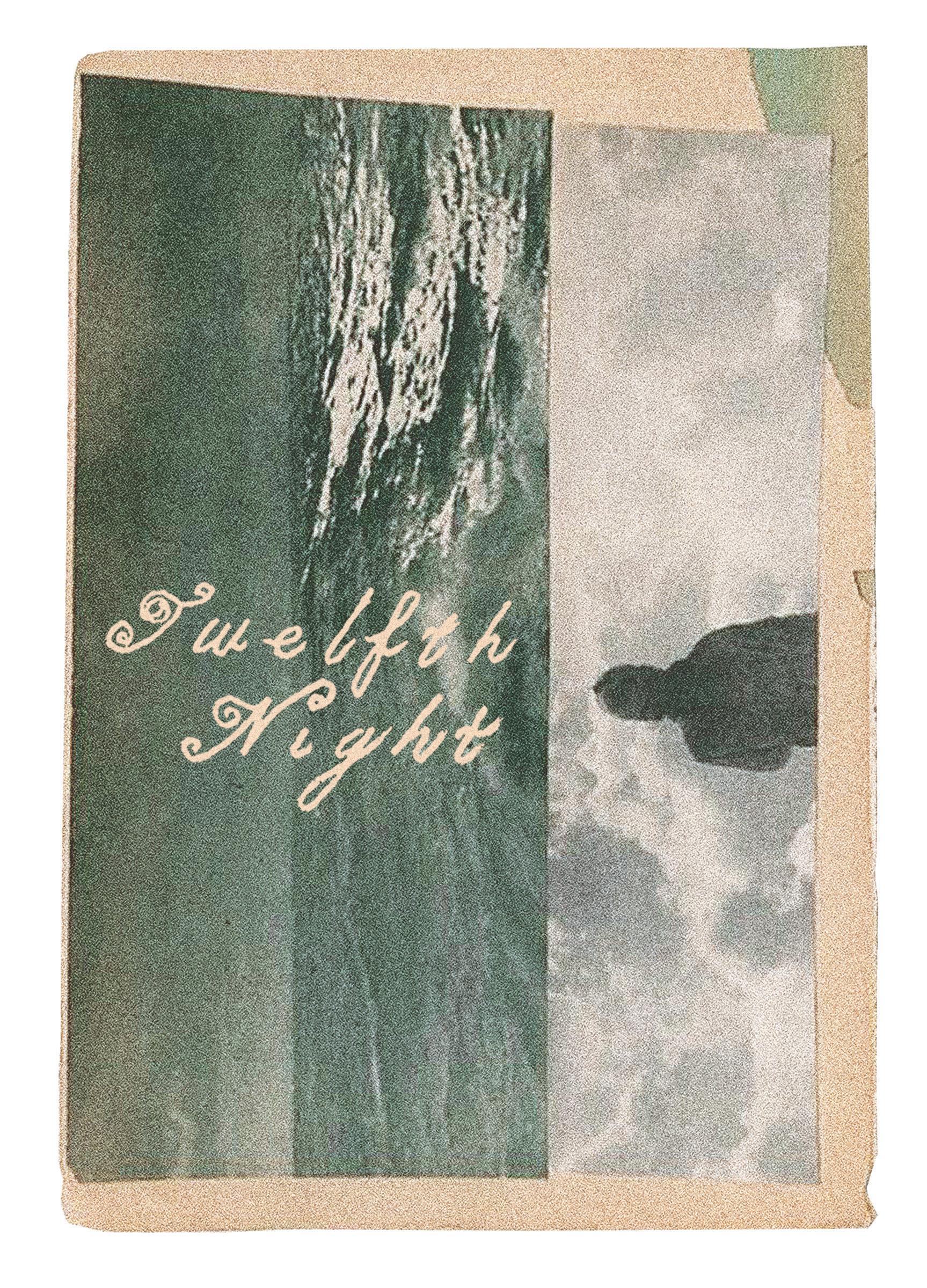
Front illustration by Katrien De Blauwer; design by Kiki Gordon.
Yale acknowledges that indigenous peoples and nations, including Mohegan, Mashantucket Pequot, Eastern Pequot, Schaghticoke, Golden Hill Paugussett, Niantic, and the Quinnipiac and other Algonquian speaking peoples, have stewarded through generations the lands and waterways of what is now the state of Connecticut. We honor and respect the enduring relationship that exists between these peoples and nations and this land.
We also acknowledge the legacy of slavery in our region and the enslaved African people whose labor was exploited for generations to help establish the business of Yale University as well as the economy of Connecticut and the United States.
The Shakespeare Repertory Projects are designed to be learning experiences that complement classroom work, providing a medium for students at David Geffen School of Drama at Yale to combine their individual talents and energies toward the staging of collaboratively created works. Your attendance meaningfully completes this process.
THE BENJAMIN MORDECAI III PRODUCTION FUND , established by Peggy Cowles ’65, honors the memory of the Tony Award-winning producer who served as Managing Director of Yale Repertory Theatre, 1982–1993, and as Associate Dean and Chair of the Theater Management Program from 1993 until his death in 2005.